Recent reports have claimed that iQOO is working on the iQOO 11 series as well as the iQOO Neo 7 SE. A new leak by tipster Digital Chat Station has revealed the launch timeframe of the Neo 7 SE. It appears that the device may go official alongside the iQOO 11 series.
Recently, a Vivo phone with model number V2238A was approved by the 3C authority. When it was spotted, the rumor mill thought that it could be a Vivo X90 series smartphone. However, DCS has revealed that the V2238A is the upcoming iQOO Neo 7 SE.
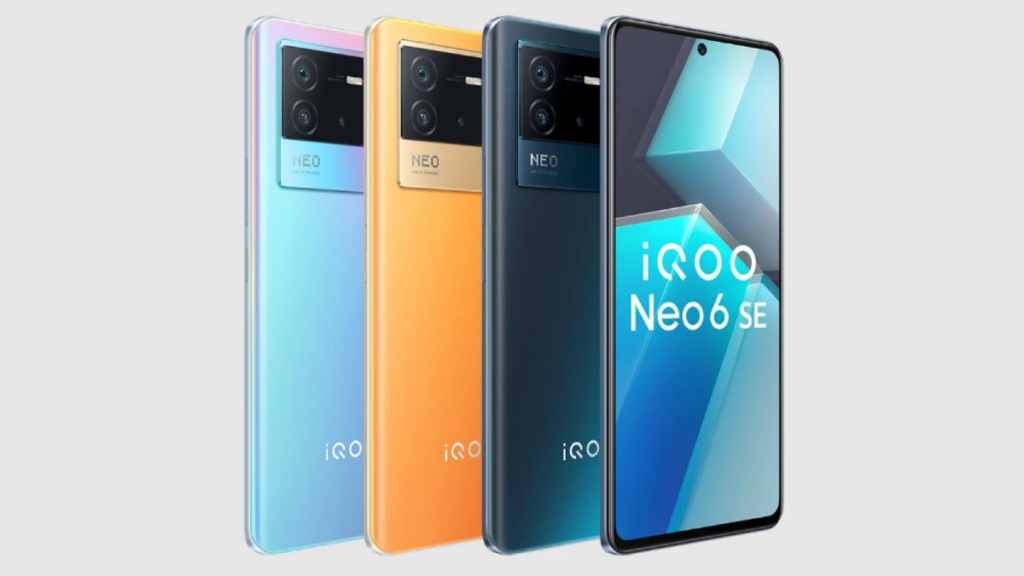
iQOO Neo 6 SE
Furthermore, the tipster said that the iQOO Neo 7 SE is scheduled to launch by the end of December. He has also hinted that the device will carry support for 120W charging. In fact, the Neo 7 SE was spotted with a 120W charger in the database of China’s 3C certification.
iQOO is also expected to announce the iQOO 11 series by the end of the year. Last year, the company unveiled the iQOO Neo 6 SE alongside the iQOO Neo 6 in December. Since it has already launched the iQOO Neo 7 in China, there is a possibility that the Neo 7 SE may go official alongside the iQOO 11 lineup.
iQOO Neo 7 SE specifications (rumored)
A recent report claimed that the iQOO Neo 7 SE has an AMOLED display that produces a Full HD+ resolution and a 120Hz refresh rate. It will feature a Snapdragon 8-series chipset and come with 8 GB / 12 GB of RAM. The phone will be equipped with a 50-megapixel main camera. It will pack a 5,000mAh battery with 120W fast charging.
The Neo 7 SE will be released under the iQOO Neo 7 5G moniker in the Indian market.
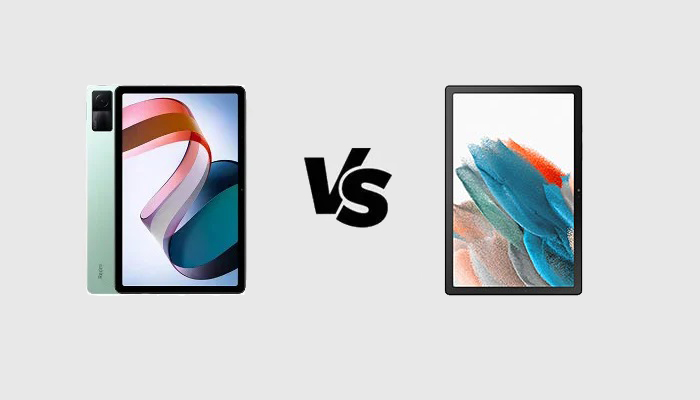
If you are looking for the best tablets in terms of quality price ratio, you should definitely add the Redmi Pad to the list. This device made its debut just a bunch of weeks ago, but it is already one of the greatest tablets in the affordable segment. But is it really the best you can find in terms of quality price ratio or there are other devices with better value for money? One of the best ways to understand it is comparing it to the other affordable tablets sold in a similar price range. One of the most known ones is definitely the Samsung Galaxy Tab A8 10.5 2021, sold in the global market since the end of last year. Here you can find a comparison between the specifications of the Redmi Pad and the Samsung Galaxy Tab A8 10.5 2021.
If you read the other comparisons published on Gizmochina in the last days, you probably know that I do not like the design of the Redmi Pad very much because it has a big camera module. The Samsung Galaxy Tab A8 10.5 offers a better solution: it has a rear camera placed directly on the back cover, so the look is more minimalistic. However, I appreciate the Redmi Pad because it has an aluminum frame, while the Samsung Galaxy Tab A8 has a full plastic design. So it is inferior when it comes to the build quality. Both tablets come with a high screen to body ratio, with the display covering 80 percent of the front panel. Unfortunately, they do not have a fingerprint scanner or other advanced authentication methods, but they just come with physical keys for volume and the power key.
Display
One of the most important advantages of the Redmi Pad is the presence of a bigger display. It is a screen with a diagonal of more than 10.6 inches able to show up to one billion colors with a Full HD+ resolution of 1200 x 2000 pixels, a 90 Hz refresh rate, and a typical brightness of 400 nits. Besides coming with great color accuracy, it provides a viewing experience smoother than average thanks to the 90 Hz refresh rate. It has an IPS panel, more than sufficient for everyone in terms of image quality. The display of the Samsung Galaxy Tab A8 is decent but nothing special. We are talking about a TFT LCD panel with a diagonal of 10.5 inches and a Full HD+ resolution of 1200 x 1920 pixels. The TFT technology is actually inferior to IPS, so it does not stand a chance against the Redmi Pad. Both tablets feature four stereo speakers, so the audio department is good, and with the Samsung, you even get a 3.5 mm audio jack.
Specs & Software
The most advanced hardware setup belongs to the Redmi Pad. It is powered by the Helio G99 chipset by MediaTek, currently the best 4G mobile platform released by this chipmaker in 2022. It is a processor built with a 6 nm production process sporting an octa-core architecture composed of two Cortex A76 CPUs running at a max frequency of 2.2 GHz, six Cortex A55 CPUs running at 2 GHz, and a Mali G57 MC2 GPU. Alongside the chipset, there are up to 6 GB of RAM and up to 128 GB of native storage expandable with a micro SD. The Samsung Galaxy Tab A8 has an inferior Unisoc Tiger T618 chipset with a max frequency of 2 GHz, paired with up to 4 GB of RAM and 128 GB of internal storage in the most expensive configuration. The Redmi Pad runs Android 12 out of the box, while the Samsung is still based on Android 11. There is no challenge.
Camera
The rear cameras of the Redmi Pad and the Samsung Galaxy Tab A8 provide more or less the same quality, but the Xiaomi one features a superior front camera with an 8 MP resolution instead of just 5 MP.
Even when it comes to the battery, the Redmi Pad wins again. It has a bigger battery and a longer battery life, as well as a faster charging tech.
Price
The Samsung Galaxy Tab A8 starts from $230 or €230 (now available at much better street prices), while the Redmi Pad begins at $250 or €250. The Redmi Pad wins this comparison.
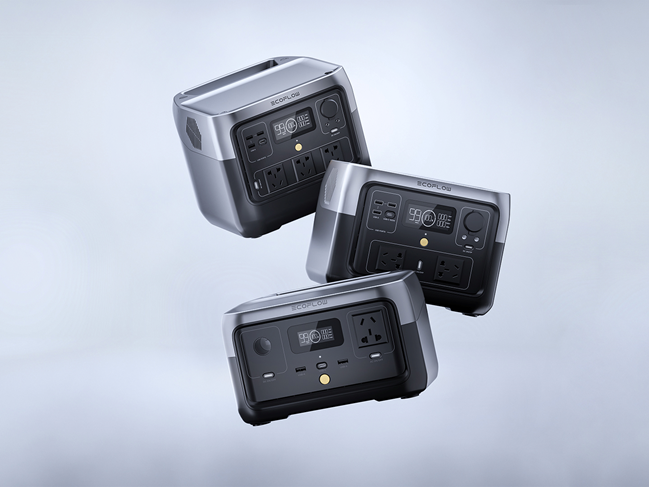
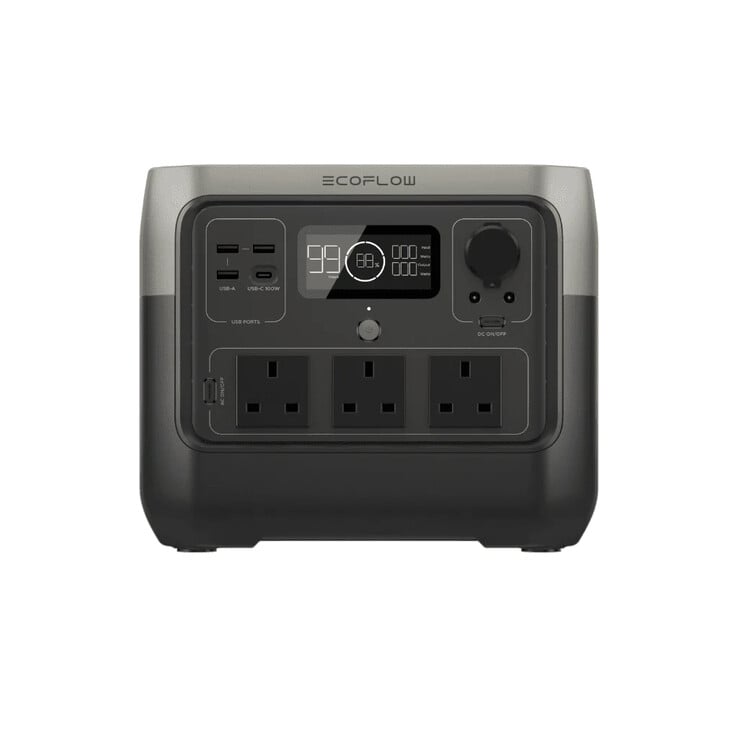
EcoFlow has debuted the River 2 series of portable power stations, offering up to 1,600W and a 768Wh battery. The River 2 lineup has the Pro model, which comes with a 768Wh battery and outputs 800W power. However, the power output is further enhanced with the X-Boost mode by doubling the rating to 1,600W.
The EcoFlow RIVER 2 can be used for a variety of home gadgets, including a microwave cooker. The three products in the RIVER 2 series are the RIVER 2, RIVER 2 Max, and RIVER 2 Pro. The smallest model is the RIVER 2 which can give a maximum power output of 256Wh. The RIVER 2 has a maximum output of 300W, while the Max gets a 512Wh power pack and 500W output. The bigger Pro model, due to its elevated output, can be used to power larger devices.
The RIVER 2 lineup also offers rapid charging as it can be fully charged in under 90 minutes. A 220W solar panel can also charge the machine fully within 3 hours. The weight of the models ranges between 3.5kg and 7.2kg. The portable power stations come with two USB-A, and a USB-C port, as well as an AC outlet. The RIVER 2 Pro adds another AC outlet.
As per pricing, the RIVER 2 portable power stations are priced from $310 for the base model and $865 for the RIVER 2 Pro. All three models will go on sale on November 9 via the EcoFlow store and other retail platforms. The current power stations, according to EcoFlow, are less expensive than the previous models by up to 34%.
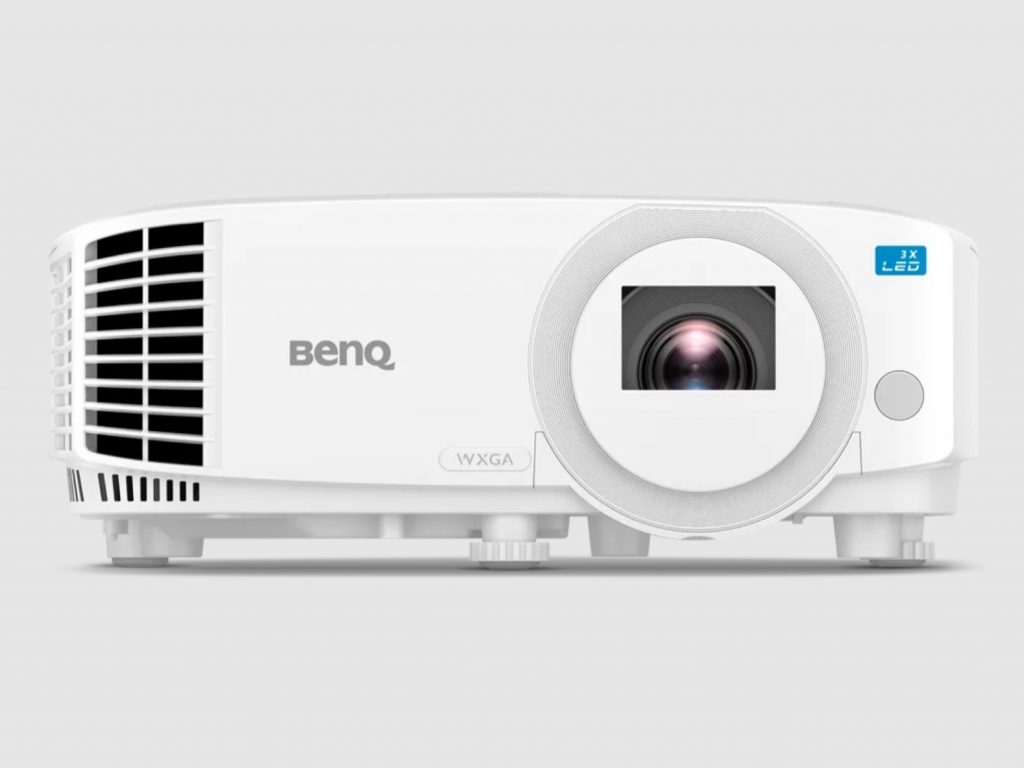
BenQ has unveiled the LW500 WXGA projector with a SmartEco mode for improved lighting performance. The projector has entered the US and Canadian markets. It offers a brightness level of 2,000 ANSI Lumens. The new mode helps to optimize the performance of the chain.
The BenQ LW500 has a contrast ratio of 20000:1 and has a life cycle of 30,000 hours. The laser light source of the WXGA projector delivers the highest quality of lighting to the meeting room. The SmartEco mode helps to optimize the brightness of the projector and extend its lifetime. The projector outputs 98% Rec. 709 coverage, 1.07 billion colors, and a 1.55-1.7 throw ratio. The auto vertical Keystone helps to quickly enhance the image focus and the device can achieve 1.1x zoom. A Kensington Lock is included in the projector as an anti-theft measure. The device can be turned on again 8 seconds after it was turned off.
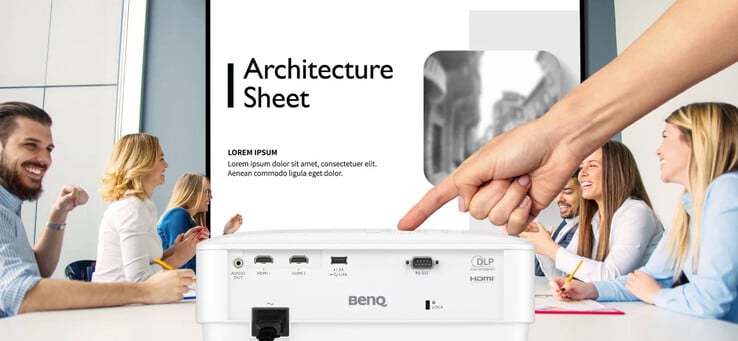
The BenQ LW500 projector can be connected via its HDMI interface or USB-A. The device has a low input lag of 33.4ms at 1080p and 60Hz display resolution. The projector is equipped with a 2W speaker and a 3.5mm audio jack. It has an output noise level of 28dB and weighs 2.3kg.
The projector is available in the United States and Canada for $699 directly from BenQ. Leading retail outlets like Amazon and Walmart are also retailing the BenQ LW500 WXGA projector. There is no information on the availability of the projector in other markets yet.
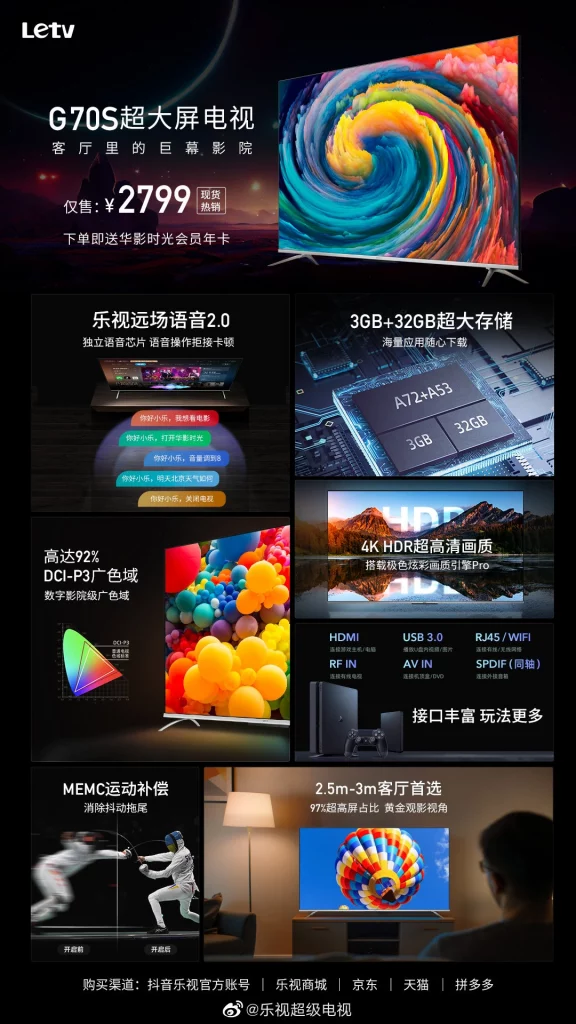
LeTV has added the Super TV G70S with a 70-inch screen to its lineup of smart TVs released. The new TV offers 4K resolution and enough space for more applications and optimum performance.
The LeTV Super TV G70S has a metal full-screen design and a 92% DCI-P3 color gamut. It also features 10-bit color depth and MEMC motion compensation. The TV is powered by a quad-core processor with dual-core A72 and dual-core A53 ships. It offers 3GB of running memory and 32GB of storage. The Super TV G70S is compatible with 2.4 GHz Wi-Fi and a 10W audio system provides the sound for the TV. The TV also supports far-field voice control 2.0.
In addition to the Wi-Fi connectivity, the G70S has HDMI, USB 3.0, RF, AV, and SPDIF ports. The variety of connectivity options means that the TV can be used in an array of applications including gaming, video streaming, screencasting, and so on.
The LeTV Super TV G70S is available in China for 2,799 yuan (~$384). LeTV is yet to make any official statement on the global availability of the product. Interested customers in China can get the Super TV G70S from leading retail platforms like JD.com. LeTV has a rapidly growing lineup of smart TVs in different sizes. The TVs are also penetrating several other markets. Their affordable pricing and decent features.
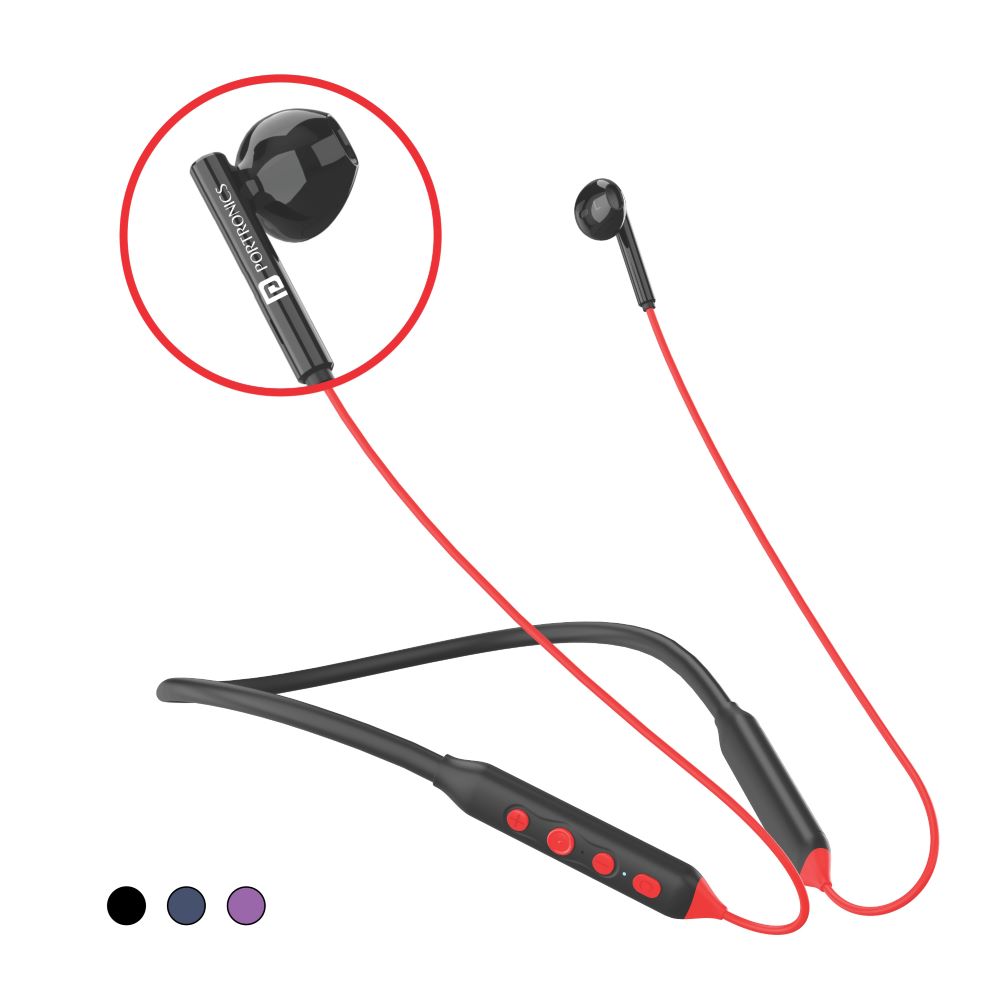
Portronics today launched the new Harmonics Z5 Neckband wireless earphones in India. They come with a new design for better comfort and are equipped with 14.2mm drivers. The company claims that the earphones can offer up to 33 hours of playtime per charge. They use Bluetooth v5.2 for connectivity and support USB Type-C fast charging. Let’s dive deeper into the specs and features of the newly launched neckband.
Portronics Harmonics Z5 Specifications
These neckband earphones come equipped with large 14.2mm dynamic drivers for extra bass, and rich audio. The Portronics Harmonics Z5 Neckband features Bluetooth v5.2 wireless connectivity for a lag-free listening experience and is compatible with Android and iOS devices.
The earphones allow you to achieve the desired sound output with their dual EQ modes: bass mode and music mode. You can switch to your desired EQ mode with just a click. The neckband features inline controls to adjust the volume, change or pause music tracks, and receive or end calls. The earphones support voice assistants like Siri, Amazon Alexa, and Google Assistant.
The Portronics Harmonics Z5 packs a 250mAh battery that is claimed to provide up to 33 hours of playtime on a single charge. The company says a quick 10-minute charge can offer up to 10 hours of backup. For charging, there’s a USB type-C port. Portronics didn’t mention the IP rating of the earphones. We can expect it to have at least an IPX4 rating.
Portronics Harmonics Z5 Price
The new Portronics Harmonics Z5 neckband style earphones are launched at an introductory price of Rs. 849 (MRP Rs. 2,499). We are not sure how long this introductory offer will last; it could very well be a marketing gimmick. The earbuds are offered in Black, Blue, Red, and Purple colors. They can be purchased online through the company’s official website.
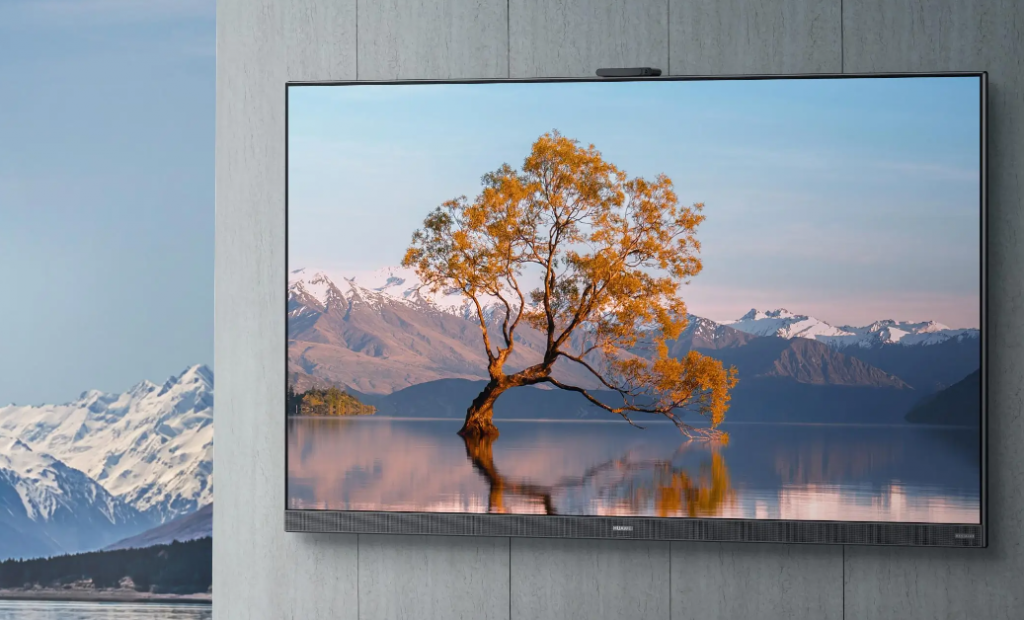
Huawei today unveiled the all-new Smart Screen V TV in China in two sizes—65″ and 75″. The device comes with an UltraHD 4K LCD with a 120Hz refresh rate and the company’s SOUND smart speaker technology to offer an immersive experience. It also has an 8-core CPU and a 6-core GPU. Let’s look closely at its specs and pricing.
Huawei Smart Screen V comes with a sleek design and thin bezels. It boasts an Ultra HD 4K display offering a 3840 × 2160 pixels resolution with a 16:9 aspect ratio and covers 92% of the DCI-P3 color gamut. It has a typical brightness of 500 nits, which peaks at 900 nits. The device is claimed to offer better color gamut and color accuracy with more colorful and realistic output.
The Smart Screen V is powered by an unspecified eight-core CPU along with 6-core GPU and a 4T NPU for powerful computing. It includes 6GB of RAM and 64GB of storage.
Further, the device is equipped with a new Huawei Sound acoustic system, designed in collaboration with French firm Devialet. It has 2 left and right channels and two ultra-thin subwoofers. In addition, there’s a 2.1-channel setup.
A 12-megapixel magnetic AI camera is also built into the device. Users will be able to connect to the TV via HDMI 2.1, HDMI 2.0, and USB ports. On the software front, it runs on HarmonyOS and can be controlled with voice commands and a remote.
As mentioned, Smart Screen V comes in two sizes: 65” and 75”, costing 7,999 yuan (~$1,097) and 12,999 yuan (~$1,783), respectively. Both models are now available for purchase in China through Vmall.
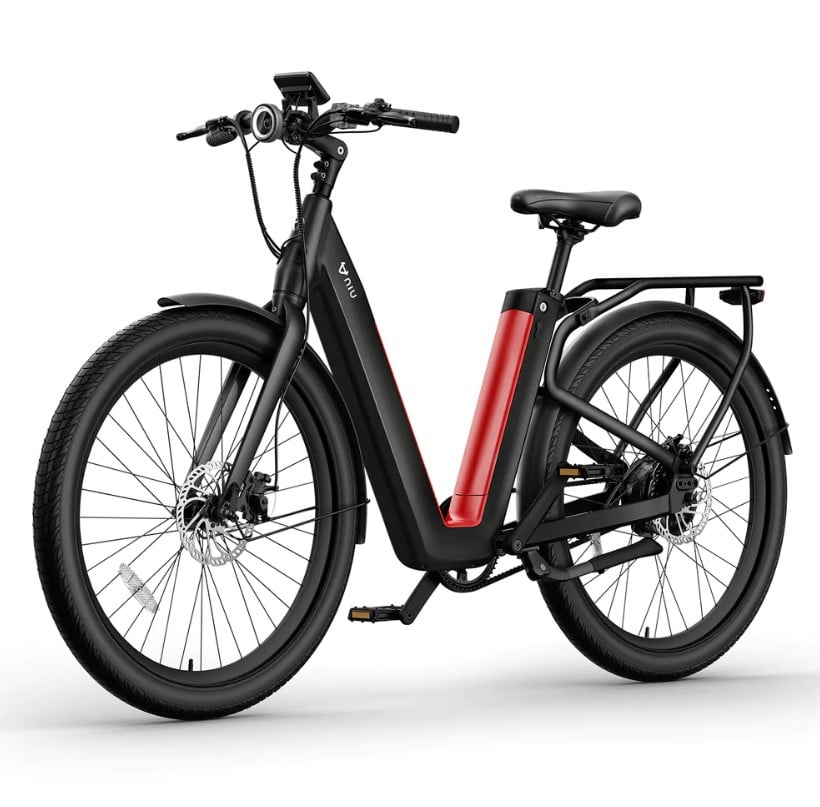
NIU launches BQi-C3 Pro the latest urban electric bike globally. The e-bike comes with twin batteries which give you a total battery life of up to 100kms (62 miles). This means you can go farther and faster with this e-bike without worrying about running out of battery power. The e-bike is available for purchase on the official NIU website for $1999. So let’s take a look at the specs and features of this e-bike.
BQi-C3 Pro e-bike is designed to be your urban commute partner and gives you a speed of up to 28mph in pedal assist mode. The bike features three riding modes viz. Pedal, Throttle, and Pedal assist and comes with a powerful 750W motor.
The e-bike is made to sustain the demands of urban commuting and comes with Puncture Resistant Tires with 1.5mm KEVLAR® ARAMID FIBER and Gates Carbon belt drive which is 33 times more durable than a metal chain. The carbon fiber reinforced belt is low maintenance and helps to give you a smoother ride.
The bike comes with NIU’s signature Halo headlights and tail as well as break lights. It is fitted with a smart TFT display that shows you your speed, distance traveled, trip time, battery level, assist level, and more in real time. The e-bike is IP45 certified splash resistant while the Motor and Battery come with a higher rating of IP65 and IP67 respectively.
NIU BQi-C3 Pro e-bike comes in white, glossy grey, and matte black color options. You can now buy the e-bike on the official NIU website for $1999.
For more information on such exciting deals and offers check out our deals hub.
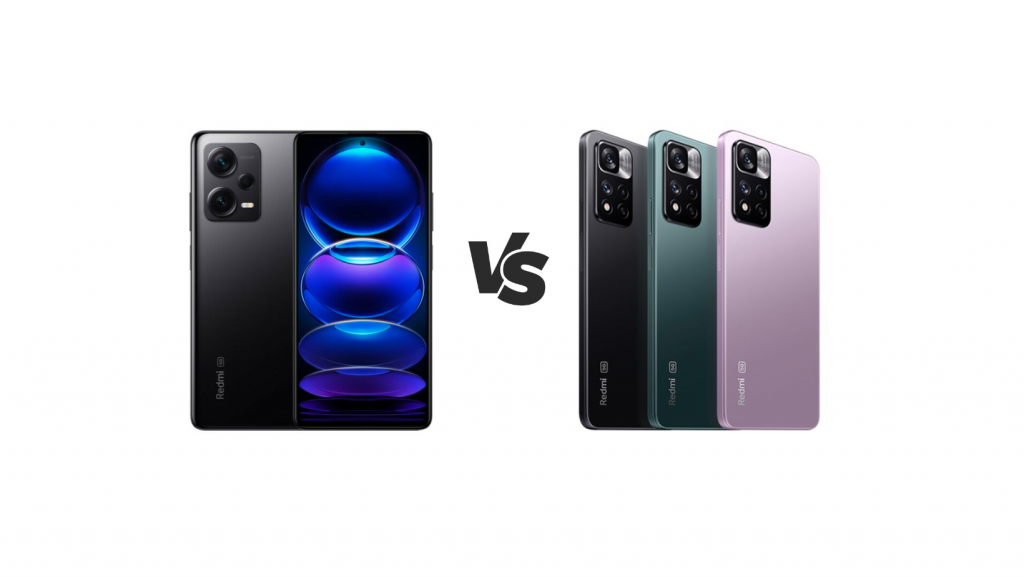
Redmi recently announced the new successor to the Redmi Note series lineup, called the Redmi Note 12 series. The phone succeeds the Redmi Note 11 series announced last year, with not three but four new devices. This year, the Redmi Note 12 series lineup comes with a vanilla Redmi Note 12, a more powerful Redmi Note 12 Pro, a premium Redmi Note 12 Pro Plus, and along with a special Redmi Note 12 Explorer Edition. The increase in the number of devices could make things a bit confusing for our readers, so we decided to compare the old Redmi Note 11 series with the new models launched this year. We have already compared the Redmi Note 12 vs Redmi Note 11, Redmi Note 12 Pro vs Redmi Note 11 Pro, as well as all the new models in the series.
In today’s article, let’s take a closer look at how the Redmi Note 12 Pro+ compares against the Redmi Note 11 Pro+ model from 2021. The Redmi Note 12 Pro+ is very similar to the non-Plus sibling except for the humongous 200MP primary camera on board and a superfast 120W charging. When compared to its predecessor, the phone brings a better camera as well as an under display camera.
There are a few more minor differences which we’ll take a look at in this Redmi Note 12 Pro+ vs Redmi Note 11 Pro+ comparison.
The design on both the Redmi Note 12 Pro+ and the Redmi Note 11 Pro+ are identical to its non Plus siblings.
Redmi Note 12 Pro+ clears up the clutter at the back as compared to its predecessors with just three cameras. So there no additional design elements contributing to the clutter at the rear. In comparison, the Redmi Note 11 Pro+ featured a complex array of sensors on its back housed in its rectangular camera module. Similar to how we’ve mentioned for all the new Redmi Note 12 series models, the design on the Pro+ looks a lot more refined and premium this year.
The dimensions of the he Redmi Note 12 Pro+ is similar to its non-Plus sibling. But the major difference here is the thickness. The Redmi Note 12 Pro+ is significantly thicker than its predecessor, with a 9mm body. It’s also pretty heavy at 208 grams.
Like all the models in the Redmi Note series lineup over the past couple of years, the Redmi Note 12 Pro+ is also IP53 certified. So you don’t have to worry about dust or water splashes ruining your smartphone. The new Pro+ model comes in Black, Blue White, and a special Trend color edition while the Redmi Note 11 Pro+ came in Mysterious Black, Forest Green, Timeless Purple color options.
Display
The Redmi Note 12 Pro+ model features an identical display to its non-Plus sibling. So it comes with a 6.67-inch OLED panel featuring 2400 x 1080p resolution, 120Hz refresh rate, and 900 nits HBM brightness. In comparison, the Redmi Note 11 Pro+ model came with a same sized 6.67-inch AMOLED panel featuring 2400 x 1080p resolution and 120Hz refresh rate. The older model had a brighter display panel at 1200 nits when compared to the new Note 12 Pro+.
Specs & Software
The Redmi Note 12 Pro+ features a more powerful MediaTek Dimensity 1080 processor which is clocked at 2.6GHz. To recall, the Redmi Note 11 Pro+ had the the Dimensity 920 processor inside clocked at 2.5GHz. Both these processors can support 5G networks and should offer pretty good performance for its price segment.
The Redmi Note 12 Pro+ also upgrades the memory configuration. This year, it comes in only two variants, an 8GB model with 256GB ROM and a top-end 12GB + 256GB option. In comparison, the Redmi Note 11 Pro+ came in multiple options, including a basic 6GB RAM and 128GB of ROM. The older Redmi Note 11 Pro+ maxes out at 8GB RAM in terms of configuration.
The Redmi Note 12 Pro+ also comes with the latest Android 12 OS out of the box with MIUI 13 on board. The Redmi Note 11 Pro+ featured the Android 11 based MIUI 12.5 on top.
Camera
The Redmi Note 12 Pro came with a downgraded 50MP sensor as compared to the 108MP sensor found on its predecessor. But with the Pro+ model, Redmi decided to take things up a notch by using a massive 200MP primary camera with f/1.7 aperture. The remaining two cameras are the same as its predecessor, which includes an 8MP f/1.9 ultra-wide shooter, and a 2MP macro shooter.
In comparison, the Redmi Note 11 Pro+ model had a 108MP sensor with f/1.9 aperture lens.
On the front, Redmi has not given any upgrades to the new model. So both the phones have the same 16MP camera for selfies and video calls.
Read More:
Battery
The battery department on the new Pro+ model gets a capacity upgrade. Unlike the 4500mAh capacity one found on the Redmi Note 11 Pro+, the new Redmi Note 12 Pro+ comes with a 5000mAh battery. The charging speed remains the same as before, 120W, but its good to see an upgrade in the battery capacity.
Price
The Redmi Note 12 Pro+ model is available in the Chinese market with an official starting price tag of around €300 or $300. But retailers like Giztop have already listed the device for around $350. In comparison, the Redmi Note 11 Pro+ currently retails for around $320 globally.
Considering the price difference, which one would you pick?
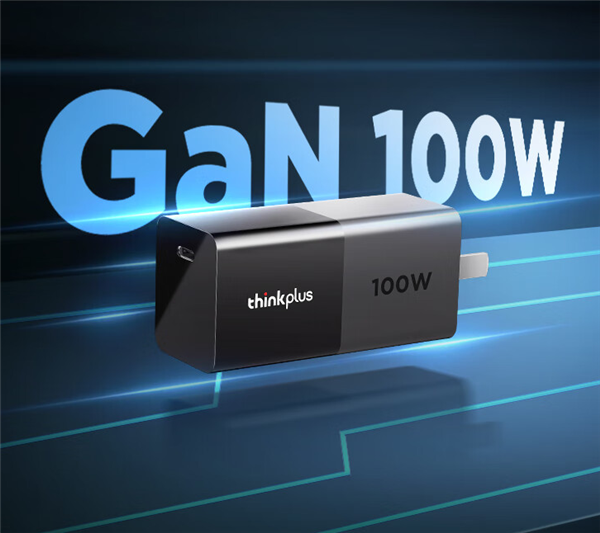
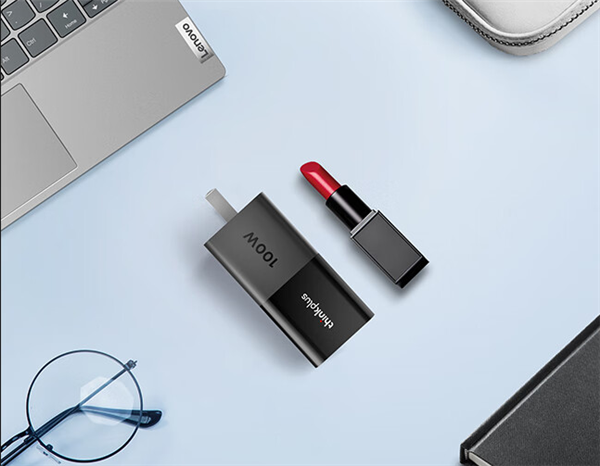
Lenovo‘s Thinkplus Lipstick 100W GaN charging adapter specially designed for charging notebook PCs has been launched in China. The charging adapter has a maximum out of 100W and starts at 349 yuan ($48).
Lenovo Thinkplus Lipstick 100W adopts third-generation gallium nitride technology. It has a compact build just the size of lipstick, with a dimension of 73x30x35mm. The size is about 55% smaller than the ordinary 100W adapter. It also utilizes a folding pin design, which makes it easy to carry.
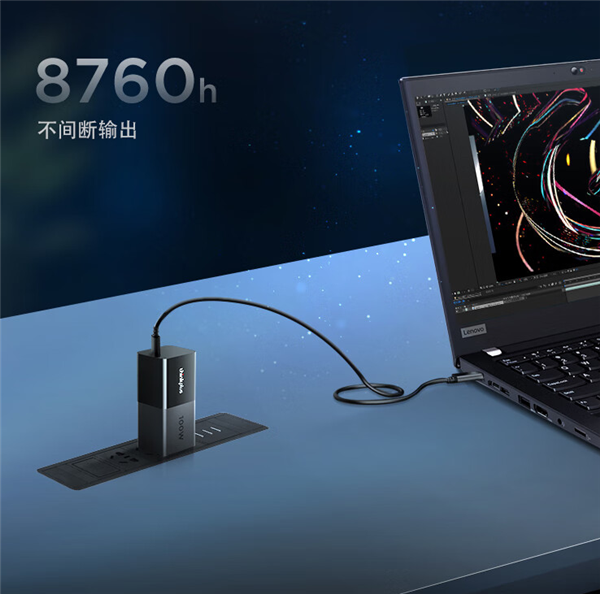
Officials say this charger can achieve 8760h hours of uninterrupted output. The interior uses a full GaN design with three GaN chips, a new AHB architecture, with a conversion efficiency of up to 94% and less energy loss.
The lipstick power supply is compatible with PD 3.0, QC 3.0 and PPS various charging protocols. The maximum output of the PPS protocol is 100W, and the PPS supports 5-20V voltage range. It can not only provide power for 100W notebook computers, but can also provide fast charging to flagship mobile phones and other mobile devices.
The charging brick is bundled with a detachable 1.8m 100W high elastic USB-C cable. The cable has VO grade flame retardant TPE outer material. The cable is tough and wear-resistant and so, wont break easily.
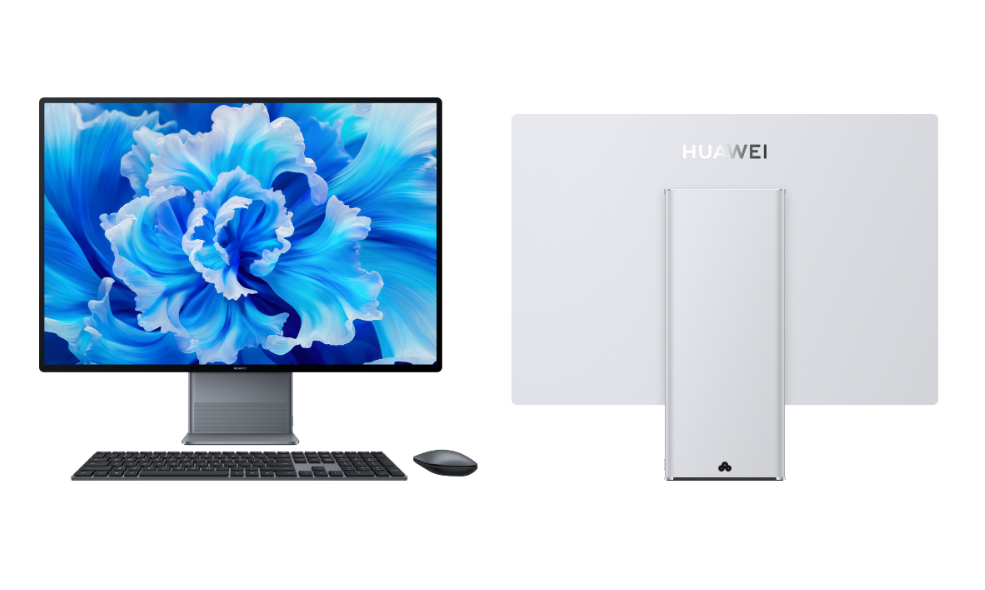
Last year, Huawei unveiled its very first all-in-one PC, dubbed the MateStation X, with a powerful set of specs. Updating the desktop, the company today introduced the MateStation X 2023 with the Core i9-12900H—a 45-watt processor from Intel’s Alder Lake-H series. Let’s look closely at its specifications, features, and pricing.
Huawei MateStation X 2023 comes with the same design as the earlier model. It has a minimalist appearance and carries thin bezels. It flaunts a 28.2-inch IPS LCD touchscreen with a 3840 x 2560 pixel resolution with a 3:2 aspect ratio, and covers 98% of the P3 color gamut. It also comes with 100% sRGB, TÜV Rheinland Low Blue Light, and Flicker-Free certification. The device has a metal unibody design and arrives with a three-speaker setup co-engineered with French audio firm Devialet.
The all-in-one is powered by an Intel Core i9-12900H from the Alder Lake series chips. The processor has six performance cores and eight efficiency cores built on a 10 nm manufacturing process. Huawei will sell the MateStation X 2023 with 16GB of DDR4 RAM (8GB x 2) and 512GB/1TB NVMe SSD.
Connectivity options on the device include two USB-C (USB 3.2 Gen 1) ports with a 10W power output, two USB-A (USB 3.2 Gen 1) ports, Wi-Fi 6, Bluetooth 5.1, and an audio jack. It will be shipped with a wireless keyboard with a built-in fingerprint for authentication as well as a Bluetooth mouse. On the software front, the PC runs Microsoft’s Windows 11.
Huawei MateStation 2023 is currently orderable only in China. The 1TB model of the device comes with a price tag of ¥12699 (~$1,742). It is listed on Vmall with two color options—Deep Space Gray and Silver.
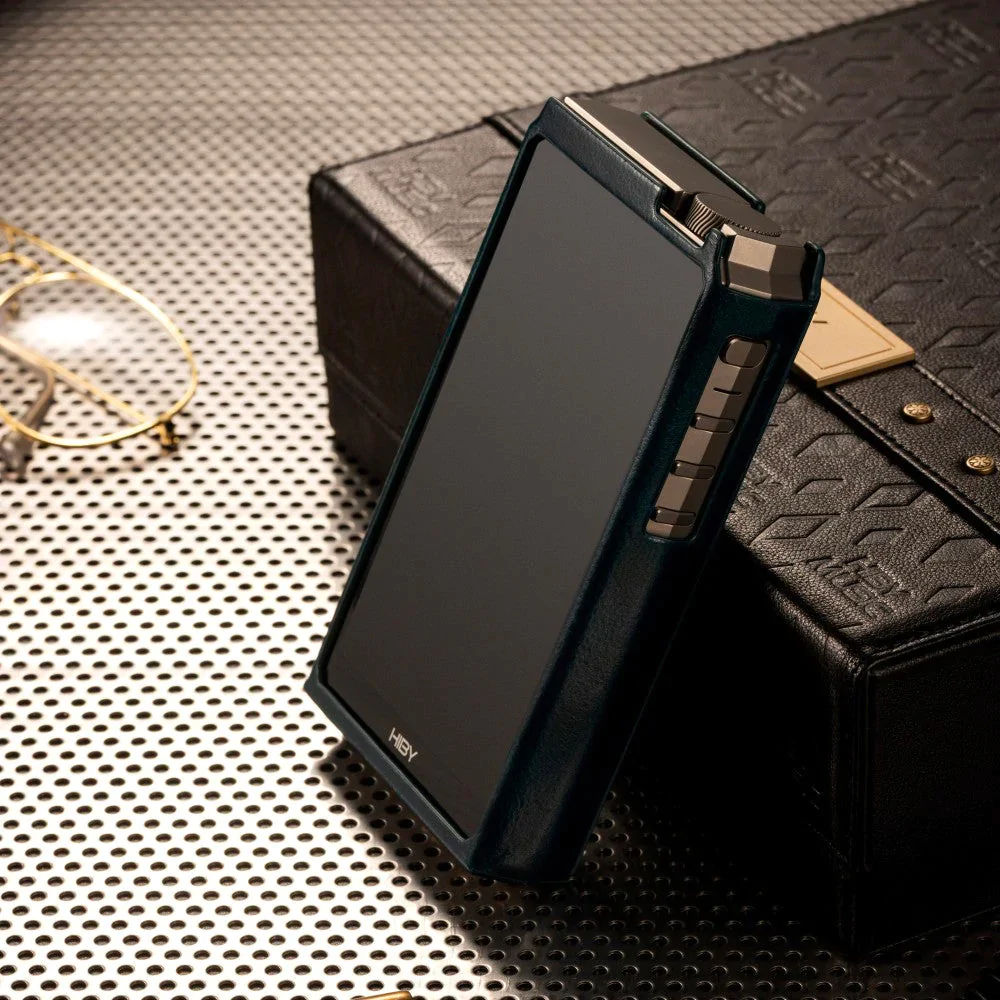
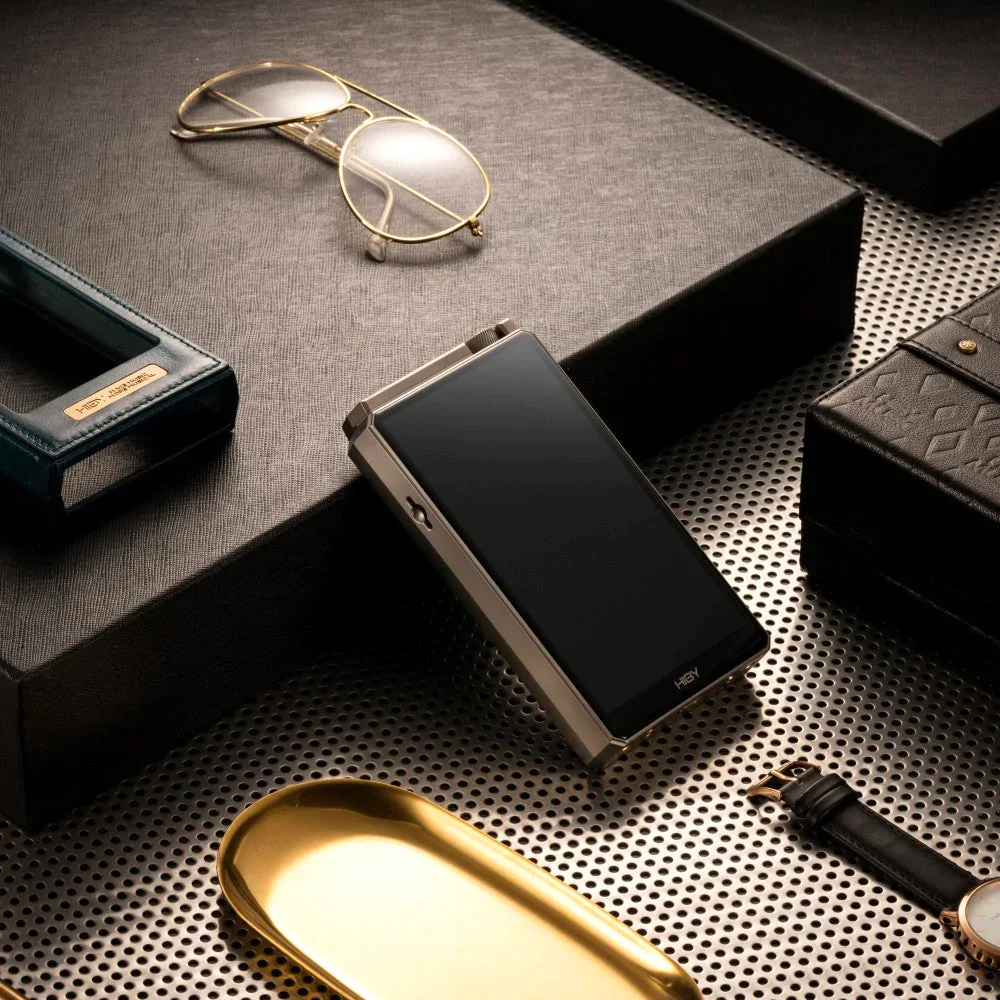
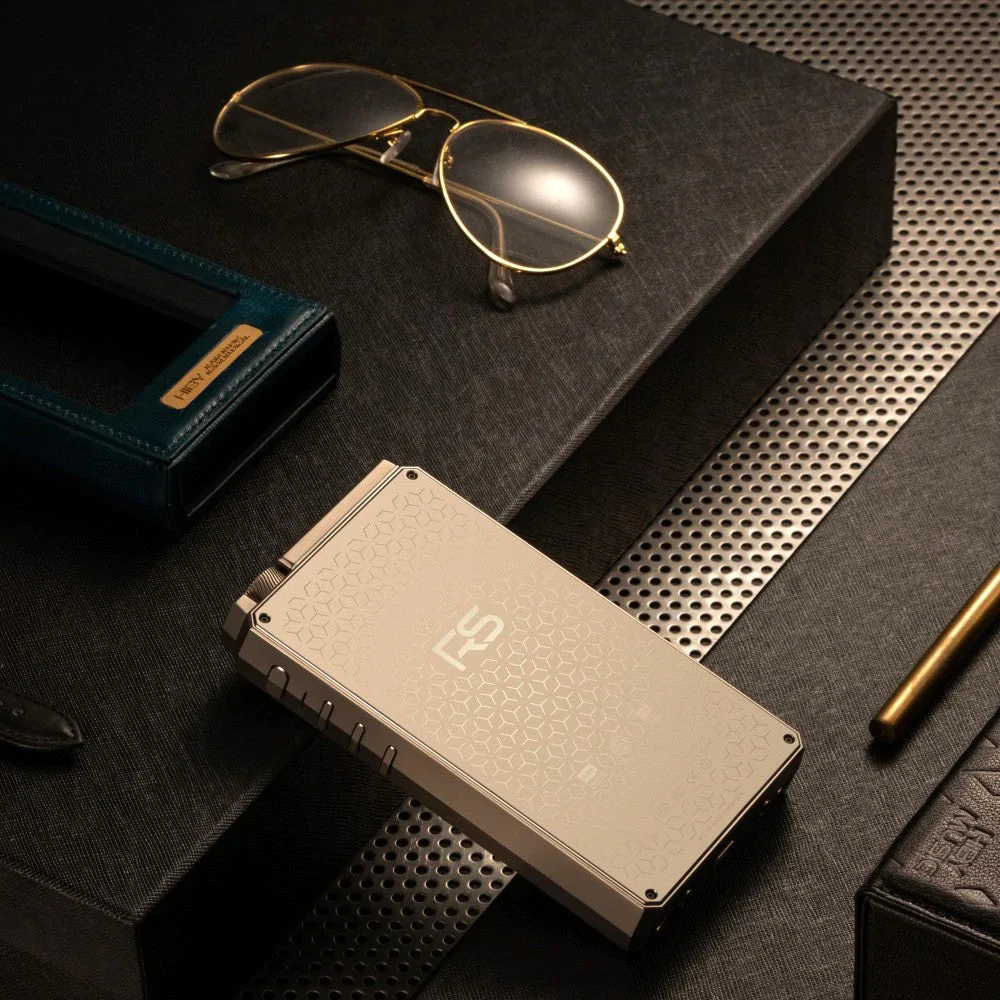
HiBy Music is a brand highly regarded among audiophiles for its portable HiFi gear. The company has a rather appealing selection of digital audio players, from budget-friendly models to high-end flagship models. Now, the company has expanded its portfolio with the launch of the HiBy RS8, its latest flagship Android digital audio player.
HiBy RS8 Android digital audio player features & specs
The HiBy RS8 is an R2R-based Android audio player that uses the finest hardware for optimum performance. It is made explicitly for devoted audiophiles who want the best performance out of their portable music players.
For the new RS8, the brand has included the updated Darwin II Audio architecture, a class A amplifier with a 3.5mm+4.4mm line-out and headphone output ports. The digital-to-analog converter in the model is made on a resistive matrix R2R, which includes 12 high-speed switches and 184 resistors.
Externally, the device has a pure titanium chassis, which has been hand-polished for a neat textured finish. Its front panel houses a 5-inch touchscreen display with a Full HD resolution. On the inside, there are dual independent crystal oscillators to help keep the timing of the digital signal accurate, along with premium ELNA and Panasonic capacitors for the best performance. The audio player supports high-resolution 32-Bit/768kHz PCM, native DSD512, and 16x full MQA decoding capabilities.
Powering the device is a Qualcomm Snapdragon 665 chipset running on the Android 12 operating system with 8GB RAM and 256GB ROM. Its 12000mAh battery pack can provide up to 12 hours of continuous music playback. Other than a wired connection, the audio player can also be used wirelessly as it features high-resolution Bluetooth connectivity.
Pricing & availability
The HiBy RS8 is currently up for pre-order for $3,299 dollars. Shipments will start on November 15th. Interested readers can head over to the brand’s website to place their pre-orders or find out more about the audio player.
Last month, we told you how Redmi Pad is probably the best budget Android tablet on the market. The device had no direct competitor back then.
However, just within a few weeks, the situation has now changed drastically. Lenovo has recently released a new tablet for around the same price with a better feature set.
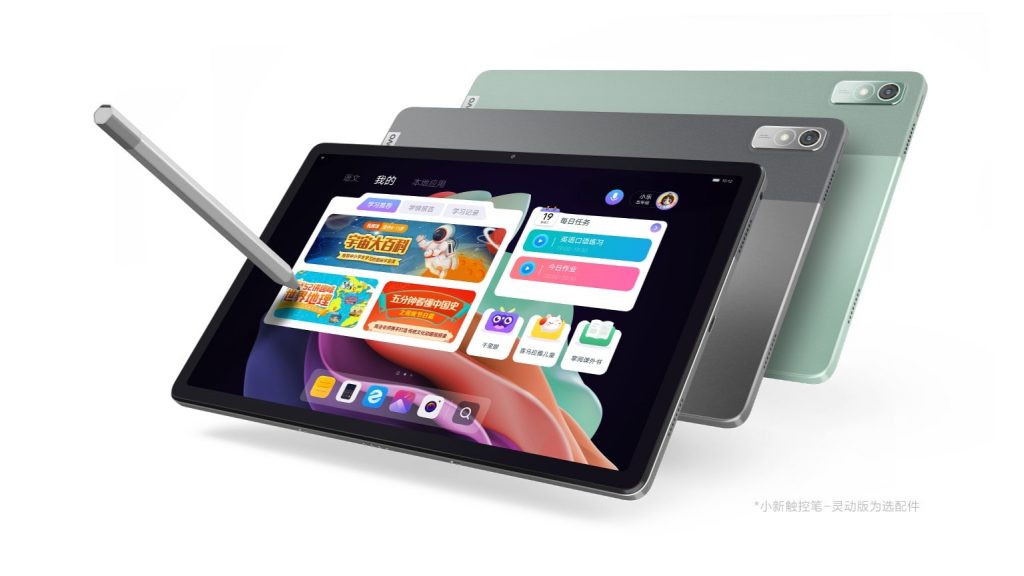
Officially called the Lenovo Xiaoxin Pad Plus 2023, the product is essentially a Redmi Pad killer. Let us explain why we feel this way.
Here’s Why Lenovo Xiaoxin Pad Plus 2023 Is a Redmi Pad Killer
The Lenovo Xiaoxin Pad Plus 2023 not only has a larger display but also a faster refresh rate. The panel measures 11.5-inch diagonally and can refresh up to 120Hz. For comparison, the Redmi Pad comes with a 10.61-inch display with a 90Hz refresh rate.
Additionally, the screen on the Lenovo tablet support stylus input. It has 4096 levels of pressure sensitivity.
Otherwise, the display has the same WUXGA+ (2000 x 1200 pixels) resolution and 400 nits peak brightness as the one on the Redmi tablet.
2. Multiple First-Party Accessories
Since the Xiaoxin Pad Plus 2023’s display support stylus input, users can opt for the new Xiaoxin Stylus Smart Edition. While the Redmi Pad does not offer this functionality.
Further, the Lenovo tablet sports a magnetic pogo pin connector for the official keyboard accessory, which also has a kickstand. No such thing on the Redmi tablet.
Lenovo also sells a first-party screen protector and a flip cover, which Redmi don’t.
3. Better Software
The Xiaoxin Pad Plus 2023 boots Lenovo’s Android 12L-based ZUI 14 skin designed for tablets. Since the company has been selling tablets with this software for quite a while, it has made several improvements to offer a better experience.
You can check out this software in action in our Xiaoxin Pad Pro 2021 vs Xiaomi Pad 5 Pro comparison video. On the other hand, a year after its debut, MIUI Pad is still lackluster as you can note in our Xiaomi Pad 5 Pro 12.4 review video.
Unfortunately, Lenovo tablets use close-to-stock Android outside mainland China. So this point may become invalid if and when Xiaoxin Pad Plus 2023 releases in global markets under the Lenovo Tab P series.
4. 3.5mm Headphone Jack and More
Most smartphones don’t come with a 3.5mm headphone jack anymore. This trend is slowly catching up with budget tablets as well.
Thankfully, Xiaoxin Pad Plus 2023 features the beloved jack, unlike the Redmi Pad. The former also arrives with a higher 13MP rear camera compared to an 8MP shooter on the latter.
Finally, the Lenovo tablet also offers WiFi 6 and 20W fast charging support as opposed to WiFi 5 and 18W fast charging support on Redmi.
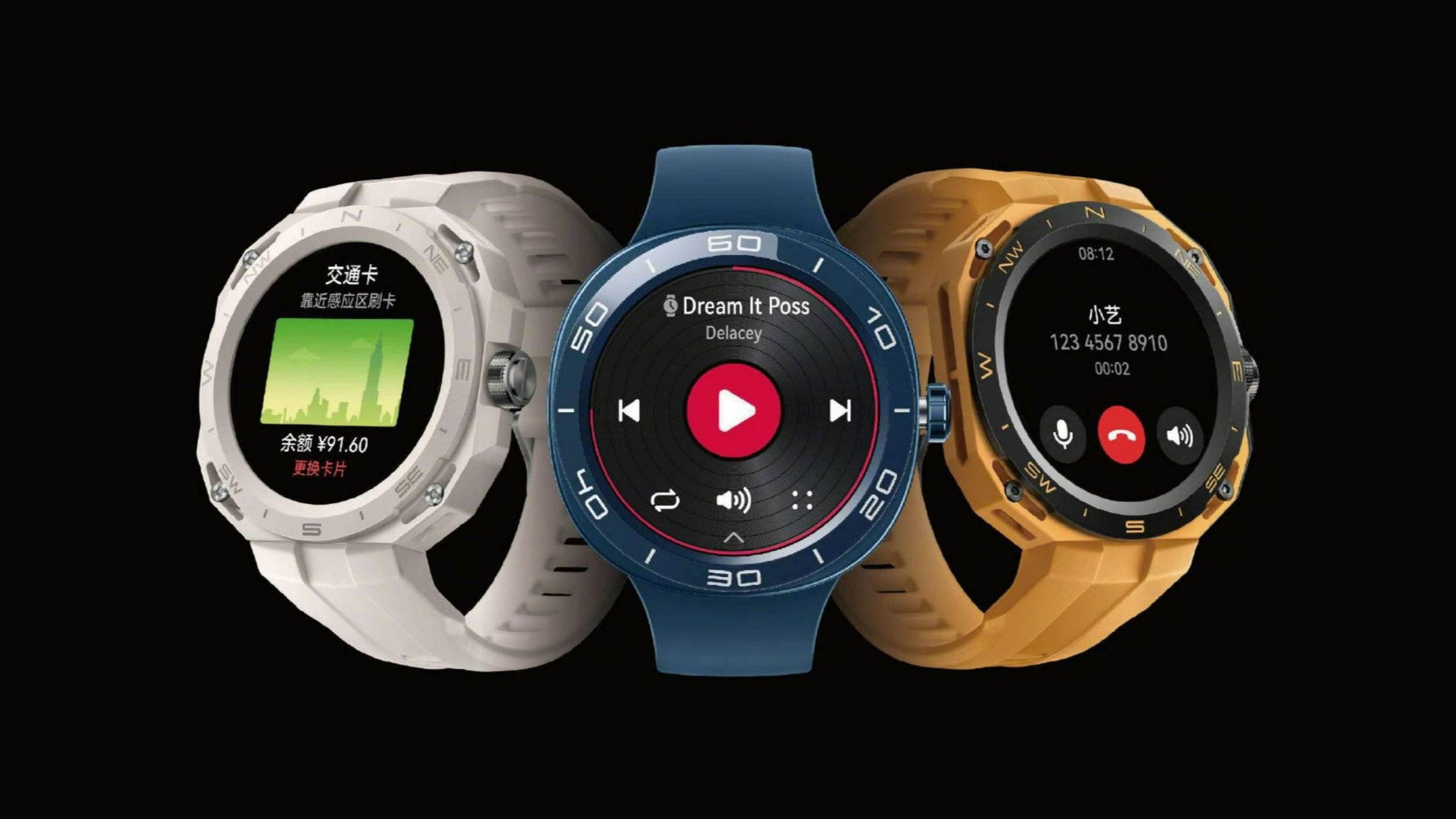
As expected, Huawei launched a new smartwatch at the P50 Pocket S event today. The wearable is officially called Huawei Watch GT Cyber and it is unlike any other.
The product offers almost the same set of features as the other GT series watches. It is its design that makes it special. Let’s take a look at everything it has to offer.
Huawei Watch GT Cyber Specifications
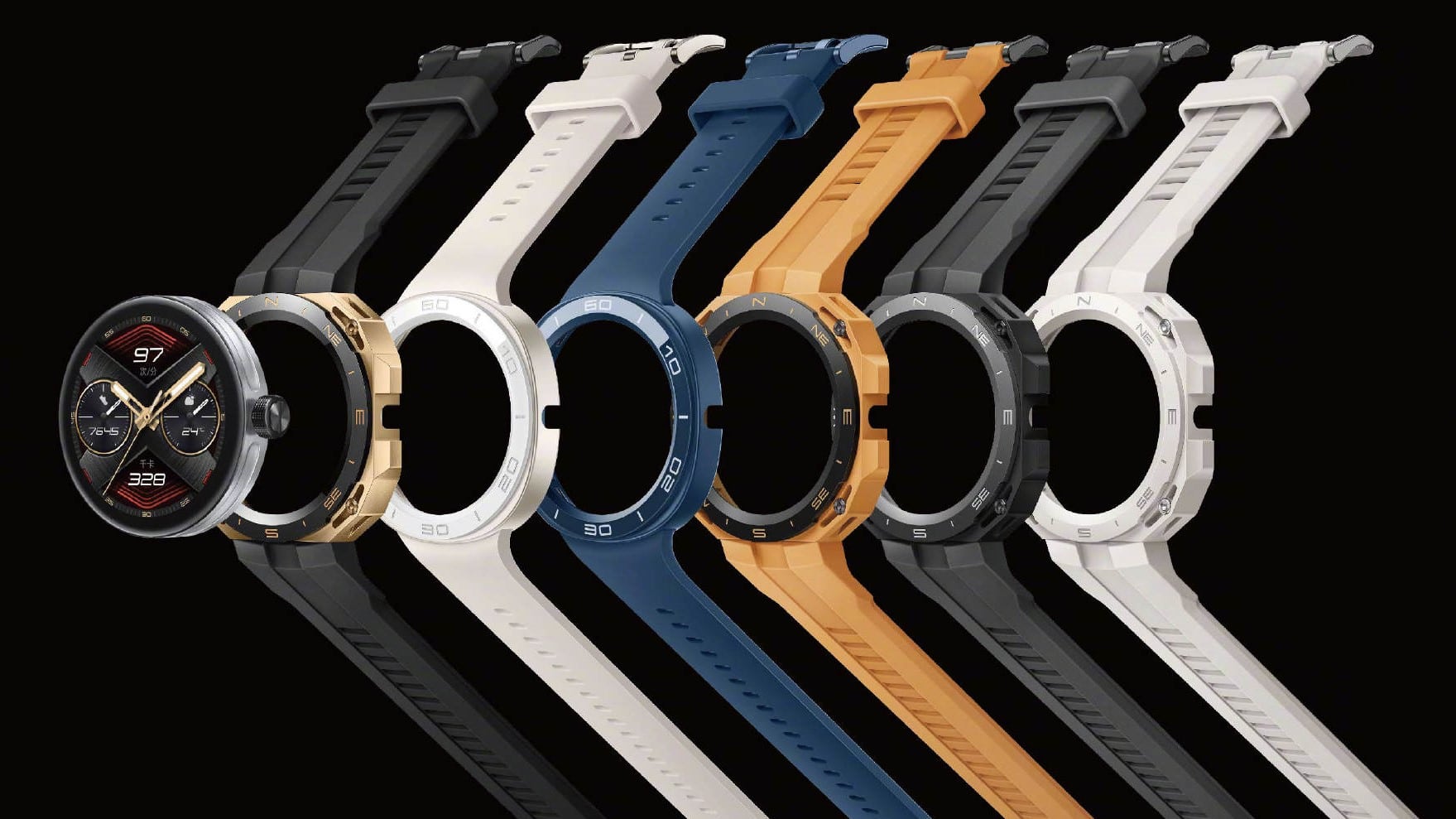
The Huawei Watch GT Cyber stands out in the crowd with its unique design. The wearable comes with a detachable design sporting a crown. Hence, users can switch between different case + strap combos.
The company offers three types of cases, such as Sports, Fashion, and Urban Explorer. These three have different designs and come in different colors as well.
The Sports and Urban Explorer cases feature 316L stainless steel bodies and ceramic bezels, while the Sports case’s body and bezel are made of reinforced fiber. Anyway, all of them are MIL-STD-certified for durability and come with a rubber strap.
Talking about regular features, the smartwatch sports a 1.32-inch circular AMOLED display with a resolution of 466 x 466 pixels. It boots OpenHarmony-based software with support for calls, WeChat, and more.
The wearable offers over 100 sports modes, sleep tracking, heart rate monitoring, blood oxygen level monitoring, stress monitoring, menstrual cycle tracking, and other commonly found features. It also has a built-in GPS and NFC for contactless payments.
It is compatible with almost all smartphones as the minimum requirements are HarmonyOS 2, Android 6.0, and iOS 9.0. Last but not least, the 5ATM water-resistant watch is backed by a 292mAh battery and charges wirelessly.
Huawei Watch GT Cyber Price and Availability
The Huawei Watch GT Cyber will retail at the following price tags in China
Sports – ¥1,288 ($177)
Fashion – ¥1,488 ($204)
Urban Explorer – ¥1,488 ($204)
The sports case can be purchased separately for ¥199 ($27), while the Fashion and Urban Explorer cases cost ¥399 ($55).
It will be available for pre-order from November 2, followed by sales on November 10.
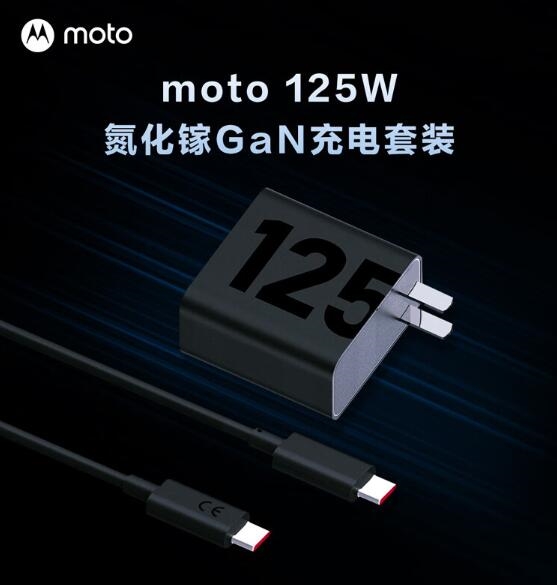
The popularity of GaN chargers continues to sour mainly due to their smaller form factor, large power capacity, and optimum heat control. Motorola has now unveiled the Moto 125W GaN flash charging adapter. The portable charger is priced at 249 yuan (~$34).
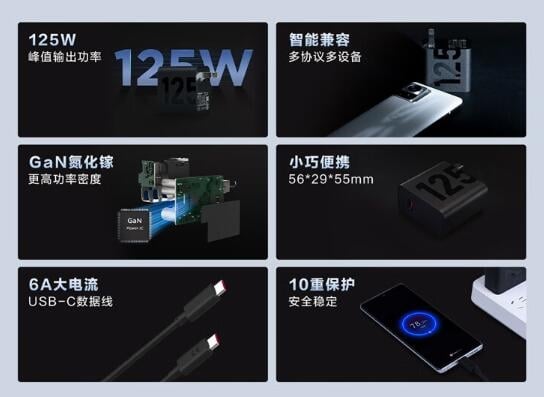
The Moto 125W Gallium Nitride charger supports moto exclusive protocol. The peak output of 125W makes the charger capable of charging the Moto X30 Pro from 0-50% in just 7 minutes. The charging adapter comes with support for QC 3.0 and PD 3.0 charging protocol. It is also compatible with QC 5.0 protocol and without fast charging, it can output 20V/3A 60W.
The built-in ON Semiconductor control IC effectively reduces the size of the charger. The casing is made from a flame-retardant material with a matte and frosted finish.
In addition, the Motorola flash charger is certified by China’s 3C certification agency. Thus, you get a variety of safety protection onboard such as overcharge, overheating, and short circuits. The charger takes into account safety and stability when running at peak output.
The Moto 125W GaN Charger comes with a 1-meter USB-C data cable, which is made of double-sided conductive aluminum foil and TPE flame retardant material. The cable supports up to 6A current flow.
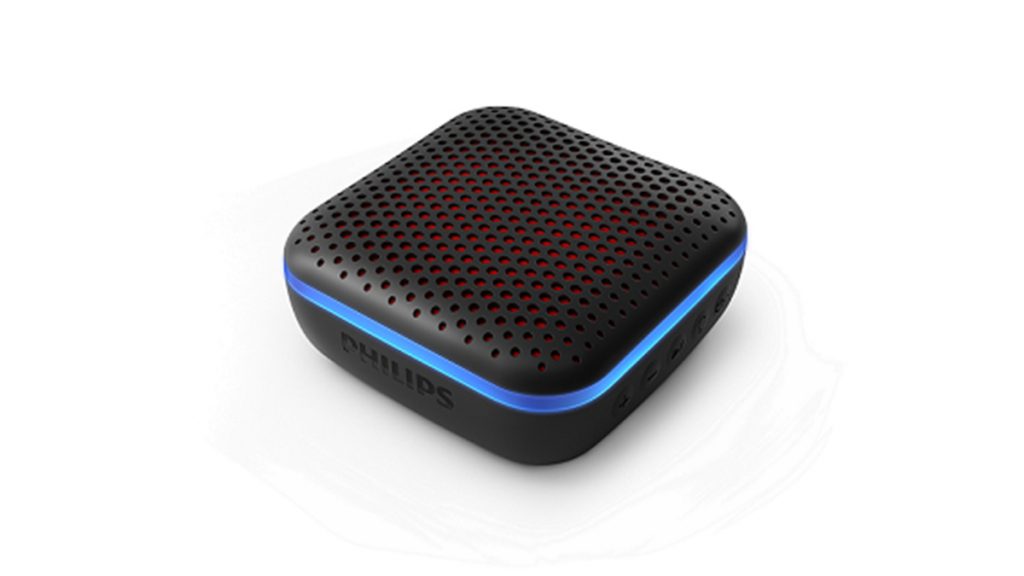
Philips has launched a new portable Bluetooth wireless speaker in India. As the name suggests, the Philips TAS2505B is a compact and lightweight speaker. Dimension-wise, it measures 9.1cm x 4.1cm x 9.15cm and weighs 0.19kg only. Commenting on the launch, Philips India said “The booming growth of the music industry has resulted in an increase in the use of portable Bluetooth speakers among consumers all over the world.”
The Philips TAS2505B is a square-shaped speaker. It features an RGB LED indicator strip. The audio device is IPX7 water-resistant and it can be carried everywhere thanks to the carrying strap. Additionally, users can even hang it on the handlebars of their bikes. The speaker has five physical buttons on the right side for music control playback.
In terms of audio, the Philips TAS2505B is equipped with a 1.75-inch full-range speaker driver. It features a mono sound system with passive radiators and an output power of 6W. Additionally, the portable speaker also comes with a built-in microphone for hands-free calling. The audio device supports Bluetooth 5.0 and can connect to devices up to 20 meters range. Other features on the Philips TAS2505B include automatic pairing, volume control, call management, and automatic power off.
The Philips TAS2505B portable speaker is powered by an 800mAh battery unit that is claimed to offer 10 hours of usage. It is said to take 2.5 hours to refuel via a USB-C port.
The Philips TAS2505B is priced at Rs 4,999 and can be purchased from leading online and offline stores across the country.
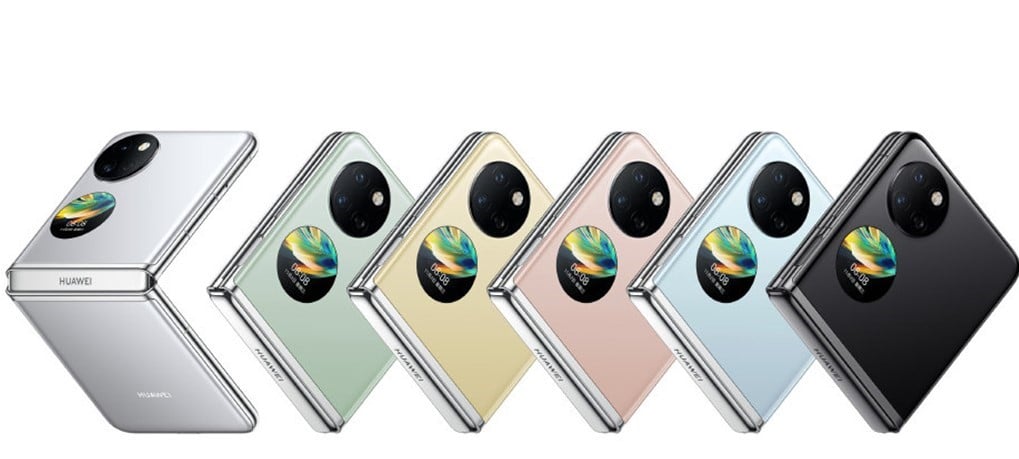
Huawei Pocket S has launched in China today. It is the second clamshell foldable phone after the P50 Pocket that was announced last year. The latest offering also comes with stripped-down specifications compared to the P50 Pocket. The only difference between the two devices is in the processor department. Alongside the Pocket S phone, Huawei has also announced Watch GT Cyber smartwatch.
The Huawei Pocket S comes with a large 6.9-inch foldable OLED display bearing a resolution of 2,790 x 1,188 pixels. It offers 10-bit colours and a 120Hz refresh rate. There is a 1.04-inch secondary cover display on the back panel. The device features a side-mounted fingerprint scanner. The Pocket S is the industry-first foldable phone with a multi-dimensional linkage lifting water drop hinge.
On the imaging front, the Huawei Pocket S comes with dual rear camera setup. It comprises a 40MP main sensor paired with a 13MP ultra-wide-angle lens. There is a 10.7MP front-facing selfie snapper.
Under the hood, the Huawei Pocket S is equipped with a Snapdragon 778G processor. It packs 8GB RAM and up to 512GB storage. The device features a flexible graphite heat dissipation system. The foldable phone is backed by a 4,000mAh battery unit with support for 40W charging. Software-wise, the Pocket S runs on Harmony OS 3 out of the box.
The Huawei Pocket S starts at RMB 5,988 (~$822) for the 128GB option whereas the 256GB model is priced at RMB 6,488 (~$890). The 512GB variant carries a price tag of RMB 7,488 (~$1,028). The foldable phone is offered in Obsidian Black, Frost Silver, Mint Green, Sakura Pink, Primrose Gold, and Ice Crystal Blue. It is up for pre-orders from today with sales commencing from November 10th.
China has just recently ordered a seven day long lockdown in a region, which is also where Foxconn Technology has its largest iPhone plant. This would likely affect Apple shipments as its largest suppliers biggest plant is down for a week.
According to a BusinessStandard report, the Chinese government has implemented a lockdown around Foxconn’s main iPhone plant in Zhengzhou. The lockdown is currently in effect and will last until the 9th of November 2022. This news was also published on the local government’s official WeChat account. As of right now, the government has barred all vehicles to operate in the region of the lockdown, except those that are carrying essential goods. The lockdown was implemented in Zhengzhou after the area saw a sizeable jump to 359 COVID-19 cases on Tuesday. This was up from just 95 from a just a day prior.
The sudden lockdown is a part of China initiative of Covid Zero approach to controlling each outbreak. Now, Foxconn’s main iPhone plant was unfortunately caught in this zone and has had its operations abruptly halted. The Taiwanese company is the largest supplier in Apple’s supply chain and has had to force some of its 200,000 strong staff into quarantine. Furthermore, some were pushed to flee the site, with some even leaving on foot. Following this lockdown, the company will also face complications to recruit and bring in new staff members.
Foxconn would even be troubled to ship production materials to continue their operations. At the moment, neither Foxconn or Apple has given out any statement regarding this news. Although, the former is working on raising wages and arranging backups from its other Chinese plants to mitigate this sudden operations disruption in its Zhengzhou iPhone assembly line. While Apple has just launched its iPhone 14 lineup, it refrained from bumping orders due to an ongoing economic slump, which has led to a decline in smartphone sales.
Google has been working on bringing some of the latest features introduced in its newly launched Pixel 7 series to its last year’s Pixel 6 lineup. Now, the latest one of these software features being brought over is the support for extended weather for its At a Glance Widget.
For those unaware, the Search Engine tech giant announced the Pixel 7 series with a number of new features like Face Unlock that were powered by its new Tensor G2 chip. However, while some of these software features are currently only exclusive to the new Pixel 7 series, the Pixel 6 is receiving a number of other features from the latest flagship smartphone models. The Pixel 6 has already received the new Clear Calling feature that reduce background noises on a phone call.
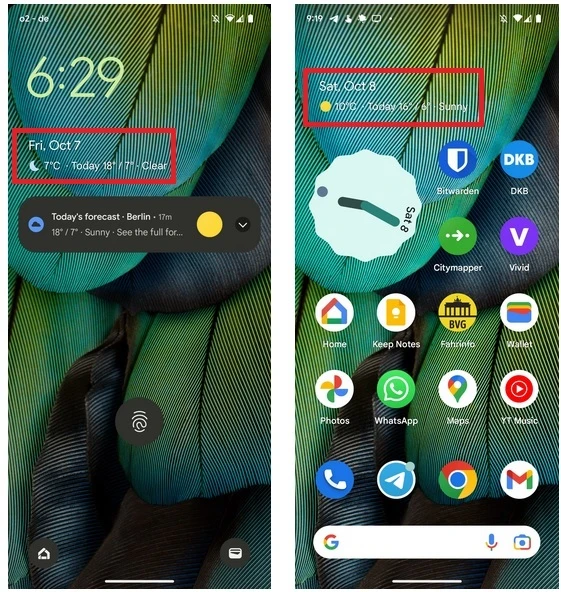
Similarly, the company has also ported the Guided Frame feature to the older Tensor chip powered Pixel phones. This basically brings accessibility feature that gives verbal instructions to a person with poor vision to get a good selfie shot. Now, AndroidPolice has spotted the new expanded weather forecast feature on the Pixel 6 and Pixel 6 Pro. This feature is a part of the At a Glance widget that is found on the top left corner of new Pixel phone’s display.
It shows any upcoming appointments, alarms, notify you when your flash is on, and other functions. You can even customize this widget to pick and choose what information you wish to display. It also shows the temperature and an icon that represents the current weather conditions. However, the Pixel 7 series added a new expanded weather forecast that appears in the morning to help users see the projected weather for the day at a glance. This could basically show users if the weather will be Sunny, Cloudy, or Rainy. It was originally rolled out with the Pixel 7, and is available in the Pixel 6 lineup as well now.
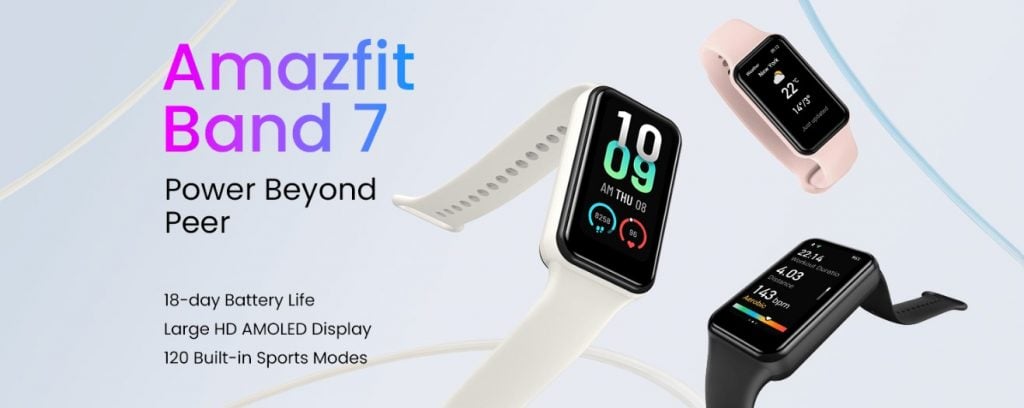
Amazfit Band 7 is set to launch in India soon. It is listed on e-commerce platform Amazon. The device debuted in the global market in July this year. The upcoming offering will be the first fitness band from the brand in India. It seems to be a rebranded version of the Redmi Smart Band Pro in the country. The Amazon listing reveals key specifications of the upcoming offering.
As per the microsite, the Amazfit Band 7 will feature a rectangular AMOLED display with a 1.47-inch screen, HD resolution, and a 282 PPI pixel density. It is water-resistant up to 50 meters and is also suitable for tracking swimming data.
The Amazfit Band 7 is confirmed to be equipped with a heart rate monitor, SpO2 sensor, sleep and stress tracker. It can track all three metrics with one tap. The wearable device is said to pack 120 sports modes with smart recognition for four activities.
The Amazfit Band 7 is teased to be powered by a 232mAh battery unit that is claimed to last 18 days under typical usage and 28 days under battery saver mode. The wearable device will run on Zepp OS for a smooth experience and also offer a rich mini-app ecosystem. Lastly, the Amazfit Band 7 is confirmed to come with a built-in Alexa voice assistant.
The Amazfit Band 7 is expected to come in Black, White, and Pink colours. We can expect to know its pricing and availability in the coming days.
We use cookies on our website to give you the most relevant experience by remembering your preferences and repeat visits. By clicking “Accept”, you consent to the use of ALL the cookies.
This website uses cookies to improve your experience while you navigate through the website. Out of these, the cookies that are categorized as necessary are stored on your browser as they are essential for the working of basic functionalities of the website. We also use third-party cookies that help us analyze and understand how you use this website. These cookies will be stored in your browser only with your consent. You also have the option to opt-out of these cookies. But opting out of some of these cookies may affect your browsing experience.
Necessary cookies are absolutely essential for the website to function properly. This category only includes cookies that ensures basic functionalities and security features of the website. These cookies do not store any personal information.
Any cookies that may not be particularly necessary for the website to function and is used specifically to collect user personal data via analytics, ads, other embedded contents are termed as non-necessary cookies. It is mandatory to procure user consent prior to running these cookies on your website.