Ola Electric had previously launched the S1 series of electric scooters in India, which had propelled the company as one of the top electric scooter makers in the region. Now, it appears that the company is working on a new model from this popular series.
S1 Electric Scooter
The news was hinted by the company’s CEO Bhavish Aggarwal. The senior executive had hinted on Twitter that the EV maker is planning to possible launch a new S1 electric scooter model. Looking at this tweet, the official stated that the brand is “planning something BIG for our launch this month! Will accelerate the #EndICEAge revolution by at least 2 years. Really excited.”
However, a sources close to the matter told Car and Bike, that Ola Electric is planning on launching a new affordable model in the S1 series of electric scooter. This new model will reportedly be priced under 80,000 INR. This is basically the same price range as the most popular petrol based scooters that are currently available in the Indian market. This new budget model will also offer most of the features that are found in the S1 and S1 Pro models.
S1 Pro Electric Scooter
For those unaware, Ola Electric had launched the S1 back in August as an affordable electric scooter, with the Pro model being a higher end variant. The S1 was launched for a price tag of 99,999 INR and offered 5.5kW motor with 8.5kw peak power. This electric scooter offered a max range of up to 141km and a top speed of 95kmph. So if this news is true, we can expect the new S1 model to have similar features.
HTC is apparently gearing up to launch a new VR headset from its popular Vive series. The company is planning on launching this new virtual reality headset just before the end of this year.
The company had previously announced two new products, which was the Vive Flow and the Vive Wrist Tracker. Both of these were announced back in October 2021 and January 2021 respectively. Now, the brand’s official Twitter handle share a new teaser that showcases the new VR headset that has a compact form factor. Looking at the tweet, the company shared the caption “Go small or go home,” with a silhouette of the upcoming VR headset.
Furthermore, HTC also confirmed in the replies section that “We’re working on something big… we mean small. It’s a new headset!” Interestingly, the company also sent a press release to TechRadar, which was somewhat resembled the announcement of the HTC Vive Flow, which was its “first evolution” from its Proton project. In other words, the upcoming VR headset might be the “second” evolution or next gen iteration of this same project.
As of right now, finer details regarding this product or even its naming is still unknown. For those unaware, the Vive Flow was a pair of VR glasses that was launched with an innovative form factor, but with an expensive price tag of 499 US Dollars. Despite its unique design, the company’s Vive Flow was criticized for its performance and limited immersion. So, we can expect the newer model to bring improvements in this formula.
Gigabyte has launched a new range of gaming laptops in India called the Gigabyte G5 series. The lineup includes the G5 GD, G5 MD, and G5 KD laptops. The main difference between these laptops is the GPUs included within. So, let’s take a look at what these machines have to offer.
The laptops in the Gigabyte G5 series have a 15.6-inch IPS LCD screen with an FHD+ resolution. It provides a peak brightness of 300 nits and a refresh rate of 144Hz. The laptops have a backlit keyboard with up to 15 pre-programmed backlit colors.
Intel’s 11th Gen Core i5-11400H (2.7GHz~4.5GHz) CPUs power the laptop. NVIDIA RTX 3050, RTX 3050Ti, and RTX 3060 GPUs are installed in the GD, MD, and KD models, respectively. The laptops have 512GB NVMe SSD storage and 16GB RAM. Additionally, there are two M.2 slots and a swappable bay with a maximum storage capacity of 6TB. The laptops have WINDFORCE cooling technology, which has a 150W maximum cooling efficiency.
For audio, the laptop comes with 2W speakers with DTS:X audio technology and two-way AI noise cancellation. The laptops come with Windows 11 Home preinstalled and also pack a free one-year subscription to Microsoft Office 365 personal version. The 48.96WHrs battery unit powering the GIGABYTE G5 series laptops supports 150W charging on the GD and MD variants. 180W charging speed is supported for the KD model. The laptops’ interfaces for connectivity include HDMI, an SD card reader, WiFi 6, Bluetooth 5.2, three USB Type-A ports, a USB-C port, and a 3.5mm headphone jack.
GIGABYTE G5 series laptops Indian pricing
The GIGABYTE G5 series’ GD variant costs Rs 68,990. The prices for the MD and KD variations are, respectively Rs 71,890 and Rs 83,890. All three variants of the G5 series laptops can be purchased from Flipkart.
On Sept. 8, Apple unveiled the iPhone 14 series to the global market. The iPhone 14, 14 Pro, and 14 Pro Max have been available for purchase since Sept. 16. The company stated at the time of launch that the iPhone 14 Plus would be available on October 7. The day has arrived, and it is now available for purchase in different markets.
The iPhone 14 Plus comes in three storage variants, such as 128 GB, 256 GB, and 512 GB. It can be bought in Blue, Purple, Midnight, Starlight, and Product (Red).
Apple iPhone 14 Plus
In the US, the iPhone 14 Plus variants are priced at $899, $999, and $,199, respectively. In Europe, the three models are priced at €1,149, €1,279, and €1,539, respectively. These variants cost Rs 89,900, Rs 99,900, and Rs 1,19,900 in India, respectively.
iPhone 14 Plus specifications
The iPhone 14 Plus features a 6.7-inch OLED display that offers 1284 x 2778 pixels resolution. The Super Retina XDR OLED screen supports HDR10, Dolby Vision, and comes with Ceramic Shield glass protection. It is powered by the Apple A15 Bionic chip and has 6 GB of RAM. The device boots to iOS 16.
The iPhone 14 Plus has a 12-megapixel camera on the front. Its camera setup has a 12-megapixel main camera with OIS support and a 12-megapixel ultra-wide lens. The device comes with support for Face ID. The device houses a 4,323mAh battery, which supports MagSafe wireless charging.
With the Google Pixel 7 series launch out of the way, there are no major announcements left. Now, Samsung is set to take the spotlight for its Galaxy S23 series of flagship smartphones, with the latest leak revealing their possible color options.
The news arrives from DSCC’s Ross Young, who shared the information on Twitter. According to Young, the South Korean tech giant will be launching its 2023 premium handsets in only four color options. Looking at the tweet, the four color variants include a Beige, Black, Green, and a Light Pink. If this information is true, then it would appear that the Galaxy S23 lineup has some limited color options.
For those unaware, the next gen high end smartphones are set to feature top notch specs and features like the Qualcomm Snapdragon 8 Gen 2 SoC and improved cameras. Apart from the base Galaxy S23, the Plus and Ultra variant are rumored to feature larger batteries and higher resolution front facing camera. The top end Galaxy S23 Ultra is even expected to feature a whopping 200 megapixel primary rear camera as well. But while we have some details regarding the internal, we now have more information regarding its outer appearance.
But going by these four options, the new colors seem quite ‘safe’ and limited. In comparison, this year’s Galaxy S22 series in a wide variety of colors such as Phantom White, Phantom Black, Green, Graphite, Gold, Cream, and Red. So, the inclusion of two new colors is something to look forward to, but the lack of more options is a bit disappointing. Keep in mind that this is still just an unconfirmed report and so take this news with a pinch of salt for now.
The Samsung Galaxy S22 series has received the Android 13-based OneUI 5 Beta 4 update, which includes a number of bug fixes and improvements. The update also includes the October 2022 security patch. The new beta version of the software skin is now available in the United States and will soon be available on all devices where the beta program is currently active around the world.
The update has firmware version ZVJ2 and weighs 1.5GB. as mentioned above, it comes with a lot of bug fixes; however, there are still some unresolved issues with the build, like a black screen being shown on the monitor when using DeX and the phone screen is locked, a force close occurs when you select a filter from the lock screen menu during wallpaper multi-pack setting, and you receive an “Unable to open file” message when you receive something through QuickShare and try to open it from the pop-up. You can check out the complete changelog below.
Bug Fixes:
Improved Favorites and Recent items can be added and, removed in Gallery album
Fixed the issue executed sleep mode automatically
Fixed the issue occurred vibration sound/beep sound, continuously
Fixed crash when entering App folder
Fixed crash when changing wallpapers
Fixed crash in S pen Air Command
Fixed the problem for Object eraser not working
Fixed vibration feedback not working in Home gesture
Fixed the frame-breaking issue when entering from Widget to Home
Deleted Multi-user function
Other minor bug fixes
Known Issues
When the phone screen is off while DeX is running, a black screen is displayed on the monitor
After receiving the file with QuickShare, if you try to open it in the receiving pop-up, a “Unable to open file” pop-up occurs (The file is received normally)
Forced Close occurs when the filter is selected from the lock screen menu, during Wallpaper image multi-pack setting
Motorola has announced the Moto E32 entry-level smartphone in India. This E32 is different from the Unisoc T606-powered device, which went official in May in Europe. Continue to find out what’s packed inside the Indian version of the E32.
Moto E32 specifications and features
The Moto E32 has a 6.5-inch IPS LCD panel that offers an HD+ resolution of 720 x 1,600 pixels and a refresh rate of 90Hz. It comes with the Android 12 OS with Motorola’s My UX on top. While there is no guarantee that it will get the Android 13 upgrade, the company has confirmed that it will be provided with two years of security updates. It features a side-mounted fingerprint scanner.
Moto E32 (Indian variant)
The Helio G37 chipset is present under the hood of the Moto E32. It is coupled with 4 GB of RAM and 64 GB of storage. To keep the lights on, it has a 5,000mAh battery with 10W charging.
The Moto E32 has a dual-camera setup, featuring a 50-megapixel main camera and a 2-megapixel depth sensor. It has an 8-megapixel camera on the front for selfies. Both the front (main) and rear cameras support 30fps Full HD video recording. The handset offers other features such as face unlock, dual 4G VoLTE, Wi-Fi 802.11ac, Bluetooth 5.0, GPS, a microSD card slot, a USB-C port, a 3.5mm audio jack, and an IP52 rating.
Moto E32 price in India
The Moto E32 comes in a single variant, which offers 4 GB of RAM and 64 GB of storage. The handset is priced at Rs 10,499 (~$127) in India. It can be purchased in Arctic Blue and Eco Black via Flipkart.
Redmi is working on a new device called the Redmi Note 11 Pro 2023. The device has already appeared on FCC, EEC, and Google Play Console databases. Now, the device has also appeared on the SIRIM.
Redmi Note 11 Pro 2023 SIRIM
The database entry reveals that the Redmi Note 11 Pro 2023 will come with a 2209116AG model number. It does not reveal any other details. However, it does confirm that the device will come to Malaysia. We have previously reported that this upcoming device will not launch in the Indian market. Let’s take a look at what’s known so far about the device.
Representative image
There are numerous rumors claiming that the Redmi Note 11 Pro 2023 won’t differ significantly from the Redmi Note 10 Pro, which was released last year. Powered by the Snapdragon 732G CPU, the Note 10 Pro boasts a 6.67-inch AMOLED FHD+ 120Hz display. It has 128 GB of UFS 2.2 storage and 8 GB of LPDDR4x RAM. The phone has a 5,020mAh battery that supports 33W rapid charging. A side-facing fingerprint scanner is included.
The smartphone’s rear shell houses a quad camera system with a resolution of 108 megapixels (main), 8 megapixels (ultra wide), 5 megapixels (macro), and 2 megapixels (depth). On the front, the device has a 16-megapixel selfie snapper. The earlier Google Play Console listing has already confirmed that the Note 11 Pro 2023 will be repeating many of these specifications.
Google has finally unveiled the Pixel 7 series of flagship phones and its first-ever smartwatch, the Pixel Watch. At the event, it also showcased the Pixel Tablet, which is scheduled to launch in 2023. Some Pixel fans were waiting for Google to make some announcement on its first foldable phone. Unfortunately, the brand did not say anything about it. However, Display Supply Chain Consultants (DSCC) analyst Ross Young has tipped the launch timeframe of the Pixel foldable.
The official marketing name of the Pixel foldable is not known yet. A report that surfaced at the beginning of this year claimed that it could be called the Pixel Notepad. It further revealed that Google’s first foldable phone will cost less than Samsung’s foldables.
So, when is the Pixel Notepad launching? According to Young, the Pixel foldable is coming in Q1 2023. Unfortunately, he did not share any new information on the specifications of the Pixel Tablet.
The Pixel Notepad (codenamed Pipit) is likely to look like the OPPO Find N foldable phone, which means it may have a smaller design. On the outside, it may feature a 64-megapixel (Sony IMX787) main snapper, a 12-megapixel (Sony IMX386) ultra-wide lens, and a 10.8-megapixel (Samsung S5K3J1) telephoto camera. For selfies, it may feature a 10.8-megapixel (S5K3J1) camera. On the inside, it may feature an 8-megapixel (Sony IMX355) camera.
The Pixel foldable is said to be powered by the Tensor chipset. It is yet to be confirmed whether it will have last year’s Tensor SoC or the new Tensor G2, which powers the Pixel 7 series. It goes without saying that the tablet will offer an Android 13 experience. The device is expected to offer 12 GB of RAM and 512 GB of built-in storage.
The China-based electronics manufacturer TCL is working on a new smartphone called the TCL 40 R. A new report has revealed that this will be a budget offering from the brand. The report also reveals the complete specifications and design of the smartphone. So, let’s take a look.
TCL 40 R design
The device has a standard design and will be a 5G offering. In addition to the triple camera sensors organized in a rectangular module and the side-mounted fingerprint sensor for security, the phone has a waterdrop notch for the front camera and a special pattern finish for enhanced hand control. The edges of the device will be curved. The renders of the device reveal two color options – Purple and Black.
TCL 40 R specs
The report cites industry sources to inform readers that the TCL 40 R will sport a 6.6-inch HD+ display with a 90Hz refresh rate and a waterdrop notch to house the selfie snapper. Under the hood, the device will house the MediaTek Dimensity 700 chipset. The Dimensity 700 is an entry-level octa-core 5G chipset based on a 7nm design.
The chipset will be paired with 4GB RAM and 64GB/128GB storage. The storage will likely be expandable via a microSD card. It is probably going to come with a 5000mAh battery and run on Android 12 out of the box.
On the back of the TCL 40 R, there are three cameras: a 50MP primary sensor, a 2MP depth sensor, and a 2MP macro lens. For selfies and video calls, the front camera has an 8MP sensor. The TCL 40 R weighs 192 grams and has dimensions of 164.46 x 75.4 x 8.99 mm. 5G, 4G LTE, Bluetooth 5.1, dual-band Wi-Fi, GPS, and a USB Type-C port are among the available connectivity options.
Oppo recently launched two new smartphones in India, dubbed the Oppo A77s and the Oppo A17. These are lower mid-range devices with 4G connectivity, HD+ displays, and an attractive design. Both smartphones will go on sale later today. So, let’s take a look at their pricing, launch offers, and specifications.
Oppo A77s and A17 price & offers
The OPPO A77s costs Rs. 17,999, while the OPPO A17 costs Rs. 12,499. Starting today, both devices will be available in a variety of online and offline stores, including Flipkart.
The A77s will be available in two colors: Sunset Orange and Starry Black. The OPPO A17 will be available in Sunlight Orange and Midnight Black.
As for the launch offers, buyers can get 10% cashback from leading banks on online and offline channels, and there is also a No Cost EMI option for up to 6 months.
10% cashback on ICICI, SBI, Axis, Kotak, BoB, Yes, and IDFC cards
No cost EMI options, up to 3 months
Oppo A77s specs
The OPPO A77s has a 6.56-inch HD+ display with a refresh rate of 90Hz. It is powered by a Snapdragon 680 processor, which is complemented by 8GB of RAM and 128GB of storage. ColorOS 12.1 is based on Android 12 and runs on the device.
OPPO A77s
The OPPO A77s features a dual-rear camera setup with a 50MP primary sensor and a 2MP depth sensor. It features an 8MP front-facing camera. The OPPO A77s is powered by a 5000mAh battery and supports 33W SuperVOOC fast charging.
It weighs approximately 187 grams and has a thickness of 7.99mm. Other features include an IP54 rating, a stereo speaker setup, and a fingerprint scanner on the side.
Oppo A17 specs
The Oppo A17 has a 6.56-inch HD+ display panel with a refresh rate of 60Hz. The MediaTek Helio G35 processor powers it. In the camera department, the A17 offers a 50MP primary rear shooter that is accompanied by a 2MP depth sensor. A 5MP selfie camera is also included. The smartphone is powered by a 5000mAh battery.
Other features include 4GB of RAM, 64GB of storage, a micro-USB port, a fingerprint scanner on the side, a 3.5mm audio jack, and a dedicated microSD card slot. It weighs 189 grams and has an 8.3mm thickness. ColorOS 12.1, which is based on Android 12, comes pre-installed on the phone.
Yesterday, Google held the much-awaited Pixel 7 series launch event. Apart from announcing the Pixel 7, the Pixel 7 Pro, and the Pixel Watch, the company also shared key information on the design and features of the Google Pixel Tablet, which is set to launch in 2023.
Google Pixel Tablet
Let’s talk about the design first. Google said that the Pixel Tablet will be comfortable to hold and will have a beautiful display. Its chassis will be made from recycled aluminum, which will have a premium nanoceramic finish. Some of the Pixel Tablet images released by the brand suggest that there could be a sensor placed alongside the front camera. However, the company did not say anything about it. There is a single camera without a flash on the rear shell of the device.
Pixel Tablet
Google will be offering a charging dock for Pixel Tablet users. The company calls it the Charging Speaker Dock, meaning it will wireless charge the tablet while it functions as a smart home speaker. It will also function as a smart home display, where users will be able to view all the connected devices. Hence, it seems that the Pixel Tablet is designed for in-home use, which suggests that it may lack features like GPS and SIM connectivity.
Pixel Tablet with charging speaker dock
It goes without saying that the device will run on Android 13 and will draw power the Tensor chipset.
Pixel Tablet specifications (rumored)
Pixel Tablet as smart home display
The Google Pixel Tablet will have a 10.95-inch display. While it will be powered by the Tensor chip, it is unclear whether it will have the first-or second-generation Tensor chip. It will run on the 64-bit edition of Android 13. The device will offer 128 GB / 256 GB of storage. It will also carry support for a stylus. Since the tablet is expected to enter the mass production phase soon, it may debut in the early months of 2023.
Chinese phone maker iQOO is expected to unveil the successor to iQOO Neo 6 – the iQOO Neo 7- in China sometime this month. Although the company is yet to officially announce the launch date, the device has appeared on several occasions in leaks. However, these latest leaks seem to be the first time the real-life images of the device as well as a sample photo purportedly shot by the Neo 7’s camera would make the rounds.
The hands-on image of the unreleased phone was reportedly spotted in the hands of a popular Chinese singer Zhou Shen during a live broadcast. While the picture didn’t give us a clear view of the device, it shows just the rear aspect where we can spot a square-shaped camera island at the back.
It is also difficult to make out the number of sensors but earlier rumors point to a triple-camera arrangement. The setup is said to include a new 50-megapixel Sony IMX766V image sensor teaming up with a 13-megapixel ultra-wide-angle lens and a 12-megapixel portrait telephoto lens.
The camera sample shared by iQOO Neo’s product manager on Weibo is pretty impressive especially as the shot was captured at night when the lighting condition is not at its best. The sample is a confirmation that the Neo 7’s camera will perform well in low-light conditions.
The iQOO Neo 7 is expected to pack a MediaTek Dimensity 9000+ flagship processor as well as a 1080P eye protection gaming screen that supports a 120Hz refresh rate and optical fingerprint recognition. The device is also expected to come with functions such as a linear motor, NFC, infrared remote control, and others.
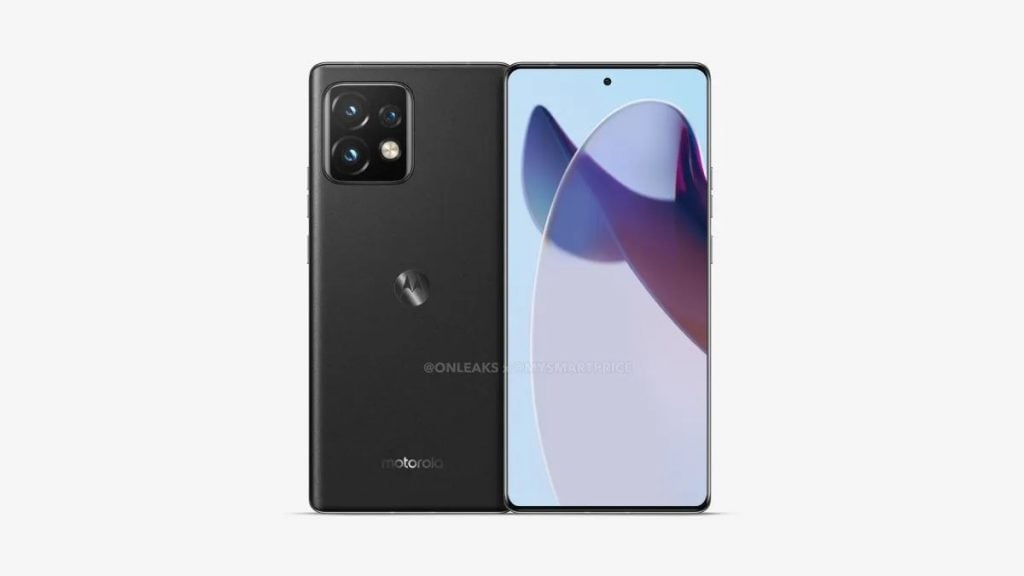
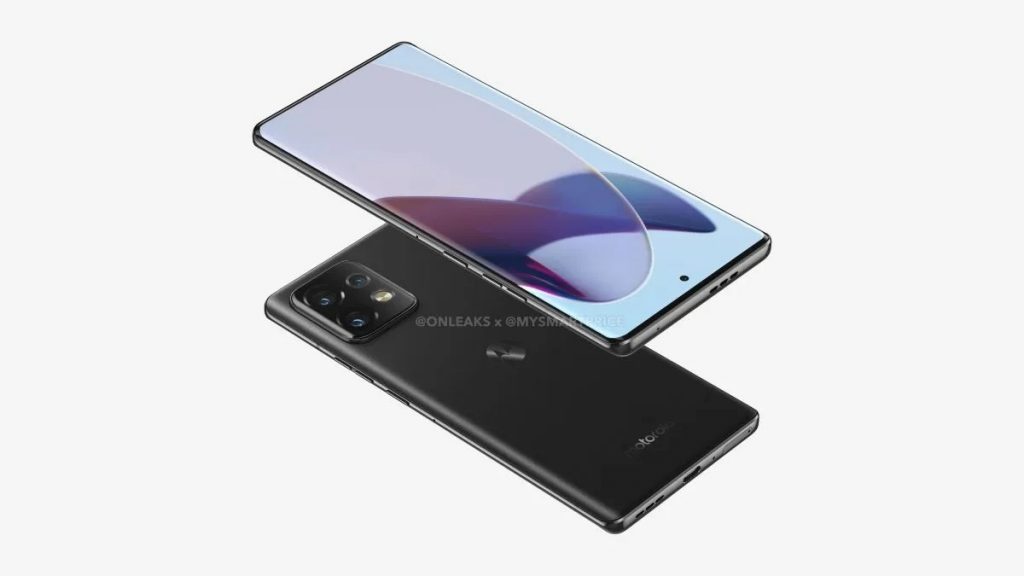
The LineageOS team released the Android 12 version of their custom ROM in April, packing several improvements and features. It was initially available for a limited number of devices. But the team is gradually adding support for new devices. In the latest development, LineageOS 19 is gaining support for five more devices, including the Motorola Edge 30, Edge 20 Pro, Xiaomi Mi 8 Pro, Mi 8 Explorer Edition, and Mi Mix 2S (Via XDA).
Motorola Edge 30 and 20 Pro are still supported by the manufacturer and have received the official Android 12 update. However, the Xiaomi ones have been added to the company’s EOS (end of support) list, meaning they no longer receive any updates.
Below you can find the detailed instructions and download links on the LineageOS Wiki:
Installing a custom ROM on a device has its own advantages and disadvantages. Make sure you are aware of all the risks involved before you proceed to install the ROM. LineageOS is a great option if you wish to get rid of all the unnecessary customizations the manufacturer has made to the operating system.
To install LineageOS 19 on the above-mentioned devices, you’ll need to unlock the bootloader and install a custom recovery like TWRP. Once you’ve done that, follow the installation instructions outlined in the LineageOS Wiki for your device. Before unlocking the bootloader, back up your data to avoid losing it.
It is important to note that LineageOS 19 does not include pre-installed Google apps. To use any Google apps or services after installing the ROM, you’ll need to flash a suitable GApps package.
Indian companies Wings and Optiemus Electronics have inked a partnership that will lead to the manufacture of TWS earbuds, soundbars, speakers, as well as computer and gaming accessories in India. The devices will be produced in Optiemus’ cutting-edge facility in Noida, Uttar Pradesh with a capacity to manufacture 1.5 million TWS earbuds each month. The production of the made-in-India TWS earbuds will commence soon while other products like keyboards, soundbars, speakers, and gaming accessories will subsequently follow.
According to Wing’s CEO, Nohit Sharma, the brand is one of the best in the audio and gaming gear segment. It is adding more value to its product offerings by manufacturing the devices in India. The move is a massive boost for the central government’s effort to stimulate investment and employment through the Make in India initiative. Wings say it wants its Indian gamers to revel in the pride of using accessories locally made.
Optiemus CEO, Nitesh Gupta expressed excitement at the partnership with Wings. He says both parties will leverage their strengths in the Indian wearables/ hearables market to further expand their market share. Optiemus is a leading local manufacturer of smartwatches. Its smartwatch brands accounted for 75% of shipments as per the recent Counterpoint report. The financial component of the partnership was not divulged by both parties.
Back in July, the Chinese tech giant, Huawei, launched two new smartphones—the Huawei Nova 10 and Nova 10 Pro—under the new Nova 10 series. Both handsets supported only 4G connectivity. It is now reported that the company is working on a new 5G smartphone, dubbed the Hi Nova 10 5G, which will debut in China by October 20. Here are the details.
According to popular tipster Factory Director ShiGuan (machine translated), Huawei will be launched in China by October 20. The handset is said to be the 5G upgrade of the Nova 10, which was launched earlier this year. The alleged handset will feature specifications similar to Nova 10, says the tipster.
Huawei is yet to confirm any details about the upcoming Hi Nova 10 5G. We should learn more details in the coming days. Meanwhile, let’s check out the specifications of the Huawei Nova 10 to get a better idea of what to expect.
Huawei Nova 10 Specifications
The Huawei Nova 10 flaunts a massive 6.7-inch full-HD+ OLED display that offers a resolution of 2400 × 1080 pixels and a refresh rate of 120Hz. It also has a 300 Hz touch sampling rate and a 20:9 aspect ratio. Under the hood, the smartphone is equipped with an octa-core Snapdragon 778 4G chipset paired with up to 12GB RAM and 256GB storage.
As far as the cameras are concerned, the Huawei Nova 10 features a triple rear camera setup consisting of a 50-megapixel super-sensing camera, an 8-megapixel ultra-wide lens, and a 2-megapixel macro sensor. While at the front, there is a 60-megapixel camera sensor for selfies and video calls.
The smartphone is powered by a 4,000mAh battery and supports up to 66W fast charging. The handset runs HarmonyOS V2.0 out of the box. It also has an in-display fingerprint sensor for security.
Huawei is reportedly processing support for a new chipmaker in order to bypass the US sanction regime slammed on it since 2019. The startup, Pengxiwei IC Manufacturing Co. (PXW) has ordered chip-making equipment for a semiconductor manufacturing plant in China. The company is run by a former Huawei executive, fuelling suspicion in US circles that Huawei may be connected with the move.
It is believed that overseas suppliers of chip-making equipment are involved. The US Commerce Department’s Bureau of Industry and Security (BIS) has already beamed its searchlight on PXW. The BIS, in a statement released, says it is on the lookout for efforts to export controls for companies like Huawei on the Entity List. The PXW manufacturing facility is within the vicinity of Huawei’s headquarters and this has been established with satellite images and public records.
PXW will be restricted in what chip-making equipment it can buy from US suppliers or other overseas companies that deploy American technology in their equipment. The company plans to begin production of chips using the 28nm process in 2025.
Huawei has endured a tortuous time since the US sanctions kicked in at the height of its global dominance. It was previously the world’s largest supplier of mobile communications equipment and a leader in pioneering 5G technology. The US allegations center on espionage and the Chinese company has continued to deny the claims.
The Google Launch event on October 6 has seen the expected unveiling of the Pixel 7 and Pixel 7 Pro smartphones. The new pair of smartphones come with some improvements in their camera setup and are powered by the second-gen Tensor G2 processor, an improvement over last year’s Tensor chip. Both smartphones will receive at least three OS updates and 5 years of security patches.
Display & Specs – Pixel 7
The Pixel 7 is the smaller model and less expensive. It is slightly bigger than the Pixel 6a and has a 6.3-inch display. It has a flat AMOLED panel with FHD+ resolution and a 90Hz refresh rate. The Pixel 7 has 8GB RAM paired with either 128GB or 256GB of storage. It comes with a 4,355mAh battery with the Extreme Battery Saver Mode giving up to 72 hours of activity. Power efficiency is great with the Pixel 7 as its battery can last up to 31 hours on normal usage.
Display & Specs – Pixel 7 Pro
The flagship Pixel 7 Pro comes with a 6.71-inch AMOLED screen with a variable refresh rate of up to 120Hz. The screen is protected by Gorilla Glass Victus. The Pixel 7 Pro sports a distinctive image and offers several security features. It is also expected that the Google Pixel 7 Pro will enjoy extended software support. Its camera setup consists of 50MP wide, 12MP ultra-wide, and 48MP telephoto modules. The ultra-wide sensor comes with autofocus for macro.
The Google Pixel 7 Pro retains the same CPU as its predecessor but with marginal improvements in clock speed. The new Tensor G2 chipset uses Samsung’s 4nm process, which is a little improvement over the 5nm node. The GPU is a Mali-G710 MC10 that offers a 35% performance boost over the G78 in machine learning tasks. A new Tensor core and modem are also part of the Pixel 7 Pro.
A 12GB RAM is on offer for the Pixel 7 Pro in combination with 128GB/ 256GB/ 512GB storage options. An in-display fingerprint scanner provides an additional layer of security for the Google flagship. A 5,000mAh battery is embedded in the smartphone with support for fast charging.
Pixel 7 & Pixel 7 Pro pricing & Availability
The Google Pixel 7 starts at $600 while the Pixel 7 Pro will retail from $900. Both models are now available for pre-order and sales begin on October 13. A free pair of Pixel Buds Pro and a free Pixel Watch respectively are offered as pre-order incentives.
This year Vivo released its first foldable phone ever: The X Fold. The year did not even come to an end, but the Blue Factory already refreshed it with the launch of a new variant: the Vivo X Fold+. The Plus variant is better than the previous device because of the presence of a stronger processor and a bigger battery, as well as a faster charging technology to fill it. But is it also better than the other latest foldable phones released by the other brands? As always, we think there is no better way to understand it than by comparing the device with the best rivals out there. There are two devices that can compete with this handset more than any other: one of them is the Xiaomi Mix Fold 2. This is a comparison between the main specifications of the Vivo X Fold+ and the Xiaomi Mix Fold 2 which will help you to understand which one is the best.
Vivo X Fold+ vs Xiaomi Mix Fold 2
Vivo X Fold+
Xiaomi Mix Fold 2
THICKNESS
14.6 mm when folded, 6.3 mm when unfolded
11.2 mm when folded, 5.4 mm when unfolded
DISPLAY
Main display: 8.03 inches, 1916 x 2160p (Quad HD+), Foldable LTPO AMOLED
External display: 6.53 inches Full HD+ (1080 x 2520p), AMOLED
The Vivo X Fold Plus and the Xiaomi Mix Fold 2 come with similar form factors: they are foldable phones which can transform into tablets thanks to the presence of a huge foldable panel placed in the internal part (the one hidden while they are folded). If I look at their aesthetics, I personally prefer the Xiaomi Mix Fold 2 because it has a less invasive camera module and it is also a thinner device. The dimensions of these handsets are not so different, but the Xiaomi is definitely thinner and lighter, especially thanks to the presence of a smaller battery. While it is unfolded it is just 5.4 mm thin, and while it is folded its thickness is just 11.2 mm. It weighs just 262 grams instead of more than 300 grams.
Display
The displays of these two phones are very close in terms of specifications. They both include two displays: an internal panel able to transform them into tablets, and an external one similar to normal phones. The internal display of the Vivo X Fold Plus is an AMOLED panel that has a diagonal of 8.03 inches, the LTPO technology enabling an adaptive refresh rate from 1 to 120 Hz, a 2K+ resolution of 1916 x 2160 pixels, and the HDR10+ certification. The Xiaomi Mix Fold 2 offers more or less the same specifications, but it adds Dolby Vision support and it is able to show up to one billion colors, so it is slightly better. Even the external panel of the Xiaomi is definitely better: it is a 6.56-inch AMOLED display with a resolution of 1080 x 2520 pixels, a 120 Hz refresh rate, HDR10+ certification, and Dolby Vision. The Vivo has a 6.53-inch external display with AMOLED technology, the same Full HD+ resolution, and a 120 Hz refresh rate.
Specs & Software
These two foldable phones are powered by the same processor, which is currently the best mobile platform by Qualcomm. We are talking about the Snapdragon 8+ Gen 1 built with a 4 nm production process and sporting an octa-core architecture composed of a Cortex X2 CPU running at a max frequency of 3.19 GHz, three Cortex A710 CPUs running at 2.75 GHz, four Cortex A710 CPUs running at 2 GHz, and an Adreno 730 GPU. On both phones, the SoC is paired with 12 GB of RAM, but the Xiaomi Mix Fold 2 offers a higher amount of internal storage: up to 1 TB. The handsets run Android 12 out of the box with highly customized user interfaces on top.
Camera
When it comes to the camera setup, the Vivo X Fold Plus is the real winner in this comparison. It has a quad rear camera composed of a 50 MP main sensor with OIS and laser autofocus, an 8 MP periscope telephoto lens with 5x optical zoom and OIS, a 12 MP telephoto camera with 2x optical zoom, and a 48 MP ultrawide sensor, all with Zeiss optics. Unfortunately, the Xiaomi Mix Fold 2 lacks a periscope camera, replaced by an inferior 8 MP sensor with 2x optical zoom. The main sensor is still a 50 MP camera with OIS, but the ultrawide camera is another inferior 13 MP lens.
The Vivo X Fold Plus is equipped with a bigger battery sporting a capacity of 4730 mAh. Given that the phone has very similar components to the Xiaomi Mix Fold 2, it should provide longer battery life in several scenarios. It even comes with wireless charging, unless the Mix Fold 2, as well as a faster wired charging technology.
Price
You need at least €1450/$1450 to purchase the Vivo X Fold Plus, while the Xiaomi Mix Fold 2 starts from about €1300/$1300 at the actual change. They are only available in China. The Vivo X Fold+ wins the comparison thanks to a better camera and a bigger battery with better charging technologies.
A recent report revealed that the Huawei P50 Series, which includes the P50, P50 Pro, and P50E, no longer ships with the Leica camera lens branding on the back. This was expected since the German camera company switched allegiances to Xiaomi. Now, in the latest development, Huawei has delisted the P50 series from the global smartphone market. There is no official explanation for the delisting, but it may have something to do with the Leica brand.
Huawei Central reports that the Huawei P50 series has been removed from the company’s global smartphone portfolio. All the store pages are reported to return a “No results found” message when searching for the P50 series smartphones. As of now, Huawei has not revealed the reason behind the removal.
P50 Pro without Leica branding
It could be due to the Leica branding on the back of the phones. For the unversed, Huawei has been co-developing its flagship cameras with Leica for the last 6 years. However, Leica ended its partnership with Huawei and joined hands with Xiaomi. In conjunction with this change, the P50 lineup marked the end of the brand’s partnership with the German company.
As mentioned, the Huawei P50, the P50 Pro, and P50E will no longer ship with the Leica logo. However, it is unclear why the company decided to remove the logo at this point. Although, it appears that the change has not affected smartphones’ camera hardware. The higher-end P50 Pro still has a 50 MP primary camera with OIS and an f/1.8 aperture, a 13 MP ultra-wide-angle sensor (f/2.2), a 40 MP B&W camera (f/1.6), and a 64 MP telephoto camera (f/3.5).
We use cookies on our website to give you the most relevant experience by remembering your preferences and repeat visits. By clicking “Accept”, you consent to the use of ALL the cookies.
This website uses cookies to improve your experience while you navigate through the website. Out of these, the cookies that are categorized as necessary are stored on your browser as they are essential for the working of basic functionalities of the website. We also use third-party cookies that help us analyze and understand how you use this website. These cookies will be stored in your browser only with your consent. You also have the option to opt-out of these cookies. But opting out of some of these cookies may affect your browsing experience.
Necessary cookies are absolutely essential for the website to function properly. This category only includes cookies that ensures basic functionalities and security features of the website. These cookies do not store any personal information.
Any cookies that may not be particularly necessary for the website to function and is used specifically to collect user personal data via analytics, ads, other embedded contents are termed as non-necessary cookies. It is mandatory to procure user consent prior to running these cookies on your website.