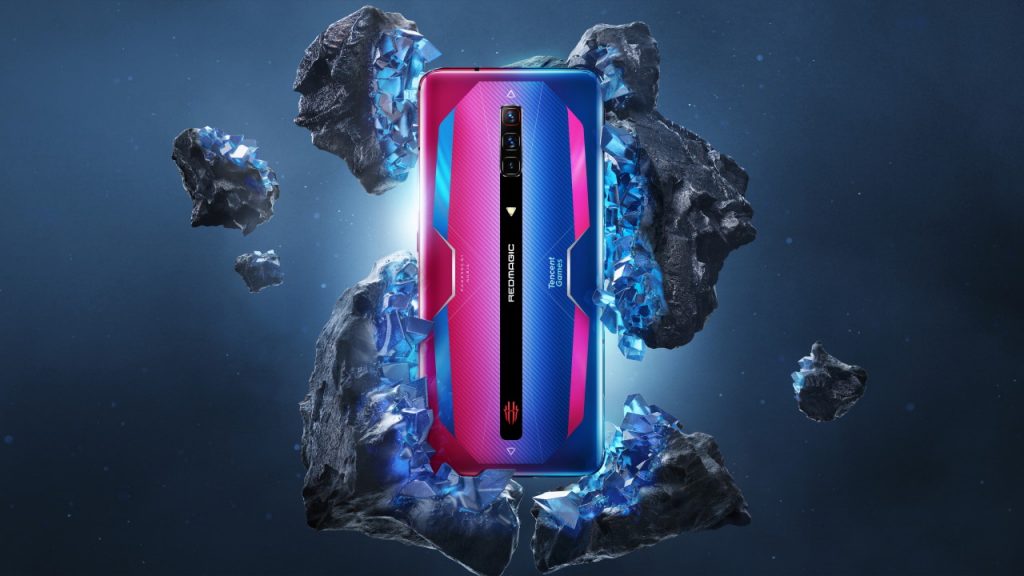
Black Friday discounts continue at full speed. As usual, we see the biggest discounts on technology products. Red Magic, which we know with its player-oriented smartphones, announced its Black Friday campaign. Red Magic has three super flash sales available with huge discounts for all gaming smartphones and accessories, including lucky prizes. The company offers customers up to a $155 discount and a full refund, valid on all smartphones and accessories.
How long will Red Magic’s Black Friday sales last
The discounts offered by Red Magic will be between 16-30 November. Customers who shop on these dates will receive a discount of up to $150. Some lucky people will even get a full refund. The list of discounts to be applied throughout the campaign is as follows:
Black Friday offers from November 16th to 30st
$20 off on all Red Magic 7 series gaming smartphones
$5 off on all Red Magic gaming accessories
Plus, purchases between those dates can join the lottery prizes for 9 lucky winners.
Get a Full refund on your purchase on those dates
Get Free a Red Magic Keyboard and Mouse
Get Free a Turbo Cooler
Here is the first round of flash sales surprises from November 16th to 18th
$90 off in all Red Magic 7 editions
$120 off in all Red Magic 7 Pro editions
$50 off in all Red Magic 7S Pro editions
Incredible discounts during Black Friday from November 25th to 27th
$90 off in all Red Magic 7 editions
$120 off in all Red Magic 7 Pro editions
$50 off in all Red Magic 7S Pro editions
High discounts for CyberMonday Bundles from November 28th to 30th
$95 off for all Red Magic 7 and Cyberpods bundle
$125 off for Red Magic 7 Pro and Cyberpods bundle
$155 off for Red Magic 7S Pro and Cyberpods bundle
You can check out the company’s official websiteto see all the products in REDMAGIC’s Black Friday campaign.
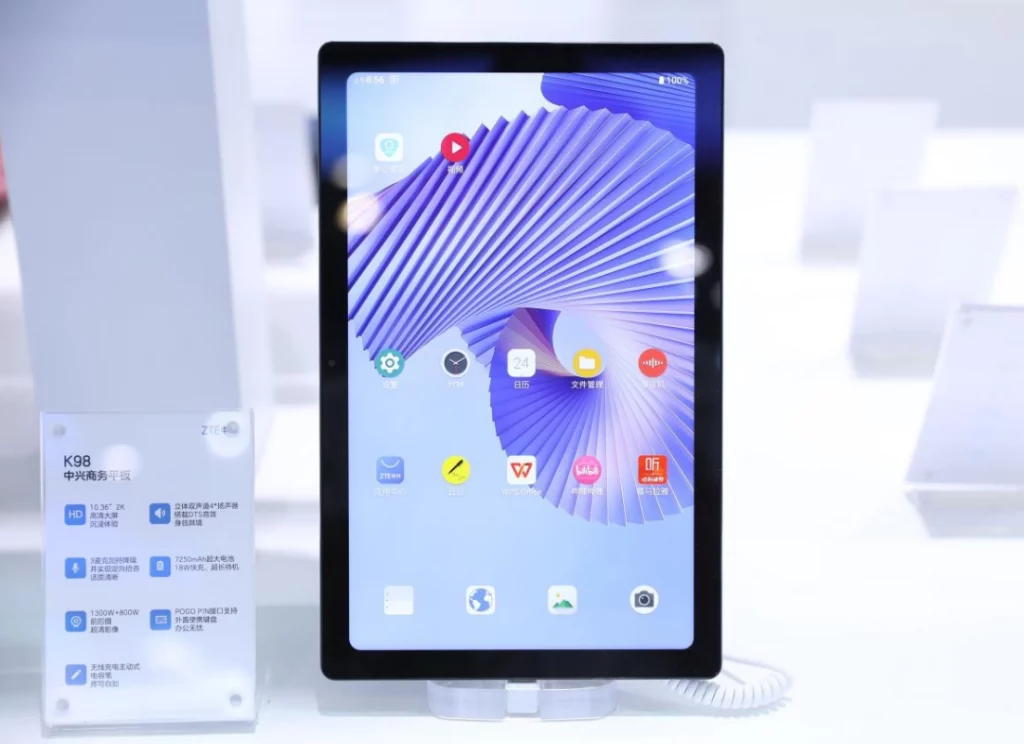
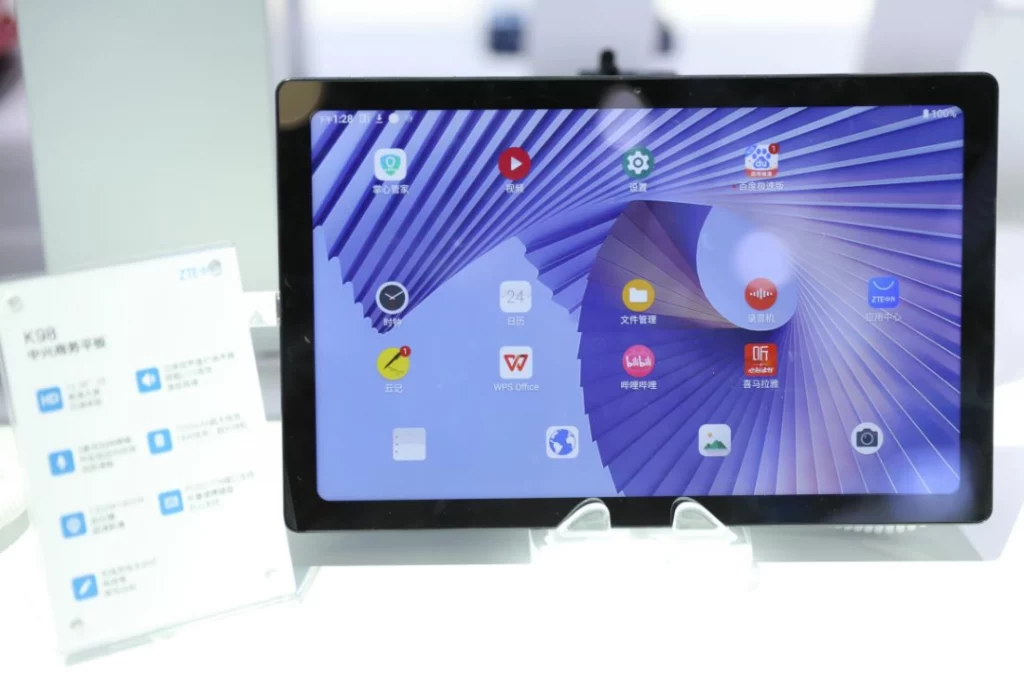
In July this year, ZTE reportedly announced a new tablet known as ZTE K98. The company has now officially launched the slate in China. The K98 tablet is specially designed for government and enterprise users. It will be sold on online platforms such as Jingdong. ZTE is also offering companies the leverage to customize the model to suit their firm’s needs.
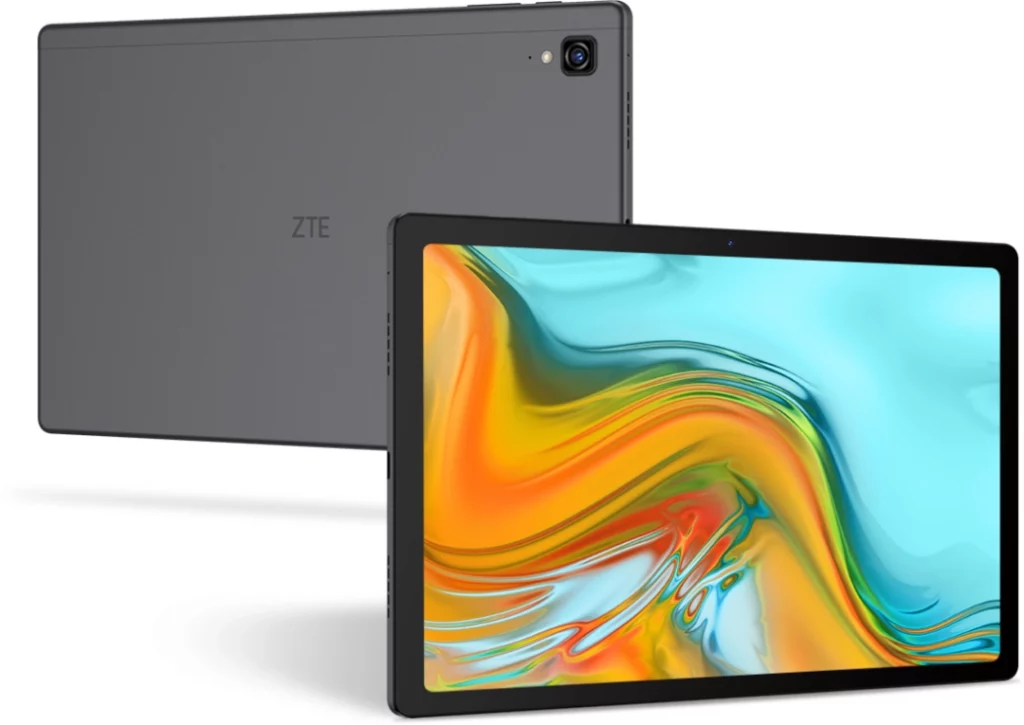
The ZTE K98 tablet features a 10.4-inch 2K high-definition display. The back panel is made of metal with a Nebula grey finish. The entire device weighs 490g and is just 7.9mm thick. The slate is powered by a Qualcomm Snapdragon 680 processor but the memory configuration is unknown at this time.
For photography, the slate packs a 13MP camera at the rear while at the front, there is an 8MP sensor. It is equipped with Pogo Pin for wireless charging but there is a USB-C port for fast wired charging. The tablet also comes with a 3.5mm audio jack.
Under the hood, the ZTE K98 tablet crams a huge 7250mAh battery. The tablet also packs a magnetic suction wireless charging stylus K-pencil, which fully meets the needs of paperless office. ZTE K98 is also equipped with an exclusive protective case and portable keyboard.
The product is equipped with four speakers symmetrically distributed. With the DTS:X Ultra immersive 3D sound effect, it presents a three-dimensional and live-level sound effect. The tablet comes with three microphones that accurately pick up sound while reducing ambient noise. The K98 supports smart screen projection, smart split screen, preset note software, and office software, and supports multi-scenario office needs.
ADO EBike is a company that creates powerful and stylish electric bikes, electric scooters and accessories that can be your urban companion. They have specially designed bikes for different venues and needs. The highlight features of every ADO Ebike lie in its quality, built, localized service, and worry-free after-sales. Within a year, not only did the brand create a name for its high-quality products but also got various strategic partners including Ali International, Xiaomi international, JD.com, HIMO, Insta360, etc. to jointly create a green community ecology for its users.
ADO EBike, one of the first brands that come to mind regarding electric bicycles, has not forgotten Black Friday. The company, which wants to celebrate the discount period with a special event, has prepared a campaign to offer the lowest prices of the year until 30 November (23:59:59 UTC). Moreover, the discount is not the only opportunity offered by ADO EBike. Thanks to the Buy Together Save More campaign, you can have the battery pack (1 bicycle + 1 extra spare battery) with additional discounts.
In addition, fast delivery (ships locally in Europe, free shipping. DE/UK/AT 48H Delivery, other EU country 72H Delivery) is waiting for you. One of the most extensive services offered by Ado EBike is VIP Service. A dedicated 1-to-1 customer service install adviser will contact you via email or WhatsApp. Any questions you may have, the installation adviser will answer patiently until you are satisfied!
So let’s see which products have the best discounts
ADO EBike A20+
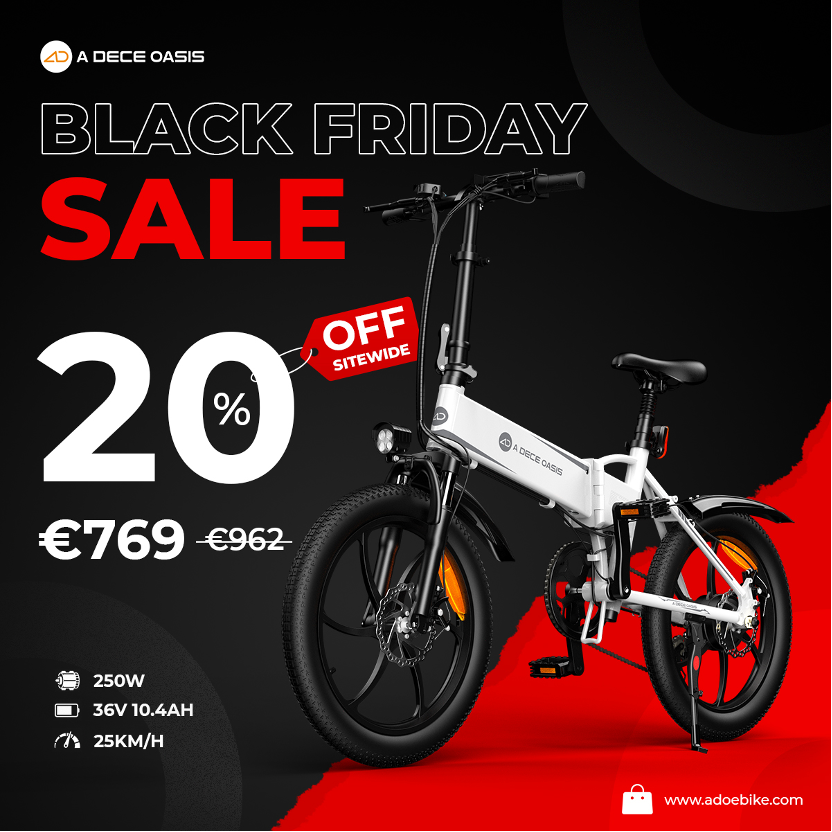
A20+, which is among the campaign products of Ado, is 769€/£719 instead of €962/£899 with discounts up to 20%. The convenient tri-fold design quickly folds in 10 seconds. You can effortlessly fit into the trunk for an easy ride anytime, anywhere. Ultra-light frame material, easy to lift and effortless, easy access to commuting places such as elevators and offices. This bike has a G-DRIVE pedal assist control system and a removable 10.4AH lithium battery. This battery retains 80% of its capacity even after 1000 recharges.
Click here to go to the product page and place your order.
ADO EBike A20F+
Another remarkable product in ADO EBike’s Black Friday campaign is the A20F+. This model, which cannot be stopped by roads, paths, sand and even snowy ground, can be purchased for €949/£869 with a 20% discount instead of €1187/£1087 during the campaign period. The A20F+ also has a 250W geared hub motor, 36V 10.4 mAh battery capacity and a maximum range of 70 km.
Click here to go to the product page and place your order.
The Black Friday campaign is not limited to these two models. Almost every product and service of ADO EBike has discounts that will catch your attention.
A20XE Black Friday price: €1199/£1069 €1499 /£1339
Battery is one of the most important parts of e-bikes. However, a single battery may not be enough for you if you are a heavy user. Fortunately, ADO EBike’s Black Friday campaign also saves you from this problem. For example, if you want to buy an extra battery for A20+ or A20F+, you normally have to pay €299, but during the campaign period, you can get your extra battery for €149 with a %50 discount. Click here to purchase A20+, and click here to purchase A20F+‘s battery pack bundle.
There are also discounts on the batteries of different models. For example, byclicking here, instead of paying €/£299 for the A20 XE, you can get the chance to pay €/£100. You can click here if you want a similar campaign for the A20F XE.
If you want to be informed about all the campaigns of ADO EBike and take advantage of the opportunities, you can click here.
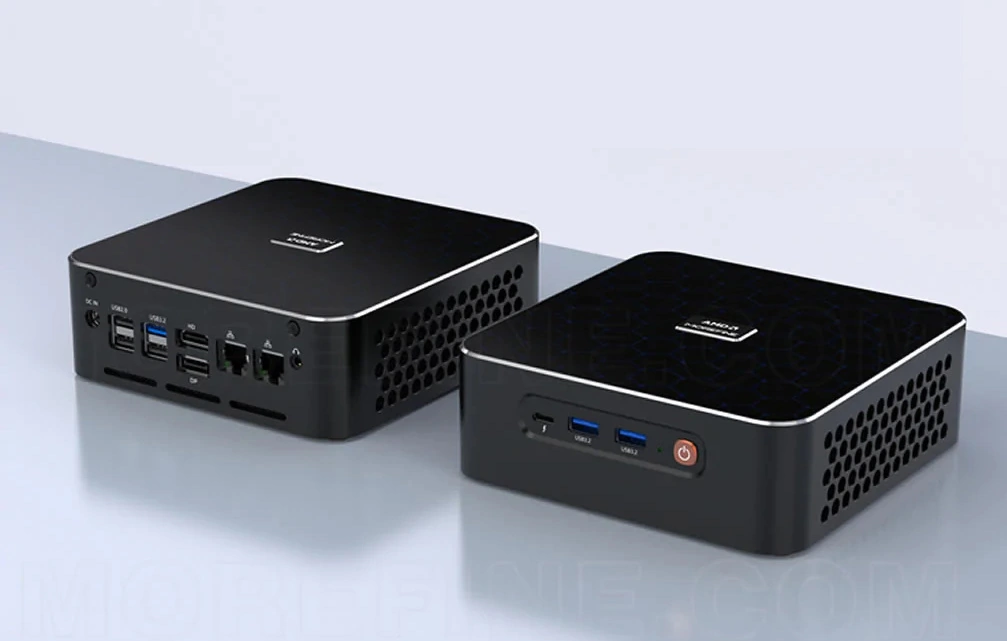
The Morefine M600 Mini-PC powered by AMD Ryzen processors have been launched. The M600 mini-PC comes in several configurations with up to 64GB of RAM and 1TB of storage.
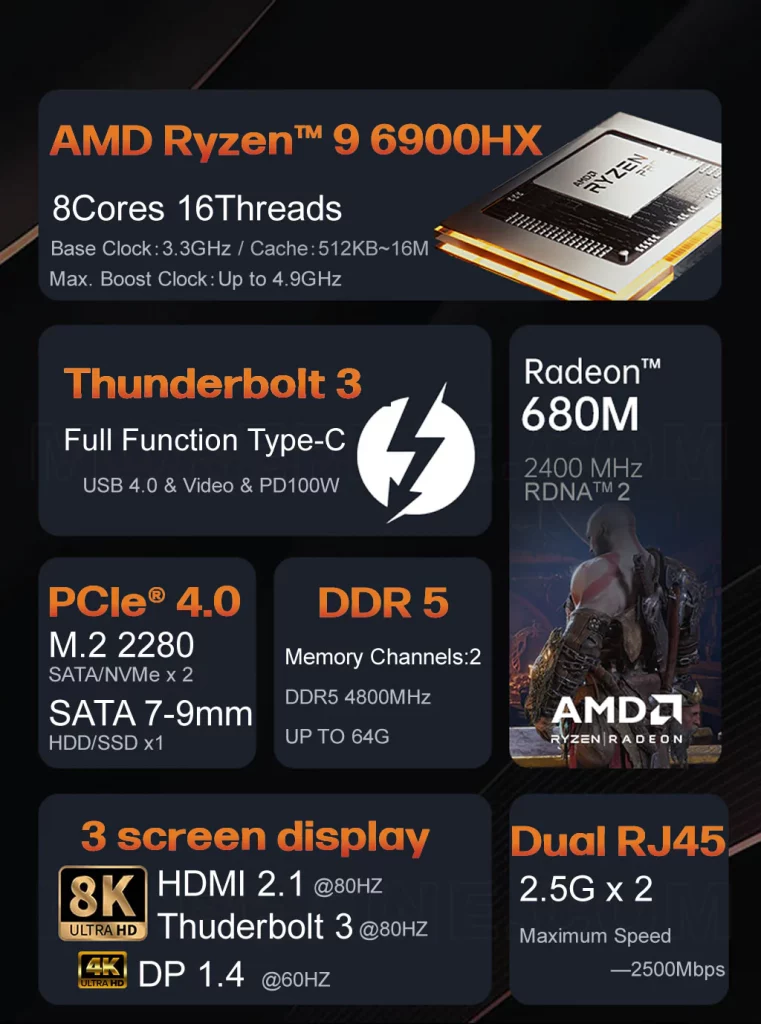
The Morefine M600 processor options include the Ryzen 5 6600U, Ryzen 7 6800U, Ryzen 9 PRO 6950H, and Ryzen 9 6900HX. There are also several memory configurations to go with the processors. Apart from the Ryzen 5 APU, all others have the Radeon 680M and its 12 RDNA 2 Compute Units. On the other hand, the Ryzen 5 6600U come with the Radeon 660M which is less powerful.
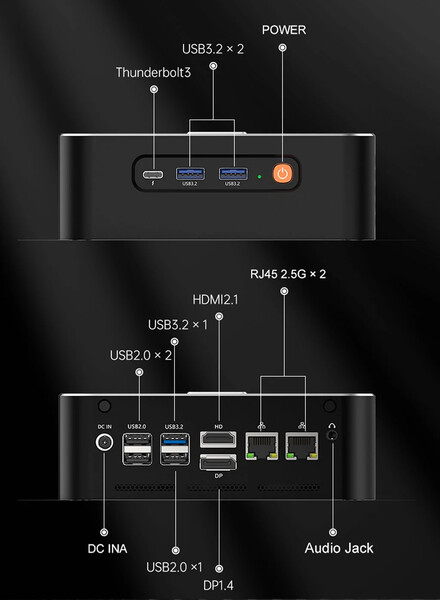
In terms of connectivity and ports, the Moefine M600 has two Ethernet ports (each 2.5GBit/s), DisplayPort 1.4, HDMI 2.1, and a Thunderbolt 3 port. There are also three USB-A 3.2 ports and USB-A 2.0 ports, as well as a 3.5mm audio jack. The device is powered by a DC input. The M600 also has an M.2 2280 slot for connecting external cards. The Morefine M600 is offered in a variety of purchase options including its components. It has a starting price of $438 for the entry-level Ryzen 5 6600U without RAM and storage.
The prices range between $859 and $1,109 when you opt for the monster 64GB/1TB RAM/ storage configuration. Morefine offers a complementary power adapter that will be shipped with the orders. The full details of the pricing and shipping dates for the M600 can be gotten on Morefine’s website.
Call of Duty Warzone Mobile is finally arriving on iOS devices or iPhones soon. Activision has just started the pre-registrations for the popular battle royale game, which is the mobile port for its PC and game console counterparts.
The developers behind the game had already released the title for Android users around two months ago. Now, the iOS powered iPhones will soon also be able to join in on the action as well. For those unaware, the game had garnered over 25 million pre-registrations on Google Play Store alone, which offered the operator skin of the character called Ghost, which was titled Condemned. Talking about the game itself, the COD Warzone Mobile is a battle royale game that has a gameplay experience mirroring the game available on consoles and PC.
Activision also just recently announced the COD Modern Warfare 2 and Warzone 2 on the two platforms. The studio started the pre-registrations on the Apple App Store back on November 17 and based on the details listed on the App Store, COD Warzone Mobile will be available for download starting from 15th May 2023. With the release of Warzone Mobile, the iconic map Verdansk is also returning. The iPhones compatible with the game ranges from the iPhone XS all the way to the latest iPhone 14 series.
Some iPads will also support the game, but need to have at least the iPadOS 15 or A12 Bionic chipset. The game will have a size of around 529MB, although this will likely change by the time the game nears its launch. The title will follow the classic last man/team standing format of battle royales but with 120 players in a single match.
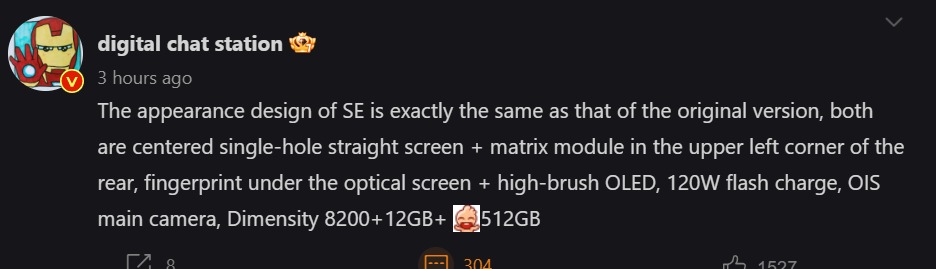
iQOO Neo 7SE RAM and storage configurations have been tipped. The information has been shared by tipster Anvinraj (@Zionsanvin) on Twitter. Additionally, another tipster Digital Chat Station has also revealed some detail about the upcoming offering. The iQOO Neo 7S and 7SE are expected to debut next month in China alongside the iQOO 11 series. Both smartphones have already been certified by China’s 3C authority.
As per Anvinraj, the iQOO Neo 7SE will be available in four RAM and storage variants. These include 8GB + 256GB, 12GB + 256GB, 12GB + 512GB, and 16GB + 256GB. On the other hand, DCS states that the upcoming smartphone will look similar to the original Neo 7 that debuted last month. However, the Neo 7SE will be powered by a Dimensity 8200 processor which is yet to be announced.
The iQOO Neo 7SE was spotted in leaked live image earlier this week with a flat centre-aligned punch-hole cutout display. DCS says that the smartphone will feature a 6.78-inch Samsung E5 AMOLED screen bearing an FHD+ resolution, 120Hz refresh rate, and an integrated fingerprint scanner. The device will have a main camera with OIS support. The iQOO Neo 7SE is tipped to be backed by a 5,000mAh battery unit with support for 120W fast charging. It will run on OriginOS 3 out of the box.
As for the iQOO Neo 7S, the device is expected to pack the same specifications as the Neo 7SE apart from different chipsets. We will know more details about the smartphones in the coming weeks.
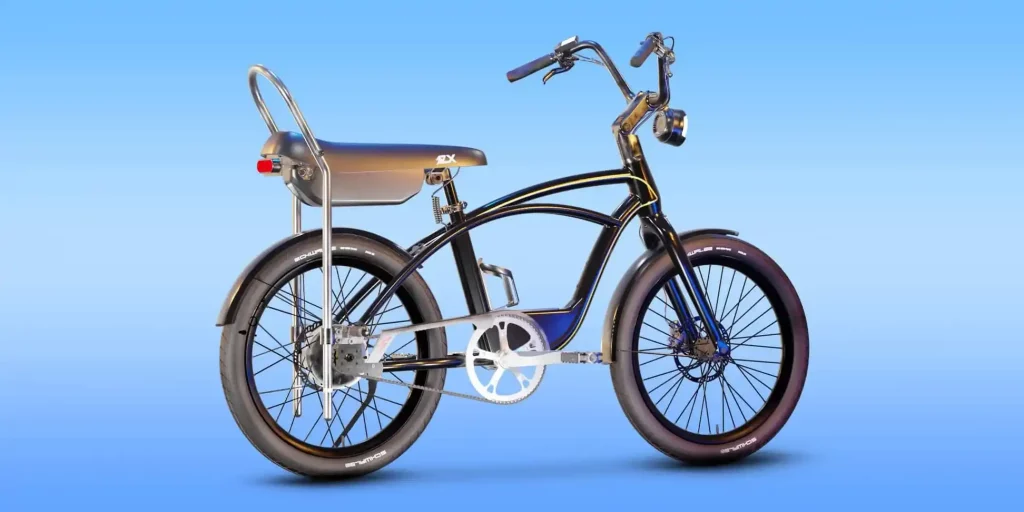
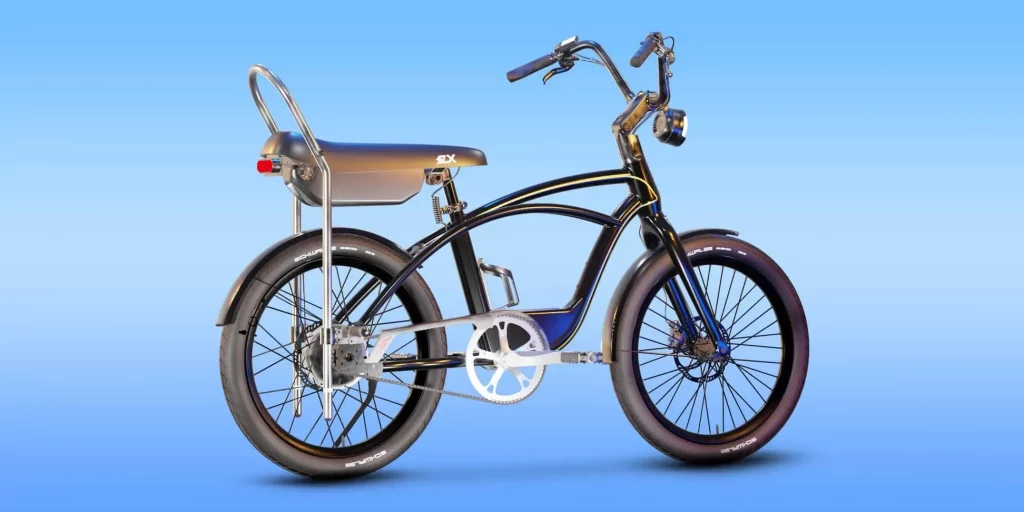
FLX has unveiled a new electric bicycle based on the iconic Schwinn Stringray bike. The FLX Menace’s classic design draws nostalgic feelings from users who had the privilege of riding or seeing the Stingray.
The Timeless Schwinn Stingray that debuted in the 1960s has certainly reincarnated in the Menace. The Stingray was an instant hit to grade school kids of those years and the Menace could continue in that trajectory. The new electric bicycle comes with a swooping frame, banana seat, and tall ape hanger handlebars. FLX says true classics are timeless and come back again and again even better. The Menace has all the charm together with a modern touch.
The Stingray debuted as a single-speed model but later got the Silk Shift, a 3-speed model that was later banned due to design problems in its shift system. The FLX Menace will not have such problems with safety and performance issues well covered. It uses a rear hub motor which takes care of the absence of changeable gears and uses a belt drive system. It also features a pair of Magura hydraulic disc brakes and rear pillion pegs for a passenger.
The FLX Menace has a rigid frame design and much of its performance parameters are lacking at this time. It is expected to have a top speed of up to 45km/h and a decent assistance range. Its battery sits underneath the seat but FLX hasn’t revealed the capacity yet.
FLX has begun accepting $100 reservations for the Menace and it is estimated to cost $1,999. The release date of the FLX Menace is the summer of 2023. Its retro-styling and classic features could however spur demand and reservation for the Menace.
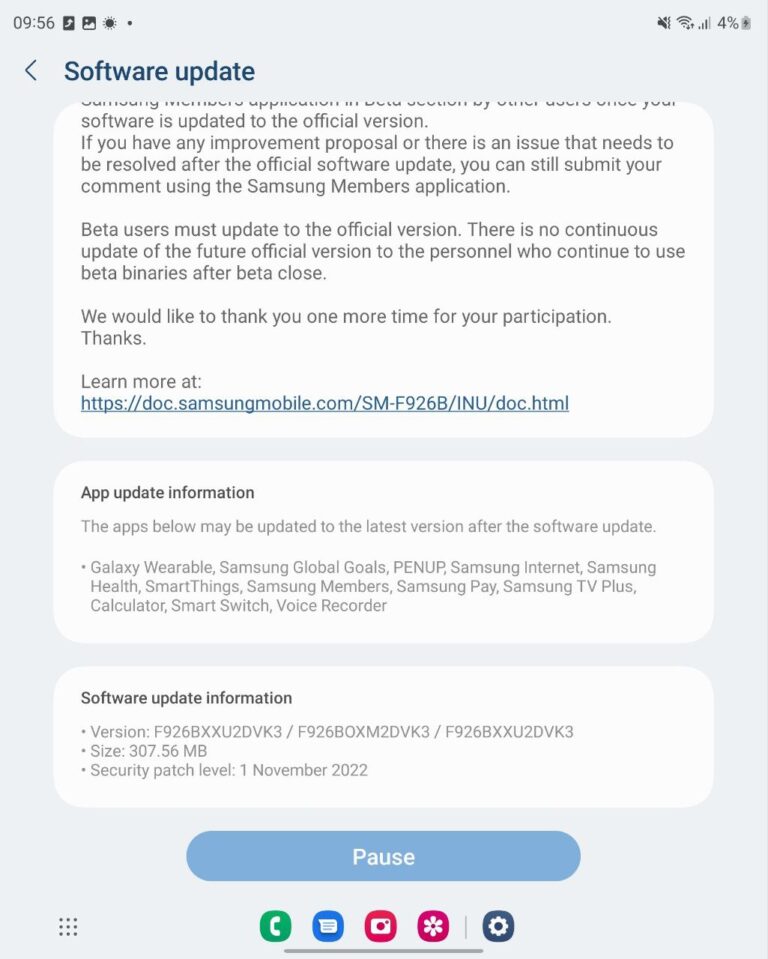
The South Korean tech giant has began rolling out the Android 13 OS update for the Galaxy Z Fold 3 foldable phone, with the firmware version F926BXXU2DVK3. As of right now, this update is being released in India while more regions should start getting this upgrade soon as well. However, the One UI 5 update is currently only available in limited numbers to those that tested the beta builds. These beta testers are now receiving a 307.56MB update, while other Galaxy Z Fold 3 users will be receiving an update around 2GB in size.
Apart from the new major OS upgrade, the latest firmware also arrives with the November 2022 security patch for the foldable smartphone. So if you’re one of the few beta testers of One UI 5.0 and own a Galaxy Z Fold 3, you can download the stable update by going to Settings > Software update and selecting Download and install. On the other hand, other Galaxy Z Fold 3 users can expect to receive the stable update around next week.
The company is also working on bringing the update for various other smartphones as well by the end of this year. This includes mid range handsets like the Galaxy A33, Galaxy A52, Galaxy A53, Galaxy A73, and more. On the other hand, the update is also set to launch in high end models like the Galaxy S20, Galaxy S21, Galaxy S22, and even tablets models like the Galaxy Tab S8 as well.
In recent times, electric scooters and other battery-powered two-wheelers have become popular in urban areas, especially cities where there is dense commuter traffic. However, they offer no form of protection against the elements making them unsuitable for use on rainy or snowy days. To solve this, there has been a proliferation of e-mopeds with their own canopies. Chinese manufacturer Tailing Electric Vehicle has just announced one.
The Tailing Q5 Electric Tricycle is actually a battery-powered three-wheeler designed for children. The tricycle adopts a compact design and can be deployed for door-to-door commutes or just as a plaything for kids within the hood. As such, the scooter doesn’t require a standard driver’s license but it can be registered.
The electric tricycle is indeed eye-catching and cool. It adopts a pair of panda lens headlights at the front. However, the biggest highlight of the new electric tricycle is that it comes with windshield sunshades that protect the user from sun or rain. Since it comes installed from the factory, you won’t have issues with law enforcement agents.
The driving mode of the vehicle is the same as that of ordinary electric vehicles. The accelerator handle controls the acceleration of the vehicle, and the brake pedal is on the right foot. The vehicle also has an LCD instrument panel, which can display information such as battery power and speed in kilometers per hour.
The e-tricycle is equipped with 110 large drum brakes at the front and 130 drum brakes at the rear. In addition, the vehicle has an ARS one-button repair function.
In terms of power, it is equipped with a 500W sine wave motor and Tailing’s cloud intelligent controller, which can prevent slipping. The battery specification is 72V 20AH, and the battery life is about 70 kilometers when fully charged.
There is no word yet on the pricing and availability but we expect this to be a China-exclusive product.
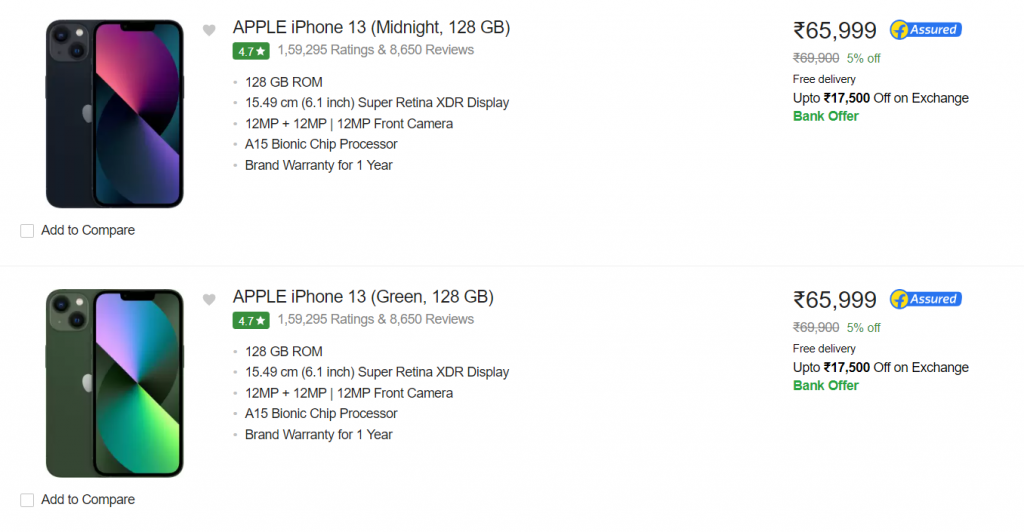
Flipkart, India’s most popular e-commerce platform, has now announced its exclusive Flipkart Apple Days Sale. The sale is dedicated to Apple iPhones and the brand is providing some crazy discount offers on smartphones. iPhone 12 Mini, iPhone 13 and iPhone 11 is getting some crazy discount. There are some additional exchange and card discounts as well. Let’s check out them in more detail.
The Flipkart Apple Days Sale has started throughout the nation and will continue till November 20th, 2022. Users can take advantage of the offer and buy iPhones at a reduced price all through the following promotional period. In terms of offers and discounts, the iPhone 13, which was first released for INR 69,999, is being offered for INR 64,999 with a flat reduction of INR 5,000. A further discount of INR 1,500 would be given to anyone who uses a Federal Bank card to buy the item. Holders of a Flipkart Axis Bank Card will receive a further 5% discount on the item.
The price for the 64GB, 128GB, and 256GB versions of the iPhone 12 Mini is INR 38,999, INR 43,999, and INR 53,999, respectively. Additionally, there are bank offers and card discounts available for this item. It is a deal worth exploring. The 12-megapixel front selfie camera, 12-megapixel dual rear cameras, Apple A14 Bionic chipset, and iOS 14 are all included in the iPhone 12 Mini’s list of features. It has a small 5.4-inch OLED display.
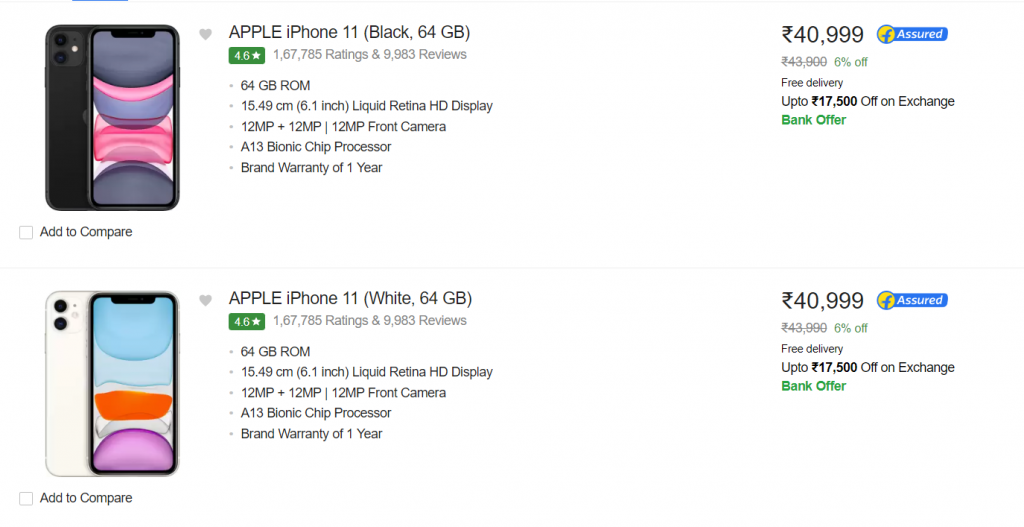
The iPhone 11, the most popular iPhone from the previous Flipkart BBD sale, is the third product on the list. The price of the 64GB iPhone 11 is INR 40,999, while the price of the 128GB model is INR 45,999. Additionally, if you’re looking for an iPhone on a tight budget, this offer is worthwhile. The device has a 6.1-inch display, a 12-megapixel + 12-megapixel dual rear camera, and many more features.
So that was it for the Flipkart Apple Days Sale in India. Which iPhone you are looking to buy and are you impressed by the sale and discount that the sale offers? Do let us know by dropping a comment in your words down below.
POCO is set to launch the POCO C50 in India. The Xiaomi sub-brand said that it will debut the smartphone in the last week of November. The upcoming offering’s moniker has also been confirmed. The POCO C50 will arrive as the successor to the C40 which was announced in June this year but did not release in India. The POCO C31 was the last C-series phone in the country.
POCO is yet to reveal the key specifications of the upcoming C50. The company in its press release said that the device will be a ‘budget disrupter’ and an “overall package” that will deliver “stellar camera performance, immersive multimedia experience,” and “long battery life with a sleek design.” We will know more about the smartphone in the coming days leading up to the launch event.
As per past reports, the POCO C50 has been spotted on IMEI database and Google Play Supported Devices. The listings suggest that it could be a rebranded version of the Redmi A1+.
If the POCO C50 indeed arrives as a rebranded Redmi A1+, we can expect the device to feature a 6.5-inch IPS LCD panel with a waterdrop notch and an HD+ resolution. It will have a rear-mounted fingerprint scanner. The smartphone could come with a 5MP front-facing camera and an 8MP + 0.08MP dual camera setup on the back.
The Helio A22 chip may power the phone with 2GB / 3GB of RAM. Both variants may offer 32GB of built-in storage. It will house a 5,000mAh battery with 10W charging. The upcoming offering will run on Android 12 (Go edition).
Qualcomm had just recently announced its latest and greatest flagship chipset, which is the Snapdragon 8 Gen 2 SoC. While this is the company’s most powerful mobile processor so far, it appears that it still might be outperformed by the Apple A16 Bionic chip that powers the iPhone 14 Pro series.
This news arrives from a GeekBench benchmark listing (Via MacRumors), ahead of any Android smartphones that feature the new Qualcomm chip. However, looking at the early GeekBench benchmark results, the next gen Snapdragon 8 Gen 2 was outpaced by the Apple iPhone 14 Pro model’s A16 Bionic chipset. The synthetic benchmarks revealed that the Snapdragon SoC scored 1483 points in the single core test and 4709 points in the multi core test. Meanwhile, the the A16 Bionic processor scored 1874 and 5372 points in the respective tests.
So it is clear that the Cupertino based giant’s new chips are still ahead of their Android counterparts. Interestingly enough, the last gen iPhone chips, the A15 Bionic, managed to score 1709 points in the single core tests, which is also higher than the Snapdragon 8 Gen 2. This would have one question Qualcomm’s claim of the Snapdragon 8 Gen 2 revolutionizing “the landscape of flagship smartphones in 2023.”
Although the company did state that the advancements would being a “new standard for connected computing, intelligently engineered with groundbreaking AI across the board to enable extraordinary experiences.” In other words, raw performance bump isn’t the only thing new in the new 8 Gen 2 chipset. Keep in mind that benchmarks do not always reflect a better user experience or real life performance. But this does goes to show how Apple’s chips, even the older models, are still quite capable in the current market.
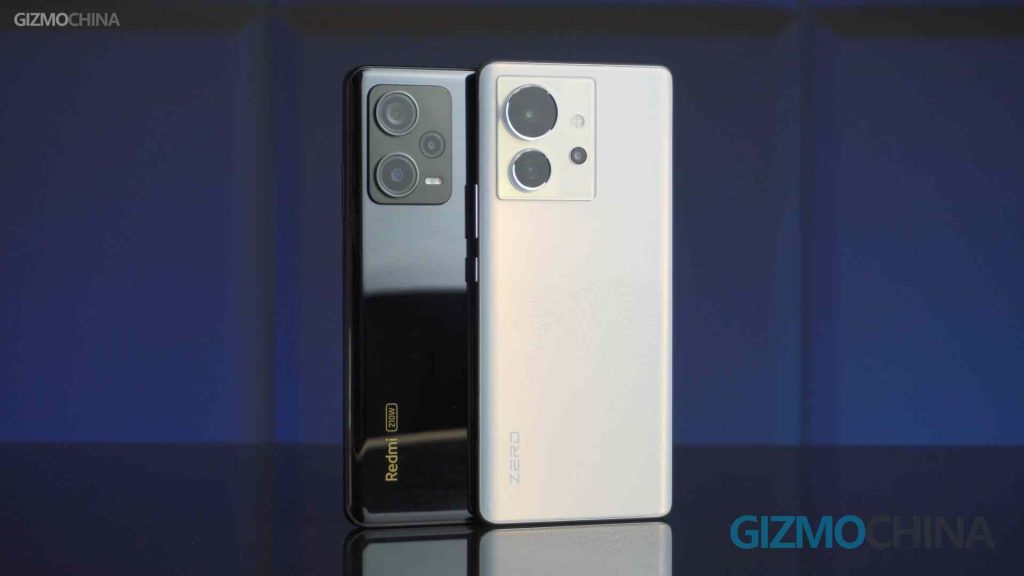
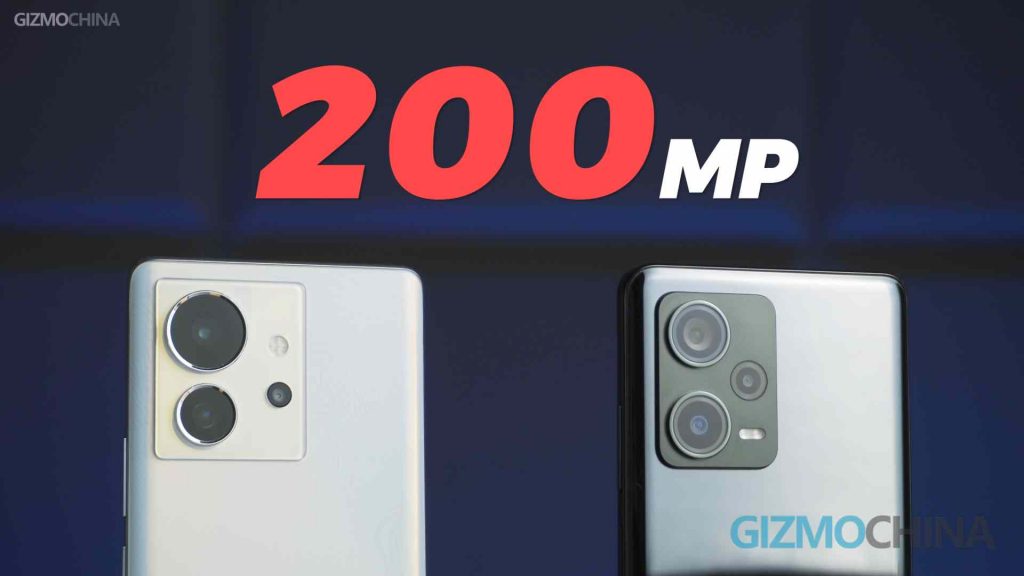
We recently found something fascinating. Once we got our hands on the Redmi Note 12 Pro Explorer and Infinix Zero Ultra, they started to feel very similar? If you think about it, both have 200 MP main cameras, both have superfast charging speeds, both also have mid-range chips, and even the lens design is a bit similar. Does that mean someone out there is confused about which one to buy.
This video below mainly compares charging, performance and photography, and maybe after watching this video, you will know which one to buy.
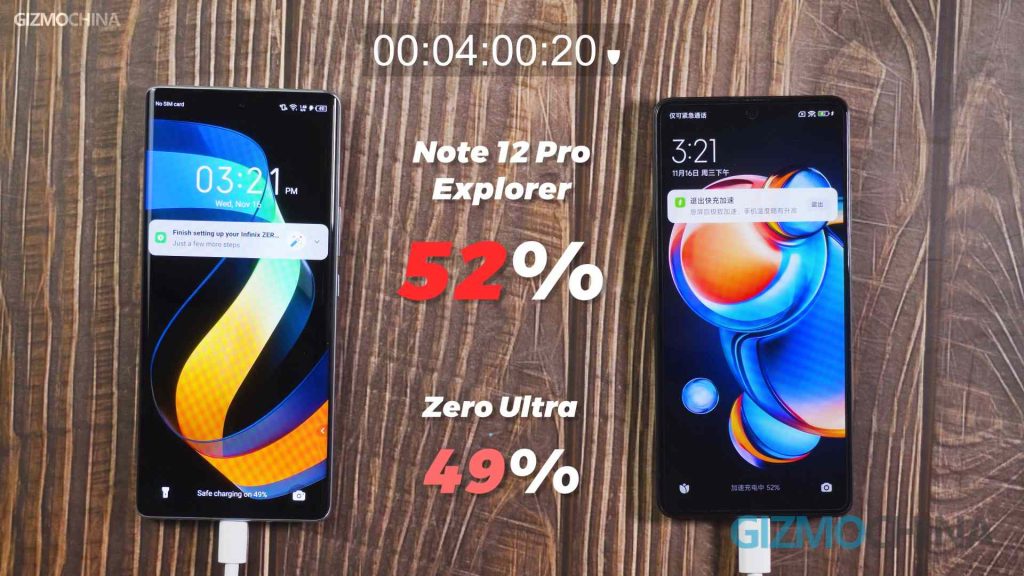
The Note 12 Pro Explorer and Zero Ultra both charge at over 150w, especially the 12 Pro Explorer at 210w. I think it’s hard to visualize how mind-bendingly fast it is with just give you a charging graph. So I decided to plug them in first and wait until the end of this video, and then we’ll see how much they charge in. This way, you will be able to experience just how fast they charge.
Although the Note 12 Pro uses MediaTek’s latest Dimensity 1080, the review video of the 12 Pro doesn’t show it to be much better than the Zero Ultra’s Dimensity 920. And so it is, the difference in scores between the two phones is very small. But when it comes to the gaming test, there is a clear difference, as the two phones have completely different responses to large games.
Since the chip is not as powerful, we chose medium Graphics. Note 12 Pro Explorer tends to release all the power, so its average fps is a little higher than Zero Ultra. But the cost is more power consumption, and with the smaller battery, the difference in power consumption with the Zero Ultra is 3%. So all things considered, these two phones perform about the same in terms of performance. Their performance will not sway your purchase choice.
Redmi Note 12 Pro Explorer vs Infinix Zero Ultra – CAMERAS
Their camera systems are equally interesting, and while they both have pros and cons, they are both completely different. For example, the Zero Ultra’s main camera algorithm likes to add sharpening effects that make the image very messy. This is not the case with the Note 12 Pro Explorer. The Note 12 Pro Explorer, for example, likes to make the dynamic range of the night mode lower, so that the contrast is increased and the photos look more like night, while the Zero Ultra likes to make the dynamic range of the night mode photos higher. Although not all photos will have a higher dynamic range, some scenes have a better dynamic range in auto mode instead. So it’s hard to say who is better when you just focus on the main camera.
`
200MP mode surely many people wonder, does it really give us sharper photos? The answer depends on the conditions under which you shoot. It does take super clear photos. For example, in these two pictures, both phones took 200MP photos with a clarity that no other phone could. In good light, the two phones are very similar sharpness in this mode. But as soon as evening came, the difference between turning on 200MP mode and automatic 12MP mode was narrowing. In very dark conditions, the Note 12 Pro Explorer is only a little better than 12MP mode in terms of sharpness, while the Zero Ultra has just less sharpening effect and 200MP mode has almost no improvement in sharpness. And the size of 200MP photos is 7 to 10 times bigger than 12MP photos. So I think it’s usually better to use the automatic mode, 200MP mode is more like a gimmick.
Coming to the ultra-wide angle camera part, I declare Zero Ultra the overall winner. The samples from both phones in auto mode look like they’re about the same, but in fact the Zero Ultra has more detail and better noise control than the Note 12 Pro Explorer. What’s really great about the Zero Ultra is the Night View mode. Whether it’s exposure, dynamic range or clarity, it’s much better than the Note 12 Pro Explorer. If you are a fan of ultra-wide angle lenses, then you must try the Zero Ultra’s ultra-wide angle camera.
Both phones recorded 4K 30fps video without EIS, so the footage looked shaky. If you switch back to 1080p 30fps, the EIS is back. And the Zero Ultra has less image crop, so it doesn’t look as stable as the Note 12 Pro Explorer. But with Ultra steady mode turned on, the Zero Ultra is as stable as the Note 12 Pro Explorer. So in terms of video recording, they are a tie.
The video is also near the end, let’s see how much the two phones have been charged.
Redmi Note 12 Explorer vs Infinix Zero Ultra 03
What do you think, the time to watch a video can charge so much, over your expectations, it is? Even if you forget to charge it at night, the time it takes to brush your teeth and wash your face in the morning can charge it to more than 70%. So the world’s fastest charging phone is actually a mid-range phone, which is kind of what Redmi and Infinix deserve the most praise for, right?
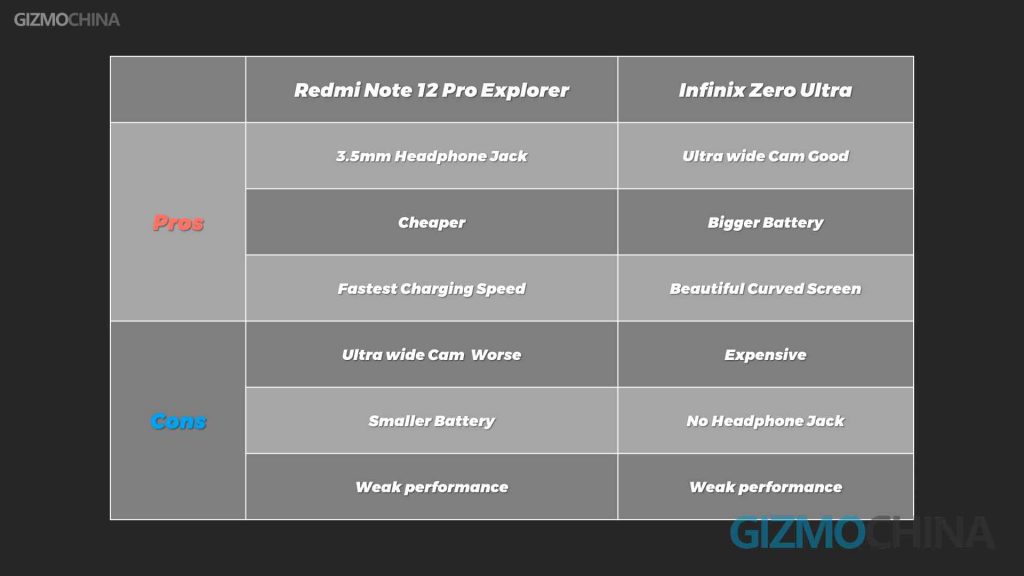
After our test, although they are very similar, they are not exactly the same.
I have made a table, you can refer to the table to choose which one is more suitable for you. Of course, if you find that one phone is much cheaper than the other, then we recommend you to choose the cheaper one. Because the difference between them is not very huge, saving money is more important than anything else.
Realme is apparently planning on launch a number of new smartphones from some of its different series. The information about the various upcoming phones was shared by the company’s Vice President, Xu Qi.
The senior official of the Chinese smartphone maker recently stated that the company has plans for a couple of new smartphones from existing series as well as a brand new foldable phone. Starting from the GT series, the OEM plans to launch the new Realme GT Neo 5 as the latest model in the GT Neo series. Apart from this, the company also plans to unveil two GT Neo series model every year from now on.
Similarly, it will even launch two number series of phones per year as well. One model will launch in the middle of the year and the other will be released around the end of the year. There will also be one regular GT series model launching every year too, as per the executive. However, the most interesting launch plans from Realme is a new foldable phone. According to the Realme Vice President Xu Qi (Via @Sudhanshu1414), a new budget foldable smartphone is also in the works.
This means that the company is already working on such a device and that the development is underway. However, the official did not reveal any possible launch timeline for this new product or share any finer details regarding this foldable phone either. So, we have no idea what kind of features it has or even if it has a notebook style or clamshell folding design. This was all the information we have at the moment, so stick around for more updates.
We are only a few weeks away from the launch of the next-gen Vivo flagship launch known as the Vivo X90 series, and the company has started building up hype for the device by revealing some of its key details.
The company has now officially shared some image samples of the Vivo X90 Pro+, so customers can get an idea of what to expect from its cameras.
The camera samples of the Vivo X90 Pro+ show a rich output with vivid quality. The images show an impressive dynamic range, and the picture taken in night mode looks especially impressive and detailed.
The brand has also shared a sample that looks like it was taken using the tilt-shift photography feature which is rumored to be coming in the Vivo X90 Pro+. For those unaware, Tilt-shift photography is a creative and unique type of photography in which the camera is manipulated so that a life-sized location or subject looks like a miniature-scale model. In this sample, the boat looks quite small compared to the rest of the scene.
Oppo X90 Pro+ specs
According to previous reports, the Vivo X90 Pro+ will have a 1-inch Sony IMX989 50-megapixel primary camera. A 48-megapixel Sony IMX598 ultra-wide lens, a 50-megapixel Sony IMX578 portrait lens, and a 64-megapixel OmniVision OV64B periscope zoom camera will also be included on the device.
The newly released Snapdragon 8 Gen 2 chipset will power the device, along with up to 12 GB of LPDDR5x RAM and up to 512 GB of UFS 4.0 storage. It will most likely have a 4,700mAh battery with 80W wired charging and 50W wireless charging.
It is expected to have a 6.78-inch E6 AMOLED display on the front. The screen is expected to have a 2K resolution, a refresh rate of 144Hz, and PWM dimming at 1440Hz. The device could have a 32-megapixel front-facing camera.
Just recently, it was confirmed that the next gen flagship smartphone lineup from Xiaomi will be called the Xiaomi 14 series and not the 13. Now, a company official has teased the upcoming devices in a new Weibo post (a Chinese microblogging website).
The new high end smartphones were teased by the Chinese tech giant’s President, Lu Weibing. In the online post, we stated that the upcoming Xiaomi 14 series of handsets are very powerful. Under this post, there were various comments with one asking the official to not speak in riddles and reveal the specifications. The senior executive responded to this comment by simply saying that the specs will scare the people. In other words, the Xiaomi 14 lineup will come with some beefy hardware.
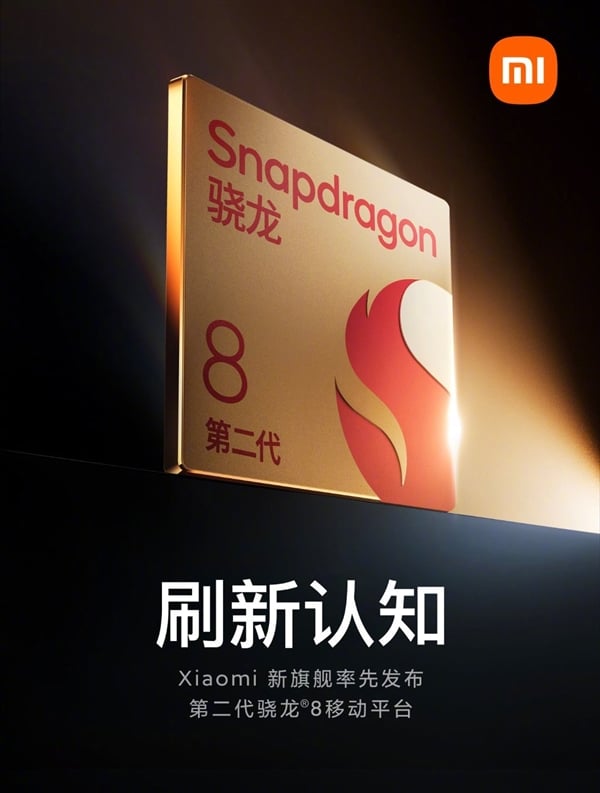
As of right now, the 14 series has yet to be officially unveiled so we only have rumors and reports to go on. Although we do know that the new premium phones are confirmed to be one of the first flagship models in the market to feature Qualcomm’s latest and greatest Snapdragon 8 Gen 2 SoC. Apart from this, it will also run on the company’s proprietary MIUI 14 Android based custom skin, which will be the most streamlined MIUI launch ever as per official claims.
For those unaware, the Snapdragon 8 Gen 2 is one of the key specs of the Xiaomi 14 series. It is a top end chip which promises to offer the best performance on Android phones along with improved efficiency for better battery performance as well. The new devices are also set to come with Sony’s new IMX8/9 series of cameras on the rear, along with ultrasonic fingerprint scanner and even UFS 4.0 storage.
Smartphone GPUs are getting better and better day, and this leads to the development of more comprehensive games with better graphics. However, the touch controls may not be sufficient or satisfactory for some games. Luckily, One of the best mobile gamepads you can buy is finally available with Android phones. The Android version of Backbone One finally goes on sale today.
The Backbone One now works with Android phones
The Backbone One went on sale to be compatible with iPhones in July, but now it’s available for Android phones. Starting today, you can order the Backbone One for Android from the company’s website or some selected retailers for $99.99. Gamepad connects to your phone via a USB-C connection (unlike some controllers that require a Bluetooth connection), and its size can be adjustable. The gamepad also offers a headphone jack, like its iOS version.
The Backbone One mobile gamepad
The Backbone One is compatible with “most” Android phones, but you’ll probably need to remove your phone from its case to make sure it fits. Thanks to the asymmetrical stick and standard A, B, X and Y button layout, it’s very similar to the Xbox’s controller. Especially if you are into Cloud gaming, you will not have any difficulty playing PC games. As you know, the iOS version of the controller also has a PlayStation-compatible model.
The version with the button system (cross, circle, triangle and square) similar to the DualShock was developed for those using the PlayStation Remote Play feature. Unfortunately, the PlayStation version of the controller for Android phones isn’t listed yet. Still, Backbone has an exclusive partnership agreement with Sony, and a USB-C powered PlayStation variant is currently developing; however, the launch date is currently unknown.
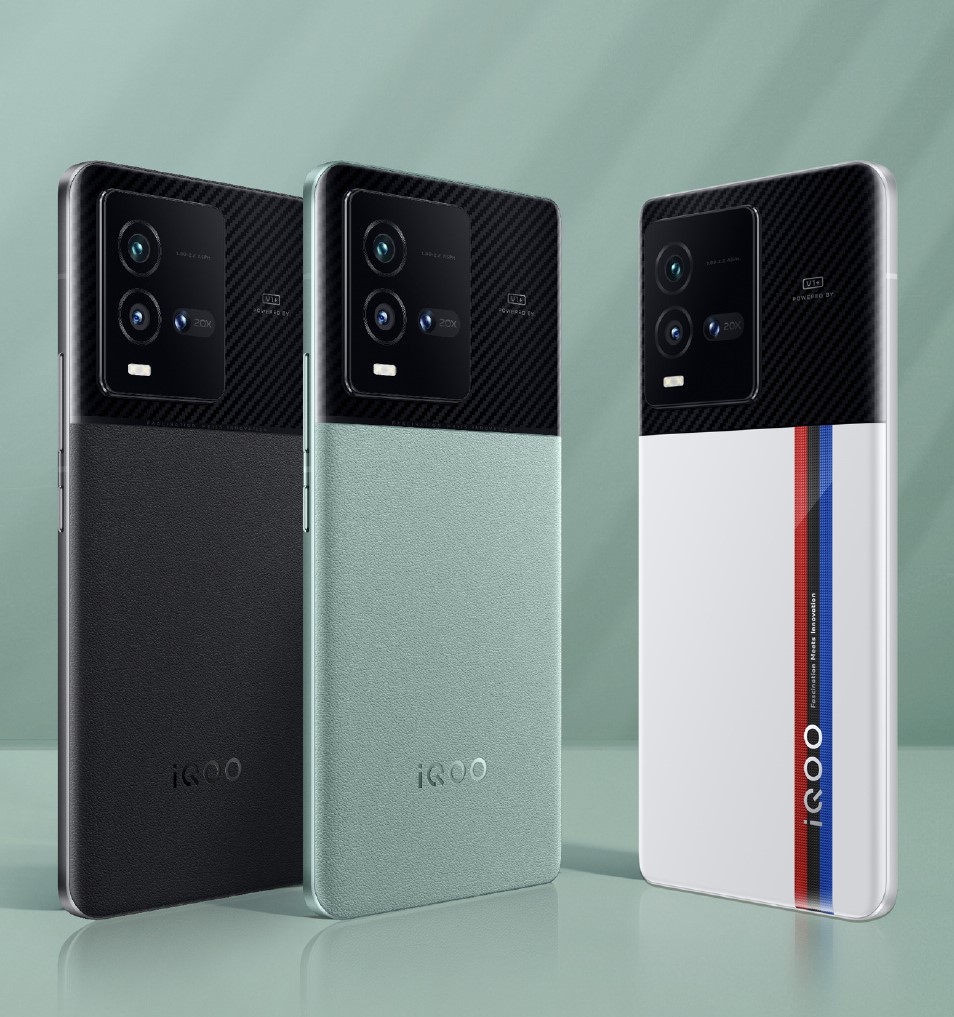
We recently saw the leaked images of the upcoming iQOO 11 smartphone, which revealed its complete design and a couple of color options. Now, a new report has emerged online, which claims to have revealed the complete spec sheet of the iQOO 11.
iQOO 11 leaked renders
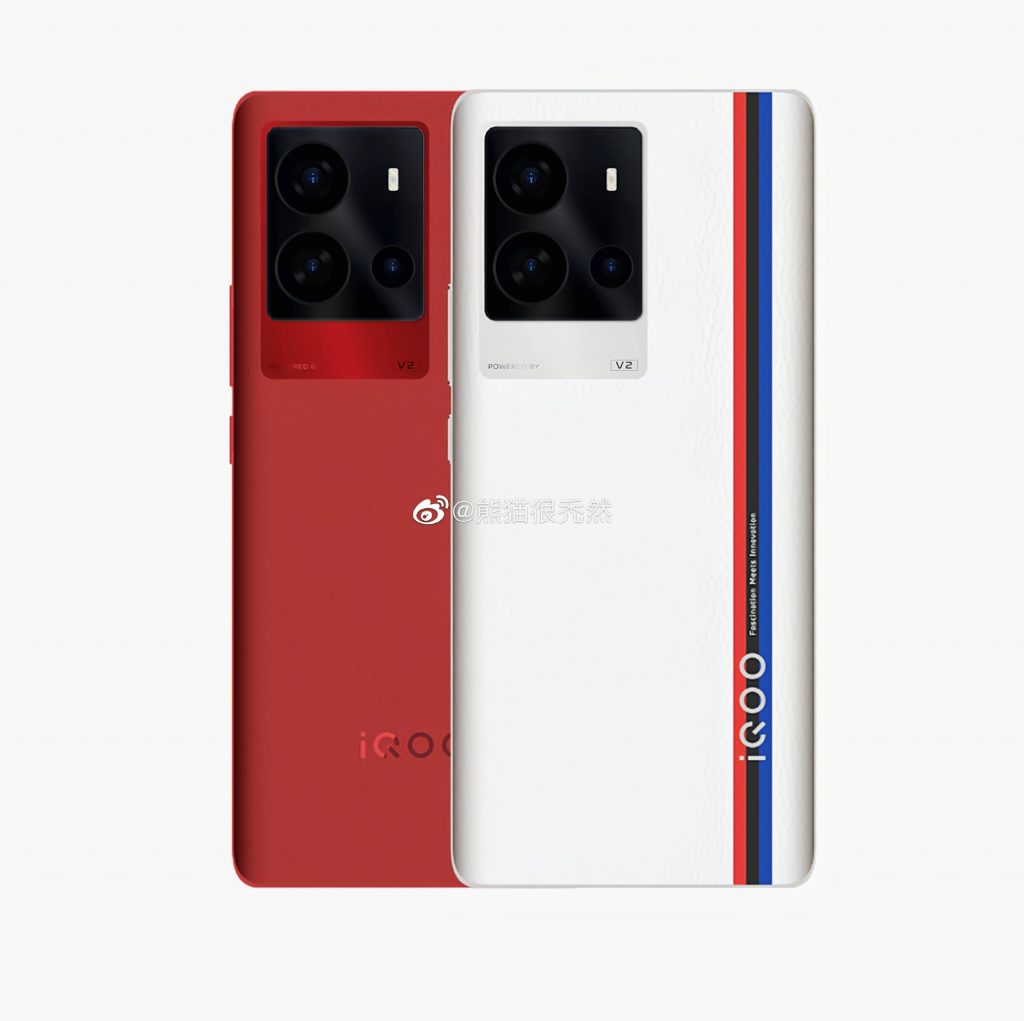
The report comes from 91mobiles, which cites known tipster Ishan Agarwal as the source. It claims that the iQOO 11 will come with a glass and leather finish on the back, making for a premium look and feel. The device is said to come in two color options – Isle of Man Edition and Track Edition. For those unaware, these are the special Green and Grey color options that the brand unveiled for its iQOO 10 devices a while back.
iQOO 10 Isle of Man & Track edition (on the left )
A recent Weibo leak has also revealed that the device will have a crimson color option along with the BMW motorsports special edition.
Coming to the specs, Agarwal states that The iQOO 11 will have a 6.78-inch QHD+ E6 AMOLED display with a refresh rate of 144Hz, a resolution of 32001440 pixels, and a touch sampling rate of 300Hz. The Qualcomm Snapdragon 8 Gen2 SoC will power the phone, along with LPDDR5X RAM and UFS 4.0 storage. A dedicated intelligent image and display chip will be used, which we know to be the V2 ISP chip.
In terms of cameras, the iQOO 11 will feature a 50MP primary camera with f/1.9 aperture and LED flash, a 13MP ultra-wide-angle lens with f/2.2 aperture, and an 8MP macro sensor with f/2.4 aperture on the back. On the front is a 16MP camera for selfies and video chats.
The iQOO 11 will most likely ship with Android 13 and the OriginOS 3.0 custom skin, as well as NFC support. The device will be 164.8x77x8.5mm in size and weigh 205 grams. Finally, the phone will come with a 5,000mAh battery that supports 120W fast charging.
The launch date of the iQOO 11 series is still under wraps, however, if rumors are to be trusted, the iQOO 11 Legend could launch in the global market before the end of November.
Earlier today (18th November 2022), Vivo announced a new color option for its new tablet model. The Vivo Pad will now launch in a new Purple color option, which will be available for purchase later this month.
The Chinese smartphone maker has just recently shared a teaser image poster of the new purple color variant of its Pad. Looking at this image, we can see that the new Purple color option is like a new lavender variant. It retains the matte metal body and also appears to have a textured color on the rear. For those unaware, the Vivo Pad is the company’s premium grade tablet that launched earlier this year, with top notch specs and features.
It sports an 11 inch display that has a 2.5K resolution and 120Hz refresh rate. Under the hood, the tablet is equipped with the Snapdragon 870 SoC. It is powered by a large 8,040mAh battery pack that supports 44W fast charging. The device offers four channel speakers as well. On the rear, the Vivo Pad comes with a dual camera setup, including a 13 megapixel primary and an 8 megapixel wide angle lens. It measures as thin as 6.55mm and weighs around 489 grams.
So apart from a new paint job, the tablet still features specs that are identical to the other color options. The new Purple color variant for the Pad will be announced during the November 22 launch conference for the brand’s upcoming flagship series of smartphones, which is the X90 series. So stick around for more, as we will be covering the launch event.
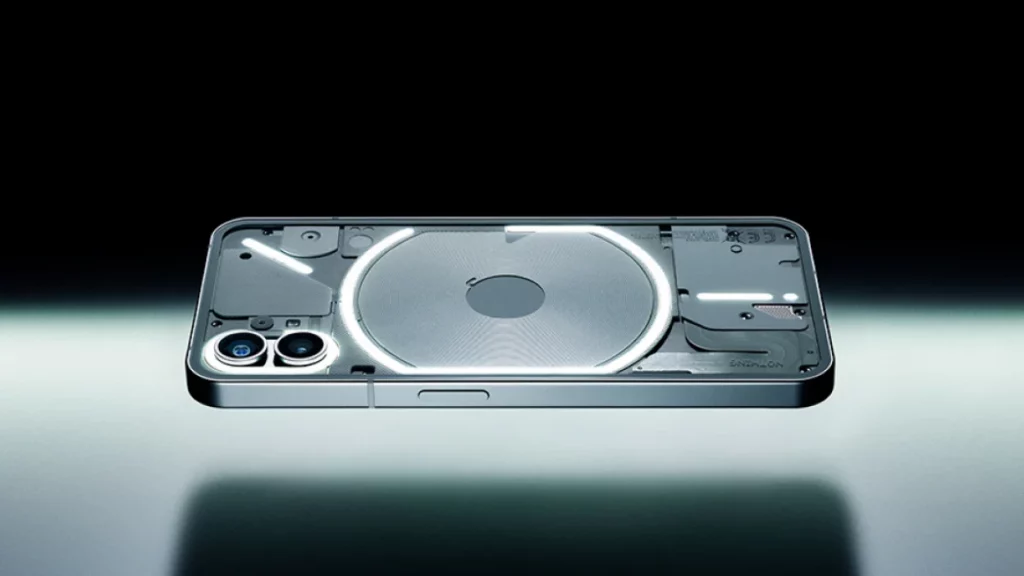
During the Big Billion Day sale, the Nothing Phone (1) was available at an attractive discounted price. However, if you happened to miss out on the offer, the opportunity has presented itself again. In the ongoing sale on Flipkart, the Nothing Phone (1) is available at a discounted price of Rs 26,249. keep reading to find out how to avail this offer.
Nothing Phone (1) Flipkart discount
Nothing is providing a flat discount of Rs 6,500 on the Nothing Phone (1). In addition, Federal Bank debit and credit card customers can get a Rs 1250 discount on the Nothing Phone purchase (1). Transactions made with a Punjab National Bank Credit Card are also eligible for a 10% discount (up to Rs 1250).
Configuration
Price
Discount
Bank Discount
Effective Price
8GB + 128GB
Rs 33,999
Rs 6,500
Up to Rs 1,250
Rs 26,249
8GB + 256GB
Rs 36,999
Rs 6,500
Up to Rs 1,250
Rs 29,249
12GB + 256GB
Rs 38,999
Rs 6,500
Up to Rs 1,250
Rs 31,249
Nothing Phone (1) specifications & features
The 6.55-inch OLED screen on the Phone (1) features Corning Gorilla Glass protection, a 120Hz refresh rate, Full HD+ resolution, and a peak brightness of 1200 nits. Under the hood of the Nothing Phone (1) is an octa-core Qualcomm Snapdragon 778G+ CPU. It has up to 256GB of UFS 3.1 storage and up to 12GB of LPDDR5 RAM. The smartphone already has Nothing OS 1.0, an Android 12-based operating system, installed.
A 50MP Sony IMX766 sensor and a 50MP Samsung JN1 ultra-wide-angle lens are included with the Phone (1). It comes with a 16MP front camera. A 4,500mAh battery and 33W wired fast charging capabilities power the Phone (1). Additionally, it enables 5W wireless reverse charging and 15W Qi wireless charging.
We use cookies on our website to give you the most relevant experience by remembering your preferences and repeat visits. By clicking “Accept”, you consent to the use of ALL the cookies.
This website uses cookies to improve your experience while you navigate through the website. Out of these, the cookies that are categorized as necessary are stored on your browser as they are essential for the working of basic functionalities of the website. We also use third-party cookies that help us analyze and understand how you use this website. These cookies will be stored in your browser only with your consent. You also have the option to opt-out of these cookies. But opting out of some of these cookies may affect your browsing experience.
Necessary cookies are absolutely essential for the website to function properly. This category only includes cookies that ensures basic functionalities and security features of the website. These cookies do not store any personal information.
Any cookies that may not be particularly necessary for the website to function and is used specifically to collect user personal data via analytics, ads, other embedded contents are termed as non-necessary cookies. It is mandatory to procure user consent prior to running these cookies on your website.