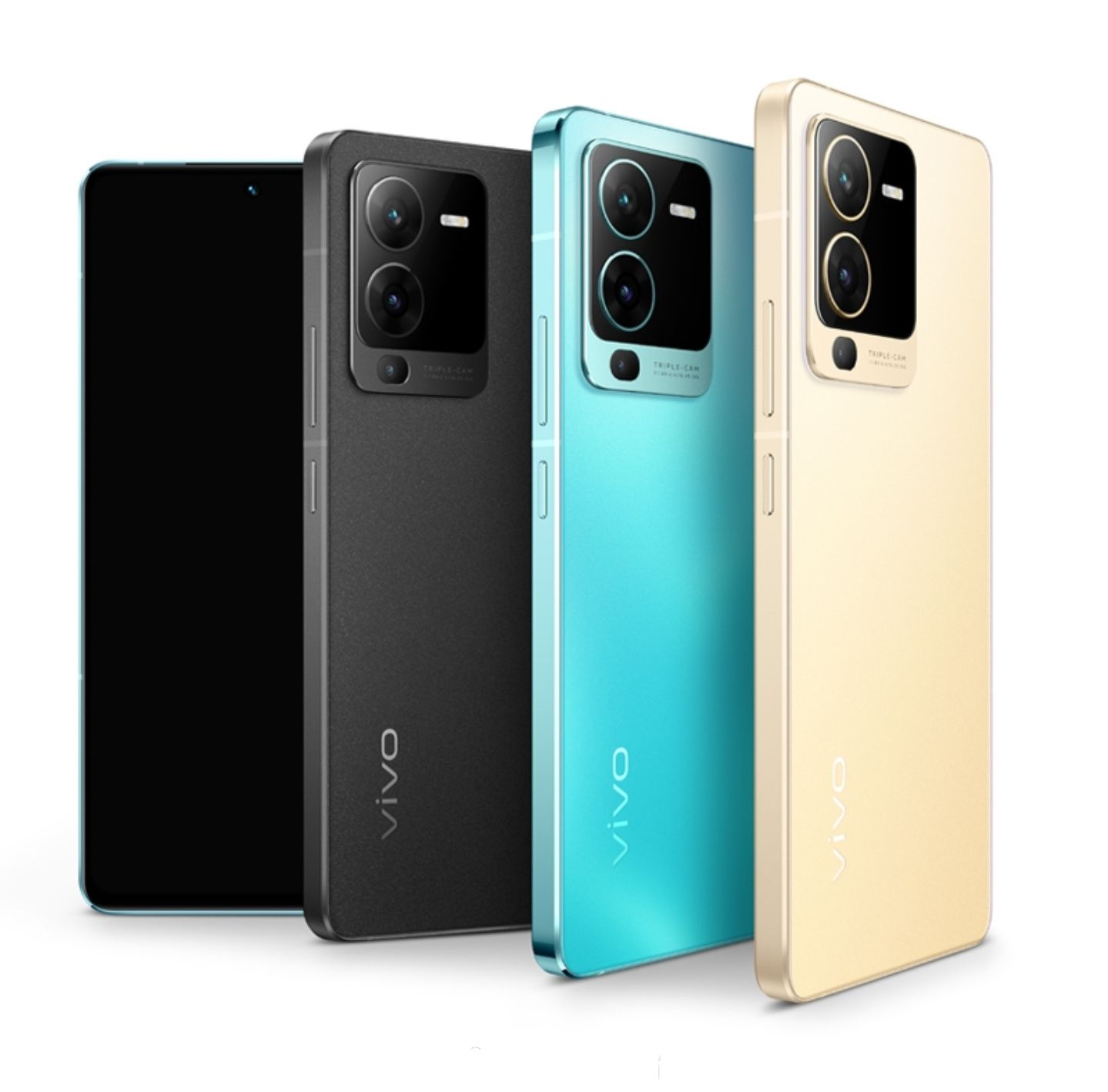
According to a MySmartPricereport, industry sources have revealed some details regarding Pro model of the V25 series. The Chinese smartphone maker’s new model will features a unique color shifting technology with Fluorite AG Glass on the rear panel. Interestingly, this is not a new feature as the company had previously showcased this technology on the Vivo V23 Pro last year. In other words, it isn’t surprising that its successor also features the same highlighting design.
For those unaware, the color charging rear panel changes color hues depending on when UV rays hit the back of the smartphone. According to the industry sources, the new V25 Pro will sport a 3D curved AMOLED display that will have a Full HD+ resolution and support 120Hz high refresh rate as well. The report also claims that the handset will be equipped with a MediaTek Dimensity 1300 SoC, which is an octa core processor based on the 6nm process.
Unfortunately, this is all the information we have at the moment. This news is also unconfirmed right now, so take this report with a pinch of salt as well. So stick around for more, as we will be providing updates when additional information is available regarding the Vivo V25 and V25 Pro smartphones.
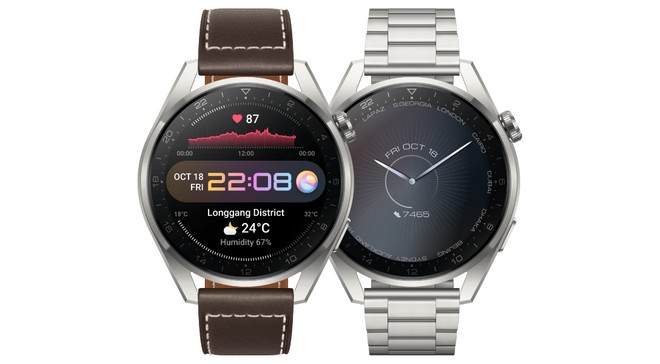
Over the last couple of weeks, we have reported on Huawei launching a couple of new products in its home market of China. Now, the company has launched another smartwatch model, which is dubbed the Huawei Watch 3 Pro New.
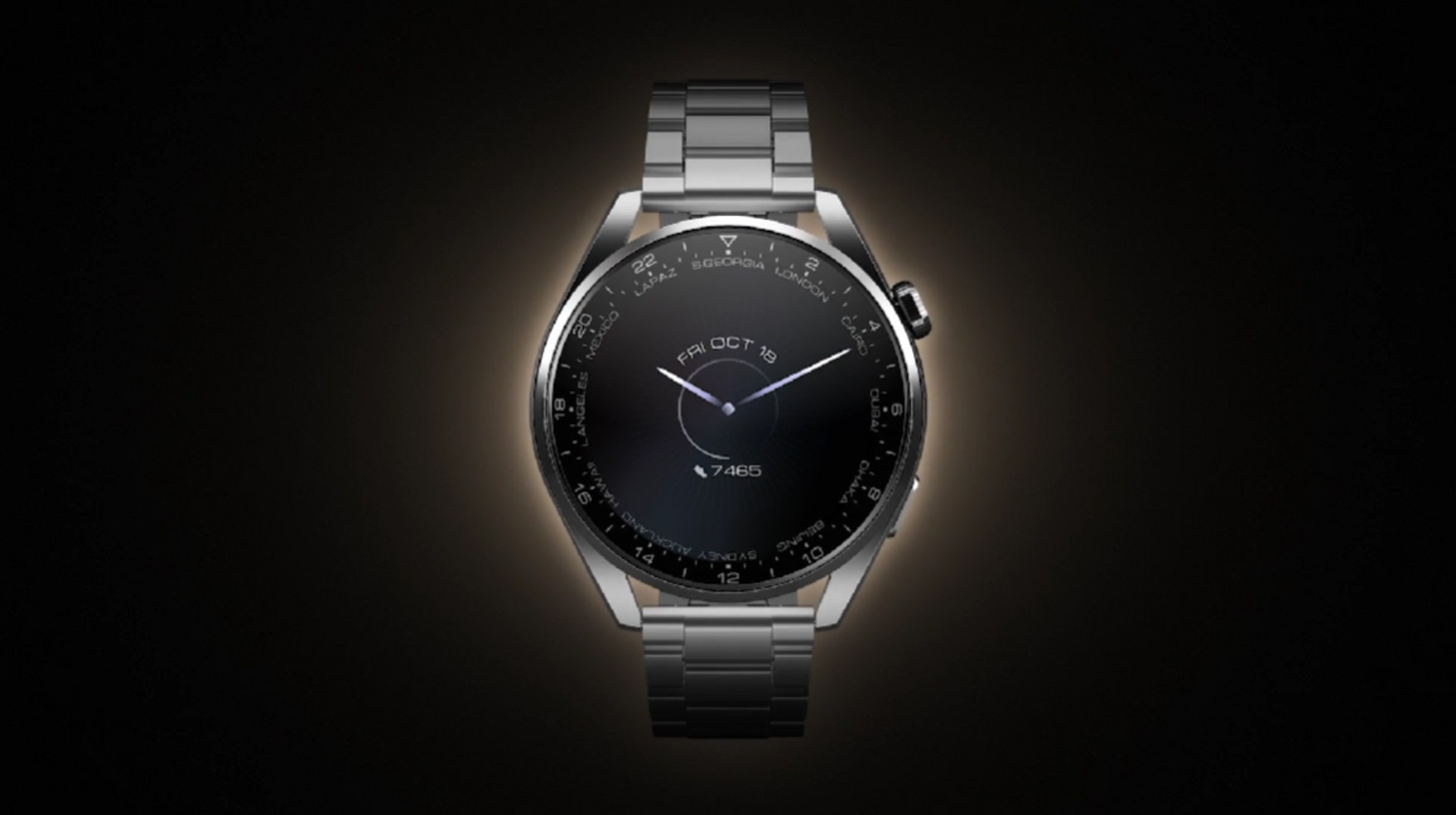
The new Watch 3 Pro New is the latest wearable product from the Chinese tech giant and it arrives with a premium design. It has an elegant design, which is complimented by the case’s titanium build. Meanwhile, the strap is offered in either a titanium version or genuine leather as well. The smartwatch sports a circular 1.43 inch color AMOLED display that has a 466 × 466 resolution and 326 PPI.
As per the official website, the company has built this model with premium design in mind. But despite going for a more traditional business watch aesthetic, it is still a modern day smartwatch with all the bells and whistles. This includes health related features like a heart rate sensor, body temperature sensor, and more. But disappointingly, the brand did not include a SpO2 blood oxygen sensor, which has become a staple in the smartwatch market now. However, it does offer 5ATM water resistance for protection. Notably, the ECG feature and HarmonyOS 3.0 is one of the highlighting features of the new smartwatch as well.
The battery capacity and its other parameters are currently unknown, although, Huawei claims that the Watch 3 Pro New can last for up to 4 whole days on a single full charge with intelligent mode. Apart from this, it houses 2GB of RAM and 16GB of internals storage as well. The company has launched the product in China with a price tag of 2,899 Yuan (roughly 430 US Dollars) and it is currently available for purchase via VMall.
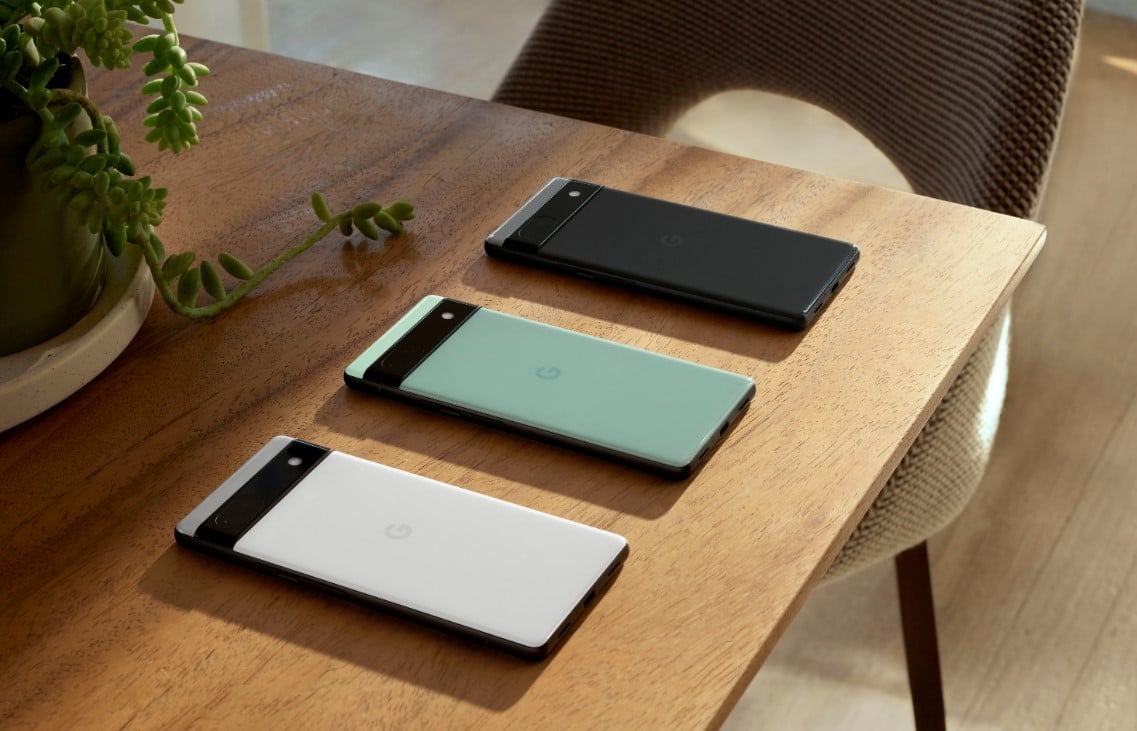
Just a couple of days ago, Google had finally launched its first Pixel series smartphone in two years in India, which was the Pixel 6a model. Now, the new handset along with the Pixel Buds Pro have finally gone on sale in the region.
Pixel 6a
Talking about the smartphone first, the Search Engine giant’s Pixel 6a sports a 6.1 inch FHD+ OLED display that has an in display fingerprint scanner. Under the hood, it packs the company’s proprietary Tensor SoC and Titan M2 security chip that is paired with 6GB of RAM and 128GB of internal storage. The smartphone features a 12 megapixel dual camera setup on the rear, while the front has an 8 megapixel selfie shooter. Lastly, it is powered by a 4,410mAh battery pack that also supports 18W fast charging.
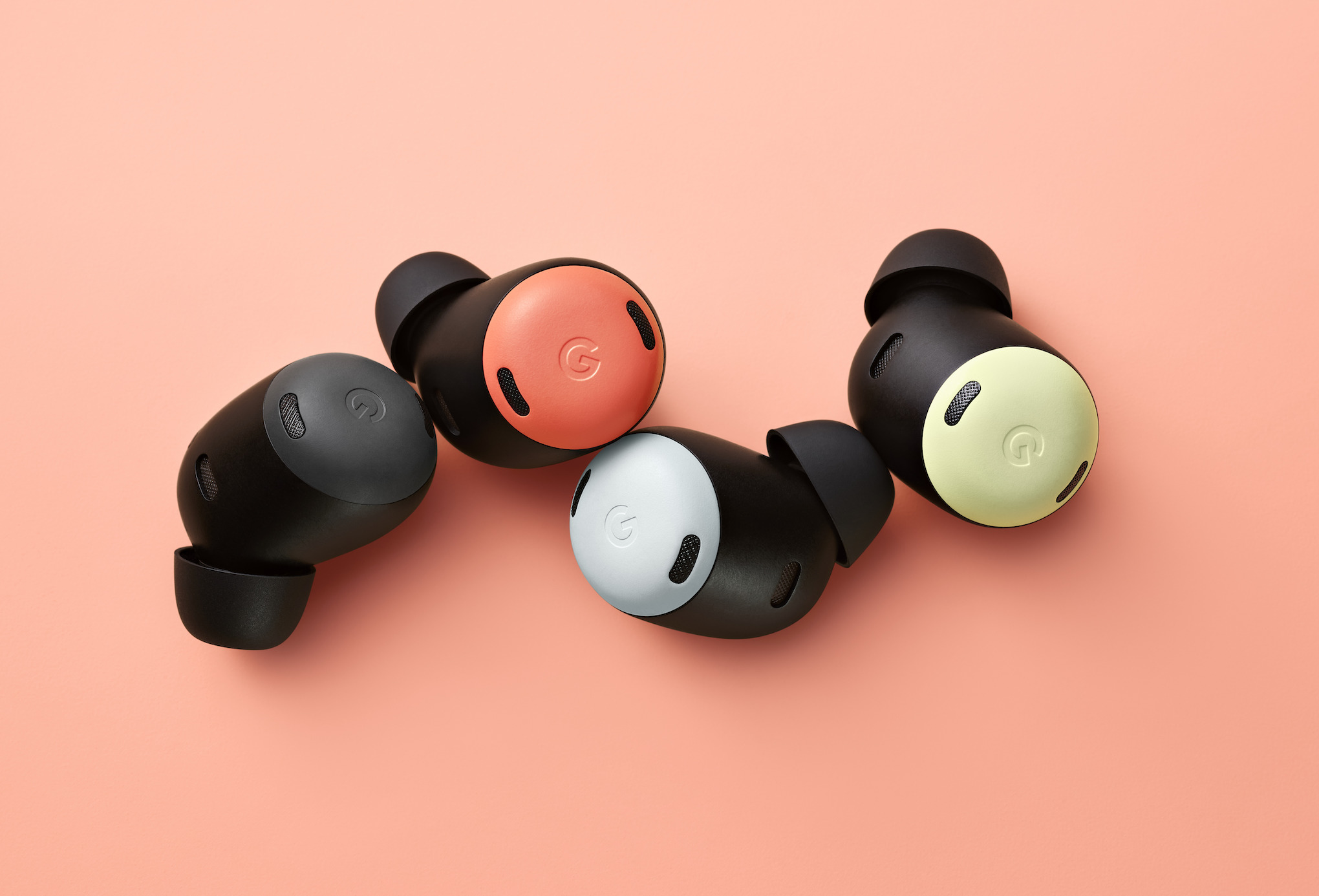
Arriving at the new wireless earphones, the Pixel Buds Pro is a pair of truly wireless earbuds that have an 1mm dynamic driver. Being a high end Pro model, it offers active noise cancellation and even a transparency mode as well, which works via a triple micrphone setup. The earbuds can last for up to 11 hours on a single full charge, while the case bumps this battery life by up to 31 hours. Other features include IPX4 rating, USB Type C and Qi wireless charging, and Bluetooth 5.0 connectivity.
Pixel Buds Pro
At the moment, the Google Pixel 6a is priced at 43,999 INR in India, while the Pixel Buds Pro have a price tag of 19,990 INR. Both products are currently available for purchase on Flipkart, with the brand offering an instant 4,000 INR discount on Axis Bank card holders. Notably, Pixel 6a buyers can receive an additional 6,000 INR discount if they exchange any older Pixel series device and other select smartphones.
The iQOO 9T was scheduled to launch in India on August 2. However, out of the blue, the brand announced the smartphone earlier today.
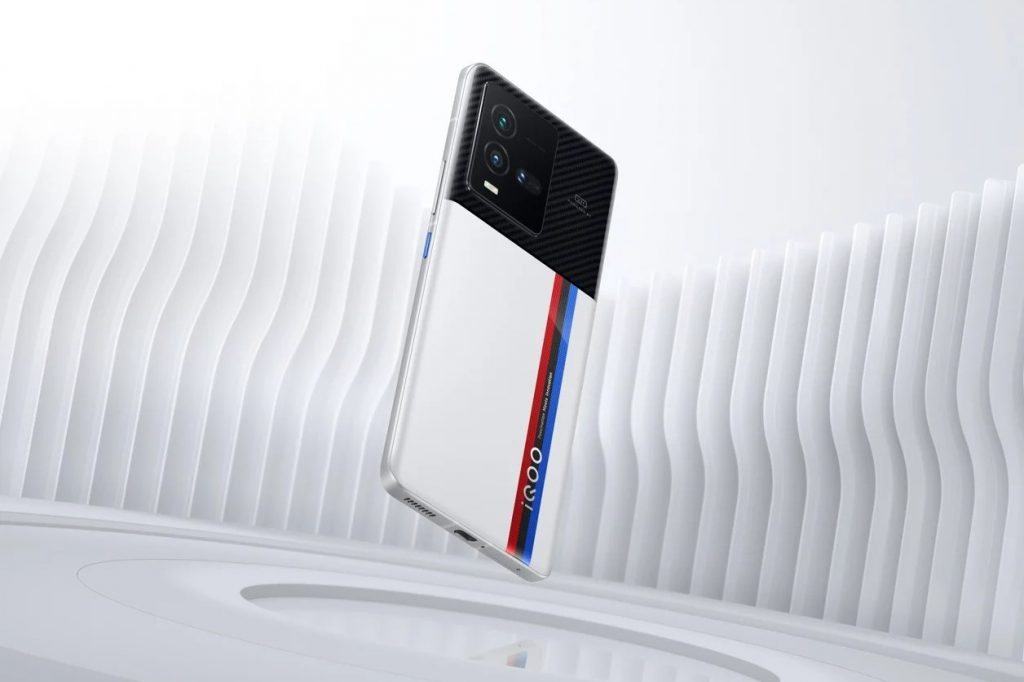
As expected, the iQOO 9T for India is a rebranded iQOO 10 from China. The main highlight of the handset is that it comes powered by a Qualcomm Snapdragon 8 Plus Gen 1 SoC.
Let’s take a look at its entire specs along with its pricing and availability.
iQOO 9T Specifications
The iQOO 9 sold in India differs from the original iQOO 9 from China. Whereas, the newly announced iQOO 9T in India is a rebranded iQOO 10 from China.
Additionally, the original iQOO 9 and the iQOO 10 are almost identical, except for the chipset. Since the original iQOO 9 was never released in India, the iQOO 9T (aka iQOO 10) feels like a completely new device in the country.
The iQOO 9T is built around a 6.78-inch Samsung E5 AMOLED display with a resolution of 2400 x 1080 pixels (FHD+) and up to a 120Hz refresh rate. The panel is protected by a layer of Schott Xensation UP glass and it supports HDR10, 1500 nits peak brightness level, and 100% of the DCI-P3 color gamut.
The phone is powered by a Qualcomm Snapdragon 8 Plus Gen 1 chipset paired with LPDDR5 RAM, UFS 3.1 storage, and VC liquid cooling system. It also comes with a Vivo V1+ chip for image processing and display optimizations. It boots Funtouch OS 12.1 based on Android 12 and the company promises 3 Android updates and 4 years of security updates.
The handset houses a triple camera system on its rear. The setup consists of an OIS-assisted 50MP Samsung ISOCELL GN5 primary sensor, a 13MP ultra-wide + macro unit, and a 12MP Sony IMX663 sensor with a 2x optical lens. On the front, the centered punch-hole nests a 16MP shooter.
The connectivity options on the phone include dual SIM, 5G, WiFi 6, Bluetooth 5.2, GNSS, NFC, and a USB Type-C port. It arrives with dual stereo speakers and an in-display fingerprint sensor.
Last but not least, the IP52-rated iQOO 9T is backed by a 4,700mAh battery with support for 120W fast wired charging.
iQOO 9T Price and Availability in India
The iQOO 9T will retail at the following price tags in India.
8GB + 128GB – ₹49,999 ($627)
12GB + 256GB – ₹54,999 ($689)
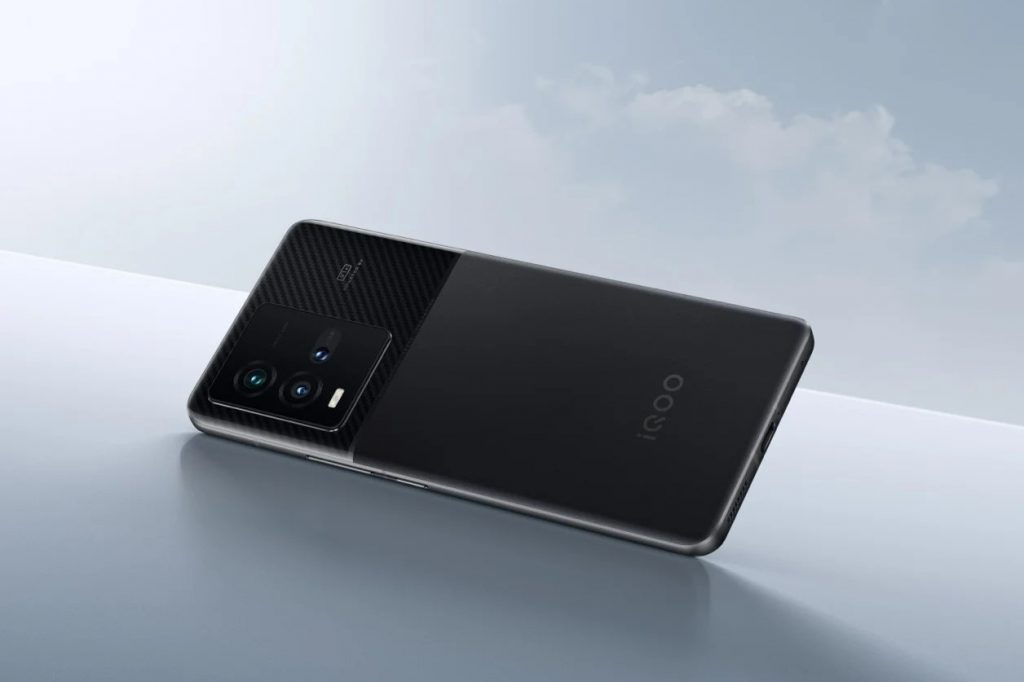
The smartphone will be available for purchase starting at 12:30 PM on August 2. It will be sold via Amazon India and iQOO.com in Alpha (Black) and Legend (BMW M Motorsport) color options.
Customers can avail of a ₹4,000 discount on ICICI Bank card transactions. They can also avail of ₹5,000 (non-iQOO devices) or ₹7,000 (iQOO devices) exchange bonus.
Motorola is all set to launch its latest foldable smartphone, dubbed Moto Razr 2022. As the name itself indicates, the phone will be the successor of the existing foldable smartphone in the market from the Lenovo-owned brand.
While the official launch of the smartphone is set for next week, on 2nd August, the company has now shared a teaser poster on Weibo, which reveals the design of the smartphone and gives a hint at what to expect.
The Moto Razr 2022 will come with a full-sized external display which will be on par with the internal screen. The phone is also shown to have a dual-camera setup on the back, and the external display can be used as a viewfinder.
The development comes days after Motorola confirmed that the Moto Razr 2022 will come powered by the latest Qualcomm Snapdragon 8+ Gen 1 processor. It will pack a 3,500mAh battery that is claimed to offer a full day of usage on a single charge.
Previous reports have revealed that the smartphone could feature a 6.7-inch P-OLED FHD+ foldable screen offering a 120Hz refresh rate. It will likely have a 3-inch cover display on the back which can be used for multiple functions.
In the camera department, there will be a 50-megapixel primary sensor and a 13-megapixel ultra-wide sensor on the phone’s back panel. On the front side, there will be a 32-megapixel snapper for taking selfies and video calling.
The phone will come with up to 12GB of LPDDR5 RAM and up to 512GB of UFS 3.1 internal storage. It will run the Android 12 operating system out-of-the-box with the company’s own MyUI 4.0 custom interface.
The Moto Razr 2022 is expected to come in two different color options — Quartz Black and Tranquil Blue. As per the rumors, the phone could be priced at €1,149 in the European market, which is approximately $1,175.
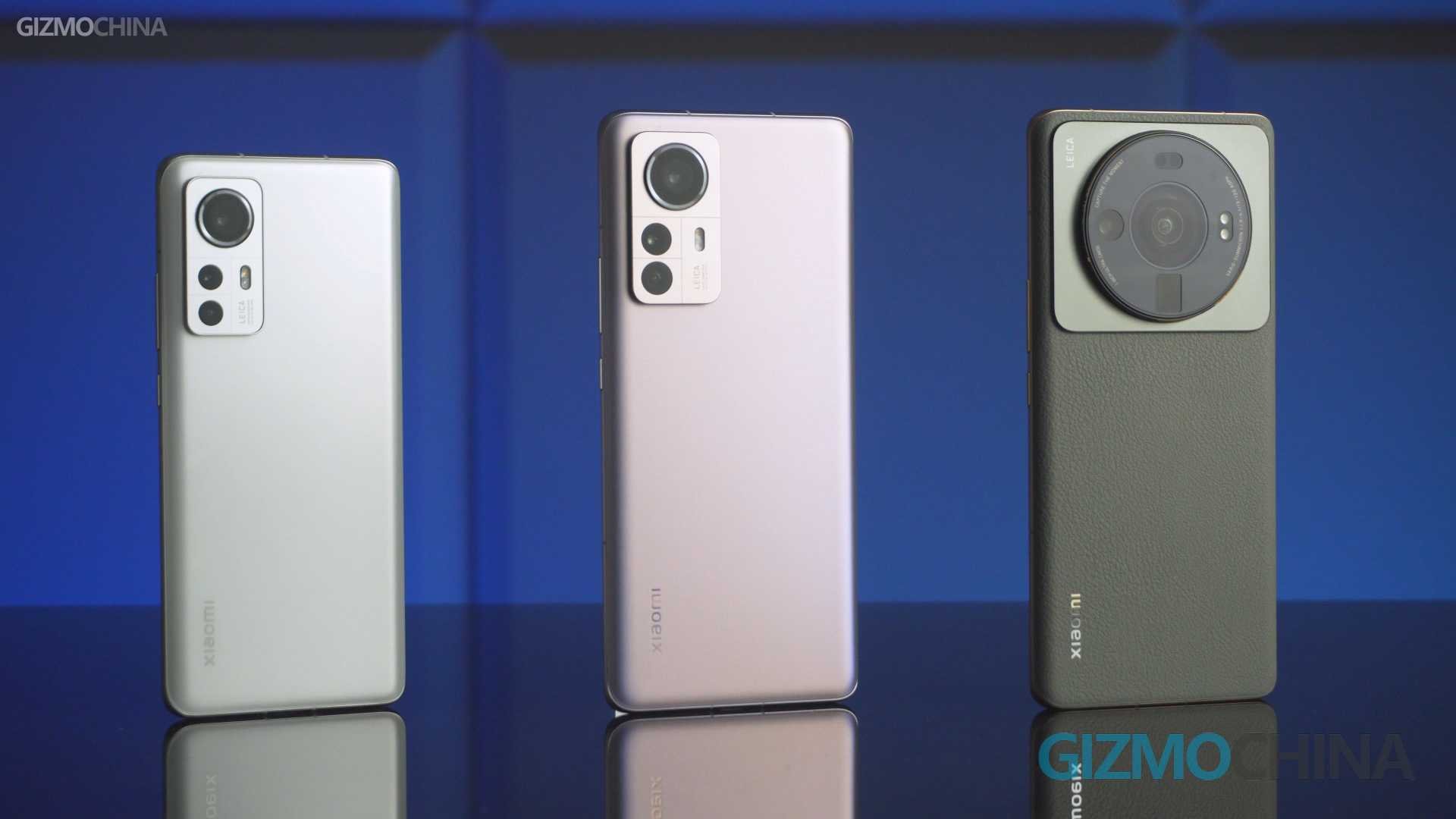
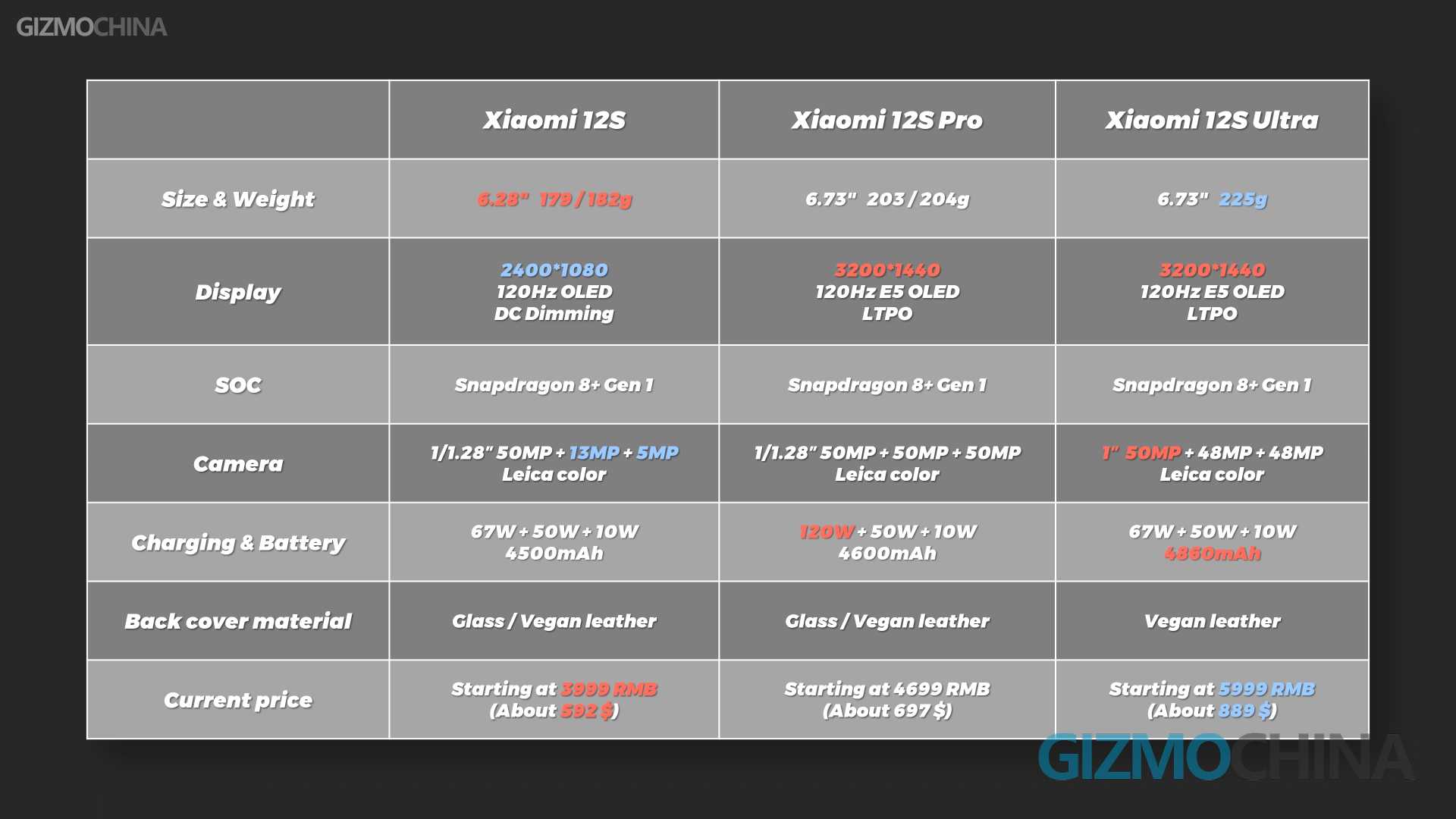
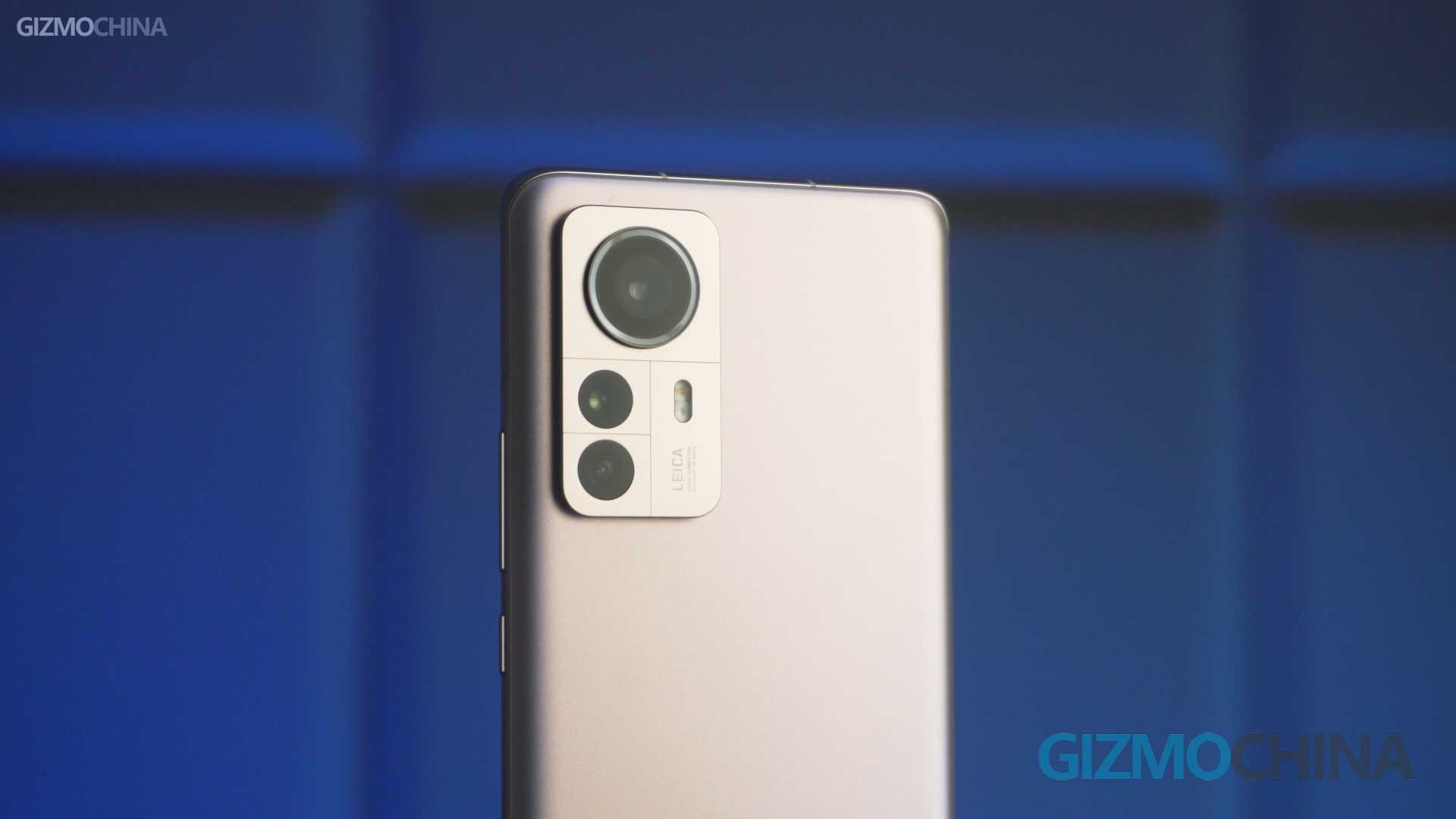
I must say that Xiaomi 12S Pro has the least number of changes in the 12S series. If I were to review every part as I have done in the past, it would be almost the same as the Xiaomi 12 Pro review, and that would be pointless. So, for this review, we will only look at the two biggest changes to the 12S Pro: the processor and Leica color profile.
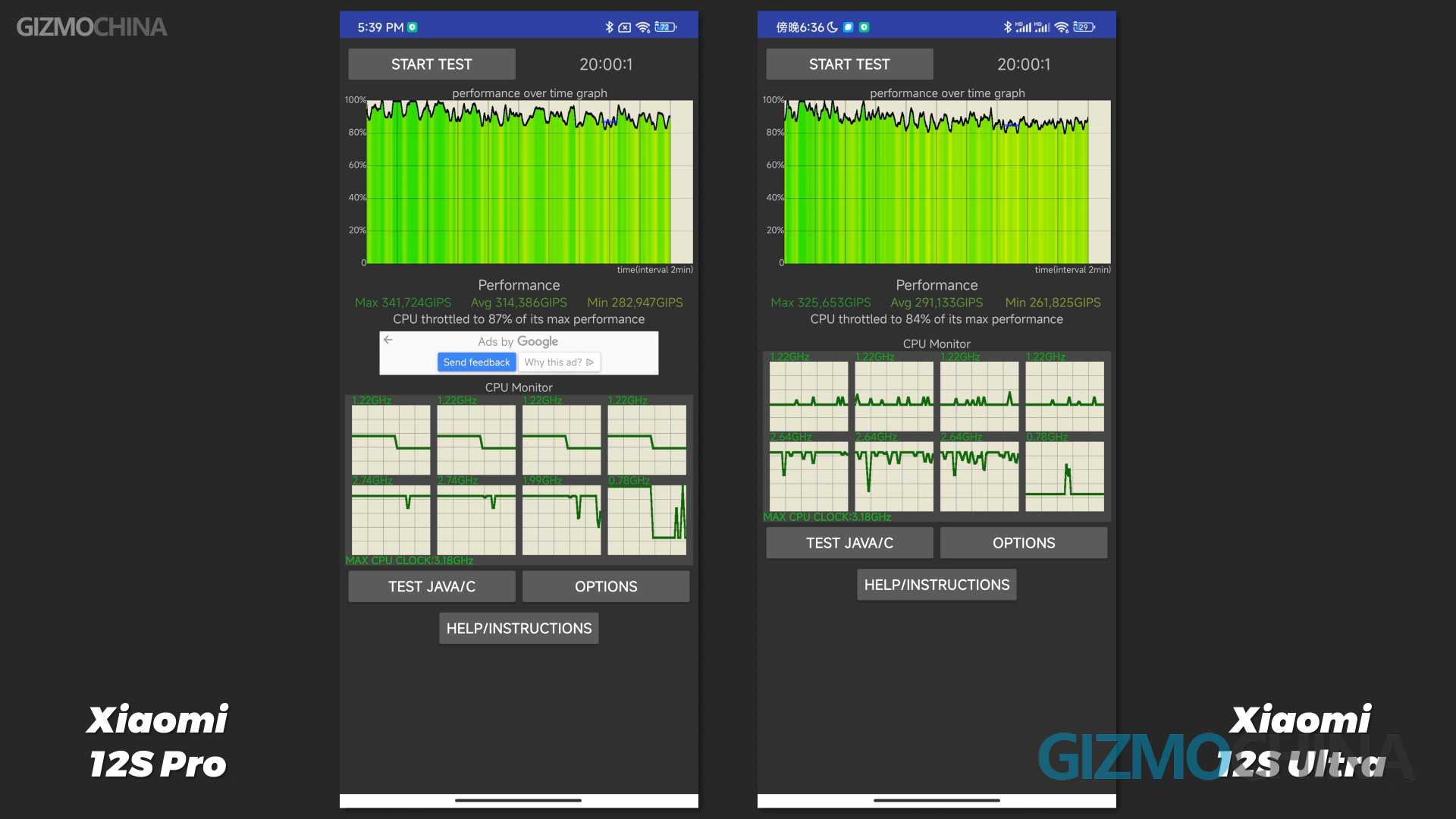
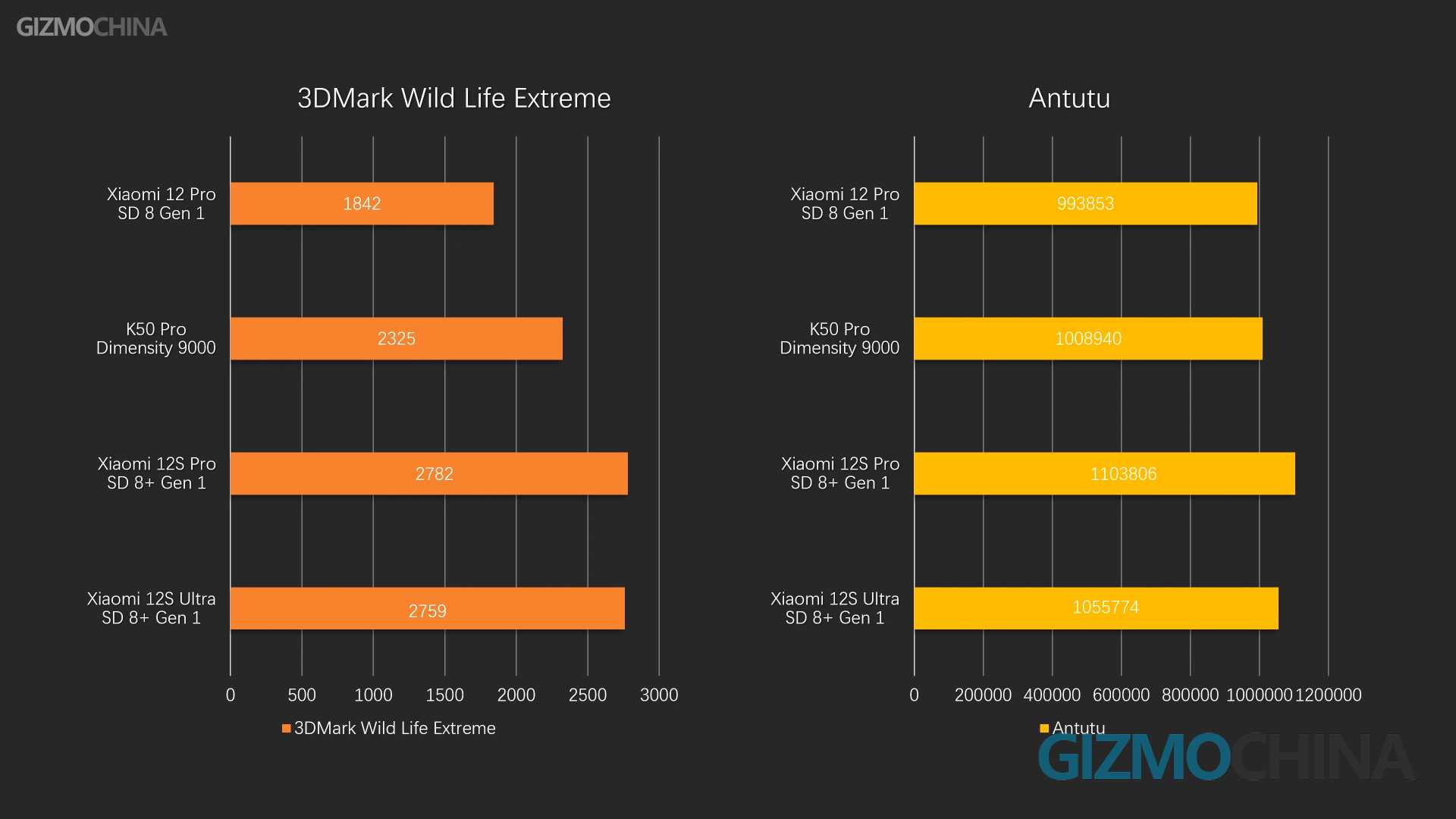
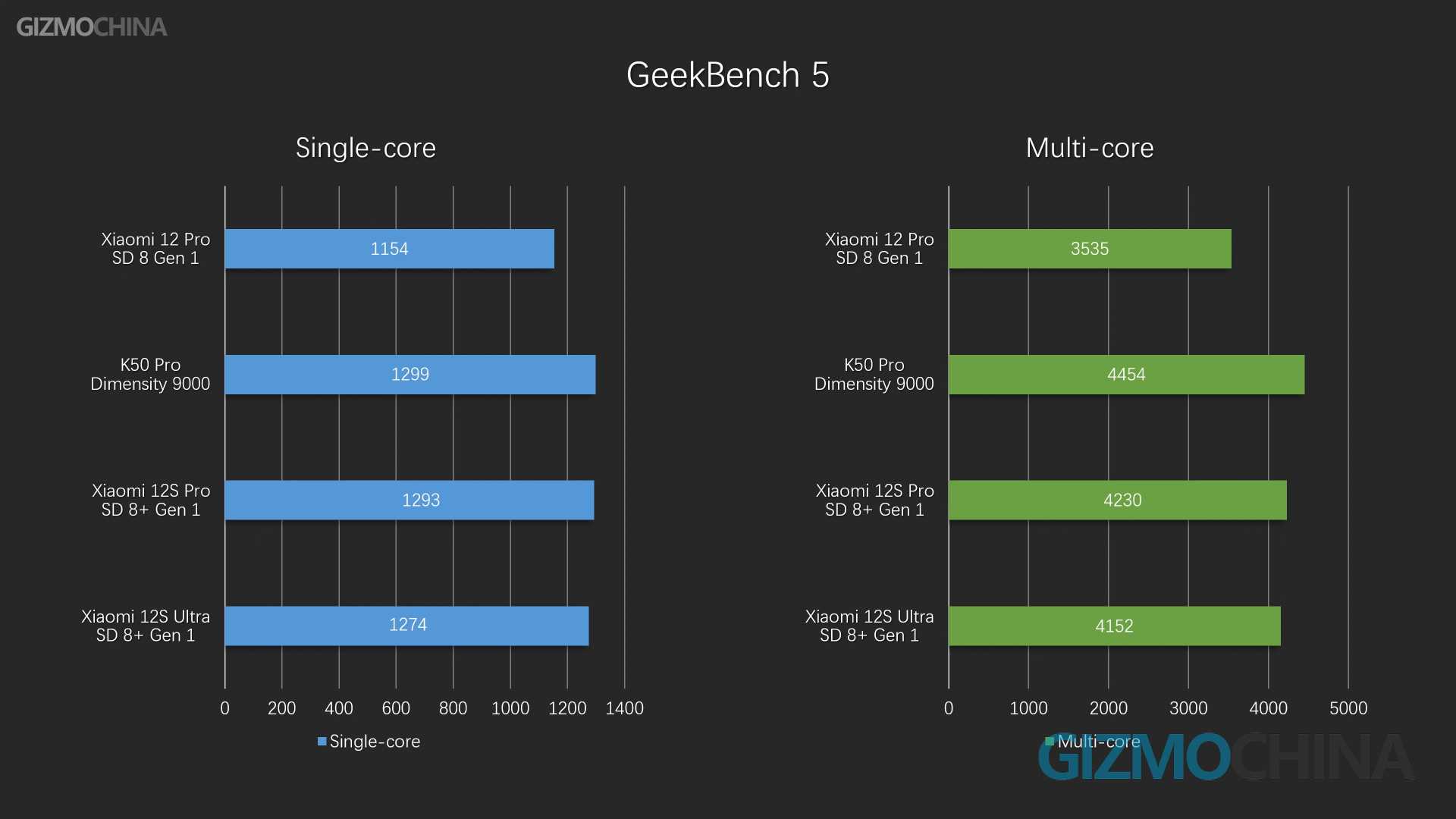
The 12S Pro has an important upgrade: the Snapdragon 8+ Gen 1. It’s already proven in our Xiaomi 12S Ultra review how powerful the 8+ Gen 1 is with the TSMC 4nm process. But even with the same processor, performance can vary from this model to the other, and the Xiaomi 12S Pro and Ultra are good examples of this. The 12S Pro seems to be more aggressively tuned, as seen in the BenchMark results. And even without the new cooling system, the CPU Throttling Test scores were excellent.
1 of 4
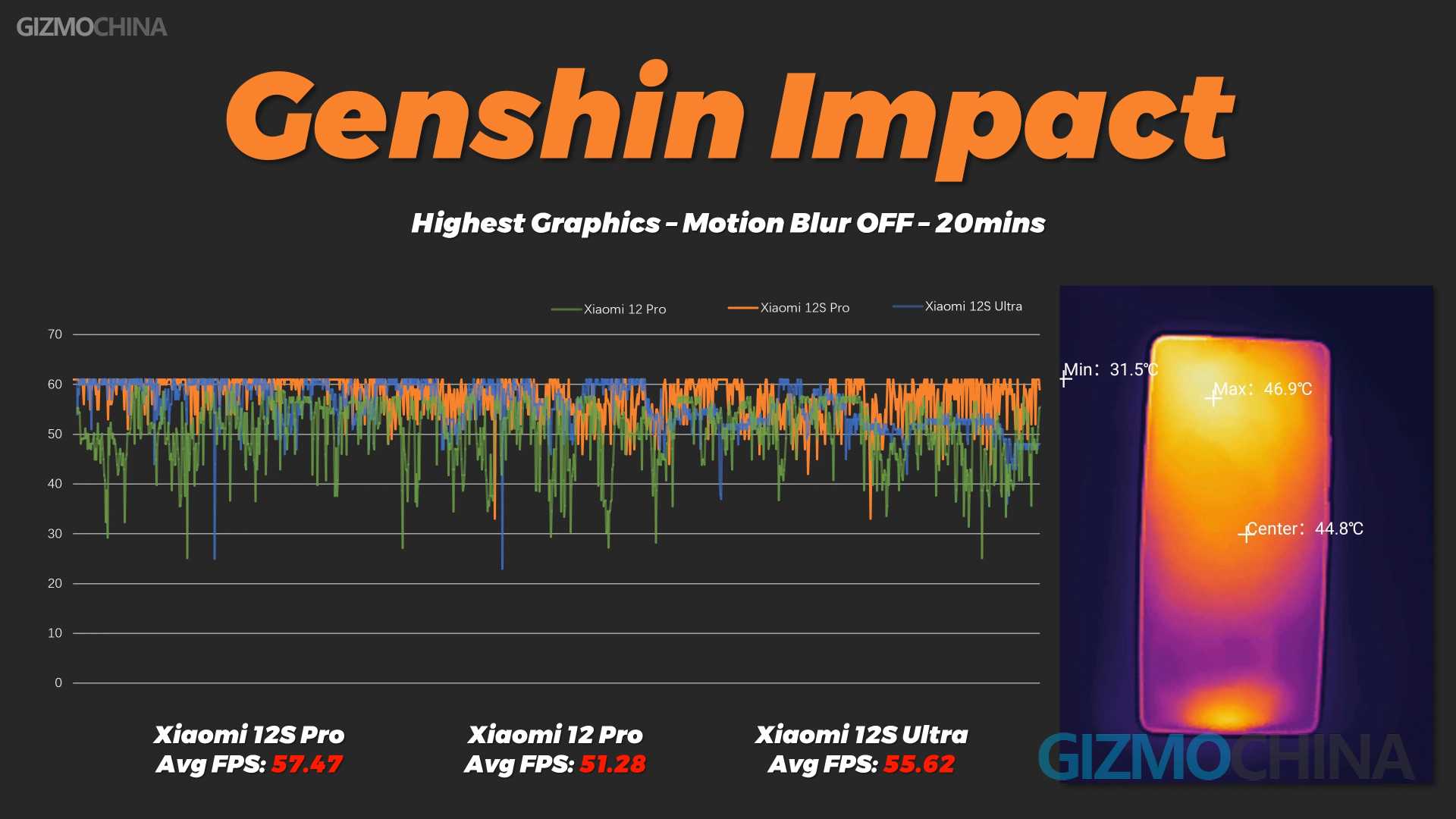
Looking at the Genshin Impact, it is true that the 12S Pro has a higher average FPS. But you can also see from the line graph that it has a more fluctuating frame rate and you can feel the lag in the game. But compared to the 12 Pro’s performance, the average frame rate is higher, and lagging issues have been fixed. So if you were to ask me if the 12S Pro is good for gaming, my answer would be yes. Other than some gaming phones, it’ll be hard to find a regular phone with better performance than this one.
All three camera sensors remain the same, but the 12S Pro has Leica color science! Although we discussed Leica’s color science in the 12S Ultra review, the Pro’s Leica colors don’t seem the same as the Ultra version. Especially in the Leica Authentic mode, although the contrast is also improved, the change is not obvious in most scenes compared to Leica Vibrant mode. We tried to find out why and comparing to the 12S Ultra sample, we could easily find that the Vignetting was not as obvious as the 12S Ultra. So the Pro version does not look as “Leica” as the Ultra.
So compared to the Xiaomi 12 Pro, Leica Color Science should have a clear advantage, right? But the fact is that in most scenes in Leica Vibrant mode, the difference between them is slight. They are almost identical except for the 12S Pro white balance, which is slightly bluish, probably due to the Leica style. When it comes to scenes with complex light sources, if not looking at the watermark, I can’t tell which one is 12 Pro and which one is 12S Pro. Let’s put it this way, I guess Leica didn’t interfere too much with this mode, it’s entirely Xiaomi’s original color style.
The 12S Pro sample in Leica Authentic mode does have more contrast than the 12 Pro, but it’s not like something produced by AI algorithm as the 12S Ultra, it’s more like a filter. Because I used Photoshop to add a little contrast and Vignetting and the results are pretty much the same thing. So after many sample comparisons, I found that the 12S Pro doesn’t do Leica color as well as the 12S Ultra, or at least it doesn’t improve much compared to the 12 Pro. If you want to see the review other than color, you can go to our Xiaomi 12 Pro review, the 12S Pro is almost the same. We’ve already talked a lot about the details of the three lenses in that video, so we won’t go into it again.
The Leica watermark can now be added in the albums APP, and there are quite a few styles. It seems that Leica is still very strict about adding its own watermark. If the photo is not taken by 12S Pro, the watermark can’t be added in the album APP.
The video capability is unchanged from the previous generation because there is no help from Leica, just like the 12S Ultra. The footage is very stable, the main camera supports 8K 24fps, ultra-wide, and telephoto cameras support 4k 60fps. The front camera supports up to 1080P 60fps, but it seems that the front camera performance in the current system is not very stable, the exposure will be high or low sometimes, and the performance is not as good as 12 Pro.
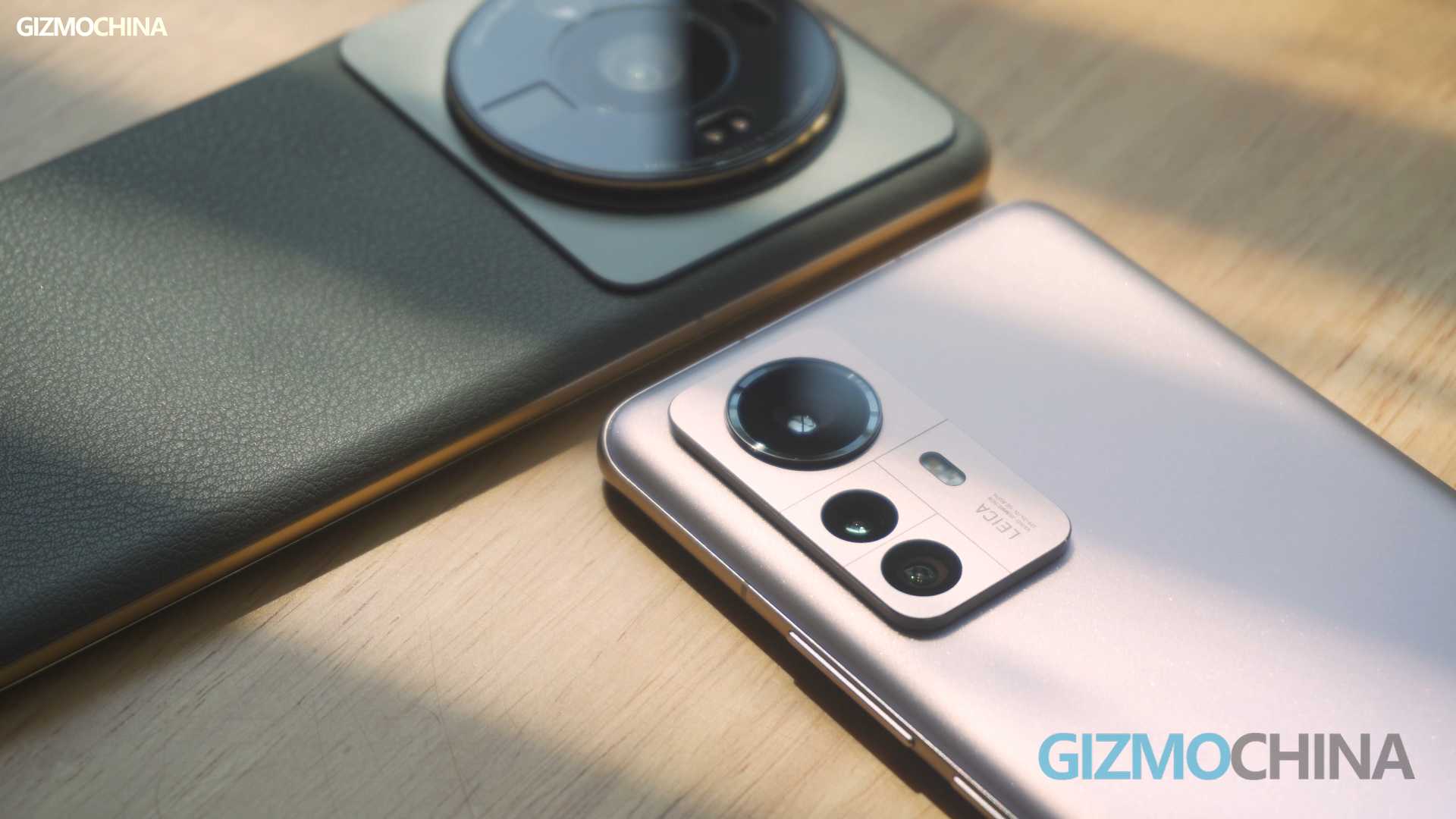
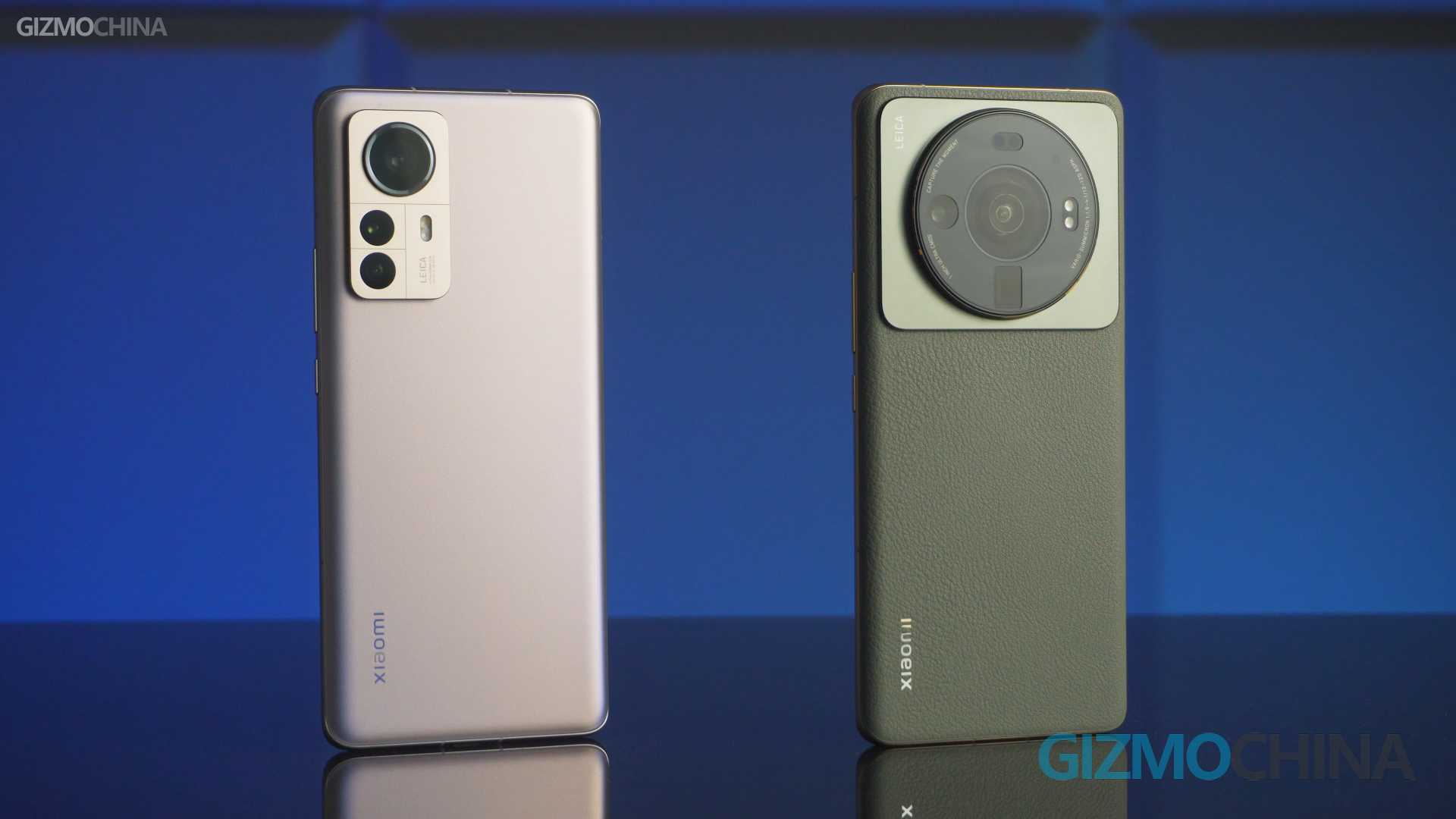
Although it can’t take pictures as well as the 12S Ultra, it is not as light and compact as the 12S. But on the other hand, it takes better pictures than the 12S, it’s lighter than the 12S Ultra, and looks more like a phone than a camera.
So the reason to buy the 12S Pro is: It’s the balanced version among the 12S series. Everything about it is average, with no amazing parts, but with no shortcomings. Even the price is just right. It doesn’t change much compared to the Xiaomi 12 Pro, but the experience has been significantly leveled up by the 8+ processor. I’m sure it will be one of the best phones for most people this year.
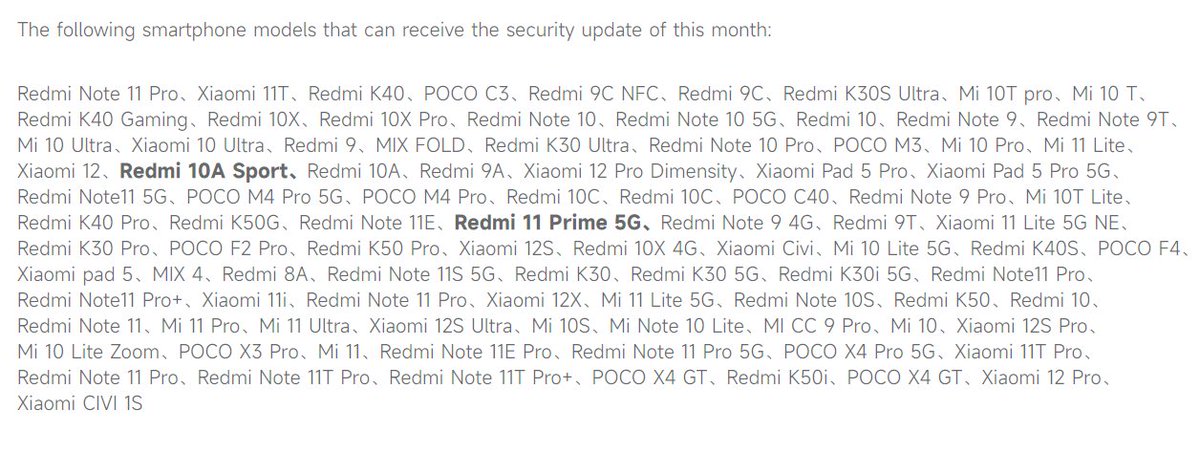
Redmi 11 Prime 5G has been spotted on Xiaomi’s official website, hinting that it will make its debut. The device has appeared on the security update list which the company releases every month. The list also featured Redmi 10A Sport which was launched exclusively in India on Wednesday.
Kacper Skrzypek recently shared Xiaomi’s Security update device list on Twitter which shows an unreleased smartphone, dubbed Redmi 11 Prime 5G. The list also mentioned Redmi 10A Sport which was launched only yesterday.
The details about the Redmi 11 Prime 5G are pretty short. We expect it to be an India-exclusive device and given that it is already listed on the security update list, the smartphone may launch very soon in the country. The device will likely be launched in the mid-range segment.
Redmi 10A Sport
Redmi may soon announce the launch date and other details of the smartphone. More information about the device will likely emerge in the coming days. We’ll keep you updated.
In related news, tipster Yogesh Brar recently revealed the complete spec sheet of the upcoming Redmi K50s Pro. The device will come with a 6.67-inch OLED display panel that offers a 120Hz refresh rate and HDR10+ support.
The device is said to be powered by the latest Snapdragon 8+ Gen 1 chipset paired with 8GB/12GB of RAM and 128GB/256GB storage. It will be fueled by a 5,000mAh capacity with 120W fast charging support. The device is said to feature a 200-megapixel primary camera, an 8-megapixel ultrawide lens, and a 2-megapixel macro camera. On the front, it could have a 20-megapixel for selfies and video calls.
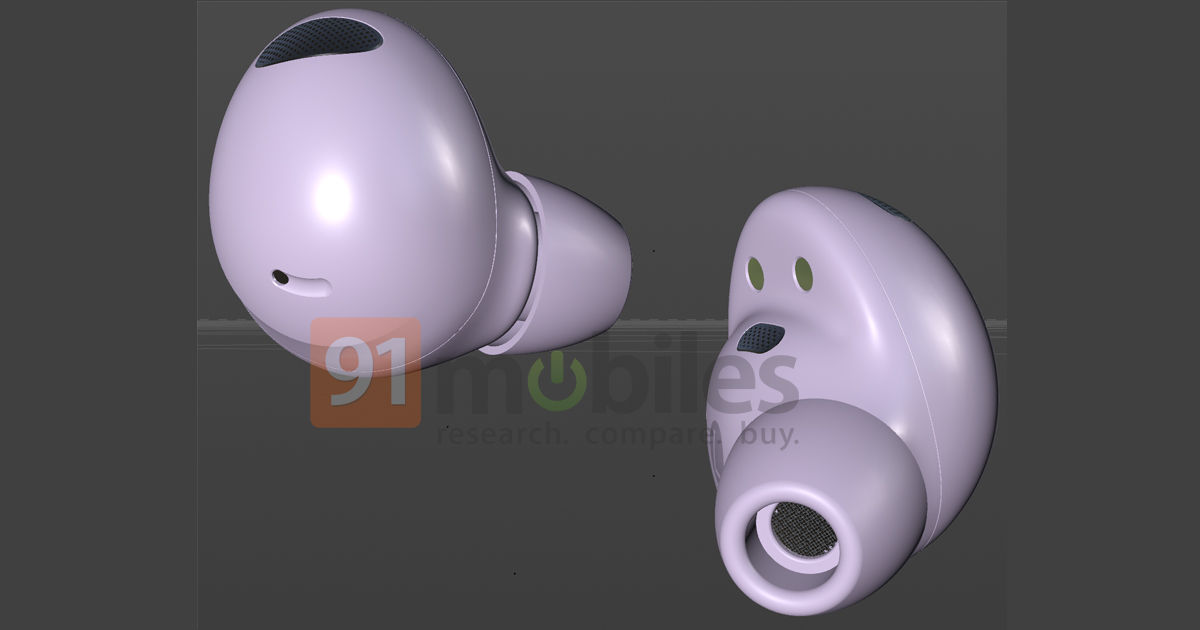
Samsung’s most awaited Galaxy Unpacked event is just around the corner and the company is expected to launch a handful of products including the new Galaxy Foldables, Galaxy Watch 5, 5 Pro, and Galaxy Buds 2 Pro. The new Galaxy Buds will be the successor to the first-generation Galaxy Buds Pro launched last year in January. Today, a new report is here with the alleged pricing of the upcoming Galaxy Buds 2 Pro in the US market.
Citing retail sources, 9to5Google claims that the price of the Galaxy Buds 2 Pro will be $229.99. This is a significant increase over the previous generation of galaxy hearables. Currently, it is not known whether Samsung has also improved the underlying hardware or not. The publication, citing sources, states that the South Korean company has added 24-bit audio to the earbuds.
Samsung Galaxy Buds Pro
Samsung’s earbuds have been quite popular among consumers but this year it might face stiff competition from the new Pixel Buds Pro which launched recently for $200. The latest Pixel Buds are the most premium earbuds from Google so far and they come with ANC, multidevice connection, and transparency mode.
Recently, renders of the upcoming Galaxy Buds surfaced online showcasing the design of the earbuds. As it can be seen in the renders, the design of the new earbuds is almost the same as the previous gen Buds Pro. It is rumored to be available in a new color, dubbed Bora Purple.
As mentioned, The Galaxy Buds 2 Pro may launch on August 10 at Samsung’s Galaxy Unpacked event. We hope to learn more details about them in the coming days.
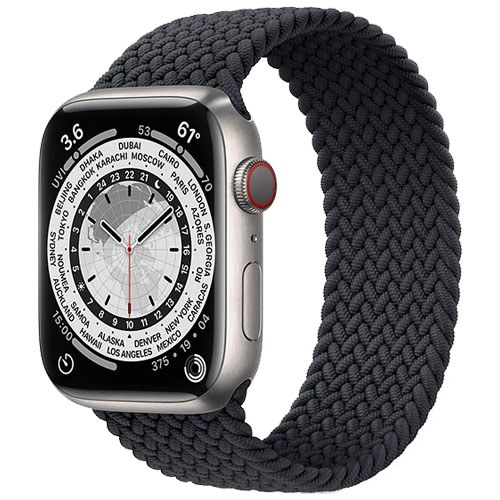
All Apple Watch users, especially those who are running versions older than watchOS 8.7, have received a high-alert warning from the Indian Ministry of Electronics and Information Technology through its nodal organization, CERT-In. There are potential and major phishing risks in India. The problem is so serious that consumers are being advised to take quick action if they are impacted. The warning makes it clear that remote hackers are currently focusing their attention on the Apple Watch with deadly intentions as this department mostly deals with cyber security issues like phishing and hacking.
According to the government, the Apple Watch has several flaws that allow remote hackers to get through the targeted device’s security measures. It is thought that the hackers submit a specially constructed request that allows them to run any arbitrary code. Access to the user’s data is possible if successful.
The Cause
The buffer overflow in the AppleAVD component, according to the CERT-IN, is what leads to these vulnerabilities in Apple Watch; “an authorization issue in AppleMobileFileintegrity component; out-of-bounds write in Audio, ICU and WebKit component; type confusion in Multi-Touch component; Multiple out-of-bounds write and memory corruption in GPU Drivers component; out-of-bounds read in Kernel component; and memory initialization in libxmI2 component.”
The solution
Fortunately, Apple has already released the latest watchOS 8.7 update, which addresses the aforementioned vulnerabilities and fixes the issues. As a result, owners of the Apple Watch may now defend themselves against phishing attacks by updating WatchOS 8.7. This is how:
Ensure a Wi-Fi network is active on your Apple Watch.
Navigate to the watch’s Settings app.
After choosing General, click Software Update.
If a new software update is available, a message will appear on the screen. After selecting Install, heed the prompts on the screen, and wait for an update to appear.
Refrain from worrying about the issue as soon as you update the operating system of the Apple Watch.
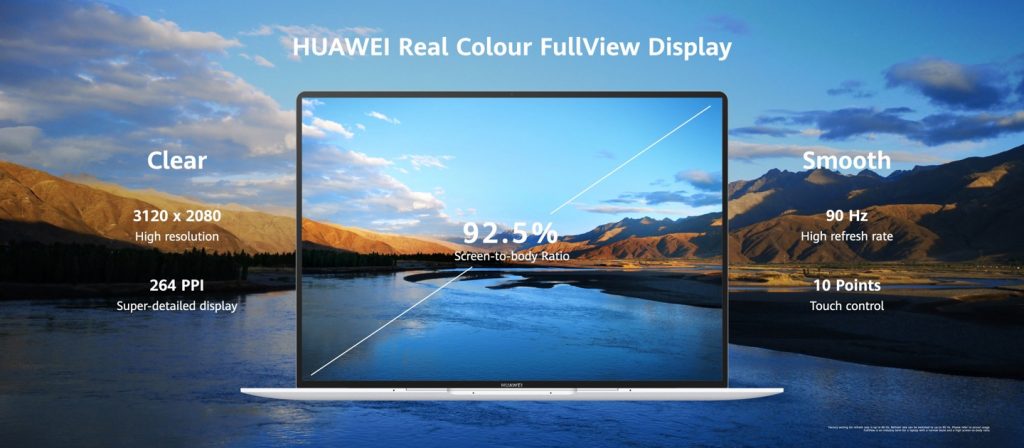
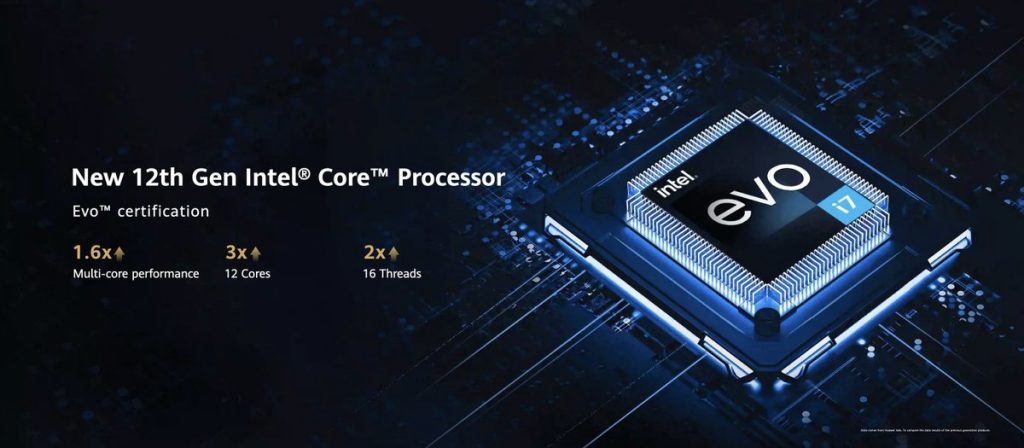
Huawei has released its latest notebook packed with performance enhancements. The Matebook X Pro is the first notebook ever to support AI minutes. It has a 3K 90Hz screen and is powered by a 12th gen core processor. The Super Turbo technology in the new MateBook X Pro gives it a huge performance boost.
The Huawei MateBook X Pro packs a 14.2-inch screen that delivers content with a resolution of 3,120 x 2080 pixels and a 90Hz display refresh rate. It supports 10-point touch, P3, and sRGB color gamuts. It uses optical coating to minimize glare and reflections.
The Super Turbo function enables the new laptop to perform intelligent system optimization by identifying different application scenarios. The Super Turbo functionality enables the notebook to optimize power consumption and deliver higher energy/ performance efficiency.
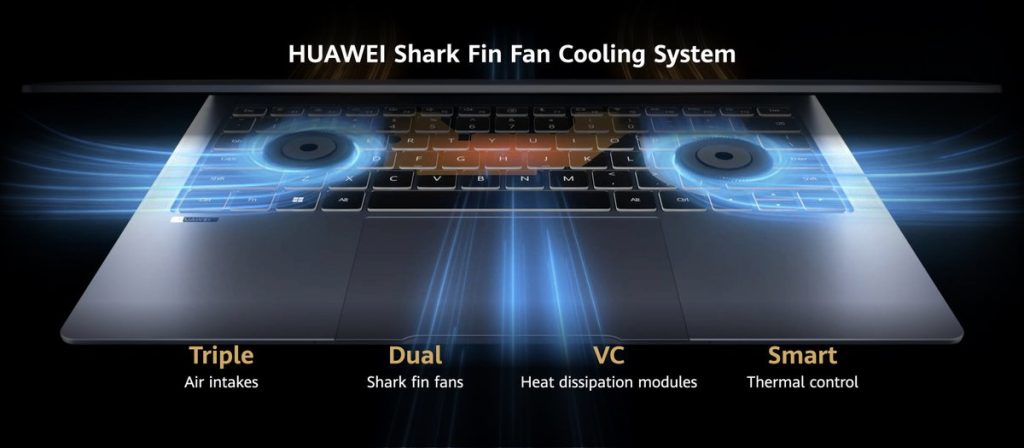
The MateBook X Pro has a magnesium alloy exterior and weighs just 1.26kg. Its processor comes with up to 12 cores and 16 threads. It has EVO certification and is capable of 30W performance. Dual fans and a VC soaking plate provide sufficient heat management for the MateBook X Pro, in addition to three air inlets.
The Huawei MateBook X Pro has four microphones and six speakers for intelligent voice input. Huawei says it is the first notebook model in the world to have this feature. The new Huawei notebook will be available in two colors namely brocade white and dark blue. The price and availability details of the new MateBook X Pro remain under wraps at this time.
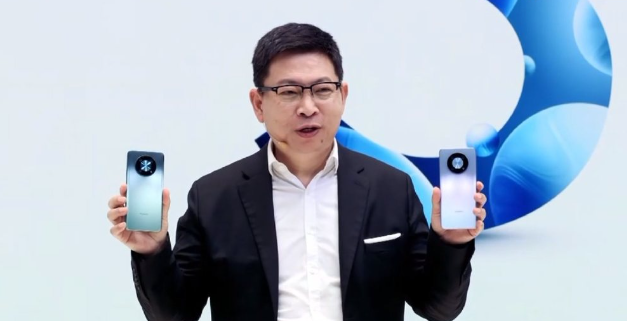
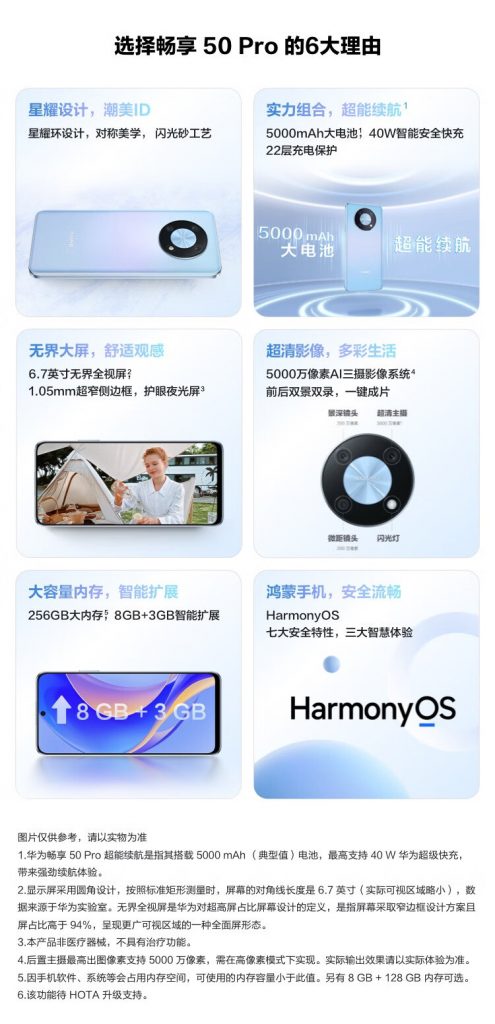
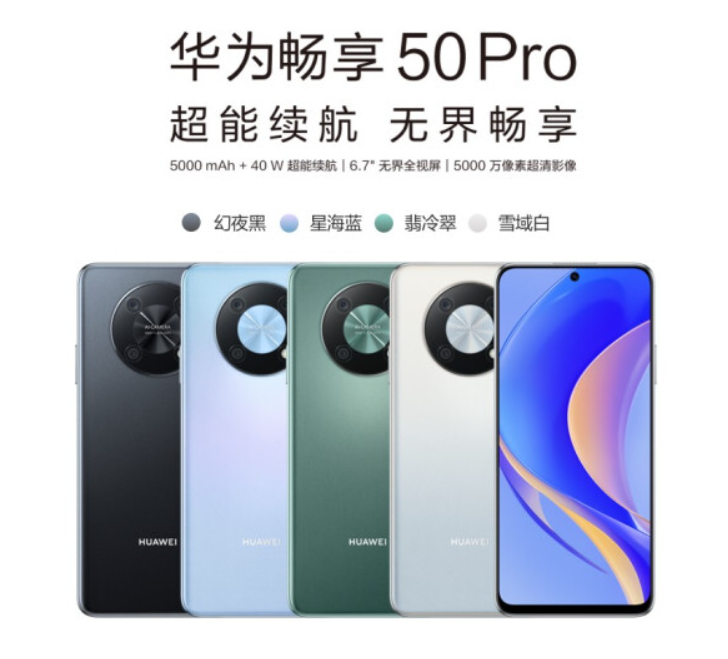
During Huawei‘s product launch event held today, the company’s CEO Yu Chengdong showcased the Enjoy 50 Pro smartphone, officially unveiling the design of the premium mid-range model. At the same time, the smartphone is now listed for reservation on Jingdong (JD.com) but the pricing details are still unknown.
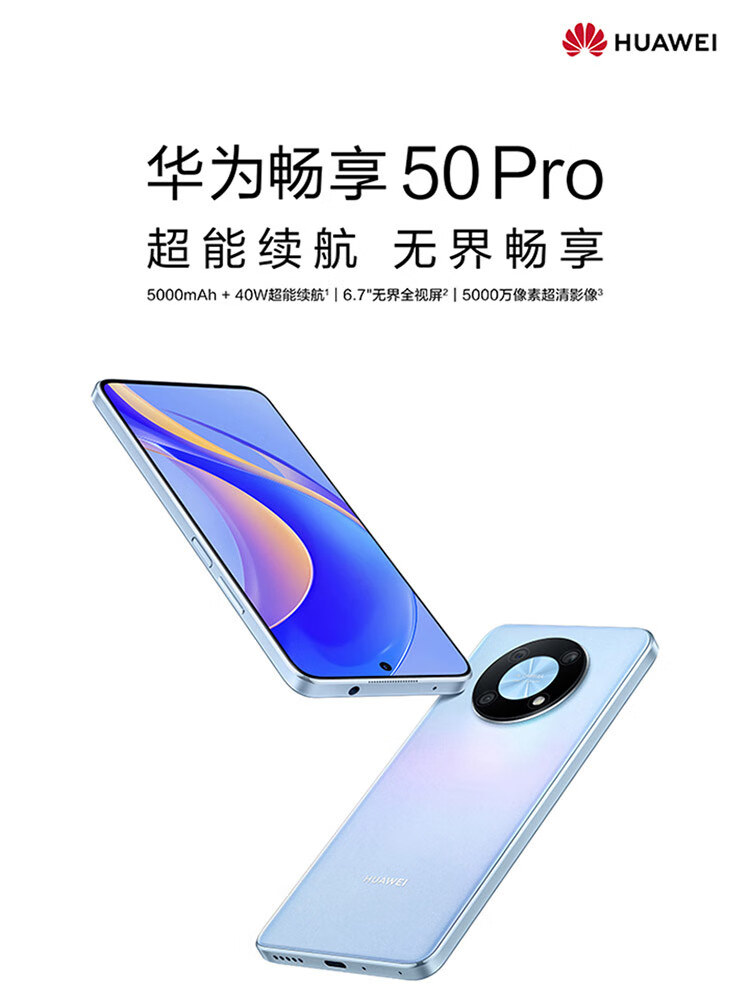
The JD listing shows that the Huawei Enjoy 50 Pro is available in four color options – Magic Night Black, Blue, Emerald Green, and Snow White. The device is powered by a Qualcomm Snapdragon 680 mobile processing platform which is an Octa-core chip built on a 6nm process. The chipset is bundled with an Adreno 610 GPU. The processor is paired with 8GB while there are 128GB and 256GB storage options available. The device also offers an extra 3GB of virtual RAM.
In terms of the display, the Enjoy 50 Pro packs a 6.7-inch LCD screen with an FHD+ resolution of 2388×1080 pixels. The display uses a punch-hole design and features support for a 90Hz refresh rate, 270Hz touch sampling rate, and a 1.05mm ultra-narrow bezel.
In addition, the premium mid-range phone crams a decent 5000mAh battery under the hood with support for 40W fast charging. The device is capable of charging up to 50% in just 30 minutes meaning you get a full charge in just an hour.
For photography, the Huawei Enjoy 50 Pro is equipped with a 50MP main camera assisted by a 2MP macro and 2MP depth of field lens in a triple camera setup arranged in a circular module alongside the LED flash just like the Mate 40 series. At the front, there is an 8MP shooter for selfies. The phone supports front and rear recording simultaneously. In addition, you get support for Bluetooth 5.0, USB 2.0, a 3.5mm headphone jack, NFC, and a side-mounted fingerprint sensor.
The Enjoy 50 Pro is expected to be up for pre-order on July 29. We expect the price to be revealed when the pre-order goes live.
Xiaomi launched the Redmi 10A in India in April. Just three months after its release, the device gets a new version in the country dubbed as Redmi 10A Sport.
The new model arrives with more RAM, however, the rest of the specs and even the design, as well as colors, remain the same.
Redmi 10A Sport Specifications
As mentioned in the beginning, the Redmi 10A Sport is exactly the same handset as the Redmi 10A but with more RAM. It comes with 6GB RAM and 128GB RAM. While the original Redmi 10A arrives in 3GB + 32GB and 4GB + 64GB memory configurations.
The device is built around a 6.53-inch display (LCD) with a resolution of 1600 x 720 pixels (HD+) and a dewdrop notch. The panel has a 1500:1 contrast ratio, 20:9 aspect ratio, and 400 nits peak brightness level. It covers 70% of the NTSC color gamut and supports Reading Mode certified by TÜV Rheinland.
The handset is powered by a Mediatek Helio G25 chipset. It boots MIUI 12.5 based on Android 11. It offers connectivity options, such as dual-SIM, 4G, single-band WiFi, Bluetooth 5.0, GNSS, and a MicroUSB port.
Other features of the phone include a 13MP rear camera, 5MP front-facing camera, a 3.5mm headphone jack, a dedicated MicroSD card slot, a rear-mounted fingerprint sensor, and a single bottom-firing speaker.
Last but not least, the Redmi 10A Sport by Xiaomi measures 164.9 x 77.07 x 9mm in dimensions and weighs 194g in weight.
Redmi 10A Sport Price and Availability in India
The Redmi 10A Sport comes in a single 6GB + 128GB memory variant priced at ₹10,999 ($138) in India. It can be availed in either Charcoal Black, Sea Blue, or Slate Grey color options.
The smartphone is up for sale on Mi.com and Amazon India.
The Nothing Phone (1) was launched in early July, and it is placed in a segment that’s very competitive. There are a bunch of good phones available at its price point from the likes of OnePlus, POCO, and even Motorola, making the choice harder for consumers. That’s the reason we have been covering a lot of Nothing Phone 1 comparisons over the past few weeks.
In this comparison, let’s take a look at how the Nothing Phone 1 compares against the POCO F4 5G. Both are value-for-money devices, but are targeted at a different set of users. Read on to find out which one excels in each department.
Nothing Phone (1) vs POCO F4 5G
Nothing Phone (1)
POCO F4 5G
DIMENSIONS AND WEIGHT
159.2 x 75.8 x 8.3mm,
193 g
163.2 x 76 x 7.7 mm,
186 g
DISPLAY
6.55 inches, 1080 x 2400 pixels (Full HD+), OLED HDR10+
6.67 inches, 1080 x 2400pixels (Full HD+), AMOLED HDR10+
Dual 50 (main) + 50 (UW), f/1.9 + f/2.2
16 MP f/2.5 front camera
Triple 64 (Main) + 8(UW) + 2 MP (Macro), f/1.8 + f/2.2 + f/2.4
16 MP f/2.4 front camera
BATTERY
4500 mAh, fast charging 33W
Wireless Charging 15W
4500 mAh, Fast Charging 67W
ADDITIONAL FEATURES
5G, dual SIM
5G, dual SIM
Design
The POCO F4 5G might not feel as fancy as the Nothing Phone (1) but it can stand on its own in its segment, all thanks to its premium design. The phone takes a more traditional approach of using frosted glass with a matte frame and curved edges, giving a comfortable grip while still enabling an expensive feel. The three color options of Moonlight Silver, Night Black, and Nebula Green also look pretty premium unlike the Nothing device which comes in just Black and White.
However, the Nothing Phone (1) stands out in this price segment featuring a transparent back cover with a matrix of LEDs which the company calls the glyph interface. The white color model would be the obvious choice for many and comes with a clear view of the internals like wireless charging coils and customizable LED lights.
Both phones have IP53 rating, so they have dust and water resistance.
Overall, it’ll be a matter of personal choice whether you prefer POCO F4’s traditional but premium design or the more unique design profile of the Nothing Phone (1).
Display
Both, the Nothing Phone (1) and the POCO F4 5G come with HDR10+ certification, FHD+ resolution, and 120Hz display with Corning gorilla glass 5. The Nothing model is slightly more compact at 6.55-inch while the POCO phone features a 6.67-inch screen. Note that the POCO model would be a bit brighter than the Nothing model owing to its 900 nits (High Brightness Mode) over the 500 nits typical brightness on the Nothing phone.
Overall, both the displays are well-matched in this department.
Specs & Software
The POCO F4 5G clearly has an edge in the performance department of this comparison. The phone comes with the popular Snapdragon 870 chip with up to 12GB of RAM, which means you will have no problems gaming or running high-intensive tasks on this device.
On the other hand, the Nothing Phone 1 comes with a less powerful, mid-range Snapdragon 778+ processor. This chip is good for mid-range tasks and medium to light gaming, but is clearly no powerhouse. But unless you are a power user, this chip should be fine, especially if you get its 12GB RAM with 256GB ROM version.
The Nothing Phone (1) comes with a cleaner Nothing OS on top of Android 12. On the other hand, the POCO F4 5G features MIUI 13 based on the same Android 12 version.
Camera
The Nothing Phone (1) has a dual camera setup, with one 50MP primary camera with OIS and one 50MP shooter for ultra-wide angle shots. Coming to the POCO F4 5G, it uses a more traditional approach of a 64MP primary shooter paired with an 8MP ultra-wide angle shooter and another 2MP macro camera.
The POCO F4’s primary camera is enough to capture good details and colors in well-lit situations. But it won’t likely blow your mind and the Nothing Phone (1) is likely to output better images, especially when you compare the ultra-wide cameras on both devices. As mentioned above, there’s an additional Macro camera on the POCO model, and it can surprisingly capture good macro shots in well-lit situations.
But overall, the Nothing model should be able to capture better pictures with its dual camera setup. That said, only a direct camera sample comparison between the two phones would help us get a final verdict regarding its cameras.
Both phones come with 4500mAh batteries but the POCO F4 adds a faster 67W charger inside. On the other hand, the Nothing Phone (1) supports only a 33W power brick.
Unfortunately, Nothing does not feature a charger inside its box, and you’ll have to buy it separately as an accessory. However, it does have an edge in the battery department, which comes in the way of wireless and reverse wireless charging at 15W and 5W respectively.
Price
The Nothing Phone (1) starts at ₹32,999/£399/€469. On the other hand, the POCO F4 5G is available for a slightly cheaper price tag across the globe(₹27,999/$329/€420).
The POCO F4 5G would be a safe bet for a flagship killer at this price range. It comes with a powerful processor, good display, decent cameras, along with a fast charging battery. On the other hand, the Nothing Phone (1) brings a unique design profile with LED lights, a good set of cameras, and wireless charging too.
Your choice would depend on your priorities and budget, so end of the day, it’s up to you to decide which features are more important to you.
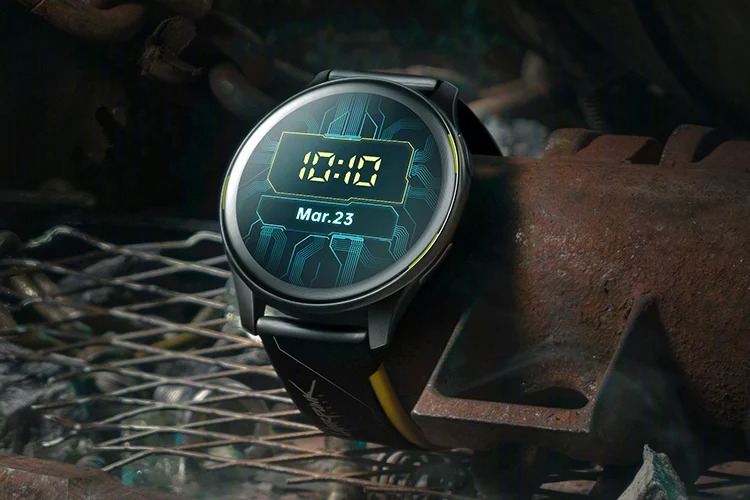
Back in March 2021, OnePlus launched its first wearable dubbed the OnePlus Watch. However, the brand has not released any other wearable smart device since then.
Recent reports suggest that the company is trying its hand again at a new wearable that will be called the OnePlus Nord Watch, and the device has even made an appearance on the BIS certification database, meaning that it will launch in the Indian market.
Now, tipster Mukul Sharma has shared a new leak giving us our first look at the OnePlus Nord smartwatch.
This is your 1st look at the OnePlus Nord Watch. As I leaked earlier, it's coming soon to India. Will feature a rectangular dial, spo2, heart-rate monitoring, sleep monitoring, custom watch faces support. There's a dedicated N Health app. Feel free to retweet.#OnePlusNordWatchpic.twitter.com/kiGOge3BPZ
The tipster informs that the device will feature a dedicated “N Health” app, which has revealed the first look of the smartwatch. From the screenshot, we can see that the Nord Watch has a rectangular dial instead of the circular dial featured on the OnePlus Watch.
The screenshot reveals what appears to be a metal frame with rounded corners, and a crown button which is likely there for ease of navigation with the UI.
Other than that, the screenshot also has revealed six watch faces coming for the Nord Watch. You can also see the “Custom dial” feature, which let you customize your watch face using photographs from a connected device.
The OnePlus Nord Watch’s step counting feature and its sports modes for outdoor cycling and outdoor walking are both confirmed in one of the photos. Additionally, according to the source, the OnePlus Nord Watch will have a SpO2 sensor, heart rate monitoring, and sleep tracking capabilities.
Currently, the launch date of the OnePlus Nord Watch is still under wraps but considering that it has already received the go-ahead from BIS, we can expect it to launch in India sometime in Q3 2022. As for the pricing, a previous report suggests that the Nord Watch might be launched in the segment between 5,000 INR and 8,000 INR.
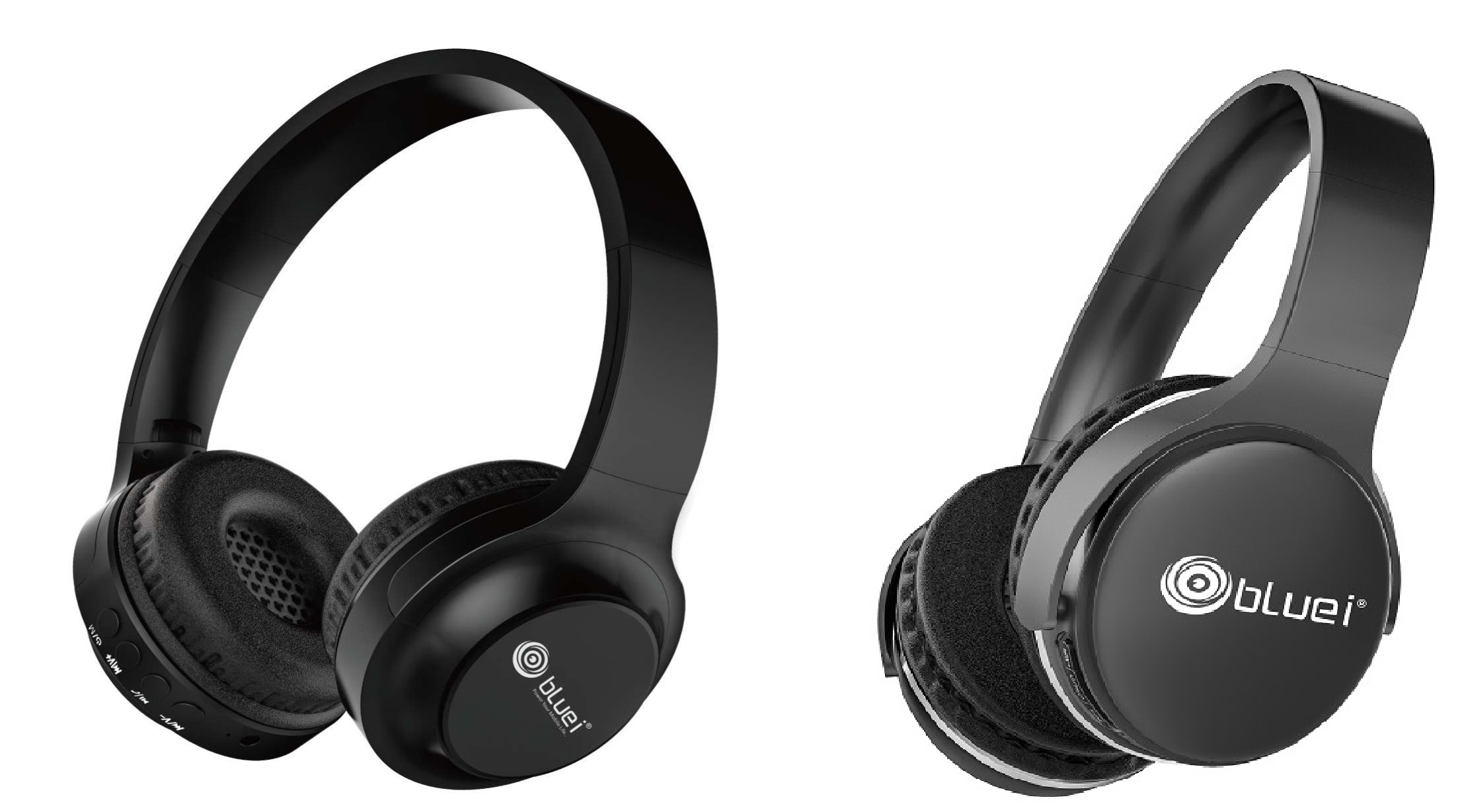
Earlier today, MASSIVE 7 and MASSIVE 8 wireless noise-canceling headphones were introduced by Bluei.
Bluei Massive 7 and Massiva 8
The new headphones include an upgraded active noise cancellation system and a revamped design. The headphones are made with a focus on being small, light, durable, fashionable, and having a long battery life. They are created specifically for working professionals and students. So let’s look at their specifications and characteristics.
Massive 7
According to claims, the Massive 7 has a battery life of up to 7 hours on a single charge. The gadget has noise-canceling technology built in. Additionally, the headphones have a built-in microphone and mute button which are pretty convenient for calls and video conferences.
Massive 8
The Bluei Massive 8 has a bass-heavy sound profile. The headset has dynamic drivers that measure 40 mm. The technology of passive noise cancellation is also supported. According to claims, the battery life of the device can reach 8 hours on a single charge. The headset can be folded up, and the earcups have volume control buttons so you can easily change the audio. The headset is offered in Black color.
Pricing & Availability
The Bluei Massive 7 has a price tag of Rs. 1,749 in India. On the other hand, the Massive 8 headphones are priced at Rs 1,799. Both the headphones come with a 6-month warranty from the brand.
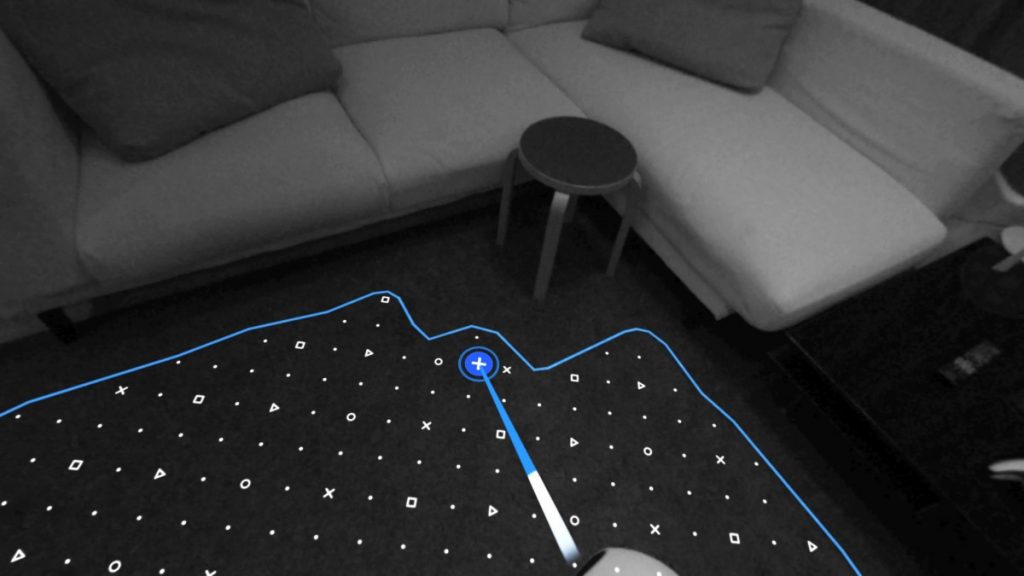
The upcoming PlayStation VR2 headset has been illuminated by some of its features released by Sony. The VR2 headset will provide virtual reality interaction for the PlayStation gaming console. While the VR2 headset is focused on virtual reality gaming content, it can also be used for non-VR gaming, says Sony. The device will come with a See-Through View to allow users to view their surroundings when needed. This will be accomplished by either pressing a button on the headset or using a card in the Control Center. The See-Through View does not require the user to take off his headset, hence gaming is not disrupted.
The VR2 headset does not have a recording option and the see-through view will help the player orient himself to the surroundings. The see-through view will also be used to set up the gaming area by mapping the room and creating a border using the controller. A warning notification is given whenever the player gets close to the preset border during gaming. You can livestream your play using a PS5 HD Camera and a screen.
PlayStation VR2 headset will offer virtual borders to prevent users from bumping into things
The PlayStation VR2 headset will operate in VR Mode, delivering VR content at 4,000 x 2,040 pixels (that is, 2,000 x 2,040 pixels per eye). The video format will be HDR with 90Hz or 120Hz refresh rates.
As for non-VR content, it will be rendered on a large virtual screen projected at 1,920 x 1,080 pixels resolution. The refresh rates for non-VR content rendering will vary from 24Hz to 120Hz. There is no official or rumored release date yet for the VR2 headset. Sony says it will provide more information soon on the product.
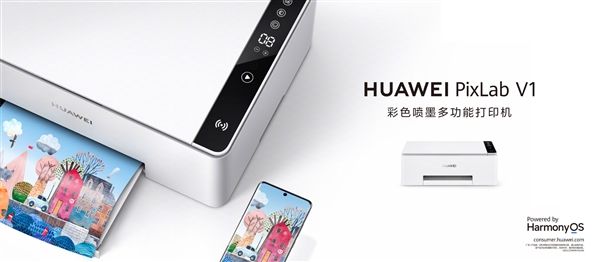
Huawei has unveiled its first color printer from the PixLab series and it runs on HarmonyOS 3.0. The Huawei PixLab V1 is an inkjet color printer that supports 3D Lut color tuning, color temperature follow-up, and aperture grading. The PixLab V1 supports AI handwriting erasing functionality and can automatically erase handwriting before printing a blank new roll.
Huawei PixLab V1 color printer
The PixLab V1 can fully restore the original color of a picture during color printing and it also features the Hyper Terminal technology which allows for seamless printing from a mobile phone. A seamless and fast connection is achieved between the phone and the printer by moving the phone closer to the printer. After connection, printing tasks can be accomplished from the phone quickly. It only requires minimal configuration adjustment and users can print files from their phones with just a click. You can also view the printing progress from the phone.
HarmonyOS 3.0 support brings a lot of exciting functionality to the new inkjet color printer. It enables the printer to interface with smartphones seamlessly. The PixLab V1 offers both remote and one-touch printing. It offers intelligent anti-blocking and Huawei remains mum about the pricing and release date for the PixLab V1.
Huawei has also not revealed the number of printers in the PixLab series, as we expect other models to join the V1. It is unclear whether the PixLab V1 will be available globally.
Motorola is gearing up to launch a new budget range smartphone in the global market called the Moto G32. The launch timeline of the device is still under wraps, however, considering that official press renders of the smartphone leaked recently, we can expect the device to debut in the coming days.
Now, tipster Evan Blass has revealed details about all the color options of the Moto G32 by releasing the renders. So, let’s check them out.
1 of 4
The leaked renders by Blass reveal four color options for the Moto G32 – Gold, Silver, Red, and Black.
Moto G32 renders by Evan Blass
The device has a punch-hole display on the front with a substantial chin. A 3.5mm audio jack, a USB-C port, and a speaker grille are located on its bottom edge. The left side of the G32 appears to have a SIM card slot while the volume rocker and power buttons are located on the right side.
Moto G32 specifications (rumored)
Comparing the phone to its predecessor, the rear now boasts a triple camera unit. The camera module’s carved inscription reveals that the device’s main camera has a resolution of 50 megapixels.
A 6.5-inch IPS LCD screen with an HD+ resolution and a 90Hz refresh rate is anticipated for the Moto G32. It will include a front camera with 8 megapixels. A 50-megapixel (main) + 8-megapixel (ultra-wide) + 2-megapixel (macro) triple camera unit may be present on the device’s back. It might have the Android 12 OS preinstalled.
The Unisoc T606 CPU, 3 GB of RAM, and a 5,000mAh battery will all power the G32. It is anticipated that the gadget will include 32 GB of storage. 33W rapid charging support is probably included.
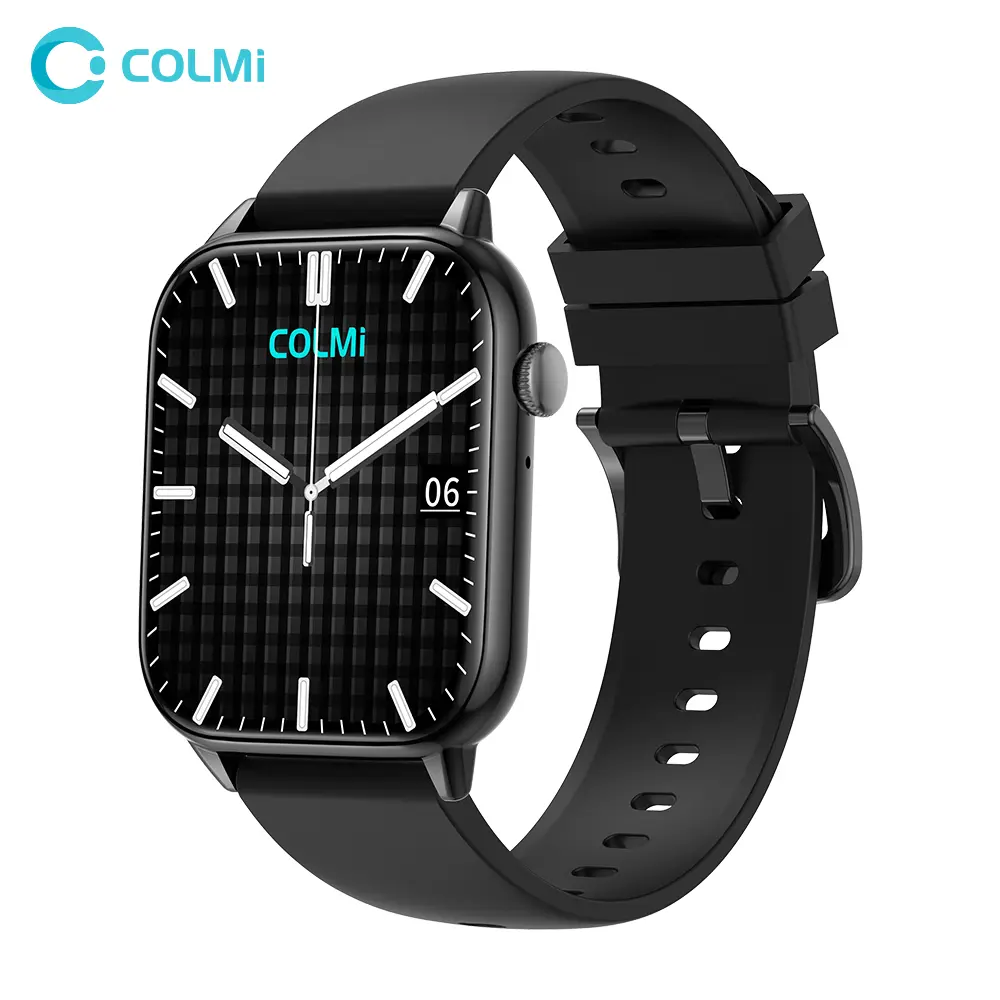
The COLMI C60 smartwatch with a 1.9-inch screen and various health monitoring features has been launched. The smartwatch is available for purchase at a discounted price of $29.58 via AliExpress and will ship globally.
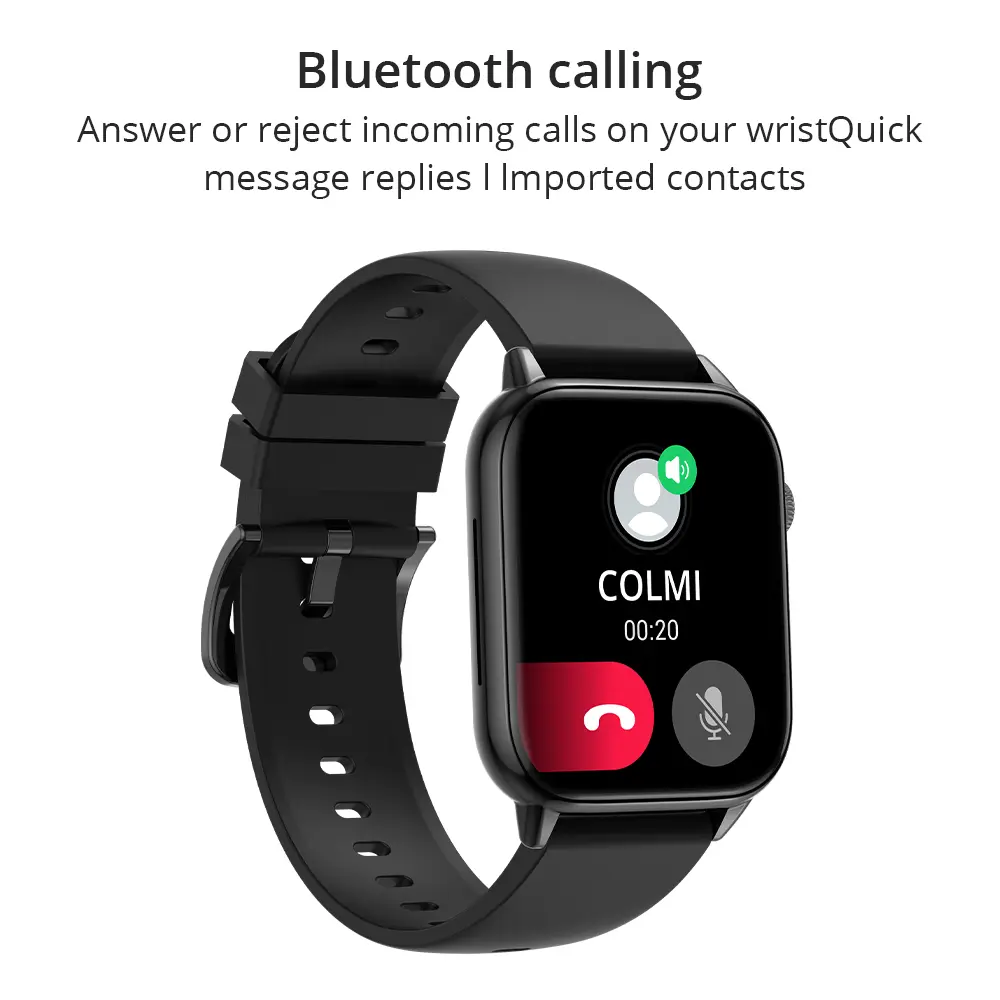
The C60 can measure your heart rate, blood pressure, blood oxygen (SpO2), exercise, and sleep levels. It can be connected to your smartphone to receive calls and notifications, as well as monitor health data. Its IPS screen has a 240 x 280 pixels resolution and the device is compatible with Android 4.4/ iOS 9.0 and higher smartphones.
According to the company, it uses the Narrow wall screen boundary process developed in-house to deliver a boundless visual effect. The screen ratio of the C60 is also touted as the ultimate in the field of smart wearables. It also features a microphone and Hi-Fi speaker, while several watch faces are available.
The COLMI C60 has a 290mAh battery that offers up to 7 days of activity on a full charge and is IP57 water resistant. There are multiple sports modes and 24-hour activity tracking. The always-on heart rate, blood pressure, SpO2, and sleep monitors help to provide round-the-clock data on vital body statistics.
However, there are no indications that the new smartwatch has gotten medical certifications in the US and Europe for its health monitoring features. The C60 smartwatch is priced at $73.95 and comes in several colors and bundles. Deliveries outside China are expected to arrive within a couple of weeks via AliExpress.
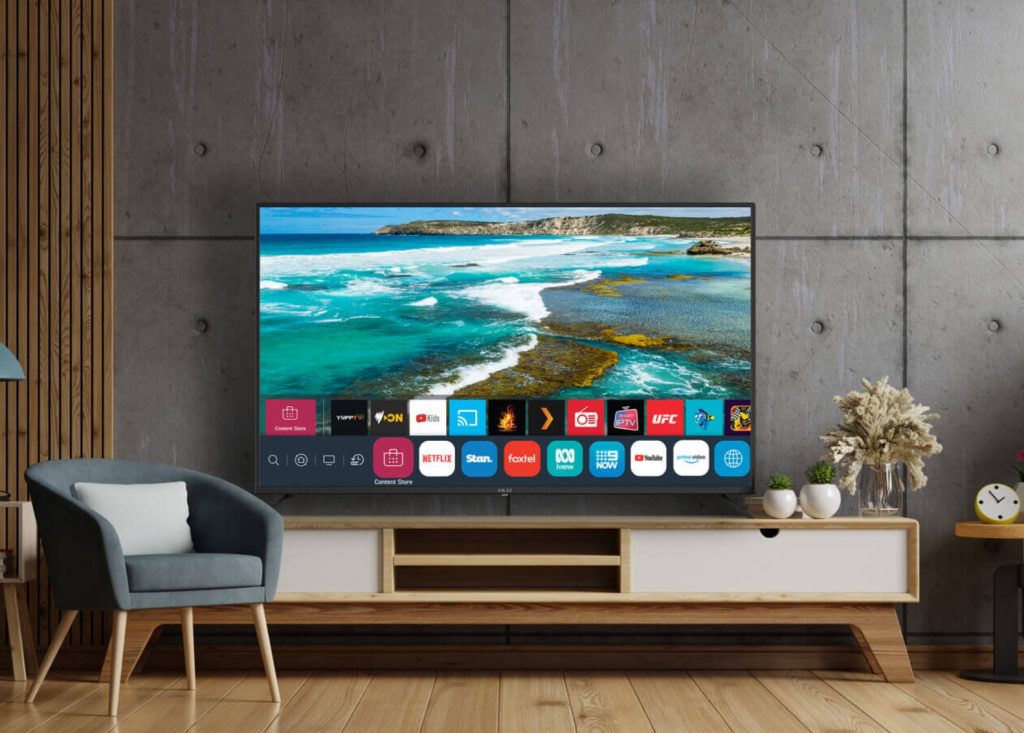
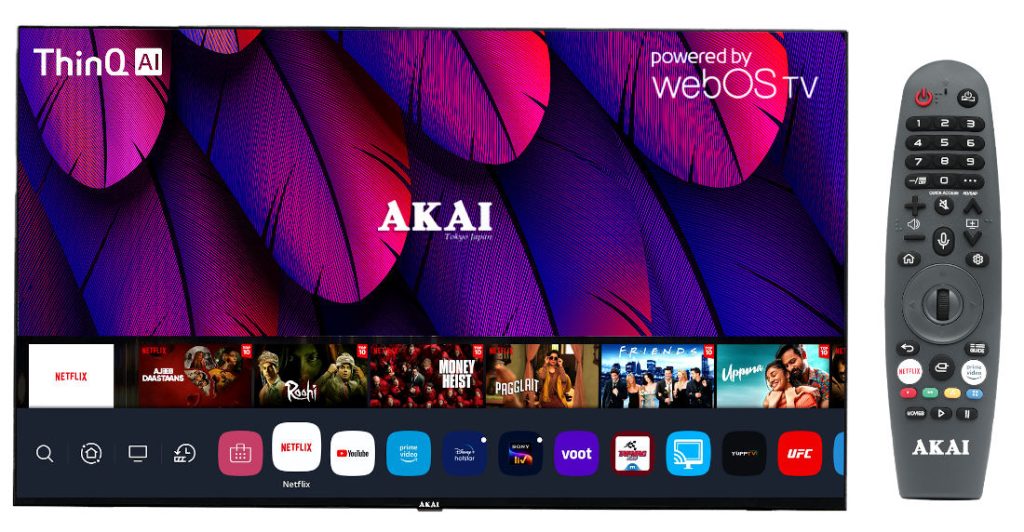
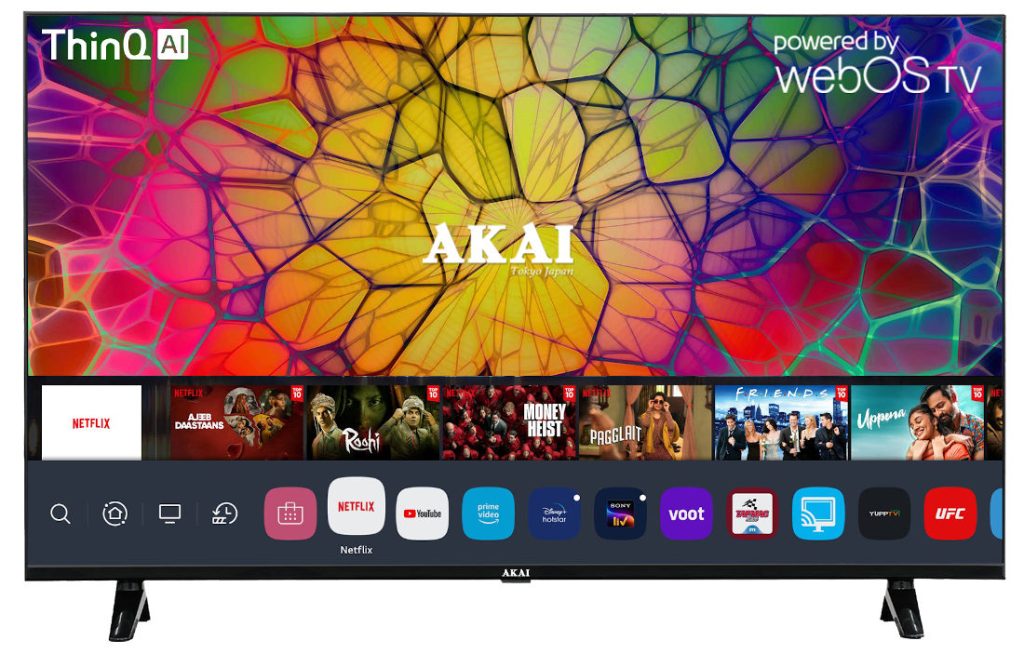
AKAI has released its WebOS Smart TV lineup in India. The new TVs come in four sizes namely 32”, 43”, 50”, and 55 inches. The new AKAI lineup in India features HD 4K resolution for a great viewing experience. The TVs run on the WebOS architecture with simplified operability via the magic remote and the ThinQAI technology.
The launch of the new AKAI smart TVs in India comes on the heels of the release of the Amazon Fire TV Edition Smart TVs. The WebOS system adapts to a variety of viewing choices with a straightforward user interface. It provides rapid access to the frequently used apps and history-based content discovery functionality. The magic remote together with Amazon’s Alexa voice functionality makes the smart TV easy to operate. The remote is sleek and contains a click wheel for comfortable scrolling, hotkeys, and shortcut buttons.
The Akai WebOS Smart TVs come with a bezel-less design but offer a premium viewing and listening experience. Other features are HDR 10, HLG, Dolby Audio, two-way Bluetooth 5.0, and Wi-Fi support. Also supported in the new lineup are MEMC, 6K Upscaling, screen mirroring, ALLM, and access to premium streaming content. The RAM/ ROM configuration of the Akai WebOS smart TVs is 1.5GB/8GB and you can enjoy Netflix, Apple TV, Sony Liv, and others on the TV.
The top model in the lineup is the AKAI 55” WebOS 4K TV which will retail at Rs. 39,990 ($500). Flexible financing options are available for the models and the prices of the rest models will be announced later. AKAI expects a decent reception of its new sleek lineup of smart TVs in the Indian subcontinent.
We use cookies on our website to give you the most relevant experience by remembering your preferences and repeat visits. By clicking “Accept”, you consent to the use of ALL the cookies.
This website uses cookies to improve your experience while you navigate through the website. Out of these, the cookies that are categorized as necessary are stored on your browser as they are essential for the working of basic functionalities of the website. We also use third-party cookies that help us analyze and understand how you use this website. These cookies will be stored in your browser only with your consent. You also have the option to opt-out of these cookies. But opting out of some of these cookies may affect your browsing experience.
Necessary cookies are absolutely essential for the website to function properly. This category only includes cookies that ensures basic functionalities and security features of the website. These cookies do not store any personal information.
Any cookies that may not be particularly necessary for the website to function and is used specifically to collect user personal data via analytics, ads, other embedded contents are termed as non-necessary cookies. It is mandatory to procure user consent prior to running these cookies on your website.