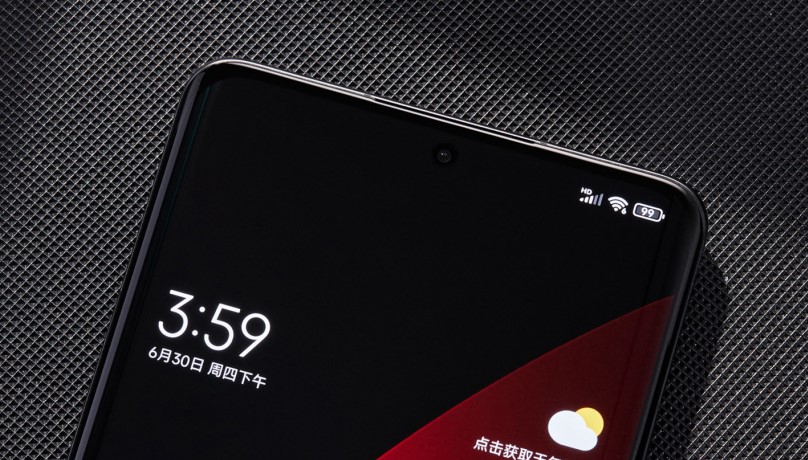
OnePlus is expected to announce the OnePlus 10T later this month or by early August in India. While it is expected to land in India later this month, the device may also be released in China around the same time. Recently, the alleged 10T with model number PGP110 was spotted with an impressive benchmarking score of 1,131,151 points at AnTuTu. Now, a fresh leak has revealed that the 10T could arrive with the highest amount of RAM ever seen on a OnePlus phone.
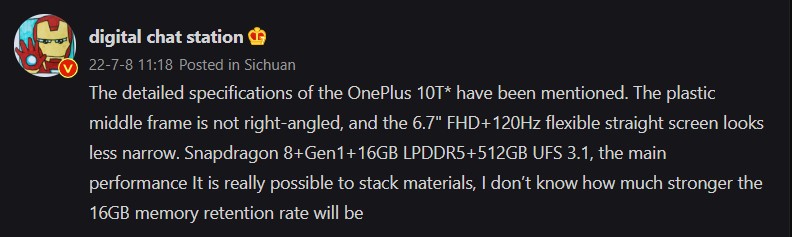
Previous reports have claimed that the OnePlus 10T will arrive with 8 GB / 12 GB of RAM and 128 GB / 256 GB of storage. However, in a recent Weibo post, tipster Digital Chat Station has claimed that the 10T will arrive with 16 GB of LPDDR5 RAM and 512 GB of UFS 3.1 storage.
Hence, the OnePlus 10T could be the company’s first-ever phone to arrive with a 16GB RAM option. As it is already known, the device will be equipped with the Snapdragon 8+ Gen 1 mobile platform. It will feature a 6.7-inch FHD+ AMOLED display that offers a 120Hz refresh rate. Previous reports have claimed that the 10T will pack a 4,800mAh battery, which will carry support for 150W fast charging.
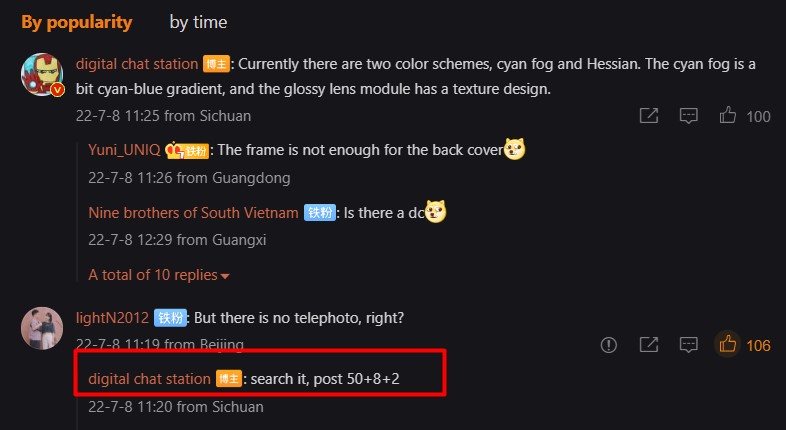
Reports have suggested that OnePlus may launch two Snapdragon 8+ Gen 1 powered phones. Both devices are expected to arrive with identical specs, but they may differ in the camera department. Several reports have revealed that the 10T will arrive with a 32-megapixel front camera and a 50-megapixel (main) + 16-megapixel (ultrawide) + 2-megapixel triple camera unit.
However, the one heading to China seems to be equipped with inferior cameras. Digital Chat Station has claimed that the device will be equipped with a 50-megapixel + 8-megapixel + 2-megapixel triple unit. In the past, too, some tipsters have mentioned the same camera configuration for the Chinese variant. This model is expected to feature a 16-megapixel front-facing camera.
Meizu mblu 10s has gone official in China. Designed to look like an iPhone, it is a mid-range phone featuring a notched display on the front and triple rear cameras. The handset is listed on Chinese retailer sites like Suning and JD.com for purchase. Here is all the information on the specifications, features, and price of the Meizu 10s.
Meizu mblu 10s specifications and features
The Meizu mblu 10s has a 6.52-inch LCD panel that offers an HD+ resolution of 720 x 1600 pixels, an aspect ratio of 20:9, and a refresh rate of 60Hz. It has a selfie camera of 8-megapixel.
Meizu mblu M10s
The rear camera setup of the Meizu 10s is headlined by a 48-megapixel main camera. It is accompanied by a 2-megapixel camera and a 0.3-megapixel camera. It is unclear whether it runs on Android 12 or 11 OS, but what’s known is that it comes with the Flyme 9 Lite UI.
Meizu mblu M10s
The Meizu 10s is powered by the Unisoc T310 chipset. It ships with 4 GB / 6 GB of RAM and 64 GB / 128 GB of storage. The device houses a 5,000mAh battery. For security, it carries support for face unlock. It comes with connectivity options such as a USB-C port and a 3.5mm audio jack.
Meizu mblu 10s price and availability
Meizu mblu M10s
The Meizu 10s has arrived in China in three configurations: 4 GB RAM + 64 GB storage for 729 Yuan (~$108), 4 GB RAM + 128 GB storage for 829 Yuan (~$124), and 6 GB RAM + 128 GB storage for 929 Yuan (~$139), respectively. It comes in three shades: Magic Night Black, Streamer Silver, and Great Bay Blue.
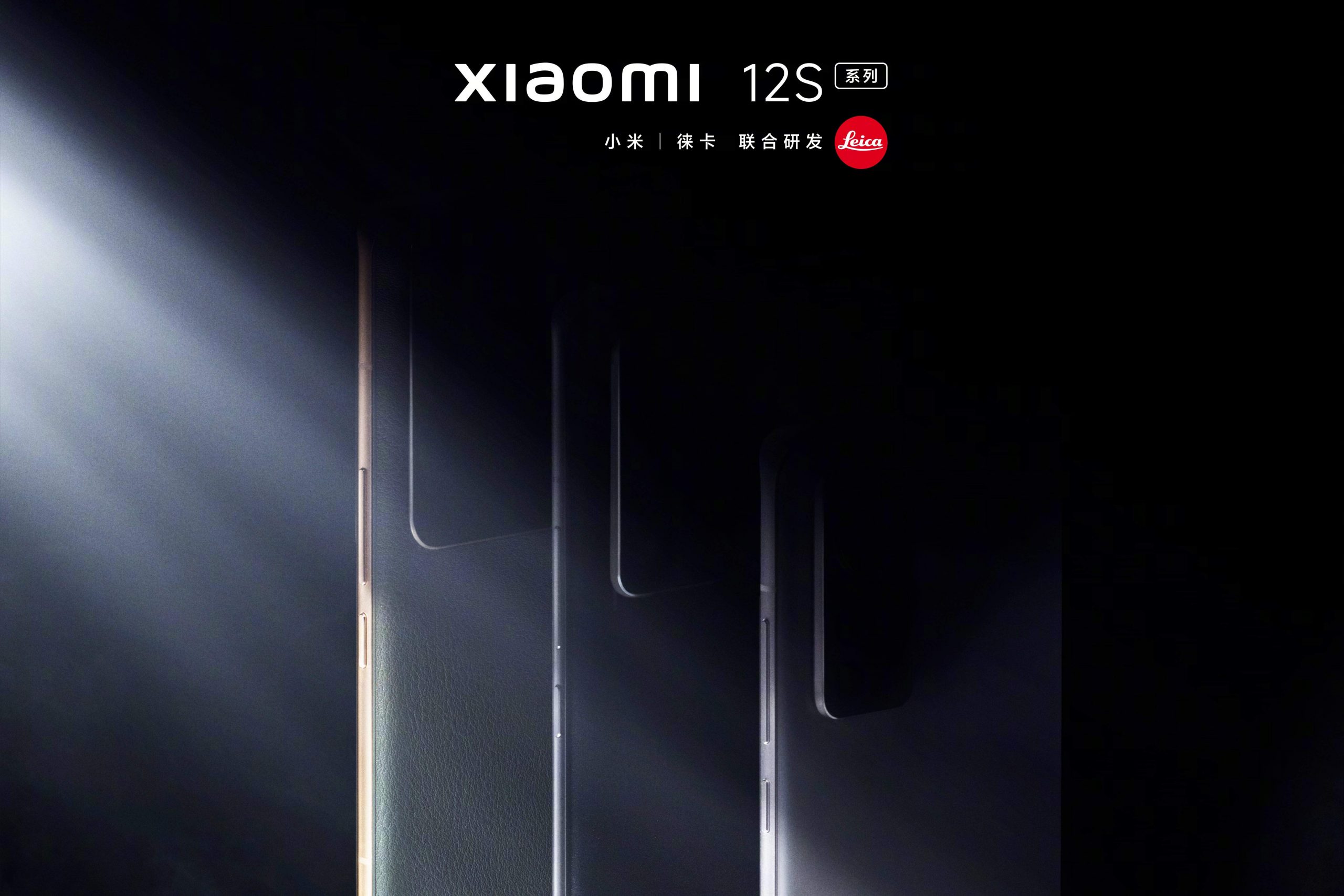
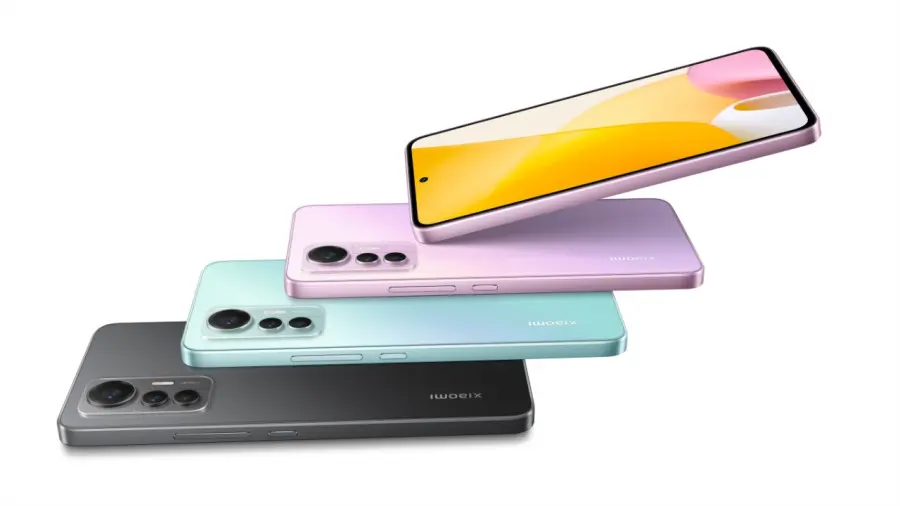
Besides flaunting its new smartphone camera partnership with Leica, the Xiaomi 12S series of devices are also the world’s first to sport Qualcomm’s latest Snapdragon 8+ Gen 1 SoC. As the devices are arriving in reviewers’ hands, the Xiaomi 12S continues to shock reviewers because in one of the latest performance review videos circulating online, it is shown that the Xiaomi 12S Pro and Xiaomi 12S Ultra outlast Apple’s iPhone 13 Pro Max in a screen-on-time (SoT) endurance test.
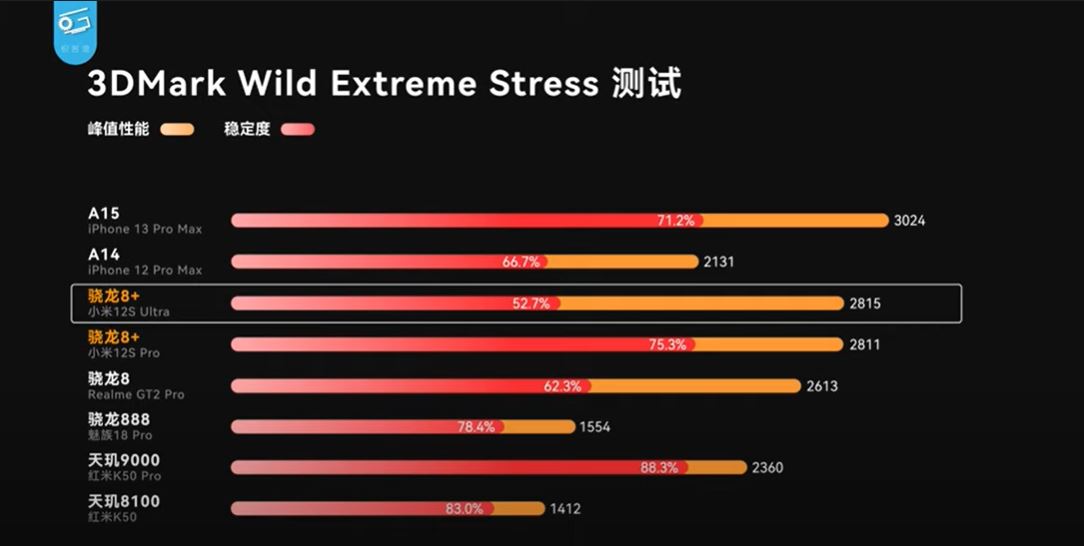
3DMark Stress Test showing Xiaomi 12S Pro and Ultra against the competition.
On the 3DMark Wildlife Stress Test benchmark, it can be seen that the Qualcomm Snapdragon 8+ Gen 1 found on the Xiaomi 12S Pro and 12S Ultra outperforms all other Android flagships in raw CPU and GPU performance, including the Snapdragon 8 Gen 1 on the Realme GT 2 Pro and the MediaTek Dimensity 9000 SoC on the Redmi K50 Pro. The 8+ Gen 1 SoC however is still behind the Apple A15 Bionic SoC on the iPhone 13 Pro Max. Stability-wise, the Snapdragon 8+ Gen 1 is also a major upgrade from the 8 Gen 1, as it now can perform within the same league as 2022 flagship SoC chips like the MediaTek Dimensity 9000 and Apple A15 Bionic chipsets.
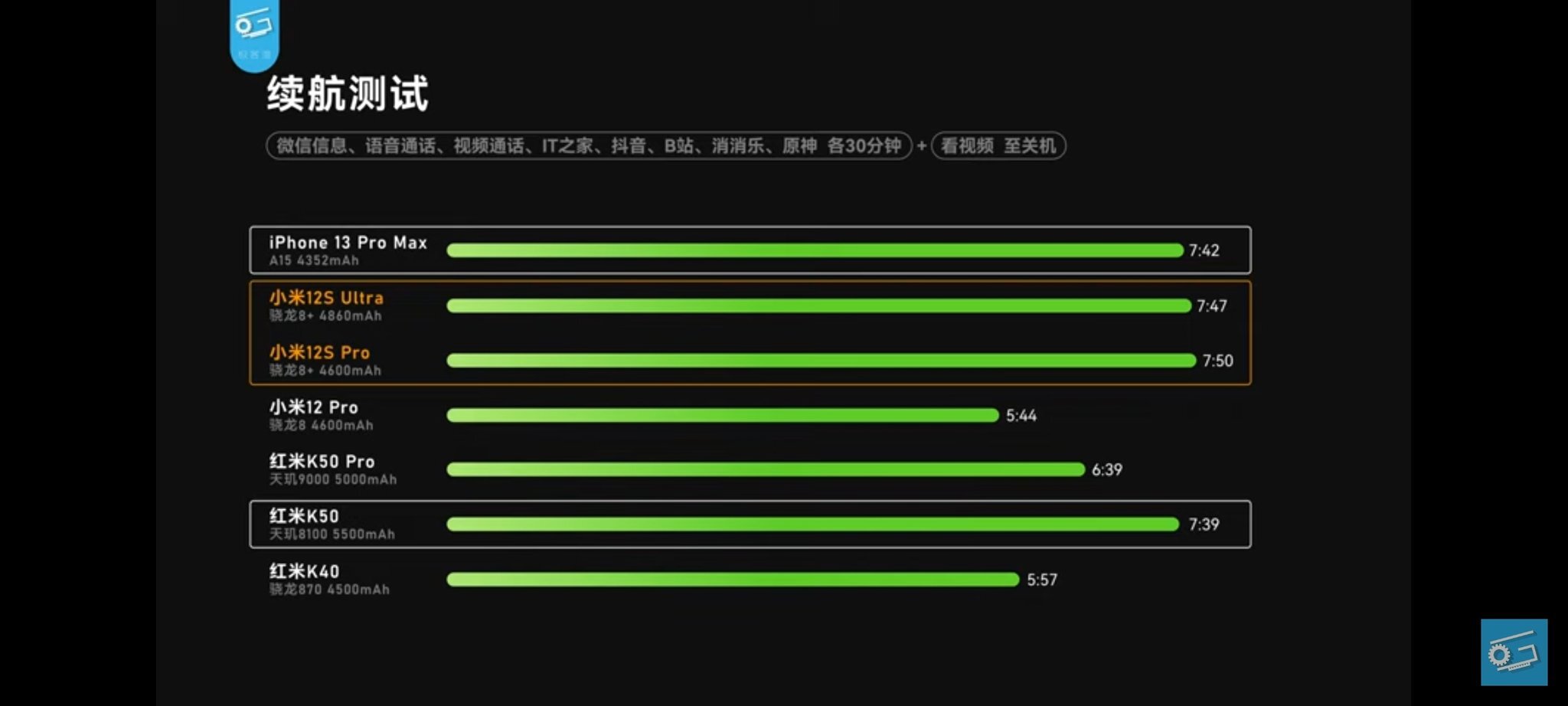
Next is the smartphone endurance test, and here is where the results get spicy, the Xiaomi 12S Pro and Ultra manage to dethrone Apple’s iPhone 13 Pro Max as the overall smartphone endurance champion!
Xiaomi 12S Pro and Ultra in SoT Endurance Test Against the Competition
In the video, it is shown the Xiaomi 12S Pro and 12S Ultra have managed to achieve a mind-boggling 7 hours and 50 minutes, and 7 hours and 47 minutes of screen on time respectively, surpassing Apple’s previously thought to be untouchable record of 7 hours and 42 minutes of screen on time.
Compared to the measly and disappointing 5 hours and 44 minutes of screen on time achieved by the Xiaomi 12 Pro with a Snapdragon 8 Gen 1 SoC that has the same 4600mAh battery, the Snapdragon 8+ Gen 1 has managed to greatly improve battery life by a whopping 2 hours on the Xiaomi 12S Pro.
The SoT endurance tests consisted of mixed usage with gaming on Genshin Impact, WeChat messaging, voice calls, video calls, web browsing, TikTok and also video streaming, each task took around 30 minutes of usage until the battery was depleted.
However, do note that these tests were done on China models of the Xiaomi 12S Pro, Apple iPhone 13 Pro Max and other devices, which were running on Chinese software applications. So an endurance done on global models of these devices running on software outside of China may yield different endurance results.
Still, we now know that the Xiaomi 12S Pro and 12S Ultra are a massive jump in terms of power efficiency and battery endurance compared to the Xiaomi 12 series launched back in December 2021, now they can even surpass the current flagship smartphone market leaders like the Apple iPhone 13 Pro Max.
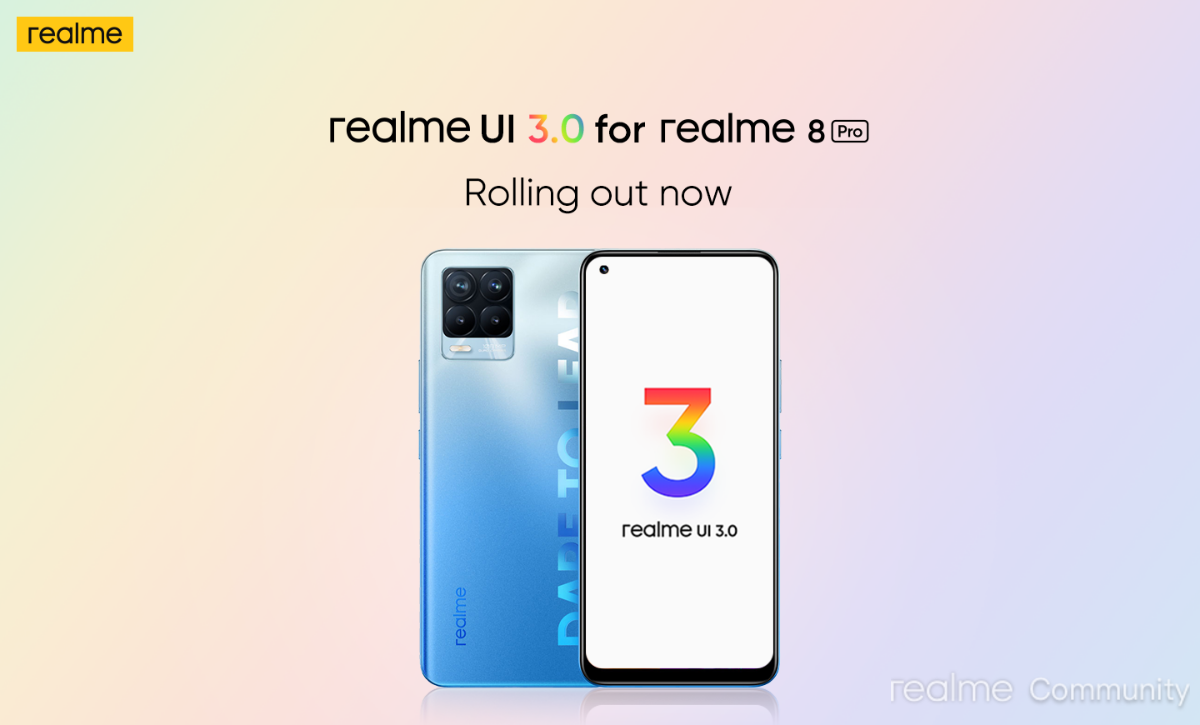
The Realme UI 3.0 stable update rollout will be released to users in batches, and to be eligible for the update, users will have to make sure that they are on the latest firmware version of Realme UI 2.0. For Realme 8 Pro users, that will be RMX3081_11.A.47 / RMX3081_11.A.48 ; for Realme 7 Pro users, that will be RMX2170_11.C.30 / RMX2170_11.C.32 ; and for Realme C25s users, that will be RMX3197_11.A.19 / RMX3197_11.A.20.
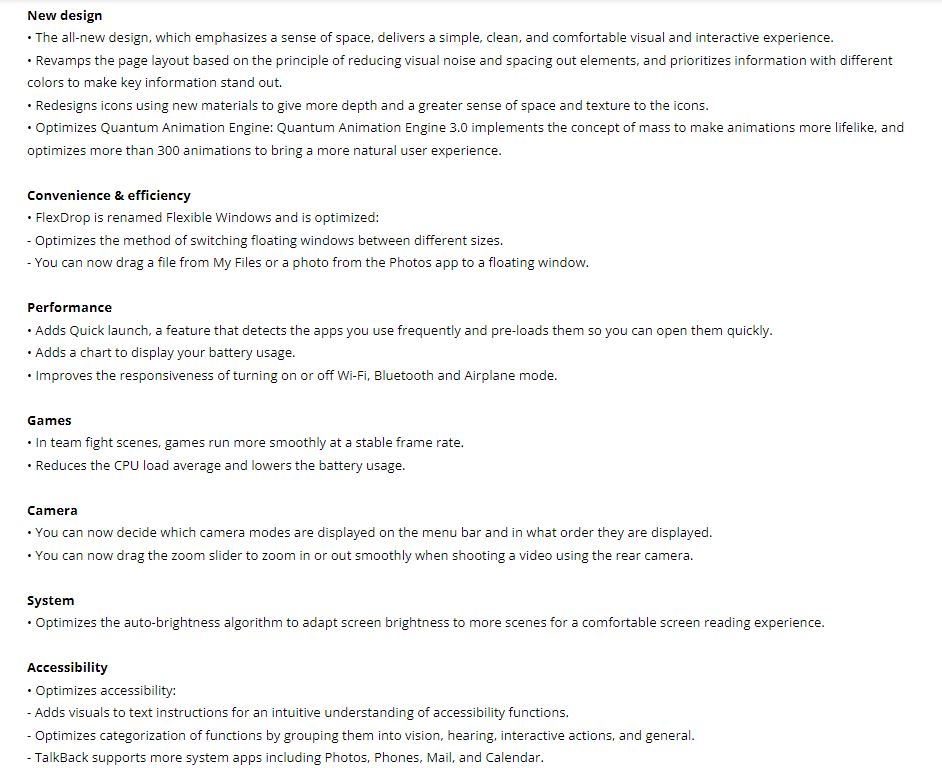
As for what new features the update brings, Realme says that Realme UI 3.0 is now revamped with a new design, which aims to deliver a more comfortable, natural and simpler user experience. The Realme UI 3.0 update changelog for the Realme 8 Pro, Realme 7 Pro and Realme C25s are identical, and if you want to read further through all the new features and highlights, you can do so with the changelog we have attached below.
Realme UI 3.0 Update Changelog
If you do decide to upgrade to Android 12, Realme notes several common issues it received from users after the Android 12 upgrade:
It may take a longer time to boot for the first time, especially if there are many third-party applications on your phone.
In order to improve the system operation efficiency and eliminate potential safety risks, the system will perform a series of actions such as application adaptation, background optimization and security scanning which may cause slight hanging and faster power consumption.
However, these software issues will normally go away once a week has passed and your phone has adapted to the new system.
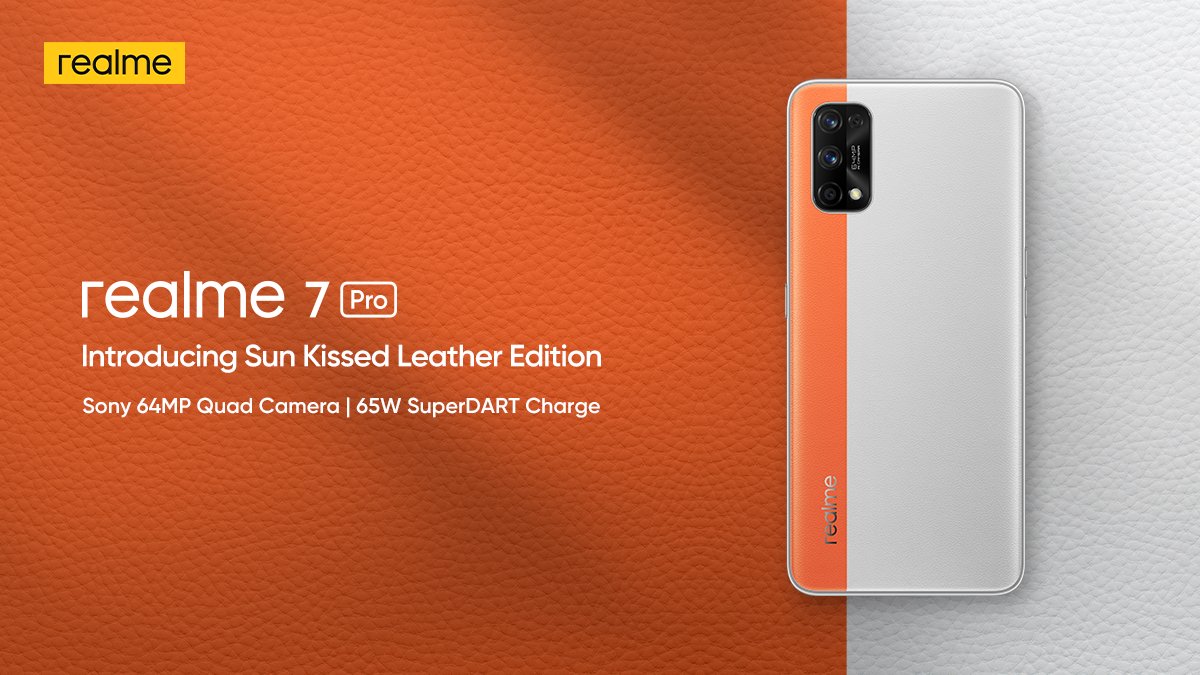
The Realme 7 Pro is the oldest device here among the three with it launching back on September 14, 2020, almost 2 years ago. It launched with Realme UI 1.0 based on Android 10 out of the box. And the Android 12 update is expected to be the last major Android OS upgrade for the smartphone, as it had received 2 Android OS upgrades in its life cycle. The phone came with the first AMOLED display on a Realme number series device, a mid-range Snapdragon 720G processor, as well as support for 65W SuperDart fast wired charging to boot, making it a very competitive mid-range device in the market at that time.
Meanwhile, both the Realme 8 Pro and Realme C25s were launched in 2021 with Realme UI 2.0 based on Android 11. The Realme 8 Pro came with a Snapdragon 720G chipset, 108MP main camera, and 50W fast wired charging whilst the Realme C25s launched with an Helio G85 SoC and 6000mAh battery.
ZTE and its well-known sister sub-brand Nubia, are going to launch the next generation of its Red Magic gaming flagship smartphones – the Nubia Red Magic 7S series, in China this Monday, July 11th at 3 PM Beijing Time (GMT +8) / 12:30 PM India Standard Time (GMT +5:30) / 8 AM London Time (UTC +1).
Red Magic 7S Teaser. Source: Red Magic Official Weibo
For international viewers who want to tune in to the Red Magic 7S launch event as well, you can instead watch the launch via a Weibo third-party live stream below. It broadcasts the event at the same time as Nubia China’s official channels.
Link to Nubia Red Magic 7S Launch Livestream HERE.
Nubia is planning to launch two gaming smartphones during the event: the Red Magic 7S & Red Magic 7S Pro. Both smartphones will be the brand’s first smartphones to sport Qualcomm’s latest and greatest Snapdragon 8+ Gen 1 SoC.
This new SoC boasts up to 10% of improved CPU and GPU performance, as well as 30% better power efficiency over the original Snapdragon 8 Gen 1 found on the previous generation Red Magic 7 and 7 Pro, as well as devices like the Xiaomi 12 Pro, OnePlus 10 Pro and Realme GT 2 Pro launched earlier this year. Qualcomm attributes most of the hardware improvements to switching over to TSMC’s industry-leading 4nm manufacturing process instead of Samsung’s 4nm node.
Other than the SoC upgrade, it seems that the other specifications of the Red Magic 7S series will be identical to the Red Magic 7 series we saw launched globally in April earlier this year.
Red Magic 7S Pro
The Red Magic 7S and 7S Pro are expected to be equipped with a 6.8-inch flat OLED panel and offer a Full HD+ resolution of 1080 x 2400 pixels. The refresh rate on the Red Magic 7S Pro model may go up to 165Hz with a 720Hz touch sampling rate. The standard Red Magic 7S, on the other hand, will likely support a refresh rate of only 120Hz. Both models are expected to support a new peak brightness of up to 700 nits and colour accuracy will likely be better than previous models. The display will house an in-display selfie camera supplied by its parent company ZTE while sporting Gorilla Glass 5 protection for display protection.
The two smartphones are expected to arrive in four different LPDDR5 RAM variants – 8 GB, 12 GB, 16 GB, and 18 GB. Storage-wise, the Red Magic 7S Pro will likely come with up to 1TB of fast UFS 3.1 internal storage, whereas the standard 7S will offer up to 512GB of internal storage instead.
The Red Magic 7S is to feature a 4500mAh battery cell with 120W fast wired charging support. The Pro model is rumoured to feature a 5000mAh battery whilst carrying industry-leading 165W fast wired charging support instead. Both smartphones will likely charge from 0 to 100 per cent in under 20 minutes. It is worth mentioning that there is no wireless charging or reverse wired charging in the smartphones.
To know further about the pricing and colour options of the ZTE Nubia Red Magic 7S series of gaming smartphones, stay tuned to our coverage of the launch event on July 11th here at Gizmochina!
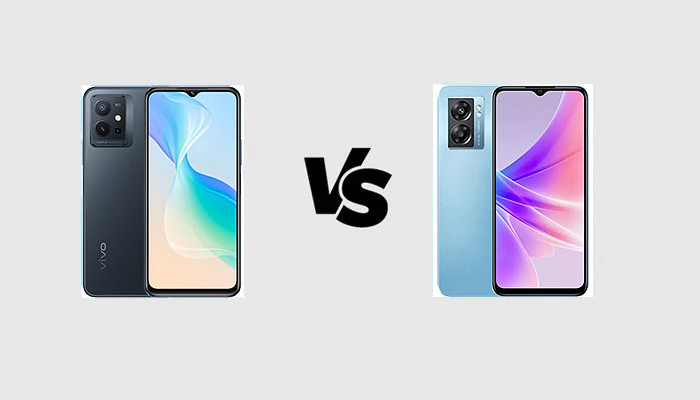
This year OPPO launched several variants of the OPPO K10 series. While in China the OPPO K10 5G is a high-end phone, in India it is an affordable phone, even though it has exactly the same name. Today, we are talking about the Indian variant and we decided to compare it to one of the most important handsets in the same price range. We are referring to the Vivo T1 5G: it is an older device, but it has still all the features to compete with the new OPPO low cost. They come with different but similar specifications and, inside this comparison, we will highlight the main differences between the specifications of the OPPO K10 5G and the Vivo T1 5G.
Vivo T1 5G vs OPPO K10 5G
Vivo T1 5G
OPPO K10 5G
DIMENSIONS AND WEIGHT
164 x 75.8 x 8.3 mm,
187 g
163.8 x 75.1 x 8 mm,
190 g
DISPLAY
6.58 inches, 1080 x 2408 pixels (Full HD+), IPS LCD
Triple 50 + 2 + 2 MP, f/1.8 + f/2.4 + f/2.4
16 MP f/2.0 front camera
Dual 48 + 2 MP, f/1.7 + f/2.4
8 MP f/2.0 front camera
BATTERY
5000 mAh, fast charging 18W
5000 mAh, fast charging 33W
ADDITIONAL FEATURES
5G, dual SIM
5G, dual SIM
Design
Do not expect a premium design from these devices. They are very affordable phones and they are built with cheap materials. The OPPO K10 5G and the Vivo T1 5G are entirely made of polycarbonate with the exception of the front glass. Their design is not very attractive: they come with waterdrop notches and pretty thick chins, but they can not be defined as ugly devices. The OPPO K10 5G is more interesting for two reasons: it is thinner (the thickness is 8 mm) and it has the IPX4 certification making it water resistant (it is splashproof, but you can not put it underwater without damage). For the rest, these handsets are not so different when it comes to the design.
Display
If you need the most advanced display, then you should go for the Vivo T1 5G. It has an IPS LCD panel with a 6.58-inch diagonal, a Full HD+ resolution of 1080 x 2408 pixels, and a 120 Hz refresh rate. The OPPO K10 5G has a 6.56-inch display with a lower HD+ resolution of 720p and a lower 90 Hz refresh rate. Unfortunately, these handsets do not come with high-end displays, so you should not expect great image quality and realistic color reproduction. They are affordable panels with sufficient performance. Both the phones are equipped with side-mounted fingerprint readers (placed on the power key), but the OPPO K10 5G is the only one with stereo speakers, providing a better audio experience.
Specs & Software
The Vivo T1 5G is powered by the Snapdragon 695 5G chipset: an SoC built at 6 nm with an octa-core architecture composed of two Kryo 660 Gold cores running at a frequency of 2.2 GHz, six Kryo 660 Silver cores running at 1.7 GHz, and an Adreno 619 GPU. It is a superior chipset if compared to the Mediatek Dimensity 810 found on the OPPO K10 5G: an octa-core SoC built at 6 nm composed of two Cortex A76 cores running at a frequency of 2.4 GHz, six Cortex A55 cores running at 2 GHz, and a Mali G57 MC2 GPU. The OPPO budget phone only comes in a configuration with 8 GB of RAM and 128 GB of UFS 2.2 internal storage, while the Vivo T1 5G offers other options with 4, 6, or 8 GB of RAM and 128 GB of native storage. You can expand the internal storage with a micro SD slot on both phones. The OPPO K10 5G runs Android 12 out of the box, customized by ColorOS 12.1, while the Vivo T1 5G ships with Android 11 customized by Funtouch OS 12.
Camera
The most advanced camera is offered by the Vivo T1 5G: it comes with a triple rear camera including a 50 MP main sensor, a 2 MP macro lens, and a 2 MP depth sensor. On the front, it sports a 16 MP selfie snapper with an f/2.0 focal aperture. With the OPPO K10 5G, you get a less impressive 48 MP main sensor, a 2 MP depth lens, and an 8 MP selfie shooter. There is no challenge, you can clearly see who is the winner.
These phones are both equipped with a 5000 mAh battery, but the OPPO K10 5G should be the one with the longest battery life because it has a display with a lower resolution and a lower refresh rate. Further, the ColorOS 12.1 has a very good power management system and very advanced energy saving options. The charging speeds are different as the OPPO device features 33W fast charging and the Vivo stops at 18W.
Price
The starting price of the OPPO K10 5G in the Indian market is Rs. 18,450, which roughly translates into $233. You need at least Rs. 18,999 to purchase a unit of the Vivo T1 5G, if we do not consider street prices, which roughly translates into $240. The OPPO budget phone offers a more recent Android version with a more advanced user interface, as well as the IPX4 certification and a faster charging tech, while the Vivo T1 5G sports a better display, a superior chipset, and even a better camera. Which one would you pick?
According to a report by ITHome, both straight and curved displays may now be produced with incredibly narrow four-frame borders thanks to advancements in packaging technology developed by numerous screen producers domestically and overseas. Additionally, Xiaomi will release multiple flagship models with flexible packaging technologies and a small bezel, straight screen design. Prominent leaker Digital Chat Station revealed the aforementioned leaks.
Some online users think the Xiaomi Mi 13 Standard Edition is included in the blogger’s claimed Xiaomi flagship. The film on the curved screen mobile phone has particularly offended many netizens, who have a loud voice for the straight screen and complain that the touch is off.
The current Xiaomi Mi 12S, 12S Pro, and 12S Ultra in the Mi 12S series, as well as the Mi 12X, Mi 12 Standard Edition, and Mi 12 Pro in the Mi 12 series from the previous generation, all, have curved screen designs, according to ITHome. The Redmi K50 series’ K50 and K50 Pro have straight screens by design.
Price of the Series
The Xiaomi 12S starts at around €570/$580 in China for the base model, €670/$682 for the Pro version, and €950/$967 for the Ultra in its base configuration with 8 GB of RAM and 256 GB of native storage. All the devices are currently only available in China.
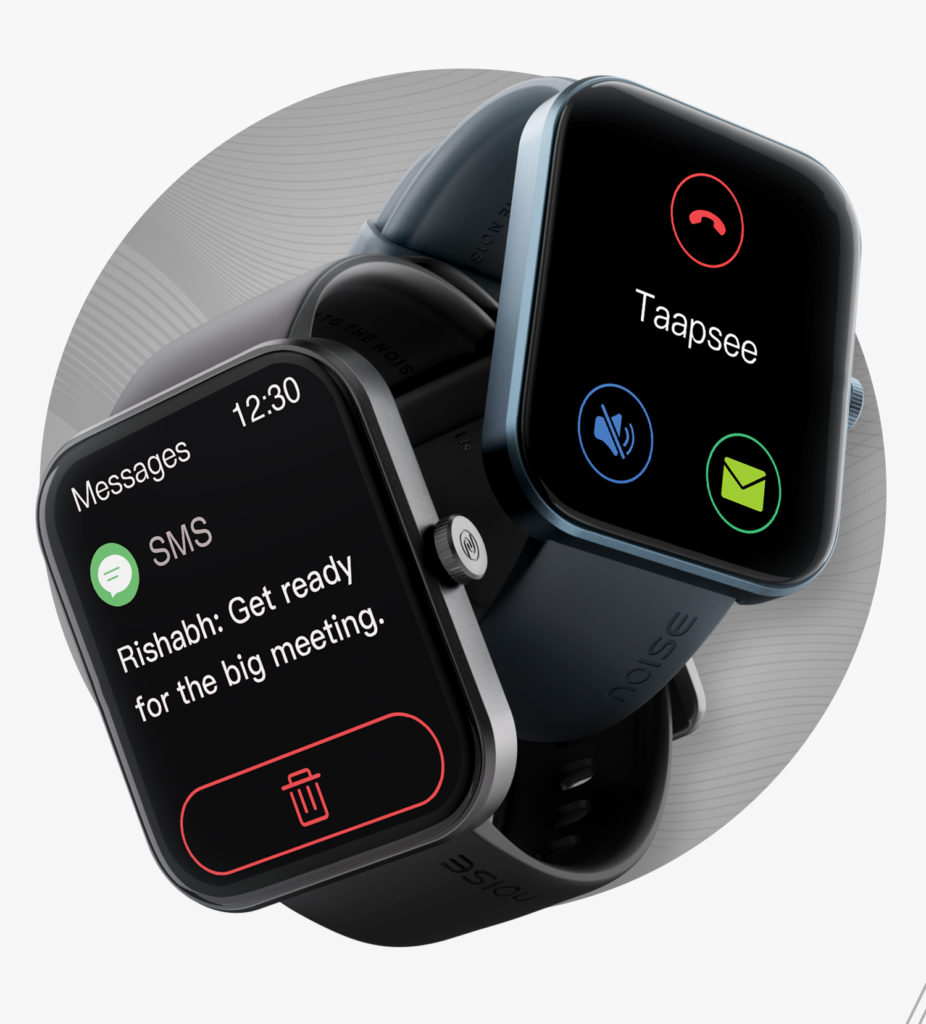
Noise, an entry-level Indian smartphone accessories brand that specializes in smartwatches is launching a brand-new model of the Noise Colorfit Pulse smartwatch lineup,- the Noise ColorFit Pulse 2. This is the second launch in a short span as the brand recently launched the Noise ColorFit Pulse Buzz in the same lineup last month in India.
Notably, Noise became the No.1 Wearable Watch Brand in India according to IDC Worldwide Quarterly Wearable Device Tracker 4Q21.
The company’s newest smart wearable boasts a 1.8-inch touch-enabled display with 550 nits of brightness. The display offers 40% more screen area than its predecessor the Noise ColorFit Pulse. The Bluetooth calling feature is one of its standout features. Therefore, it gives you complete control over call and message notifications by bringing all the information to your wrist. There are 50 different sports modes available for fitness. Additionally, there are sensors for measuring your health, such as a heart rate monitor, a sleep monitor, and others. This suite is referred to as Noise Health Suite.
The Bluetooth version, IP certification, and battery capacity are among the details still to be revealed.
Price and availability
The smartwatch is priced at 1999/-INR ($25 approx.), which is only applicable for the launch day. It will be available on the Amazon India website, on 13th July, at 12 PM.
The color options are yet to be revealed but as far as the poster of the launch has shown us there are 5 color options namely gold, rose gold, navy blue, black and a greyish shade. We look forward to more details post-launch.
Elon Musk has withdrawn his $44 billion bid for Twitter. The Tesla CEO has blamed the microblogging site for failing to provide information on the bogus account. Twitter, on the other hand, is committed to “closing the transaction at the price and terms agreed upon with Mr. Musk.” The Twitter board of directors has decided to sue Elon Musk in order to enforce the merger agreement reached between the two parties in April.
Musk’s lawyers claimed in a regulatory filing that Twitter failed to provide information about fake or spam accounts on the platform despite repeated requests. Twitter also did not provide details on its procedures for identifying and suspending such accounts.
A letter addressed to Twitter legal head Vijaya Gadde read “For nearly two months, Mr. Musk has sought the data and information necessary to ‘make an independent assessment of the prevalence of fake or spam accounts on Twitter’s platform’ (our letter to you dated May 25, 2022 (the “May 25 Letter”)). This information is fundamental to Twitter’s business and financial performance and is necessary to consummate the transactions contemplated by the Merger Agreement because it is needed to ensure Twitter’s satisfaction with the conditions to closing, to facilitate Mr Musk’s financing and financial planning for the transaction, and to engage in transition planning for the business. Twitter has failed or refused to provide this information,”.
Musk has previously threatened to halt the transaction until the company can prove that less than 5% of Twitter accounts that see advertisements on the social media platform are bots. He claimed that 20% of Twitter accounts are fake/bots, which is four times the number reported by Twitter, but the figure could be “much higher.”
After news broke that Musk is pulling out of the $44 billion deal, twitter’s shares have taken a hit and are currently down 7 percent in extended trading.
In response to the termination, Twitter announced that it would sue Musk for abandoning the $44 billion agreement. Twitter chairman, Bret Taylor, said “The Twitter Board is committed to closing the transaction on the price and terms agreed upon with Mr. Musk and plans to pursue legal action to enforce the merger agreement. We are confident we will prevail in the Delaware Court of Chancery.”
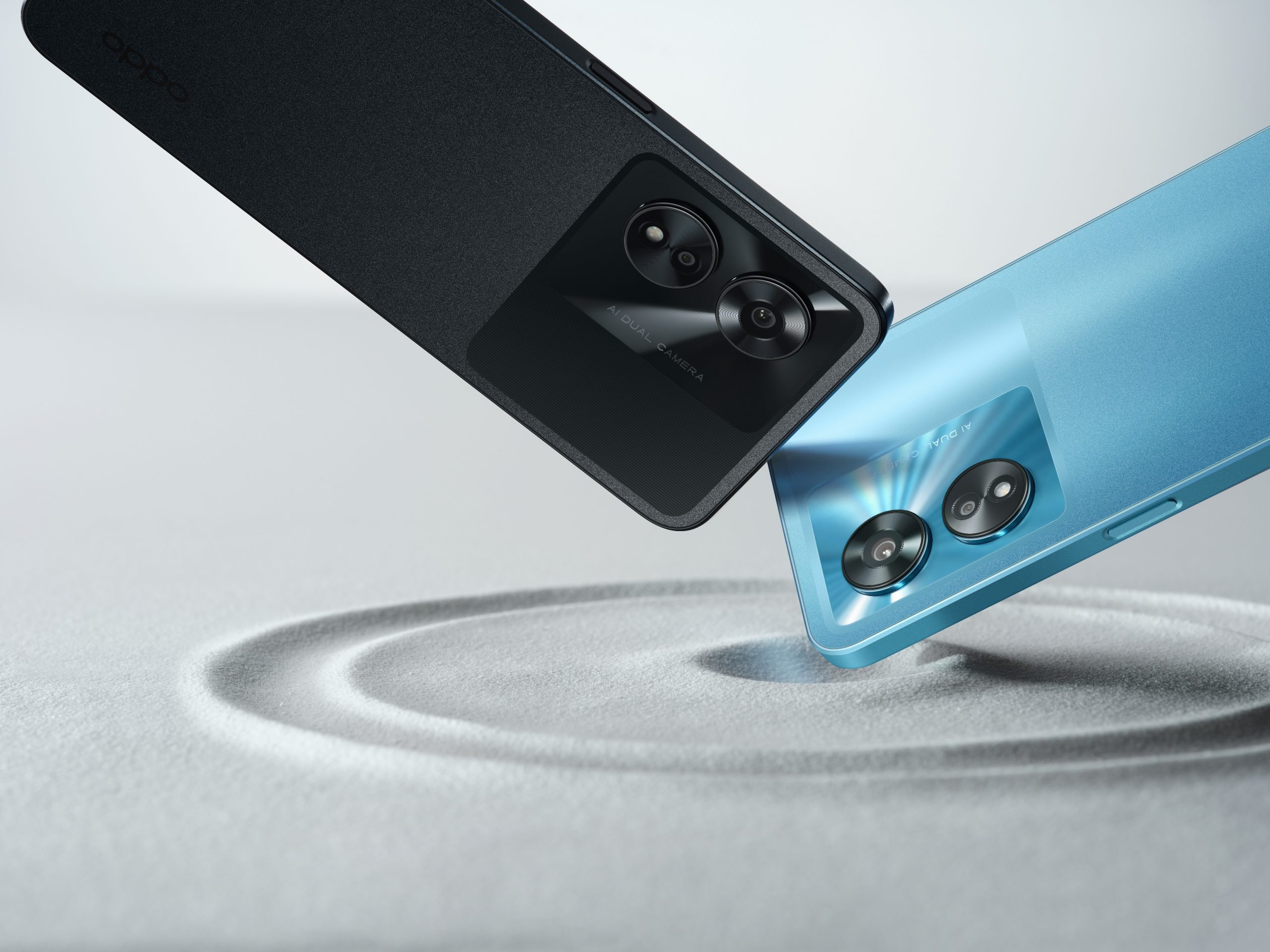
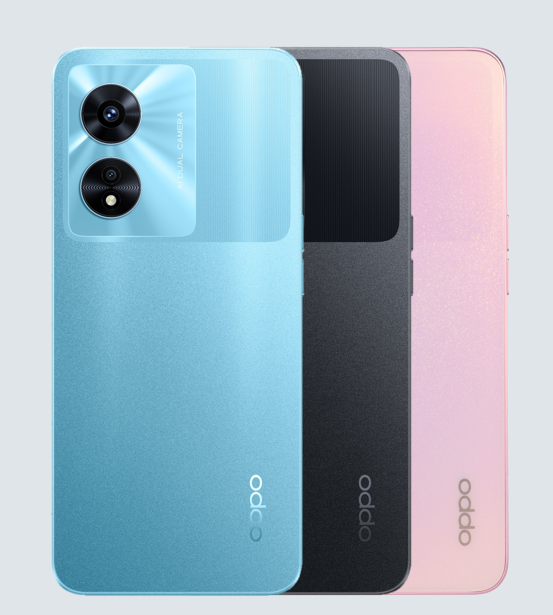
Earlier this week, we got our first glimpse at the upcoming Oppo A97 5G smartphone via a China Telecom listing. Now, new renders have appeared online showcasing the device from multiple angles and also hinting at the color options.
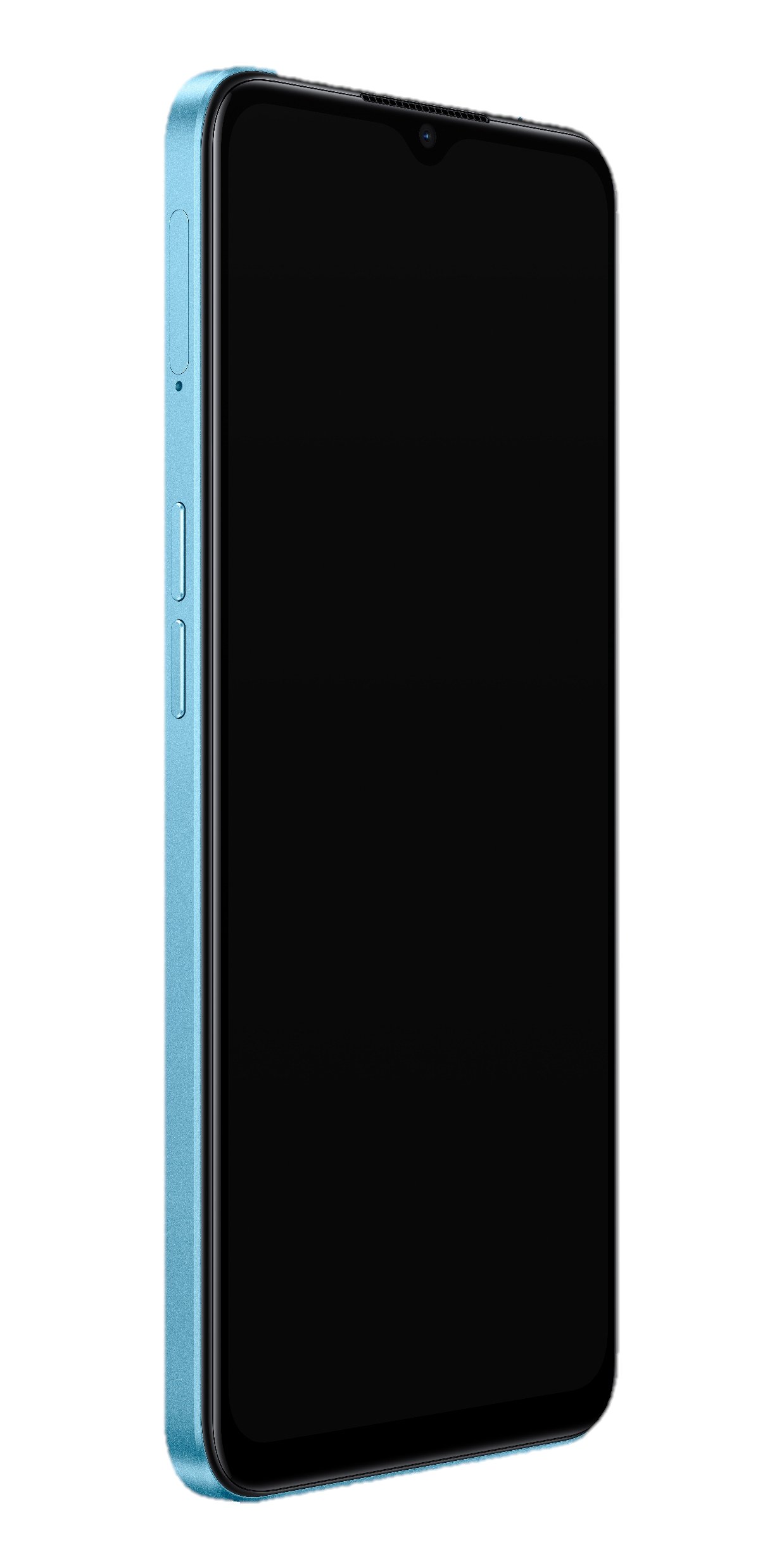
The images are shared by reliable tipster Evan Blass (@evleaks) and reveal that the smartphone will be available in three color options – Blue, Black, and Pink. The device will have a flat back, flat edges, and a large camera module.
OPPO A97 5G renders
1 of 2
The right side of the device has a power button with the fingerprint sensor built-in and the left side features the volume rocker. There’s a headphone jack at the bottom next to the USB-C port and speaker.
Oppo A97 5G specs & features
According to the China Telecom listing, the A97 5g will feature a 6.56-inch notched display that has Full HD+ resolution.
For optics, the smartphone will feature a dual-camera setup on the back consisting of a 48-megapixel primary sensor paired with a 2-megapixel secondary camera. Up front, the device will bring an 8-megapixel selfie camera.
It will be powered by a 5,000mAh battery and will be offered in 8GB + 128GB and 12GB + 256GB variants. The chipset of the device is still under wraps. Lastly, the device is expected to be priced at 2,299 Yuan ($343 approx) for the 12GB RAM model.
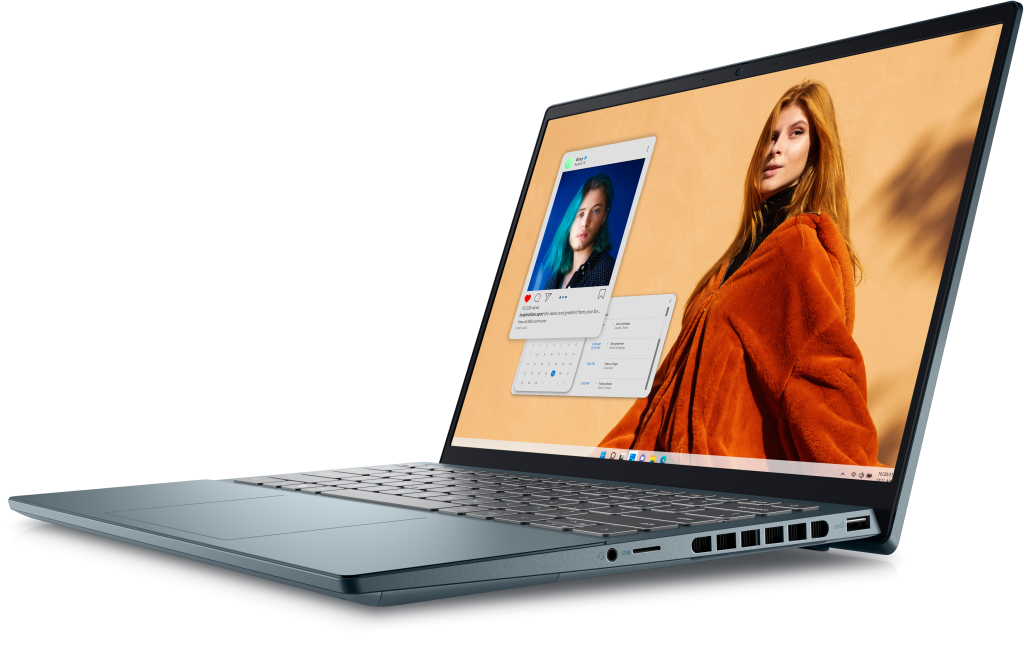
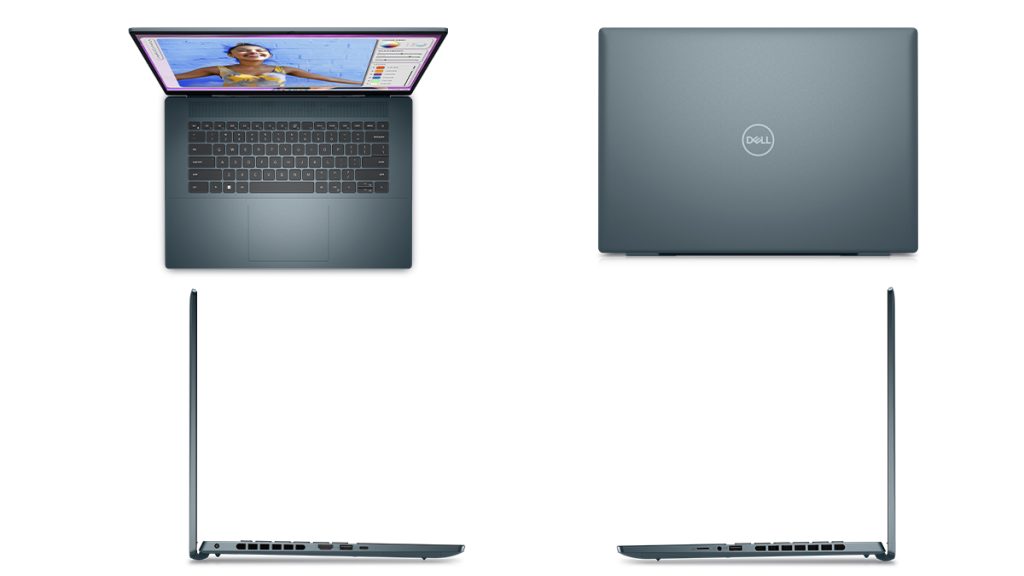
US PC manufacturer Dell has announced the Inspiron 14 Plus and Inspiron 16 Plus laptops. The models come with the 12th-Gen Intel H-series CPU and GeForce RTX 3060 GPU. The new laptops offer rich audio visuals and are aimed at enhancing creativity.
Dell Inspiron 14 Plus
The Dell Inspiron 14 Plus is available with either the Intel 12th Gen Core CPU or AMD Ryzen 3000 series. The Inspiron 14 Plus is a 2-in-1 machine that suits a variety of demand choices. It has slim boundaries all around the laptop and an Aspect Ratio of 16:10. The display of the Inspiron 14 Plus offers full HD resolution and features ComfortView, DC dimming, and low blue light. It comes with a large touchpad and an optional active pen. With the active pen, users can write naturally without pairing and this is compatible with Windows 11.
Dell Inspiron 14 Plus
The Dell Inspiron 14 Plus comes with either 8GB or 16GB of RAM and up to 1TB of storage. It comes bundled with Windows 11 Home but Microsoft Office Suite is not included. Connectivity for the Dell Inspiron 14 Plus is via Wi-Fi 6E and Bluetooth 5.2. Its ports include 2 USB 3.2 Gen 1, a Thunderbolt 4.0, HDMI 2.0, and its Power Adapter port.
Dell Inspiron 16 Plus
The Dell Inspiron 16 Plus offers the option of the NVIDIA GeForce RTX 3060 graphics for more efficient videography and photography. The NVIDIA GeForce RTX GPU is paired with the 12th Gen Intel Core H processor. It offers a rich resource of NVIDIA Studio applications for wider functionality. You can load and switch between apps seamlessly thanks to its 4800MHz DDR5 memory. The internal architecture of the Inspiron 16 allows for faster performance and better heat dissipation. The display of the Inspiron 16 Plus offers up to 3K resolution.
Dell Inspiron 16 Plus
The Inspiron 16 Plus is well-primed for crisp video calling with its FHD webcam with temporal noise reduction. The webcam has a wide dynamic range and dual microphones combined with its AI noise reduction technology. The laptop comes bundled with Windows 11 and up to 1 TB of storage. Microsoft Office is omitted in the Inspiron 16 Plus, as with the Inspiron 14 Plus. Its stereo speakers come with Waves MaxxAudio Pro and Dolby Atmos. The connectivity and ports on the Inspiron 16 are similar to the Inspiron 14 Plus.
The Dell Inspiron 14 Plus and 16 start at $1,349.99 and $1,7499.99 respectively. Only the Dark Green color option will be available for now. Availability in the US and other markets will follow subsequently.
The Aike T e-scooter has been launched in Europe. The new e-scooter has a top speed of 25km/h and a range of 40km on a full charge but those are not what make it tickle our fancy. The e-scooter also offers USB-C charging in addition to its accompanying charger. The Aike T e-scooter in Europe is available for pre-order with a deposit of €69 ($70). The full price of the Aike T e-scooter is €999 ($1,016).
Aike says its e-scooter is the first-ever lightweight EV that can be recharged via USB. The standing e-scooter has a removable 583kWh battery and weighs 19kg. The battery can be recharged fully within 8 hours via its USB-C port or 4 hours using its charger. You can also use the Aike T to charge other devices.
The Aike T has a mount between its handlebars that a smartphone can be placed for GPS navigation. The two-wheeler is powered by a 350W electric motor and has a smart IoT architecture. It is IPX5 rated and will operate within a temperature range of -17 to +35 degrees Celsius. The Aike T can support loads up to 150kg and theft protection is also featured. The anti-theft features include smartphone notifications, a built-in alarm, and an automatic brake lock. The location of the Aike T can be tracked via its integrated GPS.
Aike says only a limited number of units of the T e-scooter are available for pre-order. It says there are only 500 units of the Aike T e-scooter currently. The first shipments of the Aike T are expected by November 2022. The availability of the Aike T could also expand to other markets.
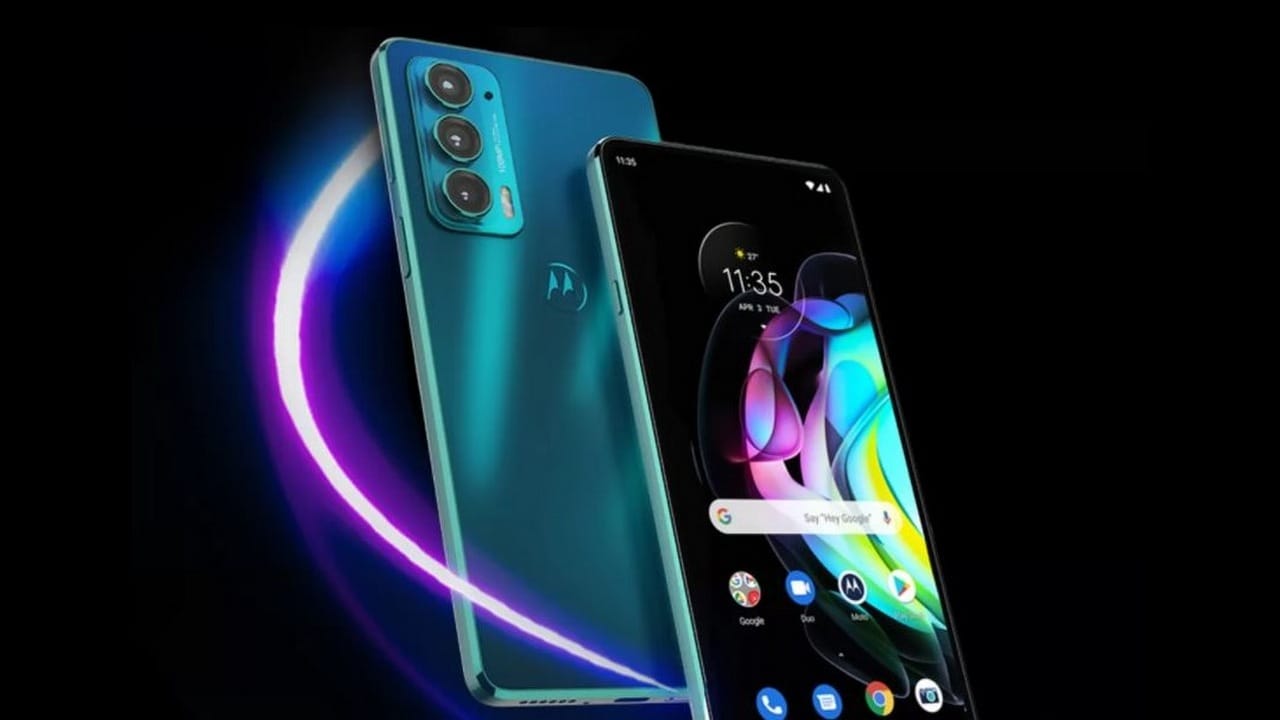
Earlier this year, Motorola debuted the Edge 30 Pro smartphone globally. Following the Pro model, the company also debuted the vanilla Edge 30 in multiple markets.
Motorola Edge 20 Fusion
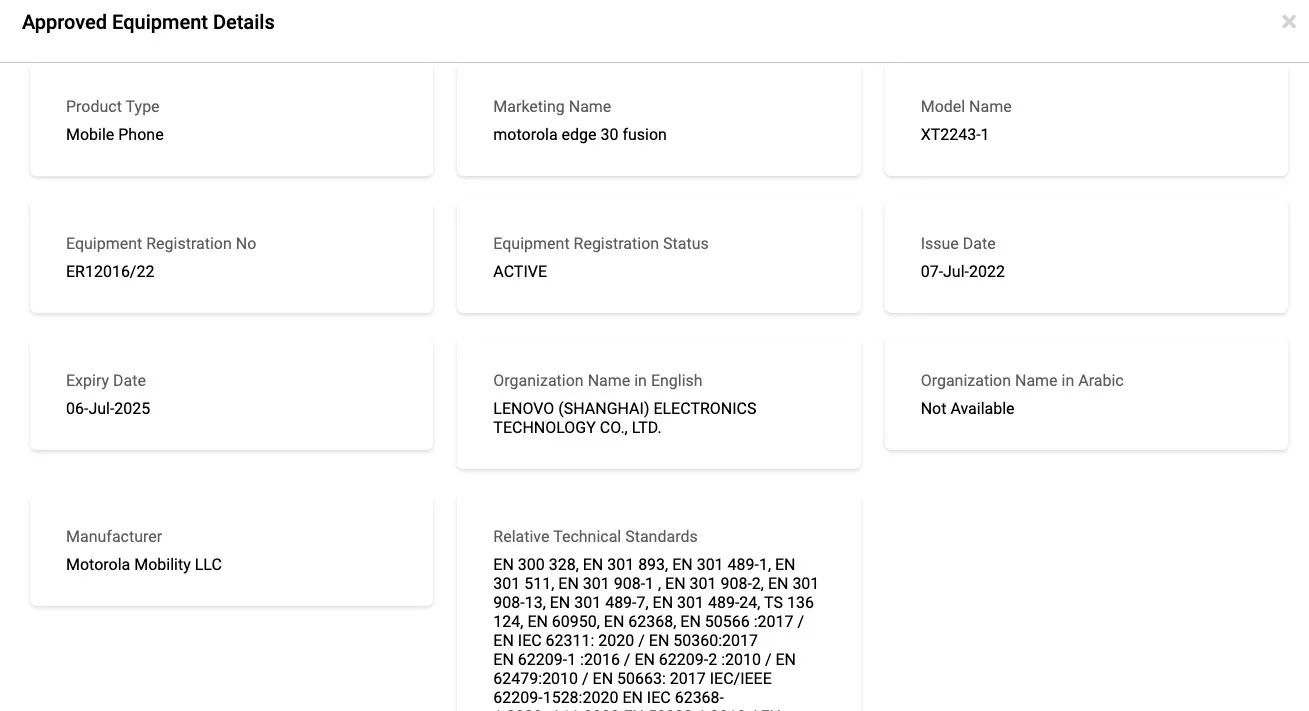
Now, the company is planning on launching a new smartphone in the Edge 30 series dubbed the Motorola Edge 30 Fusion. The device has made an appearance on multiple certification sites confirming its model number, moniker, and some of its specifications.
MySmartPrice has spotted the device on TDRA, Wi-Fi Alliance, and 3C certification sites. Starting off, the TRDA certification confirms that the smartphone with model number XT2243-1 has the Motorola Edge 30 Fusion moniker.
The WiFi alliance certification states that the device has dual-band Wi-Fi support, and Wi-Fi a/ac/b/g/n. The 3C certification reveals that the smartphone will offer support for 68.2W fast charging. Other than that, the device is confirmed to operate on Android 12-based OS. Unfortunately, the certifications do not reveal any further information about the device, but we can look at last year’s Edge 20 Fusion to get an idea of what to expect.
Motorola Edge 20 Fusion specs
The Edge 20 Fusion debuted last year with a 6.67-inch 10-bit Full HD+ AMOLED display. It offers 90Hz refresh rate, HDR10+ support, and full coverage of the DCI P3 color gamut.
Under the hood, the device rocks a MediaTek Dimensity 800U chipset paired with up to 8GB of RAM and 128GB of internal storage. The device packs a large 5,000mAh battery that offers 30W fast charging support.
For optics, it has a 108-megapixel primary shooter, an 8-megapixel ultra-wide-angle lens, and a 2-megapixel depth sensor. The front has a 32-megapixel selfie shooter.
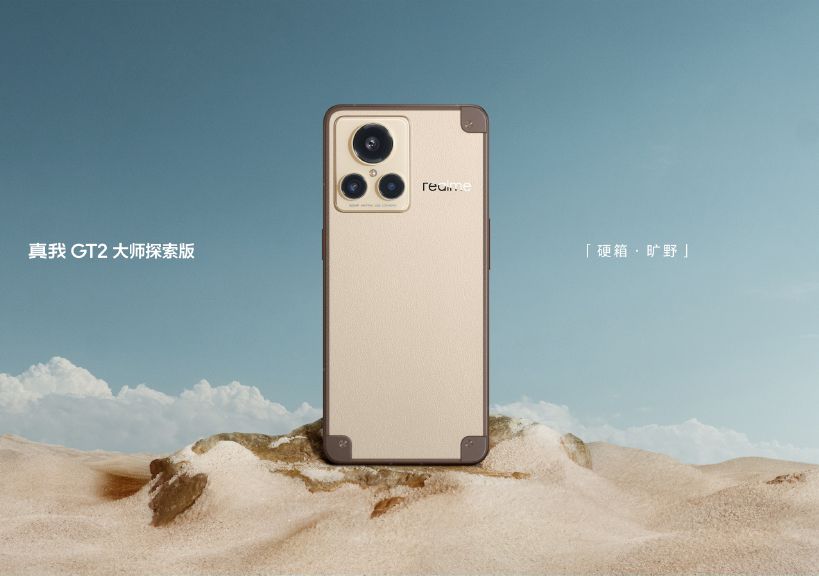
Realme will be launching its highly anticipated flagship – the Realme GT 2 Master Explorer Edition in China this Tuesday, July 12th at 2 pm Beijing Time (GMT +8) / 11:30 am Indian Time (GMT +5:30) / 7 am London Time (GMT +1).
Realme GT 2 Master Explorer Edition. Source: Realme China
The launch event will be live streamed across the brand’s official website in China. Currently, the Realme GT 2 Master Explorer Edition is expected to be a China-exclusive device like last year’s first-generation Realme GT Master Explorer Edition as well. This means that the device will not be coming to the global market.
The brand has been sharing teasers about its upcoming Realme GT 2 MEE flagship, and leaks and details about the smartphone have also appeared on Chinese certification portals as well. In today’s article, we have compiled all the details we have known about the flagship so far.
Realme GT 2 Master Explorer Edition Specs
The Realme GT 2 Master Explorer Edition will be the brand’s first flagship to sport Qualcomm’s latest Snapdragon 8+ Gen 1 SoC.
This SoC boasts up to 10% of improved CPU and GPU performance, as well as 30% better power efficiency over the original Snapdragon 8 Gen 1 found on devices like the Xiaomi 12 Pro, OnePlus 10 Pro and Realme GT 2 Pro launched earlier this year. Qualcomm attributes most of the hardware improvements to it switching over to TSMC’s industry-leading 4nm manufacturing process instead of Samsung’s 4nm node.
The Realme GT 2 MEE is also the world’s first smartphone to feature LPDDR5X RAM memory. The new LPDDR5X technology is advertised to further improve power efficiency as it consumes 20% less energy than its LPDDR5 cousin with equivalent performance. Based on an earlier Chinese JD.com marketplace listing, we also know that the Realme GT 2 MEE will be available with either 6 GB / 8 GB / 12 GB of RAM paired with 128 GB / 256 GB / 512 GB of UFS 3.1 storage.
Source: Realme China
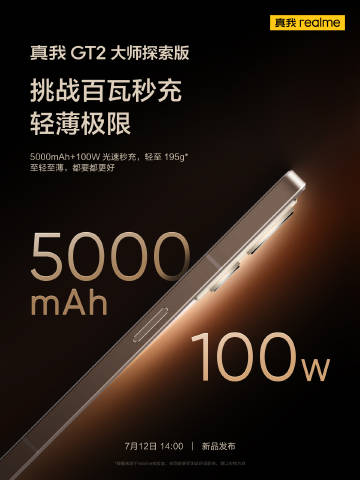
With all the power efficiency talk, Realme has also revealed that the Realme GT 2 MEE is equipped with an enormous 5,000 mAh battery equipped with 100W fast wired charging support. And the best part is that the company has managed to keep the smartphone in a slim and lightweight profile at only 8.2mm in thickness and 195 grams.
Realme GT 2 Master Explorer Edition Screen and Design
The screen of the Realme GT 2 MEE is what you would expect on a 2022 Android flagship: a 6.7-inch flat AMOLED Display with a centred punch hole, FHD+ resolution, 120Hz refresh rate and under-screen optical fingerprint reader.
Realme GT 2 Master Explorer Edition Image
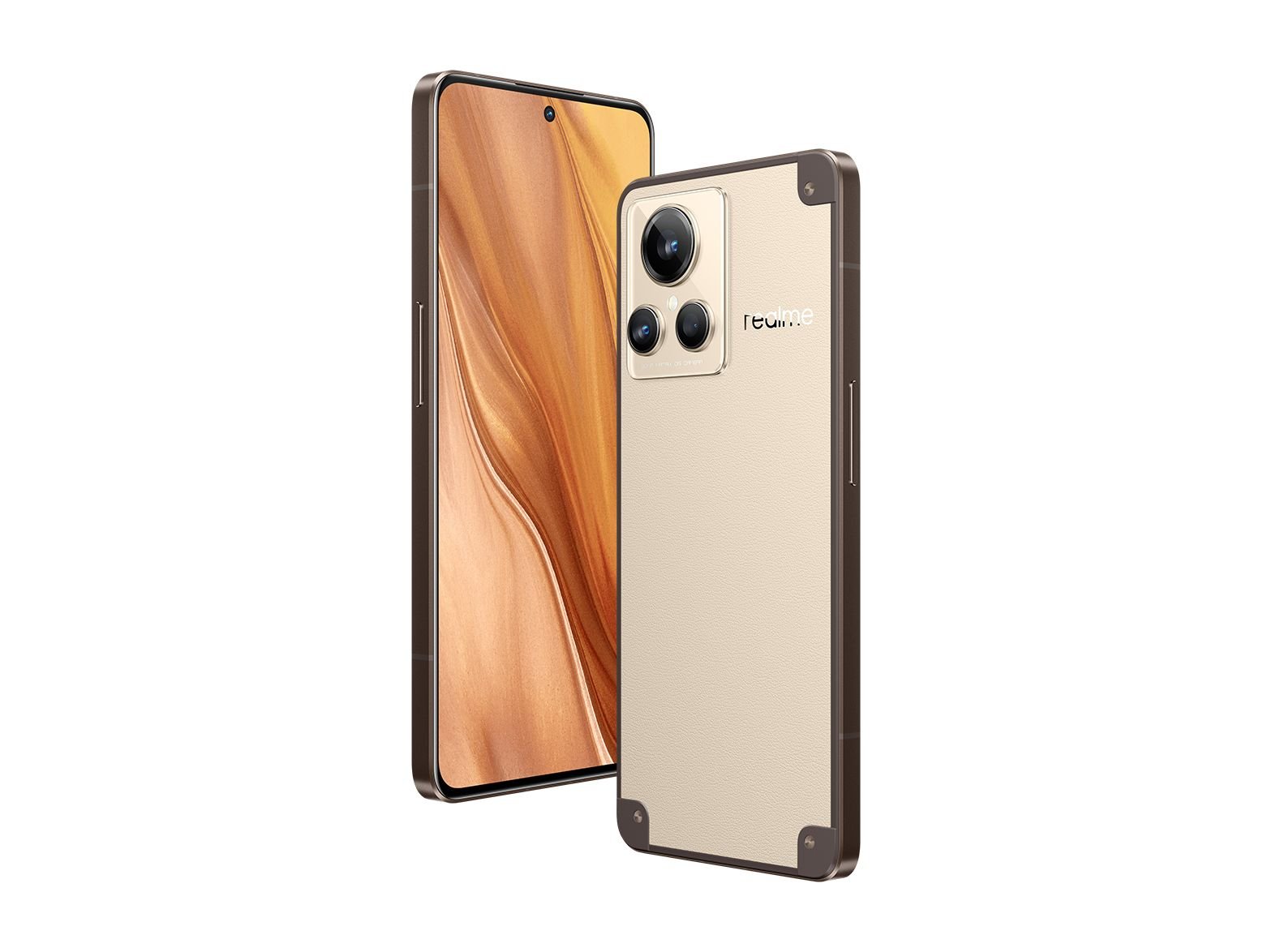
Design-wise, the company has revealed that the Realme GT 2 MEE will be available in a leather gold colourway, with reinforced metal rivets across the sides of the flagship to give it a more industrial look. And from an earlier TENAA listing, we also know that the device will also arrive in a matte black glass colour option as well.
The triple camera setup forms a triangle-shaped island like the OnePlus Ace / OnePlus 10R and is housed at the top left corner of the rear panel. It features the well-known Sony IMX766 50MP main sensor, an unknown 50MP ultra-wide angle lens and 2MP macro lens.
Lastly, the device is expected to come with Realme UI 3.0 with Android 12 out of the box.
For more details of the Realme GT 2 MEE such as the pricing, stay tuned to our coverage of the launch event here at Gizmochina!
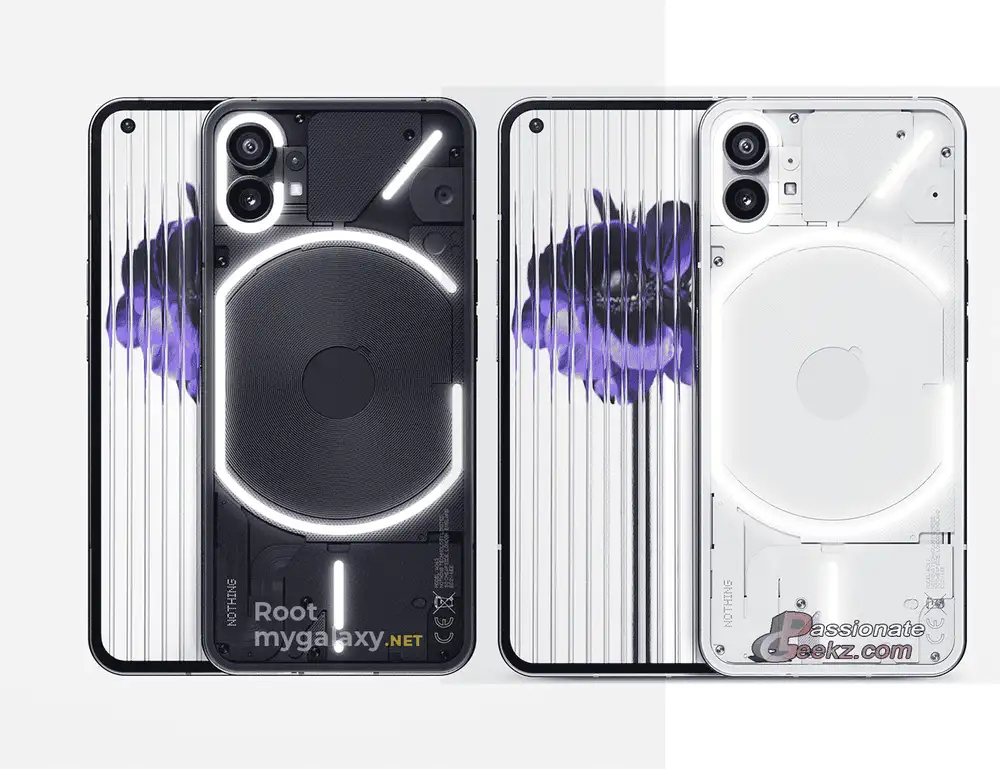
Nothing Phone (1) renders have been leaked by tipster Evan Blass aka evleaks. He has shared high quality images of the smartphone. The upcoming offering is seen in White and Black colour options. The former has already been confirmed whereas the latter is expected to be announced at the launch event.
Previously, tipster Ishan Agarwal had also shared an official-looking render of the Nothing Phone (1) in Black colour. However, Blass’s renders appear to look more clear. The smartphone’s back panel is also seen without the enabled LED lights and the Glyph interface looks in Grey colour. This makes the Black variant of the Nothing Phone (1) more impressive because of the contrast between the Black sheet and the Glyph Interface.
We already know most of the key specifications of the Nothing Phone (1) as we get closer to the launch event next week. The upcoming offering is confirmed to feature a 120Hz refresh rate and an in-screen fingerprint scanner. It is expected to come with a 6.55-inch OLED display with a punch-hole cutout at the top left corner. The device is tipped to have a 50MP primary and a 16MP ultra-wide-angle sensor.
Under the hood, the Nothing Phone (1) is confirmed to be powered by a Snapdragon 778+ processor. It will be available in three RAM and storage configurations up to 12GB and 256GB. The device will reportedly be backed by a 4,500mAh battery unit with support for fast wired and wireless charging.
Xiaomi 12 Lite has been launched in the global markets. It arrives as the successor to the Xiaomi Mi 11 Lite NE 5G that debuted last year. The latest offering packs a few upgrades over its predecessor. Read on to know what the smartphone offers out of the box.
Xiaomi 12 Lite specifications and features
The Xiaomi 12 Lite sports a boxy design and a rectangular camera module. It features a 6.55-inch AMOLED display bearing an FHD+ resolution and a 120Hz refresh rate. It comes with a centre-aligned punch-hole cutout, an in-screen fingerprint scanner, HDR10+, and Dolby Vision support.
On the imaging front, the Xiaomi 12 Lite features a triple rear camera setup comprising a 108MP Samsung HM2 main sensor, an 8MP ultra-wide-angle lens, and a 2MP macro unit. There is a 32MP front-facing selfie snapper.
Under the hood, the Xiaomi 12 Lite is equipped with a Snapdragon 778G processor that is also found on its predecessor. It is coupled with up to 8GB RAM and 256GB storage. The smartphone draws its power from a 4,300mAh battery unit with support for 67W fast charging. It ships with MIUI 13 based on Android 12 out of the box.
Connectivity options on the Xiaomi 12 Lite include 5G, a USB-C port, 3.5mm jack, WiFi, Bluetooth, and GPS.
Xiaomi 12 Lite pricing and availability
The Xiaomi 12 Lite starts at EUR 400 (Yuan 2,726) for the base 6GB + 128GB variant. The 8GB + 128GB and 8GB + 256GB configurations are priced at EUR 450 (Yuan 3,067) and EUR 500 (Yuan 3,408) respectively. The smartphone is offered in Black, Pink, and Green colours. It is up for pre-orders starting today from the brand’s authorised online channels.
Amazfit GTS 4 Mini is set to launch in India soon. E-commerce platform Amazon has put up a microsite of the upcoming offering. The page also reveals key specifications of the device. The Amazfit GTS 4 Mini will arrive as the successor to the GTS 2 Mini that launched way back in 2020.
As per the Amazon microsite, the Amazfit GTS 4 Mini will retain the same squarish design with a physical button as its predecessor. The smartwatch will feature a 1.65-inch AMOLED display bearing an HD resolution. It is water-resistant up to 50 metres.
As for fitness related features, the Amazfit GTS 4 Mini will be equipped with 24-hour heart rate monitor, SpO2 sensor, and a stress tracker. It is capable of monitoring sleep patterns and breathing quality at night. The wearable device will also pack a menstrual cycle tracker and PAI health assessment system. The smartwatch is confirmed to be equipped with a built-in GPS and more than 120 sports modes with automatic recognition for few exercises.
The Amazfit GTS 4 Mini packs convenient features like sedentary reminders, to-do lists, weather updates, social media notifications, and more. The smartwatch will be offered in Mint Blue, Flamingo Pink, Midnight Black, and Moonlight White colours.
We will learn about the Amazfit GTS 4 Mini’s pricing and availability in the coming days.
Apple is back to creating a buzz in the market as the iPhone 14 lineup launch is getting near. Recently, a lot of speculation relating to the company’s next wireless earbuds, the AirPods Pro 2, which are expected to be launched later this year has been circulating in the tech world. Excitement is rife amongst the brand’s dedicated buyers and, the latest report has fueled the fire even further.
Apple is rumored to be upgrading AirPods with health-related features like heart rate monitoring. Taking into account Apple’s most recent patent (via Slashgear), the company also hopes that AirPods will help users avoid accidents on the road or on noisy construction sites.
Apple cites a Contextual audio system that automatically changes the volume to ensure users can hear essential sounds around them, such as emergency sirens and car horns, in a set of patents submitted with the United States Patent and Trademark Office (USPTO).
The background sound system, in particular, can determine the user’s journey direction and speed using GPS data and other sensor parameters gathered by the user’s mobile phone or Apple Watch, altering the level of the matching left or right headphone. For example, GPS data tells that the user is near a busy crossroads, but because the user is wearing AirPods in both ears, the user may not detect the surrounding traffic when crossing the road. The AirPods will lower the level or possibly interrupt playing in this situation, alerting the user to the traffic. When the data indicates that the user is walking alongside the road, the AirPods will only lower the volume of the headphones on the side of the road. For example, if a road is on the user’s left side, the AirPods will only adjust the volume of the left earphone. AirPods ensure that users can hear emergency announcements around them by decreasing the headphone level.
Simultaneously, when AirPods and other devices detect particular data, the system may play alarm audio saved on the iPhone or Apple Watch to warn people to be alert. According to the patent, the sound of AirPods can be decreased or even paused in situations where users must concentrate, such as dangerous environments, job sites, and educational facilities.
The patent also cites a specific sensor that will work in concert with other sensors within an iPhone or Apple Watch to monitor the user’s torso position and take appropriate action. It is worth noting that the patent does not specifically indicate that it is for AirPods, but rather refers to a wearable audio device.
Apple has also submitted for a patent named “Wireless Ear Bud System With Pose Recognition,” which indicates that Apple is considering developing a body posture detection system for AirPods, which will monitor the user’s head tilt angle and limb extension in real-time.
Nothing will launch its first smartphone dubbed the Nothing Phone (1) on 12 July. The smartphone will be
available in India from the same date and customers can place pre-orders for the smartphone on
Flipkart.
Ahead of its launch, the company has teased multiple features of the Phone (1) like its 120Hz refresh rate, in-display fingerprint sensor, and Snapdragon 778+ SoC. Now, the brand has partnered with popular Indian Youtuber Technical Guruji giving us the first look at the phone’s packaging.
The video has confirmed the rumors that the Nothing Phone (1) packaging will not have a charger in
the box. Additionally, the video also confirms that the Phone (1) is made of recycled plastic and the frame of the device is made of recycled aluminum.
The video also states that the packaging box of the device is made out of recycled materials and uses zero plastic as the company aims toward a sustainable future.
It appears that Noting has taken the same route as brands like Apple and Samsung who don’t ship a charger with their premium mid-range and flagship devices citing environmental reasons. The brands usually argue that their customers already have a charger from the brand lying around so they don’t need another one. However, Nothing being new to the smartphone market can’t make this claim. The Phone (1) has been spotted on certification sites supporting 33W fast charging, but the charger made for the device offers up to 45W fast charging support.
This move is likely a cost-cutting measure as the brand is rumored to price its debut smartphone quite aggressively. It will be interesting to see if the brand chooses to sell the charger separately and if yes, then for how much. Stay tuned for more.
This year, OPPO launched two mid-rangers from the Reno series in the global market, two devices no one would expect. We are talking about the vanilla OPPO Reno7 in a 4G version and the OPPO Reno8 Lite 5G which hitten the European market before the rest of the Reno8 lineup. These two devices are not known by the same names in the Asian market and they are rebrands of devices known by different names in India and China. The 5G connectivity is not the only difference between these two devices, even though they are both mid-rangers and they belong to similar price ranges. This is a comparison between the specifications of the OPPO Reno7 and the OPPO Reno8 Lite 5G which will tell you the differences between them.
Triple 64 + 2 + 2 MP, f/1.7 + f/3.3 + f/2.4
32 MP f/2.4 front camera
Triple 64 + 2 + 2 MP, f/1.7 + f/2.4 + f/2.4
16 MP f/2.4 front camera
BATTERY
4500 mAh, fast charging 33W
4500 mAh, fast charging 33W
ADDITIONAL FEATURES
Dual SIM slot, IPX4 water resistant, RGB ring light
Dual SIM slot, 5G, IPX4 water resistant, two RGB ring lights
Design
Both the OPPO Reno7 and the OPPO Reno8 Lite 5G come with stunning designs and they are among the most amazing mid-rangers in terms of aesthetics. Which one should you prefer? It mostly depends on your personal tastes. The OPPO Reno7 comes with a great leather back but it also guarantees a great durability thanks to stringent lab tests. It is water resistant thanks to the IPX4 and, around one of the rear cameras, there is a RGB ring light which can be used as a notification LED and customized through ColorOS. The OPPO Reno8 Lite 5G replaces the leather back with a glass back and it adds another RGB ring light on the rear side, so that you get two customizable lights useful as notification LEDs or to show the battery charging progress. Just like its sibling, the OPPO Reno8 Lite 5G is water resistance with the IPX4 certification. Both the handsets are very thin and lightweight, with flat borders and a frame made of polycarbonate. Another important difference is the camera module: you get a camera isle on the Reno7, while on the Reno8 Lite 5G the sensors are placed directly on the back cover. Which one do you prefer?
Display
One of the strongest points of these two handsets is the fact that they come with AMOLED panels providing deep blacks and brilliant colors, as well as a Full HD+ resolution of 1080 x 2400 pixels and a pretty good brightness level. They also come with good in-display fingerprint reader: I tried both these phones and they are fast and reactive. Even the diagonal is the same: 6.43 inches for both the phones. There is only one single difference: the refresh rate: the OPPO Reno7 wins the display comparison because it offers a higher 90 Hz refresh rate, while the OPPO Reno8 Lite 5G has a standard 60 Hz refresh rate. Both the handset feature a mono speaker, but they come with a 3.5 mm audio jack.
Hardware/Software
The most advanced hardware setup belongs to the OPPO Reno8 Lite 5G. First of all, it has a better chipset: the Snapdragon 695 5G SoC by Qualcomm built at 6 nm and running at a max frequency of 2.2 GHz. This chip supports the 5G connectivity and it is composed of two Kryo 660 Gold CPUs running at a frequency of 2.2 GHz, six Kryo 660 Silver CPUs running at 1.7 GHz, and an Adreno 619 CPU. The SoC is paired with up to 12 GB of RAM and up to 128 GB of UFS 2.2 internal storage which you can furtherly expand with a micro SD slot. The OPPO Reno7 has an inferior Qualcomm Snapdragon 680 mobile platform built at 6 nm and running at a max frequency of 2.4 GHz, with an inferior Adreno 610 GPU and without the 5G connectivity. On the other hand, the OPPO Reno7 runs a more recent software version: it has Android 12 out of the box, customized by ColorOS 12.1, while the OPPO Reno8 Lite 5G still comes with Android 11, even though it is customized by ColorOS 12.
Camera
The main camera of these two phones is exactly the same: a 64 MP sensor with an f/1.7 focal aperture. There is also the same depth sensor, but the OPPO Reno7 replaces the useless macro camera of the Reno8 Lite 5G with a more useful 2 MP microscope camera supporting better magnification. Last but not least, the Reno7 has a superior front camera with a 32 MP resolution, while the OPPO Reno8 Lite 5G stops at 16 MP.
Battery
These phones are equipped with exactly the same battery, they have the same fast charging technology with a power of 33W, and they support reverse charging through a cable. The battery life is very similar.
OPPO Reno7 vs OPPO Reno8 Lite 5G: Price
You need about €400/$405 to purchase the OPPO Reno8 Lite 5G and about €330/$335 for the OPPO Reno7, if you exclude street prices and discounts. Overall, if we exclude the 5G connectivity and the chipset, the Reno7 is a superior phone. But if you prefer having higher performance and 5G, then the Reno8 Lite 5G is a better choice.
We use cookies on our website to give you the most relevant experience by remembering your preferences and repeat visits. By clicking “Accept”, you consent to the use of ALL the cookies.
This website uses cookies to improve your experience while you navigate through the website. Out of these, the cookies that are categorized as necessary are stored on your browser as they are essential for the working of basic functionalities of the website. We also use third-party cookies that help us analyze and understand how you use this website. These cookies will be stored in your browser only with your consent. You also have the option to opt-out of these cookies. But opting out of some of these cookies may affect your browsing experience.
Necessary cookies are absolutely essential for the website to function properly. This category only includes cookies that ensures basic functionalities and security features of the website. These cookies do not store any personal information.
Any cookies that may not be particularly necessary for the website to function and is used specifically to collect user personal data via analytics, ads, other embedded contents are termed as non-necessary cookies. It is mandatory to procure user consent prior to running these cookies on your website.