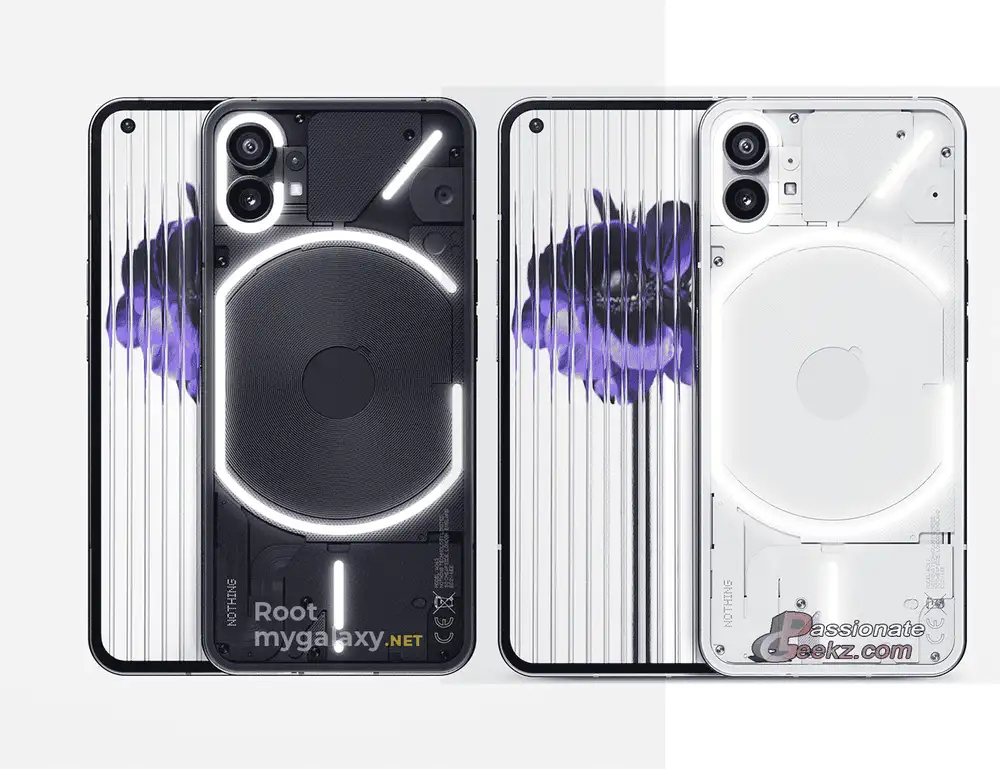
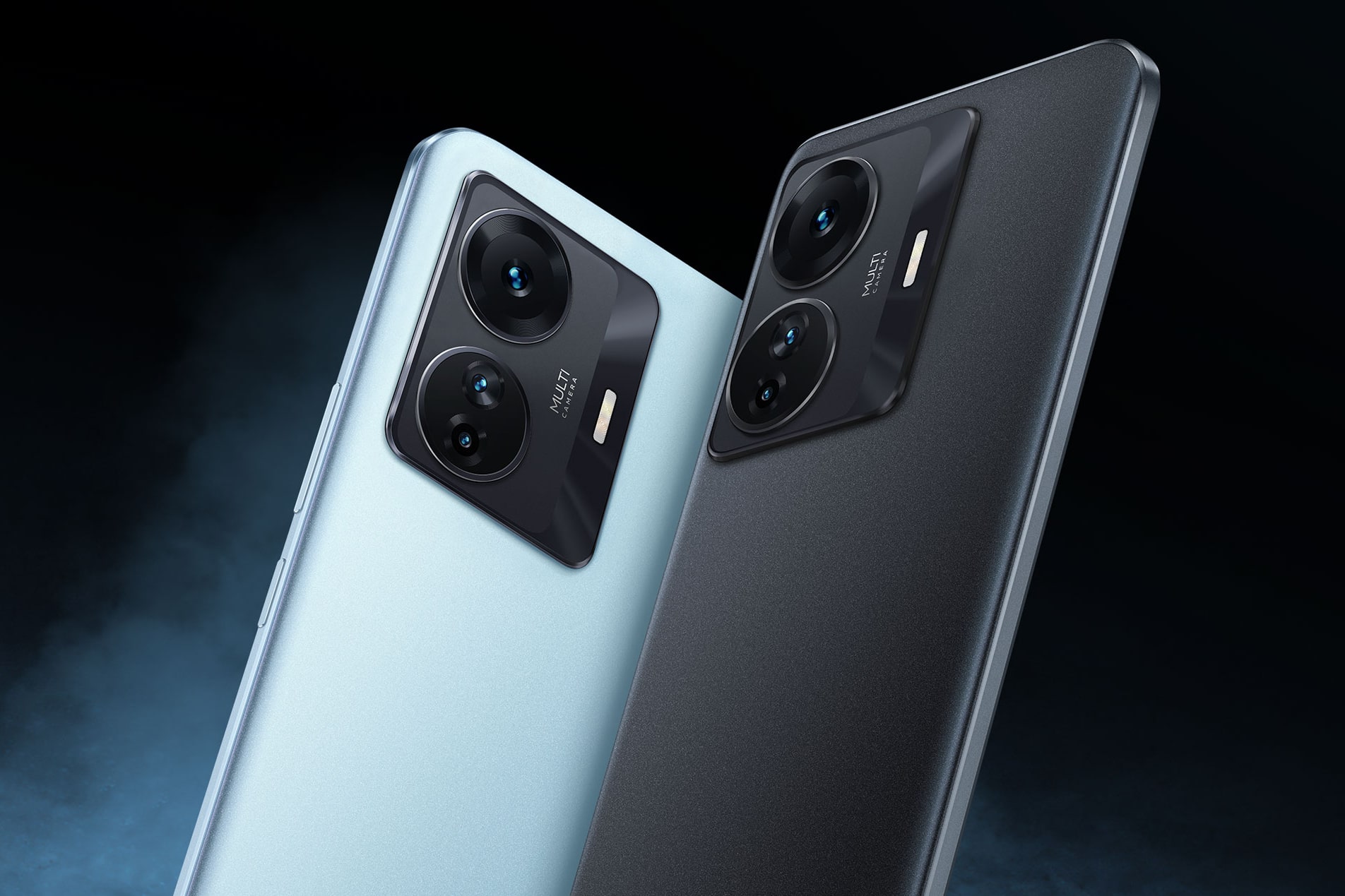
Nothing Phone (1) renders have been leaked by tipster Evan Blass aka evleaks. He has shared high quality images of the smartphone. The upcoming offering is seen in White and Black colour options. The former has already been confirmed whereas the latter is expected to be announced at the launch event.
Previously, tipster Ishan Agarwal had also shared an official-looking render of the Nothing Phone (1) in Black colour. However, Blass’s renders appear to look more clear. The smartphone’s back panel is also seen without the enabled LED lights and the Glyph interface looks in Grey colour. This makes the Black variant of the Nothing Phone (1) more impressive because of the contrast between the Black sheet and the Glyph Interface.
We already know most of the key specifications of the Nothing Phone (1) as we get closer to the launch event next week. The upcoming offering is confirmed to feature a 120Hz refresh rate and an in-screen fingerprint scanner. It is expected to come with a 6.55-inch OLED display with a punch-hole cutout at the top left corner. The device is tipped to have a 50MP primary and a 16MP ultra-wide-angle sensor.
Under the hood, the Nothing Phone (1) is confirmed to be powered by a Snapdragon 778+ processor. It will be available in three RAM and storage configurations up to 12GB and 256GB. The device will reportedly be backed by a 4,500mAh battery unit with support for fast wired and wireless charging.
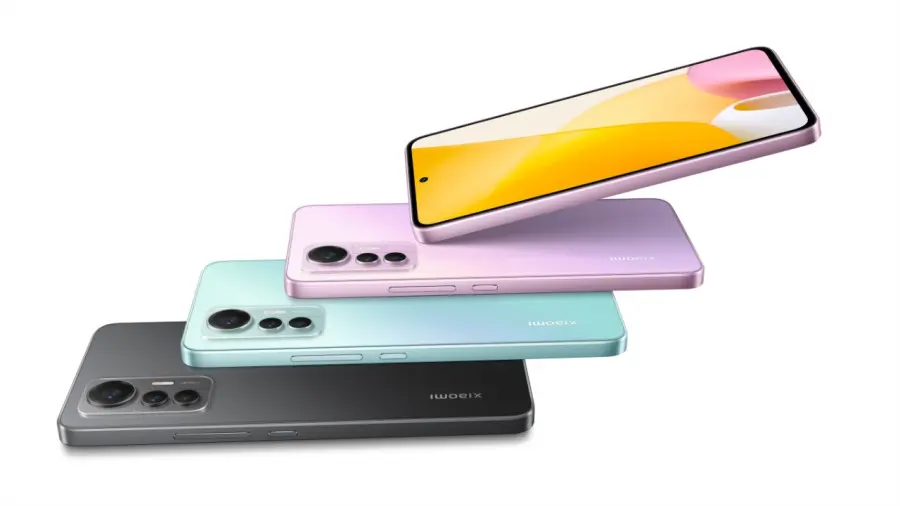
Xiaomi 12 Lite has been launched in the global markets. It arrives as the successor to the Xiaomi Mi 11 Lite NE 5G that debuted last year. The latest offering packs a few upgrades over its predecessor. Read on to know what the smartphone offers out of the box.
Xiaomi 12 Lite specifications and features
The Xiaomi 12 Lite sports a boxy design and a rectangular camera module. It features a 6.55-inch AMOLED display bearing an FHD+ resolution and a 120Hz refresh rate. It comes with a centre-aligned punch-hole cutout, an in-screen fingerprint scanner, HDR10+, and Dolby Vision support.
On the imaging front, the Xiaomi 12 Lite features a triple rear camera setup comprising a 108MP Samsung HM2 main sensor, an 8MP ultra-wide-angle lens, and a 2MP macro unit. There is a 32MP front-facing selfie snapper.
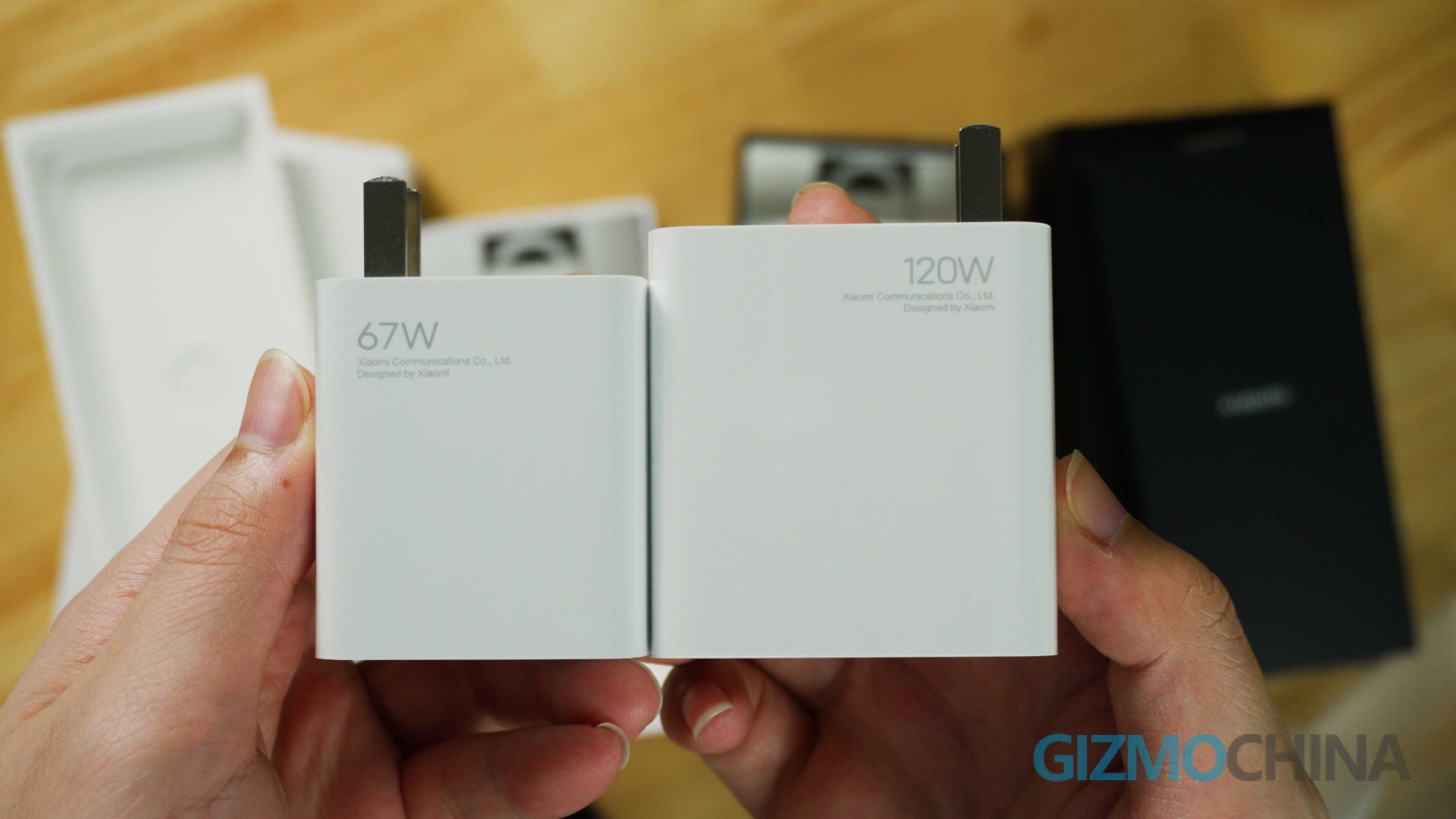
Under the hood, the Xiaomi 12 Lite is equipped with a Snapdragon 778G processor that is also found on its predecessor. It is coupled with up to 8GB RAM and 256GB storage. The smartphone draws its power from a 4,300mAh battery unit with support for 67W fast charging. It ships with MIUI 13 based on Android 12 out of the box.
Connectivity options on the Xiaomi 12 Lite include 5G, a USB-C port, 3.5mm jack, WiFi, Bluetooth, and GPS.
Xiaomi 12 Lite pricing and availability
The Xiaomi 12 Lite starts at EUR 400 (Yuan 2,726) for the base 6GB + 128GB variant. The 8GB + 128GB and 8GB + 256GB configurations are priced at EUR 450 (Yuan 3,067) and EUR 500 (Yuan 3,408) respectively. The smartphone is offered in Black, Pink, and Green colours. It is up for pre-orders starting today from the brand’s authorised online channels.
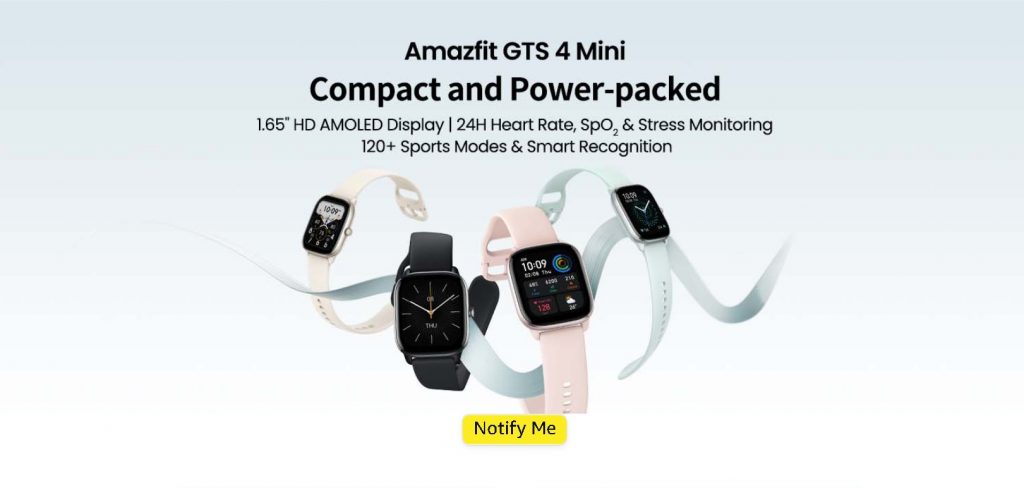
Amazfit GTS 4 Mini is set to launch in India soon. E-commerce platform Amazon has put up a microsite of the upcoming offering. The page also reveals key specifications of the device. The Amazfit GTS 4 Mini will arrive as the successor to the GTS 2 Mini that launched way back in 2020.
As per the Amazon microsite, the Amazfit GTS 4 Mini will retain the same squarish design with a physical button as its predecessor. The smartwatch will feature a 1.65-inch AMOLED display bearing an HD resolution. It is water-resistant up to 50 metres.
As for fitness related features, the Amazfit GTS 4 Mini will be equipped with 24-hour heart rate monitor, SpO2 sensor, and a stress tracker. It is capable of monitoring sleep patterns and breathing quality at night. The wearable device will also pack a menstrual cycle tracker and PAI health assessment system. The smartwatch is confirmed to be equipped with a built-in GPS and more than 120 sports modes with automatic recognition for few exercises.
The Amazfit GTS 4 Mini packs convenient features like sedentary reminders, to-do lists, weather updates, social media notifications, and more. The smartwatch will be offered in Mint Blue, Flamingo Pink, Midnight Black, and Moonlight White colours.
We will learn about the Amazfit GTS 4 Mini’s pricing and availability in the coming days.
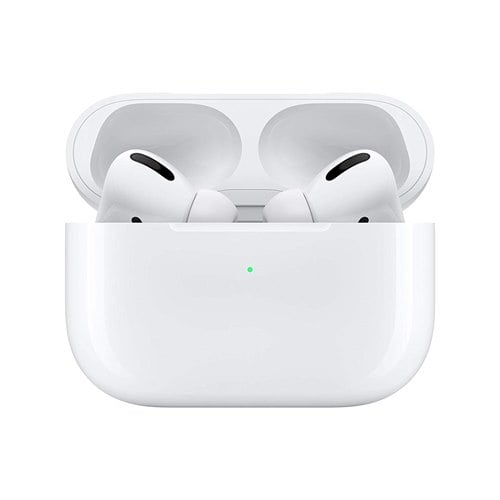
Apple is back to creating a buzz in the market as the iPhone 14 lineup launch is getting near. Recently, a lot of speculation relating to the company’s next wireless earbuds, the AirPods Pro 2, which are expected to be launched later this year has been circulating in the tech world. Excitement is rife amongst the brand’s dedicated buyers and, the latest report has fueled the fire even further.
Apple is rumored to be upgrading AirPods with health-related features like heart rate monitoring. Taking into account Apple’s most recent patent (via Slashgear), the company also hopes that AirPods will help users avoid accidents on the road or on noisy construction sites.
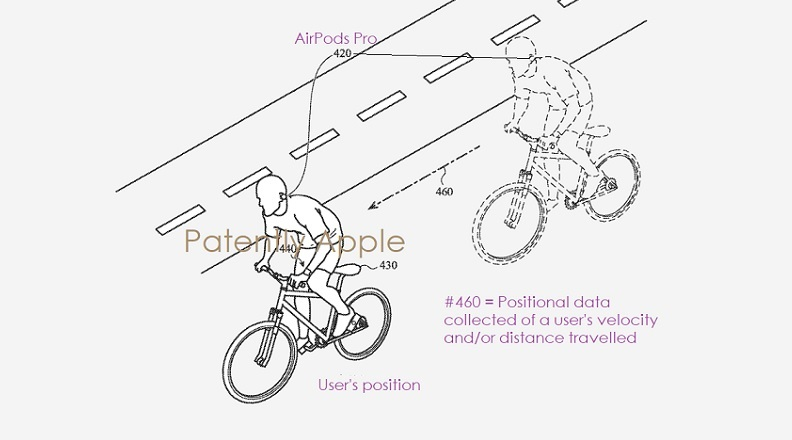
Apple cites a Contextual audio system that automatically changes the volume to ensure users can hear essential sounds around them, such as emergency sirens and car horns, in a set of patents submitted with the United States Patent and Trademark Office (USPTO).
The background sound system, in particular, can determine the user’s journey direction and speed using GPS data and other sensor parameters gathered by the user’s mobile phone or Apple Watch, altering the level of the matching left or right headphone. For example, GPS data tells that the user is near a busy crossroads, but because the user is wearing AirPods in both ears, the user may not detect the surrounding traffic when crossing the road. The AirPods will lower the level or possibly interrupt playing in this situation, alerting the user to the traffic. When the data indicates that the user is walking alongside the road, the AirPods will only lower the volume of the headphones on the side of the road. For example, if a road is on the user’s left side, the AirPods will only adjust the volume of the left earphone. AirPods ensure that users can hear emergency announcements around them by decreasing the headphone level.
Simultaneously, when AirPods and other devices detect particular data, the system may play alarm audio saved on the iPhone or Apple Watch to warn people to be alert. According to the patent, the sound of AirPods can be decreased or even paused in situations where users must concentrate, such as dangerous environments, job sites, and educational facilities.
The patent also cites a specific sensor that will work in concert with other sensors within an iPhone or Apple Watch to monitor the user’s torso position and take appropriate action. It is worth noting that the patent does not specifically indicate that it is for AirPods, but rather refers to a wearable audio device.
Apple has also submitted for a patent named “Wireless Ear Bud System With Pose Recognition,” which indicates that Apple is considering developing a body posture detection system for AirPods, which will monitor the user’s head tilt angle and limb extension in real-time.
Nothing will launch its first smartphone dubbed the Nothing Phone (1) on 12 July. The smartphone will be
available in India from the same date and customers can place pre-orders for the smartphone on
Flipkart.
Ahead of its launch, the company has teased multiple features of the Phone (1) like its 120Hz refresh rate, in-display fingerprint sensor, and Snapdragon 778+ SoC. Now, the brand has partnered with popular Indian Youtuber Technical Guruji giving us the first look at the phone’s packaging.
The video has confirmed the rumors that the Nothing Phone (1) packaging will not have a charger in
the box. Additionally, the video also confirms that the Phone (1) is made of recycled plastic and the frame of the device is made of recycled aluminum.
The video also states that the packaging box of the device is made out of recycled materials and uses zero plastic as the company aims toward a sustainable future.
It appears that Noting has taken the same route as brands like Apple and Samsung who don’t ship a charger with their premium mid-range and flagship devices citing environmental reasons. The brands usually argue that their customers already have a charger from the brand lying around so they don’t need another one. However, Nothing being new to the smartphone market can’t make this claim. The Phone (1) has been spotted on certification sites supporting 33W fast charging, but the charger made for the device offers up to 45W fast charging support.
This move is likely a cost-cutting measure as the brand is rumored to price its debut smartphone quite aggressively. It will be interesting to see if the brand chooses to sell the charger separately and if yes, then for how much. Stay tuned for more.
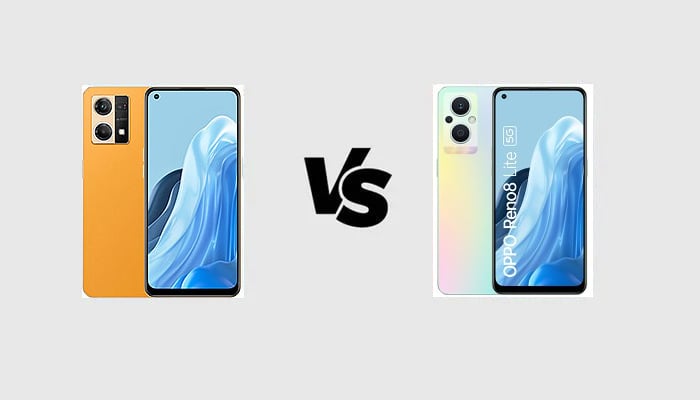
This year, OPPO launched two mid-rangers from the Reno series in the global market, two devices no one would expect. We are talking about the vanilla OPPO Reno7 in a 4G version and the OPPO Reno8 Lite 5G which hitten the European market before the rest of the Reno8 lineup. These two devices are not known by the same names in the Asian market and they are rebrands of devices known by different names in India and China. The 5G connectivity is not the only difference between these two devices, even though they are both mid-rangers and they belong to similar price ranges. This is a comparison between the specifications of the OPPO Reno7 and the OPPO Reno8 Lite 5G which will tell you the differences between them.
Triple 64 + 2 + 2 MP, f/1.7 + f/3.3 + f/2.4
32 MP f/2.4 front camera
Triple 64 + 2 + 2 MP, f/1.7 + f/2.4 + f/2.4
16 MP f/2.4 front camera
BATTERY
4500 mAh, fast charging 33W
4500 mAh, fast charging 33W
ADDITIONAL FEATURES
Dual SIM slot, IPX4 water resistant, RGB ring light
Dual SIM slot, 5G, IPX4 water resistant, two RGB ring lights
Design
Both the OPPO Reno7 and the OPPO Reno8 Lite 5G come with stunning designs and they are among the most amazing mid-rangers in terms of aesthetics. Which one should you prefer? It mostly depends on your personal tastes. The OPPO Reno7 comes with a great leather back but it also guarantees a great durability thanks to stringent lab tests. It is water resistant thanks to the IPX4 and, around one of the rear cameras, there is a RGB ring light which can be used as a notification LED and customized through ColorOS. The OPPO Reno8 Lite 5G replaces the leather back with a glass back and it adds another RGB ring light on the rear side, so that you get two customizable lights useful as notification LEDs or to show the battery charging progress. Just like its sibling, the OPPO Reno8 Lite 5G is water resistance with the IPX4 certification. Both the handsets are very thin and lightweight, with flat borders and a frame made of polycarbonate. Another important difference is the camera module: you get a camera isle on the Reno7, while on the Reno8 Lite 5G the sensors are placed directly on the back cover. Which one do you prefer?
Display
One of the strongest points of these two handsets is the fact that they come with AMOLED panels providing deep blacks and brilliant colors, as well as a Full HD+ resolution of 1080 x 2400 pixels and a pretty good brightness level. They also come with good in-display fingerprint reader: I tried both these phones and they are fast and reactive. Even the diagonal is the same: 6.43 inches for both the phones. There is only one single difference: the refresh rate: the OPPO Reno7 wins the display comparison because it offers a higher 90 Hz refresh rate, while the OPPO Reno8 Lite 5G has a standard 60 Hz refresh rate. Both the handset feature a mono speaker, but they come with a 3.5 mm audio jack.
Hardware/Software
The most advanced hardware setup belongs to the OPPO Reno8 Lite 5G. First of all, it has a better chipset: the Snapdragon 695 5G SoC by Qualcomm built at 6 nm and running at a max frequency of 2.2 GHz. This chip supports the 5G connectivity and it is composed of two Kryo 660 Gold CPUs running at a frequency of 2.2 GHz, six Kryo 660 Silver CPUs running at 1.7 GHz, and an Adreno 619 CPU. The SoC is paired with up to 12 GB of RAM and up to 128 GB of UFS 2.2 internal storage which you can furtherly expand with a micro SD slot. The OPPO Reno7 has an inferior Qualcomm Snapdragon 680 mobile platform built at 6 nm and running at a max frequency of 2.4 GHz, with an inferior Adreno 610 GPU and without the 5G connectivity. On the other hand, the OPPO Reno7 runs a more recent software version: it has Android 12 out of the box, customized by ColorOS 12.1, while the OPPO Reno8 Lite 5G still comes with Android 11, even though it is customized by ColorOS 12.
Camera
The main camera of these two phones is exactly the same: a 64 MP sensor with an f/1.7 focal aperture. There is also the same depth sensor, but the OPPO Reno7 replaces the useless macro camera of the Reno8 Lite 5G with a more useful 2 MP microscope camera supporting better magnification. Last but not least, the Reno7 has a superior front camera with a 32 MP resolution, while the OPPO Reno8 Lite 5G stops at 16 MP.
Battery
These phones are equipped with exactly the same battery, they have the same fast charging technology with a power of 33W, and they support reverse charging through a cable. The battery life is very similar.
OPPO Reno7 vs OPPO Reno8 Lite 5G: Price
You need about €400/$405 to purchase the OPPO Reno8 Lite 5G and about €330/$335 for the OPPO Reno7, if you exclude street prices and discounts. Overall, if we exclude the 5G connectivity and the chipset, the Reno7 is a superior phone. But if you prefer having higher performance and 5G, then the Reno8 Lite 5G is a better choice.
Nubia is gearing up to unveil the Red Magic 7S series on July 11. Just like last year, the new series also consists of two models – a standard Red Magic 7S and a higher-tier Red Magic 7S Pro. The smartphones are an upgraded version of Red Magic 7 and 7 Pro with newer chipset and features.
The latest smartphones are expected to offer powerful performance and some impressive over-the-top features. Here’s everything that’s known about the new gaming phones ahead of their official announcement.
Nubia Red Magic 7S, 7S Pro Launch Date
Nubia has already confirmed the launch date of the Red Magic 7S series. The company will be holding a launch event for the Red Magic 7S and 7S Pro at 3 PM IST on July 11 in China. The phones may go up for sale a week after the launch.
In addition, Nubia has also teased a special Transformers Edition of the Red Magic 7S Pro, which is expected to launch alongside the standard and pro models.
Red Magic 7S, 7S Pro Design
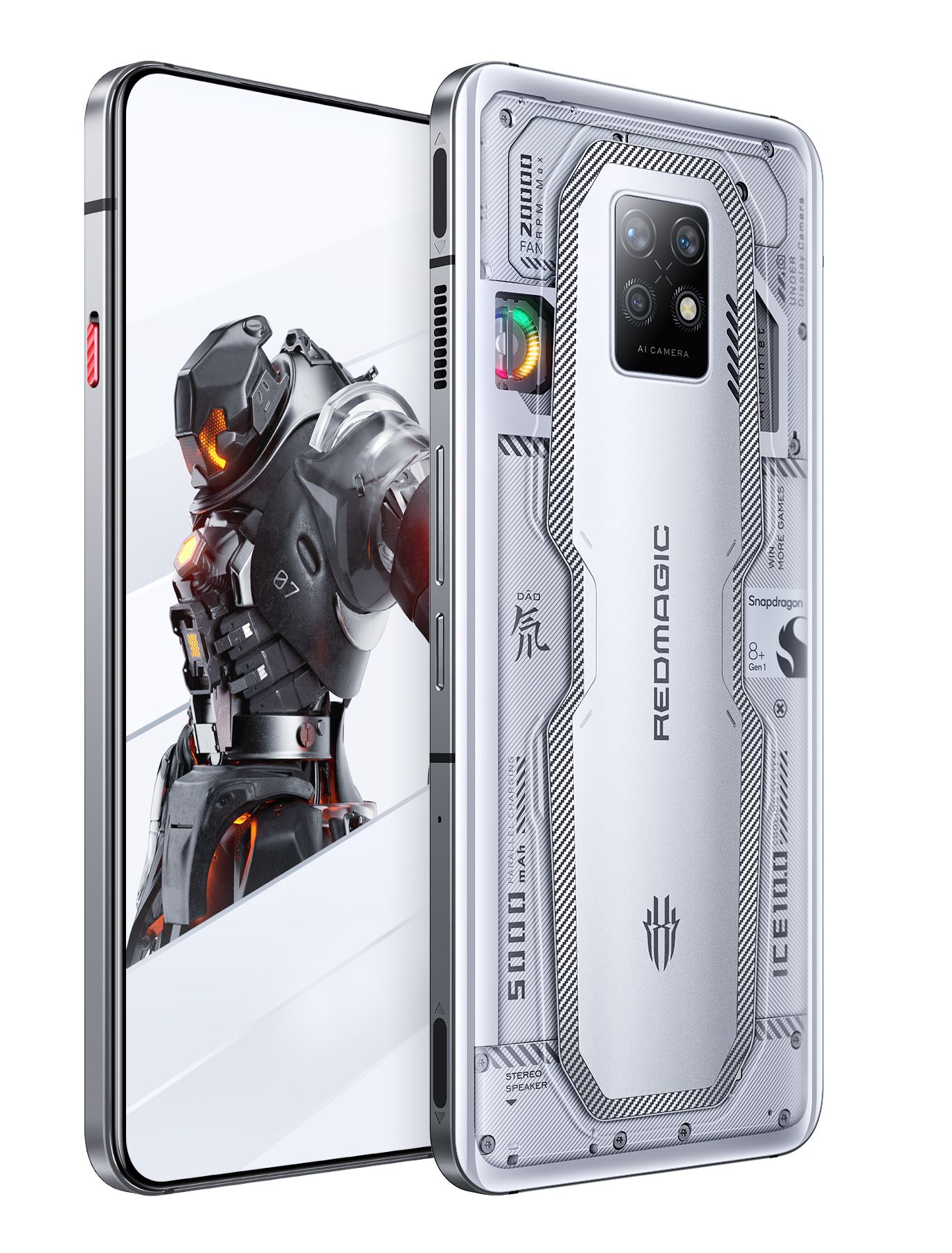
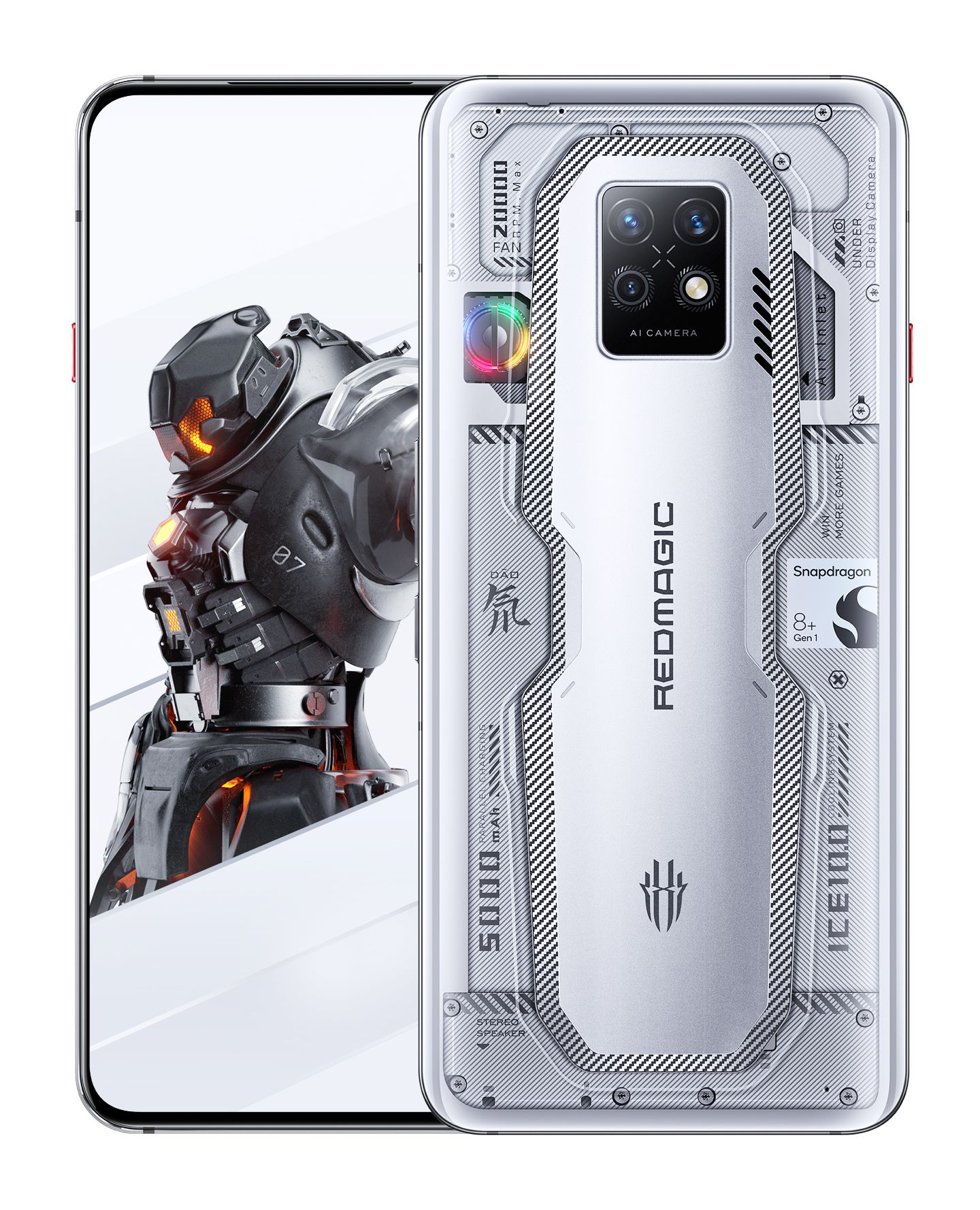
The official renders of the Red Magic 7S Pro are out. The Red Magic 7 will have the same design as the Pro model. The renders suggest that the rear of the smartphones will have a design similar to the previous generation models. However, they will have some interesting changes on the front.
The two phones will have an under-display camera on the front. The right side will sport pressure-sensitive triggers for gaming. Unlike previous-gen models, the Red Magic 7S and 7 Pro will also have the volume rocker and power button placed on the right-hand side. The left side of the smartphones will have a red switch to activate liquid cooling.
Red Magic 7S Pro
The phones can be seen to have a semi-transparent back which does not showcase the components of the smartphone, however, gives a pretty good idea of where the good stuff is located.
The camera module of the device has been altered. It now has a rectangular shape with a triple camera setup arranged in a square fashion. Next to the camera module, there will be a cooling fan that will feature a cool RGB LED.
Red Magic 7S Pro
The SIM card tray will be at the bottom, along with the bottom-facing speaker and the USB-C connector. The 3.5mm headphone jack will be located at the top right corners of the smartphones.
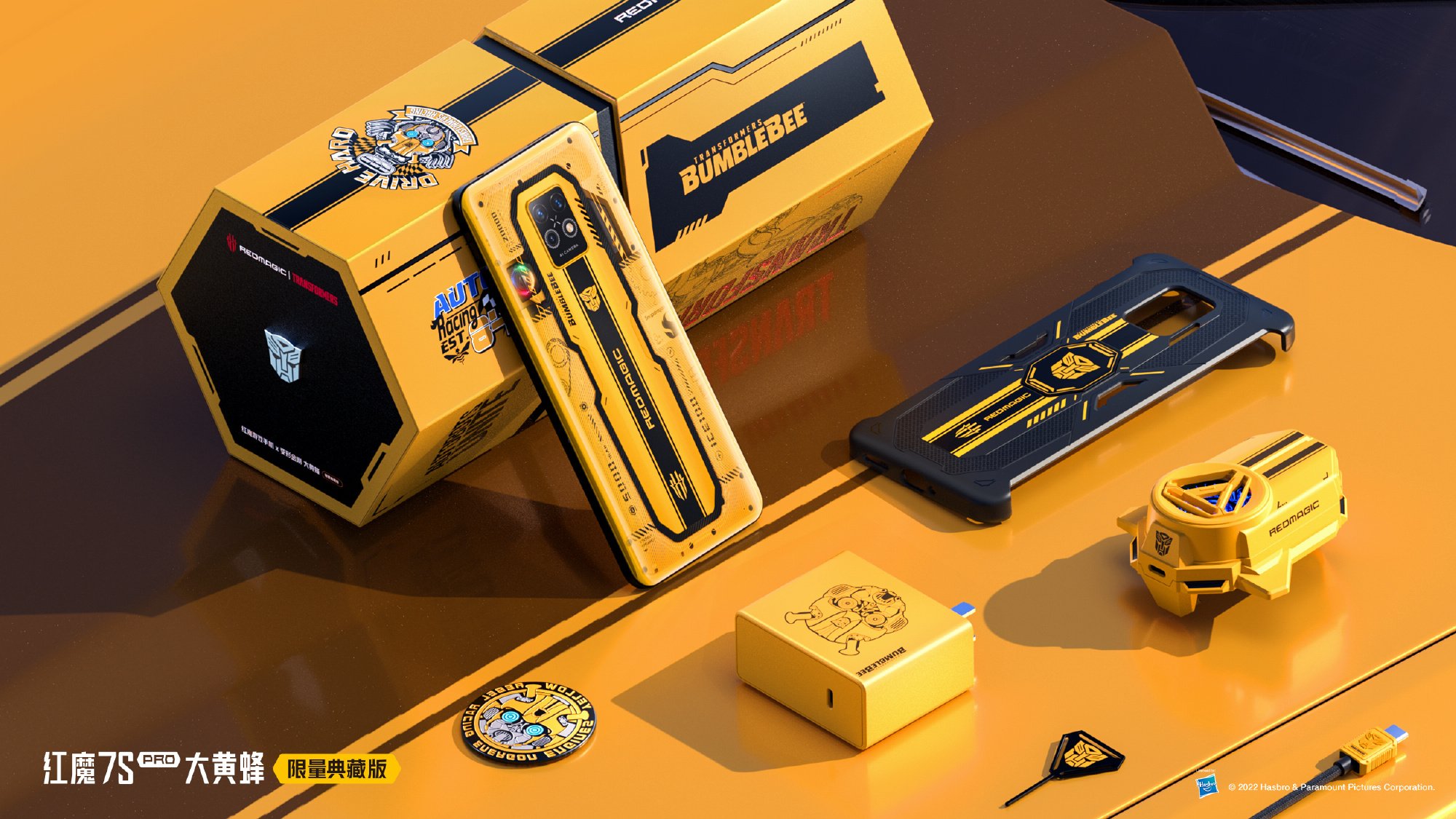
Nubia will also launch Red Magic 7S Pro in a special transformer edition model. As per the renders, the special edition model will have a transformer-inspired design. It will match the iconic appearance of Bumblebee. Moreover, the device will come in a special hexagonal-shaped retail box and will pack a Bumblebee-inspired external cooler, a protective cover, and a few other accessories.
Red Magic 7S, 7S Pro Specifications
Processor and Storage
The hardware specifications of the smartphones are pretty great. Both Red Magic 7S, and 7S Pro feature Qualcomm’s latest Snapdragon 8 Plus Gen 1 chipset. Since both smartphones are expected to feature almost identical specifications, their performance will also be fairly similar.
The two smartphones are expected to arrive in four different RAM variants – 8GB, 12GB,16GB, and 8GB. Talking about internal storage, the Red Magic 7S Pro will likely come with up to 1TB of storage, whereas the standard 7S will be limited to 512GB storage.
Display
The Red Magic 7S and 7S Pro will both likely be equipped with a 6.8-inch OLED panel and offer a Full HD+ resolution of 1080 x 2400 pixels. The refresh rate on the Pro model may go up to 165Hz and it might also offer a 720Hz touch sampling rate. Red Magic 7S, on the other hand, will likely support a refresh rate of only 120Hz. It may offer a brightness of up to 700 nits and color accuracy will likely be better than previous models. The display will house an in-display camera and fingerprint sensor and it may have Gorilla Glass 5 protection on top.
Cameras
The Red Magic 7S and 7S Pro are not exactly photography-focused phones but they still have a decent camera, just in case. Both the gaming phones are expected to have a triple rear camera setup on the back consisting of a 64 MP main camera, 8 MP ultrawide, and 2 MP macro shooter along with an LED flash.
The front camera scene is interesting with the two phones. They feature an under-display camera just like ZTE Axon 40 Ultra. The camera is likely to be 16-megapixel, however, don’t expect your selfies to look very good. Selfies from an under-display camera are not very satisfactory, they are blurry and have too much softening effect.
Miscellaneous
Both phones are expected to arrive with a lot of Gaming-focused features like pressure-sensitive physical triggers, Game space, and intelligent heat dissipation and cooling system. The smartphones will be equipped with ICE 10.0 liquid-cooling technology and a unique cooling fan for faster heat dissipation.
In terms of software, the handsets are expected to run Red Magic 5.0 based on Android 12. They will have a USB type-c port, Bluetooth 2.0, NFC, 3.5mm Jack, and 5G connectivity.
Battery
The Red Magic 7S will likely draw power from a 4500mAh battery with 120W fast charging support. On the contrary, the Pro model could have a 5000mAh battery and may carry absolutely bonkers 165W fast charging support. Both smartphones will likely charge in under 20 minutes. It is worth mentioning that there is no wireless or reverse charging in the phones.
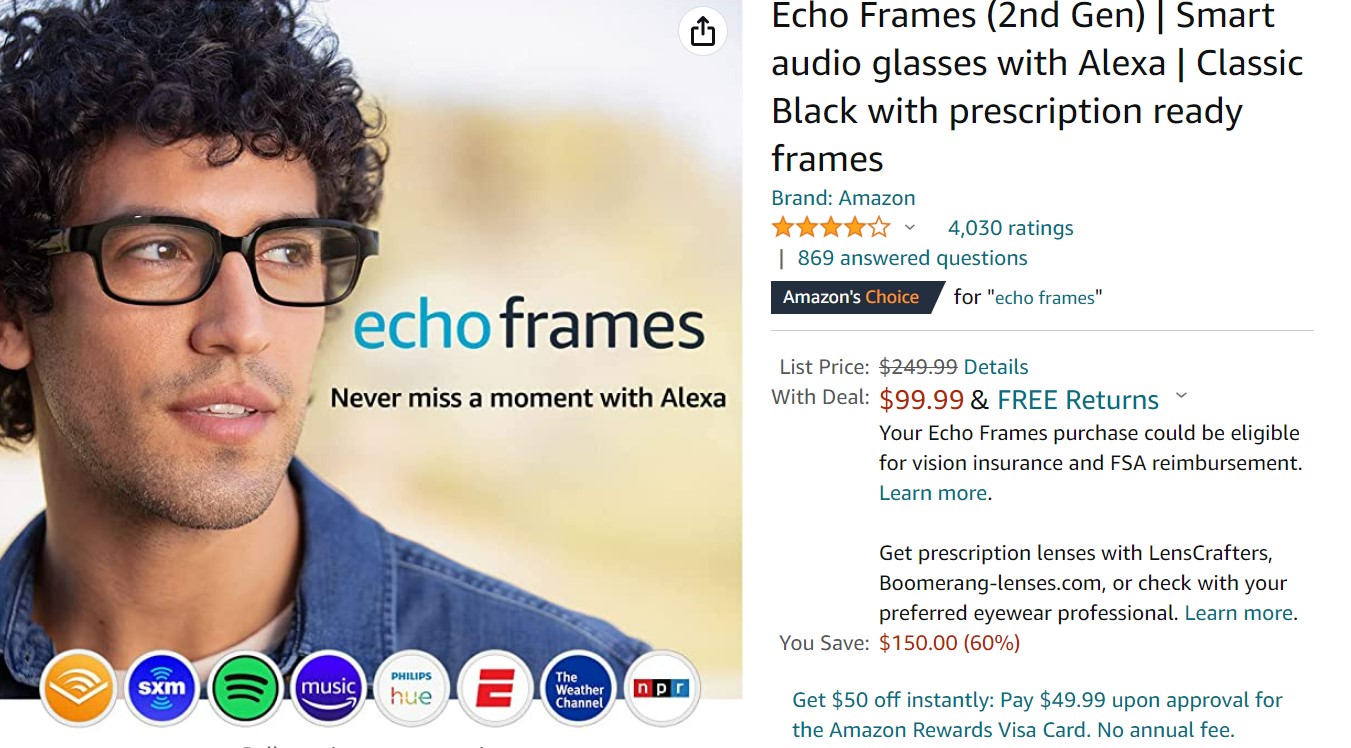
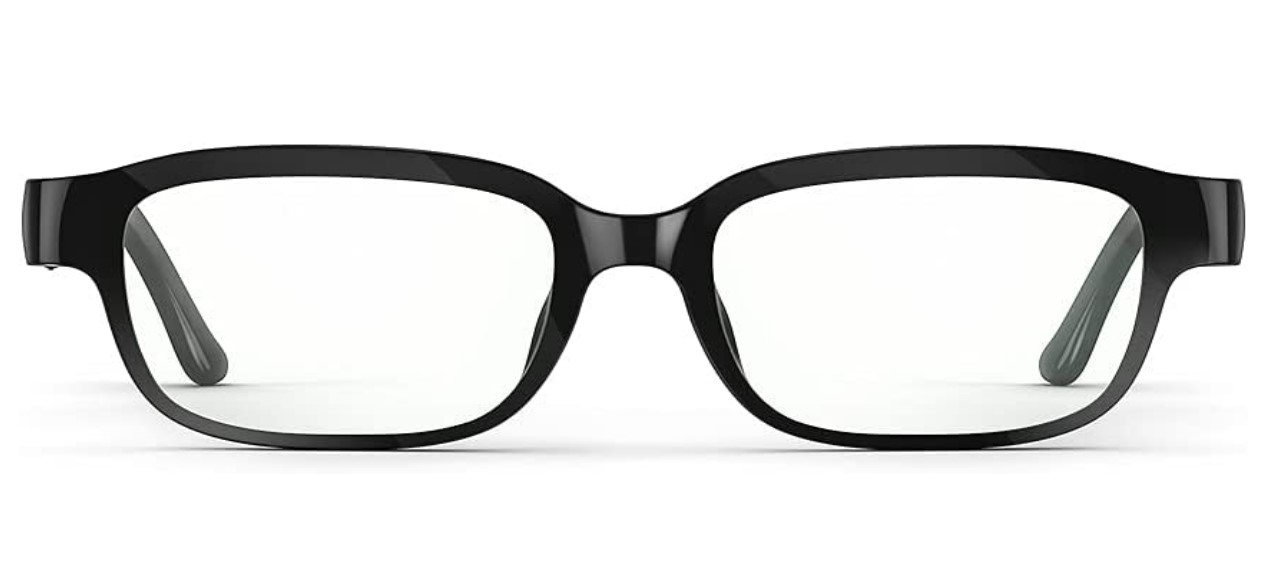
Echo Frames 2 Gen with Alexa which generally retails for $249.99 is now available at a heavily discounted price of $99.99 under the Early Prime Day Deals on Amazon US. Please note that this deal is exclusively for Amazon Prime members.
Make calls, listen to podcasts or Audible books, set reminders, add to your to-do lists, get the news, or control your smart home
Open-ear audio with Auto Volume
Special VIP mode
Lightweight and comfortable for all-day wear
Battery: 2 hours of Talktime and Alexa interaction or 4 hours of non-stop listening on a single charge
Supports Google Assistant and Siri access from a compatible device
Generally retailing for $249.99 you can now buy Echo frames 2 Gen with Alexa for a heavily discounted price of $99.99 on Amazon US. This is a limited-time offer exclusively for prime members.
For more information on such exciting deals and offers check out our deals hub.
* Please Note: When you buy something using the links in our articles, we may earn a small commission at no cost to you.
Chinese tech giant Huawei was on its way as the leading smartphone brand before its progress was abruptly halted by the United States government. Huawei had endured a series of setbacks after the US reined in a raft of sanctions more than 3 years ago. The heavy sanction regime which also affected its European operations led to a massive decline in its market share. A Huawei executive has laid its slide in fortunes on the US intervention in its operations through the sanctions. Richard Yu also dismissed Samsung as a small player in the smartphone market but for the US action.
Huawei’s Richard Yu
The severe US sanction regime had almost led to the collapse of Huawei. It declined from the second position in the smartphone industry as a result. However, in the past year, Huawei has continued to surge from the rubble. Huawei’s HamonyOS is one of its greatest achievements during the period. According to Yu, Huawei’s consumer business group’s CEO, Huawei could have been the second leading manufacturer after Apple. He made the claim at an automotive forum in China.
Samsung was at the top of the global market before the sanctions in 2019. However, Huawei’s annual growth forecasts predicted it could overtake Samsung within a few years. It is also noted that Huawei’s 50% annual growth rate was a remarkable performance. This could have put it at the summit of global smartphone manufacturers within a year.
Xiaomi finally upgraded their flagship series with three models this week: the Xiaomi 12s, the Xiaomi 12s Pro, and the 12s Ultra. In fact, some of you may have been overwhelmed by the specs of the Xiaomi 12S Ultra. It comes with the largest 1-inch sensor we’ve ever seen on a phone, and no doubt is the superstar model in the series. But today we are going to focus on its little brothers, the Xiaomi 12s and 12s Pro models.
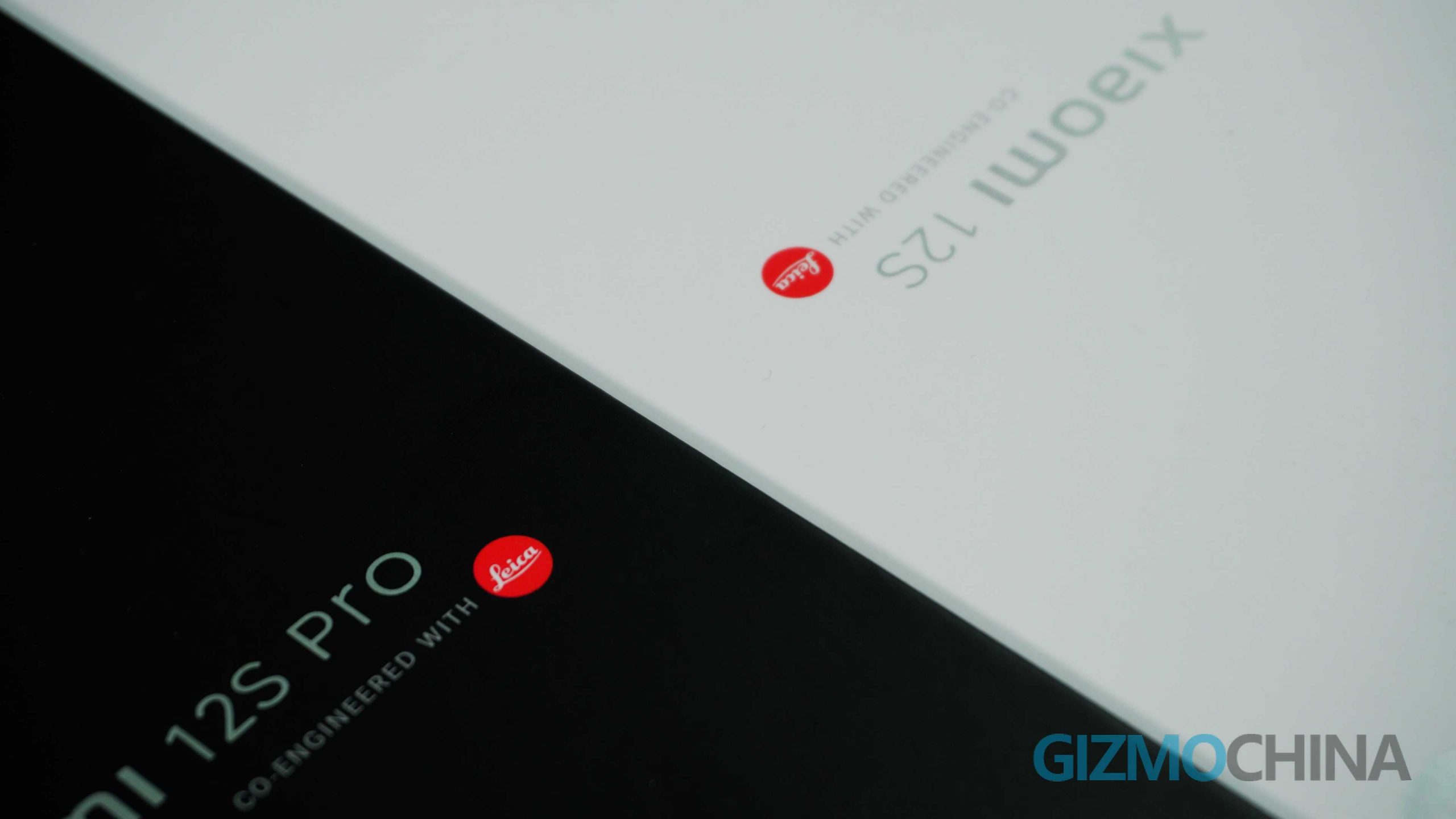
Well, it seems that Xiaomi applied a low-profile design for the packaging of the 12s series. There are no more large numbers or noticeable texts.
There’s another winner in this launch, which is the German photography brand Leica. It’s the first time Xiaomi is working with Leica on their camera imaging solution. And it’s great to see that all three versions of the 12s series are boosted with the Leica solution.
So you can see the famous red logo right here. To be honest, the logo kept reminding me of the Huawei P series, which also used to work with Leica on their imaging system. Although it’s not the first time that the legendary brand cooperated with a smartphone brand, Leica still receives great worship from Xiaomi and its fans.
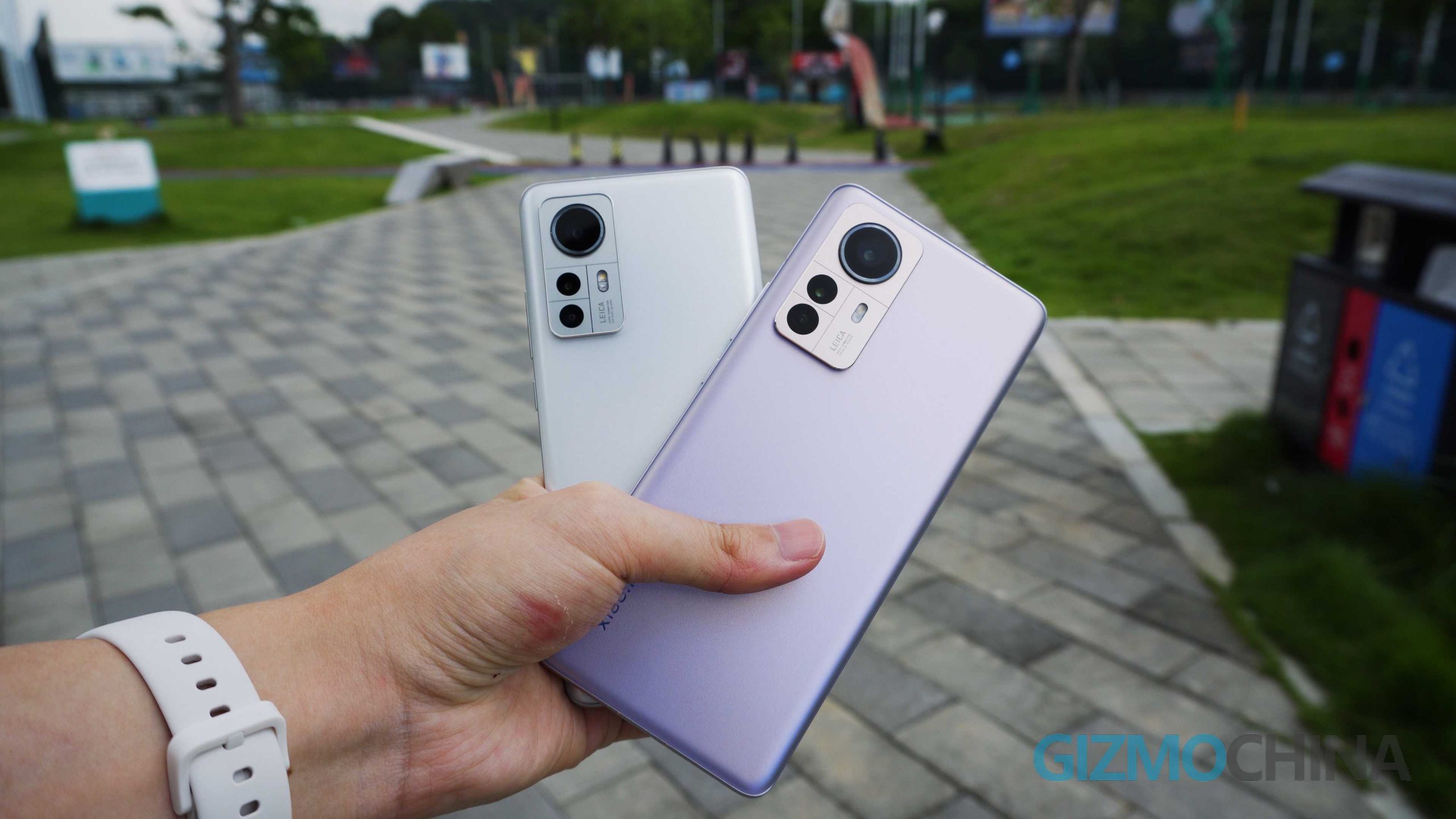
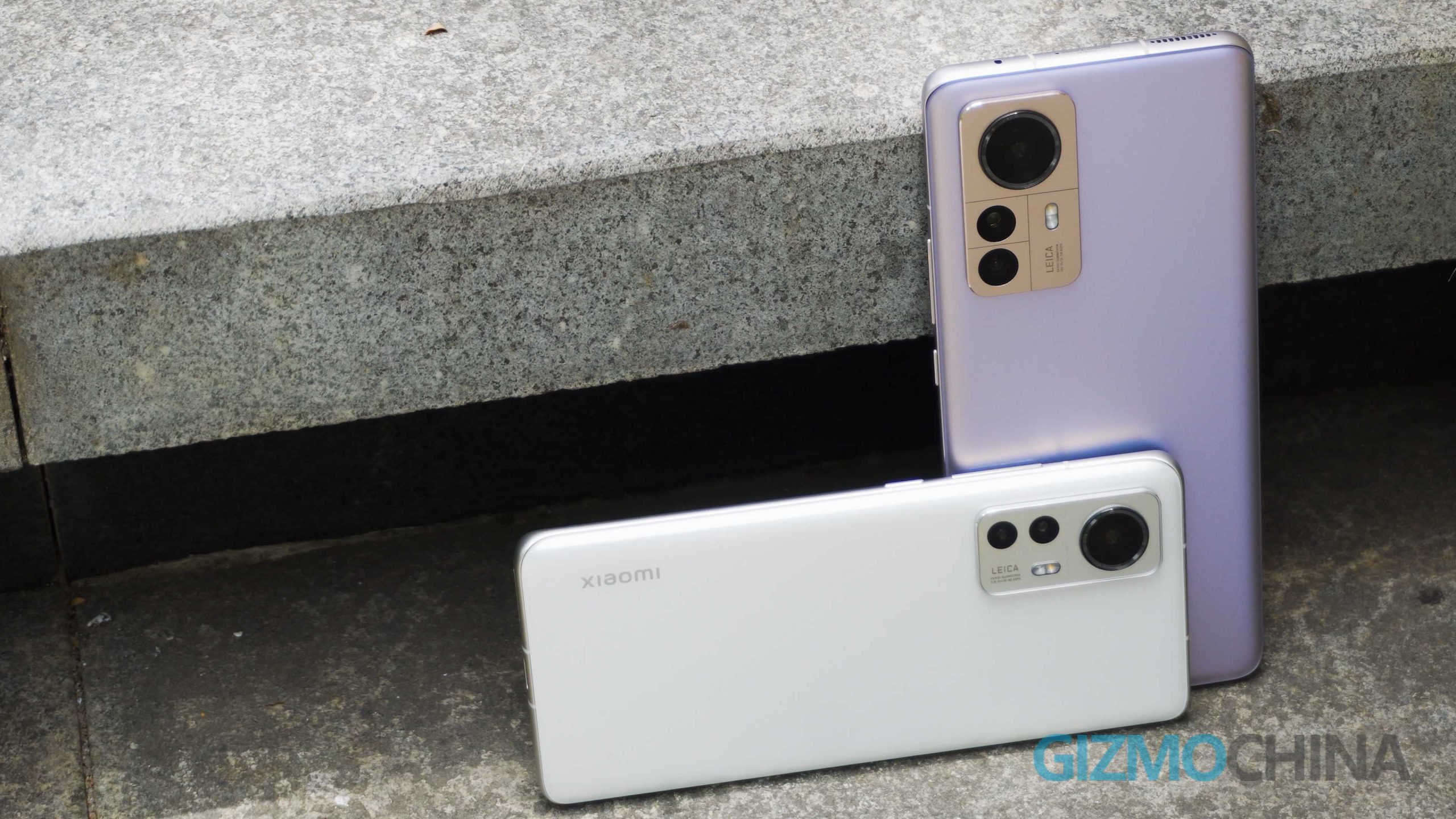
Xiaomi 12S series features similar design with Leica branding
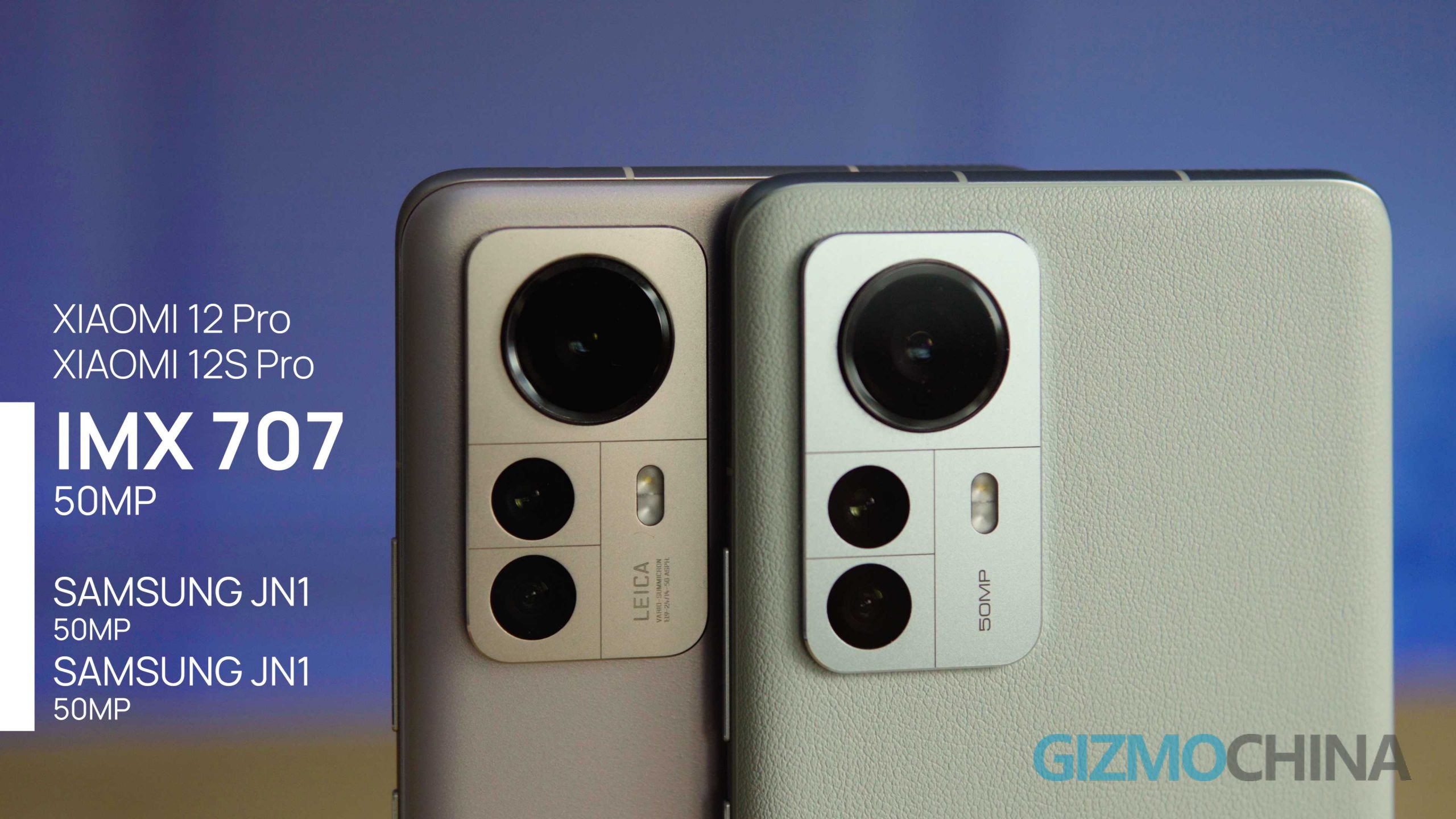
I knew that the unboxing stage of these two models could be a bit boring, since we’ve learned at the launch that there is nothing new in the 12s and the 12s pro’s appearance. If we have to point out any difference, well their camera’s footnote here was replaced with the word Leica. As for the 12 series, the footnote is just the meaningless 50MP wording.
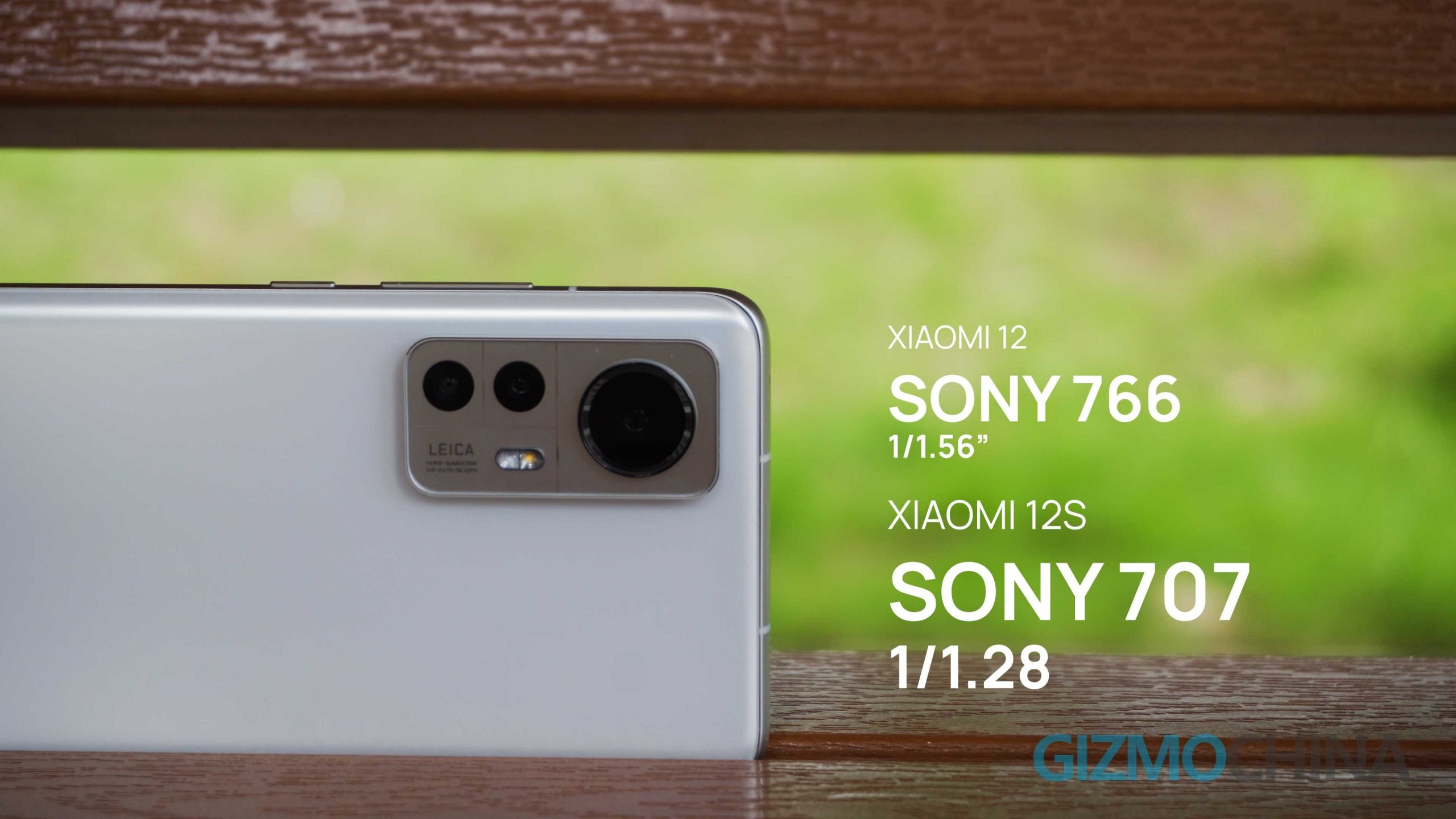
So like the 12s Ultra, the Xiaomi 12s, and the 12s Pro also feature Leica’s imaging engine and camera app. The biggest difference is that these two models are equipped with a Sony IMX707 sensor for the main camera, which is slightly smaller than the Ultra version’s IMX989 sensor. Notably, the 1/1.28-inch sensor is still one of the largest sensor sizes on the mobile market.
For the 12s Pro, the whole camera hardware is no different from the Xiaomi 12 Pro, while for the 12s standard version, Xiaomi upgrades its main camera from the Xiaomi 12’s IMX766 to the larger 707 sensor.
Xiaomi 12S series performance gets a boost – Snapdragon 8+ Gen 1
Another important upgrade is the chipset. The 12s series is powered by the Snapdragon 8 Gen 1 Plus. Although it’s only a Plus version, the improvement probably will convince you that it’s a completely new generation. The reason why we think so is that the 8 Gen 1 Plus’ production is finally moved back to TSMC from Samsung. Now we can clearly find out if there is a significant discrepancy between the Snapdragon 8 Gen 1 and Gen 1+’s power consumption and heating.
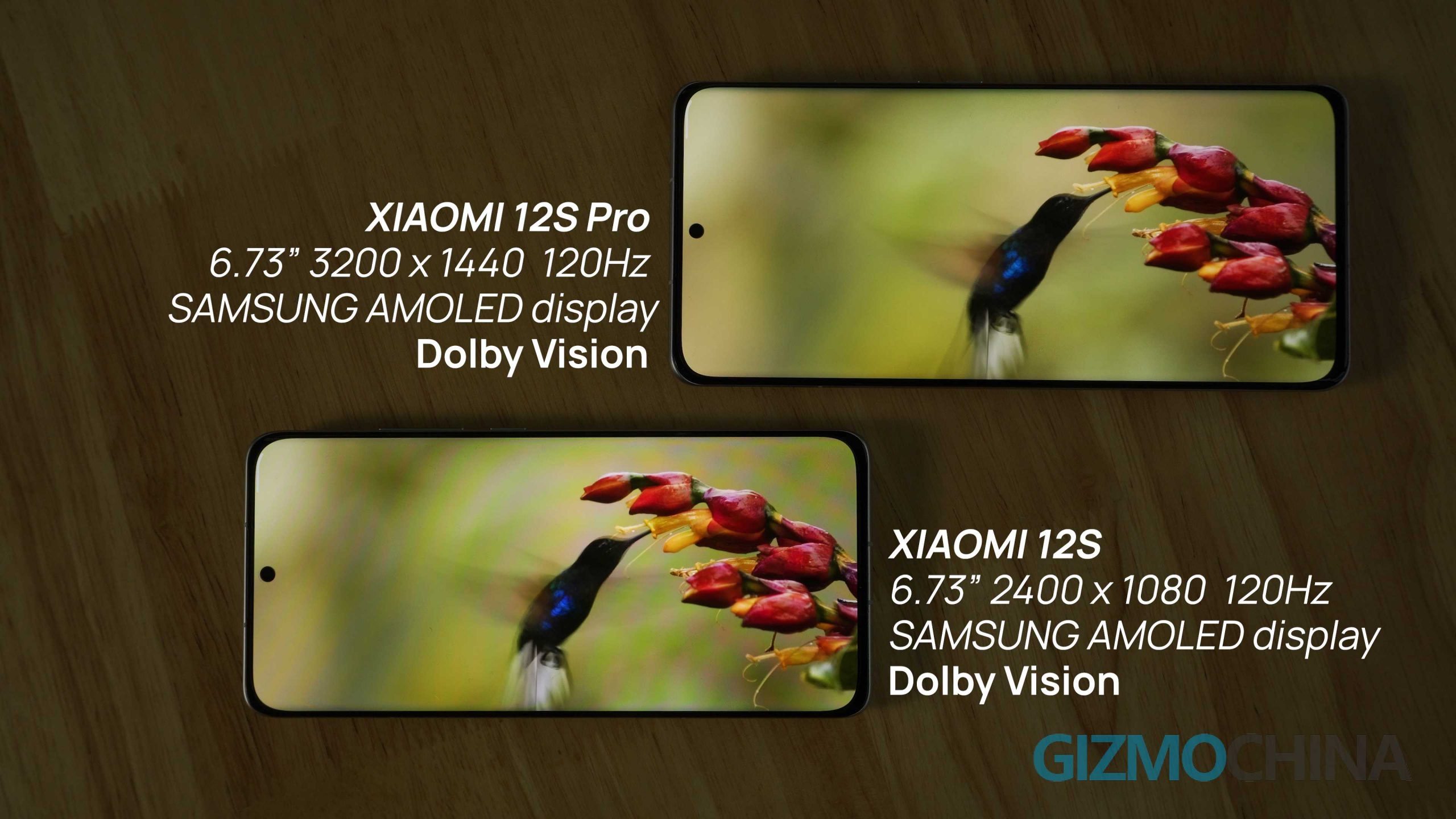
And we will show you the detail performance and gaming comparison between them in the following review. Today, we just want to experience their software and take a quick look at their benchmarks’ results. Well, the MIUI 13 feels as smooth as what we experienced on the Xiaomi 12 series. The display is still the best one that Xiaomi has ever used, a 2K-level 120Hz SAMSUNG E5 AMOLED panel, which is visually stunning like before.
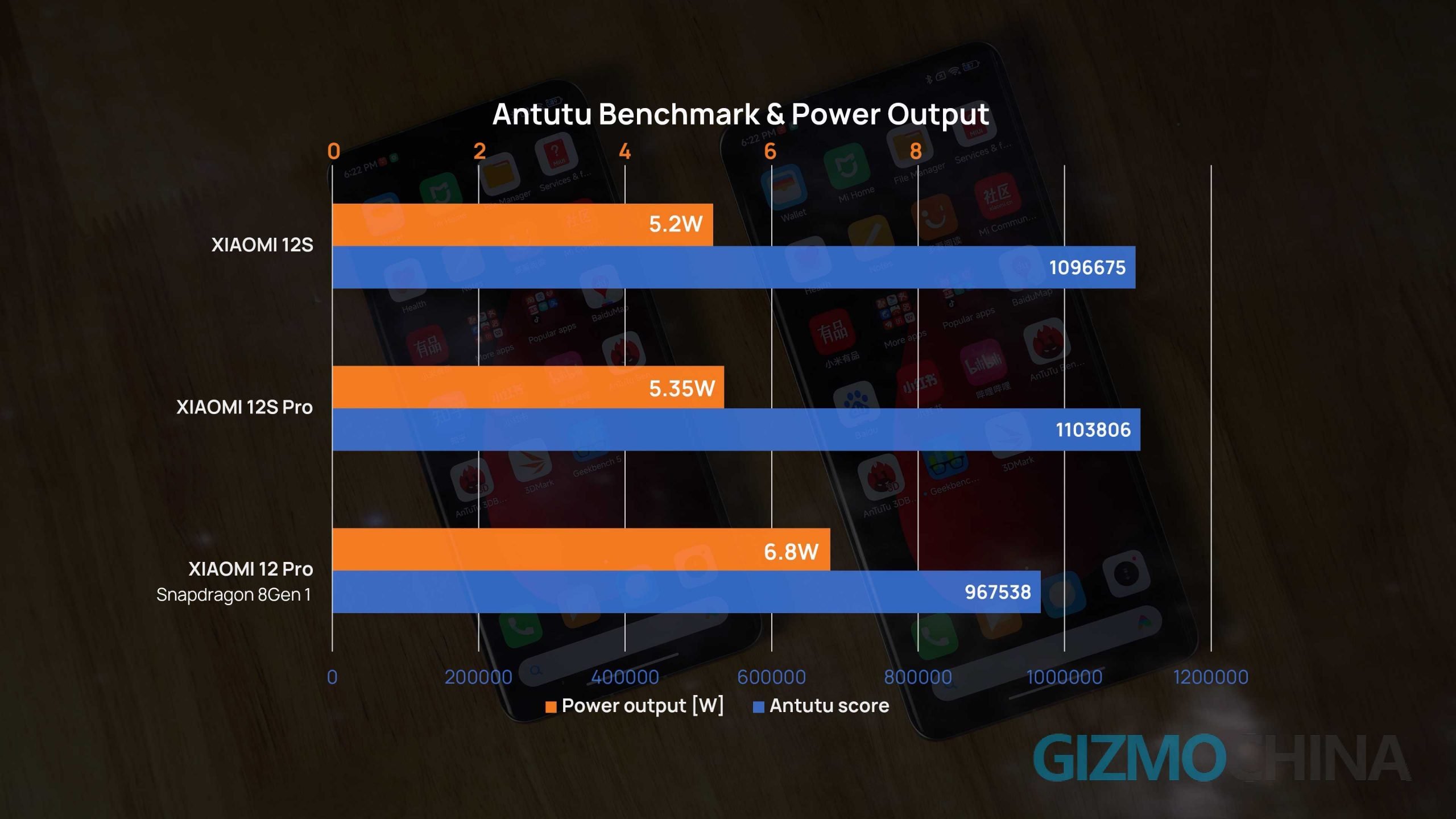
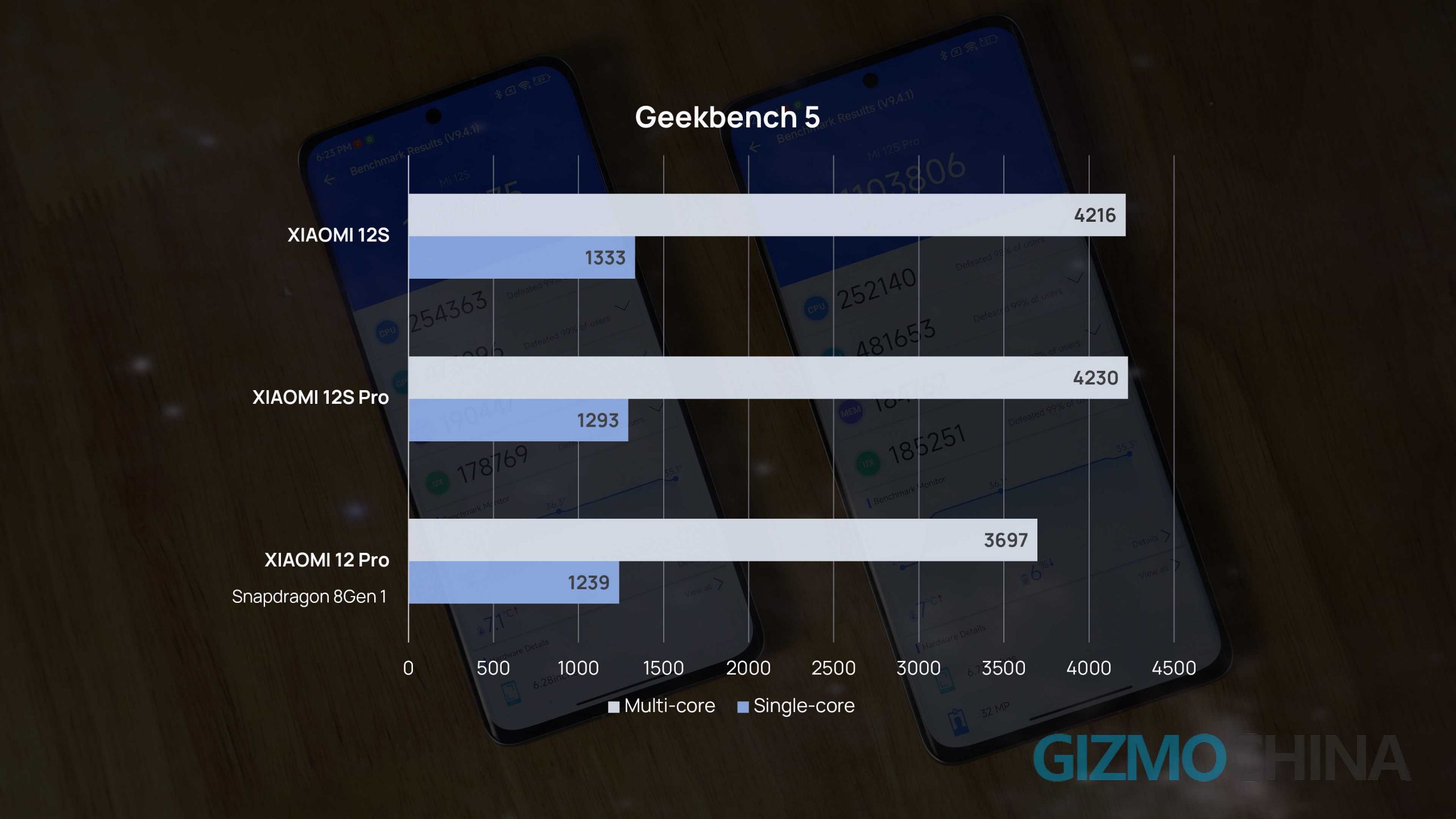
Now let’s briefly check out their benchmark results. Even in benchmarks, the Xiaomi 12s series got significantly improved over the peak performance.
1 of 2
In the Antutu benchmark, these two models have over 15% improvement from the 12 series. And their power consumption also got significantly optimized from the 12 series, which makes us really look forward to their actual gaming performance. So please stay subscribed, as we will bring you the comparison soon.
Now let’s talk about the camera system. Well, since the module is still powered by the triple 50MP lenses, the major improvement of the Pro version is about software and experience. While for the 12s standard version, the image shot on the main camera did look better, but we think the biggest improvement is again in the software and experience.
Xiaomi 12S series cameras are powered by Leica
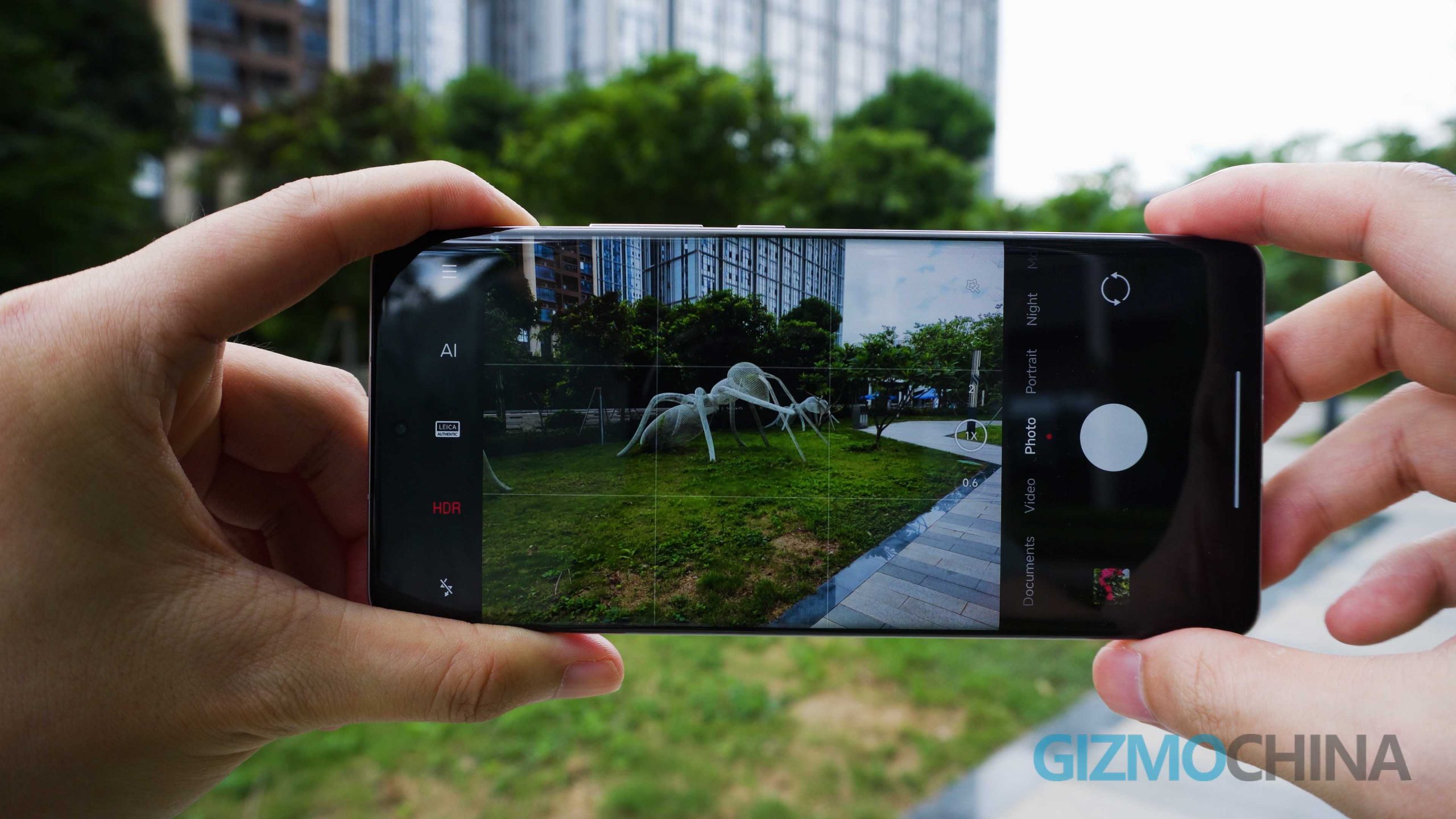
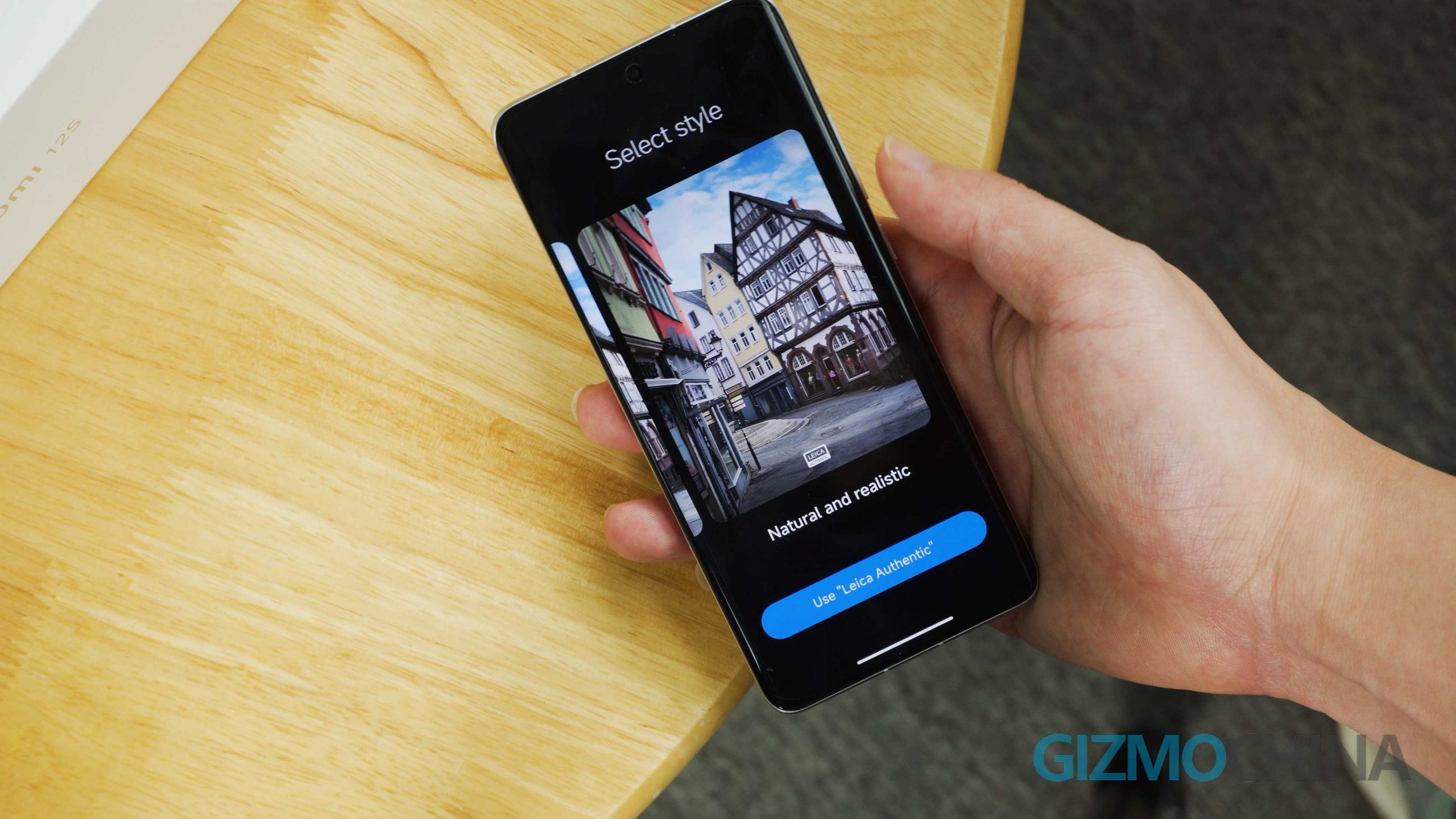
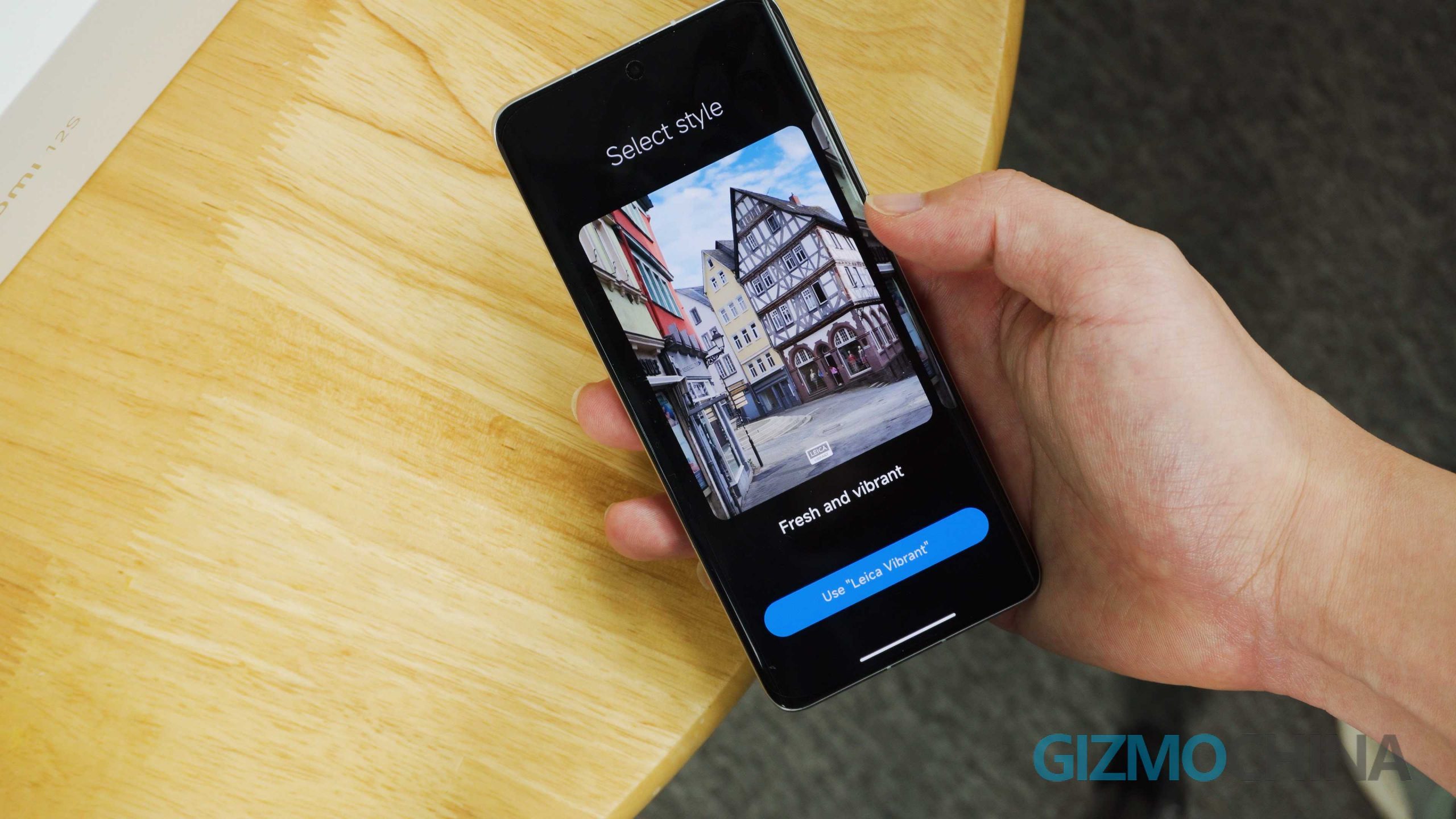
A few Leica elements are added to their camera app. When first open the camera app, the software will ask you which imaging engine you wanna use, Leica Authentic or Leica Vibrant. The Leica Authentic mode is closer to the original Leica camera imaging preference, including high contrast, an amazing level of detail where it is needed, pleasant softness in areas that do not require much attention, and an ability to see the whole tonal range effortlessly. And the images shot on the 12s models even reproduced Leica’s vignetting to some extent. While I think the Vibrant mode applies more vivid colors based on the Authentic mode, which is closer to what we saw on smartphone imaging before. So here we bring you some samples shot on the 12s models, and we will show more in their detailed review soon. So stay tuned.
The 12s series also adds four Leica filters, Leica’s classic shutter sound, and the Leica watermark.
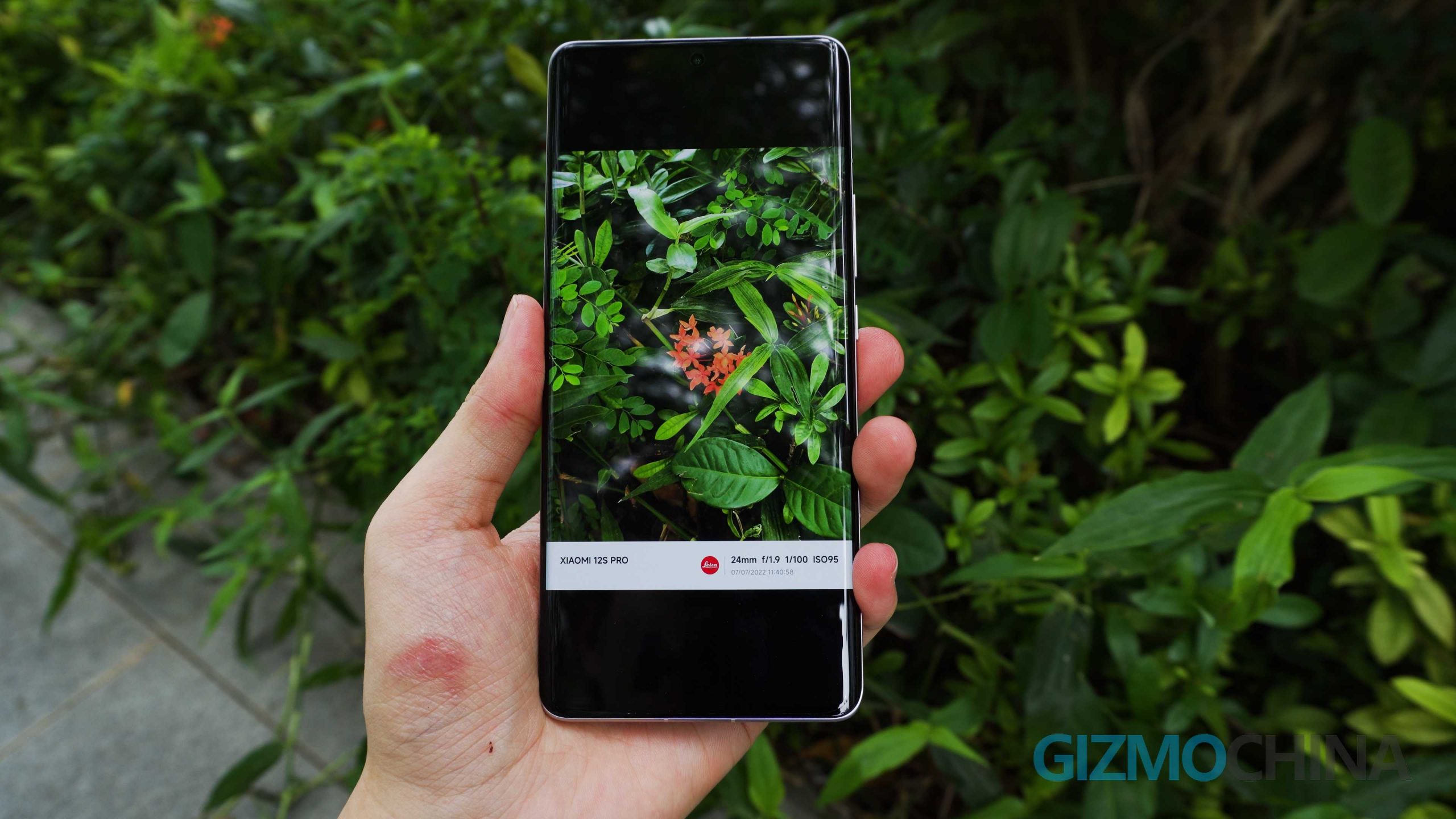
On the 12s series, now you can choose the classical Leica watermark in the camera app, which is bigger and more noticeable and eats up a decent place in the lower part. It wouldn’t bring any improvement to the images. But when you see the pictures with the watermark, do you feel some degree of pleasure? Well, I do.
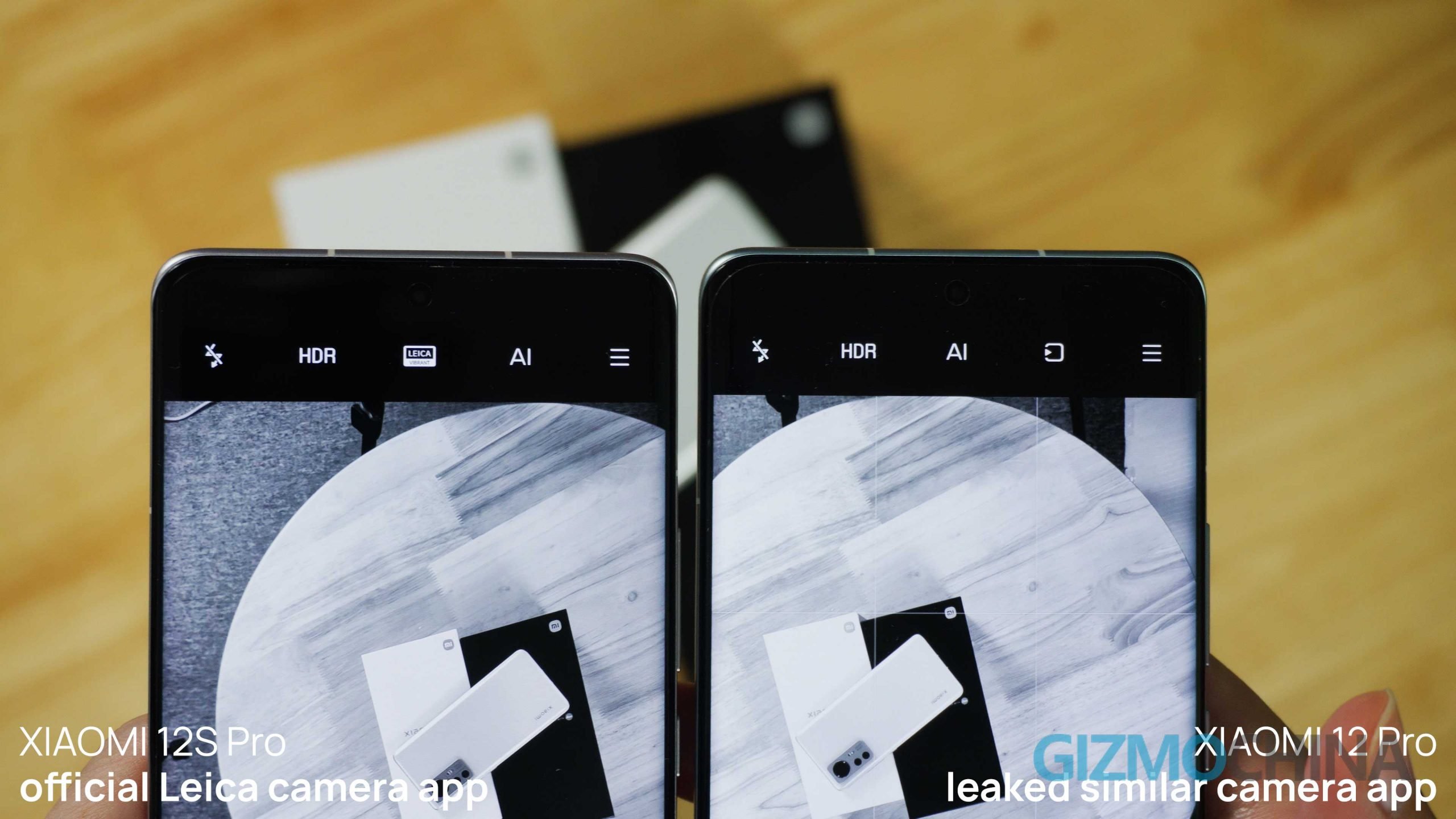
But we found a similar camera app for other Xiaomi phones on the internet. It looks almost the same as the Xiaomi 12S’ Leica camera app. But of course, there’s no Leica imaging engine inside. However, you can also have four custom filters, the same shutter sound, and even the watermark for any other Xiaomi model.
Obviously, it’s not officially released by Xiaomi but leaked by someone on the internet. That said, here we also want to show you a couple of images shot on the Xiaomi 12 Pro and the 12s Pro with a similar watermark. Can you identify the differences between them?
And yes, we will talk more about the leaked camera app in the following review.
So that’s all for today’s first impression and quick hands-on of the Xiaomi 12s and 12s Pro. There’s no doubt that it’s an important step forward for Xiaomi in phone imaging. And we can also see the brand’s desire to bring something different from the cooperation with Leica.
More about these two models will be put in our deep review video. So please stay tuned.
And the Xiaomi 12s Ultra’s review and related comparisons are also in the pipeline. So if you have any questions about the 12s series, please leave them down below.
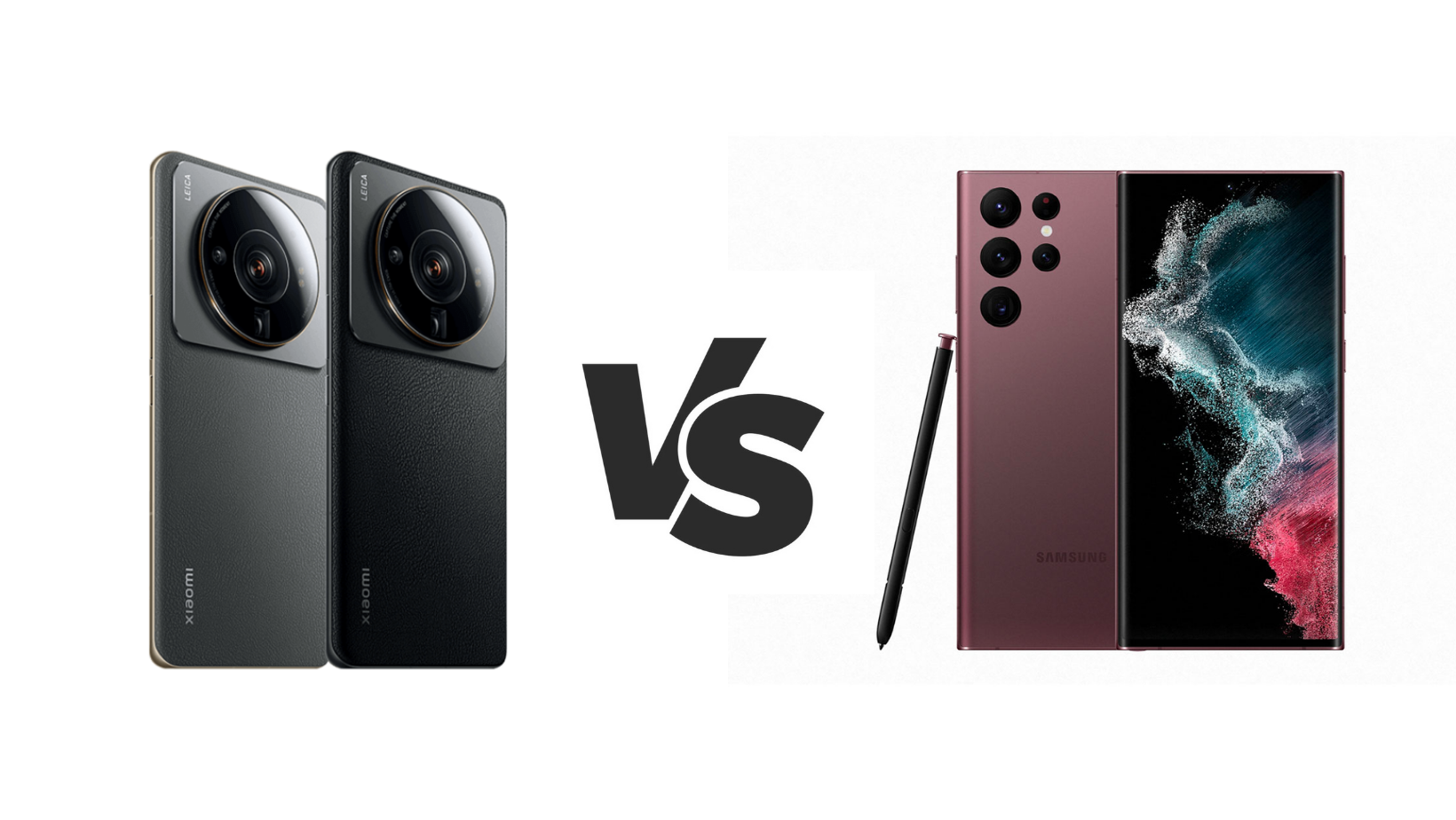
Xiaomi’s biggest flagship of the year, the Xiaomi 12S Ultra is finally here. And just a quick look at the specs sheet shows us that the phone delivered in the hardware department. It comes with the biggest camera sensors on a smartphone, promising an exceptional photography experience. But a large camera alone does not guarantee that it’s the best in the segment. While we are in the process of reviewing the Xiaomi 12S Ultra and its siblings from the series, today, let’s take a quick look at Xiaomi 12S Ultra vs Samsung Galaxy S22 Ultra.
Design is a highly subjective department. But there are still some factors that affect the general perception of any design, which includes color options, symmetry, material, and integrity of the body. Since the Xiaomi 12S Ultra and the Galaxy S22 Ultra are both top-end flagships, their respective brands have ensured best-in-class materials and finish. But note that both are bulky flagships, weighing over 220 grams, making it uncomfortable to use with one hand.
That said, let’s take a closer look at the Xiaomi 12S Ultra model first. The Leica branding shines through the back, reminding us that the popular German camera maker has found a new smartphone partner. While the design isn’t flashy, the 12S Ultra still looks huge from the back. The 1-inch sensor make its presence felt but the overall eco-friendly leather back, muted colors, and symmetrical design, ensures that the design is pleasant to look at.
On the other hand, the Galaxy S22 Ultra brings a more open design with the cameras at the back, placed separately. This makes for a cleaner design, but there are a lot of people who hate this design. So, whether you’ll love or hate this design is highly subjective. The phone comes with an aluminum frame (like the Xiaomi model) and features a glass back. That said, the S22 Ultra has fancier color options, and there’s no surprise that its Burgundy model is a fan favorite.
Display
The Xiaomi 12S Ultra brings interesting upgrades in terms of display, even though it features a slightly smaller 6.73-inch AMOLED panel. The phone comes a Quad HD+ resolution of 1440 x 3200 pixels, a 120 Hz refresh rate (adaptive refresh rate from 1 to 120 Hz), the HDR10+ certification, Dolby Vision, the Gorilla Glass Victus protection by Corning, and an in-display fingerprint reader. The S22 Ultra matches the Xiaomi model in most features, but surprisingly lacks Dolby Vision support. However, it has an extremely bright display with a peak brightness of 1750 nits vs 1500 on the Xiaomi 12S Ultra. Having said that, you can’t go wrong with both the phones when it comes to the display department.
Specs & Software
Since the Xiaomi 12S Ultra was recently announced in the second half of 2022, it features upgraded hardware. It comes with the latest Snapdragon 8+ Gen 1 processor, bringing better peak performance and significantly better power efficiency. So battery life on the 12S Ultra should be better than the S22 Ultra. The Xiaomi 12S Ultra maxes out at 12GB of RAM and 512GB of UFS 3.1 storage. But the S22 Ultra takes things up a notch with 12GB of RAM and 1TB of UFS 3.1 storage.
Both run on Android 13 with Xiaomi model coming with MIUI 13 while Samsung model getting OneUI 4.1.
Camera
Both the Xiaomi 12S Ultra and the Galaxy S22 Ultra come with exceptional cameras for a smartphone. But on paper, the 12S Ultra seems to have an edge not only because of its extra large sensor but also because of its new partnership with Leica. The Xiaomi model comes with a 50.3MP main camera with OIS and f/1.9 aperture. This is paired with three other sensors – a 48MP periscope 5x zoom camera, a 48MP ultra wide camera and finally a 3D ToF sensor for depth. On the front, it features a powerful 32MP shooter.
Coming to the Samsung model, the phone matches the four sensors on the 12S Ultra. The configuration is as follows: A high-resolution 108MP primary sensor, a 10MP periscope shooter with dual-pixel PDAF and 10x optical zoom, another 10MP telephoto shooter with 3x optical zoom, and finally a 12MP Ultra Wide 120-degrees sensor with Super Steady Video.
We have already seen how amazing the S22 Ultra’s camera setup is, but we will have to wait and see if the Xiaomi 12S Ultra can actually beat this camera in every department. Only a real life comparison can confirm this, which is in the pipeline at Gizmochina, so stay tuned. Selfies are taken care by a 40MP shooter on the front.
Battery
The Xiaomi Mi 11 Ultra comes with a large 5000mAh battery with fast 67W wired and 67W wireless charging. While the S22 Ultra matches the battery capacity, the 45W charging speed is a bit disappointing for a 2022 flagship. Plus, the wireless charging is still relatively slow at 15W on the Galaxy model.
As we have seen above, the Xiaomi 12S Ultra has a more efficient chipset and a smaller display, so it’s possible that its battery life could be better than the S22 Ultra in real life.
Price
You can currently find the Xiaomi 12S Ultra for about $1200/€1170, while the Galaxy S22 Ultra is available for around $900/€1100 online. Being an older model, the S22 Ultra has the price advantage, but if you want the best of 2022 flagship, the Xiaomi 12S Ultra is actually a better bet.
That said, if you are still confused about which one to get, it’s wise to wait for real world tests and reviews of the Xiaomi 12S Ultra before making the final purchase decision.
Statement from OPPO – “In response to the commercial dispute filed against us by Nokia, sales of some OPPO products will temporarily be put on hold in Germany while our request for the stay of enforcement is being considered. As always, users can continue to use their OPPO products, access OPPO’s after-sales service, receive future OS updates, and more.”
A German court in Mannheim has decided a suit in favor of Nokia in its 4G/5G patent dispute against OPPO. The suit resulted from the breakdown in discussions between Nokia and OPPO over 4G (LTE) and 5G patents.
The German Regional Court ruling is the first ruling regarding the disputed patents. Nokia had sued OPPO over 9 Standard Essential Patents (SEPs) and five implementation patents in three regional German Courts. Nokia is the standard-bearer in the 5G SEPs segment with huge investments of about €129 billion ($130.3 billion). It has tons of patents in the field and has gotten several settlements in recent times. Daimler and Lenovo are some of Nokia’s recent opponents who have settled with the Finnish company.
The Mannheim Regional Court granted Nokia a cease-and-desist order against OPPO. This means that OPPO and OnePlus devices cannot be sold in Germany for the time being. OPPO’s objection to the decision was dismissed by the judge, who labeled the Chinese firm as an unwilling licensee.
Nokia’s counsels in the Mannheim case were drawn from its teams that won both the Daimler and Lenovo lawsuits. Nokia is currently just licensing its name for consumer products. However, it had established itself with a raft of industry-leading patents in the past.
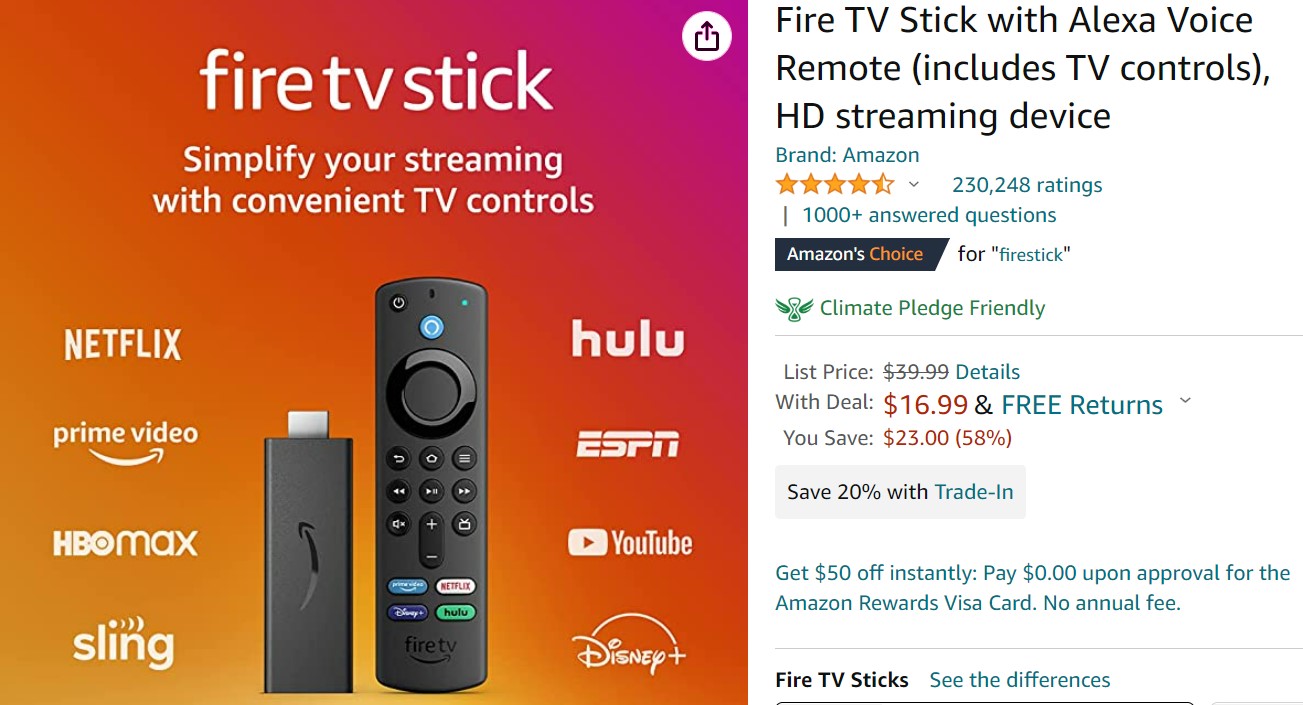
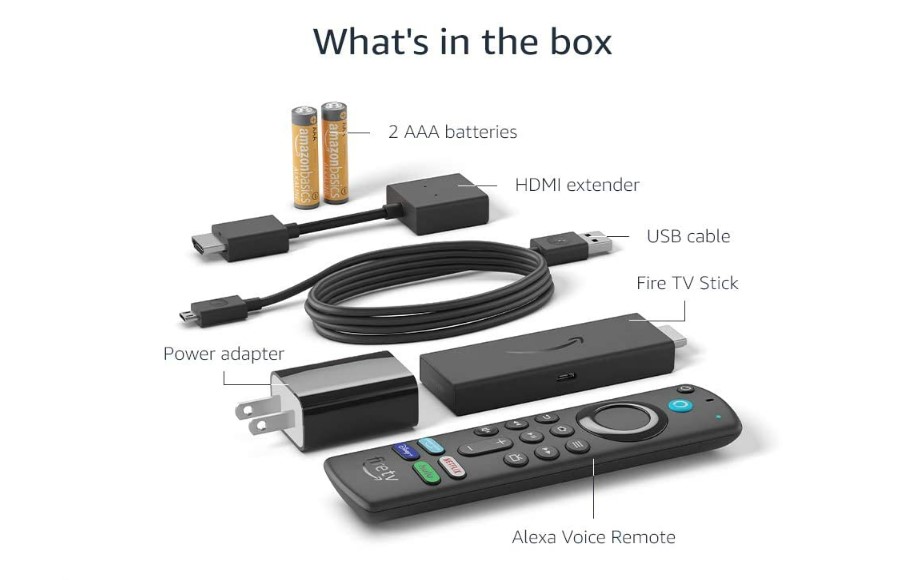
Amazon Fire TV Stick with Alexa Voice Control which generally retails for $39.99 is now available for a heavily discounted price of $16.99 under the Early Prime Day Deals on Amazon US. Please note that this deal is exclusively applicable to Prime members.
Free TV and movies – Access over 200000 shows, movies, etc
Live TV – Watch your favorite TV shows, News, Sports, etc with a subscription live TV
Stream more than 1 million movies and TV episodes from Netflix, Prime Video, Disney+, Peacock, and more
Dedicated buttons for quick access to Prime, Netflix, Hulu, and Disney+
Stream music on Amazon Music, Spotify, Pandora, and others
Use Alexa Voice assistant to search and access shows across different apps
Control Power and Volume on both TV and Soundbar using a single remote
Easy, simple, and quick installation
Please know that some of the apps may need you to pay subscription fees for their use. Fire TV Stick can access the shows, movies, and music to subscribed apps and ad-supported platforms subject to individual subscriptions. This is a limited-time offer.
For more information on such exciting deals and offers check out our deals hub.
* Please Note: When you buy something using the links in our articles, we may earn a small commission at no cost to you.
BYD has outperformed Tesla as the world’s leading EV manufacturer by sales in H1 2022. The Chinese company sold about 641,000 electric vehicles in the first six months of this year, as compared with Tesla’s 564,000. The half-year BYD sales figure is a massive 300% improvement year-on-year. These details were extracted from company filings by the two brands.
BYD means Build Your Dream and it is indeed expanding the reach of EVs across its markets both within and outside China. It is headquartered in Shenzhen City in Guangdong Province in the south of the country. BYD’s stellar H1 2022 performance is attracting industry plaudits.
Tesla reportedly suffered a decline in its projections due to the disruptions in its Shanghai factory due to the resurgence of COVID-19. Tesla is also having issues with some regulators that have led to the recall of the Tesla Model Y and Model 3. This was due to an observed fault in the emergency call system of 59,000 cars. These add to Tesla’s underwhelming Q2 performance showing an 18% decline from Q1, 2022.
In another milestone, BYD also had a strong performance in the EV battery segment. It overtook LG to become the second-biggest EV battery maker in the world. BYD has continued a strong monthly performance ahead of LG since April 2022. China’s CATL still retains its top position as the number 1 player in the EV battery market. Contemporary Amperex Technology Co. Ltd (CATL) released a 1,000km range battery two weeks ago.
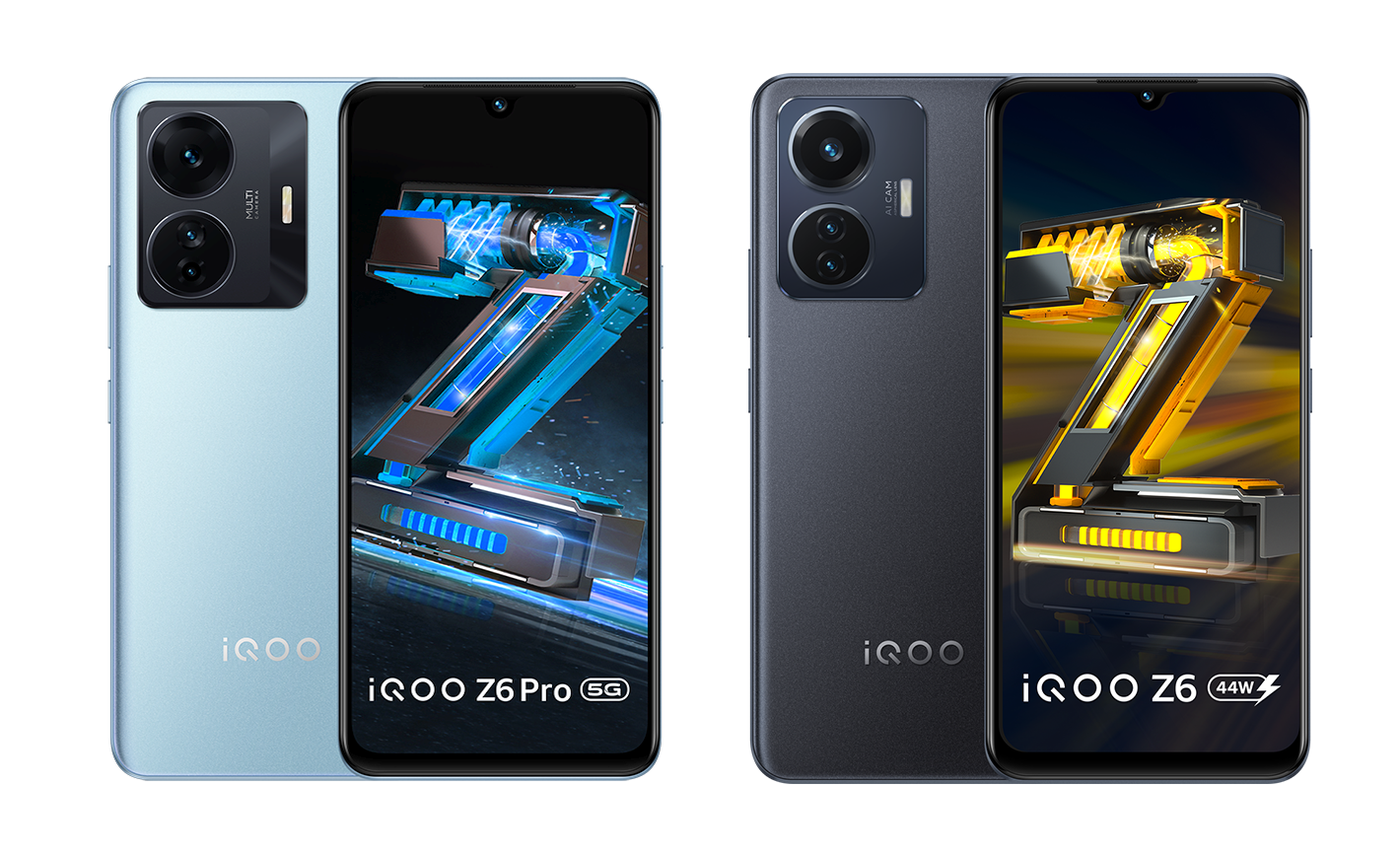
Earlier this year, iQOO launched the iQOO Z6, iQOO Z6 5G, and the iQOO Z6 Pro in the Indian market. Now, a report has revealed that the brand is also planning to launch a new device in India dubbed the iQOO Z6 SE.
According to a Rootmygalaxy report, the iQOO Z6 SE (Speed Edition) has appeared on IQOO’s Official India website. The device could be a successor to the iQOO Z6 5G or the 4G variants and could come with a few upgrades over these devices.
iQOO Z6 Pro 5G (left) and iQOO Z6 44W (right)
Rumors also state that the brand is planning to launch the IQOO Z6 series in August. The series could consist of the Z6 SE and the Z6 Pro SE smartphones. However, currently, no specs or features have been revealed for said smartphones.
iQOO Z6 specs
To recall, the iQOO Z6 comes with a 6.44-inch AMOLED display featuring a Full HD+ resolution of 2408 x 1080 pixels and a 180Hz touch sampling rate. It also packs an in-display fingerprint sensor for security.
Under the hood, the smartphone housed the Qualcomm Snapdragon 680 4G chipset which is paired with up to 8GB of RAM and 128GB of internal storage. It offers a large 5,000mAh battery, 44W fast charging support, and an Android 12-based operating system.
Coming to optics, the phone has a 50-megapixel primary sensor, a 2-megapixel macro camera, and a 2-megapixel bokeh sensor. As for the front camera, it has a 16-megapixel sensor.
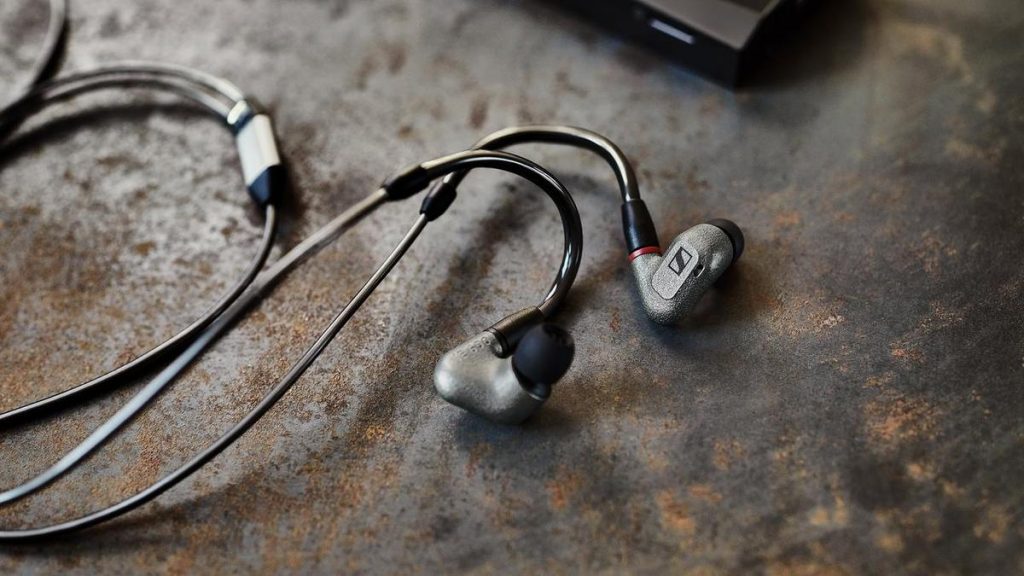
German audio accessories manufacturer Sennheiser has launched the IE 600 in-ear flagship headphones for the Indian market. The Sennheiser IE 600 is made from similar materials used for NASA’s Mars Rover underscoring their ruggedness. The German audio accessories manufacturer says the IE 600 brings strong natural sound to its users.
The IE 600 has a ZR01 amorphous zirconium covering that makes the device have hardness and bend resistance. The ZR01 zirconium material is a popular choice in the aerospace industry due to its optimal properties. It is what the powerful drilling head of the Mars Rover is made from. The surface of the IE 600 is protected against corrosion and scratches.
The Sennheiser IE 600 is produced via a special 3D printing process. While the design of the IE 600 was done in Germany, it was manufactured in Ireland by Sonova Consumer Hearing. Apart from its ruggedness, the IE 600 also comes with acoustic quality. Its acoustic back volume and precision-molded resonator chambers provide high fidelity output. The sound system of the IE 600 has been fully optimized to produce deep bass.
The Sennheiser IE 600 delivers distortion-free sound output using its TrueResponse transducer with a 7mm driver. This offers a wide frequency range for the headphones. The IE 600 allows for a wide variety of inputs as it supports 4.8mm cables or smaller. Silicone and memory foam earbud tips are available in three sizes in the IE 600. Sennheiser says the IE 600 delivers a neutral reference tuning for its incredibly passionate customers. The Sennheiser IE 600 is priced at Rs. 59,990 (~$756) and it will be available across online and offline platforms.
Redmi K50i has been spotted on the AnTuTu benchmark site. It scores 8,22,274 points. Tipster Mukul Sharma has compared the score with Snapdragon 888 processor and Apple’s A15 Bionic. The Redmi K50i is expected to be powered by MediaTek’s Dimensity 8100 SoC. The Snapdragon 888 and A15 Bionic score 8,04,131 and 7,82,653 points respectively. This suggests that the upcoming Redmi K50i could be more powerful than the iPhone 13 and Snapdragon 888-powered phones.
[Exclusive] Here's how the Redmi K50i has performed on the AnTuTu benchmark. Has managed to pull off a pretty impressive total of 822274. The #RedmiK50i has scored higher than the iPhone 13 on AnTuTu. Feel free to retweet.#Xiaomi#Redmipic.twitter.com/NBViYX0KYq
The Redmi K50i is set to launch in India on July 20th. It is said to be a rebranded version of the Redmi Note 11T Pro. The smartphone’s specifications, pricing, and availability have already been leaked. The Amazon microsite of the upcoming offering reveals that it will feature a rectangular camera module and a centre-aligned punch-hole cutout.
The Redmi K50i is expected to feature a 6.6-inch FHD+ LCD display with a 144Hz refresh rate. It will have a side-mounted fingerprint scanner. The smartphone is tipped to feature a triple rear camera setup of a 64MP main sensor, an 8MP ultra-wide lens, and a 2MP macro unit. Under the hood, the upcoming offering will reportedly be equipped with a Dimensity 8100 SoC. It is tipped to come in 6GB + 128GB and 8GB + 256GB RAM and storage configurations. Lastly, the smartphone is said to be offered in Phantom Blue, Stealth Black, and Quick Silver colours.
Netflix has launched spatial audio for all platforms in an effort to enhance the audio quality of its library of original movies. Particularly for users who use headphones to watch a TV show or movie, the functionality should offer more immersive sound.
Sennheiser and Netflix collaborated to develop an expanded spatial audio output, which can be streamed through stereo speakers or headphones without the need for additional hardware or a professional surround setup.
Instead of stereo output on the Netflix platform, content that supports it will now use Sennheiser’s Ambeo 2-Channel Spatial Audio format. Ambeo employs any surround sound or Dolby Atmos audio tracks that are available for the selected content in order to produce a more immersive stereo profile.
Additionally, Netflix also supports Apple’s spatial audio on Apple TV, iPhone, and iPad devices to deliver a rich surround sound experience with 5.1 surround sound and Dolby Atmos audio. The “Streaming quality” parameter should be set to “High or Auto” in order to listen to spatial audio on an Apple device that is compatible.
The feature will be available to all Netflix subscribers and will also work on devices that do not usually support spatial audio. Currently, the library of Netflix content utilizing the spatial audio feature is limited, however, users can search up spatial audio in the search bar to get the full list of shows and movies with spiral audio. Some early picks include Red Notice, The Witcher, Locke & Key, The Adam Project, and Stranger Things 4.
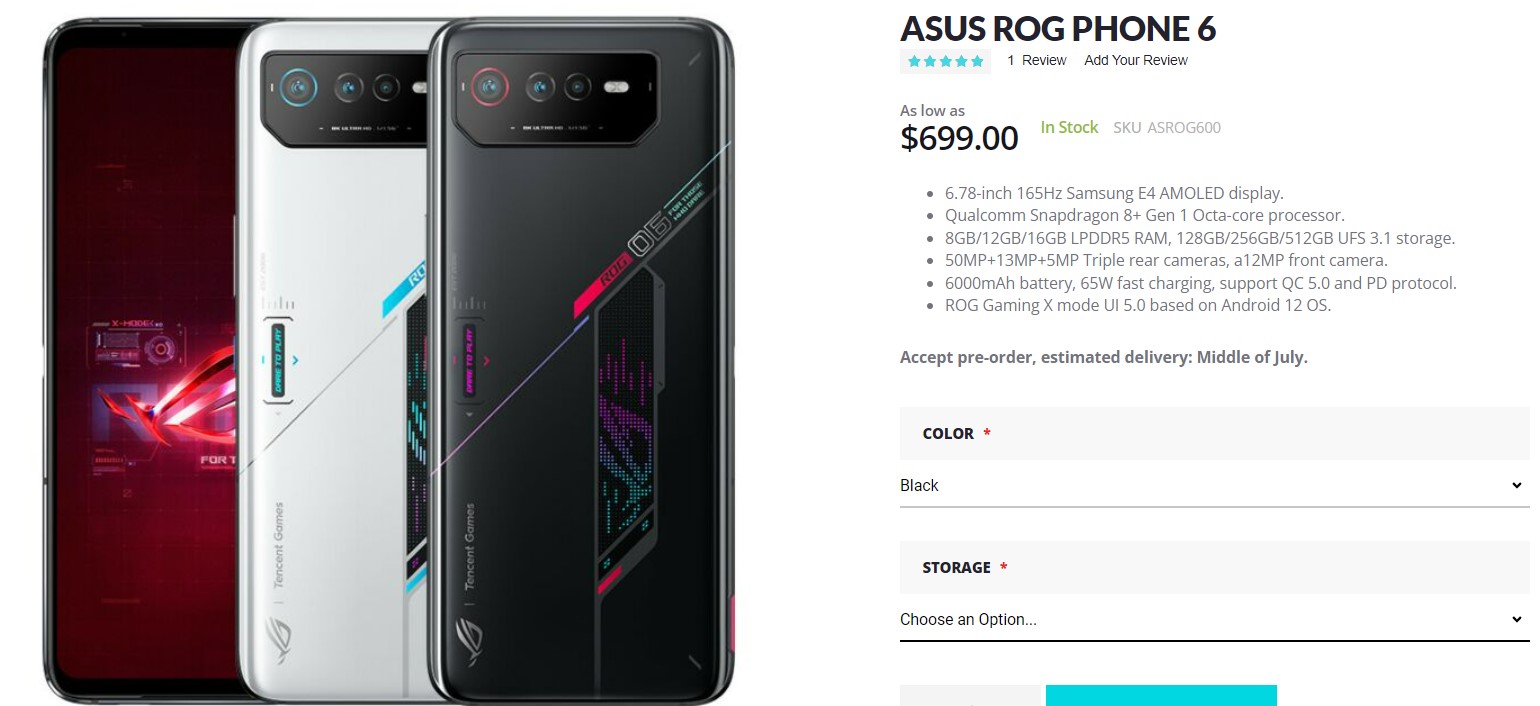
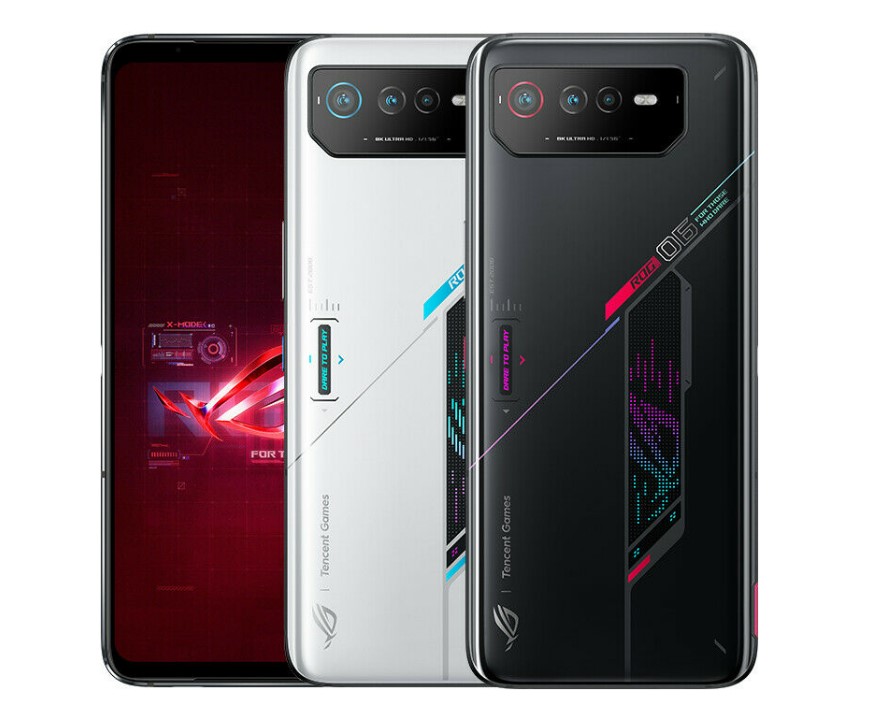
Great news for gaming enthusiasts. You can now pre-order the latest ASUS ROG Phone 6 for a starting price of $699 only on Giztop. Please note that this is a pre-order and actual shipping will start from mid-July.
ASUS ROG Phone 6 features a 6.78-inch Samsung E4 AMOLED display and supports a 165Hz refresh rate. This gaming phone offers 111% DCI-P3 color gamut coverage and supports HDR10+. Powered by the latest Snapdragon 8+ Gen 1 Octa-core processor, it comes in multiple memory variants viz. 8GB / 12GB / 16GB LPDDR5 RAM and 128GB / 256GB / 512GB UFS 3.1 storage.
ASUS ROG Phone 6 features a triple rear camera setup with a 50MP main camera and 13MP + 5MP secondary cameras. For your selfies, you have a 12MP sensor in the front. The phone runs on the specially designed ROG Gaming X mode UI 5.0 and is fueled by a massive 6000mAh battery and supports 65W fast charging and QC 5.0 and PD protocol.
You can now pre-order ASUS ROG Phone 6 for $699 only on Giztop. This price is applicable to the base variant only.
For more information on such exciting deals and offers check out our deals hub.
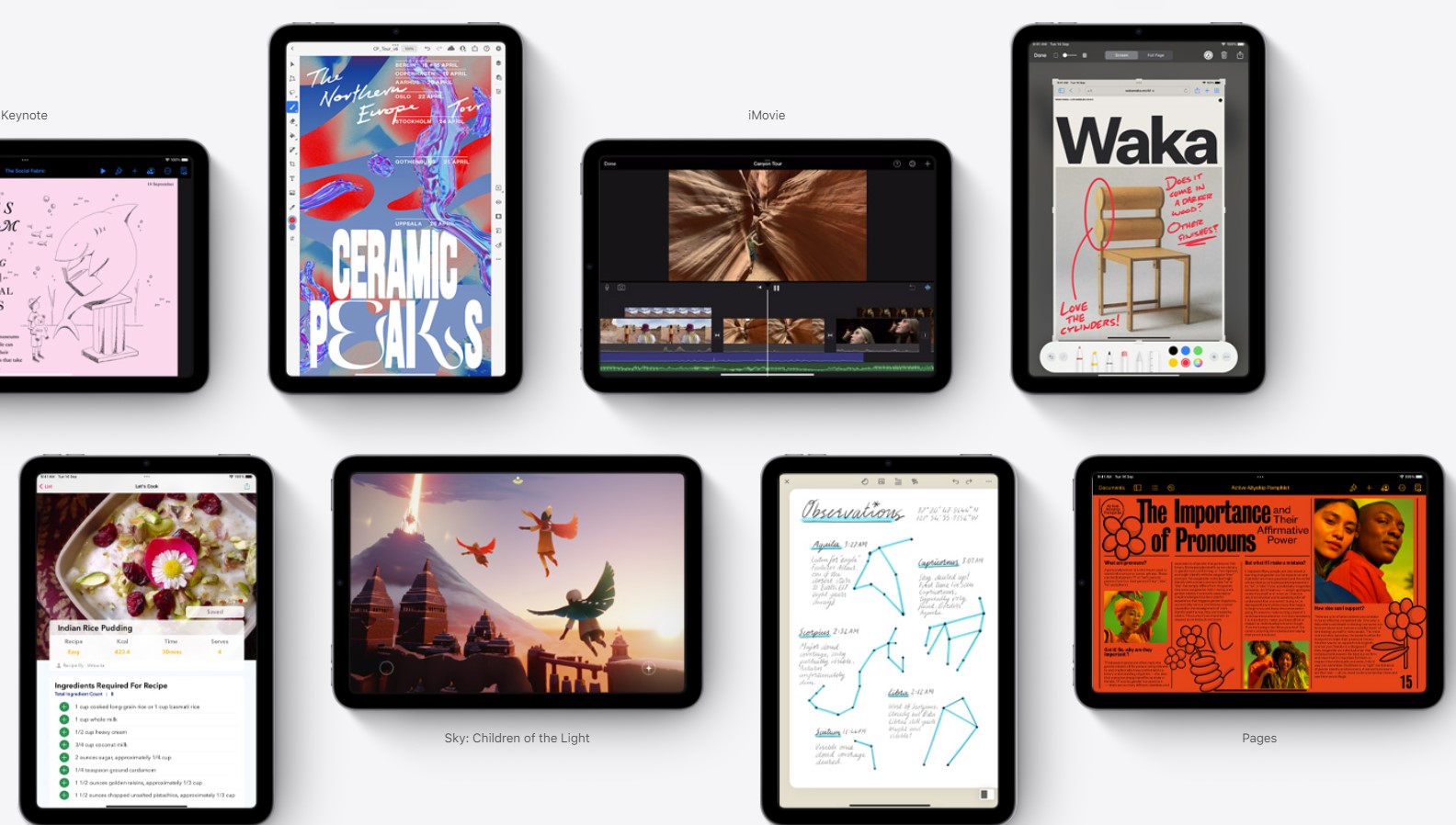
Apple Inc. launched the iPad Mini 6 alongside the iPhone 13 lineup last year. Recently, the device’s latest OS- the iPad Os 15.5 appears to have been generating some problems. The most recent iteration of Apple’s mobile operating system is currently having an impact on iPad users, which comes after numerous concerns about the Apple Books app. More specifically, following the upgrade, a number of users have reported having trouble charging their iPad Mini 6 devices.
After updating to iPadOS 15.5, concerned customers have reported on the Apple Support Community forums that they are no longer able to charge the iPad Mini 6. These complaints indicate that regardless of the power cable or adapter used, the iPad battery does not charge. Some users have even tried restoring the iPad software to fix the problem, but this doesn’t seem to work.
Although this may appear to be a hardware problem, the underlying causes are software-related. Apple said that it is aware of users have reported being unable to charge their iPad Mini 6 after upgrading to iPadOS 15.5, according to an internal memo distributed to authorized service providers via MacRumors.
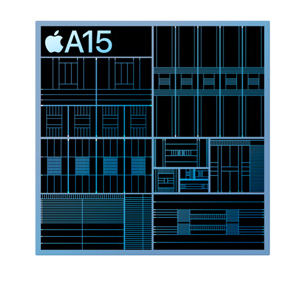
The iPad Mini 6 uses an A15 Bionic chipset
Sadly, Apple also states in the memo that upgrading the iPad’s internal battery or even buying a new one won’t fix the issue, therefore confirming that the charging problem is a software flaw. At this time, it is unknown if the charging issues with the iPad Mini 6 have been resolved by the iPadOS 15.6 beta, which is presently accessible to developers and users signed up for the Apple Beta Software Program.
As a temporary workaround, the company has been encouraging staff at Apple Retail Stores and service providers to ask impacted users to restart their iPad Minis.
As previously said, we are unsure whether the iPadOS 15.6 beta resolves this issue. Installing beta software on your iPad, however, can be worthwhile if your iPad Mini6 isn’t charging properly.
How to update your iPad Mini 6 to iPadOS 15.6 beta
On your iPad, navigate to ‘beta.apple.com.’
Log in using your Apple ID.
Select “Get Started” from the main homepage.
Select the “iPadOS” tab and then select “enroll your device.”
Follow the on-screen prompts to download and install the profile.
After installing the profile, the iPadOS 15.6 notification will appear in the iPad’s update section.
After the public release of iPadOS 15.6 officially, tap “iOS Beta Software Profile” in Settings > General > VPN & Device Management to delete the profile and stop receiving iOS beta updates. The update should resolve the iPad Mini’s charging problems.
We use cookies on our website to give you the most relevant experience by remembering your preferences and repeat visits. By clicking “Accept”, you consent to the use of ALL the cookies.
This website uses cookies to improve your experience while you navigate through the website. Out of these, the cookies that are categorized as necessary are stored on your browser as they are essential for the working of basic functionalities of the website. We also use third-party cookies that help us analyze and understand how you use this website. These cookies will be stored in your browser only with your consent. You also have the option to opt-out of these cookies. But opting out of some of these cookies may affect your browsing experience.
Necessary cookies are absolutely essential for the website to function properly. This category only includes cookies that ensures basic functionalities and security features of the website. These cookies do not store any personal information.
Any cookies that may not be particularly necessary for the website to function and is used specifically to collect user personal data via analytics, ads, other embedded contents are termed as non-necessary cookies. It is mandatory to procure user consent prior to running these cookies on your website.