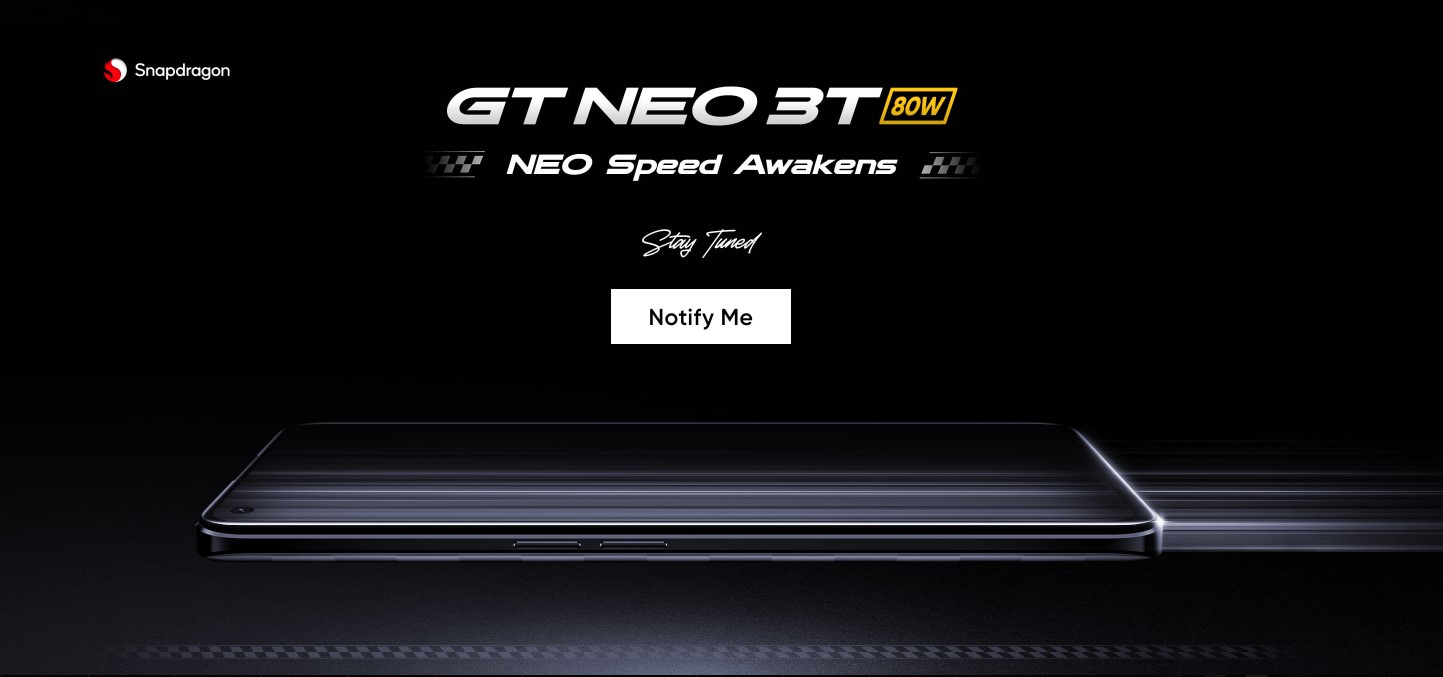
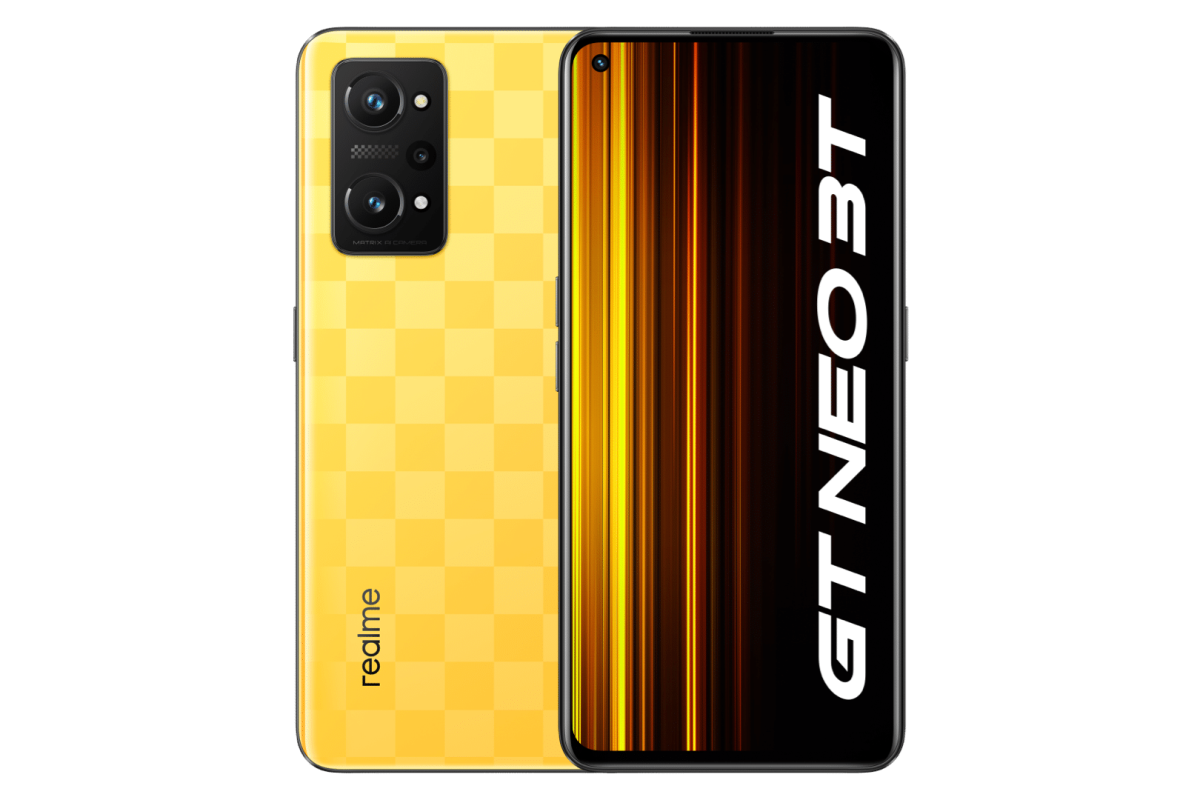
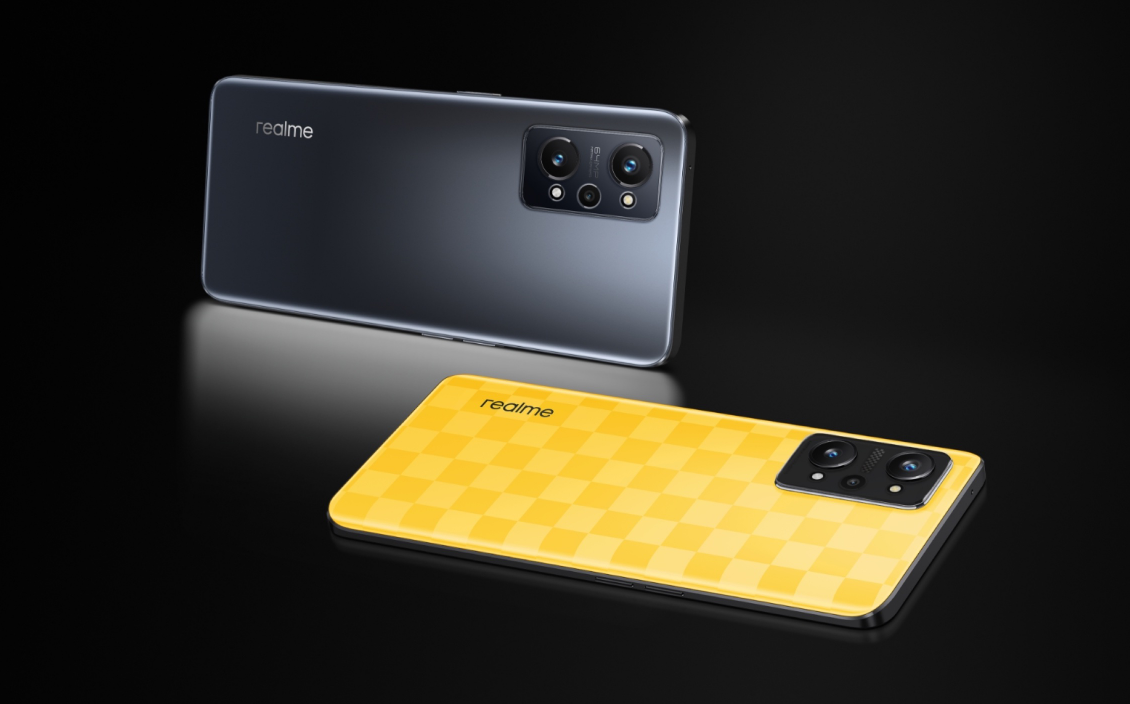
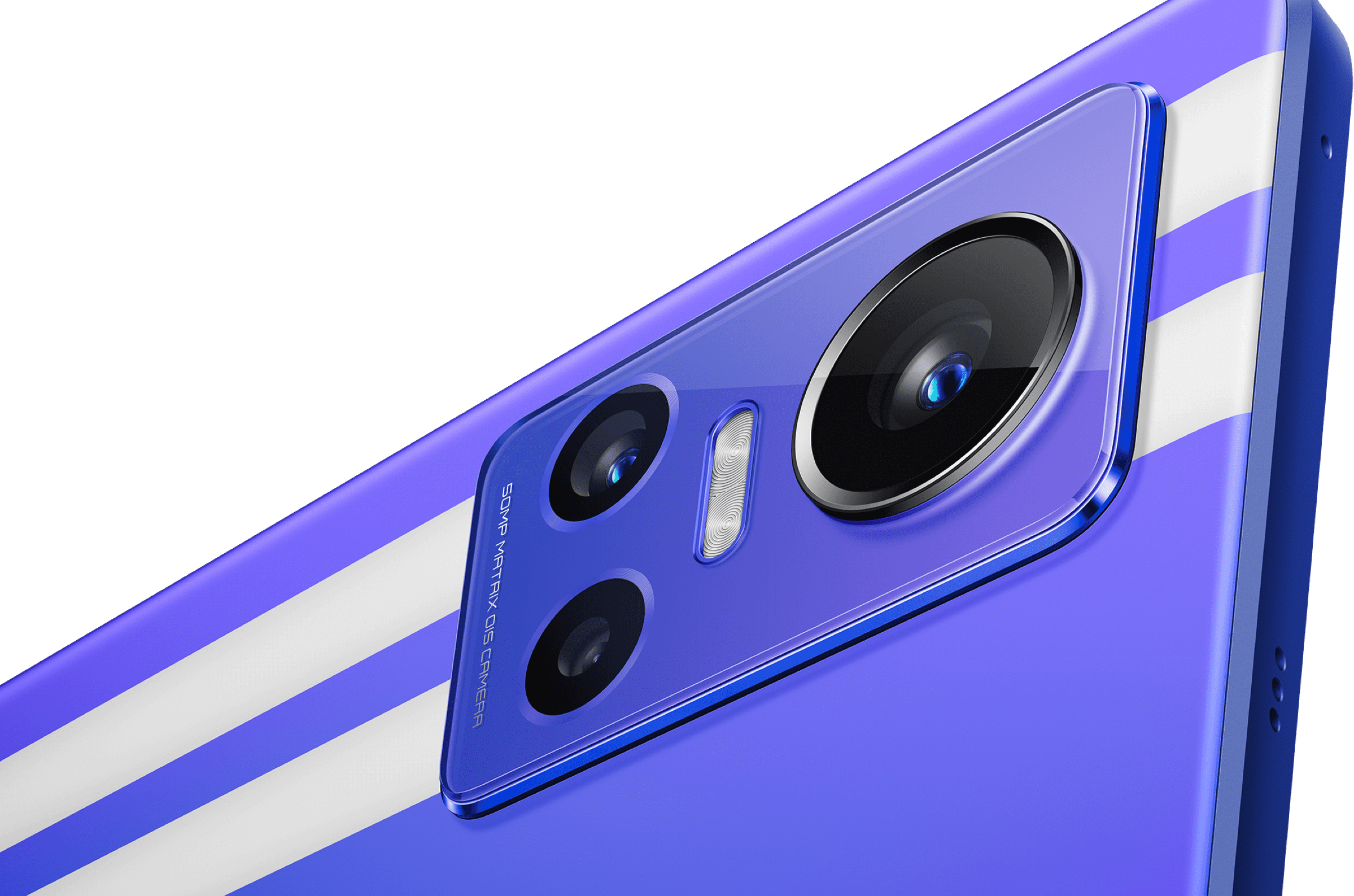
Redmi is gearing up to launch the new K-series phone(s) in India and is trying to build hype around it. Recently, it held a promo campaign to celebrate the third anniversary of the Redmi K20 series in various cities across India. Now, the brand has released a new tweet that reads, “K Is Back.” If rumors are to be believed, the Redmi K50i 5G smartphone may be released in the country this month.
A Xiaomi device with a 22041216I model number was recently approved by the Bureau of Indian Standards (BIS). This device is expected to debut in India with the Redmi K50i 5G name. Earlier this year, Redmi launched the Redmi Note 11T Pro in China. This device was recently rebranded as the POCO X4 GT in the global market. In India, it will arrive with the Redmi K50i 5G name.
Redmi K-series teased in India
China’s Redmi Note 11T Pro+ 5G is also expected to debut in India with the Redmi K50i Pro 5G name. It remains to be seen whether it will debut alongside the K50i 5G.
Redmi K50i 5G specifications (rumored)
The Redmi K50i 5G will feature a 6.6-inch IPS LCD FHD+ 144Hz display. It runs on the MIUI 13 based Android 12 OS. The handset is powered by the Dimensity 8100 chipset. It will arrive in two options: 6 GB RAM + 128 GB storage and 8 GB RAM + 128 GB storage.
It will pack a 5,080mAh battery that supports 67W fast charging. For photography, it will have a 16-megapixel front camera and a 64-megapixel (main) + 8-megapixel (ultra-wide) + 2-megapixel (macro) triple camera unit. It also features a side-facing fingerprint scanner.
The K50i 5G is likely to come with identical specs. However, it will feature a smaller 4,400mAh battery that supports 120W fast charging.
Skullcandy Sesh EVO TWS Earbuds which generally retails for $48 is now available at a heavily discounted price of $29.99 only on Amazon US. This is a limited-time offer.
Beautifully designed case with gorgeous and eyecatching color options
Battery: 5 hours playback on a single charge, 19 hours with the case
Rapid Charge: 10 mins of charge will give you 2 hours of playback
IP55: Sweat, water, and dust resistant
Built-in Tile technology helps to track your earbuds in case they are lost
Smart Touch control: Skip, Play, Pause, activate assistant, and control EQ modes
Auto ON/ Connect
Use either bud solo for calls
Colors: Bleach Blue, Mint, Blue, Black, Grey, and Red
Generally retailing for $48, you can now buy Skullcandy Sesh EVO TWS Earbuds at a discounted price of $29.99 only on Amazon US. This is a limited-time offer. So place your order before the deal expires.
For more information on such exciting deals and offers check out our deals hub.
* Please Note: When you buy something using the links in our articles, we may earn a small commission at no cost to you.
Yesterday, Xiaomi announced the Xiaomi 12S lineup as the world’s first Snapdragon 8+ Gen 1 powered smartphones. Brands like ASUS, Red Magic, and Realme are next in line to launch their SD8+G1 flagships. During the unveiling event of the Xiaomi 12S, iQOO released a Weibo post to reveal that the iQOO 10 series is coming soon.
The below-shown poster released by the brand only reveals that the iQOO 10 lineup will be equipped with the Snapdragon 8+ Gen 1. Past reports have revealed that the series will include two models, the iQOO 10 and the iQOO 10 Pro. Some tipsters from China have claimed that the iQOO 10 lineup may go official on July 19.
The iQOO 10 Pro, which has a model number of V2218A, recently appeared in the database of the TENAA certification site with all its major specifications. While there is no information on the specs of the vanilla model, its leaked renders have revealed a dual-tone design and a gimbal OIS-enabled triple camera unit. It appears that the iQOO 10 Pro may also arrive with a similar design.
iQOO 10 Pro specifications (rumored)
The iQOO Pro will come with a 6.78-inch AMOLED display that offers a QHD+ resolution, a 120Hz refresh rate, and an ultrasonic in-display fingerprint scanner. It will run the Android 12 OS with the iQOO UI on top.
iQOO 10 Legend BMW edition
The iQOO 10 Pro will be powered by the Snapdragon 8+ Gen 1 chipset. It will have up to 16 GB of LPDDR5 RAM, and up to 512 GB of UFS 3.1 storage.
The triple rear camera setup of the iQOO 10 Pro will include a pair of 50-megapixel cameras and a 14.6-megapixel lens. The latter appears to be a telephoto lens with a 3x zoom. The smartphone is likely to house a 4,550mAh dual-cell battery. It is expected to be the first smartphone in the world to offer 200W fast charging. Reports have also claimed that it will support 65W wireless charging.
Xiaomi unveiled the Xiaomi 12S, 12S Pro, 12 Pro Dimensity edition, and 12S Ultra in China. It appears that none of these devices may be released in markets outside China. As far as India is concerned, the company is expected to release the Xiaomi 12T lineup, which may include a vanilla model and a Pro variant. Tipster Kacper Skrzypek has tipped the name of the processor that will drive the Xiaomi 12T.
The Xiaomi 12T lineup is said to include two devices with “plato” and “diting” codenames. The former is expected to debut on the market with the Xiaomi 12T moniker, whereas the latter may carry the Xiaomi 12T Pro marketing name.
Xiaomi 11T
According to a previous report by Xiaomiui, the “plato” device was found listed in the MtkList in the Mi Code. It means that it will be powered by a MediaTek chip. Now, tipster Skrzypek has claimed that the 12T will be equipped with the Dimensity 8100-Ultra chipset. So, it looks like the Snapdragon 8+ Gen 1 mobile platform could be used to power the Xiaomi 12T Pro.
The Xiaomi 12T has recently bagged approval from the FCC certification site, which indicates that it may not take too long for it to go official. The FCC listing revealed that the 12T will offer connectivity features like Wi-Fi 802.11ax, 5G (7 bands), Bluetooth, GPS, and an IR blaster. It will be arriving in two configurations: 8 GB RAM + 128 GB storage and 8 GB RAM + 256 GB storage.
The Xiaomi 12T Pro is likely to come with specs like a 120Hz AMOLED display, OIS-enabled rear cameras, 8 GB of LPDDR5 RAM, 128 GB / 256 GB of UFS 3.1 storage, and 120W fast charging. It is speculated that the Xiaomi 12T and 12T Pro will be rebranded as the Redmi K50S and Redmi K50S Pro, respectively, in China.
iQOO is working on the iQOO 10 series of smartphones for China. However, India is expected to receive a different flagship phone, which is called the iQOO 9T. A new report by GSMArenahas revealed the release timeframe of the 9T.
The publication has learnt through iQOO that the iQOO 9T will be debuting by the end of this month (July) in India. The company has also confirmed that the device will be powered by Qualcomm’s most powerful mobile chip, the Snapdragon 8+ Gen 1 chipset.
The iQOO 9 Pro carries a starting price of Rs 64,990 (~$823) in India. Hence, it is likely that the iQOO 9T may arrive with a similar price tag in the country.
As mentioned above, iQOO is planning to iQOO 10 and 10 Pro smartphones in China later this month. At present, it is unclear whether the iQOO 10 or 10 Pro will be rebranded as the iQOO 9T in India. Also, there is no other information on the other specs of the iQOO 9T.
A recent report revealed that the iQOO 9T will arrive with a 6.78-inch AMOLED E5 LTPO 2.0 panel that produces a Quad HD+ resolution and a 120Hz refresh rate. The SD+8G1 phone is likely to arrive in 8 GB RAM + 128 GB storage and 12 GB RAM + 256 GB storage variants. Its battery size is not known yet, but it is said to support 120W fast charging.
OPPO recently announced the Reno 7A: the last ever phone from the Reno7 Series. It went official in the Japanese market and it is one of the few budget phones with a waterproof body in the market. Right after, Motorola came up with the Moto G52j: a device that seems released just to compete with the Reno. Indeed, just like the 7A, it has a waterproof body and the same processor, and it is sold in the same price range. But which one is the best waterproof budget phone? This is a comparison between the main specifications of the OPPO Reno 7A and the Motorola Moto G52j which will give you an answer.
OPPO Reno 7A vs Motorola Moto G52j
OPPO Reno 7A
Samsung Galaxy A52s 5G
DIMENSIONS AND WEIGHT
159.7 x 73.4 x 7.6 mm, 175 g
N/D
DISPLAY
6.4 inches, 1080 x 2400p (Full HD+), AMOLED
6.8 inches, 1080 x 2460p (Full HD+), IPS LCD
PROCESSOR
Qualcomm Snapdragon 695 5G, octa-core 2.2 GHz
MEMORY
6 GB RAM, 128 GB – micro SD slot
SOFTWARE
Android 11, ColorOS
Android 11, My UX
CONNECTIVITY
Wi-Fi 802.11 a/b/g/n/ac, Bluetooth 5.1, GPS
Wi-Fi 802.11 a/b/g/n/ac, Bluetooth 5.1, NFC, GPS
CAMERA
Triple 48 + 2 + 2 MP camera, f/1.7 + f/2.2 + f/2.4
16 MP f/2.4 front camera
Triple 50 + 8 + 2 MP camera, f/1.8
13 MP front camera
BATTERY
4500 mAh, fast charging 18W
5000 mAh, fast charging 15W
ADDITIONAL FEATURES
Dual SIM slot, 5G, IP68 certification
Design
The most beautiful design belongs to the OPPO Reno 7A. It looks very minimalistic and modern, with flat borders and the OPPO Glow finish. It is more compact, thinner, and lighter than the Motorola Moto G52j because it has a smaller display and a smaller battery. Its rear side is cleaner and the phone looks like a higher-end device, even though it is made of polycarbonate. Unfortunately, the Motorola Moto G52j is bigger and chunkier, not exactly the most elegant phone out there. But these two phones share an important thing in common: their waterproof body. Thanks to the IP68 certification, they are able to go underwater up to 1.5 meters deep without any damage for a maximum time of 30 minutes, and they are even dustproof. It is very hard, almost impossible in 2022, to find an affordable phone with the IP68 certification.
Display
The OPPO Reno 7A wins the display comparison very easily. Unlike its rival, it comes with an AMOLED display showing more brilliant colors and deeper blacks. The display is more compact, but its image quality is actually higher. The screen has a 90 Hz refresh rate, a Full HD+ resolution of 1080 x 2400 pixels, a touch sampling rate of 180 Hz, and even an in-display fingerprint reader. The Motorola Moto G52j comes with a below-average IPS LCD display sporting a Full HD+ resolution of 1080 x 2460 pixels and the fingerprint scanner is side-mounted instead of being inside the display. But the display of the Motorola Moto G52j is very good for gamers because it has a wide 6.8-inch diagonal and a very high 120 Hz refresh rate allowing for a smoother viewing experience.
Specs & Software
The hardware departments of these two phones are exactly the same. They are powered by the Qualcomm Snapdragon 695 5G mobile platform with an octa-core architecture, built at 6 nm and running at a max frequency of 2.2 GHz. It is a good SoC for the midrange segment, providing sufficient performance in every scenario and the 5G connectivity as well. The chipset is paired with 6 GB of LPDDR4x RAM and 128 GB of UFS 2.2 internal storage which you can furtherly expand with a micro SD. They are good phones in terms of performance, but they are far from the high-end segment. They run Android 11 out of the box. The OPPO Reno 7A has a highly customized user interface on top, while the Motorola Moto G52j has a nearly-stock Android version with My UX.
Camera
The Motorola Moto G52j is a more advanced camera phone because it has better sensors on the rear side. The main camera is a 50 MP shooter which is actually better than the 48 MP main camera found on the OPPO Reno 7A. The 7A lacks an ultrawide camera, while the Motorola Moto G52j provides an 8 MP ultrawide lens. On the other hand, the Reno has a better front camera with a 16 MP resolution, thanks to which you can shoot selfies with a higher level of definition.
Battery
Besides being a better camera phone, the Motorola Moto G52j is even a better battery phone. It has a bigger 5000 mAh battery which lasts more on a single charge in a lot of scenarios, while the OPPO Reno 7A has just 4500 mAh on board. So there is no doubt about the phone that provides the longest battery life, even though the Reno has a more efficient AMOLED display.
Price
The OPPO Reno 7A can actually be purchased for about $334/€320, while you need $310/€297 to grab a unit of the Motorola Moto G52j. Note that these two phones are only available in Japan, there is no other market which got them and we do not know whether or not these devices will make their way to other regions. The OPPO Reno 7A wins the design and display comparisons (as well as the software comparison thanks to a better user interface), while the Motorola Moto G52j has better cameras and a bigger battery. Which one would you pick?
Other than all these launches, the company also debuted a new tri-band mesh router called the Xiaomi HomeWiFi. So let’s take a look at this new router.
Xiaomi HomeWiFi Tri-band Mesh router
According to Xiaomi, the HomeWiFi mesh router is designed for large size apartments (150m²) or up to 5 stories of an apartment complex (1500m²). The router comes in pair of two units that automatically link together once turned on. At once, a maximum of 10 units can be linked together to cover the maximum area of 1500m².
Coming to the features, it offers a total of three band options including 2.4GHz, 5GHz, and mesh. Each HomeWiFi unit comes equipped with eight antennas and eight signal amplifiers for maximum range. The device is also capable of connecting up to 600 smart devices at once without much impact on performance.
Other than that, there are also a couple more interesting features offered with the router. It allows users total control over connections, meaning you can easily connect or disconnect a device from the router by just pressing a tab on your smartphone. The router also offers a quick connection with the use of NFC. With this feature, guests need to just touch their NFC-enabled devices to the router and it will automatically connect to their smartphone without the need for a password.
Pricing & availability
The Xiaomi HomeWiFi Tri-band mesh router can be purchased for a price of 1,499 Yuan ($224) in China. It is offered in a single black color option.
Xiaomi has launched today its latest flagship phone the Xiaomi 12S Ultra. And you can now pre-order the phone for $1199 only on Giztop. Please note that this is a pre-order and the actual shipping will start from July 10, 2022.
E-commerce giant Amazon plans to replace its van delivery fleet in London with e-cargo bikes. The move was motivated by the online retailer’s goal of cutting down on its carbon footprint. Amazon is opening a micromobility hub in Hackney as part of this effort.
Amazon will replace thousands of its delivery vans with e-cargo bikes and on-foot delivery staff that will be seen in London. The Hackney Micromobility hub is Amazon’s first and it hopes to make up to 5 million deliveries a year. The areas covered are about 10% of London’s ultra-low emission zone passcode districts. Amazon is also planning on expanding the program to cover other cities in the UK. It is a part of the broad objectives of Amazon to cut down on carbon emissions.
The e-cargo bikes will be operated by several Amazon partner businesses and the program comes two years after Amazon was named as a partner in the London Wall car park project. The project itself is however yet to kick off. According to Amazon UK’s chief, John Boumphrey Amazon is pursuing a global net-zero carbon status. This has been reflected in the transformation of its transportation networks to electric-compliant. The program will be scaled up in other parts of the UK with the opening of micromobility hubs in the coming months.
The Amazon e-cargo delivery system will improve air quality in its service area, especially for people in Hackney, east London. The UK government is incentivizing the use of e-bikes. It has also ramped up the provision of the needed infrastructure to support the reduction of carbon emissions across its economic chain.
Chinese automaker Beijing Auto Works (BAW) has launched its Yuanbao electric mini car with a range of up to 170km in China. The Yuanbao is a three-door electric mini that squares nicely with the Hongguang Mini EV and the QQ Ice Cream from Cherry. Four models of the Yuanbao are available based on their range between 120km and 170km. The Yuanbao is priced between ¥33,900 ($5,060) and ¥49,900 ($7,400).
The launch of the Yuanbao coincided with the 71st anniversary of BAW and the mini is targeted at women. It has four seats, three doors, and a female-centric design. BAW has evolved into an independent entity from its parent company, BAIC. All its products now bear the BAW moniker as part of their names.
The BAW Yuanbao sports a square body shape, round rectangular headlights, and a closed grille front design. The BAW Yuanbao is fitted with 155/65 R13 tires with steel rims and wheel covers complementing the design.
The BAW Yuanbao draws inspiration from Chinese culture. The Yuanbao was a form of gold and silver ingot currency used during the imperial era in China. It symbolizes wealth and BAW is wishing the users of the Yuanbao good fortune. BAW has not provided details on the release date for the Yuanbao yet. A four-door version of the Yuanbao is reportedly also being developed. The BAW Yuanbao is powered by a 200kW rear-wheel-drive motor that delivers a top speed of 100km/h. Two battery pack options are available for the Yuanbao – 9.6kWh, and 13.6kWh.
The Yuanbao has a surround camera system that offers 360 degrees views at any time. There are radars in the front and rear of the car, an electronic braking system, and an assist starting function for difficult angular terrains. There are disc brakes at the front while drum brakes are used at the rear.
KODAK has launched several charging accessories in India. The KODAK-branded accessories include a wireless charging pad, three MagSafe wireless chargers, and a PD+QC USB wall charger with fast charging capability. The chargers come in sleek, elegant, and all-black designs. The new charging accessories are available from Amazon India and are priced between Rs. 799 (~$10) and Rs. 3,799 (~$48).
The new KODAK premium smartphone charging accessories are made from strong copper coils and neodymium (MagSafe chargers). The KODAK chargers can be used at home or in the office, as well as on the go. The wireless chargers come with safety features that prevent overcharging, current surge, over-voltage, overheating, and short circuit problems. They offer maximum safety for devices being charged. Auto-sensing is also featured in the KODAK chargers with up to 15W power.
The KODAK Magnetic Wireless Chargers (WCM201 and WCM101C) offer different sturdy supports while charging. The WCM201 is compact, portable, and can serve as a kickstand while charging. The WCM101C has a flexible head and a clamp for use inside your car. It keeps your smartphone charged while driving and using the phone’s GPS.
The KODAK Magnetic 3-in-1 Wireless Charger (WCM500) is MagSafe-compatible. It is a compact stand with an arched shape and serves as a MagSafe wireless charger for AirPods, iPhone 12, and the Apple Watch. It can charge multiple devices simultaneously.
The KODAK Wireless Charger (WC300) is suitable for charging your workstation. It is compatible with either Apple or Android devices from a wide range of brands. It also functions with and USB-C charger while providing a solid and secure platform for charging your device. The PA320 is a dual-port power adapter (PD and USB). It supports USB-A and USB-C charging and comes with BIS safety certification.
The least expensive accessory in the lineup is the PA320 Power Adapter at Rs. 799 (~$10) while the premium offering is the WCM500 at Rs. 3,799 (~$48). A 1-year warranty goes with all the KODAK charging accessories. All the products will be available on Flipkart and Amazon India. The specific release date though is still unknown at this time.
Xiaomi has launched the MIJIA 536L refrigerator at an introductory price of ¥2,199 (~$329). The new MIJIA refrigerator has two doors and can accommodate up to 20 storage compartments. It has a 536-liter capacity and is priced at ¥2,999 (~$448).
The MIJIA 536L refrigerator is divided into a 189-liter freezer space and a 347-liter refrigerated space. Xiaomi says the new refrigerator can hold 309 ice cream boxes and 487 apples. The refrigerator is designed with black feather rock panels, hot-melt carbon ion technology, and a natural rough stone texture. The two doors of the Mijia 536L refrigerator each have 9 layers of polished door material. The refrigerator is just about 67cm thick and can fit snugly in small spaces.
There are four modes supported by the LED touch panel on the door. The modes are intelligent regulation, quick cooling, quick freezing, and holiday. There is internal LED lighting in the Mijia 536L refrigerator. The refrigerator uses an inverter fan with an inverter compressor for cooling. The sinking air outlet design helps to deliver cold air to every corner of the fridge. It avoids direct air contact and prevents shriveling of vegetables. The power consumption of the refrigerator is 0.96kWh/day and its noise level is 36dB.
The Mijia 536L refrigerator is a smart home device and can be connected to the Mijia App. This will enable the user to control temperature and mode settings remotely. The refrigerator also supports Xiao AI voice assistant. The Mijia 536L side-to-side refrigerator will be available in China from July 12 but reservations have already commenced. There are no details yet on its global availability.
However, these are not the only new products from the brand as they have also debuted the Xiaomi Band 7 Pro. So, let’s take a look at the new smart wearable.
Xiaomi Band 7 Pro specs & features
Starting with the design, the Band 7 Pro looks more like a smartwatch than a smart band due to its large display. It has a 1.64-inch rectangular AMOLED display with 280 x 456p resolution and 326ppi pixel density. The smart band offers the Always On Display feature and houses an ambient light sensor that provides auto-brightness functionality. The wearable has 180+ new watch faces and comes with a 2.5D glass on top.
Xiaomi Band 7 Pro special colors
Health features offered on the smart band include all-day heart rate and blood-oxygen tracking. These features come with an alert system that will make the watch vibrate if the user’s SpO2 levels dip below a certain threshold. Other than that, the Mi Band 7 Pro also offers sleep tracking, documenting the user’s light, deep, and REM sleep.
Coming to fitness features, the smart band has 117 exercise modes, including 10 running courses that offer varying difficulty levels. Additionally, users also get access to 14 professional sports modes and a feature that lets them compete against their friends by winning medals for daily steps taken, calories burned, and other readings.
The wearable comes with a 235mAh battery that the brand states can last up to 12 days with regular use and 6 days of heavy use. It takes around an hour to fully charge. For connectivity and navigation, the smart band has GNSS support, NFC support, and Bluetooth 5.2. It also has 5ATM waterproofing.
Pricing & availability
The Xiaomi Band 7 Pro is currently on sale in China for an introductory price of 380 Yuan ($57). This offer will last till Thursday, after which, the Band 7 Pro will cost 400 Yuan ($60).
Xiaomi held a news conference today that heralded the launch of the Xiaomi 12S series. The company also launched a new laptop series which is the Xiaomi Book Pro 2022. The new notebook is available in two sizes – 14-inch and 16-inch models.
Xiaomi Book Pro 14 2022
The Xiaomi Book Pro 14 2022 comes with the flagship E4 OLED screen with a self-developed 3D LUT color correction algorithm, a first for Xiaomi. The display has a resolution of 2880×1800 pixels, with up to 90% screen-to-body ratio and a 16:10 aspect ratio. The screen has a peak brightness of up to 600nits and supports 100% DCI-P3 wide color gamut, and 100% sRGB color gamut.
The laptop utilizes an aviation-grade aluminum alloy body manufactured using a high-end CNC integrated carving process. The body weighs only 1.5kg, and has a thickness of 14.9mm, making it extremely portable.
The notebook will be powered by an upgraded 12th-generation Intel Core P platform, with optional Core i5-1240P, advanced heterogeneous architecture, 12 cores and 16 threads, turbo frequency up to 4.4GHz, and performance release up to 35W. And it has passed the stringent Intel Evo certification. Other hardware includes 16GB LPDDR5-5200 memory, 512GB PCIe 4.0 hard drive, 100W gallium nitride charger, 56Wh large battery, and two full-featured USB3.2 Gen2 ports. The laptop also supports PD charging + DP 1.4 charging and packs a Thunderbolt 4 interface as well as a 3.5mm audio interface.
In other respects, Xiaomi Book Pro 14 2022 also supports Dolby Vision certification, VESA Display HDR 500 certification, TÜV Rheinland hardware low blue light certification and Eye Care Display dual certification for eye protection, and the Light Sensor smart light-sensing function can automatically adjust the brightness of the screen and keyboard.
In terms of control, the Book Pro 14 2022 is Xiaomi’s first touch-screen notebook, which supports 10-point high-definition touch and Win11 gesture operations, as well as the self-developed pressure-sensitive touchpad that comes standard with the whole system. The broadband X-axis linear motor has a more sensitive response and a more realistic touch. It can replace the mouse operation, and the experience is said to be comparable to the MacBook Pro series.
In terms of heat dissipation, although the Xiaomi Book Pro 14 2022 is very thin and light, it is also equipped with dual fan radiators, dual air outlets, 8+6mm dual heat pipes, and the C-side keyboard and D-side grille have been specially treated to improve the performance. cooling efficiency.
For software, Xiaomi Book Pro 14 2022 is pre-installed with genuine Windows 11 and also comes with a full set of Xiaomi’s ecological software, including MIUI+, Xiaomi Computer Assistant, XiaoAI.
Xiaomi Book Pro 16 2022
The Xiaomi Book Pro 16 2022 obviously has a larger 16 inches display. The design is basically the same as that of the Xiaomi Book Pro 14 and is manufactured using the same material and process. It also has a thickness of 14.9mm.
The Xiaomi Book Pro 16 is also powered by a 12th-generation Intel Core P series processor paired with 16GB LPDDR5-5200 memory and 512GB PCIe 4.0 hard drive, but the battery is increased to 70Wh making the 16-inch version potentially offer a longer battery life.
Other aspects are similar to the Xiaomi Book Pro 14 2022 version, including high-definition touch, pressure-sensitive touchpad, Thunderbolt 4, 100W GaN charging adapter, and more.
Pricing and Availability
The Xiaomi Book Pro 14 2022 starts at 5899 yuan (~$881) for the Intel Core i5 version. On the other hand, the Xiaomi Book Pro 16 2022 Intel Core i5 version is priced at 7399 yuan (~$1,105). The models will go on sale in China from July 8th via Xiaomi Mall, Xiaomi Youpin, Xiaomi Home, JD.com, Tmall, and Pinduoduo channels.
Earlier today, Xiaomi launched the Xiaomi 12S series consisting of the Xiaomi 12S, the Xiaomi 12S Pro, and the Xiaomi 12S Ultra. Other than that, the brand has also refreshed the Xiaomi 12 Pro with the latest MediaTek Dimensity chipset. So, let’s take a look at the device.
Specs & features
The Xiaomi 12 Pro Dimensity Edition comes with the same design as the Xiaomi 12 Pro Snapdragon edition and retains almost all of its features. The main difference is that the device is powered with the MediaTek Dimensity 9000+ chipset. The chipset is essentially an overclocked version of the Dimensty 9000 chip. It is made using TSMC’s 4nm node which provides better energy efficiency compared to the Snapdragon 8 Gen 1 chipset.
Comparing it to the Dimensity 9000 chipset, Xiaomi promises a 5% better CPU performance and 10% better GPU performance than the stock chip. To keep the thermals down, the company has also introduced an all-new 3D cooling system for the device. The brand claims that users can play Honor of Kings for over 30 minutes and the average temperature will be around 43.8 degrees. As for Genshin Impact, the game can be played for half an hour at 60 FPS and the temperatures will average around 45 degrees Celcius.
Xiaomi has also provided a bigger 5160mAh battery, however, the fast charging speed has been reduced to 67W. As for the display, it has a 6.73-inch 2K panel E5 AMOLED panel with LTPO 2.0 technology and a peak brightness of 1500nits. The screen is also protected by the Corning Gorilla Glass Victus. Additionally, the display features Dolby vision and HDR10+ certification.
The primary camera remains the same, however, the other two sensors on the device have been switched up. It has a 50-megapixel Sony IMX707 primary sensor, paired with a 13-megapixel ultra-wide camera and a 5-megapixel telephoto camera. On the front, the device has a 32-megapixel selfie snapper. The camera setup appears to be drastically weaker than the Snapdragon version which has 50-megapixel sensors for all three rear cameras.
Other than that, the device has a Harman Kardon stereo speaker setup with Dolby Atmos tuning and Hi-res Audio certification. It comes with WiFi 6, 5G and Android 12-based MIUI 13 out of the box.
Pricing & Availability
The Xiaomi 12 Pro Dimensity Edition has a starting price of 3,999 Yuan ($597) for the 8GB + 128GB model. The 12GB + 256GB has a price tag of 4,499 Yuan ($671). The company has debuted it in two colors, Blue and Black. The company has announced that a limited number of devices will be available for purchase starting tomorrow, so it is better to pre-book the smartphone if you want one.
The highly anticipated Xiaomi 12S series is finally here. The company announced the three smartphone models earlier today (4th July 2022), and now, lets have a look at the top end 12S Ultra model from the latest flagship lineup.
Design
The new premium smartphone from the Chinese tech giant features a cow skin texture on the rear. Xiaomi 12S Ultra’s back also houses a large rectangular camera island that also houses a smaller circular module for the image sensors. This camera island even features the Leica branding, signifying the new partnership and is made to resemble an actual camera with a circular lens. Notably, the circular camera module’s bump is also made from 23K gold rim.
Notably, the leather is eco friendly in nature and is based on silicon. It will also not turn yellow overtime and is also dirt and wear resistant as well. Meanwhile, the front features minimal bezels and chin and has a center aligned punch hole camera at the top of the display. The handset also comes with IP68 water and dust resistance rating. The company has also placed an emphasis on its cooling system, with the thermal management using a design inspired by the veins on the leaves.
Specifications
The 12S Ultra is the top model from the new flagship series, thus, it features Qualcomm’s latest and greatest Snapdragon 8+ Gen 1 SoC, which is based on the 4nm process. This chipset is paired with up to 12GB of LPDDR5 RAM and up to 512GB of UFS 3.1 internal storage. On the front, the new device sports a 6.73 inch LTPO 2.0 AMOLED display that has a 2K resolution, 120Hz refresh rate, 1500 nits of peak brightness, and 521ppi pixel density. The screen also has a Dolby Vision and HDR10+ certification as well.
Notably, the display also houses an optical under display fingerprint scanner. It even arrives with Harman Kardon tuned stereo speaker system. Other features include, WiFi 6E, Bluetooth 5.2, IR Blaster, Surge G1 power management chipset, and Android 12 OS based MIUI 13 custom skin out of the box.
Under the hood, the Xiaomi 12S Ultra is powered by a large 4,860mAh battery pack that supports 67W fast wired charging. Although, it also supports 50W wireless fast charging and even 10W reverse charging as well. With wired charging, the device can reach 50 percent charge in just 15 mins, while wireless charging can help it reach 40 percent in 15 minutes.
Camera
Thanks to the new collaboration between Xiaomi and Leica, the 12S Ultra features a Leica Summicron lens system on the back. The device features a triple camera setup that consists of a primary camera, which is the Sony IMX989 sensor that has a large 1 inch sensor size and a 50 megapixel resolution. The main shooter also comes with HyperOIS and is capable of recording 8K videos as well. Furthermore, it is paired with a 48 megapixel ultra wide angle lens that has 128 degree FOV, and another 48 megapixel telephoto lens that offers up to 120x magnification and supports OIS.
Pricing & Availability
The Xiaomi 12S Ultra is available in two color options, including a Black and Green variant. It has been launched in multiple storage configurations, with its 88GB + 256Gb model starting from 5,999 Yuan (roughly 896 US Dollars). The 12GB + 256GB model costs 6,499 Yuan (roughly 971 US Dollars) and the 12GB + 512GB model costs 6,999 Yuan (roughly 1,045 US Dollars).
Huawei Watch Fit 2 has launched in China. It debuted globally in May this year. The latest offering is the successor to the last year’s Watch Fit. The wearable device packs a host of health and convenience-related specifications and features.
The Huawei Watch Fit 2 comes with a rectangular AMOLED display measuring 1.74-inches and bearing an HD resolution. It offers an Always-on display and various customisable watch faces. The device is water-resistant up to 50 meters.
In terms of fitness, the Huawei Watch Fit 2 is equipped with a heart rate monitor and a SpO2 sensor. It is capable of tracking sleep patterns, stress levels, and menstrual cycle for women. The wearable device offers support for 97 workout modes. It also features seven animated workout modes.
The Huawei Watch Fit 2 is equipped with a microphone for hands-free voice calls via Bluetooth connection to a smartphone. It supports GPS, Beidou, GLONASS, and Galileo. The device offers convenient features like controlling music playback, social media notifications, and more. The Watch Fit 2 is backed by a 292mAh battery unit that is capable of lasting up to 10 days on a single charge.
The Huawei Watch Fit 2 is offered in a range of colour options including Isle Blue, Sakura Pink, Midnight Black, Nebula Grey, Moonlight White, Frosted Silver, and Gilt Gold. The wearable device carries a price tag of Yuan 799 ($119).
Xiaomi 12S series has debuted in China. The lineup comprises a standard, Pro, and Ultra variant. Alongside the smartphones, the brand has also launched the Xiaomi Band 7 Pro and Xiaomi Book Pro 2022. The latest offering in the Xiaomi 12S series join the Xiaomi 12 and 12 Pro that debuted in December 2021. The Xiaomi 12S Pro is the more premium offering among the standard and Pro variants.
Xiaomi 12S and 12S Pro specifications and features
The Xiaomi 12S and 12S Pro are slightly different from each other apart from similar hardware. Beginning with the display, the regular variant features a 6.28-inch screen whereas the Pro model features a larger 6.73-inch screen. Both phones offer an AMOLED panel with FHD+ resolution and a 120Hz refresh rate.
On the photography front, the Xiaomi 12S series is equipped with Leica-branded rear cameras. The setup on the 12S includes a 50MP primary sensor, a 13-megapixel ultra-wide lens, and a 5-megapixel telemacro unit. On the other hand, the Pro model has a 50MP Sony IMX707 main snapper with OIS support, a 50MP ultra-wide lens, and a 50MP telephoto snapper with 2x optical zoom. Both devices are fitted with a 32MP front-facing snapper.
Under the hood, the Xiaomi 12S duo are equipped with a Snapdragon 8+ Gen 1 processor. Both devices pack up to 12GB LPDDR5 RAM and 512GB UFS 3.1 storage. The regular variant is backed by a 4,500mAh battery with support for 67W wired charging whereas the Pro model draws its power from a 4,600mAh cell with support for 120W wired. Both smartphones also come with 50W wireless and 10W reverse wireless charging.
The Xiaomi 12S and 12S Pro come with other common features includes an under-display fingerprint scanner, Gorilla Glass Victus protection on front and rear, Android 12 OS with MIUI 13 on top, dual SIM support, Wi-Fi 6E, Bluetooth 5.2, dual-frequency GPS, IR blaster, NFC, and a USB Type-C port.
Xiaomi 12S and 12S Pro pricing and availability
The Xiaomi 12S starts at Yuan 3,999 ($597) for the base 8GB + 128GB variant whereas 8GB + 256GB option costs Yuan 4,299 ($642). The 12GB + 256GB and 12GB + 512GB configurations are priced at Yuan 4,699 (702) and Yuan 5,199 ($776) respectively. The aforementioned RAM and storage configurations of the Xiaomi 12S Pro are priced at Yuan 4,699 ($702), Yuan 4,999 ($746), Yuan 5,399 ($806), and Yuan 5,899 ($881).
Last month, rumors emerged that Vivo is gearing up to debut the Vivo V77 series. The series is expected to consist of two smartphones – Vivo Y77 5G and the Vivo Y77 Pro 5G. Tipster Paras Guglani revealed that one of these devices (probably the Pro variant) will have 80W fast charging and house the Dimensity 8100.
Now, a new Rootmygalaxy has revealed renders and also listed the specifications of the upcoming Vivo Y77 5G smartphone. So, let’s take a look.
Design
Design-wise, the Vivo Y77 5G looks pretty similar to the Vivo T1 Pro 5G. It has flat edges, a notched display, and three lenses placed in two large cutouts. The back of the device is finished with Glittering AG matte.
Specifications
Coming to the specifications, the V77 5G will come with a 6.58-inch Full-HD+ display with 60Hz refresh rate.
Under the hood, it comes equipped with a Dimensity 810 5G chipset and operates on Android 12 out of the box. The device will be offered in a single configuration of 8GB RAM and 256GB storage. The storage, however, can be expanded ut to 1TB using the SD card slot.
For optics, the smartphone will feature a 50-megapixel primary camera with autofocus and a 2-megapixel macro sensor. On the front, the smartphone will feature a 16-megapixel selfie snapper. Other than that, the device will feature a 5000 mAh with support for 18W fast charging and a side-mounted fingerprint sensor for security.
The device will be offered in two colors Glowing galaxy and Starlight black. As for the pricing, the device is said to have a price tag of RMB 1,299 ($194). It will debut on July 7th and will be available to purchase on e-commerce sites like Lazada, Shopee, and others.
Huawei launched the Huawei P50 Pocket, a foldable smartphone, in December 2021. Back then, the phone was announced in three different color options – Black, Diamond White, and Premium Gold Edition.
In June, the Chinese smartphone maker announced two new colors – Elegant Azure Blue and the Cloud Brocade White that will go on sale today onwards at 18:09 Chinese time (+8 hours GMT). The device also features high-brightness glass and a skin-friendly plain leather splicing design.
Textured design on the Cloud Brocade White Huawei P-50 Pocket
According to ITHome new cloud brocade design is described as having one side that is light and one side that is textured.
The 256GB version of the device is priced at 8,988 Chinese Yuan ($1350 approx.), while the 512 GB version is going to cost 9,988 Chinese Yuan ($1500 approx.)
Huawei P50 Pocket Azure Blue
The Huawei P50 Pocket has a 6.9-inch foldable OLED display with a 21:9 aspect ratio, a 120Hz refresh rate, and a screen resolution of 2790 x 1188 pixels. The device’s internal hardware is a Qualcomm Snapdragon 888 4G chipset. Also, the screen flatness is enhanced by 28% thanks to a new generation of water drop hinges.
There are two memory configurations available: 8GB of LPDDR5 RAM with 256GB of internal UFS 3.1 storage and 12GB of LPDDR5 RAM with 512GB of internal UFS 3.1 storage. Additional security is provided by a side-mounted fingerprint sensor.
The smartphone has a built-in 4,000mAh non-removable battery that charges at 10V/4A. The device comes preloaded with the company’s HarmonyOS 2 operating system.
In the optics department, a 40-megapixel primary camera sensor, a 13-megapixel ultrawide lens, and a 32-megapixel ultra-spectrum sensor are all included in the phone’s camera setup. There is a 10.7-megapixel selfie camera on the front.
We use cookies on our website to give you the most relevant experience by remembering your preferences and repeat visits. By clicking “Accept”, you consent to the use of ALL the cookies.
This website uses cookies to improve your experience while you navigate through the website. Out of these, the cookies that are categorized as necessary are stored on your browser as they are essential for the working of basic functionalities of the website. We also use third-party cookies that help us analyze and understand how you use this website. These cookies will be stored in your browser only with your consent. You also have the option to opt-out of these cookies. But opting out of some of these cookies may affect your browsing experience.
Necessary cookies are absolutely essential for the website to function properly. This category only includes cookies that ensures basic functionalities and security features of the website. These cookies do not store any personal information.
Any cookies that may not be particularly necessary for the website to function and is used specifically to collect user personal data via analytics, ads, other embedded contents are termed as non-necessary cookies. It is mandatory to procure user consent prior to running these cookies on your website.