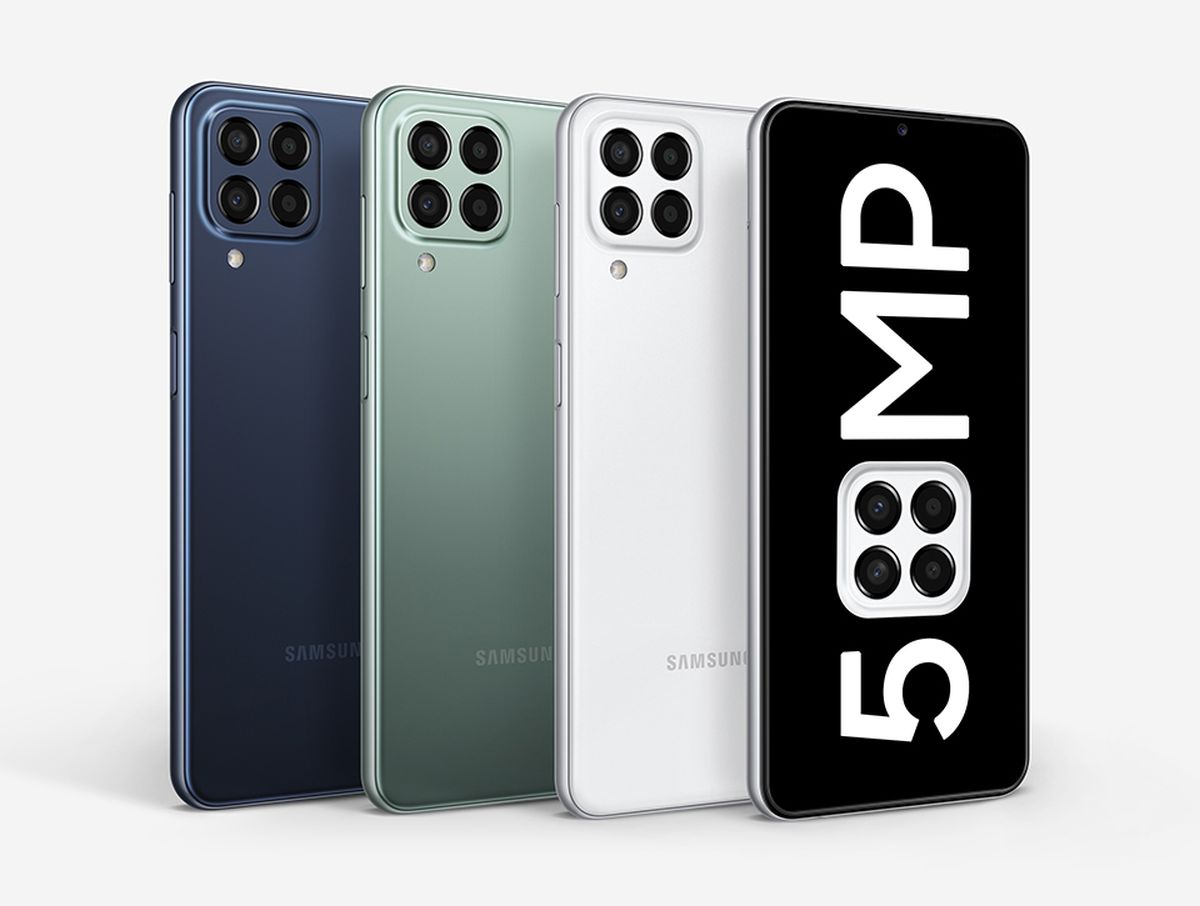
The Samsung Galaxy Jump2 has been silently announced in South Korea. As the name reveals, it is the successor to the Galaxy Jump handset, which debuted in May 2021. The original model was a rebranded version of the Galaxy A32 5G. In the same way, the Galaxy Jump2 is a rebadged edition of the Galaxy M33 5G.
Samsung Galaxy Jump2 specifications
The Samsung Galaxy Jump2 features a 6.6-inch LCD display that offers a Full HD+ resolution, a 20:9 aspect ratio, and a 120Hz refresh rate. The screen is protected by a layer of Gorilla Glass 5. The front side of the Jump2 is fitted with an 8-megapixel selfie camera.
Samsung Galaxy Jump2
The rear camera setup of the device has a 50-megapixel primary camera with an f/1.8 aperture. It is coupled with a 5-megapixel ultrawide lens and a pair of 2-megapixel cameras for capturing macro shots and adding depth effects. The device runs on the Android 12 OS, which is overlaid with One UI 4.1.
The Galaxy Jump2 has a 5,000mAh battery that carries support for 25W fast charging. The device is powered by an unspecified processor, which clocks at 2.4GHz. It appears to be the Exynos 1280 SoC.
The Jump2 has 6 GB of RAM and 128 GB of built-in storage. For security, it has a side-facing fingerprint scanner. The handset offers usual connectivity features such as dual SIM support, 5G, Wi-Fi 802.11ac, Bluetooth 5.1, GPS, NFC, a USB-C port, and a 3.5mm audio jack.
Samsung Galaxy Jump2 pricing and availability
The Galaxy Jump2 has arrived in South Korea with a price tag of KRW 419,100 (~$336). It is available for purchase through the Korean carrier KT. It comes in three colors, such as blue, green, and white.
Apple has announced a free repair program for faulty Watch Series 6 units having a specific screen problem. There is a small percentage of the 44mm Apple Watch Series 6 units that have a defective screen. The issue causes the screen to go blank permanently.
Apple Watch Series 6
The blank screen issue affects some Apple Watch Series 6 units produced between April and September 2021. Apple is therefore offering a free service to rectify the specific issue in the specified devices. Users who fall within this category can verify whether they are qualified for the free service via Apple’s official website. Using the serial number checker on the website, you can determine if your watch is eligible for the repair program. All identified owners of screen-defective units of the Apple Watch Series 6 will have their watches repaired for free. This can be done at official Apple facilities or authorized service providers.
Apple says the repair relates only to the blank screen issue in the Apple Watch Series 6. If any other issue is established in the course of the evaluation, the owner will bear the cost of such repair. Apple Watch Series 6 users globally are eligible for the repair service and covers devices bought within two years of the first sale of the product.
It is unclear what could have caused the defective screens from being identified prior to distribution to the market. Apple has not also clarified whether the specified units with this defect came from the same production batch. Apple has continued to blaze the trail in the smart wearables segment of the market. The Apple Watch Series 6 was a very successful model and helped push apple to the top. Apple followed it with the Watch Series 7, while its successor is by the corner.
Stephen Marlin, a driver of a GM BrightDrop Zevo 600 electric van has inked his name into the Guinness World Records via his remarkable feat. The driver drove his GM electric van for 260 miles (418km) on a single charge. This happens to be the longest distance traveled by an electric van on a single charge. Marlin’s achievement was announced by General Motors, whose electric van arm manufactured the BrightDrop Zevo.
Marlin drove his Zevo 600 from New York City to Washington D.C., which is a trip of about 418km (or 260 miles) on April 20, 2022. BrightDrop spokesperson, Jessica Kerr stated that Marlin was the first person to achieve a distance of 260 miles. Marlin was driving the electric vehicle under logistics giant, FedEx when he accomplished the feat. The BrightDrop Zevo 600 is an all-electric, zero tailpipe emissions delivery van with impressive capabilities.
The driver was transporting a package of sustainable cleaning products from Full Circle, a FedEx customer. Marlin had set his eyes on the record and he was supported by BrightDrop and FedEx. Officially, the Zevo 600 has a 250-mile range, but Marlin was able to squeeze more traction from the vehicle to reach 260 miles. BrightDrop is highlighting its vehicle after this World Record delivery. It says the delivery highlights the advanced capabilities and clean advantage of the electric van. The BrightDrop Zevo 600 has had a remarkable trajectory and it is the fastest vehicle to market by GM.
It has been a mixed bag of positives and negatives for Apple’s AirTags since they were launched by the tech powerhouse. There have been concerns that the device is being put to criminal use in addition to privacy concerns. However, we have continued to hear wonderful stories concerning the AirTags and relating to its original purpose. A UK man has used the AirTags in his missing luggage and a PowerPoint presentation to ask the airline for his lost bags.
On a return trip from South Africa, Elliot Sharod and his wife arrived in the United Kingdom without their luggage due to some changes in their flight trajectory. Probably anticipating issues of lost luggage, Sharod had placed an AirTag in each of the bags and was able to track them via his Find My app. The bags were tracked to Frankfurt, which was the first stop on their trip from South Africa to the UK. The airline, Aer Lungus subsequently delivered the luggage to Sharod the following day, albeit with one of the three bags still missing.
Hi @AerLingus – perhaps a PowerPoint presentation on the journey you’ve sent my lost/stolen bag on will help?
I’ve told you multiple times where it is and you’re doing nothing about it.
— AirTag Adventurer 🇬🇧🇿🇦🇹🇷🇰🇭 (@aviosAdventurer) April 22, 2022
The airline seemingly was not responsive to Sharod’s further request for his lost bag. He had used multiple channels including multiple calls, emails and tweets to complain without a resolution of the issue. Sharod subsequently deployed the tracking information from his Find My app that pinpointed the location of the bag. He used screenshots from the app to create a PowerPoint presentation he shared on multiple platforms. The airline says it has checked on the locations but the bag could not be found, possibly stolen.
Sharod has contacted the police to help recover his stolen bag. He says this has been a shocking experience with the airline. He is not impressed with the response of the airline to his missing luggage. A recent update, however, shows that the missing bag has finally been retrieved.
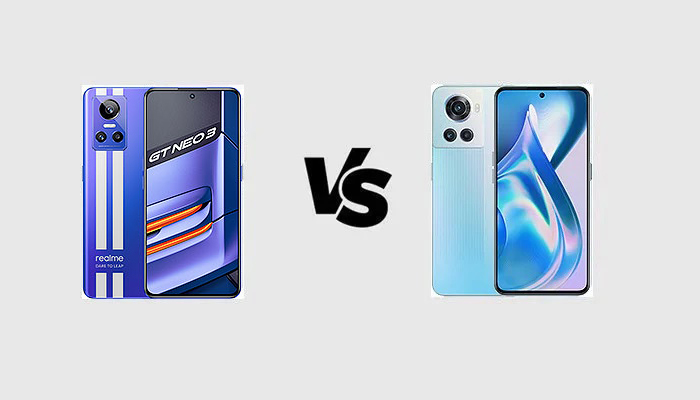
The OnePlus Ace went official a few days ago and a lot of people called it a rebrand of the Realme GT Neo3. But is that the truth? According to previous rumors, the new flagship killer would have a lot in common with the GT Neo3 and that is what made a lot of people think it was going to be a rebrand. The truth is that the OnePlus Ace is not exactly a rebrand: it has a lot of specifications in common with the Realme GT Neo3, but they are not the same device and there are a few important differences in their specs sheets. This comparison between their specifications will explain to you all of these differences.
Triple 50 + 8 + 2 MP, f/1.9 + f/2.2 + f/2.4
16 MP f/2.4 front camera
Triple 50 + 8 + 2 MP, f/1.9 + f/2.2 + f/2.4
16 MP f/2.4 front camera
BATTERY
4500 mAh, fast charging 150W or 5000 mAh, fast charging 80W
4500 mAh, Fast Charging 150W
ADDITIONAL FEATURES
5G, dual SIM slot
5G, dual SIM slot
Design
The design of the Realme GT Neo3 is very sportive and it can even be considered gaming-centric. It comes with a rear side sporting two vertical stripes thanks to which the design reminds of a sports car. It is an original design just like the ones of every other phone from the GT series. With the OnePlus Ace, you get a very original design as well, but it is more elegant and more suitable for normal users instead of gamers. With its flat borders and its singular camera module, it is very suggestive. Both the phones come with a front glass protected by Gorilla Glass 5.
Display
The displays of these two phones are exactly the same. We are talking about an OLED panel that shows up to one billion colors with vibrant tones and deep blacks. The diagonal of the panel is 6.7 inches, pretty good for gamers and power users. They come with a Full HD+ resolution of 1080 x 2412 pixels, a 120 Hz refresh rate, the HDR10+ certification, a peak brightness up to 950 nits, and an optical in display fingerprint reader. We are not talking about a flagship-class display, but it is definitely a high-end panel providing great image quality and a very smooth user experience. For the first time on OnePlus and Realme phones, the punch hole is placed in the middle of the flat panel.
Specs & Software
The OnePlus Ace is a superior phone in terms of hardware because it has a slightly better chipset: the MediaTek Dimensity 8100 Max built with a 5 nm production process and running at a max frequency of 2.85 GHz. The MediaTek Dimensity 8100 Max has the same CPU and GPU performance as the MediaTek Dimensity 8100 found on the Realme GT Neo3, but the AI performance is improved. Further, the OnePlus Ace comes in a memory configuration providing a higher amount of internal storage: up to 512 GB. On the other hand, the GT Neo3 has a more affordable variant with 6 GB of RAM and 128 GB of native storage, while the Ace starts with 8 GB of RAM and 128 GB of storage. The operating system is Android 12 on both phones, customized by ColorOS 12.1 and Realme UI 3.0, respectively. Note that the ColorOS 12.1 has a few more features than Realme UI 3.0, but they are almost the same user interface as the Realme UI is based on ColorOS.
Camera
Even the camera department is exactly the same. On the rear side, you get a triple camera with a Sony IMX766 main sensor sporting a 50 MP resolution and OIS, as well as an f/1.9 focal aperture. The Sony IMX766 is paired with an 8 MP ultrawide lens and a 2 MP macro camera. The phones are able to record 4K videos at 60 fps. Inside the punch hole, there is a 16 MP selfie snapper with an f/2.5 focal aperture.
The Realme GT Neo3 and the OnePlus Ace come with the same 4500 mAh battery and 150W fast charging, but there is an additional variant of the former with a 5000 mAh battery and 80W fast charging.
Price
The Realme GT Neo3 starts from €328/$355 in China, while you need at least €360/$389 for the OnePlus Ace. Overall, the Ace is a slightly better phone due to its Dimensity 8100 Max chipset and ColorOS 12.1, but a lot of people would prefer the 5000 mAh version of the GT Neo3 in order to get longer battery life.
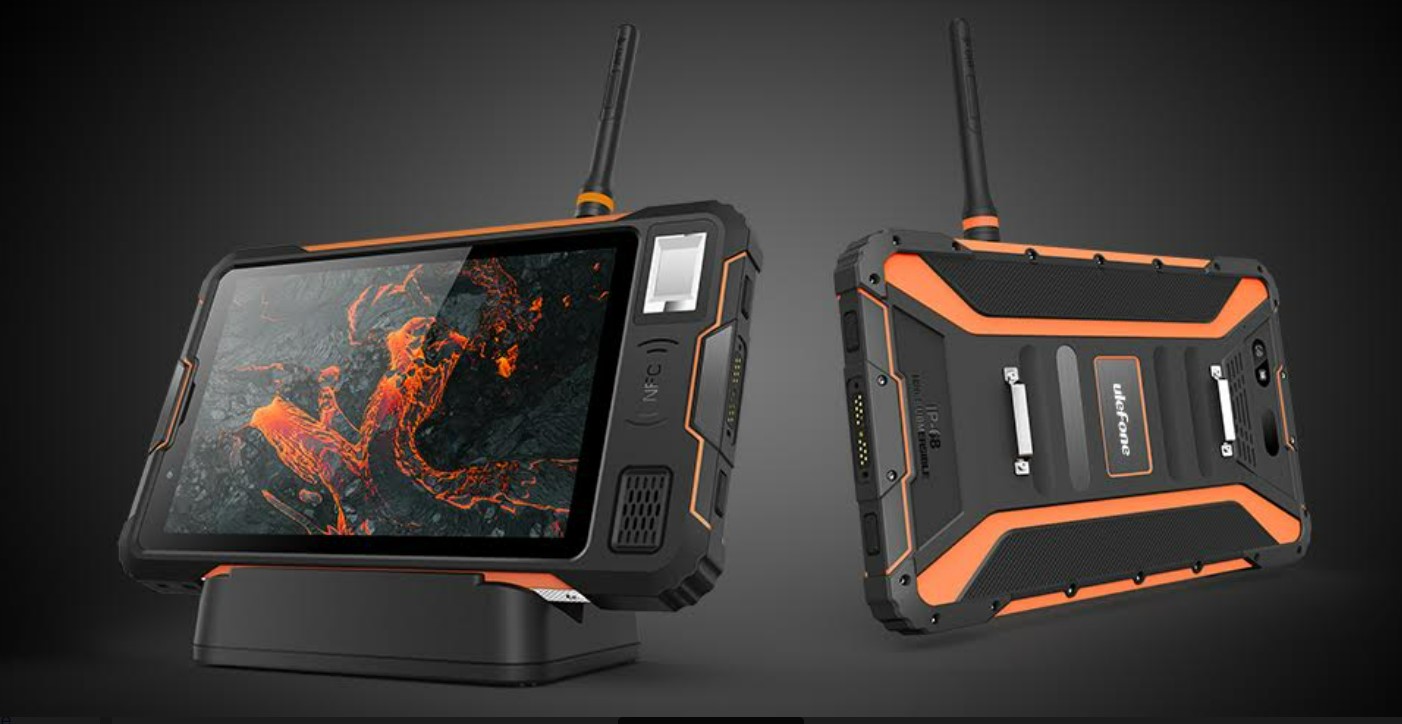
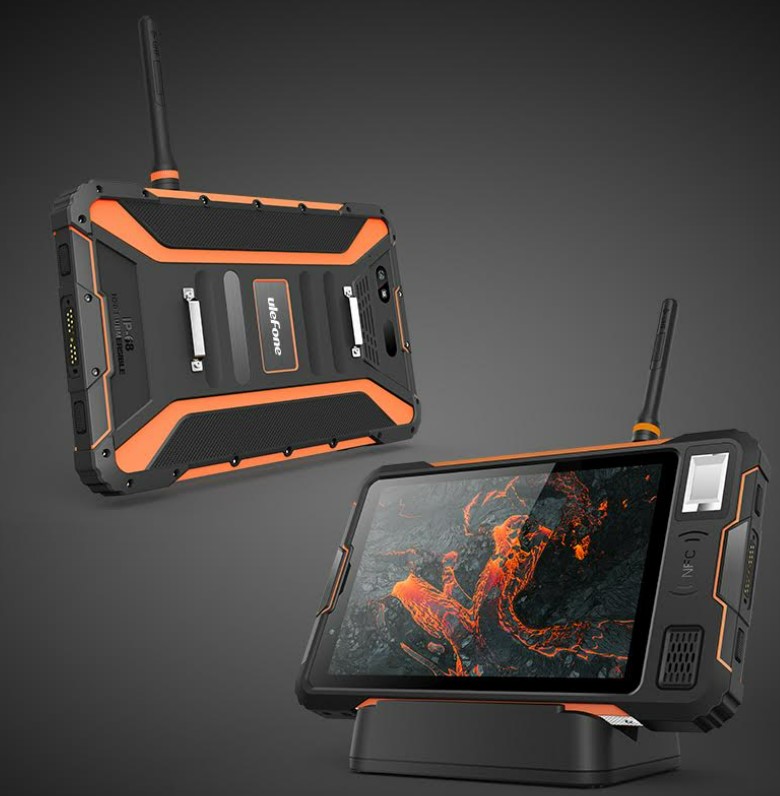
Ulefone Tab R8 5G is an 8-inch rugged, compact, and highly customizable tablet. Ulefone is known for its rugged smartphones designed for the extreme outdoors and now with Tab R8, the brand is bringing the same design and ruggedness to tablets. So if you are someone who travels a lot, is engaged in fieldwork, or works in extreme and harsh conditions then this tablet is perfect for you.
Though all the details for this upcoming tablet are not available yet, we do know that the 8-inch tablet comes with a massive 8800mAh battery and a 48MP rear camera. It is IP68/ 69K certified water, dust, and shockproof and comes with MIL-STD-810G military-grade certification which makes it resistant to drop, shock, and vibrations. The rugged tablet is perfect for use in extreme and harsh outdoors and can withstand high temperatures, dirt, dust, sand, water, and humidity.
The highlight feature of the Ulefone Tab R8 is its highly customizable design. Ulefone has come out with two versions of the tablet viz. The standard version and customizable version. In the customizable version, you can add many features and optional integrated modules like a walkie-talkie, expansion slot, 1D/2D barcode scanning, endoscope, night vision, etc as per your requirements. Basically, you can personalize and convert Ulefone Tab R8 as per your industry-specific standards and needs.
So if you are looking for a personalized rugged Tablet with long battery life and great endurance then stay tuned for more information on Ulefone Tab R8.
For more information on such exciting deals and offers check out our deals hub.
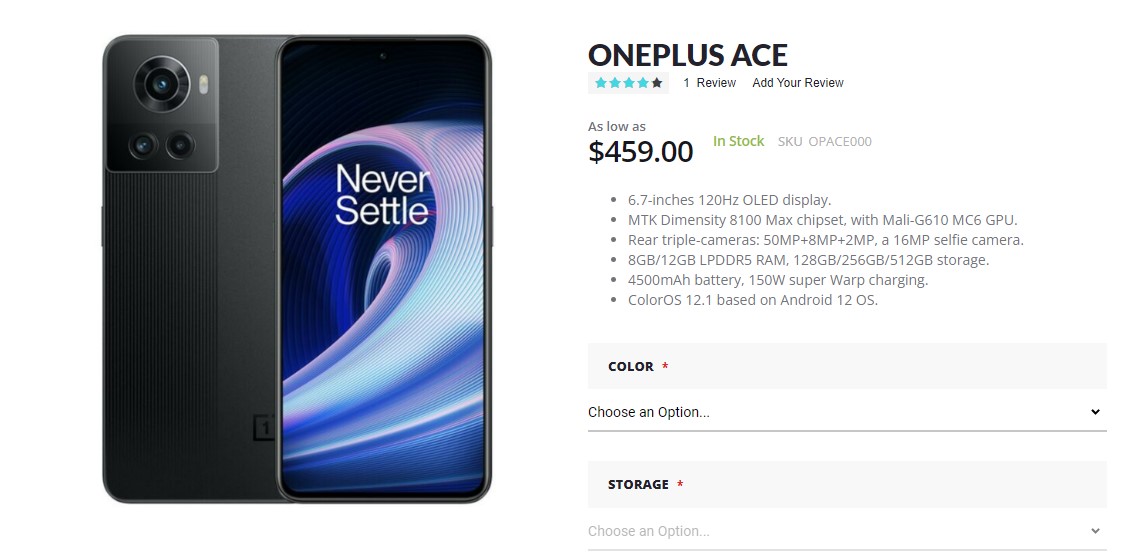
OnePlus Ace 5G smartphone features a 6.7 inches OLED display with a 120Hz refresh rate. It is powered by the MediaTek Dimensity 8100 Max chipset and comes in multiple memory variants viz. 8GB / 12GB LPDDR5 RAM and 128GB / 256GB / 512GB storage options.
It features a triple rear camera setup with a 50MP main camera and 8MP + 2MP secondary sensors. For your selfies, you have a 16MP sensor in the front. Fueled with a 4500mAh battery it comes with 150W SuperVOOC fast charging which is TÜV Rheinland certified for safe fast charge.
For gaming enthusiasts, the OnePlus Ace is a good fit as it comes with Hyperboost Game Frame Stabilization Engine that reduces frame drops and screen jitters during long gaming sessions. Other interesting features include an in-screen fingerprint sensor, an X-axis linear motor, and a Vapor Chamber with the largest cooling area in the history of the OnePlus.
Available in Blue and Black colors, you can now buy OnePlus Ace 5G for a starting price of $459 only at Giztop. Please note that this price is applicable to the base variant only.
For more information on such exciting deals and offers check out our deals hub.
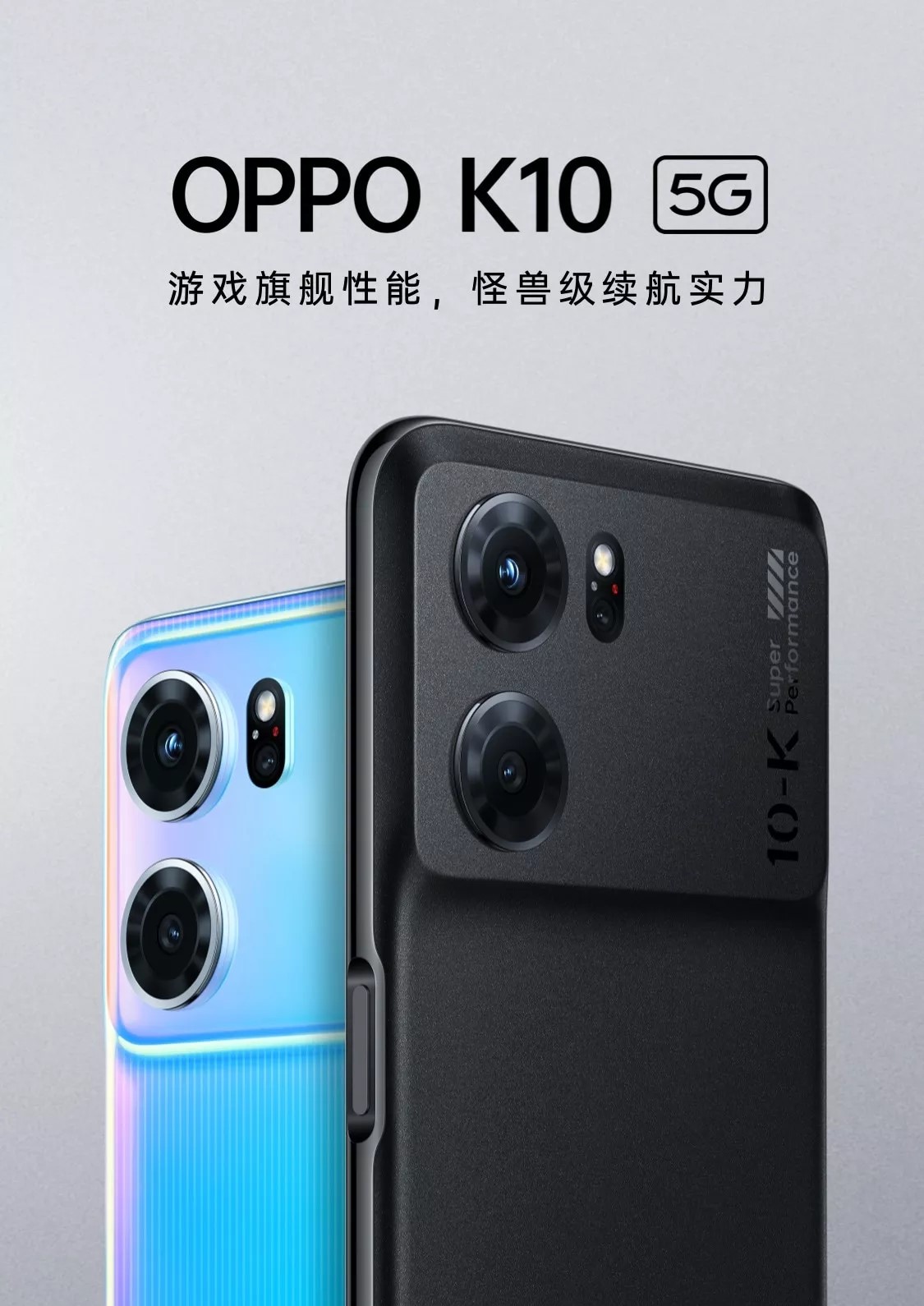
Oppo has officially launched its Oppo K10 5G series in China today. The Oppo K10 5G series is positioned as a gaming-oriented value-for-money flagship for the Chinese market and Oppo has even collaborated with Razer, the well-renowned gaming electronics manufacturer, to give gamers the mobile gaming experience they deserve.
Oppo K10 5G
The Oppo K10 5G is the world’s first-ever smartphone powered by the MediaTek Dimensity 8000 MAX SoC. The MediaTek Dimensity 8000 MAX is essentially an underclocked version of the Dimensity 8100 that we have seen on the Realme GT Neo 3 and Redmi K50.
Source: Oppo
Oppo mentioned in the launch that the reason the brand selected the Dimensity 8000 MAX over Dimensity 8100 was that after comparing both chipsets, the company found that the performance difference between both the chipsets was insignificant. Compared to the more significantly extra battery endurance that the underclocked Dimensity 8000 provided, Oppo wanted gamers to enjoy their gaming experience without worrying about battery life.
For memory and connectivity, Oppo has put in the fastest WiFi 6 and 5G module in the smartphone, the fastest LPPDR5 RAM, and the fastest UFS 3.1 storage into the Oppo K10 to prevent any lags or stutters during gaming.
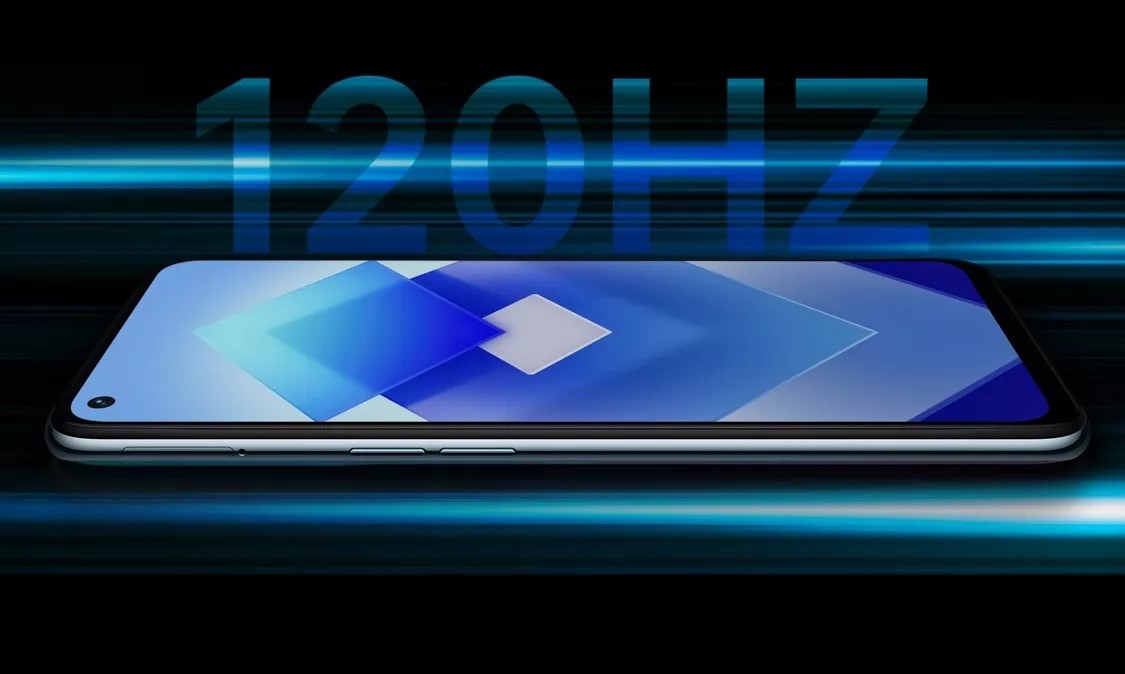
For the screen, the Oppo K10 5G is equipped with a 6.59-inch 120Hz FHD LTPS LCD display with a peak brightness of 600 nits, to deliver a smooth gaming experience for all the gamers out there. Battery-wise, the Oppo K10 5G is equipped with a 5000mAh battery with support for Oppo’s 67W SuperVOOC fast charging.
For an enjoyable gaming experience, haptics must not be ignored. That’s why the Oppo K10 5G is equipped with a flagship-grade X-axis linear vibration motor to deliver high-quality haptics for its users. However, hardware alone can’t win users over, so Oppo reached out to Razer for a collaboration on their new Oppo K10 5G series.
Oppo x Razer Collaboration
Razer has incorporated its expertise into the Oppo K10’s vibration motor system to provide users with a “mechanical keyboard like” typing and gaming experience for users to enjoy on their smartphone. With the mechanical in-hand feel, gamers are said to be in their natural habitat, providing better gaming performance since they are more immersed than ever with this revolutionary experience.
The Oppo K10 5G has a triple rear camera setup with a 64MP main sensor, 8MP 112° ultra-wide-angle lens and a 2MP macro lens. On the front, the 16MP selfie camera is housed within the punch hole located on the left side of the display.
Oppo K10 Pro
Besides featuring all the bells and whistles that the Oppo K10 5G has, the Oppo K10 Pro takes the series a step further with its upgraded cameras, an upgraded screen, and an upgraded processor over the standard Oppo K10 5G.
Oppo K10 Pro in Icy Blue
Under the hood, the Oppo K10 Pro swaps out the Dimensity 8000 MAX with Qualcomm’s flagship Snapdragon 888 processor. To fully utilise the Snapdragon 888 to its full potential, Oppo has installed stainless steel vapour cooling technology to keep the Snapdragon 888 running cool and smooth all time.
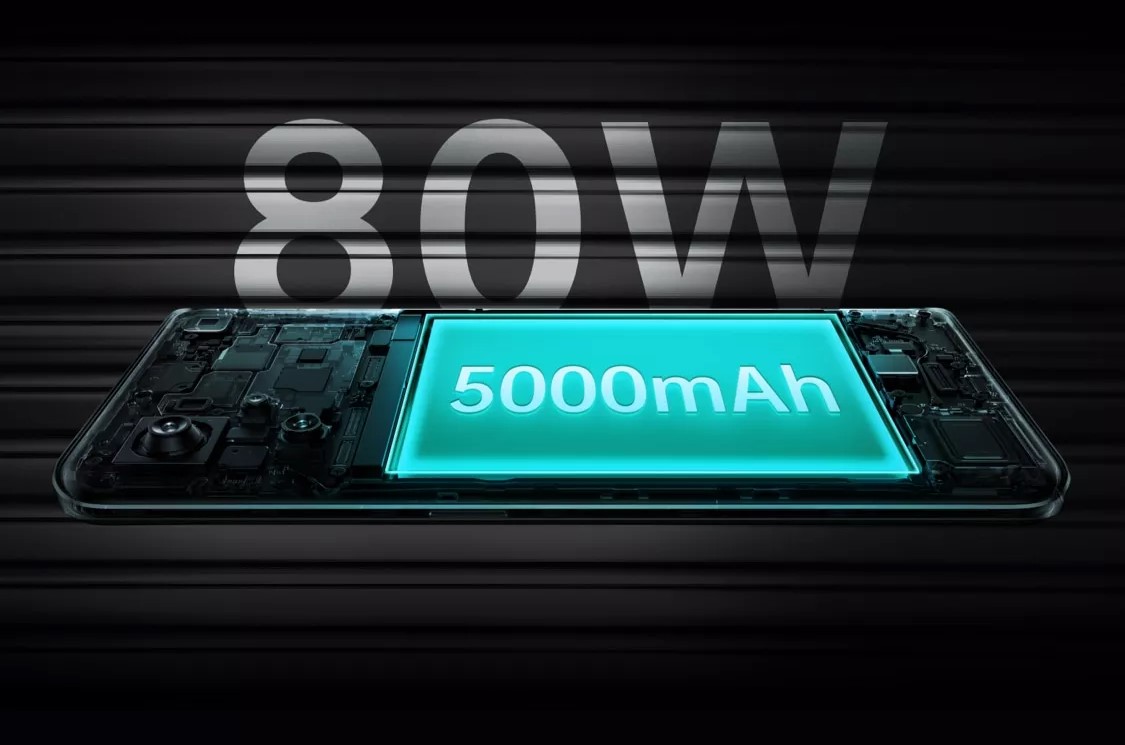
For the screen, the Oppo K10 Pro opts for a flagship-grade 6.62-inch 120Hz FHD Samsung E4 OLED panel that has a typical brightness of 500 nits and a peak brightness of 1300 nits instead. Keeping the lights on is the Oppo K10 Pro’s massive 5000mAh battery with Oppo’s 80W SuperVOOC charging technology.
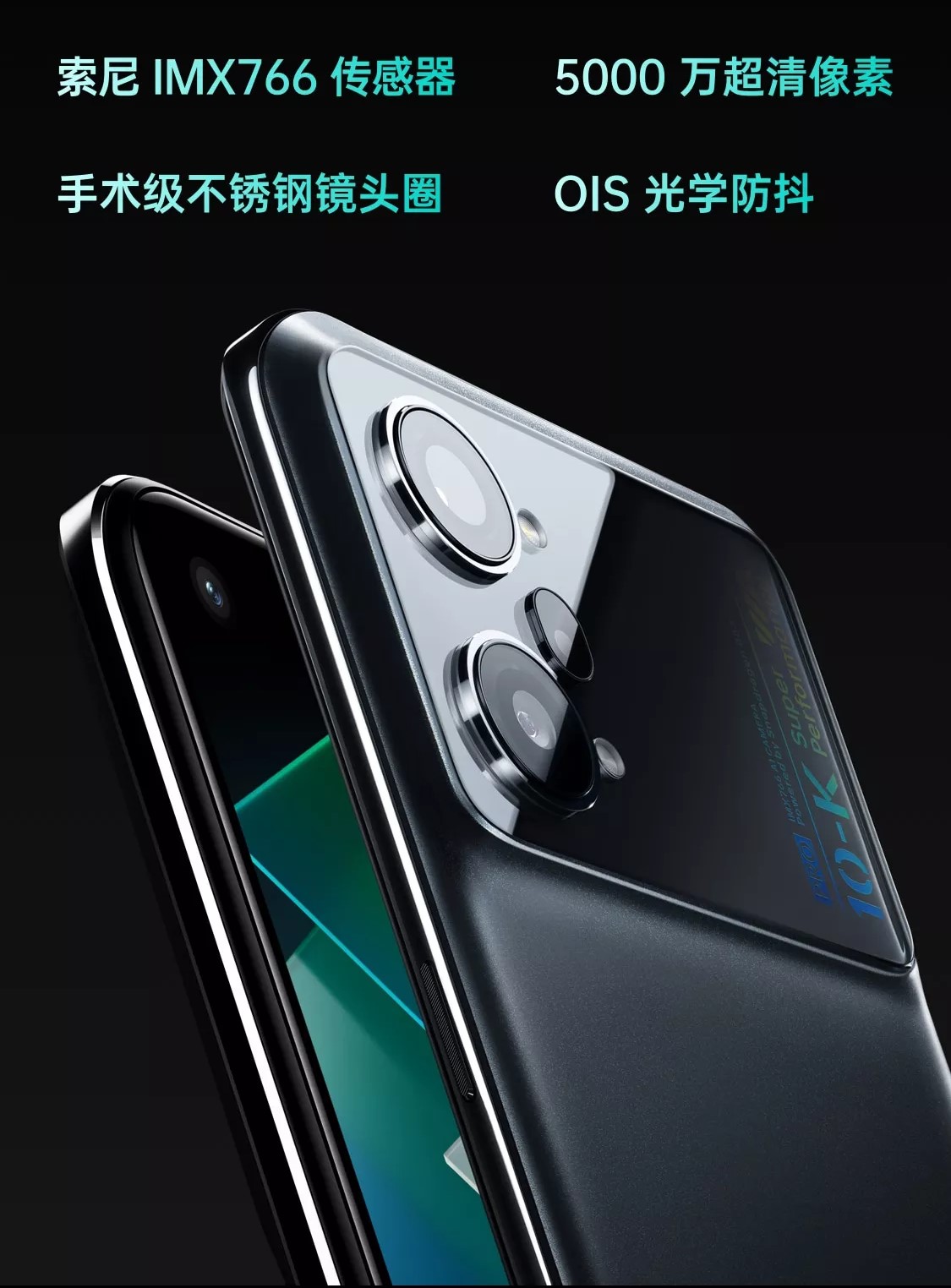
The biggest upgrade here is the camera. The Oppo K10 Pro features the same Sony IMX766 main sensor with OIS found on the Oppo Find X5 Pro. Since Oppo has developed a sophisticated camera algorithm for the Sony IMX766 over the years, the company claims the Oppo K10 Pro can deliver spectacular camera performance whether it be day or night. Besides the main sensor, the Oppo K10 Pro features the same 8MP ultra-wide, 2MP Macro and 16MP selfie camera as the standard Oppo K10.
Oppo K10 Pro equipped with Sony IMX766 sensor with OIS
The Oppo K10 Pro also does not skimp on ergonomics as well. The Oppo K10 Pro’s camera island seamlessly curves into the back frame of the device like its more expensive flagship Oppo Find X5 Pro cousin. These curves ensure that users will always stay comfortable when going for long-gaming sessions on their latest Oppo K10 Pro.
Pricing
Both the Oppo K10 5G and Oppo K10 Pro will launch with ColorOS 12 based on Android 12 out of the box. The series undercuts the Redmi K50 series by launching starting from under 2000 RMB. The pricing of each memory configuration for both respective models is as follows:
Oppo K10 5G
8GB+128GB 1999 RMB (308 USD)
8GB+256GB 2199 RMB (339 USD)
12GB+256GB 2499 RMB (385 USD)
Oppo K10 Pro
8GB+128GB 2499 RMB (385 USD)
8GB+256GB 2799 RMB (431 USD)
12GB+256GB 3199 RMB (493 USD)
The Oppo K10 5G and K10 Pro are available in 2 colours: Midnight Black and Icy Blue. The devices will officially go on sale in China from April 28 onwards.
Recent reports have revealed that Micromax is working on a new smartphone called the Micromax In 2c. The device is expected to replace the Micromax In 2b from last year. Today, the company confirmed that it will be announcing the smartphone on April 26. Ahead of the launch, its landing page has gone live on Flipkart.
The landing page has revealed the design and key features of the Micromax In 2c. The device will sport a waterdrop notch display of 6.52 inches. The official images show that the device has a thick chin and a dual-camera setup on the back.
Micromax In 2c
The official page further confirms that it will be powered by the Unisoc T610 chip and a 5,000mAh battery. The device will be available in Silver and Brown colors.
Micromax In 2c specifications (rumored)
The 6.52-inch LCD display of the Micromax In 2c offers an HD+ resolution of 720 x 1600 pixels, a 20:9 aspect ratio, 420 nits of brightness, and an 89 percent screen space. It has a 5-megapixel camera on the front for selfies. The rear camera array of the device has an 8-megapixel primary camera and a VGA sensor.
The Micromax In 2c’s 6.52-inch LCD display has an HD+ resolution of 720 x 1600 pixels, a 20:9 aspect ratio, 420 nits of brightness, and an 89 percent screen space. It has a 5-megapixel camera on the front for selfies. The back of the phone has an 8-megapixel main camera and a VGA sensor.
The Unisoc T610 chipset will be coupled with 4 GB / 6 GB of LPDDR4x RAM. Both variants will be equipped with 64 GB of eMMC 5.1 built-in storage. For additional storage, the device will arrive with a microSD card slot.
The 5,000mAh battery of the device supports a 10W charging speed. It offers 16 hours of video streaming and 50 hours of talk time. The device offers other features such as the Android 11 OS, a USB-C port, and a 3.5mm audio jack. It lacks a fingerprint scanner. The handset may carry a sub-Rs 10,000 price tag.
The POCO F4 GT, a rebranded version of the China-exclusive Redmi K50 Gaming, will be unveiled on April 26 for the global markets. Before the official announcement, PassionateGeekzhas shared key details on the configurations and color options of the smartphone. In addition, it has also leaked the official renders of the device.
POCO F4 GT variants, color options (rumored)
POCO F4 GT leaked render
According to the publication, the POCO F4 GT is expected to arrive in two variants, such as 8 GB RAM + 128 GB storage and 12 GB RAM + 256 GB storage. The device will come in three colors: Stealth Black, Knight Silver, and Cyber Yellow. As far as specifications are concerned, it is expected to come with the same specs that are available on the Redmi K50G.
POCO F4 GT specifications (rumored)
POCO F4 GT leaked render
The POCO F4 GT will house a 6.67-inch AMOLED FHD+ display that offers an FHD+ resolution and a 120Hz refresh rate. The screen will come with Gorilla Glass Victus protection. It has a 20-megapixel camera for selfies, and its back panel has a 64-megapixel main camera, a 8-megapixel ultrawide lens, and a 2-megapixel macro snapper.
The POCO F4 GT will feature the Snapdragon 8 Gen 1 chipset, LPDDR5 RAM, and UFS 3.1 storage. It has a 4,700mAh battery with a 120W fast charging. It boots to Android 12 OS with MIUI 13 on top. It has a side-facing fingerprint scanner.
POCO will be announcing two other products alongside the POCO F4 GT on April 26. The first one is its first smartwatch, named the POCO Watch and the other one is the POCO Buds Pro Genshin Impact Edition TWS earbuds.
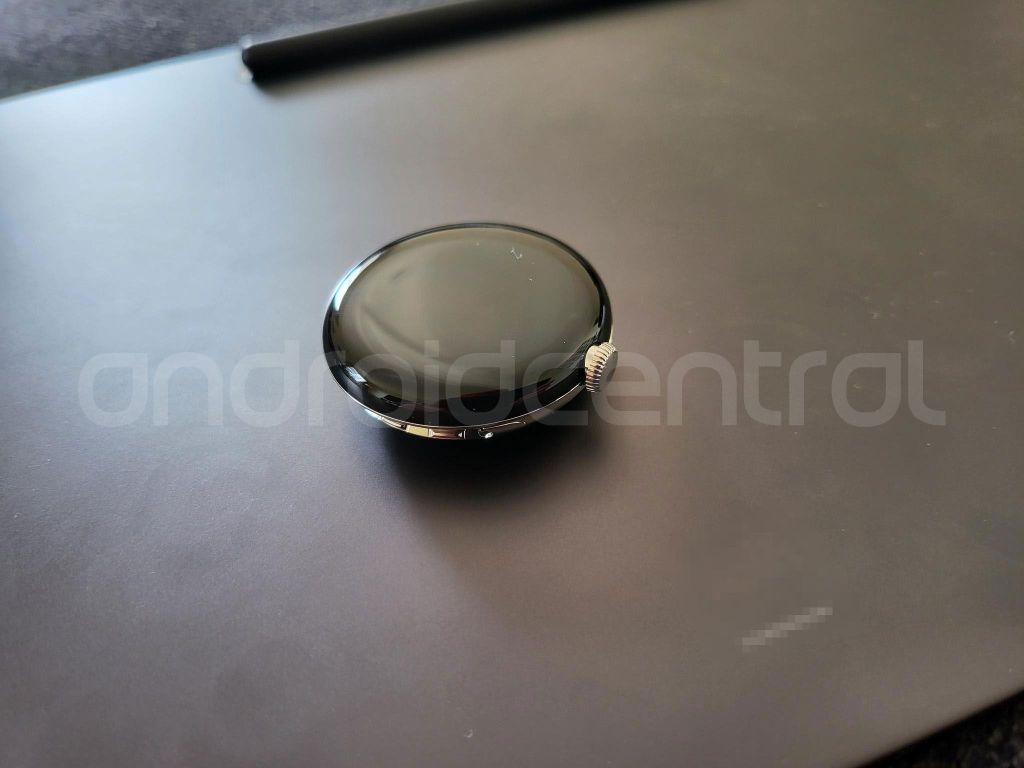
Google will be holding the I/O 2022 event in May. Apart from sharing information on its new products, the search engine giant is speculated to showcase new hardware such as the Pixel 6a mid-range phone and its first-ever smartphone – the Pixel Watch. Recent reports have revealed key information on the smartwatch’s key specifications and design. A new report by Android Central reportedly gives a good look at the final design of the Pixel Watch.
Google PIxel Watch front image | Via: Android Central
The report claims that a Google Pixel Watch was left and found in a restaurant in the UK. The anonymous source who found the watch has claimed that it could be “a testing model for the internal Pixel team.”
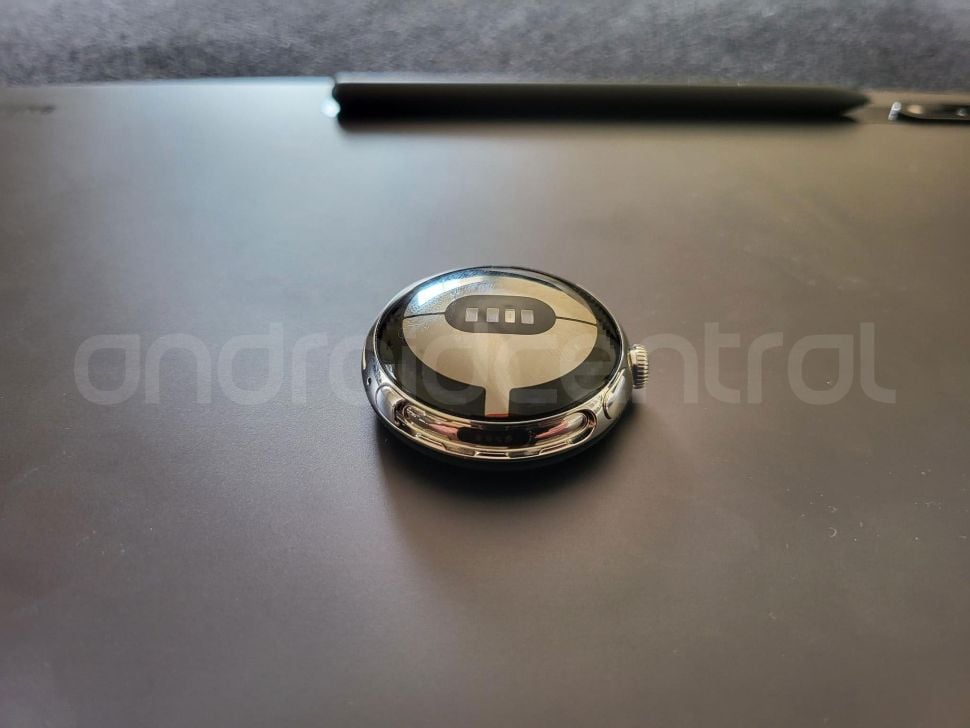
Google Pixel watch back | Via: Android Central
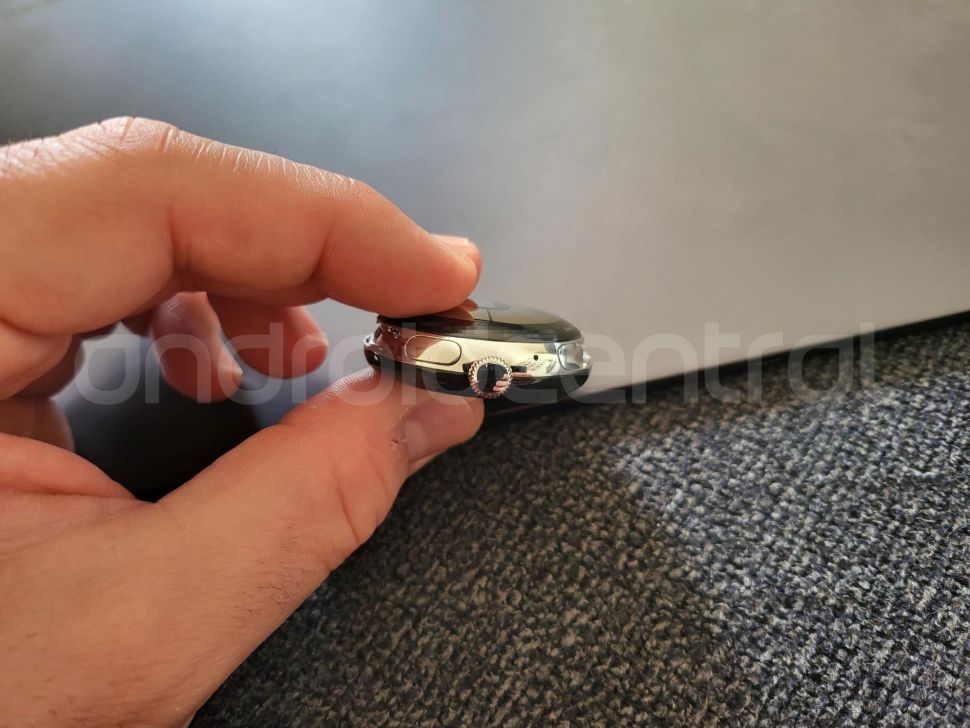
The alleged Pixel Watch (codenamed as Rohan) looks identical to the leaked renders that were seen in the past. The smartwatch has a minimalist design with super-slim bezels. Previous reports have claimed that Google’s smartwatch will be equipped with at least two hidden buttons. In the image below, one of those buttons can be seen placed beside the crown.
Google Pixel Watch button | Via: Android Central
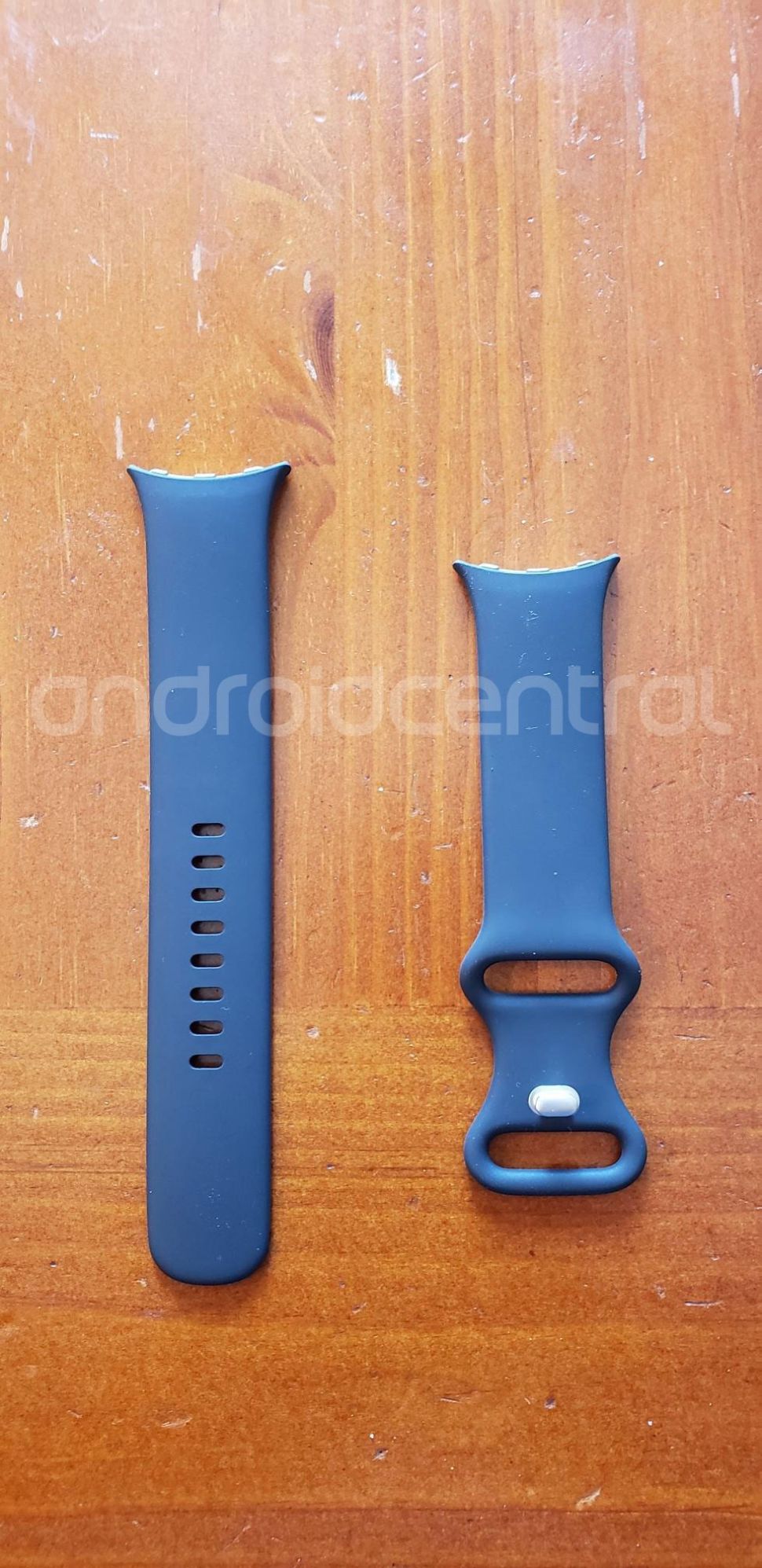
The blue-colored strap appears to be a proprietary band designed for the Pixel Watch, which indicates it may not allow users to swap out watch bands. It is likely that the search engine giant may offer the strap in more colors. It appears that the smartwatch can be charged by connecting the charger to its back. The device may carry support for wireless charging. The report claims that no charger was found with the watch.
Google Pixel Watch strap | Via: Android Central
As far as the design is concerned, the source has said that the bottom part of the smartwatch has a metallic appearance, but it seems to be coated with glass. When the watch was turned on, It only showed a boot logo, which suggests that there is no OS installed on the device. Rumors have it that it will come preloaded with Wear OS 3.1, which Google has co-developed with Samsung.
The package of the device carries the text: “This device has not been authorized as required by the rules of the Federal Communications Commission and Industry Canada, nor has it been tested for compliance with EU regulations.” It mentions that the device is built for” internal testing and development only” and also states that the “markings and packaging are not final.” Google will probably showcase the Pixel Watch at I/O 2022 and announce it alongside the Pixel 7 series of flagship phones later this year.
Vivo is holding a launch event to its highly anticipated Vivo X80 Series in China tomorrow April 25th at CST (GMT +8) 7pm / IST 5:30pm / GMT 11am.
The launch event this year will be held virtually and the entire event will be live-streamed online for the general public to tune in. To watch the launch event, you can head on over to the link below on April 11th, 2022 19:30 CST sharp to follow the announcement.
The Vivo X80 series is the successor to last year’s fan favourite Vivo X70 series. The Vivo X80 series will have 3 important models in the lineup, namely the Vivo X80, Vivo X80 Pro, and Vivo X80 Pro+.
So before the official launch event, we compiled all the highlighting features that we know about all the 3 Vivo X80 devices so far.
Vivo X80
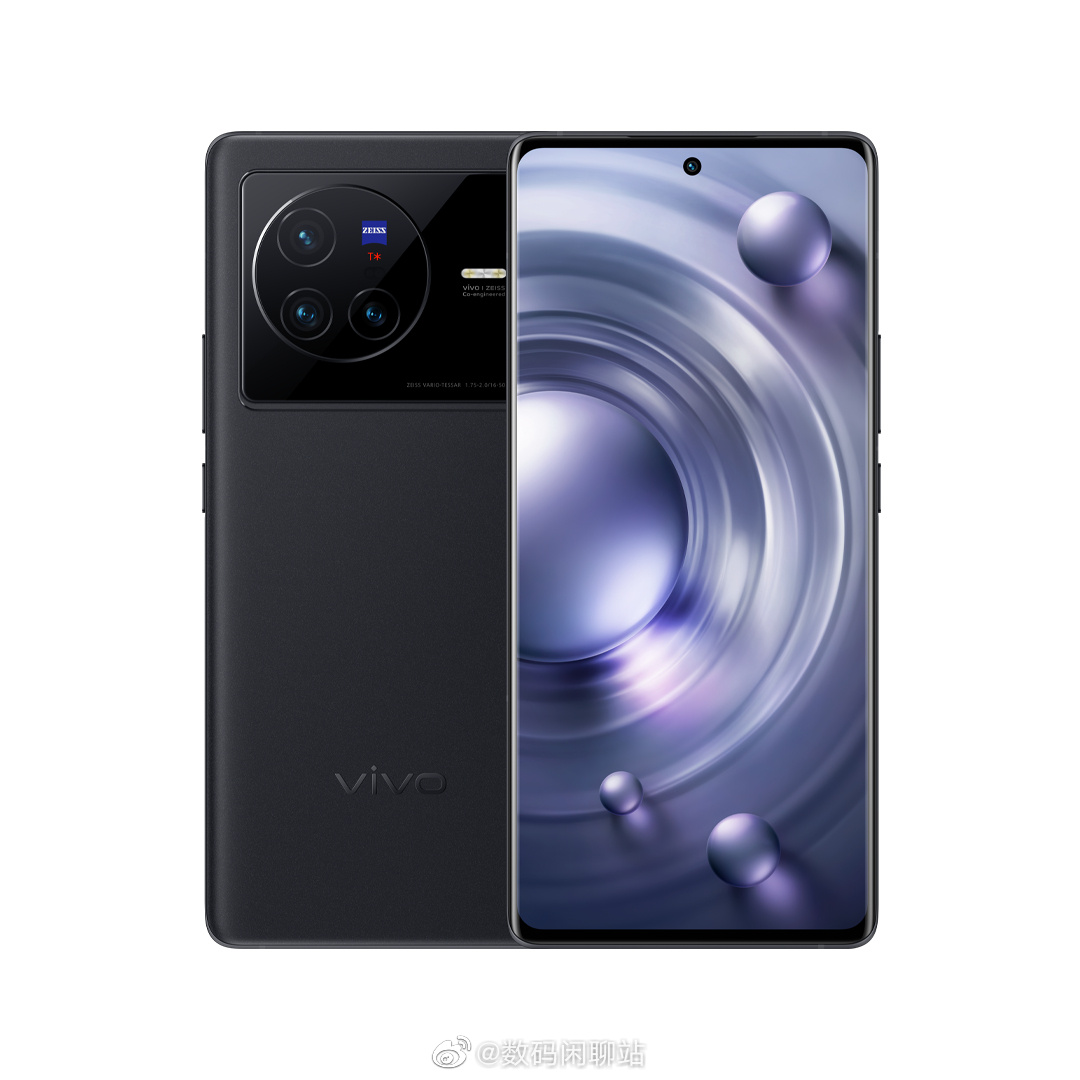
The anticipated highlight of the Vivo X80 would be its cameras. The device is sporting a triple camera setup that is rumoured to feature Sony’s latest IMX866 50MP sensor with OIS stabilisation. The main sensor is said to be revolutionary with its 1/1.56-inch sensor and RGBW colour arrangement. Paired with the main sensor are the 12MP ultra-wide-angle lens and the 12MP telephoto lens with 2x optical zoom. The device is also believed to come with Vivo’s new V1+ ISP to process better photos at a shorter shutter time.
Vivo X80 Source:DigitalChatStation
The Vivo X80 is also to be equipped with a large 6.78 inch FHD+ 120Hz E5 AMOLED display on the front with a centred hole punch housing the selfie camera. Powering the device is the MediaTek Dimensity 9000 paired with up to 12GB of RAM and 256GB/512GB of fast UFS 3.1 storage.
Battery-wise, the Vivo X80 will have a 4500mAh with 80W fast charging support. The device is expected to come with Android 12 out of the box.
Vivo X80 Pro
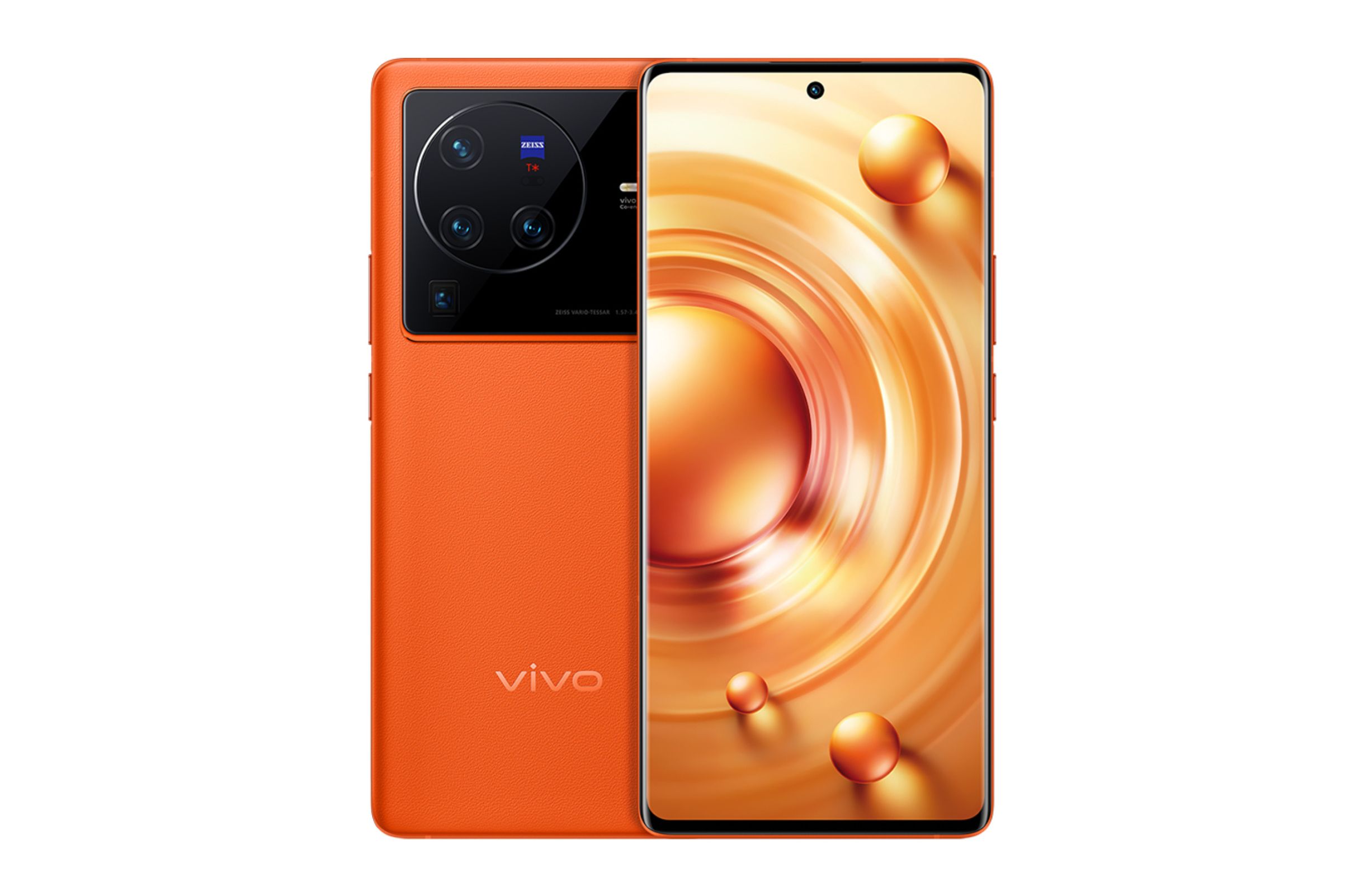
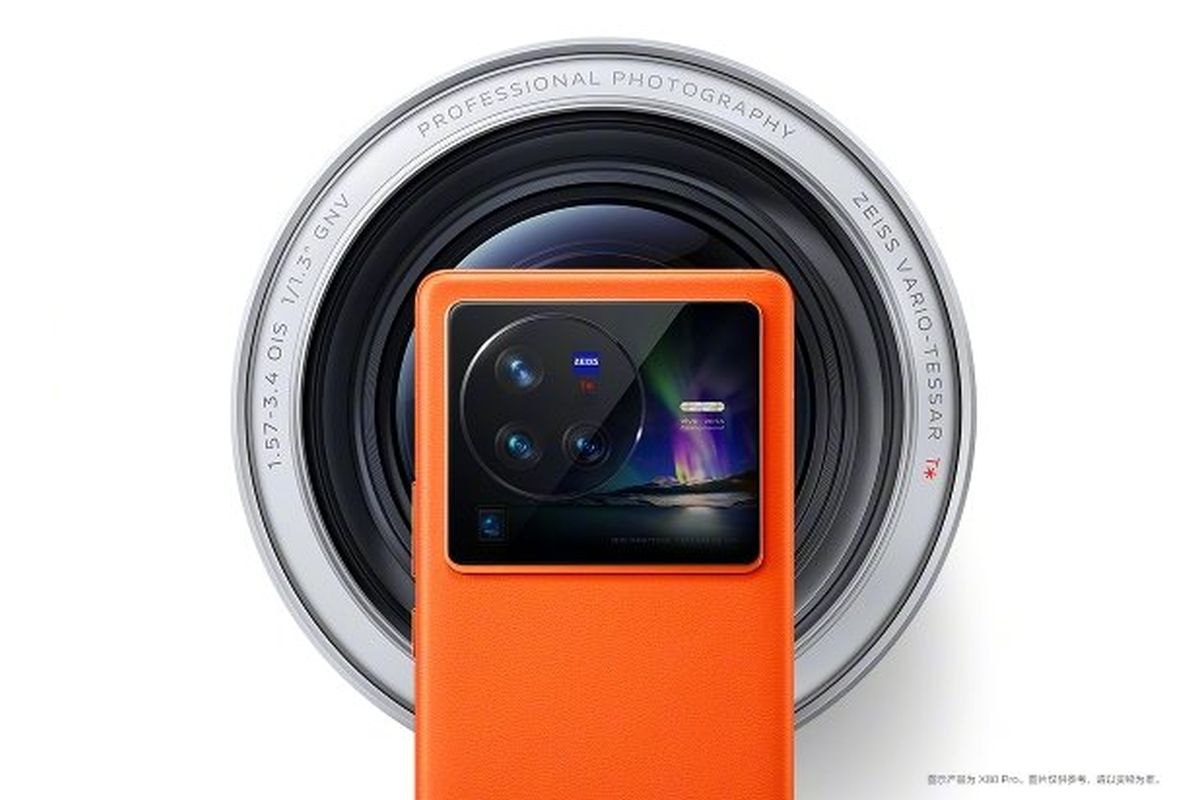
The Vivo X80 Pro features an upgraded camera setup from the standard Vivo X80. It will house a large quad-camera module on the rear that includes a 50MP Samsung GNV 1G OIS main sensor, 48MP ultra-wide-angle lens, 12MP telephoto shooter, and an 8MP periscope lens that offers 5x optical and 60x digital zoom as well. Notably, the X80 Pro will also come with the V1+ ISP and Zeiss branded lens on the rear.
Vivo X80 Pro
Powering the Vivo X80 Pro instead is a Qualcomm Snapdragon 8 Gen 1 chipset with 12GB of LPDDR5 RAM and 256GB/512GB of storage. The device might be powered by a larger 4,700mAh battery pack that supports 80W fast charging and 50W wireless charging.
Vivo X80 Pro+
The Vivo X80 Pro+ will be featuring the most premium camera setup amongst them all. The device will be rocking a quad-camera island equipped with a 50MP Sony IMX866 OIS main sensor, a 48MP IMX598 sensor, a 50MP Samsung JN1 sensor, and lastly, a 50MP JN2 sensor. The device is also expected to sport a 44MP selfie camera housed within the punch hole.
For the high-end flagship bells and whistles, the Vivo X80 Pro+ will be packing a 6.78-inch QHD+ 120Hz LTPO 2.0 AMOLED display, a Snapdragon 8 Gen 1 SoC, 12GB of LPDDR5 RAM, 512GB of UFS 3.1 storage and a generous 4700mAh battery with 80W wired fast charging support and 50W wireless fast charging support.
Panic’s Playdate is a handheld game console that was announced by the company back in 2019. Pre-orders for the Playdate had commenced last year but the actual launch of the quirky-looking handheld game console was delayed. Now, Panic has announced that the first shipments of the Playdate have now begun.
The design of the Playdate includes a 2.7-inch black and white display and it may literally never run out of battery as it features a hand crank on the side. There are also a few functional buttons on the front.
The handheld game console looks like a blast from the past when compared with the high-octane and classy handhelds currently on the market. According to Panic, the first batch of Playdate consoles will begin shipping to the earliest pre-order customers, and the backlog will be gradually cleared. Currently, Panic is asking for patience from customers as the product is being manufactured in small batches. Therefore, it will take some time to meet up with all the pre-orders.
E-mails have been sent to the customers who will be receiving their consoles and new customers can still place their orders. However, new orders will not be delivered until 2023. The Playdate is priced at $179 and the package includes the console, a USB cable, and two weekly games for twelve weeks.
Panic is working on expanding the lineup of games available for users. It is encouraging developers and will soon unveil the Catalog app, similar to a games store. The new Playdate Mirror tool for Mac and PC has also been integrated into the device. It allows users to mirror their console’s screen on a PC and record videos, live stream, or use the bigger display to project an ongoing game.
The black and white display of the Playdate could be a major drawback among potential customers. However, the purpose of developing this console is to play different types of retro-inspired games that do not require color, analog sticks, and so on. Panic did not put any numbers on the level of demand for the Playdate, so it’s unclear what the demand looks like.
Poco is scheduled to host a launch event on April 26 where the Chinese tech giant is expected to launch the Poco F4 GT. The company recently revealed it would also launch the Poco Watch on that same day. And now, Poco has announced that the Poco Buds Pro Genshin Impact edition will also be officially unveiled on April 26 which is on Tuesday.
The Poco Buds Pro Genshin Impact edition first broke cover a few weeks back when it received Bluetooth SIG certification. Just recently, renders of the product which is Poco’s first customized product with Genshin Impact, were spotted online giving us our first look at the customized edition.
As per the renders, the POCO Buds Pro Genshin Impact Edition comes in red (both the case and the buds). It has an in-ear tips design and IPX4-rated protection. The upcoming Buds Pro Genshin Impact Edition will also possibly offer active noise cancellation (up to 35dB). This helps to reduce ambient noise and enhance the audio quality. The new POCO buds will likely have Bluetooth 5.2 connectivity, based on the renders. Up to 28 hours of battery life could be squeezed from the new POCO Buds. This includes power from its charging case. The photos point to the availability of both USB-C and wireless charging.
#POCO + #Genshinlmpact Klee said something extraordinary is coming! Who is excited? Show hands! ✋
Vivo has officially opened online reservations for its upcoming Vivo S15e handset in China on JD.com. On the reservation page, Vivo has finally confirmed several of the leaked specs that were reported by our team at Gizmochina last week.
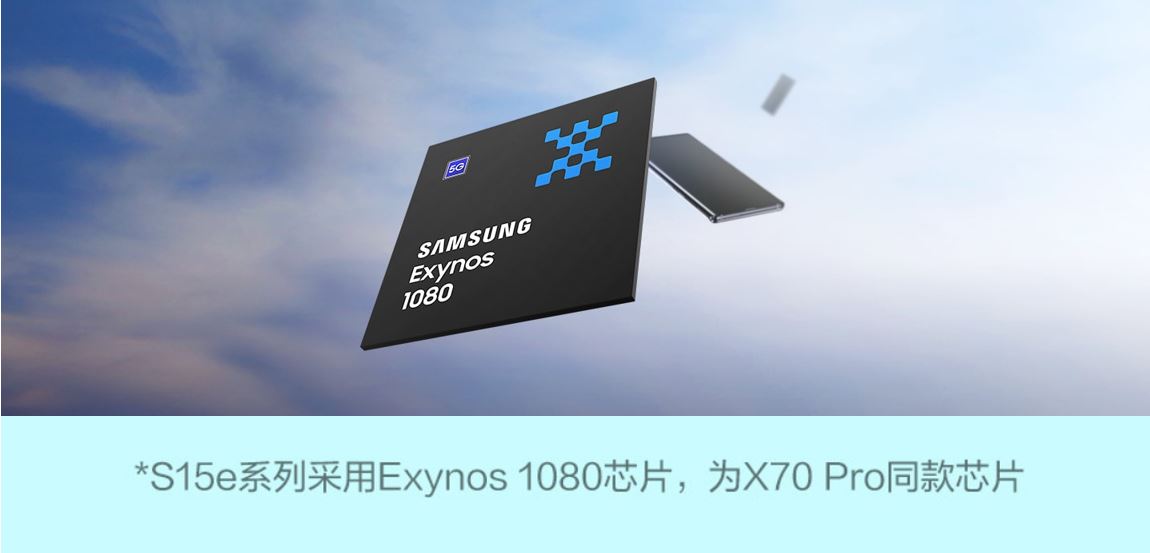
The main feature that Vivo confirmed is the chipset powering the Vivo S15e. On the official Vivo flagship JD.com store, Vivo had officially confirmed via the reservation page that the Vivo S15e will be powered by Samsung’s 5nm Exynos 1080 chipset. The Exynos 1080 chipset is the same one used on last year’s China variant of the flagship Vivo X70 Pro which boasted a score of over 700k on Antutu.
Source: Vivo via JD.com
Vivo also confirms via the page, details such as the memory configurations, charging speeds, colour options, and camera setup of the Vivo S15e.
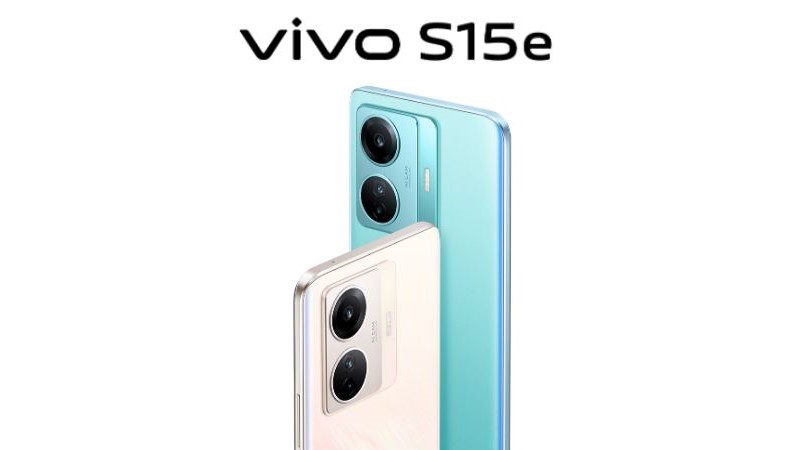
First, it is confirmed that the Vivo S15e will be available in 3 colour options: Black, Blue and Peach.
Vivo S15e Colour Options
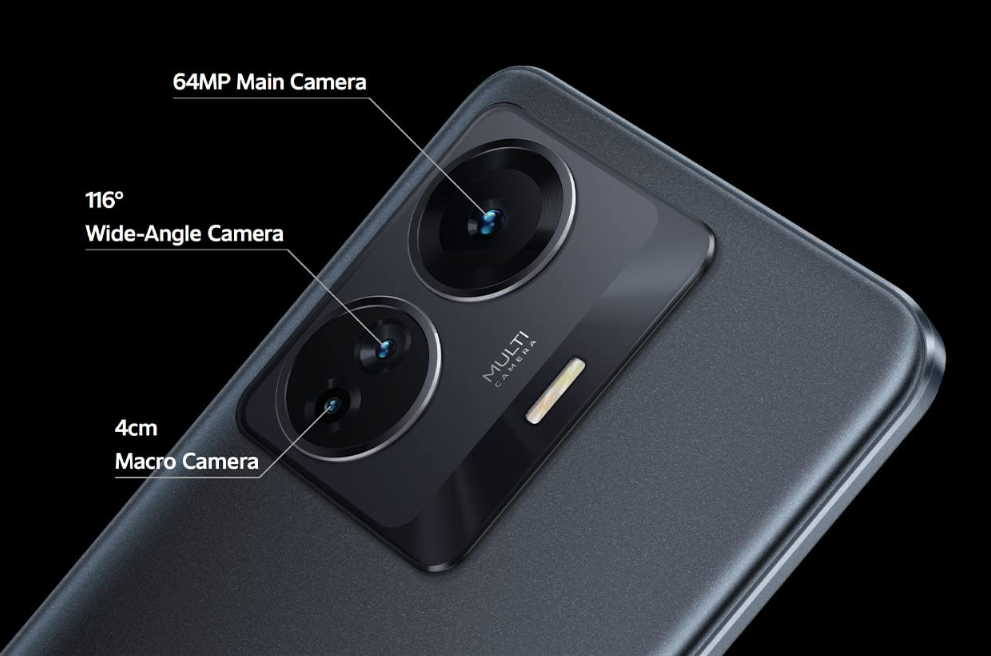
Next, the Vivo S15e is confirmed to be available in memory configurations of up to 12GB RAM and 256GB of storage. The device is confirmed to be equipped with Vivo’s 66W fast charging solution, which Vivo claims to resolve your battery worries within 20 minutes of charging. And last, Vivo confirms that the Vivo S15e will be equipped with a 50MP main sensor to capture realistic photos with dynamic depth and crisp details.
So far, the leaks reported turned out to be true for the Vivo S15e. The report last week also mentioned that the Vivo S15e has a 6.4-inch FHD 90Hz Waterdrop Notch Style AMOLED display for smooth scrolling and a 16MP front camera housed within the notch. Keeping the lights on the Vivo S15e would be its generous 4700mAh battery and the device is rumoured to run Vivo’s OriginOS Ocean operating system based on Android 12 out of the box.
The Vivo S15e will be announced alongside the Vivo X80 series at Vivo’s launch event happening on April 25th, 7 pm CST / 4:30 pm IST / 11 am GMT. For more details on the Vivo S15e and the Vivo X80 series, stay tuned to our coverage on April 25th for the launch event.
The speculations and rumors surrounding the yet-to-be-released Google Pixel Watch are gradually unraveling. Google has filed a trademark for the Pixel Watch which could indicate that the device could be launched anytime from now, possibly within 2022. This news adds to the renders and leaks surrounding the Pixel Watch that has been on the radar for some time. The trademark filing was at the United States Patent and Trademark Office (USPTO) which applied for the Pixel Watch trademark name.
As per the trademark filing itself, Google says the Pixel Watch will cover the categories of smartwatches, watch cases, smart wearable computers, smartwatch bands, and straps. It is unclear whether the date specified on the trademark filing (April 22, 3022) is correct, but the application has been accepted by the USPTO. The filing is reported to have met the minimum requirements and awaits the assigning of an examiner. The application process is expected to be concluded quickly and the Pixel Watch trademark is approved thereafter.
The Google Pixel Watch will come with cutting-edge features and innovations. It is rumored to feature Fitbit integration, a step counter, a heart rate monitor, and several other functionalities. It will likely come with a round face and without bezels. Google’s Wear OS 3.1 is the operating system that will be adorned in the Pixel Watch. A much-improved and interactive Google Assistant will also be featured in the Pixel Watch. We await official confirmation and further details from Google about the Pixel Watch.
Last month, iQOO launched the iQOO Z6 5G in India. The brand has already announced that it will be launching the iQOO Z6 Pro 5G on April 27 in the Indian market. Ahead of the launch, the device has received a microsite on Amazon India revealing some of its key specifications.
iQOO Z6 Pro 5G Specs
According to the micro-site, iQOO Z6 Pro 5G will pack a 6.44″ FullHD+ AMOLED screen with a 90Hz screen refresh rate, 180Hz touch sampling rate, 1,300 nits peak brightness, and HDR10+ certification.
Under the hood, the phone will house a Snapdragon 778G SoC paired with three different RAM configurations – 6GB, 8GB & 12GB. The device will also offer virtual memory expansion capability of up to 4GB for the 8GB & 12GB RAM models and 2GB for the 6GB RAM model. The device will be cooled by a VC Liquid cooling system which is claimed to reduce the CPU temperature by 12°C. The liquid cooling area will be 32,923 mm2, and the vapor chamber area will span 2,100 mm2.
The device will pack a Z-axis linear motor for 4D Game Vibration and will draw power from a 4,700 mAh battery with 66W charging support.
For photography, the iQOO Z6 Pro 5G will have a triple camera setup headlined by a 64-megapixel primary sensor. The main camera will be joined by an ultrawide lens and macro units.
Other than that, previous leaks have revealed that the device will have an 8MP ultra-wide camera, and a 2MP macro sensor. It will come with 128GB/256GB of internal storage and it will not come with a 3.5mm headphone jack.
iQOO Z6 Pro 5G pricing
The iQOO Z6 Pro 5G is marketed as the fastest smartphone under Rs. 25,000 (~$327) price bracket, which confirms the price range of the phone. The exact pricing of the device will be revealed at the April 27 launch event, so stay tuned.
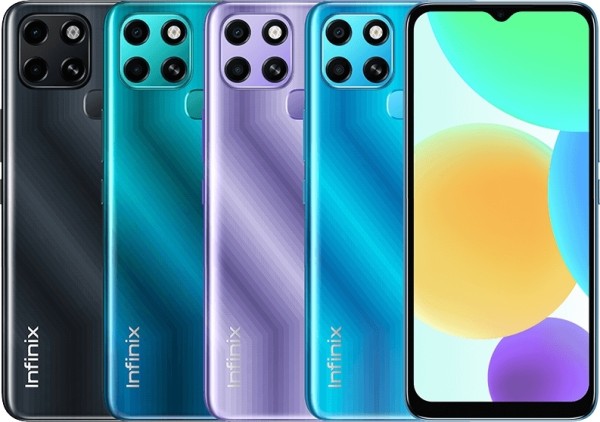
Last year, Infinix launched the budget-oriented Smart 6 smartphone in some of the global markets. Now, the company has now announced that it will soon launch the Infinix Smart 6 in India.
Gali gali mein shor hai, SMART 6 mein #ZyadaSeMore64 hai.
Smart desh ka SMART phone coming at a never before price. Launching on 27th April only on @Flipkart
In an official tweet, the company announced that the smartphone will debut on April 27 in India. The smartphone will likely be sold exclusively through the e-commerce site Flipkart where it has already received a landing page revealing its design along with some of its specs.
Infinix Smart 6 Specs & features
The Inifinix Smart 6 comes with a large 6.6-inch IPS LCD notch display with a 720 x 1600 pixels resolution. It has a 266 PPI pixel density, 500 nits peak brightness, and 16 million colors. It is powered by the UNISOC SC9863A processor paired with up to 2GB of RAM and 64GB of internal storage. The phone runs on Android 11 Go Edition and also offers 2GB + 2GB virtual RAM expansion.
The device has a dual-camera setup with an 8MP primary camera and a depth sensor. Upfront, we get a 5MP selfie snapper. The device supports 4G connectivity and has dual SIM support. It houses a 5,000mAh battery with a 10W charging speed. It can be charged via the micro-USB port at the bottom. As for security, it has a rear-mounted fingerprint scanner and support for FaceID.
The pricing of the device has not been revealed yet. But considering that the device first debuted with a $120 price tag, we can expect it to be priced below the Rs 9,000 mark.
The Ace series is back for real, but this time it is not under the OPPO brand. The new handset from the lineup announced a few days ago is the OnePlus Ace: so the Ace series was transferred to OnePlus. Just like its predecessors, the new device is a flagship killer offering high-end specifications at an affordable price. Soon, the handset will be launched in the global market: it will debut in India under the OnePlus 10R moniker. While waiting for its global launch, we decided to compare it to the best and most handset by Xiaomi in the same price range, when it comes to the flagship killers. This is a comparison between the specifications of the Redmi K50 and the OnePlus Ace.
Triple 48 + 8 + 2 MP, f/1.8 + f/2.2 + f/3.0
20 MP front camera
Triple 50 + 8 + 2 MP, f/1.9 + f/2.2 + f/2.4
16 MP f/2.4 front camera
BATTERY
5500 mAh, fast charging 67W
4500 mAh, Fast Charging 150W
ADDITIONAL FEATURES
5G, dual SIM slot
5G, dual SIM slot
Design
The OnePlus Ace came to the market with a brand new design. It comes with two different textures on the rear side and a singular camera module that reminds the one found on Samsung flagships as it sticks to the borders of the phone. It also comes with flat borders like the latest iPhones. It is definitely more elegant and original than the Redmi K50; further, it is even thinner and lighter than the Xiaomi flagship killer. That is the reason why it wins the design comparison. But you should not underestimate the Redmi K50 due to its build quality: it has the IP53 certification making it dust resistant and splash resistant, as well as a glass back and a front glass protected by Corning Gorilla Glass Victus.
Display
The OnePlus Ace and the Redmi K50 are close when it comes to the display quality. The OnePlus Ace is interesting in terms of color reproduction because its OLED panel is able to show up to one billion colors. The display has a diagonal of 6.7 inches, a Full HD+ resolution of 1080 x 2412 pixels, a 120 Hz refresh rate, and the HDR10+ certification. The Redmi K50 offers a higher Quad HD+ resolution, so you get a higher level of detail, and besides the HDR10+ standard, it supports Dolby Vision. But it is not able to show one billion colors and, unlike the OnePlus Ace, it does not come with an in-display fingerprint reader but it has a side-mounted one.
Specs & Software
The OnePlus Ace has a slightly better hardware department because of its processor: it is fueled by the MediaTek Dimensity 8100 Max, an upgraded version of the MediaTek Dimensity 8100 found on the Redmi K50 which improves the AI performance. But consider that CPU and GPU performance remains the same. With the Ace, you can also get more internal storage: up to 512 GB, while the Redmi flagship killer stops at 256 GB in its most expensive version. Both the handsets run Android 12 with highly customized and updated user interfaces on top: MIUI 13 and ColorOS 12.1, respectively.
Camera
The OnePlus Ace is a better camera phone because it packs a better main camera: we are talking about a Sony IMX766 sensor with a 50 MP resolution and OIS. The Redmi K50 supports OIS too, but it has an inferior 48 MP main camera. The secondary sensors are the same: an 8 MP ultrawide sensor and a 2 MP macro lens. Even the front cameras are the same, with the Ace sporting a slightly brighter f/2.4 focal aperture.
If you are looking for longer battery life, then go for the Redmi K50 without thinking twice. It is equipped with a huge 5500 mAh battery, one of the biggest ones found on a flagship killer. But if you prefer having the fastest charging technology in the world, then go for the OnePlus Ace: its 4500 mAh battery supports 150W fast charging.
Price
Currently, the Redmi K50 and the OnePlus Ace are only available in China. The former sells for €340/$368 in its base variant, while the latter starts from €360/$389. The Redmi K50 comes with a more interesting display and a bigger battery, while the OnePlus Ace sports a slightly better processor, a better main camera, and faster charging. Which one would you pick?
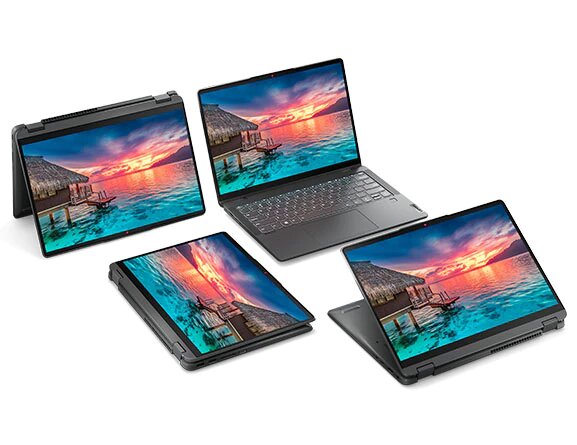
After releasing the Lenovo IdeaPad Flex 5i Gen 7, Lenovo has also decided to release the IdeaPad Flex 5 Gen 7 AMD variant this month as well.
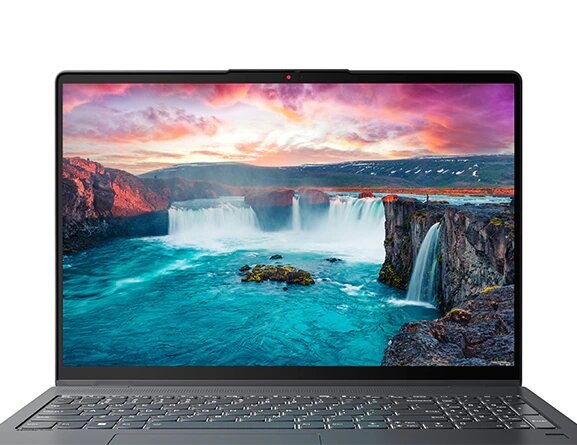
Similarly to its Flex 5i sibling, the Flex 5 AMD also comes in two screen sizes for buyers to choose from: a 14-inch display and a 16-inch display. Both screen sizes have the more refined 16:10 aspect ratio that is common to all the 2022 laptop releases we’ve seen so far.
Lenovo IdeaPad Flex 5
The main difference here is the processors under the hood, whereas the Flex 5i opts for Intel’s 12th Gen Alder processors, the 2022 refresh of the IdeaPad Flex 5 Gen 7 AMD variant opts for the AMDRyzen 3 5300U, Ryzen 5 5500U and Ryzen 7 5700U CPUs instead.
However, these Ryzen 5000 CPUs are the same that we have seen on the IdeaPad Flex 5 Gen 5 AMD variant last year, which is quite odd considering AMD launched its Ryzen 6000 Mobile series for 2022 back in January. It may be due to the ongoing chip shortage which influenced Lenovo into wanting to cut manufacturing costs by using last year’s processors and as the newer processors are probably costlier and may increase the lineup’s price tag by a significant margin.
The biggest upgrade from Gen 5 to Gen 7 is the screen. The IdeaPad Flex 5 AMD Gen 7 now features a 16:10 IPS Touchscreen LCD, compared to the 16:9 dimly lit TN Panel on last year’s Gen 5. The screen comes in several resolution and brightness options which are as follows:
14-inch Full HD resolution, 300 nits brightness, 60Hz refresh rate, 45% NTSC coverage
Lenovo IdeaPad Flex 5 AMD 16-inch
The device is configurable with up to 16GB of LPDDR4X RAM and 1TB of PCIe SSD storage. Lenovo claims the IdeaPad Flex 5 AMD Gen 7 can deliver up to 12 hours of video playback under a full charge.
Ports and connectivity wise, the IdeaPad Flex 5 AMD Gen 7 is equipped with 1 USB-C 3.2 Gen 2 port, 2 USB-A 3.2 Gen 1 ports, one HDMI 1.4b port, a 4-in-1 SD card reader, a 3.5mm headphone jack, WiFi 6 support and Bluetooth 5.1 support.
Source: Lenovo
The landing pages of the 14-inch and 16-inch Lenovo IdeaPad Flex 5 AMD Gen 7 have gone live. The laptops are expected to go on sale in Q2 2022 in selected markets in Europe, North America, Asia and Oceania.
We use cookies on our website to give you the most relevant experience by remembering your preferences and repeat visits. By clicking “Accept”, you consent to the use of ALL the cookies.
This website uses cookies to improve your experience while you navigate through the website. Out of these, the cookies that are categorized as necessary are stored on your browser as they are essential for the working of basic functionalities of the website. We also use third-party cookies that help us analyze and understand how you use this website. These cookies will be stored in your browser only with your consent. You also have the option to opt-out of these cookies. But opting out of some of these cookies may affect your browsing experience.
Necessary cookies are absolutely essential for the website to function properly. This category only includes cookies that ensures basic functionalities and security features of the website. These cookies do not store any personal information.
Any cookies that may not be particularly necessary for the website to function and is used specifically to collect user personal data via analytics, ads, other embedded contents are termed as non-necessary cookies. It is mandatory to procure user consent prior to running these cookies on your website.