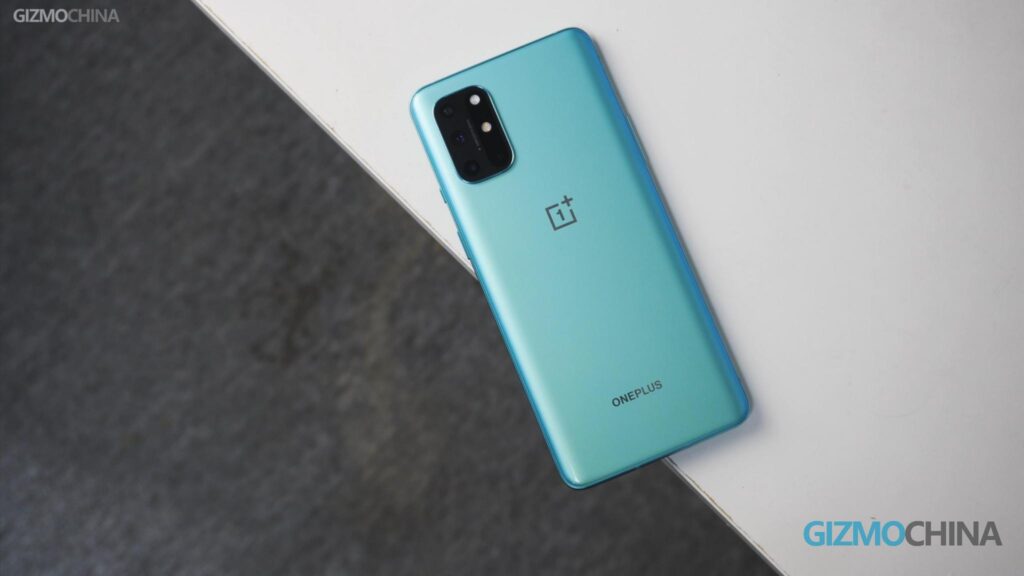
OnePlus 8T is available for purchase under Rs 30,000 in India. The smartphone was launched way back in 2020 and received a price cut in June last year. Post price cut, the base variant was available for Rs 38,999 whereas the top model retailed at Rs 41,999.
OnePlus 8T
Now the OnePlus 8T has received a massive price drop. The 8GB + 128GB option is available at Rs 28,999 whereas the 12GB + 256GB costs Rs 31,999. The revised pricing is reflected on OnePlus’s official website.
The OnePlus 8T was a popular smartphone when it launched two years ago. It packs a 6.5-inch FHD+ AMOLED display with a 120Hz refresh rate. It sports a quad-camera setup of 48MP + 16MP + 5MP + 2MP sensors on the back and 16MP front-facing selfie camera. The smartphone is powered by a Snapdragon 865 processor and backed by a 4,500mAh battery unit with support for 65W fast charging. The OnePlus 8T runs on Android 12 and will only be eligible for the Android 13 update.
Since the OnePlus 8T is already two years old it has now become outdated and there are many competitor phones with better specifications in the same price range like the iQOO Neo 6 and Motorola Edge 30. Notably, even phones in the Rs 15,000 – Rs 30,000 price bracket come with OnePlus 8T-like or even better specifications these days.
Hence, it is not recommended to get the outdated OnePlus 8T just due to the price drop.
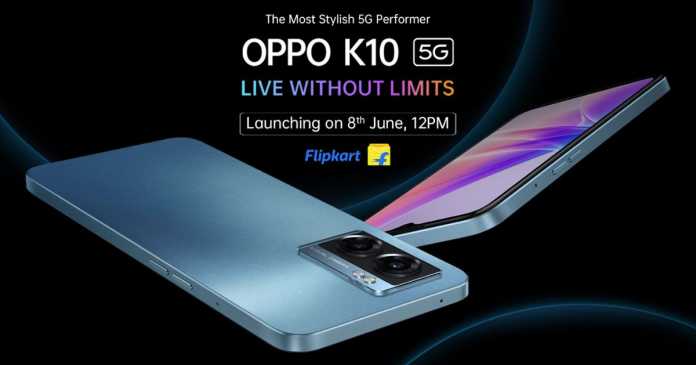
Yesterday, a report emerged revealing the entire spec sheet of the upcoming OPPO K10 5G along with its renders. Now, the device has been officially teased along with its Indian launch date.
The K10 5G has received a dedicated micro site on Flipkart which reveals that it will launch on June 8 in India. The teaser has not revealed any specifications yet, so let’s take a look at the leaked specs to get an idea of what to expect.
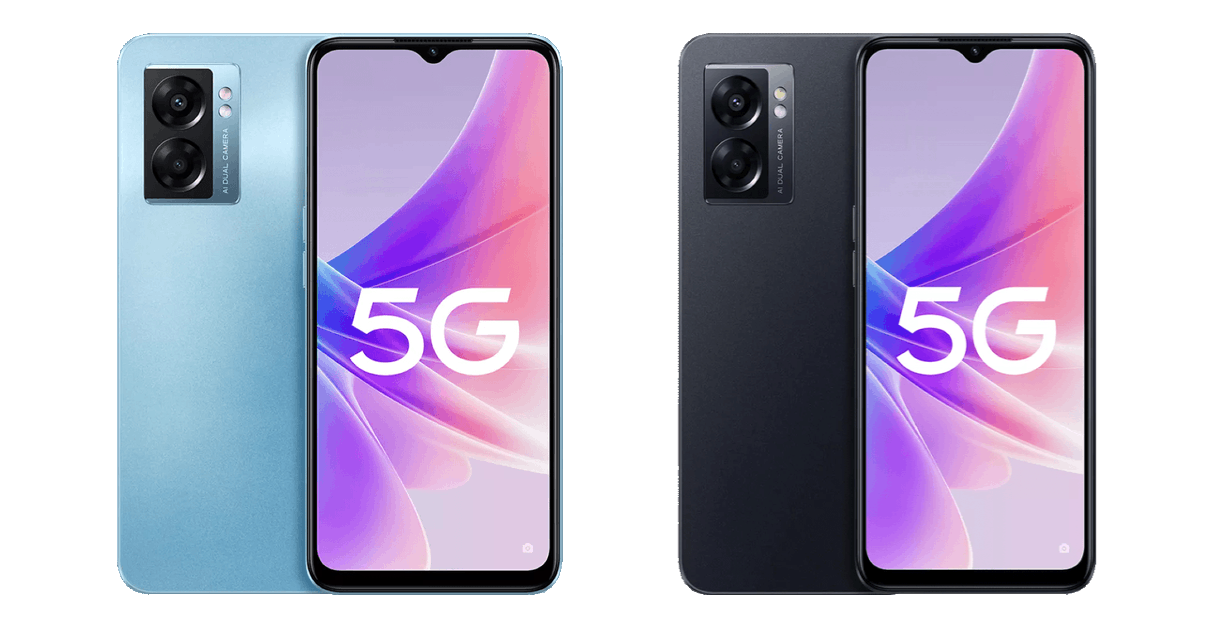
OPPO K10 5G specs (rumored)
According to a previous leak by tipster Sudhanshu Ambhore, the smartphone will come featuring a 6.56-inch LCD panel with HD+ resolution and 90Hz refresh rate. The screen has noticeable bezels and a dew-drop notch.
Under the hood, the device is said to feature MediaTek’s Dimensity 810 5G chipset paired with the Mali-G57 MC2 GPU. OPPO will offer the device with up to 8GB of LPDDR4x RAM, and 128GB of UFS 2.2 storage. It is said to draw power from a 5000mAh battery that supports 33W fast charging. The device will come preinstalled with Android 12 OS and ColorOS 12.1.
For optics, it will feature a dual-camera setup on the back consisting of a 48-megapixel main camera and a 2-megapixel depth sensor. On the front, the device is said to have an 8-megapixel selfie snapper.
Other features of the smartphone include support for 7 5G bands, dual stereo speakers, a side-facing fingerprint reader, a 3.5mm audio jack, and OPPO Glow Design. It weighs 190 grams and has a thickness of 7.9mm.
Pricing & Availability
The smartphone will launch on Flipkart in India and will likely come in two colors – Blue and Black. At present, the pricing of the device is under wraps, but as the device is a rebranded version of the OPPO A77 5G which launched in Thailand at THB 9,999 (~$291; ₹22,750), we can expect the K10 5G to debut around ₹20,000 price range.
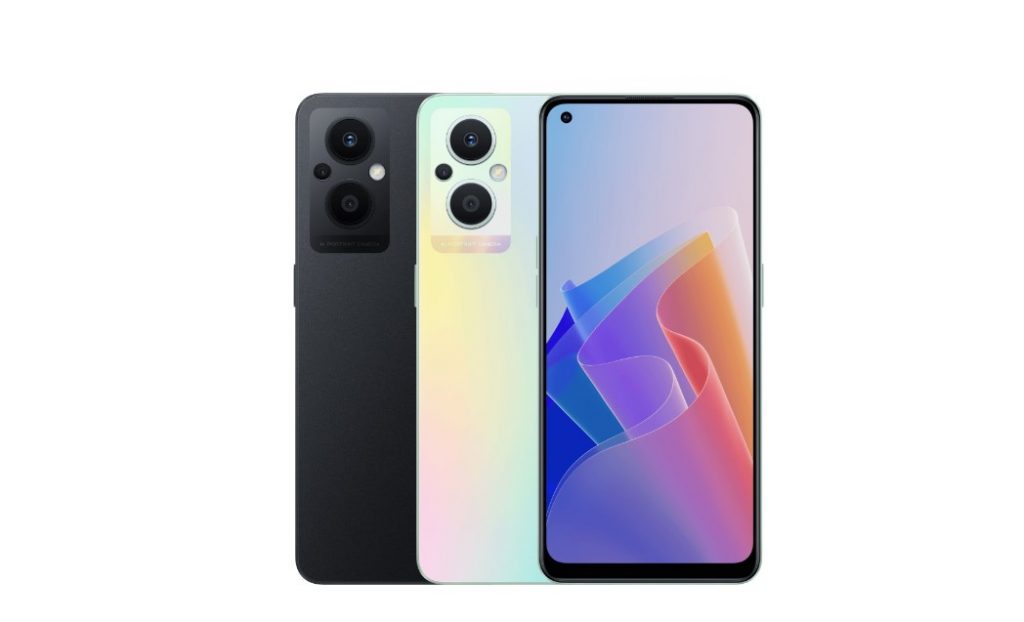
OPPO Reno 8 Lite 5G has been launched in Spain. It is the fourth offering in the Reno 8 series that was launched last month. The Reno 8 Lite 5G is actually a rebranded version of the OPPO F21 Pro 5G in India.
OPPO Reno 8 Lite 5G specifications and features
The OPPO Reno 8 Lite 5G comes with a 6.43-inch AMOLED display bearing an FHD+ resolution and a 60Hz refresh rate. It has a punch-hole cutout at the top left corner. The device is equipped with an in-screen fingerprint scanner.
The OPPO Reno 8 Lite 5G sports a rectangular camera module on the back panel. It features dual orbit lights around the camera ring that glows when there is an incoming notification. The camera setup comprises a 64MP main sensor paired with a 2MP depth and 2MP macro lenses. Up front, there is a 16MP selfie snapper.
Internally, the Reno 8 Lite 5G is equipped with a Snapdragon 695 processor. It is paired with 8GB RAM and 128GB onboard storage. There is extendable RAM technology up to 5GB. The smartphone draws its power from a 4,500mAh battery unit with support for 33W fast charging.
The OPPO Reno 8 Lite 5G runs on ColorOS 12 based on Android 12 out of the box. Connectivity options on the device include 5G, USB-C port, 3.5mm jack, WiFi, Bluetooth, and GPS.
OPPO Reno 8 Lite 5G pricing and availability
The OPPO Reno 8 Lite 5G carries a price tag of EUR 429. It is offered in Cosmic Black and Rainbow Spectrum colours. The device will be available for purchase this month in Spain.
Taiwan has just imposed a ban of all export of modern chips to Russia and Belarus. The government made the decision due to the ongoing invasion of Ukraine by the Russian forces.
The Taiwanese Ministry of Economic Affairs (MOEA) has shared a list of all high tech goods that will be banned from export to Russia and Belarus earlier this week (Via DigiTimes). The ministry also announced that these new high tech products will also be barred from Belarus since it might help Russia in bypassing these sanctions. So now, companies from these two regions will no longer be able to purchase certain semiconductors products like microprocessors or even microcircuits.
This includes the kind that feature a performance speed of 5 gigaflops or above, have a frequency rate that is higher than 25MHz, an external interconnection with a data transfer rate of 2.5 MB/s or greater, more than 144 pins, or a basic propagation delay time of lower than 0.4 nanoseconds. In simpler terms, Russia and Belarus are basically no longer able to source modern technology that were manufactured in Taiwan.
Apart from modern chipsets, Taiwan will also not sell chip production related equipment to these nations as well. In other words, they can’t source equipment to produce their own chips as well. This includes alignment and exposure equipment for wafer production, scanners, and even scanning electron microscopes.
Jio-bp is partnering with India’s MG Motor and Castrol to deliver electric vehicle charging infrastructure and charging services in India. The collaboration will see to the establishment of EV charging infrastructure across Castrol’s auto service network in India.
A liberal and incentive-based policy by the government has seen a surge in the demand for electric vehicles in India. This boom comes with its challenges which include the availability of charging facilities across the country. The Jio-bp collaboration aims to accelerate EV adoption in India while also providing ancillary services. Jio-bp will develop an ecosystem that will contribute to the improvement of charging infrastructure. The Jio-bp pulse app will help users quickly locate charging stations while on the go.
MG Motor India will provide the intra-city and inter-city infrastructure that will enable a hitch-free driving experience for EV users. Castrol has expanded its clientele by incorporating auto service for EVs. This will be done through its all-purpose auto service network and Express Oil Change outlets. These services will be available will now be available at Jio-bp mobility stations and several Castrol facilities in India.
The new approach for EV customers will see Castrol putting EV charging infrastructure across its service network. Castrol will also provide training and certification on the latest automotive technologies for mechanics. There are no timelines and milestones provided in the details already released. The Jio-bp collaboration with MG Motor and Castrol could fast-track EV adoption, if successful.
There are going to be only two major known smartphone launches next week. Both of them are meant for India. They will be carried by two separate brands.
Out of two events, one of them will be by Motorola and the other by Oppo. Both of them will be announcing a budget smartphone each. Let’s take a look at these phones one by one.
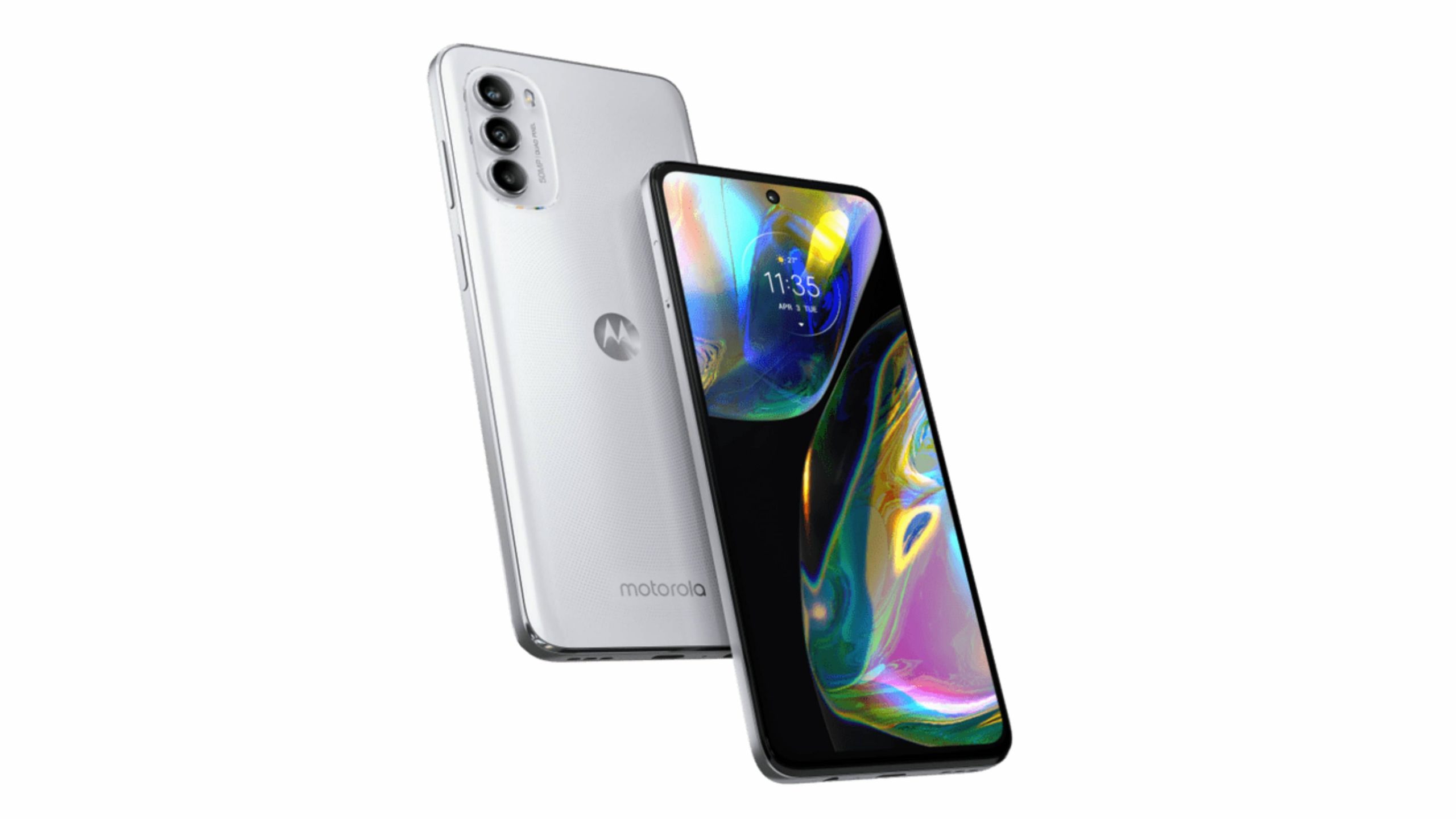
The Motorola Moto G82 5G has been confirmed to debut in India on June 7. The handset will be announced via social media at 12 PM IST.
Since the device is already official in Europe, we know everything about it. The phone’s main highlights include a 6.6-inch FHD+ 120Hz 10-bit pOLED display, a Qualcomm Snapdragon 695 SoC, and an OIS-assisted 50MP primary camera.
The handset offers other features like a 16MP selfie camera, dual stereo speakers, 3.5mm headphone jack, dedicated MicroSD card slot, Android 12, 5,000mAh battery, and 30W fast charging support.
2. Oppo K10 5G
Oppo has scheduled an event in India for June 8. The live stream will begin at 12 PM on the company’s official Youtube channel. The firm has revealed to announce the Oppo K10 5G at this conference.
According to teasers and leaks, the Oppo K10 5G heading to India will be different from the original Chinese model. It is expected to be a rebranded Oppo A77 5G.
Therefore, the device will likely come with a 6.56-inch HD+ 90Hz display (LCD), Mediatek Dimensity 810 SoC, 48MP (wide) + 2MP (depth) dual-camera system, 8MP selfie camera, dual stereo speakers, side-mounted fingerprint sensor, Android 12, 5,000mAh battery, and 33W fast charging support.
Despite having a rocky launch, Diablo Immortal is still one of the most popular launches in Android gaming market. It is the first entry in a long time within the massively popular Diablo series, but it seems that Samsung users may be left out of the experience.
While the South Korean tech giant’s Exynos powered smartphones are typically considered to be inferior to their Snapdragon powered counterparts. This is only slightly noticeable. But now, it appears that some mobile games aren’t able to play this game due to bigger issues with the graphical fidelity. In a Redditthread (Via SamMobile), Samsung users that have Exynos powered phones have been facing issues like artifacting when playing the game.
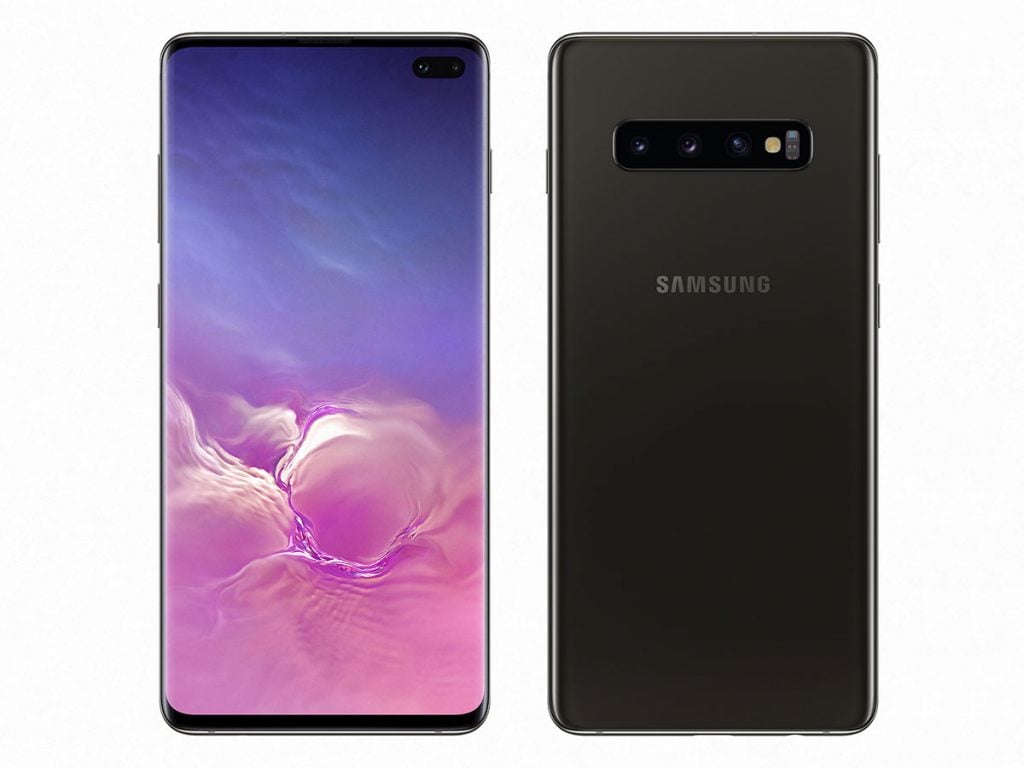
These issues range from minor texture glitches to even game breaking bugs and performance issues. This issue was believed to primarily affect the brand’s budget level smartphones, but now, its been confirmed to occur on older flagship models like the Galaxy S10 and Note 10 series as well. Some of these bugs are also present in the latest premium grade smartphones within the Galaxy S22 lineup.
Galaxy S10+
As of right now, the developers behind Diablo Immortal have confirmed that they are aware of this issue and is working on a fix that should be releasing sometime soon. But at the moment, Samsung smartphone owners will have to wait before being able to properly experience this game. Thus, the team is even considering on disabling the downloads for the new title till the issue is addressed.
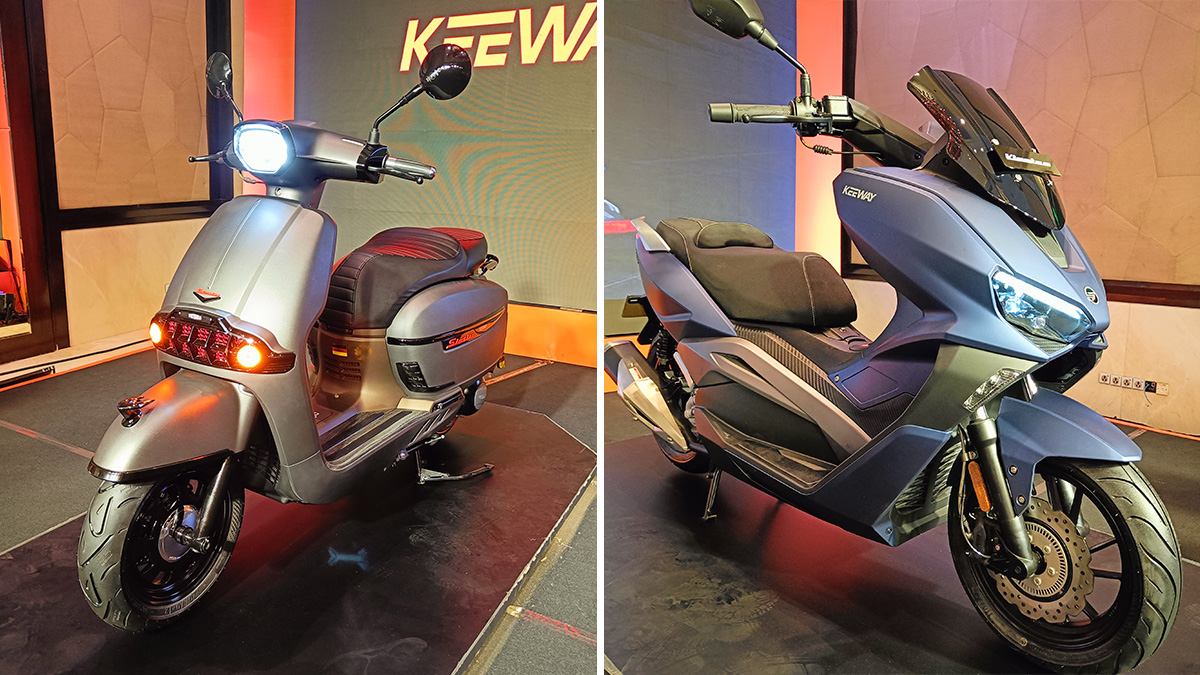
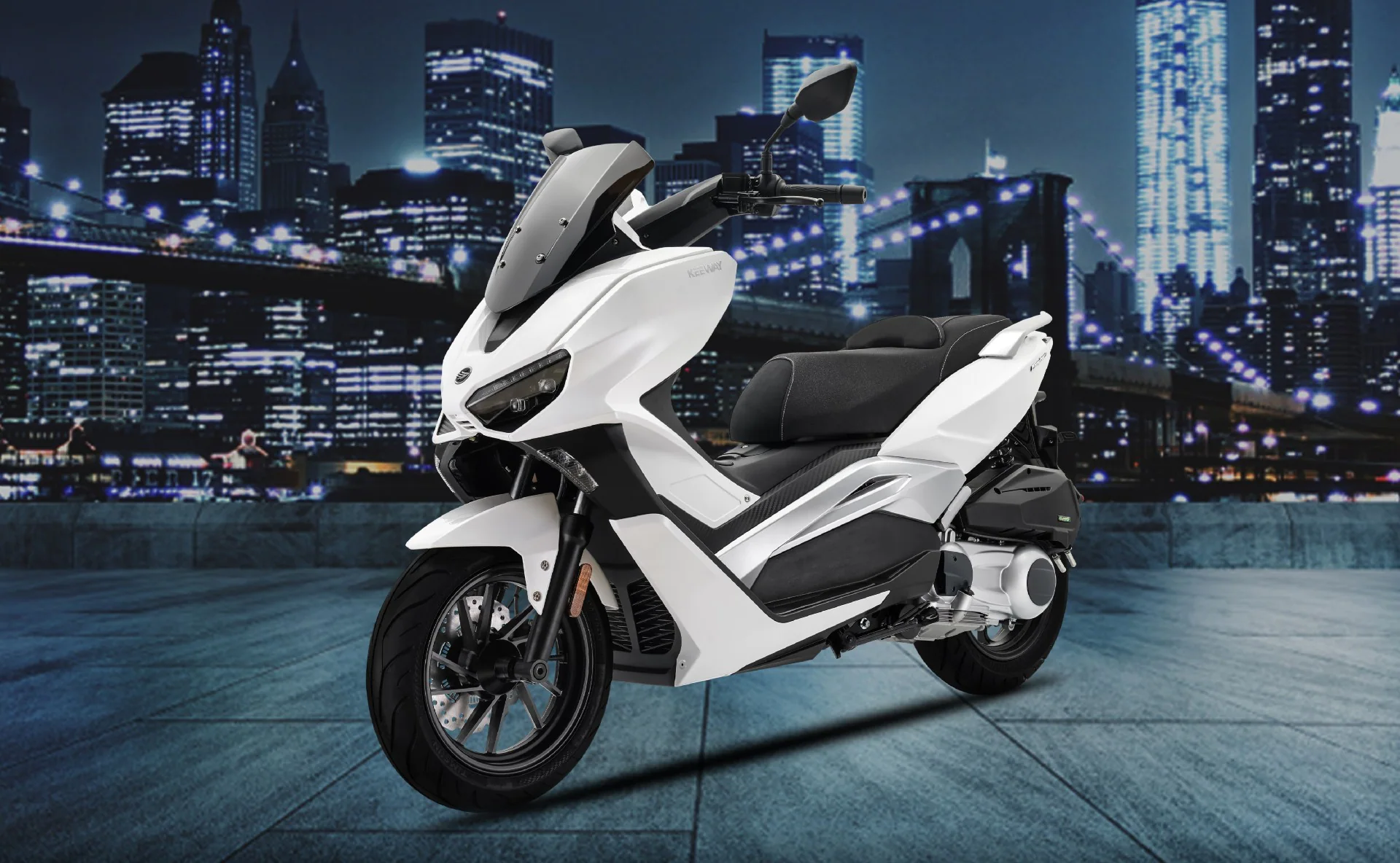
Keeway has announced its entry into the Indian market with three scooters. The Keeway Vieste 3000, K-Light 250V, and Sixties 300i are the Hungarian manufacturer’s first models in India. The trio is led by the retro-styled Keeway Sixties 300i which is now the most expended retro model in India.
The Keeway Sixties 300i is priced at 3.22 Lakhs ($4,150) which is above the cost of the Maruti Alto in India. The Keeway K-Light 250V and Vieste 3000 come with a modern design, with the Vieste 3000 priced at 2.99 Lakhs ($3,854). Interested customers can book for the Keeway Sixties 300i with an Rs. 10,000 ($129) deposit.
Keeway has propped up the Sixties 300i as offering reminiscences of the great decades. It sports a classic design of the headlamps and turn indicators at the front. The seat design also bears a blast from the past with the chrome highlights giving it a premium look. Interestingly, the Sixties 300i has a 10-liter tank whose cap is located on the floorboard. The instrument cluster of the Sixties 300i is semi-digital and supports USB charging of devices.
The Keeway Sixties 300i has a 278cc single-cylinder engine which is liquid-cooled and supports fuel injection. It has telescopic forks in the front and dual rear shock absorbers. The Keeway Sixties 300i also has disc brakes and a dual anti-lock braking system. The scooter weighs 146kg and has a 140mm ground clearance, as well as a 1,390mm wheelbase.
Keeway Vieste 3000 has the same engine as the Sixties 300i but sports a modern design. The Keeway K-Light 250V has a 249cc V-twin, air-cooled engine with 18.7hp of maximum power. Its rear-wheel-drive uses a belt drive and the scooter has 16” alloy wheels. The K-Light 250V has a similar design for its shock absorbers and front forks. There are no indications at this time when the first deliveries of the new models will be made.
Earlier today (3rd June 2022), Xiaomi has announced that it has made various organization changes in India. The company has shuffled its top management, ahead of its plans for a new growth phase in the region.
Alvin Tse
The Chinese tech giant has announced that Alvin Tse is now the brand’s new General Managed, replacing Manu Kumar Jain who was the previous managing director in India. On the other hand, Manu has been the global Vice President of Xiaomi and is also heading the International Marketing and PR since last year. Notably, the new announcement has also confirmed that POCO India’s Anuj Sharma will be joining Xiaomi as the Chief Marketing Officer (CMO).
Interestingly, Alvin Tse was previously the company’s Global founding team member and even the former General Manager of Xiaomi Indonesia. Tse has also helped the brand expand successfully in the global market as well, working in four of the largest smartphone and internet markets in the world. Now, he is joining the Indian leadership team to support the brand’s plans for the next phase of growth.
Manu Kumar Jain
Interestingly, the news also arrives as Xiaomi is facing scrutiny in India by the local government. The company’s former MD, Manu Kumar Kain, was recently accused for committing tax fraud, meanwhile, the government had also seized the company’s assets that were worth 5,550 crores INR (roughly 708 million US Dollars). Although, these were released later on.
Some of you may know that June 18 is the Chinese version of Black Friday. In order to sell as many phones as possible on this day, many brands choose to launch new budget phones to increase sales. For example, OnePlus launched the Ace Racing edition, HONOR launched the honor 70 series. And we also have a new model in our hands — the Redmi Note 11T Pro.
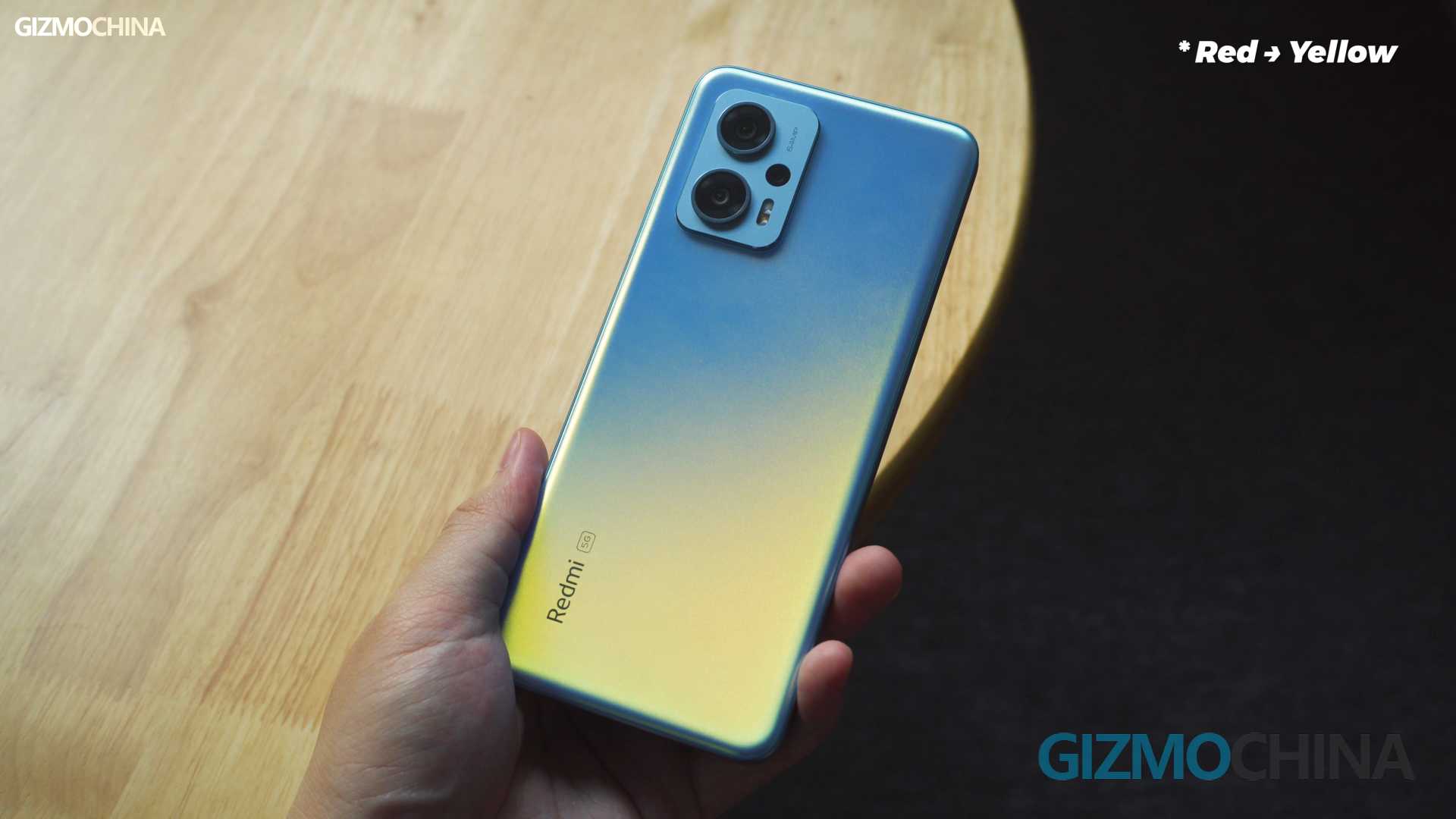
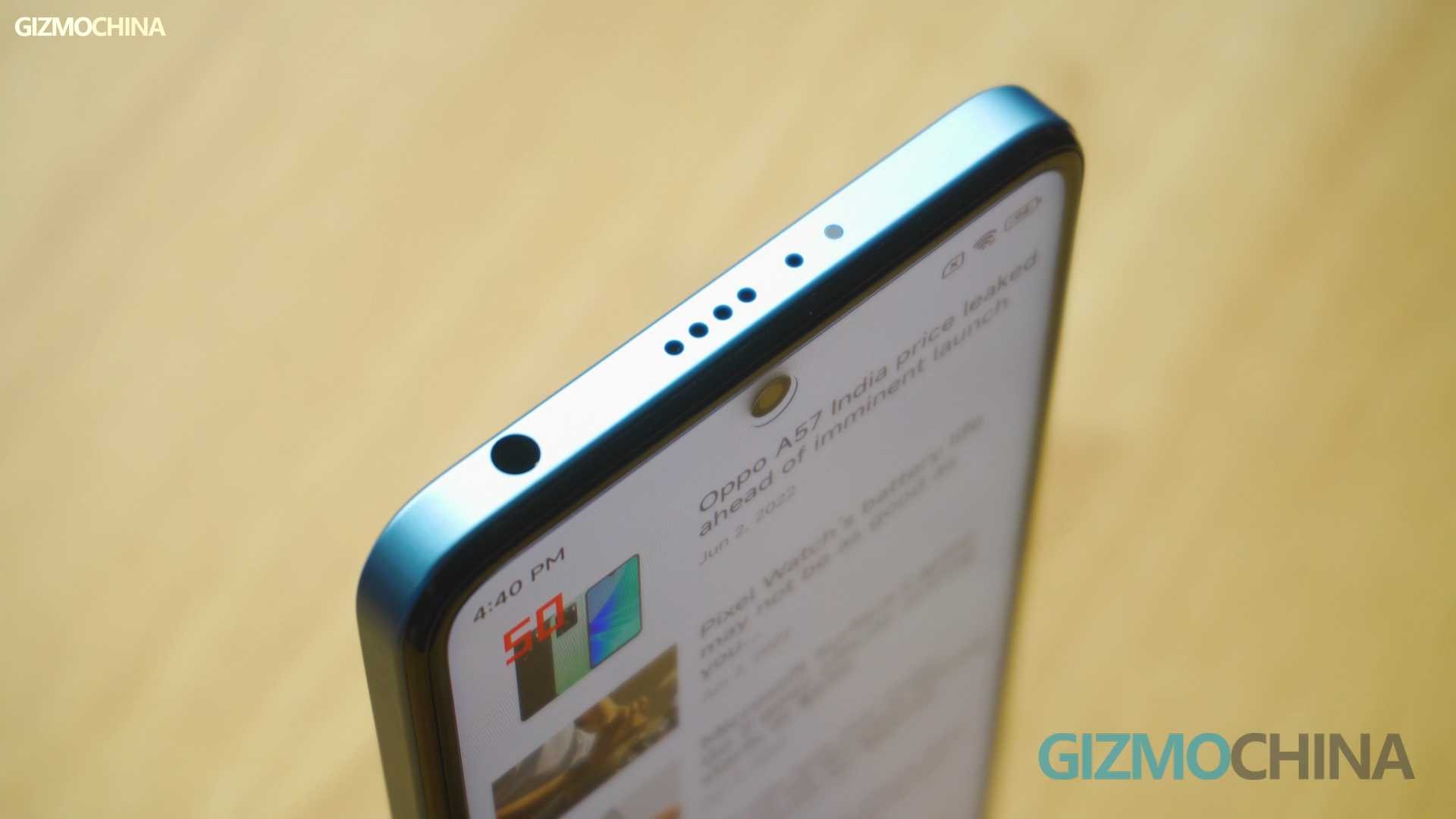
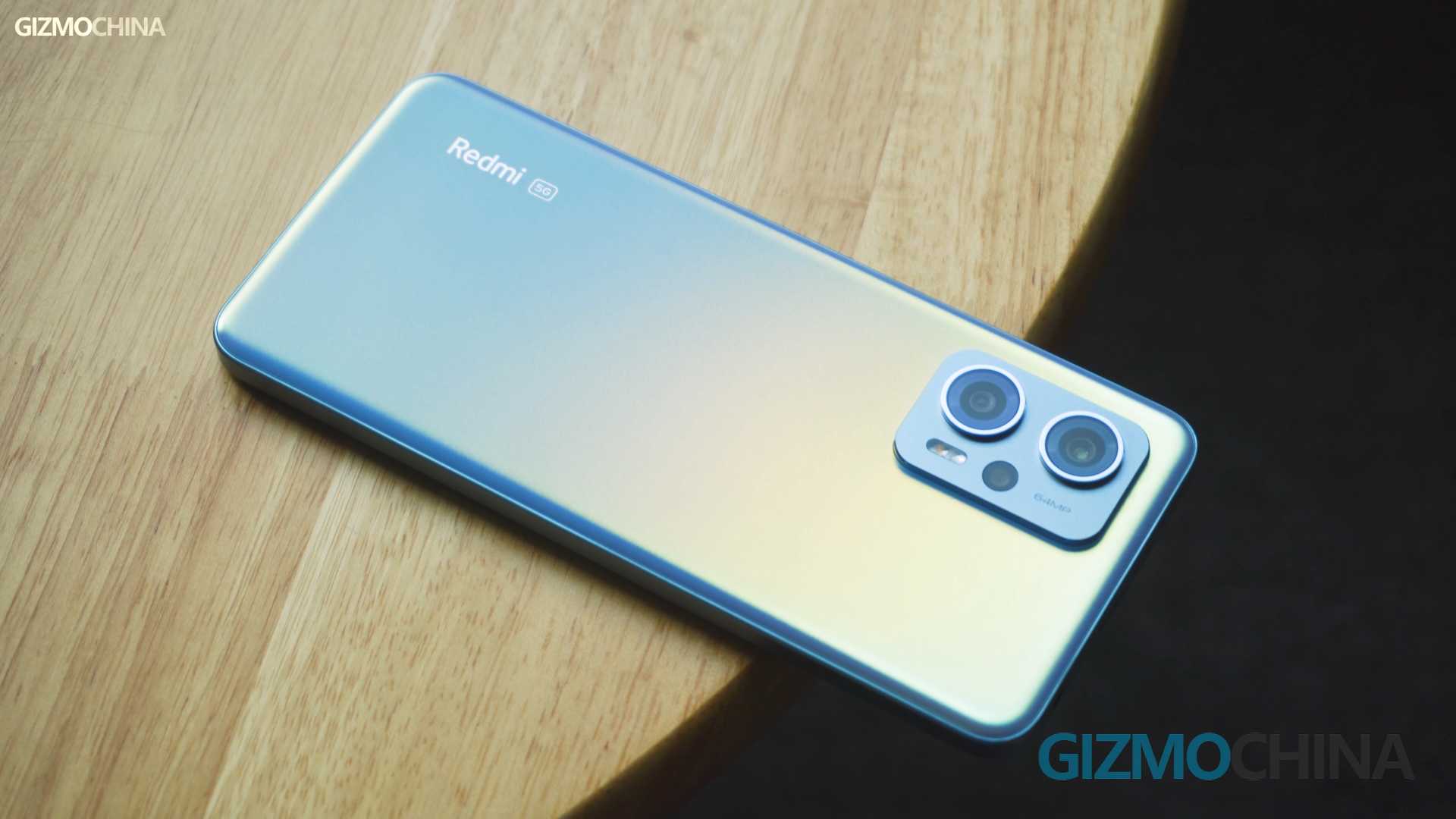
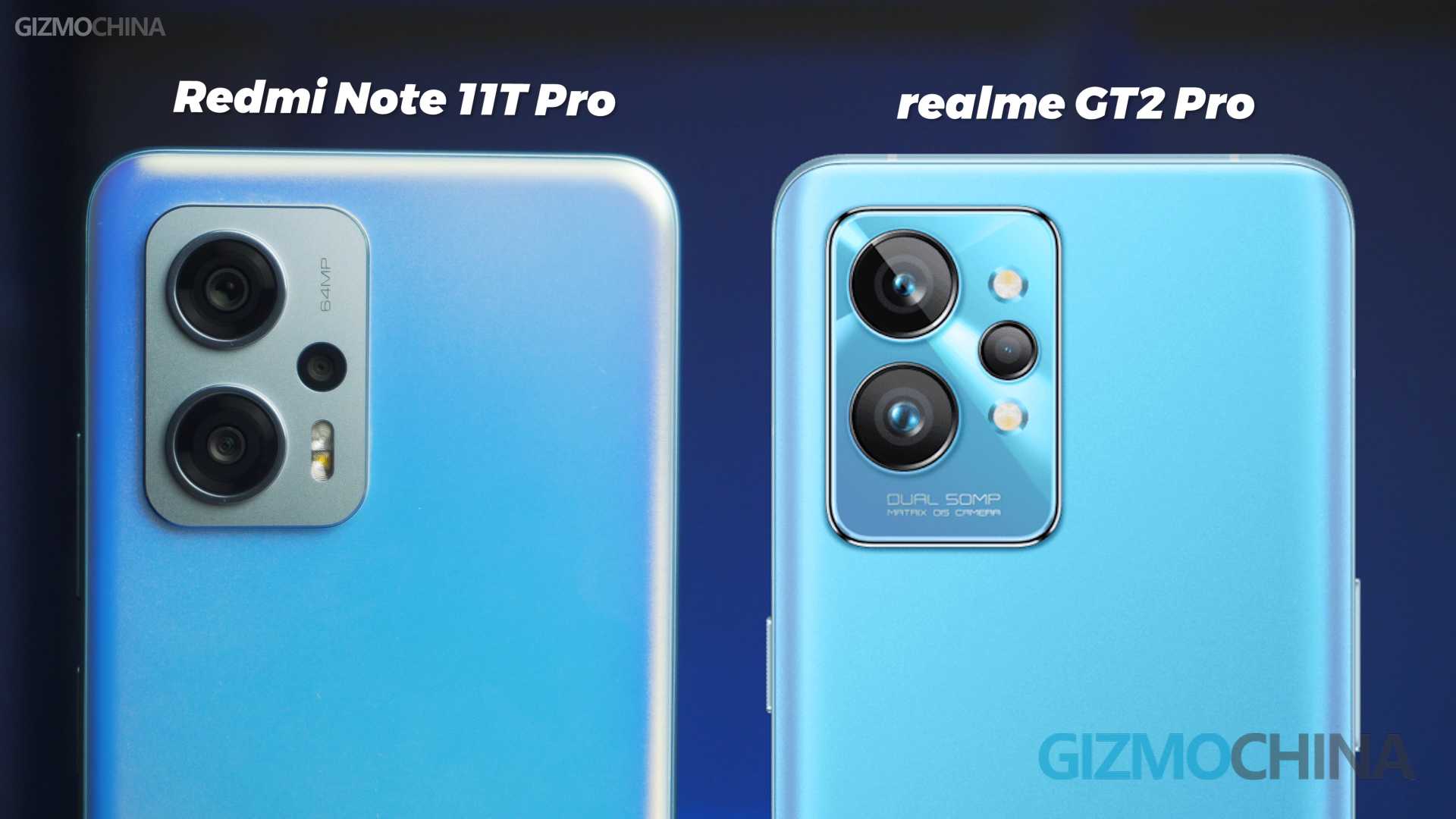
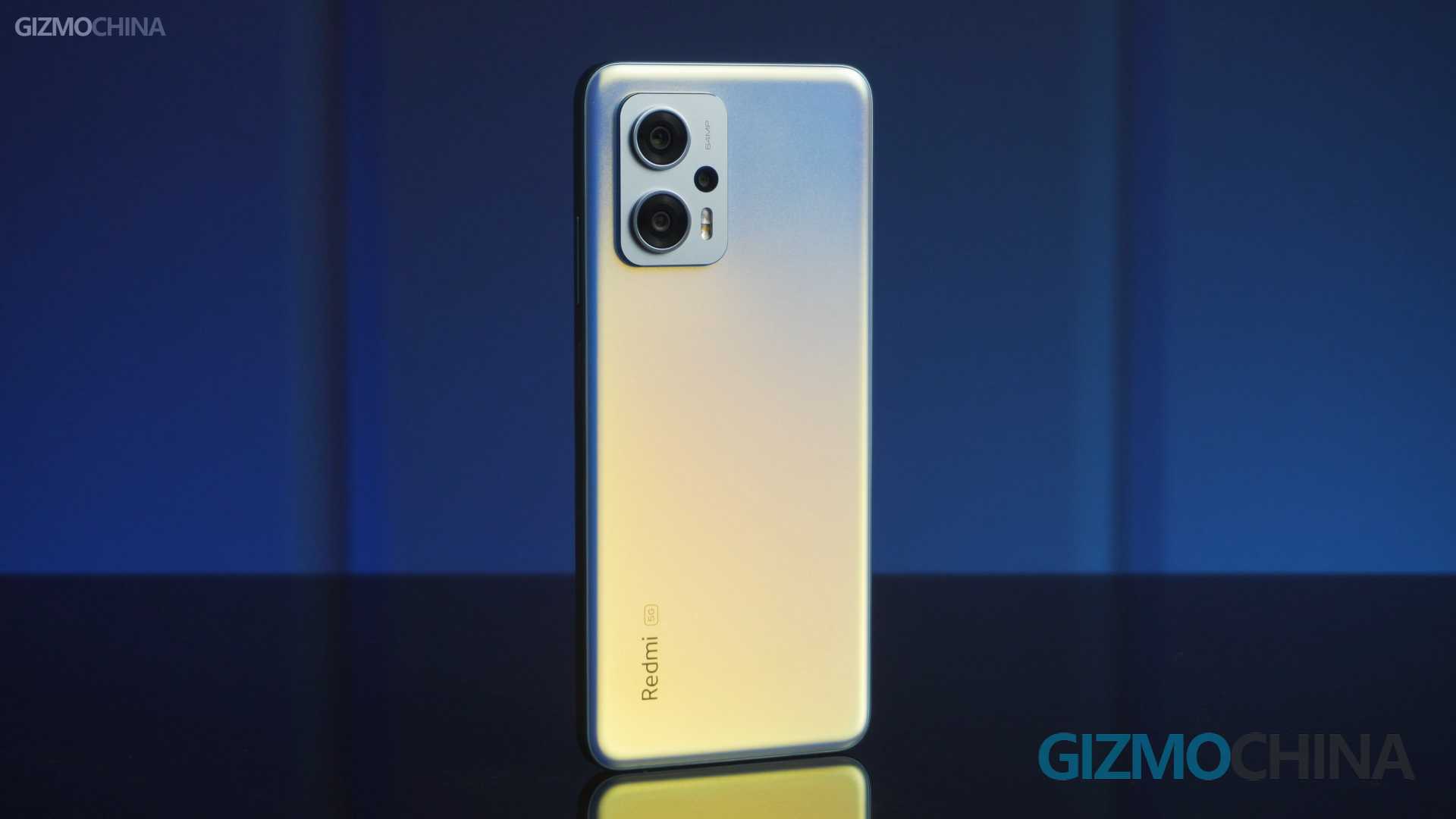
The Note 11T Pro we’ve bought is the blue color model. You can also see a bit of red in the reflection of the light. Although the whole back panel and frame are made of plastic, the frosted material of the back panel makes it really feel quite like glass. The camera module is different from any previous Redmi phone, but it looks a bit like another brand’s phone. In addition to NFC, X-axis linear motor, and an infrared emitter, which everyone has, there is also a very interesting addition this time: the headphone jack, which many flagship phones do not have anymore.
You can’t expect a mid-range phone to have a great design. But as long as it can be fully functional and give us features like a headphone jack, I think it’s a good phone.
Redmi Note 11T Pro Display
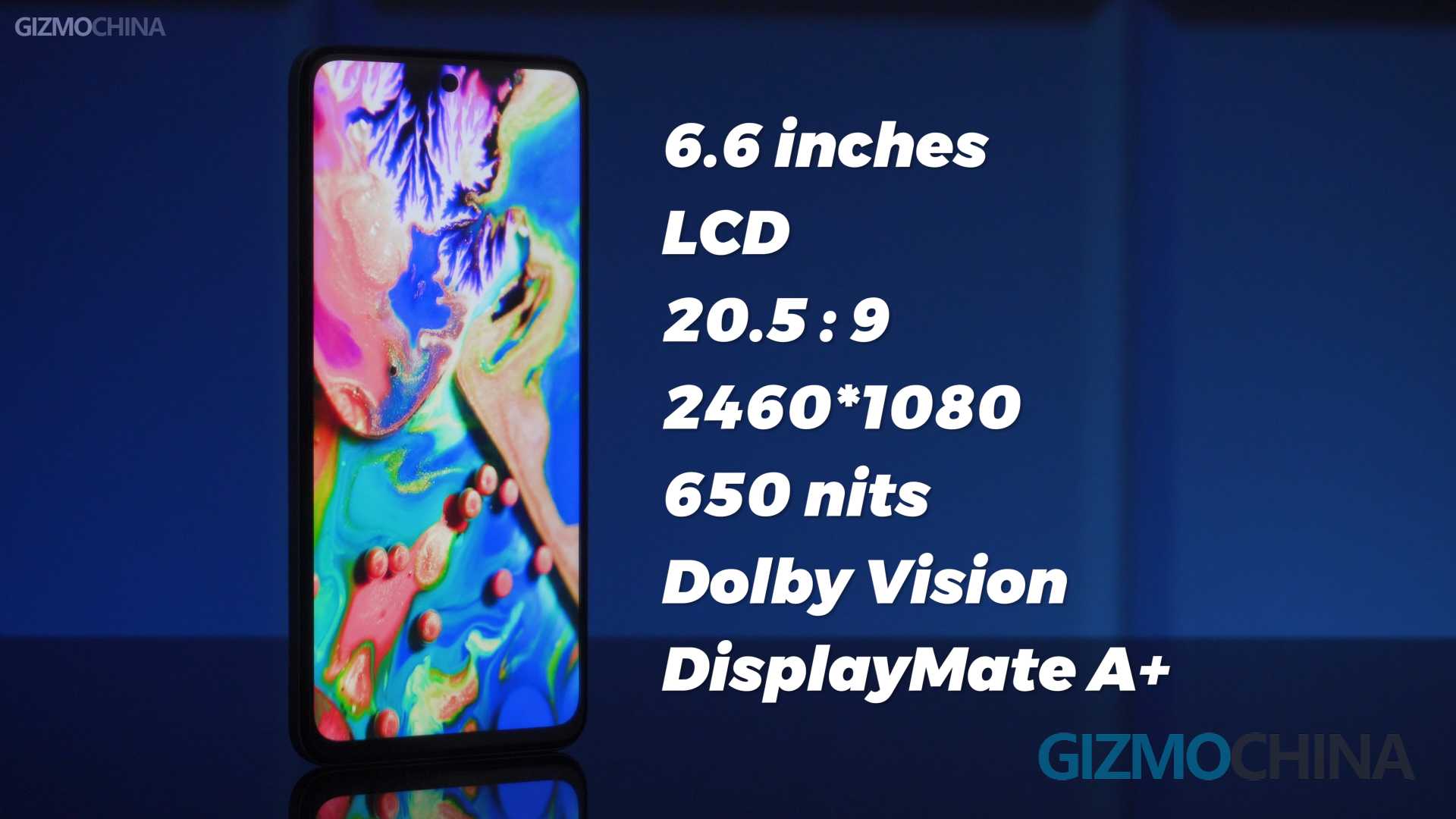
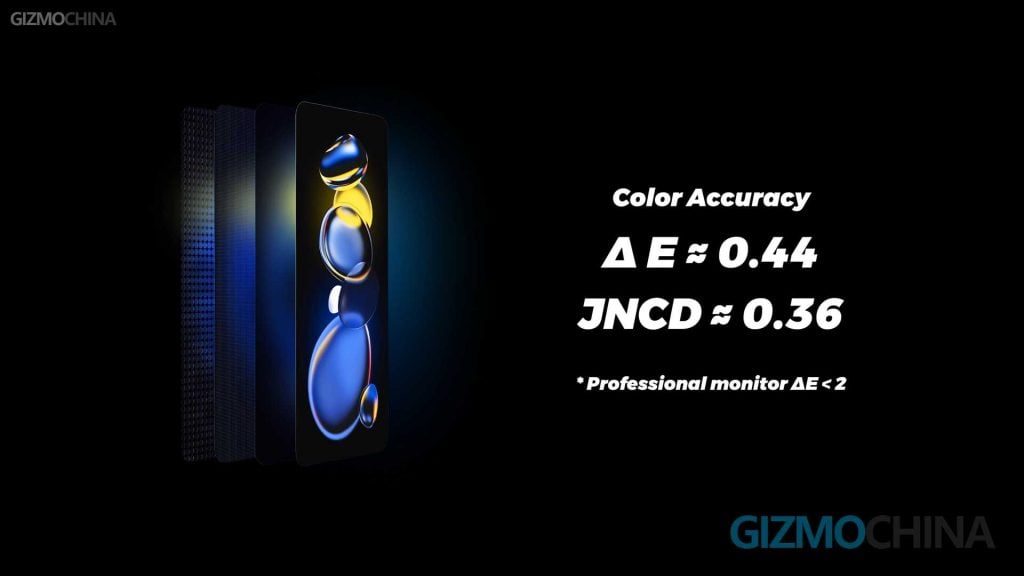
Nowadays, there are more and more phones with OLED displays, and it’s getting harder to find a good LCD display phone. It just so happens that the Note 11T Pro uses a very good LCD screen for its price point. The screen on the 11T Pro+ is the only LCD screen on DisplayMate that received an A+. The Pro version uses the same screen, so the display is just as good. Ghosting control is also excellent, and it is barely noticeable to the human eye. The color accuracy is also factory calibrated and Redmi has even customized this LCD with a low blue light backlight. It supports Smart AdaptiveSync, which automatically drops the refresh rate to 50Hz when you’re not touching the screen. There are still many people who prefer LCD screen to OLEDs right? That’s because LCD is not only clearer at the same size and resolution, but also has full-scene DC dimming, which OLEDs can’t do. Lifespan is also longer than an OLED.
It is a pity that this excellent LCD is a bit poor in touch sampling rate.
The highest 270Hz sampling rate can only be achieved when the refresh rate is less than 90Hz. LCD screen’s common problem is also present on the 11T Pro, which is a shadow around the hole punch area. Anyway, if you can’t accept the flicker or other drawbacks of OLED, then the Note 11 Pro is one of the few good options you have.
Redmi Note 11T Pro Processor & Gaming
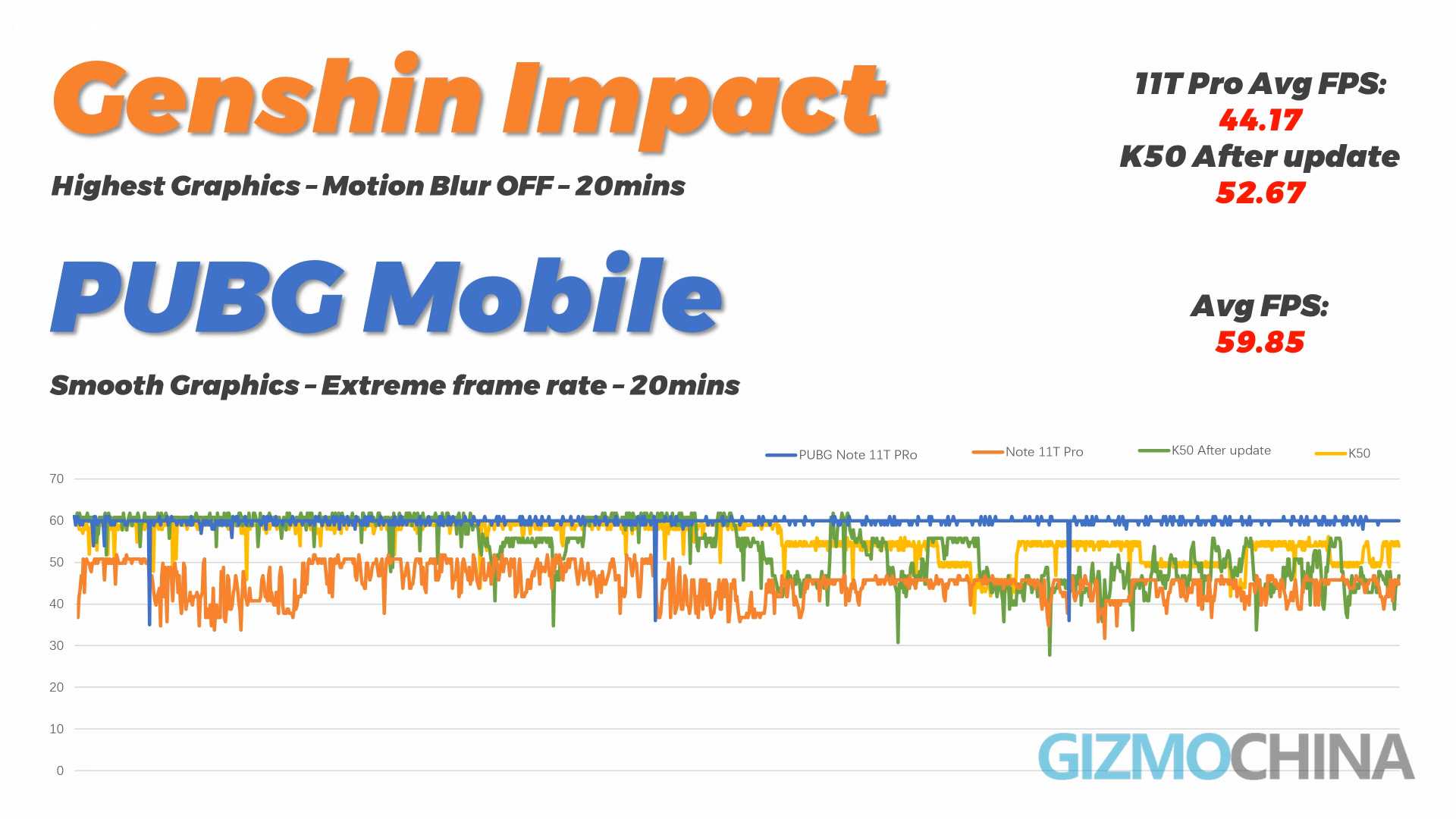
The most powerful processor in the budget phone this year should be the Dimensity 8100. The Benchmark score is a little worse than the Redmi K50. But it is also the normal level for 8100. Gaming performance is significantly different from the K50. When the K50 first came out, it performed very well. Although the game frame rate of the K50 dropped a little after the system update, it could be due to the hot weather in summer, and Redmi had to consider the temperature factor. However, the gaming performance of the latest system version on the K50 is also very good. But the Note 11T Pro doesn’t seem to perform quite like a normal Dimensity 8100 phone. It looks like it’s trying to lock the game frame rate at the 50 or 45fps line, but the lag is keeping it from staying on a straight line. I know the lag has increased for the K50 in the latter half of the game, but at least the K50 performs very well in the first half. We’re not sure if this was intentional or unintentional on Redmi’s part – after all, there’s a $45 price difference between the K50 and the Note 11T Pro.
But we still recommend spending an extra $45 for the K50 instead of the Note 11T Pro o those who like to play Genshin Impact. Of course, if you’re just playing PUBG, then it’s definitely a breeze for the Note 11T Pro. However, it should be noted that the extreme frame rate is currently only enabled in Smooth Graphics.
Redmi Note 11T Pro Camera Performance
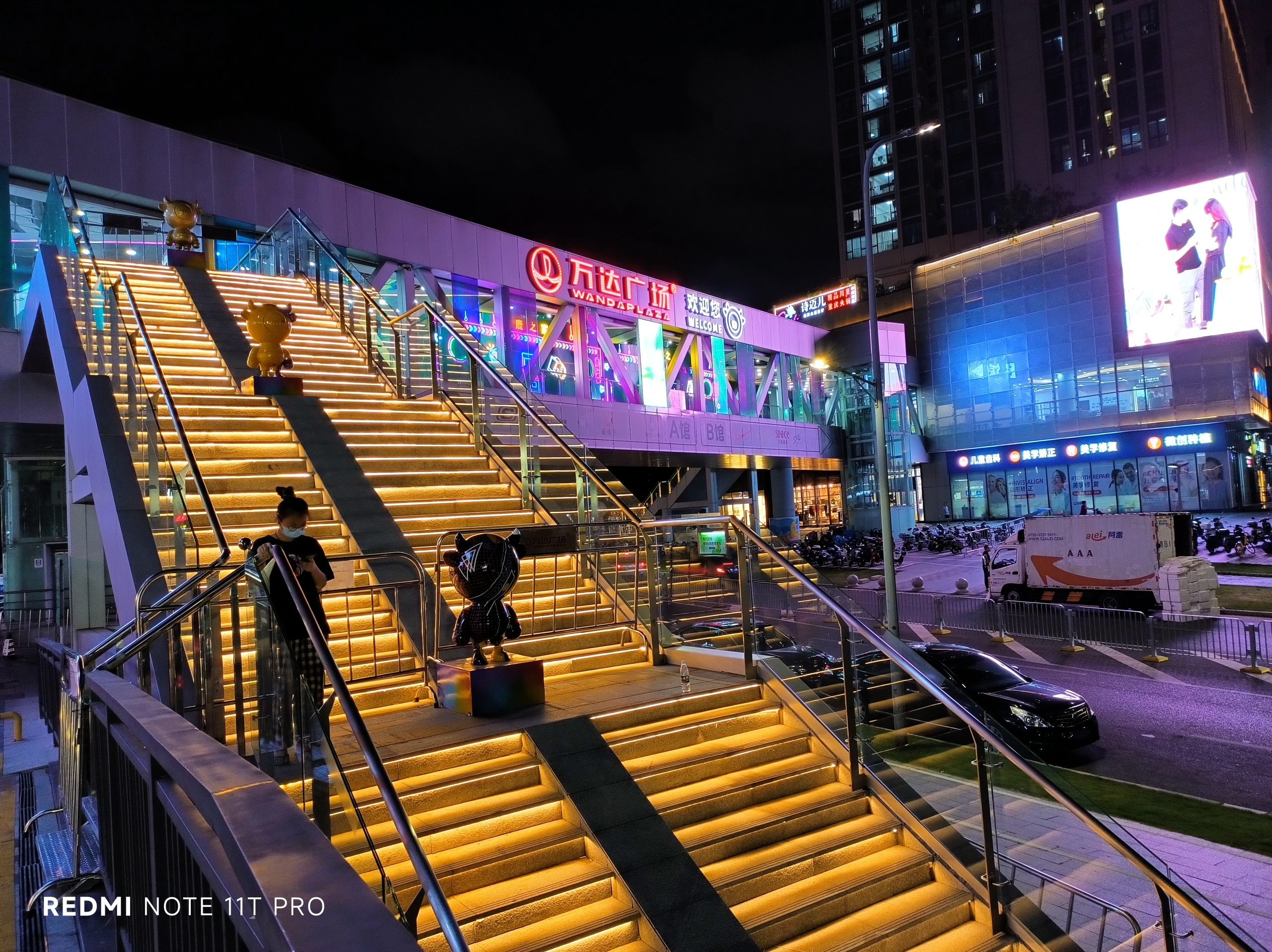
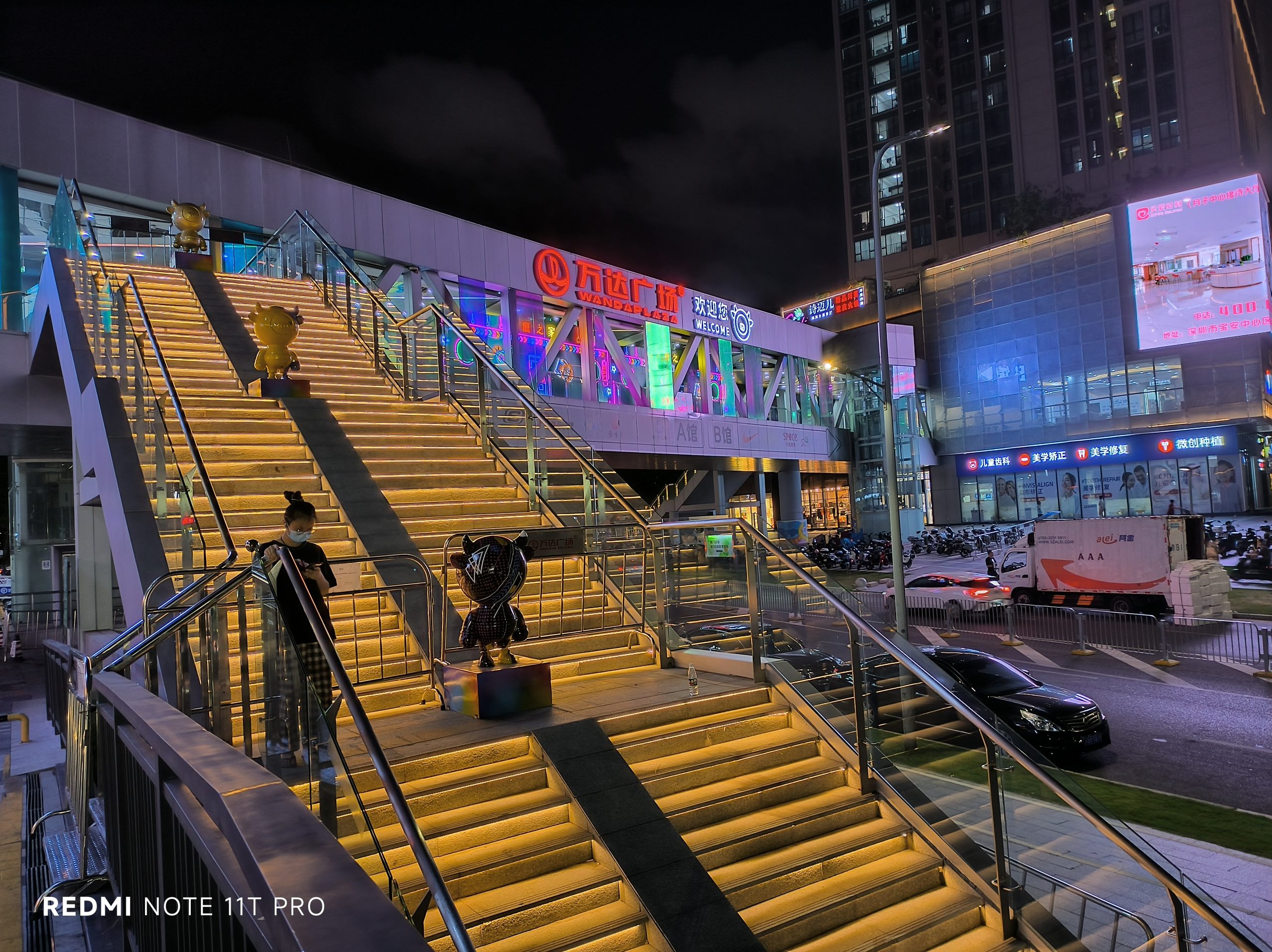
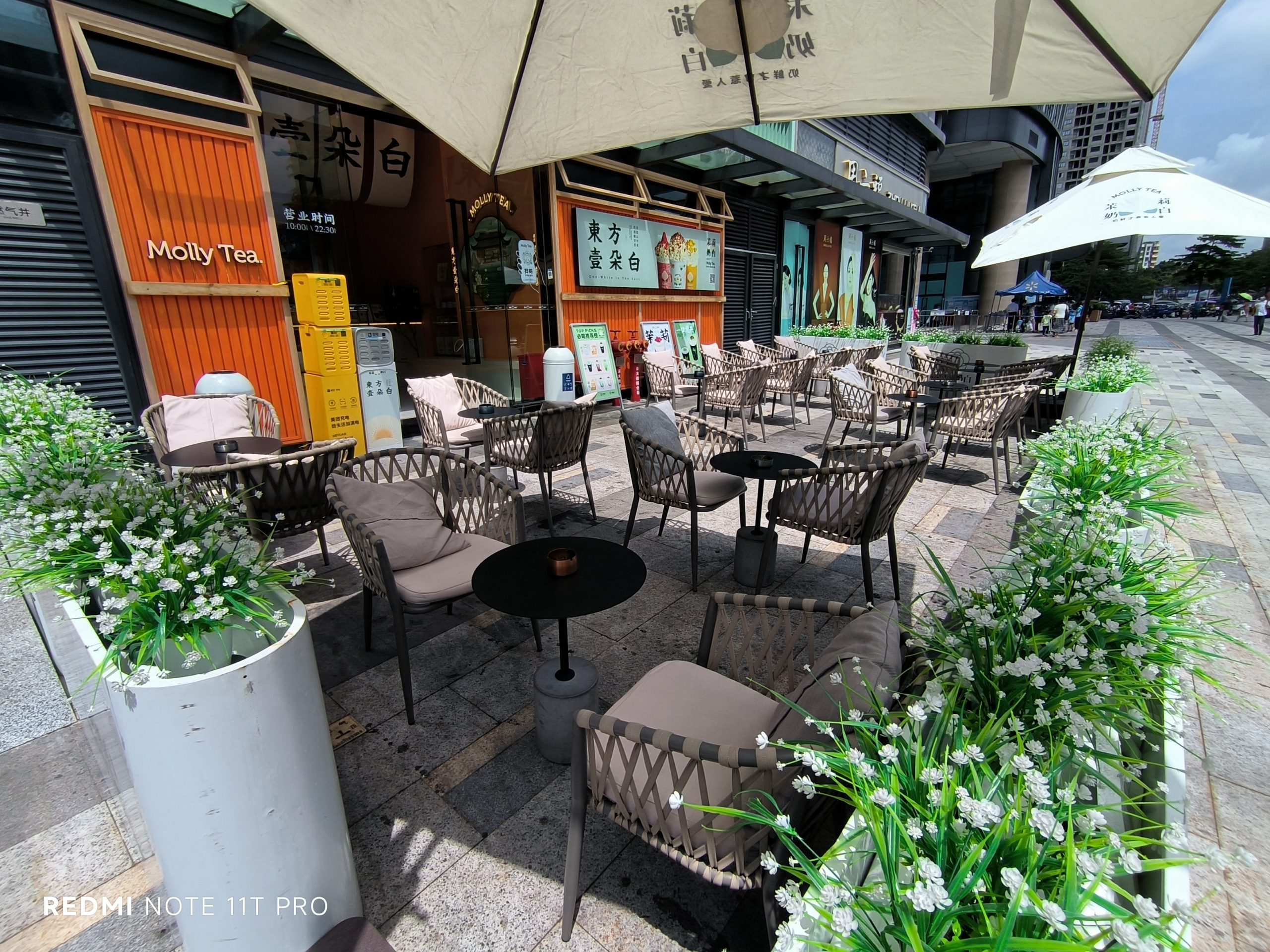
As you should know, Redmi’s photography has never been its strong point. But the Note 11T Pro still can take good pictures. The main camera is GW1, the same one as the Mi 11 Lite. But algorithm advancements have made the 11T Pro a better performer than the 11 Lite. The images are clear, with excellent dynamic range and vivid colors. The highlight control is particularly good for night scenes, which is an excellent level in the same class of phones. However, there is no OIS, so there is a possibility that the photos will be blurred in low light.
1 of 7
The ultra-wide camera, like other budget phones, takes very blurry pictures at night. The good thing is that the improvement in night mode is very obvious, as the noise control and clarity have become much better.
1 of 6
The video recording doesn’t give us much surprise, the main camera records up to 4k 30fps and the ultra-wide camera records up to 1080P 30fps. The dynamic range is average, and the main camera 4k 30fps does not support EIS. So the Note 11T Pro is not a very good video recording phone.
Redmi Note 11T Pro Battery & Charging Performance
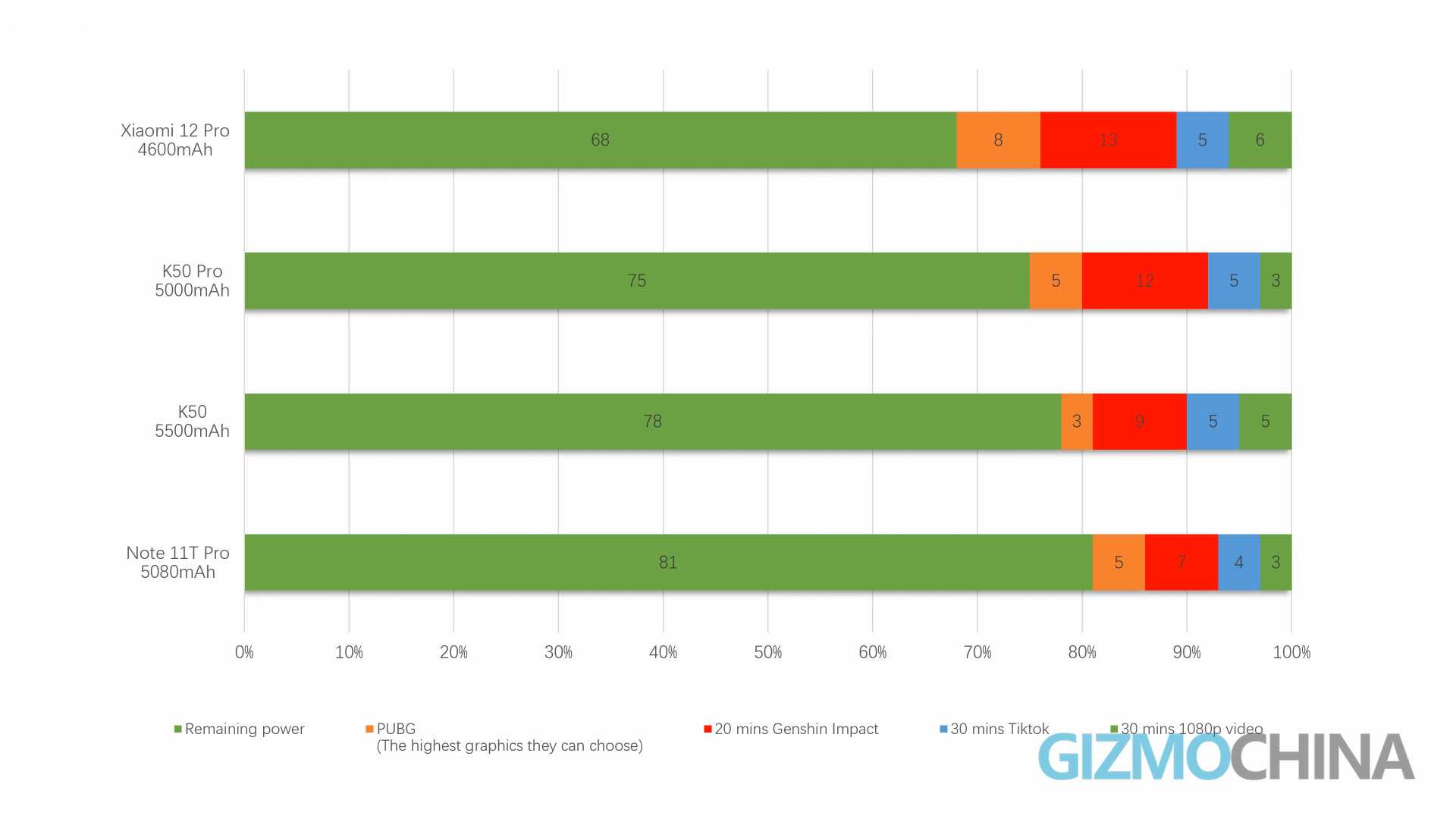
Why we didn’t buy the Note 11T Pro+ over the Pro version was because we think you should be more interested in the Pro. The Pro+ has 120w charging power but only a 4400mAh battery. The Pro has only 67w charging power but comes with a larger 5080mAh battery. If you’ve watched our K50 review, you know how awesome the Dimensity 8100 with 5500mAh really is. Although we didn’t perform the battery drain test of Note 11T Pro, but referring to the battery drain test result of k50, it should easily last a whole day without charging, no matter how you use it.
The Redmi Note 11T Pro starts at 1699 RMB, which is roughly $255. If you compare its specs with those of the K50, you can think of the 11T Pro as the LCD version of the K50. So Redmi is clearly telling us: if you want a top-of-the-line 2K OLED screen, or a better gaming experience, choose the K50. If you want a more eye-friendly screen, want to save some money, or if you simply want a phone with a headphone jack, go with the Note 11T Pro.
No doubt, watching YouTube on TV is pretty fun, you get to enjoy stuff on a big screen, but it comes with certain limitations. For instance, you cannot like, subscribe or share a Video from the YouTube TV app. This is because the remote controls are difficult to use and navigate. Also, most TVs don’t have a built-in web browser to support these features. To fix this issue, Google is rolling out a new feature that lets you connect your TV to your smartphone for better usability.
According to the announcement post on YouTube Blog, Google is releasing a new feature that will let users effortlessly connect the YouTube TV app to their iOS or Android phone to navigate and engage with the videos easily. In other words, you can now turn your phone into a second screen for YouTube on your TV.
To use this feature, you must sign in on your phone and TV with the same YouTube account. If you are signed in, Open the YouTube app on the TV, then go to the YouTube app on your phone, and click “Connect” on the prompt that automatically pops up.
Once connected, you can use your phone’s keyboard to search for videos to watch on your TV, or You can leave a comment on a video you’re watching on TV with your phone, or check the description of a video you’re watching on TV with your phone.
This new feature is similar to the Casting option that you might have used to cast a video from your phone to the TV. Google is now simply offering the same usability for videos that you find on your TV’s YouTube app. The rollout of this feature starts today, but it may take a while to reach your smartphone or TV.
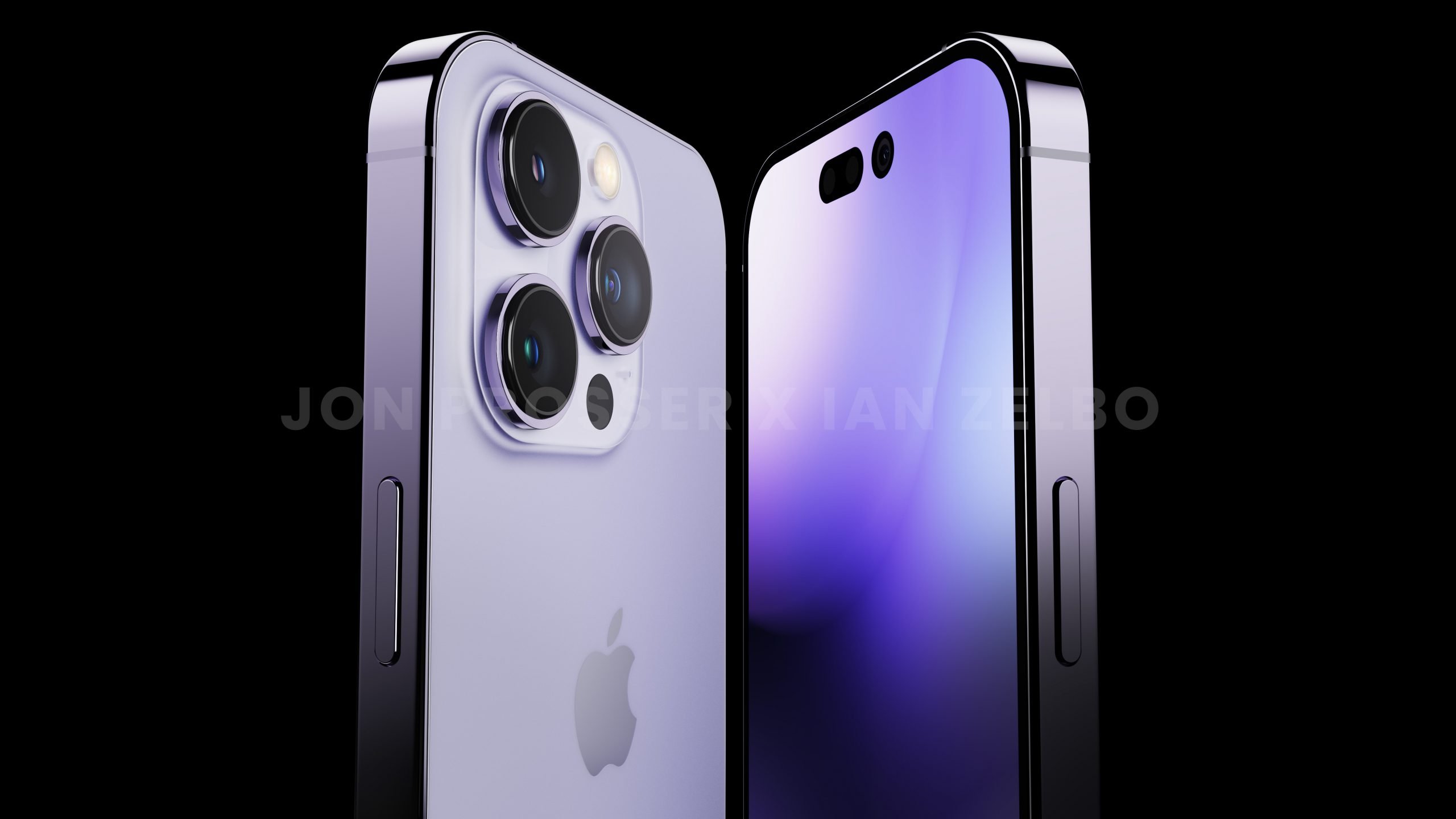
The Apple iPhone 14 series is expected to launch in the second half of this year with various improvements over its predecessor. Now, a new report has suggested that one of these upgrades includes a rise in the base memory of all four models.
According to a TrendForcereport, the iPhone 14, iPhone 14 Max, iPhone 14 Pro, and iPhone 14 Pro Max will all start from 6GB of RAM. This is in line with our previous report, with the Pro models featuring a faster and more power efficient LPDDR5 RAM while the iPhone 14 and iPhone 14 Max will feature the older LPDDR4X RAM. For those unaware, only the higher end Pro models in the iPhone 13 series featured 6GB of LPDDR4X RAM, the base and mini model came with 4GB of LPDDR4X RAM.
But now, the base and new iPhone 14 Max will feature the 6GB of LPDDR4X memory. Known analyst Ming-Chi Kuo had also shared similar information previously. The new report also adds that the iPhone 14 Pro will might possible also launch with 256GB of internal storage. This is higher than the base starting point of 128GB of the iPhone 13 Pro series. Although, based on the chart shared in the report, the storage capacities are still listed as “TDB.”
In other words, its base storage capacity is still uncertain. However, keep in mind that this is still just an unconfirmed report so take the news with a pinch of salt. Stay tuned for more, as we will be providing updates when additional information is available regarding this matter.
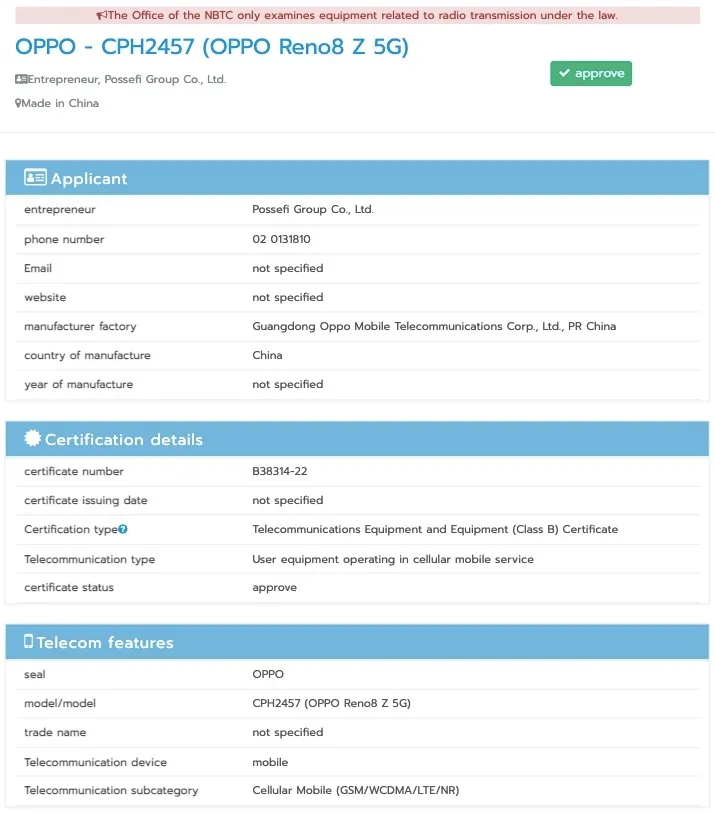
While the Oppo Reno 8 series is already available in China, it appears that the company is working on another new model that will join the existing three smartphones. And now, a certification listing has confirmed its Reno 8Z moniker.
For those unaware, the Reno 8 series consists of a Reno 8, Reno 8 Pro, and Reno 8 Pro+. There have recently also been rumor of a Reno 8 Lite as well, but now, another model has been spotted on multiple certification databases. The Reno 8Z 5G has been listed on NBTC and was even included in the EU declaration as well. The NBTC database confirmed the moniker of the handset as well has its CPH2457 model number.
On the other hand, the EU declaration revealed that it will pack a BLP907 battery model number, which typically has a 4,500mAh rating. Furthermore, this battery pack will have a 33W fast charging. The last information revealed in the listing is that it will run on ColorOS 12.1.1 custom skin, which is based on the Android 12 OS. As the name suggests, it is also likely to be the successor to the Reno 7Z 5G.
Reno 8 Pro
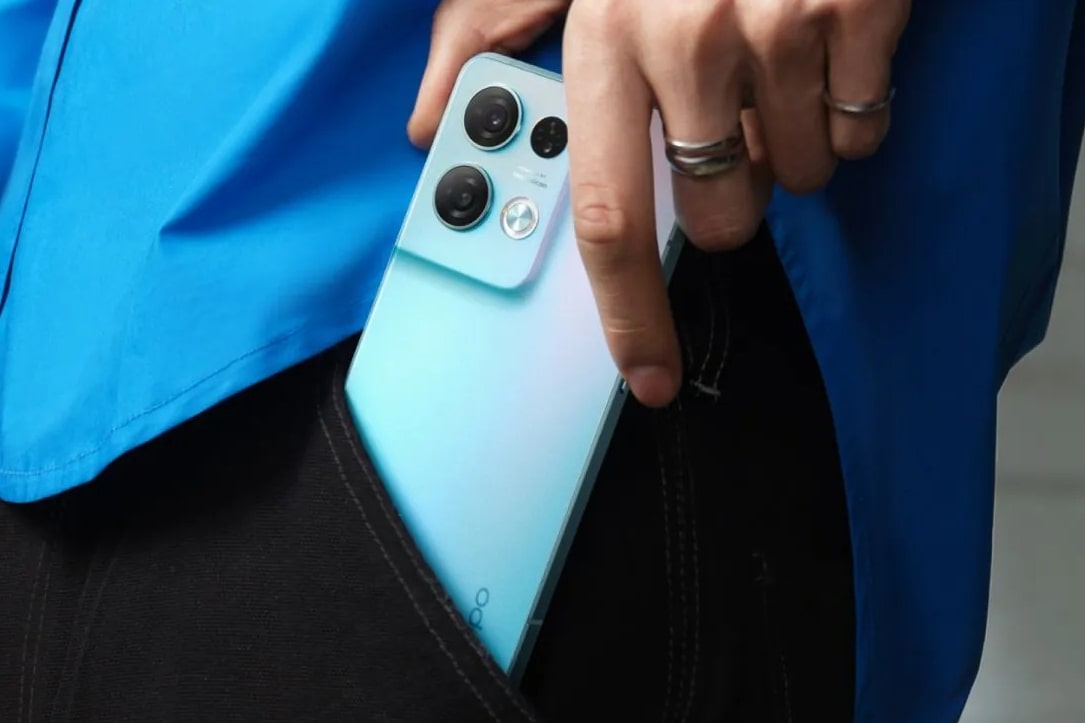
This model is currently available in certain regions outside of China. It is equipped with a Qualcomm Snapdragon 695 SoC under the hood. On the front, it sports a 6.43 inch AMOLED display while the rear features a 54 megapixel dual camera setup. It also had a 4,500mAh battery pack that supports 33W fast charging. So we can expect similar specs with certain improvements so stick around for more updates.
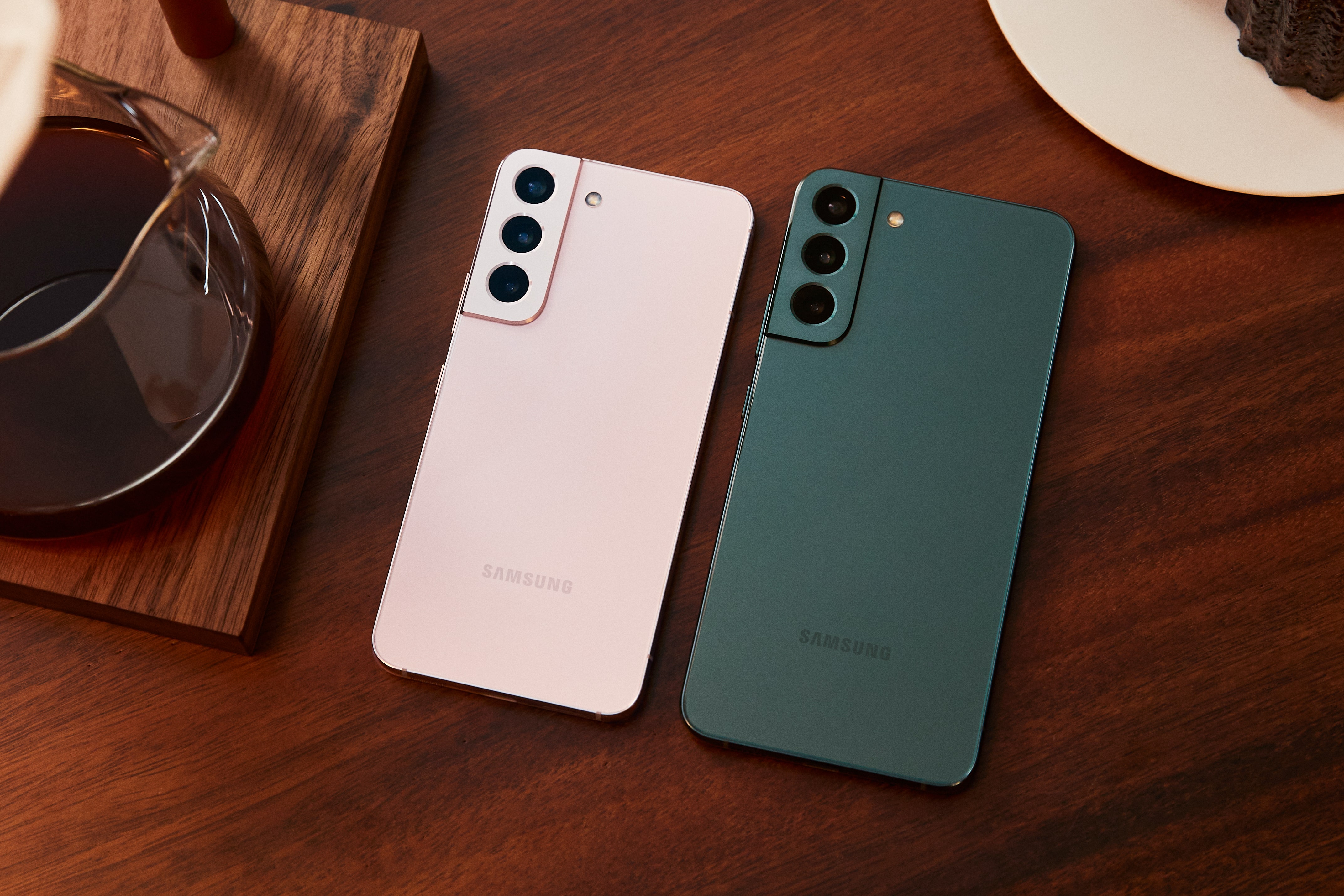
Samsung Galaxy S22 series smartphones including the S22+ and S22 Ultra are now the world’s first phones to support Voice over 5G (Vo5G). Zain, a Kuwaiti mobile telecommunications company, recently announced the launch of the first voice over 5G services, and currently, it is only supported in the Galaxy S22 series of smartphones.
While 5G Internet services have started to become a new normal, 5G voice calls are still pretty rare. In fact, Zain is the first telecom operator globally to launch Vo5G services with nationwide coverage in Kuwait (Via Telecompaper). However, the service is only available for customers who own one of the new Samsung Galaxy S22 smartphones. It is expected to reach other 5G handsets very soon.
5G voice comes with many benefits including Improved speech and video calling quality, new voice and communication services, Simultaneous voice calls, and 5G data services.
Zain says that the commercial launch of this service comes after thorough testing to determine the network’s readiness and technical capability to provide this service at the highest level across the country.
In other news, Samsung became the leading tablet vendor in the Indian tablet market in the first quarter ending March 2022. The company witnessed a huge increase in sales. It accounted for 40% of total tablet shipment volumes in India during the quarter. The company was also able to ship a large number of Galaxy A8 series tablets, as well as the premium Galaxy Tab S8 series, which was launched in March of this year.
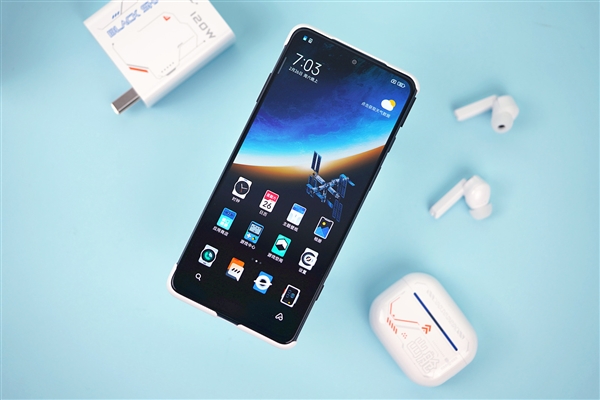
The Black Shark 5 series was launched back in March 2022 in China. However, its global release is finally around the corner now. But prior to its launch outside of China, the two models have been listed on NBTC certification website.
Looks like OnePlus will rebrand the OPPO A57 and launch a new entry-level device soon in the market. There will be some slight changes (shown in the 4th picture).#OnePlus#OnePlusNord#OPPOpic.twitter.com/WBLX38MX1Y
The NBTC listing in Thailand shows both the base model and the Pro variant as well. The certification showcases the SHARK PAR-HOTH for the vanilla model and the top end model is listed as SHARK KTUS-HO. Since the global launch is set for June 8, it isn’t surprising to see their appearance on an online database. Talking about the upcoming gaming smartphones, both models feature a 6.57 inch AMOLED display that has a Full HD+ resolution, 1300 nits of peak brightness, DC Dimming, HDR10+, 144Hz refresh rate, and a 720 Hz touch sampling rate.
The smartphones also features a dual zone pressure sensitive panel on the front and are basically built to offer an improved mobile gaming experience. Under the hood, the Black Shark 5 Pro is equipped with a Qualcomm Snapdragon 8 Gen 1 Soc, while the vanilla packs the Snapdragon 870 SoC. Due to their powerful internal specs and gaming focus, the two phones also come with a VC cooling system to manage thermals as well as dedicated trigger buttons to assist in gameplay.
On the back, the 5 Pro features a triple camera setup with a 108 megapixel primary sensor, a 13 megapixel ultra wide angle lens, and a 5 megapixel telephoto shooter. Meanwhile, the base model has a 64 megapixel primary sensor, 13 megapixel ultra wide angle lens, and a 2 megapixel macro sensor. Although, both phones house a 16 megapixel selfie camera on the front. These phones are powered by a 4,650mAh battery pack that supports 120W fast charging and run on Android 12 OS based JoyUI 13 out of the box.
Realme is no stranger to releasing limited-edition products aimed at anime lovers out there. Earlier this year, the company launched a Dragon ball Z-themed version of the Realme GT Neo 2 that came with the well-known character Goku’s colors and more. Now, it appears that the company is going to launch another Dragon Ball Z Edition smartphone but this time in the form of Realme GT Neo 3T.
Tipster Mukul Sharma revealed through a tweet that the Realme GT Neo 3T will also come in a special Dragon Ball Z edition. Sharma’s tweet only confirmed the moniker of the anime-edition smartphone. However, we expect that this phone could launch alongside or maybe a week after the launch of the basic Realme GT Neo 3T.
Realme GT Neo 2 Dragon Ball Z edition
The Realme GT Neo 3T Dragon Ball Z Edition may come with a similar Goku-inspired design as the GT Neo 2, which had a glass back with an orange and blue coating in a matte finish. The color scheme on the smartphone reminded us of Goku’s outfit.
The upcoming DBZ edition phone may also feature Goku-themed custom icons, charging animations, and accessories. The specifications of the smartphone are expected to be the same as the Realme GT Neo 3T.
Realme GT Neo 3T Dragon Ball Z Edition Specifications (Expected)
The Realme GT Neo 3T Dragon Ball Z Edition will sport a 6.62-inch E4 AMOLED display with a 120Hz refresh rate and Full-HD+ resolution. The display will have 1,300nits of peak brightness and 100 percent DCI-P3 color gamut coverage.
Realme GT Neo 3T Source: Yogesh Brar Via Twitter
The device will draw power from a Snapdragon 870 chipset paired with up to 12GB of RAM and 256GB of storage. It will be fueled by a 5000mAh battery, and support 80W fast charging. On the software front, the device will run Android 12-based Realme UI.
For photography, the device houses a triple camera setup with a 64-megapixel primary sensor, an 8-megapixel ultrawide sensor, and a 2-megapixel macro sensor. While for selfies and video calls, it has a 16-megapixel sensor.
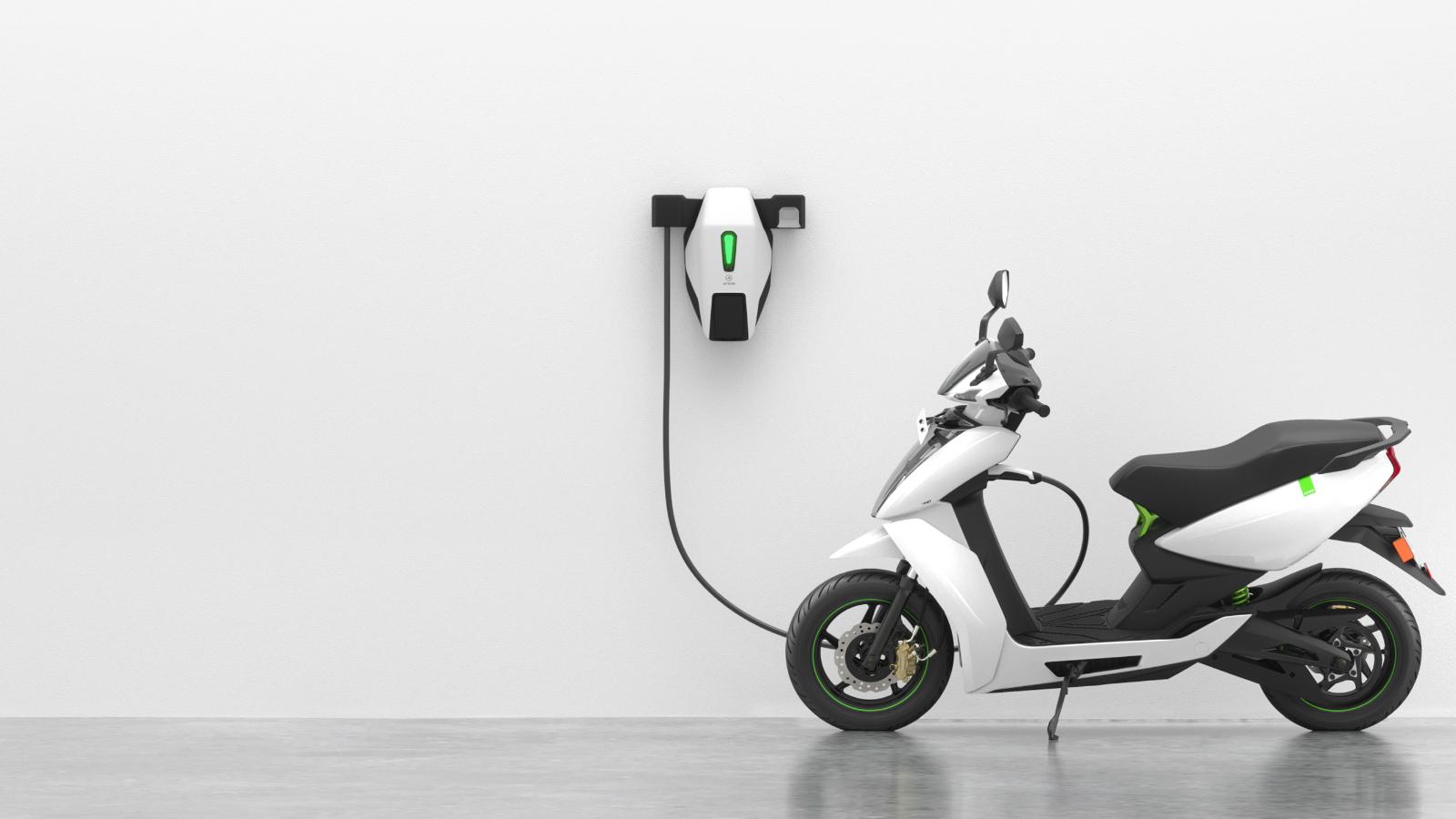
The electric vehicle market has been rising globally and while many auto manufacturers are focusing on EV cars, some Asian markets, like India, are more focused on the two-wheelers or e-scooters.
Now, a new report from Business Standard, citing VAHAN data coming from India’s Ministry of Road Transport and Highways, claims that eight companies that represent 95 percent of the market, have registered 32,680 electric scooters for the month of May 2022.
The numbers represent a decline of 24 percent month-to-month as in the month of April, the companies had registered 43,098 e-scooters. As per the analysts, the drop is because of the sudden rise earlier which indicated an early pent-up desire for such vehicles, which was manifested in large bookings.
The major causes for the drop are believed to be concerns about the safety of such vehicles as there have been reports about electric scooters catching fire. Other reasons include chip shortages and supply difficulties, as well as low demand seasonality.
Ather, one of the early entrants in this sector, witnessed a 26 percent increase in EV registrations in May. A report from Rushlane claims that the company sold 3,787 units in May 2022, 8 units more were sold compared to last month.
Ola Electric, which was the leading brand last month, has lost the pole position to Ather. It reported 8,704 registrations, representing a 31 percent drop compared to the previous month. On the other hand, Okinawa had 8,894 EV registrations, which turns out to be a 19 percent decrease from April. Bajaj Auto and TVS do not post their numbers individually.
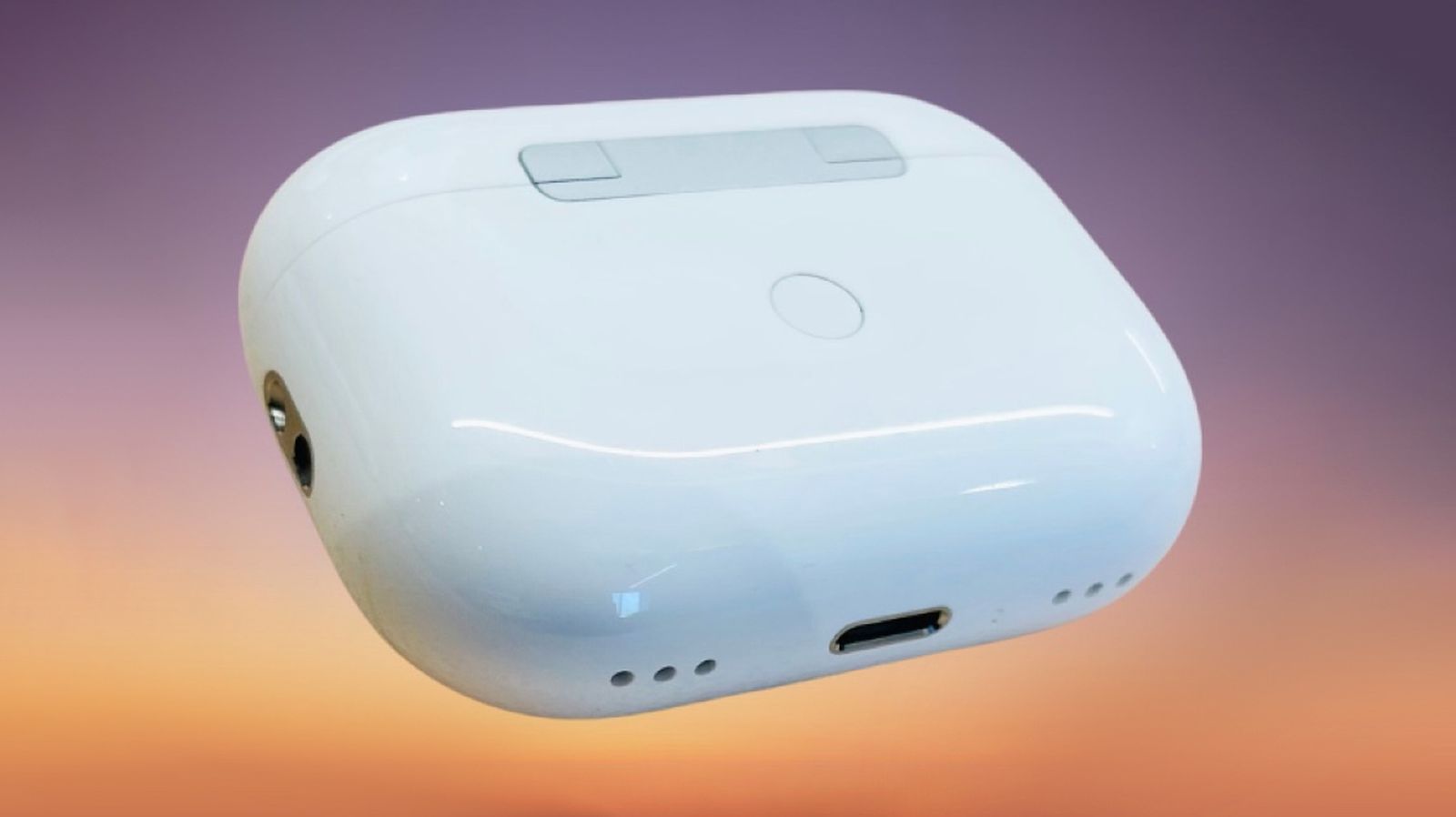
Apple has been working on AirPods Pro 2, which is the next-generation version of the popular AirPods Pro true wireless earbuds that were launched in 2019. The upcoming TWS earbuds have leaked online several times.
Now, in the latest development, it is being claimed that the AirPods Pro 2 will come with exactly the same design as its predecessor. This contradicts earlier reports of a completely new design for the earphones.
Previously, there were reports as well as leaked images related to the second-generation AirPods Pro with a few changes to the design. But now, a new report from MacRumors claims that the upcoming earbuds won’t come with the so-called stemless design.
The earbuds will come with the skin-detect sensor that was debuted with the recently launched Apple AirPods 3, which provides a more accurate way to discern if the earbuds are actually in a user’s ears or not. It works by detecting water content in the wearer’s skin.
Based on the previous reports, the Apple AirPods Pro 2 is expected to be powered by an upgraded chip that brings advanced audio-related functions like active noise cancellation and more improvements, resulting in improved battery life.
It is also being claimed that the earbuds may support Apple Lossless Audio Codec (ALAC) and if that happens, then it would be the first TWS earphones from the Cupertino-based tech giant to support lossless audio.
The charging case of the upcoming earbuds could also get support for emitting sound, which can help find the charging case if it’s separated from the AirPods or if it has been misplaced by the user.
As for the launch timeline, we believe that the AirPods 2 Pro won’t be available for purchase until Q4 2022, which means that they will go on sale for the holiday season this year, somewhere between October and December.
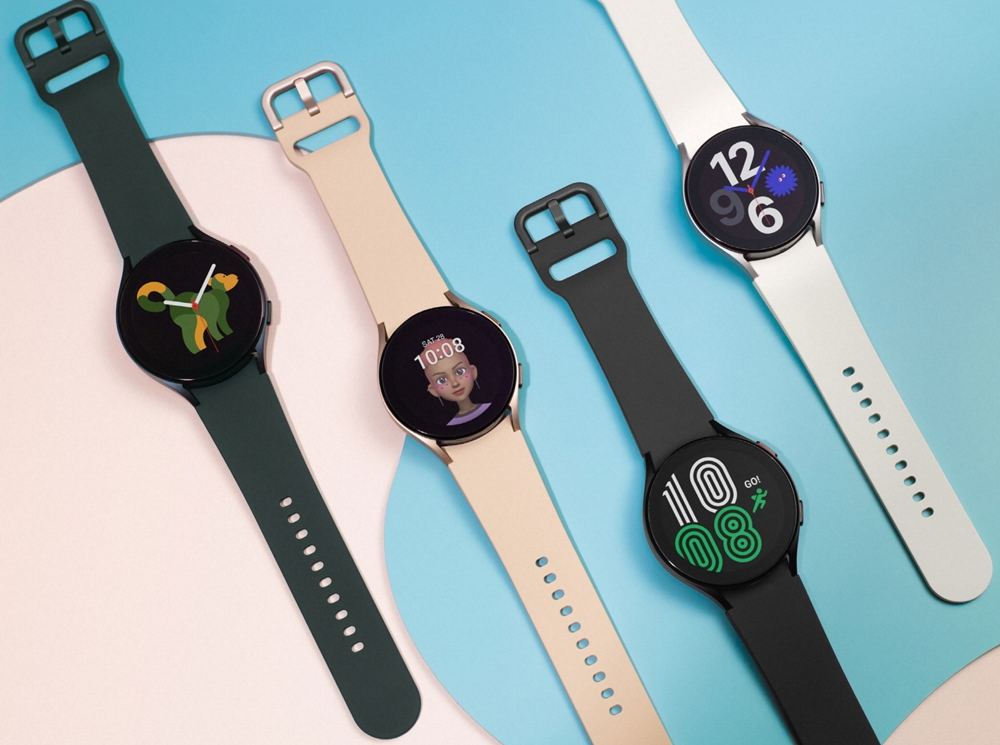
A few days ago, Samsung had announced the first-ever public beta program for the company’s latest smartwatches in the market — Samsung Galaxy Watch 4 and Galaxy Watch 4 Classic.
Now, a new report from SamMobile claims that the South Korean giant has started rolling out the first beta build for the smartwatches which is based on the Wear OS 3.5 for those users who have enrolled their devices for this program.
To enroll in the program, you will need to open the Samsung Members application on a Samsung smartphone that is connected to the smartwatch and sign into the account. If you are in an eligible region, then there will be a banner for the beta program. Click on the banner and follow the on-screen instructions to register.
Once you have registered for the program, you will start receiving the new beta build of Samsung’s One UI 4.5 on your smartwatch. It comes with several new features, including a user interface for the dual SIM functionality, improved notifications, improvements for the built-in keyboard, and support for handwriting, among others.
As of now, there’s no information available about how long will the beta program last before the South Korean giant start rolling out the stable update for all the users. While the timeline is not confirmed yet, we expect the update with the new features to be rolled out to all the users in the coming months.
If you follow the tech industry, you have probably heard about the much-hyped Nothing Phone (1). Nothing hasn’t divulged much about the smartphone yet, but we already know that it is going to come with a transparent back, super-slim bezels, and a Snapdragon processor. And while we await an official confirmation about the launch, the Nothing Phone (1) has been certified by Singapore’s IMDA certification website.
The alleged IMDA listing of the Nothing Phone (1) was first shared by tipster Mukul Sharma (@Stufflistings) on Twitter. It suggests the upcoming smartphone will carry model number A063. The listing also reveals that it is a 5G Mobile Phone and comes with Bluetooth, Wifi, and NFC functionalities.
In another tweet, Sharma confirmed that the Nothing Phone (1) is currently in the private testing stage in several Asian countries, including but not limited to Indonesia, India, and Malaysia. Notably, the smartphone was reported to be in the final testing phase in India back in May, so it’s possible the handset will be launched in India before the rest of the world.
As mentioned above the Nothing Phone (1) will sport a transparent back and a recycled aluminum mid-frame. It will have a unique front with no Chin meaning it will feature a slim bottom bezel.
The phone will draw power from a Snapdragon chipset. However, we do not know which processor will it pack, our best guess is a Snapdragon 7 Gen 1 Soc. On the software front, Nothing Phone (1) will run the in-house Nothing OS based on Android 12. Moreover, the smartphone will get 3 years of OS updates and 4 years of security updates, which is good but not the best.
We do not have any information about the other technical specs of the smartphone. As per previous reports, the Nothing Phone (1) will launch on July 21, so maybe we’ll know more in the coming weeks.
We use cookies on our website to give you the most relevant experience by remembering your preferences and repeat visits. By clicking “Accept”, you consent to the use of ALL the cookies.
This website uses cookies to improve your experience while you navigate through the website. Out of these, the cookies that are categorized as necessary are stored on your browser as they are essential for the working of basic functionalities of the website. We also use third-party cookies that help us analyze and understand how you use this website. These cookies will be stored in your browser only with your consent. You also have the option to opt-out of these cookies. But opting out of some of these cookies may affect your browsing experience.
Necessary cookies are absolutely essential for the website to function properly. This category only includes cookies that ensures basic functionalities and security features of the website. These cookies do not store any personal information.
Any cookies that may not be particularly necessary for the website to function and is used specifically to collect user personal data via analytics, ads, other embedded contents are termed as non-necessary cookies. It is mandatory to procure user consent prior to running these cookies on your website.