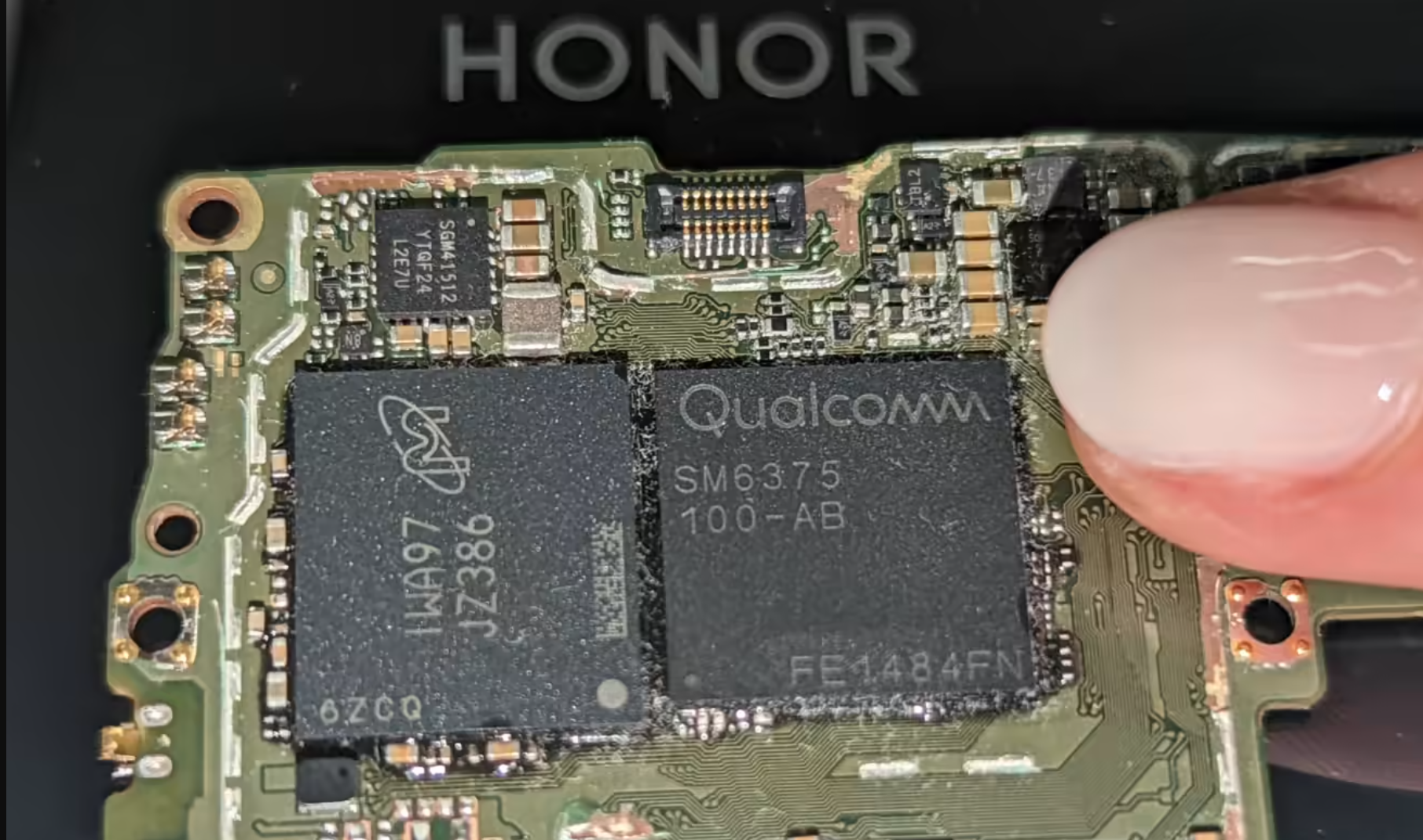
Former Huawei subsidiary Honor seems to have sufficiently extricated itself from its perceived connections with Huawei. The Honor X30 5G teardown has shown that the new smartphone has more than 40% of its components sourced from US suppliers. This is the clearest indication yet that Honor is steadily recovering from the US sanction regime it has been tagged with before now.
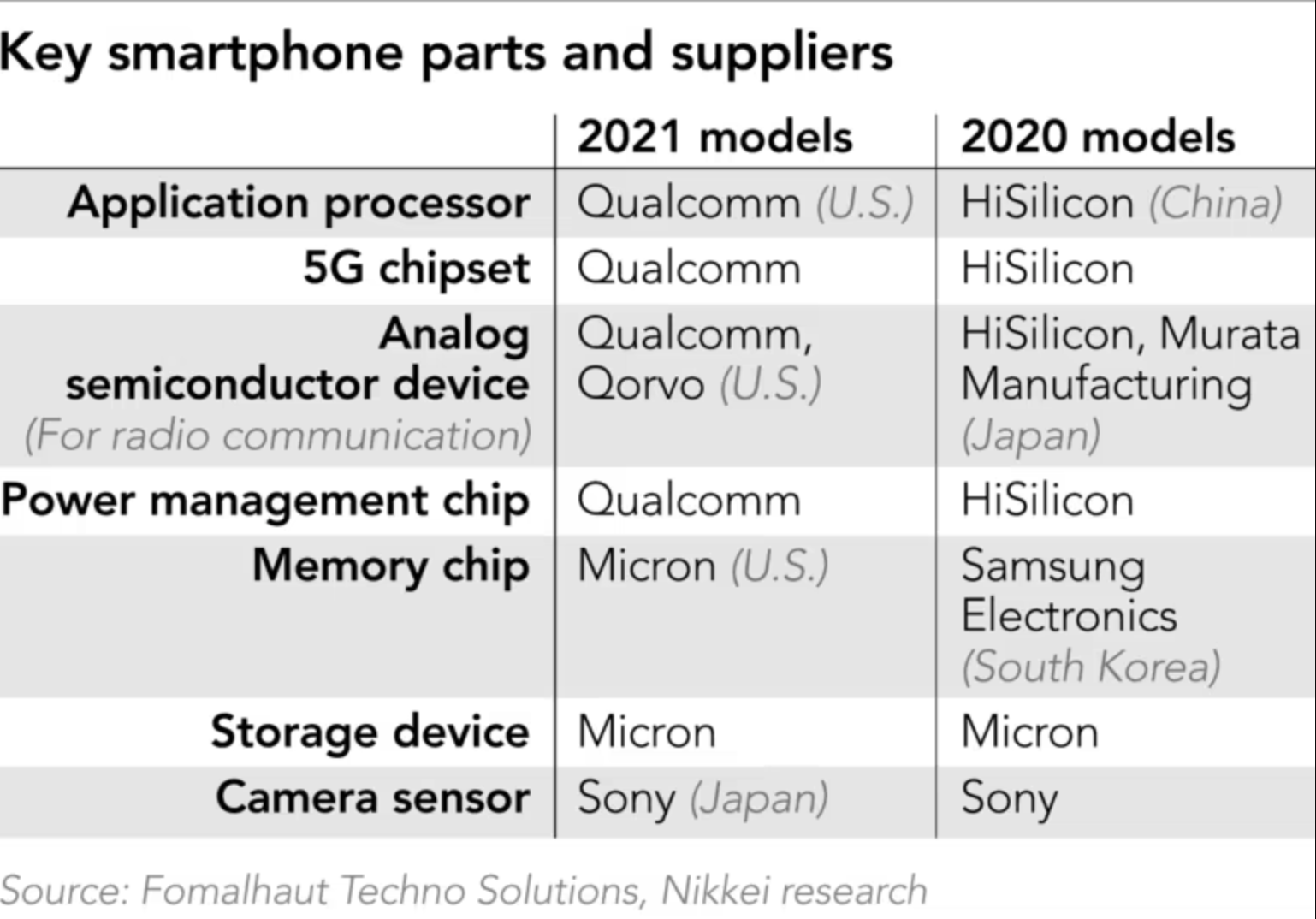
The X30 5G has a remarkably American connection with lots of its components coming from the United States. The X30 5G is a mid-ranger that was announced in December 2021. A breakdown of the X30 components was sighted in the Nikkei Asia Journal and pointed to an expected production cost of $217. According to the report, components manufactured in the US will account for 39% of the estimated production cost. Components produced in China were estimated to account for just 10%, according to the report.
Qualcomm, a US company produced the 5G modem and processor of the X30, while another US company Qorvo, supplied the communication processors of the smartphone. Japanese vendors also provided some key components in the Honor X30, which is estimated at 16%. The Japanese companies include TDK, Murata, Taiyo, Sony, and Yuden.
The seeming heavy reliance on foreign components for the Honor X30 could indicate sub-par components from China in some respect. On the whole, Honor could be on the path to a more global appeal beyond its presence in China.
Last week, Samsung announced the Galaxy Z Flip3 Pokemon Edition in South Korea. The device was finally launched yesterday and managed to sell out in mere minutes.
The Galaxy Z Flip3 Pokemon Edition debuted with a price tag of KRW 1,284,000 (around $1,040) and was made available to purchase from the 11th Street, Galaxy Campus Store, and Samsung’s online store.
Samsung included a lot of additional goodies in this bundle, like a Pikachu themed Clear Cover set with ring, a Pokedex-themed pouch, a Pikachu keychain, and a Pokeball 3D Grip Talk. What had earlier appeared to be Pokemon cards are now confirmed to be stickers instead. These feature five popular Pokemon‘s from Indigo Leagure, including Pikachu, Bulbasaur, Charmander, Squirtle, Snorlax, and Mew.
Special edition smartphones like these are nothing new for Samsung as the brand has previously launched the Galaxy S6 Edge Iron Man Edition, Galaxy Edge S7 Injustice Edition, Galaxy S20+ BTS Edition and Galaxy Z Fold2 Thom Browne Edition.
The Galaxy Z Fold3 is currently sold out in and it is unclear if the brand plans to do a second run of these devices in South Korea. Samsung has also officially admitted that it is uncertain whether these devices will be made available in overseas markets like Europe and the US.
Would you be interested in buying the Galaxy Z Flip 3 Pokemon Edition if it launches in your country? Do let us know in the comments below and stay tuned for more updates.
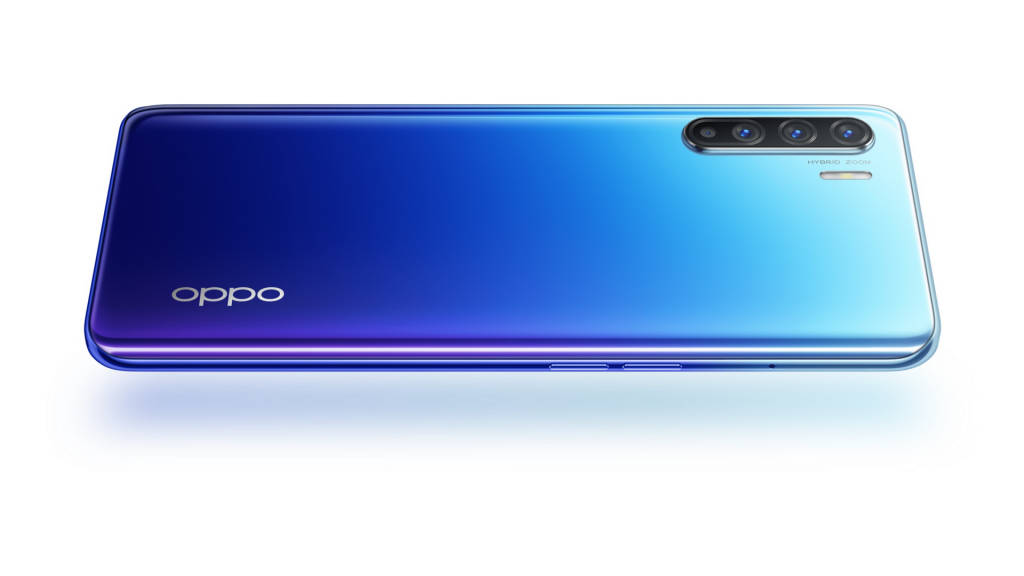
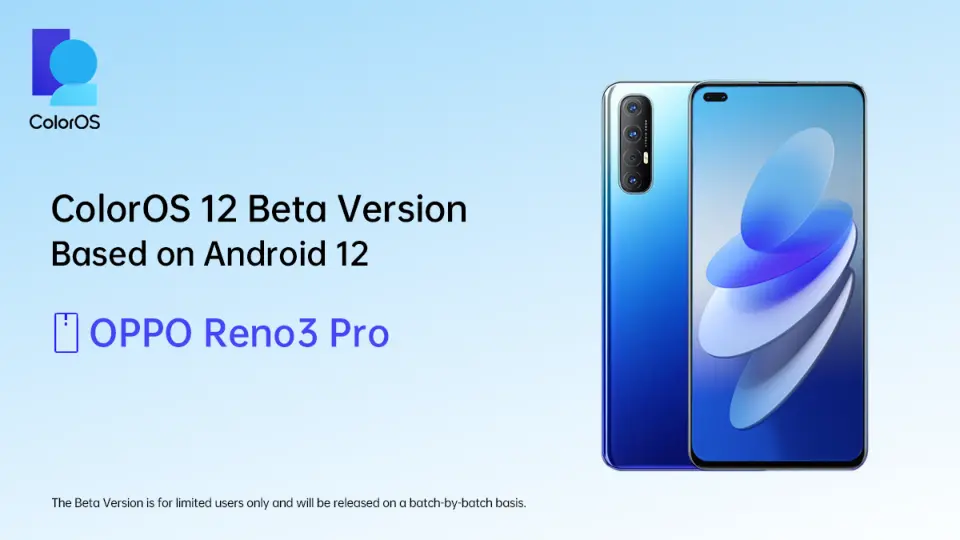
ColorOS 12 beta recruitment has commenced for the OPPO Reno3 in Indonesia and the Reno3 Pro in Indonesia and India. OPPO kicked off the recruitment process earlier today and will accept applications till April 30.
This is a limited beta, therefore, the company will only be accepting 5,000 participants each for the OPPO Reno3 and the Reno3 Pro. Applications will be reviewed within 5 working days following which selected applicants will get an OTA for the update after another 3 days.
OPPO Reno3 users need to check they’re updated to firmware C.24, in order to receive the OTA. This can be done by heading over to Settings > About Phone > Version Information > Version Number. Reno3 Pro users, on the other hand, need to make sure their devices are updated to version C.23/C.24 to receive the OTA carrying the ColorOS12 beta build.
It should be noted here that the ColorOS 12 update that will be rolled out will be a beta, meaning it’s not guaranteed to provide a stable experience. It’s true that the builds will have passed internal testing, but they’ll likely be rough around the edges, so expect bugs and abnormal power consumption. Therefore, it’s not recommended to apply for the beta unless you’re sure of what you’re doing.
OPPO also warns that since ColorOS 12 is based on Android 12, some third-party applications may run into compatibility issues — although the version has been out for months now so you should be just fine. Also recommended is backing up the data prior to the update process.
To apply for the open beta, head over to Settings > Software Update > Click the settings icon on the screen > Apply for Beta Version > Update Beta Version.
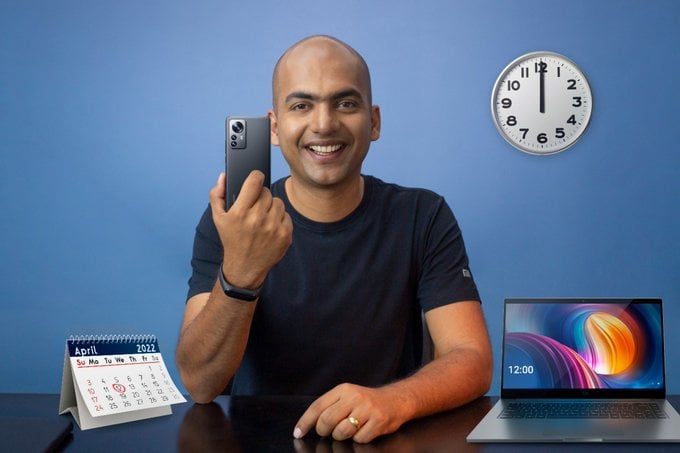
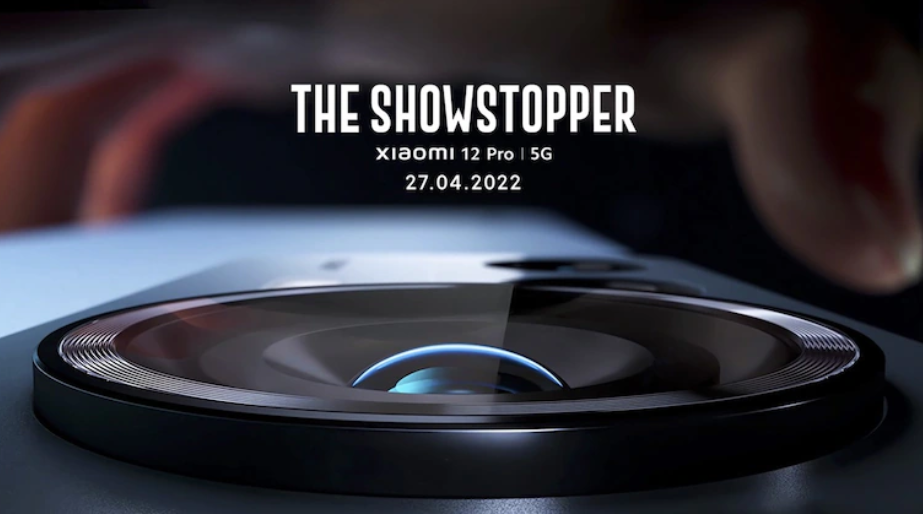
Xiaomi is gearing up to finally announce its highly anticipated flagship smartphone in India tomorrow (27th April 2022). The Xiaomi 12 Pro is the top end model within the premium grade 12 series.
For those unaware, this model is already available in China and is finally making its way to the Indian market as well, which is another key region for the Chinese tech giant. This launch event will also be held virtually and the entire conference will be streamed online live for everyone. The live stream will be held on the brand’s official “Xiaomi India” YouTube channel.
There is a microsite dedicated to the launch on the company’s official Indian website. Talking about the device itself, the Xiaomi 12 Pro sports a 6.73 inch LTPO E5 AMOLED display with a 2K resolution, up to 120Hz refresh rate, 1500nits peak brightness, HDR10+, and Dolby Vision certification.
Under the hood, the flagship handset packs Qualcomm’s latest and greatest Snapdragon 8 Gen 1 SoC, which is paired with 12GB of LPDDR5 RAM and up to 256GB of UFS 3.1 internal storage. It is powered by a 4,600mAh battery pack that supports 120W wired fast charging and 50W wireless fast charging as well. For photography, it features a 50 megapixel triple camera setup on the rear, including a 50 megapixel ultra wide angle lens, and another 50 megapixel portrait sensor. Meanwhile, the front houses a 32 megapixel selfie shooter.
Earlier today, HMD Global held a launch event in India. The star of the show was Nokia G21. However, the company also announced other products, such as a couple of feature phones and truly wireless earphones. As we have already covered the former, let’s take a look at the latter in this article.
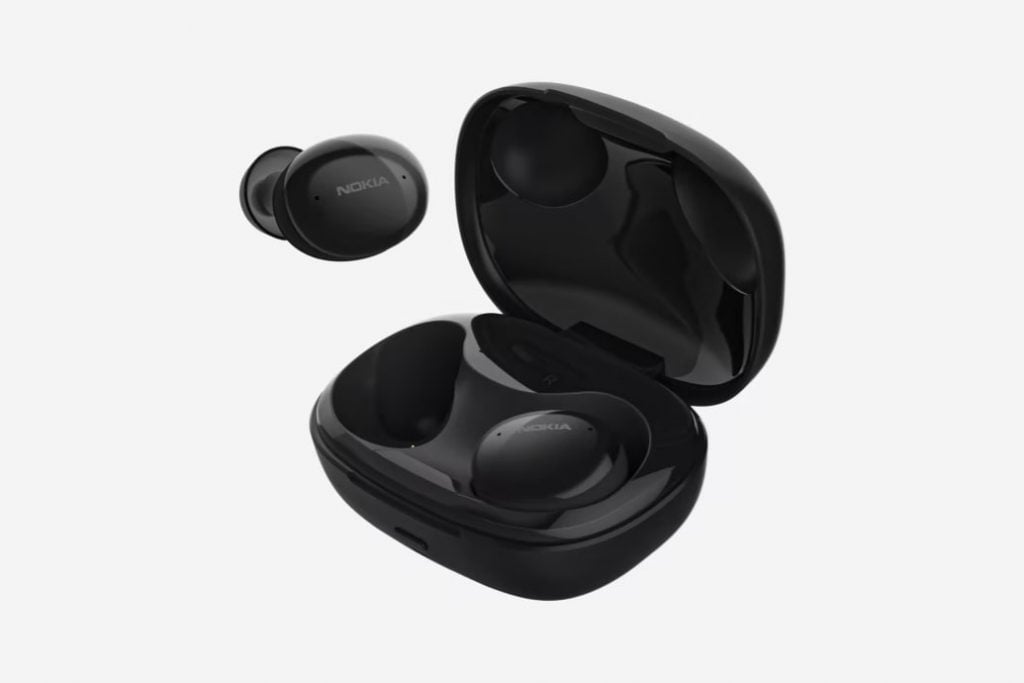
Nokia Comfort Earbuds
HMD Global debuted two pairs of truly wireless earphones in India dubbed Nokia Comfort Earbuds and Nokia Go Earbuds Plus. Both these audio accessories were first announced in late July 2021. But they have made their way to India only now.
The Nokia Comfort Earbuds are priced at ₹2,799. They feature a Samsung Galaxy Buds-like design. The buds house 10mm drives and they are IPX5 rated for water resistance. They support touch controls and connect via Bluetooth 5.1.
They are rated to last for up to 9.5 hours on a full charge and up to 29 hours with the case. The charging case sports a USB Type-C port for charging.
Nokia Go Earbuds Plus
On the other hand, the Nokia Go Earbuds Plus cost ₹1,999. These buds have a stem similar to the Apple AirPods. They nest larger 13mm drivers but are only IPX4-rated for water resistance.
These wireless earbuds also offer touch controls and they connect via Bluetooth 5.0. They can run for up to 6.5 hours on a full charge and up to 26 hours with the charging case that charges via a USB Type-C port.
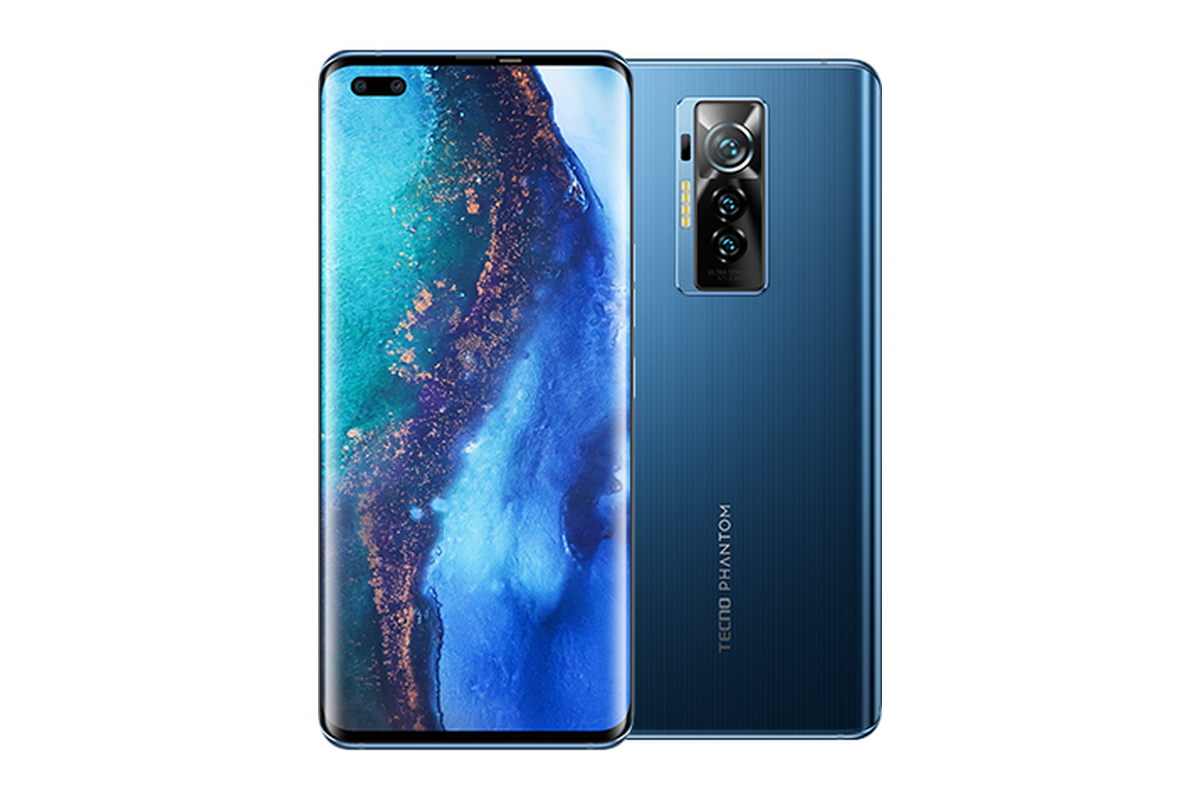
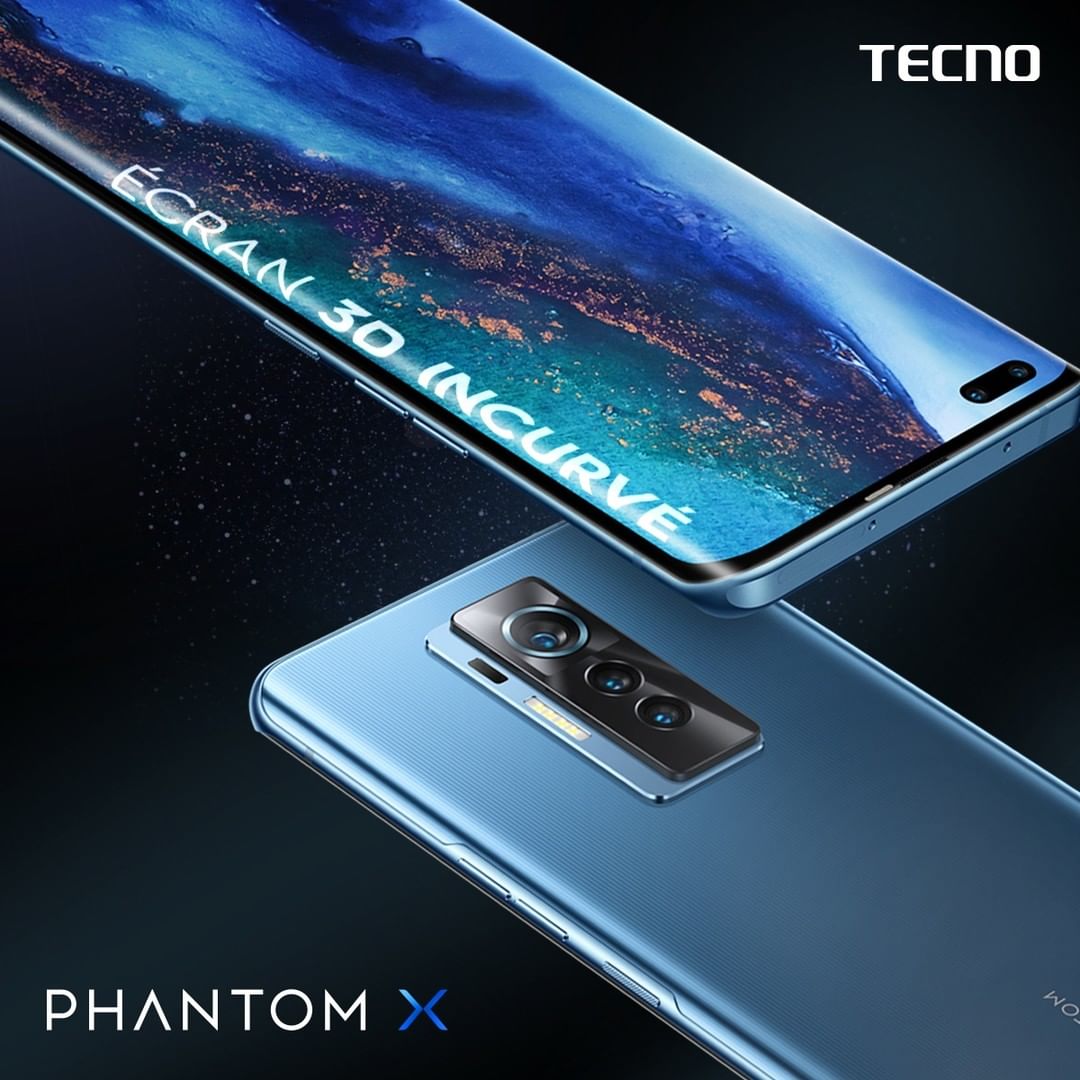
Last year, Tecno announced its plans to launch a new smartphone in India called the Phantom X. The Amazon India landing page of the device recently went live revealing some key specs. Now, the brand has announced the official Indian launch date of the phone.
In a recent tweet, the company announced that the Tecno Phantom X will be launched on April 29th in India. From the post, it’s also somewhat clear that we can expect the device to initially arrive exclusively on Amazon India.
It’s Premium, It’s Cool!!⭐
Savor the sheer look of the industry's best Flexible Curved AMOLED Display, #TECNOPhantomX is coming soon.
So far, it is confirmed that the Tecno Phantom X will feature a curved AMOLED display panel. It is expected to have a Full HD+ resolution, Corning Gorilla Glass protection, and even a 90Hz refresh rate as well. It will also house an in display optical fingerprint scanner and a punch hole cutout for two front facing cameras.
Under the hood, the device is expected to come equipped with a MediaTek Helio G95 SoC and is powered by a large 4,700mAh battery pack that also supports 33W fast charging. The Phantom X will have 8GB of LPDDR4x RAM clubbed with up to 256GB of UFS 2.1 storage. Tecno will also provide the virtual RAM functionality for an additional 5GB of RAM.
On the rear, the Phantom X houses a triple camera setup, with a 50-megapixel primary shooter. The other two cameras on the back will likely be an 8 megapixel ultra wide angle lens, and a 13 megapixel portrait sensor. Meanwhile, the front features a 48 megapixel selfie camera and an 8 megapixel ultra wide angle lens as well. The smartphone will launch in two color variants, namely Starry Night Blue and Monet Summer.
Battery: 6hrs. playback on a single charge & 1hr. with just 10 mins charge
Ambient Aware and TalkThru technology
Colors: Black, Blue, White and Purple
Generally JBL LIVE 300 headphone retails for $67. But for a limited period Amazon US is giving out this headphone at a discounted price of $54.95 only. Please note that this price may change soon. So place your order before the deal ends.
For more information on such exciting deals and offers check out our deals hub.
* Please Note: When you buy something using the links in our articles, we may earn a small commission at no cost to you.
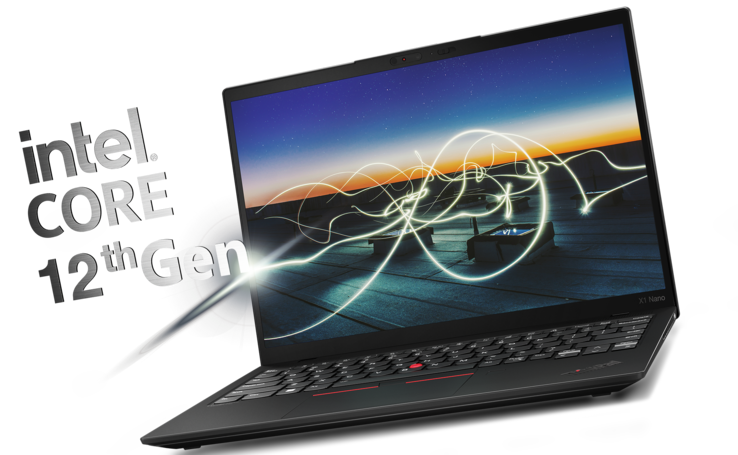
Lenovo has just announced the new ThinkPad X1 Nano 2022 laptop for the Chinese market. The new notebook is the company’s latest offering that comes with the latest generation of Intel processors and some other improvements over its predecessor.
For those unaware, the Chinese tech giant had first unveiled the ThinkPad X1 Nano during CES 2022. Under the hood, the laptop is equipped with the Intel i7-1280P processor that is paired with up to 32GB of LPDDR5 RAM and up to 2TB of SSD storage. The laptop also arrives with Wi-Fi 6E wireless network card as well. On the front, it sports a 13 inch LCD panel that has a 16:10 aspect ratio and a resolution of 2160 x 1350 pixels.
This screen has a maximum brightness of 450 nits and has 100 percent RGB color gamut support. Notably, customers can also opt for a touch screen enabled model as well. On top of the display, there is also a 1080p webcam while the notebook is powered by a 49.6Wh lithium battery pack that supports fast charging as well. Other features include Dolby Atmos certified speakers, 4 microphone array, and two Thunderbolt 4 port.
Notably, the Lenovo ThinkPad X1 Nano 2022 weighs just 970 grams since its chasis is made from carbon fiber, magnesium-aluminum alloy body, and also has a built in fingerprint scanner as well. While the company has announced the new notebook for China, it has yet to reveal the official pricing or launch date for the device. But, the laptop is priced at 1,659 US Dollars in the overseas market, which roughly translates to about 10,866 Yuan.
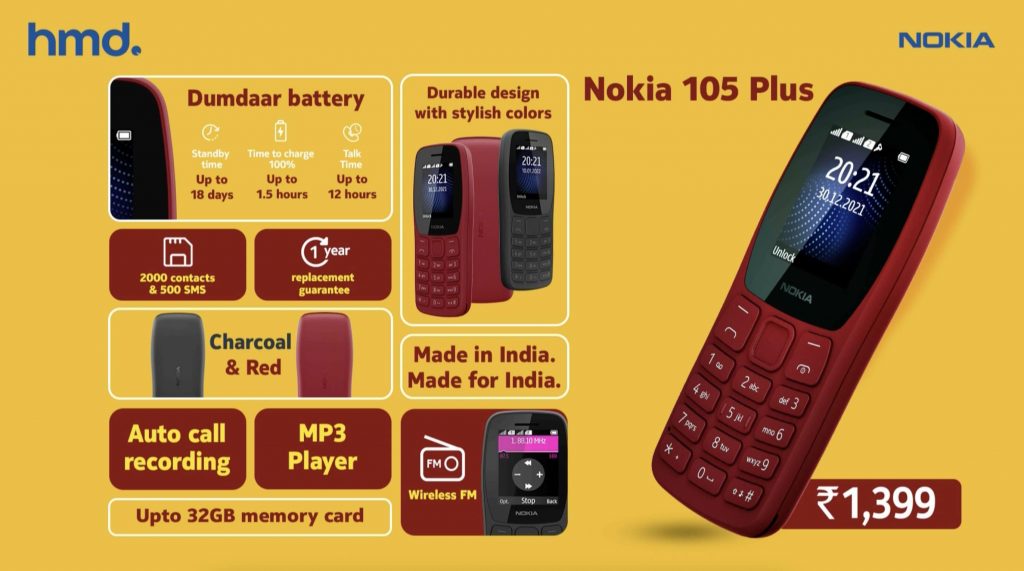
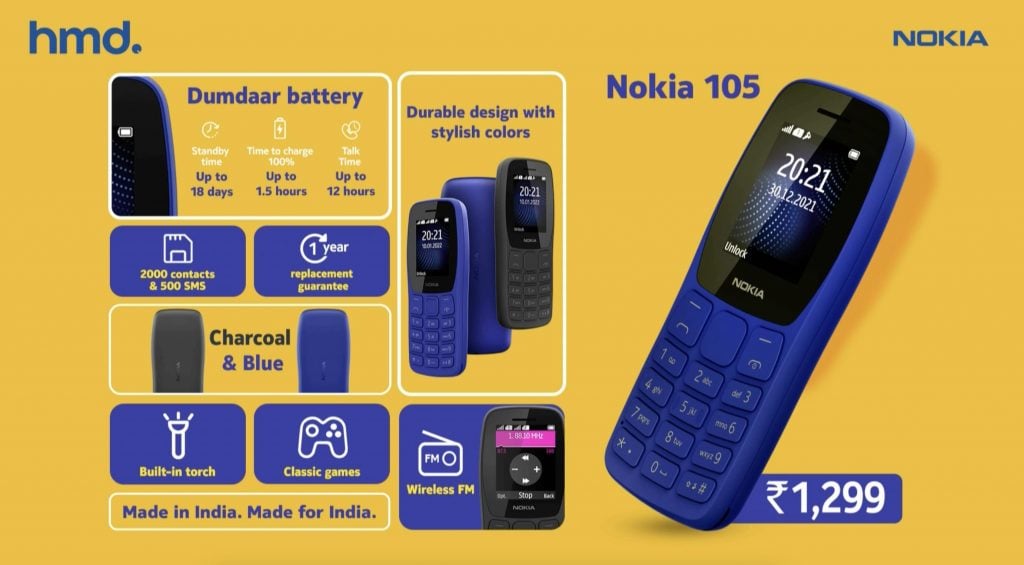
At the Nokia G21 launch event for India, HMD Global also announced a couple of 2G-only feature phones. These handsets are officially called Nokia 105 and Nokia 105 Plus. The former is the 4th-gen Nokia 105, while the latter is the first plus model in the series.
The Nokia 105 and the Nokia 105 Plus are priced at ₹1,299 ($17) and ₹1,399 ($18) respectively. Both arrive in Charcoal and an exclusive color option. For the former, the unique hue is Blue and for the latter, it is Red. They can be soon purchased from either retail outlets, Nokia.com, or eCommerce platforms.
For ₹100 more, the plus variant sports a MicroSD card slot (32GB). Thanks to this, it comes with features like an MP3 player and auto-call recording.
Apart from the aforementioned differences, the duo is identical to each other. They arrive with a polycarbonate body, a T9 keypad, and a small LCD screen.
The phones can store up to 2000 contacts and 500 text messages (SMS). They sport a built-in LED torch and support wireless FM radio as well as classic games.
Talking about endurance, HMD Global claims 18-day standby time and up to 12 hours of talk time. They are rated to charge fully in 1.5 hours.
Last but not least, the Nokia 105 and the Nokia 105 Plus come with a 1-year replacement guarantee.
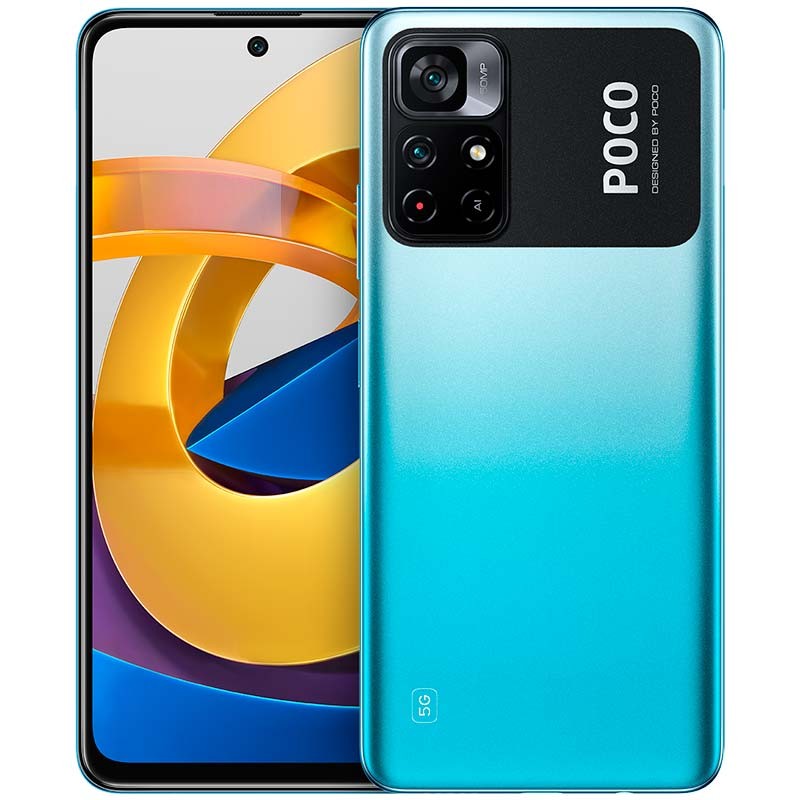
Over the last couple of weeks, we had reported on various sightings of the POCO M4 5G on certification websites and leaked renders that hinted at its imminent launch. But now, we finally have an official release date for the smartphone.
In a recent press release and tweet on Twitter, the Chinese smartphone maker announced that the POCO M4 5G will be launching at the end of this month. The smartphone will be unveiled on 29th April 2022 and will apparently be sold exclusively through Flipkart.com, a popular Indian e-commerce platform. Furthermore, the tweet reads “you’re about to witness the #KillerLooksOPPerformer for yourself,” so it is clear that the company is placing a focus on performance and design.
While the official specifications are currently unknown, we do have past reports that share some details. The M4 5G will reportedly sport a 6.58 inch LCD panel that has a Full HD+ resolution and a 90Hz refresh rate. On the front, the device might feature a 5 megapixel selfie shooter, while the rear houses a 50 megapixel primary lens paired with a 2 megapixel depth sensor. Under the hood, the smartphone is expected to be equipped with the MediaTek Dimensity 700 chip.
M4 Pro 5G
This chipset is rumored to be paired with either 4GB or 6GB of LPDDR4X RAM and either 64GB or 128GB of internal storage. It will likely run on Android 12 OS based MIUI 13 out of the box and be powered by a large 5,000mAh battery pack that could support 18W fast charging. Keep in mind that these specs are based on previous rumors and reports so take it with a pinch of salt and stick around for more, since we will be covering the launch event.
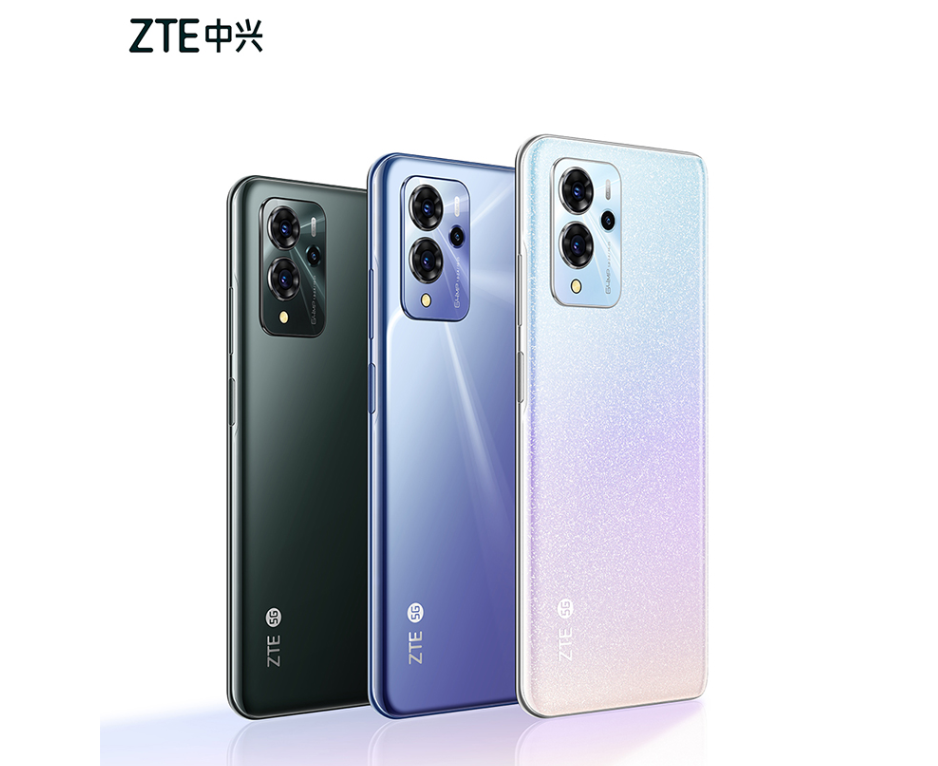
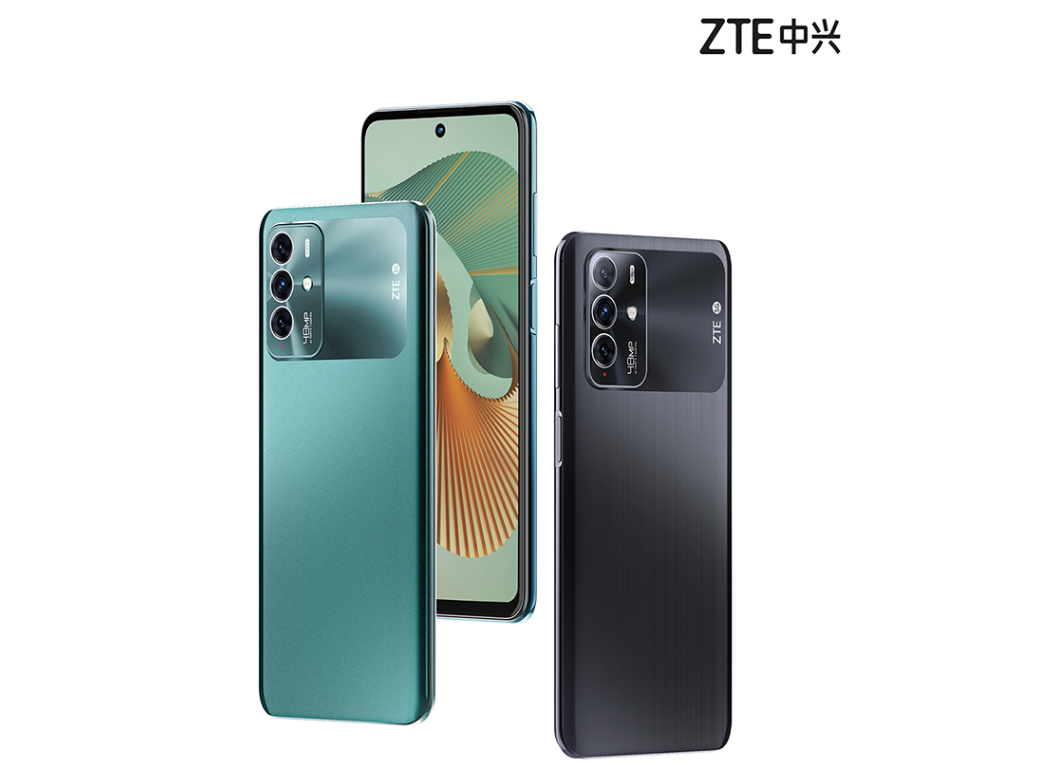
Earlier today (26th April 2022), ZTE officially unveiled its latest series of mid range smartphones in China. The company launched four new models, within the Voyage 30 series. So let’s have a look.
Voyage 30 Pro+
Talking about the top end model first, the new Voyage 30 Pro+ from the Chinese smartphone maker sports a large 6.67 inch OLED display that has a Full HD+ resolution, a 90Hz high refresh rate, 20:9 aspect ratio, and a 100 percent DCI P3 color gamut. Under the hood, the smartphone packs the MediaTek Dimensity 810 SoC that is paired with 8GB of RAM and 256GB of internal storage. The device is powered by a large 5100mAh battery pack that supports 66W fast charging as well.
On the rear, it is equipped with a triple camera module that consists of a 64 megapixel primary sensor, paired with another 8 megapixel and 2 megapixel shooters. On the front, the device features a 16 megapixel selfie camera on a punch hole cutout. The smartphone weighs 192 grams and is just 8.3mm in thickness and runs on MyOS 11.5 which is based on Android 11 OS.
Voyage 30 Pro & Voyage 30 Pro Express Edition
The brand also launched two variants within the Voyage 30 Pro series, which include the Voyage 30 Pro and the Voyage 30 Pro Express Edition. For the most part, both variants feature identical specifications. This includes a 6.67 inch LCD display with a 90Hz refresh rate, Full HD+ resolution, and 20:9 aspect ratio. Under the hood, both models are also equipped with a Dimensity 810 processor, although, the base Voyage 30 Pro comes with 8GB of RAM and 128GB of internal storage, while the Express Edition features a larger 256GB of storage.
On the rear, the Voyage 30 Pro series houses a 48 megapixel triple camera setup that includes two 2 megapixel sensors. Meanwhile, the front features an 8 megapixel punch hole selfie shooter. The new phones also pack a massive 6,000mAh battery pack that supports 22.5W fast charging. Other features include, side mounted fingerprint scanner, 3.5mm headphone jack, and virtual memory expansion up to 5GB. The Express Edition even comes with NFC support as well. Both models weigh 215 grams and 9.4mm in thickness.
ZTE Voyage 30
Arriving at the entry level model of the series, the ZTE Voyage 30 sports a 6.52 inch LCD panel that has a waterdrop notch, 90Hz refresh rate, and a 91.3 percent screen to body ratio. Unlike the three smartphone models mentioned above, this variant features the Dimensity 700 SoC that is paired with up to 6GB of RAM and 128GB of internal storage. Under the hood, a 4,000mAh battery pack powers the device, but only supports the standard 10W charging rate.
On the back, it is equipped with a triple camera setup that consists of a 13 megapixel primary camera and two 2 megapixel sensors. The front packs a 5 megapixel selfie shooter. The device weighs 181 grams and measures 8.6mm in thickness. Other features include a side mounted fingerprint scanner and a 3.5mm headphone jack.
Pricing & Availability
The Voyage 30 Pro+ model is available in 3 color variants, while the Voyage 30 Pro is available in just 2, and the base variant come in three color options. So here’s the pricing:
Voyage 30 Pro+
8GB + 256GB – 2,198 Yuan (roughly $335)
Voyage 30 Pro & Voyage 30 Pro Express Edition
8GB + 128GB – 1,698 yuan (roughly $260)
8GB + 256GB – 1,998 yuan (roughly $305)
Voyage 30
4GB + 128GB – 1,399 yuan (roughly $213)
6GB + 128GB – 1,599 yuan (roughly $244)
The ZTE Voyage 30 series is currently listed for reservations on JD.com and will officially go on sale in China starting from 30th April 2022.
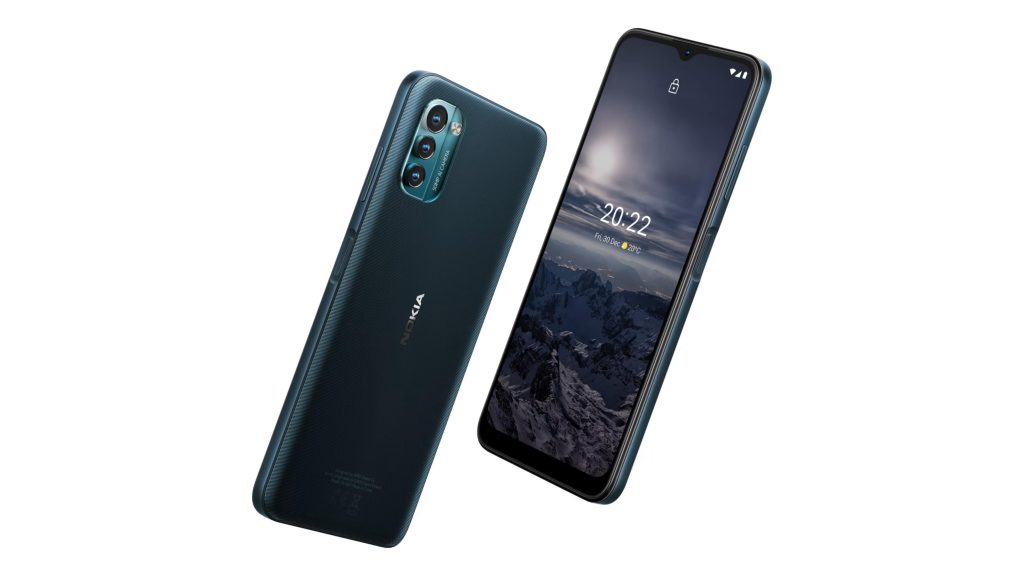
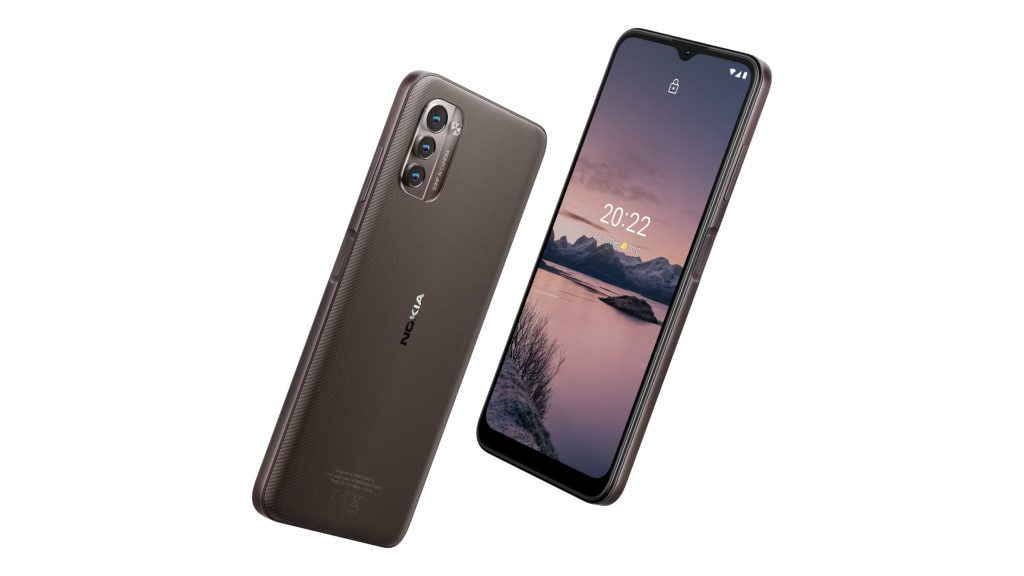
As scheduled, HMD Global has officially launched the Nokia G21 in India. This budget smartphone was firstannounced for Europe in February. The handset arrives with a large screen, triple camera setup, a humongous battery, and more. Let’s take a look at its specs along with its pricing and availability in India.
Nokia G21 Specifications
The Nokia G21 from HMD Global sports a plastic body and measures 164.6 x 75.9 x 8.5 mm in dimensions and weighs 190g.
The phone is powered by a Unisoc T606 chipset. It flaunts a 6.5-inch display (LCD) with a resolution of 1600 x 720 pixels (HD+), a 90Hz refresh rate, and a 180Hz touch sampling rate. The screen has a 20:9 aspect ratio and a dewdrop notch.
It houses a triple camera system on the back and an 8MP front-facing camera. The rear setup comprises a 50MP main shooter, a 2MP macro snapper, and a 2MP depth sensor.
On the software front, the handset runs Android 11. The company guarantees 2 years of OS upgrades and 3 years of monthly security updates.
Connectivity options include dual SIM card slots, 4G, dual-band WiFi, Bluetooth 5.0, GNSS, and USB Type-C. It also comes with a MicroSD card slot, a 3.5mm headphone jack, a side-mounted fingerprint sensor, and a dedicated Google Assistant key.
Finally, the Nokia G21 is fueled by a 5,050mAh battery with support for 18W fast charging. But it ships with a 10W charger.
Nokia G21 Price and Availability in India
The Nokia G21 will retail at the following price tags in India.
4GB + 64GB – ₹12,999 ($170)
6GB + 128GB – ₹14,999 ($196)
It can be picked up in either Nordic Blue or Dusk starting today (April 26) from Nokia.com, retail outlets, and eCommerce platforms.
Buyers get a free pair of Nokia BH-405 truly wireless earphones on Nokia.com. Those purchasing from retail outlets can avail ‘Triple Zero Offer’ financing plan that includes zero down payment, zero processing fee, and zero-cost EMI.
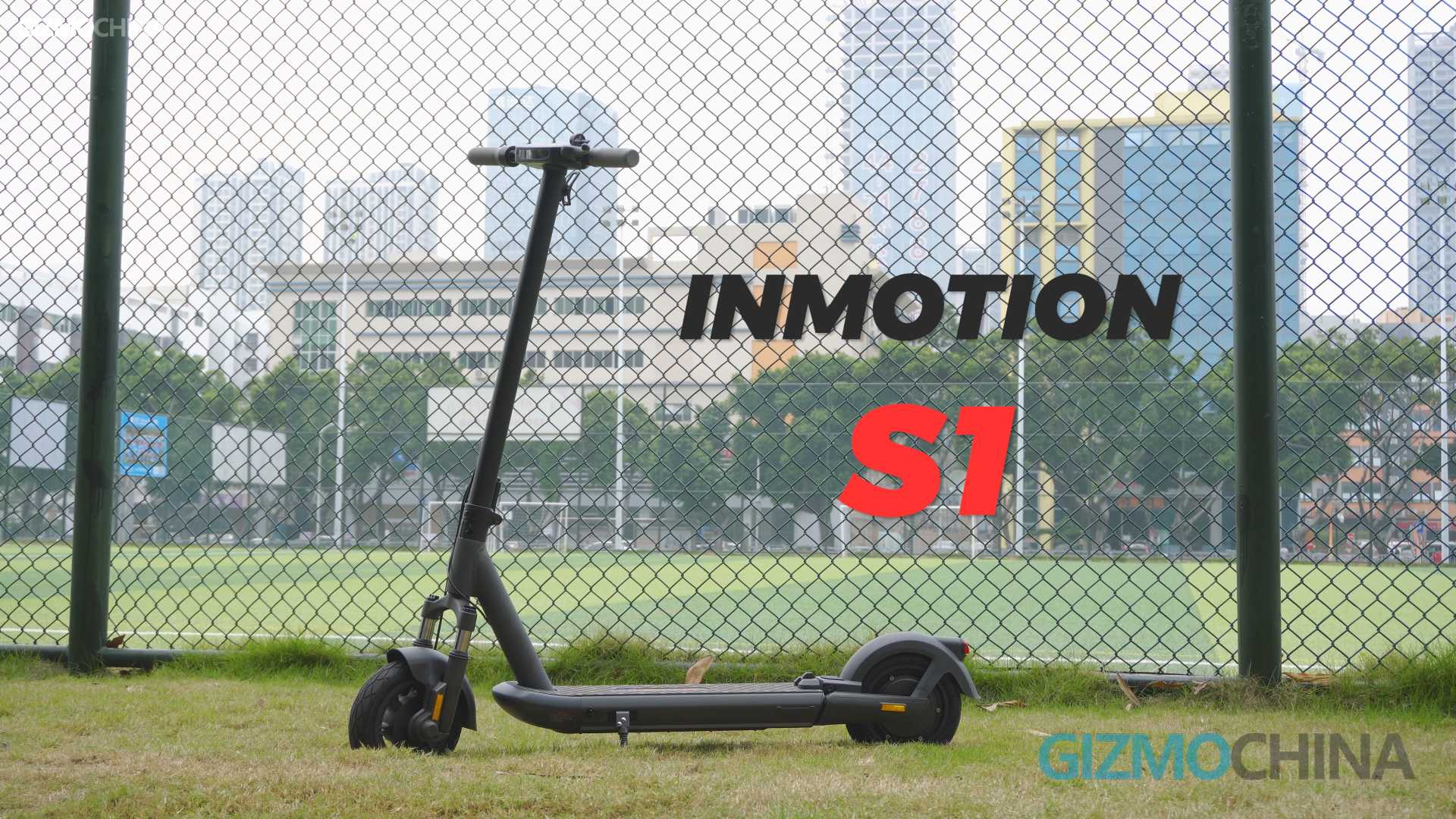
We have probably found the best electric scooter on the market— the Inmotion S1. If you guys have watched our videos, you may have noticed that our studio is located in a large city with a population of over 10-million permanent residents. There’s always heavy traffic here, and vehicles usually are not the best way to get around. Over the past few weeks, we’ve been searching for the best lightweight transportation for urban travel.
This time, we targeted electric scooters. And it seems that we just found the best electric scooter under $1000 on the market, which is the INMOTION S1.
The manufacturer Inmotion has been working on the development of urban electric transportation like electric unicycles, E-bikes, and e-scooters for years. And their products can already be found on sale in many specialized online and offline stores across many countries. The INMOTION S1 is their latest electric scooter product, which is already available for shipping globally. So we think it’s a good time to review it and tell you exactly why we think it’s likely the best e-scooter we’ve found on the market.
INMOTION S1 Review: Design
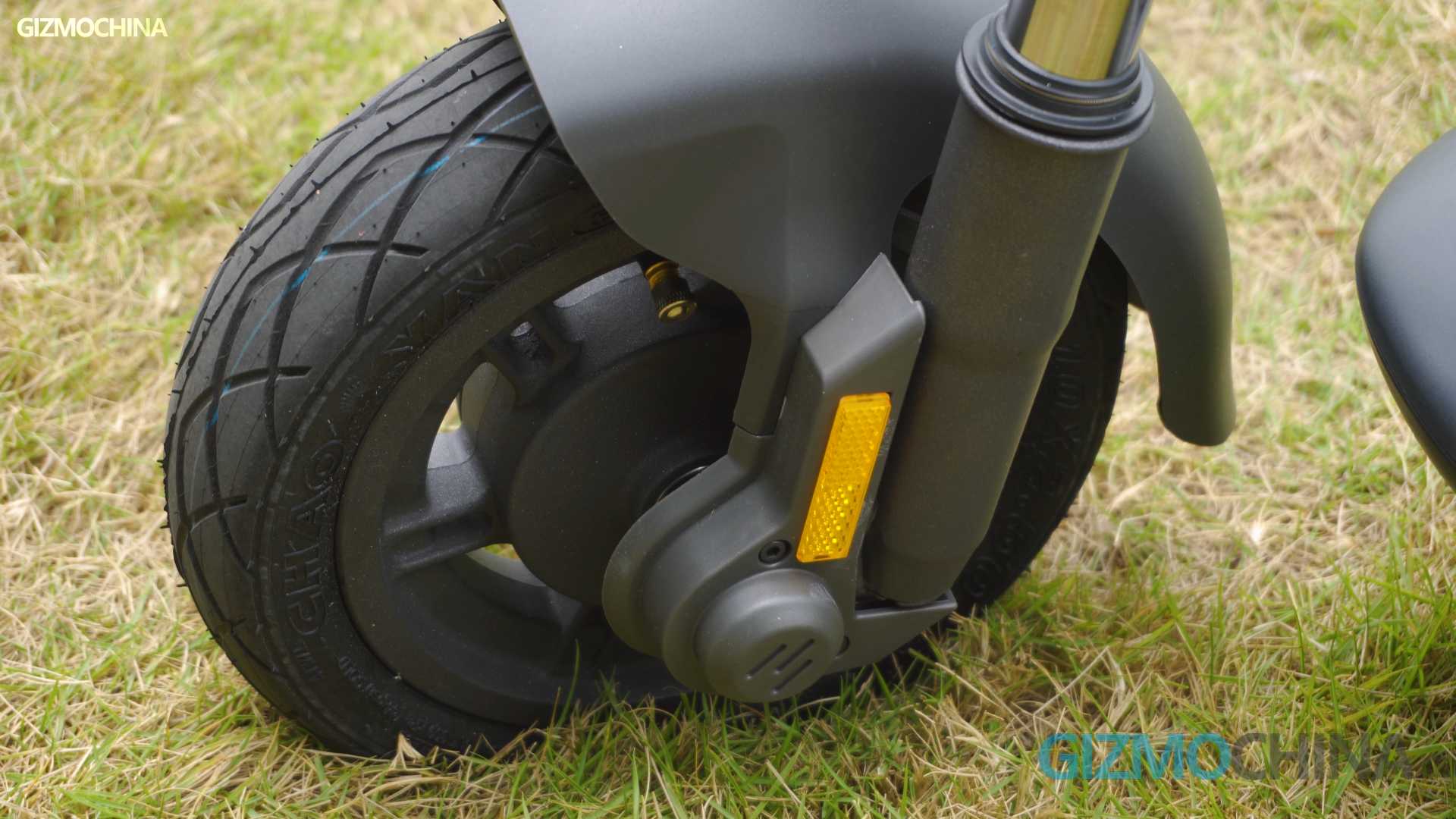
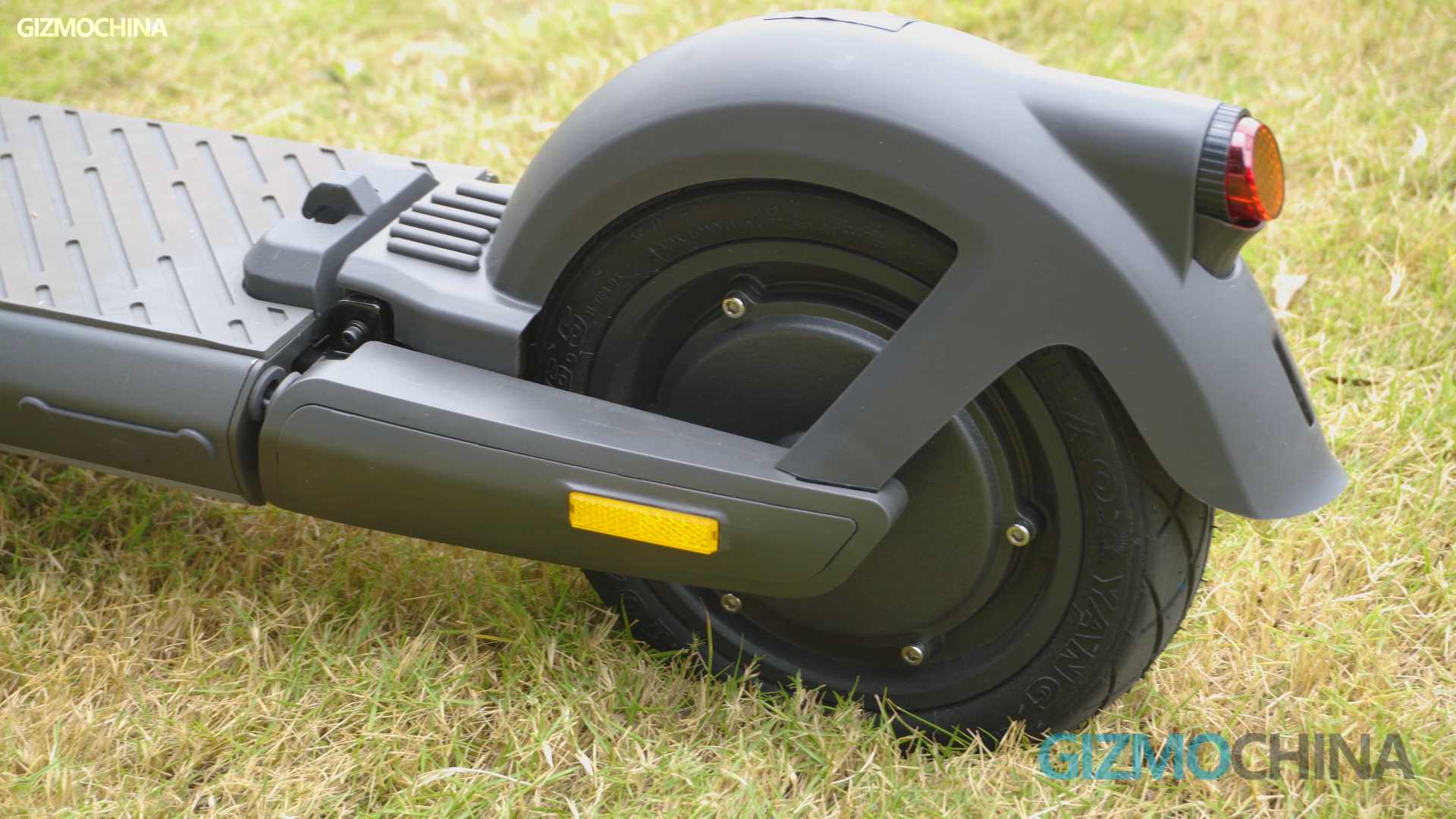
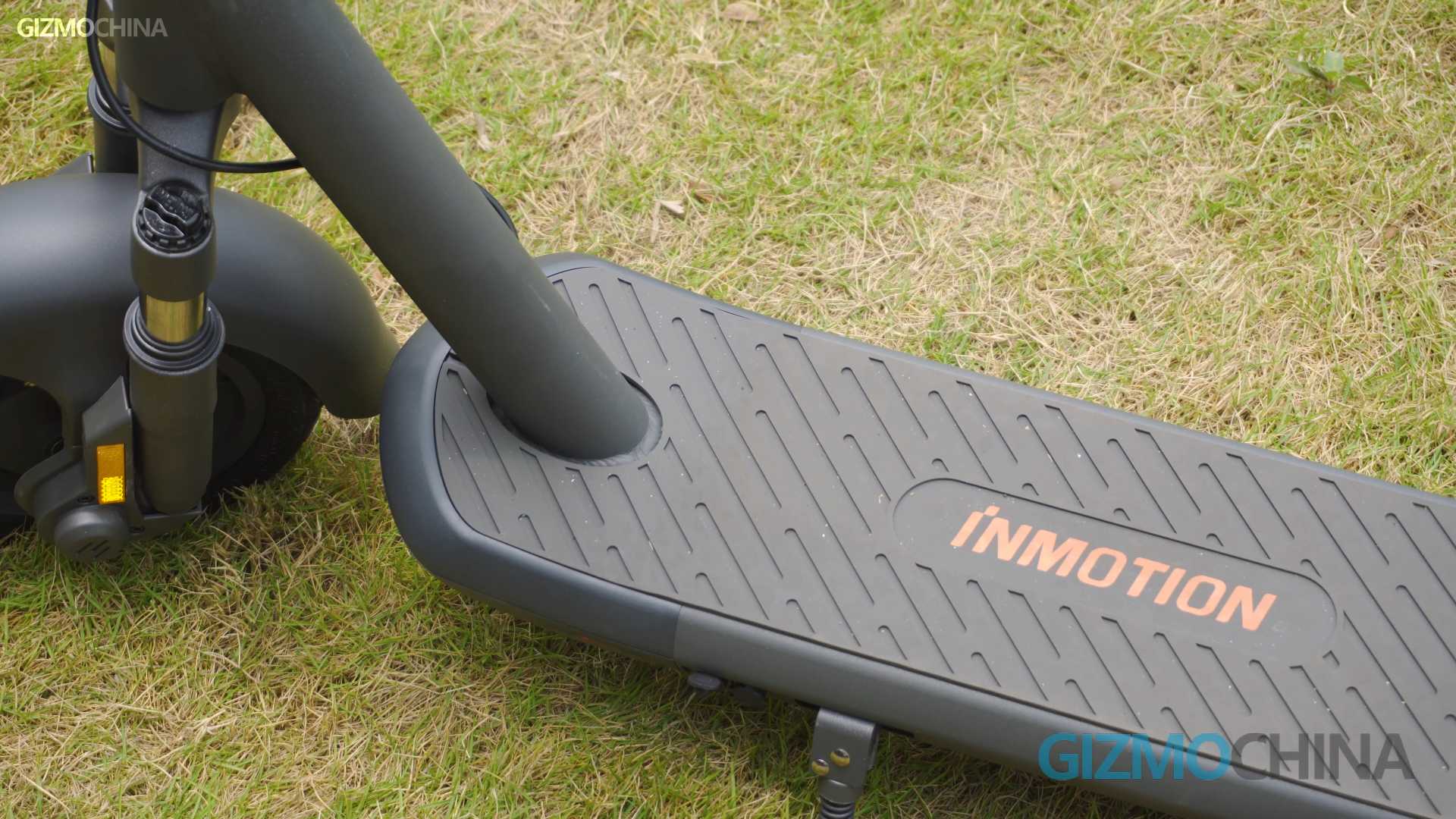
Let’s start with its appearance design. Compared to most E-scooters, the INMOTION S1 scooter looks simple and integrated without any unnecessary components. The scooter body basically is dark gray with an Inmotion logo on the footrest painted orange. And there are reflectors on both sides of the front and rear wheels.
1 of 3
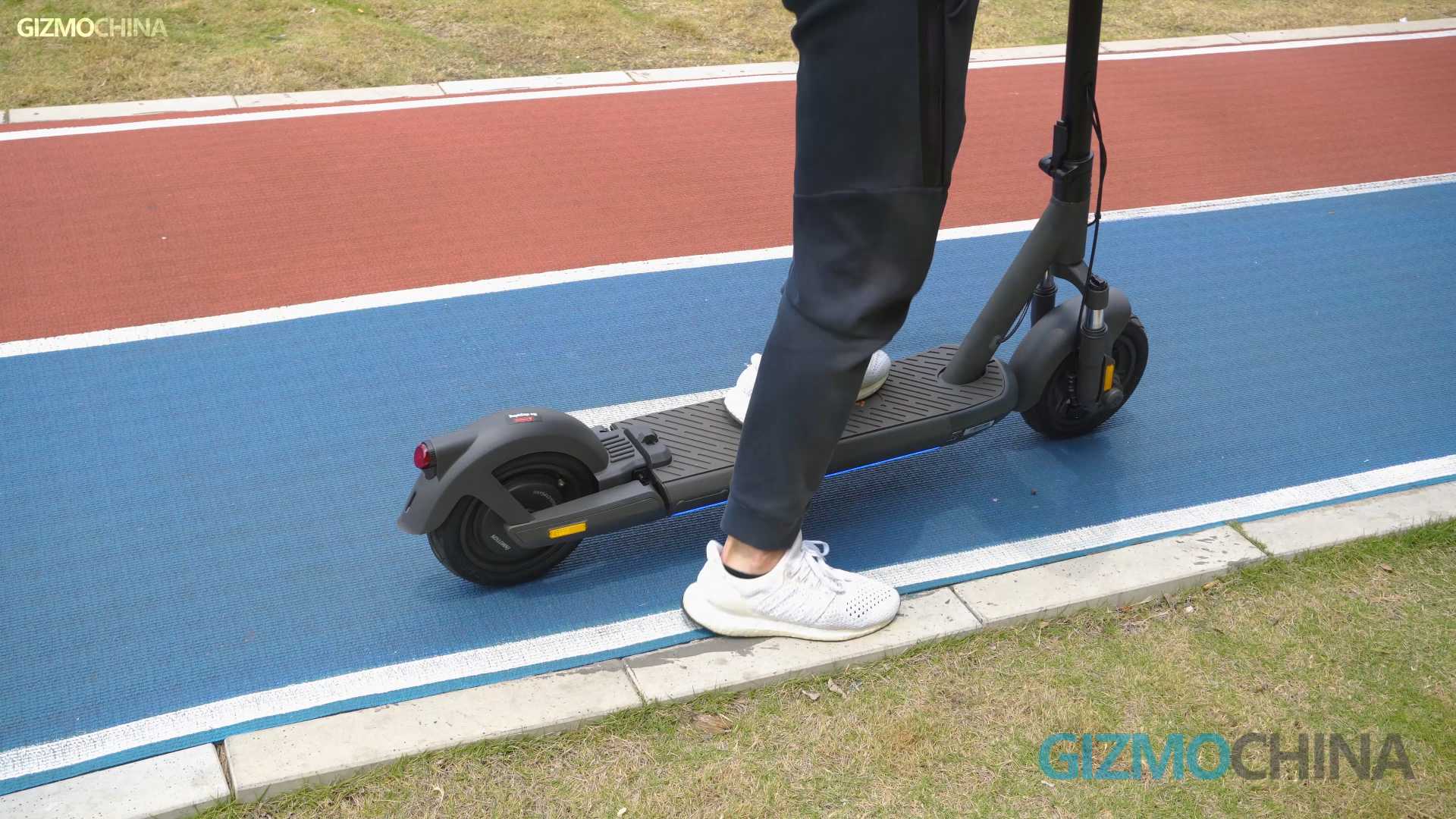
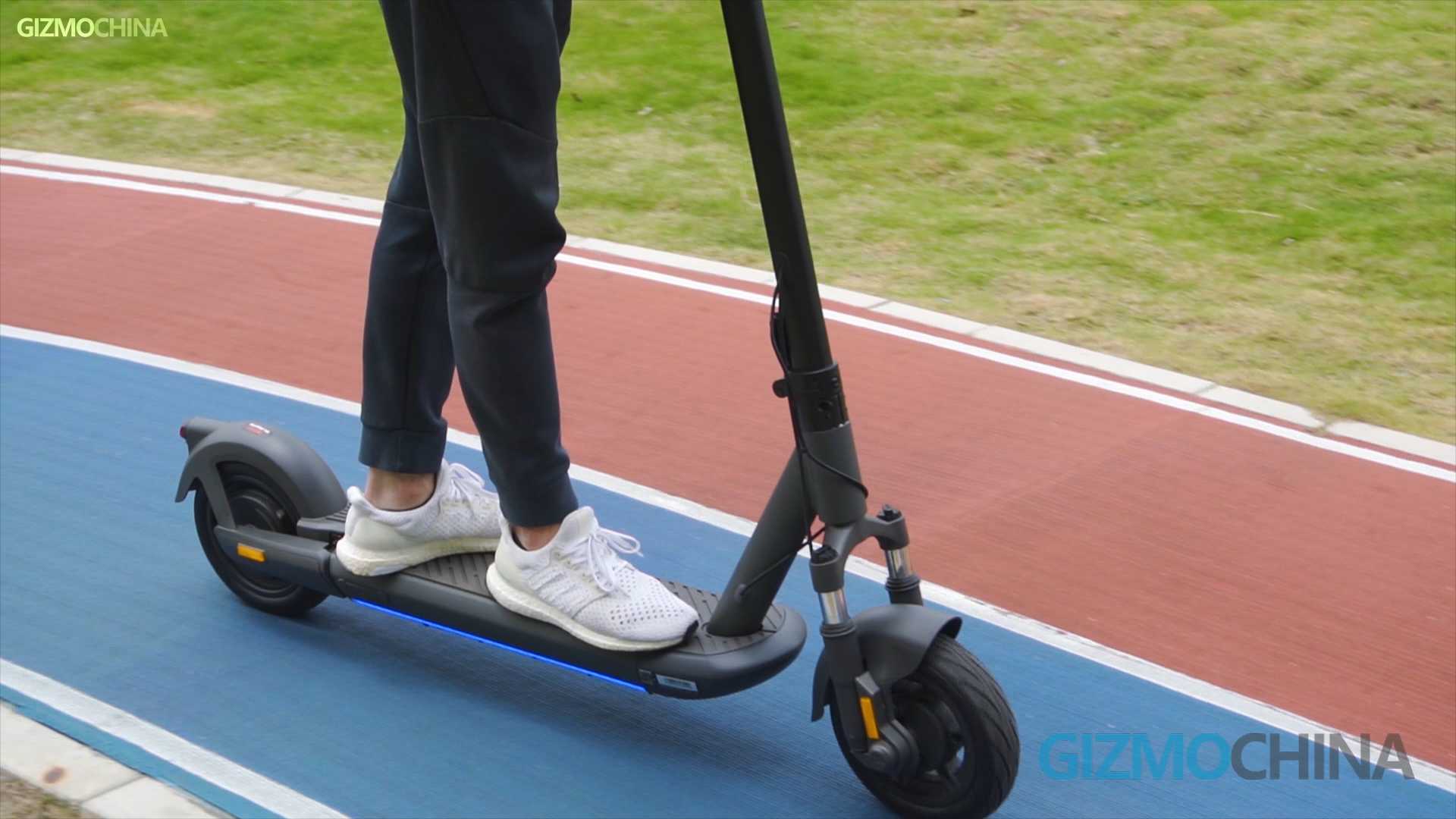
The footrest deck is large enough to carry an adult standing on it. The manufacturer’s promotional material claims that it’s good for a max rider weight of 140kg. Well, my weight certainly is not enough to test its maximum load weight, but obviously, it’s no problem to safely carry a six-foot-tall rider or even a much bigger person.
But please note that the height of the handlebars is not adjustable, and it may be a bit high for children.
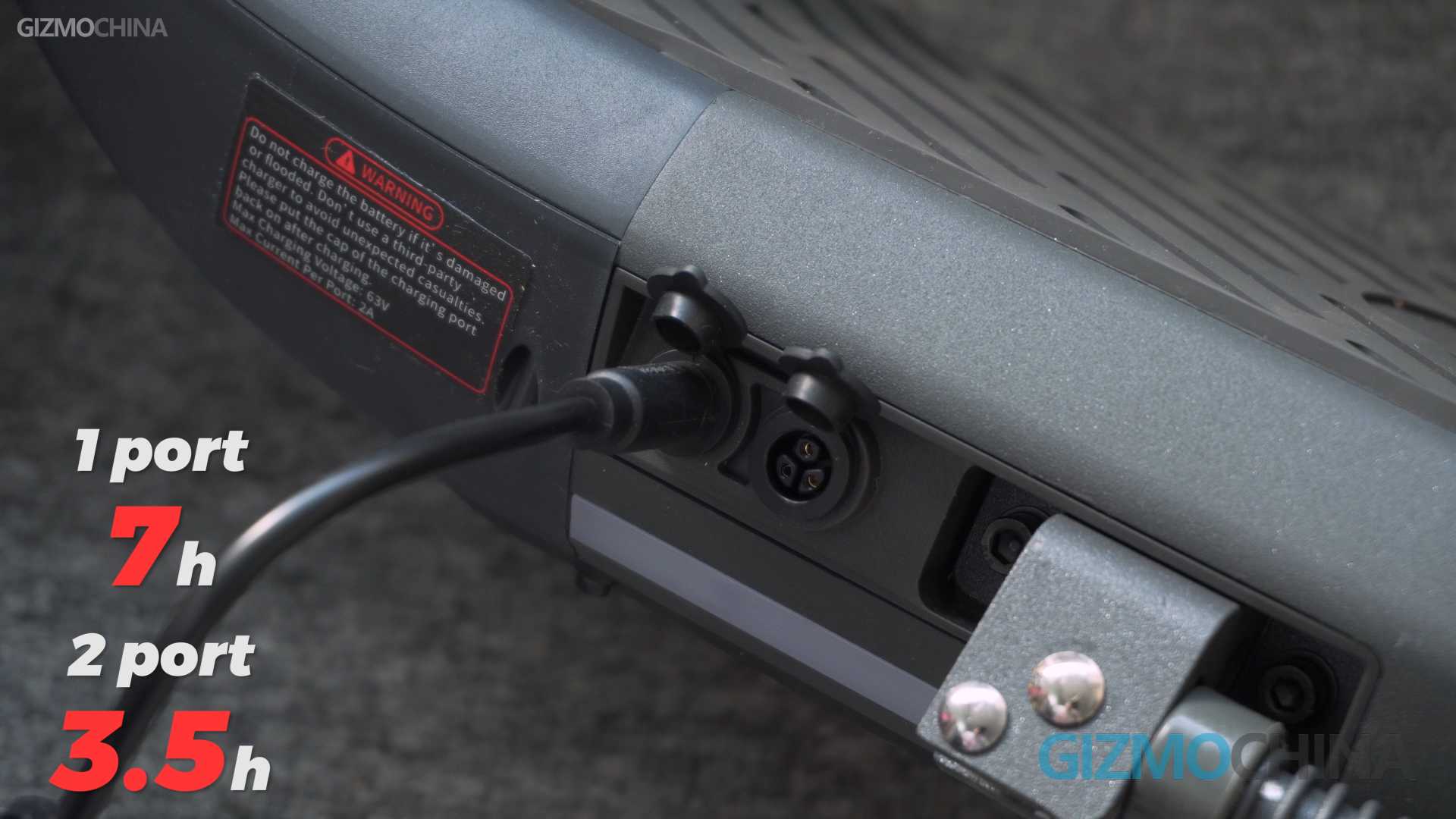
The INMOTION S1 has pretty good water and dust resistance. Specifically, the body is rated at IP55; the controller is rated at IPX7, and the battery is rated at IP67. But at the same time, you also have to make sure you keep using the dust plug to cover the charging ports.
When the packaging arrives, you will need to assemble it to start the first ride. The whole assembling process is pretty simple, which only took me 30 mins. If you have never assembled an electric scooter like this before, it may take a little longer.
Although the size of the INMOTION S1 is a little large, the good news is that the scooter is foldable, and the weight of 24kg seems to be easy for riders to carry in the trunk of their car.
INMOTION S1 Review: Speed, Braking, & Controls
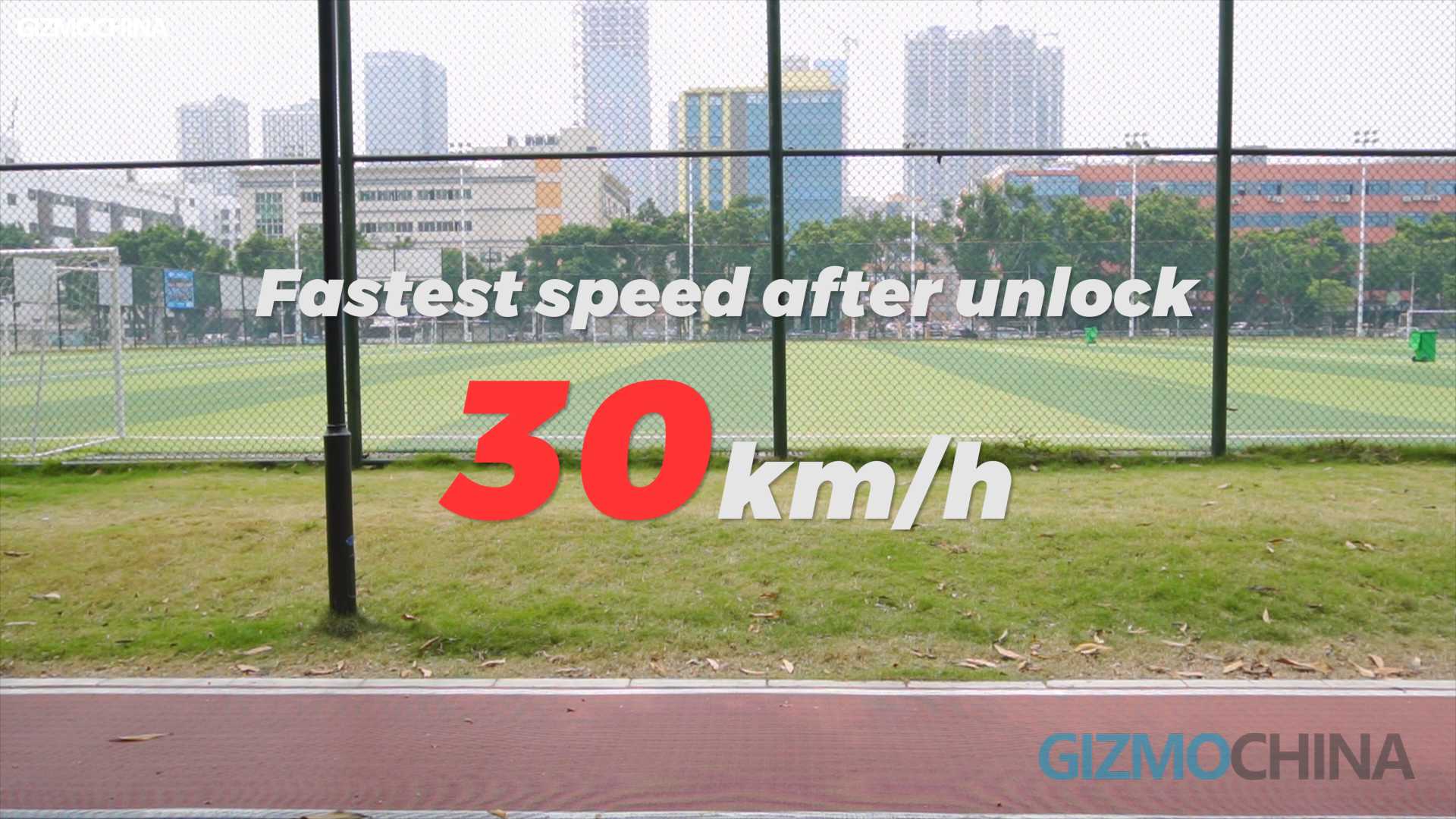
The speed of the INMOTION S1 is by default limited to 25km/h, but it’s easy to unlock the speed limit up to a max speed of 30 km/h. All you need to do is to pair the smartphone app with the scooter and go into the app, which now is available for both iPhones and Android phones.
We will talk about the app later, so let’s get back to its speed setting.
To be honest, although the INMOTION S1 can achieve 30km/h, we still suggest not turning it on most of the time for safety reasons. But if the riding conditions allow or if you are skilled enough to ensure safety, the maximum speed of 30km/h can save you a lot of time.
But if you’re satisfied with the maximum speed of 25km/h, there are 3 ride modes as options: Eco mode, Standard mode (D), and Sports mode (S). If you turn the speed limit off, an extra sport mode will be also available, which means no limits, and you can have the top speed of 30km/h with the fastest acceleration. The eco-mode is for beginners. Under the eco-mode, you won’t go faster than 12km/h and the acceleration is much slower. But you will have a longer range under the eco-mode.
Compared to these two modes, I rode a lot under the drive mode for commuting. It allows me to achieve a top speed of 20 km/h and a relatively comfortable acceleration. As for pushing assistant mode, it’s easier to let you push the scooter.
The INMOTION S1 is equipped with an excellent brake system, which consists of a front drum and rear electric disc brake. The rear electric brake can kick in automatically without using the brake handlebar if you are going downhill and speed up rapidly, or have exceeded the top speed. The automatic braking feels good most of the time but still requires the rider to get used to it the first few times. But anyway, it’s a good design, ensuring the experience of riding is safe and user-friendly.
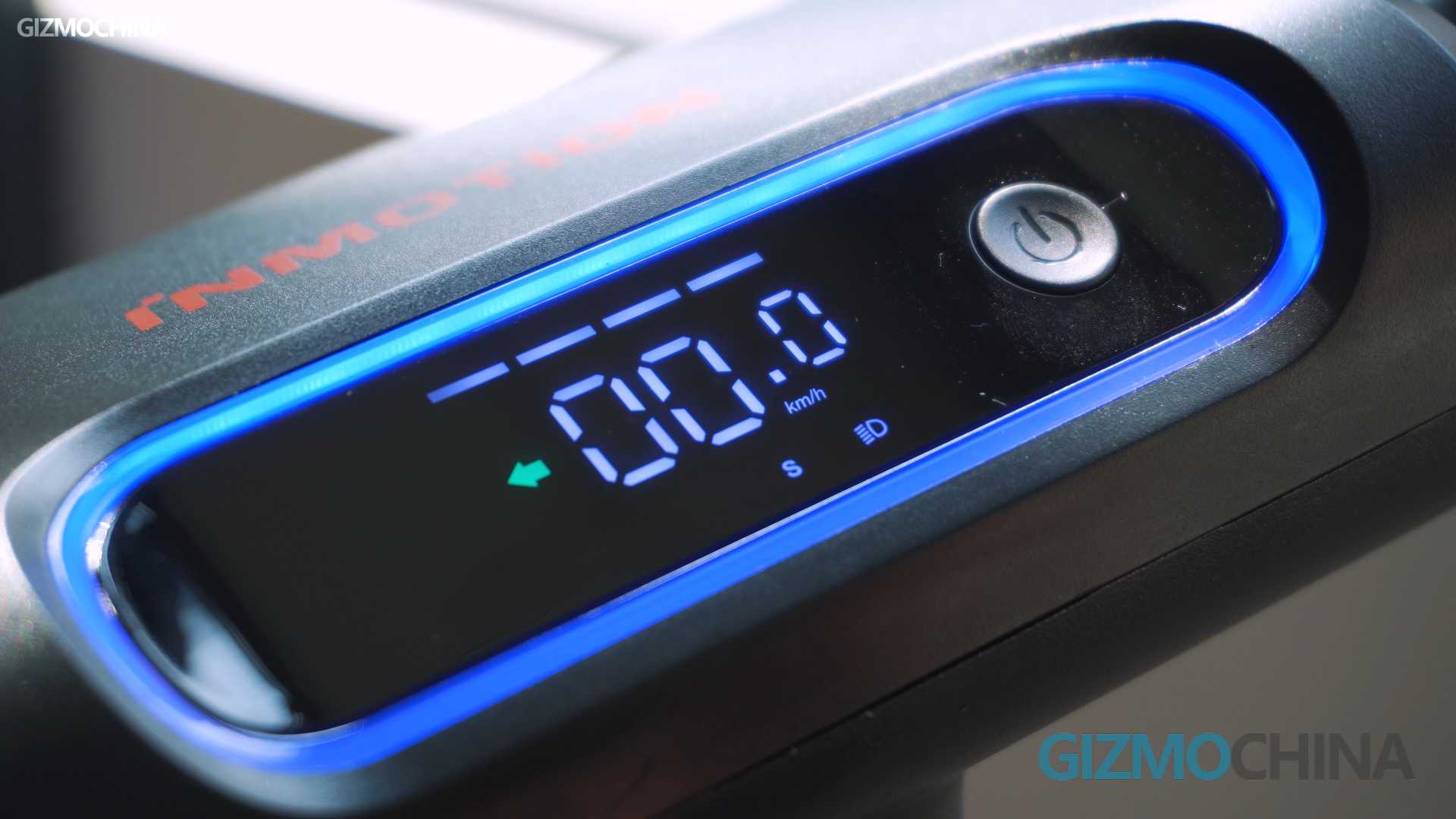
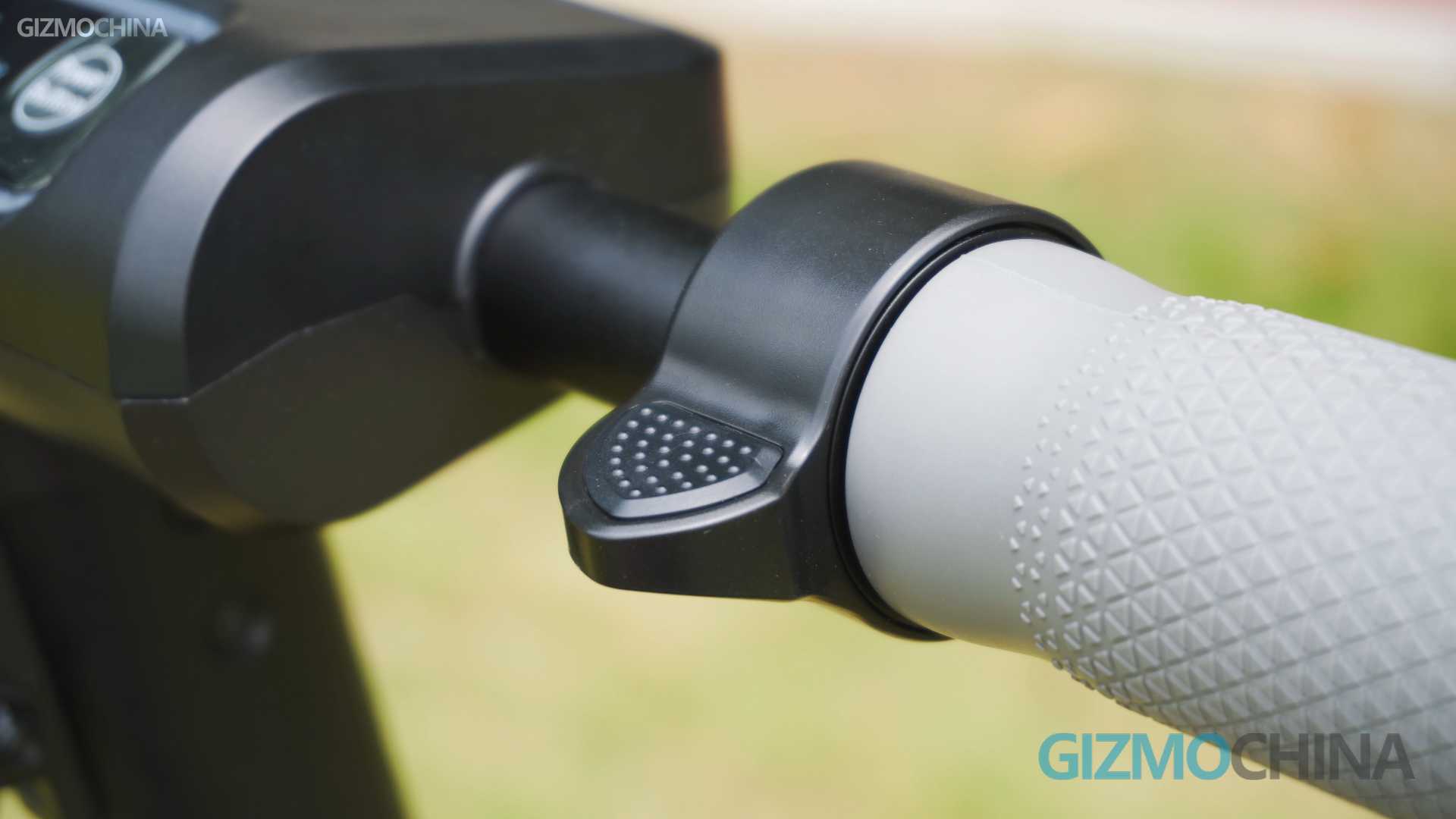
Another great thing about the S1 is the control panel with the large LED display on the handlebars. There’s only one button for all the basic controls, such as one click for turning the headlights on or off, double click for switching the riding mode, and long-press for the power switch. Even for beginners, it’s easy to use. And the throttle is also intuitive with thumb-push. During long-distance rides, the controls won’t cause much discomfort.
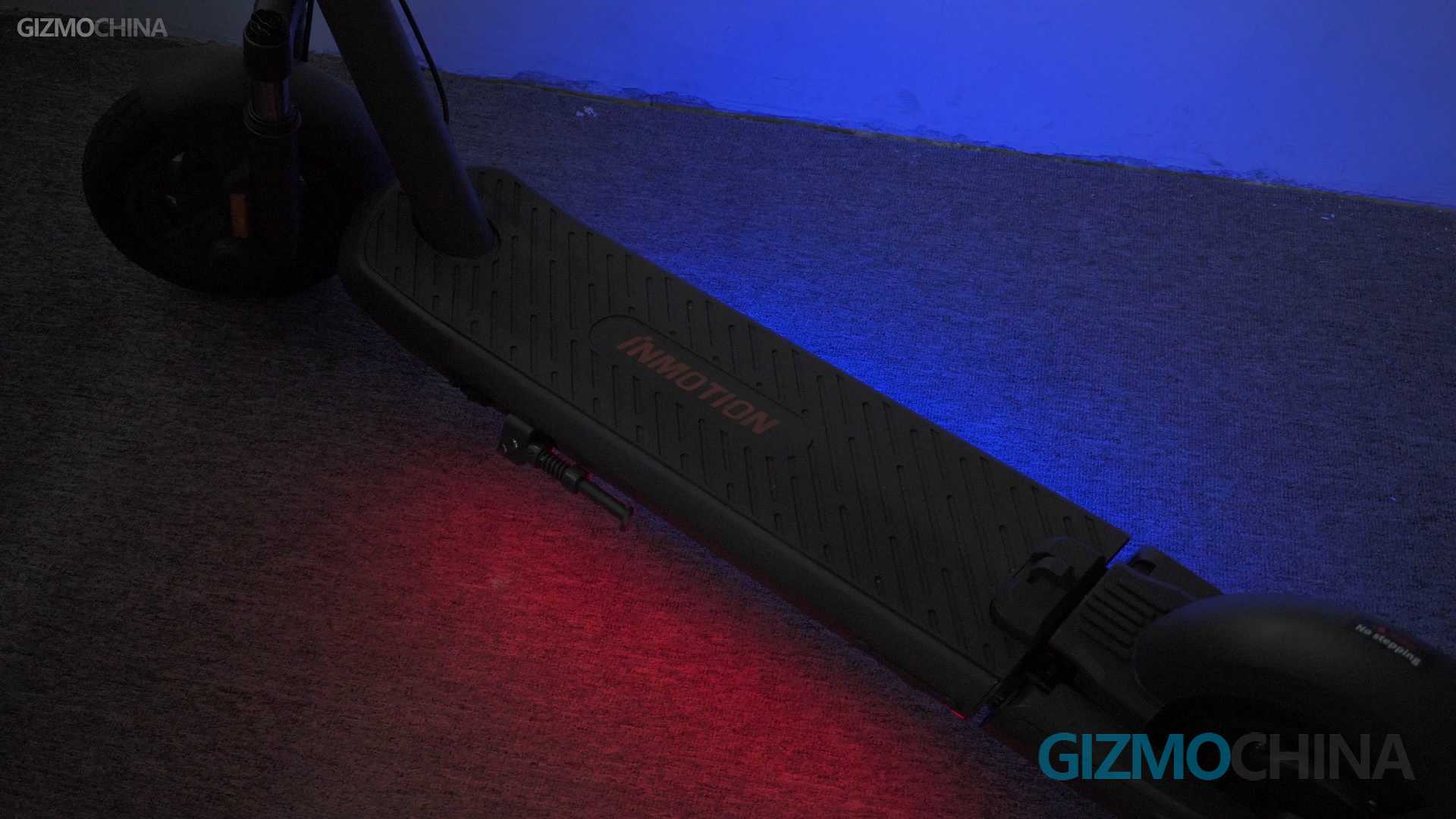
One of the greatest designs of the scooter is the road-facing LED light strips on both sides of the deck. They turn blue while riding, and the corresponding strip would automatically flash red when sensing that you are turning to the left or right.
INMOTION S1 Review: Inmotion App
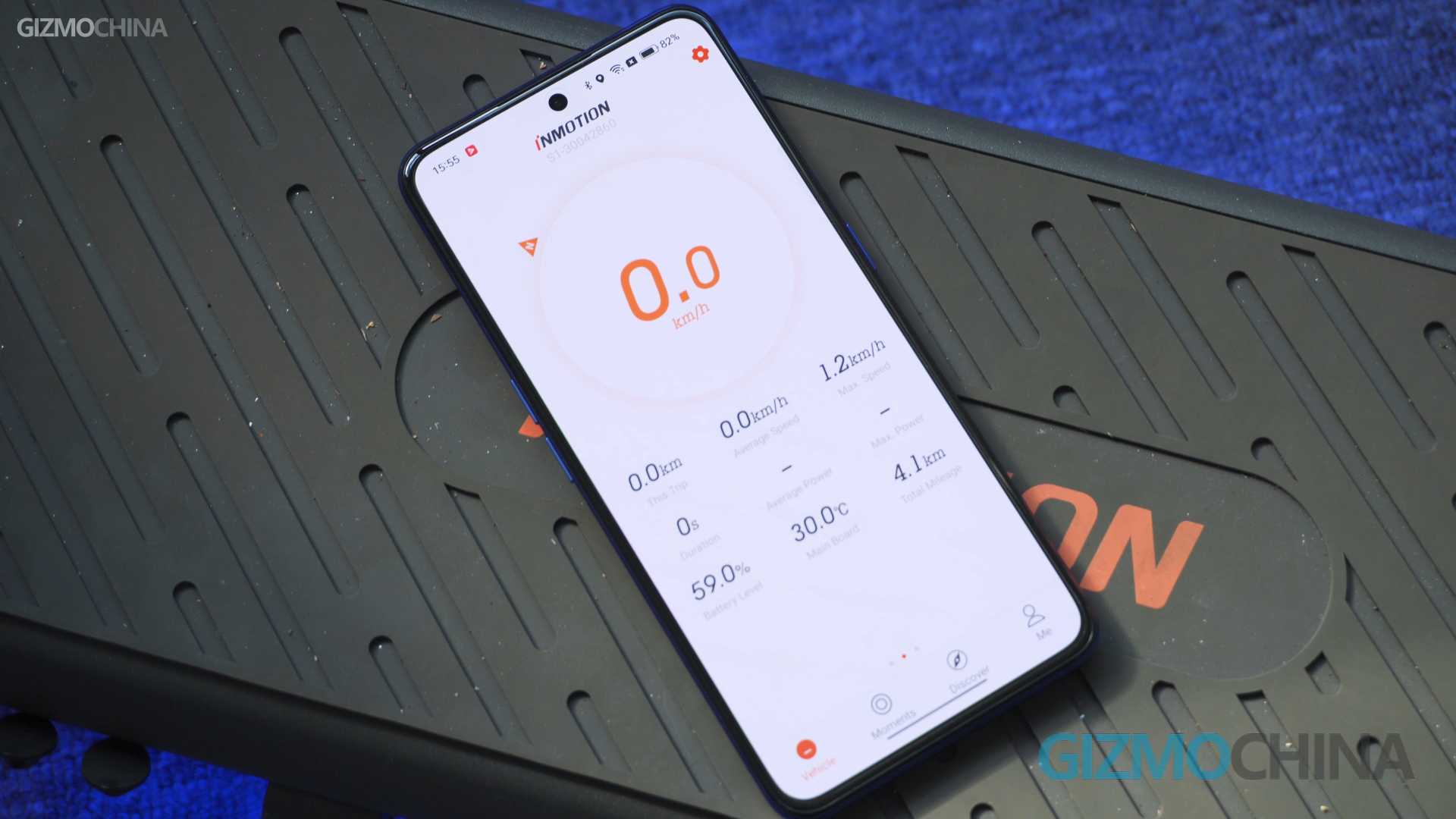
Now let’s talk about the Inmotion APP, where you can have full control of the scooter and check out all riding states such as power used and riding route. And you can also share anything interesting with other INMOTION users, or read others’ riding reports in the Moments section.
INMOTION S1 Review: Battery Range
The INMOTION S1 scooter’s claimed range on a full charge is 95km, which probably can be achieved under ideal road conditions and eco-mode. But in my daily riding experience under the drive mode, the actual range was around 70km, which is still a good result for a daily commute and urban travel.
But please note that the actual ranges for riders could vary depending on riders’ weight and the terrain. As for charging, there are dual ports for charging. With dual-port charging, it took me around 3 and a half hours to get the scooter fully charged, and charging time would have doubled if using the single-port charging.
And another important piece of information is that the 500w motor with rear-wheel drive can tackle hill climbs up to 30%. So it won’t be a good idea to try any steeper slopes.
The INMOTION S1 scooter’s best use case scenario is probably for people like us living in urban and suburban areas, those who are tired of parking and traffic jams. The S1 scooter has really decent performance with a great range for urban travel. And moreover, the app that tells you everything about the scooter is definitely a plus. To some extent, it’s almost perfect for medium to long-distance commutes.
If you like this scooter, please check it on the official website: INMOTION
Micromax In 2c smartphone has been announced in India. It is the second smartphone to debut this year after the Micromax In Note 2, which was announced in January this year. The handset replaces the Micromax In 2b smartphone from last year. Here are all the details on the specifications, features, and price of the new Micromax phone.
Micromax In 2c specifications and features
The Micromax In 2c features a 6.52-inch display with a teardrop notch. The screen offers an HD+ resolution of 720 x 1600 pixels, a 20:9 aspect ratio, and 420 nits of brightness. According to the company, the smartphone has an 89 percent screen space.
Micromax In 2c
Coming to the photography department, the In 2c has a front camera of 5-megapixel and its back panel has a dual-camera setup, which comprises an 8-megapixel primary camera and a VGA sensor. The device comes preinstalled with Android 11 OS. Like other Micromax phones, the In 2c offers a stock Android experience.
The Unisoc T610 chipset is present at the helm of the device. It is equipped with 4 GB / 6 GB of LPDDR4x RAM and 64 GB of eMMC 5.1 storage. For additional storage, the device offers a microSD card slot. The handset draws power from a 5,000mAh battery, which supports 10W charging over the USB-C port. It lacks a fingerprint scanner. Dual SIM support, Wi-Fi, Bluetooth 5, GPS, and 3.5mm audio jacks are some of the other things it has to offer.
Micromax In 2c price in India
The Micromax In 2c comes in a sole version of3GB RAM +32GB storage, which is priced at Rs 8,499 (~$111). Starting May 1, it will be available at an introductory price of Rs 7,499 (~$98). The handset comes in Silver and Brown colors. Those who are interested can visit Micromax’s online store or Flipkart to purchase it.
Twitter has finally agreed to Elon Musk‘s offer. So now, the Tesla CEO is the sole owner of the company. In a recent press release, the social media giant announced that Elon Musk has bought the company for a sizeable sum of 44 billion US Dollars.
As per the press release, the microblogging website stated that the Tesla and SpaceX Founder has bought the company at 54.20 US Dollars a share. In other words, this is the same as the initial offer that Musk had offered earlier this month. Through this purchase, Twitter will now become a privately held company by the time the acquisition is completed. At the moment, the deal is expected to close in 2022 and is subject to approval from Twitter stockholders, the receipt of applicable regulatory approvals, and more.
After the announcement, Elon even tweeted out saying that “Free speech is the bedrock of a functioning democracy, and Twitter is the digital town square where matters vital to the future of humanity are debated. I also want to make Twitter better than ever by enhancing the product with new features, making the algorithms open source to increase trust, defeating the spam bots, and authenticating all humans.”
Notably, Twitter CEO Parag Agrawal addressed his employees, stating that no layoffs were planned “at this time.” Although, some of the employees have expressed their discontentment with Musk buying the platform. Agrawal told his employees that “There is indeed uncertainty about what will happen after the deal closes.” Earlier this month, the Tesla CEO owned 9.2 percent of the company, but just a few weeks after, this number jumped to 100 percent.
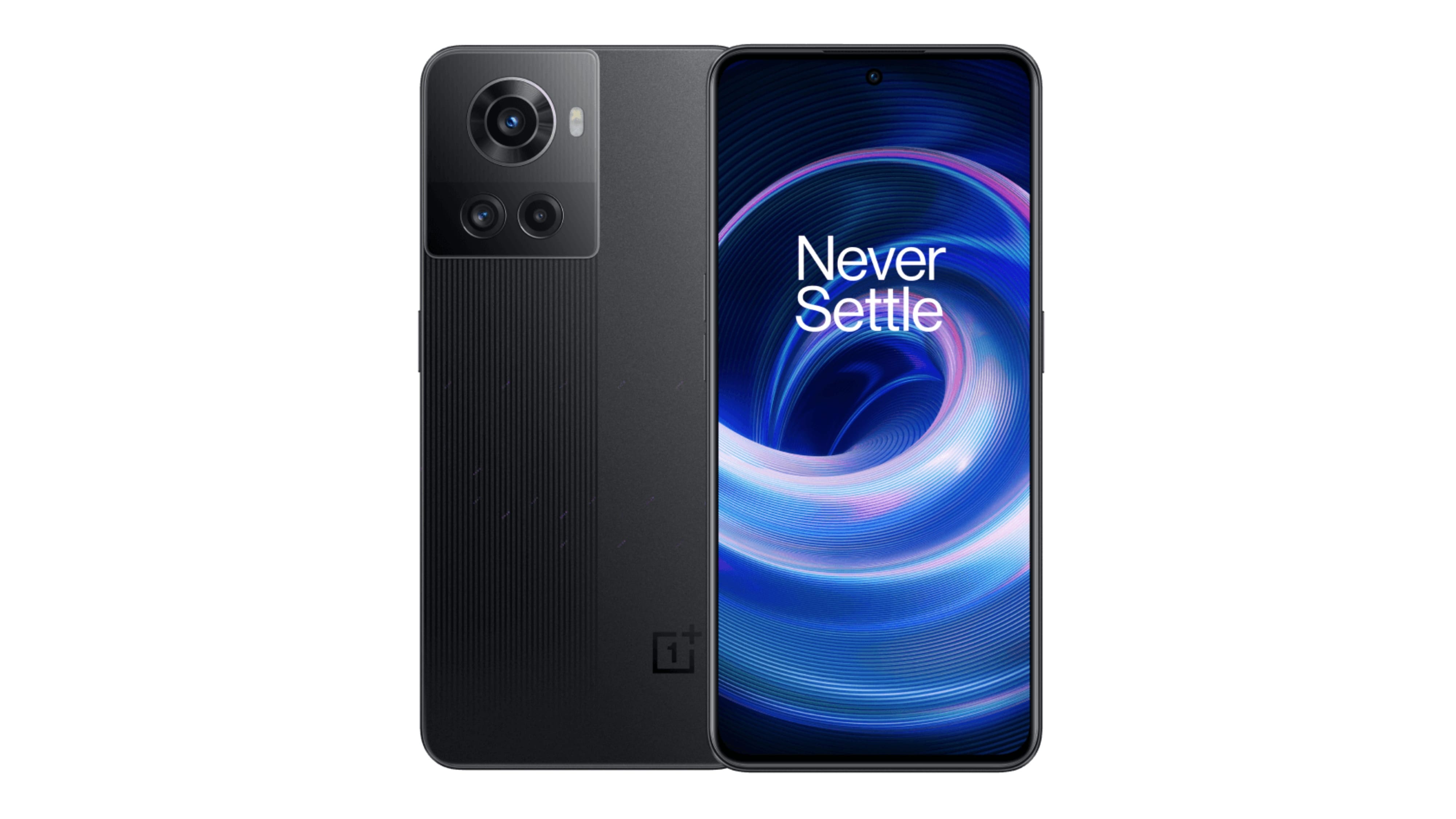
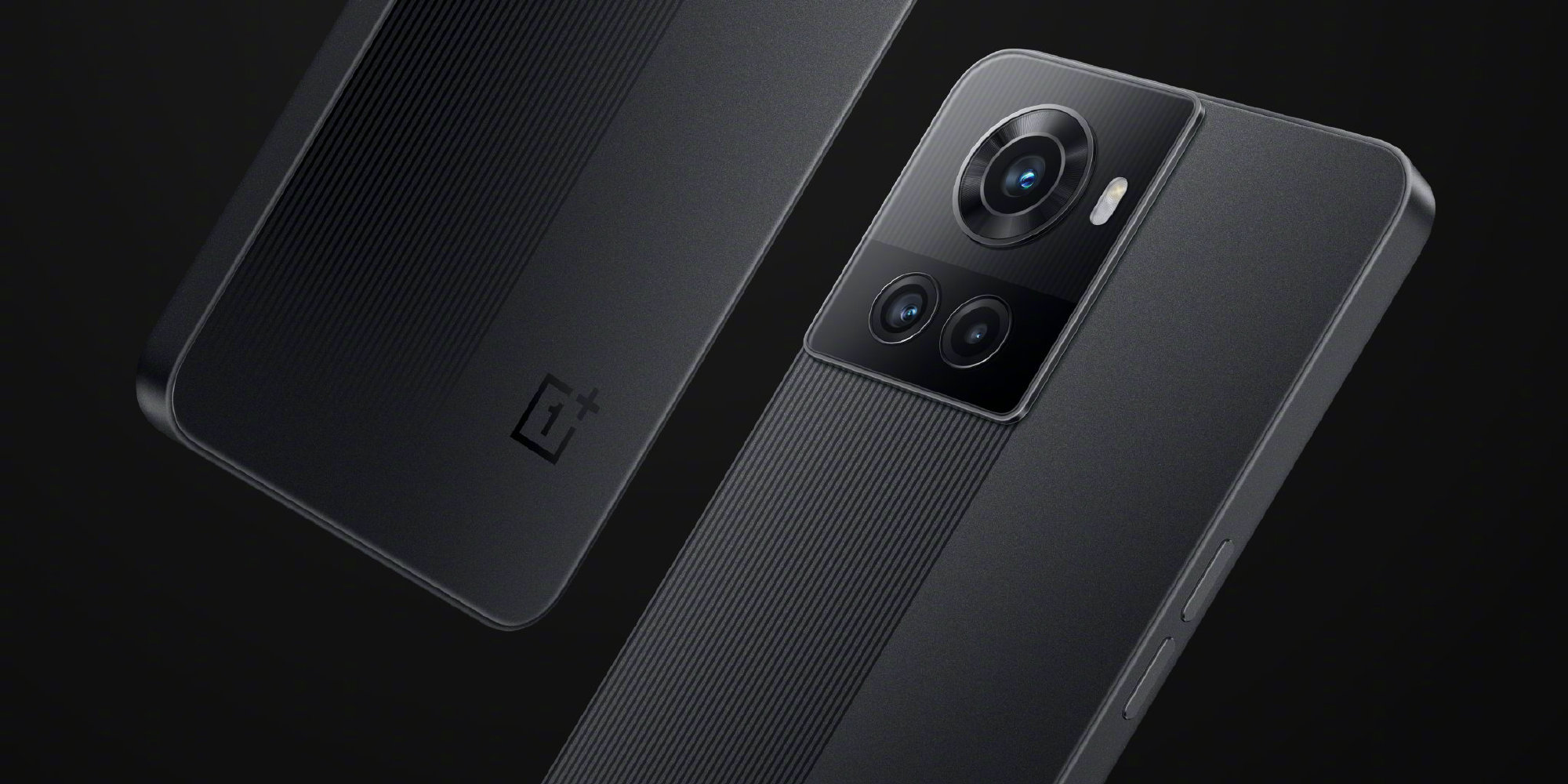
A few days ago, OnePlus officially launched its new smartphone in the Chinese market, dubbed as OnePlus Ace. The phone is set to launch globally as the OnePlus 10R and will debut in the Indian market later this month.
Now, just days after the official announcement, the OnePlus Ace smartphone is now up for sale in China. The phone comes in four memory configurations and the pricing starts at 2,499 yuan which is about $382.
The base model with 8GB RAM and 128GB storage costs 2,499 yuan (~$383) while the 8GB RAM and 256GB storage model is priced at 2,699 yuan (~$413). The 12GB RAM and 256GB storage model costs 2,999 yuan (~$459) while the top-end model with 12GB RAM and 512GB internal storage is priced at 3,499 yuan (~$535).
The OnePlus Ace features a 6.7-inch OLED display that offers a Full HD+ screen resolution and also supports a 120Hz refresh rate, 360Hz touch sampling rate, and a 720Hz gaming touch sampling rate. It also offers 100 percent DCI P3 color gamut, HDR10+ support, and a maximum brightness of 1000 nits.
Under the hood, the device is powered by the MediaTek Dimensity 8100-MAX processor, coupled with LPDDR5 RAM and UFS 3.1 internal storage. Along with the onboard graphics, the company has also included an independent graphics chip on the device to boost the in-game framerates.
In the camera department, the phone has a triple-camera setup on the back that includes a 50-megapixel Sony IMX766 primary sensor, an 8-megapixel Sony IMX355 ultra-wide lens, and a 2-megapixel macro sensor. On the front side, there’s a 16-megapixel Samsung ISOCELL S5K3P9SP snapper for taking selfies and video calling.
The phone runs the Android 12 operating system out-of-the-box and has the company’s own ColorOS 12 custom user interface on top. It is powered by a 4,500mAh battery which comes with support for 120W fast charging.
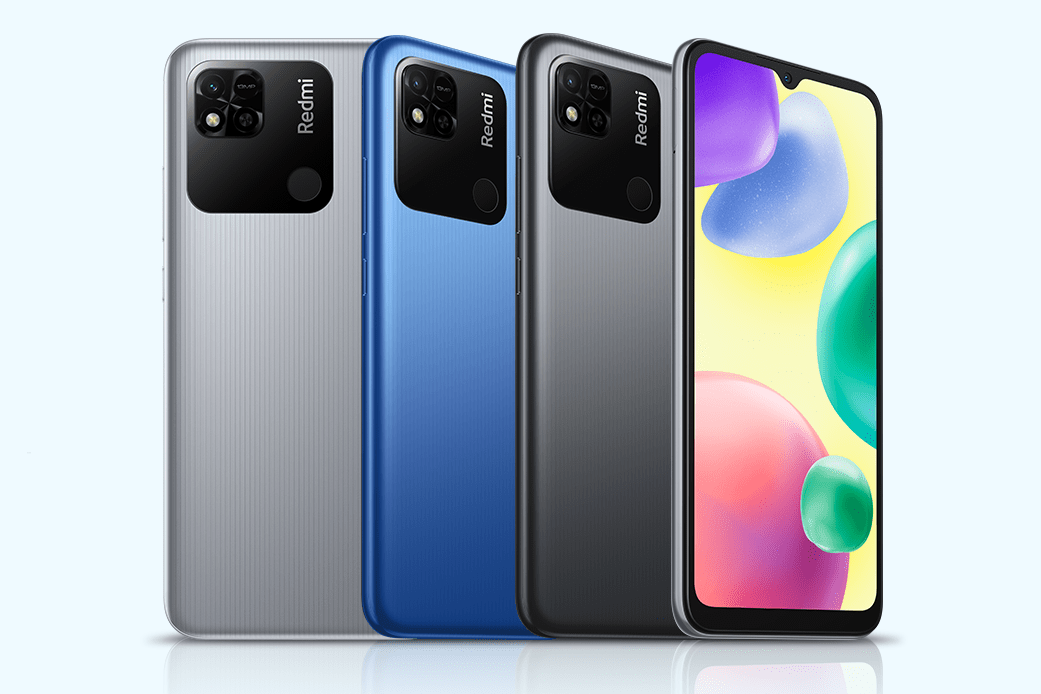
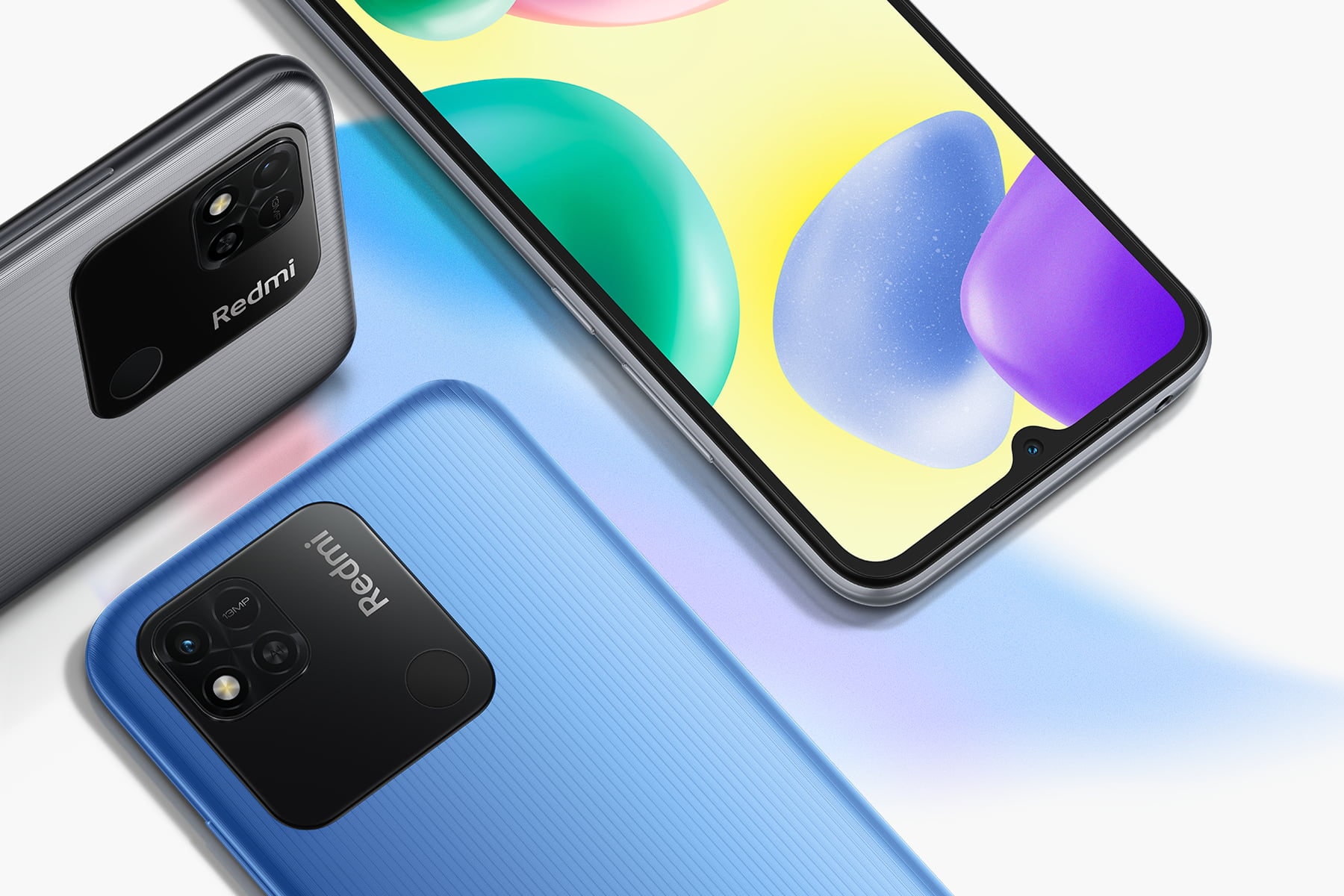
Earlier this month, Xiaomi had announced the Redmi 10A for the Indian market. The new entry was the company’s latest budget range of smartphones, which will finally go on sale in the region later today (26th April 2022). So let’s have a look at its pricing and specs.
Talking about the device itself first, the Redmi 10A sports a 6.53 inch HD+ display that has a waterdrop notch and a peak brightness of 400nits. Under the hood, it is equipped with a MediaTek Helio G25 SoC that is paired with an ARM GE8320 GPU. For memory, users are offered up to 4GB of RAM and up to 64GB of internal storage. The device also runs Android 11 OS based MIUI 12.5 custom skin out of the box.
On the rear, it packs a long 13 megapixel camera with an LED flash, while the front houses a 5 megapixel selfie shooter. A large 5,000mAh battery pack runs the device, but it does not feature fast charging and only charges at 10W. Other features include Dual-SIM, 4G, 2.4GHz Wi-Fi 802.11a/b/g/n, Bluetooth 5.0, GPS, Glonass, and Beidou. Notably, the smartphone is offered in multiple color options, including Slate Grey, Charcoal Black, and Sea Blue.
The Chinese tech giant’s Redmi 10A is exclusively available on Amazon India and the company’s official website. Its sales start at 12 pm IST and the device is being offered in two storage configurations. The 3GB + 32GB model is priced at 8,499 INR (roughly 111 US Dollars), while the 4GB + 64GB model has a price tag of 9,499 INR (roughly 124 US Dollars).
Xiaomi entered the foldable phone market with the launch of the Xiaomi Mix Fold which was launched last year and now the Chinese tech giant will follow it up with the Xiaomi Mix Fold 2. Xiaomi has not revealed any features yet.
However, a Weibo post from the leakster Digital Chat Station revealed some interesting information regarding the display and screen specifications of the upcoming foldable smartphone.
The leakster revealed that the internal screen specification of the 2K high refresh rate flexible LTPO display of the Xiaomi MIX Fold 2 is very luxurious, and it follows the same high screen-to-body design of its predecessor.
It has also been revealed that the foldable phone may come out with dual 120Hz high refresh rate internal and external screens, unlike the previous model, whose display was restricted to 60Hz. Furthermore, the external screen is slightly curved on one side, and the appearance is relatively thin and light.
It is worth mentioning that the Weibo post by the leakster did not mention the device directly. However, the description and the features in the post point directly to the Xiaomi Mix fold 2.
Previous reports suggest that the foldable smartphone is powered by the Qualcomm Snapdragon 8 Gen 1 Octa-core processor and runs on the Android 12 operating system. Xiaomi MIX FOLD 2 is likely to have a higher battery capacity of 5020mAh and support for fast wired and wireless charging.
Apart from this, the phone is expected to come with triple rear cameras. It will have a 108MP Wide, 13MP ultra-wide, and 8MP telephoto lenses while on the front, it may feature a 20MP selfie camera.
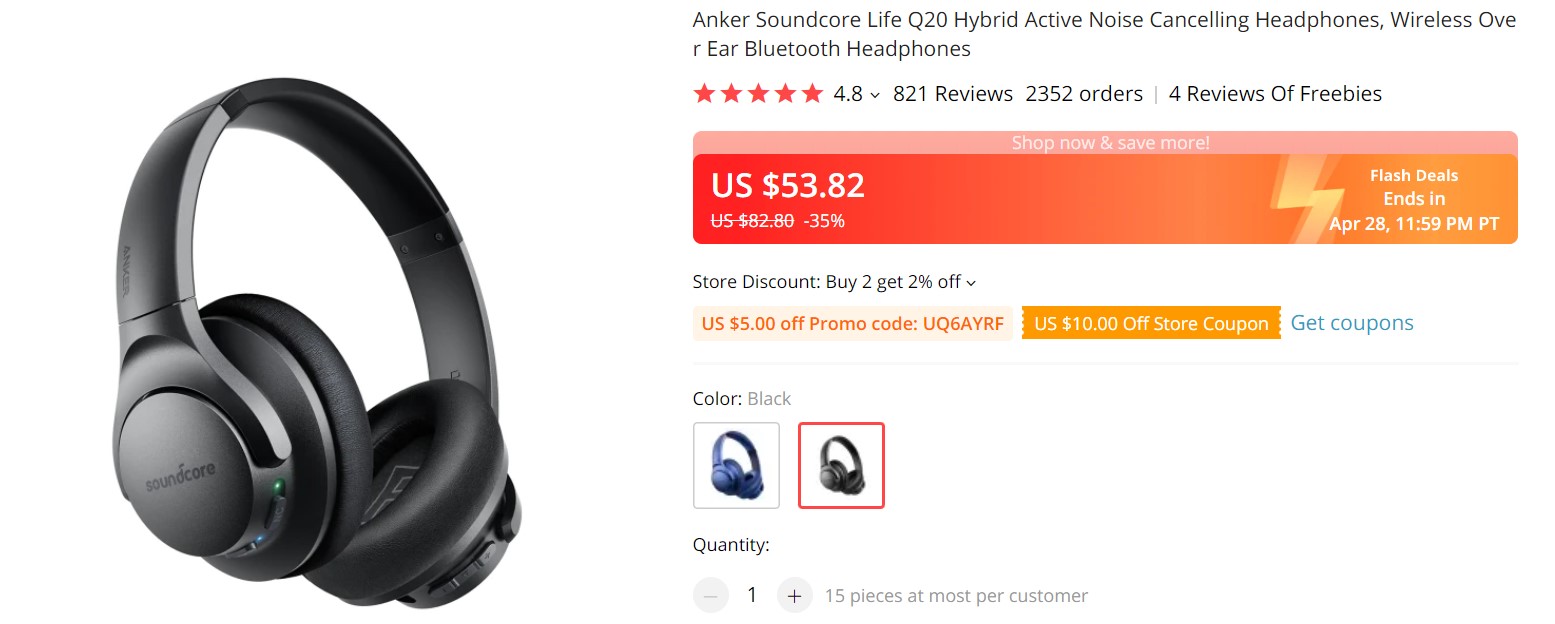
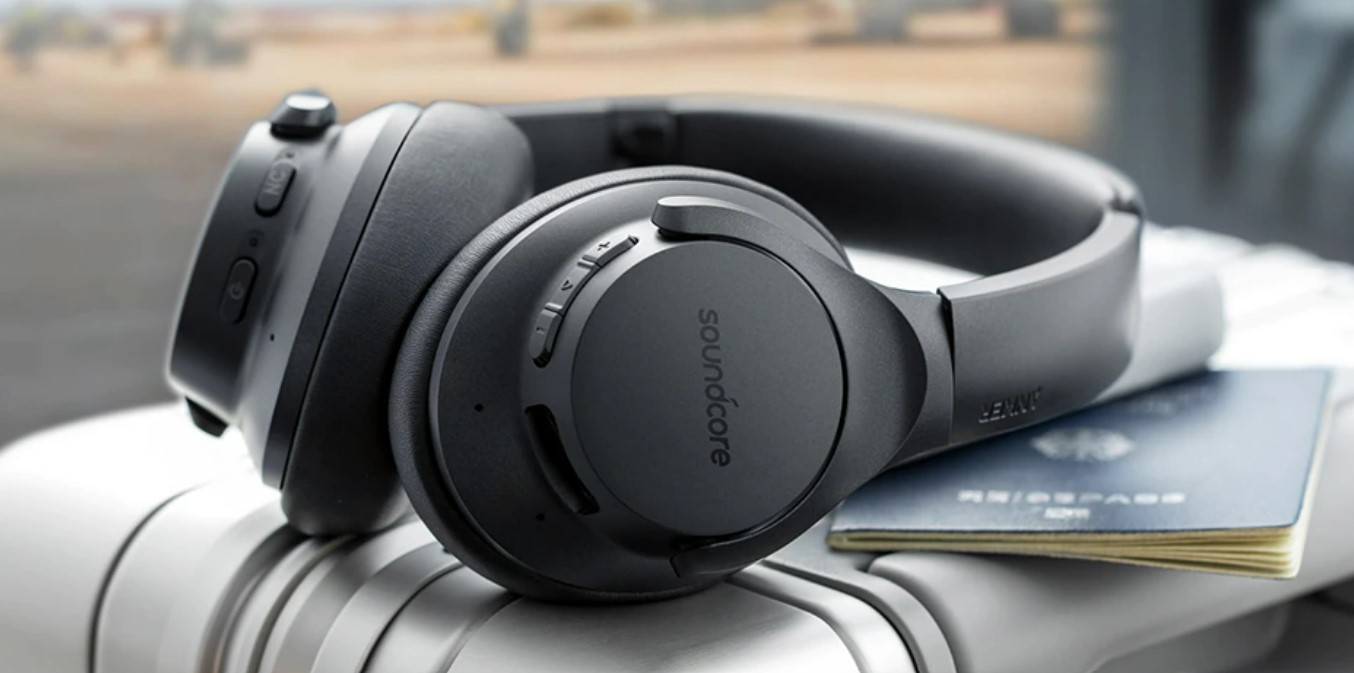
Anker Soundcore Life Q20 is a wireless over-ear, Bluetooth headphone. It comes with a High-Res audio certification, that gives you rare sound quality, and features Active Noise Cancellation (ANC) with a reduction in ambient noise by up to 90%. The advanced hybrid active noise cancellation function can detect and cancel out wider range of low and mid-frequency noises such as cars and airplane engines, thereby giving you a peaceful musical and call experience.
With an exclusive BassUp technology the headphone provides a strong and amplified bass note. This means you can now enjoy your EDM and Bass-heavy genres with a high-quality bass effect. Anker Soundcore Life Q20 works for up to 40 hours on ANC mode and 60 hours on Standard mode on one single charge. And with just 5 mins of charging you can use the headphones for 4 hours.
Generally retailing at $75, you can now buy Anker Soundcore Life Q20 for $53.82 only at AliExpress. This deal ends on 28 April 2022. So place your orders before the deal expires.
For more information on such exciting deals and offers check out our deals hub.
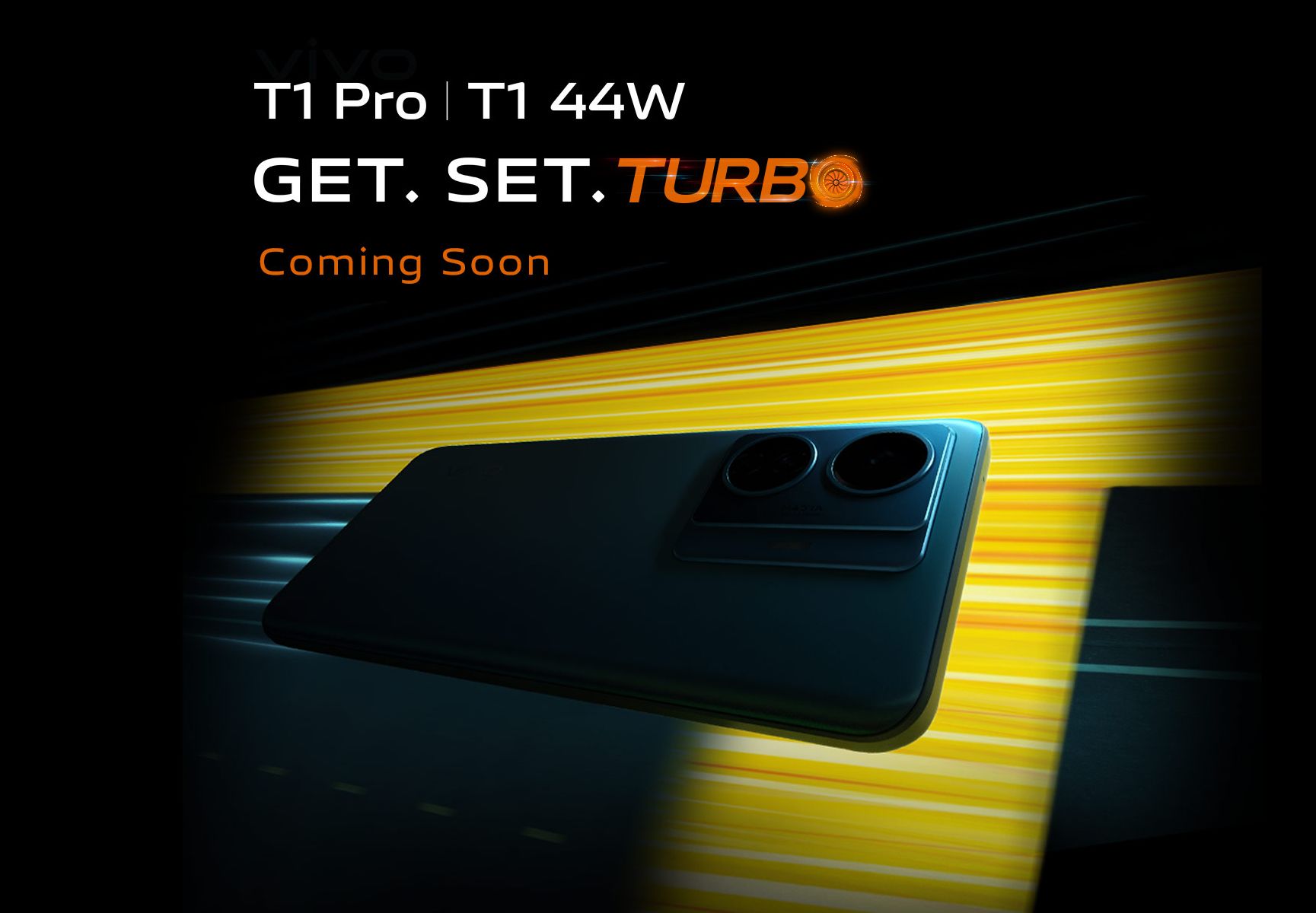
Vivo is said to be working on two new T-series smartphones called the Vivo T1 Pro 5G and Vivo T1 44W for India. A landing page for these smartphones has gone live on Vivo India’s website. The listing suggests that the company may start selling these phones in the country in early May.
The landing page of the Vivo T1 Pro 5G and T1 44W states that it will be launching soon. Starting from today (April 26), the Chinese manufacturer will be revealing the processor, charging capabilities (on April 28), camera configurations (on April 30), and display details (on May 2). This indicates that both phones may debut in the first week of the coming month in India.
Upcoming Vivo’s T-series phones teased
Vivo T1 Pro 5G, Vivo T1 44W key specifications (rumored)
A recent report by India Today spilled key details about both smartphones. According to the report, the Vivo T1 Pro 5G will come with key features such as an AMOLED that offers 1,300 nits of peak brightness, a Snapdragon 778G chipset, 66W fast charging, a 64-megapixel main camera, and an 8-layer liquid cooling system.
On the other hand, the Vivo T1 44W will arrive with an AMOLED panel, a Snapdragon 680 chip, and a 5,000mAh battery with 18W charging support. Both phones will run on the Android 12 OS and FunTouchOS UI. The other specs of both smartphones are yet to be revealed.
Apart from Vivo India’s website, the upcoming T-series of smartphones will also be also available for purchase through Flipkart. The Vivo T1 44 is expected to cost around Rs 15,000 (~$291), while the Vivo T1 Pro 5G is expected to cost around Rs 25,000 (~$327).
We use cookies on our website to give you the most relevant experience by remembering your preferences and repeat visits. By clicking “Accept”, you consent to the use of ALL the cookies.
This website uses cookies to improve your experience while you navigate through the website. Out of these, the cookies that are categorized as necessary are stored on your browser as they are essential for the working of basic functionalities of the website. We also use third-party cookies that help us analyze and understand how you use this website. These cookies will be stored in your browser only with your consent. You also have the option to opt-out of these cookies. But opting out of some of these cookies may affect your browsing experience.
Necessary cookies are absolutely essential for the website to function properly. This category only includes cookies that ensures basic functionalities and security features of the website. These cookies do not store any personal information.
Any cookies that may not be particularly necessary for the website to function and is used specifically to collect user personal data via analytics, ads, other embedded contents are termed as non-necessary cookies. It is mandatory to procure user consent prior to running these cookies on your website.