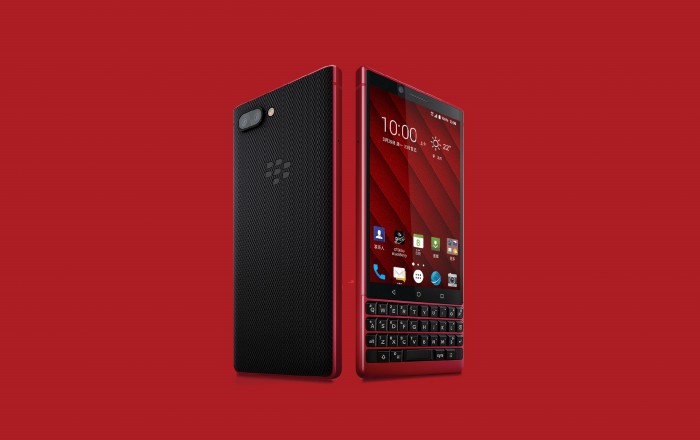
BlackBerry, one of the most popular phone brands of the era before smartphones took over, has just made a new announcement. The company is finally ending its official support for all of its classic smartphone models.
The Canadian phone brand made the announcementearlier this week (Via 9To5Mac). So now, all of the company’s classic smartphones that run BlackBerry OS or BB10 OS will no longer be supported. Furthermore, the brand has even warned its customers that they will no longer receive any patches to ensure that the carrier or WiFi connection remains functional. In other words, BlackBerry smartphone users might lose calling, cellular data, SMS, and emergency service call functionality.
Although, the same does not apply to the company’s smartphone models that run the Android operating system right now, with official support for these models ending on 4th January 2022. For those unaware, the company was one of the largest brands in the market before the entry of iPhones and before Android smartphones took over the world.
Initially, veteran brands like Nokia and BlackBerry didn’t believe that a full touchscreen phone would ever have a great impact on the market. But as we can see now, devices with physical keyboards have more or less been phased out completely. So with the end of the official support for BB smartphones, we can say that this marks an end of an era. Notably, we advise that users of BB devices back up all of their data as well, and also possibly prepare to shift to another brand soon.
Samsung has sped up the process of releasing updates for its smartphones and the company has been quite impressive in this department. Continuing the trend, Samsung has released a new update with January 2022 security patch even before the month begins.
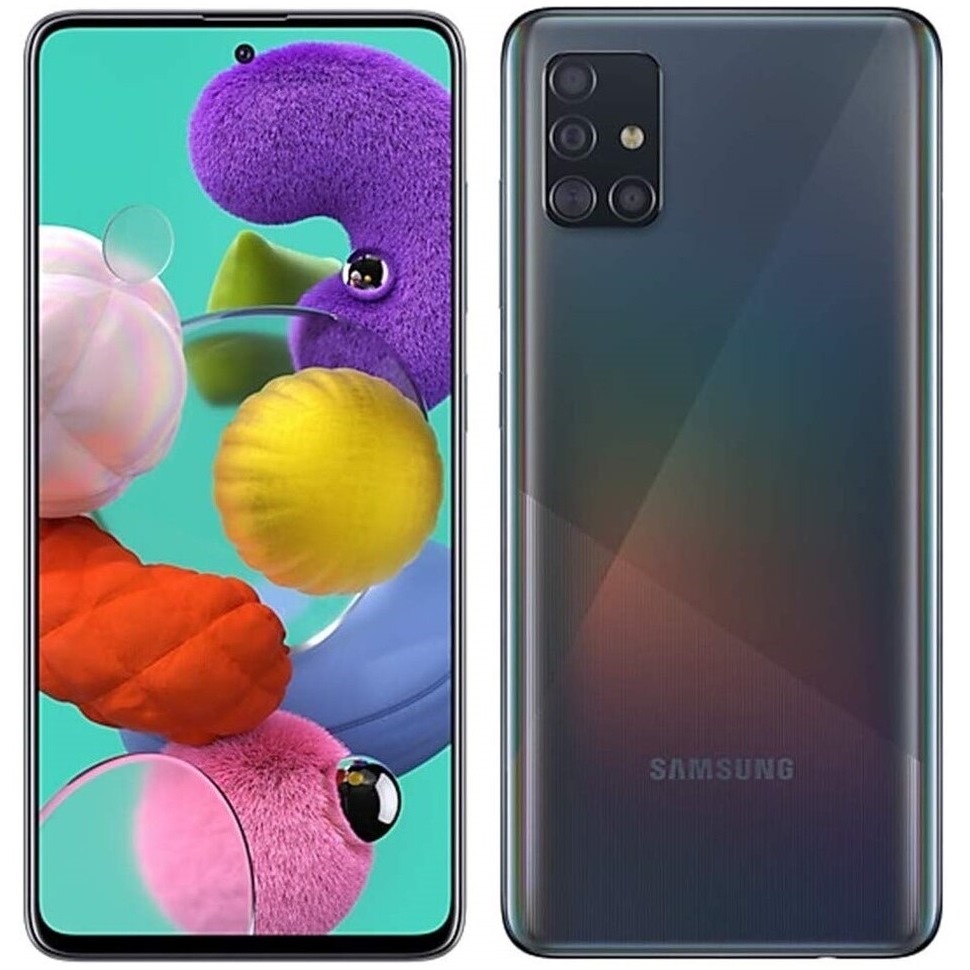
According to the latest report coming from SamMobile, the South Korean giant has rolled out a new software update for the Galaxy A51 smartphone that brings the January 2022 security patch to the device.
The update, which carries version A515FXXU5EUL3, is currently being rolled out in Malaysia and Russia. If you are in these regions, then you should be receiving the over-the-air update soon if you still haven’t received it.
You can also manually check for the availability of this new software update on your smartphone by navigating to the Settings > Software update and then tapping on the Download & Install button.
It is interesting to see that the Samsung Galaxy A51 smartphone, which is a mid-range offering the company, receive the latest January 2021 security patch. Usually, the flagship or premium smartphones from the brand are among the first to get new updates.
As the update has now been rolled out for the Galaxy A51 smartphone, we expect the South Korean giant to soon roll out a new software update with January 2022 security patch for the Galaxy S21-series and the S20-series smartphones.
The Samsung Galaxy A51 is also set to receive the latest One UI 4.0 update but users will have to wait a few more months as the update is scheduled to be available in April 2022.
Samsung is preparing to launch its next-generation Galaxy S-series flagship lineup which is expected to include the Galaxy S22, S22 Plus, and S22 Ultra. Ahead of the launch, many details related to the phones have surfaced online.
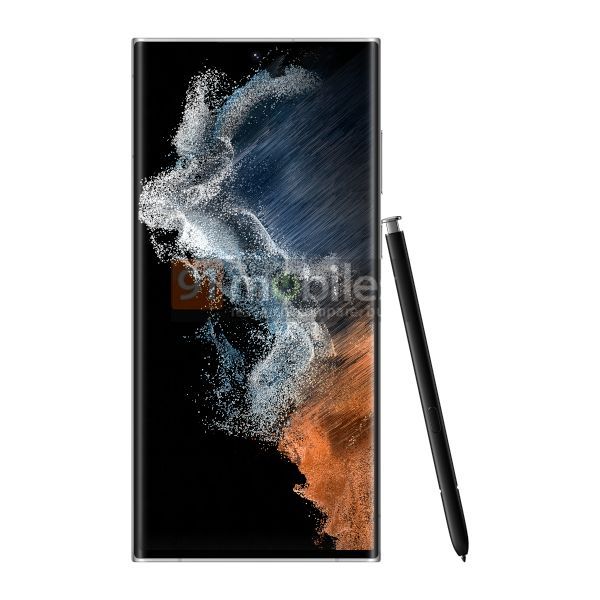
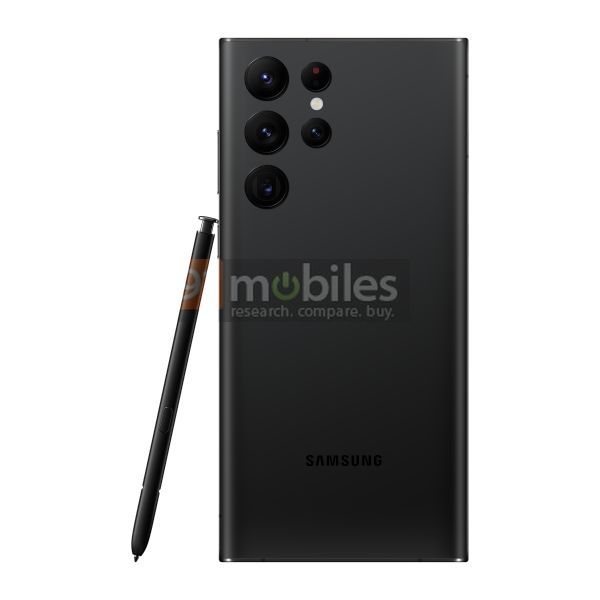
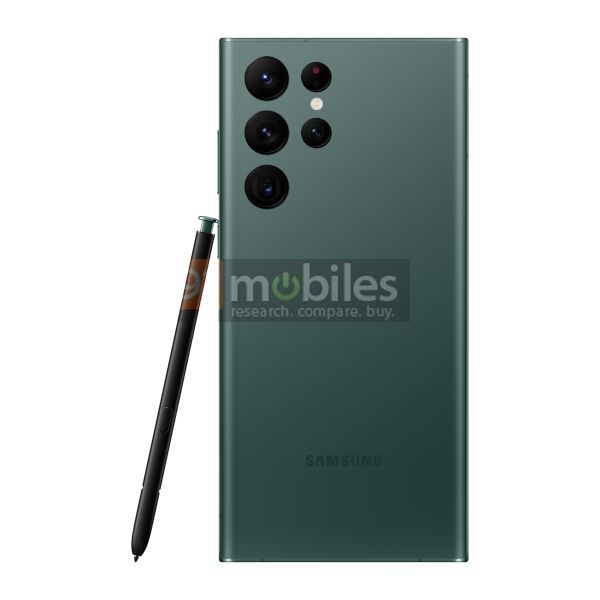
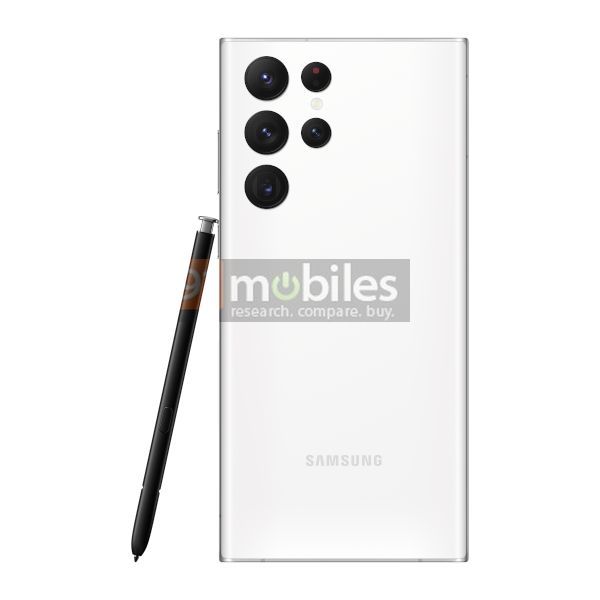
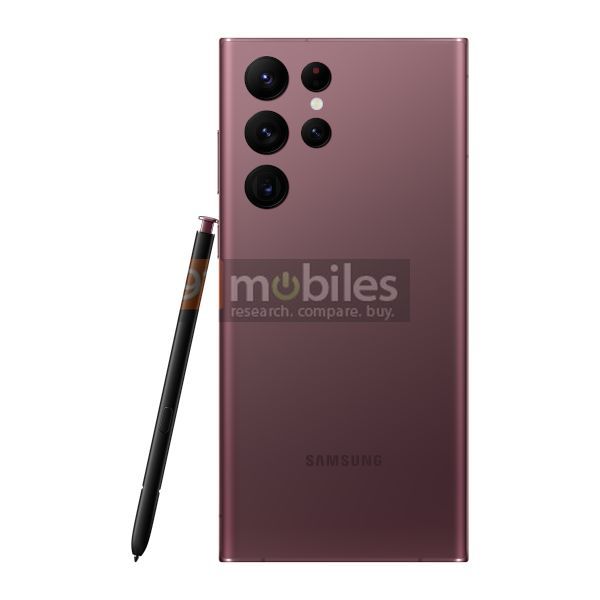
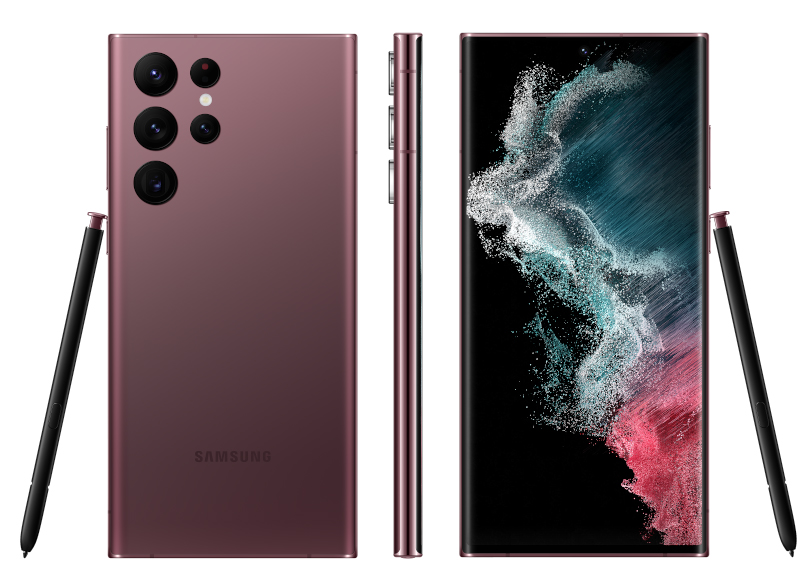
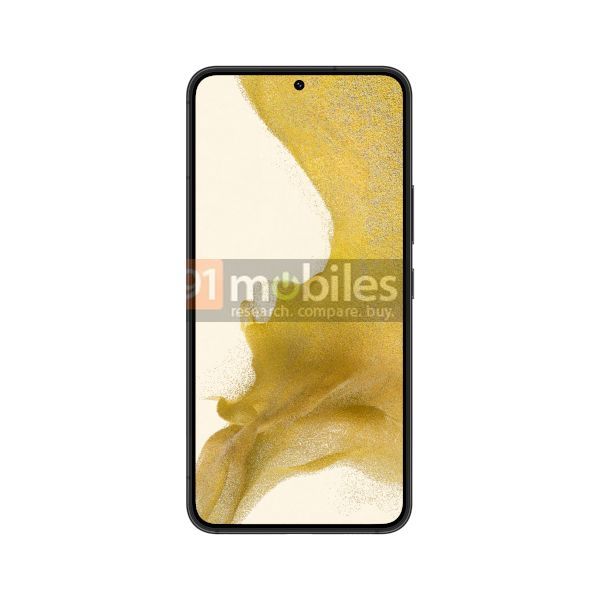
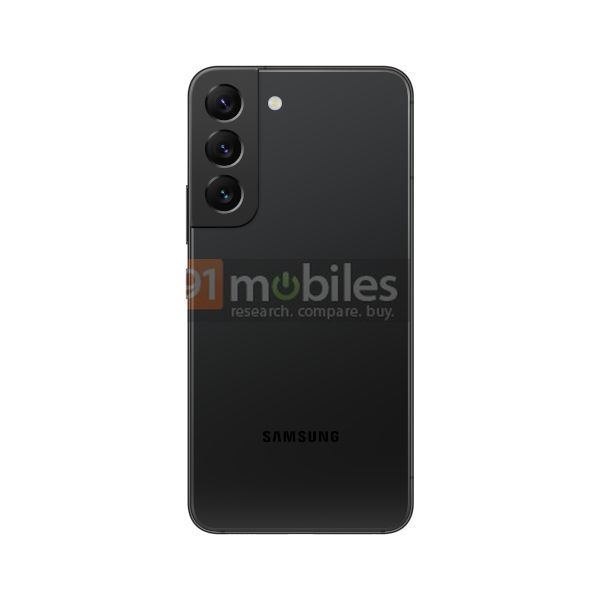
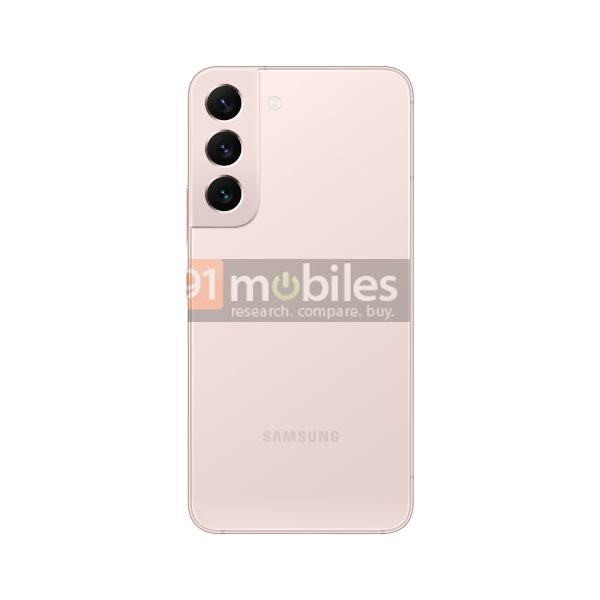
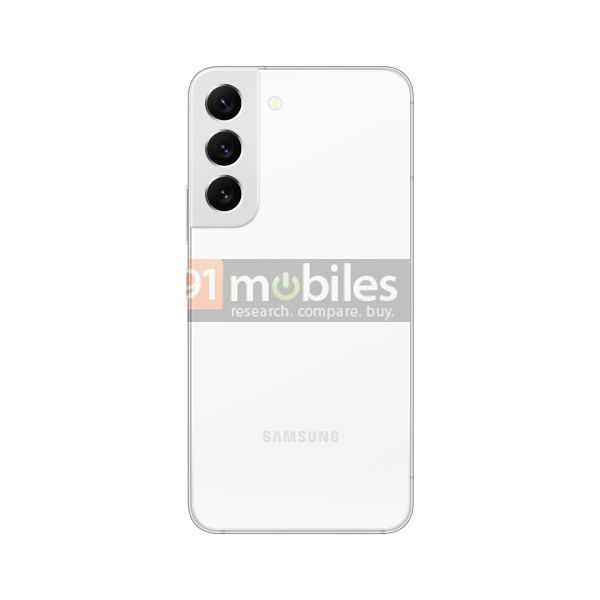
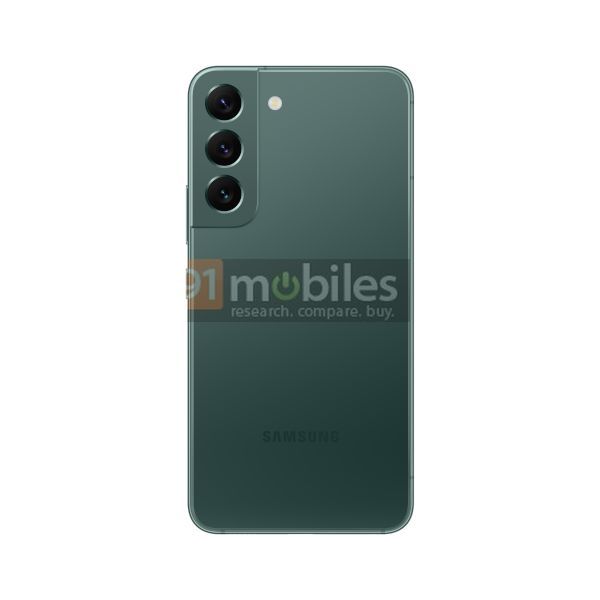
Now, renders of the Galaxy S22 and the Galaxy S22 Ultra have leaked online via 91Mobiles, showcasing the devices from all angles to give us a clear look at the design. It also reveals that the color options for these upcoming models.
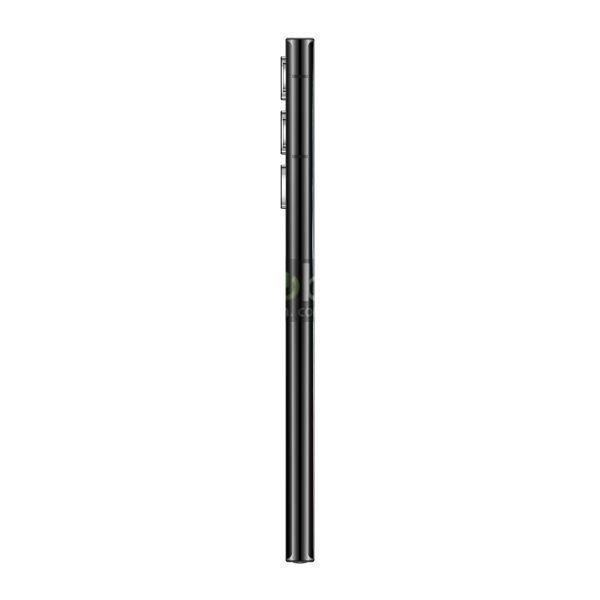
The renders for the Samsung Galaxy S22 Ultra reveal that the device will be made available in four colors — Burgundy, Green, Phantom Black, and Phantom White. It reveals that the phone has a metal frame along with a power button and volume rocker keys on the right side of the device.
In line with the previous reports, the device has curved edges instead of rectangular corners. Further, it is being said that the S22 Ultra will come with a dedicated slot for housing the S Pen stylus.
Samsung Galaxy S22 Ultra Render Leak via Evan Blass
Popular tipster Evan Blass has also shared an image of the Galaxy S22 Ultra render in a bronze-like color. The renders reveal that the South Korean giant has ditched the camera island on the backside and the sensors are placed directly on the device.
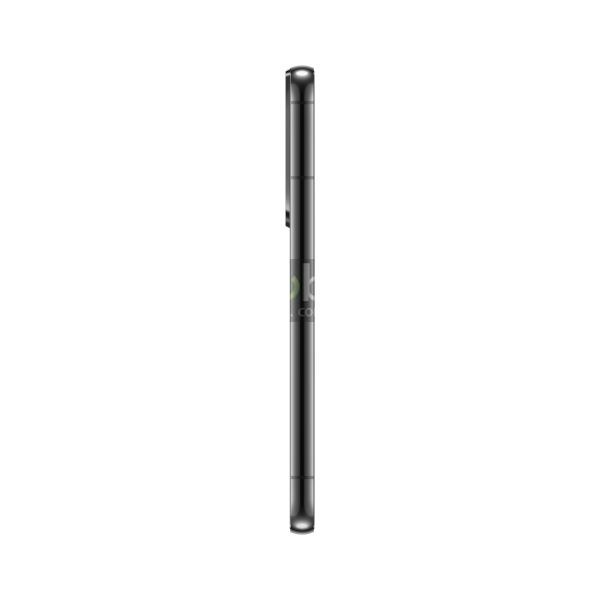
On the other hand, the Samsung Galaxy S22 will have a similar design with a punch-hole cutout in the top-center position on the display panel. This one too will have a metal frame and the right side edge will house a power button and volume rocker keys.
The smartphone will feature a triple-camera setup on the back panel with the sensors directly placed on the device instead of having a bumpy camera island. The phone is said to be offered in four colors — Green, Pink Gold, Phantom Black, and Phantom White.
The Samsung Galaxy S22 series smartphones will come powered by the Qualcomm Snapdragon 8 Gen 1 chipset or the company’s own Exynos 2200 SoC, depending on the region of availability. This time, the top-end model is also expected to pack 1TB of internal storage to compete with the top-end model of the iPhone 13 Pro.
Meanwhile, the South Korean giant has confirmed that the brand’s next-generation chipset will be announced on 11th January. The devices are expected to go official on 8th February and will be available for purchase from 25th February but Samsung is yet to confirm this.
A few days ago, Xiaomi had launched the Redmi Smart TV X 2022 50-inch model in its home market in China. Today, the device is officially available for purchase in the country.
The Redmi Smart TV X 2022 50-inch model is priced at 2,299 yuan which roughly converts to $361 and is available for purchase through the e-commerce platform JD.com.
It comes with a 50-inch 4K display that offers a screen resolution of 3840 x 2160 pixels, a 120Hz refresh rate, and 120Hz MEMC. There’s also support for a 178-degree viewing angle and DCI-P3 94% color gamut.
Under the hood, the smart TV comes powered by Cortex-A73 quad-core CPU and Mali-G52 MC1 GPU, coupled with 3GB of RAM and 32GB of internal storage. It is also equipped with two 12.5W speakers in the left and right channels.
As for the interface, the Redmi Smart TV X 2022 is fitted with two HDMI 2.0 (eARC), one HDMI 2.1 port (4K 120Hz), one AV, one ATV/DTMB, two USB, one S/PDIF, one RJ-45, and four mic arrays to support far-field voice.
Earlier, the company had launched two models in the lineup, which included a 65-inch display and a 55-inch display, packing almost the same set of specifications. These two models are already available for purchase in the Chinese market.
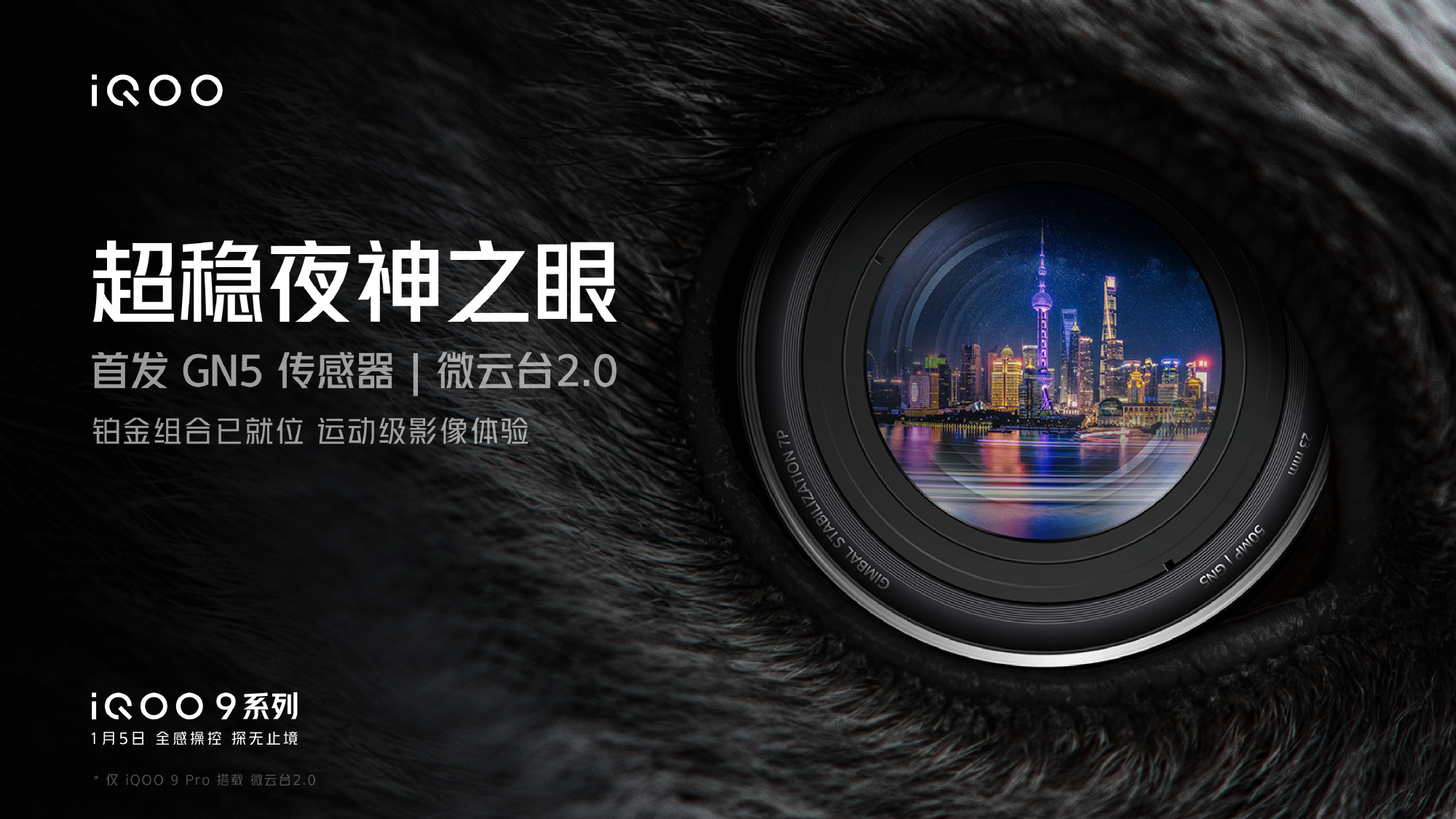
iQOO 9 and iQOO 9 Pro flagship phones are scheduled to debut on Jan. 6 in China. Recent reports have claimed that the iQOO 9 duo will be equipped with the 50-megapixel Samsung GN5 primary camera. Today, the company released an official confirmation that the Samsung GN5 will be making its debut on the iQOO 9 series.
The image of the camera lens in the above-shown poster has ‘50MP | GN5’ and ‘gimbal stabilization’ texts mentioned on it. The poster further states that the iQOO 9 Pro will be equipped with micro-PTZ 2.0. The below-shown teaser video shows that the iQOO 9 Pro will also feature an ultrawide lens that offers a 150-degree FOV, like the Realme GT2 Pro debuting a day before it. In addition, it appears that the iQOO 9 Pro will offer a fisheye mode that will allow users to capture ultrawide shots with a longer depth of field effect, which looks similar to seeing through a door’s peephole.
Reports have revealed that the iQOO 9 Pro’s 50-megapixel Samsung GN5 primary camera with gimbal-OIS support will be accompanied by a 50-megapixel Samsung JN1 ultrawide lens with a 150-degree FOV and an OIS-assisted 16-megapixel telephoto camera with 2.5x optical zoom. It is speculated that the iQOO 9’s 50-megapixel Samsung GN5 main camera will be coupled with a 13-megapixel ultrawide camera with a 120-degree FOV, and a 12-megapixelS Sony IMX663 telephoto camera.
The Snapdragon 8 Gen 1 chipset will be powering the iQOO 9 and 9 Pro. Both models are expected to ship with up to 12 GB of LPDDR5 RAM and Android 12 OS. The iQOO 9 Pro will feature a 6.78-inch curved edge AMOLED LTPO display that offers a QHD+ resolution and a 120H refresh rate. Rumors have it that the iQOO 9 has a 6.78-inch flat AMOLED FHD+ 120Hz display. The Pro model will also get an ultrasonic in-screen fingerprint scanner. The iQOO 9 series is expected to house a 4,700mAh battery that supports 120W fast charging. The Pro model will also support 50W wireless charging.
A couple of days ago, along with the Xiaomi 12 series of flagship smartphones and a few other products, the company had also launched the Xiaomi Buds 3 true wireless earphones in the Chinese market.
Today, the Xiaomi Buds 3 are officially available for purchase in China, carrying a price tag of 499 yuan (~$78). However, for the first sale, the company is selling the TWS earphones at a discounted price of 449 yuan, which is about $70.
The newly launched Buds 3 are are the base model in the lineup while the Pro variant was launched earlier this year. In terms of design, this new vanilla model is quite similar to the Pro model and packs most of the high-end features.
It offers up to 40 decibels of Active Noise Cancellation and comes with support for HiFi audio. There’s also pressure-sensitive touch control and the earphones can connect with two devices at the same time.
The earphones are compatible with Android, iOS, and Windows-powered devices. There’s also a Quick Pairing mode that works with select devices from Xiaomi and Redmi. The company also has a companion app that can help tweak settings.
As for the battery life, Xiaomi is promising up to seven hours of usage on a single charge with Active Noise Cancellation disabled. The charging case brings the total usage time to 32 hours and can be charged through the USB-C port as well as the Qi wireless charger.
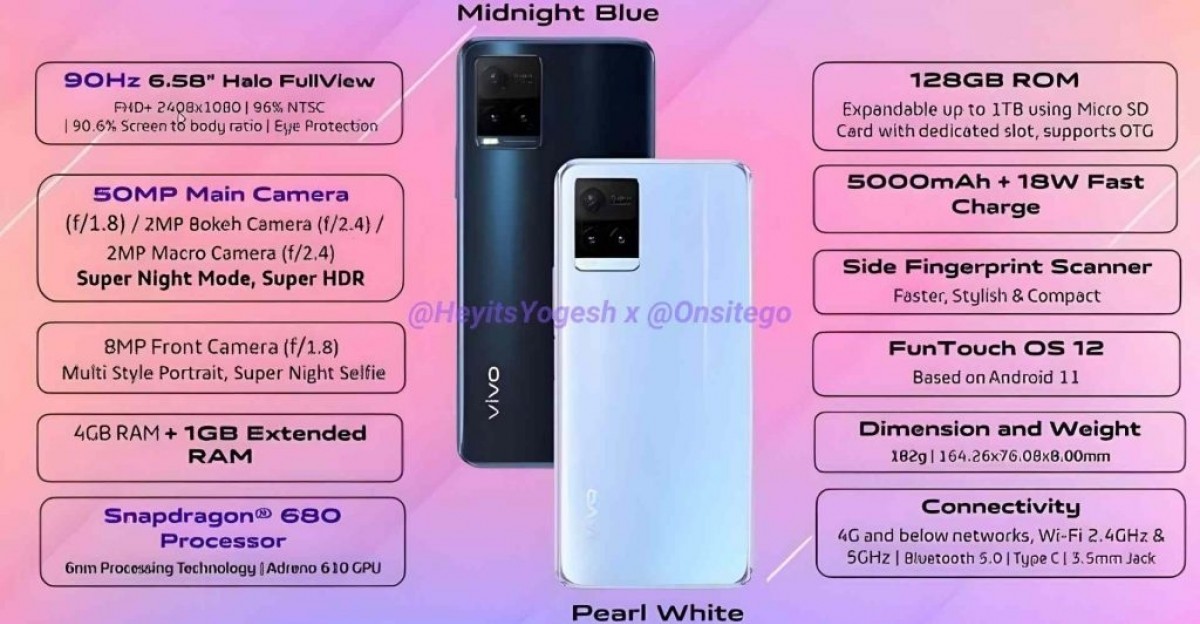
BBK subsidiary Vivo is expected to update its Y-series smartphone offering soon with the impending launch of the Vivo Y21T. The device is expected to go official on January 3 in India. Ahead of the launch, the device has featured in several leaks showing the renders and some of the expected specifications.
The latest leak is that of a promotional poster for the Vivo Y21T which gives us a detailed list of the specifications. Among other things, the Y21T is expected to pack a Qualcomm Snapdragon 680 processor paired with 4GB RAM. The device is also listed to come with 1GB extended RAM. The device also comes with 128GB that is expandable via a microSD slot.
The Y21T is listed to feature a 6.58-inch LCD screen with a Full HD+ resolution of 2408 x 1080 pixels and a 90.6% screen-to-body ratio. The device has a waterdrop notch that houses an 8MP selfie camera. At the rear, there is a triple camera setup made up of a 50 MP f/1.8 main supported by a 2 MP f/2.4 bokeh camera and a 2 MP f/2.4 macro sensor.
The handset will run on the custom FunTouch OS 12 which is based on Android 11. Keeping the lights on is a 5,000mAh battery with 18W fast charging support. The Y21T also packs a side-mounted fingerprint sensor.
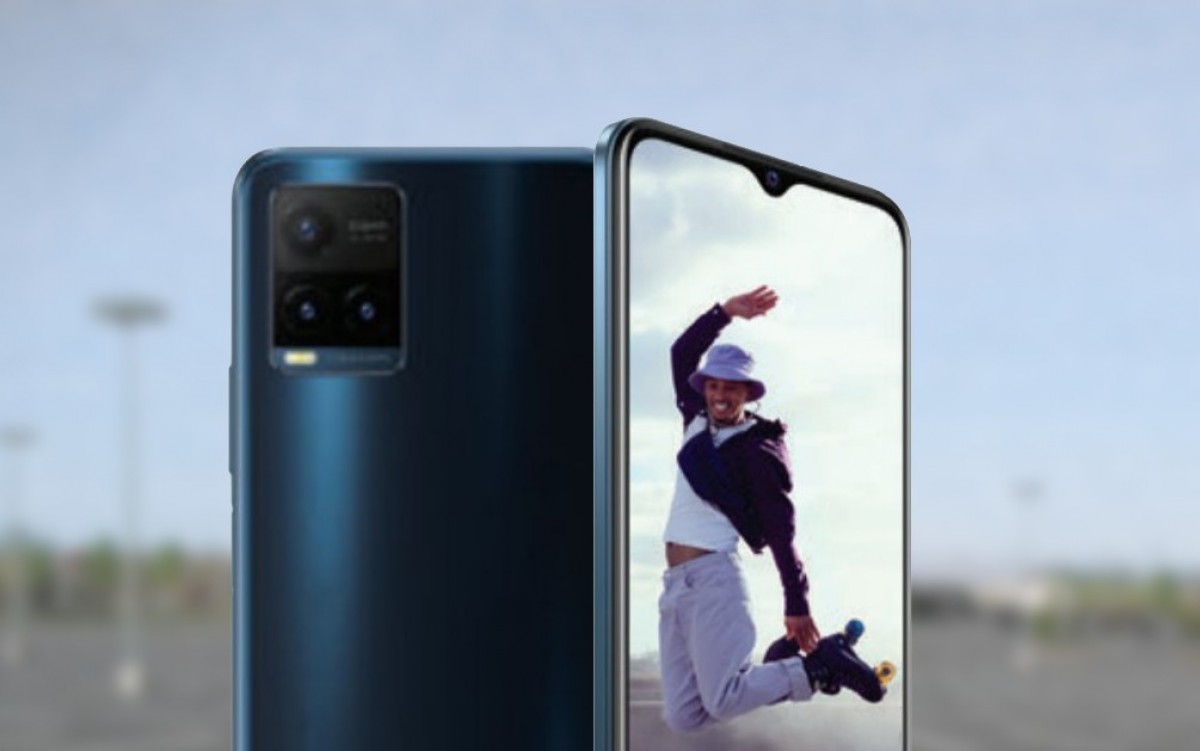
One key thing about the render of the Vivo Y21T is its close resemblance to the Y33s. The major difference includes the selfie camera as the Y33s packs a 16MP selfie shooter. The processor is yet another difference between the two models and of course, the moniker.
Foxconn Chennai (India) has been put on Apple’s “Compliance Watch list” following the recent food poisoning fiasco that gathered international headlines. For those unaware, Foxconn is a Taiwanese multinational electronics contract manufacturer and the largest assembler of iPhones for Apple.
A recent report by Reuters on December 30 reveals that the 250 female workers who faced food poisoning in this event lived in overcrowded dormitories, there were no flush toilets, and sometimes bugs crawled in the food.
This, however, was a general phenomenon for many years, as stated by the six women workers who were interviewed. Things became serious when 250 workers were impacted by these working conditions, which led to a unique protest, leading to the factory’s closure for rectification.
The workers also revealed that they sleep on the room floor, which can accommodate 6 to 30 people. The law governing the housing of females in Tamil Nadu, India, requires that each person have at least 11 square meters of living space and that the housing complies with the sanitation and fire safety standards set by the local government.
These protests come at a time when Apple is looking towards expanding its iPhone 13 production in India as it seeks to reduce its reliance on China amid increased tension between America and China trade relations, and the shareholders have urged the company to increase the transparency of its suppliers.
As the factory has been shut down, Apple spokesperson said that “before the factory restarts, Apple will ensure that it meets strict standards.” however, the spokesperson did not disclose information regarding the improvements that need to be made or what standards need to be met.
On the other hand, Foxconn is reorganizing the local management team and is taking immediate measures to improve the living facilities of its workers. The company also stated that all its employees would continue to receive their compensation while the factory reopens and the necessary improvements are made.
Samsung Electronics first introduced the concept foldable display in 2011 while the brand launched its first foldable smartphone, the Galaxy Fold, in 2019. Since then, the tech giant has gone on to release other foldable models with Galaxy Z flip 3 and Z Fold 3 emerging this year. The company has announced that the sales of its Galaxy Z series foldable smartphones for this year (2021) were four times that of last year (2020). This performance further consolidates the company’s rapid growth in the new smartphone segment.
Samsung did not reveal the exact number of units sold this year but the total sales of the Galaxy Z series mobile phones are estimated to be about 8 million, driven by the Galaxy Z Fold 3 and Galaxy Z Flip 3, two popular models among young consumers. Samsung also revealed that the cummulative sales of the two models in just over a month after they went on sale in August exceeded the cumulative sales of the brand’s foldable phone lineup in 2020.
The Korean tech giant also revealed that the two foldable are among the most popular models in its lineup. They also recorded the most switch from users of other brand models. Samsung claims that compared to the Galaxy Note 20, the number of users changing smartphone brands for the Galaxy Z Flip 3 has increased by 150%, and compared with the Galaxy S21 by 140%.
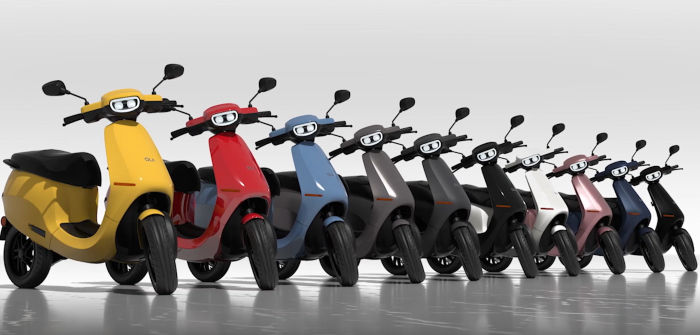
Indian e-scooter manufacturer Ola earlier this year unveiled the S1 and S1 Pro electric scooters in India to massive applause from the market. Ola enjoyed massive orders from the early days of the unveiling of the two e-scooter models. They were supposed to combine innovation, excellence with affordability and durability. However, as the company begins delivering the models to persons who had already subscribed, there are growing concerns about the quality of the new e-bikes, with some serious flaws noticed.
A few customers who took delivery of their new models were shocked by some of the defects visible on delivery. There are concerns that the flaws and structural defects noticed on the new models will dampen consumer confidence in the Ola brand, although these models were showcased to come with some impressive features and functionalities. The Ola S1 and S1 Pro models could get top speeds of up to 115km/h with a price tag in the region of $1,000.
An OLA S1 Pro was delivered to me at the Visakhapatnam event today. It has cracks & dents all over the body. The manager says she will get it repaired before delivery. But repair is not the option. I paid for a new product, not a refurbished product@OlaElectric@don4every1#Olapic.twitter.com/ifZnDsJaXg
It is unclear what are the causes of the dents and observed defects on the new Ola e-scooter models, but a far deeper accusation has been leveled against the company. A customer has claimed that the range of the model was over-hyped, with the true range much below what was stated at the launch earlier this year. It was observed that there was up to a 20km difference in the range of the e-scooter from what was advertised earlier this year.
An OLA S1 Pro was delivered to me at the Visakhapatnam event today. It has cracks & dents all over the body. The manager says she will get it repaired before delivery. But repair is not the option. I paid for a new product, not a refurbished product@OlaElectric@don4every1#Olapic.twitter.com/ifZnDsJaXg
There are other issues relating to complaints about the brakes, other design flaws, and charging problems. Most of the responses by Ola’s representatives on these specific issues have been to promise a replacement or repair of the delivered e-scooter. Some of the customers however remain positive that their new e-scooter is a great buy despite the setbacks which will be overcome.
The latest JLab true wireless earbuds are the Go Air Tones, which is the product of the collaboration between JLab and nail care brand ORLY. The JLab Go Air Tones come in a variety of colors that were chosen to enhance the seeming invisibility of the earbuds. The colors blend seamlessly with the skin tone in a manner yet to be seen with the majority of earbuds which are either black or white mainly. The JLab Go Air Tones are priced at $20 and the first shipments will be done.
Added to the color choice, the new Go Air Tones TWS earbuds will offer seven Pantone colors that will match a variety of skin types. The seven chosen colors are a culmination of a rigorous process that had seen the tinkering from a collection of more than 60 colors. JLab leveraged from the experience of ORLY in the area of creating nail polishes that accentuate the skin types. According to details of the new colors, they encompassed a variety of tones capturing warm, neutral, and cool undertones.
The Go Air Tones in addition to their skin-blending design offer up to 8 hours of activity on a single charge, which can be tripled with the charging case. It has IPX4 dust and moisture protection, onboard touch controls, and it is possible to use any of the buds singly. The affordability and fashion links of the Go Air Tones should attract the fashion-savvy segment of the market.
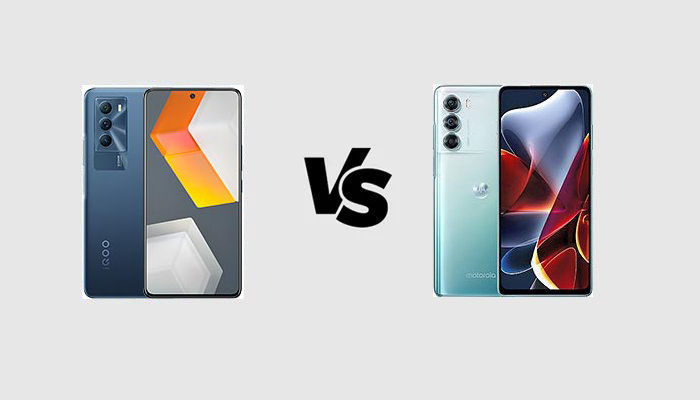
Vivo made us a great surprise for this final part of 2021: it released the iQOO Neo 5S, a flagship with the Snapdragon 888 mobile platform which not everyone expected in a period in which the Snapdragon 8 Gen 1 went official. But despite it being very recent, it has a lot of rivals to fight with. That is why we are comparing it to a lot of phones. After the comparison with iQOO Neo 5SE and the one with OnePlus 9RT 5G, here is a comparison between the specifications of the iQOO Neo 5S and the new Motorola Edge S30 which debuted alongside the Edge X30 as a more affordable handset with flagship-class performance.
Triple 48 + 13 + 2 MP, f/1.8 + f/2.2 + f/2.4
16 MP f/2.0 front camera
Triple 108 + 13 + 2 MP, f/1.9 + f/2.2 + f/2.4
16 MP f/2.2 front camera
BATTERY
4500 mAh, fast charging 66W
5000 mAh, Fast Charging 33W
ADDITIONAL FEATURES
5G, dual SIM
5G, dual SIM, water-repellent
Design
I personally prefer the aesthetics of the iQOO Neo 5S because it is a more compact device and it is even thinner. The Motorola Edge S30 has a higher screen to body ratio, but it is a bigger phone due to its bigger display. On the other hand, it is an interesting device in terms of build quality because it has a water repellent coating. Both the phones are made of polycarbonate so, despite they being high-end devices, they do not offer premium designs. Their displays come with a punch hole placed at the center, while on the rear side there are two different camera modules: the one of the Edge S30 is definitely more minimalistic.
Display
There is no challenge if we talk about the display: the iQOO Neo 5S is the winner. Unlike the Motorola Edge S30, it features a great AMOLED panel. The display has a diagonal of 6.62 inches, a 120 Hz refresh rate, the HDR10+ certification, and a Full HD+ resolution of 1080 x 2400 pixels. The Motorola Edge S30 has a wider 6.8-inch diagonal and a higher 144 Hz refresh rate, but it comes with an IPS panel showing less impressive colors. The iQOO Neo 5S has an in-display fingerprint reader and stereo speakers, while Motorola Edge S30 has a side-mounted fingerprint scanner and a mono speaker.
Specs & Software
With the Motorola Edge S30, you can get slightly better hardware because it is powered by the Snapdragon 888 Plus mobile platform: an upgrade of the Snapdragon 888 found on the iQOO Neo 5S. In both cases, the SoC is paired with up to 12 GB of RAM and up to 256 GB of UFS 3.1 internal storage. A great added value of these devices is the fact that they run Android 12 out of the box. Android 12 is customized by the brand new OriginOS Ocean user interface on the iQOO Neo 5S, while the Motorola Edge S30 relies on the MYUI.
Camera
Do not get fooled by the resolutions: despite the Motorola Edge S30 having a 108 MP main camera, the iQOO Neo 5S is able to provide a higher photo quality because it has a better main camera with a 48 MP resolution and OIS. In both cases, the main camera is paired with a 13 MP ultrawide sensor and a 2 MP depth sensor. The iQOO Neo 5S looks to have a better 16 MP front camera.
The Motorola Edge S30 should be able to provide longer battery life in a lot of scenarios thanks to its bigger 5000 mAh battery, but it does not apply to each and every usage pattern because its display consumes a lot more energy if compared to the AMOLED panel of the iQOO Neo 5S. Further, the Vivo flagship charges quicker thanks to 66W fast charging (against just 33W).
Price
You need at least €380/$430 to purchase the iQOO Neo 5S in China, while the Motorola Edge S30 starts from just €280/$317. The iQOO Neo 5S is a superior handset thanks to a better display, faster charging, and a superior camera department, but the Motorola Edge S30 offers a slightly better chipset and a bigger battery for a more affordable price.
Vivo iQOO Neo 5S vs Motorola Edge S30: PRO and CONS
Earlier today, the OnePlus 10 Pro appeared on GeekBench revealing details about its RAM configuration, SoC, and Android version. Now, an alleged official video has revealed the looks and design as well as the launch date of the device.
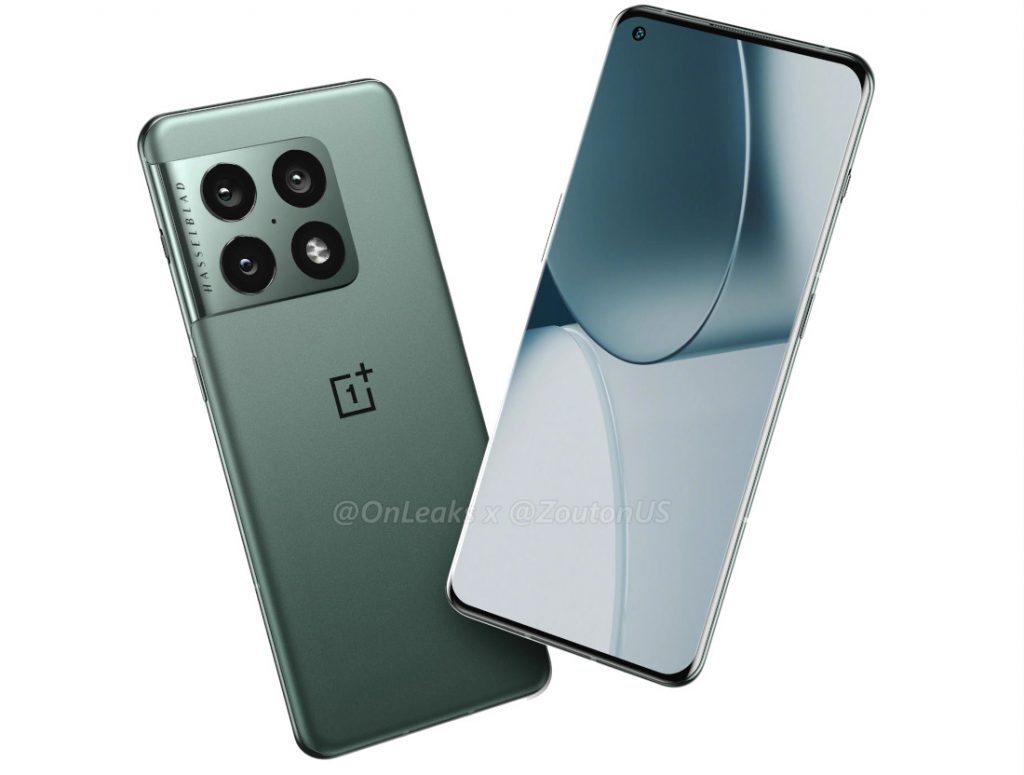
Tipster Mayank Kumar has posted a teaser video featuring the upcoming OnePlus 10 Pro on his Twitter account. The video features the OnePlus 10 Pro revealing its design which appears to be in line with recent renders of the device. The square Camera island located in the top left corner of the device features a triple-lens setup, which going by previous rumors should be the 48MP primary unit, a 50MP ultra wide-angle sensor, and an 8MP telephoto lens with 3.3x zoom.
A sensor with “P2D 50T” written on it is also present on the camera housing however, information is scarce on its functionality. The Hasselblad branding is also present on the camera module, indicating collaboration between OnePlus and Hasselblad for OnePlus 10 Pro’s cameras.
On the front panel, nothing looks notably different from the current-gen OnePlus 9 Pro and the phone is likely to retain the 6.7-inches curved panel with thin bezels and a 120Hz refresh rate. The punch hole in the upper left corner of the screen is likely to house a 32MP camera.
According to the specs spotted on a GeekBench listing, the OnePlus 10 Pro will be powered by a Qualcomm Snapdragon 8 Gen 1 chipset and will be coupled with up to 12GB RAM and 256GB of storage. The device will run Android 12 out of the box and is expected to come with a 5000mAh battery with 125W fast charging support.
Previous leaks have hinted towards a January 4th, 2022 release but if this video is to be believed, the phone will get an official launch on January 11th.
The video appears to have first surfaced on the Chinese microblogging website Weibo but we have failed to locate its source and verify its legitimacy hence we advise you to take this information with a grain of salt.
Xiaomi released the Mi 6 in 2017 as its last compact flagship running Android 9.0-based MIUI 8. The device turned out to be a hugely successful phone such that there were rumors of a remake earlier this year. Xiaomi’s CEO Lei Jun recently revealed that that the Mi 6 userbase stood at over 2.15 million 4 years after the compact flagship was released. However, despite the popularity, Xiaomi ended support for a new MIUI version update after the device received MIUI 11. Although the MIUI 12 beta update was officially pushed to the Mi 6, it never did receive the stable version.
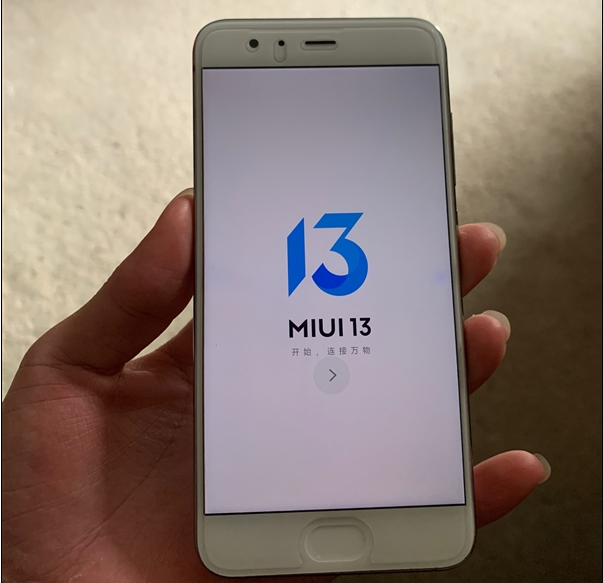
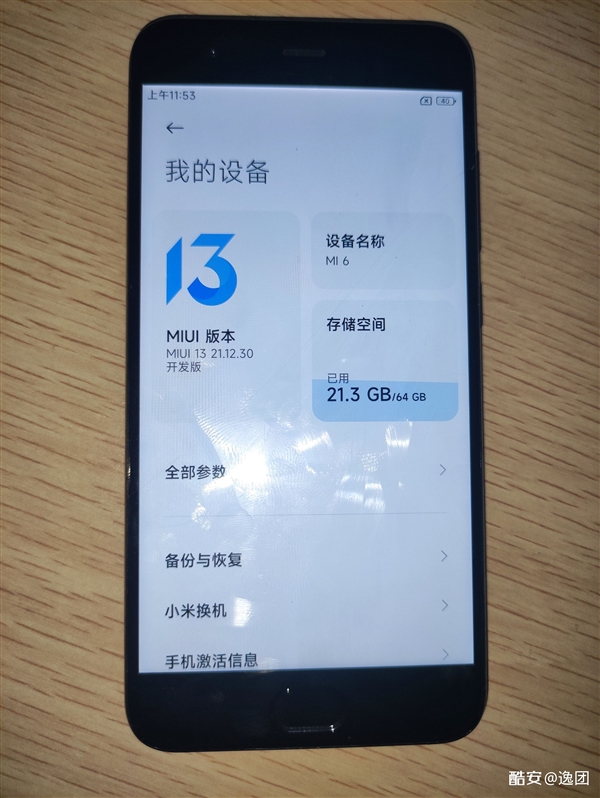
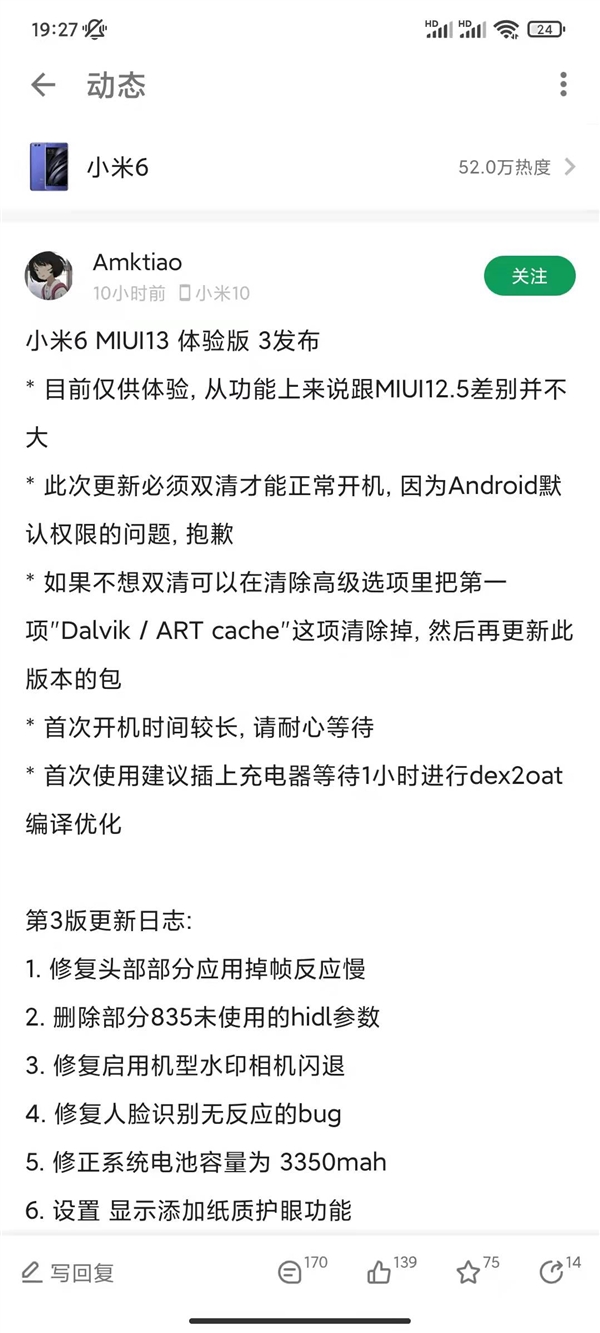
In a surprising twist, though, the Mi 6 flagship has now gotten a fresh update to MIUI 13 but it is an unofficial ROM. A Weibo user @Amktiao announced the update which he dubbed Mi 6 MIUI 13 experience version. Since it is an unofficial installation package, a third-party REC (ie TWRP) is required to flash the device. Users will need to back up their data before trying this out.
At present, the Mi 6 MIUI 13 experience version created by @Amktiao has been updated to the third version, which fixes many bugs such as frame drop, earpiece, fingerprint recognition, and so on. Thus, if you plan to try this out, you have some level of guarantee that it isn’t infested with bugs.
As a reminder, the Xiaomi Mi 6 is equipped with the world’s first 10nm chip which is the Qualcomm Snapdragon 835 with a clock speed of up to 2.45GHz. With the powerful performance of Snapdragon 835, all Mi 6 series come standard with 6GB LPDDR4x RAM with a base 64GB storage as well as a 128GB storage option.
Xiaomi is expected to officially start rolling out the MIUI 13 update to the first batch of models from around the end of January 2022. Apart from the Xiaomi 12 series which will come pre-installed with MIUI 13, the other models getting the update first include the Xiaomi 11 Ultra, Xiaomi 11 Pro, and Xiaomi 11, Mi Pad 5 Pro 5G, Mi Pad 5 Pro, and Mi Pad 5.
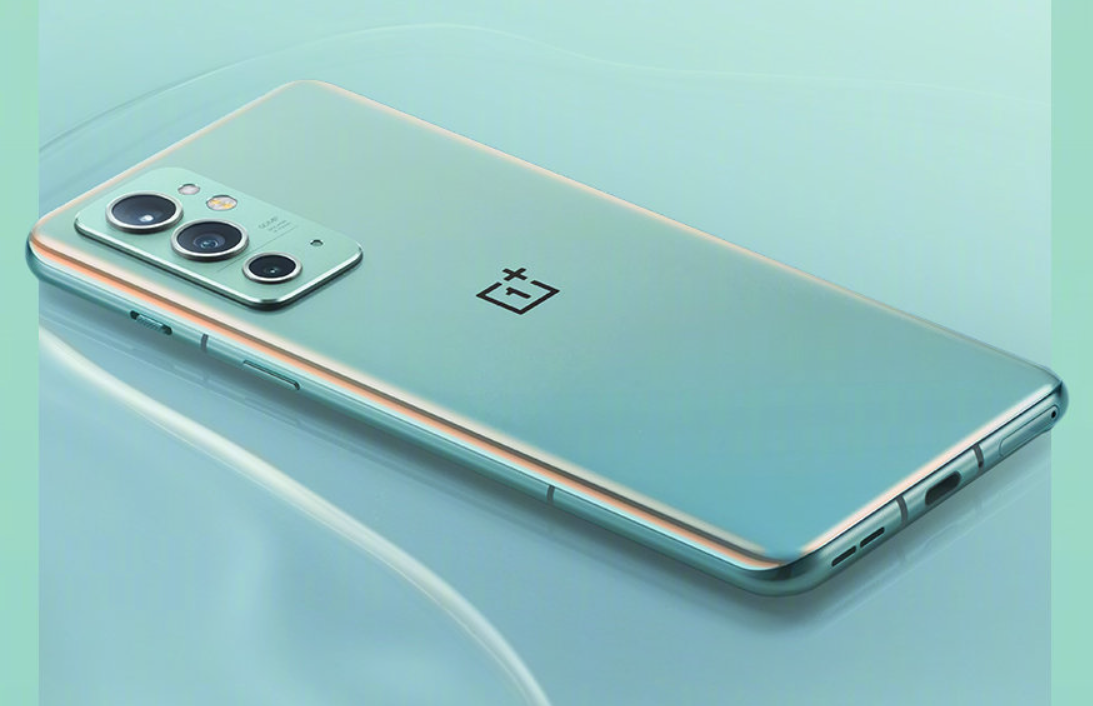
OnePlus may launch the OnePlus 9RT in the Indian market soon as the tipster Yogesh Brar has learned from a distribution channel that the company will discontinue a few of its phones soon.
OnePlus may discontinue the OnePlus 9, OnePlus 9R, and OnePlus 8T soon after the OnePlus 9RT’s Indian arrival and the firm seems to be already gearing up for it. The tipster said that the 9RT’s arrival could be the primary reason behind the discounted price of some of the existing OnePlus models.
For those who don’t know, the OnePlus 9 is currently selling for ₹36,999(~$497) in India after clubbing the discount coupon and bank cards. Originally, the phone costs ₹49,999(~$671). The OnePlus 9R costs ₹39,999(~$537) and it is also available at a cheaper price after clubbing the same discounts.
As per the distribution network OnePlus is planning to discontinue 8T, 9R and vanilla 9 as soon as 9RT is launched. This could be the case behind all these sudden discounts across the lineup. Haven't seen OnePlus products to come done in price within 6-8 months of launch.
While we take the discontinuance with a grain of salt, OnePlus may actually be preparing to introduce the OnePlus 9RT in the future months.
As for now, OnePlus China plans to unveil its flagship OnePlus 10 series next month. Recently, the phones were touted to launch in early January 2022. Notably, it will be a China launch and we’re expected to see plenty of upgrades over the predecessors. The major upgrades will be to the design and internals.
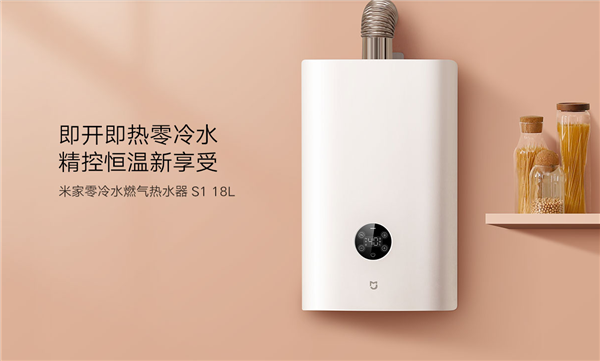
Xiaomi has launched the MIJIA Zero Cold Water Gas Water Heater in CHina. The water heater is touted to be the brand’s first zero-cold water gas water heater. It carries a starting price of 2,399 yuan (~$376) but is now on pre-sale for 1999 yuan (~$313) on Xiaomi Mall.
The major selling point of the product is that owners won’t need to wait for the water in the tan to get hot as it provides instant hot water. The device has an 18L and it preheats the water, including that in the pipe. This ensures the flow of hot water when the shower is turned on. The heater equally features a ±0.5℃ precision control constant temperature system.
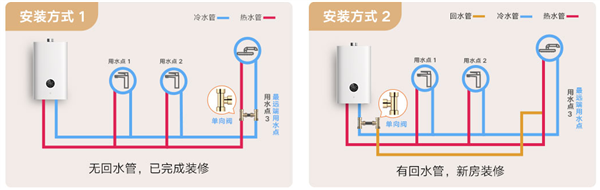
The installation of the portable gadget won’t require homeowners to change the pipes that will supply hot water. Also, it can be installed with or without the return pipe. The water heater uses the DC variable frequency water pump and different boosting modes can be selected according to the water demand.
The water heater is equipped with 3 major temperature control elements, providing real-time sensing of water temperature changes. Also, water and air are adjusted in equal proportion. The temperature difference is accurately controlled at 0.5″C thus preventing sudden changes in water temperature during switching on and off.
Thanks to the segmented fire control, the heating temperature control is more precise. When the water temperature demand is low, the low firepower is automatically used, and the water temperature can be set as low as 35°C. When the hot water demand is high, it automatically switches to high firepower to meet the demand. The device supports four bathing modes, including adult wash (43℃), comfortable wash (41℃), children wash (39℃), and kitchen use (36℃).
The MIJIA Zero Cold Water Gas Water Heater S1 also supports the interconnection of various devices in the entire house, linking smart door locks, human sensors, and other devices to customize the bathing scene you want.
Earlier today, Realme revealed the key specifications regarding their upcoming Realme GT 2 Pro’s triple camera setup. And now, the brand has released photo samples taken by the GT 2 Pro to give us an idea of what to expect from the device in photographic capabilities.
The Realme GT 2 Pro will feature a triple camera setup. The device is revealed to have a 50-megapixel Sony IMX766 sensor with OIS anti-shake functionality. The GT 2 Pro features a 50-megapixel ultrawide sensor which offers an industry-first 150-degree of field-of-view.
The ultra-wide samples showcase an excellent image quality with the center and edges of the images retaining excellent details and sharpness. The color intensity also appears to be accurate, delivering a natural-looking picture.
Next up, we have a sample of the fisheye mode of the ultra-wide. This is the first time this feature has been included in a smartphone and produces an ultra-long depth of field effect for creative photography.
The third sample provided by the Realme is of the device’s 2-megapixel microscope camera. The image features the details of the condensed salt in the Gobi Desert. The microscope lens captures objects that cannot be seen by the naked eye.
Additionally, Digital Chat Station has revealed that the Realme GT2 Pro’s microscope lens has upgraded its depth of field by 4 times and the object distance by nearly 2 times. He added that it can detect skin to reveal its quality and water content.
The Realme GT 2 Pro along with the realme GT 2 is expected to debut in China on January 4, 2022. Based on the leaks and rumors, the Realme GT 2 Pro is expected to feature a 6.7-inch QHD+ 120Hz AMOLED display, a 32-megapixel front-facing camera, Qualcomm Snapdragon 8 Gen 1, up to 12GB of LPDDR5 RAM, up to 1TB of UFS 3.1 storage, and 65W fast charging support.
The Epic Games Store 15 game giveaway which commenced in the spirit of the holiday season has now reached its climax, and the company has ended it with a bang. The latest addition to the free giveaway is the Tomb Raider trilogy.
The trilogy features the reboot games of the famous Tomb Raider saga and includes the Tomb Raider game of the year edition, Rise of the Tomb Raider, and the latest addition to the franchise, Shadow of the Tomb Raider.
The game combines action-adventure, exploration, and survival mechanics and gives the players control of the series lead character Lara Croft. The trilogy features different geographical settings starting with Lara Croft being trapped on the shrouded island of Yamatai off the coast of Japan, to the harsh Siberian tundra hiding an immortal secret in Rise of the Tomb Raider, and finally to the mountainous landscape of Peru to uncover a cataclysmic power in Shadow of the Tomb Raider.
The Trilogy promises dozens of hours of breathtaking exploration, challenging puzzle-solving, and survival combat with Lara as she becomes the Tomb Raider she was destined to become.
The giveaway is currently live and will go on till January 7th, 2022. So players have till then to claim the three games for free from the Epic Games Store. Epic has offered a larger window for their final game compared to their previous giveaways this holiday season, so claim yours now!
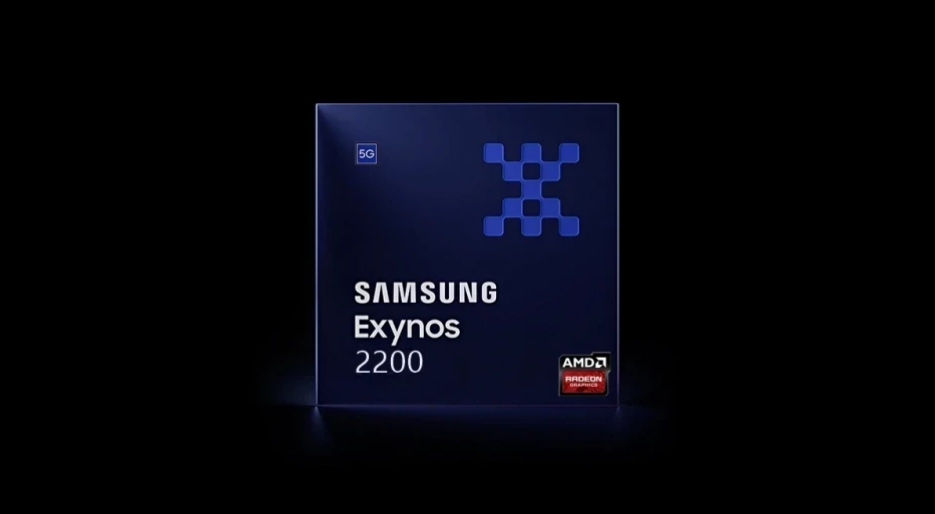
Earlier this month, Qualcomm announced the Snapdragon 8 Gen 1 SoC, while MediaTek launched its Dimensity 9000 flagship chipset. These chipsets will be seen in flagship phones next year, and in fact, some newly launched phones are already using the Snapdragon 8 Gen 1 SoC. Now, it seems like it’s Samsung’s turn as today, it has officially revealed that its next Exynos processor dubbed Exynos 2200 will be announced in early January 2022.
Samsung Exynos 2200 Release Date and Specs
The Exynos 2200, Samsung’s in-house processor for flagship phones will be announced on January 11, 2022. The company has teased the new chipset with the hashtag #PlaytimeIsOver hinting at its performance. But unfortunately, the company has not revealed any explicit details about the processor.
What we know is that the company won’t be using a 4nm process like the Snapdragon 8 Gen 1, but it may have the same 5nm process as seen in the Exynos 2100. This time around, the new Exynos 2200 will drive graphics from AMD’s RDNA2 GPU which is seen in PC and consoles. That said, it will come with impressive features like ray-tracing and variable rate shading.
The Exynos 2200 will be an octa-core chipset with one Cortex-X2 CPU core, three Cortex-A710 CPU cores, and four Cortex-A510 CPU cores. It is also expected to have an improved 5G modem, better image signal processing, and enhanced AI processing.
It is evident that the Exynos 2200 will be in the upcoming Samsung flagships like the Galaxy S22, Galaxy S22+, and Galaxy S22 Ultra in some markets. The rest of the markets including India and China will get the Snapdragon 8 Gen 1 powered Galaxy S22 units.
Xiaomi on Wednesday released custom skins for all of its devices. The company updated the MIUI 12.5 with the new MIUI 13 custom skin for phones, launched the MIUI 13 Pad OS for Tablets, MIUI Watch and MIUI Home for the smartwatches & smart home gadgets. Interestingly, the company also released the all-new MIUI TV Enterprise Edition for Businesses in China. Let’s have a look at the new business-centric UI’s features and release timeline.
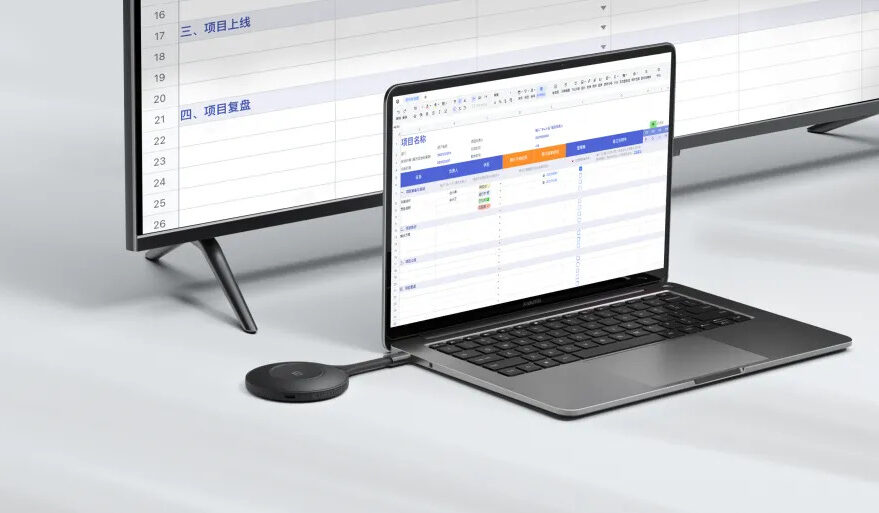
The MIUI TV Enterprise Edition comes with a bucketful of features for the television displays at business meetings. Xiaomi claims that with MIUI TV Enterprise Edition, the presentations carried out at the seminars would be a convenient task.
1 of 2
As for the features, the MIUI 13 comes with pre-built rich enterprise templates. It also supports mobile phone uploads, meaning that one can easily have control over what’s being presented on the screen. With phones, users can also manage and play movies, videos, and TV shows.
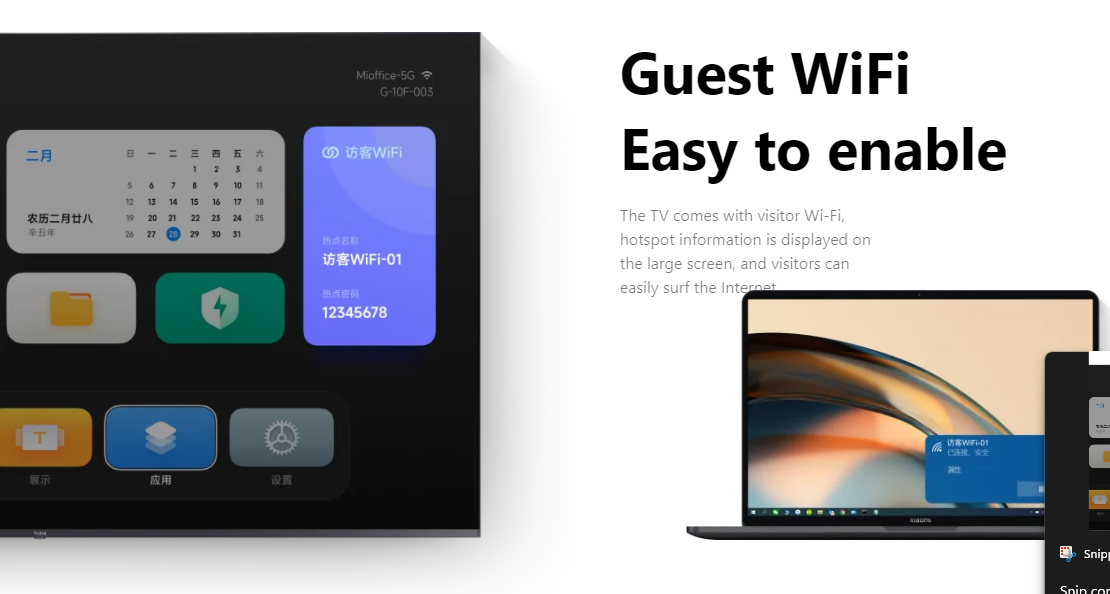
The MIUI TV Enterprise Edition also comes with a guest Wi-Fi feature where visitors in the meeting can easily surface the web on the guest network. The new user interface will work seamlessly with the Xiaomi Paipai.
Regarding its support & release plans, the MIUI TV Enterprise Edition will arrive on the first batch of TVs like the Redmi MAX TV 86-inch(in January 2022) and Redmi Max TV 98-inch( in March 2022). The second phase of the release plan will start from April 2022 and will include Mi TV ES55, 65, 75 2022 models and Redmi Smart TV X55, 65, 75 2022 models.
We use cookies on our website to give you the most relevant experience by remembering your preferences and repeat visits. By clicking “Accept”, you consent to the use of ALL the cookies.
This website uses cookies to improve your experience while you navigate through the website. Out of these, the cookies that are categorized as necessary are stored on your browser as they are essential for the working of basic functionalities of the website. We also use third-party cookies that help us analyze and understand how you use this website. These cookies will be stored in your browser only with your consent. You also have the option to opt-out of these cookies. But opting out of some of these cookies may affect your browsing experience.
Necessary cookies are absolutely essential for the website to function properly. This category only includes cookies that ensures basic functionalities and security features of the website. These cookies do not store any personal information.
Any cookies that may not be particularly necessary for the website to function and is used specifically to collect user personal data via analytics, ads, other embedded contents are termed as non-necessary cookies. It is mandatory to procure user consent prior to running these cookies on your website.