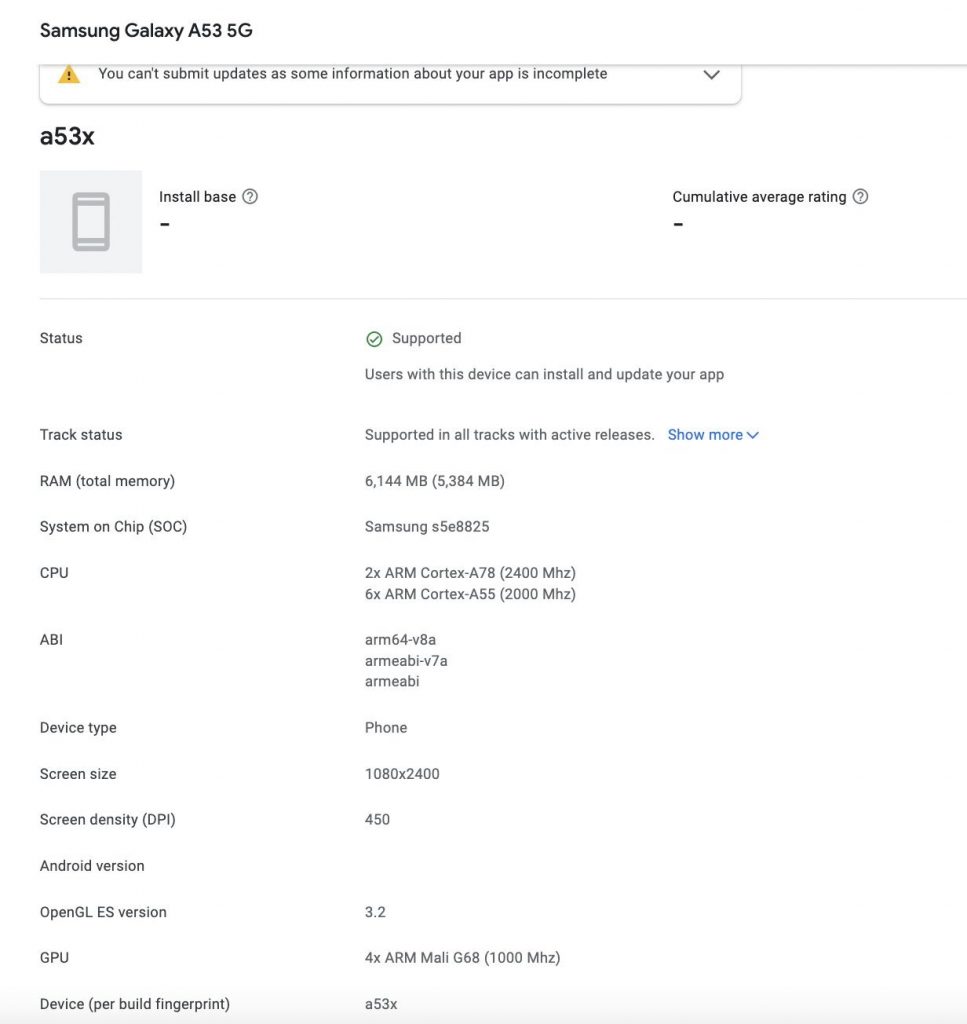
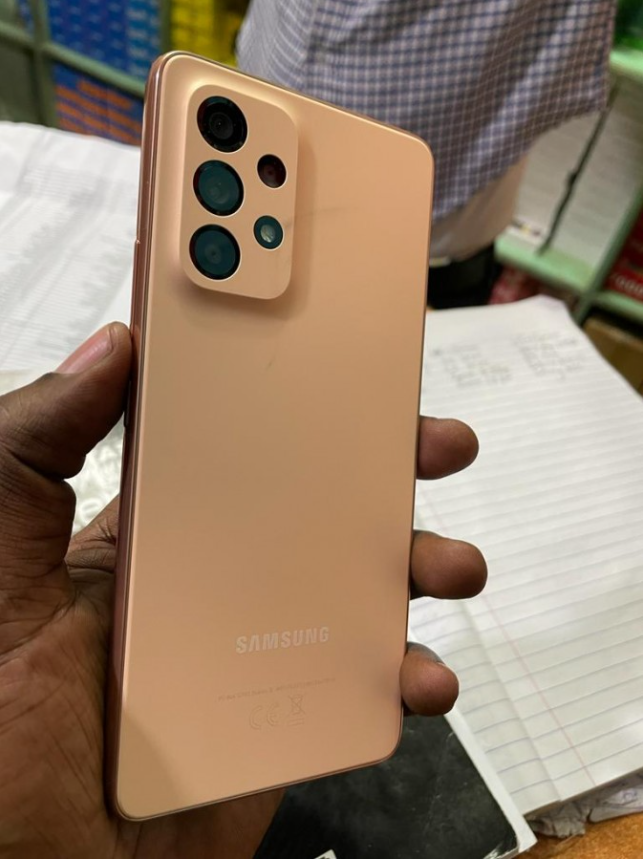
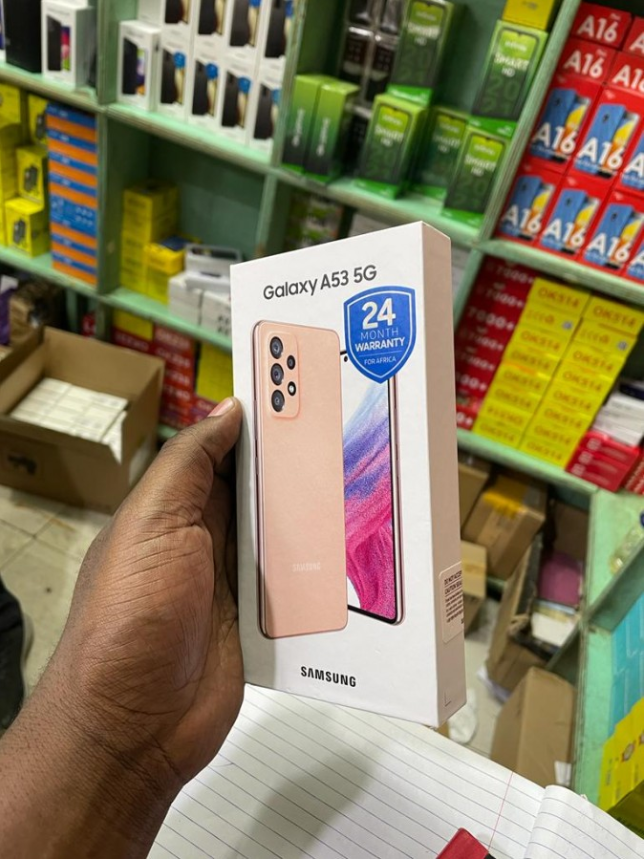
Samsung has scheduled an event on March 17 for the launch of A-series smartphones in the market. Some of the phones expected to arrive at the event are the Galaxy A33, A53 5G, and A73 5G. Ahead of the launch, the Galaxy A53 5G was reportedly spotted at a retail store in Kenya giving away its live shots and box packaging. Now, the smartphone has passed the Google Play Console certification site confirming a few of its specs (via).
The listing confirms that the Samsung Galaxy A53 5G has a Full-HD+ resolution display. It will have an exact screen resolution of 1080 x 2400 pixels. The display will have a screen density of 450 DPI.
Under the hood, the smartphone will be powered by the Exynos 1200 SoC. This is in line with what we’ve learned from the leaks in the past. The listing also confirms that the device has 6GB of RAM. This RAM variant is expected to be the base configuration that could be paired with 128GB of storage. The device will also have an 8GB + 128GB storage option.
Other than this, as per the previous listing, the Galaxy A53 5G sports a 6.52-inch SuperAMOLED panel with a 120Hz refresh rate. It has a peak brightness of 800 nits and has an Eye Comfort Shield (Low blue light) feature.
1 of 2
Image via GSMArena
Image via GSMArena
Coming to the cameras, the phone has the same camera island design as its predecessor. It has a quad-camera setup with a 64MP main lens with f/1.8 aperture and OIS support. The main lens is assisted by a 12MP ultra-wide-angle lens, there’s the third 5MP macro sensor, and lastly a 5MP lens for depth sensing. Upfront, it has a 32MP selfie shooter with an f/2.2 aperture.
The device will come with IP67 dust & water-resistant rating and pack a 4,500mAh battery. It will support the Samsung-standard – 25W fast charging support. The listing revealed the presence of Bluetooth v5.2, dual-band Wi-Fi, and NFC support.
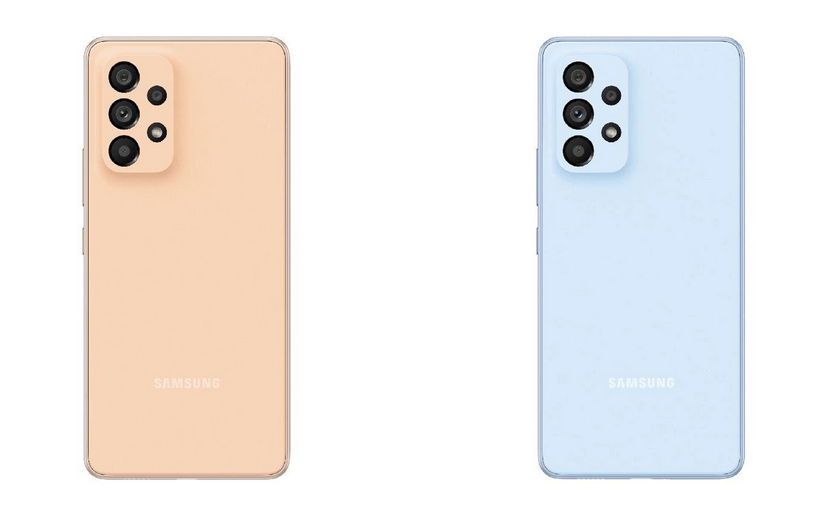
The Samsung Galaxy A53 5G’s price in Kenya was leaked. The device costs KSh 45,500 that’s roughly $400. The device has two colors – Blue and Orange.
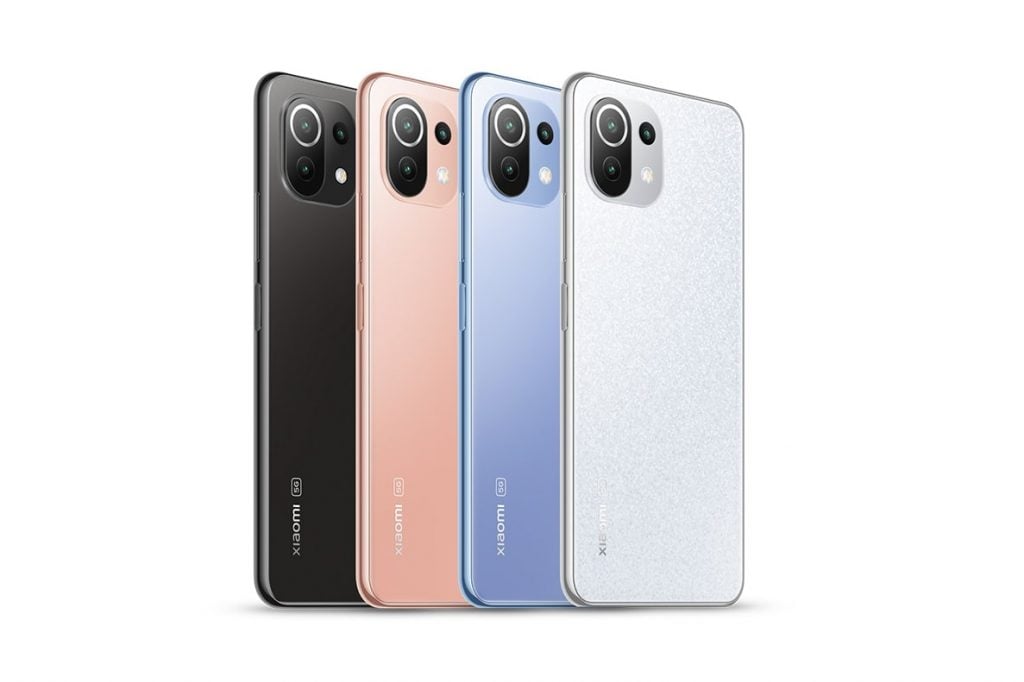
Xiaomi has been delivering MIUI 13 update for eligible devices since January. The latest smartphones to receive the fresh version of the company’s mobile software are POCO F3 GT and Xiaomi 11 Lite NE 5G. The former is a gaming handset, while the latter is a lifestyle phone.
Xiaomi 11 Lite NE 5G
The POCO F3 GT and Xiaomi 11 Lite NE 5G are sold in India as rebranded Redmi K40 Gaming Edition and Xiaomi 11 Lite 5G NE. The original versions gotaccess to the MIUI 13 update a while back.
Apart from bringing new MIUI features, the latest system update for smartphones also bumps up the Android version to Android 12. This means they are getting their first major MIUI and Android updates together. Additionally, the fresh software update comes with only February 2022 security patches though it’s already mid-March.
POCO F3 GT MIUI 13 Update India
Android Version: Android 12
Security Patch: February 2022
Build Number: V13.0.1.0.SKJINXM
Xiaomi 11 Lite NE 5G MIUI 13 Update India
Android Version: Android 12
Security Patch: February 2022
Build Number: V13.0.3.0.SKOINXM
The Android 12-based MIUI 13 update for the aforementioned phones in India is being rolled out in batches. In simpler words, the latest software is not available for everyone at the moment but it should reach all users in the coming days.
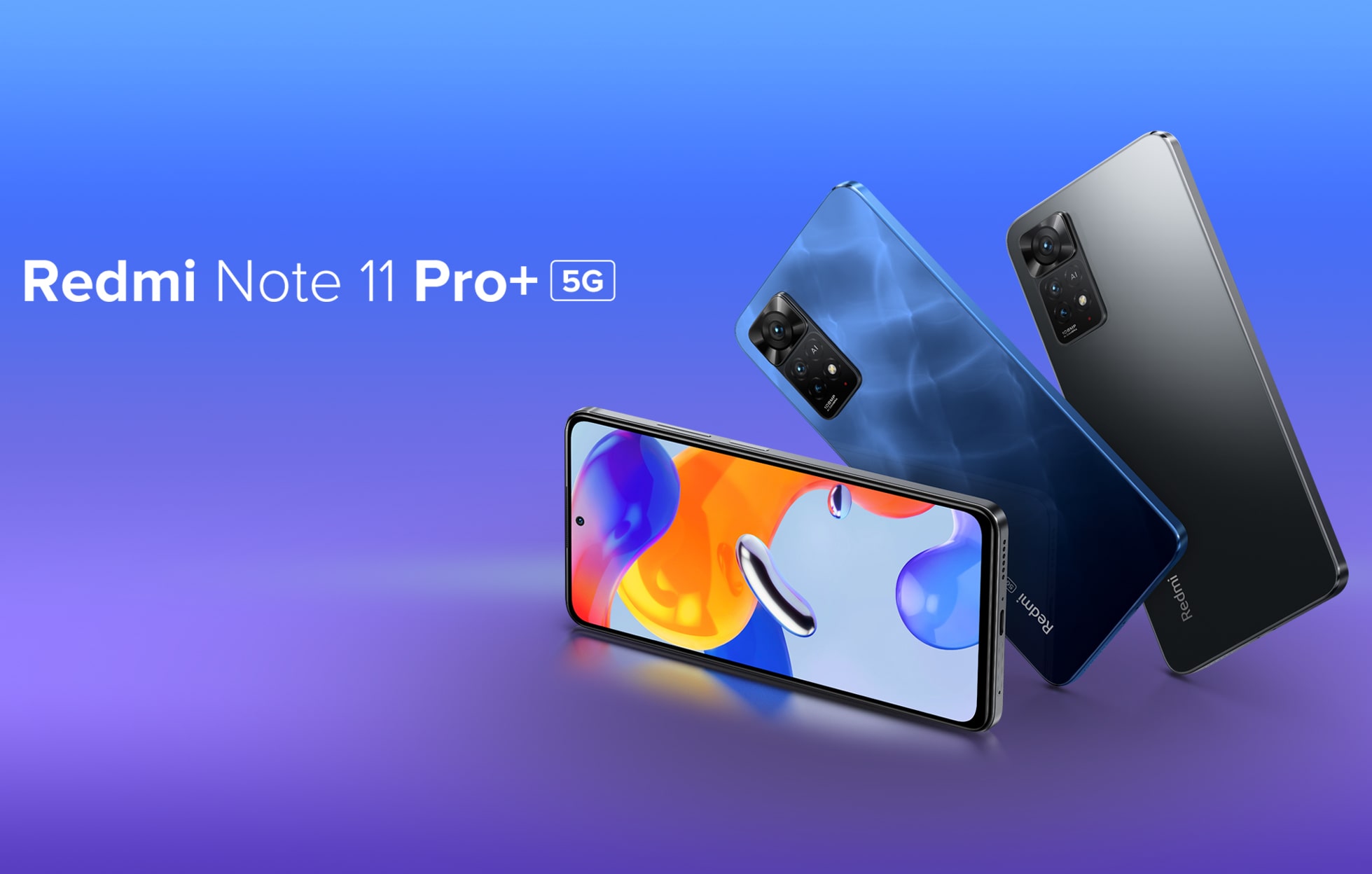
Last week, Redmi launched the much-awaited smartphone series in the Indian market – the Redmi Note 11 Pro Series. The series comprises the Note 11 Pro 4G and Note 11 Pro+ 5G, both offering a 120Hz OLED panel, 108MP cameras, and a big battery. Starting today, the Note Pro+ model has gone on sale in the Indian market.
Redmi Note 11 Pro+ 5G Price, Colors, Availability
The Redmi Note 11 Pro+ 5G has gone on sale in the country at 12 PM today. It can be purchased from Amazon and Mi.com in different RAM and storage configurations. The device has a 6GB + 128GB variant priced at Rs. 20,999(~$275), 8GB + 128GB variant that costs Rs. 21,999(~$300), and lastly the 8GB + 256GB variant priced at Rs. 24,999(~$327). The smartphone has three colors to choose from – Stealth Black, Phantom White, and Mirage Blue.
Buyers with HDFC bank credit cards can get Rs. 1,000 instant discount. There are also some enticing exchange offers for the existing Redmi phone users.
In case you are looking for the Redmi Note 11 Pro 4G, then its first sale is scheduled for March 23 at 12 PM.
Redmi Note 11 Pro+ 5G Specifications
The Redmi Note 11 Pro+ 5G sports a 6.67-inch OLED display with a Full-HD+ resolution. It has a 120Hz refresh rate, 1200 nits of peak brightness, and Gorilla Glass 5 protection.
Redmi Note 11 Pro+ 5G
The device has a 16MP selfie camera placed at the top center in the punch-hole. It equips a triple camera system with a 108MP main lens, an 8MP ultra-wide sensor, and a 2MP macro unit. The device has a side-mounted fingerprint scanner for security and features IR blaster support.
At the helm, the phone is powered by the Qualcomm Snapdragon 695 5G SoC paired with up to 8GB of RAM and 256GB of internal storage. The phone has a hybrid microSD card slot for additional storage needs. It houses a 5,000mAh battery with a 67W fast charging support. It has a 3.5mm headphone jack and a USB Type-C port. The phone runs on the latest Android 11 OS and has MIUI 13 on top of it.
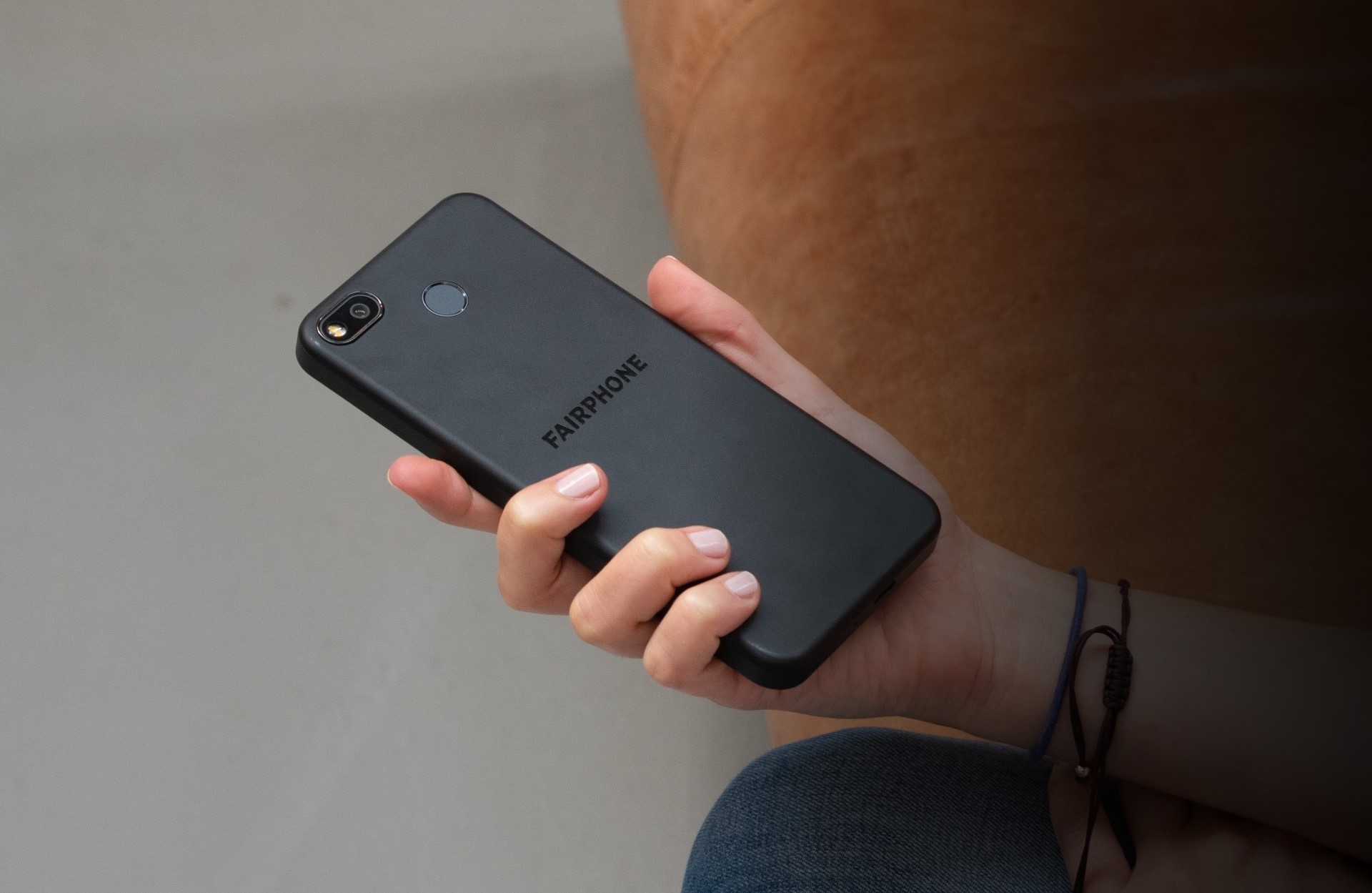
Fairphone has carved a niche for itself as a phone maker that manufactures highly repairable, durable, and sustainable phones. The Fairphone brand is not in some of the major markets including the United States, but that does not take much away from the hugely repairable phone. The Fairphone 2 has been with us since 2015 when it was launched with Android 5. Fairphone is now announcing the availability of Android 10 upgrade for the smartphone, seven years down the line.
It has always been a tough nut for manufacturers to sustain OS upgrades for their devices beyond two or three updates. Some of the important considerations that guarantee an OS update lie outside the control of the phone manufacturer. It may be connected with the chipmaker stopping further support for the outdated chip in the phone or Google no longer supports the OS version. Samsung has, in recent times, been able to sustain up to four updates for its devices, while most models have only two OS updates within the life of the phone. Apple however provides up to six years of software support for its iPhones.
The Fairphone 2 is powered by the Snapdragon 801 chipset whose support from Qualcomm has ceased since 2016. Going forward, Fairphone projects between 2 and 5 OS updates for its phones. The longevity of the Fairphone 2 is expected not to go beyond software support for Android 10. However, security patches will continue to be provided until the plug is pulled on Android 10 by Google. So, we could see the seven-year-old Fairphone 2 for several more years ahead. The Fairphone 2’s record of seven years and counting could be hard to beat.
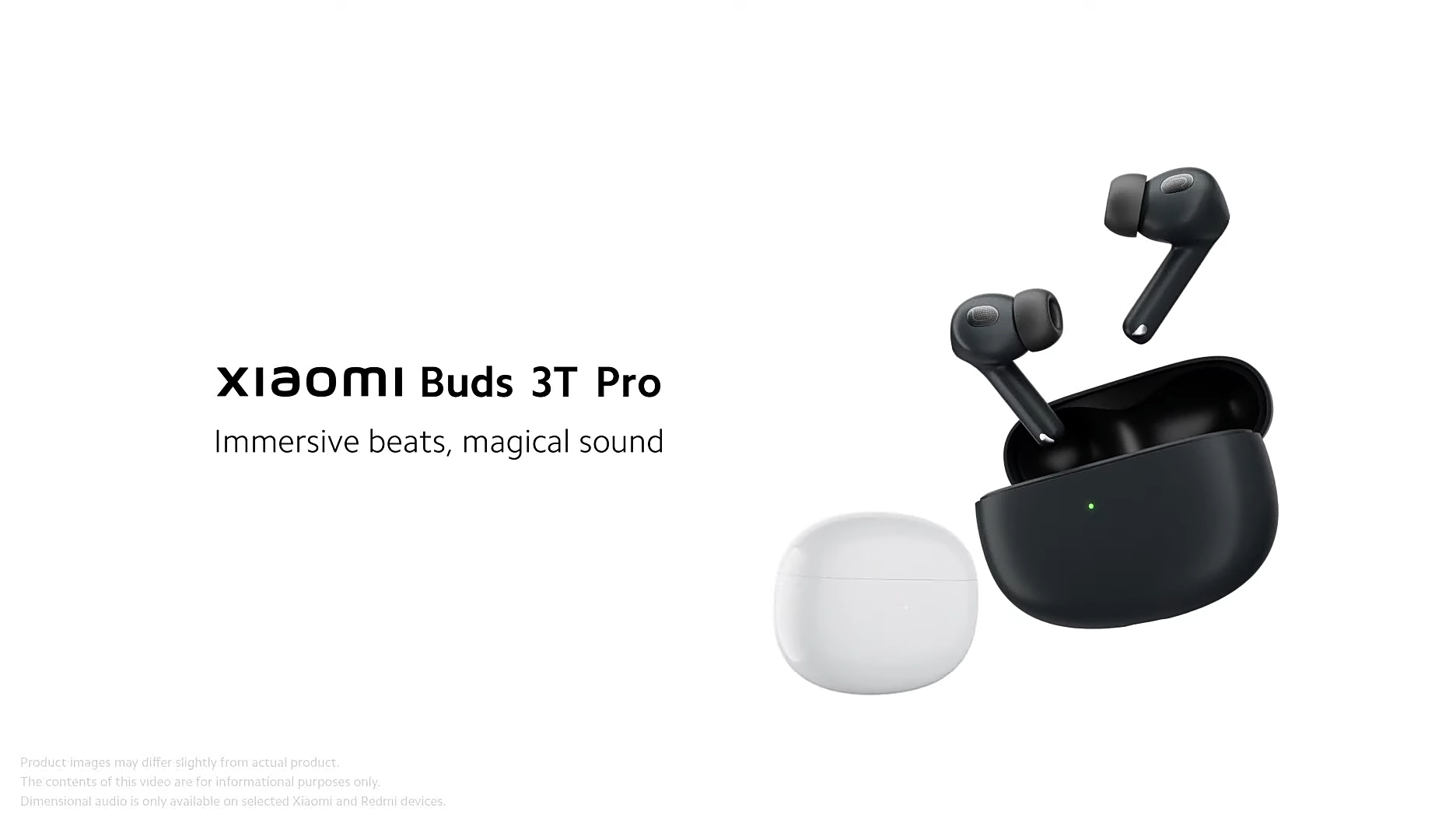
Xiaomi will be holding a global launch event on March 15. The event will also see the arrival of the Xiaomi 12 series of flagship phones, the Xiaomi Watch S1 Active, and the Xiaomi Buds 3T Pro TWS earbuds. Ahead of the launch, the Buds 3T Pro is now listed on the GreaTecno online retailer site with all its specifications and images.
Xiaomi Buds 3T Pro specifications (rumored)
The Xiaomi Buds 3T Pro will sport an in-ear design and come in black or white colored charging case. It will be equipped with 10mm dual drivers and carry support for Active Noise Cancellation (ANC) of up to 40db.
Xiaomi Buds 3T Pro
The Buds 3T Pro will pack a 380mAh battery, whereas each will include a 38mAh battery.The listing reveals that the Buds 3T Pro will deliver 6 hours of playback time without ANC. With the charging case, it offers around 24 hours of battery life without ANC. The Buds 3T carries support for wired and wireless charging. The listing states that it will take around 70 hours to charge the 3T Pro through wired charging.
The Buds 3T Pro will offer Bluetooth 5.2 connectivity. It will also offer other features such as voice assistant support, spatial audio, transparency mode, game mode, LHDC 4.0 codec, and IP55 rating,
Xiaomi Buds 3T Pro pricing (rumored)
The Xiaomi Buds 3T Pro listing at GreaTecno states that it is priced at 127.56 euros including taxes. The retail package of the TWS earbuds includes Buds 3T Pro, a charging case, a charging cable, three pairs of ear tips, and a user manual.
After launching the Redmi K50 Gaming Edition smartphone in China last month, the company is now gearing up to launch other phones in the Redmi K50 series and has scheduled an event on 17th March.
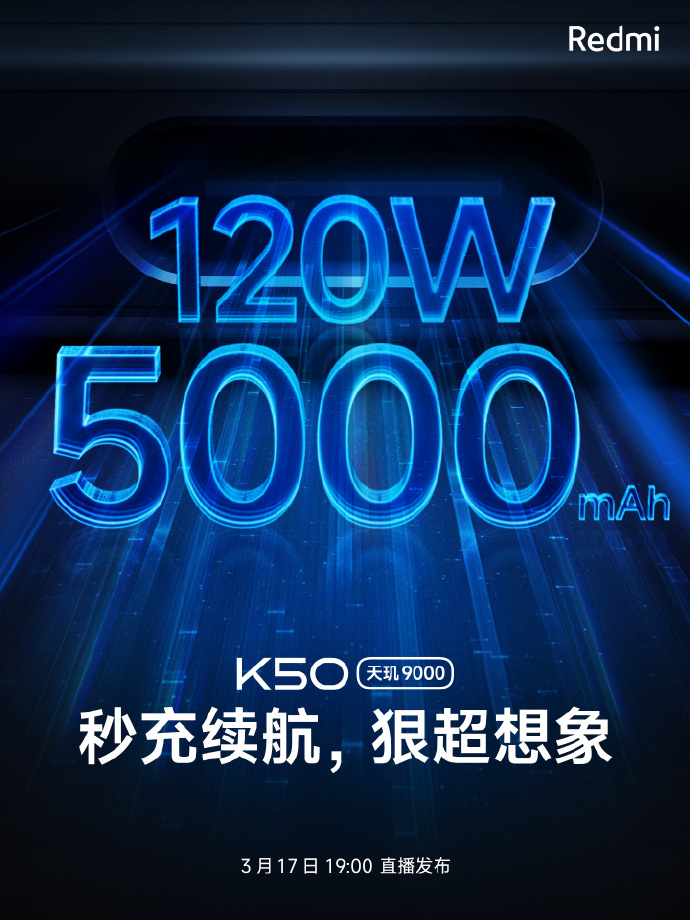
With just a few days left for the official launch event, Redmi has started teasing some of the key features of the upcoming smartphones through teasers, and in the latest one, the company has shared details about the battery capacity and charging speed.
The latest teaser poster shared by Redmi reveals that the upcoming K50 series smartphone will come powered by a 5,000mAh battery and will also come with support for 120W fast charging technology.
It’s noteworthy that the Redmi K50 Gaming Edition also comes with a 120W fast charging support but packs a 4,700mAh battery. The company had also claimed that it can fully charge the smartphone within 17 minutes.
Recently, the Xiaomi-backed brand had confirmed that the Redmi K50 series smartphones will feature a display from Samsung with support for 2K screen resolution. It is claimed to have a pixel density of 526ppi and has support for several advanced adjustments.
So far, teasers have confirmed that the Redmi K50 series phones will come with dual stereo speakers with support for Dolby Atmos and Hi-Res Double Gold certification. For connectivity, there’s dual-frequency GPS, Wi-Fi 6, NFC, IR blaster, and is said to be the first in the industry to support Bluetooth 5.3.
The company is expected to launch three devices — Redmi K50, Redmi K50 Pro, and Redmi K50 Pro+ powered by the Qualcomm Snapdragon 870, MediaTek Dimensity 8100, and MediaTek Dimensity 9000, respectively. To know the full specs, features, pricing, and availability details, we will have to wait for a few more days for the official launch event.
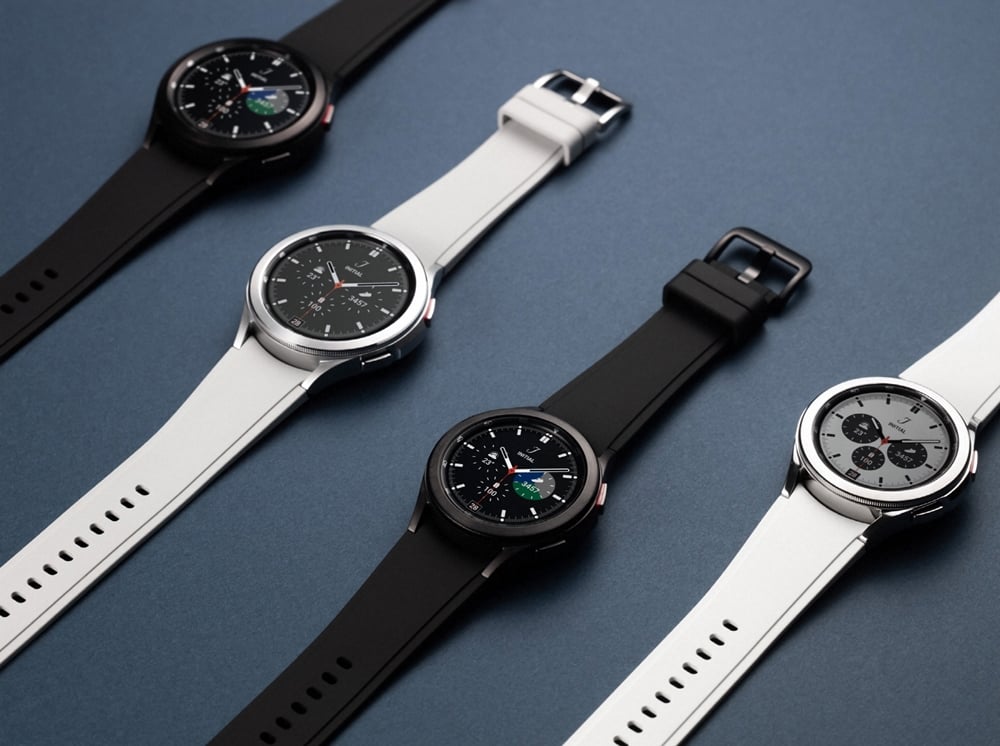
Samsung has a lineup of smartwatches under the Galaxy brand and the current generation Galaxy Watch 4 series is one of the best smart wearable devices available in the market, but the company is now gearing up for its successor.
The next-generation Samsung Galaxy Watch 5 series is still months away and while there’s not much information available about the upcoming wearable device, a new leak hints at the battery capacity of the device.
Samsung Galaxy Watch 4
A report from SamMobile claims that the Samsung Galaxy Watch 5 with model number SM-R900 has appeared in a regulatory filing with its battery carrying part number EB-BR900ABY, having 276mAh capacity.
This is slightly bigger than the 247mAh battery found in the Samsung Galaxy Watch 4, which could mean a longer-lasting battery life for the next-generation wearables from the South Korean giant.
If the reports are to be believed, then the Samsung Galaxy Watch 5 series could also come with some advanced health-related features, including a sensor to accurately measure the body temperature, helping users identify viral symptoms and treat colds.
The Samsung Galaxy Watch 5 is expected to enter the mass production phase in the third quarter of this year. At this time, there’s no information available about the launch timeline or availability of the device but if we are to go by the previous launches, then the upcoming smartwatches from Samsung could launch sometime around August this year.
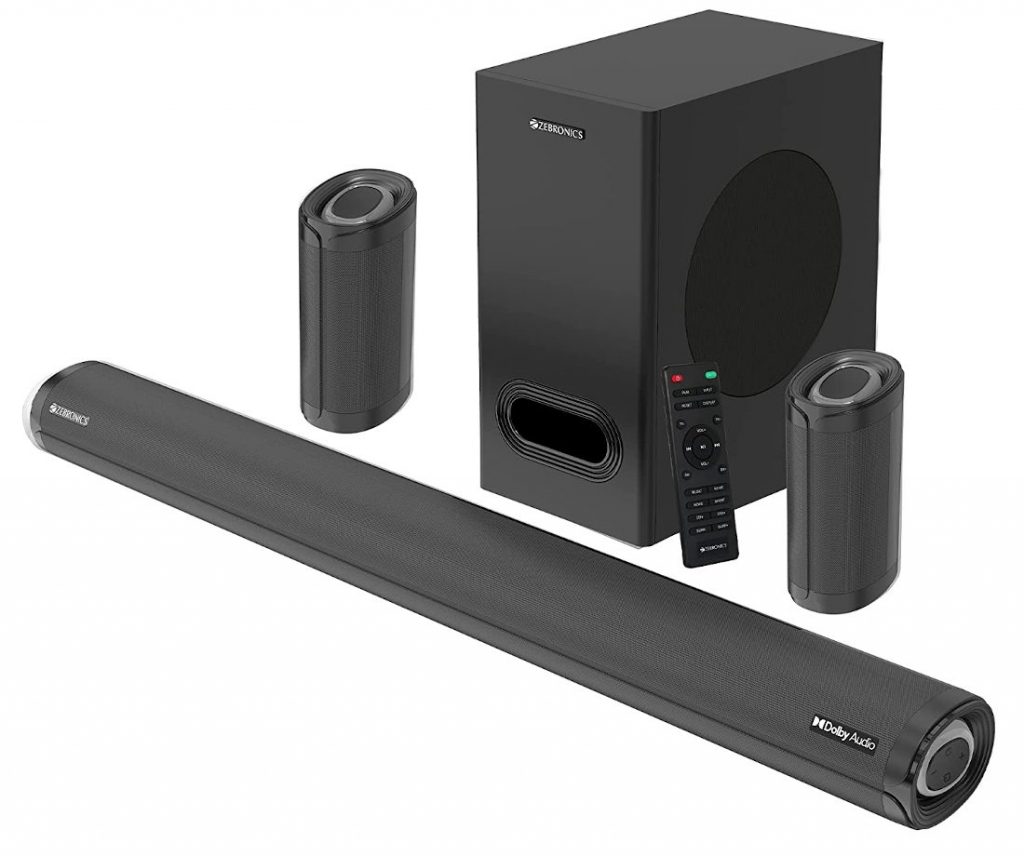
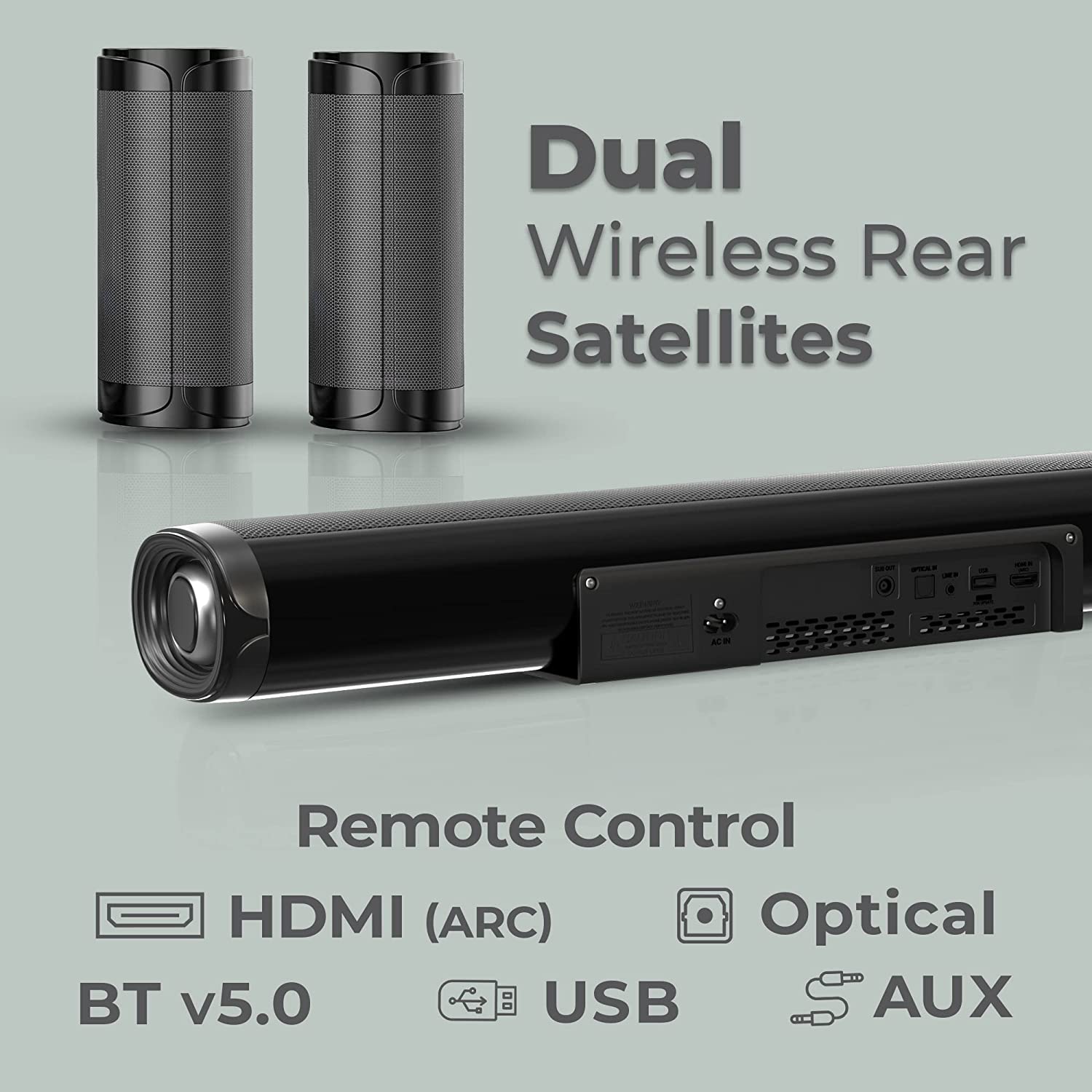
The Zeb-Juke Bar 9500WS Pro Dolby 5.1 525W soundbar by Zebronics has been unveiled in India with an Rs. 16,999 (~222) price tag and it is available via Amazon India. The new Zebronics soundbar features dual wireless satellite speakers and Dolby surround audio that guarantees a solid listening experience when the audio is outputted via its powerful subwoofer system.
The Zeb-Juke Bar 9500WS Pro Dolby 5.1 525W soundbar delivers a total sound output of 525W comprising of the 150W subwoofer, two 75W wireless satellite speakers, and a single soundbar with 225W output. The 16.51cm driver helps to yield a theatre-like surround sound experience. The soundbar comes with a touch of aesthetics even with its minimalist design and overall elegance. The soundbar can fit seamlessly into a room and even accentuate the ambiance of the environment. The soundbar can be mounted on a wall or placed on a platform in the room.
The Zebronics Zeb-Juke Bar 9500WS Pro Dolby 5.1 525W soundbar has HDMI (ARC) and optical inputs and several connectivity options including Bluetooth 5.0, USB, and AUX. It has a LED display, as well as volume and media controls. A dedicated button is available for input/ mode selection, making the connection to multiple input devices a seamless process.
Apart from Amazon, interested customers could also get their Zeb-Juke Bar 9500WS Pro Dolby 5.1 525W soundbar from the Zebronics website.
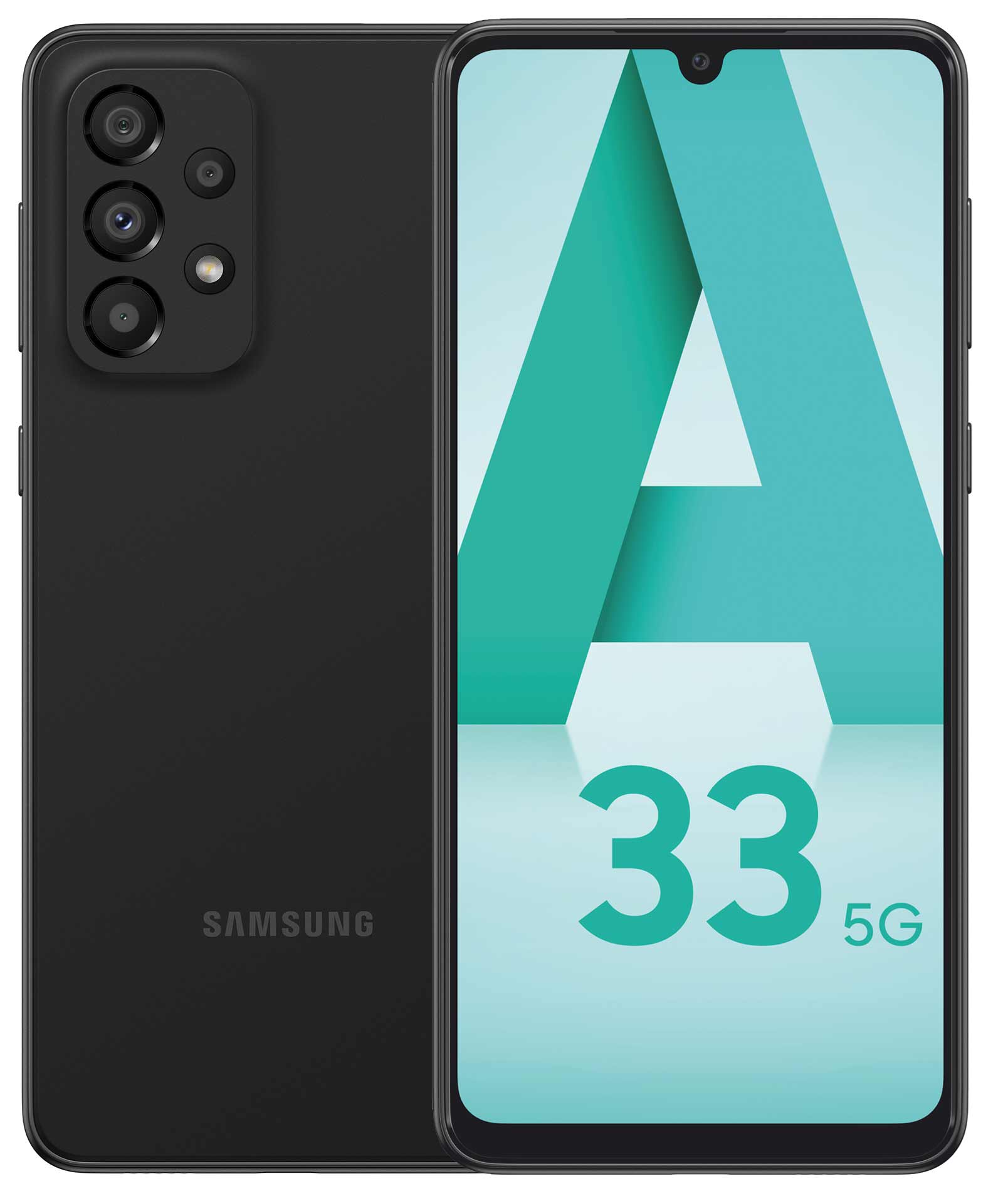
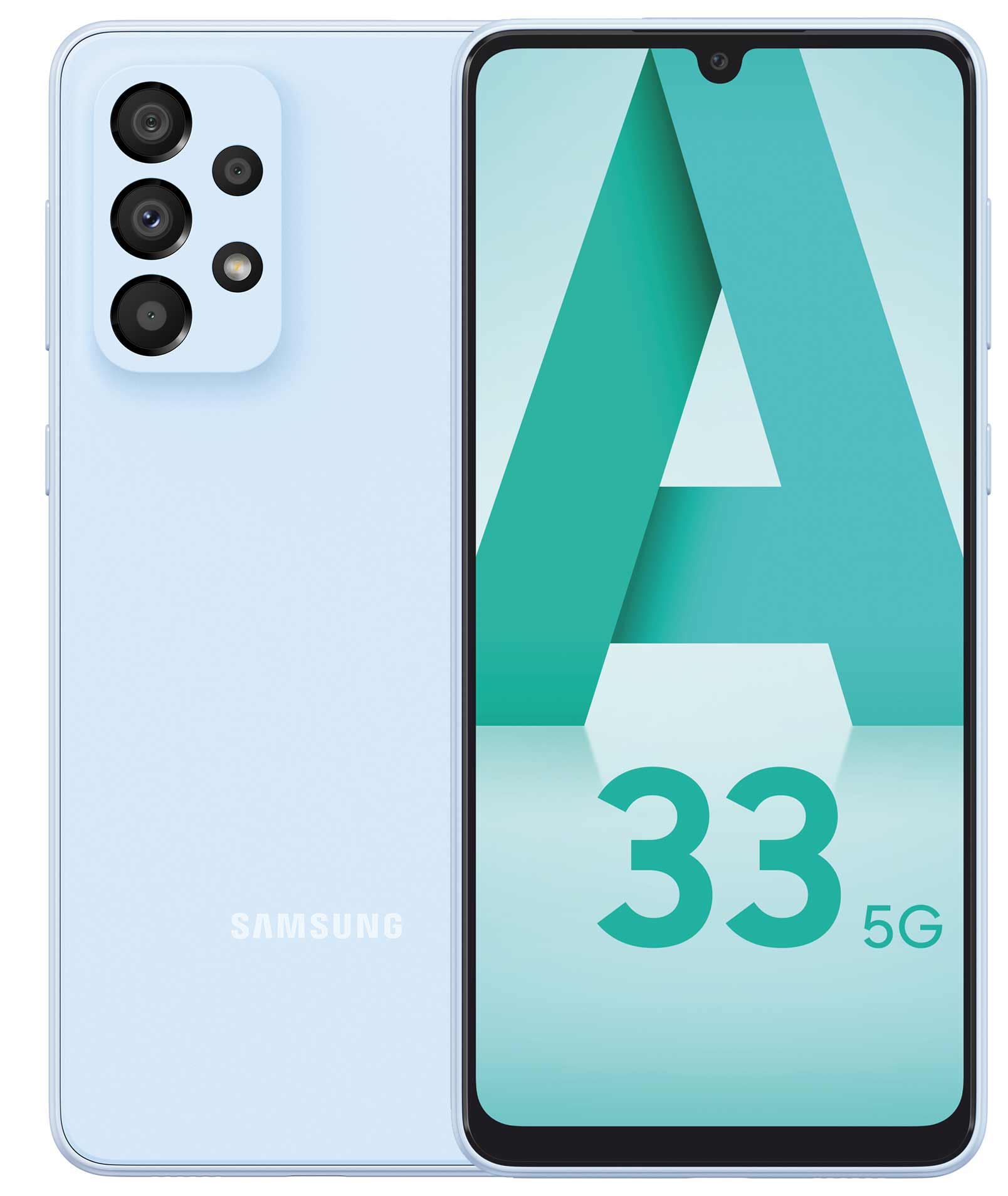
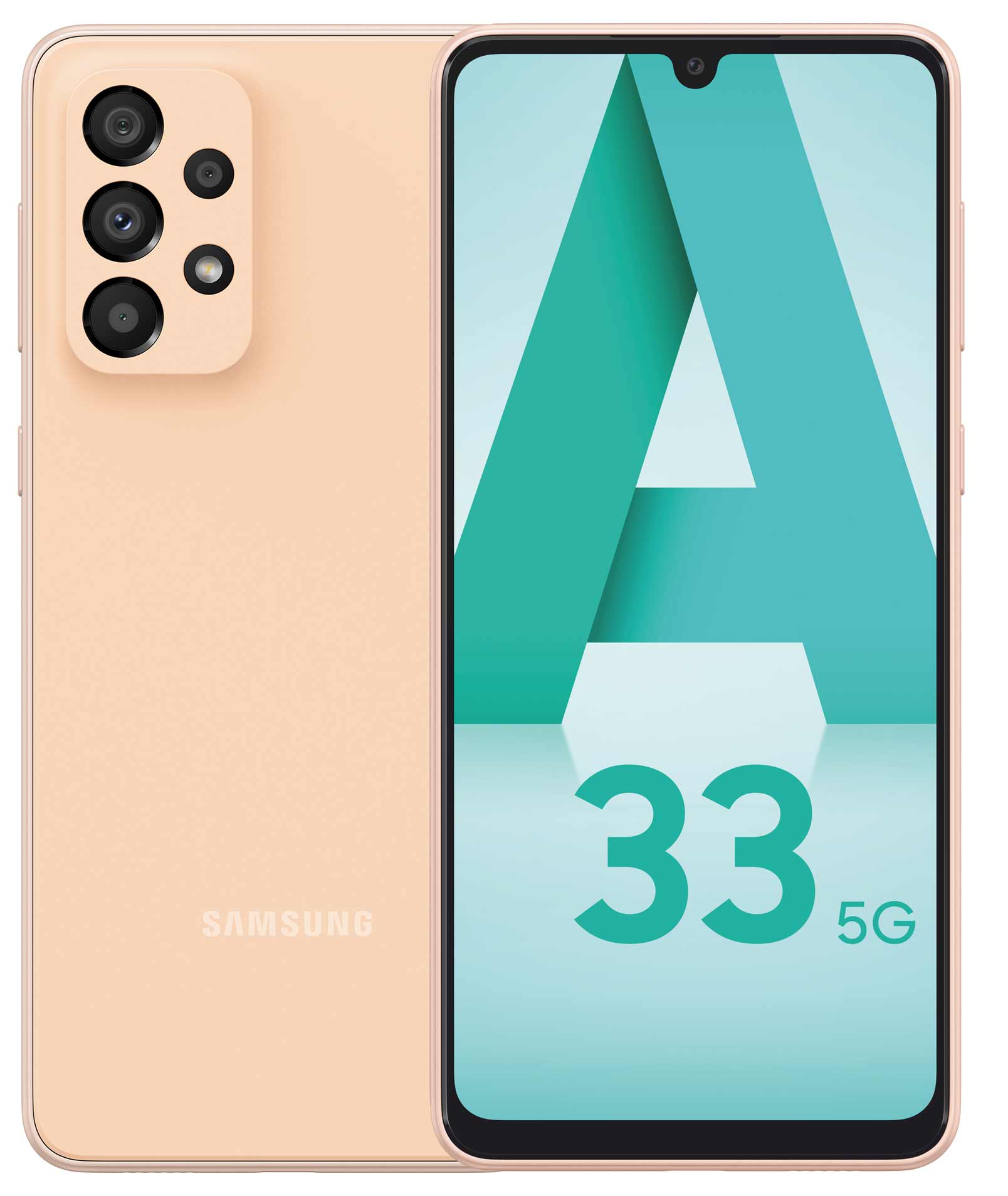
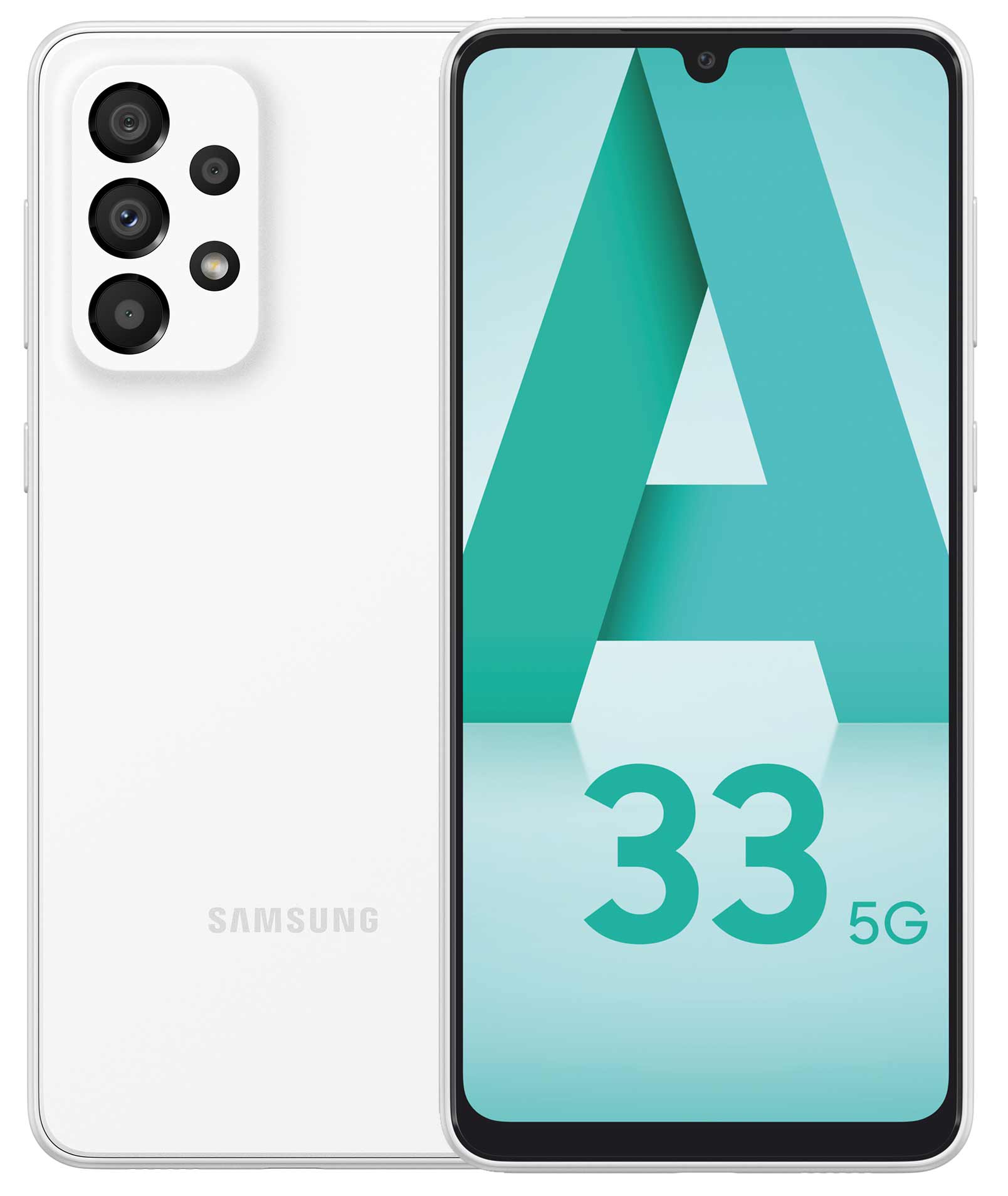
Samsung will be announcing the new A-series of mid-range phones on March 17. The event is likely to see the arrival of at least two phones, namely, the Galaxy A33 5G and Galaxy A53 5G. Ahead of the launch, Appuals has published a report to reveal the entire specifications of the smartphone. The report also carries leaked press renders of the device.
Samsung Galaxy A33 5G specifications (rumored)
The Galaxy A33 5G will be equipped with a 6.4-inch S-AMOLED display with a Infinity-U teardrop notch. It will offer an FH+D resolution of 1080 x 2400 pixels, a refresh rate of 90Hz, and a pixel density of 412 pixels. The screen will come equipped with Gorilla Glass 5 protection.
Samsung’s all new Exynos 1280 chipset will be present under the hood of the Galaxy A33 5G. It will be accompanied by 6 GB of RAM and 128 GB of built-in storage. It will come preinstalled with the Android 12 OS and One UI 4.1. For security, it will offer features like an ins-creek fingerprint scanner and face unlock support.
1 of 4
Samsung Galaxy A33 5G
Samsung Galaxy A33 5G
Samsung Galaxy A33 5G
The Galaxy A33 5G will pack a 5,000mAh battery that will carry support for 25W fast charging. It will feature a 13-megapixel front-facing camera, and its rear shell will be fitted with a 48-megapixel (main, with OIS) + 8-megapixel (ultrawide) + 2-megapixel (macro) + 2-megapixel (depth) quad-camera unit. The A33 will come with other features such as dual SIM support with 5G, Wi-Fi 802.11ac, Bluetooth 5.1, NFC, dual stereo speaker with Dolby Atmos support,and a USB-C port. The handset measures 159.7 x 74 x 8.1mm and weighs 186 grams. Lastly, it will come with support for IP67 rated water resistance.
Samsung Galaxy A33 5G pricing (rumored)
The Galaxy A33 5G will come in four colors such as black, blue, peach, and white. It may come in a single trim of 6GB+128GB, which may carry a price tag of 379 euros.
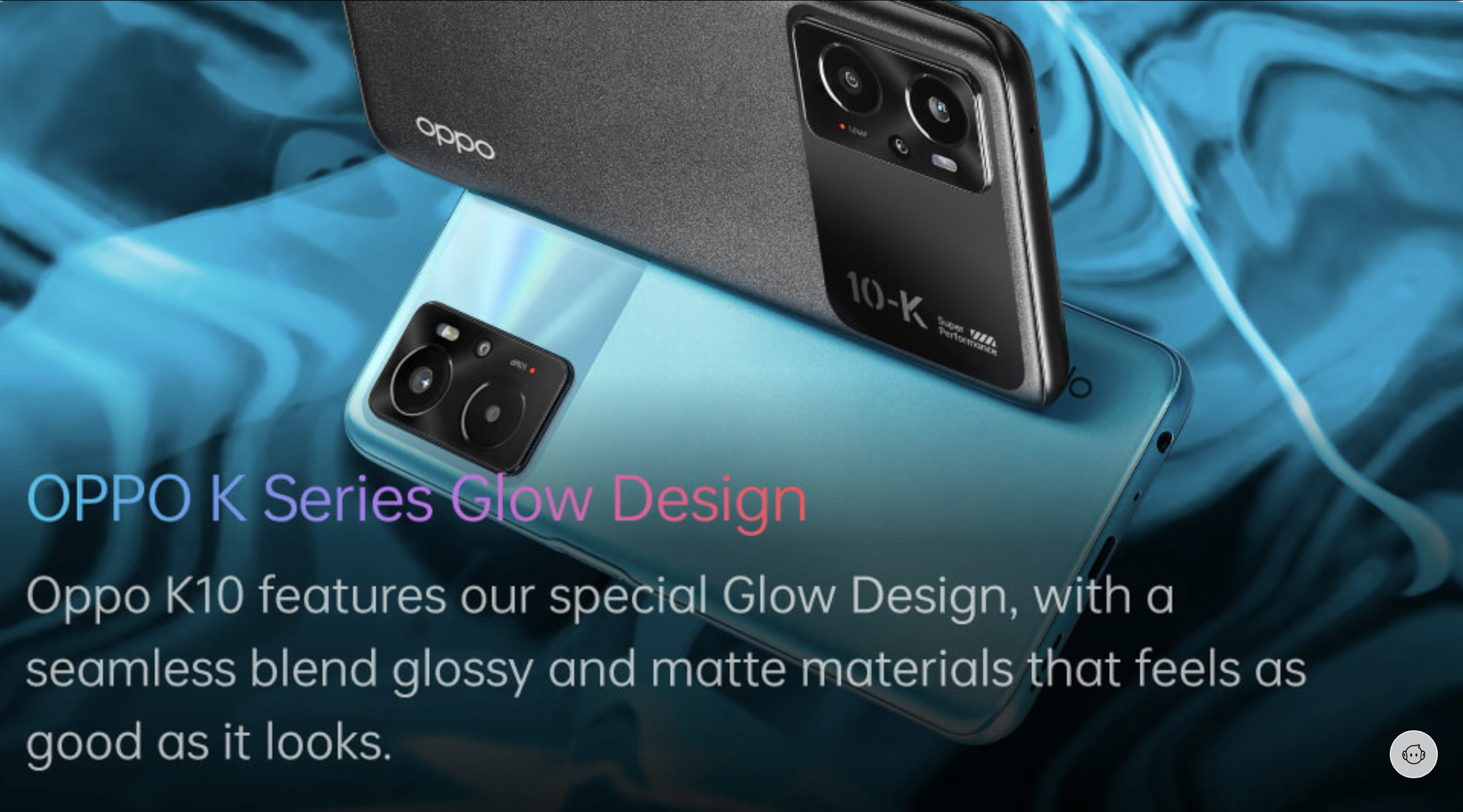
OPPO has started teasing the arrival of a new K-series of smartphones in India. While it has been selling A-series, F-series, and Find-series of smartphones for several years in India, it hasn’t launched a K-lineup phone since the OPPO K3 5G, which was announced in 2019. OPPO India’s website now has a landing page for the upcoming OPPO K10. The listing confirms that the Chinese manufacturer will be launching the K10 on March 23.
Starting from March 16, OPPO will be revealing more details about the OPPO K10 handset. It will be unveiled on March 23 and its first sale will be carried out on March 29. Apart from OPPO India’s website, the handset will be available for purchase through Flipkart.
OPPO K10
The OPPO K10 will be available for purchase in blue and black colors. The rear side of the phone has a large rectangle-shaped block, which houses a 50-megapixel triple camera unit and “10-K Super Performance” text on the right. The left edge of the phone has a volume rocker, and its right spine has a power key, which is integrated with a fingerprint scanner. It will probably feature a punch-hole screen on the front.
According to a report by Gadgets 360, the OPPO K10 will be fueled by the Dimensity 8000 series chipset. The exact name of the processor will be confirmed on March 17. In India, the handset is expected to cost less than Rs 20,000 ($261).
OPPO K10
Recently, an OPPO phone with model number PGIM10 was approved by the 3C authority of China. It is speculated that this device will be launched in the country with the OPPO K10 moniker. The 3C certification of the device revealed that it carries support for 80W fast charging. It appears that the K10 will have a higher variant that may come with a Dimensity 8100 chip and 150W of fast charging.
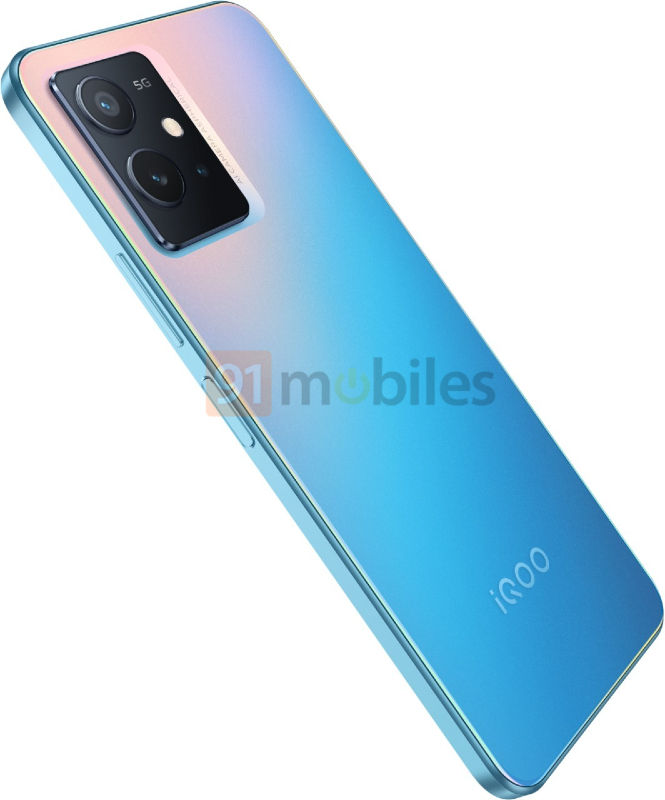
iQOO Z6 5G will be launched on March 16 in India. The device will succed the iQOO Z5 5G from last year. Ahead of the launch, 91mobiles has tipped the key specifications of the Z6. In addition, the publication has also shared the leaked renders of the phone.
The iQOO Z6 5G’s leaked renders show that the device will be available in black and blue colors. The publication revealed that the device will have a polycarbonate back and an aluminium frame. The right side of the phone has a volume rocker and a power key, which is integrated with a fingerprint scanner.
iQOO Z6 5G specifications
The iQOO Z6 5G’s Amazon India listing reveals that it has a 6.58-inch screen, which appears to be an IPS LCD panel. It has an FHD+ resolution, a refresh rate of 120Hz, a touch sampling rate of 240Hz, a DCI-P3 colour gamut, and a screen-to-body ratio of 90.6 percent.The bottom edge of the phone features a 3.5mm audio jack, a microphone, a USB-C port, and a speaker grille.
IQOO Z6 5G renders by 91mobiles
The Snapdragon 695 mobile platform is present under the hood of the iQOO Z6 5G. It features a 1445mm2vaporchamber liquid-cooling system for heat dissipation.
The publication, which cites reliable tipster Ishan Agarwal as its source, claims that the iQOO Z6 5G has a 50-megapixel primary camera with eye-autofocus support. The SoC is coupled with LPDDR4x RAM, 4GB of virtual RAM, and a 5,000mAh battery.
For an enhanced gaming experience, the iQOO Z6 5G will come equipped with Ultra Game mode. The handset measures 8.25mm and 186 grams.
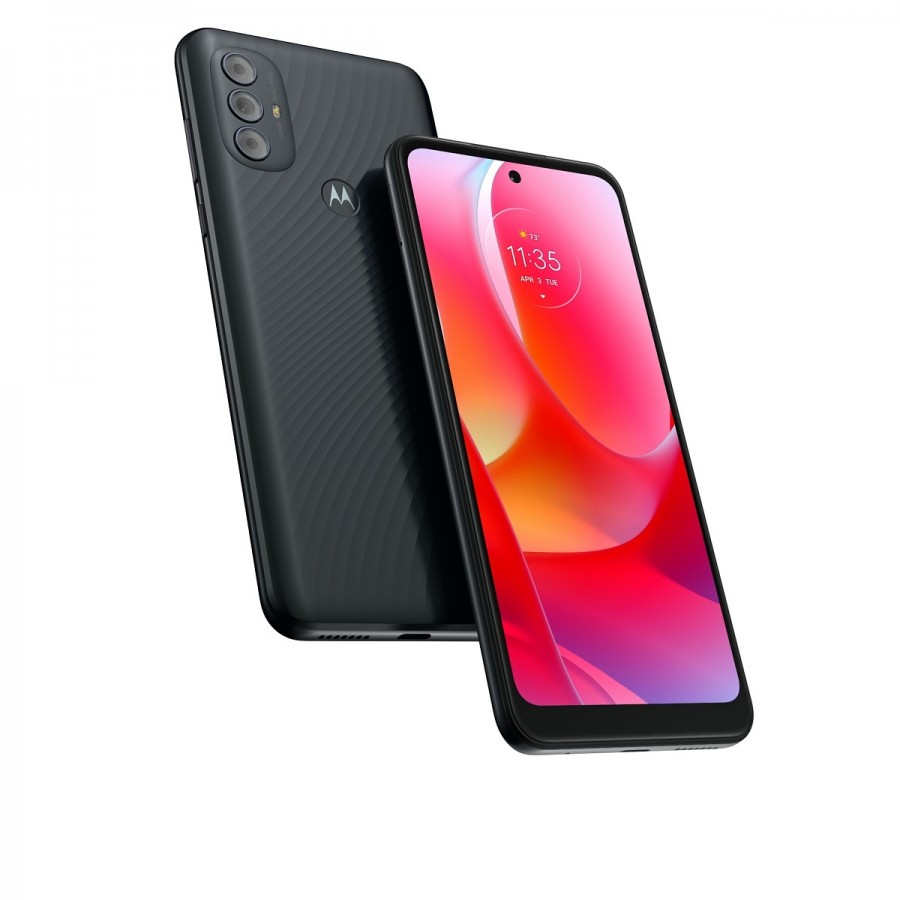
Lenovo-owned Motorola had launched the Moto G Power (2022) budget smartphone a few months ago and the device is already available for purchase in some countries. Now, it will soon go on sale in the United States.
Motorola has started taking pre-orders for the Moto G Power (2022) smartphone in the United States and has confirmed that the phone will go on sale from 18th March.
The smartphone features a 6.5-inch IPS LCD screen with an HD+ screen resolution of 720 x 1600 pixels. The device comes with support for a 90Hz refresh rate. It has a punch-hole design with the cutout housing an 8-megapixel f/2.0 selfie camera.
Under the hood, the Moto G Power is powered by a MediaTek Helio G37 processor, which packs eight high-efficiency Cortex A-53 CPU cores running at a clock speed of up to 2.3GHz. As for the memory, there’s 4GB of RAM and two internal storage options to choose from — 64GB and 128GB.
In the camera department, the device features a triple-camera setup on the back that includes a 50-megapixel primary camera sensor, coupled with a 2-megapixel macro sensor, and a 2-megapixel depth sensor.
The Moto G Power (2022) runs the Android 11 operating system out-of-the-box with the company’s own My UX custom interface on top. It is powered by a 5,000mAh battery and supports only 10W charging.
The model with 64GB of internal storage is priced at $199.99 and comes in Dark Grove color while the one with 128GB of internal storage, which comes in Ice Blue color, is priced at $249.99 in the United States.
Lava Z3 has debuted in India. It is a new entry-level phone powered by the modest Helio A20 chipset. Other notable features include a waterdrop notch screen, a large battery, and a fingerprint scanner.Here is all the information on the specifications, features, and pricing of the Lava Z3:
Lava Z3 specifications and features
The Lava Z3 has a 6.5-inch IPS LCD panel that offers an HD+ resolution of 720 x 1600 pixels, a 20:9 aspect ratio, 263 ppl pixel density, and Gorilla Glass 3 protection. The rear side of the phone has an attractive patterned design. It is one of the few entry-level phones available in the Indian market with a rear-facing fingerprint scanner and a speaker grille.
Lava Z3
The rear shell of the Lava Z3 also features a dual-camera setup, which includes an 8-megapixel main camera, a secondary lens, and an LED flash. The front side of the phone has a 5-megapixel selfie camera with an f/2.2 aperture. The handset offers photography features such as HDR mode, AI mode, night mode, portrait mode, beauty mode, filters, AR stickers, GIF mode, timelapse, and smile capture. It comes preinstalled with theAndroid 11 OS.
Lava Z3
The Helio A20 powered Z3 has 3GB of RAM and 32GB of internal storage. For additional storage, it has a microSD card slot. The handset draws power from a 5,000mAh battery. The handset offers other features such as face unlock, dual 4G VoLTE, Wi-Fi 802.11 b/g/n, Bluetooth 5.0, GPS, a USB-C port, and a 3.5mm audio jack. The device measures 164.5 x 73.8 x 8.9mm and weighs 192 grams.
Lava Z3 price in India
The Lava Z3 is priced at Rs 8,499 (~$111) in India. It comes in two colors such as Striped Blue and Striped Cyan. The handset is now listed for purchase on Amazon India and Flipkart.
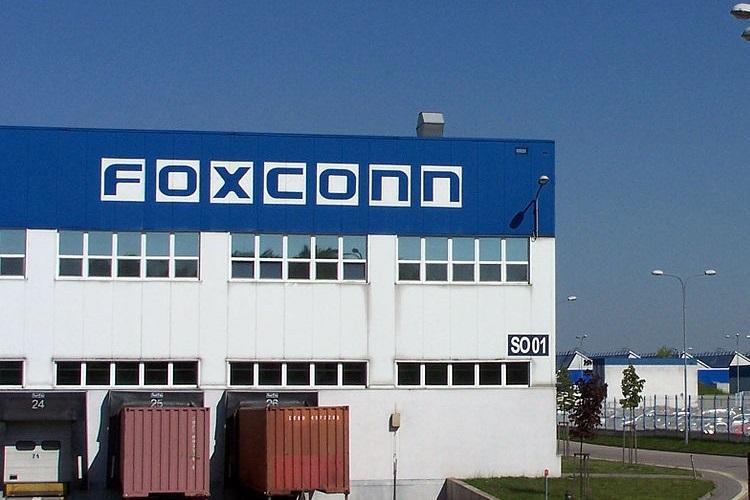
Foxconn, the contract manufacturer of Apple’s iPhone models, has been forced to shut down its production facility in Shenzhen as the government has ordered lockdown because of new cases of COVID-19.
Because of this new lockdown and shutdown of the factory, there could be some delay in shipments of some Apple devices for which Foxconn is responsible for production, which also includes some iPhone models.
The whole city of Shenzhen in China has been placed under lockdown for one week and everything is closed for the 17.5 million residents of the city, including bus and subway system of transportation.
Everything that is not considered essential has been shut down for a week, including the Foxconn factory. The company said that its Shenzhen operations would be suspended until further notice and added that it will now depend on backup plans to prevent disruptions.
Multiple Chinese provinces and cities have tightened restrictions, a move which is in line with Beijing’s zero-tolerance goal of suppressing contagion as quickly as possible.
If the new COVID-19 cases keep rising in China, then the lockdown period could be increased, disrupting production and supply chains, leading to a shortage of chips and components needed to make devices. Some reports indicate that the total number of COVID cases in China this year has already topped the numbers seen throughout 2021.
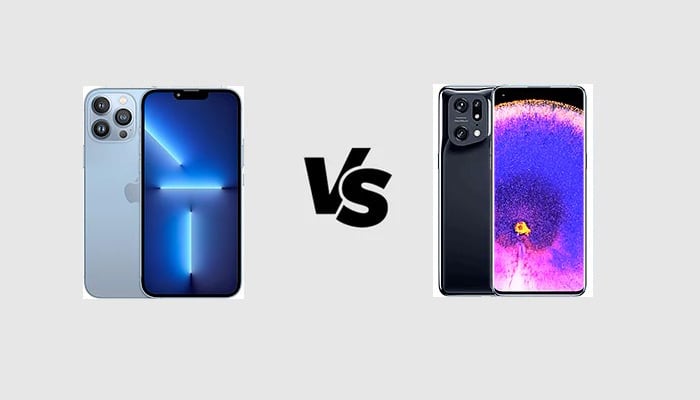
OPPO Find X5 Pro hitten the global shelves earlier this month with a perfect specs sheet. It is not only an amazing device in terms of specifications, but it is even very innovative with its ceramic design and the new proprietary NPU MariSilicon X (the first-ever chip released by OPPO). But are these specifications enough to compete with the best iPhone out there? The iPhone 13 Pro Max is the best and most complete Apple phone ever, it is selling a lot and even its specifications do not include compromises. So which of these devices is more interesting? This comparison between the specifications of the OPPO Find X5 Pro and the iPhone 13 Pro Max will let you find out.
Apple iPhone 13 Pro Max vs OPPO Find X5 Pro
Apple iPhone 13 Pro Max
OPPO Find X5 Pro
DIMENSIONS AND WEIGHT
160.8 x 78.1 x 7.7 mm,
240 g
163.7 x 73.9 x 8.5 mm,
218 g
DISPLAY
6.7 inches, 1284 x 2778 pixels (Full HD+), Super Retina XDR OLED
The design of the iPhone is iconic and it sets the trend, sure, but the OPPO Find X5 Pro is definitely more innovative. It is built with a ceramic body crafted at 1000 °C and full of curves: an impossible surface that you can not find on any other phone. This design inspired by a spaceship is very original and more attractive, but on the other hand, the iPhone 13 Pro Max has an outstanding build quality. Its glasses are protected by the strong Ceramic Shield and the frame is made of stainless steel. Further, it is waterproof up to 6 meters deep thanks to the IP68 certification. The Find X5 Pro has the IP68 certification as well, but it is waterproof up to 1.5 meters deep. On the other hand, it has a curved screen, while the display of the iPhone is flat.
Display
On the paper, the display of the OPPO Find X5 Pro looks superior to the one found on the iPhone 13 Pro Max. It is an AMOLED panel that shows up to one billion colors, sporting the LTPO2 technology enabling an adaptive refresh rate from 1 to 120 Hz, a Quad HD+ resolution of 1440 x 3216 pixels, the HDR10+ certification, and a peak brightness up to 1,300 nits. The color accuracy is definitely perfect, but you should not underestimate the Super Retina XDR OLED of the iPhone. It has amazing color accuracy as well and every expert agrees on this. The Find X5 Pro relies on an in-display fingerprint reader for authentication, while the iPhone relies on 3D facial recognition thanks to Face ID.
Specs & Software
If you are trying to choose your favorite flagship between these two handsets, you should not focus so much on the hardware department because they are both excellent from this point of view. The OPPO Find X5 Pro has the best Qualcomm chipset: the Snapdragon 8 Gen 1, paired with up to 12 GB of RAM and 256 GB of internal storage in the global market. The iPhone 13 Pro Max has an Apple A15 Bionic chipset paired with 6 GB of RAM and up to 1 TB of internal storage. Even though it has a lower amount of RAM, it provides better performance thanks to the amazing optimization of the iOS operating system. Both the phones will be supported with updates for a long time, but the iPhone 13 Pro Max will get longer software support.
Camera
The OPPO Find X5 Pro has better camera capabilities than iPhone 13 Pro Max. It comes with a pair of Sony IMX766 sensors with a 50 MP resolution, including an ultrawide one, as well as a 13 MP telephoto sensor with optical zoom. Thanks to its amazing sensors and the MariSilicon X NPU, as well as the cooperation with Hasselblad, it obtains brighter photos in the dark and more brilliant colors than iPhone 13 Pro Max. But the latter is amazing at recording videos.
The OPPO Find X5 Pro comes with a bigger 5000 mAh battery than iPhone 13 Pro Max, however, the battery life of these two phones is not so different because iOS provides a better software optimization with lower energy consumption. But one thing is certain: the Find X5 Pro charges faster thanks to 80W wired charging and 50W wireless charging.
Price
The prices of the OPPO Find X5 Pro and the iPhone 13 Pro Max in the European market range from €1200/$1313 to €1300/$1420 and they are not very different. Each device has its pros and cons and choosing the best one depends on the user’s needs: which one would you pick?
Apple iPhone 13 Pro Max vs OPPO Find X5 Pro: PRO and CONS
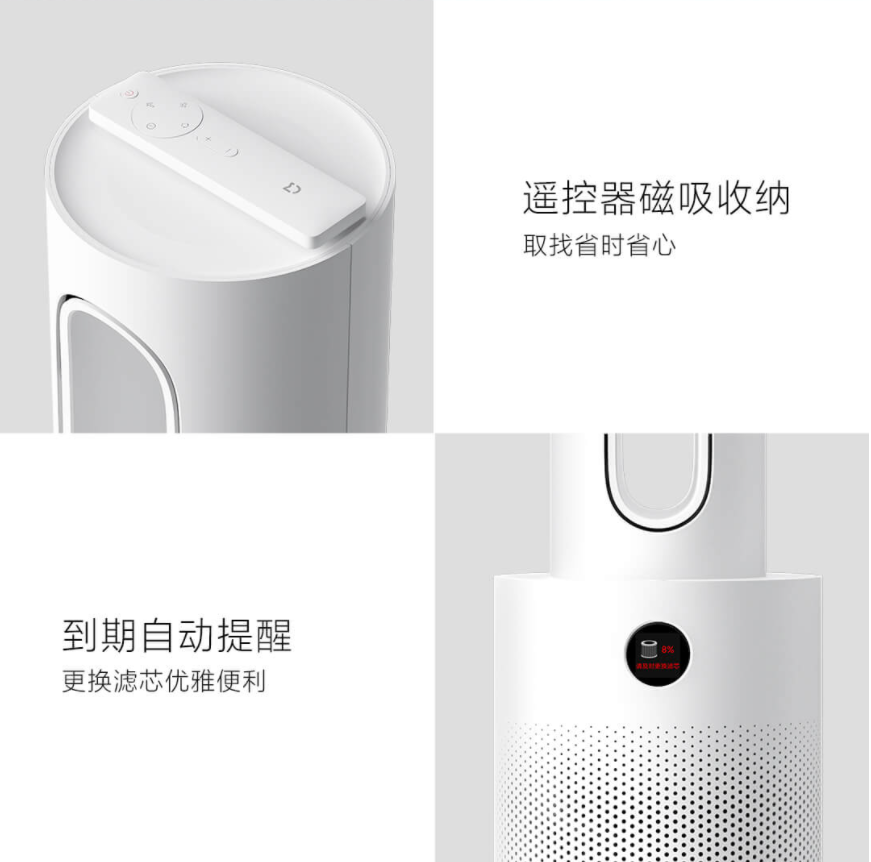
Chinese tech giant Xiaomi has launched a new bladeless fan under crowdfunding. The product is named MIJIA Smart Bladeless Purification Fan and it will be available to back from March 16. It carries a crowdfunding price of 1299 yuan (~$204) but the original price is 1,599 yuan (~$251).
The MIJIA Smart Bladeless Purification Fan adopts a two-in-one purification cycle design with the ability to filter 80-90 nanometer particles up to 99.96% efficient. The antibacterial and antiviral coating in the filter element can inhibit and inactivate bacteria and viruses in the filter for a long time, reducing the possibility of indoor bacterial pollution exceeding the standard.
The smart bladeless purification fan utilises the innovative air duct structure design, with a 10-meter wide-area circulation, a maximum wind speed of 15.5m/s, and a maximum air volume of 1700m³/s. The device also comes with five air supply angles.
In addition, the MIJIA Smart Bladeless Purification Fan adopts a patented impeller design to reduce noise. Also, two groups of air outlet modes can be adjusted in the front and rear and there is a built-in temperature/humidity sensor as well as PM2.5 sensor.
The smart bladeless fan can paired with the MIJIA app and XiaoAI, bringing app and voice control support. It also comes with a dedicated remote controller.
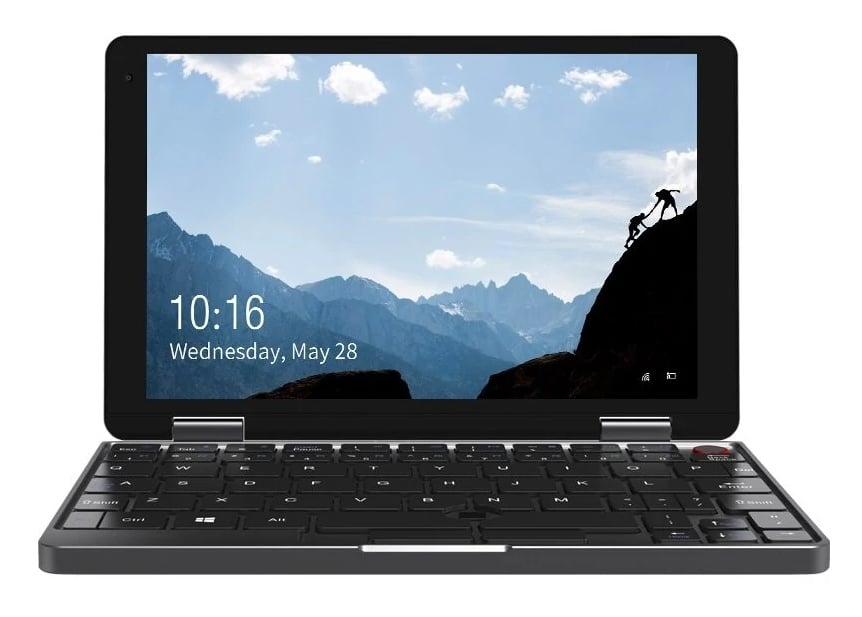
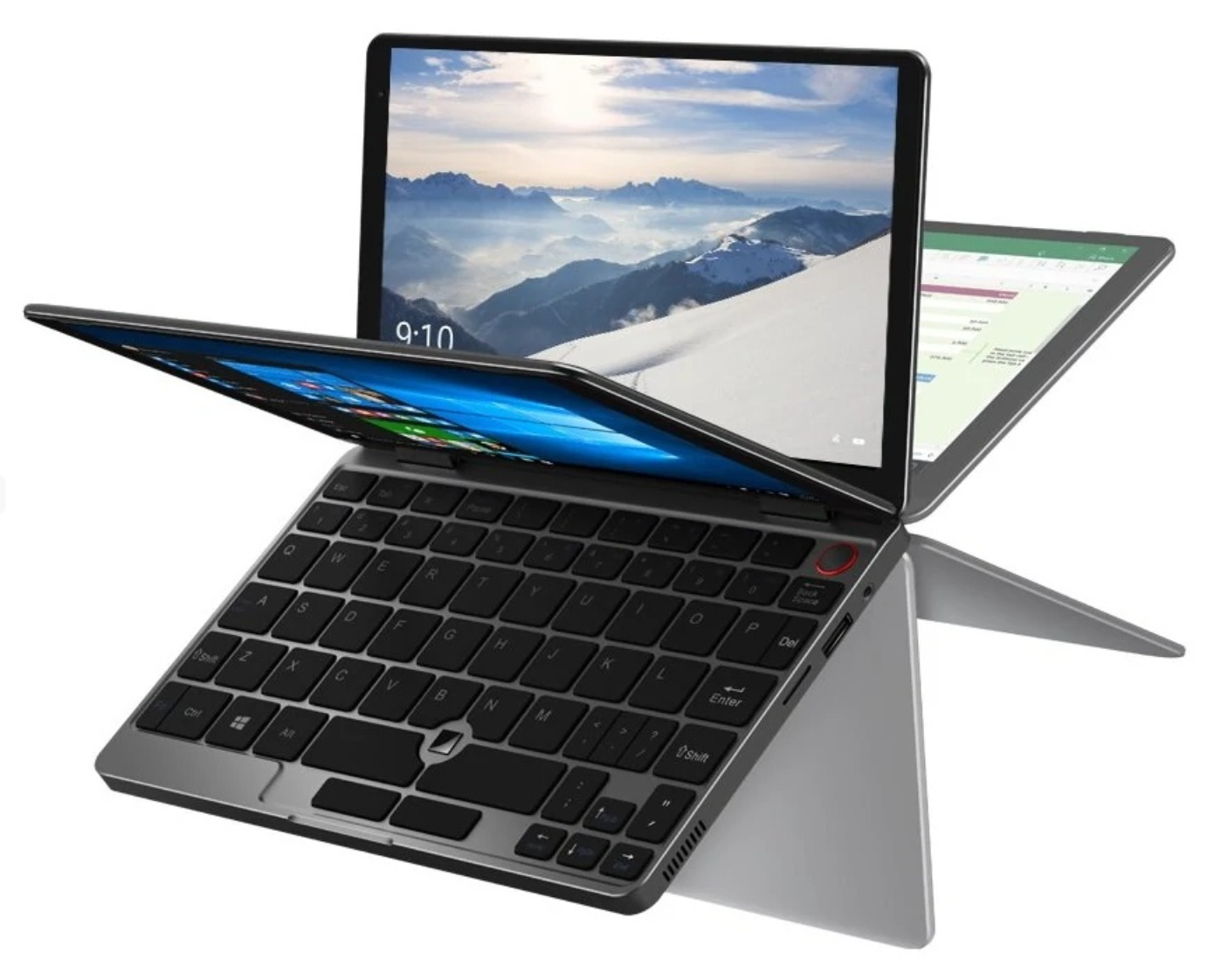
The latest iteration of the Chuwi MiniBook laptop has an 8-inch touchscreen powered by Celeron J4125 CPU. The Chuwi MiniBook Yoga 3-in-1 computer, as it is called, is priced at $330 which is lower than the $430 price tag of its predecessor.
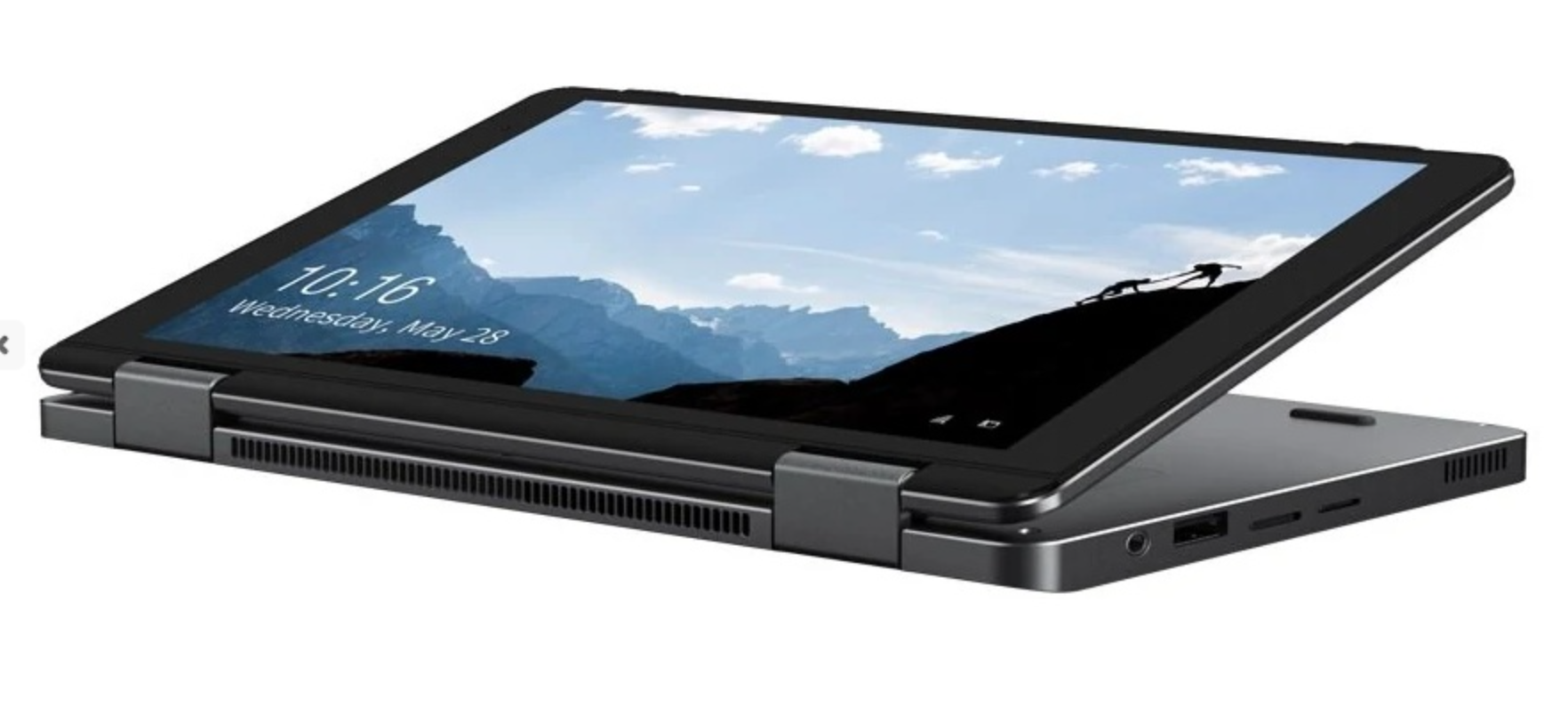
The Chuwi MiniBook Yoga has a 360-degree hinge that allows the user to transform the computer into a tablet or laptop. It seems to have been released at a time when the original MiniBook has been out of stock. Its Celeron processor offers 6GB of RAM and 128GB of internal storage. Bearing a striking semblance with the original Chuwi MiniBook, the new model has a 26.6kWh battery and the same set of ports as its predecessor. It is also having similar weight and size as the original model.
The Chuwi MiniBook Yoga has a 2MP webcam, while both Wi-Fi 5 and Bluetooth 4.2 connectivity are available. There is an optical touch sensor while the power button sensor has a fingerprint sensor. It should be noted that the Intel Celeron J4125 is a 10W, 4-core chip that offers a performance boost from its predecessor.
The $330 pricing of the latest Chuwi MiniBook and its decent features makes it a likely high-demand product. The Chuwi MiniBook Yoga is available on Banggood.
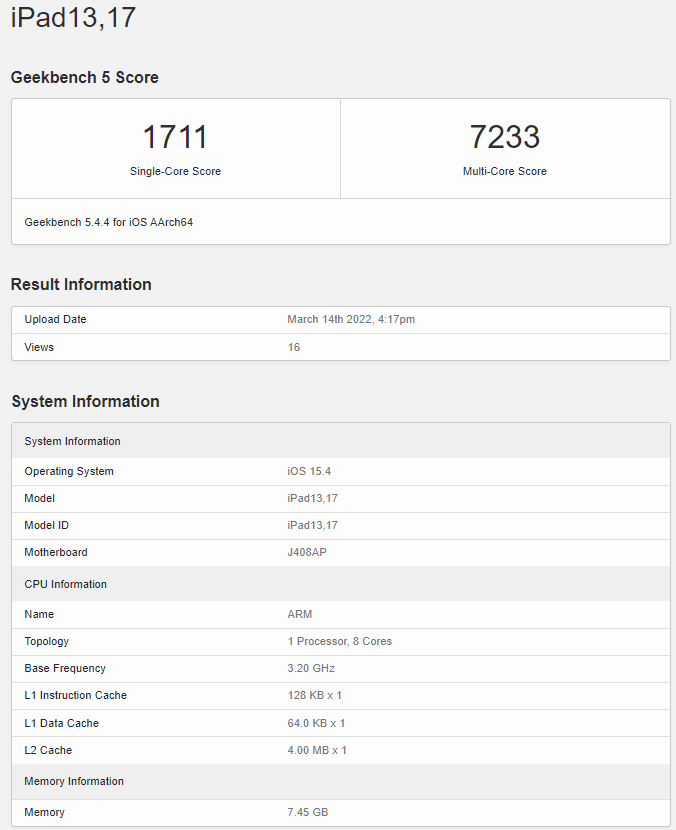
The recently launched fifth-generation Apple iPad Air aka the iPad Air 5 has just been put through the Geekbench benchmarking test, and the results are actually quite surprising.
The M1 powered iPad Air 5, which is showing up as iPad 13,17 on Geekbench has managed a score of 1711 points on the single-core test and 7233 points on the multi-core test. The results are on par with the current 11-inch iPad Pro which also rocks the M1 chip and usually scores around 1718 in single-core tests and 7313 in multi-core tests.
The listing also reveals that the Cupertino giant has not downclocked the M1 chip on the iPad Air 5 which is showing a clock speed of 3.20 Ghz. This is the real surprise here as Apple has not downclocked it as they did with the A15 Bionic chip on the sixth-gen iPad mini.
For those unaware, the M1 chip is a powerful processor from Apple which was first introduced with the MacBook Air, 13-inch MacBook Pro, and Mac mini in November 2020. The chip consists of an 8‑core CPU, 8‑core GPU, and a 16‑core Neural Engine.
iPad Air (5th-generation) specs & features
The iPad Air features a 10.9-inch Liquid Retina Display with 1640 x 2360p resolution, a peak brightness of 500 nits, and HDR support. Apple has made no reference to ProMotion so it has a standard 60Hz refresh rate. It also offers P3 wide color gamut, True Tone, and an anti-reflective screen coating.
Internally, the tablet is powered by Apple Silicon’s M1 processor paired with 8GB unified memory. It also features 5G connectivity.
For photography, the device gets a 12-megapixel camera sensor on the back and a 12-megapixel sensor on the front, which supports the Centre Stage feature from Apple.
The power button on the tablet also includes a Touch ID sensor for biometric authentication, which is located at the top of the device. It also comes with landscape stereo speakers. There’s also a USB Type-C port with data transfers up to 10Gbps.
Similar to the previous-generation model of the iPad Air, this one too is compatible with accessories from the company, including Apple Pencil, Magic Keyboard, Smart Keyboard Folio, and Smart Folio covers.
The Apple iPad Air comes in five colors — Space Grey, Starlight, Pink, Blue, and Purple. It has a starting price of $599 for the base model with Wi-Fi-only connectivity and 64GB internal storage. The device is currently available for pre-order and will start retailing from March 18th.
Chinese smartphone manufacturer Vivo launched the Vivo Y54s in China back in November 2021. The brand is finally preparing to debut the device in Inda.
According to a MySmartPrice report, industry sources have informed that Vivo is preparing to launch the V54s in India in the coming weeks. We can expect the smartphone to launch by the end of March or by early April. As the device is already available to purchase in China, we know all of the specs it has to offer.
Vivo Y54s specs and features
The Y54s sports a 6.51-inch IPS LCD screen with a waterdrop notch, 20:9 aspect ratio, and FullHD+ resolution. The display is surrounded by thin bezels giving the device an 89% screen-to-body ratio.
The device hosts a 5G enabled MediaTek Dimensity 700 SoC paired with 6GB RAM. An extra 2GB of virtual RAM can be borrowed from the internal storage. The phone comes with 128GB of internal storage.
For photography, the smartphone gets a dual-camera setup at the rear consisting of a 13MP main camera having an f/2.2 aperture and a 2MP depth sensor. The camera setup is optimized to deliver features such as Portrait mode, Night mode, Time-lapse, slow-motion video recording, and several others.
The Y54s has a big 5,000mAh battery with support for 18W fast charging. The device charges via a USB-C port and has a side-mounted fingerprint sensor as well as supports AI Face Unlock. The Y54s runs on Android 11-based OriginOS 1.0 and supports Bluetooth 5.1.
The device debuted in china with a price tag of 1,699 Yuan (~$267) which roughly converts to around Rs 20,000.
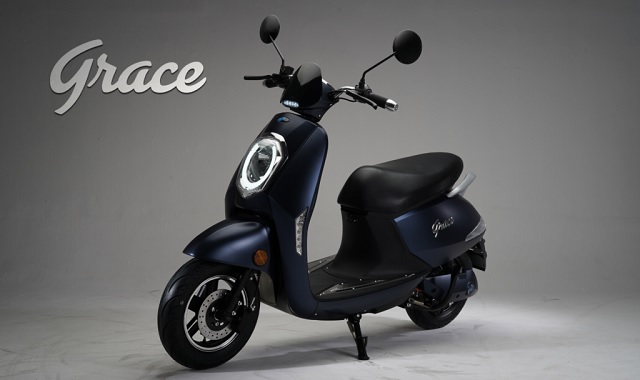
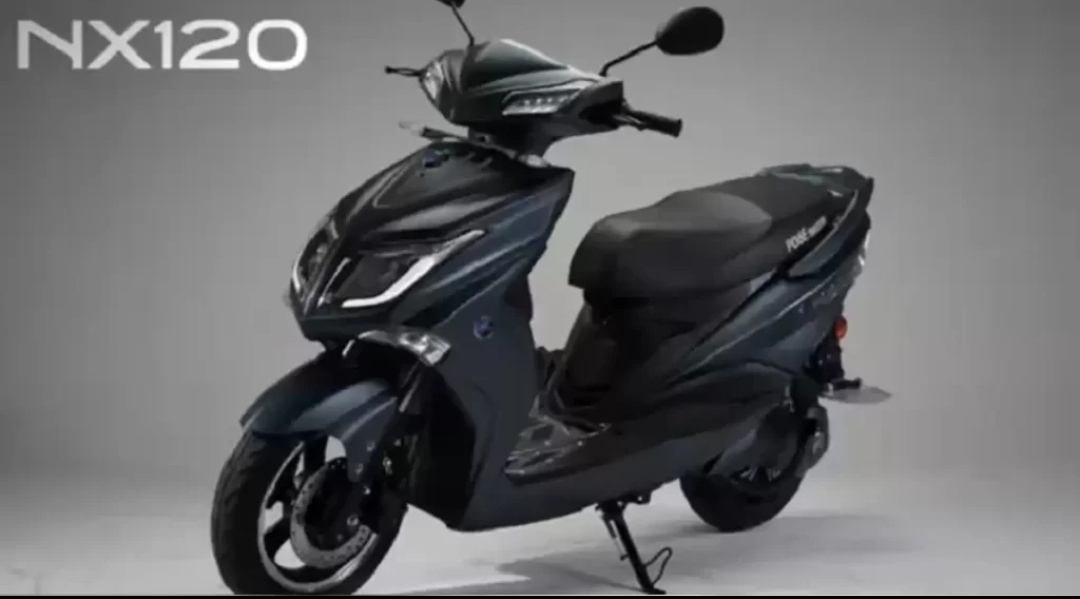
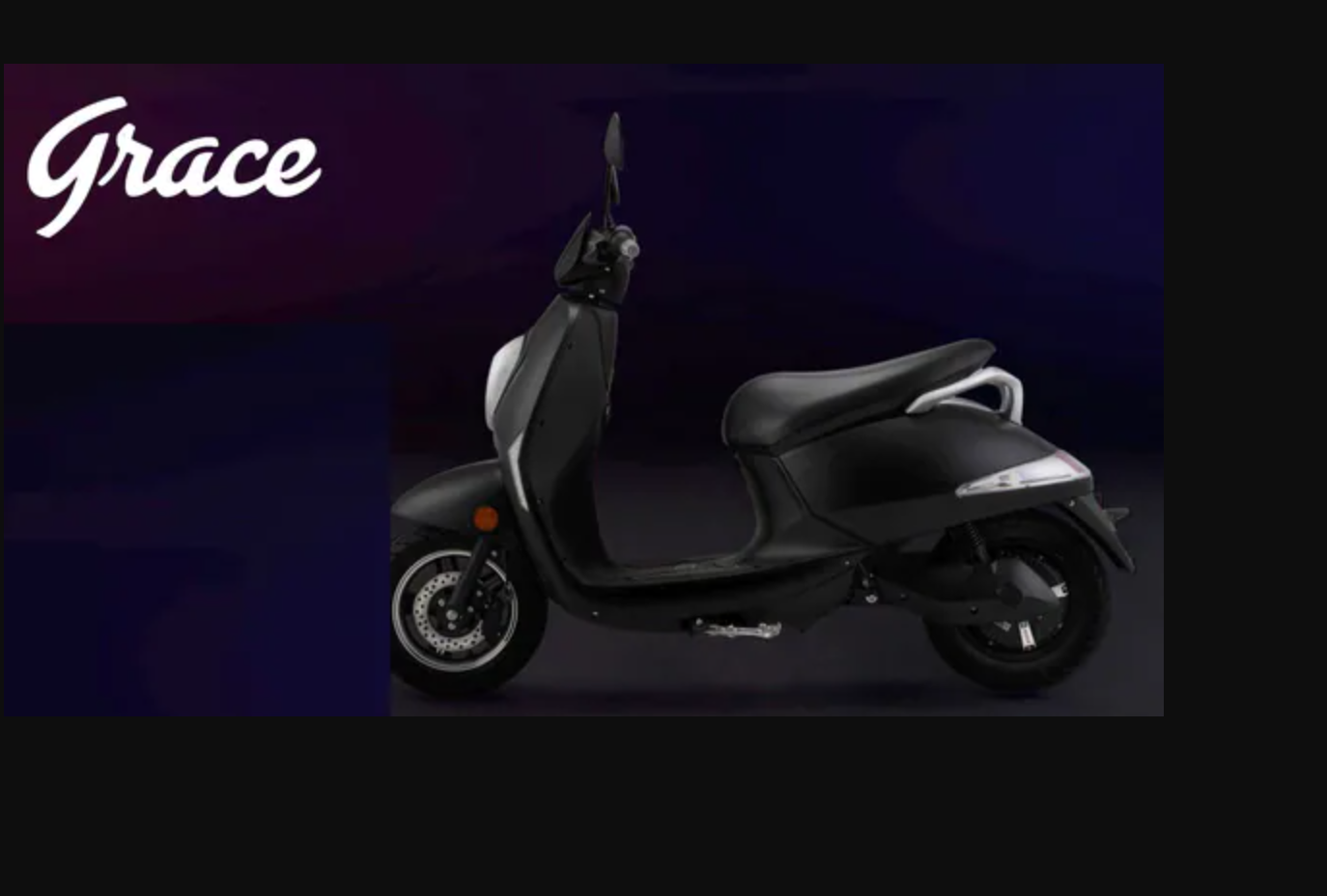
Two new scooters have been unveiled by Nisiki Technologies in India. The Poise NX-120 and Grace electric scooters both come with swappable batteries and range up to 140km. Both models are available in five color options and are priced at Rs. 1,24,000 (~$1619) and Rs. 1,04,000 (~$1,358) respectively. These prices are ex-showroom and will change when other components are factored in.
The swappable battery setup for both the Poise NX-120 and Grace e-scooters offer an extended range for the two EVs. The battery in both models can be charged with 220V mains electricity indoors. Nisiki Technologies says it is also developing the Zuink e-scooter which can deliver speeds up to 90km/h. The new pair of e-scooters cannot achieve speeds beyond 55km/h.
The features available in the Poise NX-120 and Grace e-scooters include Bluetooth connectivity, USB charging ports, tubeless tires, an effective front, and rear braking system, and enough legroom for the rider and passenger.
The new electric scooters are manufactured in the company’s Bangalore facility which has a capacity of 30,000 electric vehicles in 2022, which will be scaled further to about 100,000 EVs by 2023.
According to Vital Bellador, the managing director of Nisiki Technologies, the goal of the company is to strike a balance between technology, breakthrough, cost accessibility, and sustainability. This aligns with the cleaner India initiative that has seen a meteoric rise in the demand for electric vehicles across all segments.
The Poise NX-120 and Grace e-scooters will enjoy battery swapping support across the country, as the company is partnering with swapping stations and P2P charging partners to provide charging points facilities across the country.
We use cookies on our website to give you the most relevant experience by remembering your preferences and repeat visits. By clicking “Accept”, you consent to the use of ALL the cookies.
This website uses cookies to improve your experience while you navigate through the website. Out of these, the cookies that are categorized as necessary are stored on your browser as they are essential for the working of basic functionalities of the website. We also use third-party cookies that help us analyze and understand how you use this website. These cookies will be stored in your browser only with your consent. You also have the option to opt-out of these cookies. But opting out of some of these cookies may affect your browsing experience.
Necessary cookies are absolutely essential for the website to function properly. This category only includes cookies that ensures basic functionalities and security features of the website. These cookies do not store any personal information.
Any cookies that may not be particularly necessary for the website to function and is used specifically to collect user personal data via analytics, ads, other embedded contents are termed as non-necessary cookies. It is mandatory to procure user consent prior to running these cookies on your website.