realme emerged as the fastest-growing smartphone brand in Europe last year with an astonishing annual growth rate of 548%, the latest report released by Strategy Analytics has shown.
The Chinese brand ranked top throughout 2021 in terms of growth despite making an entrance in the continent only in 2019. Its smartphone shipments grew by 500% and 548% in Q4 2021 and full-year 2021, respectively.
However, there were subtle differences between regions — in Central and Eastern Europe, realme grew by 643% year-on-year, while in Western Europe, it grew by 416% year-on-year in 2021.
Via Strategy Analytics
The company also managed to squeeze into the top 5 brands for the first time last year and is now only topped by Apple, Samsung, Xiaomi, and OPPO (in terms of market share). In Western Europe, realme rose from 13th place in Q4 2020 to 5th place in Q4 2021. And similarly, in Central and Eastern Europe, the company rose from 13th place in Q4 2020 to 4th place in Q4 2021.
Strategy Analytics believes that the right marketing strategy, diverse product portfolio, competitive product specifications, and aggressive pricing together were the driving force behind realme achieving such rapid growth.
The BBK Electronics subsidiary had only this month officially announced its penetration into the top 5 ranking in Western Europe, citing Counterpoint Research figures.
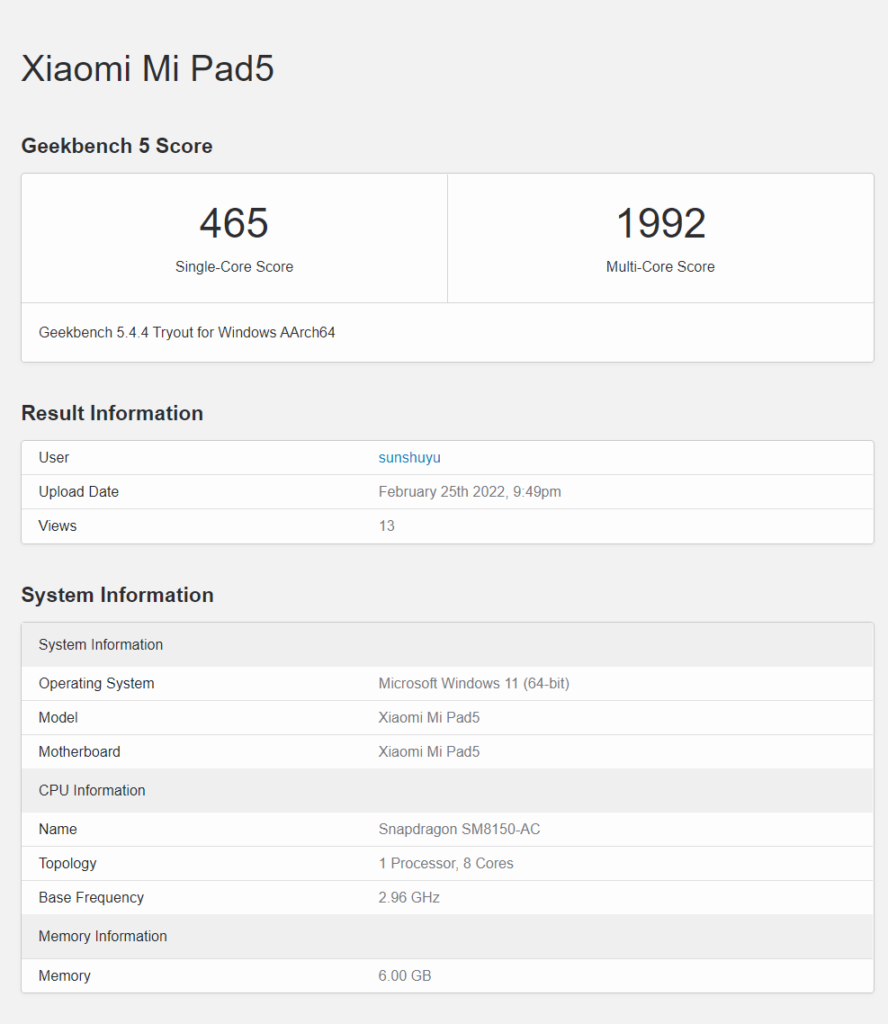
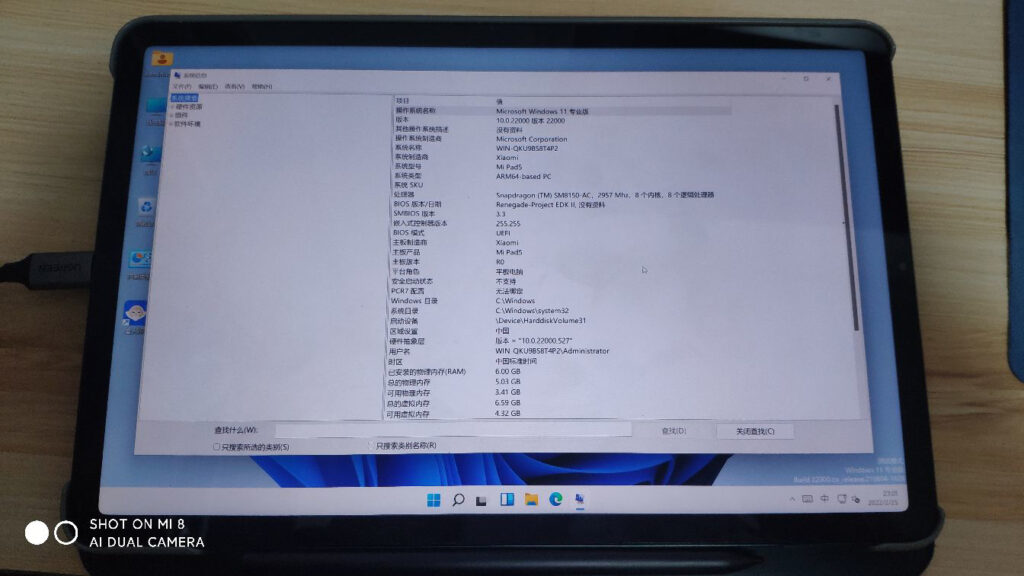
A developer was able to boot Windows 11 ARM on the Android-running Xiaomi Pad 5 earlier in November 2021. And fast forward to now, another dev has taken advantage of the previous project and has seemingly made some improvements to get it running better. While a couple of kinks still remain to be ironed out, that hasn’t stopped them from running Geekbench on the tablet and flexing its scores.
The Xiaomi Pad 5 running Win11 ARM64 has managed to score 465 and 1,992 points in the single-core and multi-core tests respectively. This is well under the tablet’s 780 and 2800 scores when it’s running stock software but is still a start nevertheless.
The developer behind the feat goes by the username @PaluRookie on Weibo (via IT Home) and has said that there’s currently a problem with the PEPs (Platform Extension Plug-ins) driver. The GPU is also non-functional due to its driver being missing, but we hope that to see both issues resolved soon.
The entire thing appears to make use of the WOA (Windows on ARM) project — a community initiative to get newer versions of Windows to work on older Lumia and new Android devices since the OS no longer supports mobile phones. It was earlier based on Windows 10 for ARM, but with better ARM support on Windows 11, devs are now rushing to get more mobile devices to run the desktop OS.
Researchers at the Chemnitz University of Technology have presented the world’s smallest battery to date as an application-oriented prototype and it shows “encouraging energy storage performance at the sub-square-millimeter scale.” Sized as tiny as a grain of dust, it can already power the world’s smallest computer chips for about ten hours.
The battery has been developed for smart dust applications, which are basically tiny microelectronic devices — an example being biocompatible sensor systems.
To date, micro-battery solutions either outputted too low power, had limitations concerning the usage environment, or were simply not small enough. But the new battery solution can eliminate these shortcomings.
To achieve it, the research team employed the same process that’s used by Tesla to manufacture batteries on a large scale for its electric cars. A “Swiss-roll” or “micro origami” procedure is used to create a product compatible with existing chip manufacturing technologies while being capable of producing high output.
Specifically, the battery’s size is under 1mm² with a minimum energy density of 100 microwatt hours per square centimeter, but it can still be integrated on a chip.
The tech obviously has not been developed with smartphones in mind so to dream about the next iPhone with a dust-sized battery unit would be a stretch. Still, researchers hope to see its deployment into micro- and nanosensors in areas like IoT, miniaturized medical implants, micro-robotic systems, and ultra-flexible electronics.
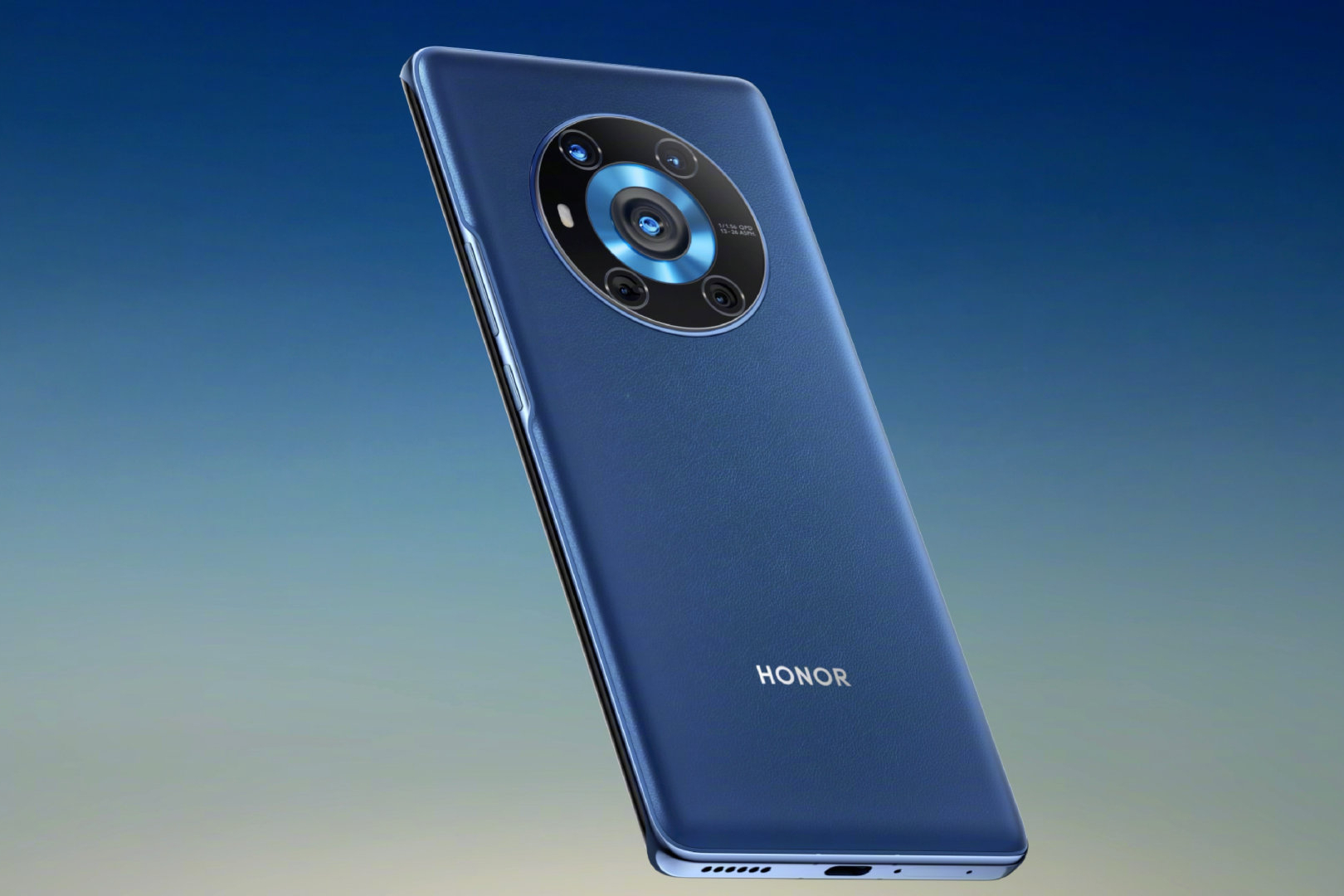
The Mobile World Congress (MWC) 2022 is scheduled to kickstart on February 28. However, we won’t be witnessing the launch of multiple smartphones from popular brands. That’s because most of them have already announced their latest models in the last few days. The only major new handsets that are planned to go official at MWC are the HONOR Magic4 series and Lenovo Y90 (aka Lenovo Legion Phone 3).
Other than the aforementioned devices, the rest of them are making their way to new markets like India and Europe. Finally, there will also be a launch of a China-exclusive realme phone.
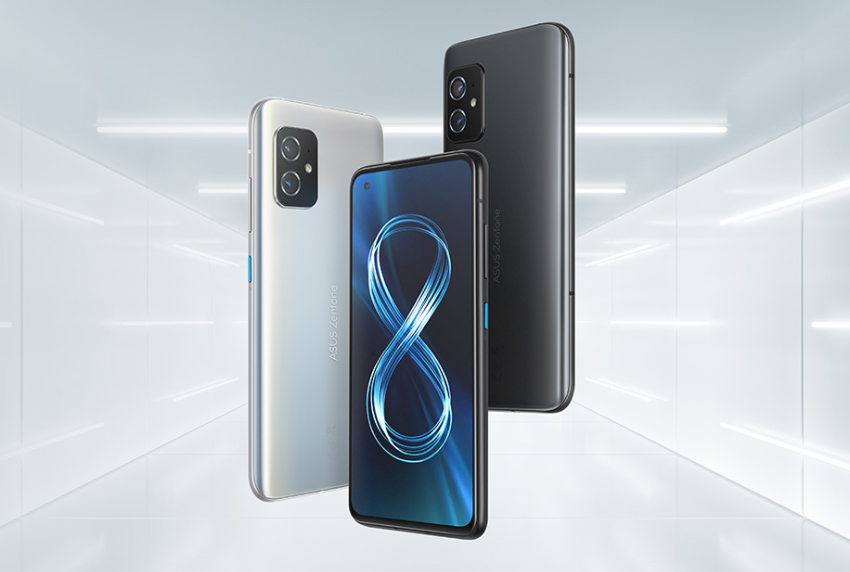
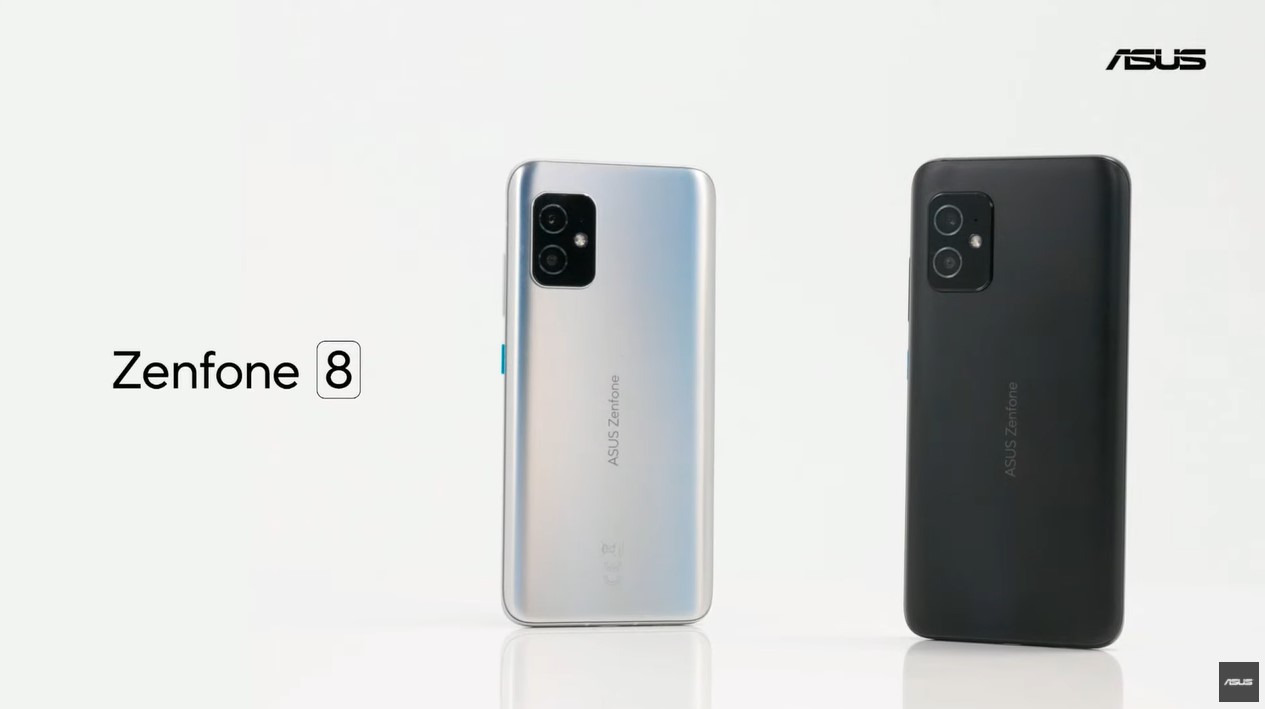
The ASUS 8Z (aka Zenfone 8) is finally heading to India on February 28 after a long-delayed launch. The compact flagship Android smartphone was unveiled back in May 2021.
The key highlights of this device include a 5.9-inch FHD+ 120HZ AMOLED display, Qualcomm Snapdragon 888, 64MP (wide) + 12MP (ultra-wide) dual-camera setup, 12MP selfie camera, in-screen fingerprint sensor, dual stereo speakers, 3.5mm headphone jack, 4,000mAh battery, and 30W fast charging.
The launch event will be streamed at 12 PM on the official YouTube channel of ASUS India.
2. POCO X4 Pro 5G and POCO M4 Pro
POCO X4 Pro 5G
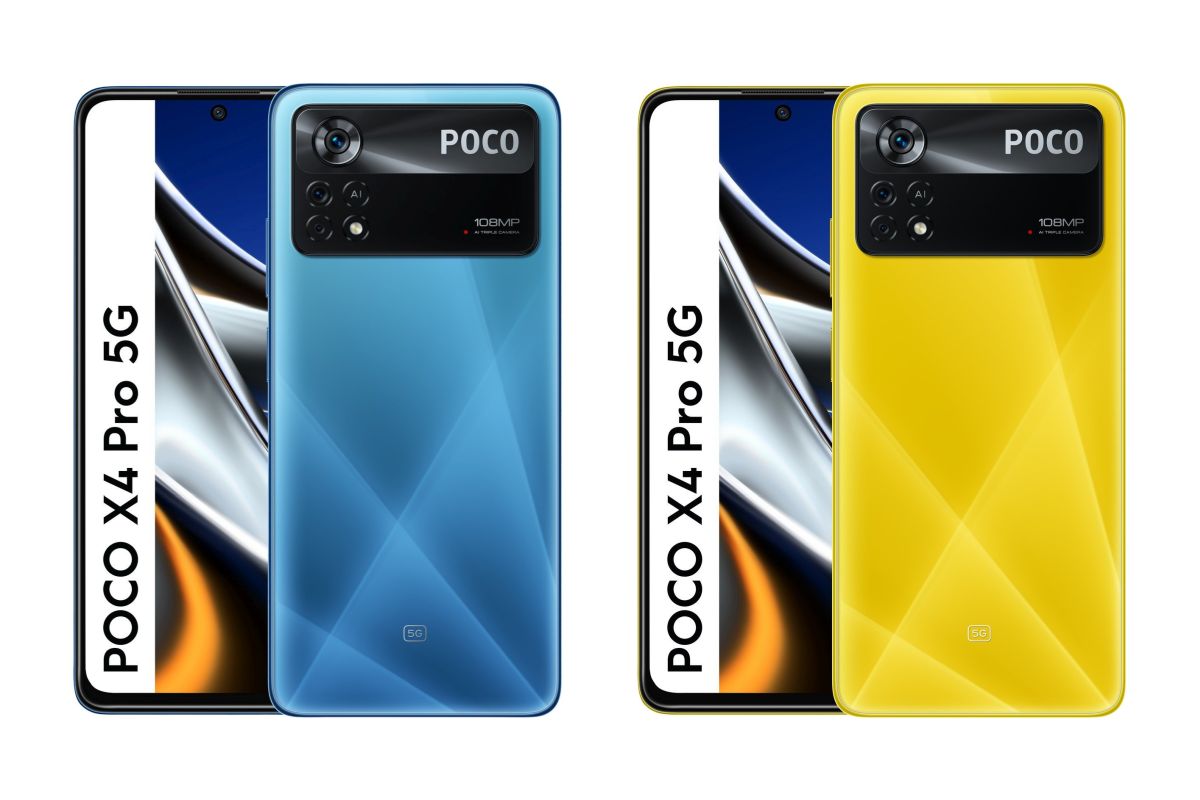
POCO has confirmed to launch the POCO X4 Pro 5G and POCO M4 Pro on February 28. The duo will be announced by the ‘Global’ wing of the brand at 8 PM GMT+8. This event will be followed by a conference by the ‘Indian’ division of the brand for POCO M4 Pro at 7 PM IST. The events will be streamed on their respective official YouTube channels.
As far as features are concerned, the upcoming POCO X4 Pro 5G and POCO M4 Pro are nothing but tweaked versions of the international Redmi Note 11 Pro 5G and Redmi Note 11S. Apart from minor changes, they are also expected to cost lower
3. HONOR Magic4 Series
HONOR Magic3
HONOR scheduled its February 28th MWC 2022 event at the end of January itself. Over the days with multiple teasers, the brand recently confirmed that it will be debuting the HONOR Magic4 series at this conference. The live stream will begin at 1 PM CET on the official YouTube, Facebook, and Twitter handles of the company.
Like its predecessor, the HONOR Magic4 series is rumored to include three models, namely HONOR Magic4, HONOR Magic4 Pro, and HONOR Magic4 Pro+. All three of them are said to offer high-end specs and will likely carry premium price tags. You can learn more about their leaked specifications in detail from here.
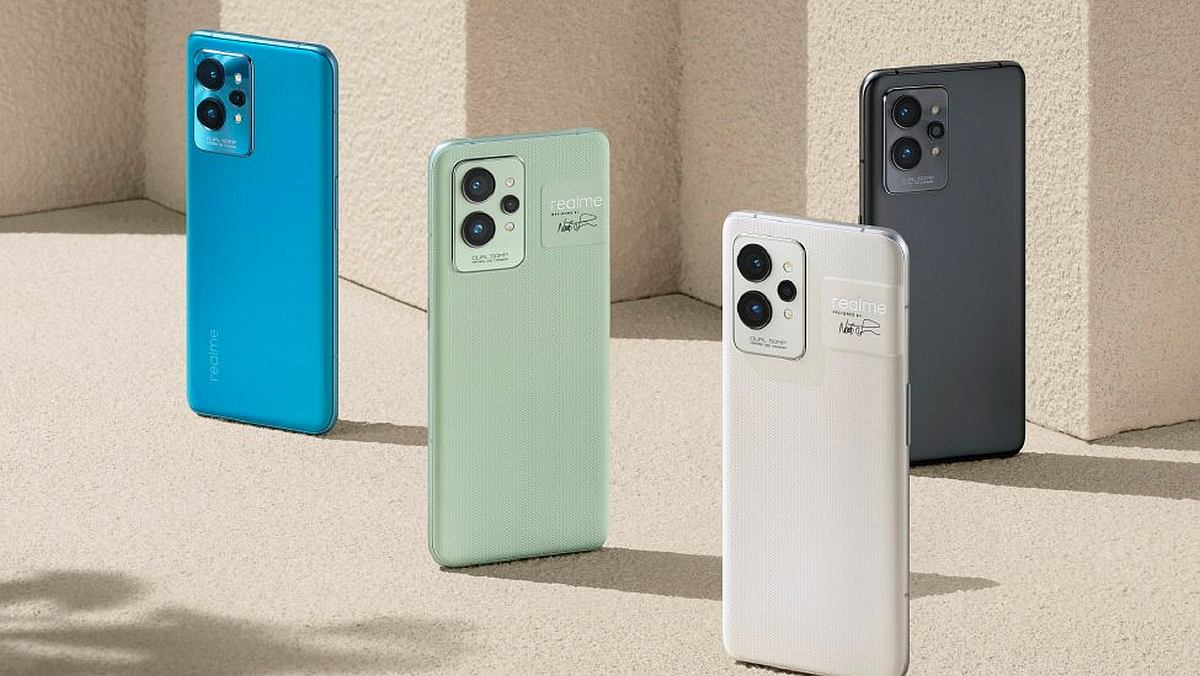
4. realme GT2 Series
realme GT2 Pro
The realme GT series consisting of realme GT2 and realme GT2 Pro will be announced for international markets on February 28. The launch event will be streamed from 10 AM UTC+1 on the official YouTube and Twitter handles of the company.
Talking about features, these handsets are expected to be the same as the models released in China in January. The vanilla and pro variants are rumored to start at €539 and €789 respectively.
Apart from phones, realme has also confirmed to announce the world’s fastest smartphone charging tech at this conference. Recently, we exclusively reported that this technology could be based on 200W.
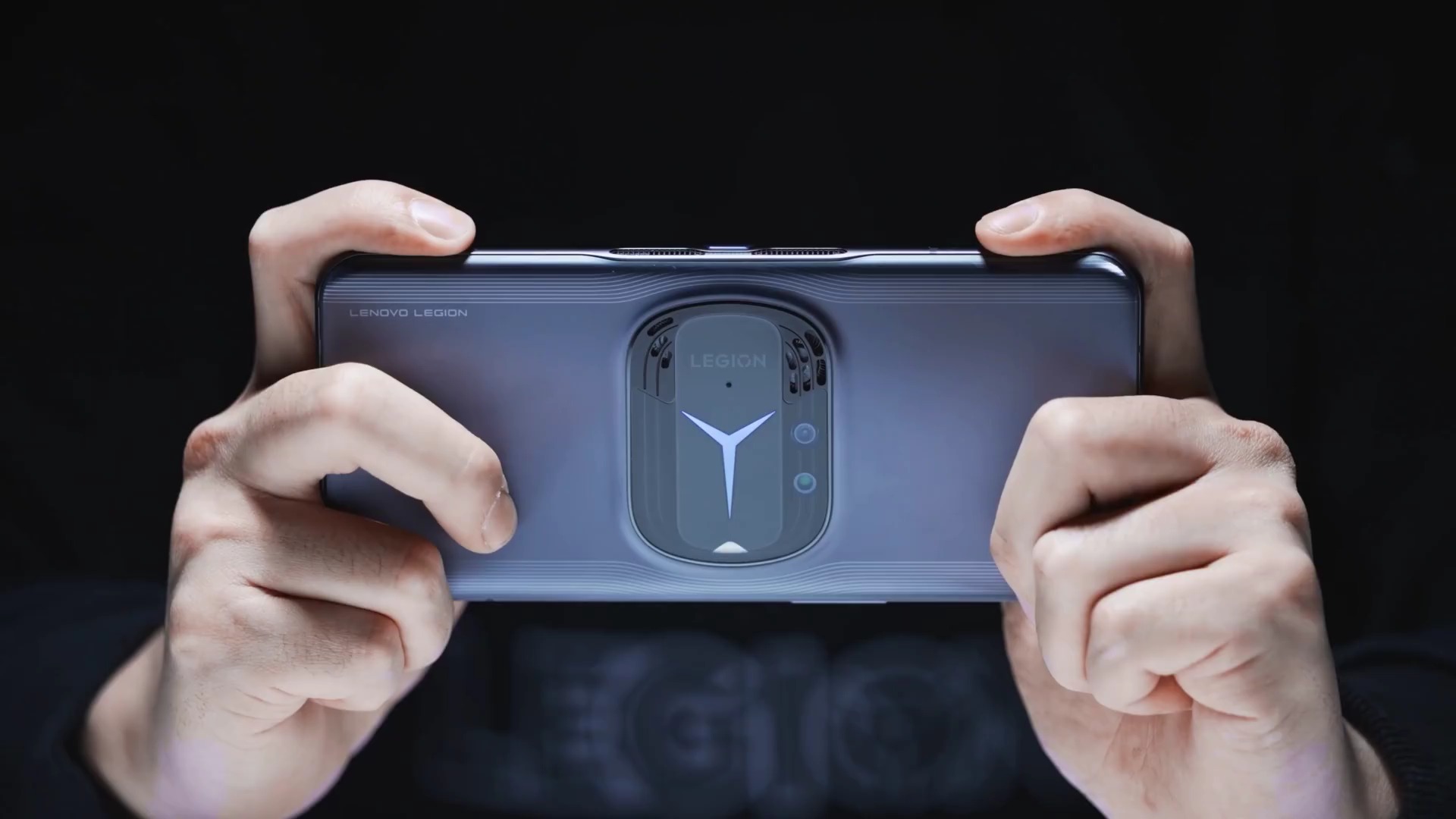
5. Lenovo Legion Y90
Lenovo Legion Y90
We have been hearing about Legion Y90, a gaming smartphone Lenovo, for months. The company recently confirmed to debut this handset in China on February 28. It will be accompanied by a gaming tablet called Legion Y700. The conference will be streamed on Weibo and other local video platforms from 7 PM CST.
Lenovo is also expected to announce the Legion Y90 as Legion Phone 3 for international markets at MWC 2022. Unfortunately, we do not know for sure when this announcement will happen. Anyway, we cannot rule out the possibility of the same day.
Talking about specs, you can learn all about them from here as the company had already revealed everything officially.
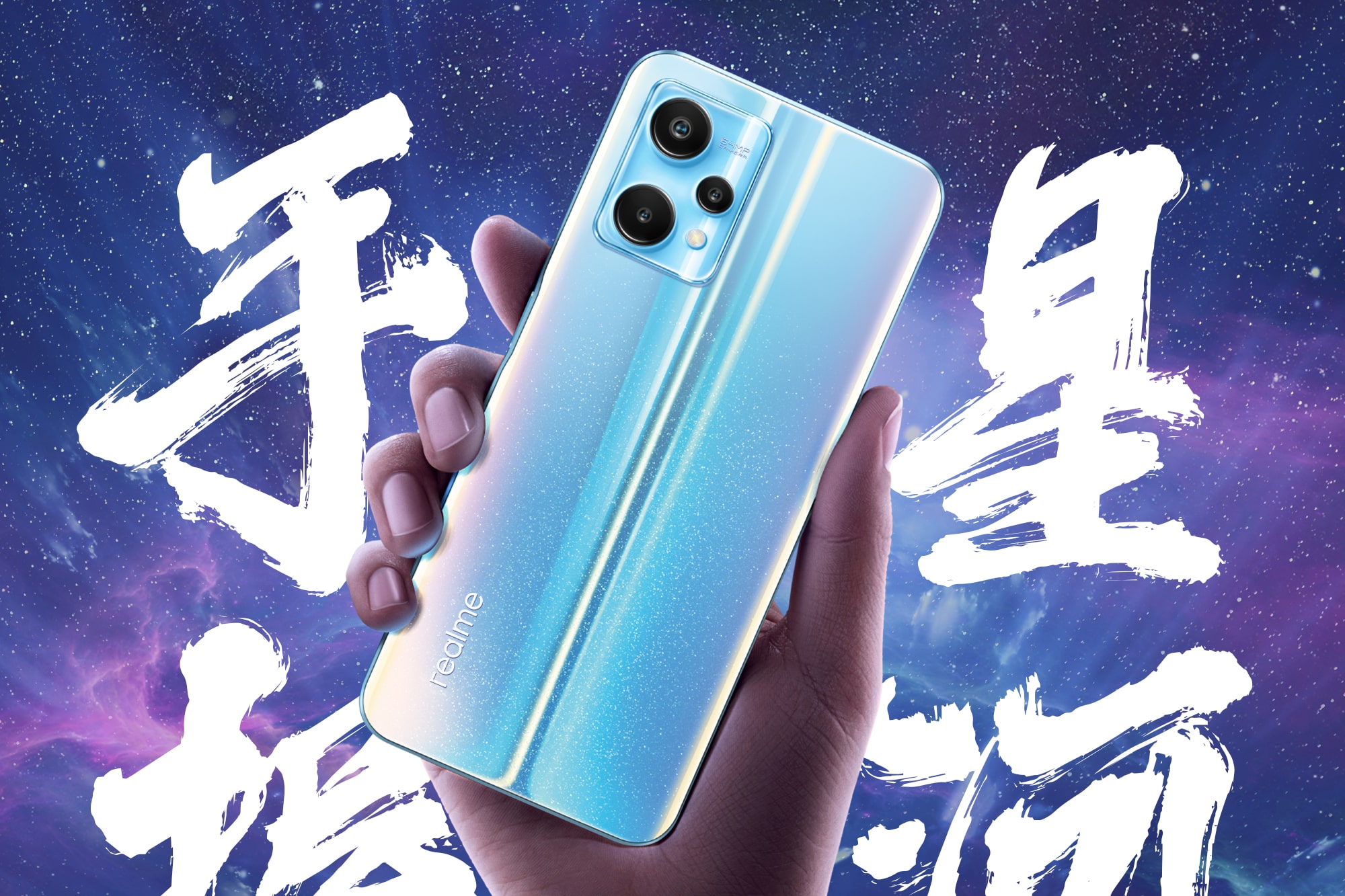
6. realme V25
The realme V25 is scheduled to launch in China on March 3. The conference for the handset will be live-streamed from 2 PM CST on Weibo and other video platforms.
According to reports, the upcoming realme V25 is expected to be a tweaked version of realme 9 Pro. It is said to come with features like a 6.58-inch 120Hz display (LCD), Qualcomm Snapdragon 695 SoC, 64MP + 2MP + 2MP triple camera setup, 16MP selfie camera, realme UI 3.0 based on Android 12, 5,000mAh battery, 33W fast charging, 8.5mm thickness, and 195g weight.
Faraday Future has now unveiled its production-intent FF 91 luxury electric vehicle (EV) stressing that it is the first true luxury EV. The event was done at the company’s Hanford, California production facility. This is a pre-production model which bears close semblance to Faraday Future’s electric crossover model that was announced in 2017 but could not meet up the production timeline since 2018.
Faraday Future states the FF 91 production-intent version features several production-spec components and several units will be produced in the coming months for testing, validation, and final certification of the EV. The company is optimistic that the FF 91 could begin commercial production before the turn of the year, preferably early Q3, 2022. The company through its Vice President of Manufacturing, Matt Tall notes that being able to get a production-intent model of the FF 81 is a milestone in the company’s pursuit of delivering the premium luxury EV within its specified timeline.
The FF 91 runs on the Variable Platform Architecture with a stated driving range of 608km from its 130kWh battery. The tri-motor all-wheel-drive system of the FF 91 features rear torque vectoring and a combined output of 783kW. The FF 91 could therefore accelerate from 0 to 96km/h in 2.39 seconds. The interior of the FF 91 has multiple displays up to 11 and a cumulative viewing length of about 100 inches. The interior also features zero-gravity seats, a super-fast internet connection, and an expansive rear seat area for added comfort.
Faraday Future says the FF 91 will reset customer expectations with an unparalleled experience for both the driver and passengers. As per the company’s claims that the FF 91 will be the first true luxury EV, that could be a marketing strategy, as there are currently some premium luxury EVs from Mercedes, BMW, Tesla, and Audi, to mention a few of the heavy hitters in the luxury EV segment.
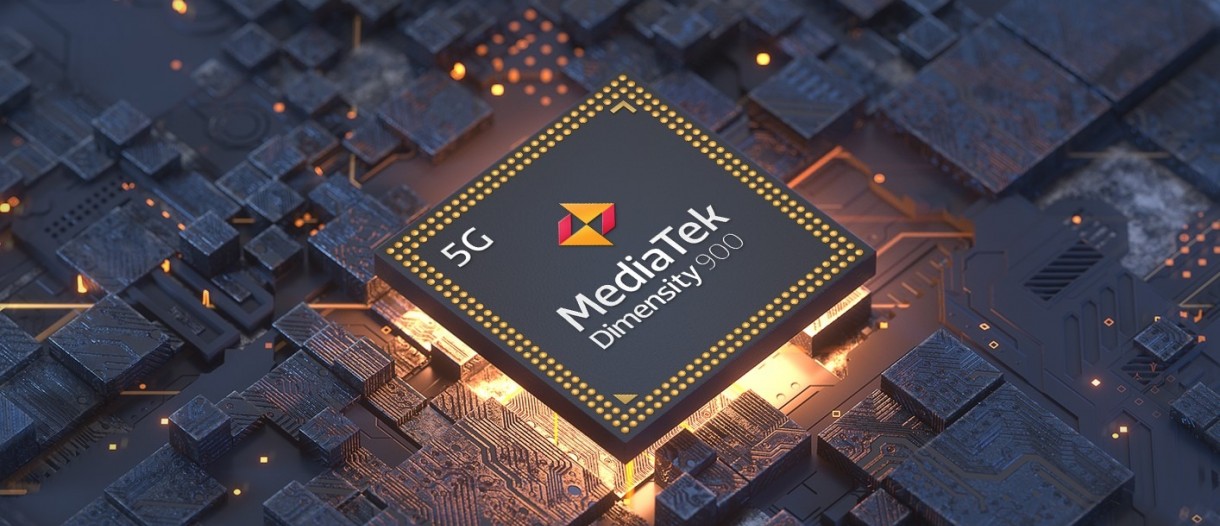
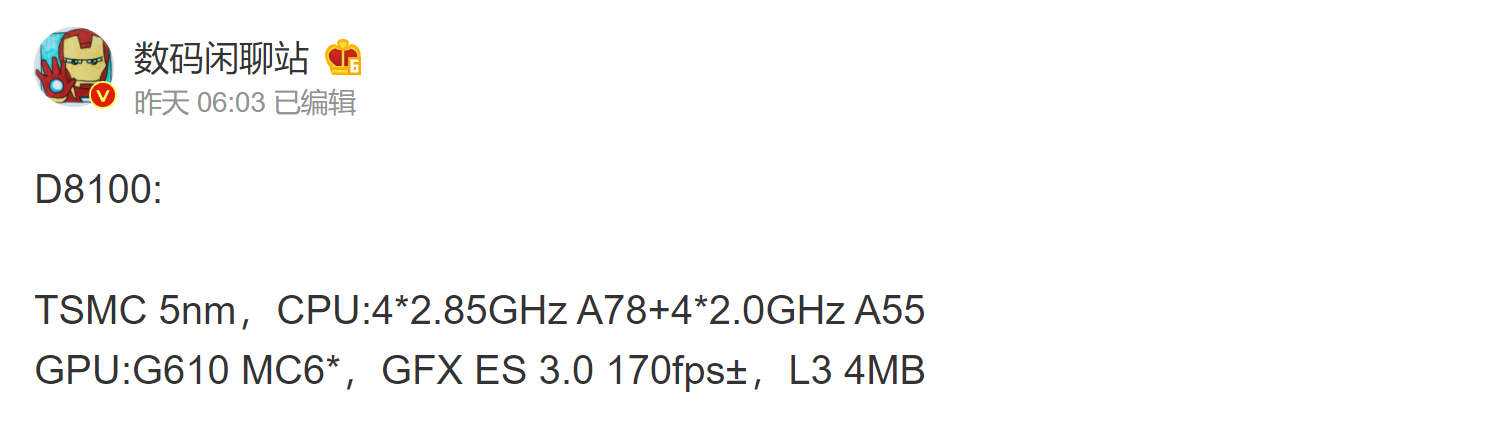
A tipster has provided key specifications of MediaTek’s upcoming Dimensity 8100 chipset and speculates that the chip could debut next month on a Redmi device. The Weibo tipster goes by the identity Digital Chat Station and says the Dimensity 8100 will have four Cortex-A78 cores that could peak at 2.85GHz together with four Cortex-A55 cores running at 2.0GHz.
There are some doubts as to the actual GPU specification between G610 MC5 and G510 MC6. The Dimensity 8100 is built through TSMC’s 5nm manufacturing process with support for both LDDR5 memory and UFS 3.1 storage. Digital Chat Station also provided some performance data of the Dimensity 8100 that indicates that it could square up nicely with Qualcomm’s Snapdragon 888 SoC which debuted last year.
The performance results and the overall specs sheet point to the likelihood that the Dimensity 8100 is a chip for mid-range smartphones but could be on the higher reaches of the segment. Although there are no ways of establishing the authenticity of the leak at this time, the released details attune and follow a similar trajectory with that of the Dimensity 8000 benchmarks which surfaced days back. In addition, it is unclear whether indeed the chip will debut on a Redmi smartphone and the name of the specified smartphone.
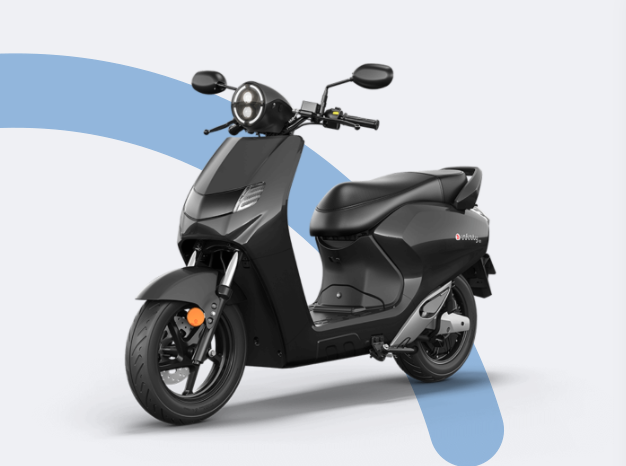
Back in December 2021, Bounce announced the Infinity E1 in the Indian market as the country’s first swappable battery electric scooter. The electric scooter was on pre-booking after its launch with the actual product yet to hit the market. Now, Bounce has announced that it will start test rides in 7 different cities in the Indian market.
Bounce has revealed that the electric scooter will be finally available in the market for a test ride. In fact, it is already available for test rides in Banglore as per its February 24 schedule.
It will be followed by the schedule in Delhi NCR on March 4 and Kochi a few days later, on March 10. Starting from March 15, the electric scooter will be available for test rides in other Major cities like Mumbai, Pune, Hyderabad, and Chennai. The company is also expected to include other cities soon.
In case you pre-booked the scooter or want to try it out by taking a test ride, you can visit the company’s official website. Also, the company is said to allot delivery schedules for all the buyers of the Infinity E1. The company will also be offering the electric scooter in financing options soon.
The Bounce Infinity is priced at Rs. 68,999(~$919) for the electric scooter along with the battery. It costs Rs. 45,099(~$600) for the model without the battery. For that price, the electric scooter offers a range of 85 kilometers on a single charge. It is IP67 rated and has 12-inch wheels.
Swiss smartwatch maker Garmin is considering a more improved approach to solar charging of its smartwatches as shown from a recent patent connected to the company. There is a growing trend in the smartwatch market that has seen several manufacturers unveil smart wearables with solar charging functionality and improved outdoor visibility. This offers extended battery life for the smartwatches and there are some high-end solar-charging models with record-setting battery lives. Garmin has registered a new smartwatch OLED display patent that points to the direction of longer battery life while improving the OLED display experience.
The patent document indicates that Garmin is pursuing such technology in its OLED display that allows the company to use energy-collecting display modules to charge future Garmin watches. The photovoltaic cells will be scattered around the OLED display subpixels. Garmin has a few smartwatches that deploy solar charging via the memory in pixel (MIP) displays, but the new OLED display solar charging technology should outperform the MIP approach. The new patent technology, when operational, could offer a higher refresh rate and improved visibility in direct sunlight.
There are bright implications when the new OLED display patent transits into a full-blown proprietary technology by Garmin. Current Garmin smartwatches with solar charging could be improved significantly and newer, more efficient models will also be released. However, there are no further details about the stage of the patent and the progress of the development of the technology.
Although the Apple MagSafe battery pack was a great product when it was released, subsequent reviews of the device illuminated some important drawbacks. The issues are related to the capacity, connectivity, and also pricing. The observed shortcomings of the Apple MagSafe battery pack may have led to the development of several similar MagSafe battery packs from other manufacturers.
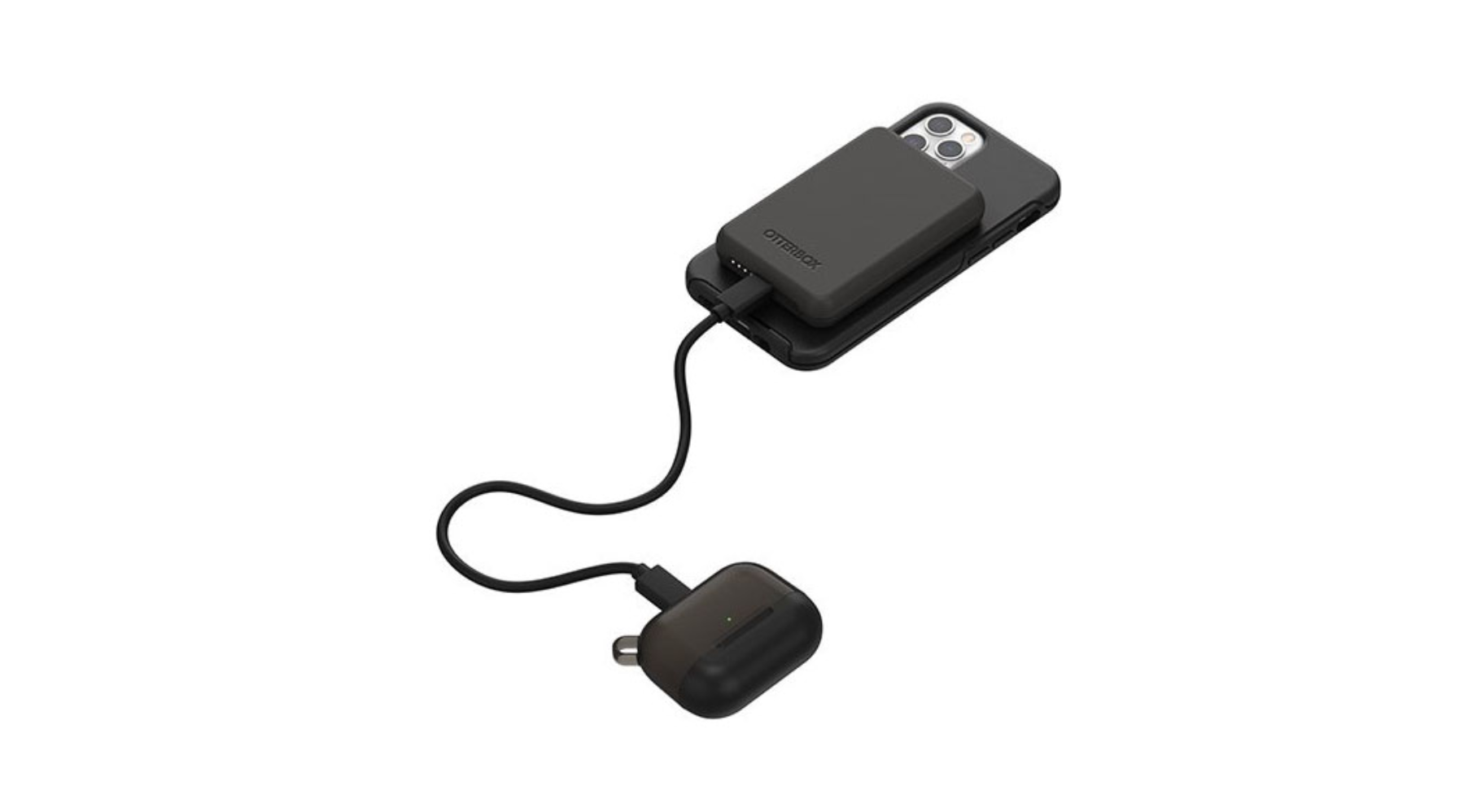
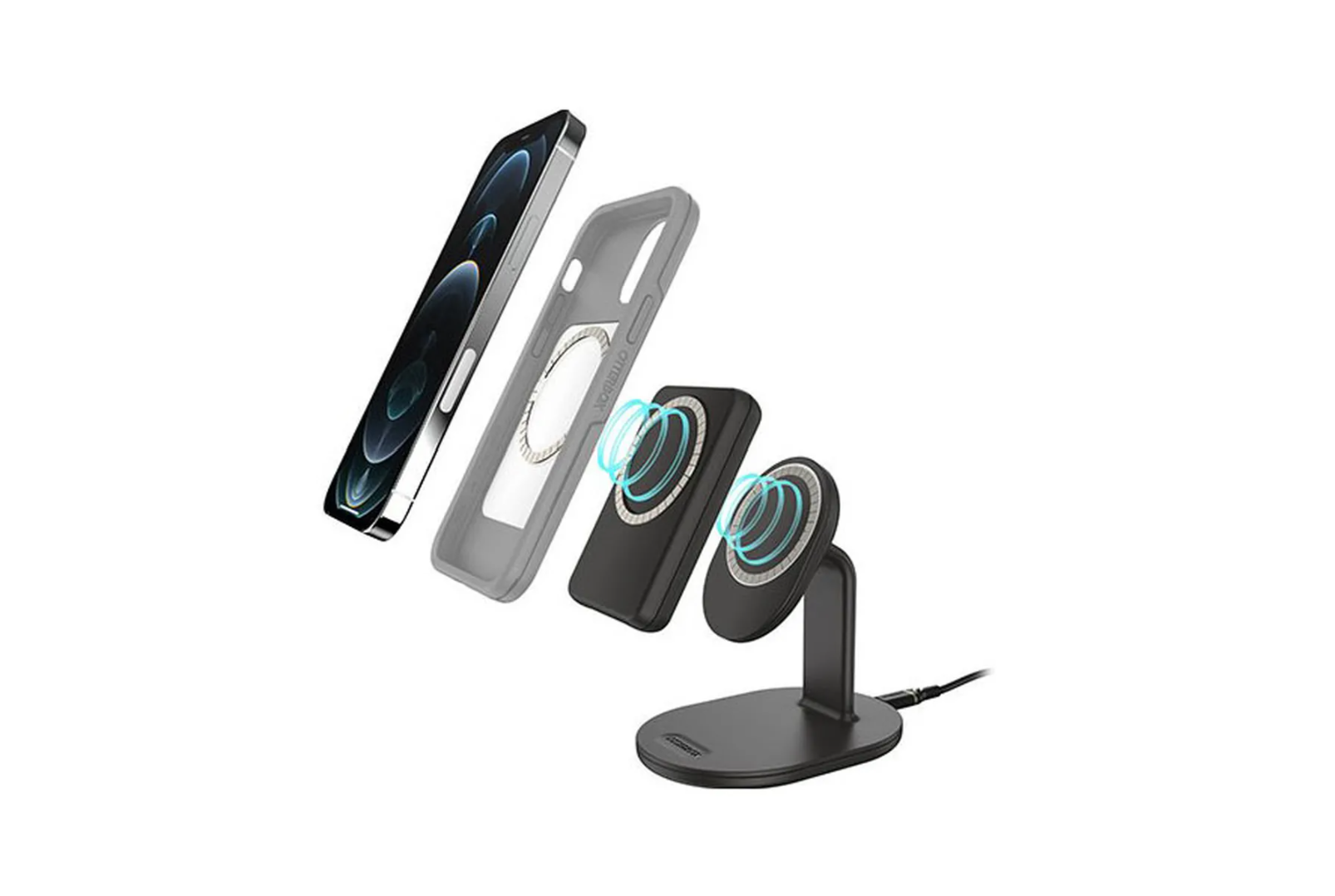
The OtterBox MagSafe battery pack is the latest device that measures up squarely against Apple’s and it seems it is standing shoulders above the Apple MagSafe battery pack on many fronts. The new battery pack for iPhones and other devices comes with a better capacity, a more affordable price, and more compatible features. The OtterBox MagSafe wireless power bank offers charging options of 5,000 mAh ($69.99) and 3,000 mAh ($49.95).
The OtterBox MagSafe power bank has double-sided magnets that allow the battery to sandwich itself between a compatible charging case and a dock, thus charging both the phone and the charging pack simultaneously. The OtterBox MagSafe pack is compatible with any iPhone or iPhone case with MagSafe charging. The USB-C port also allows the device to function as an external battery for other smartphones or similar devices. Wireless 5W Qi charging is also possible with the OtterBox MagSafe battery pack.
It however remains to be seen how an Apple-centric market will react to this cheaper but non-Apple product which could upend the dominance of the Apple MagSafe battery pack which is priced at around $99.
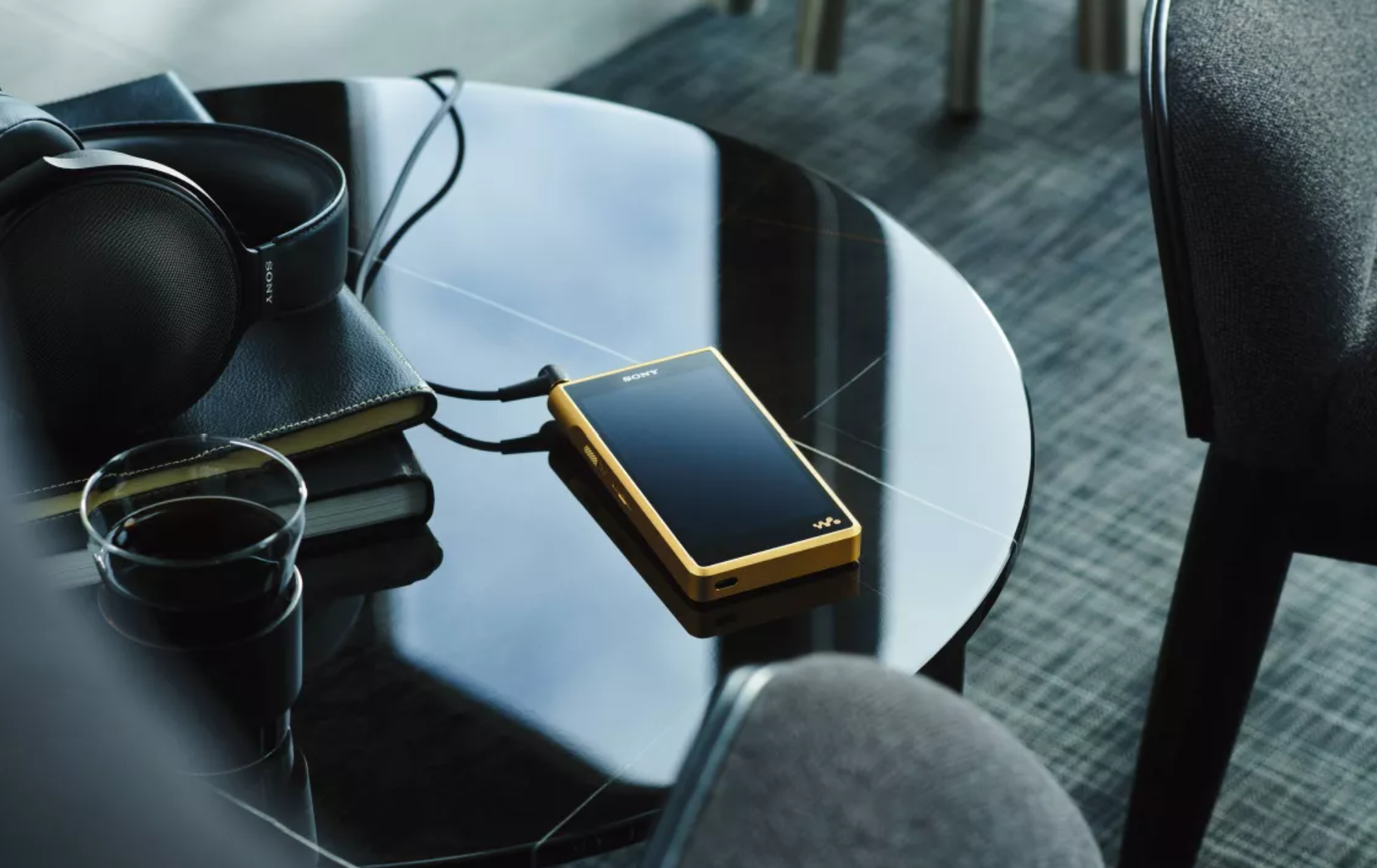
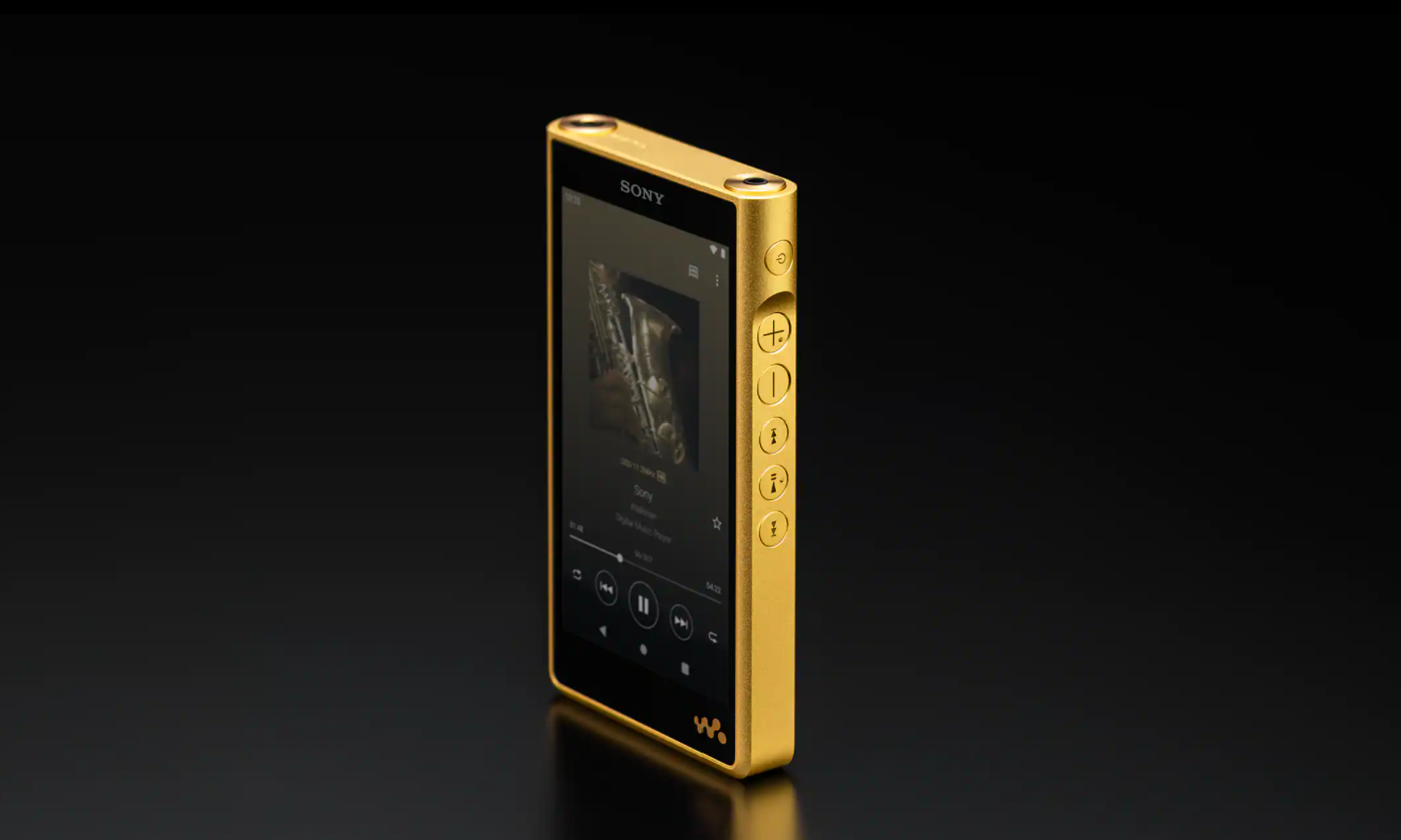
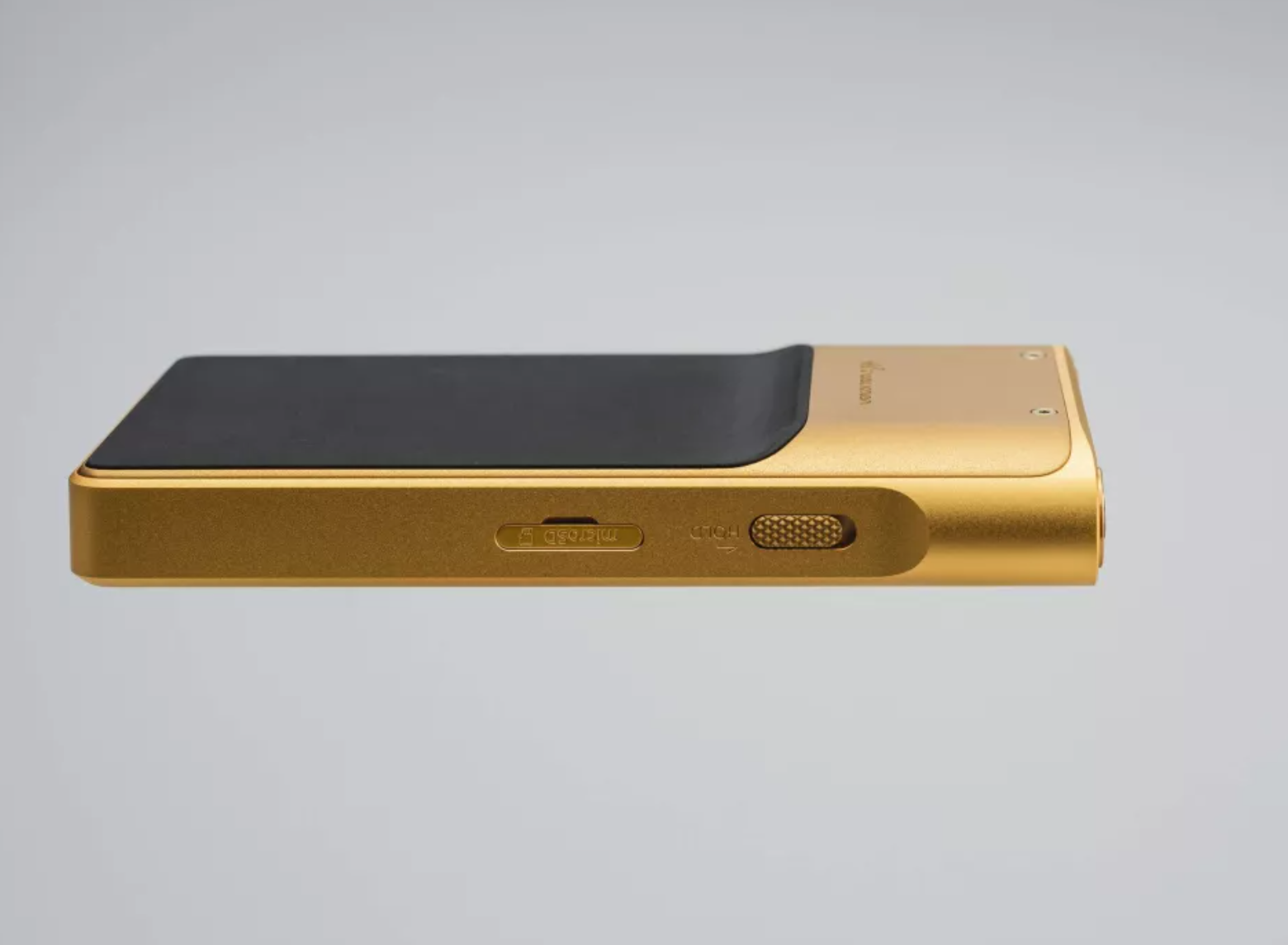
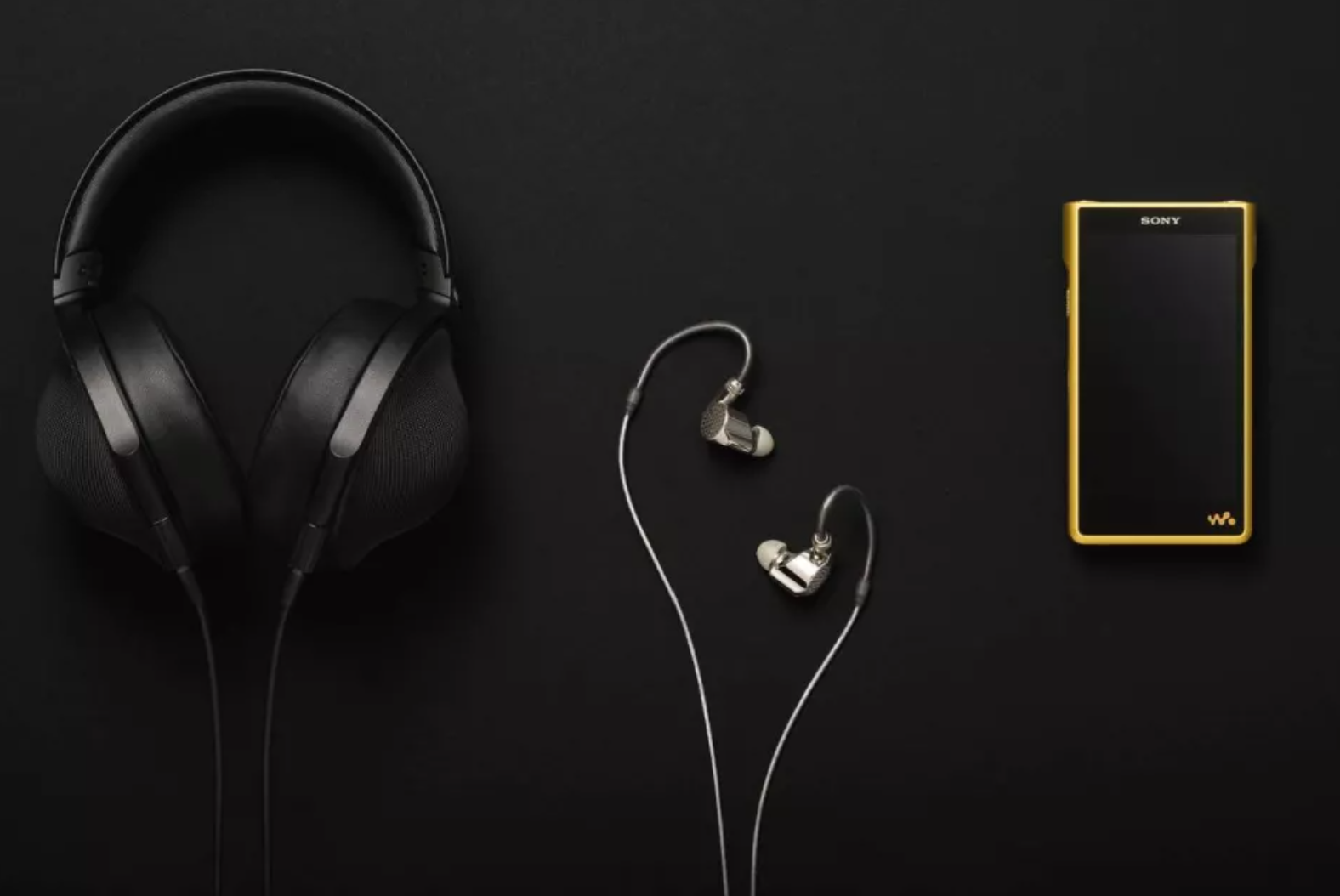
Sony has just released its Walkman NW-WM1ZM2 and NW-WM1AM2 which are pocket-sized hi-fi devices that highlight the first Walkman models of the 1980s. The new Sony Walkman models promise ultra-high fidelity audio at a pretty affordable price. The two models rekindle the spirit of the iconic Walkman models that held sway when smartphones were still a dream.
The Sony Walkman was a popular audio tool before digital music devices became a norm and the WM-20, as well as a few other models, were more identifiable among the crowd. The WM-20 was more compact than the other Sony Walkman models when it was released in 1983 it was provided a great audio experience and was also beautiful and compact. Some of the iconic Walkman models were still pulling their weights when the first digital products were launched by Sony in 1999.
Sony’s first digital and compact audio device was the Sony Network Walkman and the evolution has been quite outstanding to this day with the launch of the latest products. Sony has had to grapple with the popularity of Apple’s iPods even up to this moment, but it continues to hold its own in some ways.
The two new premium music players, the Sony NW-WM1ZM2 and NW-WM1AM2 come with some distinct designs that target a specific niche in the market. They come with some catchy colors to excite the attention of Walkman audiophiles and connoisseurs. Sony also says that the material used for the two products is high-quality and durable, as well as provides the clear and powerful bass notes delivered by the products. The ZM2 is the flagship model among the two and offers 256GB of onboard storage as compared to 128GB for the AM2. It also comes with a better mix of components and the needed pricing edge to go with its premium standard.
The Sony NW-WM1ZM2 is priced at £3,350 ($4,484) while the NW-WM1AM2 will cost £1,300 ($1,740) in the United Kingdom. It is unclear whether the current valuation of the products, especially the ZM2 is competitive in the market. However, the two products remain iconic models that may form part of the collection for Walkman buffs.
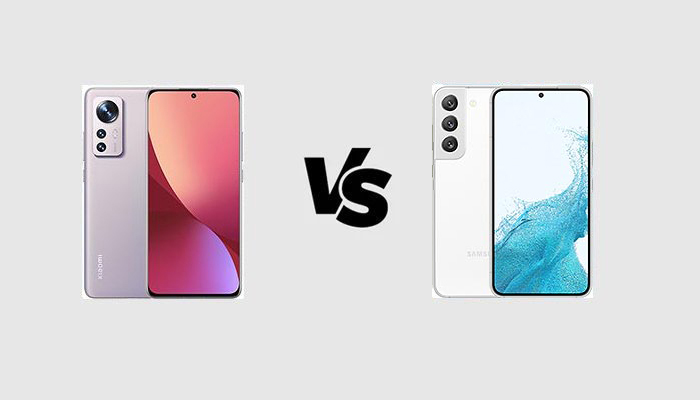
Samsung Galaxy S22 and Xiaomi 12 Pro are the most compact flagships released in 2022. But if you want something more because you need a bigger battery and display, then you have to move your attention to their advanced versions: the Xiaomi 12 Pro and the Samsung Galaxy Galaxy S22 Plus. This year the fight is very hard because these two devices come with specs sheets that can be considered exactly at the same level. That is the reason why it is important to analyze every aspect before making a choice. It is the goal of this comparison between their specifications.
Xiaomi 12 Pro vs Samsung Galaxy S22 Plus
Xiaomi 12 Pro
Samsung Galaxy S22 Plus
DIMENSIONS AND WEIGHT
163.6 x 74.6 x 8.2 mm,
204 g
157.4 x 75.8 x 7.6 mm,
195 g
DISPLAY
6.73 inches, 1440 x 3200 pixels (Quad HD+), AMOLED
I personally love the design of the Xiaomi 12 Pro because it comes with a curved screen, but if you do not mind having a curved screen, then you might like the Samsung Galaxy S22 Plus more due to various reasons. First of all, it is more compact, it is thinner, and even lighter than its rival. Just like the Xiaomi 12 Pro, it is built with a glass back and an aluminum frame, but its glass back is protected by the stronger Gorilla Glass Victus Plus protection and the phone is waterproof and dustproof with the IP68 certification. Last but not least, its design is original and trendy and its camera module is not inspired by iPhones at all, unlike most of the flagships out there.
Display
If your goal is getting the best display, then opt for the Xiaomi 12 Pro. Samsung decided to put the best panel on board of the Galaxy S22 Ultra and left the vanilla Galaxy S22 and its Plus sibling behind with an inferior display. The Xiaomi 12 Pro comes with an AMOLED panel sporting a Quad HD+ resolution of 1440 x 3200 pixels, one billion colors with a 10-bit color depth, the LTPO technology enabling an adaptive refresh rate from 1 to 120 Hz, Dolby Vision, the HDR10+ certification, and an in-display fingerprint reader. The Samsung Galaxy S22 Plus lacks the LTPO technology, the 10-bit color depth and it sports a lower Full HD+ resolution of 1080 x 2340 pixels. There is only one advantage: the ultrasonic in-display fingerprint reader.
Specs & Software
The Xiaomi 12 Pro is powered by the Snapdragon 8 Gen 1 mobile platform, while the Samsung Galaxy S22 Plus is fueled by the Snapdragon 8 Gen 1 in certain markets and by the Samsung Exynos 2200 in the remaining ones. The Exynos 2200 is actually inferior to the Snapdragon 8 Gen 1, even though it includes the first GPU based on AMD architecture for mobile devices. The Xiaomi 12 Pro wins the hardware comparison not only because of its chipset but also because it offers up to 12 GB of RAM, while its opponent stops at 8 GB. Naturally, being 2022 flagships, these phones are based on Android 12.
Camera
On the paper, the Xiaomi 12 Pro looks to have a superior camera department. It is the first phone to come with three 50 MP sensors on the rear side, including a 50 MP main camera with OIS, a 50 MP telephoto sensor with 2x optical zoom, and a 50 MP ultrawide lens, as well as 8K video recording. The Samsung Galaxy S22 Plus packs a 50 MP main camera with OIS, a 10 MP telephoto sensor with 3x optical zoom, and a 12 MP ultrawide sensor.
With a capacity of 4600 mAh, the Xiaomi 12 Pro has a slightly bigger battery, but this does not necessarily mean that it will have longer battery life. It also features faster charging thanks to a power of 120W for wired charging and 50W for wireless charging.
Price
The Xiaomi 12 Pro is priced at $900/€800 in its base variant (still not available in the global market), while the Samsung Galaxy S22+ sells for $999/€1050 globally. While the former provides a better display and faster charging, the latter has a waterproof body and a better build quality. Which one would you go for?
Xiaomi 12 Pro vs Samsung Galaxy S22 Plus: PRO and CONS
After launching the POCO M4 Pro 5G in India, the company is now set to bring the POCO M4 Pro 4G in India as well as in the global markets on February 28. Now, ahead of its release, the company has started teasing the phone’s key highlights.
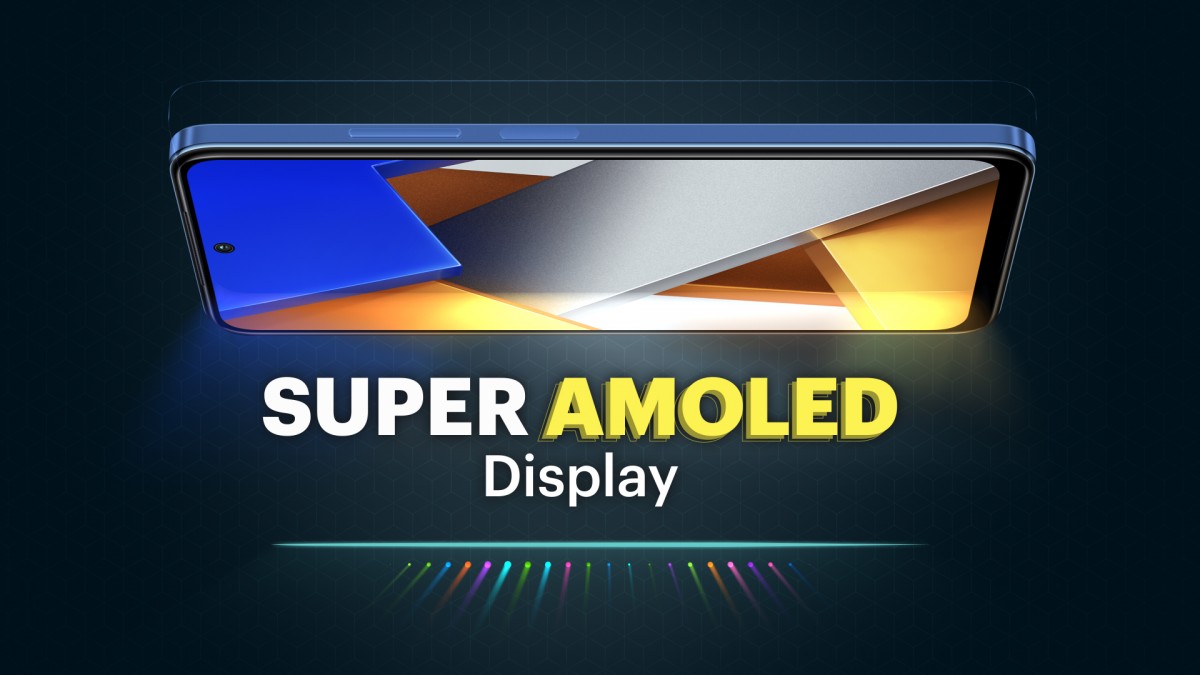
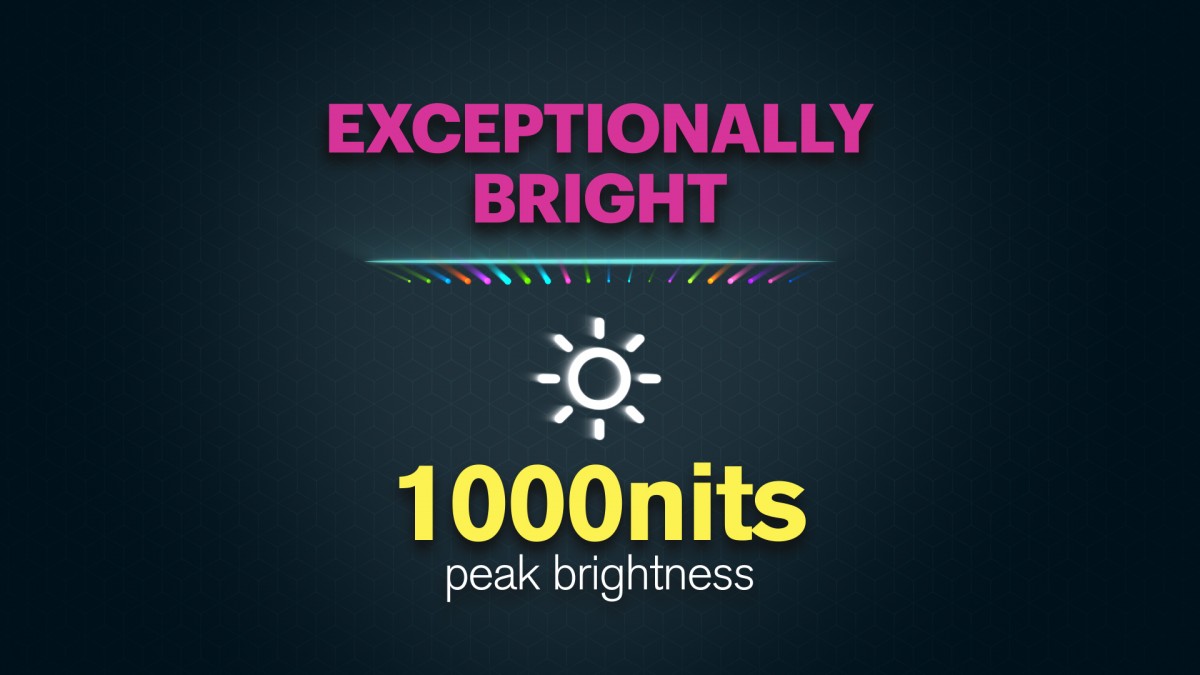
The teasers reveal that the smartphone has a Super AMOLED panel. It will be a punch-hole screen with a peak brightness of 1000 nits. If we go by the leaks, this display will be a Full-HD+ panel sporting a 90Hz refresh rate. It will have a DCI-P3 wide color gamut.
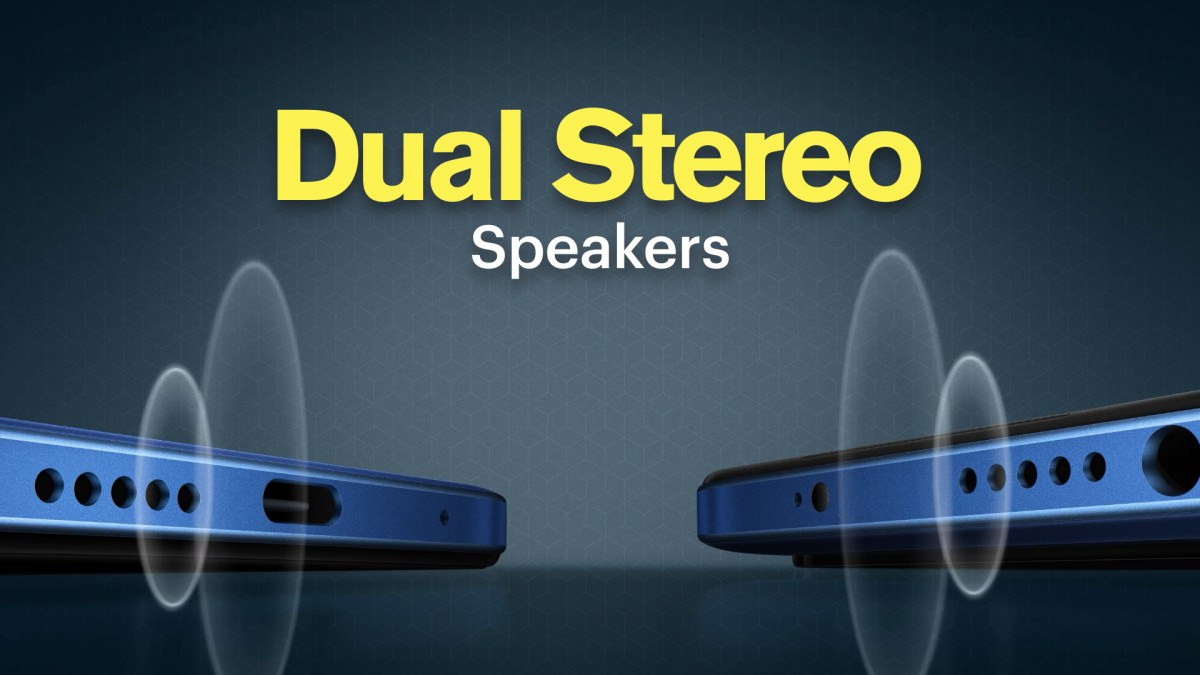
Apart from the screen, the phone’s other highlight will be the dual speakers. The device will feature a dual stereo speaker setup. It will have a 3.5mm headphone jack and a USB Type-C port for charging. Just like other POCO phones, it also seems to have IR blaster support well.
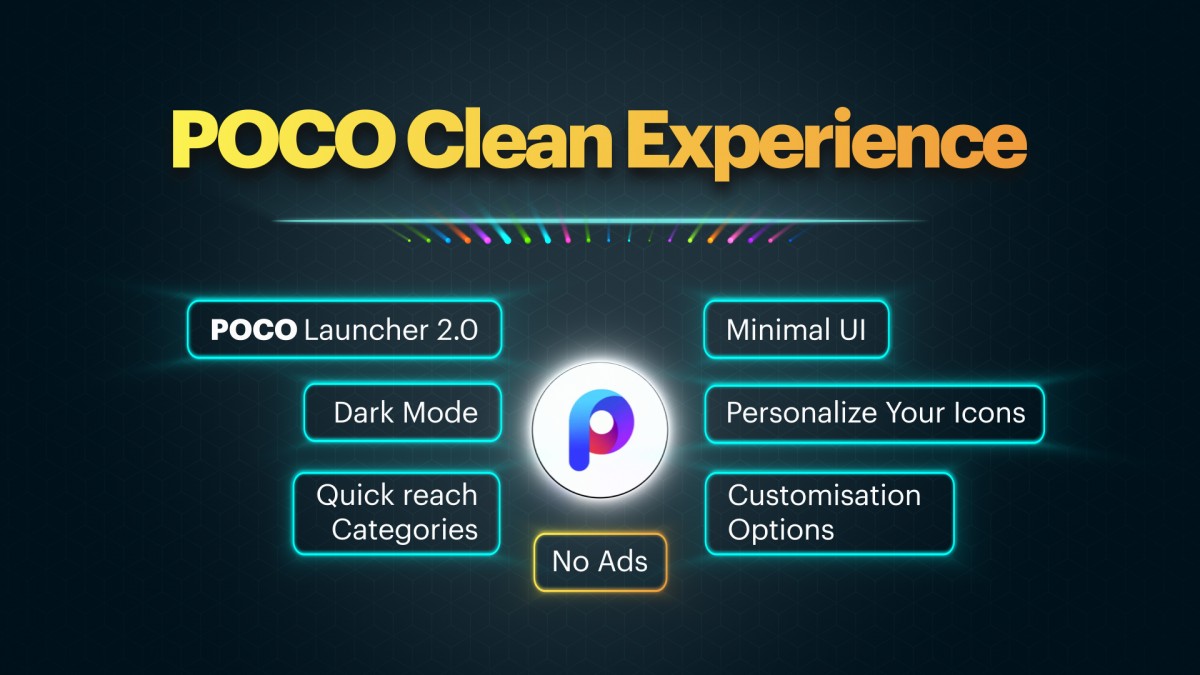
Furthermore, POCO reveals that the smartphone will boot on the POCO launcher 2.0. It will have support for Dark Mode and won’t have any ads. The company also confirmed that the device supports L1 Widevine for Full-HD content streaming.
Other than this, the specs of the device are already known, thanks to the leaks. The POCO M4 Pro 4G is touted to be a tweaked version of the Redmi Note 11S. That being said, it will come with the MediaTek Helio G96 chipset. It will be paired with LPDDR4x RAM and UFS 2.1 internal storage.
The optics on the phone will differ over the Note 11S. It will have a 64MP + 8MP + 2MP triple camera setup. Upfront, it will have a 16MP selfie snapper. It is expected to come with a 5,000mAh battery with 33W fast charging support.
Valued at a record 3 trillion USD in the market, Apple‘s market cap is higher than the GDP of India, a country with a population reaching 1.5 billion within the next few years. Only four countries in the world now have a higher GDP than Apple’s market cap – the United States, China, Japan, and Germany.
With that in mind, Apple is planning to continue its market dominance and expand its smartphone business into further uncharted territory for the company, the lower mid-range smartphone market. Rumours within the industry reveal that Apple may be planning to launch the next 2022 iteration of its iPhone SE starting from only USD $300.
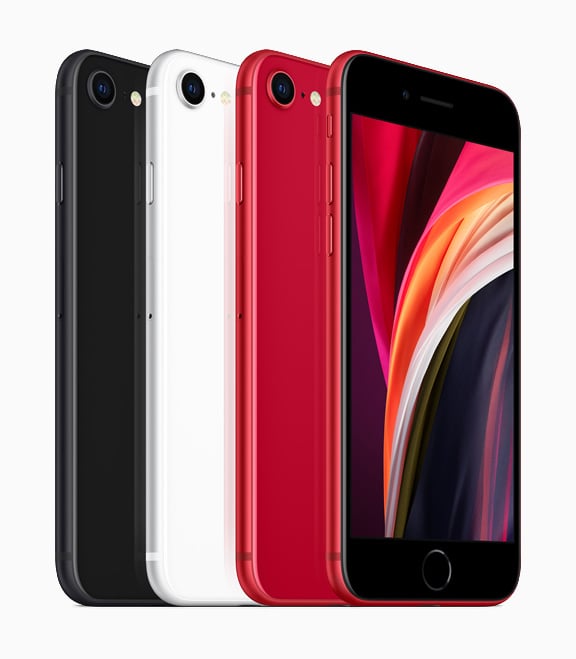
The news comes from Investor’s Business Daily. The report claims that Loop Capital Markets analyst John Donovan said he’s heard rumours that the new 5G-supported iPhone SE 3 (2022) could start at $300. This news comes as a surprise because the current 4G iPhone SE 2 (2020) model starts at $399, and the iPhone SE 3 is rumoured to feature a better processor, 5G support and better battery life than its predecessor.
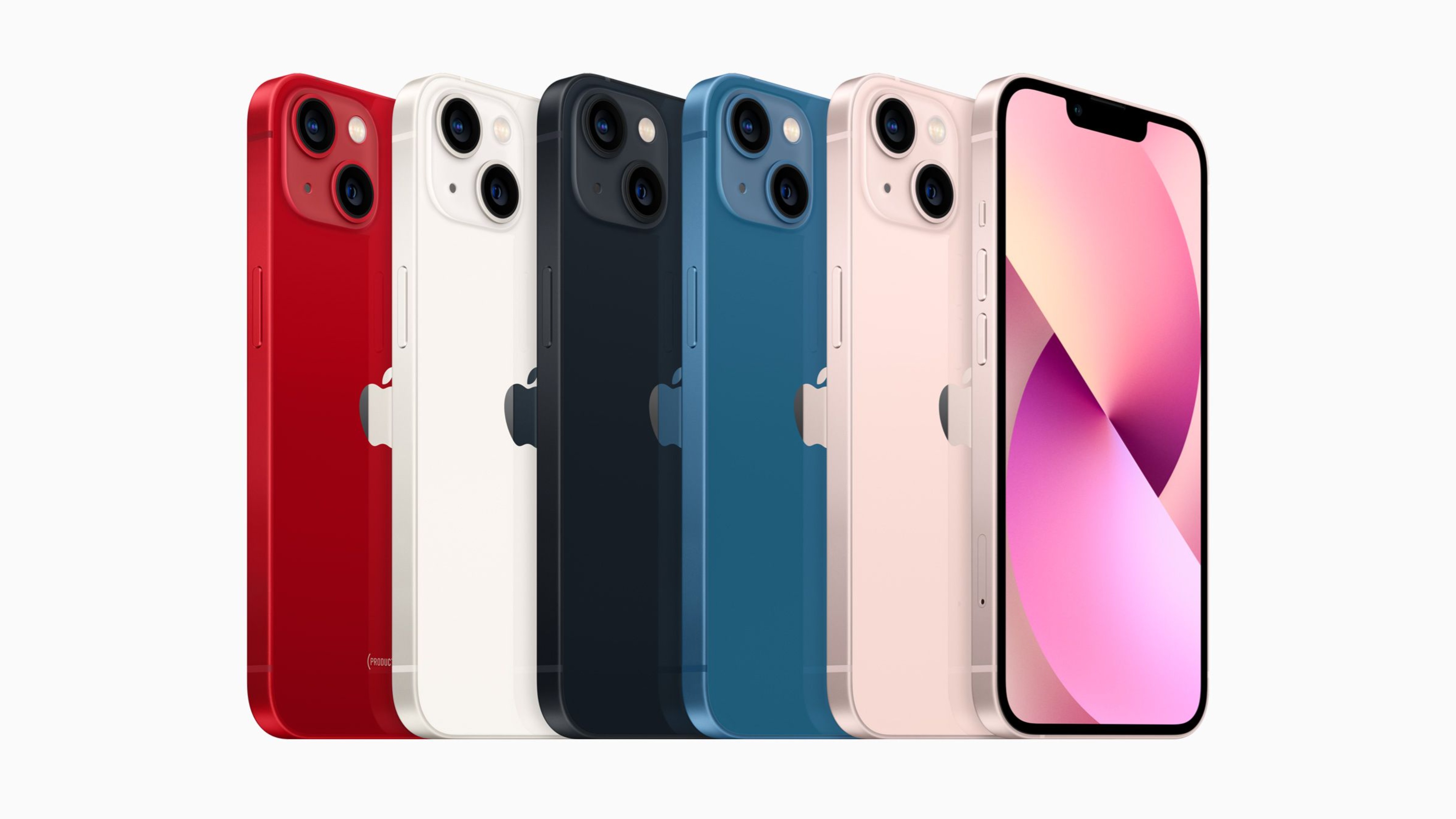
For comparison, for double the price of $300, at $599, you can only buy Apple‘s cheapest 5G smartphone available, the iPhone 12 Mini and Apple’s second-generation 5G smartphones, the iPhone 13 series, starts at $699.
But why is Apple planning to venture into the under $300 category of smartphones? The report quoted that JPMorgan analysts in December 2021 speculated that Apple wanted its new iPhone to spur a wave of switchers from Android smartphones. The move has the potential to lure some of the nearly 1.4 billion value-conscious minded users of low to midrange Android phones to switch and about 300 million users of older model iPhones to upgrade, the investment bank said in a report to clients.
As for the specifications of the iPhone SE 3 (2022), it is expected that the new iPhone SE is sporting the 5G Apple A15 Bionic chipset found on the latest iPhone 13 series. Design-wise the iPhone SE 3 (2022) will retain the same design as its predecessor with a glass front and back with an aluminium chassis, and the signature Touch ID on the home button located on the chin of the device.
The iPhone SE 3(2022) is expected to launch at Apple’s annual Spring Launch Event. Apple has not officially revealed the date of the event yet but speculations and leaks point to March 8, 2022 as the day when the event starts.
Back in early May of 2021, Taiwanese company Asus had revealed that it will be postponing the launch of the Asus Zenfone 8 in India due to COVID-19 concerns. After 9 long months of waiting, Asus has finally revealed the official launch date of the Asus 8Z, a rebranded variant of the Asus Zenfone 8 sold globally, on February 28th, 2022 at 12 PM IST.
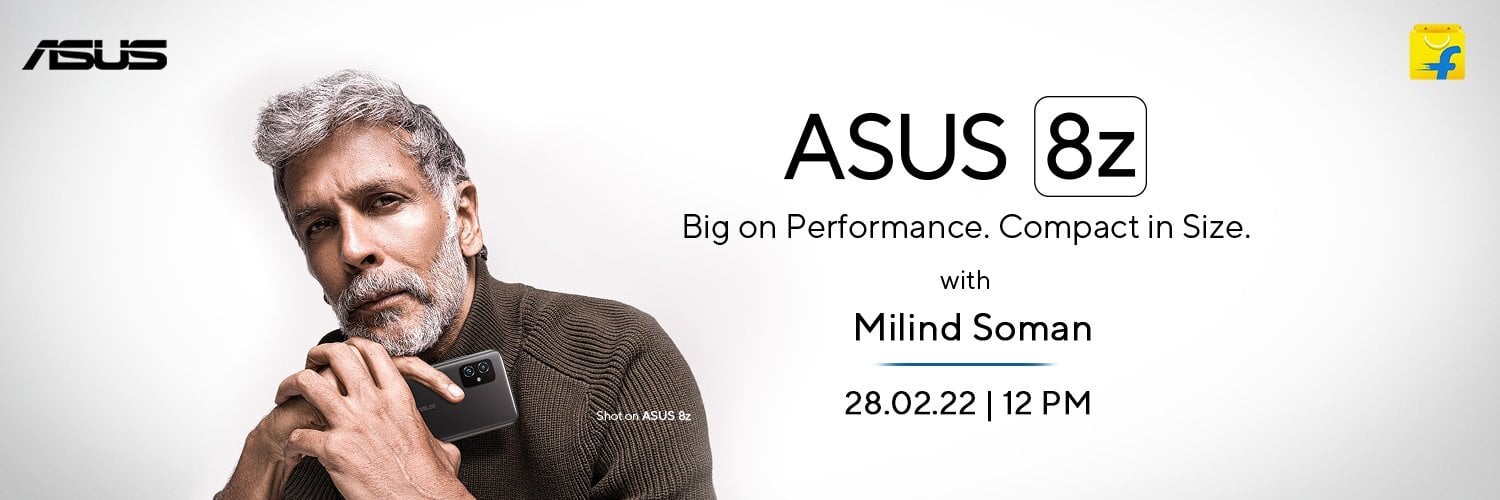
The news comes from Asus India’s Twitter account. The announcement post reveals that the event will include a special appearance from India’s IronMan, Milind Soman, to headline and introduce the Asus 8Z to fans in India. He calls the Asus 8Z device to be “Big On Performance, Compact in Size.”
The teaser doesn’t mention any other details, but since the Asus 8Z is a renamed version of the Zenfone 8 sold globally, here are the highlights of the Asus 8Z you should know.
The Asus 8Z will feature a 5.92-inch AMOLED screen with a punch hole at the top left corner and FHD+ resolution. The display has a 120Hz refresh rate, a Pixelworks chip, HDR10+, and is protected by Corning’s Gorilla Glass Victus. Powering the device is a Snapdragon 888 processor paired with LPDDR5 RAM and UFS 3.1 storage.
The compact flagship sports a dual-camera setup at the rear of which the main camera is a 64MP Sony IMX686 sensor teaming up with a 12MP ultrawide angle camera that can also shoot macro pictures. For selfies, there is a 12MP Sony IMX363 camera.
The Asus 8Z packs a 4000mAh battery with support for 30W fast charging. There is an audio jack at the top of the device, stereo speakers, Cirrus Logic amplifiers, and Dirac HD sound technology. The phone also comes with NFC, Wi-Fi 6E, dual SIM support, and an in-display fingerprint scanner.
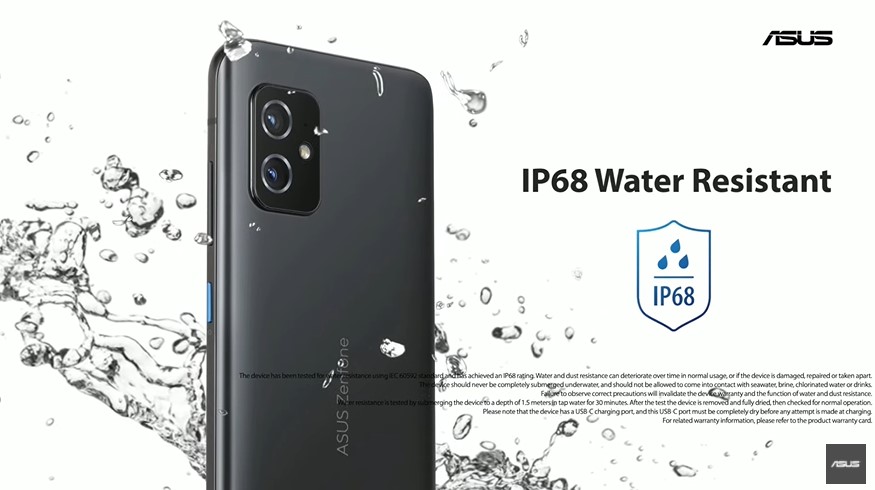
The Asus 8Z runs Android 11 out of the box, and as of February 2022, has an eligible stable update to Android 12 from the company. The device also features an IP68 water and dust resistance rating to keep the internals safe from rain or winds.
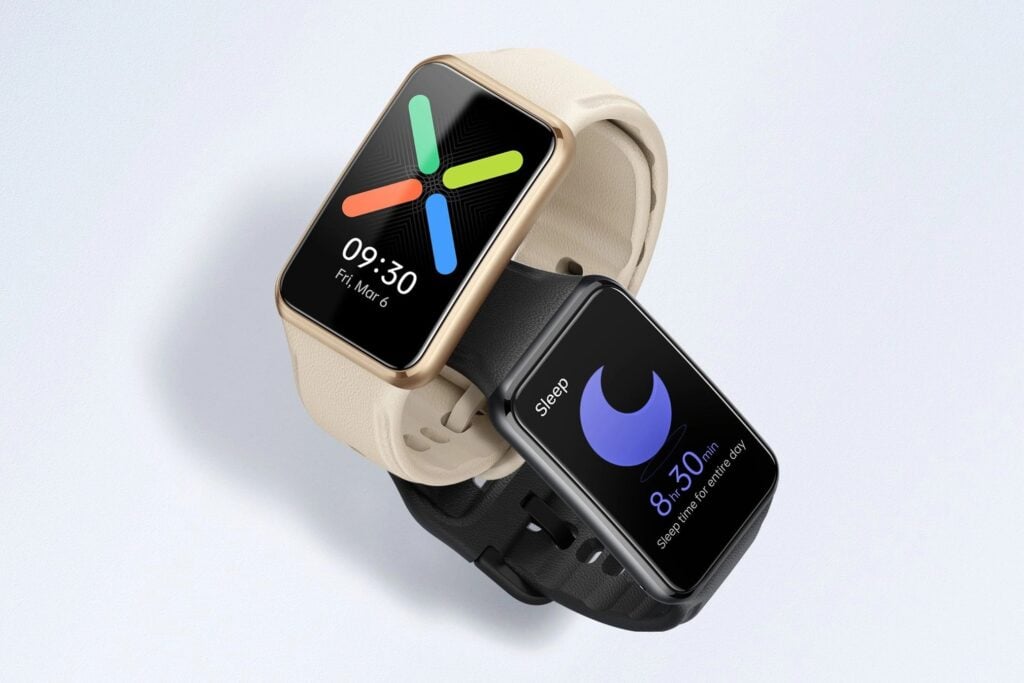
Back in September 2021, Oppo launched the Oppo Watch Free in the Chinese market. The smartwatch recently got released in the Indian market. And now, the smart wearable has finally been made available to European customers.
Coming to Europe, the smartwatch will pack a 1.64-inch AMOLED display with a 280 x 456 resolution, DCI-P3 color gamut, and a 326 PPI pixel density. The rectangular display is housed in a frame made of polycarbonate and fiber while the underside is covered in a material made of nylon plastic (PA) and fiber. Attached to the watch are silicone straps with a leather texture which OPPO claims are breathable and comfortable to wear during sleep.
The fitness tracker can track more than 100 sports modes including cricket, skipping, archery, skiing, volleyball, kayaking, and badminton. However, only four sports can be automatically tracked and they are running, walking, rowing (machine), and ellipticals. There is even a built-in trainer for running.
Other than sports mode, the OPPO Watch Free also comes with a SpO2 sensor for blood oxygen monitoring and a heart rate monitor that will warn users when the heart rate is too high or too low. There is also sleep tracking, snoring detection, music playback control and notifications, and call alerts.
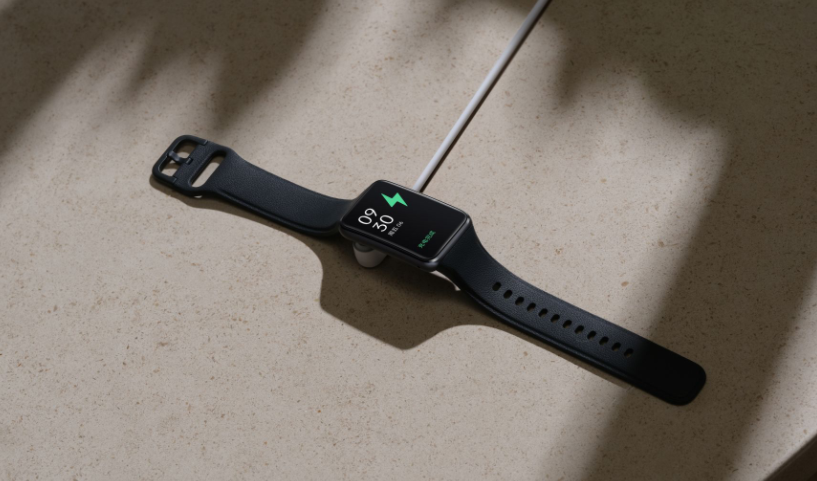
The smart wearable has a 230mAh battery that will provide up to 14 days of usage. It also supports fast charging as OPPO claims a quick 5-minute charge will provide enough charge to last a day. It connects via Bluetooth 5.0 and it is compatible with Android devices running Android 6.0 and later as well as devices running iOS 10.0 and later.
Currently, Oppo has made the Watch Free available in two colors for European customers namely Black and Cream. The Oppo Watch Free will retail for €99 in the Eurozone and £89 in the UK. Oppo will begin selling the smartwatch on March 24.
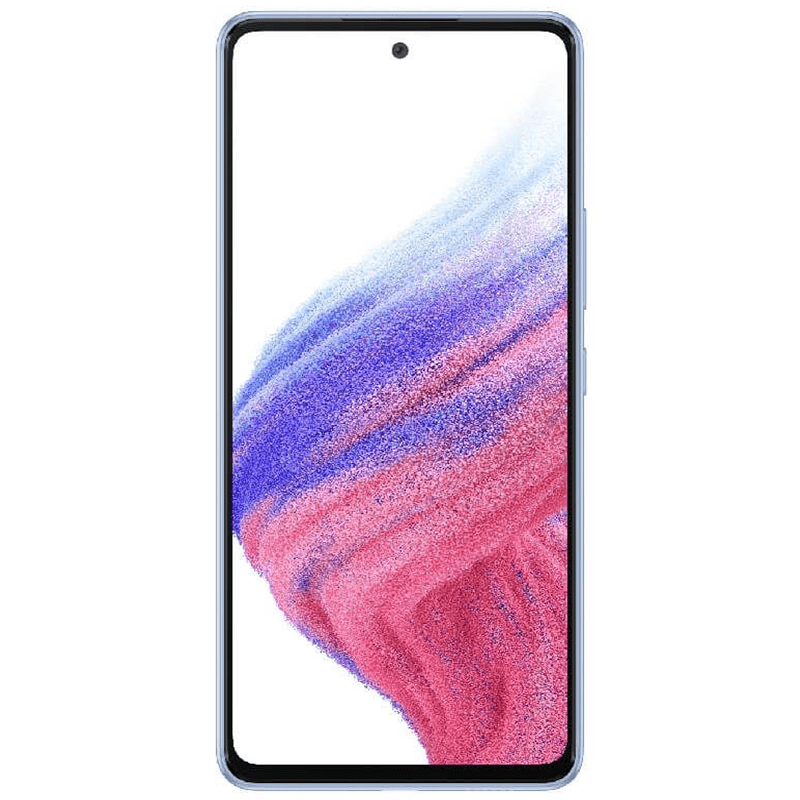
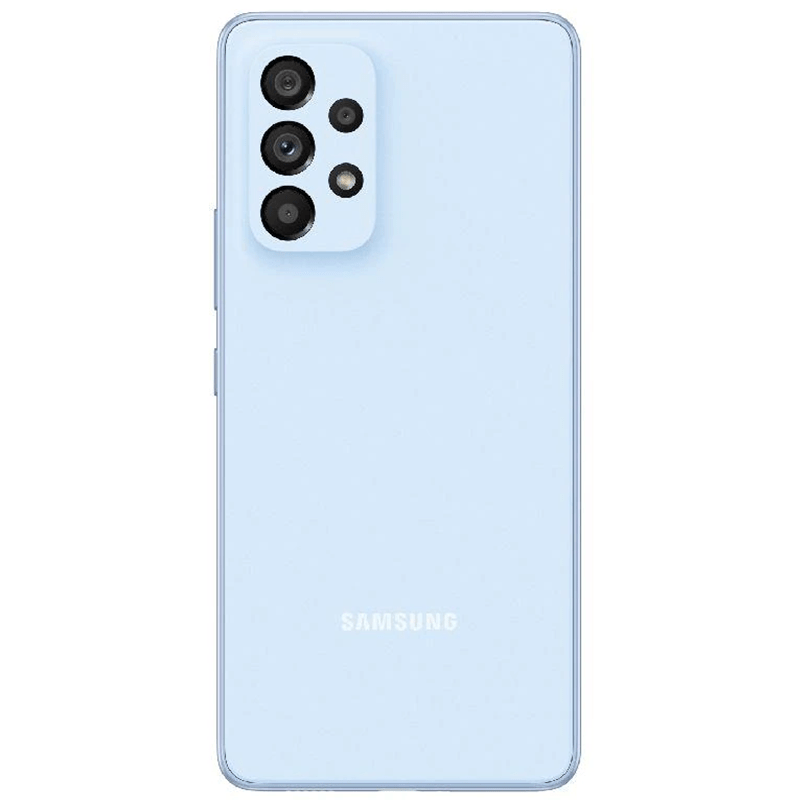
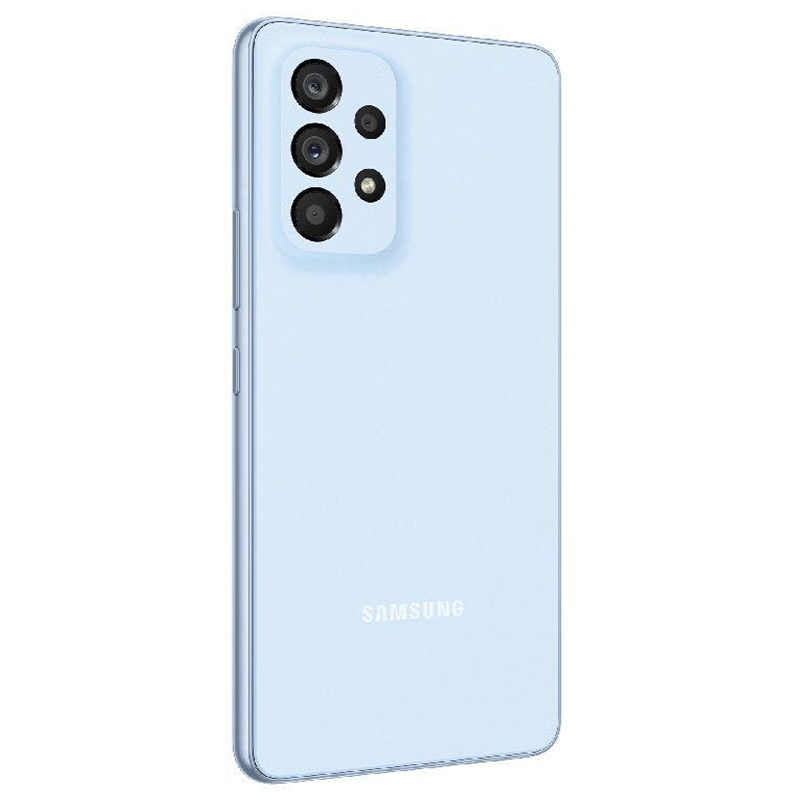
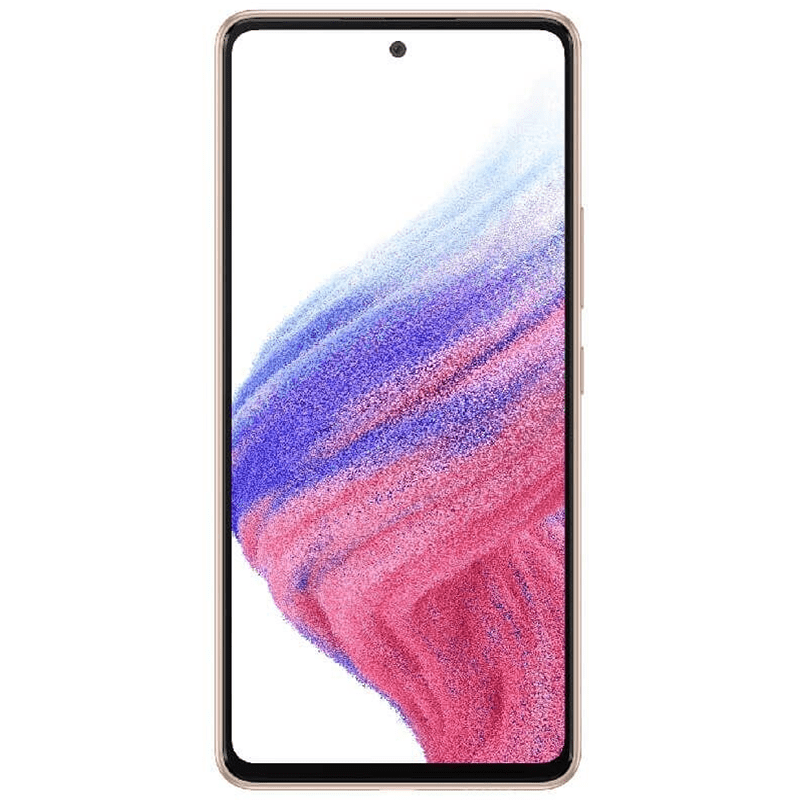
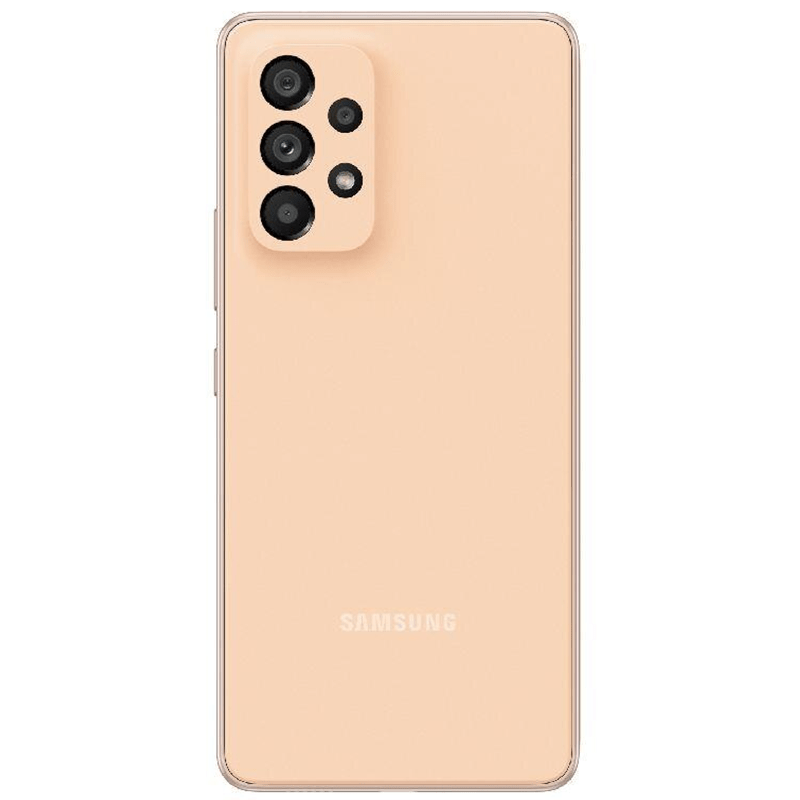
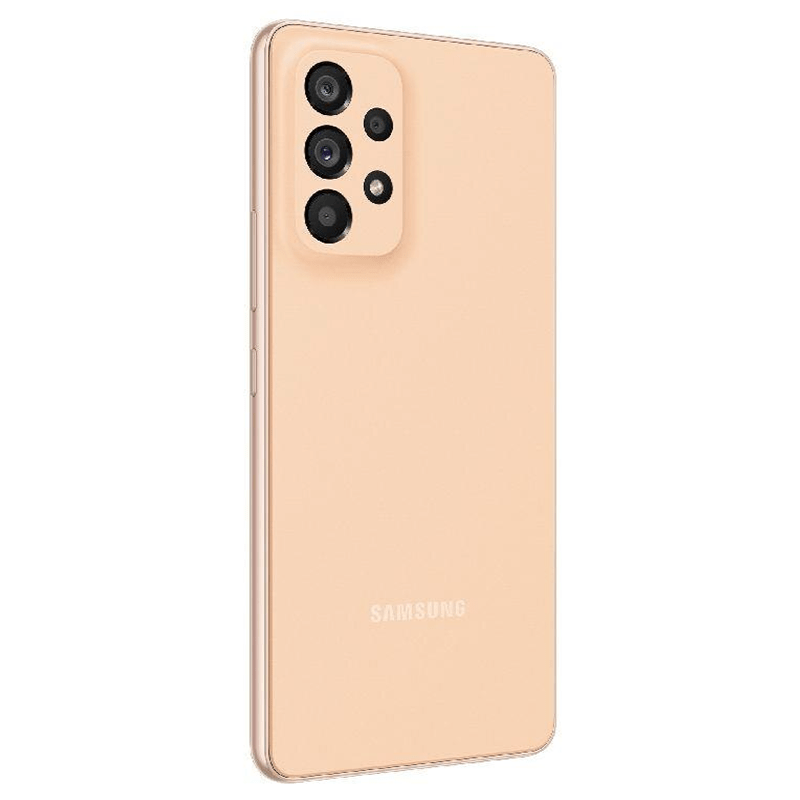
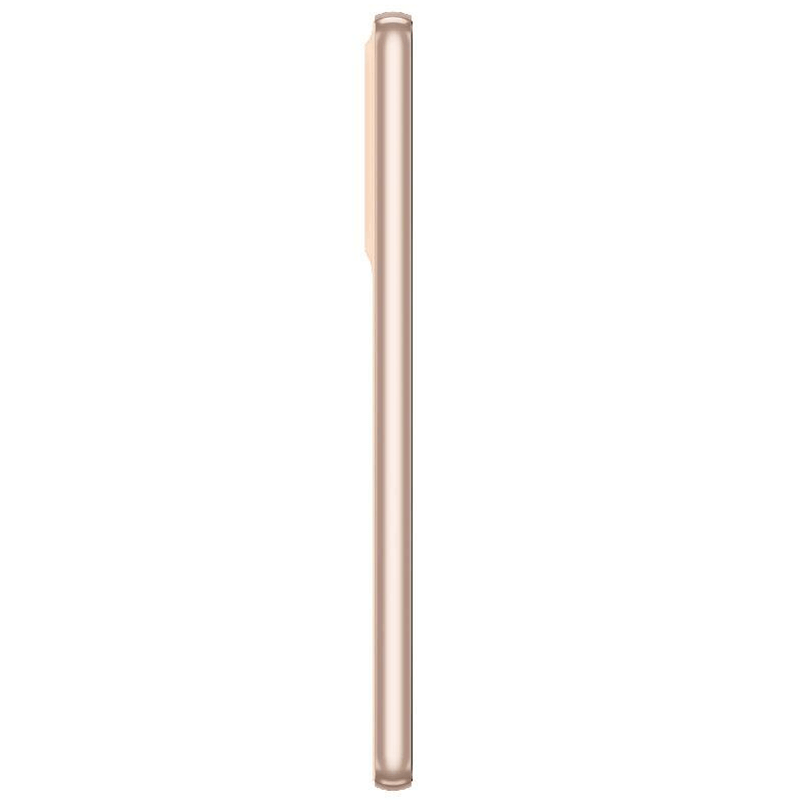
Samsung is guarding up to launch their upcoming mid-range offering dubbed the Samsung Galaxy A53 5G. The phone has had many leaks up until now hinting at its specs and design. And now, renders of the smartphone have surfaced yet again showcasing its design and color variants.
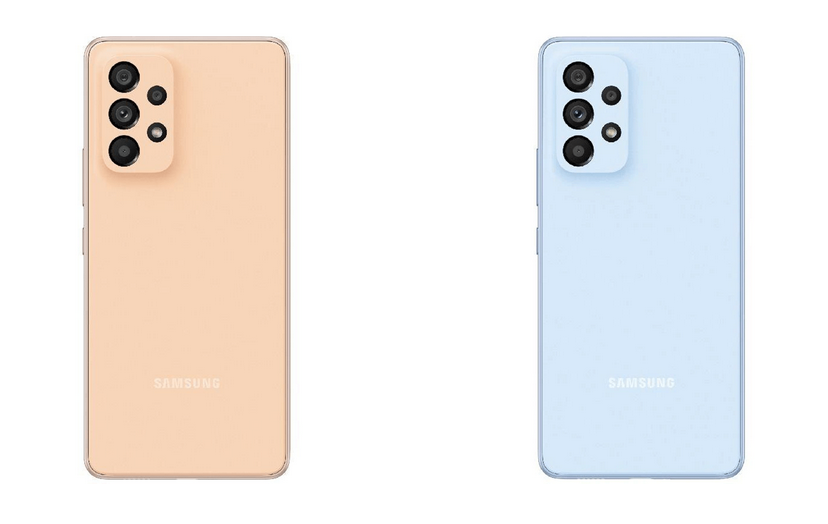
The renders of the Galaxy A53 5G have previously leaked in White and Black, but this time around, WinFuture has provided a better look at the rumored Orange and Blue color options.
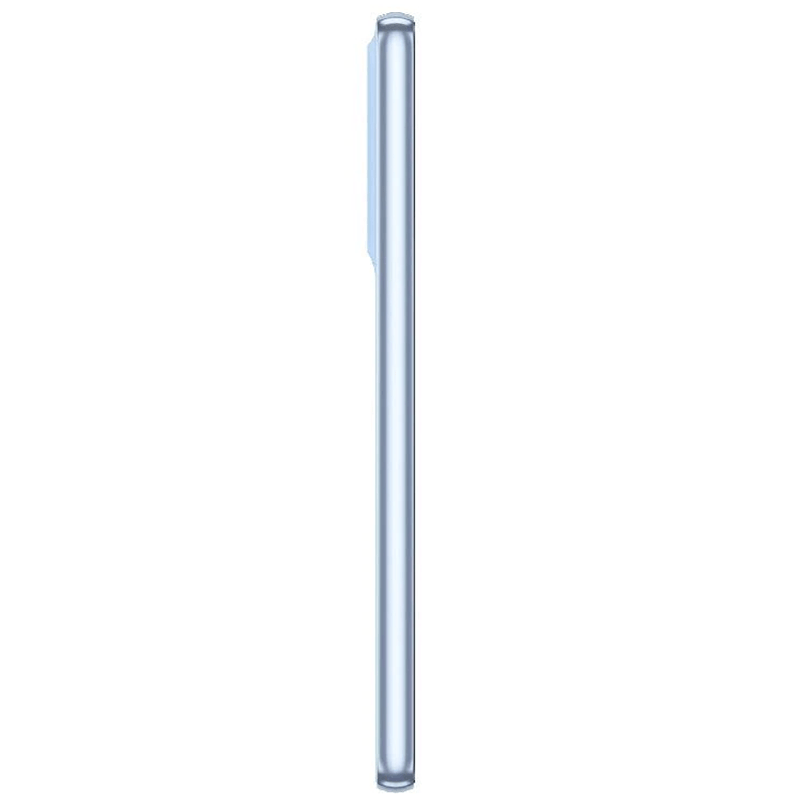
Samsung Galaxy A53 5G renders Blue
1 of 4
Image via Winfuture
Image via Winfuture
Image via Winfuture
Samsung Galaxy A53 5G renders Orange
1 of 4
Image via Winfuture
Image via Winfuture
Image via Winfuture
These new renders are consistent with the previous renders that surfaced online a while back. The phone still appears to have a pretty similar design compared to the Galaxy A52. The only noticeable difference from the current-gen smartphone is the camera island which has a much smoother-looking protrusion from the pack panel this time around.
The colors on the device also look clean with a blue variant being noticeably lighter in tone compared to the light blue of the A52. The orange variant of the smartphone is also light in tone, making it appear more Peach color than the traditional orange.
Samsung Galaxy A53 5G specs (rumored)
So far, the upcoming Galaxy A53 5G is said to have a 6.52-inch FHD+ 120Hz AMOLED display with a maximum refresh rate of 120Hz.
The device will come equipped with an unreleased Samsung midrange SoC dubbed the Exynos 1200. The SoC will have two high-performance cores clocked at 2.4 GHz and six cores with a maximum clock speed of 2.0 GHz. The CPU is supported by the Mali G68 GPU for graphics. The device will come in two ram variants, 6GB and 8GB. It is also touted to at least have 128GB of internal storage which can be further expanded by up to 1TB with a microSD card.
The device is said to house a 5000mAh battery with 25W charging support. The rear quad-camera setup will likely have a 64MP primary sensor, a 12MP ultrawide lens, a 5MP macro, and a 5MP depth sensor.
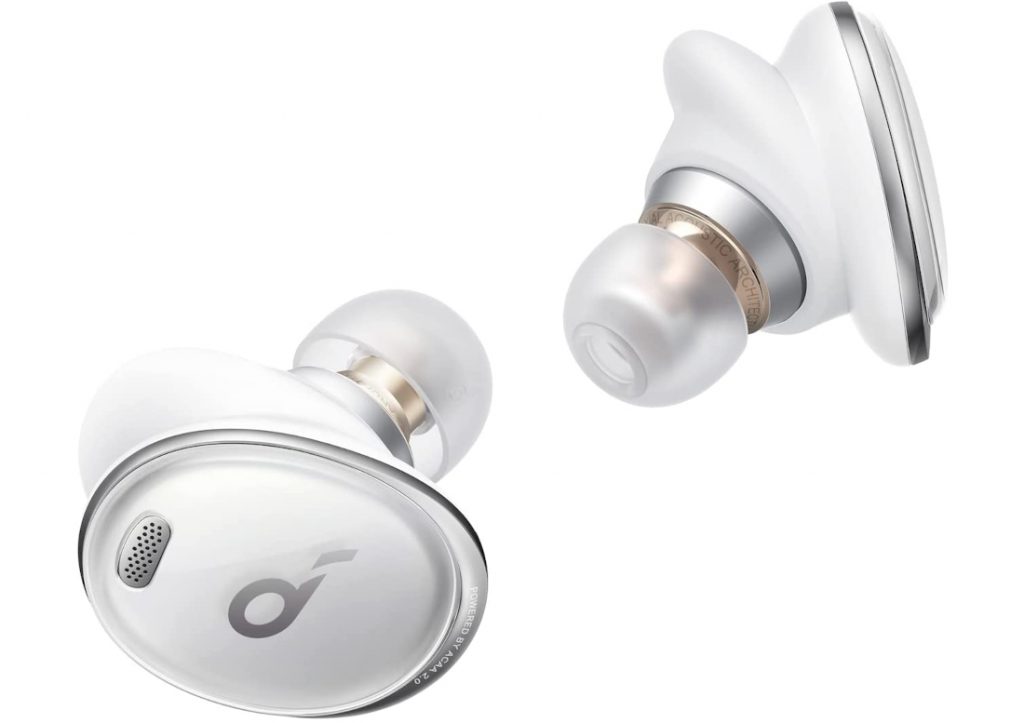
The Souncore Liberty3 Pro is the latest flagship offering by Anker from their Liberty TWS earbuds lineup, as per a teaser by the company. It is set for unveiling in India by April 2022 and it features Soundcore’s proprietary ACAA 2.0 technology. The ACAA 2.0 technology is an exclusive coaxial dual driver technology patented by Soundcore and allows for the delivery of high-quality sound.
The patented ACAA 2.0 technology enables the device to output both high and low-frequency sound directly into the user’s ear without interfering with each other. The earbuds support Bluetooth 5.2 and will be capable of streaming high-resolution audio. The Personalized noise canceling technology present in the Soundcore Liberty3 will be accentuated by the Fusion Comfort Fit technology. According to Soundcore, the ACAA 2.0 technology provides a 360-degree sound field with surging bass and transparent treble.
Although there is no specific pricing information for the Liberty3 Pro in India, it is sold in other jurisdictions like the US and UK for the equivalent of $169.99. It is unclear whether Soundcore will retain the current international price or scale it down below the Rs. 12,866 equivalent. We’ll keep tabs on Soundcore for new details ahead of the April 2022 arrival of the Liberty3 Pro in India.
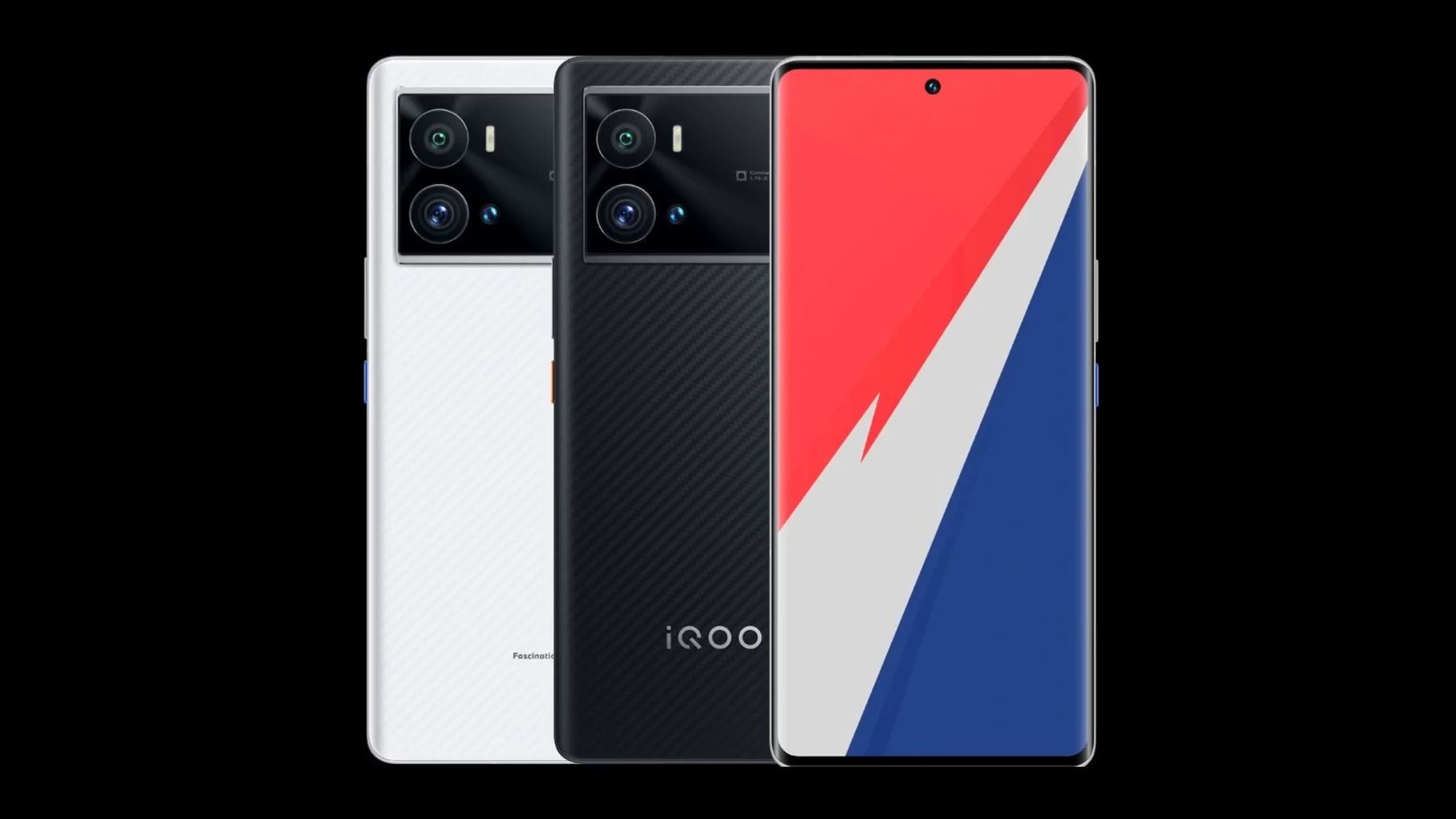
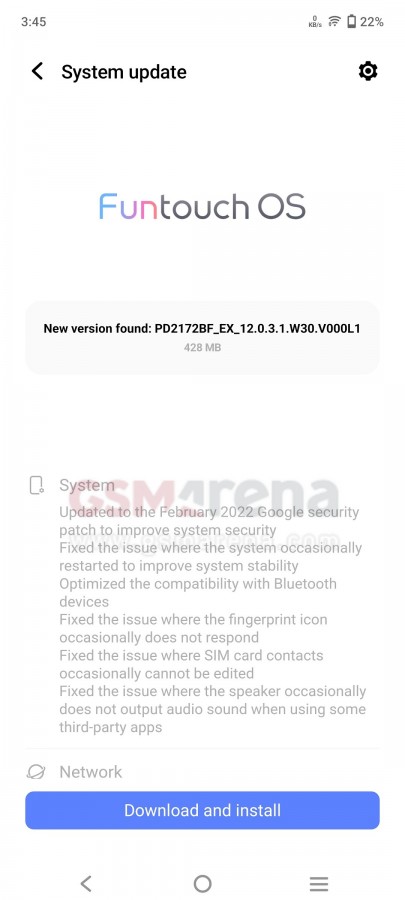
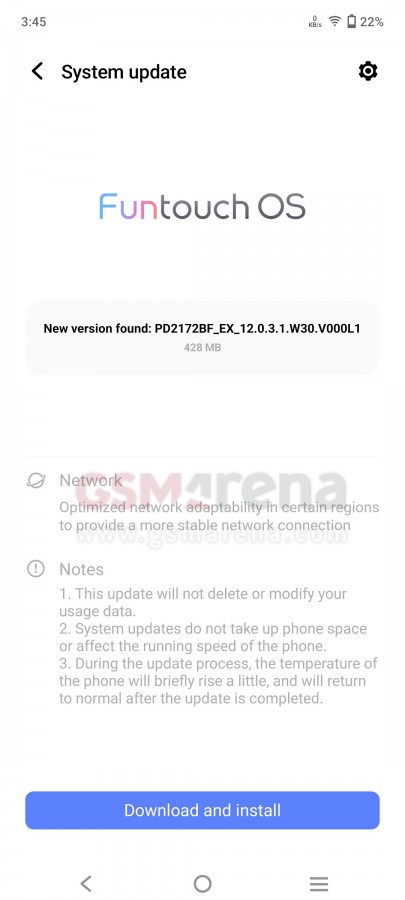
The iQOO 9 Pro which is just days old in the international market, is receiving its first software update which comes with its February 2022 security patch and bug fixes. The firmware version requires a download of 428MB and is aimed at a slew of enhancements for the iQOO 9 Pro.
The iQOO 9 Pro was unveiled in India just days back and the new firmware will optimize the smartphone’s compatibility with Bluetooth devices as well as network adaptability in some regions of the global market. The first units of the iQOO 9 Pro will be available in India by March 2, 2022, and only models with designation I2022 are covered by the software update. So the likely thing is that users will get the update prompt when they have completed the setup processes for their new devices.
There are a few fundamental departures between the iQOO 9 Pro global edition and the Chinese model. Importantly, the global model runs on Android 12-based Funtouch OS 12 unlike the Origin OS in the Chinese model. It however has much of the specs of the original Chinese model.
1 of 2
The iQOO 9 Pro has two memory configurations in India namely the 8GB/128GB and 12GB/256GB RAM/ internal storage combinations. The iQOO 9 Pro uses the Snapdragon 8 Gen 1 chipset which is a premium SoC also deployed in some other flagship models. The price of the iQOO 9 Pro in India is between Rs. 64,990 ($865) and Rs. 69,990 ($930).
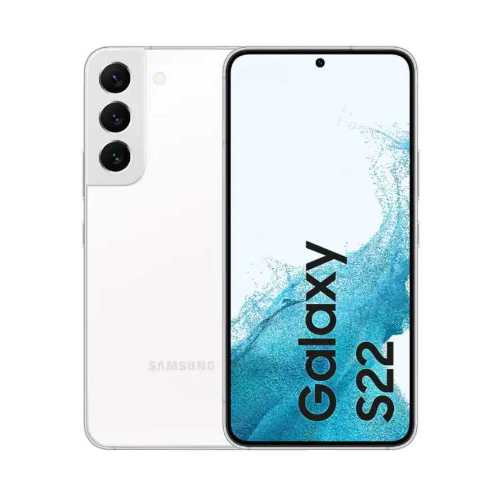
Samsung has just recently announced the Galaxy S22 series. It is the company’s latest flagship smartphone, and now, it is receiving its first software update as customers that pre-ordered that devices have started receiving the new phones.
For those unaware, the South Korean tech giant’s latest premium handsets have seen record breaking pre-orders in various regions across the globe. With the Galaxy S22 series arriving at customers doorsteps, the company has rolled out a new firmware update to the Galaxy S22, Galaxy S22+, and the Galaxy S22 Ultra. This firmware version is S90xEXXU1AVB3 and is currently rolling out in Afghanistan and Egypt.
Furthermore, additional nations will probably start receiving this update over the next couple of days as well. In a few countries, the latest smartphones may even ship with the new February 2022 update out of the box. According to the company, the new software update brings the February 2022 security patch along with over 60 fixes for the privacy and security vulnerabilities that are found in Galaxy smartphones.
In other words, if you already have a Galaxy S22 model and are in one of the aforementioned countries, you can check if you have received the new update. To check this, you can simply go to Settings > Software Update, once here, you can hit Download and install if you’ve received the update.
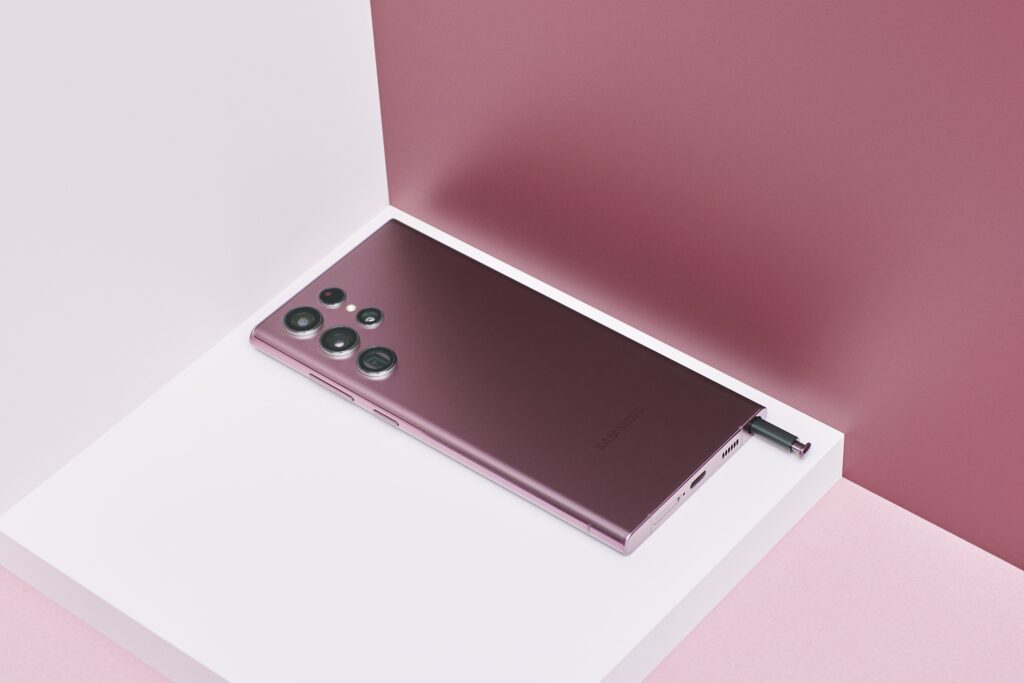
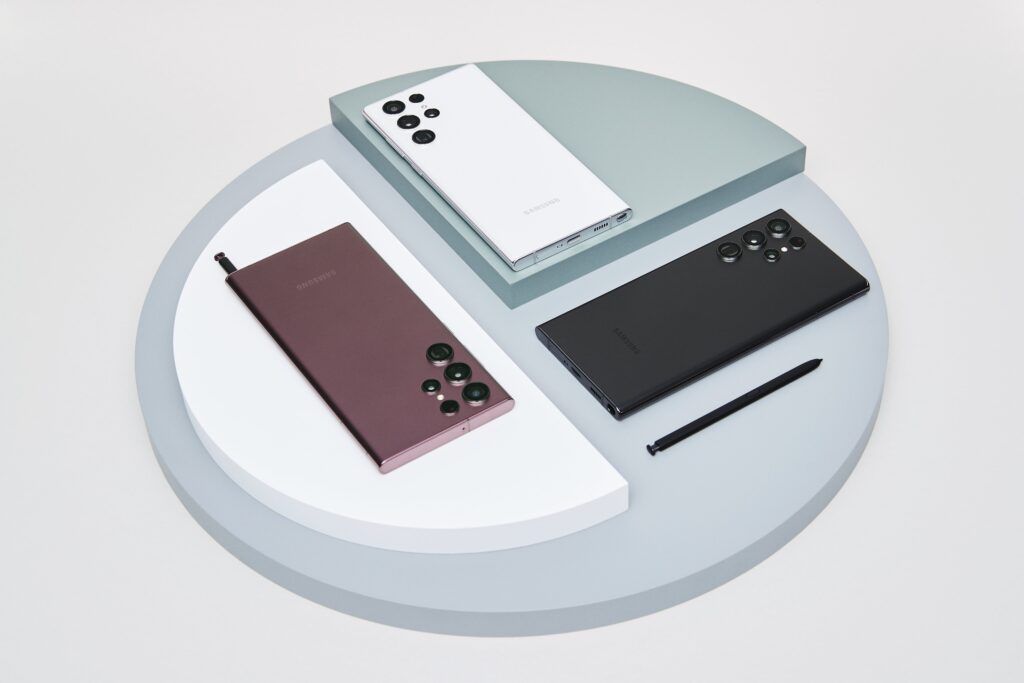
Samsung announced theGalaxy S22 series earlier this month at the Galaxy Unpacked 2022 event. Out of all three phones, the Galaxy S22 Ultra offers the best mobile technology from the South Korean tech giant. One of the key features of this premium slab smartphone is its bright display. Turns out the screen material used by the company is from last year.
Samsung Galaxy S22 Ultra
A report by The Elec says that the OLED material set on the Galaxy S22 Ultra is the same as the one found on Galaxy S21. It is officially called M11. Despite that, it offers a better peak brightness level of 1,750 nits.
Usually, Samsung Electronics introduces new OLED material set on the Galaxy S series. The company has been doing this from the Galaxy S10 series to Galaxy S21 Ultra. For the first time, it has broken this streak.
Samsung Display display uses M series of material sets for the OLED panels, which it supplies to Samsung Electronics and Apple. For those unaware, an OLED material set consists of red, green and blue pixels’ dopant, host, as well as prime.
The publication’s sources suggest that Samsung may have opted for an older tech to control the cost, and therefore, focus more on the shipments on the Galaxy S22 series when compared to the Galaxy S21 and the Galaxy S20 series. So far, the pre-order numbers are positive from multiple regions.
Samsung Galaxy S22 Ultra
On the other hand, the Galaxy S22+ also uses the M11 material set, which is an upgrade over M10 found on the Galaxy S21+. However, the vanilla Galaxy S22 still comes with the older M10 just like its predecessor Galaxy S21.
Further, Samsung is planning to utilize the M9 material set for its mid to low-end smartphones in 2022, which is an upgrade over M8 used in 2020. The latest M12 material set is expected to debut on the next-gen foldables from Samsung and iPhone 14 series, an upgrade over M11 found on their predecessors.
Finally, Samsung Display is expected to sell OLED panels with legacy E series material set to Chinese smartphone brands at a lowered price tag.
We use cookies on our website to give you the most relevant experience by remembering your preferences and repeat visits. By clicking “Accept”, you consent to the use of ALL the cookies.
This website uses cookies to improve your experience while you navigate through the website. Out of these, the cookies that are categorized as necessary are stored on your browser as they are essential for the working of basic functionalities of the website. We also use third-party cookies that help us analyze and understand how you use this website. These cookies will be stored in your browser only with your consent. You also have the option to opt-out of these cookies. But opting out of some of these cookies may affect your browsing experience.
Necessary cookies are absolutely essential for the website to function properly. This category only includes cookies that ensures basic functionalities and security features of the website. These cookies do not store any personal information.
Any cookies that may not be particularly necessary for the website to function and is used specifically to collect user personal data via analytics, ads, other embedded contents are termed as non-necessary cookies. It is mandatory to procure user consent prior to running these cookies on your website.