After launching the Nokia T20 tablet in several regions last month, Finland-based HMD Global had then announced the Nokia T20 Education Edition and the tablet is now finally available for pre-order in the Chinese market.
The Nokia T20 Education Edition can be pre-ordered for the price of 2,999 yuan (~$471) and the shipments will begin from 12th December. Those who pre-order the device will also get a Bluetooth speaker and a stylus.
As the name indicates, the tablet is aimed at students to help in learning. It comes with a 10.4-inch 2K display with 1200 x 2000 pixels screen resolution. The device has passed the Swiss SGS low blue light certification and also provides eye protection mode, sitting posture correction, and eye exercises.
It is powered by the Unisoc T610 processor which is an octa-core chipset that includes two Cortex-A75 cores clocked at 1.8GHz and six Cortex-A55 cores clocked at 1.8GHz. It packs 4GB of RAM and 64GB of storage and there’s also a microSD card slot for expanding the storage capacity on the device.
The product offers nine simultaneous teaching aids for elementary, middle, and high schools, that too without the need of downloading any additional apps or purchasing separate courses and content will be updated from time to time.
For parental controls, there’s a feature through which parents can check the usage of the tablet at any time through WeChat, and control the software to close, uninstall, etc. Also, the device does not support the self-downloading of games.
The Nokia T20 Education Edition is powered by an 8,200mAh battery that supports 15W PD fast charging but the company is including a 10W charger in the box.
Along with the Reno7 and Reno7 Pro smartphones, the China-based manufacturer had also announced a limited edition gift box with accessories, dubbed Meteor Treasure Limited Gift Box. Now, the company has another limited edition model up its sleeves.
OPPO and League of Legends mobile game have announced a new OPPO Reno7 Pro League of Legends Mobile Game Limited Edition which will be officially launched on 7th December.
It will be officially launched on December 7th at 08:00 PM local time and there will be a few other products as well. The device has also been recommended for the 2021 League of Legends Mobile Games Professional Qualification National Tournament.
The company has also revealed that the players and official commentators of the league will also make an appearance at the launch press conference, including uzi (Jane Pride), Guan Zeyuan, and more.
We expect the smartphone to come with a similar design but with some League of Legends Mobile Game branded design elements on the device as well as the in-box accessories along with a branded retail box.
As for the specifications, we expect the device to come with the same set of specifications as the original Reno7 Pro. The phone features a 6.55-inch Full HD+ 90Hz AMOLED display and is powered by the Mediatek Dimensity 1200-Max chipset. It comes packed with up to 12GB LPDDR4x RAM and 256GB of UFS 3.1 internal storage.
In the camera department, the device has a triple-camera that boasts a 50-megapixel Sony IMX766 sensor, an 8-megapixel ultra-wide lens, and a 2-megapixel macro lens. On the front side, this one too has a 32-megapixel Sony IMX709 snapper. The phone runs Android 11-based ColorOS and is powered by a 4,500mAh battery with 65W charging.
The Vietnamese publication claimed that it has learned from its source that the Realme 9i will be fueled by the Snapdragon 680, a 6nm chip that carries support for 4G LTE connectivity. To those who are unaware, the Snapdragon 680 is a new chipset that was unveiled along with Snapdragon 480+, Snapdragon 695, and Snapdragon 778G+.1
Tipster Chun claimed that the Realme 9i will be sporting an LCD panel that offers a Full HD+ resolution and a 90Hz refresh rate. He added that the Realme 9i will feature a 50-megapixel primary camera. The renders that the smartphone’s design will be inspired by the Realme GT Neo2 flagship phone.
Realme 9i concept renders by ThePixel.vn
The Realme 9i renders revealed that it will be sporting a punch-hole display on the front. Its rear shell will feature a triple camera unit. It is expected to feature a side-facing fingerprint scanner for security.
Rumors have it the Realme 9 lineup has four models such as Realme 9, Realme 9i, Realme 9 Pro, and Realme 9 Pro+. The company is likely to hold launch events in January and February to announce the four models. Reports have revealed that the Realme 9i has a RMX3941 model number, whereas the RMX3392 / RMX3393 model number is associated with the Realme 9 Pro+.
In related news, the Chinese manufacturer will be announcing the Realme GT 2 Pro featuring the Snapdragon 8 Gen 1 flagship this month. It is expected to offer specs like a 6.51-inch FHD+ 120Hz OLED display, OIS-enabled 50-megapixel triple cameras, and a 5,000mAh battery with 125W UltraDart fast charging.
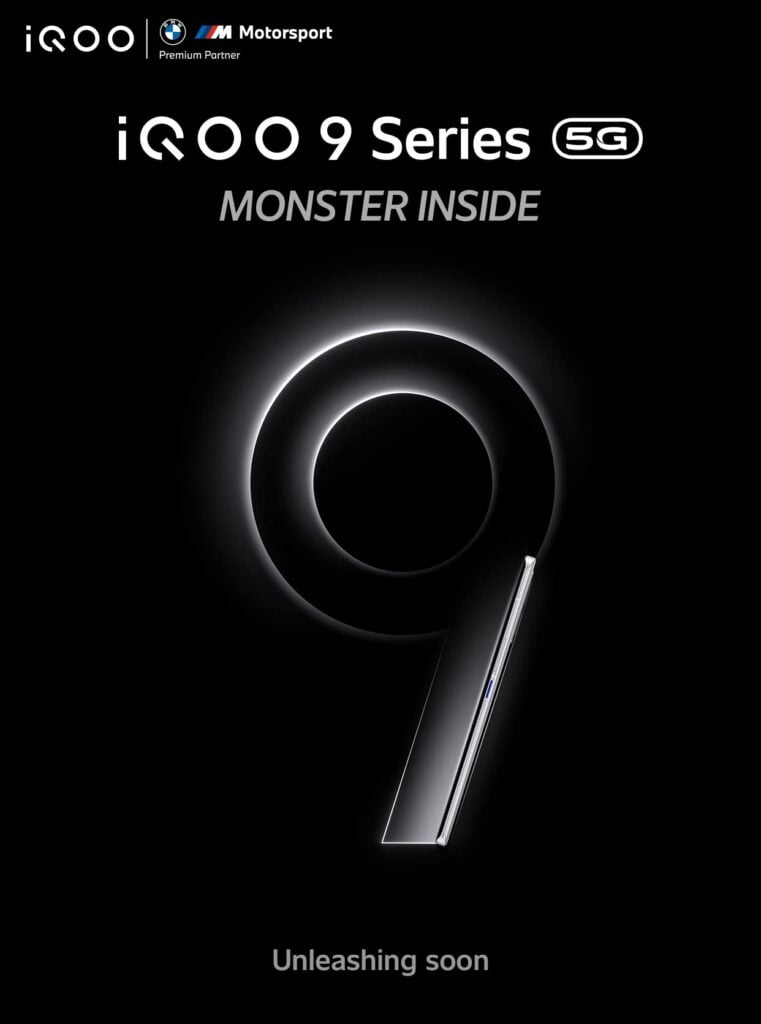
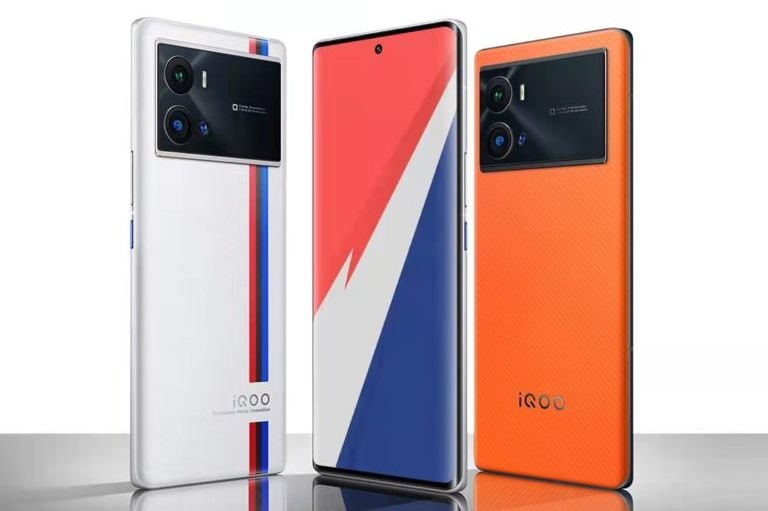
iQOO is reportedly working on the iQOO 9 series of flagship phones. A reliable tipster from China has confirmed has shared the rumored launch timeline of the iQOO 9 lineup.
According to the tipster, the iQOO 9 lineup may debut in the second week of January 2022. Unfortunately, the rumor mill is yet to share the specifications of the iQOO 9.
iQOO announced the iQOO 8 and iQOO 8 Pro flagship phones driven by the Snapdragon 888 and Snapdragon 888+ chipsets back in August this year. Hence, it is likely that the company may unveil the iQOO 9 and iQOO 9 Pro smartphones with different chipsets.
The company recently confirmed that it will be launching a flagship phone powered by the Snapdragon 8 Gen 1 SoC. There is a possibility that this chipset could be present under the hood of the iQOO 9 Pro. The vanilla model may not get the same chip. Probably, the company may use the Snapdragon 888 or the Dimensity 900 to power it. The rumor mill is expected to spill more information on the iQOO 9 series in the coming weeks.
A recent report claimed that the iQOO 9 series may debut in India in February 2022. It is expected to arrive with support for 120W fast charging.
Rumors are rife that the Chinese manufacturer may announce the iQOO Neo6 and iQOO Neo6 SE this month. The latter is expected to feature the Snapdragon 778G+ chipset, whereas the Neo6 is speculated to arrive with specs like a 6.56-inch OLED FHD+ display, a 16-megapixel front camera, a Sony IMX598 48-megapixel primary rear camera, Snapdragon 888, 12 GB of RAM, 256 GB of built-in storage, Android 11, an in-display fingerprint scanner, dual speakers, and a linear motor.
Apple recently launched the Watch Series 7 lineup and now the company is gearing up to launch new models in its portfolio of wearable devices. As per the report coming from Mark Gurman of Bloomberg, the Cupertino-based company could revamp the entire lineup.
It is being reported that the Apple Watch lineup for the upcoming year could include an updated version of the Apple Watch SE, which might be named Apple Watch SE 2. Not just that, the company is also expected to launch a rugged design version aimed at athletes.
Apple Watch Series 7
Along with these new devices, the company is set to continue with the usual lineup which will be upgraded with more features in the upcoming Apple Watch Series 8, offering all the premium features from the tech giant.
The Apple Watch SE 2 will be in line with the original SE model that was launched in the year 2020, aimed at budget customers. It features designs similar to the regular Apple Watch models but lacks some of the advanced features, such as always-on display, blood oxygen sensor, and ECG functionality.
So far, nothing is known about what the updated Watch SE model could offer but there’s a possibility of a slightly tweaked design and some additional features related to health and fitness management but it’s just speculation at this time.
Apple is also planning to launch a rugged version of its smartwatch with bolstered durability which will be targeted towards sports athletes. It is said to have a “ruggedized” design and may feature a case more resistant to scratches, dents, falls, and more.
Currently, the tech giant has three lineups of smartwatches — Apple Watch Series 7, Apple Watch Series 3, and Apple Watch SE. The company will now be expanding the offering and targeting niche customers with a rugged design.
Moto Edge X30 is launching on Dec. 9 in China. It is very likely to launch as the first-ever smartphone driven by the Snapdragon 8 Gen 1. Apart from packing a brand-new chip, the Edge X30 is expected to offer several exciting features. Now, the Lenovo-owned brand has confirmed several details of the upcoming flagship phone.
As can be seen in the posters shared by the brand, the Edge X30 will be gracing a 60-megapixel selfie camera. The rear camera setup of the phone will have a pair of 50-megapixel cameras. Past reports have revealed that the dual 50-megapixel lenses will be accompanied by a 2-megapixel macro camera.
The Moto Edge X30 is packed with a 5,000mAh battery. It will be equipped with support for 68W fast charging. Yesterday, the company confirmed that the X30’s screen will arrive offer features like 10-bit colors, HDR10+, and a 144Hz refresh rate. A live image of the phone that was shared by the brand revealed that the phone will sport a punch-hole display with symmetrical bezels at the top and bottom.
The Edge X30’s TENAA certification revealed that it has a 6.67-inch OLED FHD+ display. It may release in China with 6 GB / 8 GB / 12 GB / 16 GB of RAM and 64 GB / 128 GB / 256 GB / 512 GB of storage. It will come preinstalled with My UX 3.0 based Android 11 or 12 OS. The company has confirmed that the Edge X30’s sales will begin on Dec. 15 in the home market.
Apart from launching the Moto Edge X30, the company is also said to announce the Moto Edge S30 alongside it. The Edge S30 will be a rebranded version of the Moto G200, which was announced last month in Europe. Reports have claimed that the Edge X30 is heading to the European markets with the Motorola Edge 30 Ultra moniker.
Samsung’s long-delayed smartphone — the Galaxy S21 FE is now finally expected to go official next month during the Consumer Electronics Show (CES) 2022. As the launch is nearing, we are getting to know more about the phone, even though most of the information related to the smartphone has already been leaked.
In the latest leak, the official render of the Samsung Galaxy S21 FE has surfaced online as the support page for the upcoming smartphone has gone live on the official website for Samsung’s UAE region.
Along with that, the company has also listed three other products related to the Galaxy S21 FE on the website, which are the official cases. They are similar to what the South Korean company has been offering for most of its premium phones — Clear View Cover, Silicone Cover, and Clear Standing Cover.
The renders showcase a design that has now become familiar. There’s a punch-hole cutout on the front panel for housing the selfie camera where there’s an array of three camera sensors on the back in the top-left corner — just like the original Galaxy S21.
While the smartphone is getting launched in January, it is believed to get a soft launch rather than a dedicated special event. Also, the initial supply is expected to be low because of the ongoing chip shortage.
A recent report revealed that the Samsung Galaxy S21 FE could get launched in India around the same time as the global launch, meaning sometime in January 2022. In India, the phone is expected to come in four colors — White, Black, Pink, and Green.
Based on the leaks and rumors so far, the phone features a 6.4-inch Full HD+ display with a 120Hz refresh rate. It will be powered by the Qualcomm Snapdragon 888 or the company’s own Exynos 2100 chipsets, depending on the region.
It comes in two memory variants — 8GB RAM with 128GB internal storage and 8GB RAM with 256GB of internal storage. It will be powered by a 4,380mAh battery and support 25W fast charging technology. It is likely to come with the Android 11 operating system and Samsung OneUI 3.1 custom skin.
Coming to the camera department, the device will have a 64MP primary sensor, paired with a 12MP ultra-wide-angle lens, and a 2MP depth sensor. The phone could house a 32MP snapper for selfies and video chats.
Last week, Honor announced its latest smartphones in the market — Honor 60 and Honor 60 Pro. At the launch event, China-based display manufacturer BOE revealed that it is supplying the screen for the top-end model.
The Honor 60 Pro display, which has a four-sided curved design and an OLED panel, is being supplied by BOE. It is claimed that this is the first time in the industry that a four-sided corner screen is used for the display for better design aesthetics.
From what the company has revealed, the top bezel on the Honor 60 Pro smartphone is 32 percent than that of the iPhone 13 Pro while the side bezel is about 43 percent narrower. The narrow bezels on the phone offer a better screen-to-body ratio.
The display of the smartphone also comes with support for 1920Hz high-frequency PWM dimming which has high strobe frequency and thin stripes. In comparison, the iPhone 13 uses 480Hz low-frequency PWM dimming.
The Honor 60 Pro features a 6.78-inch OLED display with a screen resolution of 2652 x 1200 pixels, 429PPI pixel density, and a screen contrast of up to 500W:1. It also comes with support for DCI-P3 100% wide color gamut, HDR10+ certification, 1.07 billion color display, a 120Hz screen refresh rate, and more.
The display is certified by the Rheinland TUV low blue light certification, which is more eye-friendly when used for a long time. The device is powered by the Snapdragon 778G Plus, paired with 8/12 GB RAM and 256GB of internal storage. It is powered by a 4,800mAh battery and supports 66W wired fast charging.
After the U.S. ban, Huawei decided to move its attention towards other hi-tech products different from smartphones, including laptops. After releasing a lot of interesting notebooks, the company came up with a new convertible laptop: the 2021 version of the Huawei MateBook E. It has been a long time since the Chinese giant released a 2-in-1 laptop and now this device lets Huawei compete directly with Microsoft and Apple. But does the Huawei MateBook E stand a chance against the best convertible laptops released by Microsoft and Apple? This comparison between Huawei MateBook E, Microsoft Surface Pro 8, and Apple iPad Pro M1 12.9 will help you to find out.
Huawei MateBook E 2021 vs Microsoft Surface Pro 8 vs Apple iPad Pro M1 12.9
Huawei MateBook E 2021
Microsoft Surface Pro 8
Apple iPad Pro M1 12.9
DIMENSIONS
184.70 x 286.50 x 7.99
287 x 208 x 93 mm
280.6 x 214.9 x 6.4 mm, 682 g
DISPLAY
12.6 inches, 2560 x 1600p (Quad HD+), OLED
13 inches, 1920 x 2880p (2K+), LCD
12.9 inches, 2048 x 2732p (Quad HD+), Liquid Retina XDR mini LED LCD
Triple 12 + 10 MP + LiDAR f/1.8 and f/2.4
12 MP f/2.4 front camera
BATTERY
42 Wh, fast charging 65W
51.5 Wh
40.88 Wh, fast charging 18W
ADDITIONAL FEATURES
Pen support, keyboard support
5G, pen support, keyboard support
LTE, 5G, Pen support, stylus support
Design
The design is definitely a key feature of these tablets. All of them are very thin, lightweight, and well-built. They also come with a very high screen to body ratio, thanks to narrow bezels around the display. The most amazing tablet in terms of build quality seems to be the Apple iPad Pro M1 with an incredibly thin body: just 6.4 mm. It is entirely made of aluminum with the exception of scratch-resistant and oleophobic front glass, and despite it having a wide display, it weighs just 682 grams.
Display
Besides providing the most attractive design, the Apple iPad Pro M1 is also equipped with the most advanced display. It is a Liquid Retina XDR with mini-LED backlighting, a 120 Hz refresh rate, HDR10 certification, and Dolby Vision. But unlike the Huawei MateBook E, it does not come with an OLED display, which means you can get deeper blacks with the Huawei tablet and brilliant colors, as well as 100 percent DCI-P3 coverage. Microsoft Surface Pro 8 and iPad Pro M1 rely on facial recognition for authentication, while the Huawei MateBook E has a fingerprint reader placed on the power key.
Hardware/Software
Apple iPad Pro M1 is the fastest and most reactive tablet thanks to the iPadOS operating system and the new Apple M1 processor. But all of these tablets are flagships, so you won’t notice a big difference. The Huawei MatePad E and the Microsoft Surface Pro 8 run Windows 11, which means you can use more professional software for productivity and more, and you can also play advanced PC games. Between Huawei MateBook E and Microsoft Surface Pro 8, the latter is superior due to a better processor and higher-end memory configurations including up to 32 GB of RAM and up to 1 TB of SSD internal storage.
Camera
If you are looking for the most advanced camera, then the iPad Pro M1 is your best choice. It has a 12 MP main camera, a 10 MP ultrawide sensor, and a TOF 3D LiDAR scanner for AR appliances, as well as a great 12 MP front camera. It is the only tablet of the trio to sport multiple cameras on the rear side and it has better sensors.
Battery
The battery life provided by the iPad Pro M1 is actually longer in a lot of scenarios thanks to iPadOS and the Apple M1 chip. With the Huawei MateBook E, you get a faster-charging technology with 65W power.
Price
The prices of these tablets vary depending on the market. The iPad Pro M1 costs €1200 in Europe, Microsoft Surface Pro 8 starts from $1099 in the U.S. and Huawei MateBook E starts from $940 in China, which is currently the only market in which it is available. If you do not mind the most advanced productivity software and gaming, then the iPad Pro M1 is actually a better tablet. But if an advanced OS like Windows 11 is important to you, then you should go for the Surface Pro 8. On the paper, the MateBook E is inferior to the Surface Pro 8, but it has a higher value for money.
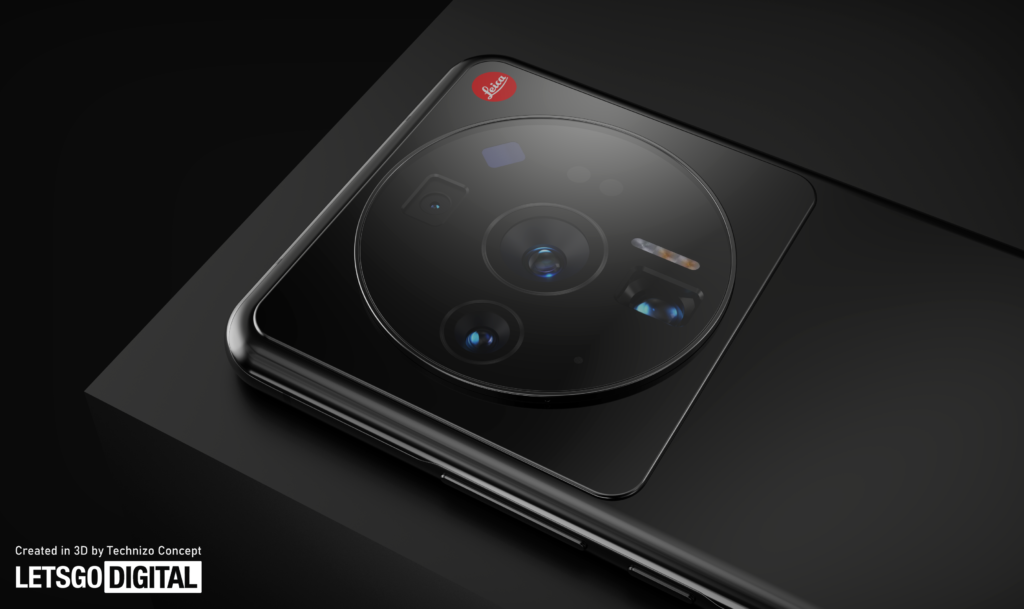
The upcoming Xiaomi 12 5G smartphone has been the subject of rumors lately. A few days back, Weibo tipster Digital Chat Station provided renders of the rear panel of the upcoming Xiaomi flagship, indicating that the device will have a three-camera system on the rear of the device. The primary camera will be a 50MP snapper.
Digital Chat Station has now added more details about the Xiaomi 12 5G. The tipster claims that Xiaomi will be using anti-glare (AG) glass coating on the rear camera patch to match with the back cover of the smartphone. This means that the camera bump does not stand out as it will be the same color as the back of the device.
The Xiaomi 12 5G is rumored to be released on December 28 (unconfirmed) while the other models in the lineup like the Xiaomi 12 Ultra will come on board in January 2022. The Xiaomi 12 Ultra could come with a monster 200MP primary snapper. Global availability and pricing details, as well as confirmation of the launch date, are still expected from Xiaomi.
Xiaomi has continued to ride on the crest of the decline of Huawei to take a leading position as a global smartphone manufacturer. However, the company is yet to make inroads into the United States market and it is unlikely that the Xiaomi 12 lineup will herald the company’s entry into the US market.
The Canadian Police have alerted residents of York that a syndicate is using the Apple AirTags item tracker to aid their theft of luxury cars. A press release from the York Regional Police has warned residents of the area that the police have discovered a new method being used by criminals to track and steal high-end cars across the region.
The York Regional Police says the current trend began in September 2021when the police department started investigating the use of small tracking devices on high-end automobiles that were placed there by thieves to help them track and steal the cars later. The police specifically mentioned the AirTags which are placed by the criminals in hidden locations of the car when parked in high-traffic areas or a parking lot. The vehicles are subsequently tracked to the owner’s houses, where the tech-savvy criminal syndicate will then use a raft of devices to gain access into the vehicles and drive them out of the parking lot. To gain entrance into the car, the thieves first use a screwdriver via the driver or front passenger door.
The York Police department is therefore putting an advisory to help secure vehicles from being stolen by criminals. These suggestions apply to other areas apart from Canada and could be useful. They said you should park your vehicle in a locked garage, as most of the incidents were related to vehicles parked on driveways. A manual lock for the steering wheel is also a good deterrent, as well as putting a lock on the data port, which will prevent reprogramming of the onboard computer. Video surveillance is also encouraged, as owners are advised to make sure the camera is set to monitor the car both day and night.
New features on the iOS 15.2 (currently under testing) by Apple make it possible to manually track AirTags that do not belong to you, and this feature will help to identify a hidden tag on your car and alert police. It is not clear whether the owner/ user of the intercepted AirTags can be easily identified. This could help the police to identify the criminals, although the investigation is ongoing.
There is a growing suspicion that Google Pixel smartphones mailed in for repairs are being tampered with after the repairs and before being sent back to the owners. Game designer Jane McGonigal has relived her experience with her Pixel 5a smartphone which she mailed for repairs to a Texas Google facility. She claims that the smartphone was hacked into and someone used the smartphone to log into her Gmail account, Drive, photos backup email account, and dropbox.
McGonigal is advising against mail-in servicing of users of Google Pixel phones, as the device could be hacked. McGonigal also said that most of the photos opened by the hackers were of her at various stages of undress, with the intruders looking for nude photos that could be used against her. She also alleged that the hackers deleted Google security notifications in her backup email accounts, obviously aimed at covering their trail.
There has been another case relating to the same Texas facility where McGonigal mailed her Pixel smartphone, and it was alleged that the hackers went as far as accessing the user’s Paypal account and made a $5 transfer. These accusations are grave and are bound to hurt Google if drastic actions are not seen to be taken. Although no official statement has been made yet by Google, McGonigal hints that back-channel communication on the matter indicates that it is under review by Google.
McGonigal is advising that persons desirous of having their smartphones repaired/replaced should consider other ways of getting the stuff down rather than mailing the device to Google. The McGonigal issue could have grave implications for Google, and even litigation, as happened to Apple in a similar case.
Samsung is expected to unveil its 2022 flagship smartphone – the Galaxy S22 series next year but the date for the unveiling is yet to be revealed by the company. The Galaxy S series used to be the first to utilize Qualcomm’s next-gen chipset when released but next year’s model won’t come to the party until February.
According to popular tipster Ice Universe, the Korean tech giant won’t officially announce the Galaxy S22 Ultra until February 8. Invariably, the other models in the Galaxy S22 series will be announced on the same day. The tipster noted that if the Galaxy S22 Ultra flagship is eventually launched on February 8, there will be up to 5 different flagship models already launched with the Snapdragon 8 Gen 1 chipset.
Galaxy S22 Ultra came too late. If it is released on February 8, at that time, at least five Snapdragon 8 GEN1 flagship phones have been listed. pic.twitter.com/u7ddu6kAKl
Qualcomm announced the Snapdragon 8 Gen 1 recently and the race is already on as to who will be the first to launch a flagship powered by the Qualcomm chipset. One such company is Xiaomi who is expected to launch the Xiaomi 12 later this month to emerge as the first Snapdragon 8 Gen 1-powered model. Motorola Edge X30 and Realme GT2 Pro are also in the race to grab the coveted crown even though it is just for clout. We are sure the models won’t be available to buy until next year.
In terms of specifications, the Samsung Galaxy S22 Ultra is equipped with a 108MP main camera, 10MP, 10MP, and 12MP rear cameras. The main 108MP sensor model is a Samsung HM3 sensor. It has a 1/1.33-inch ultra-large bottom and an aperture of f/1.8. The pixel area of 0.8μm, and is expected to support optical image stabilization.
Japanese automaker Toyota is collaborating with Chinese company BYD to build an electric vehicle that will be launched in 2022. The partnership between Toyota and BYD is seen as a move by the Japanese company to fast track its development of electric vehicle models in line with industry trends.
Toyota had pursued research on hybrid vehicles and hydrogen fuel cells in its future cars, but its progress has not been at par with the pace of evolution in the global EV market. Toyota presently has a few EV offerings in the market but the brand is miles away from the top and has a negligible market share in the fast-growing market.
It is understood that the Toyota-BYD partnership will see the release of a small and affordable electric sedan in China late next year, and the new electric car will come with a 200,000 yuan ($30,000) price tag. The partnership, according to Toyota, will see BYD providing the key technology that will yield a roomy car that is also affordable. It will be powered by BYD’s blade battery cells with the much improved LFP chemistry.
BYD is a fast-rising tech provider in the EV industry and its proprietary blade battery cells technology is attracting attention from the big hitters in the industry. The new Toyota-BYD electric car is rumored to be slightly bigger than the Toyota Corolla. There are still some key details that are still not available for the new Toyota electric car. It is unclear whether Toyota hopes to expand the availability of the car beyond China.
Both Toyota and BYD declined to comment on the news which emanated from inside sources.
The modular Fairphone 4 smartphone is different from the common smartphones which are sometimes very delicate and not to be disassembled. The modern smartphone is indeed designed not to be tinkered with but the Dutch phone maker Fairphone is fast creating a niche for itself with its lineup of rugged phones. Fairphone’s design philosophy for its phones incorporates easy repairability and durability. The company sells repair kits and parts to customers who may want to carry out some DIY repairs on their devices.
The Fairphone 4 has gone through the paces of JerryRigEverything’s full durability test. This included a teardown of the device without the aid of a heat gun, a quick reassembling of the device, and several layers of stress and durability testing. The Fairphone 4 sports a Gorilla Glass 5 panel that withstands higher degree scratches and scores 7 on the Mohs Hardness Scale. The frame of the smartphone is made of anodized metal while the removable matte-finished plastic back panel withstood scratches using a razor.
The Fairphone 4 also performed impressively under extended heat situations as it lasted about 10 seconds when placed in the range of a fire source. The sturdy design of the Fairphone 4 also showed in the bend test which it survived as well. It is hoped that the impressive performance of the Fairphone 4 will draw potential customers to the Fairphone brand as it continues to carve a niche of ruggedness and sustainable smartphones.
Moto Edge X30 is all set to go official on Dec. 9 in China. It is expected to debut as the world’s smartphone driven by the Snapdragon 8 Gen 1. Ahead of the launch, Lenovo China General Manager for the mobile division, Chen Jin shared an image to showcase the display of the Moto Edge X30. At the same time, the company also confirmed some of the key features of the X30’s screen.
Motorola confirmed that the Edge X30’s screen will carry support for a 144Hz refresh rate, 10-bit colors, and HDR10+. As can be seen, the Edge X30 has a punch-hole display with narrow bezels. The upper and lower bezels of the phone are almost symmetrical. It can be said based on the TENAA listing of the device that it will be sporting a 6.67-inch OLED screen that delivers a Full HD+ resolution.
Moto Edge X30 live image
The Edge X30 is expected to feature a 60-megapixel camera for snapping selfies. Its rear camera setup may feature a 50-megapixel main camera with OIS support, a 5-megapixel secondary lens, and a 2-megapixel camera.
The Snapdragon 8 Gen 1 SoC powers the Edge X30 with up to 16 GB of LPDDR5 RAM and up to 512 GB of UFS 3.1 internal storage. The device will come preinstalled with Android 11. It will be backed by a 5,000mAh battery that supports 68W fast charging.
The Edge X30 is expected to arrive with an IP52 rated chassis, an in-screen fingerprint scanner, a Google Assistant key, and stereo speakers. It is expected to release in the global markets in January with the Motorola Edge 30 Ultra moniker.
Last week, Motorola began teasing the arrival of the Moto G51 5G. Leaked information revealed that the company will be launching the smartphone on Dec. 10 in India. Today, it officially confirmed that the device will be breaking cover on the said date.
The official teaser shown below confirms that the Moto G51 5G will be arriving in two colors in India. It also confirms that the device will be sold through the Flipkart retailer site.
The Moto G51 is expected to arrive as India’s first-ever smartphone driven by the Snapdragon 480 Plus mobile platform. It is also expected to arrive with support for 12 5G bands. It is likely to cost under Rs 20,000 (~$265), thereby it is expected to become the most affordable 5G phone from the brand.
Moto G51 5G specifications (expected)
The Moto G51 5G has a 6.8-inch IPS LCD screen that delivers a Full HD+ resolution of 1080 x 2400 pixels, a 20:9, and a 120Hz refresh rate. The device is preinstalled with My UX flavoured Android 11. It could be coming with a 13-megapixel or a 16-megapixel front camera.
Moto G51 5G
The G51 5G is powered by the Snapdragon 480 Plus chipset. It is likely to arrive with up to 8 GB of RAM and 128 GB of storage. It has a 5,000mAh battery that supports 10W charging. The rear camera system of the phone has a 50-megapixel main camera, an 8-megapixel ultrawide lens, and a 2-megapixel macro camera.
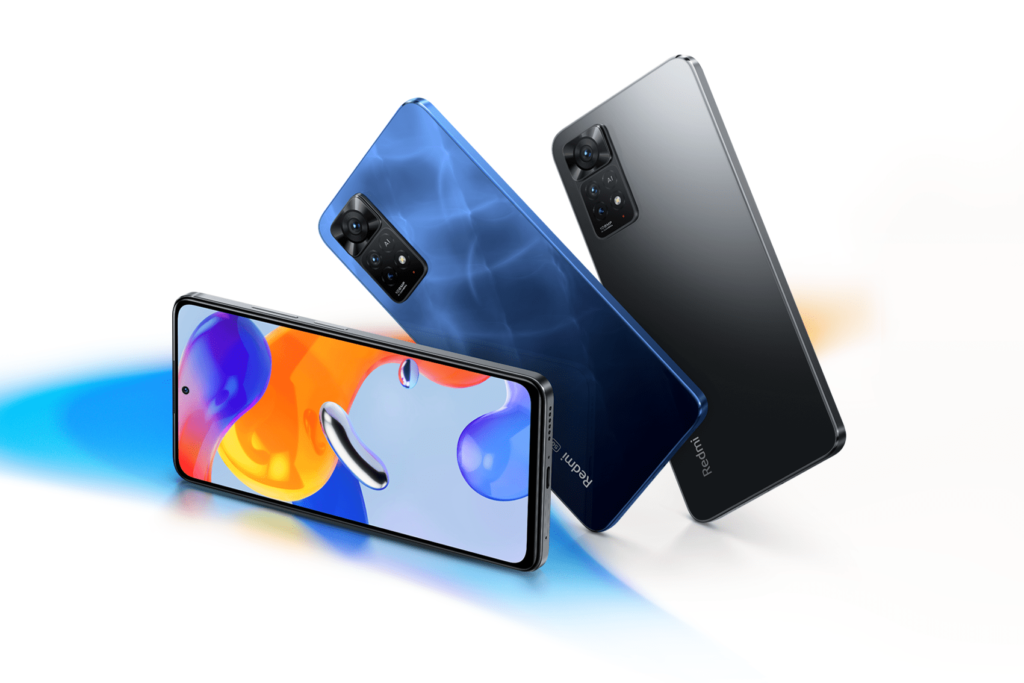
Xiaomi is reportedly working on Redmi 10 2022 and Redmi 10 Prime 2022 smartphones. Model numbers such as 21121119SG, 22011119UY, and 21121119VL are associated with Redmi 10 2022 handset. These models have been spotted at certification sites such as Europe’s EEC, Singapore’s IMDA, Indonesia’s TKDN and SDPPI, and TUV. Fresh information reveals that the 22011119UY variant has been certified by the Federal Communications Commission (FCC).

The FCC listing has revealed that the Redmi 10 2022 will be arriving in two variants such as 4 GB RAM + 64 GB storage and 6 GB RAM + 128 GB storage. The device will come preinstalled with MIUI 12.5 based Android 11.
1 of 2
Redmi 10 2022 FCC
Redmi 10 2022 FCC-
The FCC certification also confirms that the Redmi 10 2022 is a 4G LTE as it lacks support for 5G connectivity. It was revealed recently revealed by tipster Kacper Skrzypek that it will be equipped with a 50-megapixel camera, which could be the Samsung S5KJN1 lens or OmniVision OV50C40 sensor. It will be coupled with an 8-megapixel Sony IMX355 camera, and a 2-megapixel OmniVision OV02B1B or GC02M1B lens.

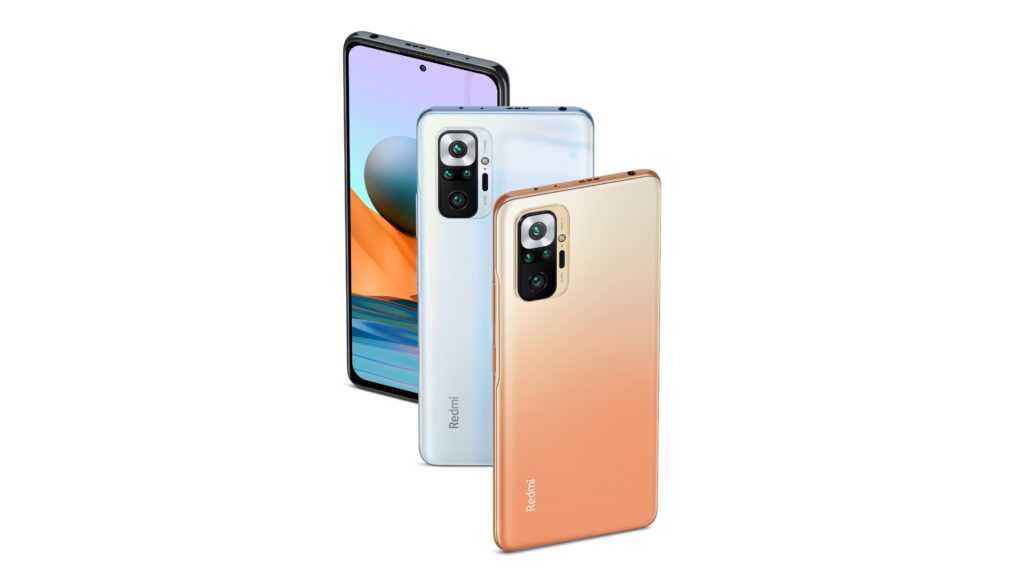
It is speculated that it could be a rebranded version of the Redmi Note 11 4G, which debuted in China recently. It has a 6.5-inch IPS LCD FHD+ 90Hz display, a side-facing fingerprint scanner, an 8-megapixel front camera, a 50-megapixel (main) + 8-megapixel (ultrawide) + 2-megapixel (macro) triple camera unit, Helio G88 chip, and a 5,000mAh battery that supports 18W fast charging.
Redmi Note 11 4G
The specs of this phone are identical to the Redmi 10, which is available in global markets. It has an additional 2-megapixel depth sensor. There is no information on the specs of the Redmi 10 Prime 2022. However, it is speculated that this device could be heading to India.

Chinese phone giant Xiaomi is expected to launch the Xiaomi 12 series by the end of this month. Rumours are rife that the series may debut on December 28 comprising of three different models – Xiaomi 12, Xiaomi 12X, and Xiaomi 12 Pro. Now, ahead of its arrival, we have an important piece of information that sheds light on its cameras.
According to the notorious tipster DigitalChatStation, the Xiaomi 12 will not come with the popular under-display camera, instead, it will have a punch-hole camera. Furthermore, it will be a center punch-hole screen which is expected to bring improvements over its predecessors.
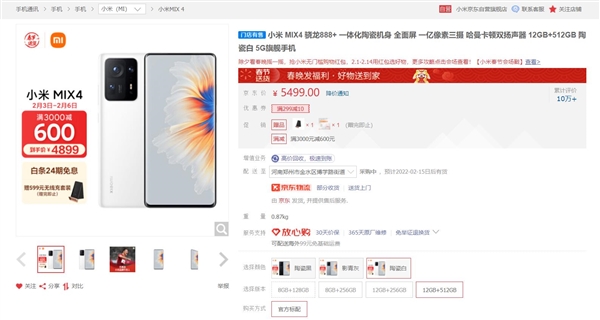
Moreover, the punch-hole screen will be present on all three models. The primary reason for not employing an in-display camera is still known. However, a report reveals that Xiaomi took lead in mass-producing the under-display camera for the MIX 4 and it resulted in a selfie camera that wasn’t up to the mark. That said, Xiaomi is expected to stick to employing the punch-hole camera at least for this year’s flagship series phones.
Apart from this, the other specs of the smartphone series have already been known. The Xiaomi 12 and 12 Pro will come powered by the recently launched Qualcomm Snapdragon 8 Gen 1 SoC. On the other hand, the Xiaomi 12X will board the Snapdragon 870 SoC. The Xiaomi 12 series is expected to have an LTPO adaptive refresh rate screen with a refresh rate adjustment level between 1 to 120Hz.
The Dutch company Fairphone, famous for its modular phones and ethical practices, released the Fairphone 4 in September as the latest addition to their module smartphone line. The phone was recently tested on its durability and sustainability claims by the famous Youtuber, JerryRigEverything.
The Youtuber Zack Nelson first puts the phone through a disassembly and reassembly test, suitable for a phone claiming to be designed for easy dismantled and repaired by the end-user, prolonging the useful life as long as possible.
Image via JerryRigEverything
The Youtuber easily removes the back case and battery of the phone, complimenting the brand for offering the easiest battery replacement experience of 2021. Zack proceeds to easily remove the bottom module containing the speakers, the USC-C connector, the top module containing the rear camera, and the front-facing camera in a matter of minutes.
He also points out that an expert screwer can replace the display on the Fairphone 4 in about 5 minutes. It is as easy as removing 8 Phillips head screws and running a fingernail around the exterior edge of the phone.
Following that easy reassembly, the Gorilla Glass 5 screen of the smartphone is put through a scratch resistance test which shows no marks when scratched by materials with a level 5 hardness on the Mohs scale of hardness.
The aluminum chassis of the phone holds up admirably as well, only losing some color to a scrape from a box cutter. The screen is also put through the burn test with a lighter under it for 10 seconds resulting in the pixels turning black, but they recover their functionality only a few seconds later.
The Youtuber concludes the durability assessment with a bend test that sees the phone passing with flying colors as it handly has any flex when bent from both back and front. Although the Fairphone 4 may have sacrificed a slim form factor for the sake of replaceable components, it hasn’t come at the cost of its durability.
Zack’s only gripe about the phone was its lack of availability outside Europe. He concludes his video by speculating that the Fairphone might be a massive success in the U.S.A if released as not all people want the latest and greatest in tech, and some want the phone to last long.
If you are interested in this modular device by Fairphone, you can check out its specs by clicking this link.
We use cookies on our website to give you the most relevant experience by remembering your preferences and repeat visits. By clicking “Accept”, you consent to the use of ALL the cookies.
This website uses cookies to improve your experience while you navigate through the website. Out of these, the cookies that are categorized as necessary are stored on your browser as they are essential for the working of basic functionalities of the website. We also use third-party cookies that help us analyze and understand how you use this website. These cookies will be stored in your browser only with your consent. You also have the option to opt-out of these cookies. But opting out of some of these cookies may affect your browsing experience.
Necessary cookies are absolutely essential for the website to function properly. This category only includes cookies that ensures basic functionalities and security features of the website. These cookies do not store any personal information.
Any cookies that may not be particularly necessary for the website to function and is used specifically to collect user personal data via analytics, ads, other embedded contents are termed as non-necessary cookies. It is mandatory to procure user consent prior to running these cookies on your website.