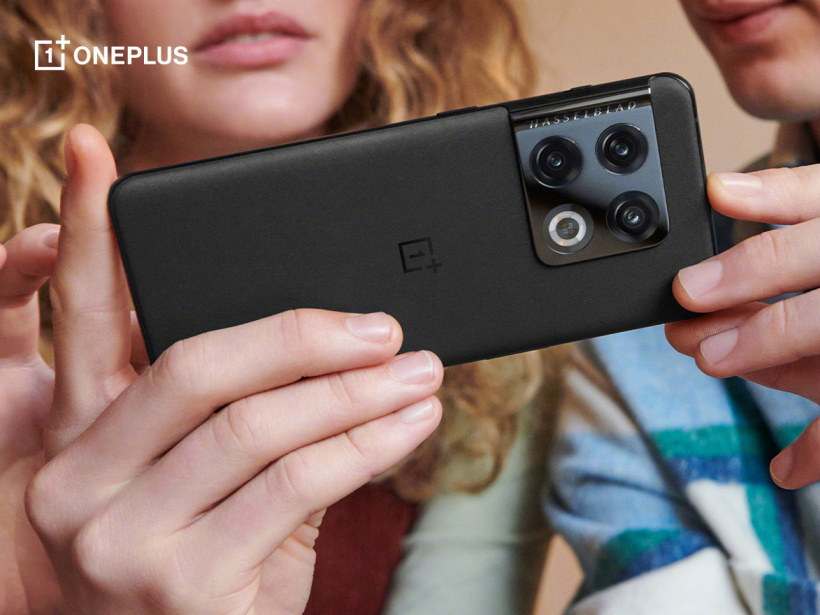
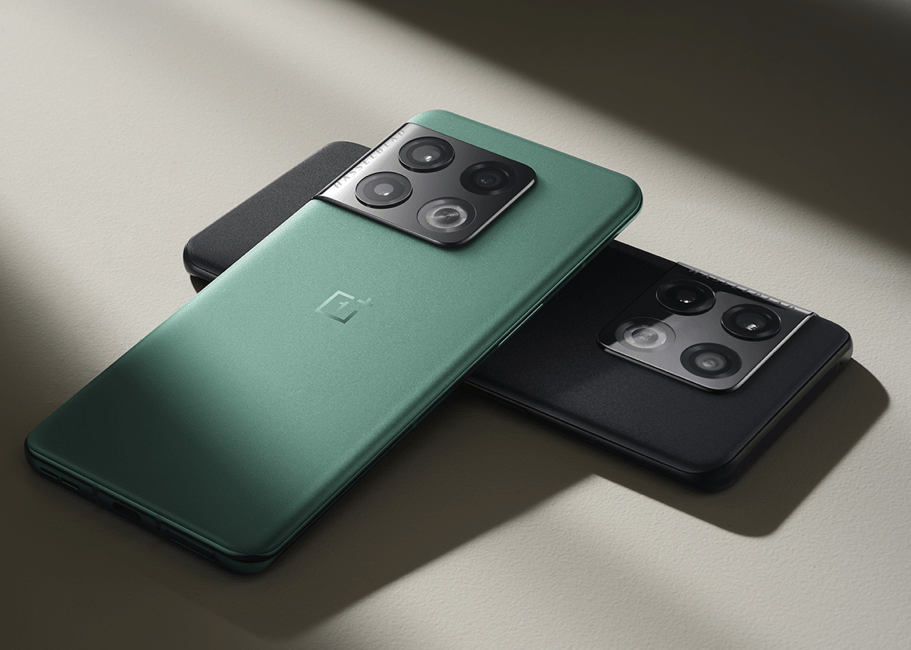
OnePlus is all set to launch the OnePlus 10 Pro on January 11 in China. The brand has been teasing the features of the smartphone for the past few days. Apart from disclosing the spec sheet, it has also revealed the design. Today, it has been confirmed that the handset will introduce new ColorOS features.
OnePlus 10 Pro
Our OnePlus 10 Pro official specifications story was based on the global announcement. Today, upon looking at the same announcement for the Chinese market, we found that the device will ship with ColorOS 12.1 based on Android 12.
This means the OnePlus 10 Pro will be the debut phone for ColorOS 12.1. Hence, the company has started teasing the new features of the latest version of OPPO’s mobile software.
A few hours ago, we reported on a new gaming feature called HyperBoost, which was revealed by OnePlus earlier today. Going by the posts by the official Weibo account of ColorOS, this feature will be mostly part of ColorOS 12.1 and not limited to the OnePlus’ new flagship.
This means other devices running the upcoming version of ColorOS could also have this feature. We think that it might be limited to certain high-end models as it is all about high graphics gaming with better thermal performance.
That said, we expect to learn more about ColorOS 12.1 as we are still days away from the launch of the OnePlus 10 Pro.
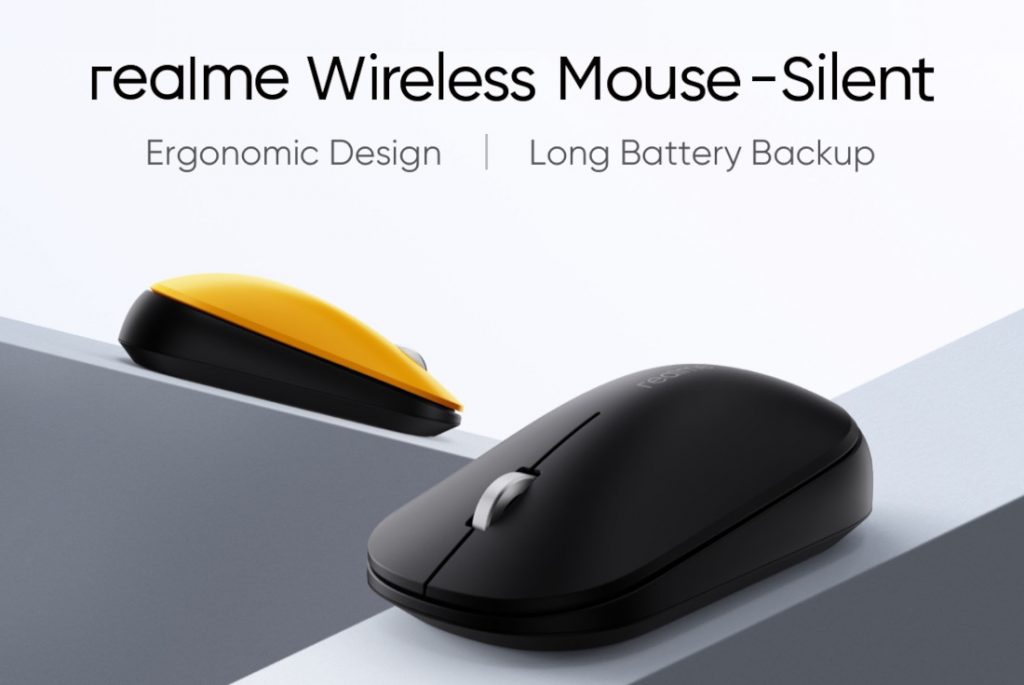
BBK subsidiary Realme has officially unveiled a new wireless mouse for the Indian market. The device is dubbed Realme Wireless Mouse-Silent is the first accessory for laptops/PCs that the company was launching in India.
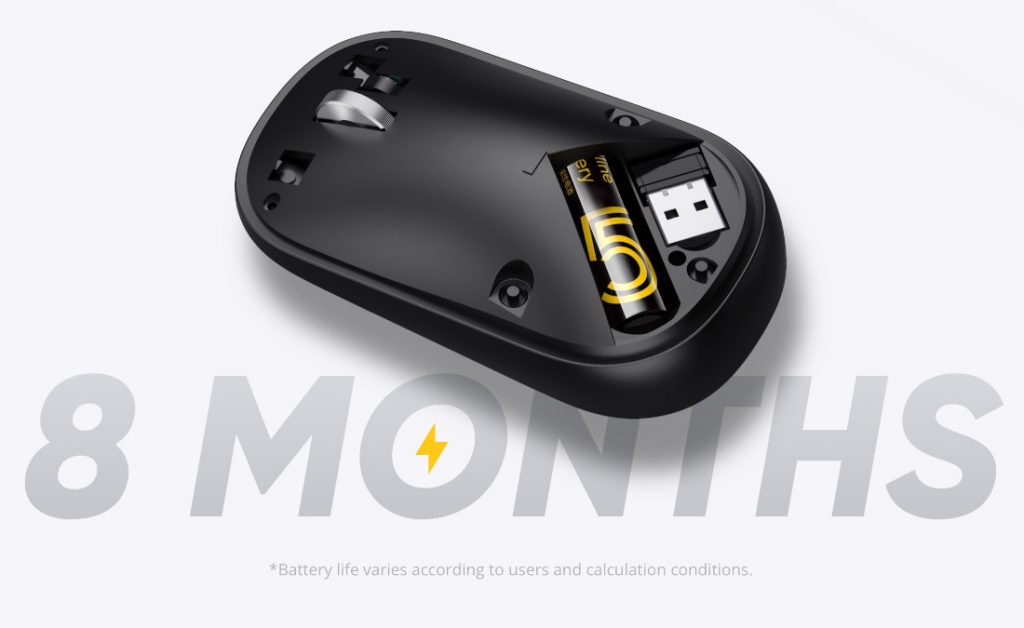
The Realme Wireless Mouse – Silent is a mouse design with silent operation in mind hence the classification as Mouse – Silent. When the mouse is in use, the clicky sound won’t be heard. The gadget comes with an ergonomic design which fits comfortaby in your palms. The mouse uses a single AA battery that can deliver up to 8 months battery life. The mouse supports 800, 1200 and 1600 DPI adjustments. It equally uses a lightweight design weighing in at 62g without the battry.
Unfortunately, you can’t connect the wireless mouse directly to your PC but that shouldn’t be much of a problem considring the affordable pricing. The mouse comes with a dedicated 2.4GHz dongle that needs to be plugged into the PC’s USB-A port. The dongle has a dedicated housing under the mouse for storage.
Talking of teh oroicing and availability, the Realme Wireless Mouse – Silent carries a decent price tag of Rs. 799 (~$10). It is already available to buy in India on Realme’s website. It comes in Black and Yellow colours
Amazon and Lockheed Martin have announced plans to send Alexa to space as part of the Artemis I NASA mission. The mission will be the first of several intended to land the first woman and the first person of color on the Moon.
Alexa will be used in NASA’s Orion spacecraft and will have access to real-time telemetry data through which it will be able to respond to thousands of mission-specific questions such as “Alexa, how fast is Orion traveling?” The virtual assistant will even process requests to control connected devices on board the Orion, starting with in-cabin lighting.
Using NASA’s Deep Space Network, Alexa can also retrieve all sorts of information from Earth for astronauts in space, whether it’s news briefings or sports scores, helping astronauts stay connected to home.
Artemis I will be an uncrewed mission because of which Amazon had to depend on a virtual crew experience at NASA’s Johnson Space Center in Houston, Texas. It has been developed jointly with Lockheed Martin and Cisco. The experience will provide remote access to Callisto and simulate interactions between Alexa and future astronauts.
But it’s not just the crew and scientists that will be benefitting from the initiative, as back home, users with Alexa-compatible devices will be able to browse info on the mission. Access to Orion’s telemetry data as well as videos and photos from the mission will be granted.
Amazon will be launching the new Alexa features “closer to the mission”, but a preview is already available now available across Alexa-enabled devices. To access it, all you have say is “Alexa, take me to the Moon.”
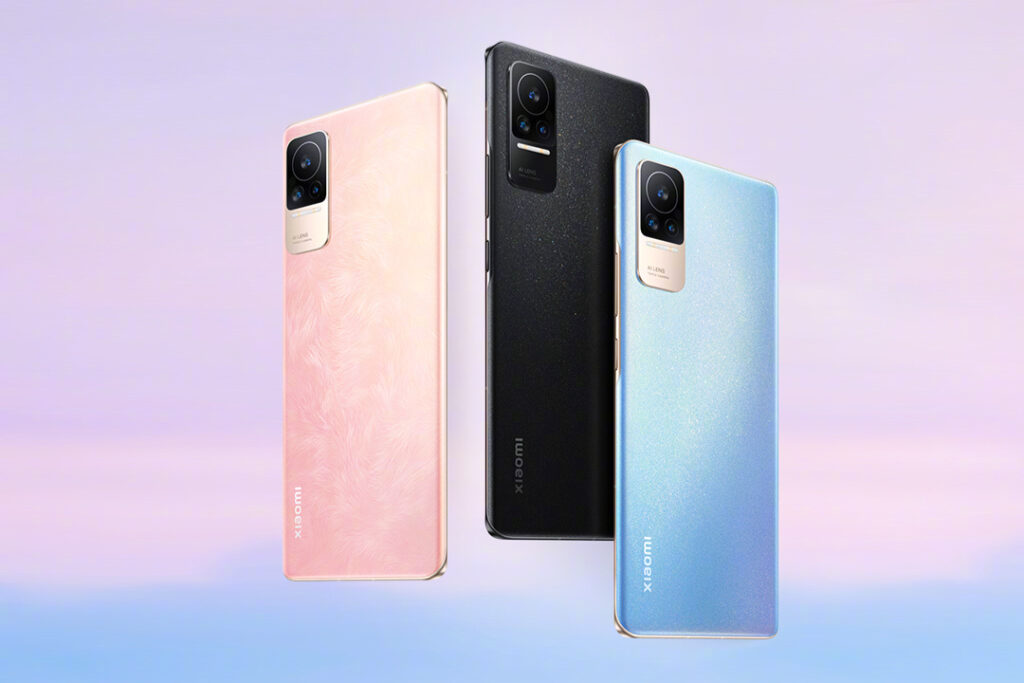
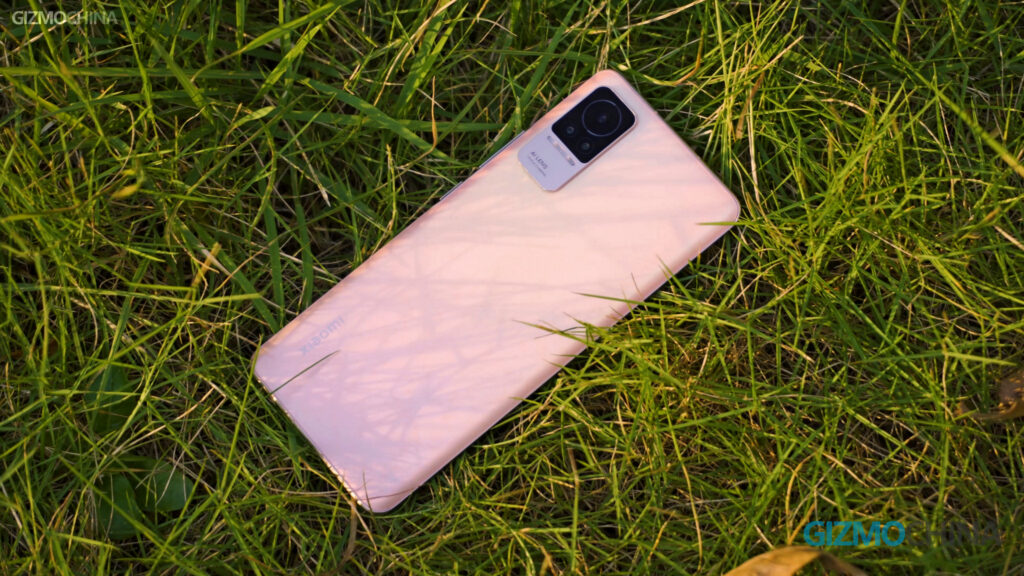
The China-exclusive Xiaomi CIVI which is said to be the most beautiful smartphone offering from the brand stands out from the rest of the lineup due to its clean camera module, gorgeous back panel design, and eye-catching colors. And now, rumors suggest that the CIVI will be getting another color variant.
According to a report by mydrivers, Xiaomi is working on a white variant of the CIVI. The device is already offered in three color variants namely light blue, black and pink. Going with Xiaomi’s design scheme when it comes to the CIVI, we can expect the back to have a velvety, textured glass panel. Additionally, it might also feature a gradient finish that shines under the light.
The Xiaomi CIVI is a smartphone aimed at the young female demographic in Mainland China, however, the new white model might attract more male customers than the previous color variants.
To recall, the Xiaomi CIVI has a 6.55-inch OLED panel with curved edges. It produces a Full HD+ resolution and a 120Hz refresh rate. The handset houses a 4,500mAh battery, which carries support for 55W fast charging. It weighs 166 grams and measures only 6.9mm in thickness.
The Snapdragon 778G fuels the Xiaomi CIVI with up to 12 GB of RAM and up to 256 GB of storage. It has a 32-megapixel front camera, and a 64-megapixel (main) + 8-megapixel (ultrawide) + 2-megapixel (macro) triple camera unit. The front camera supports features like autofocus, pixel-level skin restoration feature, and slow-motion video shooting.
The Xiaomi CIVI was released in the Chinese market back in September 2021 at a starting price of 2,599 Yuan (~$402). But unfortunately, this beautiful device is not available outside of China.
With petrol and diesel prices touching new all-time highs, the Indian automobile market is witnessing a paradigm shift. More and more automakers are hopping onto the all-electric bandwagon and EV sales have risen significantly as well.
A good indication of this is a recent report from JMK Research (via 91mobiles) that shows that the Indian electric vehicle market registered a massive 240% year-on-year growth in December 2021 in terms of sales.
A total of over 50,800 electric vehicles were purchased during December 2021, according to the report, which is 21% higher than the 42,055 figure from November of the same year. The gap gets even wider when December 2020 is brought into the picture, with only 14,978 new EVs registered across the country during the month.
The main contributors to the impressive growth figures were two-wheeler EVs and three-wheeler EVs, which together accounted for 90.3% of EV sales in December 2021. Both categories had a near equal share, with 48.6% of sales coming in from the electric two-wheelers camp and 41.7% from electric passenger three-wheelers. Electric cars and cargo vehicles, meanwhile, clocked in shares of 5 percent and 4.3 percent share, respectively.
Okinawa, Hero Electric, Ampere Vehicles, Ather Energy, Pure EV, TVS Motors, Benling India, Revolt, Bajaj, and Jitendra New EV Tech were the top 10 companies in the high-speed electric two-wheeler (HS-E2W) space, accounting for 94% of the total registrations recorded in the month of December 2021. This particular market clocked in sales of 24,725 units in December 2021, which is a 10% MoM and 444% YoY jump.
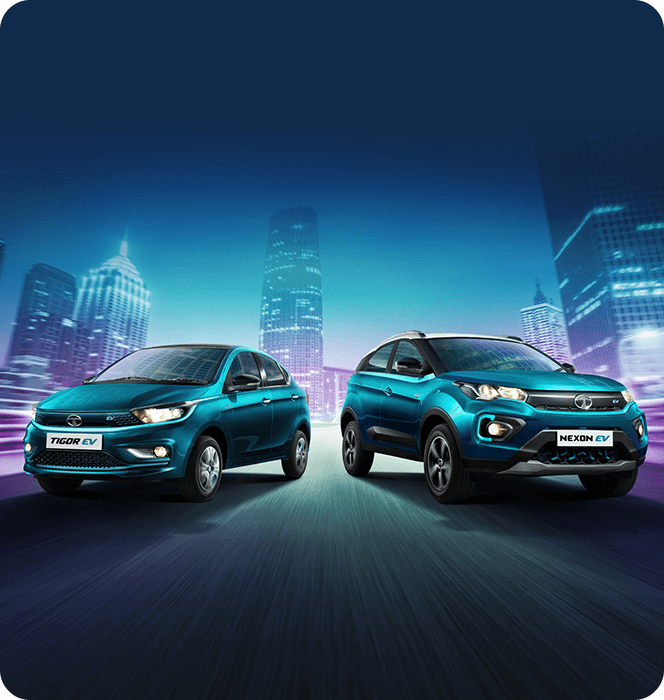
Tata EVs
The scene is a lot different in the electric cars segment though, where Tata Motors stood unrivaled, accounting for 93% of the total of 2,522 units sold in December 2021. It is seconded by MG Motors.
Moving on to state-wise distribution, UP led the chart with a share of 23% from the total number of EVs sold last year. It is joined by Maharashtra and Karnataka on the podium, with 13% and 9% shares respectively. The 4th and 5th ranks are held by Rajasthan with 8% and Delhi with 7% contribution.
A few hours back, Xiaomi launched the Xiaomi 11i and Xiaomi 11i HyperCharge in India. Both these phones are nothing but rebadged Redmi Note 11 Pro and Redmi Note 11 Pro+ respectively. At the end of the pre-recorded live stream, the company teased the arrival of yet another 120W fast-charging smartphone.
During his closing speech, Manu Janu, Managing Director of Xiaomi India revealed that the Xiaomi 11i series launch was just ‘part one of the HyperCharge Revolution’. He added that something else is also coming soon.
The stream later ended by showing a cryptic message, followed by a teaser poster saying ‘THE HYPERPHONE COMING SOON’.
Xiaomi only has a few 120W fast charging smartphones other than the Redmi Note 11 Pro+ (aka Xiaomi 11i HyperCharge). They are Mi 10 Ultra, Xiaomi MIX 4, Xiaomi 11T Pro, and Xiaomi 12 Pro. Out of these, the former two models have no chance of releasing in India.
That’s because the firm had already confirmed that they will remain exclusive to mainland China. Hence, the only device that could be the so-called HyperPhone could be any of the latter two.
It’s most likely Xiaomi is teasing the Xiaomi 11T Pro here. We are saying this because if it was indeed Xiaomi 12 Pro, then the company wouldn’t be focussing on its fast charging capability.
Which handset do you think Xiaomi India is teasing as HyperPhone? Let us know your guesses in the comment section below.
The OnePlus 10 Pro is now just a few days away from reaching the hands of buyers with an official release date set for January 11. And ahead of its launch, we have been seeing more and more details emerge. The latest teaser from today reveals that the phone is equipped with “HyperBoost full-link game frame stabilization technology” — an AI-based algorithm that reportedly took 2 years of development.
An official poster reveals what the tech is about, showing it aids in the OnePlus 10 Pro playing an unmentioned MOBA game at an average framerate of 87.9. And on top of that, the body temperature never crossed 43.3°C. The HyperBoost function has to be turned on for this and it will not only keep the temperature under control but also greatly reduce framerate fluctuation.
A company official earlier also revealed that the OnePlus 10 Pro will also be packing some serious heat management components to keep the temps under control. The cooling plate takes up around 34119.052mm² in overall area, which is the largest ever on any OnePlus device. There’s also a VC cooling plate, copper graphite sheet, and even some heat dissipation silica gel.
Other specs were revealed recently by company CEO Pete Lau himself — the OnePlus 10 Pro’s display will be sporting a 120Hz AMOLED panel with second-generation LTPO calibration. The rear camera setup is comprised of 48-megapixel + 50-megapixel + 8-megapixel sensors with dual OIS support. The processing is handled by the Snapdragon 8 Gen 1 chip that’s supported by LPDDR5 RAM and UFS 3.1 storage.
Samsung unveiled the Galaxy S21 FE earlier this week. Since the announcement, the company has been revealing its availability in multiple markets. The handset is now up for pre-order in China alongside the Galaxy Tab A8.
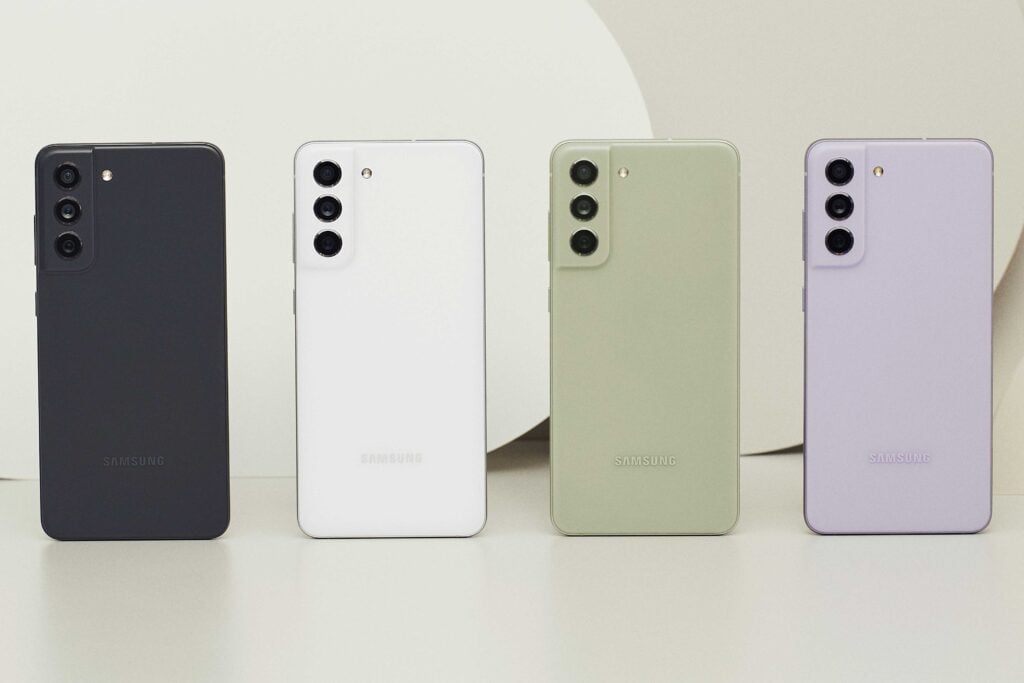
Samsung Galaxy S21 FE
Samsung has announced the Galaxy S21 FE and the Galaxy Tab A8 in China. The smartphone and the table are available for pre-order in the country.
In case you do not know, the Galaxy S21 FE is powered by two different chipsets, namely Qualcomm Snapdragon 888 and Exynos 2100. As China is known for getting Qualcomm variants of Samsung phones, it is not surprising to learn that it is the same case for the successor of Galaxy S20 FE.
That said, the handset arrives in two memory configurations in the country. On the other hand, the Galaxy Tab A8 budget tablet comes in two WiFi and LTE models each.
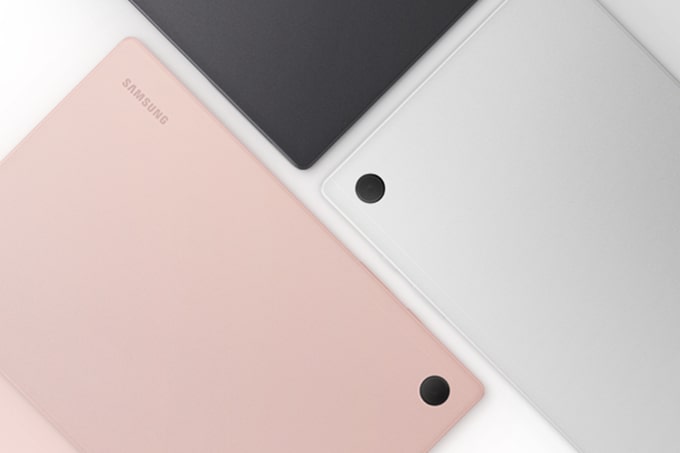
Samsung Galaxy Tab A8
The new Samsung devices will retail at the following price tags in China starting January 11.
Samsung Galaxy S21 FE
Price
8GB + 128GB – ¥4,599 ($721)
8GB + 256GB – ¥4,999 ($784)
Colors
Lavender
White
Olive
Graphite
Samsung Galaxy Tab A8
Price
4GB + 64GB WiFi-only – ¥1,399 ($219)
4GB + 128GB WiFi-only – ¥1699 ($266)
4GB + 64GB LTE – ¥1,699 ($266)
4GB + 128GB LTE – ¥1,999 ($313)
Colors
Gray
Silver
Pink Gold
The Galaxy S21 FE’s biggest competitor in China is OnePlus 9RT. The latter phone costs way lower than the former.
The OnePlus device starts at only ¥3,199 ($502) for the base 8GB + 128GB variant. In other words, the Samsung smartphone is costlier by ¥1,400 ($220).
The year 2021 ended with the launch of the Xiaomi 12 series of flagship phones in China. At the beginning of this year, Redmi confirmed that it will be announced the K50 series in February this year. A Xiaomi phone with model number 21121210C was recently approved by the 3C certification site of China. Since it was spotted with a 120W charger, it is speculated that it could be the flagship model from the Redmi K50 series. Some other reports have claimed that it could be the Redmi K50 Gaming Edition handset. Fresh information reveals that another Xiaomi handset has bagged 3C certification from China. This device is also rumored to end up as a Redmi K50 series model.
The 3C appearance of a mysterious Xiaomi phone with a 2201116SC model number has been spotted. While it has been spotted at the IMEI database before, there is no information on its marketing name. The listing states that the 5G-ready device may ship with a 67W rapid charger.
With the 3C certification under the tow, the 2201116SC handset is expected to be spotted at the TENAA certification site in the coming days. It is likely that the device may debut as the K50 series’ starting variant.
Last month, Xiaomiui shared key details of the 2201116SC smartphone. It revealed that the device is codenamed as Veux and K6S is its shortened model number. The 2201116SR, 2201116SI, and 2201116SG are the model numbers of the Japanese, Indian, and global version of the device.
It is speculated to feature a Qualcomm chipset and its rear camera setup may include a 108-megapixel (Samsung HM2) or 64-megapixel (Samsung GW3) + 8-megapixel (Sony IMX355 ultrawide) + 2-megapixel (OmniVision OV02A) macro camera. Its other specifications are under the wraps.
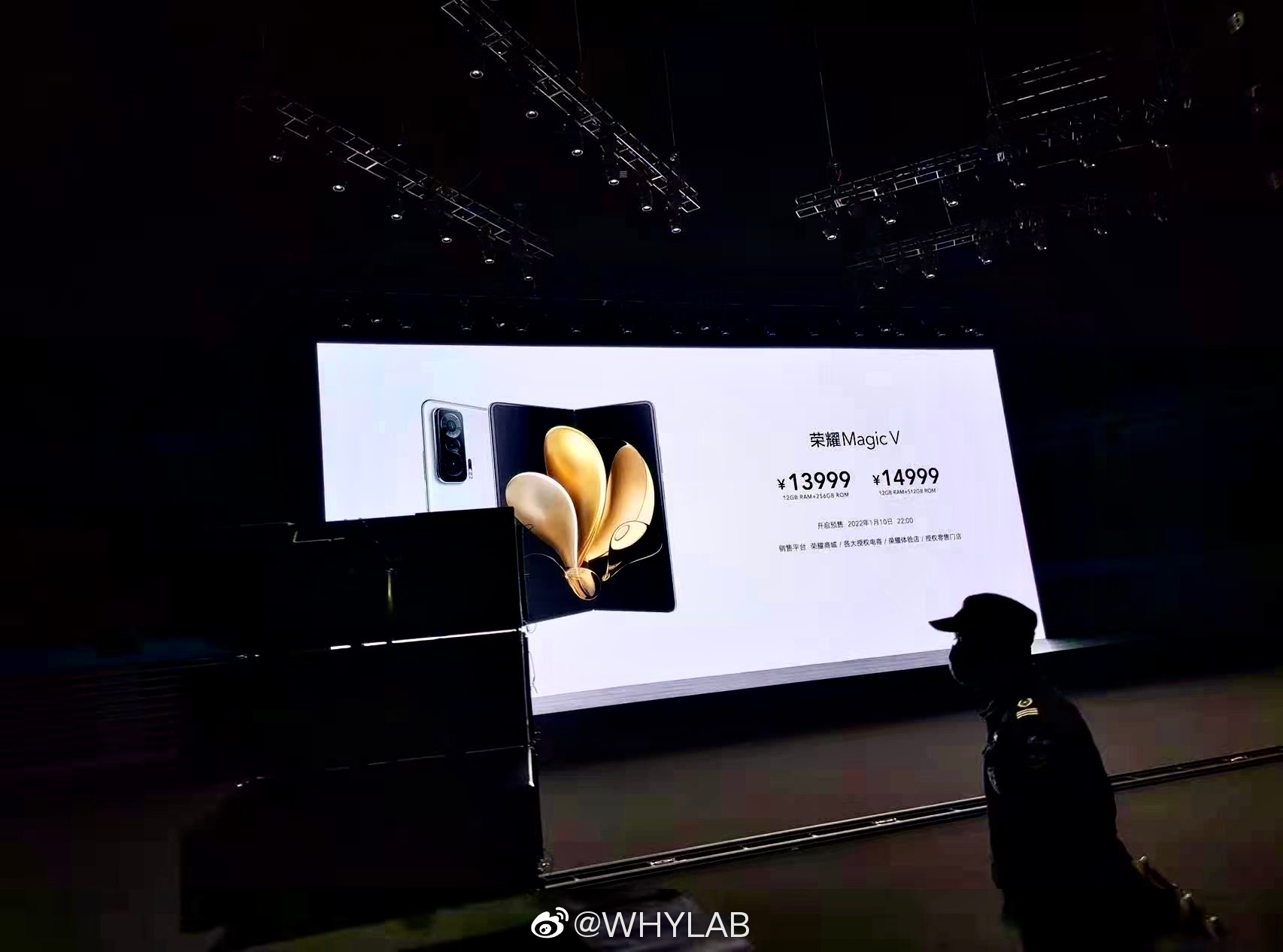
Honor Magic V will be launching on Jan. 10 as this year’s first foldable smartphone in China. It will also be the first foldable device powered by the Snapdragon 8 Gen 1 chipset. A Weibo post by WHY LAB has leaked the pricing of the two variants of the Magic V.
The snapshot shared by the tipster reveals that the Honor Magic V’s base variant with 12 GB RAM + 256 GB storage is priced at 13,999 Yuan (~$2,195). The higher edition of the device offering 12 GB RAM + 512 Gb storage costs 14,999 Yuan (~$2,351). The image also states that it will be available for pre-sale from Jan. 10 (launch date).
There is no confirmation of the authenticity of the leaked image. Hence, it is advisable to digest the pricing leak of the Magic V with a grain of salt. Coming to the promo image of the Magic V released by Esquire magazine, the device can be seen flaunting a vegan leather back.
The cover display of the Magic V has a centrally aligned punch-hole and a curvature towards the edge. Reports have claimed that the Magic V has a 6.5-inch cover display that offers a 120Hz refresh rate. The top edge of the device has a speaker grille, which indicates that its bottom side may also sport another speaker grille. A volume rocker and a power key seem to be fitted on the right edge of the foldable device.
The leather back of the device is fitted with a triple camera unit. Rumors have it that it features a Sony IMX766 50-megapixel primary camera. As far as inner foldable display is concerned, it is rumored to sport a punch-hole design and carry support for a 120Hz refresh rate.
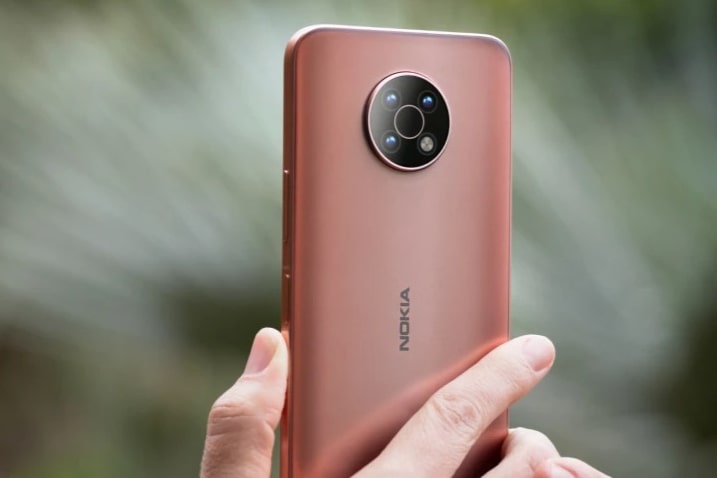
Nokia, after years of experimenting with platforms like Windows 10 Mobile, finally made a true comeback with a brand new series, signaling the start of a new era. The Nokia 8, Nokia 6, Nokia 5, and Nokia 3 all made their debut in early 2017 and tasted quite some success, with a lot having to do with the brand value and their build quality, but mainly due to their software. Stock Android was the craze back then and the phones not only delivered on that perfectly but also promised great update support.
However, things took a turn for the worse massively with Android 11, rolling out which seemed to be a pain for the company. Delays and buggy releases were spread across 2021 even as new offerings continued to be stuffed into the already-busy Nokia lineup.
And now, in an interview with Android Authority, HMD CMO Stephan Taylor has given an insight into the matter and exactly what went wrong.
The main reason was said to be Nokia not participating in the Android 11 beta program. Partaking in the process helps OEMs roll out Android version upgrades sooner after stable is released and the company seems to have missed out on it big time. On top of that, the company’s extensive lineup further acted as a hurdle.
When asked if the company had spread itself too thinly for the number of phones it had to update, the HMD executive replied, “I think your observation is fair, to be honest. We did have not as much success with the Android 11 rollout (sic), and I think we’ve learned from that.”
“But I think as we move forward, certainly on the global perspective, we’ve got a more focused level of device (sic), and we’re already in the beta program with Android 12,” he added.
Nokia X20
Things do seem to be getting better though, as Taylor pointed out, with a good example being the Nokia X20’s speedy stable Android 12 reception. Hopefully, this is a sign for further improvements down the line with the update process.
“So yeah, bit humbled by how we did with Android 11, but I think we’ll get onto the front foot again.”
OnePlus 10 Pro will be unveiled on Jan. 11 in China. Recent reports have revealed plenty of information on the specifications and design of the smartphone. Reports have also revealed that it will be coming in three variants in China. The pricing range of these variants has on a retailer site.
The OnePlus 10 Pro is listed for pre-sale through multiple e-commerce platforms including JD.com in China. The JD listing has revealed that the OnePlus 10 Pro will be arriving in variants such as 8 GB RAM + 128 GB storage, 8 GB RAM + 256 GB storage, and 12 GB RAM + 256 GB storage in the home market.
1 of 3
OnePlus 10 Pro price range JD.com
OnePlus 10 Pro price range JD.com
OnePlus 10 Pro price range JD.com
The retailer listing further reveals that the 8 GB RAM + 128 GB storage edition of the OnePlus 10 Pro will be priced between 3,000 Yuan (~$470) and 3,999 Yuan (~$627). The 8 GB RAM + 256 GB storage is priced at 4,000 Yuan and 4,999 Yuan (~$783). Lastly, the 12 GB RAM + 256 GB storage will also be priced between 4,000 Yuan and 4,999 Yuan. Tipster WHY LAB has speculated that the three variants of the OnePlus 10 Pro could be priced at 3,999 Yuan (~$627), 4,599 Yuan (~$721), and 4,999 Yuan (~$783), respectively.
OnePlus 10 Pro specifications
The OnePlus 10 Pro will be featuring a 6.78-inch Quad UHD+ AMOLED display that offers a 120Hz refresh rate. For photography, it will be equipped with a 32-megapixel front camera and a 48-megapixel (main) + 50-megapixel (ultrawide) + 8-megapixel (telephoto) triple camera unit with dual OIS support. The device will ship with ColorOS 12 based Android 12.
OnePlus 10 Pro
The Snapdragon 8 Gen 1 chipset is present under the hood of the OnePlus 10 Pro. It is equipped with LPDDR5 RAM and UFS 3.1 storage. It is packed with a 5,000mAh battery that supports 80W wired charging and 50W wireless charging.
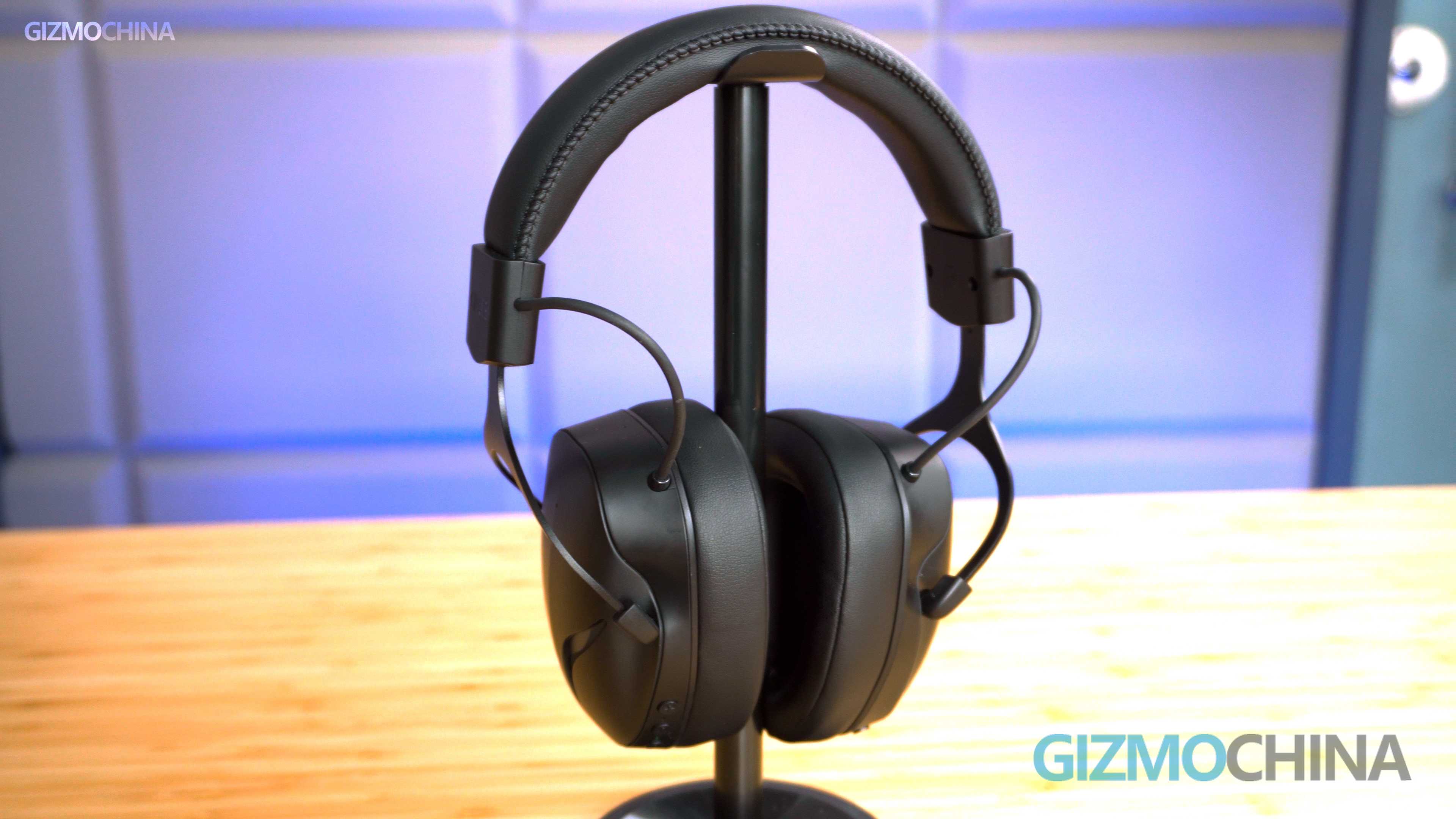
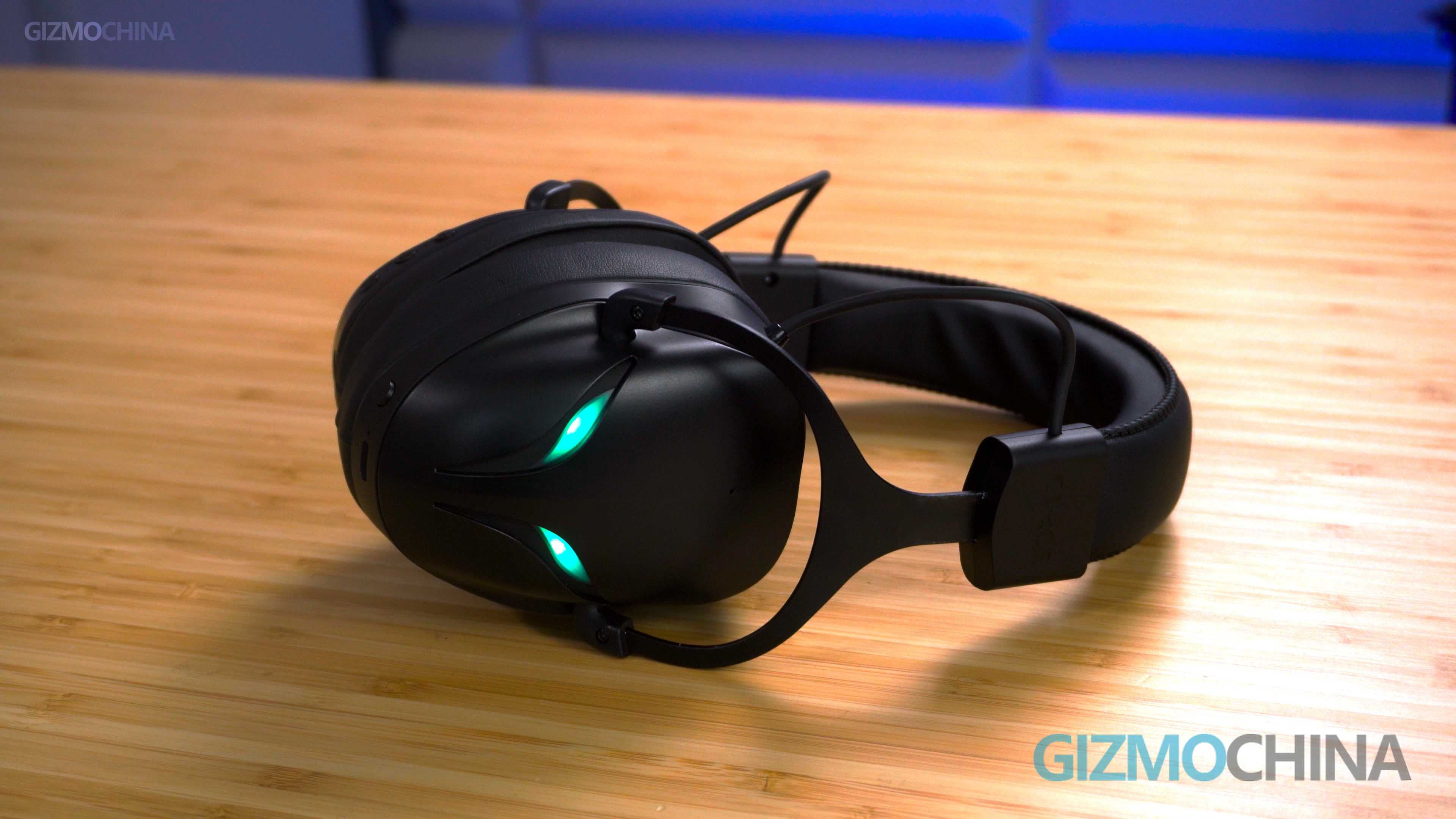
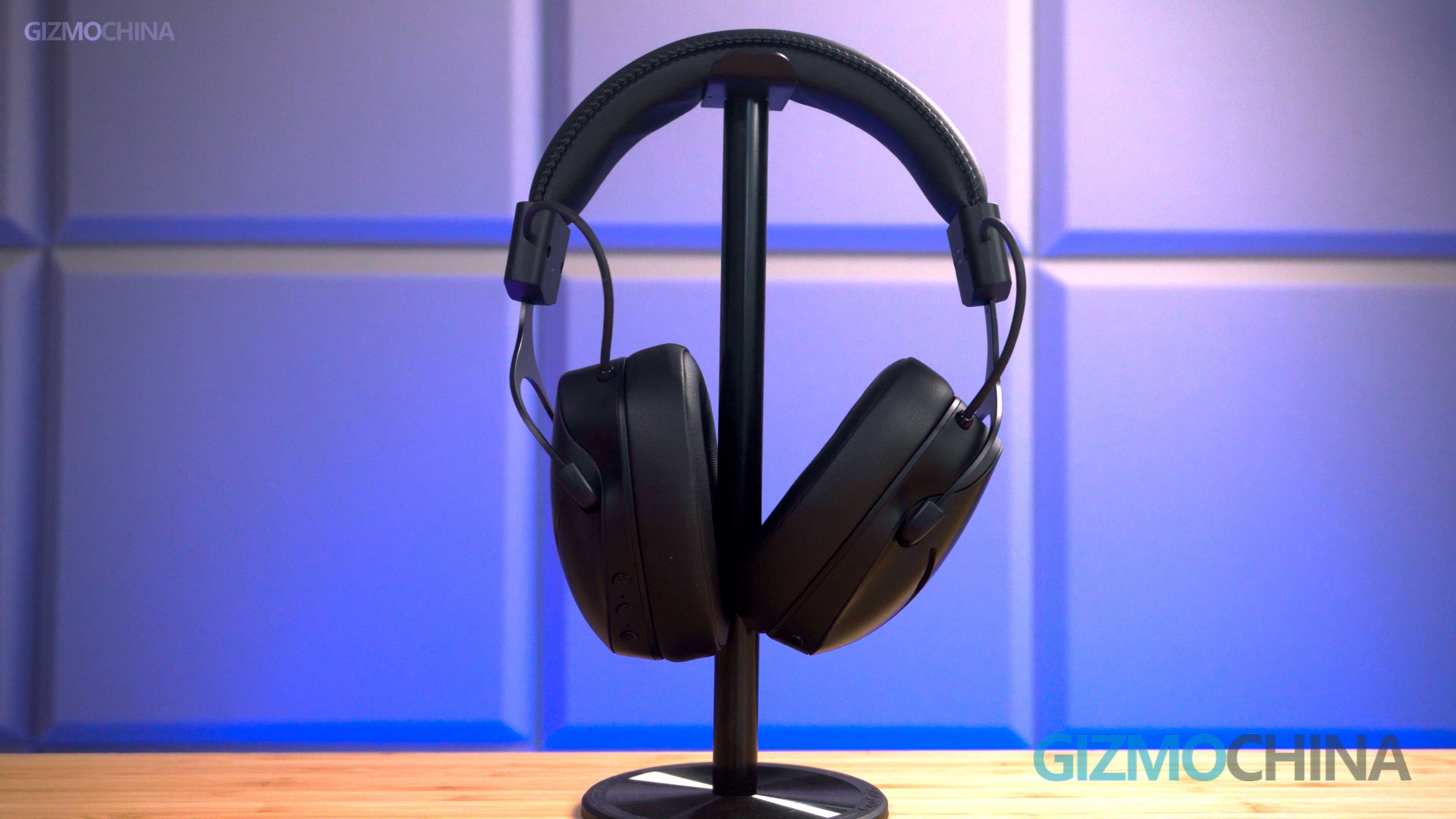
Video games have gotten so much better in the past few years. The audio and visual quality is excellent now, and you need specialized hardware to get the best experience. Especially if you’re a dedicated gamer, then you know how important it is to squeeze the most out of the audio and visual content from a well-designed, awesome video game. So today we’ve brought you the CIYCE Evolution, a newly released, dedicated gaming headphone to help you get the best out of your gaming experience.
First, let’s start with the design and built. You purchase an audio product for good sound quality, however, good design and well-built piece of tech enhances your experience wearing it, holding it, or just simply looking at it.
With this headphone, I wasn’t expecting such decent built quality for this price range. The construction is very good, it’s sturdy and solid, and the headband is made with solid metal, is also very firm. The look is also obviously designed with great effort, these colored-up fox eyes shining in a dim room looks actually very cool. And the black look is very balanced, and I honestly liked the way it looks.
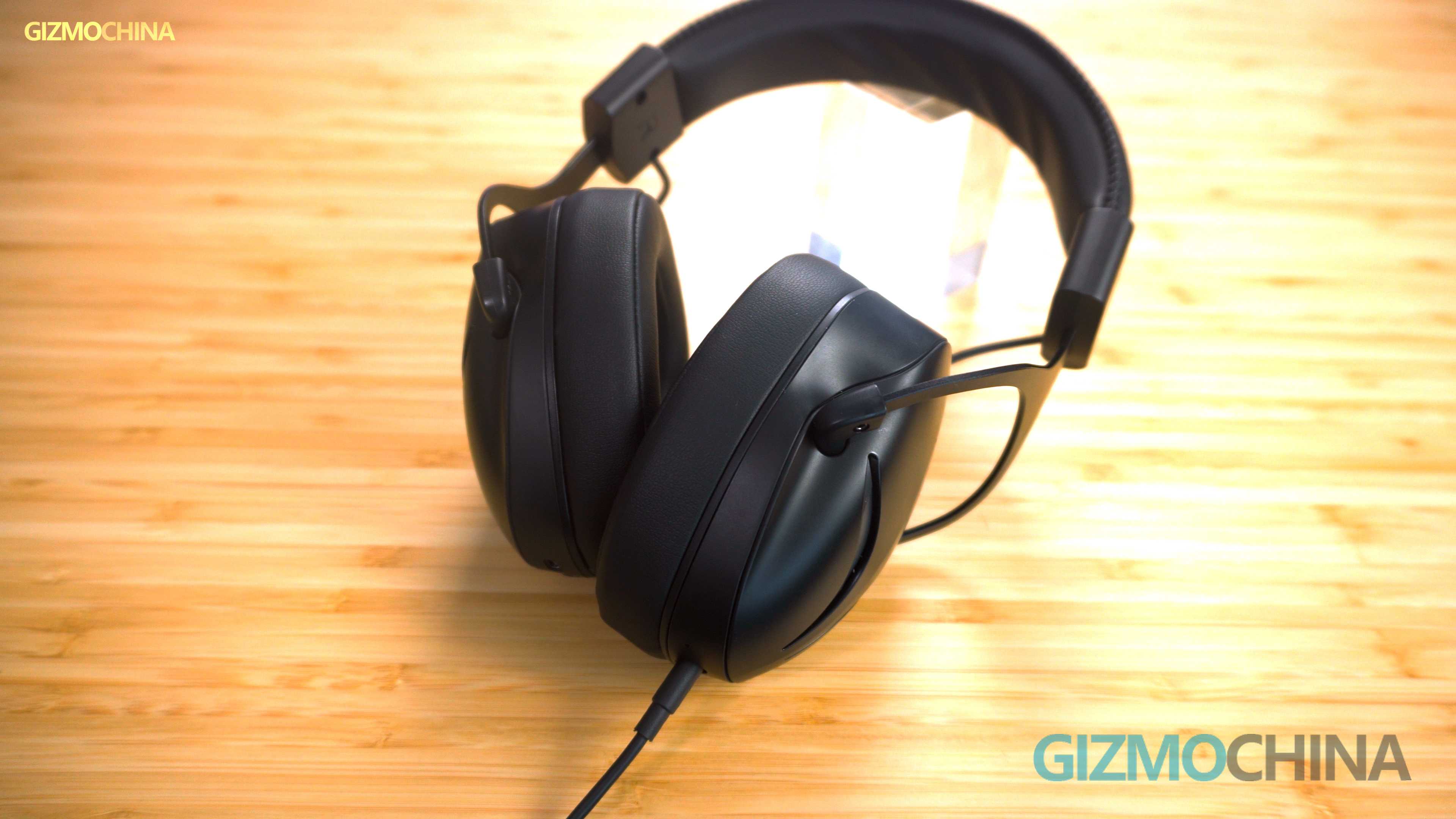
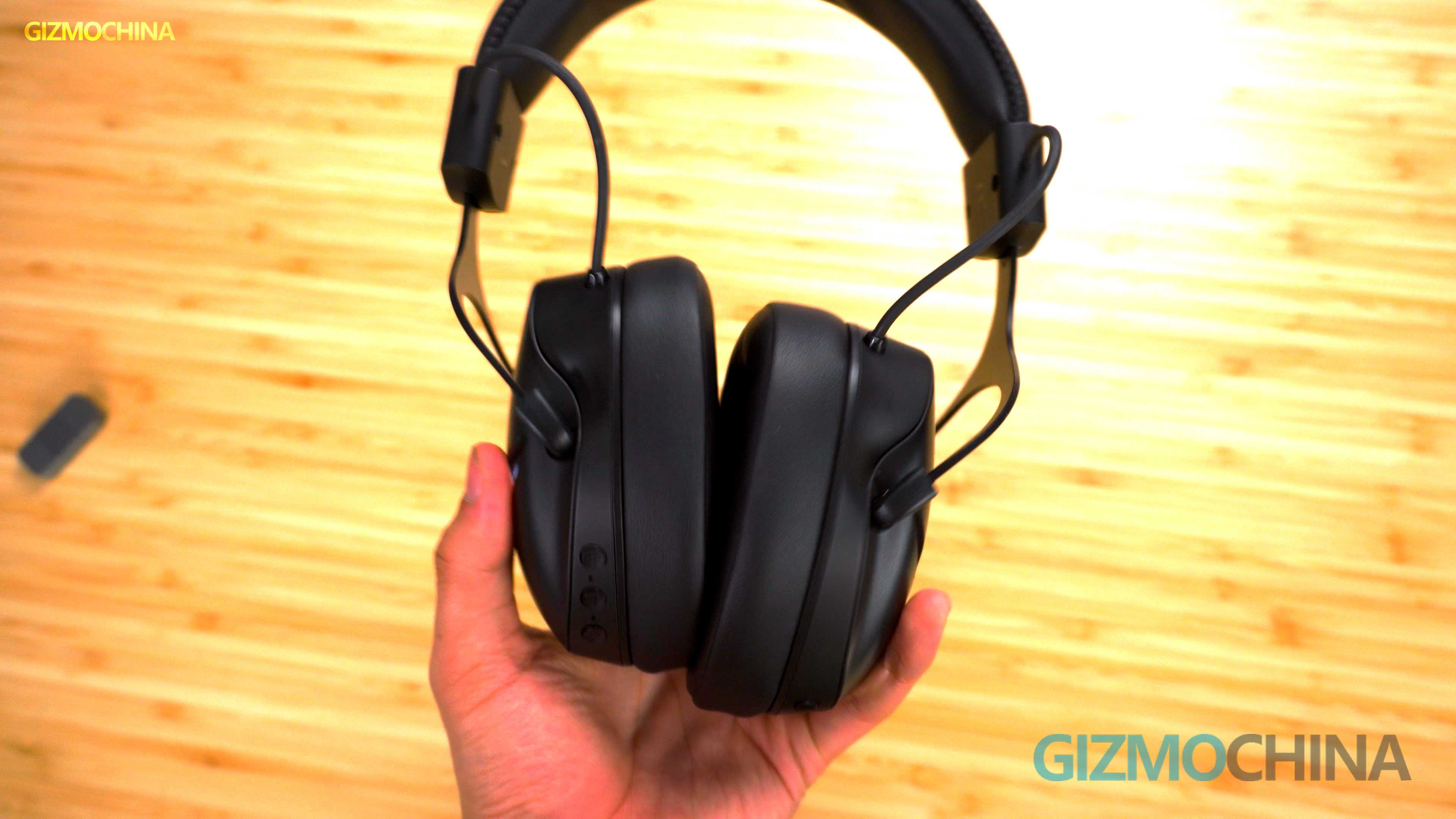
And coming to the comfort, a gaming headphone without comfort just ruins everything. If you can’t wear it for a long time comfortably then you won’t be enjoying your game to the full extent. Luckily, this pair comes with a pair of really soft and comfortable ear pads along with a very soft headband, allowing it to comfortably sit on my head. Also, it’s really light, I have no problem wearing it for hours after hours and I can still enjoy having them on my ears.
It comes with two different ear pads made with different materials, they are very easy to replace and both feel very different and unique, I’m pretty sure that at least one out of them is going to be my favorite for long-term use.
CIYCE Evolution 3 in 1 Gaming Headset: Features
Before I get into the sound quality, there are a few features that you need to know for good gaming, first one is connectivity. This headphone comes with three different types of connection — Audio cable, Bluetooth and wireless dongle.
Audio cable and Bluetooth connection are very common, however, cables are not very convenient and Bluetooth usually features a really annoying latency that is not very friendly for gaming. When you want to go both wireless and low latency, that’s when you turn to the wireless dongle. This is the audio dongle that you stick into the computer or phone and you get an extremely low latency and at the same time, you don’t have to worry about the sound quality. The latency can get to as low as 25-30ms (latency test). And so far, my user experience has been wonderful. And there is a software feature to switch between the dongle and the Bluetooth connection just by pressing the specific button, and it can be very convenient.
With these three types of connection, it basically covers every platform that you typically use, including smartphones, tablets, PC, laptops, Nintendo Switch, and also PS5 and Xbox series. And once you have set it up, you don’t have to worry about switching into different audio gears between different platforms. Note that, both android and iOS devices support this headphone.
Gaming headphones very rarely come with active noise canceling, but this headphone has it, along with passive noise blocking. It does an excellent job giving you a very quiet and still listening environment. The reason why they paid so much attention to its noise-reducing capability is because the brand wants to emphasize its sound quality.
CIYCE Evolution 3 in 1 Gaming Headset: Sound Quality
Gaming is now different from the past. Maybe in the past you would think gaming is just about random shooting or killing enemies, but now it is turning into a form of art, especially in the audio field. There’s background music, then there are all kinds of crazy sound effects are going on, and for this reason, we don’t want headphones to only output crisp sound but also keep the audio beautiful and subtle. And going back to this pair, well, I’m very well impressed how they managed to keep such good sound quality for a gaming headphone. It sounds as though the base is very well emphasized, so you can enjoy this impressive base, light yet full of body, deep and well extended. Also, the sound detail is very good, I could hear and differentiate small details very precisely.
And one more thing is stereo imaging. Imaging is how well a headphone delivers a sense of direction. If a headphone has good stereo imaging then you can feel from which direction the sound is coming from and that helps a lot with your gaming. This headphone has a very decent performing imaging capability that gives you a nice immersive experience when gaming. To conclude, the sound is good enough even for some serious music listening, apart from that it also has a pretty nice microphone sound quality.
At the end, I must say this is a decent headphone that you can consider for its extremely low latency with the audio dongle and good sound quality. Moreover, it looks pretty cool as well, and comes at a very low price.
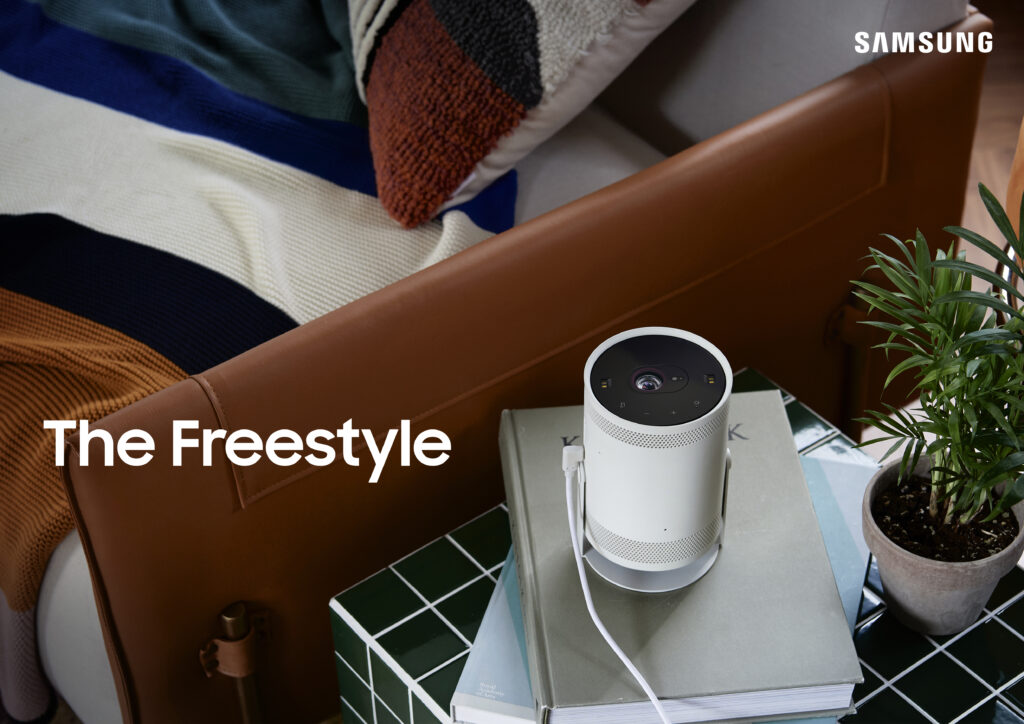
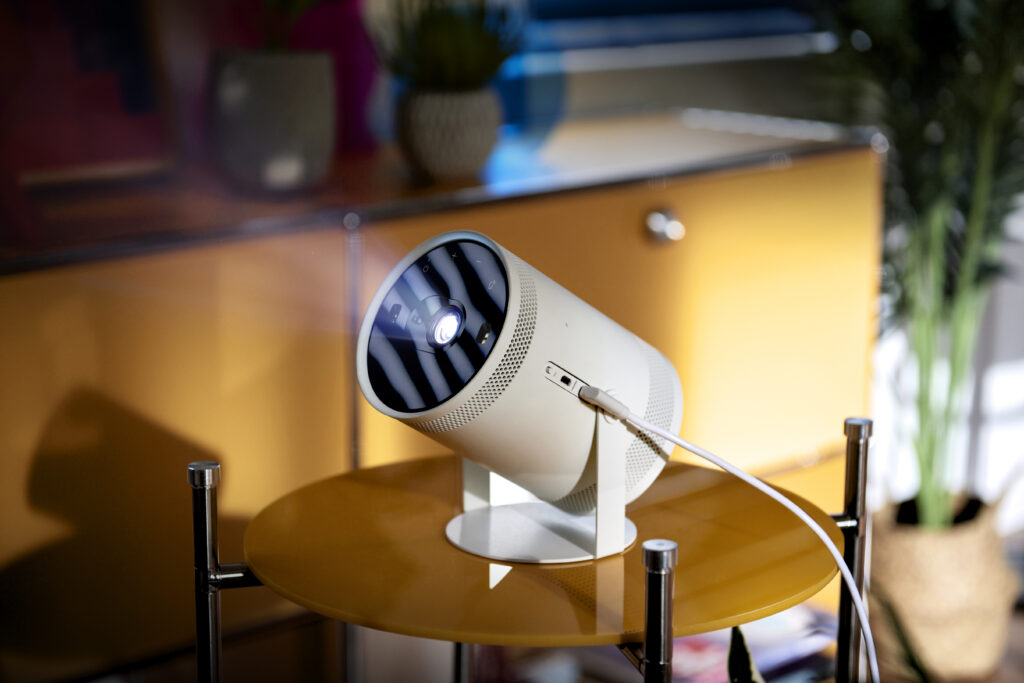
Samsung today launched a new portable projector called The Freestyle as part of the CES 2022 event that also saw multiple other newbies from the company. The Freestyle seems to be aiming for a viewing experience that matches regular TVs, but unlike TVs, it can actually be carried around, bringing video and audio wherever it’s taken.
Gen Z and millennials have been stated to be the target audience, which makes sense considering the device is capable of being quite adequate for party viewing. Its weight of 830g means it can change any space into a screen with ease. The Freestyle also comes with a highly adjustable cradle that supports rotation of up to 180 degrees, allowing viewers a display anywhere — be it walls, ceilings, or even floors.
Flexibility is further enhanced by auto keystone and auto leveling features that allow the device to adjust its screen to any surface at any angle on its own. Sound is handled by a “dual passive radiator” which is promised to output clean and deep bass without distortion along with 360-degree cinematic surround audio.
The Samsung Freestyle Projector is compatible with external batteries that support USB-PD and 50W/20V+ output. It is also the first portable screen that can be hooked into an E262 light socket without the need for additional wiring.
But perhaps the best part is that the Samsung Freestyle can double as a mood lighting device thanks to its translucent lens cap, and even a smart speaker which syncs its lighting according to the music being played.
Last but not least, The Freestyle offers features found on Samsung Smart TVs such as streaming services and mirroring and casting features.
As for availability, the projector is already up for pre-order in the US at $900 and will soon also be selling in other global markets.
During CES 2022, Volvo has announced that the company will debut its Ride Pilot, an autonomous driving feature in California by the middle of this year. Once the feature has been approved for use on highways, it will be offered to customers.
The company says that the Ride Pilot feature will be offered to customers as a paid add-on for a new electric SUV that it plans to announce later this year. The feature is also planned to be released in other markets.
For creating Ride Pilot, Volvo worked with Zenseact and LiDAR developer Luminar. The feature is currently being tested in Sweden. Volvo says that Ride Pilot utilizes a Luminar Iris LiDAR sensor complemented by eight cameras, 16 ultrasonic sensors, and five radars to enable the software to judge depth.
The company also says that it will push out continuous over-the-air updates to ensure the feature is safe to use. Martin Kristensson, Head of AD and Mobility at Volvo, said: “When we say self-driving, we mean self-driving. So this will be a feature or function where the car is actually responsible for the driving so you will not need to keep your hands on the steering wheel and you will not need to keep your eyes off the road.”
Ride Pilot is described as a hands-off, eyes-off system, which means that a driver will be free to do other things when the system is activated. This is different from existing self-driving systems which require constant monitoring from the driver.
Xiaomi has started rolling out MIUI 13 stable update for the first batch of eligible devices in China. The latest version of MIUI also brings along Android 12 for these smartphones and tablets. After Mi 11, Xiaomi Pad 5 series, and Redmi K40, the update is being seeded out for the rest of the original Mi 11 and Redmi K40 family, in addition to Xiaomi MIX 4.
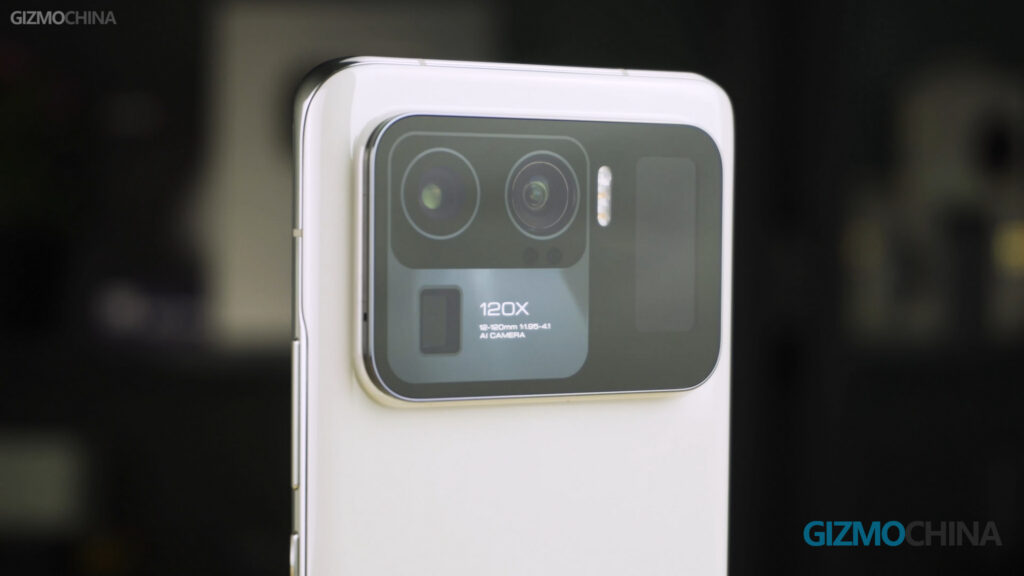
Xiaomi Mi 11 Ultra
The Chinese tech giant Xiaomi hasrecentlybegun to roll out MIUI stable update based on Android 12 for the following phones in its home country.
Just like the previous devices, the newest update for the aforementioned handsets is only live for the beta testers. If these early adopters don’t face any issues, then the software will be rolled out to the general public by the end of January as scheduled.
We expect the international rollout to begin sometime later in Q1 2022. For the uninitiated, the Mi 11 Pro and the Xiaomi MIX 4 are not sold outside mainland China. On the other hand, the Redmi K40 Pro+ is known as Mi 11X Pro in India and Mi 11i elsewhere.
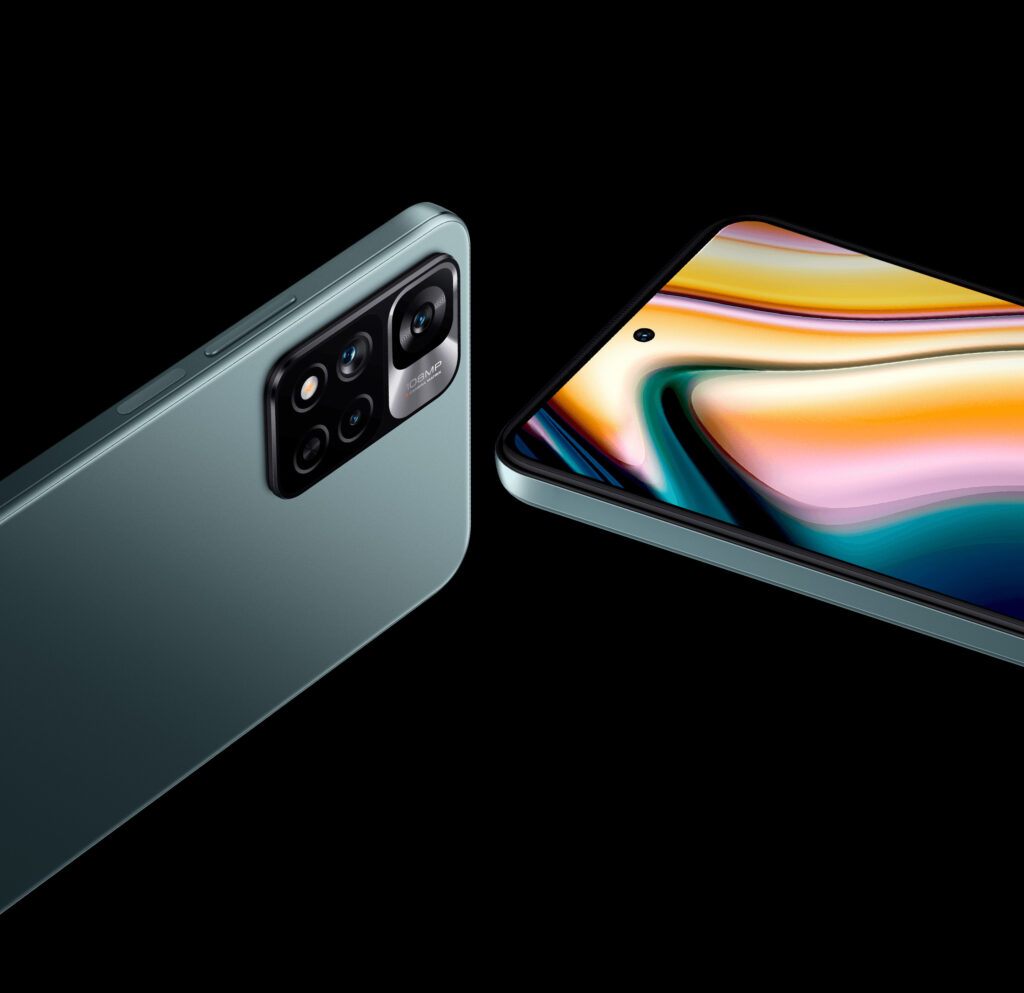
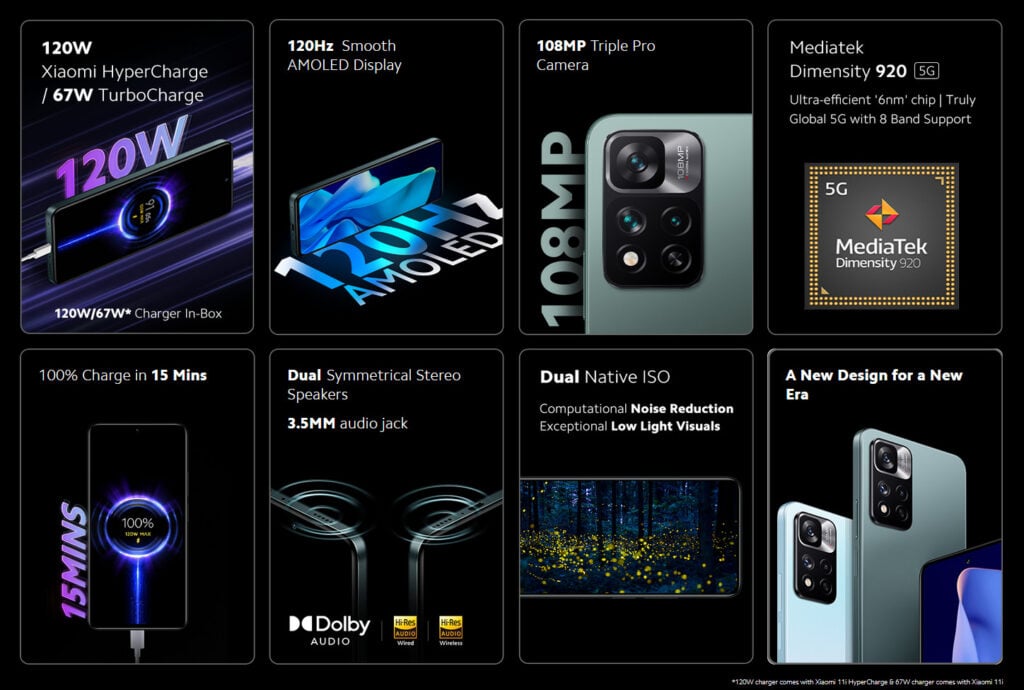
Xiaomi had lifted the curtains on the Redmi Note 11 series in China in October 2021. And given its compelling specs, it wasn’t surprising when the company managed to sell 500,000 units within an hour. While the devices are yet to make it globally, Indian users waiting to get their hands and on them will now finally be able to do so.
A product launch announcing the Xiaomi 11i 5G and Xiaomi 11i Hypercharge 5G was held on Thursday. While both come with nearly the same specifications, there is a key difference in their charging capabilities — just like the naming scheme implies. The Xiaomi 11i Hypercharge 5G supports the ultrafast 120W charging standard while the Xiaomi 11i opts for a less zealous 67W rating.
However, there is another major difference — the Xiaomi 11i Hypercharge features a 4500mAh battery, which is a tad smaller than the 5160mAh packed into the Xiaomi 11i. Also included are 34 charging and battery safety features, spanning the entire charging path from the charger to the circuit to the battery.
Other than this, you get MediaTek Dimensity 920 on both of the models, which in terms of benchmarks scores only around 30% lower than the flagship Dimensity 1200 chip. The display is a 6.67” 120Hz FHD+ AMOLED with a peak brightness of 1200nits. It is protected by Gorilla Glass 5. For audio, you get dual symmetrical stereo speakers with Dolby.
Moving on to the optics department, both the 11i and 11i Hypercharge again come with identical camera specifications with a triple camera setup at the rear. It is comprised of a 108MP (1/1.52″) primary shooter, complemented by an 8MP ultrawide angle lens and a 2MP macro lens. Upfront, there is a 16MP selfie camera with an aperture of f/2.45, housed within a centrally aligned punch hole.
Speaking of design, the Xiaomi 11i series adopts a boxier body with flat edges. The back panel is made of AG glass with a matte finish. Both phones have the same thickness at 8.3mm but the HyperCharge model is lighter at 204g than the vanilla model’s 207g. The bezels surrounding the screen are slim enough, although the chin does have a bit of a height. The fingerprint is present on the side and the 3.5mm headphone jack is retained.
Color options of the Xiaomi 11i series include Camo Green, Pacific Pearl, Purple Mist, and Stealth Black.
Xiaomi 11i is launched in two variants — 6GB+128GB at INR 24,999 and 8GB+128 GB at INR 26,999. Xiaomi 11i Hypercharge is launched in two variants — 6GB + 128GB at INR 26,999 and 8GB + 128GB at INR 28,999.
Both phones will be up for grabs through Mi.com, Flipkart.com, Mi Home, Mi Studio, and authorized retail partners starting January 12th.
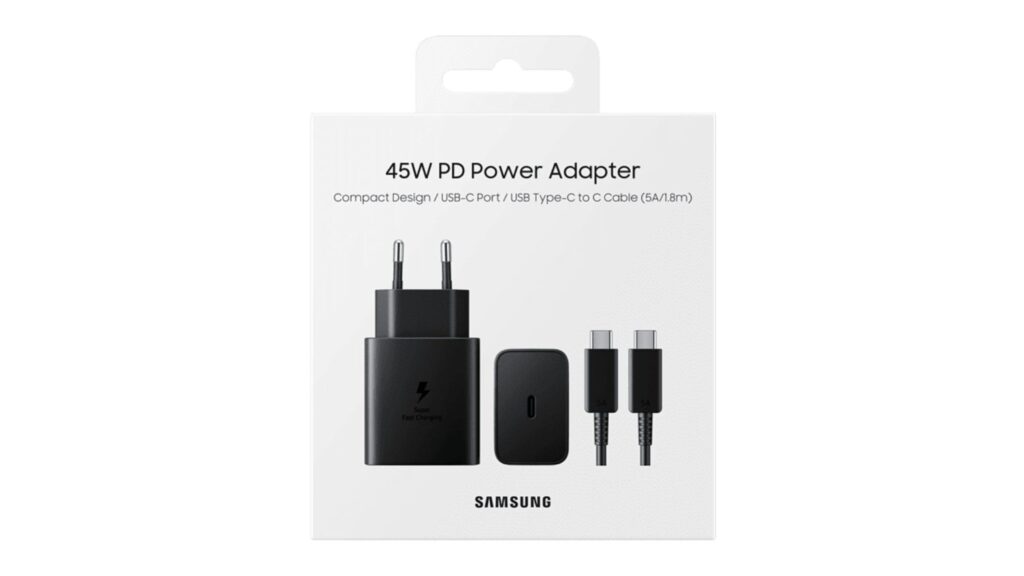
Samsung is expected to debut the Galaxy S22 series in February. Ahead of that, the official charger meant for these upcoming smartphones has emerged in an image. Let’s check out what the picture has to say.
Popular tipster Rolan Quandt has shared an image showcasing the retail box of a forthcoming Samsung charger. As per the picture, the product will be officially called ‘45W PD Power Adapter’.
The name of the charger confirms the support for USB PD (Power Delivery). We believe that it may be compatible with PPS (Programmable Power Supply) as well.
Further, the image reveals that the power adapter will have a compact design and a single USB Type-C port. It will also ship with a 1.8m 5A USB Type-C to Type-C cable.
For the unaware, the current-gen 45W charger from Samsung bears model number EP-TA845XBNG and ships with a shorter 1m USB cable. This power adapter only works with the Galaxy Note10+ and Galaxy Tab S7+ at its true potential. That’s because no other Samsung smartphone or tablet has support for 45W fast charging.
The yet-to-release Galaxy S22+ and Galaxy S22 Ultra are said to arrive with 45W fast charging support. This new charger will reportedly fill the batteries of these phones from 0% to 70% in 30 minutes.
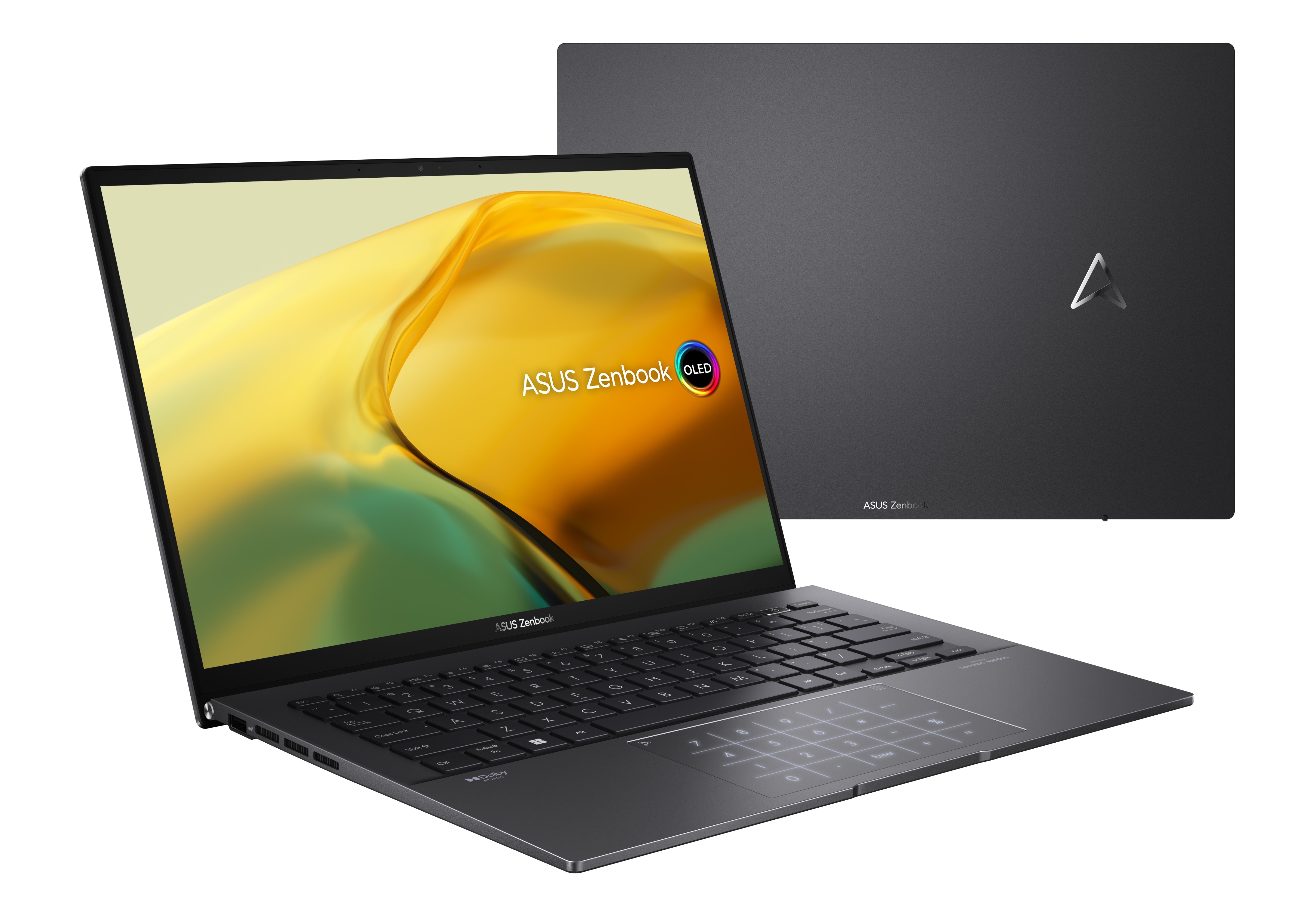
Many computer manufacturers have announced their new devices and among them is ASUS which has announced its latest ZenBook 14 2022 lineup at the CES 2022. The company has announced two new models — ASUS ZenBook 14 OLED and ASUS ZenBook 17 Fold.
ASUS ZenBook 14 OLED
The ASUS ZenBook 14 OLED features a 14-inch OLED display that offers a screen resolution of 2880 x 1800 pixels, a 16:10 aspect ratio, 550-nit brightness, DCI-P3 color gamut, a 90Hz refresh rate, and a 0.2ms response time.
It is offered in separate versions powered by the latest processors from Intel and AMD. The devices powered by the Intel 12th generation Core H-series chips pack DDR5 RAM while the models with AMD Ryzen come with DDR4x RAM.
They come with up to 1TB PCIe storage and there’s also an extra M.2 slot available for further expanding the storage capacity. There are several ports, including two USB-C connections, a single USB-A port, HDMI 2.0, a headphone jack, and a microSD card slot.
For connectivity, it comes with WiFi 6E and Bluetooth 5.2 support. In the models powered by the Intel CPU, the two USB-C ports will offer Thunderbolt 4 connectivity. The device packs a 75Whr battery.
As of now, the company has not announced the pricing details for the ZenBook 14 OLED but ASUS has promised to share more information when the device go on sale sometime around the second half of the year.
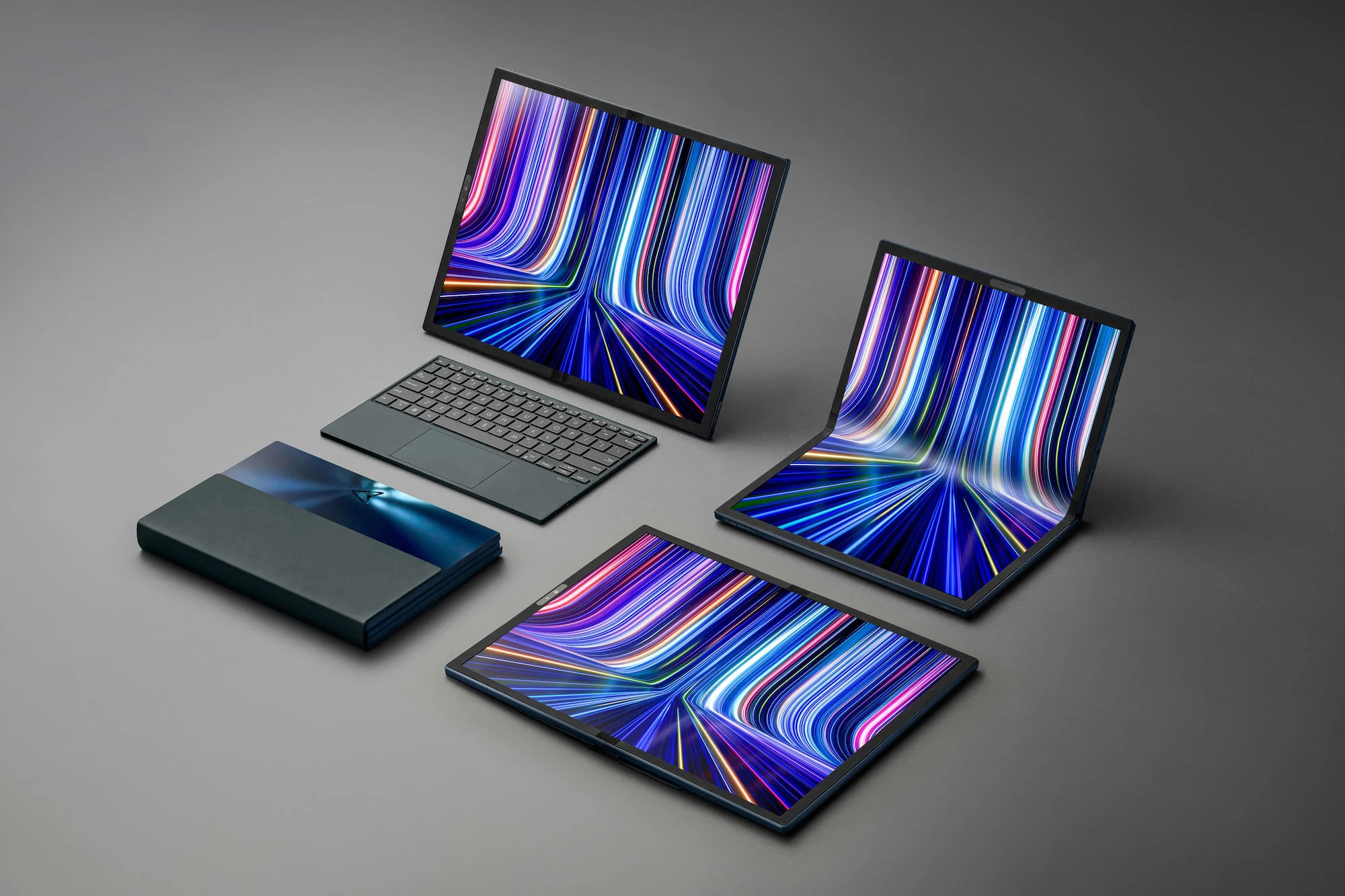
ASUS ZenBook 17 Fold
We have seen several smartphones with a foldable display and even laptops adopted the same. Now, ASUS is joining the list with the launch of its ZenBook 17 Fold which comes with a foldable OLED screen.
When the device is fully opened, it offers a 17.3-inch OLED display with QHD screen resolution of 2560 x 1920 pixels, a 4:3 aspect ratio, 100% DCI-P3 color gamut, 0.2ms response time, and a 90 Hz refresh rate with Dolby Vision support.
Upon partially folding the device and positioning the keyboard on the bottom half, the device can effectively be used as a 12.5-inch laptop with Full HD screen resolution.
The company has not revealed the chip that is powering the device and has just said that it is powered by “the latest Intel CPU” with integrated graphics. As for memory, it packs up to 16GB of LPDDR5 RAM and 1TB NVMe M.2 SSD storage.
For connectivity, the device supports Wi-Fi 6E and Bluetooth 5.2 but coming to ports, there’s only Thunderbolt 4 USB-C port and a 3.5mm combo audio jack. The device also has Dolby Atmos quad-speaker system and everything is powered by a 75Wh capacity battery.
ASUS has not revealed the pricing details for the ZenBook 17 Fold but the device could get launched around Computex in May this year.
Meizu no longer has a presence in international markets. However, the company continues to introduce new products in its home market China. Earlier today, the firm announced that it will be holding its first launch event of 2022 next week.
Meizu has scheduled a launch event in China for January 12. The conference will kickstart at 2:30 PM (GMT+8). Interested fans of the company can live stream the event on the firm’s official social media handles on Weibo and others.
According to the official announcement, Meizu might not unveil its self-branded products. Instead, there will be products from the company’s sub-brands like Lipro, Pandaer, and Mblu.
Although the firm is yet to confirm it, we think that the conference could witness the launch of the first-ever Mblu-branded smartphone in years. This device is expected to go official as ‘mblu 10’ with model number M2110
TENAA has already revealed the primary specs of this 4G-only handset. It is expected to arrive with a 6.5-inch HD+ display (LCD) sporting a dewdrop notch, a 2GHz octa-core processor, a triple camera setup, a 5,000mAh battery, 10W charging, 9.3mm thickness, 201g weight. Finally, it will be available in three colors (white, green, black).
We use cookies on our website to give you the most relevant experience by remembering your preferences and repeat visits. By clicking “Accept”, you consent to the use of ALL the cookies.
This website uses cookies to improve your experience while you navigate through the website. Out of these, the cookies that are categorized as necessary are stored on your browser as they are essential for the working of basic functionalities of the website. We also use third-party cookies that help us analyze and understand how you use this website. These cookies will be stored in your browser only with your consent. You also have the option to opt-out of these cookies. But opting out of some of these cookies may affect your browsing experience.
Necessary cookies are absolutely essential for the website to function properly. This category only includes cookies that ensures basic functionalities and security features of the website. These cookies do not store any personal information.
Any cookies that may not be particularly necessary for the website to function and is used specifically to collect user personal data via analytics, ads, other embedded contents are termed as non-necessary cookies. It is mandatory to procure user consent prior to running these cookies on your website.