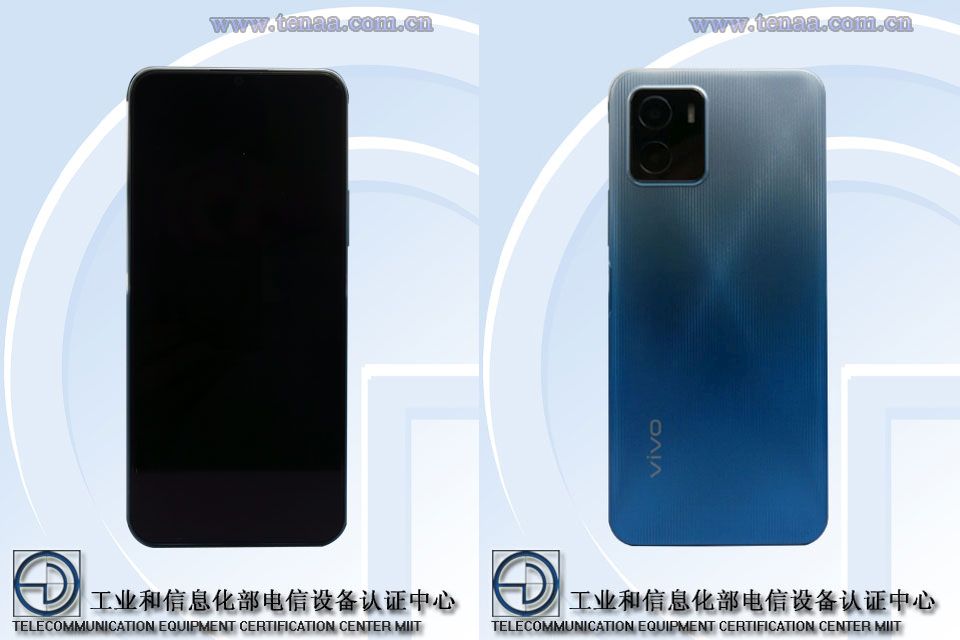
Earlier this month, a mysterious Vivo phone with V2140A was approved by the TENAA and 3C certification platforms of China. The listing revealed that it could be an affordably priced 4G LTE smartphone. Now, another 4G LTE phone with model number V2168A has been certified by the TENAA authority. As expected, the images and specifications of the V2168A phone have been revealed through its TENAA appearance.
Vivo V2168A specifications
The Vivo V2168A specifications that have emerged on TENAA has revealed that it has a 6.51-inch LCD screen that offers a 720 x 1600 pixels HD+ resolution. A closer look at the images of the phone reveals that it has a waterdrop notch on the front, while its back panel has a dual-camera setup housed inside a squarish module.
For selfies, the V2168A features an 8-megapixel front-facing camera. The back panel of the device has a 13-megapixel primary shooter and a 2-megapixel secondary snapper. The handset runs on Android, which appears to be the Android 11 OS. It will be overlaid with the FunTouch OS UI.
The V2168A has a 4,910mAh rated battery. There is no word on the charging rates that will be supported by the device since it is yet to 3C approval. The device is driven by a 2.1GHz octa-core processor and 4 GB / 6 GB of RAM.
The V2168A will come in 128 GB and 256 GB storage choices. It seems to feature a side-facing fingerprint scanner. The device has 163.96 x 75.2 x 8.28mm dimensions and weighs 171 grams. While the device is shown in gradient blue color in the above-shown images, the TENAA listing reveals that it will also come in black color.
Vivo will be launching the Vivo V23 5G and Vivo V23 Pro 5G smartphones on Jan. 5 in India. A week ahead of the unveiling event, tipster Yogesh Brar has shared the entire specifications of the Vivo V23 duo.
Vivo V23 5G specifications, price (rumored)
According to the tipster, the Vivo V23 5G will feature a 6.44-inch AMOLED display that offers a Full HD+ resolution and a 90Hz refresh rate. The flat-screen will be integrated with a fingerprint scanner. It will be India’s first phone with Dimensity 920 chipset. The device will come 8 GB of RAM and UFS 2.2 storage choices such as 128 GB / 2256 GB. It will house a 4,200mAh battery that supports 44W fast charging.
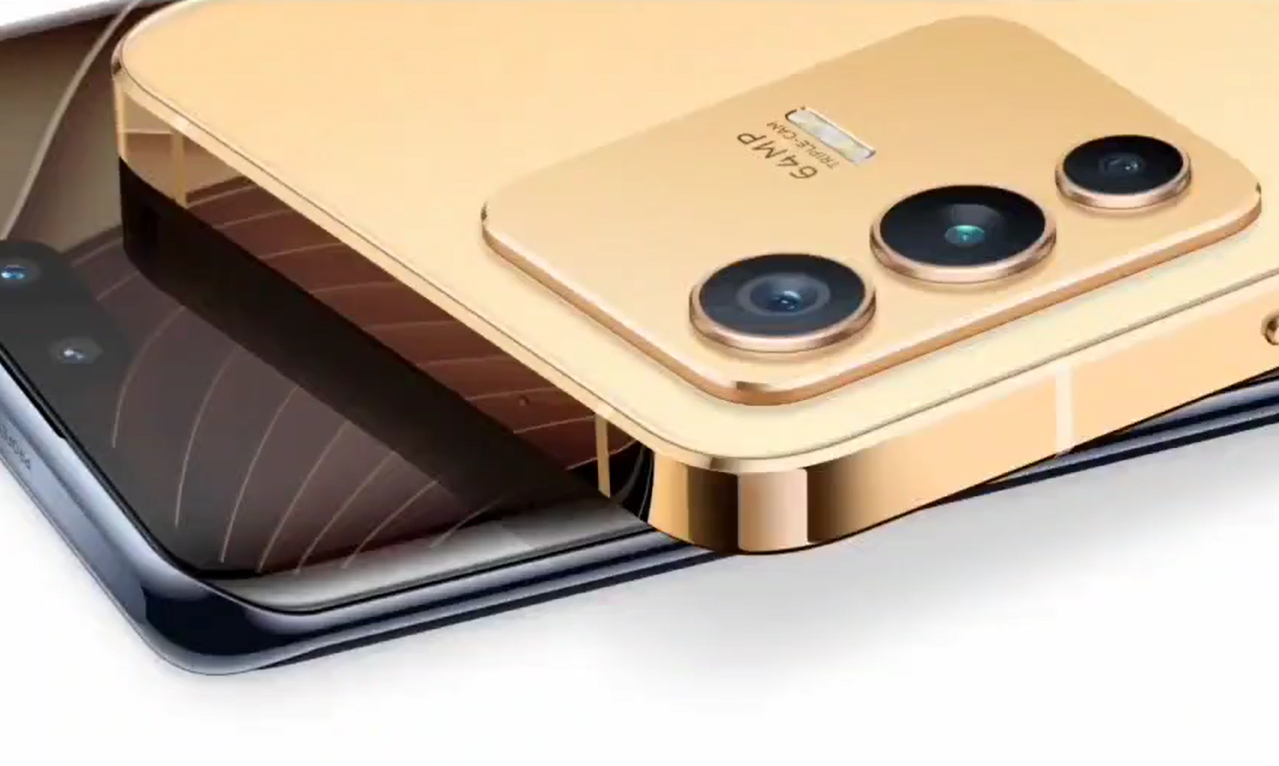
Vivo V23 series poster
The front camera setup of the phone will include a 50-mgeapixel primary camera and an 8-megapixel ultrawide lens with a 105-degree FOV. The front cameras will be coupled with dual-tone flash. Its rear shell has a 64-megapixel primary camera, an 8-megapixel ultrawide lens, and a 2-megapixel macro camera. It will come with Android 12 OS and FunTouch OS 12. It is likely to be priced between Rs 26,000 (~$348) and Rs 29,000 (~$387).
Vivo V23 Pro 5G specifications, price (rumored)
The Vivo V23 Pro 5G has a 6.56-inch curved edge AMOLED display that supports FHD+ resolution, a 90Hz refresh rate, and an in-screen fingerprint scanner. The Dimensity 1200 chipset powers the V23 Pro. It will arrive with 8 GB / 12 GB of RAM and 128 GB / 256 GB of internal storage. The device will be equipped with a 4,300mAh battery with 44W fast charging.
The V23 Pro will feature the same dual selfie camera setup that is available on the V23 handset. The Pro model has a 108-megapixel (main) + 8-mgeapixe (ultrawide) + 2-megapixel (macro) triple camera unit. It will also boot to FunTouch OS 12 flavored Android 12. It will be priced between Rs 37,000 (~$481) and Rs 40,000 (~$535). The V23 Pro appears to be a rebranded version of the Vivo S12 Pro.
The Vivo V23 Pro will come in two colors such as Sunshine Gold with color changing capabilities and Stardust black. The V23 will also come in the same colors.
OPPO is reportedly working on its next-generation Find-series flagship smartphones which are expected to officially launch sometime in February or March next year. Ahead of the announcement from the brand, some details related to the devices have already leaked.
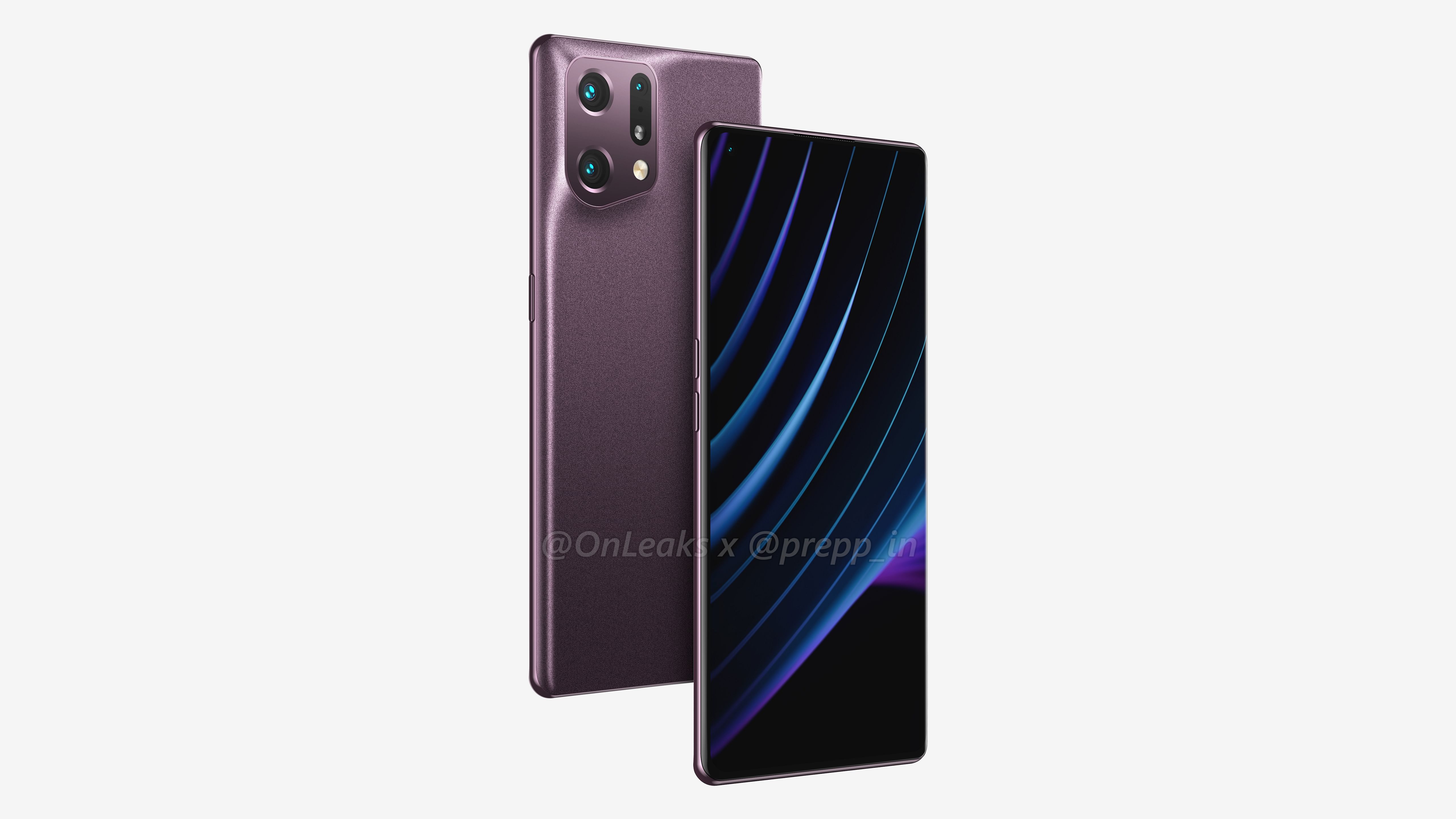
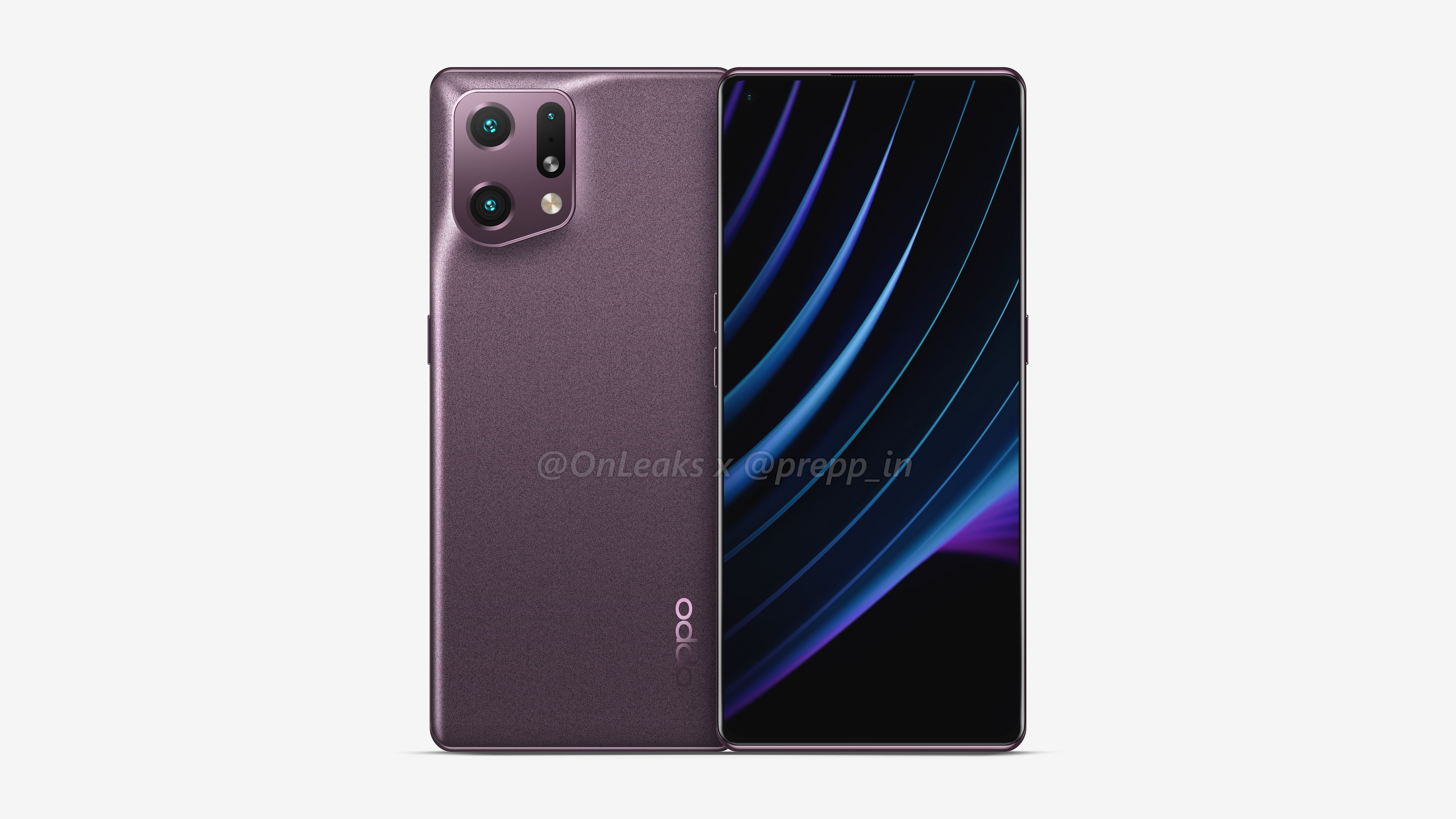
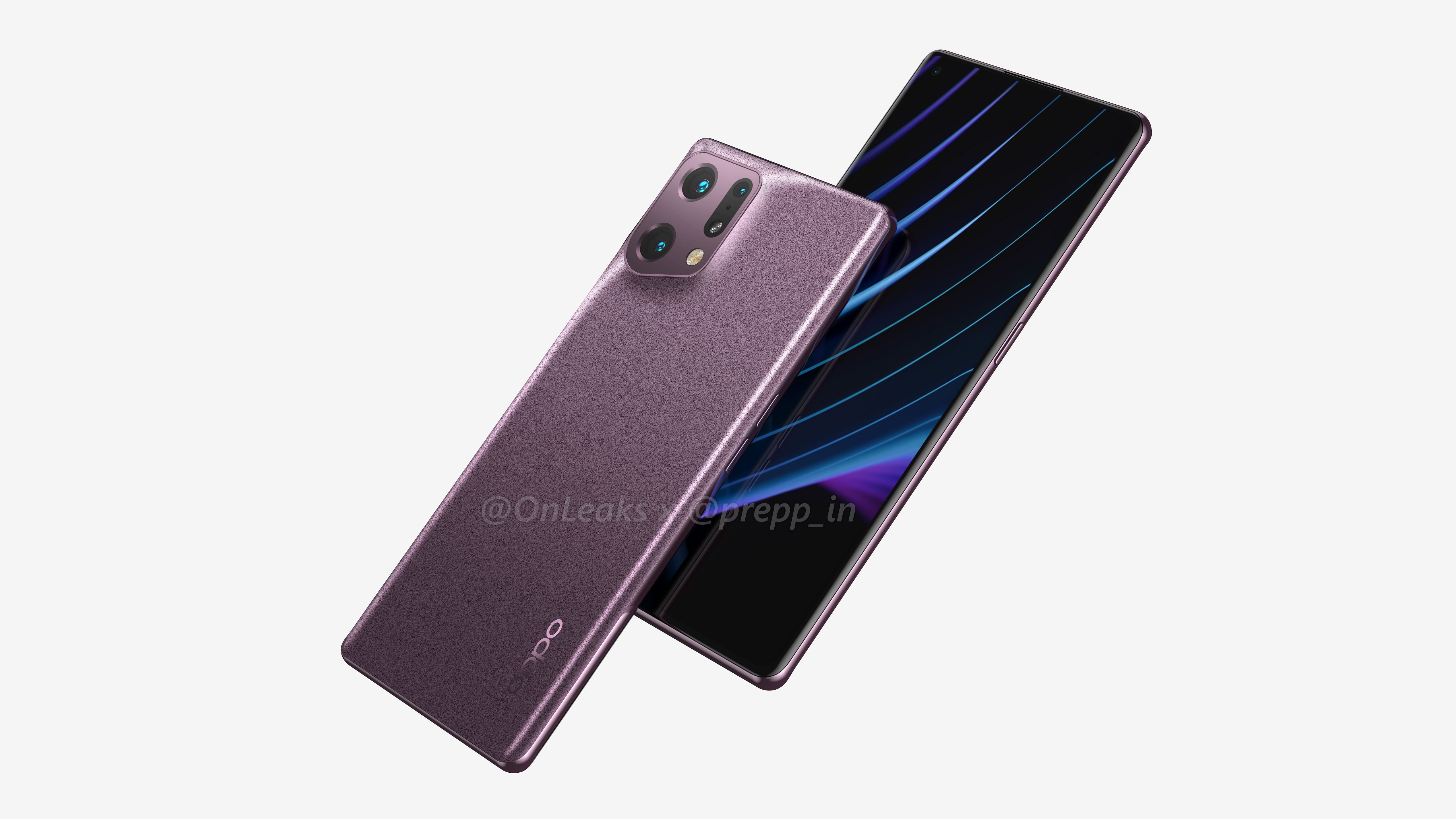
Now, in the latest development, @OnLeaks has shared renders of the upcoming OPPO Find X5 Pro smartphone. This is the same device that was expected to get launched as Find X4 Pro but the company is expected to skip the “4” number. The reason behind this is likely that the number four is considered unlucky in the Chinese culture.
The renders showcase a camera module similar to the one we have already seen on the Find X3 Pro. However, this time, the company seems to be adopting an irregular trapezoidal shape for the camera module instead of square. It still continues the design language with the phone’s back shell smoothly extending to the convex part of the camera module.
One major difference is the phone’s back panel which now has a sandblasted texture instead of the glass design that we saw on the previous generation model.
Coming to the front side, the device will have a punch-hole cutout in the top-left corner of the screen for housing the front-facing camera. The renders show minimal bezels surrounding the display, hinting at a higher screen-to-body ratio. The volume rocker keys are located on the left side frame while the power button is on the right frame.
As for the specifications, based on the leaks so far, the OPPO Find X5 Pro is expected to feature a 6.78-inch Full HD+ display with a screen resolution of 2400 x 1080 pixels. It will come powered by the Qualcomm Snapdragon 8 Gen 1 chipset.
In the camera department, there could be a 50-megapixel primary sensor, a 50-megapixel ultra-wide-angle lens, and a 13-megapixel telephoto or macro sensor. On the front side, it is likely to house a 32-megapixel snapper.
The phone is said to pack a 5,000mAh battery with fast charging support. Along with the OPPO Find X5 Pro, the company is also expected to launch the OPPO Find X5 which is said to come powered by the MediaTek Dimensity 9000 SoC.
Samsung is among the world’s fastest smartphone manufacturers to roll out the latest version of the Android operating system to its premium devices. The South Korean giant has now rolled out the Android 12 to its flagship smartphones released this year as well as to the models released last year.
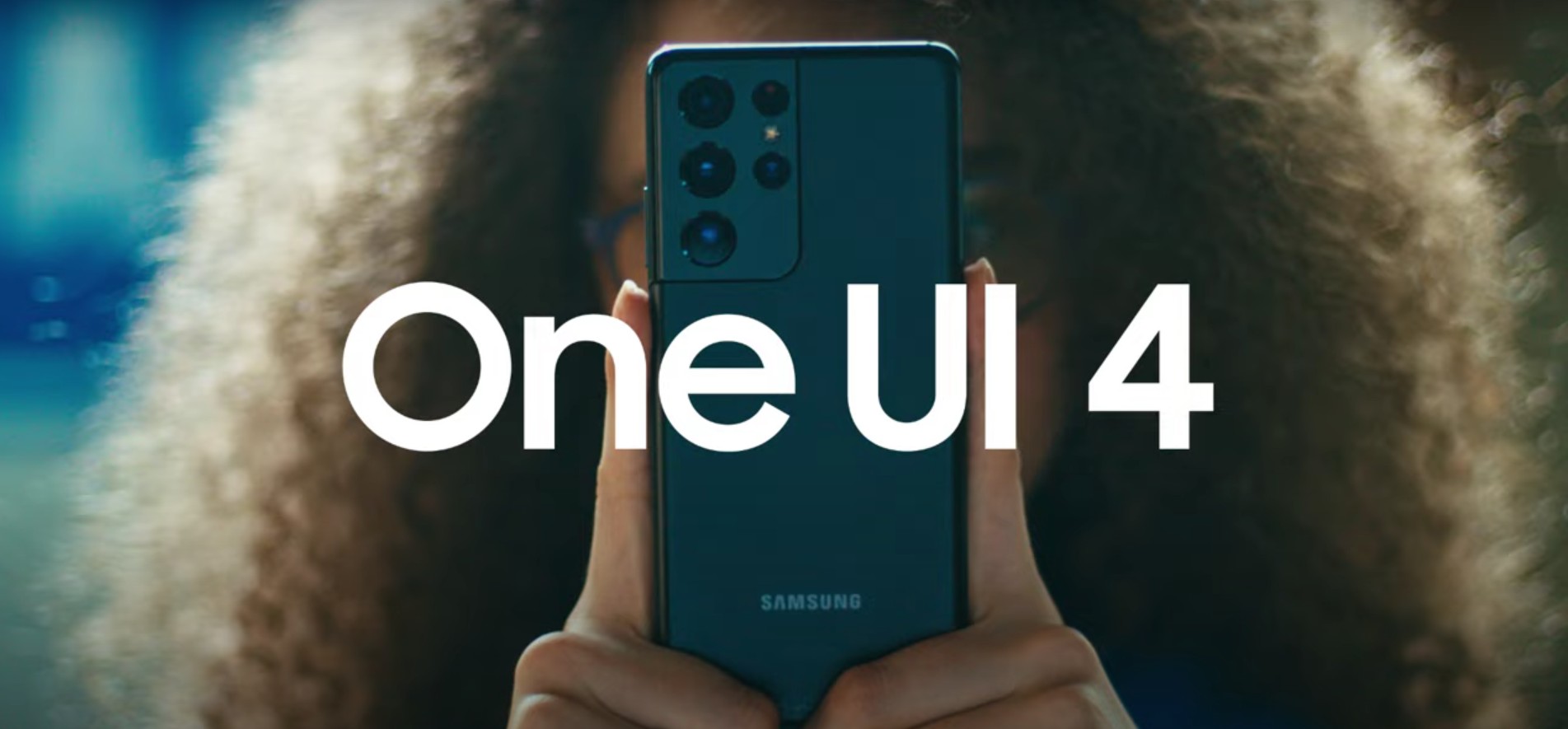
While many other brands are struggling with the rollout of Android 12, Samsung has now started rolling out the latest One UI 4.0 based on the newest version of the Android operating system to its Galaxy S20 series and Note 20 series phones.
As per the latest report, the Samsung Galaxy Note 20, Note 20 Ultra, S20, S20 Plus, S20 Ultra, and S20 FE smartphones have started receiving the Android 12-based over-the-air update in Switzerland. Based on the company’s track record, we expect the update to be available across Europe in the coming days.
The development comes at a time when the company has started the rollout of the One UI 4.0 for the Galaxy Z Fold2 5G smartphone. The brand has already released the latest update for the Galaxy Z Fold3, Z Flip3, S21, S21 Plus, and S21 Ultra smartphones.
However, not everything had worked as planned for the South Korean giant. The company had to pause the update for the latest foldable smartphones as well as the S21 lineup because of bugs and issues but finally managed to fix the issues and roll out the update.
We just hope that the new update for the Galaxy S20 series and Note 20 series phones doesn’t face similar issues. The One UI 4 beta update for the Galaxy S20 was released in the United States last month so we expect a stable release pretty soon.
Meanwhile, the company is reportedly working on a new One UI 4.1 version based on the Android 12 operating system which will come pre-installed with Samsung’s upcoming Galaxy S22 series of flagship smartphones.
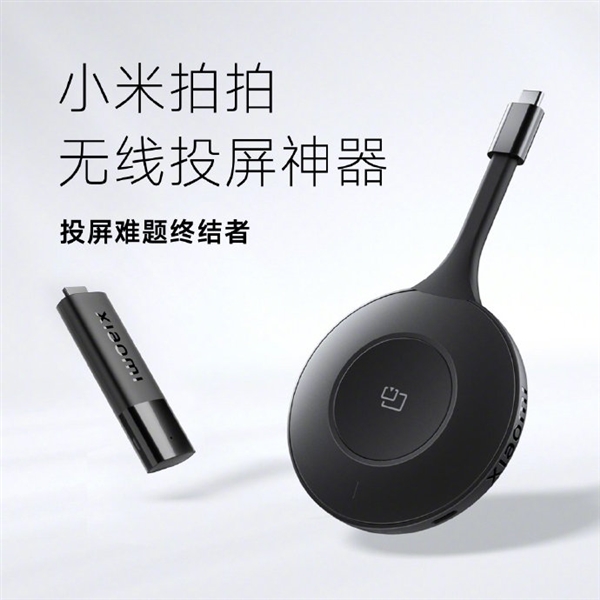
At the Xiaomi 12 series launch conference held on Tuesday, Xiaomi also unveiled a new portable wireless projection device known as Xiaomi Paipai wireless projector. The gadget adopts Xiaomi’s minimalist design style with a compact build that can easily fit into the pocket.
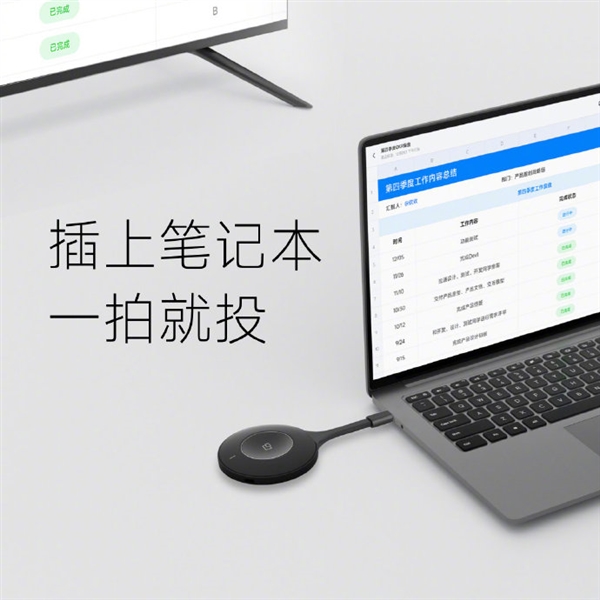
Xiaomi Paipai is designed to simplify a rather complex task of projecting presentations in an office or other settings. All that is needed is to plug the device into the notebook and the device starts projecting the notebook’s screen onto a bigger screen. The portable device also comes with its own Wi-Fi module, and the transmitter and receiver can automatically form a local area network (LAN).
Xiaomi says the built-in enterprise-level processing chip of the Paipai Wireless Screen Projector doesn’t only integrate network modules but also has codec functions. Users won’t need to install drivers, just plug and play. Also, it is equipped with a 4K codec chip, supports low compression decoding, ultra-high-definition input, low picture noise, synchronization of audio and video, and smooth operation. It equally supports the 5G frequency band transmission protocol and is designed not to easily freeze, delay, and flicker, guaranteeing a stable and reliable long-term screen projection.
The transmitter adopts a more advanced Type-C interface, integrated DP high-definition output, and PD charging function. This guarantees the stable transmission of high-quality content while reducing the burden of plugging multiple devices when a new presenter needs to project his screen. In this case, the same receiving end can be connected to multiple transmitters, and others don’t need to plug and unplug the device back and forth for screen projection.
In terms of performance, Xiaomi Paipai Wireless Projector supports up to 4K 30 frames, high-definition picture quality, and ultra-low latency, but Xiaomi has not announced specific latency data.
As for the price, the Xiaomi Paipai Wireless Projector is priced at 499 yuan (~$78). There is no word yet as to whether the device will be launched for the global market. We expect Xiaomi to unveil it in Europe at some point, considering the steady introduction of most Mi gadgets in the European market in recent times.
The U.S. tech giant Microsoft has stayed away from the foldable screen trend that has been making the rounds in the smartphone industry. And it looks like the company might remain committed to its Surface series devices suggested by the recently surfaced patent.
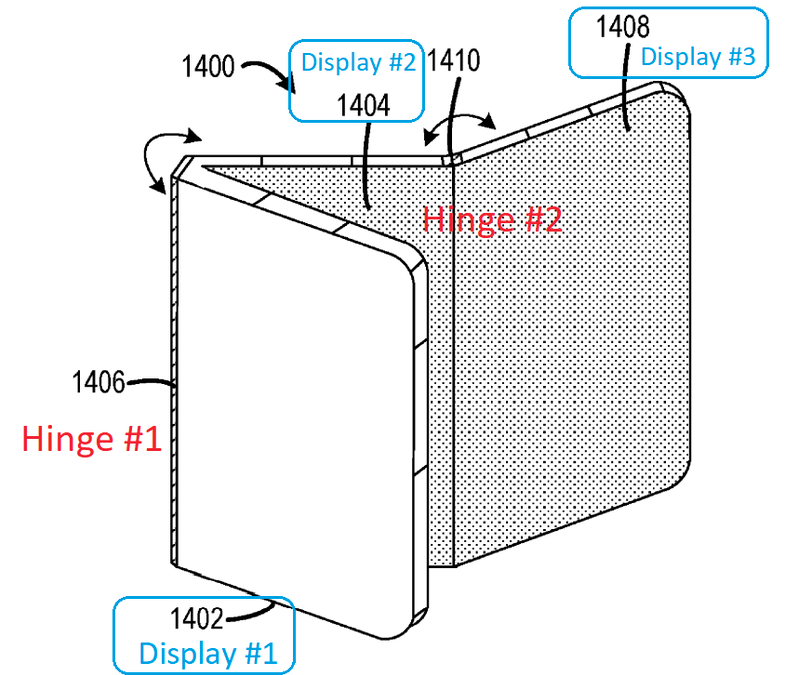
According to a report by PatientlyApple, After the Surface Duo devices, the company might be looking to build a Surface Trio as a “Multi-Panel Display Device” patent by Microsoft has recently been uncovered. The Patent was filed with the United States Patent and Trademark Office (USPTO) back on July 23rd, 2020, and was published recently on 23rd December 2021. The patent document features a lot of technicalities of the device along with a single sketch showcasing its triple screen setup.
The device aims to get rid of the main problem that ails the Surface Duo, being the absence of an outer screen. Display No.3 of the device will act as its primary screen when folded sitting on top of displays 2 and 1. When unfolded, the device can even offer a dual-screen experience akin to the current Surface Duo as display 1 can freely fold in both directions.
The sketch also reveals that display panel 1 is a lot bulkier than panels 2 and 3 and will likely hold most of the hardware like the battery, logic board, and SoC. One thing we can’t help but notice is the size of this device. If we go by the current Surface Duo standards, the device could possibly be huge when completely unfolded as well as quite bulky when folded.
As the design patents have just been published, it is hard to estimate a release timeline of the device, but you can trust us to deliver you any new and notable developments.
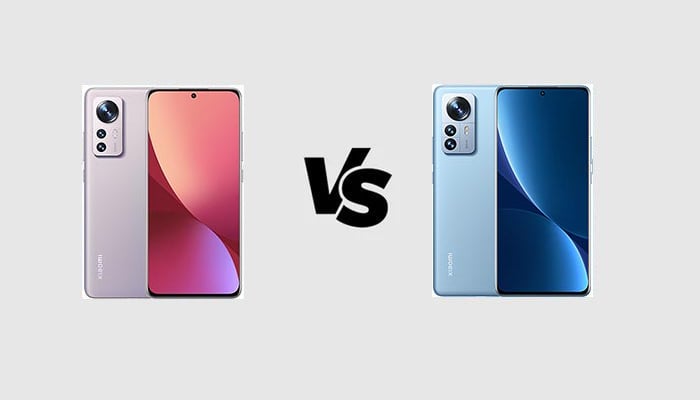
The new Xiaomi 12 series is finally official. As for now, it is composed of three variants: Xiaomi 12, Xiaomi 12 Pro, and Xiaomi 12X. But while the third can be considered as an upper-midrange phone as it is powered by the Snapdragon 870 chipset, the first and the second are amazing flagships equipped with the best Qualcomm’s SoC ever. Right after the official launch, a lot of people are wondering what are the differences between the vanilla version and the Pro variant. This comparison between Xiaomi 12 and 12 Pro will clear your ideas in regards and hopefully tell you which one suits your needs the most.
Xiaomi 12 vs Xiaomi 12 Pro
Xiaomi 12
Xiaomi 12 Pro
DIMENSIONS AND WEIGHT
152.7 x 69.9 x 8.2 mm,
179 g
163.6 x 74.6 x 8.2 mm,
204 g
DISPLAY
6.28 inches, 1080 x 2400 pixels (Full HD+), OLED
6.73 inches, 1440 x 3200 pixels (Quad HD+), LTPO AMOLED
Triple 50 + 13 + 5 MP, f/1.9 + f/2.4
32 MP front camera
Quad 50 + 50 + 50 MP, f/1.9 + f/1.9 + f/2.2
32 MP front camera
BATTERY
4500 mAh, fast charging 67W and fast wireless charging 50W
4600 mAh, Fast Charging 120W, Fast wireless charging 50W
ADDITIONAL FEATURES
5G, dual SIM, reverse wireless charging
5G, dual SIM, reverse wireless charging
Design
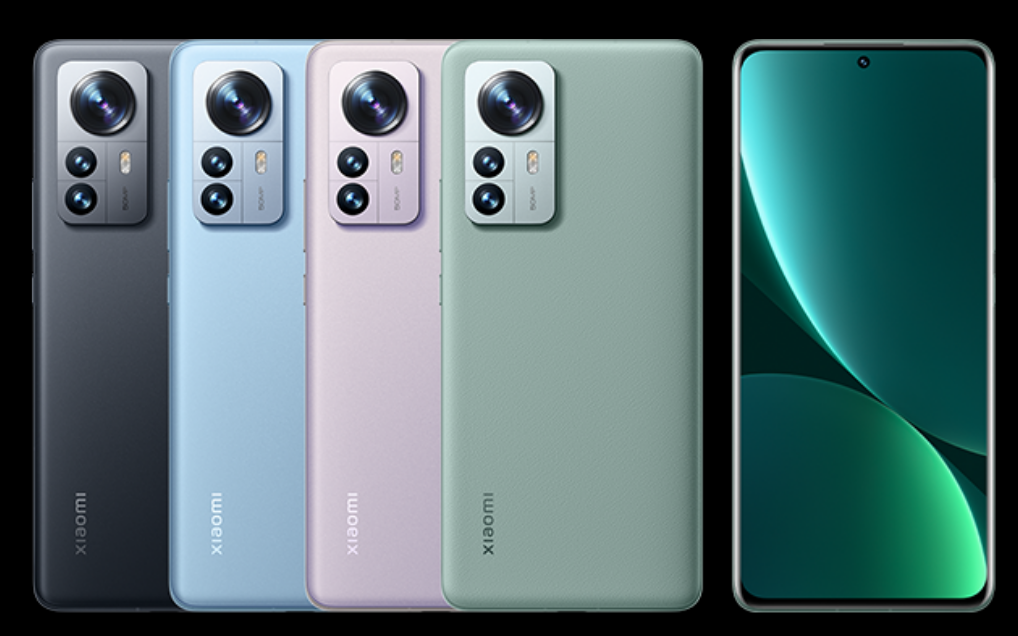
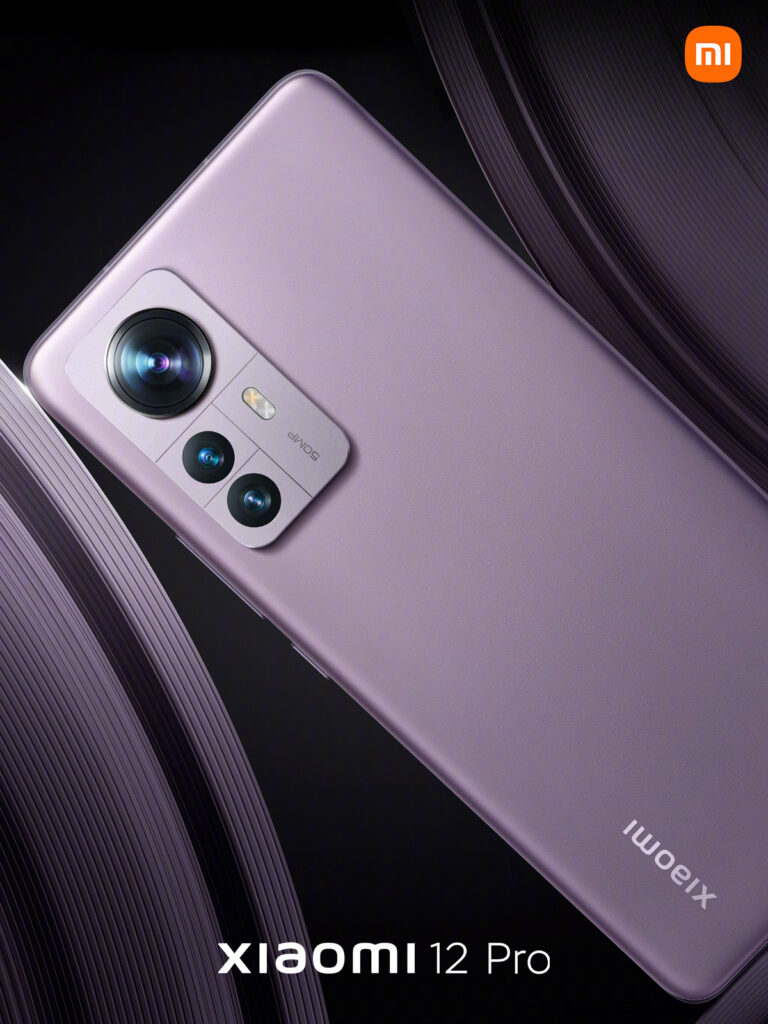
With the exception of minor details, the Xiaomi 12 and the Pro variant come with the same design. They have a curved screen at the edges with a very high screen to body ratio, as well as a glass + metal body with a rectangular camera module including a bigger sensor and two smaller ones. The phones look very beautiful and futuristic, and they are even offered in a special color option with a vegan leather back. The most important aesthetic difference between these two devices is the dimension: the vanilla version is one of the most compact flagships out there and it has more or less the dimensions of the iPhone 13, while the Pro variant is a phablet with a wide display and the typical dimensions of flagship phones.
Display
One of the strongest points of the Xiaomi 12 Pro if compared to the vanilla version is the display specifications. The panel of the Xiaomi 12 Pro is an AMOLED display with the LTPO technology enabling an adaptive refresh rate from 1 to 120 Hz. This display comes with a Quad HD+ resolution of 1440 x 3200 pixels, one billion colors, Dolby Vision, and the HDR10+ certification, as well as an in-display fingerprint scanner. The Xiaomi 12 has a lower Full HD+ resolution and it lacks the LTPO technology. Note that the display of the vanilla version has a diagonal of just 6.28 inches, while the Pro version has a 6.73-inch panel.
Specs & Software
There are no changes in the hardware department and this is very important for a compact and affordable phone like the Xiaomi 12. The handsets are both fueled by the Snapdragon 8 Gen 1 mobile platform that is currently the best chip released by Qualcomm. The SoC is paired with up to 12 GB of RAM and up to 256 GB of internal storage. Despite the MIUI 13 going official alongside these new devices (with improved features and interconnection with other Xiaomi devices), they still run MIUI 12.5 and they will be updated to MIUI 13 within the end of January in the Chinese market.
Camera
The Xiaomi 12 Pro is way better than its vanilla version as a camera phone and it is definitely one of the best camera phones in the market. On the rear side, it has a 50 MP Sony IMX707 main camera, a 50 MP telephoto sensor with 2x optical zoom, and a 50 MP ultrawide camera. The vanilla version has a lower-end Sony IMX766 with a 50 MP resolution as the main sensor, a 13 MP ultrawide camera, and a 5 MP telephoto macro sensor.
Despite its bigger dimensions, you do not get a much bigger battery with the Xiaomi 12 Pro. The capacity is 4600 mAh, just 100 mAh more than the original Xiaomi 12. So the battery life should be very similar. The Xiaomi 12 Pro features 120W fast charging and 50W wireless charging, while the vanilla version has 67W fast charging and 50W wireless charging.
Price
The starting price of the Xiaomi 12 in China roughly translates into €510/$577 at the actual change, while the Pro version starts from €650/$735. Overall, the Pro version offers a bigger and better display as well as superior cameras and a faster wired charging technology. For the rest, these two phones are almost the same.
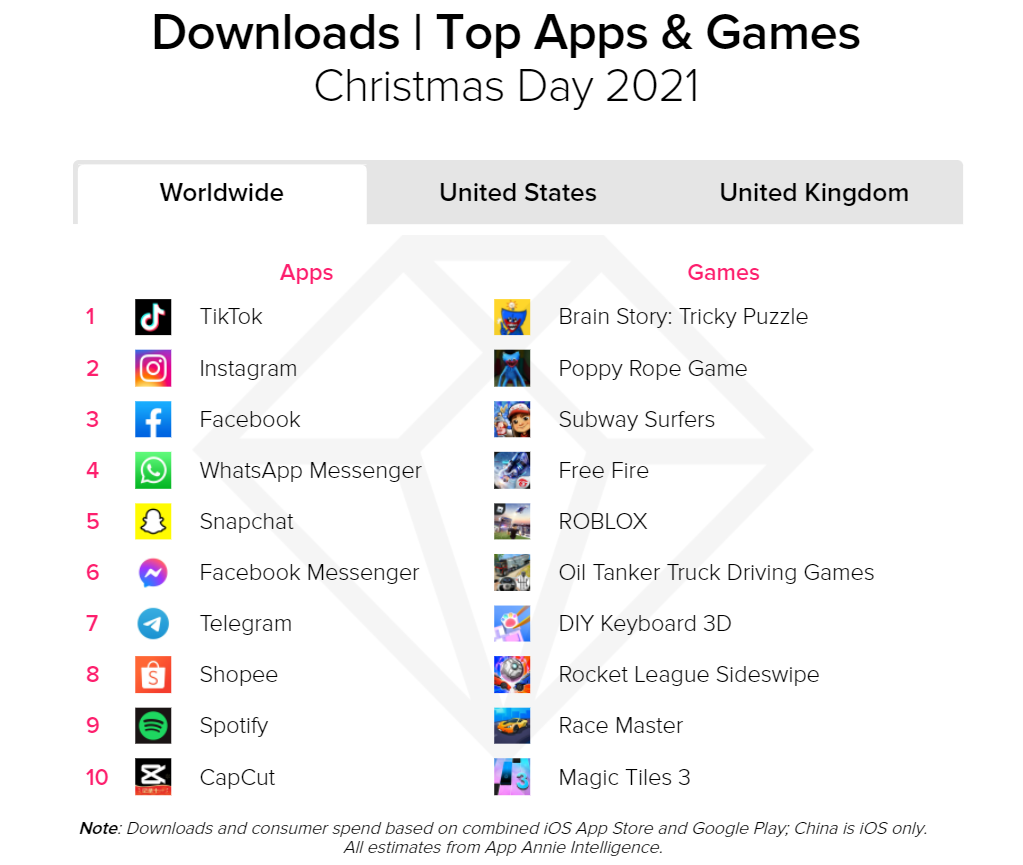
Micro video sharing platform Tiktok has topped the chart of downloads on Christmas Day this year, according to mobile data and analytics company App Annie. The number of downloads on December 25 globally was estimated across both iOS and Google Play Stores.
TikTok led the chart of Christmas Day downloads ahead of Instagram, Facebook, WhatsApp Messenger, and Snapchat. App Annie noted that the ranking was based on downloads and consumer spends which were combined from both the iOS Store and Google Play Store, while in China, iOS data only was used. This may not be unconnected with the growing presence of HarmonyOS in China as an alternative Android platform.
The App Annie data also contained estimates for Game downloads on Christmas Day. The chart was led by Brain Story: Tricky Puzzle. Others at the top of the games download chart are Poppy Rope, Subway Surfers, Free Fire, and ROBLOX. The Brain Story game was released on December 21 and enjoyed massive downloads due to its recent launch.
The App Annie data provided some sectoral details according to downloads by country, with some of the apps and games not on the top download list, featuring prominently in the country downloads. Oculus, HBO Max, Disney+, Veve, Ftibit, and Roblox are some of the apps that had country-wide leadership in the number of downloads on December 25. The impressive analytics data provided by App Annie is bound to give a great outlook for the various brands on areas of strengths and weaknesses.
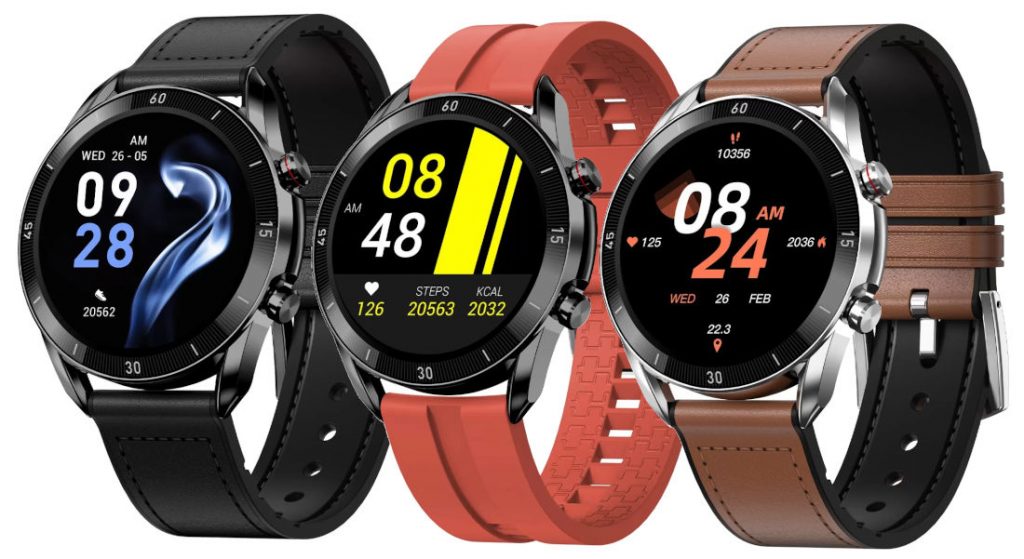
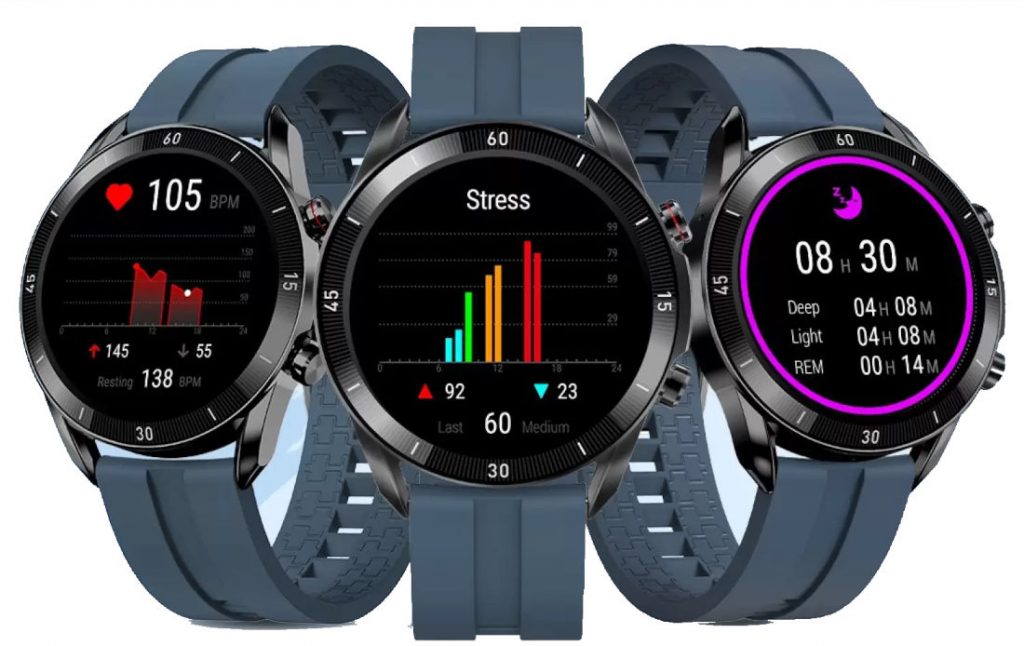
Budding Indian smartwatch manufacturer Fire-Boltt has unveiled its Fire-Boltt Almighty smartwatch with a 1.39-inch AMOLED display and Bluetooth calling functionality. The Fire-Boltt Almighty will allow the user to answer and make calls via Bluetooth directly from the smartwatch. The Fire-Boltt Almighty will be available from December 29 via Flipkart at Rs. 4,999 (~$67).
The Fire-Boltt Almighty comes with customizable watch faces, multiple sports modes, IP67 water resistance, and 10-day battery life on a single charge. The Fire-Boltt Almighty has a circular dial, offers blood oxygen monitoring via its SpO2 sensor, as well as blood pressure monitoring and heart rate tracking. Camera and music control can also be achieved via Bluetooth 5.0 connectivity. The 11 Sports Modes available in the Fire-Boltt Almighty include football, running, treadmill, walking, climbing, basketball, and yoga.
There are six color variants of the Fire-Boltt Almighty namely black, black with brown, blue, brown, red, and matte black. The Fire-Boltt Almighty will come with matching leather or silicone straps. With several established brands offering similar devices within the $50-$100, the new Fire-Boltt Almighty has huge competition in the Indian market. There is no indication yet on the global availability of the Fire-Boltt Almighty.
The Paranoid Android team has been working hard on the Android 12 based Sapphire project, providing compatibility to a wider range of devices. The ROM is currently in the Alpha stage and was reported earlier this month to support multiple devices including OnePlus 7T ProOnePlus 9 Pro, POCO F2 Pro/Redmi K30 Pro among others. Now, the support list has once again increased, incorporating some highly requested new entries.
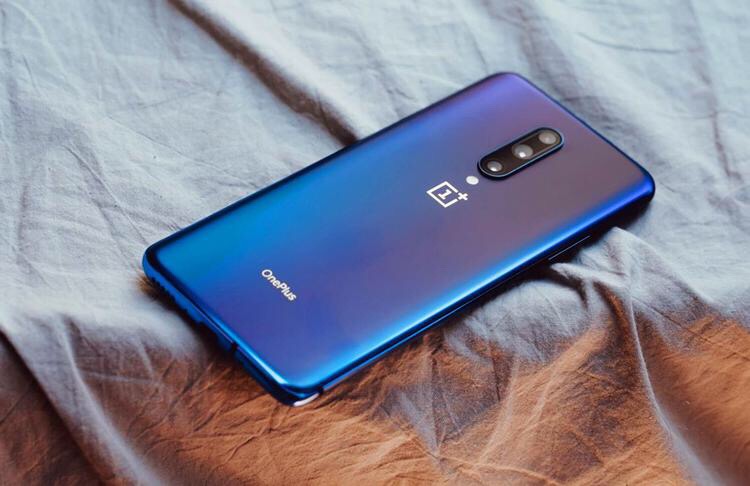
According to a tweet by Paranoid Android (first reported by XDA-Developers), the ROM is now available to the OnePlus 7 Pro, the Xiaomi Mi 10T, and Xiaomi Mi 10T Pro. The latest inclusions bump the number of supported devices up to ten and more devices are expected to receive support for this custom ROM in the near future.
For those unaware, Paranoid Android Sapphire is a custom ROM based on Android 12 and therefore packs most of the features Google introduced with the latest OS upgrade. On top of that, the ROM also includes a few unique wallpapers from Hampus Olsson, some UI improvements, and some other enhancements.
If you own any of these devices and are interested in trying out the Paranoid Android Sapphire custom ROM, click the link below, which will redirect you to the official thread.
Do note beforehand though that the build is still in the Alpha stage and may thus have some unexpected bugs and issues.
To install the ROM, place the fastboot zip file in the root folder on your phone, reboot to the bootloader, and flash the fastboot zip file with “fastboot update aospa-*-image.zip”. Once that’s done, reboot to recovery, wipe user data. For further details, head over to the forum link given above.
NOTE: the ROM only supports the kernel that comes bundled with it and doesn’t support any custom kernels unless they’re said to be supported by their developers.
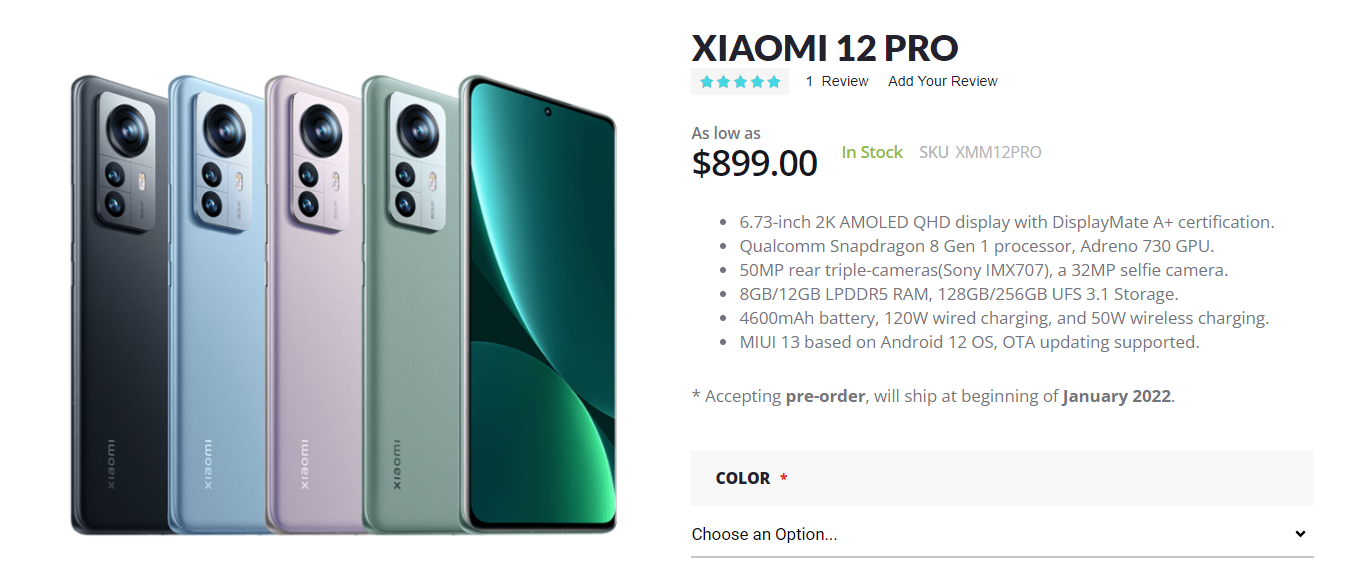
Xiaomi 12 Pro is available for pre-order at $899 only at Giztop. Please note that Giztop is accepting only pre-orders right now and actual delivery will start from January 2022.
Xiaomi 12 Pro features a 6.73″ AMOLED LTPO display with HDR10+ and Dolby Vision and comes in multiple memory variants viz: 8GB / 12GB RAM and 128GB / 256GB ROM.
Powered by the Snapdragon 8 Gen1 processor the phone comes with a triple rear camera setup with a 50MP main camera and 50MP + 50 MP secondary cameras. The highlighting feature of the smartphone is its Cyber Focus tracking system which enables you to take fast and quick images. Also with dedicated Night Mode available on all three camera sensors, you can now capture beautiful and clear images even at night in low light. In the front, you have a single 32MP ultra-clear selfie lens.
Xiaomi 12 Pro is fueled by a 4600mAh Li-Po battery and supports 120W wired fast charging 50W wireless charging, and 10W reverse charging. It also supports fast charging protocols like QC4 / QC3+ / PD3.0 fast charge protocol + MI FC2.0 fast charge.
Xiaomi 12 Pro Glass Body variants are available in Black, Blue, and Purple colors while the PU variant comes in a gorgeous Field Green color.
All Global customers can now pre-orderXiaomi 12 Pro at Giztop for $899 only. This price is applicable to the 8GB + 128GB variant only.
For more information on such exciting deals and offers check out our deals hub.
Earlier today, Xiaomi unveiled its latest lineup of flagship smartphones, including the Xiaomi 12, 12 Pro, and the Xiaomi 12X. The phones were revealed with extensive information and details about their specs and features. But you might’ve missed one feature of the Xiaomi 12 Pro that’s quite quirky.
The Xiaomi 12 Pro comes equipped with a bezel-less display leaving little to no room for sensors to be fitted on the front panel. However, the company has found a way around this problem as they’ve equipped the 12 Pro with Goodix’s first in-display light sensor.
The sensor provides an interesting functionality in the Xiaomi 12 Pro enabling it to adjust brightness and color intensity by detecting the color temperature of the ambient light. Other than the usual auto-brightness and color adjustments, the sensor also helps the device when it comes to photography by minimizing the interference of screen light and allows hardware-level high-precision measurement of correlated color temperature and illuminance. Additionally, the sensor also works as a proximity detector.
The sensor adds to the impressive spec sheet of the Xiaomi 12 Pro, which already consists of a 6.73-inch 2K+ LTPO AMOLED with HDR10+, 521 ppi pixel density, and a 120Hz refresh rate. Under the hood, the device houses a Snapdragon 8 Gen 1 SoC, which is be clubbed together with 8GB or 12GB of RAM and up to 256GB of storage. The device is powered by a 4500mAh battery, supporting Xiaomi’s latest 120W fast charging technology.
The Xiaomi 12 Pro comes with three 50MP snappers in the camera department comprised of 50MP IMX707 primary (1/1.28″, 1.22µm), 50MP telephoto, and 50MP ultrawide cameras.
The Xiaomi 12 lineup’s real-world performance will soon be revealed with all its quirks and features as the device is slated to go on sale starting December 31st in China. So, stay tuned for more.
Transsion Holdings subsidiary Tecno has officially revealed that the Spark 8 Pro premium mid-range smartphone will be launched in India on December 29. This comes after a first tweet in wich the company only promoted the impending launch without specifying a launch date. A second tweet has now been posted, revealing the smartphone will be launched on December 29.
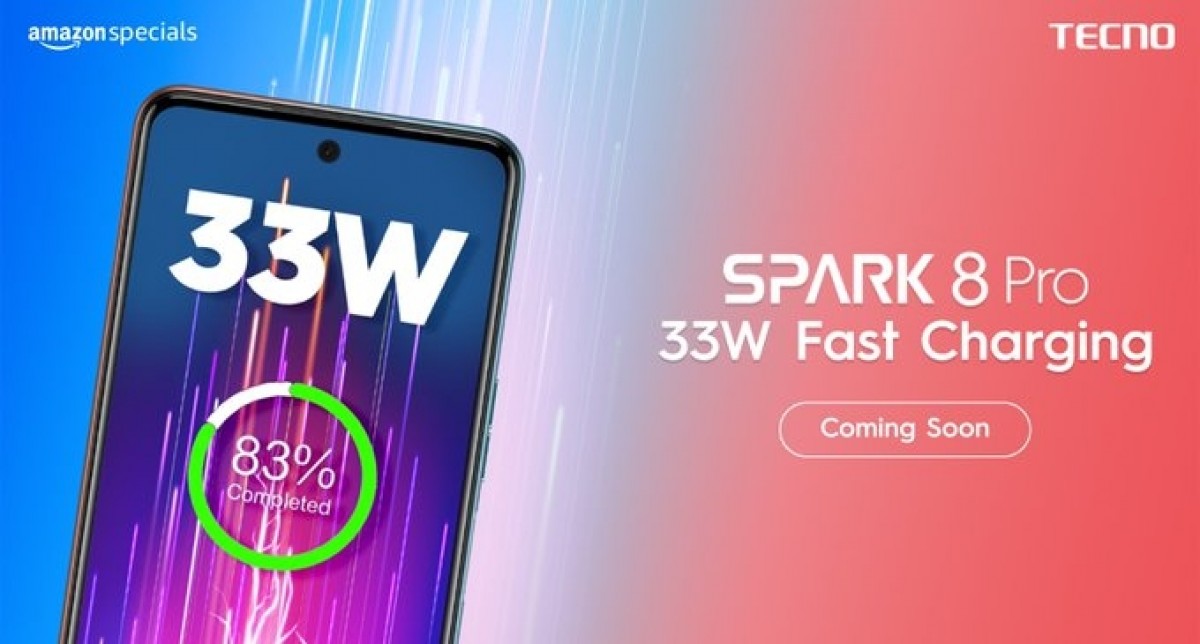
The Tecno Spark 8 Pro is expected to emerge as the successor to the Spark 8 that was launched in August this year. The company did tease that the device will arrive with support for 33W fast charging support. The “super-fast charger” is expected to deliver a charge of 85% of the battery capacity in just one hour. For comparison, the vanilla Spark 8 comes with a disappointing 10W charger.
Be charged always! Spark 8Pro is equipped with a 33W super-fast charger, that speedily charges 85% in an hour.
Furthermore, the teaser poster hints at a punch-hole display design onboard the Spark 8 Pro. The device will also pack a triple camera setup consisting of a 48MP main camera. Other specs of the device can be gotten from the Bangladesh launch last month. The device will be powered by a Helio G85 chipset paired with 6GB RAM and 64GB storage.
The Spark 8 Pro will feature a 6.82-inch IPS LCD FHD+ display with a massive 5,000mAh battery under the hood as well as a side-mounted fingerprint scanner. We bring you more details of the Spark 8 Pro especially the Indian pricing and availability details when it is announced in some hours’ time.
Xiaomi held a massive launch event earlier today where they unveiled multiple new products from the brand, including the Xiaomi 12 smartphone lineup, MIUI 13, Xiaomi Watch S1, and many more. But the products were not the only thing revealed in this conference as Xiaomi’s CEO and Founder Lei Jun took to the stage to announce the company’s future plans.
Earlier this year, Xiaomi briefly overtook Apple in the total global shipment volume, making it the 2nd largest global smartphone manufacturer for a while. Now, the CEO of Xiaomi announced that the company intends to take on the global leaders in the smartphone industry and become the number one smartphone brand in the next three years.
A similar statement was made earlier in November by Lu Weibning, the Senior VP of Xiaomi Group China and GM of Redmi, who posted on Weibo clarifying Xiaomi’s goals in the future. Lu Weibing explained that Xiaomi’s Founder Lei Jun had put forward a goal of No.1 sales of Xiaomi smartphones in the world by 2024. And to achieve this, Xiaomi will first focus on increasing their sales in the Chinese market. Since 70% of the smartphone sales in China are done through physical stores, Xiaomi plans to increase their brick and mortar outlets to 30,000 in the next three years. He also stated that since Xiaomi plans to be the king of smartphone sales globally, they will not specifically target any single brand (Apple) and focus on making products that can rival all the top brands.
The announcement by Xiaomi’s founder Lei Jun has also raised some questions about how they plan to achieve global dominance in the smartphone market. Recently, Xiaomi has constantly ranked 3rd, trailing closely behind Apple. However, Samsung still has a sizable lead over the two brands. If Xiaomi plans to reach this goal they have set for themselves, we might see the brand strengthening its position in the European market, where Samsung has recently been losing ground. Additionally, the company has a perfect opportunity to consume the market share conceded by Huawei due to recent chip bans imposed on them by the U.S.
Only time will tell if Xiaomi can overcome this challenge and achieve the milestone of the leading global smartphone producer in the next three years, and we will be here to bring you the latest news on their progress, so stay tuned.
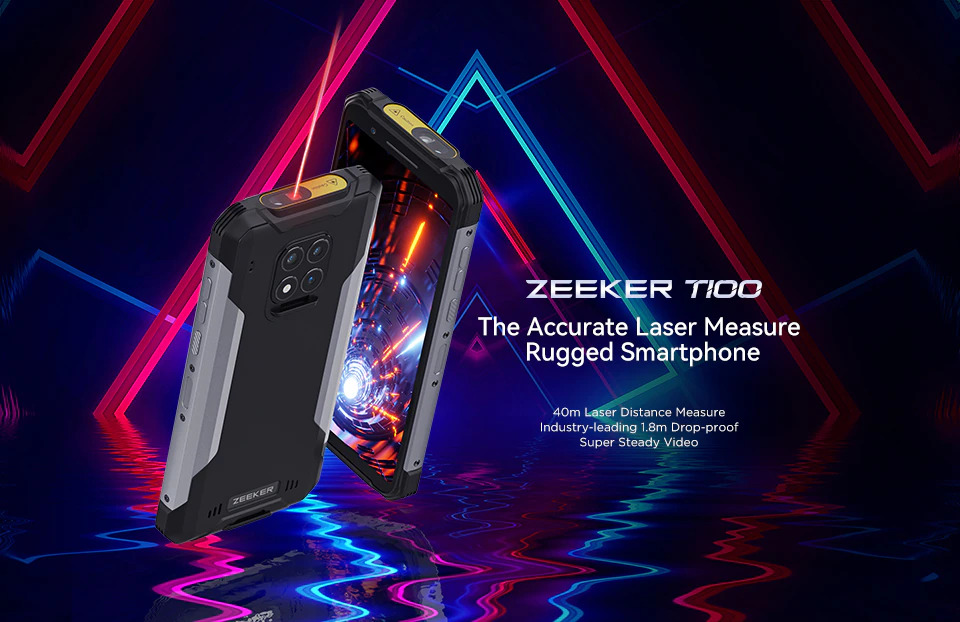
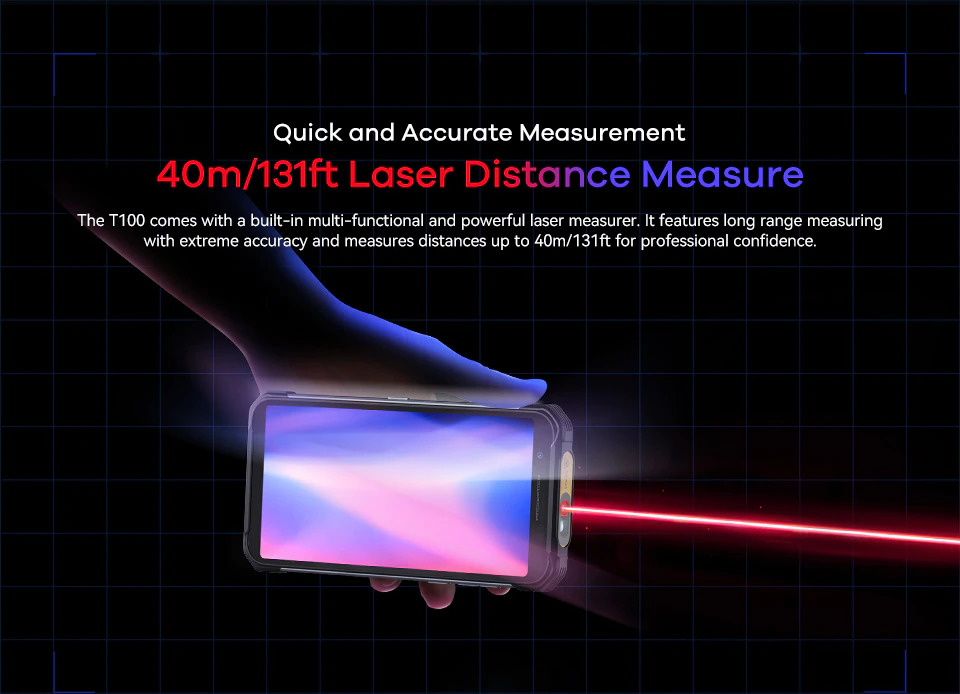
Chinese smartphone manufacturer Zeeker has officially launched a new rugged phone dubbed Zeeker T100 in the market. The Zeeker T100 comes with a unique feature called infrared rangefinder which allows the device to measure range or distance up to 40 meters or 131 feet.
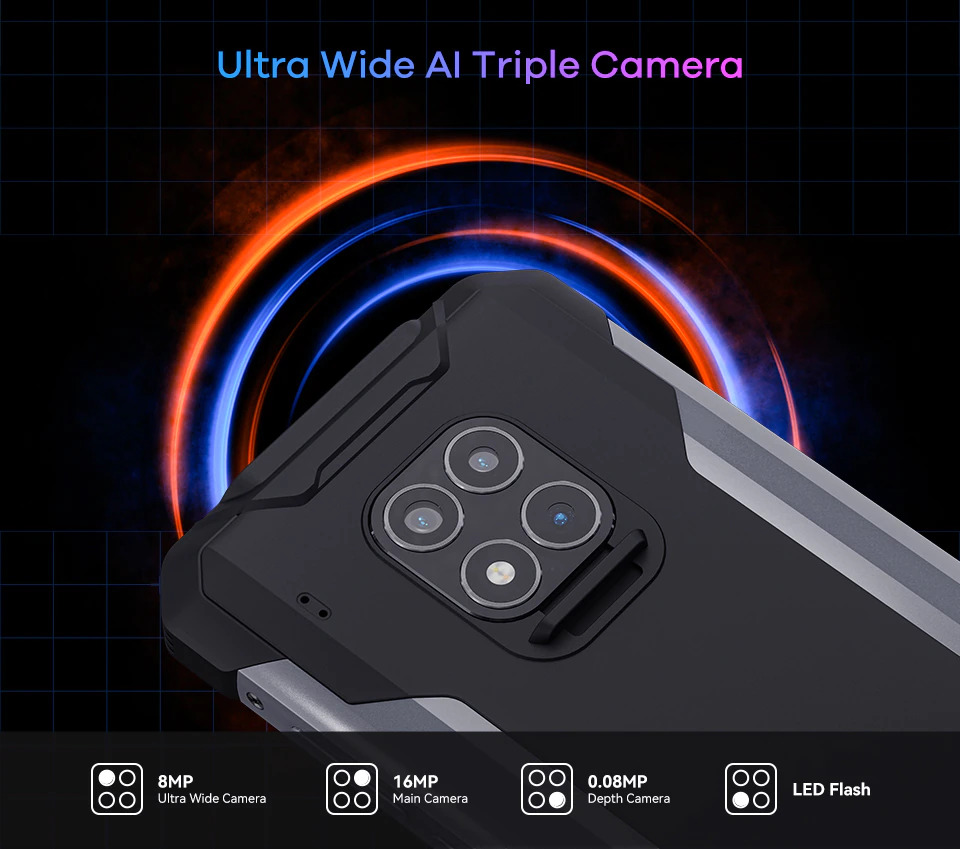
The Zeeker T100 sports a 6.0-inch display with a Full-HD+ resolution. It has an 18:9 aspect ratio and a standard 60Hz refresh rate. In terms of cameras, it features an 8MP camera at the front and has a triple camera array at the rear. The rear setup has a 16MP main lens, an 8MP ultra-wide unit, and a 0.08MP depth sensor.
It is powered by the MediaTek Helio G80 SoC paired with 6GB of LPDDR4X RAM and 128GB eMMC 5.1 internal storage. It has a microSD card slot with support of up to 1TB of storage expansion. It houses a big 6,000mAh battery with 18W wired fast charging and 15W wireless fast charging support.
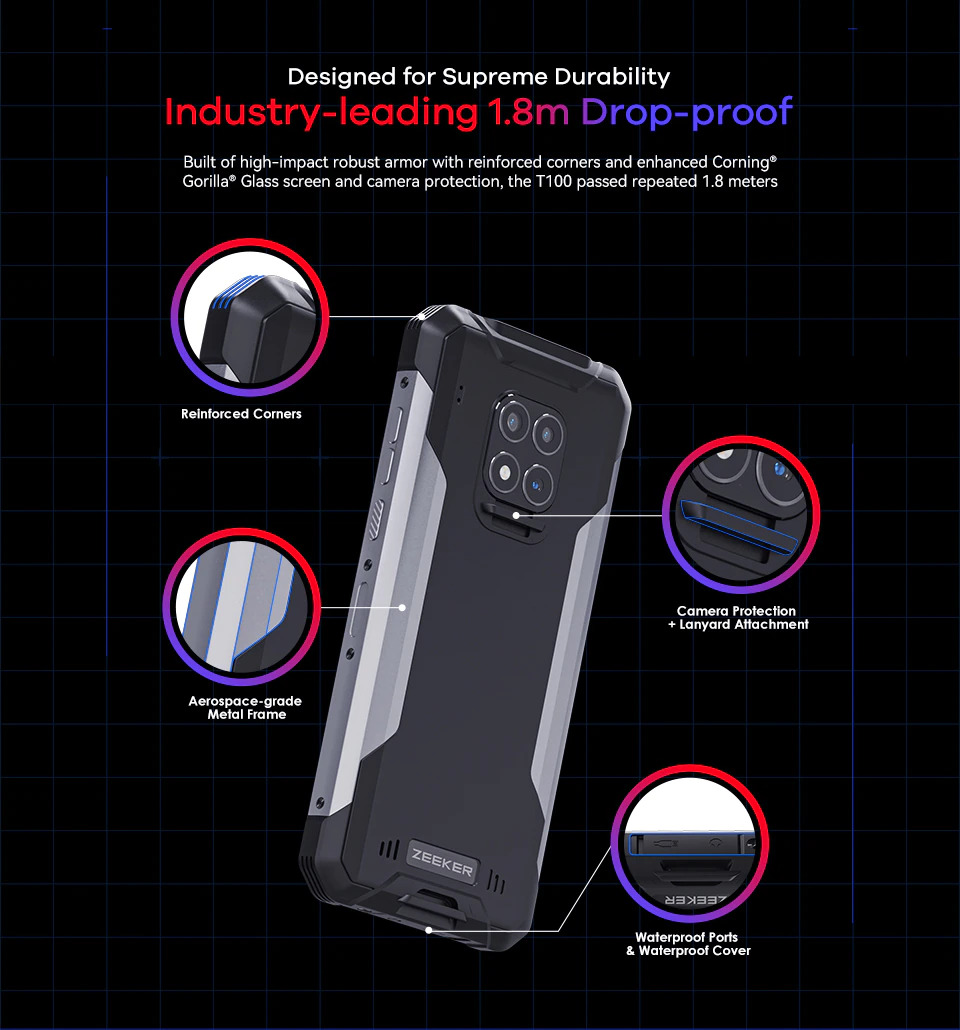
Since it is a rugged phone, it has bagged MIL-STD-810G military-grade protection. It is built out of an Aerospace-grade metal frame and has reinforced corners. It also has an IP68 and IP69K resistance offering enhanced protection. One of its highlights is the infrared rangefinder. It has a laser pointer at the top of the device that can be used to measure range or distance up to 40 meters or 131 feet.
1 of 3
The smartphone has a side-facing fingerprint scanner for security. The power button is also customizable meaning that it can be toggled for different actions. Single-click, double-click, and long-press can be used for setting several actions like SOS, screenshot, flashlight, sound recording, push-to-talk, etc. It runs on Android 11 OS out of the box and has ZEEKER UI on top of it.
As for the price, the Zeeker T100 is currently listed for $312 on AliExpress for the 6GB RAM and 128GB storage variant. It comes in a single Meteorite Black color variant.
Xiaomi has finally unveiled MIUI 13 at the Xiaomi 12 series launch event in China. Although it sounds like a major upgrade, it doesn’t bring any significant changes over MIUI 12. That’s because MIUI 12.5 and MIUI 12.5 Enhanced Edition have already introduced certain changes. Above all, almost all the new exciting features will most likely remain exclusive to China. With that being said, let’s take a look at what MIUI 13 has to offer.
Unlike previous generations, Xiaomi now has three branches of MIUI for its Android devices. They are called MIUI 13, MIUI 13 Pad, and MIUI 13 Fold. As the names suggest, the software is now optimized specifically for smartphones, tablets, and foldables respectively. For the foldables, MIUI is a combination of both regular MIUI for MIUI Pad.
MIUI 13
MiSans Font
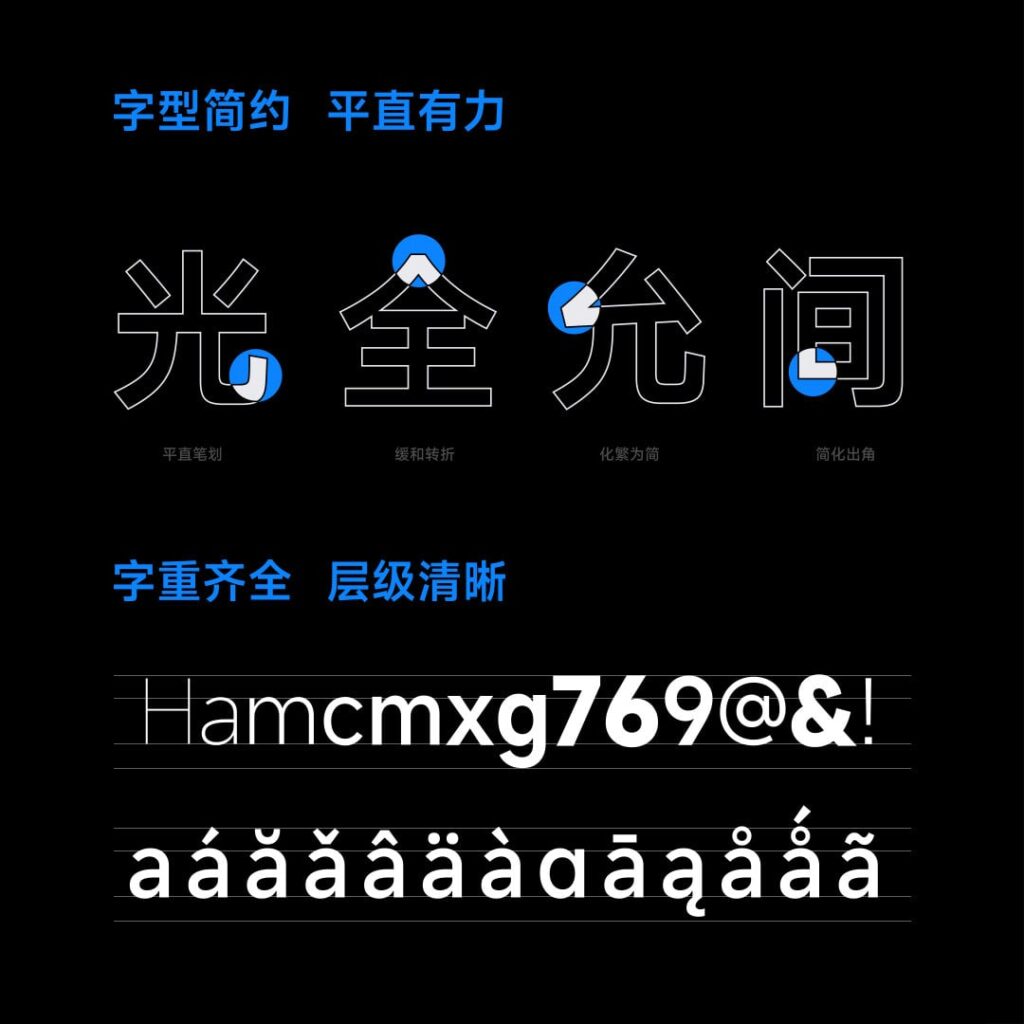
MIUI 13 brings new font called MiSans. Xiaomi claims that this is a simple font optimized for Chinese and English languages to offer clear visibility and comfortable reading.
The font is part of Dynamic Font System 2.0. As it inherits OpenType features, the height of hyphens automatically adapts to uppercase and lowercase letters.
This minimalistic font is already available for download on the MIUI Themes app in China for devices running previous iterations of MIUI.
Widgets
Ever since Apple introduced widgets with iOS 14, Android OEMs are playing catch-up although the feature has been present on Google’s operating system for years. That’s because it has been dormant without any interesting development so far.
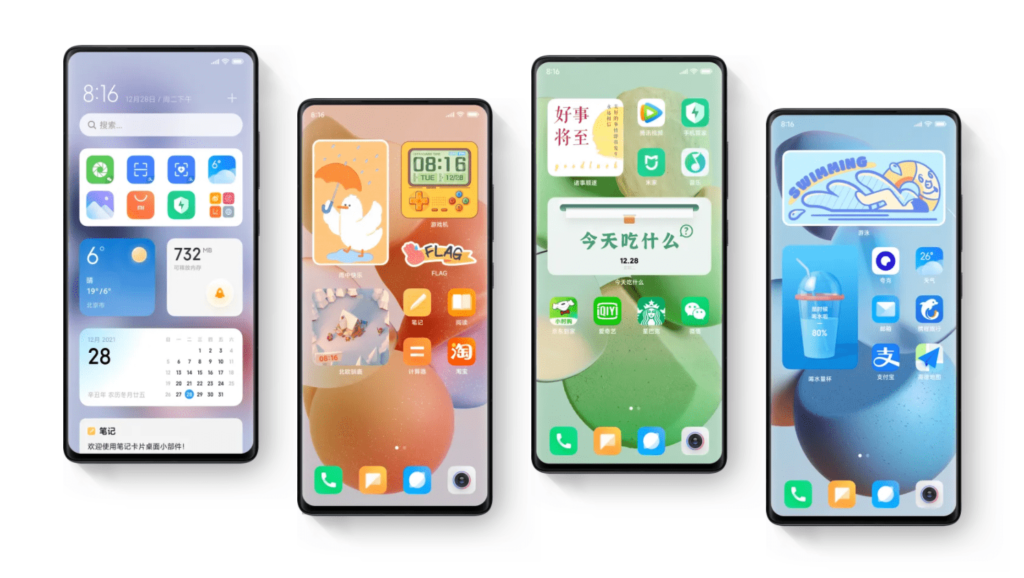
Now, Xiaomi has also joined the new race for dynamic widgets with MIUI 13. For the unaware, the company has been testing this feature since August 2021.
The widgets in MIUI 13 are sort of similar to those found on vivo’s OriginOS Ocean and OPPO’s ColorOS 12. In other words, they probably won’t make their way to international markets.
Because these widgets are offered by prominent Chinese applications. Additionally, Xiaomi is also offering widgets for mini-games, countdowns, reminders to drink water, what to eat today suggestions, and more.
Although we don’t have much hope for the availability of new widgets outside mainland China, it would be wonderful if the firm somehow manages to bring them.
Beauty of Science Wallpapers
MIUI 12 set the bar high for live wallpapers with the introduction of MIUI Super Wallpapers. For MIUI 13, the company has partnered with Beauty of Science for a new set of wallpapers.
These latest wallpapers display the crystal structure of various minerals. The new wallpapers are a result of 8K time-lapse photography using a polarization microscope.
Just like the MiSans font, the Beauty of Science Wallpapers are also up for download in China.
Customizable Xiao AI Virtual Assistant
Users can create their own customized avatar of Xiaomi’s Xiao AI virtual assistant in China. They can choose from over 50 sets of clothing and accessories.
That’s not all, users can also choose from different voices and set a custom wake word.
Privacy
MIUI 13 is certified by even more agencies than MIUI 12 for privacy. The new interesting feature in the last iteration was ‘Virtual ID’. Whereas, MIUI 13 brings changes to the face authentication system.
Previously, only the face is scanned by the system. But now, the upper body is included in the scan for more data. Further, users can opt for a watermark while scanning important documents.
The system also protects users from spam calls/texts, malicious applications, and harmful file transfers
Optimizations
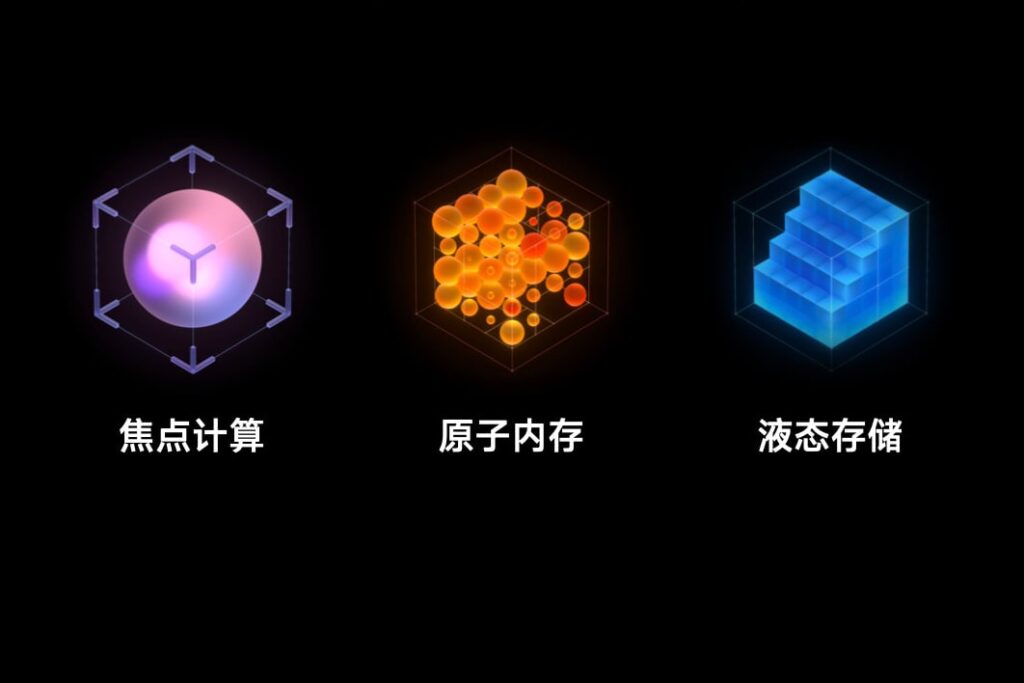
MIUI 13 brings improvements for Focus Computation, Atomic Memory, and Liquid Storage. These three self-developed technologies debuted on MIUI 12.5 Enhanced Edition.
Xiaomi claims that the fluency of system applications and third-party applications are now improved by 20-26% and 15-52% respectively when compared to MIUI 12.5 Enhanced Edtion.
Devices like Xiaomi Mix 4 can now easily hold an average of 14 apps in the background. Finally, read-write performance only drop by 5% on handsets like Mi 11 Pro after 36 months of usage.
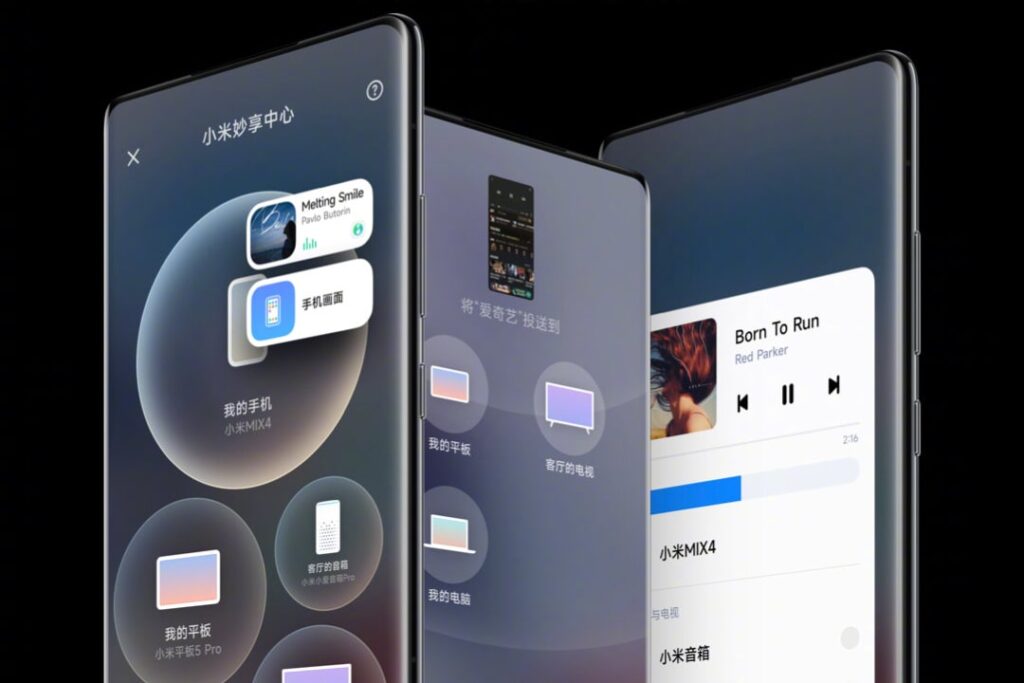
Mi Magic Center
The new Mi Magic Center is Xiaomi’s answer to Huawei’s HarmonyOS Super Device. Users can manage their Xiaomi ecosystem products from this single place.
They can cast/stream screen content or music from one device to another by simply dragging. Unlike Huawei, Xiaomi also lets users customize their devices with stickers to add a personal touch and for easier recognition.
Only select devices are compatible with Mi Magic Center.
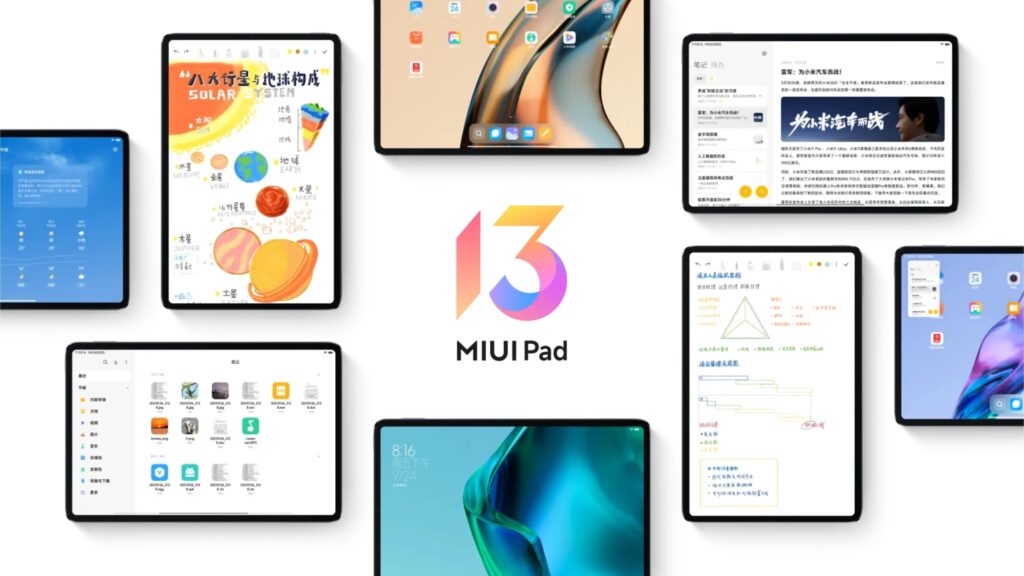
MIUI 13 Pad
Multitasking
MIUI 13 Pad brings support for floating windows. The application windows can be also resized as per requirements. Hence, users can perform multiple tasks at a given time.
Just like devices from Apple, Samsung, Huawei, and Honor, Xiaomi products running MIUI 13 are also now in synchronization with each other. Hence, users can continue their tasks on their tablet from where they left off on their smartphone and vice versa.
Keyboard and Stylus
Keyboards now support default as well as custom shortcuts. Whereas, users can start taking notes and screenshots on any screen by using the official stylus accessory.
App Compatibility
When Xiaomi unveiled MIUI for Pad in August, it set a target to adapt 2,000 applications for tablets by the end of 2021. Surprisingly, the firm managed to adapt 3,000 apps with MIUI 13 Pad.
MIUI 13, MIUI 13 Pad, MIUI 13 Fold Eligible Devices and Update Plan
MIUI 13 and MIUI 13 Pad stable update will be available for the first batch of devices in China from the end of January 2022. On the other hand, it will be available in international markets from Q1 2022.
As for MIUI 13 Fold stable update, it will be rolled out at the end of April 2022.
MIUI 13 Stable Update Eligible Devices – First Batch
China
Late January 2022
Xiaomi 12 Pro
Xiaomi 12
Xiaomi 12X
Mi 11 Ultra
Mi 11 Pro
Mi 11
International Markets
Q1 2022
Mi 11 Ultra
Mi 11
Mi 11i
Mi 11X Pro
Mi 11X
Redmi 10
Redmi 10 Prime
Xiaomi 11 Lite 5G NE
Xiaomi 11 Lite NE 5G
Redmi Note 8 (2021)
Xiaomi 11T Pro
Xiaomi 11T
Redmi Note 10 Pro
Redmi Note 10 Pro Max
Redmi Note 10
Mi 11 Lite 5G
Mi 11 Lite
Redmi Note 10 JE
MIUI 13 Pad Stable Update Eligible Devices – First Batch
After a long wait, Xiaomi has officially announced the MIUI 13 at an event in China. This time around, the new UI focuses on stability and bug fixes. Xiaomi claims that the MIUI 13 has improved fluency by 15% to 52% compared to the older MIUI 12.5.
Some of the highlights of the new UI include system-level anti-fraud protection and faster app opening speeds. In this article, we are sharing the list of all supported devices that will get the MIUI 13 update from Xiaomi.
MIUI 13 Update Plan(Global)
Global users can expect the OTA update of the MIUI 13 starting from Q1 2022. The first batch to get the update are as follows:-
Xiaomi Mi 11
Xiaomi Mi 11i
Xiaomi Mi 11 Ultra
Xiaomi Mi 11X
Xiaomi Mi 11X Pro
Xiaomi Pad 5
Redmi 10
Redmi 10 Prime
Xiaomi 11 Lite 5G NE
Xiaomi 11 Lite NE
Redmi Note 8 2021
Xiaomi 11T
Xiaomi 11T Pro
Redmi Note 10 Pro
Redmi Note 10 Pro Max
Redmi Note 10
Xiaomi Mi 11 Lite
Xiaomi Mi 11 Lite 5G
Redmi Note 10 JE
The details for the other batches will be released soon.
MIUI 13 Update Plan(China)
December 28 – Pre-installed
Xiaomi 12
Xiaomi 12X
Xiaomi 12 Pro
First Batch of Public Beta – January 2022
Xiaomi Mi 11
Xiaomi Mi 11 Pro
Xiaomi Mi 11 Ultra
Xiaomi Mi 11 Youth Edition
Xiaomi Mi CIVI
Xiaomi Mi MIX 4
Redmi K40 Game Enhanced Edition
Redmi Note 10 Pro
Xiaomi Mi Pad 5(MIUI 13 Pad OS)
Xiaomi Mi Pad 5 Pro(MIUI 13 Pad OS)
Xiaomi Mi Pad 5 Pro 5G(MIUI 13 Pad OS)
Xiaomi 10S
Redmi K40 Pro
Redmi K40
Redmi K30S Extreme Edition
Redmi K30 Extreme Edition
Xiaomi 10 Extreme Edition
Xiaomi 10
Xiaomi 10 Pro
Redmi K30 Pro
Redmi Note 11 5G
Redmi Note 9 4G
Redmi Note 9
Redmi Note 10X Pro
Redmi 10X
Xiaomi CC9 Pro
Second Batch of Public Beta – (Release date not confirmed)
Redmi Note 11 Pro
Redmi Note 11 Pro+
Redmi K30 5G
Redmi K30i 5G
Redmi K30
Xiaomi 10 Youth Edition
Redmi Note 9 Pro
Redmi Note 10
In case you’re wondering about Poco devices, Xiaomi didn’t officially confirm MIUI 13 update for Poco phones, but you can expect recent models like Poco F3, Poco F3 GT, Poco F2 Pro, Poco X3 GT, and Poco X3 Pro to get the update in the coming months.
When choosing a high-end camera flagship in the Android market as of 2021, your options are normally the Samsung Galaxy S21 Ultra, Vivo X70 Pro Plus, Oppo Find X3 Pro or the Xiaomi Mi 11 Ultra. Besides their outstanding camera performance, another similarity they have is that all the camera phones mentioned above are using Qualcomm Snapdragon flagship chipsets, namely the flagship Snapdragon 888.
But Qualcomm is not the only manufacturer supplying flagship chipsets, MediaTek also has a series of flagship chipsets under its belt, namely the MediaTek Dimensity 1100, Dimensity 1200, and the recently announced Dimensity 9000 coming to smartphones next year. Since that is the case, then why do suppliers prefer to put Qualcomm Snapdragon chipsets compared to the MediaTek counterpart?
Vivo’s Senior Product Manager, Han Boxiao
In a press meeting today, Vivo Senior Product Manager, Mr. Han Boxiao, mentioned that from his experience in the industry, smartphones equipped with MediaTek chipsets actually do not take worse photos than smartphones equipped with Snapdragon chipsets. He mentions that the days of MediaTek being a worse performer than Qualcomm in terms of ISP processing and camera lens support have long been over, ever since the release of the MediaTek Helio P70 in 2018.
For reference, Vivo used the MediaTek Helio P70 in the standard model of the Vivo S1, the debut smartphone for Vivo’s new S series which would then be known as Vivo’s upper mid-range smartphone lineup with a focus on design and camera.
Mr Han Boxiao also mentions that the reason why the myth that MediaTek smartphones don’t perform as well as compared to the Snapdragon counterparts in the camera department, is the lack of research and development from phone manufacturers themselves on their MediaTek smartphones. He notes that he found many MediaTek phones not being equipped even with the most important and fundamental factor of great smartphone photography — smartphone lenses equipped with OIS. The OIS not only enables better video stabilization, but it also provides better low-light photos, as better stabilisation helps to capture more colours in the scene within a shorter exposure time.
From the statements said by Mr. Han Boxiao, it can be deduced that if smartphone manufacturers are willing to pour in better camera hardware, as well as better research and development for its MediaTek smartphones, MediaTek phones may even outshine flagships equipped with Snapdragon chipsets.
This comes right after Vivo was confirmed to be one of the first phone manufacturers to use the MediaTek Dimensity 9000 in its next flagship smartphone. To refresh your memory, the MediaTek Dimensity 9000 is equipped with a fifth-generation six-core APU for AI processing. The 18-bit ISP can shoot 4K HDR videos with three cameras simultaneously. Devices powered with the Dimensity 9000 can support a massive 320-megapixel camera.
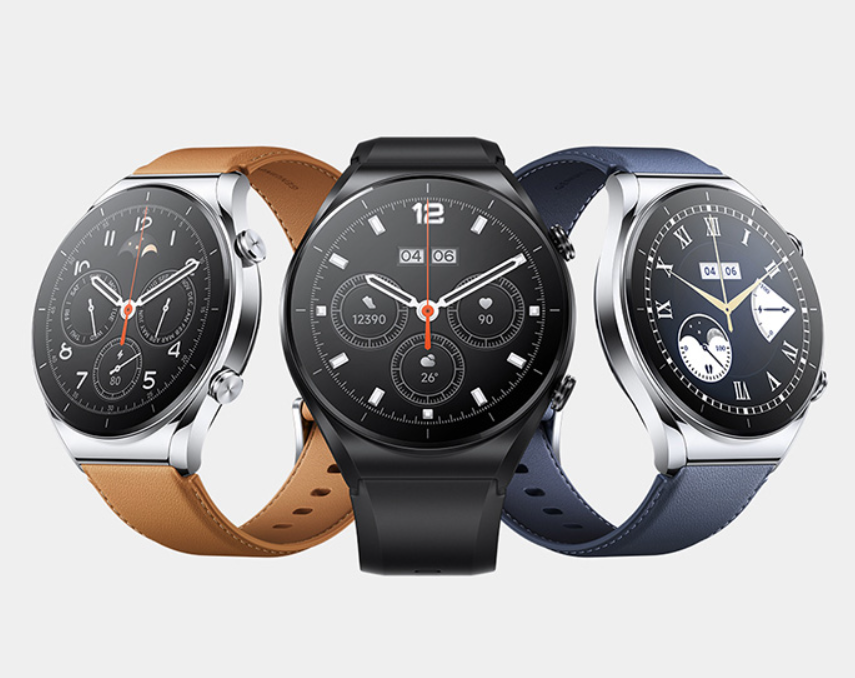
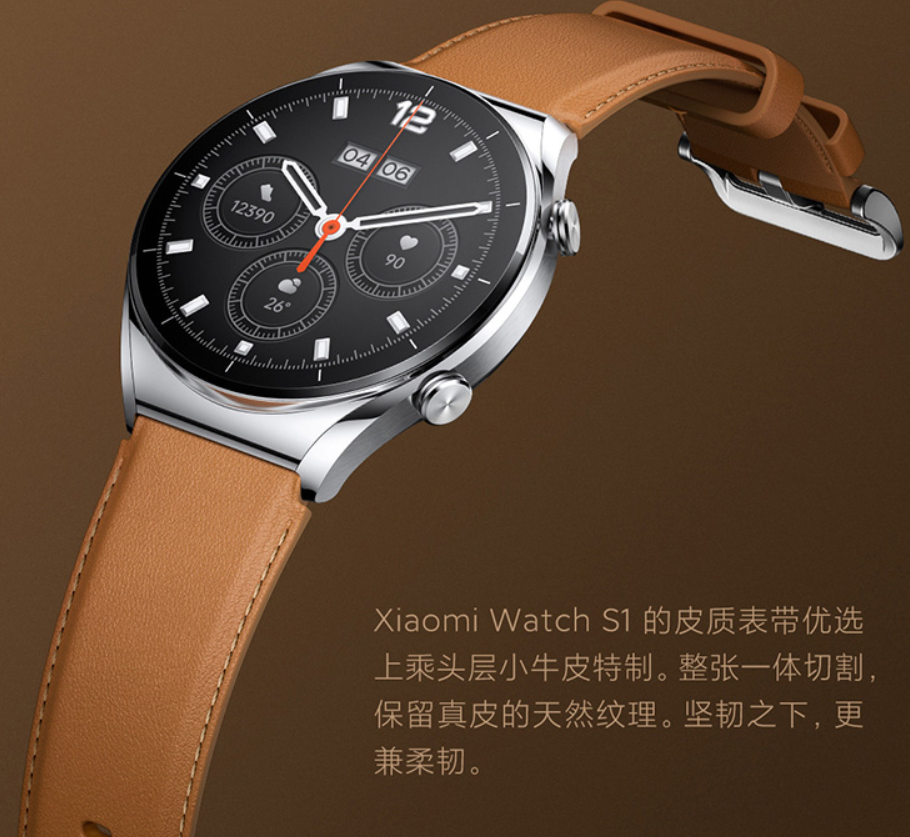
Xiaomi today held one of its biggest events for the year, dropping several top-notch products during the event. The event, no doubt, marks the climax of a highly successful year for the Chinese tech giant. Apart from the flagship Xiaomi 12 series, MIUI 13, and the Xiaomi Buds 3, the Chinese giant has also unveiled a new smartwatch designed for the business class. The watch is dubbed Xiaomi Watch S1 and despite its classic design style, the watch comes with all the dressings of a complete smartwatch.
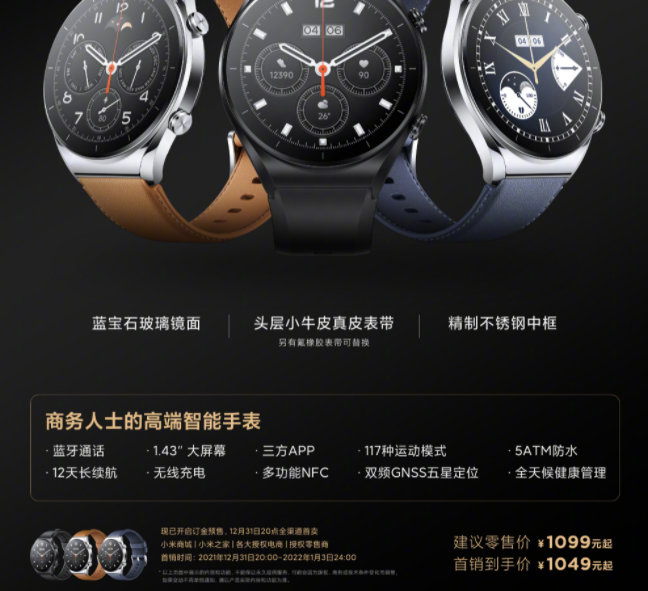
The Xiaomi Watch S1 features an elegant and stylish design that still retains the minimalist design philosophy of the company. The watch has a 1.43-inch AMOLED touchscreen display with 326PPI surrounded by a refined stainless steel frame. The display is covered by a layer of sapphire glass. Users also get the option of choosing from a comfortable leather wristband and a fluorine rubber strap.
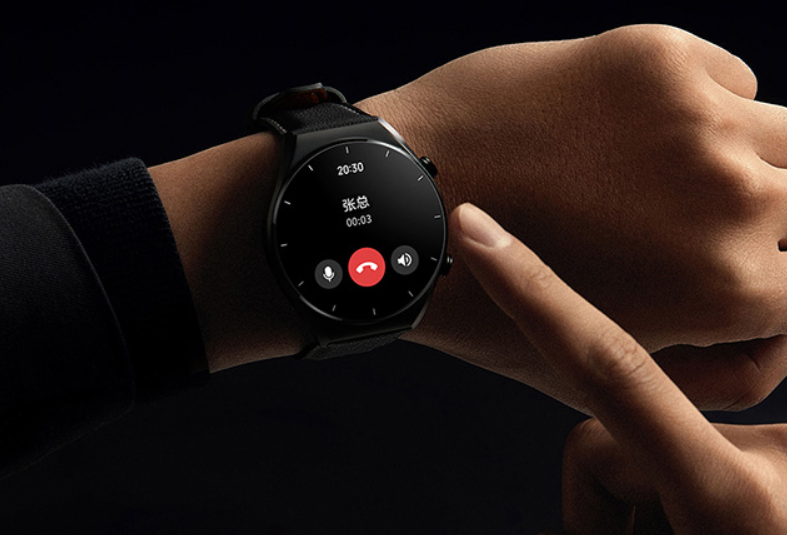
The AMOLED display provides a crystal-clear viewing of the screen even under sunlight. This will make it easy for users to check messages, incoming calls, notifications, calls, and use apps while on the go. The provides comprehensive health insights while supporting up to 117 fitness modes and 5ATM water resistance.
In terms of the features, the Watch S1 brings up to 117 sports modes, supports sleep tracking, heart rate, and blood oxygen monitoring. It also comes with NFC for contactless payment and supports Bluetooth calls, and dual-frequency GNSS positioning.
The timepiece crams a 470mAh battery with a battery life of up to 12 days on a single charge. The watch also offers up to 24 days of standby time. It uses magnetic charging.
In addition, Mi Watch S1 supports third-party apps, including NetEase Cloud Music, Baidu Maps, etc., but iOS users cannot use third-party apps at the moment.
Speaking of the pricing and availability, fans in Mainland China will be able to get the Xiaomi Watch S1 from RMB 1,099 (~$173, Rs 12,883) through Xiaomi official channels. The leather strap will cost an extra 100 yuan. The Watch S1 is available in two colors, obsidian black, and streamer silver and is now on pre-sale. It will officially go on sale in China on December 31.
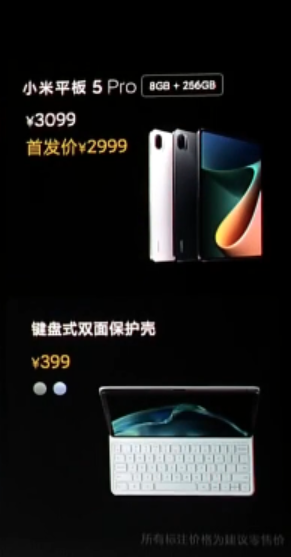
Xiaomi has just revealed a plethora of new devices in their launch event which was held earlier today. The event was headlined by the Xiaomi 12 series smartphone launch as well as the MIUI 13 but also revealed a new memory variant of the Xiaomi Pad 5 Pro.
The device is the same Mi Pad 5 Pro WiFi-only version that was launched this year in August and offered 6GB RAM and 128GB/256GB of storage. The newly revealed variant however comes with 8GB of RAM and 256GB storage.
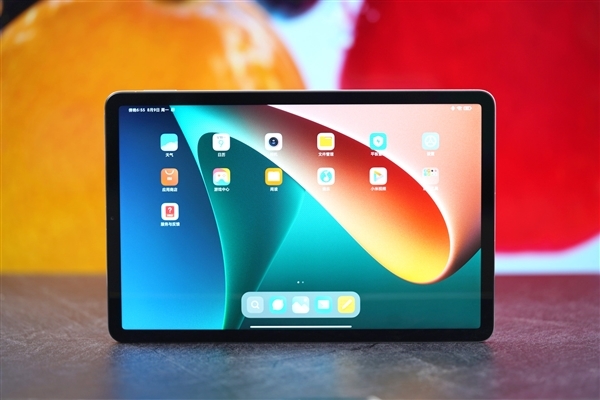
As a reminder, the Mi Pad 5 Pro features an 11-inch LCD screen with a resolution of 2560X1600 pixels, a high refresh rate of 120Hz, a PPI of up to 275, and a contrast ratio of 1500:1. The Mi 5 Pro is powered by a Snapdragon 870 processor and crams an 8,600mAh battery under the hood with support for 67W ultra-fast wired charging.
The launch event revealed that the Xiaomi Pad 5 Pro will be available for pre-order in China starting 10:00 pm CST, at an initial price of 2999 yuan ($471), and will start sales on December 31 at 8:00 pm CST. After the initial price period ends, the device will have a retail price of 3099 yuan ($487).
Along with the Xiaomi Pad 5 Pro, the company is also introducing a new white color variant for the Mi Pad 5 protective case which also doubles as a keyboard. The case will also be made available for pre-order today at 10:00 pm CST and will cost the buyers 399 yuan ($63).
We use cookies on our website to give you the most relevant experience by remembering your preferences and repeat visits. By clicking “Accept”, you consent to the use of ALL the cookies.
This website uses cookies to improve your experience while you navigate through the website. Out of these, the cookies that are categorized as necessary are stored on your browser as they are essential for the working of basic functionalities of the website. We also use third-party cookies that help us analyze and understand how you use this website. These cookies will be stored in your browser only with your consent. You also have the option to opt-out of these cookies. But opting out of some of these cookies may affect your browsing experience.
Necessary cookies are absolutely essential for the website to function properly. This category only includes cookies that ensures basic functionalities and security features of the website. These cookies do not store any personal information.
Any cookies that may not be particularly necessary for the website to function and is used specifically to collect user personal data via analytics, ads, other embedded contents are termed as non-necessary cookies. It is mandatory to procure user consent prior to running these cookies on your website.








 The launch event revealed that the Xiaomi Pad 5 Pro will be available for pre-order in China starting 10:00 pm CST, at an initial price of 2999 yuan ($471), and will start sales on December 31 at 8:00 pm CST. After the initial price period ends, the device will have a retail price of 3099 yuan ($487).