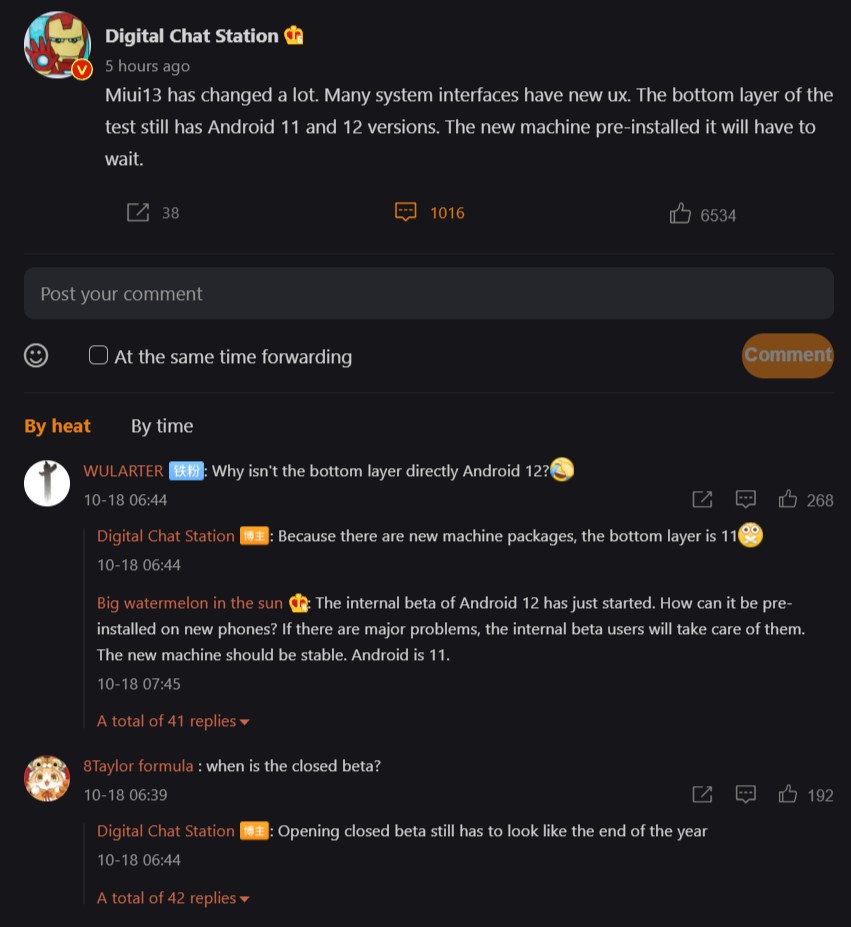
A reliable leakster has revealed that Xiaomi‘s MIUI 13 has “changed a lot” thanks to several UI updates and that its first closed beta will be going live at the end of the year.
For a brief history, MIUI 12 was released in April last year and brought a few meaningful changes over MIUI 11. But the following upgrades, namely MIUI 12.5 and MIUI 12.5 Enhanced Edition, focused more on optimization than anything else, although we are yet to consider MIUI anything close to being bug-free.
It is still undeniable that MIUI has barely gotten many system-wide changes since MIUI 11. Thus, if the post by Digital Chat Station that says that MIUI will be bringing “new UX” for “many system interfaces” lives up to its implication, then perhaps MIUI 13 will finally come with a long-awaited visual overhaul.
Other than that, the leakster revealed that MIUI 13 still has both Android 11 and Android 12 as its “bottom layers.” This likely means that the system has not been fully adapted to Android 12 and is a work in progress.
And finally, the first instances of MIUI 13 closed beta are expected to pop up at the end of the year, as per the post. This further confirms Xiaomi CEO Lei Jun’s statement from August that had already set an end-of-year release date for MIUI 13.
Based on this information, it is safe to assume that MIUI stable will only be hitting global devices next year.
Not much is known about the next iteration of MIUI but we did earlier have alleged screenshots of the update. It is expected to bring at least new icons and widgets. There is no sign of any Material You based theming as seen on One UI 4.0 and ColorOS 12 yet.
MIUI 13 is also said to be bringing along unique changes to Redmi devices to help its software stand out from vanilla MIUI. Poco has already gone down this road and it’s great to see Redmi following in its footsteps.
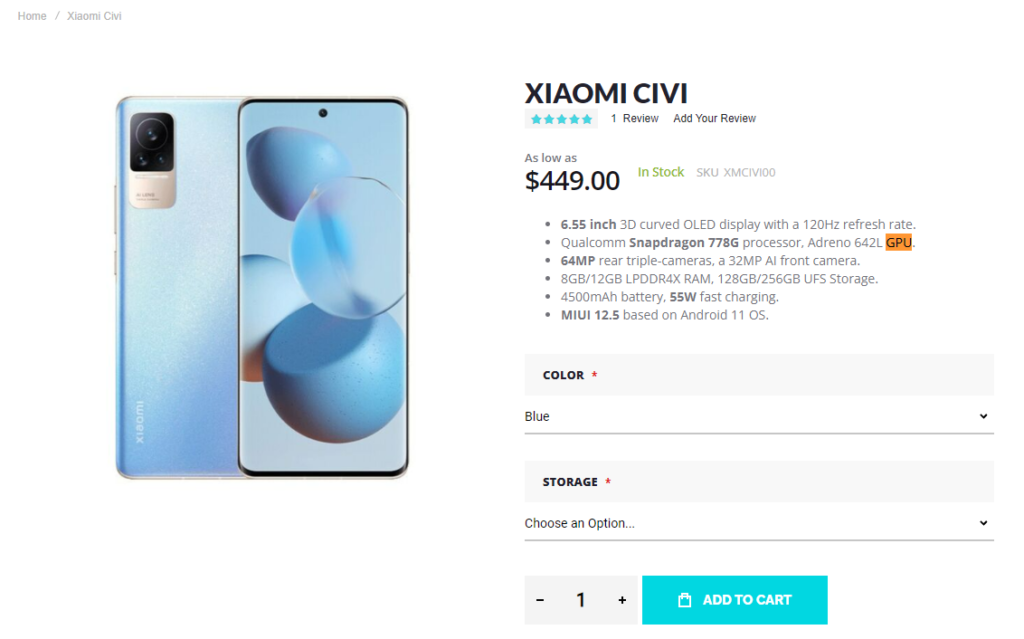
Xiaomi’s latest smartphone offering – Xiaomi Civi is now retailing in China. However, it is available for the global audience via the means of Giztop which is now offering an additional 20% discount. The interested folks can use the coupon code XMCIVI20 to avail discount on the checkout page. The powerful device is available in all three color options – Black, Blue, and Pink.
Featuring high-end specifications, the smartphone is available in 8GB RAM + 128GB, 8GB RAM + 256GB and 16GB RAM + 512GB internal storage options. It is a great opportunity to grab the Xiaomi Civi smartphone before the official launch in respective countries.
Grab Now
Coupon Code: XMCIVI20
Xiaomi Civi Specifications
Launched in China a couple of weeks ago, the Xiaomi Civi features a 6.55-inch full-HD+ display having a 120Hz refresh rate and 1080 x 2400 pixels resolution. The smartphone bundles a Snapdragon 778 SoC coupled with an octa-core CPU and Adreno 642L GPU. However, it bundles 128/256 GB UFS 2.2 storage and 8/12GB LPDDR4X RAM.
Xiaomi Civi 5G hosts a triple-rear camera module featuring a 64MP primary sensor, a 120-degree 8MP ultra-wide sensor, and a 2MP macro lens. There’s a 32MP Samsung GD1 lens on the front for selfies and video calling. The smartphone packs a 4500 mAh battery which supports 55W fast charging. However, support for dual-SIM, the latest connectivity, and the presence of a 3.5mm audio jack make it an exceptional choice.
It is up for grabs on Giztop at a 20% discount using a coupon code. It is a limited-time discount, and users can hurry to grab the device from Giztop.
While the foldable smartphone market has grown in this last year, many OEMs have yet to launch their own offerings within this category. Now, a new report has even revealed certain details regarding the upcoming foldable smartphone from Oppo.
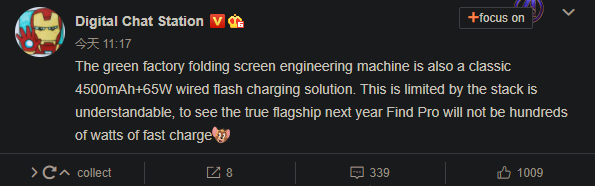
According to known tipster Digital Chat Station on Weibo (a Chinese microblogging website), the company is working on a smartphone with foldable handset. In the social media post, the tipster stated that Chinese tech giant’s foldable smartphone will be powered by a large 4,500mAh battery pack. Furthermore, this battery will also support a 65W fast charging solution as well. Previously, the tipster had even shared other information regarding the foldable smartphone from Oppo. Back in August, Digital Chat Station shared that the foldable phone will feature a low temperature polycrystalline oxide(LTPO) display.
Reportedly, this foldable handset will run on ColorOS 12 out of the box and is expected to have Android 12 underneath. Unfortunately, the tipster did not reveal any other information apart from this, although, he did add that the foldable smartphone from Oppo isn’t too far from launch. Keep in mind that this is still an unconfirmed report so take it with a pinch of salt, and stay tuned for more, as we will be providing updates when additional information is available regarding this device.
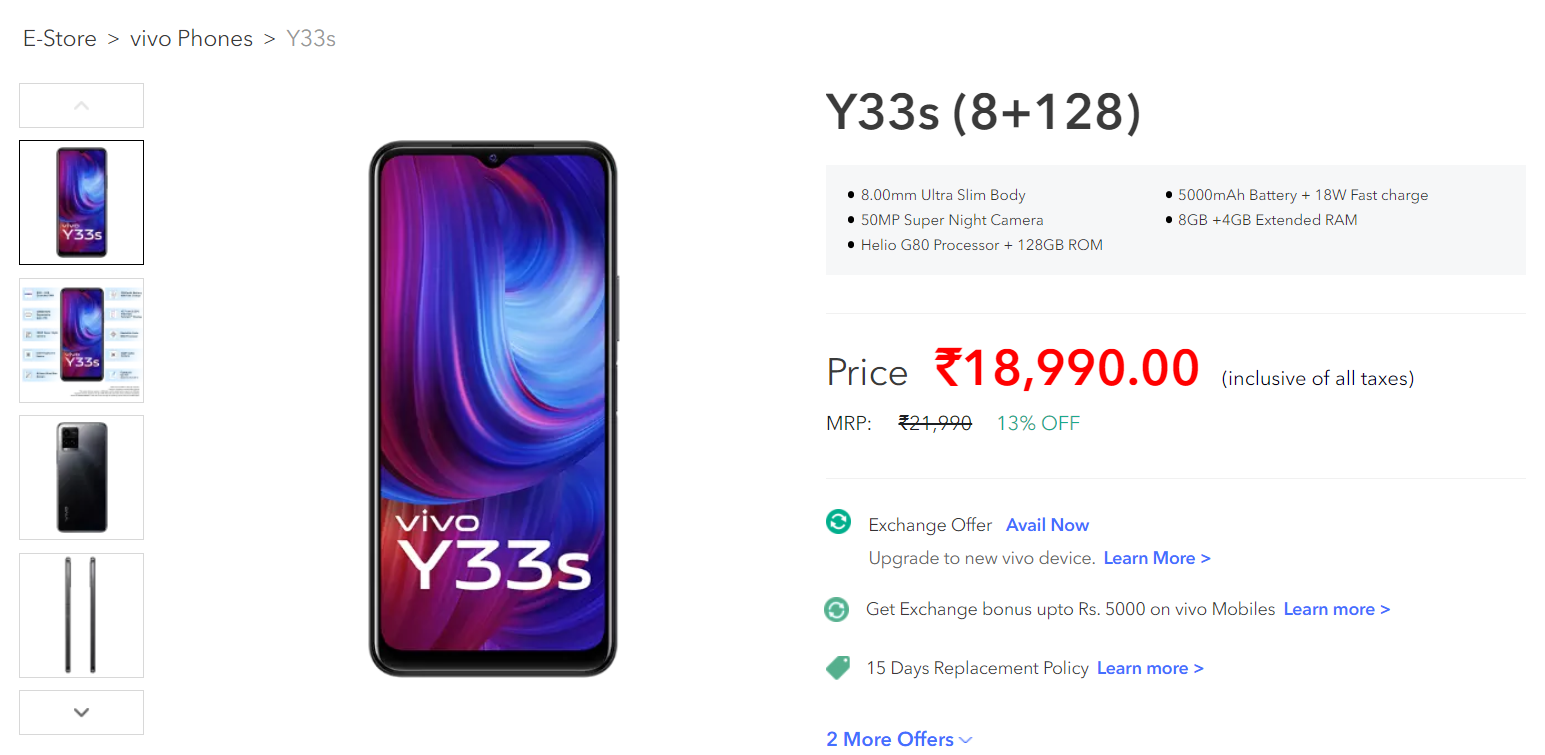
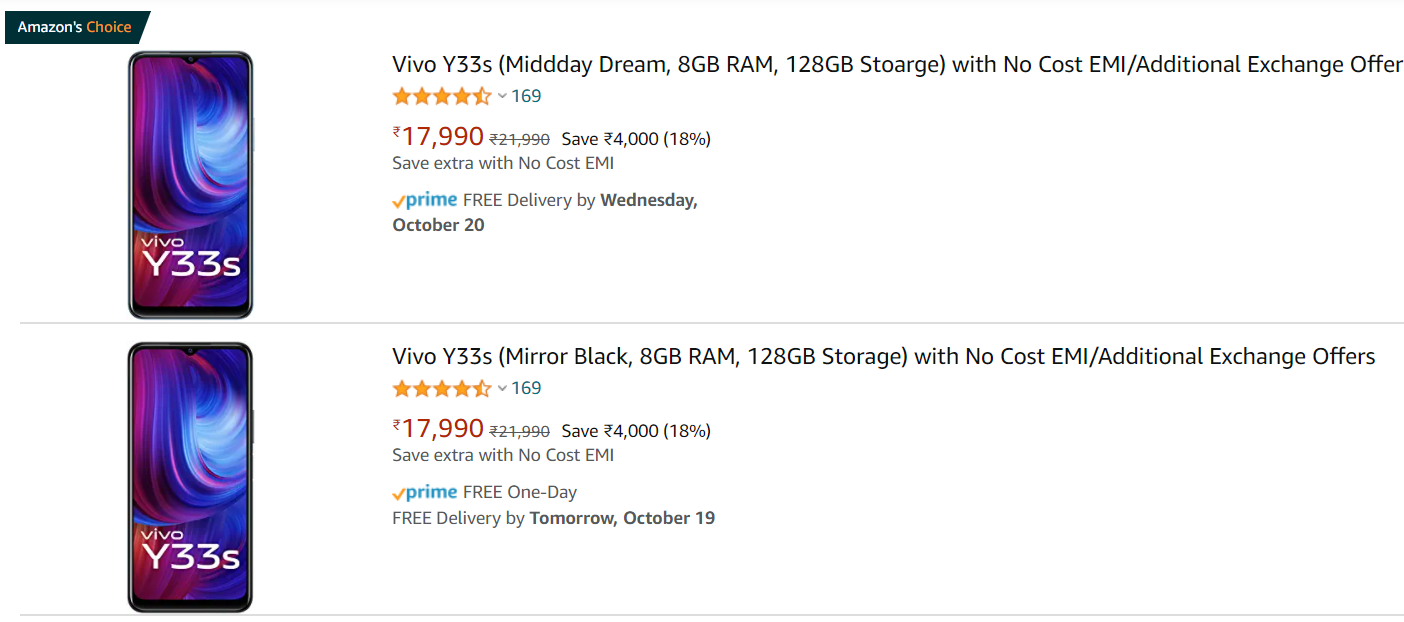
Vivo announced the Vivo Y33s smartphone back in August in India. Fresh information reveals that the company has hiked the pricing of the device by Rs 1,000 (~$13) in the Indian market.
Vivo Y33s price in India
The Vivo Y33s was introduced with a price tag of Rs 17,990 (~$239). With a price hike of Rs 1,000 (~$13), it is now available for purchase for Rs 18,990 (~$252) on Vivo India’s website. It is also available with the revised pricing on Flipkart. There is no confirmation on why Vivo has decided to increase the Y33s’ price.
The handset is also listed on Amazon India. However, the updated pricing was not shown on Amazon at the time of writing this post.
Vivo Y33s specifications
The Vivo Y33s has a 6.58-inch IPS LCD panel that offers an FHD+ resolution. It runs on FunTouch OS 11.1 based Android 11 OS. It has a 16-megapixel selfie camera and a 50-megapixel + 2-megapixel + 2-megapixel triple camera unit on the back.
The Helio G80 chipset powers the Vivo Y33s. It ships with 8 GB of RAM and 128 GB of storage. It offers users 4GB of extended RAM. The handset offers other features like a 5,000mAh battery, 18W fast charging, and a side-facing fingerprint scanner. It is available in Midday Dream and Mirror Black colors.
Recently, it was revealed that the upcoming MacBook Pro 2021 models which are set to get launched in just a few hours, will feature a notch on top of the display. It is also being claimed that Apple is planning to cleverly hide the notch from marketing materials.
Now, the same leaker who revealed information about the MacBook Pro 2021 display notch, is claiming that the Apple MacBook Air 2022 models, set to launch early next year, will also come with a notch on top of the screen, reports MacRumors.
Apple MacBook Air 2022 Render
He further claims that the upcoming MacBook Air will “look much better” as the company is planning to eliminate the current wedge design. For those who are unaware, the wedge design refers to the MacBook Air body that transitions from thicker at the back to thinner at the front. He says that the next MacBook Air will have a “very round and light” design.
Other reports related to the upcoming MacBook Air models indicate that the technology giant is planning to launch a thinner and lighter version of the machine with thinner bezels than what we have in the current model.
As for the notch on top of the display, unlike the iPhone, this is not for housing sensors for the Face ID functionality. It is said that the notch will house a new 1080p webcam, an ambient light sensor, and an indicator light.
A recent report claims that the next-generation MacBook Air will come with a Mini-LED display with thinner top and bottom edges. It is also being claimed that the laptop will come powered by the next-gen Apple M2 chipset and have a MagSafe branded magnetic power cable for the new charging port.
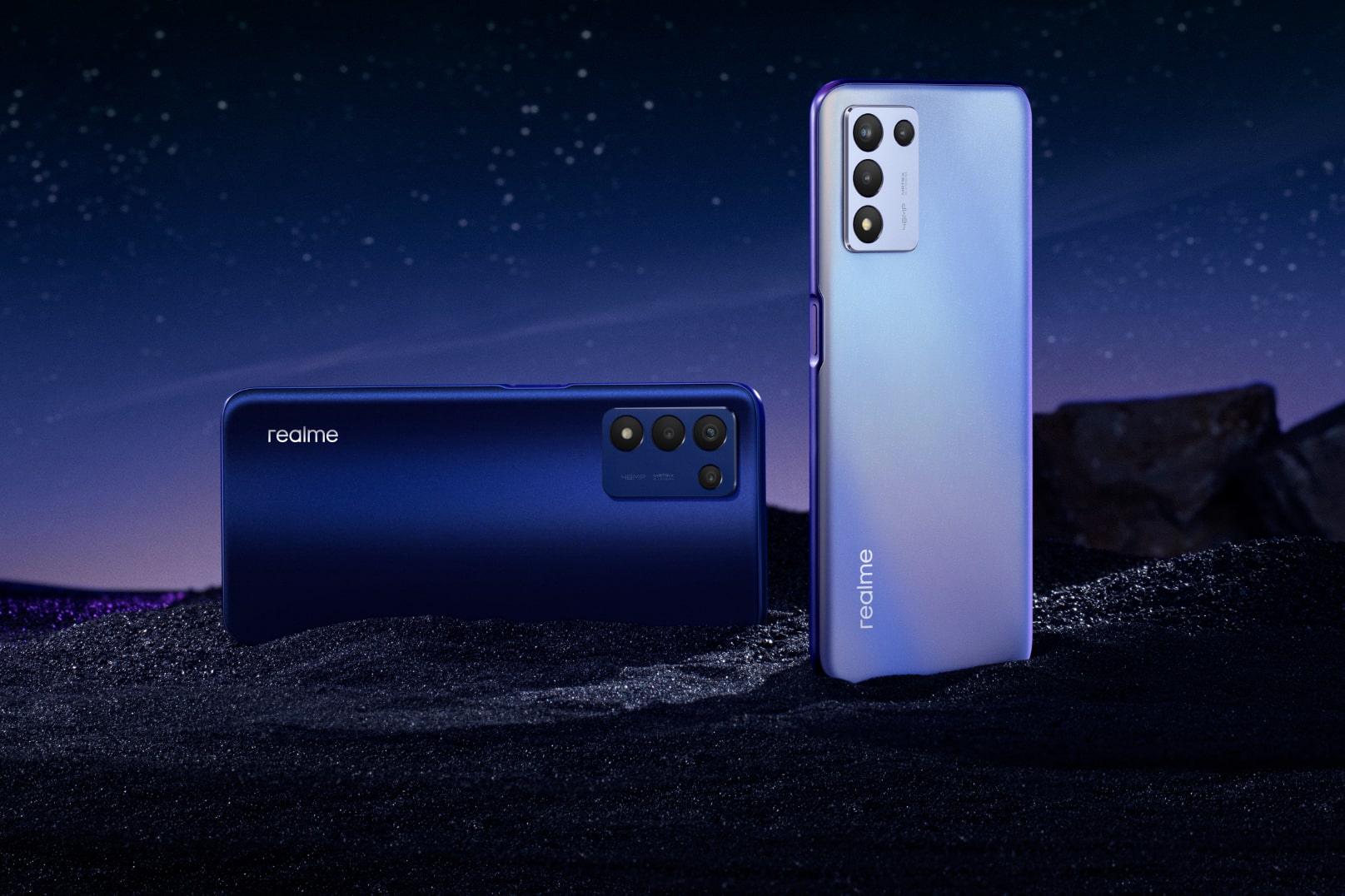
On Wednesday, Realme will be announcing a new Q-series phone called the Realme Q3s. A reliable tipster from China has leaked the pricing of the Q3s before launch.
The new leak reveals that the Realme Q3s will be available with a price tag of 1,999 Yuan (~$310) in the offline market of China. As per the leak, this pricing belongs to the 8 GB RAM + 256 GB storage variant of the Q3s. There is no information on whether the phone will be released in markets outside China. If it is planned for the global markets, then it is likely to carry a different moniker as Realme’s Q-series branding is exclusive to the Chinese market.
Realme Q3s
Realme Q3s specifications (expected)
The Realme Q3s has a 6.6-inch LCD panel that offers a Full HD+ resolution and a 144Hz refresh rate. It is powered by the Snapdragon 778G chipset and up to 12 GB of RAM. It may come with up to 256 GB of storage.
The Q3s runs on Android 11 OS and Realme UI. It has a 16-megapixel camera for snapping selfies. Its back panel has a 48-megapixel primary camera and a pair of 2-megapixel lenses.
The Q3s is packed with a 5,000mAh battery, which supports 30W rapid charging. For security, it has a side-mounted fingerprint scanner. The Q3s is expected to launch the Realme GT Neo2T and Realme Watch T1, which will be the company’s first smartwatch for the Chinese market.
Xiaomi has already confirmed that the company will be launching new Smart TV models under its Redmi brand in China on 20th October, dubbed as Redmi Smart TV X 2022.
The company has now shared a teaser image for this new Smart TV series which reveals that the device will come with support for high refresh rate of 120Hz. It adds that with this, the firm is aiming to “to create a new generation of flagship standards for young people.”
While not much is known about this upcoming lineup, we expect the company to launch three models — 50-inch, 55-inch, and 65-inch given that the previous generation had these three sizes when launched by the company.
We also expect the Smart TVs to come with 4K display panels with HDR10+, and more Further, its predecessors, the Redmi Smart TV X 2020 comes with features like, DTS Virtual X, Dolby Audio, Dolby Vision, and MEMC. We expect the new models to retain all these features, including 2GB RAM and 32GB of internal storage.
As for the pricing, the Redmi Smart TV X 2020 was launched last year with a starting price of around $280 for the base 50-inch model and we expect similar starting price of under $300 for the entry-level model. To know for sure about the upcoming Smart TV’s features, variants, pricing, and availability, we will have to wait for couple of days more for the official launch event to take place.
In just a few hours, Apple will be hosting its “Unleashed” event where the technology giant is expected to launch its next-generation MacBook Pro devices. The new Mac models are said to be powered by a new chipset developed by the company under Apple Silicon.
The new chipset is said to be an upgraded version of the M1 chip, which is being referred to as M1X for the past few months. But now, a new report claims that the company is likely to call the upcoming chips M1 pro and M1 Max.
Apple M1 Chipset
This was revealed by Mark Gurman of Bloomberg in the latest Power On newsletter. He notes that a Mac developer has informed him about the chip names M1 Pro and M1 Max appearing in app logs. However, he notes the possibility of Apple not taking up the potentially confusing naming approach.
The Apple M1 Pro is likely to come with a 16-core GPU while the higher-end chipset model named Apple M1 Max is said to have a 32-core GPU. There are also reports claiming that a direct successor to the M1 chipset, named Apple M2, could launch in early 2022 when the company announces the next-generation Apple MacBook Air model.
The naming scheme that Apple adopts for its in-house developed chips will play a major role in marketing the devices as it’ll help understand the differences between them to the potential customers. For those who are unaware, Apple has already confirmed that it is moving away from using Intel chips and will be replacing its Mac devices with its own chipsets developed under Apple Silicon.
Apple MacBook Pro 2021 Render | Credit: Apple Unleashed
Coming to the new MacBook Pro models, it has been said that there will be two different models based on the display size — 14-inch and 16-inch. Both of them are said to come with 16GB of RAM and 512GB of internal storage.
The laptop will feature a Mini-LED display and the bezels around the screen will be minimal, so thin that the bottom bezel won’t have a MacBook branding. Apple was testing a 120Hz refresh rate for the MacBook series but it is not yet confirmed if the laptop will come with support for the high refresh rate at launch.
There are reports about a major upgrade in terms of the webcam as the upcoming laptop models are said to feature a 1080p webcam. It is also said that both base models will come with the same configuration and M1X chipset. The device is likely to be shipped with a new charging brick as the MacBook Pros are expected to have a new MagSafe charging port.
As for the pricing, the report hints that the pricing of the upcoming MacBook Pro models will be similar to how the laptops are priced right now. For more details, we will have to wait for the launch event in a few hours.
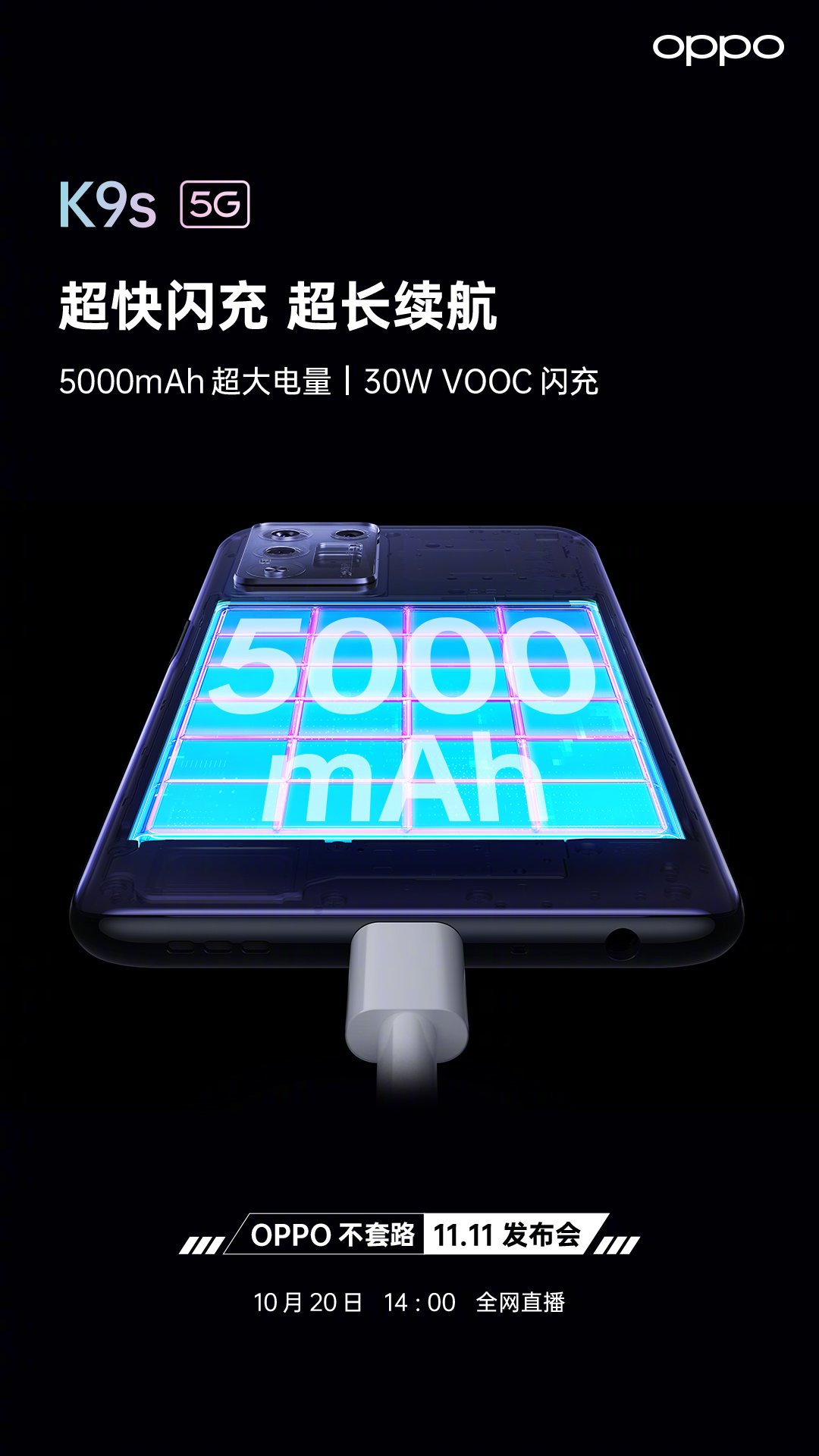
On Wednesday (Oct. 20), OPPO will be unleashing the OPPO K9s smartphone in China. Ahead of the launching, the company has been gradually some of the key features of the smartphone. OPPO has now confirmed the battery capacity and the fast charging capabilities of the K9s smartphone.
Last week, OPPO confirmed that OPPO K9s will come equipped with key specs like a 120Hz refresh rate display, Snapdragon 778G chipset, and an X-axis linear motor. The rear side of the phone was found to be equipped with a 64-megapixel triple camera unit.
The new poster released by the company reveals that it will be backed by a 5,000mAh battery. It also confirms that it will be equipped with support for 30W VOOC rapid charging. The above poster also confirms that the bottom edge of the phone has a 3.5mm audio jack, a USB-C port, a microphone, and a speaker grille.
OPPO K9s specifications (expected)
OPPO K9s
An OPPO smartphone with PERM10 was approved by Chinese authorities like TENAA and 3C earlier this month. This handset is likely to debut with the OPPO K9s moniker in China. It features a 6.59-inch LTPS FHD+ display, Snapdragon 778G chipset, 8GB / 12 GB of RAM, 128 GB / 256 GB of storage, a 16-megapixel front camera, a 64-megapixel + 8-megapixel + 2-megapixel triple camera unit, a 5,000mAh battery, and a side-facing fingerprint scanner. It will be available in three colors like Magic Purple Quicksand, Neon Silver Sea, and Obsidian Warrior.
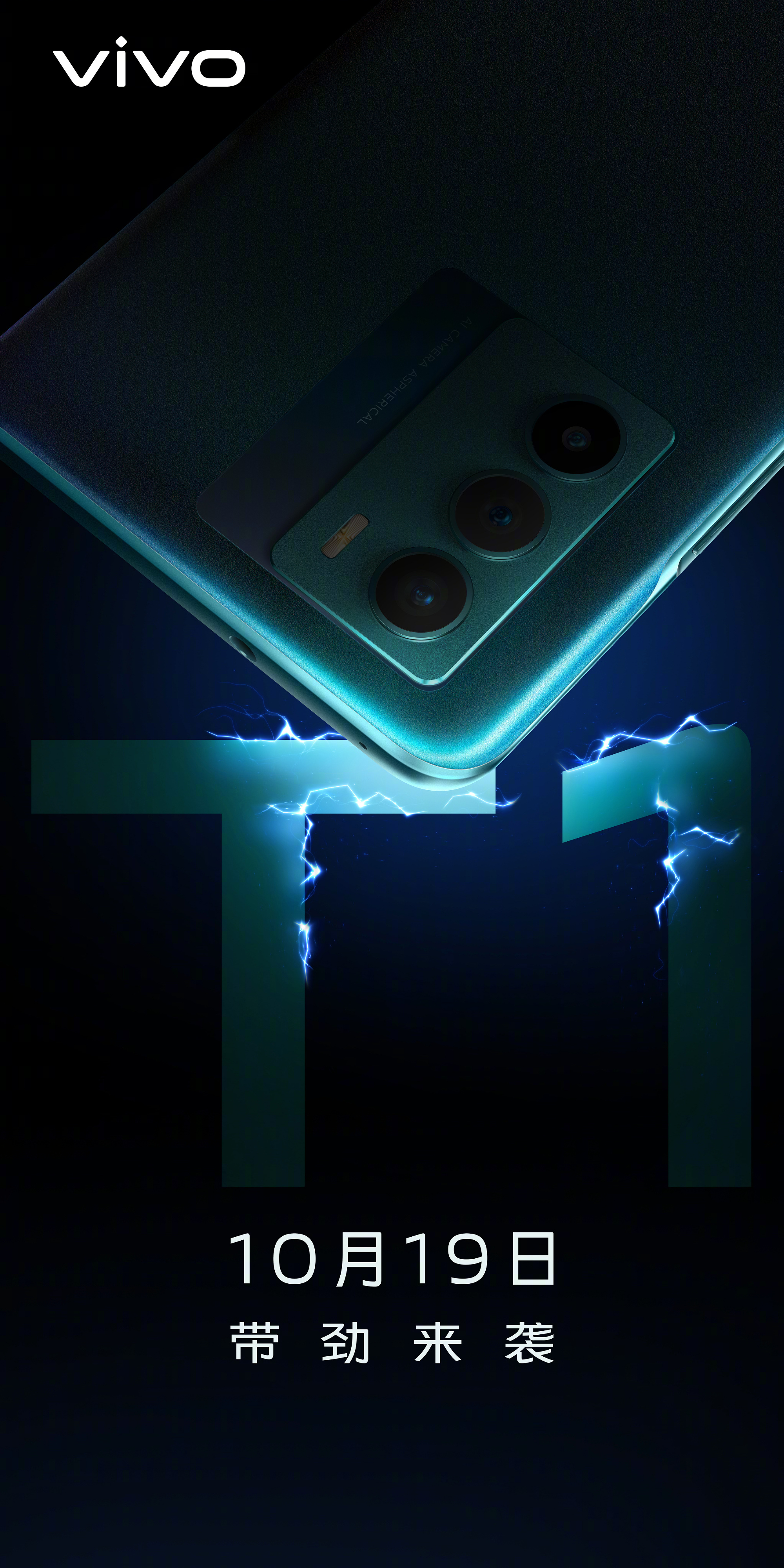
Vivo has announced that it will be announcing the new T1 series of smartphones on Oct. 19 in China. Ahead of the launch, tipster Digital Chat Station has shared the key specifications and renders of the upcoming Vivo T1 and T1x smartphones.
Vivo T1 series launch date
The launch poster released by the brand showcases the rear design of the phone. The official renders shared by the tipster shows two smartphones. One features a waterdrop notch screen and a rear-facing dual-camera system, whereas the other handset is fitted punch-hole display and a triple camera setup on the back.
These two devices are likely to release in the market as the Vivo T1 and Vivo T1x. The tipster further claimed that these smartphones are equipped with specs like a high refresh rate LCD display, Snapdragon 778G / Dimensity 900 chipset, a 5,000mAh battery, and a 64-megapixel main camera.
1 of 3
Vivo T1
Vivo T1
Vivo T1
Vivo T1
Vivo T1
Vivo T1
Earlier this month, a couple of Vivo smartphones have received certification from the TENAA and 3C authorities of China. It seems that the Vivo phone with the V2009A model number may debut as the Vivo T1 in the Chinese market. It was found to be equipped with specs like a 6.58-inch FHD+ display, an 8-megapixel front camera, a 50-megapixel + 2-megapixel dual rear cameras, 8 GB / 12 GB of RAM, 128 GB / 256 GB of storage, and a 4,005mAh rated battery. It appears to be powered by the Dimensity 900 chip.
1 of 2
Vivo T1x
Vivo T1x
Vivo T1x
Vivo T1x
The V2115A Vivo phone is likely to break cover as the Vivo T1x. It has a 6.67-inch FHD+ display, a 16-megapixel selfie camera, a 64-megapixel + 8-megapixel + 2-megapixel triple camera unit, 8 GB / 12 GB of RAM, 128 GB / 256 GB of storage, and a 4,900mAh rated battery with 44W fast charging support. This phone is likely to feature the Snapdragon 778G.
The T1 and T1x are expected to arrive as a rebranded version of the iQOO Z5x and iQOO Z5.
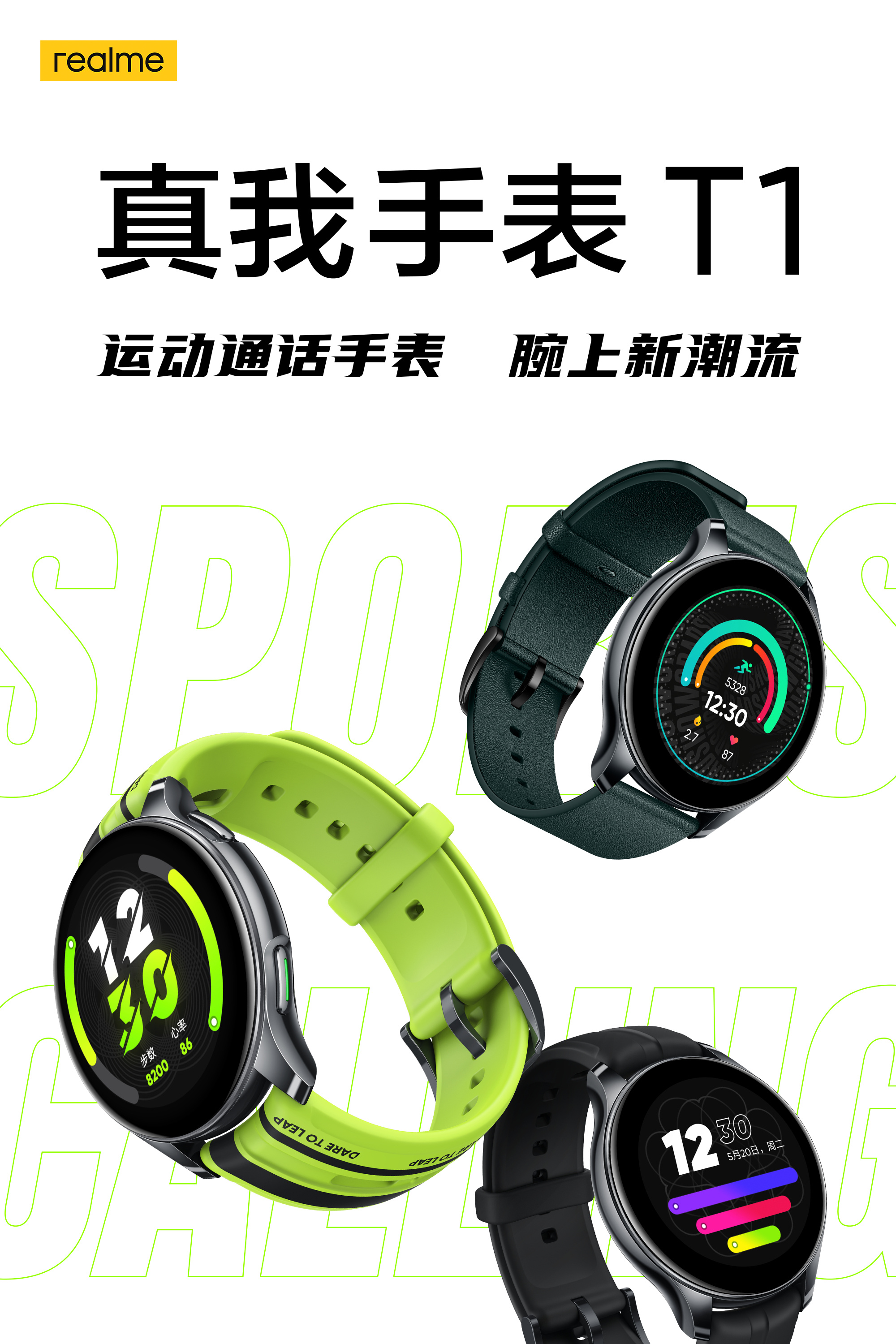
Recent reports have claimed that Realme will be launching a new smartphone on Oct. 19 in China. Today, the company took to its Weibo handle to confirm that it will be announcing the all-new Realme Watch T1 smartwatch tomorrow alongside the Realme Q3s and Realme GT Neo2T smartphones.
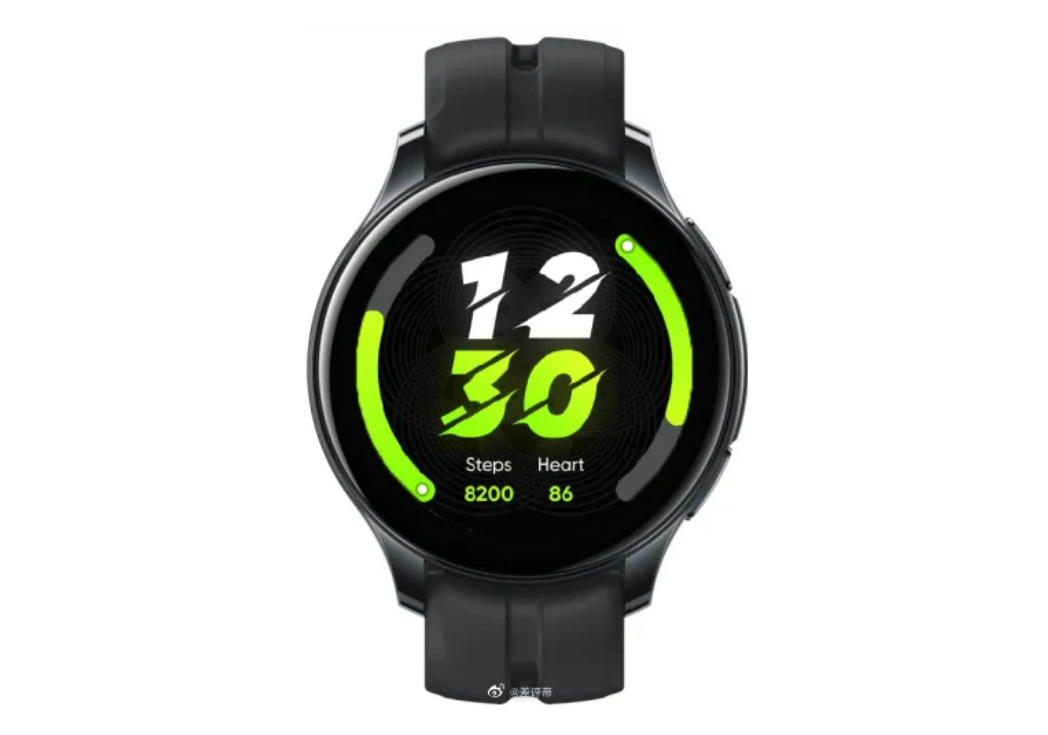
The poster released by the brand shows that the Realme Watch T1 will be flaunting a sport design. It features a round-shaped dial and seems to be equipped with a rubber strap. It will be available in green and black colored strap options.
Rumors surrounding the Realme Watch T1 has revealed that it will be equipped with a stainless-steel frame, and it supports a high refresh rate. It is said to be packed with three chips, probably, for tracking health. It is also expected to carry support for voice calls through Bluetooth. The technical details of the smartwatch are under wraps.
As mentioned above, the Realme Q3s and Realme GT Neo2T will be the other major attractions of the Realme event, which will be held tomorrow. The Realme Q3s will offer specs like a 6.59-inch LTPS FHD+ 144Hz display, Snapdragon 778G, 16-megapixel front camera, 48-megapixel triple rear cameras, and a 5,000mAh battery with 30W fast charging support.
On the other hand, the GT Neo2T will come with a 6.43-inch AMOLED FHD+ 120Hz display, Dimensity 1200 chipset, a 16-megapixel selfie camera, 64-megapixel triple rear shooters, and a 4,500mAh battery with 65W fast charging. At present, there is no information available on the pricing of the Watch T1, Q3s, and GT Neo2T.
Earlier this year, the OnePlus Watch was made official in the Indian market in two color options — Midnight Black and Midnight Silver. There was a Cobalt Edition as well, featuring a golden-colored dial with a green-colored strap.
Now, the Chinese company is gearing up to launch a new variant of its smartwatch in the Indian market, dubbed the OnePlus Watch Harry Potter Edition. It was originally teased at the launch of the smartwatch a few months ago but hasn’t been made official yet.
OnePlus Watch Harry Potter Limited Edition Teaser
With the recent teaser of the OnePlus Watch Harry Potter Edition shared by the company, its launch is imminent. Now, ahead of that, details about the wearable device have leaked online, including its pricing.
A tip on Twitter from Yogesh Brar claims that the OnePlus Watch Harry Potter Edition has a box price of ₹19,999. Since this is the Maximum Retail Price (MRP), the actual selling price for the smartwatch is expected to be lower, likely around ₹16,999.
While the upcoming smartwatch variant may have customized casing and straps to match the theme, the internals is expected to be the same as the standard model. It comes with a 46mm round watch dial with two buttons on the sides.
The smartwatch features a 1.39-inch AMOLED display with a screen resolution of 454 × 454 pixels. This display has a 2.5D curved glass, offers an HD resolution, and also has a 326PPI pixel density and support for more than 50 watch faces.
It is powered by an STM32 chipset, which is paired with 1GB RAM and 4GB internal storage. It has a range of sensors, including an Accelerometer, Gyroscope, Geomagnetic sensor, Barometer, Blood Oxygen sensor, Optical heart rate sensor, Ambient light sensors.
The device can track stress levels, heart rate, sleep, and Blood Oxygen levels, with support for more than 110 workout modes. It can show notifications from smartphones, control media, answer calls), and check messages, and more.
It comes with an IP68 rating for water and dust resistance and a linear vibration motor for haptics. The product is powered by a 402mAh battery with Pogo pin charger support and is claimed to offer 14 days of battery life on a typical usage with a single charge.
It’s been a couple of years since chipset manufacturers started making flagship chips using a 5nm process. With rapid development in technology, the change happens pretty soon and the same is true for the manufacturing process as well.
Chipset makers like TSMC and Samsung have already confirmed that they are working on the next-generation 3nm and 2nm processes for manufacturing chipsets. TSMC, which is the world’s largest contract manufacturer for chips, is set to being the production of chips based on a 3nm process next year.
Now, a report from DigiTimes (via ITHome) claims that Taiwan Semiconductor Manufacturing Company isn’t just planning for 3nm chips but will also have an enhanced version of the same in the form of N3E, which will go into production in 2023.
Currently, TSMC uses the N5P process, which is an enhanced version of the N5 or 5nm process and the technology is being used for manufacturing the Apple A15 Bionic chipset. It is claimed to be more energy-efficient compared to the standard N5 process.
Previous reports have claimed that Taiwan Semiconductor Manufacturing Company will start mass production of 3nm chipsets in the second half of 2022, with a capacity to process 30,000 wafers. It will then expand the monthly production capacity to 55,000 units in 2022 and within a year after that, it plans to expand to 105,000 units a month.
Compared to the current 5nm process, the new 3nm process reduces power consumption by 30 percent and increases performance by 15 percent. Even with orders for 3nm chips, the company will continue to focus on 5nm chips as well.
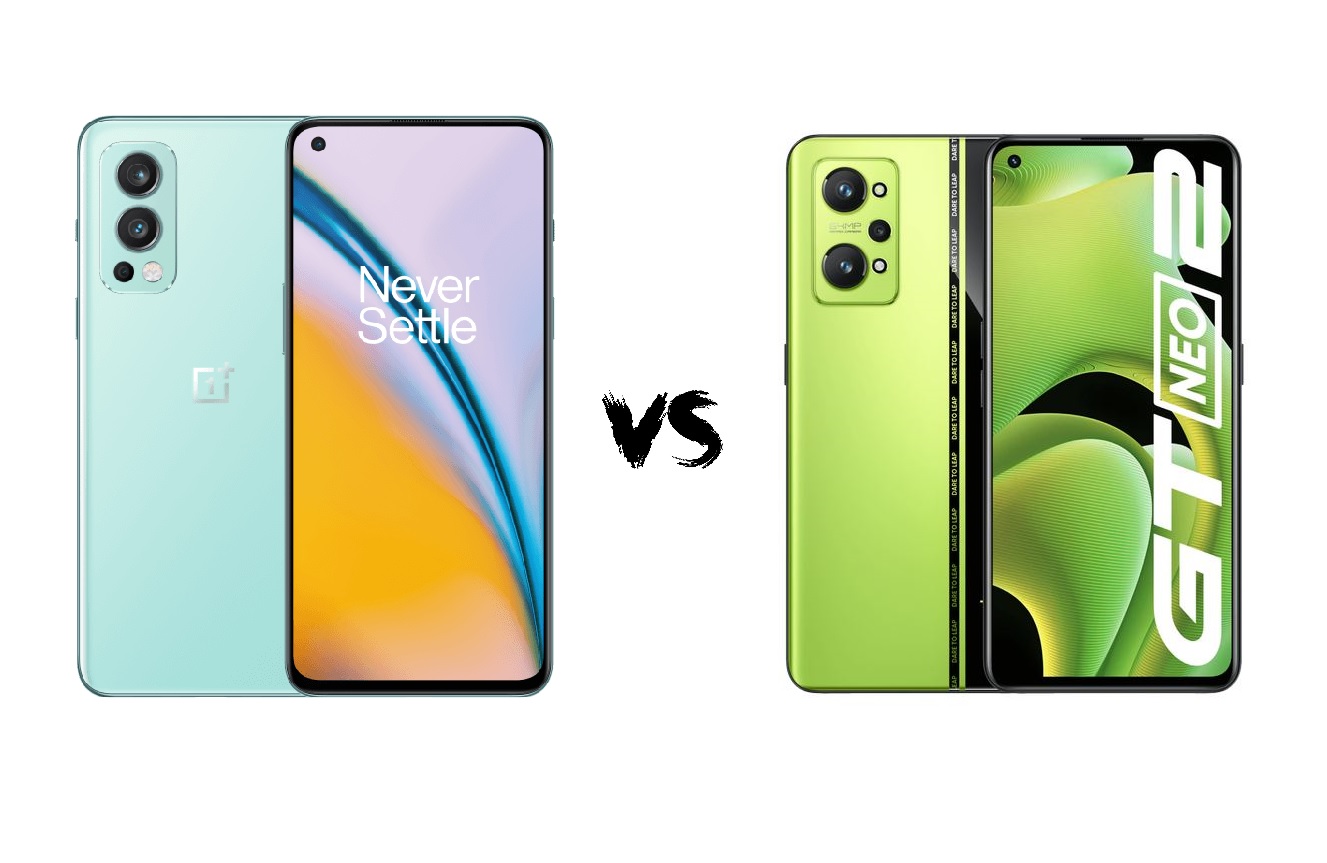
The Realme GT Neo 2 launched in India last week after first making its debut in China last month. The phone packs pretty impressive features and a design that is eye-catching.
The Indian smartphone market isn’t short of phones to choose from and the launch of the Realme GT Neo2 increases the choices buyers have. However, it may not be an easy choice for buyers considering there are other competing devices such as the OnePlus Nord 2. Both phones are similar in a lot of ways including some parts of their design.
So, for this week’s poll, we want to know which phone our readers prefer. Is it the OnePlus Nord 2 with its Dimensity 1200 processor or the Snapdragon 870-powered Realme GT Neo2? Please take the poll and also let us know in the comment box why you prefer one over the other.
It appears Honor has plans to expand its product offering with new mid-range phones very soon. A leaker has revealed the names of three new phones including the Honor X30 Max and another model in the Honor Play5 series.
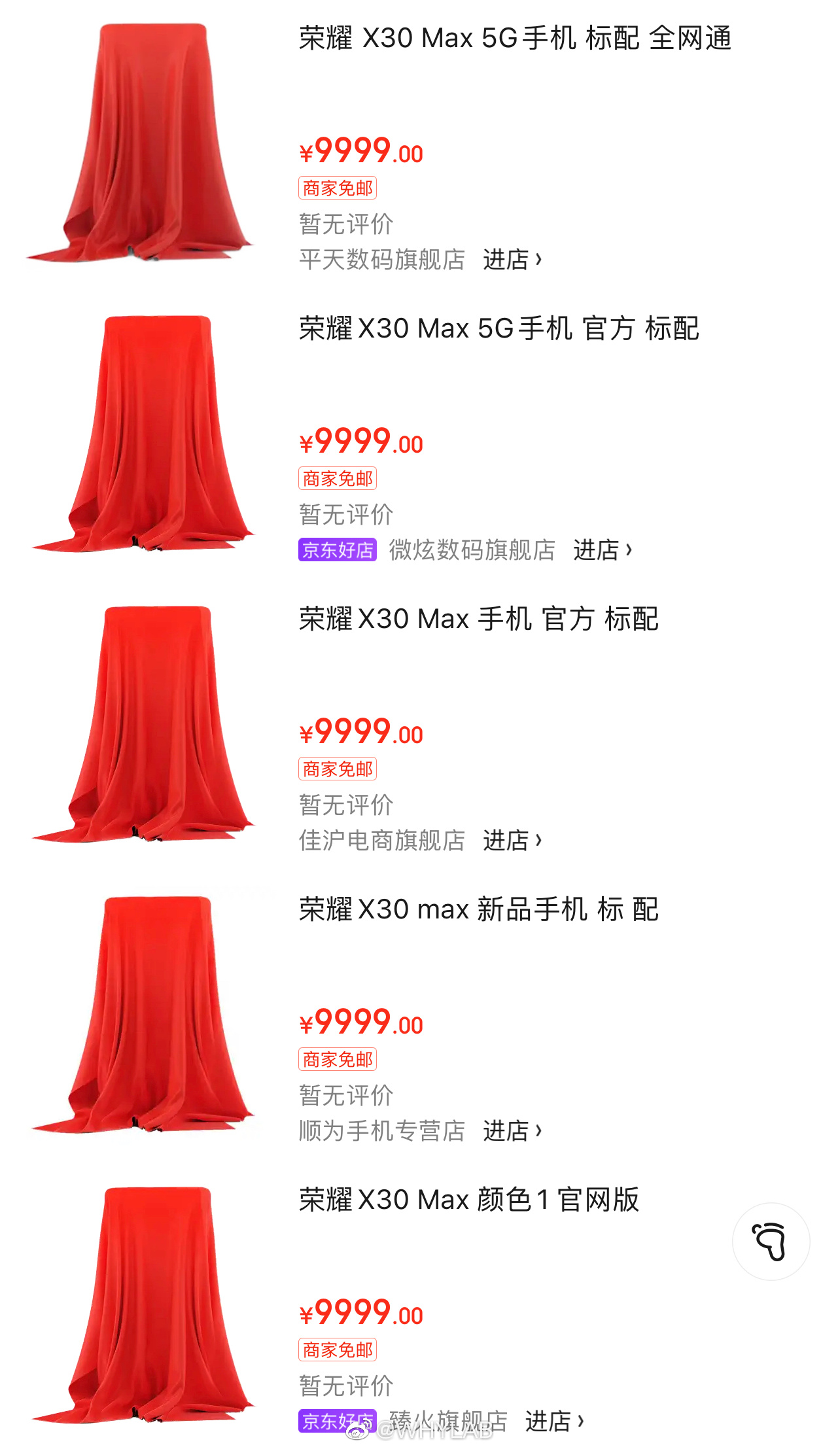
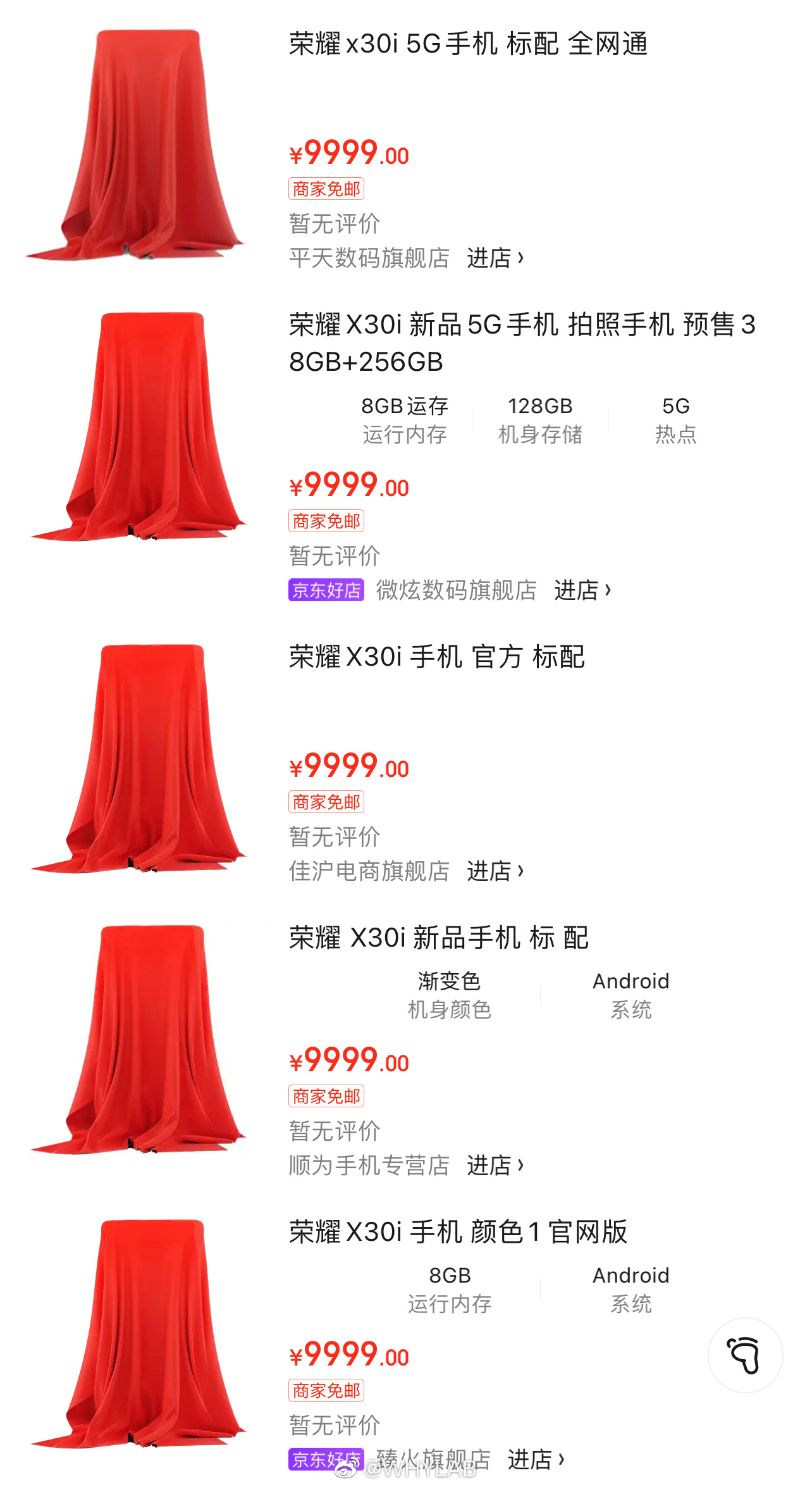
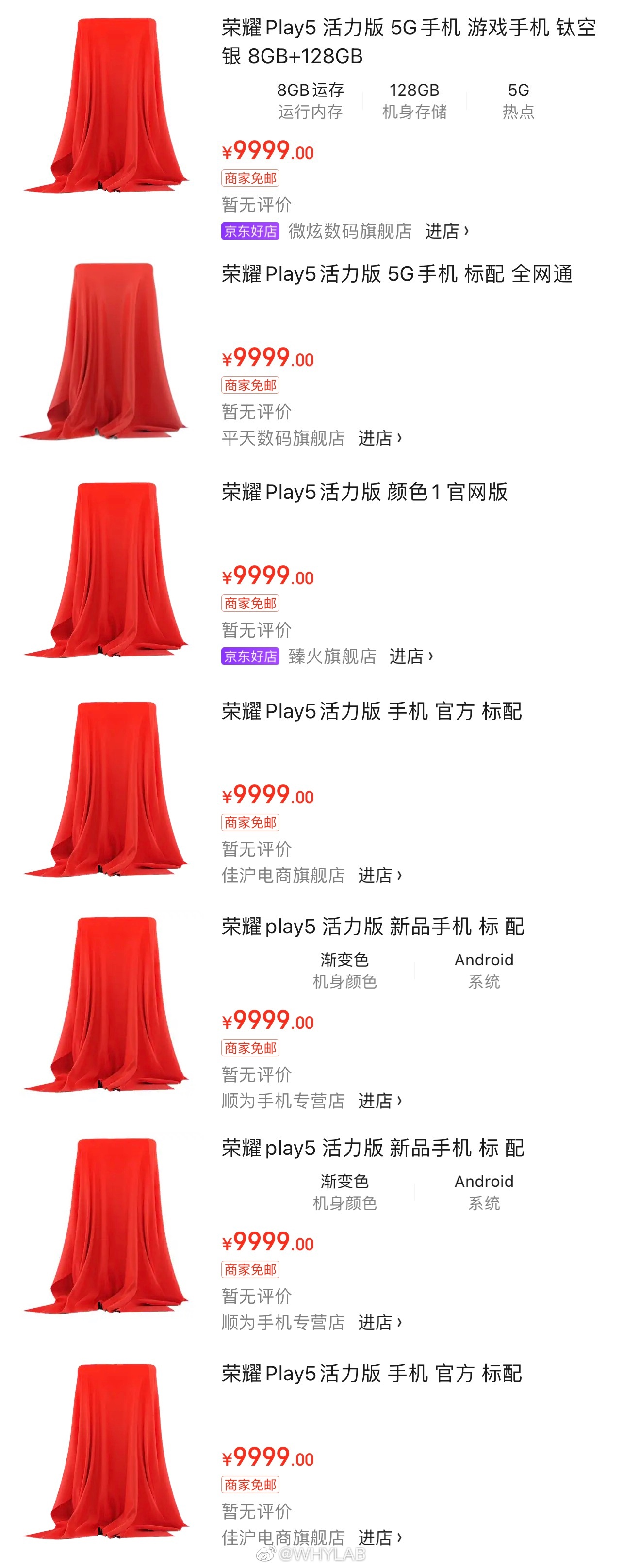
According to the Chinese Weibo user @WHYLAB, there are three new Honor smartphones coming soon. In a post made earlier today, the leaker revealed the names of the phones as well as early listings from a retailer’s website. The phones are the Honor X30 Max, Honor X30i, and the Honor Play5 Vitality Edition a.k.a. Honor Play5 Lite.
The Honor X30 Max first appeared in the news last week. It has been reported that the phone will be a replacement for the canceled Honor X20 Max and will have a 7-inch display, support for 22.5W fast charging, a Dimensity 1100 processor, and a 6000mAh battery. Unfortunately, the retailer’s listing doesn’t reveal new details.
1 of 3
Honor X30 Max
Honor X30i
Honor Play5 Vitality Edition
The Honor X30i and Honor Play5 Vitality Edition will also be 5G phones. The former will be available with 8GB of RAM and 128GB or 256GB of storage while the latter will have 8GB of RAM and 128GB of storage.
We expect more details to surface as the launch dates for these devices draw closer.
The Pixel 6 series will be launched on Tuesday, October 19. Google’s new phones will be available in two models – a standard model called the Pixel 6 and a more feature-packed version called the Pixel 6 Pro. Ahead of the launch, two listings of the Pixel 6 Pro have appeared on Amazon UK and they reveal some details of the phone.
The listings were discovered by Roland Quandt (@rquandt) and while they don’t contain the full details of the phone, the leaker has provided some more info.
The Pixel 6 Pro will have a 6.71-inch AMOLED display with a 120Hz refresh rate, 3120 x 1440 resolution, and HDR10+. We already know it has a centered punch hole for the front-facing camera and the listing says it is a 12MP sensor.
Powering it is the 5nm Google Tensor processor and it will be available in two configurations in the UK. Both will have 12GB of RAM but 128GB or 256GB of non-expandable storage.
There are three rear cameras on the Pixel 6 Pro – a 50MP wide main sensor with PDAF and OIS; a 48MP telephoto camera with 4x optical zoom, PDAF, and OIS; and a 12MP ultrawide angle camera. Camera features listed are Pixel Shift, Auto HDR, 4K video recording at 30/60fps, and panorama.
The listing doesn’t reveal the battery capacity nor charging details but it confirms that the phone has an under-display optical fingerprint scanner. The Pixel 6 Pro will be available in Sunny (Light Yellow) and Stormy Black and according to Roland Quandt, the 128GB version will sell for £849 while the 256GB version will be sold for £949. He also adds that the phone will begin shipping from November 1 according to Amazon UK.
China, a few days back, launched its longest space mission yet when a three-man crew aboard the Shenzhou-13 spaceship successfully docked with the radial port of the space station core module Tianhe at 6:56 Beijing Time (6:56 p.m. ET/22:56 GMT) on Saturday, according to the China Manned Space Agency. The team will live and work at the station for 183 days, or just about six months. To mark this historic moment, Red Magic has launched an Aerospace commemorative set of the Red Magic 6S Pro.
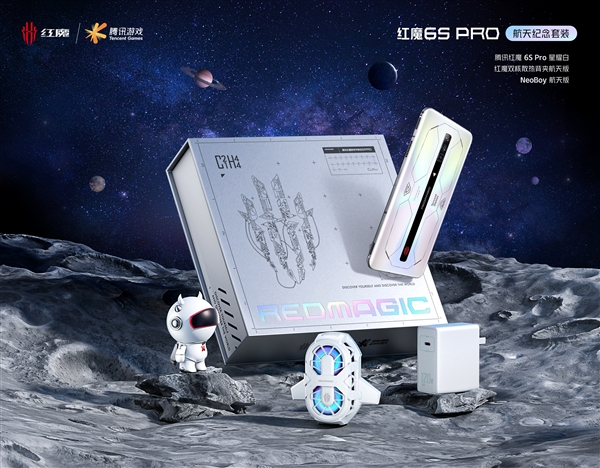
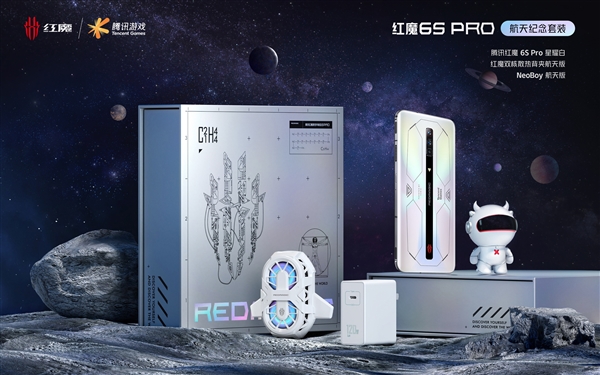
The Red Magic 6S Pro Aerospace Commemorative set is designed in silver and white, with the Red Magic Logo and “REDMAGIC” laser engraved on the front. The edition consists of the Red Magic 6S Pro smartphone in a white paint job as well as the Red Magic dual-core cooling back clip aerospace version, and the NeoBoy figurine aerospace version. There is also a white version of the brand’s 120W GaN charger inside the box.
The Red Magic 6S Pro Aerospace Commemorative smartphone isn’t different in design from the normal version. It uses a 6.8-inch 165Hz ultra-competitive screen, and the multi-finger touch sampling rate is upgraded to 720Hz, and the silky control is easy to handle.
However, the device is equipped with Magic GPU 1.0 for the first time. It has been tested by the Red Magic Lab to bring up to 60% improvement in the frame rate stability. The device also features the 7th-gen under-screen fingerprint sensor with a faster response speed. There is also support for heart rate detection is supported.
In terms of processor, the RedMagic 6S is powered by a Qualcomm Snapdragon 888 Plus flagship processor. It also comes with the newly upgraded ICE 7.0 nine-layer multi-dimensional cooling system, built-in fan speed up to 20,000 rpm, and adopts aerospace-grade phase change The heat-dissipating material n-21 oxane (C21H44) can control the temperature rise steadily, and bid farewell to the down-frequency stuttering.
It also has a built-in battery capacity of 4500mAh, supports 120W fast charge, and can charge to 100% in 17 minutes. At the same time, it adopts an all-pole-ear battery cell design and charging separation technology, which can effectively control the temperature rise, and it is not hot to play while charging.
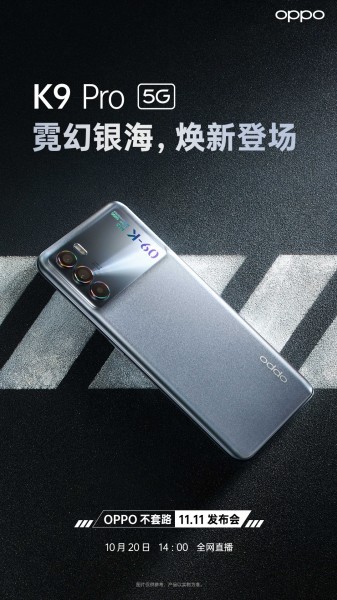
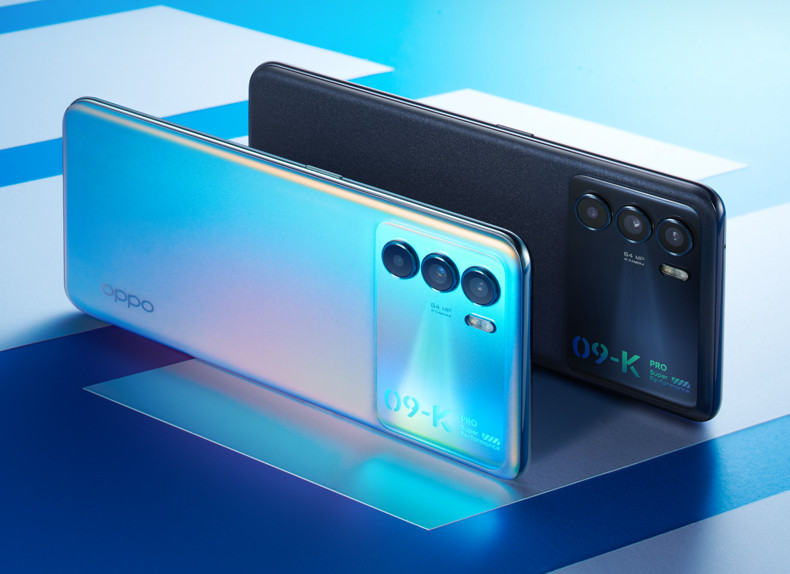
The Oppo K9 Pro was unveiled recently with only two color variants. The smartphone debuted in China last month with Obsidian Black and Glacier Blue colors and will now include a Neon Silver model according to Oppo. The new variant will be unveiled on October 20.
The new color variant of the Oppo K9 Pro will reflect an alloy texture with the camera rings also reflecting a rainbow color overlay. It is not clear whether the rings are painted in the specified colors or due to light reflection. The text on the right side of the camera system also has a similar effect, as seen from the official image released by Oppo.
The Oppo K9 Pro Neon Silver variant is not expected to differ internally from the earlier color variants of the smartphone. As a reminder, the K9 Pro features a 6.43-inch Full HD+ AMOLED display with a 120Hz refresh rate, a 180Hz touch sampling rate, HDR10, a DCI-P3 wide color gamut, and a screen-to-body ratio of 91.7 percent.
The device is powered by the MediaTek Dimensity 1200 processor, coupled with up to 12GB of RAM and up to 256GB internal storage. Notably, there’s no support for storage expansion with a microSD card slot.
For photography, there’s a triple-camera setup that consists of a 64MP f/1.7 primary sensor with a 6P lens, an 8MP f/2.2 super wide-angle camera with a 119º field of view and a 5P lens, and a 2MP f/2.4 macro camera with a 3P lens that can shoot 4 CM macro photos. On the front, there’s a 16MP snapper for taking selfies and video calling.
OPPO K9 Pro
Other features on the OPPO K9 Pro smartphone include an in-display fingerprint scanner, Face Unlock, NFC, dual SIM dual 5G connectivity, dual-band Wi-Fi, Bluetooth 5.2, a 3.5mm audio jack, and a USB-C port.
The phone runs the Android 11 operating system out-of-the-box with the company’s own ColorOS 11 on top. It is powered by a 4,500mAh battery with 60W Super Flash Charge technology that can charge the battery from 0% to 50% in just 16 minutes.
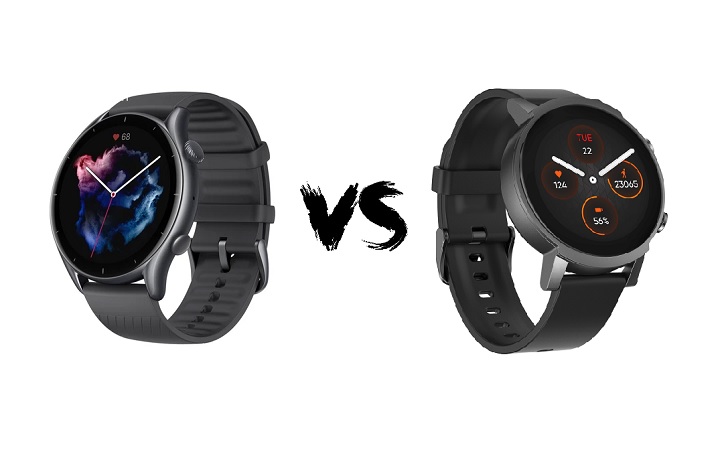
The new Amazfit GTR 3 smartwatch brings a lot of new features and also tries to keep the price tag affordable but it has got serious competition in form of the TicWatch E3, Mobvoi’s affordable Wear OS watch announced a few months ago.
Both Zepp Health and Mobvoi are Chinese manufacturers but they have strong roots outside their home country, thanks to their wide range of wearables that are also competitively priced and available in major markets across the globe.
This post will compare both smartwatches and also suggest which one is best suited for a user. First, let’s look at a spec-by-spec comparison of the two wearables:
Amazfit GTR 3
TicWatch E3
Display and resolution
1.39-inch AMOLED display
454 x 454
1.3-inch High Density display
360 x 360
Processor
Not stated
Snapdragon Wear 4100 and Mobvoi dual processor system
Both smartwatches have a round dial but their designs are different. The TicWatch E3 has a smaller display attached to 20mm silicone straps but the watch is thicker than the Amazfit which uses 22mm silicone straps. The former’s case is also made from polycarbonate and glass fiber while the latter has an aluminum alloy case. There are two buttons on the TicWatch E3 while the Amazfit GTR 3 has a digital crown that can be rotated to navigate the watch alongside a secondary button.
Processor, RAM, and Storage
Zepp Health doesn’t say what processor powers the Amazfit GTR 3 neither is there a mention of the RAM. However, owners get 2.3GB of storage to store MP3 files. For the TicWatch E3, it has Qualcomm’s Snapdragon Wear 4100 and Mobvoi’s dual processor system along with 1GB of RAM and 8GB of storage for apps, podcasts, and songs.
Software
This is a major difference between both smartwatches. The Amazfit GTR 3 runs Zepp OS which is a new operating system that is designed by Zepp Health for its smartwatches. It is a lightweight OS that has better power efficiency than the old Amazfit OS. It also brings new features such as support for mini apps. There is an app store inside the companion app where users can download more apps. However, the type and number of apps are limited when compared to what you get from the TicWatch E3 which runs the more powerful Wear OS and has an extensive library of apps.
This is also the right time to mention that both smartwatches have a smart assistant. The Amazfit GTR 3 has Amazon’s Alexa while the TicWatch E3 comes with the Google Assistant.
Sports and Health Tracking
If you are picking up a smartwatch, you are most likely doing so to stay fit and healthy, hence why the sports and health tracking features of a watch are important.
The Amazfit GTR 3 has support for over 150 sports modes. That is an enormous amount even if the average user may only use a fraction. Of these 150+ sports modes, it can automatically detect 8. It also has sleep tracking, sleep breathing quality tracking, all-day heart rate and blood oxygen level measurement, stress level monitoring, breathing rate, and female cycle tracking.
For the TicWatch 3, there is support for 20+ professional workout modes including high-intensity interval training, and has support for automatic detection via TicMotion. It also has 24/7 heart rate measurement and blood oxygen saturation detection, sleep tracking, stress monitoring, TicZen for relaxing, and TicHear to alert you of unsafe sound levels.
Connectivity and Sensors
The Amazfit GTR 3 has Bluetooth 5.1 LE, a compass, a barometer, an ambient light sensor, and support for five satellite navigation systems, but doesn’t have NFC and Wi-Fi. The TicWatch E3 has Bluetooth 5.0, 2.4GHz WLAN, NFC with Google Pay support, an off-body sensor, and support for three satellite navigation systems but doesn’t have a compass and barometer.
Battery life
There is a bigger battery inside the Amazfit GTR 3 and combined with its more power-efficient operating system, its battery life goes up to 21 days which is miles ahead of the 3-day battery life the TicWatch E3 boasts. Surprisingly, the TicWatch E3 lasts 10 days longer in its Essential Mode which is similar to the battery saver mode of the Amazfit GTR 3.
Other features
The TicWatch E3 has a microphone and a speaker, so you can not only take calls on the watch but can also ask the Google Assistant questions and get an audio response. There is only a microphone available on the Amazfit GTR 3, so you can’t receive calls on the watch.
Both smartwatches are compatible with Android and iOS devices, have replaceable straps albeit of different sizes, and are water-resistant.
Price
The Amazfit GTR 3 is priced at $179.99 and available in two colors while the TicWatch E3 is $199.99 and can be purchased in only black.
Conclusion
The two watches have their own strengths and weaknesses. Those who want a smartwatch with amazing battery life, are tied to the Amazon ecosystem, and need a watch that has a compass and barometer are better off purchasing the Amazfit GTR 3 as it ticks all of these boxes. It also costs less.
The TicWatch E3, which is pricier but regularly goes on sale and is even $169.99 on the official website as at the time of writing, has a more feature-rich operating system with support for full-fledged apps. It is also more powerful thanks to its Snapdragon Wear 4100 processor and packs more storage. Another merit is support for NFC and Google Pay so users can use their watch to make payments. Those who are tied to the Google ecosystem will also prefer it as they can control compatible devices from their smartwatch.
Which of the two smartwatches do you prefer? Do let us know in the comment box.
Next week is pretty much the most interesting one of this year’s Techtober. Tech giants Apple, Google, and Samsung all have events lined up for fans and some of these announcements have been long expected. Here is a roundup of what’s coming next week:
Apple Unleashed Event – October 18
Apple kicks off the week-long string of events with its Unleashed event on Monday, October 18. The event is believed to be for the launch of new MacBook Pro laptops that will be powered by a more powerful version of the Apple M1 chip. Expected to be called the Apple M1X, the chipset is also reported to power a new Mac Mini.
Pixel Fall Event – October 19
The much-awaited Pixel 6 and Pixel 6 Pro will be announced on Tuesday, October 19. The Pixel Fall event is for the new Pixel 6 phones but there is a high chance we will see Google announce other products.
Realme Watch T1
Realme China launch event – October 19
Realme will be holding an event in China on October 19. The launch event is for the Realme Q3s but it is also expected to launch the Realme T1, its first smartwatch for the Chinese market.
Galaxy Unpacked Part 2 – October 20
Samsung hit us with a surprise a few days ago when it announced that it has a launch event scheduled for Wednesday, October 20. The major announcement is expected to be for One UI 4 but a teaser posted by Samsung on YouTube yesterday points at a foldable-related device announcement too.
Redmi Smart TV X 2022 – October 20
Redmi has a new smart TV launching on Wednesday, October 20. The Smart TV X 2022 is a successor to its 2019 Redmi Smart TV X affordable premium TV. We expect the new model will have premium features but a modest price tag.
Huawei Nova 9 – October 21
Huawei is bringing the Nova 9 series to Europe on October 21. The Nova 9 series was launched in China in September powered by the Snapdragon 778G processor. When they launch next week in Europe, they also won’t have 5G support.
We use cookies on our website to give you the most relevant experience by remembering your preferences and repeat visits. By clicking “Accept”, you consent to the use of ALL the cookies.
This website uses cookies to improve your experience while you navigate through the website. Out of these, the cookies that are categorized as necessary are stored on your browser as they are essential for the working of basic functionalities of the website. We also use third-party cookies that help us analyze and understand how you use this website. These cookies will be stored in your browser only with your consent. You also have the option to opt-out of these cookies. But opting out of some of these cookies may affect your browsing experience.
Necessary cookies are absolutely essential for the website to function properly. This category only includes cookies that ensures basic functionalities and security features of the website. These cookies do not store any personal information.
Any cookies that may not be particularly necessary for the website to function and is used specifically to collect user personal data via analytics, ads, other embedded contents are termed as non-necessary cookies. It is mandatory to procure user consent prior to running these cookies on your website.