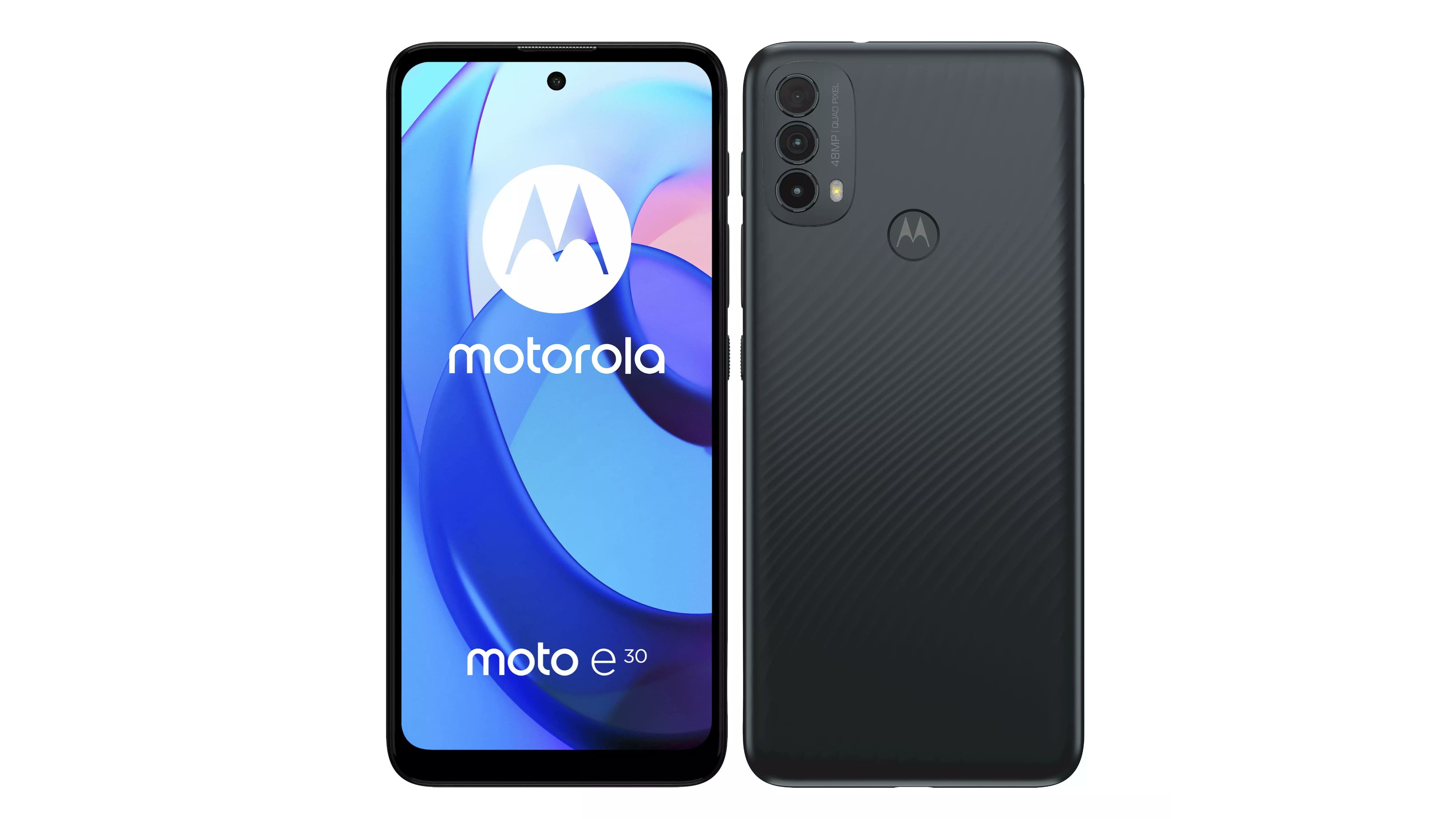
Motorola is all set to launch the Moto E40 in India in the coming days. There’s also going to be a cheaper version of this smartphone called Moto E30. The design of this handset has now leaked in renders.
Motorola Moto E30 | Source: Roland Quandt
Reliable leaker Roland Quandt (@rquandt) has shared the press renders of the upcoming Motorola Moto E30. The pictures tweeted by him exposes the entire design of the phone.
The images show the device with a centered punch-hole display on the front. Whereas, on the rear, the handset has a vertically aligned 48MP triple camera setup and a fingerprint sensor with a ‘Motorola Batwing’ logo.
Further, there’s a SIM card slot on the left side and a power key as well as a volume rocker on the right side. Interestingly, the smartphone lacks a dedicated Google Assistant key, which is found on many recently released Motorola phones.
The bottom side houses a single speaker grille, a USB Type-C port, and a microphone hole. Lastly, the top side includes a 3.5mm headphone jack.
As per a Geekbench listing from last month, the device will be powered by a UNISOC SoC paired with 2GB RAM and will boot Android 11. There could be other memory variants as well.
Unfortunately, we don’ have any idea regarding other features of the Moto E30. But we expect to learn about them before the smartphone goes official.
Apple has finally enabled the Conversation Boost feature it previewed at WWDC earlier this for the second-generation AirPods Pro. A firmware carrying version number 4A400 has been rolled out to the said earphones along with AirPods and AirPods Max.
For the uninitiated, Conversation Boost makes use of beam-forming microphones and has been designed to help people with mild hearing issues hear dialog better, effectively helping to stay more connected to conversations. It works by boosting the volume of a person talking in front of you, making face-to-face conversations more audible. It is joined by an optional feature that reduces ambient noise.
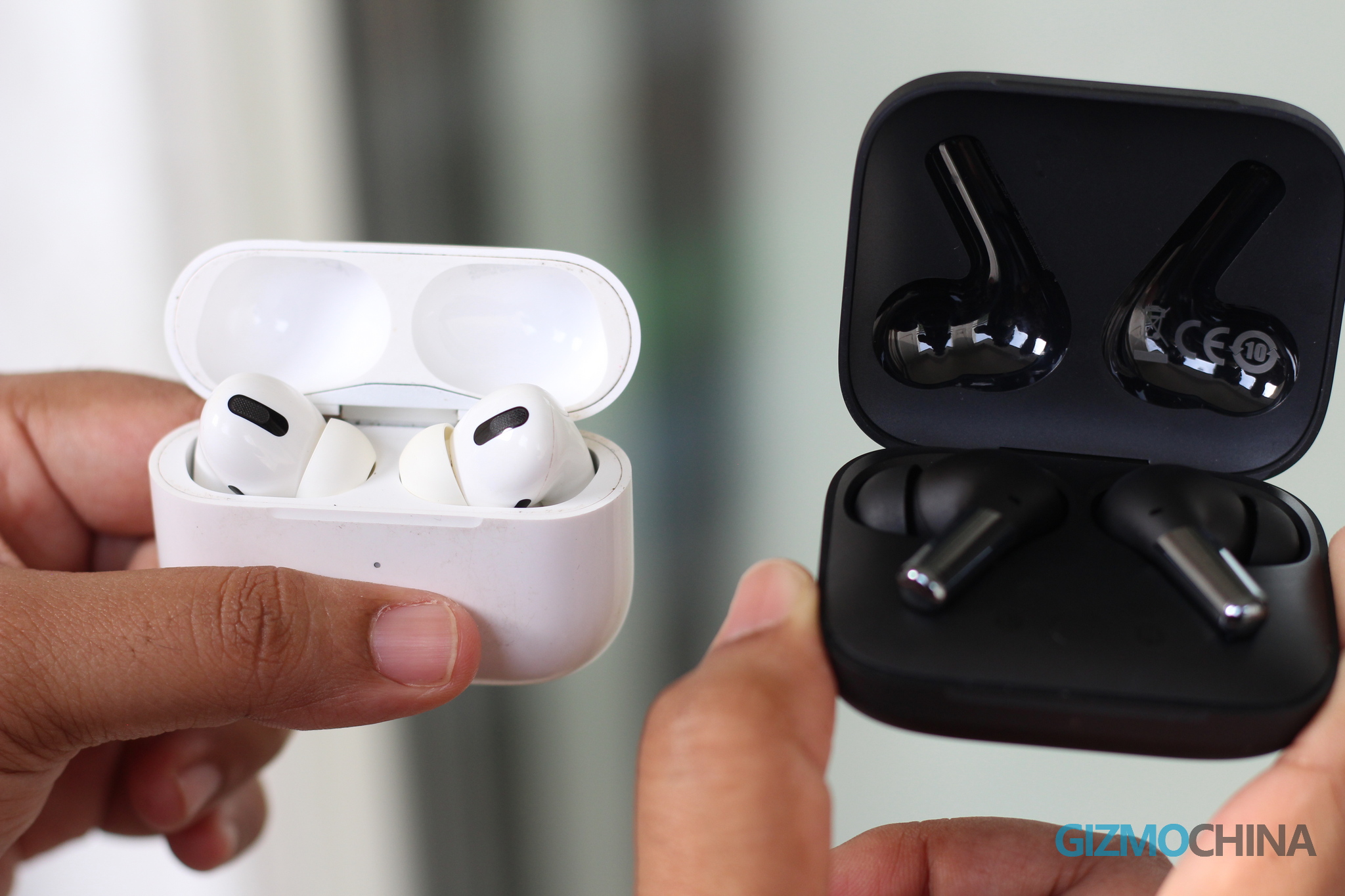
airpods pro vs oneplus buds pro
You also gain access to sliders using which you can modify various parameters like amplification, transparency, and tone of what you hear.
Conversation Boost on the AirPods Pro can be enabled via Settings > Accessibility > Audio / Visual and toggling Headphone Accommodations on. Next, turn Transparency Mode and Conversation Boost on as well.
Feature not available yet? Then it is likely that you are not updated to firmware version 4A400. You can check if the update has been rolled out for you through General > About. Next, find and tap on the AirPods connected to your device, and check the firmware version.
That said, Conversation Boost isn’t the only thing new with the new update. The update also adds a new Lost Mode that uses millions of other iPhones, iPads, and Macs to aid in the search if your AirPods Pro/Max go missing. If they come within the Bluetooth range of another Apple device, you’ll be alerted about their location.
Xiaomi usually launches its Redmi K series of budget flagship smartphones in the second half of a year. But now, a company official has revealed that the series is facing difficulties in production due to the chip shortage.
Earlier today (7th October 2021), Wang Teng Thomas, the product manager of the Chinese smartphone maker (Via MyDrivers), revealed that the Redmi K40S series is facing issues in production. In other words, the K40S series might have its launch delayed slightly or its possible that the lineup might not be launched entirely. Although, this is just speculation as of right now, so take it with a pinch of salt.
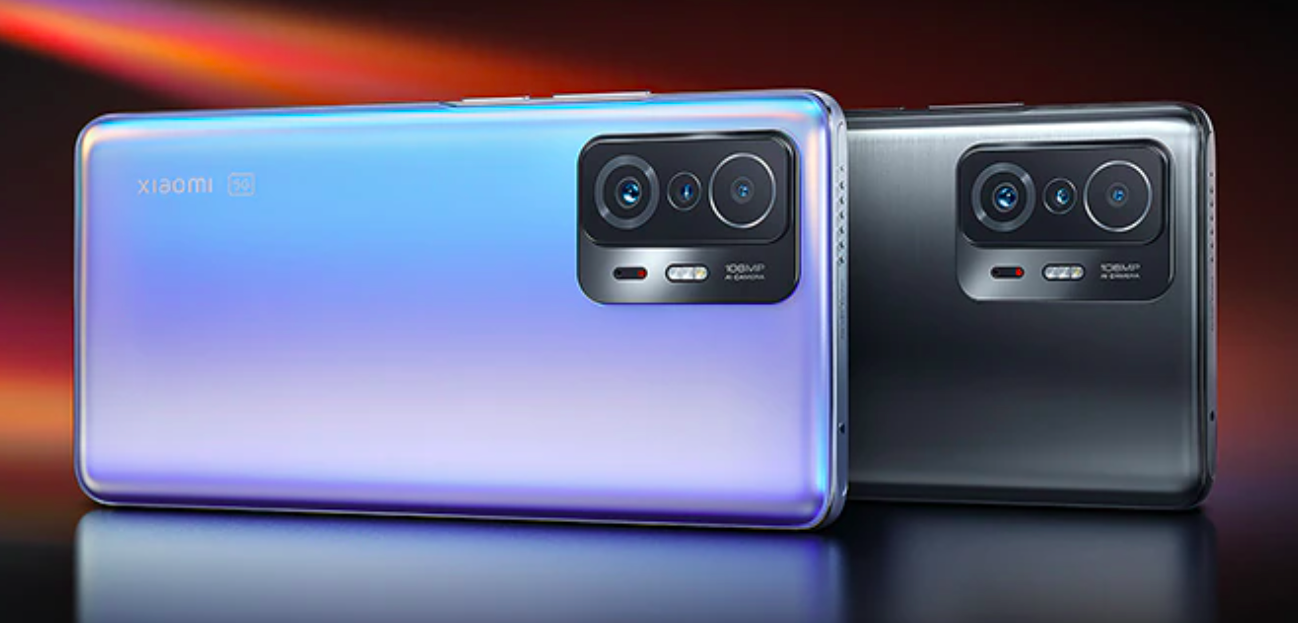
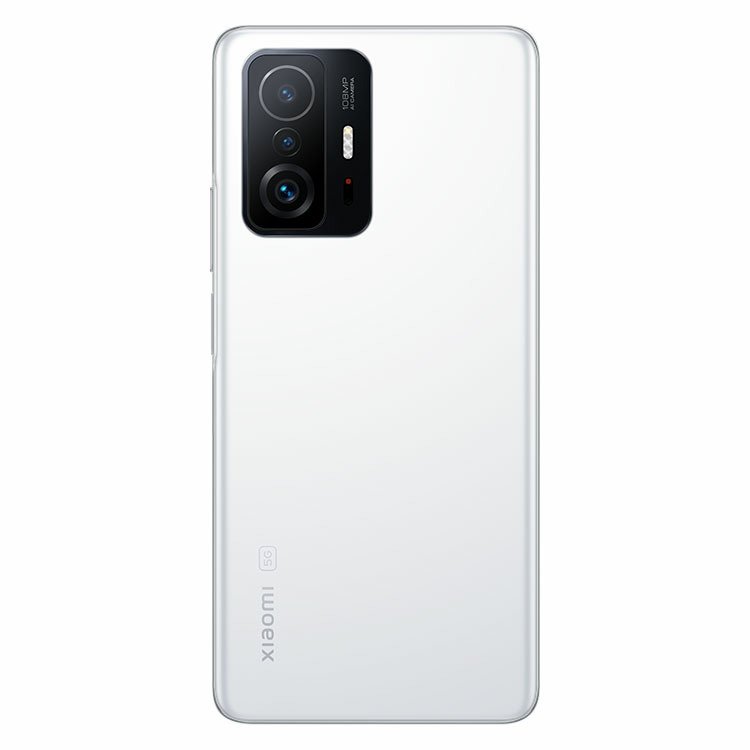
As per previous reports, the Redmi K40S will be a rebranded Xiaomi 11T series, which is similar to the K30S being a rebranded Mi 10T series last year. The K40S lineup will apparently include three different models, despite the Xiaomi 11T series only having two models. Although, every model is reportedly set to arrive with different varying charging speeds. The base model will have support for 33W fast charging, while the standard model will charge at 67W, and the high end model will support 120W fast charging.
Furthermore, at least one of the models will feature a MediaTek Dimensity 1200 SoC and a Qualcomm Snapdragon 870 chip. Since the Xiaomi 11T series also has a model with Snapdragon 888 processor, we can expect to see a high end model with the same. It was also reported that the new series will be launched in time for the Double Eleven festival in November. So stay tuned for more updates.
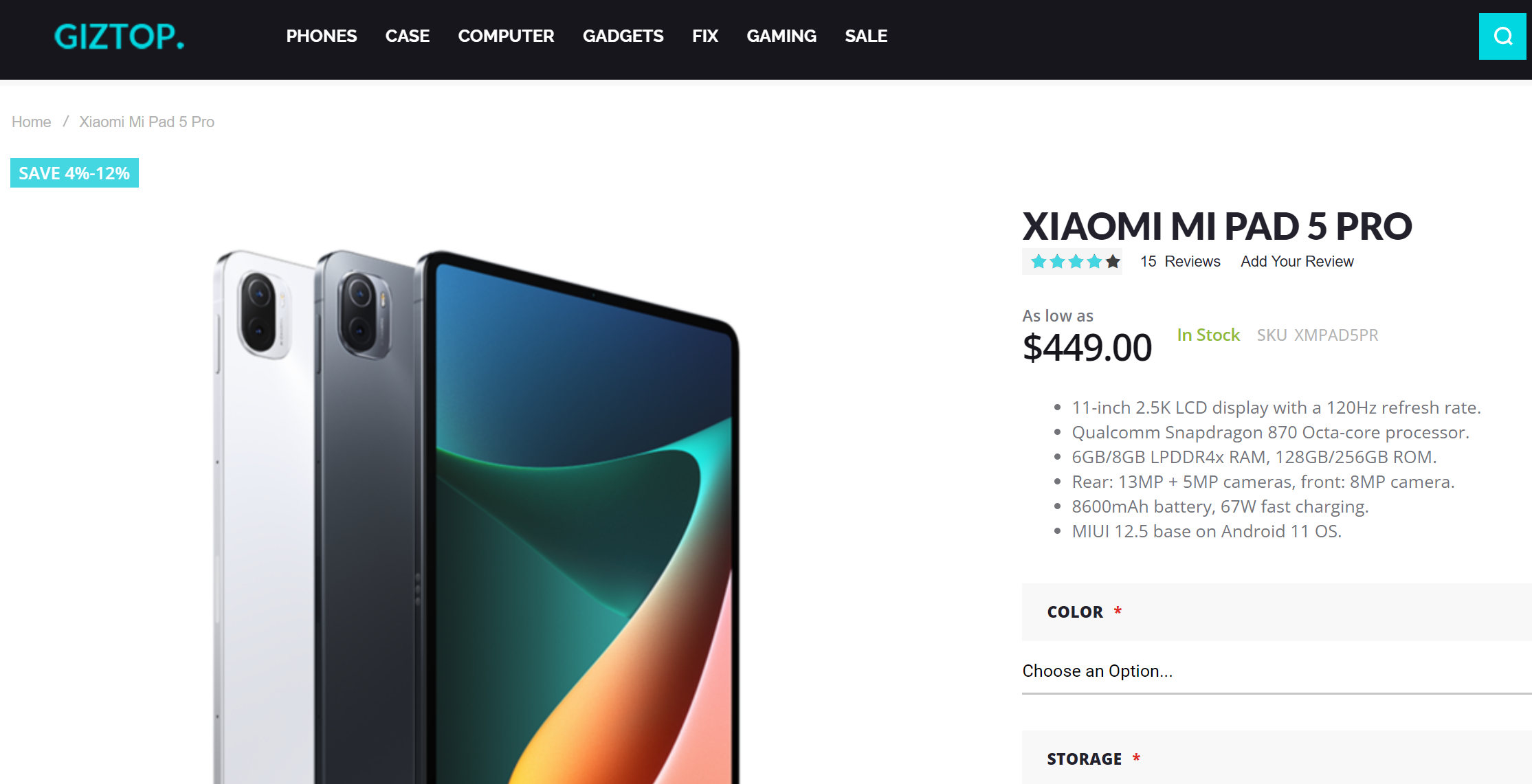
Xiaomi Pad 5 Pro was recently unveiled featuring some high-end specifications. Primarily, it comes with Snapdragon 860 SoC, 128/256GB storage and 6GB RAM. The 11-inch tablet is now available via Giztop along with an additional discount of up to $70. The discount is applicable without any additional coupon code for all users across the globe.
Xiaomi Pad 5 Pro is available in two colour options of Black (Cosmic Gray) and White (Pearl White). However, the interested users can choose between two storage options of 6GB RAM + 128GB storage and 6GB RAM + 256GB internal storage. Despite being limited to few countries, the Giztop can ship the Xiaomi Pad 5 Pro across the globe.
Xiaomi Pad 5 Pro comes with a large 11-inch LCD display having 1600 x 2560 pixels resolution and a 120Hz refresh rate. The display offers a 16:10 aspect ratio and supports HDR10 and Dolby Vision for a vivid viewing experience. It is powered with Snapdragon 860 SoC with 6GB RAM to handle CPU intensive tasks and enhance productivity.
The features like split-screen, and face unlock offers a better multitasking experience. In the camera department, the tablet comes with a 13MP primary sensor along with an LED flash. An 8MP selfie camera is present on the front for video calling at 1080p quality.
It accompanies a massive 8720 mAh battery with support for 33W fast charging. It can offer up to 16 hours of video playback upon a single full charge.
In connectivity, the users will get Bluetooth 5.0, WiFI, USB-Type-c and much more.
The user can also buy Xiaomi Smart Pen to improve the overall functionality of the smartphone.
It is an interesting introductory deal for users who are looking for a new powerful tablet for work or home purposes. You can get 6GB RAM + 128GB storage variant for $449 via Giztop.
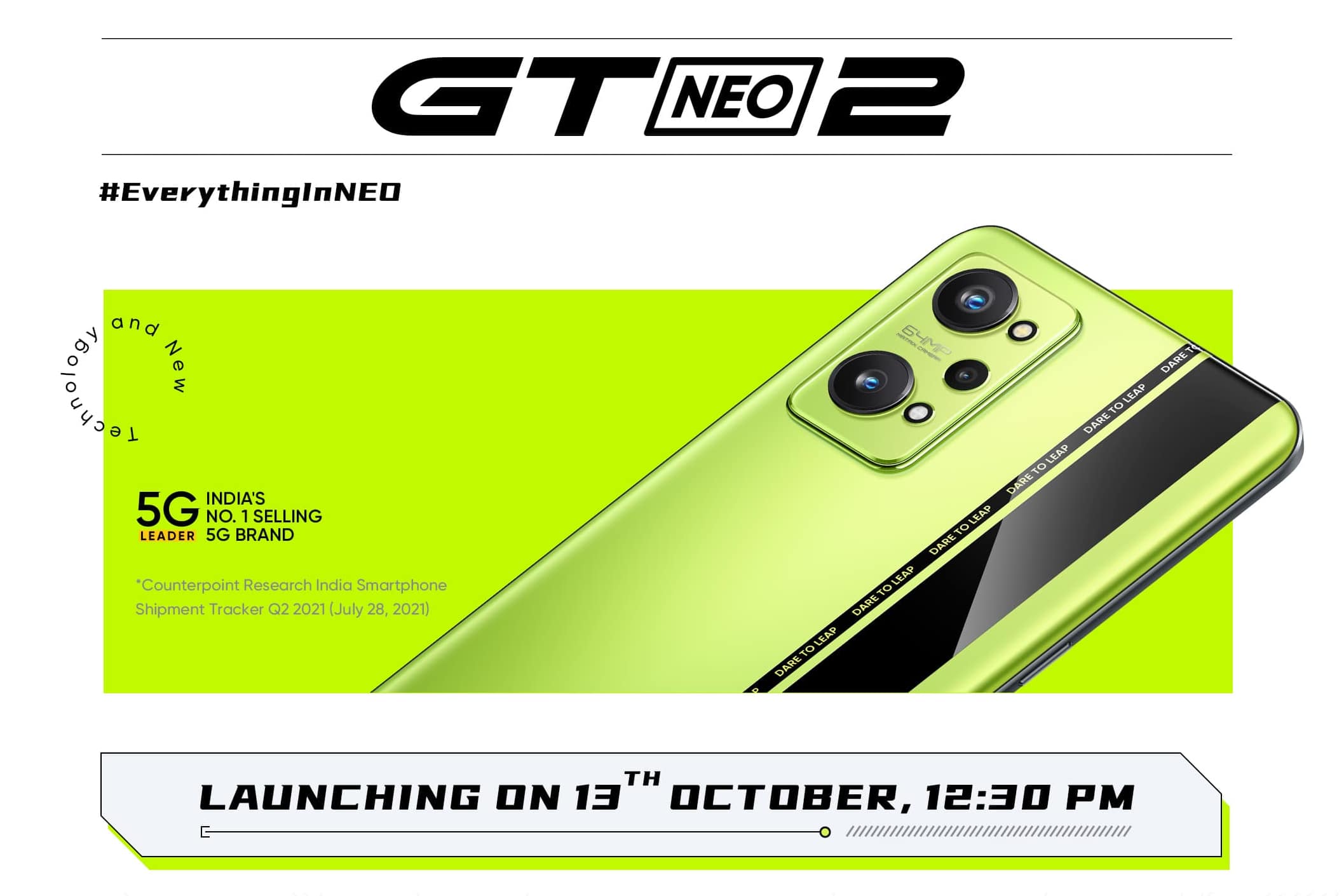
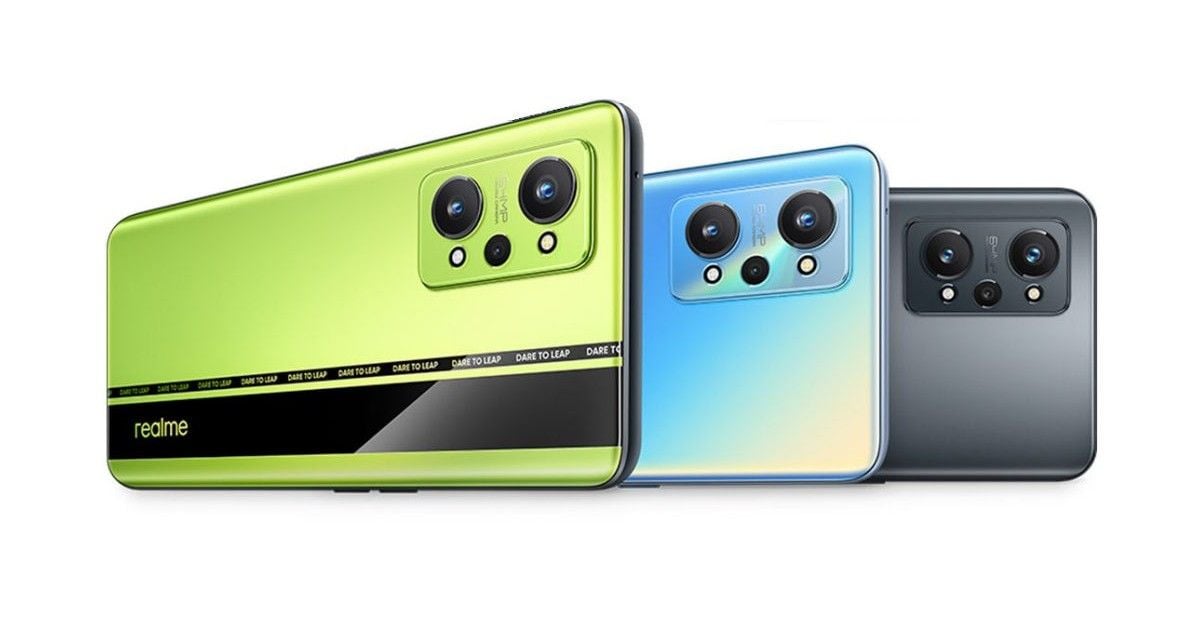
Smartphone brand realme has been teasing the launch of realme GT Neo2 in India for the past few days. At last, the company has finally revealed the date when it will be debuting the handset in the country. The device will go official in the region next week.
According to the official Twitter account and website of realme India, the brand will be launching the realme GT Neo2 in India on October 13 at 12:30 PM. Going by the teases, the device will be the same as the original model sold in China.
The original realme GT Neo is known as realme X7 Max. Hence, India didn’t get a phone in the realme GT Neo series. This makes the realme GT Neo2 to be the first model in the lineup to reach the Indian shores.
As far as specs are concerned, the realme GT Neo2 has a 6.62-inch FHD+ 120Hz AMOLED display, Qualcomm Snapdragon 870, 64MP + 8MP + 2MP triple rear camera setup, 16MP front-facing camera, realme UI 2.0 based on Android 11, 5,000mAh battery, and 65W fast charging.
Other features of the handset include stereo speakers, in-display fingerprint sensor, dual-SIM, 5G connectivity, WiFi 6, Bluetooth 5.1, GNSS, NFC, and USB Type-C.
Last but not least, the phone is expected to start below ₹30,000 in the country.
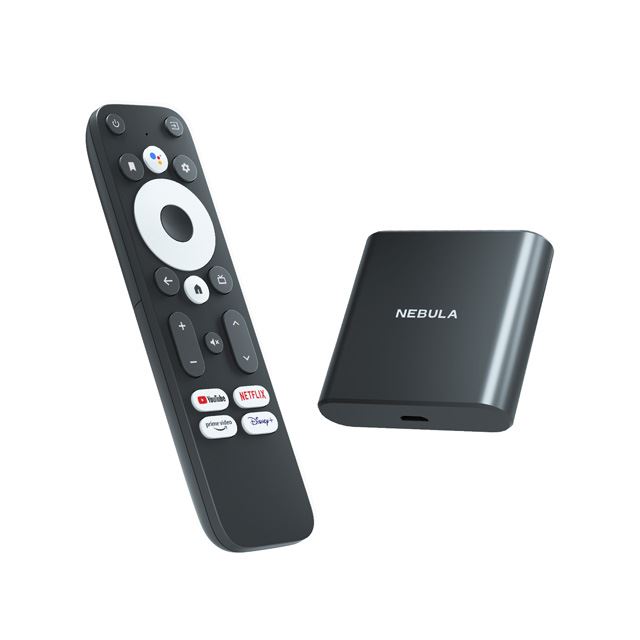
Tech giant Anker has officially launched the Nebula 4K Streaming Dongle in the Japanese market. The 4K streaming dongle comes with features like Google Assistant, Dolby Digital Plus, and has 8GB of ROM.
The Nebula 4K Streaming Dongle is priced at 8,980 Yen(roughly $81) and is available in the Black colour variant. This is cheaper compared to the global pricing of $89.99.
1 of 3
Anker Nebula 4K Streaming Dongle Features
The dongle comes with over 7,000 apps including popular ones like Youtube, Netflix, Disney+, Hulu, HBO Max, and Amazon Prime. It runs on Android TV 10.0 OS and has support for Ultra HD content streaming. It can go up to 4k 75fps with support for HDR 10.
Interestingly, the device comes with support for Google Assistant which can be toggled through the button on the remote. It is also compatible with Chromecast and has quick shortcut buttons on the remote. It has 2GB of RAM and 8GB of internal storage.
The device has Bluetooth v5.0 and up to 5GHz Wi-Fi support. It is powered by an ARM Quad 64-bit Cortex-a53 CPU clocked at up to 2GHz. The dongle supports most of the audio and video formats including MPEG, MP3, WMA, AC3, H.265, H.264, AVC 4K, RealVideo, and others.
European antitrust regulators are reportedly set to charge technology giant Apple with anti-competitive practices regarding the NFC chip inside iPhones and Apple Pay. It is said that the charges are being finalized and be sent to Apple sometime next year.
For those who are unaware, last year, the European Commission had opened an investigation into Apple Pay and the iPhone’s NFC chip last year. It was focusing on whether Apple unfairly locked out competition for contactless payment services by restricting the use of the NFC chip inside iPhones.
While details about the report remain unclear, it says that Apple is set to be charged with “anti-competitive practices related to its NFC chip technology.” Apple could be forced to “open up its mobile payment system to rivals.”
Apple has been slowly opening access to the NFC in the iPhone, but compared to its integration with Apple Pay, third-party services are still significantly hindered.
The development comes at a time when Apple has been found in breach of competition law related to its music streaming service in Europe earlier this year. Following complaints from Spotify, the EU competition commission said that Apple unfairly favors Apple Music over rival streaming services due to the fees imposed on App Store applications.
Acer on Wednesday launched six new laptops in the Indian market. It includes Acer Swift 3, Acer Swift X, Aspire 3, Aspire 5, Spin 3, and Spin 5. The laptops range from ₹55,999(~$749) to ₹99,999(~$1,337) and the major highlight of the laptops is the Windows 11 operating system.
Acer Swift 3 & Acer Swift X
Acer Swift 3 comes with a 14-inch IPS display with a Full-HD(1920 x 1080 pixels) resolution. Acer claims that it has an 85% screen-to-body ratio and has up to 300 nits of brightness. It has two models – an 11th gen Intel chipset or an AMD Ryzen 5000U processor. It comes with a battery that has 16 hours of battery backup with support for fast charging technology.
Acer Swift X comes with the same 14-inch FHD IPS panel. The screen supports 100% sRGB and has AMD’s Ryzen 5 5600U processor under the hood. It comes with a 4GB Nvidia RTX 3050 dedicated GPU and has 16GB of RAM. The laptop has a 59-Wh battery with support for fast charging.
The Swift 3 weighs 1.19Kg and starts at ₹62,999(~$868). The Swift X is priced at ₹86,999(~$1,161). Both laptops are already available from Acer’s e-store and other online and offline stores across India.
Acer Aspire 3 & Acer Aspire 5
Acer Aspire 3 comes with a 15.6-inch TFT display, whereas, the Aspire 5 has a 14-inch IPS panel. Both displays have Full-HD resolution and are powered by 11th gen Intel Core i5-11357 processor. There’s 8GB of RAM and 1TB of M.2 PCIe SSD storage. The laptops come with support for up to 1TB of HHD storage.
The Acer Aspire 3 starts at ₹55,999(~$749) and the Aspire 5 is priced at ₹57,999(~$570). The laptops can be purchased from Amazon, Flipkart, and even offline stores like Croma, Vijay Sales, and Reliance Digital.
Acer Spin 3 & Acer Spin 5
Acer Spin series is a convertible laptop series where the laptops can be used as a 2-in-1 machine. The Acer Spin 3 sports a 13.1-inch touchscreen display and is powered by the 11th gen Intel Core processor. The Spin 5, on the other hand, has 11th gen Intel Core i7 processor. The laptops are claimed to have up to 15 hours of battery life and support for fast charging support.
The Acer Spin 3 starts at ₹74,999(~$737) and the Spin 5 is priced at ₹99,999(~$1,337). Just like other Acer laptops, the Spin series will be available in both online and offline stores.
Nowadays, 5nm manufacturing is the most advanced technology when it comes to making modern chips. Now, companies are working on the next generation of chipset manufacturing tech and the next major thing could be 3nm manufacturing.
A couple of years back, Samsung had unveiled the 3GAE (3nm Gate-All-Around Early) and 3GAP (3nm Gate-All-Around Plus) nodes, promising substantial reduction in power consumption and enhancements in overall performance.
Now, the South Korean giant has announced the postponement of the 3nm chip manufacturing technology until 2022. Not just that, the company has also postponed the 2nm chip until 2025.
Samsung chip foundry uses cutting-edge technologies to manufacture chipsets and includes the likes of Qualcomm, IBM, and Samsung itself as its clients. The company competes against TSMC, which also announced a few months back that will postpone the launch of its 3nm chipset.
At the time of its announcement in 2019, Samsung had claimed that the 3nm process could offer a 35 percent performance jump, in addition to a 50 percent reduction in power consumption when compared with the 7LPP nodes technique.
Postponement of the newer technology makes sense given that the chip manufacturers are under immense pressure to keep producing chips as there’s currently a global shortage of chips and the company wants to go with the established process with a high yield rate compared to the experimental process.
Samsung Foundry is the second-largest smartphone chip-maker after TSMC. It is an independent arm of Samsung and continues to provide critical supplies which is the reason behind the South Korean technology giant weathering the global chip shortage without significantly affecting the business.
After unveiling the Google Pixel 6 and Pixel 6 Pro premium flagship smartphones a few weeks ago, the technology giant recently confirmed that it will be hosting a launch event on 19th October to officially announce the smartphones.
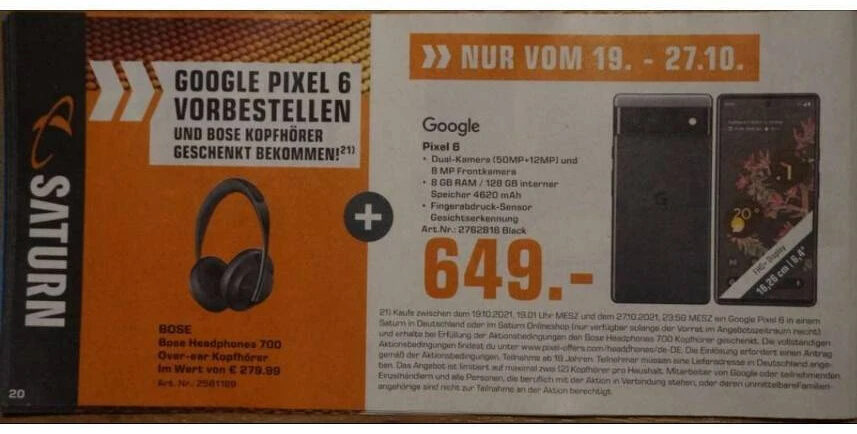
Now, ahead of the official launch, we know the phone’s pricing as well as release date, thanks to its listing in Germany. The Google Pixel 6 is said to be priced at €649 for the 8GB RAM and 128GB internal storage version.
It has also been revealed that those customers who pre-order the Pixel 6 series smartphones will get the Bose 700 Headphones which are worth €279.99. In the US, the phone will reportedly be priced at $749.
The offer is valid until 27th October which implies that the device will be available for purchase from 28th October, which is in line with the previous reports.
The listing further reveals that the smartphone will come powered by a 4,620mAh battery. In the camera department, there’s a dual-camera setup on the back that includes a 50-megapixel primary sensor and a 12-megapixel secondary snapper.
On the front side, the device will come equipped with an 8-megapixel snapper for taking selfies and video calling. The phone will also have an in-display fingerprint sensor as well as support for Face Unlock using the RGB camera.
Coming to the Pixel 6 Pro, previous reports have indicated that the device will be priced around €899 in Europe and between $1,049 and $1,099 in the United States. The phone will come with an additional 48-megapixel telephoto camera and pack a bit bigger 5,000mAh battery. It is expected to have up to 12GB of RAM and three storage options to choose from — 128GB, 256GB, and 512GB.
Both the smartphones will come pre-installed with the latest Android 12 operating system. The Pixel 6 lineup is expected to be among the best smartphones launching this year and the company is also at an advantage as iPhone 13 series doesn’t come with major updates, not enough to entice users to upgrade and many of them are waiting for the Pixel 6 lineup to switch instead of getting the iPhone 13.
Huami, a company which is known for making wearable devices, especially Amazfit series of smartwatches, is now gearing up to launch yet another product. The company has scheduled an event in China on 12th October.
The latest teaser shared by the firm confirms that the company is set to launch the Huami Amazfit GTR 3/Pro smartwatch. The teaser poster has revealed some information about the upcoming product.
It is being claimed that the upcoming Amazfit GTR 3 Pro will come equipped with a six-channel bio-tracking optical sensor. It is a high-precision sensor that can also continuously monitor blood oxygen, along with some key features.
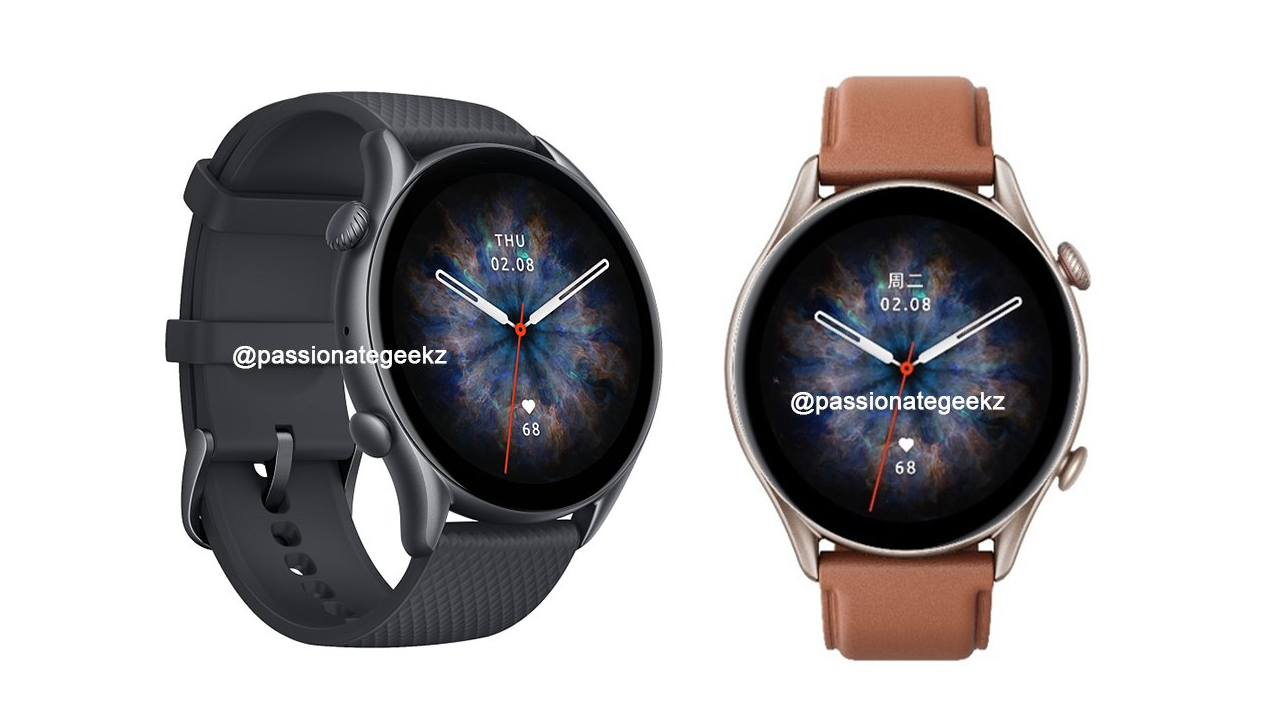
A leaked render of the upcoming smartwatch reveals that the Amazfit GTR 3 Pro will come with a circular dial, featuring two physical buttons on the right. It will also be made available with Silicon and Leather straps.
Image Credit: @passionategeekz
While not yet confirmed, the smartwatch is expected to come with support for calls and a smart voice assistant. The device is expected to have support for more than 150 sports modes. Additionally, it will be running the company’s own Zepp OS in terms of software.
The retail price of the Huami Amazfit GTR 3 Pro is expected to be priced around $235 but to know for sure what the device packs, what versions of it are available, as well as its pricing details, we’ll have to wait for the official launch next week.
Even though the supply chain situation that affected Apple terribly has improved significantly, there can still be a hindrance to the iPhone 13 lineup’s production in Q4 2021, believes JP Morgan. Analyst Samik Chatterjee states that it has become a concern for Apple to look at supply constraints with the imminent Covid-19 resurgence and a terrible hit to production due to recent power usage restrictions in China.
The JP Morgan analyst notes the production ramping up process on iPhone 13 lineup is moving forward at a slower pace than it was on earlier iPhones and the main bottleneck behind this is the camera module issues.
While Covid cases and multiple restrictions have contributed to the sluggish production in Vietnam, the root cause revolves around the supplier ramp of sensor-shift optical image stabilization. But the situation will improve as restrictions will be relaxed and LG Innotek’s camera facility along with a secondary unit in South Korea is set to boost the production at a pace that is required.
There are more issues hovering over iPhone 13 supply as smaller components may be terribly impacted if the power shortage issues in China persist. However, larger components are out of trouble for now so that’s good news. The analyst believes 5-10 million units out of the 143 million planned units could be affected due to this. But despite that, Apple continues to stay in a comfortable position in terms of sales.
The analyst maintains his Apple price target of $180, based on a price-to-earnings multiple of 28x on JP Morgan’s 2023 earnings estimate of $6.55.
The much-awaited and the biggest transformation that was due from Microsoft has finally rolled out officially. Windows 11 is here and is living up to the hype. But the only set of users not happy with Windows 11 are the ones using AMD Ryzen processor-powered machines. The company has reported that AMD chips could face performance drops of up to 15 percent in some cases.
Source: Microsoft
Apparently, there are two issues that have troubled AMD-powered device owners with Windows 11. The first is that Windows 11 may triple L3 cache latency. AMD believes that this may lead to a 3-5 percent worsened performance and some games, specifically used for eSports, may see performance drops of up to 15 percent.
The second one targets AMD’s “preferred core” technology, which usually aims to shift threads over to the fastest core on a processor. AMD has cautioned users with more than 8 cores about TDP where performance issues are more noticeable.
Well, the good thing is that both AMD and Microsoft are already on to it and have stated that they are “actively investigating these known issues for resolution via software updates.” There are two updates, a Windows update and a software update, that are lined up for later this month to resolve the ongoing issues. In the meantime, sticking with Windows 10 appears to be the only wise option.
Apple has been facing several lawsuits in different regions around the world and the issues just keep increasing for the technology firm. In the latest development, it is said that Apple has to pay up to $46 million South Korea on benefits that it failed to declare.
Based on the data from Korea Fair Trade Commission, a lawmaker has come to the conclusion that technology giant Apple needs to pay $46 million. This is related to an investigation that found Apple guilty of antitrust behaviors.
In 2016, the US-based giant was accused of anti-competitive practices in South Korea. Given the popularity of its smartphones, the mobile carriers had to sell them and taking unfair advantage of its position, Apple was dictating terms. It was accused of imposing three onerous conditions on local carriers:
Carriers had to buy minimum quantities of each model, dictated by Apple
Carriers had to share the cost of warranty repairs or replacements
Carriers had to pay to run Apple’s own TV ads for the iPhone
While Apple had settled the case by proposing a series of measures but the issue of dictating mobile carriers to pay for TV ads for the iPhones is coming to haunt the company.
Carriers had to pay the full cost of running iPhone ads on TV and they were only allowed to use Apple’s own ads. The carriers were permitted to only add their own logo to the final frame. This effectively gave free advertising to Apple, amounting to a taxable benefit that the company failed to declare.
It appears that Apple made local mobile carriers in Korea pay 20 to 30 billion won, for which Apple needs to pay 28.8 billion to 43.2 billion won in corporate taxes. But the total amount of corporate taxes the company should pay comes to 36.6 billion to 55 billion won when including additional taxes imposed for failing to report the corporate taxes.
The claim is from a minority party so it remains to be seen if anything comes out of it. But the timing is crucial as it comes at a time when Apple is under pressure in the country as Apple and Google are now required to allow developers to use third-party payment platforms in their app stores in Korea.
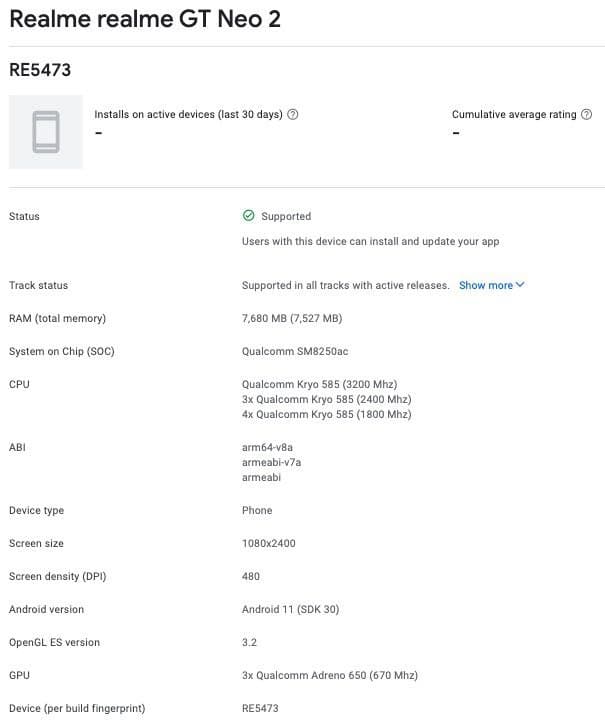
Earlier today, the pricing and the launch date of the upcoming Realme GT Neo2 were leaked. Now, the smartphone has appeared on the Google Play Console listing revealing its key specs.
The Realme GT Neo2’s Play console listing confirms that the phone has a 1084 x 2400 pixels resolution screen. It runs on Android 11 out of the box. The smartphone is powered by the Qualcomm Snapdragon 870 chipset paired with 8GB of RAM. We expect it to also arrive in a 12GB RAM variant with 256GB of onboard storage.
In addition to this, an earlier leak revealed that the Realme GT Neo2 could launch at the same price range as the Realme X7 Max. To recall, the X7 Max started at ₹26,999(~$361) for the 8GB RAM + 128GB storage variant and ₹29,999(~$401) for the 12GB RAM + 256GB storage variant. That said, we can expect ₹26,999(~$361) starting price of the Realme GT Neo2.
Realme GT Neo2 launch Date and Specifications
The Realme GT Neo2 is expected to launch on October 13th in the Indian market. It will most likely have the same specs sheet as the Chinese edition. The smartphone sports a 6.62-inch Full-HD+ display with a 120Hz refresh rate. It will feature a 64MP triple-rear camera system and a 16MP selfie camera lens. As learned from the Play Console listing, the phone has Snapdragon 870 SoC and a base 8GB RAM option.
It smartphone packs a 5,000mAh battery with 65W fast charging support. The smartphone features a side-mounted fingerprint scanner for added security. It runs on ColorOS 12 based on Android 11.
After launching the Realme GT Neo2 in China last month, Realme is ready to bring it to other markets. So far, it has been reported that the phones will be launched in India and Europe but Realme is yet to reveal the launch dates. However, a leaker has disclosed when the phone will be announced in India.
According to a tweet posted a few hours ago by the Indian leaker Abhishek Yadav, the Realme GT Neo2 will be announced on, Wednesday, October 13. That is exactly a week from today.
The Realme GT Neo2 has a 6.62-inch FHD+ AMOLED display with a punch hole at the top left corner for a 16MP camera. There is a Snapdragon 870 processor under the hood and it draws juice from a 5000mAh battery. Earlier this week, a leak revealed the phone will be available in two configurations in India – 8GB RAM + 128GB and 12GB RAM + 256GB.
There are three cameras on the back – a 64MP main sensor, an 8MP sensor with an ultrawide angle lens, and a 2MP sensor for shooting photos in macro mode. The phone has an under-display fingerprint scanner, stereo speakers, NFC, and Bluetooth 5.1. It supports 65W fast charging via USB-C and runs Android 11. It will launch in Neo Black, Neo Green, and Neo Blue in India.
Samsung is working on a device called Galaxy A13 5G It is expected to be the company’s most affordable 5G smartphone to date. In the past few days, we learned about the existence of this handset along with some of its features. Today, the phone appears on Geekbench confirming the chipset powering it.
Samsung Galaxy A12
The upcoming Samsung Galaxy A13 5G with model number SM-A136U has been listed on Geekbench. According to it, the device will house a MediaTek Dimensity 700 SoC.
Further, the variant that got benchmarked has 4GB RAM. However, we can expect versions with more RAM. Lastly, the listing confirms that the handset will arrive with Android 11.
Apart from that, the phone is said to draw energy from a 5,000mAh battery. Although its charging speed is not known, we can expect it to support 15W like most Samsung budget smartphones.
The South Korean tech giant may announce the Galaxy A13 5G before the end of 2021. However, the device will most likely see a wider availability in early 2022.
When Vivo announced the first iQOO smartphone in early 2019, it was marketed as the first phone under Vivo’s new gaming smartphone line. More than two years later, the iQOO line has gotten bigger and now includes mid-range and upper mid-range phones that don’t have the design we have come to associate with gaming smartphones. New info from China says that iQOO will become independent next year.
This should not be too surprising considering this is a common trend among Chinese manufacturers. Honor was originally Huawei‘s online brand targeted at a younger audience before it became an independent company. Redmi and POCO also started out as smartphone lines under Xiaomi before becoming independent in 2019 and 2020 respectively while Realme was under OPPO when it first began business a few years ago.
The info comes from the Weibo user @Arsenal who has a good track record when it comes to leaks. According to a post made earlier today, iQOO will become an independent brand in April 2022 which means it will now be another company owned by BBK.
Just like the other brands listed above, save for Honor, Vivo and iQOO should continue to share resources, though some departments such as sales may be separated. We may also see iQOO expand its product category to include other devices.
One question that arises from this new development is what exactly is BBK’s plan considering it just merged OPPO and OnePlus, the latter of which is a much bigger brand than iQOO. If it is merging some brands and separating others, there doesn’t seem to be a clear pattern regarding its mobile business. We hope more details surface soon.
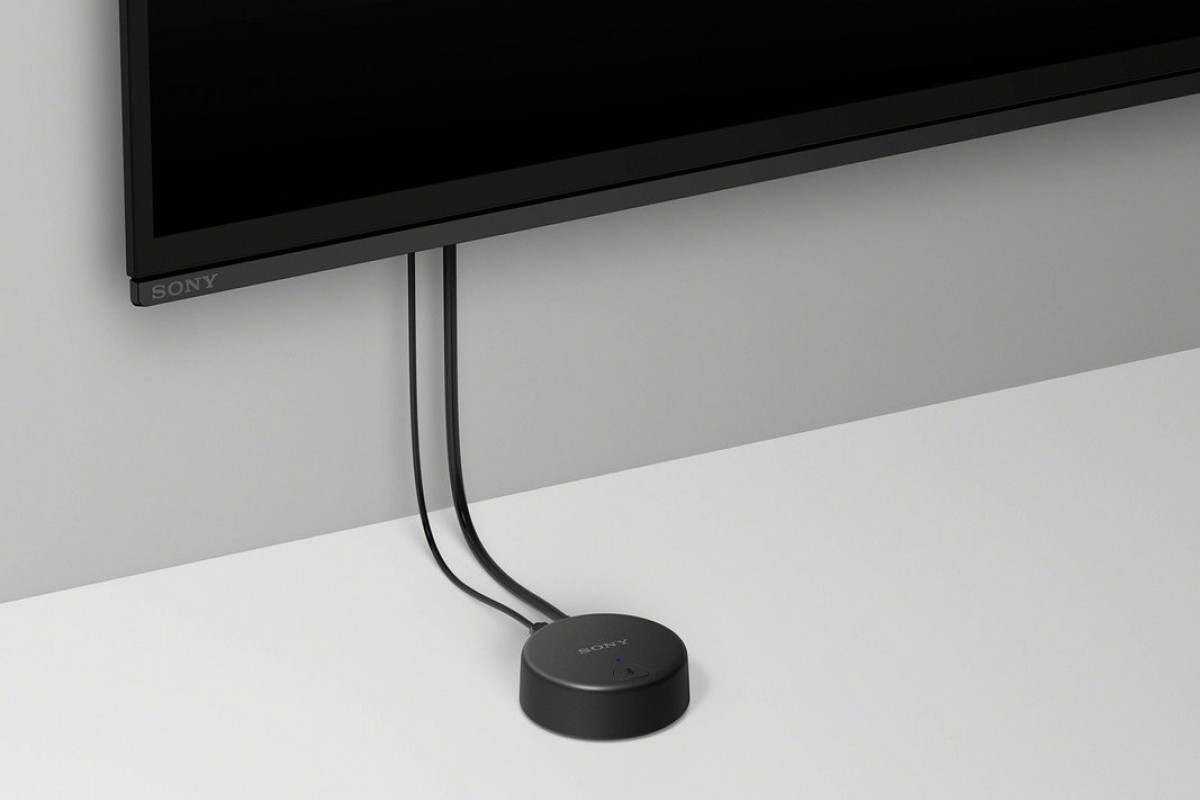
Sony has launched its first neckband speaker with the Dolby Atmos feature. The Sony SRS-NS7 is the first neckband speaker in the world to feature Dolby Atmos. The SRS-NS7 comes with the WLA-NS7 Bluetooth transmitter which combines with BRAVIA XR television models to transmit Dolby Atmos audio to the speaker. The 360 Spatial Sound Personalizer app will assist users to take pictures of their ears to create an HRTF map of their ears. The HRTF map is then fed back into the system to customize the Atmos sound to your specific ear and head shape.
The SRS-NS7 can also minimize the latency in audio for an improved viewing experience. However, the low latency feature is only compatible with BRAVIA XR TV models. Unfortunately, even Sony’s TVs are not currently compatible with the low latency mode.
The SRS-NS7 can also be paired with a PC, smartphone, or any Bluetooth-enabled device source. Calls are also possible with the microphone. The SRS-NS7 can connect to two devices simultaneously, which is impressive.
The SRS-NS7 comes with a single active driver and one passive radiator on either side. Both are angled upwards for precise positioning of the sound outlay. The speaker has a fabric cover and a flexible neckband, and the device is IPX4 splash-resistant. Up to 12 hours of activity is guaranteed on a full charge, with fast charging also possible. A quick ten-minute charge can give up to an hour of battery life.
The WLA-NS7 wireless transmitter is sold separately for $60 and can be used with some Sony Bluetooth headphones.
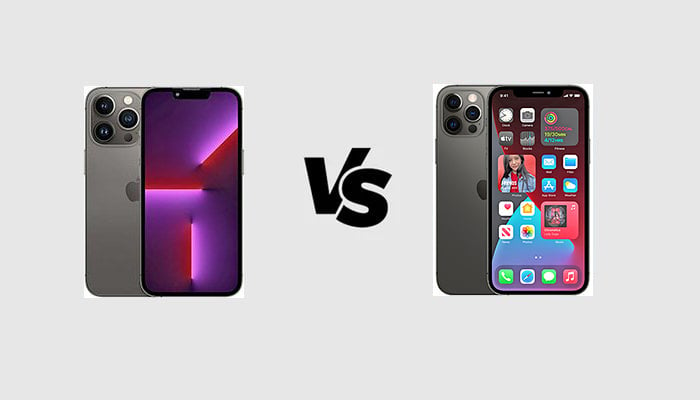
The iPhone 13 went official and it is on sale since September. The design did not change so much, but the new series comes with a handful of upgrades in several departments. While the iPhone 13 Pro and the other variants went on sale for the first time, the price of the iPhone 12 series dropped and led them to offer a higher value for money. Is it worth spending more money on the new models or it makes more sense to save money to get a model from the previous generation? After comparing the vanilla iPhone 13 to the iPhone 12, we decided to publish a comparison between the specifications of the iPhone 13 Pro and the iPhone 12 Pro in order to give you a complete idea even about the Pro variants.
Apple iPhone 13 Pro vs Apple iPhone 12 Pro
Apple iPhone 13 Pro
Apple iPhone 12 Pro
DIMENSIONS AND WEIGHT
146.7 x 71.5 x 7.7 mm,
204 g
146.7 x 71.5 x 7.4 mm,
189 g
DISPLAY
6.1 inches, 1170 x 2532 pixels (Full HD+), Super Retina XDR OLED
6.1 inches, 1170 x 2532p (Full HD+), Super Retina XDR OLED
As already mentioned, there are no big changes in the design of the iPhone 13 Pro, but there is an important optimization: the notch is smaller. Thanks to better management of the space, Apple was able to reduce the size of the notch by 20 percent. But not all that glitters is gold: the new iPhone 13 Pro is thicker and heavier than the older model. Further, the rear cameras are protruding more than the previous generation phone. That is why having a smaller notch does not necessarily mean having a more beautiful phone. Both the handset retain the IP68 certification making them waterproof and dustproof, as well as the Ceramic Shield.
Display
The displays of the iPhone 12 Pro and the iPhone 13 Pro have almost the same specifications. The only differences between these panels are the smaller notch on the iPhone 13 Pro and the refresh rate. They are Super Retina XDR OLED displays with the HDR10 certification, Dolby Vision support, and a Full HD+ resolution of 1170 x 2532 pixels. The iPhone 13 Pro adds a 120 Hz refresh rate, while its predecessor has a standard 60 Hz refresh rate. The Ceramic Shield allows for high resistance and an oleophobic coating. Unlike Android flagships, there is no fingerprint reader, but users can rely on 3D facial recognition for authentication.
Specs & Software
The iPhone 12 Pro is powered by the Apple A14 Bionic mobile platform paired with 6 GB of RAM and up to 512 GB of native storage. With the iPhone 13 Pro, you get an Apple A14 Bionic chipset, 6 GB of RAM, and up to 1 TB of internal storage. The Apple A15 Bionic provides a CPU performance boost of up to 50 percent if compared to the Apple A14 Bionic, as well as 50 percent better GPU performance. That is why the hardware department of the iPhone 13 Pro is a significant upgrade over its predecessor. The Apple A15 Bionic has a higher 3.22 GHz clock frequency and the new iPhone 13 Pro ships with iOS 15 out of the box, while the 12 Pro ships with iOS 14. This means that the 13 Pro will most likely get longer software support.
Camera
Besides the performance improvement, the iPhone 13 Pro also provides a camera upgrade. You still get a triple camera with 12 MP resolution paired with a TOF 3D LiDAR scanner, but the new handset has brighter focal apertures (for the main camera and the ultrawide sensor) as well as more advanced features for video recording (such as ProRes and Cinematic mode with stereo sound).
In the design paragraph, we told you that iPhone 13 Pro is thicker and heavier than its predecessor. There is a reason for this and it is the presence of a bigger battery. The iPhone 13 Pro has a battery with a capacity of 3095 mAh, while the 12 Pro has just 2815 mAh. This means that the new model is able to provide a longer battery life in every scenario. Further, it also supports faster wired charging thanks to a power of 23W. So having a bigger battery does not mean way longer charging times.
Price
The starting price of the iPhone 13 Pro is €1149 in the European market and $999 in the U.S. and the iPhone 12 Pro started from a similar price tag, but now it has dropped and you can easily find it for less than €900 or $900. In my opinion, the upgrades of the iPhone 13 Pro make it worth spending more for the new model.
Apple iPhone 13 Pro vs Apple iPhone 12 Pro: PRO and CONS
We use cookies on our website to give you the most relevant experience by remembering your preferences and repeat visits. By clicking “Accept”, you consent to the use of ALL the cookies.
This website uses cookies to improve your experience while you navigate through the website. Out of these, the cookies that are categorized as necessary are stored on your browser as they are essential for the working of basic functionalities of the website. We also use third-party cookies that help us analyze and understand how you use this website. These cookies will be stored in your browser only with your consent. You also have the option to opt-out of these cookies. But opting out of some of these cookies may affect your browsing experience.
Necessary cookies are absolutely essential for the website to function properly. This category only includes cookies that ensures basic functionalities and security features of the website. These cookies do not store any personal information.
Any cookies that may not be particularly necessary for the website to function and is used specifically to collect user personal data via analytics, ads, other embedded contents are termed as non-necessary cookies. It is mandatory to procure user consent prior to running these cookies on your website.