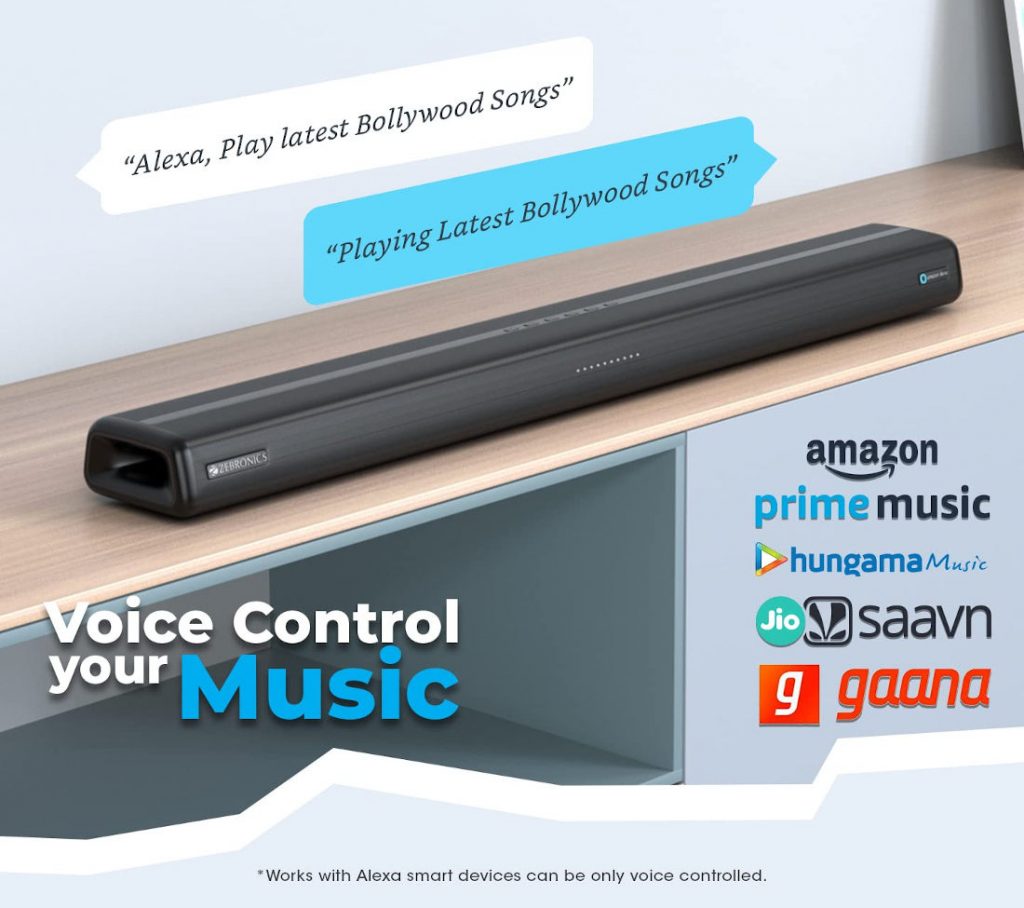
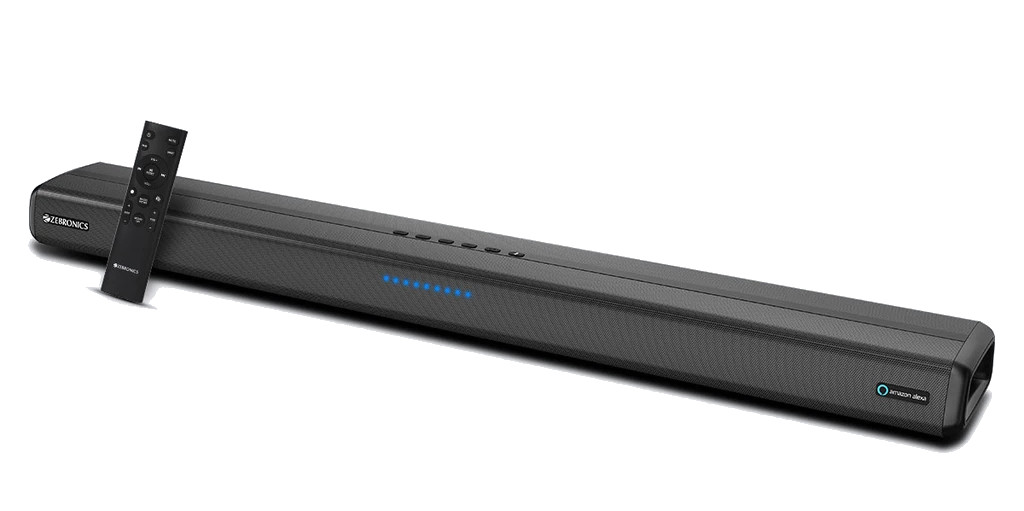
Popular accessories manufacturer Zebronics has launched its newest soundbar in India, the Zeb-Juke Bar 3820A Pro at an introductory price of Rs. 8,999 ($119). The new soundbar supports Amazon’s digital assistant Alexa, as well as sport some decent features.
The Zeb-Juke Bar 3820A Pro Soundbar has dual drivers and dual 69mm subwoofers as well as 80W output. The new Zebronics soundbar is capable of delivering an immersive audio entertainment experience for its users. With Wi-Fi connectivity, the Zeb-Juke can stream audio wirelessly or through Bluetooth 5.0. App support is provided by the Zeb-Smart Jukebar app for iOS and Android.
The Zeb-Juke Bar 3820A Pro soundbar has a complement of ports including USB, HDMI, Aux and optical ports. The Aux port supports any device with 3.5mm audio output while the device itself comes in black color and can be purchased from Amazon India starting from December 10. The Zeb-Juke Bar 3820A Pro has a LED display as well as a wall mount, as well as a compact remote controller. It supports MP3 file format via USB and supports up to 32GB of storage.
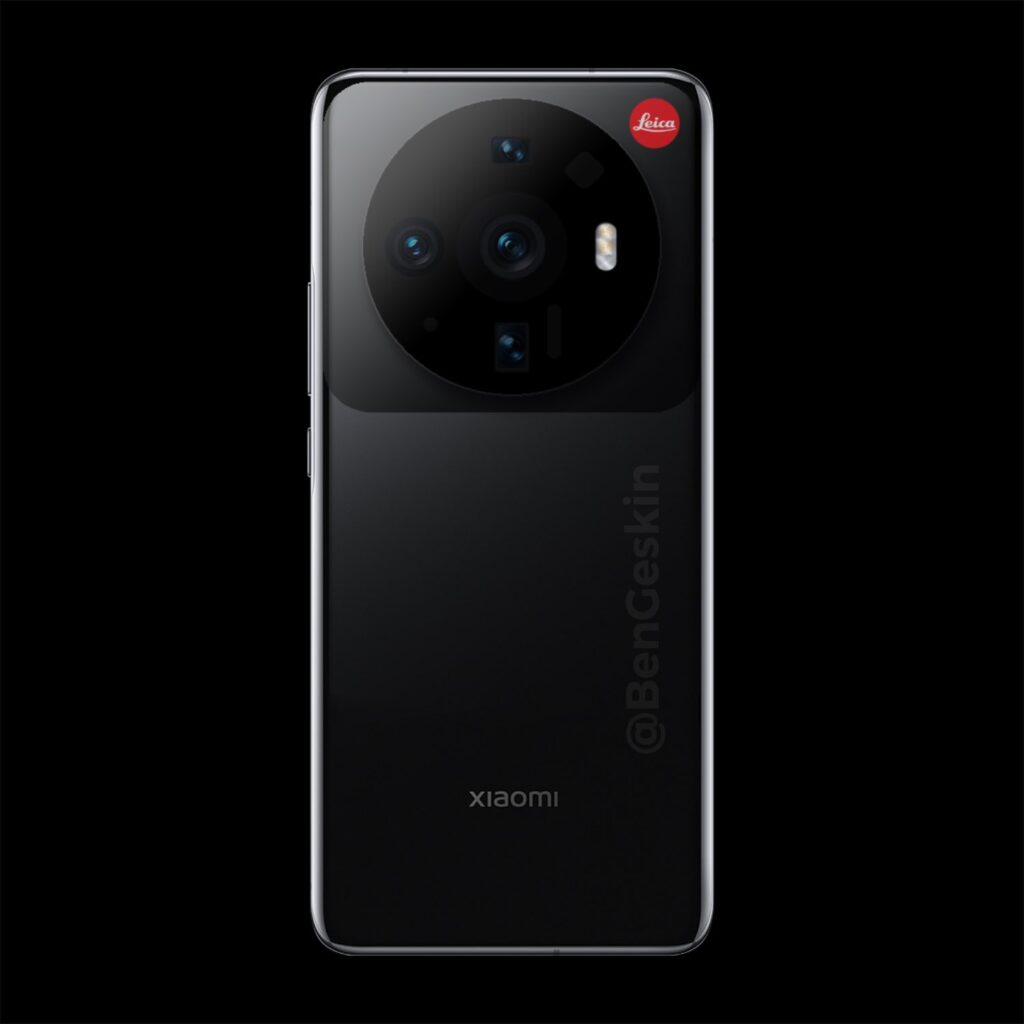
The Xiaomi 12 Ultra will be the successor to the Xiaomi Mi 11 Ultra released in April this year and will be bringing along a number of upgrades across the board. While alleged renders of the vanilla Xiaomi 12 model have been doing rounds for a while now, the design of its Ultra variant has remained in the dark. But that’s now changed with the release of a new unofficial render by Ben Geskin.
The blogger has based it on protective case leaks from yesterday that had revealed alleged designs of the entire Xiaomi 12 series. From that, it seems that the Xiaomi 12 and Xiaomi 12 Pro will be featuring very similar designs while the Xiaomi 12 Ultra will be going for a never-before-seen look.
Credits: Ben Geskin
Nearly half of the rear of the device will be taken up the camera module alone. This, despite it seemingly ditching the secondary screen at the rear – something that was a highlight feature of the Mi 11 Ultra. The case leak had also shown a total of eight cutouts for the camera module and Ben has reflected that on his design.
Four of those are dedicated to the cameras on the render, making the Xiaomi 12 Ultra have a quad-camera setup. But it isn’t clear yet if the Xiaomi 12 Ultra will indeed be having four cameras or if it will stick to the more traditional tri-cam setup found on its predecessor. Three of the remaining cutouts have been allotted to random sensors while the last one is a flash.
The Xiaomi 12 Ultra render also divides the phone’s rear into two sections, one of which is darker than the other. If Xiaomi indeed goes for such an implementation, then it could be possible that one of the sections will perhaps have a different feel as well.
Apart from this, not much is known about the device. Some reports do suggest though that the phone will feature 120W fast charging and have a 120Hz OLED display. Under the hood, the phone is expected to come with the Snapdragon 8 Gen 1 chip, and the pricing of the Xiaomi 12 series could start from 4,299 yuan.
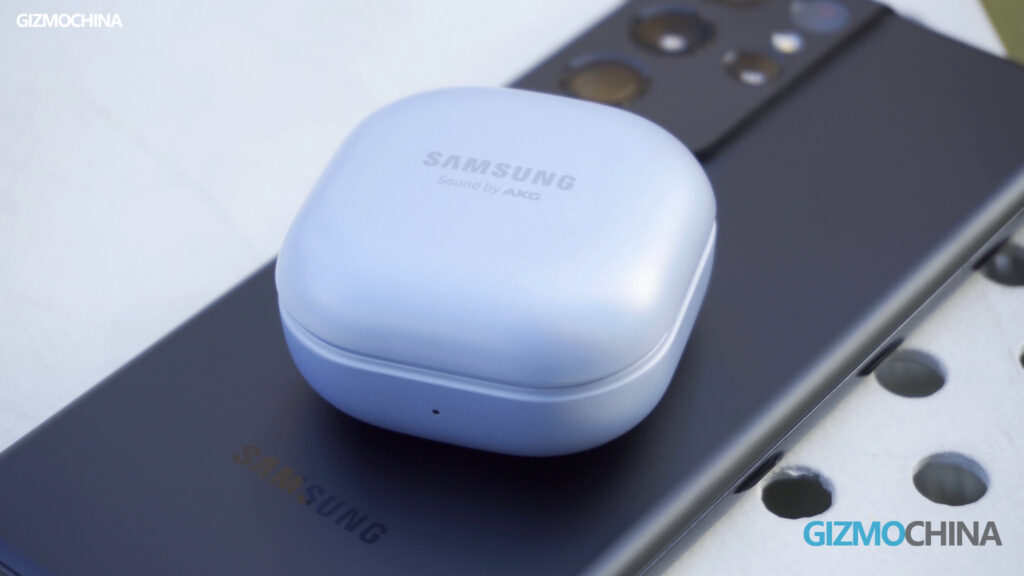
In late November, Samsung revealed its business plan for 2022 with around 30 major partners. According to that, the company will be releasing the Galaxy Buds Pro2 and Galaxy Buds Live2 next year. Just a few days from that report, alleged additional information regarding these truly wireless earphones has emerged.
Samsung Galaxy Buds Pro
According to GalaxyClub, a new Samsung battery with model number EB-BR510ABY has been certified by Saftey Korea. It has a capacity of 500mAh.
Going by the image and the model number, the battery could most likely belong to a charging case of Galaxy Buds. That’s because it looks identical to the battery present inside the charging case of Galaxy Buds Live, Galaxy Buds Pro, and Galaxy Buds2.
Since the battery has model number EB-BR510ABY, the product using it will likely arrive with model number SM-R510. Unfortunately, the exact device is not known at the moment.
If this TWS product goes official in the first half of 2021, then it could be the Galaxy Buds Pro2. Else, it should be the Galaxy Buds Live2. We expect to learn more about these two wireless earbuds in the coming days.
All three current-gen Galaxy Buds models, namely Galaxy Buds Live, Galaxy Buds Pro, and Galaxy Buds2 use the same charging case with a 472mAh battery. As the recently certified charging case has a 500mAh battery, the successor of the above-mentioned wireless earphones will probably have better overall battery life.
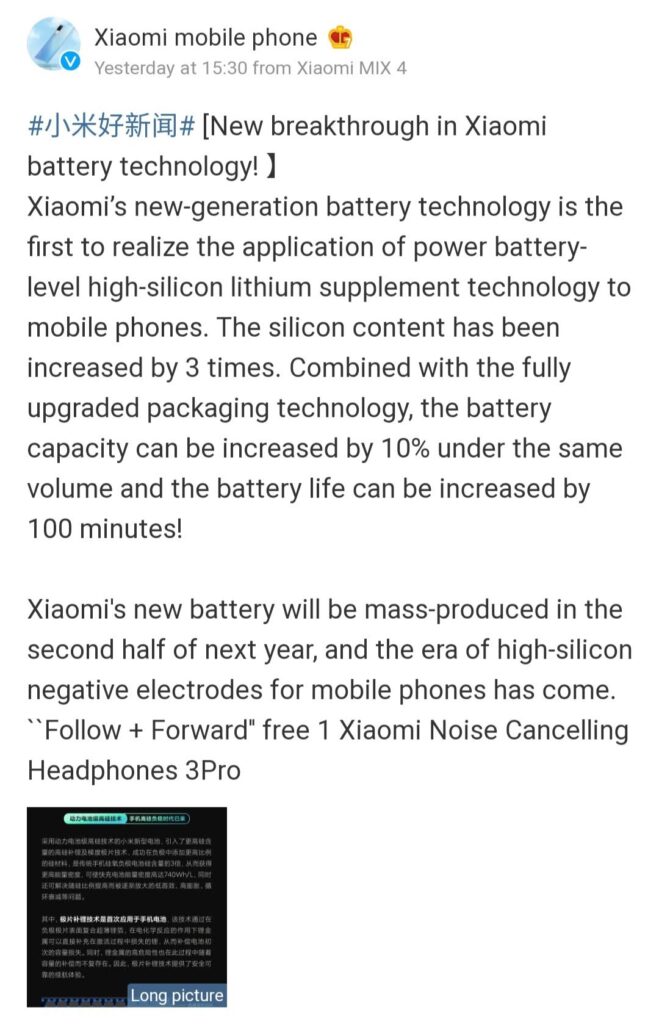
Xiaomi yesterday announced a new breakthrough in battery tech which shrinks its size by 10% percent, allowing for denser batteries under the same volume and effectively increasing battery life by a decent 100 minutes.
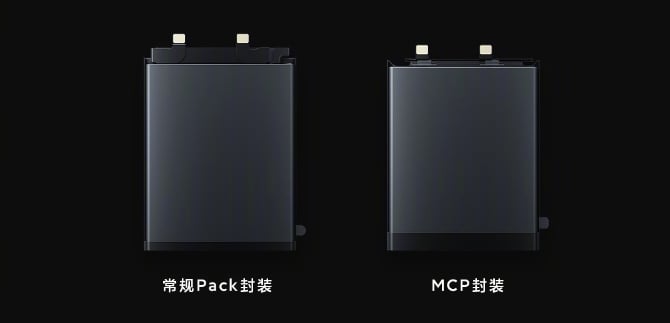
The new-gen battery technology utilizes “battery-level high-silicon lithium supplement technology” for the first time, using which the silicon content is increased by 3 times. A lot of the reduction in space the new battery needs also has to do with how the PCM (protection circuit module or board) is aligned. Xiaomi says that the PCM no longer lies flat. Rather, it is at an angle of 90° to the battery cell which saves quite some space.
L: Conventional battery packs; R: Xiaomi’s new battery tech
In addition to that, the battery is also equipped with a special ‘fuel gauge’ chip. It makes use of self-developed algorithms and analyses underlying data to offer enhanced safety. Night-time charging behavior is monitored as well to avoid a long-term full charge state and slow down battery aging. Not only that, the battery can even detect high-temperature seasons and adjust its temps accordingly.
Mass production of the battery will commence in the second half of next year, which could mean that we’ll be getting Xiaomi phones featuring the battery tech in around late 2022.
Earlier, an industry insider had revealed that Xiaomi is currently testing an upgraded 100W flash charging tech for large battery capacities that will not only boost charging times significantly but will also seriously consider battery longevity.
Chinese tech brand realme has been setting new records since its inception. It is currently the fastest-growing smartphone brand with 100 million units in shipments in just 37 months. According to a new report, the company recently took over the mantle of the second-largest smartphone brand in India.
Counterpoint Research says that realme was the second-largest smartphone in India in the month of October 2021. The company’s shipments accounted for 18% of the market share.
The only firm ahead of it was Xiaomi, which comprises brands like Redmi and POCO, with a 20% share. Since POCO’s shipments stood at only 2.7%, the majority of the number should have come from the Redmi brand. Hence, if we pit realme against Redmi, the former should have been the largest of the two in October.
Further, the research firm says that realme was the largest smartphone brand on Flipkart with a 52% market share in the same period. This is not surprising as the brand’s primary official online channels are Flipkart and its own website. Whereas, in the overall online smartphone market, it had a 27% market share.
Talking about the remaining top 5 brands during the aforementioned period, Samsung, vivo, and OPPO came third, fourth, and fifth respectively. They had a market share of 16%, 13%, and 10% individually.
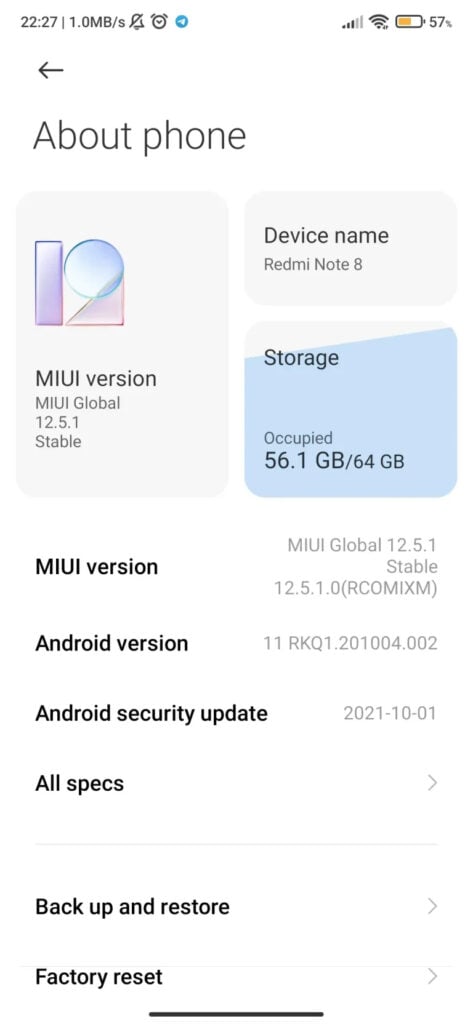
The Redmi Note 8 is easily one of the most neglected devices from Xiaomi this year, having seen massive delays in terms of updates. The phone received Android 11 widely only last month around 10 months after it rolled out in China. But now, not long after, the device is also beginning to receive the MIUI 12.5 global stable update.
The update carries version number V12.5.1.0.RCOMIXM but is only being rolled out to those that are a part of the Mi Pilot Testers program for now. If all goes well and the update is deemed bug-free, a wider rollout is expected within the next couple of weeks.
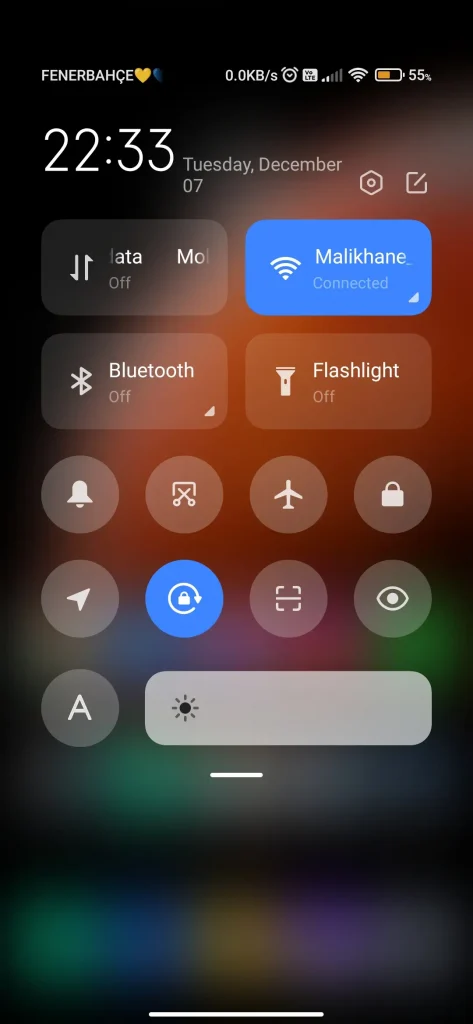
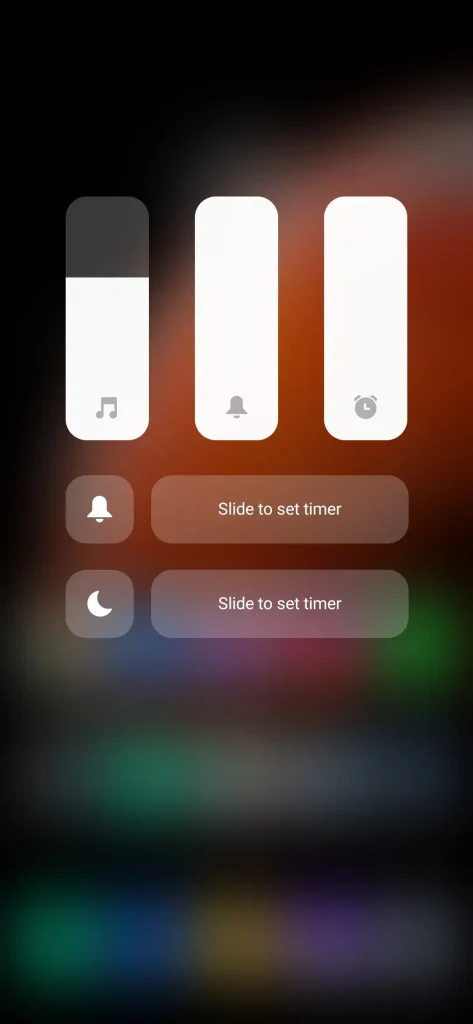
Regardless, the build does bring along a few new features (courtesy of Xiaomiui). Firstly, and this is arguably the most important one, Gaussian Blur has finally been restored on the Control Center, so you can finally bid farewell to the ugly grey background after almost a year.
1 of 3
Other than this, there is a new expanded sound panel UI that Xiaomi had added to more high-end devices a while back. The Redmi Note 8 can now also benefit from memory extension with MIUI 12.5 that will expand the RAM virtually by 1GB. Lastly, multiple bugs have reportedly been fixed like proximity sensor issues along with significant performance improvements.
But again, the update is only available in the ‘Global’ region for now, with regions like India still left out of it. Xiaomi hasn’t yet given a date for when other regions will be getting treated to the same, so stay tuned.
To download the MIUI 12.5 Global Pilot Stable update, click on this link. The official changelog has been given below.
[Other]
Optimized system performance

Improved system security and stability
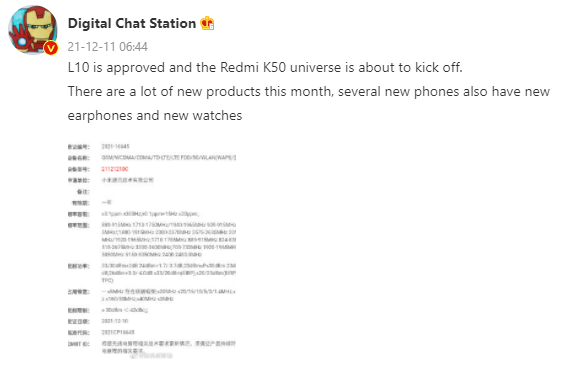
Xiaomi’s Redmi is prepping to launch its K50 series phones next year in China and the launch timeline was recently tipped by DigitalChatStation. Now, the tipster is back and has confirmed that the Redmi K50 codenamed L10 has been approved.
According to the tipster, the Redmi K50 Gaming Pro model a.k.a L10 (Matisse) has been approved in China, which confirms its arrival to be sooner than expected. For those who are unaware, earlier, the tipster revealed that the entire K50 series would debut in February next year. However, given that the phone has been approved, it may launch early.
Furthermore, the tipster confirms that the entire Redmi K50 universe of smartphones may launch soon kickstarting with the initial launch of the Redmi K50 Gaming Pro model. It is also revealed that Redmi is planning to launch new earphones and smartwatches this month. But, there’s no hint on any specific model’s arrival.
Going to the previously leaked details, there will be two gaming phones under the Rdmi K50 series – the Redmi K50 Gaming Standard model(codenamed Rubens – L11A) and the Redmi K50 Gaming Pro model(codenamed Matisse – L10). Both phones will employ MediaTek’s Dimensity chips under the hood. The Gaming Standard will be powered by the Dimensity 7000 and the Gaming Pro will have the Dimensity 9000 SoC.
The Matisse may come with a 108MMP Samsung ISOCELL HM2 primary sensor, while the Rubens could debut with a 64MP Samsung ISCOCELL GW3 sensor. Since both the phones will be gaming devices, we expect them to come with some cooling system inside.
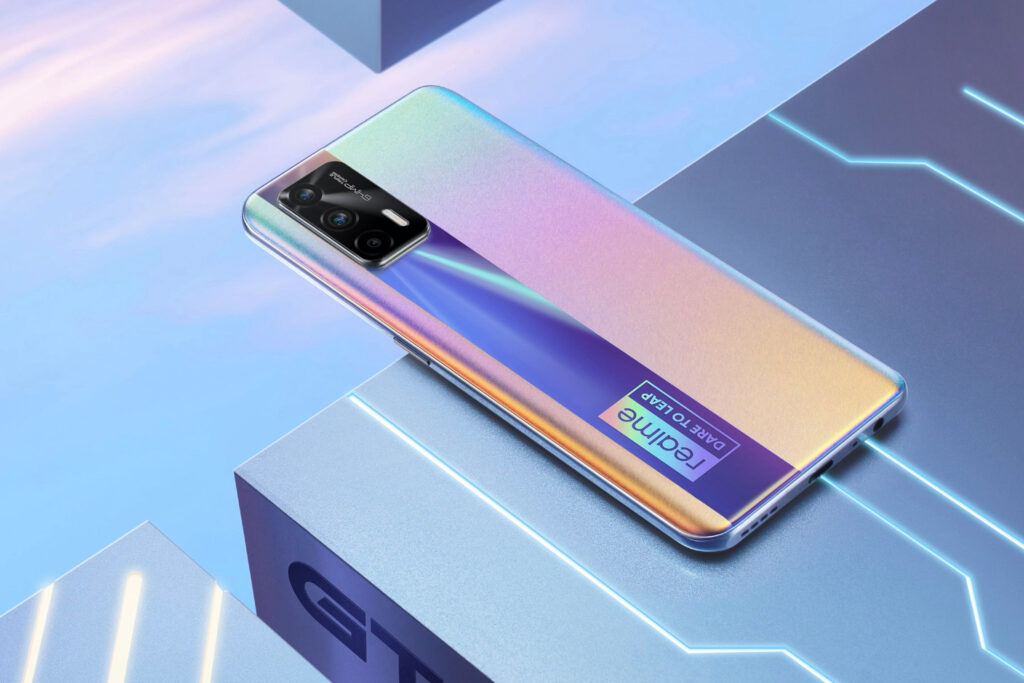
Smartphones sold by realme run realme UI based on Android. This software is nothing but a tweaked version of ColorOS. Hence, as soon as OPPO unveiled the Android 12-based ClolorOS 12, realme too announced its own version of the software dubbed as realme UI 3.0. The aforementioned latest iteration of realme UI is now available for the realme X7 Max 5G.
realme X7 Max 5G (aka realme GT Neo 5G)
According to an official announcement post on realme Community (via XDA Developers), anyone with the realme X7 Max 5G can try out the new realme UI 3.0 based on Android 12.
In order to do so, interested users will have to enroll in the ‘Eary Access’ (beta) program started by the brand on December 10 (yesterday). The only requirement is that the phone should be on firmware version RMX3031_11.A.21.
Users with the required software build need to go through Settings > Software Update > Gear Icon > Trial Version > Apply Now and follow the on-screen instructions. Applicants who get selected will receive the beta version of realme UI 3.0 via OTA.
The brand clearly states that there are only limited seats, however, it will be recruiting multiple batches of testers. Nonetheless, it is recommended to register early if the user is really interested in using the new software, albeit with bugs and compatibility issues.
Since realme does not provide a timeline for stable releases, the availability of Android 12-based realme UI 3.0 for the general users of realme X7 Max 5G is a mystery.
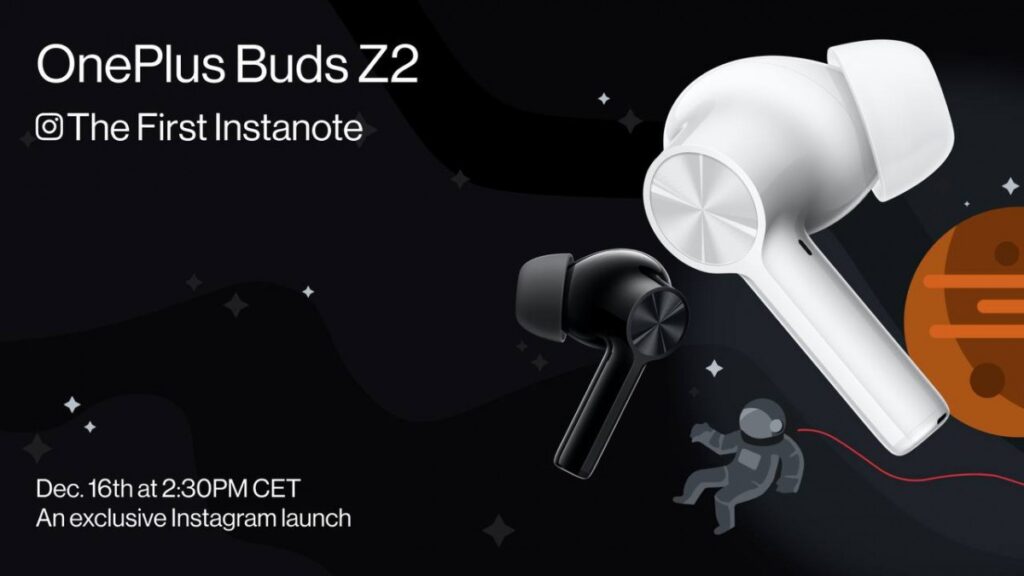
Last month, OnePlus launched the Buds Z2 TWS earphones in China. The earphones are now slated to launch in more markets like India and Europe. Today, OnePlus has officially confirmed that it will launch the OnePlus Buds Z2 TWS earphones on December 16 in Europe.
The OnePlus Buds Z2 will be launched on the Instagram platform at 2:30 PM CET. It will arrive in two of its colours – Black and White.
Coming to the specs, the Buds Z2 come in a truly wireless design with a charging case bundled. It does feature a similar design to its predecessor model – the OnePlus Buds Z. It has an 11mm driver that supports Dolby Atmos audio. It has three mics for noise reduction. It also has support for 40dB Active Noise Cancellation(ANC).
The TWS buds have Bluetooth v5.2 support and are IP55 water and sweat resistant. It has a 38-hour long battery with a charging case which is said to be enough and more than what the competition is offering.
In terms of the pricing, the Buds Z2 is priced at CNY399(~$63) in the Chinese market. That said, we expect the earphones to cost similarly in Europe. However, do remember that the predecessor Buds Z currently sell for EUR 55(~$63) meaning that the newer Buds Z2 should be at least similar or pricier.
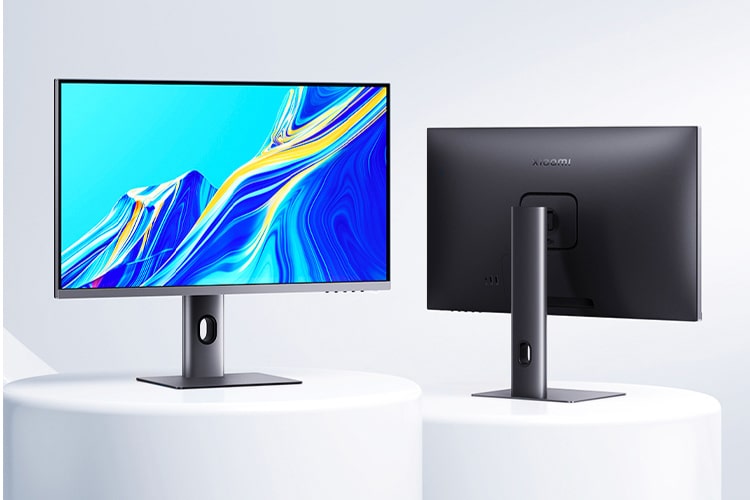
A few days ago, Xiaomi had launched its first-ever 4K monitor in the Chinese market, dubbed Xiaomi Monitor 27-inch 4K. Today, the device officially goes on sale and will be available in China for 2,999 yuan, which is roughly $471.
As the name itself indicates, this new Xiaomi monitor, which carries model number XMMNT27NU, comes with a 27-inch display with minimal bezels. The IPS LCD panel offers a screen resolution of 3840 x 2160 pixels, 1.07 billion colors, and 400 nits brightness.
Further, the company has revealed that it is PANTONE-certified with the display offering a color accuracy of delta E<1, a 99% DCI-P3 color gamut, a 100% sRGB color gamut. It also has a dedicated key to switch between multiple professional modes for different scenarios such as CG design, CAD design, and more.
It comes with a wide range of connectivity options, including two HDMI 2.1, one DP 1.4, one USB Type-C port, two USB Type-A ports, and a 3.5mm headphone jack. The USB Type-C port on the monitor also supports data transfer, audio/video transmission, along with up to 90W power output.
There’s also a vent for heat dissipation, a magnetic cover to hide ports, and a hole in the stand for cable management. The monitor can also be adjusted up-down/sides, used horizontally or vertically, and can be wall-mounted, depending on your requirements.
So far, the device is only available in the company’s home market in China and there’s no information if it will make its way to global markets. The Xiaomi Monitor 27-inch 4K is priced at 3,499 yuan (~$549) but will be available for 2,999 yuan for the initial sale.
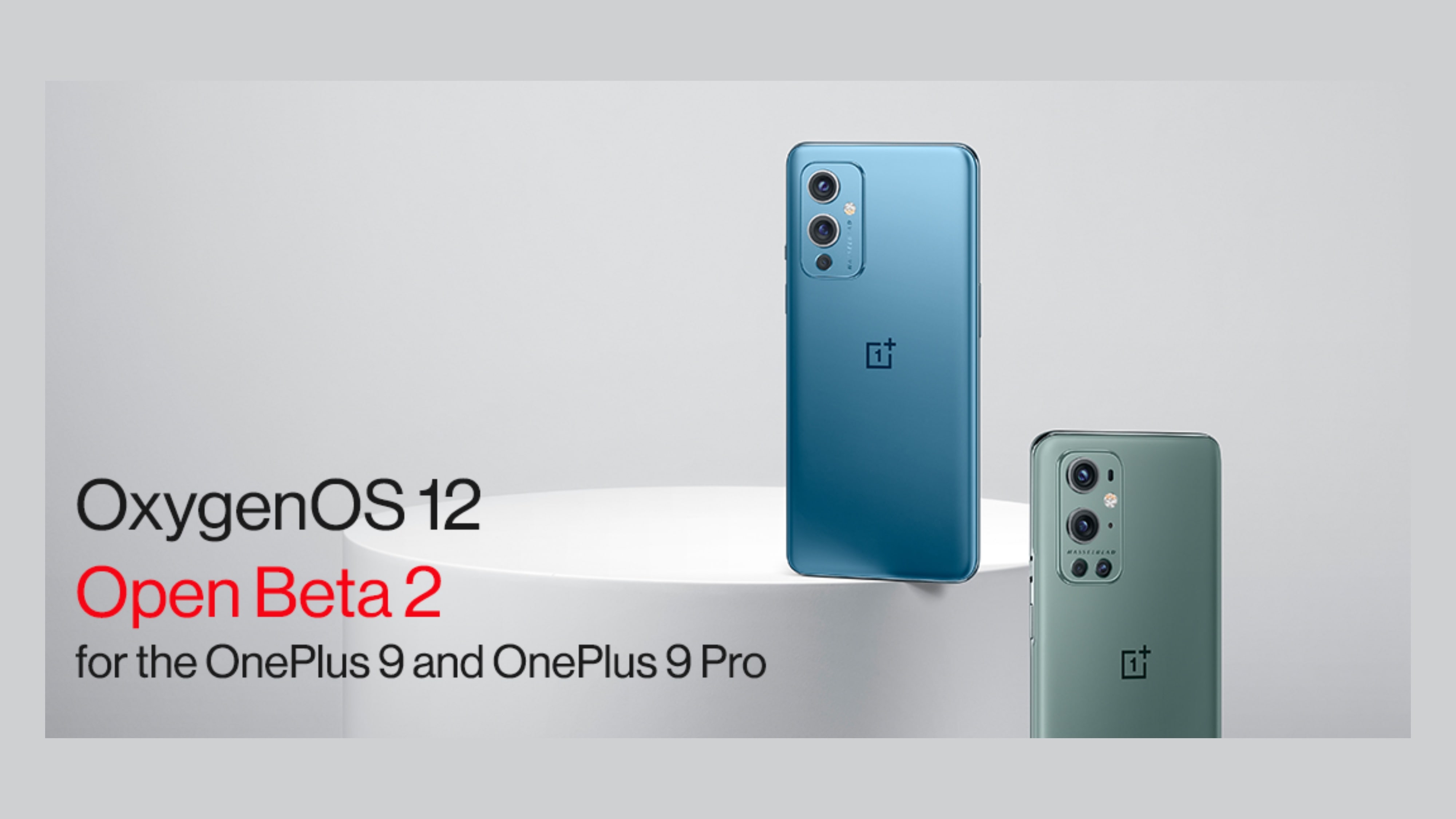
Earlier this week OnePlus started rolling out the new OxygenOS 12 update based on the Android 12 operating system for the OnePlus 9 and 9 pro smartphones. Just days after, the company is pulling the update after getting reports about bugs and issues from users.
The China-based company said to Android Police that it is aware of the issues caused by the OxygenOS 12 update and added that the software team is working to fix them. Meanwhile, the company is suspending the update and will release a new version soon.
Some of the bugs affecting the OnePlus 9 and 9 Pro smartphones include trouble with calls, bad animations, broken autofill, slower Wi-Fi speed, and more. It is really disappointing to see such a buggy stable release despite several rounds of beta testing. While the company has promised to soon release a new version of the update, a specific date or a timeline has not been revealed yet.
For those who are unaware, OxygenOS 12 is basically a custom skin on top of Oppo’s ColorOS. This is also the first time the brand’s devices have been upgraded from the traditional OxygenOS to this new Oppo-made version.
It is believed that the majority of the issues are coming from switching from OxygenOS to ColorOS and various settings are not transitioning properly. Some reports indicate that the factory resetting the phone after updating seems to fix the issues.
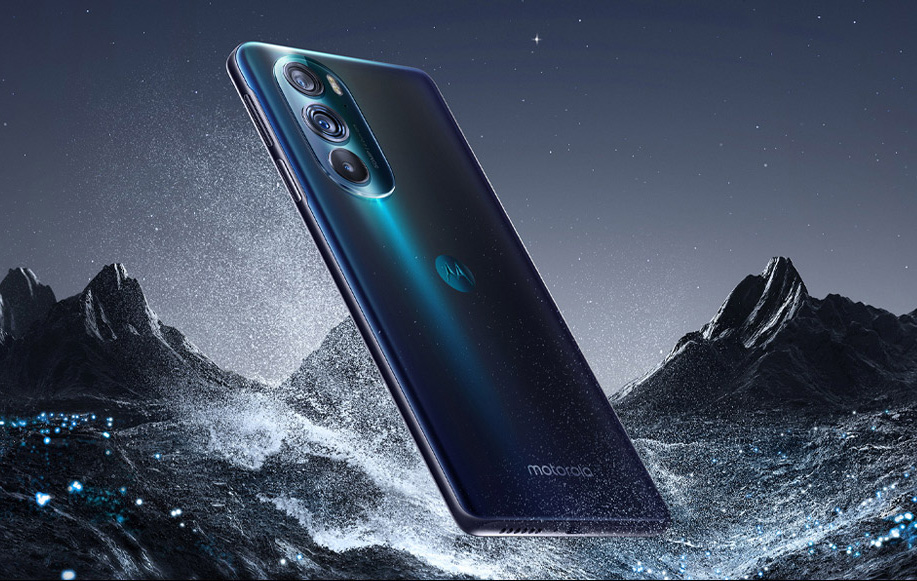
A couple of days ago, Motorola officially launched the Moto Edge X30 flagship smartphone, making it the first device in the world to come powered by the newly announced Qualcomm Snapdragon 8 Gen 1 chipset.
Soon after the phone’s debut, the company had started taking pre-orders in the Chinese market. Now, Chen Jin, General Manager of Lenovo‘s Mobile Phone Business Department in China has revealed that the pre-sales for the Moto Edge X30 have now been closed.
He has announced that the company has sold out the five-figure inventory of the latest Motorola flagship smartphone and as a result of that, it is temporarily closing pre-orders. It will start selling the Moto Edge X30 on 15th December for 2,999 yuan.
We expect the smartphone to be soon made available for purchase given that the company will start facing competition in this category later this month when Xiaomi will unveil its next-generation Xiaomi 12 series phones, which are also confirmed to come powered by the Qualcomm Snapdragon 8 Gen 1 SoC.
The Moto Edge X30 features a 6.7-inch flexible OLED screen with a 144Hz high refresh rate and up to 576Hz touch sampling rate. Powered by the Snapdragon 8 Gen 1, the device comes packed with up to 12GB of RAM and 256GB of internal storage.
There’s a triple-camera setup on the back that includes a 50MP wide-angle main camera, a 50MP super wide-angle macro main camera, and a 2MP depth-of-field sensor. For taking selfies and video calling, there is a 60MP front-facing shooter.
It runs on MYUI 3.0 based on the Android 12 operating system, bringing an entirely new visual interface. The phone is powered by a 5,000mAh super-capacity battery which comes with support for 68W fast charging.
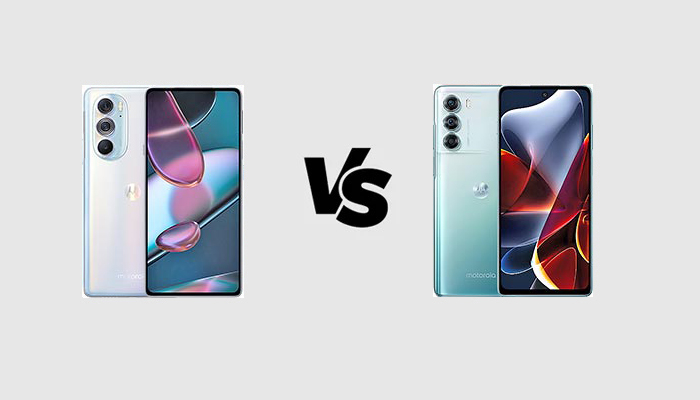
Yesterday, Motorola launched two new flagship killers, including the world’s first phone with the new Snapdragon 8 Gen 1 mobile platform: Motorola Edge X30. Alongside the X30, the historical company owned by Lenovo launched the Motorola Edge S30 in order to offer a more affordable alternative that still provides amazing performance. A lot of people are currently wondering whether or not the Motorola Edge X30 only differs for the processor or if there are other pros that make it worth spending more. If you do not know which of these devices offers the highest value for money, check this specs comparison between Motorola Edge X30 and Motorola Edge S30 and learn the main differences.
Triple 50 + 50 + 2 MP, f/1.9 + f/2.2 + f/2.4
60 MP f/2.2 front camera
Triple 108 + 13 + 2 MP, f/1.9 + f/2.2 + f/2.4
16 MP f/2.2 front camera
BATTERY
5000 mAh, fast charging 68W
5000 mAh, Fast Charging 33W
ADDITIONAL FEATURES
5G, dual SIM, water-repellent, optional under-display camera
5G, dual SIM, water-repellent
Design
Motorola Edge X30 and Edge S30 debuted with attractive and water-repellent designs. They do not have an IP certification, but they still offer protection against water. The Motorola Edge X30 is built with more premium materials as it comes with a glass back protected by Gorilla Glass 5 and making it more elegant, while the Motorola Edge S30 is entirely made of polycarbonate with the exception of the front glass. The Motorola Edge X30 is thinner and lighter than Edge S30, and it is even more compact thanks to the presence of a smaller display with a higher screen to body ratio. The fingerprint readers of these handsets are side-mounted.
Display
One of the most important advantages of the Motorola Edge X30,(even more important than the processor) is the display. While the Edge S30 offers a disappointing IPS panel, the Edge X30 has an OLED display that can show up to one billion colors with a 144 Hz refresh rate and the HDR10+ certification. With a diagonal of 6.8 inches, the Edge S30 has a wider display, but it is an inferior LCD panel with a 144 Hz refresh rate and the HDR10 certification. With the Motorola Edge X30, you actually get a higher image quality under every aspect. Further, it is equipped with stereo speakers, while the Edge S30 has a mono speaker. This is an important difference when it comes to multimedia and music listening.
Specs & Software
The best memory configuration of these two devices is the same: 12 GB of RAM and 256 GB of UFS 3.1 internal storage; what changes is the processor. The Motorola Edge X30 has the new Snapdragon 8 Gen 1 that is currently the most advanced mobile platform in the Android market, while the Edge S30 has the predecessor Snapdragon 888+. Even though the Edge S30 has an inferior processor, most of the users won’t notice the difference because in both cases we are talking about two of the best processors out there. Note that the Edge X30 runs Android 12, while the Edge S30 is still based on Android 11.
Camera
There is no challenge: the Motorola Edge X30 is way better than Edge S30 if we talk about the cameras. It is equipped with a main 50 MP camera with OIS, a 50 MP ultrawide camera, and a 2 MP depth sensor. The Edge S30 has the same 2 MP depth sensor, but the remaining cameras are inferior: a 108 MP main sensor without OIS and a 13 MP ultrawide sensor. Last but not least, the Edge X30 is one of the best selfie phones thanks to a great 60 MP front snapper.
Both Motorola Edge X30 and Edge S30 feature a 5000 mAh battery, but the former will most likely provide a longer battery life in every scenario because its display and its processor are more efficient and they consume less energy. Further, the Edge X30 has a faster 68W charging technology.
Price
The starting price of the Motorola Edge X30 in the Chinese market roughly translates into €420/$475, while the Edge S30 starts from €280/$317 in China. Motorola still did not announce when these handsets will make their way outside China. Overall, the Edge X30 is a much better device due to a superior display, better chipset, great cameras, and faster charging. It is definitely worth spending more on it.
Motorola Edge X30 vs Motorola Edge S30: PRO and CONS
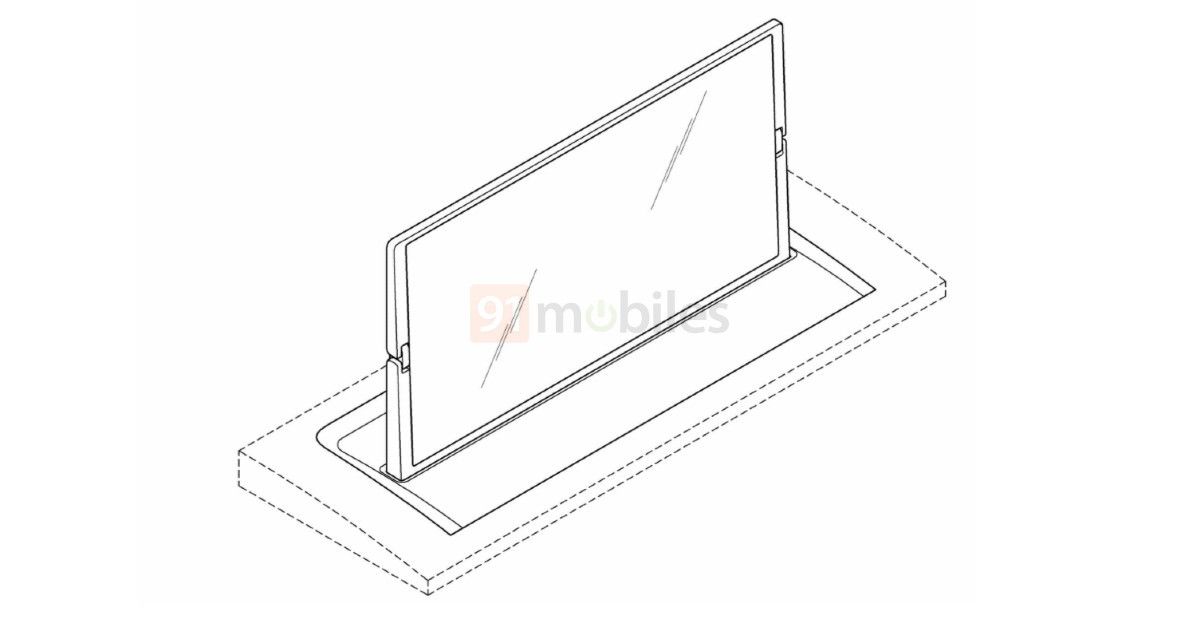
Korean tech giant LG has just filed a new patent application for a foldable display for the infotainment system in cars. The patent is filed with the World Intellectual Property Organisation(WIPO) and it showcases the unique foldable car infotainment display.
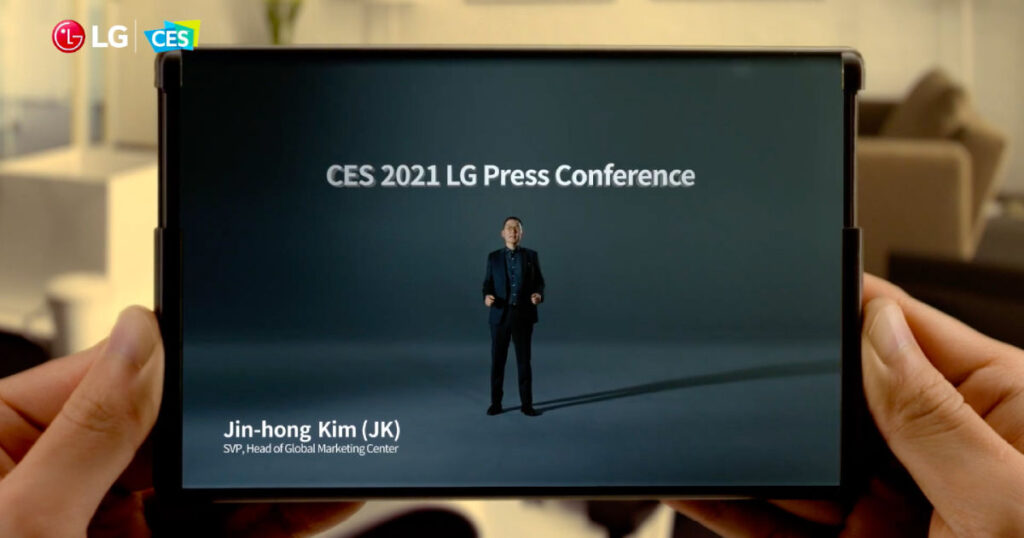
According to the patent, the foldable car infotainment display is similar to the foldable phone that LG showcased earlier this year. However, the foldable phone project is already wrapped up and LG seems to focus on foldable gadgets for cars and other entertainment devices.
Taking a look at the device, the display panel of the foldable car infotainment system unfolds from a smaller screen to a larger display. Interestingly, the panel can display content even when it’s folded or unfolded. It is touted to be using the popular rollable display technology from its rollable smartphone from Q1 2021.
Since it is foldable, it is expected to save some space when it’s unfolded. We aren’t sure what are the features of the device. But, we expect to hear more about it in the upcoming leaks.
In related news, earlier this month, LG announced that it will shut down the Android developer website on the 31st of December. It means that after December 31, LG users won’t be able to unlock the bootloader on the LG phones.
Earlier this week, Samsung announced its plans to merge the Mobile Communication division with the consumer electronics division with vice-chairman and co-CEO Han Jong-hee at its helm.
Now, Samsung announced that it is renaming this newly merged division. As of now, Samsung’s phone-making business will be called Samsung MX, for Mobile Experience.
The company further announced that this transition, made on December 10, is effective immediately, and the new name will be used from now on in all official communication from the company. The press release revealed that the renaming to Samsung MX was necessary to emphasize the new direction that the company will be taking with its mobile business, namely a larger focus on the user experience, the services, and building a wholesome ecosystem that goes beyond its otherwise excellent phone hardware.
“We’re excited to announce the renaming of our business after decades of innovation and leadership in the mobile industry. We believe this name change will help us usher in a new era in mobile innovations where we can create even more exciting possibilities for Galaxy users.” said TM Roh, the new President and head of the MX business.
Image via phoneArena
Other than this reveal, Samsung also announced that it will participate in CES (Consumer Electronics Show) 2022 expo in Las Vegas, with a keynote scheduled for January 4, at 18:30 Pacific time. According to previous rumors, the Samsung Galaxy S21 FE is expected to be released at CES 2022.
Last month, Samsung also teased its rollable, foldable, and slidable displays, which we expect to get more information at the upcoming CES, so stay tuned as we will be covering the event.
The Chinese smartphone brand OnePlus seems to be gearing up for multiple releases in the Indian market as recent leaks indicated the imminent launch of the OnePlus 9RT and now, news leaks have surfaced of the company preparing for another launch in the near future.
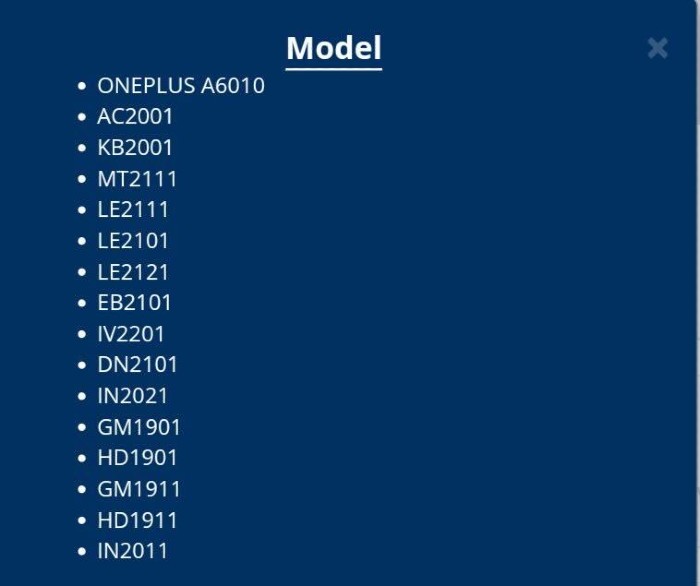
According to 91mobiles, tipster Yogesh Brar has spotted a new OnePlus smartphone which recently revived the BIS (Bureau of Indian Standards) certification. A screenshot of the BIS database reveals that the device carries the model number IV2201.
Image via 91mobiles
Yogesh Brar further states that the device carries the internal codename “Ivan” and hints at it being a Nord-branded device. The device could be the next generation lower-mid range offering from the brand AKA the OnePlus Nord CE or even an entirely new moniker.
The BIS certification indicates that we can expect the device to launch in early 2022 and are sure to hear more about it in the coming days.
However, OnePlus won’t be sitting idly till then as reports have surfaced of the OnePlus 9RT to be released in India in the month of December only. The launch was previously expected to happen in early 2022 but OnePlus might be saving that for the upcoming OnePlus 10, which will carry the new SoC from Qualcomm, the Snapdragon 8 Gen 1.
According to reports, the OnePlus 9RT will arrive in India carrying the same specs as the Chinese variant with minor adjustments to the naming scheme and is expected to be priced at ₹40,000 for the 8 GB + 128 GB configuration.
As for the specs, the OnePlus 9RT is powered by the Snapdragon 888 chipset paired with up to 12GB of RAM and 256GB internal storage. Its display is sized 6.62-inches and is an E4 OLED display with a 120Hz refresh rate, 1300nits peak brightness, HDR10+ support, and 600Hz touch response. It packs a 4,500mAh battery with support for 65W fast charging. Its rear camera setup comprises a 50MP Sony IMX766 primary camera, a 16MP wide-angle lens, and a macro lens.
In December 2019, the first known case of novel Coronavirus (2019-nCoV) was identified in Wuhan, China, signaling the start of what would turn out to be a global pandemic. Several months after the first reported case, the world was thrown into a global lockdown with a resultant effect on the global economy. Apart from the economic impact, the pandemic also triggered a wave of deaths and emotional trauma in its trail.
Google’s Year in Search 2021 was published recently and there is no better word to describe the short video than “touching”. In Google’s words: “In a year of overcoming personal and global challenges, the world searched for “healing” more than ever before.”
Last year, people spent a lot of time trying to survive and understand the prevailing global pandemic (COVID-19). It is a different story this year as the search results tell stories that people hope to rebuild physically, emotionally, and socially.
According to Hema Budaraju, senior director of product, health and search social impact at Google, “People are coming to Google looking for ways to heal. It’s a good sign of our resilient spirit and the globe wanting to come back and get better.”
Among health-focused searches, searches for vaccinations, mental health, and helping others have seen the largest increase in the past year. The year also recorded an increase in searches related to lending a helping hand to people dealing with mental health issues, with phrases such as “how to help a friend” and “how to help someone having a panic attack.”
Check out the video from above. You can also drop a comment under the video to lend support to those struggling to deal with one issue or the other.
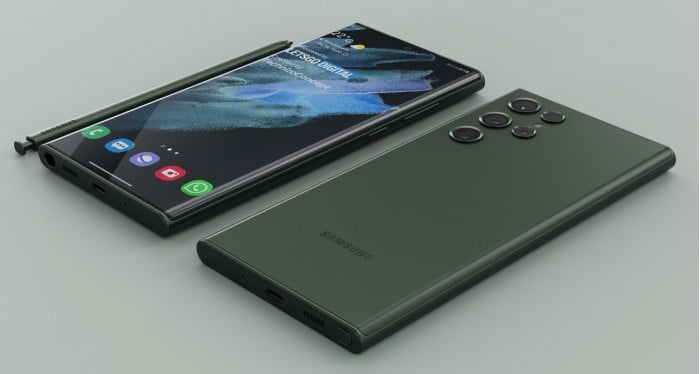
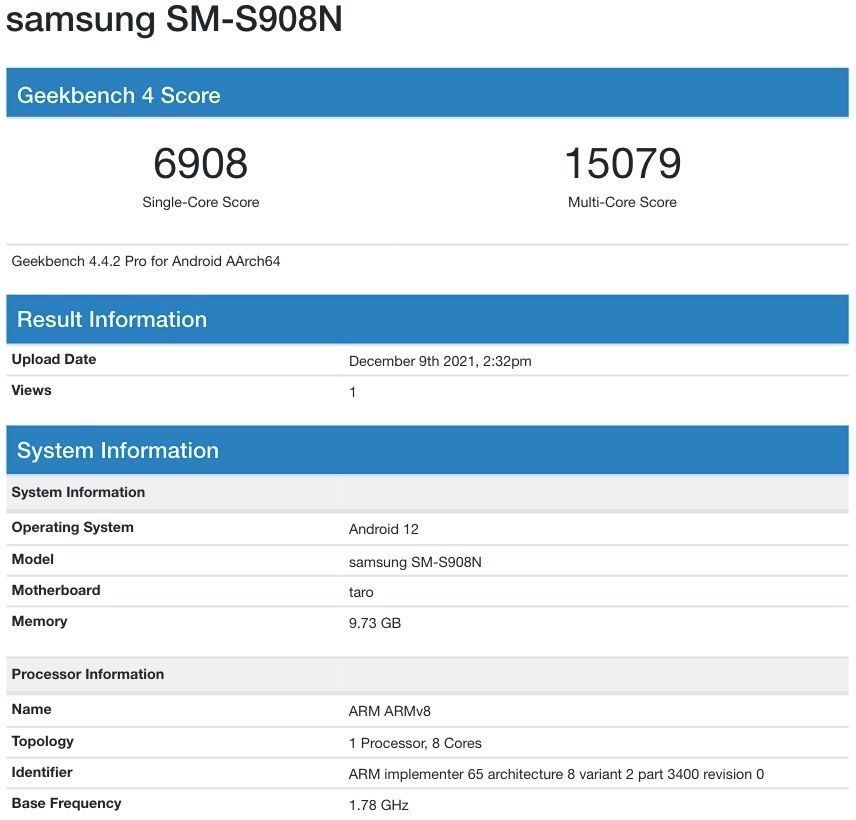
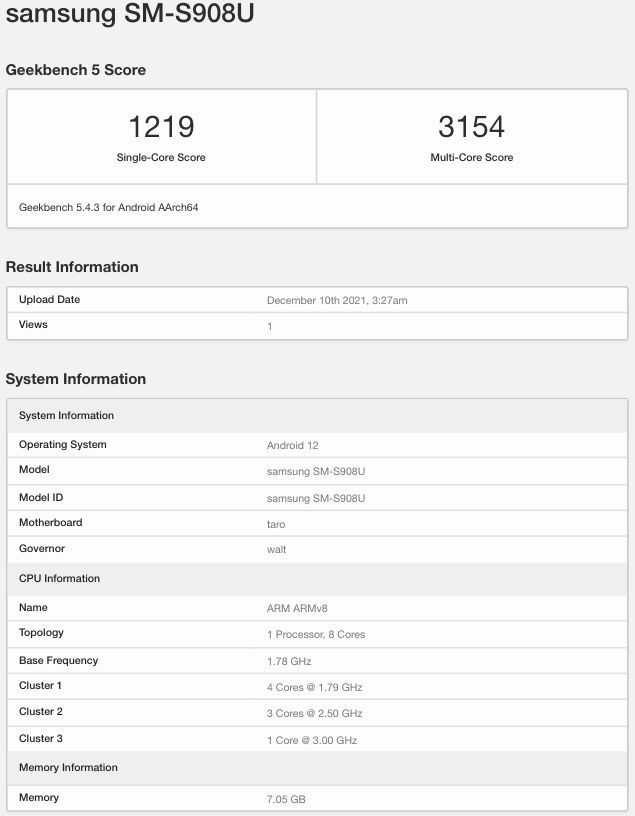
Ahead of the rumored February 2022 launch of the Samsung Galaxy S22 Ultra, the device has surfaced on performance website Geekbench, with some expected specifications of the next biggest flagship device from Samsung. February 8 is the predicted date of the unveiling event for the Galaxy S22 Ultra although there is no official confirmation of this at this time.
A Geekbench 5 listing of the Galaxy S22 Ultra has provided some key specs of the upcoming device. As per the Geekbench listing, the Samsung Galaxy S22 Ultra will sport a model number of SM-S908N possibly for its home market of South Korea and SM-908U for other markets. It will be powered by Qualcomm Snapdragon 8 Gen 1 chipset with overall improved performance of the smartphone guaranteed. The Exynos chipset is also a possible candidate for the Galaxy S21 Ultra in some markets possibly. The Galaxy S22 Ultra will offer between 8GB and 12GB of RAM, although the Geekbench 5 listing indicated a device with 10GB of RAM.
Samsung Galaxy S22 Ultra GeekBench
1 of 3
Samsung Galaxy S22 Ultra Geekbench
The Galaxy S21 Ultra will expectedly run on Android 12 from the box together with One UI 4.0. An Indonesian certification has seemingly confirmed that the Galaxy S22 Ultra has the S Pen functionality, with a model number given as EJ-PS908. These new details add to the tons of renders, leaks, and teasers in the past, thus providing a fair grasp of the full specs of the flagship offering.
Pricing and global availability details are not yet out definitively although we expect these details as we move closer to the unveiling of the Samsung Galaxy S22 series, which will be headlined by the S22 Ultra.
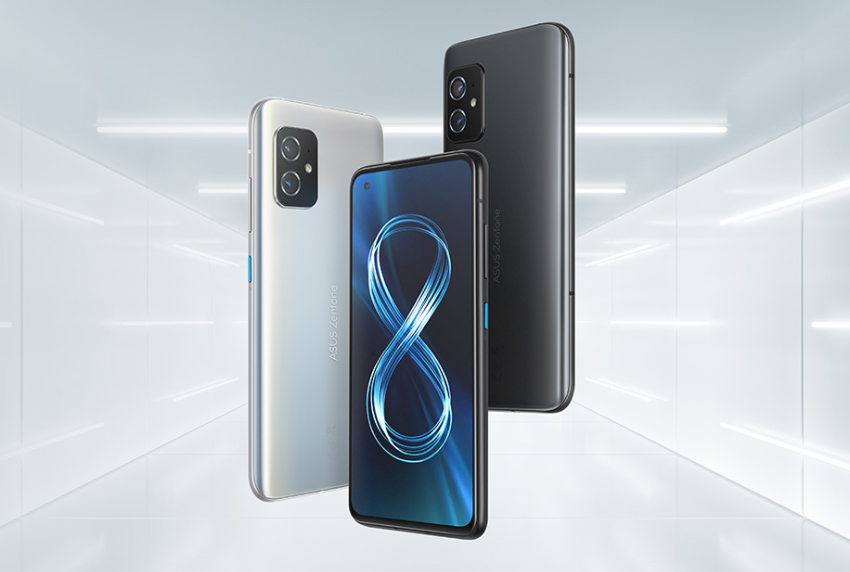
In late October, ASUS revealed its Android 12 stable update plan for eligible smartphones. One and a half months later, the first model in the list has now started receiving the latest Android release as scheduled. The aforementioned handset is none other than ZenFone 8.
ASUS ZenFone 8
The ZenFone 8 launched this year as an Android alternative to iPhone 12 mini. It debuted with Android 11 and has now become the first ASUS smartphone to receive the Android 12 stable update.
According to XDA Developers, the latest system update for the ASUS ZenFone 8 arrives with build number 31.1004.0404.55. It is reportedly rolling out to select users as part of the batched rollout. Therefore, it will take some time to reach every user.
Interestingly, despite releasing in December, the fresh software update ships with November 2021 security patches. Perhaps, the Taiwanese PC maker will seed a new build with updated security patches in the coming days.
Going by the changelog, the new system update for the handset brings almost all the features of Android 12. It also comes with certain ZenUI-specific features.
Having said that, the ZenFone 8 Flip is also scheduled to get the Android 12 stable update in December itself. Hence, it should likely get access to the update in the next few days.
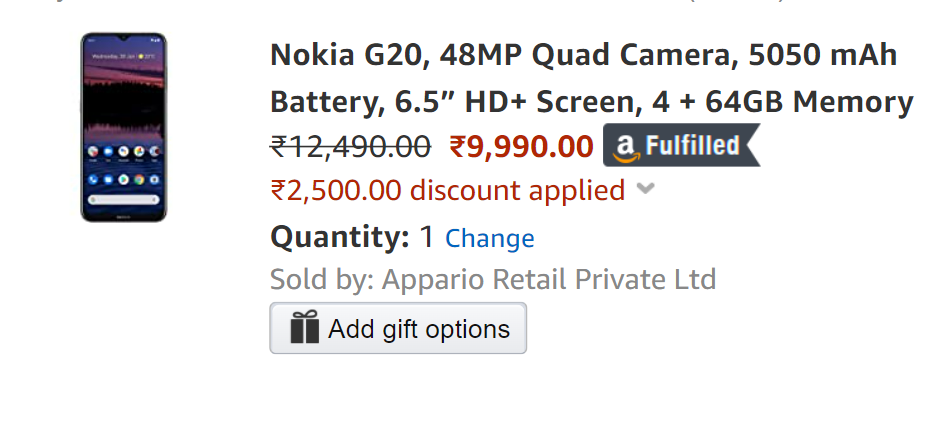
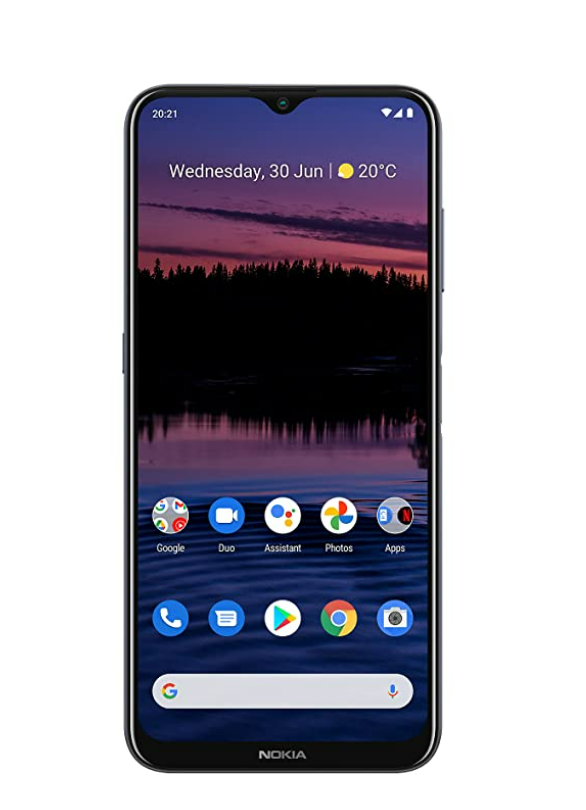
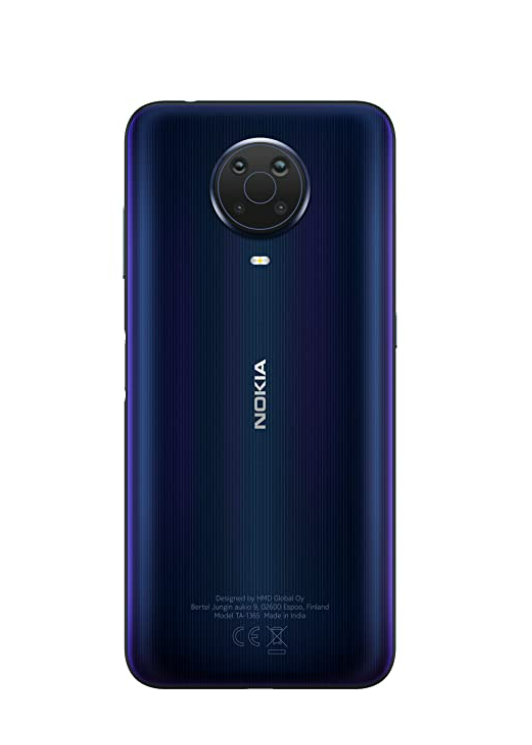
Nokia G20 Smartphone which generally retails for ₹13500 is now available at a heavily discounted price of ₹9990 only at Amazon India. Please note that this offer includes a discount coupon of ₹2500 that needs to be added before buying the product.
For a limited period, Amazon India is giving a ₹2500 coupon on Nokia G20 Smartphone. So you can now buy the phone for a heavily discounted price of ₹9990 only. This offer is applicable on both the Blue and Silver color variants.
For more information on such exciting deals and offers check out ourdeals hub.
* Please Note: When you buy something using the links in our articles, we may earn a small commission at no cost to you.
We use cookies on our website to give you the most relevant experience by remembering your preferences and repeat visits. By clicking “Accept”, you consent to the use of ALL the cookies.
This website uses cookies to improve your experience while you navigate through the website. Out of these, the cookies that are categorized as necessary are stored on your browser as they are essential for the working of basic functionalities of the website. We also use third-party cookies that help us analyze and understand how you use this website. These cookies will be stored in your browser only with your consent. You also have the option to opt-out of these cookies. But opting out of some of these cookies may affect your browsing experience.
Necessary cookies are absolutely essential for the website to function properly. This category only includes cookies that ensures basic functionalities and security features of the website. These cookies do not store any personal information.
Any cookies that may not be particularly necessary for the website to function and is used specifically to collect user personal data via analytics, ads, other embedded contents are termed as non-necessary cookies. It is mandatory to procure user consent prior to running these cookies on your website.