A Vivo phone with model number V2154A was spotted at the 3C certification site back in October. It was speculated at that time that the device may launch in the Chinese market with the iQOO Neo6 moniker. Now, the same device has been found listed in the database of the Google Play Console. The listing (via. My Smart Price) has revealed its front design and some of its key specs.
The image of the V2154A shows it will be sporting a punch-hole display. It seems to be an AMOLED panel with an in-screen fingerprint scanner. The Play Console states that it supports a Full HD+ resolution.
Alleged iQOO Neo6’s image from Play Console
The device is powered by the Qualcomm SM8350 chip, which appears to be the Snapdragon 888 chipset, which tag along the Adreno 660 GPU. The SoC is coupled with 12 GB of RAM. The device runs on Android 11. Since it is expected to debut as an iQOO device, it may come equipped with OriginOS. There is a possibility that it may feature the latest OriginOS Ocean UI.
The other specs of the alleged iQOO Neo6 are not listed in its Play Console listing. Its 3C certification had revealed that it may ship with a 66W fast charger.
Some reports have claimed that it may come with a 6.56-inch display and a 16-megapixel front-facing camera. Its rear camera setup may include a Sony IMX598 48-megapixel primary camera. The device may offer users 256 GB of built-in storage. Its other rumored features include dual speakers and a linear motor.
The Galaxy A33 is in the news since late September. Recently, a report from South Korea suggested that this handset may arrive with dust and water resistance. Just within a few days, another report reiterates the same and even reveals the IP (Ingress Protection) rating.
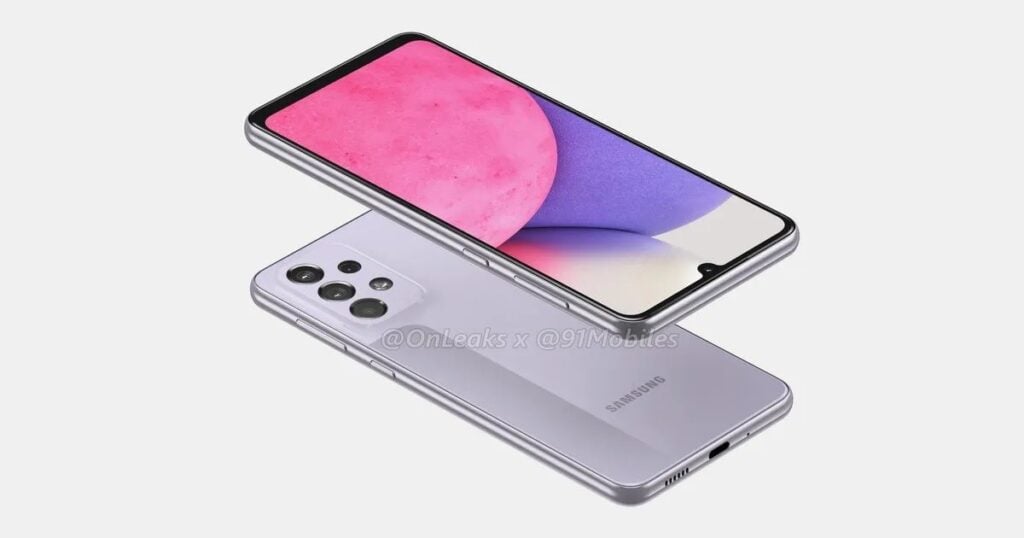
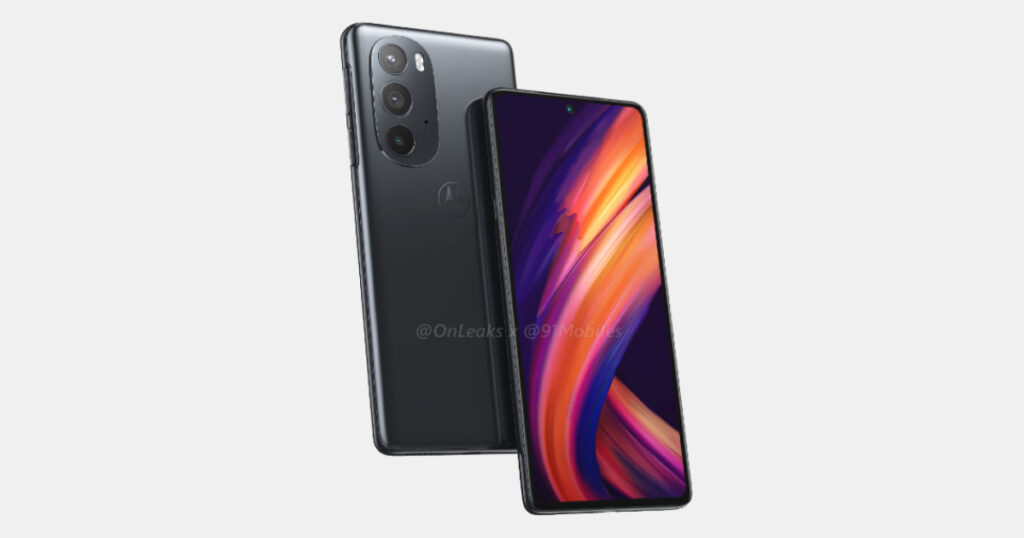
Samsung Galaxy A33 | Source: @OnLeaks via 91Mobiles
According to the sources of SamMobile, the upcoming Samsung Galaxy A33 will be water-resistant as stated by The Elec report. The publication’s sources say that the phone will be IP67-certified like the Galaxy A52 series and the Galaxy A72.
Though the protection will be lower than that of the premium Galaxy devices with an IP68 rating, the handset will be still able to survive underwater (1m depth) for up to 30 minutes. This is reasonable for the smartphone’s asking price.
According to previous reports, the Galaxy A33 will have a similar design as the Galaxy A53 and the Galaxy A73 without a 3.5mm headphone jack. However, unlike those phones, this one will have a dewdrop notch instead of a punch-hole. As far as colors are concerned, it is expected to arrive in black, white, light blue, and orange hue options.
Unfortunately, we have no further details about the Samsung Galaxy A33, except that it will come in a 5G-only variant backed by a 5,000mAh battery. We are looking forward to learning more about this smartphone before its official announcement in early 2022.
It is speculated that Xiaomi will be holding a launch event on Dec.28 to announce the Xiaomi 12 series of smartphones. It was reported based on rumor surrounding it that the event will see the arrival of two Xiaomi 12 models. However, fresh information shared by Digital Chat Station suggests that the company may launch Xiaomi 12, Xiaomi 12X, and Xiaomi 12 Pro handsets.
According to the tipster, Xiaomi phones with shortened model numbers such as L3A, L3, and L2 may debut together. These devices could be launched in the market with names like Xiaomi 12X, Xiaomi 12, and Xiaomi 12 Pro.
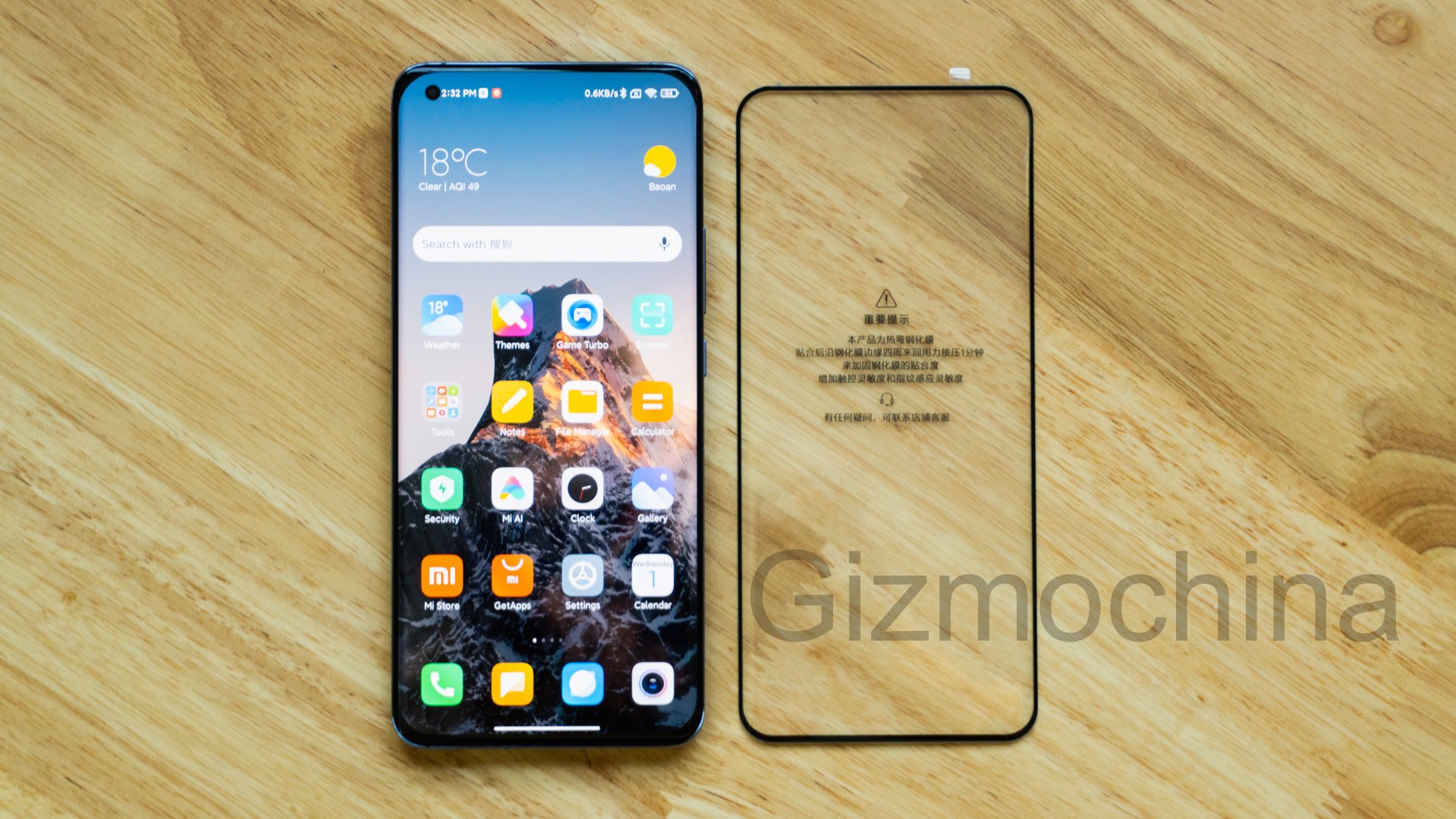
Starting from the Xiaomi 12 Pro, our exclusive report that showcased its screen protector revealed that it will be a smaller device as compared to the Xiaomi Mi 11 5G that featured a massive 6.81-inch display. Probably, it could be sporting a 6.67-inch AMOLED panel with curved edges and a centrally positioned punch-hole. Being a Pro model, it is expected to be driven by the Snapdragon 8 Gen 1, which was announced recently by Qualcomm. The other details of the Pro models are under the wraps.
Xiaomi 11 (left) and Xiaomi 12 pro screen protector (right)
The Xiaomi 12 and Xiaomi 12X are also speculated to arrive with an AMOLED panel with curved edge design. Both phones are expected to support Full HD+ resolution, a 120Hz refresh rate, and an under-display fingerprint sensor. The screen size of the 12X is said to be 6.28 inches.
The Xiaomi 12 may feature the Snapdragon 8 Gen 1 SoC, while the 12X may get the Snapdragon 870 chip. While the battery size of the 12 is not known yet, the 12X is likely to come with a 5,000mAh battery that supports 67W fast charging and 33W wireless charging. The Xiaomi 12 may support 100W charging.
The Xiaomi 12 and 12X may feature a 50-megapixel primary camera. The latter is expected to house a 20-megapixel front-facing camera. The Xiaomi 12, 12X, and 12 Pro are expected to come preinstalled with MIUI 13 based Android 11 or 12.
The above-mentioned specs of the Xiaomi 12 trio could be inaccurate. Hence, it is advisable to take this report with a pinch of salt.
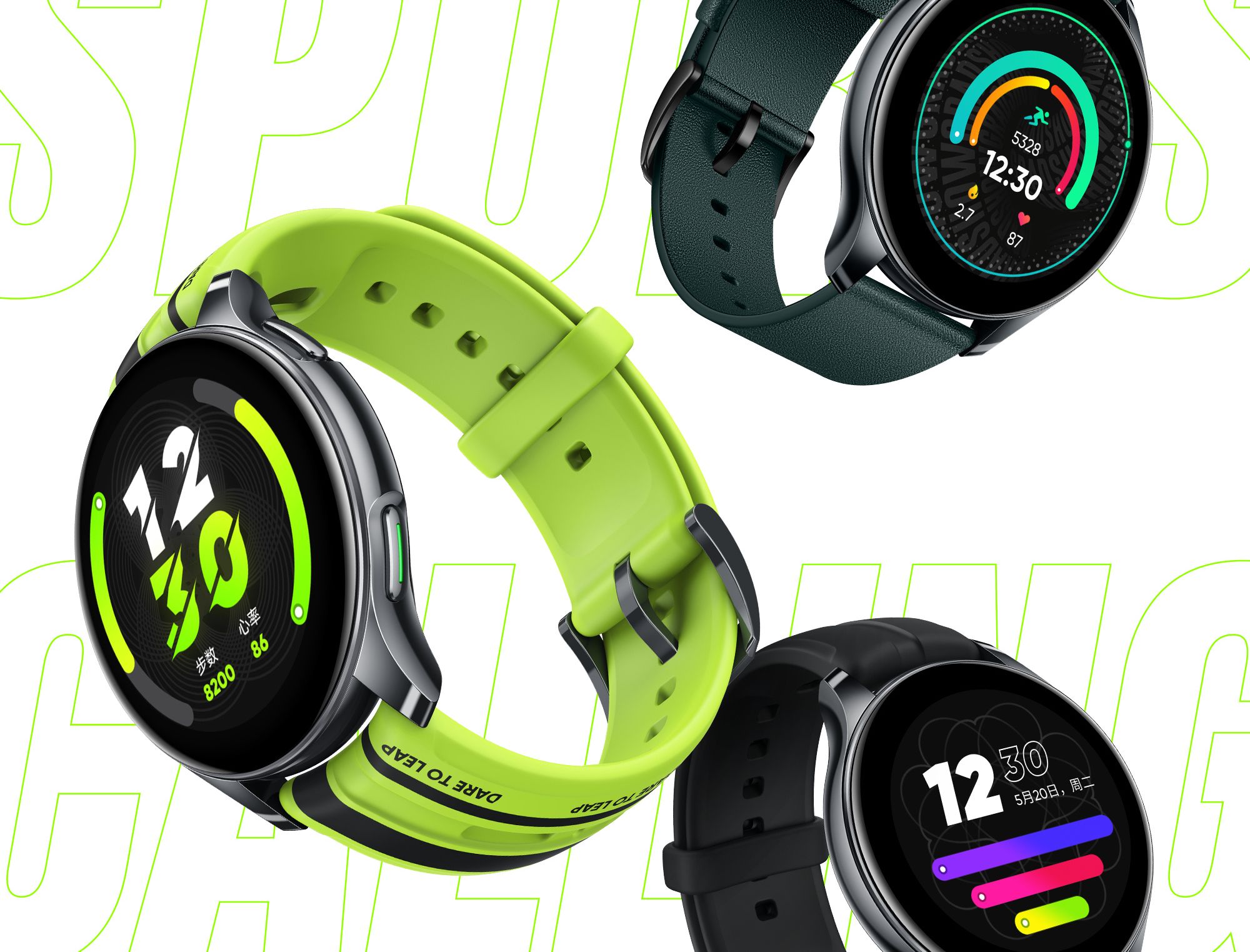
A few weeks ago, Realme had launched its latest smartwatch in China, dubbed Realme Watch T1. Now, it appears that the wearable device is expected to make its debut in the Indian market pretty soon.
The Realme Watch T1 has been allegedly spotted (via Mukul Sharma) on the Bureau of Indian Standards (BIS) website, carrying the model number RMW2103. This hints that the product may launch in the Indian market soon. But do note that there’s no official announcement yet regarding this from the company.
For those who are unaware, the Realme Watch T1 was launched in China in October this year along with Realme GT Neo 2T and Realme Q3s smartphones.
It features a 1.3-inch round AMOLED display with 416 x 416 pixels resolution and 325ppi of pixel density with a layer of Corning Gorilla Glass on top and support for more than 50 watch faces. There’s support for 110 sports modes including badminton, elliptical, hiking, and walking among others.
Connectivity options on the wearable include Bluetooth v5.0, GPS/ A-GPS/ GLONASS/ Galileo, and NFC. It has support for features like real-time heart rate monitoring, SpO2 monitoring, and sleep analysis, and more.
The smartwatch is also rated to be 5ATM (50 meters) waterproof. It packs a 228mAh battery that is rated to deliver seven days of usage on a single charge. It could arrive in India in three color options — Olive Green, Mint, and Black.
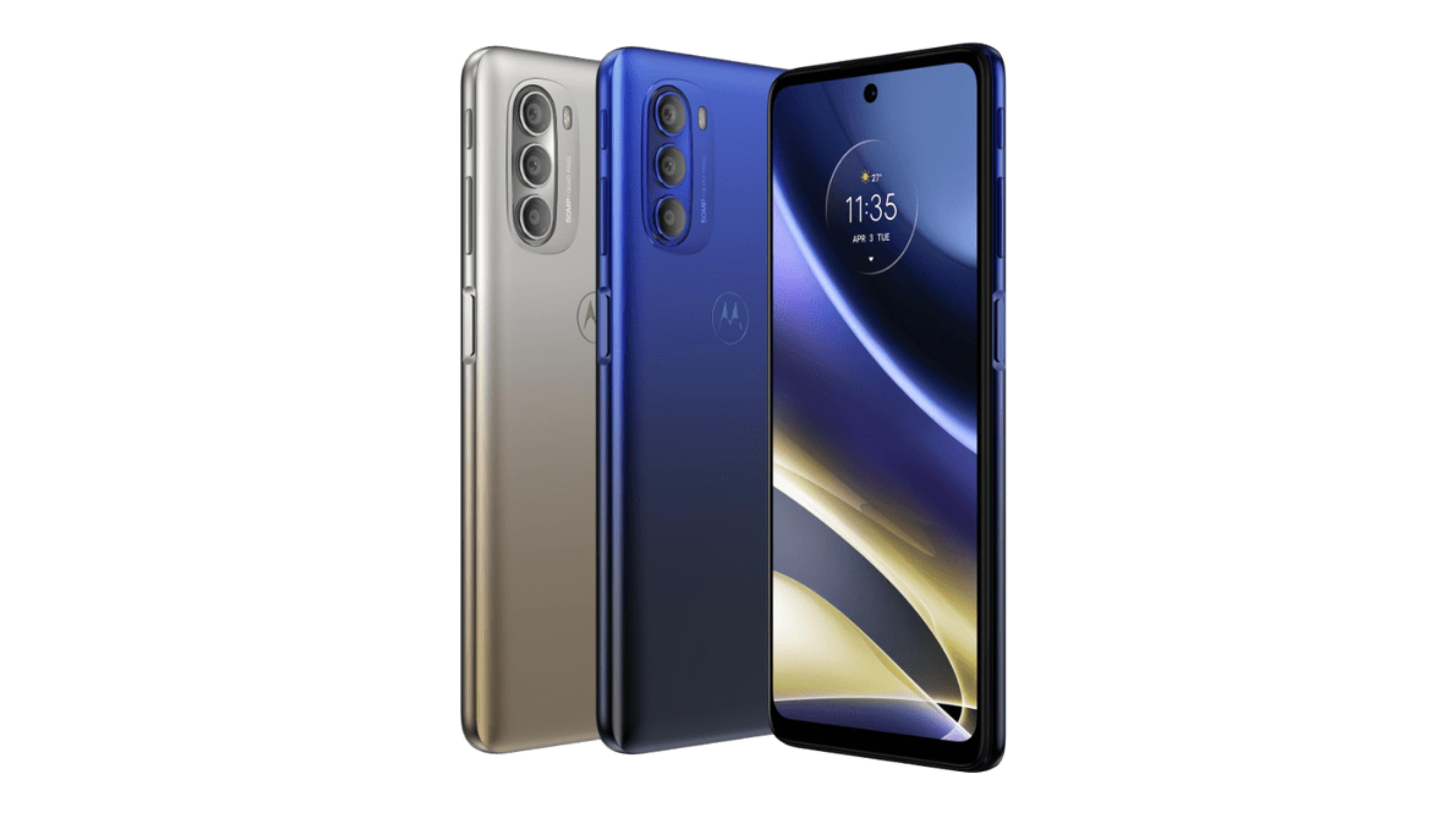
Motorola has been rumored to launch its new Moto G51 5G smartphone in the Indian market and as per the tweet from tipster Mukul Sharma, the device will go official in India on 10th December.
However, do note that the company has not yet confirmed the official launch date for the smartphone in the Indian market. Earlier, the company had teased that the Moto G51 will be made official in India in the month of December 2021.
As for the pricing, it is being rumored that the Moto G51 5G will be priced around ₹19,999 and is touted to be the most affordable Moto G-series phone with 5G connectivity.
Coming to the specifications, the smartphone features a 6.8-inch Full HD+ Max Vision display, offering 2400 x 1080 pixels resolution, 120Hz refresh rate, and 20:9 aspect ratio. Under the hood, the device is powered by the Qualcomm Snapdragon 480 Plus SoC.
It is packed with 8GB of RAM and 128GB of internal storage. There’s also a microSD card slot for expanding the storage capacity up to 512GB.
In the camera department, the phone has a 13-megapixel selfie camera sensor at the front, with an f/2.2 lens. It carries a triple rear camera setup that consists of a 50-megapixel primary sensor with an f/1.8 lens, along with an 8-megapixel ultra-wide shooter, and a 2-megapixel macro shooter.
The phone is running the Android 11 operating system and comes powered by a 5,000mAh battery that supports 10W charging. To know for sure when the device is getting launched in India and its pricing and availability information, we’ll have to wait for the official launch.
Vivo Y32 smartphone is likely to launch soon in China. Back in October, an IMEI database listing revealed that the upcoming Vivo phone with V2158A may debut in the market with the Vivo Y32 name. Last month, it appeared at the 3C certification site. Now, its entire specifications and images have surfaced through its TENAA certification.
Vivo Y32 specifications (rumored)
As per the TENAA listing, the Vivo Y32 will be featuring a 6.51-inch TFT LCD panel that produces an HD+ resolution of 720 x 1600 pixels. Its front image suggests that it could be equipped with a waterdrop notch. For selfies, the device is equipped with an 8-megapixel front-facing camera.
The rectangle-shaped camera module on its back has a 13-megapixel main camera, a 2-megapixel auxiliary lens, and an LED flash unit. Its right edge has a volume rocker and a power key, which is integrated with a fingerprint scanner.
Vivo Y32’s TENAA images
Under the hood of the Vivo Y32 is an unknown 2.4GHz octa-core processor. In China, the device may arrive in 4 GB, 6 GB, and 8 GB RAM editions and storage models like 64 GB, 128 GB, and 256 GB. It will come preloaded with the Android 11 OS.
The Vivo Y32 is packed with a 4,910mAh rated battery, which seemingly supports 18W fast charging. The dimensions of the device are 165.01 x 75.20 x 9.19mm and it weighs 204.75 grams. It is expected to release in China in black and white color options. Vivo is speculated to launch the Y32 in the next few days in China.
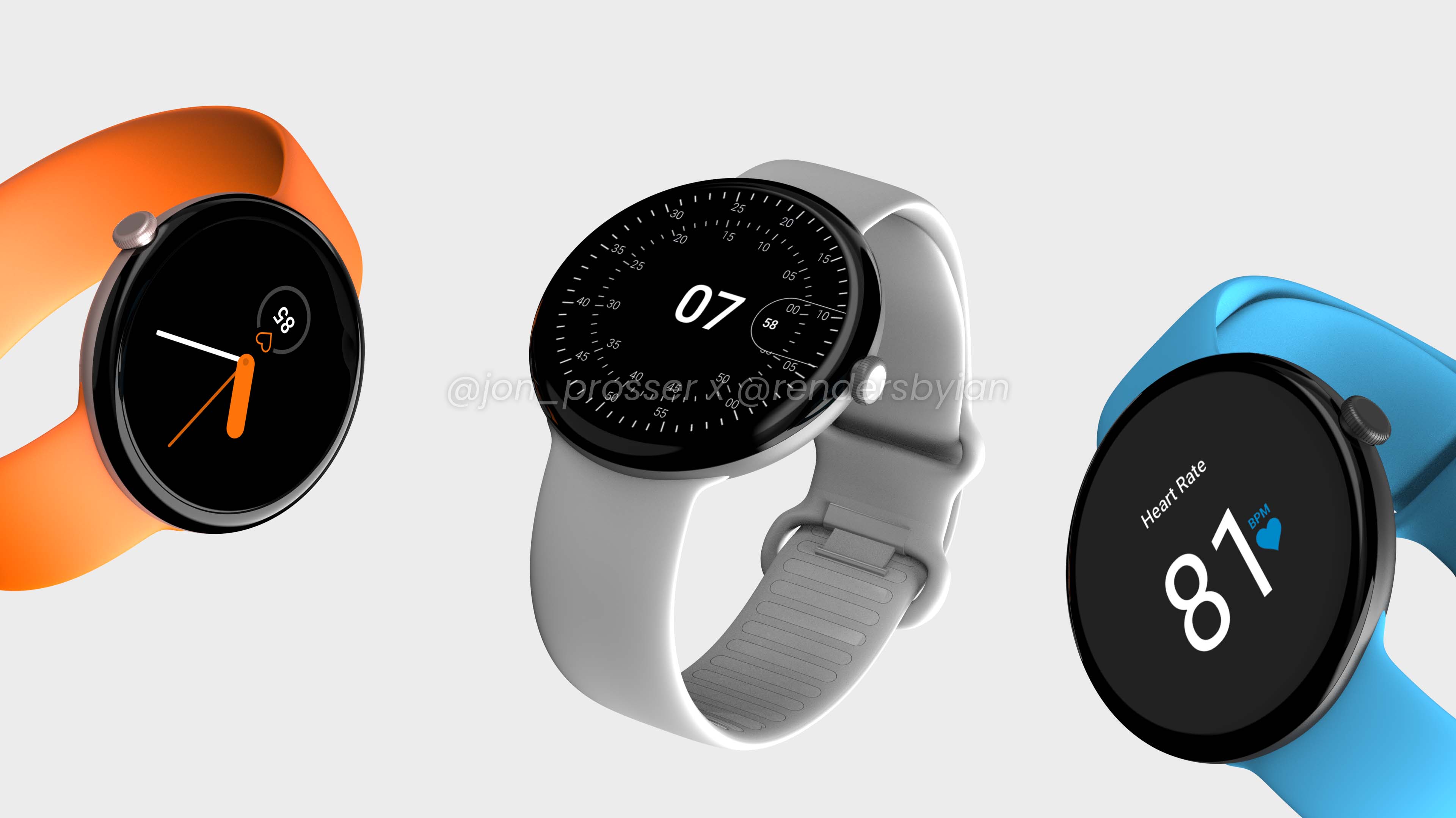
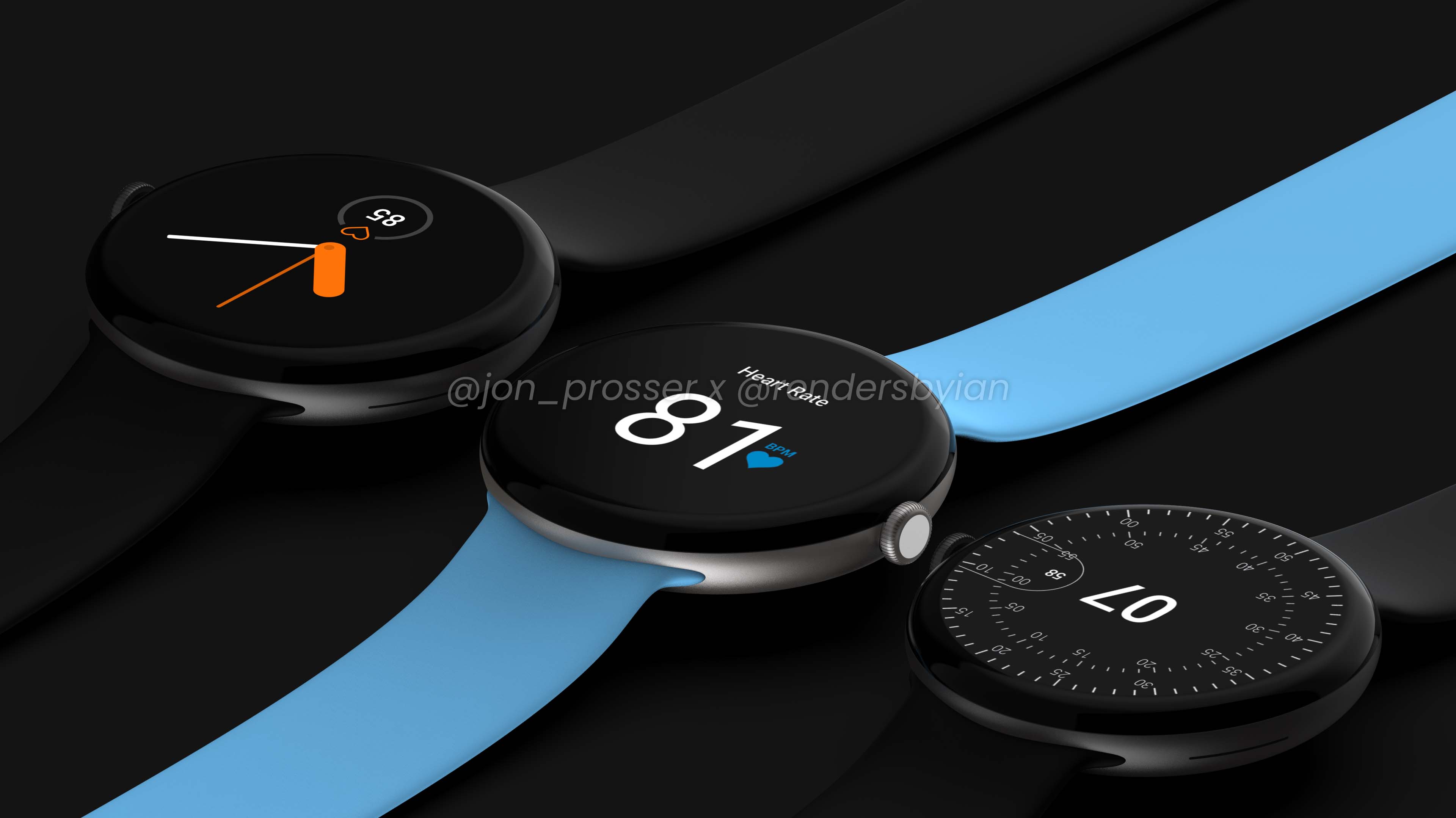
The rumor mill has been speculating on the arrival of Google’s smartwatch since 2019. The year 2021 is coming to an end and it appears that the search engine won’t be launching a Pixel smartwatch this year. However, a new report by the Insider states that Google is working on a smartwatch codenamed ‘Rohan’ and it plans to launch it in 2022. Reliable tipster Jon Prosser first revealed the details of the ‘Rohan’ smartwatch back in April this year. At that time, he shared the 3D renders based on the actual device to showcase the Pixel Watch’s design.
While the codename of Google’s first smartwatch is now known, there is no word on whether it will be debuting in the market with the ‘Pixel Watch’ moniker. In 2022, Google will have a renewed approach in the wearable tech space in 2022 and that is when it plans to launch the alleged Pixel Watch.
Google Pixel Watch 3D renders by Jon Prosser
The Google Watch is expected to rival the Apple Watch. Internal documents accessed by the publication shows that it will be driven by Google’s latest smartwatch software. The artistic renders have revealed that the Pixel Watch will have a round-shaped dial with no physical bezel, and it will be able to provide users with health and fitness data.
The report said employees outside the smartwatch team have tested and given their feedback on the Pixel Watch. One of the feedback sessions was held in November. In January this year, Google acquired the Fitbit wearable tech brand. Google’s SVP of Devices and Services, Rick Osterloh had told The Verge earlier confirmed the existence of Google’s in-house wearable device powered by the WearOS. He had also said that Fitbit will build wearables on WearOS in the future. However, it is not clear whether he was talking about the Rohan smartwatch or some other wearable device.
Google Pixel Watch 3D renders by Jon Prosser
Coming back to the Pixel Watch, the new report revealed that the Rohan watch has a heart rate monitor and is capable at tracking basic health activities like step counting. It is said to come with proprietary watchbands. Some people who tested the device said that it requires daily charging, and its charging speed was slow. An early document viewed by the Insider states that Google’s watch ‘would be comfortable to wear for at least 90 percent population.’ However, it is unclear whether it will come in multiple sizes.
The publication has learned from the employees at Google that it aims to launch the Rohan watch as early as spring next year. However, they added that the launch time will be decided based on the feedback from the people who are testing it.
Honor, which was a sub-brand of Huawei, became an independent brand last year as the Chinese giant has been struggling to maintain its presence in the smartphone market because of the sanctions imposed by the United States.
Ever since becoming an independent brand, the company has been actively trying to regain the lost market share and expand its footprints. Now, at the sidelines of the Honor 60 series launch, the company’s CEO shared some key details related to the company.
Honor CEO Zhao Ming has revealed that the company now has an offline presence in more than 30,000 locations, which includes official retail stores, special zones, counters, and authorized experience stores.
Not just that, he has also revealed that the company is getting almost 70 percent of its total sales from these offline stores. This is quite an interesting development given that Honor mostly positions its devices in the mid-range segment and it was the leading company for online sales in China under Huawei.
Zhao Ming has said that the company is now planning to increase the speed at which Honor retail stores are being built. In the month of October and November this year, the company added over 2,000 more offline stores to its tally and the number is still growing.
During its peak, Honor-branded smartphones accounted for about 16.7 percent of the market share in China. However, it fell to about 3 percent in the first quarter of 2021, just as the company split from Huawei.
But the company has rapidly regained the lost market share. The brand has now become a part of the top three smartphone manufacturers in China with a market share of 14.6 percent. Not just China, Honor has also resumed business operations in about 50 countries around the world and is now focusing on recovering the lost market share.
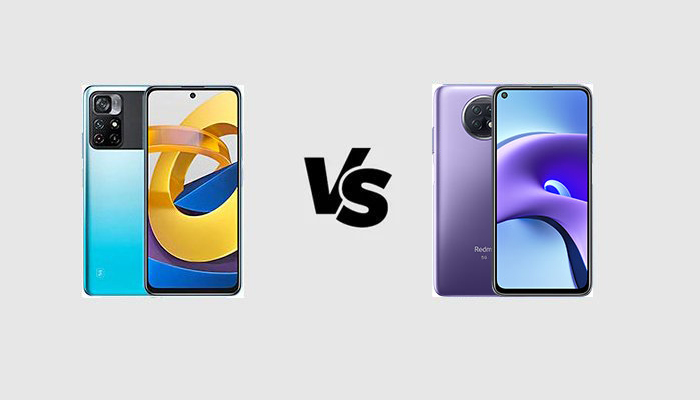
Xiaomi is literally dominating the budget segment of the smartphone market this year. After temporarily becoming the world’s first smartphone brand (recently surpassed by Apple once again), the Chinese giant launched the POCO M4 Pro 5G in the global market with astonishing specifications offered at a very affordable price. But the POCO M4 Pro 5G made its debut just a few weeks ago: does it really offer the best price or you can find better street prices for a few older devices in the global market? This is a comparison between the POCO M4 Pro 5G and another amazing Xiaomi phone in the same price segment, but older and available with amazing street prices: the Redmi Note 9T 5G.
Triple 48 + 8 + 2 MP, f/1.8 + f/2.4 + f/2.4
13 MP f/2.3 front camera
BATTERY
5000 mAh, fast charging 33W
5000 mAh, fast charging 18W
ADDITIONAL FEATURES
Dual SIM slot, 5G, IP53 certification
Dual SIM slot, 5G, water-repellent
Design
Unfortunately, none of these devices shines for its design. They are built with cheap materials as they are entirely made of polycarbonate with the exception of the front glass which is protected by Gorilla Glass 5 on the Redmi Note 9T 5G and Gorilla Glass 3 on the POCO M4 Pro 5G. However, the build quality is great: besides the Gorilla Glass protection, these handsets come with a water-repellent design. The POCO M4 Pro 5G even features the IP53 certification guaranteeing dust resistance and splash resistance. The Redmi Note 9T 5G is a thicker phone, but it is more compact than POCO M4 Pro 5G because it has a slightly smaller display.
Display
The Redmi Note 9T 5G and the POCO M4 Pro 5G have two IPS displays that can be placed in the lower-midrange segment as they are not OLED panels but they are able to provide a decent image quality. They come with a Full HD+ resolution and a typical brightness of 450 nits. The POCO M4 Pro 5G is better because it offers a higher refresh rate of 90 Hz, while the Redmi Note 9T 5G has a standard 60 Hz refresh rate. Both the phones feature stereo speakers for a good audio experience and a fingerprint reader mounted at the side, on the power key. Note that POCO M4 Pro 5G has a slightly bigger panel with a diagonal of 6.6 inches (its internal rival has 6.53 inches).
Hardware/Software
The POCO M4 Pro 5G has superior hardware to the Redmi Note 9T 5G: it is powered by the new Mediatek Dimensity 810 processor running at a max frequency of 2.4 GHz and paired with up to 6 GB of RAM and up to 128 GB of UFS 2.2 internal storage. You can get the same memory configuration with the Redmi Note 9T 5G, but with a weaker Dimensity 800U processor. There is not a huge difference between these chipsets, that is the reason why the most important difference is the operating system installed out of the box. Redmi Note 9T 5G ships with Android 10 customized by MIUI 12 and it will most likely receive fewer updates from now on, while POCO M4 Pro 5G runs Android 11 out of the box, customized by MIUI 12.5.
Camera
The camera setup of the POCO M4 Pro 5G is way better than Redmi Note 9T 5G. First of all, it features a better main camera: a 50 MP sensor against the 48 MP one found on the Note 9T 5G. Further, while the Redmi Note 9T 5G has two useless 2 MP cameras for macros and depth calculations, the POCO M4 Pro 5G offers a useful 8 MP ultrawide lens, as well as a 16 MP selfie camera which is better than the 13 MP one found on its rival.
Battery
The battery capacity of these two phones is the same: 5000 mAh. But we are confident that POCO M4 Pro 5G can offer a longer battery life due to its chipset built with a 6 nm production process. Further, it has a faster charging technology thanks to 33W power.
Xiaomi POCO M4 Pro 5G vs Xiaomi Redmi Note 9T 5G: Price
POCO M4 Pro 5G is priced at €229/$259 in its base variant, while you can find the Redmi Note 9T 5G with street prices of about €200/$226 in the European market. We recommend spending €30 more in order to get a phone with better cameras, a higher refresh rate, a superior chipset, faster charging, and Android 11 out of the box.
Last month, vivo revealed its plans to bring the V23 series of smartphones to the global market with the launch of vivo V23e in Thailand. Now, rumors are afloat of the V23 series phone, which might come to India soon.
Vivo V23e 5G
According to a report, popular tipster Yogesh Brar has told 91mobiles that the vivo V23 5G is confirmed to launch in the Indian market this month with a possibility of a Pro variant as a follow-up.
The upcoming smartphone is expected to be an upgrade over the vivo V21 5G, which launched in April this year. The device may feature specs akin to the vivo V23e, with a better processor and upgraded camera.
vivo v23e specs and features
Vivo V23e
The smartphone features a 6.44-inch Full HD+ AMOLED display with 2400 x 1080 pixels screen resolution. Internally, the device is powered by the MediaTek Dimensity 810 processor, coupled with 8GB of RAM. It packs 128GB of internal storage and comes with a microSD card slot that allows you to further expand the storage capacity up to 1TB. There’s also an on-screen fingerprint sensor as an additional security measure.
The phone features a triple-camera setup on the back that consists of a 50-megapixel main sensor with f/1.8 aperture, an 8-megapixel wide-angle sensor with f/2.2 aperture, and a 2-megapixel sensor with f/2.4 aperture. On the front side, the device has a 44-megapixel snapper for taking selfies and video calling.
Connectivity options on the device include Dual SIM, 5G, Wi-Fi, Bluetooth v5.1, USB Type-C port, and GPS. It runs the Android 11 operating system out-of-the-box with the company’s own FunTouch OS 12. The device is powered by a 4,050mAh battery that comes with support for 44W fast charging technology.
We expect more leaks regarding the upcoming vivo V23 to surface as the year ends, so stay tuned.
Xiaomi recently disclosed that it has sold up to 20 million units of its MIJIA-branded electric toothbrushes since its inception a few years back. The company has now announced the MIJIA T301 Sonic Electric Toothbrush which has as its unique selling point, up to 50 days battery life.
The MIJIA T301 Sonic Electric Toothbrush is capable of achieving 31,000 vibrations per minute while producing decent vibrating force. This solves the common problem of weakening the brush head when the brush is pressed to the teeth, thereby reducing the vibration power. Thus, the toothbrush can easily remove stains from the teeth.
The T301 brush head adopts copper-free bristle technology, which does not produce metal rust stains and inhibits the growth of bacteria. The outer side of the bristles is cut 10° obliquely, producing a tooth-shaped bristle design. This design protects the gums.
The toothbrush has a Standard mode that can be used for 50 days. The brush has upgraded wireless base protection that completely eliminates the risk of water ingress. The head can charge wirelessly when placed on the charging base, regardless of the angulation. A full charge is attained in 4 hours. For a brushing section, 2 minutes charge can suffice if the device runs out of battery power.
In addition, the MIJIA T301 Sonic Electric Toothbrush has an IPX8 waterproof rating. It has a one-piece body, and double-sealed design, which solves the problem of leakage and water ingress from the charging area. This, the brush can be immersed in water without fear of damage.
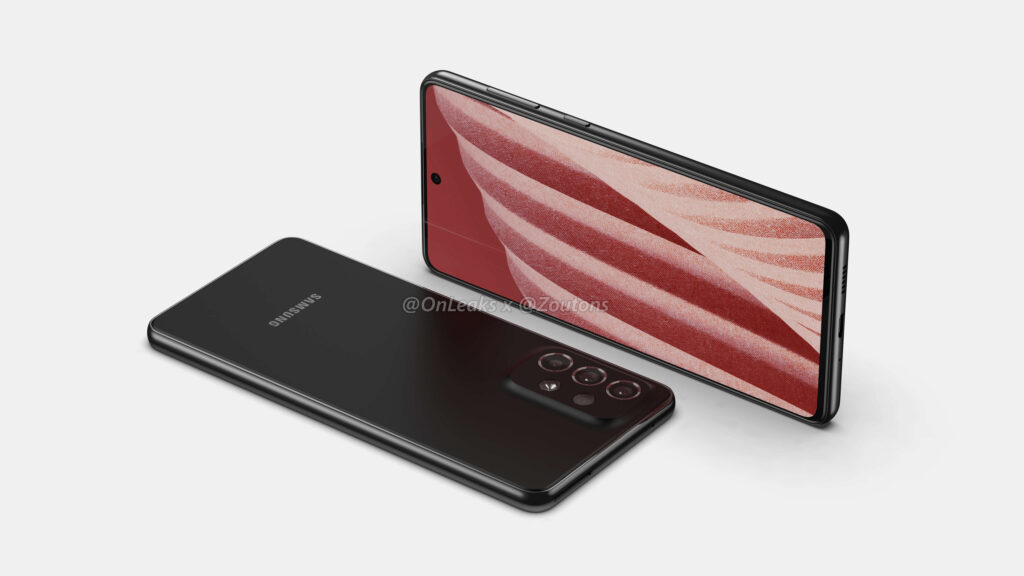
Samsung is prepping to launch several A-series phones next year and one of such mid-range phones dubbed Galaxy A73 has become a subject of a few leaks. Last time, the phone’s camera details and concept renders were surfaced, and now, the device has appeared in fresh CAD renders.
Thanks to the popular leaker Onleaks(via Zoutons), we now have a much clearer look at what we can expect from the upcoming Galaxy A73. The Samsung Galaxy A73 features a large punch-hole display which is touted to be a 6.7-inch FHD+ AMOLED panel. It runs on a 90Hz default refresh rate but, can be tweaked to 120Hz as per a previous report.
Overall, the phone has a boxy design and seems to have a good form factor with a 7.6mm thickness. Moving to the rear, the phone flaunts four camera lenses placed on a slightly protruded camera island. Its major highlight will be the 108MP primary lens which will be an upgrade over the predecessor’s 64MP primary lens. The megapixel numbers of the rest of the lenses are still unknown.
Under the hood, the device is rumoured to come powered by the Qualcomm Snapdragon 750G SoC paired with 8GB of RAM and 128GB of storage. It will pack a 5,000mAh battery with support for 33W fast charging support via the USB Type-C port. However, one thing to consider is that although the phone supports a 33W fast charging technology, it won’t come with a 33W adapter in the box.
Nonetheless, it will be IP67 water-resistant and will run on the Android 12 operating system. The pricing information is revealed too but does consider it with a pinch of salt. The Samsung Galaxy A73 is said to come at a starting price of ₹32,999(~$440) and will have two colour options – Black and Gold. Regarding its launch, the phone is expected to launch in early 2022.
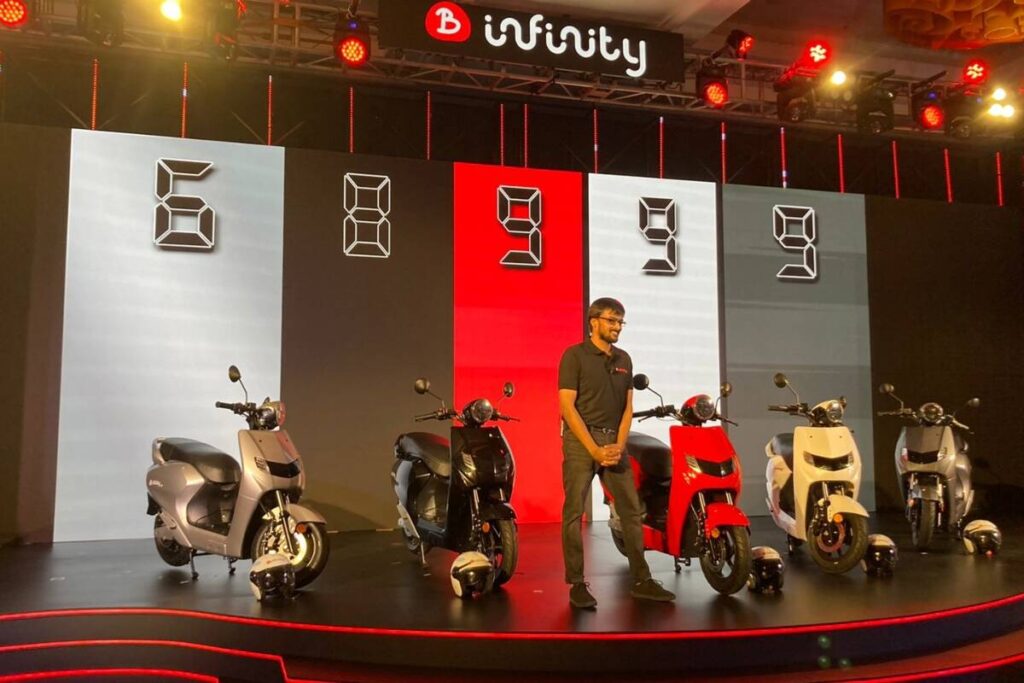
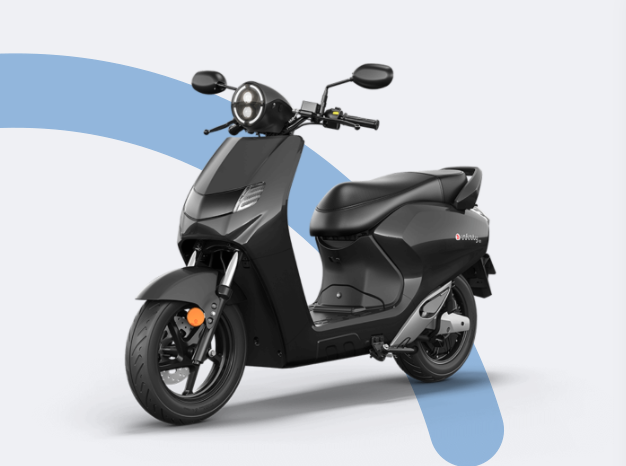
Earlier today, the last-mile mobility solutions company, Bounce, launched their much-anticipated Infinity e1 electric scooter in India. The scooter has a starting price tag of RS 68,999 ($920) but can also be purchased cheaper without a battery.
The new Bounce Infinity e1 has been launched in India at a starting price of Rs 68,999, ex-showroom Delhi. However, this is the price of the electric scooter with the battery and a charger. The scooter can also be purchased at Rs 45,099 ($600) without a battery, under the ‘Battery as a service’ option (subscription).
The ‘battery as a service’ option, which Bounce claims to be the first of its kind in the Indian market, is a subscription-based plan that allows customers to purchase the scooter at a relatively low price without the battery. They’ll then rely on Bounce’s battery swapping network instead. Subscribed owners of the Infinity e1 will be able to grab a fully-charged battery and skip the long wait times associated with charging. A battery alone constitutes a large percentage of an EV’s cost, subtracted through the ‘battery as a service’ initiative. The details of this subscription plan will soon be revealed on the company’s website.
Bounce Infinity e1 specs and features
Talking about specifications, The Infinity e1 has a top speed of 65 kmph and can do 0 to 40 kmph in 8 seconds. It boasts a range of up to 85 kilometers on a single charge thanks to its removable 2 kWh lithium-ion battery, which comes with an IP67 rating.
In terms of hardware, the Infinity electric scooter gets disc brakes at both ends and runs on 12-inch wheels. The e1 also features a set of front hydraulic telescopic suspension and twin shock absorbers at the rear, suitable for Indian roads. Bounce claims that it gets a Drag Mode that enables the scooter to move along at walking speed if it has a puncture and a Reverse Mode that allows you to move the scooter backward for ease in getting out of tight parking spots.
It gets a digital speedometer, 12-liter boot space, projector headlights, LED lights, and it can be tracked remotely.
Customers can pre-book this smart scooter by paying an initial refundable payment of Rs 499.
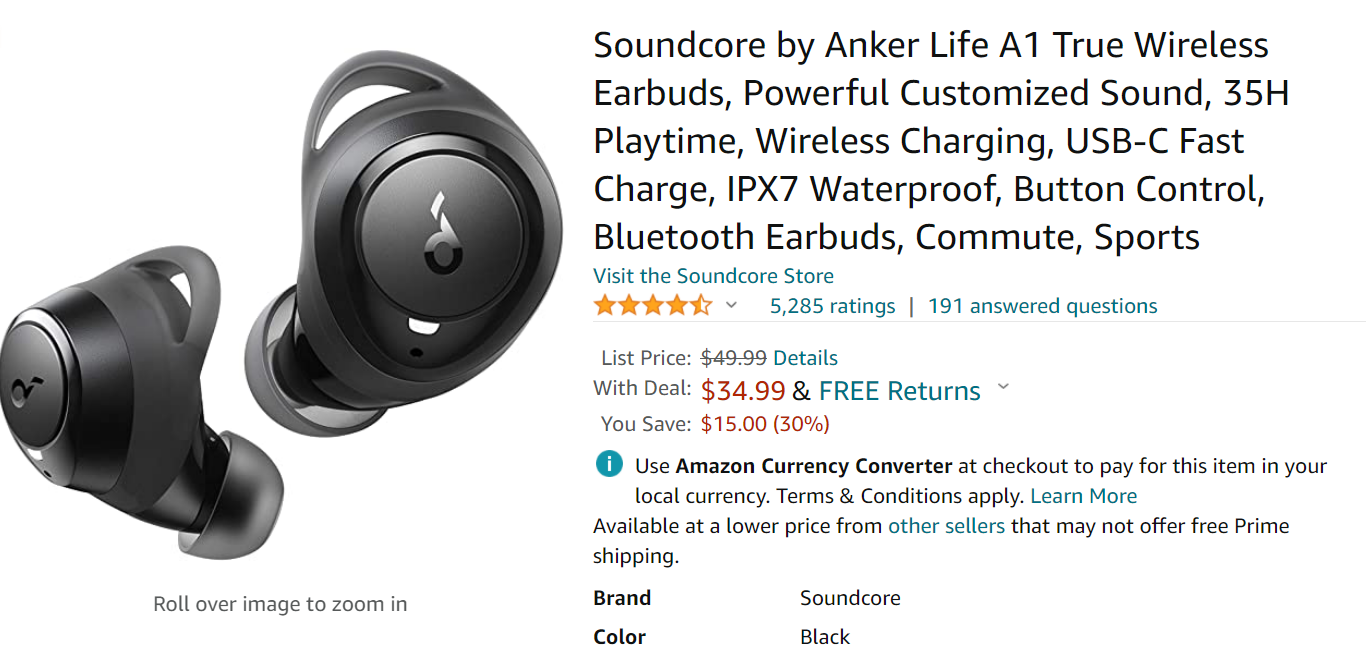
Soundcore by Anker Life A1 TWS Earbuds which generally retails for $49.99 is now available at a discounted price of $34.99 only at Amazon US. This means you get a discount of $15 on this product. This is the lowest price yet offered for this product on Amazon US.
Battery: 9 hrs on a single charge and 35 hrs with the case
Supports wireless charging and fast charging: get 1.5hrs of playtime in just 10mins
One-step pairing
On-ear smart control
Expertly tuned sound via 8mm triple-layer drivers
IPX7 waterproof
Bluetooth v 5
2 microphones with uplink noise reduction
EQ customization
Single earbud mode
Generally retailing for $49.99 you can now buy Soundcore by Anker Life A1 TWS Earbuds for as low as $34.99 only at Amazon US. Please note that this is the lowest price offered yet on this product by Soundcore store at Amazon US. So grab this discounted earbuds before the deal expires.
For more information on such exciting deals and offers check out ourdeals hub.
* Please Note: When you buy something using the links in our articles, we may earn a small commission at no cost to you.
Just a couple of hours ago, there were reports that Xiaomi was planning to add a new memory variant to the Redmi Note 10S lineup. Apparently, the company has quietly launched the new variant which features 8GB of RAM and 128GB of internal storage. The new variant carries a decent Rs. 18,499 (~$247) price tag.
Xiaomi Redmi Note 10S
The new memory variant emerges as the topmost variant of the Note 10S that is already available in 6GB+64GB and 6GB+128GB variants. The two existing variants were launched in May this year with a starting price of Rs 14,999 (~$200) for the 64GB model while the 128GB version comes in at Rs 15,999 (~$213).
The Redmi Note 10S has seen a number of tweaks since its launch. Recall that the company released a cool COsmic Purple colour variant of the premium mid-range model in August this year. The variant joins the existing Shadow Black, Frost White, and Deep Sea Blue colour variants.
To recall, the Redmi Note 10S arrives with a 6.43-inch AMOLED screen with an FHD+ resolution, up to 1100nits brightness, a 60Hz refresh rate, and 120Hz touch sampling rate. The display is covered by a layer of Corning Gorilla Glass 3 protection.
Redmi Note 10S
The Note 10S is powered by a MediaTek Helio G95 processor and it features a 13MP selfie camera used in a centrally placed punch-hole opening. The rear aspect holds a Quad-camera setup comprising a 64MP main shooter, an 8MP ultra-wide-angle lens, a 2MP depth sensor, and a 2MP portrait camera. The device also crams a side-mounted fingerprint sensor and a 5000mAh battery with 33W fast charging support. The phone runs on Android 11-based MIUI 12.5 out-of-the-box and has an IP53 waterproof rating.
The new Redmi Note 10S 8GB+128GB variant will go on sale from December 3 via Amazon.in, Mi.com, Mi Home stores, and retail stores.
We are heading to the last month of this year which also brings us closer to the festive season. In December, there are phone launches from top Chinese smartphone brands thanks to the vouch of the availability of the recently announced Snapdragon 8 Gen 1 chipset. That said, there will be more mid-range phones coming out than budget-centric phones. Some of the confirmed and rumoured phone launches are from brands like Motorola, Xiaomi, OnePlus, Realme, Redmi, and Micromax.
1. Motorola Edge X30(Edge 30 Ultra)
Motorola is expected to launch one of the worlds first Snapdragon 8 Gen 1 powered flagship smartphones. Reportedly, the company will launch a device dubbed Motorola Edge X30(a.k.a Edge 30 Ultra) on December 9. The company on its social media handle has confirmed its arrival. Although there are only a few days left for its release, there’s still not much to learn about its specs.
So far we know that it could feature a 6.67-inch screen with a 144Hz AMOLED display. It is expected to have great cameras with a 50MP + 50MP + 2MP triple rear camera setup and a single 60MP selfie lens.
2. Xiaomi 12
Next up we have the upcoming Xiaomi 12 which will be another Snapdragon 8 Gen 1 powered device. The smartphone is rumoured to launch on December 12 booting with the new MIUI 13 software skin.
A recent report revealed that the smartphone will come with a triple camera system at the rear and will have an AG Glass body. The phone is expected to have a 50MP primary lens. Our exclusive screen protector leak of the Pro variant confirmed that the device may have a punch-hole screen with thinner bezels.
3. OnePlus RT
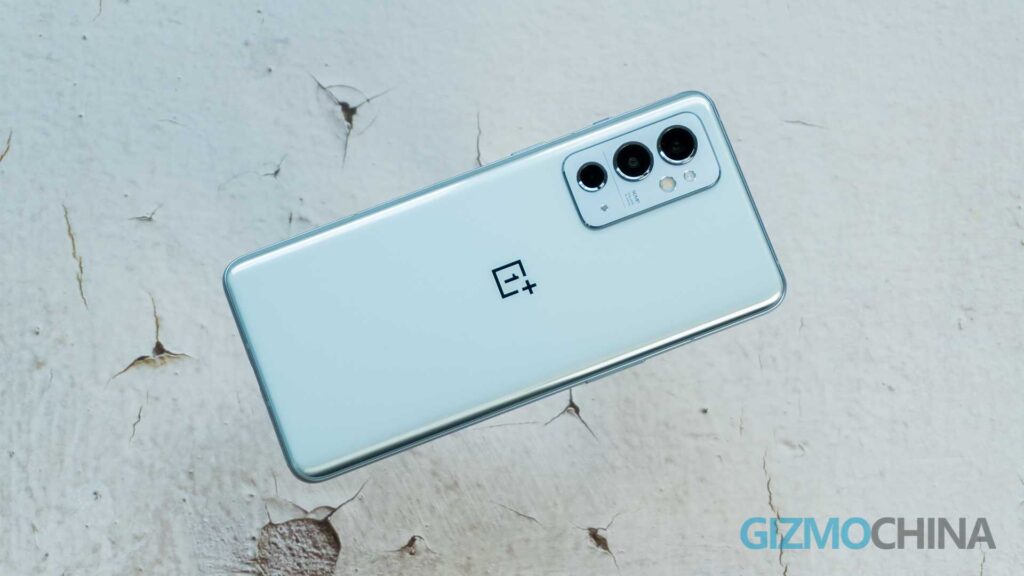
OnePlus RT a.k.a the OnePlus 9RT has been in the news for a long time. The smartphone is already available in the Chinese market selling with the moniker 9RT, however, the phone will debut as the OnePlus RT in the Indian region.
Unfortunately, the Indian launch date of the device is yet to be known but since many details are known, we expect it to debut soon. What we know is that the OnePlus RT may come at a starting price of Rs. 39,999 and will be powered by the Qualcomm Snapdragon 888 SoC.
4. Redmi K50 series
Xiaomi’s Redmi is expected to launch the Redmi K50 series in the Chinese market. However, the exact date is unconfirmed. But, the leaks have taken over the internet and revealed plenty of the series’ details.
The Redmi K50 is expected to come with four different chipsets like the Snapdragon 870(a mid-range model), Snapdragon 8 Gen 1(flagship model), Dimensity 7000, and Dimensity 9000(game-centric model). All the phones in the series will boot on the upcoming MIUI 13 and are expected to debut by the end of this month. Later, these models could launch globally with different monikers.
5. Realme Narzo 50A Prime, Realme C35
Realme has been quiet for the last couple of weeks and that could mean that the company was working on a few phones under wraps. Recently, the company touted that it will soon launch a premium flagship smartphone and it was later revealed to be the successor of the Realme GT, the Realme GT 2 Pro.
Anyway, this premium flagship is nowhere to be expected to launch this month as the phone is yet to pass plenty of certifications before it releases. What could arrive are two budget-centric phones – the Realme Narzo 50A Prime and Realme C35.
Both the Narzo 50A Prime and the C35 will supposedly be the extensions of the 50 series and C-series respectively. That said, expect entry-level specs with big batteries as the key feature.
6. Xiaomi 11i, Xiaomi 11i HyperCharge
Xiaomi recently launched the Redmi Note 11T 5G in India and it looks like another Note 11 series phone may land in the market but with a different moniker. Xiaomi is expected to bring the China-exclusive Redmi Note 11 Pro+ in India with the moniker Xiaomi 11i HyperCharge.
The Xiaomi 11i HyperCharge is expected to bring a whopping 120W fast charging support and a 6.67-inch screen with a 120Hz refresh rate. The phone is expected to come powered by a mid-range MediaTek Dimensity SoC. The Xiaomi 11i, on the other hand, is expected to be another device with some downgraded specs sheet over the HyperCharge model.
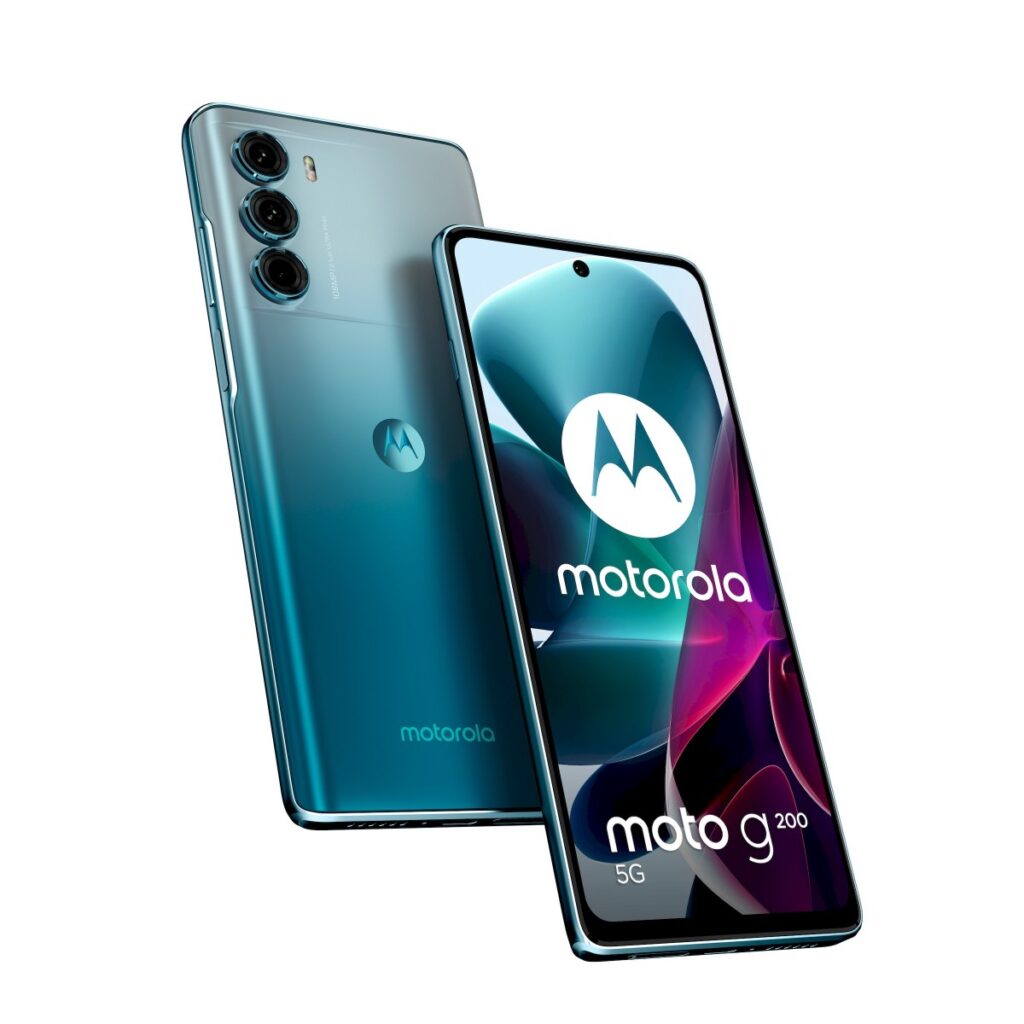
7. Moto G200
The Snapdragon 888+ powered Moto G200 5G is expected to land in India after its initial European release. The flagship phone is expected to come at an aggressive price in the region. The exact launch date is yet to be known but it is touted to debut this month itself.
The Motorola G200 comes with a 6.8-inch punch-hole LCD display with a 144Hz refresh rate. Its major highlight is the 108MP triple rear camera system which is accompanied by a 13MP ultra-wide-angle lens and a 2MP depth sensor.
8. Micromax Budget phone
Indian phone maker Micromax on its Twitter handle confirmed that it will launch a new smartphone soon. Netizens expect that the new phone may debut this month itself. This device could be the Micromax In Note 1 Pro which recently passed a few certifications.
The Micromax In Note 1 Pro is powered by the MediaTek MT6785 SoC a.k.a the Helio G90 chipset paired with 4GB of RAM. The phone is expected to bring major improvements over the vanilla In Note 1. It is expected to have a big battery with fast charging support. It may come with improvement cameras.
These are some of the phones coming up this month. Which device are you most excited about? Do tell us in the comments.
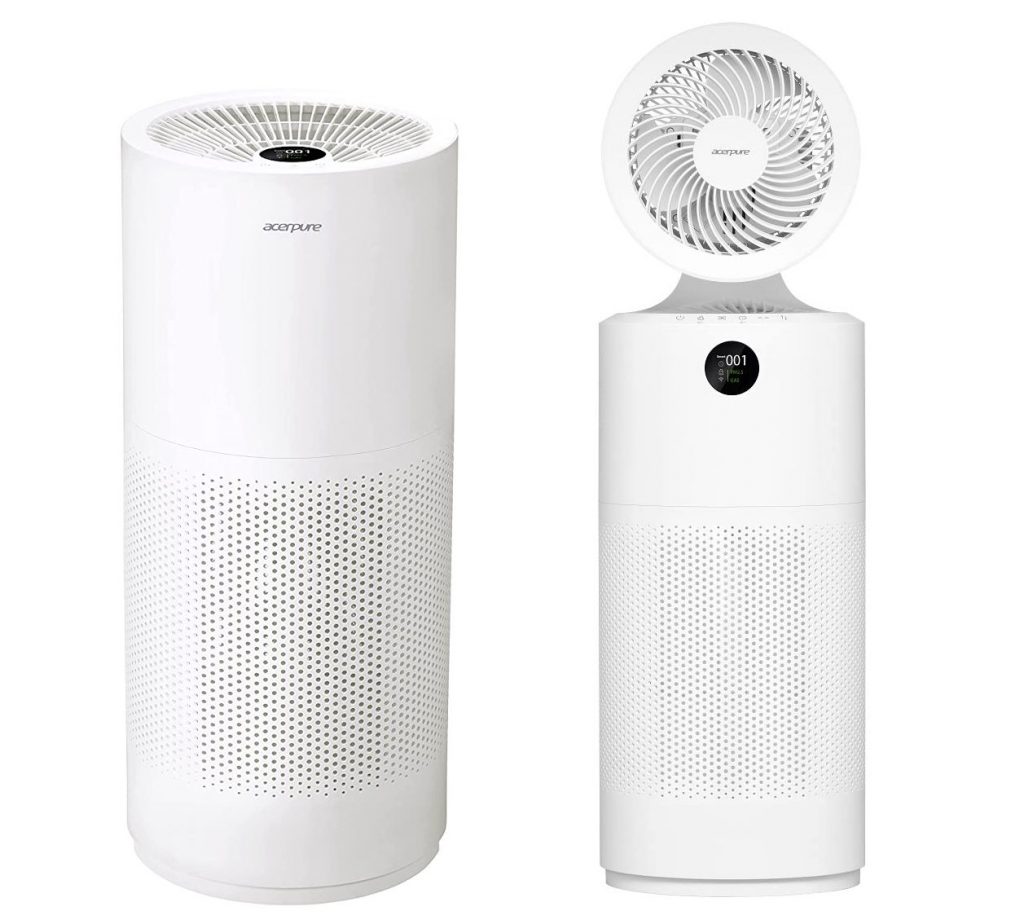
Taiwanese electronic corporation Acer has unveiled two new air purifiers in India. The two new products include Acerpure Cool C2 and Acerpure Pro P2 and both have a 4-in-1 HEPA filter that removes harmful bacteria, viruses, allergens, and pollutants from the room where the air purifier is in use. This ensures a safer and healthier home.
Acer touts the two new air purifiers as capable of handling the desire for safe inhalable air with its advanced filtration technology and smart features. The 4-in-1 HEPA filter is capable of eliminating up to 99% of airborne bacteria and 99.97% of ultrafine dust. The purifier is also active against Particulate matter with an aerodynamic diameter of less than 1.0 and 0.1 micrometers (PM1.0) and allergens.
Apart from being an air purifier, the Acerpure Cool also doubles as a fan for distributing the filtered fresh air as it has an advanced air circulator. The circulator is movable and can circulate air can oscillate effortlessly 90 degrees upwards/downwards and 80 degrees to the left to right. The air can reach a distance of up to 12 meters.
Further, there is an LCD screen at the front which shows the air quality data in real-time thanks to a smart sensor that detects the air quality. The speed of the fan increases or decreases automatically depending on the air quality.
The devices produce low working noises, ensuring it doesn’t disturb your sleep while working. The display can also be turned off in order to ensure your sleep isn’t disturbed.
Acerpure Cool C2 and Acerpure Pro P2
As for the prices, the Acerpure Cool C2 is priced at Rs. 16,999 (~$227) while the Acerpure Pro P2 is priced at Rs. 21,999 (~$294). The products are already up for grabs at Amazon.in and from the company’s online store. Acer has also indicated that it will be sold on Acer Exclusive stores across several Indian cities.
Microsoft has been going full force in promoting its web browser, Edge, against the popular Google Chrome and has always tried subtle ways to push its proprietary browser forward. However, these subtle ways converted into somewhat of an underhanded method earlier this year, with Microsoft making it harder to switch the default Edge browser with the release of Windows 11.
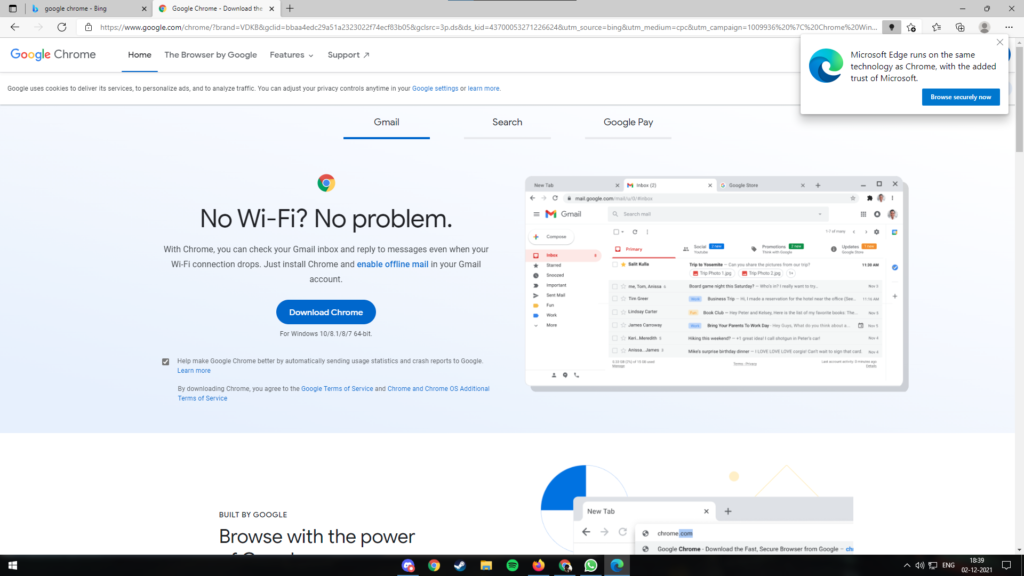
Now, their latest attempt at this endeavor comes in the form of a prompt window in the Edge browser, discouraging people from downloading chrome on their PC. The prompts, first reported by Neowin, include messages like:
“Microsoft Edge runs on the same technology as Chrome, with the added trust of Microsoft.”
“That browser is so 2008! Do you know what’s new? Microsoft Edge.”
“I hate saving money,’ said no one ever. Microsoft Edge is the best browser for online shopping.”
Microsoft Edge prompt when you visit the Chrome download page
Through multiple tries on multiple systems, we have confirmed one of these prompts, which appear different from pop-ups or prompts you’d typically find inside a website as they seem to be rendered natively by Edge. The prompt occurs when you visit the Google Chrome website while using Microsoft Edge as your browser. The prompt has no decline button, and the only way to get rid of it is by using the close prompt button marked by an “X” on the top right.
To be completely fair to Microsoft, Google also occasionally sends such pop-ups and prompts when using its search engine or other services. But at least Google allows the option to reject its advances.
As mentioned above, Microsoft has been trying to implement various methods to retain its users on the native Edge browser, but some have managed to circumvent it cleverly, like Mozilla firefox.
Let us know in the comments below if you’ve noticed any new attempts by Microsoft to prevent you from switching your default browser.
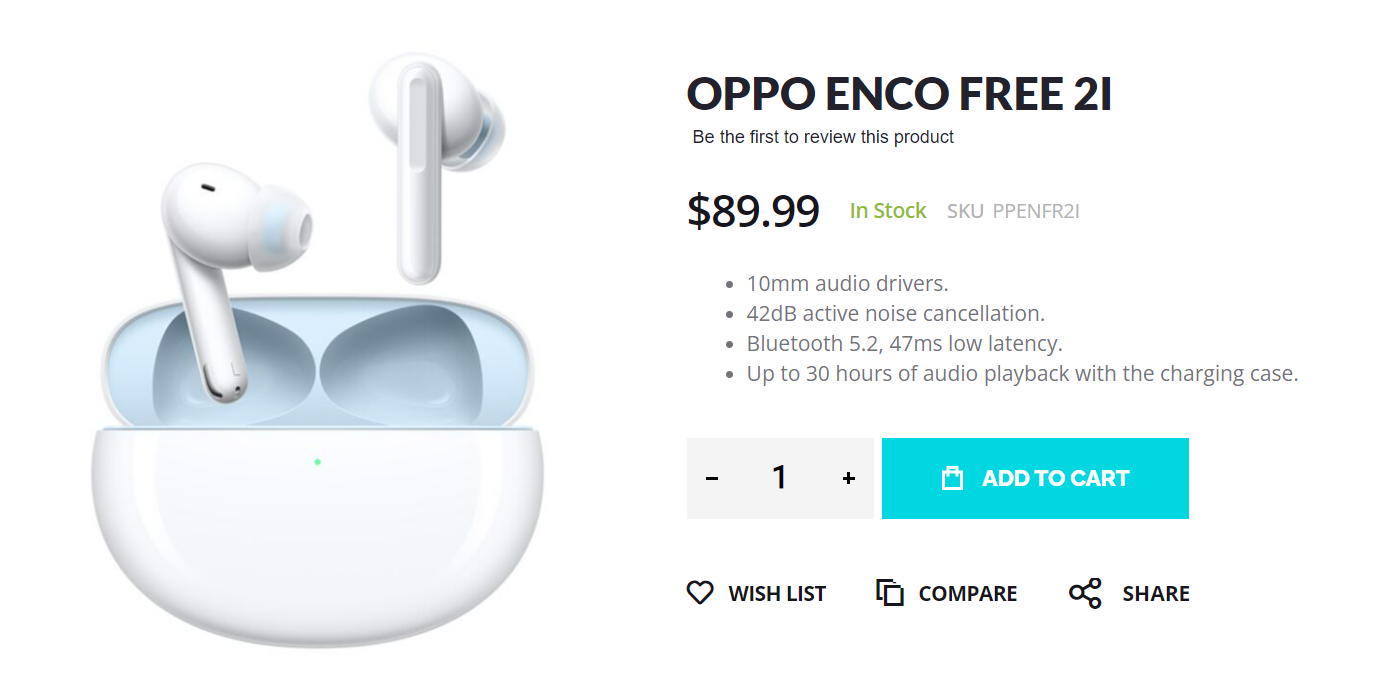
Small and lightweight earbuds with an in-ear design
10mm audio drivers for stronger and deeper bass
42dB active noise cancellation
Special transparency mode
Bluetooth v5.2 for seamless and stable connectivity
47ms low latency
Supports remote photo capture and Vlog shoot mode
Battery: 4 hrs with ANC, 6.5 hrs without ANC, and 30 hrs with charging case
All global customers can now buy OPPO Enco Free 2i Earbuds for $89.99 only at Giztop. Also, note that Giztop is holding a special Holiday Season Flash sale wherein you can save up to $300 on various gadgets, smartphones, tablets, and smart home and gaming devices.
For more information on such exciting deals and offers check out ourdeals hub.
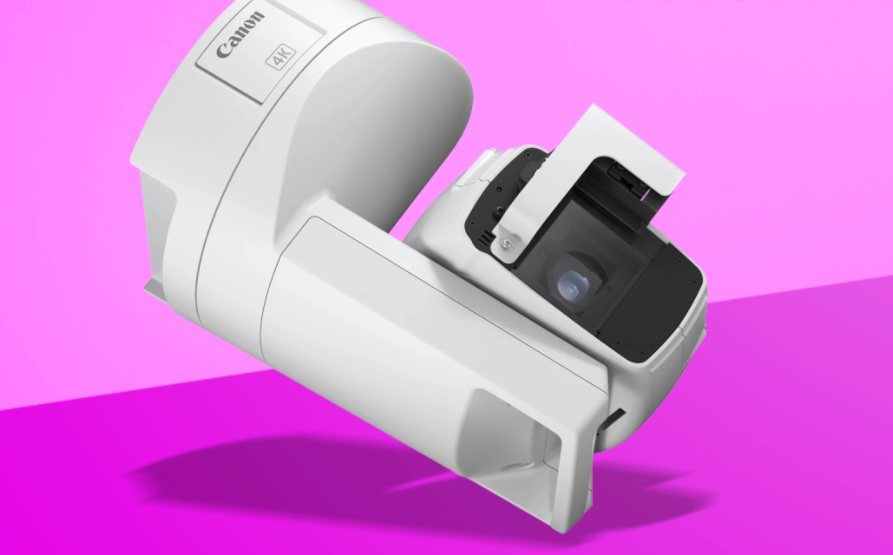
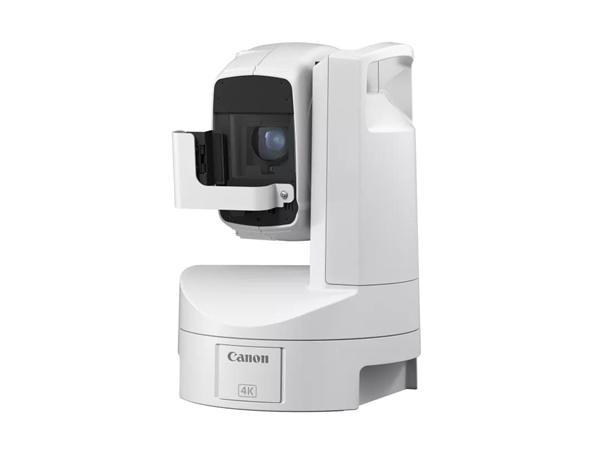
Canon has launched a new outdoor 4K camera that can function as a traditional camera as well as a surveillance camera. This all-in-one camera can be widely used in diverse outdoor shooting scenes such as weather monitoring, live broadcast of outdoor sports events, wildlife shooting, theme parks, and various event venues.
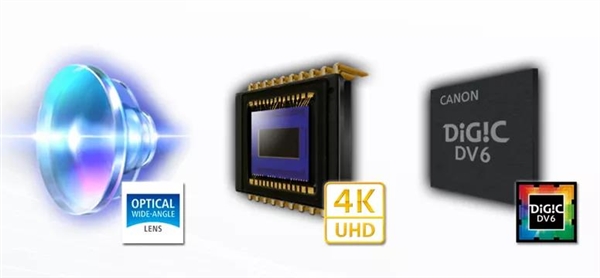
The CR-X300 all-in-one outdoor camera is equipped with a DIGIC DV6 image processor and uses the same core components as a professional camera. It supports the full HD super-sampling HD processing technology of the 4K sensor and can combine all 4K UHD pixels obtained by the 4K UHD CMOS image sensor.
In addition, the CR-X300 is not only equipped with a standard anti-shake function, which can realize 4-axis image stabilization with vertical/horizontal rotation correction but also equipped with a more powerful anti-shake function with a stronger correction effect, suitable for telephoto shooting.
The CR-X300 also features a 1/2.3 CMOS image sensor and a 20x zoom lens with 4K optics. It supports 29.3mm wide-angle end to 601mm telephoto end and can shoot and output 4K 30P / 4:2:2 10-bit high-quality video images, suitable for various video shooting scenes from wide-angle to ultra-telephoto range.
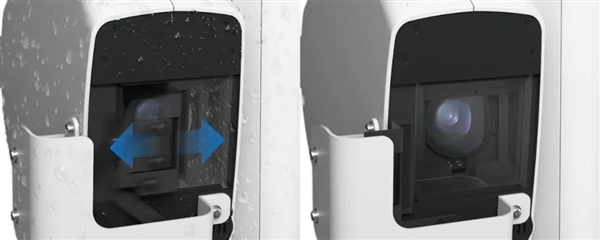
The camera comes with an IP65 level waterproof and dustproof rating. It is also equipped with an electric wiper while the body is made of corrosion-resistant materials. It can be used in strong winds and heavy rain outdoor environments without the need for a protective casing.
The CR-X300 also comes with a portable handheld gimbal that can be safely and easily carried with one hand when it needs to be used for shooting in different scenes. In addition, the CR-X300 supports “PoE++”, which can use a LAN cable to supply power and control the camera, thus saving wiring and installation costs.
We use cookies on our website to give you the most relevant experience by remembering your preferences and repeat visits. By clicking “Accept”, you consent to the use of ALL the cookies.
This website uses cookies to improve your experience while you navigate through the website. Out of these, the cookies that are categorized as necessary are stored on your browser as they are essential for the working of basic functionalities of the website. We also use third-party cookies that help us analyze and understand how you use this website. These cookies will be stored in your browser only with your consent. You also have the option to opt-out of these cookies. But opting out of some of these cookies may affect your browsing experience.
Necessary cookies are absolutely essential for the website to function properly. This category only includes cookies that ensures basic functionalities and security features of the website. These cookies do not store any personal information.
Any cookies that may not be particularly necessary for the website to function and is used specifically to collect user personal data via analytics, ads, other embedded contents are termed as non-necessary cookies. It is mandatory to procure user consent prior to running these cookies on your website.