Advertisement

Leaked Vivo X70 series specs mentions an Exynos 1080 chipset, 120Hz refresh rate, and more

It has been reported that the Vivo X70 series will launch next month although Vivo is yet to announce a date. The manufacturer is expected to unveil three models at first – the Vivo X70, Vivo X70 Pro, and the Vivo X70 Pro+. Ahead of the launch of the phones, key specifications have been revealed in a leak and they contain some interesting details.

The specifications were posted on Weibo by the leaker that goes by Bald Panda. He also mentions the colors the phones will be available in.

vivo x70

Vivo X70

The Vivo X70, which will be the cheapest of them all, will have a 6.56-inch display with a 120Hz refresh rate and a 1080p resolution. Vivo will ship the phone with a Dimensity 1200 processor but will also announce an Exynos 1080 version later.

For the cameras, there will be three – a 40MP primary camera and two 12MP/13MP sensors. The Vivo X70 gets a slightly bigger 4400mAh battery capacity that supports 44W fast charging, an upgrade from the 33W of the Vivo X60.

The phone will also have a Z-axis motor, a single punch hole, and an infrared scanner. Its dimensions are given as 158.5 x 73.4 x 8 millimeters and its weight is 185 grams. The Vivo X70 will be available in three colors – black, white, and aurora. The aurora variant will have an AG finish.
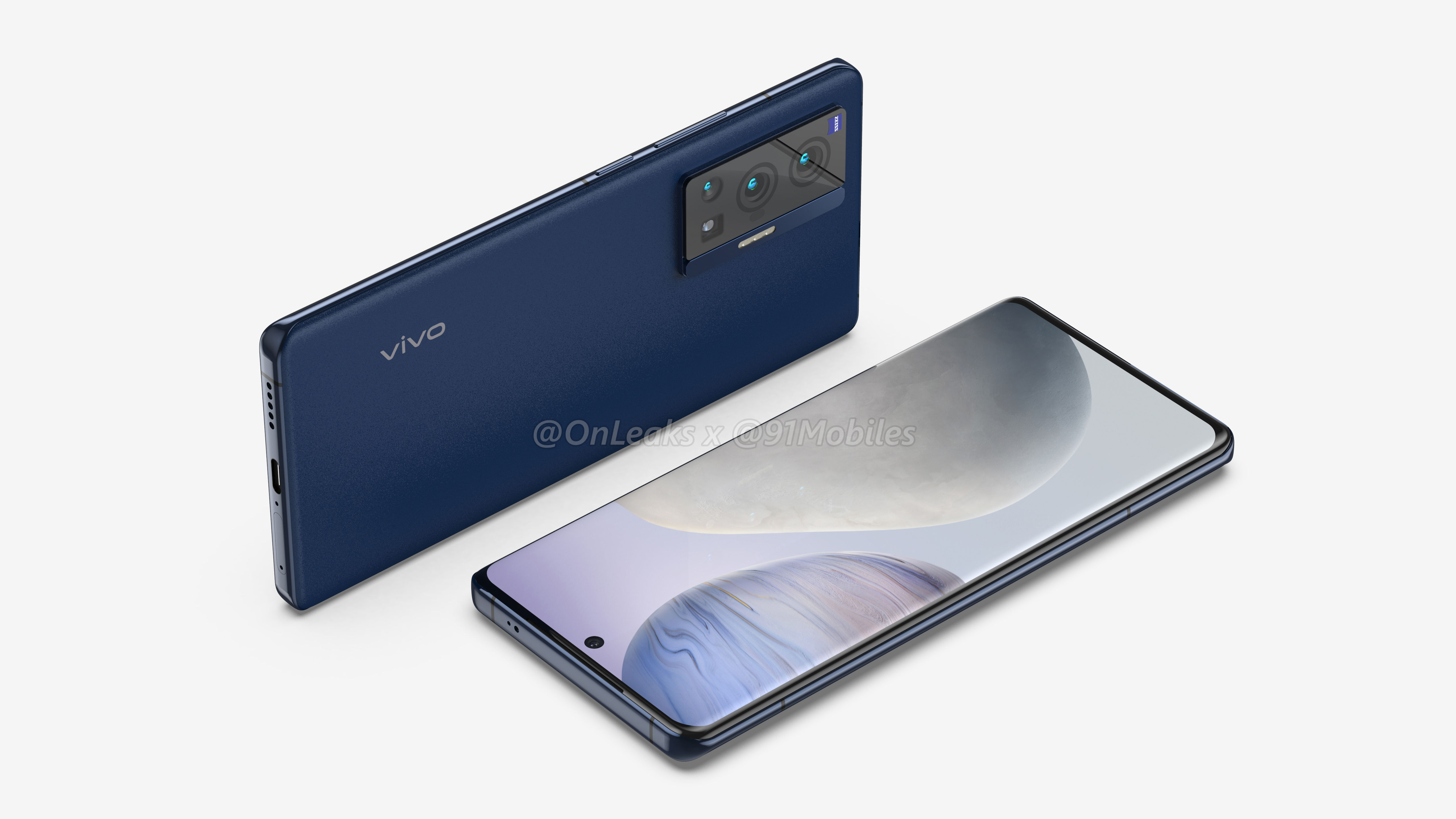
 

vivo X70 Pro Render Leak 02

Vivo X70 Pro

The Vivo X70 Pro will have the same screen size, resolution, and refresh rate as the standard model. It will also have the same 4400mAh battery capacity and support for 44W fast charging.

Vivo will ship the phone with the Exynos 1080 processor. It will also have four rear cameras – a 50MP main camera, two 12MP/13MP sensors with one of them having 2x optical zoom, and an 8MP periscope camera with 5x optical zoom.

While the Vivo X70 Pro is bigger in terms of its dimensions (160.5 x 75.5 x 7.7 mm), it is lighter at 181 grams. It will be available in the same colors as the Vivo X70.
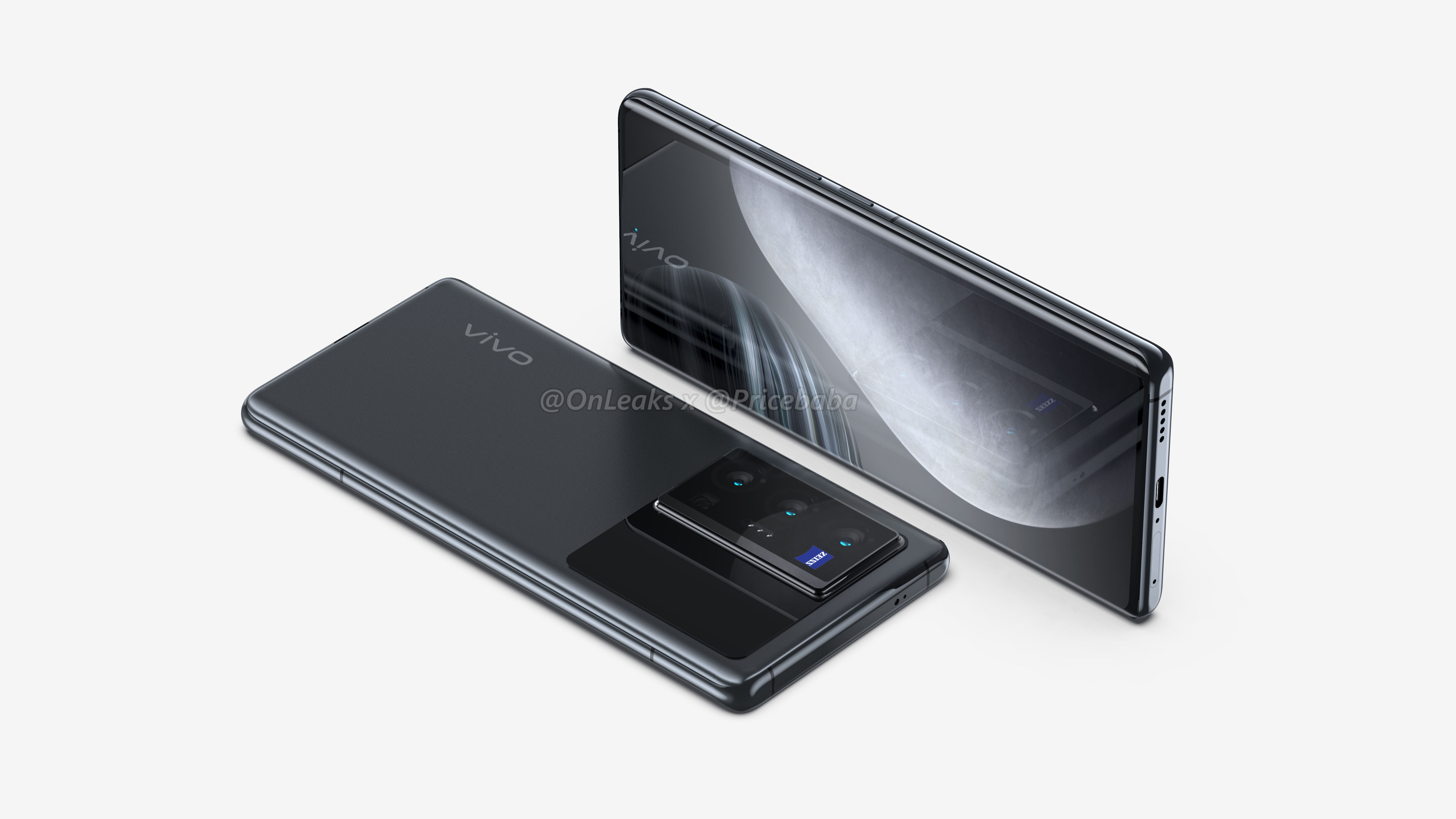
 

Vivo X70 Pro+

Vivo X70 Pro+ 

The X70 Pro+ is the top model of the series and its specifications reveal that. Its display is bigger at 6.78-inches but the 10-bit screen has its resolution has been bumped up to 2K. It also has a 120Hz LTPO refresh rate.

Vivo is shipping the phone with the Snapdragon 888 Plus processor and it will get a slightly bigger 4500mAh battery that has support for 55W fast wired charging, and 50W fast wireless charging. It will also have an IP68 rating.

There are also four cameras on the back of the phone. The main camera is the 50MP Samsung GN1 sensor and it comes along with a 48MP IMX598 sensor, a 12MP camera, and an 8MP periscope camera with 5x optical zoom. Its dimensions are given as 165 x 75.5 x 9 millimeters but its weight wasn’t revealed. Vivo will launch the phone in three colors – Black (AG finish), Orange (vegetarian leather), and blue (plain leather).


RELATED:

Leak reveals Realme Pad will have an Helio G80 processor

Realme already confirmed a few months ago that it will launch its first tablet this year. Some of the details of the device, which will launch as the Realme Pad, have been popping up since its arrival was confirmed. Now, a key detail has been revealed today.

The new info is from the Indian YouTuber, Sahil Karoul. Earlier today, he tweeted that the Realme Pad will have a MediaTek Helio processor but didn’t reveal which chipset it is. He has now let the cat out of the bag and disclosed that the processor inside the tablet is the Helio G80 processor.

The news may come as a disappointment to those who expect the Realme Pad to have a flagship chipset. The Helio G80 which launched last year is a mid-range one that can’t measure up to the more powerful processors inside competitor tablets such as the Mi Pad 5 series which is available in Snapdragon 860 and Snapdragon 870 processors. However, with a mid-range chipset, the Realme Pad should be significantly cheaper than those from competitors.

Other details of the Realme Pad already revealed include having a 10.4-inch AMOLED screen, quad speakers, 8MP cameras on each side, and support for a stylus that can be stored inside the tablet. It has also been reported that it will have a 7100mAh battery capacity.

A leak from the same source says the Realme Pad will be launched on September 9.


RELATED:

Apple to replace defective earpiece speakers on affected iPhone 12 & iPhone 12 Pro for free

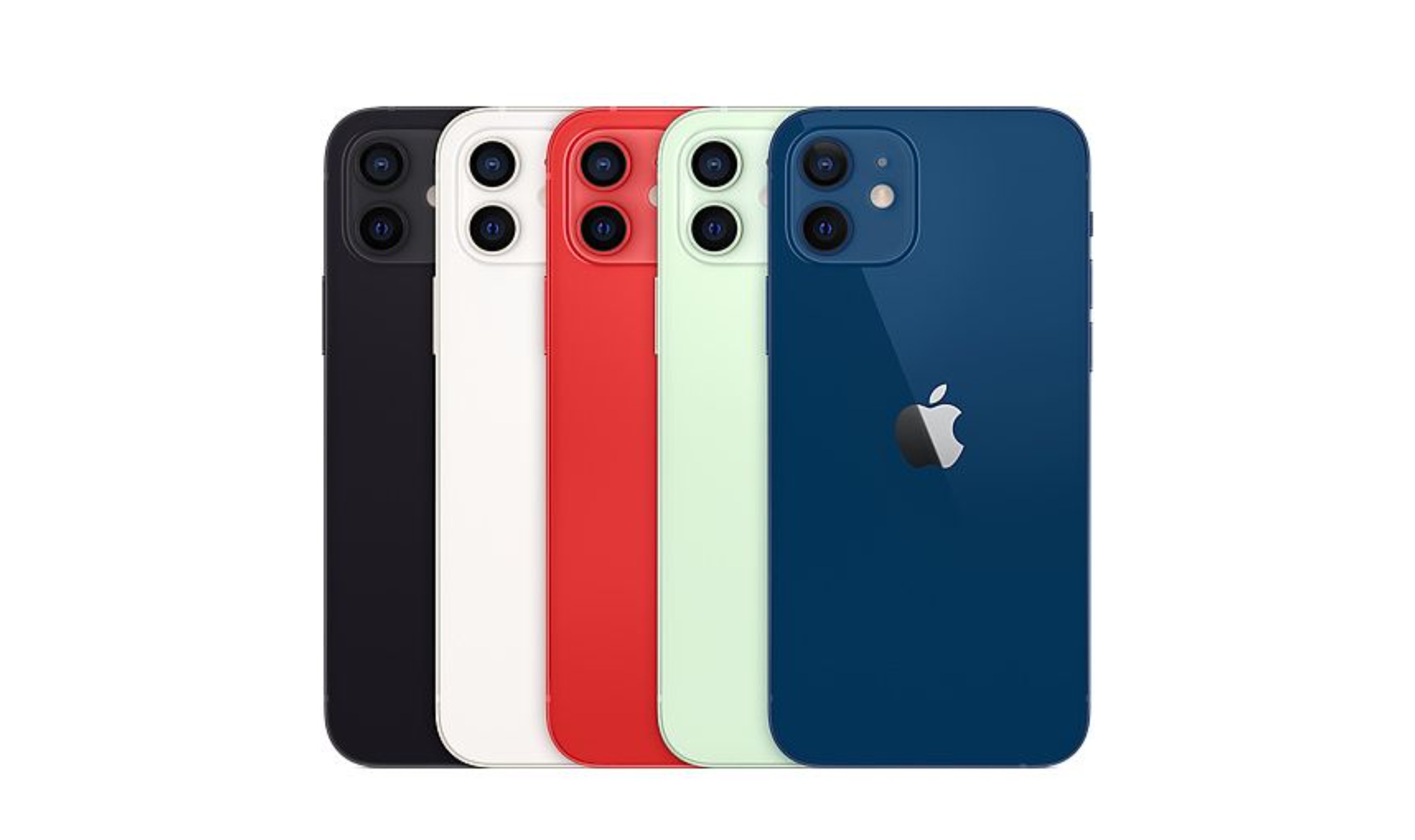
Apple has announced a replacement program for some iPhone 12 and iPhone 12 Pro smartphones with faulty earpiece speakers. The faulty speakers in the two models have been traced to units produced between October 2020 and April 2021. Users have often reported that they are unable to get audio from their earpieces when making calls with their phones.

Apple iPhone 12 All Colors Featured 02
Apple iPhone 12

In an official statement, Apple says that it has already begun changing the faulty speakers for the two models, and encourages owners of such devices to use any of the available channels to get their devices fixed at no extra cost. The US tech powerhouse says that it has determined that only a small percentage of iPhone 12 and iPhone 12 Pro units may experience audio issues due to possible component failure on the receiver module of their devices. If your iPhone 12 or iPhone 12 Pro does not emit sound from the receiver during a call, you could possibly be among the few that have the stated problem, and your device could be eligible for the repair.

Users are advised to back up their phone data through any means, so as to be protected from a potential loss of such data. It is not clear how long the free speaker replacement program will last.

Apple did not put any figure as per the prevalence of faulty speaker modules. Apple owners who fall into the category, are encouraged to visit any of the Apple or Apple Authorized Service Providers or via the Apple Support Centre. The service is free and will cover only devices whose screens are yet to be damaged. Any unit that comes in with a faulty screen will have to resolve the screen issue before it will be repaired.

RELATED: 


(source)


Xiaomi is working on a phone with a photochromic / electrochromic back

Following the launch of the OPPO Reno6 Pro+ Detective Conan Edition, Xiaomi may be the next in line to launch a phone with an electrochromic back panel according to info from China.

Xiaomi is not one to miss out on a trend, so the news of it developing a phone with an electrochromic back isn’t all too surprising. The source of the info is the Chinese leaker, Digital Chat Station, and according to a rough translation of a Weibo post made earlier today, Xiaomi is testing a device with a low-power photochromic/electrochromic back panel.

Xiaomi Electrochromic Phone

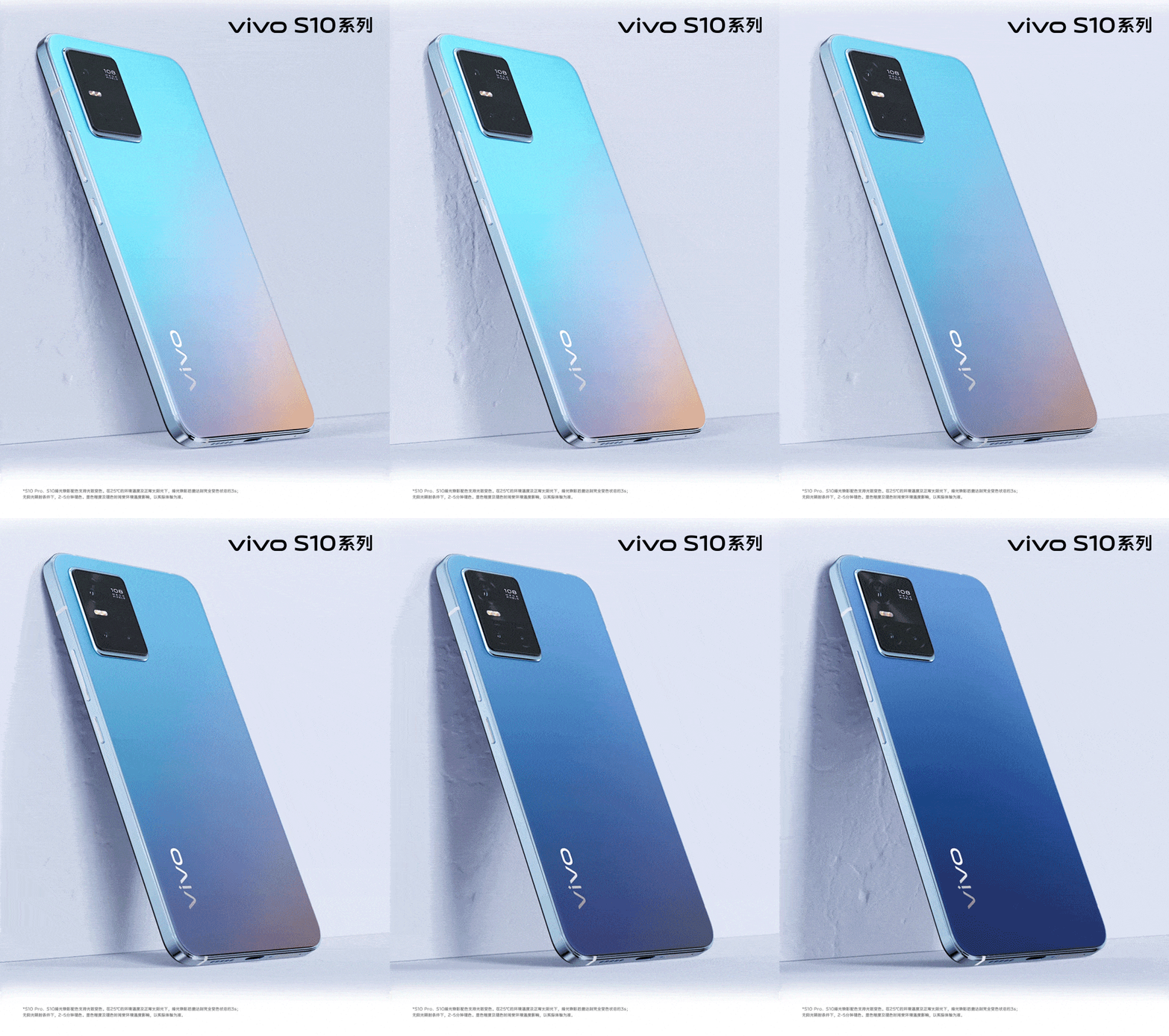
It remains to be seen which of the two technologies Xiaomi adopts. The Vivo S10 has a photochromic back which changes from orange to blue when under direct sunlight. The color-changing process happens as a result of ultraviolet rays from the sun.

Vivo

On the other hand, the OPPO Reno6 Pro+ Detective Conan Edition which has an electrochromic back can switch from silver to red and back. The color change occurs when voltage is passed through the glass.

Reno6 Pro+ Detective Conan

We do not know if Xiaomi plans to launch this phone with a photochromic/electrochromic back panel or if it will just be a concept phone. It may also not use glass but plastic as the substrate can also be polycarbonate.


RELATED:

Microsoft will now allow Windows 11 to be installed on unsupported CPUs using ISO

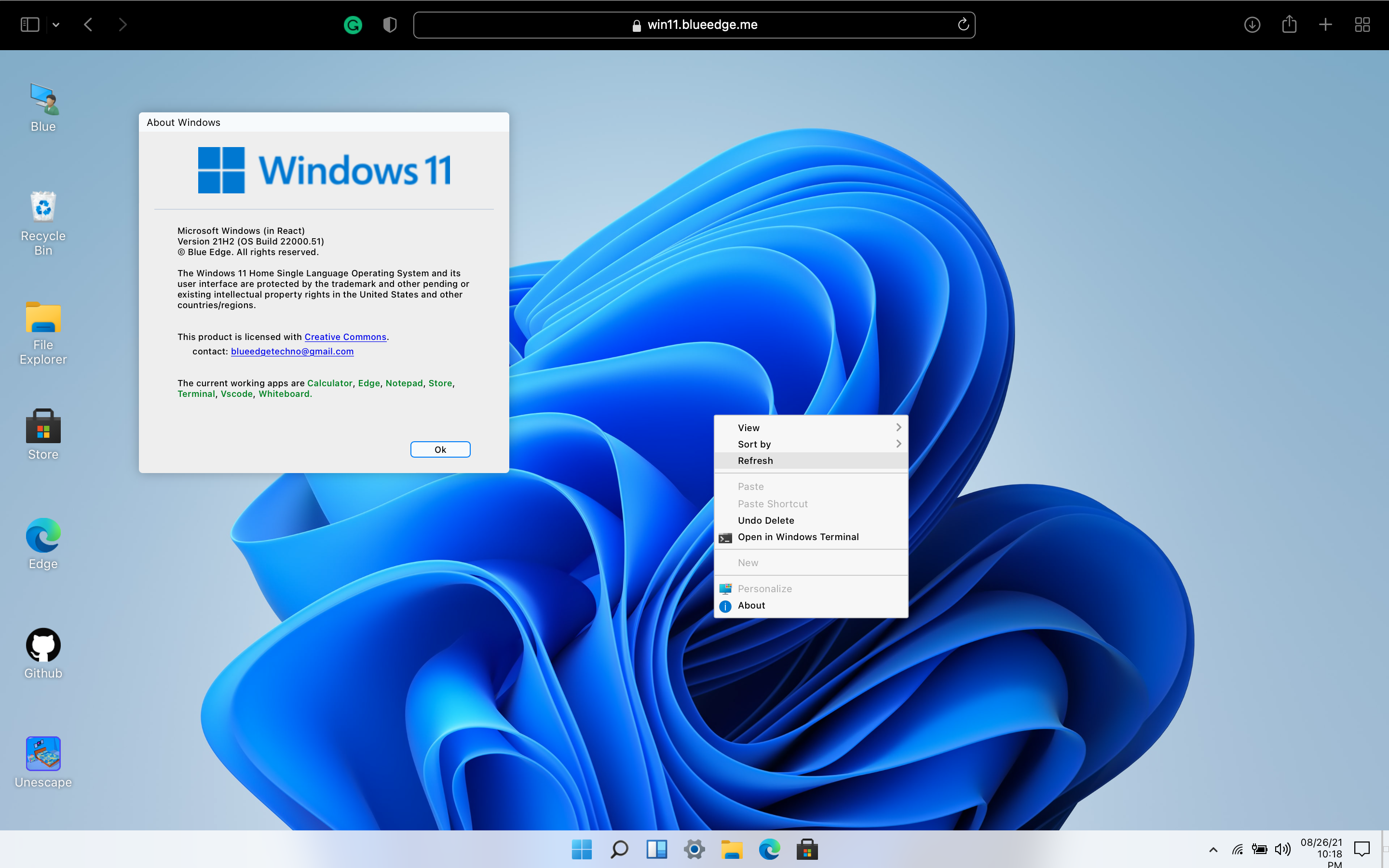
Software giant Microsoft has announced that users of older PCs running on a lower Windows operating system can now manually upgrade their PC’s operating system to Windows 11 by downloading the ISO file. Microsoft will no longer block users from updating their OS, although restrictions still remain when this is done via the regular Windows update. The announcement was made Friday via a blogpost, and it is bound to receive applause from a wide segment of users of older Windows OS.

Source: Blue Edge

Although the recommended hardware requirements for the installation of Windows 11 remain, once you met the basic installation requirements, you can ultimately upgrade your OS to Windows 11 even though your older CPU did not pass the upgrade test. You can proceed to download the ISO file of Windows 11 and follow the prompts to install it manually. While the recently released hardware requirements for Windows 11 show that it requires an Intel 8th generation CPU or newer, the company provides the option of users intending to install the OS on older CPUs, of course, at their own risk. Aside from the Intel 8th –gen CPU, the basic requirements for the manual upgrade is a 64-bit 1GHz processor having two or more cores, 4 GB of RAM, and 64GB of available storage.

Microsoft has expanded the lineup of processors that could use the new Windows 11 OS including the Intel Core-X series, Xeon W-series, together with Intel Core 7820HQ. These CPUs will now be officially supported for Windows 11 upgrades. There are still several processors that still lack support for Windows 11. In addition, it is unlikely that upgrades and updates will be supported for devices in which Windows 11 was manually installed.

So, while millions of devices could potentially benefit from the manual upgrade opportunity, there are still others that may not meet the minimum processor and RAM requirement, while only a few will possibly go the whole hog to download and install the upgrade. Microsoft also says that there is a high possibility of system crashes.

RELATED:


(source)


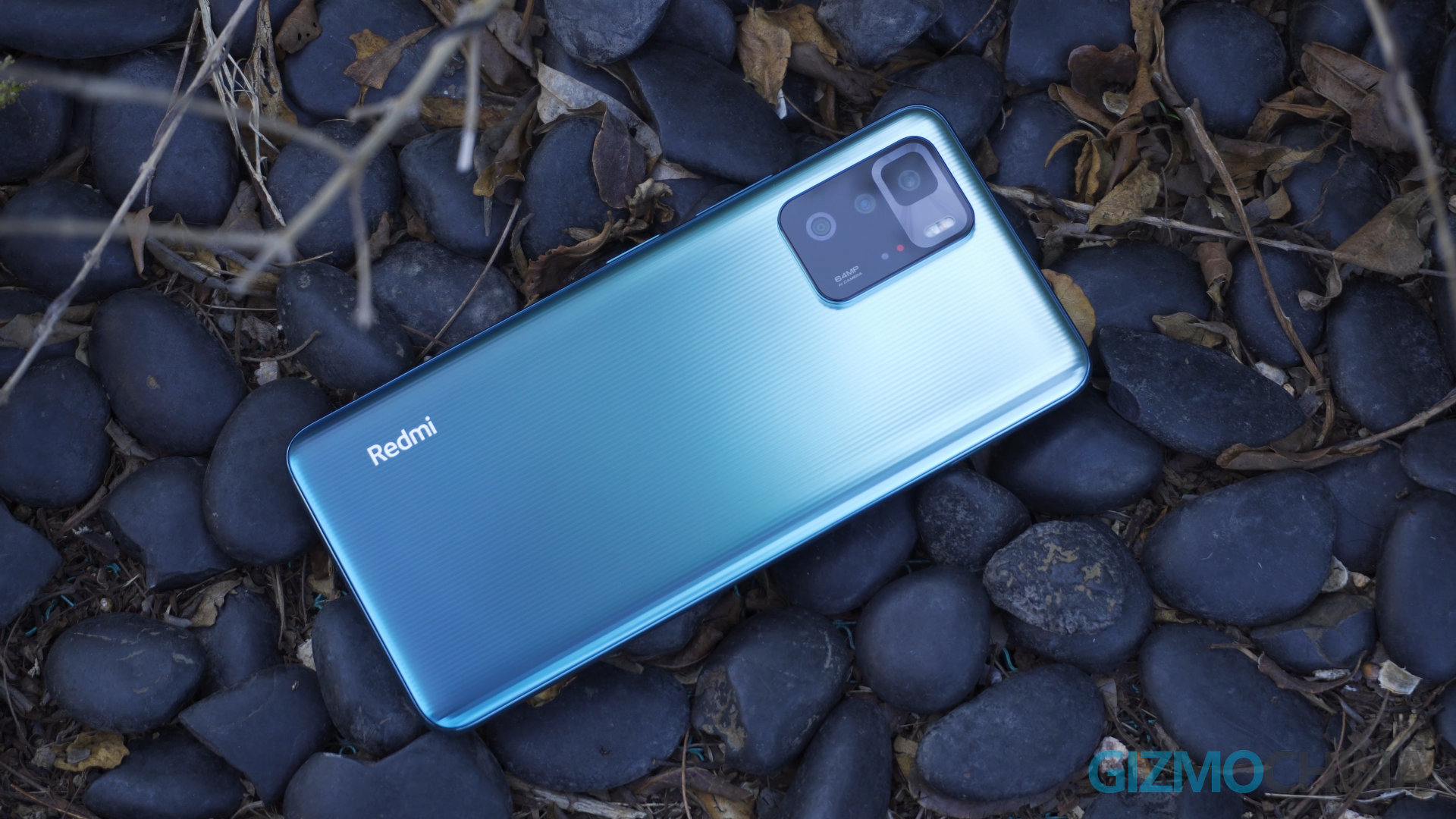
Redmi K20 is the last K series phone to get MIUI 12.5 update

The Redmi K20 launched as Xiaomi’s most affordable smartphone with a pop-up camera. It has been more than two years since its release. The device has even received two MIUI as well as two Android updates during this period. Now, Xiaomi has finally started rolling out MIUI 12.5 update for this handset.

Redmi K20 Colors Featured
Redmi K20

Xiaomi has been seeding out MIUI 12.5 update for eligible smartphones worldwide since earlier this year. The company has almost finished the rollout in China as it has now started rolling out MIUI 12.5 Enhanced Edition.

But it appears that the Redmi K20 was one of the few devices and the only K series phone to be left out. Hence, it is receiving the MIUI 12.5 update only now. The latest system update for the phone is currently live in China with build number V12.5.1.0.RFJCNXM.

Like any other OTA software update, the MIUI 12.5 update for the Redmi K20 is also being seeded out in batches. Hence, it is only available for a select few users at the moment.

Anyway, all users in China as well as other markets should get the update in the coming days. In most international markets, the Redmi K20 is known as Mi 9T. Hence, the same system update will also make its way to that device.

Having said that, the Redmi K20 might also receive MIUI 12.5 Enhanced Edition, followed by MIUI 13, which should be its last major software update.


RELATED:


More details about Xiaomi Evergreen and Evergo leak

Xiaomi has scheduled a global launch event for September 15. The Xiaomi 11T series is expected to go official at this conference. Ahead of that, details of three more upcoming devices have emerged.

Redmi Note 10 Pro featured CN VER Review 16
Redmi Note 10 Pro 5G

According to Xiaomiui, Xiaomi is working on three smartphones, namely Evergreen, Evergo, and Ingres. The first two are part of the same series and are already known, whereas the last model is a mysterious device.

Evergreen and Evergo bear the model numbers K16 and K16A respectively. Both of them will be powered by a MediaTek chipset. Further, they will have an identical camera setup with two different primary sensors.

The duo will house a triple camera setup consisting of a 50MP main sensor, an ultra-wide unit, and a telemacro shooter. Xiaomi will be sourcing two different 50MP sensors for these phones – OmniVision OV50C40 and Samsung S5KJN1. Whereas, the ultra-wide-angle lens will use a Sony IMX355 sensor.

Unfortunately, there’s no information about Ingres. But we expect to learn more about it in the coming days. Additionally, we are also looking forward to grasping more details about Evergreen and Evergo.

Having said that, going by the specs, these phones could probably be mid-range smartphones. Hence, they will most likely launch with the Redmi branding and not the new Xiaomi branding.

Anyway, what are your thoughts on these upcoming handsets? Do let us know in the comment section below.


RELATED:


Camera specs of Xiaomi 12 series, Xiaomi CC11 series emerge

Xiaomi has started releasing new devices for the second half of 2021. The Chinese tech giant has scheduled a global launch event for September 15. The company is expected to announce the Xiaomi 11T series at this conference. Ahead of that, we get to learn the camera specs of two more upcoming lineups from the firm, namely the Xiaomi 12 series and the alleged Xiaomi CC11 series.

Xiaomi Mi 11 Ultra

According to Xiaomiui, the forthcoming Xiaomi 12 series could include at least three models. These phones are said to be codenamed Zeus, Cupid, and Psyche. They bear model numbers L1, L2, and L3A respectively.

All three handsets will house a 200MP triple camera setup. Two of them will be powered by the successor of Snapdragon 888, which is currently known as SM8450. Whereas, the remaining model will come with an SM8250-based chip, which could be an overclocked Snapdragon 865.

Xiaomi 12 Series Camera Specs

Zeus

  • 200MP Primary Sensor
  • 50MP Ultra-Wide
  • 50MP 10X Periscope

Cupid

  • 200MP Primary Sensor
  • Ultra-Wide
  • Macro

Psyche

  • 200MP Primary Sensor
  • Ultra-Wide
  • Macro with OIS

As far as marketing names are concerned, Zeus could be Xiaomi 12 Ultra, while Cupid may launch as Xiaomi 12. The branding for Psyche is anyone’s guess as of now.

Further, talking about the so-called Xiaomi CC11 series, Xiaomiui says that the two phones in the lineup are codenamed Pissaro and Pissaropro. As of now, the two devices are identical in terms of features. They will be powered by an unknown MediaTek SoC and sport a 108MP triple camera setup as well as a physical fingerprint sensor.

Xiaomi Mi CC9 Pro Mi Note 10 Pro Featured
Xiaomi Mi CC9 Pro

However, their specs could change as the handsets are still in the development stage. Additionally, there are also Indian variants of these two smartphones.

Xiaomi CC11 Series Camera Specs

Pissaro

  • 108MP HM3 Primary Sensor
  • Ultra-Wide
  • Macro

Pissaropro

  • 108MP HM3 Primary Sensor
  • Ultra-Wide
  • Macro

The Xiaomi 12 series will be replacing the Mi 11 series. At least, one of the models in the lineup is said to debut at the end of 2021. It will probably be the first smartphone with the next-gen Qualcomm flagship mobile SoC, just like the Mi 11 last year.

On the other hand, the alleged Xiaomi CC11 series is being rumored for a long time. These devices are also expected to go official before the end of this year.


RELATED:


[UPDATED] FFALCON Thunderbird FF1 phone by TCL launched: specs, features, and price

UPDATE: 

An earlier version of this article erroneously stated that the phone was co-developed with Huawei. The company has clarified to us that this phone is designed solely by the TCL subsidiary FFALCON, for sale in China. The processor details have been updated as well. 


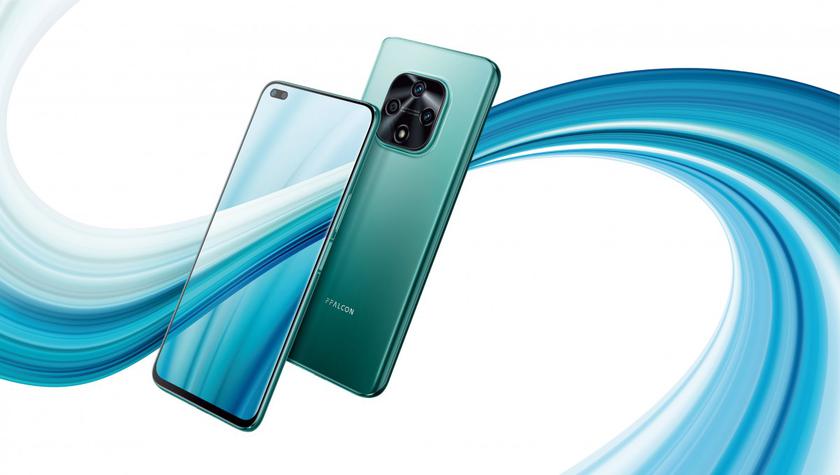
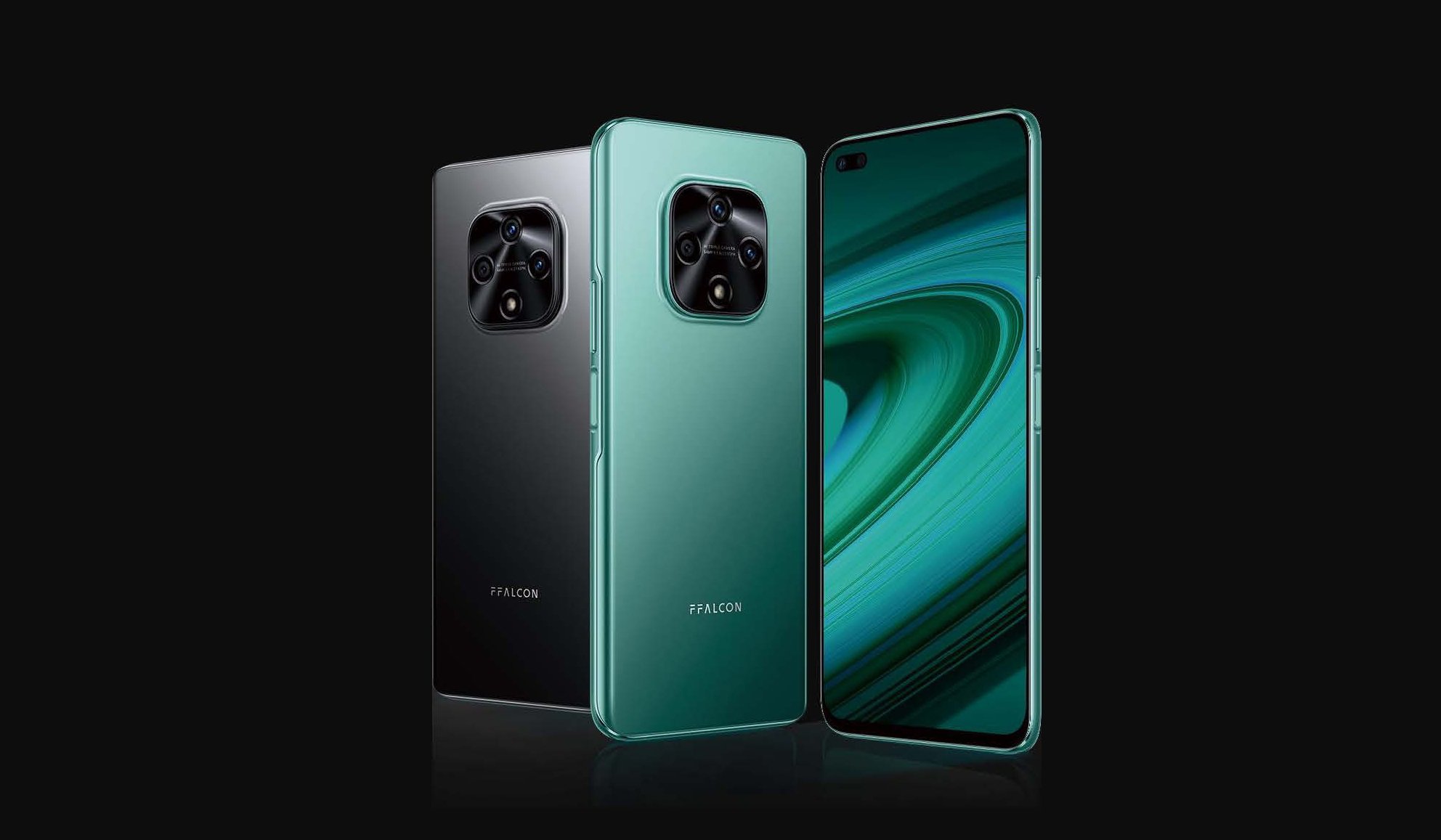
TCL has introduced a new smartphone called the FFALCON Thunderbird FF1 in China. The new mid-range phone offers exciting features like a high refresh rate display with dual punch-hole cutout, a 64-megapixel triple camera unit, a Dimensity 9-series chip, up to 256 GB of storage, and a decent battery with fast charging capabilities.

FFALCON Thunderbird FF1 specifications and features

The FFALCON Thunderbird FF1 has a 6.67-inch IPS LCD panel that offers a Full HD+ resolution, a 20:9 aspect ratio, and a 120Hz refresh rate. The pill-shaped camera cutout on the display houses a 16-megapixel selfie camera.

FFALCON Thunderbid FF1
FFALCON Thunderbird FF1

The square camera module placed at the FFALCON Thunderbird FF1’s back houses a 64-megapixel main camera with an f/1.7 aperture, an 8-megapixel ultrawide snapper, and a 2-megapixel depth assist lens. The handset boots to Android 11 OS.

The FF1 is powered by the Qualcomm Snapdragon 690 5G chipset and 8 GB of RAM. It comes in 128 GB and 256 GB storage choices. It is backed by a 4,300mAh battery that supports 66W rapid charging. The other features that are available on the device include dual SIM support, 5G/4G, Wi-Fi 802.11ac, Bluetooth 5.1, GPS, and a USB-C port.

FFALCON Thunderbird FF1

FFALCON Thunderbird FF1 price and availability

The 128 GB and 256 GB variants of the FFALCON Thunderbird FF1 are priced at 2,499 Yuan (~$386) and 2,799 Yuan (~$432), respectively. It will be available for purchase starting from Sept. 10 in China. It is unclear if TCL has any plans to release the FF1 outside the home market.

RELATED:

Infinix Hot 11S price, variants leaked before launch

Last year in October, Infinix launched the Infinix Hot 10 smartphone in India. This year, the company announced a few more Hot 10 series models such as the Hot 10 Play and Hot 10S in the country. Fresh information reveals that the company is gearing up to launch the Hot 11S in September. Ahead of the launch, the pricing of its two variants is now doing rounds on social platforms.

It is speculated that the Hot 11S will be available in two options such as 4 GB RAM + 64 GB storage and 6 GB RAM + 64 GB storage. These models are said to be priced at Rs 9,999 (~$136) and Rs 10,999 (~$149), respectively.

Hot-10S
Infinix Hot 10S / Hot 10S NFC

Readers are advised to digest the pricing leak with a grain of salt. The company has already confirmed that the smartphone will come equipped with the Helio G88, which also fuels the recently unveiled Redmi 10 handset. It has also revealed that the phone will launch by mid-September. It is likely that the company will start teasing the arrival of the Hot 11S by the beginning of September.

The other specifications of the Hot 11S are yet to be confirmed. It is likely that the handset may inherit some of the specs from the Hot 10S. Hence, Infinix may offer a 90Hz refresh rate display on the Hot 11S. It may come with an improved 48-megapixel triple camera system. It may inherit the 6,000mAh battery and 18W fast charging support from the Hot 10S.

RELATED:

Samsung Galaxy A52s 5G India launch teased, September 3 date tipped

Samsung is reportedly working to bring the Galaxy A52s 5G in India. The South Korean company has released an official teaser of the smartphone to confirm its arrival in India. It is speculated that the A52s will launch on Sept. 3 in India.

Yesterday, tipster Abhishek Yadav released a tweet to share the leaked pricing of the A52s 5G. He claimed that the smartphone will be launching on Sept. 3 in India. The tipster further revealed that the 6 GB RAM + 128 GB storage and 8 GB RAM + 128 GB storage variants of the A52s will be priced at Rs 35,999 (~$327) and Rs 37,499 (~$341), respectively.

The Galaxy A52s 5G has gone live on Samsung India’s website. People who are interested in the device can hit the “Notify” button to get updates on its arrival. The official image available on Samsung’s site shows that the handset will be available in at least black and white colors.

Samsung Galaxy A52s 5G specifications and features

Samsung Galaxy A52s 5G

The Galaxy A52s 5G has a 6.5-inch S-AMOLED FHD+ screen that offers a 120Hz refresh rate. For security, it features an in-display fingerprint scanner. Its display punch-hole houses a selfie camera of 32-megapixel. Its back panel has a 64-megapixel primary camera, a 12-megapixel ultrawide snapper, a 5-megapixel macro camera, and a 2-megapixel depth assist lens.

The A52s 5G is powered by the Snapdragon 778G chipset powers the device. It has a 4,500mAh battery that carries support for 25W rapid charging.

RELATED:

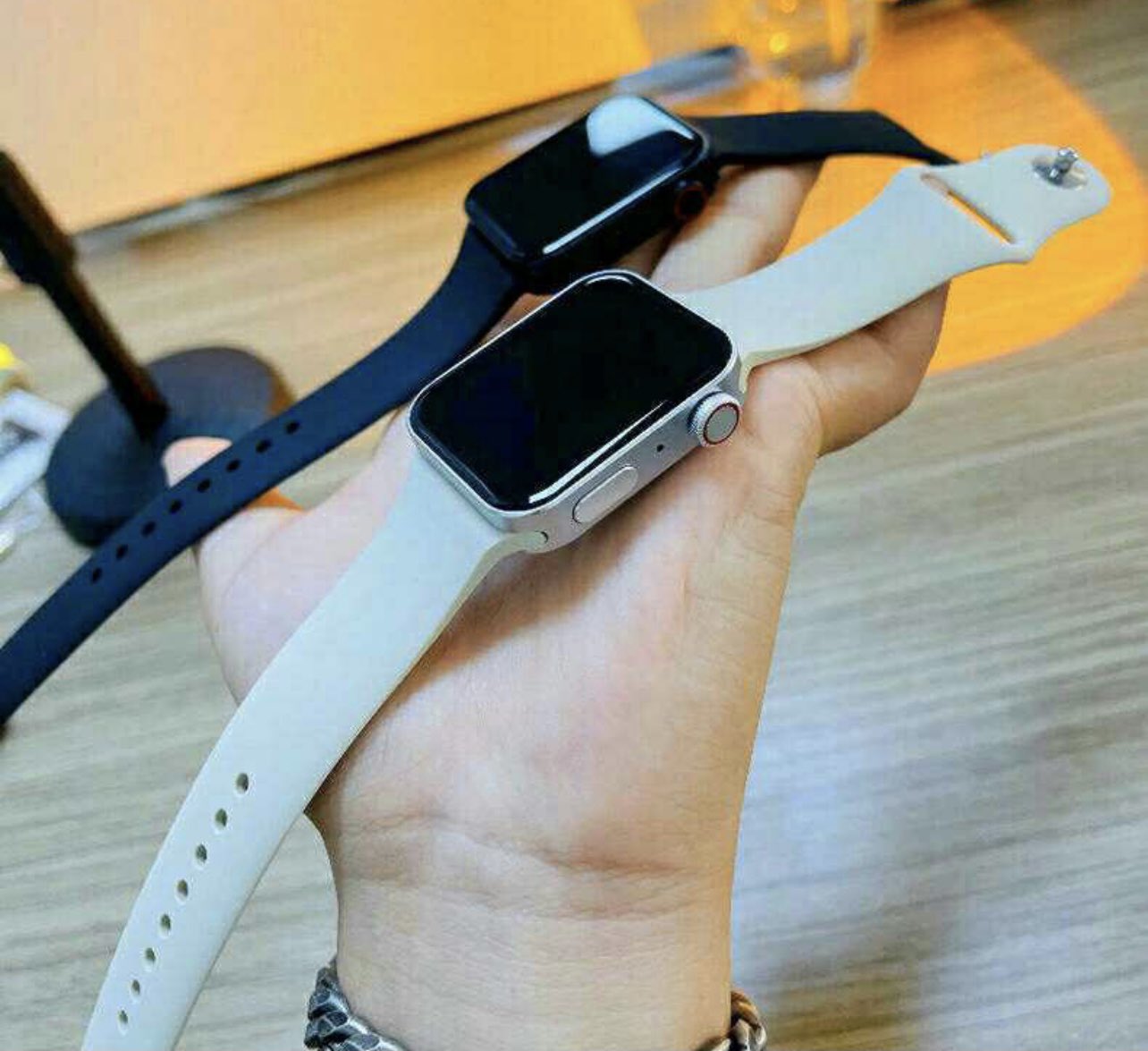
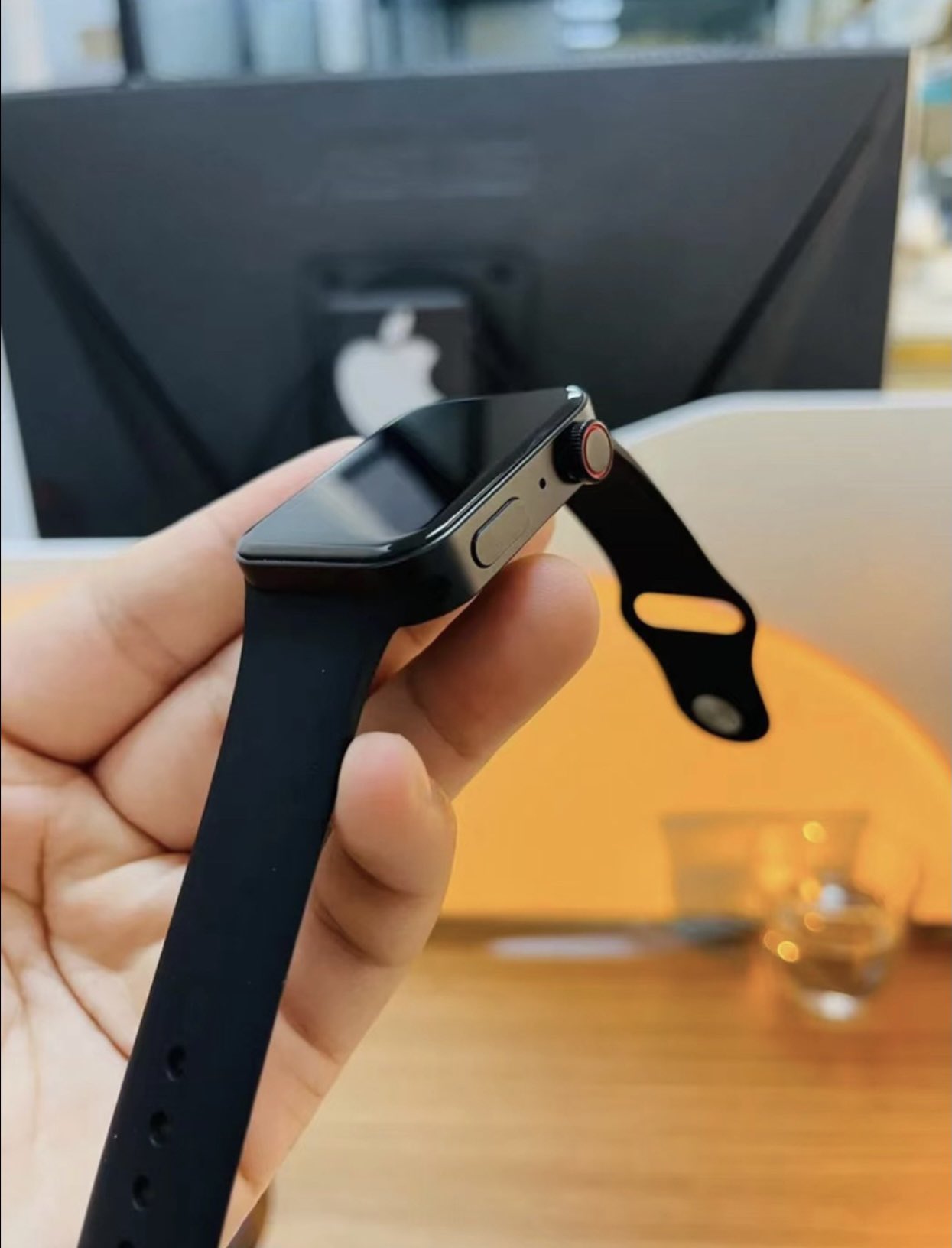
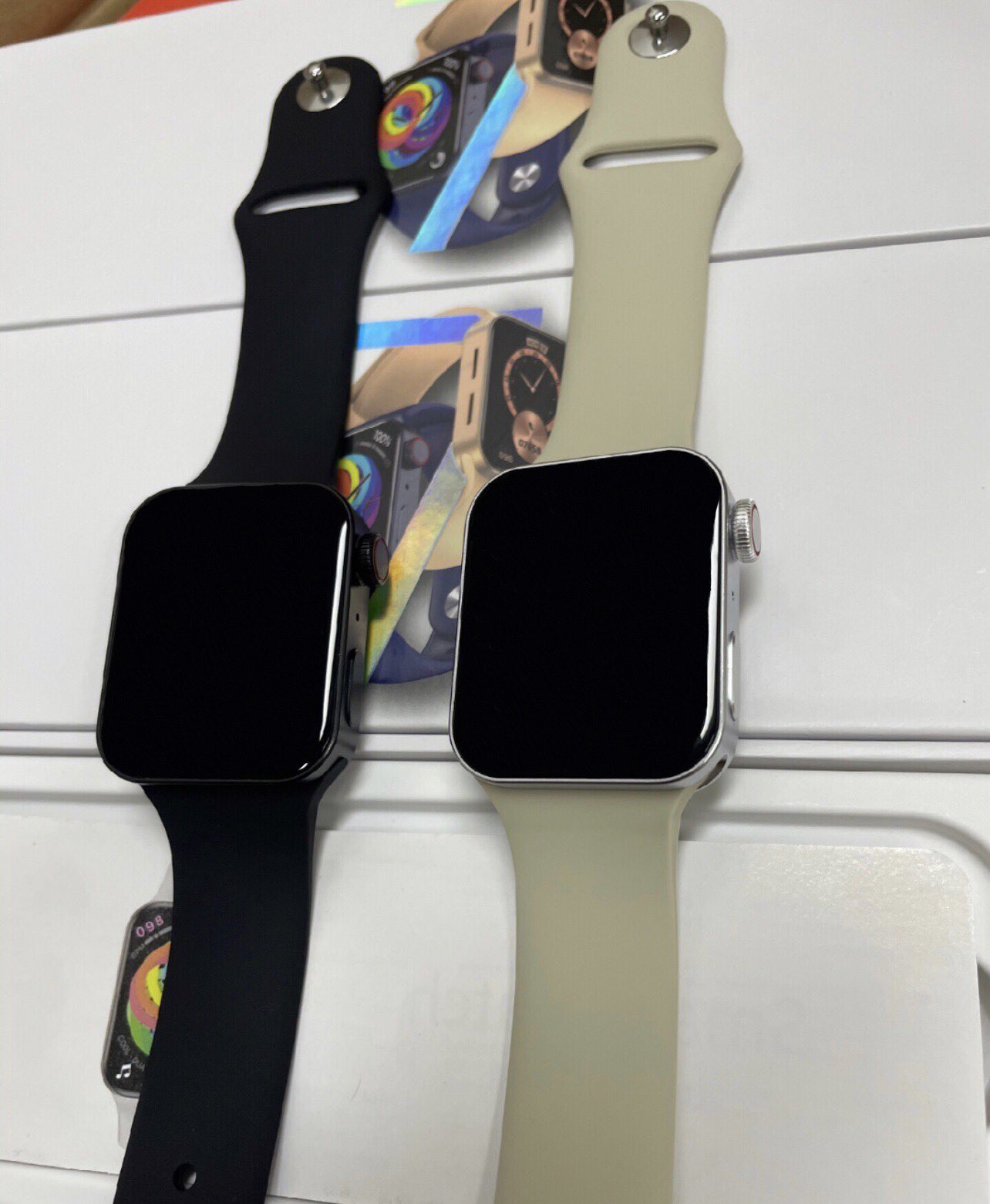
Apple Watch Series 7 Knock-off is already on sale in China, appears in real skin

Apple is expected to announce the Watch Series 7 in September this year. While that is yet to happen, images purported to be a counterfeit of the upcoming Watch Series 7 model have appeared online. The images were shared by a Twitter user @MajinBuOfficial and they show the knock-ff Watch Series 7 in space gray, silver, and space black colors.Apple Watch Series 7

The design of the Watch Series 7 knock-off resembles those of the previously leaked CAD renders of the next-gen Apple Watch. It is expected that the Apple Watch will use a square edge, which is very similar to the design of the iPhone 12 series, iPad Air, iPad Pro, and the 24-inch iMac.Apple Watch Series 7 Clone

Although the devices in the images are knock-offs and not from Apple, they may be similar to the final product, allowing us to see how the new Apple Watch design looks in real life. The tipster also disclosed that the Apple Watch Series 7 clone is already on sale in China for around 350-400 yuan (~$60).

So far, we have only seen the design of the Apple Watch Series 7 in renders that are based on leaked images and CAD drawings leaked by industry sources. Although the Apple Watch 7 series is expected to be 1.7mm thinner than the 6 series, it is worth noting that this change may not have been brought to the cloned product. The Watch 7 clone in the leaked images appears to be thicker than the genuine device.

Apple Watch Series 7 clone

The clones of popular Apple products are usually very deceptive in appearance, making the deceived believe that they are genuine. This problem is very common, especially the counterfeit AirPods, which has reached the point where it is difficult to distinguish between the fake and the real so that Apple has a team that focuses on combating counterfeit products and preventing them from being sold.

Apple is expected to launch Apple Watch Series 7 as early as next month, and it is likely to be launched alongside the iPhone 13 series, offering improved display technology and ultra-wideband connections, faster processors, larger batteries, and more.

RELATED:


(source)

Redmi 10 Prime vs Moto G30 vs Tecno Pova 2: Specs Comparison

The Redmi 10 went official and it is going to hit the Indian market under the Redmi 10 Prime moniker. Is it the right phone to conquer the budget segment? How many good rivals does it have? We believe that one of the best ways to answer these questions is by comparing the handset with the other best devices sold at similar prices. In the Indian market, among the best handsets which can compete with the Redmi 10 Prime, there are Motorola Moto G30 and Tecno Pova 2. Let’s find out which one offers the highest value for money and which is the best phone of the trio.

Xiaomi Redmi 10 Prime vs Motorola Moto G30 vs Tecno Pova 2

Xiaomi Redmi 10 Prime Motorola Moto G30 Tecno Pova 2
DIMENSIONS AND WEIGHT 162 x 75.5 x 8.9 mm, 181 grams 165.2 x 75.7 x 9.1 mm, 200 grams 173.3 x 78.8 x 9.6 mm
DISPLAY  6.5 inches, 1080 x 2400p (Full HD+), LCD 6.5 inches, 720 x 1600p (HD+), 270 ppi, IPS LCD 6.9 inches, 1080 x 2460p (Full HD+), 389 ppi, IPS LCD
PROCESSOR Mediatek Helio G88, octa-core 2 GHz Qualcomm Snapdragon 662, octa-core 2 GHz Mediatek Helio G85, octa-core 2 GHz
MEMORY 4 GB RAM, 64 GB –  4 GB RAM, 128 GB –  6 GB RAM, 128 GB – micro SD dedicated slot 4 GB RAM, 64 GB – 4 GB RAM, 128 GB – 6 GB RAM, 128 GB – micro SD slot 4 GB RAM, 64 GB – 6 GB RAM, 128 GB – micro SD dedicated slot
SOFTWARE  Android 11, MIUI Android 11 Android 11, HiOS
CONNECTIVITY Wi-Fi 802.11 a/b/g/n/ac, Bluetooth 5.1, GPS Wi-Fi 802.11 a/b/g/n/ac, Bluetooth 5, GPS Wi-Fi 802.11 a/b/g/n/ac, Bluetooth 5, GPS
CAMERA Quad 50 + 8 + 2 + 2 MP, f/1.8 + f/2.2 + f/2.4 + f/2.4
8 MP f/2.0 front camera
Quad 64 + 8 + 2 + 2 MP f/1.7, f/2.2, f/2.4 and f/2.4
13 MP f/2.2 front camera
Quad 48 + 2 + 2 + 2 MP, f/1.9
8 MP f/2.0 front camera
BATTERY 5000 mAh, fast charging 18W 5000 mAh, fast charging 20W 7000 mAh, fast charging 18W
ADDITIONAL FEATURES Dual SIM slot, reverse charging 9W Dual SIM slot, water repellent Dual SIM slot

Design

The Redmi 10 Prime is attractive because it has a similar design to the Xiaomi Mi 10 Ultra, so it is aesthetically similar to a flagship. However, the materials are obviously not the same as the phone is made of polycarbonate. The Redmi 10 Prime is the thinnest and most lightweight phone of this trio and it also offers a slightly higher screen to body ratio. With the Motorola Moto G30, you get a water repellent design which may turn useful if you want to use the phone in the rain. The Tecno Pova 2 is elegant but too big for an average user.


Display

The most advanced display belongs to the Redmi 10 Prime: it has a 6.5-inch diagonal, a Full HD+ resolution, and a 90 Hz refresh rate. It is not an advanced panel as it is a traditional LCD display like the ones you can find on most budget phones, but it is better than the HD+ display of the Motorola Moto G30 due to its higher resolution. The Tecno Pova 2 has a Full HD+ display just like the Redmi 10 Prime, but it comes with a standard refresh rate.


Hardware/Software

If you are looking for the best hardware department, you should go for the Redmi 10 Prime without thinking twice. It offers the powerful Mediatek Helio G88 mobile platform which is good for gaming and advanced usage patterns, paired with up to 6 GB of RAM and up to 128 GB of native storage. You can get the same memory configuration with the Moto G30 and the Tecno Pova 2, but with weaker chipsets. The phones run Android 11 out of the box with different customizations: the MIUI found on the Redmi 10 Prime is the best one, imho.


Camera

On the paper, the 64 MP quad camera of the Motorola Moto G30 looks like the most interesting one. It has a brighter focal aperture which should allow better performance in low light conditions, and there is also a better 13 MP front camera allowing to capture better selfies. Right after, we got the 50 MP quad camera of the Redmi 10 Prime. The Tecno Pova 2 has an inferior 48 MP main sensor and it lacks an ultrawide camera, unlike Redmi 10 Prime and Motorola Moto G30.


Battery

The Tecno Pova 2 has a mammoth battery and it is the best battery phone of this trio with a capacity of 7000 mAh. However, the Redmi 10 Prime and the Motorola Moto G30 are still great battery phones with a capacity of 5000 mAh.


Xiaomi Redmi 10 Prime vs Motorola Moto G30 vs Tecno Pova 2: Price

We still do not know the price of the Redmi 10 Prime in India, but we suppose it will cost around Rs. 12,000 ($163). Moto G30 costs Rs. 11,000 ($150), while Tecno Pova 2 starts from Rs. 10,500 ($143). The Redmi 10 Prime is the most advanced device due to its better display, chipset, good cameras. Moto G30 has a very advanced camera, while Tecno Pova 2 has a wider display and a bigger battery.


Xiaomi Redmi 10 Prime vs Motorola Moto G30 vs Tecno Pova 2: PRO and CONS

Xiaomi Redmi 10 Prime

PROS

  • Best chipset
  • Full HD+ display
  • Good camera
  • 90 Hz refresh rate
  • Stereo speakers
  • Reverse charging

CONS

  • Nothing particular


Motorola Moto G30

PROS

  • Good hardware
  • 90 Hz display
  • Water repellent
  • Great cameras

CONS

  • HD+ display


Tecno Pova 2

PROS

  • Biggest battery
  • Wider screen
  • Full HD+ resolution

CONS

  • Inferior cameras


RELATED

Check the latest videos from our YouTube channel and subscribe:

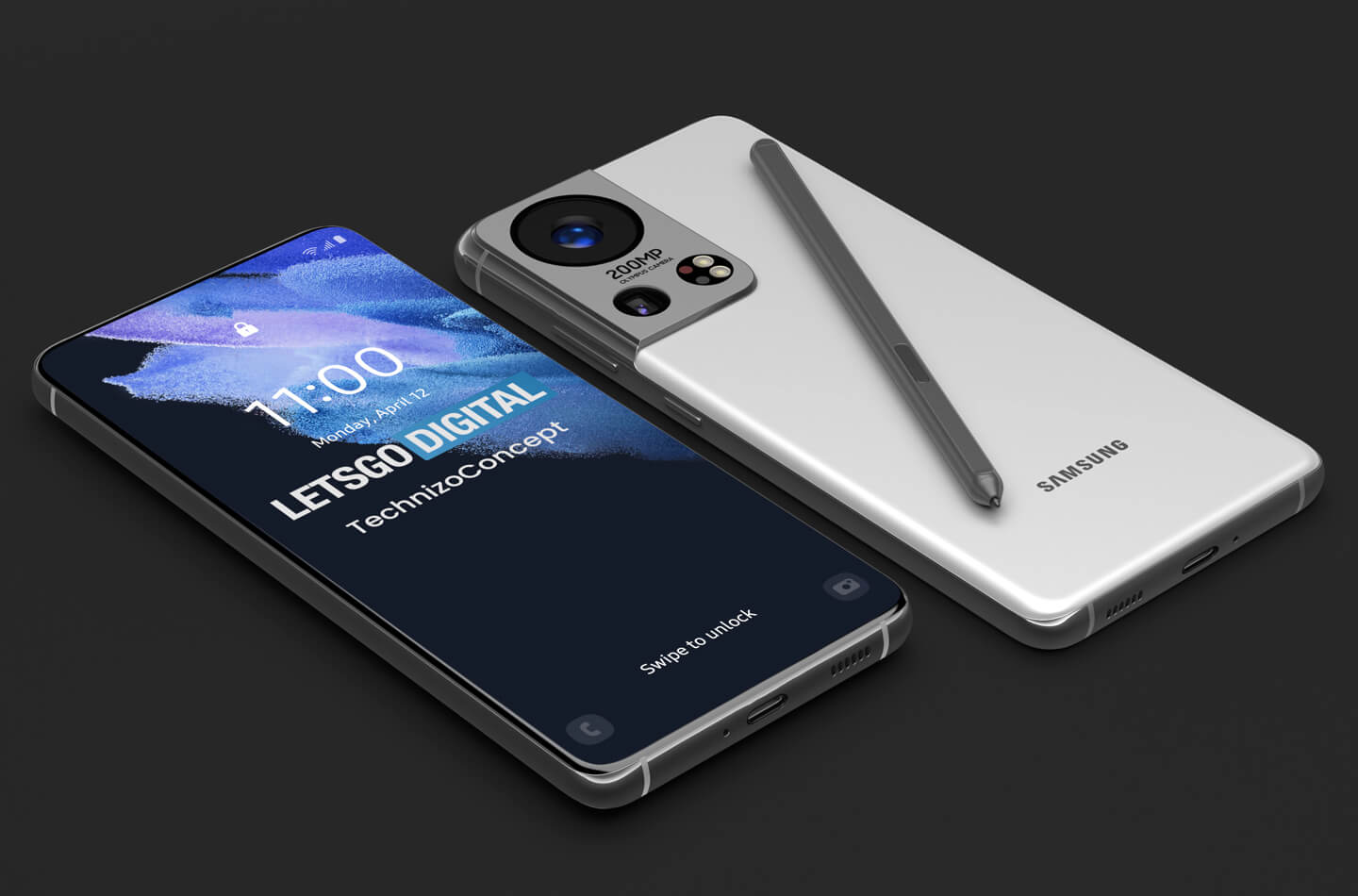
Samsung Galaxy S22 & S22+ will reportedly have support for 3X optical zoom

Samsung hasn’t really focused on improving the optical zoom capability of its flagship Galaxy S models. The 2020 Galaxy S20 and S20+ as well as this year’s Galaxy S21 and S21+ were only equipping with 1.1x optical zoom. But thanks to the high resolution of the sensor (64MP), these devices can also use digital zoom to complement for this optical zoom deficiency.

Samsung Galaxy S22 Concept Render
Samsung Galaxy S22 concept renders. Source: LetsGoDigital

However, according to GalaxyClub.nl, Samsung seems to be planning to take a different approach on the Galaxy S22 / S22+ models that will arrive early next year. GalaxyClub.nl quoted sources as saying that the Galaxy S22 series smartphones will be equipped with a 10-megapixel telephoto lens that supports 3X optical zoom, rather than the hybrid zoom of the Galaxy S20/21 era.

As reported last week, the Galaxy S22 Ultra is expected to continue the dual 10-megapixel telephoto camera setup on the Galaxy S21 Ultra. One of the lens will be a periscope lens that will offer 10x optical zoom. However, even if Samsung omitted the lens that supports 10X optical zoom on the standard Galaxy S22 and Galaxy S22 Plus models, at least one with an enhanced optical zoom is expected to be on the models.

In addition, GalaxyClub.nl also confirmed last week an earlier rumor that the Galaxy S22 / S22+ models will be equipped with a 50MP main camera. Considering that the 12MP wide-angle lens is already a no-brainer, the rest that is left to be known is the improvements on the front camera.

A lot of the features of the Galaxy S22 series are still unknown. But there are rumors that the Galaxy S22+ will be equipped with a 4500 mAh battery and will be powered by an Exynos 2200 chipset integrated with AMD mRNDA GPU. In terms of software, it is expected that Galaxy S22 will be pre-installed with OneUI 4.x based on Android 12 when it is launched early next year.

RELATED:

(source)


Clue spotted showing Google Pixel 6 will feature ultra-wideband support

A growing number of devices are now deploying ultra-wideband (UWB) technology and it seems that the upcoming Google Pixel 6 smartphone will be the next. The ultra-wideband (UWB) technology provides greater depth and precision in devices using it. The recently launched Xiaomi Mix 4, as well as Samsung SmartTag+ and Apple’s AirTag, feature support for UWB technology. Google intends to join the class with the Pixel 6, going by a recently spotted clue.Google Pixel 6 series featured

The hype has been on the specs and technologies that are in the Pixel 6 and this has drawn some excitement from several quarters. Its all-new Tensor SoC is also impressive. The flagship smartphone from Google is designed to have a go at the competition.

A few months back, there were hints that Google may incorporate ultra-wideband support in its lineup of smartphones for 2021. The ultra-wideband technology is fast becoming prevalent across tech devices ranging from smartphones to smart tags. The camera setup of the Pixel 6 is quite impressive, as well as a few other features are already known about Google’s latest flagship offering, the Pixel 6.Google Pixel 6

A post within the AOSP Gerrit seems to have confirmed the UWB support for the Pixel 6. The comment requests that the Pixel-specific UWB hardware abstraction layer (HAL), be renamed to void conflicts with the AOSP HAL policy rules that are going to be added in Android T.

The seemingly innocuous post is packed with possible info, as only Google smartphones bear the Pixel moniker. The UWB support might just be one of the surprises. In addition, the codenames of the Android operating systems mentioned are also suggestive. Android S refers to Android 12. We could hazard a guess that a generic version of UWB support may be in the works for Android 13, referred to as Android T in the post. This would Fastrack the deployment of UWB by more OEMs in the future.

The UWB technology holds mich promise in its eventual deployment to smartphones and other devices. The NFC technology is the closest to UWB but is lacking on several fronts.

RELATED: 


(source)


Fruit Ninja and Jetpack Joyride now available on KaiOS

KaiOS Technologies announced that the popular mobile games Fruit Ninja and Jetpack Joyride has been ported over to the KaiOS by the Singapore based developer Storm. The Storm isn’t the original developer of these games, but it owns the license to port them into instant games for the KaiOS.

Fruit Ninja

“Storms and KaiOS share the same mission, which is to empower all people – especially the underserved markets – with quality content. We have seen how Storms’ gaming content is being appreciated by KaiOS phone users. Over the last eight months, Storms’ games have been downloaded more than one million times via the KaiStore, with markets such as Pakistan, Nigeria and Tanzania experiencing the highest number of installs,” said Sebastien Codeville, CEO of KaiOS Technologies.

Codeville also added, “Seeing how arcade games such as Shoot and Fish are topping the list when it comes to game installs, we are thrilled to welcome the well-loved Fruit Ninja and Jetpack Joyride which fall under the same game category to our KaiOS ecosystem.”

Jetpack Joyride

Well, both the games were initially designed for touch-based devices. So, in Fruit Ninja, players had to swipe to slice the fruit, while in Jetpack Joyride, players had to tap to rise Barry up in the air. But, Storm reworked the game to work on keypad based devices, so now players can play the game using the keypad. In Fruit Ninja, players need to press the number that appears nearby the fruit to slice it, whereas, in Jetpack Joyride, players need to press the or ‘5’ or Menu button to rise Barry up in the air.

KaiOS is an operating system designed for feature phones. Currently, KaiOS powers 150 million feature phones across the globe, and these two games will be available to every KaiOS user. KaiOS brings smart features to the feature phones such as Google Assitant and other apps helping communities around the world to be connected with each other.

RELATED:


Xiaomi Mi 12 and Redmi K50 models revealed by tipster, could board Snapdragon 898 SoC

Xiaomi launched the Mi 11 and Redmi K40 smartphones earlier this year with flagship-grade specs at aggressive prices. Now, the company seems to be already planning the successors called Xiaomi Mi 12 and Redmi K50. More information about these phones has just got revealed, thanks to the notorious tipster Digital Chat Station

As per the tipster, a few new models of the Mi 12 and Redmi K50 have got filed online and the models include L1C, L2C, L3AC, L10AC, and L11C. These phones are expected to come powered by a flagship chipset. Rumors have it that the Xiaomi Mi 12 will come powered by the Qualcomm Snapdragon 898 SoC, whereas, the Redmi K50 will have two versions – a Snapdragon 888 and Snapdragon 898 model. However, out of these touted models, we aren’t sure which number belongs to which device.

Xiaomi Mi 12 and Redmi K50 models revealed by tipster, could board Snapdragon 898 SoC

Anyway, the Xiaomi Mi 12 will reportedly have display and camera upgrades. It will get an LTPO screen with a 120Hz refresh rate. It is expected to boast a Samsung GN3 camera sensor.

The Redmi K50 is expected to have similar specs as the Mi 12 but is expected to arrive at affordable pricing. The smartphone is said to have multiple models, similar to the endless versions of the existing Redmi K40 smartphone.

In related news, the Chinese phone maker is also expected to launch ‘T’ variants of the Xiaomi Mi 11 smartphone. Recently, the Xiaomi Mi 11T and Mi 11T Pro were seen featuring a side-mounted fingerprint scanner and a vertically placed rectangular camera module. Ahead of any announcements, the device was found listed on a European retailer website. The smartphone was listed starting for 644 euros(~$871) for the 8GB RAM and 128GB storage variant.

RELATED:


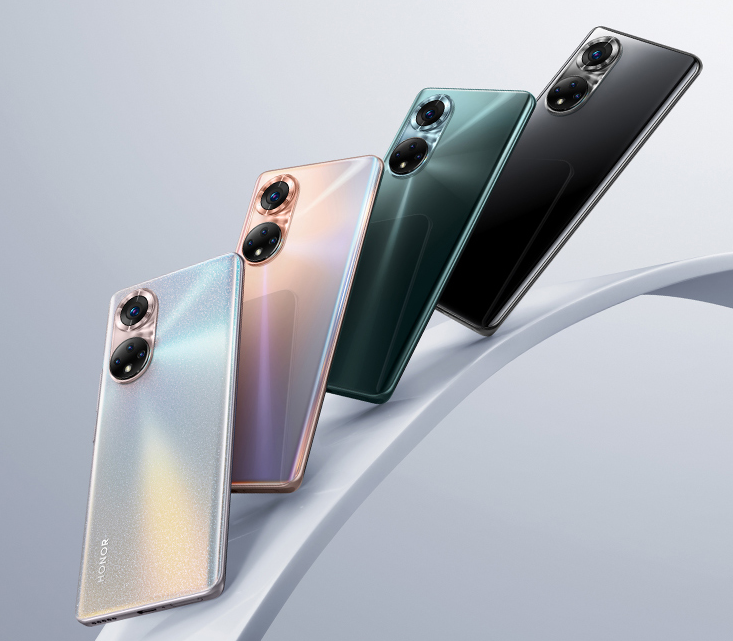
Honor to unveil a new colour scheme for the Honor 50 series on August 30

Honor unveiled the Honor 50 series back in June and the series came with the vanilla Honor 50 and the Honor 50 Pro.  The two models were made available in four different color schemes – snow crystal, summer amber, black jade green, and bright black. Looks like Honor is now set to release a new color option for the series. Honor 50

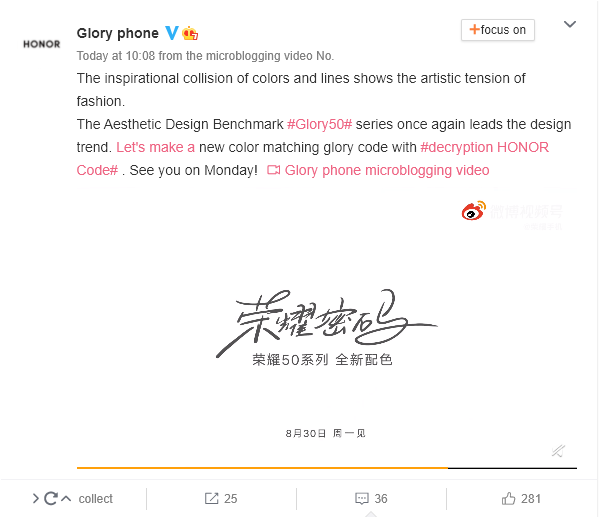
The Huawei spin-off company shared a promotional video on Weibo pointing to the unveiling of a new color option for the Honor 50 series on Monday, August 30, 2021. The teaser suggests that the new color scheme will reflect the artistic outline of the present color options and will be fashion-themed.

We’ll have to wait till Monday to find out what Honor is cooking. Whatever it is, we expect the new model to retain the configuration of the current models including the Snapdragon 778G chipset, a 6.57-inch OLED curved screen that supports a 120Hz screen refresh rate, and 300Hz touch sampling rate. The Honor 50 series also packs a 4000mAh battery that supports a 66W fast charge while the Honor 50 Pro supports a 100W super fast charge.

In addition, the Honor 50 and 50 Pro models are equipped with four rear cameras, including a 100-megapixel primary sensor, an 8-megapixel ultra-wide-angle lens, a 2-megapixel macro lens, and a 2-megapixel depth sensor. On the front side, there’s a 32-megapixel snapper for taking selfies. The phone runs Magic UI 4.2 based on Android 11.

RELATED: 


Ulefone Note 12P emerged on Google Play Console with HD+ display and 4GB of RAM

Chinese phone maker Ulefone seems to launch a new smartphone soon as a budget smartphone dubbed Ulefone Note 12P emerged on the Google Play Console listing. The Note 12P will be the successor to the current Ulefone Note 11P.

According to Google Play Console, the Ulefone Note 12P has a large display and HD+ resolution. It is expected to be an IPS LCD panel with a pixel density of 320 PPI. The smartphone will be powered by the UNISOC Spreadtrum SC9863A chipset paired with 4GB of RAM.

The smartphone runs on Android 11 out of the box and is expected to have Ulefone’s custom skin on top of it. It is expected to have 64GB onboard storage.

ulefone note 12p

Apart from this, the smartphone is expected to have multiple camera lenses at the rear. Considering that it will be the successor to the Ulefone Note 11P, we can expect a quad rear camera setup. At the front, it may feature a single camera system.

Ulefone Note 11P Specifications 

The Ulefone Note 11P has a 6.55-inch IPS LCD display with an HD+ resolution. It has a quad-camera system at the rear with a 48MP primary lens, an 8MP ultra-wide lens, and two 2MP sensors for macro and depth shots.

It is powered by the 12 nm-based MediaTek Helio P60 SoC with up to 8GB of RAM and 128GB of internal storage. It also features a microSD card for additional storage. The smartphone has a rear-facing fingerprint scanner for added security.

RELATED:

(via)

Samsung AI Speaker with 12.4-inch rollable display showcased at Korea Display Exhibition

IMID 2021 began on August 25 in Korea, and so far, we’ve seen some great display devices revealed by domestic manufacturers like Samsung and LG. Samsung unveiled the S-foldable gadget, which can be folded twice to become a smartphone and unfolded to become a massive 17.3-inch tablet. LG, on the other hand, has unveiled its 88-inch sound OLED TV and a smart bed with a 55-inch transparent OLED screen.

Today, Samsung has showcased another innovative product at the event. The company displayed an AI Speaker that turns into a 12.4-inch display in mere seconds.

According to a video from the Korea Display Exhibition, the Samsung AI Speaker has a taller design with rolled-up sides. It has a 12.4-inch flexible OLED display panel wrapped around the speaker. Interestingly, the AI speaker can be converted into a large 12.4-inch panel with just a tap on the proprietary app.

When the Samsung AI speaker is toggled from the smartphone, it goes from a rolled position to a flat display position in seconds. The panel’s movement while switching between these positions seems quite smooth.

samsung ai speaker

In related news, Samsung has also planned to reveal a 48-inch bendable cinematic sound OLED panel and a 34-inch 144Hz refresh rate monitor. While this display tech is enticing, we aren’t sure when these designs would be materialized.

RELATED:

(source)