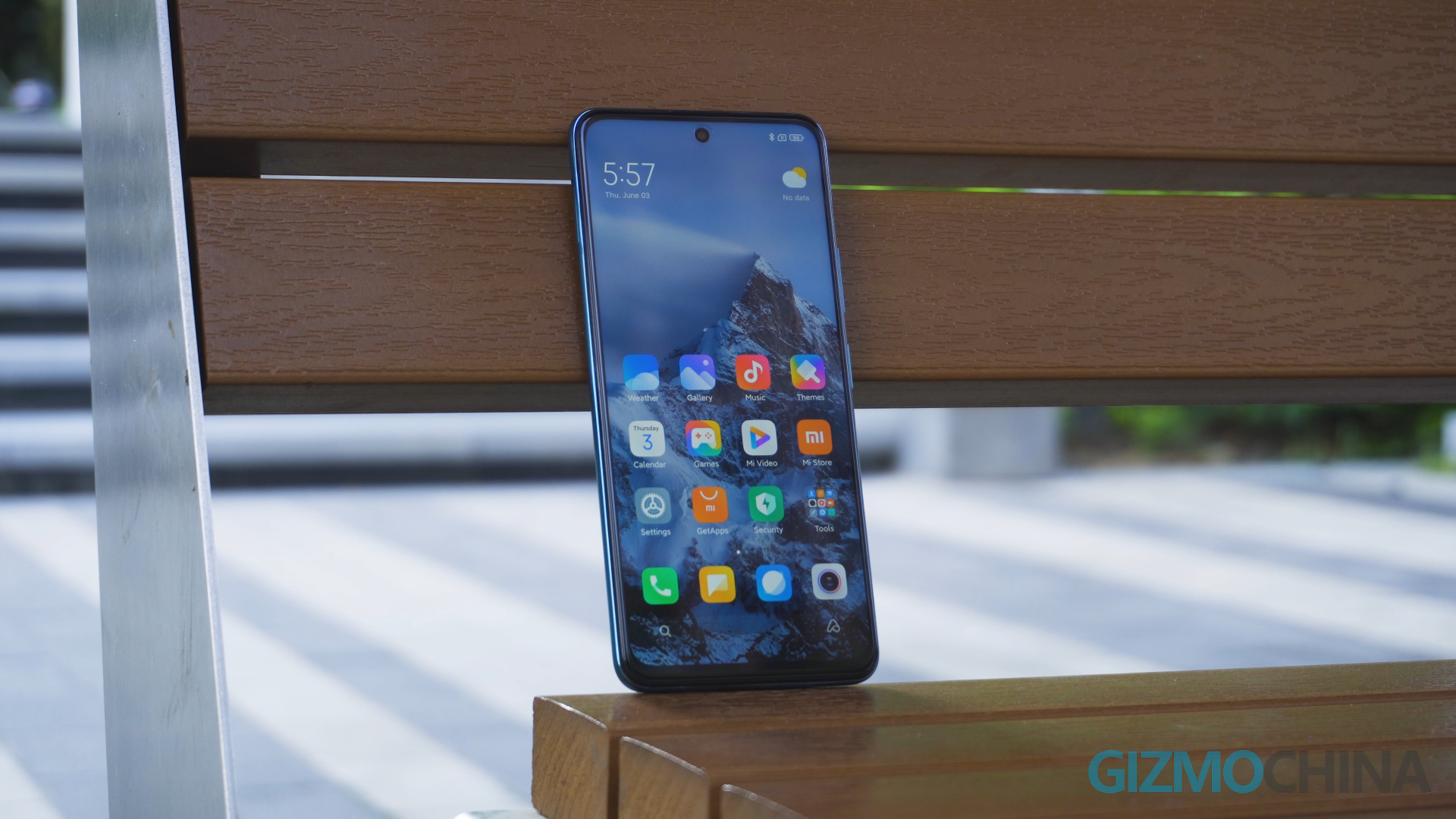
A few months ago, in March this year, Xiaomi launched its Redmi Note 10 series smartphones in the Indian market, which also included the Redmi Note 10 Pro and the Redmi Note 10 Pro Max.
The base model for both of these smartphones packed 6GB of RAM and 64GB of internal storage. The Redmi Note 10 Pro started at ₹15,999 (~$220) while the Redmi Note 10 Pro Max had a started price of ₹18,999 (~$261).
However, it now appears that the company has discontinued the base model with 6GB RAM and 64GB internal storage in the Indian market. This looks like a permanent thing as the model has been removed from the company’s official website.
It still continues to sell two other memory variants — 6GB RAM with 128GB of internal storage and 8GB RAM with 128GB of internal storage. The devices come in three color options — Dark Night, Glacial Blue, and Vintage Bronze.
Since the launch of the Redmi Note 10 series smartphones in the Indian market, the company has increased the pricing of the Pro variant twice by ₹500 each time. Thus, the phone now starts at ₹17,999. The pricing of the standard model has also been increased three times so far.
Both — the Redmi Note 10 Pro and the Redmi Note 10 Pro Max come with a 6.67-inch FHD+ (2400 x 1080 pixels) Super AMOLED display with a 120HZ refresh rate and a 2.96mm centered punch-hole.
The panel has a peak brightness of 1200 nits, 45000000:1 contrast ratio, 100% DCI-P3 color gamut, TÜV Rheinland certification for low blue light emission, supports HDR10, and is protected by Corning Gorilla Glass 5.
In the camera department, the Pro model comes with a 64MP (Samsung GW3) primary camera, whereas the Pro Max gets a 108MP (Samsung HM2) main sensor. The remaining cameras on both are the same — an 8MP ultra-wide unit, a 5MP telemacro snapper, and a 2MP depth sensor. On the front side, both of them feature a 16MP selfie shooter.
Under the hood, the devices are powered by the Qualcomm Snapdragon 732G SoC paired with LPDDR4X RAM and UFS 2.2 storage. On the connectivity front, they support dual-SIM, 4G, VoLTE, VoWiFi, dual-band WiFi, Bluetooth 5.0, and GNSS. They run the MIUI 12 based on Android 11 and are powered by a 5,020mAh battery with support for 33W fast charging.
A mysterious OPPO phone with model number PECM20 has received approval from the TENAA authority of China. The design of the phone is not known yet since its images have appeared yet at TENAA. However, the listing has revealed its entire specifications.
OPPO PECM20 specifications
The OPPO PECM20 smartphone measures 162.2 x 75 x 7.9mm and weighs 175 grams. The 5G-ready handset is to arrive in China in color options such as black/white, purple/silver, and red.
The device sports a 6.5-inch screen that offers a Full HD+ resolution of 1080 x 2400 pixels and a 20:9 aspect ratio. It is backed by a 3,945mAh rated battery. It is driven by an unnamed 2.0GHz octa-core processor.
The handset may arrive in China in 4GB / 6GB / 8 GB of RAM. All three variants may offer 128 GB of built-in storage. It runs on Android 11 OS and lacks support for external storage.
For selfies, it will feature an 8-megapixel front camera. A 16-megapixel + 2-megapixel + 2-megapixel will be available on its rear shell. The handset also features a fingerprint scanner. Since the images of the device are not available yet, it is unclear whether it has a rear-mounted or a side-facing fingerprint sensor.
The Fitbit Charge 4 was announced last year in March. It appears that Fitbit is now gearing up to launch the Fitbit Charge 5 as its successor model. The reason behind it is that reputed tipster Evan Blass has shared high-resolution renders of the Charge 5, which indicates that its launch could be near.
The leaked renders show that the Fitbit Charge 5 will be available in at least three color variants. Unfortunately, there is no information available on the specs of the fitness tracker.
1 of 6
Fitbit Charge 5 black
Fitbit Charge 5 black
Fitbit Charge 5 gray
Fitbit Charge 5 gray
Fitbit Charge 5 white
Fitbit Charge 5 white
The Charge 4 came with a backlit OLED panel. The leaked images confirm that the Charge 5 will be equipped with a color touchscreen. Being a fitness tracker, the Charge 5 may offer features like an optical heart rate sensor and a SpO2 sensor for blood oxygen content. The Oct. 23 date mentioned on the display could be the launch date of Charge 5. Hopefully, newer reports will spill information on the specs of the device.
To recollect, the Fitbit Charge 4 features a backlit OLED greyscale touch screen. It can last for up to 7 days on a single charge. However, it can run for only five hours with GPS on. It offers health tracking features like a 24/7 heart rate tracker, a SpO2 sensor, a sleep tracker, guided breath sessions, activity tracking, and goal-based exercise modes. The other features that are available on the Charge 4 include NFC for contactless payments, altimeter, 3-axis accelerometer, notifications alert, customizable watch faces, and Bluetooth 4.0. It is compatible with Android as well as iOS devices.
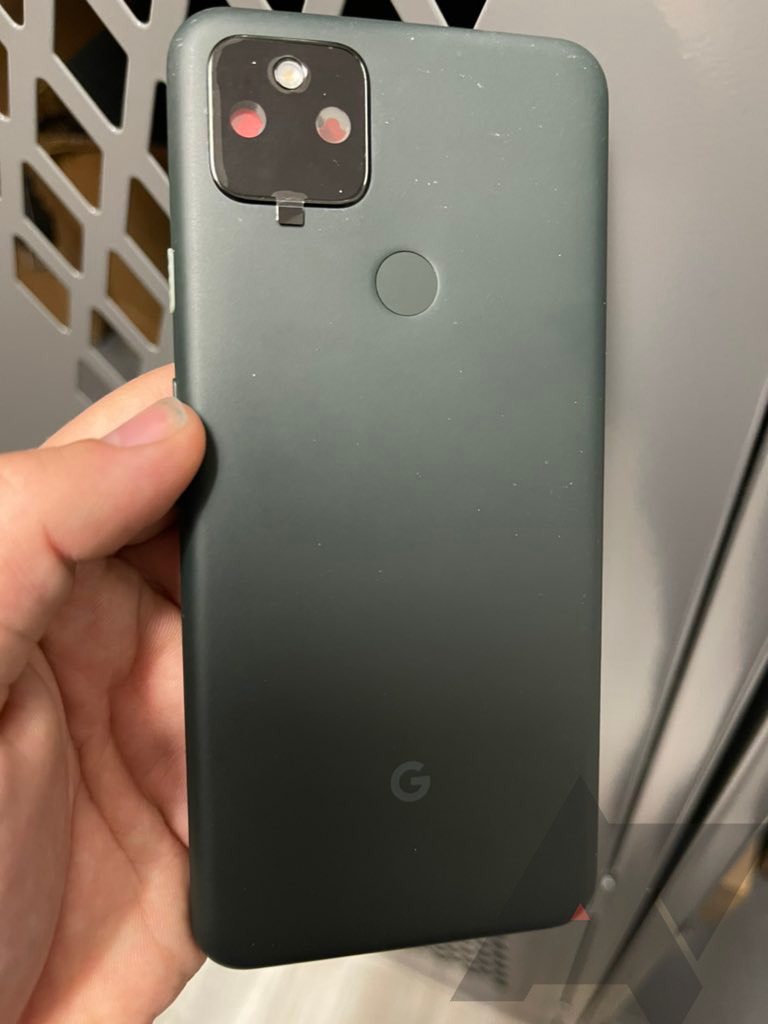
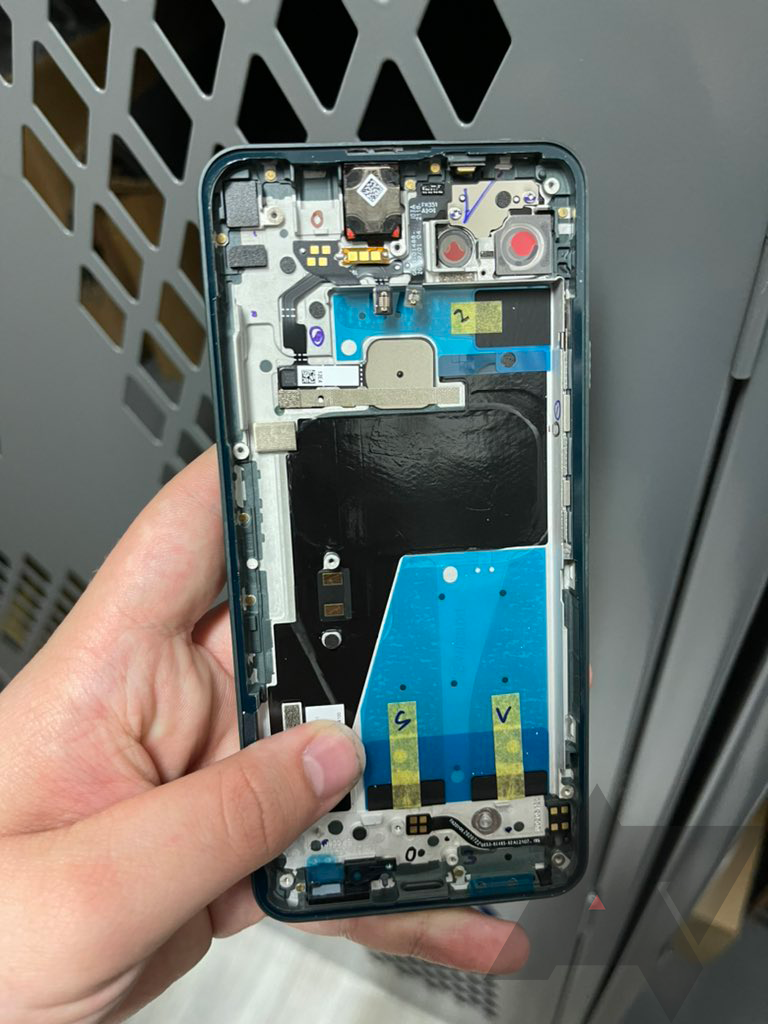
Rumors have it that Google may announce the Google Pixel 5a mid-range phone in this month. A recent report claimed that the search engine giant may announce it on Aug. 26v. AndroidPolicehas now reported through a source the Pixel 5a will be unveiled on Aug. 17. The same source has shared the images of the Pixel 5a components that are reportedly being shipped to the phone retail stores before the Aug. 17 launch date.
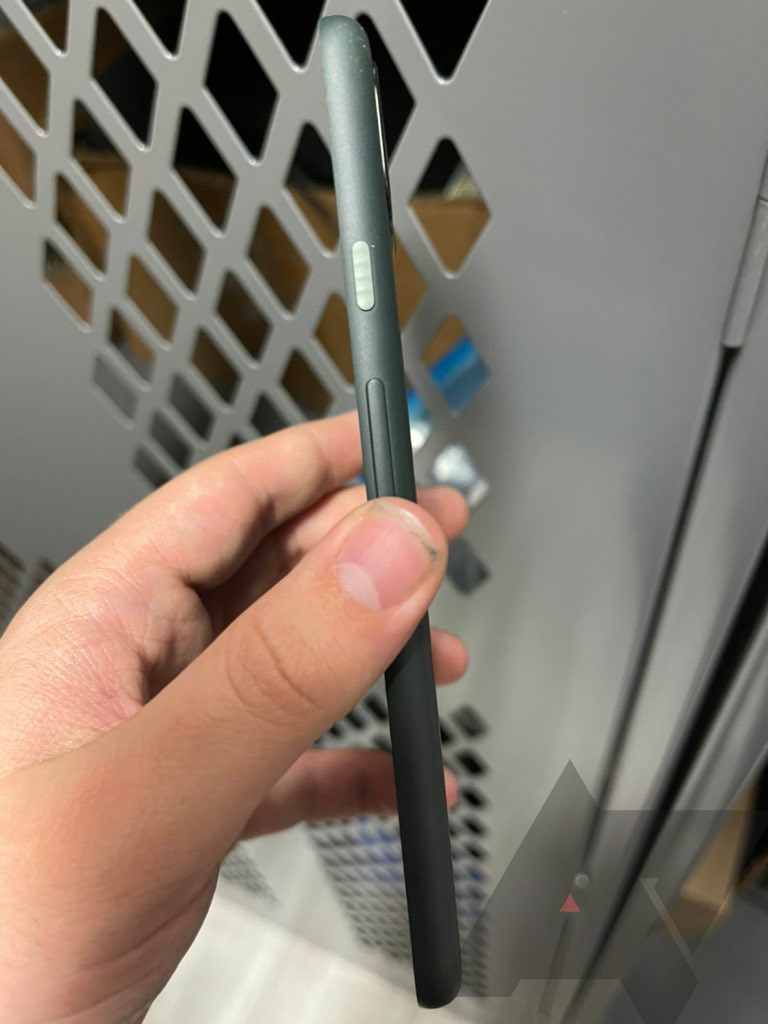
The new images again hint that the design of the Pixel 5a 5G will be almost identical to the Pixel 4a 5G from last year. The back panel seems to have a rubbery feel instead of the hard plastic that was offered on the predecessor model.
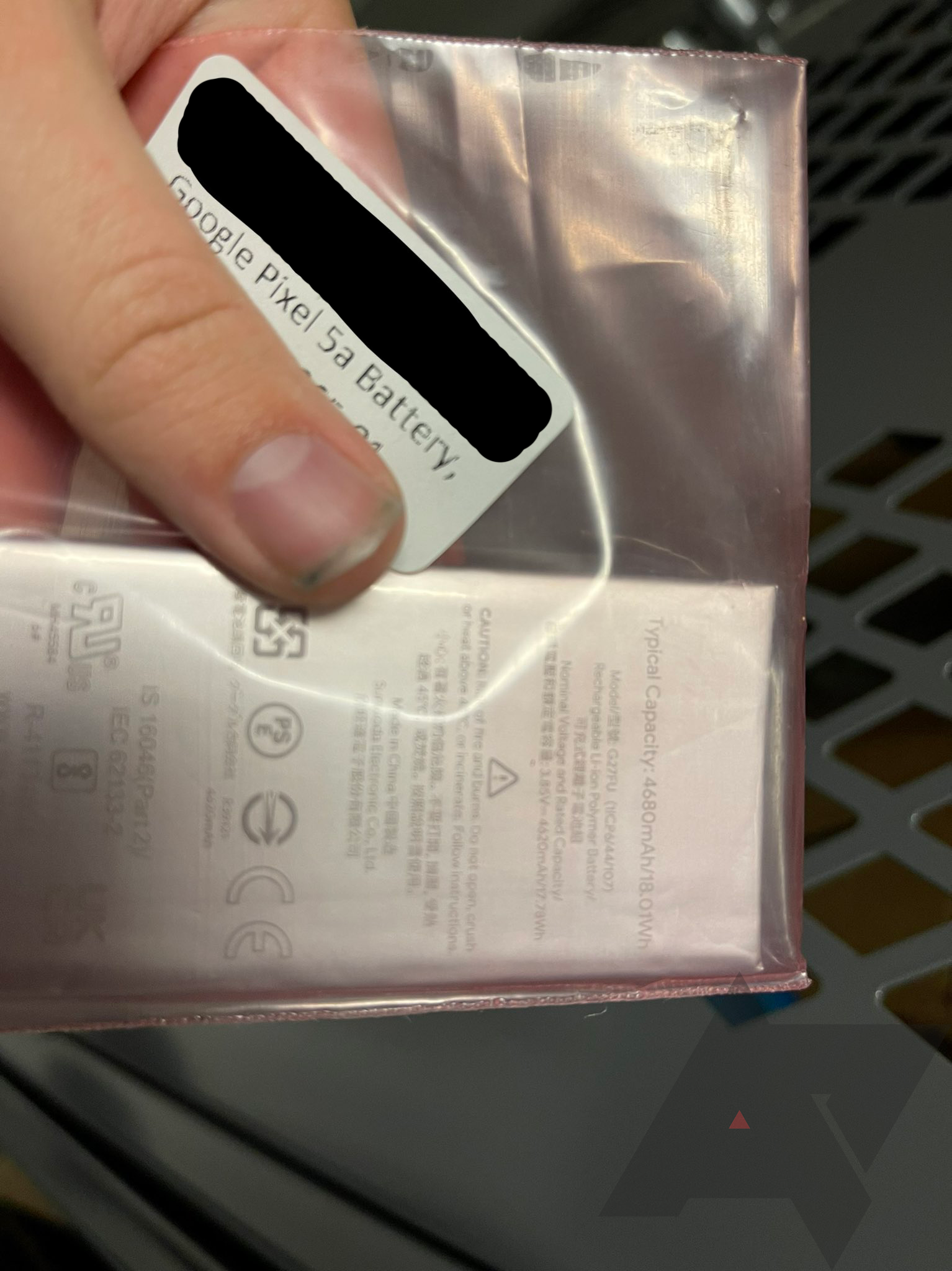
The top edge of the frame appears to feature a cutout for the 3.5mm audio jack. Its right edge has a ribbed power key and a volume rocker. A fingerprint scanner, and a squarish camera module that houses a dual-camera setup, and an LED flash can be seen on the rear shell of the device. One of the images shows that it is equipped with a 4,680mAh battery.
1 of 4
Pixel-5a-Back
Pixel-5a-Frame
Pixel-5a-Side
Pixel-5a-Battery
Google Pixel 5a 5G specifications (Rumored)
The Google Pixel 5a 5G will house a 6.4-inch OLED panel that offers a Full HD+ resolution. Early reports had claimed that it will be equipped with the Snapdragon 765G chipset, which fueled the Pixel 4a 5G. However, a recent report claimed that it will be powered by the Snapdragon 750G mobile platform.
The Pixel 5a may come with 6 GB of RAM and 128 GB of native storage. Its rear camera setup may comprise of a 12.2-megapixel dual-camera system with OIS support and a 16-megapixel ultrawide lens. It could be an IP67 rated dust and water-resistant device. The smartphone may arrive with a price tag of $450 and it may sell only in Mostly Black color. It said that the U.S. and Japan are the only markets that will be treated with the Pixel 5a 5G.
Vivo is likely to announce the Vivo X70 series of smartphones in China in the coming month. Last year, the Vivo X60 and X60 Pro were released with Exynos 1080 chip in China, whereas the global markets received their Snapdragon 870 SoC variants. A tipster has claimed that the X70 and X70 Pro will be arriving with different chipsets in China and global markets.
The Vivo X70 and X70 Pro smartphones will come equipped with the Dimensity 1200 chipset in the international markets, claims the tipster. It can be said based on the recent reports that the Vivo phones with V2104 and V2015 models could be model numbers of the Vivo X70 and X70 Pro heading to the global markets.
Vivo X60 (left) and Vivo X60 Pro (right)
The Geekbench listings of X70 and X70 Pro have revealed that they will arrive with 12 GB of RAM and Android 11 OS. The tipster has further claimed that the X70 and X70 Pro will be coming with the Exynos 1080 chipset in the Chinese markets. The duo will carry support for 44W fast charging, and they will feature Sony IMX766 primary camera.
Last month, a reliable tipster from China had claimed that the Vivo X70 will feature a 6.56-inch AMOLED punch-hole panel that offers a 1080 x 2376 pixels resolution and a 120Hz refresh rate. The Pro model is also expected to feature the same.
It is likely that the X70 and X70 Pro will come equipped with identical specs and they may only differ in the camera department. Probably, the main camera of the Pro model may feature micro-gimbal stabilization, whereas the vanilla model may come with support for a conventional OIS.
Last year in October, Xiaomi announced the Xiaomi Mi 10T and Mi 10T Pro flagship phones powered by the Snapdragon 865 chip. Recent reports have revealed that the company could be working on Mi 11T and Mi 11T Pro as their successor models. A fresh leak by Xiaomiui Twitter handle has revealed the key specs of the Mi 11T.
The leak reveals that the Xiaomi Mi 11T arriving in the global and Indian market is codenamed as Amber. It will be sporting a 20:9 display that offers a refresh rate of 120Hz. It will be powered by a MediaTek chip. For photography, it will feature a triple camera unit comprising a 64-megapixel OmniVision OV64B primary camera, a Sony IMX355 wide lens, and a telemacro camera that offers 3x zoom.
Xiaomi Mi 10T Pro 5G and Mi 10T 5G
A variant of the same device will be releasing in China with the Redmi K40 Ultra moniker. Codenamed as Agate, the device will feature a 20:9 aspect ratio screen that offers a 120Hz refresh rate. It will be a MediaTek chip-powered device featuring a triple camera setup that features a 108-megapixel Samsung HM2 primary camera, a Sony IMX355 wide-angle lens, and a telemacro camera with 3x zoom.
The model number of Xiaomi Mi 11T’s global variant (21081111RG) was recently spotted at an Indonesian certification site. Since it is expected to rival the OnePlus Nord 2, it is likely to feature the Dimensity 1200 chipset.
The Mi 10T series were equipped with 144Hz LCD panels. A recent leak revealed that the upcoming Mi 11T models will be flaunting 120Hz OLED panels. There is no word on the launch date of the device. Probably, the Redmi model will go official first in China, whereas the Mi 11T series may hit the global/Indian market by October.
Back in May, reliable tipster Steve Hemmerstoffer shared the CAD renders of the upcoming Samsung Galaxy A03s. The smartphone was spotted at the Google Play Console last week and its support page went live on Samsung India’s website last month. Now, 91mobileshas shared the press renders of the Galaxy A03s, which indicates that its launch may not be far away.
In the below-shown renders, the Samsung Galaxy A03s will be coming in three colors like white, black, and blue. The front side of the phone features a teardrop notch display. The polycarbonate back of the phone features a triple camera unit and an LED flash.
Samsung Galaxy A03s renders by 91mobiles
Samsung Galaxy A03s specifications (Rumored)
Past reports have revealed that the Galaxy A03s will be sporting a 6.5-inch HD+ display and it will come preinstalled with One UI 3.1 based Android 11 OS. The device is powered by the Helio G35 chipset and up to 6 GB of RAM.
The phone is expected to offer users with up to 128 GB of built-in storage. It will be driven by a 5,000mAh battery that may carry support for 15W charging. For photography, it may feature a front camera of 5-megapixel and a 13-megapixel + 2-megapixel (macro) + 2-megapixel (depth) triple camera unit on the back.
Samsung Galaxy A03s pricing
A recent leak claimed that the 3 GB RAM + 32 GB storage edition of the phone will be priced at 150 euros (~$177). There is no word on the pricing of the other variants of the A03s.
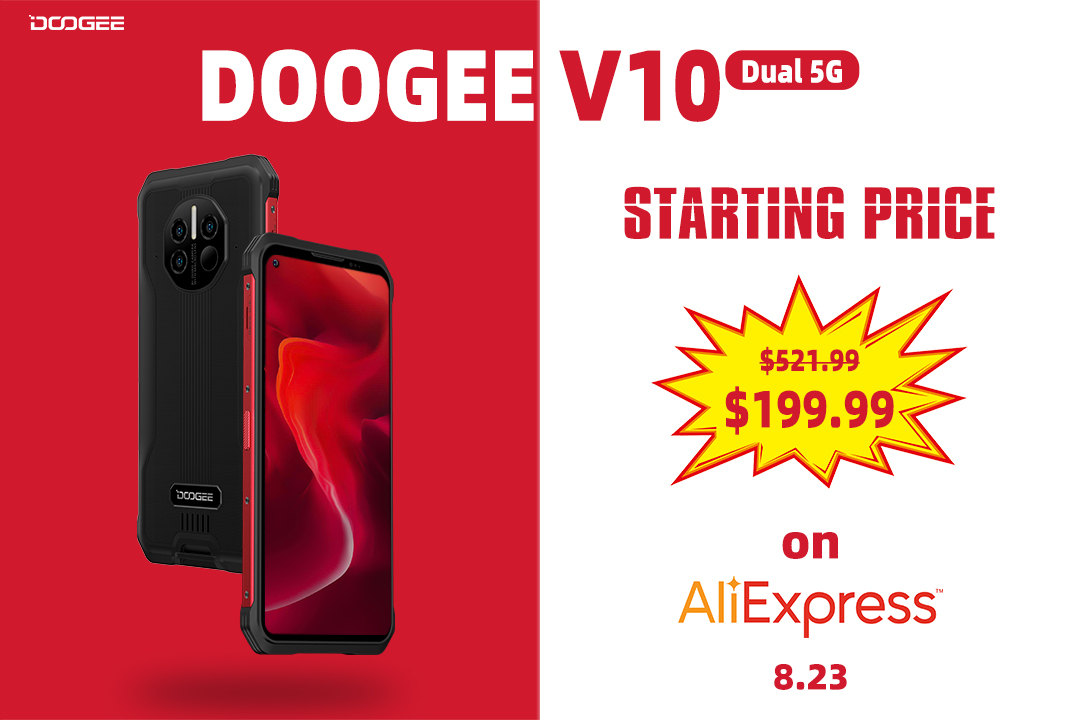
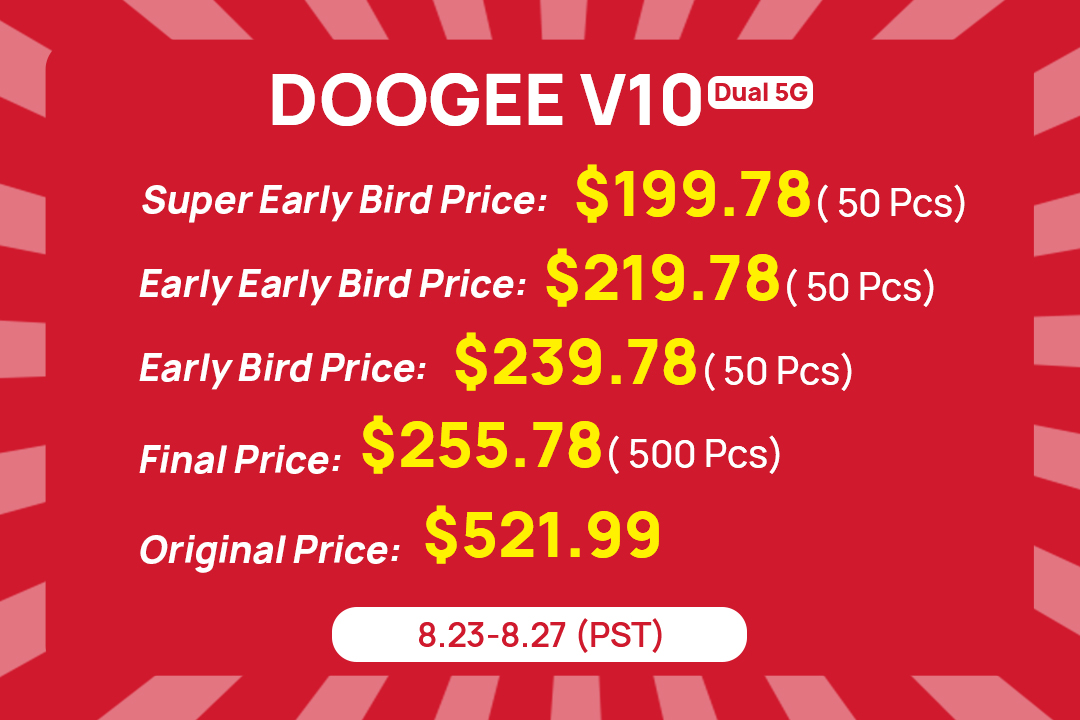
Doogee is all set to introduce a new 5G rugged smartphone – Doogee V10 by the end of this month. The Chinese smartphone maker will debut the device with up to a 60% discount on the original price of $521.
Starting from 23 August, the first 50 lucky buyers will get it for the price of $199.78, for the next 50 buyers it will retail for $219.78, and then $239 for the other 50 buyers. Further, the price will increase to $255.78 for the 500 buyers before retailing it for the original price of $521.
Despite being a rugged smartphone, Doogee V10 5G will come with high-end features to make become an all-around performer. The 5G smartphone is IP68, IP69K rated and MIL-STD-810G certified which confirming its resistance against dust, water and drop. Further, the smartphone houses MediaTek Dimensity 700 SoC which is built on a 7nm process and clocks at 2.2GHz. An 8GB LPDDR4x RAM is present along with UFS 2.2 fast storage to enhance the multitasking capabilities.
The smartphone features a 6.39-inch HD+ display protected with Corning Gorilla Glass display. Apart from the 5G connectivity, the presence of a 48MP triple-rear camera module makes the smartphone worth it for photography enthusiasts. A 16MP selfie camera is present on the front.
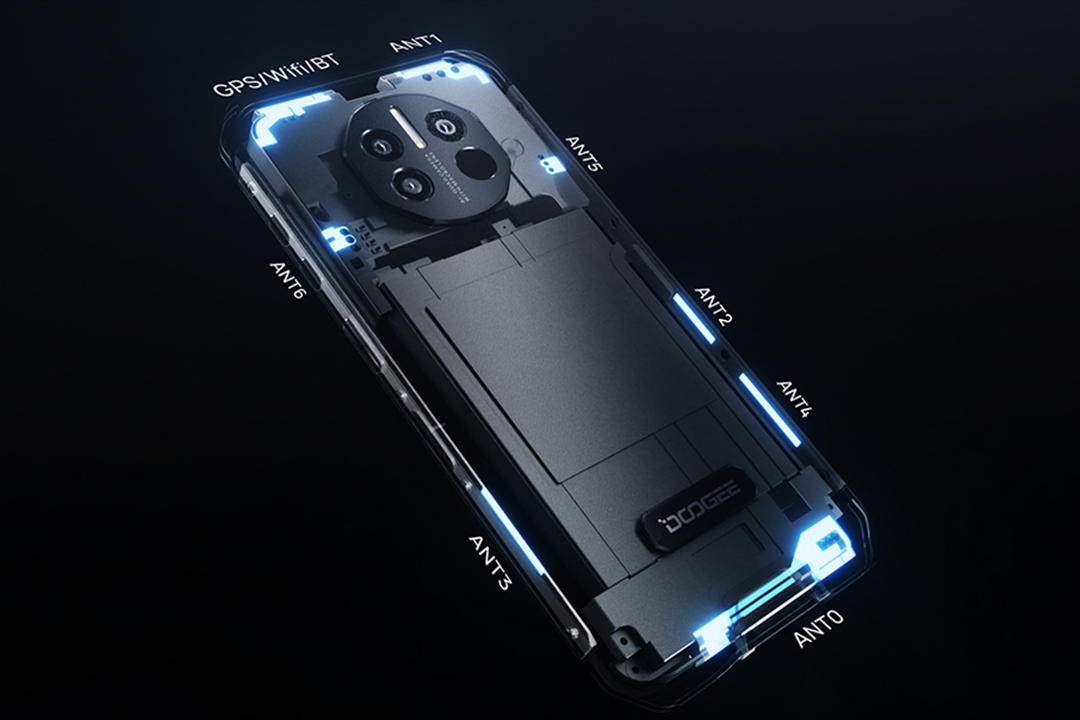
Doogee V10 5G offers a dedicated gaming WiFi antenna and 3D copper pipe liquid cooling technology. It runs on vanilla Android 11 OS, free from bloatware and other unnecessary files. Other features include the presence of NFC, 22W fast charger, 4 locations satellites and OTG reverse charging.
Make sure to grab the Doogee V10 at a 60% discount via AliExpress from 23-28 August. However, if you’re looking to grab the device for free, then enter the ongoing giveaway to win Doogee V10, Doogee S35 or Doogee CS2 smartwatch.
Honor is finally back in the global market with a series composed of three amazing flagship phones. We are talking about Honor Magic3, Honor Magic3 Pro, and Honor Magic3 Pro+. All of them are flagships and, despite they carry different prices, they are not mid-rangers. Their specifications are astonishing, but at the same time, it is hard for a non-expert to understand the differences between these three handsets. Is it worth spending more for the Pro variants or the vanilla version is enough? This comparison between the phones from this trio will let you find out.
Honor Magic3 vs Honor Magic3 Pro vs Honor Magic3 Pro Plus
Honor Magic 3
Honor Magic 3 Pro
Honor Magic 3 Pro+
DIMENSIONS AND WEIGHT
162.8 x 74.9 x 8.99 mm, 202 grams
162.8 x 74.9 x 8.99 mm, 212 grams
162.8 x 74.9 x 9.9 mm, 236 grams
DISPLAY
6.76 inches, 1344 x 2772p (Full HD+), OLED
6.76 inches, 1344 x 2772p (Full HD+), OLED
6.76 inches, 1344 x 2772p (Full HD+), OLED
PROCESSOR
Qualcomm Snapdragon 888, octa-core 2.84 GHz
Qualcomm Snapdragon 888+, octa-core 2.99 GHz
Qualcomm Snapdragon 888+, octa-core 2.99 GHz
MEMORY
8 GB RAM, 128 GB – 8 GB RAM, 256 GB
8 GB RAM, 256 GB – 12 GB RAM, 512 GB
12 GB RAM, 512 GB
SOFTWARE
Android 11, Magic UI
Android 11, Magic UI
Android 11, Magic UI
CONNECTIVITY
Wi-Fi 802.11 a/b/g/n/ac/6, Bluetooth 5.2, GPS
Wi-Fi 802.11 a/b/g/n/ac/6, Bluetooth 5.2, GPS
Wi-Fi 802.11 a/b/g/n/ac/6, Bluetooth 5.2, GPS
CAMERA
Triple 50 + 64 + 13 MP, f/1.9 + f/1.8 + f/2.2
13 MP f/2.4 front camera
The Honor Magic3 and its Pro variant have more or less the same design with a circular camera module and premium material. You can choose between a glass back or a vegan leather back, but both versions have an aluminum frame. The Honor Magic3 Pro+ has a different design with a bigger camera module that may seem ugly for a few people, but it is built with better materials as it comes with a great ceramic back and an aluminum frame. The Honor Magic3 Pro and the Pro+ come with the IP68 certification, so they are dustproof and waterproof. The vanilla version, instead, offers the IP54 certification making it dust resistant and splash resistant.
Display
All the phones from the new Honor trio come with the same display. It is an awesome OLED panel with a diagonal of 6.76 inches, curved edges, a Full HD+ resolution, a 120 Hz refresh rate, and the HDR10+ certification. The display has a dual punch hole and it is able to show up to one billion colors as it comes with a 10 bit color depth. They all come with a fast under-display fingerprint reader and stereo speakers.
Hardware/Software
Despite they are three variants from the same lineup, all of these phones come with flagship hardware. The Honor Magic3 has a Snapdragon 888 mobile platform paired with up to 8 GB of RAM and up to 256 GB of internal storage. With the Honor Magic 3 Pro and the Pro+, you get up to 12 GB of RAM and up to 512 GB of internal storage, as well as a more advanced Snapdragon 888 Plus chipset. The phones run Android 11 customized by Magic UI which includes Google Mobile Services in the global market.
Camera
The main difference between the variants is the camera department, with the Pro+ offering the most advanced one. The vanilla version has a triple camera including a 50 MP main sensor, a 64 MP monochromatic lens, and a 13 MP ultrawide camera. The Magic3 Pro has exactly the same main camera and the same secondary sensors, but it adds a 64 MP telephoto lens with OIS and 3.5 optical zoom. The Honor Magic 3 Pro+ has a 50 MP main camera and three 64 MP additional sensors: a telephoto camera, a monochromatic lens, and an ultrawide one. The whole series features a 13 MP front camera paired with a TOF 3D sensor for facial recognition.
Battery
The battery is the same on each model, just like the display. But the vanilla version lacks 66W wireless charging, which is present on the Pro variants.
Honor Magic3 vs Honor Magic3 Pro vs Honor Magic3 Pro Plus: Price
The global price of the Honor Magic 3 is €900/$1060, the Pro variant starts from €1100/$1300, and the Pro+ is priced at €1500/$1770. Which one would you pick?
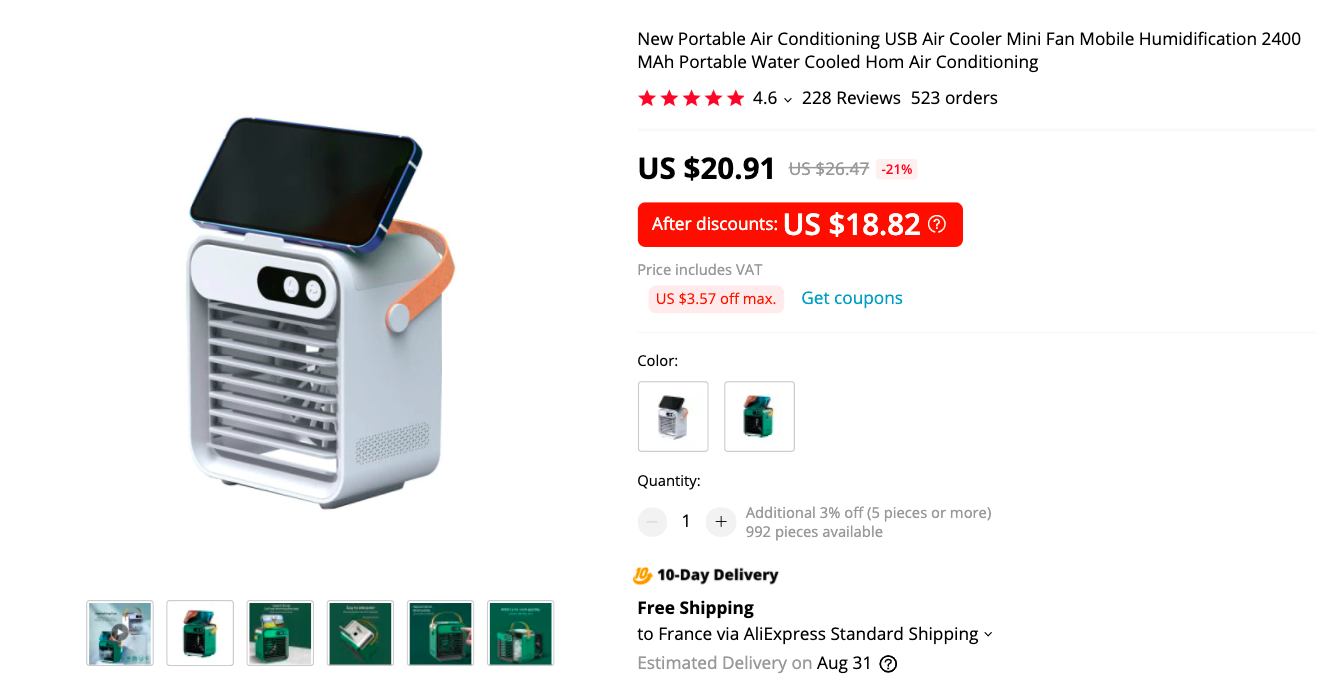
Fan/ Humidifier/ Beauty mirror/ Mobile Phone holder
Ice fog cooling
Special button: Humidifying and hydrating function
Three wind speed
Brushless motor
Adjustable wind grid
Low noise
Long-lasting battery
Lightweight and highly portable
Add water to use as a humidifier and cooler
Colors: white and color
Generally retailing for $25, you can now buy Mini Desktop Air Conditioner at a discounted price of $17.88 only at AliExpress. Please note that this is a limited-time offer. So place your order asap.
For more information on such exciting deals and offers check out ourdeals hub.
* Please Note: When you buy something using the links in our articles, we may earn a small commission at no cost to you.
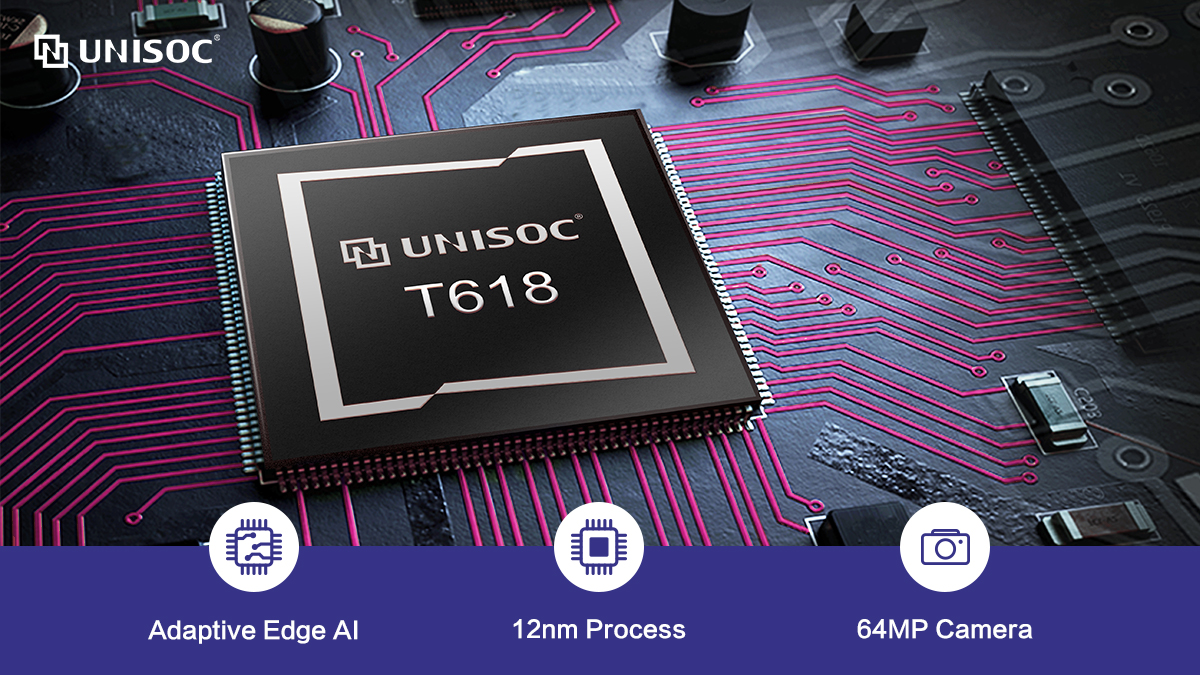
Last month, Micromax launched the IN 2B entry-level smartphone with Unisoc’s T610 chipset offering decent specs in budget. It is the first smartphone to launch with this chipset in India, but now Unisoc’s Executive Vice President has revealed(to Gizbot) that more phones with T610 technology will enter India.
Eric Zhou, Executive Vice President of Unisoc, said that Unisoc has already collaborated with several Indian and Chinese smartphone manufacturers, which are expected to launch new phones in the coming months.
In particular, Unisoc collaborated with Realme, Micromax and Motorola to bring the Unisoc T610 mobile phones to India. Among these brands, Micromax has already released the In 2B smartphone with T610. We expect Realme and Motorola to launch T610 powered phones in India soon.
Besides, Unisoc has also partnered with Honor, Hisense, and Telcast in the global market. The Chinese chip-making company has reportedly covered 128 countries around the world and is currently planning to expand its product portfolio in India with Indian mobile phone makers.
Micromax In 2B (Unisoc T610) Specifications
The Micromax In 2B comes with a 6.52-inch LCD water-drop notch display. It is an HD+ panel with 269 PPI and 400 nits of brightness. The device has a 13MP + 2MP dual camera system at the rear and a single 5MP camera at the front.
The device is powered by the Unisoc T610 chipset paired with up to 6GB of RAM and 64GB of internal storage. It also has microSD card slot for additional memory. It has a 3.5mm headphone jack and USB Type-C port for charging the 5,000mAh battery. It boots on Android 11.
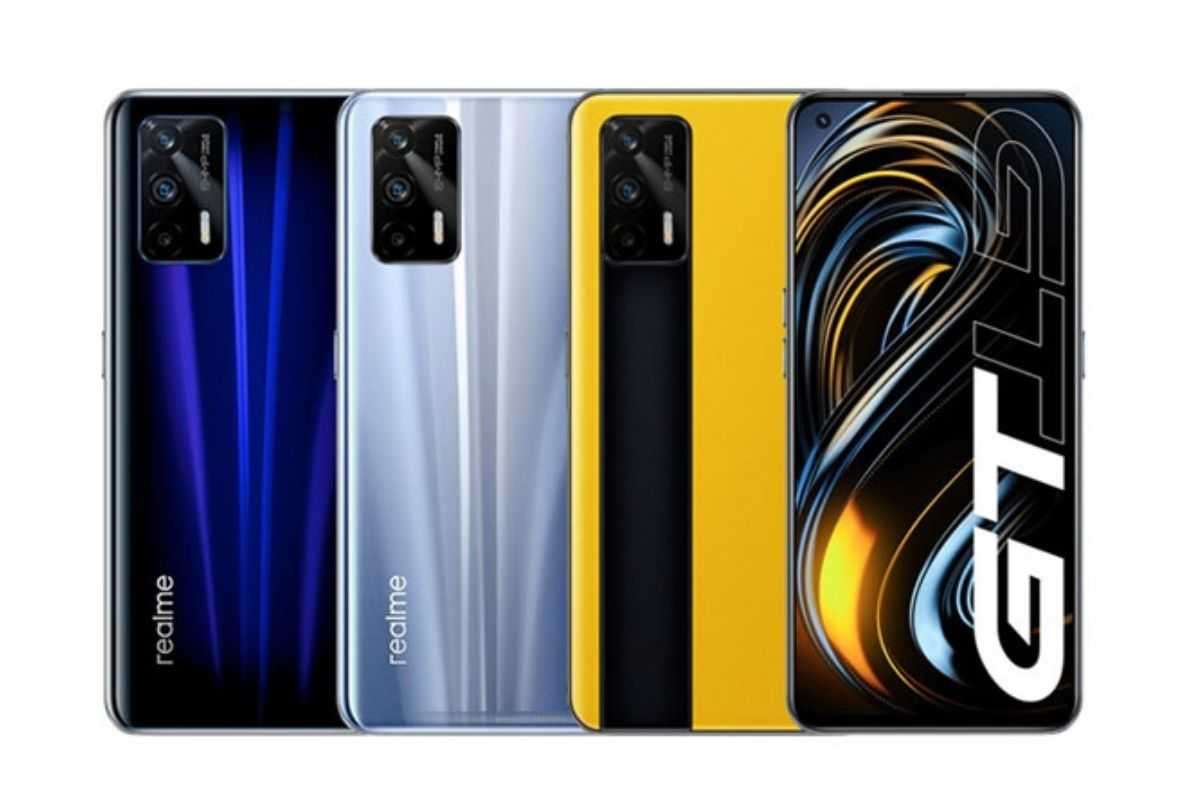
Realme will be announcing the Realme GT and Realme GT Master Edition smartphones on Aug. 18 in India. Ahead of the launch, Realme Timeshas teamed up with tipster Yogesh Brar to leak the pricing, configurations, and color variants of both smartphones for the country.
The new leak reveals that the Realme GT will be arriving in India in two choices such as 8 GB RAM + 128 GB storage and 12 GB RAM + 256 GB storage. It will come in three colors like Dashing Blue, Dashing Silver, and Racing Yellow. The leak has no information on the pricing of the Realme GT 5G. Considering that it claims that the Realme GT 5G will be priced under Rs 30,000 (~$404), it is likely that the Realme GT could be priced around Rs 35,000 (~$471) in the country.
Realme GT
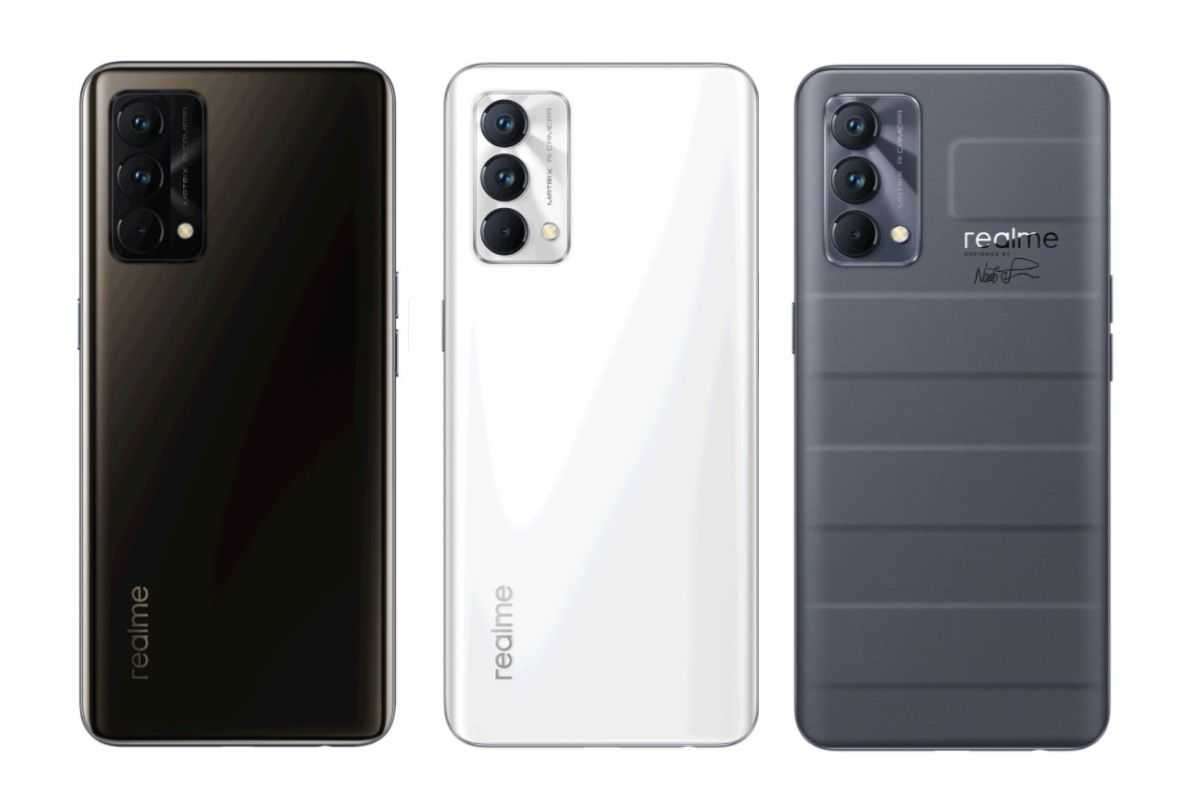
Coming to the Realme GT Master Edition, it will arrive in two options such as 8 GB RAM + 128 GB storage and 8 GB RAM + 256 GB storage. Possibly, the two variants could be priced at Rs 25,999 (~$350) and Rs 27,999 (~$377), respectively. Its color variants include Cosmos Black, Voyager Grey, and Luna White. Lastly, the leak claims that India will not be receiving the Realme GT Master Explorer Edition.
Realme Master Edition
Realme GT, GT Master Edition specifications
The Realme GT has a 6.43-inch AMOLED FHD+ 120Hz screen, whereas the GT Master Edition features a 6.55-inch AMOLED FHD+ 120Hz display. While the former features a 32-megapixel selfie camera, the latter gets a 16-megapixel front-facing camera. Both smartphones are equipped with a 64-megapixel (main) + 8-megapixel (ultrawide) + 2-megapixel (macro) rear-facing triple camera unit.
The Realme GT is driven by the Snapdragon 888 chip and a 4,500mAh battery, whereas the Master Edition is fueled by the Snapdragon 778G SoC and a 4,300mAh battery. Both phones carry support for 65W fast charging.
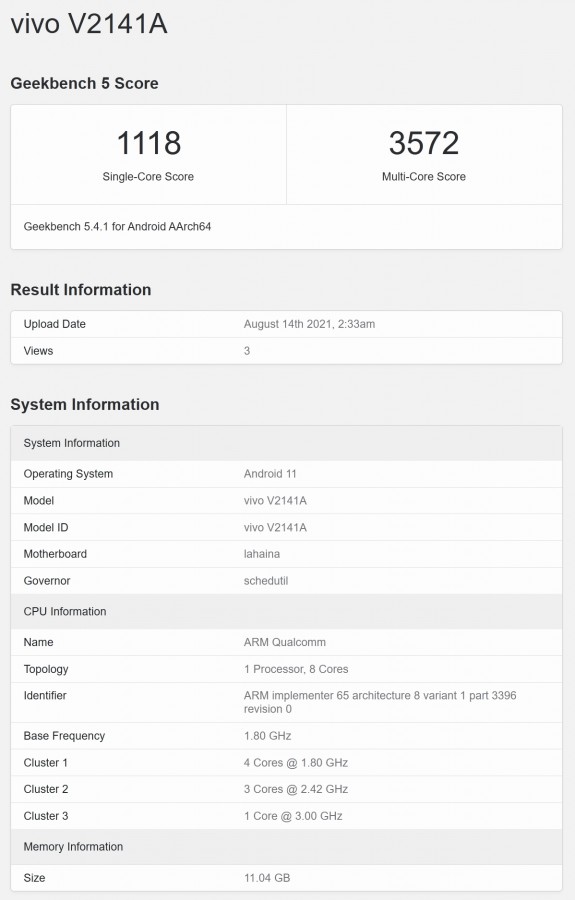
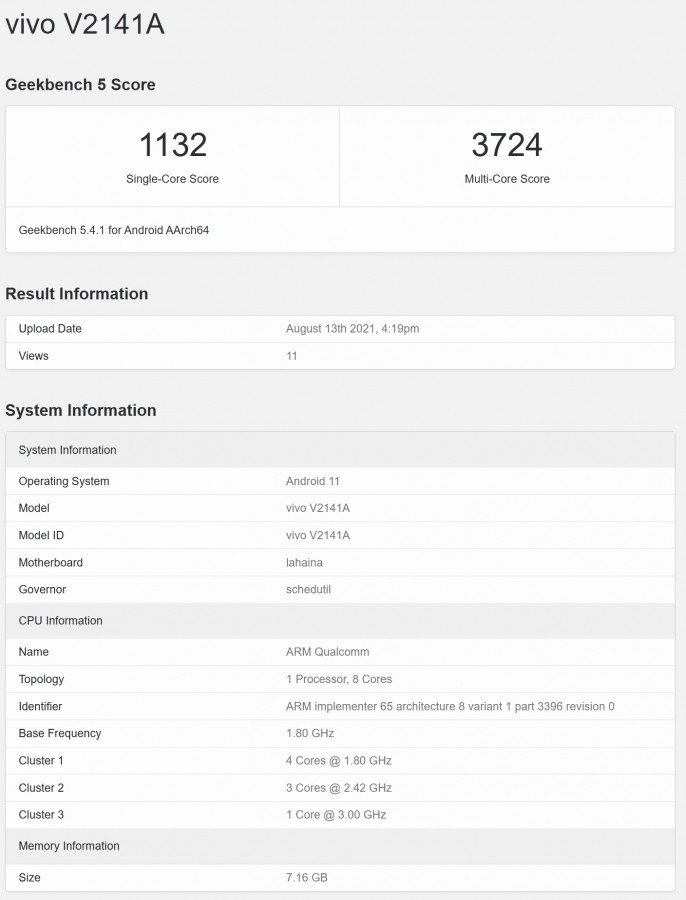
It is speculated that the Vivo phone with V2141A that has appeared in some certification sites of China could be an iQOO 8 series flagship. The same device has now been spotted at the Geekbench benchmarking site. The key specifications revealed some of the key specs of the phone.
The Vivo V2141A’s Geekbench listings reveal that it is powered by Qualcomm’s 3.00GHz octa-core processor. The clocking rates and ‘lahaina’ codename indicate that it features the Snapdragon 888+ SoC. The below-shown screenshots reveal that it will come in RAM variants like 8 GB and 12 GB. The handset runs on Android 11 OS.
1 of 2
iQOO 8 Pro 12GB RAM
iQOO 8 Pro 8GB RAM variant
It is speculated that the V2141A could be the iQOO 8 Pro smartphone. Another Vivo phone with V2136A model number was certified by 3C recently with a 120W fast charger. This phone may release in the market as the vanilla iQOO 8. It is unclear whether the iQOO 8 will be featuring the Snapdragon 888 or the newer Snapdragon 888+ chip.
The iQOO 8 Pro’s rear camera setup features a 50-megapixel main camera, a 48-megapixel ultrawide lens, and a 16-megapixel telephoto snapper. At present, there is no word on the front camera of the device. The iQOO 8 series will be debuting on Aug. 17 in China.
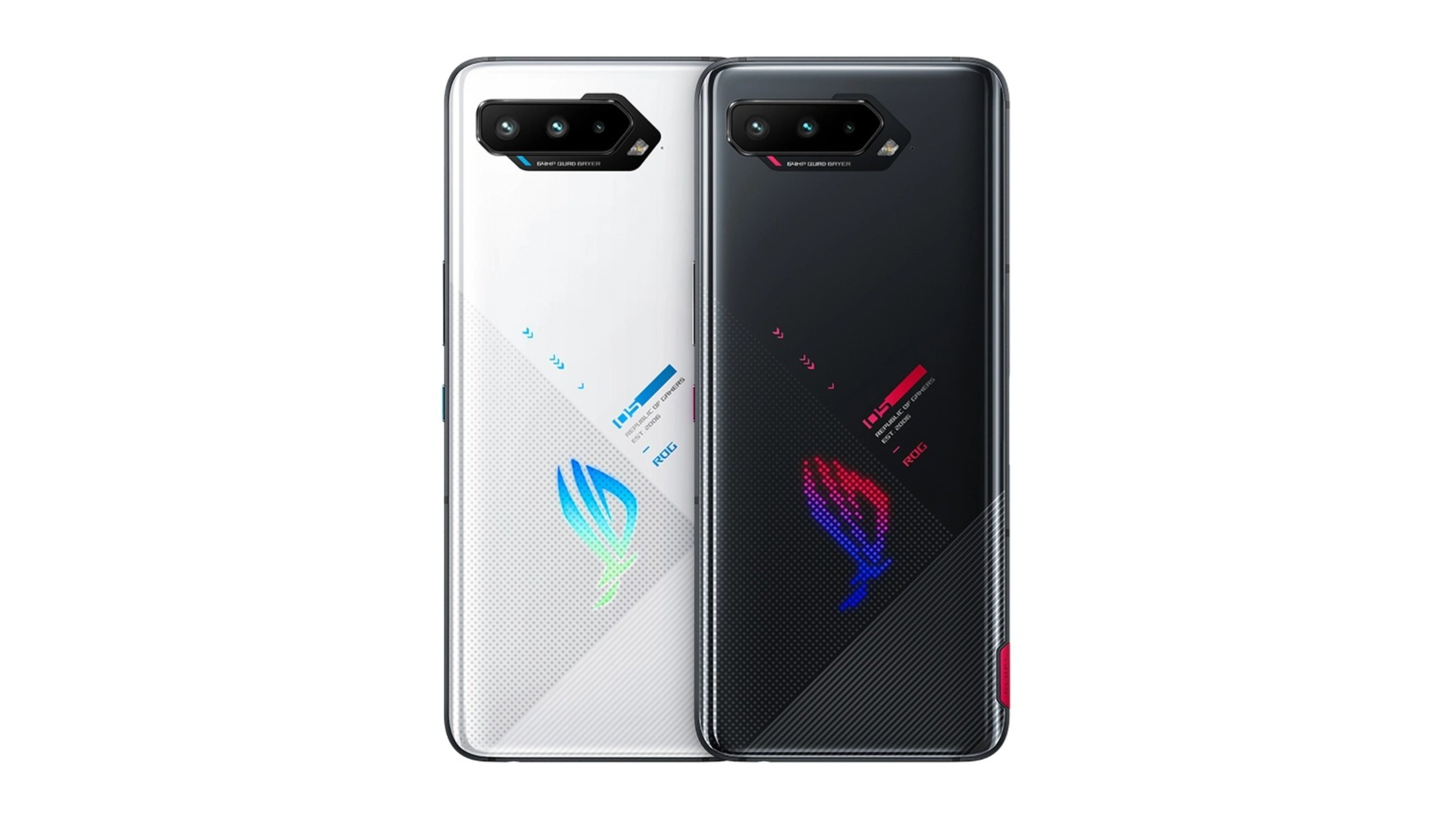
ASUS announced ROG Phone 3S (aka ROG Phone 3 Strix Edition) in the second half of the year as an enhanced version of the original ROG Phone 3. A recent leak claimed that the Taiwanese manufacturer may announce the ROG Phone 5S on Aug. 16. As of this writing, there is no official confirmation from the brand. A Vietnamese tipster Chun has now claimed that the ROG Phone 5S will arrive with three major upgrades over the original ROG Phone 5 that debuted earlier this year.
As expected, the ROG Phone 5S will be arriving with the Snapdragon 888 Plus. It is an overclocked version of the Snapdragon 888, which powered the ROG Phone 5 models. The second improvement on the device will be the inclusion of a 90Hz refresh rate. While the ROG Phone 5 offers a 60/120/144Hz refresh rate, the upcoming ROG Phone 5S will support a 60/90/120/144Hz refresh rate.
ASUS ROG Phone 5
The third upgrade that will be seen on the ROG Phone 5S will be the support for virtual RAM. It will offer up to 6 GB of extended RAM. For instance, if there is a 12 GB RAM variant, adding 6 GB virtual RAM will allow it to offer 18 GB of RAM.
The tipster further said that the specs and design of the ROG Phone 5S will be the same as the original model. According to a recent leak, it could be coming in variants like 16 GB RAM + 256 GB storage and 18 GB RAM + 512 GB storage. While the smartphone is expected to launch in China on Aug. 16, its global launch may take place in September. At present, there is no information available on the pricing of the ROG Phone 5S.
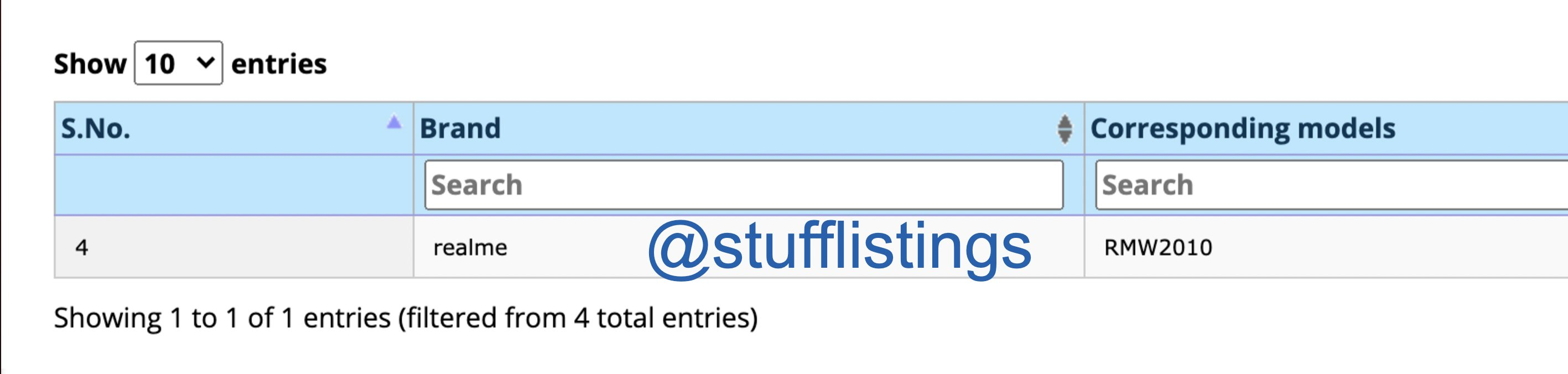
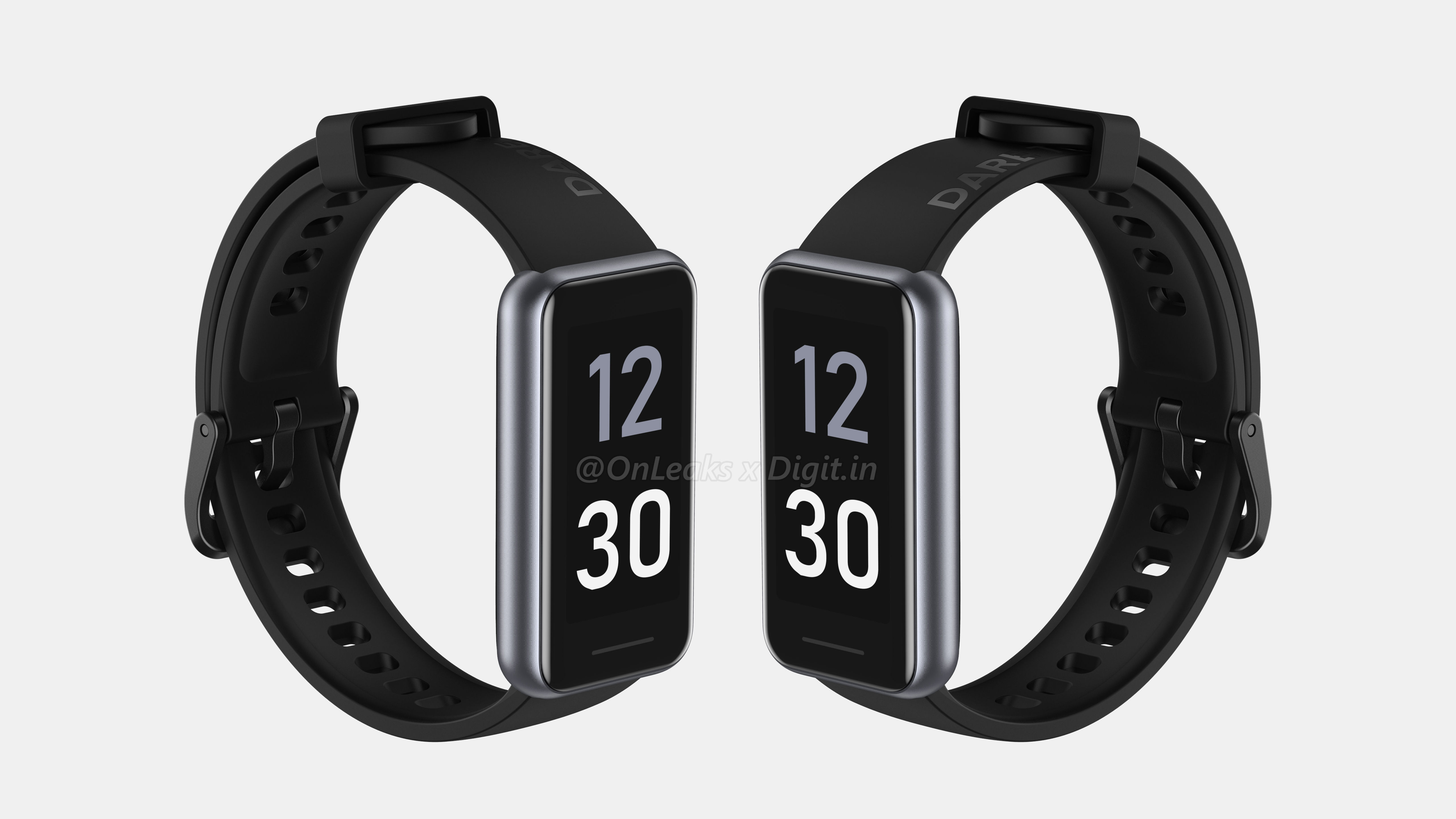
Realme is expected to soon update its smart band lineup with the launch of the upcoming Realme Band 2. Thanks to the leaked renders, the wearable was earlier spotted in full glory. Now, it has appeared on the Bureau of Indian Standards(BIS) hinting at a launch sooner than expected.
According to the BIS certifications(first spotted by tipster Mukul Sharma), the smart band bears the model number RMW2010. Unfortunately, there’s nothing to learn from the listing other than getting warmed up for its announcement.
In addition to this, the Realme Band 2 with the same model number appeared on the Bluetooth SIG certification confirming its connectivity. It will support the latest Bluetooth 5.2 connectivity, meaning that the pairing and connectivity would be stable.
The recently leaked renders showcased the smart band’s design. According to the renders, the Realme Band 2 looks quite similar to Huawei’s Band 6. It has a bigger 1.4-inch display compared to its predecessor Realme Band’s 0.96-inch screen. It is expected to be an LCD panel.
The band’s dimensions are 45.9 x 26.6 x 12.1mm and it seems to have a thicker body as compared to the original Realme Band. Moreover, the Realme Band 2 is expected to come with multiple watch faces, several sports modes, and a heart rate sensor.
With more certifications incoming, we can expect the wearable to debut soon. It may first launch in India before heading to other markets.
After taking a break for a few years, Xiaomi returned to the tablet market with the launch of the Mi Pad 5 and Mi Pad 5 Pro earlier this week. The new tablets bring lots of interesting new features and upgrades. However, while Xiaomi didn’t reveal details about a global release, we have received info that the Mi Pad 5 is heading to Europe.
The info was revealed to us by a source in the supply chain, and according to him, the Mi Pad 5 will be launched in Europe next month. There is no specific date for the release but we will update you once we have more details.
The Mi Pad 5 has an 11-inch 120Hz LCD display with Dolby Vision and HDR10. There is a Snapdragon 860 processor under the hood along with 6GB of RAM and 128GB or 256GB of storage.
The tablet has a single camera on the back, a 13MP sensor, while an 8MP camera is in front for video calls and the occasional selfies, if you like putting up a gigantic tablet in your face to take photos.
The Mi Pad 5 has quad speakers but no audio jack. It also has an 8720mAh battery capacity, support for 33W fast charging, Wi-Fi 5, and Bluetooth 5.0. it runs MIUI 12.5 based on Android 11 out of the box. It also has support for a stylus and a keyboard case.
The Mi Pad 5 Pro swaps the Snapdragon 860 for the more powerful Snapdragon 870 chipset. It also uses the faster LPPDR5 RAM and goes up to 8GB for the 5G version. There are two cameras on the rear – a 13MP main sensor (50MP for the 5G version) and a 5MP depth sensor. The front-facing camera is an 8MP sensor.
Other features are an 8600mAh battery, support for 67W fast charging, Wi-Fi 6, Bluetooth 5.2, Dolby Vision, Dolby Atmos, 8 speakers, and Android 11.
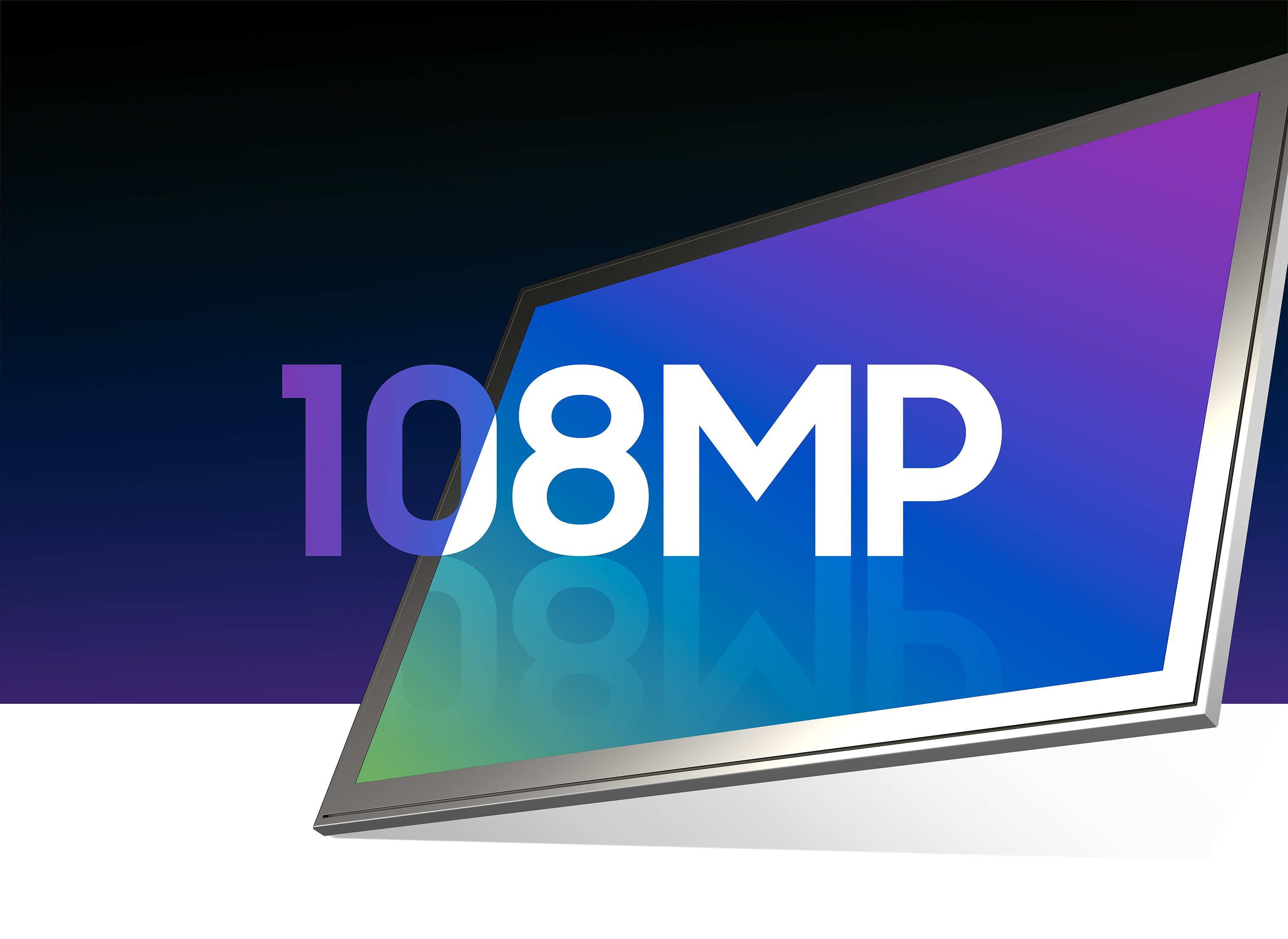
The South Korean electronics giant Samsung Electronics has narrowed the CMOS Image Sensor (CIS) market share gap with Sony by a few points. According to a recent report from Yole Development, Samsung is gaining momentum in the CIS industry.
ISOCELL-HM3-PR_dl0
The Japanese electronics maker Sony ended 2020 with a 40% market share in the CIS market, 2% lower than 2019. Meanwhile, Samsung witnessed an increase of 1% in its market share from 21% in 2019. In 2020, Samsung held a 22% market share in the CIS industry.
The Yole Development report (via Elec) also shows that Samsung had a 13% growth YoY in sales, whereas Sony didn’t witness any loss or gain in CMOS Image Sensors (CIS) sales. Samsung started manufacturing image sensors back in 2002 with a less than 20% market share until 2018.
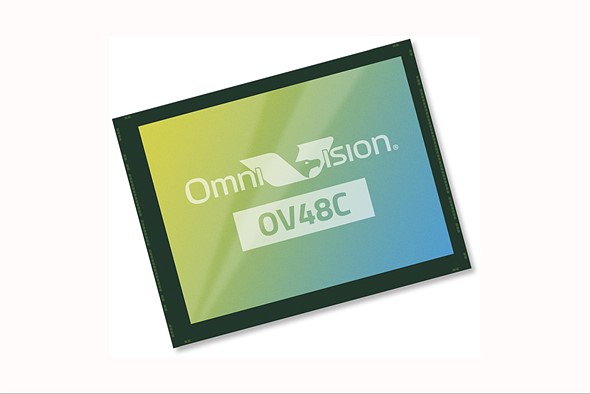
OmniVision OV48C Pixel Binning
Omnivision secured the third spot with a 12% market share. To note, Omnivision used to rank above Samsung at the second spot up until 2014. Yole Research suggests that Samsung’s expertise in designing and manufacturing CIS helped expand its reach and significantly grew sales and market share, now becoming the second-largest CMOS maker.
Meanwhile, Sony posted revenue of 1.01 trillion Yen in 2020, a 5% loss from 2019. The research firm indicates that the loss was due to Huawei halting its smartphone business due to US sanctions. However, Sony confirmed a sales increase in CIS for digital cameras in a recent conference call, but CIS sales for smartphones are dropping due to the COVID-19 pandemic.
The Japanese electronics maker is planning to increase its production volume. In April, the company started operating its new plant in Nagasaki, and now Sony is planning to build an additional plant to manufacture smartphone CMOS Image Sensors. The company is aiming for a 60% market share by 2025. Meanwhile, Samsung is preparing to expand to the automotive sector with the ISOCELL Auto 4AC image sensor.
As per the Yole Development report, the CIS industry posted a collective worth of US$20.7 billion, with smartphones and consumer products accounting for 72% of the total market worth. According to the forecast from the research firm, the CIS market is expected to be worth USD 31.5 billion by the end of 2026.
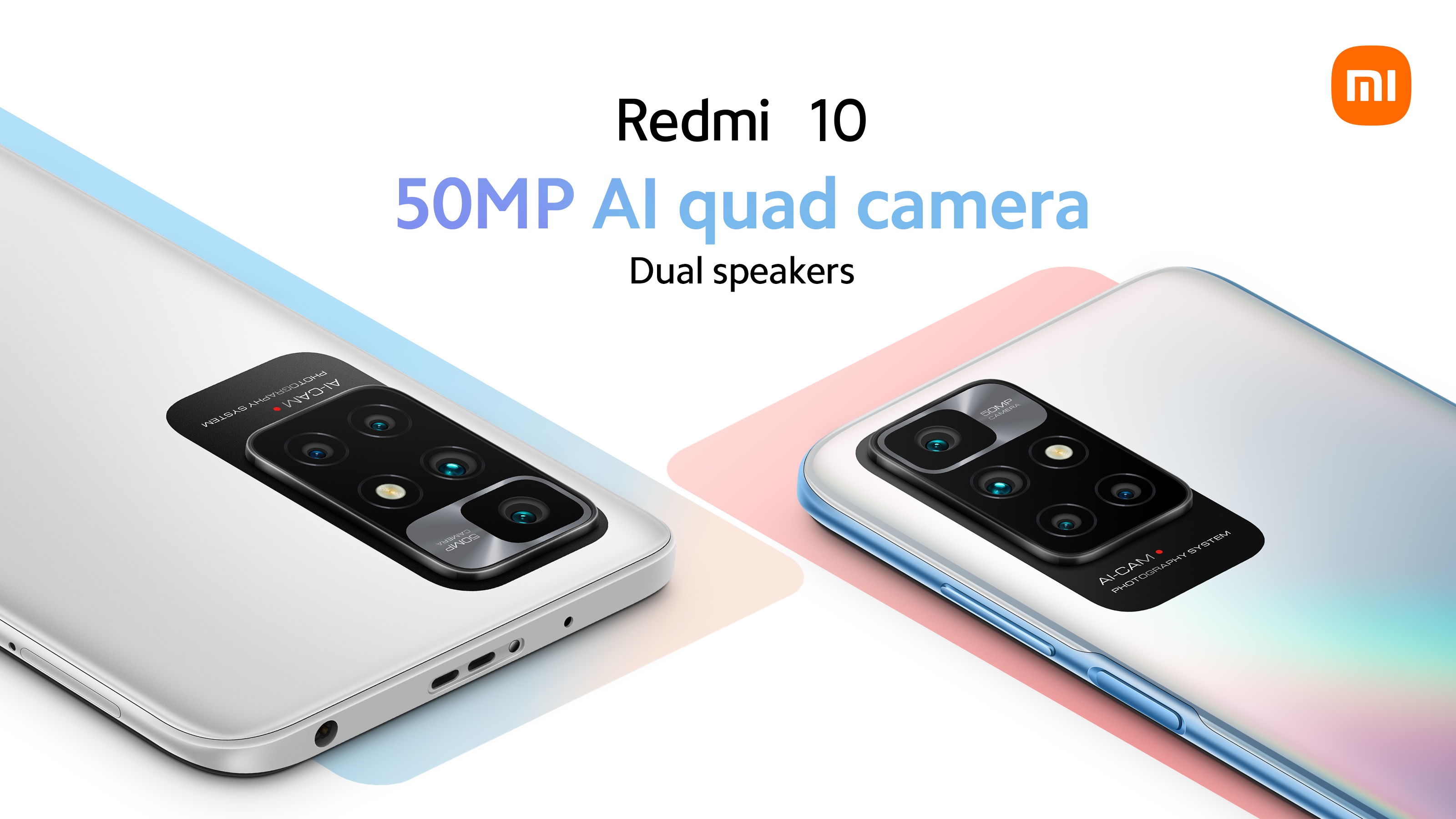
It has been more than a year since the Redmi 9 was released. If you have been waiting for a successor, then there is good news. The Redmi 10 is coming and its launch is very near.
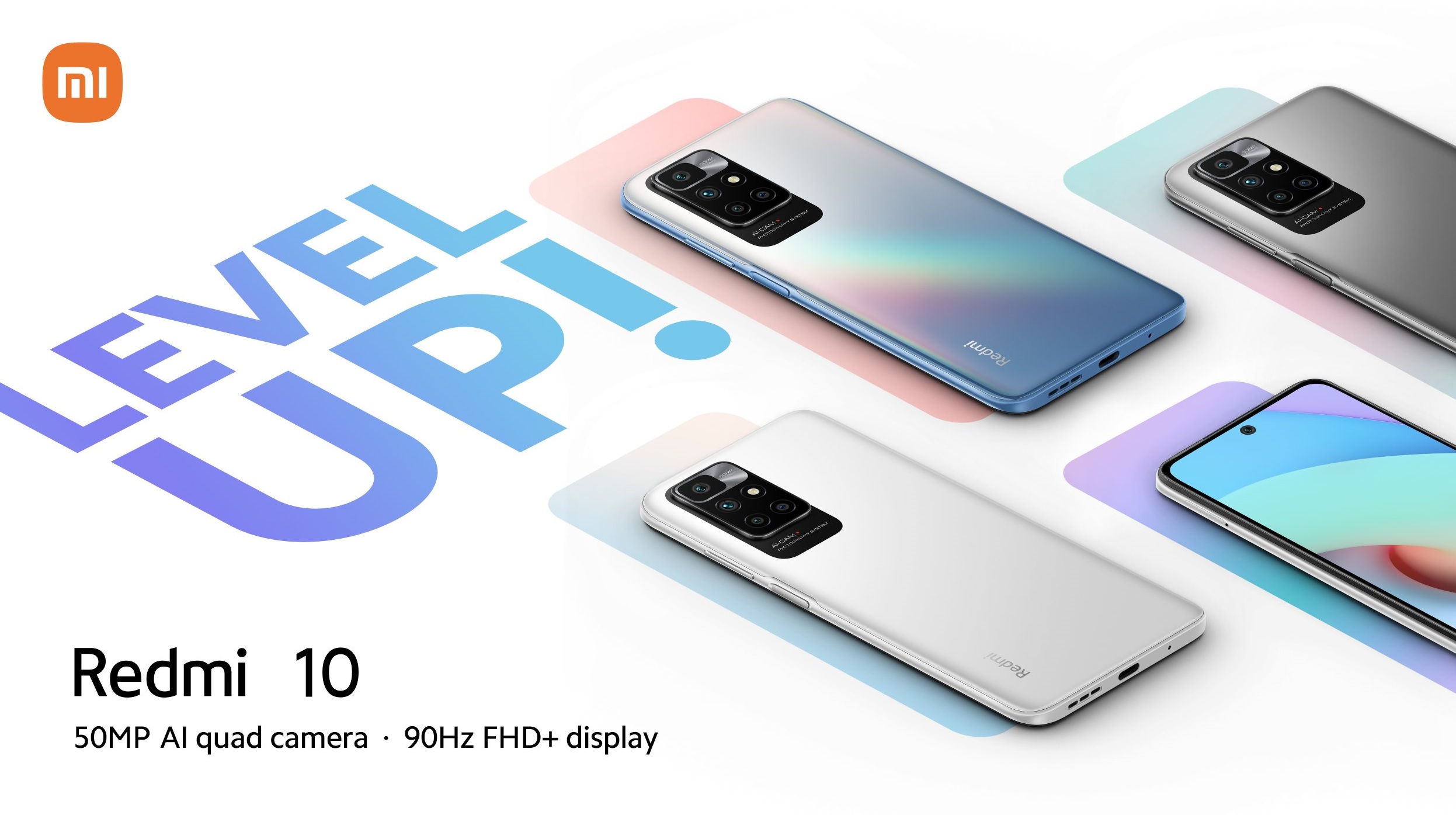
The official Xiaomi Global Twitter account has begun teasing the upcoming mid-range phone whose specifications already leaked. In a series of posters shared online today, the manufacturer has confirmed the device is coming soon as well as some of its specifications and the colors it will be available in.
In one of the posters, we see the Redmi 10 adopts a centered punch hole over the waterdrop notch of the Redmi 9. The poster also reveals that the FHD+ screen has a 90Hz refresh rate, an upgrade from the 60Hz of its predecessor. This poster and the one at the top of the article also show the three color variants the phone will come in. The colors are Carbon Gray, Pebble White, and Sea Blue.
The Redmi 10 also has a redesigned rear. Gone is the centered vertically arranged cameras housed in a circle. In its place is a bigger camera housing similar to that of the Mi 10 Ultra but shorter thanks to the fourth sensor sitting next to the third instead of underneath it. The poster confirms the main sensor of the quad-camera setup is a 50MP sensor. It also reveals that the phone will have stereo speakers.
Xiaomi has moved the fingerprint scanner from the back to the side where it doubles as the power button. The audio jack has also been moved to the top alongside a second speaker grille for the second speaker.
The leaked spec sheet reveals that the phone will have a 6.5-inch screen and adaptive refresh rate that changes based on the content on the screen. It will be powered by the Helio G88 processor and will pack a 5000mAh battery with support for 18W fast charging.
The original Moto Razr launched back in 2019, has finally started receiving the Android 11 update. In case you forgot Moto’s first folding phone amid Samsung’s new releases, the Razr has finally been updated from a much older Android 10 to Android 11.
Starting today, the Razr sold through Verizon will be receiving Android 11 via an OTA update. The smartphone was initially launched with Android 9 (Pie), and it’s great to see the Android 11 making its way to the Razr even though it’s quite late. After all, Moto’s reputation with software updates hasn’t been great. The 2020 Moto Razr received the Android 11 update sometime in April, which is quite late considering it’s almost time for the next Android release.
The update is rolling out to the models sold by Verizon with build RPV31.Q2-62-7-10. The Android 11 update brings many new features, including Conversations and Chat Bubbles, new media controls, one-time permissions, and other features. The latest update also brings the July Android security patch.
The update is currently rolling out in a phased manner, so it might take a while before you receive the Android 11 update. You will receive a notification as soon as the update hits your smartphone. However, you can also check for the update manually Settings> About phone> System update.
Recently several Moto smartphones received the Android 11 update, starting January, including Moto G Pro, Moto G8 and Moto G8 Power. In March, the Edge+ (Verizon) also received the Android 11 update from these Moto smartphones.
In case you missed it, Google just released the fourth beta build of Android 12. The Android 12 is due to release this fall with the Pixel 6 and Pixel 6 Pro. Android 12 brings the new material design dubbed Material You. Well, it will be exciting to see if the Razr could make it to the Android 12 or if this update will be the last one for the device.
The K40 series is Redmi’s top line of smartphones released this year. The series includes the Redmi K40, Redmi K40 Pro, Redmi K40 Pro+, and Redmi K40 Gaming Edition. They are expected to be succeeded by the Redmi K50 series which should arrive in the first quarter of 2022. While there is still a bit of waiting to do, details of the phones have begun surfacing online, and the latest reveals the chipsets that will power them.
Redmi K40 Pro
According to the Chinese leaker that goes by Bald Panda on Weibo, the Redmi K50 series will be powered by Qualcomm Snapdragon processors. He reveals that the chipsets are the Snapdragon 888 and the Snapdragon 895.
Based on the way the post is phrased, we can deduce that he is referring to the successors of the Redmi K40, Redmi K40 Pro, and Redmi K40 Pro+ respectively. Save for the Redmi K50 which will be powered by the Snapdragon 888, the Redmi K50 Pro and Redmi K50 Pro+ will have the Snapdragon 895 as the chipset inside them.
It appears that Redmi is sticking to the tradition of giving the base model of the Redmi K series a less powerful chipset than its siblings. Nevertheless, the Snapdragon 888 is still an upgrade over the Snapdragon 870 inside the Redmi K40.
There is no info on the chipset that will power the successor to the Redmi K40 Gaming Edition. We don’t even know if a successor is in development yet. However, we won’t be surprised that Redmi may stick to MediaTek.
We use cookies on our website to give you the most relevant experience by remembering your preferences and repeat visits. By clicking “Accept”, you consent to the use of ALL the cookies.
This website uses cookies to improve your experience while you navigate through the website. Out of these, the cookies that are categorized as necessary are stored on your browser as they are essential for the working of basic functionalities of the website. We also use third-party cookies that help us analyze and understand how you use this website. These cookies will be stored in your browser only with your consent. You also have the option to opt-out of these cookies. But opting out of some of these cookies may affect your browsing experience.
Necessary cookies are absolutely essential for the website to function properly. This category only includes cookies that ensures basic functionalities and security features of the website. These cookies do not store any personal information.
Any cookies that may not be particularly necessary for the website to function and is used specifically to collect user personal data via analytics, ads, other embedded contents are termed as non-necessary cookies. It is mandatory to procure user consent prior to running these cookies on your website.