An Indian Judge has recently written to Indian Prime Minister Narendra Modi urging him to ban BGMI (Battlegrounds Mobile India) and Free Fire in India. The Judge also suggested that the government should adopt the stricter gaming laws, similar to China.
The Indian Judge is ADJ Naresh Kumar Laka who recently wrote a letter to the Prime Minister Narendra Modi urging him to ban “PUBG India” (BGMI) and Garena Free Fire. He added that “The population of the country applauded your decision in banning the infamous game PUBG Mobile, which has had a disastrous negative impact on children’s development. But, like the earlier PUBG, two comparable apps, Free Fire (Garena Free Fire – Rampage) and PUBG India (Battlegrounds Mobile India), are now having a negative impact on children.”
The Judge has raised concerns about the negative effects of these online games and added that both titles are currently available for download on Google Play and should be banned as soon as possible. Furthermore, the Judge also said that the government should adopt laws that limit children’s exposure to such online video games. Laka even brought up regulations in China that limits children’s (under the age of 18) access to video games to 90 minutes per day.
Xiaomi launched the Redmi 9T at the beginning of this year. This phone is originally called Redmi Note 9 4G in China. It is also known as Redmi 9 Power in India. Six months after its release, the Redmi 9T has finally started receiving the Android 11 update.
Redmi 9T
The Redmi 9T debuted with MIUI 12 based on Android 10 though it was launched in early 2020. Despite being a newer smartphone, Xiaomi neither rolled out Android 11 nor MIUI 12.5 update soon after its release. Instead, it is getting last year’s Android only now.
Currently, the Android 11 update for the Redmi 9T is live for the following regional variants.
Even for these regions, the update is in the Stable Beta phase right now. In simpler words, it is bring rolled out in batches like any other OTA system update. Hence, some units may receive the update later than others.
We also expect the remaining regional variants to get the update in the coming days. That’s not all, the original Redmi Note 9 4G as well as the Indian Redmi 9 Power should also bag the Android 11 update very soon.
Last but not least, the Redmi 9T, Redmi Note 9 4G, and Redmi 9 Power will be also updated to MIUI 12.5, followed by MIUI 13.
Some months back, we reported how an ITV investigative team established massive destruction of unsold inventory in one of Amazon UK’s major warehouses. The investigative report drew a lot of flak from within and outside the UK. Experts had projected a staggering scale of the global destruction by Amazon, with a grave impact on the company’s carbon footprint.
Amazon has now structured two programs it plans to deploy to reduce the destruction of unsold inventory to zero. The two programs are part of an effort to give products a second chance at the shelf when they get returned or fail to get sold.
One of the programs will allow third-party businesses on Amazon to resell returned items as used products. The other will allow sellers to recover a portion of their inventory cost from returned items and excess stock, using Amazon’s technology.
The Fulfilment by Amazon programs will help to build a circular economy, according to Amazon. In response to the stringent accusations against the online powerhouse, Amazon had said it is working toward a goal of zero product disposal and that it had stopped the sending of items to landfills.
The first program called the FBA Grade and Resell will allow third-party businesses on Amazon to resell returned items as used products of several levels depending on their condition. The program has already commenced in the UK and will be expanded to the US and other major markets by the end of 2021. fWhen operational, product returns are automatically routed to Amazon for evaluation and categorization. The Used categories are: Like New, Very Good, Good, or Acceptable. After Amazon’s categorization, the seller then fixes the appropriate price for the item based on its condition.
Image Credit: Reuters/Lucas Jackson
The second program, called FBA Liquidations program, will afford sellers the opportunity to use Amazon’s wholesale resale channel and technology to recover part of their inventory cost from returned items and excess stock. It is already operational in the US, as well as other major markets, although it is billed to commence in the UK before the end of August 2021.
Amazon says the new programs are some of the concrete steps to ensure that products sold on Amazon irrespective of the owners, do not become waste. The moves, when fully operational across the Amazon ecosystem, could yield millions of dollars in savings and massively improve Amazon’s carbon rating.
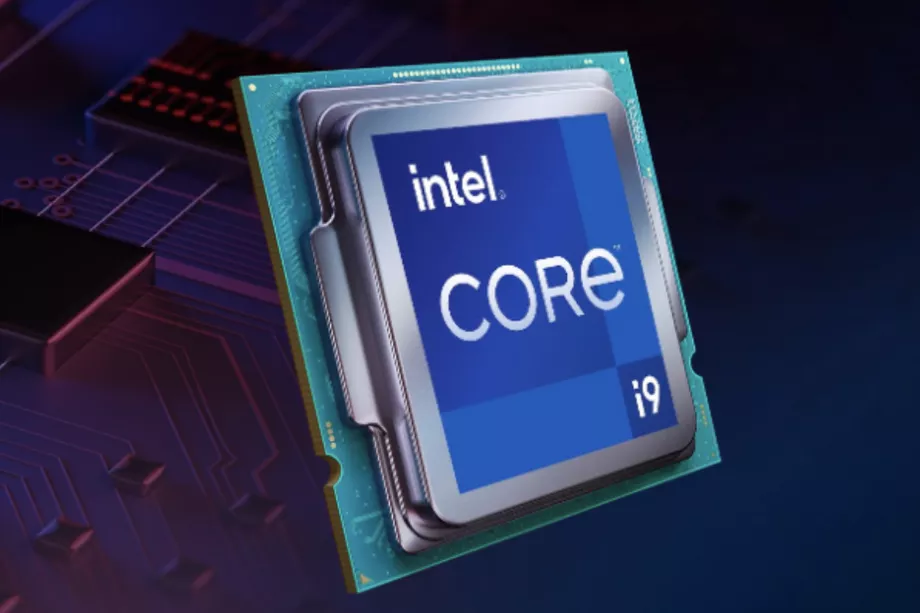
In recent years, Intel has lost its unrivaled dominance in the PC chip market to its competitor, AMD. Now, the company seeks to catch up with its rival by aggressively pushing for smaller chips.
According to an Engadgetreport, the American chipmaking giant plans to pull ahead in the race to make chips smaller by pushing for 4nm, 3nm, and even 1.8nm processes by the year 2025. At the moment, the company’s 10nm “Enhanced Superfin” process is being renamed to “7nm” despite it not being a true 7nm process. Furthermore, the company has struggled to move past the 10nm process for years now, while AMD has already launched its chips that are based on the 7nm process.
While Intel has managed to still remain competitive in the market, shrinking the chip size is an essential move going forward to keep up with its rival’s performance and power efficiency. Thus, the company has recently mapped out its plans for an EUV based 3nm node that utilizes high energy manufacturing process to streamline chip production. This process node has been dubbed 20A (angstrom node), which also implies that it is one ten billionth of a meter (or 2nm).
Following this, the company also aims on start the production of the 1.8nm process, which is called 18A, by 2025. The plan showcases Intel’s aggressive schedule to make up for lost ground and to pull ahead in the shrinking chip race. Meaning, we might soon have laptops, desktops, and more with a major performance boost in the near future. So stay tuned for more updates.
Chinese tech brand realme has been growing rapidly ever since it was introduced as a sub-brand of OPPO in 2018. In late 2020, the company set a record by becoming the quickest brand to reach 50 million shipments. Less than a year later, the brand sets yet another world record. According to Strategy Analytics, realme is now officially the fastest brand ever to ship 100 million smartphones.
As per the report, realme took only 37 months to grow from zero to 100 million shipments. Neil Mawston, the Executive Director at Strategy Analytics of Strategy Analytics, says that realme is the only brand in the last 25 years to achieve this feat. In other words, the young brand is even faster than Apple, Samsung, Nokia, HUAWEI, Xiaomi, and others.
Further, according to the report, the growth of realme has been driven strongly by China and India. In fact, Madhav Sheth, the brand’s CEO for India and Europe, recently revealed that around 50 million realme smartphone users are from India.
That’s not all, realme is currently also the fastest growing smartphone brand in China. The brand registered a whopping 175% HoH growth in its home country during the first half of 2021.
In India, the brand claimed 4th position during its debut quarter of Q2 2018. At present, in Q2 2021, realme held a 14% market share in the country.
While Google is gearing up for the launch of its Pixel 6 series, a new report has revealed new information regarding the company’s new proprietary chipset. The upcoming Pixel 6 will sport the new Tensor chips that are based on a 5nm process produced by Samsung.
Earlier this week, the search engine giant had announced that its latest Pixel lineup will be powered by a chip developed in house for the first time. As per the company’s CEO Sundar Pichai, “Tensor builds off of our 2 decades of computing experience and it’s our biggest innovation in Pixel to date.” He further added that these cores will bring “entirely new features, plus improvements to existing ones,” along with the “most innovative AI and machine learning” technologies as well.
According to a NikkeiAsiareport, while Google has not revealed who would be manufacturing its new Tensor chips, sources close to the matter have revealed that the South Korean tech giant Samsung will be its production partner and the new chips are based on a 5nm fabrication process. In other words, the chip will use the same advanced process as the Snapdragon 888 SoC from Qualcomm.
We had known the Google is working on its own chipset for a while now, under the codename “Whitechapel.” But now, the Tensor cores have been unveiled and the news regarding a 5nm chip hints at its improved power efficiency and performance over the last gen Pixel 5 lineup. Notably, the Tensor chip has been in development for four years and has been designed “specifically for Pixels.”
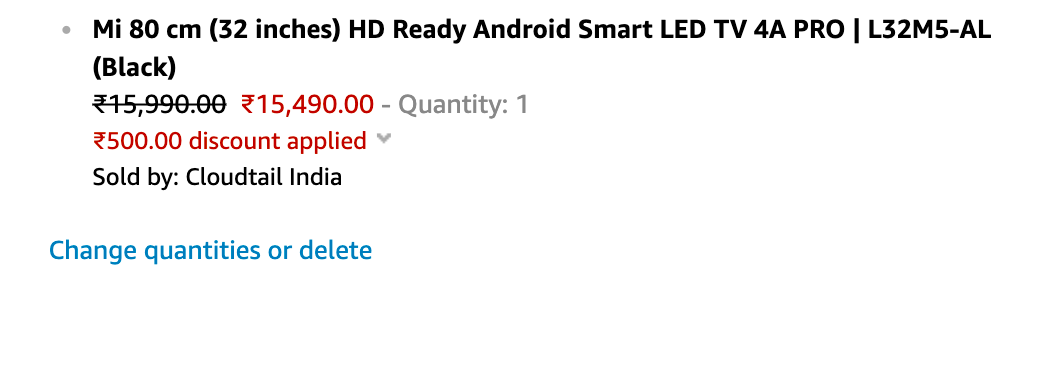
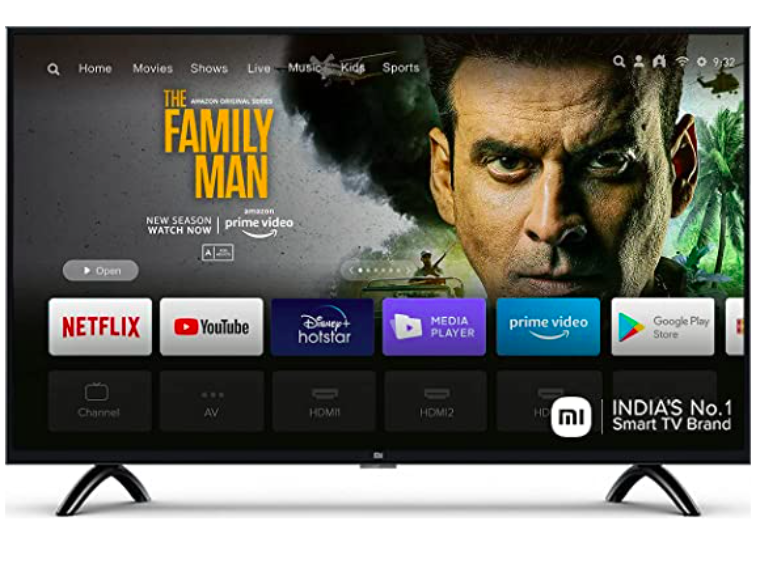
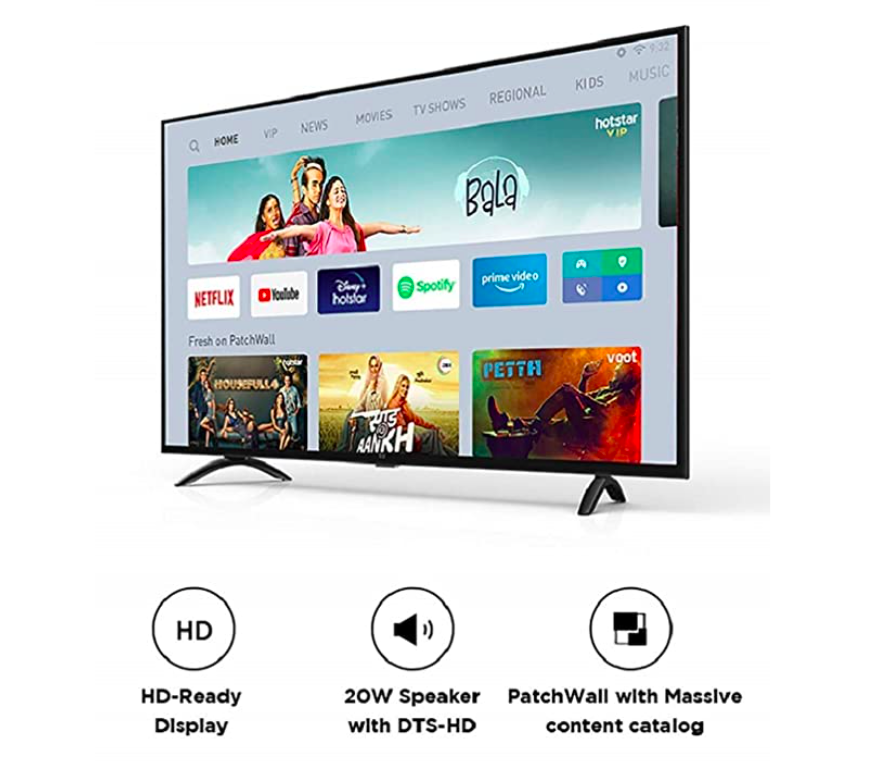
Amazon India under its Great Freedom Festival is giving a ₹500 couponforXiaomi Mi TV 4A Pro, 32 inches. The TV which is retailing for ₹15,990, is now available at a discounted price of ₹15,490 only. Please note that this coupon can be found as a clip page coupon on the website itself. This deal ends in the next 8 hours.
1-year warranty on product and 1 year extra on panel
Generally retailing for ₹15,990, you can now buy Xiaomi Mi TV 32 inches at a discounted price of ₹15,490 only on Amazon India. This deal ends in 8 hours. So place your order asap.
For more information on such exciting deals and offers check out ourdeals hub.
* Please Note: When you buy something using the links in our articles, we may earn a small commission at no cost to you.
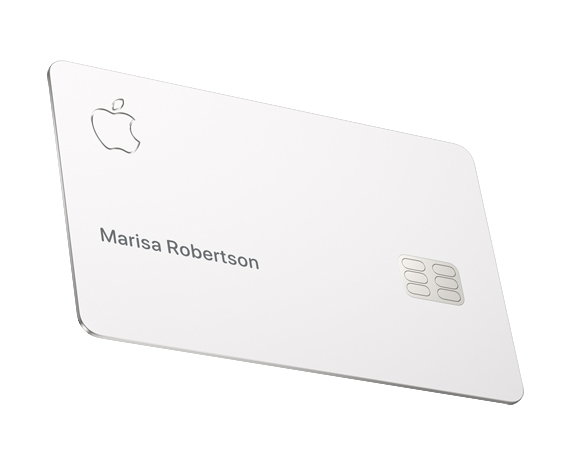
Vivo is apparently the latest Android brand that is planning on entering the finance segment and to compete with the Apple Card. A new trademark filing has suggested that the company is working on its own card dubbed VivoCard.
According to a DroidMazereport, the Chinese smartphone maker has just attempted to trademark “VivoCard.” This trademark is filed under international classifications, which implies that the brand is likely to launch the VivoCard outside of its home country of China as well. Back in 2019, the Cupertino based giant had launched its apple Card as a credit card that was linked to Apple Pay. Now, Vivo might be the latest Android vendor to launch a service similar to Apple.
Recently, other Android brands like Google have been reportedly working on their own versions of the Apple Card. Notably, Samsung Pay Card is already available in the UK, while the Huawei Card has also been launched. Recently, we had even reported on Oppo possibly working on an Oppo Card after a trademark filing had surfaced. So, it won’t be surprising if Vivo also launches its own card as well. Unfortunately, it is still too early to know for sure, so stay tuned for more updates.
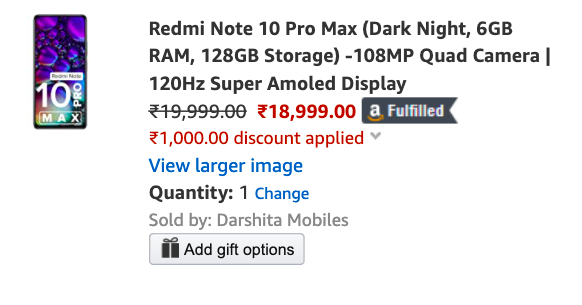
Xiaomi Redmi Note 10 Pro Max which generally retails for ₹19,999 is now available at a discounted price of ₹18,999 only as a part of the Great Freedom Festival at Amazon India. Note that this discount coupon of ₹1000 is available as a page clip coupon on the website itself. This deal ends in 9 hours.
Redmi Note 10 Pro Max features a 6.67” Super AMOLED display and a quad-camera setup with a 108MP main camera and 8MP + 5MP + 2MP secondary cameras. The selfie cam is a 16MP front-facing camera. Powered by the Snapdragon 732G Octa-Core processor, Redmi Note 10 Pro Max comes in two memory variants viz: 6GB + 128GB and 8GB + 128GB. A massive 5020mAh battery fuels this smartphone which also supports 33W fast charging.
Redmi Note 10 Pro Max which generally retails for ₹19,999, is now available at Amazon India for ₹18,999 only. Please note that this price is applicable only on the 6GB + 128GB, Blue, Grey, and Bronze color variant. This deal ends in 9 hours. So place your orders asap.
For more information on such exciting deals and offers check out ourdeals hub.
* Please Note: When you buy something using the links in our articles, we may earn a small commission at no cost to you.
The HONOR Earbuds 2 SE were unveiled alongside the HONOR 50 series in June. This new pair of truly wireless earphones have been now announced for global markets with a different name – HONOR Earbuds 2 Lite.
HONOR Earbuds 2 Lite Specifications and Features
The HONOR Earbuds 2 Lite mimic the design of the Apple AirPods Pro. They come in two colors, namely Glacier White and Midnight Black.
The buds weighing about 5.5g each sport 10mm custom drivers. They also come with two MEMS microphones each for ENC (Environmental Noise Cancellation), ANC (Active Noise Cancellation), and ambient mode, which the brand calls ‘Awareness Mode’. Whereas, the charging case measures 45.5mm x 61.2mm x 25.35mm in dimensions and weighs around 41g.
Like any other earbuds in the market, these ones also feature gesture controls. They also pair seamlessly with HONOR smartphones and use Bluetooth 5.2 for connection. There’s also support for a low latency gaming mode and intelligent wear detection as well as channel switching.
The buds are backed by a 55mAh battery each, while the charging case comes with a 410mAh battery. The latter charges fully in around 1 and a half hours, whereas the latter are said to offer 4 hours of playback time with just 10 minutes of charging.
HONOR claims a whopping 32-hour battery life from both buds and charging case with ANC disabled. As for buds, they are advertised to last for 10 hours without ANC.
HONOR Earbuds 2 Lite Price and Availability
The HONOR Earbuds 2 Lite are priced at €69.90 in Europe. They will be available in the UK, Germany, France, Italy, Spain, and Finland from August 7. Interested customers can purchase them from HONOR’s official website.
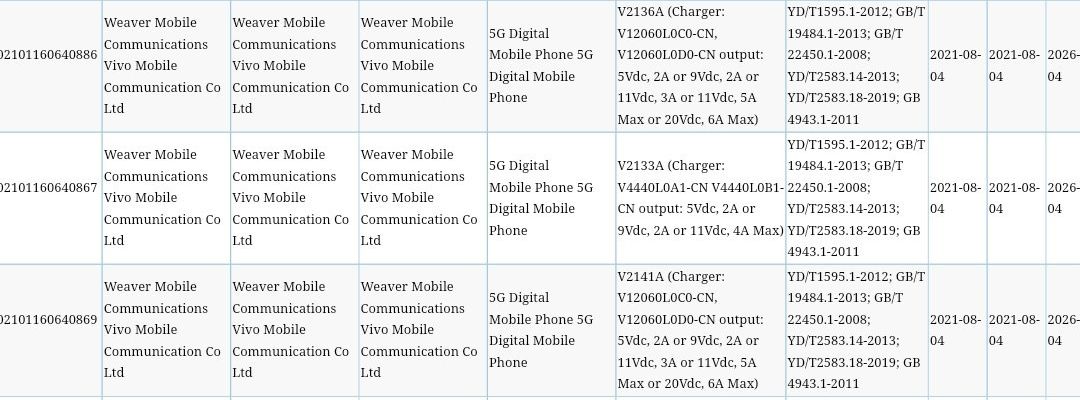
Last month, Vivo phones with model numbers such as V2130A, V2133A, and V2141A were approved by China’s MIIT authority. Fresh information reveals that the V2141A and a new device with model number V2136A have received approval from the 3C authority of China. It appears that the V2141A and V2136A may hit the Chinese markets as the iQOO 8 series.
The 3C certification of V2136A and V2141A have revealed that they are equipped with support for 5G connectivity. The 3C listings also show that the retail boxes of these devices may include a 120W fast charger. Probably, these devices could be soon arriving in the home market as the iQOO 8 and iQOO 8 Pro.
The above-shown screenshot also shows another 5G-ready phone with model number V2133A. The listing shows that it could be coming with a 44W fast charging. Last week, mysterious Vivo phones with V2130A and V2134A were spotted at 3C with support for 5G and 44W fast charging. Some of these devices may release in China as the Vivo X70 series of smartphones.
Coming back to the iQOO 8 series of smartphones, the company recently confirmed that it will debut on Aug. 17 in China. Before launch, the company is releasing teasers each day to reveal some of its key features. Recent reports have revealed that the iQOO 8 lineup will be arriving with Samsung’s E5 AMOLED display and it has been officially confirmed that it will be equipped with an LTPO technology that will make it possible to support a dynamic refresh rate from 1Hz to 120Hz. The iQOO 8 series is expected to support quad HD+ and 10-bit colors. The screen could be integrated with a fingerprint sensor.
The key specifications of the V2141A handset had appeared last week. It was found that this model is equipped with specs like the Snapdragon 888+ chipset, 12 GB of RAM, 4GB of virtual RAM, 256 GB of built-in storage, and OriginOS UI based Android 11 OS. It is speculated to arrive with a 4,500mAh battery.
Xiaomi has just announced earlier today (5th August 2021) that it will be launching its first high end smart speaker on 10th August 2021, along with the highly anticipated Mi MIX 4 smartphone.
The Chinese tech giant has just shared the news, stating that its first high end smart speaker will launch with a ‘symphony of technology and art.’ Furthermore, while the brand did make the announcement online, it has yet to reveal finer details or information about this audio based product. In other words, we have no idea what this smart speaker might look like or what its specifications are either at the moment.
Although, based on a recent leak, we can assume that this smart speaker might be the L16A Smart Speaker, which was spotted on WiFi Alliance. The listing on the website does not reveal any key specs but it does state that the upcoming high end audio product from Xiaomi also arrives with dual band WiFi support. This implies that it will be able to connect with users’ smart homes and would likely be able to act as a control hub that lets users control other smart home products can via voice commands. Keep in mind that this is still speculation so take it with a pinch of salt for now.
Earlier today (5th August), Redmi officially shared a new video on Weibo, a Chinese microblogging website, in which it dismantled 3 K40 Game Editions to build something quite unique. The company used the parts from these devices to build a Mecha Fighter styled after the popular Chinese actor Wang Yibo.
For those unaware, Wang Yibo is also the Chinese smartphone maker’s brand ambassador. In the social media post, the company said that it took 90 days to recreate this Mecha Fighter model that was built by salvaging the 3 smartphones. Furthermore, Redmi had to reorganize and assemble over 600 parts from these phones to create this Mecha Fighter as a birthday gift to Wang Yibo.
Looking at the video, we can observe the devices’ were dismantled by hand while the brand even uses 3D printing technology to create a realistic mold of Wang Yibo’s face; or rather half of it, as the brand sought to create a look which was quite similar to the Arnold Schwarzenegger’s iconic Terminator. In other words, while one half of the face is just the mold, the other half contains various parts of the K40 Game Edition phones to showcase a robotic skeleton underneath the “skin.” The various internal components extend to the neck and a bit lower as well.
Chinese handset maker realme released the realme GT Master Edition in its home country at the end of July. This smartphone has been confirmed to make its way to global markets. In fact, we already have a launch date for India, but the same cannot be said for Europe. However, we know the price for the latter region, thanks to a new leak.
realme GT Master Edition
Tipster Sudhanshu Ambhore has partnered with 91Mobiles to reveal the price of the realme GT Master Edition in Europe. As per the leakster, the handset will retail at around €349 and €399 for the 6GB + 128GB and 8GB + 256GB variants respectively. It will be available in three colors – black, gray, and white.
The realme GT Master Edition is different from the vanilla realme GT and realme GT Neo in terms of design and features. The only common things between these phones are display and camera setup.
The handset features a 6.43-inch FHD+ Super AMOLED display with a 120Hz refresh rate and a 64MP (wide) + 8MP (ultra-wide) + 2MP (macro) triple camera setup. The device comes powered by a Qualcomm Snapdragon 778G SoC and has a 32MP selfie camera.
Other features include 5G connectivity, WiFi 6, Bluetooth 5.1, GNSS, NFC, USB Type-C port, realme UI 2.0 based on Android 11, and a 4,300mAh battery with support for 65W SuperDart charging.
While Honor is gearing up for the August 12 launch of the Magic 3 series, the company has just shared another teaser for the upcoming lineup. In a new video, the brand has teased the water and drop resistance capabilities of the Magic 3 smartphones.
This video was shared on the company’s official Weiboaccount, a Chinese microblogging website, earlier today (5th August 2021). Looking at this video, the Magic 3 model can be seen dropping from the atmosphere of Mars down to the surface and landing on one of its corners without any damage. In other words, the Chinese smartphone maker has basically teased the anti drop/shock resistance of the Magic 3 lineup.
At the moment, the brand has yet to specify any IP certification grade apart from teasing its fall resistance. Similarly earlier this week, Honor had also teased the water resistance of the upcoming Magic 3 series in another teaser video. In this, the device was dropped into water while still playing a video to showcase the company’s water proofing efforts. This is all the information we have to go as of right now. So stay tuned for more as we will be covering any new teasers and the launch event on August 12.
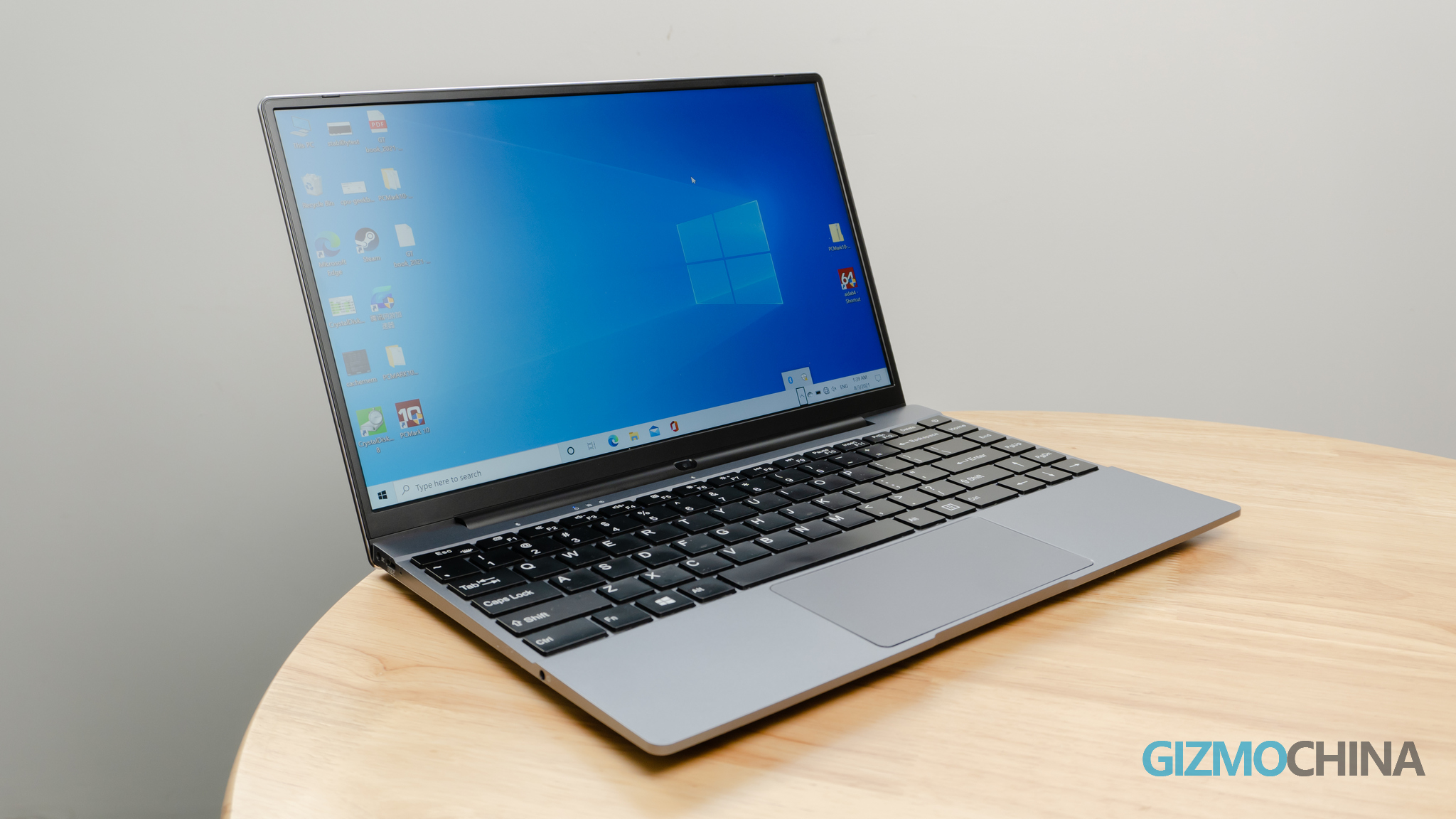
Gone are the days when we have to accept the fact that a decent laptop costs more than $800. Now you can buy one under $600 that features a processor powerful enough for multi-tasking under different scenarios, and there are some options even under $400. ALLDOCUBE is a brand that you cannot ignore if you are looking for such a full-sized laptop for a super affordable price. Today we are going to delve deeper into its latest affordable laptop, the GT Book. The new laptop makes for a powerful office companion, whether it’s for home or travel purposes – even with just an Intel Celeron N5100 processor inside.
The ALLDOCUBE series has long been a popular option for those who want a feature-packed laptop at a certain budget price point. The GT Book continues with the same philosophy. Like most laptops priced under $400, the GT Book is powered by Intel’s Celeron processor. The Celeron N5100 processor inside is the latest quad-core SoC of the Intel Jasper Lake series, which is mainly used in cheap notebook computers. The clock speed of the Four Tremont CPU cores is between 1.1 and 2.8GHz (Single-core Burst), and hyper-threading is not provided. Intel claims that the single-threaded performance of the single core can be increased by an average of 30%.
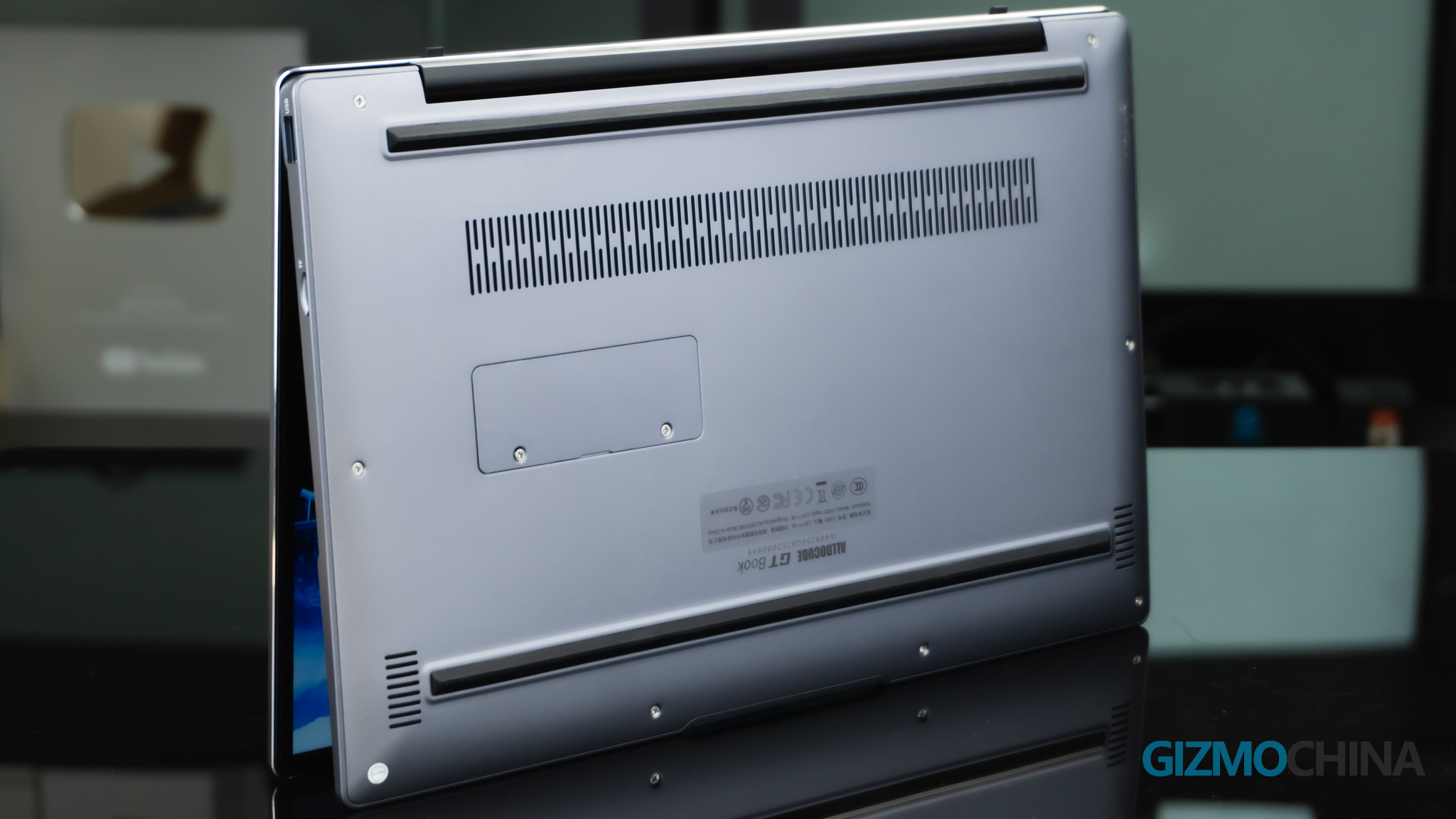
In addition to the quad-core CPU module, the SoC also integrates a 24 EU Intel UHD GPU clocked up to 800MHz. Surprisingly, the GT Book features 12GB LPDDR4X memory (dual-channel 2933MHz), which is rare at such an affordable price point. And it’s equipped with a replaceable 256GB SSD storage at the bottom.
ALLDOCUBE GT Book Review: Design & Display
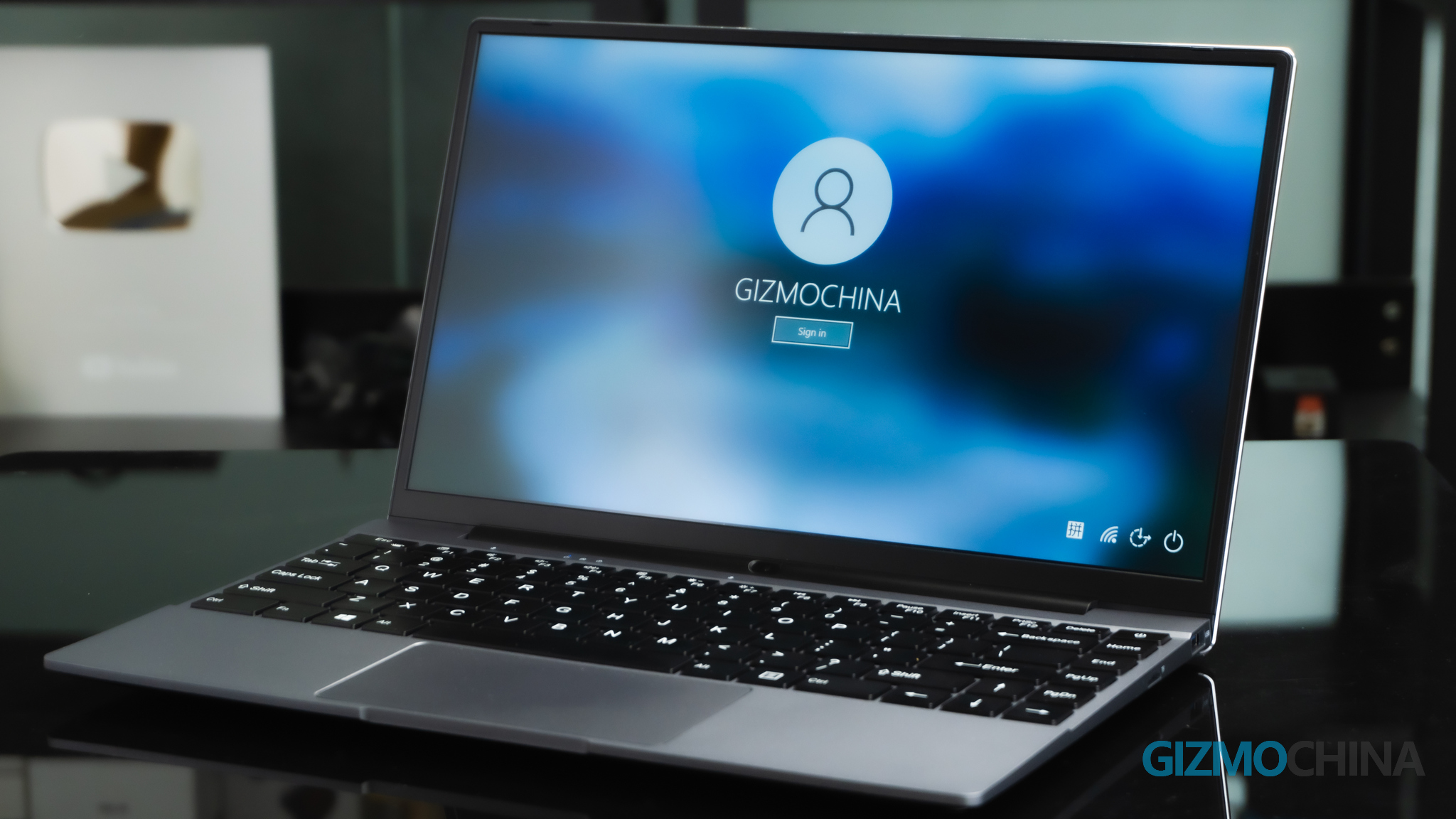
The GT Book is available in only one screen size – 14.1-inch, which comes with 1080P resolution. The screen on the laptop is an IPS panel with 72% NTSC color coverage, which is far more vivid than its competitors at its price point. In addition, the narrow bezel of the display looks great and just reminded me of the latest, expensive competitors.
The dual box speakers can deliver stereo sounds, but it is exactly what you’d expect at this price point.
For basic office and entertainment uses, the display looked quite adequate. All of the laptop’s ports are located on the two edges. You can find a DC charging port, a full-functioning USB Type-C port and a 3.5mm audio jack on the left side. On the other side, there is a USB 3.0 Type-A port and an unusual microSD card slot, with which you can have extended storage up to 128GB.
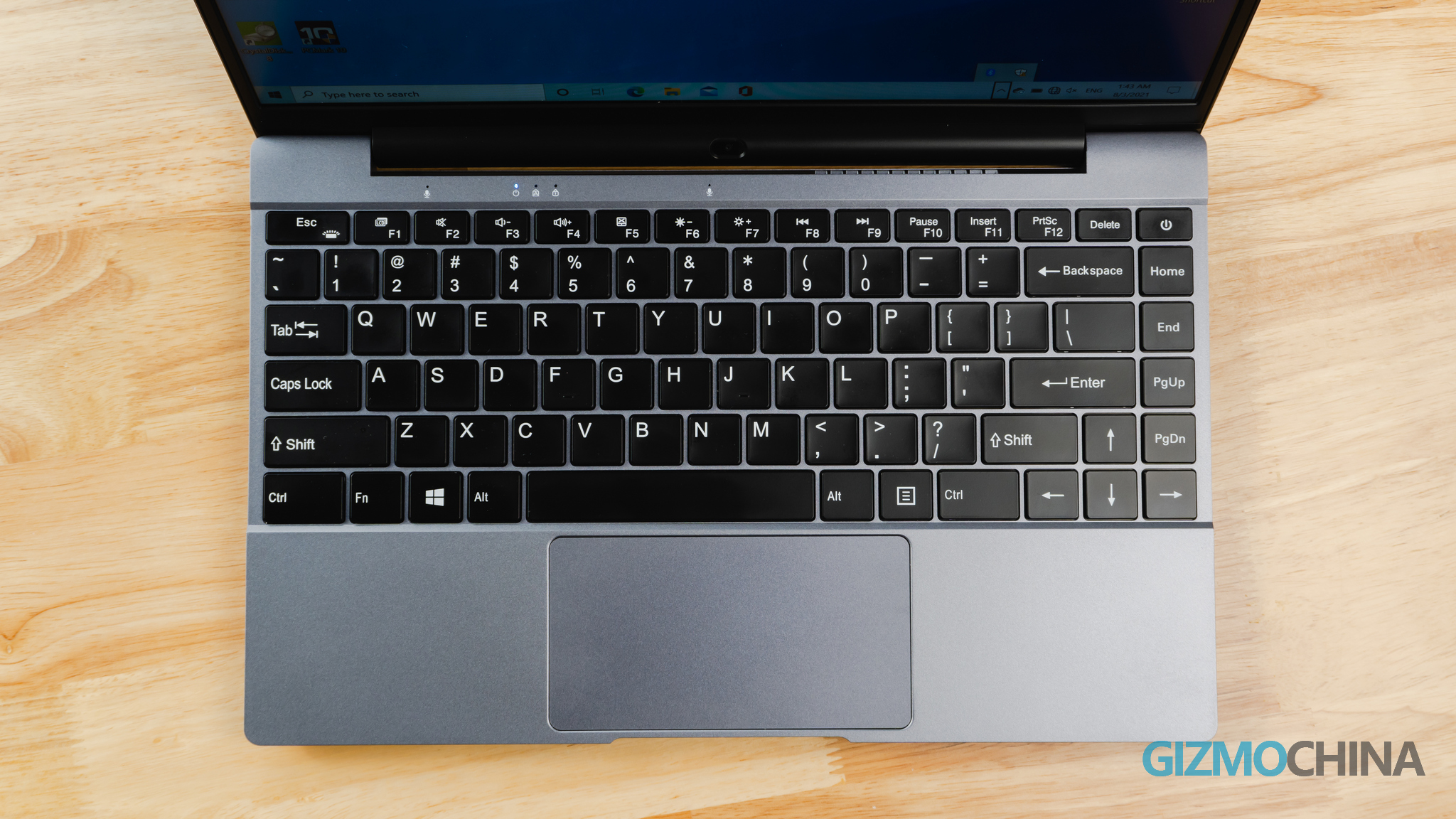
As usual, ALLDOCUBE does a good job on the affordable model’s keyboard. Although the GT Book’s backlit keys might not be on par with those expensive models, they delivered a delightful typing experience in my limited time using them. And if you travel a lot, I don’t really think that most of you will have issue with these practical keys.
And the pleasant experience of operation continues to its large touchpad, which I really enjoyed while typing and browsing on the laptop. It’s really hard to believe that this keyboard and touchpad comes in a laptop that costs under $400. But a small complaint here is that the keyboard can easily get fingerprints and grease.
Another interesting detail of the GT Book’s design is the front camera, which is integrated into the hinge. Compared to other laptops that feature the camera at the top of the display, the GT Book smartly saves this space for the screen and makes the display look more stunning than its predecessors.
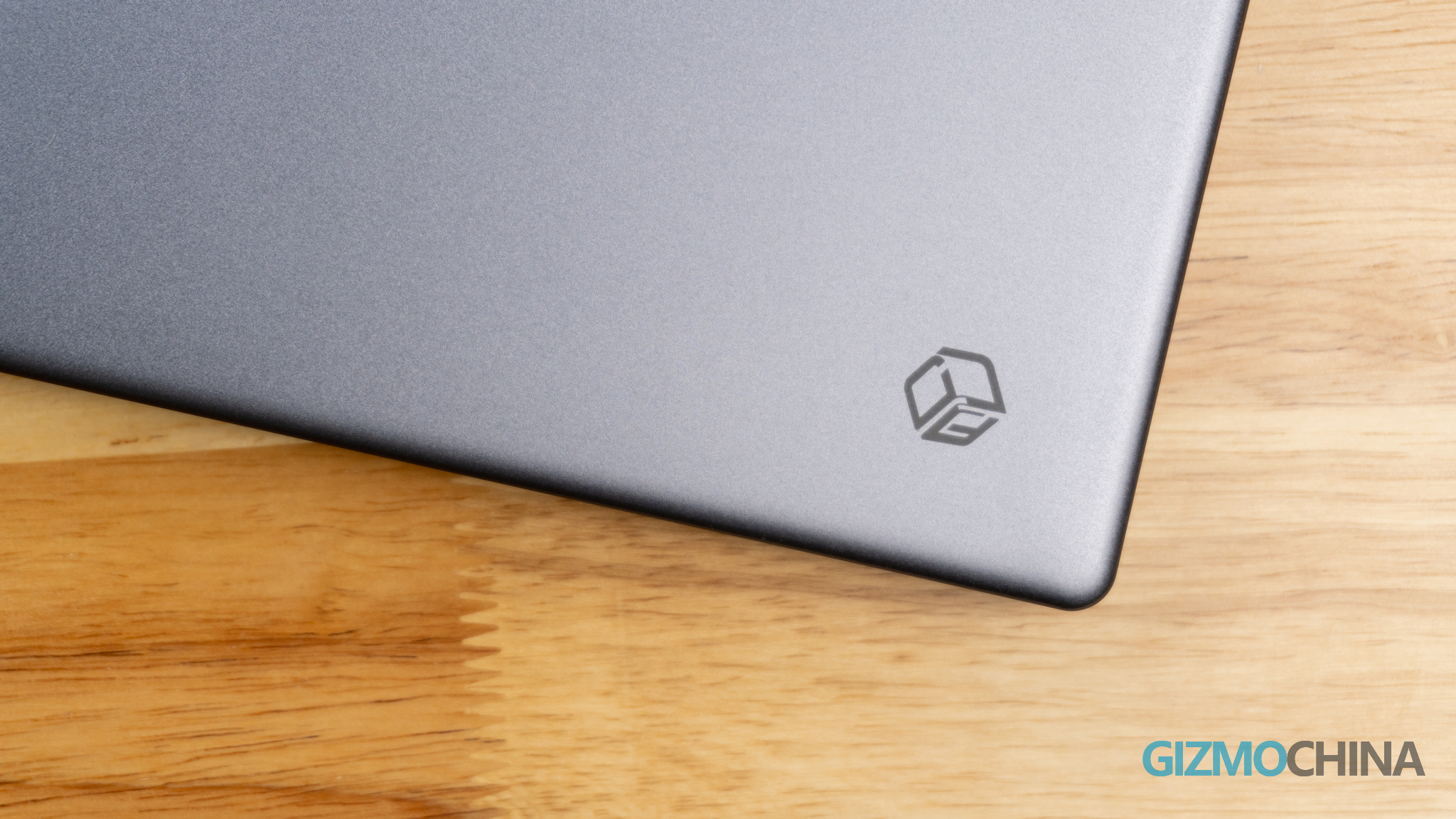
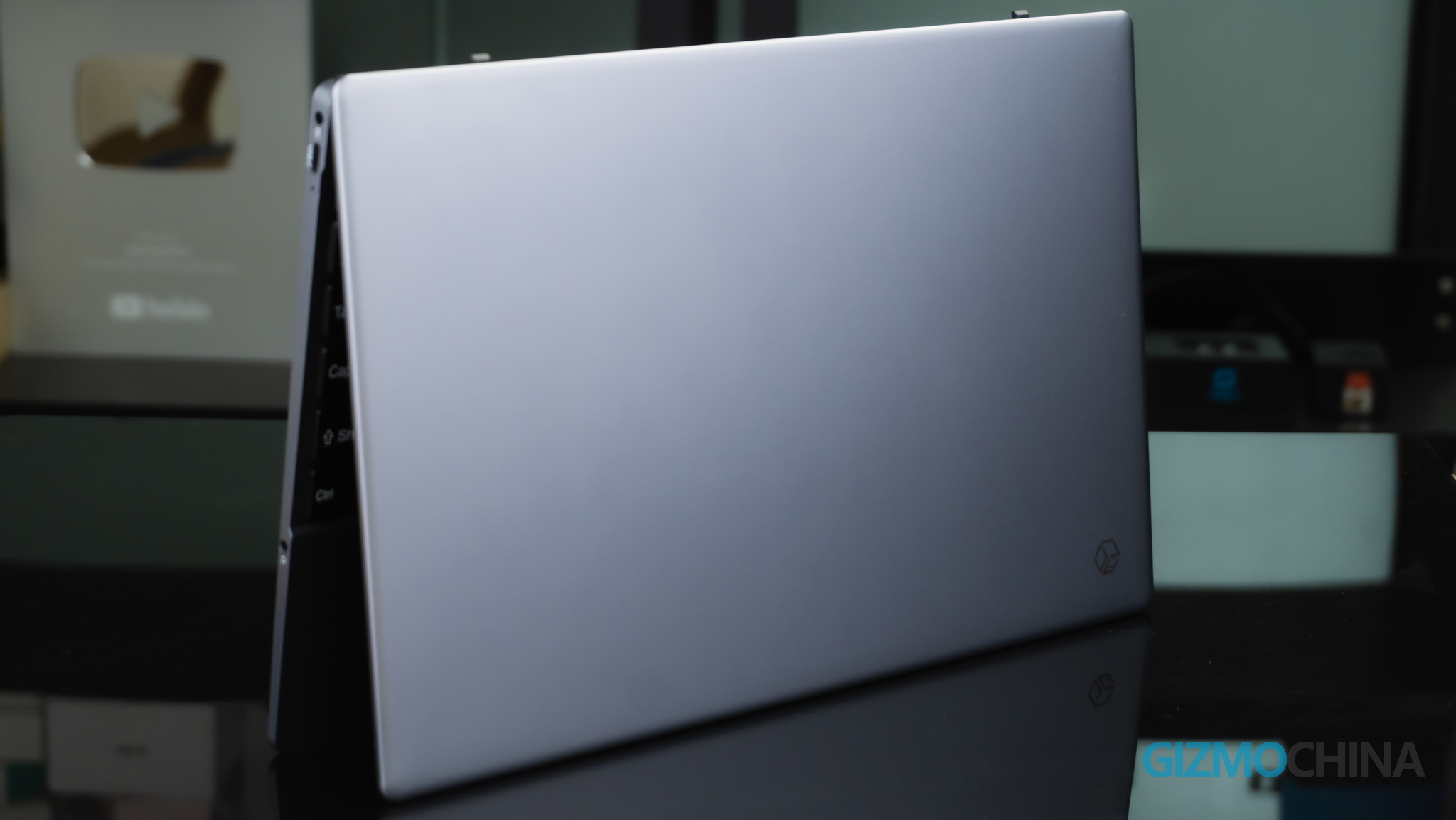
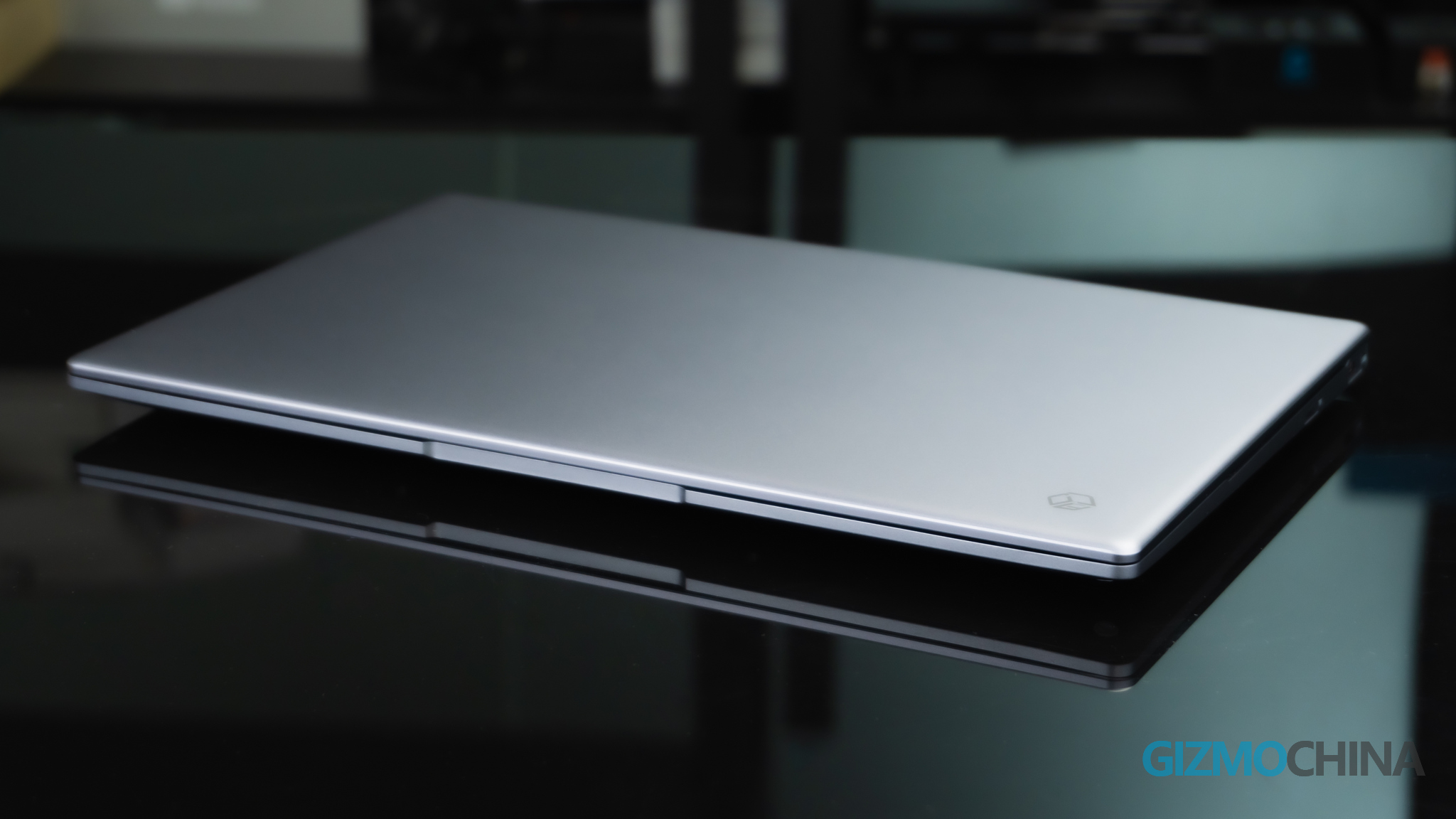
The 14’’ GT Book (1.7mm max. thickness) weighs 1.2kg, which is acceptable for travel considering it has a metal body. Overall, the appearance of the laptop delivers an impressive build quality in a compact metal form factor.
ALLDOCUBE GT Book Review: Benchmark Tests
An important feature of budget laptops is efficiency. In this respect, the GT Book’s performance met our expectations in different benchmark tests. The laptop offers 4 power modes to meet different working scenarios. Users can switch between battery saver, better battery, better performance and best performance according to their requirement.
The following performance tests were only conducted in the best performance mode, while the endurance test was done in the better battery mode.
Let’s look at the Celeron N5100 processor first. The single burning test is more about showing the stability of the CPU performance. After the 30-minute Stress FPU test in AIDA64 benchmark, the N5100 can run up to 2.2GHz on all cores in the first 15mins without obvious throttling; power consumption stayed at around 6W, and the core temperature was maintained below 80℃. From the stress test results, it appears that the N5100 has a pretty good stability of performance output with a relatively good cooling effect under high loads. Due to the passive cooling design, the running noise was almost unperceivable.
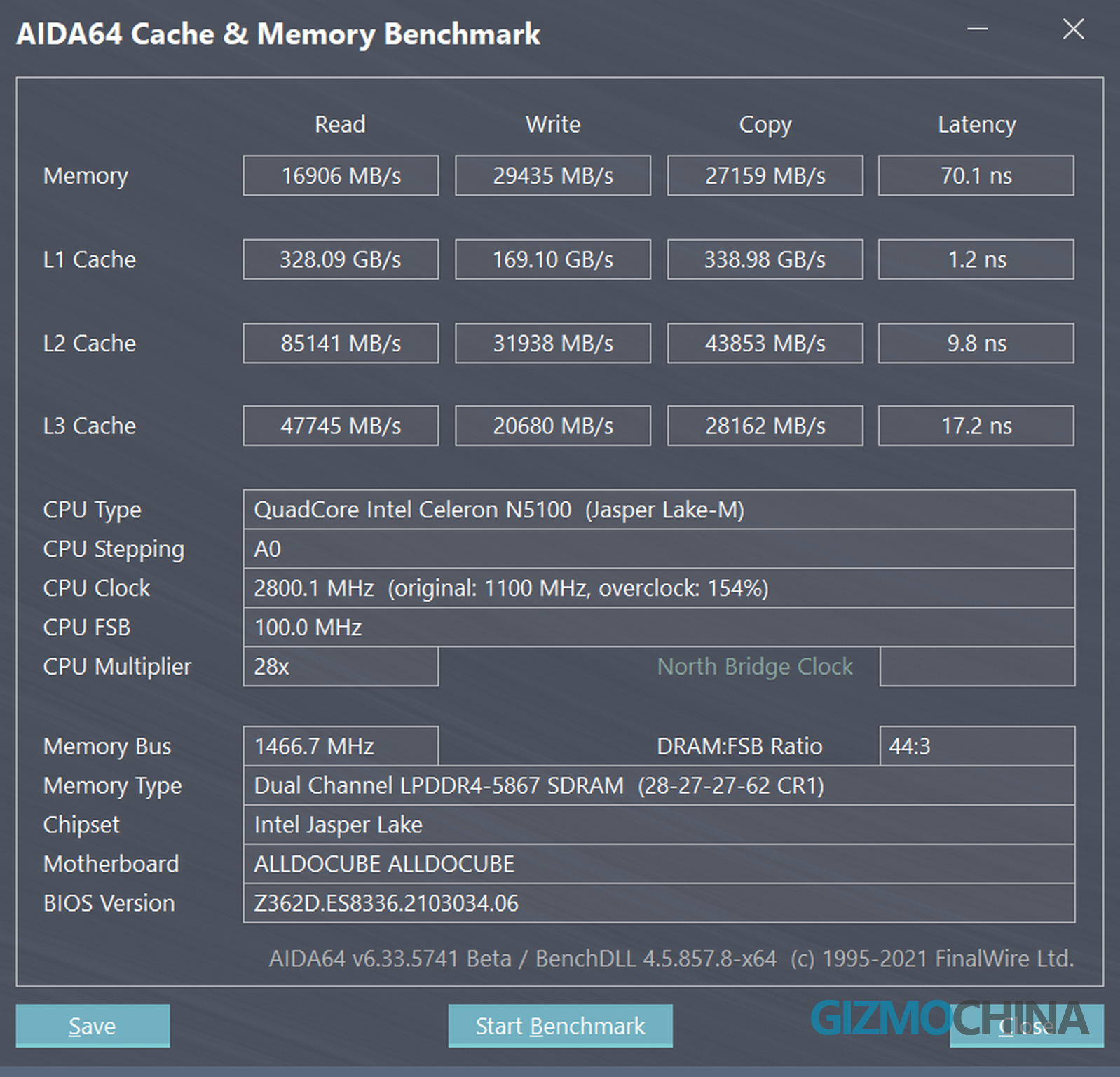
On the memory side, 12GB LPDDR4X-2933MHz dual-channel memory was fully adequate for daily office work. In actual experience, its sufficient capacity and improved multi-tasking performance. In AIDA64 Cache & Memory Benchmark, the tested memory Read speed is 16906MB/s; Write speed is 29435MB/s; Copy speed is 27159MB/s; and the delay is 70.1 ns.
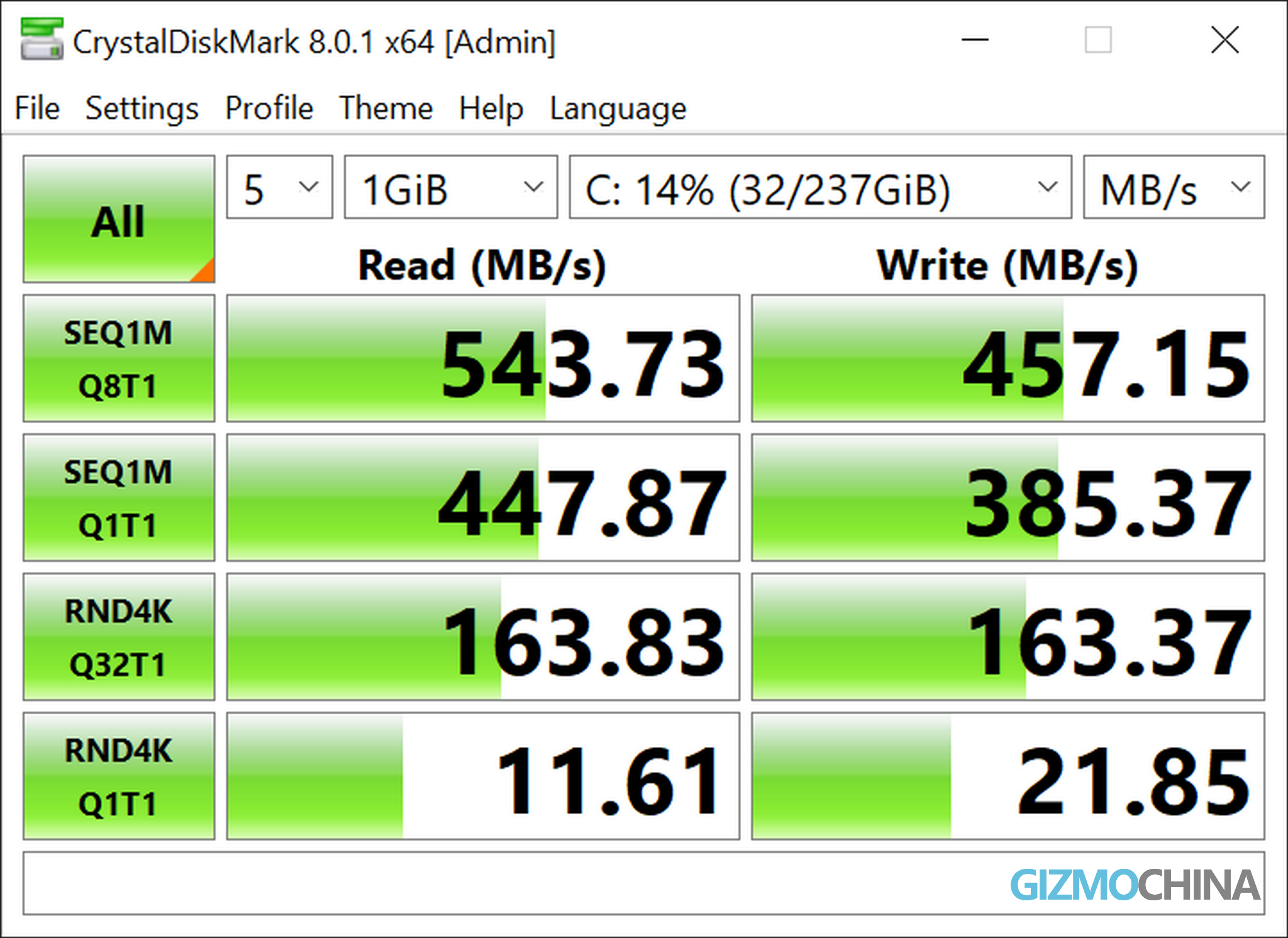
We also tested the SSD storage performance. The result shows that the laptop is adequate for common office use. And if you are not satisfied with the SSD, the laptop allows you to easily replace it by yourself.
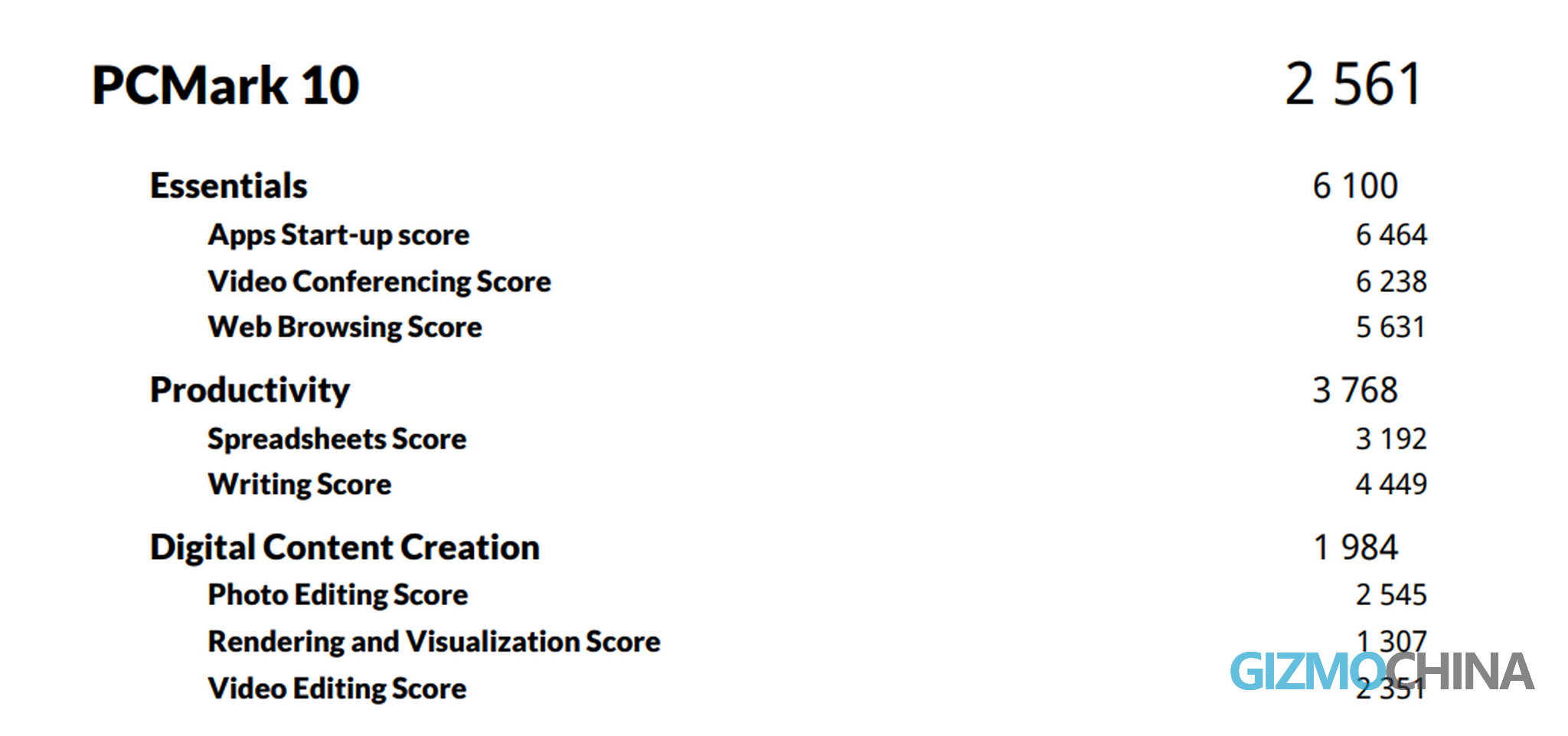
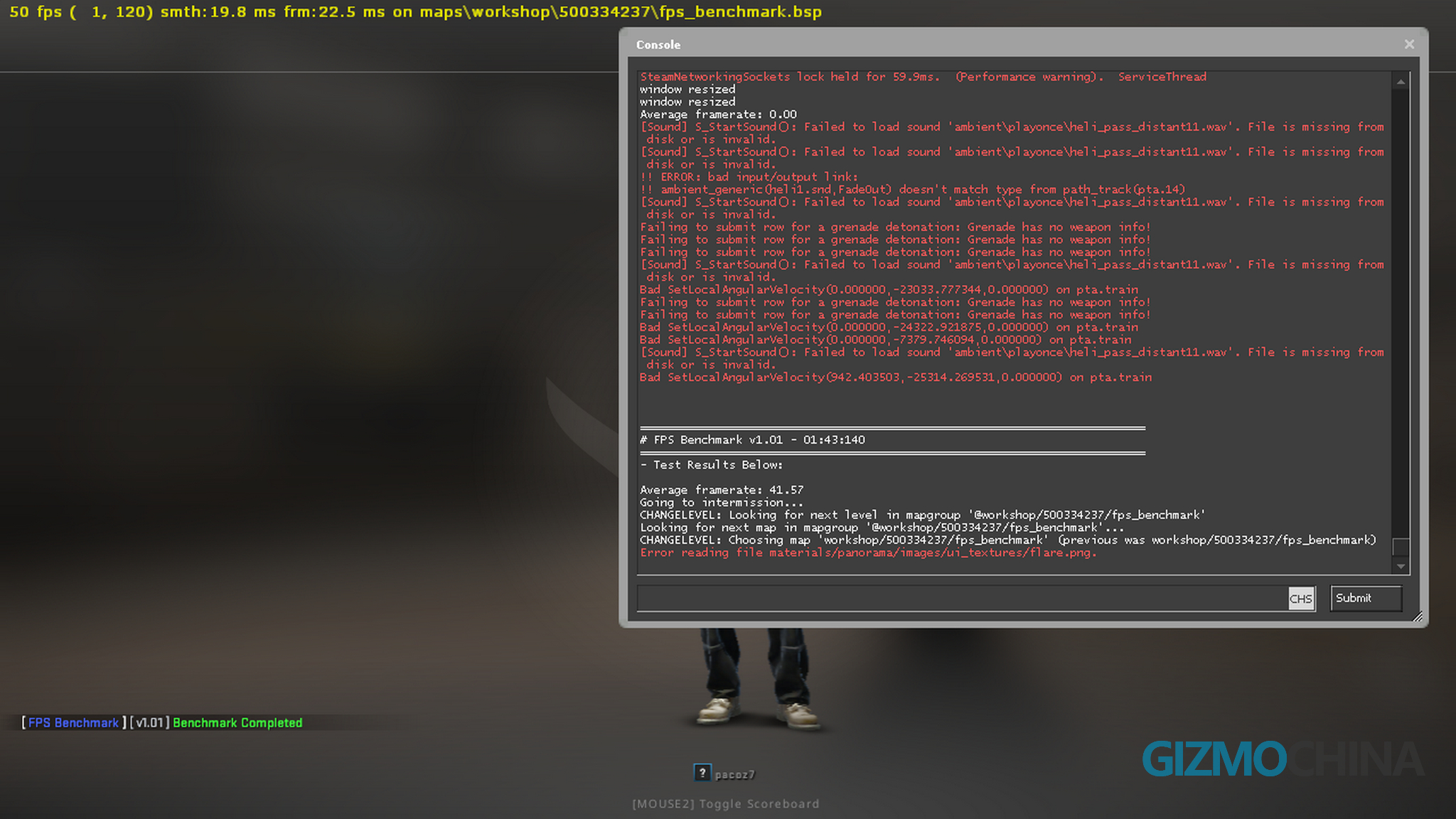
In terms of performance, the total score of PCMARK 10 was 2561, including 6100 for essentials, 3768 for productivity and 1984 for digital content creation. From the sub-item score, the GT Book has a good performance for office work, while in digital creation, it’s not as efficient compared to basic and office use. And if you’d like to play heavy games on your laptop, the GT Book is not a good option. However, we still ran CSGO fps benchmark under 720p resolution on the GT Book. The average running framerate is around 43fps.
ALLDOCUBE GT Book Review: Battery Life
As for the battery, thanks to the efficient N5100 processor, its endurance performance is much better than what we expected. It features a 5000mAh battery with 36W PD charging efficiency. After the endurance test of everyday tasks, under Better Battery mode, the GT Book could support a good endurance for up to 5-hour of continuous use.
From portability to ease of use, ALLDOCUBE GT Book still brings fair efficiency and good stability, bringing consumers an attractive option of business, office, and basic entertainment in the budget price range. Not to mention that the thin metal body with good build quality makes it stand out from the rest of the sub-$400 price range.
But you should also look at its drawback. For some of you, the insufficient ports could cause you a little inconvenience.
That said, the GT Book can be a reliable option for consumers who are looking for a basic laptop in 2021. You can buy this laptop on the Alldocube official website if you like this product.
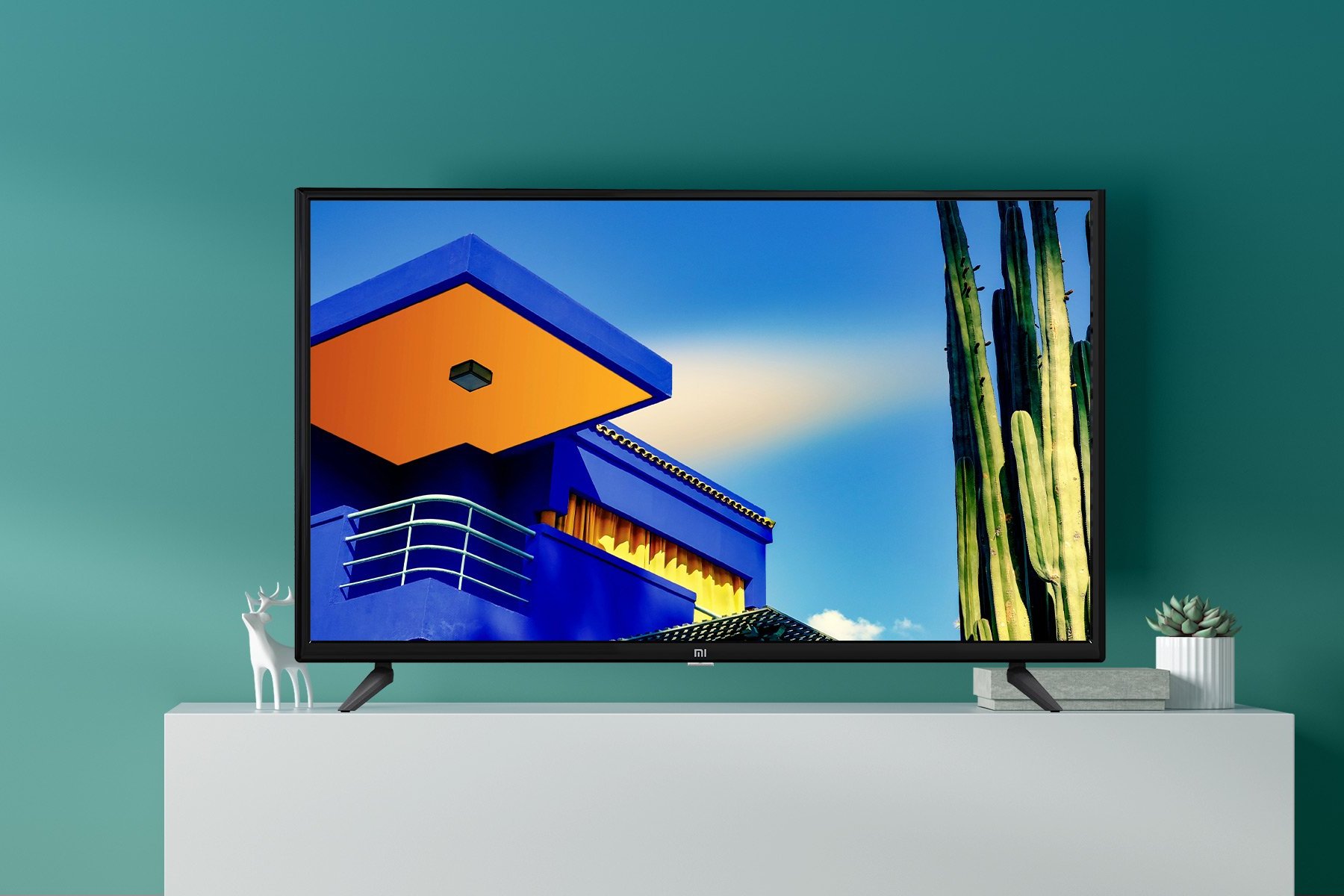
Xiaomi has launched yet another 32-inch smart TV in India. The new model called Mi TV 4C 32 has exact same features as the already available Mi TV 4A Pro 32, Mi TV 4A 32 Horizon Edition, and the discontinued Mi TV 4C Pro 32. It only varies slightly in terms of design.
Xiaomi Mi TV 4C 32 Specifications and Features
The newly released Xiaomi Mi TV 4C 32 sports a 32-inch LED-backlit LCD panel with a resolution of 1366 x 768 pixels (HD), 60Hz refresh rate, 8ms response time, and 178° viewing angle.
The television is powered by a 64-bit Amlogic SoC consisting of a quad-core CPU (4 x ARM Cortex-A53 cores) and a Mali-450 MP3 GPU. The chipset is paired with 1GB RAM and 8GB storage.
Like all Xiaomi televisions outside China, this one also runs Android TV (unspecified version) and comes with the company’s in-house PatchWall launcher. The TV supports all the leading streaming platforms available in India, in addition to Chromecast Built-in, Google Assistant, Vivid Picture Engine (Xiaomi’s proprietary color profile), and Mi Quick Wave (turns on TV within 5 seconds).
For connectivity, the TV comes with single-band WiFi, Bluetooth 4.2, 3 x HDMI (1 ARC), 2 x USB, 1 x AV, 1 x earphone out, antenna, and Ethernet. Last but not least, it uses 2 x 10W bottom-firing speakers with support for DTS-HD for sound.
Xiaomi Mi TV 4C 32 Price and Availability
The Xiaomi Mi TV 4C 32 is on sale in India at an introductory price tag of ₹15,999. It can be purchased from either Mi.com or Flipkart. There’s no official word on the availability of this television in offline retail stores.
The new Mi TV is costlier than the launch price of the previous 32-inch models from the company due to due to the prolonged shortage of ‘Open Cell’ (panel).
Back in October, Xiaomi announced the Mi MIX 3 smartphone. The company did not release its successor in 2019 and 2020. Recently, the company confirmed that it will be announcing the Mi MIX 4 on Aug. 10 in China. Today, the company claimed that it has taken 1,020 days and numerous breakthroughs, failures, and hundreds of detours to build the Mi MIX 4. It also released a teaser to hint at the display design of the upcoming MIX series phone.
The company seems to be hinting at the display design of the Mi MIX 4 through the new poster. The Mi MIX series of smartphones are known for offering a truly full-screen experience and the same can be expected from the Mi MIX 4.
It appears that the poster seems to show the display design that it may have considered for the Mi MIX 4. The poster also shows the Mi MIX Alpha that was introduced as a concept phone last year. Its unique wrap-around display allowed it to offer a 180 percent screen-to-body ratio.
The last phone that can be seen in the poster has a curved edge display without any notch or punch-hole. Reports have claimed that the Mi MIX 4 will be Xiaomi’s first phone with an in-screen camera. Hence, it appears that the last phone in the poster could be the Mi MIX 4.
Reports have claimed that the Mi MIX 4 could be coming with a 6.6-inch OLED panel. It is speculated that even though it will support only FHD+ resolution, it will offer a better viewing experience than conventional 1080p panels. Other rumored features of the Mi MIX 4 include Snapdragon 888 or 888+ chip, a 5,000mAh battery, 120W fast charging, 70W or 80W wireless charging, up to 12 GB of LPDDR5 RAM, up to 512 GB of storage, a 50-megapixel (Samsung GN1s) + 48-megapixel (ultrawide) + 48-megapixel (telephoto) triple camera unit, MIUI 12.5 based Android 11 OS, UWB, and mmWave 5G support.
Xiaomi finally started rolling out the Android 11 update for the Redmi Note 9 at the end of June. This update is now finally live in India. Unlike other regional variants, except for China, the model for India is also being bumped to MIUI 12.5 alongside last year’s Android.
Redmi Note 9
The MIUI 12.5 update based on Android 11 for the Redmi Note 9 in India arrives with build number V12.5.1.0.RJOINXM. The software build is in the Stable Beta phase, which means it is being rolled out in batches.
Hence, the latest system update for the handset should be only available for a select few users in the country right now. Anyway, all users will be getting it in the coming days.
The Redmi Note 9 launched in the first half of 2020 with MIUI 11 based on Android 10. The smartphone was updated to MIUI 12 last year. Since it has only received a single major MIUI update so far, it should be eligible for MIUI 13.
It is worth noting that the Redmi Note 9 sold in international markets is known as Redmi 10X 4G. That device got Android 11 update way back in February, followed by MIUI 12.5 in July.
It’s a pity that customers outside China have to wait longer to experience the new software on some of the Xiaomi phones. We hope the company improves its software update delivery with the release of MIUI 13.
The Honor Play5T Pro smartphone has silently launched in China. It is a 4G mid-range phone that offers key features like an FHD+ display, a gaming-centric processor, a 64-megapixel camera, and support for 66W rapid charging.
Honor Play5T Pro specifications and features
The Honor Play5T Pro measures 160.68 x 73.3 x 8.4mm and weighs around 179 grams. It has a 6.6-inch IPS LCD screen with a punch-hole design that offers a Full HD+ resolution of 1080 x 2400 pixels. It offers a screen-to-body ratio of 94.2 percent.
The display punch-hole features a 16-megapixel selfie camera. The device’s back panel features a vertical camera setup that houses a 64-megapixel main camera and a 2-megapixel depth sensor.
Honor Play 5T Pro
The Helio G80 chipset is present under the hood of the Play5T Pro. The device ships with 8 GB of RAM and 128 GB of built-in storage. It is packed with a 4,000mAh battery that supports 22.5W fast charging. The company claims that it takes only 30 minutes for the phone to gain 53 percent battery juice from scratch.
The Play5T Pro boots to Android 10, which is overlaid with Magic UI 4.0. The device offers connectivity features like dual SIM support, 4G VoLTE, Wi-Fi 802.11ac, Bluetooth 5.1, GPS, USB-C, and a 3.5mm headphone jack. Lastly, it features a side-mounted fingerprint reader.
Honor Play5T Pro pricing and availability
The Honor Play5T Pro, which comes in an 8GB+128GB version only is priced at 1,499 Yuan (~$232) in China. The device can be purchased in Magic Night Black and Titanium Silver.
We use cookies on our website to give you the most relevant experience by remembering your preferences and repeat visits. By clicking “Accept”, you consent to the use of ALL the cookies.
This website uses cookies to improve your experience while you navigate through the website. Out of these, the cookies that are categorized as necessary are stored on your browser as they are essential for the working of basic functionalities of the website. We also use third-party cookies that help us analyze and understand how you use this website. These cookies will be stored in your browser only with your consent. You also have the option to opt-out of these cookies. But opting out of some of these cookies may affect your browsing experience.
Necessary cookies are absolutely essential for the website to function properly. This category only includes cookies that ensures basic functionalities and security features of the website. These cookies do not store any personal information.
Any cookies that may not be particularly necessary for the website to function and is used specifically to collect user personal data via analytics, ads, other embedded contents are termed as non-necessary cookies. It is mandatory to procure user consent prior to running these cookies on your website.