The iQOO 8 series will be announced on August 17 and the manufacturer is expected to unveil two phones – the iQOO 8 and the iQOO 8 Pro. Some of the specifications of both devices have surfaced via leaks and official sources over the past few weeks. Today, more details have been revealed, but this time, they are of the standard version.
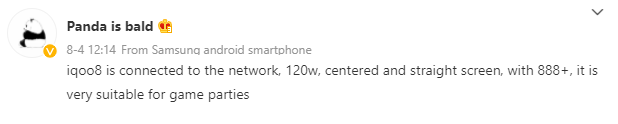
According to the Weibo leaker that goes by Bald Panda, the iQOO 8 will have a flat display, unlike the iQOO 8 Pro which boasts a curved screen. However, it will have a centered punch hole like its sibling.
iQOO will ship the phone with the Snapdragon 888 Plus processor, the more powerful version of the Snapdragon 888 which boasts higher CPU and GPU clock speeds. The phone will also have support for 120W fast wired charging.
The same source had also posted earlier on Weibo that the iQOO 8 Pro will have a 6.78-inches 2K120Hz LTPO curved screen which is the new 10-bit Samsung E5 AMOLED panel. The pro model will also have a centered punch hole, DC dimming, and a 517 PPI.
He also mentioned that it will be powered by the Snapdragon 888 Plus, have a 1/1.5” main camera, an ultrasonic in-display fingerprint scanner, a ~4500mAh battery, support for 120W fast wired charging, and support for 50W fast wireless charging.
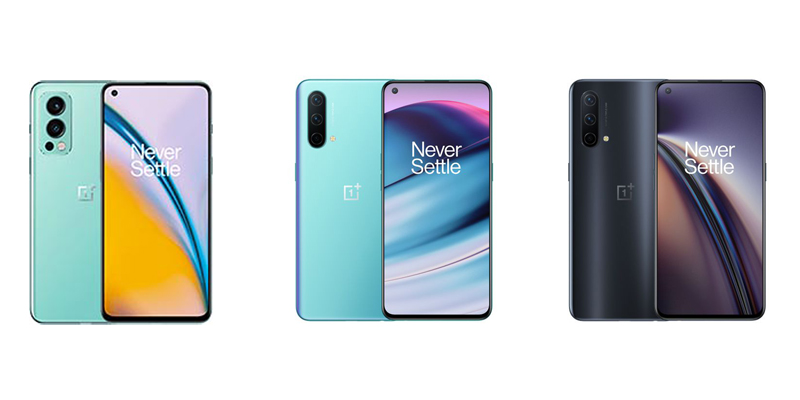
Launched for the first time in 2020, the OnePlus Nord reached a total of six devices. Among these, two of them are upper-midrange phones with amazing specifications and prices, and now the company even launched a flagship killer under the same lineup. If you are wondering which Nord phone should you buy to get the most complete phone at the most affordable price, you are in the right place. This is a comparison between the specifications of the new OnePlus Nord 2 5G, the affordable Nord CE 5G, and the original OnePlus Nord.
OnePlus Nord 2 5G vs OnePlus Nord CE 5G vs Nord 5G
OnePlus Nord 2 5G
OnePlus Nord CE 5G
OnePlus Nord 5G
DIMENSIONS AND WEIGHT
158.9 x 73.2 x 8.3 mm, 189 grams
159.2 x 73.5 x 7.9 mm, 170 grams
158.3 x 73.3 x 8.2 mm, 184 grams
DISPLAY
6.43 inches, 1080 x 2400p (Full HD+), Fluid AMOLED
6.43 inches, 1080 x 2400p (Full HD+), Fluid AMOLED
6.44 inches, 1080 x 2400p (Full HD+), Fluid AMOLED
The most beautiful and modern design belongs to the OnePlus Nord 2 5G: the camera module is designed better and it has the same color as the rest of the body of the phone. Further, the handset has a glass back protected by Gorilla Glass 5 which improves the build quality. However, the OnePlus Nord CE 5G is a thinner and lighter phone, so it still has its charm. Unfortunately, it has the same design as the original Nord which is a bit outdated in 2021.
Display
There are not many differences between the displays of these three phones: they are almost the same. These handsets are equipped with a Fluid AMOLED panel sporting the HDR10+ certification, a Full HD+ resolution, a refresh rate of 90 Hz, and a diagonal of 6.43 inches (6.44 inches for the original Nord, but with a dual punch hole). They also come with a fast and accurate in-display fingerprint reader for authentication.
Specs & Software
Unlike its more affordable siblings which come with midrange-class hardware, the OnePlus Nord 2 5G is a flagship killer. It is powered by the Mediatek Dimensity 1200 chipset paired with up to 12 GB of RAM and up to 256 GB of UFS 3.1 internal storage (Nord CE 5G and Nord have UFS 2.1). The Nord CE 5G and the original Nord have different chipsets (Snapdragon 750G and 765G), but the performances are more or less the same. Note that OnePlus Nord 2 5G comes with a more recent version of the OxygenOS released after the integration with ColorOS by OPPO. Further, note that the original Nord has Android 10 out of the box instead of Android 11.
Camera
On the rear side, OnePlus Nord 2 5G has the most advanced camera department which includes the 50 MP Sony IMX766 main sensor, an 8 MP ultrawide camera, and a 2 MP monochromatic lens. If we talk about selfies, the vanilla Nord is superior with its dual camera including a 32 MP main sensor and an 8 MP ultrawide sensor.
OnePlus Nord 2 5G and Nord CE 5G are stronger battery phones thanks to their bigger battery capacity: 4500 mAh. The Nord 2 5G also wins the fast charging comparison with a power of 65W.
Price
The OnePlus Nord 2 5G has a starting price of €399 ($470), the Nord CE 5G carries a €299 ($352) listing price in its base variant, and Nord was launched in 2020 with a starting price of €399, but now you can find it around €300 (these are the EU prices but they vary depending on the market). There is no way for Nord and Nord CE 5G to compete with the Nord 2 5G (the winner of this comparison), but the Core Edition has a very high value for money due to its very affordable price.
OnePlus Nord 2 5G vs OnePlus Nord CE 5G vs OnePlus Nord 5G: PRO and CONS
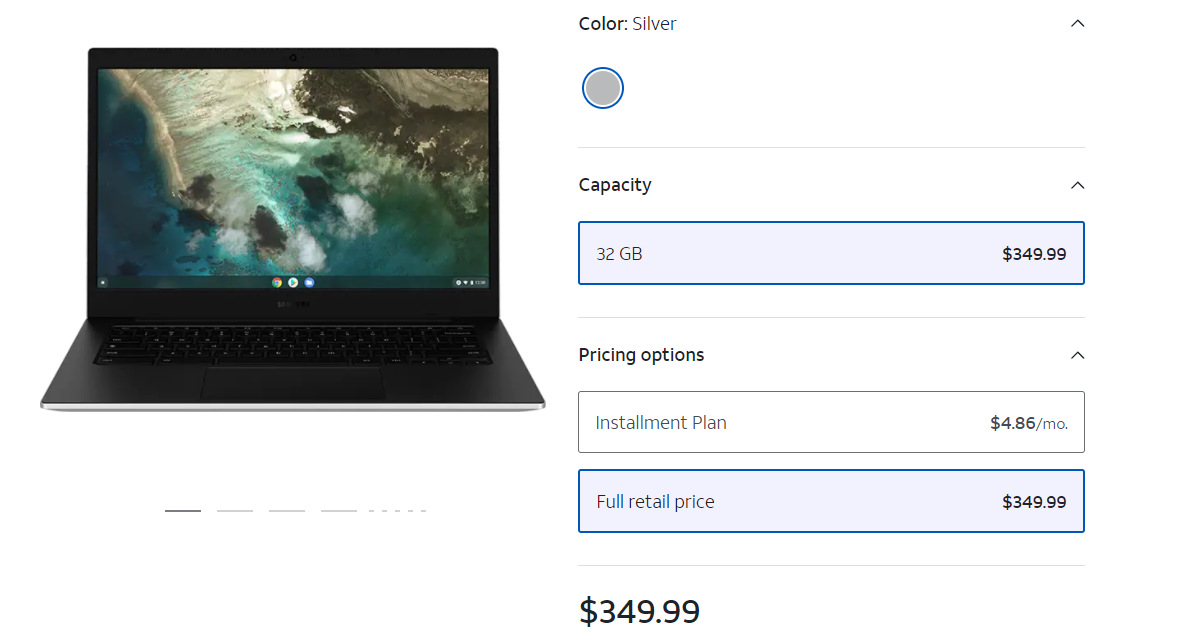
Samsung announced the Galaxy Chromebook Go last month and it revealed that an LTE version will be available soon. That version is now available for pre-order in the U.S., unfortunately, it doesn’t bring anything more, save for having a SIM slot.
The Galaxy Chromebook Go LTE is priced at $349 ($4.86/mo) on AT&T according to Android Police, $50 more than the Wi-Fi version. This extra cost gets you a nano-SIM card slot on the right side of the computer. The rest of the specs remain unchanged which is a disappointment as we expected the LTE version will have a touchscreen as we reported a few weeks ago, and maybe even more RAM and storage.
The screen is a 14-inch LED panel with a 1366 x 768 resolution and a 180° hinge. There is an Intel Celeron N4500 processor under the hood along with 4GB of RAM and 32GB of storage, Thankfully, a MicroSD card slot on the left allows you to add up to 512GB of extra storage. The Chromebook also has a 1MP 720p webcam.
Samsung says the Galaxy Chromebook Go supports LTE bands 2, 4, 5, 12, 29, and 66. It also has support for dual-band Wi-Fi, Wi-Fi 6, and Bluetooth 5.1. For ports, it has two USB Type-C ports, a USB 3.0 port, and a headphone-out/microphone-in combo port. There is a 42.3Wh battery inside that should provide up to 12 hours of use and last up to 13 days on standby. It will charge up to 50% in 50 minutes while a full charge takes 130 minutes.
Those who pre-order the LTE version are expected to receive it between August 23 and August 25. We hope Samsung will launch other variants with a touchscreen and more RAM and storage.
Google has previously hyped the development of its own high-end and AI-supported chipset, called the Tensor. The upcoming Google Pixel 6 series later this year is expected to be powered by the Tensor chipset. However, there are strong indications that the Tensor SoC is indeed an Exynos chip, with a high probability that it is the same chipset that powered the Galaxy S21 series unveiled this year.
Samsung‘s Exynos 9855 chipset is codenamed Whitechapel, which is the same codename as Google’s Tensor. The Exynos 9855 is closer to the Exynos 9840 (marketed as Exynos 2100), and the performance of the new Tensor SoC could lie between Exynos 2100 and the yet-to-be-released Exynos 2200. The flagship Exynos 2200 will power Samsung’s premium Galaxy S22 series in 2022.
The upcoming Tensor chipset is Google’s first high-end processor that the company is deploying, obviously in company with Samsung. Previous Google Pixel smartphones were powered by Qualcomm Snapdragon processors. Google has kept the fine details about the Tensor SoC under wraps, with some allusion that it has artificial intelligence (AI) capabilities. If indeed the Tensor comes with AI functionality, then the Tensor could be in a class of its own.
Neither Google nor Samsung had officially confirmed the nature of the Tensor processor. Samsung could be currently producing the Tensor on its 5nm LPE fabrication process. If the hype around the Tensor is anything to go by, then it could deliver flagship-level performance on the new Pixel 6 smartphones when they are eventually unveiled later this year.
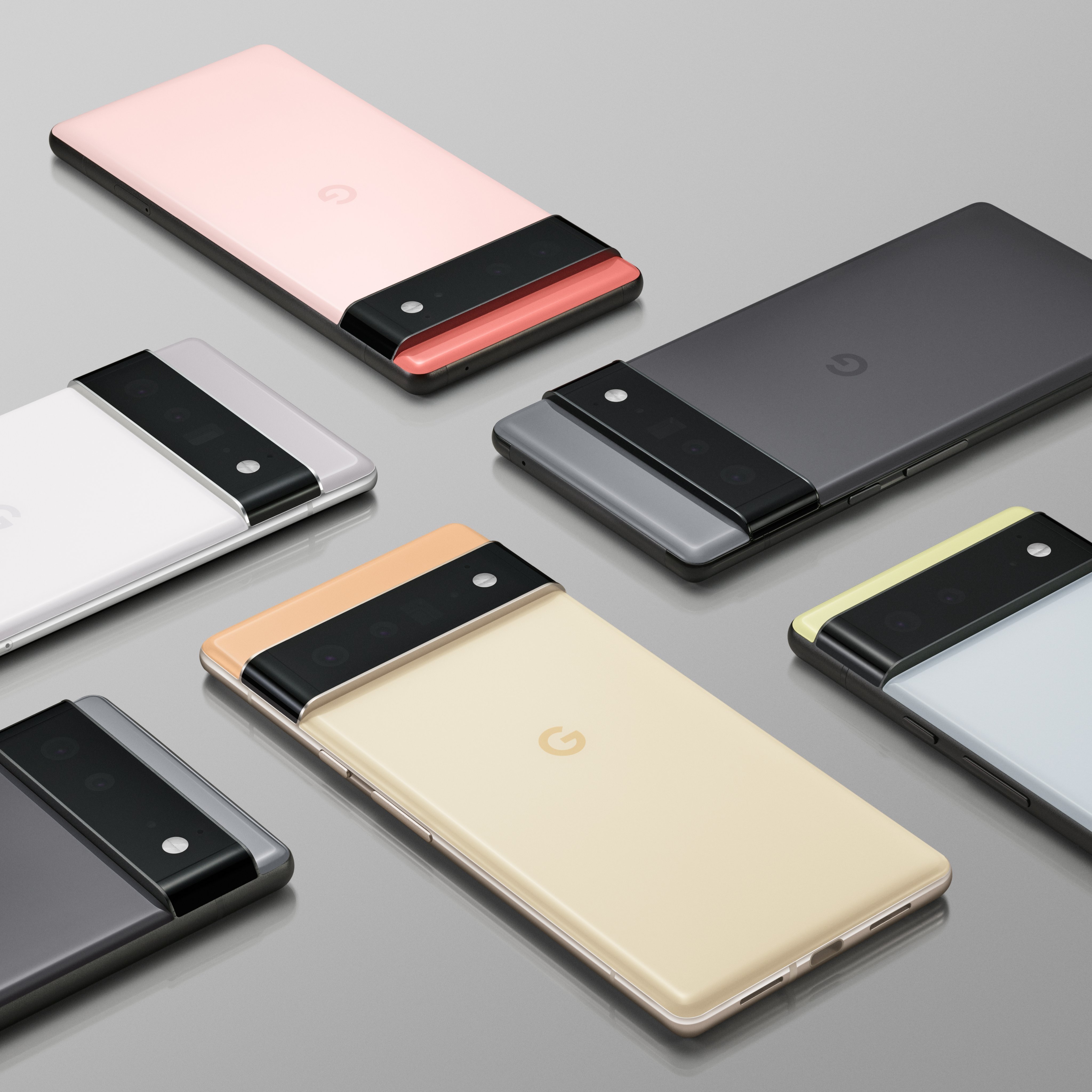
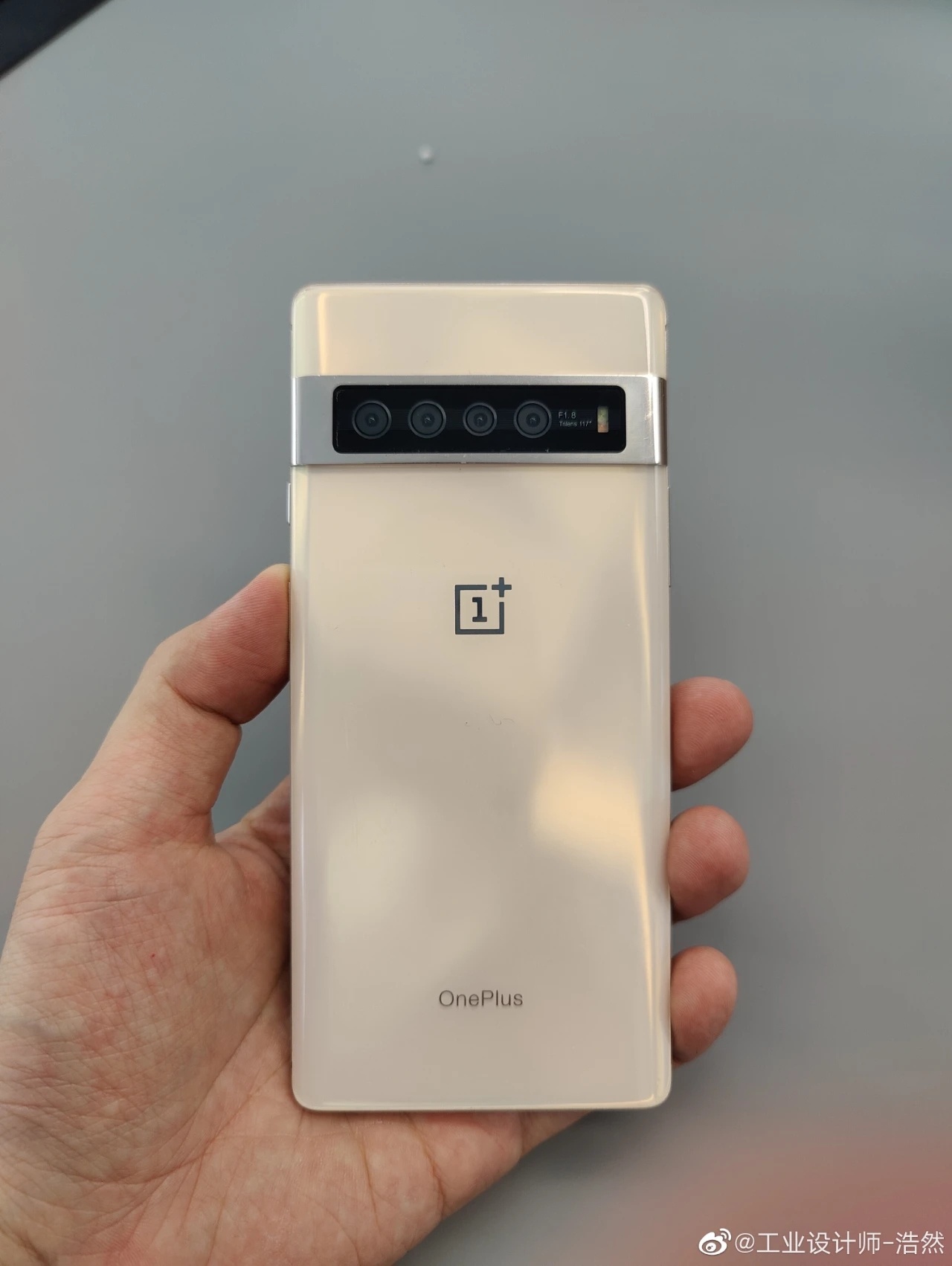
When making a phone, manufacturers usually play with several design iterations before finally settling for one. Sometimes, we get a look at some of these concepts, and it is always a delight to see what could have been. An example is a now published photo of a concept OnePlus 7 that shows a very different design from what was eventually announced. What is more interesting is that this shelved design is very similar to that of the upcoming Pixel 6 and Pixel 6 Pro.
The photo of the concept OnePlus 7 phone was shared on Weibo by a user that goes by @工业设计师-浩然, an industrial designer at OnePlus. According to him, the concept OnePlus 7 was made following the launch of the OnePlus 6 in 2018.
Image source: Weibo (@工业设计师-浩然)
As seen in the image, the concept OnePlus 7 has a camera bar that runs across the width of the back of the phone. The bar has a metallic silver color while the area around the cameras is black. There are four sensors lined up horizontally, double the number of cameras the OnePlus 7 launched with. There is also a dual-tone LED flash on the far right. The concept phone has the same Silky White finish that the OnePlus 6 was available in.
Google confirmed the design of the Pixel 6 and Pixel 6 Pro earlier this week and the two phones will have a rear design similar to what OnePlus experimented with a few years ago. However, the bar is thicker and houses fewer camera sensors. Google is also going with a dual-color finish for its phones.
The Pixel 6 series will arrive this fall but we do not expect the design to remain exclusive to Google for long. We should see other manufacturers adopt the design soon albeit with little or no modifications.
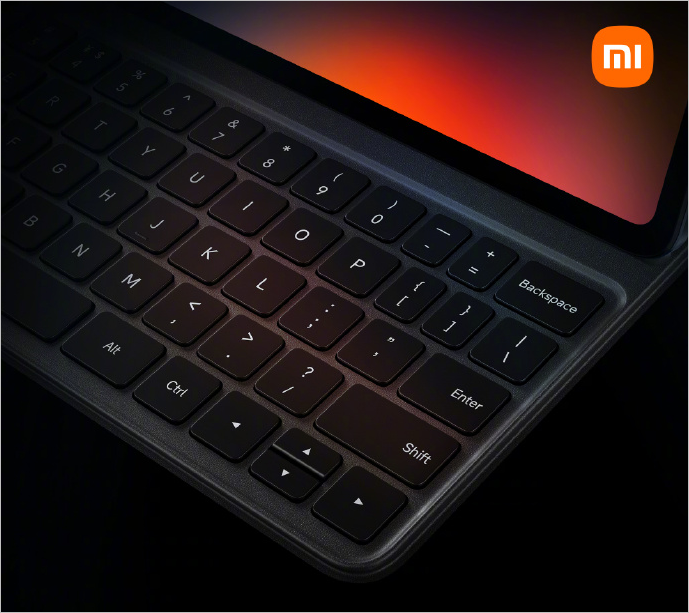
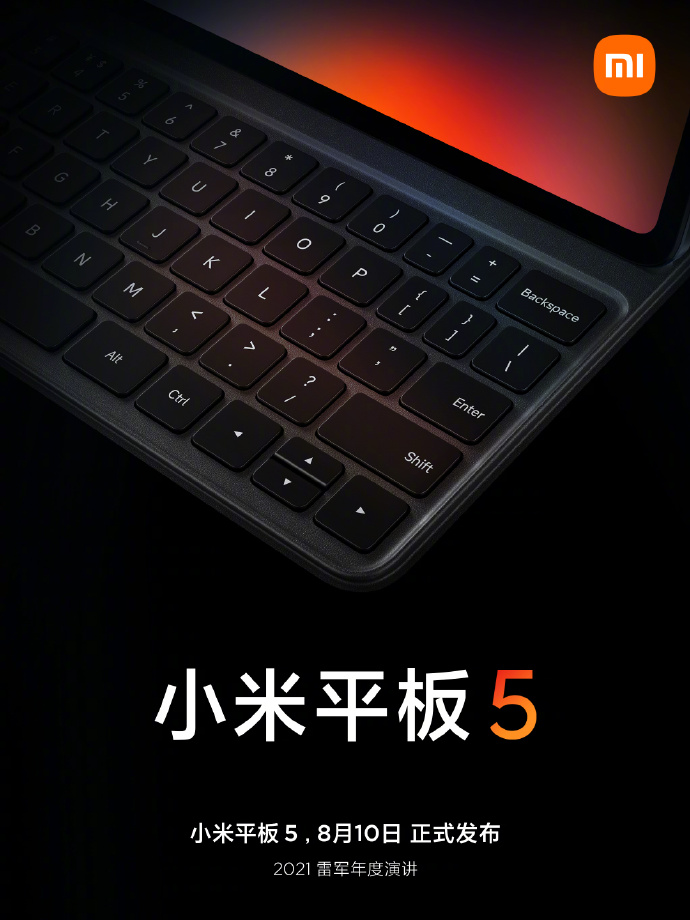
With just a few days away from its official unveiling, Xiaomi has provided some images of the Mi Pad 5 via Weibo. The latest official teaser shows the device will come with a keyboard. The company shared images of a keyboard while teasing the August 10 launch of the slate. It is likely, the keyboard will come as an added accessory that users may decide to buy as a bundle with the tablet. The surface of the keyboard also seems to have a leather texture but there are no further details about it at this point. The keyboard may also have a pouch for storing the Smart Pen.
Recall that an earlier teaser by Xiaomi had confirmed that the Mi Pad 5 will come with a Smart Stylus Pen. The stylus is called Xiaomi Smart Pen and was recently spotted in an FCC listing. It could be a low-energy device with Bluetooth connectivity.
The previous official teaser also revealed an antenna band line which suggests it will have a metal body and even LTE/5G support for one of the models (probably the Mi Pad 5 Pro). The tablet’s screen is also shown to come with rounded corners. Previous unofficial teasers for the Mi Pad 5 series revealed a dual rear camera setup and a flash module and the rear cam could possibly be an AI device.
The Mi Pad 5 series is rumored to debut in three models namely the Mi Pad 5 Lite, Mi Pad 5, and Mi Pad 5 Pro. The three models will each have a 10.9-inch IPS LCD screen, 120Hz display refresh rate, and 240Hz touch sampling rate. The Mi Pad 5 Lite is the lowest in the series and will be powered by Qualcomm’s Snapdragon 860 chipset, while the Mi Pad 5 and Mi Pad 5 Pro will have the higher Snapdragon 870 chipset.
There are still several details that are still lacking for the Xiaomi Mi Pad 5 series but we’ll find out all the details soon since the launch is just days away.
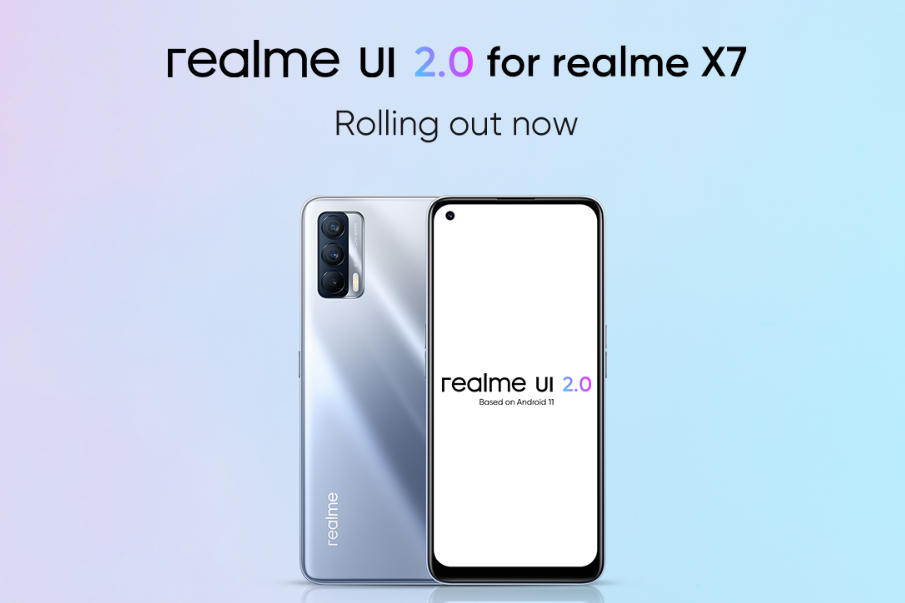
The realme X7 sold in India is a rebranded realme V15 5G. This handset was launched in early February. Despite releasing in 2021, it debuted with realme UI based on Android 10. Six months later, the smartphone has finally started receiving Android 11-based realme UI 2.0 stable update in the country.
The realme X7 got the Android 11 beta update in May. Hence, it took the brand three months to deliver the stable update.
The realme UI 2.0 stable update for the realme X7 in India is being rolled out with firmware version RMX3092_11.C.05. It is only available for users who are on the firmware version RMX2176PU_11.A.14, RMX2176PU_11.A.16, RMX2176PU_11.A.17, RMX2176PU_11.A.18, or RMX2176PU_11.A.20.
Above all, the latest system update for the phone is being seeded out in batches like any other OTA software update. Therefore, some users may receive it earlier than others, while some may have to wait a bit longer.
Having said that, users not satisfied with the latest version of realme UI can roll back to the previous version by installing the rollback package. However, unlike the update process, the rollback process will wipe the device’s internal storage.
Lastly, since realme X7 is a new smartphone and has only received one major software update so far, it should be also eligible for Android 12.
YouTube is the world’s largest video streaming platform. Hence, when Google removed the ability to seek videos by simply tapping on the progress bar last year, users showed displeasure. This option was replaced by a tapping gesture. Months later, the search giant has introduced yet another gesture for the same purpose.
Currently, if you want to seek YouTube videos on Android or iOS devices, you will have to tap two or multiple times on either the left or right side of the screen as per requirement. You can also drag the progress bar to achieve the same. But these two options are not as intuitive as tapping on a specific point on the progress bar for some users.
Now, according to a report by Android Police, Google is rolling out another gesture to seek videos on YouTube. This gesture requires users to tap and hold the screen, followed by a left or right swipe.
The new gesture is being rolled out as a server-side update for select few users on the YouTube app for Android v16.31.34 beta or more. In other words, the new feature is currently in the public testing phase. Therefore, we cannot tell for sure if it will make its way to all users at the moment.
Do you think Google should roll out this new gesture for everyone? Do let us know in the comment section below.
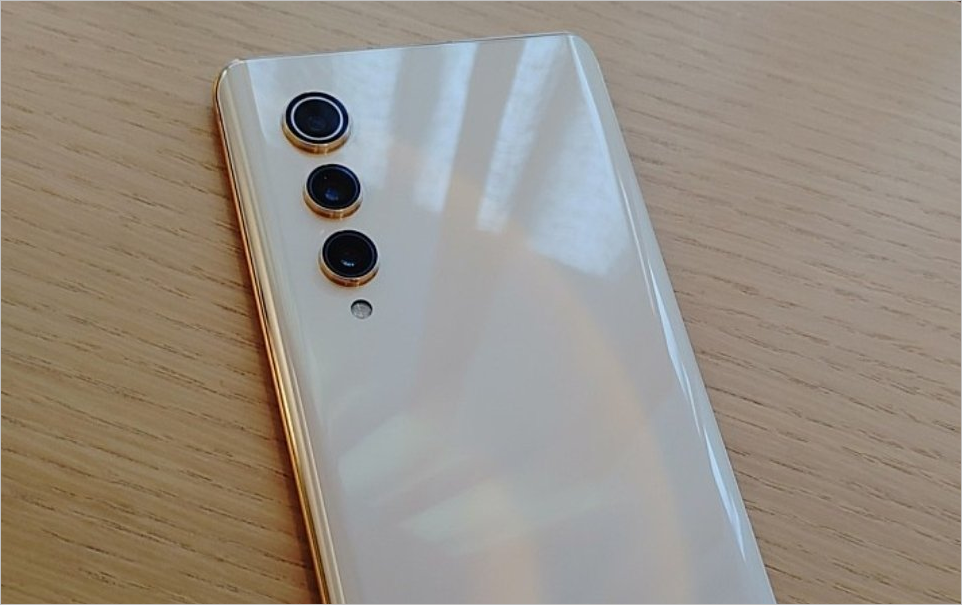
LG had a number of devices in the pipeline when it announced its exit from the mobile phone industry in early April. One of them was LG VELVET 2 Pro, the company’s first-ever proper flagship smartphone in recent times. Though this handset has been now canceled along with multiple others, it gets support for Google ARCore.
LG VELVET 2 Pro
Since LG put an end to its phone business, it canceled all the upcoming new products. As the company had already manufactured some limited units of the LG VELVET 2 Pro, it sold them off to its employees with no software support.
Hence, though the device never went official, there are some working units out in the wild. One of them even appeared in a YouTube video. As a result, we not only know the design of this handset but also its specs.
Having said that, since certification for certain services takes some time, the LG VELVET 2 Pro gets support for Google ARCore after it gets axed by the company. This does not mean the phone will ever see an official release. It just means that people who got their hands on the smartphone can use apps that require Google ARCore.
The LG VELVET 2 Pro features a 6.8-inch FHD+ curved P-OLED display with a 120Hz refresh rate, Qualcomm Snapdragon 888 SoC, 8GB RAM, 128GB internal storage, 64MP (wide) + 12MP (ultra-wide) + 8MP (telephoto) triple cmaera setup, 10MP selfie camera, and a 4,500mAh battery.
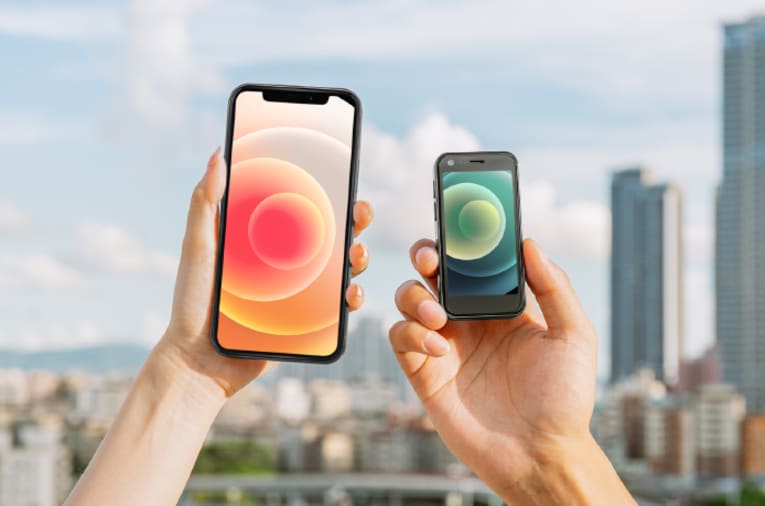
Mony is a Chinese OEM with a growing presence both within Hong Kong and mainland China. The brand has launched the Mony Mint, a pretty small and lightweight smartphone that is touted to be the world’s smallest 4G-enabled smartphone. The device features a 3-inch touch display which is slightly smaller than the 3.3-inch Palm Phone which also supports LTE connectivity.
Mony Mint
The Mony Mint’s sleek, pint-sized and elegant design provides an aesthetic appeal. The minimalist design is also reflected in the number of ports and side buttons available. It only has volume and power buttons in addition to the USB-C port.
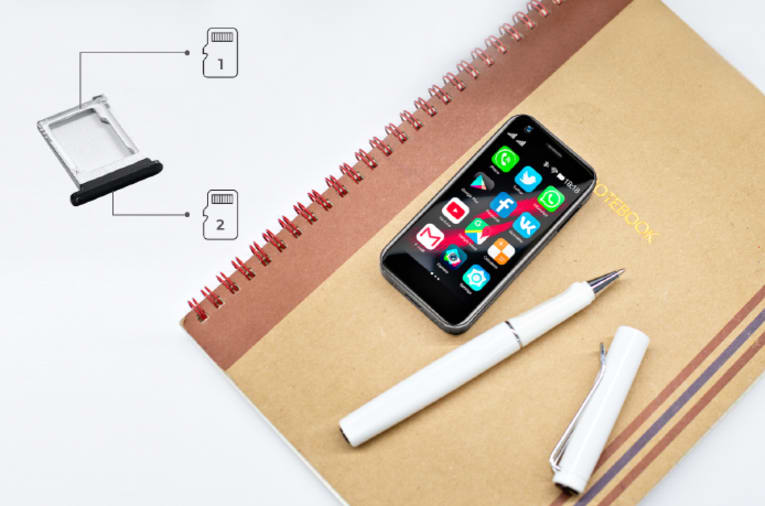
The portable smartphone has 3GB of RAM and 64GB of internal storage that can be further extended to 164GB via an SD card slot. It is also a dual SIM smartphone, with some great apps already preinstalled.
The Mony Mint will run on Android 9 and could be an important travel companion, as it is compatible with the major wireless networks across the world. In addition, wireless calls can be used in situations where it is impossible to make network calls. The dual-SIM support is also useful when on transit, as the additional SIM slot provides an opportunity to get more from the device. Finally, it crams a 1250mAh battery under the hood which offers up to 72 hours (3 days) of service on a full charge.
The Mony Mint is quite affordable at $150 but there is a Super Early Bird offer on Indiegogo that brings down the price to $100. The other slots are $115 and $130, called the Early Bird, and Indiegogo Special, respectively. The smartphone is scheduled to start shipping in November 2021.
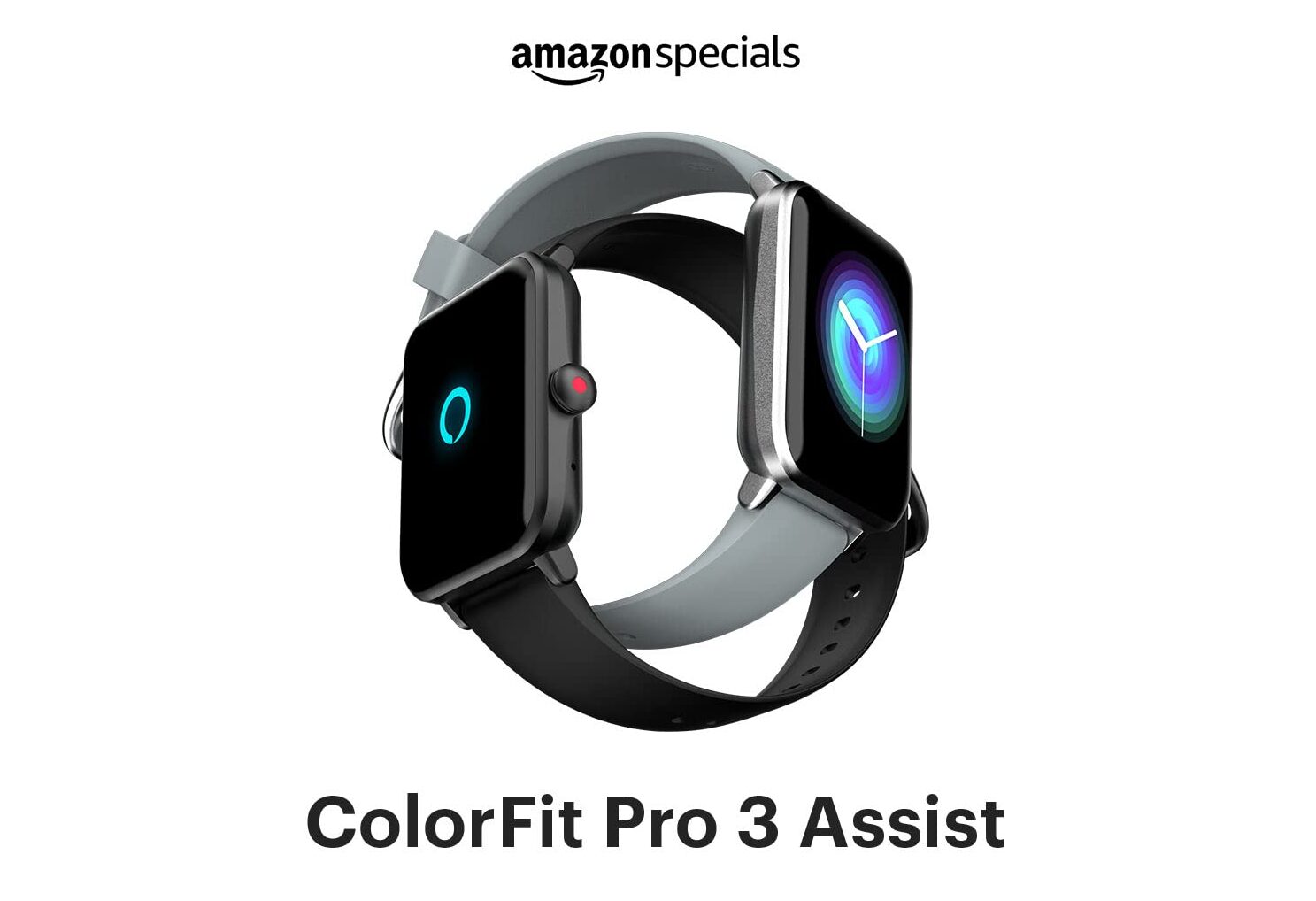
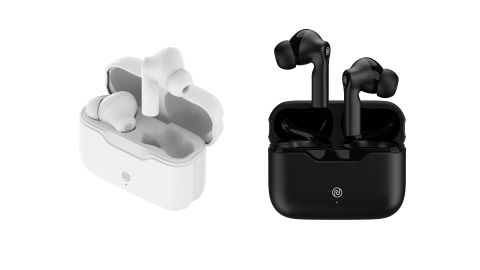
Indian wearable company Noise has launched a new smartwatch and a pair of wireless earbuds in the budget segment in India. The Noise ColorFit Pro 3 Assist and Noise Buds VS103 come at affordable prices and have impressive features.
The Noise ColorFit Pro 3 Assist is currently priced at ₹3,999(~$54) and the Noise Buds VS103 costs ₹1,499(~$21). These are the introductory prices, once, the introductory period is over, it will be available for original ₹5,999(~$81) and ₹2,999(~$40) pricing respectively.
The smartwatch and earbuds can be purchased from Noise’s official website and via the Amazon India portal.
Noise ColorFit Pro 3 Assist Specifications and Features
The Noise ColorFit Pro 3 Assist has a 1.55-inch TFT LCD display with 320 x 360 pixels. It is a touch screen display with a full-color panel. The smartwatch supports a built-in Alexa voice assistant for performing quick tasks.
It comes with 14 sports modes and has multiple tracking modes. The tracking modes include sleep monitoring, stress monitoring, auto blood oxygen monitoring, and a heart rate monitor.
The smartwatch has a physical button on the right side for navigating throughout the smartwatch. It has multiple watch faces which can be tuned via the smartwatch’s app. It can be paired with Android and iOS devices with the help of the NoiseFit Assist app.
Noise Buds VS103 Specification and Features
The Noise Buds VS103 is a pair of TWS earbuds that comes powered by 10mm drivers. The buds boast a plastic built but has touch controls for controlling music, answering/disconnecting calls, and activating voice assistant.
The earbuds come with HyperSync technology for easy pairing with smartphones. It has a battery that is claimed to last for up to 18 hours with the help of a charging case. For charging, it has a USB Type-C port. It supports IPX5 sweat-proof rating, meaning that you can use them while working out or while performing sports.
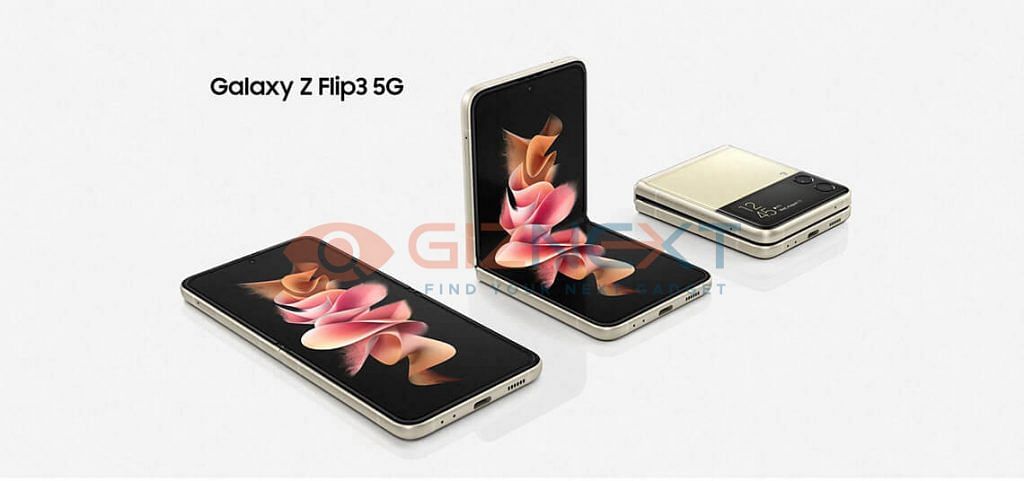
Samsung’s Unpacked for this year is scheduled for August 11 and ahead of the event, there were multiple leaks about the phones launching at the event. One of the much-awaited phones, the Samsung Galaxy Z Flip 3 will also be a part of the event. Now, a fresh leak revealing the entire specs sheet along with brochure images of the phone has emerged online.
Samsung Galaxy Z Flip 3 Full Specs and Brochure images
The Samsung Galaxy Z Flip 3 will boast a similar design footprint to that of the predecessor Galaxy Z Flip 2. It will feature a 6.7-inch primary screen with 2640 x 1080 pixels resolution and a 120Hz variable refresh rate. It will be a Super AMOLED panel with thin bezels. The screen will have support for Corning Gorilla Glass Victus protection.
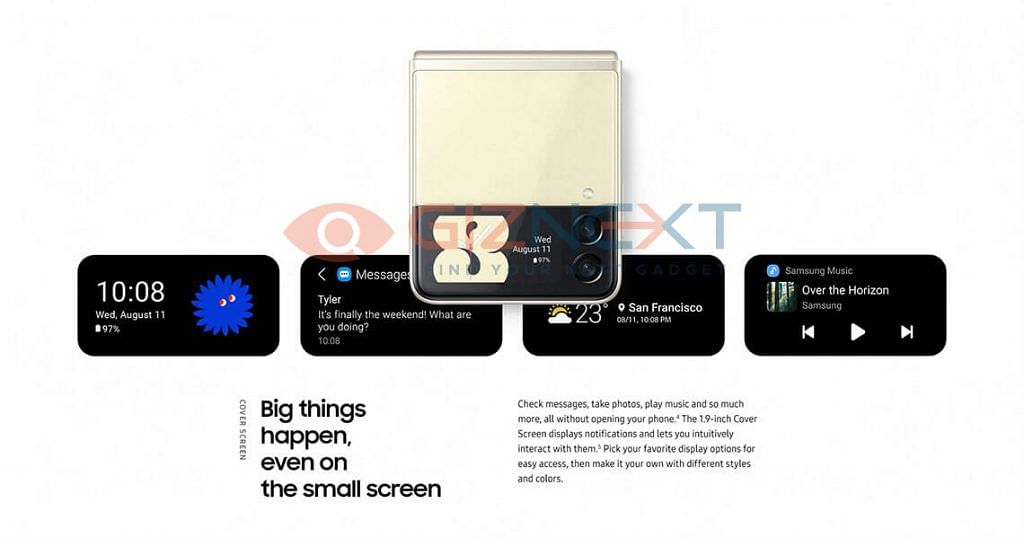
It will feature a larger 1.9-inch secondary screen over the 1.1-inch screen on the Galaxy Z Flip 2. The secondary display will have 512 x 260 pixels resolution. The screen is said to be useful for a quick glance at notifications and for controlling music, calls.
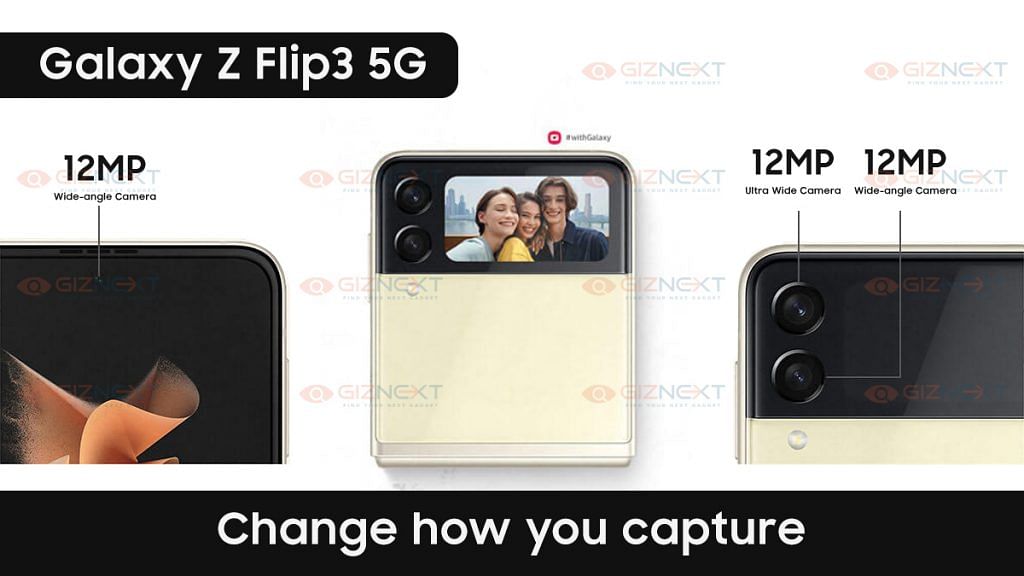
The brochure images confirm that the foldable phone will feature a dual-rear camera setup. There will be a 12MP primary sensor with an f/1.8 aperture and a 12MP ultra-wide sensor with an f/2.2 aperture.
Upfront, it will boast a 10MP camera sensor for selfies. The smartphone is expected to have OIS support for steady videos. It will be able to record high-quality videos similar to the upcoming Galaxy Z Fold 3.
The smartphone will come powered by Qualcomm Snapdragon 888 chipset paired with 8GB of LPDDR5 RAM and up to 256GB of UFS 3.1 onboard storage. It will pack a 3,300mAh battery with support for wired and wireless fast charging.
Thanks to the official brochure images, it is now confirmed that the Galaxy Z Flip 3 will have an IPX8 water resistance rating. For security, it will have a side-mounted fingerprint scanner and facial recognization option.
The Samsung Galaxy Z Flip 3 will launch in three color variants – Phantom Black, Lavender, and Cream. It is expected to come at a starting price of EUR 1099(~$1,292) for the 8GB RAM and 128GB storage variant. Aside from the global pricing, the phone was also up for pre-booking in India.
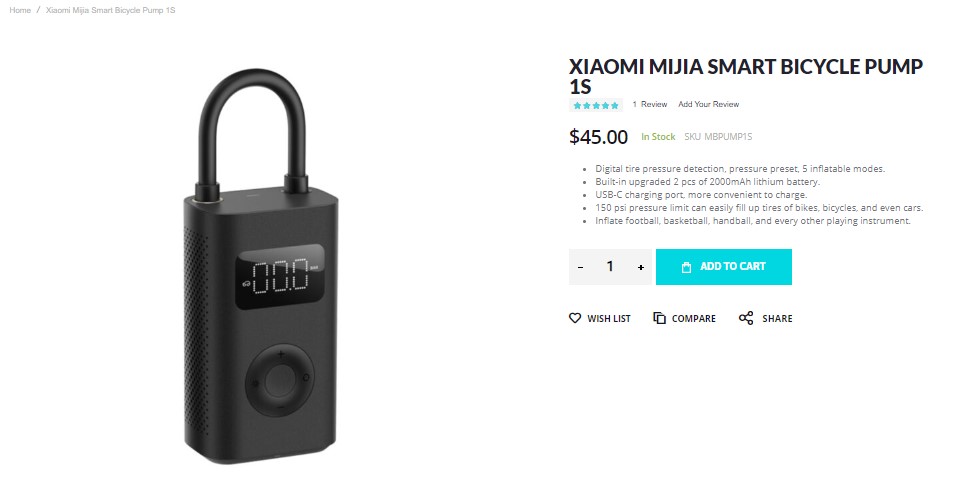
Giztop is offering a decent deal on the Mijia Smart Bicycle Pump 1S. The small and compact tyre inflater is quite a useful accessory that could be a lifesaver in some odd instances. It is now retailing for $45 via Giztop with global shipping.
Mijia Smart Bicycle Pump 1S comes with 2x 2000 mAh battery and USB TYpe-C port for charging. It memorises the previous pressure reading and can repeat with a single button press. Moreover, it comes with 5 inflatable modes which can be a great feature if you have more than one vehicle. Its digital display can be quite useful due to its ability to showcase the current pressure.
The Bicycle pump supports air pressure up to 150ps which can easily fill up the tires of bikes, bicycles, and even cars. It can also be useful to fill in children toys, inflatable swimming pools, etc.
Interestingly, the Xiaomi MIJIA Bicycle Pump is effective enough to inflate 215/60-inch R17 car tires five times upon a single full charge.
You can grab the Xiaomi Mijia Smart Bicycle 1S pump for $45 via Giztop. It is a useful accessory for frequent traveller who often traveles a lot in far off locations where there’s scarce availalblity of garage.
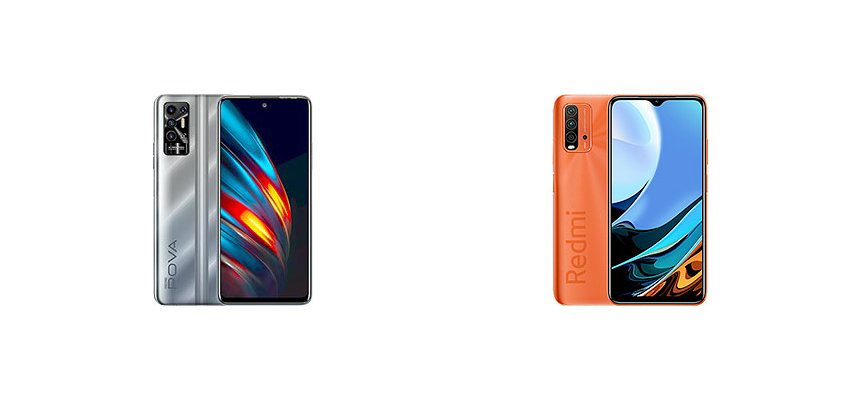
Battery phones are an amazing resource for those who spend a lot of time outside. If you live in India and you want to forget your charger at least for two days, you currently have a lot of choices. Among the best and most recent ones, there are Tecno Pova 2 and Redmi 9 Power. They come with huge batteries, but they also feature great specifications if compared to the money asked. Which of these devices should you opt for? Did Transsion do a better job than Xiaomi in their price range? This comparison between Tecno Pova 2 and Redmi 9 Power will highlight the differences between their specifications.
Do not expect premium materials from these handsets. They are lower-midrange phones and they are both built with a polycarbonate body. I personally prefer the Redmi 9 Power because it has a more compact body and it is easier to use with one hand and to keep in a pocket. Further, it has a pretty good look and its front glass is protected by Corning’s Gorilla Glass 3. These phones come with side-mounted fingerprint readers thanks to which you can authenticate in a comfortable way.
Display
These phones come with similar display specifications. They have an IPS panel with a Full HD+ resolution of 1080p, a standard refresh rate, and no particular certifications to improve the image quality. They are the usual panels you can find on a lower-midrange phone, but they are all but disappointing. They offer a great level of detail and a sufficient image quality for everyone. With the Tecno Pova 2, you get one of the widest displays out there with a diagonal of 6.9 inches: that is why the phone is particularly recommended for those who work or play games. The Redmi 9 Power is more compact thanks to its 6.53-inch screen. Note that Redmi 9 Power features stereo speakers providing better audio quality, while Tecno Pova 2 has a mono speaker.
Specs & Software
The Qualcomm Snapdragon 662 chipset found on the Redmi 9 Power and the MediaTek Helio G85 found on the Tecno Pova 2 are very close in terms of performance. Overall, the Helio G85 is slightly more powerful, but the Snapdragon 662 is built with a better production process (11 nm vs 12 nm) and it should provide a lower energy consumption on the Redmi 9 Power. Further, the Redmi 9 Power has a faster UFS 2.2 native storage in the high-end configuration with 6 GB of RAM and 128 GB of storage. This is also the maxed-out configuration of the Tecno Pova 2, but without the UFS 2.2 technology. While Redmi 9 Power is slightly more interesting in terms of hardware, it still runs Android 10 out of the box, while Tecno Pova 2 is based on Android 11. However, the MIUI 12 is a more advanced Android customization than the HiOS by Tecno.
Camera
Both Redmi 9 Power and Tecno Pova 2 can not be considered camera phones. They have an average 48 MP main camera which provides good quality but it is nothing so special. The Quad-LED flash found on the Tecno Pova 2 allows shooting more visible photos in the dark (especially indoor) and videos can be recorded with resolutions up to 1440p. But for the rest, Redmi 9 Power is more interesting as it features an 8 MP ultrawide camera and a brighter focal aperture for the main sensor.
Tecno Pova 2 has one of the biggest batteries out there with a capacity of 7000 mAh. But Redmi 9 Power remains an outstanding battery phone with its 6000 mAh battery. Both the handsets support 18W fast charging, but the Redmi 9 Power also supports reverse charging to charge other devices (wired).
Price
Redmi 9 Power and Tecno Pova 2 carry a starting price tag of Rs. 10,999 / $126 in the Indian market. Despite Tecno Pova 2 packs a slightly more powerful chipset, a wider display, and a bigger battery, the Redmi 9 Power looks more interesting due to its stereo speakers, reverse charging, and ultrawide camera. But this might not be everyone’s opinion. Which one would you pick?
Tecno Pova 2 vs Xiaomi Redmi 9 Power: PRO and CONS
Ahead of its August 10 launch, Xiaomi yesterday teased the Mi Mix 4 will come with ultra-wideband (UWB) technology. XDA Developers have now discovered a code on the Mi Home pp after decompilation which shows the company is working on a new device. A string of references to a new device called Magic Control Bridge was spotted on the decompiled data. It is noted that the APK teardown is not definitive proof that the specified device identified will arrive in a future release.
The v6.9.601 version of the Mi Home app indicates that the Magic Control Bridge will connect specifically to a 2.4GHz Wi-Fi network or directly to a TV via a USB port, and when properly set, it could offer ultra-wideband control for the TV from a compatible UWB device (for example, a UWB-enabled smartphone). It is also possible to limit the connectivity access to a select set of devices, possibly only members of your household.
There are already similar devices offering support for remote access to TVs like the Google remote app for Android TVs. There are still several details that are yet to be pieced about the device, relating to its functionality and the possibility of providing remote access to multiple devices apart from the Mi TV. These details will become known when indeed the Magic Control Bridge is officially unveiled by Xiaomi if the APK teardown result is authentic.
There are currently no Xiaomi phones or tablets that have the UWB technology but the Mi Mix 4 may be the first. Samsung is one of the pioneers of this technology in the smartphone space and recently unveiled the Samsung SmartTag, and a few Galaxy smartphones that use the UWB technology.
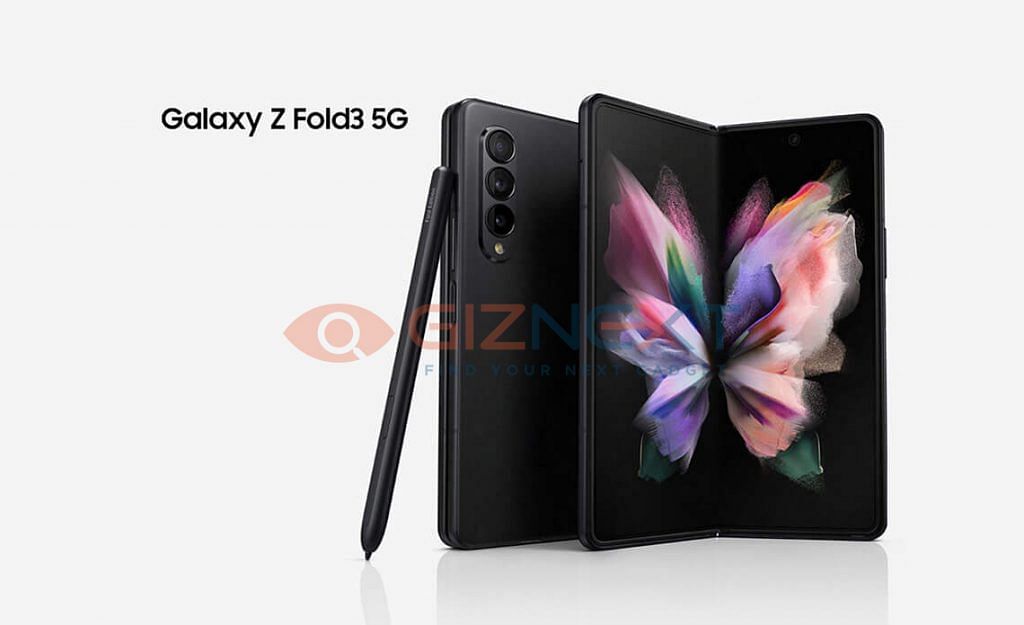
After numerous leaks, Samsung officially scheduled the launch date of the much-anticipated Samsung Galaxy Z Fold 3 for August 11. Although Samsung has just confirmed that an Unpacked event will be broadcasted, leaks reveal the appearance of the Z Fold 3 at the event. Now, ahead of its launch, a full specs sheet along with the official brochure images have surfaced online.
Samsung Galaxy Z Fold 3 Full Specs and Brochure images
The Samsung Galaxy Z Fold 3 will succeed the Z Fold 2 launched last year. It will feature a large 7.6-inch-inch Super AMOLED display with a 120Hz variable refresh rate and 2208 x 1768 pixels resolution. Interestingly, this primary display has a Corning Gorilla Glass Victus protection making it strong and durable.
It will sport a 6.28-inch cover display with again a high 120Hz refresh rate and 2268 x 832 pixels resolution. For the first time in a Z Fold phone, there will be an S Pen support meaning that it will be bundled with an S Pen.
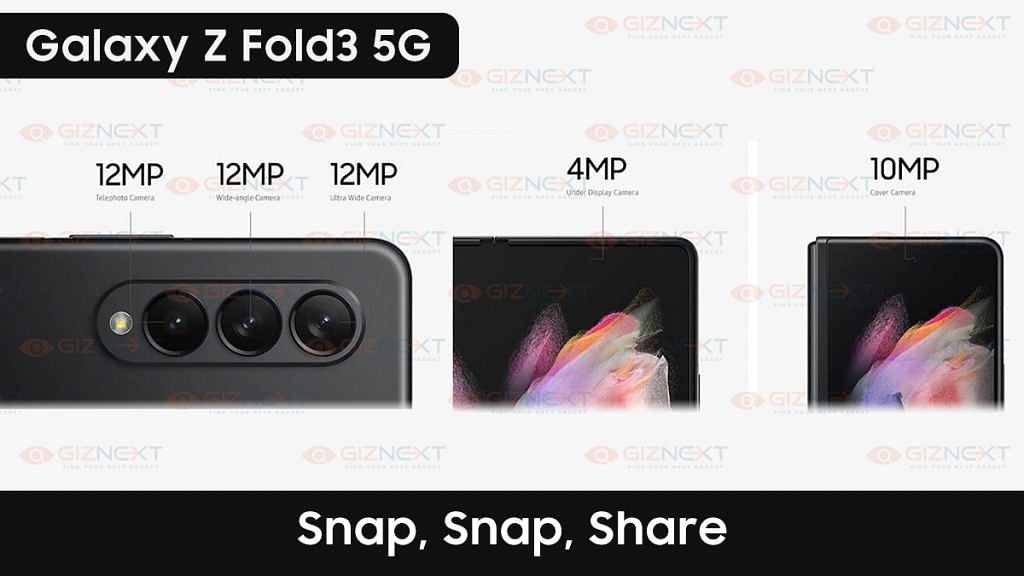
In terms of the cameras, the foldable smartphone will feature a triple camera system at the rear. It will be a vertically placed camera module holding a 12MP main sensor, a 12MP ultra-wide-angle lens, and a 12MP telephoto sensor. As for selfies, there will be a 4MP camera inside and a 10MP camera on the cover screen when folded.
According to the brochure, the camera will support Night mode, Night Hyperlapse mode, Director’s View mode, and Portrait mode. The smartphone is touted to shoot videos at up to 8K(7680 x 4320 pixels) resolution.
Under the hood, the Galaxy Z Fold 3 will feature a Qualcomm Snapdragon 888 chipset paired with up to 12GB of RAM and 256GB of onboard storage. The images confirm the support for Dolby Atmos and IPX8 water resistance. It is slated to pack a 4,400mAh battery with support for wired rapid charging and wireless quick charging.
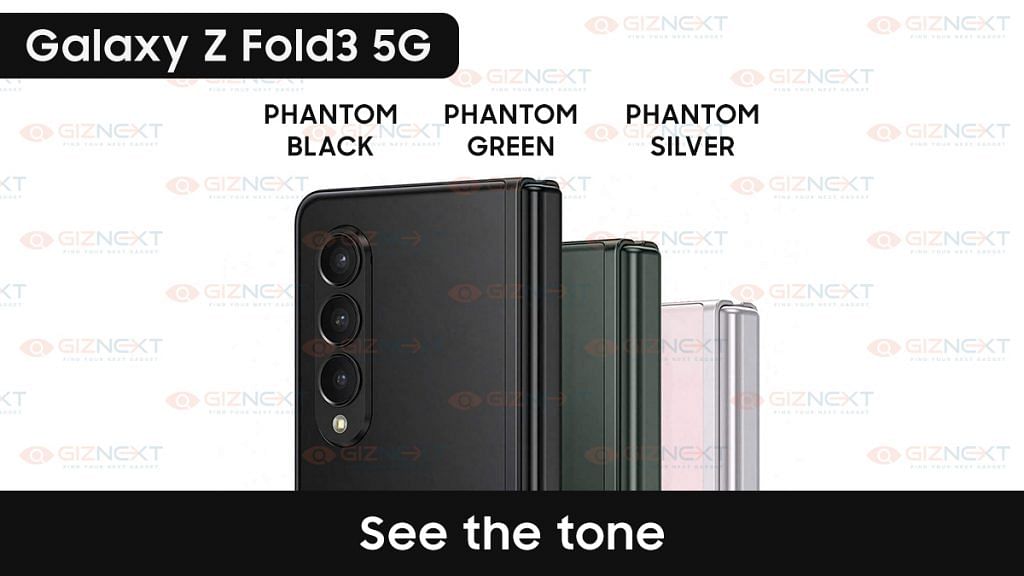
The brochure images confirm that the Samsung Galaxy Z Fold 3 will come in three color variants namely the Phantom Black, Phantom Green, and Phantom Silver. It recently went up for pre-booking in India. The phone is expected to come at EUR 1899(~$2,233) in the global market.
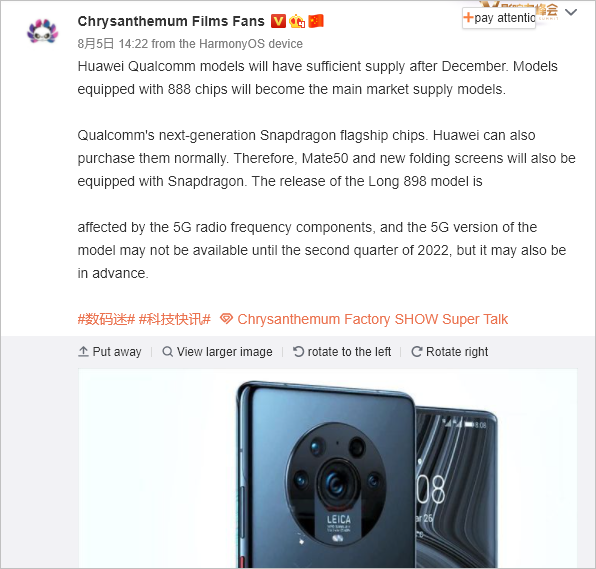
A Weibo tipster has hinted that Huawei could have sufficient supplies of chips for its smartphone models that are powered by Qualcomm’s Snapdragon chipsets after December 2021. Recall that the P50 was launched with a Snapdragon 888 version which had only 4G support. The tipster hinted that the company will use the next-gen Snapdragon 898 chip on the Mate 50 but it will only support 4G until the second quarter of 2022 when the 5G version will be available.
The Weibo rumor could indicate a greater business relationship between Huawei and Qualcomm in pursuit of chip sufficiency. It is also reported that Huawei is gradually shifting to Qualcomm, as models sporting the Snapdragon 888 chipset will become the mainstream offerings of Huawei in the shortest time. This also means that the new generation Qualcomm Snapdragon premium chipsets will be available for purchase and deployment into Huawei’s flagship models.
The move continues to reflect the intensive drive of Huawei to regain lost ground from the challenges of the previous years that led to significant losses of its market edge across several countries including China. The Huawei P50 series was announced to come with a Snapdragon processor, which ultimately did not happen, possibly due to supply hitches. It rather came with the Kirin 9000 processor. But there is also the possibility of a shortage of Kirin chips, helping to drive the demand for Qualcomm Snapdragon chips by the company.
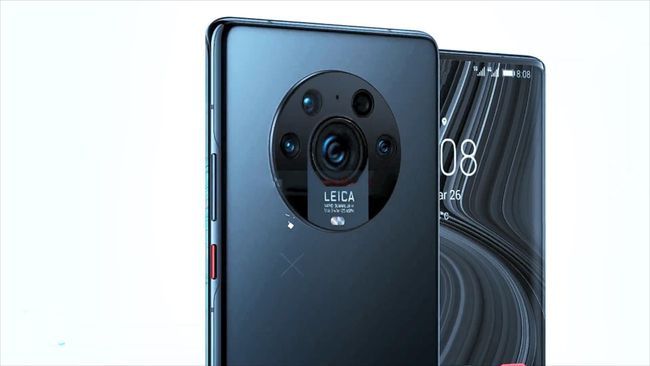
In line with the improved partnership with Qualcomm, the Huawei Mate 50 series and the incoming Huawei foldable smartphones will be powered by the new Snapdragon processor. Additionally, these new Snapdragon chipsets are understood to have already adopted Huawei’s HarmonyOS operating system, thus significantly expanding the reach of Huawei in pursuit of global relevance. The new chipset is the Qualcomm Snapdragon 898, which could be released before the end of 2021, according to rumors. It is not clear, however, whether Qualcomm will immediately debut the premium 5G version of the new chip or go with the lower 4G version.
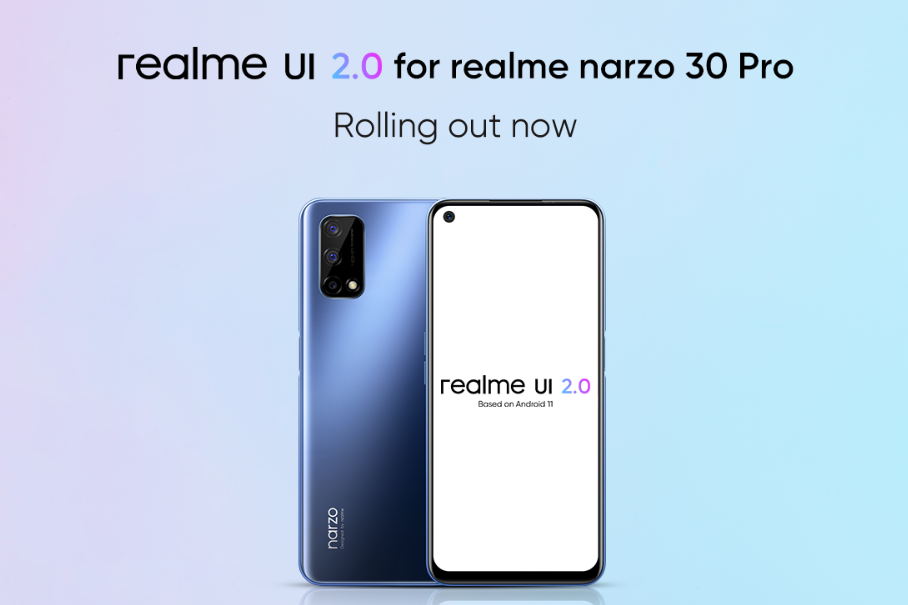
Smartphone brand realme launched the realme narzo 30 Pro 5G in India at the end of February. Despite releasing in 2021, the handset debuted with Android 10-based realme UI. Anyway, the company delivered realme UI 2.0 beta based on Android 11 as scheduled. One and a half months from that, the device has finally started receiving the stable update.
The Android 11 (realme UI 2.0) stable update for the realme narzo 30 Pro 5G is being rolled out in a staged manner like any other OTA system update. Therefore, some users might receive the update later than others. Anyway, all users should get the update in the coming days.
That said, the latest system update for the phone arrives with firmware version RMX2117_11.C.03. Users need to be on either firmware version RMX2111PU_11.A.35, RMX2111PU_11.A.37, or RMX2111PU_11.A.39 to received the new software build.
Users who are not satisfied with Android 11–based realme UI 2.0 have an option to roll back to the previous version of the software. However, unlike the update, the rollback will wipe the device’s internal storage. Hence, they will have to go through the tedious job of backing up the data before proceeding with the rollback.
Having said that, realme narzo 30A, which was released alongside the realme narzo 30 Pro 5G is yet to receive realme UI 2.0 (Android 11) though it got the beta update together.
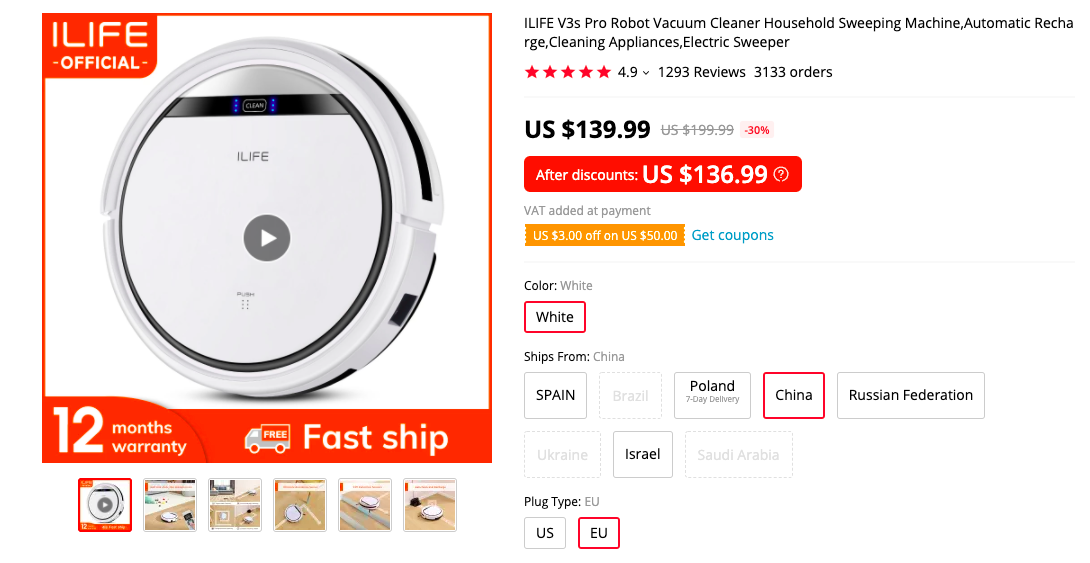
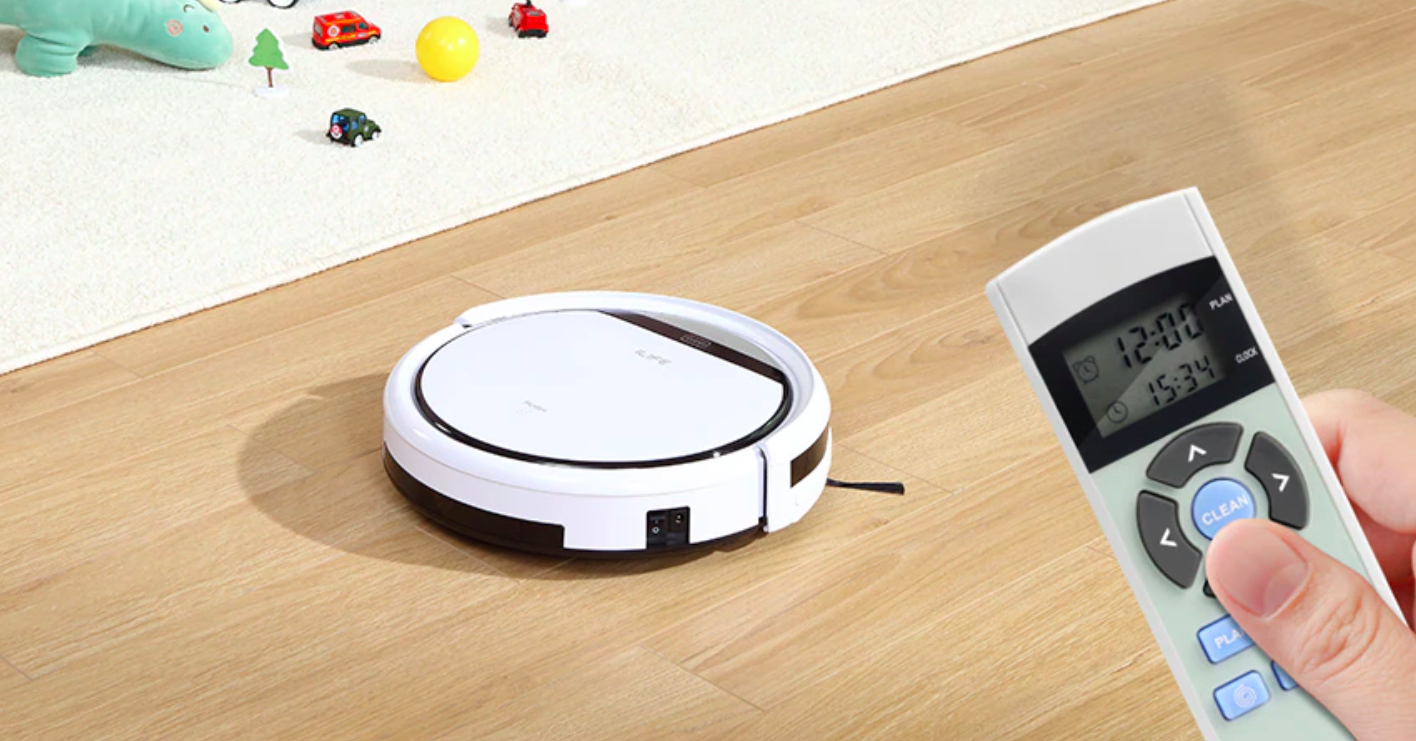
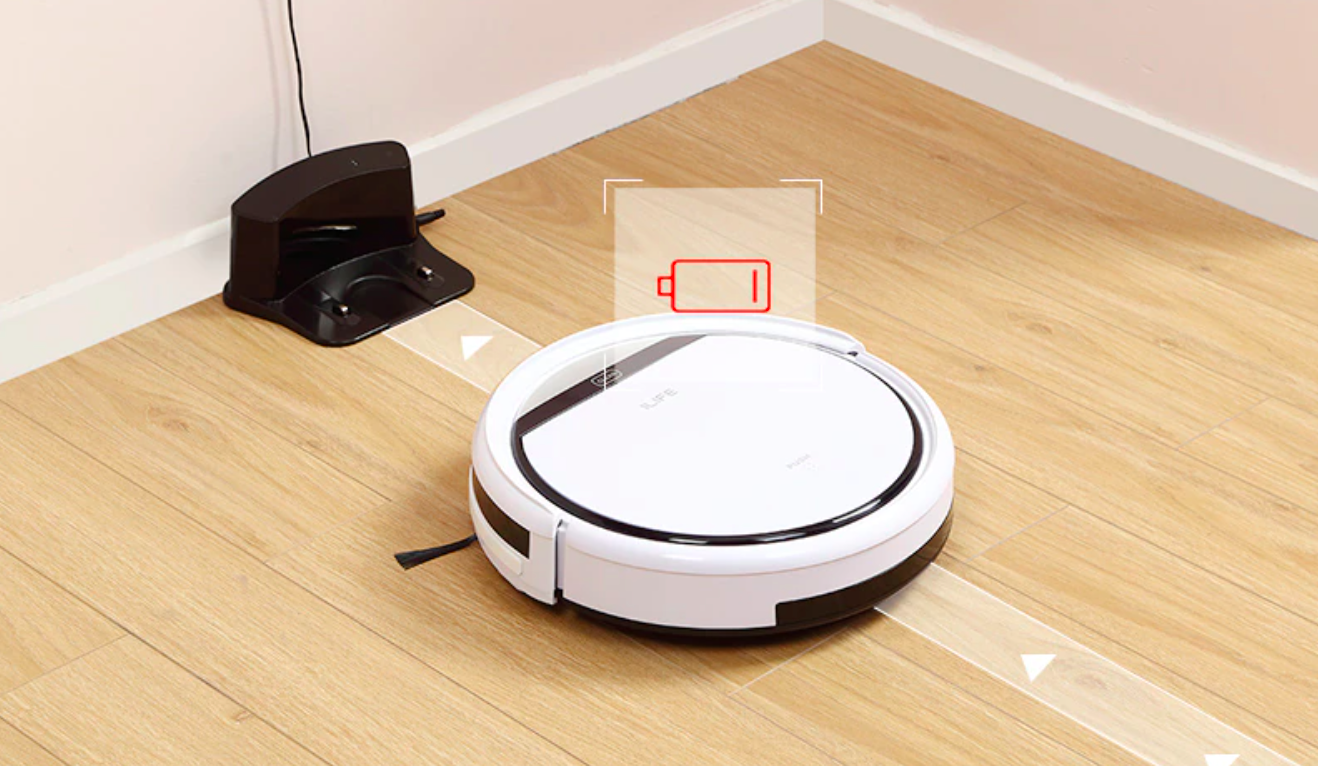
Generally retailing for $200, you can now buy ILIFE V3s Pro Robot Vacuum Cleaner at a discounted price of $136.99 only at AliExpress. This is a limited-time offer. So place your order asap.
For more information on such exciting deals and offers check out ourdeals hub.
* Please Note: When you buy something using the links in our articles, we may earn a small commission at no cost to you.
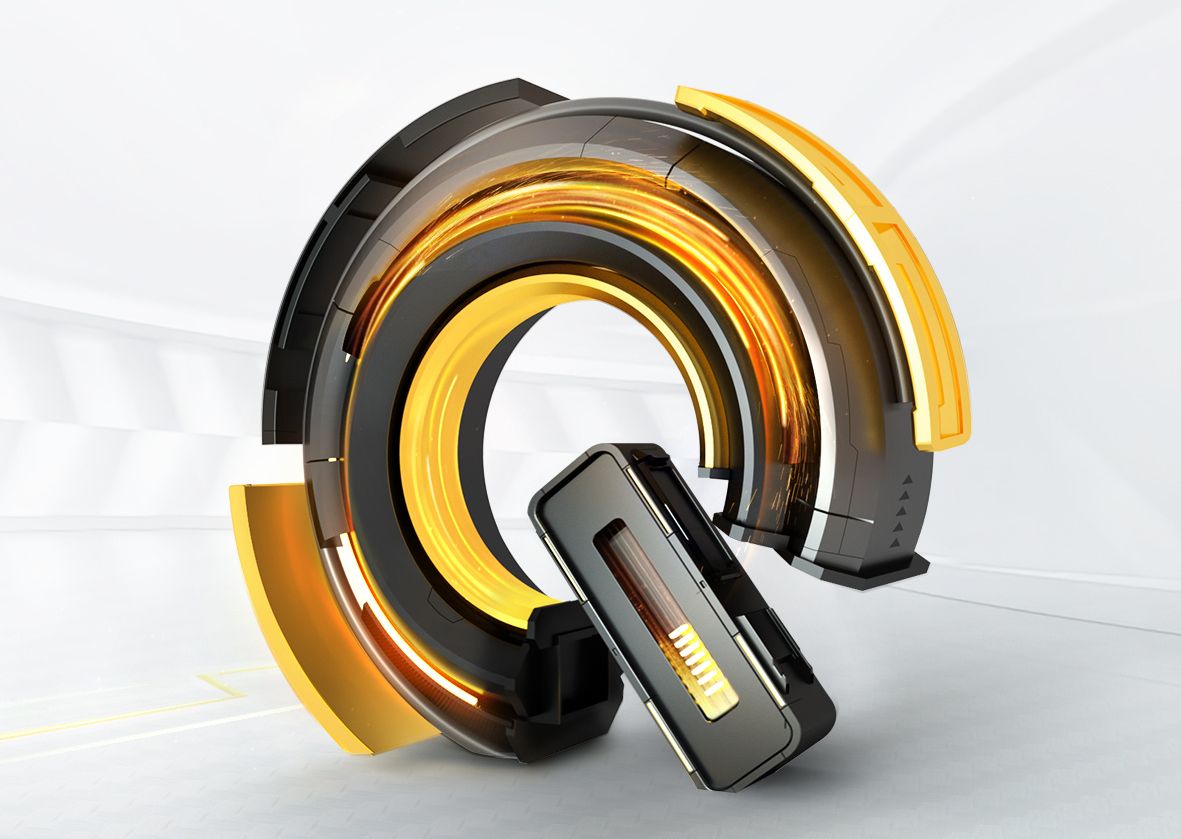
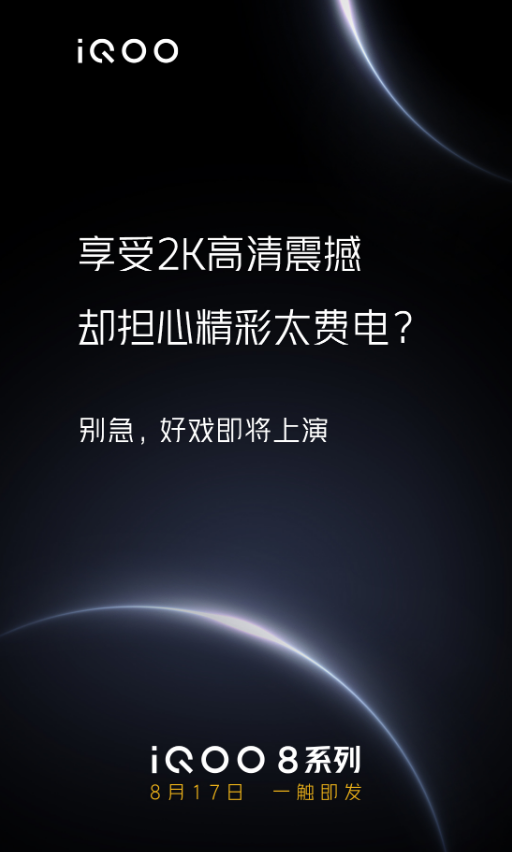
After series of leaks, Vivo’s iQOO brand recently disclosed that it would be launching the iQOO 8 smartphone in China on August 17th. Since the announcement, we’ve seen a couple of promotional teasers showing some of the features that would be onboard the device.
An earlier teaser had shown that the device will come with Samsung’s E5 Display with 2K resolution, the first device to do so. The E5 panel is the fifth and latest generation of luminous material that is used in Samsung’s OLED display panels. The E5 display offers high brightness, supports 1 billion native colors and has a pixel density of 517 PPI.
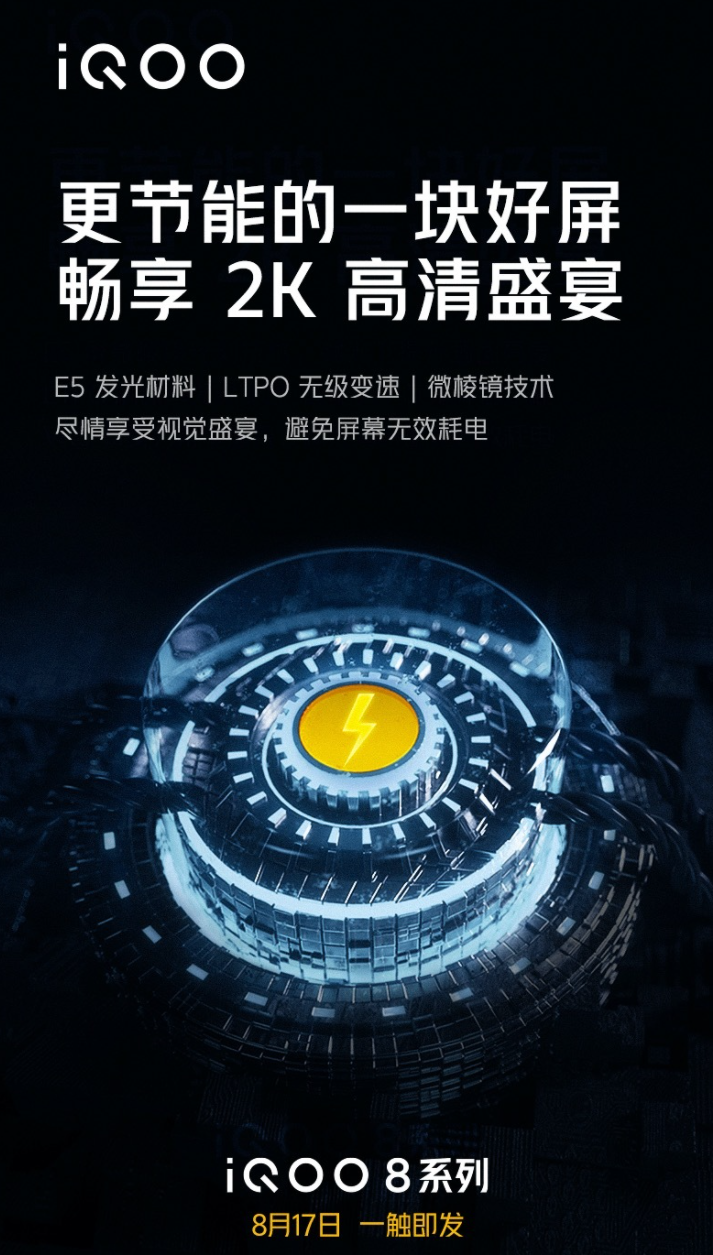
Although the power consumption the new-gen panel has been further reduced, Samsugn has released a new teaser which shows an additional feature that will ensure that the display doesn’t consume too much battery power. That feature is called microprism technology. The microprism technology is similar to the light-condensing principle of car headlights, which can reduce light loss, achieve higher light output efficiency , and lower power consumption under the same brightness conditions.
Recall that the device was also teased to feature LTPO 120Hz refresh rate step-less variable speed technology which can ensure the display meets users’ extreme needs for control and a smooth visual experience according to different user scenarios, while intelligently reducing power to avoid iexcessive power consumption by the display. The technology is utilized by Samsung, OPPO, and OnePlus in their latest flagship phones.
The iQOO 8 is also expected to pack a Snapdragon 888 Plus chipset as well as 12GB RAM with support for 4GB RAM expansion. The device will run Android 11-based OriginOS, and will support 120W super flash charging.
We use cookies on our website to give you the most relevant experience by remembering your preferences and repeat visits. By clicking “Accept”, you consent to the use of ALL the cookies.
This website uses cookies to improve your experience while you navigate through the website. Out of these, the cookies that are categorized as necessary are stored on your browser as they are essential for the working of basic functionalities of the website. We also use third-party cookies that help us analyze and understand how you use this website. These cookies will be stored in your browser only with your consent. You also have the option to opt-out of these cookies. But opting out of some of these cookies may affect your browsing experience.
Necessary cookies are absolutely essential for the website to function properly. This category only includes cookies that ensures basic functionalities and security features of the website. These cookies do not store any personal information.
Any cookies that may not be particularly necessary for the website to function and is used specifically to collect user personal data via analytics, ads, other embedded contents are termed as non-necessary cookies. It is mandatory to procure user consent prior to running these cookies on your website.