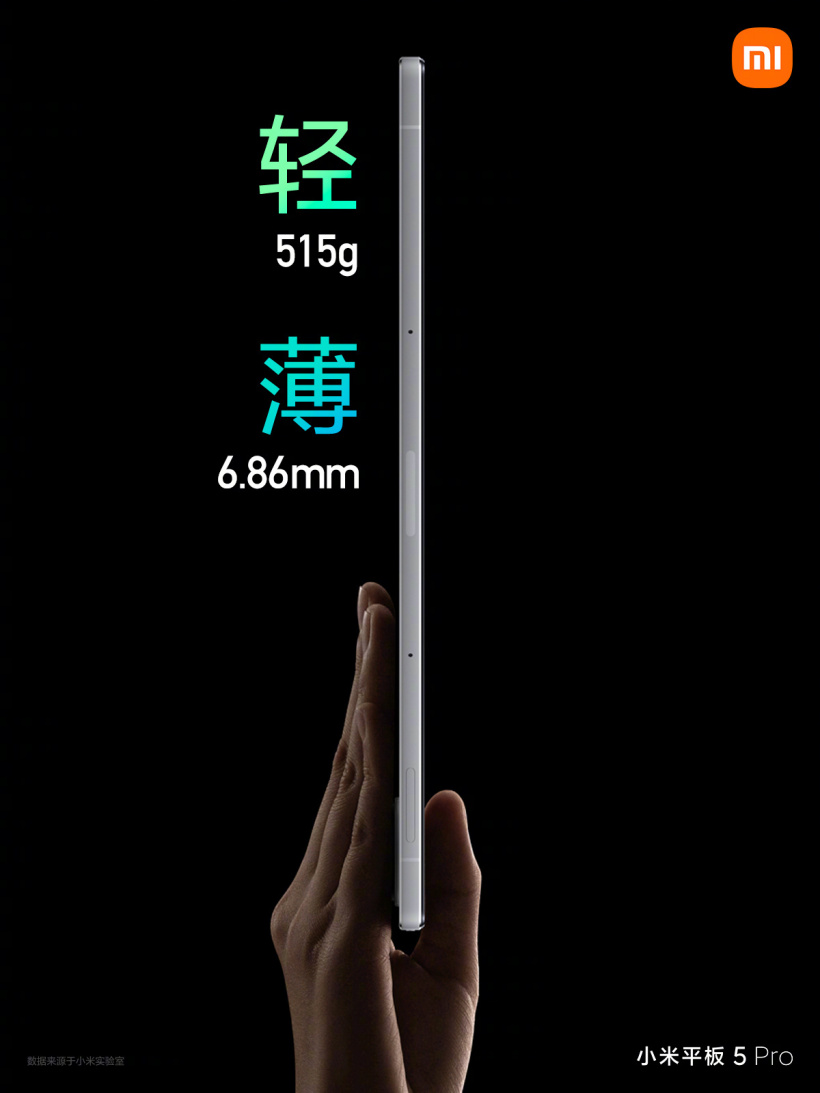
Earlier today, Xiaomi announced new tablets after a three-year hiatus from the tablet market. The new Mi Pad 5 tablets are compatible with a stylus and a keyboard case, and if you plan on picking up any of the models, then you should know how much their accessories cost.
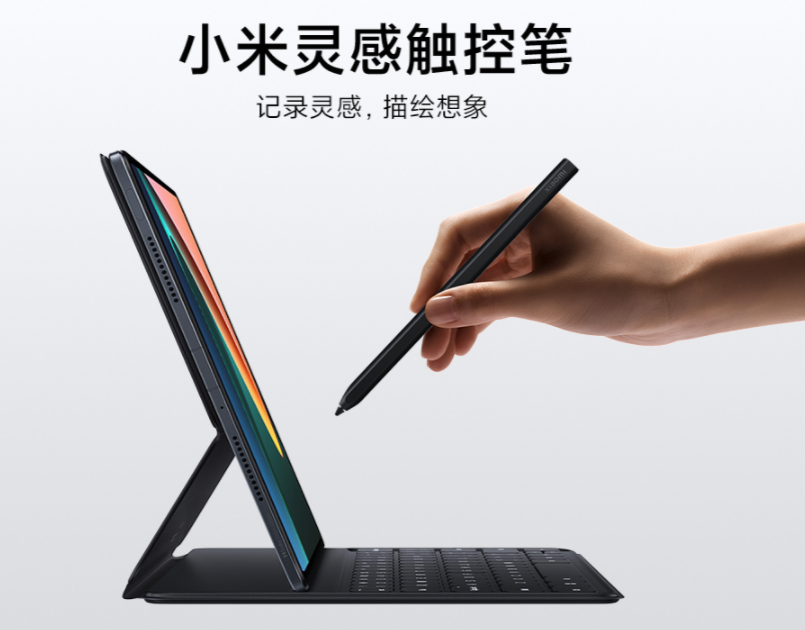
Mi Pad Stylus
The Mi Pad Stylus is priced at ¥349 (~$54) which is significantly cheaper than the Apple Pencil 2nd generation which is priced at $129. However, it costs more than Lenovo’s own Xiaoxin Active Capacitive Pen which sells for ¥299 (~$46).
The stylus has a length of 152mm and weighs 12.2 grams. It has a replaceable soft nib and two shortcut buttons on the sides. Other features are a 240Hz touch sampling rate, 4096-levels of pressure sensitivity, and a battery life of 8 hours. It charges wirelessly when placed on the top of the Mi Pad 5 and a 60-second charge will provide up to 20 minutes of usage.
The Mi pad Stylus is already available for purchase on Mi.com.
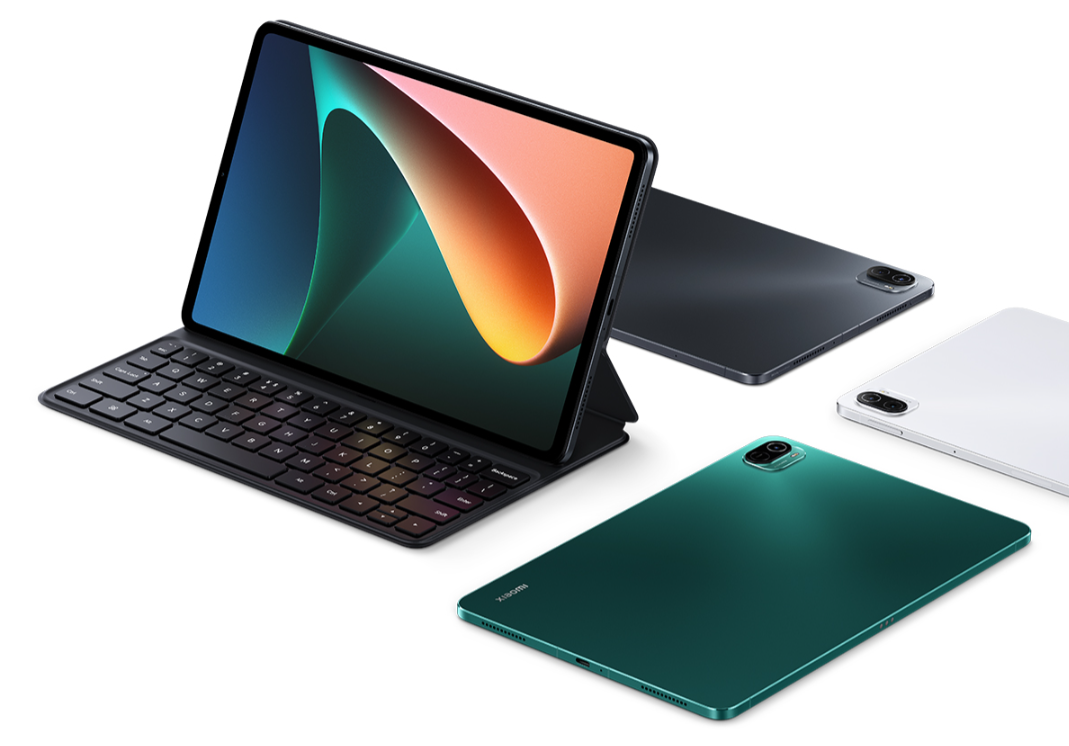
Mi Pad Keyboard Case
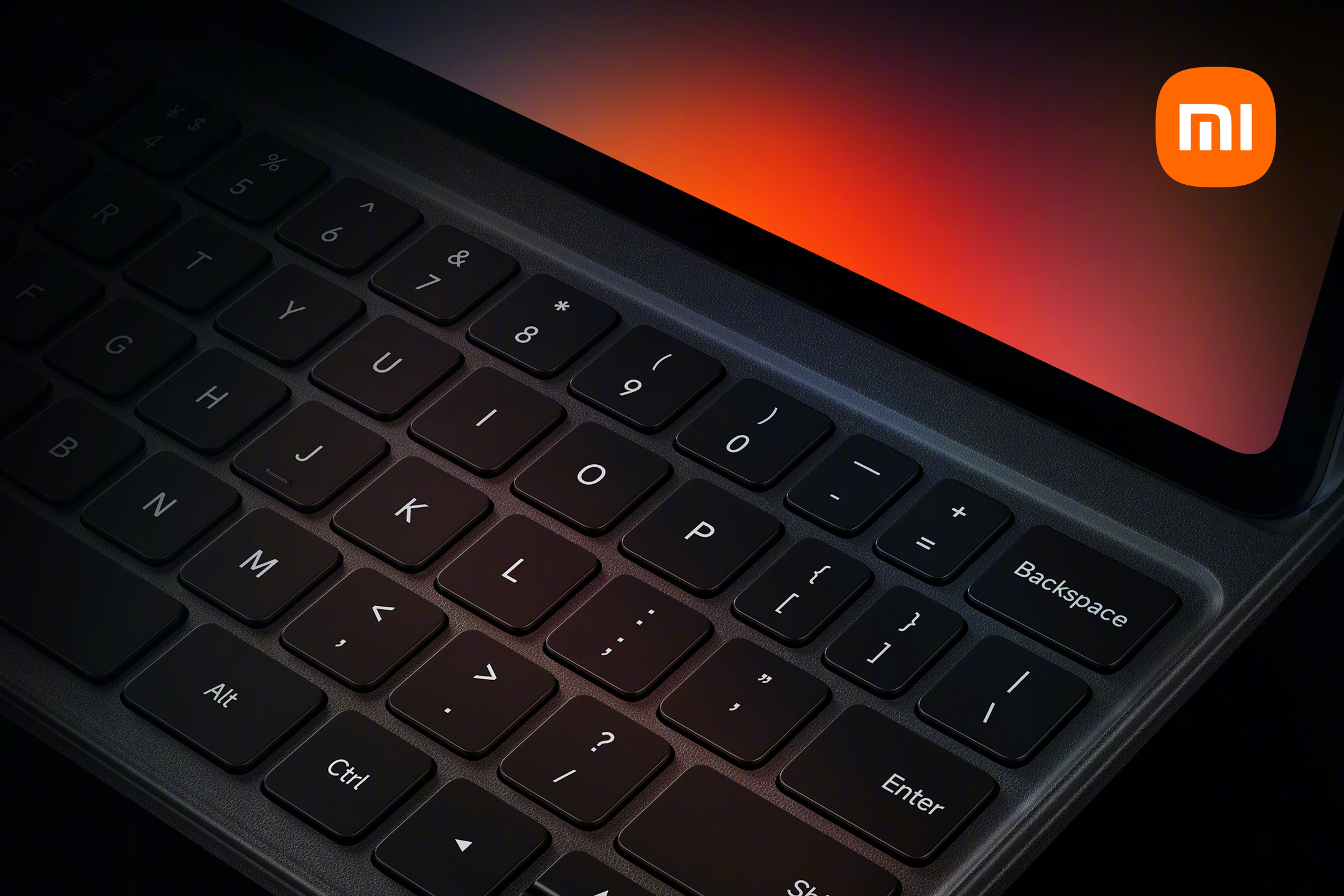
The Mi Pad Keyboard Case comes in white, black, and green and is priced at ¥399 (~$62). The 63-key keyboard has 1.2mm travel for an improved typing experience. It connects to the Mi Pad 5 via three pogo pins and has a magnet underneath that keeps the tablet in place.
You can pre-order the keyboard case on Mi.com
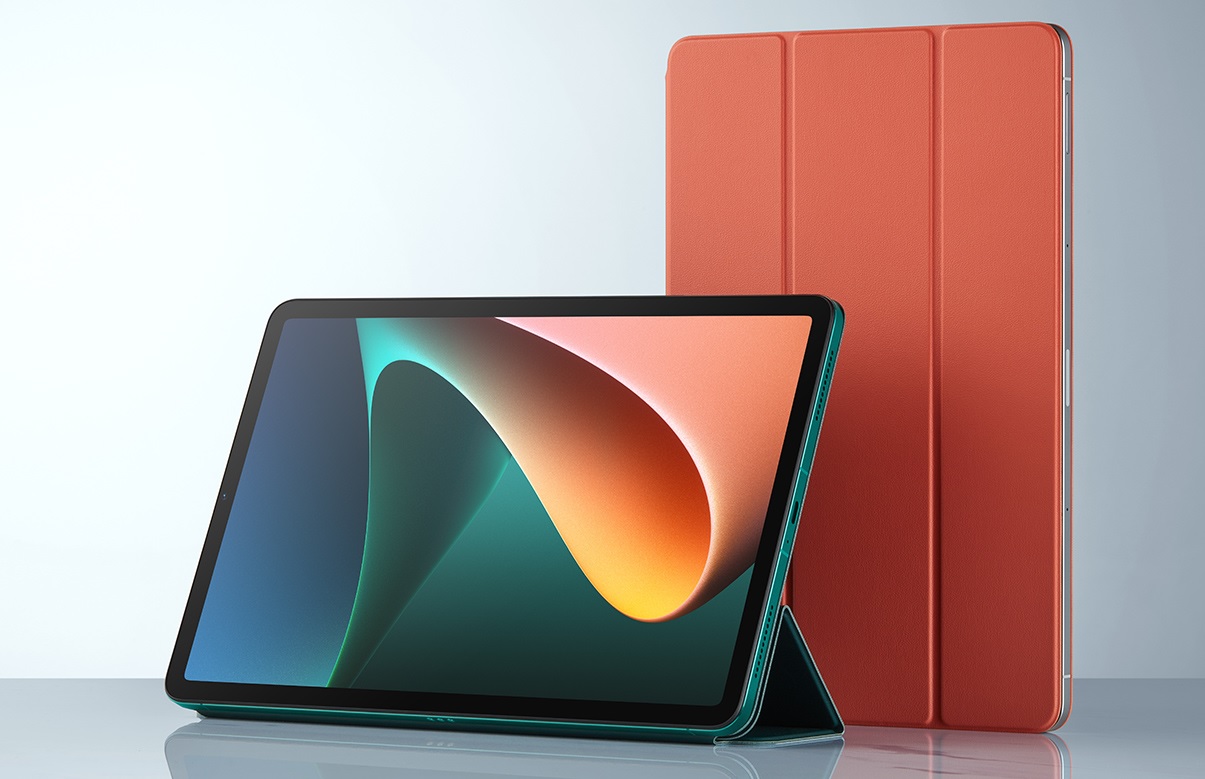
Mi Pad Magnetic Case
If you don’t want a keyboard case, Xiaomi also has a standard case that offers double-sided protection for the Mi Pad 5. The cover of the case can be folded into a triangle that serves as a kickstand when propped up on a flat surface.
The Mi Pad Magnetic Case is available in Black, Green, and Orange and is priced at ¥99 (~$15) on the Xiaomi website.
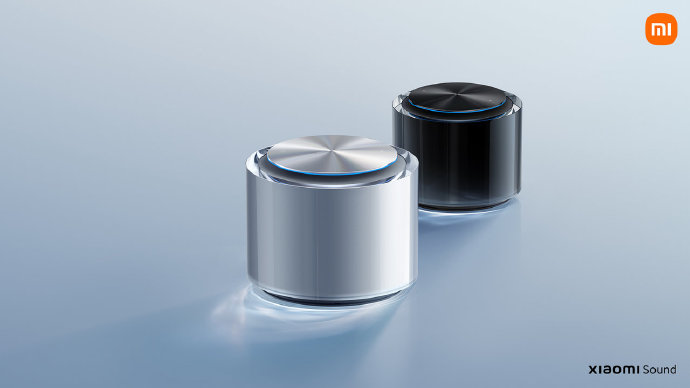
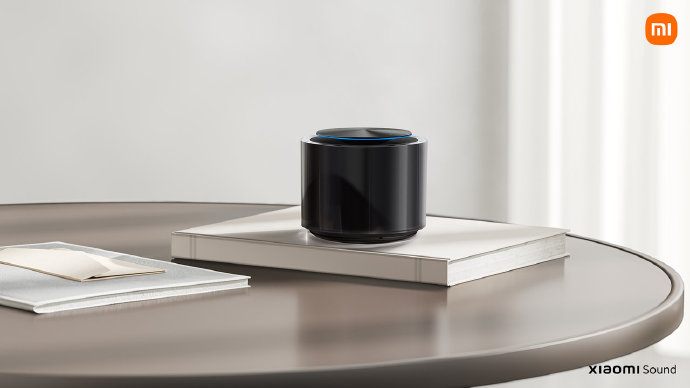
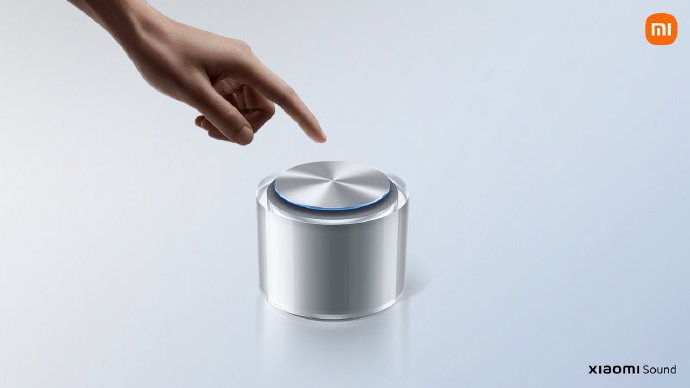
Xiaomi, Tuesday evening, held a highly-anticipated launch event in China where it unveiled the premium Xiaomi Mix 4 smartphone alongside the Mi Pad 5 series, the Xiaomi CyberDog, and its second-generation OLED TV. Xiaomi also announced what it called its first high-end smart speaker. The gadget bears the moniker Xiaomi Sound and despite the appellation as a high-end speaker, it arrives with a fairly decent price tag of 499 yuan (~$77).
Also, one would have expected a bulky speaker but the Xiaomi Sound features a compact body and surprisingly, the internal configuration is designed to output a powerful sound. The speaker is also embedded with Harman AudioEFX which allows the speaker to transform into a powerhouse of deep and rich low-frequency sound without damaging the hardware. This re-enforces the claim that it is indeed a high end product.
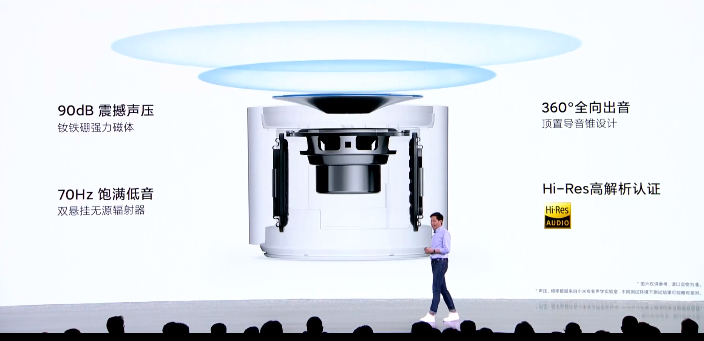
The speaker features built-in neodymium iron boron powerful magnets with dual suspension passive radiators. Xiaomi claims it can achieve 90dB shock sound pressure and 70Hz full bass. At the same time, it adopts 360° omnidirectional sound output, a top-mounted sound guide cone design, and is the Hi-Res (high-resolution) certification.
Xiaomi Sound is available in two colors of silver and black, and the metal quality is sufficient. Lei Jun touts it to be the most beautiful and high-end smart speaker that the brand has launched in 10 years.
Furthermore, Xiaomi Sound also supports the calculation of audio functions, 330 calculations per second, to achieve dynamic tuning. At the same time, it deploys algorithm to regulate the sound quality and volume at night time to suit the ambience.
Another interesting feature is that the speaker supports two interconnections, combined stereo, and even 8 interconnections. That means you can link up to eight different speakers together which can then be placed at different locations to achieve a robust sound experience. Apart from Bluetooth connectivity, the smart speaker also supports Ultra-Wide-Band (UWB) connectivity.
Xiaomi is yet to reveal the availability details. We also expect the company to launch this product outside China at some point.
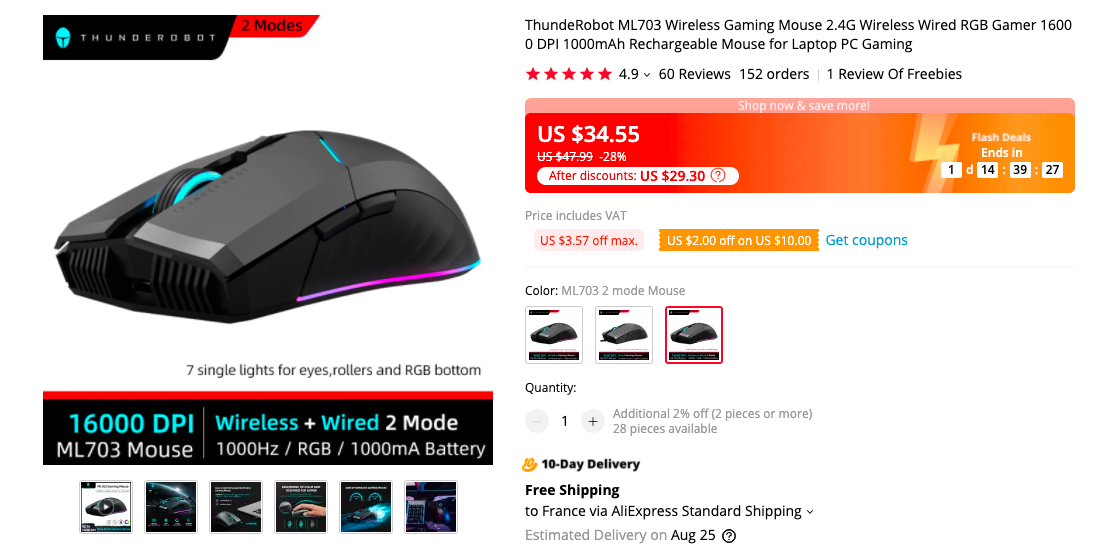
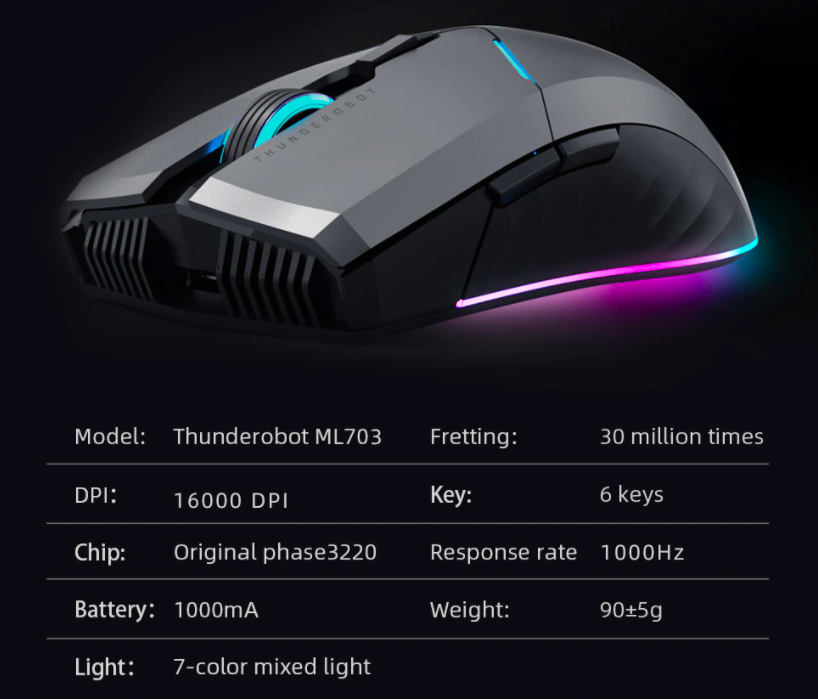
ThundeRobot ML703 Wireless Gaming Mouse which generally retails for $46 is now available at a discounted price of $29.30 only at AliExpress. This super deal ends tomorrow.
Lights: RGB bottom light + 7 single lights for rollers and eyes
Five-speed adjustment up to 16000 DPI
Auto sleep when idle for 1 minute
Power-saving technology
1000mAh battery: 90 hours of playtime
Rechargeable battery
4 grids to check the battery level
Generally retailing for $46, you can now buy ThundeRobot ML703 Wireless Gaming Mouse at a discounted price of $29.30 only at AliExpress. Please note that this price is applicable to the ML703 dual-mode variant. You can also buy the ML701 wireless mouse for $21.42 and the MG701 wired mouse for $15.69 with this super deal. This deal ends tomorrow. So place your order asap.
For more information on such exciting deals and offers check out ourdeals hub.
* Please Note: When you buy something using the links in our articles, we may earn a small commission at no cost to you.
At the Mi MIX 4 launch event, Xiaomi not only announced a bunch of hardware but also software. The company unveiled MIUI 12.5 Enhanced Edition and MIUI for Pad. Let’s take a look at what they have to offer.
MIUI 12.5 Enhanced Edition
As the name suggests, MIUI 12.5 Enhanced Edition brings improvements for MIUI 12.5, which itself is a polished version of MIUI 12. In fact, Xiaomi is yet to deliver MIUI 12.5 to eligible devices worldwide but we already have a newer version of the software.
Xiaomi says that MIUI 12.5 Enhanced Edition comes with fixes for 160 system header problems and 224 system application problems. The latest version of MIUI also brings all-around optimizations for the bottom framework to the top-most application layer.
According to the company, the new version of its mobile operating system is a result of progress achieved by the engineers in optimizing the MIUI system in the last six months. This means the MIUI Pioneer Group might not have played a key role in the development as it was established recently.
In a nutshell, MIUI 12.5 Enhanced Edition does not introduce new features. Instead, it comes with four optimizations, namely Liquid Storage, Atomic Memory, Focus Calculation, and Intelligent Balance.
Liquid Storage
A self-developed solution for optimizing storage mechanism. Helps in retaining read and write performance over a long period of time.
Atomic Memory
A self-developed solution for optimizing memory management mechanism. Improves the performance of holding applications in memory.
Focus Calculation
A self-developed solution for optimizing processor scheduling. Helps is reducing CPU usage and power consumption.
Intelligent Balance
This solution intelligently allocates hardware performance as well as power consumption, and seeks a balance between the two.
MIUI 12.5 Enhanced Edition stable update will be rolled out to the first batch of the following 12 devices from August 13 in China.
Mi MIX 4
Mi 11 Ultra
Mi 11 Pro
Mi 11
Mi 10 Ultra
Mi 10 Pro
Mi 10S
Mi 10
Redmi K40
Redmi K40 Pro
Redmi K30S Ultra
Redmi K30 Pro
Xiaomi says that a detailed rollout plan for all the eligible devices will be shared shortly on Mi Community. Unfortunately, it’s not known whether this version of MIUI will make its way to global markets at the moment.
MIUI for Pad
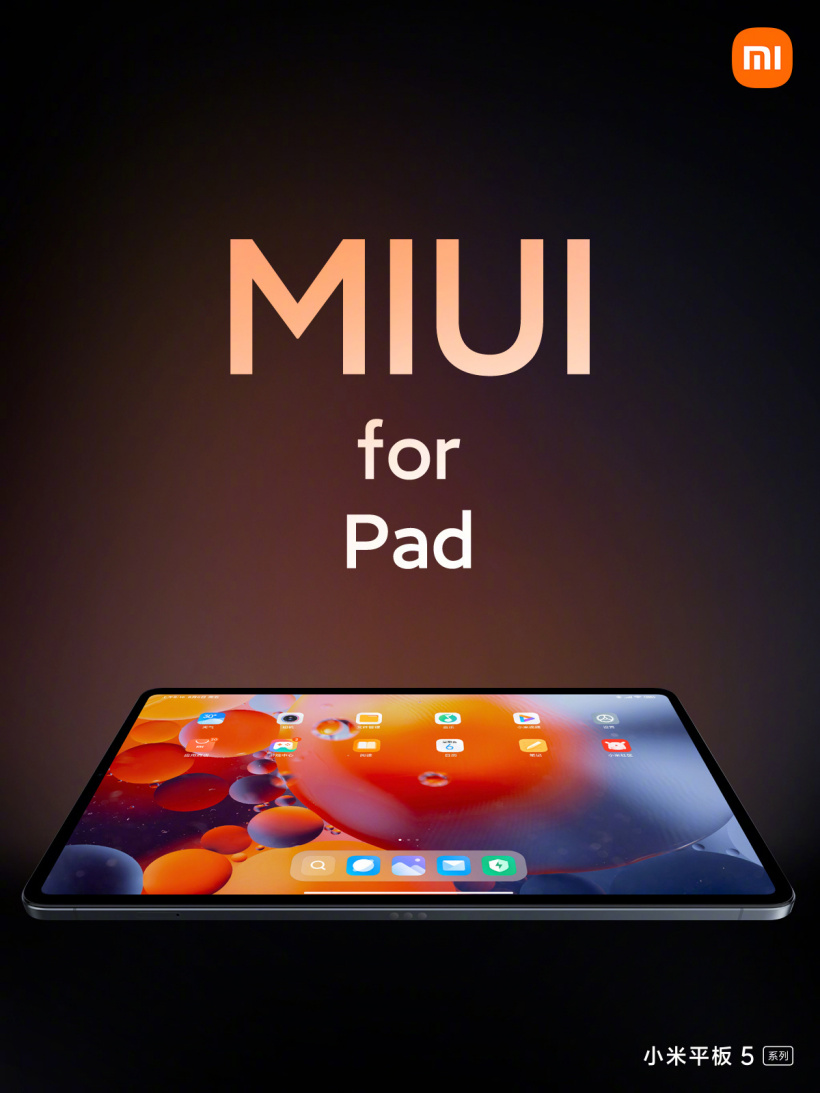
Xiaomi launched Mi Pad 5 and Mi Pad 5 Pro alongside the Mi MIX 4. These are the company’s first-ever tablets in the last three years. Apart from bringing high-end hardware for affordable price tags, they also debut a new version of MIUI called MIUI for Pad.
MIUI for Pad is basically a redesigned MIUI 12.5 for tablets. It is a known fact that many Android applications don’t support full screen yet. However, Xiaomi claims that its version of Android offers a full-screen app experience along with split-screen mode.
However, it is worth noting that the company also mentions that only 300+ mainstream applications are well-optimized for MIUI for Pad. Hence, it has set a target to adapt 2000 applications by the end of this year.
Xiaomi requests app developers to join the Xiaomi Open Platform to improve the state of the Android tablet app ecosystem. Since multiple smartphone OEMs are expected to release Android tablets in the coming months, we might finally see an improvement in this regard.
Last but not least, the company did not reveal anything about the new Mi Security app for tablets, which it teased recently.
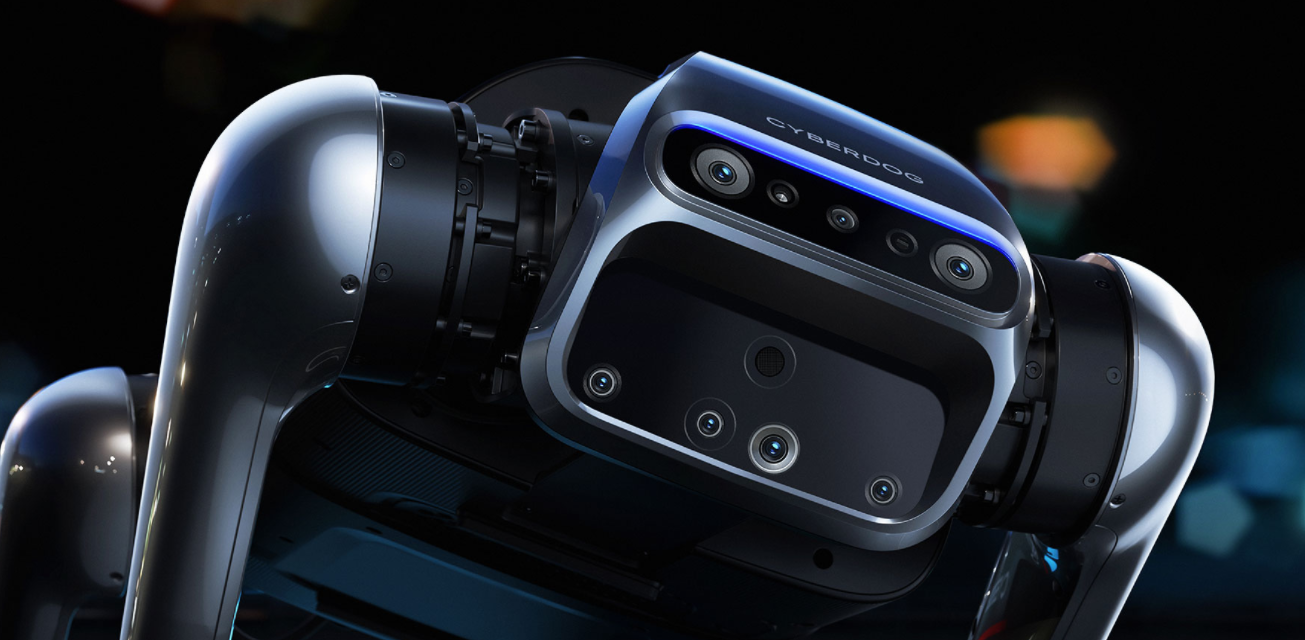
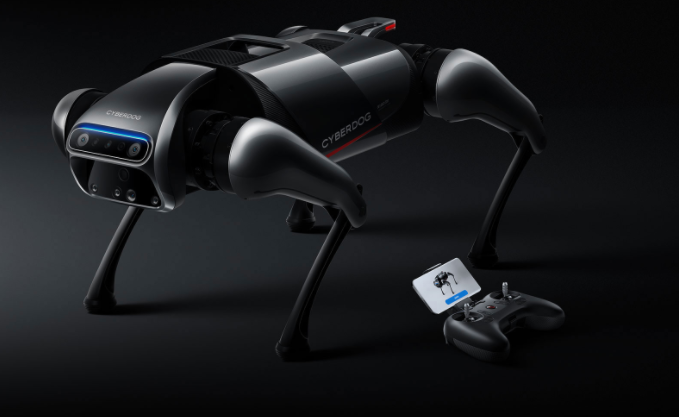
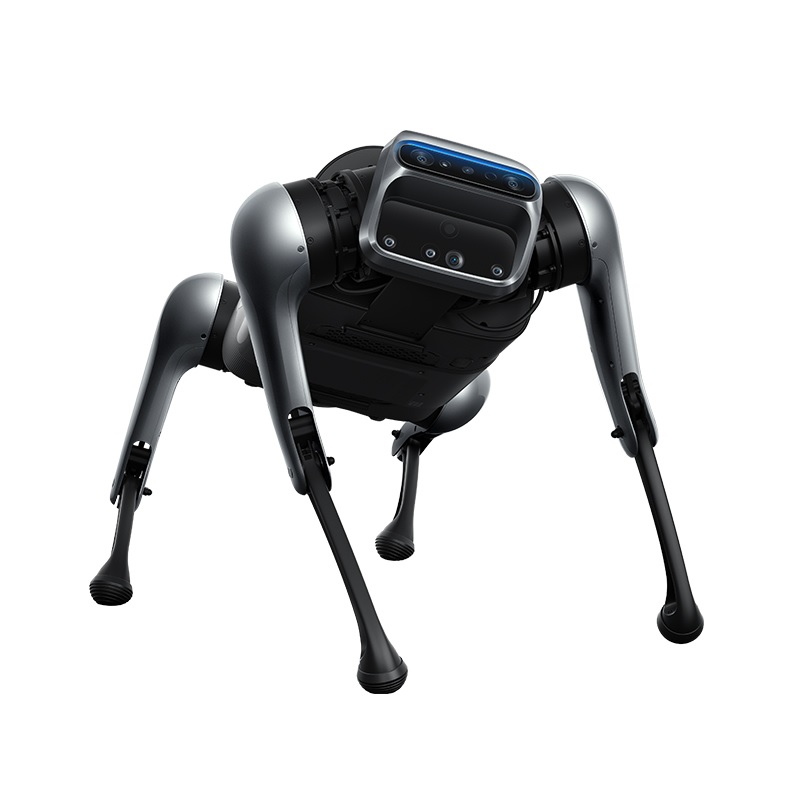
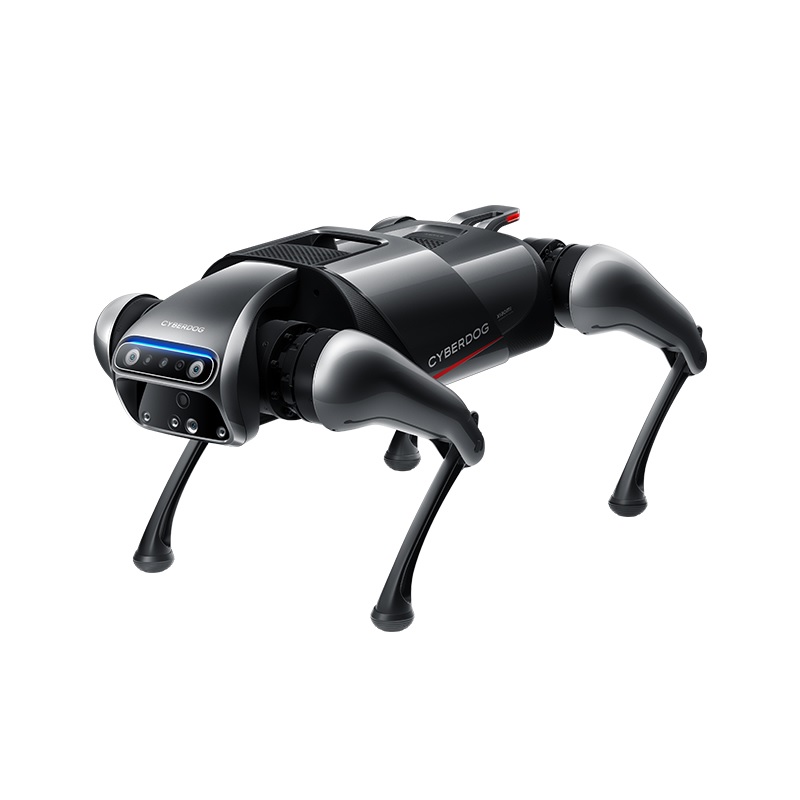
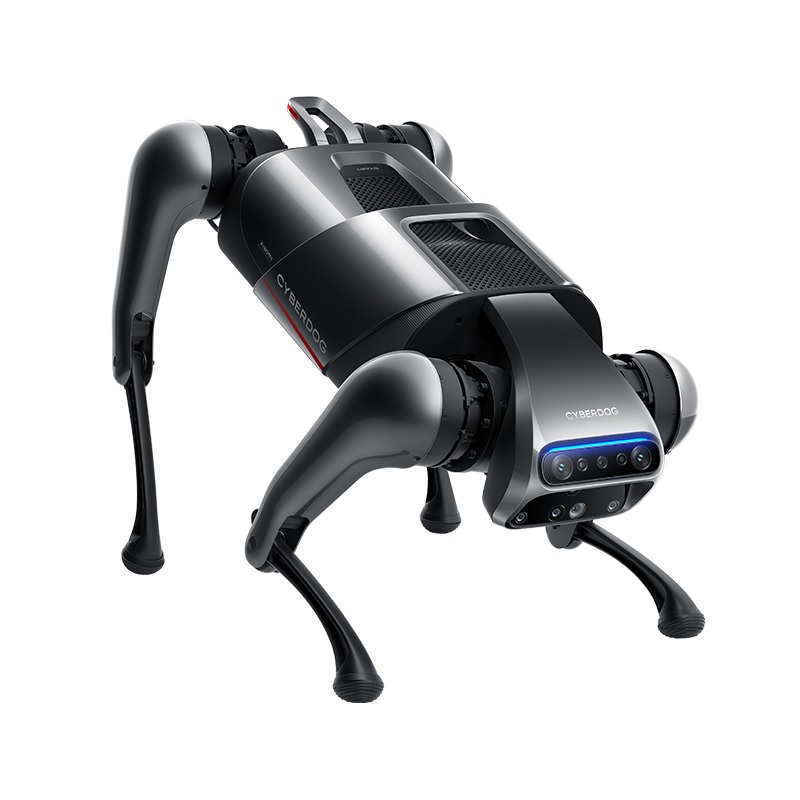
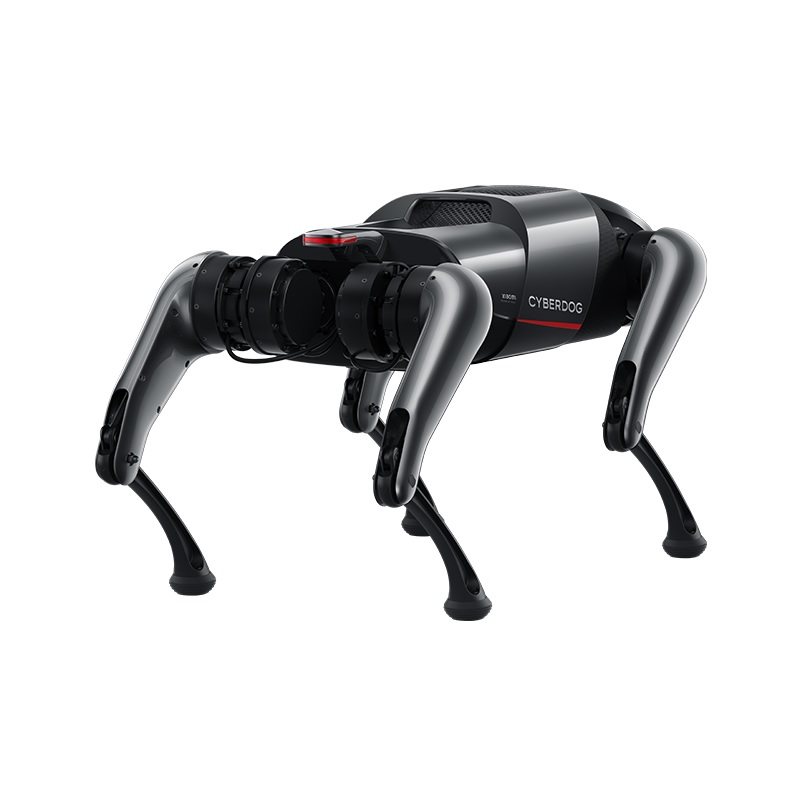
Xiaomi is great at keeping secrets when it wants to. For example, the first Mi MIX phone was a surprise announcement when it was unveiled five years ago. Today, Xiaomi has unveiled another surprise product, one we had no inkling of prior to its unveiling today. The CyberDog is a quadruped robot that you can call the manufacturer’s own version of Boston Dynamic’s Spot robot dog.
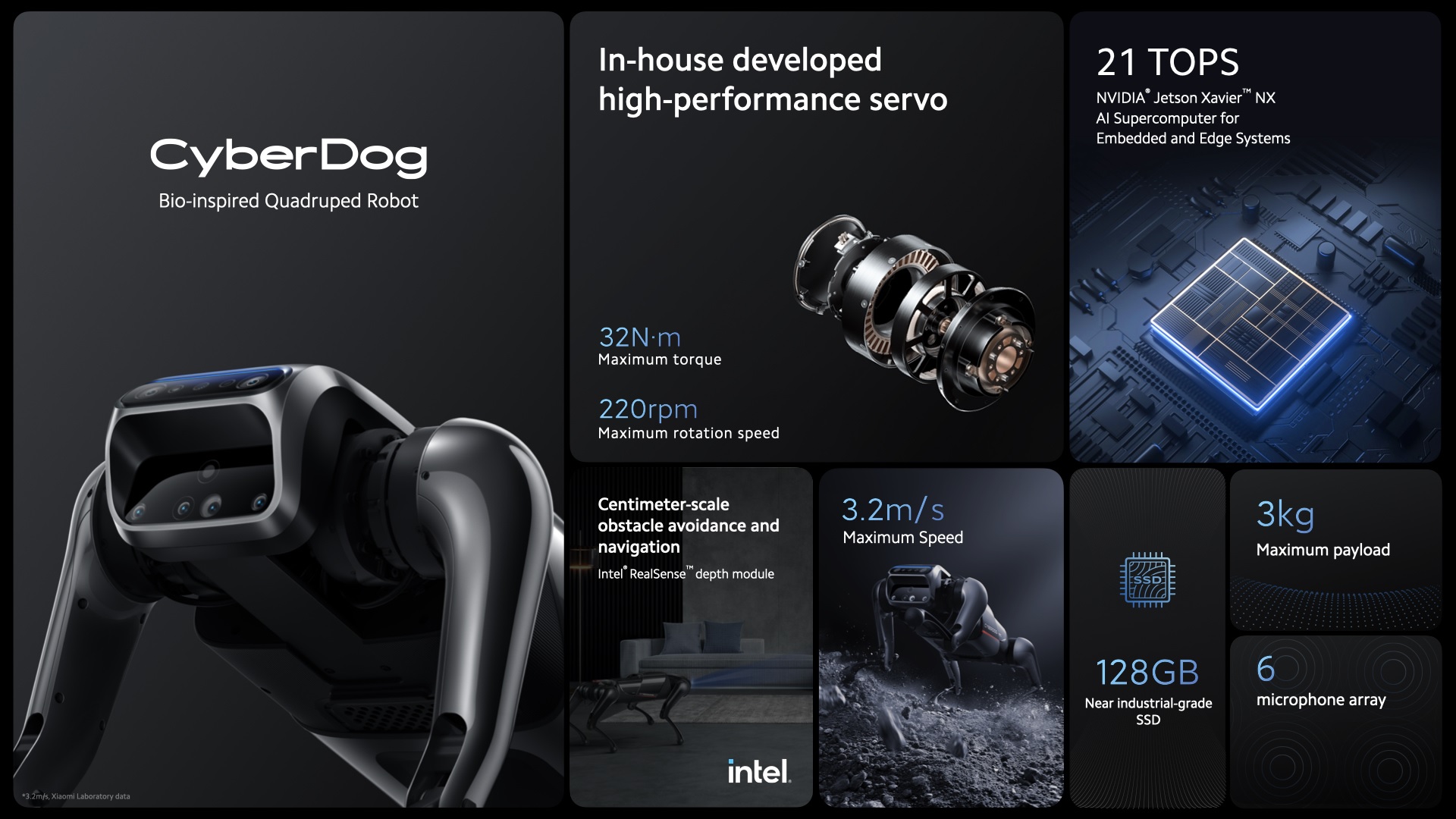
The CyberDog is described as a bio-inspired quadruped robot that is powered by NVIDIA’s Jetson Xavier NX AI Supercomputer for Embedded and Edge Systems paired with 128GB of near-industrial grade SSD. The former has an AI performance of 21 TOPS.
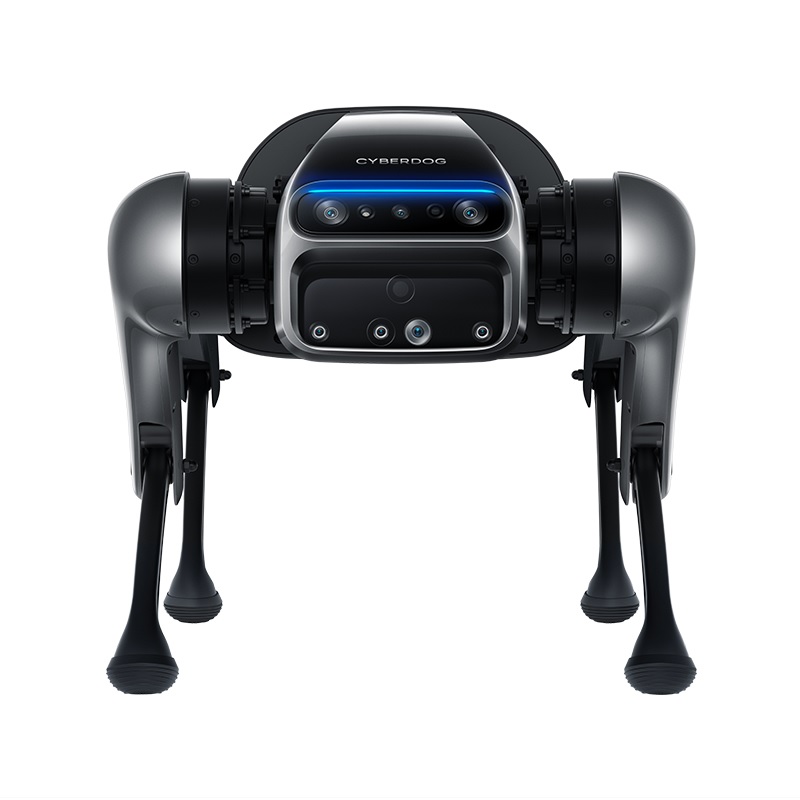
There are a plethora of cameras, microphones, and sensors on the head of the robot that gives it spatial perception comparable to the human eye. The sensors include AI cameras, binocular ultra-wide cameras, and Intel’s RealSense D450 depth camera module that helps the robot achieve centimeter-scale obstacle avoidance and navigation. It also has SLAM mapping and auto-tracking.
CyberDog can be controlled in three ways – via the mobile phone app, voice control, and a remote control pictured below that is sold separately. Only a handful of Xiaomi phones including the Redmi K40 Gaming Edition, Redmi K40, Redmi K30 5G, Redmi 10X Pro, Redmi 10X, and Mi MIX 2S are supported at the moment. Xiaomi says compatibility for more devices will be added in the future.
The CyberDog, with its in-house developed high-performance servo motor, has a wide range of movements including running, jumping, turning left or right. and leaning forward. It can also do a backflip, roll around, and stand on its hind legs. It has a maximum walking speed of 3.2m/s and a maximum payload of 3kg.
Xiaomi’s XiaoAI system is built into the robot and it can be used to control compatible smart home appliances such as the TV, vacuum cleaner, air conditioner, and air purifier.
1 of 5
CyberDog price and availability
While Boston Dynamic’s Spot sells for $74,500, Xiaomi’s CyberDog sells for a fraction of that at ¥9999 (~$1541). Of course, there are significant differences between the two robots, but if you have always wanted a robot similar to Boston Dynamic’s Spot, Xiaomi’s CyberDog is a significantly more affordable version.
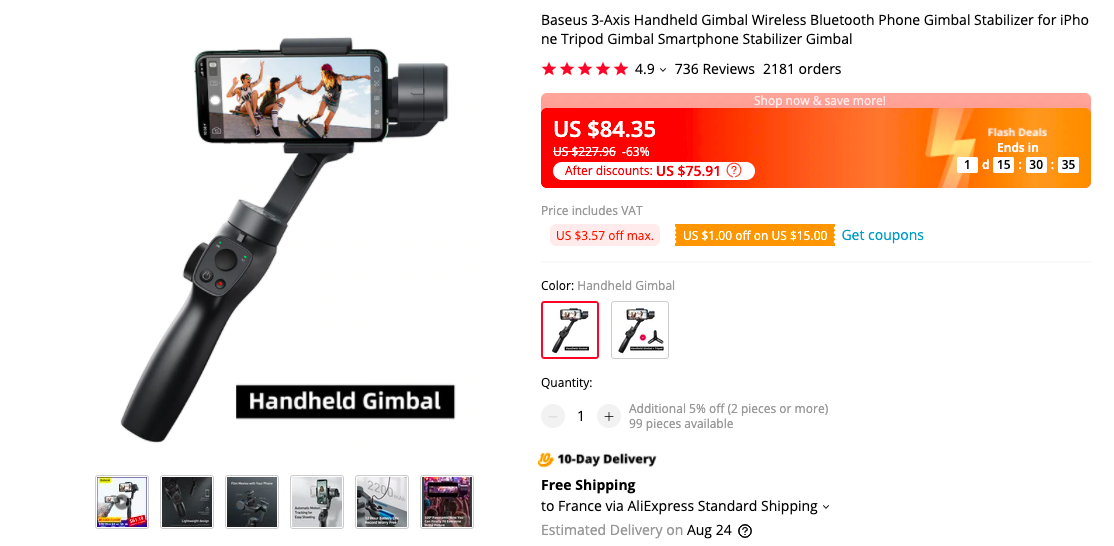
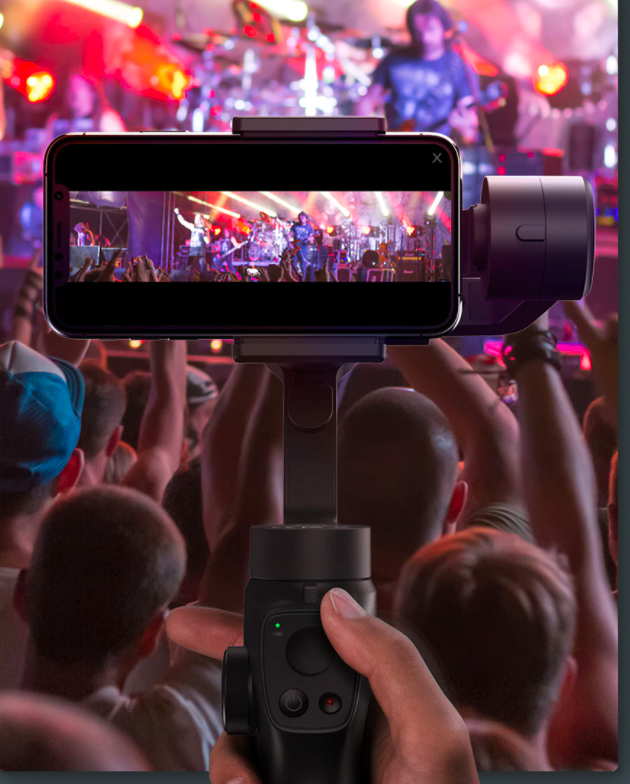
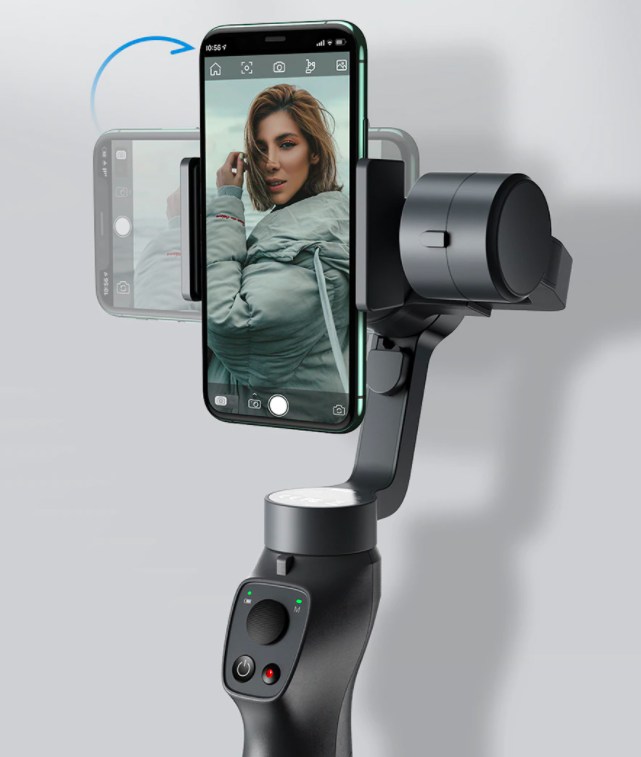
Baseus Control Hand Held 3 Axis Gimbal which generally retails for $120 is now available at a discounted price of $75.91 only at AliExpress. This super deal ends tomorrow.
Generally retailing for $120, you can now buy Baseus Control Hand Held 3 Axis Gimbal at a discounted price of $75.91 only at AliExpress. This super deal ends tomorrow. So place your order asap.
For more information on such exciting deals and offers check out ourdeals hub.
* Please Note: When you buy something using the links in our articles, we may earn a small commission at no cost to you.
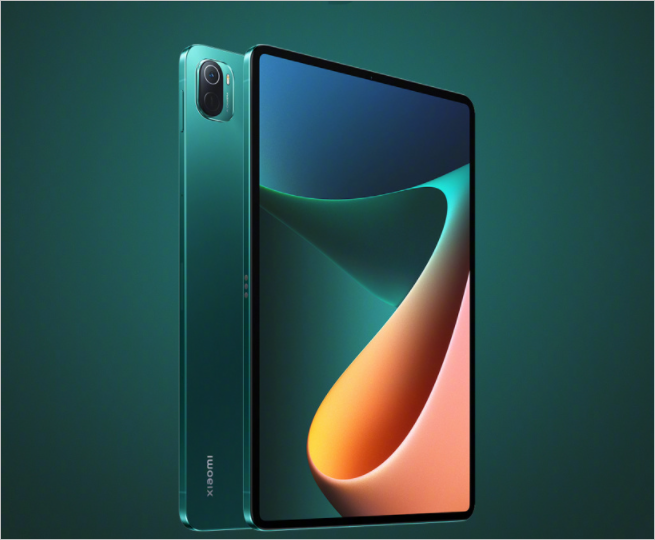
After a three-year wait, Xiaomi has finally launched the Mi Pad 5 series in China. The new tablet series comprises the vanilla Mi Pad 5 and the high-end Mi Pad 5 Pro which equally has a 5G version. The new tablet comes with several high-end features including 5G connectivity on the Pad 5 Pro which places it on a good pedestal to take on the likes of iPad Pro. The features also give us assurances that the premium slate was worth the long wait.
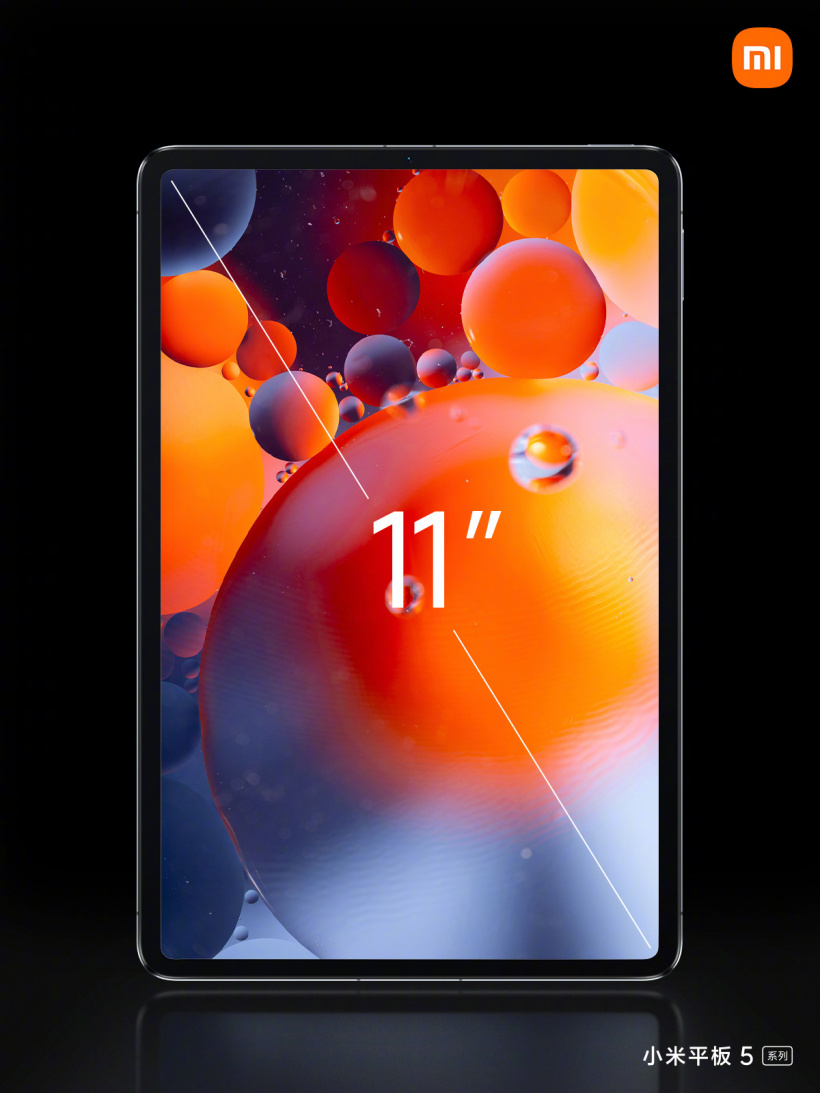
In terms of the specifications, the Mi Pad 5 series is equipped with a large 11-inch LCD screen with a resolution of 2560X1600 pixels, a high refresh rate of 120Hz, a PPI of up to 275, and a contrast ratio of 1500:1. The slate is also said to support hardware anti-blue light and true color display functions.
In order to deliver a premium audio experience and video experience, all the models support Dolby Atmos. The Pad 5 has four built-in speakers while the Mi Pad 5 Pro is equipped with eight speakers in a dual-core arrangement. The mid-bass and treble are divided by a dedicated sound unit, which can bring better bass diving and treble extensibility.
The Mi Pad 5 Pro and the 5G version are equipped with a Qualcomm Snapdragon 870 processor while the Mi Pad 5 is equipped with Snapdragon 860 processor. The Mi Pad 5 series is available in several memory options including a 6GB+128GB version and 6GB + 256GB version for the Mi Pad 5 and Mi Pad 5 Pro. The Mi Pad 5 Pro 5G is available in a sole 8GB RAM + 256GB storage version.
The Mi Pad 5 is equipped with a single 13-megapixel rear camera while the Pro version is upgraded to a dual-camera setup made up of a 13-megapixel main sensor and a 5-megapixel depth-of-field lens combination. The camera setup on the 5G version is even more powerful as it is equipped with a massive 50-megapixel main camera and a 5-megapixel depth-of-field lens. All the models feature an 8-megapixel selfie shooter that also supports Face unlock.
In terms of battery life, the vanilla Pad 5 packs an 8720mAh battery with 33W fast charging support and the Mi Pad 5 Pro crams an 8,600mAh battery under the hood and equally supports a 67W ultra-fast wired second charge.
Xiaomi is introducing a new MIUI For Pad operating system for the Mi Pad 5. This mimics what Apple does with the iOS for Pads which it christened iPadOS. The MIUI For Pad brings several customizations onboard the tablet, making it easy to use various apps, giving users a near-PC level experience. The OS is said to be adapted to more than 300 mainstream applications at present.
In addition, MIUI For Pad also supports custom input methods, split screens, small windows, parallel windows, and other functions, bringing a more convenient entertainment, office, and leisure experience.
Xiaomi also introduced a stylus pen and keyboard-style double-sided protective case alongside the tablet. The Stylus uses a two-button design of which the main button supports quick notes and switching brushes while the secondary button supports long-pressing to take screenshots and switching colors. At the same time, it supports PPT page turning operation.
To use it, you only need to put the stylus pen on the side of the Mi Pad 5 Pro to automatically pair. The stylus can be fully charged in 18 minutes and a full charge can be used to write continuously for 8 hours.
On its part, the keyboard-style double-sided protective case has an independent ESC button that supports canceling operations and exiting the full-screen state.
Xiaomi Mi Pad 5 & Mi Pad 5 Pro Pricing & Availability
Here are the pricing details of all the Mi Pad 5 series models.
Xiaomi Mi Pad 5 Pricing:
6+128GB – 1999 yuan (~$308)
6+256GB – 2299 yuan (~$355)
Xiaomi Mi Pad 5 Pro Pricing:
6+128GB – 2499 yuan (~$385)
6+256GB – 2799 yuan (~$432)
6+256GB (5G) – 3499 yuan (~$540)
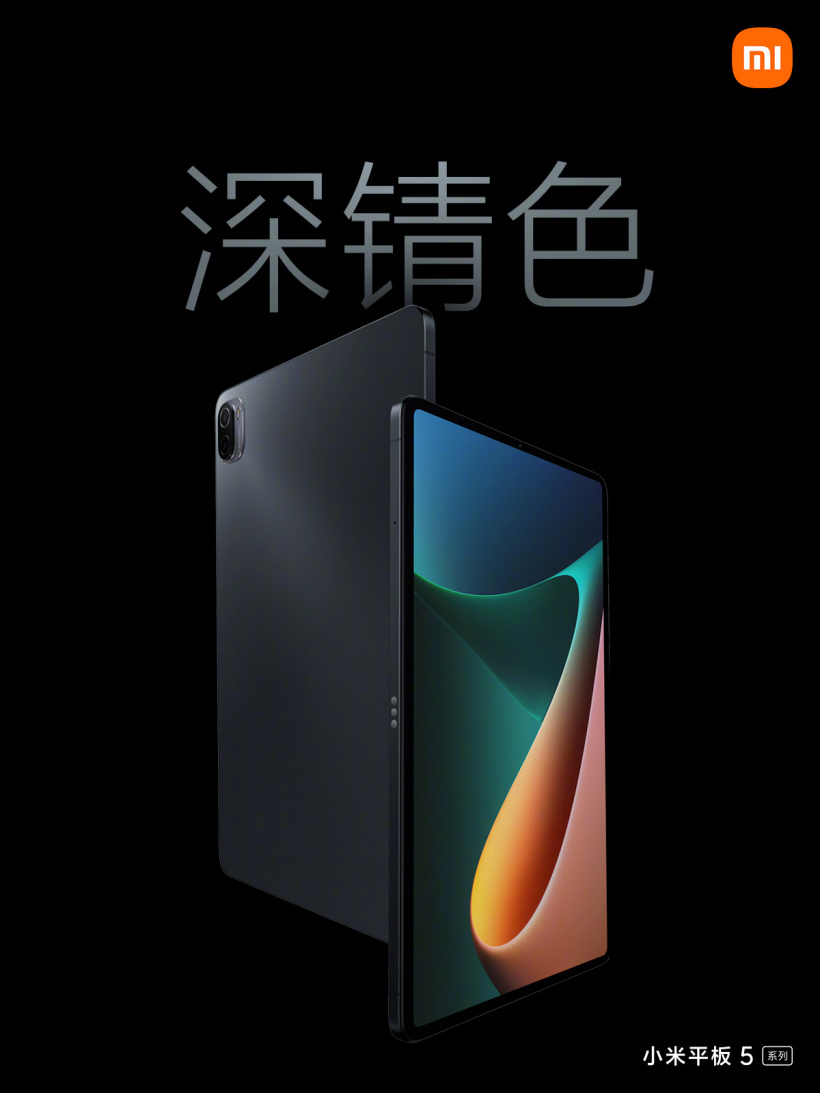
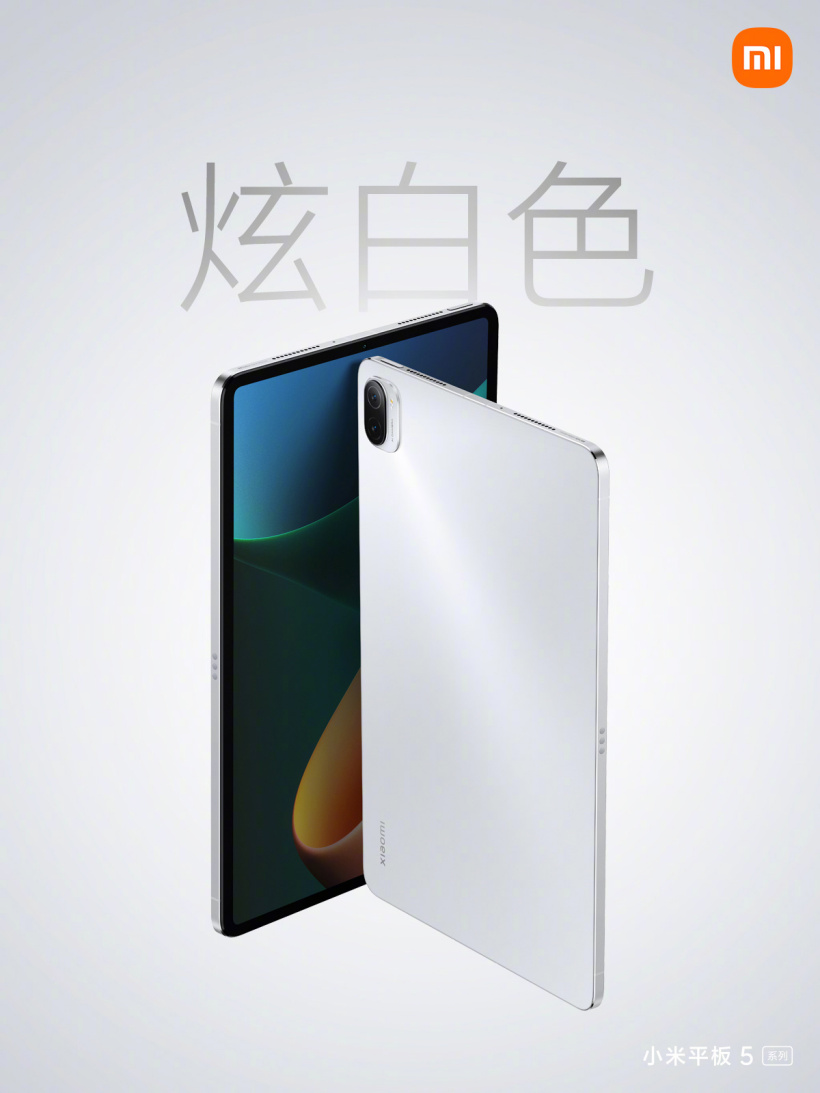
The Mi Pad 5 is available in three colors: Black, dazzling white, and dark green. The Mi Pad 5 Pro comes in Black and dazzling white colors, while the 5G version will be available in Deep scalloped color matching.
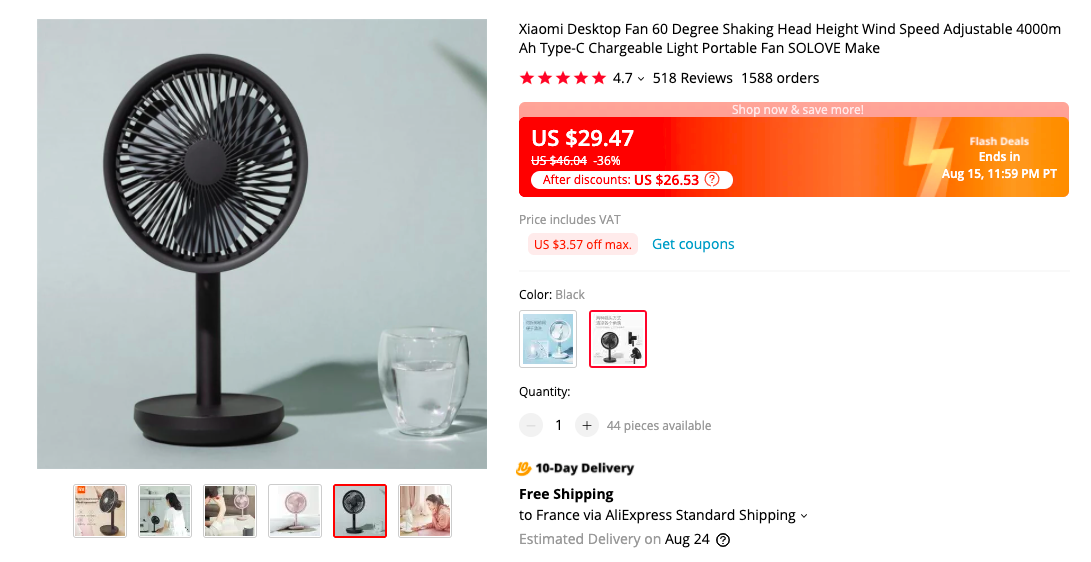
Generally retailing for $60, you can now buy Xiaomi Desktop Fan at a discounted price of $26.53 only at AliExpress. Please note that this deal ends on 15 August. So place your order asap.
For more information on such exciting deals and offers check out ourdeals hub.
* Please Note: When you buy something using the links in our articles, we may earn a small commission at no cost to you.
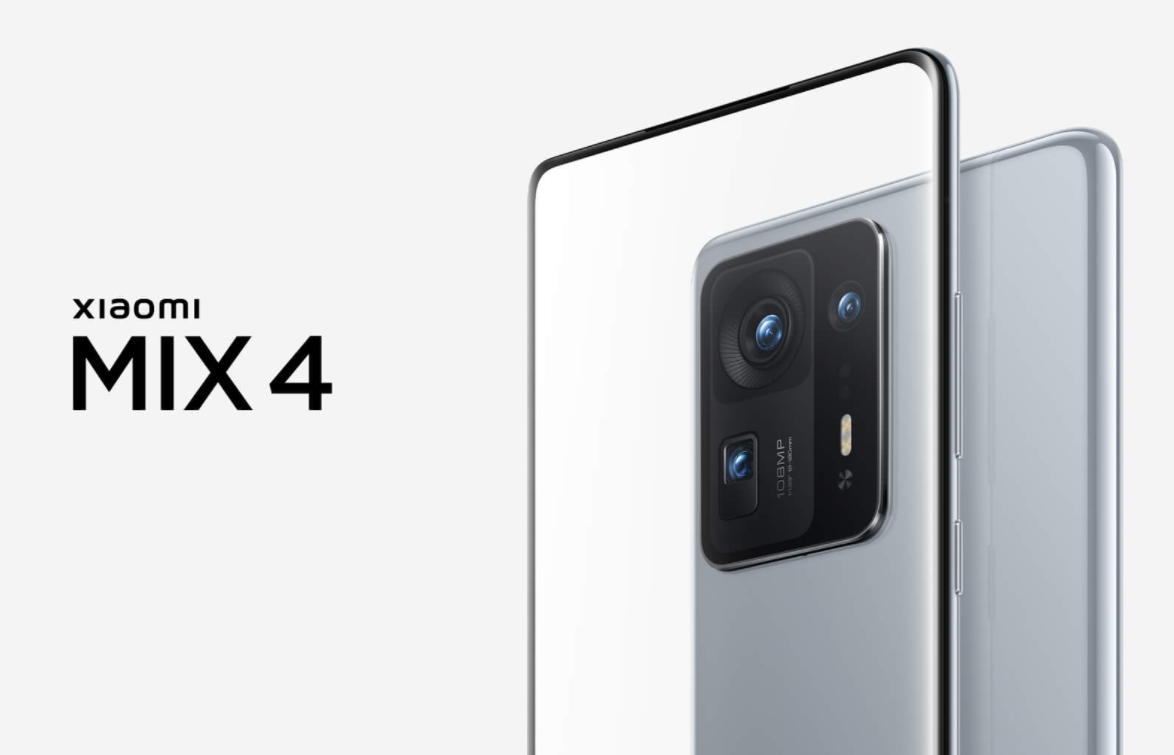
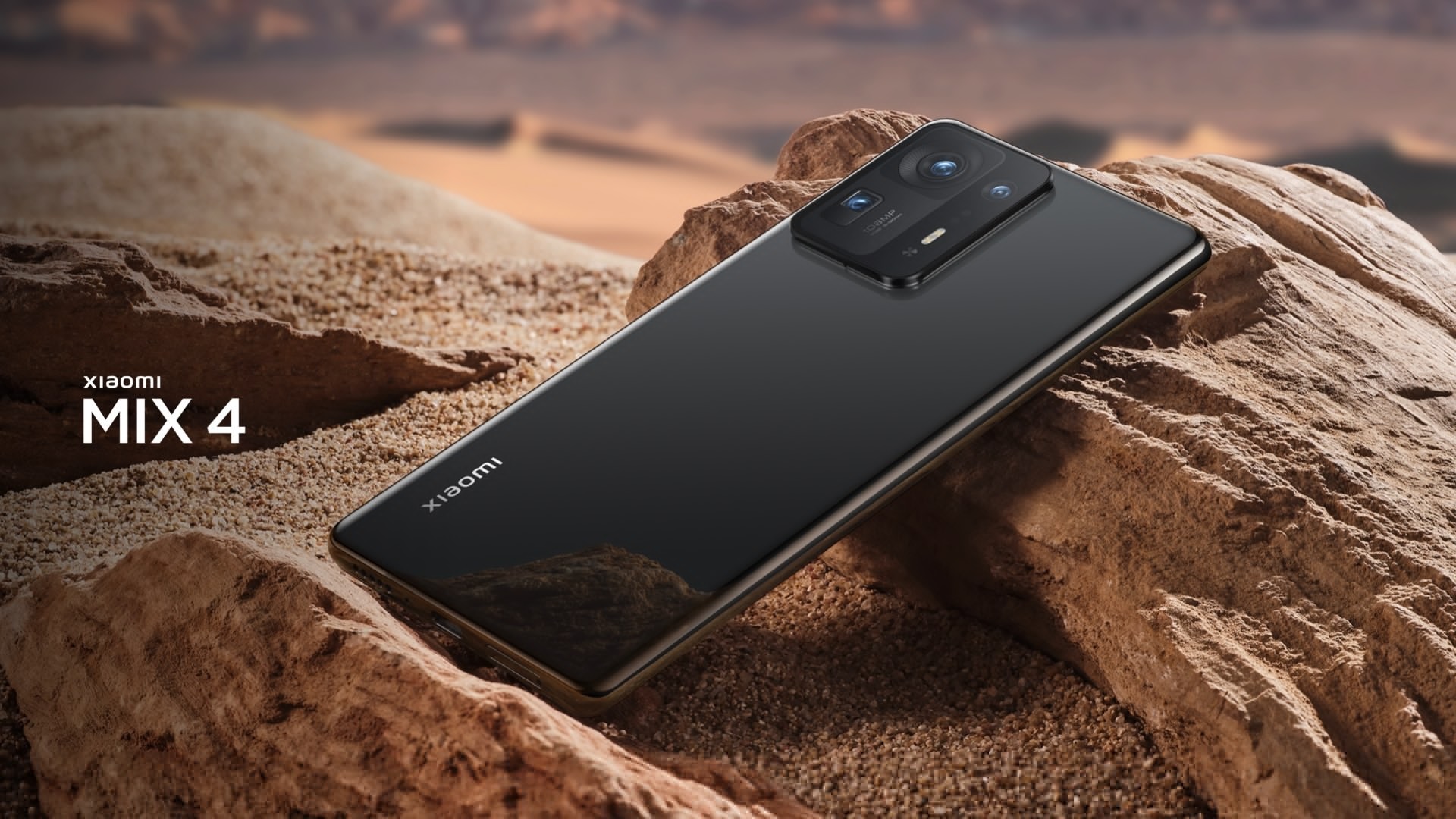
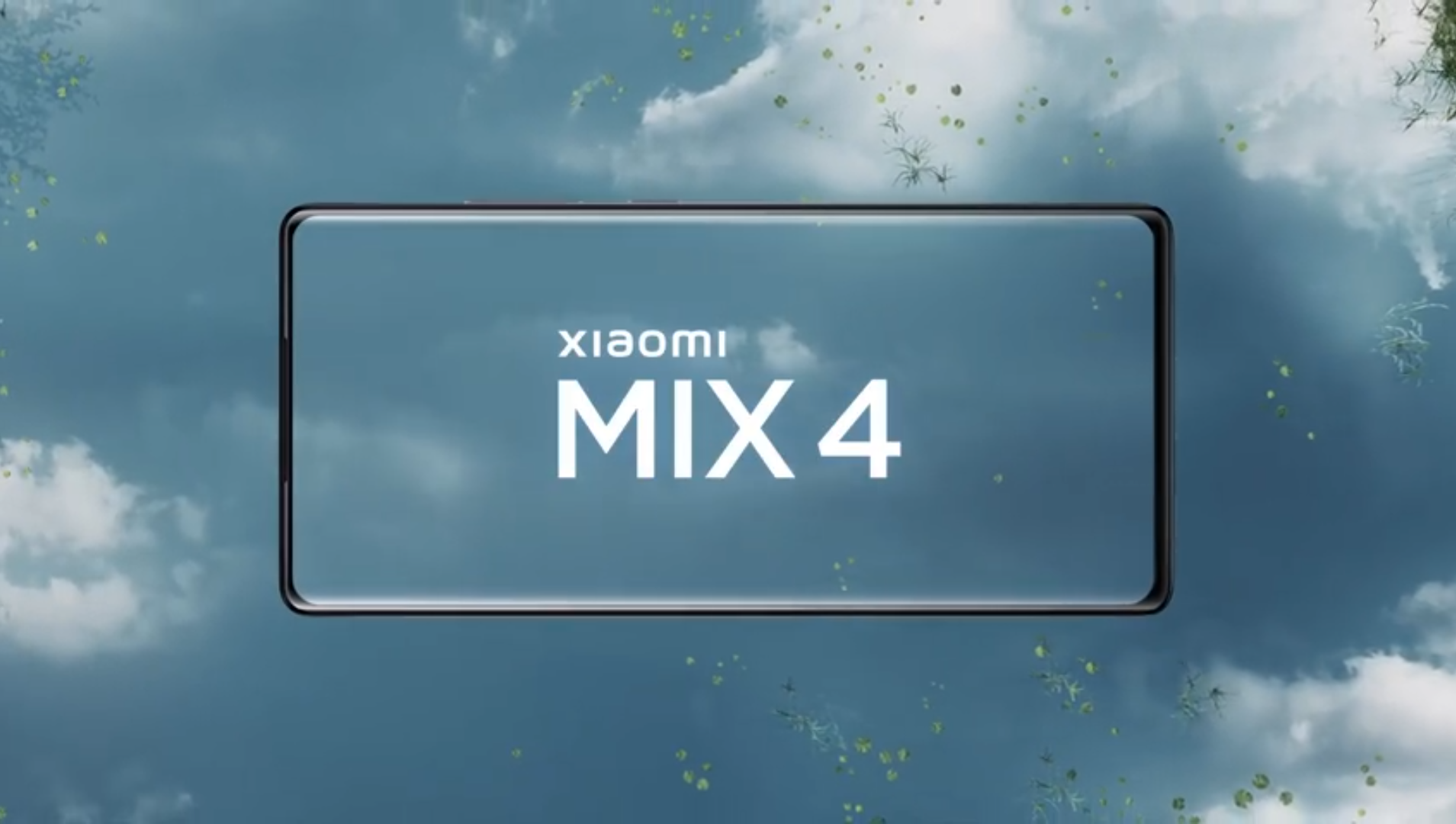
Xiaomi has announced a new model in its MIX series today in China. Unlike the MIX Fold, Xiaomi’s first foldable phone, this does not have a screen that folds. However, the MIX 4 is also a phone with some unique features. It is the manufacturer’s first phone with an in-display camera and Ultra Wide Band support, and also the first phone in the world to be powered by the Snapdragon 888 Plus processor.
MIX 4 Design
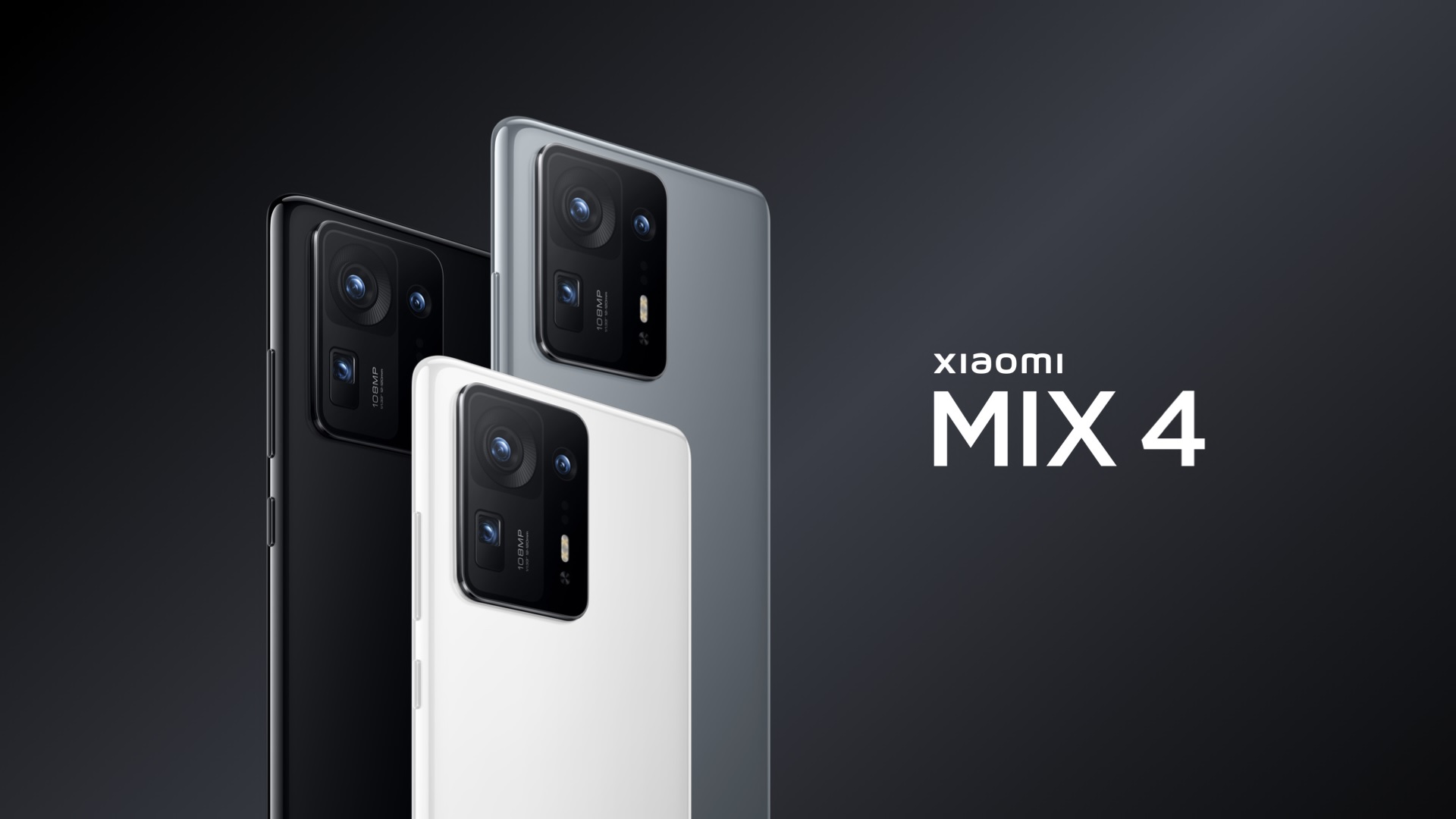
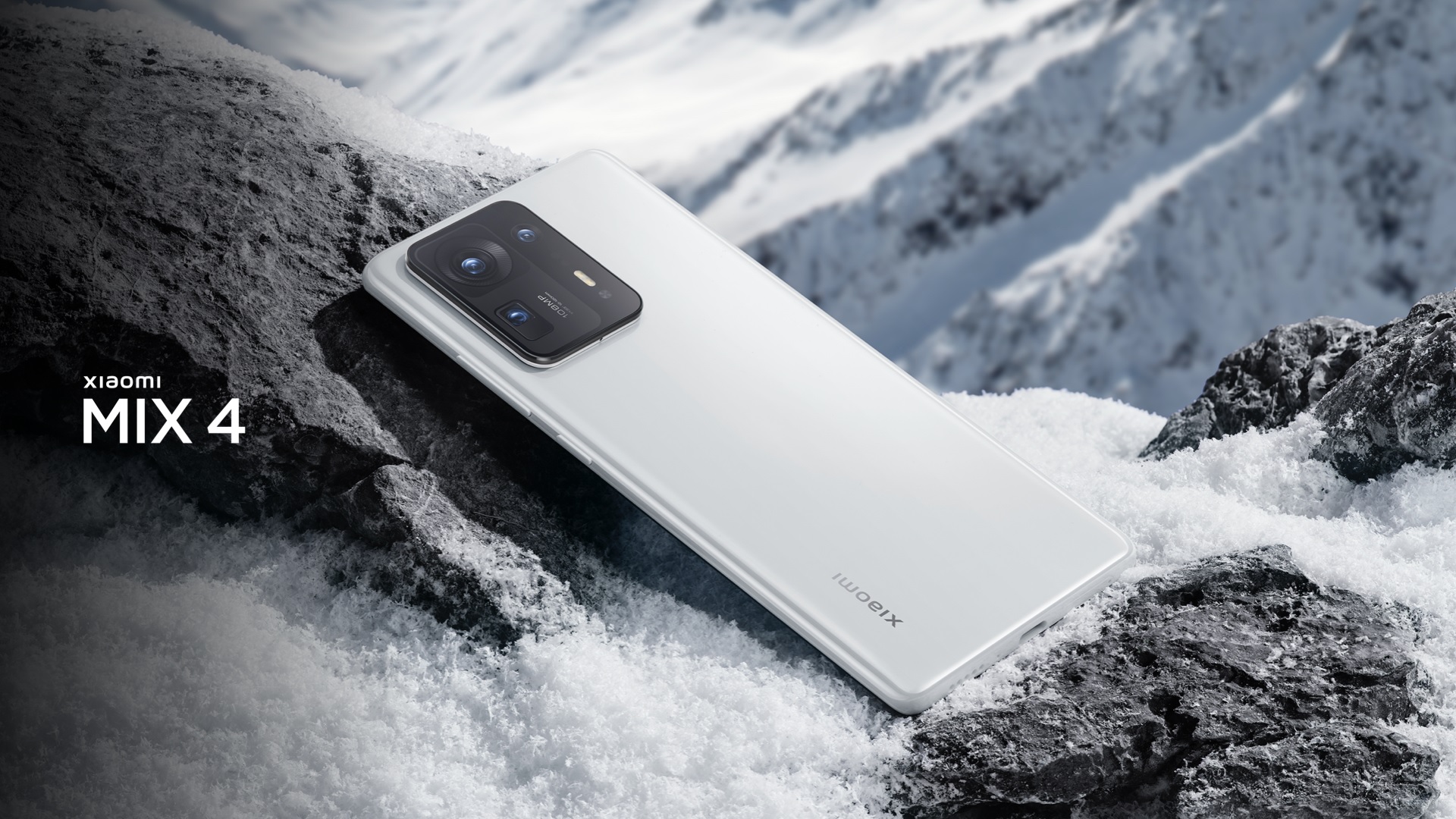
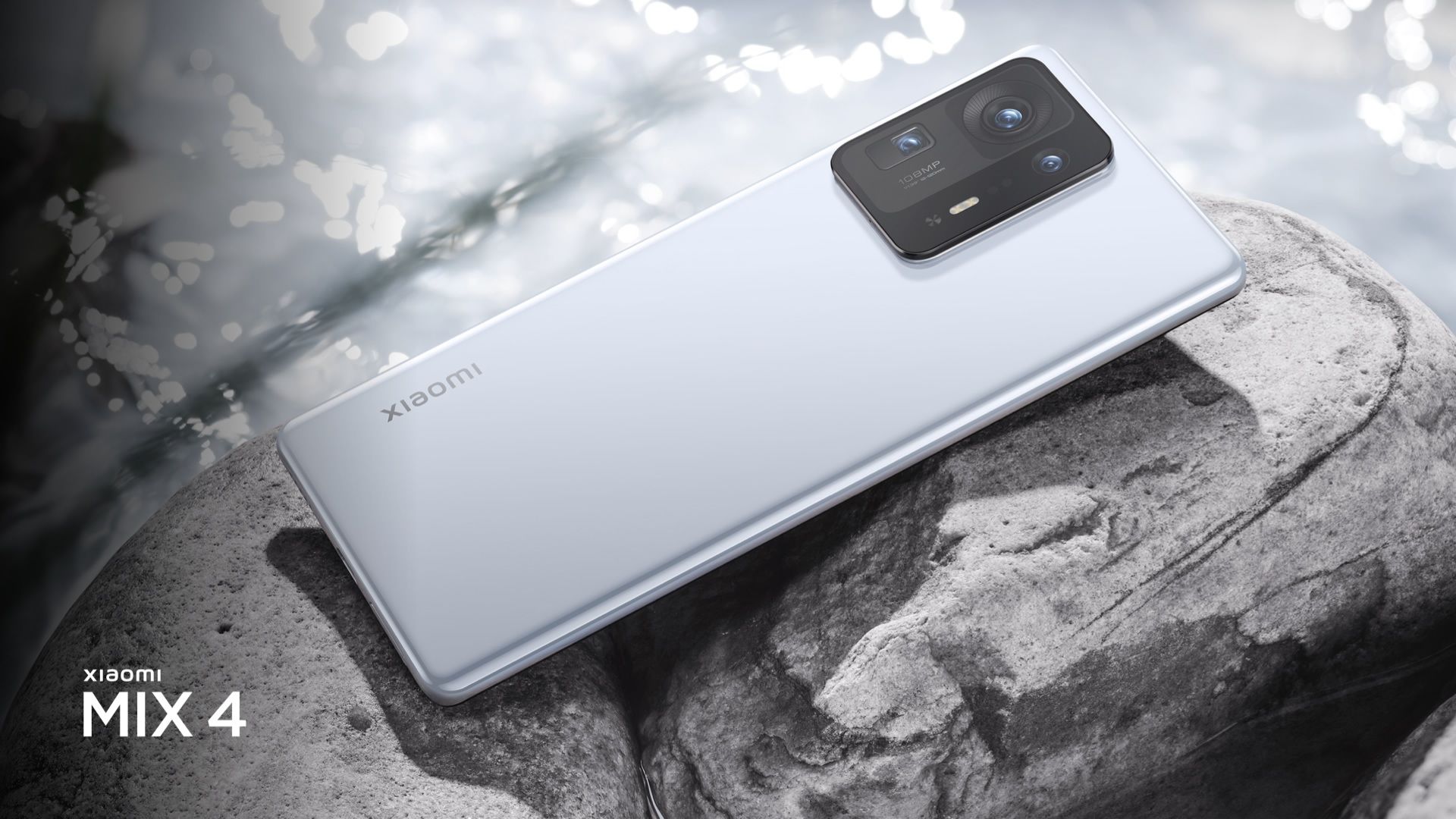
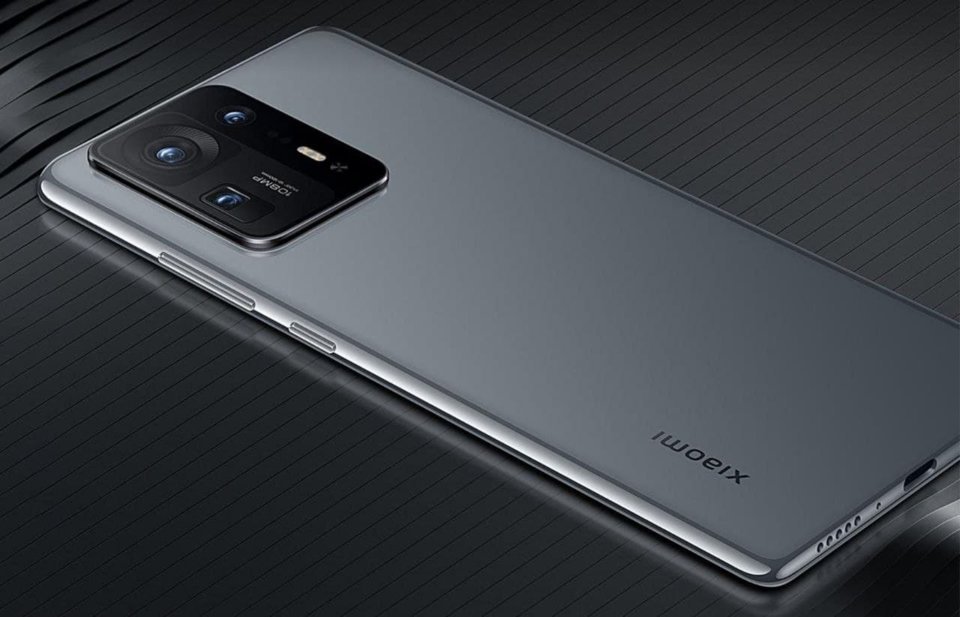
The MIX 4 is positioned as a business flagship and Xiaomi has kept the design clean but classy. The display is slightly curved and the back is covered in ceramic which is now 30% lighter. There is a large square-shaped camera housing on the back that is home to three rear cameras.
Xiaomi will sell the phone in three colors – Ceramic White, Ceramic Gray, and Ceramic Black.
MIX 4 Specifications
The MIX 4 has a 6.67-inch AMOLED 3D curved display with HDR10+ and Dolby Vision. The screen is a 10-bit TrueColor panel with a 500,000:1 contrast ratio. Xiaomi says there is also Gorilla Glass Victus protection on the display.
The display uses a micro-diamond pixel technology that reduces pixel sizes and increases pixel brightness. Xiaomi says that the re-designed display allows for better camera zone transparency.
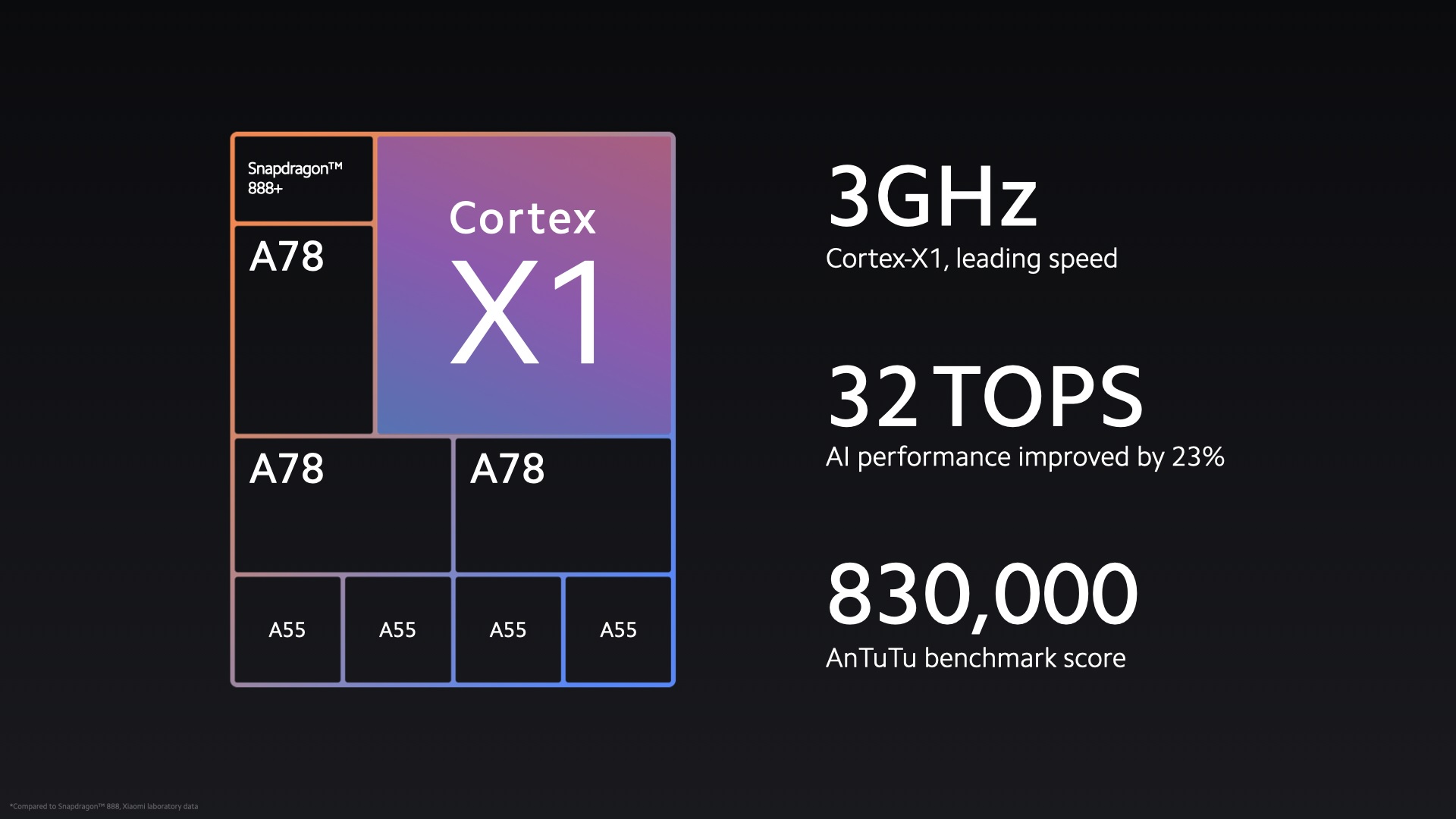
Xiaomi’s new phone is also the first in the world to be powered by the Snapdragon 888+ processor. The chipset is paired with up to 12GB of RAM and 512GB of storage.
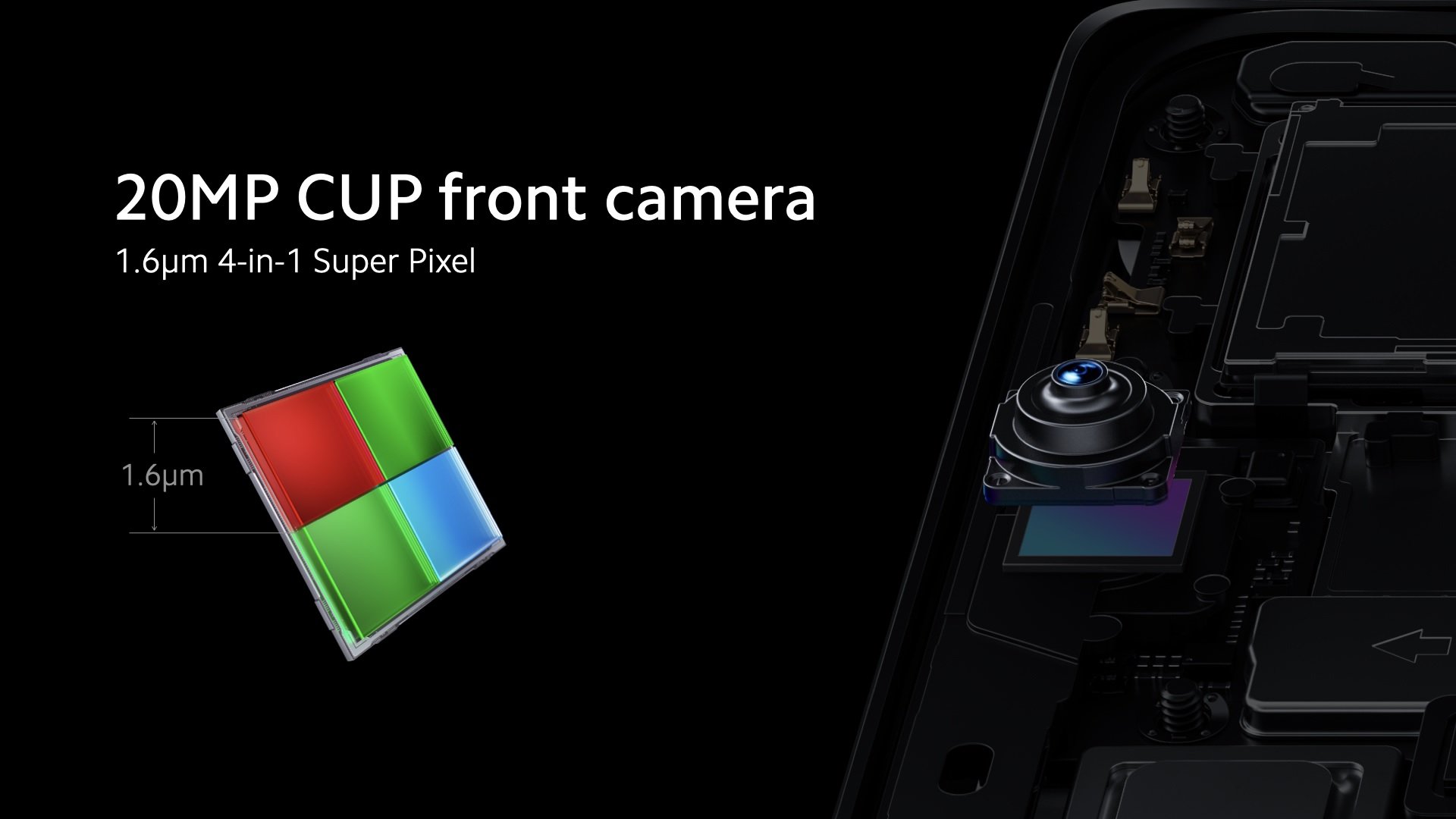
One of the highlights of the MIX 4 is its in-display camera technology which Xiaomi has dubbed CUP (camera under-panel). It is a 20MP 1.6μm 4-in-1 Super Pixel sensor.
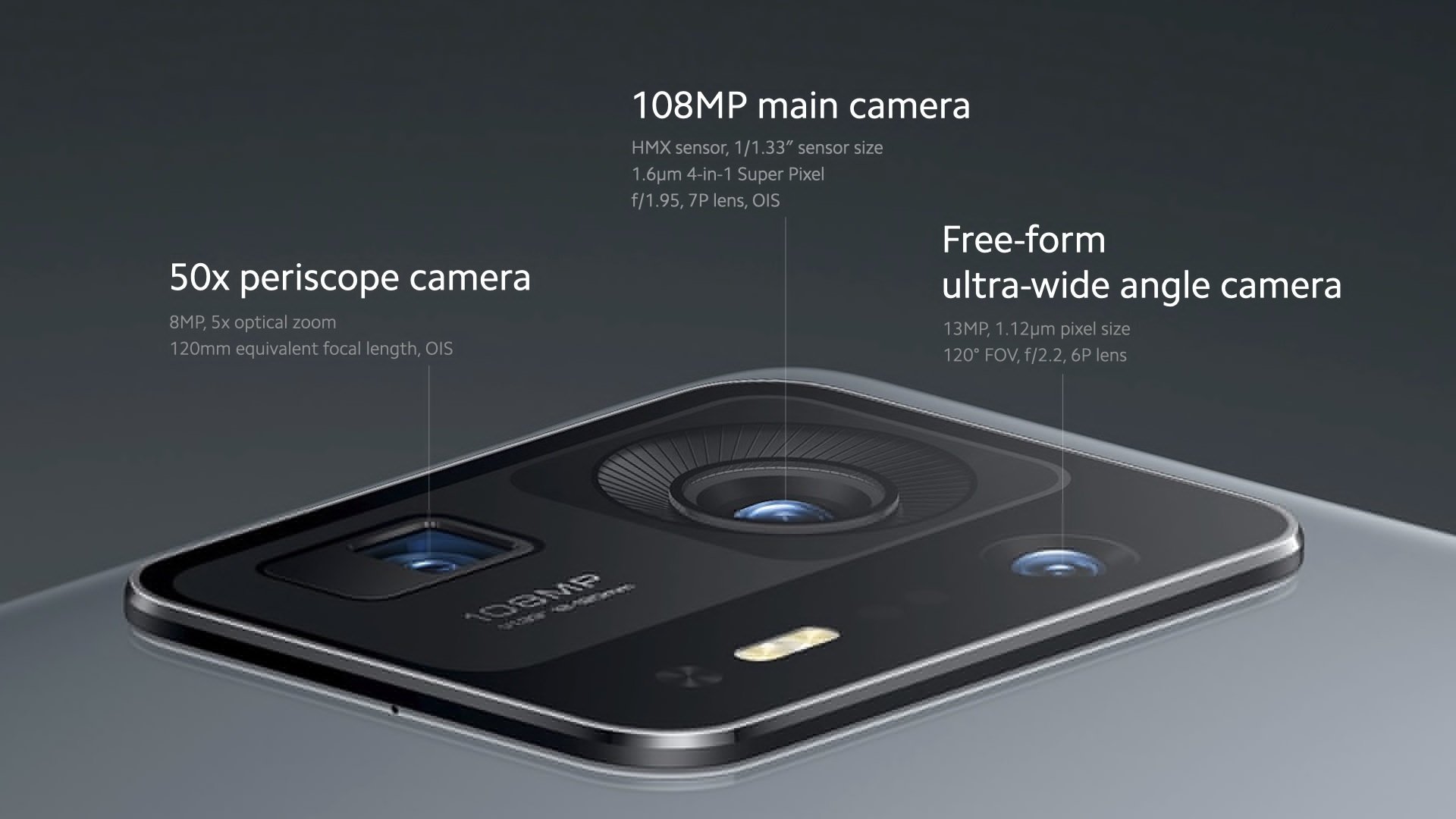
On the rear are three cameras – a 108MP HMX f/1.9 main camera with 7P lens and OIS, an 8MP 50x periscope camera with OIS that offers 5x optical zoom, and last is a 13MP f/2.2 free-form ultra-wide-angle camera. The free-form lens on the ultrawide angle camera means that distortion is reduced to about 1% compared to the 20% on a standard lens.
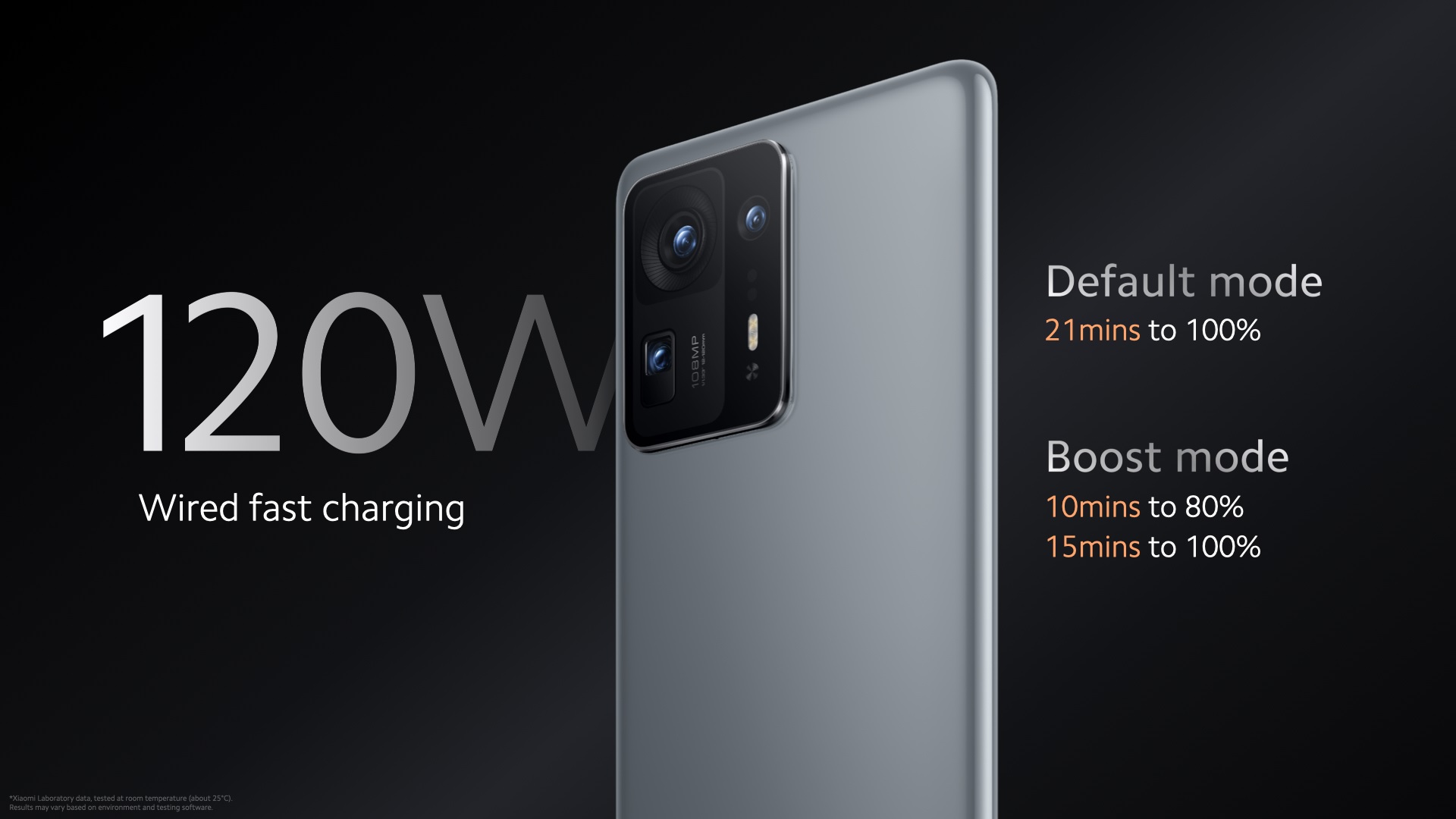
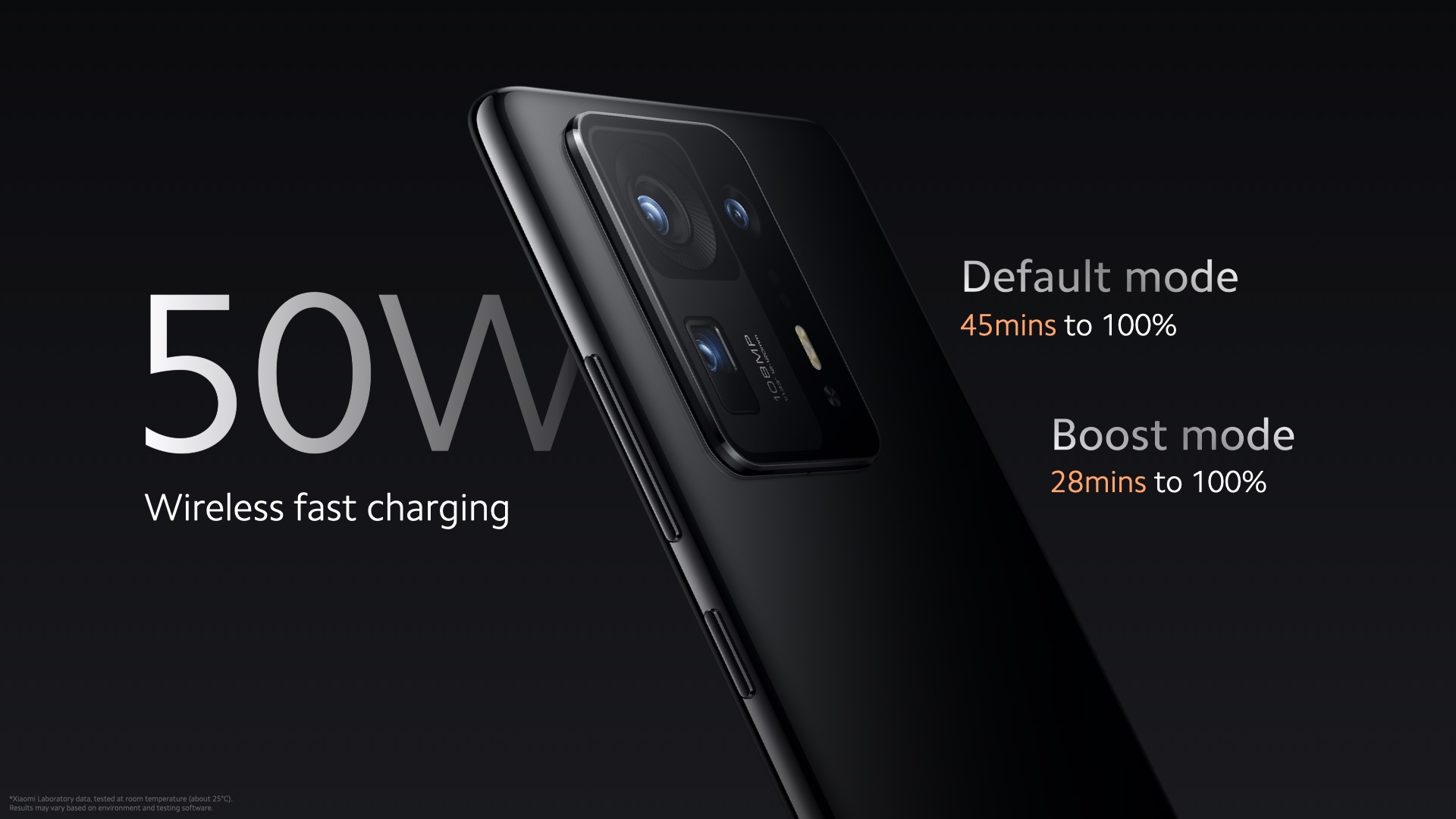
There is a 4500mAh battery capacity with support for 120W fast charging and 50W wireless charging. The latter has a default mode that takes 45 minutes to charge the phone to 100% while a Boost mode takes just 28 minutes. For wired fast charging, boost mode charges the phone in just 15 minutes while normal mode takes 21 minutes. Xiaomi claims that the maximum rear temperature of the phone while charging at 120W is 37°C.
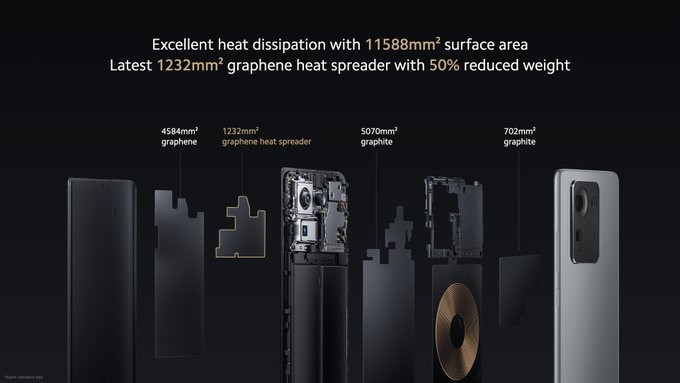
Xiaomi has equipped the Mi MIX 4 with a cooling technology that has a surface area of 11588mm². It includes a 4584mm² graphene sheet, a 1232mm² graphene heat spreader, a second 5070mm² graphite sheet, and a 702mm² graphite sheet in between the wireless charging coil and the ceramic back.
1 of 4
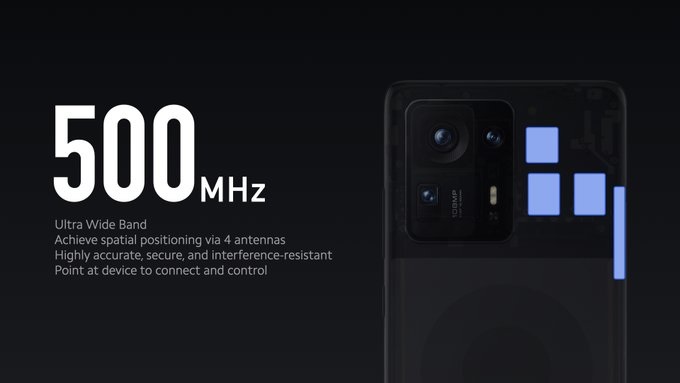
The MIX 4 has stereo speakers tuned by Harman Kardon. It also has 19 antennas, support for 42 frequency bands, and a signal optimization mode that works in 8 scenarios where there is usually high traffic such as at the airport, hospital, and subway station. Xiaomi has also added support for 500MHz Ultra Wide Band that allows for precise spatial positioning.
There is also an impressive Find-My-Phone feature that keeps the MIX 4 connected to a network even after the SIM card has been removed. Users will also be able to find the phone if it is turned off.
MIX 4 Price and Availability
The MIX 4 is available in four configurations and below are their prices:
8GB RAM + 128GB = ¥4999 (~$770)
8GB RAM + 256GB = ¥5299 (~$817)
12GB RAM + 256GB = ¥5799 (~$894)
12GB RAM + 512GB = ¥6299 (~$972)
The MIX 4 will be available for pre-order starting today and will be available for purchase starting on August 16 at Mi Home stores, Xiaomi’s online store, Youpin, and authorized partners.
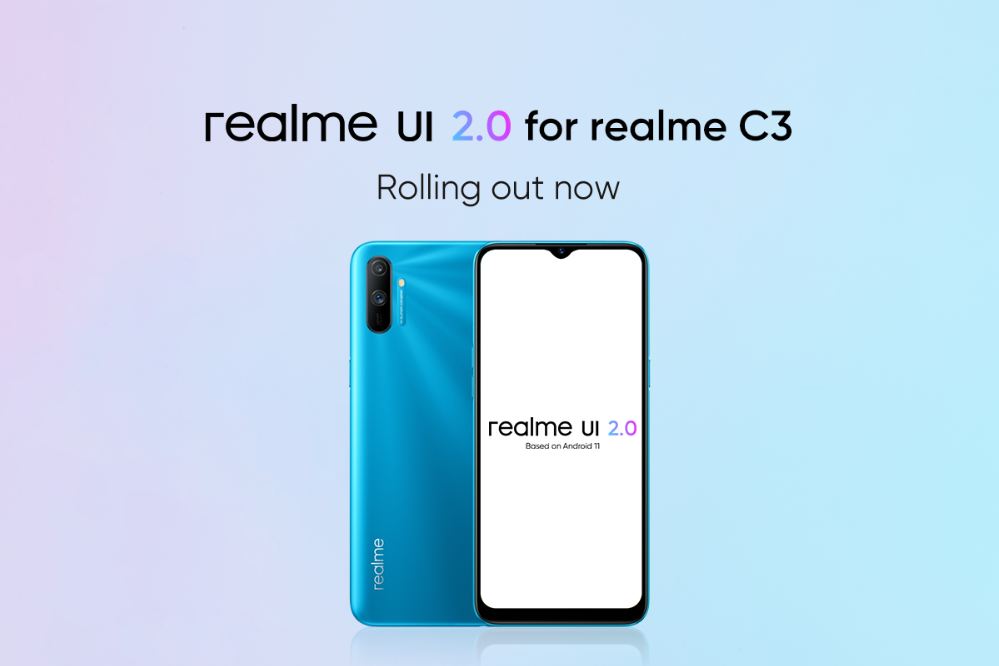
Chinese handset maker started rolling out Android 11-based realme UI 2.0 beta update for the realme C3 in early April. Four months later, the smartphone has finally begun to receive Android 11 stable update.
The realme C3 launched in early 2020 with realme UI based on Android 10. More than a year after its release, the phone has now started receiving the realme UI 2.0 stable update with Android 11.
According to the official announcement post on realme Community, the latest system update for the realme C3 arrives with firmware version RMX2020_11.C.04. In order to receive this update, users need to be on firmware version RMX2020_11_A.63.
Like any other OTA (Over-the-Air) software update, this one is also being rolled out in batches. In simpler words, the new build is not available for everyone at the moment, however, it should be in the coming days.
Having said that, if a user is not satisfied with the new update, they can roll back to the previous version of the software by manually installing the rollback file. But unfortunately, unlike the update process, the rollback process will wipe the internal storage of the device.
Last but not least, since realme C series phones have always received only one major update, the realme C3 will most likely not get the Android 12 update.
A couple of days back, we brought you a report that Xiaomi‘s Mi Store in Portugal was now accepting payments using cryptocurrency including Bitcoin, Ethereum, Tether, and even Dash for the purchase of smartphones, smartwatches, as well as other smart home products and devices. The move was said to be in partnership with Utrust, a Swiss cryptocurrency payment service provider, to support payment via digital assets in the region.
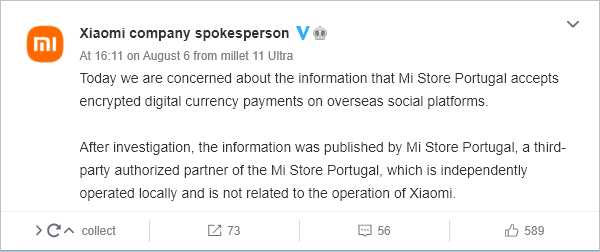
The news came as a surprise since Xiaomi is a Chinese company and the Chinese government had placed a ban on cryptocurrency. In a bid to avoid creating confusion, a Xiaomi spokesperson a few days back issued a statement on Weibo which clarified that the Mi Store in Portugal which announced the acceptance of cryptocurrency, is an authorized third-party partner which operates independently locally and “is not related to the operation of Xiaomi”.
The clarification could be a move to absolve the Chinese tech giant of any legal liability considering the stance of the Chinese government about cryptocurrency. However, a different rule applies in Portugal where the government is friendly towards cryptocurrency with favorable tax laws. Thus, it is no surprise the brand’s Portugal franchise is adopting crypto using the brand name without issuing a disclaimer in the local market. Moreso, Xiaomi’s founder Lei Jun had long been linked with the world’s largest bitcoin mining company – Bitmain.
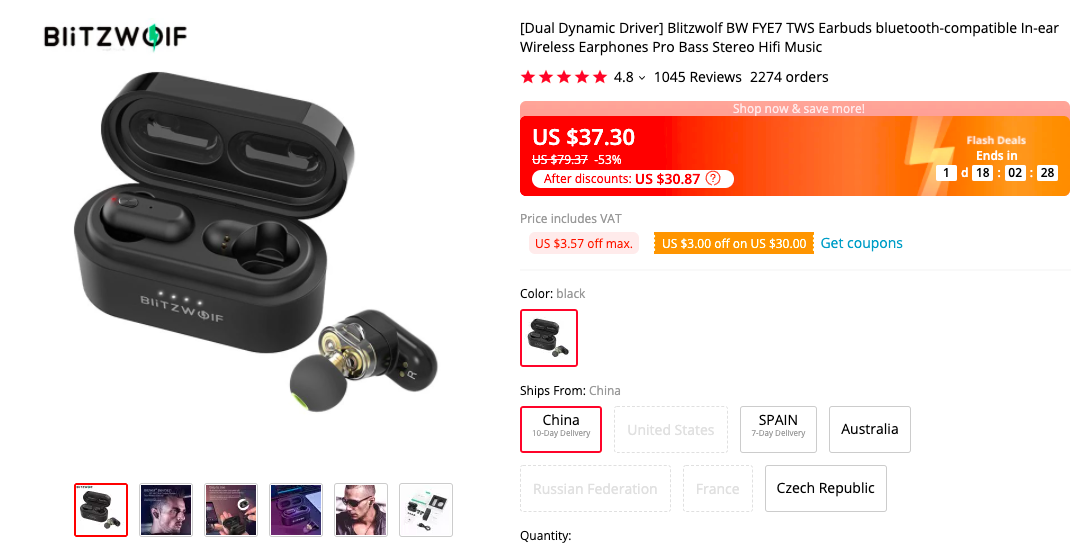
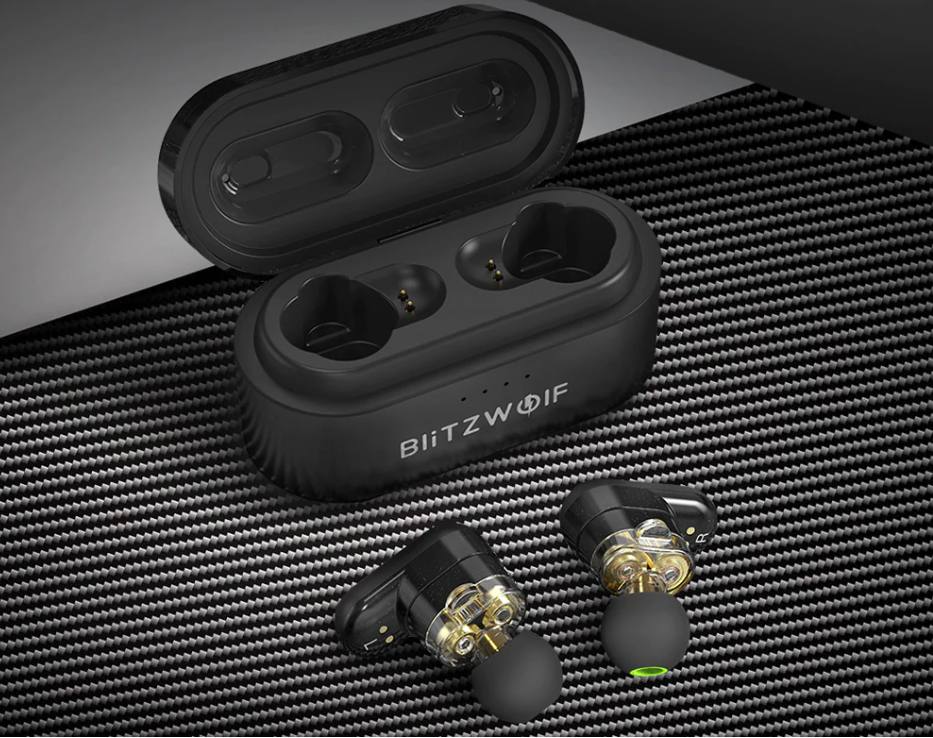
BlitzWolf BW-FYE7 TWS Earbuds which generally retails for $60 is now available at a discounted price of $30.87 only at AliExpress. This deal ends tomorrow.
Oblique angle design – ergonomic comfort and perfect fit in your ear canal
Dual 6mm Dynamic driver – delivers powerful bass and high definition music
Universal compatibility
Bluetooth v5.0: 10m obstacle-free connection
Low dealy, stable signal, and fast pairing
Low power consumption
Battery: 6 hours playback time and 16 hours with the case
Charging time: 1 to 2 hours
IPX4 – waterproof and sweatproof
Supports Siri Voice assistant
Generally retailing for $60, you can now buy BlitzWolf BW-FYE7 TWS Earbuds at a discounted price of $30.87 only at AliExpress. Please note that this deal ends tomorrow. So place your order asap.
For more information on such exciting deals and offers check out ourdeals hub.
* Please Note: When you buy something using the links in our articles, we may earn a small commission at no cost to you.
BBK subsidiary Vivo is expected to launch the iQOO 8 series soon, with the launch date confirmed as August 17. We have been thrilled to retinue of features the flagship smartphone will pack. We have also seen the models make an appearance on benchmarking platforms.
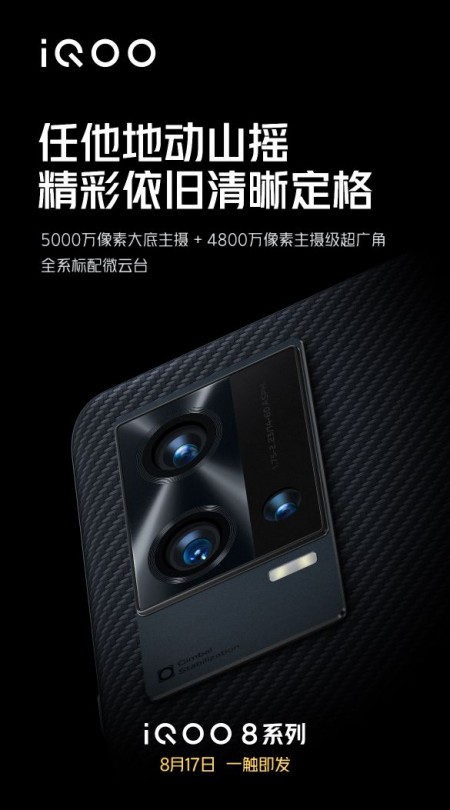
A new interesting detail has now emerged about the photographic prowess of the iQOO 8 Pro. Vivo shared a fresh teaser revealing some features of the camera setup. The poster shows the iQOO 8 Pro will pack a 50-megapixel main shooter paired with a 48-megapixel ultrawide camera sensor which happened to be the main sensor on the iQOO Pro launched in 2019. The main camera is expected to have Vivo’s VIS five-axis stabilization, covering all the possible movements
The iQOO 8 will come with a triple camera setup but details of the third camera weren’t teased. However, it could possibly be a mid-zoom option that can go up to 60mm or about 2.5x.
iQOO 8 Pro camera sample
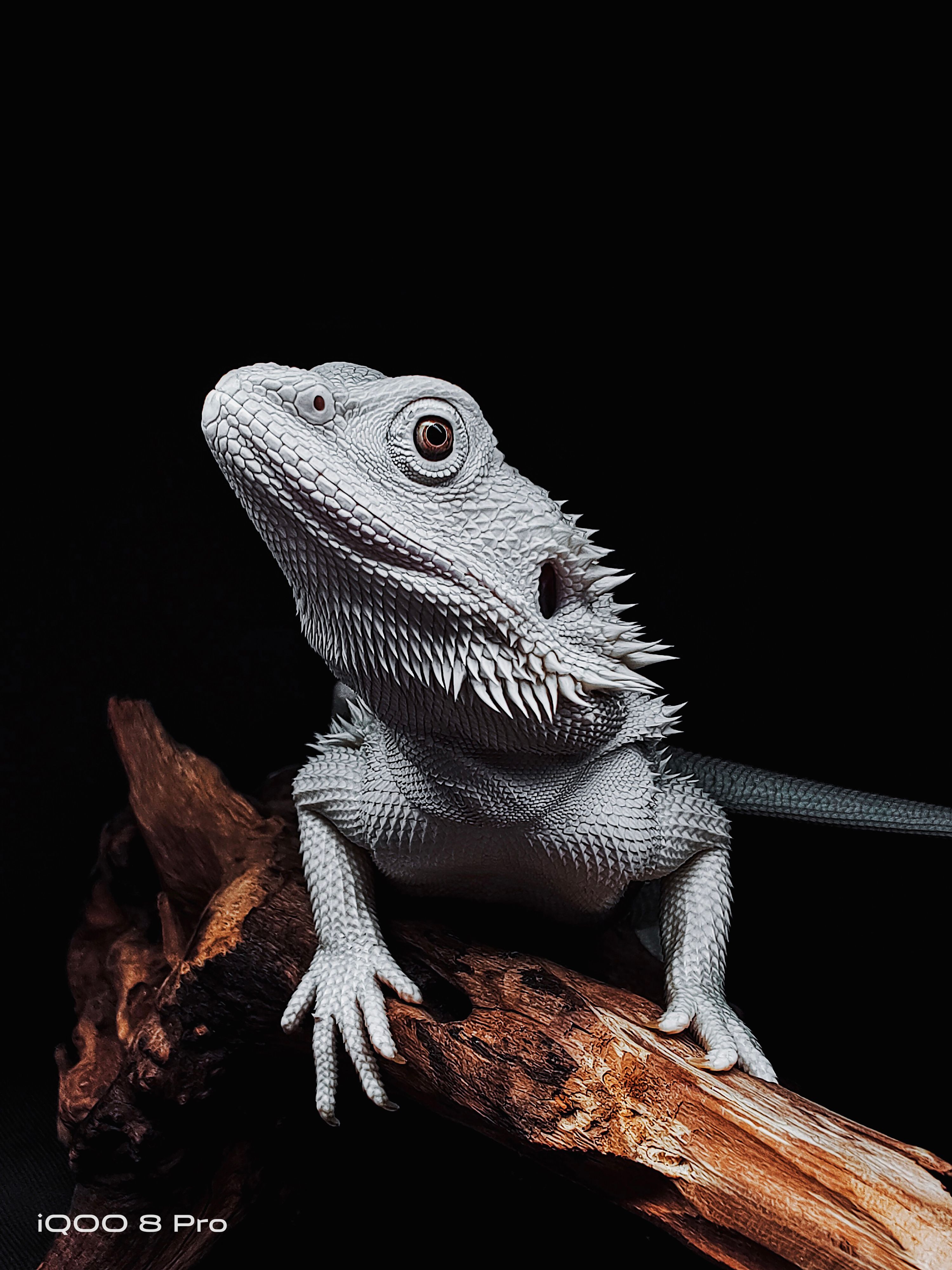
Apart from the poster, Vivo also shared a couple of samples shot using the iQOO 8 Pro. The pictures are not in their original sizes as they have been reduced in size so they can be uploaded on the web. The pictures were also captured under controlled lighting. However, the samples shows the iQOO 8 Pro camera holds some promises.
iQOO 8 Pro camera sample
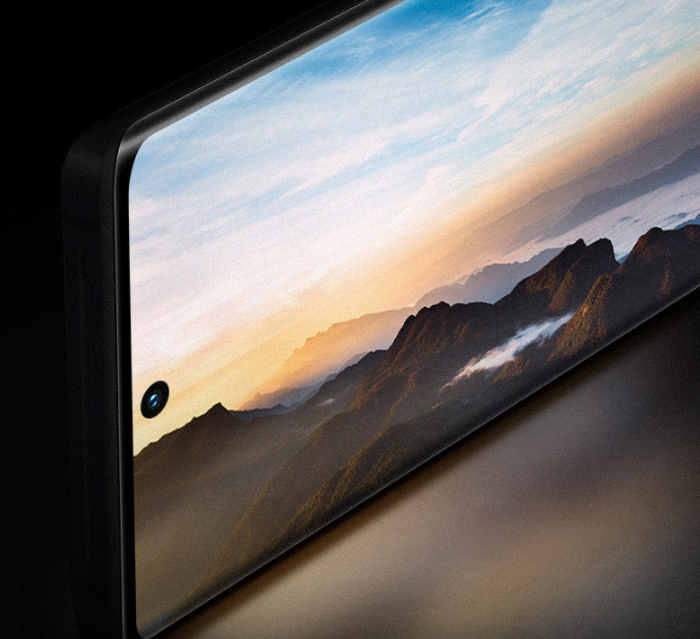
Earlier leaks and teasers already confirmed the iQOO 8 Pro will be powered by a Qualcomm Snapdragon 888+ chipset. The device will also utilize Samsung’s E5 OLED with an LTPO controller capable of 1-120Hz variable frame rate adjustment.
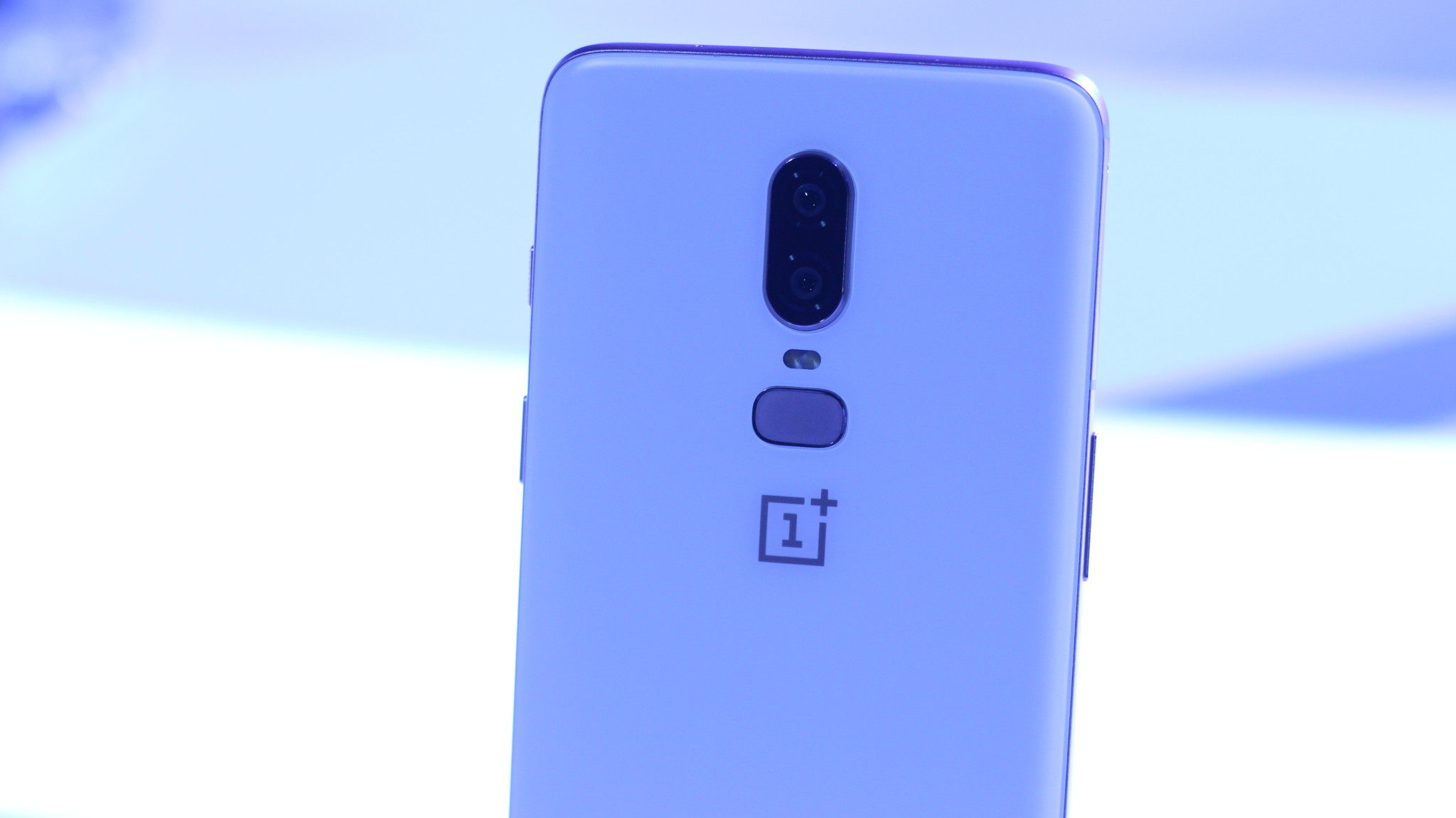
OnePlus rolled out the OxygenOS 11 Open Beta 1 update for the OnePlus 6 and the OnePlus 6T ahead of schedule at the beginning of July. The handset also got the second beta update at the end of the same month. Now, a few days later, the phones have started receiving OxygenOS 11 Open Beta 3 update.
OnePlus 6
According to the official announcement post on OnePlus Community, the Android 11-based OxygenOS 11 Open Beta 3 update for the OnePlus 6 and the OnePlus 6T arrives with optimizations, improvements, and fixes. In other words, it does not come with any few features.
As per the changelog, the new beta update optimizes background process management to improve battery life. Further, it brings improvements for smoother YouTube video playback and system stability.
Last but not least, it fixes VoWiFi not enabling issue, Work-Life Balance not working when the screen is locked, and other known issues.
The latest Android 11 public beta update for the OnePlus 6 and the OnePlus 6T is being rolled out via OTA for users who are on the previous beta release. Users running the stable build will have to download the appropriate fled and install it manually.
OnePlus 6, 6T OxygenOS 11 Open Beta 3 Official Changelog
System
Optimized background process management mechanism to improve battery life
Improved the smoothness of YouTube playing videos
Improved system stability and fixed known issues
Network
Fixed the failed issue of enabling VoWiFi
Work-Life Balance
Fixed the issue that the feature doesn’t work when the screen is locked
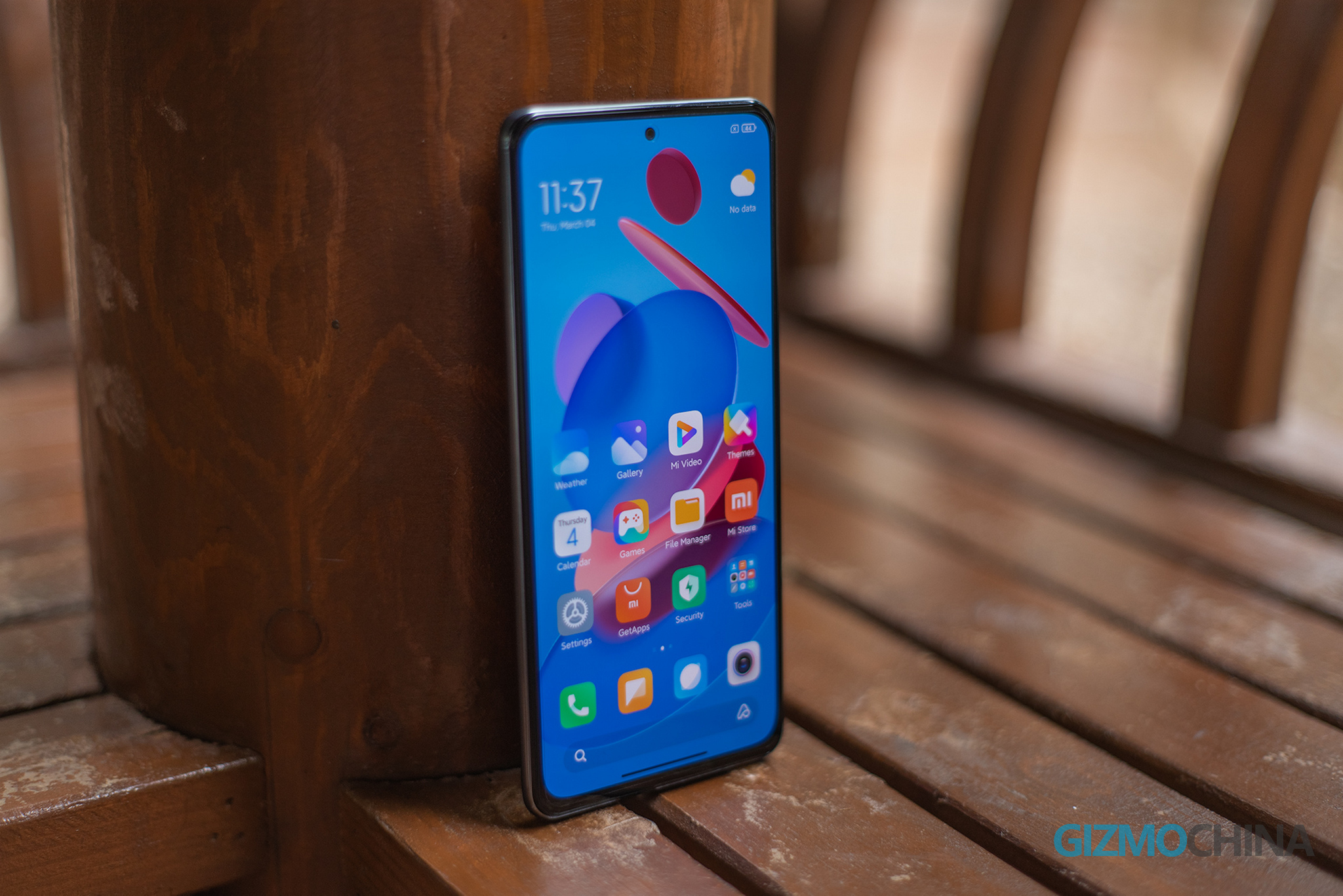
At the end of April, Kacper Skrzypek, a well-known MIUI tipster revealed that Xiaomi is working on a RAM extension feature. This feature is officially known as ‘Memory extension’. In the following weeks, the feature made its way to multiple Mi, Redmi, and POCO-branded smartphones. Let’s take a look at the list of devices that support the new MIUI ‘Memory extension’ feature.
Redmi K40 Pro
The MIUI ‘Memory extension’ feature made its debut on the Redmi Note 10 Pro 5G. It later made its way to multiple other Xiaomi group smartphones via MIUI 12.5 beta as well as builds.
According to Kacper Skrzypek, following Xiaomi group smartphones currently support the MIUI ‘Memory extension’ feature either in beta and stable channels.
MIUI Memory Extension Supported Devices
All Snapdragon 888, 870, & 865 Phones (except Mi MIX Fold as it is yet to get MIUI 12.5)
POCO X3 GT
Redmi Note 10 Pro 5G
Redmi Note 9 5G
Redmi Note 9T 5G
Redmi 9T
Redmi Note 8
Devices that may get MIUI Memory Extension in Future
Xiaomi Mi MIX 4
Xiaomi Mi 11 Lite NE
Redmi Note 10
Redmi Note 10S
Redmi Note 10 5G
Redmi Note 10 JE
Redmi 10
Redmi 9i
Redmi 9C
Redmi 9A
Redmi Note 8T
Redmi Note 8 2021
Other Unreleased Phones
More devices could get support for MIUI ‘Memory extension’ in the future. As per Kacper, devices with more than 128GB storage can extend RAM by 3GB. Whereas, the devices with 128GB and 64GB storage can extend RAM by 2GB and 1GB respectively.
OnePlus teased a Harry Potter Limited Edition of the OnePlus Watch at the end of the OnePlus 9 series launch event. An APK teardown of the OnePlus Health app also confirmed the existence of this smartwatch. Almost three months later, a reliable tipster says that this wearable will be soon launching in India.
According to Ishan Agarwal (via 91Mobiles), OnePlus will be launching the OnePlus Watch Harry Potter Limited Edition in India in the coming weeks. Unfortunately, the leaker does not reveal the exact launch date. Anyway, since OnePlus will be releasing this watch soon, we can expect the brand to start teasing it on social media.
The upcoming OnePlus Watch Harry Potter Limited Edition is expected to be identical to the regular OnePlus Watch in terms of features and specifications. It might only differ in terms of appearance and UI.
As per the APK teardown, the smartwatch will come with six exclusive watch faces themed after Hogwarts School of Witchcraft and Wizardry. Two of the watch faces will showcase Hogwarts and its seal. Whereas, the remaining four will flaunt the seals of the four houses of Hogwarts, namely Gryffindor, Slytherin, Hufflepuff, and Ravenclaw.
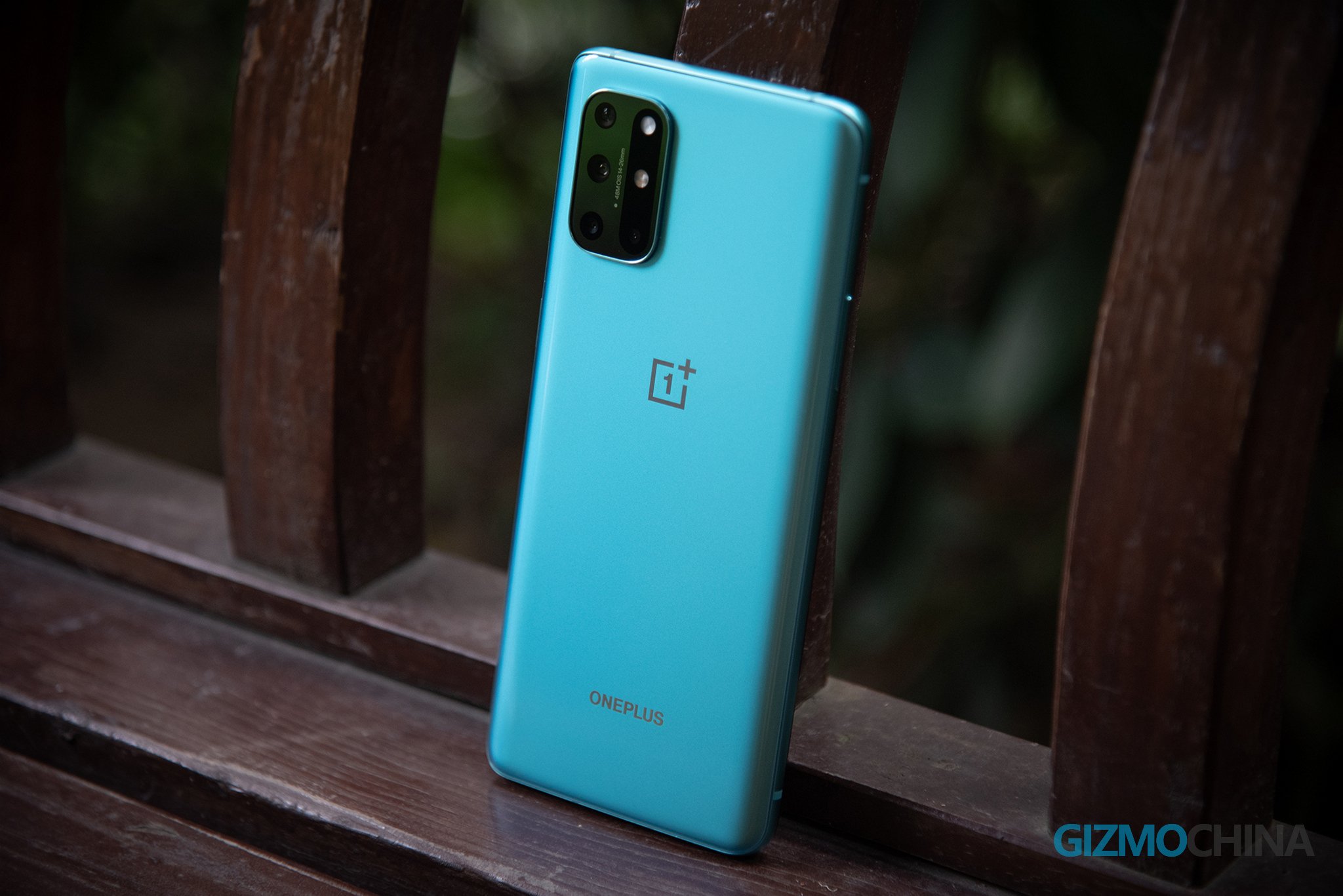
OnePlus switched to ColorOS for its smartphones in China with the launch of the OnePlus 9 series. The brand has also confirmed to update its older handsets to ColorOS from HydrogenOS. In fact, the company has already released early access builds for select models. That’s not all, recently, the brand even revealed when these handsets will be getting stable builds next year. A month later, the company’s CEO reaffirms the same schedule.
OnePlus 8T
As of now, OnePlus has released ColorOS 11 Early Access update for the OnePlus 8, the OnePlus 8 Pro, and the OnePlus 8T. These smartphones received the builds in May.
Two months later in July, Jia Lan Shuai (加蓝帅), the Community Manager of OnePlus Community China, revealed that the trio will get the ColorOS stable update in 2022. Interestingly, he did not mention the version of ColorOS.
This suggests that these devices will be directly updated to the upcoming ColorOS 12 next year. Additionally, this could be the reason why the brand did not release ColorOS 11 Early Access builds for OnePlus 7, OnePlus 7 Pro, OnePlus 7T, OnePlus 7T Pro. These remaining four devices will also likely receive a direct upgrade to ColorOS 12 from HydrogenOS 11 sometime later in 2022.
Users of the eligible OnePlus phones have been enquiring about the ColorOS stable update on social media since the release of early access builds.
Yesterday, Pete Lau, the CEO of OnePlus promoted the OnePlus 9 series on Weibo by sharing some camera samples. One of the netizens commented on this post asking when the OnPus 8T will receive ColorOS stable update. In a reply to this comment, the brand’s top exec re-iterated that it will be getting the update as per the previously shared schedule, which is in 2022.
Unsurprisingly, we also see multiple critical comments regarding the slower rollout of ColorOS. Even, we also consider OnePlus to be slower in this regard just like how it messed up OxygenOS update delivery lately.
Xiaomi’s big launch event is all set to kick off later today. At the event, the company’s CEO, Lei Jun, will talk about his struggles as an entrepreneur as well as reveal new updates across multiple product categories in the Mi family. This includes its first commercial under-screen camera smartphone — the Xiaomi Mi Mix 4, a new Mi Pad 5 tablet, a bunch of OLED TVs, as well, as a high-end smart speaker. We can also expect other smart home products at the events.
So let’s take a quick look at what to expect from each of the products at the event today.
Xiaomi Mi Mix 4
The Xiaomi Mi Mix 4 will be the star of today’s event. Not only because it’ll feature high-end hardware like the Snapdragon 888+ chipset, but also because it will be Xiaomi’s first commercial under-screen camera smartphone. While we have seen in-screen cameras on phones from ZTE, the implementation on the Mix 4 is expected to be much better and could start a new wave of in-screen camera phones in the market. Other expected features of the phone include a 6.67-inch OLED display with super-thin bezels, a 100MP camera setup at the back, and 120W ultra-fast wired charging.
Tablets are the new craze in town, and it’s actually surprising Xiaomi has taken more than 3 years to update this product lineup. The Mi Pad 5 will be Xiaomi’s first tablet in quite some time and will focus on high-end productivity and entertainment.
The tablet is expected to feature Snapdragon 870 underneath with a dual 20MP + 13MP camera setup at the rear. A leak from last month had revealed that there will be two variants in the new Mi Pad lineup. The Mi Pad 5 and Mi Pad 5 Pro will differ with respect to processors and charging technology. The Pro model will likely have a Snapdragon 870 processor and 67W fast wired charging while the standard version should have a Snapdragon 860 processor and a slower charging speed.
The display should be of 10.95-inches with a 120Hz refresh rate. The tablet is expected to support a keyboard accessory along with a stylus. Other features should include an 8720mAh battery with 65W wired charging, Android 11 OS, Dolby Vision, Dolby Atmos, and a side fingerprint sensor.
Mi OLED TV 2021
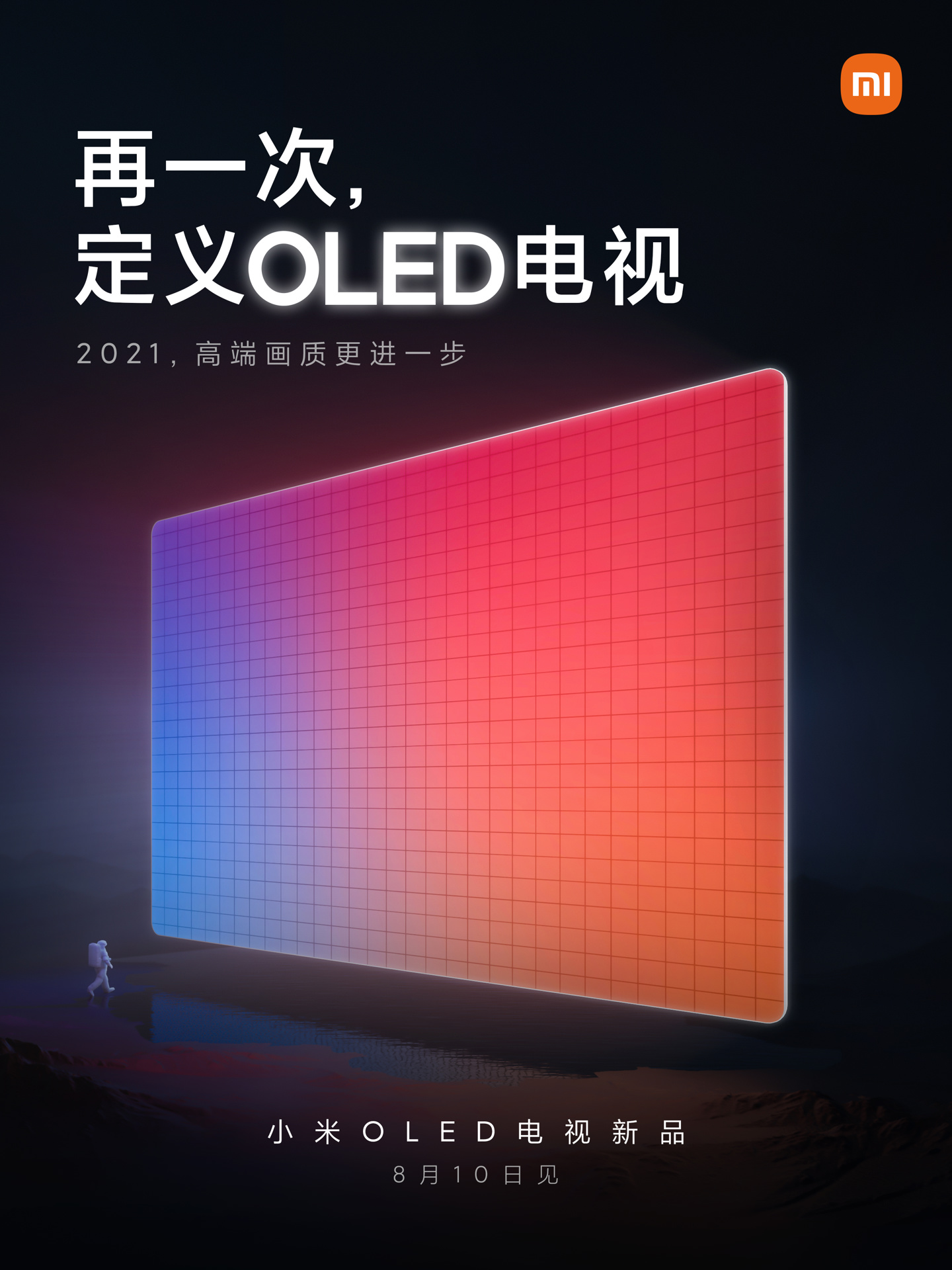
Xiaomi tried its luck with high-end OLED TVs last year and now, it’s back with the second-generation model, offering more advanced features. The company has confirmed that the OLED panels used in the 2021 models will be of better quality than last year. Further, the TVs are confirmed to support Harmon Kardon sound as well as NVIDIA’s G-SYNC certification for stutter-free and stable gaming performance.
The Mi OLED TV 2021 lineup is expected to come in three sizes: 55-inch, 65-inch, and 77-inch. We can expect a hefty price tag for these OLED models as last year’s Mi Master OLED TV was launched at 12,999 yuan (~$2,011).
High-end Mi Smart Speaker
Xiaomi has a bunch of smart speakers in the Chinese market, but the company has confirmed that it will announce its most premium speaker today.
Not much is known about this device, but the company teased that it will offer a concert hall-like sound experience at your home. Given the tall claims, we can expect a high-end speaker setup inside. Further, there are rumors about the speaker being a smart hub that can also work with the new Xiaomi Mi Mix 4 to control other smart devices via UWB.
Apart from these four products, we can also expect other smaller products at the big Xiaomi launch event today. The event starts at 7.30 PM CST and is expected to continue for nearly 3 hours.
Where to Watch the Aug 10 Xiaomi Mi Mix 4 Launch event?
Unfortunately, Xiaomi has not revealed whether the event will be live-streamed on YouTube. However, if you still wish to watch the event, you can watch the live stream on Xiaomi’s Chinese event page here. But note that this event will be streamed in Chinese.
You can also stay tuned to Gizmochina for updates, as we’ll be covering all the launches today.
Xiaomi has been on a roll this year and has been reaching new heights in terms of business and growth. The company recently became the world’s leading smartphone brand for the month of June 2021, marking the first time Xiaomi is leading charts globally.
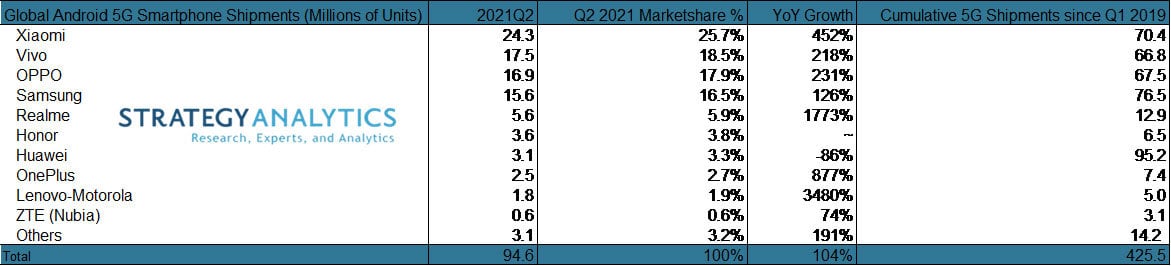
Now, a new report from Strategy Analytics claims that Xiaomi was the world’s leading 5G Android smartphone manufacturer in the second quarter of this year, i.e. Q2 2021, capturing almost 26 percent of the market share.
The report adds that a total of 95 million 5G Android smartphones were shipped globally in Q2 2021 and among those, about 24 million units were shipped by Xiaomi, making in the leader of the market in this segment for the said time duration.
Over the past nine quarters, Xiaomi cumulatively shipped 70 million 5G smartphones, placing it close behind the South Korean giant Samsung which managed to ship 77 million units in the same timeframe.
Huawei, the Chinese technology giant remains cumulative 5G Android smartphone leader with shipments of 95 million units globally over the past nine quarters. However, the company is quickly losing its grip because of the US-imposed sanctions. This is opened doors for other manufacturers, including OPPO, Vivo, Honor, Realme, and more.
Lenovo (including Motorola) is the leader when it comes to 5G smartphone growth as the company’s shipments witnessed a growth of 3480% annually in Q2 2021, with shipments of 1.8 million units for the quarter.
Realme ranked second in annual growth, up 1773% year-to-year in Q2 2021 on volumes of 5.6 million, while OnePlus was placed third in growth with shipment volumes improving 877% annually in the quarter. Honor has also posted impressive numbers of 6.5 million 5G smartphone shipments that too within just two quarters given that it began selling 5G smartphones mid-way through the first quarter of this year.
The Indian government is considering slashing the import duty on electric cars to as low as 40 percent, reports Reuters citing two government officials. The development comes just days after Tesla appealed this to the Indian government.
The report adds that for electric vehicles (EVs) with a valuation of less than $40,000, the tax rate can be slashed to 40 percent compared to 60 percent currently. For EVs valued at over $40,000, the rate could be slashed from 100 percent to 60 percent.
India’s finance and commerce ministries, as well as Niti Aayog, are discussing the proposal and all stakeholders will be consulted.
According to industry estimates, India is currently the fifth largest car market with an annual sale of about 3 million vehicles. However, the majority of cars sold in the country are priced under $20,000.
Last month, Tesla had pitched the Indian government to reduce the import duty on electric vehicles by arguing that lowering duties would make EVs more affordable and boost sales. However, the appeal from Tesla received mixed reactions from industry leaders in India and pushed the ‘Make In India’ initiative, India’s drive to boost local manufacturing.
But one of the officials said that the government is in favor of cutting import duties to see companies like Tesla providing benefits to the domestic economy by manufacturing locally later on, or give a firm timeline on when it would be able to.
A government official told Reuters: “Reducing import duties is not a problem as not many EVs are imported in the country. But we need some economic gain out of that. We also have to balance the concerns of the domestic players.”
Since the duty cut is being considered only for EVs and not other categories of imported cars, it should not be a concern for domestic automakers as they mainly manufacture affordable gasoline-powered cars.
We use cookies on our website to give you the most relevant experience by remembering your preferences and repeat visits. By clicking “Accept”, you consent to the use of ALL the cookies.
This website uses cookies to improve your experience while you navigate through the website. Out of these, the cookies that are categorized as necessary are stored on your browser as they are essential for the working of basic functionalities of the website. We also use third-party cookies that help us analyze and understand how you use this website. These cookies will be stored in your browser only with your consent. You also have the option to opt-out of these cookies. But opting out of some of these cookies may affect your browsing experience.
Necessary cookies are absolutely essential for the website to function properly. This category only includes cookies that ensures basic functionalities and security features of the website. These cookies do not store any personal information.
Any cookies that may not be particularly necessary for the website to function and is used specifically to collect user personal data via analytics, ads, other embedded contents are termed as non-necessary cookies. It is mandatory to procure user consent prior to running these cookies on your website.