Advertisement

Huawei launches new 5G products and solutions during MWC 2021

Earlier this week, Huawei unveiled a series of new 5G products and related solutions at the Mobile World Congress 2021 (MWC) in Barcelona. The products were under its “1+N” plans and seek to expand its existing portfolio of networking based technology.
Huawei

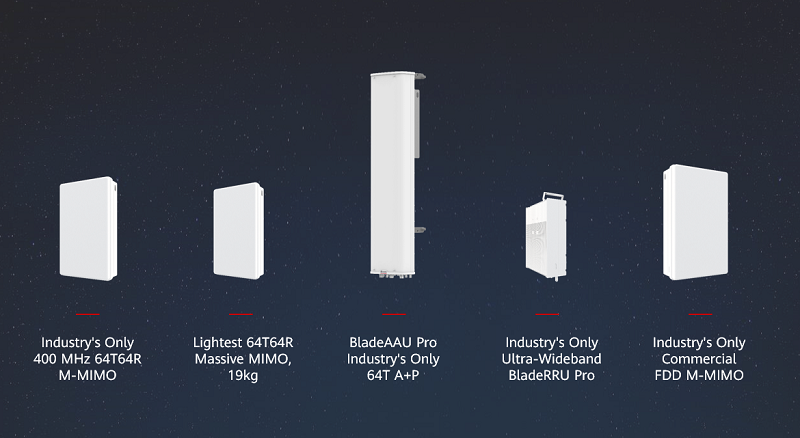
During the conference, the Chinese telecommunications giant stated that it has put together its leading algorithms and technology along with ultra wideband radio to launch the industry’s only Massive MIMO product. This supports 64T64R and 400 MHz bandwidth and is the first of its kind in the world, as claimed by the brand. The new product also supports the entire C band, which would enable operators to deploy their multi-segment spectrum on just one module to reduce the number of devices.

Furthermore, Huawei also highlighted that the 64T64R Massive MIMO is also the lightest of its kind as well. The company also showcased that it is a light weight base station that is easy to install and even takes up less space, which contributes to its lower construction cost. A single module weighs as little as 19 kilograms and can be installed by just one person while also delivering on performance. Other notable aspect regarding the new 5G product is that it is the industry’s only 64T A+P Solution and is also the only unit that supports three low and three medium bands.
huawei

The solution is also the only commercial FDD massive MIMO in the market as well. Yang Chaobin, President of Huawei Wireless Product Line, stated that “By launching this series, we aim to bring multi-antenna technology to all scenarios and bands. Several products within the solutions are one-of-a-kind and will help operators efficiently deploy 5G networks and provide first-rate experience. Huawei will work with global partners to innovate and share 5G benefits with all.”

RELATED:


5G connections to hit nearly 2 billion by 2025: GSMA

A recent projection has revealed that 5G connections will grow to account for about a fifth of total mobile connections by the end of 2025. This would have 5G connections reach almost 2 billion.

5G

According to a MobileWorldLive report, a GSMA forecast has stated that connections of the newer and faster bandwidth would hit 1.8 billion by the end of 2025. In other words, this would account for about 21 percent of the overall connections, with regions like the Asia Pacific and North America registering the highest adoptions in the world. Although, nearly half of all 5G connections will be from China as it is expected to reach 828 million connections by 2025.

The industry group shared this news on its latest Mobile Economy report in which it added that two in five people are expected to live within the reach of a 5G network within a couple of years. GSMA also stated that the adoption of the technology will represent 53 percent of total connections in Australia, Japan, Singapore, and South Korea. ON the other hand, China alone would be responsible for half of all global 5G connections.
5G

Similarly, the new telecommunication generation will also be accounting for 51 percent of all mobile connections, reaching 219 million by the year 2025. Furthermore, mobile technologies and services would also contribute a sizeable 4.4 trillion US Dollars to the global GDP in 2020 (up from 4.1 trillion US Dollars in 2019), and are expected to reach 5 trillion US Dollars by the end of 2025.

RELATED:


Google Pixel 5A release date could be set in August, claims report

When the rumor mill claimed that the Google Pixel 5a had been canceled because of the global chip shortage, Google debunked the rumor by saying that it will be debuting around the same time frame as the Pixel 4a. Now, a fresh report by Bloomberg claims that the Pixel 5A will be releasing in August.
The report also claims that the Pixel 5A will be launching and releasing in August. The predecessor Pixel 4a was announced on Aug. 3 and it went on sale on Aug. 20 in multiple markets. Previous reports have claimed that Google will be releasing the Pixel 5a in limited markets such as the U.S. and Japan.
Reports have claimed that the Pixel 5a may not be a major upgrade over the Pixel 4a 5G. It is speculated that the new handset will be fueled by the Snapdragon 765G chipset, which was previously seen on the Pixel 4a 5G and Pixel 5 smartphones. The company is unlikely to release a 4G edition of the Pixel 5a.

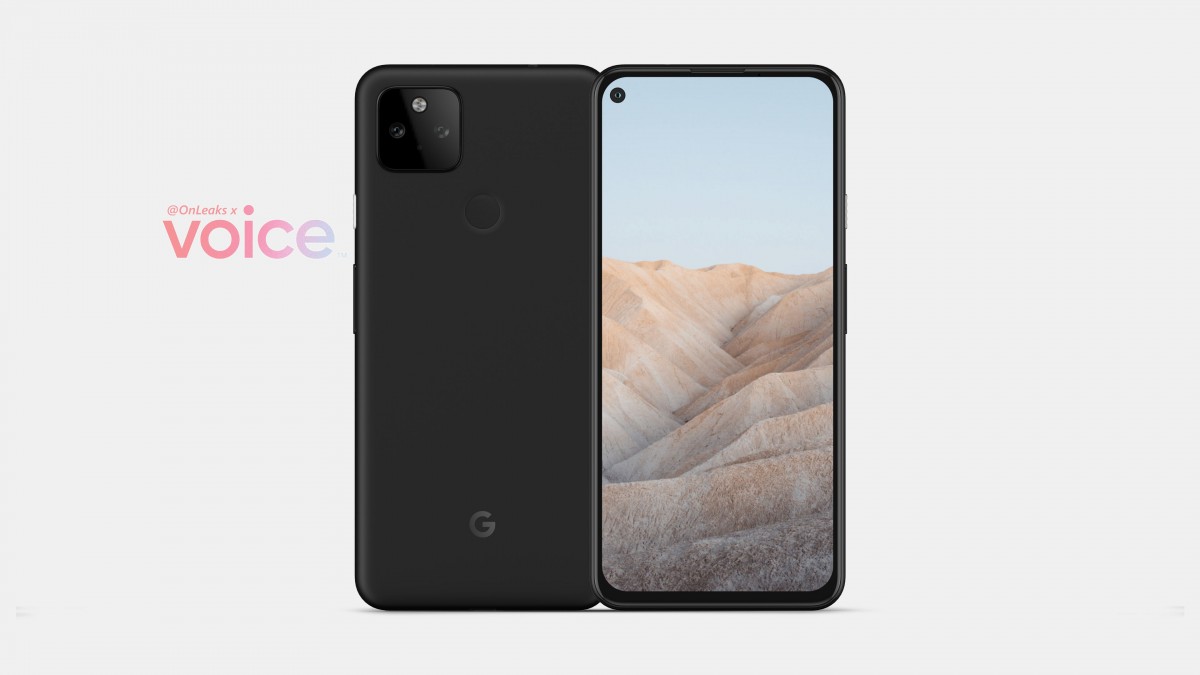
Google Pixel 5a render by Steve Hemmerstoffer

The CAD renders of the Pixel 5a that appeared earlier this year revealed that it will be sporting a 6.2-inch OLED screen with a punch-hole design. The device is expected to feature a squarish module for its LED flash-assisted dual-camera setup. It is also expected to feature a traditional fingerprint scanner.

In related news, Google is expected to launch the Pixel 6 and Pixel 6 Pro smartphones in October this year. These phones are rumored to be driven by Google’s custom-made chip that may offer performance similar to Snapdragon 870. The Pixel Watch is also expected to go official alongside the Pixel 6 series.

RELATED:

MediaTek launches Dimensity 5G Open Resource Architecture allowing phone makers to tweak performance

MediaTek has a pretty successful lineup of 5G chipsets under its Dimensity lineup. The Dimensity 1200 is the top-end offering for the Taiwanese company and now it will become visibly different from each other, thanks to the new Dimensity 5G Open Resource Architecture launched by the company.

At the virtual event of the Mobile World Congress, MediaTek announced this new platform which provides brands with more flexibility to customize key 5G mobile device features to address different market segments.

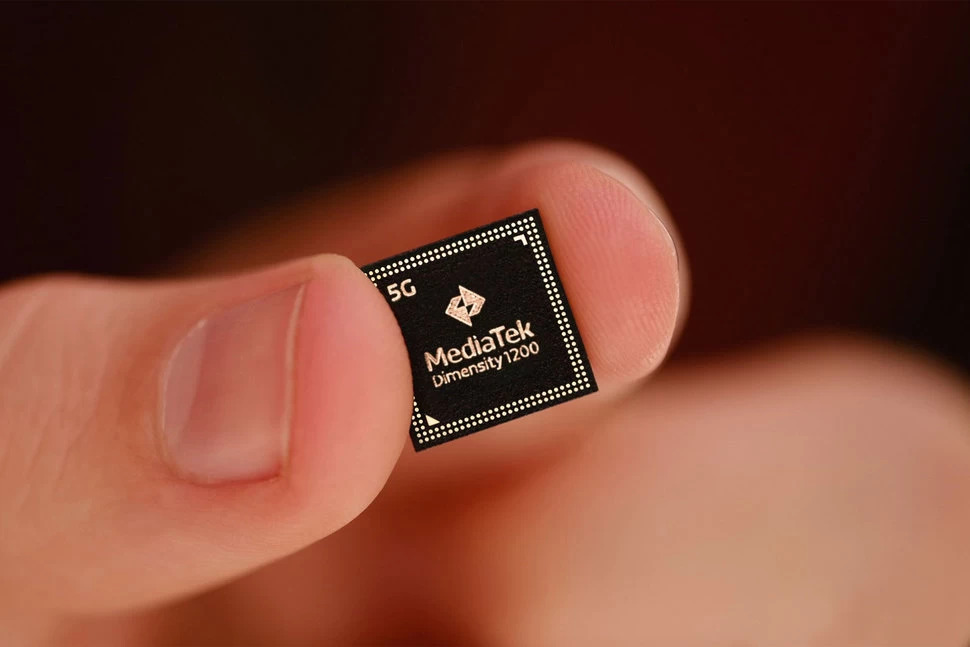
MediaTek Dimensity 1200 SoC

It gives smartphone brands closer-to-metal access to customize features for cameras, displays, graphics, artificial intelligence (AI) processing units (APUs), sensors, and connectivity sub-systems within the Dimensity 1200 chipset.

Usually, the phone makers go through the firmware offered by the chipset provider, and sometimes they don’t even finetune that. Also, MediaTek chipsets are often used by lower-cost manufacturers with smaller development teams, which means that the companies are more likely to just take MediaTek’s default firmware.

The Taiwanese company has said that the devices powered by MediaTek’s Dimensity 5G Open Resource Architecture customized chipsets will hit the global market in July 2021.

Recently, MediaTek became the number-one global chipset provider by volume, thanks to its demand for low-end phones. Leading the segment in the presence of Qualcomm, Samsung, and Huawei is a tough job and with the launch of this new initiative, the company is showing that it is ready for the high-end segment.

RELATED: 

Vivo V51A 6GB RAM variant announced in India

Vivo announced the Vivo Y51A smartphone at the beginning of this year. It came in a single variant featuring 8 GB of RAM. Now, the Chinese manufacturer has announced a new 6GB RAM edition of the phone for India.

The Vivo Y51A’s new variant has 6 GB of RAM and 128 GB of storage. This model is priced at Rs 16,990 (~$229), and it is currently available only through Vivo India’s online store. It can be purchased in colors like Crystal Symphony and Titanium Sapphire. Interested buyers can take advantage of zero down payment offers from Bajaj Finance, IDFC First Bank, HDB, Home Credit, TVS Credit, and Zest Money. Vi users availing Rs 819 recharge pack will be provided with a 1-year extended warranty from the brand.


Vivo Y51A
Vivo Y51A

The existing Vivo Y51A variant with 8 GB of RAM and 128 GB of storage is priced at Rs 17,990 (~$242). This variant is available for purchase through Amazon India, Flipkart, and Vivo India’s online store.

Vivo Y51A specifications

The Vivo Y51A has a 6.58-inch IPS LCD FHD+ display and it is fueled by the Snapdragon 662 chipset. The device ships with 6 GB / 8 GB of LPDDR4x RAM, 128 GB of storage, and a microSD card slot.

The handset is backed by a 5,000mAh battery that supports 18W fast charging through USB-C. It has a 16-megapixel front camera, and its rear has a 48-megapixel primary lens, an 8-megapixel ultrawide camera, and a 2-megapixel lens. For security, it has a side-mounted fingerprint scanner.

RELATED:

Yamaha working on electric vehicles for Indian market; waiting for India’s EV policy

Earlier this month, Yamaha revealed its Fascino 125 FI Hybrid and now the Japan-based manufacturer is planning to launch an electric scooter in the Indian market, joining the list of growing two-wheeler manufacturers in India.

While there are several electronic vehicle makers in India in the two-wheeler segment, only Bajaj and TVS are the mainstream brands as others are startups trying to establish themselves in the market. If Yamaha’s plans work out, then it will be the third major company in the EV sector in India.

Yamaha Logo Featured

Yamaha Motor India Sales Pvt Ltd’s Senior Vice President Ravinder Singh has confirmed that the company is already developing an EV for India, as well as international markets. However, a lot will depend on India’s electric vehicle policy as the company is expecting a provision that encourages the rapid development of EV infrastructure in the country.

The Japanese company already has a deal with GoGoro in Taiwan to sell its own, redesigned EVs that are based on the GoGoro platform. However, the EC-05 electric scooter won’t be coming to India. This is because GoGoro has already signed a deal with Hero MotoCorp for battery swapping infrastructure, as well as the creation of new electric scooters based on the GoGoro platform.

Yamaha has a brand-new platform under development in the company’s headquarters in Japan, and this platform will be used in India as well as overseas. However, it’s likely that this upcoming product won’t be available for purchase any time soon.

While Bajaj and TVS are selling electric vehicles in India, companies like Hero and Suzuki have already confirmed that their EVs should arrive in the market within the next year or so, increasing the competition in India.

RELATED: 

Researchers develop a “low-cost” fast charging tech that can go from 0-100% in just 5 minutes

A team of researchers at the University of Cambridge could soon come up with a battery charging system that can fully charge depleted smartphone batteries within 5 minutes according to a report by the Independent. The research team is led by Dr. Ashray Rao of Cambridge’s Cavendish Laboratory. The team examined the charging and discharging behavior of lithium-ion batteries and developed a mechanism to control the charging speed that resulted in super-fast charging of batteries.Xiaomi

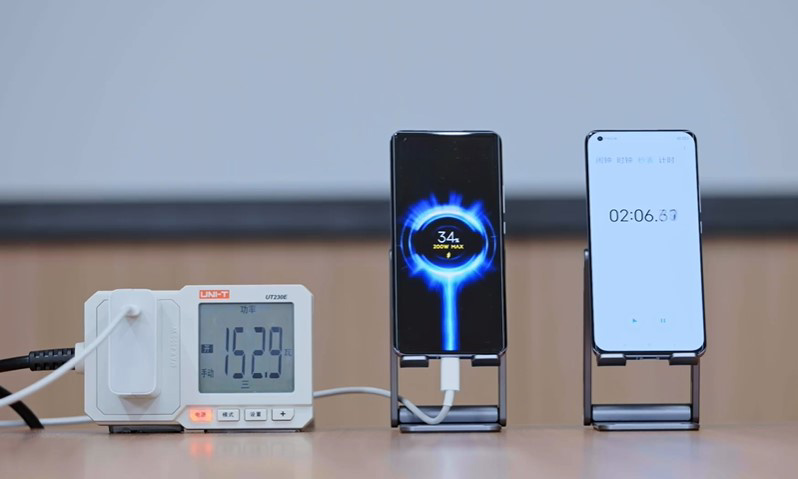
Recently, Xiaomi previewed a fast-charging system called 200W HyperCharge, capable of achieving a full charge for the Mi 11 within 8 minutes. The drawback for the Xiaomi system is that it does not apply to other devices apart from the Mi 11.

The revolutionary Cambridge charging technology is reported to be low cost and could scale up the battery’s charging cycle while avoiding overheating. The opportunities for this research are outstanding. It offers a huge change in technology speed to keep up with the inner workings of the lithium-ion battery. It is not known yet how soon the research will transit from the lab to the market within the next few years.Xiaomi HyperCharge 200W Charging

The quest for the ultimate charging solution is still on. A raft of different approaches has been mooted, including a technique that will use sound energy to charge phones and other devices. However, these emerging technologies are seriously limited as they are yet to achieve the breakthrough needed to transit these technologies to tangible products.

It has to be noted that tremendous progress has been made in the evolution of batteries and their accompanying charging systems. It is now possible to have super-fast charging, both for wired and wireless settings. Just recently, Infinix unveiled its 2021 flagship concept smartphone, packing a 160W wired fast charging and 50W wireless fast charging. This new system is equally faster than Infinix’s which is touted to fully charge a dead 4000mAh battery in 10 minutes.


RELATED:


(source)


Xiaomi Mi Pad 6 reportedly in development with a focus on camera performance

Xiaomi is gearing up to launch a number of new devices in the coming weeks and months, including a new tablet dubbed as Mi Pad 5. While the new tablet is yet to be officially announced, reports about its successor are now surfacing online.

In the latest development, a Weibo user ‘Digital Chat Station’ has revealed that Xiaomi has already started working on its next-generation tablet. It also adds that the primary focus for the Mi Pad 6 will be the camera configuration and the company will utilize it as a selling point. As of now, nothing much is known about the device.

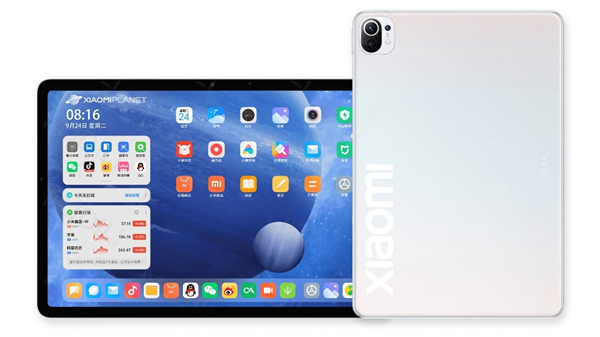
Xiaomi Mi Pad 6 Rumors

Coming to the Mi Pad 5, the device could get official pretty soon. Recently, a model of this upcoming tablet surfaced online, carrying model number M2105K81C with support for 5G connectivity and a built-in 4,260mAh dual-cell battery, which is equivalent to 8,720mAh.

Reports indicate that the product will come with an OLED display and there will be another variant with an LED panel. It features a Full HD+ screen resolution of 2560 x 1600 pixels and supports a 120Hz refresh rate, and 240Hz touch sampling rate.

Alleged render of the Xiaomi Mi Pad 5

The Pro variant of the device is likely to come powered by the Qualcomm Snapdragon 870 chipset along with support for 5G connectivity. It is said to be powered by a 4,260mAh dual-cell battery, which makes it an 8,720mAh battery effectively.

On the other hand, the standard variant will come powered by MediaTek Dimensity 1200 SoC which also supports 5G connectivity. The devices are expected to have a side-mounted fingerprint sensor for security. Both the devices will be running a highly customized version of the MIUI custom user interface based on the Android operating system.

RELATED: 

Samsung’s new smartwatches will come with One UI Watch

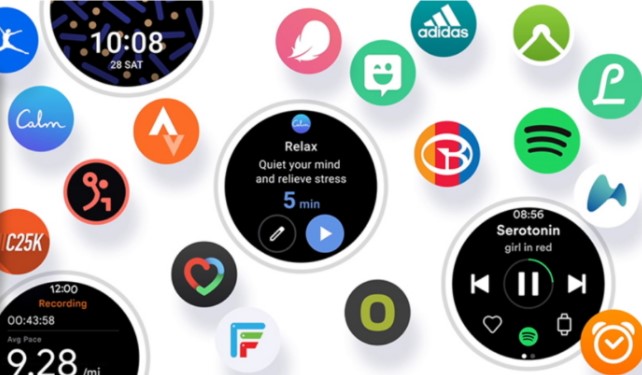
Samsung revealed more details about the software that will power its new smartwatches. While we already know that Google and Samsung have worked on merging Wear OS and Tizen together and that the new unified platform will come with the Galaxy Watch 4 and Galaxy Watch Active 4, it has now been revealed that Samsung’s own smartwatches will have a different look thanks to what it has dubbed One UI Watch.

One UI Watch

Yes, One UI is coming to smartwatches and we think it is a great idea. While Samsung’s goal is for a “stronger integration between Galaxy smartphones and smartwatches”, we also believe One UI Watch will allow Samsung’s smartwatches to stand out from the other smartwatches that will run the new unified platform.

Samsung has given us an early look at what One UI Watch brings ahead of the Galaxy Unpacked event whose date is yet to be officially confirmed. First, when you install an app on your phone, your smartwatch will automatically install the watch app version too.

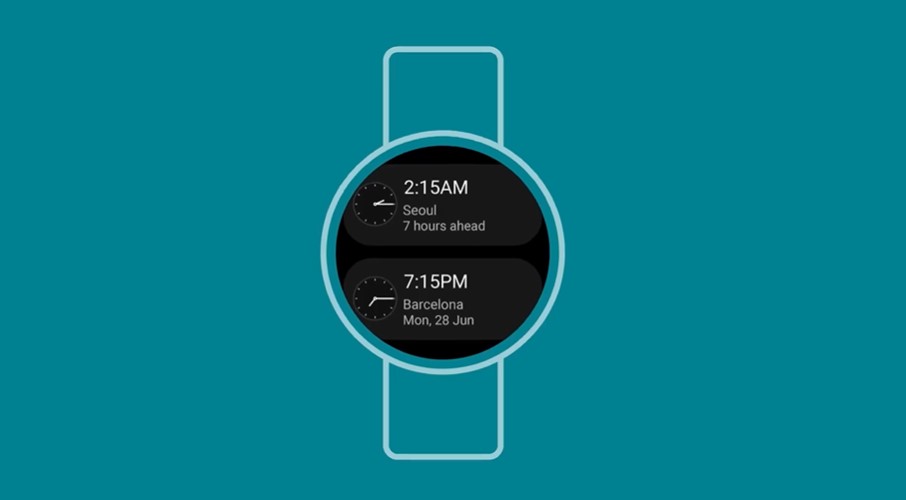
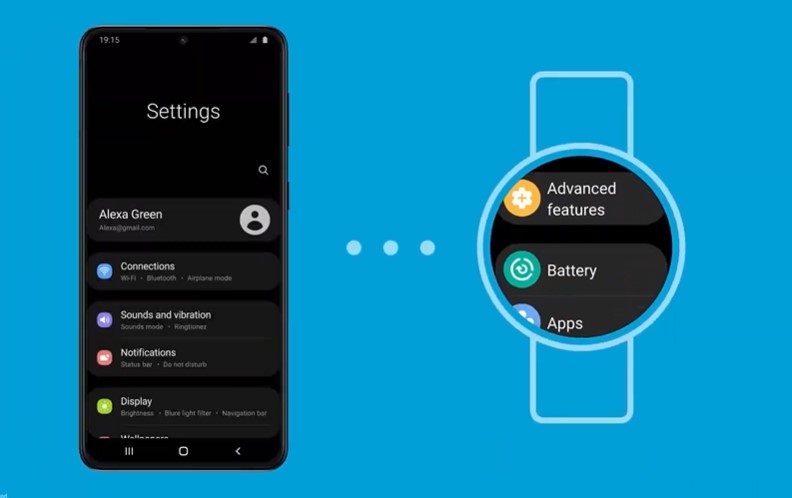
Samsung has also revealed that actions carried out on the phone sync on the watch. For example, if you have multiple time zones on your device, they will appear on your watch too. Also, if you have a blocked contact list, they will be synced to your watch. The smartwatch’s settings menu has also been designed to look like the phone’s menu.

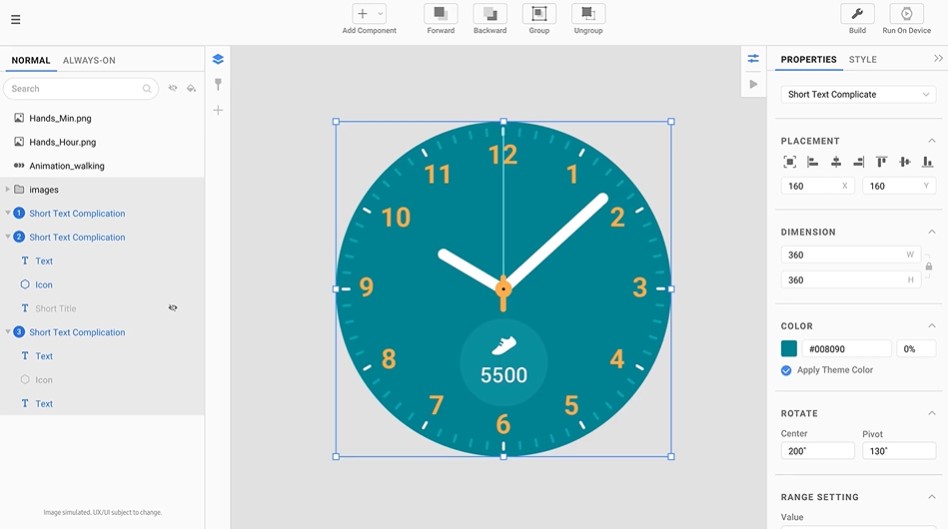
The new smartwatches will not be in short supply of watch faces has Samsung also showed a new watchface design tool that it plans to make available to developers later this year.


RELATED:

Realme Narzo 30 Pro 5G vs Xiaomi Mi 10i: Specs Comparison

Xiaomi and Realme released amazing value for money mid-rangers in 2021. If you need the mid-ranger with the highest value for money, there are very high chances that you should opt for one of these two brands. In the midrange segment, Realme came up with the Narzo 30 Pro 5G delivering amazing specifications under every aspect, despite its affordable price tag. Its direct rival is the Xiaomi Mi 10i which has a lot in common with the Realme Narzo 30 Pro 5G and is sold in the same price range. This specs comparison will try to tell you which is the best between these two 5G best-buys.

Realme Narzo 30 Pro 5G vs Xiaomi Mi 10i

Realme Narzo 30 Pro 5G Xiaomi Mi 10i 5G
DIMENSIONS AND WEIGHT 162.2 x 75.1 x 9.1 mm, 196 grams 165.4 x 76.8 x 9 mm, 215 grams
DISPLAY 6.5 inches, 1080 x 2400p (Full HD+), 405 ppi, IPS LCD 6.67 inches, 1080 x 2400p (Full HD+), 395 ppi, IPS LCD
PROCESSOR Mediatek Dimensity 800U, octa-core 2.4 GHz Qualcomm Snapdragon 750G, octa-core 2.2 GHz
MEMORY 6 GB RAM, 64 GB – 8 GB RAM, 128 GB – micro SD slot 6 GB RAM, 128 GB – 8 GB RAM, 128 GB – micro SD slot
SOFTWARE Android 10, MIUI Android 10, MIUI
CONNECTIVITY Wi-Fi 802.11 a/b/g/n/ac, Bluetooth 5.1, GPS Wi-Fi 802.11 a/b/g/n/ac, Bluetooth 5, GPS
CAMERA Triple 48 + 8 + 2 MP f/1.8, f/2.3 and f/2.4
16 MP f/2.1 front camera
Quad 108 + 8 + 2 + 2 MP f/1.8, f/2.2, f/2.4 and f/2.4
16 MP f/2.5 front camera
BATTERY 5000 mAh, fast charging 30W, USB-PD 15W 4820 mAh, fast charging 33W
ADDITIONAL FEATURES Dual SIM slot, 5G Dual SIM slot, 5G

Design

Do you prefer a modern look or premium materials? With the Realme Narzo 30 Pro 5G, you get a more modern design, as well as a more compact body. But the Xiaomi Mi 10i has more premium materials as it comes with a glass back instead of the classic polycarbonate which is often found on affordable phones including Realme Narzo 30 Pro 5G. I like the Realme Narzo 30 Pro 5G because its camera module is less invasive; further, it is a lighter phone. Both the handsets feature a side-mounted fingerprint reader and a pretty thick body due to their big batteries.


Display

Realme Narzo 30 Pro 5G and Xiaomi Mi 10i 5G are equipped with IPS panels: they are not bad panels, but they are far from the AMOLED displays you can find in the midrange segment in terms of image quality. The Xiaomi Mi 10i 5G is slightly more interesting because it has the HDR10 certification providing a richer image quality, especially on streaming platforms. Realme Narzo 30 Pro 5G and Xiaomi Mi 10i 5G have a 120 Hz refresh rate (very good for gamers since they got a smoother viewing experience and more reactivity) and a Full HD+ resolution. The Realme Narzo 30 Pro 5G has a slightly higher typical brightness. Note that Xiaomi Mi 10i 5G has stereo speakers, while Realme Narzo 30 Pro 5G has mono speakers.


Specs & Software

Realme Narzo 30 Pro 5G and Xiaomi Mi 10i 5G are more or less at the same level if we talk about the hardware department. The Snapdragon 750G found on the Xiaomi Mi 10i is slightly more powerful than the Dimensity 800U of the Realme Narzo 30 Pro 5G, but the latter is built with a better 7 nm production process and it should guarantee a lower energy consumption. The memory configurations are the same: 6 or 8 GB of RAM and 64 or 128 GB of native storage which you can furtherly expand through a micro SD slot, but the Xiaomi Mi 10i 5G has faster UFS 2.2 storage instead of UFS 2.1. Unfortunately, both the phones run Android 10 out of the box despite they were released in 2021.


Camera

Xiaomi Mi 10i 5G is a superior camera phone because it has a better main camera: we are talking about a great 108 MP main sensor which is still a midrange camera despite its resolution, but it is way better than the 48 MP camera found on the Realme Narzo 30 Pro 5G. It also has an additional 2 MP sensor for depth calculation. These handsets can record videos with a resolution up to 4K and they are equipped with a 16 MP front camera for selfies.


Battery

Realme Narzo 30 Pro 5G has a bigger 5000 mAh battery and, given that its processor is built with a 7 nm production process, it lasts more on a single charge in a lot of scenarios. With the Xiaomi Mi 10i 5G, you get faster charging but a smaller battery.


Price

Realme Narzo 30 Pro 5G is priced at Rs. 16,300 / $220 in India, while Xiaomi Mi 10i 5G starts from Rs. 21,999 / $295. The Xiaomi Mi 10i 5G is a superior phone because it has stereo speakers and better cameras, but with the Realme Narzo 30 Pro 5G, you can get a higher value for money without facing a lot of compromises.


Realme Narzo 30 Pro 5G vs Xiaomi Mi 10i 5G: PRO and CONS

Realme Narzo 30 Pro 5G

PRO

  • Bigger battery
  • More compact
  • Lighter

CONS

  • Inferior main camera


Xiaomi Mi 10i 5G

PRO

  • Stereo speakers
  • Superior main camera
  • Faster charging
  • Glass back
  • HDR10
  • IR blaster

CONS

  • Nothing particular


RELATED

Check the latest videos from our YouTube channel and subscribe:

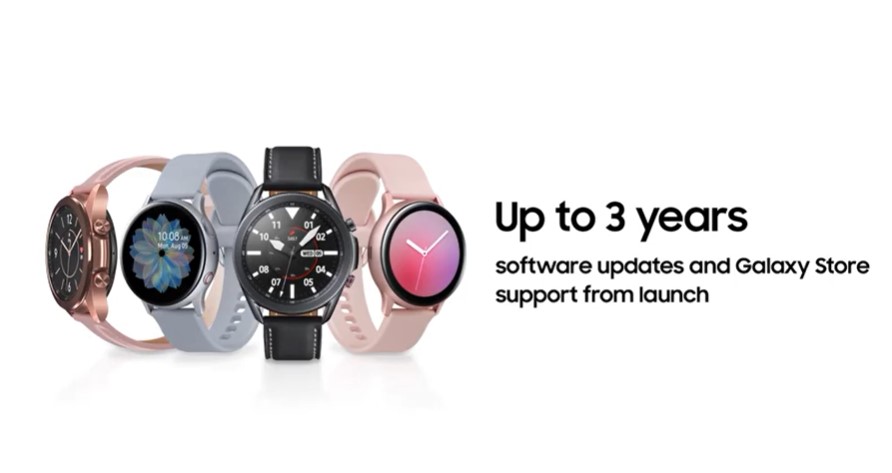
Samsung promises up to 3 years of updates for older Tizen smartwatches

Samsung held a virtual event today for this year’s edition of MWC during which it revealed new details about the new operating system for smartwatches borne from the merger of Wear OS and Tizen. While there is a lot to look forward to with the new OS, Samsung also revealed key info about older smartwatches, one that is a mix of good and bad news.

Tizen OS Galaxy Watches updates

It was revealed that users with Tizen-based smartwatches will receive software updates and Galaxy Store support for up to 3 years from launch. While this is good news, it also indirectly confirms that these watches will not get updated to the new operating system.

A small text at the bottom of the screen adds that software updates will be available to the following devices:

This means the Galaxy Watch which was announced in 2018 will have its software support come to an end this year. The Galaxy Watch Active and Galaxy Watch Active2 both announced in 2019 still have one more year of updates while the Galaxy Watch3 has two years of software support left.


RELATED:

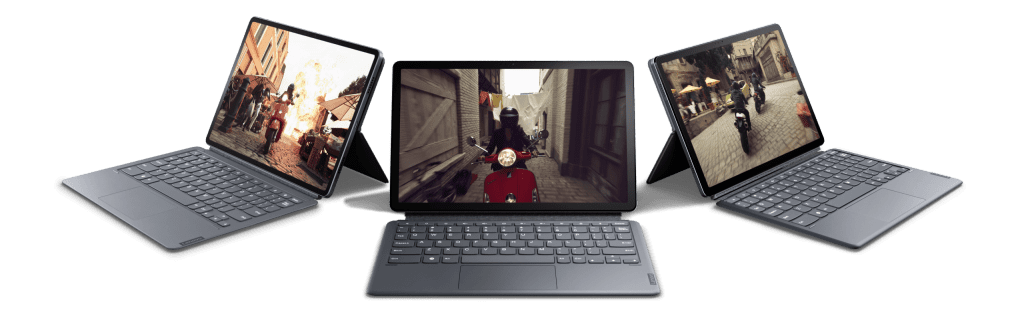
Lenovo announces YOGA Tab 13, Yoga Tab 11, and Tab P11 Plus trio of tablets

Lenovo has announced three new tablets that cover the high-end and mid-range categories. The tablets are the YOGA Tab 13, the YOGA Tab 11, and the Tab P11 Plus.

Lenovo YOGA Tab 13
Lenovo YOGA Tab 13

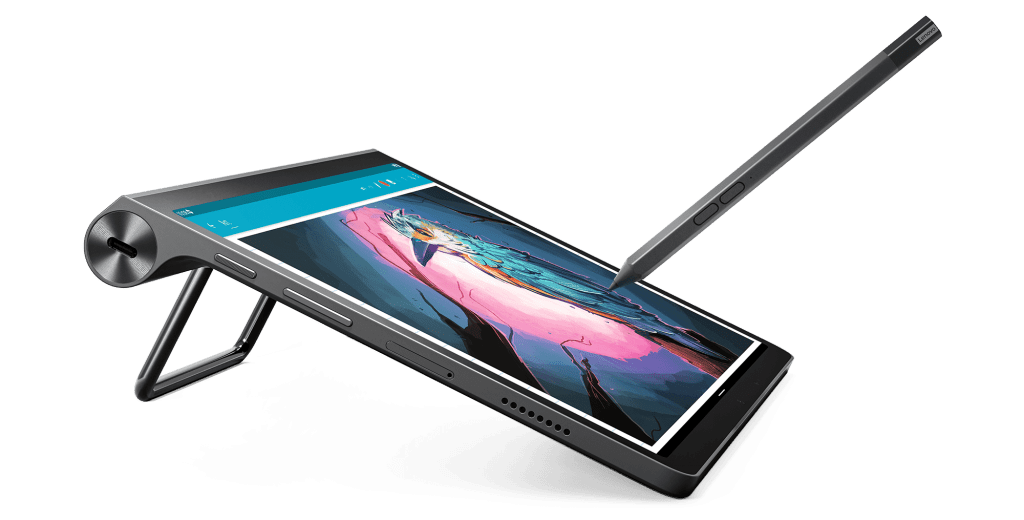
YOGA Tab 13 and YOGA Tab 11

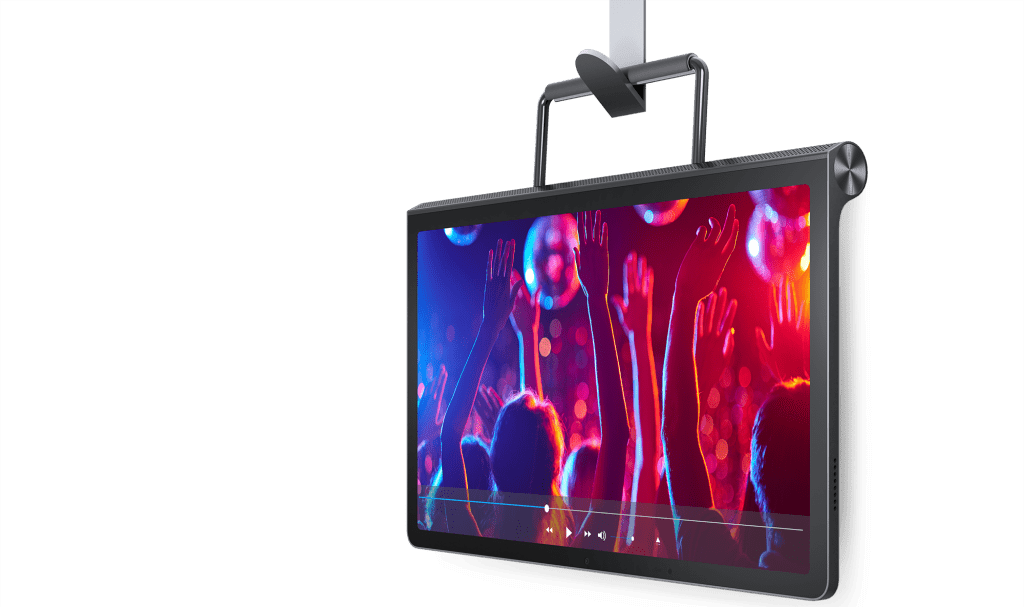
The YOGA Tab 13 is the same tablet that launched in China as the YOGA Pad Pro last month. Lenovo has modified the name for the international market and launches it alongside a smaller version called the YOGA Tab 11. Both have a bracket that doubles as a kickstand and a hanger.

The YOGA Tab 13 is powered by the Snapdragon 870 processor and has 8GB of RAM and 128GB or 256GB of storage. The display is a 13-inch LTPS panel with Dolby Vision and a 60Hz refresh rate. There are quad JBL speakers, Dolby Atmos, and three microphones.

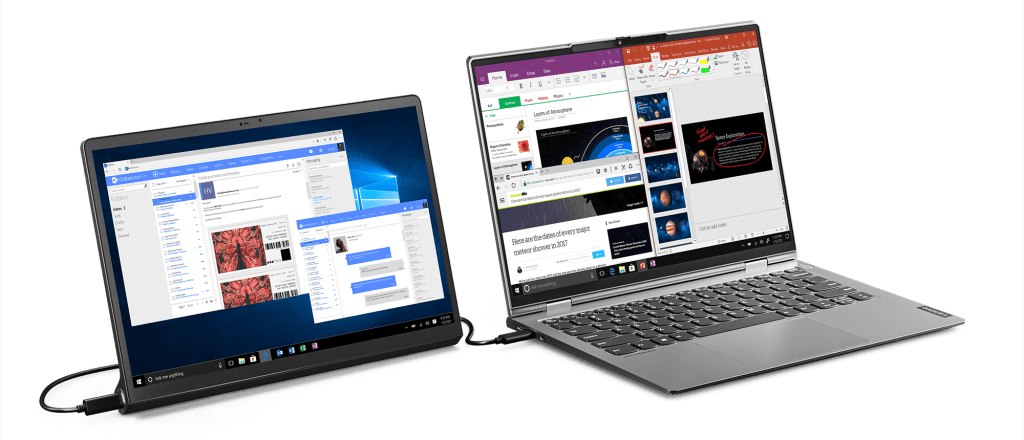
The YOGA Tab 13 has support for HDMI input, allowing it to double as an external display for your other devices. This feature is not available on the smaller YOGA Tab 11 which also drops the Snapdragon 870 for MediaTek’s Helio G90T processor.

Lenovo YOGA Tab 11
Lenovo YOGA Tab 11

The YOGA Tab 11 has an 11-inch TDDI LCD screen with a 60Hz refresh rate and Dolby Vision. There is 4GB or 8GB of RAM and 256GB or 128GB of storage. It also has quad JBL speakers and Dolby Atmos.

The YOGA Tab 13 has a 10000mAh battery capacity and supports 30W fast charging while the YOGA Tab 11 has a 7500mAh battery and supports 20W fast charging. Both run Android 11 out of the box and come with Google Entertainment Space and Google Kids Space.

The YOGA Tab 13 is priced at €799 and will go on sale in Europe this month while it will be available in the US in July for $680. The YOGA Tab 11 is priced at €349 and will be available in Europe next month while it will sell for $320 in the US and will be available in August. It is also the only one of the two that is available in Wi-Fi and LTE variants. Both tablets support the Lenovo Precision Pen 2.


Lenovo Tab P11 Plus

The Tab P11 Plus joins its already announced siblings – the Tab P11 and the Tab P11 Pro. The new tablet is powered by MediaTek’s Helio G90T processor and will be available in three configurations with up to 6GB of RAM and 128GB of expandable storage.

Lenovo Tab P11 series
From Left to right: Lenovo Tab P11 Pro, Lenovo Tab P11 Plus, Lenovo Tab P11

The 11-inch IPS LCD display has a 2000 x 1600 resolution and draws power from a 7500mAh battery that supports 20W fast charging. While positioned as an entertainment tablet with its quad speakers with Dolby Atmos, there is an optional productivity pack that adds a keyboard with a trackpad so you can use it to get some work done.

The Tab P11 Plus also runs Android 11 and has Google Kids Space and Google Entertainment Space loaded on it. The tablet will be available in Europe next month for €300 while the US will get it for $260 in August.


RELATED:

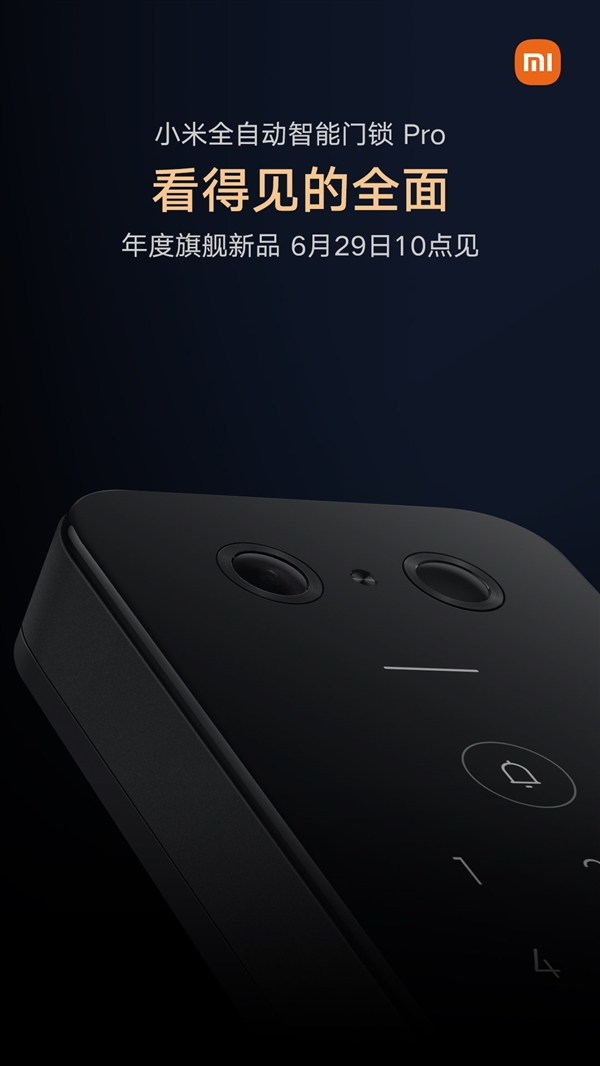
Xiaomi will launch the Auto Smart Door Lock Pro with flagship features on June 29

Xiaomi has announced that it will host the Xiaomi Smart Life event tomorrow (June 29) where it will unveil its new flagship product of the year. The company disclosed the expected product will be known as Xiaomi Auto Smart Door Lock Pro.

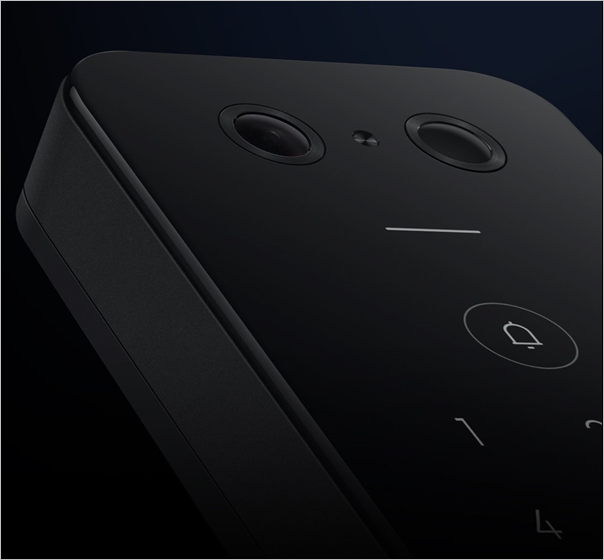
The Chinese tech giant didn’t reveal details of the product save for a promotional poster that highlights some of its design features. One prominent feature which we can see from the poster is a pair of binocular cameras (dual cameras). The device also has what looks like a sensor in between the two camera lenses. there are speculations that the sensor could be a 3D structured light-related component which will make the device come with a more secured form of 3D face recognition feature.

With the camera, functions such as security monitoring outside the door and visual doorbell are expected to be integrated. We also expect other features such as the traditional fingerprint unlocking, NFC swiping unlocking, Bluetooth unlocking, and others to be present on the door lock. Further, the door lock will also feature a smart doorbell. The door is also expected to come as a fully automatic door lock in which the lock tongue is automatically retracted after fingerprint verification and the door is automatically locked after closing.

At present, the highest-end smart door locks sold by Xiaomi are the Xiaomi fully automatic smart door locks with a straight-insertion C-level lock cylinder and priced at 1699 yuan (~$263). We expect this new model to be more expensive since it will have more sophisticated features.

RELATED:


(via)


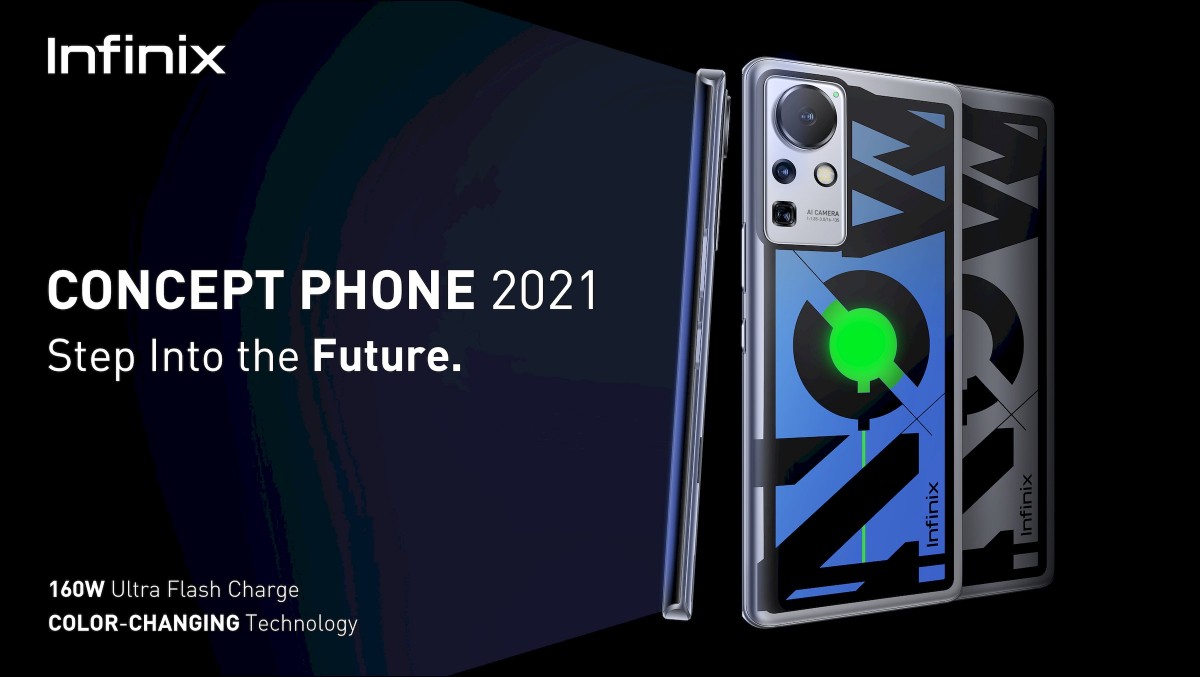
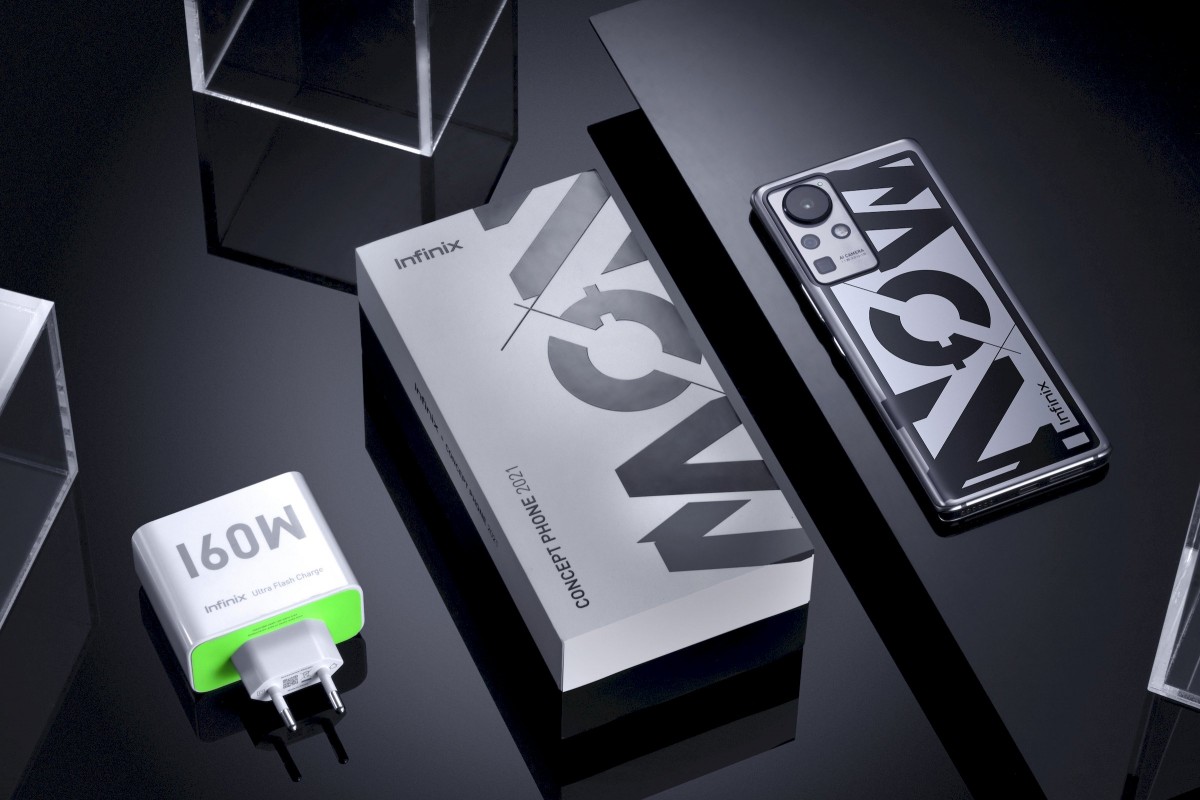
Infinix Concept Phone 2021 features 160W Fast Charging support: 0-100% in just 10 minutes!

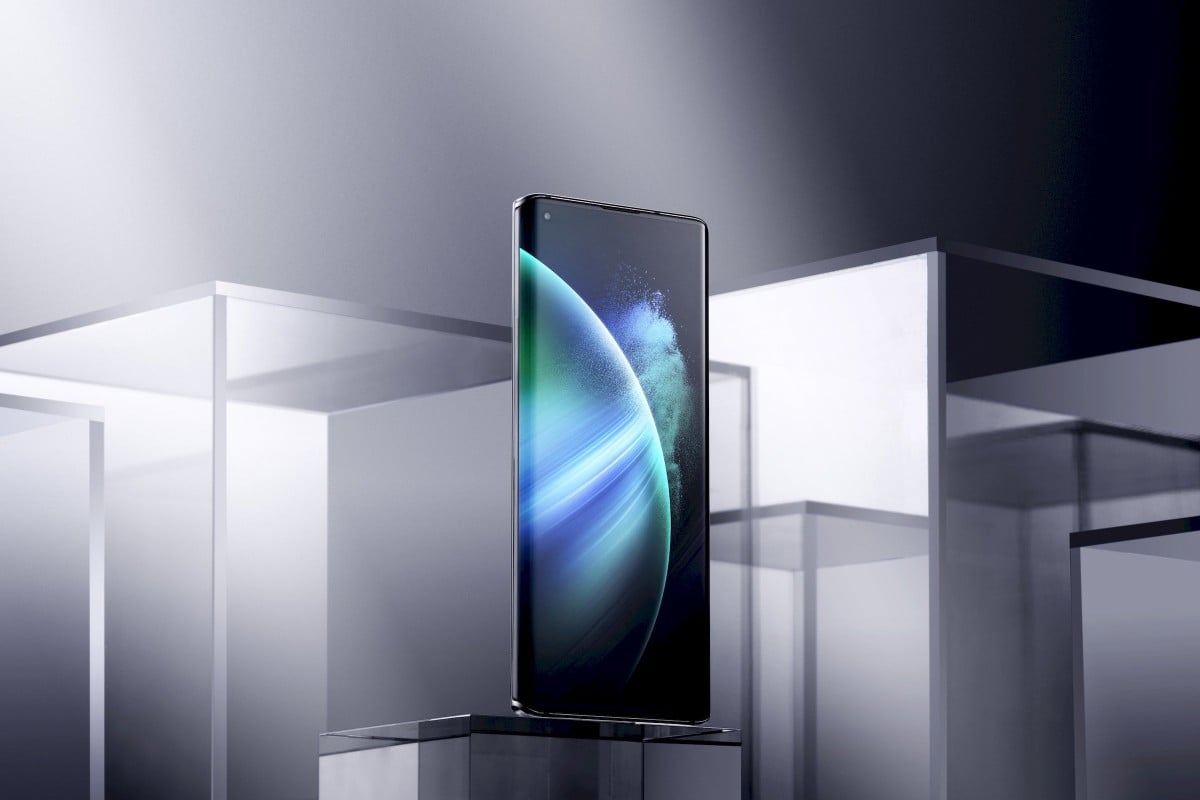
Transsion Holdings subsidiary Infinix has built a towering reputation in the budget and mid-range smartphone segments with its impressive lineup of smartphones released over the years. The brand, just like its sibling Tecno, is currently eyeing the high-end market and what better platform is there to launch its intentions than the Mobil World Congress (MWC). Infinix has unveiled its Concept Phone 2021 at MWC 2021.Infinix Concept Phone 2021

The Infinix Concept Phone 2021 is the same as the ZeroX smartphone that has made the rounds on different occasions recently. While we were awaiting a release date, the Chinese company has now unveiled it as a concept device which means it might not be launched any time this year.Infinix Concept Phone 2021

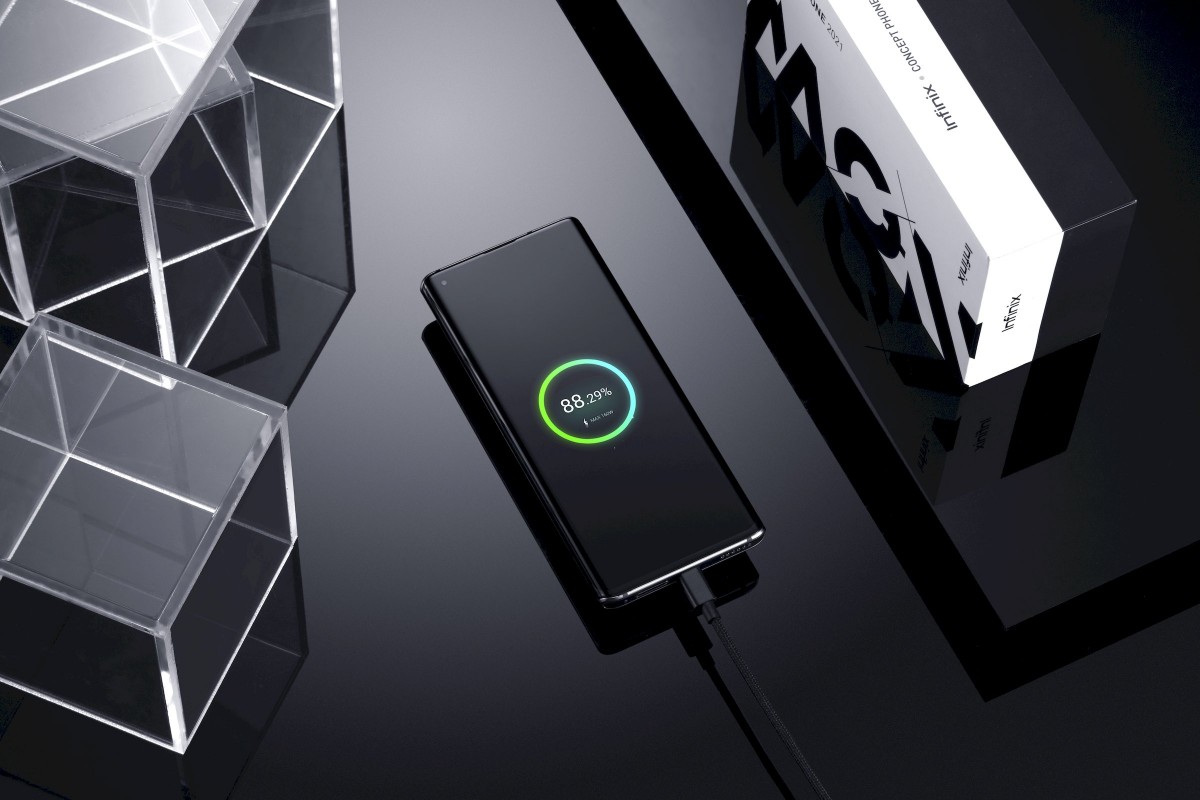
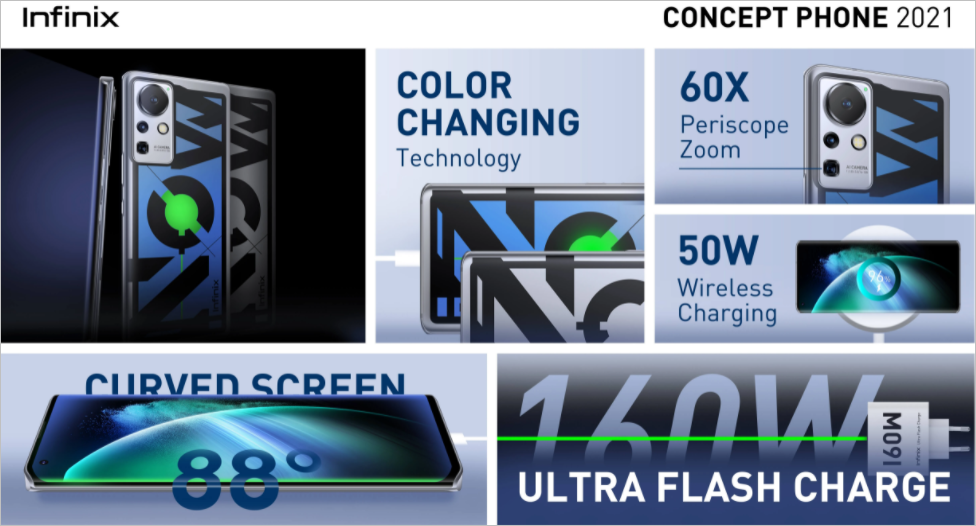
The device features a spectacular and attractive design but the feature that has caught everyone’s attention is the 160W fast charging support which the company says it features. Infinix claims the monster charging speed can take the 4000mAh battery onboard the device from 0 – 100% in just 10 minutes.

This spectacular charging technology which Infinix calls the Ultra Flash Charge system is built around an 8C battery. Infinix says the battery boasts 18% lower internal resistance compared to a 6C battery. Further, there is a Super Charge Pump onboard the device which converts the voltage going into the device via the USB-C port to the voltage that goes into the battery itself. The pump is said to be 98.6% efficient.Infinix Concept Phone 2021

Apart from the monstrous 160W wired fast charging support, the Infinix concept phone also supports fast wireless charging up to 50W which isn’t any spectacular as 50W wireless charging is supported on some already existing models. However, it is still impressive.

In terms of other specs, the Infinix Concept Phone 2021 sports a 6.67-inch AMOLED display with an FHD+ resolution. The display adopts a curved design on both sides. The device also utilizes a glass panel at the rear that is equally curved on both sides. There is only a thin bit of metal that separates both panels due to the nature of the curvature. Thus, the device does not have a physical button on the sides.Infinix Concept Phone 2021

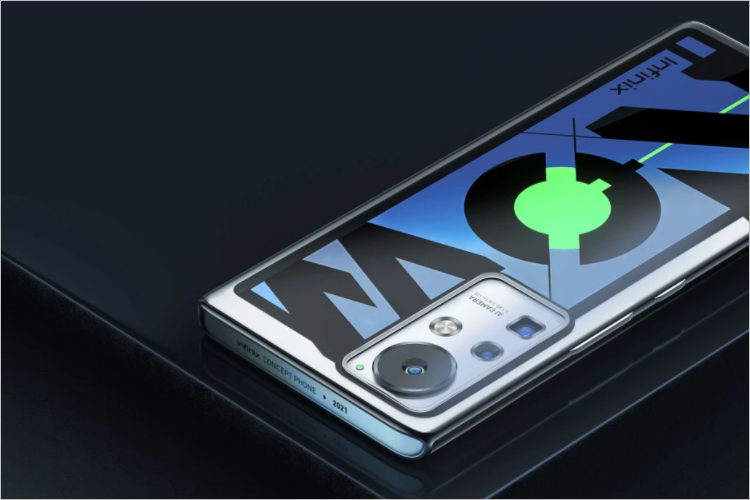
The flagship concept device also adopts a color-changing technology for the rear panel which keeps it glowing until it is turned off. The rear panel has the word “NOW” boldly inscribed on it, perhaps borrowed from the brand’s slogan – “The Future is Now”. The “O” ring illuminates when the phone is charging while the entire rear panel can change from silver-gray to light blue as a form of notification when there is an incoming call or such like activities.  The color-changing technology is reportedly based on electrochromic and electroluminescent technology.

Further, the Infinix Concept Phone 2021 is said to feature 20 temperature sensors on different aspects of the body which ensures that the temperature is maintained under 40ºC (104ºF). If the working conditions change, there is a security feature which is activity to avoid any damage.

Another interesting aspect is the pericope lens onboard the rear aspect. The lens has a 135mm diameter and can go up to 60x magnification with digital zoom. It also houses an 8MP sensor. There are two other sensors at the rear whose configurations are not known at the moment. The front display also houses a self camera at the top left corner which looks like a hole-punch design. Infinix Concept Phone 2021

The flagship phone is also bundled with a 160W charging brick. The charger uses Gallium Nitrate (GaN) and Silicon Carbide (SiC) semiconductors. It also features support for multiple protocols so that it can handle charging laptops as well as the phone.

There is no word yet on the release but we don’t expect to see this device hit the market any time soon.


RELATED:


Samsung Galaxy Watch 4 support page goes live hinting at imminent launch

Samsung and Google recently announced the merger of Tizen and Wear OS version but there’s no official information about the upcoming device from these brands. However, the Galaxy Watch 4 from Samsung is expected to launch soon.

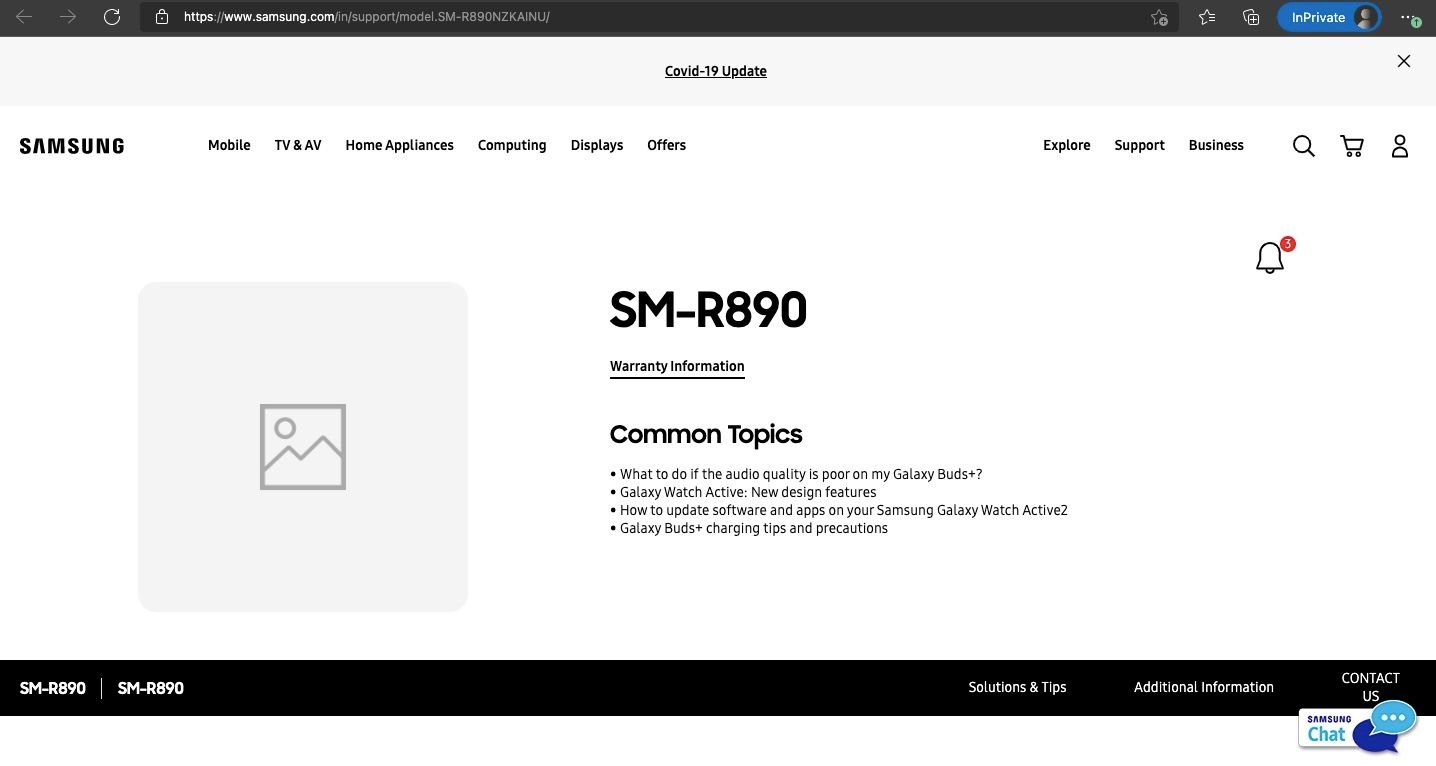
Now, in the latest development, the support page for the upcoming Samsung Galaxy Watch 4 has gone live in India, Russia, as well as the Caribbean website. The listing does hint at the imminent launch of the wearable product.

Samsung Galaxy Watch 4

The South Korean tech giant is hosting a virtual event at the Mobile World Congress today, i.e. 28th June and there’s a possibility that the Galaxy Watch 4 may get officially announced at this event along with a few other products.

The device, which carries model number SM-R890 on the Samsung India website, is tipped to launch in two variants — 42mm and 46mm. The FCC listing of the device has already revealed that it will offer Bluetooth, NFC, 2.4GHz/ 5GHz Wi-Fi, and various LTE Bands support. It is said to launch in Black, Silver, Dark Green, and Rose Gold color options.

It is expected to come with a 5nm processor, 2D glass, narrower bezels around the display, and improved frame texture which could be made of titanium alloy. The new WearOS will also integrate features of the Tizen OS, which could be dubbed as “TizenWear OS” and could bring a number of new features.

To know for sure what the device looks like, what it packs, and how it performs, we will have to wait for the official announcement in just a few hours.

RELATED:

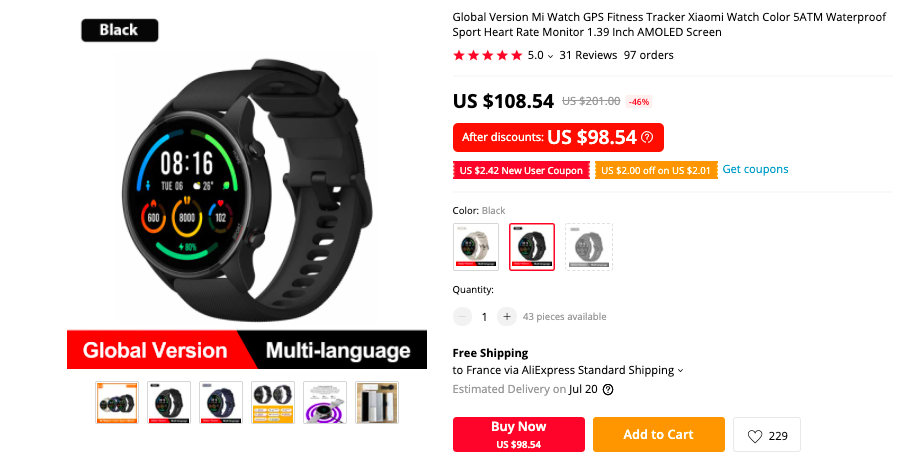
Deal: Get Xiaomi Mi Watch Global Version for $98

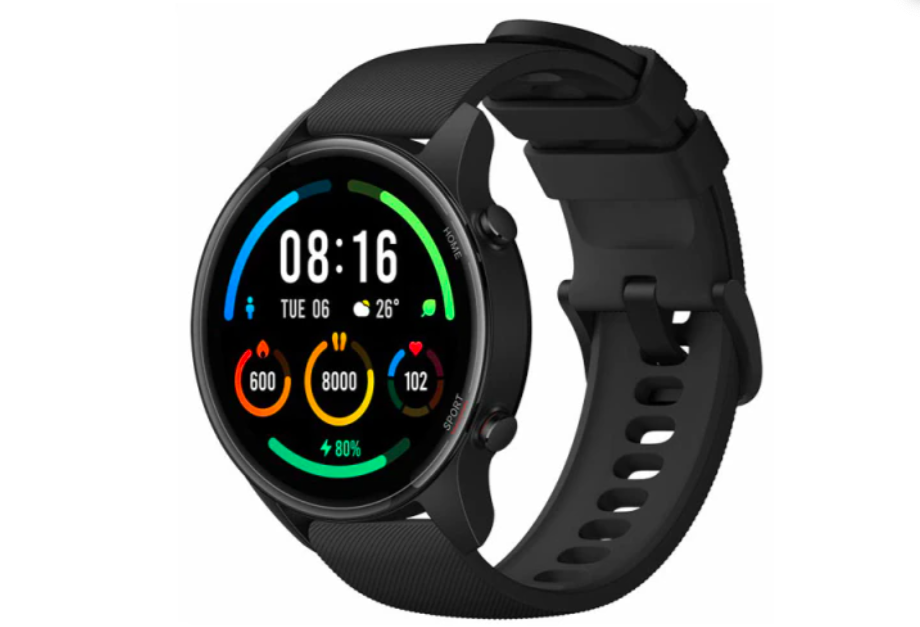
Xiaomi Mi Watch Global Version is now available at AliExpress for $98.54 only.

WHERE TO BUY
Xiaomi Mi Watch Global Version at $98.54 (after discount)@AliExpress

Xiaomi Mi Watch Global Version

Xiaomi Mi Watch Global Version 

Xiaomi Mi Watch Global Version

Key Features:

  • 1.39-inch 326 ppi  high-resolution display
  • 32g lightweight design
  • Over 100 watch faces 
  • Supports live and custom watch faces
  • 12nm high-end GPS chip – four real-time location modes
  • 117 sports modes – automatic workout detection
  • 5ATM waterproof
  • 24-hour heart rate monitor
  • Blood oxygen testing
  • Sleep tracker, Stress monitor, Vital signs monitor, Breath trainer, etc
  • 16-day ultra-long battery life
  • 50 hours battery life on continuous sports mode
  • Colors: Black and Beige

Xiaomi Mi Watch Global Version

You can now buy Xiaomi Mi Watch Global Version for a discounted price of $98.54 only at AliExpress. This offer is available only till stock lasts. So place your order asap. 


For more information on such exciting deals and offers check out our deals hub.

* Please Note: When you buy something using the links in our articles, we may earn a small commission at no cost to you.


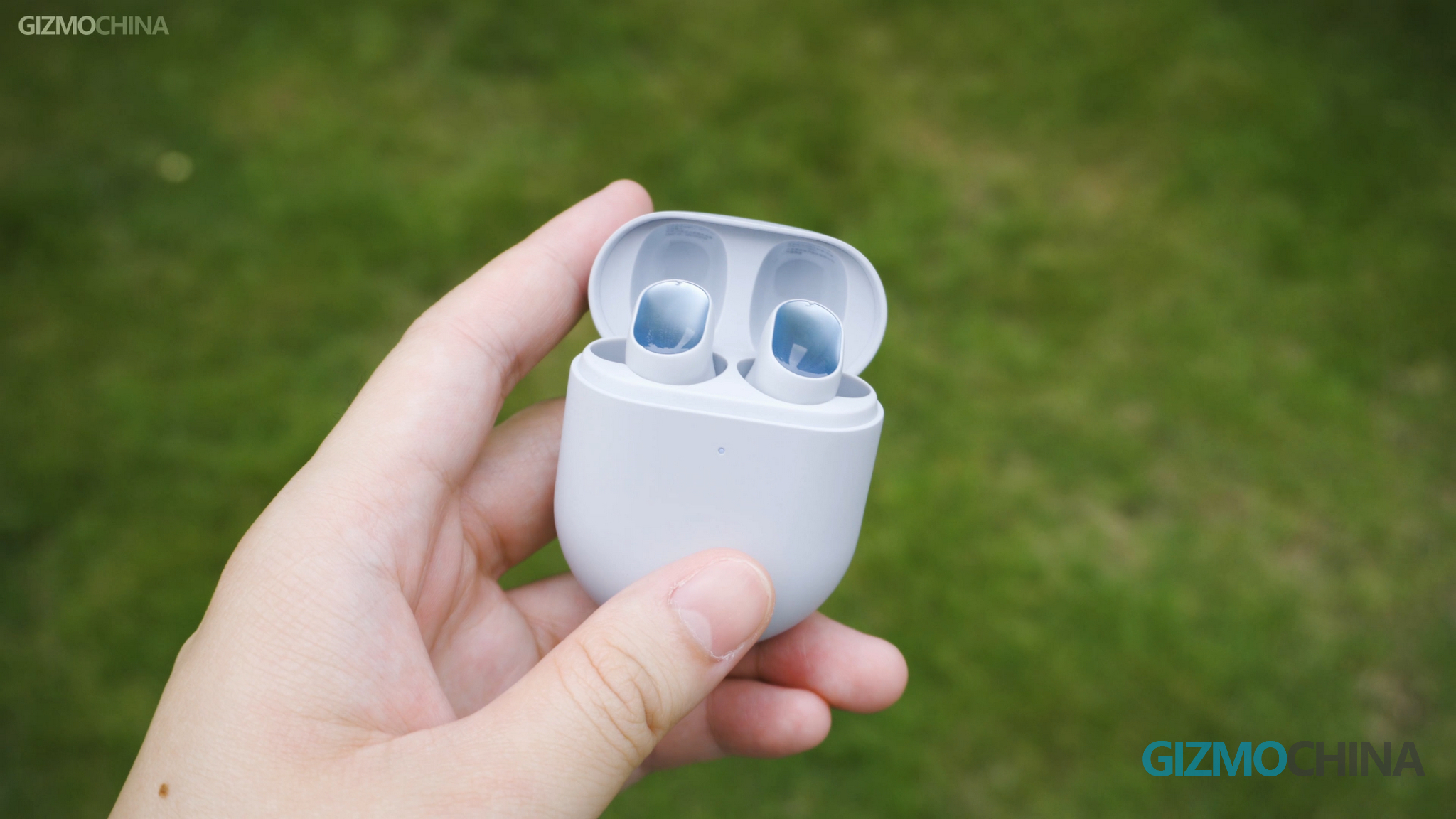
Redmi AirDots 3 Pro Full Review: The Earbuds we’ll recommend from Xiaomi this year

Redmi has finally launched their first active noise-canceling earbuds —the AirDots 3 Pro. I’m sure Redmi fans have been looking forward to these earbuds for a long time, so without further ado, let’s get right into the review.

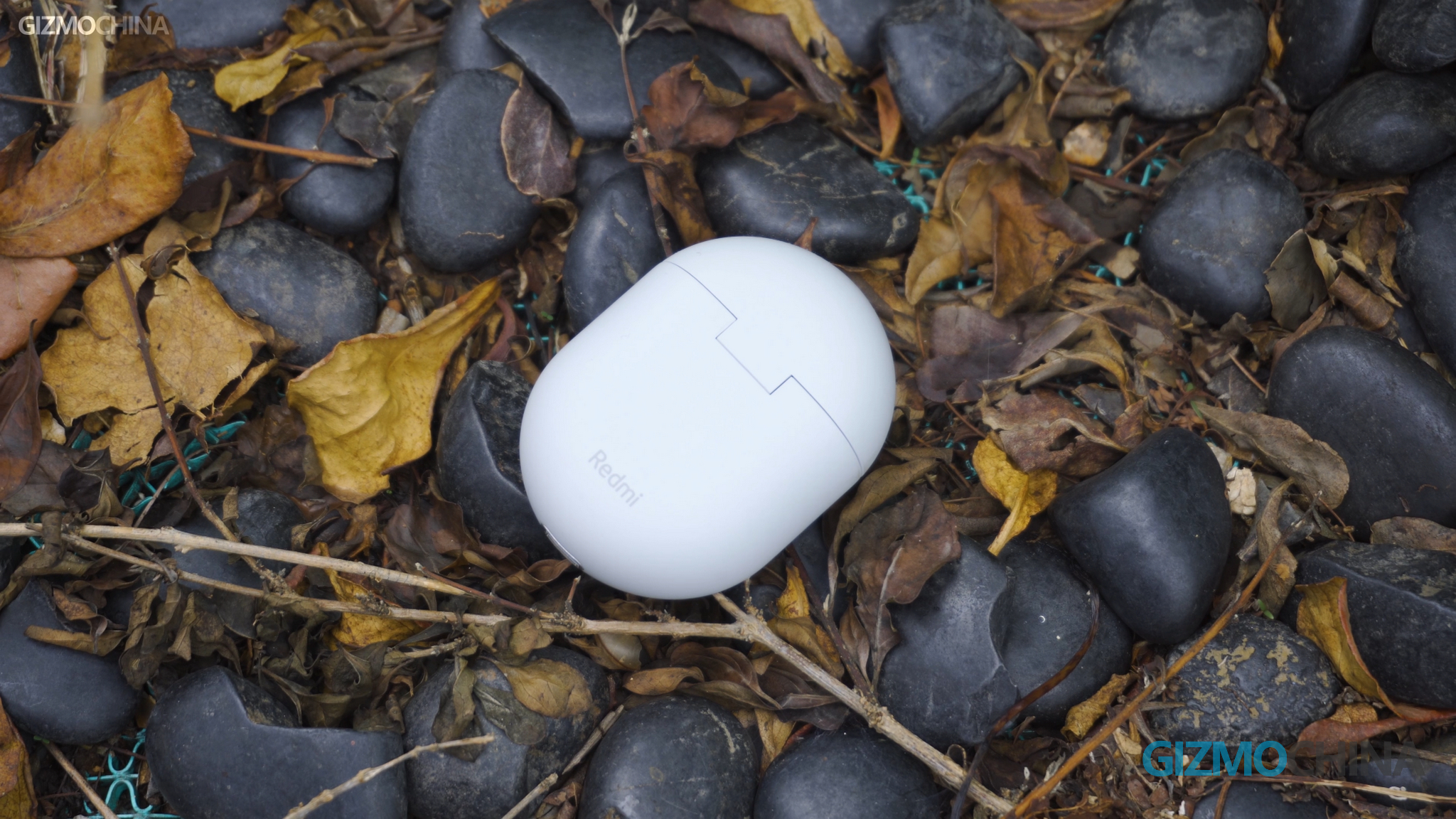
The design of the Redmi AirDots 3 Pro is different from all the previous Xiaomi and Redmi earbuds. Although the case is still oval-shaped, the direction of opening the lid is different, which makes it easier to open it with just one hand. The pairing buttons are not hidden underneath or at the back but are placed on the front, probably because they can be pressed easily. airdots3 pro Review 04The charging port is surrounded by a metal ring, which increases the reliability of the port. Magnets have also been added to the hinge of the lid so that it doesn’t close easily. Notably, these entry-level noise-canceling earbuds is equipped with wireless charging, which should be a rarity in its price range. Further, its frosted surface won’t scratch and stain fingerprints easily, so I think the AirDots 3 Pro offers better quality this time. In fact, in terms of details, I think it is even better than Xiaomi’s Flipbuds Pro, thereby exceeding my expectations.


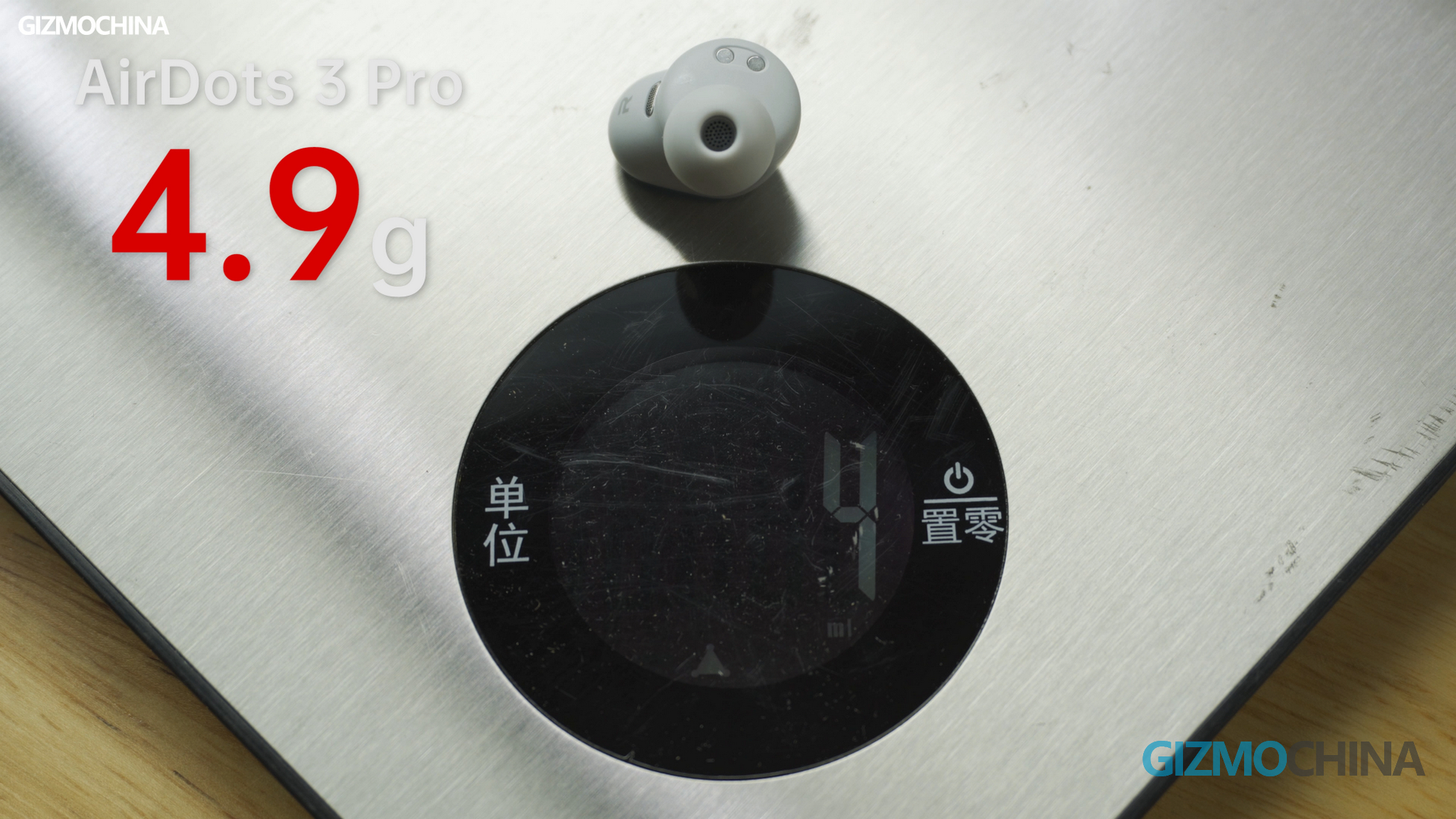
As soon as I picked up the earbuds, I noticed that they were much lighter than the Flipbuds Pro that I had been wearing. The 4.9g weight of the single earbud is almost 2g lighter than the Flipbuds Pro. It is also not as big as the Flipbuds, so it is very comfortable to wear. It is operated by touch, you can long-press to switch to the noise cancellation mode, you can tap to play, pause or jump to the next song, or you can assign a custom operation. Bluetooth decoding protocol supports SBC and AAC, but there’s no LHDC or aptX, and no obvious equalizer. But you can choose your favorite equalizer setting in the Mi AI app.

Redmi says it can cancel up to 35dB of noise, which is slightly lower than the noise-canceling strength of the Flipbuds Pro. But the actual experience is not much different, as the noise reduction ability is still very good. But the wind noise control is rather strange. When the wind is a little stronger, it will turn off the feedforward microphone to reduce the impact of wind noise. Sometimes when the wind blows, you will feel that suddenly the noise reduction intensity is reduced by half, making it quite uncomfortable. 


The AirDots 3 Pro can reach a minimum latency of 69ms with the Chinese version of the Redmi Note 10 Pro.

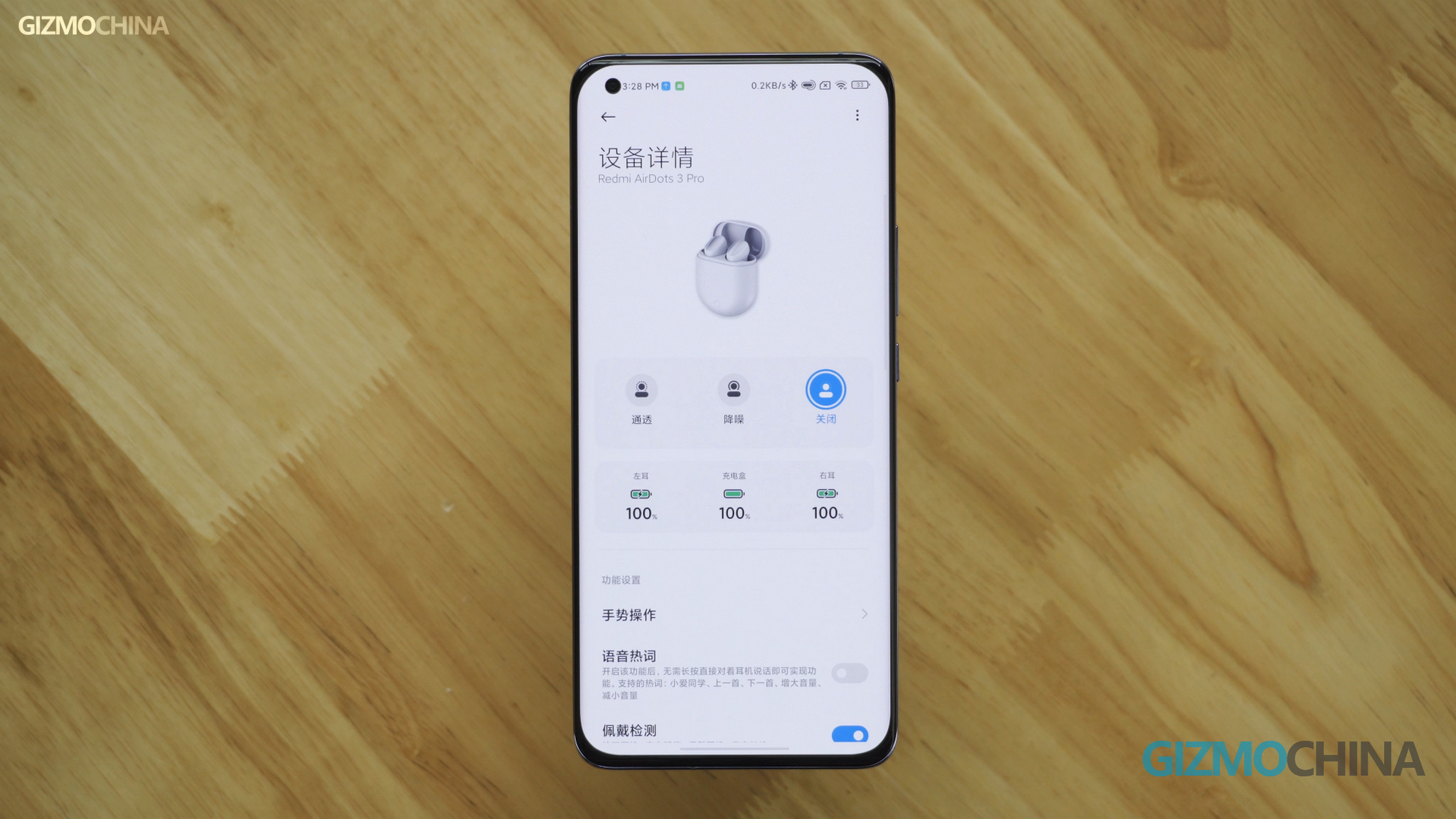
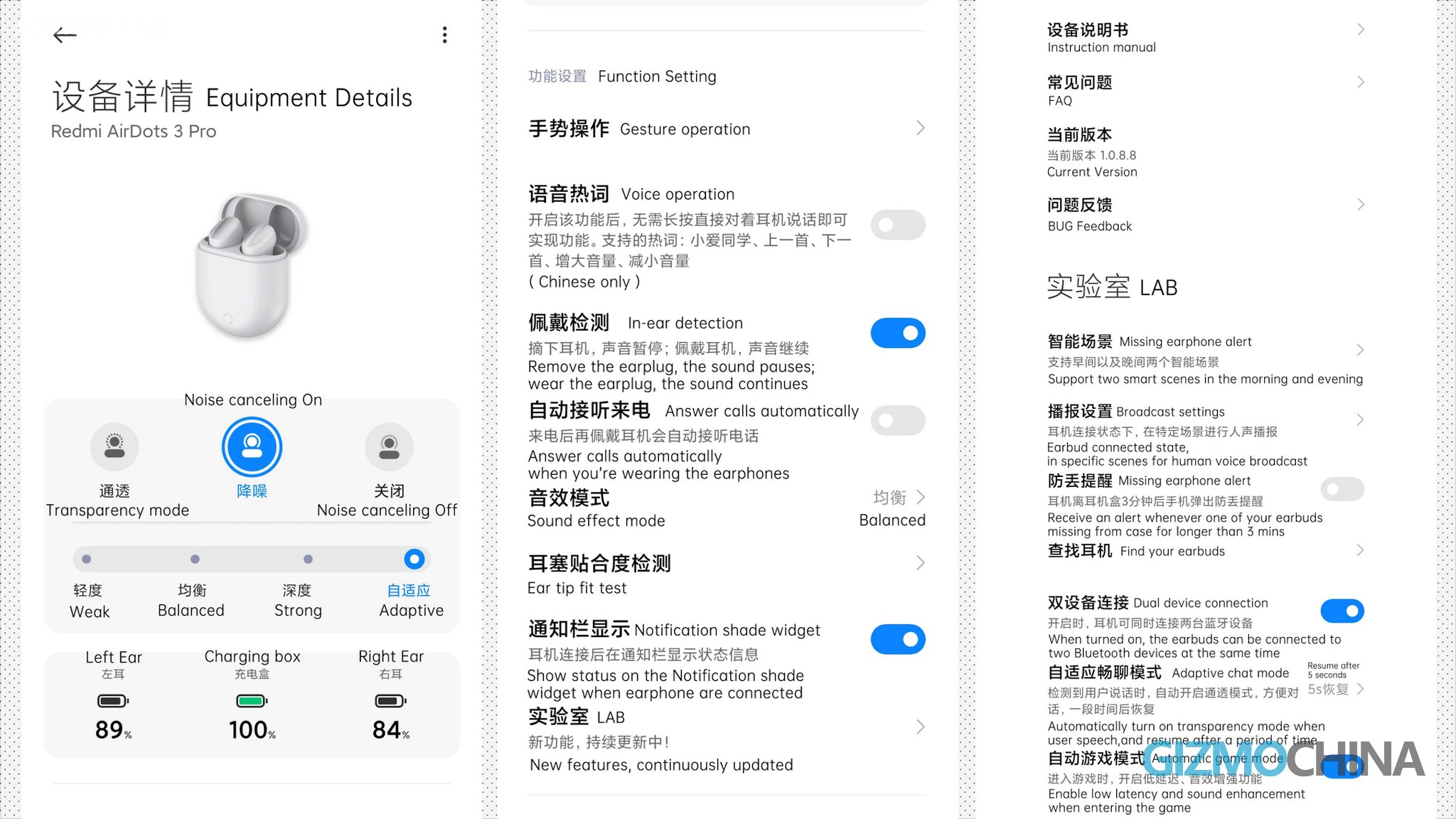
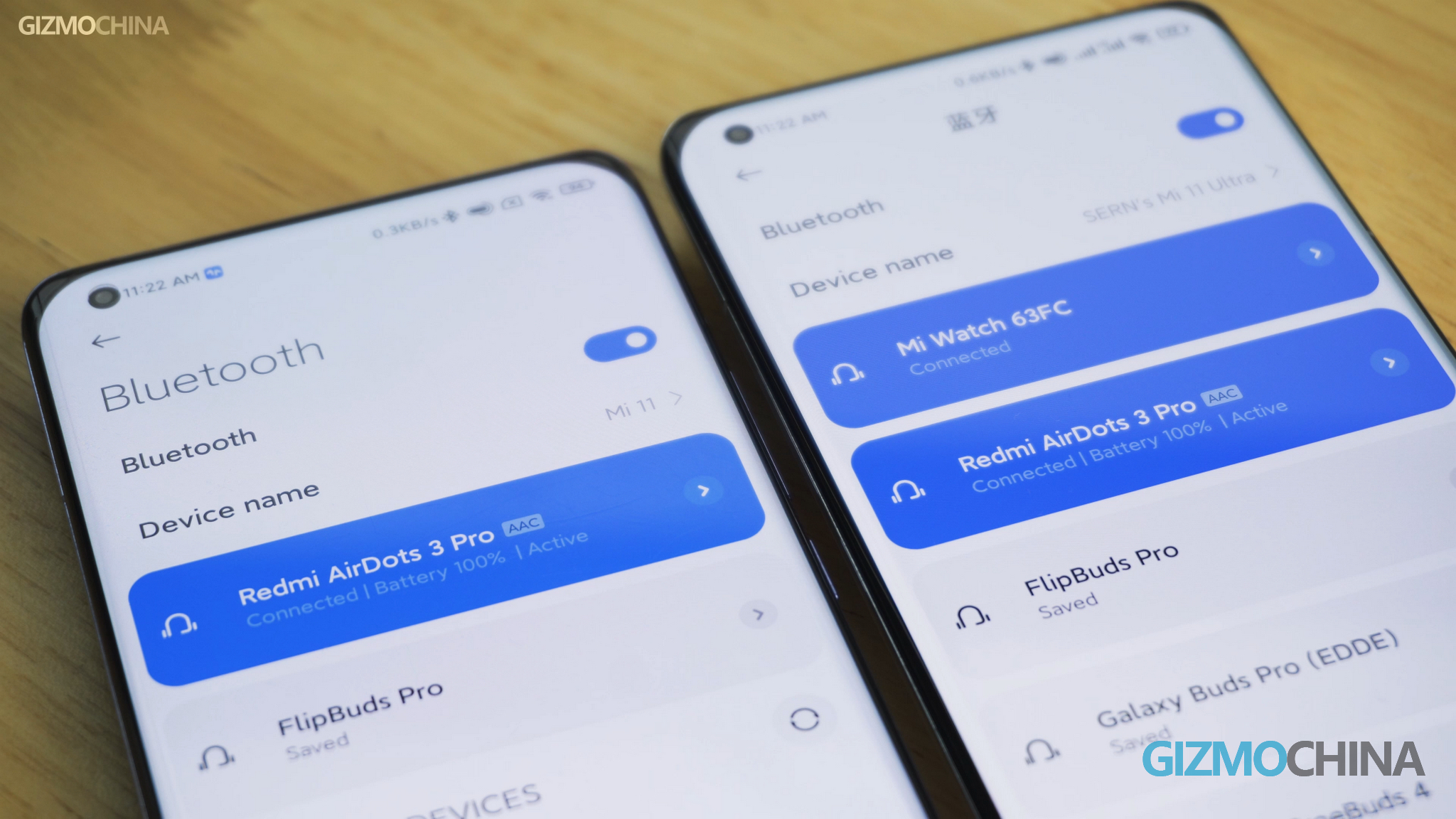
Unfortunately, it can’t control the earbuds from the Bluetooth settings page like the Flipbuds Pro (Review). So you can only control all its functions through Mi AI APP. You all should know that Mi AI app only supports Chinese, so we have translated its settings interface for you, so you can check the screenshot for reference if required. The noise cancellation mode is basically the same as the Flipbuds pro, providing three levels of noise cancellation, transparency mode also has an option to enhance the voice. 

The AirDots 3 Pro has a new adaptive noise cancellation mode that intelligently adjusts the noise cancellation intensity according to the noise in your environment. When you start playing a game, it will also automatically turn on the low latency mode, but the setting needs to be turned on first. There is also an interesting feature called adaptive chat mode. When the earbuds detect that you are talking, it will switch to pass-through mode, and when you don’t talk, they will cut back to noise-canceling mode. We’ve seen these features on the Huawei FreeBuds pro and Samsung’s Galaxy Buds Pro. But it’s shocking that Redmi has equipped these two features in its entry-level noise-canceling earbuds.


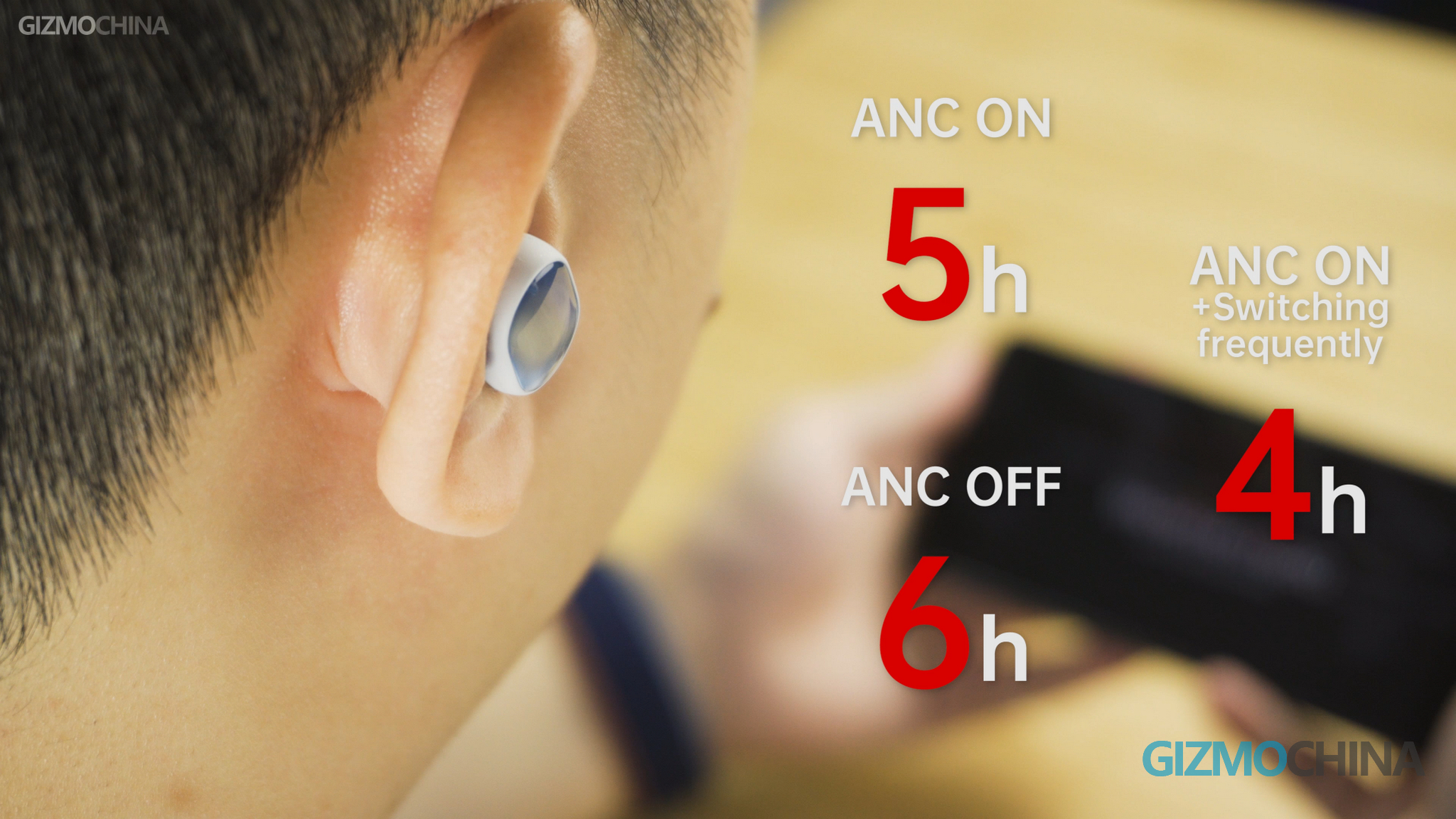
There are no surprises in terms of battery life. In the strongest noise cancellation mode the battery life is about 5 hours, and you can turn off the noise cancellation mode for an additional hour of use. If you connect two devices at the same time and switch more frequently, the battery life will be shortened by about one hour.

airdots3 pro battery life Review 09

Redmi AirDots series earbuds have always been very cost-effective, and this AirDots 3 Pro is no exception. Not only the design is good, but also the function has added many features that only the flagship noise-canceling earbuds had before. If you are a Xiaomi phone user, I would recommend the AirDots 3 Pro even more than the Flipbuds pro, but only if you are okay with its strange anti-wind noise effect.

The Redmi AirDots 3 Pro is currently available on Giztop.


RELATED:

Super Deal: Buy Xiaomi Mi Band 5 Global Version for $28 (Retail Price $45)

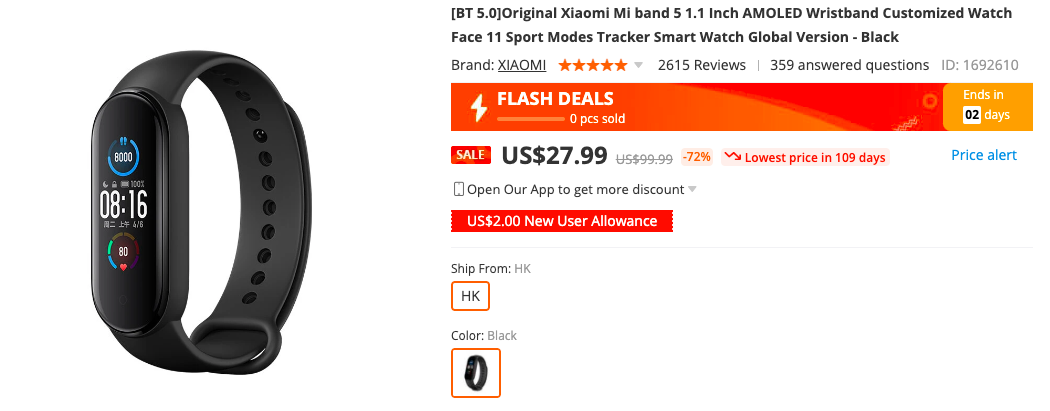
Xiaomi Mi Band 5 Global Version which generally retails for $45 is now available at a discounted price of $27.99 only at Banggood.

WHERE TO BUY
Xiaomi Mi Band 5 Global Version at $27.99 @Banggood

Xiaomi Mi Band 5 Global Version

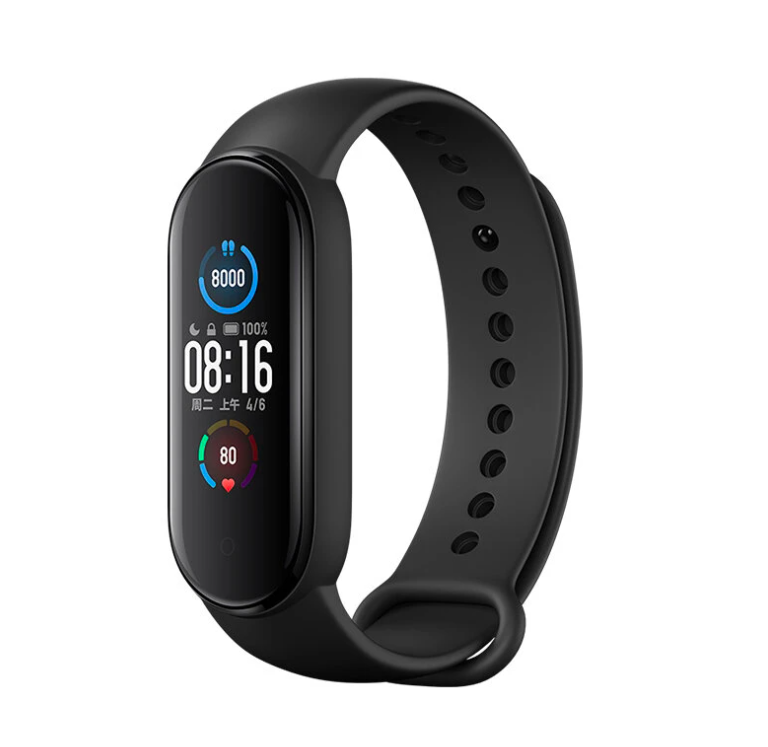
Xiaomi Mi Band 5 global version features a 1.1” AMOLED display with 126 x 294p resolution and 100+ watch faces. The smart band comes with Bluetooth 5.0 and is compatible with Android 4.0 and above and iOS 10.0 and above.

Xiaomi Mi Band 5 Global Version

To manage your health and fitness, the smart band comes with 11 dedicated sports modes and other features like a heart rate monitor, sleep tracker, female health tracker, etc. The 50m water-resistant band, gives you 7 days of battery life on normal mode, and 14 days of standby.

Xiaomi Mi Band 5 Global Version

Generally retailing for $45, you can now buy Xiaomi Mi Band 5 Global Version for $27.99 only at Banggood. Please note that this super deal is applicable only to the black color variant. The deal ends in the next 2 days so place your order asap.


For more information on such exciting deals and offers check out our deals hub.

* Please Note: When you buy something using the links in our articles, we may earn a small commission at no cost to you.


Lenovo announces 3rd Gen Tab M7, Tab M8 as the company’s latest budget Android tablets

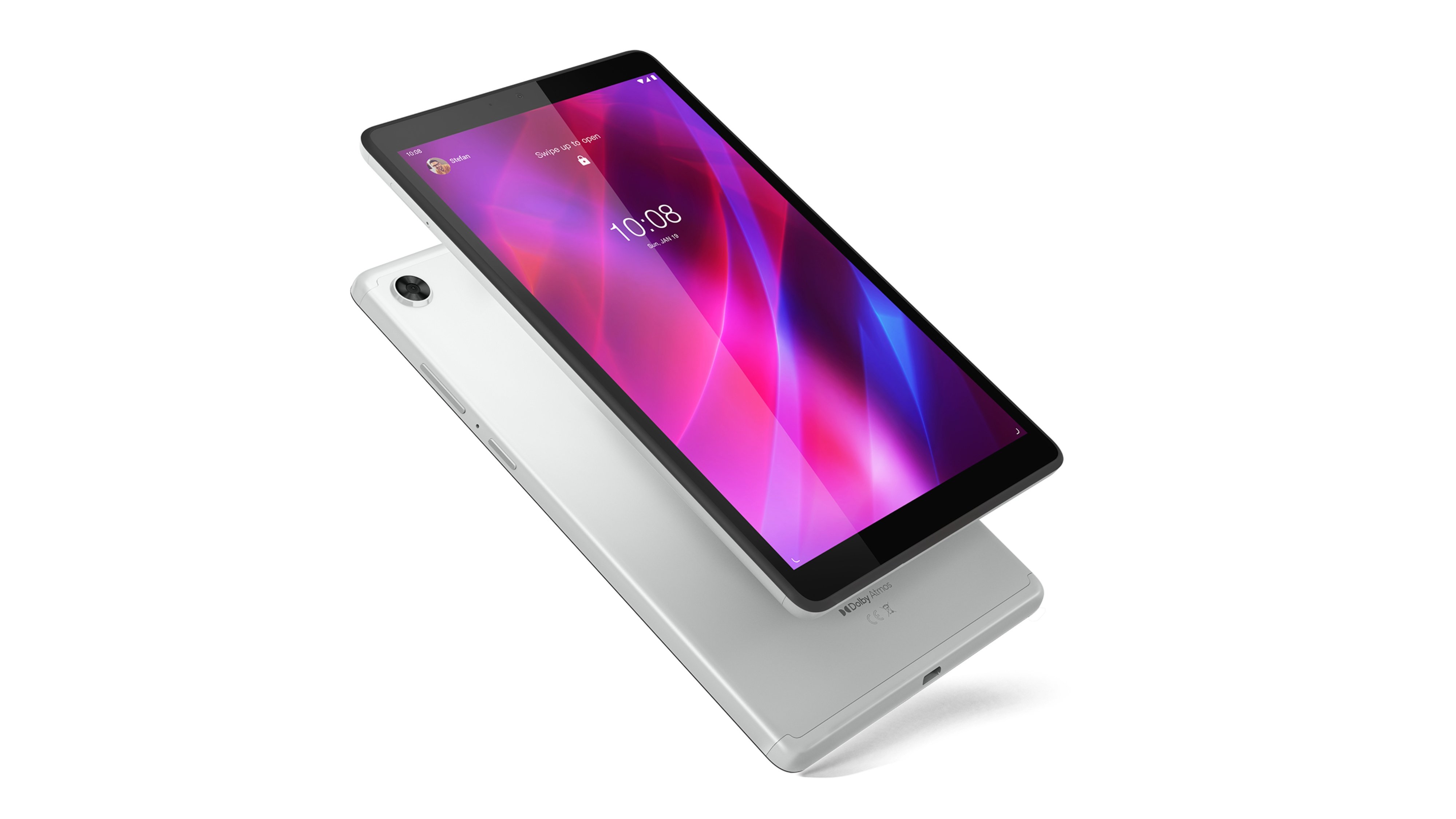
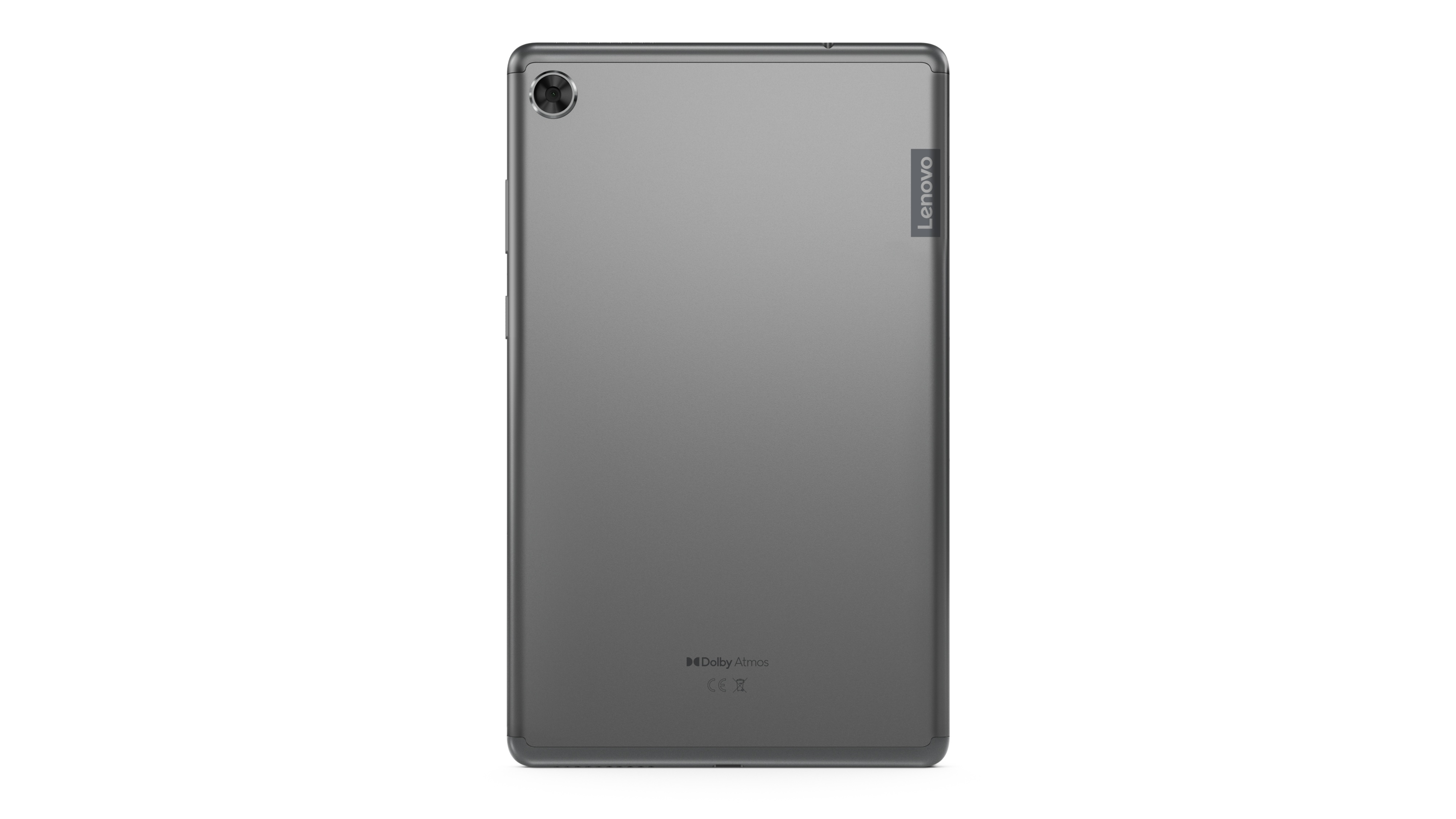
Ahead of MWC (Mobile World Congress) 2021, Lenovo has announced five new Android tablets as well as a new smart clock for the international markets. Let’s take a look at the Lenovo Tab M7 (3rd Gen) and the Lenovo Tab M8 (3rd Gen) in this article.

Lenovo Tab M7 (3rd Gen)

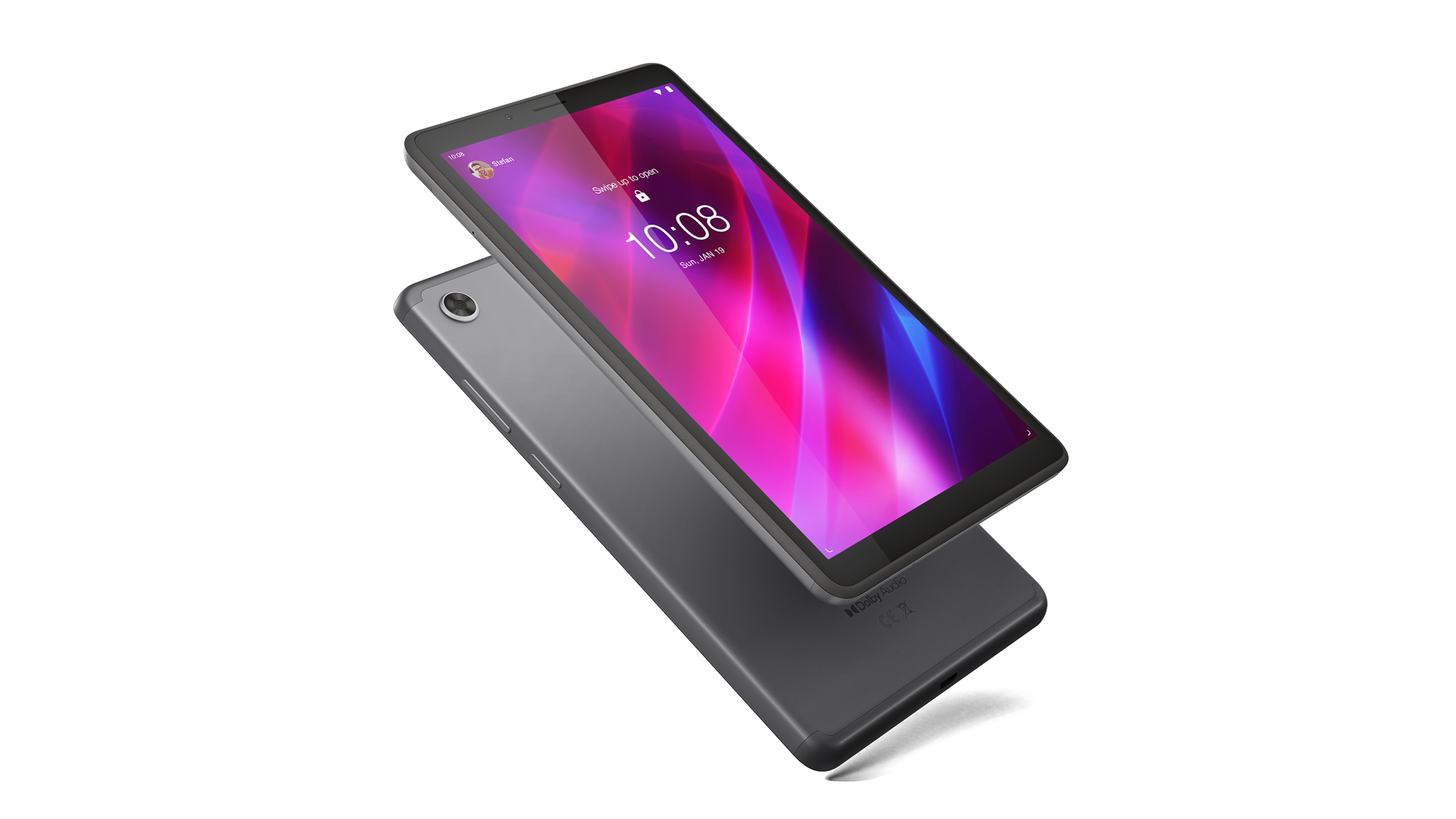
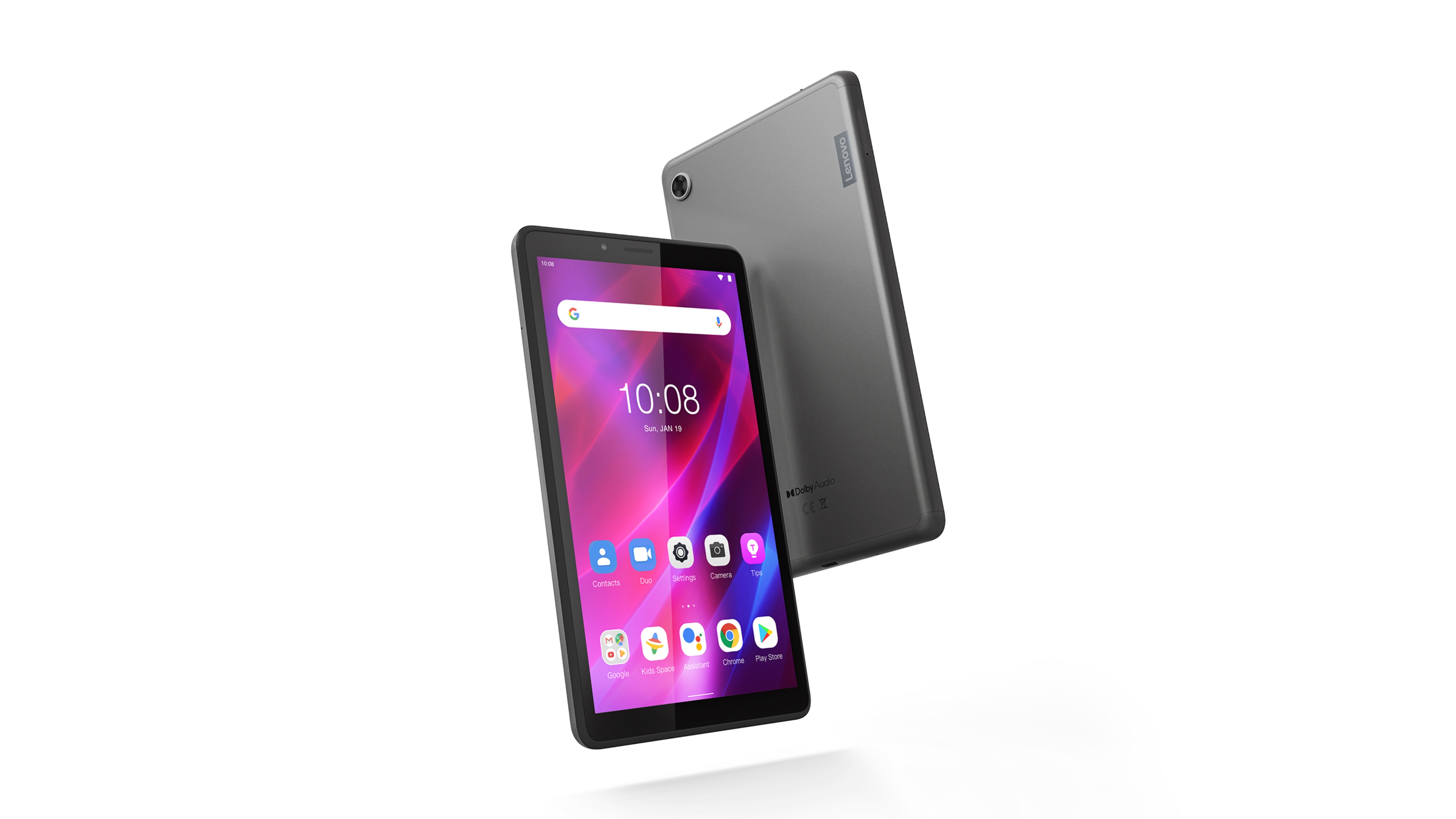
The newly unveiled Lenovo Tab M7 (3rd Gen) flaunts a metal body design and comes in a single Iron Grey color option. The tablet sports a 7-inch TDDI (Touch and Display Integration) IPS LCD panel with a resolution of 1024 x 600 pixels, 16.7 million colors, 5-point multitouch, 350 nits typical brightness level, and TÜV Rheinland Eye Care certification for low blue light emission.

Lenovo Tab M7 3rd Gen Featured 03

It comes in two variants – WiFi-only and LTE. The former model is powered by a MediaTek MT8166 SoC, whereas the latter features a MediaTek MT8766 chipset. Anyway, both the versions come with 2GB LPDDR4 RAM and 32GB eMCP storage with support for MicroSD card expansion up to 1TB.

On the connectivity front, the tablet comes with dual-band WiFi, Bluetooth 5.0, GNSS (GPS, BediDou), a 3.5mm headphone jack, and a MicroUSB port. Further, it also includes an accelerometer, vibrator, mono speaker and microphone combo powered by Dolby Audio, 2MP rear camera, and a 2MP front-facing camera.

As for software, the tablet runs Android 11 Go Edition and comes with Google Kids Space as well as Google Entertainment Space. It is backed by a 3,750mAh battery with support for 10W fast charging.

Last but not least, the product measures 176.18 x 102.28 x 8.3mm in dimensions and weighs 236.9g.

The Lenovo Tab M7 (3rd Gen) starts at €119 . It will hit the stores in June itself.

Lenovo Tab M8 (3rd Gen)

The Lenovo Tab M8 (3rd Gen) also sports a metal body design, however, it comes in two colors (Iron Grey, Platinum Grey) instead of one. It flaunts a larger 8-inch TDDI (Touch and Display Integration) IPS LCD panel with a resolution of 1280 x 800 pixels, 10-point multitouch, 350 nits brightness, and TÜV Rheinland Eye Care certification for low blue light emission.

Lenovo Tab M8 3rd Gen Featured 03

It is powered by a MediaTek Helio P22T SoC coupled with LPDDR4x RAM and 32GB internal storage. While the 2GB RAM variant runs Android 11 Go Edtion, the 3GB versions ship with regular Android 11. However, both models come with Google Entertainment Space and Google Kids Space.

Talking about connectivity, the tablet supports LTE (optional), dual-band WiFi, Bluetooth 5.0, GNSS (GPS, A-GPS, BeiDou, GLONASS), 3.5mm headphone jack, and a USB Type-C port. The product comes with a 5MP rear camera with autofocus, 2MP front-facing camera, single front-facing speaker and microphone powered by Dolby Atmos, accelerometer, ambient light sensor, vibrator, and a proximity sensor.

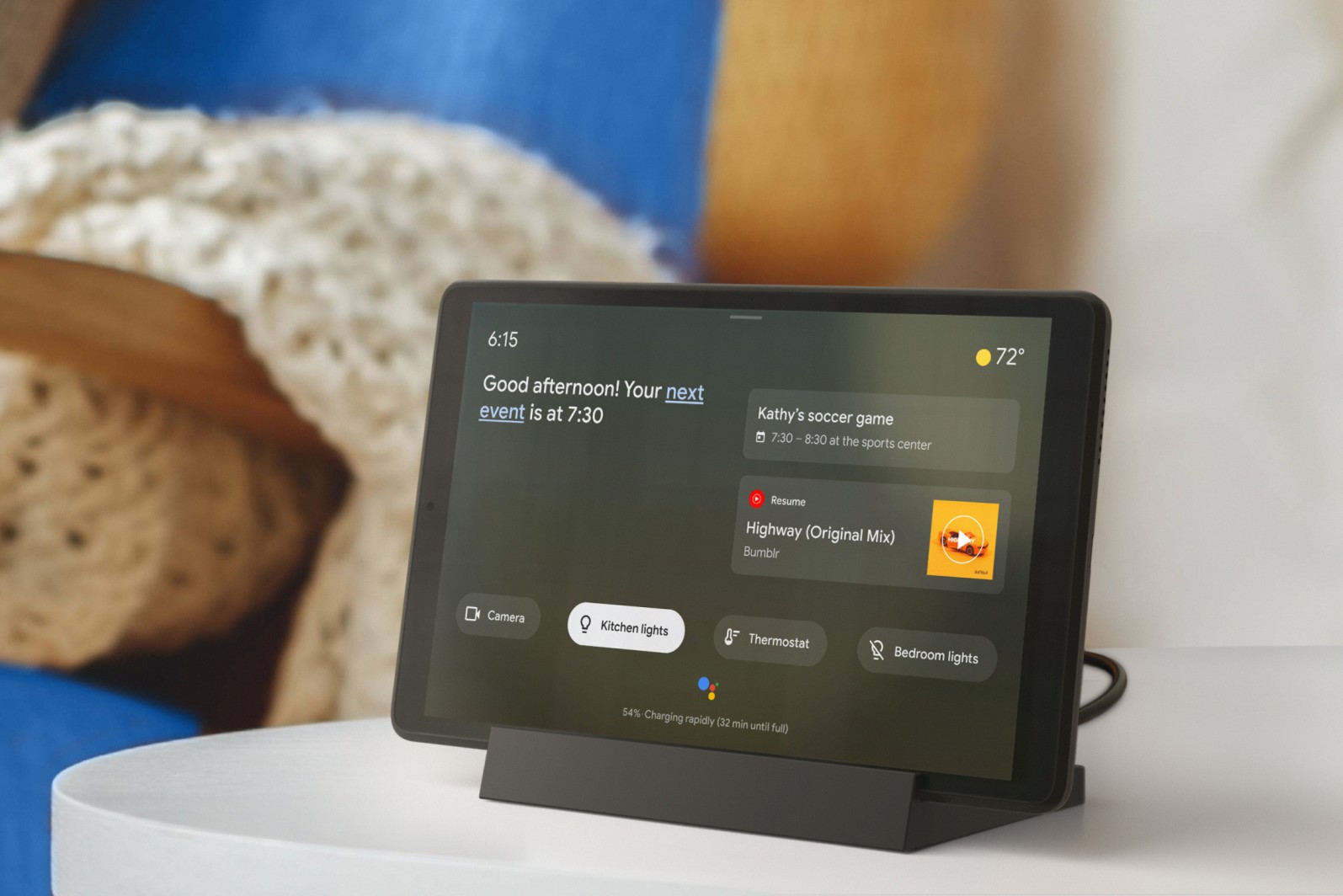
The tablet is backed by a 5,100mAh battery with support for 10W charging. Customers can also opt for an optional Smart Charging Station for Google Assistant Ambient Mode. Lastly, the product measures 199.1 x 121.8 x 8.15mm in dimensions and weighs 305g.

The Lenovo Tab M8 (3rd Gen) will be available in select markets starting later this year. Interestingly, It won’t make its way to North America. Unfortunately, the company didn’t reveal its price.


RELATED:


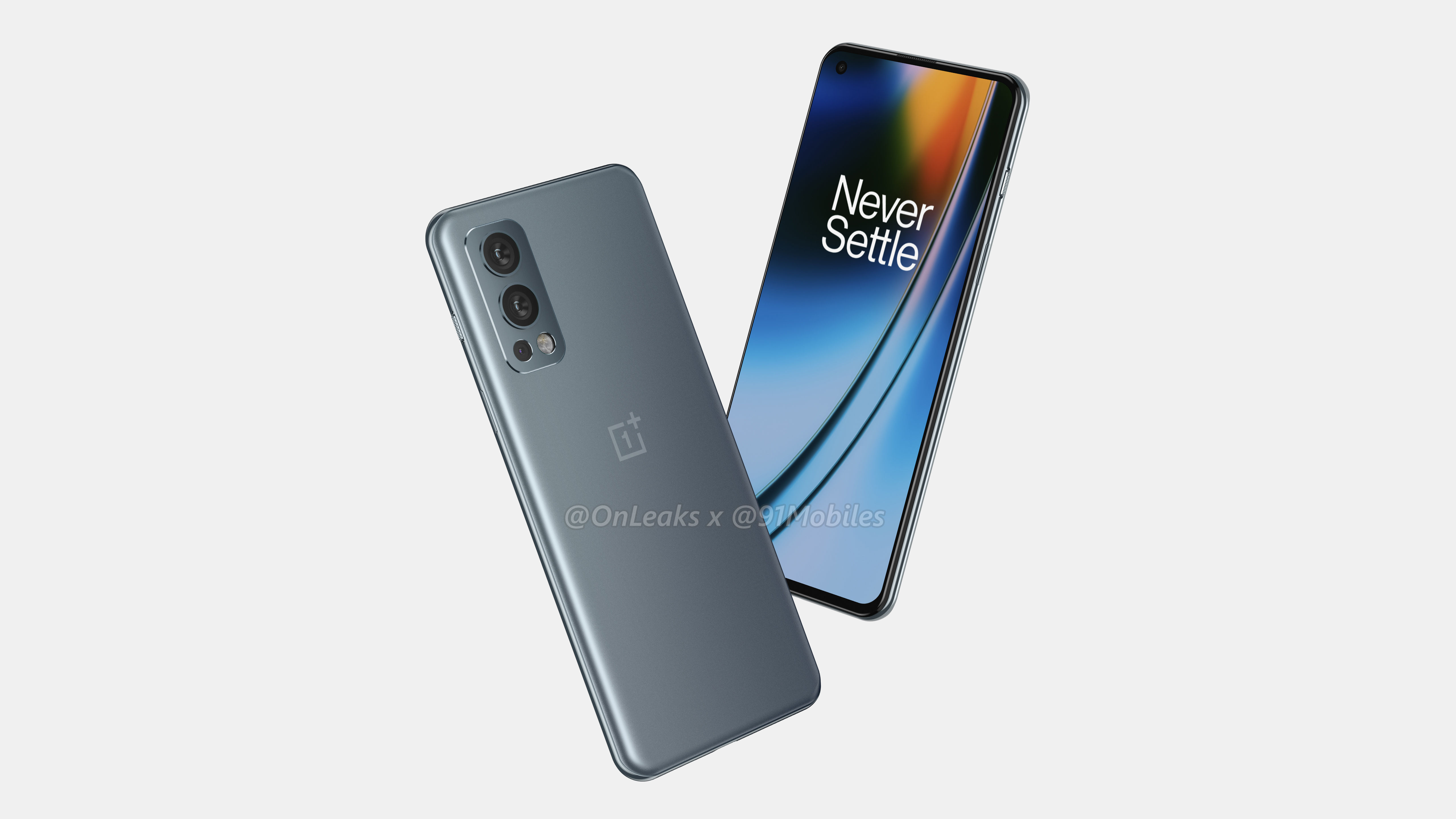
These renders show us what the OnePlus Nord 2 looks like

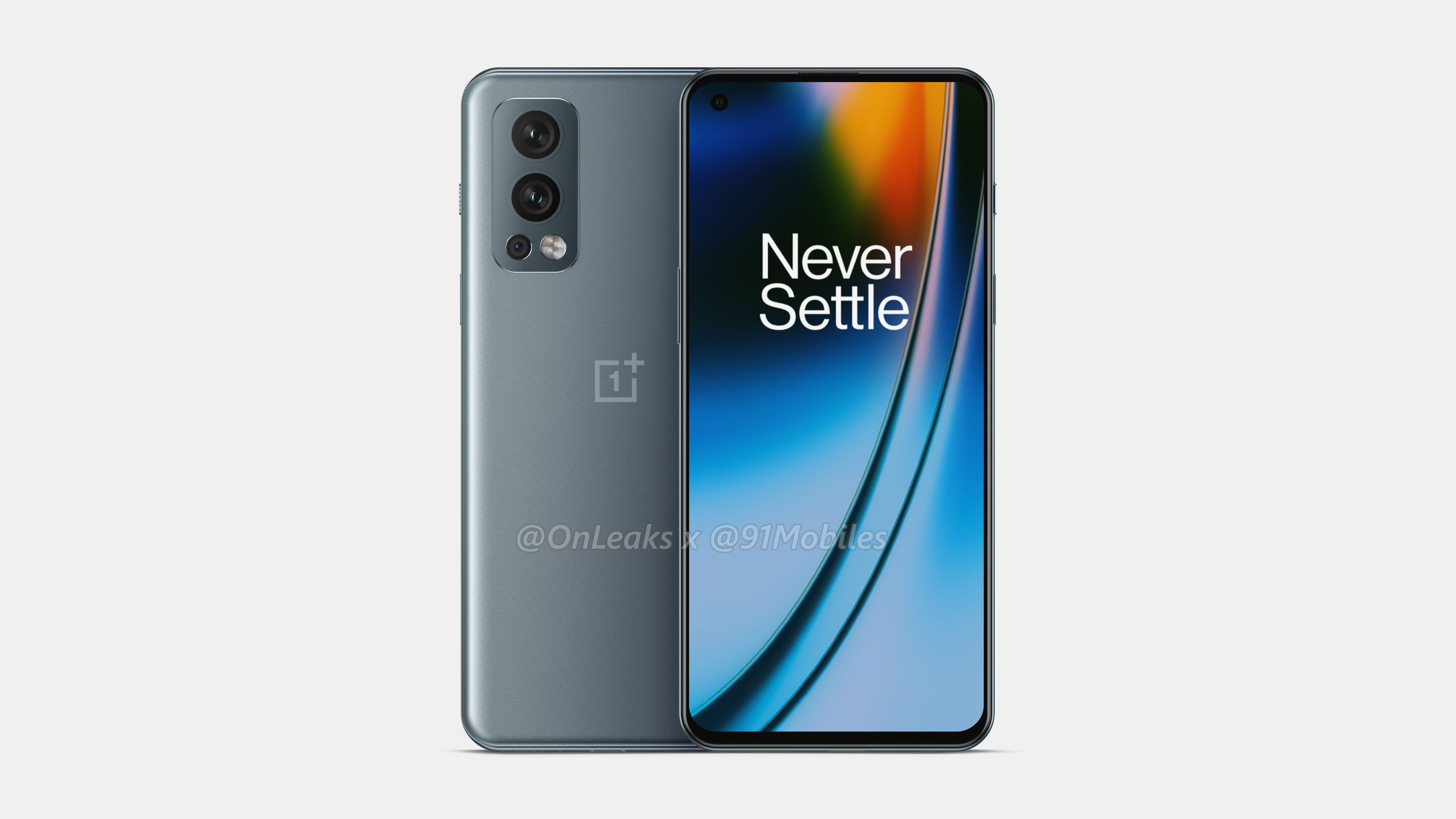
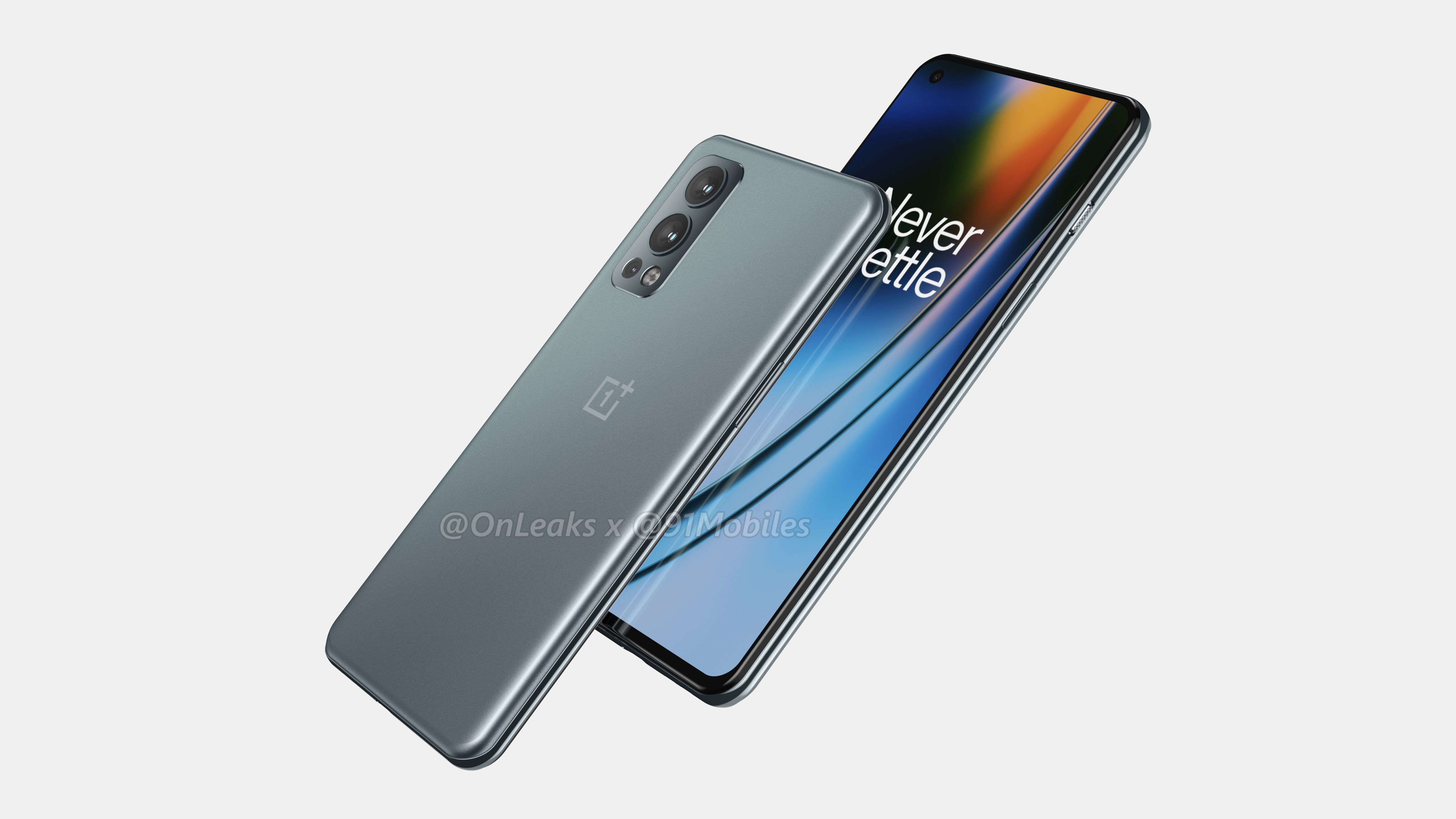
The Nord 2 is a highly anticipated device from OnePlus. The phone will arrive as the successor to the OnePlus Nord, one of the most popular mid-range phones launched in 2020. Now, renders of the upcoming phone have been released, providing an early look at the device expected to launch in July.

OnePlus Nord 2 render

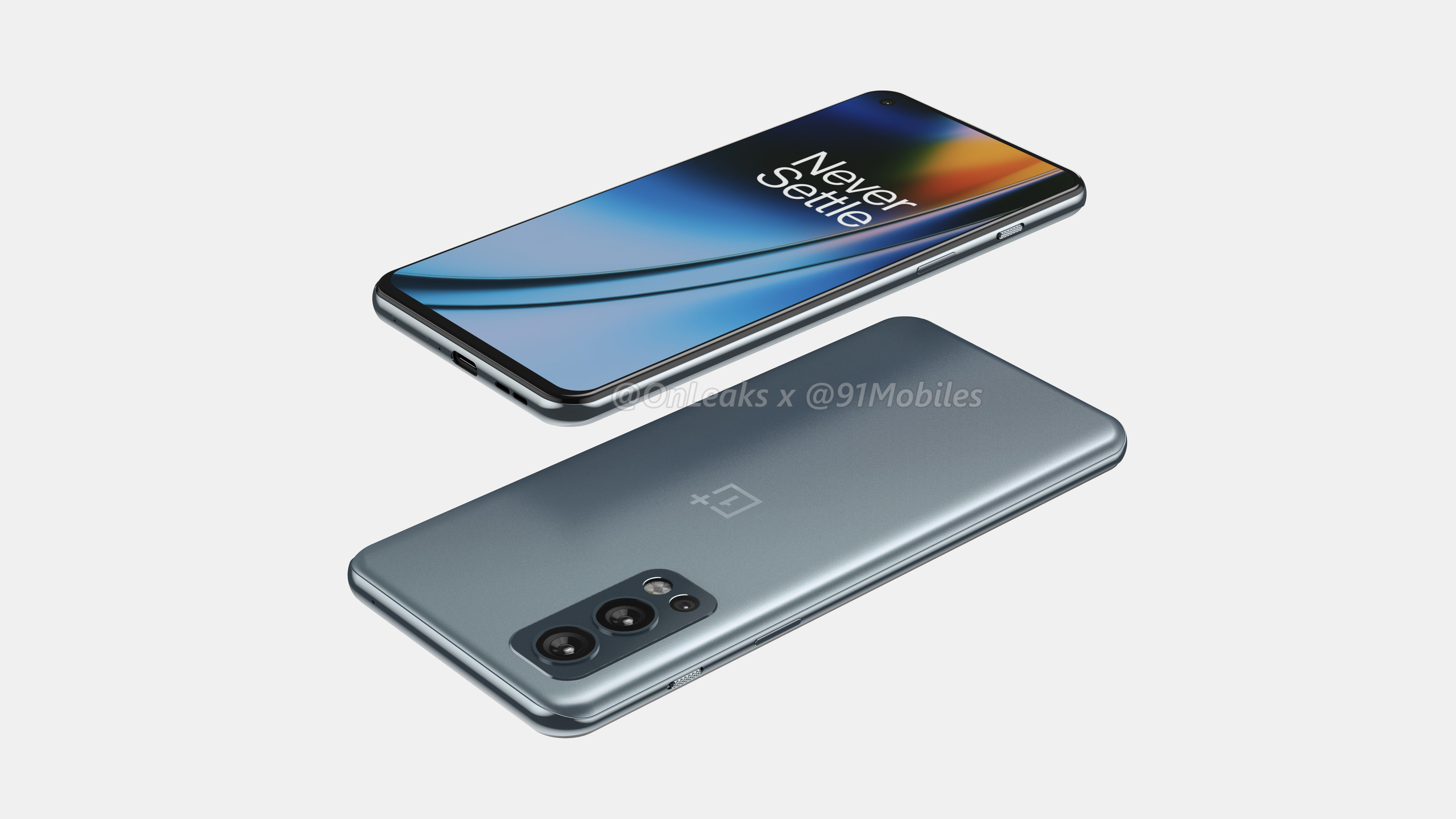
The OnePlus Nord 2 gives off a OnePlus 9 vibe as seen in the CAD-based renders courtesy of OnLeaks and 91Mobiles. The phone has a full-screen design with a hole punch at the top left corner of the display for the front-facing camera.

On the back, there are three cameras all arranged vertically, though the third camera isn’t aligned with the other two. Just like the first-gen Nord, the Nord 2 also has an Alert Slider. It is positioned on the right side of the device above the power button while the volume control buttons are on the left side. The device has its SIM tray at the bottom, flanking the USB-C port on one side, while a two-slit speaker grille sits on the opposite side.

With respect to its specs, the OnePlus Nord 2 will have a 6.43-inch FHD+ AMOLED display with a 90Hz refresh rate. It has an in-display fingerprint scanner and the front-facing camera is stated to be a 32MP sensor.

The OnePlus Nord 2 will be the first OnePlus phone with a MediaTek processor and benchmark results have revealed it is the Dimensity 1200. There should be up to 12GB of RAM and 256GB of storage onboard but note that configuration will most likely vary depending on the market.

OnePlus will equip the Nord 2 with a 50MP main rear camera, an 8MP ultrawide angle camera, and a 2MP sensor. Compared to its predecessor, the Nord 2 has fewer cameras. The phone will also pack a bigger battery – 4500mAh to be precise – and with support for faster charging. We expect it to feature the new Warp Charge 30T Plus fast charging technology that made its debut on the OnePlus Nord CE.


RELATED: