Advertisement

OnePlus will be a sub-brand of Oppo: Leaked Memo

Earlier this month, it was revealed the OnePlus will be merging with Oppo, although, it wasn’t revealed how closely the two companies would integrate. Now, a leaked memo has stated that the former will become the latter’s sub-brand.

OnePlus

A tweet from known tipster Evan Blass shared the leaked internal memo that was for the OnePlus PR team. It explains the integration of the two companies, stating that “With the integration, OnePlus becomes a brand within Oppo, however will continue to function as an independent entity.” The memo further added that the CEO, Pete Lau, will become the chief product officer at Oppo, while also being responsible for product strategies for both Chinese smartphone brands as well.

In other words, the memo has basically confirmed that OnePlus will be a part of Oppo. It states that “With the merging of both the firms, we will have more resources at hand to create even better products. It will also allow us to be more efficient in our operations.” At the moment, the research and development departments of both vendors have already been merged, and will be integration between both firms will grow to streamline day to day business as per TheVerge.

Keep in mind, OnePlus users shouldn’t expect any changes that would directly affect the customers in any drastic manner. Despite the shared ownership and supply chain that have always existed between the two companies, OnePlus will still function individually for the most part. Furthermore, the company isn’t portraying itself as a startup any longer either, prior to the launch of its upcoming flagship series of smartphones.

RELATED:


Redmi Note 9 finally gets Android 11 update

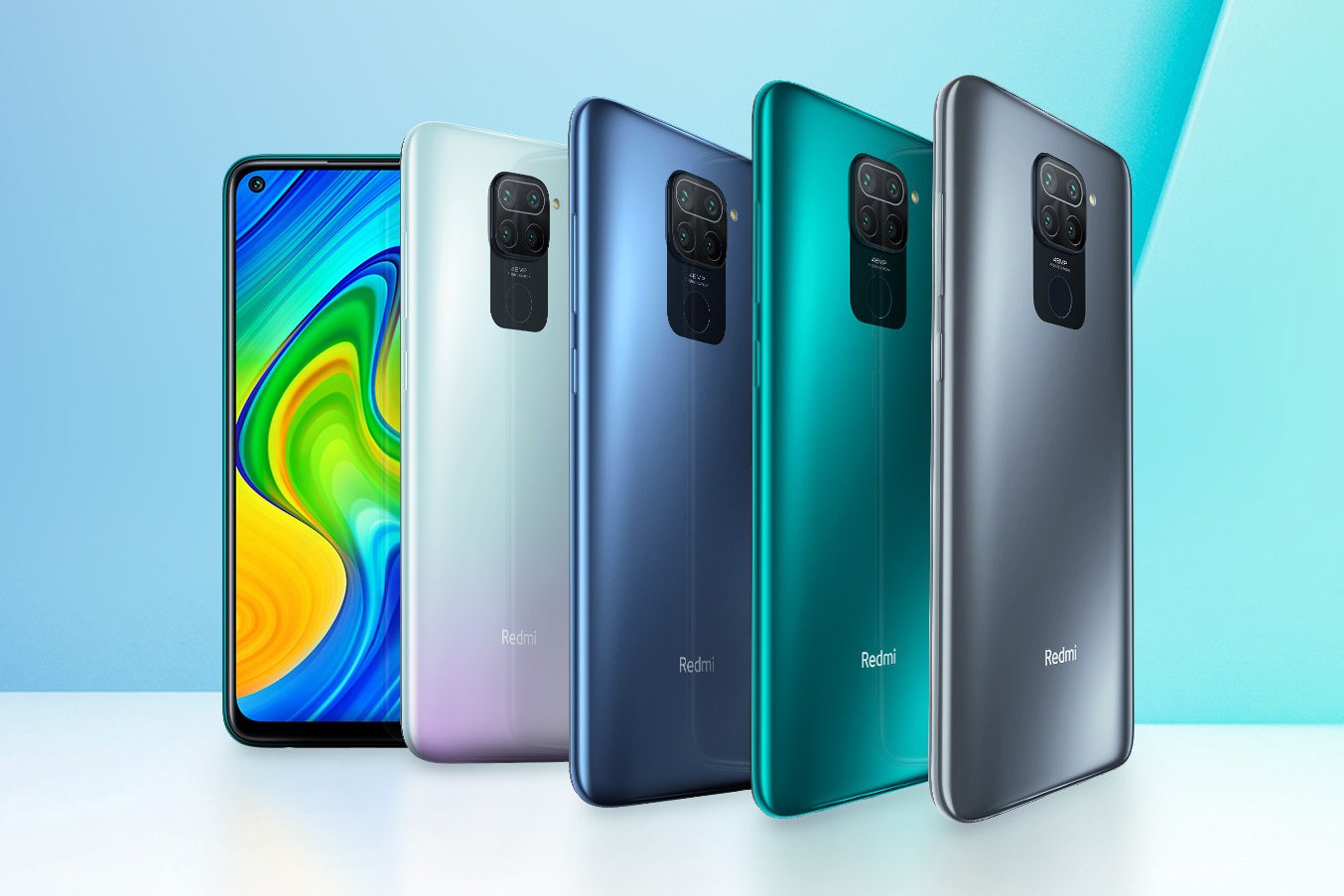
The Redmi Note 9 launched months after the release of Redmi Note 9 Pro, Redmi Note 9 Pro Max, and Redmi Note 9S. Despite that, it debuted with MIUI 11 based on Android 10. Now, almost a year after its launch, the device has finally started receiving the Android 11 update.

Redmi Note 9 All Colors Featured
Redmi Note 9 (aka Redmi 10X 4G)

The Redmi Note 9 for international markets is known as Redmi 10X 4G in China. Usually, when there’s a Chinese variant of a Xiaomi device, it gets the new system update first.

Hence, the Redmi 10X 4G was the first to get MIUI 12 last year. Unsurprisingly, it was also the first to receive Android 11 earlier this year. Four months later, Xiaomi has eventually begun to roll out the very same update for the internal version of this handset called Redmi Note 9.

At the moment, the Redmi Note 9 Android 11 update is only available for the ‘Global’ and ‘Russia’ variants. The update bears build numbers V12.0.1.0.RJOMIXM and V12.0.1.0.RJORUXM respectively.

The mentioned software builds are in the ‘Stable Beta’ phase. This means they are only available for a select few users as part of the batched rollout. 

Anyway, the update should make its way to all the units of these variants as well as the remaining regional variants (EEA, Turkey, India, Taiwan, Indonesia) in the coming days.


RELATED:


Samsung begins Galaxy Z Fold 3 & Z Flip 3 production, ahead of August 3 launch: Report

We had previously reported that Samsung will be launching the new Galaxy Z Fold 3 and  Galaxy Z Flip 3 on 3rd August 2021. Now, a new report has revealed that the company has began the mass production for its two upcoming foldable smartphones.

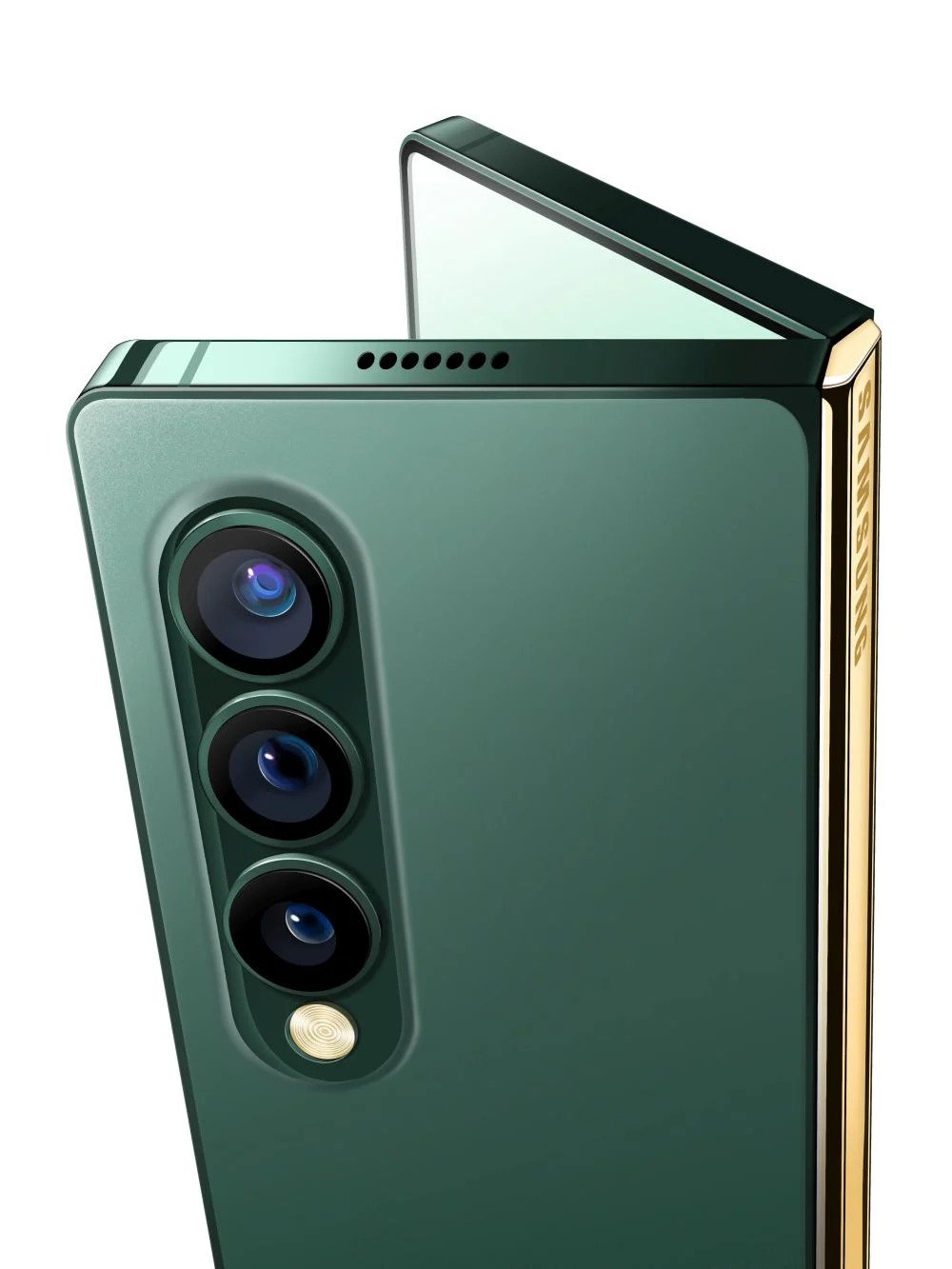
Samsung Galaxy Z Fold 3 Concept Design

According to a FrontPageTech report, the South Korean tech giant has began mass production of the Galaxy Z Fold 3 and the Galaxy Z flip 3, with its orders reaching a whopping 50,000 and 70,000 units a day for each device. These orders are quite a bit higher than the previous models of these foldable devices. The report added that the company is apparently planning on having 7 million units being produced for both smartphones combined.

Since the production figures are this high, the smartphone maker is starting up the mass production of the two devices slightly earlier this year. For those unaware, Samsung only produced a combined 1 to 2 million units of the previous two foldable smartphone models. Reportedly, the company is raising the production numbers due to the successful performance of the Galaxy Z Fold 2 that was launched back in 2020.

Samsung
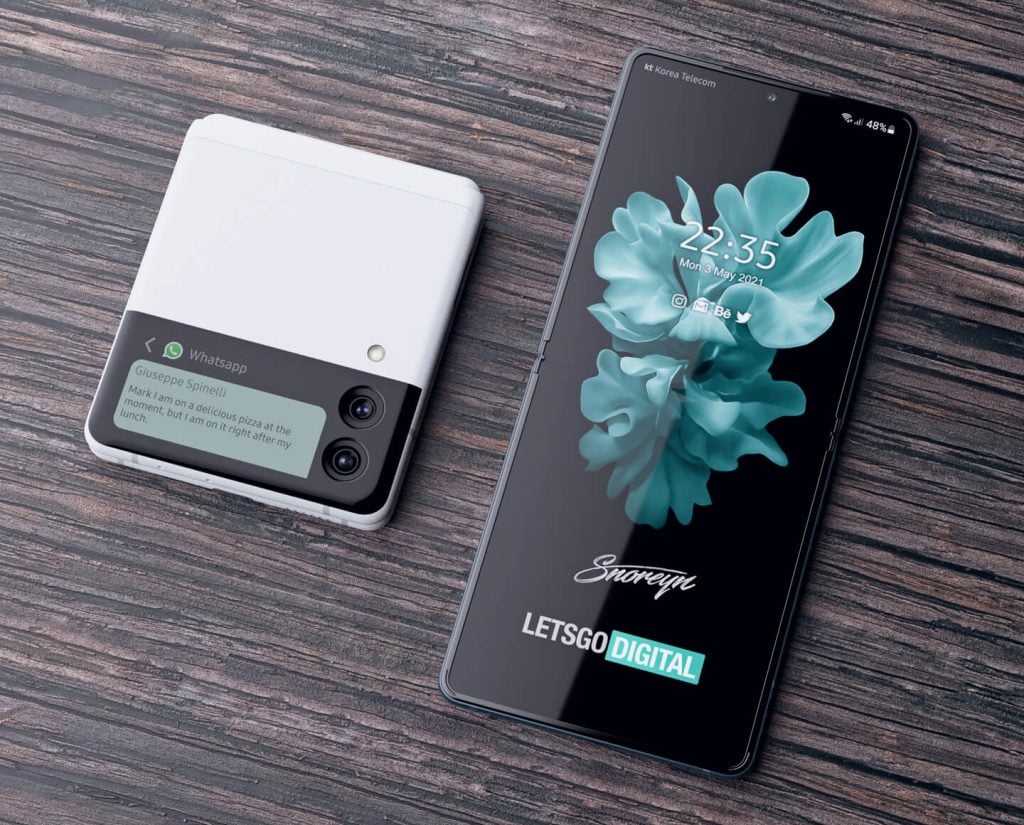
Galaxy Z Flip 3 3D renders by LetsGoDigital (Giuseppe Spinelli)

In other words, the company is clearly confident about its upcoming high end models. We will be covering the launch event of these devices and cover any rumors or reports that surface prior to its launch. So stay tuned.

RELATED:


Xiaomi Mi 10T Lite, Redmi K30 4G receive MIUI 12.5 update

If you are following Xiaomi closely, you might be aware that the company has been rolling out MIUI 12.5 update to eligible devices for the past few months. The latest smartphones to receive this update are Redmi K30 4G (aka POCO X2) and Mi 10T Lite.

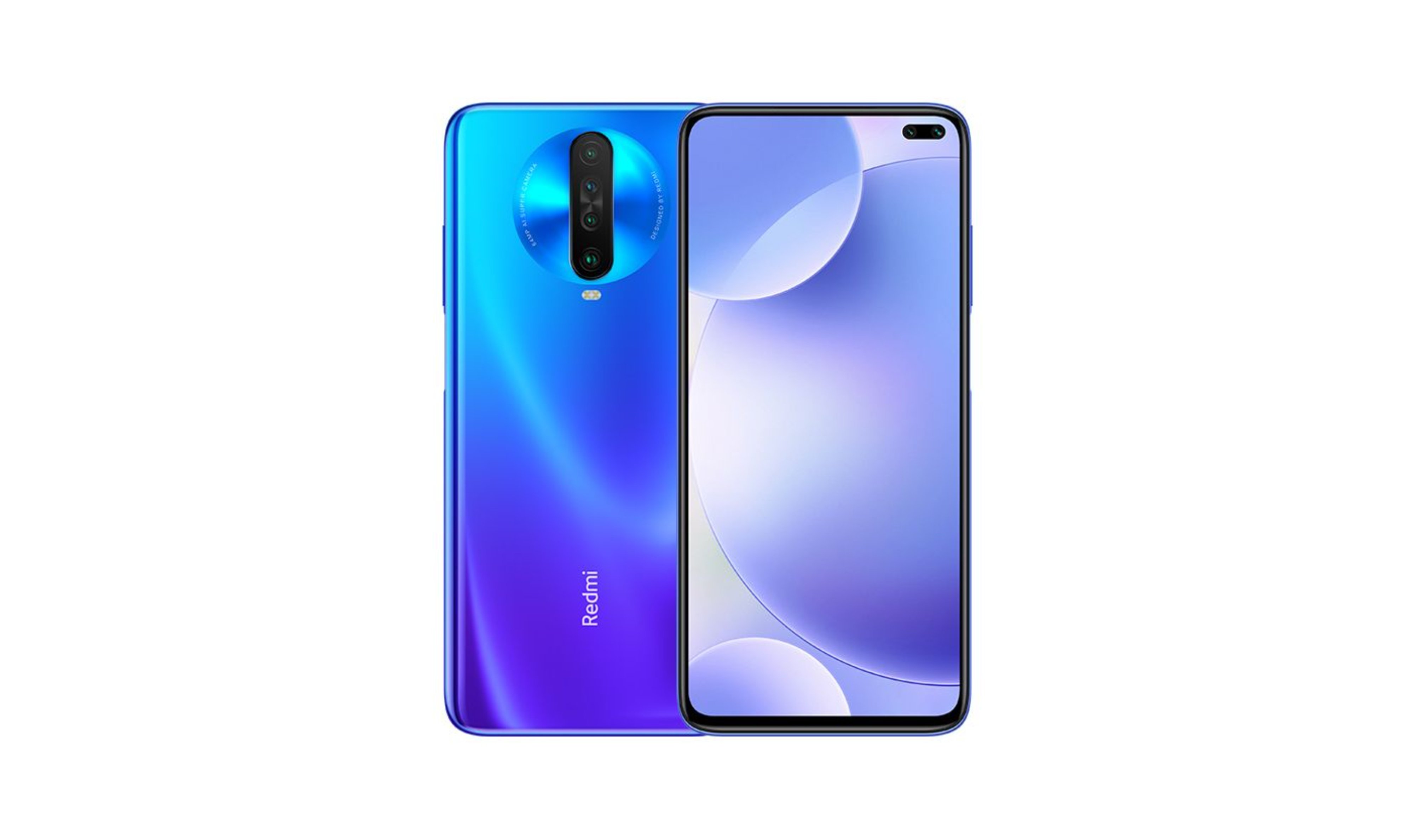
Redmi K30 4G Featured
Redmi K30 4G (aka POCO X2)

The Redmi K30 4G was announced alongside the Redmi K30 5G in late December 2019. This device later launched as POCO X2 in Inida. Xiaomi is now rolling out MIUI 12.5 update for the original version of the handset sold in China.

The Redmi K30 4G MIUI 12.5 update arrives with build number V12.5.1.0.RGHCNXM. The last major update for this phone was Android 11, which was seeded out in early January 2021. Before that, it was one of the first handsets to get MIUI 12 update last year.

On the other hand, the MIUI 12.5 update for the Mi 10T Lite is currently live for the ‘Global’ variant with build number V12.5.1.0.RJSMIXM. Android 11 was also its last major update. But unlike the Redmi K30 4G, this smartphone debuted with MIUI 12 out of the box.

Xiaomi Mi 10T Lite Featured A
Xiaomi Mi 10T Lite

The Mi 10T Lite is also known as Redmi Note 9 Pro 5G in China and Mi 10i in India. The only difference is that the Mi 10T Lite features a 64MP primary camera instead of a 108MP shooter like the other two.

Since the Redmi Note 9 Pro 5G has already received the latest MIUI update last month, only Mi 10i is left to get it. But it should receive the update soon along with POCO X2.


RELATED:


Realme G1 listing spotted on company’s official website: Tipster

A listing for an upcoming Realme smartphone has just been spotted online. This listing was found on the company’s official website, as per a known tipster on Twitter. The device in question is the Realme G1.

Realme GT NEO logo featured Review

According to a tweet from Mukul Sharma, the Chinese smartphone manufacturer is working on a new device dubbed, the G1. In his post on the social media platform, the tipster also shared a screenshot of the listing. This revealed the Realme 3i for 8,000 INR (roughly about 108 US Dollars). Underneath this listing, multiple links to the G1 can also be spotted. The curency also implies that this was found on the Indian version of the official website and implies that the device will be launching in the Southeast Asian country.

Unfortunately, the tipster only shared the screenshot and the name of the device. In other words, we have no information or finer details regarding the upcoming smartphone. Although, it does imply the arrival of a new series of handsets from the company. This is all the information we have at the moment, so stay tuned for more as we will be providing updates when additional information is available regarding this new smartphone.

RELATED:


Cocos Creator is the first game engine to support Huawei HarmonyOS

With Huawei recently launching its HarmonyOS 2.0 platform, Cocos announced that it would be launching an updated version of the Cocos Creator to support the new operating system, which has just been released.

Huawei HarmonyOS Logo Featured

For those unaware, Cocos Creator is an all in one development tool that enables developers to create games for all major platforms, like the iOS, Android, Facebook Instant Games, WeChat Mini Games, HTML5, and desktop as well. The latest version is the Cocos Creator 3.2, which was officially launched at an event in Shanghai. This makes it the world’s first game engine that supports the Huawei HarmonyOS system, as per HuaweiCentral.

The system could also enable the launch of heavy games of different categories like 2D or 3D titles. Furthermore, the Cocos Creator 3.2 version supports the one click packing of games into the HarmonyOS applications. Notably, it even supports the use of the PhysX capabilities of the ByteDance platform in ByteDance mini games and more. Cocos Dashboard also provides a unified downloader and launch portal for the Cocos Creator and Cocos Creator 3D engines.

Huawei
Via HuaweiCentral

In simpler terms, game developers can now complete the project in the Cocos Creator within the HarmonyOS platform. So, we can soon expect ports of existing games or even the launch of possibly exclusive flagship HarmonyOS mobile games to make their way into the Chinese tech giant’s AppGallery.

RELATED:


HUAWEI Mate50 series is delayed; not canceled: Tipster

Last week,  news broke out that the HUAWEI Mate50 series will not launch in 2021. A few days later, one of the popular tipsters in China revealed more details about the situation. Let’s take a look at what he has to say.

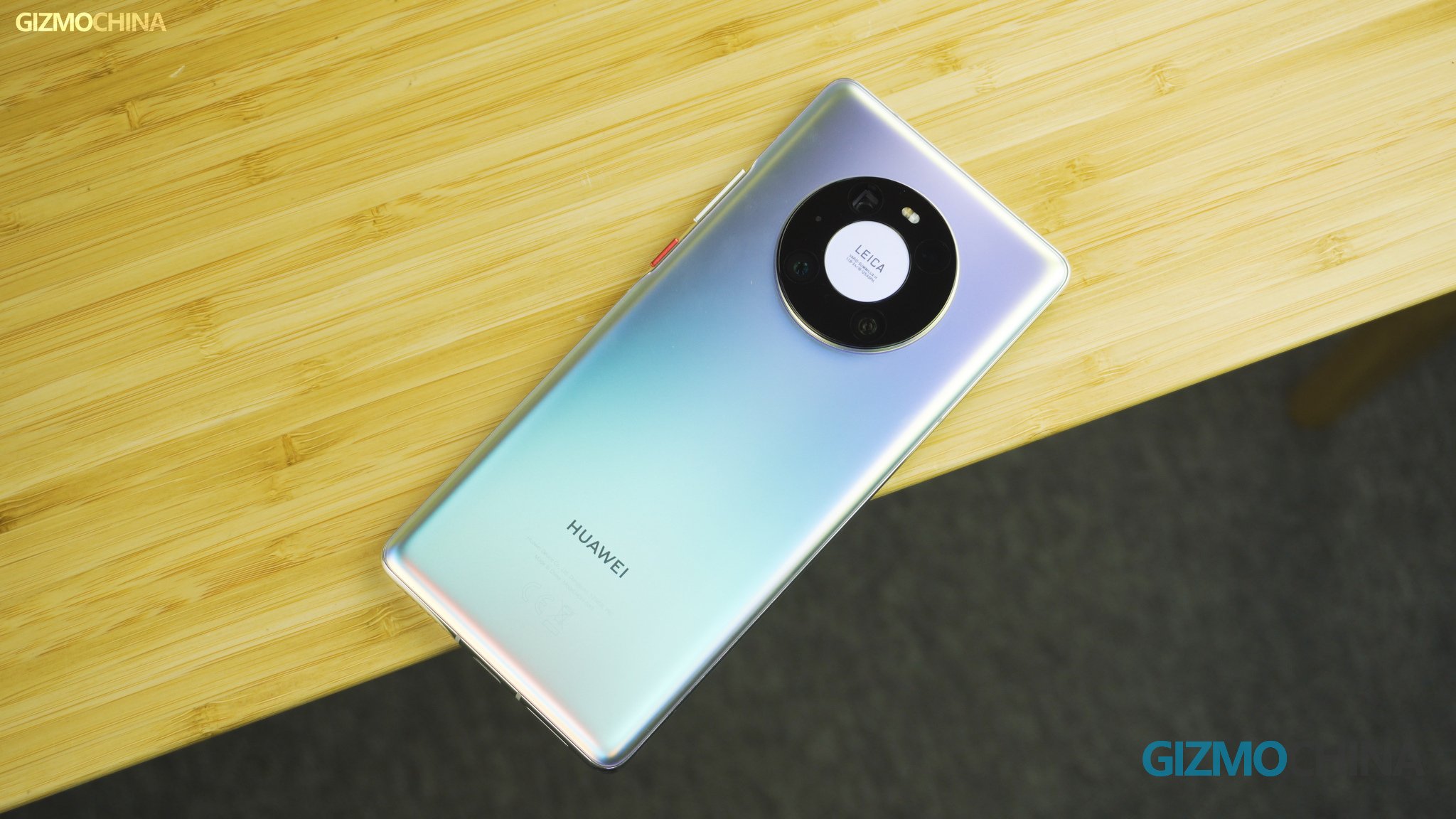
Huawei Mate 40 Pro Review Featured
HUAWEI Mate40 Pro

According to 菊厂影业Fans on Weibo, the HUAWEI Mate50 series is not canceled. He reassures that the company’s high-end smartphones for H2 are merely delayed. He asks the public to stay away from fake rumors about the devices being canceled.

Further, he adds that even if the HUAWEI Mate50 series don’t launch in 2021, then it may come out in 2022. In other words, he is too optimistic since the HUAWEI Mate series is the company’s popular high-end smartphone lineup other than the HUAWEI P series. 

Confirming this leakster’s claim, an exclusive report by China Securities Journal has also revealed that the design of the HUAWEI Mate50 series has been finalized. It’s that the company is yet to decide when to kickstart mass manufacturing due to supply shortage.

For now, 菊厂影业Fans requests people to wait for the launch of the HUAWEI P50 series. As per his latest Weibo post, the P50 series will offer better gameplay and optimized video recording. He says that the zooming will be smooth without any stutter and there won’t be any discoloration either.

Last but not least, since the HUAWEI P50 series will be the first smartphone lineup with HarmonyOS out of the box, it will have some exclusive features as well.


RELATED:


Apple iPad Pro 2021 Cellular variant goes on sale in China for 7,399 yuan ($1,144)

Last month, tech giant Apple launched its latest iPad Pro devices in two different sizes — 11-inch and 12.9-inch, powered by the company’s own Apple Silicon-based M1 chipset.

While the device went on sale last month, the cellular variant wasn’t available for purchase due to the delayed certification process. Now, the Cupertino-based tech giant has officially listed the iPad Pro 2021 cellular variant for sale.

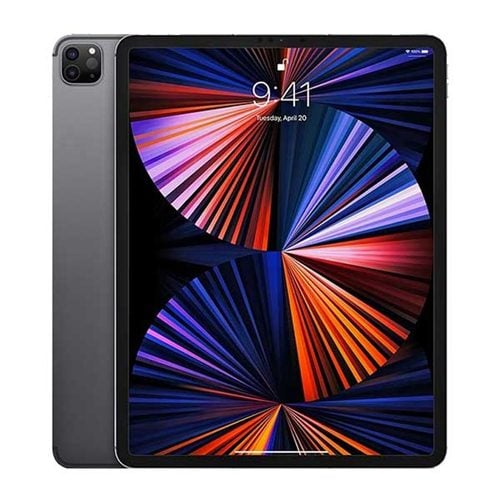
Apple iPad Pro 12.9 (2021)

The device is priced at 7,399 yuan (~$1,144) which is about 1,200 yuan costlier when compared to the Wi-Fi-only variant of the same lineup. The tablet is also available to purchase on JD Mall among other online stores.

The Apple iPad Pro 2021 is available in two screen sizes — an 11-inch model that utilizes an LCD display and a 12.9-inch model equipped with a mini-LED screen which Apple calls Liquid Retina XDR display. The mini-LED screen has a peak brightness of 1,600 nits and 1,000 nits full-screen brightness and also comes with support for HDR10, Dolby Vision, and HLG imaging formats.

On the other hand, the LCD screen manages a peak brightness of 600 nits. The screen retains support for True Tone and features the DCI-P3 color gamut. The two displays come with a 120Hz refresh rate which Apple calls ProMotion.

Coming to connectivity, this is the first tablet from Apple to come with support for 5G connectivity and there’s also a variant with support for eSIM. It packs a 12-megapixel TrueDepth camera as well as a 10-megapixel ultrawide-angle lens with a 122º-degree field of view upfront.

As for the pricing in the United States, the iPad Pro 12.9 starts at $1,099 for the 4G version and $1,299 for the 5G version. On the other hand, the 11-inch model starts at $799 while the Wi-Fi+Cellular version retails for $999.

RELATED: 

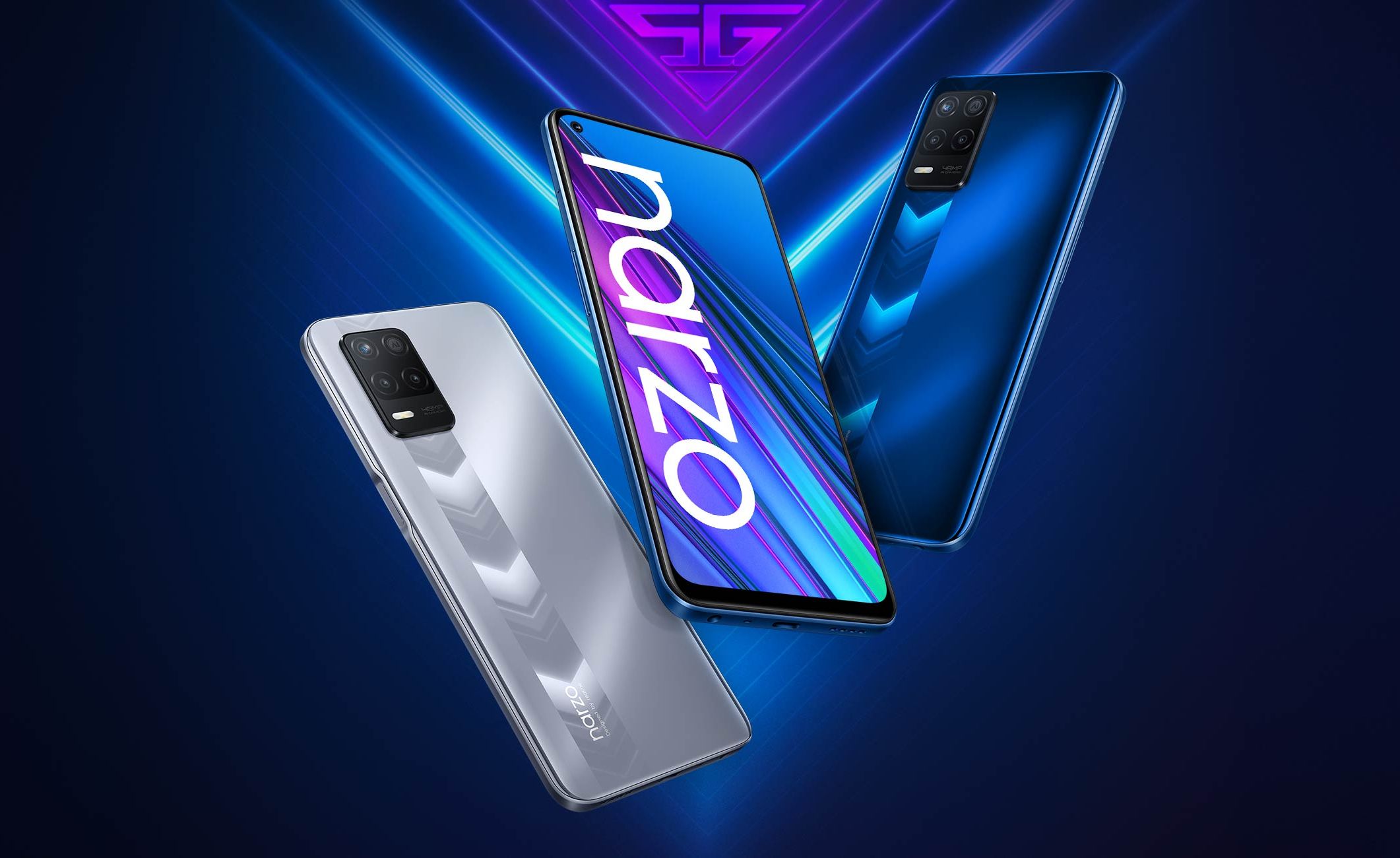
Realme Narzo 30 5G, 4G variants and color variants leaked

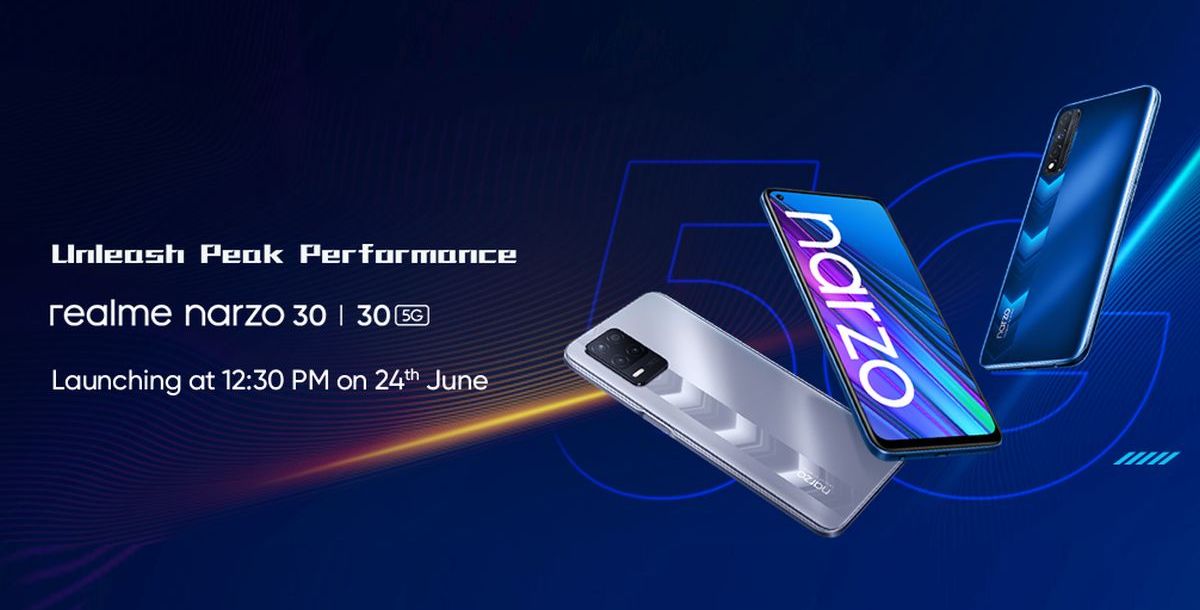
On June 24, Realme will be announcing the Narzo 30 4G and Narzo 30 5Gv phones in India. Ahead of the launch, a tipster has shared the configurations and color variants of both phones.

According to the tipster, the Narzo 30 4G and Narzo 30 5G will be available in two options such as 6 GB RAM + 64 GB storage and 6 GB RAM + 128 GB storage. Both phones are likely to arrive in two colors as Racing Blue and Racing Silver.

The tipster has speculated that the Narzo 30 4G could be priced at Rs 11,499 (~$155) or Rs 11,999 (~$162), whereas the Narzo 30 5G may cost Rs 13,999 (~$188) or Rs 14,499 (~$195). At present, the Narzo 30A and Narzo 30 Pro 5G are selling in India are available with starting prices of Rs 8,999 (~$121) and Rs 16,999 (~$223), respectively.

Realme Narzo 30 series launch date-

Realme Narzo 30 4G and Narzo 30 specifications

The Narzo 30 4G and Narzo 30 5G have a 6.5-inch IPS LCD punch-hole screen that supports FHD+ resolution. Both handsets are powered by Helio G95 chip and Dimensity 700 chip, respectively.

Both handsets have a 16-megapixel front camera. The triple camera system on both devices includes a 48-megapixel main camera, a 2-megapixel depth sensor, and a 2-megapixel macro lens. For security, they feature a side-facing fingerprint scanner.

The Narzo 30 and Narzo 30 5G are loaded with Realme UI 2.0 and Android 11 OS. They are backed by a 5,000mAh battery. The former is said to support 30W charging, whereas the latter supports 18W charging.

RELATED:

realme narzo 30 5G, realme Buds Q2 India price leaked ahead of launch

Chinese handset maker realme has scheduled an event for June 24 in India. The brand has confirmed to launch realme narzo 30, realme narzo 30 5G, and realme Smart TV Full HD 32” at this conference. An accessory called realme Buds Q2 will be also debuting along with these devices. Ahead of these products’ official announcement, the price of the 5G smartphone and the TWS have been revealed by a tipster.

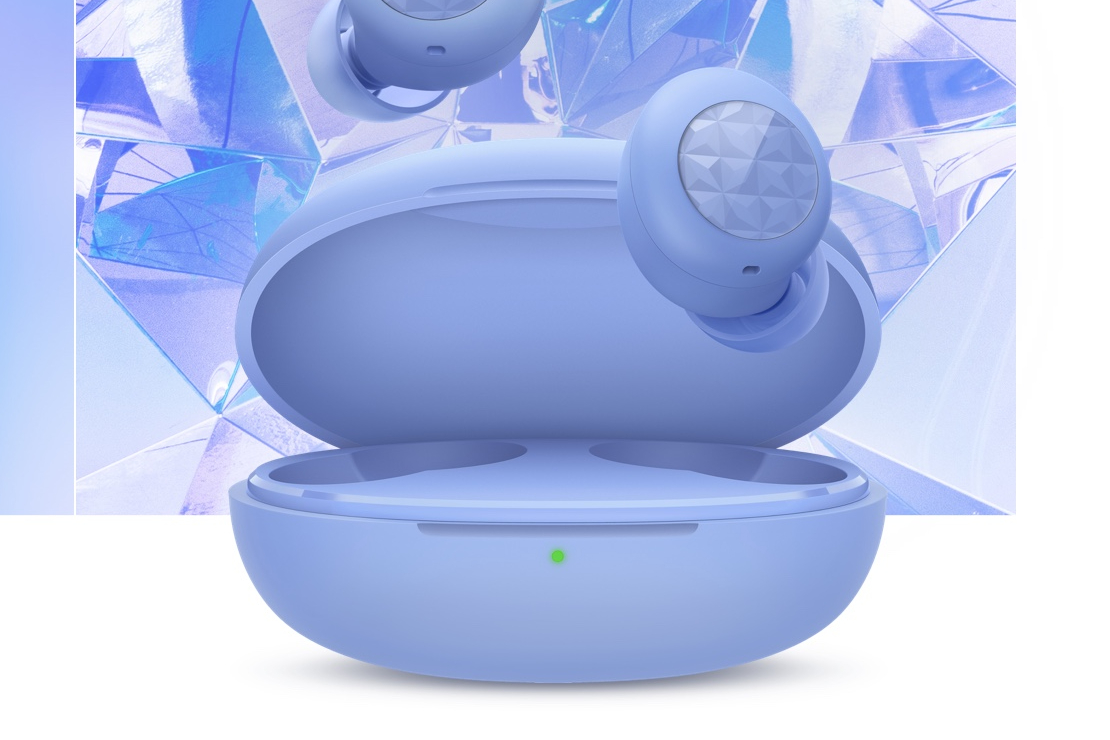
realme Buds Q2 Blue Featured
realme Buds Q2

The realme Buds Q2 made their global debut in Pakistan in late April. They are priced at 5,999 ($38) Pakistani Rupees in the country. According to Yogesh (via realmetimes), this pair of TWS will cost similar in India. As per him, the realme Buds Q2 will be priced in India at either ₹2,899 ($39) or ₹2,899 ($40).

On the other hand, the realme narzo 30 5G will compete directly with the POCO M3 Pro 5G. Hence, it is said to retail for ₹15,990 for a single 6GB + 128GB variant. For comparison, the POCO device costs ₹13,999 and ₹15,999 for the 4GB + 64GB and 6GB + 128GB storage configurations respectively.

Realme Narzo 30 5G
realme narzo 30 5G

The upcoming realme narzo 30 5G and realme Buds Q2 do not feature anything extraordinary. The highlight of these devices is their price. The former is said to democratize 5G, whereas the latter is advertised as a democratizer of ANC (Active Noise Cancellation).


RELATED:


Battlegrounds Mobile India is sending data to servers in China: Report

While Battlegrounds Mobile India has been a highly anticipated game, the upcoming battle royale title has also been facing a lot of scrutiny and calls for ban even prior to its release. Now, a new report has revealed that data from the Android version of the game was found being sent to servers in China.

BattleGrounds Mobile India

According to an IGN report, the data regarding Indian users’ Android smartphones are being sent to a server in China. The data sent and received by the Battlegrounds Mobile India app are from China Mobile Communications servers in Beijing. This is a Tencent owned Proxima Beta in Hong Kong. Similarly, the data is also being sent to Microsoft Azure servers situated in the US, Mumbai, and Moscow.

The report added that these results were produced by simply installing a data packet sniffer app on your Android device. The app would then be able to find out which servers the smartphone is communication with. When checking the servers that the upcoming mobile game is connecting to, it was found that one of the servers was revealed to be run by China Mobile Communications Corporation, which is a Chinese state owned company. This server was located in Beijing, China.

Furthermore, one does not have to play a match either just to get these results. Apparently, Battlegrounds Mobile India also pings a Tencent server in Beijing as it begins booting up the game. This is major news considering Krafton Inc clearly states in its terms of service that the personal information of players would be stores and processed in servers that are based in India and Singapore. Although, it did add that it may “transfer your data to other countries” to meet “legal requirements.”

RELATED:


Flexible OLED display panel shipment to drop 35% in Q2 2021: Report

Demand for flexible OLED display panels has been on a rise but as per the new report from market research firm Omdia, the shipments of flexible OLED panels will be around 57 million units for the second quarter of this year.

This means that the shipments will witness a drop of 35 percent when compared to the previous quarter. This is being attributed to Q2 2021 being off-season and the drop of shipments in Apple iPhone models.

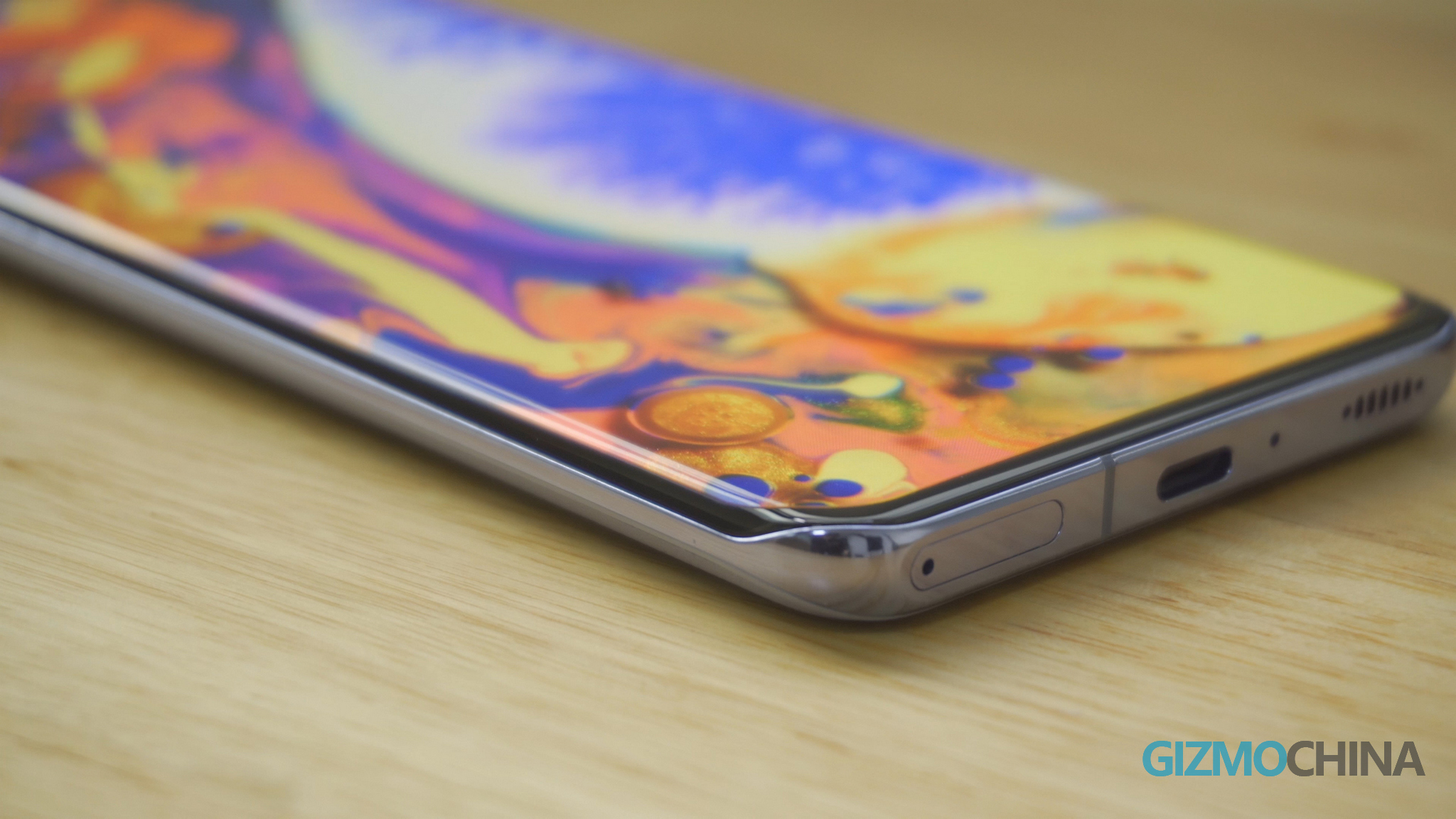
Xiaomi Mi 11 display review 02

However, when compared Year-on-Year, the numbers represent an impressive increase of 54 percent. On the other hand, the report adds that the rigid OLED panel shipments will be around 53 million units in Q2 2021.

The report from Omdia claims that Samsung Display could ship more than 39.1 million units of flexible OLED panels in the second quarter of this year, which represents a drop of 42.8 percent from the previous quarter and an increase of 61.6 percent YoY.

On the other hand, LG Display is expected to ship 10.6 million units, indicating a drop of 41.1 percent from the previous quarter and an increase of 55.9 percent year-on-year. BOE, CSOT, Visionox, and Tianma are expected to ship 7.9 million units, 3.1 million units, 2.1 million units, and 1.4 million units, respectively in Q2 2021.

Previously, Samsung was one of the few smartphone manufacturers using flexible OLED panels for its Galaxy S-series and Note-series devices, along with Huawei and Apple. But that is now changing, with more brands adopting this new panel.

With the increase in demand, manufacturers for the flexible OLED panels have also increased as the likes of BOE and CSOT increasing their production capacity to compete against the market leader Samsung Display.

RELATED: 

Samsung reportedly starts working on Android 12 for the Galaxy S21 series

Google unveiled the first beta of its new Android 12 operating system last month during the annual developer conference. Recently, the company started rolling out the beta 2 update which is now available for smartphones from select brands.

Now, a new report coming from Max Weinbach claims that Samsung has started working on Android 12 for the Galaxy S21 series smartphones. It’s noteworthy that Android 12 is still in beta and the official release is expected in September.

Samsung Galaxy S21 Ultra Phantom Black S Pen Featured

While the official timeline for the update from the South Korean giant is not yet known, it is expected that Samsung will start rolling out the Android 12 with a new version of its custom user interface — One UI.

Samsung is reportedly going to hold the Samsung Developer Conference (SDC) in October or November but if last year is any indication, its users won’t have to wait that long for Android 12-based One UI 4.0. The first developer beta should arrive sometime in August.

The Galaxy S21 series of smartphones is the company’s most recent lineup in its flagship lineup and the phones are guaranteed to get updated for three years. In the Galaxy S-series, the company will release also the Android 12 to Galaxy S10 and Galaxy S20 lineup.

The Android 11 rollout was started rolling out with the Galaxy S20 lineup and thus, it makes sense for the South Korean giant to start the rollout of Android 12 with the Samsung Galaxy S21 range.

RELATED: 

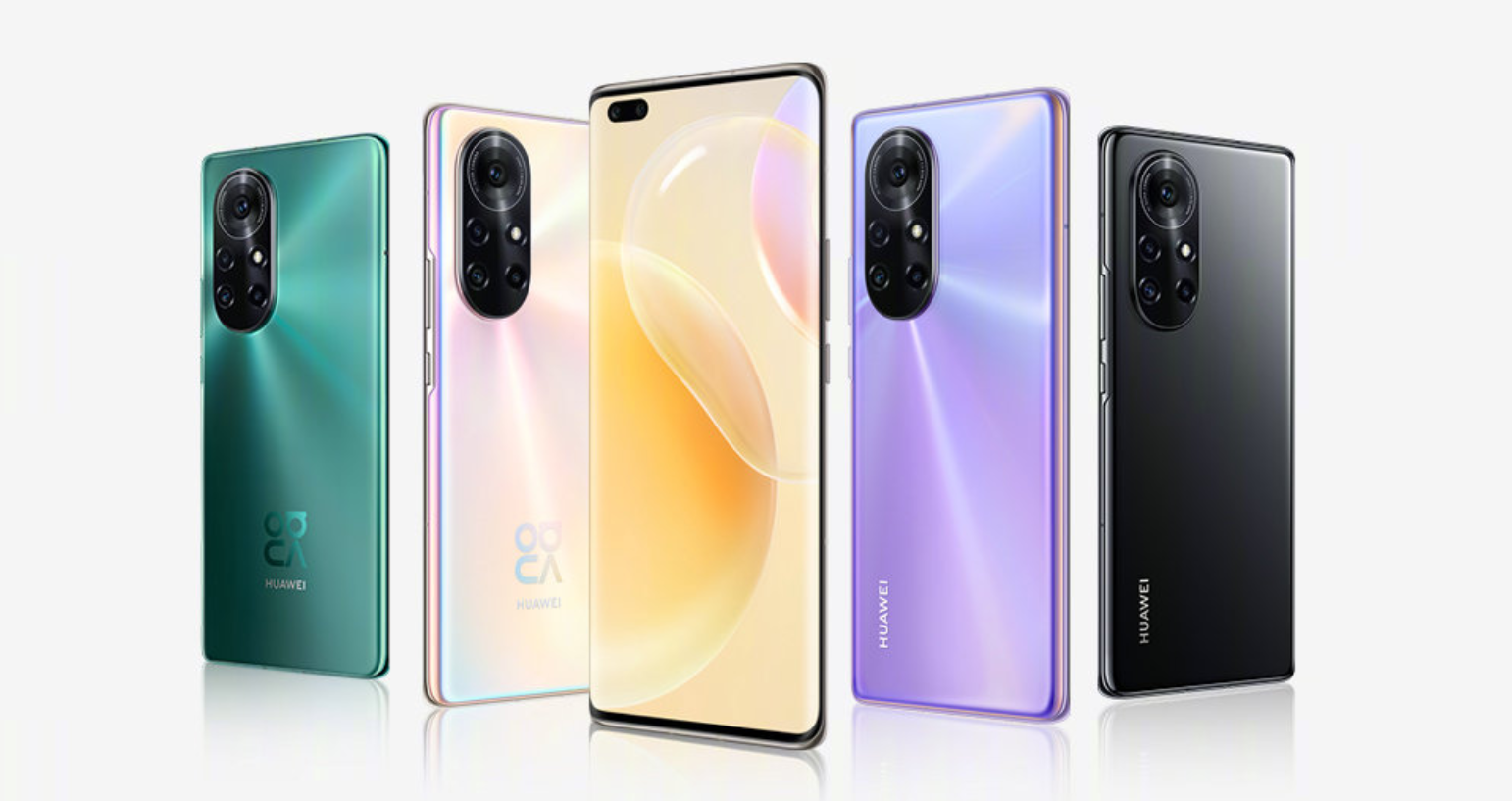
Huawei Nova 9 series in works, like to launch early

Huawei announced the Nova 8 series of smartphones by the end of 2020. Several digital bloggers from China are claiming that the company could be working on the Nova 9 series. It is also being speculated that the Nova 9 lineup may debut between August to October.

It is speculated that the Nova 9 series will be similar to the Nova 8 lineup in terms of specifications and design. The Nova 8 came with an oval-shaped camera module that houses a main lens at the top and it was followed by other cameras.

There is a possibility that Nova 9 may have dual camera rings like the upcoming Huawei P50 series. The top ring may house the main lens, while the second ring may house the other lenses and an LED flash.

Huawei Nova 8 and Nova 8 Pro launched
Huawei Nova 8 Pro

Leaked information that appeared in May claimed that the Nova 9 could be featuring the Kirin 990E, which was seen on the Mate 40E 5G phone. However, it is also being speculated that the Nova 9 lineup could be powered by 4G chips due to the chip shortage issue. In other words, the Nova 9 models may lack support for 5G connectivity.

Apart from the Nova 9 series, the company is also said to be working on the Huawei P50 series of smartphones. Recent reports have claimed that the P50, P50 Pro, and P50 Pro+ featuring the 5nm Kirin 9000 SoC may debut in July or August. Hopefully, newer reports will spill more information about the Nova 9 lineup and P50 series in the coming weeks.

(via)

RELATED:

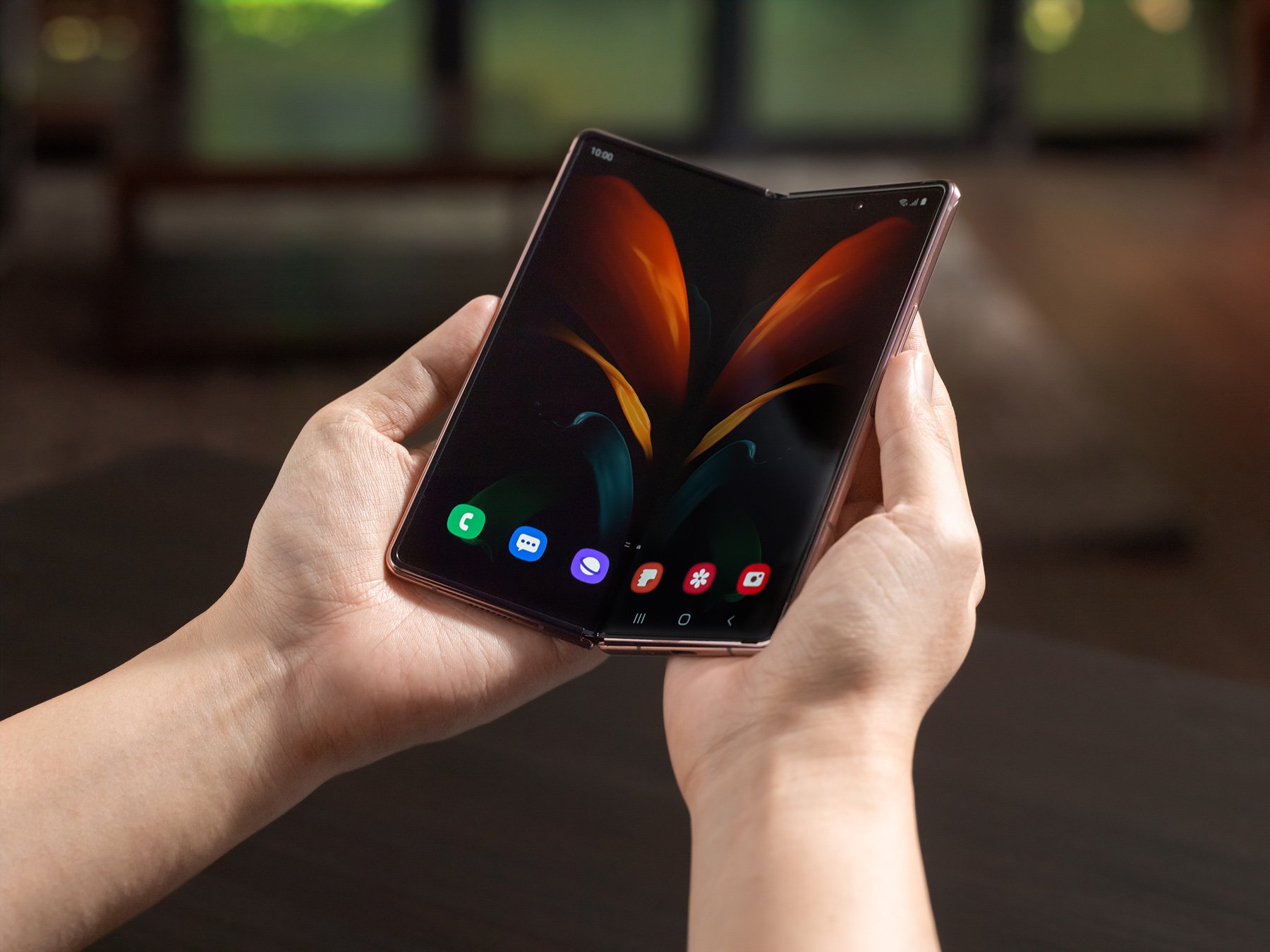
Samsung Galaxy Z Fold 3 foldable smartphone to be priced lower than its predecessor

Foldable smartphones are no longer an experimental lineup and people are now opening to the concept. While there are a few brands that have launched their foldable smartphones in the market, Samsung is leading the category.

The South Korean giant is now gearing up to launch the next-generation foldable smartphones, including the Samsung Galaxy Z Fold 3. And as per the new reports, the phone could be priced lower than its predecessor.

Samsung Galaxy Z Fold 2 Mystic Bronze In Hands Featured

While reports say that the phone will come with a lower price tag, exact details about the pricing are not yet known. But it’s noteworthy that the company is aiming to reach more people by lowering the pricing and making the category more attractive.

Reports indicate that the Galaxy Z Fold 3 and the Galaxy Z Flip 3 could be getting about a 20 percent price cut compared to their predecessors. This means that the next-generation Galaxy Fold smartphone could cost $400 less than the $1,999 pricing of Galaxy Z Fold 2.

The company is expected to retain the 256GB internal storage model and is also rumored to offer a 512GB storage model for those who want additional storage capacity but this is for the Galaxy Z Flip 3 and not the Fold-series model.

If the previous reports are to be believed, then the Samsung Galaxy Z Fold 3 is expected to be officially launched in August this year but we are still waiting for the official confirmation from the South Korean giant.

RELATED: 

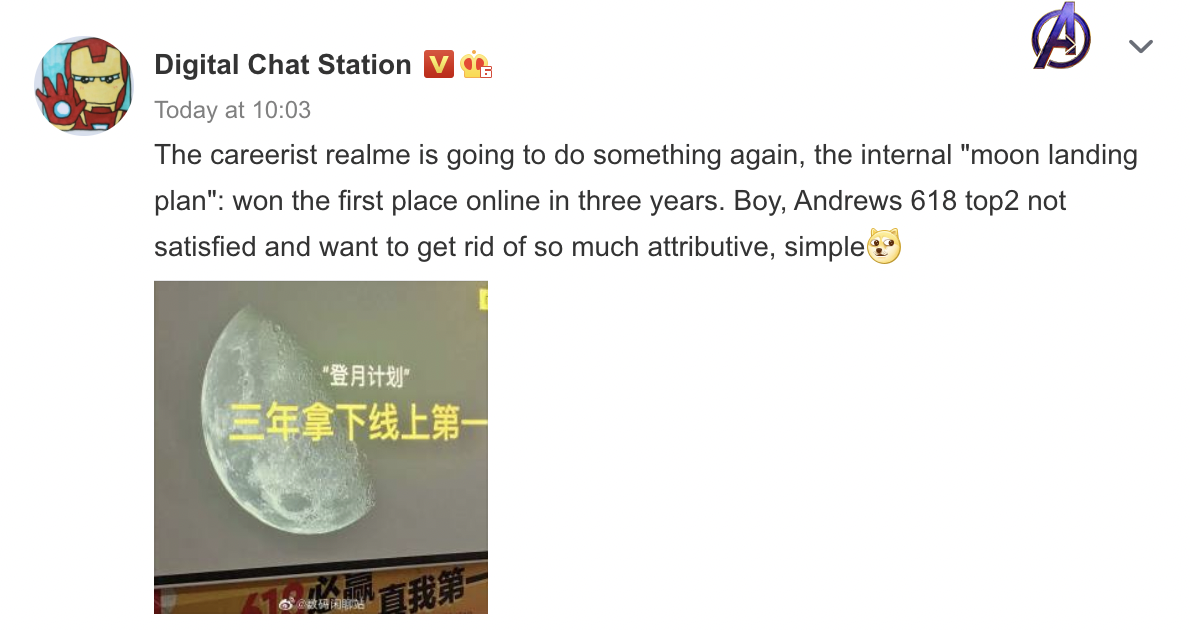
Realme internal “Moon Landing Plan” leaks online; becomes leading brand in online sales

A well-known Chinese leaker has shared details about Realme’s internal plan named “Moon Landing Plan” and talks about the company’s achievements. The brand has also become the leading in online sales in three years.

Additionally, Realme has announced in the report for the 618 Sale in China that the sales of its smartphones have exceeded the sales mark of one million units and the cumulative sales of the company rank it among the Top 2 when it comes to Android smartphones.

Realme Moon Landing Plan

The OPPO-backed company had a keynote speech during the Global 5G Summit jointly organized by Qualcomm and others and there, Realme announced that it plans to provide more than 20 5G phone models by the end of 2022 and aims to reach 100 million 5G users by the end of 2024.

The company is gearing up to launch several new products and is also entering a few new categories, including tablets and laptops. Madhav Sheth, CEO of Realme India and Europe has also teased these upcoming devices.

The brand recently launched its flagship smartphone Realme GT 5G globally and now it is gearing up to launch the same in the Indian market. It is also planning to launch its next-generation X-series phones — Realme X9 and X9 Pro in China later this month. The company is clearly aiming to become a lifestyle brand and not limit itself to just smartphones, following the footsteps of another Chinese company Xiaomi.

RELATED: 

Vivo V21e 5G launch date confirmed for India

Last week, Vivo India released a tweet that the Vivo V21e 5G will be launching on June 24 in India. However, the tweet was quickly deleted, and a new tweet was released which just confirmed the arrival of the smartphone. The company has now finally confirmed that the V21e 5G will debut at 5 PM (local time) on June 24 in the country.

The Vivo V21e 5G will be positioned lower than the Vivo V21 5G, which is priced at Rs 29,990 in India. The V21e 5G is likely to carry pricing of Rs 24,990 for the 8 GB RAM + 128 GB storage edition. It is unclear whether the phone will come in another option.

Vivo V21e 5G specifications

The Vivo V21e 5G has a 6.44-inch AMOLED display that offers a Full HD+ resolution, a 20:9 aspect ratio, and an in-display fingerprint scanner. The Dimensity 700 chipset is present under the hood of the device. The SoC is coupled with 8 GB of RAM and 3 GB of extended RAM.

It has a 4,00mAh battery that carries support for 44W rapid charging. The phone runs on Android 11 OS and FunTouch OS 11.1.

The V21e 5G has a front camera of 32-megapixel. Its rear camera setup has a 64-megapixel primary camera and an 8-megapixel ultrawide lens. It has a slim profile of 7.67mm and weighs 165 grams.

RELATED:


Top stories from last week: OnePlus merges with OPPO, a unified fast-charging standard for Chinese brands, Honor 50 series, new Beats earbuds, and more

Windows 11 leaked before its launch, OnePlus’ merger with OPPO, Apple’s new Beats earbuds for Android, and more are among the top stories from last week. Here’s your chance to get up to speed.


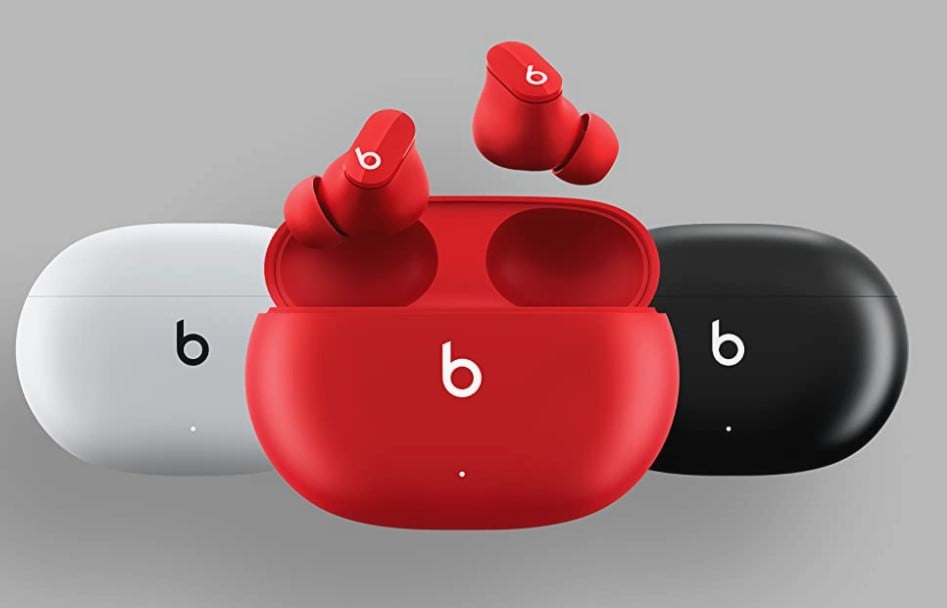
Beats Studio Buds featured

Beats Studio Buds – Apple’s earbuds for Android

Apple-owned Beats announced a new pair of wireless earbuds last week and they are practically targeted at Android users. The spanking new Beats Studio Earbuds with ANC are not only smaller and more affordable than its last pair of earbuds, the Powerbeats Pro, they also pack more Android features than any of Apple’s other earbuds.


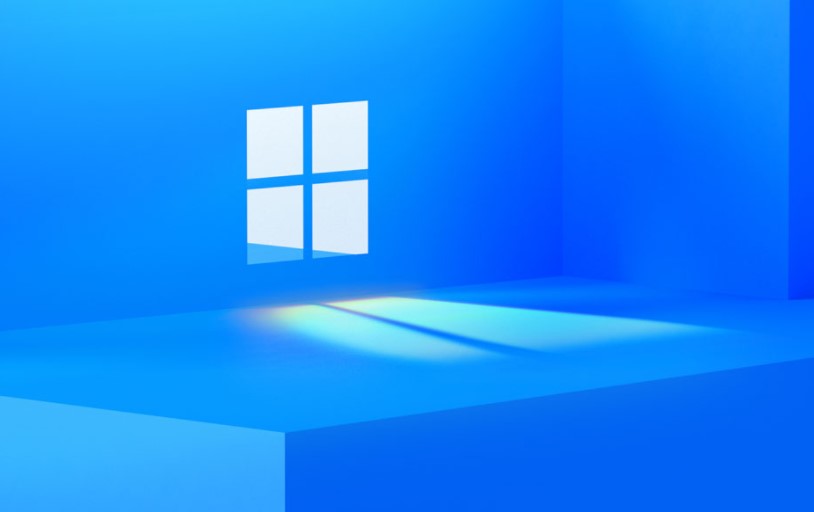
Windows June 24 Event

Windows 11 leaks before its official launch

Microsoft is announcing a new version of Windows in a few days but just a week before the launch, it gets leaked as an ISO file available for users to download and install on their PCs. It is called Windows 11 and it brings a revamped visual interface among other upgrades.

In related news, Microsoft has also confirmed that it will be ending support for Windows 10 four years from now.


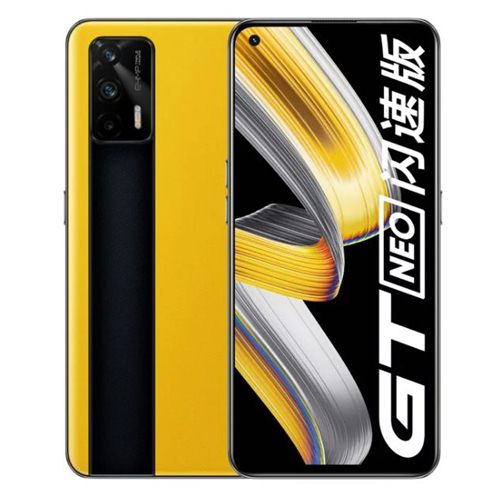
Realme GT Neo Flash

Realme GT lands in Europe alongside Realme’s first robot vacuum cleaner

The Realme GT 5G is now available in Europe, months after its launch in China. With a starting price of €449, the flagship killer does have a lot going for it. Realme also announced new smartwatches and its very first robot vacuum cleaner.

Realme has also confirmed that it has plans to launch its first tablet and laptop soon.


HONOR 50 Pro All Colors Rear Featured

Honor 50 series unveiled in China, coming to global markets with GMS

The Honor 50 series launched in China last week. The Honor 50 Pro and Honor 50 marked the global debut of the Snapdragon 778G while the Honor 50 SE launched with a Dimensity 900 chipset. Honor has confirmed that the Honor 50 series will have Google Mobile Services when they launch outside China.

The manufacturer also announced a new pair of wireless earbuds, the Honor Earbuds 2 SE with ANC and a 32-hour battery life.


Nord N200 featured

North America gets budget OnePlus Nord N200 with 5G support

After launching the Nord CE 5G in Europe and India almost a fortnight ago, OnePlus announced the more affordable Nord N200 for the North American market. This 5G phone is priced at $240, has a Snapdragon 480 5G processor, and packs a 5000mAh battery. It will go on sale this week.


OnePlus announced merger with sister company, OPPO

OnePlus announced last week that it has now integrated its teams with that of OPPO. While the OnePlus brand still exists, the integration is supposed to grant it access to more resources to create better products.


Chinese brands come together for a unified fast-charging standard

Xiaomi, OPPO, Vivo, Huawei, Honor, Rockchip, and some other Chinese companies have come together to develop a unified fast-charging standard, one that works across brands. The group’s aim is to eliminate incompatibility issues and reduce the e-waste caused by the multiple accessories buyers own/have to purchase when switching between brands.


Motorola Defy featured main

Motorola has a new rugged phone not made by Lenovo

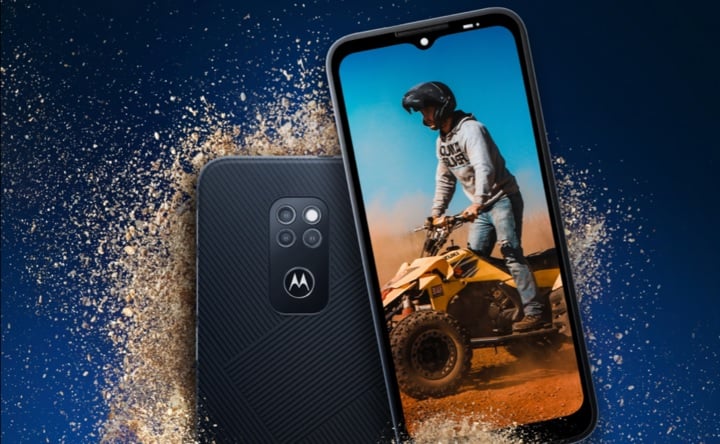
Motorola launched its first rugged smartphone, the Motorola Defy, last week. However, unlike other Motorola smartphones, this is not made by Lenovo but by the Bullitt Group. The mid-range phone has a Gorilla Glass Victus-protected display, triple cameras, and a 4G processor.


RELATED:

Huawei Watch 3 vs Samsung Galaxy Watch 3: Specs Comparison

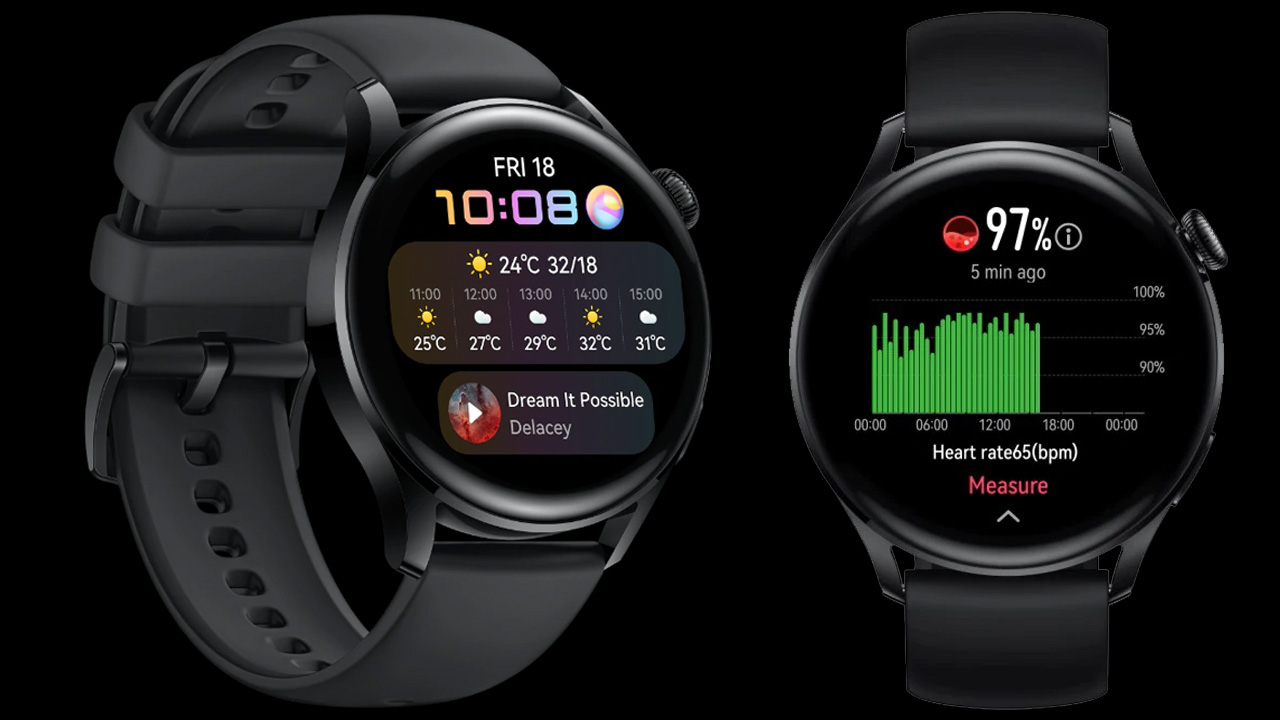
Huawei just came up with HarmonyOS 2.0: an operating system that can be installed not only on smartphones but on a whole ecosystem, including wearable devices. Indeed, the newly-announced Huawei Watch 3 runs HarmonyOS 2.0 out of the box. Does the new version of Huawei’s proprietary operating system make the Huawei Watch 3 a better smartwatch than Samsung Galaxy Watch 3? Here is a specs comparison between the two smartest wearable devices without Wear OS which will give you a  glimpse of the differences between these wearables.

Huawei Watch 3 vs Samsung Galaxy Watch 3

Huawei Watch 3 Samsung Galaxy Watch 3
DIMENSIONS AND WEIGHT 46.2 x 46.2 x 12.2 mm,

54 grams

46.2 x 45 x 11.1 mm,

From 43 grams to 53.8 grams

DISPLAY 1.43 inches round, 466 x 466p, 326 ppi, AMOLED 1.4 inches square, 360 x 360p, AMOLED
PROCESSOR Huawei Hisilicon Hi6262 Samsung Exynos 9110, dual-core 1.15 GHz
MEMORY 2 GB RAM, 16 GB 1 GB RAM, 8 GB
SOFTWARE HarmonyOS 2.0 Tizen OS
CONNECTIVITY Wi-Fi 802.11 b/g/n, Bluetooth 5.2 Wi-Fi 802.11 b/g/n, Bluetooth 5.0
SPORT MODES 100+ 40
BATTERY 450 mAh 340 mAh
ADDITIONAL FEATURES GPS, accelerometer, gyro, heart rate, compass, barometer, thermometer, waterproof 5 ATM, wireless charging, eSIM GPS, accelerometer, gyro, heart rate, barometer, waterproof, SpO2 sensor, Samsung Pay, wireless charging, eSIM, rotating glass, ECG

Design

Huawei Watch 3 and Samsung Galaxy Watch 3 are not so different in terms of aesthetics. If you love minimalistic designs, then you will like the Huawei Watch 3 due to its higher screen-to-body ratio. But if you prefer having better usability and a sophisticated watch, then you may like the Samsung Galaxy Watch 3 more due to its rotating bezel which can become very helpful while navigating through the user interface. The Huawei Watch 3 is built with a glass front, a  ceramic back, and a stainless steel frame. With the Samsung Galaxy Watch 3, you get either a stainless steel frame (316L) or a titanium frame, as well as a glass front protected by Corning’s Gorilla Glass  DX. Both the smartwatches are waterproof: the Samsung Galaxy Watch 3 has the IP68 certification which makes it 50m water resistant, and so is the Huawei Watch  3. The Samsung Galaxy Watch 3 is thinner because it packs a smaller battery and it is even lighter, which makes it even more elegant and ergonomic.


Display

The Huawei Watch 3 and the Samsung Galaxy Watch 3 come with great displays: they are AMOLED panels with sizes of 1.43 and 1.4 inches, respectively, showing vibrant colors and deep blacks. The Huawei Watch 3 has a higher resolution with 466 x 466 pixels, so it has a higher level of definition. That is why it wins the display comparison. But the rotating bezel of the Samsung Galaxy Watch 3 makes it easier to navigate the user interface. In each case, you get a touch screen. As mentioned above, Huawei Watch 3 has narrower bezels around the display.


Specs & Software

The Huawei Watch 3 has more powerful hardware than Samsung Galaxy Watch 3. It packs 2 gigs of RAM and 16 GB of internal storage, while you get just 1 GB of RAM and 8 GB of storage with the Samsung Galaxy Watch 3. You can save a lot more data with the Huawei Watch 3 and you should also get better performance. Which is the best operating system between HarmonyOS 2.0 and Tizen OS? It is still too early to say it because HarmonyOS 2.0 just went official and no one had the chance to test it thoroughly. Note that HarmonyOS 2.0 is currently an operating system present not only in the Chinese market but in the global market too. The Samsung Galaxy Watch 3 is sold globally as well and it comes with Tizen OS which supports several globally available apps, including the payment service Samsung Pay. Huawei Watch 3 supports a lot more sports modes than Samsung Galaxy Watch 3.


Sensors and connectivity

Huawei Watch 3 and Samsung Galaxy Watch 3 are equipped with a lot of sensors and modules to track physical activity better than with other activity trackers. The Samsung Galaxy Watch 3 is actually a better smartwatch for those who want to track health and wellness because it is one of the few ones supporting the ECG function. Further, it is able to monitor blood pressure monitor. On the other hand, Huawei Watch 3 is able to measure body temperature with a thermometer, which is useful when it comes to Covid-19. But it does not support the ECG feature which is definitely more advanced. However, Huawei Watch 3 is a more advanced device for sports tracking because it supports more sports modes. Both the smartwatches have the GPS, the SpO2 sensor, and the eSIM connectivity allowing you to use cellular connectivity without a physical SIM inside.


Battery

The battery of the Huawei Watch 3 is way bigger than the one found on the Samsung Galaxy Watch 3, that is why it should offer a longer battery life. We are talking about 450 mAh against just 340 mAh. Both the wearables support wireless charging.


Price

Huawei Watch 3 is priced at €369/$438 in the global market, while Samsung Galaxy Watch 3 costs €279/$332. Overall, Huawei Watch 3 should offer better usability due to its bigger battery, better memory configurations. But with the Samsung Galaxy Watch 3, you can pay with Samsung Pay, monitor ECG stats, and pressure level, which are very useful and advanced features. Which one would you pick?


Huawei Watch 3 vs Samsung Galaxy Watch 3: PRO and CONS

Huawei Watch 3

PRO

  • More RAM
  • More internal storage
  • Higher resolution
  • Bigger battery
  • More sport modes
  • Thermometer

CONS

  • Fewer smart features


Samsung Galaxy Watch 3

PRO

  • ECG function
  • Wider availability
  • Samsung Pay
  • Blood pressure monitor

CONS

  • Inferior memory configuration

Samsung reported to have postponed the launch of its AMD GPU

It has been two years since Samsung announced its partnership with AMD on mobile GPUs but we are yet to see the first product borne from the agreement. The Korean tech giant was expected to announce the GPU this month but that will no longer happen.

At the beginning of this year, Samsung revealed that its next flagship Exynos chipset will have an AMD GPU. Popular leaker, Ice Universe, revealed in a tweet back then that the GPU will be announced this year and may even appear in the Galaxy Z Fold 3.

Fast forward to February and the leaker disclosed that the co-developed GPU will be announced in June with the main processor scheduled for later. Now a new update from the leaker says that the launch has now been postponed to July. The info was revealed in a tweet earlier today. Sadly, no reason was provided for the postponement.

Last month, Samsung mentioned at Computex, that the GPU will be based on the RDNA2 architecture, the same one used for the GPUs inside the PlayStation 5 and Xbox Series S and Series X consoles. He went on to say that the next-gen Exynos chipset with the new GPU will bring features such as ray tracing and variable rate shading capabilities.

We are all pumped to see what Samsung and AMD has prepared. While we are sad we will have to wait a bit longer, if it means they get more time to fine tune its performance, then the better.


RELATED: