Advertisement

Nvidia announces new GeForce RTX 3080 Ti and RTX 3070 Ti GPUs

Nvidia has just announced its latest graphics card that is part of its latest GeForce RTX 3000 series of GPUs. At the launch conference, the company unveiled the new RTX 3080 Ti and the RTX 3070 Ti.
Nvidia

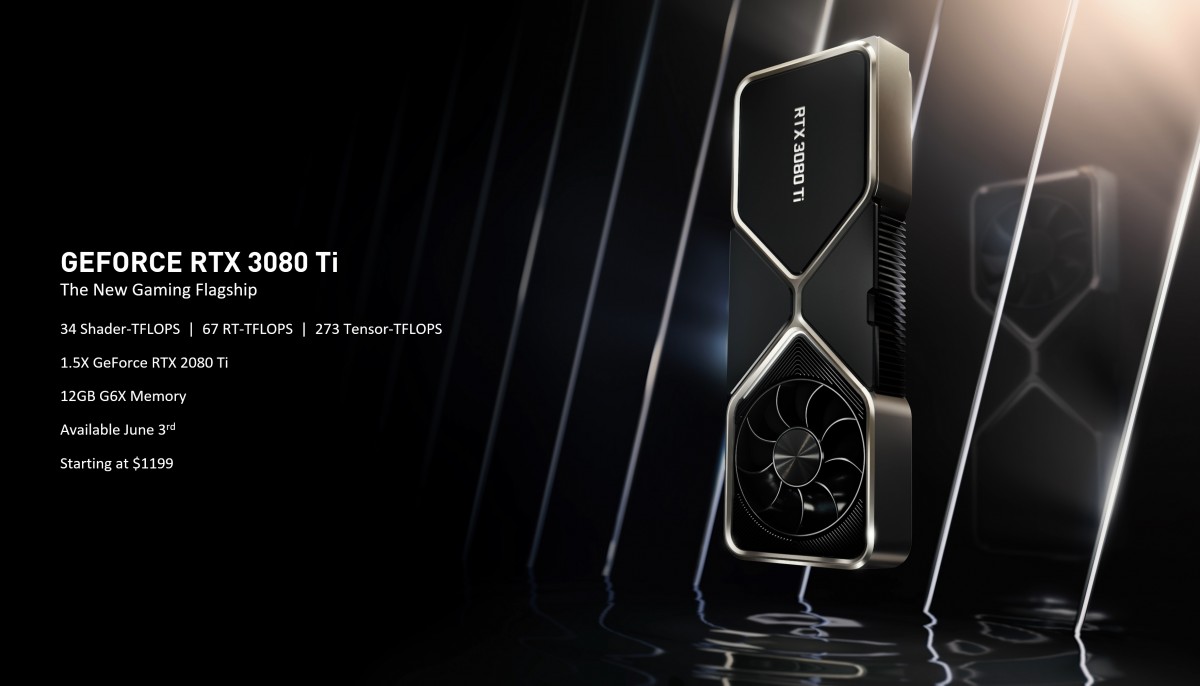
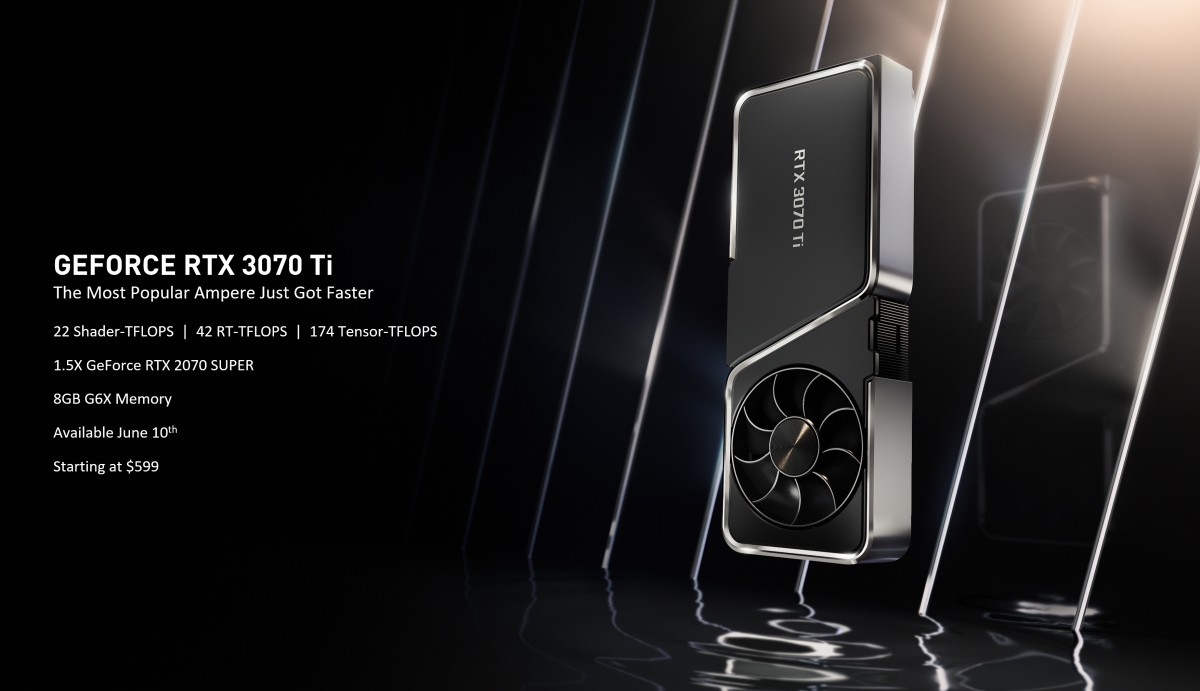
The new RTX 3080 Ti and RTX 3070 Ti arrive as upgraded versions of the company’s existing base RTX 3080 and RTX 3070. The latest GPUs arrive with improved performance and more VRAM as well. Alongside this, these also feature the usual features that an RTX enabled GPU offers, including ray tracing, DLSS, and Reflex technology. Talking about the RTX 3080 Ti first, the new card is positioned between the RTX 3080 and the top end RTX 3090.
Nvidia

It features clock speeds of up to 1.67GHz and also boasts a whopping 10,240 CUDA cores paired with 80 GPU clusters. On the other hand, the RTX 3070 Ti fills the void between its base variant and the base RTX 3080 and feature 1.77GHz frequency with 6,144 CUDA core count. This GPU also features 48 RT cores as well. Both graphics card feature the second generation RT cores and the third generation of Tensor cores as well. For memory, the RTX 3080 Ti offers 12GB of GDDR6X VRAM with a 384 bit interface while the RTX 3070 Ti still offers 8GB of VRAM with a 256 bit interface.
Nvidia

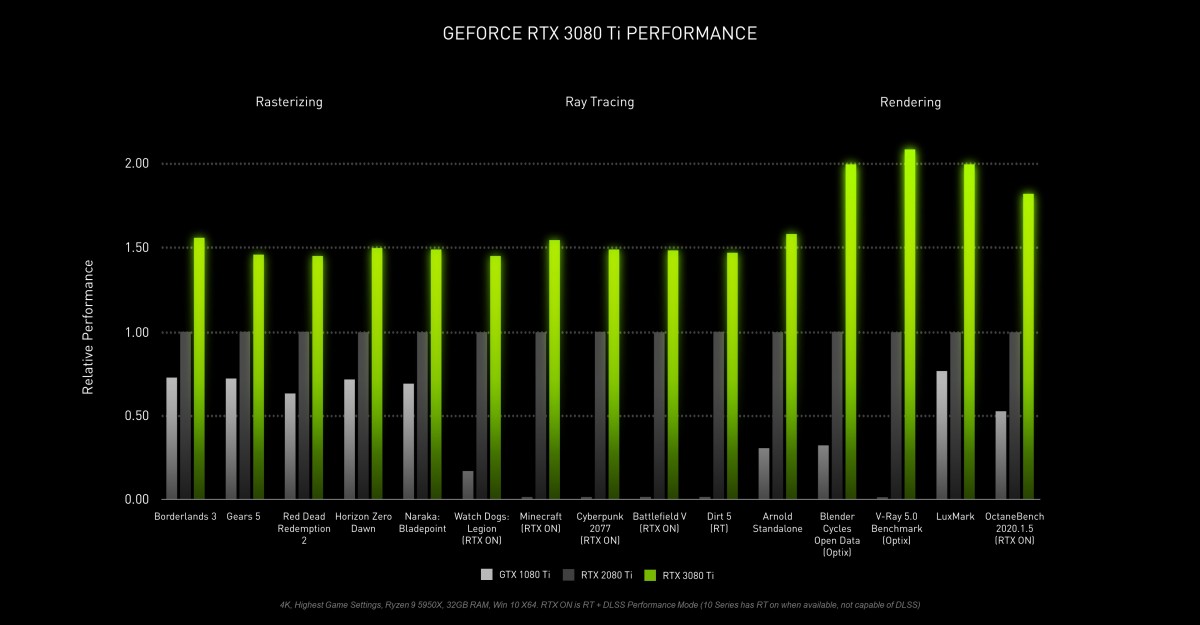
Notably, both of the new graphics cards draw up to 350W of power. While the improvements do not seem ground breaking on paper, Nvidia is promising gamers will see a performance bump of up to 1.5x in games. This will apparently be true for both graphics card when compared to their previous generation counterparts. The new RTX 3080 Ti s priced at 1,199 US Dollars and will be available globally from 3rd June 2021 while the RTX 3070 Ti will launch for 599 US Dollars and will go on sale from 10th June 2021. Although, we can expect supply issues that have plagued its latest cards.

RELATED:


Qualcomm and other chipmakers begin working on Wi-Fi 7 chips: Report

Chipmakers like Qualcomm, MediaTek, and Broadcom have entered the early stages of development for the next generation of Wi-Fi chips. The next gen standard is for the Wi-Fi 7 chips that will likely feature improvement over the previous generation.

According to a DigiTimes report, the news arrives from industry sources close to the matter. In other words, the chipmaking giants are working on launching their own iterations Wi-Fi 7 (802.11be) chips. This upcoming generation of wireless networking cards would be the successors to the Wi-Fi 6 standards and even the Wi-Fi 6 Plus standards as well. As per sources, this includes major firms like Qualcomm, MediaTek, and Broadcom.

Qualcomm Snapdragon 855

All of these companies have known to supply wireless chips to various other OEMs. This includes PC and laptop makers, including Asus, Acer, HP, and others. These chips are also expected to arrive in smartphones, tablets, other products like WiFi routers as well and would likely offer improved wireless data transfer speeds and may even raise the wireless range as well. Unfortunately, this is all the information we have as of right now and we have no finer details regarding this matter. So stay tuned for more updates.

RELATED:


Redmi Note 9 Pro (joyeuse) finally gets the Android 11 update

The Redmi Note 9 series made its global debut in India in March 2020. A month later, Xiaomi announced this lineup for Europe and other markets. Unlike the Redmi Note 9 Pro launched in India, the one for other regions is a different device codenamed ‘joyeuse’. This smartphone has finally started receiving the Android 11 update.

Redmi Note 9 Pro Joyeuse Featured
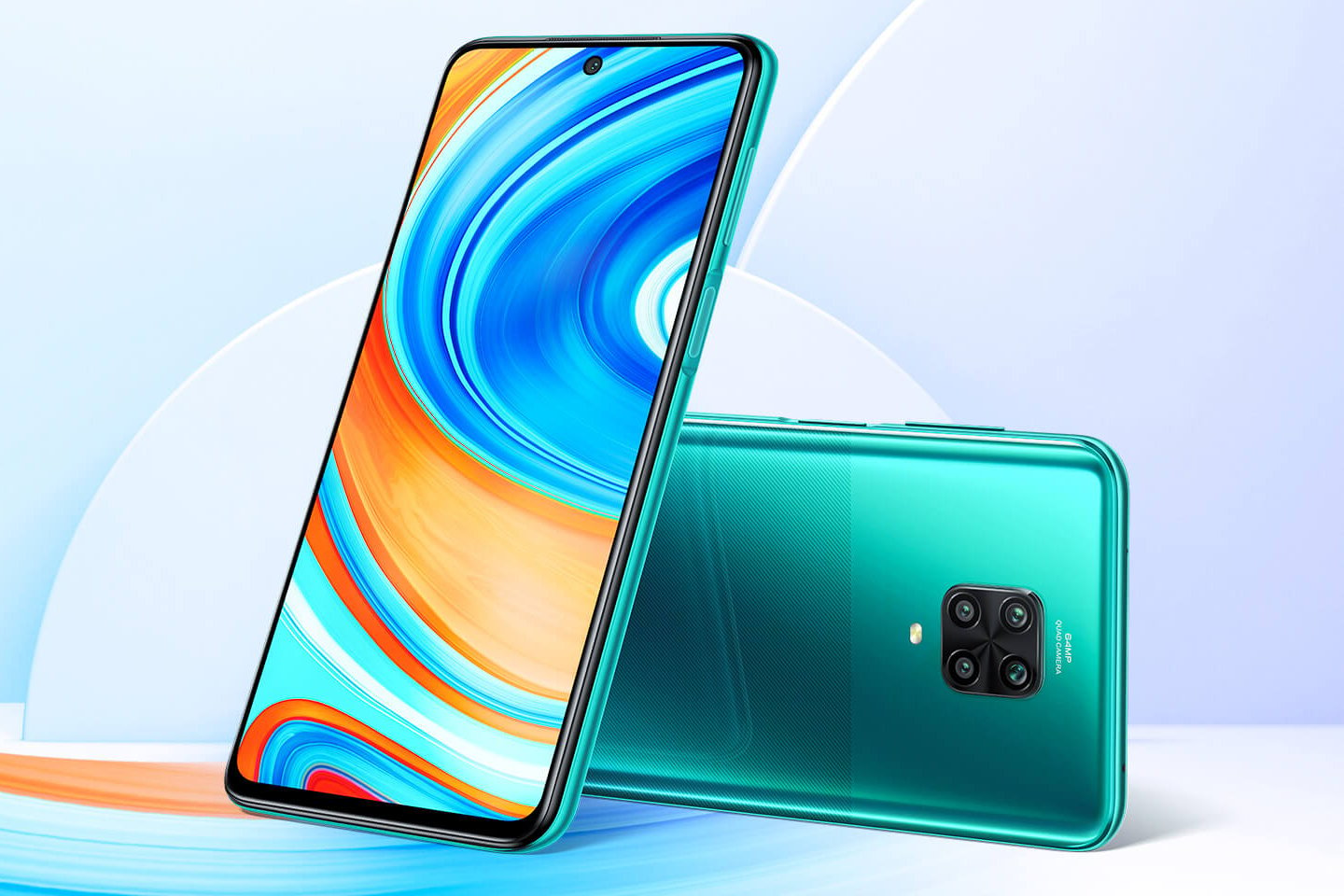
Redmi Note 9 Pro (joyeuse)

The Redmi Note 9 Pro (joyeuse) launched with MIUI 11 based on Android 10. Like most Xiaomi Corporation phones, this device was updated to MIUI 12 last year. 

However, for some reason, the company has begun to roll out the Android 11 update only now. Whereas, the Indian variant (curtana), which is also known as Redmi Note 9S, got this update way back in November 2020.

That said, the Redmi Note 9 Pro (joyeuse) Android 11 update is currently live for the ‘Global’ variant with build number V12.0.1.0.RJZMIXM. Unsurprisingly, the software build is in the ‘Stable Beta’ phase. This means the update is being rolled out in batches.

Anyway, all units of the Redmi Note 9 Pro (joyeuse), including other regional variants such as EEA, Russia, Indonesia, Turkey, and Taiwan should get the Android 11 update in the coming days. Additionally, this handset is also eligible for the MIUI 12.5 update.


RELATED:


Apple supplier to ship Mini LED displays for new MacBook Pro in Q3 2021: Report

Apple supplier Global Lighting Technologies is reportedly gearing up to begin shipments of mini LED display panel components for the next generation of MacBook Pro models in the third quarter of this year.

Apple

According to a DigiTimes report, industry sources close to the matter the supplier for the Cupertino based giant will begin the shipment of mini LED display components for the new MacBook Pro in Q3 2021. These displays are planned to ship for the 14 inch and 16 inch models of the high end Macbooks. This would mark the first time the iPhone maker will ship its MacBook with mini LED display technology.

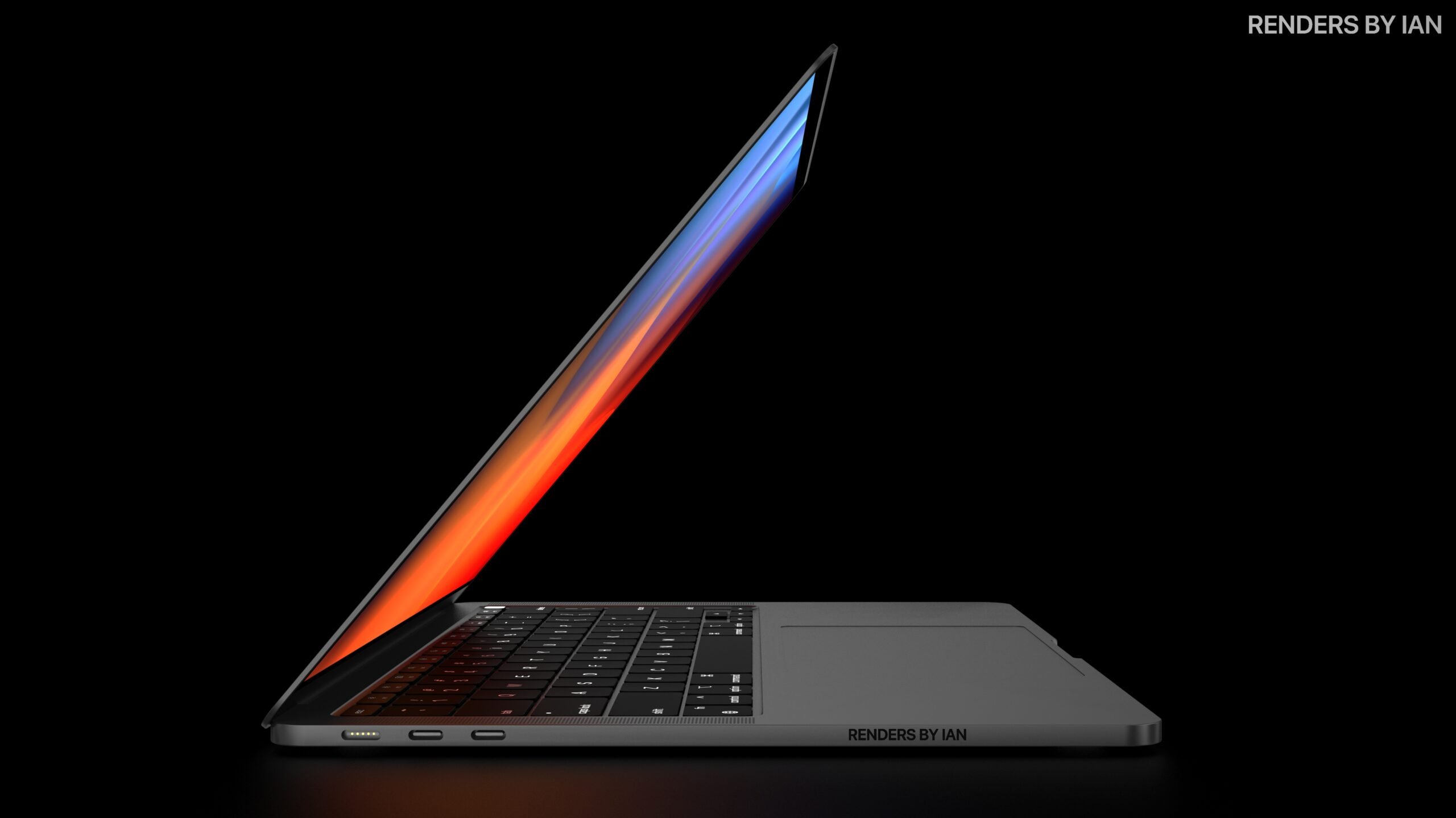
Although, this isn’t the first product from the company to feature this display, as the company unveiled the new iPad Pro that sported the Mini LED panels. Furthermore, these MacBooks are set to launch with the an improved version of the M1 chipset. These notebooks are expected to feature a flatter top and bottom, with additional ports like an HDMI port, SD card slot, and even a magnetic power cable.

Apple MacBook Pro 2021 Render
Image Credit: Renders By Ian

The new mini LED would also enable the brand to offer higher brightness along with improved contrast ratio. Keep in mind, this is still an unconfirmed report so take it with a pinch of salt, and stay tuned for more as we will be providing more updates when additional information or any interesting developments that surface in the arriving months.

RELATED:


Detailed Comparison between Urikar Pro 3 and Theragun G3PRO massage guns

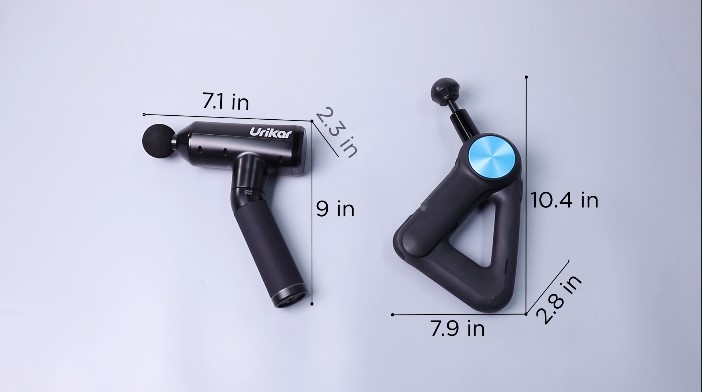
Massage Gun is quite a useful device, especially if there’s any aged person living in your house. These can be a lifesaver in times of need as they can relieve pain and soreness in muscles instantly without any medicine. There are thousands of massage guns available in the market but we are easing your decision-making by comparing the two best massage guns – Urikar Pro 3 vs Theragun G3PRO.

Must See: SUPER DEAL: Get 50% Flat Discount on Urikar Pro 3 Massage Gun (Coupon)

There are several pros and cons among different massage guns considering their multiple aspects. Similarly, we have compared the Urikar Pro 3 and the Theragun G3PRO in a video from different aspects. Below we have compared the two products on the basis of their specifications, features, price, and actual user experience.

So, without wasting additional time, let’s see how this two fare in the actual world.

Comparison – Urikar Pro 3 vs Theragun G3PRO

Speed

The massage gun’s effectivity can be measured directly with its maximum speed. In this segment, Theragun G3PRO offers 5-speed levels whereas Urikar Pro 3 offers an adjustable speed of up to 30. It can be set according to the utility.

Battery

The battery is an important aspect of a massage gun as it improves overall productivity. Urikar Pro 3 houses a lithium-ion 2600 mAh battery which can work for around 600 minutes. On the other hand, Theragun G3PRO comes only with 150 minutes of battery backup.

Considering your 10 minutes of daily usage, the Urikar Pro 3 can easily run for 60 days upon a single charge. However, the scenario differs in the case of Theragun which can hardly run for 15 days upon 10 minutes of daily usage.

Noise Level

Theragun G3PRO is quite noisy with 77db of noise level as compared to the 42db noise level of Urikar Pro 3 at a maximum speed of 3400 RPM. Lower the noise level more relaxed you will feel while having the massage.

Urikar Pro 3 comes with QuitePower 2.0 Technology which minimizes the operational sound while maximizing the performance.

Weight

Urikar Pro 3 weighs 2.0 lbs while the Theragun G3PRO weighs 2.9lbs. It becomes quite easy for the users to carry the massage gun anywhere if the weight is considerably lower.

Display and Design

Theragun G3PRO comes with an Ergonomic Multi-Grip while the Urikar Pro 3 features an Ergonomic 180 rotatable grip

Pricing 

Urikar Pro 3 comes with an affordable price tag of $139.99 meanwhile the Theragun G3PRO retails for $599. Several advanced features on the Urikar Pro 3 make it more competitive among the other massage guns. However, both the massage guns come with a couple of years’ warranty.

Conclusion

Considering the performance, low noise levels, advanced AI features, the Urikar Pro 3 seems to be the perfect massage gun. Moreover, the Urikar Pro 3 is cost-effective in comparison with the Theragun G3PRO. Interested users can know more about the Urikar Pro 3 by heading to the official Urikar website.

Related: Best reasons to get Urikar AT1 Massage Gun

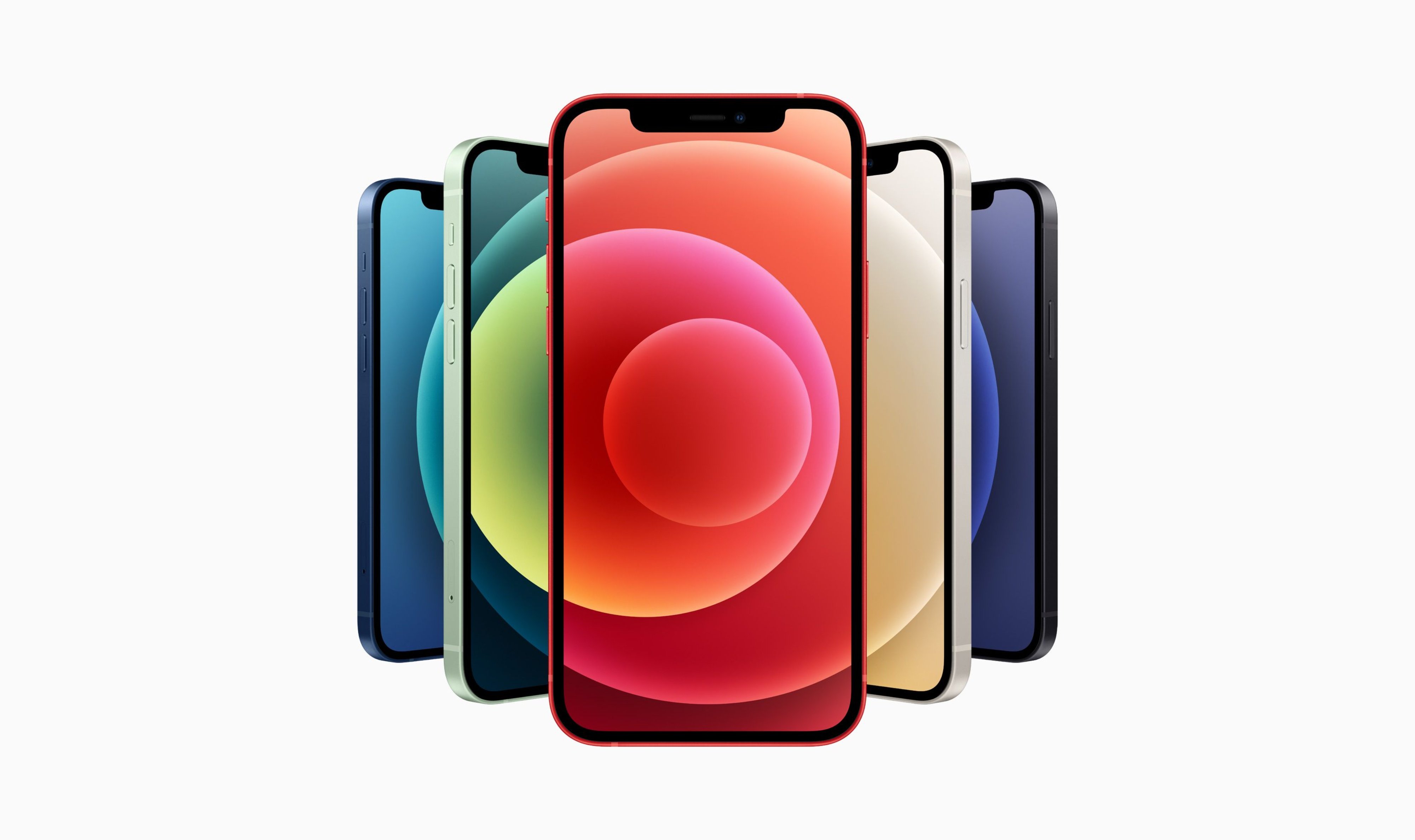
Apple iPhone 12 series active user base grew faster than its predecessor: Counterpoint

Apple launched the iPhone 12 series smartphones a bit later than its usual timeframe because of the COVID-19 pandemic. Despite the late start of sales for the devices, it has managed to register impressive growth.

As per the latest report from Counterpoint Research, the iPhone 12 series had more active users in the first quarter of this year compared to the active users iPhone 11 series had during the same time period last year.

Apple iPhone 12 All Colors Featured

It adds that the iPhone 11’s total share of active iPhone users was 15 percent by the first quarter of 2020 while the share of iPhone 12 is at 16 percent. Further, the report adds that “the iPhone 11 series performed well not only in its early days after launch but also maintained the momentum for a considerable period after the iPhone 12 series launch. The XS series accounted for 21% of the installed base in Q1 2020, but the iPhone 11 series accounted for 25% in Q1 2021, showing a 4% points difference.”

The Apple iPhone 11 Pro and Pro Max’s installed base accounted for 44 percent in Q1 2020 compared to the iPhone 12 Pro and Pro Max’s 54 percent in Q1 2021. When compared to their predecessors, the iPhone 12 series Pro models have more differentiated features, like in the camera, says Counterpoint.

The report comes soon after the data research firm revealed that the iPhone 12 was the best-selling 5G smartphone in October. As per Counterpoint, the overall user base for iPhones has increased by 2 percent last year but this cannot be confirmed given that Apple has stopped disclosing iPhone sales figures.

RELATED: 


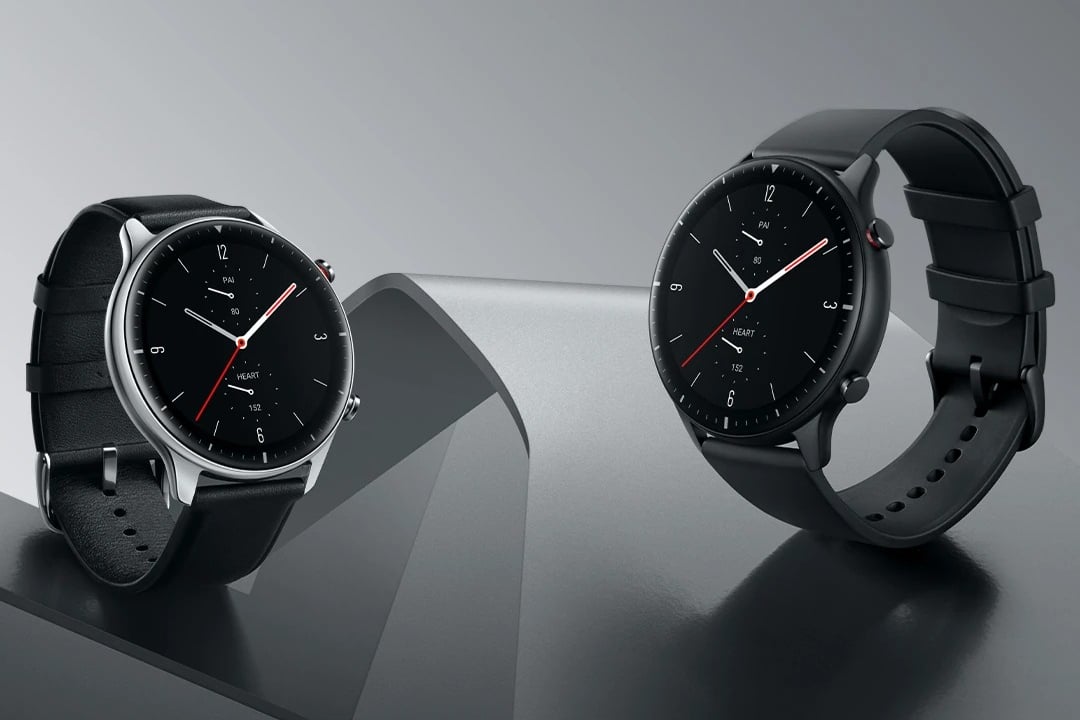
Huami ranks fourth in global smartwatch sales for the first time ever

Huami has just shared that it has ranked among the top four in terms of global sales for its smartwatches. The news arrives from the International Data Corporation (IDC) that published a report regarding global smartwatch sales for the first quarter of this year.

Huami

The smart wearables maker also shared this news on its official Weibo account, a Chinese microblogging website. According to the report, the company’s Amazfit lineup of smartwatches sold over 1.65 million units worldwide in the first quarter of 2021. This marked a year on year growth of a whopping 68.8 percent, which had the company rank among the top four in the market for the first time ever.

The IDC report also showcased that the company’s smartwatch ranked first in a number of markets, including Brazil, Russia, and Spain. On the other hand, it also arrived second in markets like Italy, third in Poland, and fourth in Germany, India, Indonesia, and Thailand. Similarly, it came in the sixth spot in regions like Mexico, the United States, France, and the United Kingdom as well.

Huami Amazfit GTR 2 Featured
Amazfit GTR 2

This marks the growth of its Amazit and Zepp branded smartwatches in multiple markets across the globe. The news also arrives as Huami is continuing to raise its investment into its research and development, sales, and marketing efforts. At the moment, the company sells its smart products in more than 70 countries and regions across the globe and is seeking to expand its influence outside of China even further.

RELATED:


MIUI 12.5 update released for Xiaomi Mi 10 Lite 5G, Mi 11 Lite 5G, POCO F3, and Redmi Note 9 5G

MIUI 12.5 is the latest version of Xiaomi’s mobile operating system. This version of the Android skin brings improvements for devices already running MIUI 12. Xiaomi has been rolling out this update to eligible devices for the last few weeks. In the past few hours, four Xiaomi group smartphones started receiving the MIUI 12.5 update.

MIUI 12.5

Four Xiaomi Corporation smartphones from all three brands have begun to receive the MIUI 12.5 update. These handsets are Mi 10 Lite 5G, Mi 11 Lite 5G, POCO F3, and Redmi Note 9 5G.

Since the update is currently live for different regional variants of each phone, we are making a list so that you can understand it clearly.

  • Mi 10 Lite 5G

    • Region: Global
    • Build Number: V12.5.1.0.RJIMIXM
  • Mi 11 Lite 5G

    • Region: Taiwan
    • Build Number: V12.5.1.0.RKITWXM
  • POCO F3 / Redmi K40 / Mi 11X

    • Regions: Russia, Indonesia, Turkey, Taiwan, Global, EEA, China, India
    • Build Numbers: V12.5.1.0.RKHRUXM, V12.5.1.0.RKHIDXM, V12.5.1.0.RKHTRXM, V12.5.1.0.RKHTWXM, V12.5.1.0.RKHMIXM,V12.5.1.0.RKHEUXM, V12.5.3.0.RKHCNXM (latest China release), V12.5.1.0.RKHINXM
  • Redmi Note 9 5G / Redmi Note 9T 5G

    • Region: China
    • Build Number: V12.5.2.0.RJECNXM

As of now, all the above-mentioned MIUI builds are in the ‘Stable Beta’ phase. This means the MIUI 12.5 update for these handsets is being rolled out in batches. Anyway, all units, including other regional variants should get the update in the coming days.


RELATED:


(Source: 1, 2, 3, 4, 5, 6, 7, 8, 9)

Samsung flagship Exynos CPU with AMD RDNA2 GPU to launch later this year

Earlier this year, Samsung had officially announced that it will be launching its next generation flagship Exynos chipset along with an AMD graphics processor. But unfortunately, the company never unveiled when it would be launching this processor. Now, AMD has revealed more details regarding this processor at its Computex 2021 keynote event.

The chipmaker’s CEO Dr. Lisa Su made it official during its keynote earlier today (1st June 2021) that its GPU in the upcoming flagship Samsung Exynos processor will be based on its latest RDNA2 architecture. This marks the arrival of the new GPU to the mobile platform for the first time. Notably, the graphics will bring advanced features like ray tracing and variable rate shading to offer higher fidelity and improved power efficiency as well.

For those unaware, RDNA2 is team red’s latest graphics architecture, which is also used in the GPUs found in AMD’s new Radeon 6000 series of graphics cards and even the PS5 and Xbox Series S/X. During the keynote, Lisa Su announced that “AMD has partnered with industry leader Samsung for several years to accelerate graphics innovation in the mobile market, and we are happy to announce that we will bring custom graphics IP (Intellectual Property) to Samsung’s next flagship mobile SoC (System on Chip) with ray tracing and variable rate shading capabilities.”

Samsung

The South Korean tech giant’s Exynos series of processors have been criticized for being relatively weaker in terms of GPU performance. But, the upcoming chip will offer improved gaming performance overall. It was also announced that Samsung will reveal additional details regarding this new chip later this year. So stay tuned for more updates regarding this matter.

RELATED:

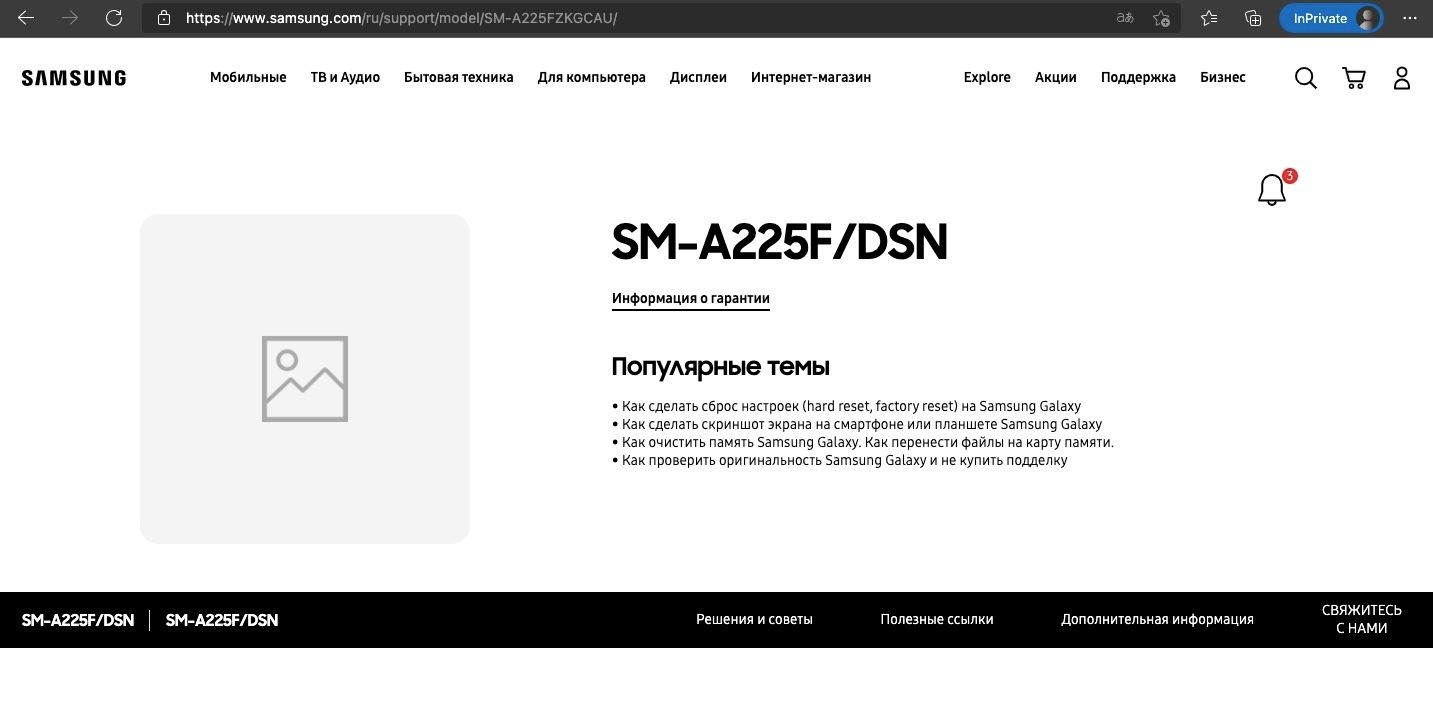
Samsung Galaxy A22 launch seems imminent as support page goes live

Samsung is expected to announce the Galaxy A22 4G and Galaxy A22 5G in multiple markets in this month. Fresh information reveals that the support page of the Galaxy A22 4G went live on Samsung Russia’s website (via. MySmartPrice). The appearance of the Galaxy A22 4G’s support page is a good hint that its launch could be near.

The 4G variant of the Galaxy A22 has already been spotted at multiple certification sites such as FCC, NBTC, and Indonesia Telecom. The support page of the A22 only mentions the SM-A22FN/DSN model number and has no information on its specs.

Samsung-Galaxy-A22-4G-Russia-Support-Page
A screengrab of Galaxy A22’s support page on Samsung Russia’s website

Last month, the Galaxy A22 4G was spotted at the Geekbench benchmarking site with specs like the Helio G80 chipset, 6 GB of RAM, and Android 11 OS. The leaked renders of the A22 4G had also appeared in the previous month. The images revealed that the smartphone features an Infinity-U notch and a quad-camera setup with an LED flash. It may come in color options such as white, black, purple, and green.

Samsung Galaxy A22 4G specifications (Rumored)

The Galaxy A22 4G measures 8.5mm in thickness and weighs around 8.5mm. The device features a 6.4-inch AMOLED screen that delivers an HD+ resolution and a 60Hz refresh rate. The Helio G80 powered handset will house a 5,000mAh battery that offers 15W charging.

The A22 as a front camera of 13-megapixel and its rear camera setup includes a 48-megapixel primary camera, a 5-megapixel ultrawide lens, and a pair of 2-megapixel auxiliary lenses. The rumor mill is yet to spill the pricing of the handset.

RELATED:

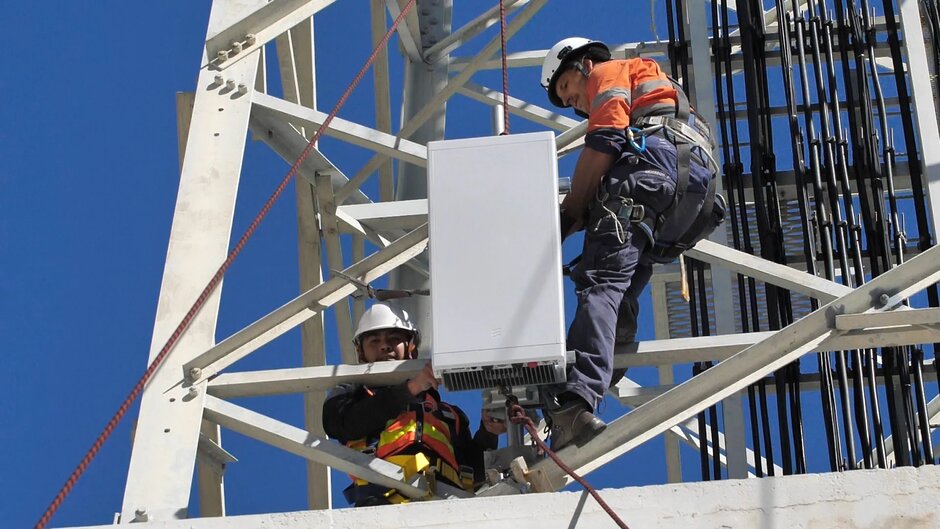
Celebrity seeks to ban 5G in India, while rumors link COVID-19 to 5G towers

5G network is the next advancement in telecommunications that nation across the globe is moving to adopt. But there are various groups and individuals that believe that the newer and faster bandwidth might actually be a detriment to people. Now, a celebrity has filed a suit against the implementation of 5G in India over these alleged negative reasons.

India

According to an IndianExpress report, Actress Juhi Chawla, who is also an environmental activist, has filed a suit against the implementation of 5G networking. The celebrity stated that “We are not against the implementation of technological advancements. On the contrary, we enjoy using the latest products that the world of technology has to offer, including in the field of wireless communications. However, whilst using the latter kind of devices, we are in a constant dilemma, because after doing our own research and studies regarding the RF radiation from wirefree gadgets and network cell towers, we have sufficient reason to believe that the radiation is extremely harmful and injurious to the health and safety of the people.”

Juhi Chawla’s spokesperson further added that the suit is directed to the concerned department to certify that 5G technology is safe for humankind and all kinds of animals and birds as well. This suit also demanded a study that will ensure that the implementation of 5G is safe in this current day and the near future. While the efforts from the Indian celebrity are born out of concern and caution, some parts of India have rather been affected by baseless rumors.

India

Due to the impacts of the second wave of the Coronavirus in India, false rumors have increased in circulations, with the latest one claiming that 5G testing towers are one of the causes for the growing spread of the COVID-19. This rumor has been going around in states like Uttar Pradesh, Punjab, Haryana. The rumor even prompted certain individuals to damage said mobile towers.

RELATED:


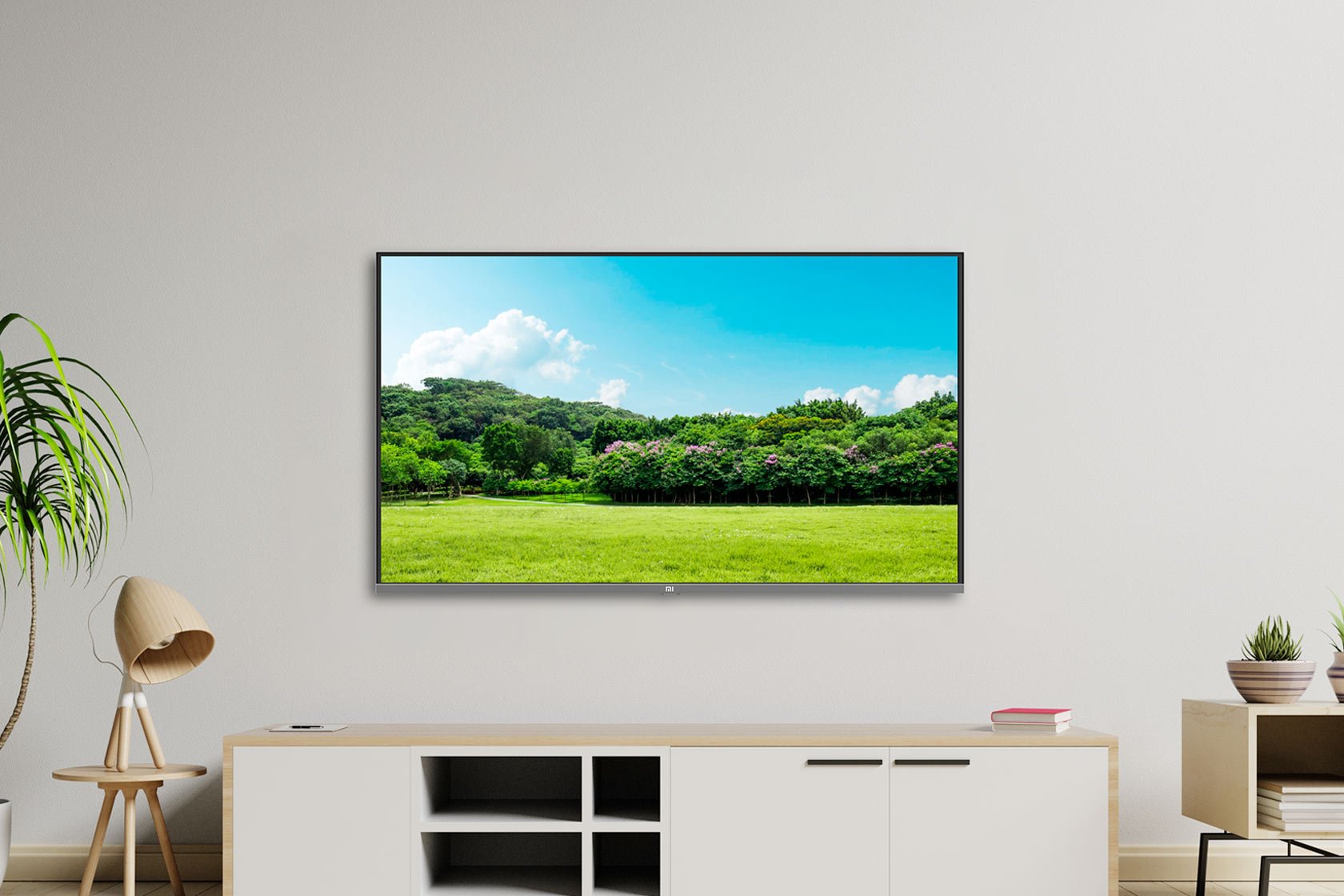
Xiaomi Mi TV 4A 40 Horizon Edition launched in India with FHD display, outdated Android TV Pie, mere 1GB RAM, and more

In September 2020, Xiaomi introduced Mi TV 4A Horizon Edition in India. The company has been selling only two sizes (32-inch, 43-inch) since the debut of this series. Now, almost nine months later, the firm finally releases a new 40-inch variant for customers looking for a smaller TV than the 43-inch model.

Xiaomi Mi TV 4A 40 Horizon Edition Featured
Xiaomi Mi TV 4A 40 Horizon Edition

Xiaomi Mi TV 4A 40 Horizon Edition Specifications and Features

The newly launched Xiaomi Mi TV 4A 40 Horizon Edition has the exact same set of specs as the 43-inch variant. The only difference is the size of the display panel.

This new television flaunts a 40-inch LED-backlit LCD panel with a resolution of 1920 x 1080 pixels (FHD), 60Hz refresh rate, 178° viewing angle, and 9.5ms typical response time. The TV has minimal bezels all around except for the chin.

It is powered by a 64-bit Amlogic chipset consisting of 4 x ARM Cortex-A53 CPU cores and ARM Mali-450 MP3 GPU. This SoC is coupled with mere 1GB RAM and 8GB internal storage.

The television runs the outdated Android TV Pie operating system with PatchWall content aggregation service. It supports all the leading streaming apps (25+), Mi Quick Wake feature (faster booting time), Mi Home app, and Vivid Picture Engine (Xiaomi’s proprietary color profile). The TV also comes with Chromecast Built-in, Google Play Store, and Google Assistant.

As for audio, the television features 2 x 10W (20W) speakers with support for DTS-HD. Lastly, on the connectivity and ports front, the Xiaomi Mi TV 4A 40 Horizon Edition sports single-band WiFi, Bluetooth 4.2, 3 x HDMI (one of them is ARC compatible), 2 x USB 2.0, AV (mini), Antenna, S/PDIF, 3.5mm headphone jack, and Ethernet.

Xiaomi Mi TV 4A 40 Horizon Edition Price and Availability in India

The Xiaomi Mi TV 4A 40 Horizon Edition is priced at ₹23,999 in India. For comparison, the 32-inch and the 43-inch variants now cost ₹15,999 and ₹25,999 after a price hike earlier this year.

Anyway, the new model will go on sale starting tomorrow (June 2) at 12 PM. It can be purchased from Mi.com, Flipkart, Mi Home retail stores, and partner retail stores.


RELATED:


iQOO Z3 5G launch date for India confirmed

Today, iQOO India confirmed that the iQOO Z3 5G smartphone will break cover at 12 PM (local time) on June 8 in India. It will be debuting as the company’s first Z-branded smartphone in the country.

The iQOO Z3 5G is the first-ever phone in India to feature the Snapdragon 768G mobile platform. This chipset is expected to offer an enhanced gaming experience on the device. iQOO is yet to confirm the other specs of the Z3 5G. However, it is likely to come with the same specs that can be found on its Chinese variant, which was announced in March in China.

iQOO Z3 5G specifications

The iQOO Z3 5G has a 6.58-inch IPS LCD panel with a teardrop notch, which offers a Full HD+ resolution and a 120Hz refresh rate. In China, the SD768G powered phone comes in multiple variants such as 6 GB RAM + 128 GB storage, 8 GB RAM + 128 GB storage, and 8 GB RAM + 256 GB storage.

For selfies, it has a front camera of 16-megapixel, and its rear camera system has a 64-megapixel main camera, an 8-megapixel ultrawide lens, and a 2-megapixel macro camera. It is backed with a 4,400mAh battery with 55W charging support. For security, it has a side-mounted fingerprint scanner. It is speculated to arrive with a pricing of around Rs 25,000 (~$345) in India.

RELATED:

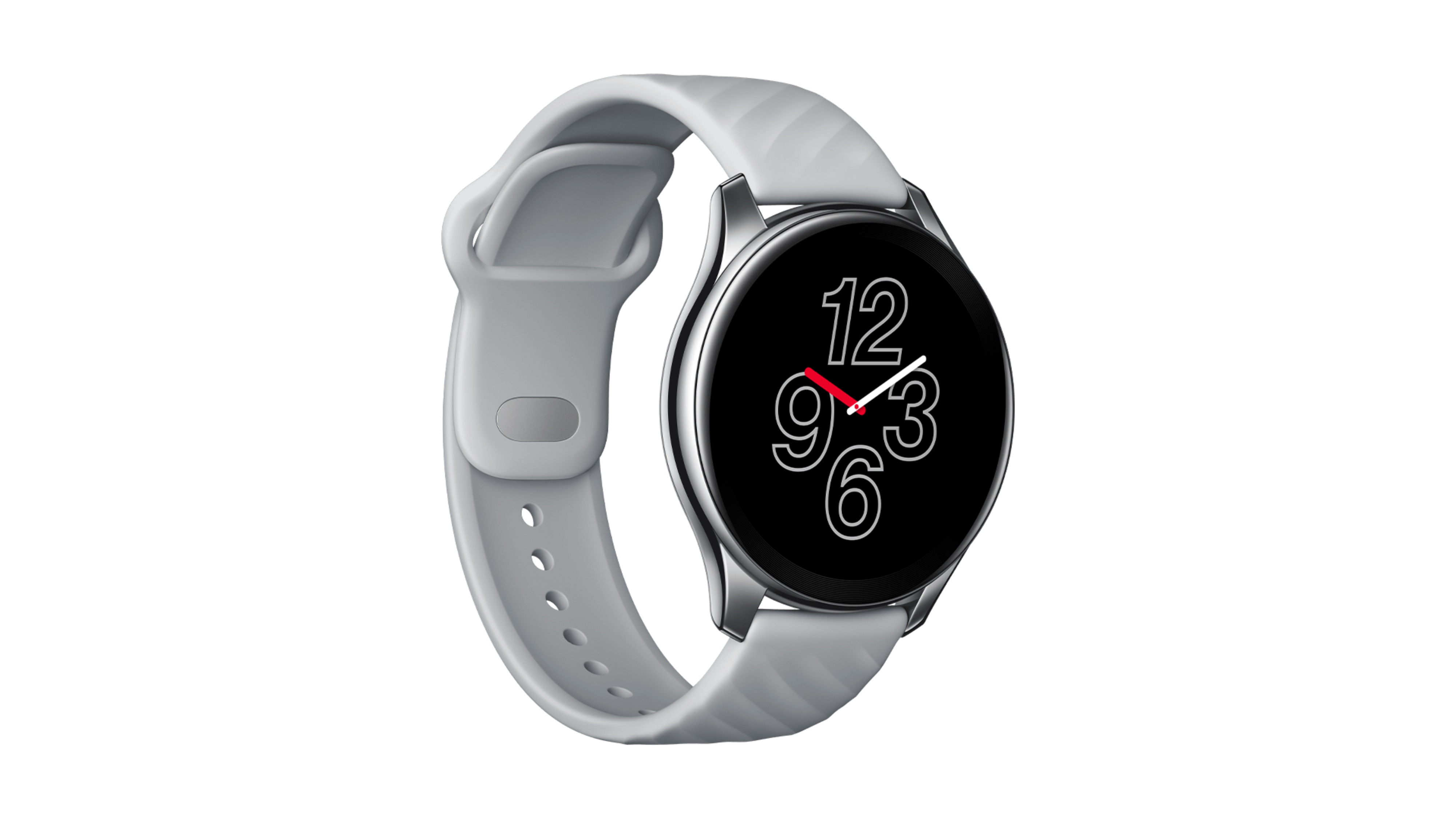
OnePlus Watch gets AI Outfit watchface function and new workout modes via B.52 firmware update

OnePlus announced the OnePlus Watch as its first smartwatch at the OnePlus 9 series launch event in late March. Since then, the company has rolled out two firmware updates and introduced two limited editions. Now, over two months later since its debut, the wearable is receiving its third firmware update.

OnePlus Watch Moonlight Silver Featured
OnePlus Watch

OnePlus is rolling out a new update for the OnePlus Watch that bumps up the firmware version to B.52. This update brings new features that can improve the overall user experience of the smartwatch, especially in terms of fitness standpoint.

According to the official changelog, the OnePlus Watch B.52 firmware update adds multiple workout modes. With the new additions, the brand claims that the total workout modes exceed 110 on this smartwatch. Additionally, the wearable also gets a Marathon running function.

Lastly and most importantly, this update also brings AI Outfit watchface function, which is found on the OPPO Watch. This feature generates watch faces from the picture of the user’s outfit.

In order to install this update, make sure to download the latest available version of the Oneplus Health app from the Google Play Store. Also, OnePlus recommends at least 40% battery on the OnePlus Watch before upgrading.

OnePlus Watch B.52 Firmware Update Official Changelog

  • Add multiple workout modes. Now you have more than 110 workout modes
  • Add Marathon running function
  • Add AI Outfit watchface function


RELATED:


Redmi Note 10 sold over 500,000 units in an hour; Xiaomi generated 1.5 billion yuan within 50 minutes

Xiaomi officially revealed sales figures of the 618 sales in China and the Chinese technology company emerged as the most active brand. It officially reveals to have generated 1.5 billion yuan in revenue in just 49 minutes and 52 seconds.

The brand has also revealed that the Redmi Note 10 series smartphones, launched in China a few days ago, sold over 500,000 units that too within an hour in its first-ever sale in the home country. The company is offering discounts on 20 new products during this sale.

Xiaomi Redmi Note 10 Series Sale China Record

Xiaomi has launched the Redmi Note 10 and Redmi Note 10 Pro in China which comes with support for 5G connectivity. The Redmi Note 10 features a 6.5-inch Full HD+ LCD display with a 90Hz refresh rate and comes powered by the MediaTek Dimensity 700 SoC.

On the other hand, the Pro variant features a 6.6-inch LCD panel with Full HD+ screen resolution and 120Hz refresh rate. Under the hood, the phone is powered by the MediaTek Dimensity 1100 chipset.

As for the camera department, the base model has a dual-camera setup on the back with a 48-megapixel primary sensor and a 2-megapixel secondary sensor. On the other hand, the Pro model features a 64MP (wide) + 8MP (120-degree ultra-wide) + 2MP (macro) triple camera setup. On the front side, the Redmi Note 10 Pro has a 16MP snapper while the standard model has an 8MP snapper.

Both the smartphones are running the Android 11 operating system out-of-the-box with MIUI 12.5 custom user interface on top. The phones are powered by a 5,000mAh battery with support for fast charging technology.

RELATED: 

Man uses a magnetic fishing rod to pull out iPhone 12 Pro from a canal, thanks to MagSafe

A Berlin resident used an improvised fishing line attached to a strong magnetic material to successfully find and retrieve his friend’s iPhone 12 Pro that fell into a muddy canal. The magnetic fishing rod was able to attract the phone thanks to MagSafe, a strong ring of magnets that is built into the back around the wireless charging coil on the iPhone 12 series.

Apple had designed the MagSafe to attach MagSafe accessories like wireless chargers, but the smart Berliner put it to impressive use. App developer Frederik Riedel tweeted the story via his Twitter handle. According to Riedel, his friend inadvertently dropped his iPhone 12 Pro on a 3-foot deep muddy canal and groped through the mud without any success in search of the phone.

However, they then created the innovative solution by improvising a magnetic material to attach to a fishing rod. The improvised magnetic fishing rod was then plunged into the canal, searching for the submerged iPhone. Obviously, the device was stuck in the mud, but the taut line created by the magnetic fishing rod upon contact with the iPhone made it possible for the man to successfully extricate the iPhone 12 Pro from the bottom of the muddy canal.

The iPhone was still working, and the battery was still virtually full even after spending several hours in such an extreme state. The incident further proves that the iPhone 12 Pro has strong water resistance capabilities. The excellent working condition of the retrieved device is clear evidence of the rugged credentials of the iPhone 12 Pro.

Stories of this sort are boosters to Apple to continue to raise the bar in terms of quality, durability, ruggedness, and adaptability of its iPhone lineup.

RELATED:


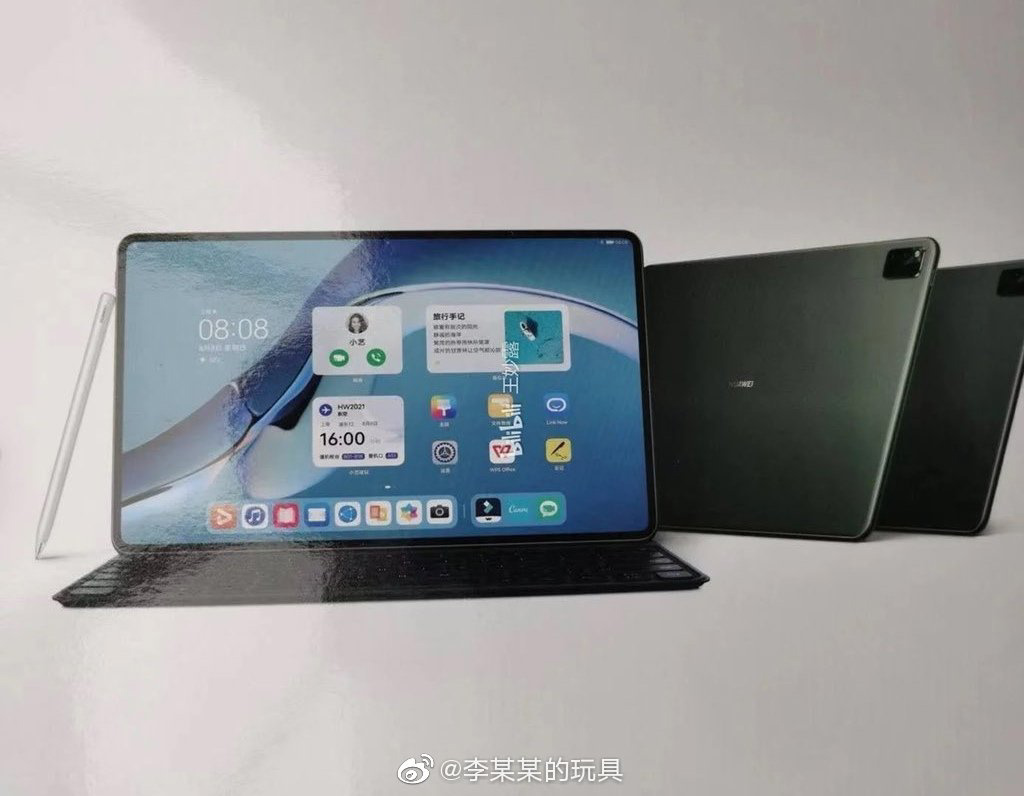
Huawei MatePad Pro 10.8 specifications leaked, Snapdragon 870, HarmonyOS 2.0 and more revealed

Tomorrow, Huawei will be taking off covers from its first devices that will come preloaded with the HarmonyOS. A new MatePad tablet and the Watch 3 smartwatch are expected to arrive with HarmonyOS preinstalled. Fresh leaks have revealed the key specifications of the upcoming MatePad Pro 10.8.

As per a new Weibo post by famous tipster Digital Chat Station, the upcoming Huawei tablet could be called the MatePad Pro 10.8. Another source has revealed the specs sheet of the device. The new leaks reveal that the tablet measures 246 x 159 x 7.2mm and weighs 460 grams.

Huawei MatePad Pro 2 Design Leak
A leaked shot of the upcoming MatePad Pro

The tablet features a 10.8-inch IPS LCD panel that offers a 2560 x 1600 pixels resolution, a DCI-P3 color gamut, 540 nits brightness, and a 1500:1 contrast ratio. The device will be powered by the Snapdragon 870 chipset and 8 GB of RAM. It is expected to hit the Chinese markets in 128 GB and 256 GB storage choices.

It Is backed by a 7,250mAh battery that promises a video playback time of 11 hours. The rear side of the tablet is likely a 13-megapixel camera, and its front could be fitted with a 5-megapixel snapper. The other features that are mentioned in the specs sheet include M-Pencil support, HarmonyOS 2, USB-C, Bluetooth 5.1, Wi-Fi 6, and GPS. It is expected to arrive in colors like Night Grey, Fritillaria White, and Green.

The specifications of the new MatePad Pro are not too different from the MatePad Pro that debuted in November 2019. The only noticeable changes are the inclusion of the HarmonyOS 2 and Snapdragon 870 instead of the Kirin 990 chip. The other specifications seem to be the same on both devices. The new leak has no information on the pricing of the MatePad Pro 10.8. Apart from the 10.8 model, the Chinese manufacturer is also expected to announce a 12.6-inch tablet with Kirin 9000 series chip tomorrow.

(source 1, 2|via)

RELATED:

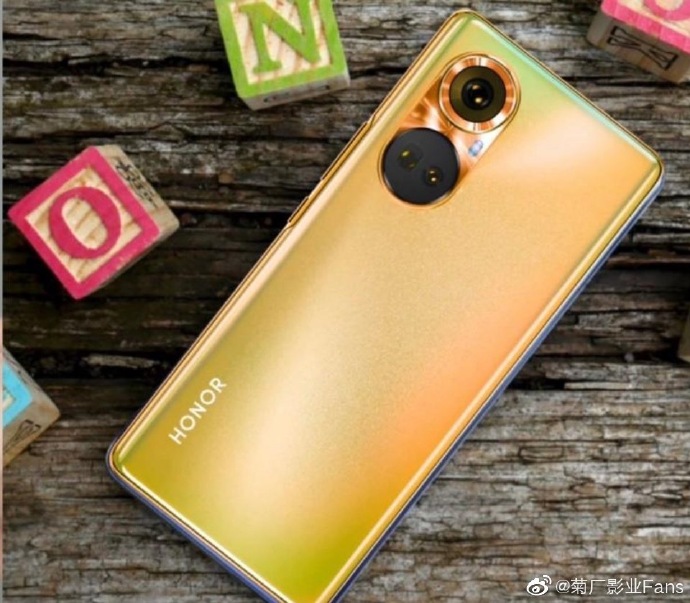
Honor 50 series smartphones confirmed to launch on June 16 in China

Honor, the smartphone maker which went independent earlier this year, has confirmed that its upcoming device, the Honor 50 series, will be officially launched in China on 16th June.

Earlier, the company had confirmed that the Honor 50 will come powered by the Qualcomm Snapdragon 778G SoC. We expect the Pro variant of the smartphone to pack the flagship Qualcomm Snapdragon 888 chipset.

Honor 50 Launch Date Teaser

The smartphone brand has also received permission to start using Google Mobile Services on its devices and a recent tweet by Honor Germany confirmed that the Honor 50 series will have support for GMS, paving way for the global debut of the device.

Based on the leaks so far, it appears that the phone features a large pill-shaped camera module in the top-left corner that holds two large circles. The top circle packs a single camera sensor — the primary one while the bottom circle has a periscope zoom lens and a third camera sensor.

HONOR 50

As per the leaks, the smartphone will be made available in three color options — Yellow, Blue, and Purple. There could be a few more colors but we will know about it when the phones go official. The Honor branding on the back is also much smaller than its predecessors.

Soon after splitting from Huawei, Honor started talks with other companies and suppliers as it could source components from companies that were banned to do so when Honor was a part of Huawei. The company has received a nod to do business with Qualcomm, Intel, AMD, Google, and more, which is still not possible for Huawei due to the U.S. sanctions.

RELATED: 

Google continued to access users’ locations even after location sharing was turned off: Court Docs

Unedited court documents in a lawsuit involving Google have alleged that the tech giant reportedly knew that it was difficult for smartphone users to keep location information private. The search giant’s seeming deliberate privacy breach, the court documents further revealed, was common knowledge to Google’s top executives and engineers. Google continued to collect users’ location data even after they had turned off location sharing on their devices.Google Logo Featured

Another accusation is that the company specifically made privacy settings difficult to find. Furthermore, Google was alleged to have also pressured phone manufacturers to hide privacy settings because users regularly activated the settings.

The lawsuit was filed by the US state of Arizona against Google, alleging that the company secretly breached user privacy by illegally tracking Android users’ location without their consent. The Arizona State Attorney General, Mark Brnovich filed the lawsuit in 2020 on behalf of the state. It also alleged that Google kept the location tracking feature running in the background for some features on their Android devices even after users had disabled it.

Among the reliefs sought by Brnovich is for the court to force Google to pay back profits accruable to it from monetizing the collected privacy data through ads that were served on Arizona residents. If found guilty, Google may also be subjected to Arizona fraud laws that stipulate up to $10,000 in fines for each violation.

The Arizona lawsuit is yet another of the company’s legal tangles it continues to grapple with in recent years. Google, however, is accusing the Arizona Attorney General and its competitors of trying to mischaracterize its services. Google’s spokesperson Jose Castaneda insists that the company had always built privacy features into its products and provided robust controls for location data. The company hopes the present case will help it to set the records straight on the accusations leveled against it.

RELATED:


(Source , Via)


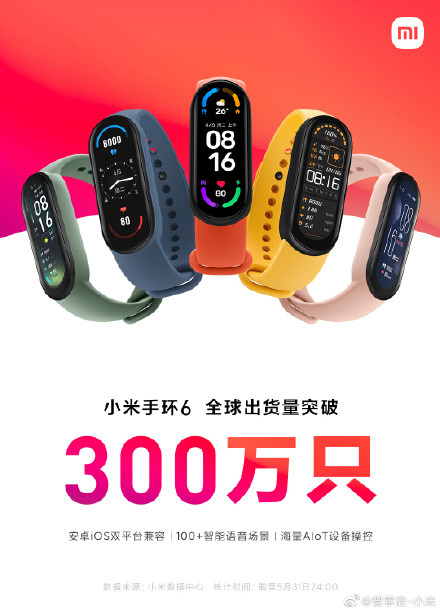
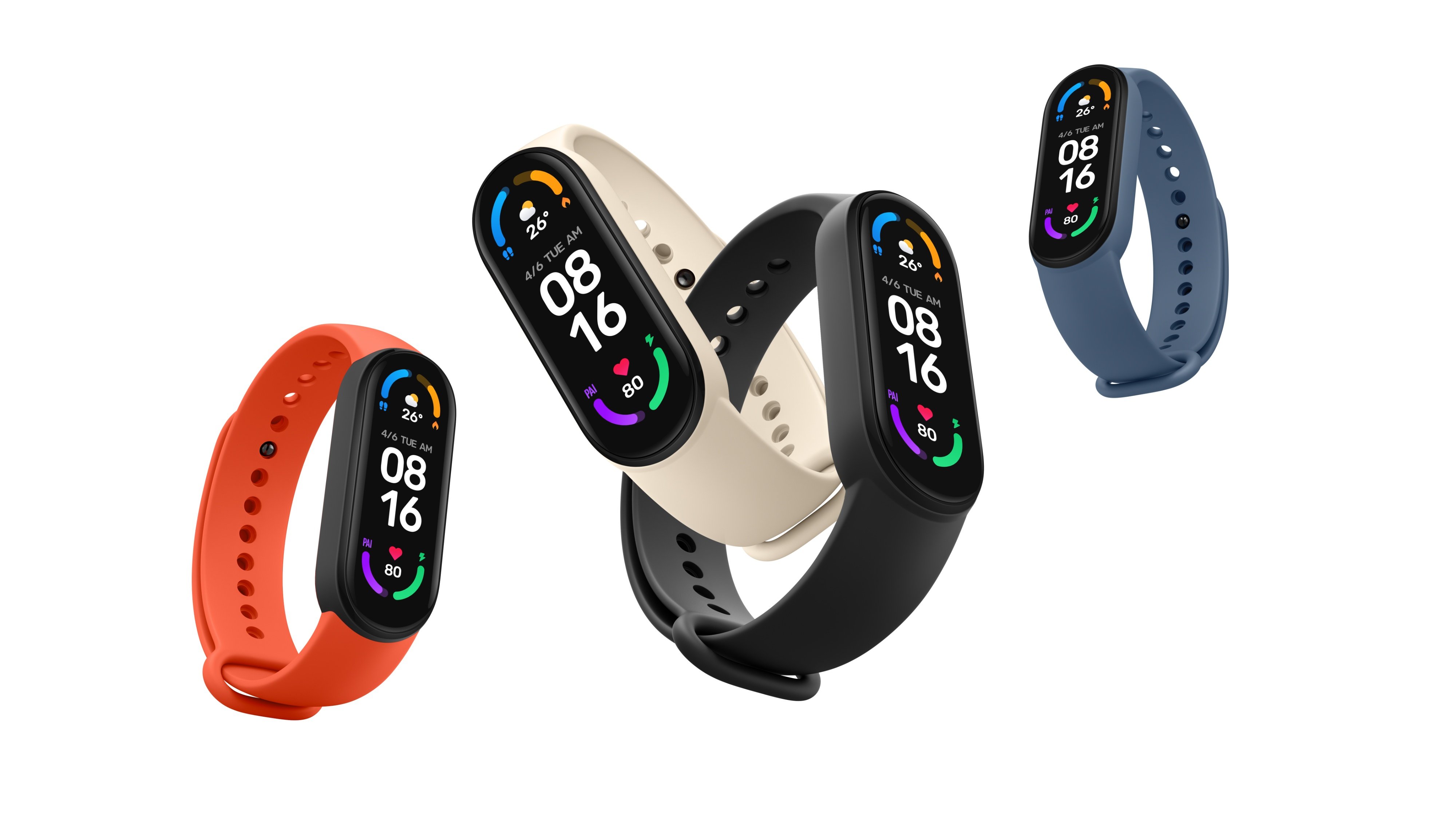
Xiaomi Mi Band 6 fitness tracker’s global shipments cross 3 million mark

About a month ago, Lei Jun, Founder and CEO of Xiaomi had announced that the shipments of Mi Band 6 has crossed the mark of one million units. Now, Zeng Xuezhong, Vice President of Xiaomi Group and President of Mobile Phone Division has posted on Weibo that the total global shipments of Mi Band 6 have exceeded three million units.

Xiaomi Mi Band 6 3 Million Shipments

For the uninitiated, the Xiaomi Mi Band 6 is the latest version of the wearable fitness tracker from the Chinese giant launched in March this year. It comes in two variants, a standard model without NFC support and another with NFC support.

While the Mi Band 6 was announced in March, the device went on sale in China from 2nd April and in less than a month, overall sales of the wearable crossed 1 million. Now, in about two months, the sales have crossed the 3 million mark globally.

The standard version is priced at 229 yuan which is approximately $36 while the NFC variant costs 279 yuan which roughly converts to $44.

Xiaomi Mi Smart Band 6 Featured A
Xiaomi Mi Smart Band 6

The Mi Band 6 features a 1.56 inch AMOLED color display which amounts to a 50 percent increase in the display area and offers 326PPI. Xiaomi ditched the physical touch button and has introduced support for gestures.

It is capable of tracking the blood oxygen levels along with being capable of monitoring heart rate and users’ sleep as well. Furthermore, the fitness tracker also features other health and sports tracking features, including 30 sports modes with support for tracking running, cycling, walking, and many more.

There are six auto-detect exercise modes, 24×7 heart rate monitoring (PPG), and SpO2 (Blood Oxygen measurement). The device is rated 5ATM for water resistance and is powered by a 125mAh LiPo battery with up to 14 days of battery life.

RELATED: