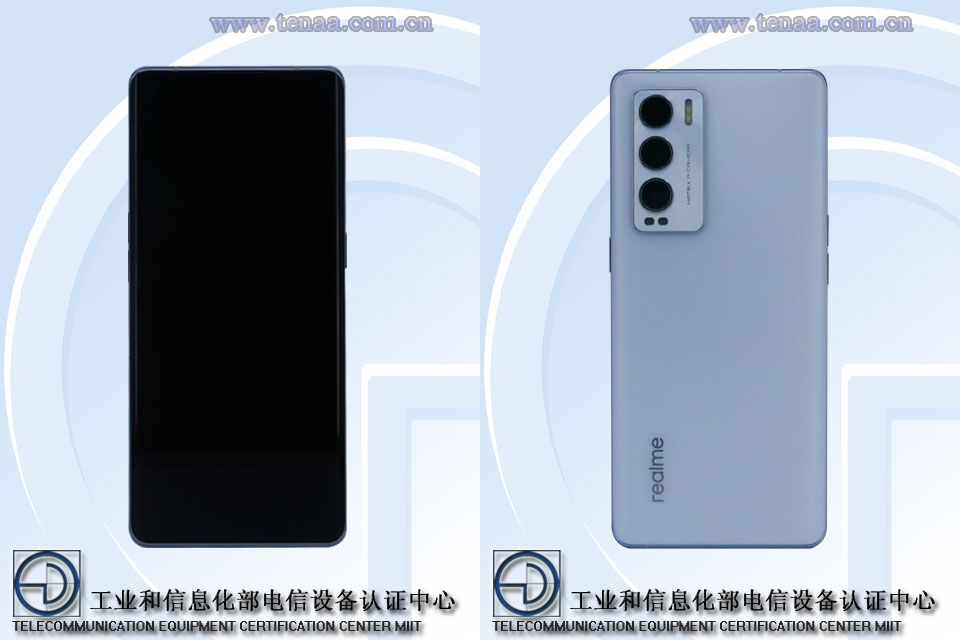
Earlier this week, a mysterious Realme phone with model number RMX3366 was spotted at the TENAA certification site. The phone had appeared with only a few preliminary specs and images. Today, the TENAA listing got updated with its entire specifications. Speculations are rife that this device could be hitting the Chinese markets soon with the Realme X9 Pro moniker.
Realme X9 Pro specifications (Rumored)
The Realme RMX3366’s TENAA listing shows that it measures 159.9 x 72.5 x 8mm and weighs 185 grams. It will be available in four hues such as White, Symphony, Apricot, and Gray.
The handset has a 6.55-inch curved edge AMOLED panel that supports a Full HD+ resolution of 1080 x 2400 pixels. It has a 32-megapixel front-facing camera, and its rear camera setup has a 50-megapixel primary lens, a 16-megapixel secondary lens, and a 2-megapixel camera. According to tipster Digital Chat Station, this phone features a Sony IMX766 lens as the primary camera.
TENAA images of the Realme RMX3366
A 3.1GHz octa-core processor is present under the hood of the chip. The tipster claims that the mentioned processor frequency is incorrect as it is expected to feature the Snapdragon 870 that works at 3.2GHz. It is expected to arrive in China in multiple RAM variants such as 6 GB, 8 GB, and 12 GB, and it could be available in storage choices like 128 GB, 256 GB, and 512 GB.
The phone runs on Android 11 OS, and it lacks a microSD card slot. It is backed by a 4,400mAh or 4,500mAh dual-cell battery, which may support 65W rapid charging. Lastly, it features an in-screen fingerprint scanner.
Realme X9 Pro pricing (Rumored)
Rumors have it that the Realme X9 Pro will be priced between 2,500 Yuan (~$391) and 3,000 Yuan (~$469). The Realme X9 is yet to appear at TENAA, but rumors surrounding it claim that it will feature the Snapdragon 778G and it will cost between 2,000 Yuan (~$313) and 2,500 Yuan (~$391).
On June 16, Honor will be announcing the much-awaited Honor 50 series of smartphones. A new leak by 91mobileswith reliable tipster Ishan Agarwal as the source has revealed the entire specs of the Honor 50 lineup. Since the leak has no information on the rumored Snapdragon 888 powered Honor 50 Pro+, it seems that the company may not launch it on June 16.
Honor 50 5G and Honor 50 Pro 5G specifications
The new leak reveals that the Honor 50 5G has a 6.57-inch OLED FHD+ display with a 32-megapixel front-facing camera. On the other side, the Honor 50 Pro has a larger 6.72-inch OLED FHD+ screen with a cutout for a 32-megapixel + 12-megapixel dual selfie camera system. The Honor 50 measures 159.96 x 73.76 x 7.78mm and weighs 175gs, while the Honor 50 Pro 5G’s dimensions 163.46 x 74.66 x 8.05mm, and it weighs 187 grams.
Honor 50 Pro HQ render by Ishan Agarwal
The Honor 50 and 50 Pro are powered by the Snapdragon 778G SoC. The vanilla model has a 4,300mAh battery that supports 66W rapid charging, whereas the Pro model gets a smaller 4,000mAh battery with 100W fast charge support. The leak claims that it takes only 25 minutes to fully charge the Pro model. Both phones feature the same quad-camera system, which comprises of a 108-megapixel main lens, an 8-megapixel ultrawide lens, a 2-megapixel macro camera, and a 2-megapixel depth sensor.
Honor 50 SE 5G specifications
The Honor 50 SE has a 6.78-inch LCD FHD+ screen with a 16-megapixel front-facing camera. The rear camera setup of the phone has a 100-megapixel main camera, an 8-megapixel ultrawide lens, and a 2-megapixel macro camera. It features the Dimensity 900 chip and a 4,000mAh battery that supports 66W rapid charging. The Honor 50 trio is loaded with Magic UI 4.2 and possibly Android 11 OS.
Samsung recently launched its most affordable 5G phone: the Galaxy A22 5G. Probably a lot of people did not expect a so affordable 5G device from a brand like Samsung, but it became very evident how the Korean giant wants to fight the Chinese concurrency with all of its strength. That is why we think it is a great moment to compare the Samsung Galaxy A22 5G with the other entry-level 5G phones. Among the most affordable 5G devices sold in the global market, you have the Realme 8 5G and the OPPO A54 5G. Here is a specs comparison between three of the cheapest but valid 5G phones out there.
Samsung Galaxy A22 5G vs OPPO A54 5G vs Realme 8 5G
Triple 48 + 2 + 2 MP, f/1.8 + f/2.4 + f/2.4
16 MP f/2.1 front camera
BATTERY
5000 mAh, 18W fast charging
5000 mAh
5000 mAh, fast charging 18W
ADDITIONAL FEATURES
Dual SIM slot, 5G
Dual SIM slot, 5G
Dual SIM slot, 5G
Design
Samsung Galaxy A22 5G does not provide an amazing design. Just like its two rivals, it is entirely built of plastic, but its design looks more outdated. Instead of a punch-hole display, it comes with a waterdrop notch and it has thicker bezels around the screen. The OPPO A54 5G is definitely more attractive not only for its punch-hole display but also because it comes in catchier color variants. The Realme 8 5G is nice as well, despite I personally prefer the design of the OPPO A54 5G.
Display
The OPPO A54 5G is equipped with the most advanced display: an LTPS panel with a Full HD+ resolution and a 90 Hz refresh rate. With the Realme 8 5G, you get an IPS display with a Full HD+ resolution and a 90 Hz refresh rate which sits in the middle. The Samsung Galaxy A22 5G is Full HD+ and 90 Hz as well, but it has a TFT panel. Each of these phones comes with a side-mounted fingerprint reader.
Hardware/Software
The most advanced hardware setup belongs to the Realme 8 5G. It is powered by the Dimensity 700 mobile platform built at 7 nm paired with up to 8 GB of RAM and up to 128 GB of UFS 2.1 native storage which you can furtherly expand through a micro SD dedicated slot. Right after, we got the Samsung Galaxy A22 5G with a Dimensity 700 chipset and memory configuration up to 8/128 GB, but it has no UFS 2.1 storage. With the OPPO A54 5G you get Snapdragon 480, 4 GB of RAM, and 64 GB of native storage. All the phones run Android 11 with customized UIs.
Camera
If you need the most advanced camera department, you should go for the OPPO A54 5G. All of these phones come with a 48 MP main camera sporting an f/1.8 focal aperture, but the OPPO A54 5G has better secondary sensors, including an 8 MP ultrawide camera, a 2 MP macro camera, and a 2 MP depth sensor. Realme 8 5G lacks an ultrawide camera, while Samsung Galaxy A22 5G has an inferior ultrawide sensor and it lacks a dedicated macro camera.
Battery
Samsung Galaxy A22 5G, Realme 8 5G, and Samsung Galaxy A22 5G are equipped with 5000 mAh batteries and provide a great battery life, but the OPPO A54 5G lacks fast charging, unlike its two opponents.
Samsung Galaxy A22 5G vs OPPO A54 5G vs Realme 8 5G: Price
Samsung Galaxy A22 5G is priced €230/$279 in its base variant, Realme 8 5G starts from €199/$241, and OPPO A54 5G costs €269/$326 (Europe). The OPPO A54 5G is definitely the best device if we exclude the fact that it only comes in a 4/64 GB configuration, but the Realme 8 5G has the highest value for money.
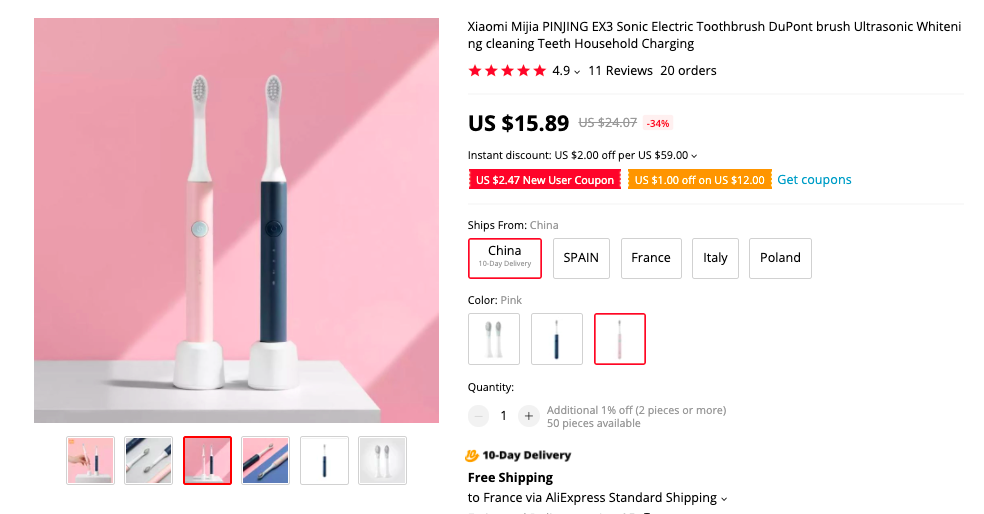
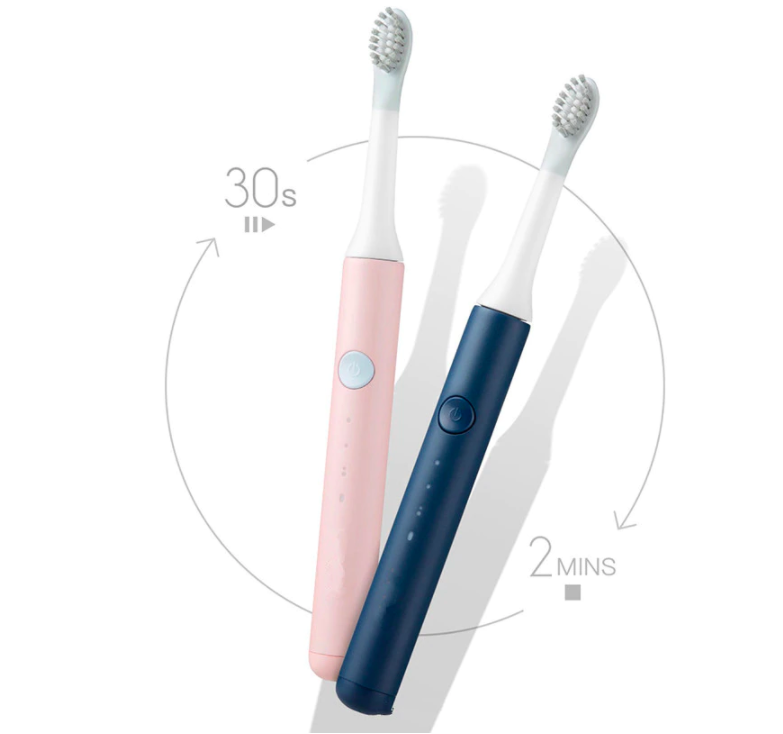
Pinjing EX3 Sonic Toothbrush brings you a unique and innovative brushing experience. This advanced sonic toothbrush features 31000 sonic vibrations per minute and a 360-dimensional cleaning function that helps you to clean every nook and cranny of your teeth. The mini head made with imported high-quality soft bristles helps to clean the hard-to-reach areas and the triple brushing modes help to meet your different dental needs.
The electric toothbrush comes with a 2 minute stop and 30-sec zone change reminder. This function helps you to clean all the different zones of your teeth and stop brushing after 2 minutes, to cultivate scientific brushing habits. The toothbrush can last up to 25 days on one single charge and the light and compact design make it easy to carry in your pouch or travel case.
Xiaomi Pinjing EX3 Sonic Electric Toothbrush which generally retails for $25, is now available for $15.89only at AliExpress. This deal is applicable on both Blue and Pink color variants, ordered from the China warehouse.
For more information on such exciting deals and offers check out ourdeals hub.
* Please Note: When you buy something using the links in our articles, we may earn a small commission at no cost to you.
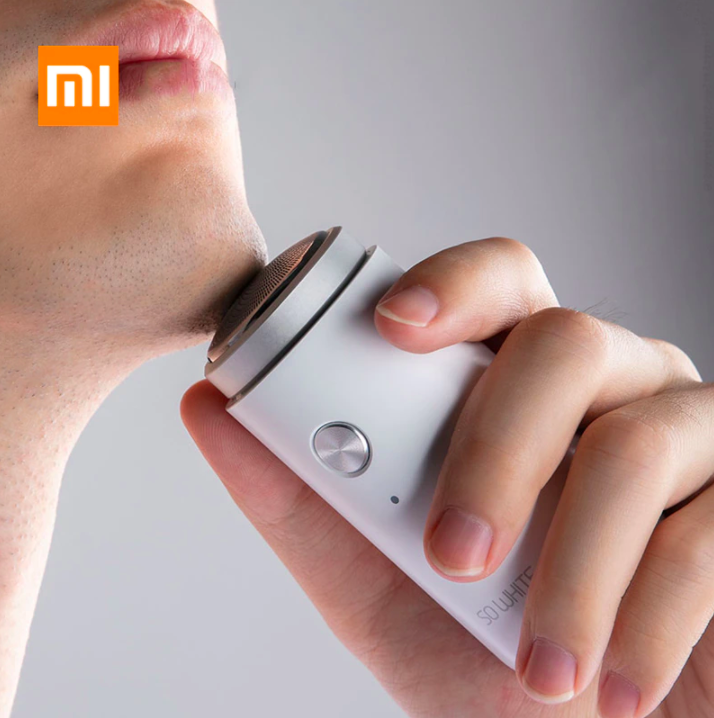
Lightweight and portable – can be easily carried in your pocket
Rotating three-leaf combination blade
Honeycomb mesh with 0.07mm thickness- suitable for short and hard beards
Ultra-thin knife – for a clean and deep shave, without leaving stubble
Integrated blade and knife mesh design – for easy cleaning and disassembly
5500RPM High-Speed Motor-For deep, powerful and clean shave
Smart Travel Lock
Charging – Type C Port
Battery life – 90 minutes
IPX5 Waterproof- can be used for both dry and wet shaving
Beautiful and minimalist design
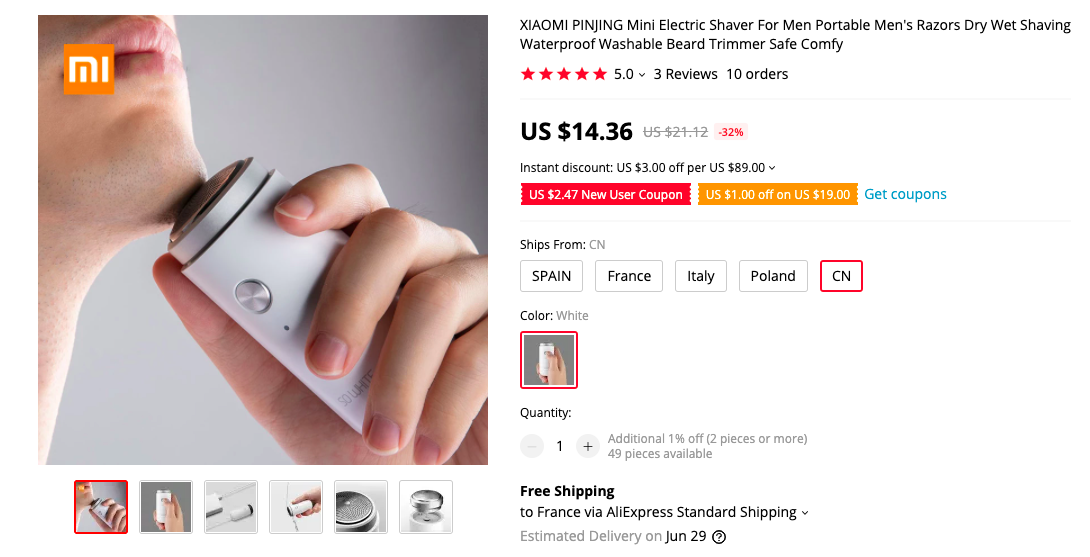
Generally retailing for $25, you can now buy Xiaomi So White ED1 Mini Electric Razor for a discounted price of $14.36 only at AliExpress. Please note that this limited-stock offer is applicable to orders made from the China warehouse. So place your order asap.
For more information on such exciting deals and offers check out ourdeals hub.
* Please Note: When you buy something using the links in our articles, we may earn a small commission at no cost to you.
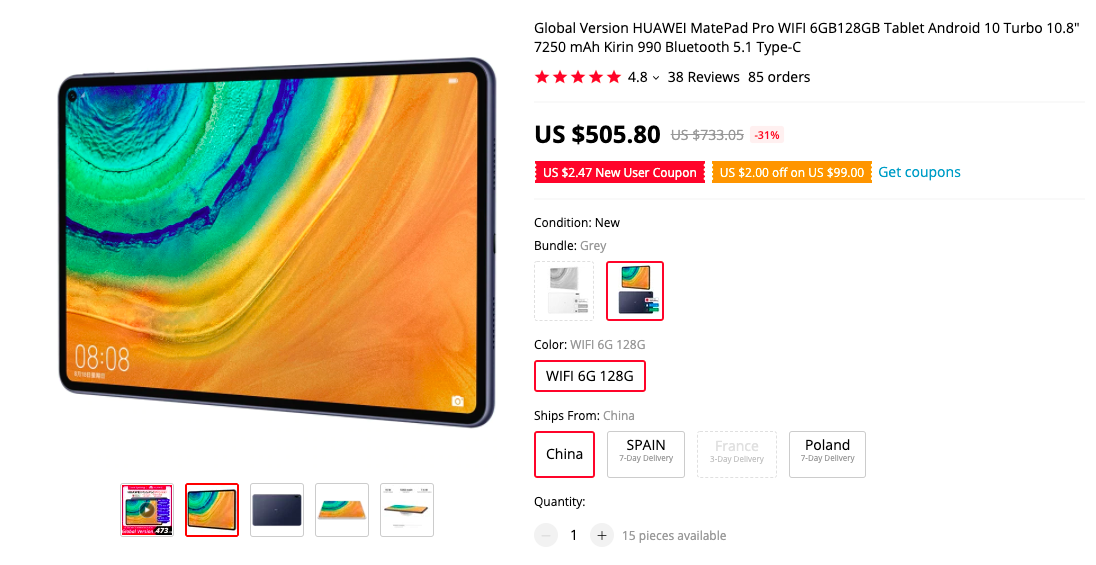
Battery: 7250mAh, 40W fast charging, 15W wireless charging, and 7.5W reverse wireless charging
Compatible with Huawei-M Pencil (Not included with the product)
OS: Huawei EMUI 10.0 (Bsed on Android 10.0)
Color: Grey
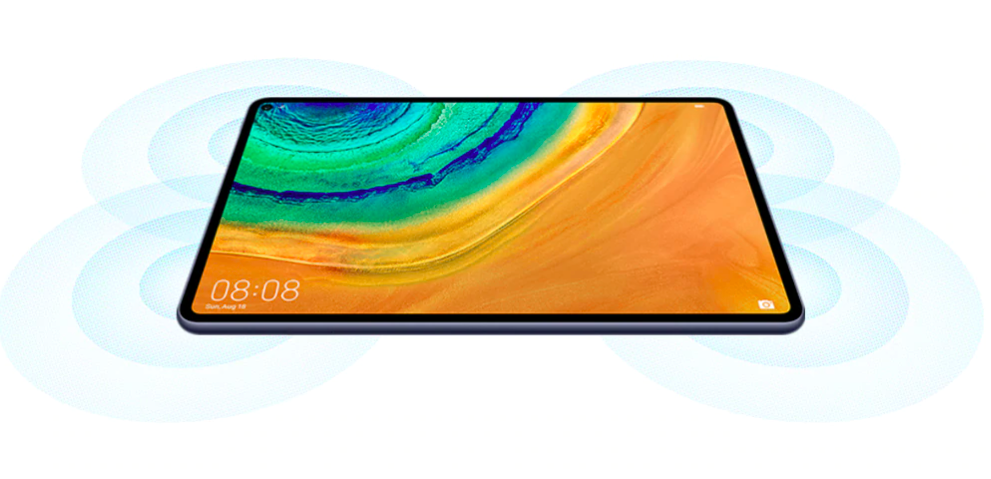
Generally retailing for $600, you can now buy Huawei MatePad Pro Global version at a massively discounted price of $505.80 only at AliExpress. Please note that this deal is applicable only to the 6GB + 128GB, Grey color variant. This is a limited-time offer. So place your order asap.
For more information on such exciting deals and offers check out ourdeals hub.
* Please Note: When you buy something using the links in our articles, we may earn a small commission at no cost to you.
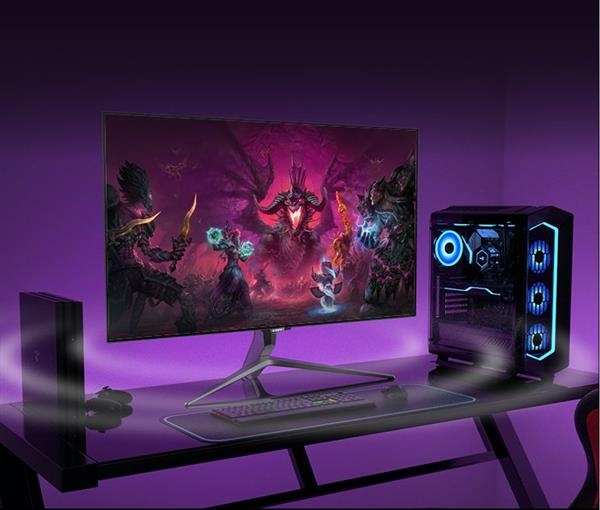
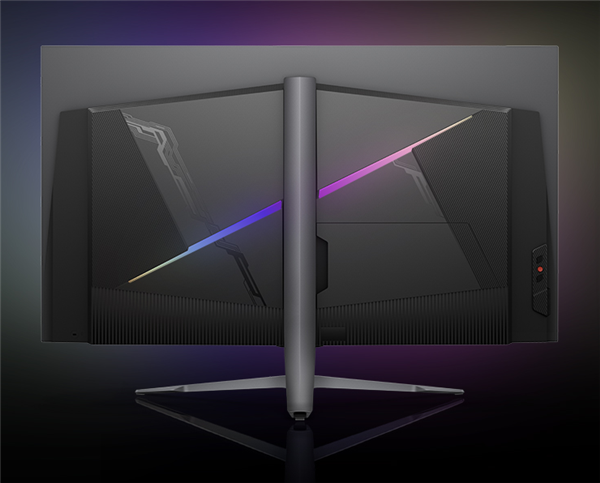
Chinese electronics giant Skyworth has officially announced the launch of what is its first gaming monitor with an OLED screen. The monitor packs an expansive 48-inch OLED screen and is on pre-sale for 7499 yuan (~$1,172) but the final price will be 14,999 yuan ($2,266).
The Skyworth G90 is equipped with a large 48-inch 4K OLED screen which has over 8 million self-luminous pixels, each capable of independent pixel light control. The screen features support for 120Hz refresh rate and 1ms grayscale response time. It also supports VRR variable refresh rate, professional gaming level which ensures games are played smoothly without shadows.
In addition, the G90 supports Dolby Vision, a higher level of HDR technology that can achieve breathtaking brightness, deep dark details, and bright colors, with a peak brightness of up to 900nit.
Further, the Skyworth G90 gaming monitor features a full-screen design with a 99% screen-to-body ratio. The rear casing has a battle wing design with a steel shield element design. The stand has a swivel design which makes it rotatable. The back casing also has a light strip design which provides lighting effects while gaming. Other features include two built-in high-fidelity speakers support Dolby Atmos function.
The G90 also has a built-in smart dual system differentiated into the Display system and Coocaa system. While the display system is responsible for the ultimate game, the Coocaa system is responsible for audio-visual entertainment, meeting the interactive needs of young users anytime, anywhere
The Skyworth G90 Gaming Monitor is presently available on Jingdong (JD.com).
The automobile industry is going through a phase, which can be related to the aftermath of the introduction of the first iPhone. Software plays a key role in this transition period of the industry. Hence, multiple companies are trying to get a slice of the market before it explodes. Huawei is one of those firms with its HarmonyOS.
Huawei advertises its HarmonyOS as a distributed operating system capable of running on devices from various categories. Although the company claims it to be based on a microkernel, that’s not true for the operating system’s current status.
Right now, the company labels multiple operating systems as HarmonyOS. However, there does exist a self-developed microkernel.
According to a report by CITIC Securities (via ITHome), this microkernel, along with the Linux kernel, and LiteOS make up the HarmonyOS used in cars. The OS also has ASIL-D high-level safety certification. Above all, the operating system is said to redefine the automotive software industry by applying the smartphone ecosystem.
Huawei’s work in developing the software for automotive is appreciated. The company has the potential of signing new clients. HarmonyOS is already used in cars like ArcFox Alpha S, SERES SF5, and GAC Trumpchi.
Additionally, yesterday, the company revealed its plans to develop driverless car technology by 2025. All we can say is that Huawei is ambitious towards the development of HarmonyOS. But we don’t know what the future holds for the company as its global smartphone market share plunged to 4% in Q1 2021.
What are your thoughts on Huawei’s HarmonyOS? Do you think it can compete with the likes of Google’s Android Automotive and Blackberry’s QNX? Do let us know in the comment section below.
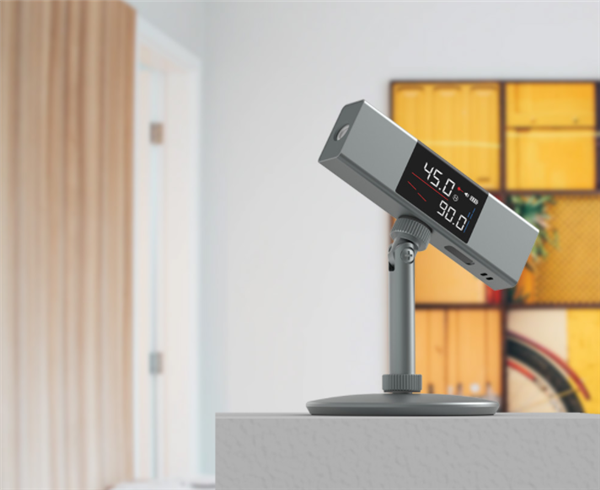
Xiaomi has launched the Duka LI1 Laser Rangefinder under crowdfunding on the Youpin platform. The device has an original price of 159 yuan but will be sold during the crowdfunding period for 99 yuan (~$16).
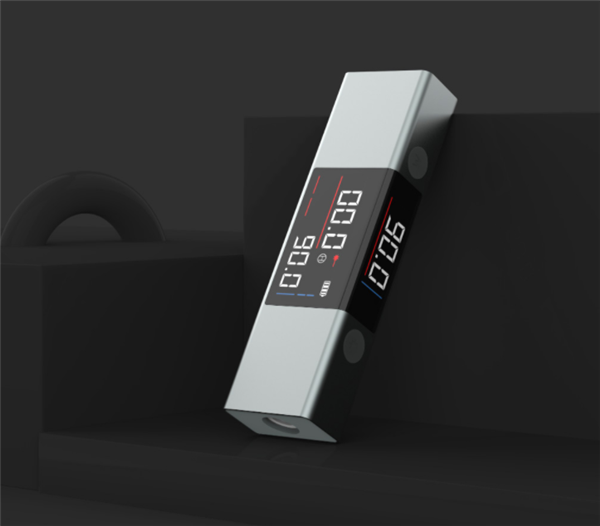
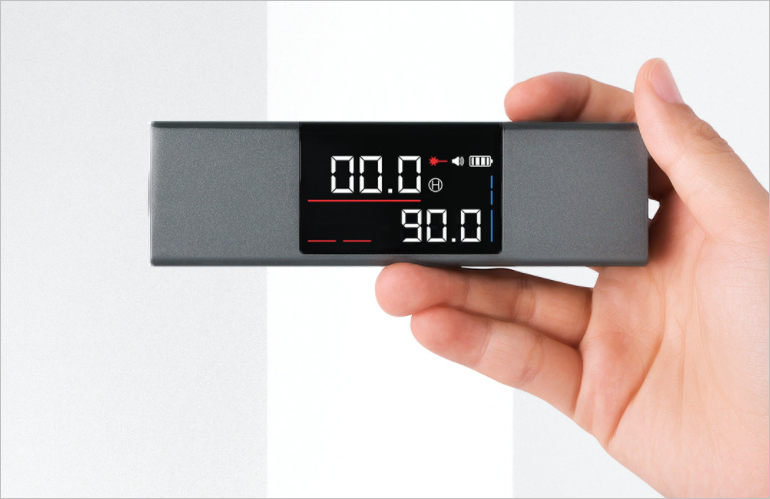
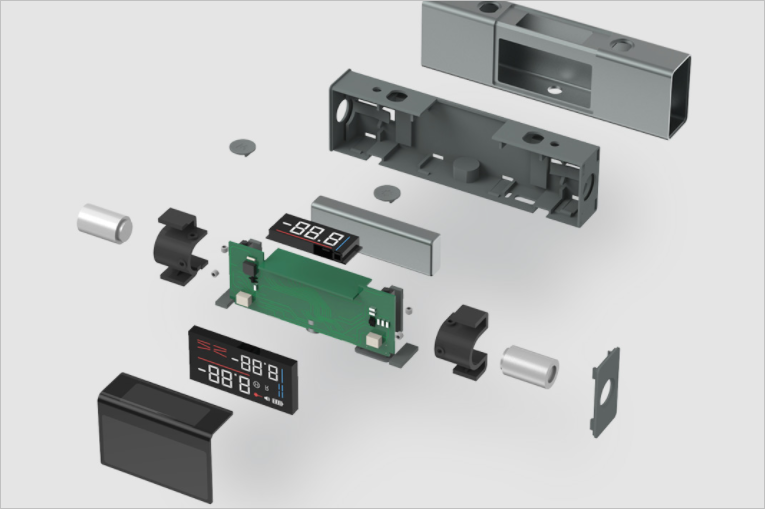
The Duka LI1 Laser Rangefinder is capable of high-precision measurement. It is equipped with a double-sided high-definition LED screen while the body is made from aluminum alloy with a matte finish. It utilizes high-end components which are based on micro-electromechanical systems with advanced software technology to achieve a high-precision measurement with an accuracy better than ±0.5°.
The rangefinder can easily achieve 360° any-angle wire throwing in a complex engineering environment. It can also measure the two axes at the same time. It is suitable for space operations such as stairs, ceilings, and wall edges. The device has a retractable aluminum tripod which is also detachable.
Further, the device uses an LED red laser source which has high brightness, and low energy consumption. The line width is just 1mm thin thus reducing the measurement error. The laser beam is bright but doesn’t dazzle the eyes. It also has a strong penetrating power which ensures that the beam is clear regardless of the distance.
The laser rangefinder comes with an IP54 rating which guarantees safe usage under any conditions including in damp and dusty environments. It also adopts a reinforced anti-drop metal shell, which is not easy to be damaged and is durable. The LED screen is a curved color panel covered by a 9H glass of ultra-high hardness. The material used ensures it won’t gather fingerprints or scratch easily. The entire device weighs just 70g which makes it easy to carry around and operated with one hand.
Can be easily controlled through BlitzWolf APP, Tuya Smart
Beautiful glass touch panel – Highly sensitive and safe to operate even with wet hands
Time Scheduling – Schedule your lights to automatically turn on /off at a given time using the APP
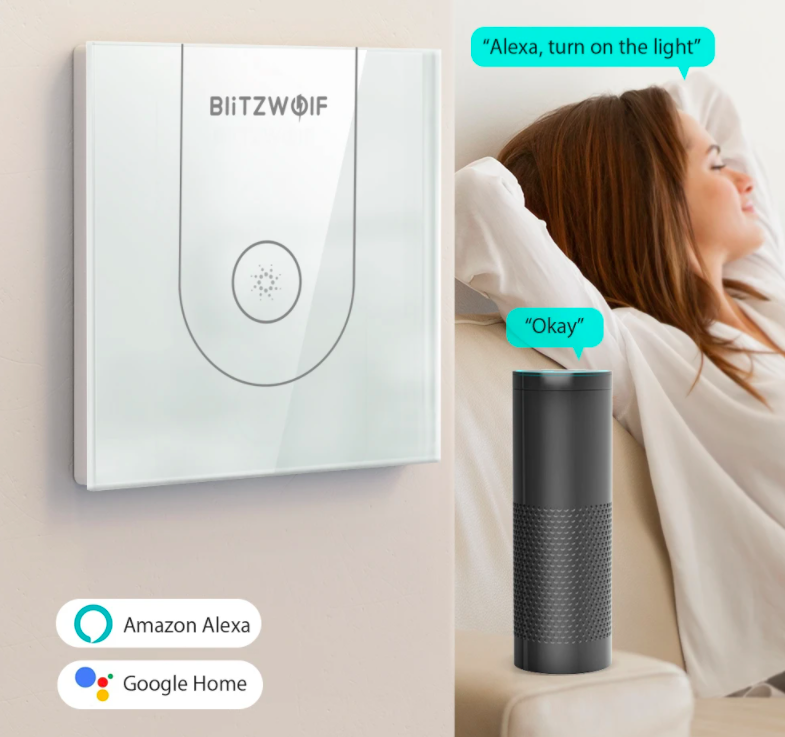
Voice control – Supports Amazon Alexa and Google Home assistant to switch on and off the lights using simple voice commands.
Beautiful and minimalist design
Indicator lights
Power- 800W
Color – White
Plug Type – EU
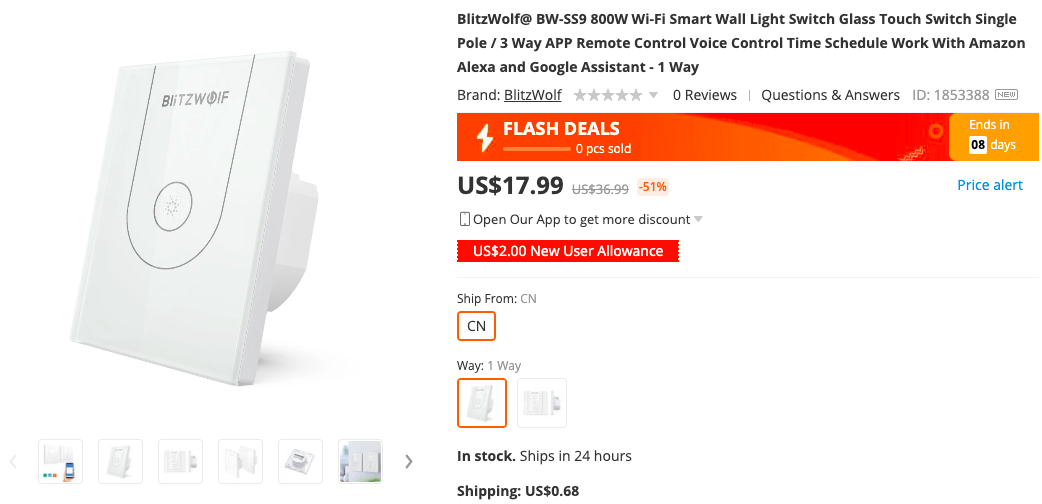
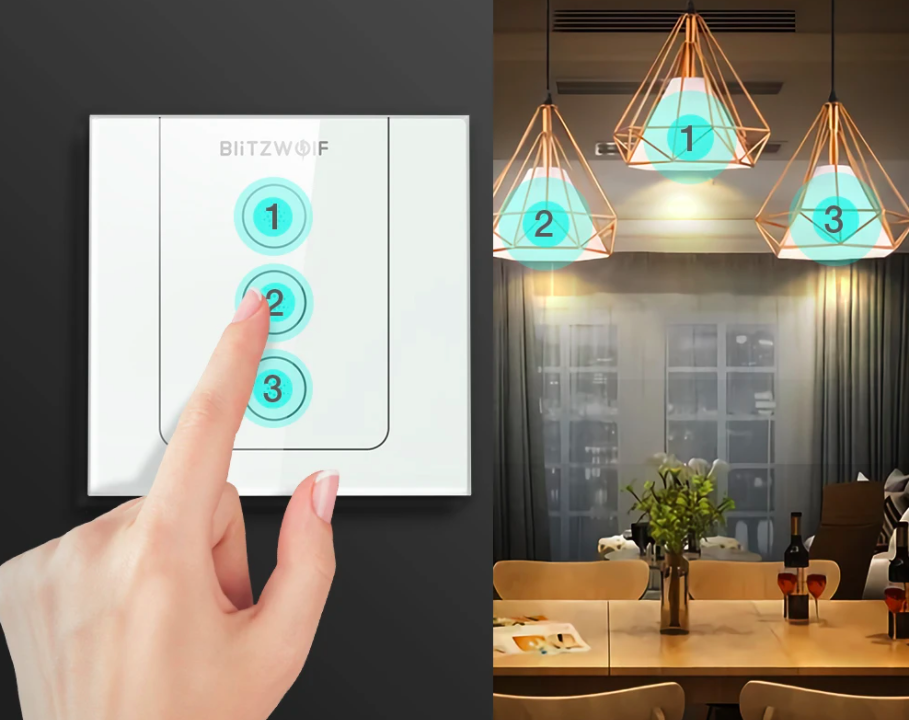
Generally retailing for $30, you can now buy BlitzWolf BW-SS9 WiFi Smart Wall Light Switch for a discounted price of $17.99 only at Banggood. Please note that this price is for a single-way switch. You can also buy a 3-way switch to control 3 different lightings simultaneously for $19.99 only. This flash deal ends in the next 8 days. So place your order asap.
For more information on such exciting deals and offers check out ourdeals hub.
* Please Note: When you buy something using the links in our articles, we may earn a small commission at no cost to you.
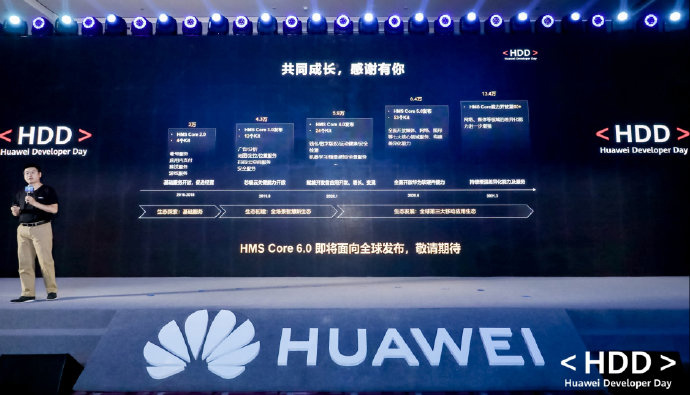
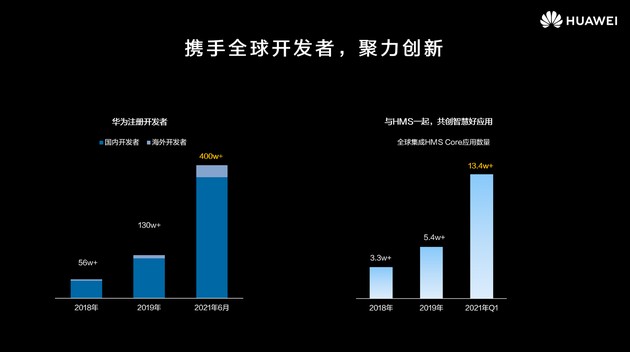
Huawei Thursday held the Huawei Developer Conference (HDC) in China and the major highlight of the event was the announcement that HarmonyOS apps have reached 134,000. The company also disclosed that over 4 million developers have enlisted on the platform.
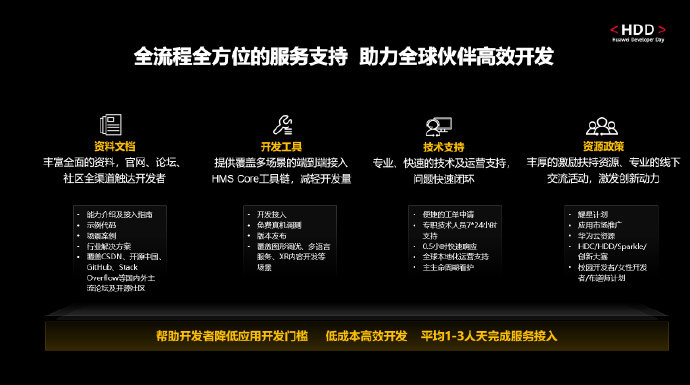
The Chinese tech giant also announced an upgraded HMS Core 6.0 during the event. HMS Core has several tools that will assist app developers to develop apps for the Huawei ecosystem. The tool includes a complete set of open HMS Apps and HMS Core, HMS Capabilities, HMS Connect, as well IDE tools for development and testing. HM Core 4.0 was only launched in January 2020 but by June of last year, the company released an upgraded HMS 5.0. One year after an even higher Core 6.0 is now official, obviously coming with several upgrades.
The speed at which the company is releasing the upgrades is an indication of its desire to grow the Huawei ecosystem which is key to the success of the HarmonyOS. The presence of 134,000 apps makes HMS the third-largest in the world after the Google Play Store and Apple’s app store.
One way Huawei was able to bring onboard over 4,000,000 developers is through offering several incentives. The company is sustaining this with the global launch of the 2021 Huawei HMS Global Application Innovation Competition. Huawei hopes to continue to attract developers and inspire greater innovation, create more beauty, and build a smart ecology of the devices covered by HMS.
In addition, the 2021 Huawei HMS Global Application Innovation Competition has a special award for women in science and technology to encourage outstanding female developers and teams.
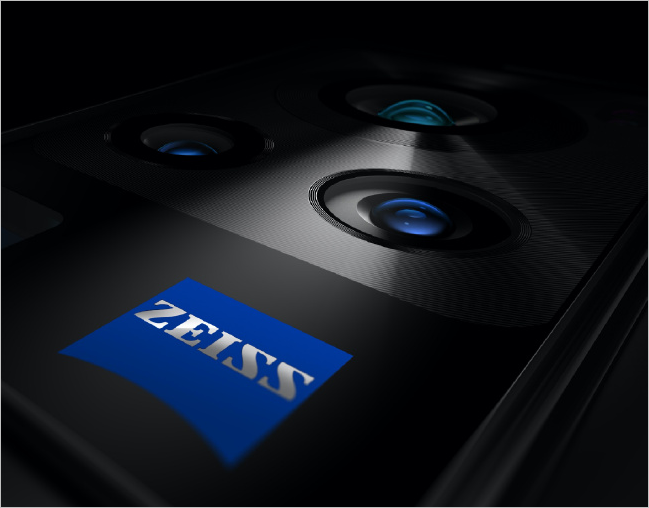
Zeiss Group, the Germany-based company that manufactures optical electronics and optical products, is now looking to expand its footprints in the mobile market as the demand for imaging technology is surging.
The German company is known for making eyeglass lenses, binoculars, and camera lenses. In an effort to further expand its presence in the smartphone camera market, Zeiss China, the local subsidiary, has partnered with Chinese smartphone maker Vivo and launched Vivo X60 series phones.
Smartphone makers are now partnering with optical image sensor makers to enhance the camera performance of their devices. This is being done to offer a unique feature and highlight the photography experience, a feature that has now become a make-or-break deal type for many users worldwide.
Maximilian Foerst, President and Managing Director of Zeiss China says that the company is committed to developing mobile imaging technologies as it sees great potential in the extremely dynamic market. He further adds that mobile imaging technology will be a key differentiator and an important driver of the mobile market worldwide.
Vivo and Zeiss are also establishing a joint Research & Development program which would be known as Vivo ZEISS Imaging Lab. It will be focused on developing innovative solutions for mobile imaging technology. Also, the program will oversee the joint development and co-engineering of optical components that would feature on Vivo flagships.
Zeiss previously had a partnership with Nokia for its smartphone cameras which is now defunct. Similarly, Huawei has a partnership with Leica while OnePlus recently established a partnership with Hasselblad. Samsung is reportedly tying up with Olympus for enhancing the camera experience on its upcoming flagship smartphones.
The POCO M3 launched in India in February. The first-ever sale for the device clocked over 150K+ units in sales. That could be mostly because Indians had been waiting for this handset for over two months since its debut in global markets. Just a month after the launch in India, the phone crossed 500K+ units in sales. Now, almost three months from that, POCO has achieved yet another milestone with the POCO M3.
According to a tweet by the official POCO India Twitter account, the brand has managed to sell over 750K+ units of POCO M3 in the country. So it took the brand around three months to sell the next 250K+ units from the last milestone of 500K+ units.
The decrease in unit sales can be attributed to the launch of other smartphones in the segment, like the Redmi Note 10. Anyway, the handset could hit 1 million units in sales in the coming months like the POCO M2 and the POCO C3 respectively.
The unit sales figure could have been even higher for all these three budget POCO smartphones if they had been selling via offline stores. For those unaware, all POCO phones in India are sold exclusively on Flipkart. The brand is yet to make its offline debut.
The newest POCO device in India is the POCO M3 Pro 5G. The Early Bird sale for it is scheduled for June 14 at 12 PM. Last but not least, the brand is expected to debut products like POCO F3 GT, POCO X3 GT, and POCO Pop Buds as soon as next month.
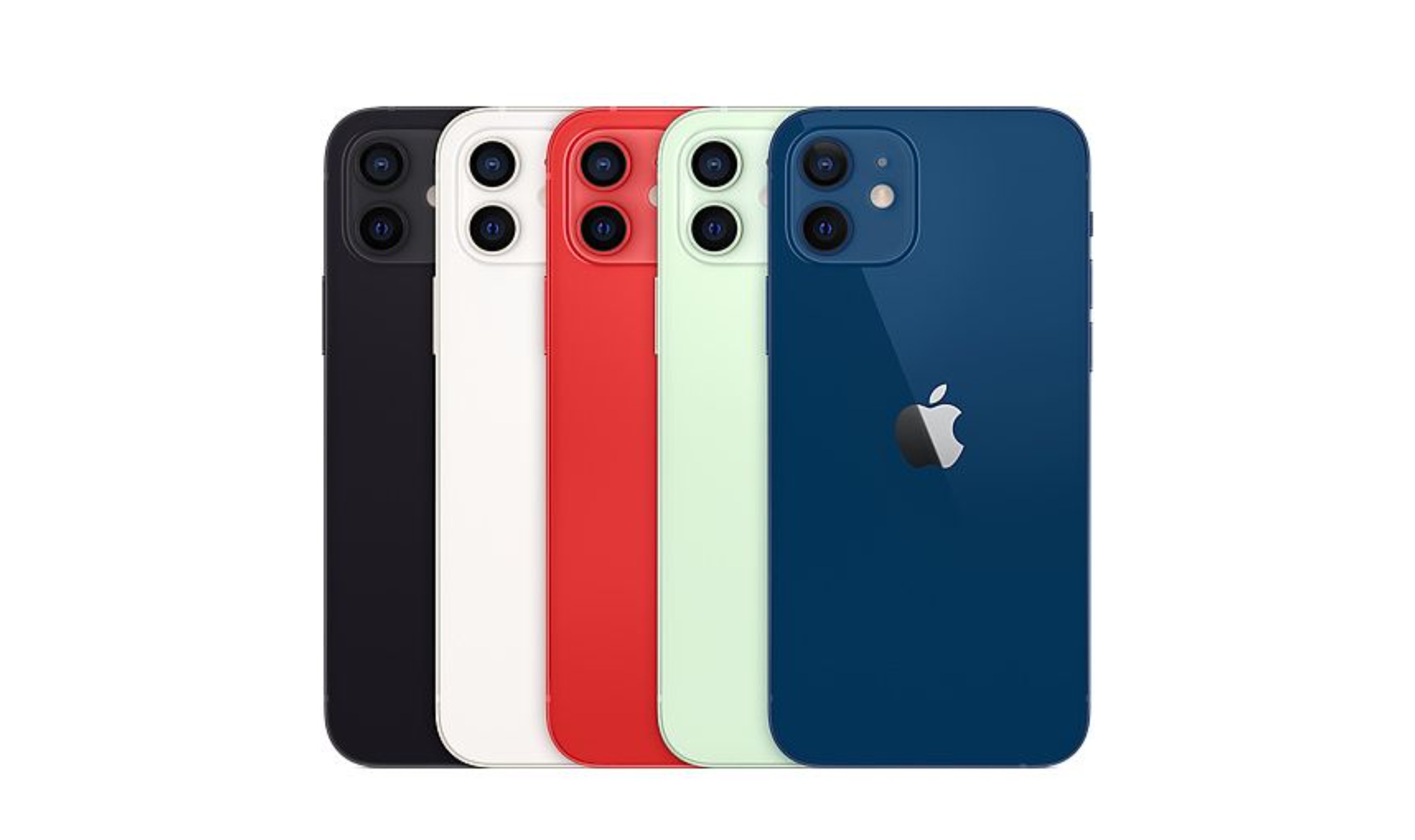
Apple iPhone 13 series is reported to hit the stores this fall. The second-gen 5G smartphones from the Cupertino-based tech giant are expected to go official in September like the previous years in recent times (except 2020). Ahead of the official announcement, their alleged model numbers have been revealed.
Apple iPhone 12
The upcoming Apple iPhone 13 series seems to have been certified by EEC (Eurasian Economic Commission). The lineup is expected to include four models, namely iPhone 13, iPhone 13 Pro, iPhone 13 Pro Max, iPhone 13 Mini.
However, the following seven model numbers have been listed on EEC.
A2628
A2630
A2634
A2635
A2640
A2643
A2645
Unfortunately, the EEC certification does not reveal anything else. But we do know some characteristics of these handsets, thanks to multiple reports.
The iPhone 13 series is reported to feature the same design as the current-gen iPhone 12 models. However, the new lineup may come with a slightly smaller notch and possible better camera performance.
Most importantly, the iPhone 13 Mini could be the last-ever mini iPhone due to poor reception of the iPhone 12 Mini. Also, the iPhone 13 Pro and the iPhone 13 Pro Max may finally come equipped with a 120Hz ProMotion display.
In a nutshell, the iPhone 13 series will be a minor upgrade over the current-gen iPhone 12 series.
MediaTek has just reported its revenue for the month of May 2021. During this month, the company saw a growth of 13 percent month on month, while registering a whopping 90 percent growth in comparison to the same month last year.
According to a DigiTimesreport, the chip making giant’s revenue reached 41.33 billion New Taiwan Dollars (roughly 1.5 billion US Dollars) in the month of May. On the other hand, the total revenue for the first five months of this year arrived at 185.93 billion New Taiwan Dollars (roughly 6.7 billion US Dollars), marking another significant growth of 80.2 percent year on year.
MediaTek also announced that it is on track to meet its initial sales growth estimate for the second quarter of this year, which is set between 10 to 18 percent over last year. Furthermore, the firm announced that it is working closely with its backend partners to reduce the impacts of the COVID cluster infections at OSAT King Yuan Electronics (KYEC). The company stated that it is also set to meet its expectations for the full year sales growth and gross margin guidance.
Previously, the fabless chip producer had estimated that its revenue will rise by over 40 percent in this year, recording somewhere between a 44 percent to 46 percent gross margin. The news arrives despite the two day fab closure at KYEC that led to 30 to 35 percent loss in its June output.
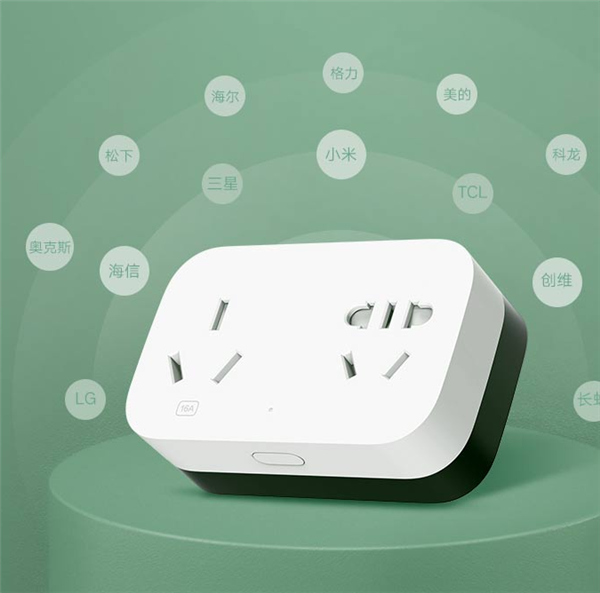
Xiaomi has launched the MIJIA Air Conditioning Companion Pro. The smart home product takes over from the Air Conditioning Companion 2 and performs all the functions of its predecessor and even adds some new features.
The Air Conditioning Controller Pro can functions as a remote control for the air conditioner switch and temperature adjustment. It also come with support for XiaoAI voice control, and intelligent temperature adjustment after sleep as well as provide a statistics of the electricity consumption by the AC. These are functions which the Air Conditioning Controller 2 can perform. However, the new Air Conditioning Controller Pro now features an infrared remote control, expanded 10A socket, and built-in Bluetooth gateway as well as other practical functions.
The AC Companion Pro not only makes traditional air conditioners easy to use and smart, it also realizes remote timing switch and temperature adjustment. It can also be used to control several electric appliances such as projectors, TVs, fans, thanks to the infrared remote.
In terms of the design, the MIJIA Air Conditioning Companion Pro looks similar to the MIJIA Smart Socket. While its predecessor packs a three-hole socket, the new smart socket has an additional five-hole socket of 10A rating. This ensures you can connect other gadgets to the socket like 10A low-power air conditioners, cameras, smart curtains, and other electrical equipment.
Furthermore, its built-in infrared transmitter module and massive infrared code library can cover 6000+ mainstream brand home appliances in the market. The MIJIA Air Conditioning Companion Pro also has a built-in Bluetooth gateway. After connecting to a Bluetooth device, you can not only view the data of the Bluetooth device remotely on the MIJIA app, but also realize the linkage with other MIJIA smart devices from the Settings.
The MIJIA Air Conditioning Companion Pro carries a decent price tag of 129 yuan (~$20). There is no information on its availability at the moment.
EA has apparently been hit with a data breach. The hackers responsible for the attack stole the company’s source code of FIFA 21’s game engine along with other game development tools as well.
According to a Motherboardreport, these hackers are also selling the source code for the company’s Frostbite game engine. This engine is used not only for FIFA 21 but has also been used in the studio’s popular Battlefield series a well. The group responsible is reportedly advertising that this data is for sale on hacking forums, and will only consider offers from big name members of the hacking community.
As the name suggests, Source codes are quite crucial for game development, so it is a big deal when a company like EA suffers from such a data breach. Recently, such attacks had also affected CD Projekt Red, who lost the source code for its Cyberpunk 2077 and The Witcher 3 game engines. Source codes being leaked also signifies trouble for the games themselves as it enables a clear view of the inner workings of the game, letting people create cheats and hacks that the developers didn’t intend for.
While the data breach doesn’t necessarily damage a company to a great extent, it does offers leaks at future or other projects that are currently in development. Furthermore, the hackers also claimed that they also have Microsoft Xbox and Sony’s SDKs and API keys available for sale as well, with a screenshot showcasing a total of 780GB worth of stolen goods. A spokesperson from the company confirmed this news and stated that the hackers only got away with a “limited amount of game source code and related tools.”
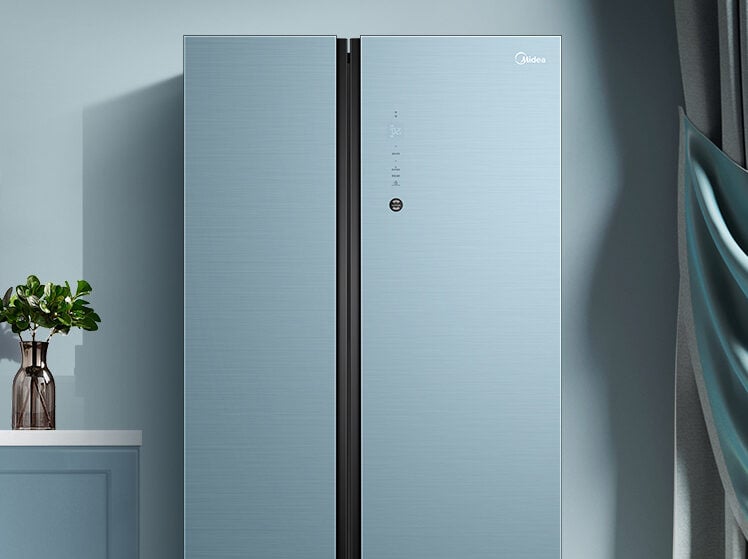
Earlier this week, the Midea Group announced that it is closely working together with Huawei, to integrate the latter’s HarmonyOS in its products. The group also stated that it has already launched 12 products that are equipped with HarmonyOS across 7 different categories.
World’s first refrigerator with HarmonyOS from Midea
Notably, the news arrives just days after an executive of the Chinese home appliance maker announced that most of its smart products will feature the smartphone brand’s proprietary operating system. The former had even announced that it would be cooperating with Huawei for its HarmonyOS (also known as HongMengOS in China) back in 2020.
Just recently, Midea had even launched the world’s first smart refrigerator that supports the HarmonyOS. The company added that its products launching with the new OS will also enable it to offer its customers more value and better services as well. Furthermore, the HarmonyOS platform was built with multi device support and cross platform integration as well.
This means that its ecosystem is designed to work in a smart home, where multiple IoT (internet of things) products are connected to one another and can be controlled by the user remotely through a smartphone or a smart hub. The company has already launched various products with HarmonyOS, with new releases including the likes of dehumidifiers, refrigerators, and more. This number is likely to rise further with new launches in the near future.
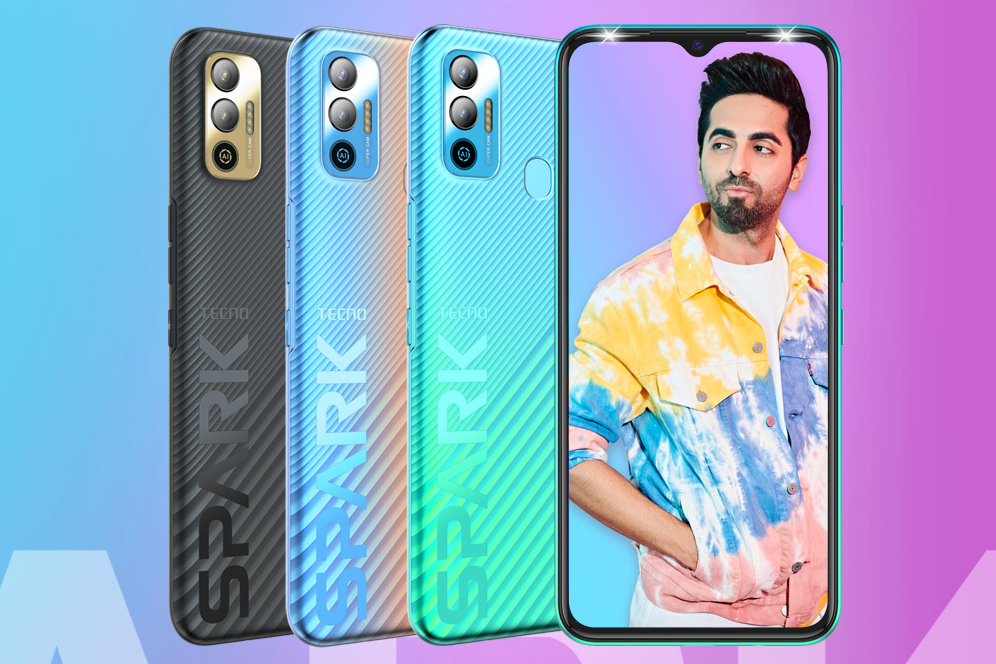
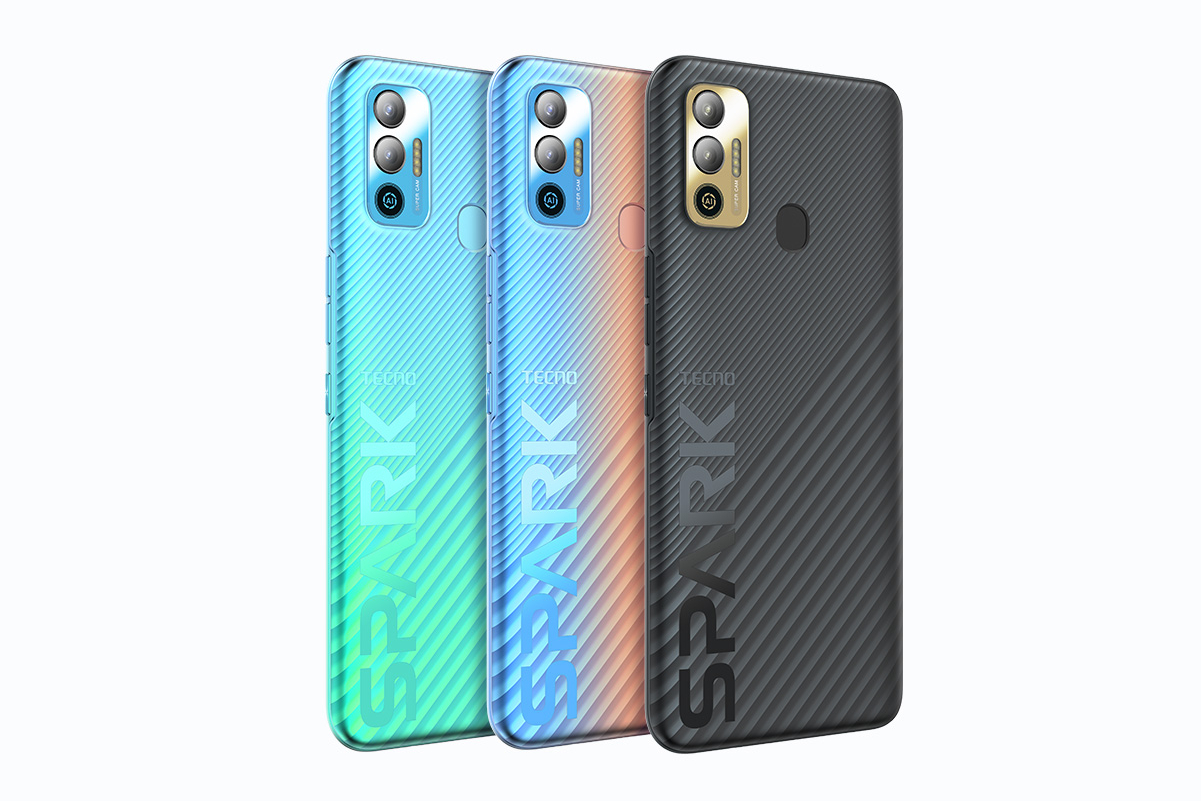
Earlier this week, TECNO announced that it will be launching the TECNO SPARK 7T in India on June 11. As scheduled, the company has officially debuted the said smartphone in the country earlier today. Let’s take a look at its specs, features, price, and availability in India.
TECNO SPARK 7T Specifications and Features
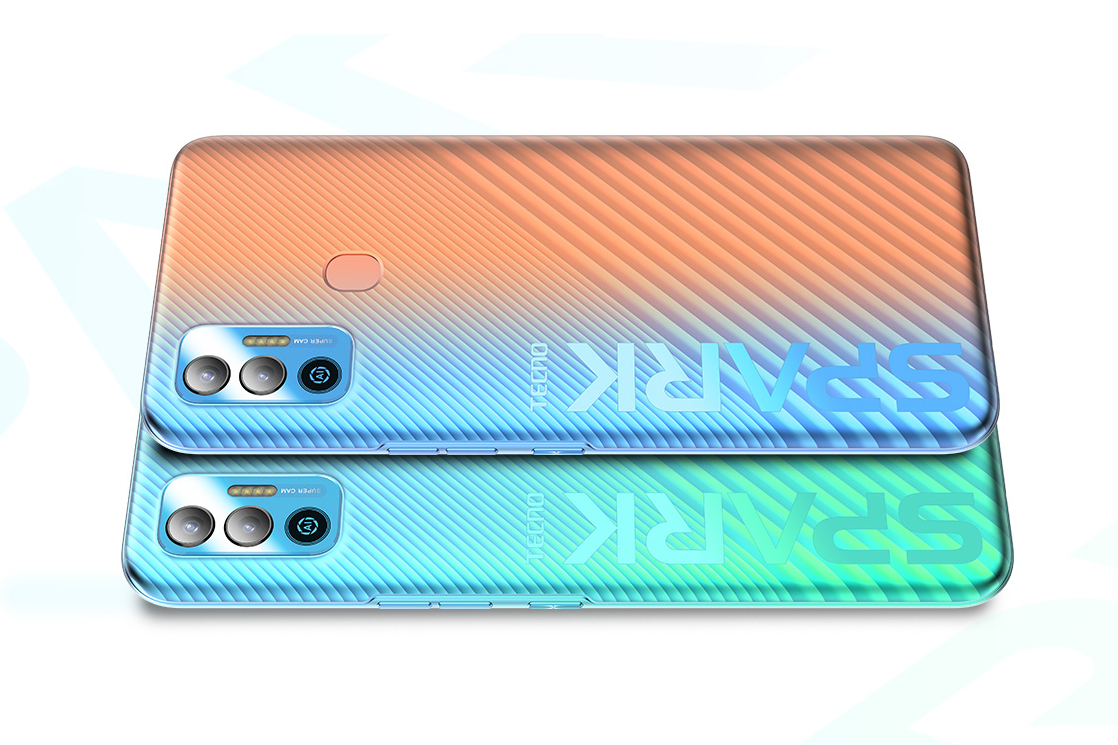
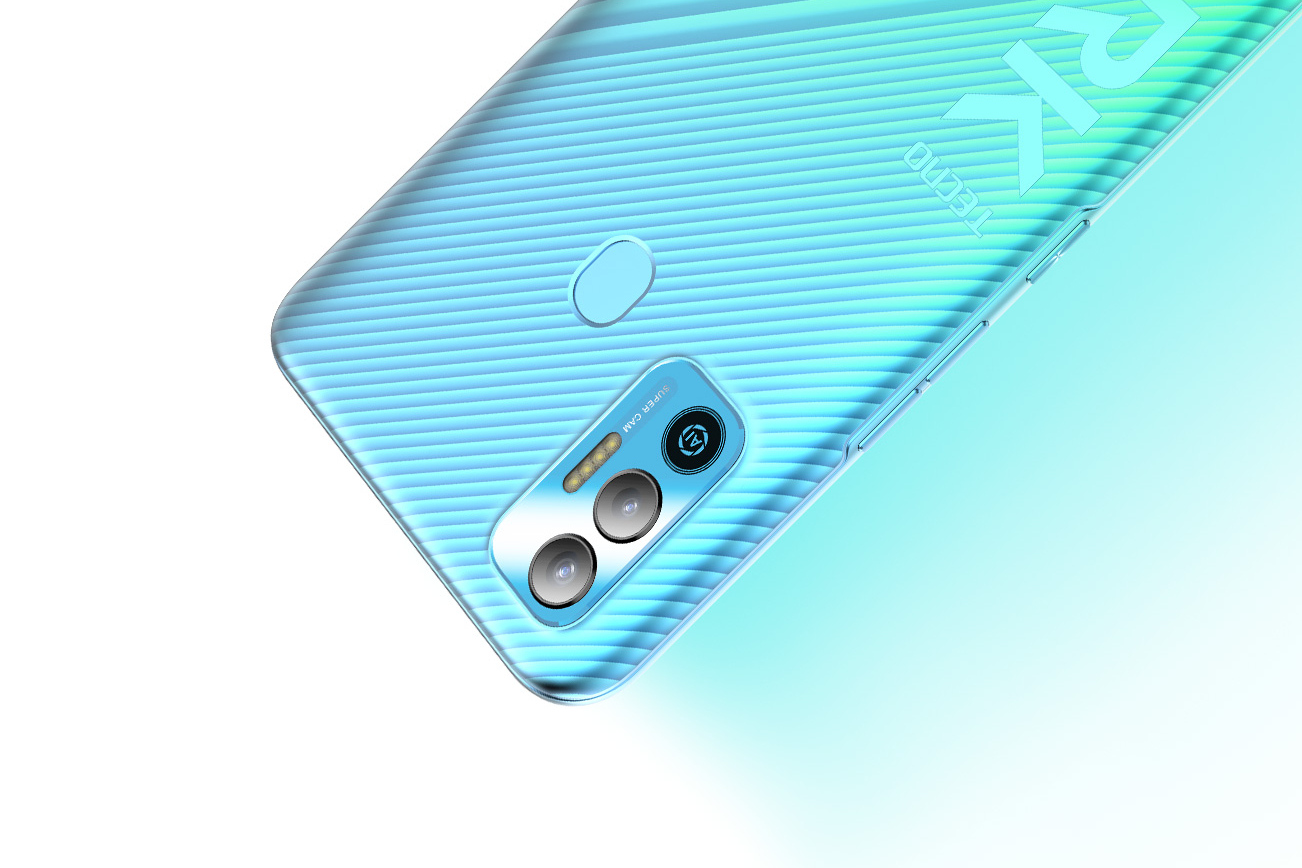
The newly released TECNO SPARK 7T features a plastic build and comes in three striking colors, namely Jewel Blue, Nebula Orange, and Magnet Black. The device measures 164.82 x 76.05 x 9.52mm in dimensions but unfortunately, there’s no official word on its weight.
On the front, the handset flaunts a 6.42-inch LCD panel with a resolution of 720 x 1600 pixels (HD+) and a dewdrop notch. Under the hood, it houses a MediaTek Helio G35 SoC coupled with 4GB RAM and 64GB internal storage.
The back of the phone includes a 48MP dual-camera setup, however, there’s no official word on the secondary just like the device’s weight. Anyway, it is confirmed to have an 8MP selfie camera inside the notch.
On the connectivity front, the smartphone supports dual-SIM, 4G, WiFi, Bluetooth, GNSS, MicroUSB port, and 3.5mm headphone jack. It also has a MicroSD card slot and essential sensors like an accelerometer, an ambient light sensor, a proximity sensor, as well as a rear-mounted fingerprint sensor.
As for software, the phone runs HiOS 7.6 based on Android 11. Last but not least, it is backed by a 6,000mAh battery with support for 10W standard charging.
TECNO SPARK 7T Price and Availability in India
The TECNO SPARK 7T is priced at ₹8,999 ($123) in India. The handset’s first sale is scheduled for June 15 at 12 PM. It will be sold via Amazon India.
On the first day of the sale, the smartphone will be available at a discounted price tag of ₹7,999 (₹1,000 off).
The Honor 50 and Honor 50 Pro will be launching on June 16 in China. A new leak tipster Ishan Agarwal has revealed the design and color variants of the Pro model.
The renders show that the Honor 50 Pro’s display is curved towards the left and right edges. At the upper-left corner of the screen is a pill-shaped cutout, which suggests that it will be fitted with a dual selfie camera system.
The AnTuTu listing of the phone revealed that the device supports a screen resolution of 2676 x 1236 pixels and a 120Hz refresh rate. Hence, it seems that the Honor 50 Pro could be featuring the same 6.72-inch OLED display that was made available on the Honor V40 5G earlier this year.
Honor 50 Pro HQ render by Ishan Agarwal
The Honor 50 Pro’s back panel has two camera rings that house the main camera in the top one. The second camera ring has three auxiliary cameras and an LED flash. It is speculated that the handset is equipped with a 108-megapixel primary camera.
There is no information available on the battery capacity of the Honor 50 Pro, but its 3C certification has revealed that it may ship with a 100W fast charger. The new leak further reveals that the Honor 50 Pro will come in four exciting colors such as Bright Black, Summer Amber, First Snow Crystal, and Jade Blue.
We use cookies on our website to give you the most relevant experience by remembering your preferences and repeat visits. By clicking “Accept”, you consent to the use of ALL the cookies.
This website uses cookies to improve your experience while you navigate through the website. Out of these, the cookies that are categorized as necessary are stored on your browser as they are essential for the working of basic functionalities of the website. We also use third-party cookies that help us analyze and understand how you use this website. These cookies will be stored in your browser only with your consent. You also have the option to opt-out of these cookies. But opting out of some of these cookies may affect your browsing experience.
Necessary cookies are absolutely essential for the website to function properly. This category only includes cookies that ensures basic functionalities and security features of the website. These cookies do not store any personal information.
Any cookies that may not be particularly necessary for the website to function and is used specifically to collect user personal data via analytics, ads, other embedded contents are termed as non-necessary cookies. It is mandatory to procure user consent prior to running these cookies on your website.