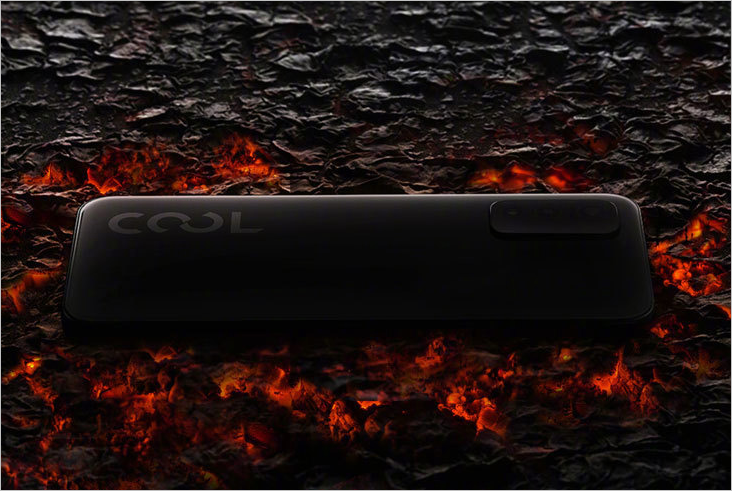
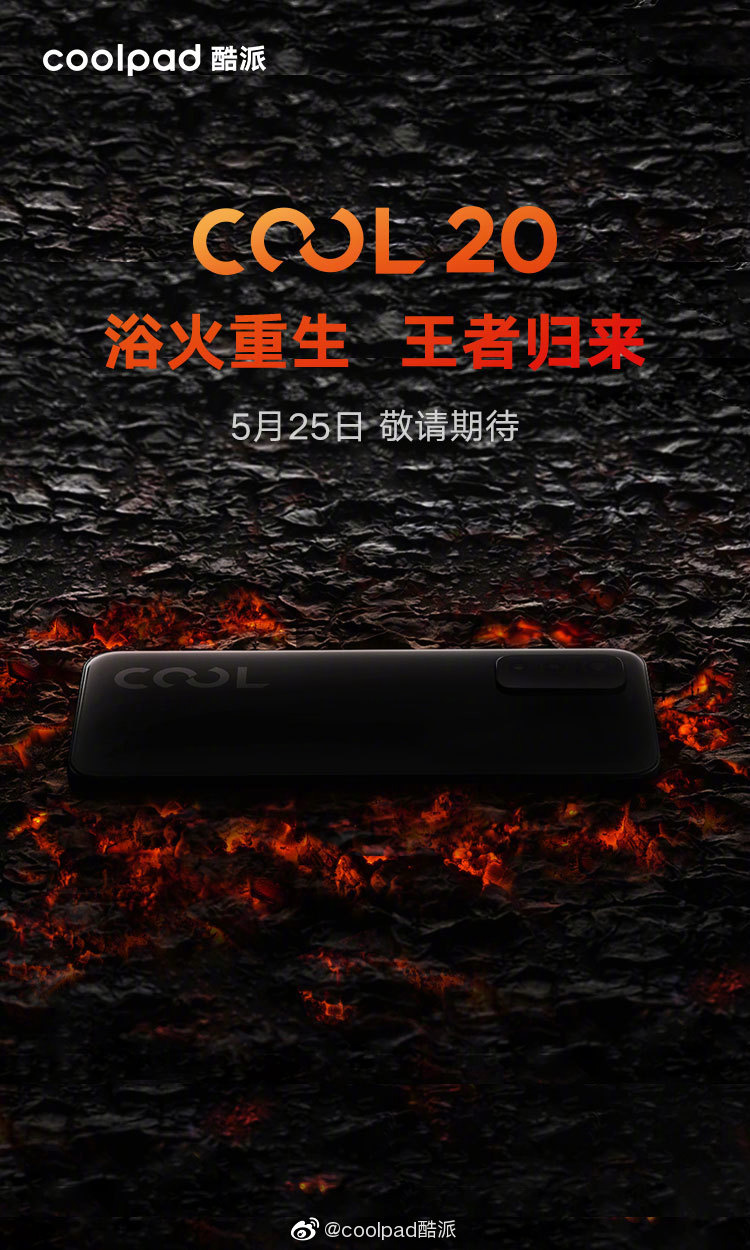
Chinese smartphone company Coolpad was previously in partnership with LeEco but since the demise of the LeEco brand, it has continued to chart a course for itself in the smartphone industry. The Coolpad brand has a fairly decent presence in China, India, and a host of other markets. It is now set to release a new smartphone that will help it grab a share of the pie in terms of smartphone market shares. The device dubbed Coolpad COOL 20 recently featured in some promotional teaser posters shared by the company.
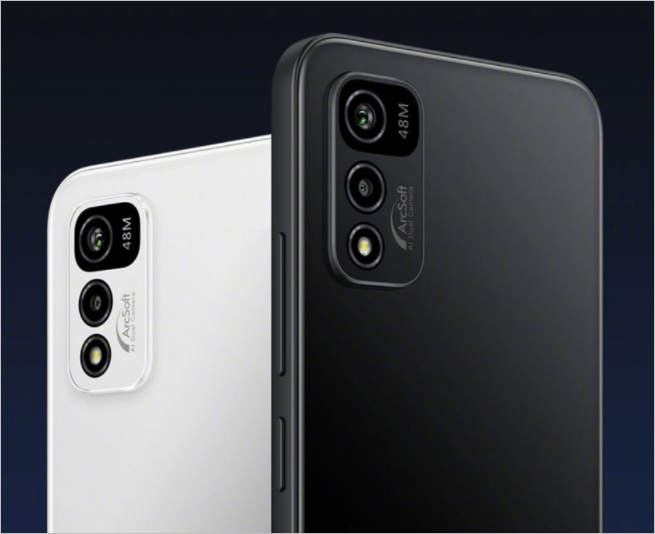
The poster shows that the model will be launched in China on May 25. Not many details of the smartphone are revealed but it is believed to be the successor of the Coolpad COOL 10 which was released in June 2020. The promotional posts show the COOL 20 will have a glass body and will be available in white and black color options.
The teaser poster also showed that the device will feature a dual-camera setup consisting of a 48MP main shooter. The camera has the ArcSoft badge printed on the module which suggests it is co-engineered with ArcSoft, a provider of imaging solutions to partners in computers, digital cameras, and others. The device is also touted to come with premium audio quality. There is no fingerprint reader at the back which suggests it won’t have one. The Cool 10 from last year is a budget smartphone and this may not be different.
The internal specifications were not revealed but we expect the device to do better than the budget COOL 10 which features a 6.57-inch IPS LCD screen with a waterdrop notch at the top. The COOL 10 is powered by a MediaTek Helio P30 chipset paired with 6GB RAM and 128GB of expandable internal storage. It equally packs a 4900mAh battery with fast charging via a USB-C port.
Leading drone maker DJI has launched the RoboMaster Tello Talent drone as its latest drone under the DJI Education Division. The RoboMaster Tello Talent (TT) offers more powerful features than its predecessor – RoboMaster Tello EDU. It also arrives with additional functionality absent in the Tello EDU. A new extension board and greater Artificial Intelligence (AI) applications make the device a very powerful education resource.
The innovation from the previous model is a mix of hardware and software improvements including graphics, stability, a more user-centric interface, and an exclusive curriculum focused on student development at all levels. There is an open-source computing chip, and new swarming software. The device will prove to be a very important educational resource, as well as an educational tool.
The goal of the DJI education division is to expand globally and collaborate with schools for access to resources that will further enhance the teaching of Science Technology Engineering and Mathematics (STEM). The company will continue to and developers of tomorrow. In fact, Jianrong Gao, Head of DJI Education said that the RoboMaster TT was designed specifically to appeal to STEM students while cultivating knowledge in AI robotics, programming in an inviting, easy-to-understand, and hands-on time which is crucial for applying real-world knowledge.
The device and its accompanying resources will surely assist budding students in their study of robotics and how it can be applied to real-world situations.
DJI continues to drive development in robotics education since 2013 when it unveiled its robotics university summer camp. The company has gone on to make solid inroads in the robotics ecosystem especially in relation to drones. Apart from this, the Chinese company also has a growing portfolio in the manufacture of drones for agricultural purposes.
There are some pretty interesting products scheduled for next week. From Lenovo’s new and powerful Android tablets to OPPO’s Reno6 series and even a new TV from OnePlus, there is a lot to look forward to. Here is a roundup of the important announcements for the coming week:
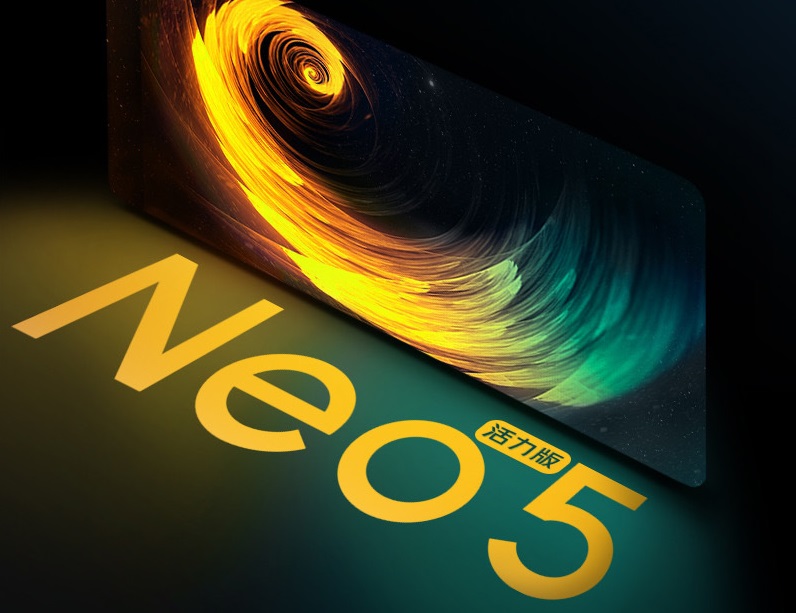
iQOO Neo5 Vitality Edition – May 24
iQOO will launch a more affordable version of the Neo5 on Monday, May 24, in China. Called the iQOO Neo5 Vitality Edition, this version will have an LCD display to replace the AMOLED in the standard version and a slower charging technology. However, it will keep the Snapdragon 870 processor.
Realme GT Neo
Realme GT Neo Flash Edition – May 24
The Realme GT Neo is getting a new version too that is expected to launch as the Realme GT Neo Flash Edition. What is different? It has been reported that this version will support 65W fast charging which is faster than the 50W fast charging of the standard edition.
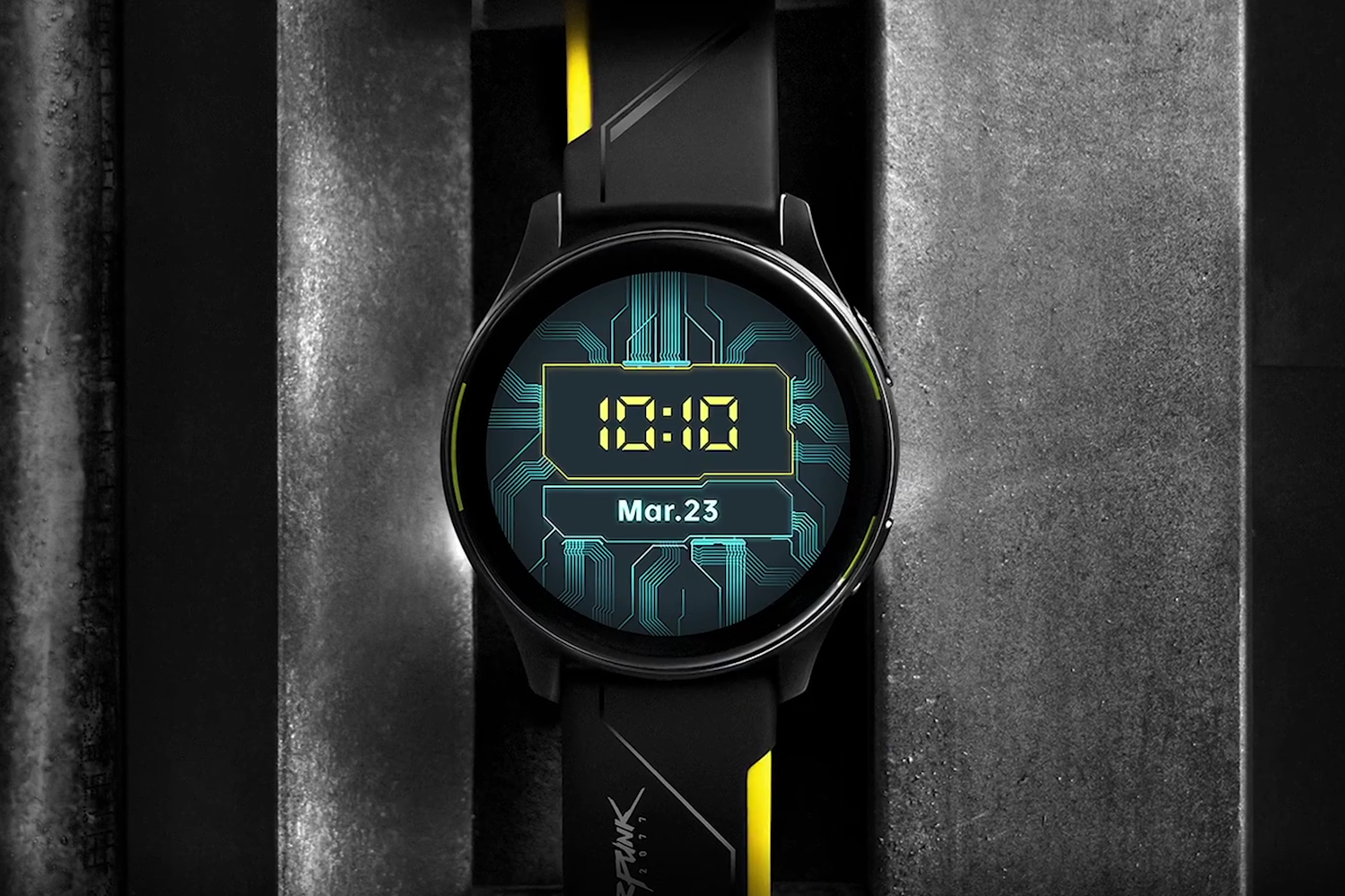
OnePlus Watch Cyberpunk 2077 Limited Edition – May 24
OnePlus is launching its first smart TV of 2021 next week too. The new TV will launch under its affordable Y-series and it will have a 40-inch display. As expected, this model is launching in India. The spec sheet already leaked, do check it out to know if this is your next TV.
Lenovo Tablets – May 25
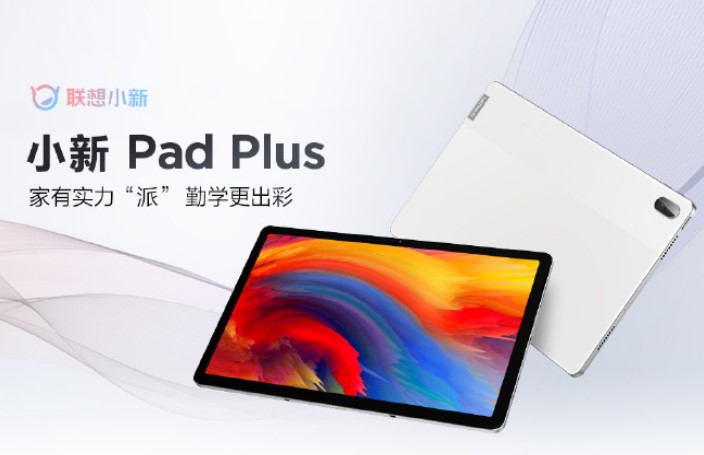
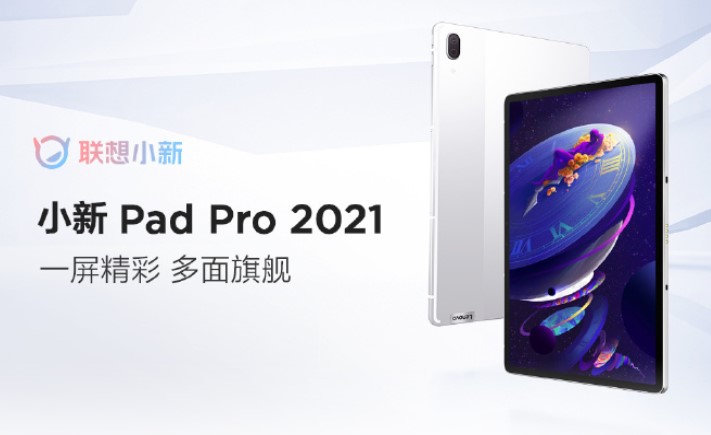
Lenovo’s new tablets will finally be announced next week Tuesday. The manufacturer has three new tablets coming – the Xiaoxin Pad Pro 2021, Xiaoxin Pad Plus, and the YOGA Pro. Earlier today, Lenovo revealed most of the specs of the first two and they do pack some punch.
Tecno Spark 7 Pro
Tecno Spark 7 Pro – May 25
Transsion-owned TECNO is bringing the Spark 7 Pro to India on May 25 following a launch in other markets in April. The Helio G80-powered device packs a punch-hole display, a 48MP triple camera setup, and a 5000mAh battery, and will be sold by Amazon India when it goes on sale.
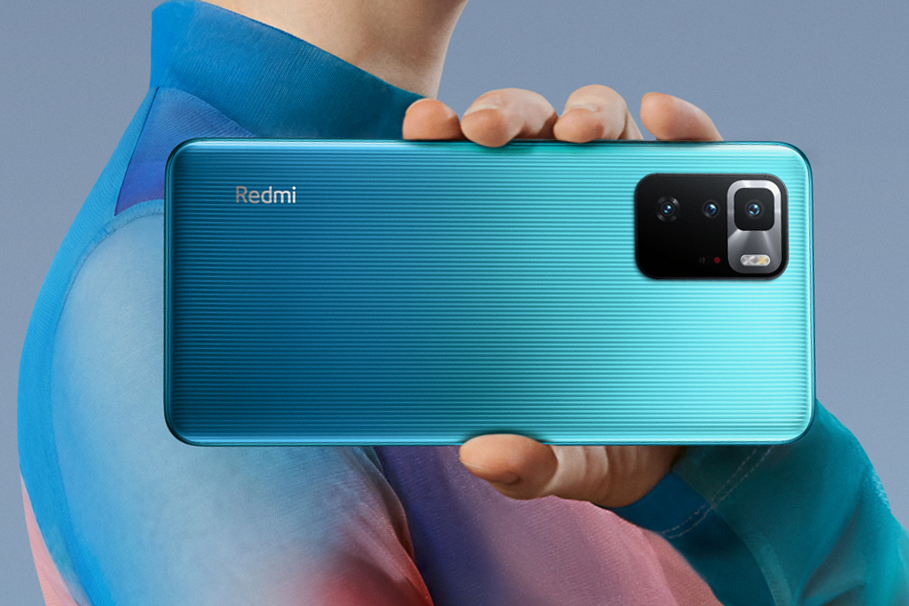
Redmi Note 10 5G Series – May 26
After launching the Redmi Note 10 series for the global market, Redmi is set to announce the devices for China. However, unlike the international Redmi Note 10 series that comes in 4G and 5G versions, China will be getting a 5G-only lineup. Three devices are expected to be unveiled – the Redmi Note 10 5G, Redmi Note 10 Pro 5G, and the Redmi Note 10 Pro+ 5G.
OPPO Reno6 Pro+
OPPO Reno6 series – May 27
Five months after launching the Reno5 series, OPPO is ready to launch the successor – the Reno6 series. Scheduled for a Thursday launch in China, OPPO’s new devices are expected to come with a mix of MediaTek and Qualcomm chipsets, high refresh rates, impressive cameras, and fast charging.
OnePlus is rolling out a new update to several of its devices this week. Today, it has released a new update for the OnePlus 7 and OnePlus 7T series and they bring fixes as well as May 2021′ security patch.
The update arrives as OxygenOS 11.0.1.1 for the OnePlus 7, OnePlus 7 Pro, OnePlus 7T, and OnePlus 7T Pro and the changelog (below) is the same across all of the aforementioned devices:
Changelog:
System
Improved the system fluency
Fixed the occasional issue that Google Fi SIM card cannot accept incoming calls
Updated Android security patch to 2021.05
Shelf
Improved the swiping experience of Shelf
Gallery
Improved the loading speed of previewing pictures
Phone
Fixed the occasional issue that incoming call interface delays to display
Fixed the occasionally abnormal display issue when making a call
Camera
Fixed the occasional issue that the mirror effect fails to work
Fixed the abnormal issue with the camera when zooming in macro mode
Fixed the abnormal issue with some buttons when taking pictures continuously in Nightscape mode
Network
Improved 4G network communication
Improved the stability of Wi-Fi connection
The update is about 321MB in size according to images shared by those who have received the update. OnePlus says the update will have a staged rollout with a limited number of users getting it today. A broader rollout will commence in a few days when they are sure there are no critical bugs.
Lenovo has a launch scheduled for May 25 where it plans to announce a couple of new tablets. Two of these tablets are the Xiaoxin Pad Plus and the Xiaoxin Pad Pro 2021, and ahead of their launch, Lenovo has revealed some of their key details.
Lenovo Xiaoxin Pad Pro 2021
The Xiaoxin Pad Pro 2021 will have an 11.5-inch OLED display with a 2560 x 1600 resolution with a 100% DCI-P3 color gamut, HDR 10, and a 90Hz refresh rate. The screen is housed inside a CNC machined metal body that is 5.8mm thick at its thinnest point. The weight of the device is put at 485 grams and it appears it will only be available in a single variant.
Lenovo has confirmed that there is a Snapdragon 870 chipset inside the device with LPDDR5 RAM and UFS 3.1 storage. There is a MicroSD card slot for storage expansion and of course support for USB OTG, so you can plug in USB devices.
The Xiaoxin Pad Pro 2021 also has four JBL speakers with a total power of up to 6W. It also supports Dolby Audio and has an intelligent audio mode. The published spec sheet also reveals the tablet has an 8600mAh battery, supports Quick Charge 3.0, and charges via USB-C. It has a fingerprint scanner that is buried under the power button and also supports face unlock, thanks to the dual front-facing cameras. There are also two cameras on the back of the device.
Lenovo will ship it with ZUI 12.5 based on Android 11 with software features that make learning easier for students. A list of optional official accessories will also be made available such as a stylus, a keyboard case, a case that allows it to be propped up in landscape or portrait mode, a screen protector that is available in plastic film and glass film variants, and a standard protective case.
Lenovo Xiaoxin Pad Plus
The Xiaoxin Pad Plus also has an 11-inch display but not an LCD panel. The screen resolution is 2000 x 1200 and the brightness level is 400 nits. Lenovo also states that the display is TÜV Rheinland-certified and supports 4096 levels of pressure sensitivity. The display is housed in a body that is 7.9mm thick and the overall device weighs 520 grams.
There is a Snapdragon 750G processor inside and it draws juice from a 7700mAh battery with support for Quick Charge 3.0 over USB-C. It has OTG support and also has a MicroSD card slot. There is no fingerprint scanner on this model but the 8MP front-facing camera adds support for face unlock. On the back of the tablet is a 13MP sensor.
The Xiaoxin Pad Plus will ship with ZUI 12.5 based on Android 11 out of the box with the same educational software features available on the Xiaoxin Pad Pro 2021. It will also have the same array of optional accessories.
Both tablets will be announced on May 25 at 19:30 in China.
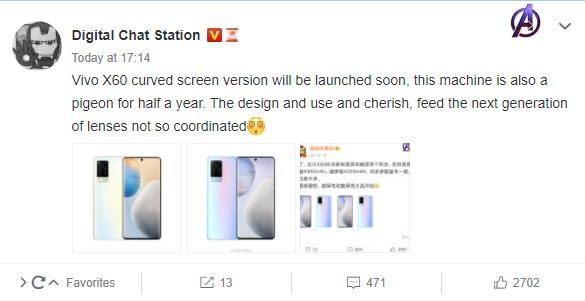
One of the differences between the Chinese Vivo X60 and Vivo X60 Pro is that the former has a flat display while the latter’s screen is curved. It has now been reported that Vivo plans to launch a curved screen variant of the Vivo X60.
The news comes from the trusted leaker, Digital Chat Station, and according to a post he made on the social media platform today, a curved screen version of the Vivo X60 will launch soon.
The leaker had actually revealed that there will be a curved screen version of the phone back in December before the phone was announced. In that leak, he mentioned that the curved variant will also have a smaller 4200mAh battery capacity. Save for these two differences, he said the two phones are practically the same and should have a similar price tag.
The Vivo X60 has a 6.56-inch 2376 x 1080 display with a centered punch hole and 120Hz refresh rate. There is an Exynos 1080 processor inside with up to 12GB of RAM and 256GB of storage. There are three rear cameras – a 48MP camera with four-axis stabilization, a 13MP telephoto camera, and a 13MP ultrawide angle camera. For the front-facing camera, Vivo has put a 32MP sensor inside the hole in the display.
The phone also has an in-display fingerprint scanner, Face Unlock, Bluetooth 5.1, NFC, and runs OriginOS based on Android 11. Its 4300mAh battery supports 33W fast wired charging.
Xiaomi announced the most affordable 5G phone in Europe: the POCO M3 Pro 5G. It packs impressive specifications if we consider its listing price. But is it the best cheap 5G phone you can currently get in the global market? We think there is no better way to realize it than comparing its specifications with the other most affordable 5G phones from the other brands. So this is a comparison between POCO M3 Pro 5G, OPPO A54 5G, and Realme 8 5G.
Xiaomi POCO M3 Pro 5G vs OPPO A54 5G vs Realme 8 5G
Triple 48 + 2 + 2 MP, f/1.8 + f/2.4 + f/2.4
16 MP f/2.1 front camera
BATTERY
5000 mAh, 18W fast charging
5000 mAh
5000 mAh, fast charging 18W
ADDITIONAL FEATURES
Dual SIM slot, 5G
Dual SIM slot, 5G
Dual SIM slot, 5G
Design
The POCO M3 Pro 5G is the handset with the most original design in the trio, especially in the POCO Yellow color variant. But with the OPPO A54 5G, you actually get a thinner body. The Realme 8 5G is the most lightweight one. There is no real winner between these devices if we consider the design: it is mostly a matter of taste. All are made of polycarbonate, so you do not get premium materials. Even the dimensions are more or less the same. They all sport a side-mounted fingerprint reader.
Display
All of these phones come with LCD displays sporting a Full HD+ resolution of 1080 x 2400 pixels, a diagonal of 6.5 inches, and a 90 Hz refresh rate. But with the OPPO A54 5G you get a slightly better panel with the LTPS technology. Given that we are talking about average IPS displays, do not expect a huge image quality. But they are more than sufficient for every user. With the POCO M3 Pro 5G, you get a lower brightness, so while the OPPO A54 5G takes the crown, the second place goes to the Realme 8 5G.
Hardware/Software
On the paper, the MediaTek Dimensity 700 found on the POCO M3 Pro 5G and Realme 8 5G is a better processor if compared to the Snapdragon 480 5G found on the OPPO A54 5G. Further, with the OPPO A54 5G you get just 4 GB of RAM and 64 GB of native storage. The best hardware setup is provided by the Realme 8 5G which sports up to 8 GB of RAM and up to 128 GB of internal storage. But you should not underestimate the POCO M3 Pro 5G with its UFS 2.2 storage, despite it packs a max of 6 GB of RAM. All the phones run Android 11 out of the box with customized user interfaces.
Camera
The OPPO A54 5G has the most advanced cameras. It packs a quad camera including a 48 MP main sensor with a brighter f/1.7 focal aperture, an 8 MP ultrawide sensor, and a pair of 2 MP sensors for macros and depth calculation. Unfortunately, the POCO M3 Pro 5G and the Realme 8 5G lack an ultrawide camera. Further, they do not have a focal aperture as bright as the OPPO A54 5G. With the POCO M3 Pro 5G, you even get an inferior 8 MP front camera.
Battery
The POCO M3 Pro 5G, the OPPO A54 5G, and the Realme 8 5G come with the same battery capacity: 5000 mAh. But the POCO M3 Pro 5G and the Realme 8 5G should have a lower energy consumption due to the 7 nm production process of the Dimensity 700. Further, you should consider that OPPO A54 5G lacks fast charging, so it takes a bit more to charge its battery.
Xiaomi POCO M3 Pro 5G vs OPPO A54 5G vs Realme 8 5G: Price
POCO M3 Pro 5G’s prices start from €159/$194, OPPO A54 5G costs €269/$328, and Realme 8 5G is priced at €199/$242. While OPPO A54 5G is definitely a more convincing device, with the Realme 8 5G and the POCO M3 Pro 5G (which is the weakest one in terms of overall specs) you get a higher value for money.
The renders were shared on Weibo by @菊厂影业Fans and they show the phone in three color variants including a yellow one that has a bit of green. While none of the images show the front of the device, we get a good look at the rear which is curved and is home to an unusual camera design.
HONOR has dropped the rectangular camera housing of the HONOR 30 for a large pill-shaped one that holds two large circles. Inside the top circle is a single large camera sensor, this should be the primary camera; while the bottom one houses a periscope zoom lens and a third camera sensor. The area around the camera housing has a glistening finish that matches the color of the phone.
1 of 2
Honor 50
The HONOR 50 will be available in Yellow, Blue, and Purple and we are glad the Honor branding on the back is much smaller than the humongous one that graced the back of its predecessor.
Last July, OnePlus launched its most affordable smart TVs to date in the form of the OnePlus TV Y series. Now, over 10 months later, the company is set to introduce a new model in this lineup next week. This television will be called OnePlus TV 40Y1.
OnePlus TV 40Y1
Chinese smartphone maker OnePlus has confirmed to launch the OnePlus TV 40Y1 in India on May 24 at 12 PM. According to the landing page on Flipkart (official online retailer for the TV) as well as Oneplus’ official website, the new television will be identical to the other two models in the OnePlus TV Y seres.
OnePlus TV 40Y1 Specifications and Features
The only differences between the already sold OnePlus TV 32Y1 / 43Y1 and the upcoming OnePlus TV 40Y1 will be size and availability. As the name suggests, the new television will feature a 40-inch panel and it will be sold on Flipkart, in addition to OnePlus’ official website. Whereas, the older models were initially exclusive to Amazon India but now, they are available on Flipkart as well.
Talking about specifications, the OnePlus TV 40Y1 will have an FHD (1920 x 1080 pixels) LED-backlit LCD panel like the OnePlus TV 43Y1. This display is said to come with a 93% DCI-P3 color gamut and a 93% screen-to-body ratio.
The television will be powered by an unknown 64-bit chipset coupled with 1GB RAM and 8GB internal storage. Further, the product will run outdated Android TV 9.0 Pie operating system with OxygenPlay content aggregation service. It will support all the leading streaming services, Google Chromecast, Google Assistant, and even Amazon Alexa.
On the connectivity front, the TV will only come with single-band WiFi and Bluetooth 5.0. However, it will have all the essential ports like 2 x HDMI, 2 x USB, RF, optical digital audio port, 3-in-1 AV composite, and Ethernet.
Last but not least, the television will sport 2 x 10W (20W) speakers with support for Dolby Audio and ship with a voice-enabled OnePlus TV remote control (RC-002B).
OnePlus TV 40Y1 Expected Price
The OenPlus TV32Y1 and the Oneplus TV43Y1 currently retail for ₹15,999 and ₹26,999 in India. Hence, the OnePlus TV 40Y1 could be priced around ₹19,999-₹22,999 in the country.
Popular audio sharing, invitation-only social platform Clubhouse has now successfully rolled out the beta version of the popular app to Android users globally. This comes on the heels of a similar rollout to Android users in the US last week. After the release of the Clubhouse Android beta in the US, the company had hinted at a speedy rollout to other English-speaking countries and other parts of the world. Users in Brazil, Japan, and Russia were given the opportunity this week to access the app and provide feedback on its performance and overall expectations.
The Clubhouse app was at inception, only available on iOS devices, where it had gained prominence even in countries with strict regulatory controls. It has also suffered bans in some countries. However, the company continues to reinvent itself to remain relevant in the space amidst stiff competition from other apps which have cropped up after Clubhouse.
The app is now available for download from the Google Play Store. However, it is still in beta stage meaning you might still a few glitches here and there but on the whole, this is a good development. Unfortunately, a new user will need an invitation from already registered users to sign up for the app.
Since the release of the beta version last week, there had been three updates of the app, indicating robust feedback from the testing community. There will also be some additional features on the app when the full version is released. The market for Android is growing rapidly, and a successful unveiling of the Clubhouse for Android could mark further expansion of the app, possibly eclipsing the number of iOS users over time.
Google Play remains the most popular app store for smartphones. Earlier this week, Google had revealed at the 2021 Google I/O event that there are over 3 billion active Android devices that access the Play Store. This is more than three times the figure for iOS at just over a billion active devices.
In a move targeted at several popular mobile applications, China’s internet regulatory watchdog, the Cyberspace Administration of China (CAC), has named several companies for being involved in the unauthorized collection and use of personal data of users of these applications. Some of the popular applications mentioned were TikTok, LinkedIn, Kuaishou, Microsoft’s Bing, and Kugou.
In a statement posted on its official WeChat account, the regulator said that it received complaints from users that prompted it to launch an investigation into the data collection activities of several apps. The CAC noted that 105 apps were, after the investigation, found to have violated extant privacy laws by collecting excessive personal information through illegal access. According to the CAC statement, the owners of the 105 apps are required to remedy the observed breaches within 15 days.
The Chinese internet watchdog says it will continue to scrutinize mobile applications for possible breaches regularly. The CAC approach comes on the heels of the recent new regulations that provide stricter monitoring and controls for the public’s overall safety. The crux of the new rules is that app providers are held accountable for collecting excessive user data unrelated to the app’s core services and forcing users to give uninformed consent to how their data are used. These regulations cover a wide range of mobile applications of different hues.
China continues to strengthen its laws and regulations to be responsive to the evolving technological space. Some major brands like Alibaba and Tencent have been fined heavily for observed breaches of the rules governing their operations and anti-monopoly laws. These new moves by the CAC will help shore up consumer confidence in the system and ensure mobile applications do not take undue advantage of users.
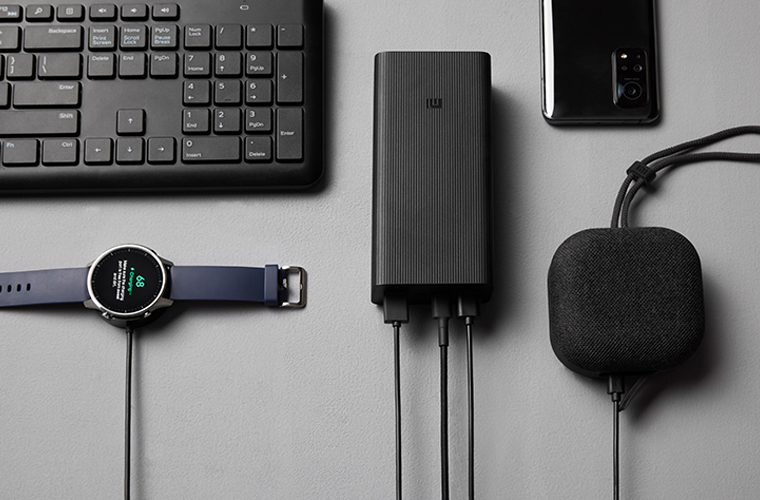
In late March, Xiaomi crowdfunded the Mi Power Bank Boost Pro 30000mAh in India. Now, almost two months later, this battery pack is up for open sale in the country. It can be purchased from either Mi.com, Flipkart, Mi Home stores, or partner offline retailers for ₹2,299 ($32).
When Xiaomi crowdfunded the Mi Power Bank Boost Pro 30000mAh in India, it had a modest goal of only 5,000 units. The crowdfunding ran for 15 days. During this period, 6393 people funded the project and 6178 people supported it.
The battery pack was only priced at ₹1,999 ($28) for the supporters. As promised, the company even shipped the product to those who funded it from May 15. More than a week later, the power bank can be now bought by anyone for its original price – ₹2,299 ($32).
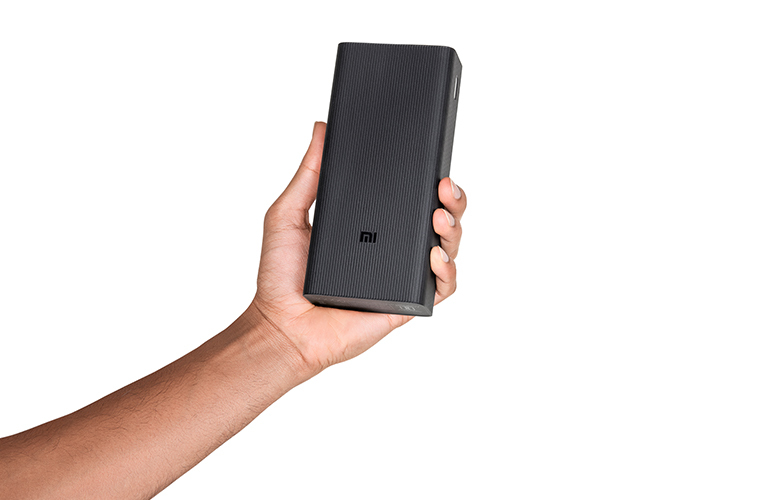
The Xiaomi Mi Power Bank Boost Pro 30000mAh is a rebranded Mi Power Bank 3 30000mAh. Hence, it has the exact same set of specifications and design.
The battery capacity has a capacity of 30,000mAh and it can output current at a maximum rate of 18W. However, it supports 24W input to recharge it a bit faster. The product supports USB PD (Power Delivery) 3.0 and it is compatible with almost all devices. It even has a low charging mode for accessories.
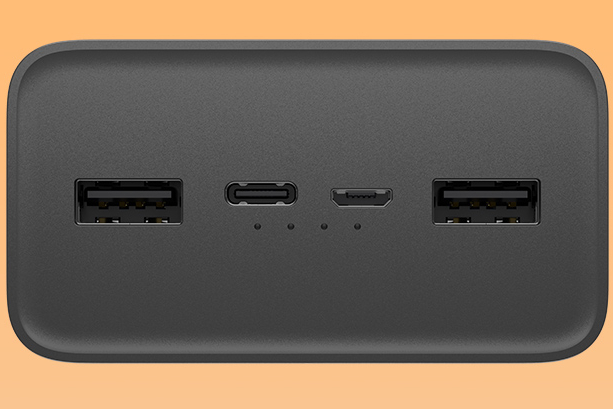
Talking about ports, it features 2 x USB Type-A (output only), 1 x MicroUSB (input only), and 1 x USB Type-C (input & output). Like any other battery pack, it comes with a smart chip for 16-layer protection.
Last but not least, the Xiaomi Mi Power Bank Boost Pro 30000mAh comes in a single Black color option, measures 154.5 x 72.3 x 38.9mm in dimensions, and weighs 640g.
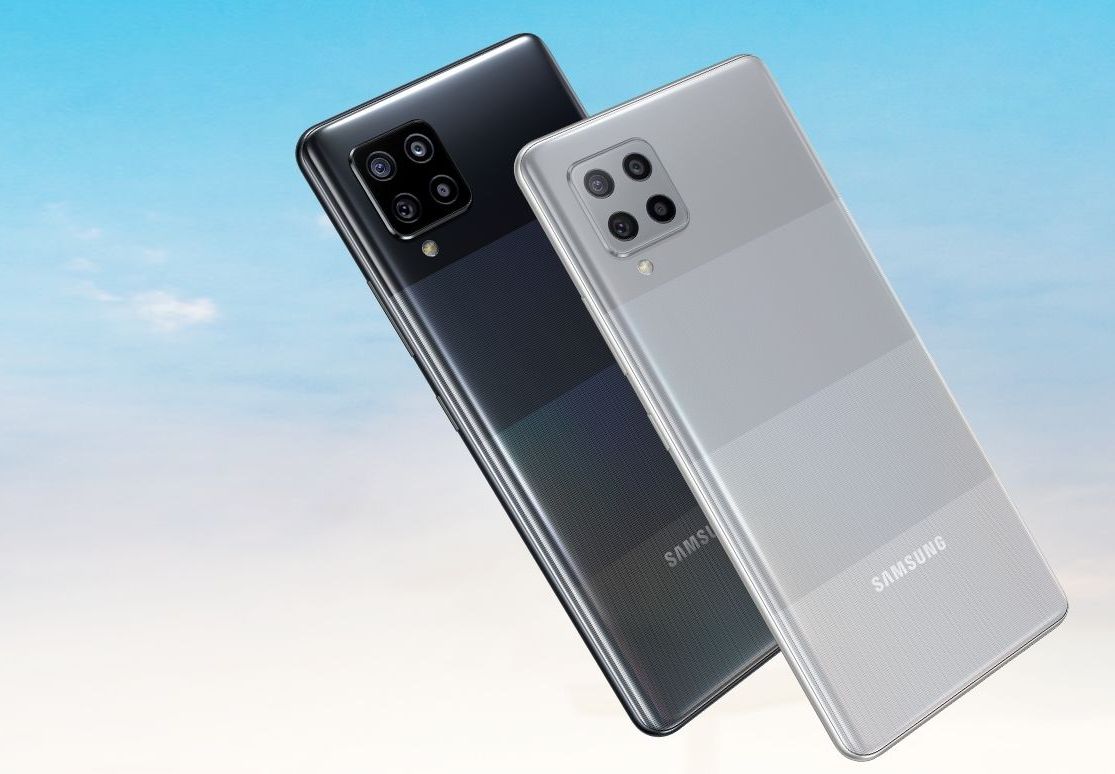
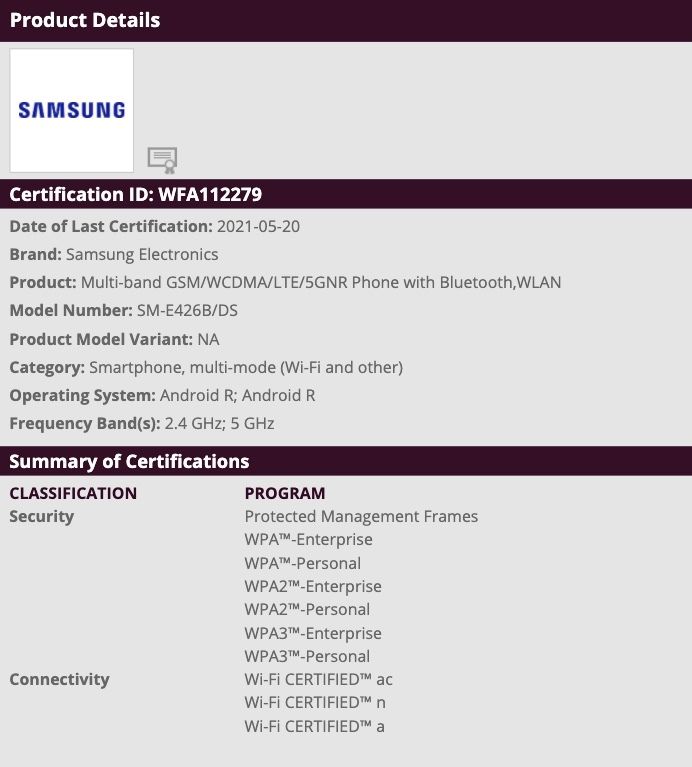
Samsung could be very close to unveiling another budget smartphone with 5G support, the Galaxy F42 5G. This much is known after the model appeared on the Wi-Fi Alliance website. The listing shows that the model is in its final stages of development and could be launched soon, in the absence of any last-minute hurdle.
The website listing reveals the Galaxy F42 5G will arrive with support for Wi-Fi 802.11 b/g/n/ac and has the model number SM-E426B/DS. The smartphone will also run on Android 11 with the OneUI 3.0 overlay.
Apart from these details, not much is revealed by the Wi-Fi Alliance website listing about Samsung’s Galaxy F42 5G. However, it is believed that the Galaxy F42 5G is a rebadged Galaxy M42 5G. The Galaxy F series has been a rebranded version of the Galaxy M series for several cycles now. The Galaxy F52 5G was launched a couple of days back there are already rumors that the Galaxy M52 5G is already in the works with the same specs lineup. The tradition may continue, at least for the Galaxy F42 5G. If indeed, we have a rebranded M42 5G in the Galaxy F42 5G, we expect some decent improvements, while its basic functionalities may remain.
As per its specifications, the Galaxy F42 5G is expected to be powered by Qualcomm’s Snapdragon 750 chipset paired with 8GB of RAM and up to 256GB of internal storage. The chipset has 5G support, and the smartphone is expected to pack a 5,000mAh battery. In addition, the quad rear camera setup includes a 48MP primary camera, while a 20MP front camera is also present. Not much can be said about the nature of the 6.6-inch display, but improvements could be done to provide a better screen output.
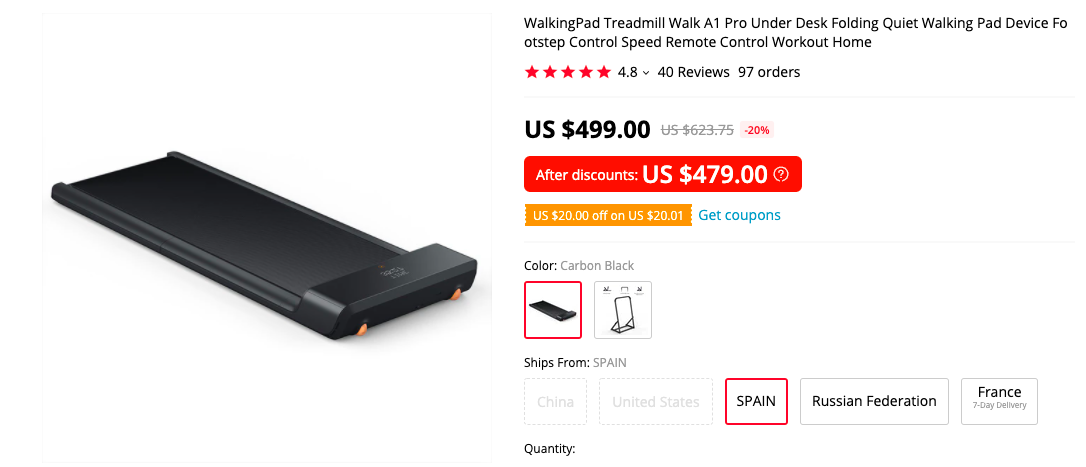
Generally retailing for $600, you can now buy Walking Pad A1 Pro for a heavily discounted price of $479 only. Please note that this price is applicable only to the orders made from Spain and France warehouses. This deal is only on the walking pad. The handrail must be purchased separately. With additional New User coupons and free delivery, this deal is simply value for money. So place your order asap, before the deal expires.
For more information on such exciting deals and offers check out ourdeals hub.
* Please Note: When you buy something using the links in our articles, we may earn a small commission at no cost to you.
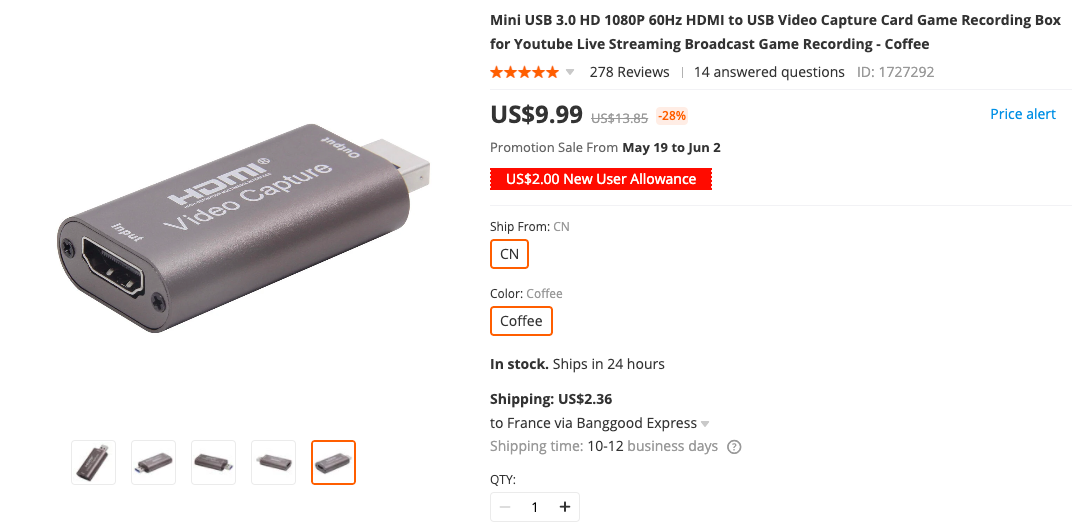
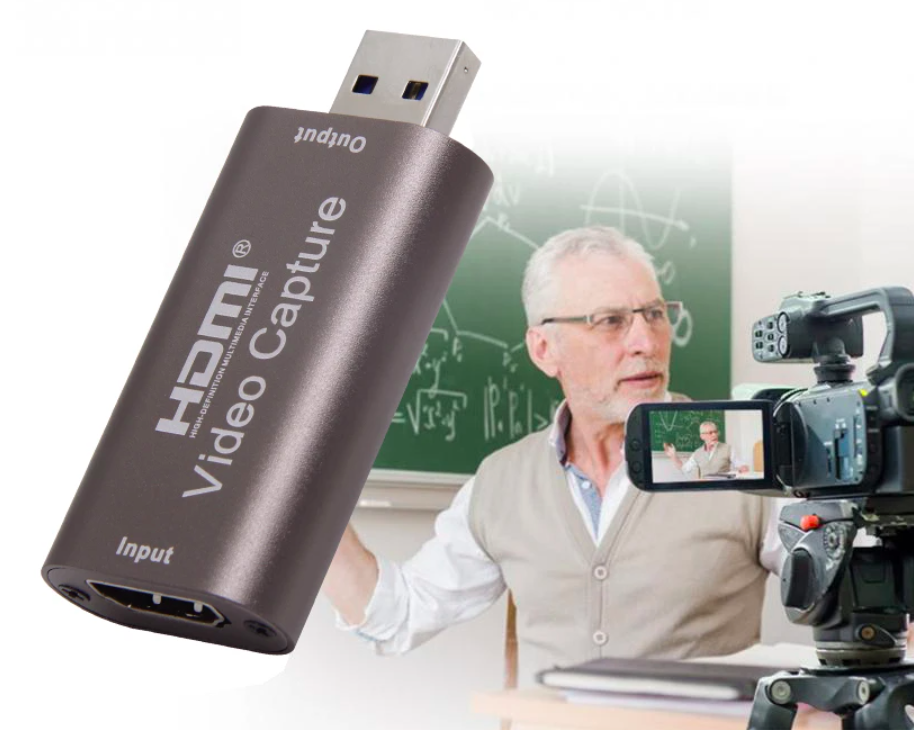
Banggood is giving a fantastic deal on Super Mini USB 3.0 Capture Card. The Capture card which generally retails for $15 is now available at a discounted price of $9.99 only.
Suitable for HD acquisition, teaching, recording, medical imagery, gaming, etc.
Works with Camcorder, DV, PS3/4, Computer, Tv Box, SmartPhone, etc.
Compatible with streaming platforms like YouTube, Facebook Live, Meerkat, Twitch, etc.
Supports Windows, Android, and Mac.
Supports most acquisition software like VLC, Amcap, OBS, etc.
Can Capture both HDMI video and audio at the same time.
Can transmit video and audio signals to computers and smartphones for preview and storage.
Maximum Input Resolution 4K / 30Hz
Maximum Output Resolution 1080p / 60hZ
Supoorts 8 / 10 / 12 Bit color depth.
Conform to USB video UVC specifications.
Conform to USB audio UAC specifications.
Small and portable, without external power supply.
Generally, you can buy a Super Mini USB 3.0 Capture Card for $15. But as a limited-time offer, Banggood is giving out this capture card for a discounted price of $9.99 only. Please note that this deal will end on June 2, 2021. So place your order asap.
For more information on such exciting deals and offers check out ourdeals hub.
* Please Note: When you buy something using the links in our articles, we may earn a small commission at no cost to you.
The China Smartphone Market is undergoing changes ever since HUAWEI was banned by the US. At first, the telecom giant’s market share grew due to increased patriotism. However, with no access to crucial suppliers, the company’s share began to drop gradually. Additionally, in order to survive, it had to sell its sub-brand HONOR. Now, the market is helmed by OPPO and vivo but the fastest-growing brand is none other than realme.
According to Counterpoint Research, the China Smartphone Market grew 5% in Q1 2021. However, despite that, the sales of current leading smartphones grew double-digit QoQ due to the fall of HUAWEI and HONOR.
Above all, realme, which only ranked 7th, was the fastest-growing brand in the first quarter of 2021. The company’s sales incremented by a whopping 451% YoY and 82% QoQ.
Senior Analyst Yang Wang of Counterpoint says that realme’s success lies in its effective marketing strategy. The brand’s products are targeted at budget-conscious Gen Z customers, who prefer premium features for social media, photography, and gaming. A better understanding of its customers helped realme to become the fastest brand to hit 50 million shipments last year.
As per Counterpoint, realme’s best-selling phones in China in the last 12 months were its Q2, V3, V5, and V15 series of devices. These handsets are priced between $150 and $250. Due to the success of these as well as similar 5G-ready smartphones, the ASP of the China Smartphone Market could drop below $200 or even $150 in the coming quarters.
Mr. Wang notes that mid and budget segments will be a ‘key battleground’ in the next few quarters. Since realme already sells plenty of devices in this price segment ($100-$500), it has a competitive edge.
As far as top players are concerned, offline-centric OPPO and vivo are battling to claim the crown. Whereas. Online-centric Xiaomi ranks third. Lastly, the performance of all the brands in the rest of 2021 will depend on their supply chain management as the global semiconductor shortage continues to worsen.
Realme is gearing up to launch the Narzo and GT series of smartphones in Europe. The upcoming Narzo 30 5G debuting next week will be the first Narzo branded phone to land in European markets. In addition, the Realme GT 5G flagship will go official in the coming month in Europe.
In March, Realme had confirmed that there are 4G and 5G versions of the Narzo 30. However, the Narzo 30, which was recently announced debuted in Malaysia is a 4G phone. There is no word on the specifications of the Realme Narzo 30 5G. All that is known about this device is that it will be available exclusively through AliExpress from May 25.
The Snapdragon 888 powered Realme GT 5G was made official in China in March. So far, it has not launched in any markets outside China. Now, Realme has confirmed that the device will be making its debut in the European markets in June.
The Realme GT 5G will be also available for purchase through AliExpress. The GT line also includes the Realme GT Neo and the Realme GT Neo Flash Edition, which is likely to debut on May 24 in China. It is unclear whether any of these will be also announced in Europe alongside the GT 5G flagship.
Coming back to the Realme GT 5G, the handset offers a 6.43-inch S-AMOLED FHD+ 120Hz display, up to 12 GB of LPDDR5 RAM, up to 256 GB of UFS 3.1 storage, and a 4,500mAh battery with 65W fast charging. It has a 16-megapixel front camera and a 64-megapixel + 8-megapixel + 2-megapixel triple camera system. At present, there is no word on the pricing of the Realme GT 5G and Narzo 30 5G for the European markets.
Recently, Xiaomi confirmed that it will be soon announcing a new smartphone called the Redmi Note 8 2021. It will be introduced to celebrate the 25 million+ global sales of the Redmi Note 8 smartphone, which was announced back in 2019. The Chinese firm has now released a new tweet to reveal the front design of the Note 8 2021.
The tweet reveals that the Redmi Note 8 2021 has a waterdrop notch display on the front. The original Redmi Note 8 flaunted the same display design. The company is yet to reveal the rear appearance of the Note 8 2021. It remains to be seen whether it continues to sport the same rear design as its original version.
It is unclear whether Xiaomi will be announcing the Redmi Note 8 2021 in May or June. However, what appears to be certain is that the company will continue to release more teasers to reveal its other features.
Recent reports have revealed that the Redmi Note 8 2021 that has a model number of M1908C3JGG has already passed Bluetooth SIG and FCC certifications. These certifications revealed that it will come with features like Bluetooth 5.2, MIUI 12.5, and a 4,000mAh battery.
Rumors surrounding it have claimed that it has an LCD panel that carries support for FHD+ resolution and a 120Hz refresh rate. The Helio G85 SoC by MediaTek is expected to fuel the smartphone with 4 GB of RAM. The handset could be available in storage options like 64 GB and 128 GB.
The Note 8 2021 is likely to sport 48-megapixel quad rear cameras. The big battery of the phone could be coupled with 22.5W rapid charging. Only a few markets are expected to receive the Note 8 2021, and India does not seem to be one of them.
Last month, Tecno announced the Tecno Spark 7 Pro smartphone for global markets. The Chinese brand has now confirmed that it will be announcing the Spark 7 Pro in India on May 25. Like the Spark 7, the Spark 7 Pro will be available for purchase through Amazon India.
Tecno Spark 7 Pro specifications and features
The Tecno Spark 7 Pro features a punch-hole display of 6.6 inches. The LCD screen supports a 90Hz refresh rate and a Full HD+ resolution. It has a front camera of 8-megapixel for snapping selfies.
The back panel of the Spark 7 Pro has a vertical camera system, which comprises of a 48-megapixel primary snapper, a depth assist lens, and an AI sensor. The phone ships with Android 11 OS, which is overlaid with HiOS 7.5. The Spark 7 Pro is powered by the Helio G80 chipset and up to 6 GB of RAM. The phone offers users up to 128 GB of native storage and a microSD card slot.
It is powered by a 5,000mAh battery that comes with 10W charging support. A fingerprint scanner is available on the rear shell of the device. The connectivity features that are available on the device include dual 4G VoLTE, Wi-Fi, Bluetooth, GPS, microUSB, and a 3.5mm audio jack. It comes in colors like Alps Blue, Spruce Green, and Magnet Black.
The Tecno Spark 7 Pro will be positioned higher than the Tecno Spark 7 that was announced last month in India. Its 2 GB RAM + 32 GB storage and 3 GB RAM + 64 GB storage variants are priced at Rs 6,999 ($100) and Rs 7,999 (~$110), respectively. Probably, the upcoming Pro may carry a starting price of Rs 8,999 (~$123) in the country.
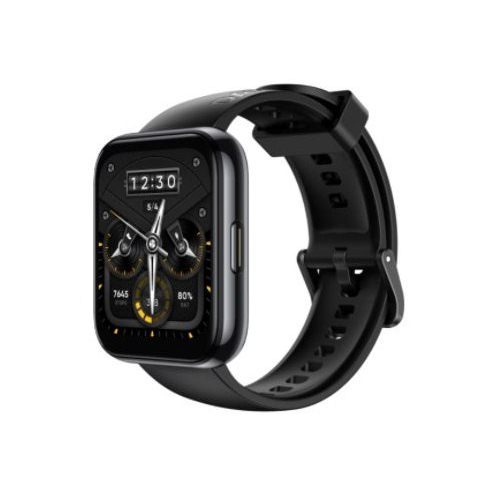
Realme recently released the second generation of its square-shaped smartwatch, which belongs to the first smartwatch series by the brand. We are talking about Realme Watch 2, which comes with several improvements compared to the previous version. A few days ago, a Pro variant came up as well, but the vanilla version comes with a similar price tag to the previous generation. That is the reason why we decided to make a comparison between Realme Watch and Watch 2. Should you opt for the older model in order to save some money or the improvements of the new version are worth the money asked? This comparison will hopefully clear your ideas in regards.
Realme Watch vs Realme Watch 2
Realme Watch
Realme Watch 2
DISPLAY
1.4 inches color, IPS LCD, 320 x 320 pixels
1.4 inches color, IPS LCD, 320 x 320 pixels
WATER RESISTANCE
IP68 waterproof (up to 1.5 m)
IP68 waterproof (up to 1.5 m)
NOTIFICATIONS SUPPORT
Yes
Yes
NFC
No
No
BATTERY LIFE
160 mAh
315 mAh
CHARGING PORT
Custom
Custom
COLORS
Black
Black
ADDITIONAL FEATURES
SpO2 sensor, HR sensor
SpO2 sensor, HR sensor
NUMBER OF SPORT MODES
14
90
Design and display
The Realme Watch and the Realme Watch 2 have similar designs but not identical. The second generation has narrower bezels around the display without that big Realme logo under the panel, so it looks definitely more beautiful. The disadvantage of the original Realme Watch is its thick bezels which are very noticeable in the dark when you get fewer deep blacks compared with daylight. Both the smartwatches are waterproof with the IP68 certification, but they are not suitable to swim as they are not swimming proof. They are also dust resistant.
Despite they are waterproof, they do not come with a premium build quality as they are made of plastic. The Realme Watch 2 is a bit heavier than the original Realme Watch because it packs a bigger battery. The displays are similar: in each case, you get an IPS panel with a resolution of 320 x 320 pixels and a diagonal of 1.4 inches. But with the Realme Watch 2, you get a higher brightness: up to 600 nits against just 380 nits (peak). The square-shaped display makes the usability better if compared to round smartwatches, but naturally, due to this solution, they do not look like a traditional watch.
Software and features
The Realme Watch and the Realme Watch 2 have the same proprietary operating system which packs a lot of features. But with the second generation, you get a lot more sports modes. With the Realme Watch 2, you can track 90 sports modes up from the original Watch’s 14. It also supports sleep tracking smarts, a SpO2 monitor, and a heart-rate monitor, but you can find these features on the previous generation as well.
The smart watches offer music and camera controls, as well as a notification support feature, but you can not use the watch to reply to messages on messaging apps. The watches are able to automatically recognize if the user is walking or running and can be used to control smart home appliances and gadgets compatible with Realme’s app such as Realme Buds Air, air purifier, smart lights, speakers, smart TV, and more.
The devices are able to connect to the smartphone through the Realme Link app with Bluetooth 5.0. With the app, you can sync complete data gathered from the watch and look at them through very detailed stats and graphs. You can also adjust the settings of the devices through the app. Among the other software features, you get meditation, find my phone, phone unlock, reminders, weather, alarms with vibration, call reject, and more.
Battery
The battery is one of the main advantages of the Realme Watch 2 if compared to the original Realme Watch. It has a bigger capacity: 315 mAh vs 160 mAh. Realme doubled the battery capacity while keeping the weight similar and reducing the overall dimensions of the wearable. Thanks to its 315 mAh, the Realme Watch 2 is able to last up to 12 days on a single charge, which is a great battery life for a device with an IPS color display. With the Realme Watch, you get a battery with a 160 mAh capacity which lasts from 7 to 9 days on a single charge (20 days with power saving mode).
Price
The Realme Watch 2 just launched in the Malaysian market with a starting price tag of 299 Malaysian ringgit, which roughly translates into $56. Unfortunately, the smartwatch is still not available in the global market, so we can not tell you its global price for now. With a bit of luck, you can actually find the original Realme Watch with a price tag of about $49 in the global market, including Europe.
The Realme Watch 2 offers more sports modes, a better design, and a bigger battery which provides a way longer battery life. And, given that the price difference is not big, the Realme Watch 2 is definitely a better purchase than its predecessor. If you need more features for activity tracking, then you can opt for the Realme Watch 2 Pro which offers GPS support. The Watch 2 Pro will be available in Malaysia starting from May 29 with a $70 price tag.
We use cookies on our website to give you the most relevant experience by remembering your preferences and repeat visits. By clicking “Accept”, you consent to the use of ALL the cookies.
This website uses cookies to improve your experience while you navigate through the website. Out of these, the cookies that are categorized as necessary are stored on your browser as they are essential for the working of basic functionalities of the website. We also use third-party cookies that help us analyze and understand how you use this website. These cookies will be stored in your browser only with your consent. You also have the option to opt-out of these cookies. But opting out of some of these cookies may affect your browsing experience.
Necessary cookies are absolutely essential for the website to function properly. This category only includes cookies that ensures basic functionalities and security features of the website. These cookies do not store any personal information.
Any cookies that may not be particularly necessary for the website to function and is used specifically to collect user personal data via analytics, ads, other embedded contents are termed as non-necessary cookies. It is mandatory to procure user consent prior to running these cookies on your website.