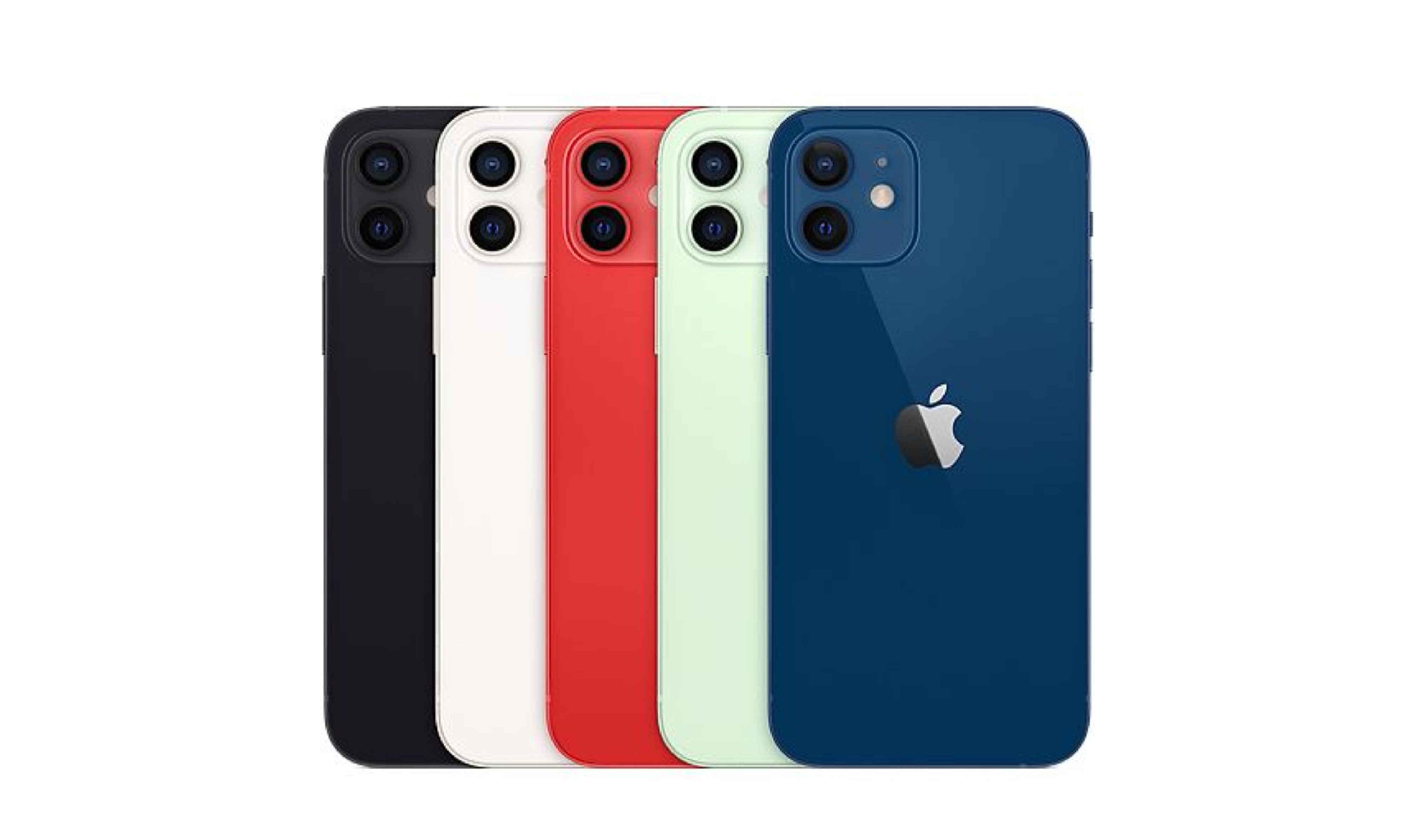
LG InnoTek is raising its expenditure to ramp up the production of camera modules for Apple. The optical unit of the South Korean tech giant made the announcement earlier this week, raising investment to 547.8 billion won (roughly 496 million US Dollars) to secure and strengthen its production capacity.
According to TheElecreport, the company announced that it will be raising its spending for its optical solutions arm near the start of every year. Back in 2019, its business spending was 282.1 billion won (roughly 255 million US Dollars), which was then raised to 479.8 billion won (roughly 434 million US Dollars) last year. This marks a 14 percent rise of expenditure over 2020. As per the report, the move from the company is likely due to the recent changes in the Cupertino based giant’s camera module supply chain.
For those unaware, Apple currently has two camera module suppliers, down from three. Chinese supplier O’Film was removed from its supply chain due to allegations of human rights violations against Uighur people. In other words, the O’Film orders have now been taken over by InnoTek and Sharp. At the moment, LG InnoTek primarily supplies camera modules for the higher end iPhone models. But now, the company will also be responsible for the cameras in the lower end models as well.
The South Korean supplier held a 50 percent market share in Apple’s camera module supplyu chain, which is now expected further rise now. Meanwhile, Sharp’s market share in the same category is expected to rise to 40 percent, up from mid 30 percent. Furthermore, three out of the four upcoming 2021 iPhone will feature the new sensor technology.
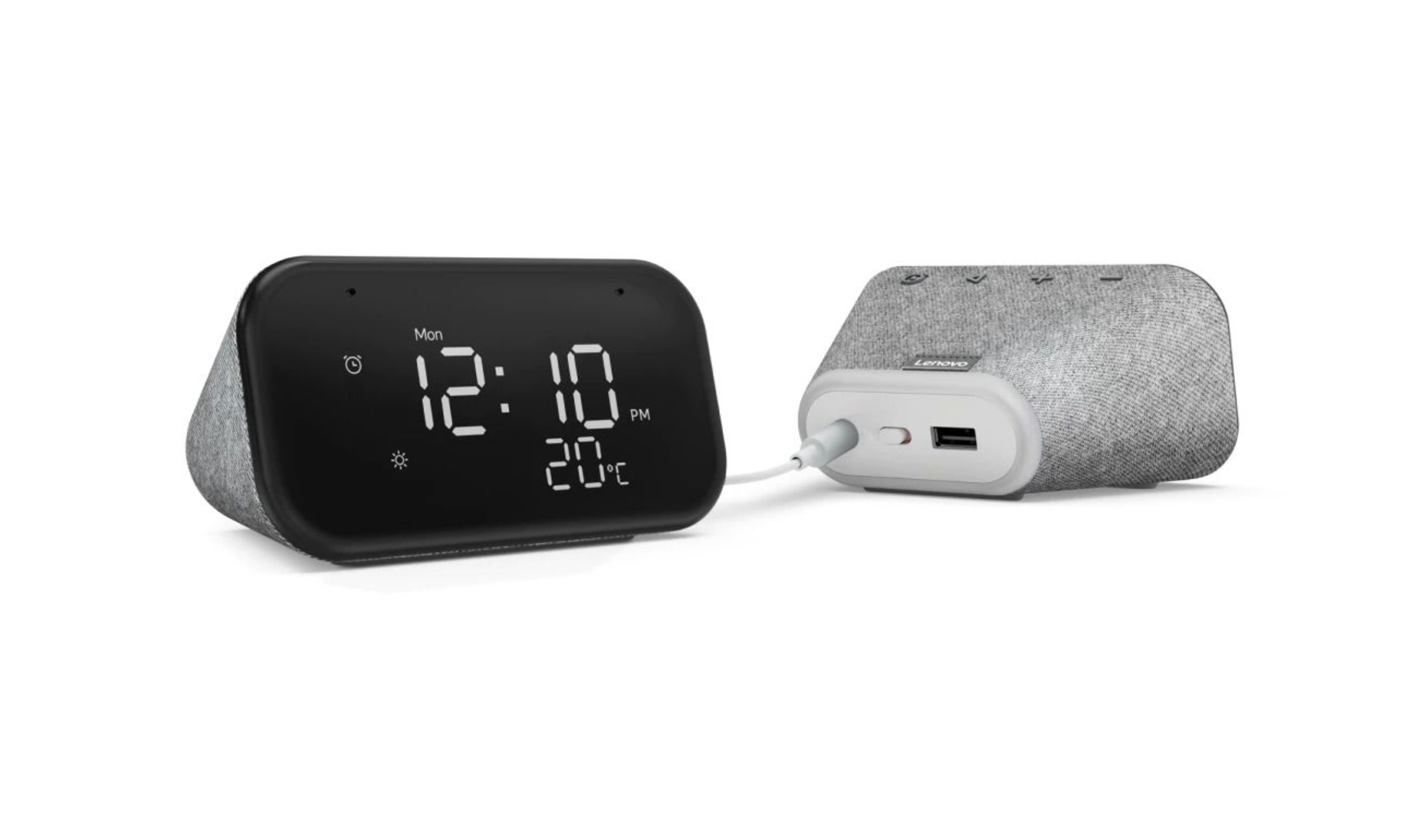
In late August 2020, Lenovo unveiled the Smart Clock Essential. It was soon made available in multiple regions in the following days. Now, almost six months later, this product has been finally launched in India, priced at ₹4,499 ($62). It is already up for sale on Flipkart and Lenovo’s official website.
The Lenovo Smart Clock Essential was introduced as a cheaper alternative to the original Lenovo Smart Clock. But in India, the former seems to be replacing the latter from 2019. Because the first product has been out of stock in the country for months now.
That said, the new Smart Clock Essential sports a 4-inch LED display, unlike the LCD panel on the previous model. This screen is capable of showing time, day, and weather when in an ideal state. Additionally, the display can be also used for timers.
Further, the product features a 1.5-inch 3W speaker and 2 x far-field microphones for Google Assistant. It is powered by an Amlogic A113X chipset paired with 4GB RAM and 4GB eMMC storage.
On the connectivity front, it supports dual-band WiFi, Bluetooth 5.0, and Chromecast. It also comes with buttons for microphone mute toggle (backside), volume up/down, play, and alarm. Additionally, it has a nightlight with a maximum brightness of 31 lumens and a USB Type-A output port to charge smartphones and alike.
Last but not least, the Lenovo Smart Clock Essential has a fabric-like coating on its body, comes in a single Soft Touch Grey color option, and weighs 328g.
The Apple AirPods Pro is by far one of the most successful truly wireless earphones in the global market. While there are various third party accessories to customize these earbuds with, the PodChain Pro allows you to charge your hearables as you use them.
According to a TomsGuidereport, it is a wearable charger, which lets you charge your AirPods Pro while you’re using them. The PodChain Pro has been made by M. Craftsman, although, its functionality is a bit questionable. By design, the AirPods and AirPods Pro are ‘wireless’ earbuds, so adding another wire might go against its essential design and function. However, on the off chance your charging case no longer carries a charge, then it might be useful as a last resort.
Furthermore, it also addresses the fact the such earbuds can only be charged by the charging case. In other words, it offers another method of charging one’s Apple AirPods, which is especially useful if one has lost the charging case itself. Talking about the PodChain Pro, the wearables can magnetically latch onto the charging sheaths, so its an easy task to just plug in or detach them. Notably, the most useful aspect regarding this wired charger is that it enables users to charge their earbuds as they are using them.
The PodChain Pro is capable of charging the AirPods and AirPods Pro three times, for up to 16 hours of non stop playback. But keep in mind, the wearable has not launched yet, and can will be found on Indiegogo on 23rd February 2021 for crowdfunding. The first 100 units will be sold to Indiegogo backers as a reward for a discounted price of 39 US Dollars.
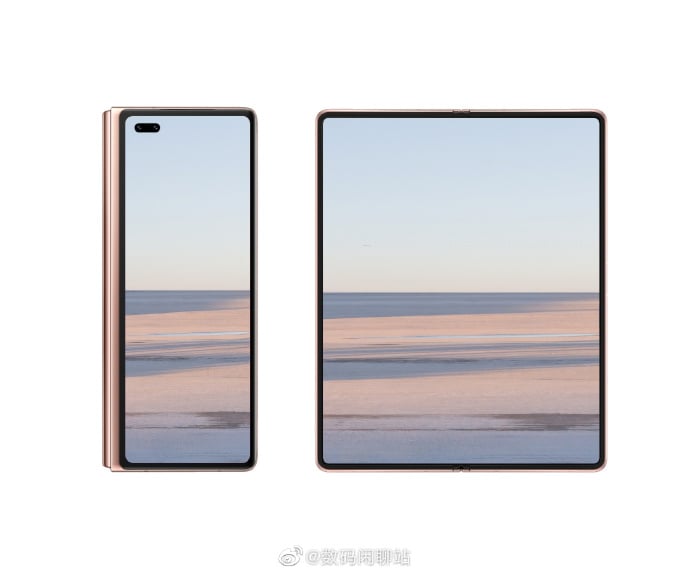
The Huawei Mate X2 has just been teased again. Earlier today (19th February 2021), the company shared a new image poster on Weibo, a Chinese microblogging website, showcasing the device’s seamless folding design.
In the Weibo post, the company officially teased the upcoming foldable smartphone with a GIF image that hinted at its folding capabilities. The Chinese tech giant also added that the the closing and opening action of the device is “seamless.” Earlier this week, Huawei had shared a teaser image, which also highlighted its folding mechanism. Looking at the poster, the animated image depicts the unfurling action of the device, while a circle also showcased its range of movement.
Talking more about the device, it is the successor to the company’s first foldable smartphone and may arrive with 8.01-inch foldable display made by China’s BOE company. It is expected to support 2480 x 2220 pixels resolution. It may feature a 6.45-inch display on the front that will offer a resolution of 2270 x 1160 pixels. Furthermore, the device will sport two displays, including an external and internal screen.
The Huawei Mate X2 may be powered by 4,400mAh battery and the Kirin 9000 chipset. It may come loaded with Android 10 OS and carry support for 66W rapid charging. For photography, it may possess a 16 megapixel main camera on the front and its rear-facing camera module may include a 50 megapixel main camera, a 16 megapixel camera, 12 megapixel lens, and an 8 megapixel sensor.
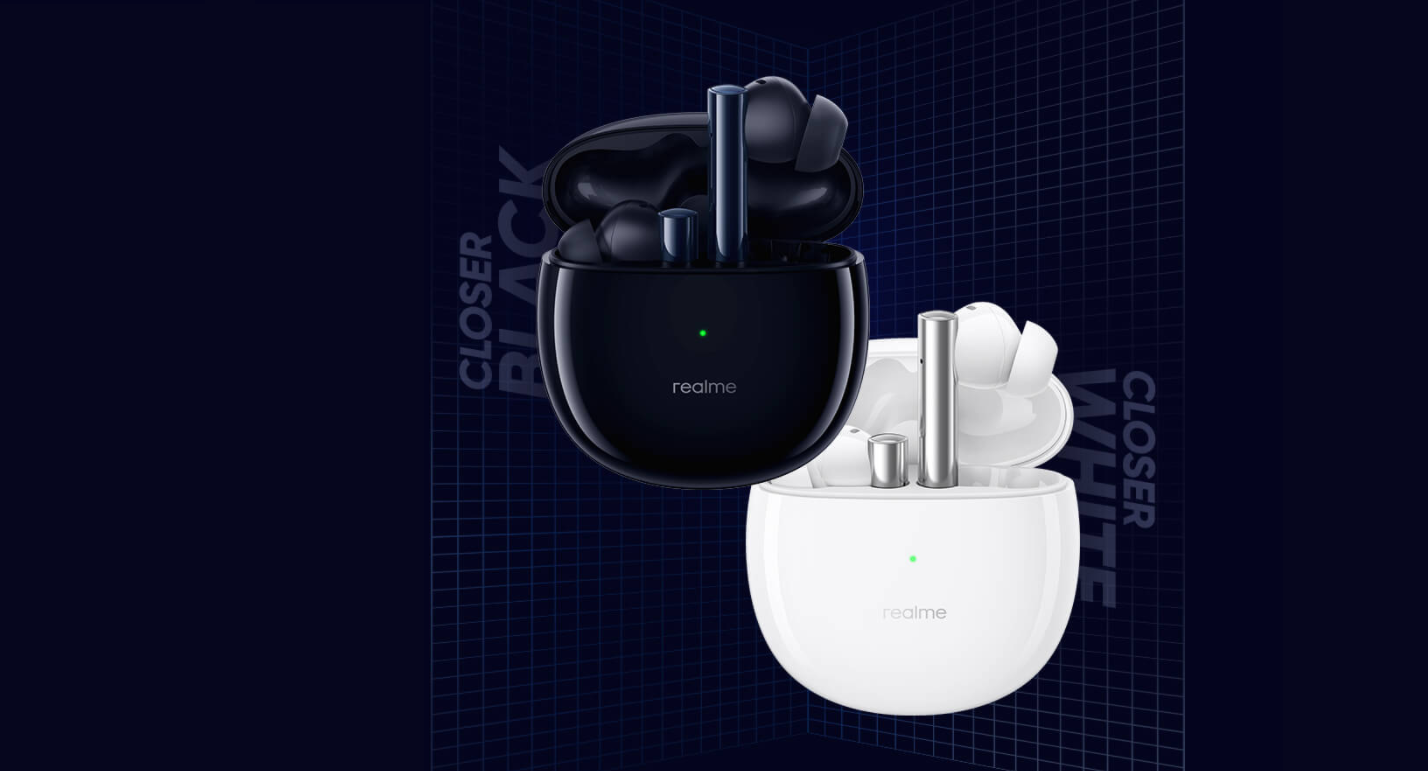
On Feb. 24, Realme will be taking off covers from the Narzo 30 series of smartphones in India. The same event will also see the arrival of the Buds Air 2 TWS earbuds. The company has already confirmed that it will come equipped with Active Noise Cancellation (ANC). The official page of the Buds Air 2 is now live on Realme India’s website. The listing has revealed some of the key features of the earbuds.
Realme has teamed up with The Chainsmokers, an American electronic DJ and production duo, for promoting the Buds Air 2. While the Buds Air Pro came with ANC support, it was unavailable on the original Buds Air TWS. The feature will available on Buds Air 2.
The Buds Air 2 will come with 10nm Diamon-like Carbon (DLC) drivers for superior audio clarity that will deliver richer bass, clearer output, and better frequency response. The company promised 17-hour battery life on the original Buds Air.
Realme Buds Air 2
According to the firm, the Buds Air 2 will deliver a longer battery life of 25 hours with ANC turned off. With ANC activated, it will 22.5 hours of playback time. By charging it for only 10 minutes, the Buds Air 2 will be able to last for 2 hours. It promises a better gaming experience with 88ms super-low latency. Realme says that the new earbuds sport a unique and better design, and it will be available in black and white colors.
Realme is currently selling three earbuds products such as Buds Air Neo, Buds Air, and Buds Air Pro. They are priced at Rs 2,499 (~$34), Rs 3,999 (~$55), and Rs 4,999 (~$69), respectively. There is no word on the pricing of the Buds Air 2.
Redmi began the ‘K’ series budget flagship smartphones trend with the launch of the Redmi K20 series in China back in 2019. The company then continued to launch successors in the next year with Redmi K30 and K30 Pro. And in 2021, it is back with the Redmi K40 series.
Right from the day the retail boxes leaked, there’s been a lot of buzz about these two models. Hence, let’s look at the specs and whatever we know so far before the launch next week.
Redmi K40 Series Design
Xiaomi has always kept its design distinct from Mi and Redmi flagships so far. The Redmi K20 had a full-screen display, circular camera layout on the back while the Xiaomi Mi 9 that launched in the same year had a notch-display and a pill-shaped vertical camera layout.
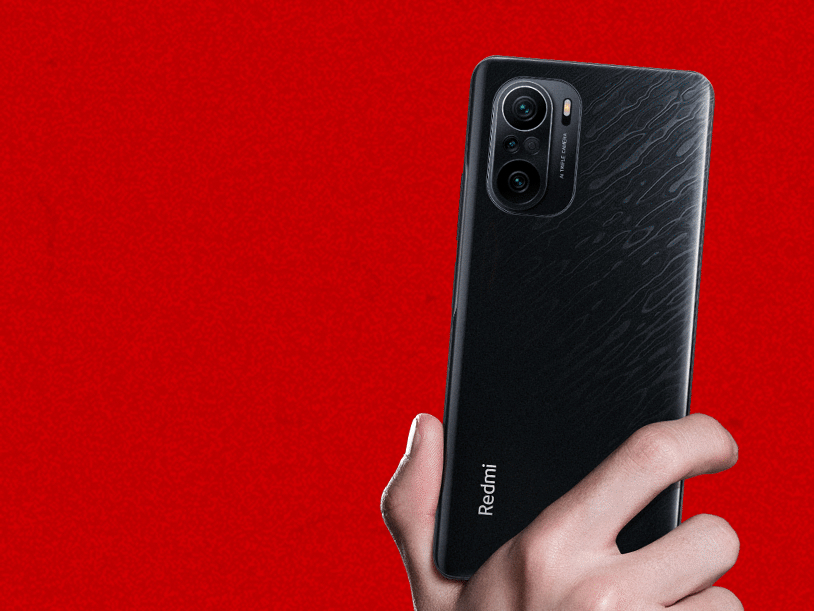
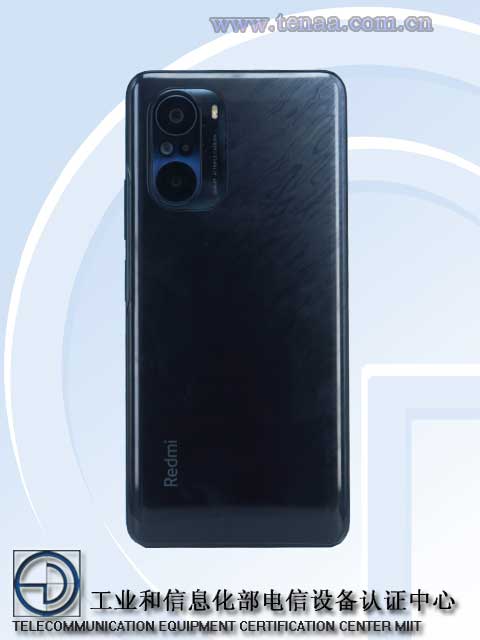
The same was the case last year but Redmi K40 Series’ leaked pictures- Redmi K40 (M2012K11AC), and Redmi K40 Pro (M2012K11C) on TENAA certification and the one officially teased by Redmi today(Feb. 22) shows that the gap is shrinking between them in terms of design this year.
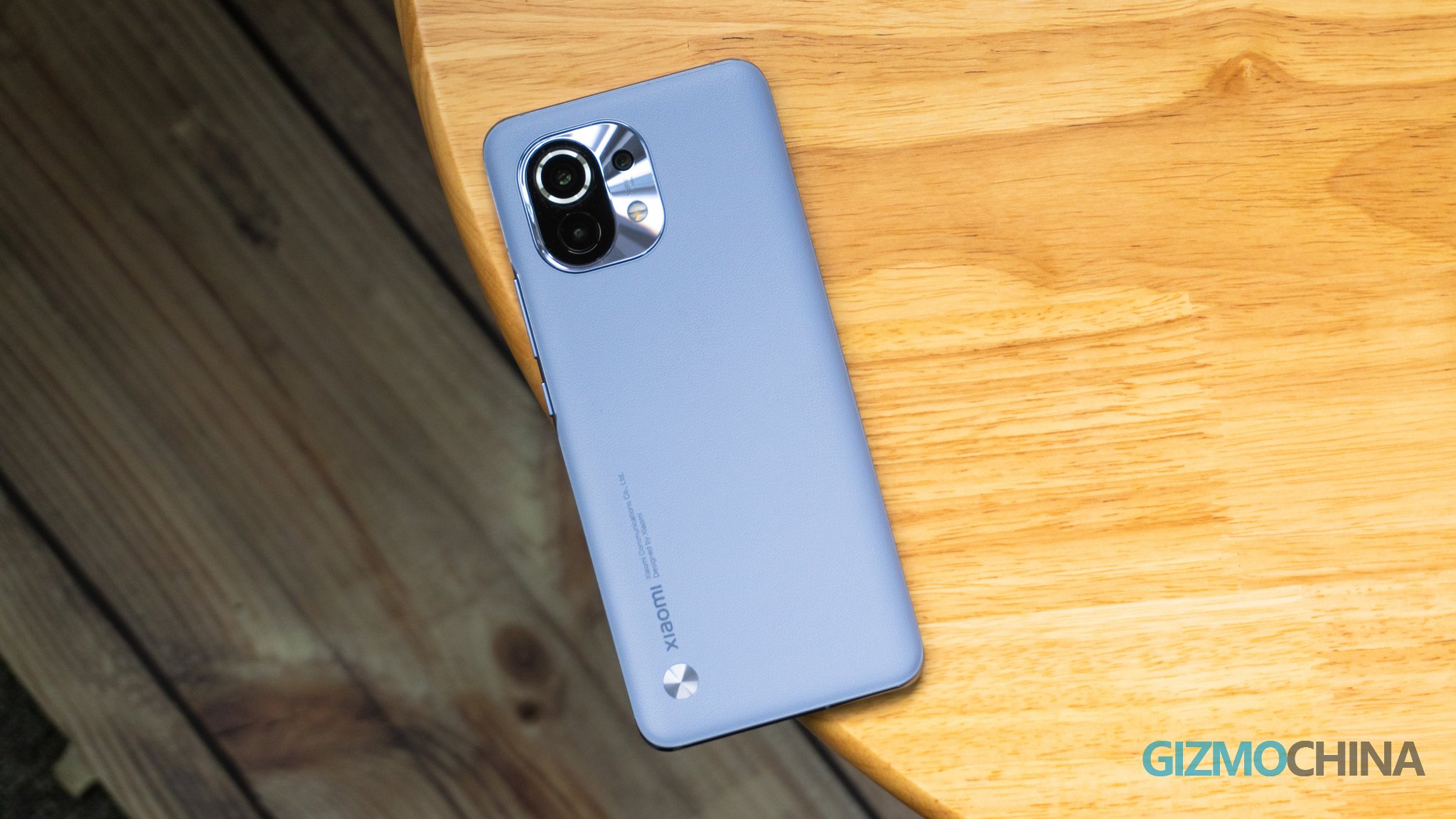
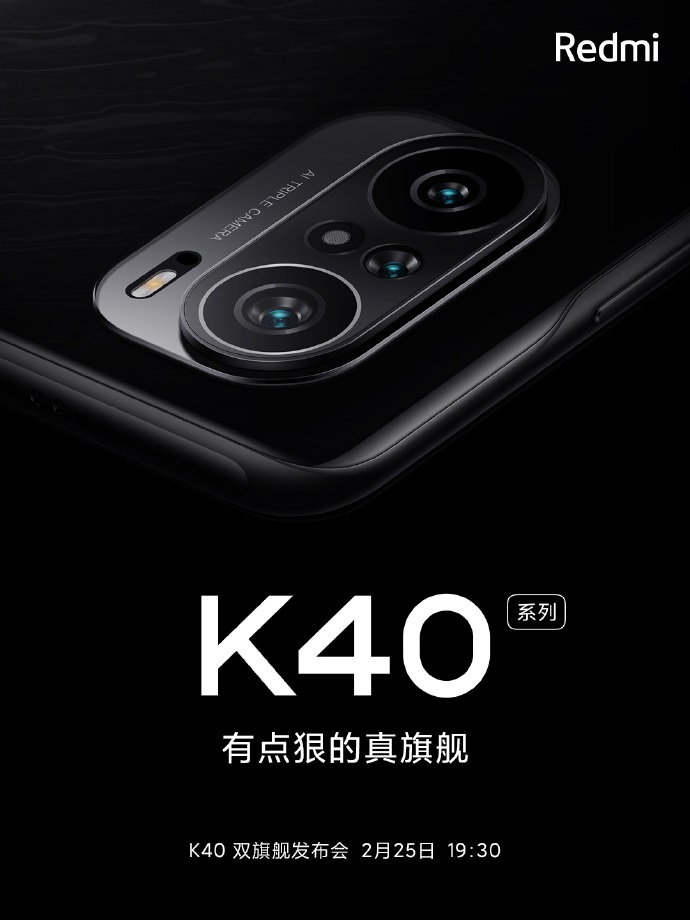
The teaser image of the Redmi K40 series shows a camera layout that’s just like an elongated version of Xiaomi Mi 11. You can see the resemblance in the rear design below.
1 of 4
*images- From left to Right- K40(Official Teaser), Possible K40 and K40 Pro(M2012K11AC, M2012K11C as on TENAA), Mi 11
Upfront, the Redmi K40 series will be a big departure in design. It will ditch the Pop-up camera mechanism found on the predecessors for a centered punch-hole panel. And Lu Weibing has already confirmed that it will sport a display with the smallest punch-hole in the world.
Redmi K40 and Redmi K40 Pro Specifications (Expected)
Surprisingly, just like the Redmi K20 and K20 Pro, this year’s devices are expected to share a lot of specs between them with few differences. Do note that these are the specs that have appeared on the TENAA listing in China and some other reports.
Let’s have a look at the specs of the Redmi K40 and K40 Pro below:
Redmi K40 and K40 Pro Launch Date, Availability, Price
Regarding the launch, Redmi has already confirmed that the Redmi K40 series will debut in China on February 25. As for the Price, the Redmi K40 Pro could start at 2,999 yuan ($462) considering Redmi prices its flagship aggressively and its predecessor launched at the same starting price.
Since the launch is happening in China first, don’t expect it to debut outside of the country anytime soon. However, some vague rumors say that the K40 could debut under POCO branding in countries like India. Let’s wait for official confirmation on the same.
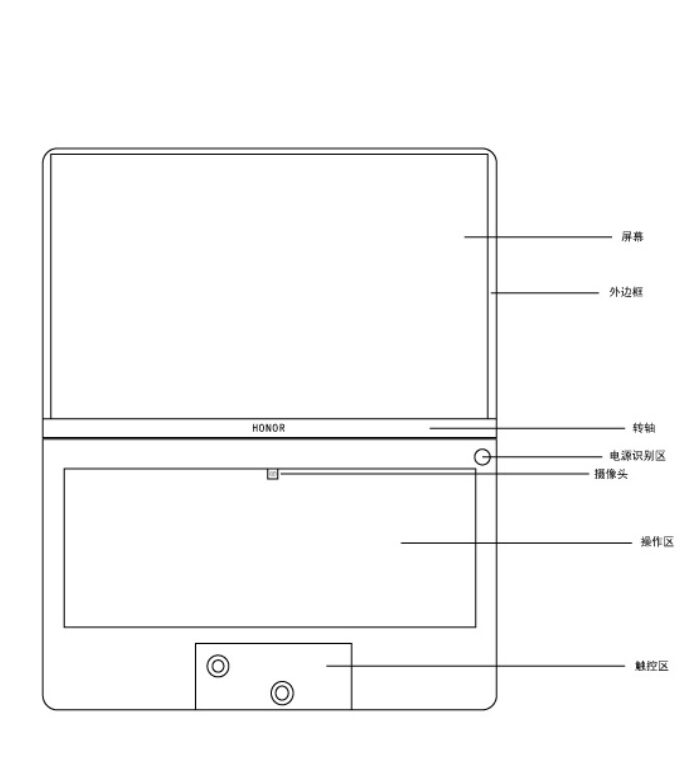
Earlier today (19th February 2021), a tipster on Weibo, a Chinese microblogging website, shared an image that revealed the possible design of an upcoming Honor MagicBook, which will feature a new overhauled design.
According to the blogger @鹏鹏君驾到, the Chinese tech giant is working on a newly designed MagicBook. This notebook will feature a display that is surrounded by thin bezels on three sides. The chin region of the display will carry the company’s logo while the power button will be housed on the top right corner of the bottom half. Notably, the design sketches also revealed that the camera has now been shifted to the top center region of the keyboard.
Unfortunately, finer details regarding this laptop is currently unknown. Furthermore, it is also not confirmed if honor is actually working a laptop with this design. Although the company is expected to launch new notebooks later this year. These laptops are expected to arrive with either Intel or AMD processors, and would also likely feature SSD storage as well. Recently, the company launched the 2021 MagicBook series, with a high end variant offering an Intel 11th Gen i7 processor, with 16GB of RAM and 512GB of storage.
The laptop also supports Wi-Fi 6. Although, Honor might also opt for AMD Ryzen 5000 series chips, which are expected to be announced sometime in March 2021. Keep in mind, this is still unconfirmed news, so take this report with a pinch of salt and stay tuned for more, as we will be providing updates when additional information is available.
The official ROG website by ASUS now has a landing page for the forthcoming ROG Phone. 5. It not only confirms the moniker of the device but also reveals that it will go official on March 10.
The official listing reveals that the ASUS ROG Phone 5 launch event will take place at 7 PM (UTC+8) in Taipei. In Berlin, it will be available at 12 AM (UTC+1), whereas in New York, it will begin at 6 AM (UTC+8) on March 9.
The official page has no details on the specifications of the ROG Phone 5. It appears that the company has decided to skip the number 4 for its next ROG phone as it is considered a bad omen.
In terms of specifications, the ASUS ROG Phone is expected to feature a 6.78-inch OLED screen that offers a refresh rate of 144Hz. It will be equipped with Snapdragon 888 mobile platform and it may come in 8 GB and 16 GB RAM editions. The TENAA listing has revealed that it has a dual-cell 6,000mAh battery and it is likely to support 65W rapid charging. For photography, it has a triple camera array led by a 64-megapixel main snapper. It also features a small secondary display on the back.
These specifications belong to the ASUS_I005DA variant. The TENAA certification body has also approved another variant has a model number ASUS_I005DB. This model is expected to arrive similar to the I005DA edition. However, model B seems to an inferior version in terms of design. It is unclear whether it will come with weaker specs as compared to model A. The ROG Phone 5 is also rumored to land in India in the coming month.
Huawei has recently been expanding its presence in the automobile industry, but now, it seems like Xiaomi is also planning on entering the market as well. A new report has suggested that the company is planning on building its own car.
According to an iFengNewsreport, multiple sources have recently stated that the Chinese tech giant is planning on building its own car and is considering it as a strategic decision, but the specific details and path it aims to take has yet to be determined. The sources also claimed that there are many variables and nothing is set in stone. As per a person familiar with the matter, the project will directly be led by the smartphone maker’s Founder and CEO, Lei Jun, although, the company has yet to respond when asked about this.
Back in 2013, Lei Jun had visited the US twice to meet with Tesla CEO Elon Musk and now it seems that its interest on the field has grown. The report adds that the diversification arrives as the smartphone market faces stagnation. Furthermore, the electric smart vehicle market has been seeing a rise in popularity. So, it won’t arrive as a complete surprise if the company aims to expand its presence into an untapped market, especially in regards with its considerable research and development team and expertise in electronic hardware.
Unfortunately, Xiaomi has yet to respond on this so we have no way of confirming this report at the moment. So, take this report with a grain of salt and stay tuned for more, as we will be providing updates when additional information is available.
Last year, Xiaomi launched the Redmi Note 9 Proand Redmi Note 9 Pro Max smartphones in March. Later, it also announced the Redmi Note 9. The Chinese firm will be taking off covers from the Redmi Note 10 series in India on March 4. A fresh leak by Xiaomiui Twitter handle (not an official Twitter account by Xiaomi) has revealed the key features of the Redmi Note 10 series. The leak claims that the Note 10 lineup will include three models such as Redmi Note 10, Note 10 Pro, and Note 10 Pro Max.
Redmi Note 10 key specifications (Rumored)
The leak states that the Redmi Note 10 with M2101K7A model number is equipped with a Snapdragon 678 mobile platform, an IPS screen, and a 48-megapixel quad camera. It may come in variants such as 4 GB RAM + 64 GB storage and 6 GB RAM + 128 GB storage. It may come in colors such as Pebble White, Lake Green, Aqua Green, Frost White, and Shadow Black.
Redmi Note 10 Pro and Redmi Note 10 Pro Max key specifications (Rumored)
The leak associates the M2101K6I model number to Redmi Note 10 Pro and Redmi Note 10 Pro Max 5G smartphones. Both phones are said to arrive in common colors like Glacier Blue, Gradient Bronze, Vintage Bronze, Onyx Gray, and Dark Night.
The Note 10 Pro may come in two model such as 6 GB RAM + 64 GB storage, 6 GB RAM + 128 GB storage, and 8 GB RAM + 128 GB storage. On the other side, the Note 10 Pro Max 5G could be available in 6 GB RAM + 128 GB storage and 8 GB RAM + 128 GB storage editions.
While there are speculations that the Pro model has an AMOLED display, the leak states both phones have IPS screens that offer a 120Hz refresh rate. The Note 10 Pro may feature Snapdragon 732G chipset and a 64-megapixel quad-camera setup, whereas the Pro Max 5G may come with Snapdragon 768G and a 108-megapixel quad-camera system. Both phones may house a 5,050mAh battery.
Readers are advised to digest the leak with a pinch of salt as its authenticity could not be confirmed.
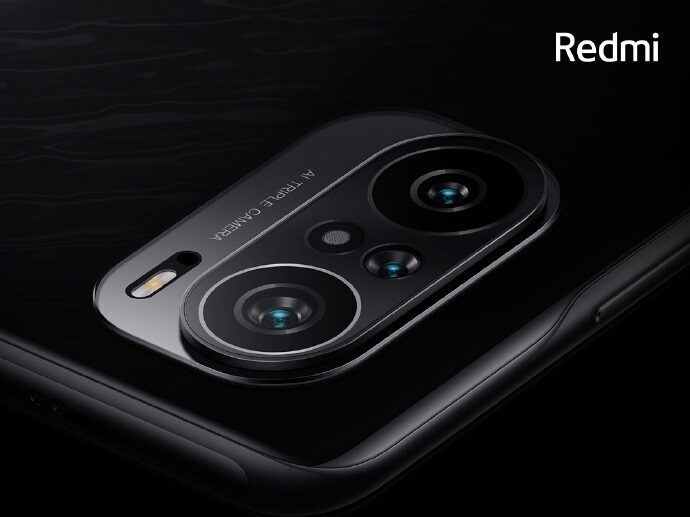
Earlier today (19th February 2021), the official Weibo account, a Chinese microblogging website, of Redmi shared a new teaser image poster of the K40 Pro. In this, the company teased the higher end variant’s triple camera module on the rear. The series is set to be launched on 25th February 2021.
The Redmi K40 series will be announced via a live stream online on February 25. Notably, the Chinese tech giant also added that the conference will be for the unveiling of its “Dual Flagship” in the online post. Furthermore, this is also the first time the company officially revealed the device, meaning its also the first official look at the upcoming K40 series. Looking at the image poster, three image sensors can be observed on the rear, with two being similar in size, with one of them likely being the 108 megapixel primary camera.
As per a recent certification, the Redmi K40 series measures in at 163.7×76.4×7.8mm, and is powered by a large 4,420mah battery. Additionally, the model number is M2012K11AC/AG. Under the hood, the higher end Pro variant will arrive with a Qualcomm Snapdragon 888 SoC, and will likely sport features like UFS 3.1, LPDDR5 RAM and more. The base model is expected to arrive with a Snapdragon 870 SoC.
Unfortunately, other finer details regarding the device and its complete specifications are unknown at the moment. Thus, we will have to wait for the official launch event to know for sure. So stay tuned for more, as we will be providing updates when additional information is available.
As expected, Motorola has officially launched the Moto E7 Power budget smartphone in India. This handset offers a large screen, huge battery, dual-camera, and more. Let us take a look at its entire specs, features, and price in detail.
Motorola Moto E7 Power Specifications and Features
The Moto E7 Power was extensively leaked a few days before the company officially started teasing its specs. Hence, we know almost everything about it for a quite while now.
The handset flaunts a 6.5-inch IPS LCD panel with a resolution of 720 x 1600 pixels (HD+), a 20:9 aspect ratio, and an 85% screen-to-body ratio. The screen also has a dewdrop notch at the top center housing a 5MP selfie camera.
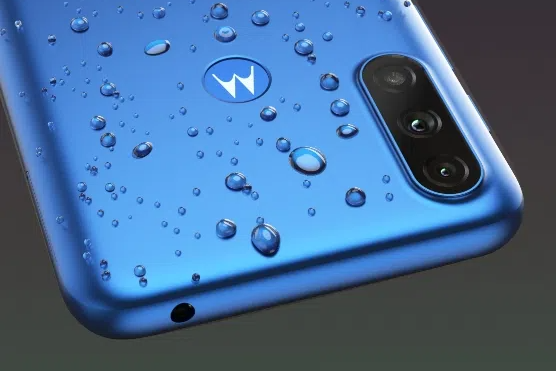
The phone features a plastic build and comes in two colors, namely Tahiti Blue and Coral Red. Its rear panel houses a vertically-aligned dual-camera setup consisting of a 13MP primary sensor paired with a 2MP macro shooter. The back also includes a fingerprint sensor with the iconic Motorola Batwing logo embedded on it.
Further, the device is powered by MediaTek Helio G25 SoC coupled with 2GB/4GB RAM and 32GB/64GB internal storage. If needed, the storage can be further expanded up to 1TB via the MicroSD card slot.
On the connectivity front, the phone supports dual-SIM, 4G, single-band WiFi, Bluetooth 5.0, and GNSS (GPS, A-GPS, LTEPP, SUPL, GLONASS, GALILEO). It also comes with all the essential ports and sensors like a 3.5mm headphone jack, USB Type-C port, proximity sensor, accelerometer, and ambient light sensor.
The device runs Android 10, and a 5,000mAh battery backs it with support for 10W fast charging. Additionally, the smartphone is IP52-certified for splash resistance and features a dedicated Google Assistant button.
Last but not least, the Moto E7 Power measures 165.06 x 75.86 x 9.20mm in dimensions and weighs 200g.
Motorola Moto E7 Power Pricing and Availability
Lenovo-owned Motorola has priced the base 2GB + 32GB variant of Moto E7 Power at ₹7,499. Whereas, the higher 4GB + 64GB version will cost the buyer ₹8,299.
The smartphone will be available on Flipkart, starting February 26 at 12 PM. It will be also sold at leading offline retail stores.
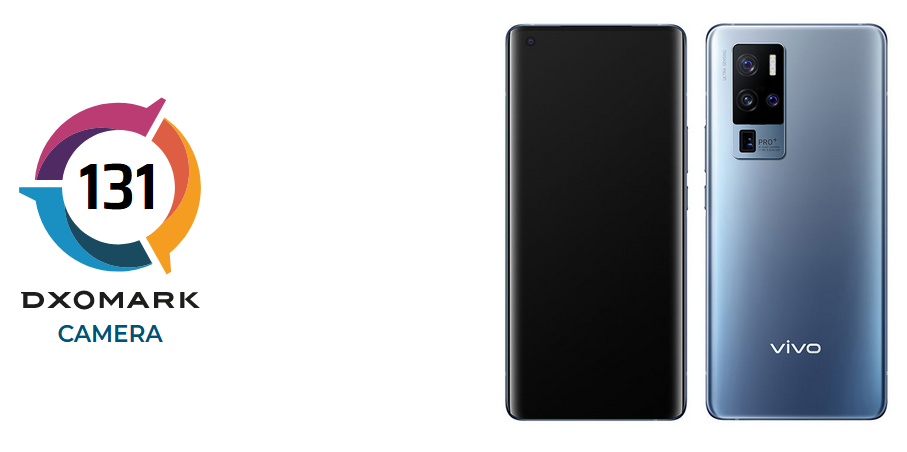
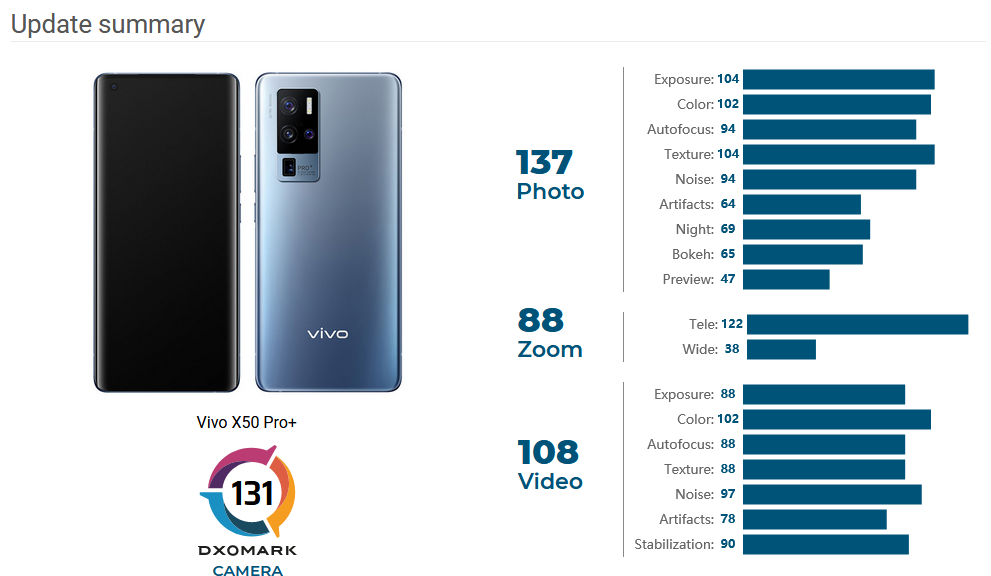
Back in October 2020, DxOMark published its camera rating review for the Vivo X50 Pro+, which received a score of 127 points and praises for its performance. But now, the known camera testing brand has updated its score for the 2020 flagship, raising its score to 131 points.
According to the updated DxOMarkrating, the new score reflects the performance with Version 4, which now includes image preview tests and other new test scenes. Looking at the scores, the handset received 137 points for photography compared to 139 points it received last year. For videos, its score was 108 points, higher than 104 points that it received in 2020. A new category that was included in the updated test is the Zoom segment, where it received 88 points.
Through the update, the Vivo X50 Pro+ delivered a strong performance, with its photography score being in the third highest in the firm’s database. It delivered ‘excellent’ performance, with low noise in images with good color under most conditions. Its ultra wide angle lens was lackluster compared to a few other flagships. For video, the performance was notable, with detailed clips that feature low noise, even in 4K.
However, DxOMark still noted some cons, as strong ghosting affect was observed in scenes with motion. Similarly, color spread and aliasing artifacts were also visible along with high contrast boundaries. Furthermore, the company also found fusion artifacts in medium zoom range, with the wide mode also suffering from underexposure and unnatural colors. Despite this, the Vivo X50 Pro+ offered great camera performance as per DxOMark.
Honor is one of the major Chinese smartphone brands in the world. Established in 2013 as a Huawei subsidiary to take on online competitors, the brand sold products that were targeted at the younger generation and that cost less than those from its parent company. Honor has since grown to become a household name with a strong online and offline presence in several countries.
A necessary but painful separation
Last year, Huawei had to let go of its subsidiary to prevent the brand from figuratively sinking with it, no thanks to the sanctions by the United States. Purchased by Zhixin New Information Technology Co. Ltd which is a consortium of 30 agents and dealers of the Honor brand alongside Shenzhen Smart City Development Group Co. Ltd, Honor is now a separate business with no ties to Huawei. The advantage this move gives Honor is that it can get access to the supply chain and software services Huawei has been cut off from.
Honor has confirmed that it has been in talks with Google to get Google Mobile Services, as well as chipmakers Intel, Qualcomm, and MediaTek. If all goes well, it means Honor will be free from the chains that are literally dragging its former parent company under.
Also, Honor has promised that its operations will not be affected and that its goal is to surpass Huawei which despite its troubles, is still the biggest smartphone brand in China.
However, the big question is “Can Honor truly survive without Huawei?”
Before we try to answer the question of Honor’s survival as an independent company, let us revisit its life under Huawei.
A brief look at Honor’s life under Huawei
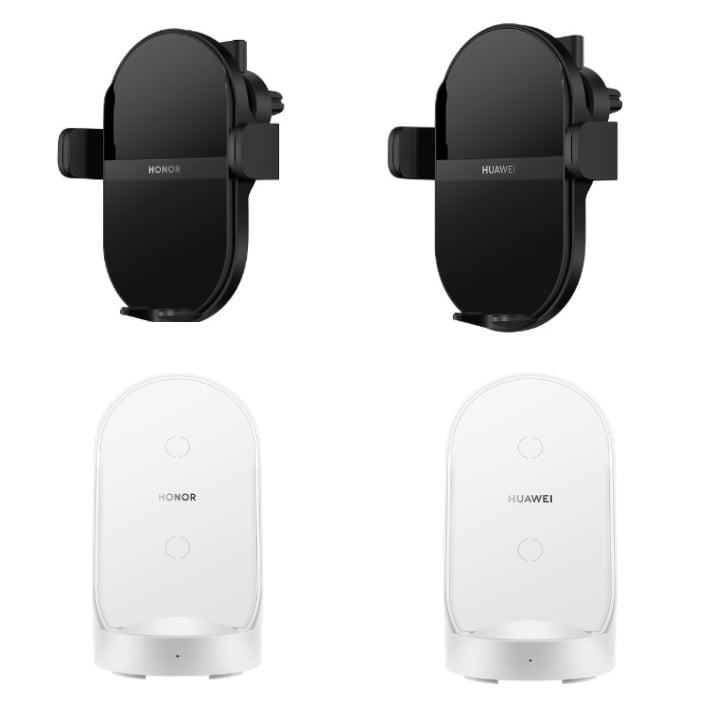
As a sub-brand of Huawei, a number of Honor’s own products were usually cheaper alternatives to that of its parent company. Also, a significant percentage of its products and technologies were rebadged, with some launching first under the Honor brand and others launching first as a Huawei product. The wireless chargers in the image below are perfect examples of the “close relationship” that existed between both companies
Nevertheless, the manufacturer did have some exclusive products that were not rebadged or relaunched in other markets as a Huawei device. An example is the Honor Magic line of smartphones and the Honor Hunter line which includes gaming laptops, routers, and accessories. These “self-developed” products can be said to be evidence of Honor’s early steps at showing it wasn’t wholly tethered to Huawei.
Regardless of whether Honor’s products were rebadged or not, Huawei’s dual-brand strategy helped it become one of the top brands to come out of China, and its current woes can be said to have even stifled Honor’s own growth in key markets.
The future of Honor – definitely not bleak but will be challenging
Honor has set big goals now that it is no longer a Huawei company. According to its CEO, George Zhao, their goal is to surpass Apple and Huawei, and we all know that won’t be easy. The company is retaining its sales partners which means it should have no difficulty in making its products available to buyers.
A tough competition
While Honor launching phones with support for Google Mobile Services will help it win back lost customers, it will have to do more than that to grow its customer base. The competition is pretty stiff right now with Chinese brands such as Xiaomi, Redmi, Realme, and Vivo launching phones practically every week. And there is Samsung whose renewed focus in the budget and mid-range category has helped it regain lost market share in key markets. To succeed, Honor will have to launch not only competitively priced products but also innovative ones that will give it an edge over its rivals.
Honor’s plans for the year include a global release of new flagships such as the Honor View 40 and the Honor 40 series. It has also been reported that the Magic series will get a new model too which has been reported will be a foldable device. A few mid-range 5G phones have also been certified in Europe and they should launch soon.
A new Android Skin
Honor phones run Magic UI which is practically a rebadged version of Huawei’s EMUI with some additional features. The image below which is an official one confirms that both skins are closely related.
Image source: HiHonor.com
Now that Honor is no longer part of Huawei, it will have to differentiate its Android Skin from that of its former parent company. Our guess is that Honor will want to stick to calling it Magic UI, the work is in creating something that is familiar to users but also distinct from EMUI. It won’t be easy work and it will actually take some time since it will most likely be working with a smaller team than that of Huawei. We expect this new skin should debut as Magic UI 5.0.
When Magic UI 5.0 or whatever this new skin is called arrives, we expect to see it first on its new flagships; it might even make its debut alongside the new Magic phone before it becomes available for older models.
Building Trust
This might as well be Honor’s biggest task. The manufacturer will have to build trust in consumers (most especially its international ones) that it takes user privacy important and that their data is safe and secure from the Chinese government.
New product categories
Honor has an extensive lineup of products that includes smartphones, computers, tablets, fitness trackers and smartwatches, headphones, speakers, smart TVs, routers, and a handful of lifestyle products. We expect it to continue to launch new products under these categories and also add new ones. For example, we expect the Hunter series to expand into a proper gaming line with gaming keyboards, mice, and headsets.
Conclusion
This year is going to be a defining one for Honor but we presume it will take things slow and may even adopt a different approach to how it conducts its business going forward. Nevertheless, we should have an idea of its plans as the year progresses.
The company has already begun a new journey with the launch of the Honor V40 in China. However, this phone doesn’t bring any visible changes that show it is no longer owned by Huawei, it is the global launch (as the Honor View40) that will reveal if things have changed if it comes with Google Mobile Services out of the box. Folks should also keep an eye out for the launch of the Honor 40 and the new Magic phone which should arrive in the second half of the year.
Finally, we believe Honor does have a promising future but one that will have its challenges. It will definitely be a bit difficult without access to Huawei’s resources but it should be able to succeed considering it has already made a name for itself.
What are your thoughts? Will Honor survive as a standalone brand in this highly competitive market?
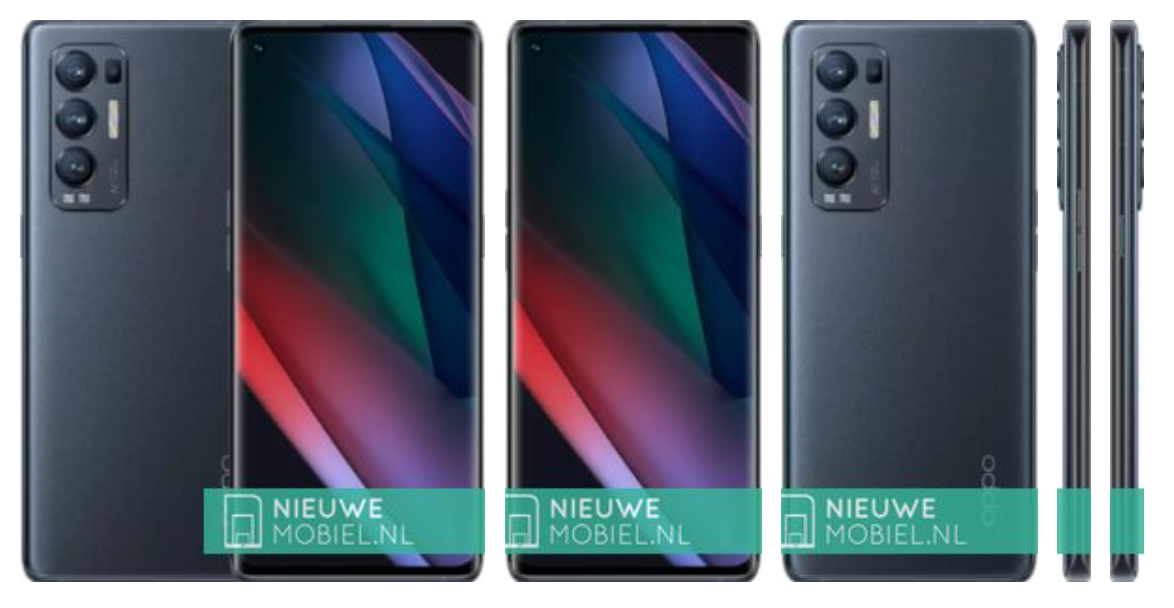
In March, OPPO will be taking off covers from the OPPO Find X3 series in China and global markets. In China, it may announce the Snapdragon 870 powered Find X3 and Find X3 Pro featuring the Snapdragon 888 SoC. The global markets are expected to receive the Find X3 / X3 Pro, X3 Neo, and X3 Lite. A recent leak that revealed the front design of the global models suggested that the Find X3 Neo and Find X3 Lite will be rebranded versions of the Reno5 5G Pro 5G and Reno5 5G phones, which launched in China in December 2020. However, a new leak by a Dutch publication reveals that the Find X3 Neo will be a rebadged edition of the more powerful Reno5 Pro+ 5G.
The leaked official renders shared by Dutch publication Nieuwe Mobielshow that the Find X3 Neo 5G has a curved edge screen with a circular cutout for the selfie snapper at the upper-left corner. Its rear camera module has four cameras and a dual-LED flash unit. The Reno5 Pro 5G has a similar design, but it features a slightly different quad-camera module.
The Find X3 Neo 5G is likely to feature the same specs that are available on the Reno5 Pro+. The Reno phone has a 6.55-inch FHD+ display that produces a Full HD+ resolution and a 90Hz refresh rate. The Snapdragon 865 mobile platform fuels it with 12 GB of LPDDR5 RAM and up to 256 GB of UFS 3.1 storage.
The Reno5 Pro+ has a 32-megapixel front-facing camera and its rear setup includes a Sony IMX766 50-megapixel main camera, a 13-megaixel telephoto lens, a 16-megapixel superwide sensor, and a 2-megapixel macro shooter. Its other specs include Android 11 OS, a 4,500mAh battery, and 65W fast charging support.
The publication claimed that the OPPO Find X3 Neo will be arriving in colors like black, white, purple, and blue. The Find X3 models could be made available for purchase in global markets by April.
US tech giant Amazon delved into the world of crowdfunding, aimed at bringing to life some of the concepts it has developed and would only mass-produce when the crowdfunding goal is achieved. This isn’t a new concept as it is the same idea behind the like of Xiaomi’s Youpin crowdfunding, Indiegogo, Kickstarter, and a couple of others. However, unlike Kickstarter, the platform will only feature Amazon’s products for now.
The first set of products that are up for funding include a cuckoo clock with the feature to programme the alarms, a smart scale that gives nutritional information, and a printer that prints sticky notes.
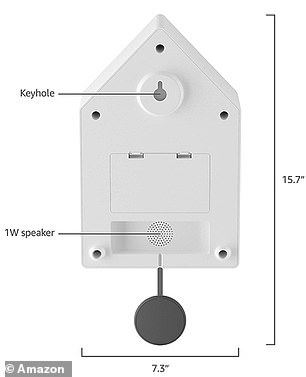
The cuckoo clock carries a $79.99 price tag but will retail for $99.99 after the exercise, It features a sleek minimalist design. The clock has an actual pop-out cuckoo bird and equally packs 60 LED bulbs as well as built-in speakers for timers and alarms. There is a removable pendulum so it can be mounted on a table or wall.
The stick-note printer is said to be about the size of a Rubik’s Cube and equally adopts a square shape. It carries an $89.99 price tag and is helpful in printing out shopping lists, reminders, calendar events, and more via spoken words. The device will need to be paired with an Echo device to use the speech-to-text function. Also. you won’t be needing ink as it uses thermal technology. All three products are integrated with Amazon’s Alexa virtual assistant.
The crowdfunding will run for 30 days in all cases. In this case, all three products will be open for pre-orders until March 19. Backers will only be billed after the product ships. If the pre-order meets the set threshold after 30 days, production would then commence. The company stated that the prices of the products will go up after 30 days and customers have the option to cancel preorders or return a product after it has been shipped to them.
You can find more details on the crowdfunding page on the Amazon website.
In recent weeks, the Xiaomi MI 11 Lite that has a model number of M2101K9AG has been spotted at multiple certification sites like SIRIM (Malaysia), EEC (Europe), FCC (US), NBTC (Thailand), IMDA (Singapore), and Bluetooth SIG. Its Indian variant with model number M2101K9AI was approved by the BIS authority last month. These listings have revealed that it is a 4G LTE model. However, a new finding reveals that the Xiaomi Mi 11 Lite will also come in a 5G version.
The Xiaomi MI 11 Lite has passed the IMDA certification again today (spotted first by Abhishek Yadav). However, this time it is the 5G variant that has a model number of M2101K9G. The listing has no information on its other specs. It only mentions that the device supports 5G, Bluetooth, Wi-Fi, and NFC.
It is unclear what differences are there between the 4G and 5G versions of the Xiaomi MI 11 Lite. It is likely that both phones could end up with identical specs, but they may feature different chipsets.
Alleged Mi 11 Lite render
The FCC certification of the Xiaomi Mi 11 Lite 4G revealed that it will be arriving in 128 GB and 256 GB storage choices. Both models are expected to feature 6 GB of RAM. The device is expected to draw power from a 4,520mAh battery and it may carry support for 33W rapid charging. The handset will boot to MIUI 12 and it supports Bluetooth 5.2.
Rumors are rife that the Xiaomi Mi 11 Lite will be sporting an LCD punch-hole display panel with a 120Hz refresh rate. The Snapdragon 732G chipset may fuel the 4G variant and it expected to flaunt a 64-megapixel triple camera system. The device is likely to feature a side-mounted fingerprint reader. In terms of appearance, it may look like a stripped-down version of the Xiaomi Mi 11 5G.
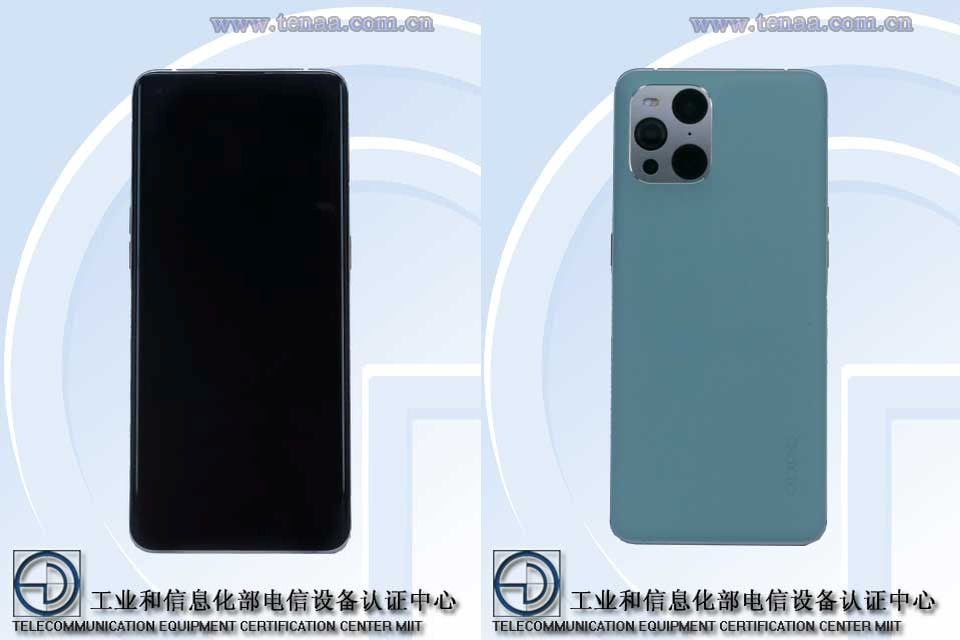
An OPPO phone with model number PEDM00 was spotted at various places like AnTuTu, AIDA64, Geekbench, and 3C certification site. A leaked image of the ‘About Phone’ page of the device revealed that the PEDM00 model number is associated with the forthcoming OPPO Find X3 smartphone. The arrival of the smartphone seems to be close at hand as it has appeared in the database of China’s TENAA regulatory body today.
The OPPO Find X3’s listing at TENAA has no information on its specifications. The front view of the device shows that it has a punch-hole screen with curved edges. It is speculated to feature a 6.78-inch OLED screen that offers a Full HD+ resolution. The Find X3 Pro could be featuring a same-sized display, but it is expected to support Quad HD+ resolution.
The Find X3’s rear camera setup is included a 50-megapixel primary camera. It could be the same Sony IMX766 lens that will be available on the Find X3 Pro model. The Pro model’s triple camera system is said to include a 50-megapixel Sony IMX766 main lens, a 50-megapixel Sony IMX766 superwide sensor, and a 3-megapixel macro camera that is said to offer a 25x zoom. The configurations of the other cameras of the Find X3 are not known yet.
The Find X3 Pro will draw power from the Snapdragon 888 mobile platform, whereas the Find X3 will feature the Snapdragon 870 SoC. The vanilla model is also expected to arrive with other specs like 8 GB of RAM, 256 GB of internal storage, ColorOS 11.2 based Android 11 OS, and 65W fast charging.
With TENAA certification in two, the Find X3 and Find X3 Pro is expected to go official soon in China. In the coming, both phones are expected to launch along with Find X3 Neo and Find X3 Lite in global markets.
Apple, alongside Google, was reported to have joined the Next G Alliance in November last year, a group that looks to advance the next generation of wireless technology (6G). Apparently, Apple is also planning to start working on 6G on its own. A new job posting spotted by Bloomberg shows that the Cupertino-based company is sourcing for engineers and talent that will help in the development of next-generation 6G cellular technologies.6G technology is stilll several years away from realization, considering that 5G has not even been fully deployed globally. But then, US companies seem to have been caught off guard by their Chinese counterparts who led the way in 5G deployment and so, are trying to avoid a repeat.
The job posting explains that Apple is looking for people who will “research and design next-generation (6G) wireless communication systems for radio access networks” and “participate in industry/academic forums passionate about 6G technology.” It states further that the candidate will have the unique and rewarding opportunity to craft next generation wireless technology that will have a deep impact on future Apple products. “In this role, you will be at the center of a cutting-edge research group responsible for creating next-generation disruptive radio access technologies over the next decade,” it states.
Experts are of the opinion that 6G cellular technology standards won’t be deployed until around 2030 but this is the right time to begin research and development. Apple is apparently looking to move ahead of the pack and perhaps develop the 6G modem and other products that would be used on its smartphones and other gadgets.
Apart from Apple, other notable companies already on the forefront of 6G R&D efforts include Huawei, LG, Nokia and others.
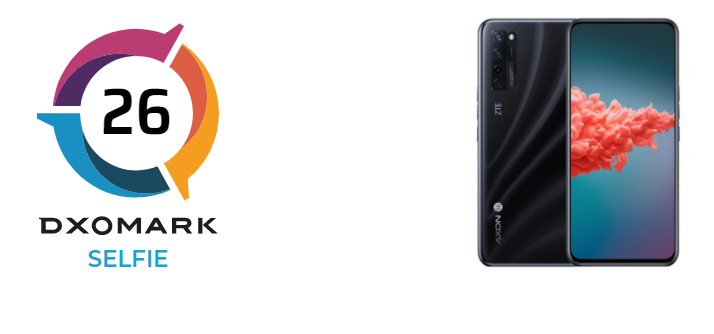
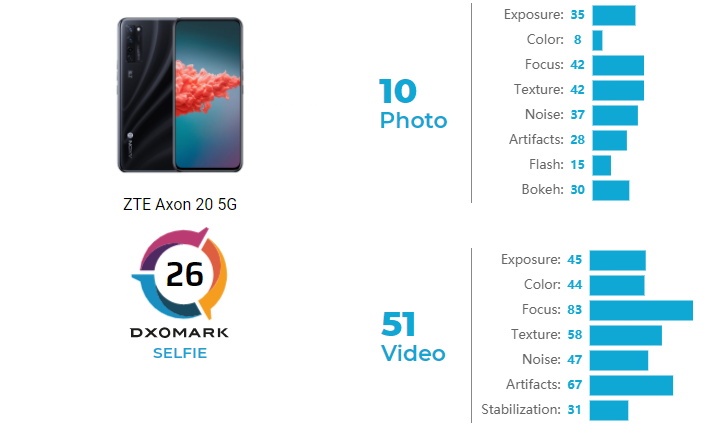
The ZTE Axon 20 5G is one of the first devices to launch with an under-display selfie camera. The technology is expected to pick up this year, but based on DxOMark’s review of the phone’s selfie camera, it shows that under-display cameras still have a pretty long way to go.
DxOMark has awarded the phone an overall selfie score of 26! That is miles from the 104 points scored by the Huawei Mate 40 Pro, or for a fair comparison, the 88 points scored by the Mi 10 Ultra.
The review lab says in its review that the Axon 20 5G’s 32MP selfie camera is plagued by a host of image quality problems, though its exposure and focus are fairly stable. The overall score is broken down into 10 points for photo and 51 points for video.
Some of the major issues are the phone’s narrow dynamic range and underexposure in very low light. That is not surprising considering the camera is sitting behind the display. The Axon 20 also struggles with colors in photos and there are visible white balance casts regardless of the condition you shoot in.
ZTE Axon 20 5G Group Selfie | Source: DxOMark
For videos, the phone does a bit better but still sits almost at the bottom of DxOMark’s list. The low dynamic range is said to result in clipping in both shadows and highlights. There is color degradation and the noise level is high in all shooting conditions.
The Axon 20 5G may have found a neat way to hide the selfie camera but if you enjoy taking selfies or frequently use your phone for video calls, then you should avoid it. You can read the full review here.
We use cookies on our website to give you the most relevant experience by remembering your preferences and repeat visits. By clicking “Accept”, you consent to the use of ALL the cookies.
This website uses cookies to improve your experience while you navigate through the website. Out of these, the cookies that are categorized as necessary are stored on your browser as they are essential for the working of basic functionalities of the website. We also use third-party cookies that help us analyze and understand how you use this website. These cookies will be stored in your browser only with your consent. You also have the option to opt-out of these cookies. But opting out of some of these cookies may affect your browsing experience.
Necessary cookies are absolutely essential for the website to function properly. This category only includes cookies that ensures basic functionalities and security features of the website. These cookies do not store any personal information.
Any cookies that may not be particularly necessary for the website to function and is used specifically to collect user personal data via analytics, ads, other embedded contents are termed as non-necessary cookies. It is mandatory to procure user consent prior to running these cookies on your website.














 The Find X3 Neo 5G is likely to feature the same specs that are available on the