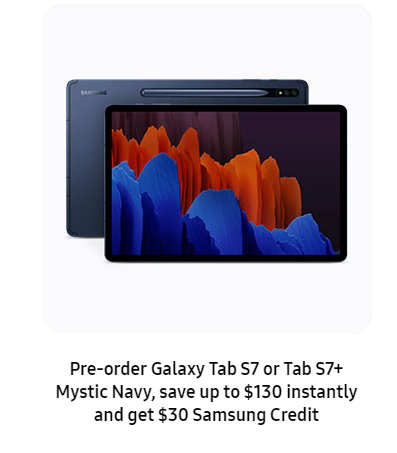
The Galaxy Tab S7 and Galaxy Tab S7 Plus launched in Mystic Black, Mystic Bronze, and Mystic Silver. Now, Samsung has added a fourth colorway called Mystic Navy and you can pre-order it right now before it launches next week. The two tablets can also now be purchased in a new configuration with 512GB storage.
The new color variant is similar to the Galaxy S20 FE‘s Cloud Navy variant and it is available for both the Galaxy Tab S7 and Galaxy Tab S7 Plus. However, you can’t get it in all the configurations. Below are the available configurations you can pick up the new colorway:
Galaxy Tab S7
128GB
256GB
Galaxy Tab S7 Plus
128GB
256GB
Samsung is offering up to $130 in discounts and $30 in Samsung Credit when you pre-order the new color from its US website. The 512GB version of the two tablets is also available for pre-order but it can only be purchased in Mystic Black and Mystic Bronze.
The Galaxy Tab S7 has an 11.0-inch 2560 x 1600 display with a 120Hz refresh rate. The Galaxy Tab S7+ has a bigger 12.4-inch screen with a higher resolution at 2800 x 1752 and a 120Hz refresh rate. Its display is also Super AMOLED and not LCD as you have on the standard version.
Both tablets are powered by the Snapdragon 865+ processor with up to 8GB of RAM and 512GB of storage. On the back of the two tablets is a 13MP + 5MP dual-camera setup while the front-facing camera is an 8MP sensor. You get a side-mounted fingerprint scanner and an 8000mAh battery on the standard version while the plus model has an in-display fingerprint scanner and a 100090mAh battery capacity. Both support 45W fast wired charging, have quad speakers, and come with a stylus.
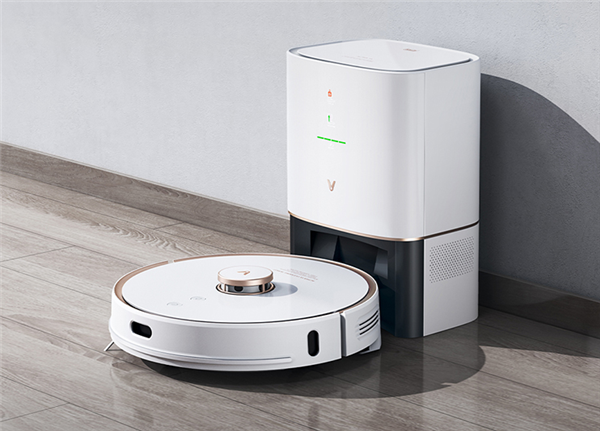
Xiaomi‘s ecological chain company Viomi has launched a new IoT product. This time around, it is a robot vacuum cleaner with mopping and dust collection functions. The product dubbed Viomi Alpha 1C Robot Vacuum cleaner is a three-in-one product whose functions encompass sweeping, mopping, and dust collection.
The Viomi Alpha 1C Robot Vacuum cleaner adopts the automatic dust collection 2.0 system. When the sweeper completes the cleaning work, it will automatically return to the dust collection base to charge. Apart from charging the device, the dust collection base is where the vacuum cleaner empty the dust collected via an airport where both are connected seamlessly. After connecting, the dust collector will suck the garbage collected in the sweeper into the dust bag.
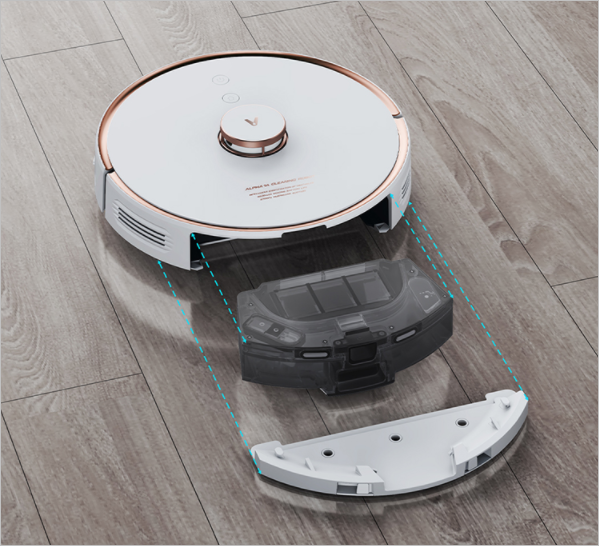
The dust bag has a large capacity of 3L, which can meet a one-month service cycle. The dust bag is disposable so you just need to throw it away when it is full.
Further, the robot vacuum’s mopping function can help destroy bacterial DNA molecules and effectively kill bacteria. Its UV sterilization rate is 99.99%, with the ability to kill germs such as E. coli, Staphylococcus aureus, Pseudomonas aeruginosa, and other bacteria.
The Viomi dust collecting robot vacuum supports AI smart eye laser mapping, can set sweeping restricted areas, naming rooms, sweeping and dragging designated rooms on time, and so on.
In terms of performance, the Alpha 1C uses a Japanese silent brushless motor and has 2500Pa high suction power, capable of sucking in steel balls. The robot vacuum cleaner packs a mammoth 5200mAh battery, with a battery life of up to 3.6 hours, and a clean area of 320 square meters at a time.
The vacuum’s water tank uses a micro-electrically controlled water pump, which can precisely control the water speed and water volume so as not to damage the floor. There are 3 levels of water volume and 3 modes for users to choose from. As a smart device, it also supports voice control of XiaoAI speakers.
The Viomi Alpha 1C Robot Vacuum carries a price tag of 3299 yuan ($510) and is presently on sale on Jingdong (JD.com).
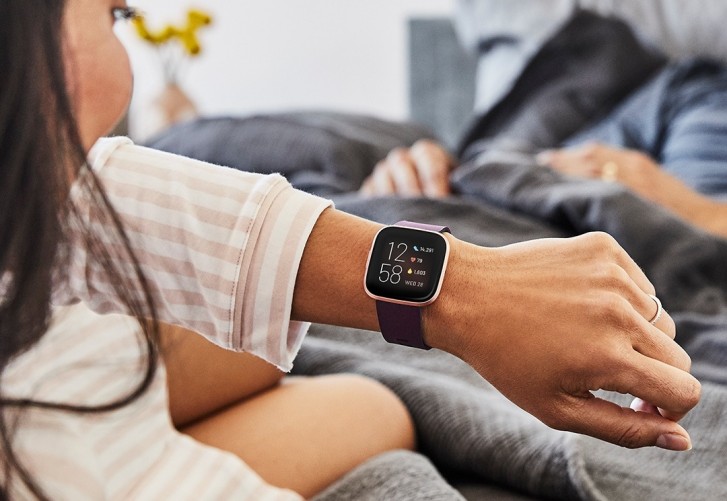
Despite the rampaging COVID-19 pandemic, NASA still intends to continue its space missions. Fitbit has announced a pilot scheme with the US space agency that involves the distribution of 1,000 Fitbit smart wearable devices to the staff of the agency including about 150 astronauts. The goal of the program is to establish whether indeed these devices significantly contribute to keeping personnel safe and healthy in the face of the novel coronavirus pandemic.
It is very important that the team who make up the agency are kept safe and healthy, especially mission-critical personnel. The selected crew members will have a Fitbit smart wearable device on them, while a daily check-in app will assist them to record vital data that could indicate potential symptoms of COVID-19, as well as several other health and fitness metrics. The trajectory of these vital daily readings could help to identify a potential coronavirus case and mitigate the impact through isolation and rapid treatment.
The data generated from the device, in addition to data logged by users will help the app to identify minute changes in your body system that could be an early warning sign of COVID-19. Under such circumstances, users will be notified by the app to either isolate or go to work. It can also advise on getting tested to have a definitive status of the virus.
It is expected that the Fitbit pilot program will further enhance safety protocols already put in place to ensure that employees are kept safe and healthy and astronauts are guaranteed as healthy prior to any space mission, so as not to jeopardize the mission.
In the height of the pandemic, smartwatches are increasingly becoming important devices that could help to identify a potential case of Covid-19 even several days before observable symptoms become visible. A recent study using Apple smartwatches revealed an ability to identify a patient who is likely to develop. Fitbit has also done similar work, in collaboration with others and hopes the results from the pilot program will help in fighting and preventing covid-19.
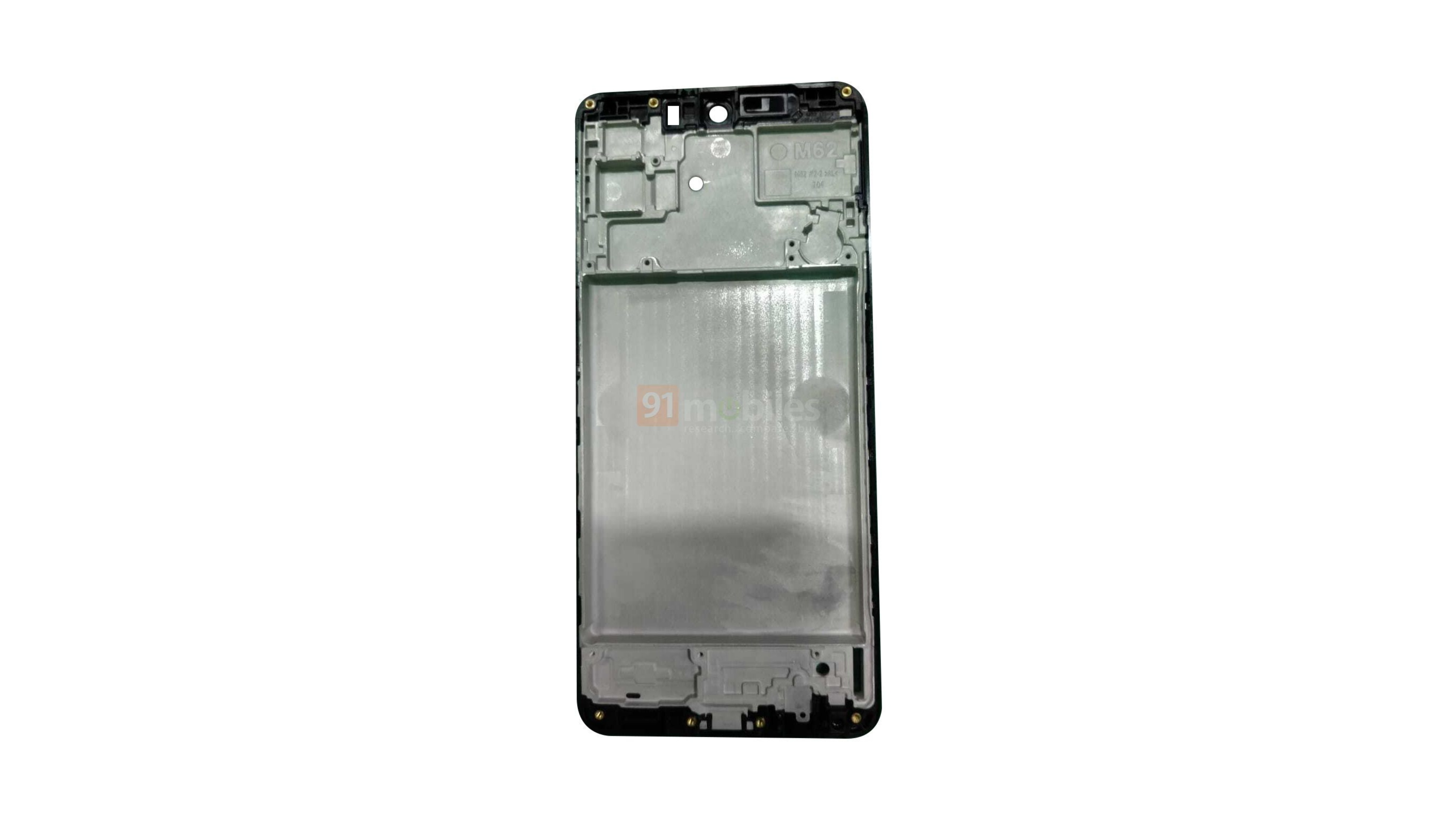
Samsung is expected to launch a number of smartphones in the coming days. One of these phones is Galaxy M62. This device is in the news since November 2020. Before its official announcement, the handset’s support page has gone live on Samsung India’s website.
Alleged Galaxy M62 Chassis (Source: 91Mobiles)
According to multiple certifications and leaks, the upcoming Galaxy M62 with model number SM-M625F is rumored to be a rebadged version of Galaxy F62 that has a model number SM-E625F.
The latter has been confirmed to launch in India next week on February 15. Hence, it is interesting to know that Galaxy M62 will also be debuting in India as its support page is now live in the country.
Further, it is worth noting that the first Galaxy F series smartphone, known as Galaxy F41 in India, is also sold as Galaxy M21s in Brazil. Both of them are basically the same device with no difference and hence, the latter did not launch in India.
On the other hand, since both Galaxy F62 and Galaxy M62 will be available in India, there’s a high chance that this duo could be similar to recent Redmi and POCO smartphones. Anyway, there’s no concrete proof for this theory yet, and therefore, consider this speculation with a pinch of salt.
Last year, a new BlackBerry licensee called OnwardMobility announced that it will release new BlackBerry phones this year that will have 5G support. A new report says the American company has plans to bring the new BlackBerry phones to the Asian market too.
The press release from OnwardMobility last year said that their first BlackBerry phone will be announced in Europe and North America. Asian fans of the brand must have been saddened seeing as they were left out. However, that is not the case as Nikkei Asia reports that the new BlackBerry phones from the company will also be announced in Asia.
Peter Franklin who heads OnwardMobility is reported to have said that Asia is also a very important market. The manufacturer doesn’t have a defined timeframe for when the phones will launch in Asia but the CEO said they are in the “process of speaking to customers and mobile carriers on a global scale to develop our distribution plan”.
The first BlackBerry phone from the company will have a physical keyboard, a flagship camera, and 5G connectivity, and it is being jointly developed with Foxconn’s FIH Mobile. Franklin has said that their long term goal is to have their phones assembled in the USA.
He believes that there is still a market for BlackBerry phones and that their smartphones which will have a physical keyboard “can help boost productivity”. It appears the company has no intention of making a touchscreen-only model like the Optiemus-made BlackBerry Evolve and BlackBerry Evolve X or the TCL-made BlackBerry Motion.
The much-loved form factor is not the only thing the company is bringing. The phones will also provide protection against data leaks and online threats. OnwardMobility says they will partner with an external cybersecurity company for this.
The smartphone market is a highly competitive one. OnwardMobility will have to offer products that can compete with phones from Samsung, Apple, Xiaomi, and OnePlus. It does have the advantage as none of these other players make phones with a physical keyboard but it remains to be seen if that and the better security it promises will be able to woo customers.
Back at CES 2021, TCL showcased a lot of new Technologies including a rollable OLED smartphone. At the event, the company also introduced a range of mini-LED tech and other 4K HDR TVs. One among them is the P-Series of Smart TVs. Now, TCL has reportedly said that it is bringing this to India soon.
General Manager TCL India, Mike Chen says the company is excited to bring the latest offerings that were showcased recently at CES. For the unware, TCL introduced three new TVs at CES 2021- 4K Mini LED TV C825, 4K QLED TV C725, TCL 4K HDR TV P725. Out of this, the 4K HDR P725 TV is likely to debut in India.
Also, the TV will reportedly be the first Smart TVs in India to run the latest Android 11 TV OS. Talking about the TV itself, it has a millimeter-thin metallic trim design. It supports Dolby Vision and Dolby Atmos technologies for dynamic motion imageries and immersive audio.
Additionally, there is MEMC(Motion Estimation, Motion Compensation) for frame enhancement. In case you don’t know, MEMC is typically a frame interpolation technology. It adds extra frames in between(for eg. 24-30fps converted to 60fps) for smooth transition between scenes.
The 4K HDR TV will also support other features like DTS decoding tech, Voice Assistant Integration, Hands-Free Voice Control 2.0, set reminders, and more. The TVs are expected to debut soon in India with aggressive price tags.
In addition to TV tech, TCL also announced TCL NXTPAPER, TAB 10s tablets, and MOVEAUDIO S600 TWS earbuds at CES 2021.
The specifications of the upcoming Samsung Galaxy A52 and Galaxy A72 smartphones have surfaced through multiple leaks. Both phones are expected to arrive in 4G and 5G versions. A fresh report by Sammobilereveals that the Galaxy A52 and Galaxy A72 will be Samsung’s first mid-range phones to arrive with high refresh rate displays.
Samsung has been offering high refresh rate screens mainly on its flagship smartphones. While competitor brands have switched to 90Hz / 120Hz screens for their midrange phones, Samsung’s mid-tier offerings that are available in the market have 60Hz displays. It appears that midrange phones arriving after the A52 and A72 may also feature high refresh rate screens.
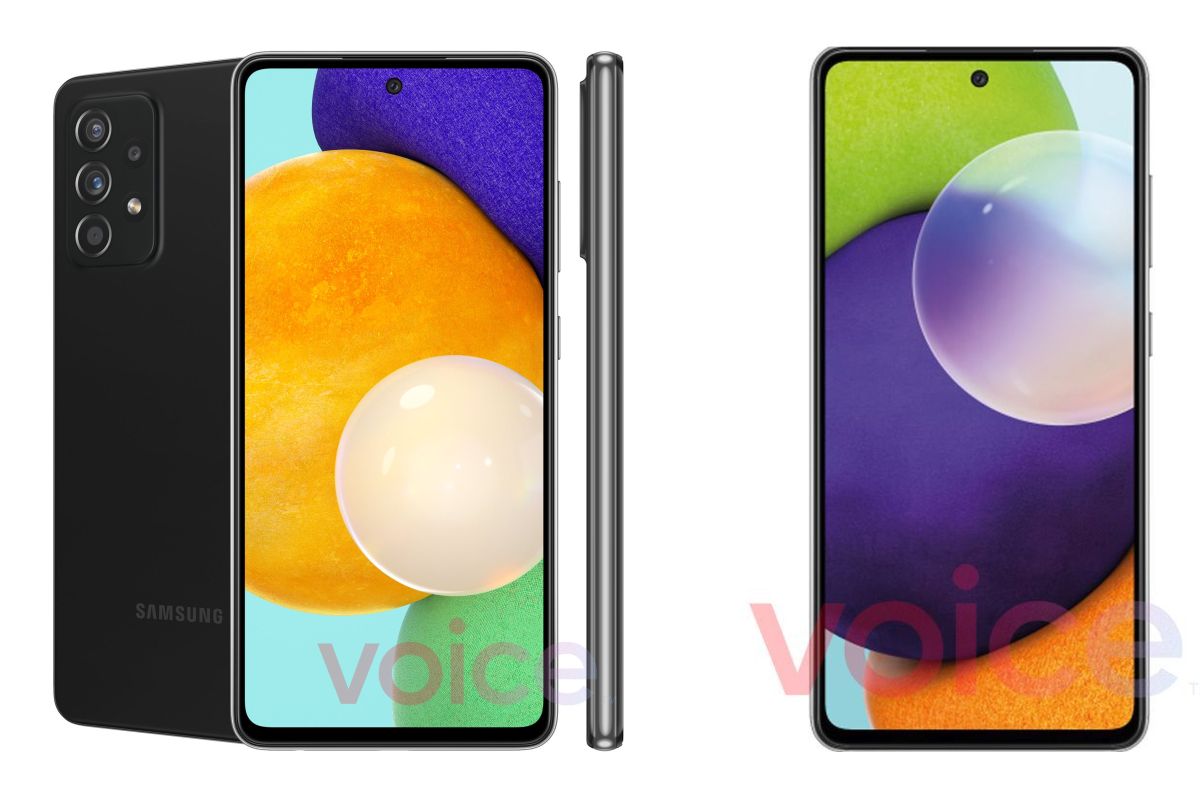
Samsung Galaxy A52 5G (left) and Galaxy A72 5G (right) leaked renders by Evan Blass
According to the report, the Galaxy A52 4G and Galaxy A72 4G that are rumored to be powered by the Snapdragon720G will support 90Hz displays. The Galaxy A52 5G which is speculated to be fueled by the Snapdragon 750G will feature a 120Hz screen. The report does not specifically say whether the Galaxy A72 5G will support a 120Hz refresh rate.
The Galaxy A52 5G is expected to come with specs like a 6.5-inch S-AMOLED FHD+ Infinity-O display, SD750G chip, 6 GB / 8 GB of RAM, 128 GB / 256 GB of internal storage, One UI 3.1 flavored Android 11 OS, a 4,500mAh battery with 25W fast charging, a 32-megapixel front camera, and a 64-megapixel + 12-megapixel (ultrawide) + 5-megapixel (macro) + 5-megapixel (depth) quad-camera system.
Past reports have revealed that the Galaxy A72 5G will be a larger version of the A52 5G. It is expected to house a 6.7-inch S-AMOLED FHD+ Infinity-O screen and a 5,000mAh battery. It may feature OIS support for the main camera. The Galaxy A52 and Galaxy A72 smartphones are expected to break cover in the coming month.
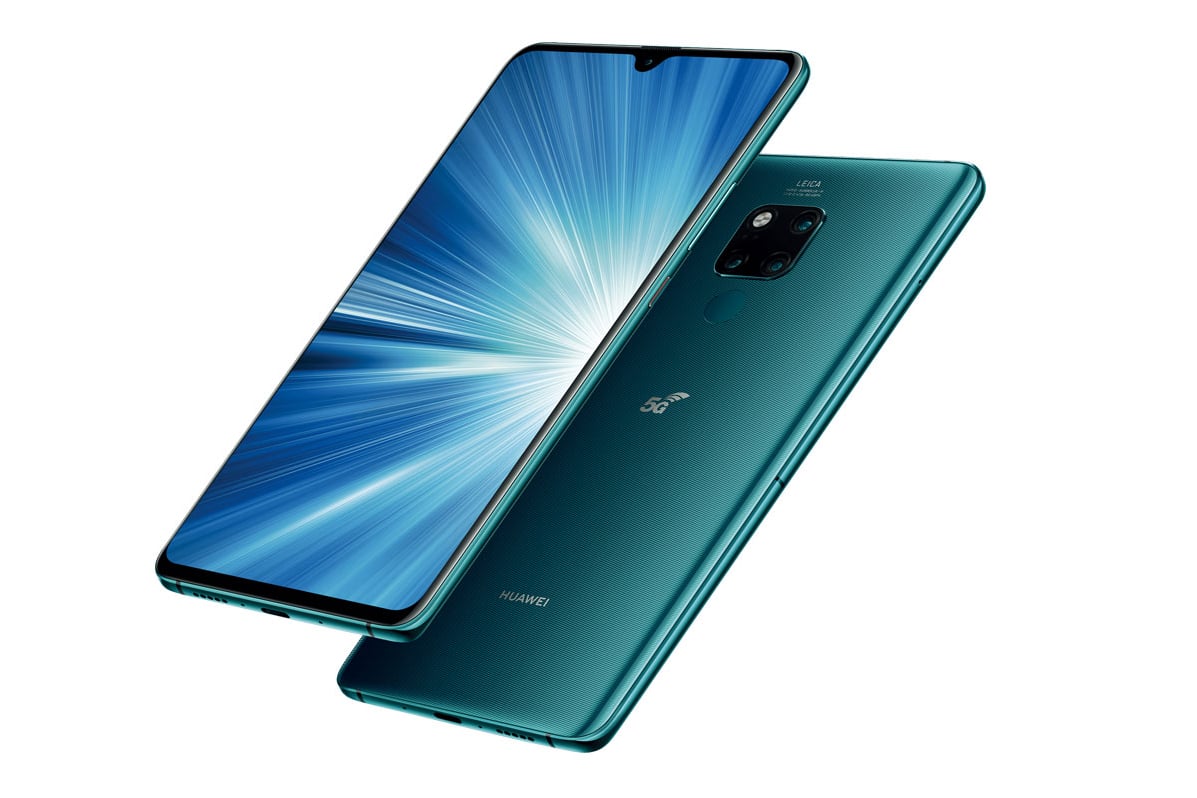
Chinese telecom giant HUAWEI announced EMUI 11 at the HUAWEI DEVELOPER CONFERENCE 2020 in September. Since then, the company has been running beta programs for eligible devices worldwide. One of those phones is HUAWEI Mate20 X 5G, which began to receive Open Beta updates in late December. Now, a little over a month later, it has started getting the stable update.
The HUAWEI Mate20 X 5G launched in late July 2019 as the company’s first 5G smartphone. It debuted with EMUI 9.1 based on Android 9.0 Pie. But was later updated to Android 10-based EMUI 10 and EMUI 10.1.
This handset has now begun to receive its second major update in the form of EMUI 11, which unfortunately is also based on Android 10. Nevertheless, it does bring new features and UI tweaks.
That said, currently, the update is only live for the Chinese variant of this smartphone with build number 11.0.0.130. According to Huawei Central, the EMUI 11 stable release for HUAWEI Mate20 X 5G is available for users on both beta and stable channels.
As for global markets, this phone is scheduled to get the update in Q1 2021. Hence, we can expect the firm to roll out the build by the end of March.
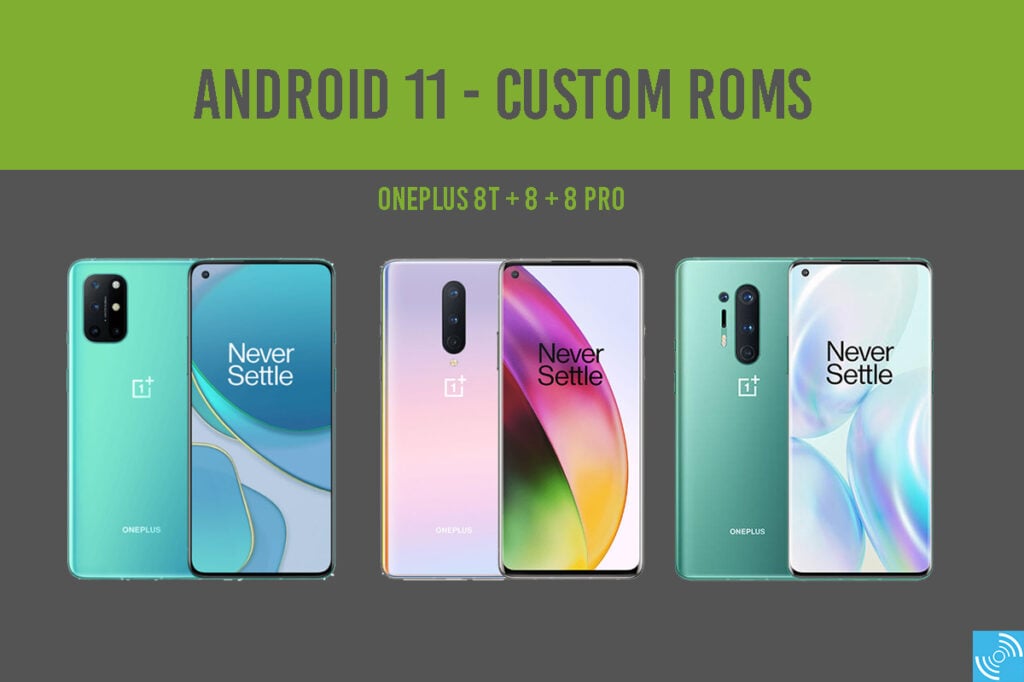
It’s been over six months since Google has announced the new Android iteration – Android 11. Several manufacturers have rolled out Android 11 update to their respective devices, but some devices are still waiting for the official update. To unlock best customization features on the Android, some users install custom ROMs. Addressing such users, we have concluded a list of best Custom ROMs for OnePlus 8 series.
OnePlus 8 series was launched last year by the Chinese smartphone maker. The OnePlus 8 and 8 Pro debuted in the first half of 2020 while the OnePlus 8T followed in the second half. All three devices are powered with Snapdragon 865 chipset carrying an Octa-core chipset and Adreno 650 GPU. OnePlus 8 and 8T houses the same 6.55-inch Fluid AMOLED display with the resolution of 1080 x 2400 pixels. Meanwhile, the OnePlus 8 Pro houses a large 6.78-inch Fluid Amoled Display while sporting the resolution of 1440 x 3168 pixels resolution.
OnePlus 8T houses a 48MP quad-rear camera comprising a 16MP ultrawide sensor, a 5MP macro and a 2MP depth sensor. Meanwhile, the OnePlus 8 Pro houses a quad-rear camera while housing a 48MP primary sensor, another 48MP ultrawide sensor, an 8MP telephoto and a 5MP colour filter camera. The last but not the least – OnePlus 8 houses a tripel rear camera with 48MP + 16MP + 2MP configuration.
All the OnePlus 8 series smartphones carry a 16MP front camera for quality selfies. The OnePlus 8, 8 Pro and 8T houses a 4300 mAh, 4500 mAh and 4510 mAh battery. Meanwhile, the OnePlus 8T support 65W fast charging while the OnePlus 8 and 8 Pro limits to 30W fast charging.
Such powerful devices are equally getting software support from OnePlus. However, some users are looking for custom ROMs to gain access to better customizability and performance enhancement.
We have listed the custom ROMs which are currently available for the OnePlus 8 series devices. However, all the ROMs are not available for each of the device mentioned above. So make sure to check compatibility before installing.
LineageOS 18.0
Compatible: OnePlus 8 Pro and OnePlus 8T
LineageOS is the biggest aftermarket firmware distribution for Android devices. The LineageOS 18.0 is based on the Android 11 and features additional customizations, performance and reliability tweaks. It is based on the Android Open Source Project and carries more customizations from around the Android.
However, LineageOS 18.0 comes without any Google applications, and you’ve to separately install GApps. There might be some bugs as it is not fully stable. You can grab the LineageOS 18.0 for the OnePlus 8 Pro and 8T.
CrDroid 7.1 is also a popular custom ROM based on the Android 11. It offers some advanced features to improve the performance and reliability over the stock ROM of the device. Most of the features of CrDroid 7.1 are working flawlessly.
The ROM for OnePlus 8 is currently under testing and some minor bugs and performance issues might be there. We suggest you not to try it on your daily driver smartphone. You can download the ROM and check instructions to install by hitting the link below.
Paranoid Android is based on the Code Aurora Forum base. The Qualcomm chipset running devices often garner a lot of support for the third-party developments. The Paranoid Android is currently available for OnePlus 8 and 8 Pro devices, meanwhile, OnePlus 8T support is not yet available.
The Paranoid ROM ships with its own recovery environment. It even sails with some on the board customizations for the respective smartphones. But, the OnePlus 8 series users won’t be having those additional settings until the ROM gets stable.
Currently, these are the best Android 11-based custom ROMs that are available for the OnePlus 8, 8 Pro and 8T devices. However, these are not fully stable but within the span of a few months, you can expect a fully stable experience.
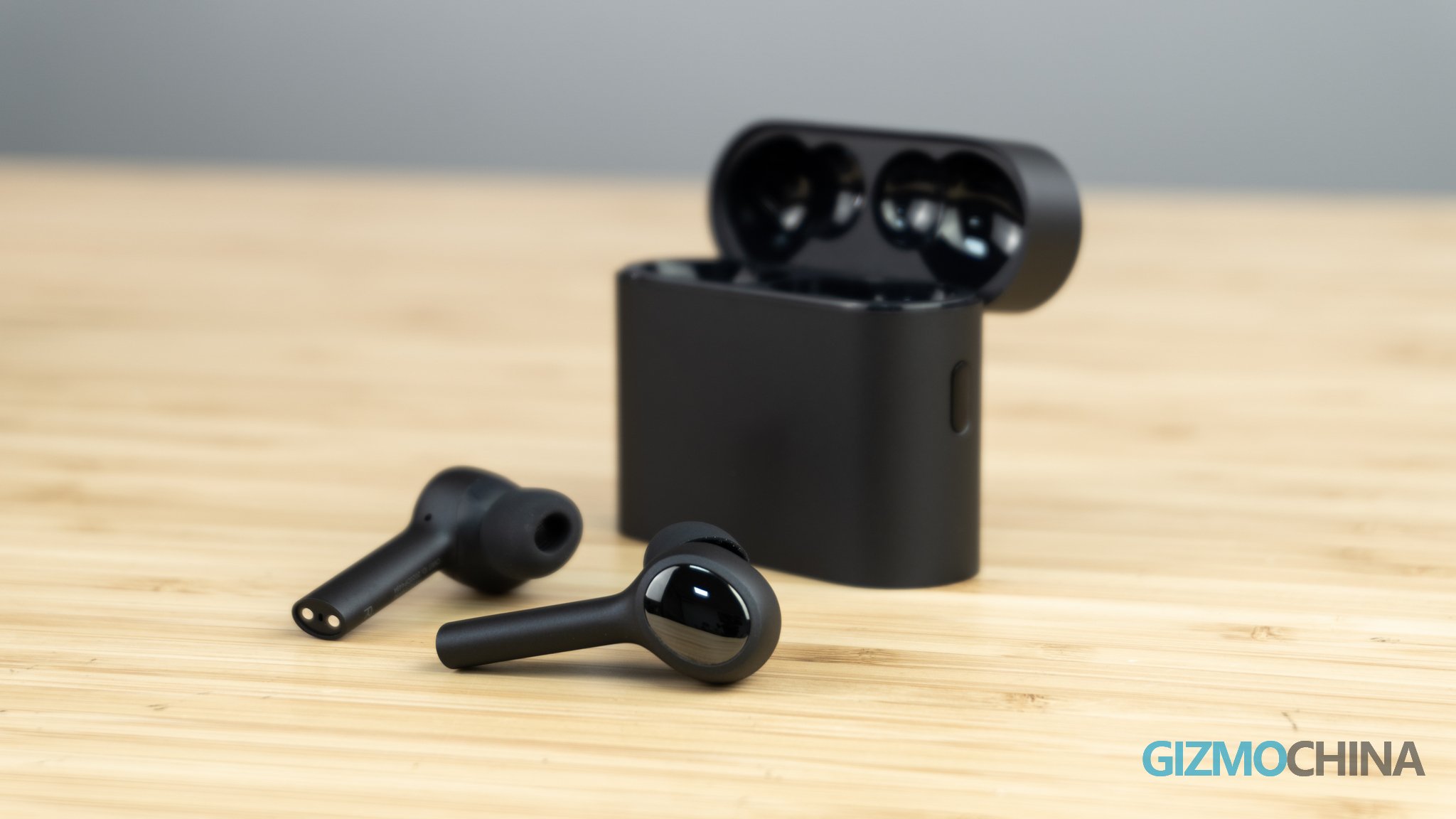
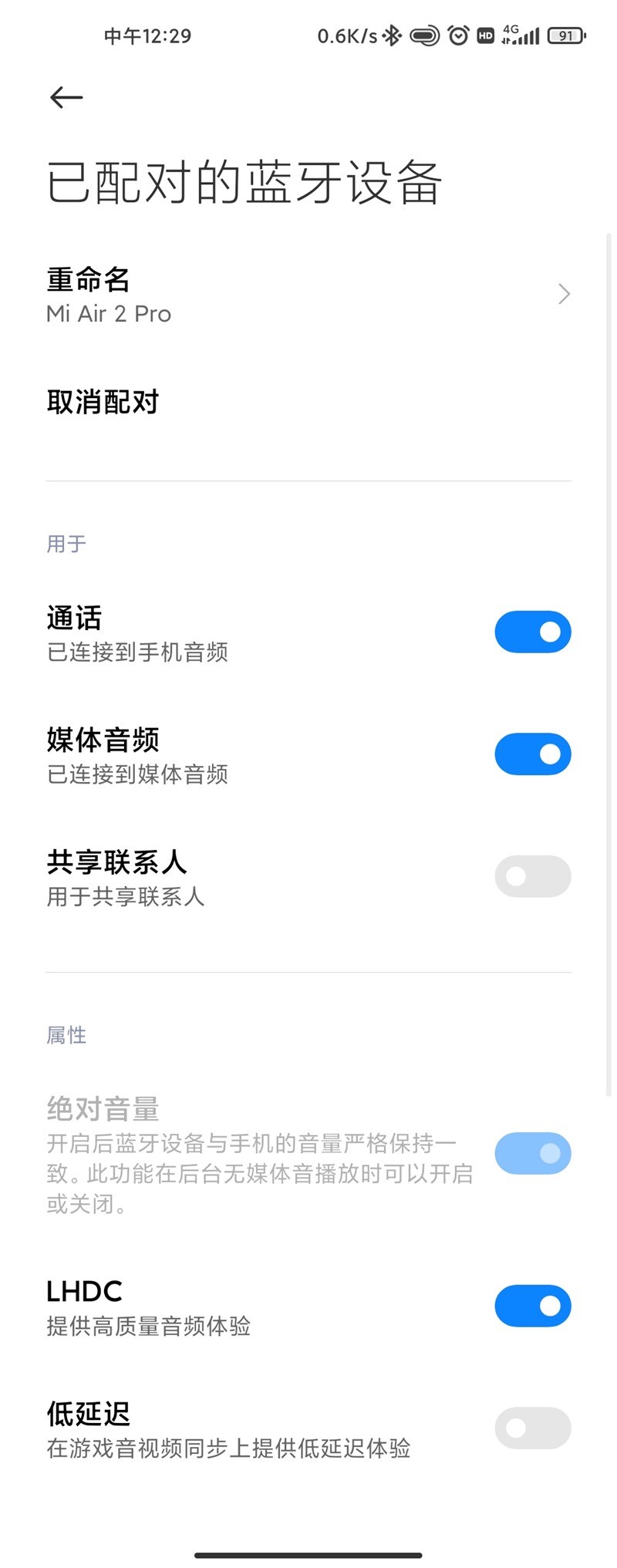
Back in December, we reported that the Xiaomi Air 2 Pro TWS didn’t get the LHDC codec and Low-latency modes in the update it had received. That ends today, as reports say that the features are rolling via a firmware update.
A new firmware update for the Xiaomi Air 2 Pro under the 3.1.0.8 version is rolling out. This update adds the LHDC audio codec and inturn low-latency support. For the unware, LHDC stands for Low-Latency & High Definition Codec.
Developed by Savitech and developed on AD2P Bluetooth protocol, this allows for high-resolution audio streaming. In fact, it supports up to 900kbps bit-rate which is higher compared to the SBC(Subband Codec)’s 345kbps.
Anyway, the changelog for the update is as follows:
Add LHDC and low latency mode
Fix bugs and improve performance
Back when we reviewed the Xiaomi Mi Air 2 Pro wireless earbuds, we had found few issues like Mediocre ANC, Noise interference, difficulty in switching between Noise cancellation modes including the LHDC.
That said, this update should fix the latency issues when playing games and improve the overall audio performance as well.
Xiaomi launched the Air 2 Pro Wireless Earbuds back in October 2020. They features 12mm coil with an LCP composite diaphragm on each earbud, and support aptX adaptive, LHDC V3 audio codecs.
Other features include ANC, Hybrid Noise cancellation, Type-C port and Qi wireless charging, Bluetooth 5.0, XiaoAI voice control, 3 microphones, battery life of up to 28hrs(incl. Case).
The upcoming Samsung Galaxy A52 smartphone has bagged multiple certifications. It was previously speculated to launch in February. However, it was recently revealed by a tipster that it will be debuting in March. A new leak courtesy of The Pixel YouTuber(via) has revealed the specifications and pricing of the 4G and 5G editions of the Galaxy A52.
The leak claims that the Galaxy A52 4G will be stacked against the OPPO Reno5 4G in Vietnam. It is expected to cost around $410 in the country and is likely to debut in the last week of March. As previous leaks suggested, the Galaxy A52 is expected to arrive in four colors like black, white, blue, and lavender.
The only major difference between the 4G and 5G editions of the Galaxy A52 is that the former is driven by the Snapdragon 720G chipset and the latter has Snapdragon 750G SoC. The other specs are said to be identical on both devices. The 5G variant is likely to cost around $475 in Vietnam.
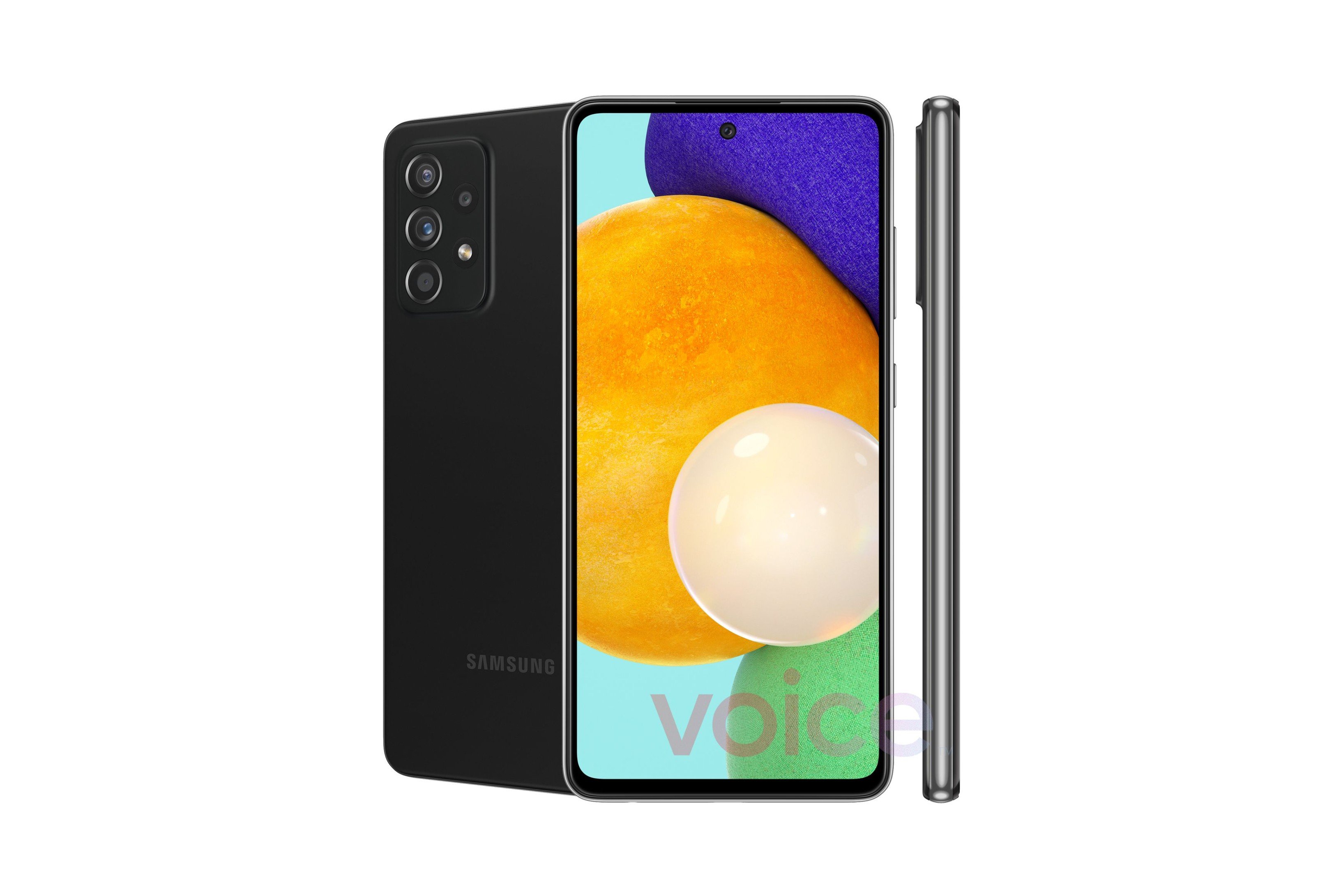
Leaked official render of the Galaxy A52
The Samsung Galaxy A52 is expected to feature a 6.5-inch S-AMOLED display with a top-centered punch-hole design. It is expected to offer a Full HD+ resolution of 1080 x 2400 pixels and a 60Hz refresh rate. It may house a 4,500mAh battery with 25W fast charging. The handset will boot to One UI 3.1 based Android 11 OS.
The Galaxy A52 will come with 6 GB / 8 GB of RAM and 128 GB of internal storage. For capturing selfies, it may feature a 32-megapixel front camera. Its rear camera setup may include a 64-megapixel main shooter, a 12-megapixel superwide snapper, a 5-megapixel macro camera, and a 5-megapixel depth helper.
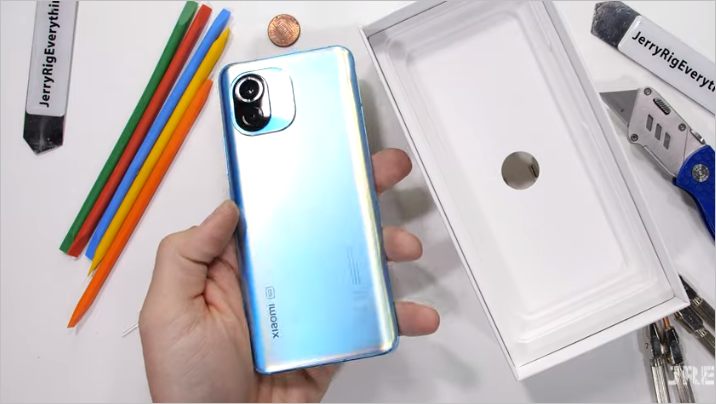
The Xiaomi Mi 11 was recently showcased in a new video uploaded by the company, which aimed to prove that the newly launched flagship is relatively easy to repair. In the video, one can observe an employee tearing down the device to show that its not too difficult to disassemble.
Keep in mind, the video has been edited to make the disassembly look smoother and quicker than what it actually is, but from what the Chinese tech giant has showcased, no overly complicated process was observed. Looking at the video, it can be observed that the battery is rather easy to remove, which is great considering various OEMs have recently resorted to gluing the battery pack onto the smartphones. While the display features a curved edge, it seemingly is easy to remove as well.
As per the AndroidHeadlinesreport, the smartphone maker also highlights certain features of the device. Previously, the Xiaomi flagship was also seen in a JerryRigEverything video, where it aced the durability test. So we can surmise that the company pair extra attention to internal layout and endurance of the Mi 11 build. For those interested, you can check out the video above to see the break down on the brand’s official YouTube channel.
Talking about the devices specs, the Mi 11 features the Qualcomm Snapdragon 888 SoC under the hood, and supports 55W fast charging and up to 50W wireless fast charging as well. A 4,600mAh battery powers the device, which runs on the latest Android 11 OS. While many devices like the Galaxy S21 have received poor scores by teardown based channels, it seems that the Mi 11 would likely fare way better in this regard.
Last week we saw that a bunch of Lenovo devices including the Moto E6i got certified on Bluetooth SIG. Today, the company has officially announced it for R$1,099 in Brazil.
1 of 2
Motorola Moto E6i Price, Availability
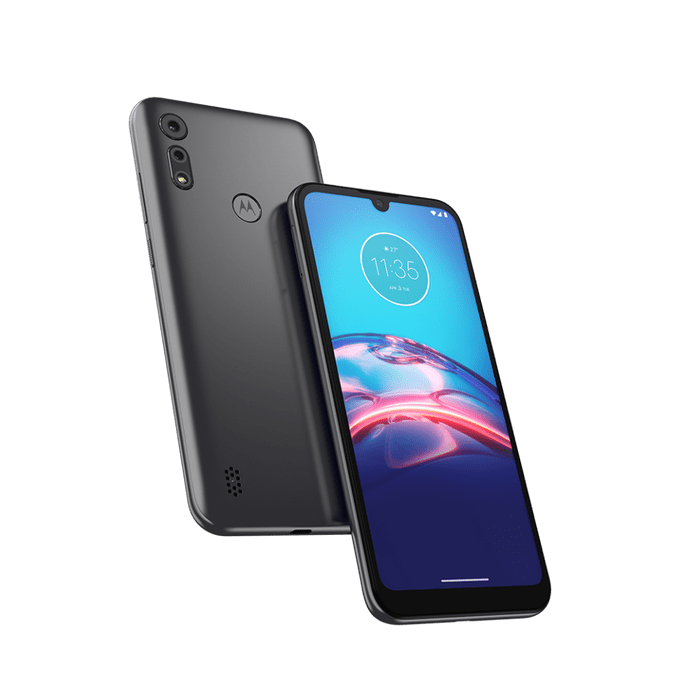
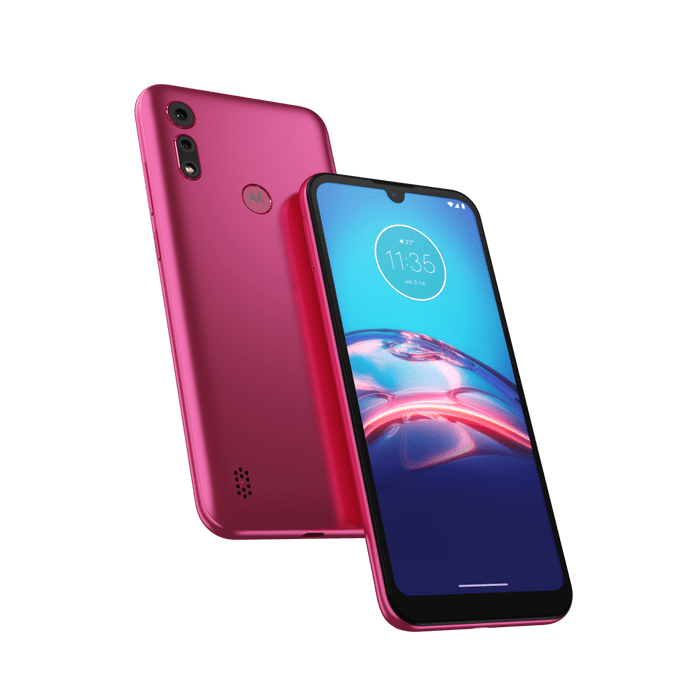
Moto E6i comes in two colors- Titanium Gray and Pink. For the storage variant, however, it comes in a single 2GB RAM and 32GB storage variant. This model is priced in Brazil at BRL 1,099($205/€170).
Currently, it is available for purchase on Motorola’s official website in the country. As for other markets, there is no info yet but we can expect it to launch in Europe and Asia soon.
Motorola E6i Specifications and Features
Motorola Moto E6i is an entry-level smartphone. Accordingly, it features a 6.1-inch Max Vision display with an HD+ resolution. This would work around 1600×720 pixel resolution. The display has a dewdrop notch at the center to accommodate a selfie camera.
Under the hood, it is powered by a 1.6GHz Octa-Core UNISOC Tiger SC9863A chipset. As mentioned above, this is paired with 2GB RAM and 32GB storage. You can also expand the storage via a microSD slot.
For Cameras, it has a dual-camera setup on the back with a 13MP f/2.2 main lens and a 2MP f/2.4 depth sensor. Upfront, you get a 5MP f/2.2 sensor with 77 ° FOV for selfies.
Other features include a 3,000mAh battery with 10W charging, micro-USB port, 3.5mm audio jack, Bluetooth 4.2, GPS, Wi-Fi 2.4GHz. Since it’s an entry-level offering, the device ships with Android 10 Go Edition out of the box.
Finally, the Moto E6i measures 155.6x73x8.5mm(HxWxD) and weighs 160 grams.
It was revealed earlier this week through a leak by 91mobiles that Lenovo may soon launch a phone named Lenovo K13. It seems that its launch date could be drawing near as it has received multiple certifications.
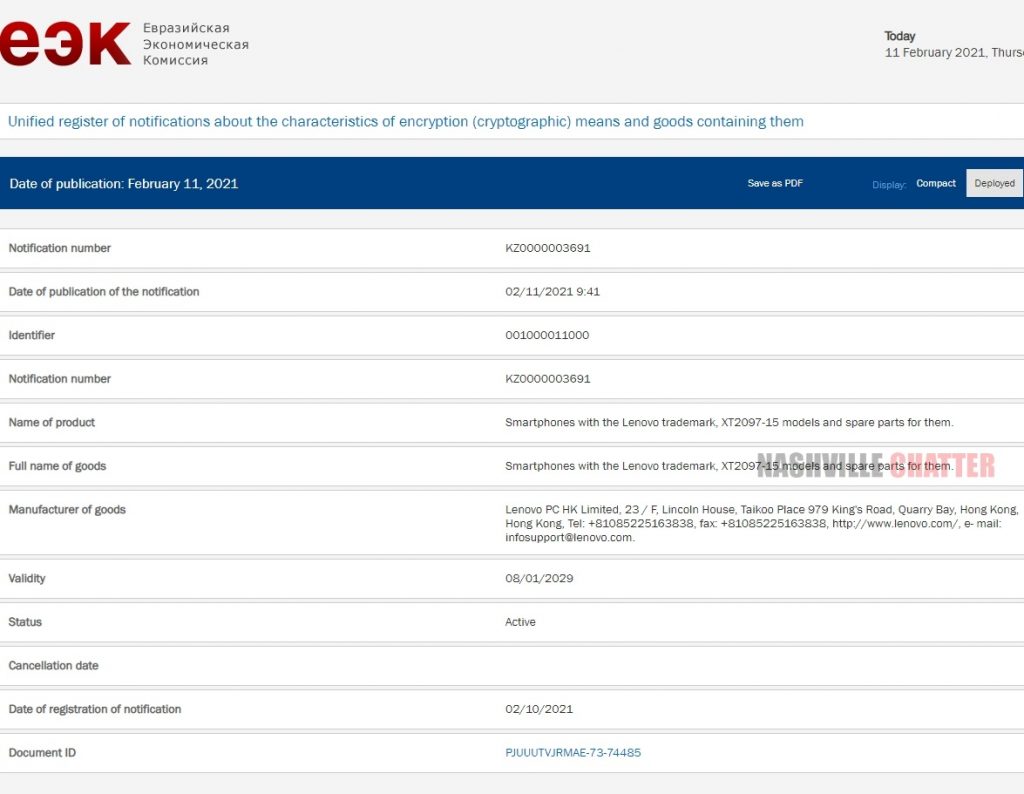
A device with XT2097-15 model number has recently received certification from the Eurasian Economic Commission (EEC) and Bluetooth SIG. The EEC listing has no information on its specs, but the Bluetooth SIG certification has revealed that the XT2097-15 model number belongs to the Lenovo K13. It also states that the K13 is equipped with Bluetooth 4.2 support. Previously, the handset was seen at the TUV Rheinland certification platform. It revealed that the device has a 4,850mAh battery and 10W charging support.
Lenovo K13 specifications (Rumored)
The Lenovo K13 is equipped with a 6.5-inch waterdrop notch screen that produces an HD+ resolution of 720 x 1,600 pixels. It is powered by an unknown 1.6GHz octa-core processor and 2 GB of RAM. The internal storage of the device is 32 GB, and it has a microSD card slot for more storage.
The Android 10 OS will come preinstalled on the Lenovo K13. The handset has a dedicated button for accessing Google Assistant. Its back panel has a vertical camera setup that has a 13-megapixel main camera, a 2-megapixel depth sensor, and an LED flash.
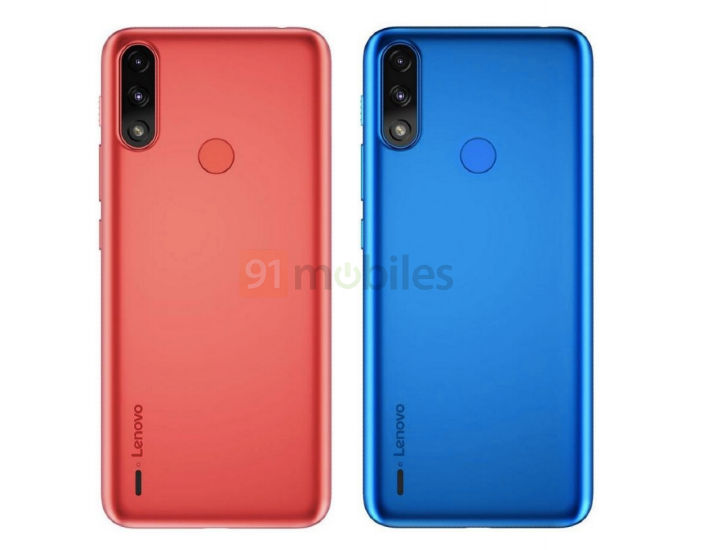
Leaked render of Lenovo K13 by 91mobiles
The other features of the Lenovo K13 include a USB-C port, a rear-firing speaker, a fingerprint scanner, and dual SIM support. It is expected to come in color editions like red and blue.
The Lenovo K13 will be replacing the Lenovo K12 which was announced back in December. The K13 may go official later this month or in the coming month. The leaked specs suggest that the smartphone will arrive with an affordable price tag.
Microsoft was apparently in talks with Pinterest over the last couple of months regarding a possible acquisition. The deal involved a buyout worth 51 billion US Dollar for the popular social media platform.
According to a Reuters(based on a Financial Times report), the American based tech giant was reportedly in talks regarding a possible acquisition deal, as per sources close to the matter. The report adds that the negotiations are not active at the moment. Due to the Coronavirus pandemic, Pinterest saw a general increase in engagement and traffic on its platform, with its month active users jumping from 37 percent, reaching 459 million in the final quarter of last year.
Furthermore, the company also stated that it registered a record 100 million monthly active users back in 2020. Since then, the social media platform’s shares have risen seven fold from its pandemic low back in March of last year. Notably, Pinterest has also previously suggested of its stance on remaining an independent firm. For those unaware, the social media platform also generates revenue through ads, and posts uploaded by users of the site, similar to other platforms.
Interestingly, the deal would’ve also been an indicator on the new US President Joe Biden’s administrations stance on allowing major tech firms to form deals. Unfortunately, both firms have yet to respond to the matter. So stay tuned for more, as we will be providing updates when additional information is available.
Ahead of Valentine’s Day, Xiaomi India is running a sale at Mi Home retail stores across the country. Interestingly, apart from new devices, the company has also discounted some old discontinued products by a high margin. Although this move is obviously meant to clear the old stock, the deals are not bad either as these smartphones can still perform well and they even have good third-party software support.
Almost all Xiaomi products are on sale at Mi Home stores ahead of Valentine’s Day. Also, a similar sale is live on Mi.com as well. But here in this article, we have only mentioned the old smartphones that are worth buying for their discounted price in 2021.
With that being said, let us take a look at these deals.
You might be wondering why we are recommending these old handsets since software support has ended for them except the Redmi K20 series. Because these devices are still capable of performing day to day tasks and one need not spend more money.
Also, almost all of them are popular in the custom ROM community. Hence, if you are one of those niche customers, these deals can be more attractive for you when compared to a regular customer.
That said, if you are interested, then visit your nearby Mi Home retail store or directly check the availability on local.mi.com before the sale ends on February 14.
A new report has revealed that the 5G smartphone users in China are the most busiest shoppers in the world. In a new market trend report, it was found that a vast majority of 5G handset owners would use their device to shop online at least once a week.
According to a CaixinGlobalreport, digital consumer trend research has found that in 2020, 51 percent of smartphone users in the country order or buy using their handsets at least once per week. In comparison, other nations like South Korea has just 42 percent that buy every week, while the US and Europe has 33 percent and 32 percent weekly shoppers respectively. Meanwhile, a sizeable 74 percent of all Chinese 5G smartphone users shop with their devices every week.
Similarly, the other nations trail behind as only 50 percent 5G smartphone users in South Korea spend weekly, while 46 percent in the US and 47 percent in the Europe shop at least once every week. Even for 4G enabled handsets, China leads with 49 percent, followed by South Korea with 40 percent, the US with 36 percent and finally Europe with 34 percent. The report also adds that the higher expenditure has been backed by growing 5G momentum in the region along with increasing popularity of smart home and related technology.
China is one of the largest markets for IoT and other smart home products that has penetrated the market, with about 83 percent of every household having spent adding at least one smart home device every year. Furthermore, 5G is also a key factor that is supporting that nation’s economic growth, which is transforming businesses that are delivering new and innovative services as well.
Earlier this week, Huawei announced that it is open and ready to transfer its 5G technology, its source codes, proprietary and secretive hardware designs and more just to push global innovation.
According to a BusinessStandardreport, the Chinese tech giant, which is also the one that holds the maximum number of patents for 5G technology, made the statement back on Wednesday. Huawei Founder and CEO, Ren Zhengfei, said that “We are open to transferring all of our 5G technologies, not just licensing production to others. This will include source programmes and source code to all the hardware design secrets as well as the know-how, and the chip design.”
The senior executive made the statement during the opening ceremony of the intelligent mining innovation lab in Taiyuan. Over the last several months, a few regions like the US, Australia, the UK, and some European nations have banned the company from selling its 5G equipment to local telecom operators over alleged security risks. Huawei has actively denied any allegations and has even called for open trade policies.
Ren further added that “Both the US and China need to develop their economies, as this is good for our society and financial balance. Everyone needs this. As humanity keeps making progress, no company can develop a globalized industry alone. It requires concerted efforts around the world.” The statement from Huawei is likely to create transparency between the OEM and various governments, since it has been accused of being a front for the Chinese government and its interests on multiple occasions.
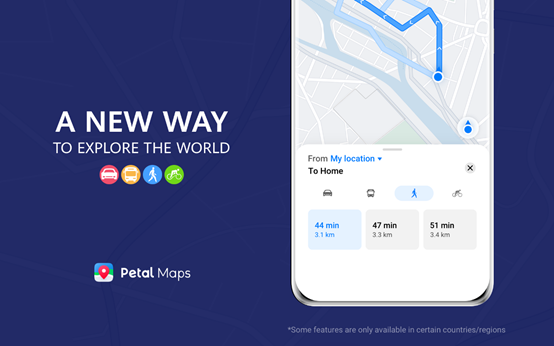
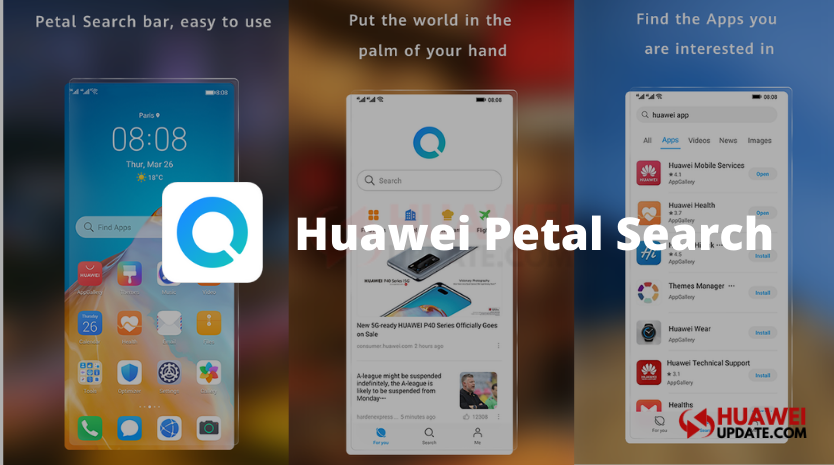
Last year, Huawei had launched its Petal Map app. Now, the company has rolled out a major update for this app, bringing in new and crucial features like : route planning for walks, bike rides, and public transit.
These new features are an addition to the already existing driving route planner and arrives as an extension to its functionality. Through the new updates, users will now be able to view multiple routes, while also receiving additional information like duration and more. In other words, it arrives with new quality of life changes and improvements as well. For those unaware, the Petal Maps app was launched globally with the Chinese tech giant’s flagship Mate 40 series smartphones.
The app is a mapping service that utilizes the company’s various technologies, along with Super Global Navigation Satellite System, to provide location search with turn by turn navigation, and real time traffic information in over 140 countries. The 2021 update brings additional features for the service like route planning for walks, bike rides, and public transit. At a single glance, users will be offered various detailed information regarding the trip and the possible routes and modes of transportation to save time.
Notably, one can expect to see “departure schedules stop-by-stop routes, and estimated time of arrival of buses, light rail, ferries, trains, and other public transit systems, are online in Petal Maps in certain regions. Remarkably, real-time public transport information is already available in 16 countries/regions.” These regions include, ” Australia, Belgium, Luxembourg, Canada, Netherlands, New Zealand, Norway, Finland, France, Spain, Germany, Switzerland and others.
Yesterday, Xiaomi India officially confirmed that the company will be launching the Redmi Note 10 series in March. Ahead of it, the firm will be releasing two audio products in the country on February 22, as per today’s announcement.
Xiaomi India has shared a short teaser video on its social handles with #MiSoundUnveil. Hence, we can confirm that the two products in the video will be Mi-branded and not Redmi.
Further, we think that they could be Mi Portable Bluetooth Speaker (16W) and Mi Neckband Bluetooth Earphones Pro respectively. The former is already available in some markets, whereas the latter is yet to go official.
Talking about the speaker, as its name suggests, it comes with 16W power output with the help of 2 x 8W units. The product connects with devices wirelessly via Bluetooth 5.0 and wired through a 3.5mm aux-in.
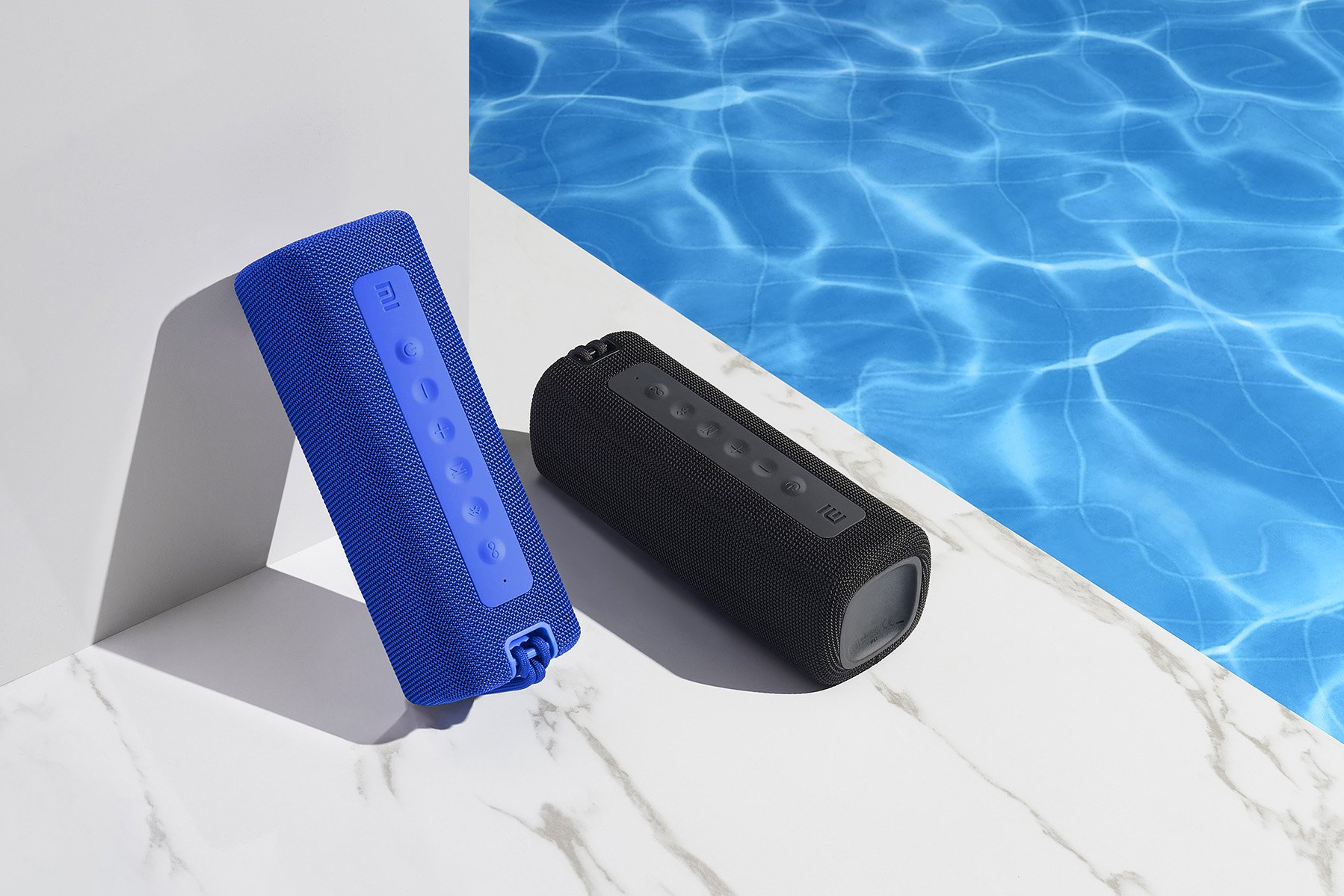
Xiaomi Mi Portable Bluetooth Speaker (16W)
It is elongated in design and comes in two colors – Black and Blue. Hence, it measures 213 x 74 x 74mm in dimensions. The speaker also has physical buttons for music control and options along with a lanyard to carry it.
Lastly, the Mi Portable Bluetooth Speaker (16W) is IPX7-certified for water resistance and is backed by a 2,600mAh battery, which is rated to run the product for approximately 13 hours at 50% volume.
On the other hand, not much is known about the Mi Neckband Bluetooth Earphones Pro apart from the fact that it will feature Bluetooth 5.0, IPX4 certification for water resistance, and support SBC as well as AAC audio codecs.
We use cookies on our website to give you the most relevant experience by remembering your preferences and repeat visits. By clicking “Accept”, you consent to the use of ALL the cookies.
This website uses cookies to improve your experience while you navigate through the website. Out of these, the cookies that are categorized as necessary are stored on your browser as they are essential for the working of basic functionalities of the website. We also use third-party cookies that help us analyze and understand how you use this website. These cookies will be stored in your browser only with your consent. You also have the option to opt-out of these cookies. But opting out of some of these cookies may affect your browsing experience.
Necessary cookies are absolutely essential for the website to function properly. This category only includes cookies that ensures basic functionalities and security features of the website. These cookies do not store any personal information.
Any cookies that may not be particularly necessary for the website to function and is used specifically to collect user personal data via analytics, ads, other embedded contents are termed as non-necessary cookies. It is mandatory to procure user consent prior to running these cookies on your website.