Gmktec’s flagship mini PC, the Evo-X2, has won the American Good Design Platinum Award 2025. The award recognizes the Evo-X2’s advanced hardware performance and compact industrial design. Gmktec launched the Evo-X2 in May 2025, positioning it as a top-tier AI desktop powered by AMD’s Ryzen AI Max+ 395 processor.
The Ryzen AI Max+ 395 features 16 cores and 32 threads, built on TSMC’s 4nm process. It supports boost frequencies up to 5.1GHz and runs at 120W TDP under sustained load. The processor includes Radeon 8060S graphics based on RDNA 3.5 architecture and integrates a 50 TOPS XDNA 2-based NPU.
Gmktec claims the Evo-X2 delivers up to 126 TOPS of combined processing power. Internal benchmarks show 2.2x higher AI inference performance on LM Studio compared to the Nvidia RTX 4090, with significantly lower power consumption.
The Evo-X2 ships in multiple configurations, offering up to 128GB LPDDR5X RAM and 4TB of PCIe 4.0 storage. It includes dual M.2 slots for storage expansion up to 16TB. Connectivity options include HDMI 2.1, DisplayPort 1.4, USB4, USB-A, Bluetooth 5.4, Wi-Fi 7 (RZ717), and 2.5G Ethernet.
The system runs Windows 11 Pro and supports large language models such as DeepSeek-R1 (32B to 70B), Llama 4 109B, and Qwen3 235B, depending on the RAM variant.
To celebrate the award, Gmktec is offering limited-time discounts on Amazon from September 26 to October 26. Each variant comes with a stackable discount code that provides an additional 6-7% off the promotional price.
128GB RAM + 2TB SSD $2,599.99 → $1,999.99 → $1,859.99 with code EVOX2SALE Buy on Amazon
96GB RAM + 1TB SSD $2,328.99 → $1,728.99 → $1,625.00 with code EVO96GBSALE Buy on Amazon
64GB RAM + 1TB SSD $1,999.99 → $1,499.99 → $1,394.99 with code 9LYGM2BY Buy on Amazon
The promotional codes are valid until October 26, 2025.
For more daily updates, please visit our News Section.
Xiaomi has just launched another budget gaming monitor from its Redmi sub brand. The new model is the Redmi G34WQ 2026, which is a wide curved gaming monitor. It arrives with a large display panel, high resolution, and high refresh rate for gaming enthusiasts.
Budget-Friendly Beast: Redmi’s $200 34-inch Curved Gaming Monitor for Gamers
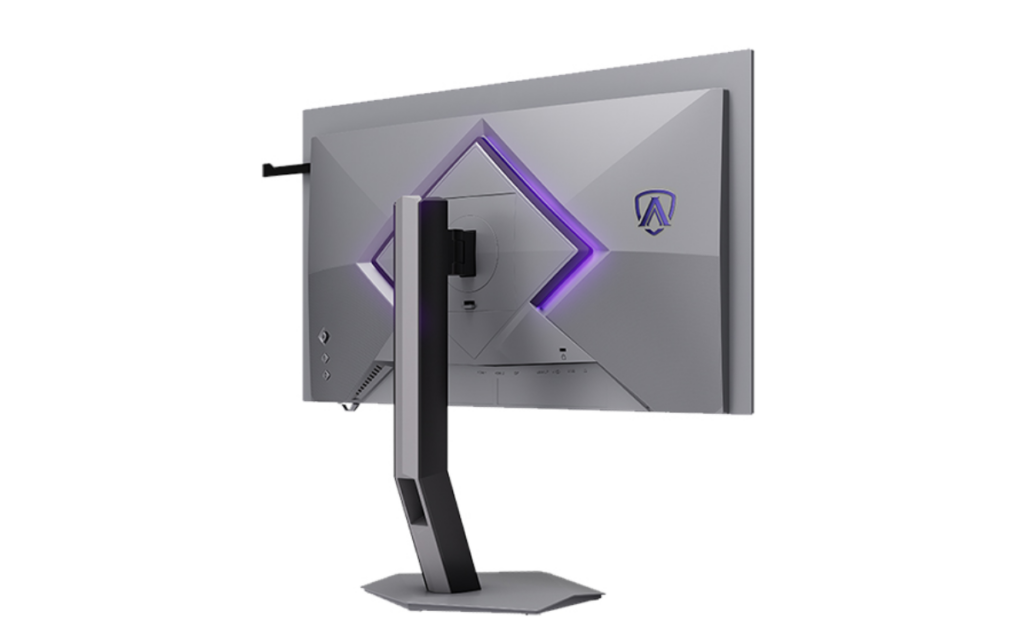
The Chinese tech giant’s new Redmi G34WQ 2026 arrives with a tall 34-inch panel that has a WQHD resolution (2560 x 1440p), super smooth 180Hz refresh rate, and a 1ms response time. The gaming monitor features HDR400 support and a 1500R curvature for an improved visual experience. To improve the gameplay, the Redmi G34WQ 2026 also features FreeSync Premium that helps reduce screen tearing when gaming at high fps.
Xiaomi’s Redmi G34WQ 2026 Gaming Monitor
In terms of measurement, the wide curved gaming monitor weighs 6.5 kilograms and measures 811.3×277.3×521.5mm in dimensions. The Redmi G34WQ 2026’s screen is surrounded by super slim bezels on the sides and top, while the rear has a noticeable chin. While the gaming monitor is predominantly black, the rear has a dual tone design with a white stand and rear panel.
Despite all of these impressive specs and features, Redmi’s new gaming monitor was just announced in the Chinese market for just 1399 Yuan, which is roughly around 196 US Dollars. So it is a great deal for gamers on a budget under 200 US Dollars. Xiaomi is selling this monitor via Xiaomi Home, Xiaomi Mall, JD.com, Tmall, and other authorized retailers. In related news, the launch also arrives mere days after the company unveiled another 2K 120Hz budget monitor.
For more daily updates, please visit our News Section.
The Xiaomi Smart Camera C701 features an 8MP sensor with a 6-element optical lens, delivering 4K Ultra HD video. HDR support ensures balanced visibility in both bright and dark conditions. At night, users benefit from both full-color and infrared night vision, with a 10-meter range and no visible red glow, making it suitable for monitoring children or pets without disturbance.
AI detection capabilities add value for everyday use. The camera can identify pets, babies, and humans, sending tailored alerts. Parents can be notified of a crying child, while pet owners receive movement updates. Human detection further enhances security by distinguishing actual intrusions from false triggers like lighting changes or pet activity.
Privacy is managed through an on-demand physical lens shield, allowing users to deactivate the camera when needed. Additional functions include loud noise detection and panoramic monitoring, offering broader protection against unexpected events.
For interaction, the device supports voice commands via Google Assistant and Amazon Alexa, letting users access live footage hands-free. A two-way audio system with noise cancellation and a built-in speaker enables natural conversations with family or pets in real time. Connectivity is powered by dual-band Wi-Fi 6, ensuring smooth video streams and quick notifications without lag.
Storage is flexible, with options for microSD card recording or secure cloud storage. This allows users to keep important footage private yet accessible.
Pricing & availability
The Xiaomi Smart Camera C701 is priced from EUR 59.99, offering advanced home monitoring at a competitive cost.
Xiaomi has released the Robot Vacuum 5 Series, which includes the Xiaomi Robot Vacuum 5 and Robot Vacuum 5 Pro. Both models come with 20000Pa suction power to handle dust, pet hair, and larger debris.
The Robot Vacuum 5 Pro uses dToF (Direct Time-of-Flight) Smart Retractable Radar, allowing it to clean under furniture with a clearance as low as 9.5cm. It is equipped with a triple-camera system that powers AI functions such as dirt recognition and obstacle avoidance, helping the device adjust cleaning strategies and move around clutter in real time. The base station supports 80°C hot-water mop washing, a Smart mode with preset water temperatures, and automatic rewash cycles when dirt is detected. These functions keep mop pads cleaner with less manual effort.
The Robot Vacuum 5 also provides the same 20000Pa suction and dToF radar but uses S-Cross dual-line structured light for obstacle detection. This system identifies irregular objects to avoid collisions while following efficient cleaning routes. Its base station supports customizable water temperature, self-cleaning trays, and two-hour hot-air drying, making upkeep simple.
Both models have a dual-extension mop arm and side brush that achieve full corner coverage. They are powered by a 5200mAh battery that delivers up to 140 minutes of runtime and can be fully charged in a single session to cover larger areas without interruption. Connectivity with the Xiaomi Smart Home app allows remote scheduling and cleaning mode selection. They also support Alexa and Google Assistant for voice control.
Pricing & availability
The Xiaomi Robot Vacuum 5 is priced at €699.99, while the Robot Vacuum 5 Pro costs €799.99. Both are now available through Xiaomi’s official website and authorized retailers.
The Xiaomi TV S Pro Mini LED Series 2026 comes in 55-inch, 65-inch, and 75-inch models. It uses QD-Mini LED technology with quantum dot enhancements, combining Mini LED backlighting for deeper blacks, brighter highlights, and more vivid colors. The TVs support UHD 4K resolution, HDR10+, and Dolby Vision. Filmmaker Mode ensures accurate colors and provides a cinematic experience closer to what directors intended.
The series runs on Xiaomi Visual Engine Pro, which improves clarity with low-reflection technology to reduce glare in bright conditions. Global dimming enhances darker scenes, and motion clarity engines reduce blur for smoother playback of sports and action content.
Sound and Gaming
Audio comes from dual 15W speakers tuned with Dolby Atmos and Harman AudioEFX. This setup delivers clear dialogue, music, and effects without requiring extra speakers. For gaming, the TVs support a 144Hz refresh rate with the option to boost up to 288Hz, offering smooth and responsive performance across different game types.
Smart Features
The TVs include Google TV, Apple AirPlay, and Wi-Fi 6 for streaming and device casting, allowing them to serve as a central hub for entertainment and gaming.
Xiaomi 15T and OnePlus 12 represent two flagship-level phones competing in the same price bracket. Both offer premium features, high refresh rate displays, powerful cameras, and long-lasting batteries. This comparison matters because buyers in 2025 are looking for the best balance between raw performance, camera quality, and long-term software support in a premium yet relatively affordable package.
Xiaomi 15T features Gorilla Glass 7i on the front with a glass fiber back and a plastic frame. It is IP68 certified for dust and water resistance up to 3 meters. The OnePlus 12 uses Gorilla Glass Victus 2 on both sides with an aluminum frame, offering sturdier construction. However, its water resistance is limited to IP65, making it less capable against immersion. The OnePlus 12 feels more premium due to its aluminum chassis, but the Xiaomi 15T has better protection in water-related scenarios.
Verdict: OnePlus 12 feels more luxurious, but Xiaomi 15T offers stronger durability.
Display Quality
The Xiaomi 15T sports a 6.83-inch AMOLED panel with 120Hz refresh rate, HDR10+, Dolby Vision, and an impressive 3200 nits peak brightness. The OnePlus 12 has a 6.82-inch LTPO AMOLED with higher 1440p resolution, 120Hz adaptive refresh rate, and an incredible 4500 nits peak brightness. While Xiaomi emphasizes extreme PWM dimming (3840Hz) for eye comfort, OnePlus delivers sharper visuals and unmatched brightness outdoors.
Verdict: OnePlus 12 offers a superior display for clarity and brightness, while Xiaomi 15T is better for eye comfort.
Verdict
Design-wise, the OnePlus 12 looks and feels more premium with better materials and sharper display quality. However, Xiaomi 15T counters with stronger IP68 protection and better PWM dimming.
OnePlus 12 edges ahead in aesthetics and display sharpness, but Xiaomi 15T has durability advantages.
2. Specifications
OnePlus 12
Performance
The Xiaomi 15T runs on the MediaTek Dimensity 8400 Ultra with a Mali-G720 GPU. The OnePlus 12 uses the Snapdragon 8 Gen 3 with Adreno 750 GPU. The Snapdragon chipset is faster in both CPU and GPU benchmarks, especially in gaming and multitasking. Additionally, the OnePlus 12 supports Wi-Fi 7 for faster connectivity, while Xiaomi is capped at Wi-Fi 6e.
Verdict: OnePlus 12 has the performance edge, particularly for power users and gamers.
Battery and Charging
Xiaomi 15T houses a larger 5500 mAh battery with 67W wired charging that fills in 50 minutes. The OnePlus 12 has a 5400 mAh battery but charges much faster at 100W (26 minutes) internationally, and also supports 50W wireless and 10W reverse wireless charging. Xiaomi offers more capacity, but OnePlus compensates with significantly faster and more versatile charging.
Verdict: OnePlus 12 leads in charging technology, while Xiaomi 15T provides slightly more endurance.
Verdict
In specifications, the OnePlus 12 dominates with faster performance and versatile charging, while the Xiaomi 15T appeals to those prioritizing raw battery size and water resistance. OnePlus 12 is overall better equipped, but Xiaomi 15T balances battery life with strong durability.
3. Camera
Xiaomi 15T
Main and Secondary Lenses
Xiaomi 15T has a Leica-powered triple setup: 50MP main, 50MP telephoto (2x), and 12MP ultrawide. The OnePlus 12 uses a Hasselblad-tuned 50MP main, a sharper 64MP periscope telephoto (3x), and a 48MP ultrawide. Xiaomi emphasizes Leica color science and ultra HDR, while OnePlus offers higher resolution secondary lenses with greater zoom versatility.
Verdict: OnePlus 12 provides more advanced zoom and ultrawide capability, though Xiaomi 15T holds its ground in natural Leica-style imaging.
Selfie Camera
Both phones have 32MP selfie shooters, but Xiaomi supports 4K video recording with HDR10+, while the OnePlus 12 offers 4K recording with gyro-EIS for stability. Xiaomi’s HDR10+ recording provides more dynamic range, but OnePlus’ stabilization benefits vloggers and handheld use.
Verdict: Xiaomi 15T edges ahead in selfie quality for content creation, while OnePlus 12 is better for smooth vlogging.
Verdict
In camera systems, the OnePlus 12 is more versatile with periscope zoom and stronger ultrawide. The Xiaomi 15T shines with Leica imaging and superior selfie HDR. OnePlus 12 is better for overall photography versatility, while Xiaomi 15T appeals to Leica enthusiasts and selfie-focused users.
4. Pricing
Xiaomi 15T is priced around $760, while the OnePlus 12 comes in at around $700. Despite being cheaper, the OnePlus 12 delivers stronger performance, faster charging, and more versatile cameras. Xiaomi 15T justifies its higher price with IP68 durability, a slightly larger battery, and Leica imaging.
Verdict: OnePlus 12 is the more cost-effective choice, while Xiaomi 15T targets users willing to pay extra for durability and Leica features.
5. Conclusion
OnePlus 12
Xiaomi 15T stands out with IP68 resistance, Leica-tuned cameras, 3840Hz PWM dimming for eye comfort, and a large 5500 mAh battery. The OnePlus 12 offers Snapdragon 8 Gen 3 performance, Wi-Fi 7, 100W wired + 50W wireless charging, and Hasselblad color calibration. Each phone leans into different strengths, Xiaomi focusing on endurance and durability, OnePlus on speed and future-ready hardware.
Verdict
Both phones deliver premium experiences but cater to different priorities. OnePlus 12 is better suited for power users, gamers, and photography enthusiasts who want top performance and versatility at a lower cost. Xiaomi 15T is ideal for users who value durability, longer battery life, and Leica imaging.
Xiaomi 15T Pro and iPhone 17 Pro represent two of the most powerful smartphones of 2025, bringing cutting-edge design, performance, and camera capabilities. This comparison matters because it pits Apple’s ecosystem-driven flagship against Xiaomi’s feature-rich powerhouse, highlighting which one delivers better value, performance, and innovation for users who demand the best.
Build and Feel: Xiaomi 15T Pro comes with Gorilla Glass 7i on the front, an aluminum frame, and a glass fiber back. It emphasizes durability with 6M13 alloy construction and a higher rigidity rating, making it slightly tougher in structure. In contrast, the iPhone 17 Pro uses Ceramic Shield 2 on both front and back, paired with an aluminum alloy frame. It carries Apple’s signature premium minimalism and a stronger IP68 rating for deeper immersion resistance. The Xiaomi feels more robust in engineering terms, while the iPhone leans on elegance and trusted ergonomics.
Verdict: The Xiaomi 15T Pro offers tougher build rigidity, but the iPhone 17 Pro feels more premium and polished.
Display Quality: The Xiaomi 15T Pro has a larger 6.83-inch AMOLED display with a 144Hz refresh rate, HDR10+, Dolby Vision, and an impressive 3200 nits peak brightness. It’s 3840Hz PWM ensures minimal flicker for eye comfort. On the other hand, the iPhone 17 Pro uses a 6.3-inch LTPO Super Retina XDR OLED with a 120Hz refresh rate, Dolby Vision, HDR10, and peaks at 3000 nits. The Xiaomi pushes higher refresh rate and eye-friendly features, while the iPhone maintains color accuracy and adaptive LTPO power efficiency.
Verdict: Xiaomi 15T Pro edges out in specs and smoothness, but the iPhone 17 Pro delivers more refined color calibration.
Verdict: Xiaomi 15T Pro provides a sturdier frame and more advanced display specs, making it better for those who prioritize durability and visual immersion. However, the iPhone 17 Pro’s premium materials and display tuning cater more to users seeking elegance and consistent color accuracy.
2. Specifications
iPhone 17 Pro
Performance: Xiaomi 15T Pro is powered by the MediaTek Dimensity 9400+, with a strong octa-core setup and Immortalis-G925 GPU. It offers raw performance for multitasking and gaming, further supported by UFS 4.1 storage. The iPhone 17 Pro relies on the Apple A19 Pro, a 3nm hexa-core chip with a powerful 6-core GPU. Apple’s chipset efficiency and optimization with iOS 26 deliver superior sustained performance in real-world scenarios, particularly in rendering and AI tasks.
Verdict: Xiaomi offers raw horsepower and flexibility, but the iPhone has better optimization and consistency under heavy workloads.
Battery and Charging: Xiaomi provides a massive 5500 mAh battery with 90W wired charging and 50W wireless, reaching full charge in under an hour. The iPhone 17 Pro, with its 3988–4252 mAh battery, depending on model, supports a 50% charge in 20 minutes via PD3.2 and MagSafe/Qi2 wireless. Xiaomi offers bigger capacity and faster recharge times, while Apple ensures efficiency and balance with smaller cells.
Verdict: Xiaomi 15T Pro is better suited for power users who want endurance and blazing-fast charging, while iPhone 17 Pro focuses on efficiency and ecosystem convenience.
Verdict: Xiaomi takes the lead in battery endurance and charging technology, making it ideal for heavy users. The iPhone 17 Pro, however, excels in efficiency and raw performance tuning, giving it the edge for sustained performance and ecosystem synergy.
3. Camera
Xiaomi 15T Pro
Main and Secondary Lenses: Xiaomi 15T Pro carries a Leica-branded setup: a 50MP wide with OIS, 50MP 5x periscope telephoto, and 12MP ultrawide. It supports 8K video, HDR10+, and advanced spectrum sensors for color accuracy. The iPhone 17 Pro offers three 48MP sensors: wide, 4x telephoto, and ultrawide, with a TOF LiDAR scanner. Apple adds ProRes RAW, Apple Log 2, and 3D spatial video for advanced creators. Xiaomi focuses on versatility and zoom, while Apple prioritizes professional-grade video tools and LiDAR depth.
Verdict: Xiaomi excels in zoom and Leica tuning, while iPhone dominates in video and AR applications.
Selfie Camera: Xiaomi features a 32MP front camera capable of 4K HDR10+ video, appealing to vloggers. The iPhone 17 Pro has an 18MP ultrawide selfie with PDAF, OIS, and 3D biometrics, offering Dolby Vision HDR and spatial audio recording. Apple sacrifices megapixels for smarter depth sensing and stabilized video.
Verdict: Xiaomi is better for sharp selfies, while the iPhone is stronger for cinematic video and secure Face ID integration.
Verdict: Xiaomi 15T Pro delivers versatility and zoom range, making it ideal for photography enthusiasts. The iPhone 17 Pro, however, is unmatched in video recording, depth sensing, and professional creative tools.
4. Pricing
Xiaomi 15T Pro is priced around $900, while the iPhone 17 Pro costs approximately $1100. Xiaomi offers stronger value with larger battery, faster charging, and versatile Leica cameras at a lower price. However, the iPhone justifies its premium with advanced video recording, polished design, and deep ecosystem benefits like Face ID and satellite SOS.
Verdict: Xiaomi 15T Pro is the better value pick, while iPhone 17 Pro is the premium choice for users invested in Apple’s ecosystem.
5. Conclusion
iPhone 17 Pro
Xiaomi 15T Pro stands out with its 144Hz AMOLED display, 5500 mAh battery, blazing 90W charging, and Leica-enhanced camera setup. It emphasizes hardware power and endurance. The iPhone 17 Pro brings exclusive features like Face ID with 3D depth sensing, ProRes RAW video, spatial video/audio, and satellite connectivity, elements that extend beyond raw specs.
Verdict: Xiaomi 15T Pro is best for users who want maximum hardware, long battery life, and excellent photography versatility at a lower price. The iPhone 17 Pro, meanwhile, shines for professionals who prioritize video, ecosystem integration, and advanced features like spatial capture.
Both are top-tier flagships, but the choice depends on whether one values Xiaomi’s hardware dominance or iPhone’s ecosystem-driven refinement.
boAt has launched the PartyPal 700 speaker in partnership with Netflix India to mark the release of Aryan Khan’s first directorial project, The Ba**ds of Bollywood*. Produced by Red Chillies Entertainment, the show reached the number one spot on Netflix India within 24 hours of its premiere on September 18, 2025, and has sparked wide social media discussions and memes.
The PartyPal 700 is engineered to deliver 300W sound output and comes with a built-in karaoke auto-tuner. The launch campaign connects the product directly to the series through an ad-film built around the line “Speaker itna loud, sab bolna allowed.” The film features Lakshya Lalwani, Bobby Deol, Anya Singh, Mona Singh, Sahher Bambba, Manoj Pahwa, and Raghav Juyal in their on-screen roles. Each character exchanges sharp dialogues and humor, matching the unfiltered tone of the series. Aman Gupta, Co-founder and CMO of boAt, appears in a cameo with the line, “Beta, teri party ko doobne se ab Shark hi bacha sakta hai,” before turning up the PartyPal 700 to keep the party alive.
boAt products are also integrated within the show, including the PartyPal 700, the Stone 1800, and premium headphones. These are placed naturally in the storyline rather than as standalone product placements, reinforcing the brand’s positioning in entertainment culture. All products are available on the boAt Lifestyle website, Amazon, Flipkart, and leading retail stores.
The PartyPal 700 will reach buyers through boAt’s official channels, major e-commerce platforms, and retail outlets nationwide. Pricing information is expected to be shared shortly.
The OnePlus 15 is shaping up to be a gaming powerhouse. Recent teasers have confirmed top notch hardware and a super smooth display. But it is also taking a few steps back to achieve a more affordable price point, marking a shift in the brand’s flagship strategy. Now, we finally have an idea regarding how much cheaper it might be compared to the older OnePlus 13.
OnePlus 15 reportedly more affordable than the OnePlus 13
Whenever a brand launches a newer generation of premium smartphones, a company typically either hikes the prices to make up for the cost of the latest components or tries and keep the price similar to the previous gen model. However, there are rare occasions of a new flagship being cheaper than the last. It seems like the OnePlus 15 might be one such model.
OnePlus 15
In one of our earlier reports, we covered a leak that mentioned how OnePlus plans to follow the iQOO 13’s playbook by making a value flagship phone that caters to gamers with high end specs. Teasers have confirmed the Snapdragon 8 Elite Gen 5 chip, while leaks have hinted at downgraded cameras. Another area OnePlus is cutting cost is by replacing the Hasselblad tuning in favor of its in house DetailMax Engine.
All of this will reportedly help make the OnePlus 15 more affordable, with a fresh leak from the OnePlus Club on X (formerly Twitter) revealing its pricing. Reportedly, the OnePlus 15 will start for just 3,999 Yuan (roughly 560 US Dollars) for the 12GB + 256GB variant. To recall, the OnePlus 13 launched for 4,499 Yuan or about 630 US Dollars. This makes the OnePlus 15 70 US Dollars cheaper than the 2024 flagship.
For more daily updates, please visit our News Section.
Xiaomi has officially launched its first high-end French-door refrigerator, the Mijia Refrigerator Pro Micro-Ice Fresh French 560L. The product is priced at 7,999 yuan ($1,121) but is available at a discounted introductory price of 6,399 yuan ($896). It comes in two colors: Ice Crystal White and Star Silver.
Mijia Refrigerator Pro French 560L Specifications
The refrigerator features a total capacity of 560 liters, with 360 liters allocated for refrigeration and 200 liters for freezing. It uses a dual cooling system with separate evaporators and fans for each compartment. This setup ensures efficient cooling and prevents odor mixing between sections. Xiaomi has included ultra-precise temperature control, with fluctuations limited to ±0.5°C in the main compartment and ±0.1°C in the micro-ice storage area.
Xiaomi equips this model with its proprietary Micro-Ice Fresh technology. The system allows meat to be stored below zero degrees without freezing. According to Xiaomi, it helps retain freshness for up to 10 days, limits juice loss to 2.89%, improves tenderness by 14.55%, and enhances umami flavor by 22.74%.
The refrigerator supports -30°C quick freezing for rapid nutrient preservation. It also includes water molecule filtration to maintain high humidity, which helps keep vegetables and fruits fresh for up to seven days with minimal weight loss.
Xiaomi has integrated a full sterilization and purification system. It includes nano blue light sterilization that eliminates 99.999% of E. coli, along with a positive and negative ion purification system that targets bacteria, viruses, odors, and pesticide residues.
The freezer supports full-path antibacterial ice making. It can produce up to 1.22 kilograms of ice cubes in 55 minutes and features removable components for deep cleaning. The system also supports automatic cleaning within three minutes.
The refrigerator operates at 31 dB and is rated level 1 for energy efficiency. Daily power consumption is 0.74 kWh. Xiaomi claims that the model provides 25% energy savings compared to earlier generations, translating to nearly three months of electricity savings per year.
It supports Xiaomi HyperOS smart home control with NFC food logging, voice/manual inventory input, and expiry reminders, while AI scheduling shifts heavy tasks to off-peak hours to cut costs.
In terms of design, the refrigerator uses a skin-like frosted glass panel and supports 60 cm flush-mount installation. It measures 892 x 600 x 1912 mm and weighs 139 kg.
In related news, Xiaomi has recently introduced the BE10000 Pro router with Wi-Fi 7, AI dual 10G ports, and HyperOS, alongside a portable speaker featuring triple-unit drivers, 4GB storage, and 10-hour battery life.
For more daily updates, please visit ourNews Section.
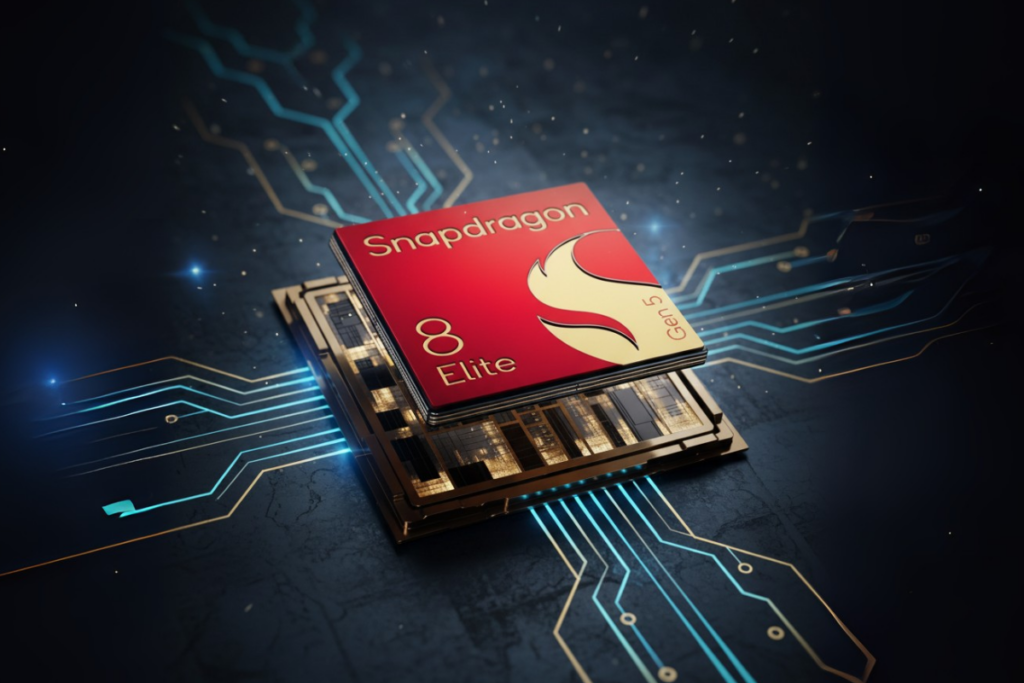
After months of leaks and rumors, the Snapdragon 8 Elite Gen 5 is finally here, and it’s clearly a big leap over last year’s Snapdragon 8 Elite. More importantly, it outperforms its biggest rivals, the Apple A19 Pro and Dimensity 9500, in early benchmark figures.
Built on a 3nm process, the Snapdragon 8 Elite Gen 5 is touted as the “world’s fastest mobile system-on-a-chip” by Qualcomm, and the benchmark numbers mostly tell the same thing. For the benchmark comparison, we’re using the first-party benchmark numbers as shared by Notebookcheck.
Note that the benchmark figures have been obtained from a reference device, which has a high-end setup like a massive 24GB of LPDDR5X RAM, 1TB UFS4.1 storage, and a large 6.8-inch 3,200×1,440 AMOLED LTPO display. Retail handsets might not perform as well as they prioritize battery life, optimal temperature, and other features over raw performance.
Snapdragon 8 Elite Gen 5 benchmarks
Geekbench Score
Geekbench 6 (single core)
On Geekbench 6, the Snapdragon 8 Elite Gen 5 gets about 20% higher single-core score over last year’s Snapdragon 8 Elite. It also beats the Dimensity 9500 by a 10% margin, but there’s a close matchup with Apple’s powerful A19 Pro. The 8 Elite Gen 5 is slightly behind Apple’s A19 Pro, although the gap is now very thin. The Tensor G5, with a single-core score of 2,316, isn’t a trouble to other chips on the list.
So, in terms of single-core performance on Geekbench, the Snapdragon 8 Elite Gen 5 easily outperforms most of its rivals, except for the Apple A19 Pro, which is as good as Qualcomm’s. However, the multi-core CPU performance is a whole different story.
Geekbench 6
Single core score
Snapdragon 8 Elite Gen 5 (reference device)
3,831
Snapdragon 8 Elite (Galaxy S25 Ultra)
3,179
Apple A19 Pro (iPhone 17 Pro Max)
3,914
Tensor G5 (Pixel 10 Pro XL)
2,316
Dimensity 9500 (Vivo X300 Pro)
3,471
Geekbench 6 (multi core)
The Snapdragon 8 Elite Gen 5 achieves over 12,000 points in multi-core performance on Geekbench, leaving all other smartphone chips in the dust. This means more than 20% boost for the latest Snapdragon flagship compared to the A19 Pro and Dimensity 9500 when it comes to tasks that utilize multiple cores. The Tensor G5 disappoints again, scoring just 6,452, almost half of the Snapdragon 8 Elite Gen 5.
Geekbench 6
Multi core score
Snapdragon 8 Elite Gen 5 (reference device)
12,383
Snapdragon 8 Elite (Galaxy S25 Ultra)
10,114
Apple A19 Pro (iPhone 17 Pro Max)
10,125
Tensor G5 (Pixel 10 Pro XL)
6,452
Dimensity 9500 (Vivo X300 Pro)
10,269
AnTuTu score
The reference device, powered by the Snapdragon 8 Elite Gen 5, scores over 4.3 million points on the AnTuTu benchmark. Other than this, only the Dimension 9500 could reach the 4 million territory, with a total score of 4,011,932.
The Apple A19 Pro barely gets past last year’s Snapdragon 8 Elite, while the Tensor G5 struggles at 1.4 million.
AnTuTu score
Snapdragon 8 Elite Gen 5 (reference device)
4,309,384
Snapdragon 8 Elite (Galaxy S25 Ultra)
2,209,476
Apple A19 Pro (iPhone 17 Pro Max)
2,308,323
Tensor G5 (Pixel 10 Pro XL)
1,429,557
Dimensity 9500 (Vivo X300 Pro)
4,011,932
Please note that AnTuTu uses different test methods for Android and iOS platforms. This is one of the major reasons you’re seeing a huge difference in the scores here.
3DMark Wild Life Extreme Score
The Snapdragon 8 Elite Gen 5 also shines in the 3DMark test, thanks to architectural upgrades and software enhancements. In the Wild Life Extreme test, it scores 8,329 points, while the A19 Pro can’t get past the 6,000 mark. The Snapdragon 8 Elite, surprisingly, performs better than Apple’s fastest chipset, while the Tensor G5 continues to struggle by a significant margin.
AnTuTu score
Snapdragon 8 Elite Gen 5 (reference device)
8,329
Snapdragon 8 Elite (Galaxy S25 Ultra)
6,914
Apple A19 Pro (iPhone 17 Pro Max)
5,982
Tensor G5 (Pixel 10 Pro XL)
3,261
Dimensity 9500 (reference device)
8,251
For the Dimensity 9500, we obtained the 3DMark benchmark numbers from the test conducted by Xiaobai’s Tech Reviews. Since no device with this chip has been released yet, the test was likely carried out on a reference device. For the Vivo X300 Pro, we used the leaked benchmark figures from Geekbench, while the AnTuTu score was recently revealed by the company itself.
Vivo has confirmed that OriginOS 6, built on Android 16, will debut globally on October 15 at the “Brave New Origin: 2025 Vivo OriginOS Global Launch Event” in Shanghai. Ahead of the international rollout, the software will first launch in China on October 10 during the Vivo Developer Conference. At present, Vivo ships its devices outside China with Funtouch OS, which provides fewer customization options compared to OriginOS, currently limited to the Chinese market.
Vivo’s Senior Vice President and Chief Technology Officer Shi Yujian said the new OS is designed to give users a smoother and smarter experience. This marks the first time OriginOS will be available outside China, replacing FuntouchOS on Vivo and iQOO smartphones.
OriginOS 6 brings a major design update built on Vivo’s atomic design system. It introduces a new “Comfort Engineering” philosophy for natural and intuitive use, along with the “Light and Shadow Space” concept that adds more depth and spatial order across the interface. The lock screen has been revamped with customizable clocks, a transparent color palette, and real-time rendering that simulates refraction and shadows of light. The digital clock can adjust its contrast based on lighting conditions for a layered, three-dimensional effect.
The update also includes a redesigned control center, new charging animations, and smoother transitions across the system. Vivo has rebuilt the Android core to improve compute performance, enhance display rendering, and optimize memory management. New AI features include an upgraded eraser that works with Live Photos, AI lighting effects, and a shake-to-group sharing option that builds on the existing touch-to-share tool.
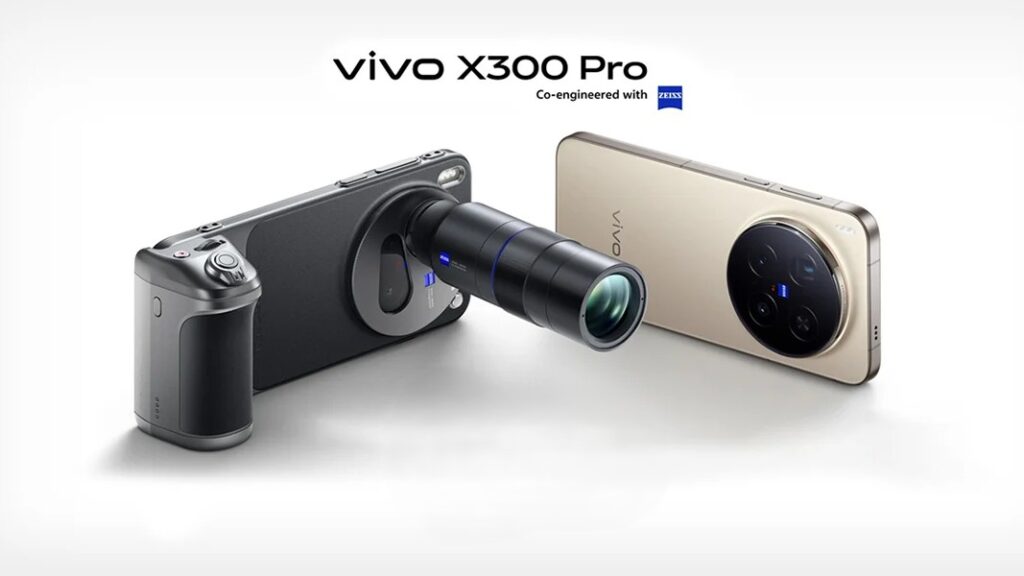
The Vivo X300 series and iQOO 15 will be the first devices to ship with OriginOS 6 in China later in October, with a global rollout expected by the end of the year. The X300 and X300 Pro are scheduled to launch in China on October 13. Preview program registrations begin on September 29 for users who want early access.
It is not confirmed if the global version of OriginOS 6 will differ from the Chinese release, but Vivo users worldwide have long requested the change for its customization options and smoother performance compared to FuntouchOS.
For more daily updates, please visit our News Section.
Xiaomi 15T Pro and Google Pixel 10 Pro represent two different approaches to the modern flagship smartphone experience. Xiaomi emphasizes raw performance, high-speed charging, and Leica camera tuning, while Google leans heavily on AI-driven software, extended updates, and computational photography. This comparison highlights why these two phones are currently among the most relevant choices in the premium segment.
Build and Feel: Xiaomi 15T Pro comes with Gorilla Glass 7i protection, an aluminum frame, and a glass fiber back that enhances durability while maintaining a lightweight feel. It is rated IP68 with higher immersion resistance of up to 3m, showing more resilience than the Pixel. The Pixel 10 Pro, with Gorilla Glass Victus 2 on both front and back and an aluminum frame, feels more premium to the touch, though its IP68 rating only allows 1.5m immersion. Xiaomi emphasizes structural rigidity with a 6M13 alloy frame.
Verdict: Xiaomi offers better durability, while Pixel wins on luxurious feel.
Display Quality: Xiaomi features a 6.83″ AMOLED panel with 144Hz refresh rate, Dolby Vision, HDR10+, and up to 3200 nits peak brightness. It’s 3840Hz PWM dimming ensures eye comfort. Pixel counters with a smaller 6.3″ LTPO OLED, limited to 120Hz but sharper at ~495ppi and reaching 3300 nits peak. While Xiaomi has smoother refresh and eye-friendly dimming, the Pixel provides higher sharpness and cutting-edge LTPO power efficiency.
Verdict: Xiaomi is better for gamers and media enthusiasts, and Pixel for sharpness and battery optimization.
Verdict: Overall, Xiaomi 15T Pro edges ahead for durability and fluid display performance, while Pixel 10 Pro appeals more to those prioritizing compact premium design and sharper visuals.
2. Specifications
Google Pixel 10 Pro
Performance: Xiaomi 15T Pro runs on MediaTek Dimensity 9400+ with Immortalis-G925 GPU, paired with UFS 4.1 storage. Pixel 10 Pro uses Google’s Tensor G5 with PowerVR GPU and UFS 4.0/3.1, depending on variant. While Tensor focuses on AI and machine learning tasks, Xiaomi’s chipset and GPU are more powerful for gaming and raw performance.
Verdict: Xiaomi excels in pure speed, Pixel stands out in AI-driven optimization and future-ready software support with 7 years of updates.
Battery and Charging: Xiaomi leads with a 5500 mAh battery, 90W wired charging, and 50W wireless, fully charging in under an hour. Pixel has a smaller 4870 mAh cell, slower 30W wired charging, and 15W wireless, though it adds modern perks like Qi2, magnetic charging, and bypass charging. Xiaomi’s approach suits heavy users who need speed, while Pixel favors safer, steadier charging with broader compatibility.
Verdict: Xiaomi clearly wins for endurance and charging speed, and Pixel for smart features.
Verdict: Xiaomi 15T Pro dominates in raw power and charging convenience, but the Pixel 10 Pro compensates with AI performance tuning and longer-term software stability.
3. Camera
Google Pixel 10 Pro
Main and Secondary Lenses: Xiaomi 15T Pro sports a Leica-tuned triple setup: 50MP wide, 50MP 5x periscope, and 12MP ultrawide. Its strength lies in color science, Ultra HDR, and advanced video recording with 8K@30fps natively. Pixel 10 Pro also uses a triple array: 50MP wide, 48MP 5x periscope, and 48MP ultrawide, backed by multi-zone laser AF and Pixel Shift. Google enhances results through computational photography, producing sharper detail and superior night photography.
Verdict: Xiaomi is better for versatile video creators, and Pixel excels in still image consistency and AI features.
Selfie Camera: Xiaomi uses a 32MP front shooter capable of 4K recording with HDR10+. Pixel offers a sharper 42MP ultrawide selfie camera with autofocus and 4K60 recording. The Pixel’s wider field of view and higher detail make it superior for group shots and social media.
Verdict: Pixel’s selfie system is more advanced and versatile.
Verdict: Xiaomi appeals to video-centric users who value Leica tuning and robust recording formats, while Pixel outshines in AI-driven stills and selfie performance.
4. Pricing
Xiaomi 15T Pro is priced around $900, while the Pixel 10 Pro costs approximately $1000. Xiaomi delivers a stronger value proposition with faster charging, larger battery, and smoother display for less money. However, Pixel justifies its higher price through extended 7-year updates, a superior selfie camera, AI features, and a premium build.
Verdict: Xiaomi is better for cost-to-performance value, Pixel suits those investing in long-term support and software-driven excellence.
Disclaimer: Prices are approximate and may vary based on country, region, and applicable taxes.
5. Specs Comparison
Feature
Xiaomi 15T Pro
Google Pixel 10 Pro
Build
Glass front (Gorilla Glass 7i), aluminum frame, glass fiber back, IP68 (3m for 30 min), 6M13 alloy frame rigidity
Glass front & back (Gorilla Glass Victus 2), aluminum frame, IP68 (1.5m for 30 min)
Circle to Search, UWB, Satellite SOS, thermometer sensor
6. Conclusion
Xiaomi 15T Pro
Xiaomi 15T Pro highlights Leica-tuned optics, 144Hz display with 3840Hz PWM dimming, and ultra-fast 90W charging, catering to heavy users and creators. Pixel 10 Pro introduces AI-driven tools like Zoom Enhance, Best Take, Ultra HDR, 7-year updates, skin temperature sensor, and satellite SOS for future-ready reliability.
Verdict: Choose the Xiaomi 15T Pro if raw performance, battery life, and charging speed matter most. Opt for the Pixel 10 Pro if long-term software support, superior selfies, and AI-driven features are priorities. Both excel, but their strengths cater to very different user needs.
Xiaomi 15T and Samsung Galaxy S25 FE represent two of the most competitive upper mid-range flagships of 2025. Both phones aim to balance premium features with more accessible pricing, making them key options for users who want high performance and flagship-level design without stretching into the Ultra tier. This comparison highlights their unique strengths, helping buyers choose between Xiaomi’s feature-rich offering and Samsung’s polished ecosystem advantage.
Build and Feel: Xiaomi 15T uses a glass fiber back and plastic frame, while Samsung opts for a sturdier Gorilla Glass Victus+ back with an armor aluminum frame. Xiaomi emphasizes lightness and durability, but Samsung delivers a more premium, robust build. The S25 FE also has enhanced frame protection, which adds confidence for long-term use.
Verdict: Samsung feels more premium in the hand, making it the stronger option in build quality.
Display Quality: Xiaomi leads with a massive 6.83-inch AMOLED panel, pushing 3200 nits peak brightness, Dolby Vision, HDR10+, and finer resolution at 447 ppi. Samsung’s 6.7-inch LTPO AMOLED 2X peaks at 1900 nits with HDR10+, but it is slightly less sharp at 385 ppi. Xiaomi also offers advanced PWM dimming at 3840Hz for eye comfort.
Verdict: Xiaomi’s brighter, sharper, and more advanced display makes it the superior choice for media and gaming.
Verdict: Samsung wins on build strength, while Xiaomi dominates in display innovation. Users valuing durability should lean toward Samsung, while entertainment-heavy users will benefit more from Xiaomi’s superior panel.
2. Specifications
Samsung S25 FE
Performance: Xiaomi 15T runs on the Dimensity 8400 Ultra, while the Galaxy S25 FE features the Exynos 2400 with Xclipse GPU. Samsung offers stronger graphics performance and better long-term support with up to seven major Android upgrades, making it a future-proof choice. Xiaomi, though efficient, trails in raw GPU power and software longevity.
Verdict: Samsung provides the better overall performance and future support.
Battery and Charging: Xiaomi equips a large 5500 mAh cell with 67W wired charging, achieving a full charge in about 50 minutes. Samsung’s 4900 mAh battery charges at 45W wired and adds 15W wireless plus reverse wireless charging. Xiaomi offers more capacity and faster full charging, but Samsung wins in versatility with wireless and reverse charging.
Verdict: Xiaomi excels in endurance, while Samsung offers more flexible charging options.
Verdict: Samsung is stronger for long-term performance and support, while Xiaomi delivers better endurance and charging speed. Choice depends on whether battery longevity or performance sustainability matters more.
3. Camera
Xiaomi 15T
Main and Secondary Lenses: Xiaomi features a 50 MP wide, 50 MP 2x telephoto, and 12 MP ultrawide, enhanced by Leica optics and a color spectrum sensor. Samsung offers a 50 MP wide, 8 MP 3x telephoto, and 12 MP ultrawide. Samsung’s telephoto provides true 3x zoom, while Xiaomi’s Leica collaboration elevates detail, color science, and overall image depth.
Verdict: Xiaomi’s Leica lenses make it more appealing for photography enthusiasts, though Samsung’s 3x zoom is sharper at a distance.
Selfie Camera: Xiaomi 15T comes with a 32 MP front sensor supporting 4K HDR10+ video, compared to Samsung’s 12 MP selfie with 4K at 60 fps. Xiaomi provides sharper details and higher dynamic range, especially in low light. Samsung focuses more on stability and color accuracy.
Verdict: Xiaomi’s higher-resolution selfies edge out Samsung’s front camera.
Verdict: Xiaomi leads in overall photography versatility and detail, while Samsung holds its own with optical zoom precision. For general users, Xiaomi’s cameras deliver more standout results.
4. Pricing
Xiaomi 15T is priced around $760, while the Galaxy S25 FE comes in at approximately $700. Samsung offers a more affordable option with flagship-level durability, software support, and balanced performance. Xiaomi justifies its slightly higher cost with a superior display, larger battery, and Leica-enhanced cameras.
Verdict: Samsung provides better value for budget-conscious buyers, while Xiaomi offers worthwhile upgrades for those willing to spend more.
Disclaimer: Prices are approximate and may vary based on country, region, and applicable taxes.
5. Specs Comparison
Feature
Xiaomi 15T
Samsung Galaxy S25 FE
Build
Glass front (Gorilla Glass 7i), plastic frame, glass fiber back
Glass front & back (Gorilla Glass Victus+), aluminum frame
Water Resistance
IP68 (up to 3m for 30 min)
IP68 (up to 1.5m for 30 min), enhanced armor aluminum
Xiaomi 15T shines with its Leica camera partnership, 5500 mAh battery, blazing-fast charging, and ultra-bright AMOLED display with 3840Hz PWM. The Galaxy S25 FE counters with longer software support, a sturdier build, wireless charging, Samsung DeX, and stronger GPU performance.
Verdict: Buyers who prioritize multimedia, photography, and battery endurance will find the Xiaomi 15T more rewarding. Meanwhile, those seeking durability, future-proof updates, and wireless ecosystem advantages should opt for the Galaxy S25 FE.
Both phones are competitive, but the decision hinges on whether a premium display and camera experience (Xiaomi) or long-term ecosystem reliability (Samsung) is more important.
In this review, Gizmochina Review will share the in-depth experience with the XPPEN drawing display. Our goal is to give you objective analysis and genuine insights—so you can clearly figure out if this display fits your actual needs. Now, let’s dive in and break down its details together.
When I first unboxed the XPPen Artist Ultra 16, I was skeptical. All the specs, 15.6 inches, “16K pressure sensitivity,” “4K OLED”—sounded impressive on paper, but specs can be tricky. As someone who draws for fun more than work, I don’t care about numbers. What matters to me is: Does it feel like drawing on paper? Is it easy to use without any conflicts with other devices? After spending weeks sketching, coloring, and even struggling through a few watercolor experiments, I think I have a good sense of whether it lives up to the hype. Here’s what it’s actually like to use—no jargon, just honest takeaways for anyone looking for a new drawing tool.
Unboxing was simpler than I expected. The packaging is bigger than I thought, and once I opened it, there were quite a few accessories, but they’re neatly organized: the Artist Ultra16 itself, accessories, a few cables, and a quick start guide. Follow the guide, and you’ll have it set up in minutes. Even if you’re new to this, you won’t be stuck staring at a pile of parts, confused, so it’s super beginner-friendly.
Design & Look
The device is all black, with a solid, understated vibe. The 15.6-inch screen is about the same size as my laptop, so you’ll need to clear some desk space for it. At 1.53kg or 3.4lbs, it is definitely heavier than my tablet, and it gets a bit heavy if you carry it one-handed for long. So if you need to take it out of the studio often, you’ll probably want a sturdy bag. But for me, who mostly draws at a desk and rarely moves it, the weight isn’t a big deal.
There’s a handy wrist rest below the screen, which takes the strain off when your wrist is in a hanging position. It becomes a bit cumbersome to carry one-handed for extended periods while drawing. The back features a spot for the stand, and once it’s set up, it helps you find a more comfortable angle.
That said, the stand only locks at an angle of around 15 degrees. When I sit up straight, I end up craning my neck forward, and after two hours, it starts to ache. I propped a book under it to lift the screen a bit, which helped—but it’d be way better for the neck if it had multi-angle adjustment like a laptop stand, or even small height tweaks. After all, artists often sit for hours, so posture counts.
Pressure Sensitivity
As a non-pro user, my top must-have in a drawing tool is the feel of “what you see is what you draw”—where the pen touches, the line shows up, just like drawing on paper. It’s pretty much a non-negotiable for me.
So before diving in, I did the nib calibration in the XPPen Tablet app. The difference was clear right away: the pen tip lines up exactly where the line appears on the screen. No more “blind-drawing” on a traditional drawing tablet, guessing where the line will land. I could focus solely on practicing my lines, not fighting with the device—that’s a big plus for me.
Another standout is the pen’s pressure sensitivity performance. The Artist Ultra16 comes with two pens of different thicknesses: the X3 Pro Smart Chips Stylus and X3 Pro Slim Stylus, which cater to different grip styles.
The thicker X3 Pro Smart Chips Stylus feels like a marker in the hand, with just enough friction to keep it from slipping when my palm sweats. The X3 Pro Slim Stylus is more like a pencil, making it easier to twist and control for fine lines. That said, in use, their pressure sensitivity and lag control are almost identical—no need to overthink which is “better.” If you stick to one, the other will likely remain unused. Personally, I prefer the thicker pen.
For digital art, pressure sensitivity is key to nailing that traditional pen-and-paper feel. Compared to my old 4096-level tablet, the X3 Pro’s pressure is noticeably smoother. For example, when painting watercolor gradients, the shift between light swipes and firmer presses feels natural, with no abrupt jumps. Though honestly, as a casual user, I didn’t notice a big difference between 8192-level and 16384-level (16K) sensitivity. Pros might catch subtler changes when detailing hair or petals, but for everyday use, it’s hard to tell.
The customizable pressure strength is a nice touch. I set mine to lighter, which made drawing long lines less tiring on the wrist. It does take about 10 minutes to get used to. Otherwise, lines can end up wobbly.
With the 60-degree tilt recognition, it nails small details from traditional art: tilting the pen to lay down big washes creates lines that widen or narrow naturally with your wrist angle; tweak the tilt for details, and it mimics the “edge” of a real brush. For anyone used to physical drawing, it makes the switch to digital much easier.
Pen Resolution & Tracking Speed
Pen resolution and tracking speed are easy to overlook, but they make a big difference in how sharp your work looks. The Artist Ultra16 has a 5080LPI pen resolution, meaning the tip picks up 5080 signal points per inch. In practice, that means when you zoom in 10x to touch up lines, the edges stay clean and smooth. No jagged pixels. It’s a clear step up from my old tablet.
For tracking speed: when drawing straight lines or slow curves, the pen and on-screen line move almost in sync, with barely any lag. But when I tried super-fast curves—like anime-style hair or flowing ribbons—there’s a tiny, ~0.1-second delay. It doesn’t mess up the flow, but it’s not quite the “zero lag” promised. Still, for everyday drawing, it’s more than enough.
Color Gamut
The color gamut covers what pro creators need. Opening high-saturation illustrations, green gradients, and subtle red shifts come through accurately, with no off-tints or washed-out tones. When exporting work later, I didn’t have to tweak settings to match print or screen outputs, which saves a lot of work.
Screen
The key difference between this and traditional tablets is the 15.6-inch 4K OLED screen—that’s what caught our eye in the first place. When compared side-by-side with a regular monitor. In use, the screen is impressively responsive. That sub-1ms response time means lines keep up with the pen, with no more “pen moves, line lags” like on older tablets. It just feels more natural.
OLED’s self-illuminating pixels reduce blue light emission, so my eyes felt less strained after hours of detailing—definitely better than a standard screen. The AG nano-etched glass also reduces glare, so the screen remains. And the hybrid dimming is a nice touch—no flicker, which matters when you’re glued to the screen for hours. ains are visible even in bright or dim rooms, even with direct light.
Accessories
Both pens are wireless and battery-free—no charging, just toss them in your pocket and go. The pen has a small button on the end: hold it to switch to eraser, tap it to pull up the menu. Way easier than fumbling on-screen. The accessory pack includes 10 replacement nibs, split into “standard”, great for line work, and “felt”, which mimics pencil texture. Swapping them is simple—just twist the pen cap, easy enough even for newbies.
Features & Software
A few design details really fit how artists work. Using the X-Touch Solution is quite a smooth experience. When it comes to touch protection and customization, palm rejection works well during detailed tasks like drawing, letting me rest my palm on the screen without accidental touches. The touch sensitivity is also adjustable, and defining inactive zones adds extra convenience.
For multi-point gesture control, various gestures feel smooth and precise, and sliding with different finger positions responds nicely. Compared to standard tablets, the gesture responsiveness is on par or even better. In workflow integration, creating artwork with different gestures is intuitive, and switching between touch and pen input is seamless, which really boosts productivity.
The edges of the screen let you customize shortcut zones. I mapped “undo,” “save,” and “brush switch” to easy-to-reach areas, cutting down on keyboard trips—much more efficient. The floating menu is handy too, hovering off to the side, so you can tweak the brush size or switch layers without blocking your work—perfect for a large screen.
For software, I tested it with Photoshop and Clip Studio Paint, and both picked up pressure and tilt smoothly. Lines appear consistent with desktop devices, with no pen stuttering or unresponsive settings. It handles daily drawing needs perfectly well.
Summary
Choosing between a regular tablet and a display tablet often boils down to needs, especially for pros—if line work matters most, display tablets usually feel better.
The Artist Ultra16’s “what you see is what you draw” feel and smooth pressure sensitivity are great for beginners, cutting the learning curve. But at 1.5kg with a fixed stand, it’s not for frequent on-the-go use. It’s a strong pick if you want paper-like comfort at home or in a studio; if portability is key, a lighter tablet works better. Beginners can achieve better line control in about a month, while pros can benefit from smoother workflows—solid improvements for upgrading your process. If it fits your creation, check the ultra drawing display on XPPEN’s website.
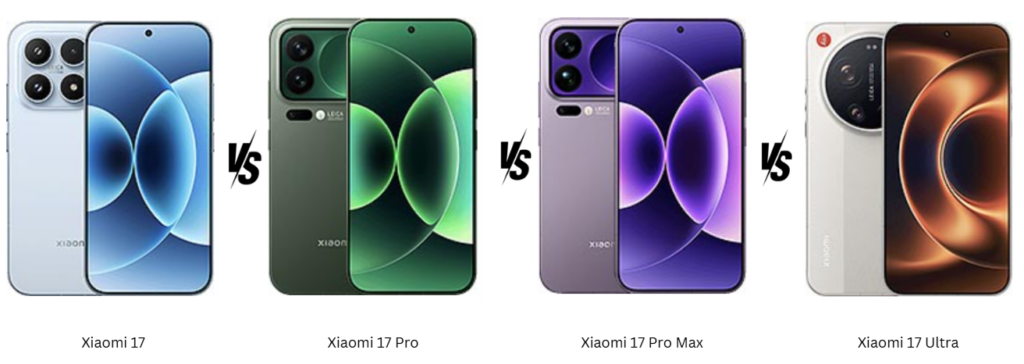
Xiaomi is gearing up for a major launch in India, as the brand has officially confirmed that the Xiaomi 17 series will be arriving soon. The brand’s latest flagship was just unveiled in China, and these will be getting a wider release soon. So here’s what we know.
Xiaomi 17 Series Officially Confirmed for India Launch
The latest announcement comes directly from Xiaomi India’s CMO, who showcased the standard Xiaomi 17 model during the ongoing Snapdragon Summit. For those unaware, the event was to announce Qualcomm’s latest and greatest, Snapdragon 8 Elite Gen 5, which also powers the Xiaomi 17 series. While full details about the lineup are still under wraps, it does confirm Xiaomi’s continued plans for launching premium smartphones in the region.
Xiaomi 17 Showcased During the Snapdragon Summit in India
Unfortunately, it is still unclear which models will be arriving in the Indian market. To recall, the Chinese tech giant previously released the Xiaomi 15 alongside the Xiaomi 15 Ultra’s global debut months after its original launch. So the brand could be following a similar pattern this time around as well. Meaning, that it is unclear if the Xiaomi 17 Pro and Xiaomi 17 Pro Max are also heading to India. Xiaomi could very well wait for the Xiaomi 17 Ultra and launch it in India along with the standard model that was just confirmed.
When wired peripherals became cumbersome, wireless gadgets like Bluetooth keyboards became a great alternative. But the wires are still inevitable since you need to charge these products. However, Lenovo‘s new keyboard is a futuristic accessory that eliminates the need for both charging cables and batteries.
This Lenovo Keyboard Never Needs Charging
During the MWC 2025 event earlier this year, we covered a list of all the Cool Solar Powered Tech. Among the various solar powered gadgets, one model that caught our eye was the Lenovo Self-Charging Bluetooth Keyboard. What sets this keyboard apart from your typical wireless keyboard is the photovoltaic cell at the top of the keyboard deck. This can absorb energy from ambient light while storing the energy in a supercapacitor.
Lenovo Self Charging Bluetooth Keyboard
So while it can be powered by solar energy, room lighting is sufficient for this keyboard. So technically speaking, you will never need to charge this keyboard. On a single full charge, Lenovo is promising up to 1 month of operation. Months after its debut, the Lenovo Self Charging Bluetooth Keyboard is finally rolling out in the US for 99.99 US Dollars. This marks a 30 US Dollar price hike over its original planned price tag of 69.99 US Dollars.
Looking at this wireless Lenovo keyboard, you get a dual tone colors on certain keys, like the spacebar. It is full sized keyboard with 108 keys and a dedicated numpad. Lenovo also offers a low profile 2.5 zone keyboard layout for silent typing, adjustable tilt legs, and a splash resistant design. Other notable features include Bluetooth 5.1 and Microsoft Swift Pair support, compatible with Windows 10 and Windows 11 systems.
For more daily updates, please visit our News Section.
Xiaomi has expanded its router lineup with the launch of the BE10000 Pro. The new high-end router supports AI dual 10G wired connections, tri-band Wi-Fi 7, and personal storage expansion. It is priced at 1,699 yuan ($238) in China.
Xiaomi BE10000 Pro Specifications
The BE10000 Pro uses a vertical tower-style design with a matte finish. It measures 242 x 70 x 273 mm and includes seven LED indicators, 12 high-gain antennas, and 12 signal amplifiers.
Xiaomi has equipped the router with Qualcomm’s NPro A7 quad-core processor clocked at 1.8GHz and 2GB of RAM. This hardware enables advanced AI features and high-performance networking for smart homes, offices, and entertainment setups.
The router supports tri-band Wi-Fi 7 with 2.4GHz, 5.2GHz, and 5.8GHz bands. Combined, these bands deliver a theoretical wireless speed of up to 10,024Mbps. The 2.4GHz band offers up to 1376.4Mbps, the 5.2GHz band supports 5764.8Mbps, and the 5.8GHz band handles 2882.4Mbps. Xiaomi says the router supports up to 12 spatial streams and enables multi-device connectivity through enhanced OFDMA, MLO, and 4K QAM technologies.
For wired connectivity, the BE10000 Pro features two 10Gbps Ethernet ports and four 2.5Gbps ports. The total combined wired bandwidth reaches up to 30Gbps. The router supports dual WAN/LAN aggregation, IPTV, and dedicated game port customization.
Xiaomi has included an M.2 NVMe SSD slot and a USB 3.0 port for personal storage expansion. It supports SSD sizes from 2230 to 2280 and enables features such as remote file access, Samba sharing, Baidu Netdisk downloads, and Docker deployment.
To ensure thermal stability, the router includes multiple heatsinks and a high-speed fan. The router runs on MIWIFI ROM and supports WPA3 encryption, SSID hiding, and access control lists.
The BE10000 Pro integrates with Xiaomi’s HyperOS Connect platform and works as a smart home hub. It can connect up to 1,000 network devices and 300 Bluetooth devices using its Bluetooth Mesh gateway. It also supports XiaoAi voice commands, tap-to-connect via NFC, and automatic password sync across devices.
Xiaomi says the router passed 187 stability tests, including 48-hour high-humidity stress tests and seven-day continuous operation under heavy loads. It supports five one-click AI acceleration scenarios for gaming, streaming, video calls, live broadcasts, and online classes.
In related news, ZTE recently introduced the BE3600Pro Wi-Fi 7 router with AI antennas, Mesh support, and game boost, while Huawei rolled out the Mobile Router 5 with 4G, Wi-Fi 4, and support for up to 32 devices.
For more daily updates, please visit ourNews Section.
Rollme has announced its latest smartwatch, the HD300 Pro. The watch is aimed at outdoor enthusiasts and travelers who need reliable navigation without relying on internet connectivity. It is now available through the official Rollme store for $79.99 and comes in Black and Silver color options.
Rollme HD300 Pro Specifications
The HD300 Pro smartwatch is equipped with built-in offline maps and dual-frequency satellite positioning. It supports six major global systems, including GPS, GLONASS, Galileo, BeiDou, QZSS, and NAVIC, ensuring precise location data even in areas without network coverage. The device also integrates a digital compass, barometer, and altimeter to deliver real-time environmental information.
Rollme has equipped the device with a 1.43-inch AMOLED display. The screen supports 1000 nits of brightness and is protected by Panda Glass for improved scratch resistance. The smartwatch uses a metal body and has passed U.S. military-grade MIL-STD-810H certification. It is rated 3ATM for water resistance and includes an LED flashlight on the top for visibility in dark environments.
The smartwatch is powered by the Action ATS3085S processor and comes with 4GB of internal storage. It allows users to store offline maps, music, videos, photos, and voice recordings directly on the device. The watch supports MP3 and MP4 playback, Bluetooth 5.4 connectivity, and TWS earbuds for media use without a phone. It also enables users to answer Bluetooth calls and reply to WhatsApp messages directly from the watch.
The HD300 Pro supports over 100 sports modes and includes built-in fitness courses. It tracks key metrics like heart rate, SpO2 levels, sleep quality, stress, distance, and calories burned. The interface supports guided workouts such as weight loss plans and body sculpting exercises.
The watch includes a 530mAh battery. Rollme claims up to 15 days of regular use and up to 40 days on standby. It supports magnetic charging and takes around three hours to fully charge.
In related news, Garmin recently unveiled Bounce 2 with LTE, text messaging, Amazon Music, and geofencing, alongside the Venu 4 with AMOLED display, 25+ fitness modes, and advanced health features.
For more daily updates, please visit ourNews Section.
Honor is getting ready to launch its next flagship lineup, the Magic 8 series, and we’re finally getting a clear look at what the phones will bring. Fresh live images shared by the company reveal the front of the device, following earlier leaks that showed off its back design.
At first glance, the Honor Magic 8 doesn’t stray too far from last year’s Magic 7. The most noticeable is the flat display with large rounded corners, or what Honor calls an R-angle flat screen.
Honor Magic 8
Paired with a new right-angled middle frame, the device looks slimmer and sharper than its predecessor. On the back, it retains a familiar circular camera island housing four cutouts. It’s likely three lenses plus a depth sensor, though Honor hasn’t detailed exact specs yet. What we do know is that Honor is testing a new 200-megapixel telephoto camera for Magic 8 Pro.
The front of the standard Magic 8 shows a single punch-hole selfie camera, while the Magic 8 Pro is expected to also feature a pill-shaped cutout to enable 3D face recognition.
Another subtle but important addition is a brand-new button placed below the power key. Honor says this isn’t a camera shutter but rather a dedicated AI button. Its full functions aren’t clear yet, but it will likely tie into the company’s growing suite of AI tools, including features like Magic Color, AI retouching, and one-tap photo expansion.
Inside, the Magic 8 series will be among the first phones to ship with Qualcomm’s Snapdragon 8 Elite Gen 5 processor, unveiled this week at Qualcomm’s annual summit. The chip promises faster performance, improved efficiency, and enhanced on-device AI processing, which aligns neatly with Honor’s AI strategy.
The Magic 8 series will officially debut in China on October 15th, alongside the MagicPad 3 Pro. The device might go global early next year.
For more daily updates, please visit our News Section.
We use cookies on our website to give you the most relevant experience by remembering your preferences and repeat visits. By clicking “Accept”, you consent to the use of ALL the cookies.
This website uses cookies to improve your experience while you navigate through the website. Out of these, the cookies that are categorized as necessary are stored on your browser as they are essential for the working of basic functionalities of the website. We also use third-party cookies that help us analyze and understand how you use this website. These cookies will be stored in your browser only with your consent. You also have the option to opt-out of these cookies. But opting out of some of these cookies may affect your browsing experience.
Necessary cookies are absolutely essential for the website to function properly. This category only includes cookies that ensures basic functionalities and security features of the website. These cookies do not store any personal information.
Any cookies that may not be particularly necessary for the website to function and is used specifically to collect user personal data via analytics, ads, other embedded contents are termed as non-necessary cookies. It is mandatory to procure user consent prior to running these cookies on your website.