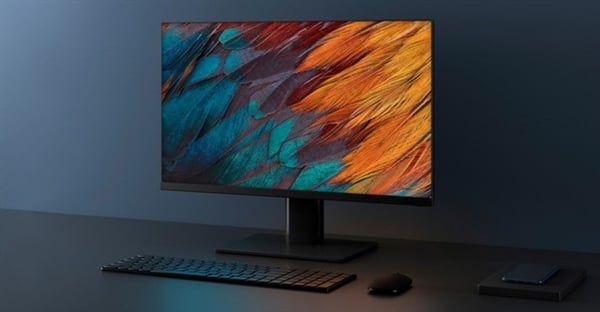
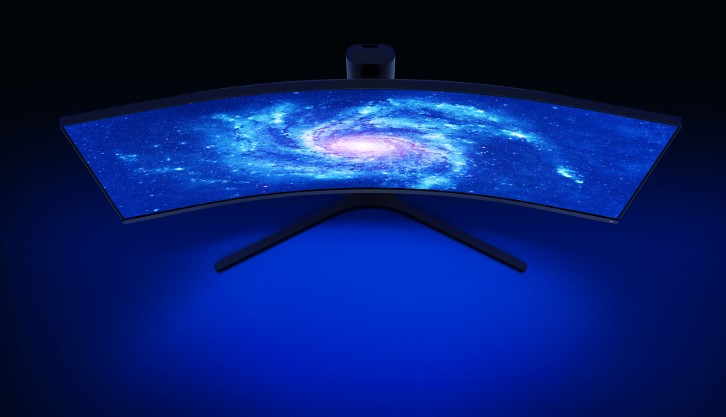
News recently broke out that Xiaomi is planning to launch a gaming monitor on November 11 this year. The monitor is said to having a 24.5-inch display supplied by AUO and the retail price is expected to be set at 999 yuan (~$146).
According to reports, the panel used in the display may be AUO’s 240Hz TN screen or AUO’s new 360Hz gaming screen. However, according to past product calculations, if the AUO 360Hz panel is used to manufacture the display, it is almost impossible for the price to be within 1,000 yuan.
At present, Xiaomi has launched five monitors – the 34-inch Mi Curved Display is priced at 2199 yuan ($323). There is also a 23.8-inch Mi Display priced at 679 yuan (~$99), a 27-inch 165Hz version of the Mi Display is priced at 2199 yuan ($323), and the Mi Display 1A 23.8-inch is priced at 699 yuan ($102). Xiaomi also has a display under the Redmi brand dubbed Redmi display 1A 23.8 inches priced at 599 yuan ($88).
According to data from OVI, the display with the highest refresh rate on the online retail platform is 280Hz. At present, there is an upward trend of monitors with 144Hz, 165Hz, 240Hz and 280Hz refresh rates and sales volume is also increasing steadily.
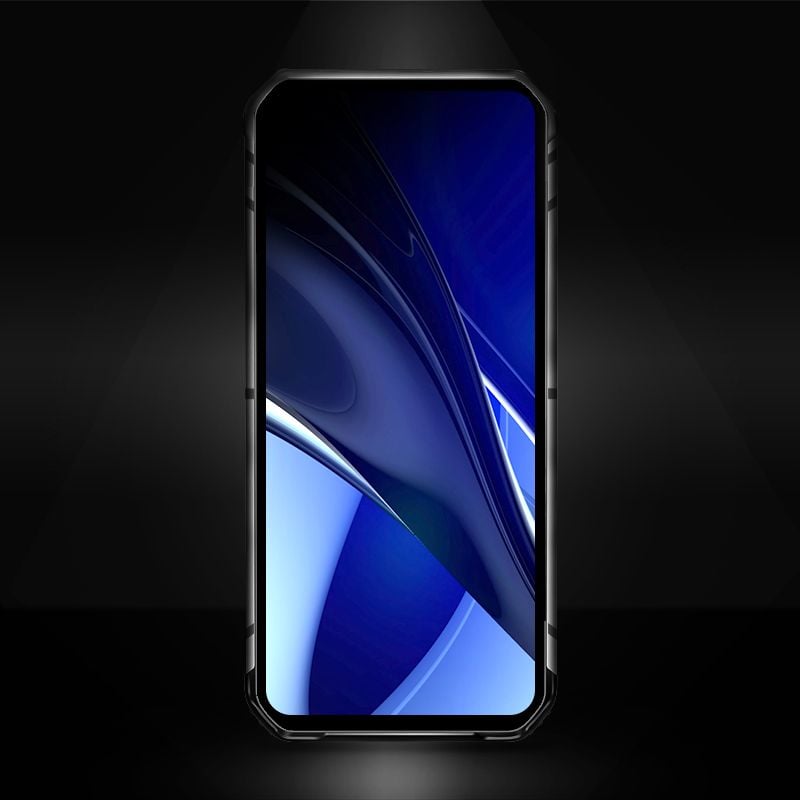
We are heading towards the end of 2020 and we can already see the hype train keyword for next year. 5G phones are expected to be the face of smartphones in 2021 and the excitement is already building up for brands like Apple’s iPhone 12, OnePlus 8T, and more. Now, Blackview has joined the list as its new Rugged 5G smartphone is launching in a month or so. With this, Blackview becomes one of the first companies to launch a first-ever 5G rugged smartphone.
Regarding the naming, we aren’t sure how Blackview would call it yet. However, it might be different from the current ‘BV99’ series and don a new name. The 5G device is said to sport a fresh design with the usual rugged body. Hence we can expect metallic casing, Military Standard certification, water-resistance, and more.
The device will reportedly have a 6.5-inch screen with slimmer bezels. Regarding the selfie camera placement, it is likely to retain the notch-design. However, the highlight of the device will be 5G connectivity. Blackview has so far mastered the art of making rugged phones but connectivity was limited to 4G.
That said, the new 5G connectivity will make it one of the first rugged smartphones in the world to support the latest network. The device is likely powered by Mediatek’s 5G SoC. Mediatek has its 5G SoC lined up under the Dimensity branding and hence, we can expect one of mid-range SoC like Dimensity 7 or 8 series in it to keep the costs low or flagship D1000 as rumored before.
Moving on, the upcoming 5G phone will have better cameras. If reports are true, the new camera on the device will be powered by Honeywell® flagship-level 2D scanner useful for scanning barcodes. That said, we can also expect important sensors like Altimeter, Barometer, Pedometer, etc., for outdoor use.
As for the price and release date, sadly there is no concrete info yet. However, strong rumors suggest that the device will launch some time between September-October this year.
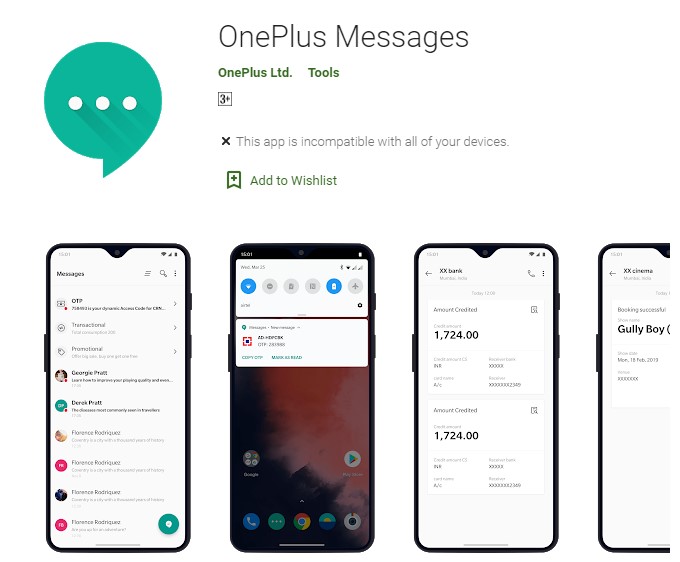
OnePlus has steadily been adding its stock apps to the Google Play Store. This move makes it easier to push updates to these apps rather than a full OTA to the phone. The latest app to do so is the OnePlus Messages app.
The description says the app allows for categorizations of messages. This means messages that have to do with transactions, promotions, and OTPs all have categories and not lumped up together. This feature was announced last year as Smart SMS and exclusive to India. It appears it will now be available to all users.
Another new feature that is mentioned is the ability to easily copy OTPs when you receive them. A tab that says “Copy OTP” will appear alongside “Mark as read” when you receive a message containing an OTP.
The OnePlus Messaging app is not available for public view yet as it is still in early access. Once it is available in stable, it should be available when you search for it.
It is important to remember that just because the app is on the Play Store it means you will be able to download it on to any device. If you don’t own a OnePlus phone, chances are it will not even show up when you search for it. Only OnePlus apps that are designed to work on phones from other manufacturers will show up.
We are not sure this app will even be available for the OnePlus Nord seeing as it ships with Google Messages and not the OnePlus Messages app.
Thermohygrometers are very common in life and are among the first batch of products connected to smart homes and AIoT. But for music players who have wooden instruments, there are not many choices of professional thermohygrometer for musical instruments on the market. Xiaomi Youpin has today launched the Qingping·Li Guitar Bluetooth Thermohygrometer designed for guitarists by Li Zongsheng and his Li Guitar team in cooperation with Qingping Technology.
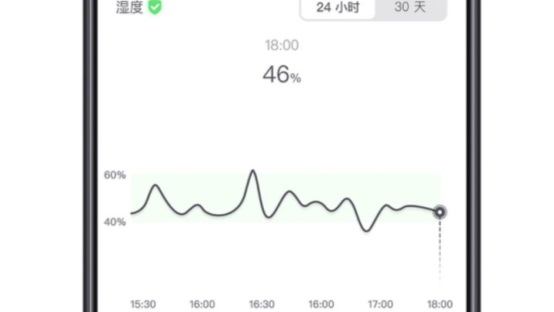
The thermohygrometer has a reminder of temperature and humidity exceeding limits and can be viewed in real-time. It also stores 30-day temperature and humidity records, equipped with a high-precision sensor and a magnetic design that can be attached to the guitar soundhole.
For wooden musical instruments such as guitars, the suitable storage temperature is 20-25°C and the humidity is 40%-50%. When not kept in the proper storage environment, wooden musical instruments are prone to deformation, cracking, and glue. Repairing wooden musical instruments with deformed panels is expensive, and even if repaired, the tone will change. Thermohygrometers can better help musicians maintain their instruments. Traditional thermohygrometer products are not specially built for musical instruments and cannot be easily fixed on the body of the instrument. When the instrument is moved, it will shift in the cabinet and collide with the body.
The new thermohygrometer uses TPU soft glue with magnets which can be attached to the guitar soundhole and fixed on the guitar panel. At the same time, the sensor can detect the temperature and humidity inside the guitar.
The device has a dedicated companion app and also supports the MIJIA App. The app enables remote monitoring and over-limit alarm functions. Equipped with a high-precision Swiss Sensirion sensor, when the temperature and humidity exceed the set range, it can alert the mobile app to remind the user to change the guitar storage location. At the same time, you can view the 24-hour temperature and humidity records and remote monitoring stored in the app. The temperature and humidity records can be retained for up to 30 days.
In addition, the Qingping Li Guitar Bluetooth Thermohygrometer uses a very low-power Bluetooth 5.0 sensor and a CR2032 button battery that can work continuously for 8 months at room temperature without worrying about battery life. The TPU soft glue connection material used in the fuselage can withstand more than 5000 bending times and has a long life. The temperature and humidity display is an electronic ink screen, which has low requirements for ambient light and can be used in all scenes. It can be clearly and easily read even in direct sunlight.
The device is priced at 199 yuan (~$29) and is presently available on Xiaomi Youpin.
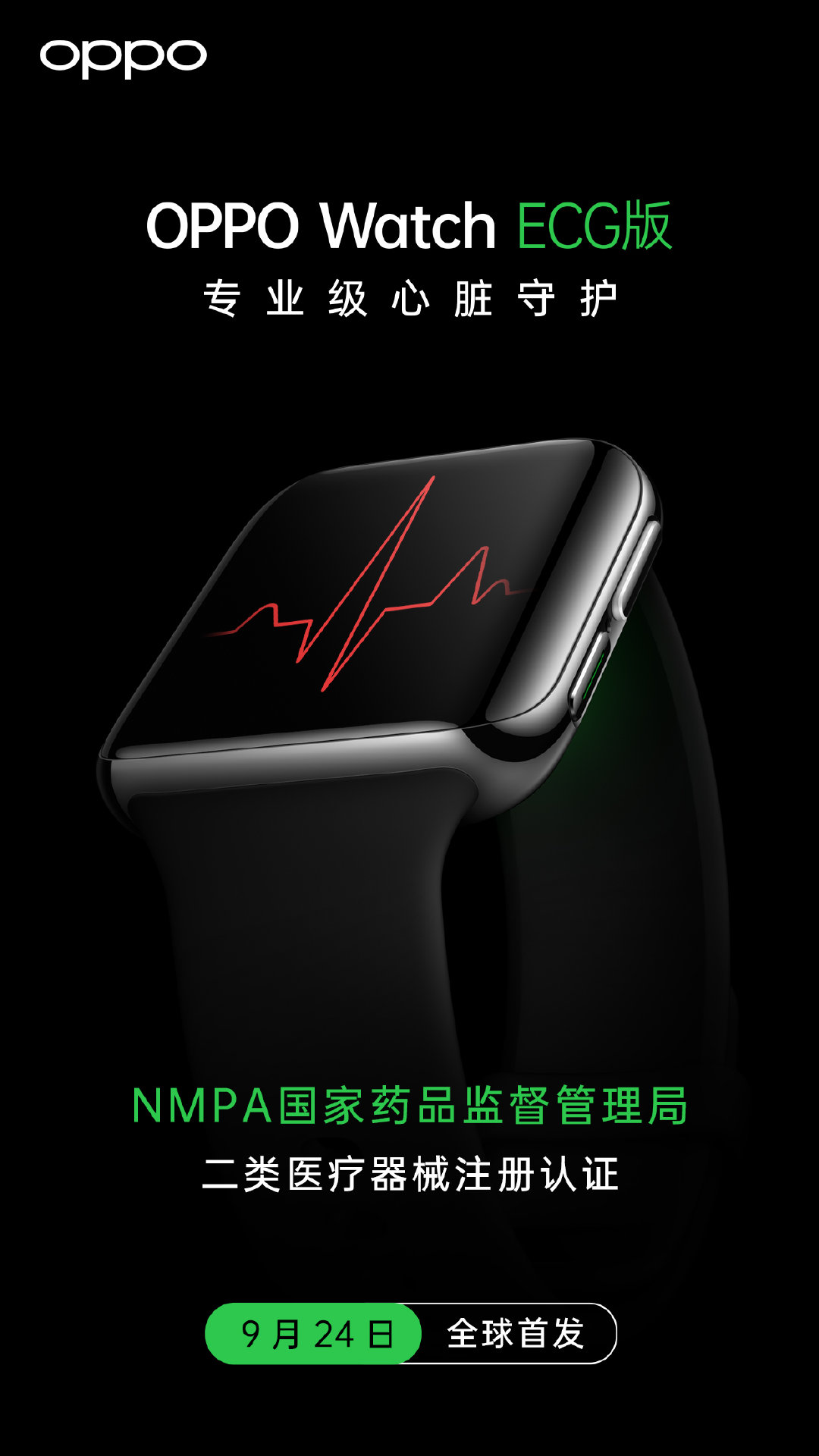
You cannot just slam ECG into a watch and launch it, not unless you have received approval from the relevant agencies in the countries where it will be sold. This explains why the OPPO Watch didn’t have ECG when it was announced even though it was a feature that was teased before the watch was launched.
OPPO has now announced that the OPPO Watch ECG version will get a global release on Thursday, September 24. The announcement was made on Weibo by one of OPPO’s official accounts.
The post said the device has been certified as a Class II medical device by the National Food and Drug Administration. The watch has also been approved by the US FDA.
We expect the OPPO Watch ECG version will have similar specs to the 46mm stainless steel version sold in China. This means it should have a stainless steel case, ceramic shell, and sapphire glass.
The OPPO Watch has a flexible AMOLED display and is powered by the Snapdragon Wear 3100 (Snapdragon Wear 2500 for the Chinese version) and a low-power chip called the Apollo 3. It has 1GB of RAM and 8GB of storage. There is 2.4GHz Wi-Fi, Bluetooth 4.2, GPS, and NFC. It also has a 430mAh battery with support for Watch VOOC Flash Charge.
The stainless steel version of the watch which is the most expensive one is ¥2499 (~$367). We presume the ECG version will have a price tag not less than ¥2999 or $399 when it launches.
Microsoft is reported to launch a budget Surface laptop in the coming days. Some of the specs were revealed in that report. Now, alleged benchmark listings of this notebook codenamed “Sparti” have been spotted revealing its processor, RAM, storage, and screen resolution.
The upcoming budget Microsoft Surface laptop is said to be a new product line placed between Surface Go and Surface Pro in the $399 – $749 price segment. The base variant in this series is expected to come with 4GB RAM and 64GB internal storage.
Now, according to listings on UserBenchmark and Geekbench, the highest model in this product line ,may arrive with 10th Generation Intel Core i5-1035G1, 16GB LPDDR4 RAM , and 256GB SK Hynix SSD.
Whereas, the 12.5-inch 3:2 display with a resolution of 1536 x 1024 pixels will be common on all the variants in the series. So far, only two different models have been spotted with model numbers “Oemqn Product Name EV1” and “Oemqn Product Name EV2” respectively (via Windows Latest).
The former will come with the highest configuration. Whereas, the latter will feature 8GB RAM and may come in 128GB and 256GB storage variants. That said, the i5-1035G1 present in these laptops is not a powerful chip but it will be enough to handle day to day activities.
As for the launch date, Microsoft is yet to schedule the Fall 2020 Surface event. As per reports, it could take place on October 1 and the Redmond-based software giant may only announce this budget “Sparti” Surface laptop and revamped Surface Pro X.
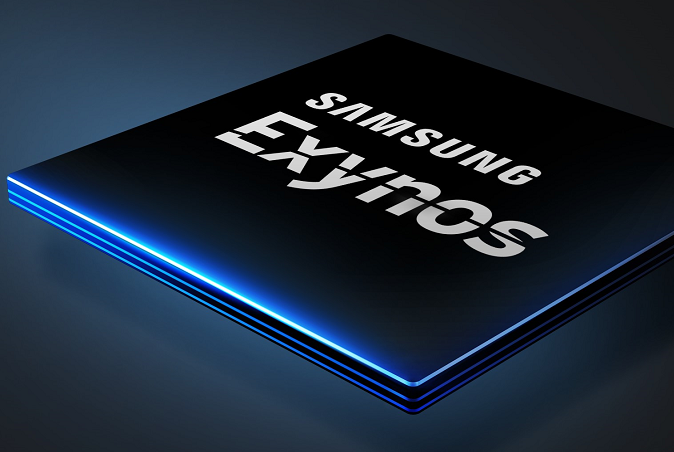
Samsung faced a lot of criticism with the Exynos 990 SoC. The chipset was underwhelming compared to the Qualcomm’s counterpart. However, that could change now as an alleged report on the Korean forum says the Exynos 1000(Tentative) SoC on the next flagship could perform better than the upcoming Snapdragon 875.
Exynos 1000 vs Snapdragon 875 Leaked Geekbench Scores
The report leads us to two sets of Geekbench scores on the Korean forum. One with Snapdragon 875 and the other with the Exynos SoC. The devices used are Xiaomi Mi 11, and Samsung Galaxy S21. Of course, both the SoCs are unannounced and hence, these are tentative namings without confirmation on their existence.
Moving on, the Galaxy S21 seems to be tested with Exynos 1000 and Snapdragon 875. Both the single and multi-core scores of the Exynos are 1302 and 4250 points. This is significantly higher than Snapdragon’s 1159 and 4090 points. Also, Xiaomi’s Mi 11 allegedly recorded 1102 and 4113 points.
That said, the post doesn’t present any visual evidence like a screenshot to us. This poses a great doubt on its legitimacy and hence, we will have to wait for more info. Further, one of the posts also says that Samsung had to overclock the ARM’s top-performing core which is the recently launched ARM Cortex-X1.
The report adds that there is an issue on the ARM’s side and to get the desired performance, Samsung has overclocked the SoC to land scores higher than the Snapdragon 875. While we need more information on this, it also suggests that the newer Core-X1 might be present on both the upcoming flagship SoCs as expected before.
Anyway, this is a significant bump up for both Snapdragon and Exynos SoCs. This is because the older ones had single and multi-core scores below 1000 and 4000 points. If we recall, Samsung is manufacturing Snapdragon 875 SoC for Qualcomm using the 5nm EUV process. Also, with reports saying Samsung could share cluster design from Snapdragon 875 on its Exynos, the above scores could be true as well.
This is rather exciting news and Samsung could finally match Qualcomm after years of struggle. However, since both the SoCs won’t be out for at least the next couple of months, so let’s play the waiting game.
Xiaomi released a series of important products at its 10th-anniversary event last month. We’ve already reviewed the Mi10 Ultra and the Redmi K30 Ultra – which were the most striking products from the briefing. And today we are going to bring you another anniversary product, the Xiaomi Mi 20W Smart Tracking Wireless Charger Pad.
Wireless chargers have become quite common now but most of them are just basic chargers without any significant highlights. Over the years, new wireless chargers have focused on improving wireless charging efficiency but they haven’t considered much about user experience. Well, in our eyes, the reason why we need a wireless charger is not for faster-charging speeds, but for a smarter and a more convenient charging experience for our devices.
Considering this, we didn’t think there were any exceptional wireless chargers in the market. But that was until Xiaomi released this tracking smart wireless charger and it looks like Xiaomi has found the perfect recipe for designing a charger. Xiaomi claims that this tracking Charger can guarantee charging irrespective of where you place your phone.
But, is it as amazing as they demoed it in the briefing? Let’s find out!
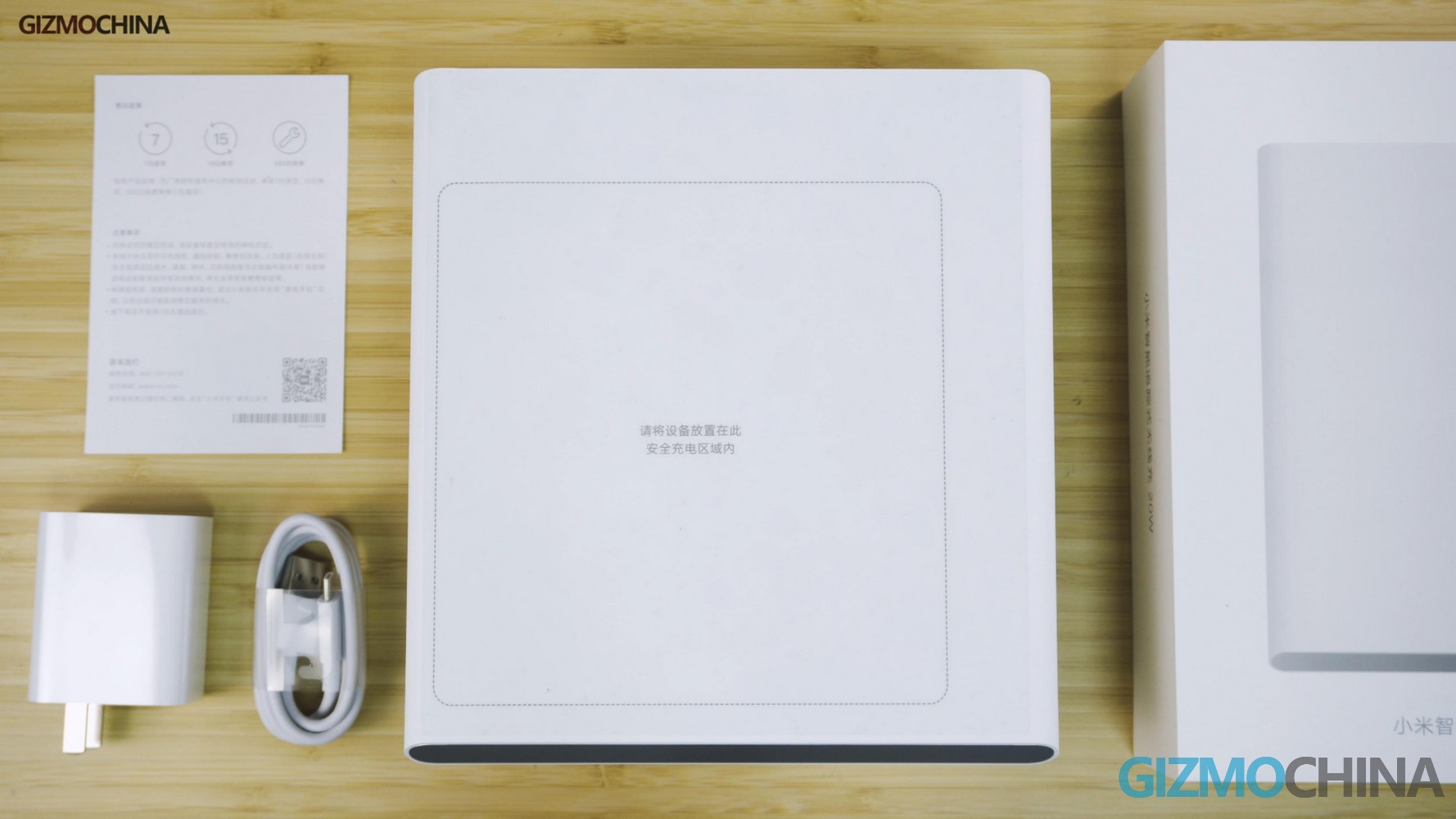
First, let’s check out what we’ve got in the box.
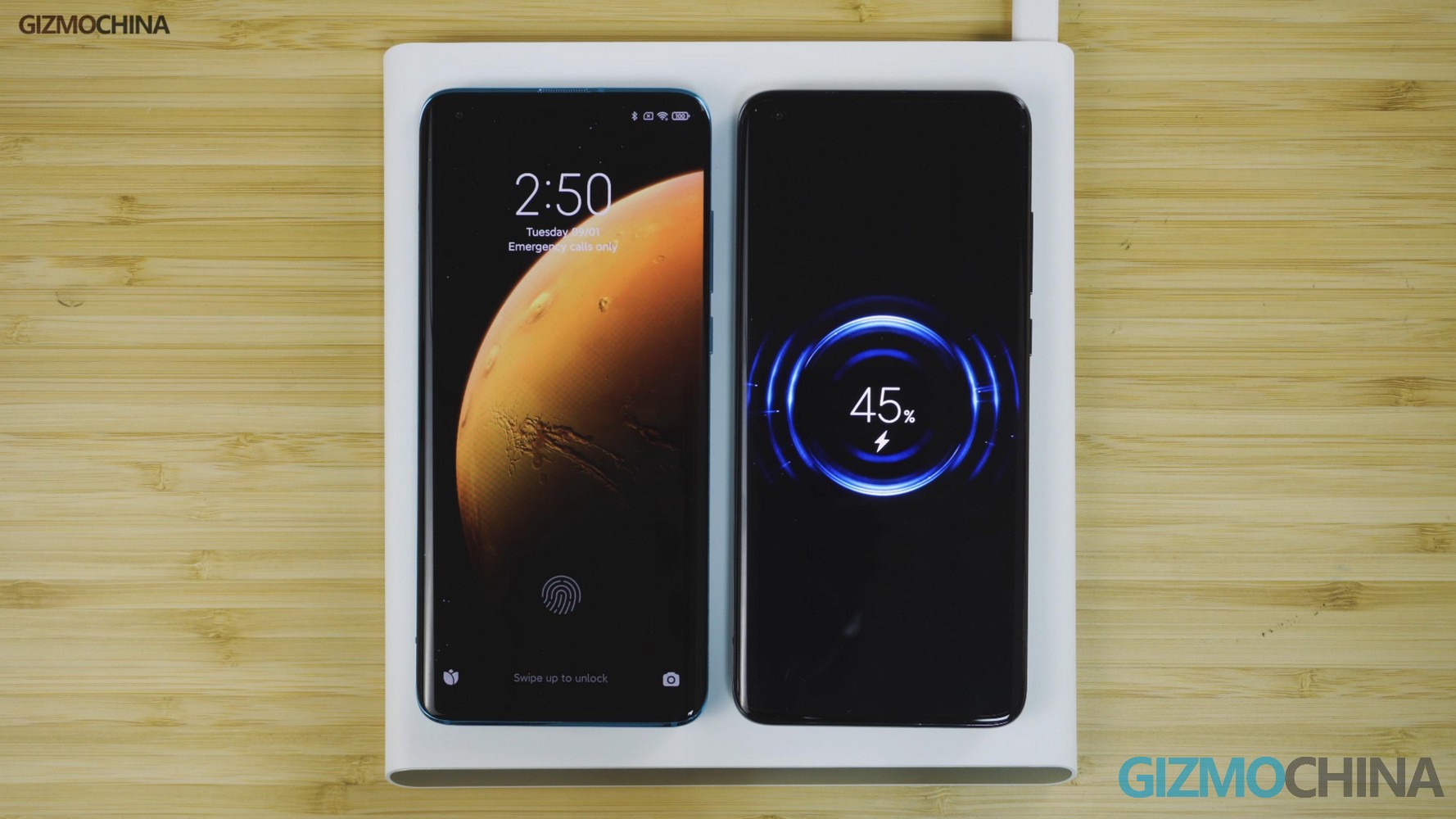
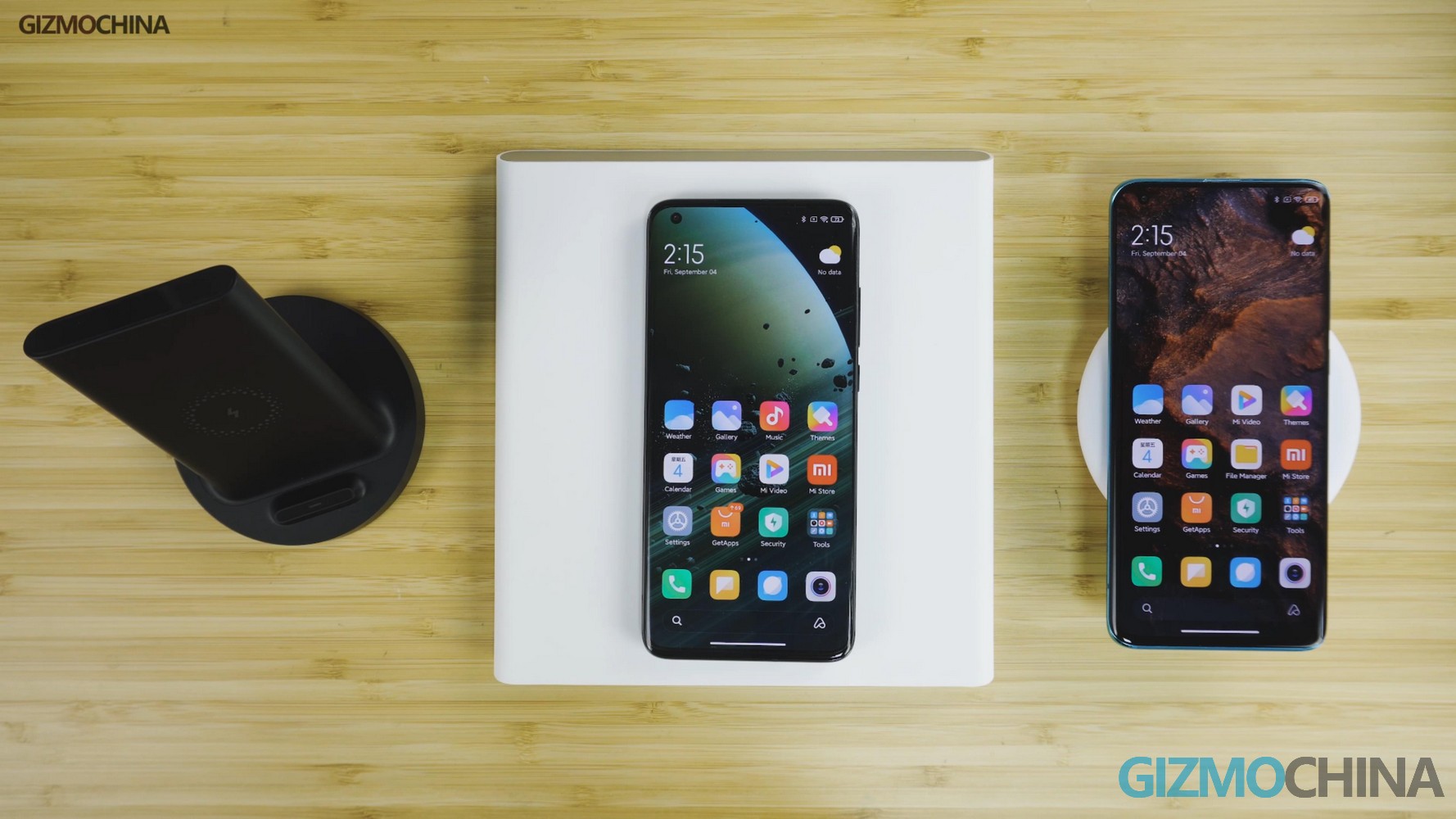
The box continues with Xiaomi’s style – simplistic but nothing surprising. As you open the box, the charging pad is the first thing you see. Although it’s much larger than most other charging pads we’ve seen before, the working platform is still smaller than what we had expected, allowing us to place a maximum of two smartphones.
Box contents
At first glance, the minimalist appearance didn’t really catch our eyes as we had already seen its conceptual design last year. In the concept stage, there was an information panel in the front to display details like weather and charging state. But Xiaomi took this feature away in this commercial version.
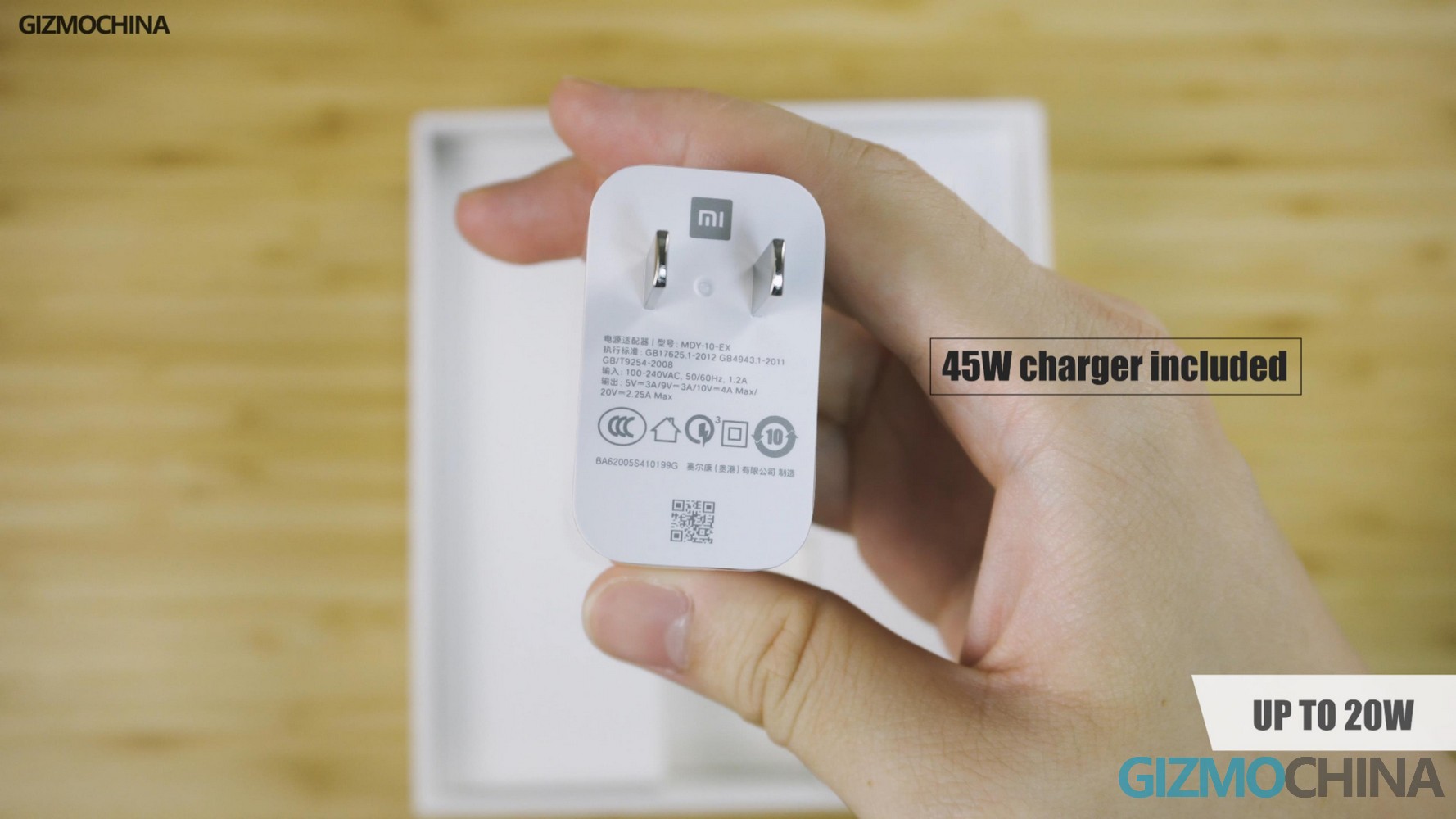
The pad can provide up to 20W charging efficiency as claimed, but Xiaomi generously attached a 45W charger for users to connect with the charging pad. But if you are using the wireless charging pad, it can only provide up to 20W power-input for your Mi phones. And the 20W power can only be activated when you place one of the latest Mi flagships, like the Mi 9 series or the Mi 10 series. Other phones can only charge at 5W.
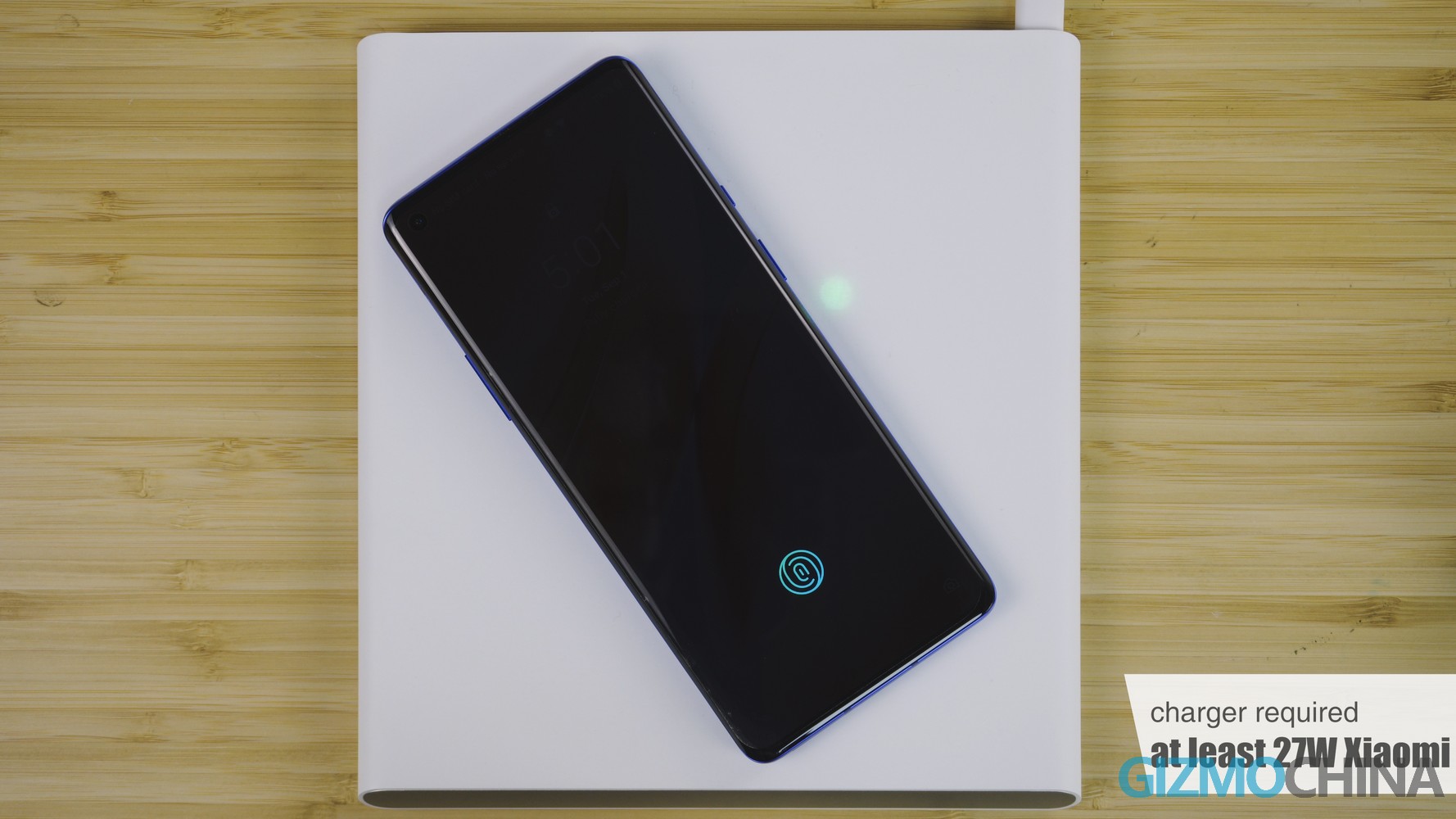
Besides, in order to get the best efficiency from the charging pad, it also requires a Xiaomi charger that can give out power, upwards of at least 27W. If connected with the other brands’ chargers, the green indicator would flicker to remind users that the pad is not working properly because of a wrong charger.
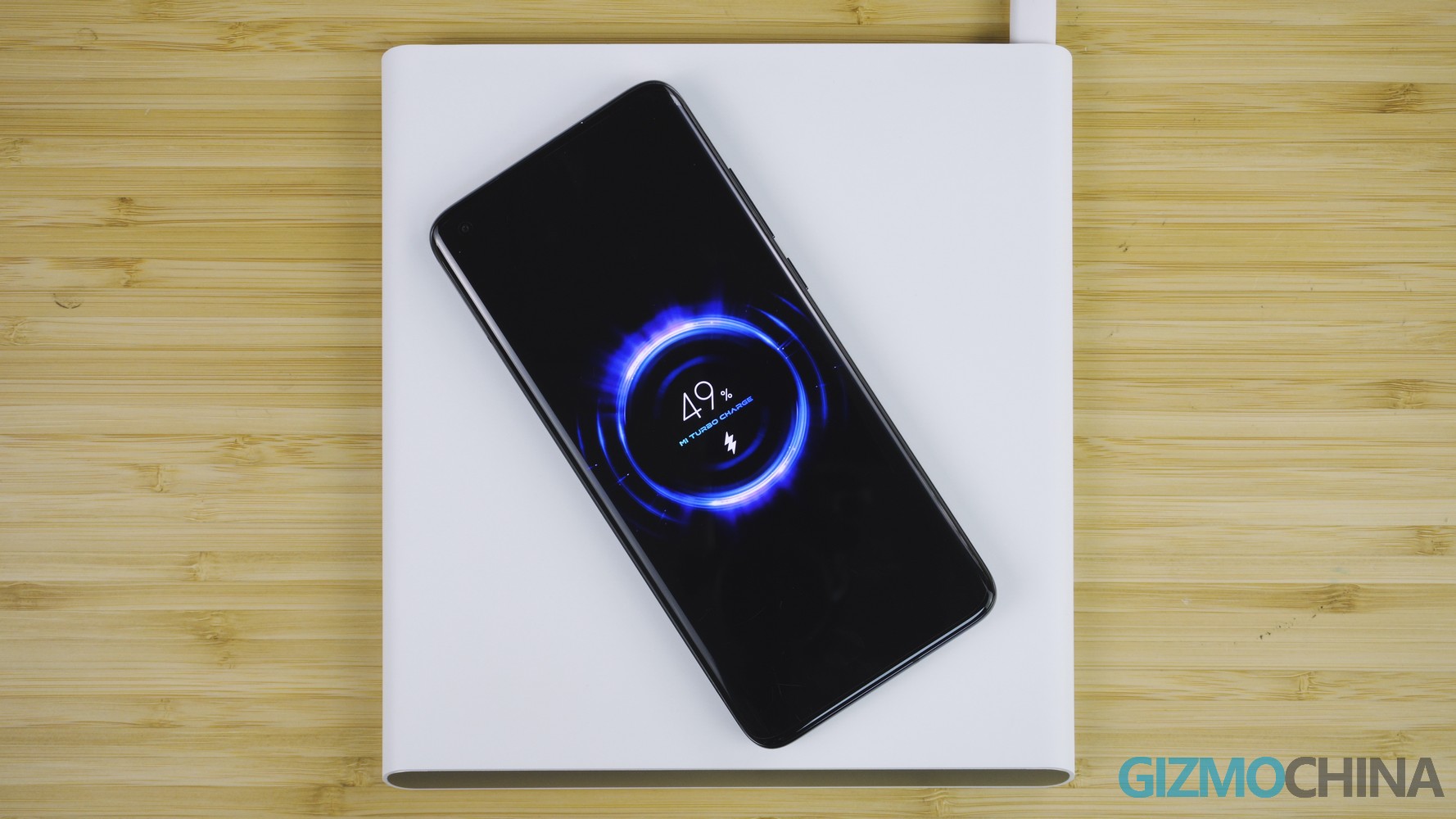
The first highlight of the Mi 20W Smart Tracking Wireless Charger Pad is its device tracking. Once you place a wireless charging device on the platform, the charging coil with an indicator inside the pad would automatically follow the sensor direction and move to the right place. And then it starts charging the device wirelessly. However, as we mentioned before, the effective detection area is not as large as what we had thought. Your wireless charging device won’t charge if you place the phone around the corners.
Note that there is only a single coil inside, which means that it won’t be able to charge two devices at the same time. But you could still place two devices on the surface to get both of them fully charged, one by one.
We also found that the tracking is driven by two motors inside and they sometimes would get confused during detection and stop tracking. Then you need to reposition your device to restart its detection. And another issue we found was that if you place any device during the process of the coil returning, it would miss the tracking.
The charging pad also makes a weird noise if you shake it – probably because of the motors inside. It doesn’t come in the way of its functionality. But it sounds a bit cheap, which isn’t expected of a well-designed industrial product.
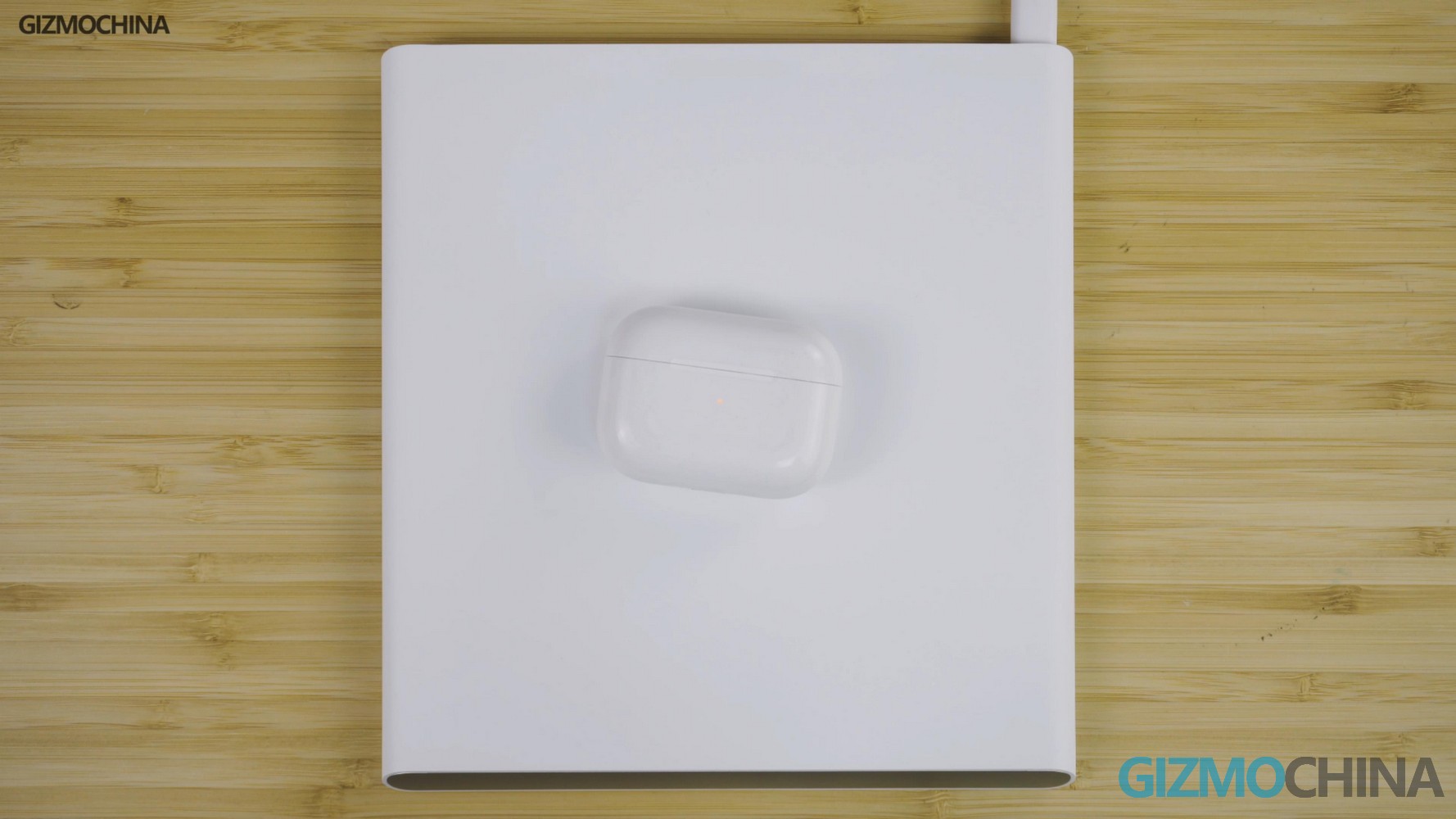
The tracking charging pad also supports small devices with wireless charging, such as wireless earbuds cases. But it’s not as user friendly as charging a phone wirelessly, because you need to place it much closer to the center. The charging pad won’t be able to track or charge if you place a smaller sized device near its edges.
That said, we still want to appreciate the Xiaomi’s efforts in updating and innovating the wireless charger design. This is still one of the most unique and interesting wireless charging pads available in the market right now. It also creatively solves the problem of wireless charging pads which generally requires users to accurately position their smartphones while charging.
Although technically, the Mi 20W Smart Tracking Wireless Charger Pad doesn’t support the simultaneous charging of multiple devices, we can still use it to sequentially charge two devices without having to replace them. Meanwhile, the charging coil can automatically return to the start point after detecting the full-charged state, which is also crucial for protecting the battery from being over-charged, thereby extending devices’ battery life.
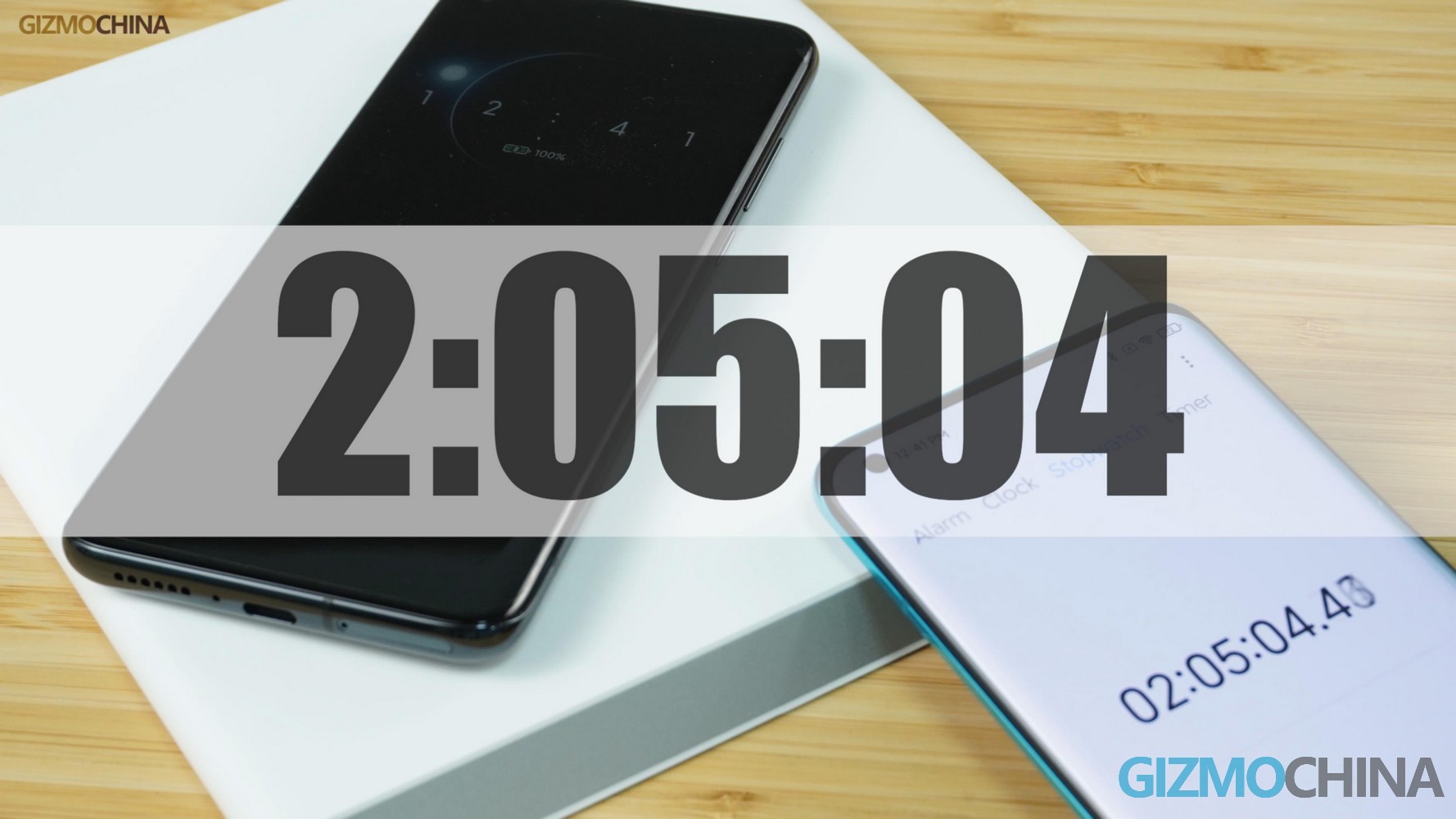
Charging time – 2 hours 5 mins
Indeed, the Xiaomi tracking wireless charger technically is able to solve a key charging drawback – just as they showcased in their 10th-anniversary briefing. It basically guarantees wireless charging regardless of where you place your phone. However, we feel there’s still a long way to go in developing the perfect wireless charging pad. It’s still not smart enough to cover enough use case scenarios for users, not to mention it sometimes struggled to deal with some complicated situations.
So that’s our experience with the new Mi 20W Smart Tracking Wireless Charger Pad. It’s an interesting and creative product but it’s not so smart. Hopefully, the second generation model will fix the above-mentioned drawbacks, making it truly smart and efficient.
WHERE TO BUY
Mi Smart Wireless Tracking Charger @ $99.99 – GIZTOP
Smartphones continue to sell despite the pandemic in 2020. Consequently, a recent report by IDC reveals that budget and mid-range(below $400) smartphones continue to be the star of the show. And, if the predictions are right, the mid to high-end segment will also see a surge going forward.
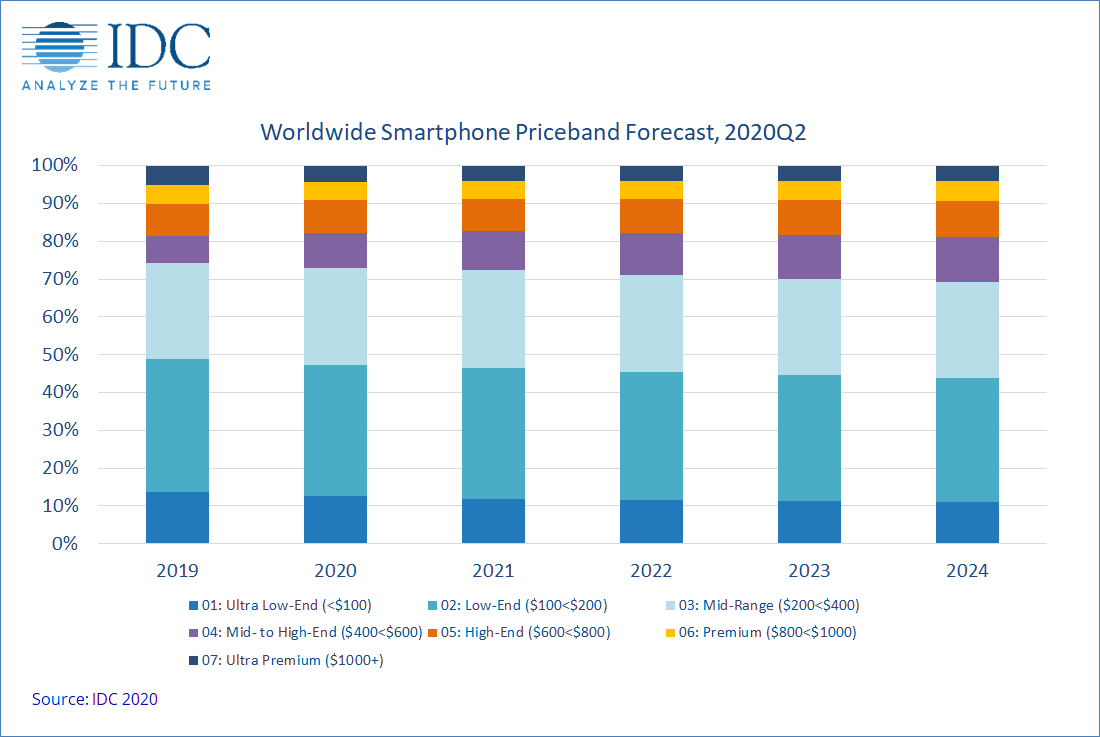
A study by IDC (International Data Corporation) shows that smartphones in the low to mid-tier segment ($100-400) dominated worldwide shipments with a 60% market share in Q2 2020. This was evident in price-sensitive markets like Asia (excl. Japan&China), Latin America, MEA (Middle East&Africa), and CEE(Central Europe) where 85% of the market belonged to smartphones under $400. In countries like the USA, the market share of devices under $200 rose to 27% in Q2.
The dominance of Chinese companies under $400
That said, according to the report, companies like Samsung, Huawei, Oppo, Xiaomi, and Vivo are the sole contributors. The reason for this could be the value proposition that their devices bring in every segment. Still, premium brands like Apple also seem to have grabbed a scoop of this. Apple’s iPhone SE had a great reception and as a result, the company sold nearly 10 million units in Q2 2020.
Nearly 73% of smartphone shipments in 2020 is expected to be dominated by devices under $400. However, IDC says that the overall value of smartphones will decline by 7.9% which is $422.4 billion from $458.5 billion in 2019.
Credit: IDC
COVID-19 has resulted in unemployment, and add to this, supply disruption and delay in manufacturing during Q2 meant the industry had to adapt to a new normal. Hence, affordable smartphones took the center stage and if reports are true, the shipments are expected to grow further and reach 63% in 2021.
Prospects of the mid-to-high-end segment
The mid-to-high-end devices($400-600) clocked a share of 11.6% in Q2 2020. Nabila Popal, Research Director at IDC says, ” IDC expects the fastest growth will be in $400-600 as 5G sales grow and average price drops to $465 by 2024″.
These days you can get a gaming controller that attaches to your smartphone for a handheld console-like gaming experience. However, before gaming smartphones became a trend, there was the Sony Ericsson Xperia Play – an Android smartphone with controls hidden behind the display that could play PlayStation mobile games.
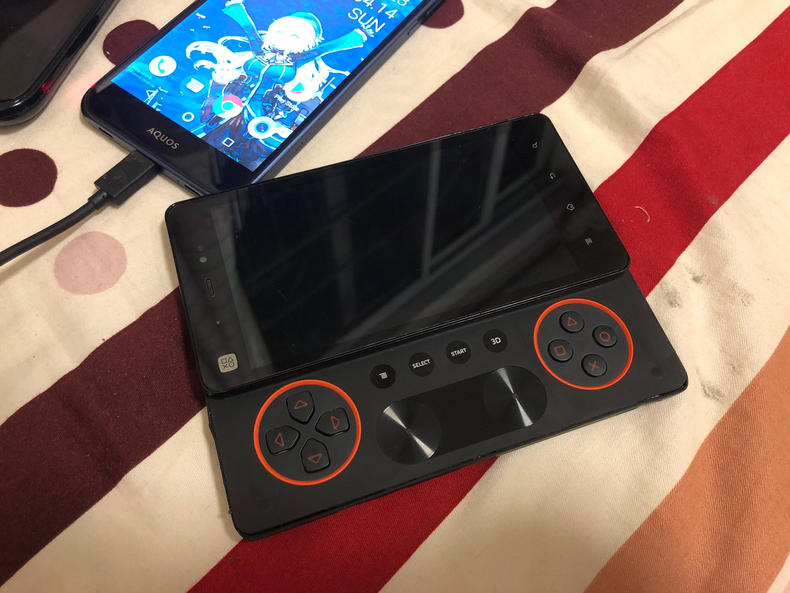
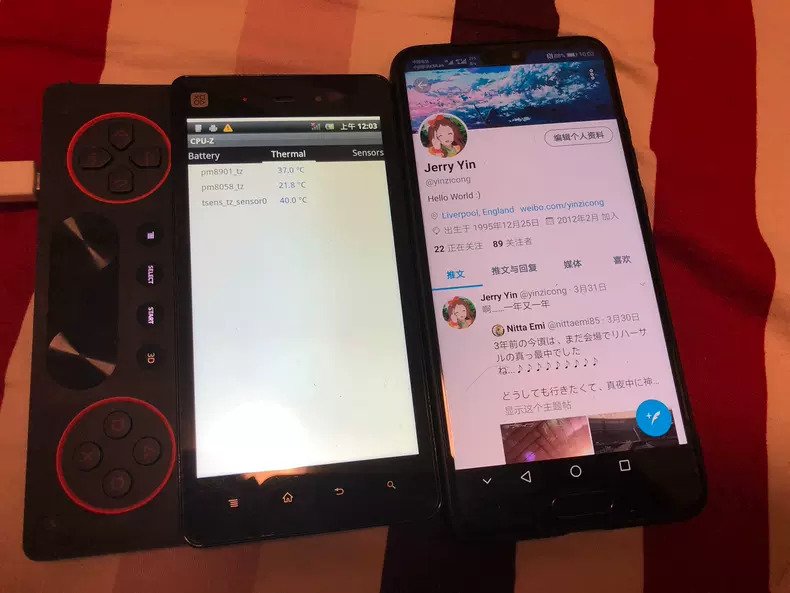
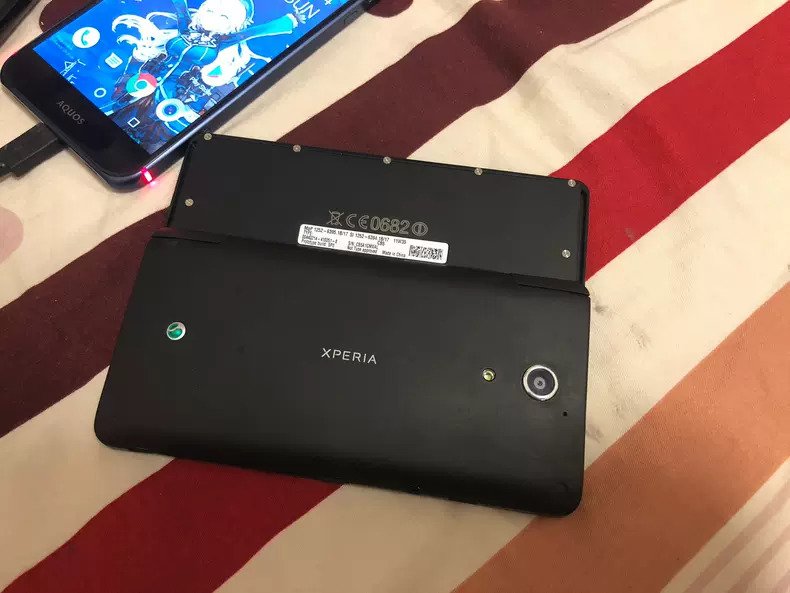
While an official successor was not announced, it turns out that there was indeed one in development. Images of the Xperia Play 2 have surfaced online thanks to a senior member of XDA-Developers called JerryYin who collects prototype phones.
The images show that the phone retains its sliding design. It also has a D-Pad, action buttons, and analog touch buttons just like the original. Sony has moved the menu, select, and start buttons to the top of the analog touch controls and has also added a fourth button labeled 3D. The D-pad and action buttons also have an orange ring around them.
1 of 3
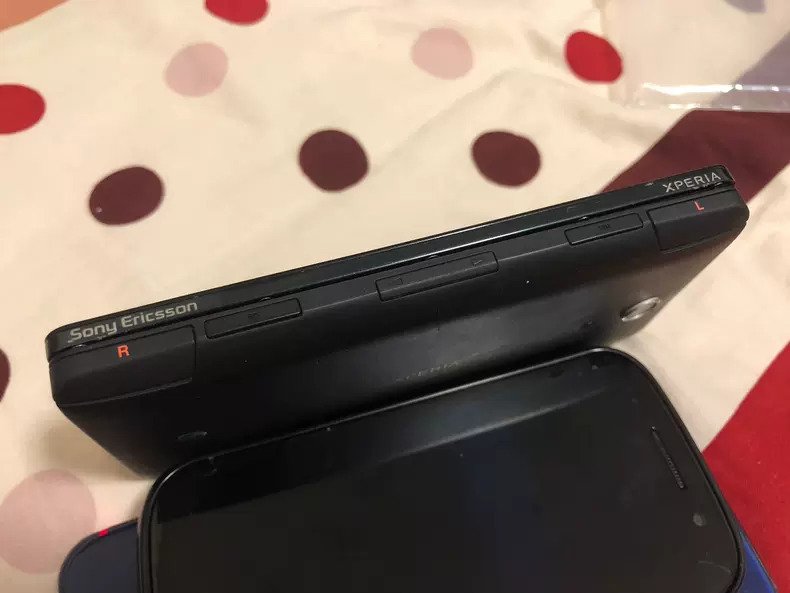
The Xperia Play 2 keeps the shoulder buttons and they too have an orange accent. Personally, I prefer this to the silver buttons on the original. The phone has a single camera and an LED flash on the back while the front is home to Android’s old capacitive buttons.
JerryYin has put up the phone for sale on a platform called IdleFish which is similar to eBay. It is priced at ¥233.33 (~$34) which seems to be a very fair price.
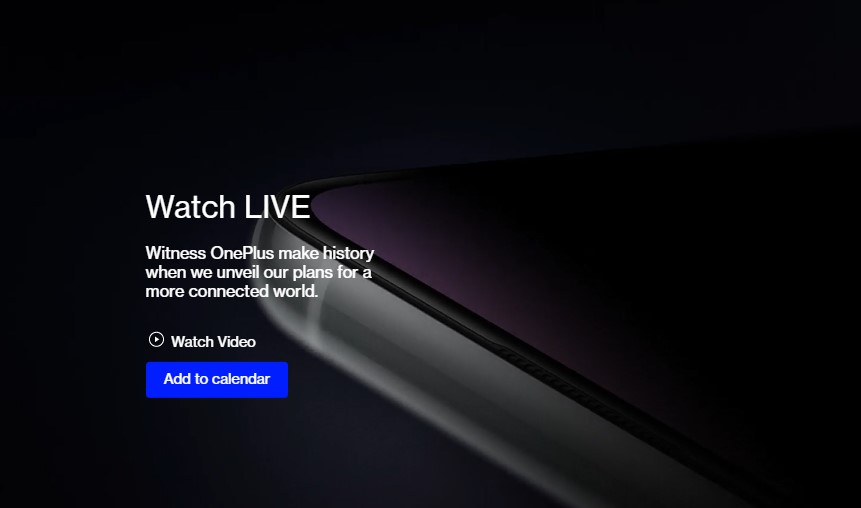
It is official. OnePlus has sent us a press release confirming that its next flagship called the Oneplus 8T 5G will launch on October 14.
OnePlus says the new phone “will feature a range of new and improved technologies that will elevate the OnePlus experience to new heights”. The launch will begin at 7:30 PM IST and will be live-streamed on the OnePlus India official website.
The event page includes a teaser video that gives us a glimpse of the phone and its flat display. This confirms that OnePlus has indeed dropped the curved display of the OnePlus 8 and OnePlus 8 Pro.
The image also shows the phone will come in a silver colorway.
The OnePlus 8T 5G has been reported to have an AMOLED display with a 120Hz refresh rate. There is a punch hole in the screen for a camera said to be a 32MP sensor just like the main selfie camera on the OnePlus Nord. The device will be powered by the Snapdragon 865 processor with 12GB of RAM and 256GB of storage. There should also be a 6GB RAM version with 128GB of storage.
Leaks have also revealed that the OnePlus 8T 5G will ship with a 48MP quad rear camera setup, a 4500mAh battery capacity, support for 65W fast charging, and OxgenOS 11.
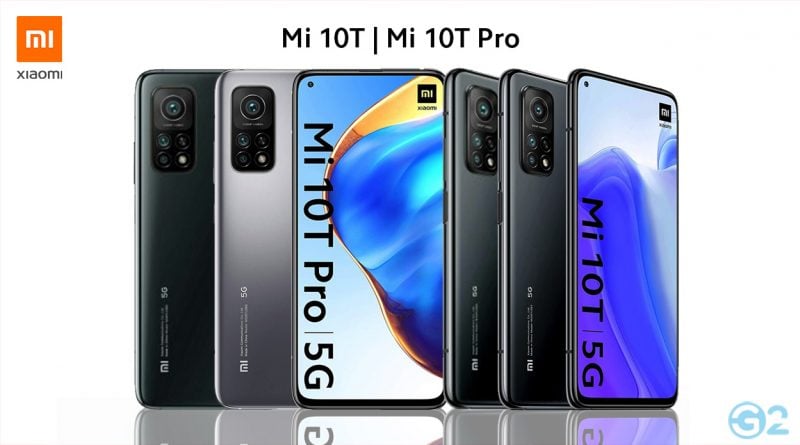
Xiaomi is expected to launch Mi 10T and Mi 10T Pro in the coming day for global markets. These handsets go by the codenames of “apollo” and “apollopro” respectively. Both of them have leaked multiple times over the past few days revealing almost everything about them including the price of the Pro variant. Now, according to a new leak, they might also launch in China but with Redmi branding.
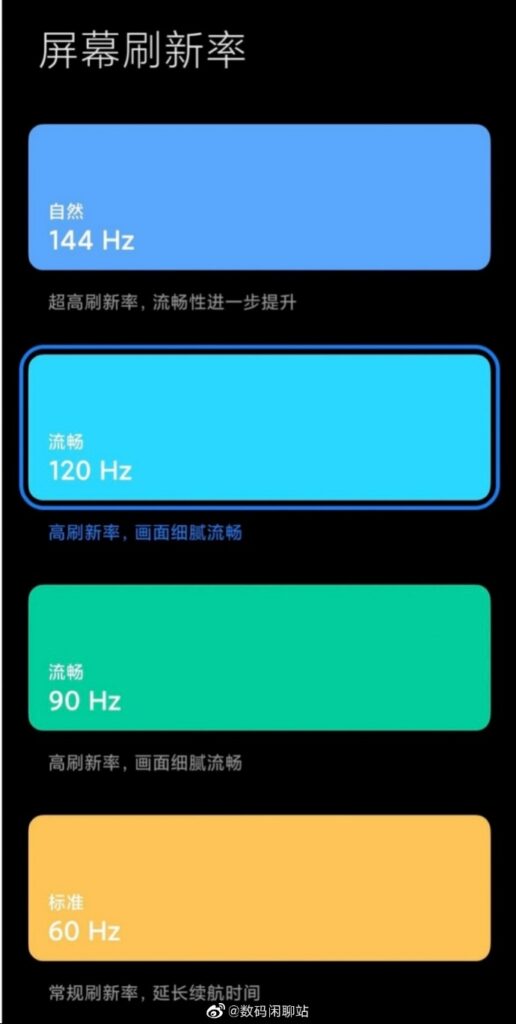
The new leak comes from Digital Chat Station on Weibo. The tipster shared an alleged screen refresh rate settings page of apollo smartphone with a caption hinting that the device will launch as a Redmi smartphone in China.
So far, high refresh rate displays on Xiaomi smartphones have been dynamic. Due to this implementation, users are facing stutters in UI on devices like Redmi K30 4G (POCO X2) and Redmi K30 Ultra to name a few.
This issue can be resolved to a certain limit by allowing users to select the refresh rate of their choice. The screenshot shared by the leakster confirms that such functionally will debut with the upcoming Mi 10T series, which he claims to launch as a Redmi smartphone. The display refresh rate settings page will have four options – 60Hz, 90Hz, 120Hz, and 144Hz on these devices.
In a separate Weibo post last week, Digital Chat Station also said that his panel with a 3.8mm (diameter) punch-hole and MEMC support is supplied by TCL China Star Optoelectronics Technology aka Shenzhen Huaxing Photoelectric Technology Co. Ltd. For those unaware, even Mi 10’s 90Hz AMOLED display is manufactured by the same company.
Apart from high refresh rate screen, the Mi 10T series or whatever it will be called by Redmi packs a ton of other features, which you can read from our previous courage. That said, Xiaomi is yet to officially announce the launch date of these phones.
Also, the Mi 10T and Mi 10T pro will not be the only devices to be rebadged as Redmi handsets. According to this very same tipster, POCO X3 NFC will be also launching as a Redmi phone in China.
A new report has revealed that Qualcomm is looking into an alternative to shift its orders from SMIC. The move might be taken considering that China’s Semiconductor Manufacturing International may soon face restrictions from the US Government.
According to a DigiTimes report, Qualcomm executives have paid a visit to Taiwan based foundries to secure capacity support. These are to act as a cushion in case the orders from SMIC falls short due to further US pressures. At the moment, Qualcomm is one of the top 3 customers of SMIC and accounts for about 13 percent of the foundry’s total wafer revenue.
The American based chip designer has also contracted the Chinese semiconductor based firm to fabricate power management chips using its 0.18-micron process technology along with mobile application processors and SoCs using the 28nm and 14nm processes. Among the Taiwan based foundries, TSMC, United Microelectronics (UMC), and Vanguard International Semiconductor (VIS) have been approached by the Qualcomm executives for the potential orders shift, according to industry sources.
Notably, SMIC had also recently issued a statement regarding the situation and accusations from the US. The company stated that “any assumptions of the company’s ties with the Chinese military are untrue statements and false accusations.” This arrives after the Trump Administration considered adding SMIC into the “Entity List” blacklist as well.
Huawei, the known Chinese consumer electronics maker, is apparently planning on launching a curved gaming monitor soon. The company and its subsidiary, Honor, have launched smart TVs in the past, and now, it seems like they plan on entering the gaming market as well.
Xiaomi’s Curved Gaming Monitor
According to a DigiTimesreport, Huawei is reportedly gearing up to launch its own brand of monitors, specifically, curved gaming monitors. This move will have it compete with another known Chinese smartphone maker, Xiaomi that recently entered into the gaming monitor market as well. Industry sources close to the matter revealed this information and even stated that it will outsource the production of standardized monitor products to BOE Vison-Electronic Technology (BOEVT), which will be for 2 to 3 different models.
Huawei will also be subcontracting the manufacture of its curved gaming monitors to TPV Technology for its initial orders for over one million units in the current mainstream sizes of 27 inch and 34 inch. This move also marks another area through which the Chinese tech giant is stepping into the desktop PC market. It had recently unveiled its Kunpeng 920 powered desktop, while Honor also launched its Hunter series of gaming laptops.
Notably, we had also previously reported on a leak that revealed gaming monitors from Huawei back in August 2020. These monitors feature a high refresh rate of 240Hz. This might be the same model as the upcoming curved gaming monitors that have been reported by sources. This report also mentioned different sizes at varying price points with a 32 inch model with mini LED also being hinted at. Unfortunately, this is still an unconfirmed report and we will have to wait for an official Huawei announcement to know for sure. So stay tuned.
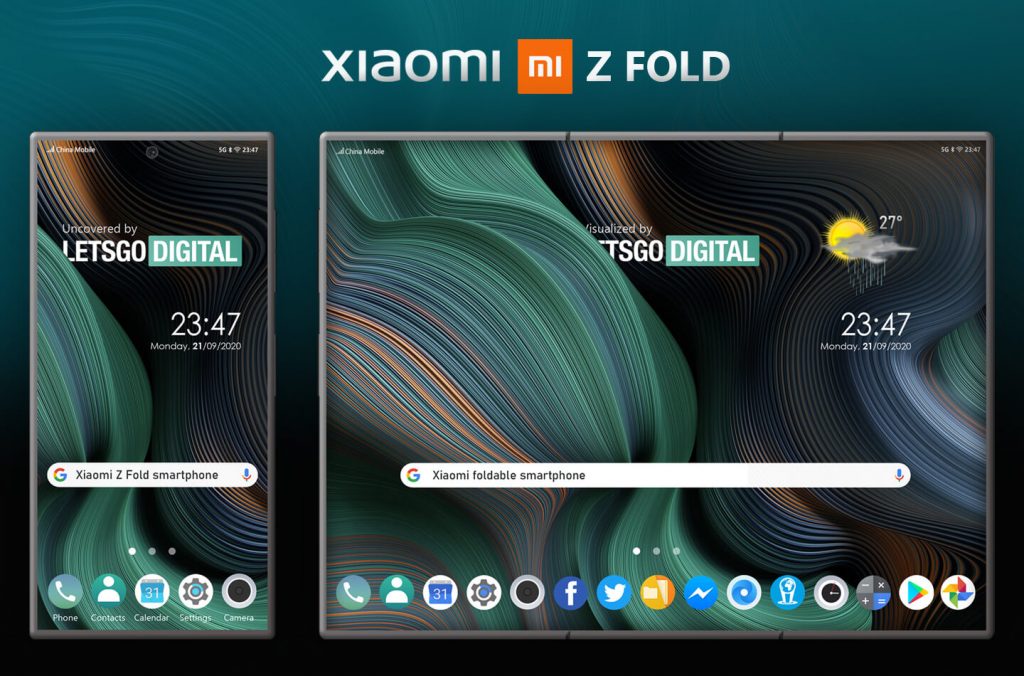
While Xiaomi had unveiled its prototype of a double folding smartphone back in 2019, the device had never been released commercially. Now, the Chinese tech giant has filed a design patent for another foldable smartphone with two bending screens, which have a Z shaped design.
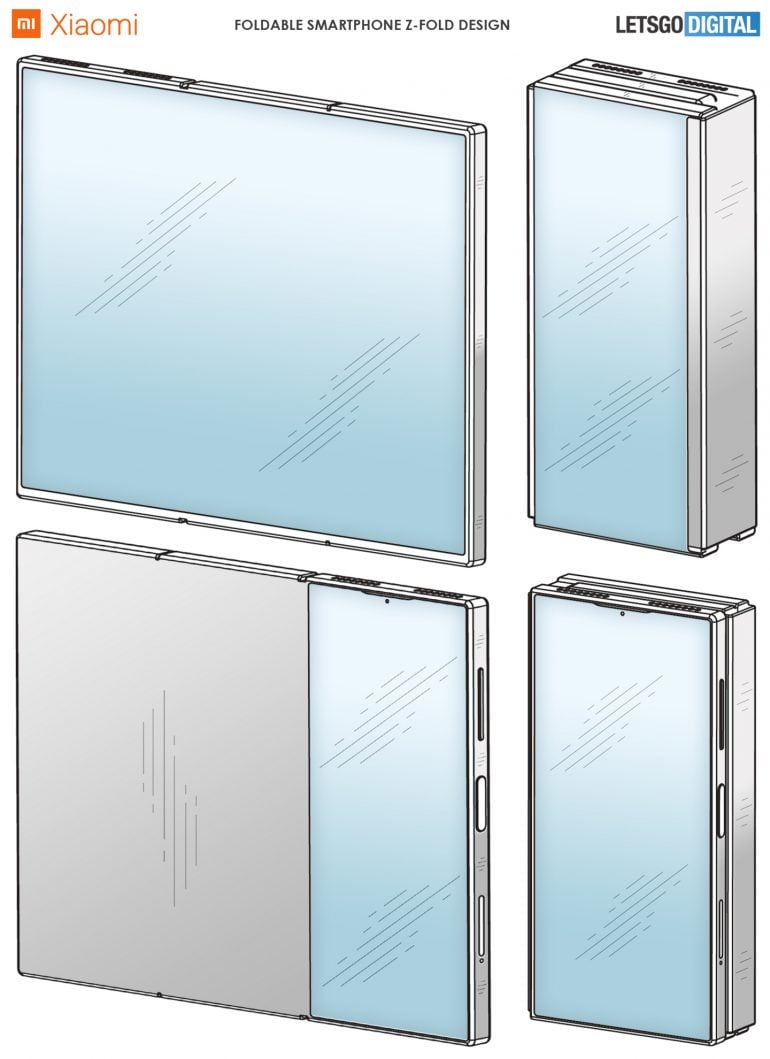
According to a LetsGoDigitalreport, the company filed the patent with WIPO (World Intellectual Property Office). This patent was approved last week and contains 16 sketches of the device as well. Looking at these images, the smartphone looks like any other device from the front when it is folded. A punch hole display can be observed on the front, however, the interesting aspect of the device is tucked behind it.
When unfolded, the device unveils a large display on the other side of the external display that was seen from the front. This large display has a two hinge mechanism, which means that it technically has three screen areas, with the first being on the opposite of the external display, while the other two are an extension of the same that fold inward from the back. Since the rear panel is completely comprised of the large display, the only camera is the selfie shooter which can only be used as the rear camera when the device is unfolded.
Underneath the primary/external display is where most of the crucial components of the device are housed, with the SIM card and volume rockers being found on the right side. This side also features an additional large button, which is likely built for the unfolding mechanism. On the bottom, a USB Type C port can be found, flanked by speakers grills on either side that can also be found on the top.
Unfortunately, this might just be the company’s attempt to cover all bases. So, it is unknown if Xiaomi actually plans on developing such a device. Although, the device quite futuristic and might be seen sometime in the next few years as technology advances further. This is by far not impossible to build, but might be quite unwieldy due to its size and, weight.
At the narzo 20 series launch event in India, realme also officially unveiled realme UI 2.0 based on Android 11. As expected, it is nothing but a slightly tweaked version of ColorOS 11. Unfortunately, unlike OPPO, realme neither revealed the list of eligible devices nor announced update timeline (except for realme X50 Pro).
OPPO held a dedicated event last week to launch ColorOS 11. On the other hand, realme announced realme UI 2.0 alongside realme narzo 20 series in India. The whole event meant for three smartphones and an operating system ended within 30 minutes.
One might wonder how is that even possible. That’s because as we mentioned in the beginning realme 2.0 is similar to ColorOS 11 in every way possible except for some minor changes here and there. Hence, the brand kept the presentation simply by only mentioning some key features.
To put it in simpler words, the relationship between realme UI and ColorOS is similar to that of Magic UI and EMUI.
In case you have forgotten, up until last year, realme phones ran ColorOS out of the box. But with the release of Android 10, the brand adopted Huawei’s strategy for its operating system.
That said, at today’s event, the company only revealed the rollout schedule for its flagship smartphone realme X50 Pro. According to the brand, “Early Access” (closed beta) for this handset will be available starting September 24, followed by “Open Beta” in October-end and “Stable Release” by the end of November.
Xiaomi India has just announced the new Mi Store on Wheels. It is a mobile retail platform that aims to bring store like experience to customers’ doorsteps. The service was announced earlier today (21st September 2020) and aims at bringing availability in the “far corners of our nation.”
According to Muralikrishnan B, COO, Mi India, the Mi Store on Wheels is aimed to bring the Mi Store showroom experience in areas that have limited access. The senior official also stated that the service “will be a disruptor in changing the dynamics of the retail business in our rural markets,” and that it follows “all the necessary
hygiene and safety practices, while regulating crowds and maintaining social distance, MSoW outlets will be fully safe for consumers to visit.”
This move from the company arrives to innovate on its existing retail network. The Mi Store on Wheels is also a method of boosting sales in areas that are less accessible by its retail stores or e-commerce portals during the ongoing Coronavirus pandemic. The new channel of distribution is also a part of the company’s Mi Commerce initiative, which intends to “blur the lines between online and offline boundaries.”
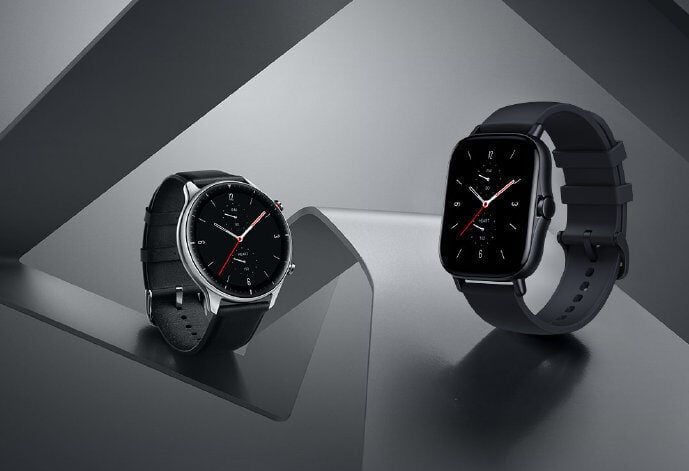
After teasing new products a month ago, Huawei announced that it will launch Amazfit GTR 2 and GTS 2 on September 22. Before the launch tomorrow, let’s look at all the features that are coming with the two smartwatches.
Amazfit GTR 2 and GTS 2 will be direct successors of the earlier launched GTR and GTS. Last year, both the GTR and GTS launched with AMOLED display and similar sensors. That is likely to continue this year as well. However, they are likely to differ in a few other specifications like battery and prices.
Amazfit GTR 2 and GTS 2 Design
Design-wise, both the GTR 2 and GTS 2 will follow their predecessors’ style. The GTR 2 will have a round dial while the GTS 2 will follow the sort of a squircle design. Both the smartwatches will have a premium build with metal casing and retain the AMOLED displays with slight curves towards the edges. The GTS 2, however, has a revamped side where the crown protrudes from the inside on the right. So far, only the black strap is visible in teasers but we can expect more on Tuesday.
Amazfit GTR 2(Left) GTS 2(Right)
Specifications and Features
Anyways, the main highlight of the GTR 2 and GTS 2 will be the blood-oxygen monitoring solution. In fact, Huami’s CEO confirmed this in a post on Weibo and also teased that the devices will have better blood-oxygen and sleep monitoring than rivals like Apple. To recall, the company launched the OxygenBeats engine back in June which eliminates signal noise and improves accuracy by around 50%.
Teasers also show that the watches will use a cluster of LEDs(Green, Red, Infrared) like the Apple Watch Series 6 for accurate measurements. Further, we can expect other sensors like ambient light, Biotracking, air pressure, geomagnetic sensors from predecessors.
Apart from these, Huami has confirmed standalone music playback and said that smartwatches will come with NetEase Cloud music, improved health and fitness features by partnering with Prudential, and an integrated Xiao AI assistant that works online and offline. Huami, through a video, showed that the Xiao AI will work seamlessly and better than Apple’s Siri.
Amazfit GTR 2 and GTS 2: Expected Price
We can expect other features like Wi-Fi, bigger battery, Bluetooth 5.0, NFC, GPS, GLONASS, water-resistance, and more. As for the price, Huami is known for aggressive pricing and hence, we can expect both the smartwatches to slot somewhere between the $100-150 segment. Let’s wait until Tuesday to confirm the same.
Apple is expected to launch its next-generation iPhone models — the iPhone 12 series in the coming weeks. While the company is yet to officially reveal the launch date, it has confirmed that the launch will be delayed by a few weeks.
With the official launch just around the corner, more and more information about the devices keeps surfacing online. In the latest development, Win Semiconductor has now started mass-production and shipment of ToF sensors and LiDAR scanners to Apple.
For those who are unaware, Apple iPhone 12 models are reportedly coming with LiDAR scanner, which stands for “light detection and ranging” and measures distances by illuminating the target with laser light and by measuring the reflection with a sensor.
This won’t be the first time Apple opts for the LiDAR sensor on its devices. The company has already started using the LiDAR technology on this year’s iPad Pro with the ToF sensor. As per the reports, not all models will come with this tech but the Pro model will have it.
If the iPhone sales are better than expected, then the company could get more orders from Apple for the fourth quarter of the year. It currently has a monthly production capacity of 41,000 pieces. The company is expected to invest and accelerate production in Nanke Park, which is estimated to create approximately 4,000 job opportunities.
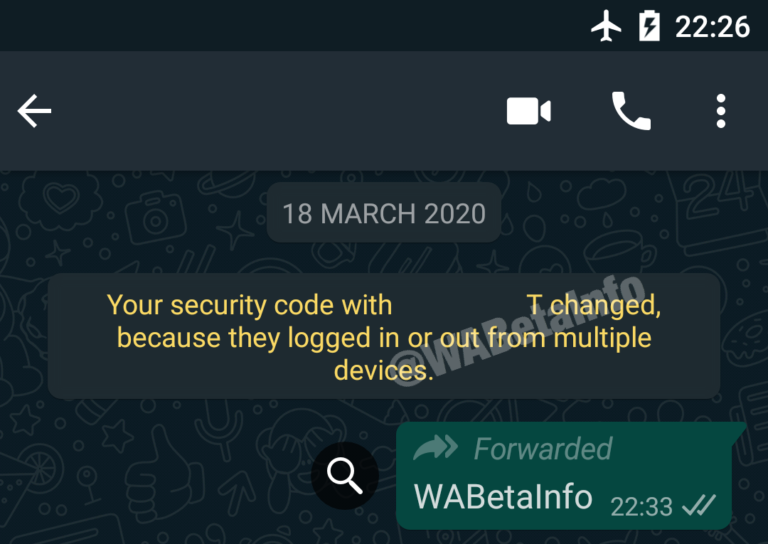
Previously, we had reported on WhatsApp, the popular messaging platform, working on a multiple device support feature for the same account. Now, a new report suggests that the company has reached the final stage in testing for the new feature.
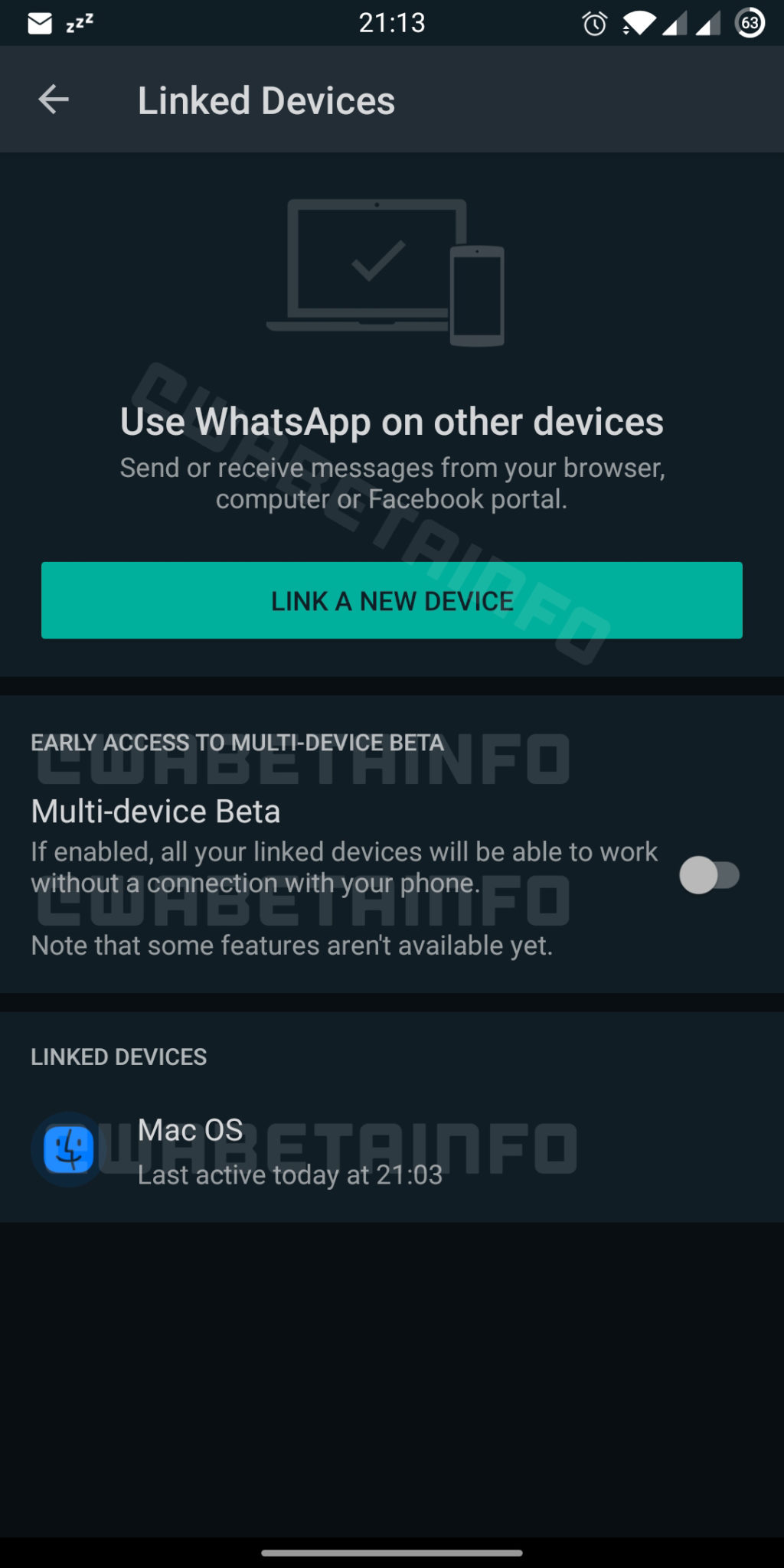
Images Via WaBetaInfo
According to a WaBetaInforeport, WhatsApp is in the final stages of a new feature that might be very useful to many users. The social media giant is working to bring support for up to 4 different devices that can run from a single WhatsApp account. This is something extremely useful, which might also benefit WhatsApp Web users, who would not have to rely on their primary phones to have an internet connection.
Furthermore, WhatsApp is also planning on building a new UI for the desktop client, which will showcase how the chat history is migrated and that the process is end to end encrypted. Apparently, a few features of the new update are still not ready, but the company has rolled out the more important ones like syncing various aspects chat history across multiple devices, muted chats, and even syncing starred/delivering messages.
However, this feature is currently in beta testing but users can opt in to try out this feature a bit early. The new feature is called “Linked Devices,” which enables all other linked devices of your account to work without an internet connection on your primary smartphone or main driver. This is still under development and users can also choose to opt out of the beta testing. Keep in mind, that entering into the beta testing will have all previous linked sessions be terminated since they are built on the old/current stable system.
We use cookies on our website to give you the most relevant experience by remembering your preferences and repeat visits. By clicking “Accept”, you consent to the use of ALL the cookies.
This website uses cookies to improve your experience while you navigate through the website. Out of these, the cookies that are categorized as necessary are stored on your browser as they are essential for the working of basic functionalities of the website. We also use third-party cookies that help us analyze and understand how you use this website. These cookies will be stored in your browser only with your consent. You also have the option to opt-out of these cookies. But opting out of some of these cookies may affect your browsing experience.
Necessary cookies are absolutely essential for the website to function properly. This category only includes cookies that ensures basic functionalities and security features of the website. These cookies do not store any personal information.
Any cookies that may not be particularly necessary for the website to function and is used specifically to collect user personal data via analytics, ads, other embedded contents are termed as non-necessary cookies. It is mandatory to procure user consent prior to running these cookies on your website.