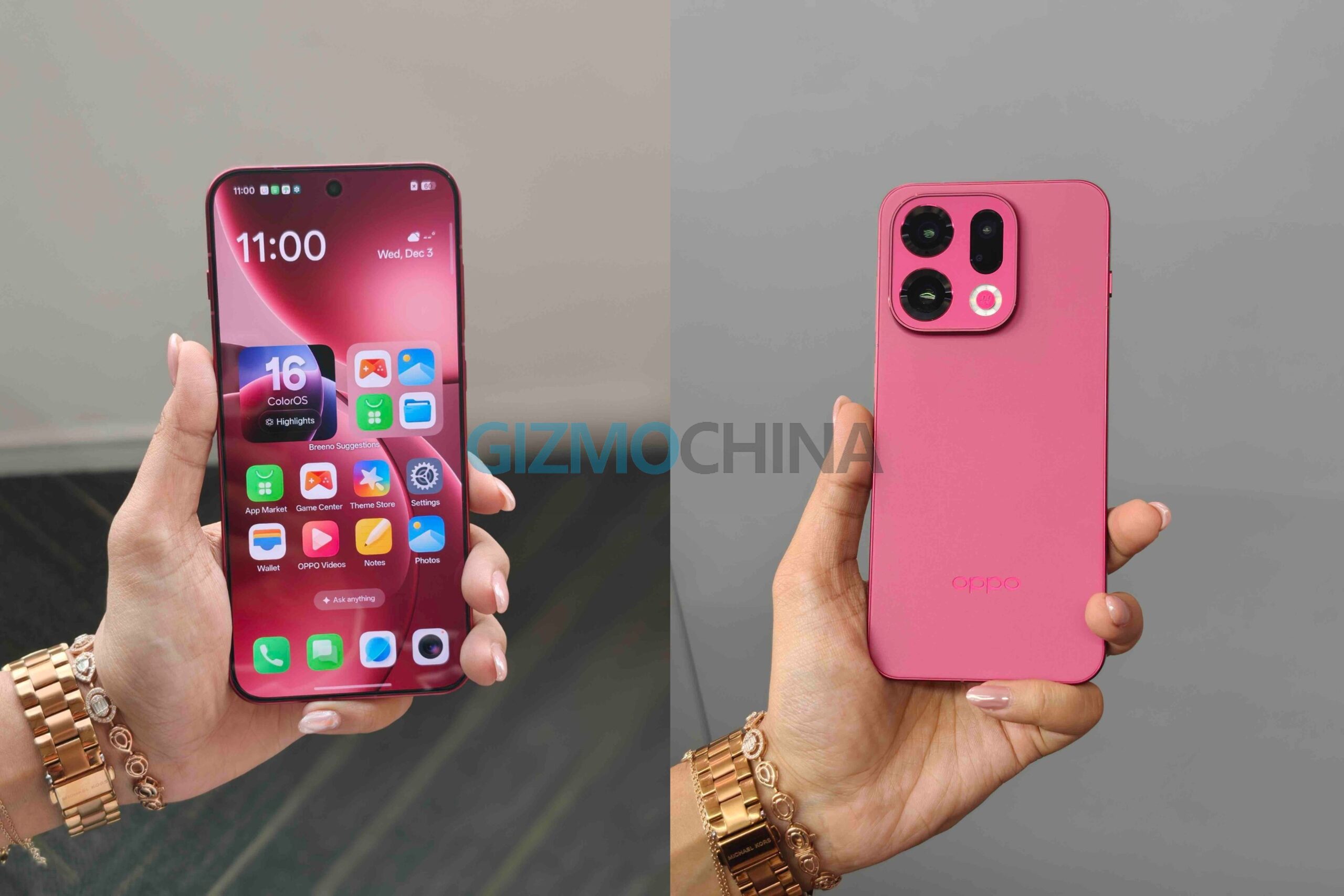
Oppo unveiled the Find X9 and Find X9 Pro in China and global markets in October. In November, these devices were unveiled through a dedicated launch event in India. I have been using the Find X9 for around 3 weeks, and before I switch to my next review device, I will share my thoughts about this device through this review.
7Verdict
Oppo Find X9
Ultimately, the Find X9 prioritizes real-world fluidity over benchmark bragging rights. While extreme stress tests reveal some thermal limits, they rarely impact daily use. The combination of a stunning display, genuinely useful AI tools like the Snap Key, a reliable camera system, and a battery that comfortably lasts well beyond a full day makes this a polished, premium all-rounder. If you want a phone that feels cohesive rather than just powerful, the Find X9 is a fantastic choice.
Vivo is gearing up for the launch of its S50 series in China on Dec. 15, and the anticipation has already begun to build. Both the Vivo S50 and the S50 Pro Mini have appeared on major retail platforms for pre-orders, while Chinese tech bloggers have shared a clearer picture of what buyers can expect in terms of configurations, colors, and hardware.
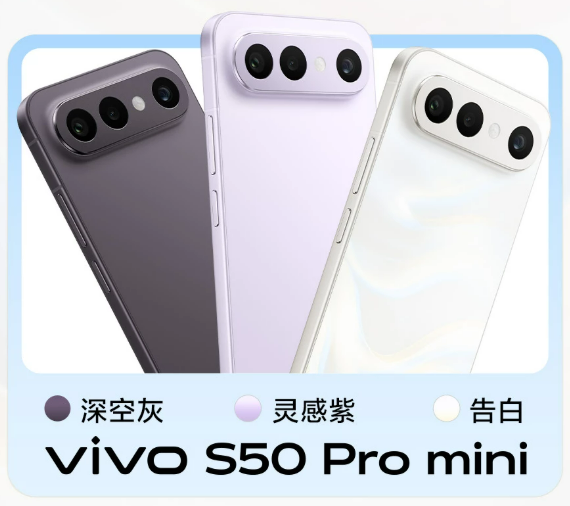
Vivo S50, S50 Pro Mini variants, color options
Vivo S50Vivo S50 Pro Mini
The Vivo S50 will be offered in four memory and storage combinations: 12GB+256GB, 16GB+256GB, 12GB+512GB, and 16GB+512GB. Buyers will have a choice of four color finishes, such as Space Black, Confession White, Serene Blue, and Inspirational Purple.
The S50 Pro Mini, on the other hand, will come in three versions: 12GB+256GB, 12GB+512GB, and 16GB+512GB. Its color palette includes Space Black, Confession White, and Inspirational Purple.
Vivo S50, S50 Pro Mini key specifications
Vivo S50 series launch date
The standard Vivo S50 is expected to feature a 6.59-inch OLED panel offering 1.5K resolution, powered by the Snapdragon 8s Gen 3 chipset. It is equipped with a 6,500mAh battery that supports 90W fast charging. Its rear camera setup will have a 50-megapixel LYT-700V primary sensor.
Meanwhile, the Vivo S50 Pro Mini is said to include a smaller 6.31-inch OLED 1.5K display and runs on the latest Snapdragon 8 Gen 5 processor. It shares the same 6,500mAh battery capacity but adds support for both 90W wired and 40W wireless charging. It will have a Sony IMX921 50-megapixel primary camera on the back.
Across both models, users can expect shared features such as LPDDR5X RAM, UFS 4.1 storage, a 50-megapixel front-facing camera, a 50-megapixel Sony IMX882 periscope camera, OriginOS 6 based on Android 16, an aerospace-grade metal frame, an ultrasonic in-display fingerprint reader, and IP68/69 water- and dust-resistant ratings.
Globally, the Pro Mini is expected to get rebranded as the Vivo X300 FE. Rumors also suggest that the Vivo V70, expected to debut globally in Q1 2026, will be similar to the Vivo S50.
For more daily updates, please visit our News Section.
Christmas is the best time to upgrade your creative setup, or gift someone the power to create amazing laser-engraved art. Creality’s Falcon series offers something for everyone, from beginners trying engraving for the first time to professionals running full-scale workshops. This guide breaks down each model, so you can choose the machine that fits your skills, goals, and budget.
Find Your Perfect Match: Falcon A1, A1 Pro & Falcon2 Pro
Laser engraving has become one of the most exciting creative hobbies of the year. But choosing the right machine is not always easy, especially with so many power levels and features. This guide helps you understand what each Falcon model does and who it’s built for. With Creality’s Christmas discounts running now, you can get a powerful engraver at some of the year’s lowest prices. Whether you want to make gifts or start a home business, this is the best time to buy.
What is the Falcon Series
Falcon is Creality’s dedicated sub-brand for high-performance laser engravers. These machines are designed for hobbyists, DIY creators, students, small businesses, and professionals who need reliable precision. The lineup focuses on safety, strong cutting power, and user-friendly design. Every Christmas, Falcon products come with special offers, making advanced engraving more affordable for everyone.
Start With Your Needs
Before choosing a model, think about what you want to make. Are you planning to engrave wood gifts, craft décor, cut acrylic designs, or work with metals? Are you a beginner experimenting at home, or a seller who needs fast production? Your materials, skill level, and goal will help determine which Falcon model is right for you.
For Beginners & Hobbyists: Falcon A1 Series
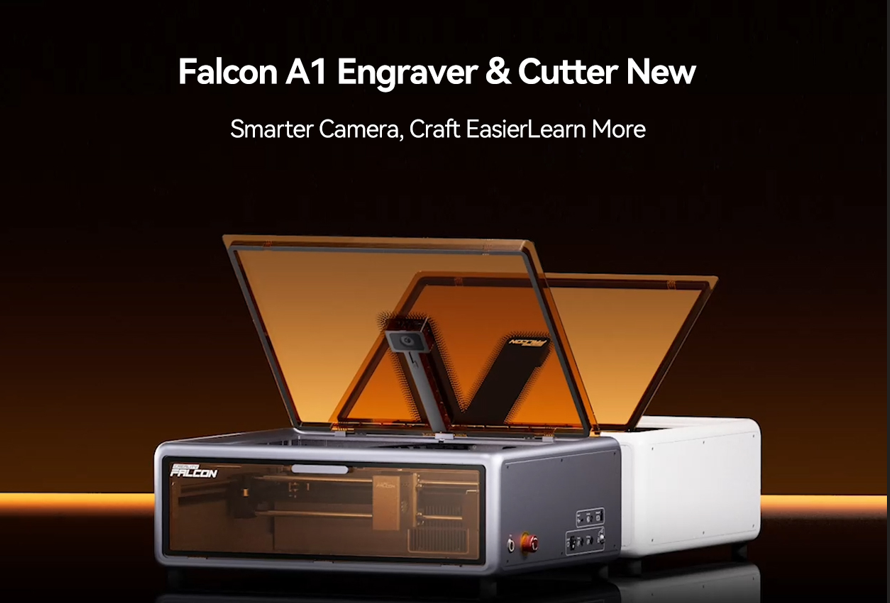
Falcon A1 (10W) — The Perfect Starter
The Falcon A1 is ideal for anyone buying their first laser engraver. It’s easy to use, safe, and works great for simple creative projects. It can engrave materials like wood, leather, paper, cardboard, and dark acrylic. This makes it perfect for students, families, and hobby users who want to personalize gifts without spending too much.
You can create items like wooden coasters, leather keychains, nameplates, simple décor, and lightly engraved phone cases. If your goal is casual crafting rather than heavy production, the A1 gives you everything you need to begin.
Falcon A1 Pro (20W) — Twice the Power, Twice the Creativity
The A1 Pro is the upgraded version of the A1. With double the power, it cuts thicker materials and engraves faster with sharper detail. It also supports an optional 2W infrared laser head, which allows direct metal engraving, something beginners usually cannot do.
This model is perfect for intermediate users, small Etsy shops, or anyone who wants to work with more materials. It supports wood, acrylic, stone, glass, ceramics, and metals like stainless steel and anodized aluminum. You can make detailed puzzles, acrylic signs, engraved metal gifts, and premium décor pieces.
For Professionals: Falcon2 Pro Series (40W / 60W)
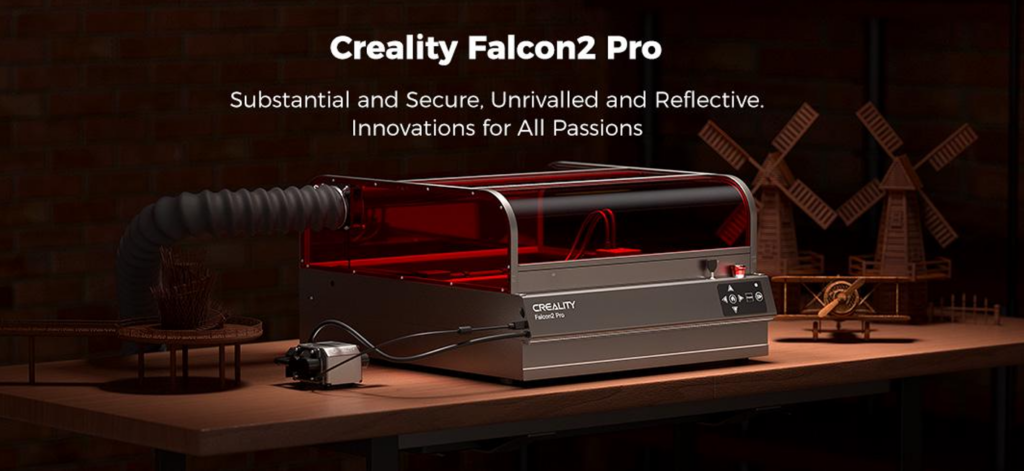
Falcon2 Pro – Built for Commercial-Grade Performance
The Falcon2 Pro machines are designed for creators who need serious power. These models are much faster, stronger, and capable of handling long hours of work. If you run a business or plan to produce items in bulk, this is the series to consider.
With up to 60W of laser power, these machines can cut thick acrylic sheets, dense hardwood, and advanced materials with ease. They also perform exceptionally well on metals, stone, ceramics, and carbon-based materials. If you want clean cuts, deep engraving, and industrial-level precision, the Falcon2 Pro series is the top choice.
Christmas Sale 2025 Pricing & Best Picks
Model
Sale Price
Who It’s For
Why Buy It
LINK
Falcon A1 (10W)
$466.00
Beginners, hobby users
Budget-friendly starter, perfect for light projects and learning the basics.
Biggest savings of the year—perfect for upgrading or starting your engraving journey
Whether you’re crafting festive gifts, starting a creative hobby, or boosting your small business, the Creality Falcon lineup has a machine tailored for your needs. With Christmas discounts available for a limited time, now is the ideal moment to pick the model that fits your goals and unlock a world of creativity.
Midea has officially unveiled its next-generation humanoid robot, Miro U, at an event in Guangzhou, China. The robot is the world’s first to feature a six-arm wheel-leg design, and it is built for complex industrial tasks and high-efficiency automation.
Miro U is an upgraded version of Midea’s previous wheeled humanoid robot, which began operations in August at the company’s Jingzhou factory. The older model worked alongside autonomous mobile robots (AMRs), single-arm four-wheel bots, Kuka robotic systems, and human workers. The new Miro U will soon join this setup to further boost operational efficiency.
The robot targets multitasking and factory automation efficiency
Midea’s Vice President and CTO Wei Chang confirmed that Miro U is the third-generation model in the company’s humanoid robot lineup. The robot supports vertical lifting and 360-degree in-place rotation. It features six bionic mechanical arms with high-precision control and fast-switching end-effector modules for different tasks. Midea developed the full technology stack in-house.
Midea plans to deploy Miro U at its high-end washing machine factory in Wuxi by the end of 2025. The robot is expected to improve takt time and increase production line adjustment efficiency by up to 30%.
Wei also outlined the broader roadmap for Midea’s humanoid robotics program. The industrial-focused ‘Miro’ series has completed three iterations, while the ‘Mila’ series, aimed at commercial and residential environments, is in final testing. Midea plans to introduce Mila robots at its offline experience stores in 2026 for customer guidance and interactive product demonstrations.
The company said it will continue to invest in artificial intelligence and robotics. Large-scale deployment of humanoid robots remains a key priority in Midea’s long-term strategy.
Philips launched the Evnia 27M2N5500XD, a 27-inch gaming monitor built for competitive players. It runs at 500 Hz in 1440p resolution and hits 1,000 Hz when dropped to 720p. That puts it ahead of the 720 Hz OLED monitors ASUS and ViewSonic announced recently.
The monitor showed up in China next to the AOC Agon AGP277QK. Both use the same dual-mode panel, which makes sense since AOC and Philips share a parent company. These displays focus on motion clarity and low input lag instead of sharp visuals. Most people will stick with 500 Hz at 2560 x 1440, but the 1,000 Hz option exists for players who need maximum speed.
The panel is high-contrast IPS, not OLED. It has 1 ms gray-to-gray response time and 2,000:1 static contrast ratio. This setup keeps brightness stable and delivers better contrast than older IPS screens while maintaining fast pixel switching.
Philips factory calibrates each unit to Delta E less than 2, so colors are accurate right out of the box. The monitor also has VESA DisplayHDR 400 certification for basic HDR support, though it lacks local dimming and high peak brightness.
No pricing or release date yet. But a 27-inch monitor that does 500 Hz at 1440p and 1,000 Hz at 720p is one of the fastest gaming displays announced so far. Competitive players who want speed over resolution will probably find it useful.
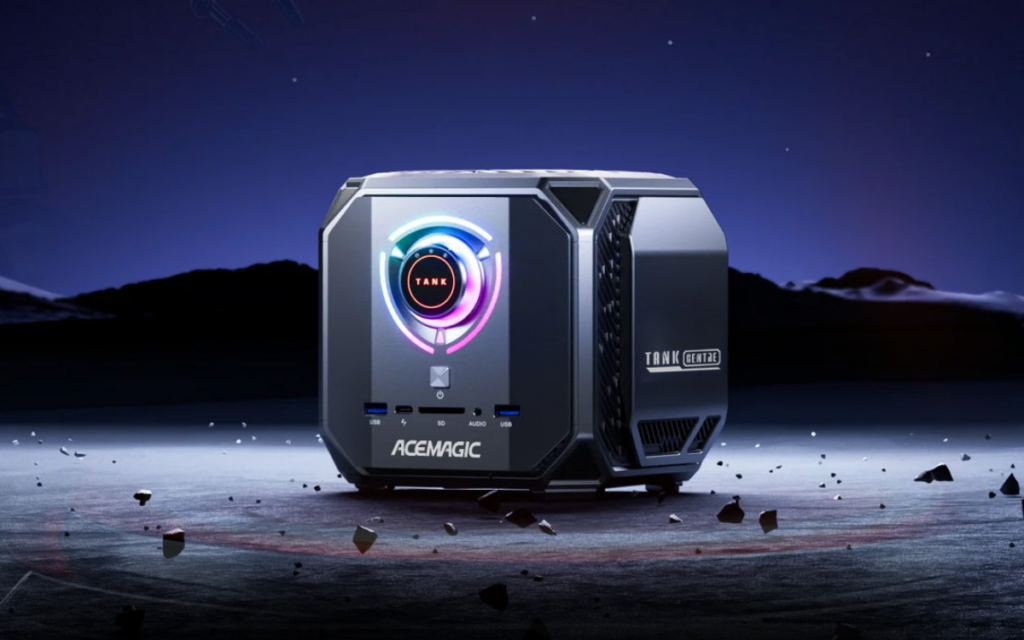
Acemagic has unveiled its upcoming M1A Pro+ mini-PC, a compact desktop powered by AMD’s Ryzen AI Max+ 395 processor. The company has been teasing the system for several days and has now revealed key specifications along with a partially obscured price of 1*999 yuan. The full price and launch date are yet to be officially confirmed.
The M1A Pro+ uses a futuristic mech-tank design with a compact armored chassis, sharp contours, and a glowing RGB “core” on the front that gives it a sci-fi engine-like appearance. It places ports neatly on the front and integrates large side vents and reinforced panels, creating a rugged yet premium look that emphasizes power and cooling.
It features AMD’s latest Ryzen AI Max+ 395 chip, which integrates CPU, GPU, and NPU components into a single package. The processor delivers up to 126 TOPS of AI acceleration, allowing the system to handle local AI workloads, high-resolution content creation, and productivity tasks.
Acemagic claims the integrated GPU, which is Radeon 8060S, delivers performance on par with an RTX 4070M laptop GPU. This enables smooth frame rates in AAA games, consistent performance in emulation, and stable output for creative software.
The M1A Pro+ comes with 128GB of LPDDR5X-8000 memory and includes three M.2 PCIe 4.0 x4 slots. This configuration supports up to 12TB of internal storage, making it suitable for large AI models, massive game libraries, or 4K video editing projects.
For connectivity, it includes Wi-Fi 7 for faster and more reliable wireless networking. The device supports four independent display outputs and enables 8K video output. The front panel includes two USB-A ports, a USB-C port, a 3.5mm headphone jack, and an SD card slot.
The system includes three performance modes: power saving, balanced, and high performance. Each mode can be selected based on workload demands and helps regulate noise levels, power draw, and long-term performance stability.
HMD has launched two new feature phones in India, the HMD 100 and HMD 101. Both phones focus on long battery life, simple features, and durable builds, targeting users who want a basic phone for calls, messages, and everyday use.
The HMD 100 comes with an 800 mAh battery. HMD claims it can deliver up to 7 days of battery life, up to 168 hours of standby time, and up to 6 hours of talk time. The phone features a 1.77-inch display with a 160×128 resolution and a 4:5 aspect ratio. It is powered by the Unisoc 6533G chipset and runs on the S30+ operating system. The device includes 8MB of RAM and 4MB of internal storage.
Other features on the HMD 100 include FM radio with wired and wireless support, a speaker, microphone, Micro USB port, and a 3.5mm headphone jack. It also offers a dual LED torch, support for 10 Indian languages, the Snake game, text-to-speech, lanyard support, and options for single SIM or dual SIM. HMD says the phone is built with a strong frame to handle daily use.
The HMD 101 offers a slightly bigger battery and extra features. It packs a 1000 mAh battery and delivers up to 8.9 days of battery life, up to 213 hours of standby time, and up to 7 hours of talk time. The display remains the same at 1.77 inches with a 160×128 resolution and a 4:5 aspect ratio. It also uses the Unisoc 6533G processor and runs on the S30+ operating system.
The HMD 101 comes with 4MB RAM and 4MB of internal storage. It includes a built in MP3 player, microSD card support up to 32GB, auto call recording, FM radio with wired and wireless modes, a speaker, microphone, Micro USB port, and a 3.5mm headphone jack. Other features include a dual LED torch, Snake game, text-to-speech, support for 10 Indian languages, lanyard support, and a durable frame.
Pricing & availability
In terms of pricing, the HMD 100 is priced at Rs 949 and is available in Grey, Teal, and Red color options. The HMD 101 is priced at Rs 1,049 and comes in Grey, Teal, and Blue. Both phones are available through offline retail stores, the official HMD website, and online e commerce platforms in India.
For more daily updates, please visit our News Section.
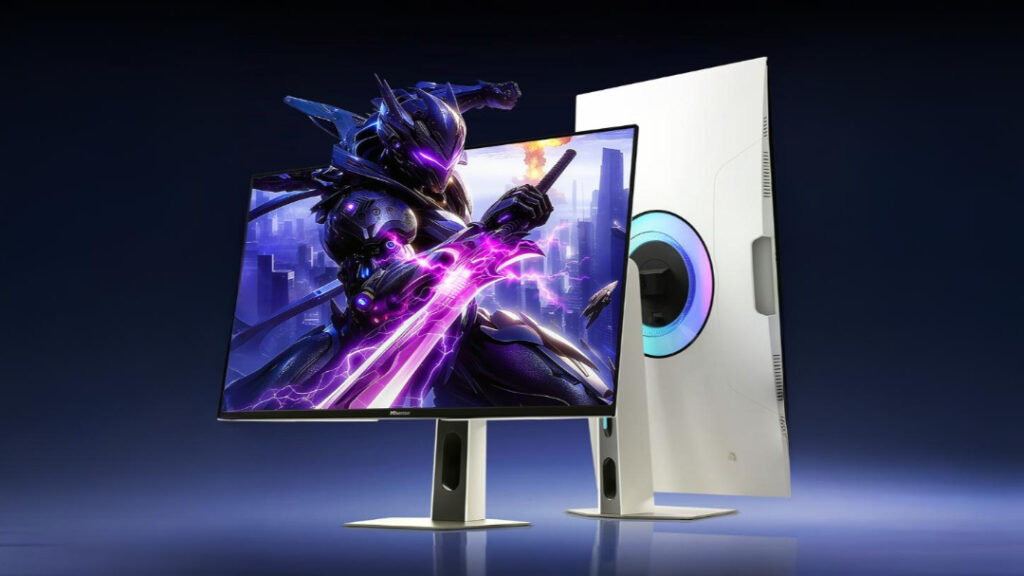
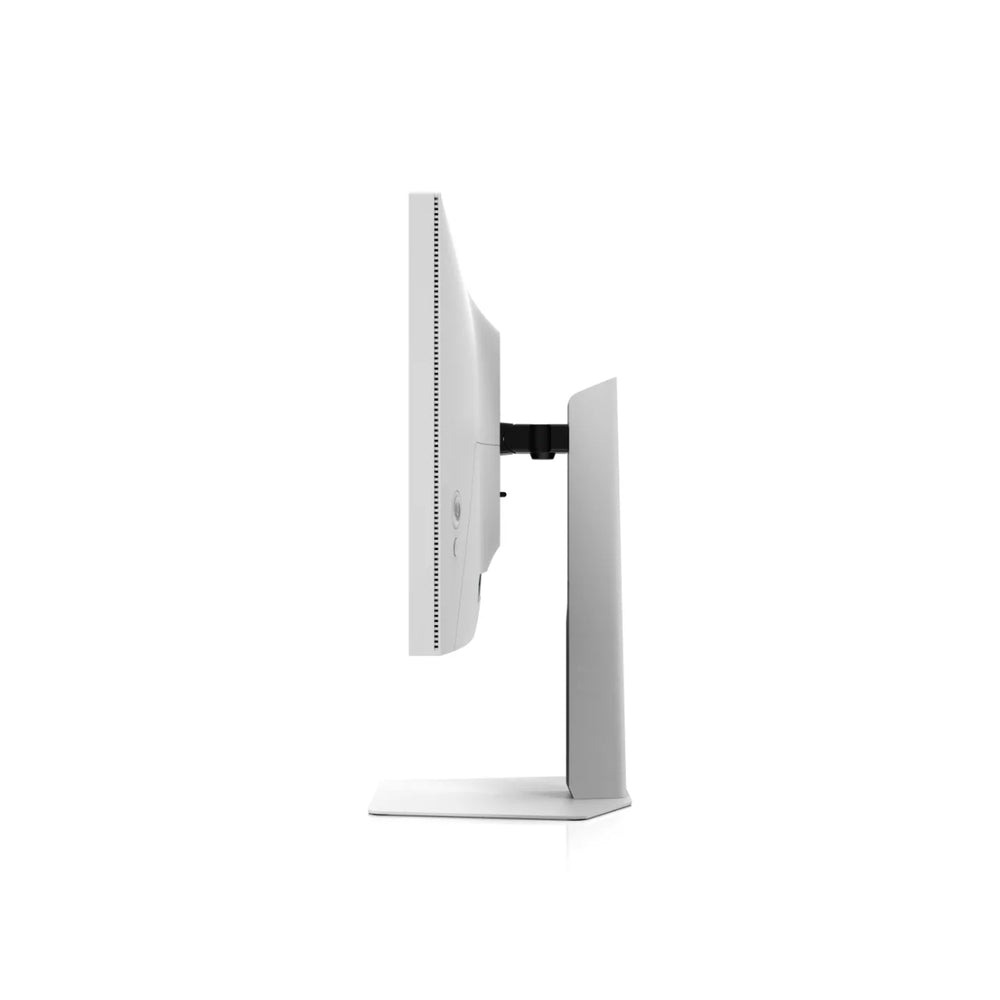
Hisense has officially launched the 27GX, a new 27-inch Mini LED smart monitor designed for gaming and multimedia use. The monitor is now available for purchase in China at a price of 4399 yuan ($622).
Hisense 27GX Specifications
The Hisense 27GX features a Fast IPS panel with a Mini LED backlight system that includes 2304 local dimming zones. The display supports a peak brightness of 2000 nits and meets HDR1400 standards. Hisense has integrated its custom Obsidian Screen with a dual-layer nano-grade low-reflection coating that reduces reflectivity to 1.8%. The company claims this improves black level performance by 33%.
The monitor supports two refresh rate modes. It can run at 4K resolution with a 160Hz refresh rate or switch to 1080p resolution with a 320Hz refresh rate. The panel delivers 10-bit color (8+FRC) and covers 99% of sRGB, 98% of DCI-P3, and 100% of Adobe RGB color spaces. Hisense calibrates the monitor with a Delta E accuracy of less than 1.
The monitor comes with the same MediaTek 9655 processor found in its flagship smart TVs. The chip is paired with 4GB of RAM and 64GB of onboard storage. The monitor supports AI image enhancement features, including AI Super Resolution, AI PQ tuning, and dynamic black frame insertion. It also supports MEMC motion compensation and 16-bit DC dimming to eliminate flicker.
The monitor runs a built-in smart TV operating system. It supports voice control and includes four viewing modes: Standard, Kids, Senior, and Education. Hisense includes dual 5W speakers tuned by its Golden Ear team. The speakers support Dolby Atmos, and the display supports Dolby Vision IQ.
The design features a Glacier White finish with an adjustable stand that supports tilt, pivot, swivel, and height adjustments. The monitor includes a 75x75mm VESA mount and ships with a GaN power adapter.
For connectivity, it includes two HDMI 2.1 ports, one DisplayPort 1.4, one USB-C port with 90W charging, two USB-A ports, one USB-B upstream port, and a 3.5mm headphone jack. It also supports KVM switching for seamless multi-device control.
Innocn has added two new 4K mini LED monitors to its lineup, the GA27V1M and GA32V1M. These models arrive shortly after the company’s 500 Hz OLED release. These new models are meant for users who want strong HDR performance, high refresh rates, and 4K resolution without switching to OLED. Both monitors have launched in China and Japan, and a broader global release is expected.
The GA27V1M and GA32V1M are identical in specifications, with screen size being the only difference. The GA27V1M uses a 27 inch panel, while the GA32V1M uses a 32 inch panel. Both monitors rely on IPS panels paired with a mini LED backlight that features 2,304 local dimming zones.
Brightness peaks at up to 1,200 nits, which helps HDR highlights stand out clearly. Both monitors are certified for HDR1000 and cover 99 percent of the DCI-P3 color gamut. This makes them suitable for HDR gaming, video work, and color-heavy content.
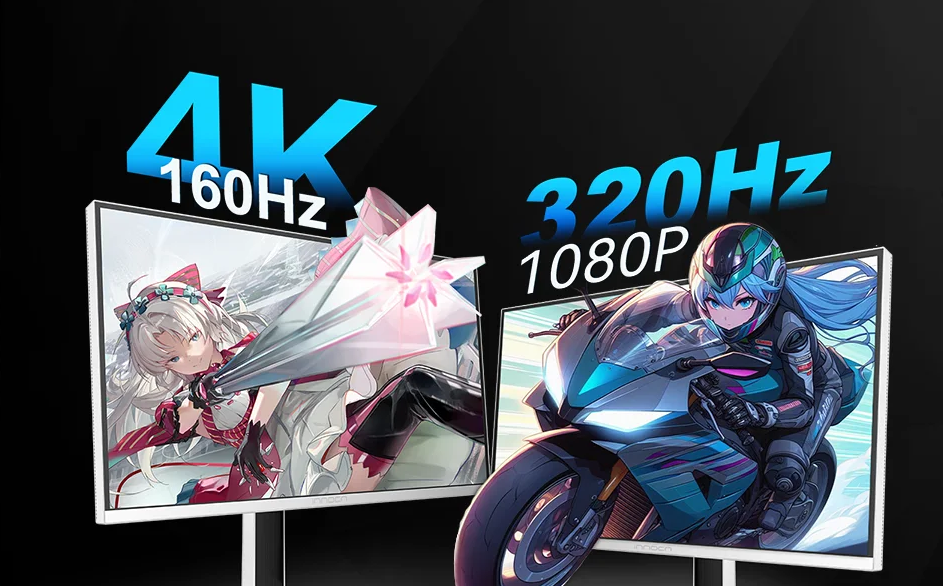
At native 4K resolution, the monitors support a 160 Hz refresh rate. When resolution is reduced to 1080p, the refresh rate increases to 320 Hz. This option targets competitive games where higher frame rates matter more than image sharpness. Innocn also lists a 0.05 ms response time using MPCS, which should help improve motion clarity during fast scenes.
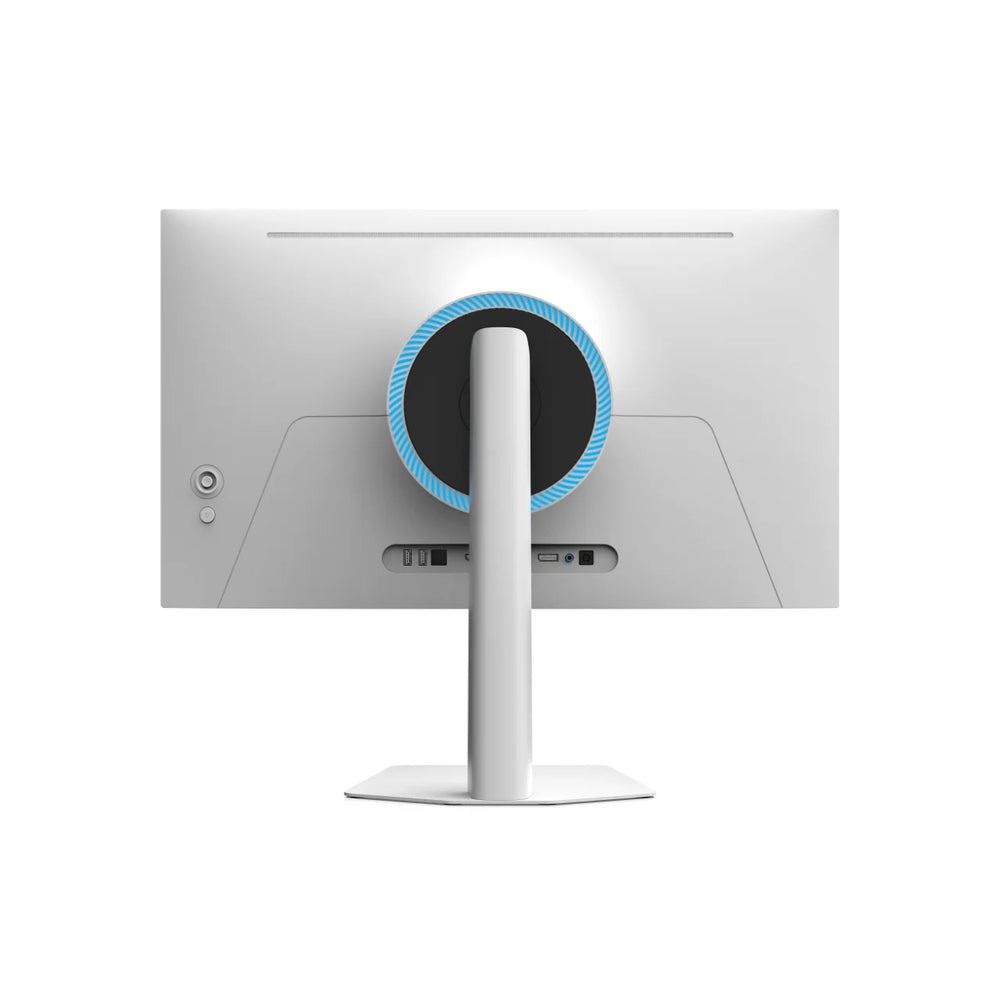
For connectivity, both models include HDMI 2.1, DisplayPort 1.4, a USB hub, and a USB-C port with 90 W power delivery. Each monitor comes with an ergonomic stand, a white chassis, and an RGB light ring on the rear.
Pricing & availability
Pricing in Japan comes to ¥78,999 ($508) for the GA27V1M and ¥90,990 ($586) for the GA32V1M. In China, they sell for 3,499 yuan ($495) and 3,999 yuan ($565) under the GA27V1M Max and GA32V1M Max names. There is no confirmed date yet for a global or US launch.
KTC has launched a new 27-inch gaming monitor called the Master 27M1 Plus, targeting competitive gamers with high refresh rate demands. The monitor is listed on JD.com at a starting price of 2499 yuan ($353), with sales beginning on December 11.
KTC Master 27M1 Plus Specifications
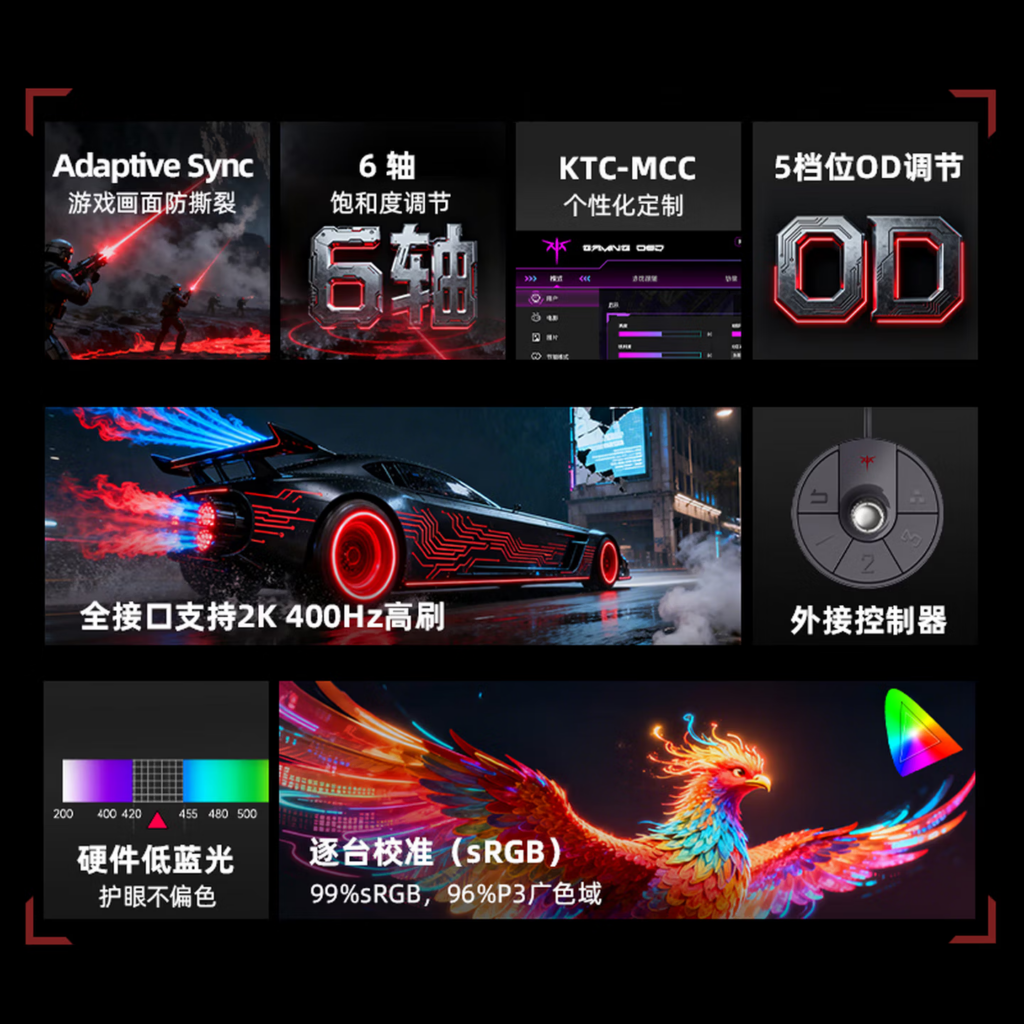
The Master 27M1 Plus features a 2K (2560×1440) Ultra Fast IPS panel with a native 360Hz refresh rate. KTC includes an overclocking mode that pushes the refresh rate up to 400Hz. The monitor supports a 1ms GtG response time with OverDrive enabled. It also supports Adaptive Sync to keep gameplay smooth and prevent tearing.
The display supports 99% sRGB and 96% DCI-P3 color coverage and includes factory calibration with Delta E < 2 for color accuracy. It supports HDR400 and offers a peak brightness of 400 nits. KTC equips the panel with DC dimming and hardware-level low blue light features to reduce visual fatigue.
The monitor includes a five-level OverDrive system that lets users fine-tune motion clarity. KTC adds dedicated presets for console play, casual gaming, and competitive FPS scenarios. Its six-axis color calibration system allows precise control over red, green, blue, cyan, magenta, and yellow channels. There is also a dark enhancement feature that improves visibility in low-light scenes without affecting bright areas.
The Master 27M1 Plus comes with a fully adjustable stand that supports height, tilt, swivel, and rotation. The display tilts from -5° to +35° and supports portrait orientation. It includes a foldable headphone hook and a precision angle scale. KTC ships the monitor with anti-glare side shields that help reduce reflections in bright environments.
In terms of connectivity, the monitor includes two HDMI 2.1 ports and two DisplayPort 1.4 ports, each capable of supporting 1440p at 400Hz. It also features a 3.5mm headphone jack, a USB 2.0 port, and a Mini USB port. The unit weighs 5.7kg and consumes less than 90 watts during normal use. KTC offers a three-year warranty with the product.
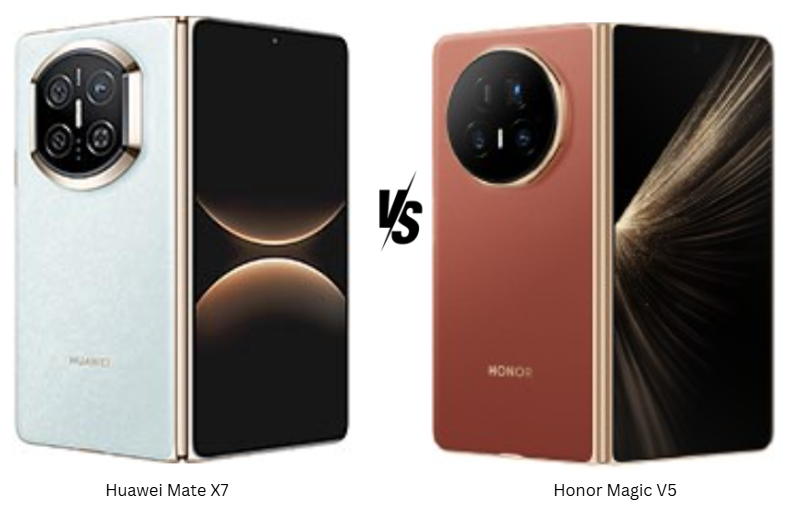
Huawei Mate X7 and Honor Magic V5 represent two distinct approaches to premium foldable smartphones, making this comparison essential for buyers choosing between durability-focused design and performance-driven innovation. These devices appeal to users seeking a powerful flagship experience with multitasking flexibility, advanced cameras, and long-term usability. Comparing them matters because each model targets a different type of premium user, those prioritizing rugged reliability versus those wanting cutting-edge productivity features, and the right choice depends on which strengths align better with individual needs.
Both foldables bring premium craftsmanship but differ in their design philosophy. The Mate X7 emphasizes durability by using tougher materials and stronger water resistance, giving it an aura of long-term reliability. The Magic V5 feels lighter and more agile in daily use, which makes it appealing for users who prioritize convenience and productivity. Stylus support on the V5 further enhances its versatility, creating a more flexible workflow for professionals and creators. Both hinges feel refined, though the Mate X7 leans toward a sturdier, confidence-inspiring feel.
Display Quality
The Mate X7 delivers excellent color accuracy and supports HDR Vivid, offering a cinema-like viewing experience. Its cover display brightness also helps with comfortable outdoor use. The Magic V5 counters with extremely high peak brightness on both screens, making it one of the most visible foldables in sunlight. Its reinforced inner display protection adds durability for stylus-driven tasks, giving it a slight edge for productivity users.
Verdict
Mate X7 suits users who prioritize durability and premium media quality, while Magic V5 excels for productivity, stylus workflow, and outdoor brightness.
2. Specifications
Performance
Honor Magic V5 takes a clear lead thanks to the Snapdragon 8 Elite chipset, offering exceptional CPU and GPU power for gaming, editing, and sustained multitasking. Its performance feels more consistent across demanding apps and future software updates. The Mate X7’s Kirin 9030 Pro is well-optimized for HarmonyOS and handles daily tasks smoothly, but it doesn’t match the raw strength of Qualcomm’s flagship silicon. Honor’s extended software support further boosts its longevity, making it a smarter choice for users who value long-term performance stability.
Battery and Charging
Magic V5 features a larger battery in most regions, giving it better endurance during mixed-use days. Both phones offer fast wired and wireless charging, but Honor typically achieves slightly stronger real-world efficiency. The Mate X7 remains dependable, especially for balanced workloads, though users who multitask heavily may notice Honor’s endurance advantage.
Verdict
Magic V5 dominates in raw speed and long-lasting power, while Mate X7 offers stable HarmonyOS efficiency but not the same performance ceiling.
3. Camera
Main and Secondary Lenses
Huawei leans heavily into imaging, offering a variable aperture main camera and advanced periscope capabilities. These allow the Mate X7 to handle difficult lighting transitions more naturally, making it ideal for detailed photography. Higher-tier models even include a larger sensor, which improves depth and low-light clarity. The Magic V5 brings a sharp 64MP telephoto lens and strong stabilization, delivering crisp results with reliable exposure control. It performs impressively for everyday shooting but lacks some of Huawei’s high-end optical flexibility.
Selfie Camera
Honor’s 20MP cameras on both the main and cover screens provide sharper selfies and smoother video call quality. Huawei’s selfie system is more conservative and offers natural-looking tones but lower detail in comparison.
Verdict
Mate X7 is the better pick for serious photography enthusiasts, while Magic V5 wins for sharper selfies and consistent day-to-day shooting results.
4. Pricing
Huawei Mate X7 is priced at around $1800 / ₹1.5 lakh, placing it in the upper premium bracket. Its cost reflects its stronger durability, advanced optics, and premium build quality, ideal for users who prioritize longevity and superior photography. Honor Magic V5, at around $1500 / ₹1.3 lakh, offers a more value-focused flagship foldable experience while still delivering top-tier performance, ultra-bright displays, and long-term software support.
The price gap feels significant: Honor provides better performance per dollar, whereas Huawei offers a more photography-driven and durability-focused package.
Disclaimer: Prices are approximate and may vary based on country, region, and applicable taxes.
5. Conclusion
The Mate X7 stands out with top-tier durability ratings, variable aperture optics, and satellite messaging (regional), making it a strong choice for travelers and photography enthusiasts. The Magic V5 brings stylus support, a cutting-edge Snapdragon platform, ultra-bright displays, and extended Android upgrade policies, appealing to users who want productivity, speed, and longevity. Each device targets a different type of premium buyer, which makes the comparison meaningful.
Verdict
Choose the Mate X7 for unmatched durability and advanced imaging. Choose the Magic V5 for superior performance, productivity features, and better overall value.
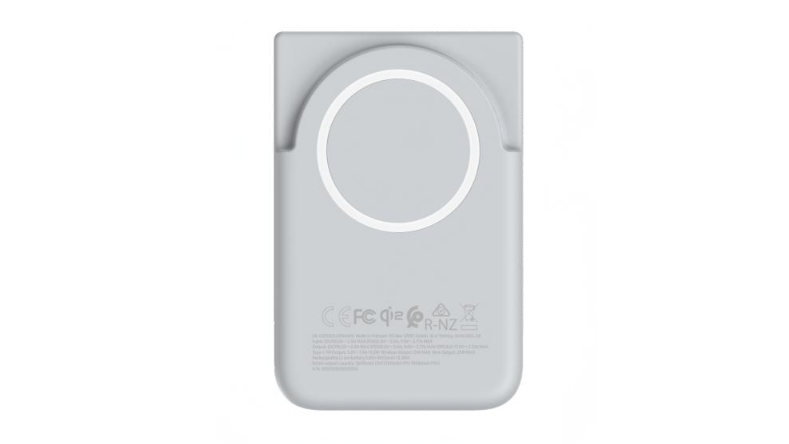
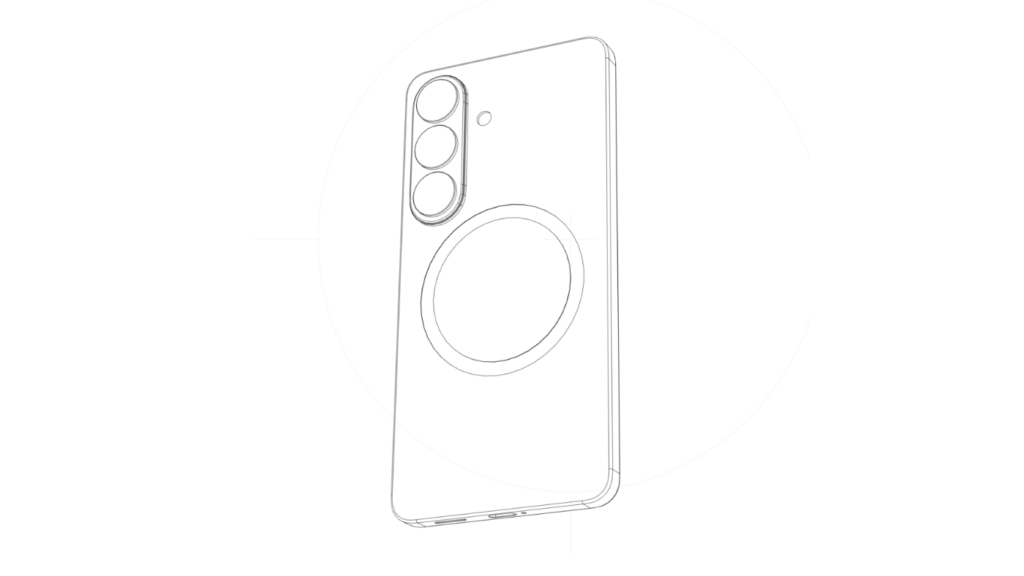
Samsung may have just tipped its hand on a big change coming to the Galaxy S26 series. A brand-new magnetic wireless power bank has popped up in the Wireless Power Consortium database, complete with a Qi2 certification and a familiar magnet ring on the back. It’s Samsung’s first power bank designed to snap right onto a phone — suggesting that the company is finally ready to embrace magnetic wireless charging.
The accessory, model number EB-U2500, is labeled as the “Samsung Magnetic Wireless Battery Pack.” The listing shows a clean light-gray design and the standard circular magnet layout that aligns with Qi2 chargers. It supports up to 15W wireless output — not blazing fast, but right in line with today’s Qi2 ecosystem. Rumors suggest the Galaxy S26 Ultra could support faster 25W wireless charging, which might make this power bank a little less enticing for Ultra buyers. The standard S26 and S26+, however, would slot in perfectly with its 15W Qi2 speeds.
Samsung phones still don’t have built-in magnets. If you want magnetic charging on a Galaxy S25 today, you’re stuck using a case with magnets glued inside. Meanwhile, Google’s Pixel 10 lineup has already made built-in magnets a standard feature.
Samsung hasn’t publicly committed to that step yet, but the clues are piling up. A magnetic 25W wireless charger recently leaked into retail listings, and now this power bank joins it. It’s hard not to view these accessories as a warm-up act for something bigger.
With the Galaxy S26 reveal only months away, the timing feels too perfect to ignore. If Samsung really is adding internal magnet rings to its next flagships, this EB-U2500 battery pack is clearly built to be ready on launch day. And it would finally make Samsung fully compatible with the growing Qi2 accessory world — no more special cases required.
After sitting on the sidelines while competitors moved ahead with magnetic charging, Samsung may finally be gearing up to jump in properly.
A European retailer has quietly listed a new version of the Redmi Note 15 lineup: the Redmi Note 15 Pro 4G. It’s not only real — units are apparently already in stock — and Xiaomi clearly isn’t done expanding its mid-range family.
Inside, the phone swaps the Dimensity 7400 Ultra for a MediaTek Helio G200 Ultra — not a powerhouse, but enough for everyday tasks. It comes with 8GB RAM and 256GB storage as standard, and unlike the 5G model, there’s a microSD slot for anyone who prefers expandable storage over cloud subscriptions.
As for imaging, Xiaomi is bringing the same 200MP 1/1.4-inch main shooter found on the 5G Pro model to this cheaper 4G variant.
The display is slightly smaller at 6.77 inches and drops to 1080p+ instead of 1280p+, but it’s still an OLED panel. Battery specs are equally solid: a 6,500mAh cell paired with 45W fast charging should easily last through a long day (or two) on 4G networks.
As for price — that’s the kicker. One Italian retailer lists the 8/256GB configuration at €293.90 (around $320 USD). That undercuts the Redmi Note 15 Pro 5G by a significant margin while keeping most of the headline features intact. Several stores are already teasing a “Coming Soon” launch, which usually means Xiaomi’s official announcement isn’t far away.
If Xiaomi sticks to that price, the Redmi Note 15 Pro 4G could end up being one of the most appealing mid-range phones in Europe this year: a big battery, a true flagship-level main camera, and a price point that feels refreshingly reasonable.
The Redmi Note 15 series reveal might be closer than we think — and the Pro 4G is suddenly the one to watch.
Recent Weibo posts released by Vivo have already confirmed the design of the upcoming Vivo S50 and S50 Pro Mini. The teasers showcase the refreshed look of both models while offering a first look at the hardware included in the Pro Mini edition. Apart from this, the brand has publicly stated some of its core internals. While Vivo has not officially announced the launch date, a circulating Weibo post suggests that the series is expected to be introduced on Dec. 15, setting the stage for the lineup’s arrival.
Vivo S50 specifications (rumored)
Vivo S50 series launch date
The Vivo S50 is expected to arrive with a large 6.59-inch OLED display supporting a 120Hz refresh rate and a 1.5K resolution. The device recently made an appearance on Geekbench carrying the Snapdragon 8s Gen 3 chipset paired with as much as 16GB of RAM.
Vivo has already indicated that it will feature LPDDR5X RAM and UFS 4.1 storage. Photography features may include a 50-megapixel front camera and a triple rear setup highlighted by a 50-megapixel Sony IMX882 periscope telephoto lens. It is also said to run Android 16 with OriginOS 6 and offer 90W fast charging. There is no information available about its battery size. It will be available in four shades, such as black, white, blue, and purple.
Vivo S50 Pro Mini specifications
Vivo has outlined the primary hardware of the S50 Pro Mini through its official teasers. The phone is equipped with a 6.31-inch flat AMOLED display, up to 16GB of LPDDR5X RAM and UFS 4.1 storage. Under the hood, it will feature the Snapdragon 8 Gen 5 chipset.
Its rear camera system includes a VCS light-sensitive main sensor, a Sony IMX882 periscope telephoto lens, an ultra-wide lens. On the front, it will feature a 50-megapixel anti-distortion selfie camera.
Powering the device is a 6,500mAh battery that supports 90W wired charging and 40W wireless charging. Additional features include an ultrasonic fingerprint sensor 2.0, IP68 and IP69 certification and an X-axis linear motor for improved haptics.
For more daily updates, please visit our News Section.
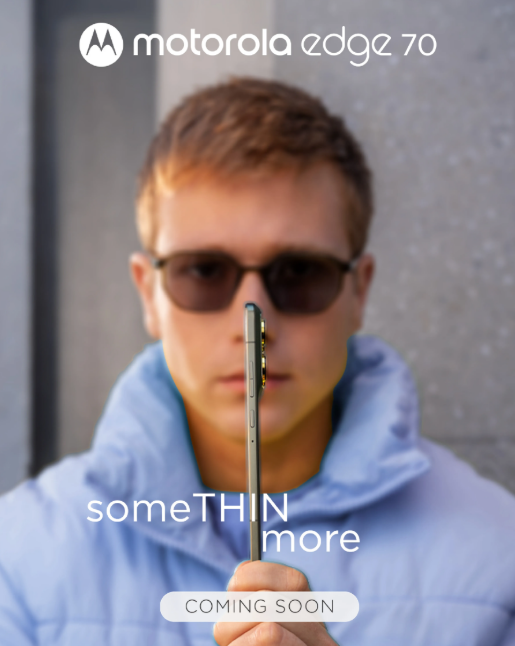
In November, Motorola unveiled the Motorola Edge 70 for the global market. The device is now heading to India as its landing page has gone live on Flipkart. The microsite has revealed a few key details about the device.
Motorola Edge 70 color options revealed
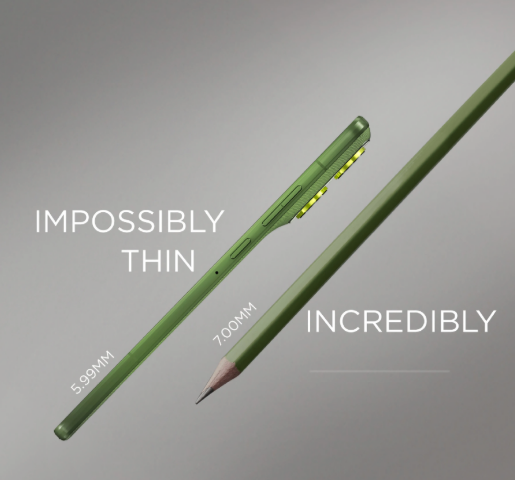
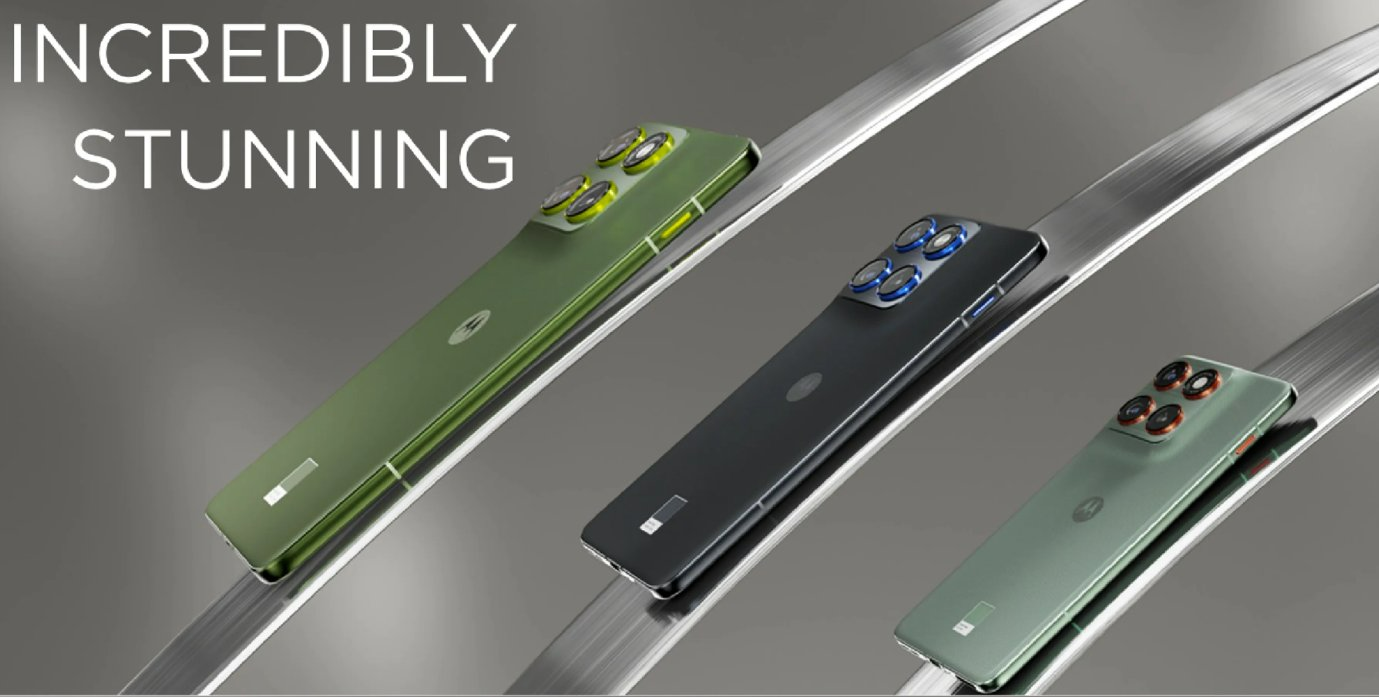
The official teasers of the Motorola Edge 70 have confirmed its design. It has a slim profile of 5.99mm, making it thinner than a pencil. It is also confirmed to arrive in three shades, which appear to be Pantone options, such as Gadget Gray, Lily Pad, and Bronze Green.
Motorola Edge 70 launch date (rumored)
A recent leak revealed that Motorola may announce the Edge 70 on Dec. 15 in India. While the global variant of the device has a 4,800mAh battery, the Indian edition is expected to pack a larger battery, but the slimness will remain 5.99mm, the same as the global version.
The Edge 70 is also expected to feature wireless charging support and three 50-megapixel cameras. In terms of pricing, it is expected to cost under Rs 35,000.
The rest of the specs of the Indian variant could be identical to the Edge 70’s global version. Some of its key specs include a 6.7-inch P-OLED 1.5K 120Hz screen, a Snapdragon 7 Gen 4 chip, up to 12GB of RAM, and up to 512GB of storage,
The Edge 70 features a dual 50-megapixel cameras on the back and a 50-megapixel front camera. The device supports 68W wired charging and 15W wireless charging, and it ships with Hello UX-based Android 16.
For more daily updates, please visit our News Section.
Xiaomi may be gearing up for one of its most ambitious global flagship pushes yet. New certification listings suggest the upcoming Xiaomi 17 Ultra won’t just launch internationally — it could arrive in Europe with a special Leica-branded edition.
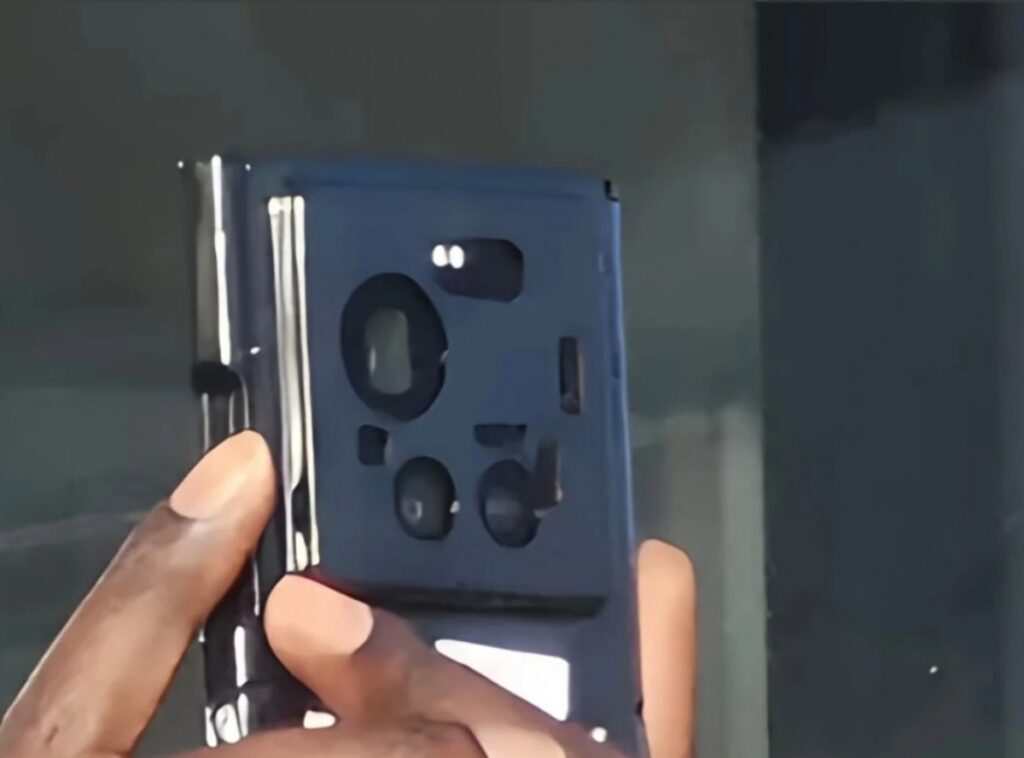
Up to now, two Xiaomi 17 Ultra models have already appeared in Chinese certification databases under the numbers 2512BPNDAC and 25128PNA1C, lining up with expectations for a Leica co-engineered flagship debuting in China this month. But there’s finally movement outside China. An IMEI database listing revealed 2512BPNDAG, the first clear sign that a global version of the 17 Ultra is in the pipeline. A leaked hands-on photo of this model show a chunky square camera island with three large cutouts. — a notable shift from the back design of the Xiaomi 15 Ultra.
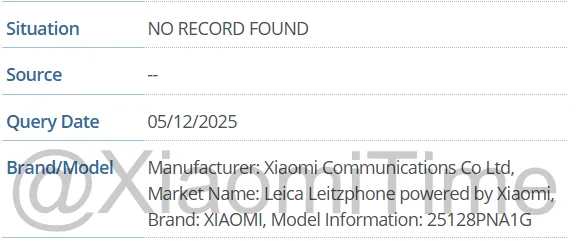
Europe might even get something extra. A second model, 25128PNA1G, has now appeared in GSMA records. According to XiaomiTime, this variant — internally code-named P1S — is expected to launch as a Leica-focused special edition, possibly under a name like “Xiaomi 17 Leica Leitzphone Edition.” It would allow Xiaomi to highlight its Leica partnership more prominently without abandoning the Ultra branding that has become synonymous with its top-tier camera phones.
Specs between the two versions are reportedly identical, but the special edition could differentiate itself with exclusive finishes and officially supported clip-on lens accessories — paying tribute to Leica’s rich optical heritage.
If these listings pan out, Xiaomi could be positioning the 17 Ultra lineup as a photography-first flagship worldwide — not just in China. With launch plans seemingly locked in and two distinct models lined up for Europe, Xiaomi fans and camera lovers alike now have a compelling new device to look forward to in 2026.
Infinix is reportedly working on the Note 60 series of smartphones. The brand recently confirmed the existence of the Note 60 Ultra by stating that it will be announced in 2026. In a new development, three upcoming Note series phones have emerged in the database of Indonesia’s SDPPI certification platform, revealing their final monikers and model numbers.
Infinix Note 60 series SDPPI certified
Infinix Note 60 series SDPPI listing
The above screenshots reveal that the SDPPI platform has approved three upcoming Infinix phones with model numbers such as X6878, X6887, and X6878. These devices will be called the Note 60, Note Edge, and Note 60 Pro, respectively, when they arrive in the market.
A few details of the Infinix Note 60 Pro are already known, as it has appeared in Geekbench’s database. The listing revealed that it will be the company’s first smartphone to feature a Snapdragon chip.
The listing also revealed that the Note 60 Pro has 8GB of RAM and Android 16. The rest of its specifications are not known yet. Hopefully, the upcoming reports will reveal more details about the Note 60 lineup.
For more daily updates, please visit our News Section.
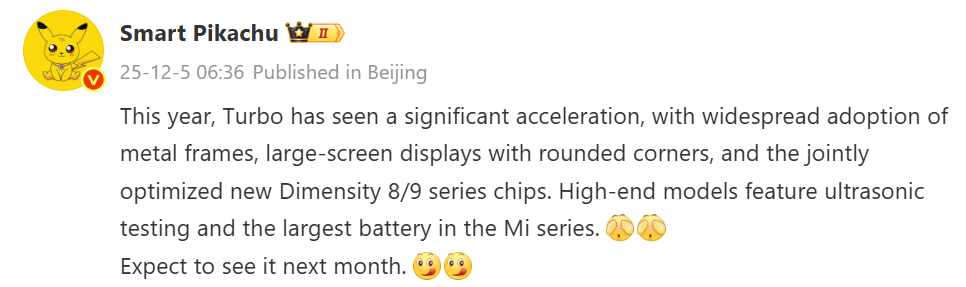
Redmi is reportedly working on the Redmi Turbo 5 series of smartphones. The lineup will include the Turbo 5 and Turbo 5 Pro as successors to the existing Turbo 4 and Turbo 4 Pro, which were powered by the Dimensity 8400 Ultra and Snapdragon 8s Gen 4. A recent leak by tipster Smart Pikachu reveals that Turbo 5 models will be powered by Dimensity chipsets.
Redmi Turbo 5 series incoming
Redmi Turbo 5 series key specs
According to the tipster, the Redmi Turbo 5 series will step up noticeably compared to its predecessor, and it will ship with a metal mid-frame and a large screen with rounded corners. The Turbo 5 models are said to use new MediaTek Dimensity 8 and 9 series chipsets.
He added that the higher-end variant, which appears to be the Turbo 5 Pro, may come with an ultrasonic in-display fingerprint sensor. The battery is claimed to be among the biggest in the brand’s history, reportedly around 8,000mAh or more, with high-speed charging.
Some other leaks suggest that the Pro model may end up as the Redmi Turbo 5 Pro Max. While the standard Turbo 5 could be equipped with the upcoming Dimensity 8500 Ultra, the Pro Max edition could feature the Dimensity 9500e chip, which is also yet to go official.
Redmi Turbo 5 series specifications
According to reports, the Redmi Turbo 5 and Turbo 5 Pro will have a 1.5K LTPS OLED screen and an 8,000mAh to 9,000 mAh battery with 100W charging. Both models are said to feature an IP68/69-rated chassis.
Recent reports have revealed that the Dimensity 8500 is built on TSMC’s 4nm process and uses an 8-core setup based on ARM’s A725 architecture. The prime apparently hits 3.4GHz, which is slightly higher than 3.25GHz on its predecessor. Whereas the remaining cores could also have higher clock speeds than before. On the graphics side, the Mali-G720 GPU is reportedly scaled up and running around 1.5GHz.
According to reports, the Dimensity 9500e leak comprises up to 3.73GHz and features a CPU configuration of 1 x Cortex-X925, 3 x Cortex-X4, and 4 x Cortex-A720 cores. It also includes a G925 MP12 GPU clocked at 1612MHz and is built on TSMC’s latest 3nm N3E process.
As far as the launch is concerned, the Redmi Turbo 5 series will debut in January in 2026.
For more daily updates, please visit our News Section.
A new Reuters report reveals that India is examining a proposal that could significantly expand how phone locations are accessed during investigations. According to the report, the government is weighing a telecom industry request to enable continuous satellite-based tracking on all smartphones. This initial development has prompted strong responses from several major companies and has ignited a deeper national discussion that extends beyond technology.
The report states that the idea originated from a telecom association that believes agencies struggle to obtain precise coordinates, as current methods depend on general tower-level information. The new approach would require permanently activated A-GPS features, leaving users with no ability to turn off location services. Apple, Google, and Samsung have reportedly opposed the measure, citing privacy and security implications.
Industry correspondence reviewed by the publication indicates that device makers argue such tracking has no global precedent and could introduce serious risks for individuals whose roles involve confidential or sensitive information. The situation has gained further attention after another recent government directive requiring a state-run app on devices was reversed due to concerns from civil groups and political leaders.
The ministries evaluating the proposal have not issued public statements, and Reuters notes that a high-level meeting with smartphone executives was postponed.
Experts interviewed by the outlet warned that constant, device-level tracing could effectively convert every handset into a monitoring tool, raising questions about proportionality and long-term impact. Technology researchers also pointed out that the capability could theoretically pinpoint users to within a meter, intensifying the debate over surveillance boundaries.
With more than 735 million smartphones in the country and Android commanding over 95 percent of the market, any new rule would have widespread consequences. The broader discussion now focuses on whether stronger investigative capabilities justify altering existing user expectations around control and transparency.
For more daily updates, please visit our News Section.
A new Xiaomi device carrying the model number 2608BPX34C recently appeared in the GSMA database, which immediately triggered speculation about whether the company is preparing its first trifoldable phone. Since the listing did not reveal the final moniker of the device, there’s no clarity whether it will really end up as the company’s first trifoldable.
Xiaomi 2608BPX34C may not be a trifoldable phone
Mydrivers claims that, according to Digital Chat Station, the circulating claims about Xiaomi working on a trifoldable phone are inaccurate. The outlet states that the tipster described the online chatter as misleading and said that there is no trifold project currently in active planning. However, at the time of writing this post, we could not locate the original Weibo post where he reportedly made these remarks.
What is confirmed, though, is Xiaomi’s past exploration of multi-fold designs through patents. One previously granted patent describes a Z-shaped folding structure with a horizontal rear camera setup and a size comparable to a tablet when fully opened, indicating conceptual research rather than a product nearing launch.
Xiaomi also did not introduce a book-style foldable phone this year, despite expectations surrounding what many assumed would be the Mix Fold 5. With limited information about the final identity of the 2608BPX34C model, it is unclear whether this listing represents a traditional book-style foldable or another type of device. As per reports, Xiaomi plans to launch a book-style foldable in 2026.
For now, there is no verified evidence pointing to a trifoldable phone entering production, even though patents continue to reference such form factors.
For more daily updates, please visit our News Section.
We use cookies on our website to give you the most relevant experience by remembering your preferences and repeat visits. By clicking “Accept”, you consent to the use of ALL the cookies.
This website uses cookies to improve your experience while you navigate through the website. Out of these, the cookies that are categorized as necessary are stored on your browser as they are essential for the working of basic functionalities of the website. We also use third-party cookies that help us analyze and understand how you use this website. These cookies will be stored in your browser only with your consent. You also have the option to opt-out of these cookies. But opting out of some of these cookies may affect your browsing experience.
Necessary cookies are absolutely essential for the website to function properly. This category only includes cookies that ensures basic functionalities and security features of the website. These cookies do not store any personal information.
Any cookies that may not be particularly necessary for the website to function and is used specifically to collect user personal data via analytics, ads, other embedded contents are termed as non-necessary cookies. It is mandatory to procure user consent prior to running these cookies on your website.