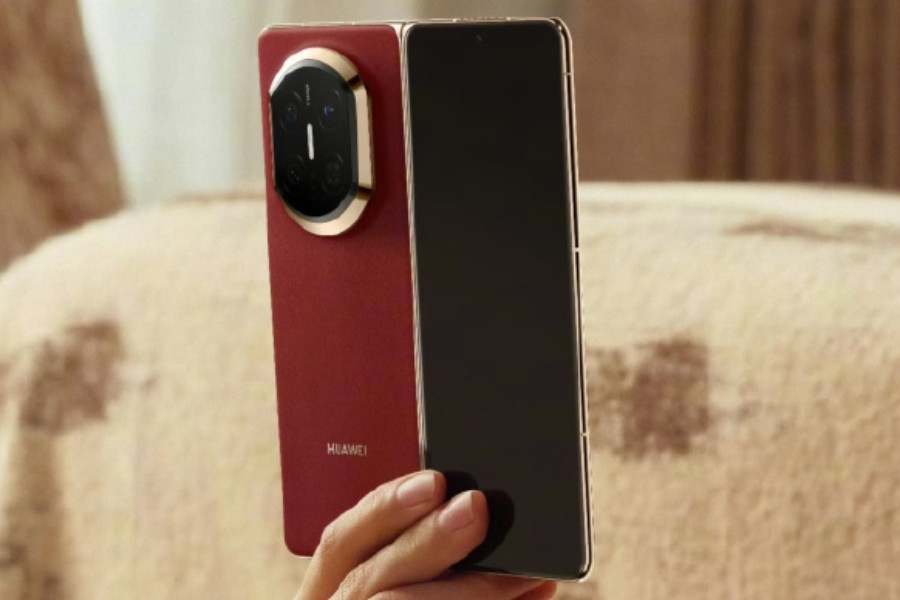
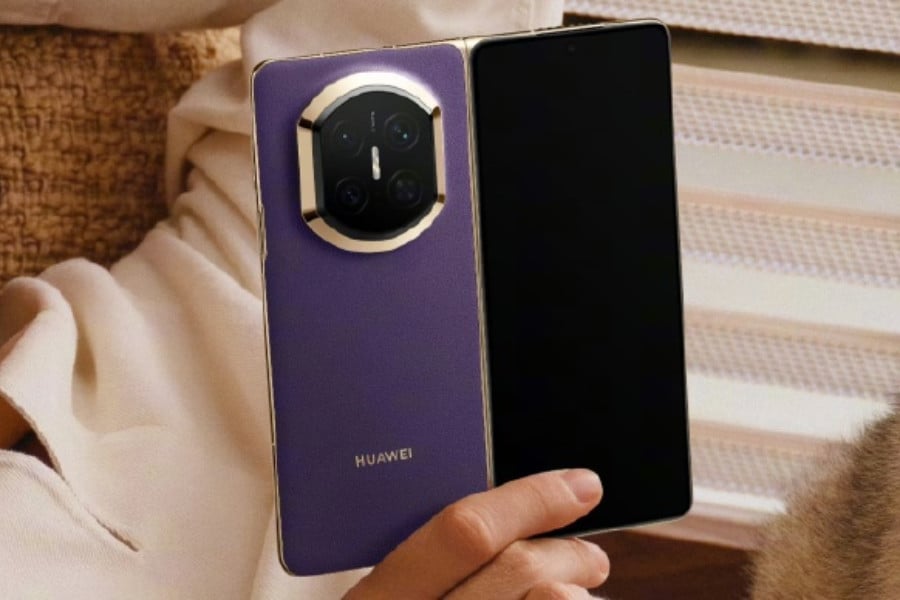
Yesterday, the Mate 80 series was revealed in full shortly after the company announced its launch date of November 25th. The devices are launching alongside the foldable Mate X7, and Huawei today has also given us our very first look at the foldable.
The Mate X7 features a prominent camera module on the back panel with a gold ring (bezel) encircling the entire module. The image shows individual cutouts within the module, and it likely houses a triple-camera setup with main, ultrawide, and telephoto lenses.
Huawei’s official Weibo account also shared videos showing the durability upgrades coming to the new foldable. The Mate X7 is shown enduring a lineup of extreme stress tests before leaving the factory, including an 80°C hot water spray, iron-ball impact test, and multiple rounds of bending.
According to the fine print on the video, the phone is rated for both IP58 and IP59 dust and water resistance.
There’s also going to be a premium Collector’s Edition, which features a second-generation Basalt tempered Kunlun glass on the outer display. Meanwhile, the regular Mate X7 will have the standard second-gen Kunlun glass.
What it packs inside
And thanks to tipster Digital Chat Station, we have an early look at the hardware inside. The Mate X7 is reportedly powered by Huawei’s new Kirin 9030 chip and will come in 12GB, 16GB, and even 20GB RAM configurations. That last option is the highest RAM for not just foldables, but also a mainstream flagship.
Camera-wise, the Mate X7 is expected to feature a 50-megapixel variable-aperture main shooter paired with a periscope telephoto lens. The tipster also shared images of the phone in three colors: Light Blue, Purple, and Red. The latter is the Collector’s Edition model.
For more daily updates, please visit our News Section.
OnePlus is gearing up to launch the OnePlus Ace 6T in China, and it is already up for pre-orders. It is expected to debut later this month as the first-ever phone powered by the forthcoming Snapdragon 8 Gen 5 chipset. Ahead of the expected launch, the device has emerged on Geekbench, revealing the chipset’s specifications. At the same time, the company has teased the battery size of the device.
OnePlus Ace 6T Geekbench listing
The above listing reveals that the upcoming OnePlus PLR110 phone, which appears to be the upcoming OnePlus Ace 6T, is powered by a new Qualcomm chip. The SoC features six cores operating at 3.38GHz and two cores working at 3.2GHz. It also features the Adreno 840 GPU for graphics. These details belong to the upcoming Snapdragon 8 Gen 5, which is expected to debut in the next few days.
The OnePlus Ace 6T Geekbench listing further reveals that it has 16GB of RAM and Android 16. It has scored 2,981 points in the single-core test and 10,136 points in the multi-core test.
OnePlus Ace 6T’s battery size teased
OnePlus Ace 6T battery teaser
The above poster hints that the OnePlus Ace 6T has a battery of around 8,000mAh capacity along with 100W fast charging support. As per other reports, the device has a 6.8-inch OLED 1.5K 165Hz screen equipped with an ultrasonic in-screen fingerprint sensor. It is expected to arrive with up to 16GB of LPDDR5x Ultra RAM and up to 1TB of UFS 4.1 storage.
Its rear camera setup will have an OIS-assisted 50-megapixel main camera coupled with an 8-megapixel ultra-wide lens. For selfies, it will have a 32-megapixel camera on the front. It will arrive in multiple shades like black, green, purple, and a special version based on Genshin Impact.
For more daily updates, please visit our News Section.
Whether you’re zipping through airport terminals or road-tripping to remote getaways, keeping your gadgets powered, connected, and secure has become essential to modern travel. The days of stuffing your bag with multiple chargers, adapters, and cables are over.
Instead, a new wave of smart accessories promises to simplify your loadout while enhancing how you stay charged, connected, and in control. From high-powered USB-C power banks to global hotspot-enabled batteries, MagSafe gear, and ultra-slim adapters, these are the must-have travel tech accessories that actually earn their space in your carry-on.
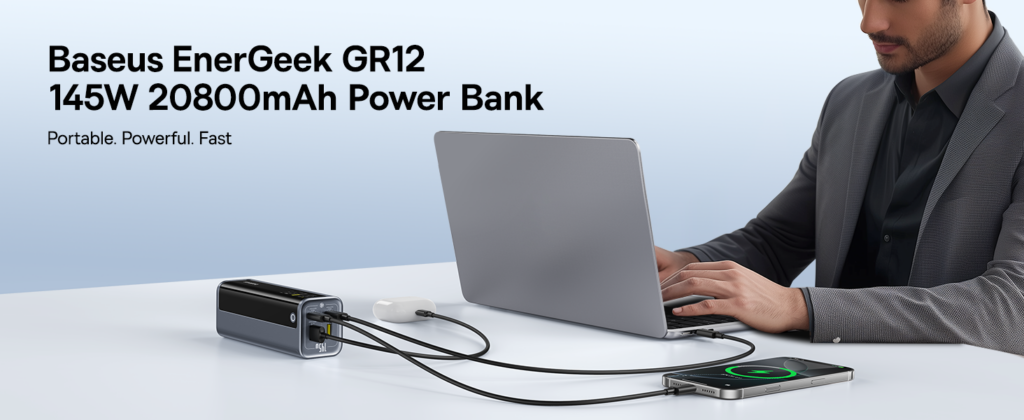
Baseus EnerGeek GP12 Power Bank
The Baseus EnerGeek GP12 is a compact and TSA-approved 145W power bank designed for travelers who need to charge laptops and multiple devices at once. It supports 100W PD fast charging, enough to bring a 14-inch MacBook Pro to 55% in 30 minutes. The power bank has four output ports and a smart display that shows charging speed, battery level, and remaining power time.
Despite its large 20,800mAh capacity, the GP12 maintains a small form factor that fits into travel bags with ease. It meets airline regulations with a 77Wh rating and remains lightweight at just 18 ounces. This power bank is well-suited for both business trips and extended holidays.
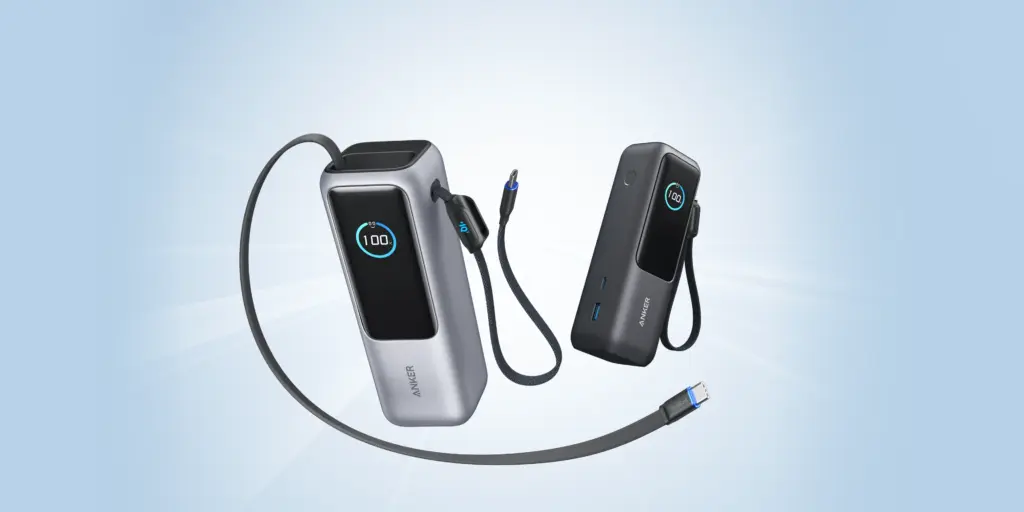
Anker’s 25K 165W power bank supports fast charging across four ports, including three USB-C and one USB-A. It delivers 100W on a single USB-C port and 165W combined, making it ideal for laptops, tablets, and phones. The power bank includes two built-in retractable cables, which eliminates the need for packing separate ones.
Its 25,000mAh capacity ensures long-lasting performance, while the real-time smart display keeps users updated on power levels and port activity. ActiveShield 2.0 thermal protection monitors temperature frequently to maintain safety during high-speed charging. This power bank suits digital nomads and professionals with heavy charging needs.
The GX11 MiFi power bank combines global 4G hotspot functionality with 67W fast charging. It supports up to 10 connected devices and provides Wi-Fi coverage in more than 150 countries. Travelers receive 1GB of free global data per month for one year, with flexible data packages available via the Baseus MiFi app.
Its 20,000mAh battery supports up to 114 hours of hotspot use. The GX11 also doubles as a portable charger for smartphones, tablets, and laptops via its USB-C output. This device is ideal for travelers who rely on stable internet and power throughout the day.
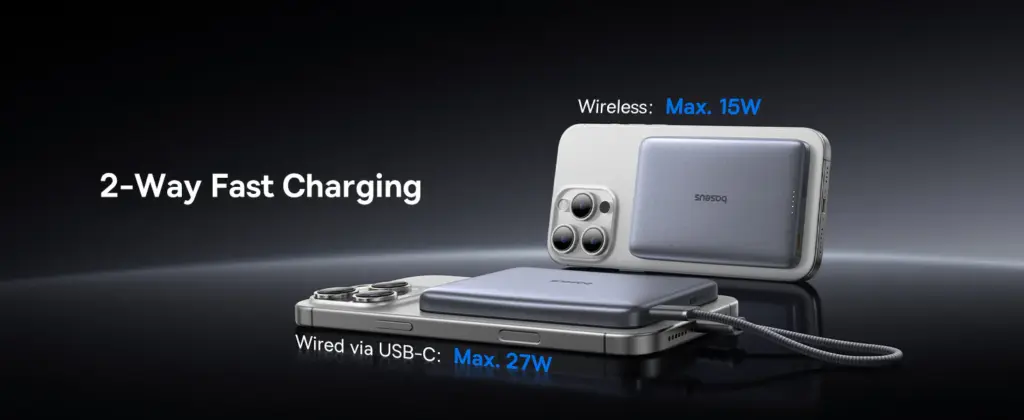
The PicoGo is a 10,000mAh ultra-slim power bank designed for Qi2 wireless charging. It supports 15W wireless output and 27W via USB-C. With strong magnets and MagSafe compatibility, the power bank securely attaches to iPhones and maintains a stable connection during use.
Its compact size makes it ideal for pocket or bag storage, and it can charge an iPhone 16 Pro up to 1.8 times. The power bank uses a Tesla-grade lithium polymer battery for durability. This is a practical choice for travelers who need wireless charging without bulk.
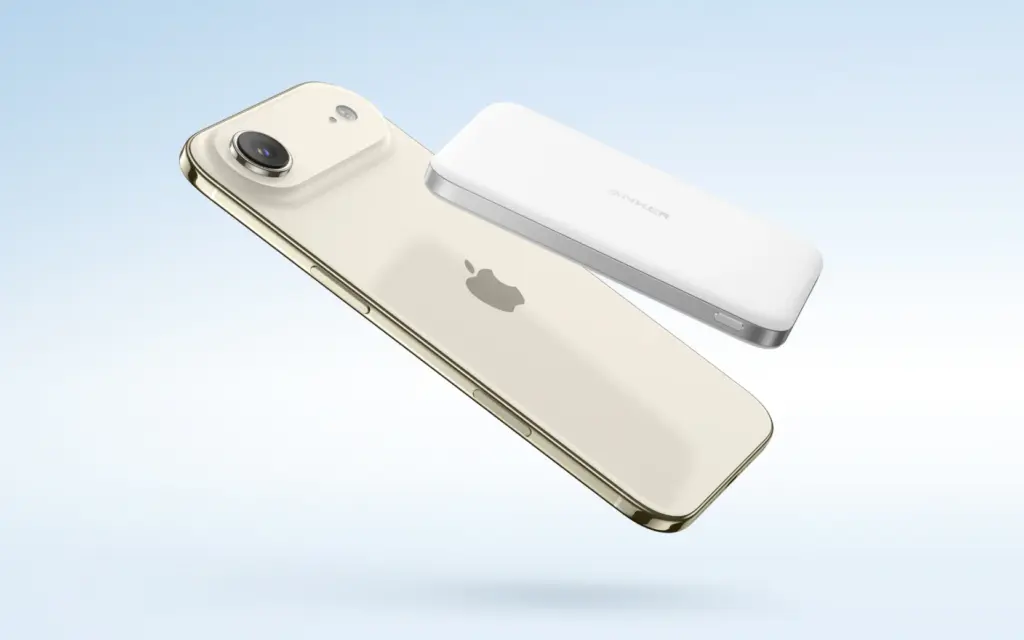
Anker‘s Nano Power Bank offers 5,000mAh capacity in a slim design that supports 15W MagSafe-compatible wireless charging and 20W USB-C output. It is optimized for iPhone 17 series devices and uses graphene cooling and dual NTC chips to manage heat.
The bank remains below 104°F for safer handling and can bring an iPhone 17 Pro to 25% in 34 minutes. Its ergonomic shape fits easily in hand or pocket. This accessory is best for short trips or emergency top-ups throughout the day.
Baseus offers a fully retractable USB-C cable rated at 100W for fast charging. It supports 480Mbps data transfer and weighs just 50g, making it highly portable. The cable is extendable from both ends and uses a slim design to minimize space in travel kits.
This accessory is well-suited for powering USB-C laptops, phones, and tablets while avoiding tangled cords. It’s a convenient solution for frequent travelers who need dependable charging without bulk.
The EnerCore CG11 is a 6-in-1 universal travel adapter with a built-in 70W USB-C retractable cable. It supports plug types for over 200 countries and includes two AC outlets, two USB-A, and two USB-C ports.
This adapter charges laptops, phones, and tablets simultaneously. Safety features include dual 10A fuses and protections against overheating, short circuits, and overpower. The fire-resistant housing and compact design make it reliable and easy to carry. It is not a voltage converter but supports most modern electronics rated for 100-250V input.
The Anker Prime Charger delivers up to 160W across three USB-C ports and offers a consistent 140W single-port output. It supports real-time power monitoring through a built-in smart display and connects to the Anker app via Bluetooth for charging control.
The charger is as small as an AirPods Pro 3 case but can power a 16-inch MacBook Pro, iPhone 16 Pro Max, and iPad Pro simultaneously. PowerIQ 5.0 dynamically reallocates power for optimal efficiency, while ActiveShield 4.0 ensures safe charging with advanced thermal regulation.
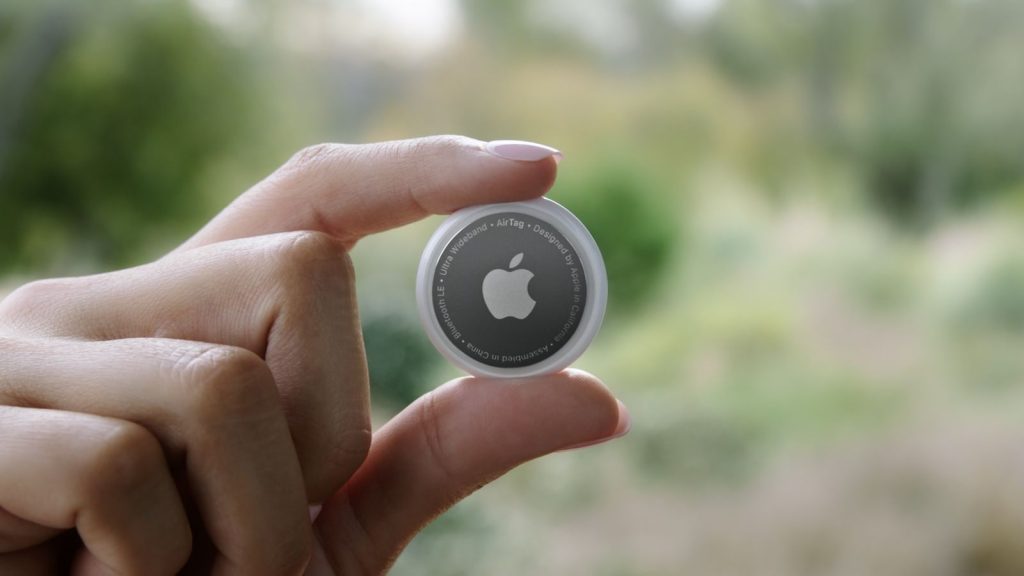
Apple’s AirTag helps travelers keep track of essential items such as bags, wallets, or keys. It uses the Find My network and Ultra Wideband technology to provide precise location tracking. It also allows up to five people to share access, making group tracking simple and reliable.
The AirTag is water-resistant, lasts over a year on a user-replaceable battery, and integrates with iOS devices for quick setup. Lost Mode notifies users when a tagged item is found, and privacy protections ensure location data remains secure. This accessory is essential for travelers who want to avoid losing valuable items during transit.
Vivo has officially confirmed that the S50 and S50 Pro Mini are launching in December in China. Ahead of the launch, tipster Digital Chat Station (DCS) has now revealed the specs of the compact model.
According to DCS, the S50 Pro Mini will run on Snapdragon 8 Gen 5. Qualcomm has yet to announce the chipset officially; however, it’s set to debut soon on the OnePlus Ace 6T. Vivo seems ready to follow closely behind.
On the front, the S50 Pro Mini is said to pack a 6.3-inch flat display, landing it in the same size class as Apple’s iPhone Air. But despite being the “Mini” in the lineup, it reportedly crams in a massive 6,500mAh battery. That’s more than what most full-size flagships manage.
DCS also claims the phone adopts a horizontal camera bar that might look a lot like the one on the iPhone Air. Inside that bar, Vivo is reportedly using a 50MP Sony IMX9-series main sensor paired with a 50MP IMX882 periscope lens.
Other rumored specs include an ultrasonic fingerprint reader and what the tipster calls “full-level” water resistance, which likely translates to both IP68 and IP69 ratings.
In the comments, DCS added that both S50 models will feature a metal frame and a periscope camera.
Vivo also recently confirmed the entire S50 lineup will deliver flagship-tier performance, thanks to LPDDR5X RAM rated at 9600Mbps and UFS 4.1 storage.
Meanwhile, the regular Vivo S50 is expected to feature a 6.59-inch OLED screen that offers a 1.5K resolution and a 120Hz refresh rate. Both phones may also support 90W fast charging.
Vivo S50 as Vivo V70 globally?
Vivo’s S-series has usually entered the global market under the V-branding. For instance, the S30 in China is the Vivo V60 for global markets. So we are expecting the same this generation. But there are some conflicting reports around it. Read here to know more about it.
For more daily updates, please visit our News Section.
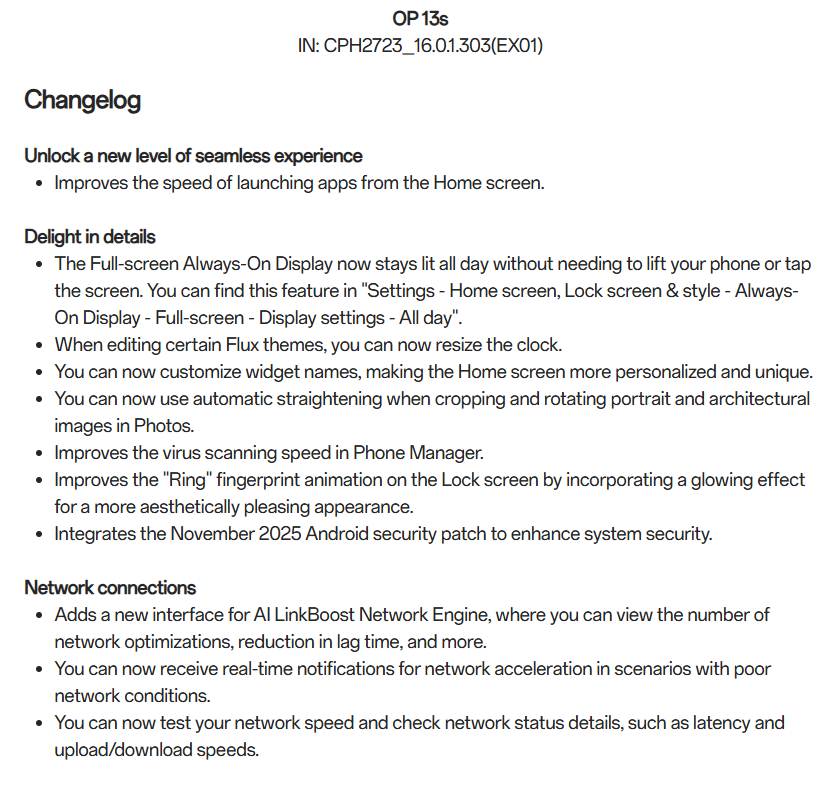
OnePlus has initiated the incremental rollout of OxygenOS 16.0.1.303 for the OnePlus 13s, which is its first update since upgrading to Android 16-based OxygenOS 16. The new update bringing performance improvements and feature enhancements to the flagship device.
Performance Optimizations
The update accelerates app launch speeds from the home screen, delivering a more responsive user experience. Phone Manager now executes virus scans faster, while the system integrates November 2025 Android security patches for improved protection.
Display and Customization Features
Full-screen Always-On Display functionality has been expanded to remain active throughout the day without requiring screen taps or lift gestures. Users can enable this through Settings under “Home screen, Lock screen & style – Always-On Display – Full-screen – Display settings – All day.”
Additional customization options include resizable clocks for select Flux themes, personalized widget naming capabilities, and an enhanced Ring fingerprint animation featuring a glowing effect for improved aesthetics.
Network Enhancements
A redesigned AI LinkBoost Network Engine interface provides visibility into network optimization metrics, including lag reduction statistics. The system now delivers real-time notifications during network acceleration in poor connectivity scenarios. Users can conduct network speed tests and monitor detailed status information, including latency and upload/download speeds.
Photography Improvements
The Photos app introduces automatic straightening functionality for portrait and architectural images during cropping and rotation operations.
This update only works if you already have OxygenOS 16. If you’re still on OxygenOS 15, upgrade to OxygenOS 16 first to get this update. The rollout is gradual. A small group of users gets it first, with wider distribution coming in a few days.
For more daily updates, please visit our News Section.
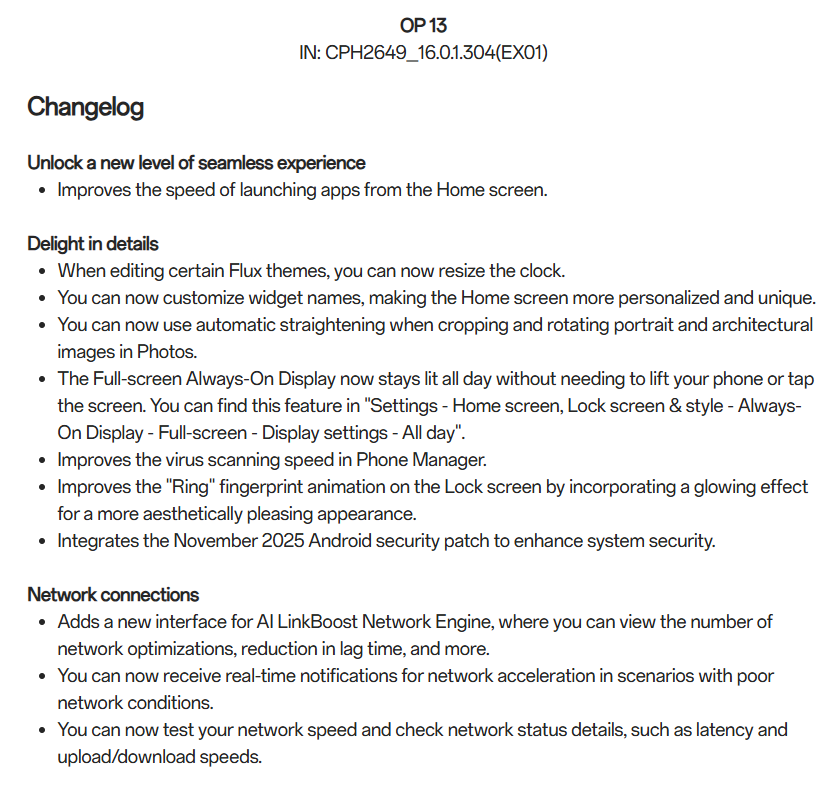
OnePlus has started pushing the OxygenOS 16.0.1.304 update for the OnePlus 13 in India, after receiving the OxygenOS 16 update earlier this month. The rollout is happening in batches, and the build number for this release is CPH2649_16.0.1.304(EX01). A wider rollout will follow after the first set of users receives the update.
The update brings faster app launch speed from the Home screen. Users can also edit Flux themes with more control, including the option to resize the clock. Widget names can now be changed, which makes the Home screen easier to personalize.
The Photos app adds automatic straightening when cropping and rotating portrait and architectural shots. The Full screen Always On Display can now stay active all day without lifting the phone or tapping the screen. The feature can be found in Settings, under Home screen, Lock screen and style, Always On Display, Full screen, Display settings, All day. The update also improves virus scanning speed in Phone Manager.
The Lock screen fingerprint animation gets a visual update through the improved Ring animation, which now shows a glowing effect. OnePlus has also added the November 2025 Android security patch to improve system security.
Network features receive several upgrades. The AI LinkBoost Network Engine now has a new interface that shows the number of network optimizations and any reduction in lag time. Users will receive real-time alerts for network acceleration in poor network conditions. Network speed tests are now supported, with details on latency and upload and download speeds.
The update is only available for users who have already moved to OxygenOS 16. Users still on OxygenOS 15 must update first to receive the new build.
Since this is an incremental rollout, only a small group of users will get the update on the first day. A broader release will follow soon.
For more daily updates, please visit our News Section.
The Red Magic 11 Pro continues Nubia’s legacy of building some of the most distinctive gaming smartphones in the world, and this year’s model takes things even further. Red Magic smartphones are known for their top tier specs, bold aesthetics, and much more, to offer some of the best gaming experiences on smartphones. While the older models already impressed with their active cooling systems, which included a tiny fan, the latest flagship gaming phone takes things a step further, so here’s a deep dive into everything that makes the Red Magic 11 Pro stand out from the crowd.
Red Magic 11 Pro and its Unapologetic Gaming-Themed Design
The Red Magic 11 Pro continues the brand’s signature transparent and gamer-centric design language. It features angular lines and an industrial look paired with a transparent panel on the back. This adds a futuristic aesthetic that showcases parts of the internal hardware. While a transparent panel aren’t unique by itself, we get a glimpse of the unique cooling system under the hood.
Red Magic 11 Pro
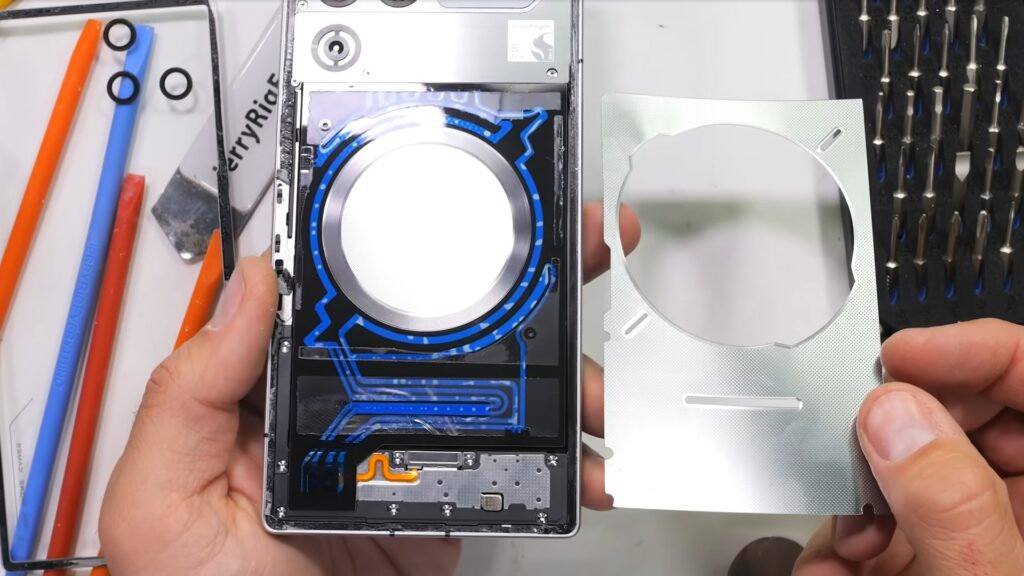
Unlike its predecessor, which only featured a cooling fan, the Red Magic 11 Pro pairs this with a liquid cooling system, and you can see this system in operation at any given moment. There is also the small fan that features the custom RGB lighting system. To improve the gameplay experience, the Chinese brand also includes 520Hz shoulder triggers for a controller-like experience.
Liquid Cooling: A First for Mobile Gaming
Liquid cooling is a term often associated with PC gaming enthusiasts and their high-end gaming rigs and not for smartphones. We have already seen vapor chamber cooling systems in the past, but the Red Magic 11 Pro packs a more sophisticated thermal system. Cooling has been the biggest selling point of Red Magic phones, and thanks to the dual liquid and air cooling system, the Red Magic 11 Pro is capable of sustaining peak performance during extended gaming sessions.
Red Magic 11 Pro Teardown Reveals the Liquid Cooling Mechanism
The internal cooling setup includes a larger vapor chamber, extended copper heat pipes, aerospace-grade graphite sheets, and a redesigned air duct that boosts airflow efficiency. The highlight is the new liquid-cooling loop, which uses a more efficient coolant and enhanced thermal pathways to keep the CPU and GPU significantly cooler during intense workloads. This ensures better sustained frame rates and reduces thermal throttling, which is essential for demanding titles like Genshin Impact, Call of Duty Mobile, and Warzone Mobile.
Real-World Gaming Experience Benefits
All of this advanced cooling directly impacts real-world performance. Red Magic built its latest flagship with a built-in PC emulator. So to experience the desktop level games, the dual cooling system helps keep Qualcomm’s top-end Snapdragon 8 Elite Gen 5 running cooler. Efficient thermals translate to superior sustained performance. Meaning, the frames are stable at 60fps, 120fps, or higher. All in all, the Red Magic 11 Pro delivers one of the most stable and enjoyable mobile gaming experiences in the market.
Conclusion
The Red Magic 11 Pro sets itself apart with a bold, futuristic design and one of the most advanced cooling systems ever fitted into a smartphone. From its transparent aesthetic to its upgraded liquid-cooling loop and refined ergonomics, every element of this device caters to gamers who demand performance without compromise.
For more daily updates, please visit our News Section.
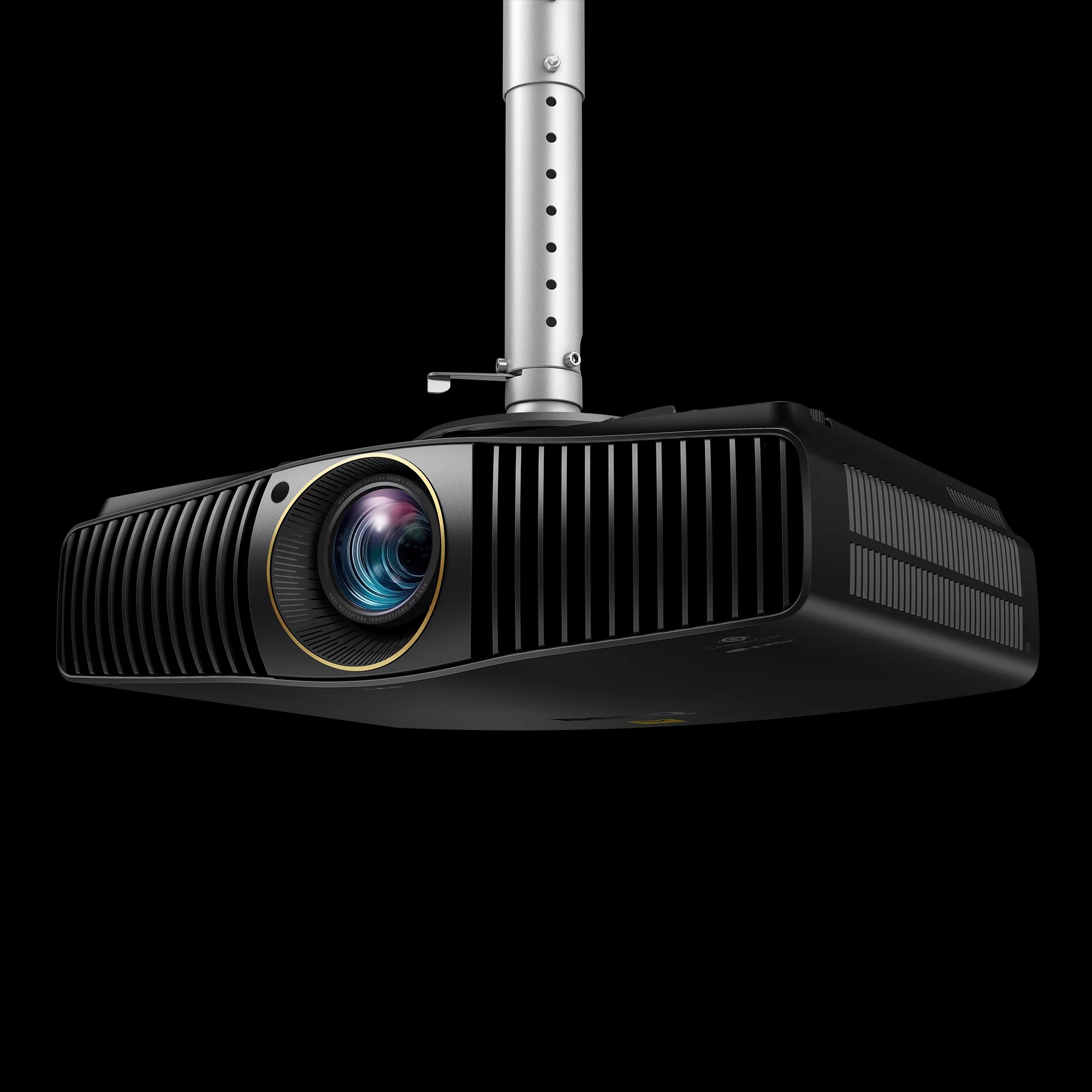
BenQ has launched the BR9708, a purpose-built 4K projector designed for theme parks, immersive attractions, escape rooms, and other themed environments that need accurate color and strong contrast.
The BR9708 is built for low-light setups. It offers true 4K UHD with 8.3 million pixels, 100% DCI-P3 color coverage, and a 1200:1 native contrast ratio. This allows the projector to produce realistic skin tones, detailed textures, and deeper blacks without using filters or complicated calibration. It is meant to replace older lamp-based and low-contrast projectors that are still common in ride systems, simulators, and projection-mapped attractions.
BenQ has tuned the projector for accuracy through a seven-point factory color calibration with Delta E below 2. This helps multiple units match each other when used in blended projection setups. The BR9708 also includes a blending-ready feature that adjusts color, gamma, and alignment automatically for multi-projector installations.
The projector offers flexible placement options. It supports 50 percent vertical lens shift, 35 percent horizontal lens shift, centered optics, and full 360-degree installation. These options make it easier to fit the BR9708 into tight spaces or unusual mounting positions often found in themed environments.
Pricing & availability
The BenQ BR9708 laser projector is now available through BenQ’s authorized AV integration partners. In the UK, the projector is priced at 4,659 pounds and in the EU it is available for 6,499 euros.
For more daily updates, please visit our News Section.
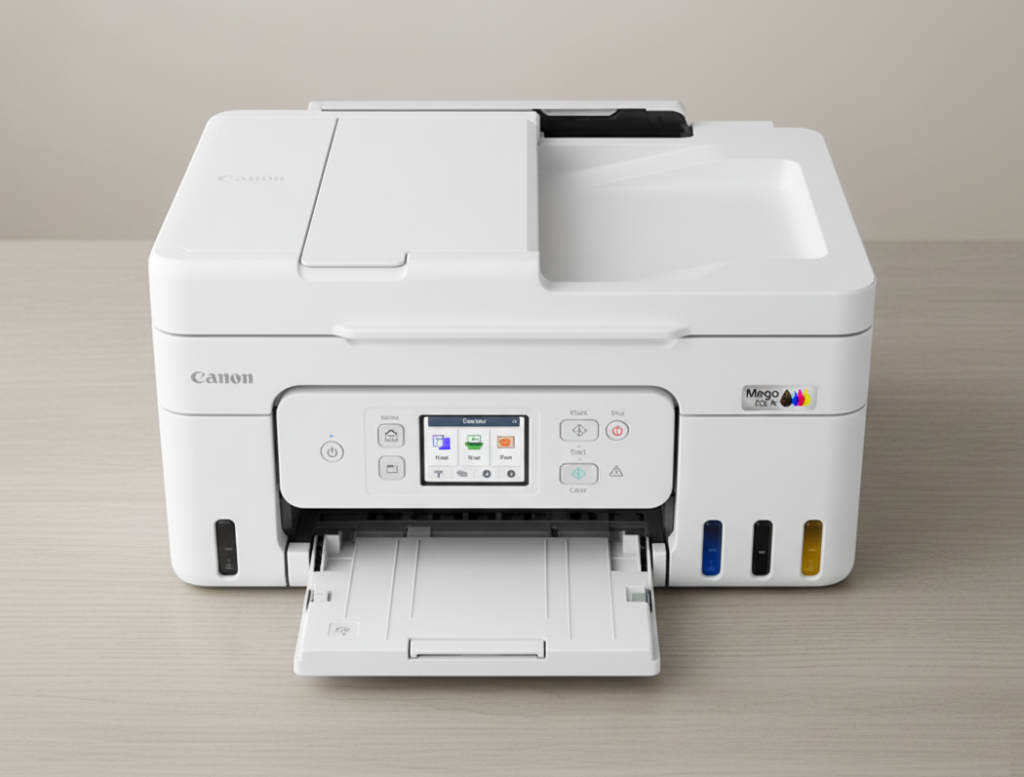
I have been using the Canon Pixma G4780 for some time now for my regular work documents, occasional colour prints and frequent scanning tasks. After putting it through everyday usage in a home-office environment, the G4780 comes across as a multifunction printer designed for consistent, cost-effective performance rather than flashy features. Here is how it holds up in real use.
Design and daily usability
Canon Pixma G4780
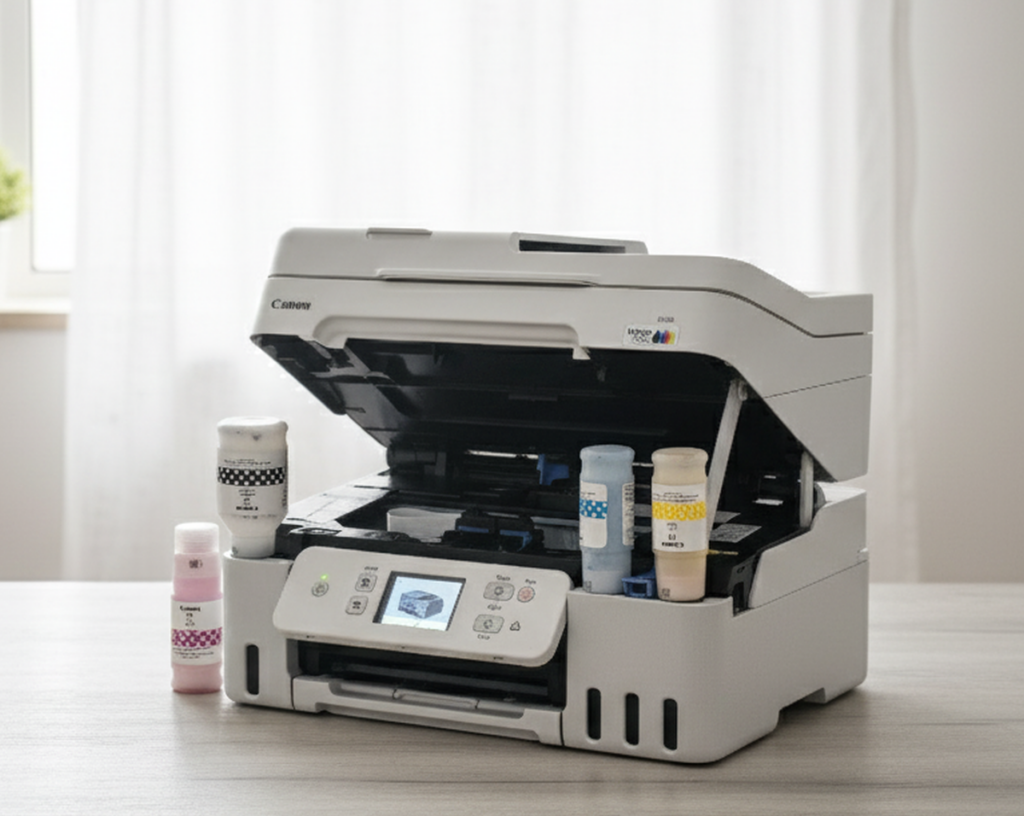
The Pixma G4780 is compact for an ink-tank printer with an ADF. It fits comfortably on a desk without demanding too much space, and at around 7.5 kg it is light enough to move around when needed. The layout is neat, the tanks are visible from the front and the build quality feels solid for its category.
The 2.7-inch color touchscreen is one of the most helpful elements of the design. Navigation is simple, and most settings such as Wi-Fi setup, print modes, copy preferences and maintenance functions are easy to access without diving through complicated menus. I customised a couple of shortcuts, which quietly made routine tasks a bit quicker.
Ink refilling is straightforward thanks to Canon’s no-spill bottle design. The bottles lock in place, fill automatically and stop once the tank is full, so there is no mess or risk of overfilling. Visibility of ink levels is excellent, something that becomes important when printing in volume.
Print quality and real-world performance
Print quality from the G4780 is consistent with Canon’s reputation. Black text looks crisp and well-defined, and colour output is vibrant enough for charts, presentations and school projects. It is not a professional photo printer, but casual 4 by 6-inch photo prints come out clean and bright.
Print speeds are reasonable for an ink-tank system. In day-to-day use, it delivers around 11 images per minute in black and 6 images per minute in colour. These are not the fastest figures, but they are steady and reliable enough for office and home workloads. Auto duplex printing works smoothly and adds convenience for longer documents, even if it slows down the process a bit.
Ink efficiency and maintenance
Canon Pixma G4780
The biggest strength of the G4780 is the ink economy. After several sets of documents and colour prints, the ink levels barely shifted, which is reassuring for anyone who prints regularly. Canon rates the bottles for up to 7600 pages in black and 8100 pages in colour using economy mode. While real-world results vary, the efficiency is clearly noticeable.
It helps that Canon includes full-capacity GI-71 bottles in the box rather than starter quantities. The user-replaceable maintenance cartridge is another practical touch, allowing routine upkeep without depending on service centres. For long-term users, this is a cost-saving feature that improves the printer’s life span.
Scanning, copying and overall workflow
The Auto Document Feeder turned out to be more useful than I initially expected. With a capacity of 35 sheets, it handles multi-page scans and copies with ease. I used it for contracts, old printouts, receipts and handwritten notes, and the feeder pulled pages cleanly without skewing or jamming. It is not very fast when copying in color, but the convenience of loading a batch and walking away far outweighs the speed.
The scanning quality is suitable for normal office work. The CIS scanner produces clear text and reasonably accurate colors at 600 by 1200 dpi. The ability to scan through both the flatbed and ADF means it covers everything from ID cards to long legal documents. I found the Canon PRINT app particularly helpful for scanning directly to my phone, especially when I needed to forward documents quickly.
Connectivity and printing convenience
Setting up the printer on Wi-Fi was simple and quick. The touchscreen makes the process easier because there is no guessing or trial-and-error with buttons. Once connected, the printer remained stable on the network.
Printing from mobile devices is smooth. The Canon PRINT app works reliably, and AirPrint and Mopria support ensure compatibility with both iOS and Android. Cloud printing through services like Google Drive also worked well. Printing from laptops is equally straightforward, and the drivers install without complications.
Direct Wireless mode is a surprisingly useful feature. It allows printing without a router, which is convenient when someone needs to print a document immediately without joining your home network.
Paper handling, noise and reliability
The rear tray supports a wide range of paper sizes, including A4, A5, Letter, Legal, various photo formats and even banner sheets up to 1200 mm in length. To test handling, I printed a long banner, and the printer managed it without any issues. For regular office tasks, the 100-sheet tray capacity is enough to avoid frequent refilling.
Noise levels are well managed. Quiet Mode makes the printer suitable for late-night use without disturbing others. Power consumption is also low, with the printer drawing only about 18W while operating.
Canon’s two-year or 30,000-print onsite warranty adds confidence to long-term use. The fact that print heads are included in the warranty is a reassuring addition.
Final thoughts
After using the Canon Pixma G4780 in a real home-office environment, it stands out as a dependable and economical multifunction printer. It does not aim for ultra-fast speeds or professional-grade photo output, but it delivers exactly what most home and small-office users need: reliable printing, useful scanning features, a genuinely helpful ADF, strong ink efficiency and seamless connectivity. If your focus is long-term savings, everyday convenience and solid print quality, the G4780 is a well-rounded choice that fits naturally into modern work or study routines. At present, it is available for Rs 20,899 on Amazon.
For more daily updates, please visit our News Section.
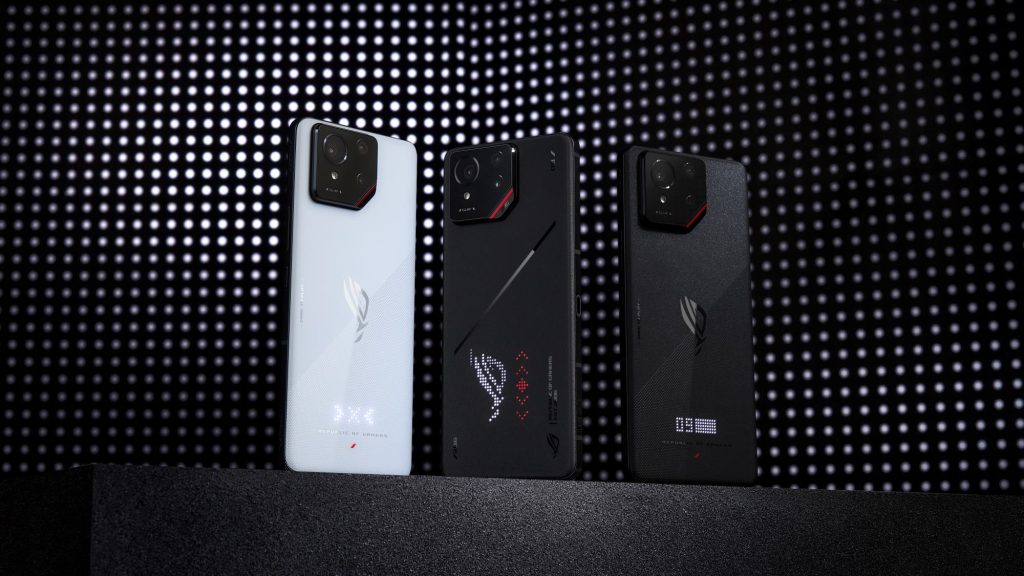
While ASUS has yet to reveal any details or tease any new gaming smartphones, a new leak has hinted that the ROG Phone 10 series might be arriving soon with various upgrades over its predecessor. So here’s everything you need to know.
Next-Gen ASUS ROG Phone 10 Series Leaked
To recall, the company had launched the ASUS ROG Phone 9 and ROG Phone 9 Pro back on 19th November 2024. So after a whole year, one would expect that the brand is at least teasing the next gen models, but there has been no teaser so far. However, known tipster Smart Pikachu has revealed some details ahead of any official teasers. He claims that the ASUS ROG Phone 10 series is on the way with Qualcomm’s latest and greatest, Snapdragon 8 Elite Gen 5 SoC.
ASUS ROG Phone 9
This chip would offer notable improvement in performance, like hardware level ray tracing, and upgrades in handling AI workloads. Smart Pikachu adds that the company will pack the ASUS ROG Phone 10 series with an improved heat dissipation system to keep this powerful chip cool. Last year’s ROG Phone 9 offered a super smooth 165Hz refresh rate display, which will likely return on the next gen models as well.
Earlier this year, ASUS launched the ROG Phone 9 FE, so the ROG Phone 10 series might also get a similar affordable option. Keep in mind that this is still just an unconfirmed report at the moment. Take this news with a pinch of salt and stick around for more.
For more daily updates, please visit our News Section.
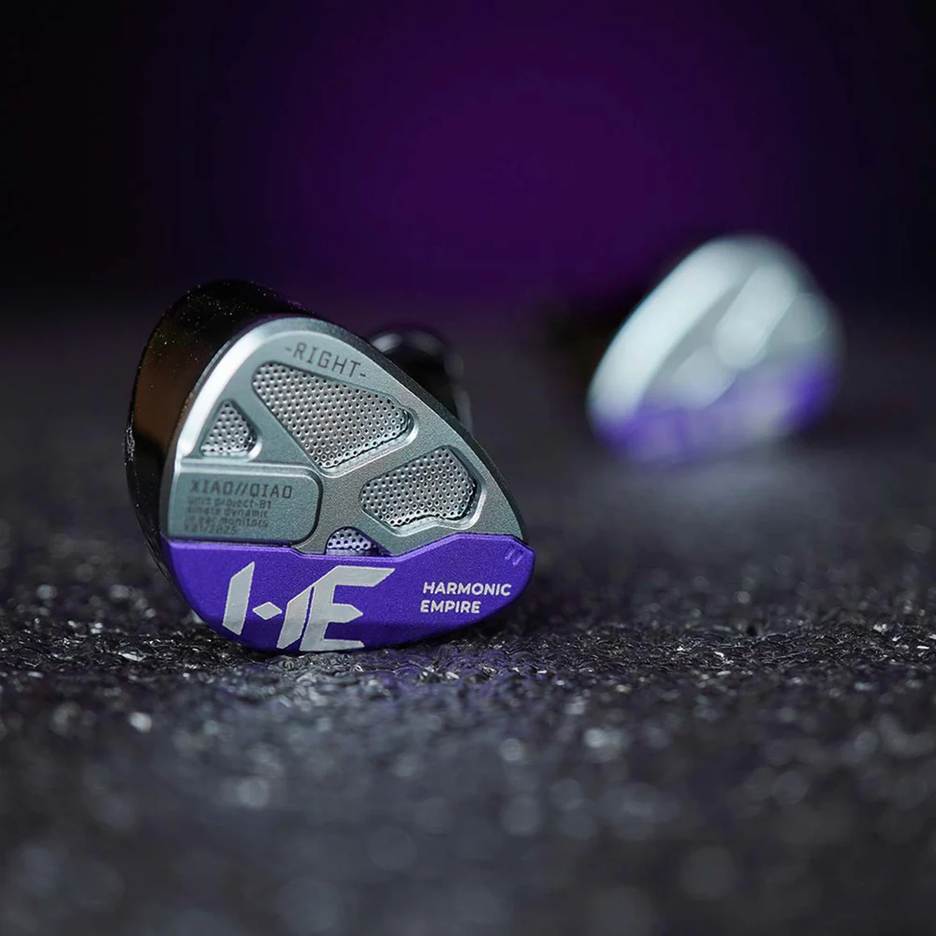
Harmonic Empire, a new brand formed by TANGZU and third-party investors, has introduced its first in-ear monitor called the Xiao Qiao. The brand operates with its own young team that handles strategy, design, and marketing, while TANGZU oversees management.
The Xiao Qiao follows a Three Kingdoms theme with a mecha-inspired look. It comes in Orange and Purple and targets younger listeners who want strong performance with a modern style. Harmonic Empire also plans to launch three products in 2025 and expand to five in 2026, covering IEMs, headphones, TWS earbuds, mini buds, earmuffs, and anime-themed accessories.
The Xiao Qiao uses a 10 mm graphene dynamic driver. Graphene gives the driver high rigidity and low weight, which helps deliver fast response, tight bass, natural mids and crisp highs. The semi-open panel design reduces internal air pressure and allows the driver to move more freely. This creates a wider soundstage, more accurate imaging and better bass control. The tuning avoids phase issues that usually appear in multi-driver setups.
The housing is made from aviation-grade aluminium alloy and is shaped using 5-axis CNC machining. This improves durability, acoustic consistency and overall build quality. Inside the shell, a 3D resin-printed cavity made with nanometer-level precision forms the internal acoustic structure and ensures consistent production.
The IEM uses a 0.78 mm 2-pin connector and includes a custom 5N LC-OFC silver-plated cable from Vortex. The 1.2 m cable is designed to improve signal flow and reduce performance loss. The package includes the Xiao Qiao IEM, the cable, a storage case and six pairs of silicone eartips, including woofer, tweeter and balanced options. The Xiao Qiao is available in both 3.5 mm and 4.4 mm plug versions.
Pricing & availability
The Harmonic Empire Xiao Qiao is available on Headphone Zone for Rs. 6,499 ($73).
For more daily updates, please visit our News Section.
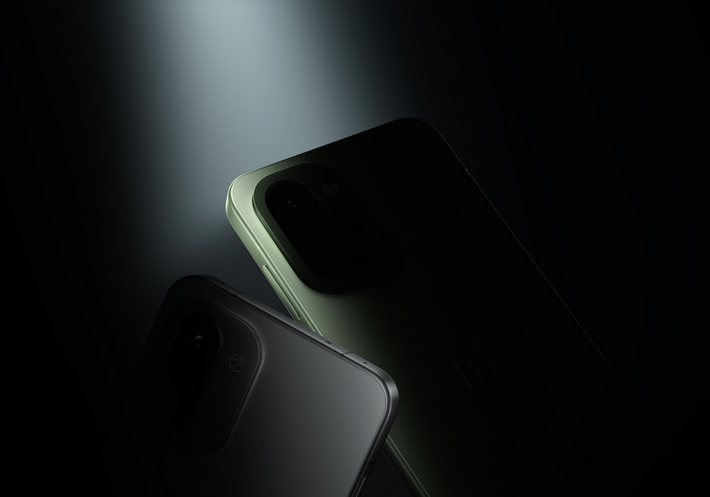
OnePlus has officially begun teasing the OnePlus 15R, confirming that its next budget flagship is gearing up for a global launch. This model was previously unveiled as the OnePlus Ace 6, so the 15R will be the international version of the brand’s latest budget flagship model.
OnePlus 15R Coming Soon Globally
Ahead of the full release, the Chinese brand has begun sharing teasers for this upcoming smartphone. The company’s official website in various regions now has a dedicated microsite for the OnePlus 15R with the label “Coming Soon”. While these image posters don’t confirm any finer details like their launch date, pricing, or specs, they do confirm the color options and availability in certain regions.
OnePlus 15R Coming Soon
To recall, the OnePlus Ace 6 was announced in three color options, which included Quick Silver, Racing Black, and Flash White. But the upcoming rebranded global variant can be seen in green and gray color variants. This green option appears to be similar to the OnePlus 13s’ Silk Green hue. Apart from this, we also know that the device is arriving in regions like Germany, India, and the UK.
Based on the Ace 6’s release, the OnePlus 15R should likely sport a tall 6.83-inch AMOLED display with a 165Hz refresh rate and 1.5K resolution. Under the hood, it could be equipped with the Snapdragon 8 Elite SoC. For optics, the back is expected to house a 50MP main + 8MP ultra wide angle setup, while the front gets a 16MP shooter. Other notable features of the Ace 6 include a massive 7,800mAh battery pack with 120W wired fast charging, IP66, IP68, and IP69K water and dust resistance rating, an in-display ultrasonic fingerprint scanner, Bluetooth 5.4, WiFi 7, and much more.
For more daily updates, please visit our News Section.
OpenAI is starting to rethink what ChatGPT is actually for. Instead of just a one-on-one assistant, the company has begun testing a new group chat feature that lets up to 20 people talk to the AI at the same time. It’s the kind of thing that could end up being handy for everything from planning a trip with friends to hashing out ideas with coworkers.
The feature was quietly announced on November 13 in an OpenAI blog post. The idea is simple: everyone in the group can type freely, and ChatGPT will jump in whenever it thinks it can help. If you want an immediate answer, you can call it directly with “@ChatGPT.” Otherwise, it mostly tries to stay out of the way until something relevant pops up.
Most of ChatGPT’s usual tools carry over into these shared rooms, including web browsing, file and image uploads, voice input, and image generation. The system runs on GPT-5.1 Auto, which automatically chooses the best model for each person based on their plan—Free, Go, Plus, or Pro—so you don’t have to fiddle with model settings. OpenAI also says the AI won’t draw on any personal memories from individual users while in a group, which is meant to keep things from getting awkward or overly specific.
Starting a group is easy enough. You can spin up a fresh chat or turn an existing one-on-one thread into a group using the little person icon. Invites are simple links, and anyone joining just has to pick a name, username, and picture. If you convert a private chat, ChatGPT makes a duplicate first so you don’t lose the original conversation.
Availability:
For now, the whole thing is still in early testing and limited to four regions: Japan, New Zealand, South Korea, and Taiwan. It’s available across all subscription tiers in those markets. OpenAI says it’ll expand the rollout over time, depending on the feedback it gets from this first batch of users.
With real-time, multi-person chats now possible, ChatGPT is creeping into territory usually dominated by Slack, Teams, and even Google Docs—except this time the AI can actually participate instead of just sitting on the sidelines. If the trials go well, don’t be surprised if group chats end up becoming one of the busier parts of ChatGPT sooner rather than later.
It looks like Xiaomi might dust off an old tradition this year. After skipping late-December launches for a while, the company is reportedly gearing up to drop the Xiaomi 17 Ultra right around Christmas — a timing that’ll feel pretty familiar to fans of the Xiaomi 12 era.
Xiaomi 15 Ultra
Hints started popping up again this week from the usual leak circuit in China. Digital Chat Station says the 17 Ultra is still locked in for a December debut, and leaker Kartikey Singh tightened that window even further, pointing to the fourth week of the month. The dates being thrown around are December 22/23 or December 27/28. That last pair is interesting because Xiaomi rolled out the Xiaomi 12 and 12 Pro on December 28 back in 2021. If Xiaomi really does pick that day again, it’d land almost exactly four years later.
Don’t expect a worldwide launch just yet, though. As usual, China should get it first, with a global release likely sometime early next year. For now, Xiaomi seems more focused on its surprisingly early Poco F8 lineup.
The most powerful Smartphone Camera of 2025 is tentatively scheduled to be released in the 4th week of December~
What’s really turning heads is the camera setup rumored for the 17 Ultra. Multiple sources are calling it the most ambitious smartphone camera of 2025. The main attraction is said to be OmniVision’s huge OVX10500U sensor, backed by Samsung’s ISOCELL JN5 and HPE telephoto modules, plus another JN5 for the ultra-wide. On paper, that’s a seriously stacked array, and very much the sort of spec sheet Xiaomi likes to use to take a swing at the top of the camera rankings each year.
If Xiaomi nails the tuning on those sensors, the 17 Ultra could easily rank among the strongest camera flagships of 2025 and even well into 2026.
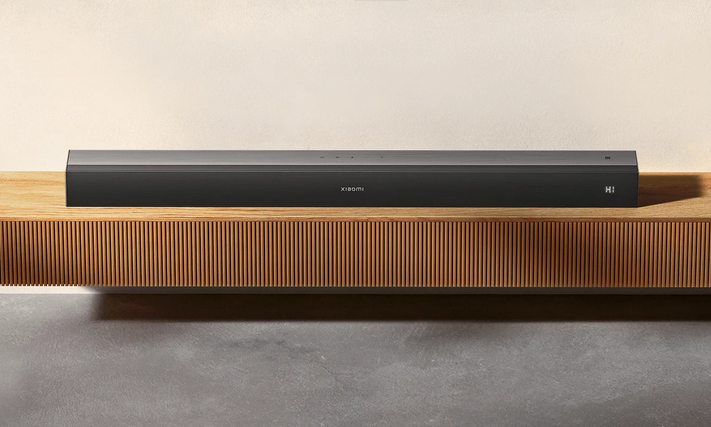
Xiaomi has officially introduced the Soundbar Pro 2.0 ch in Europe, arriving as a new value packed audio product. For just under 100 Euros, the company promises to offer a new home entertainment system with seamless wireless connectivity options. So here’s everything you need to know.
Xiaomi Soundbar Pro 2.0 ch Hits Europe with 84W Power & Dolby Atmos
The Chinese tech giant’s Soundbar Pro 2.0 ch was just announced in the European market. It is a more affordable variant of the recently released Xiaomi Soundbar Pro 2.1 ch. For a budget price tag, this model is designed to upgrade the audio experience of your TV. It is compatible with a vast range of models thanks to support for HDMI (ARC) input, Bluetooth connectivity, and NFC support that enables quick pairing with your smartphone.
Xiaomi Soundbar Pro 2.0 ch
The Xiaomi Soundbar Pro 2.0 ch houses twin tweeters and two mid bass speakers that have a combined output of 84W. This soundbar speaker has an audio range of 50Hz to 20kHz and comes with Dolby Audio tuning. You also get access to six audio modes that offer options fit for movies, gaming, music, and more. Talking about the dimensions of this product, the Xiaomi Soundbar Pro 2.0 ch measures 840mm x 87mm x 60mm and arrives in a single black finish.
As of right now, the company has released this model in Spain for 99.99 Euros. Unfortunately, there is no official word regarding a wider roll out in the European region. The Xiaomi Soundbar Pro 2.1 ch was previously launched in other markets like Germany, so we can expect this variant to debut with a more affordable price tag.
For more daily updates, please visit our News Section.
Today’s cities are becoming more crowded, noisy, and polluted. Roads are filled with cars, traffic jams are common, and daily commuting often feels exhausting. As more people look for alternatives to traditional vehicles, electric bikes have quickly become one of the most effective solutions. They offer clean transportation, help reduce congestion, and make everyday travel simpler. Among the rising e-bike brands, Mokwheel stands out for building smart and reliable models specially designed for city life.
Black Friday Sale
The Mokwheel Black Friday Sale is here, offering some of the biggest discounts of the year on premium electric bikes. Shoppers can save with exclusive coupons, enjoy free gifts, and even get accessory bundles worth up to $699 at no extra cost. It’s the perfect time to upgrade to a powerful, feature-packed e-bike without the premium price tag. All deals are available on the official Mokwheel website.
Designed for Smooth and Stress-Free Riding
Mokwheel electric bikes are built with one clear goal: making city commuting easier for everyone. Their lightweight frame allows riders to move comfortably through narrow streets, busy junctions, and crowded neighborhoods. This makes them especially useful for people who want quick mobility without dealing with heavy vehicles or complex systems.
Another highlight is their smooth and controlled power delivery. Electric assist engages gently, helping riders accelerate from traffic lights, tackle hills, or ride against strong wind without extra effort. This creates a relaxing and predictable riding experience, even for beginners. The bike’s smart display keeps real-time information visible: battery status, speed, mileage, and assist modes, so riders always know how their bike is performing.
Built for Real City Conditions
Urban commuting demands safety and reliability, and Mokwheel addresses this with impressive features. The bright headlights improve visibility in low-light areas, while responsive brakes make stopping quick and controlled. Durable tires handle rough surfaces, uneven lanes, and daily wear with ease. Combined, these features create a dependable ride suitable for both short trips and long-distance urban travel.
Battery life is another major strength. Many Mokwheel models can run for several days on a single charge, depending on usage. Most riders only need to charge the bike once or twice a week, making it more convenient and far cheaper than cars or scooters.
Supporting a Greener Lifestyle
Switching to an electric bike is one of the simplest ways to reduce your personal carbon footprint. E-bikes have zero tailpipe emissions, take up very little space on the road, and operate almost silently. Even when considering manufacturing and battery production, they still produce far fewer emissions over their lifetime compared to cars. By choosing an e-bike, riders help create cleaner air, quieter streets, and more livable communities.
Future of Urban Mobility
Cities around the world are expanding bike lanes, improving parking zones, and encouraging low-carbon transportation. With new technologies like smarter motors, better batteries, and advanced connectivity on the way, electric bikes will become even more efficient. Mokwheel is already moving in this direction by combining practical design with helpful smart features.
Smart Choice for Everyday Commuters
Whether it’s traveling to work, running errands, or enjoying a weekend ride, Mokwheel electric bikes offer a reliable, comfortable, and eco-friendly alternative to traditional vehicles. Their thoughtful design, strong safety features, long-lasting battery, and user-friendly riding experience make them an ideal companion for modern city life. Choosing Mokwheel is not just a purchase, it’s a step toward healthier commuting, cleaner air, and a more enjoyable urban lifestyle.
FAQ
1. What’s the range of the electric bike? Around 25–75 miles per charge.
2. Can I ride it in the rain? Yes. Most have IPX4+ water resistance. Just avoid deep puddles.
3. Do I need a license? Usually no, but rules vary by region.
4. How long does the battery last? About 600–1000 cycles (2–4 years).
5. Is maintenance hard? No. Check tires/brakes monthly and lube the chain every 300–500 miles.
6. How long does charging take? Around 4–6 hours from a home outlet.
7. Can it handle hills? Yes. 250–500W motors are enough for normal city hills.
Sennheiser has launched the SoundProtex Plus earplugs in India. The company describes them as a hearing protection solution for concerts, festivals, travel, and other loud environments. The earplugs aim to deliver clear, high-fidelity sound while protecting the user’s hearing.
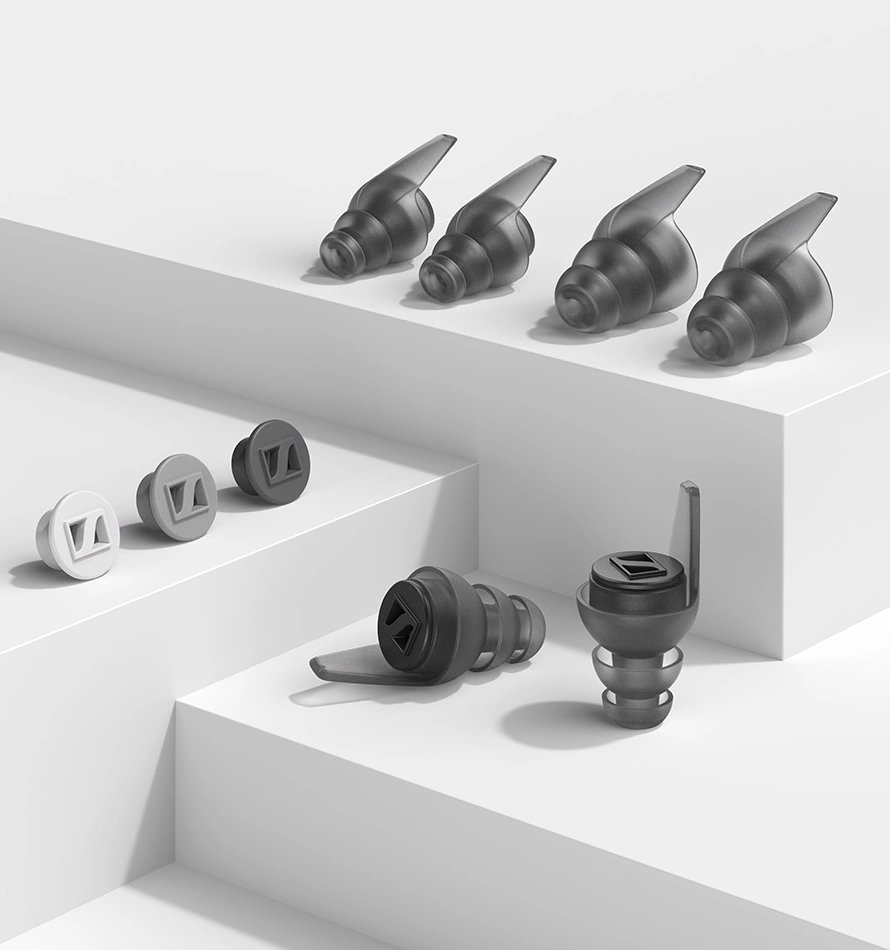
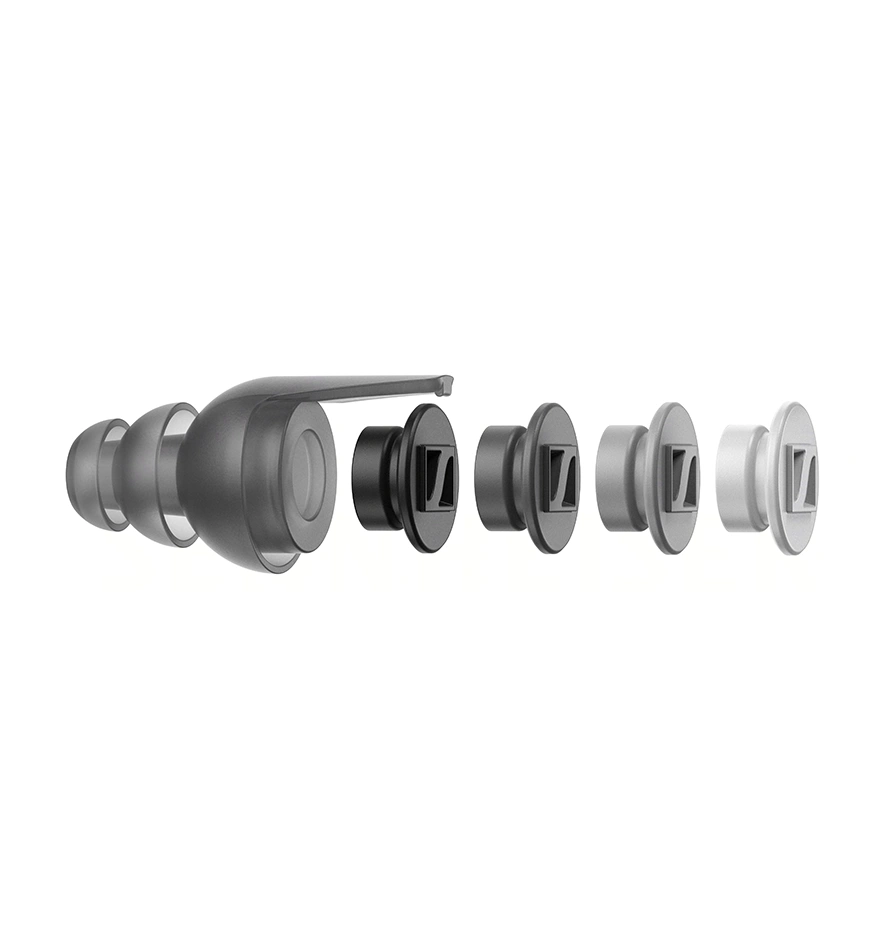
The SoundProtex Plus is priced at Rs. 2,990 ($34) and is available for purchase through Sennheiser’s official website and Amazon.in. Each package includes three sets of acoustic filters (low, medium, and high attenuation), a set of full-block filters, three ear tip sizes (S, M, L), and a Sennheiser-branded storage pouch.
Sennheiser SoundProtex Plus Specifications
Sennheiser said the SoundProtex Plus uses a patented membrane filter design to preserve sonic detail and maintain a flat attenuation curve. This allows users to enjoy music and conversations at reduced volume levels without muffling or distortion.
The filters are designed for different noise environments. The High filter (SNR 20 dB) is suitable for loud concerts and motorsport events. The Medium filter (SNR 17 dB) is ideal for commuting and workspaces. The Low filter (SNR 10 dB) works for relatively quieter places. The Full Block filter is meant for sleeping, relaxing, or swimming, as it blocks all sound.
The ear tips are made from soft, medical-grade TPE. They are skin-friendly, reusable, and do not contain plasticizers. Sennheiser claims the vented structure of the design prevents pressure buildup and avoids the plugged-ear sensation during long use. The earplugs weigh between 1.1 g and 1.6 g, depending on the size.
The SoundProtex Plus is washable and can be wiped clean after use. The compact storage pouch helps keep the earplugs organized and accessible during travel, events, or daily activities.
Huawei is set to launch the Mate 80 series smartphones in China soon. The lineup is rumored to debut with the Kirin 9030 chip, which should deliver better performance than the Kirin 9020 used in the Mate 70.
A new leak from China now claims that the chip might also power a gaming phone. Chinese tipster Satsuna Digital on Weibo suggests that the Kirin 9030 could appear inside a gaming-focused Huawei phone sometime in early 2026.
However, the same tipster also claims that the Kirin 9030 will be built on a process “equivalent to 3nm,” which is where things start to fall apart. China currently doesn’t have access to the advanced EUV tools needed to mass-produce chips at or below the 5nm level.
SMIC, the semiconductor company that manufactures Huawei’s chips, is still relying on older equipment and has so far only managed to ship chips made on a 7nm process. There have been occasional reports of progress toward a 5nm node, but developing something in a lab is very different from producing millions of units at consistent yields.
Because China is restricted from purchasing next-generation EUV machines, there’s no clear path for SMIC to jump to anything close to the 3nm technology used by companies like TSMC. And unless China’s in-house EUV project makes sudden breakthroughs, a 3nm-class Kirin chip simply isn’t realistic today.
Performance expectations for the Kirin 9030 also suggest a more grounded picture. Early speculation points to speeds somewhere between Qualcomm’s Snapdragon 8 Gen 2 and Snapdragon 8 Gen 3.
This puts Huawei comfortably behind the newest flagship chips, including the Snapdragon 8 Elite Gen 5, MediaTek’s Dimensity 9500, Apple’s A19 Pro, and Samsung’s upcoming Exynos 2600.
Still, a new Kirin chip is always a big deal for Huawei fans, especially after years of supply-chain struggles.
For more daily updates, please visit our News Section.
Oppo has launched the Reno 15 series in China today, introducing the standard Reno 15 and the Reno 15 Pro. At the same event, the company officially confirmed that it will add another model to the lineup called the Reno 15c, scheduled to debut in late December. Oppo described the Reno 15c as an “entry-level choice” that focuses on trendy design, smooth performance, and reliable everyday quality.
The company has not revealed any specifications for the Reno 15c yet. However, they teased the device during the event, and the preview shows a design that looks very similar to the Reno 15 and 15 Pro models. The phone adopts the same trendy, glossy back finish, but there is a subtle change in the camera island. The LED flash sits at the bottom inside the module instead of the top, which sets it apart from the Reno 15 and Reno 15 Pro.
Now talking about the Reno 15 series, both models use MediaTek’s Dimensity 8450 processor and offer up to 16GB RAM and up to 1TB of internal storage. The Reno 15 features a 6.32-inch 1.5K OLED display, while the Reno 15 Pro steps up to a 6.78-inch 1.5K OLED panel with an adaptive refresh rate that ranges from 1Hz to 120Hz.
The two phones share the same camera setup. Each includes a 200MP main camera, a 50MP ultra-wide sensor, a 50MP 3.5x periscope telephoto camera, and a 50MP front camera capable of recording 4K video. Oppo also introduced a Starlight variant that uses a holographic lithography finish under ice-clear glass to help reduce smudges.
The Reno 15 comes with a 6200mAh battery and supports 80W fast charging. The Reno 15 Pro increases the capacity to 6500mAh and supports 80W wired charging and 50W wireless charging. Both models include a metal frame, IP66, IP68, and IP69 protection, stereo speakers, an infrared blaster, and an in-display fingerprint scanner. They run Android 16 with ColorOS 16.
The Reno 15 starts at 2,999 yuan ($422), while the Reno 15 Pro starts at 3,699 yuan ($521). Both models will go on sale in China starting November 21.
For more daily updates, please visit our News Section.
If you want to elevate your creativity or craft something truly personal this holiday season, a 3D printer opens up a world of possibilities. It lets you design custom gifts, unique collectibles, and functional pieces that stand apart from anything store-bought. Whether you’re exploring a new hobby or refining your creative workflow, a 3D printer turns your ideas into high-quality, tangible results with precision and ease.
The HeyGears RS Turbo is built for users who want an easy, reliable, and precise entry into resin 3D printing. Designed with an all-in-one experience in mind, it combines advanced hardware, smart automation, and powerful software to reduce the learning curve. Whether you’re just starting out, creating models for fun, or running a small studio, the RS Turbo aims to give you consistent results with minimal effort.
Ease of Use for Beginners
The biggest strength of the RS Turbo is its beginner-friendly workflow. The entire printing process, from slicing to post-processing, is designed to be as simple as possible. The printer offers one-click slicing, where resin parameters are already set and the software automatically repairs models and generates supports for you. This removes the trial-and-error that usually frustrates new users.
Automatic support generation is another highlight. The supports are strong enough for stable printing but easy to remove, leaving smooth surfaces that require very little finishing. All of this is handled through Blueprint Studio, where technical support is also built in. If something goes wrong, the system can provide guidance directly, removing the need to search through forums or manual troubleshooting.
High Precision and Hardware Quality
The RS Turbo ensures strong detail reproduction through advanced hardware. Its C5-grade Z-axis delivers ±2 μm layer deviation, giving extremely smooth Z-movement and reducing visible layer lines. The Amber screen offers sharper visuals and a longer life span, while the full-field uniform exposure system ensures consistent light strength across the build plate. This means parts print evenly, which improves accuracy for assembly-based projects.
HeyGears also provides various test models and resin workflows to help users verify the printer’s performance. From Z-axis tests to assembling tests, you can confirm precision right out of the box. Resin options like PAP10 (ultra detail), PAF10 (flexible), PAS10 (smooth and budget-friendly), and engineering-grade PAU11 or PAH10 Black let you explore a wide range of applications.
Full-Process Automation & Stability
The RS Turbo reduces printing failures through a series of smart automated features. Auto-leveling eliminates the need for manual paper-based leveling. Auto-refilling ensures resin supply remains stable during long prints. Auto-heating helps maintain ideal resin temperature, and residue detection prevents errors caused by debris or leftover cured material in the vat.
Once the print is done, HeyGears’ ecosystem continues to simplify the process. With one-click wash and cure systems, post-processing becomes faster and cleaner. Continuous software and firmware updates from HeyGears add further stability and new features over time.
Designed for Various Users
This printer is aimed at beginners who want a smooth entry into 3D printing, model makers who need fine detail, Etsy sellers looking for reliable production, and engineers who need precise prototypes. The RS Turbo reduces the learning curve while delivering the accuracy required for professional-grade results.
Black Friday Deal & Availability
HeyGears RS Turbo is currently available at the HeyGears Official Store for $769, down from its regular price of $999. You can get an additional discount by using the exclusive coupon GIZMOCHINA ($60 Off) at checkout. New customers can save even more. HeyGears is offering an extra $50 off for first-time buyers with the code 50BFNEW, valid on all 3D printer purchases.
We use cookies on our website to give you the most relevant experience by remembering your preferences and repeat visits. By clicking “Accept”, you consent to the use of ALL the cookies.
This website uses cookies to improve your experience while you navigate through the website. Out of these, the cookies that are categorized as necessary are stored on your browser as they are essential for the working of basic functionalities of the website. We also use third-party cookies that help us analyze and understand how you use this website. These cookies will be stored in your browser only with your consent. You also have the option to opt-out of these cookies. But opting out of some of these cookies may affect your browsing experience.
Necessary cookies are absolutely essential for the website to function properly. This category only includes cookies that ensures basic functionalities and security features of the website. These cookies do not store any personal information.
Any cookies that may not be particularly necessary for the website to function and is used specifically to collect user personal data via analytics, ads, other embedded contents are termed as non-necessary cookies. It is mandatory to procure user consent prior to running these cookies on your website.