Honor just dropped the official spare-parts prices for its new Robot Phone. The phone went on sale August 18 (a few days after its August 12 launch). The 12GB + 512GB version starts at 9,999 yuan (about €1,270), while the 16GB + 1TB model is 12,999 yuan (around €1,650). Barely a week later, Honor has already published the full list of replacement parts on its official channels.
Screen assembly: 979 yuan (€124) if you catch the discounted rate, or 1,379 yuan (€175) at the regular price
Battery: 319 yuan (€40)
Back cover: 379 yuan (€48)
The motherboard is where it gets painful. Replacing the one in the 12GB + 512GB model will set you back 4,599 yuan (€584). Go for the higher-end 16GB + 1TB version and you’re looking at 6,599 yuan (€838).
Camera modules vary a lot. The front camera is a relatively painless 149 yuan (€19). On the rear side, the 50 MP ultrawide is 199 yuan (€25), the 200 MP periscope telephoto jumps to 879 yuan (€112), and the 200 MP main rear camera is the real wallet-buster at 3,079 yuan (€391).
That high price for the main camera makes sense once you remember what Honor put in there. The Robot Phone is the first phone with a titanium-alloy gimbal system. It’s built with aerospace-grade titanium, is 65% smaller than typical gimbal designs, and uses the first titanium-alloy gimbal that can spin up to 360 degrees per second. Pair that with a 200MP 1/1.28″ sensor and you can see why the module costs so much to replace.
These official prices give owners a clear idea of what repairs will cost once the warranty runs out. Labor will still be extra, of course, depending on where you get it fixed. The list also drives home just how much engineering went into that camera system, and what the long-term ownership costs might look like for this rather unique flagship.
A high-end Xiaomi device has shown up in benchmark testing. It offers an early look at what is expected to become the next flagship under the Poco brand.
A Xiaomi phone with the model number 26077PC53G has appeared in the Geekbench database. According to tipster Abhishek Yadav, this is the upcoming Poco F9 Ultra. The listing shows it’s powered by Qualcomm’s Snapdragon 8 Elite Gen 5 chipset paired with an Adreno 840 GPU. In the test it scored 2,980 in single-core and 10,030 in multi-core. The phone is also confirmed to come with 16GB of RAM and run Android 16.
These numbers put it firmly among the current top performers in Android. Previous rumors suggest the Poco F9 Ultra is basically a global rebranded version of the REDMI K100 Pro Max, though with a slightly smaller 8,050mAh battery. The display is expected to be a 6.9″ AMOLED panel with a 1200 × 2608 resolution, 185Hz refresh rate, and peak brightness up to 4,500 nits.
On the camera side, the phone is rumored to pack a 200MP main sensor with optical image stabilization, a 50MP periscope telephoto, a 50MP ultrawide, and a 32MP front camera. These specs line up with the high-end positioning of recent Redmi K-series Pro Max models that usually get adapted for international markets under the Poco name.
No official announcement or pricing details have been shared yet. The Geekbench appearance does confirm that development is well advanced and that the device is already going through performance validation. Once it launches, the Poco F9 Ultra is expected to compete in the premium segment by offering flagship-level processing power, a high-refresh-rate display, and a versatile camera system at a price aimed at people who want strong performance without paying the absolute top flagship rates.
More details should emerge as the phone gets closer to its official reveal.
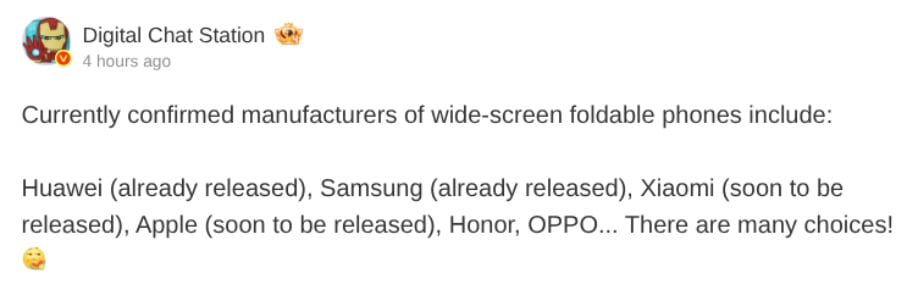
A new leak lists the phone makers currently working on wide-screen foldables — phones that open into a shorter, wider display instead of the usual tall shape. Tipster Digital Chat Station shared the details on Weibo.
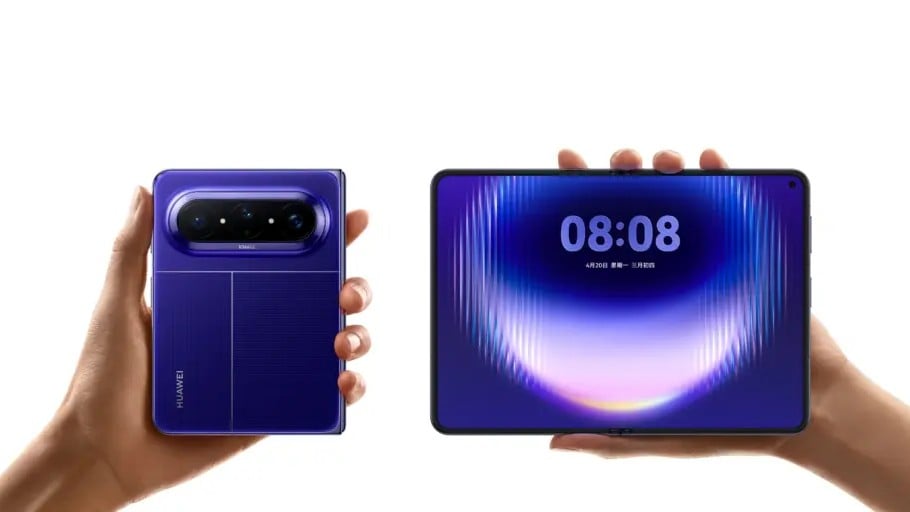
Huawei is furthest along. It already sells the Pura X, which folds sideways into a wide display. It later added the Pura X Max, a larger version with newer hardware.
Samsung has also released a wide foldable. The redesigned Galaxy Z Fold 8 has a shorter, wider shape; meanwhile, the company is selling the tall book-style foldable under Z Fold 8 Ultra branding.
Xiaomi hasn’t launched its version yet. But the company is working on the Xiaomi Mix Fold 5, and leaked images in fact show a 4:3 display, wider than the company’s past foldables. The device will ship with HyperOS 4 out of the box.
Apple is also preparing to enter the category, with its first model being the wide foldable itself. According to previous reports, the first foldable iPhone will feature a 7.6-inch inner screen and a smaller cover display, much like the same wide, book-style design as its rivals. The launch is expected around September.
Huawei Pura X Max
Reportedly, Honor and Oppo are also working on wide-screen foldables. Honor’s foldable is said to be in testing with a Snapdragon 8 Elite Gen 6 chip and a 7,000mAh battery. Oppo’s Find N7 is tipped for a Q1 2027 launch with a 6,500mAh battery.
Word on the street is that Vivo is still to explore this category.
None of these details are confirmed, and launch plans can change. But the leak shows how many companies are now working on this design. What started with one Huawei phone has turned into a format most major brands are building toward.
For more daily updates, please visit our News Section.
According to the leak, the chip with model number SM8950 will be called the Snapdragon 8 Elite Gen 6. Meanwhile, the other chip, SM8975, will be called the Snapdragon 8 Elite Extreme Gen 6.
Qualcomm itself confirmed dual flagship chips for 2026, but their actual names are still under wraps from the maker. Meanwhile, previous leaks attributed the higher-tier version as the Snapdragon 8 Elite Gen 6 Pro.
Nonetheless, both chips are expected to use TSMC’s 2nm process, Qualcomm’s first flagship mobile chip built on this node. The previous generation, the Snapdragon 8 Elite Gen 5, used a 3nm process. A smaller node usually means better performance and lower power use.
Snapdragon 8 Elite Gen 6 series specifications (rumored)
As for the core layout, the standard 8 Elite Gen 6 is expected to use 2+3+3 Oryon cores, along with a shared 16MB L2 cache and an Adreno 845 GPU. The GPU is said to include a six-slice design, 12MB of GMEM, and 6MB of system-level cache, plus support for LPDDR5X memory and UFS 5.0 storage.
On the other hand, the big brother could feature an Adreno 850 GPU carrying 18MB of dedicated GMEM. That’s roughly a 50% jump in GPU bus width and memory capacity over the Gen 5. It’s also rumored to support LPDDR6 memory alongside LPDDR5X, and some reports point to peak clock speeds near 5GHz, which would be a first for a smartphone chip.
Qualcomm has already confirmed that this year’s Snapdragon Summit will take place from September 22nd to 24th in Hawaii, where the chips are expected to be unveiled in full. That’s earlier than the event’s usual October date.
Releasing two separate flagship chips is a change for Qualcomm, which has usually released just one main flagship SoC each year. A standard option and a more powerful variant could give phone brands more room to set devices apart by price and performance.
The Snapdragon Summit is still about a month away, so more leaks are likely before then. Details on the camera systems, GPU, and CPU core layout for both chips could surface in the coming weeks, ahead of Qualcomm’s official announcement.
For more daily updates, please visit our News Section.
Following the launch of the Luna Ultra earlier this year, Insta360 announced a second gimbal camera, called the Luna Pro. It drops the Ultra’s second lens for a single 1-inch sensor, and Insta360 is calling it the industry’s first 4K vertical shooting gimbal camera. It’s priced at 3,399 yuan (~$505).
The vertical shoot claim comes down to resolution. Insta360 says the Luna Pro captures 8K footage while holding onto 4K resolution when the camera is turned vertical. This matters because most gimbal cameras lose resolution the moment they switch orientation. In comparison, DJI’s Osmo Pocket 4 caps out at 3K in vertical mode, and even the higher-end Osmo Pocket 4P doesn’t clear that ceiling.
Insta360 Luna Pro Specifications
The Luna Pro uses a Sony 1-inch sensor to capture 4K video at 30fps in a 9:16 frame. It also has AI tracking and three-axis stabilization to help keep subjects properly framed when you’re shooting vertically.
The camera uses a Leica Summicron F1.8 lens, the same optical partner used on the Luna Ultra, and is rated for up to 14 stops of dynamic range. It supports up to 4x zoom, with the first 2x being lossless. Beyond that, an onboard AI model takes over image processing to help maintain image quality.
For color, the Luna Pro includes three Leica presets — Chrome, Natural, and Vivid — along with six cinematic filters. You can also share your color settings with someone else via a QR code instead of copying them manually.
For portraits, the camera can detect facial contours and skin texture in real time, smoothing skin while preserving facial details. You can adjust beauty intensity, smoothing, and brightening separately.
It also has a built-in color temperature sensor that measures the surrounding light and automatically adjusts the white balance. Insta360 says this helps keep skin tones consistent when moving between warm indoor lighting and daylight. The company has also added a multi-skin-tone AI algorithm designed to avoid the washed-out look that can come from applying the same whitening effect to different skin tones.
Like the Luna Ultra, the Luna Pro has a detachable touchscreen remote that can be used as a wireless controller. It supports image transmission from up to 20 meters away and provides full camera control, while a built-in wireless microphone can record audio from a distance.
You also get an optional head-tracking accessory that can track the user’s head movements and move the gimbal accordingly, similar to the POV Head Tracker available for the Luna Ultra.
The Luna Pro has the same 1,550mAh battery capacity as its larger sibling and is rated for up to four hours of shooting. Fast charging can take it to 80% in 23 minutes, while 47GB of built-in storage is included.
For more daily updates, please visit our News Section.
Poco unveiled the Poco M8 in the first half of the year in India. This was followed by the Poco M8 Power with an 8,000mAh battery earlier this month, and now the brand is back with the Poco M8x 5G. It comes with a 120Hz AMOLED screen, the latest Snapdragon 4-series chip, and a massive battery. Here’s everything you need to know.
The Poco M8x 5G sports a 6.9-inch HD+ LCD display with a 120Hz refresh rate, up to 825 nits of brightness and 240Hz touch sampling. The panel also gets Corning Gorilla Glass 7i protection, DC dimming and Wet Touch 2.0, while the phone carries an IP64 rating for dust and splash resistance.
The M8x is India’s first phone to feature the all-new Snapdragon 4 Gen 5 chipset, built on a 4nm process. The new chip is coupled with up to 6GB of LPDDR4X RAM and UFS 2.2 storage. It runs HyperOS 3 based on Android 16, with Poco promising four Android OS upgrades and six years of security updates. The camera setup includes a 50-megapixel main rear camera with 2x digital zoom and a 2-megapixel macro camera, along with an 8-megapixel front camera.
Poco M8x 5G – Leather GreenPoco M8x 5G -BluePoco M8x 5G – Black
The biggest highlight is the 7,900mAh battery, which supports 45W wired charging and 22.5W wired reverse charging. Poco claims the phone can deliver up to 35 hours of social media use, 27 days of messaging, 13 hours of GPS navigation, or 64 hours of music playback. A triple cooling system helps manage heat during extended use.
The Poco M8x 5G starts at Rs 20,999 (~$220) for the 4GB+128GB variant, while the 6GB+128GB model costs Rs 22,999 (~$240). A Rs 2,000 bank discount is also available. The phone will go on sale from August 27 at 12pm IST via Flipkart in Black, Blue and Leather Green, with the latter featuring a vegan leather finish.
Acer is bringing a familiar face into its expanding consumer technology business in India. The company has partnered with Akshay Kumar as it looks to connect its technology ecosystem with everyday life at home.
Acer announces Akshay Kumar as brand ambassador in India
Akshay Kumar – Acer Brand Ambassador
Acer has announced Akshay Kumar as its brand ambassador in India, coinciding with the company’s 50th anniversary globally and 27 years in the Indian market. The partnership comes as Acer expands beyond personal computers into a wider range of products designed for modern homes.
The association was unveiled at the House of Acer event at JW Marriott Mumbai, Juhu. The concept brings Acer’s computing products together with Acerpure home appliances, including televisions, air conditioners, washing machines, and other home solutions. The company is positioning this broader ecosystem around making everyday technology smarter, easier, and healthier.
For Akshay Kumar, the partnership is closely tied to a busy lifestyle involving films, travel, fitness, and family. He said that technology should simplify everyday tasks rather than make life more complicated, while also highlighting how Acer has evolved alongside changing consumer habits.
The House of Acer represents the company’s broader push to make technology part of different aspects of home life, rather than limiting it to work and computing. Acer India President and Managing Director Harish Kohli said the partnership reflects qualities such as performance, discipline, reliability, and continuous evolution.
Acer says its 50-year global journey and 27-year presence in India have been shaped by changing consumer needs. With Akshay Kumar now representing the company, Acer aims to connect its established technology business with its growing range of home-focused products.
For more daily updates, please visit our News Section.
Vivo is expected to unveil the Vivo X500 series next month (September) in China. The lineup is expected to include at least three models, namely the X500, X500 Pro, and X500 Pro Max. With a few weeks remaining until the launch, one of the X500 Pro series phones has been spotted in the wild, revealing its design for the first time.
Vivo X500 Pro series phone spotted
Jay Chou spotted with Vivo X500 Pro series phone
Taiwanese singer and actor Jay Chou was reportedly seen filming an advertisement for what appears to be the Vivo X500 series. To recall, Chou endorsed the Vivo X300 Ultra during the 2026 Carnival World Tour in China and is likely to be the series’ brand ambassador for the Vivo X500 series.
A recent leak claimed that the standard Vivo X500 will have its circular camera module placed at the upper-left corner, whereas the X500 Pro and X500 Pro Max will have the circular camera module at the center, like the previous generation.
Therefore, the device held by Chou appears to be the Vivo X500 Pro or X500 Pro Max. The design appears similar to the X300 Pro, but the flash arrangement looks different, suggesting some changes to the rear camera layout.
Vivo X300 Pro
It is being said that the standard X500 will have a 6.59-inch OLED panel and feature a 3nm Dimensity 9-series chip. On the other hand, the X500 Pro and Pro Max editions are said to arrive with the forthcoming 2nm Dimensity 9600 Pro series chip. While the X500 Pro may feature a 6.4-inch display, the Pro Max edition may house a 6.85-inch screen. Both Pro models are expected to feature a 200-megapixel triple-camera setup, while the standard edition may house a 50-megapixel triple-camera unit.
Vivo has been teasing the Vivo V80 Lite in some markets, including Pakistan. Now, it has also begun teasing the phone in Malaysia. Interestingly, the Malaysian edition is different from the one releasing in other markets. Here’s a look at the first official teaser of the Malaysian V80 Lite.
Vivo V80 Lite launch date confirmed
VIvo V80 Lite 5G launch date
The above poster confirms that the Vivo V80 Lite will debut at 7pm local time on Sept. 3 in Malaysia. The phone will be available in pink and green shades.
The poster also confirms that the Vivo V80 Lite will be powered by a huge 10,000mAh battery. This would be the first time Vivo has released a 10,000mAh battery phone outside of China. Previously, the brand launched the Vivo 600 Pro with a 10,200mAh battery in China, but it has not launched anywhere else.
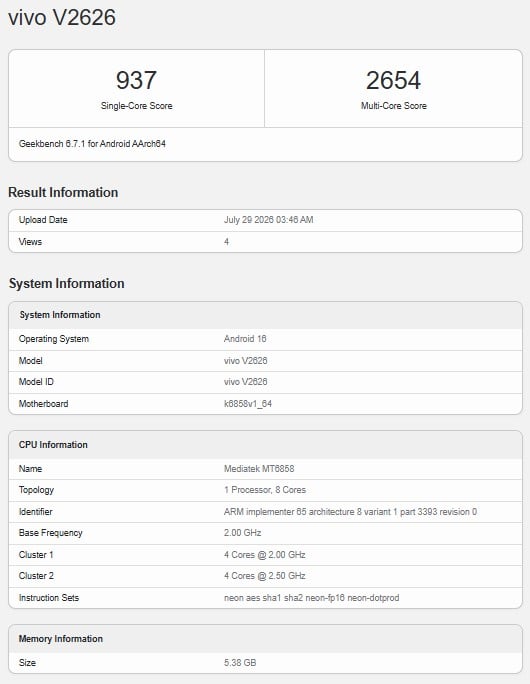
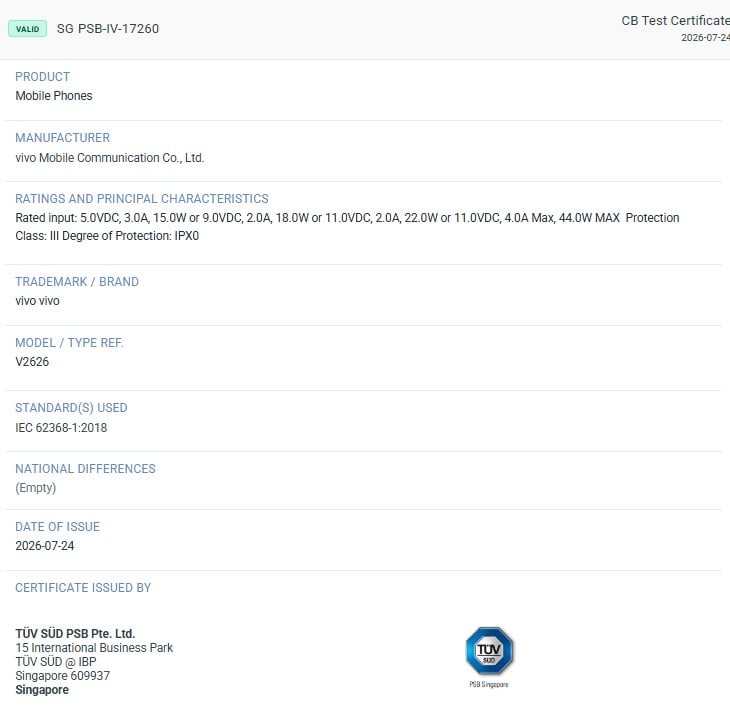
The previously seen SIRIM listing of the V80 Lite revealed that it has the model number V2626, and the same has also appeared on Geekbench with Dimensity 7300e (MT6858). The TUV listing of this device has revealed that it will support 44W fast charging.
Vivo V2626 Geekbench listingVivo V2626 TUV listing
The Geekbench listing also revealed that it has 6GB of RAM and runs Android 16, which will most likely have the OriginOS 6 layer on top.
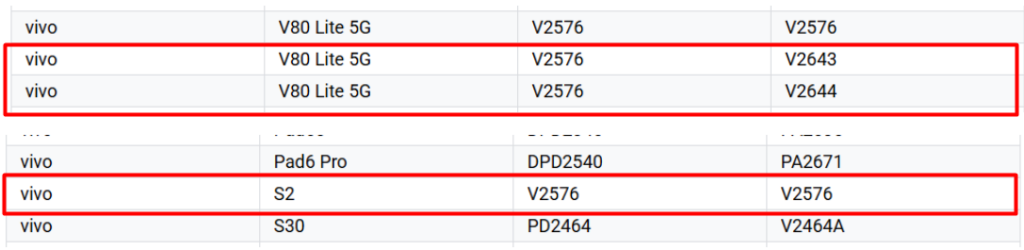
In related news, the Vivo V80 Lite heading to other markets could have different model numbers. It has been spotted with the model numbers V2643 and V2644 in the Bluetooth SIG database. The V2643 has also appeared on Geekbench with the Dimensity 7360-Turbo (MT6878), 8GB of RAM, and Android 16.
This variant is likely a rebranded version of the Indian Vivo S2, which has the model number V2576. The reason is that the V2576 is associated with the model numbers V2643 and V2644, as per Google Play Supported Devices listings shown above.
For more daily updates, please visit our News Section.
Ugreen has quietly launched a new Qi2 wireless charging stand (model no W776) in the US market. It is priced at $79.99 and is now listed on Amazon US. The device is a two-in-one desktop charger designed to power an iPhone and a pair of AirPods simultaneously. Aside from standard charging capabilities, it includes a built-in screen and an active cooling system to manage device temperatures.
The charger features Qi2 certification. For compatible devices, such as the iPhone 16 and iPhone 17 series, the primary magnetic mount provides up to 25W of wireless power. If you are using an older MagSafe-compatible device, like the iPhone 12 through iPhone 15, the output is capped at the standard 15W.
The base of the stand features a secondary wireless pad that outputs 5W, which is intended for charging wireless earbuds like AirPods. Ugreen specifies that to achieve the maximum 25W charging speed while operating the cooling fan, the stand must be plugged into a power adapter that supplies at least 45W.
Because fast wireless charging generates heat, Ugreen included a thermoelectric cooling (TEC) system and a fan directly behind the magnetic charging plate. According to the manufacturer, this setup lowers the phone’s temperature to below 20 degrees Celsius to help maintain battery health over time. If the fan noise is an issue, you can turn the cooling system off by double-tapping a dedicated button on the base.
The base also includes a small LED display that provides real-time information about the charging process. It shows the current power output in watts and the temperature of the device. If the stand is connected to a power adapter that provides less than 45W, a low-input icon appears on the screen. The second button on the base allows users to switch between data screens with a single tap, or adjust the screen’s brightness with a long press.
In terms of physical design, the magnetic mount can tilt vertically up to 90 degrees and allows the phone to rotate 360 degrees. This makes it possible to view the phone in landscape mode or use features like iOS StandBy while it charges.
Dangbei has introduced the D7X Pro Super Bright Edition in China, expanding on last year’s D7X Pro 4K projector. The new model is available for presale on JD.com at 3,799 yuan (~$565) and primarily brings an upgraded, brighter light source.
The projector uses a 0.39-inch DMD chip, DLP display technology, and a pure RGB triple-laser light source. Dangbei is using a new QuaLas 42 laser system, which the company says improves light efficiency by 8% over the previous QuaLas 32 version.
This results in a rated brightness of 1,700 CVIA lumens (or 1,900 ISO lumens). For color, the projector covers 110% of the BT.2020 color gamut and 99% of Display P3, with a color accuracy of ΔE<1. It also has a 50,000:1 dynamic contrast ratio.
The projector includes a 0.98:1 to 1.3:1 lossless optical zoom. Because optical zoom uses physical lens adjustments instead of digital cropping, you can change the image size without reducing the native 4K resolution.
The device weighs 2.1kg and sits on a 145-degree integrated gimbal. This allows users to tilt the projector vertically to display images on higher walls or ceilings without buying a separate stand. To help with setup, it has global autofocus, automatic keystone correction, obstacle avoidance, and screen alignment.
Inside, the D7X Pro Super Bright Edition runs on a MediaTek MT9-series processor, paired with 2GB of RAM and 64GB of storage. It connects via Wi-Fi 6 and uses Dangbei AI OS 6.0. The software integrates with the Xiaomi Mi Home ecosystem and can be controlled using Xiao Ai voice commands.
For gaming, the projector supports Variable Refresh Rate (VRR) and Auto Low Latency Mode (ALLM). Dangbei included a low-latency mode that it claims reduces response times to 1ms. The software also has a 21:9 ultra-wide viewing option and specific picture settings for different types of games, like first-person shooters or RPGs.
To handle the heat from the laser system, Dangbei uses a cooling setup it calls the Super-Dimensional Thermal Management Architecture 2.0. The company says it increased the internal fin area and airflow to keep the operating noise down to 28dB. For audio, the projector has dual 6W speakers. The back panel includes two HDMI ports, two USB ports, a 3.5mm audio jack, and a DC power input.
🔌 You’ll NeedWith a 145-degree tilting gimbal built for ceiling and high-wall throws, a proper projector screen makes the most of that flexibility. Check portable projector screen price on Amazon →
According to previous reports, Sony’s 2026 Xperia lineup will split into two naming groups: models starting with “XQ-GE” and models starting with “XQ-GH.” The XQ-GH54 you’re looking at here is believed to be the European variant of the Xperia 10 VIII.
On the benchmark front, the phone posted 871 points in single-core and 3,028 points in multi-core on Geekbench 7.0. Its motherboard shows up under the codename “parrot,” and the CPU field lists “SM6475”, which is the internal codename for the Qualcomm Snapdragon 6 Gen 3. That means the Xperia 10 VIII is carrying over the same chip as the Xperia 10 VII.
The Snapdragon 6 Gen 3 itself dates back to August 2024. It’s built on a 4nm process and tops out at 2.4GHz, and it is an affordable option for budget-friendly devices rather than a performance flagship. Reusing it keeps costs down for Sony, though it also means you shouldn’t expect a big leap in raw power over the outgoing model.
Rollme just released a new pair of smart glasses called the View Series, and they are priced at a fairly accessible $99.99. The lineup, which includes two different frame styles called the AuraView and ProView, attempts to pack a camera, open-ear audio, and a handful of AI features into a standard-looking pair of glasses.
Rollme View Series AI Smart Glasses Specs
Rollme is using a 12-megapixel Sony IMX386 sensor, which sits on the frame and lets you take first-person photos and videos. You snap a picture by pressing a physical button on the glasses, and the company says the capture speed is about 0.6 seconds. For video, the glasses use electronic image stabilization to try and smooth out the footage while you are walking around. Whatever you capture is saved to 4GB of internal storage before you offload it to your phone.
Like almost every tech product right now, the View Series is leaning heavily into AI. The glasses run on a dual-chip setup that powers an onboard voice assistant, which Rollme says is backed by models like ChatGPT. You can ask it basic questions, while the glasses can also identify objects and landmarks in view, translate printed text, and provide real-time translation during live conversations.
For audio, there are directional speakers built into the arms of the glasses. They sit just outside your ears, allowing you to listen to music or take phone calls while still hearing what is going on around you. Rollme says the design limits audio bleed, so people nearby shouldn’t easily hear your phone calls or music. It connects to your phone using Bluetooth 5.4 and Wi-Fi 6.
Everything is powered by a 280mAh battery that charges via a magnetic cable. The company claims you can get about 10 to 12 hours of use out of a single charge. However, as with most smart glasses, actively recording video or heavily using the AI translation features will likely drain that battery much faster.
The glasses come in two designs. The AuraView has a metal half-rim frame with brown lenses, while the ProView has a full-rim plastic frame and comes with both tinted and clear lenses. Both are available to purchase on Rollme’s website now for $99.99.
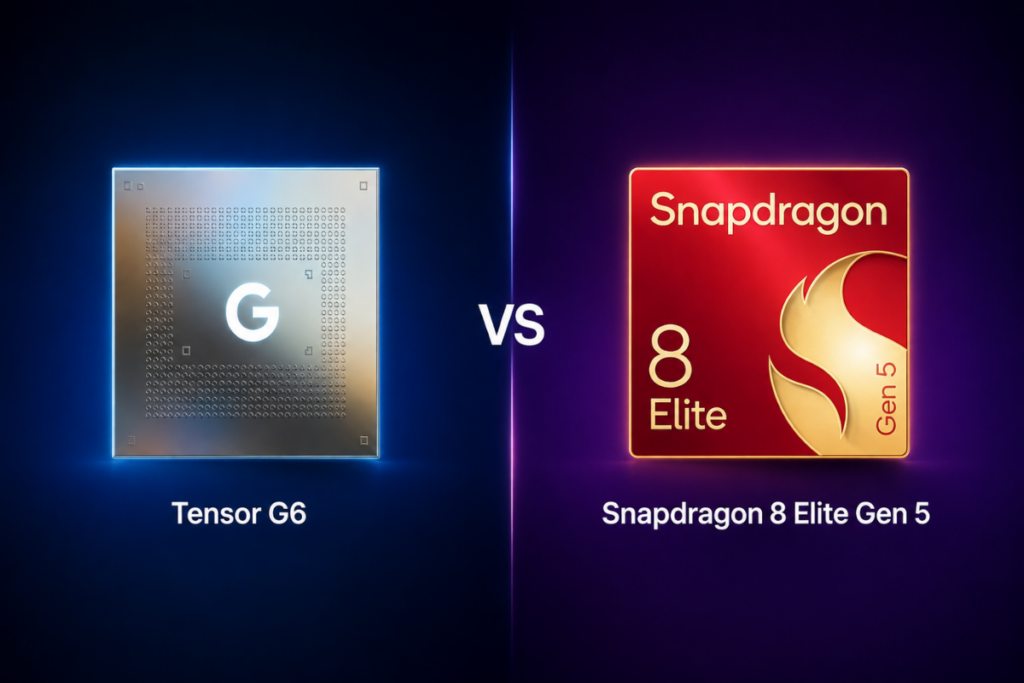
The Tensor G6 has been released with the new Pixel 11 series, and it brings serious upgrades over last year’s Tensor G5. The new chip utilizes ARM’s latest C1-Ultra and C1-Pro cores running at higher speeds, a significantly upgraded Tensor Processing Unit (TPU), and advanced imaging pipelines that enable next-gen camera features.
Qualcomm’s Snapdragon chips, on the other hand, have long been dominating the battle against Tensor chips by maintaining a huge performance gap. So, whenever a new Tensor chip arrives, it’s exciting to test it against the latest high-end Snapdragon chip to find out if Google has narrowed the gap.
TL;DR – Raw Power vs. Intelligence: Snapdragon 8 Elite Gen 5 dominates in raw CPU/GPU benchmarks and heavy gaming performance, while Tensor G6 focuses on deep on-device AI integration and computational photography. – The Better Pick: Choose Snapdragon for maximum horsepower and sustained performance, but go with Tensor if you prioritize smarter Pixel software features powered by custom silicon.
For a broader view of how this chip stacks up against the rest of Qualcomm’s lineup, see our roundup of best Snapdragon chipsets in 2026.
Let’s get straight to the spec sheet, and then to benchmark comparison to find out how the Tensor G6 and Snapdragon 8 Elite Gen 5 stack up against each other.
Tensor G6 vs Snapdragon 8 Elite Gen 5: Spec sheet
Tensor G6
Snapdragon 8 Elite Gen 5
Announced
August 2026
September 2025
Process node
3nm (TSMC)
3nm (TSMC)
CPU
1 x 4.11 GHz (C1-Ultra) 4 x 3.38 GHz (C1-Pro) 2 x 2.65 GHz (C1-Pro)
2 x 4.61 GHz (Oryon Gen 3 Prime) 6 x 3.63 GHz (Oryon Gen 3 Performance)
GPU
PowerVR CXTP-48-1536
Adreno 840 Ray tracing support Snapdragon Elite Gaming features
NPU
5th-gen Tensor Processing Unit (TPU)
Qualcomm Hexagon NPU
Memory
LPDDR5X
LPDDR5X up to 5.3 GHz
Storage
UFS 4.0, UFS 4.1
UFS 4.0, UFS 4.1
Camera
up to 200MP single camera 4K portrait video support up to 8K video recording at 30fps up to 4K video recording at 120fps 120x Pro Zoom support real-time semantic segmentation
Qualcomm Spectra Triple ISP (20-bit) up to 320MP single camera up to 8K video recording at 60fps up to 4K video recording at 120fps real-time semantic segmentation (limitless) Advanced Professional Video (APV) codec
Connectivity
MediaTek M90 5G modem up to 12 Gbps download speed Wi-Fi 7 Bluetooth 6.0
Snapdragon X85 5G modem up to 12.5Gbps download speed up to 3.7Gbps upload speed Wi-Fi 7 (peak speed: 5.8Gbps) Bluetooth 6.0
Tensor G6 vs Snapdragon 8 Elite Gen 5: Benchmark scores
Note: The benchmark tests were performed on the Google Pixel 11 Pro XL (powered by the Tensor G6) and the Samsung Galaxy S26 Ultra (powered by the Snapdragon 8 Elite Gen 5).
Geekbench score (v6)
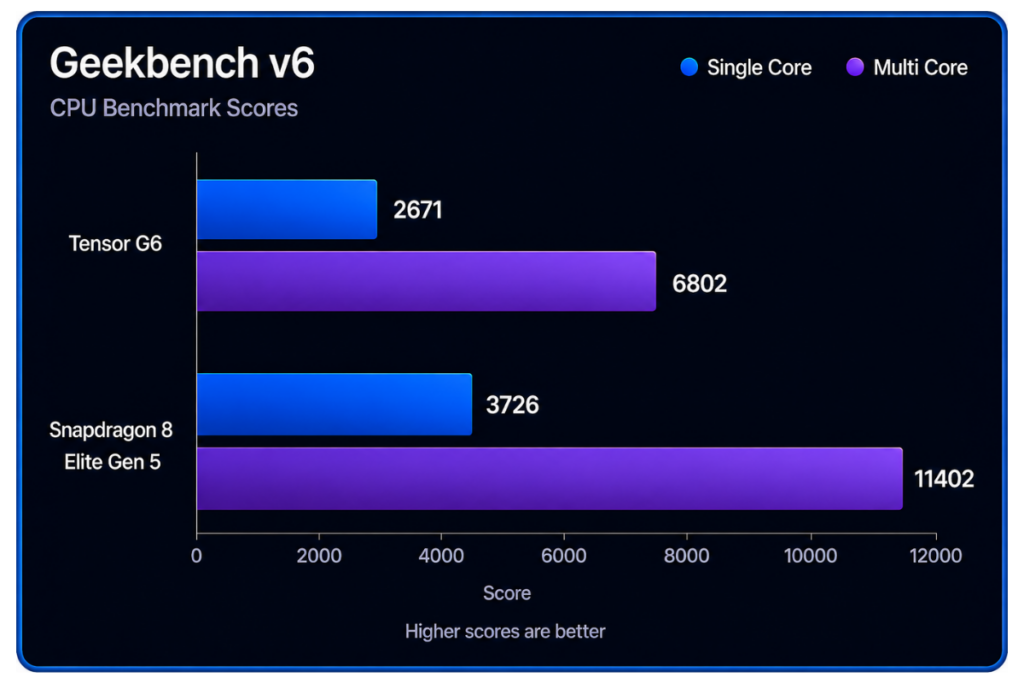
The Galaxy S26 Ultra, powered by the Snapdragon 8 Elite Gen 5, heavily outperforms the Tensor G6-powered Pixel 11 Pro XL. The single-core performance is up by 39%, while the multi-core performance increase jumps to 67%.
Tensor G6
Snapdragon 8 Elite Gen 5
Single core
2671
3726
Multi core
6802
11402
Geekbench shows the latest Snapdragon chip continues to dominate Tensor chips in CPU performance.
But what other GPU and other performance metrics? We’ve put them to the test on AnTuTu and 3DMark to find out.
AnTuTu score (v11)
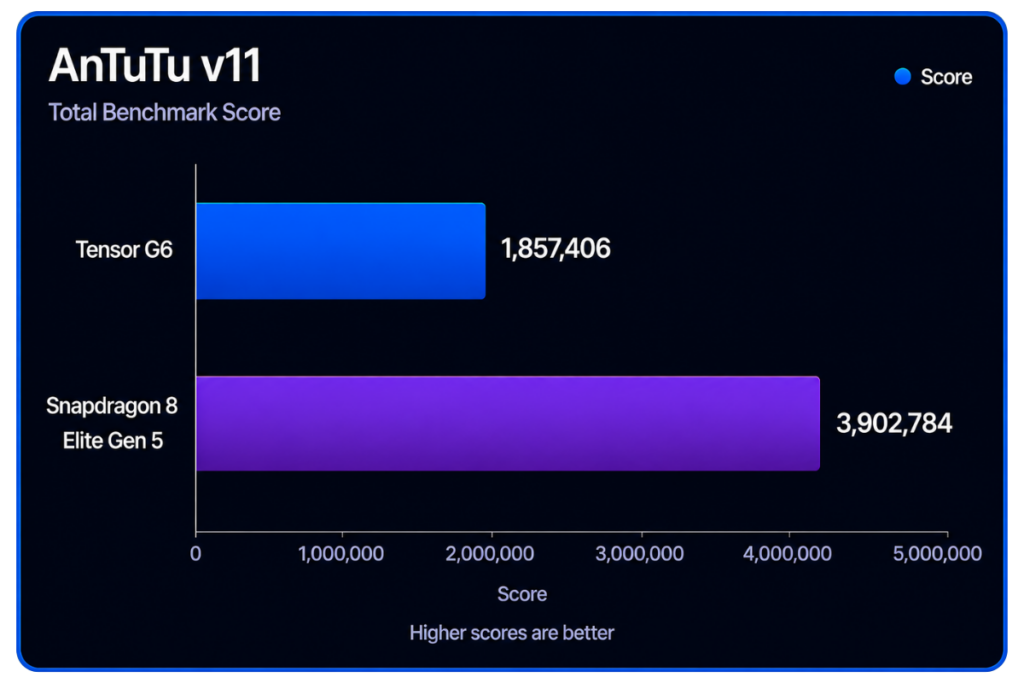
The Snapdragon 8 Elite Gen 5 also dominates the AnTuTu benchmark. It scores about 3.9 million in total, while the Tensor G6 struggles at 1.8 million. That’s a solid 110% boost for the Snapdragon chip.
The breakdown of the AnTuTu score gives a rather clearer picture.
Tensor G6
Snapdragon 8 Elite Gen 5
AnTuTu score
1,857,406
3,902,784
CPU
787,728
1,165,473
GPU
432,908
1,572,568
Memory
279,312
411,987
UX
357,458
752,756
The Snapdragon 8 Elite Gen 5 pulls ahead across all AnTuTu tests. The CPU score is up by 48%, while the GPU score is up by a massive 263%. That itself is enough to know which is for gamers. Still, we ran the 3DMark gaming-specific test for better clarity. (check the score below)
The memory and user experience tests during the AnTuTu test also favor the Snapdragon 8 Elite Gen 5 over Tensor G6.
3DMark score
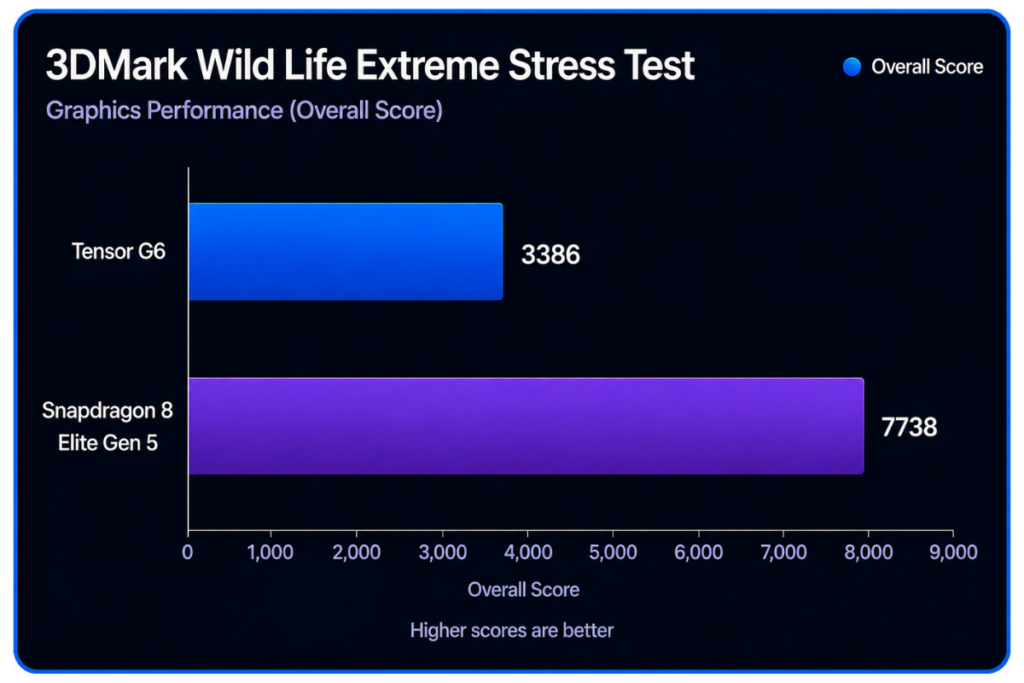
Wild Life Extreme Stress Test
The 3DMark Wild Life Extreme Stress test measures how well a device maintains its graphical performance and manages heat over an extensive period of demanding 3D sequences.
When tested, the Tensor G6-powered Pixel 11 Pro XL gets an overall score of 3386 with an average of 20.31 fps. The Galaxy S26 Ultra, powered by Snapdragon 8 Elite Gen 5, pulls off 7738 in average score with an average fps of 46.34.
Not only does the Snapdragon 8 Elite Gen 5 achieve over a 128% higher score, but it also maintains an average fps more than twice that of the Tensor G6.
Tensor G6
Snapdragon 8 Elite Gen 5
Overall score
3386
7738
Average FPS
20.31
46.34
The Snapdragon 8 Elite Gen 5 absolutely shines compared to the Tensor G6 across every benchmark we ran them through, and Google’s fine with it. Tensor chips aren’t designed to compete on synthetic benchmarks, but there’s something unique about these chips.
Tensor G6 lags much behind its competitors on benchmarks, and Google’s fine with it
Google has explicitly stated that its Tensor chips are not designed to win benchmark battles against high-end chips from Apple, Qualcomm, and MediaTek. Instead, they focus on delivering helpful experiences and excellent on-device AI capabilities.
Unlike Apple or Qualcomm, which focus on maximizing single-core and multi-core clock speeds, Google’s design goal is heterogeneous computing. This means Tensor chips are designed so that different subsystems (CPU, GPU, ISP, and TPU) work together to execute specific tasks efficiently, rather than just making the CPU as fast as possible.
The defining feature of Tensor chips is the TPU (Tensor Processing Unit). All of us are aware of Pixel’s software magic, and at its core is a powerful TPU that can run complex AI models locally on-device. It powers features like Live Translate, Magic Eraser, Real Tone processing, and other on-device generative AI smarts.
Tensor G6 vs Snapdragon 8 Elite Gen 5: Which one is right for you?
If you prioritize raw power and top-tier sustained gaming performance, the Snapdragon 8 Elite Gen 5 remains the undisputed powerhouse. However, if you value personal AI assistants and intuitive features like Magic Eraser, real-time Live Translate, and Google’s computational photography magic, the Tensor G6 delivers a much more intelligent, tailored smartphone experience.
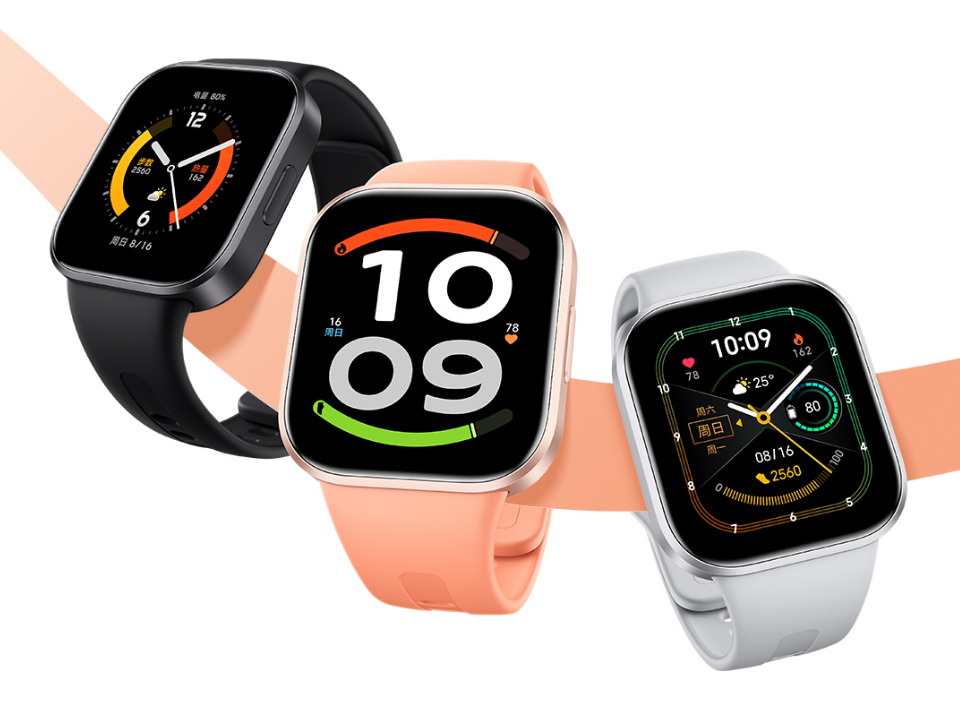
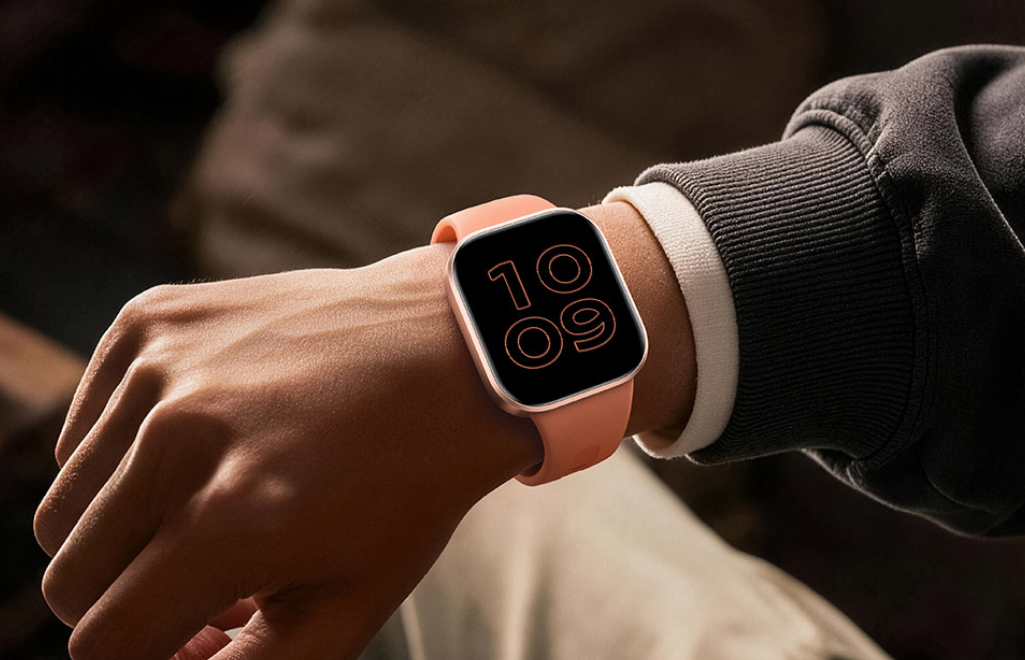
Xiaomi has launched the Redmi Watch 6 Active/Vitality Edition smartwatch in China. It is priced at 349 yuan (~$52) and features an AMOLED display, health and fitness tracking capabilities, and a large battery rated to deliver up to 18 days of usage on a single charge.
The watch features a 1.85-inch square AMOLED display with a 390 x 450 resolution. The screen reaches a local peak brightness of 1,200 nits, which should provide decent visibility outdoors in direct sunlight. It also includes a color always-on display (AOD) option, allowing users to check the time and basic notifications without having to raise their wrist or tap the screen.
In terms of design, the device is relatively lightweight at 26 grams and measures 9.9mm thick. It has a flat-edged middle frame with a single button on the side for navigating the interface, while the screen is covered by 2.5D curved glass. The watch uses a quick-release mechanism for its straps and is available in three main color options at launch: silver, pink-orange, and a darker black or gray finish.
Inside, the watch is powered by a 470mAh battery. Xiaomi estimates it will last up to 18 days if you use a restricted battery-saver mode, or about 12 days under normal daily use. If you turn on the always-on display and keep regular health tracking active, the estimated battery life drops to around six days.
For connectivity, the watch has a built-in microphone to take calls over Bluetooth, and it supports quick text replies so you do not have to pull out your phone for basic responses. It will also support QR-code offline payments for WeChat Pay and Alipay. However, Xiaomi says this payment feature will not be available at launch; it is scheduled to arrive via a software update later in September.
On the fitness side, the watch tracks over 140 different exercises, with automatic detection for a few common workouts. It monitors heart rate, blood oxygen levels, sleep, and stress, and it can send alerts if it detects abnormal heart rates or low blood oxygen. It also offers compatibility with iOS devices, and users can sync their workout data directly to Apple Health and use the watch as a remote shutter for their iPhone’s camera.
Alongside China, the watch is being released in major global markets. It is currently available for PHP 2,599 in the Philippines and can also be purchased in the US via Amazon.
An unannounced Qualcomm flagship chip has already shown up for sale on a Chinese secondhand marketplace, giving an early look at hardware that isn’t supposed to be officially revealed until late September 2026.
A Shenzhen-based seller briefly listed a chip identified as the Qualcomm Snapdragon 8 Elite Gen 6 Pro (model SM8975-100-BC) on Xianyu, China’s biggest secondhand platform. The listing called it a desoldered engineering sample taken from a test board and put a placeholder price of CNY 300 (about $42), with the real price open to negotiation. It was marketed for repair and chip rework, and the seller claimed bulk stock was available. The post disappeared shortly after it went up.
The SM8975 model number matches what had previously been linked to Qualcomm’s higher-end flagship silicon for this generation. Qualcomm has already teased that its next Snapdragon Summit will introduce two separate “8 Elite” chips instead of the usual single one, briefly showing a pair of Snapdragon 8 Elite-branded packages in promotional material ahead of the September 22–24 event in Maui, Hawaii.
Package markings on the listed chips give a few more clues. The laser-etched “SM8975-100-BC” points to a first-revision LPDDR5X engineering sample. Two lot codes appear: FC5528M5 and FX602R8T. These usually encode the fabrication plant, assembly site, and packaging date. Decoding them suggests both were made at TSMC (likely on the N2P node) and packaged at Amkor facilities, one in Korea around late December 2025 and the other in Japan in early January 2026. Samples are said to have reached OEMs starting February 3, 2026.
The photos also show an internal heat spreader sitting between the die and the package lid. This looks like Qualcomm’s answer to Samsung’s Heat Pass Block design used on the Exynos 2600. The spreader appears smaller than Samsung’s version, probably because Qualcomm’s package has to support both LPDDR6 and LPDDR5X memory options, which means larger ball-grid arrays and less room for the heat solution.
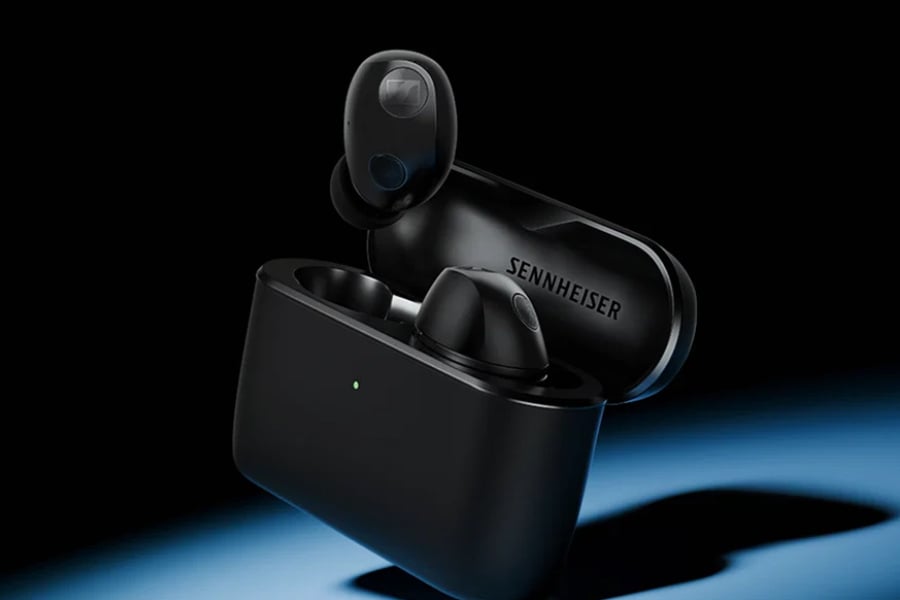
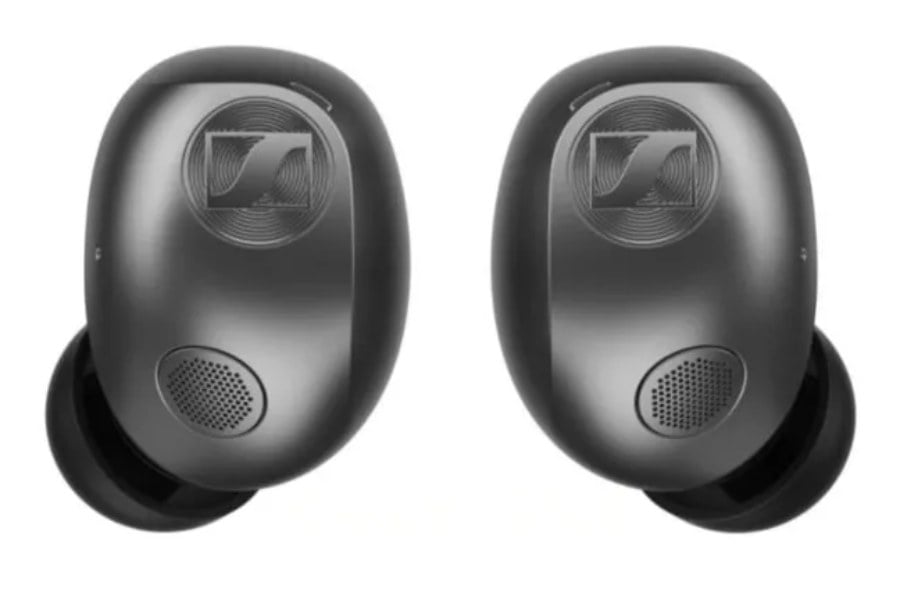
German audio equipment manufacturer Sennheiser has just announced the Momentum True Wireless 5, successor to the True Wireless 4 earbuds launched back in 2024.
Following a two-year gap, it’s natural to expect improvements in audio and connectivity. However, the new pair features a truly unique selling point for the first time in a Sennheiser earbud — you can replace the battery yourself.
The industry trend is that most true wireless earbuds glue their batteries in place, so once the cells degrade, you’re stuck buying a whole new pair. Sennheiser is doing the complete opposite with the True Wireless 5.
Both the earbuds and the charging case now use a design you can take apart with a small screwdriver, no adhesive layers to fight through. So when the battery finally fades, you can replace it instead of the entire device.
You get real upgrades everywhere else too. The battery life has jumped from 7.5 hours to 12 hours per charge, and the Momentum True Wireless 4‘s 30-hour total case life grows to 40 hours here, helped by a thinner case that still supports Qi wireless charging.
Sennheiser also reworked the ear tips and tuned the adaptive noise cancellation further, and a four-microphone array handles both noise cancellation and a more natural transparency mode when you need to hear what’s around you.
On the audio side, you get Dolby Atmos and spatial audio support, plus interactive head tracking for a more immersive listen. Bluetooth 6.0 connectivity comes with a new “Robust Mode” for crowded, high-interference spots like train platforms or packed offices, so your connection should hold up better than before.
The Momentum True Wireless 5 is available in lavender purple, copper, denim blue, graphite, and cream, all in a metallic finish. It goes on sale from September 3rd at $299.95, the same launch price as its predecessor.
Right-to-repair earbuds are still rare. Fairphone tried something similar with the Fairbuds, and Google added a replaceable case battery to the Pixel Buds 2a, but a flagship-tier pair built around full user repairability from a major audio brand is still new territory.
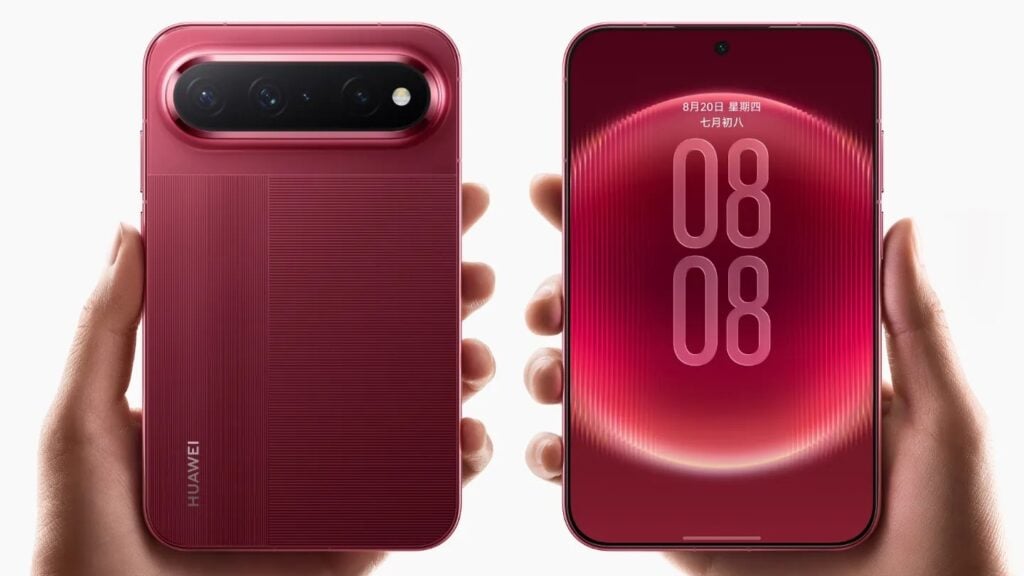
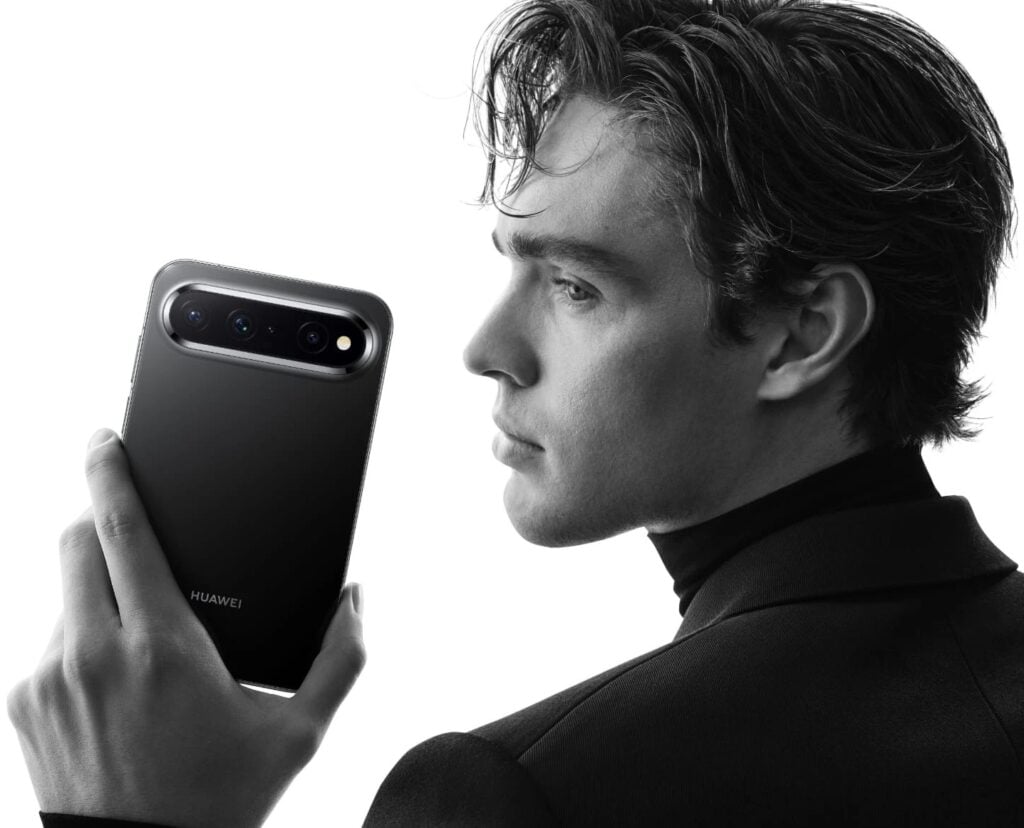
Huawei has just introduced a new form factor to the smartphone market, a wider screen experience in a regular non-folding design.
Today, August 20, the company officially launched the Huawei Pura X View, calling it the world’s first wide-screen candybar smartphone and positioning it as “born for content.” The idea is to give users a broader horizontal view inside a traditional slab phone, making videos, reading, gaming, and other content feel more immersive and complete.
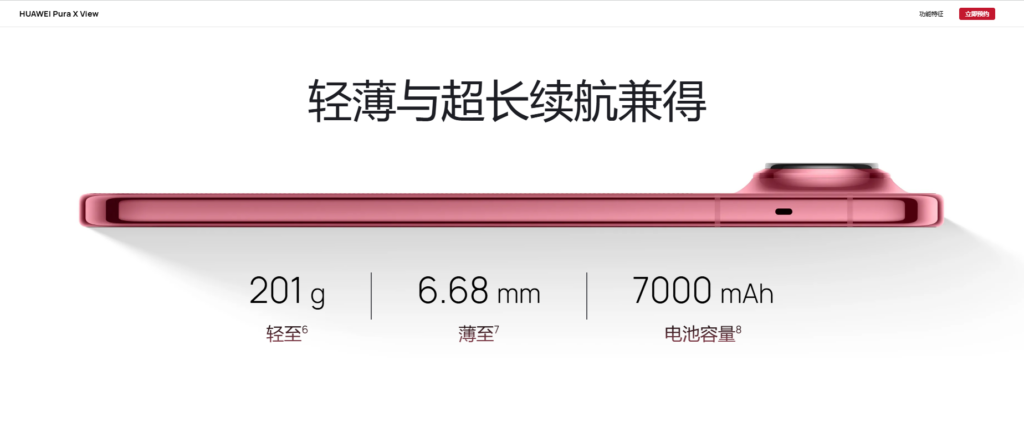
The Pura X View has a 6.39″ OLED display with a 16:9.5 aspect ratio and a resolution of 2232 × 1320. It reaches an impressive 96.1% screen-to-body ratio thanks to extremely thin 1.05 mm bezels on all four sides. Peak brightness hits 6,500 nits, and it supports high-frequency PWM dimming. Despite packing a 7,000 mAh battery, the phone stays slim at just 6.68 mm thick and weighs 201 g.
It launches with HarmonyOS 7 and is tuned for “wide-screen” uses like better video watching, reading, gaming, and productivity. Color options are Leap Shadow Red, Linen Gray, Zero Degree White, and Phantom Night Black. Reservations started today, with in-store experiences and pre-sales beginning on August 28.
Earlier leaks from tipster Digital Chat Station had pointed to a high-positioned wide-screen Huawei device with a roughly 16:10 ratio, a flagship-level 9-series chip, around 7,000 mAh battery, and a 50 MP triple-camera setup that includes a periscope telephoto. The official announcement confirms the core design direction, taking the wide-screen concept first seen on the foldable Huawei Pura X (launched in 2025 with a 6.3-inch 16:10 panel) and bringing it into a regular non-folding phone.
By moving the wide-screen idea from foldables to traditional candybar phones, Huawei is trying out a new direction for regular smartphones, one that could change how people consume content on handheld devices.
Why would you want a mini PC you have to partially build yourself when Apple will hand you a finished one for $799? That’s the question hanging over the recently launched Minisforum MS-03, and honestly, the answer says a lot about what kind of computer person you are.
Minisforum launched the MS-03 as the follow-up to its MS-01, which quietly became a favorite among home lab tinkerers over the past couple of years. The MS-03 keeps the tiny footprint of its predecessor, but gives people who run Proxmox clusters and local AI models the memory, storage, and networking to actually do that comfortably.
Meanwhile, the Mac mini M4 is chasing something else entirely — it wants to be the computer you buy once and stop thinking about.
The Minisforum MS-03 is sold as a barebones PC, starting at $759 with the Core Ultra 5 336H processor. The higher-end Core Ultra 9 386H version starts at $999.
The reason we mentioned barebone is that these prices don’t include RAM or storage. You have to buy and install those yourself. That means the final price can be quite a bit higher depending on how much memory and storage you want.
The Mac mini M4 is much simpler. The base model costs $799 and comes with 16GB of unified memory and 256GB of storage. Everything is already installed, so you can take it out of the box, plug it in, and start using it.
That’s one of the biggest advantages of the Mac mini. You don’t have to worry about finding compatible parts or opening the computer before you can use it.
So why would anyone choose the more complicated MS-03? The answer is expandability.
The higher-end MS-03 with the Core Ultra 9 386H can support up to 128GB of DDR5 memory running at up to 7,200 MT/s. It also has three M.2 slots for NVMe SSDs and a PCIe x16 slot that can support a low-profile GPU using up to 75W of power.
This makes the MS-03 particularly interesting for people who want to run home servers, Proxmox setups, local AI models, NAS systems, or other projects that need plenty of memory and storage.
The Mac mini M4 doesn’t even try to compete on that front, and it doesn’t need to. Apple’s M4 chip is more than powerful enough for everyday work, photo editing, and even video timelines without much strain.
But there is very little room to upgrade it later. The RAM and internal storage you choose when buying the Mac mini are what you will have for the life of the computer. You can always add an external SSD for more storage, but you can’t open the Mac mini and add more memory later.
3. The Mac mini can run AI locally too
The Mac mini M4 shouldn’t be written off if local AI is part of the reason you’re buying a small desktop. Apple says the M4’s Neural Engine can run Apple Intelligence on the device, without sending everything to the cloud. The chip also has a 16-core Neural Engine and up to 32GB of unified memory, giving it plenty of hardware for many AI workloads.
But there’s an important difference between Apple’s approach and what the MS-03 is built for. Apple’s local AI focus is mainly tied to Apple Intelligence and optimized apps, while the MS-03 gives you the flexibility to install Linux, run local AI tools, add more RAM, use multiple SSDs, or even install a dedicated GPU.
Apple also says its system can use Private Cloud Compute for more complex requests, so not every AI task necessarily stays on the Mac itself. That makes the Mac mini a capable local AI machine, but not necessarily the better choice for someone who wants to experiment with different open-source models and build a dedicated local AI server.
That’s where the MS-03’s upgradeable hardware becomes more important. If you simply want AI features that work without much setup, the Mac mini is the easier option. But if you want to experiment, run different models, and keep upgrading the hardware as your AI needs grow, the MS-03 gives you much more freedom.
4. MS-03 pulls ahead in networking too
The biggest difference between the two computers may be their networking options. The MS-03 comes with two 10Gbps SFP+ ports, a 10Gbps Ethernet port, a 2.5Gbps Ethernet port, two USB4 ports, and Wi-Fi 7.
For a normal desktop, that’s probably more networking than most people will ever need. But for a home lab or server, it can be extremely useful.
Meanwhile, the Mac mini M4 is much simpler. The base model comes with Gigabit Ethernet, while 10Gbps Ethernet is available as an upgrade. It also has Thunderbolt, HDMI, and Wi-Fi 6E.
For normal home and office use, the Mac mini’s networking is more than enough. But if you’re building a home server or moving large amounts of data across a local network, the MS-03 has a major advantage.
5. Windows and Linux vs macOS
Then there’s the software question, which honestly might matter more than any spec on this list. The Mac mini M4 runs macOS and benefits from Apple’s wider ecosystem. If you already use an iPhone, features such as easy file sharing, iPhone integration, and other Apple services can make the Mac a more convenient choice. You also get access to software such as Final Cut Pro and Logic Pro, which can be a major reason to choose a Mac if you are close to editing photos or videos.
The MS-03 is more open. You can run Windows or Linux and use the computer however you want. You can install Proxmox, turn it into a NAS, create a home server, run virtual machines, or even set up multiple operating systems. This freedom is a big part of the MS-03’s appeal.
6. Which one should you buy?
The Minisforum MS-03 makes more sense if you like building and upgrading your computers. Its support for up to 128GB of RAM, multiple SSDs, a dedicated GPU, and extremely fast networking gives it far more flexibility than the Mac mini.
It is especially attractive for home lab users, developers, server builders, and anyone who wants a small computer that can grow with their needs.
The Mac mini M4 is the better choice if you want something simple and ready to use. It offers plenty of performance for everyday work and creative tasks, while macOS and Apple’s ecosystem make it an easy choice for existing Apple users.
Samsung already seems to be working on the next mid-range and rugged phones in its Galaxy lineup. According to a report from SamMobile, traces of two new Samsung phones, the Galaxy A58 and the Galaxy Xcover FR, have shown up in the GSMA IMEI database.
The Galaxy A58 carries the model number SM-A5860. Samsung launched its predecessor, the Galaxy A57, on March 25, 2026. Going by the company’s usual pattern of releasing new A5x-series phones in the first quarter, the A58 is expected sometime in early 2027. Successive models in this series typically bring small upgrades in chipset, battery life, and cameras.
The same database also lists the Galaxy Xcover FR under the model number SM-G778B. This one belongs to Samsung’s Xcover brand, which focuses on rugged, durable smartphones built for industrial environments and tough conditions. Previous Xcover phones have offered stronger protection against drops, dust, and water, making them useful for outdoor work, logistics, and other demanding jobs. Beyond the model number, no further details are available yet.
The appearance shows that development is already underway for both a mainstream mid-range successor in the popular A-series and a new addition to the specialized rugged Xcover family.
While the GSMA listings don’t reveal any technical details of the new devices, here’s a quick look at their predecessors for context on what to expect. The current Galaxy A57 features a 6.7″ Super AMOLED+ display with 120Hz refresh rate, the Exynos 1680 chipset, up to 12GB of RAM, a 50MP main camera with OIS, and a 5,000mAh battery with 45W charging.
On the rugged side, the previous XCover 7 Pro (from April 2025) comes with a 6.6″ 120Hz LCD, Snapdragon 7s Gen 3 processor, 6GB or 8GB of RAM, a dual 50MP + 8MP camera setup, and a 4,350mAh removable battery. It’s built to MIL-STD-810H standards and offers IP68 dust and water resistance for tough environments.
We use cookies on our website to give you the most relevant experience by remembering your preferences and repeat visits. By clicking “Accept”, you consent to the use of ALL the cookies.
This website uses cookies to improve your experience while you navigate through the website. Out of these, the cookies that are categorized as necessary are stored on your browser as they are essential for the working of basic functionalities of the website. We also use third-party cookies that help us analyze and understand how you use this website. These cookies will be stored in your browser only with your consent. You also have the option to opt-out of these cookies. But opting out of some of these cookies may affect your browsing experience.
Necessary cookies are absolutely essential for the website to function properly. This category only includes cookies that ensures basic functionalities and security features of the website. These cookies do not store any personal information.
Any cookies that may not be particularly necessary for the website to function and is used specifically to collect user personal data via analytics, ads, other embedded contents are termed as non-necessary cookies. It is mandatory to procure user consent prior to running these cookies on your website.