Lenovo has announced that the Z6 Youth Edition has received well over 600,000 reservations on the first day the device opened for reservation. This underscores the popularity of the model that was launched just a day earlier on May 22.
Lenovo Z6 Youth edition is a trimmed down variant of the Z6. The device comes with a mid-range specs lineup but the pricing once again reflects Lenovo’s practice of offering premium models at affordable prices. The 4GB+64GB version is priced at 1099 yuan (~$159), the 6GB+64GB version is priced at 1399 yuan (~$202), while the 6GB+128GB version is priced at 1699 yuan (~$246).
The Z6 Youth Edition is as premium as it can get. The device is equipped with a 6.3-inch IPS LCD panel with a waterdrop notch, giving it a 93.07% screen ratio. The display comes with full HD+ resolution of 1080 x 2340 pixels and an aspect ratio of 19.5:9. The screen also supports HDR10. The Z6 Youth Edition gets its power from a Qualcomm Snapdragon 710 chipset paired with 4GB/6GB of RAM as well as 64GB and 128GB storage options. Under the hood of its 7.88mm thick body is a massive 4,050mAh battery that carries support for 15W fast charging via a USB-C port. On the camera end, there is a 16MP front camera located inside the waterdrop notch. At the rear is a 16MP+8MP+5MO triple camera setup.
The device will go on sale for the first time on May 28 at 10 AM.
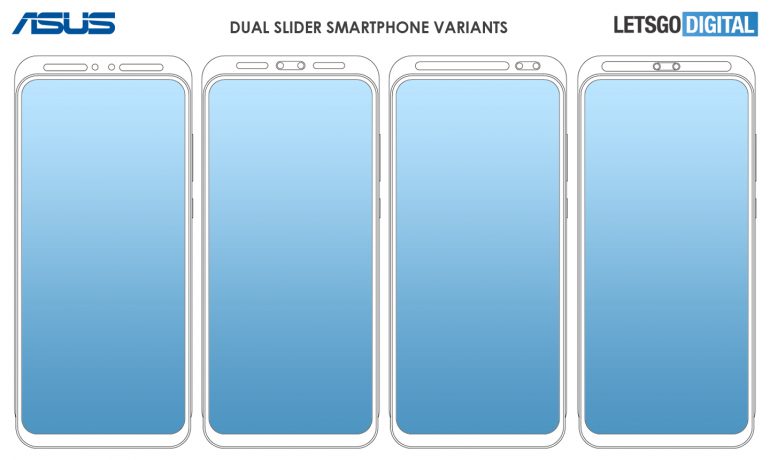
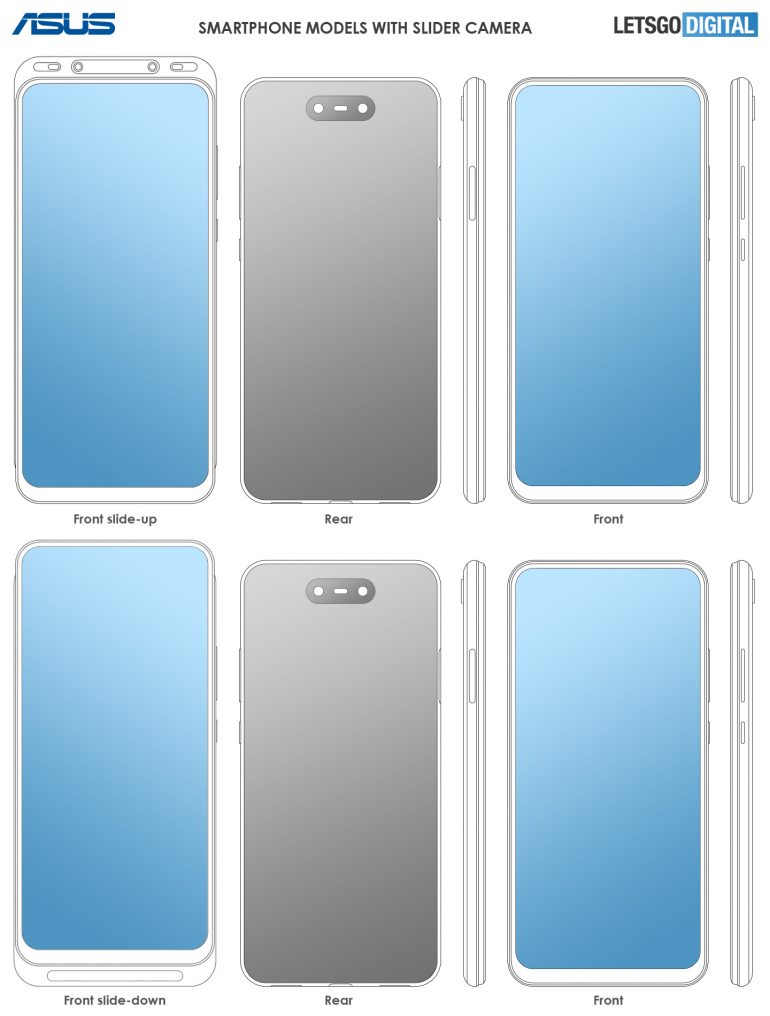
Asus, fresh off their recent full screen Zenfone 6 launch, haven’t taken much of a rest. Some leaked Asus patents have appeared online showing 10 different variations of full screen slider designs. They all have a full screen design, with only a narrow bezel remaining on the bottom. They’re mostly quite similar, with the main changes being camera and sensor placement.
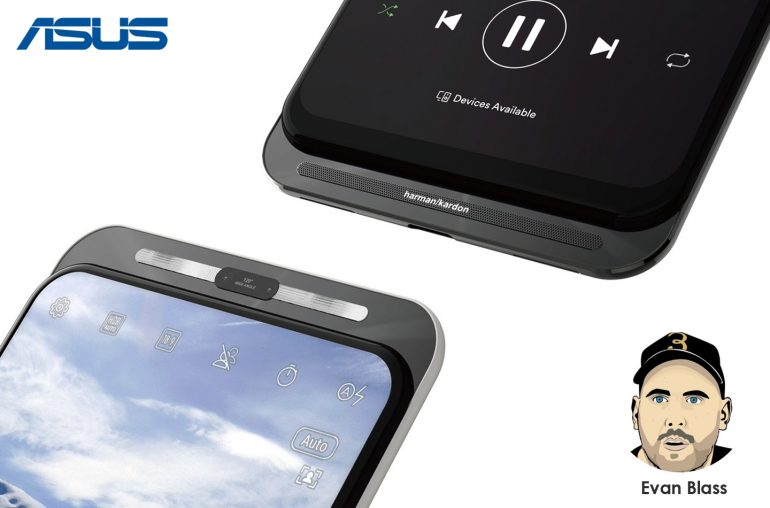
These patents show a design that’s quite reminiscent of the Mi Mix 3, slide mechanism and all. They’re even aptly labelled as ‘Smartphone Models With Slider Camera’ and ‘Dual Slider Smartphone Variants’. The first one is the most different, with a small bit at the bottom that seems to house a speaker. An interesting idea, though we question how practical it’d be in day to day use. We’d love to be proven wrong however.
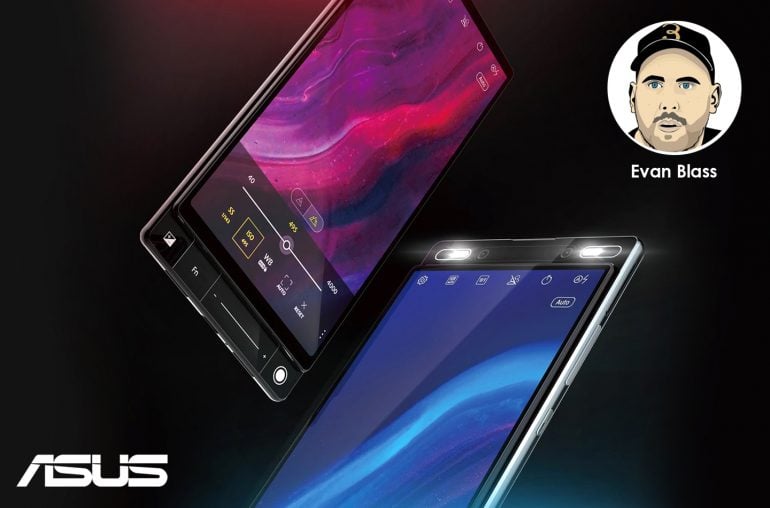
The rest of the patents are pretty much the same thing, with dual front cameras and all. Perhaps most interesting however are the correlation between these Asus patents and some leaks from Evan Blass. The evleaks pictures show a very similar design and concept to the patents. We even get to see the bottom speakers, which look exactly as you’d expect.
It’s not exactly anything we haven’t seen before, but the fact that Asus is pushing for new ideas is great. Hopefully, we get to see the Taiwanese company come up with something new and fresh in the future, especially since it doesn’t seem they’re running out of ideas. We can’t wait to see what’s next, and we hope it’s just as great as the recent Zenfone 6.
The Z series is a recent Vivo line-up of smartphones which already features a good number of devices. The series debuted in mid-2018 and, if we exclude the additional memory configurations, it currently includes 5 smartphones ranging from the Z1 to the Z3x. Tomorrow, after about a year from the debut of the line-up, the sixth phone from this series will be official: the Vivo Z5x. However, you do not need to wait for the official launch to know its specifications. In the past few weeks, several leaks and rumors revealed most of its specs and several renders gave us a glimpse about its design too.
Here is the Vivo Z5X rumor roundup which will tell you everything we know about the device so far.
Vivo Z5x: Design
According to leaked press renders, Vivo Z5x will have a very innovative design, just like most of Vivo’s mid-rangers. But unlike other devices, this one will not come with a pop-up motor or a waterdrop notch. Instead, the handset will sport a punch-hole display with a front camera embedded. Thanks to this solution, the screen will cover most of the front panel with very narrow bezels and a slightly thicker chin. The in-display camera will be placed on the top left corner, unlike the Galaxy S10 series which come with punch-hole cameras on the top right corner.
Vivo Z5x will be available in three color options: Shadow Black, Polar Nightfall, and Aurora.
Of these variants, the third will have a gradient color. According to a recent listing, the first two variants may even be called Extreme Night Black and Phantom Black.
On the right side of the phone, there will be a typical volume rocker paired with a power key, while at the opposite side there will be a dedicated key to summon the Jovi AI virtual assistant. On the back cover which is entirely made of glass, you will find a traditional fingerprint reader. If we move to the bottom side, we can see a speaker grille, a microphone, a 3.5mm headphone jack, and a USB-C port to charge the battery.
Display
The fact that the fingerprint reader of the Vivo Z5x is placed on the back and that it sports a punch-hole screen makes us think that Vivo Z5x will not come with an AMOLED display. And that’s exactly what recent rumors have suggested. Further, note that all the previous devices from the Z series are equipped with IPS displays. So, the phone should sport a traditional midrange-class IPS LCD display which will come with a size of 6.53-inches and a Full HD+ resolution with 1080 x 2340 pixels.
Hardware
The hardware department of the Vivo Z5x places it in the upper midrange segment. The handset will sport a Snapdragon 710 SoC by Qualcomm which is currently one of the best midrange chipsets out there, and it will be paired with whopping 8 GB of RAM and 128 GB of internal storage in its most advanced variant. There will also be two more affordable memory configurations with 4 and 6 GB of RAM and 64 GB of internal storage.
Based on the specs sheets of the previous devices from the Z series, we can assume that Vivo Z5x will have expandable storage through a micro SD dedicated slot. Vivo Z5x has been spotted on AnTuTu benchmarking platform with the model number V1911A with a total score of 173,798 points — pretty impressive for a midrange device. The operating system will be Android 9 Pie customized with Funtouch OS as always.
Cameras
The rear side of the Vivo Z5x will house a triple camera setup placed on the top left corner, alongside a dual LED flash. Unfortunately, not much is known about these cameras, but if we had to speculate, the triple setup will be composed of a primary RGB sensor, an ultrawide lens, and a depth sensor. On the front, we may find an impressive 32 MP selfie camera. But take this info with a pinch of salt as there is no official confirmation, neither a reliable leak proving them.
Battery
The battery will most likely be one of the key features on the Vivo Z5x. Indeed, the handset is expected to come with a huge 5000 mAh battery which will be able to last up to two days on a single charge. The battery will also support an 18W fast-charging technology, not the fastest one but still pretty quick.
Unfortunately, the official pricing of the Vivo Z5x is still under the wraps. The handset was spotted on the famous Chinese store JD.com but it had just a “dummy” price of $1147, so we still do not know how much it will cost. Vivo Z5x will be officially unveiled tomorrow, May 24, at an event in China which will start at 19.30 (7.30 PM) local time, so we will know all the details about its pricing and availability soon.
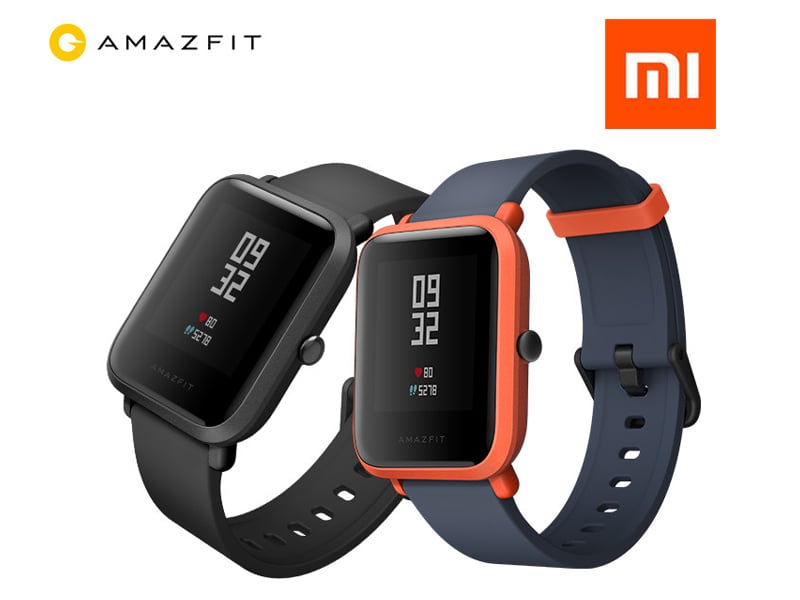
It is usually not common for a smartwatch to get up to 20% off its price except a successor is about dropping in most cases. Especially when the device is the hot-selling Amazfit Bip with its amazing design, 30 days battery power and several other amazing features. But that is what is upon us presently as the Huami Amazfit Bip has got a $20 (20%) slash in its price and it looks like it is not a time-limited offer. The Apple Watch look-alike is presently on sale for $79.99 on Amazon as against the $99.99 price tag it adopted when it was launched in the US.
The recent price cut could be an indication that the Xiaomi-backed company may have got a successor in the works. The Bip was released in the first quarter of 2018 and is over one year already since it went on sale. But then, except the company is planning to throw in a surprise, there is no sign a new Huami smartwatch will be dropping soon.
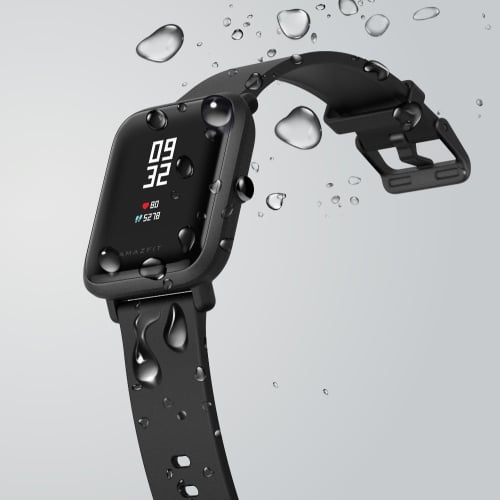
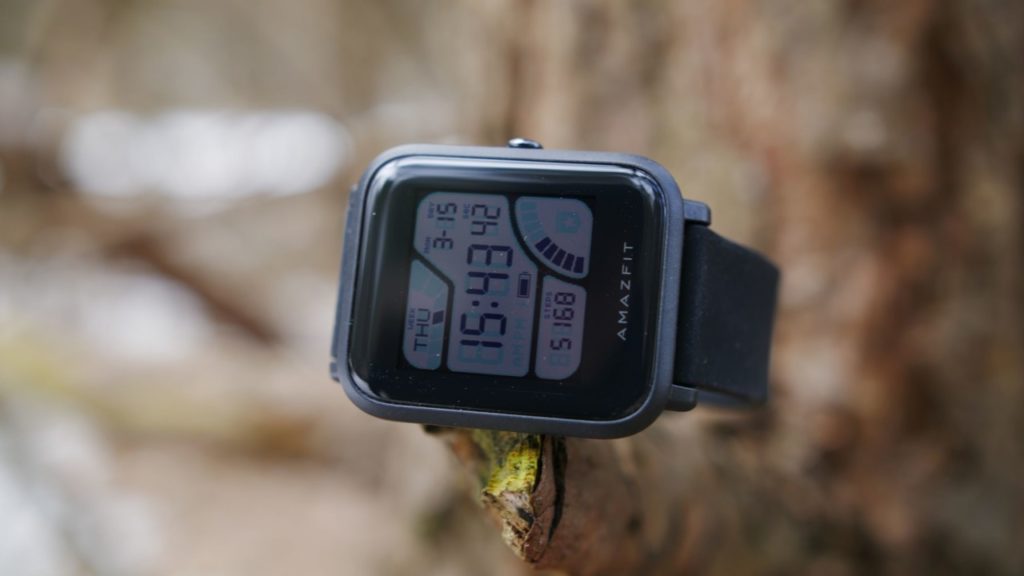
As stated earlier, the Amazfit BIP looks similar to the Apple Watch. This means you can pick this device up if you desire an Apple Watch but can’t afford the high price tag. The BIP comes with a 1.28-inch always-on color touch display with a screen resolution of 176 x 176 pixels. The display is covered by a 2.5D layer of Corning Gorilla Glass 3. It features IP68 dust and water resistance. The Bip also comes with PPG heart rate sensor, tri-axial acceleration sensor, geomagnetic sensor, barometric pressure sensor, GPS + GLONASS, and more. The device is compatible with Apple as well as Android-based devices.
The smartwatch is powered by a 190mAh battery which promises over 30 days of battery life with normal use or up to 45 days with minimal notifications on a single 2.5-hour charge. However, when using the device with GPS tracking, it only gets 22 hours on a charge.
The device supports activity tracking as well as sports and sleep tracking. Using the device, users can receive notifications for calls, messages, emails, and other apps. With multi-sport tracking, it tracks user’s runs, cycling and more with mapped routes, detailed stats and heart rate zones.
Three of the four color variants — Onyx Black, Cinnabar Red, and Kokoda Green are all available for $79.99 each. The White Cloud variant is presently listed as unavailable. For more details, you can check out our review of the Amazfit Bip.
The Redmi K20 will be announced in less than a week. Redmi is marketing the phone as the new flagship killer; and apart from the Demon King mascot, a pair of boxing gloves is another prominent object that has appeared in marketing materials to signify it is ready to take on other flagships.
Redmi has begun sending out invites for the launch which is scheduled for May 28 and the content is quite interesting.
The invite is a large red box with Redmi K20 written in bold white font on one side and an image of the demon king on the other side. Inside the box is a pair of boxing gloves similar to the ones we have seen in teaser posters. The gloves are branded with Redmi K20 and the phrase “Whatever it takes”. It is an unusual item to send as part of an invite but not the most unusual we have seen. Meizu once sent a pair of sneakers as part of the invite for a phone in 2017.
Internal documents that leaked from Amazon‘s lab have revealed the e-commerce giant has got a wearable device in the works. The device is described as a health and wellness product and is worn on the wrist but it does more than tracking physical health stats. The document reveals the wearable will be voice-activated and that it recognizes human emotions.
The gadget is said to be the brainchild of a collaboration between Lab126 and Alexa voice software team. Lab126 is the hardware development group that developed Amazon’s Fire phone and Echo smart speaker. The project goes by the code name, Dylan.
The wearable device is designed to work with a smartphone app and it has microphones that are connected to the internal software. Thus, it is able to decode the user’s emotional state from the pitch or sound of his or her voice, the documents and a source familiar with the program revealed. The document also shows that the technology will eventually be able to advise the wearer how to interact more effectively with other persons.
The project is similar to a patent filing which Amazon made in 2017 for a system where voice software uses analysis of vocal patterns to determine how a user is feeling, discerning among “joy, anger, sorrow, sadness, fear, disgust, boredom, stress, or other emotional states.” The patent was only made public last year and its description hints at the possibility of Amazon using knowledge of a user’s emotions to recommend products or to determine responses. A sketch accompanying the patent filing explains that the technology can detect an abnormal emotional condition. The sketch shows a woman telling Alexa she’s hungry, between a cough and sniffling afterwards. The digital assistant, picking up that she has a cold, asks the woman if she would like a recipe for chicken soup. A second patent granted Amazon is of a system that uses techniques to distinguish the wearer’s speech from background noises. This patent will also be integrated on the wearable.
We don’t know the stage the project currently is or if there are plans for it to ever go commercial. We expect Amazon to include it on its first-ever wearable device which should be in the works. We must state, though, that Amazon gives its various teams the free hand to experiment with products, some of which will never come to market. However, work is said to be ongoing on this one and beta testing is presently ongoing, according to a source familiar with the matter.
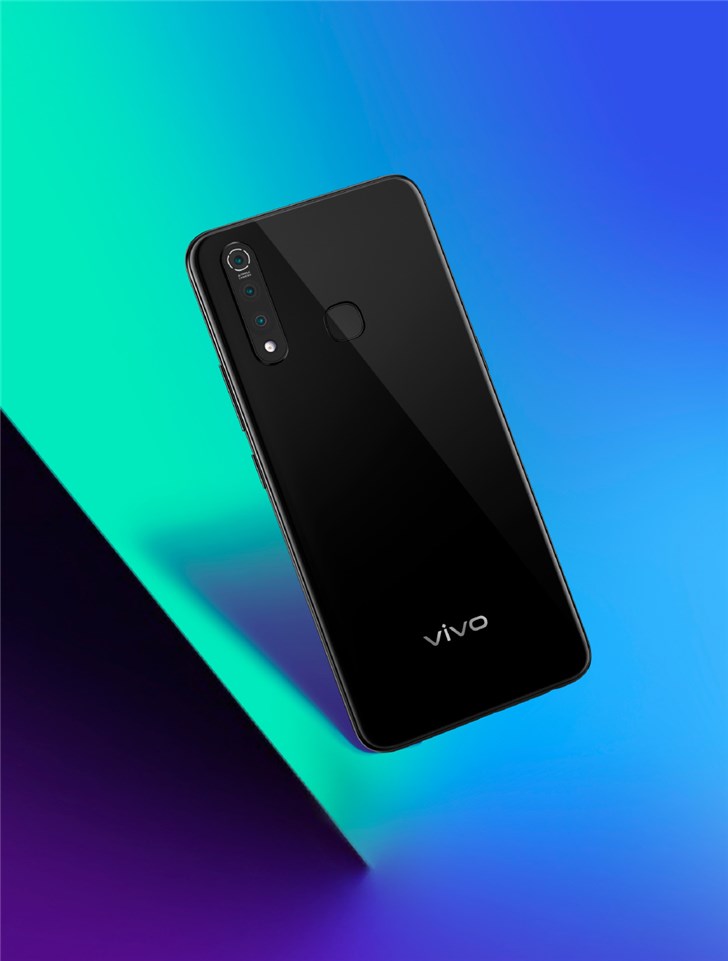
The Vivo Z5x will launch as the first Vivo phone with a punch hole display. The phone will also come with a massive 5000mAh battery that should last up to 2 days on a single charge. Ahead of its release tomorrow, Vivo has released press renders of the phone on its Weibo page. They show the phone in all the color variants it will be available in as well as confirm the design.
The Z5x will come with a display that nearly covers the whole of the front of the device since the bezels have been really trimmed down, save for the chin. It doesn’t seem to be an AMOLED display since Vivo has opted for a rear-mounted fingerprint scanner and not the in-display type. The punch hole is quite small and is located at the top left corner.
On the back, the Vivo Z5x is covered in glass too. It will come in three color variants – Shadow Black, Aurora, and Polar Nightfall. There are three cameras and they are stacked vertically atop each other. All three sensors share the same housing with the LED flash and to the right is the fingerprint scanner.
[envira-gallery id=”255011″]
The phone has its volume rocker and power button on the right side of the frame while a dedicated button for the Jovi AI Assistant is on the left side. We can make out a speaker grille and a USB port at the bottom but we are not sure if it has an audio jack.
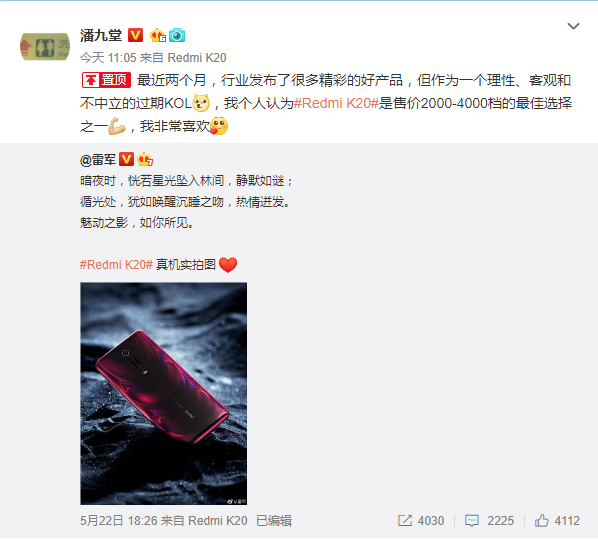
Pan Jiutang, a well known analyst from China, has given a speculation on the possible pricing of the upcoming Redmi K20. For those now in the know, the Redmi K20 is Xiaomi sub-brand Redmi’s upcoming flagship device. It’s touted to come with all the flagship bells and whistles, and has been leaked and teased mercilessly this past month.
According to Pan Jiutang, the Redmi K20 will cost somewhere between 2000 yuan to 4000 yuan. For those of us in the global market, that translates to anywhere between $290 to $580. It’s a disappointingly huge gap, though we personally expect it to fall smack dab in the middle. We imagine a $350-370 pricetag would be a decently fair price.
The Redmi K20 is set to be the breakout hit device of 2019. So far, it seems fairly far ahead of anything in the mid-range market. Between the in-screen fingerprint sensor and pop-up camera, Redmi seems to have quite the device on their hands. Redmi definitely haven’t been shy about either, they’ve even been poking fun at OnePlus lately! At least they’re not lacking in confidence.
We’re definitely looking forward to see how the device turns out. We have extremely high expectations for the device, and the leaked specs don’t disappoint. All we really can do however is wait for the day when it inevitably launches on the 28th. Until then, stay tuned on GizmoChina for all and any news on the upcoming device.
The ban from the United States did not prevent Huawei to launch its new affordable flagship of 2019: the Honor 20, and the public kept showing a lot of interest for the company at the launch despite the huge amount of issues that ban created. But the Honor 20 is not the only affordable flagship launched in 2019. Asus Zenfone 6 and OnePlus 7 will be one of its most aggressive competitors: both were launched in May just like the Honor 20, and all these devices are available in the same price range. With this comparison, we will try to make you understand which one offers the highest value for money, at least according to your needs.
Asus Zenfone 6 vs Huawei Honor 20 vs OnePlus 7
Asus Zenfone 6
Huawei Honor 20
OnePlus 7
DIMENSIONS AND WEIGHT
159.1 x 75.4 x 9.2 mm, 190 g
154.3 x 74 x 7.9 mm, 174 g
157.7 x 74.8 x 8.2 mm, 182 g
DISPLAY
6.4 inches, 1080 x 2340p (Full HD+), IPS LCD
6.26 inches, 1080 x 2340p (Full HD+), IPS LCD
6.41 inches, 1080 x 2340p (Full HD+), Optic AMOLED
Quad 48 + 16 + 2 + 2 MP, f/1.8, f/2.2, f/2.4 and f/2.4
32 MP f/2.0 front camera
Dual 48 + 5 MP, f/1.7 and f/2.4
16 MP f/2.0 front camera
BATTERY
5000 mAh, fast charging 18W with Quick Charge 4.0
3750 mAh, fast charging 22.5W
3700 mAh, fast charging 20W
ADDITIONAL FEATURES
Dual SIM slot, rotating cameras
Dual SIM slot
Dual SIM slot
Design
Aesthetically, I define Honor 20 and Asus Zenfone 6 better because of their original form factor. The former eliminates the bezels around the display and the notch thanks to a punch-hole screen which embeds a front camera. The latter is even more innovative with its rotating main cameras which can also be used as selfie cameras. Thanks to this solution, the screen-to-body ratio of the Asus Zenfone 6 is very high and there is a full screen display even without a notch. The phone also comes with an outstanding build quality thanks to its Gorilla Glass display and back cover. I personally prefer the Asus Zenfone 6, but some may like the Honor 20 due to its more attractive glass back and its very compact dimensions compared to its rivals.
Display
Despite having a traditional IPS display instead of an AMOLED panel like most of the actual flagships, the Asus Zenfone 6 is still able to deliver the best viewing experience. The panel has very realistic colors and it supports both the HDR10 technology and 100 percent DCI-P3 coverage. OnePlus 7 has an AMOLED display, but it can not provide the same color accuracy. On the other hand, it offers an in-display fingerprint reader. Given that Honor 20 is equipped with a midrange-class IPS panel which is also smaller and less comfortable for advanced users, Asus Zenfone 6 wins the display comparison.
Hardware/Software
Asus Zenfone 6 and OnePlus 7 come with exactly the same hardware department composed of a Snapdragon 855 chipset by Qualcomm, up to 8 GB of RAM and up to 256 GB of internal storage. But despite both are among the fastest flagships and they have the same components, the OnePlus 7 will likely be faster due to its better software optimization and a user interface close to stock Android. But we still did not test the Asus Zenfone 6, so it is too early for a definitive verdict. Also note that the Asus Zenfone 6 has expandable storage (up to 1 TB), while OnePlus 7’s storage is not expandable.
Camera
At least judging from the specs on the paper, Honor 20 has a more complete and versatile camera side which should click more interesting photos than Asus Zenfone 6 and OnePlus 7. On the rear side, it boasts a quad camera setup composed of a main 48 MP sensor, a 16 MP ultrawide lens, a dedicated macro camera and even a depth sensor. On the front, you get an amazing 32 MP selfie camera.
Battery
If we consider all the real last-generation flagships, Asus Zenfone 6 is the one with the longest battery life. Thanks to a huge 5000 mAh battery, it can always last two days. OnePlus 7 and Honor 20 should come with just marginal differences in battery life.
Price
Both Honor 20 and Asus Zenfone 6 are priced just €500/$555 in their base variants, while OnePlus 7 starts from €550/$611. Overall, I personally define the Asus Zenfone 6 a more interesting device due to its amazing display, its huge battery, innovative design, and stereo speakers.
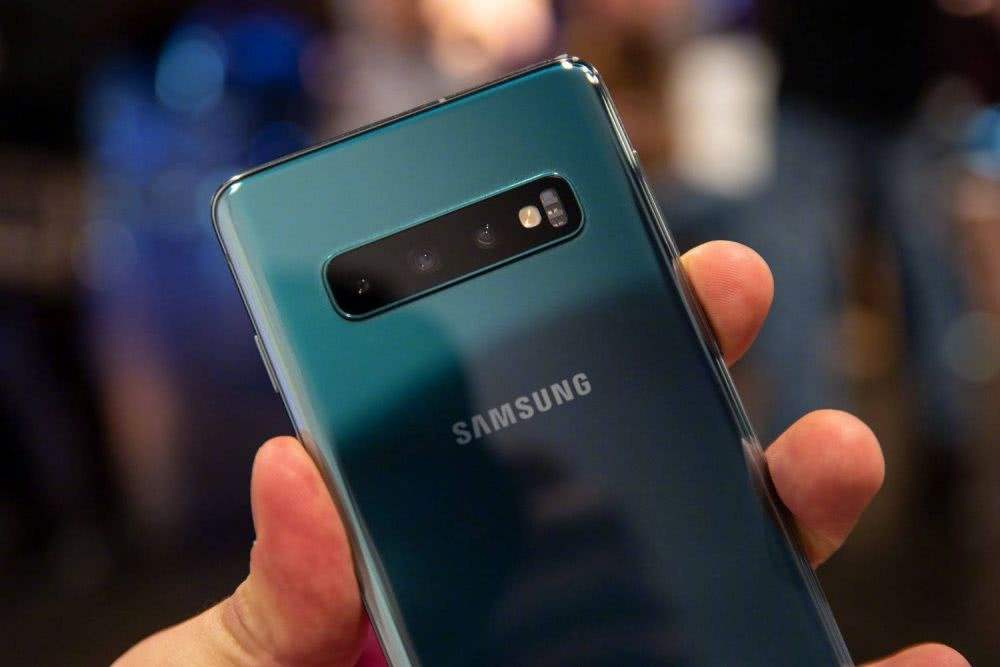
Software updates are able to do a lot to improve how a phone’s camera performs. It can also bring new features that didn’t originally ship with the phone. Samsung‘s Galaxy S10 series is the recipient of a new update that greatly ups the camera performance.
The new update which is already rolling out in Switzerland fixes the Night Mode of the phones. Noise has been reduced and the duration the shutter stays open has been increased. The biggest upgrade is the ability to take pictures in night mode using the ultra-wide angle camera. You get brighter images in this mode than the regular night mode but there is more noise. SamMobile has camera samples you can view.
Another new feature is the ability to take Live Focus photos with the ultra-wide lens or telephoto lens on the S10 and S10+. This feature was originally only available to the Galaxy S10 5G. With the option to use the telephoto lens, you can now take bokeh photos without moving closer to the subject.
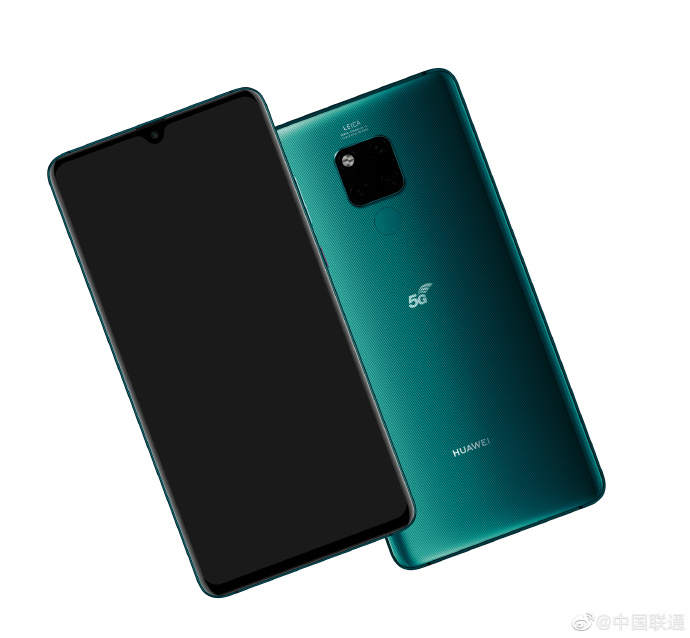
The recent decision by the US government to ban Huawei from using US technology is having some ripple effects far more than we envisage. A host of companies outside the US have cut ties with Huawei, the latest being ARM. These developments will, no doubt, have some effects on the company’s smartphone sales outside China. While Huawei strategizes on a way out of this dead end, two major UK carriers who had concluded plans to sell Huawei 5G phones when they roll out their 5G networks have decided to put such plans on hold.
UK carrier EE had today announced that its 5G network will roll out next week as UK’s first. The company also released a number of 5G phones that would be on offer and this includes the Samsung Galaxy S10 5G, OnePlus 7 Pro 5G, LG V50 ThinQ 5G, and the Oppo Reno 5G. Huawei’s first 5G phone, the Mate 20 X was originally on the list but says it is putting the Mate 20 X release on hold due to the uncertainty surrounding Huawei’s current situation. EE disclosed in a statement that Huawei’s 5G offerings won’t be launched until it receives “the information and confidence” that customers who purchase the smartphones will be supported “for the lifetime they’ve got the device.” This is in reference to Google announcing that current Huawei models won’t get security updates. That decision has been postponed temporarily but the future is still uncertain.
In addition, UK carrier Vodafone announced that it will be putting Huawei Mate 20 X 5G pre-orders on hold for the time being. The company stated that it “is a temporary measure while uncertainty exists regarding new Huawei 5G devices.” While other European carriers are yet to announce their decisions, we expect this to spread in no distant time except US and China reach a settlement before the expiration of the 90 days extension.
It is Summer in India which means more sunlight than other seasons of the year and therefore more UV rays penetrating your eyes. To protect your eyes when you are outdoors, it is advised you get a pair of sunglasses. Xiaomimakes sunglasses as one of its lifestyle products and they are now available for purchase in India.
At the moment, it has just two versions available – the Mi Polarized Square Sunglasses which comes in Blue and Gray and the Mi Polarized Pilot Sunglasses which comes in Blue and Green. Both glasses are priced at INR 899 (~$13) and INR 1099 (~$16) respectively, INR 100 (~$1.43)off their original prices.
The two sunglasses use TAC polarised lenses that are designed to eliminate glare, polarized light, and harmful UV rays. They have UV400 protection which provides 100% protection against UVA, UVB, and UVC rays up to 400nm.
[envira-gallery id=”254953″]
The square sunglasses have TR90 frames that are durable, flexible and lightweight while the pilot sunglasses have 304H Metal frames that are also lightweight, flexible, and durable
OnePlus announced the new flagship series – OnePlus 7 and OnePlus 7 Pro earlier this month. OnePlus 7 Pro went on sale in India from May 16 via Amazon. The interested users can also get it from OnePlus online store, and offline retailers such as Croma, MyJio and Reliance Digital outlets.
The newly revealed smartphone has created a record for being the fastest selling ultra-premium smartphone within a week on Amazon India. The e-tailer revealed that OnePlus 7 Pro is the highest selling smartphone in Rs. 45,000+ (~$642) segment. Amazon does not publish the actual numbers.
OnePlus 7 Pro was launched alongside OnePlus 7 at three simultaneous events in New York, London and Bengaluru. It features a 6.67 inch Quad HD+ fluid AMOLED display with the 90Hz refresh rate. For optics, there’s a triple camera sensor featuring a 48-megapixel primary shooter, a 16-megapixel secondary ultra-wide pixel lens along with an 8-megapixel telephoto lens. A 16-megapixel pop-up selfie camera is present on the front.
The device is powered by Qualcomm Snapdragon 855 processor coupled with 6/8/12 GB RAM modules. Unlike the Dash charging on OnePus 7, the company added Warp Charge 30 that can charge half its battery within 20 minutes. Its display received an A+ rating from DisplayMate.
It is currently available in Mirror Grey color with 6GB RAM + 128 GB for Rs 48,999. Whereas, the 8GB RAM + 256 GB variant is retailing at Rs 52,999 and 12 GB + 256 GB for Rs 57,999 in Mirror Grey and Nebula Blue color options. The third variant bearing Almond color with 8GB RAM + 128 GB internal storage will surface next month.
Apple has sent out invites to this year’s edition of its Worldwide Developers Conference keynote scheduled for Monday, June 3 at 10 a.m. Pacific. The conference will hold in San Jose, California and will end on June 7.
The week-long event brings together Apple’s developers and will have as its focus, Apple’s OSes which power iPhones, iPad, Macs, Apple Watches and Apple TV set-top boxes. The major highlight, though, is the opening day when Apple holds a keynote that will be streamed live. During the keynote event, Apple will take the veil off the new features that would accompany its next-gen iOS, macOS, watchOS and tvOS.
Despite software being the major focus of WWDC, Apple has in the past announced a couple of new hardware at the developers’ conference. For instance, the HomePod speaker was first introduced at the 2017 edition of WWDC as well as the 10.5-inch iPad Pro, the iMac Pro desktop and updated versions of the MacBook lineup. Last year, Apple announced UIKit, a developer tool that lets software makers more easily bring their iOS offerings to the Mac. Work with UIKit was expected to begin in earnest in 2019, so this year’s WWDC will likely provide Apple with the opportunity to show off some of the progress so far.
Most importantly, Apple will also give us a sneak peek of the iOS 13 which is the next version of the custom operating system software for iPhones and iPads. If Apple sticks with its schedule from previous years, then the public beta of iOS 13 will start rolling a few weeks after WWDC ends. Among the new features expected on iOS 13 is a dark mode that makes it easier to see your device screen at night while reducing battery consumption. There’s also likely to be many iPad-specific improvements in iOS 13 since last year’s iOS 12 didn’t bring many features to Apple’s tablet lineup.
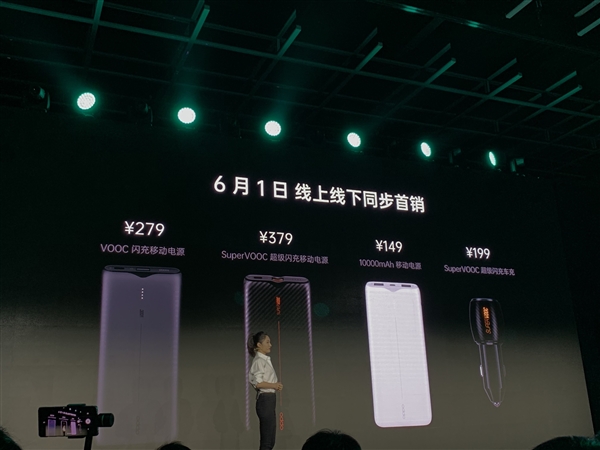
Alongside the freshly releasedOppo K3, the company has also gone and unveiled four other new products, three Oppo Power Banks and a car charger. We’ve got the VOOC Flash Charging Power Bank, the SuperVOOC Super Flash Charging Power Bank, a 10,000mAh power bank and the SuperVOOC Super Flash Car Charger. Let’s take a closer look at these new devices.
VOOC Flash Charging Power Bank
The VOOC Flash Charging Power Bank is the first in the new lineup of gadgets. As the name implies, it supports two-way VOOC flash charging 3.0, that is 5V4A=20W charging power. It comes with a pretty decent battery capacity of 10000mAh, with 15 heavy security protection. It costs 279 yuan, which is about $41.
SuperVOOC Super Flash Charging Power Bank
As you’d expect from the name, the SuperVOOC Super Flash Charging Power Bank is a better version of the last product, and also a mouthful to say. It’s pretty much exactly the same for the most part, with this one having two way SuperVOOC charging instead. This means it charges at 50w speed instead. This one costs 379 yuan, about $55.
This one’s decidedly vanilla after the last two power banks we saw. Unlike the other two, it’s essentially just a normal power bank with a capacity of 10000mAh. No fancy fast charging technology here. The price thankfully reflects this, as it comes in at a mere 149 yuan, or about $22.
SuperVOOC Super Flash Car Charger
Like the SuperVOOC Super Flash Charging Power Bank, this one’s basically a car charger with SuperVOOC support. It supports fast charging of up to 50w, and it’ll set you back at 199 yuan, or about $29. All four of these new Oppo power banks and car charger will go on sale both online and offline beginning on the 1st of June.
Music lovers, rejoice! Gearbest has launched the ‘Earphones Flash Sale,’ wherein the Chinese online store will be offering a whopping 30 percent off on TWS earphones.
In a bid to simplify and expedite the search process, the promotion page has been split into multiple categories with each category comprising heavily discounted music accessories. Keeping in line with that, the first section called ‘Top TWS Earphones’ features a wide range of earphones that you can buy at lowered prices.
For instance, the Alfawise Mini True Wireless Bluetooth Earphones would normally set you back $34.72, but you can now buy it for a lowered price of just $26.99. This 22 percent discount will be valid for 170 pieces and the promo will come to an end in four days.
The ‘Coupon Deals’ section comprises a slew of music accessories that you can buy without breaking the bank. Each item added to this category has been assigned specific coupons that you can use to avail great discounts.
Those looking for high-end earphones that don’t cost a bomb can head straight to the ‘Best Selling Earphones’ section, while those interested in checking out the newest music accessory available in the market can check out the ‘New Arrival’ category.
Likewise, music lovers who have restlessly been waiting for headphones prices to drop can visit the ‘Top Headphones’ section, which is brimming with top-branded headphones such as the Alfawise JH – 803 Folding Stereo Bluetooth Headphones, Siroflo V4 Wireless, and Wired Bluetooth Headphones, etc. More importantly, you can grab noteworthy discounts on these headphones.
Those who fancy listening to their favorite music or watching popular videos on the go can take a gander at the ‘Portable Audio & Video’ section. Here you find all sorts of wireless and portable speakers, and soundbars carrying reduced prices.
The ‘Gadgets Under $9.99’ section includes items that you can buy for less than $10. You can click here to visit the promotion page and check out all these items which will be available for lowered prices only for a limited period of time.
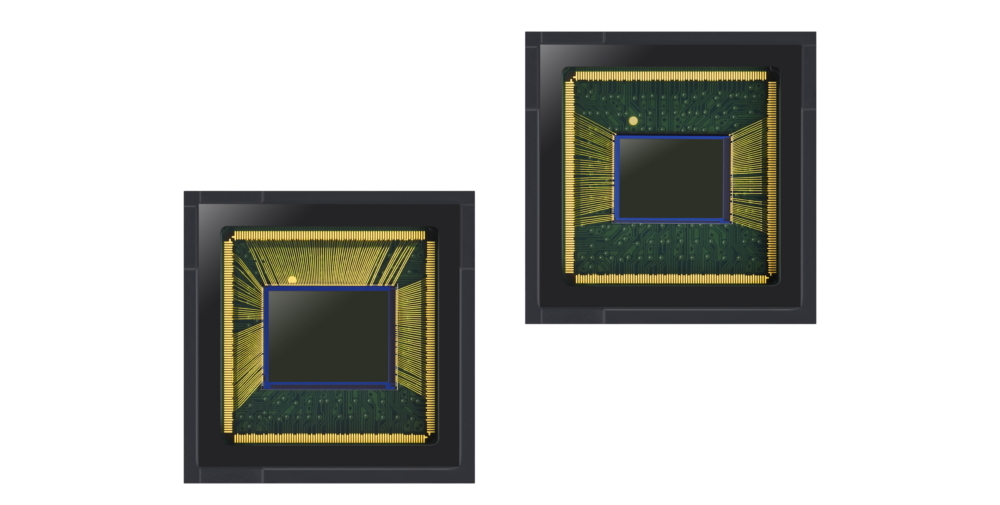
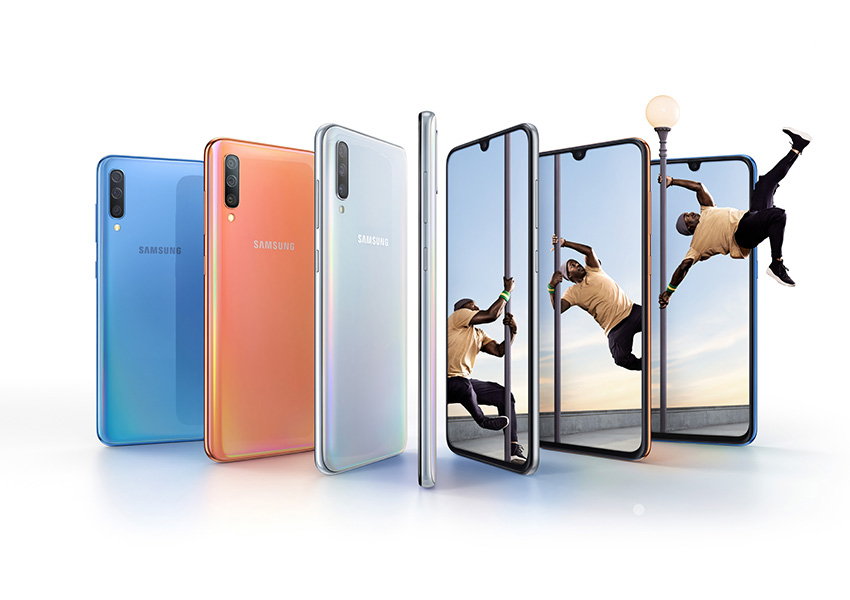
A couple of months back, Samsung launched the Galaxy A70 smartphone which comes with a 32MP front-facing camera. Now, the company is gearing up to launch the Galaxy A70S smartphone, which will be the world’s first smartphone to feature a 64MP camera sensor.
The Samsung Galaxy A70S will be launched in the second half of this year but the exact launch date is not yet known. As per the reports, the smartphone will come with Samsung’s ISOCELL Bright GW1 camera sensor.
Announced earlier this month, the new ISOCELL Bright GW1 is a 64MP camera sensor that offers the highest resolution so far for the smartphone. It comes with pixel-merging Tetracell technology and remosaic algorithm that offers 16MP images in low-light environments where four pixels are merged to work as one to increase light sensitivity.
It also supports real-time high dynamic range (HDR) of up to 100-decibels (dB) that provides richer hues. The sensor is equipped with a Dual Conversion Gain (DCG) that converts the received light into an electric signal.
This allows the sensor to optimize its full well capacity (FWC), utilizing the collected light more efficiently especially in bright environments. It also supports 480fps Full HD slow-motion filming and will have High Dynamic Range, as well as support for Super PD — a high-performance phase detection auto-focus technology.
This will make it the highest megapixel count camera sensor for smartphones in the market. Currently, the highest megapixel smartphone camera sensor is of 48MP, being offered by Sony as well as Samsung.
The Samsung Galaxy A70S could be the upgraded version of the A70 launched in March this year. It comes with a 6.7-inch Infinity-U Super AMOLED Full HD+ display and a 32MP snapper housed inside the notch.
It is powered by Snapdragon 670 SoC, coupled with up to 8GB RAM and 128GB internal storage. It comes with triple camera sensors on the back — 32MP with f/1.7 aperture, an 8MP f/2.2 ultra-wide-angle camera with a 123° FOV, and a 5MP f/2.2 depth sensor.
The phone also features an in-display fingerprint sensor for security. It runs Android 9 Pie-based Samsung One UI out-of-the-box and is powered by a 4500mAh battery with support for 25W fast charging technology.
Looking for a mobile phone that offers specifications comparable to the iPhone without emptying your pocket? You might want to give the recently unveiled OnePlus 7 Pro a test drive.
Launched earlier this month, the OnePlus 7 Pro is a flagship smartphone that has taken the mobile phone realm by storm, thanks to its top-end specs and awe-inspiring features. You can get your tech greedy hands on the OnePlus 7 Pro from the online stores listed below:
Giztop
The 6GB RAM+128GB ROM, 8GB RAM+256GB ROM, and the 12GB RAM+128GB ROM variants of the OnePlus 7 Pro smartphone has gone up for sale on Giztop. The device is available two eye-catching color versions including Nebula Blue and Mirror Gray.
The 6GB RAM+128GB ROM model comes in Mirror Gray color version bearing a $699 price tag. The 8GB RAM+256GB ROM model, on the other hand, which is available in both Nebula Blue and Mirror Gray color versions is available for $799.
The slightly larger 12GB RAM+256GB ROM model is up for grabs in Nebula Blue color option and will set you back $899 on Giztop. You can follow this link in order to place your order.
The well-received OnePlus 7 Pro variant that ships with 8GB of RAM and offers 256GB of internal storage capacity usually retails for $1183.63, but you can now buy it for a lowered price of just $849.99 from Gearbest. This is a 28 percent drop in the device’s original asking price.
The aforesaid model is available in gray as well as blue color versions. You can follow this link to place your order.
Known for offering the best bang for your buck, Banggood is currently doling out a significant 35 percent off on the 8GB RAM+256GB ROM version of the OnePlus 7 Pro smartphone. As a result, you can now pre-order it for a lowered price of just $1,036.99.
It is worth noting that the above-mentioned variant usually carries a steep $1,599.99 price tag without the discount. You can head straight to this link to grab the discount, which is available for the Mirror Gray and Nebula Blue color versions for a limited period of time.
Chines online store GeekBuying is giving its loyal users an unmissable chance to pre-order the 8GB RAM+256GB ROM version of the OnePlus 7 Pro smartphone for only $829.99. Once the promo comes to an end, this variant will go back to its retail price of $1102.99.
You can follow this link to avail the discount, which will be valid for the Mirror Grey color version before the promo wraps up!
You can buy the gray-tinted model which offers 8GB of RAM and 256GB of onboard storage capacity for $888, while the 6GB RAM+128GB ROM which is also available in grey color version will set you back $663 on AliExpress.
Alternatively, you can go for the 8GB RAM+256GB ROM, Blue color version of the OnePlus 7 Pro smartphone if you are willing to shell out $762. The larger 12GB RAM+1256GB ROM model which comes in blue color option is available for $888.
New users can take advantage of a $3 off coupon before checking out, and those who end up spending $111 can use a $4 off coupon and save money before placing their orders. You can click here to visit the promotion page to use the coupons before they expire.
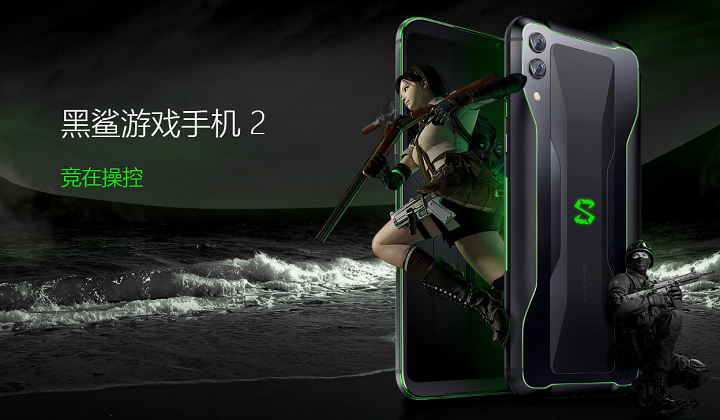
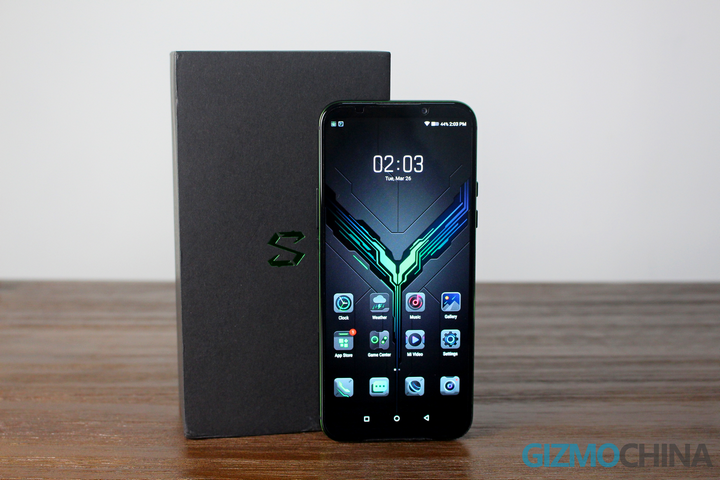
Xiaomi-backed Black Shark recently launched its third gaming smartphone in the Chinese market — Black Shark 2. The company has already confirmed that the phone will be launched in India on 27th May.
Now, ahead of the launch, a teaser posted by Flipkart for its new Flipkart Edge program confirms that the Black Shark 2 gaming smartphone will be exclusively available on its e-commerce platform in India.
The smartphone comes with a different design from the original and its predecessor Black Shark Helo. The phone doesn’t have super thin bezels surrounding the display, which isn’t surprising but are quite thin than those of its predecessors.
Black Shark 2 comes with a 6.39-inch AMOLED display with 2340 x 1080 pixels screen resolution and 19.5:9 aspect ratio. The company is calling it a TrueView Display which restores true color to the screen.
It also packs a dedicated image processing chip, which automatically adjusts the display parameters for the best color output. It also has features like Full DC dimming, MEMC intelligent motion, Super HDR, and an eye protection mode.
The device is powered by Qualcomm’s Snapdragon 855 octa-core processor and comes in four variants – 6GB RAM + 128GB, 8GB RAM + 128GB, 8GB RAM + 256GB, and 12GB RAM + 256GB. It’s not yet known which variant will make it to the Indian shores.
It comes with Liquid Cooling 3.0 with its tower-style cooling design that efficiently covers the heat-generating components of the phone. Liquid Cooling 3.0 is claimed to be 20 times more efficient in heat dissipation.
As for the camera department, on the front, there’s a 20MP 0.9μm f/2.0 sensor covered with a 5P lens. On the rear side, the phone features a 48MP f/1.75 0.8μm primary camera paired with a 12MP f/2.2 telephoto lens with 2x optical zoom.
The smartphone has an in-display fingerprint scanner and comes with the usual set of connectivity options, as well as a USB Type-C port. It has stereo speakers, triple-microphones for stereo recording, and uses AI to reduce background noise.
Under its hood is a 4,000mAh battery with support for 27W fast charging. The company has also launched a bunch of peripherals including a cooling fan and gamepads. We expect these accessories to get launched along with the smartphone in India.
OPPO has officially announced the OPPO K3 smartphone through an unveil event in China. The successor of the OPPO K1 smartphone from last year comes with a powerful Snapdragon 710 chipset. It is equipped with a notch-less display and a pop-up selfie snapper. The handset has arrived in China with a starting price of 1,599 Yuan (~$230).
OPPO K3 Specifications and Features
The OPPO K3 that comes with a metallic frame and a glass rear is equipped with a large-sized OLED display of 6.5 inches. It offers full HD+ resolution of 1080 x 2340 pixels and an aspect ratio of 19.5:9 along with other features such as DC dimming, Always-on Display and stroboscopic eye protection. The smartphone offers a screen space of 91 percent. The OLED panel of the phone is integrated with 6th-generation in-display fingerprint scanner.
The Snapdragon 710 AIE chipset is present under the hood of the OPPO K3 smartphone. It comes with up to 8 GB of LPDDR4X RAM. When it comes to storage, its highest edition offers an internal storage of 256 GB. There is a dedicated microSD card slot on the device for expanding its storage. Its packed with a 3,765mAh battery that carries support for 20W rapid charging through OPPO’s VOOC 3.0 Flash Charge technology.
The Android 9 Pie OS flavored with ColorOS 6.0 comes preloaded on the device. OPPO’s own system optimization features are also included on the phone. There is GameBoost 2.0 for accelerated GPU performance for smoother gaming experience. FrameBoost is included for allocating system resources according to the requirements of specific game resources. LinkBoost 2.0 helps in bringing enhanced network performance on the smartphone. Lastly, TouchBoost assists in improved response of the touchscreen.
The rear shell of the OPPO K3 is equipped with a dual camera setup that includes a primary sensor of 16-megapixel that is coupled with a 2-megapixel depth sensor. The photography features available on the OPPO K3 are dual-LED flash, AI Portrait Mode, AI scene detection, Ultra Clear Night View 2.0, handheld night scene mode and multi-frame noise reduction technology. The motorized 16-megapixel camera that can pop-up from the top edge of the device can shoot AI driven beautified selfie shots.
The different variants of the OPPO K3 are 6 GB RAM + 64 GB storage, 8 GB RAM + 128 GB and 8 GB RAM + 256 GB storage. They are respectively priced at 1,599 Yuan (~$230), 1,899 Yuan (~$275) and 2,299 Yuan (~$332). The pre-sales of the phone begin today in China through OPPO’s online store and other online retail partner sites. The sales of both 6 GB RAM editions will begin on June 1 and the 8 GB RAM variant will go on sale later in June. It can be bought in colors like Nebula Purple, Morning White and Farm Black.
We use cookies on our website to give you the most relevant experience by remembering your preferences and repeat visits. By clicking “Accept”, you consent to the use of ALL the cookies.
This website uses cookies to improve your experience while you navigate through the website. Out of these, the cookies that are categorized as necessary are stored on your browser as they are essential for the working of basic functionalities of the website. We also use third-party cookies that help us analyze and understand how you use this website. These cookies will be stored in your browser only with your consent. You also have the option to opt-out of these cookies. But opting out of some of these cookies may affect your browsing experience.
Necessary cookies are absolutely essential for the website to function properly. This category only includes cookies that ensures basic functionalities and security features of the website. These cookies do not store any personal information.
Any cookies that may not be particularly necessary for the website to function and is used specifically to collect user personal data via analytics, ads, other embedded contents are termed as non-necessary cookies. It is mandatory to procure user consent prior to running these cookies on your website.