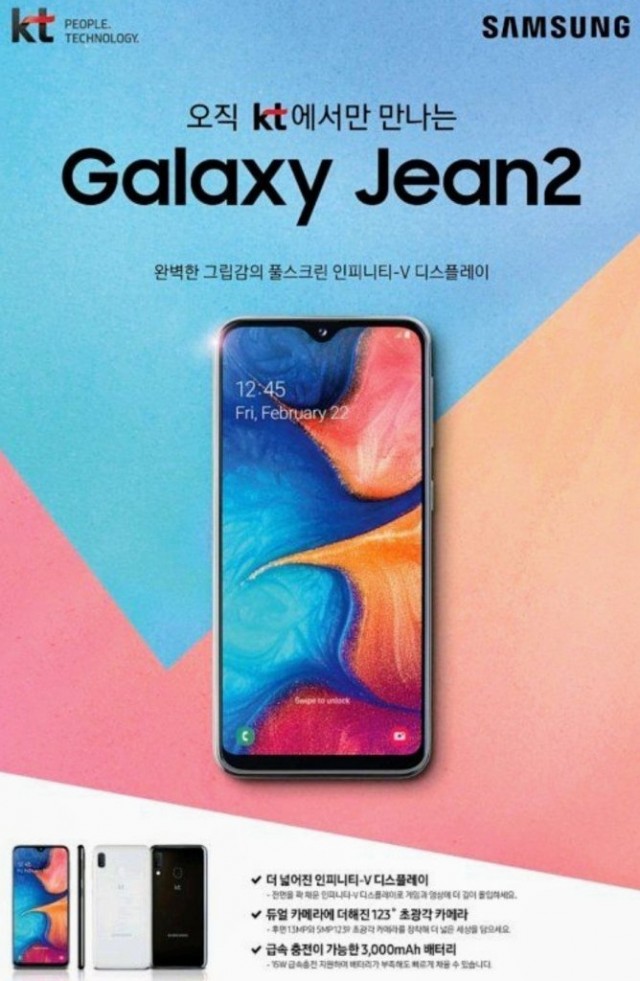
Samsung has announced two new smartphones in its home market, South Korea. The models are dubbed Galaxy Jean 2 and Galaxy Wide 4 and are basically rebranded Galaxy A20 and Galaxy A20e which have both been launched already in several regions around the globe. This is glaring from their model numbers SM-A202K and SM-A205S.
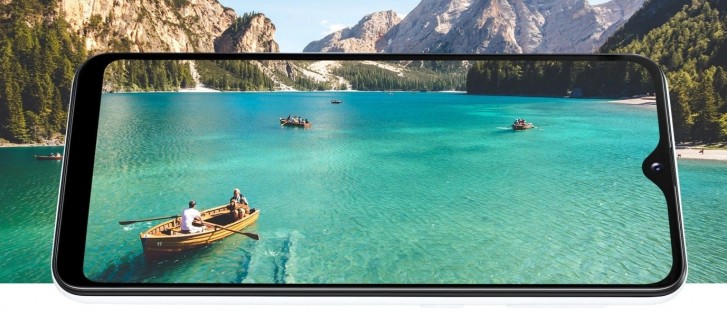
The Samsung Galaxy Jean 2 bears semblance with the Galaxy A20 that was first launched in Europe. It comes with a small 5.8-inch TFT screen with a waterdrop notch and weight of 141 grams. The device is powered by an Exynos 7884 chipset paired with 3GB of RAM while there is 32GB of storage. The Samsung Galaxy Jean 2 packs a dual camera set at the rear comprising a 13MP primary camera and a 5MP wide-angle lens. The device carries a price tag of KRW200,000 (around $170/€150). The device is available in South Korea on KT Shop for online purchases as well as at KT offline stores.
On the other hand, the Samsung Galaxy Wide 4 packs a bigger 6.4-inch Super AMOLED screen. The device has the same specs as the Galaxy A20. Apart from a bigger display, larger battery, most of the specs are almost similar with those of the Galaxy Jean 2 (Galaxy A20). The A20 was launched in some markets for around $180 and is expected to go on sale in South Korea at around KRW220,000.
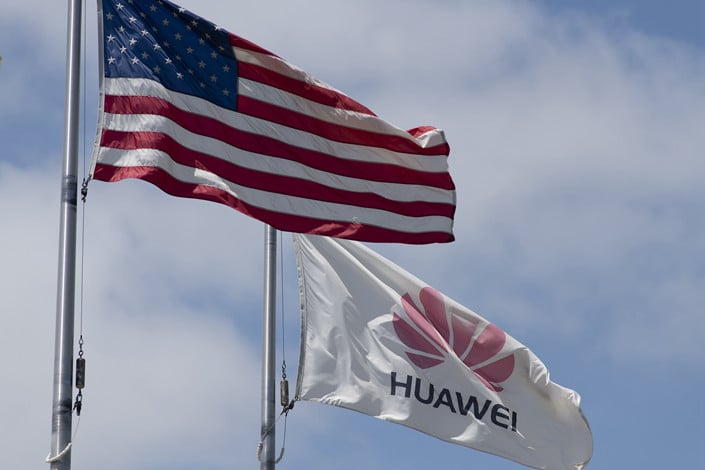
The media was awash recently with a report that Huawei has cut down production of its smartphones due to uncertainty bothering the recent ban by the US government which was deferred for 90 days. The report quotes the South China Post as the source but Huawei has come out to state that the news is entirely fake.
Android Authority quotes the Chinese tech giant to have hinted in an email statement that it refutes these claims. “Our global production levels are normal, with no notable adjustments in either direction”, part of the statement read.
It is not uncommon for manufacturers to scale down the production of their smartphones, depending on the demand. The earlier report was embraced without a doubt due to the public perception that Trump’s ban will have a huge impact on Huawei’s phone sales. Already, some Huawei smartphone owners are reportedly selling their phones and prices of some of Huawei’s high-end phones like the P30 Pro have dropped drastically in recent times.
Since the ban was temporarily lifted, there is a ray of hope that a settlement could be reached between the US and China in the trade dispute that has Huawei in the middle as a pawn. Thus, it is no surprise the company is still talking tough. Huawei may be forced to cut down production at some point if the trade ban is resumed.
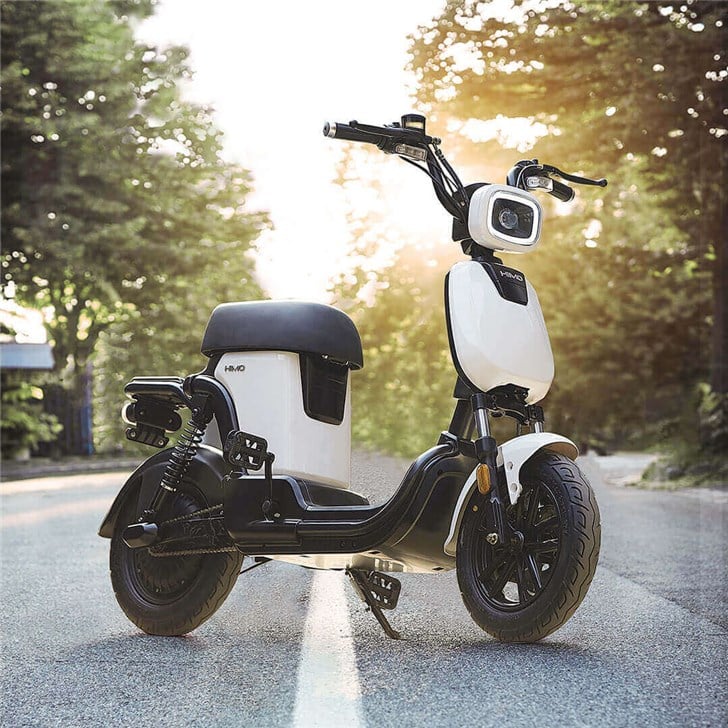
In April this year, Xiaomi announced the HIMO Electric Bicycle T1 under the Youpin crowdfunding platform in China. At that time, the electric bike was offered for 2,999 Yuan (~$447) with shipping scheduled to commence on June 4. Indeed the HIMO T1 has started shipping and is now on open sale. But the price tag has changed to a higher 3699 yuan ($534). Even though this includes shipping, it is 700 yuan ($101) higher.
The Xiaomi HIMO Electric Bicycle T1 is based on a patented design and the parts are carefully selected based on the fire-resistant materials and paint. As for the meter, it comes with a high-sensitive digital display that adopts based on the light. As for the headlight, the company says that it offers up to 18,000cd brightness. The high beam offers illumination up to a distance of 15 meters while the low beam light up a distance of 5 meters.
It is powered by a 350W brushless permanent magnet motor which is claimed to offer high-end performance. Further, there are 90mm wide tire and 8mm thick high-elastic rubber as well as the front and back dual brake system. While the front has hydraulic disc brake, the rear wheel adopts safe and durable drum brake system.
The bike comes with a one-touch start button as well as a multi-function combination switch and a touch button to control the bicycle while driving. As for the battery life, it comes with a 14,000mAh battery with a nominal voltage of 48V, providing 14Ah/28Ah energy options which can be assembled according to different travel needs and can offer a travel range of 120 kilometers on a single charge. It comes equipped with smart BMS battery management system, real-time supervision and protection of each cell safety.
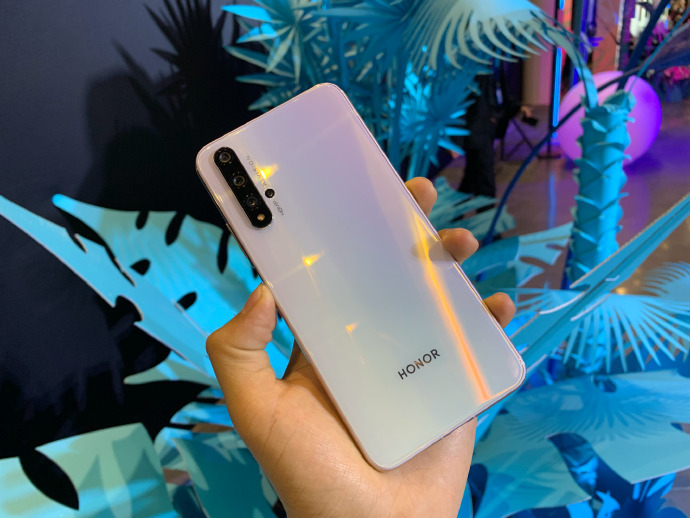
On one hand, Huawei is launching the 5G foldable smartphone – Huawei Mate X this month in China. Whereas on the other side, its sub-brand, Honor will launch a 5G smartphone in Q4 2019, confirms Honor’s president George Zhao in an interview in Shanghai. The brand aimed to lure young customers will be a little late to join the 5G revolution.
George Zhao was seen confident as he talked about the “rich technology reserves” that the company hold in different fields such as 5G, photography, AI and other aspects. The company is “confident” to use these technologies to make a perfect 5G device by the end of this year. The new development approves the recent claim made by George Zhao in another interview about launching the 5G smartphone in the second half of 2019.
He even talked about the company’s plan to improve the overseas earnings by over 50 percent of the total revenue. Huawei and Honor already grew by 47.3 percent in the time when the smartphone market is on a decline. Honor is marching ahead of other brands with the help of recent innovations such as Ark Compiler to improve Android efficiency, Quad camera setup for better photography and enhanced Bluetooth operation with better range and efficiency.
Huawei and Honor both are working to flourish the market by offering a vast variety of products. Huawei is developing a whole new ecosystem with products like smart speakers, wearables, IoT, smartphones, etc.
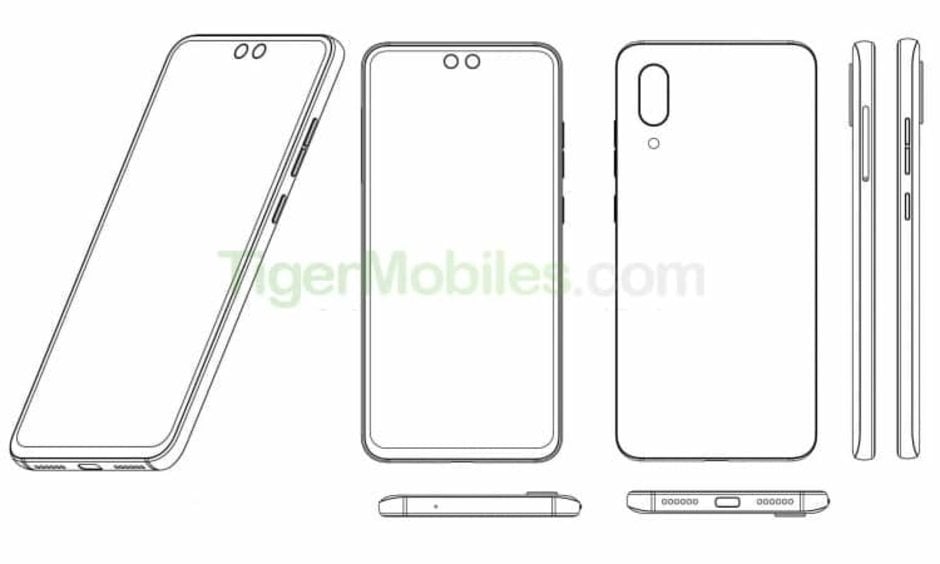
A smartphone bearing two punch holes in the display could soon be a reality, as the ZTE has patented the new layout. Some details related to the patent appeared on China’s patent registration authority – CNIPA. A pictorial depiction of the patent in the attached image clears all the questions. The new layout involves two circular punch holes side by side in the middle of the display.
It would not be surprising if the company incorporates dual front-facing camera carrying a wide-angle and a depth sensor along with the primary sensor. There are fair chances for the addition of the in-ear speaker in any punch hole. However, minimal bezels are visible across all sides of the devices, whereas usual speaker grill on the bottom and physical buttons on either side are visible.
Placement for the vertical dual rear camera module is carved along with an LED flash. Considering the recent ZTE launches, the new design appears to be coming soon in the market. It will be good to see some variety after the single punch hole displays used in devices such as Galaxy S10, Honor View 20 and few others.
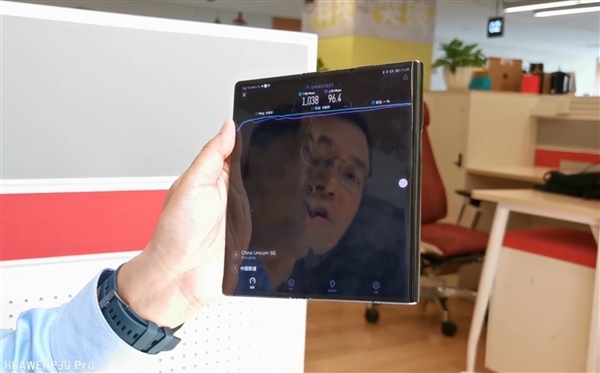
He Gang, head of Huawei’s smartphone division revealed that the company is all set to announce the world’s first foldable 5G smartphone – Huawei Mate X this month in China. He even shared the recent Huawei Mate X’s 5G test result. The foldable device has fared very well with 1Gbps download speed and 100 Mbps of upload speed in the Ookla Speed Test App.
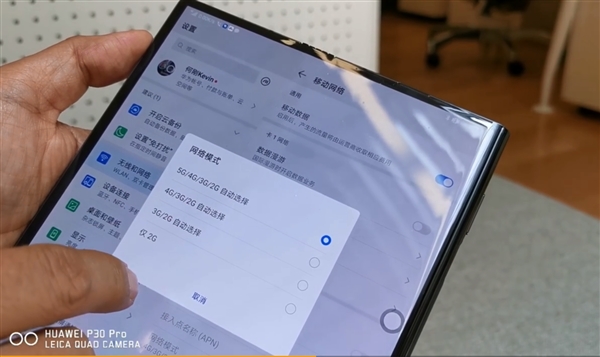
He Gang managed to test the 5G capabilities using China Unicom’s network at the Shanghai Research Institute office. The image also reveals the device’s ability to automatically switch between different networks such as 5G/4G/3G/2G. However, the device is capable of attaining 1.2Gbps download speeds in the lab environment.
Huawei Mate X is powered with Kirin 980 processor and is coupled with Balong 5000 baseband chip for 5G compatibility. It features a large 8-inch screen with a 2480 x 2200 pixels screen resolution and an 8:7.1 aspect ratio when unfolded with pretty thin bezels. It converges to a 6.6-inch display with the resolution of 2480 x 1148 pixels and 19.5:9 aspect ratio upon folding.
The “Falcon Wing Design” carrying device carries 8GB RAM and 512 GB internal storage. There’s dual SIM support to enjoy multiple networks at the same time. However, the 5G connectivity is limited to a single slot. The device runs on EMUI 9.1.1 based on Android 9 Pie. In the connectivity, Mate X hosts NFC, dual-frequency GPS, Bluetooth 5.0, Wi-Fi 802.11 b/g/n/ac, and USB Type-C port.
Huawei Mate X is expected to start retailing for €2,299 (approximately $2,580).
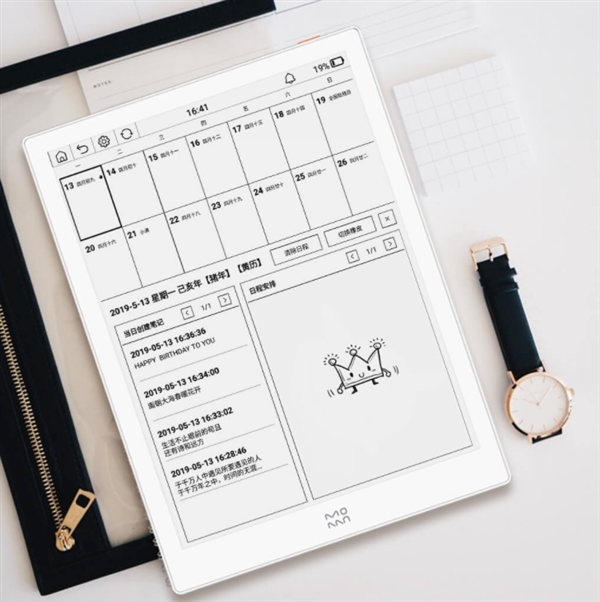
Xiaomi‘s ecological chain has launched its first electronic paper device with a 10.3-inch display and a stylus pen. The product is named “Ink Case Smart Electronic Paper” and it comes with a steep 2,499 yuan ($361) price tag.
The e-Paper adopts a white body and flat design with an ultra-light magnesium alloy middle frame, which is about two-third the size of an iPad. The tablet doesn’t emit light itself as it uses an e-ink display screen. When the content on the electronic paper is not updated within a short period, the ink drops are in a stable state with no flicker, thus the device has low power consumption.
As stated, the device comes with a 10.3-inch screen with the effective display area being about 3 times the size of the mainstream 6-inch e-book reader due to the tiny bezels. The resolution reaches 1404×1872 pixels, more than the pixel size of an FHD TV screen. The large display area and high resolution are very suitable for reading professional information, especially text contents. The device comes with lots of resources for readers comprising publications, original novels and comic books.
The device comes with a Wacom electromagnetic stylus which supports 4096-level pressure sensing with a sampling rate of 360 times/second without charging. The smart algorithm of the ink case smart electronic paper can recognize handwritten letters as text, which is convenient for saving, searching and backing up. Thus you can write on the screen with the stylus and have the entire document saved for future reference. The stylus has a pure white body.
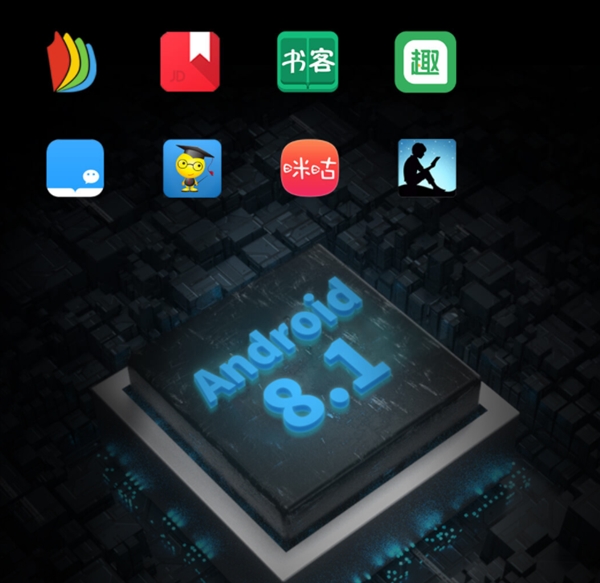
Ink case smart electronic paper uses Android 8.1 system, optimized for electronic ink display. It can be connected to the internet via Wi-Fi, so you can install your favorite apps. The device comes with a built-in 32GB storage and 2GB of RAM and can store about 10,000 pdf files (calculated in 3MB per file).
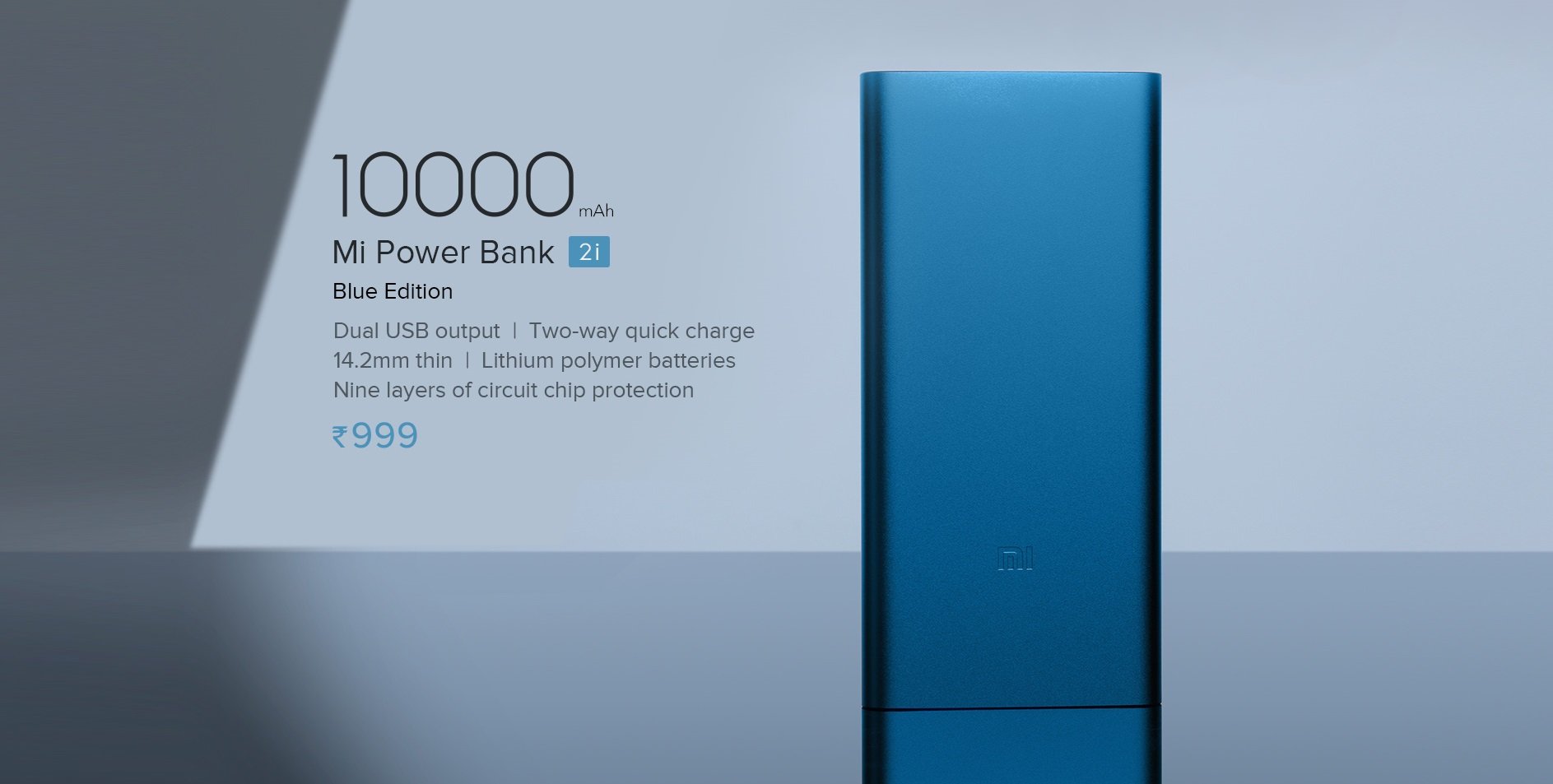
Back in October 2018, Xiaomi India announced a special red edition of the Mi Power 2i. Other than the red paint job, it is the same as the regular black version. Starting today, the Mi Power 2i will also be available in blue, bringing the total number of colors to three.
The new blue variant is priced at INR 999 (~$14), INR 100 (~$1.44) more than the other two color variants. That is a negligible difference but it is surprising why it is there in the first place. A new color variant shouldn’t cost more.
#1 Powerbank for the #1 team! 🏏
Mi fans, are you ready to cheer for #MenInBlue? I'll be donning blue and so can you with the all new #MiPowerBank – Blue edition!
The Mi Power Bank 2i has an aluminum body that houses a 10000mah lithium polymer battery with an actual output capacity of 6500mAh. It has dual USB output ports, a MicroUSB port, and a 4-LED battery indicator. The power bank supports 18W two-way fast charging. It weighs just 240 grams and is 14.2 millimeters thick.
The power bank will charge the Mi A1 2.2 times, the iPhone 7 3.5 times and the iPad Mini 4 1.3 times.
The blue variant is already available on store.mi.com.
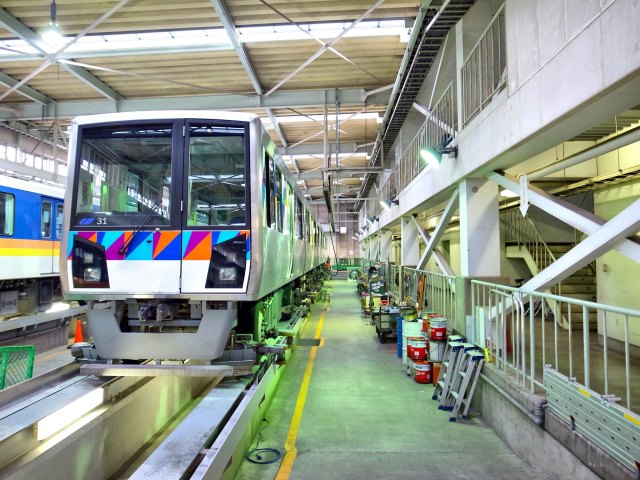
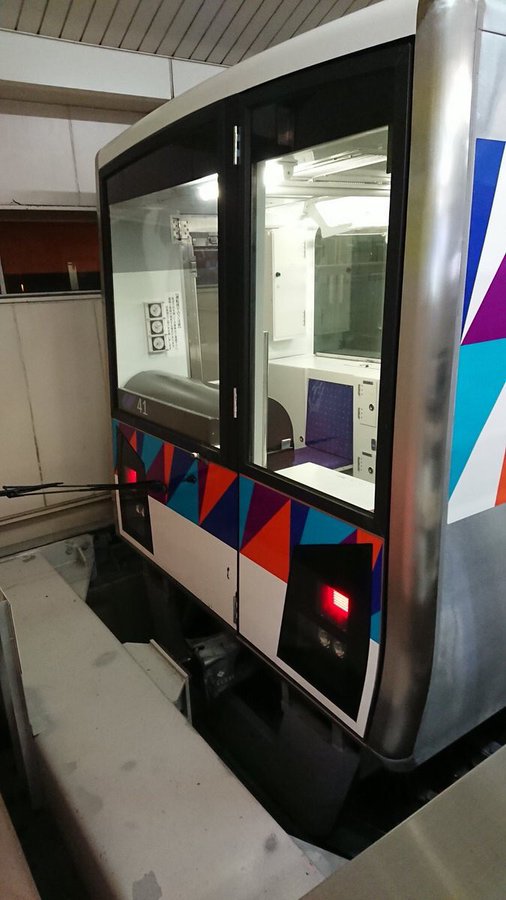
Japan got a dose of software failure on one of its driverless train recently when an automated train suddenly started moving in the wrong direction and only stopped when it hit a buffer post after travelling approximately 25 metres (82 feet). The incident left a number of commuters with head wounds and serious injuries as the train was travelling at approximately six kilometres (3.7 miles) per hour when it hit the buffer post.
The five-car driverless train operated by Yokohama Seaside Line Co. had departed Yokohama’s Shin-Sugita Station at 8:15 p.m. for Namiki Chuo Station on the Kanazawa Seaside Line in Kanagawa Prefecture. The train reportedly stopped abruptly after leaving the station and then started reversing until it hit a buffer post. The impact injured approximately 14 of the 30 passengers who were on board at the time. Some suffered serious but non-life threatening wounds after they were thrown out of seats and hit their heads against handrails. Emergency services got to the scene within a few minutes and were able to treat victims at the station, while 15 of the injured were transported to the hospital. About 6 of the injured persons taken to the hospital for treatment were said to have serious injuries, including bone fractures.
The cause of the sudden change in direction is yet to be determined but train services have been stopped on the affected line as safety checks are being conducted and an investigation is ongoing by the Japanese National Transportation Safety Board. However, Yokohama Seaside Line Co. president Akihiko Mikami believes the incident may have occurred due to a glitch in the self-driving train’s operating system. The company is reportedly working towards determining the exact cause of the accident.
The Kanazawa Seaside Line is an 11-kilometre long automated guideway transit line that runs between Shin-Sugita and Kanazawa Hakkei Station. The self-driving trains and their speed are operated by an automatic train operation system (ATO), while the brakes are operated by an automatic train control (ATC) system. Staff monitor the operations from the headquarters at the Kanazawa Hakkei Station terminus. As at the time of the accident, three people were reported to be monitoring the train but none of them was able to notice the train had reversed until the emergency stop was activated by the collision. The company says this is the first incident of its kind to occur on the line since it first opened in 1989.
The train after it hit the buffer post
This brings to mind the stiff competition to ring automation to vehicle operations, a move spearheaded by Google, Uber and other start-ups. Autonomous vehicles are still under testing in some cities especially in developed countries like the US, Germany, China, Japan etc. The first recorded accident by a driverless car was that of Uber’s self-driving Volvo which hit a cyclist in Arizona last year. The incident was the first-ever pedestrian fatality involving a self-driving car and it brought to the fore the dangers inherent in deploying software to man vehicles. Investigations showed the car could not make out what the object in front was before the collision and even at that, the emergency brakes were disabled by Uber to avoid erratic responses. The driver on the wheels who was supposed to deploy the brake in an emergency only did that after the car had hit the lady fatally. Automated trains are easier to operate and have been in existence for decades but still, we hear of software failures. With the difficulties and complications associated with road transport, we wonder how easy it would be to develop a seamless system that won’t pose safety concerns.
Earlier this year, during the Mobile World Congress 2019 in Barcelona, Spain, China-based Huawei had announced the updated MateBook series laptops, including MateBook X Pro, MateBook 14, and MateBook 13.
A couple of months later, in April, Huawei launched the MateBook X Pro and MateBook 14 in the Chinese market. The laptop comes in two color options — Mystic Silver and Space Gray.
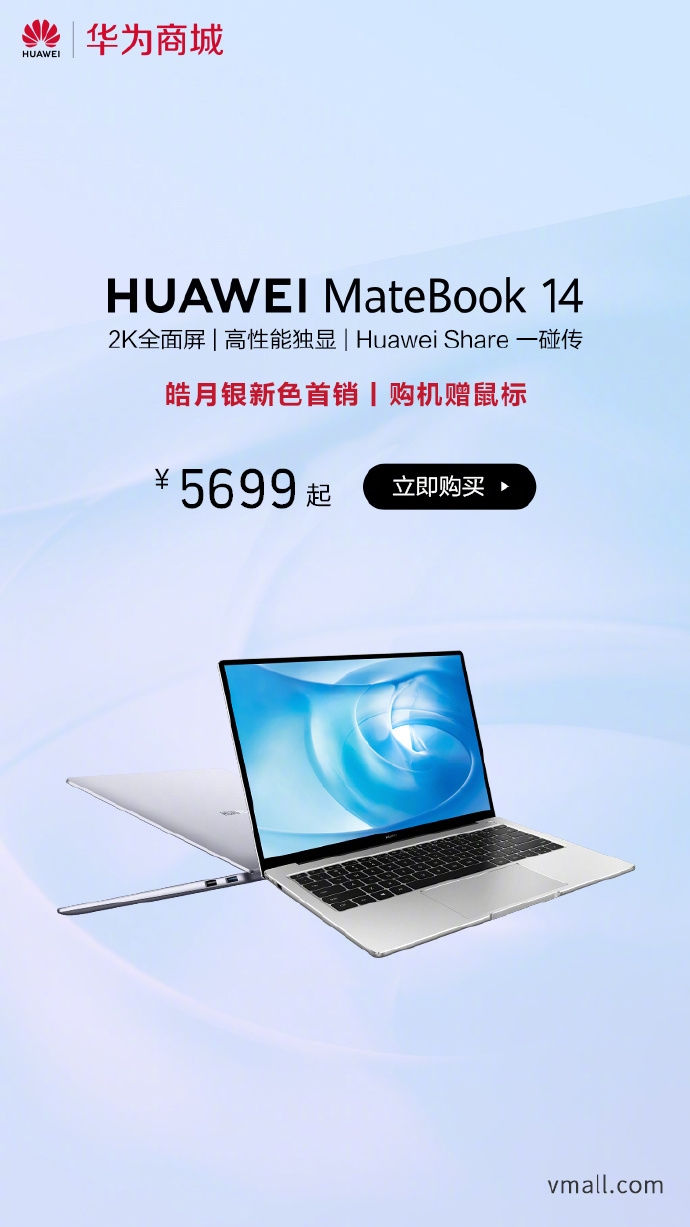
Today, the company has announced that the Huawei MateBook 14 in Mystic Silver color option is now available for purchase in China for a price of 5,699 yuan, which roughly converts to $825.
The Huawei MateBook 14, as the name suggests, comes with a 14-inch FullView display with 3:2 aspect ratio, 2160 x 1440 pixels screen resolution, and 90 percent screen-to-body ratio. It is powered by an 8th generation Intel Core i5 8265U or Intel Core i7 8565U processor with an optional NVIDIA GeForce MX250 discrete GPU.
The laptop packs up to 16GB RAM and comes with up to 512GB of onboard storage. It has a metal body and comes with a full-size keyboard and Huawei’s “Shark Fin Design 2.0” for 18 percent cooling efficiency.
There are dual speakers with Dolby Atmos support, one USB-C port, two USB-A ports (2.0 and 3.0), a 3.5mm headphone jack, and an HDMI port. The web camera is recessed in a key for privacy and there’s also a fingerprint power button.
The Wi-Fi speeds can reach a maximum of 1733Mbps and the device supports Bluetooth 5.0. It has a 57.4Wh battery which offers up to 10.5 hours of web browsing, 14 hours of office work, or 15 hours of video playback, according to Huawei’s lab testing. The company says that charging the device for 15 minutes can offer 3 hours of battery life.
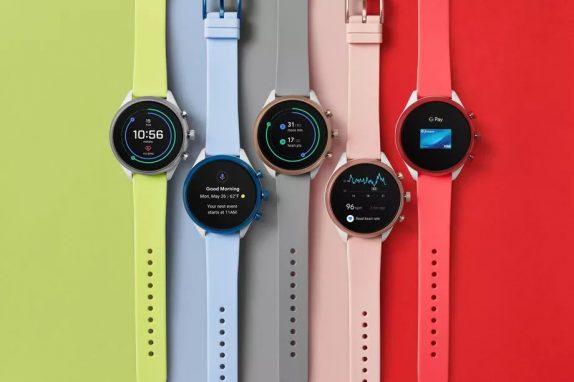
Fossil has launched its new smartwatch in the Indian market — Fossil Sport Smartwatch, which was first launched back in November last year. In India, the smartwatch is priced at Rs. 17,995 which roughly converts to $260. It is now available for purchase through fossil.in, Fossil retail stores and other partner channels across India.
The Fossil Sport smartwatch is powered by Qualcomm’s Snapdragon 3100 chipset and runs Google’s Wear OS. The device features a new battery saving mode, enhanced ambient mode, integrated heart rate sensor, NFC, and GPS capabilities.
The Snapdragon 3100 is a processor that’s specifically built for smartwatches. It has four A7 CPUs for performance and comes with a new DSP and an ultra-low-power processor for improved battery life.
As per Qualcomm, the processor offers three different modes or experiences — Enhanced Ambient Mode (Beauty of Fashion Watch + Power of a SmartWatch), Dedicated Sports Experience (Battery Life of a Sports Watch + Richness of a Smartwatch), Traditional Watch Mode (Utility of Analog Watch + Flexibility of a Smartwatch).
The smartwatch comes in two case sizes — 41mm and 43mm. Thanks to the Wear OS, it comes with features like Quick Swipe, faster access to information, proactive help from the Google Assistant and smarter health coaching from Google Fit, among others.
Connectivity options on the device include Bluetooth 4.2 Low Energy (LE) as well as Wi-Fi 802.11 b/g/n. It is powered by a 350mAh battery and comes with support for Rapid Charging that juices up the battery up to 80 percent in just one hour. It also offers one day’s battery life in the full smartwatch experience. There’s a new battery saving mode adds an additional two days of telling time.
Samsung‘s Exynos processors use ARM’s Mali GPU but it is not as powerful as Qualcomm‘s own Adreno GPU or even Apple‘s new GPUs since it ditched PowerVR GPUs. However, that may change as Samsung Exynos and AMD have announced a multi-year partnership that will see Samsung license AMD’s Radeon graphics technologies for use in mobile applications including smartphones.
The partnership will see Samsung use ultra-low power high-performance mobile graphics IP based on AMD Radeon graphics technologies for use in its devices. Samsung will pay AMD technology license fees and royalties for the use of its technologies.
The announcement was made yesterday by both companies and it has got everyone pretty excited about the next generation Exynos chipsets.
Talking about the partnership, Inyup Kang, president of Samsung Electronics’s System LSI business said: “We look forward to working with AMD to accelerate innovations in mobile graphics technologies that will help take future mobile computing to the next level.” He also said the partnership will allow them to bring “disruptive changes in technology” and “groundbreaking graphics products and solutions for tomorrow’s mobile applications”.
The partnership is not only a win for Samsung but also for AMD as its Radeon graphics user base will now grow beyond PCs, game consoles, cloud, and HPC markets to include the mobile (phone) market.
There is no info on when we will see the first chipset based on the partnership but we expect the next Exynos flagship processor that will power the Galaxy S11 series to be the first.
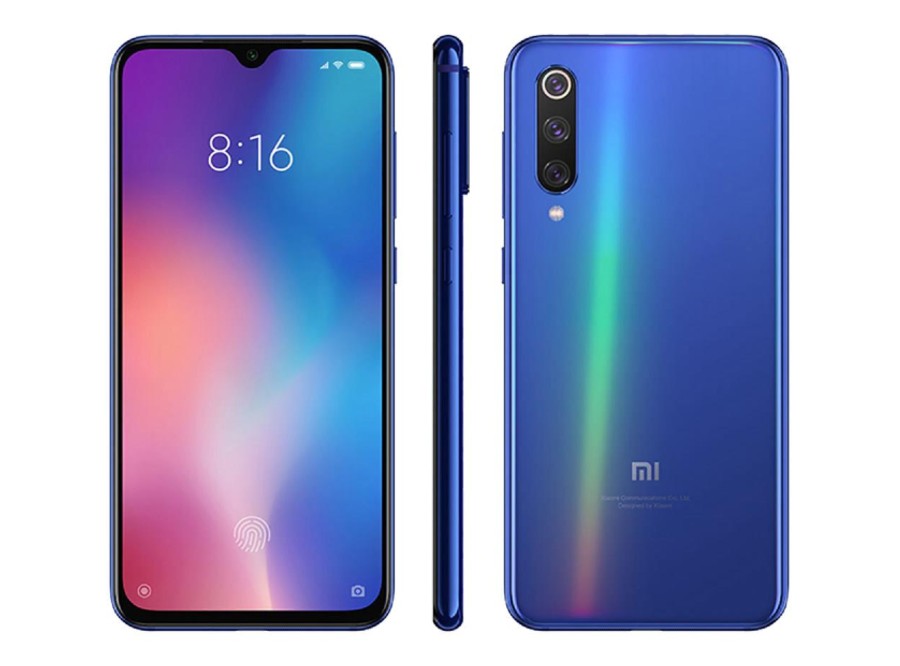
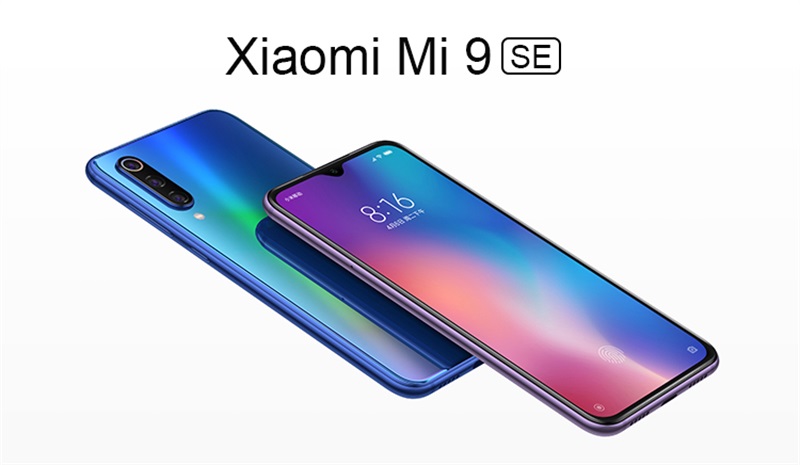
Xiaomi took the wraps off its long-awaited Mi 9 SE phablet in March this year. Following in the footsteps of its well-received predecessor, the Mi 9 SE phablet garnered considerable popularity among Xiaomi’s huge fanbase after hitting the store shelves.
In a bid to make the coveted phablet available to cost-conscious buyers, the Chinese electronics giant has teamed up with Gearbest. As a result, you can now get your hands on a couple of top variants of the Mi 9 SE phablet without spending a lot of money.
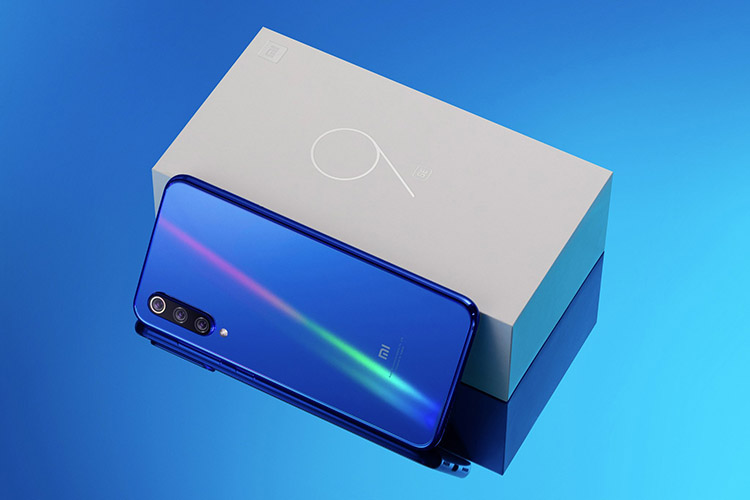
Xiaomi Mi 9 SE 4G Phablet Global Version – Blue
This model ships with 6GB of RAM, offering 64GB of internal storage capacity for you to save your favorite content. While you’d normally end up shelling out $373.79 on this variant, you can now buy it for just $273.99 from Gearbest.
On the downside, there were only 352 pieces left at the time of writing. It is worth mentioning that the promo will come to an end in just one day. You can visit this link to avail the discount, which will be valid for the Blue color version.
This black-tinted Mi 9 SE model comes with 6GB of RAM and offers a hearty 128GB of non-expandable onboard storage capacity. The Mi 9 SE variant would normally set you back $403.92, but Gearbest users can buy it for a reduced price of only $296.99.
This 26 percent drop in the device’s original asking price will be available specifically for the remaining 236 pieces only. You can visit this link in order to take advantage of the discount before the promo ends in eighteen days.
As a phablet, the Xiaomi Mi 9 SE offers the following features:
97-inch FHD+ AMOLED screen with 2340 x 1080 pixels resolution
Voyo launched the i8 Pro tablet in October 2017. Even nearly three years after hitting the store shelves, there’s an undying demand for the tablet.
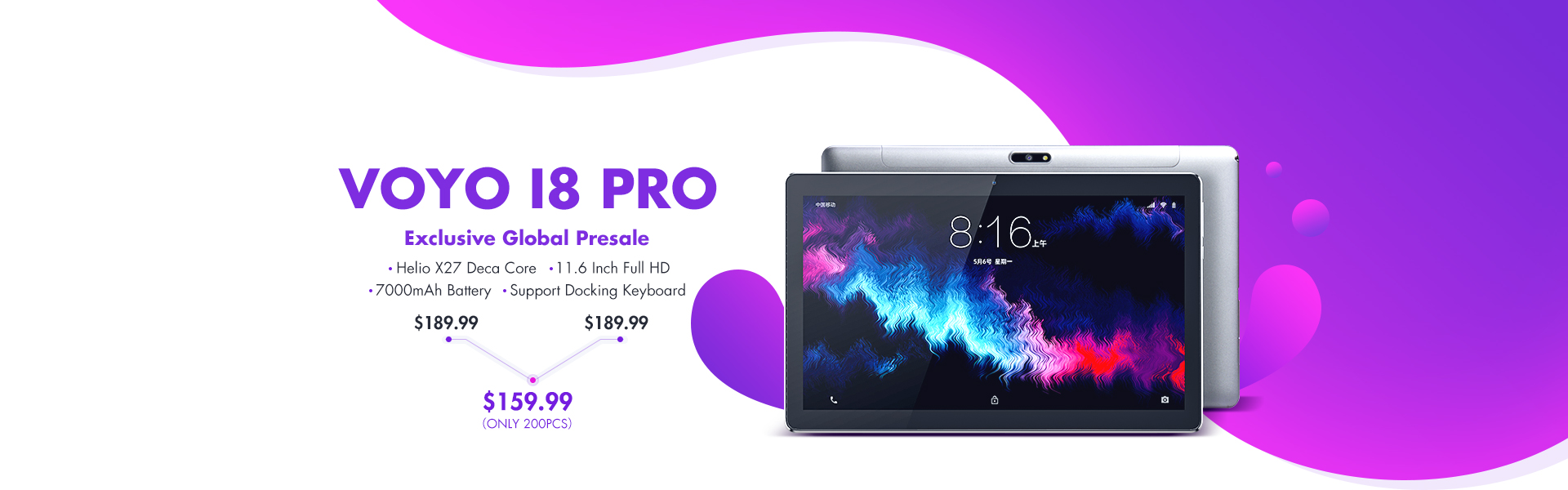
Taking the popularity that the i8 Pro tablet continues to garner, the renowned tablet maker has teamed-up with Banggood to launch the ‘Voyo i8 Pro Exclusive Global Presale’ for the 4GB RAM+64GB ROM model. So without further ado, let’s delve into the details.
The first 200 pieces of the Voyo-branded LTE tablet will set you back only $159.99 on Banggood, and you’d need to shell out $179.99 for the next 200 pieces. 400 more pieces will retail for $189.99, while the remaining 600 pieces will be carrying a slightly steeper $199.99 price tag.
In other words, it is imperative for you to pre-order the i8 Pro tablet as soon as possible to ensure you get it for the lowest price from Banggood. Moreover, if your cart value exceeds $19.99, you can avail free shipping.
An absolute steal at this price, the newfangled Voyo i8 Pro tablet boasts an impressive array of features and top-end specifications. It comes with a mammoth 11.6-inch sharp display with a high screen resolution of 1920 x 1200 for a more vivid visual experience.
The i8 Pro packs a powerful MT6797X Helio X27 Deca Core 64 bit processor, coupled with 4GB of RAM. It offers 64GB of onboard storage capacity and supports TF slot for storage expansion so that you can save your favorite games, videos, and even documents without running out of storage space.
The Voyo i8 Pro tablet is a great choice for both video play as well as gaming as it delivers high performance with low power consumption. It features a classic design with simple lines and adopts the CNC technology to match the metal shell.
The speakers are placed on the top of the screen to allow the sound to come from the front and deliver an immersive sound experience when you’re watching a movie or listening to music. Backed by a robust 7000mAh battery, the tablet supports type-c charge with high-speed charging so that you can use it for a longer duration of time.
You can click here to visit the promotion page and take full advantage of the discounts before the available pieces sell out.
HMD Global has scheduled a launch event in India on 6th June. While the company has not revealed which device is planned to launch on that day, reports indicate that the Finnish company is all set to launch the Nokia 6.2 smartphone.
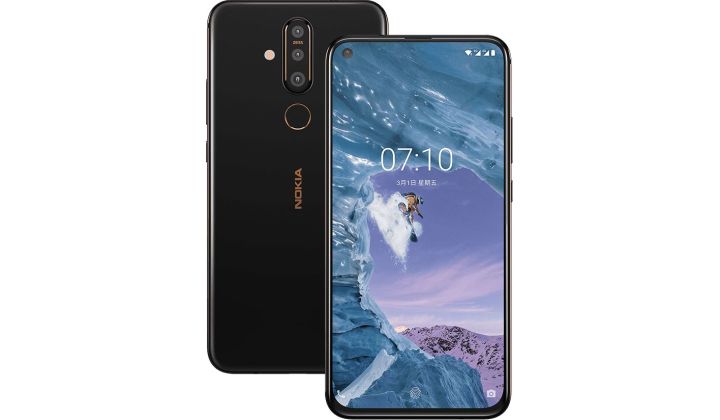
If this turns out to be true, then the Nokia 6.2 could be the first smartphone from the company in the Indian market to come with a punch-hole display. For those who are unaware, the Nokia 6.2 is expected to be the rebranded version of the Nokia X71 that was launched in China in April.
The Nokia X71 features a ZEISS-certified 48-megapixel primary camera sensor at the rear with f/1.8 aperture, an 8-megapixel 120-degree super-wide angle lens and a 5-megapixel depth sensor at the back as well.
For taking selfies, the smartphone comes equipped with a 16-megapixel shooter that has an aperture of f/2.0. The device is running the stock version of Android 9 Pie operating system and is powered by a 3,500mAh battery.
As per the reports, the Nokia 6.2 could be priced around Rs. 18,999 (approximately $275) for the base model, which is similar to the pricing of Nokia 6.1. When launched, the Nokia 6.1 was priced at Rs. 16,999 in India.
Along with the Nokia 6.2, the company could also launch its flagship smartphone in the Indian market at the same event — Nokia 9 PureView, which has gained attention for its camera setup that features five rear camera sensors.
To know for sure what’s up the company’s sleeves and the pricing and availability information of the smartphones getting launched at the event, we’ll have to wait a couple of days more.
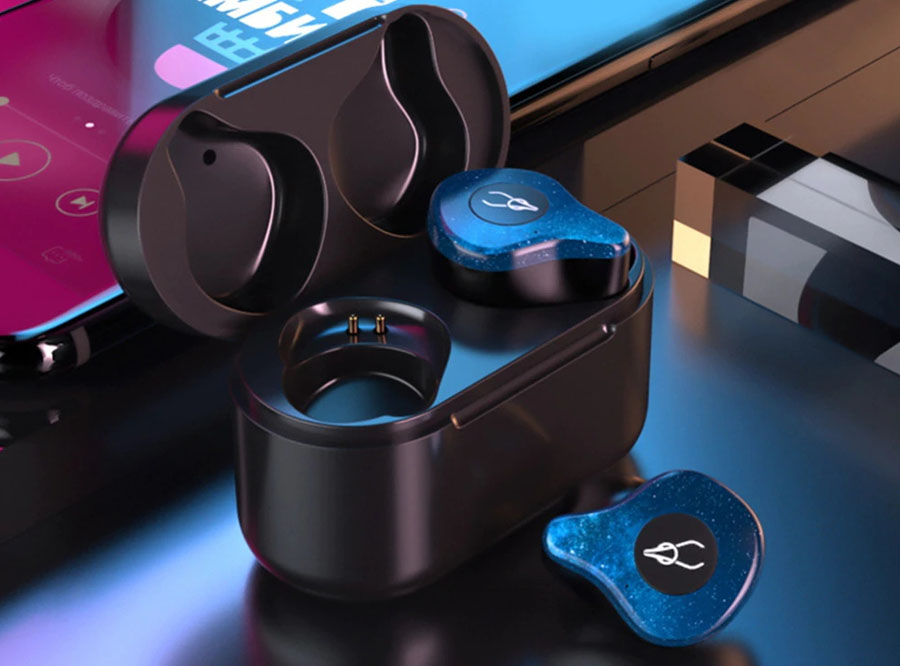
If you are in the market for a comfortable Bluetooth headset that doesn’t cost a bomb, you might want to check out the Sabbat X12 Pro Wireless Bluetooth earphones.
Sporting a semi-in-the-ear ergonomic design, the Sabbat X12 Pro are comfortable-to-wear Bluetooth earphones. It comes with a magnetic portable charging storage box that acts as a useful power reserve to meet the needs of an entire day of music listening.
Moreover, it boasts an array of other impressive features including Hifi bass, Siri, and the automatic matching at robot feature to deliver a superior music experience. The Sabbat X12 Pro is backed by a 750 mAh built-in lithium-ion battery that offers an impressive 32 hours of battery life comprising about 10 hours of play time, and 300 hours of standby duration.
After the first pairing, the Sabbat X12 Pro turns on automatically and connects each time when taken out from the charging component. It adopts the latest Bluetooth 5.0 technology for powerful and uninterrupted Bluetooth signal, coupled with anti-interference ability.
While you’d normally expect earphones offering comparable features to cost a fortune, the Sabbat X12 Pro is available bearing an affordable $50.99 price tag on GearVita. If you are living on a tight budget and aren’t willing to spend that kind of money on earphones, all you need to do is to apply coupon code GVSatX12 at checkout.
The coupon helps you get an extra $19 off. In other words, you can bring the original asking price of the Sabbat X12 Pro earphones down to just $31.99 simply by applying the aforesaid coupon during the checkout process.
You can choose from black, white, pink, green, ice soul, and a slew of other appealing color versions. You can head straight to this link in order to take full advantage of the coupon before it expires.
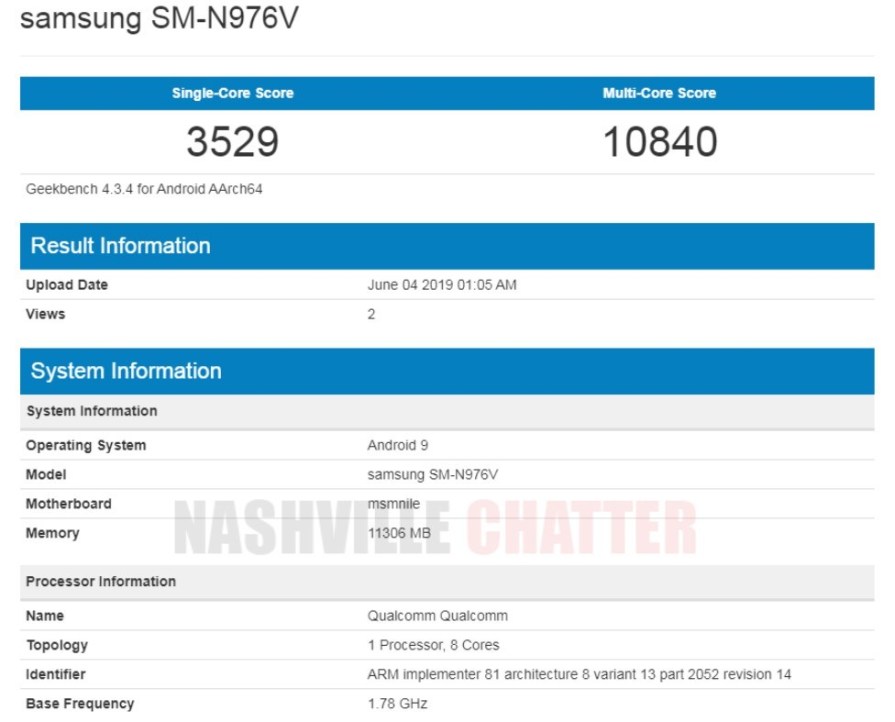
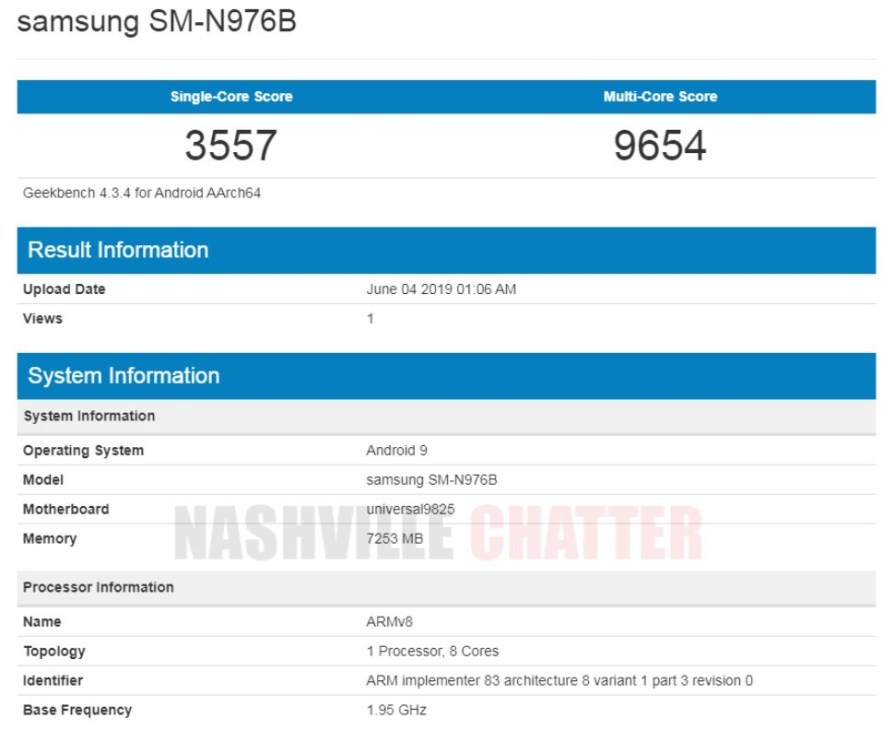
Samsung will be launching the Galaxy Note 10 flagship phone in August this year. Previous reports that there will be a smaller model dubbed as Note 10e. It will be featuring a 6.28-inch display and triple rear cameras. The Note 10e could be available in 4G LTE-only and 5G models. Rumors have it that their model numbers are SM-N970 and SM-N971. The larger Galaxy Note 10 is expected to come with a 6.75-inch display and quad cameras on its rear. It is also expected to arrive in 4G LTE-only and 5G versions. Their speculated model numbers are SM-N975 and SM-N976. Two listing of SM-N976 model have surfaced on Geekbench today to reveal their key specs.
The SM-N976V Galaxy Note 10 5Gis a Verizon model featuring Snapdragon 855 mobile platform. The SoC is mentioned with its “msmnile” codename on the Geekbench listing. The chipset is assisted by 12 GB of RAM. The smartphone boots to Android 9 Pie OS. In the single-core test, the Galaxy Note 10 5G has scored 3,529. In the multi-core test, it has achieved a benchmark score of 10,840.
The SM-N976B is also Galaxy Note 10 5G smartphone aimed towards Boost Mobile in the U.S. This variant is powered by Exynos 9825 chipset and 8 GB of RAM. It comes loaded with Android 9 Pie OS. The smartphone has recorded 3,557 and 9,654 points in the single-core and multi-core tests of Geekbench.
A recent report had revealed that the Galaxy Note 10e will be featuring a 3,400mAh battery. It is speculated that the Note 10 could be packed with a 4,500mAh battery that may offer 45W fast charging. Rumors have it that the Galaxy Note 10 series will not be equipped with 3.5mm headphone jack.
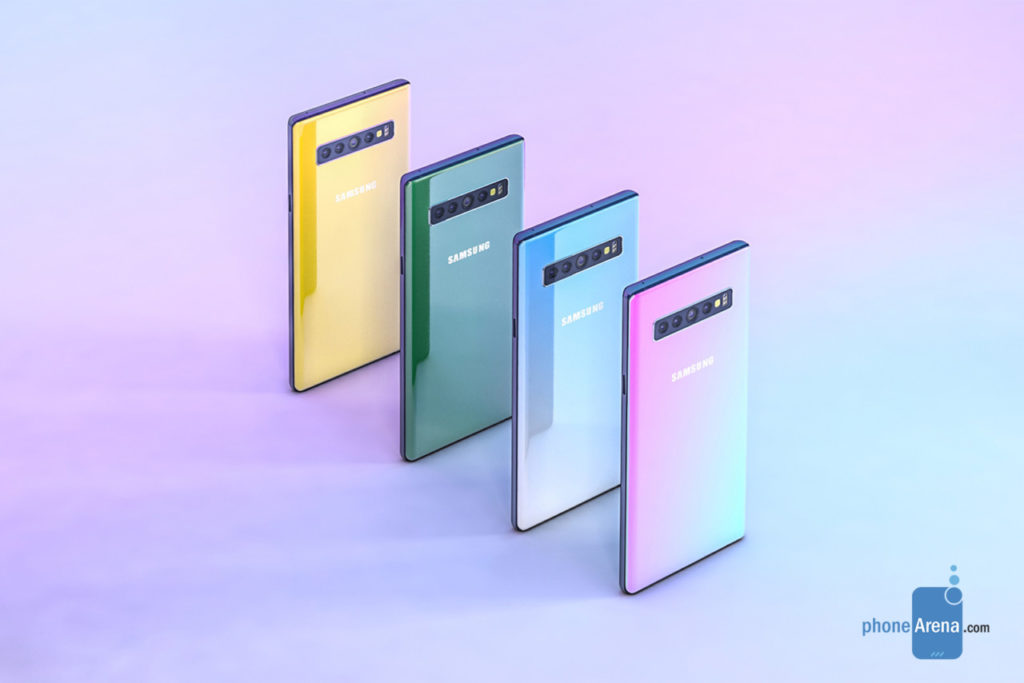
Renders by PhoneArena
Samsung is expected to unleash the Galaxy Note 10 series in August this year. Now that the launch of the Note 10e and Note 10 smartphones is couple of weeks away, more information on their specs may surface through upcoming leaks.
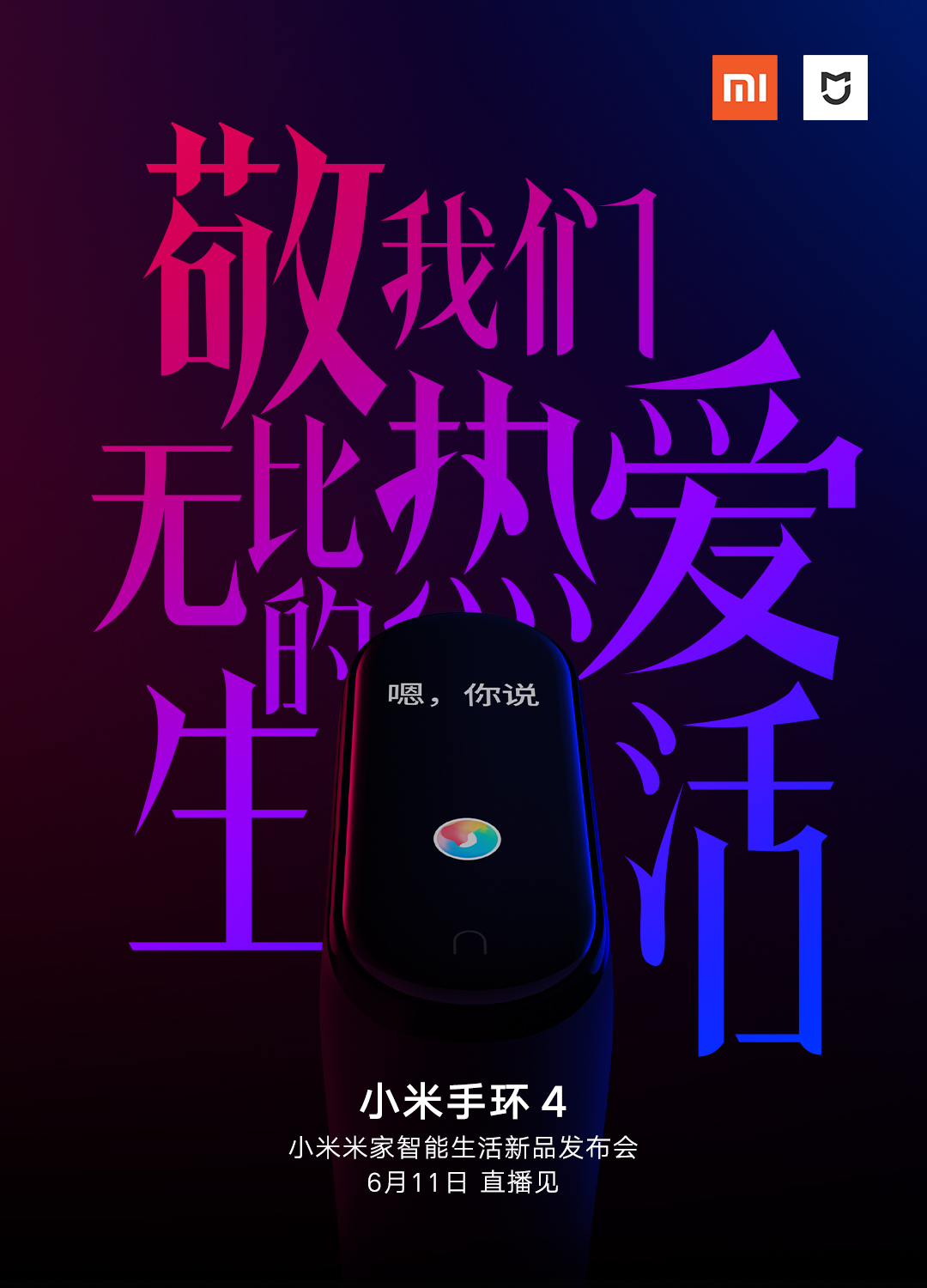
Thanks to the Mi Band fitness trackers, Xiaomi has also established itself as one of the leading brands when it comes to wearable devices. Now, the company is working on the fourth generation of Mi Band fitness tracker — Xiaomi Mi Band 4.
Xiaomi has scheduled a launch event in China on 11th June but has not revealed what it plans to launch. Later, the company revealed that it plans to launch something related to Mi TV and smart new products.
Today, the company has confirmed that it will be launching the Mi Band 4 fitness tracker at the June 11th launch event in China. The official Weibo account of the company reveals that the next-gen fitness tracker will come with more features, longer battery life, and aggressive pricing.
The major features coming to the Mi Band 4 is the color display, replacing the black and white display that was used in the previous generation models. Further, the company will also be introducing its own smart voice assistant — XiaoAI on this new Mi Band.
As per the leaks, to withstand the colored display power requirements, Mi Band 4 will come powered by a 135mAh battery instead of 110mAh battery on the Mi Band 3. The new fitness band will come with Bluetooth 5.0 for improved connectivity across multiple devices, which is a significant upgrade over the Mi Band 3 which uses Bluetooth 4.2.
The fitness band is also expected to come with an improved “Heart Rate Monitoring” system. Reports indicate that the Mi Band 4 will come in two different versions – one with NFC bearing model number XMSH08HM and the standard non-NFC version with model number XMSH07HM. The NFC version is expected for the price of 499 Yuan (~$72) whereas the standard version’s costing will remain between 200-300 Yuan (~$28-$43).
Xiaomi is currently leading the wearables market as far as the wrist-worn devices are concerned with 10.7 percent market share and over 5.3 million units shipped in the first quarter of this year, i.e. Q1 2019.
At the beginning of the year, Redmi was turned to an independent brand, which still pursues high cost performance and online marketing. In January, Redmi Note 7 was announced which comes with 48MP camera sensor and is priced at 999yuan. Later, Redmi Note 7 Pro and Redmi 7 were launched, which was formally divided into Note series and figure series.
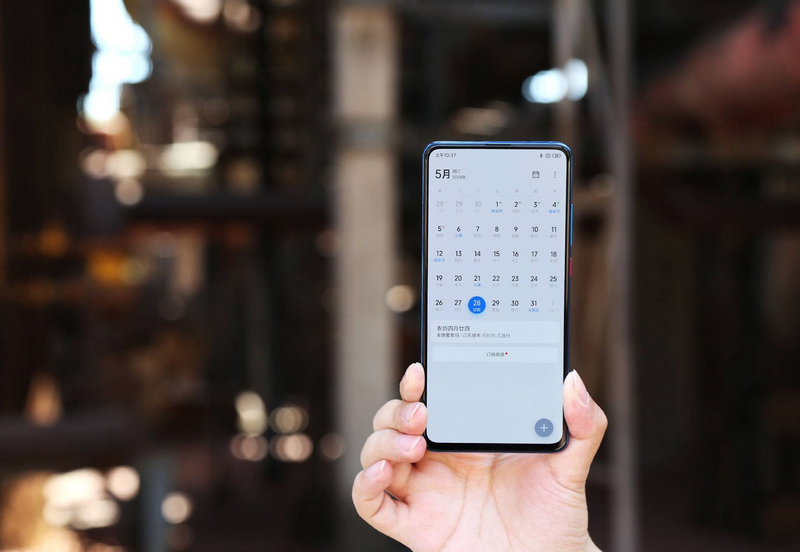
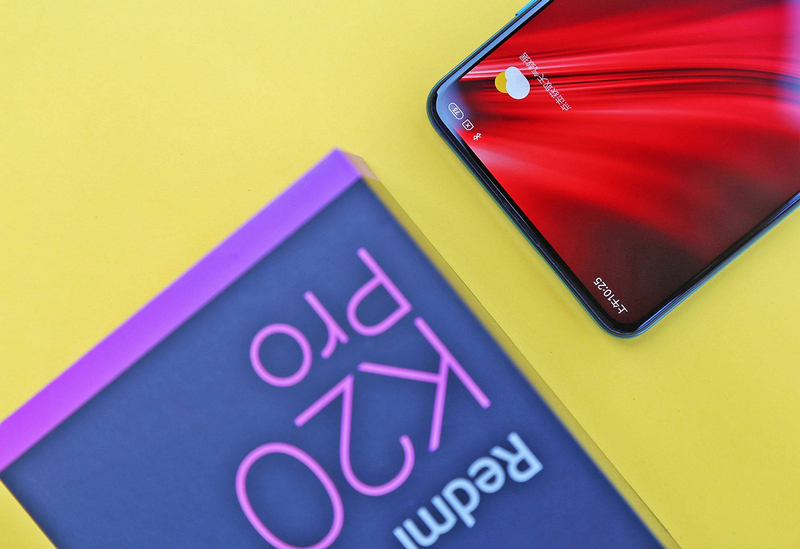
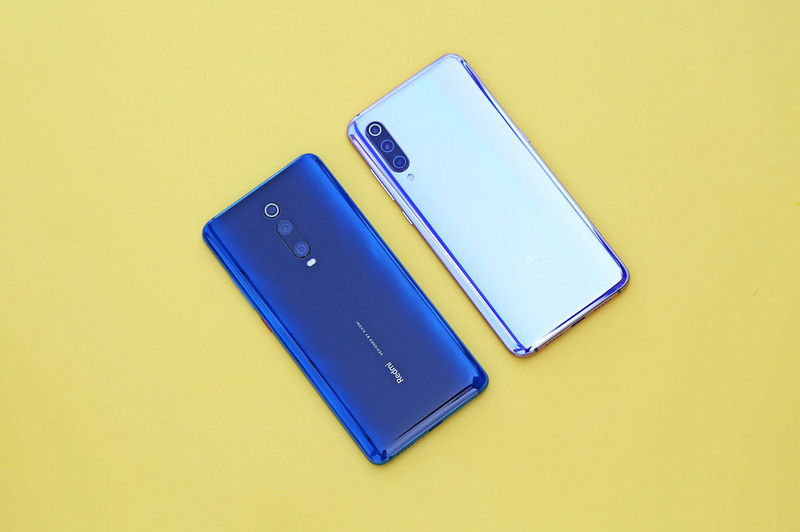
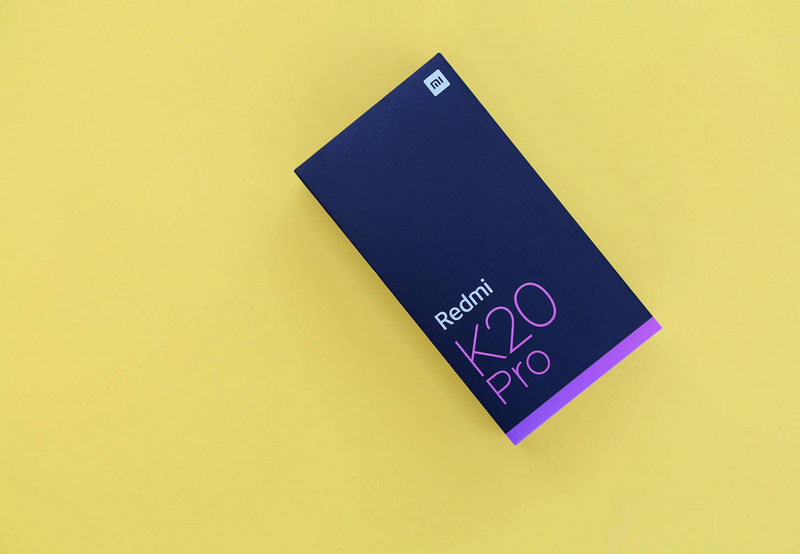
On May 28th, Redmi K20 Pro was launched, which is the first smartphone of Redmi coming with Snapdragon 855.
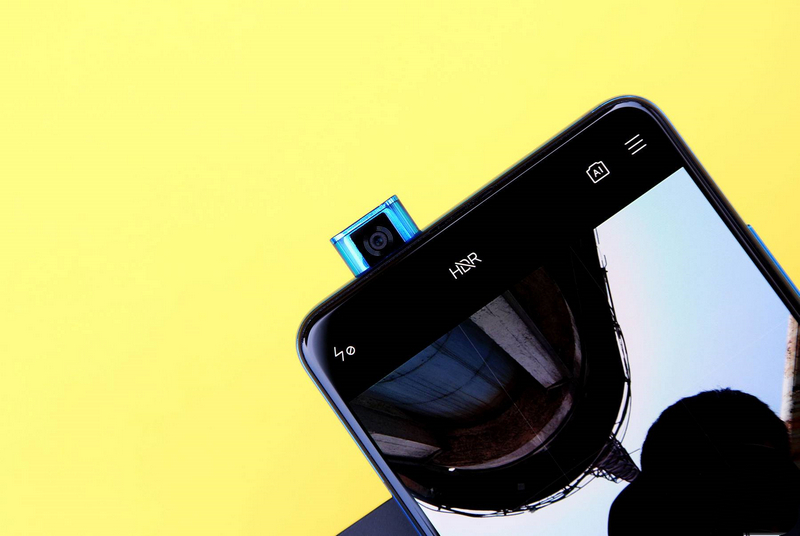
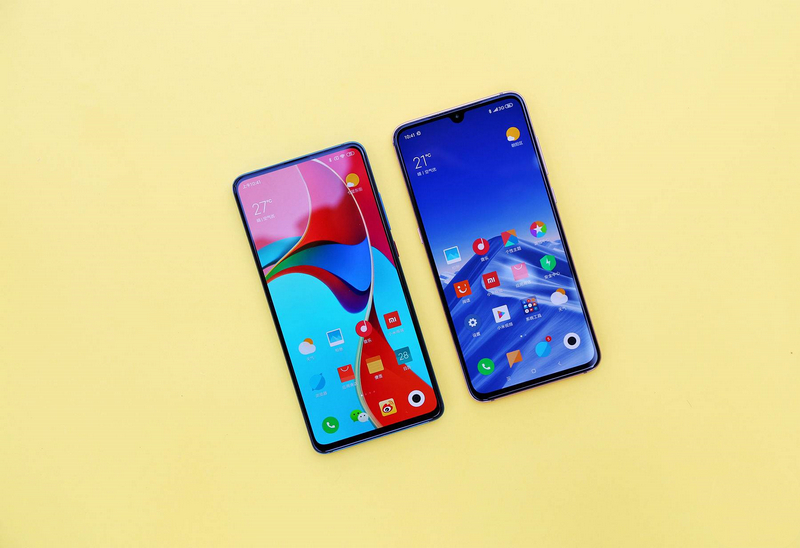
Redmi K20 Pro comes with pop-up camera set on the top side, which can rise up in 0.8s when take a selfie.
There is a blue light strip on the pop-up camera, which is like vivo X27, and it offers several voice effects for users to choose. On the top of the pop-up mechanism, there is a notification light which will light up when charging and receiving a message. Of course, if you don’t like the strip effect, you can turn it off in setting.
Like the other smartphones with pop-up camera, K20 Pro also comes with excellent protection, including 300,000 lift times, glass cover over the front camera, and double fall protection.
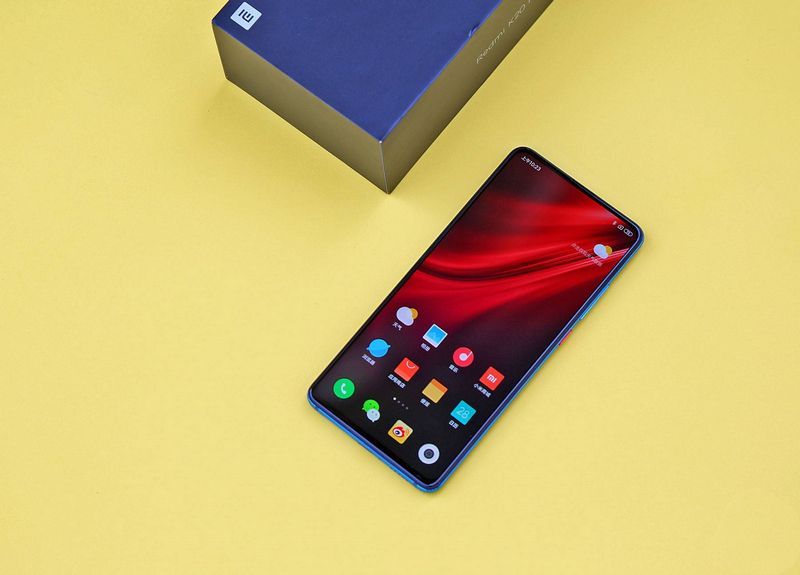
Thanks to the pop-up module, Redmi K20 Pro comes with full screen without notch.
Redmi K20 Pro comes with 6.39-inch AMOLED display with Corning Gorilla Glass, Full HD+ resolution and 19.5:9 tall ratio. The maximum brightness of K20 Pro is 600nit.
K20 Pro also keeps various screen optimization technology, such as sun screen 2.0, which can achieve better outdoor visibility.
The handset also supports DC dimming mode. Redmi claims that the DC dimming mode of K20 Pro should less impact on screen quality.
In addition to the outstanding screen, K20 Pro has pretty much bezel-less.
The top bezel of K20 Pro is 2.1mm, the left and right bezel is 1.85mm, and the bottom bezel is 3.8mm, which are similar to Xiaomi Mi 9 and Xiaomi Mi Mix 3, and the screen-to-body ratio is up to 91.9%
K20 Pro is equipped with in-screen fingerprint sensor, which is faster than Xiaomi Mi 9.
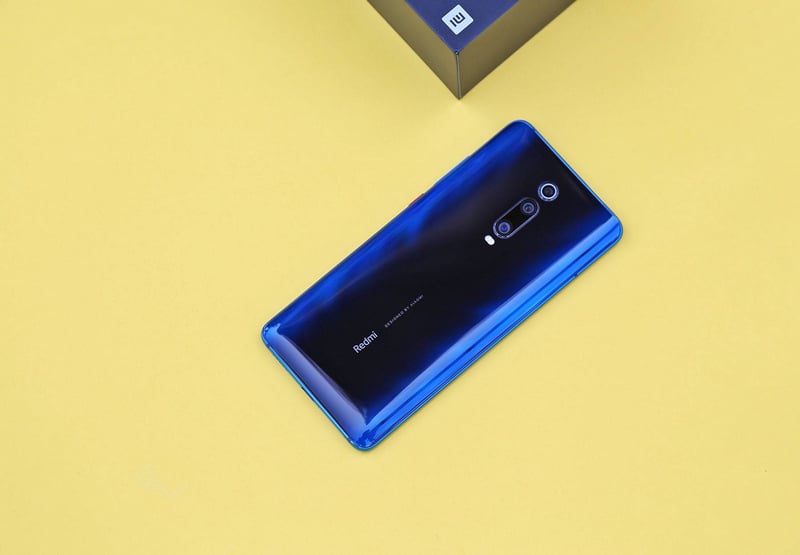
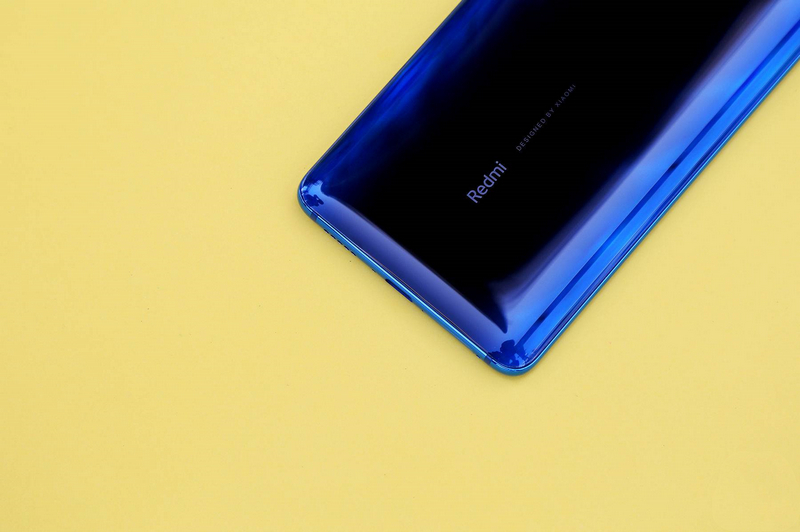
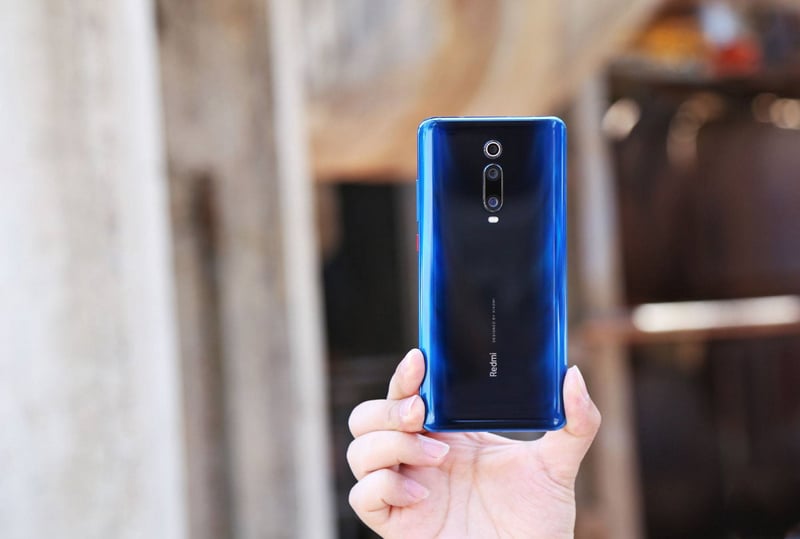
Redmi K20 Pro features 3D curved glass rear cover, and a triple camera unit is placed on the middle of the rear shell.
Redmi K20 Pro offers three color variants, which are Carbon Black, Flame Red and Glacier Blue.
The thickness of the handset is 8.8mm, and the weight is 191g. Because of the battery capacity and pop-up mechanism, the size of Redmi K20 Pro is acceptable.
Powered by Snapdragon 855, Redmi K20 Pro arrives with 6/8 GB of RAM, and internal storage between 64GB and 256GB.
Redmi K20 Pro adopts 8 layers of graphite heat sink instead of Silent-Pipe. Redmi claims that compared with iPhone, which adopts one layer of graphite heat sink, heat dissipation capacity can be increased by 6.5 times with 8 layers of graphite heat sink.
What’s more, Redmi K20 Pro is fueled by 4000mAh battery, which is enough for daily use.
Redmi K20 Pro carries support 27W fast charging, and it can charge 60% in 30 minutes. But the K20 Pro packs 18W charger, if you want to charge faster, you need to buy 27W charger. By the way, Redmi K20 Pro doesn’t support wireless charging.
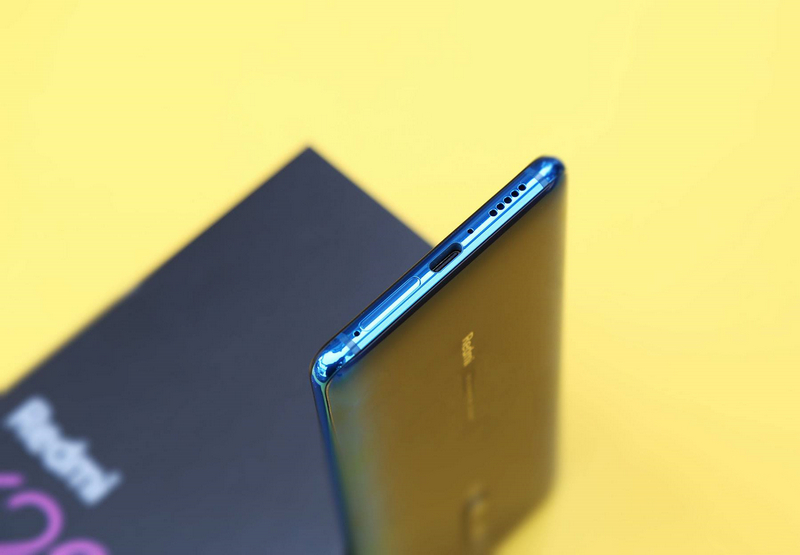
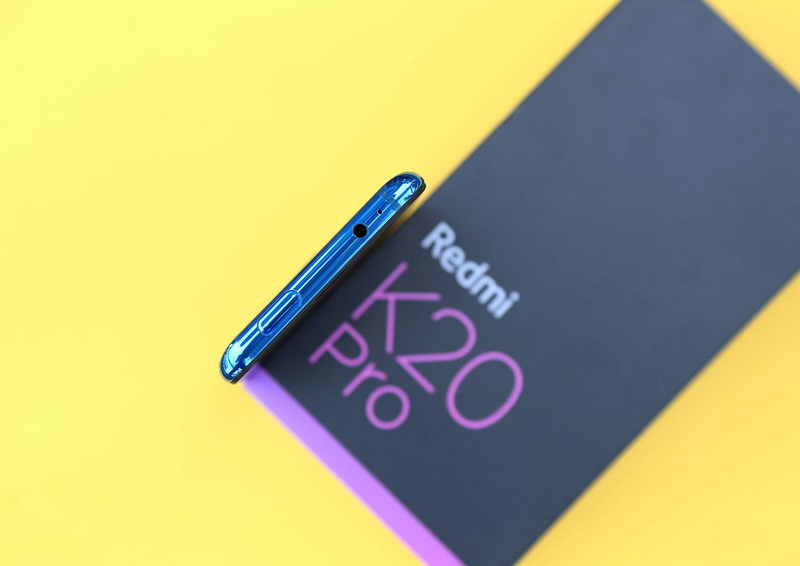
Redmi K20 Pro comes with NFC features, and keeps 3.5mm earphone jack.
The speaker is set on the handset’s bottom, which has good sound quality.
Redmi K20 Pro packs 48MP main camera with IMX586 sensor, coupled with 13MP secondary camera with an ultra-wide-angle lens, and the 8MP telephoto unit.
There will be more and more smartphones coming with triple camera module with three focal lengths.
K20 Pro camera samples below
[envira-gallery id=”257092″]
Through months of optimization, the camera performs better than Xiaomi Mi 9. The image quality of K20 Pro is not the best, but overall, at this price, Redmi K20 Pro is one of the best choices.
There’s a gap between Redmi K20 Pro and other flagship smartphones priced over $500, but Redmi K20 Pro also performs well in some important points, such as screen, fingerprint, performance and battery. If you want to get a flagship smartphone at an affordable price, Redmi K20 Pro should be your first pick.
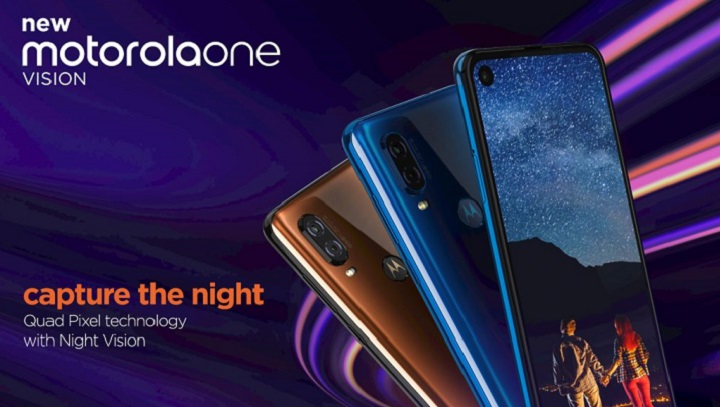
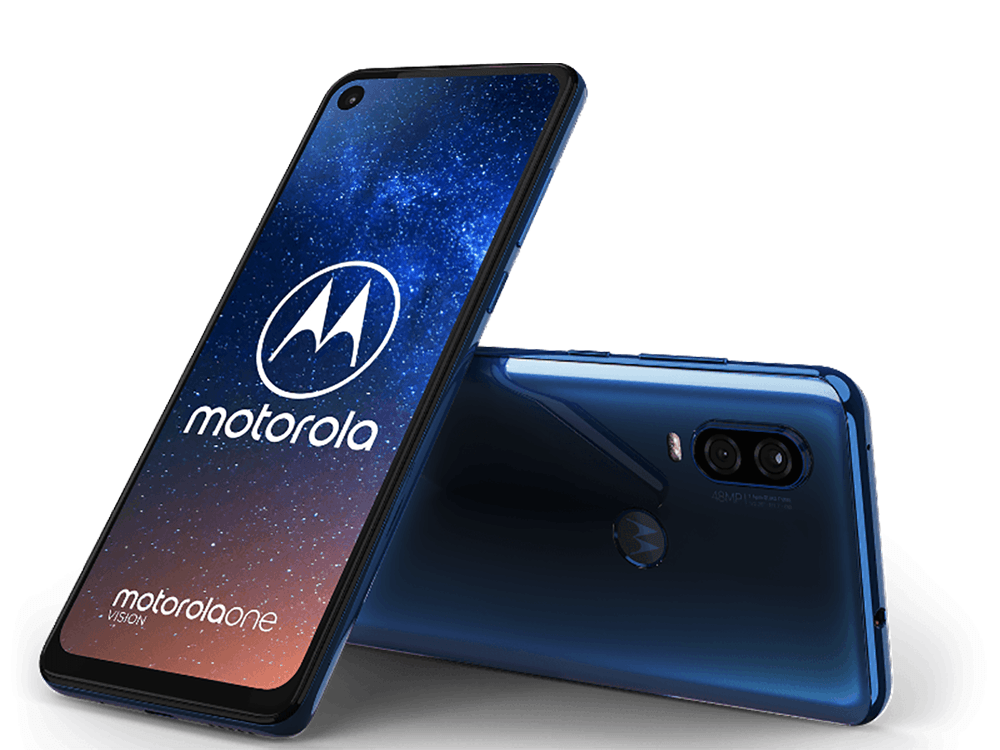
Last month, Motorola launched the much rumored Motorola One Vision smartphone at a launch event in Brazil. Now, the company seems to be all set to launch the smartphone in India as Motorola has scheduled a launch event in India on 20th June.
This is in line with our previous reporting where we said that the Motorola One Vision could get launched in India in June for a price of around Rs. 25,000. For comparison, the phone is priced at around 299 Euros (approx. Rs. 23,500) in Saudi Arabia and Thailand.
The smartphone comes with a 6.3-inch FHD+ (1080 x 2520 pixels) display with a taller 21:9 aspect ratio. The company is calling this display CinemaVision (which is similar to Sony’s CinemaVision display) but unlike Sony’s display, this one comes with a punch hole.
Under the hood, the device is powered by the Samsung Exynos 9609 octa-core processor clocked at 2.2GHz and is coupled with 4GB of RAM and 128GB of internal storage. It comes with a hybrid SIM card slot allowing you to swap the secondary SIM for a microSD card of up to 512GB.
The highlight of the smartphone is the camera setup. It comes with a 48MP f/1.7 Quad Pixel camera with OIS on the back and it is paired with a 5MP f/2.2 depth sensor. The camera has a feature called Night Vision for incredible shots at night similar to the Pixel’s own Night Sight. Other camera features are 8x digital zoom, Portrait mode, Cinemagraph mode, Best Photo, Instant Camera, and YouTube Live mode.
On the front side, the phone features a 25MP f/2.0 Quad Pixel selfie camera which also has 8x digital zoom, Cinemagraph mode, Auto HDR, a manual mode, portrait mode, and a YouTube Live mode.
Given that the Motorola One Vision is an Android One device, it runs the almost stock version of Android 9 Pie operating system out-of-the-box with some Motorola-exclusive features. The company has confirmed that the phone will get updated to Android Q and Android R and will receive security updates for 3 years.
Other features of the device include a rear-mounted fingerprint scanner, NFC, Bluetooth 5.0, a USB Type-C port, and a 3.5mm audio jack. The smartphone is powered by a 3,500mAh battery which comes with support for TurboPower fast charging.
We use cookies on our website to give you the most relevant experience by remembering your preferences and repeat visits. By clicking “Accept”, you consent to the use of ALL the cookies.
This website uses cookies to improve your experience while you navigate through the website. Out of these, the cookies that are categorized as necessary are stored on your browser as they are essential for the working of basic functionalities of the website. We also use third-party cookies that help us analyze and understand how you use this website. These cookies will be stored in your browser only with your consent. You also have the option to opt-out of these cookies. But opting out of some of these cookies may affect your browsing experience.
Necessary cookies are absolutely essential for the website to function properly. This category only includes cookies that ensures basic functionalities and security features of the website. These cookies do not store any personal information.
Any cookies that may not be particularly necessary for the website to function and is used specifically to collect user personal data via analytics, ads, other embedded contents are termed as non-necessary cookies. It is mandatory to procure user consent prior to running these cookies on your website.