Staying true to its reputation for manufacturing top-end smartphones that propel straight to skyrocketing popularity among its huge fanbase, Xiaomi launched the hotly-anticipated Redmi Note 7 earlier this year. Following in the footsteps of its well-received predecessors, the Redmi Note 7 became an instant hit. On the downside, the phone failed to garner popularity among cost-conscious who aren’t willing to spend a lot of money on a top-end handset.
Xiaomi has teamed-up with China’s leading online stores in a bid to make the global version of the Redmi Note 7 available to those living on a tight budget. Moreover, we’ll show how you can get an extra discount at checkout.
GearVita
The global version of the Redmi Note 7 offers 4GB RAM, and 64GB ROM usually retails for $265.99, but you can now buy it at a lowered price from GearVita simply by applying coupon code GVRN764g during the checkout process.
The coupon helps you bring the retail price of the Redmi Note 7 to just $197.99. In other words, you can save $68 before placing your order. Moreover, you can choose between three eye-catching color versions including black, blue and gold.
You can visit this link in order to avail the discount. Note that the coupon is likely to expire soon.
Touted as one of China’s best electronics stores, Gearbest is offering its loyal users, an unmissable chance to get their hands on the global version of the Xiaomi Redmi Note 7 phablet with emptying their pockets. The 4GB RAM, 64GB ROM variant usually sells for $236.03 but is currently available for just $229.99.
This significant 3 percent drop in the device’s original selling price will be valid for both black as well as the blue color versions of the phablet. While you can visit this link to avail the discount, it is worth noting that there were only 49 pieces left for this promo, which will end in just two days.
Three well-received variants including the 3GB RAM+32GB ROM, 4GB RAM+128GB ROM, and 4GB RAM+64GB ROM have gone up for sale on Giztop. These variants come in black and blue color options.
The black-tinted 3GB RAM+32GB ROM model will set you back $199. The blue and blue color versions of the slightly larger variant that ships with 4GB of RAM and 64GB of internal storage capacity is up for grabs bearing a $219 price tag. Alternatively, those willing to shell out $239 can go for the 4GB RAM, 128GB variant which comes in black as well as blue color options. You can visit the promotion page by following this link and check out more details about the Xiaomi Redmi Note 7 Global Version before placing your order.
You can buy the blue-tinted Xiaomi Redmi Note 7 Global Version for $303.35 and the black color version of the phone for $283.35 on Banggood. You can use coupon code 5BGRN7 in order to bring the original asking price of the black color version to just $189.99.
Likewise, the blue color version’s retail price can be reduced to only $207.19 by applying the above-mentioned coupon during the checkout process. You can visit this link to use the coupon before it lapses.
There’s a 36 percent discount available on the Xiaomi Redmi Note 7 smartphone that features 4GB of RAM and offers 64GB of onboard storage capacity. This variant usually sells for $322.99, but thanks to the aforesaid discount, you can buy it for only $205.99 from GeekBuying.
You can visit this link to avail the discount, which will be available for the black color version of the Xiaomi Redmi Note 7 smartphone.
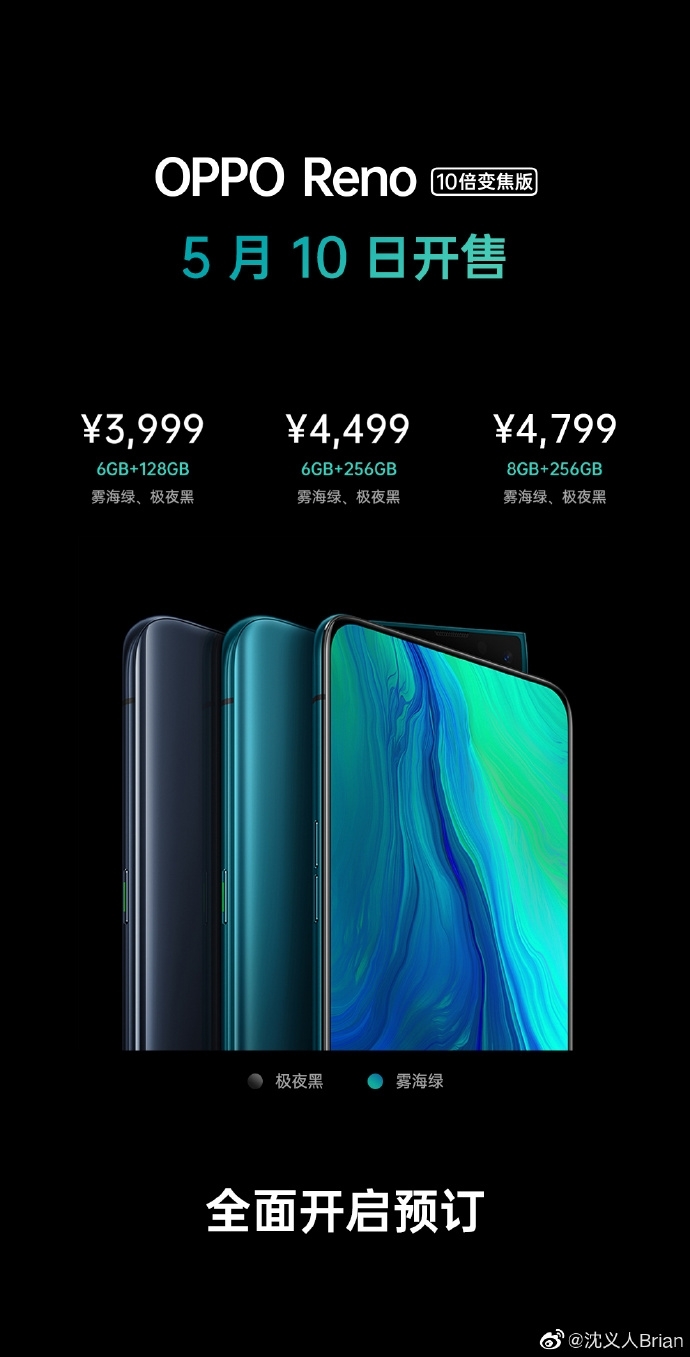
Last month, Oppo officially launched its all-new Oppo Reno smartphone series, replacing the decade-old Oppo R-series for flagship smartphones. Under this new line-up, the China-based company had launched two phones — Oppo Reno and Reno 10X Zoom Edition.
While the Oppo Reno standard edition is already available for purchase in China, the flagship smartphone of this new series — Oppo Reno 10X Zoom Edition, is all set to go on sale in China from tomorrow. The smartphone was available for pre-orders for over a week.
As for the pricing, 6GB RAM + 128GB storage model is priced at 3,999 yuan (~$587) while the 6GB RAM + 256GB storage version costs 4,499 yuan (~$660). The top-end variant that packs 8GB RAM + 256GB of internal storage is priced at 4,799 yuan (~$704).
The Reno 10x Zoom has a 6.6-inch AMOLED notch-less display that produces full HD+ resolution of 2340 x 1080 pixels and 19.5:9 aspect ratio. It offers a screen-to-body ratio of 93.1 percent and the display is protected by Gorilla Glass 6.
Under the hood, Qualcomm Snapdragon 855 flagship mobile platform fuels the smartphone, coupled with up to 8GB of RAM and up to 256GB of internal storage. The phone is also equipped with a PC-grade liquid cooling technology.
The shark-fin module includes a 16-megapixel selfie camera and an LED flash. It is fitted with a triple camera setup that includes an OIS enabled 48-megapixel Sony IMX586 sensor with f/1.7 aperture, a 13-megapixel periscope telephoto lens with 5x optical zoom and an OIS assisted 8-megapixel super wide-angle lens with f/2.2 aperture.
The smartphone runs ColorOS 6 out-of-the-box, which is based on the Android 9 Pie operating system. The 4,065mAh battery of the OPPO Reno 10x Zoom Edition also supports VOOC 3.0 fast charging technology.
Vivo S1 Pro was unleashed as the advanced version of the Vivo S1 handset on May 6. The smartphone had been available for reservations since the day it went official. Starting from today, S1 Pro will be available for purchase in the home market with a price tag of 2,698 Yuan (~$396)
Vivo S1 Pro Specifications and Features
The Vivo S1 Pro features a notch-less and full HD+ Super AMOLED screen of 6.39 inches. The large display is integrated with an in-screen fingerprint sensor. The smartphone offers a screen space of 91.64 percent.
The smartphone is fueled by the Snapdragon 675 chipset. It comes in 6 GB and 8 GB RAM choices that respectively features 256 GB and 128 GB of inbuilt storage. There is a microSD card slot on the device for expanding its storage. The smartphone boots to Android 9 Pie OS that is skinned with FunTouch OS 9 UI. For enhanced gaming, Vivo is included support for Multi-Turbo acceleration engine.
The Vivo S1 Pro is equipped with a pop-up selfie snapper of 32-megapixel. The rear-facing triple camera setup of the smartphone features a 48-megapixel main sensor, an ultrawide 8-megapixel lens and a 5-megapixel depth sensor. The handset is packed with a 3,700mAh battery.
In China, the Vivo S1 Pro comes in two variants like 6 GB RAM + 256 GB storage that costs 2,698 Yuan (~$396) and 8 GB RAM + 128 GB storage which also carries the same price tag. It can be availed in color edition such as Love Blue and Coral Red.
The Vivo S1 Pro is the very same Vivo V15 Pro smartphone that was launched in India in February. In India, the smartphone comes with 6 GB RAM + 128 GB storage and it is priced at Rs. 28,990. It is speculated that India will be soon receiving an 8 GB RAM + 128 GB storage version of the smartphone in the near future. The new model could be priced under Rs. 30,000. With its arrival, the pricing of the 6 GB + 128 GB of the V15 Pro may reduce.
During Google I/O 2019 annual developers conference, the Mountain View-based company announced some new features of the upcoming Android Q and also released its third beta version — Android Q Beta 3.
Before this new version of Android gets a stable update, it will pass through three more beta stages. The final version of the Android Q is expected to start rolling out in the third quarter of this year.
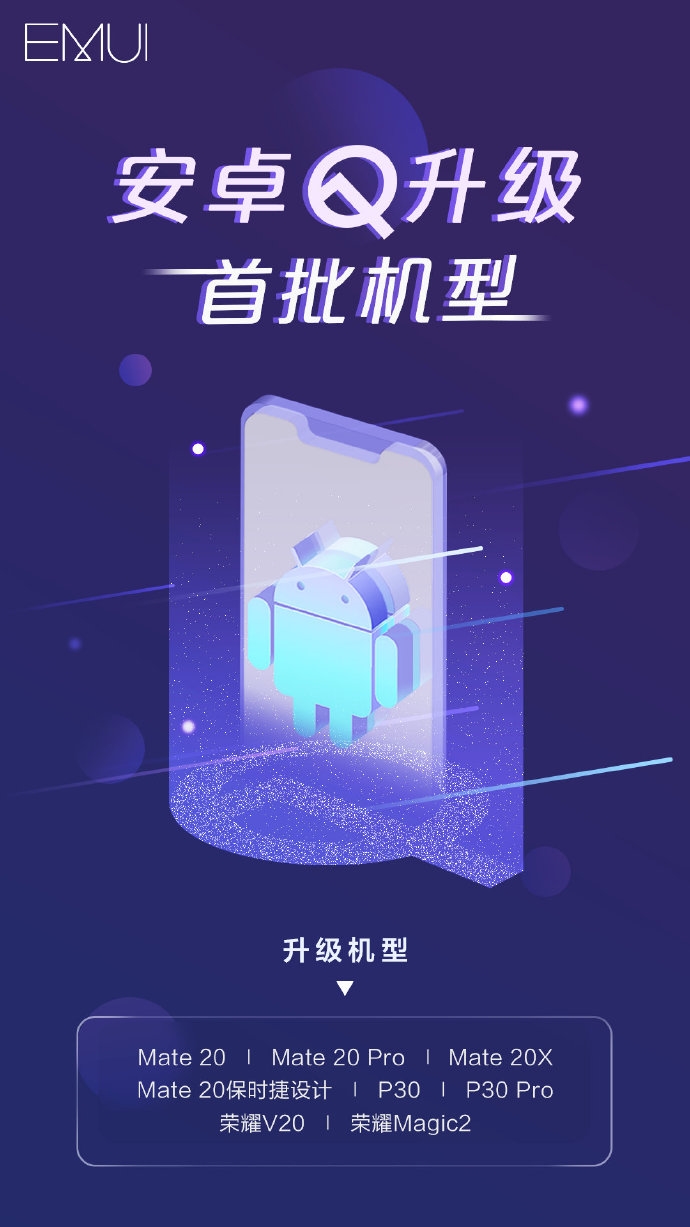
Now, China-based Huawei has become the first smartphone maker to officially announce a list of smartphones that will be updated to the upcoming Android Q version. The company announced that it will open applications for the beta testing and co-operate with Android app developers to ensure compatibility and optimization.
Huawei has announced the list of eight smartphones in the first batch that will get updated to the final version of the Android Q. The list includes Huawei Mate 20, Mate 20 Pro, Mate 20 X, Mate 20 Porsche Edition, Huawei P30, P30 Pro, Honor V20, and Honor Magic 2.
Do note that this is the list of smartphones from Huawei that will be receiving the final version of the Android Q OS. Currently, there’s no information available about the timeline for this update and we’ll just have to wait for the company to share more details later.
The upcoming major Android release introduces several new features, including Dark Mode, Focus Mode, Family Link, and improvements to the privacy and security features. Apart from the Pixel series devices, the Beta 3 update of this new Android version comes with support for 17 other smartphones. You can find out more about the features and compatible smartphone from here.
CHUWI made its long-awaited laptop dubbed the CHUWI AeroBook available to the public in April this year. Launched through crowd-funding platform Indiegogo, this CHUWI branded bezel-less laptop has gone up for sale bearing a lowered price tag on Gearbest.
As part of its latest CHUWI AeroBook Laptop Flash Sale, the Chinese online store is offering its loyal users an unmissable chance to buy the recently unveiled laptop for just $429.99. This is a significant 24 percent drop in the device’s original asking price of $565.80.
Aside from taking advantage of the aforesaid discount, first hundred lucky buyers will receive the Original CHUWI Storage Bag for CHUWI 13.3-inch laptop absolutely free. Note that the offer is valid only for those who place their orders between May 6 – 12.
The promotion page has been split into two more categories including Top Sellers and Accessories. Under the ‘Top Sellers’ section, you can avail noteworthy discounts on feature-laden tablets and phablets such as the Chuwi Hi9 Air CWI533 4G Phablet, and Chuwi Hi Pad ( CWI520 ) Tablet.
Moreover, there’s a 25 percent discount available on the CHUWI HeroBook Laptop that usually retails for $265.03. Thanks to the aforesaid discount, you can now buy it for just $199.99.
The ‘Accessories’ category, on the other hand, features the Original Chuwi HI10 PRO / Hibook / Hibook Pro Keyboard carrying an 8 percent discount along with the Original CHUWI HiBooK Pro Leather Case, Original Chuwi SurBook Mini / VI10 PLUS / Hi10 PLUS / Hi10 and Air Slim Protective Cover for CHUWI Hi9.
You can click here to visit the promotion page and purchase the gray color version of the CHUWI AeroBook Laptop at a reduced price. With just 281 pieces left, this promo is slated to end in just four days.
Last month, emerging tipster Ishan Agarwal revealed the pricing of the OnePlus 7 Pro for the European markets. He had only shared the pricing of the 8 GB RAM and 12 GB RAM editions of the smartphone. The pricing of the base model featuring 6 GB RAM has been confirmed popular tipster Roland Quandt. He has revealed that the starting variant will be priced at 699 euros. The same pricing for the OnePlus 7 Pro 6 GB RAM variant has also been confirmed by Ishan.
OnePlus 7 Pro Price
According to Quandt, the OnePlus 7 Pro base model with 6 GB of RAM and 128 GB of storage will be costing 699 (~$782) euros in most European markets. In some markets like Spain, it may carry a price tag of 709 euros (~$793).
It has been already revealed that the OnePlus 7 Pro with 8 GB of RAM and 256 GB storage will be costing 749 euros (~$838). The highest configuration model with 12 GB of RAM and 256 GB will be price at 819 euros (~$916).
Oneplus 7 Pro
In India, the 6 GB, 8 GB and 12 GB RAM variants of the OnePlus 7 Pro are rumored to be respectively priced at Rs. 49,999 (~$715), Rs. 52,999 (~$758) and Rs. 57,999 (~$830). The handset is expected to release in color options such as Mirror Grey, Nebula Blue and Almond. Even though OnePlus will be launching the cheaper OnePlus 7 alongside the OnePlus 7 Pro smartphone on May 14, the Chinese firm has been mainly teasing the specs and features of the Pro model.
OnePlus 7 Pro Specifications
The OnePlus 7 Pro will be measuring 162.6 x 75.9 x 8.8mm and it will weigh 210 grams. The handset will be sporting a notch-less 6.67-inch Fluid AMOLED display with 90 Hz refresh rate, in-display fingerprint scanner and quad HD+ resolution of 1440 x 3120 pixels.
The Snapdragon 855 mobile platform will be fueling all the variants of the OnePlus 7 Pro phone. The three variants of the phone will be equipped with UFS 3.0 storage. The OxygenOS based Android 9 Pie will be available on the smartphone. It may include a 4,000mAh battery that will carry support for 30W Warp Charge. The smartphone will be also featuring stereo speakers.
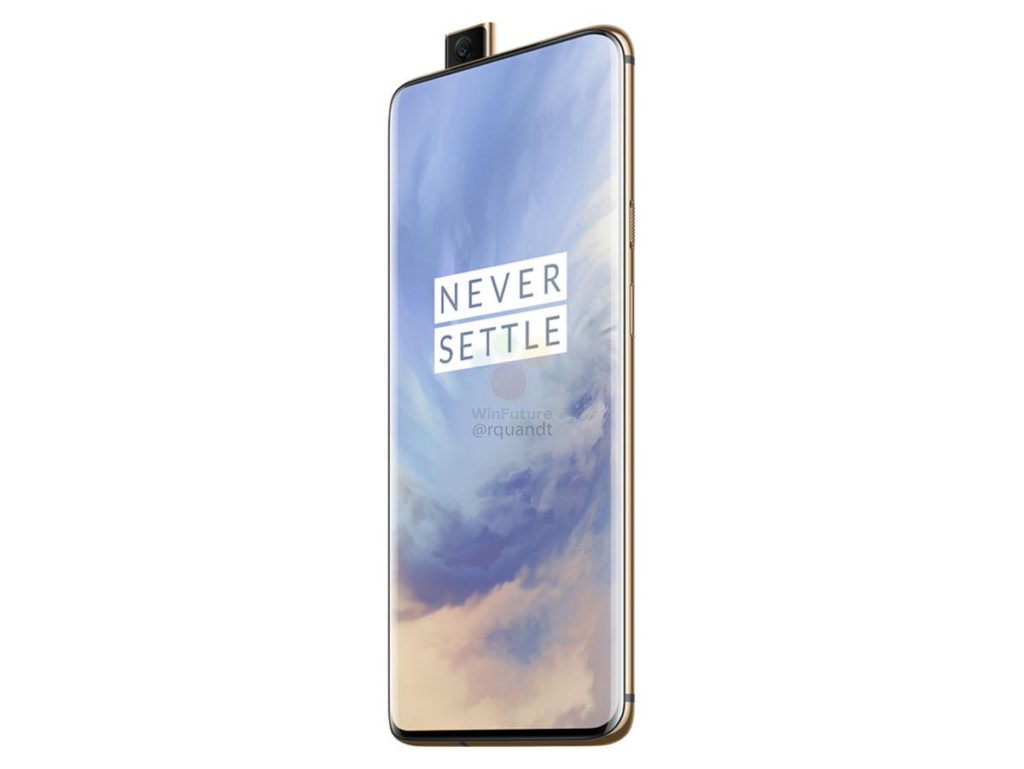
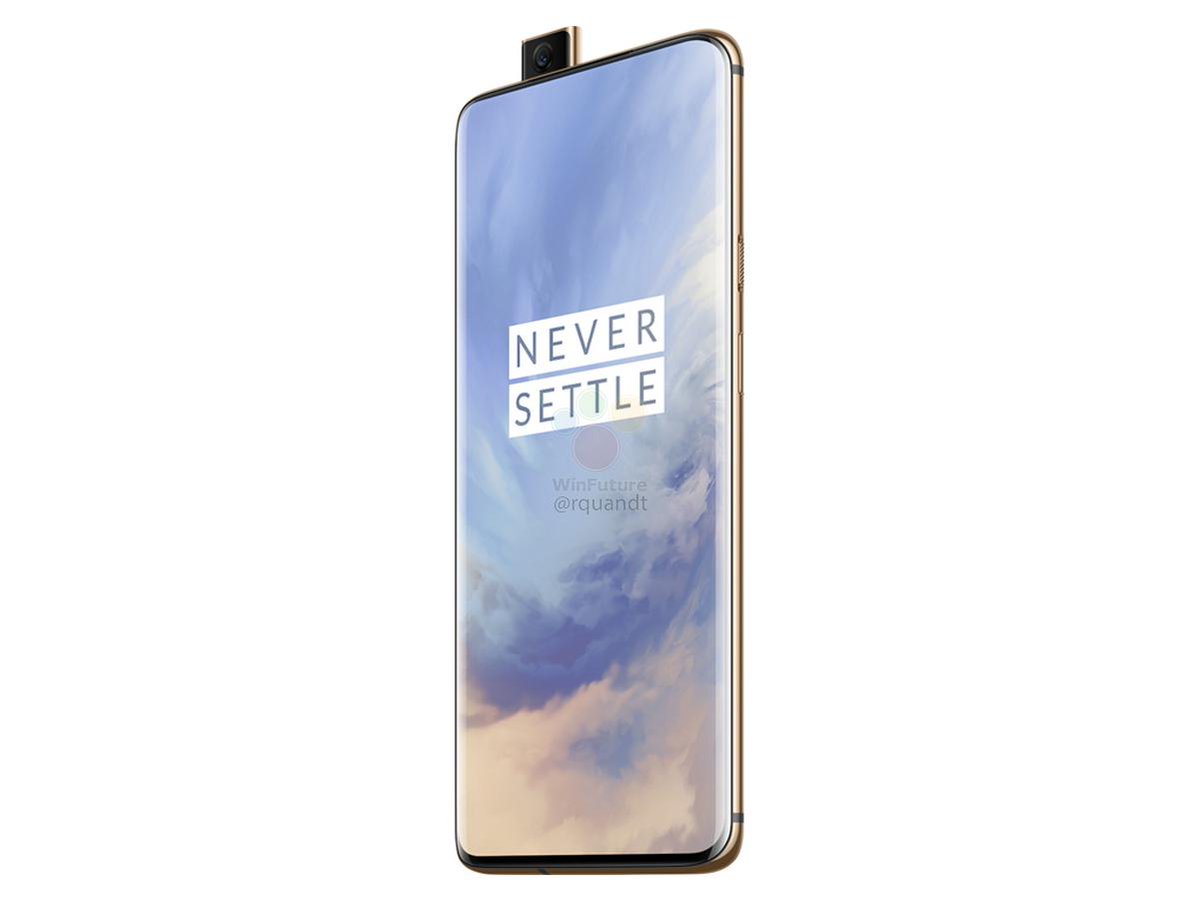
OnePlus 7 Pro in Almond shade Source: Roland Quandt
In terms of photography, its vertical triple camera module could feature a 48-megapixel Sony IMX586 primary sensor with f/1.6 aperture and OIS, a 117-degree 16-megapixel wide-angle lens with f/2.2 aperture and an 8-megapixel telephoto lens with f/2.4 aperture and 3x optical zoom. The triple cameras will be assisted by features like PDAF, laser autofocus, continuous autofocus, dual LED flash, 4K video shooting at 30 fps and super slow-motion 1080p video recording at 240 fps. For capturing selfies, it may arrive with an f/2.0 aperture 16-megapixel Sony IMX471 sensor pop-up selfie snapper assisted by EIS.
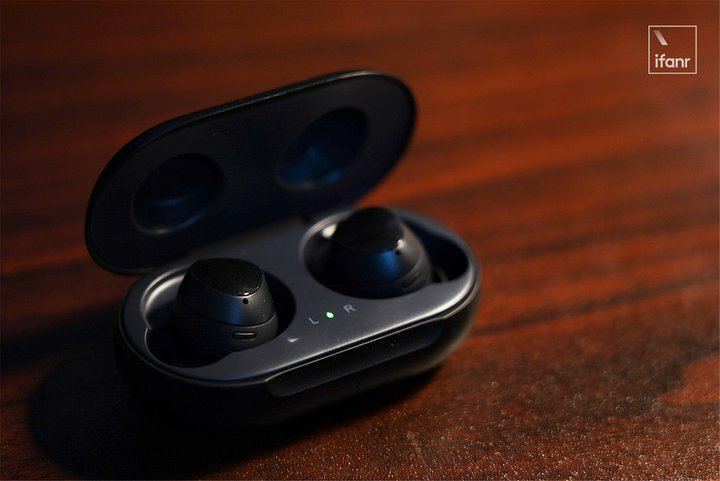
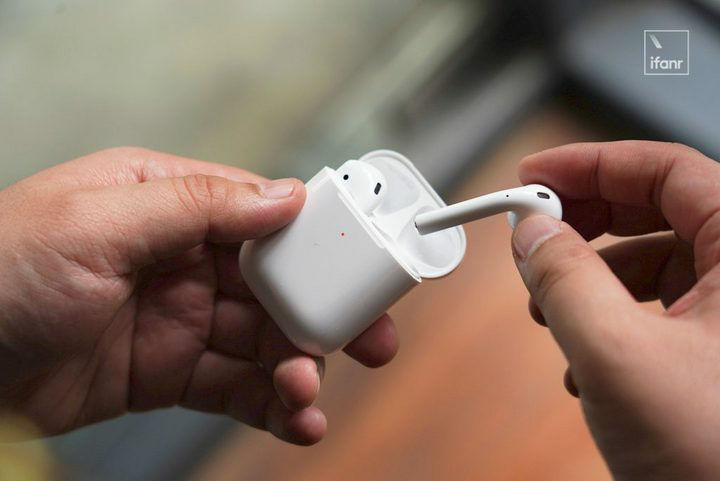
There are many TWS earphones released in the first half year, such as Apple AirPods, Xiaomi Airdots, Huawei FreeBuds 2 Pro and so on. The other big high-tech company, Samsung, also published TWS earphones called Galaxy Buds.
As the successor of Samsung Gear IconX, the Galaxy Buds is manufactured by AKG company, which supports wireless charge, and the battery life is up to 6 hours. What’s more, it can wake up the Bixby smart assistant.
And now we will do a comparison of Apple AirPods 2 and Samsung Galaxy Buds.
Design:
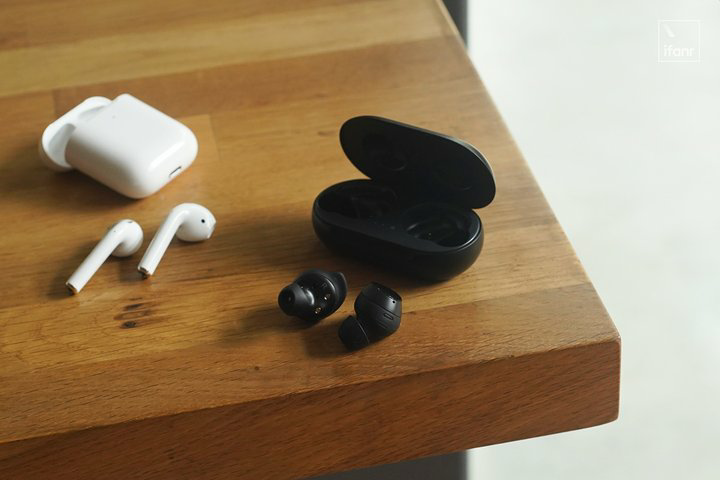
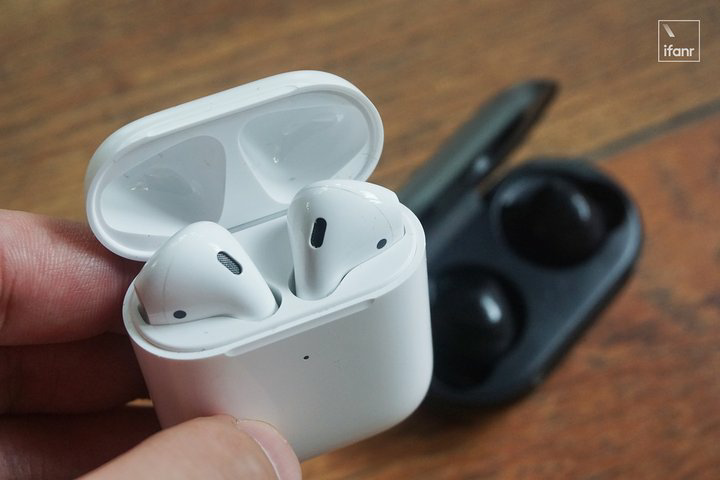
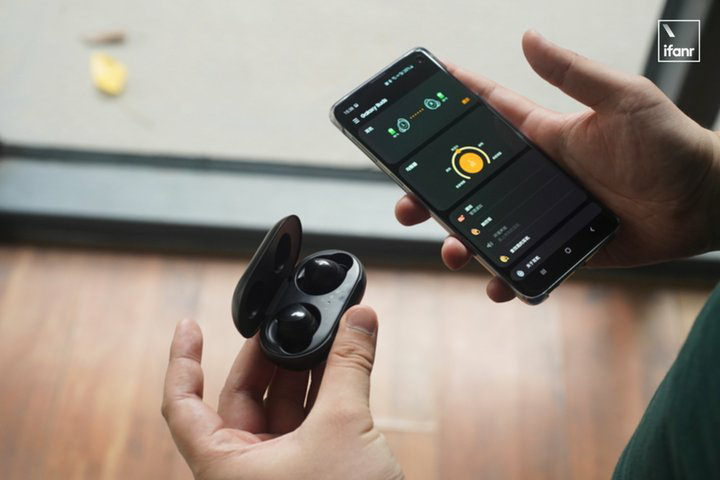
The most different thing between the Galaxy Buds and AirPods is the texture of charging box and design of earphones.
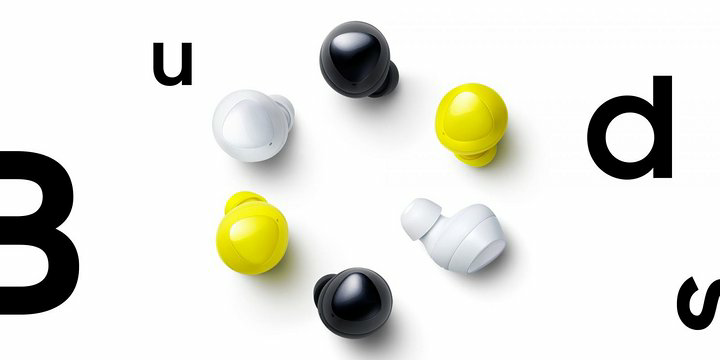
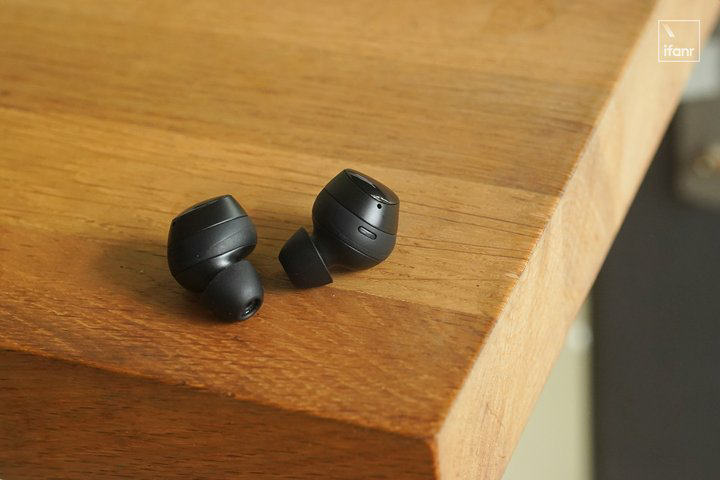
Different from the AirPods’s gloss design, the Galaxy Buds adopt matt plastic design, and the earphones are offered three colors which are black, white and yellow.
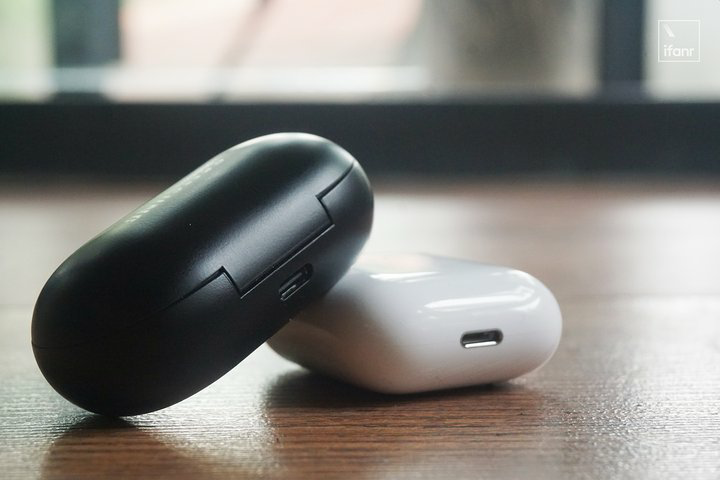
In addition, the oval shape design of the Galaxy Buds charging box is special and stands out.
Both earphones charging boxes have similar charging indicator light and charging ports.
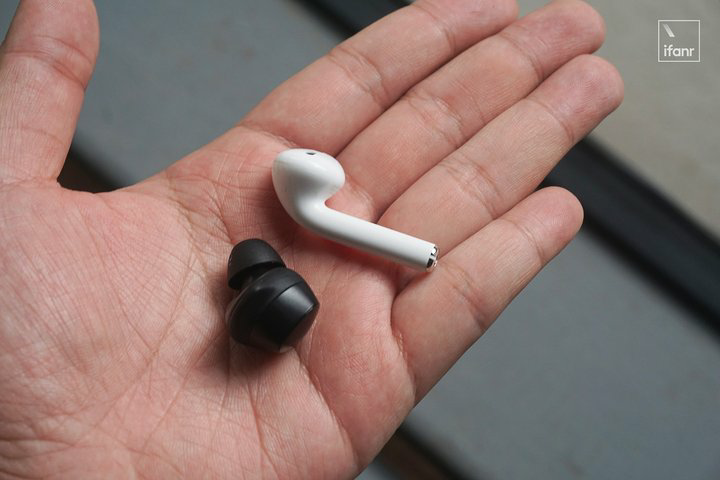
In earphones design, the Galaxy Buds is smaller than the AirPods, but the Galaxy Buds is heavier than AirPods.
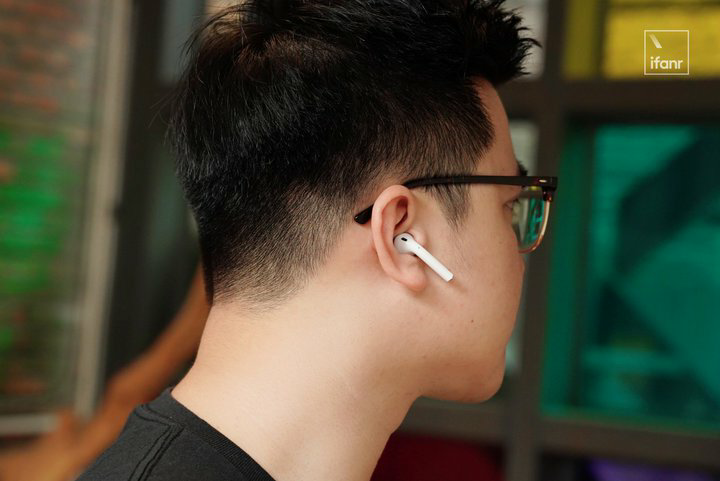
The AirPods 2 is earbuds shape, while the Galaxy Buds is in-ear earphones.
Because of the different wearing way, some people prefer in-ear earphones, and some people like the opposite. For me, both earphones designs are fine.
Each AirPods earphone is only 4g, which is so light. Even if I wear it for long time, I will not feel uncomfortable.
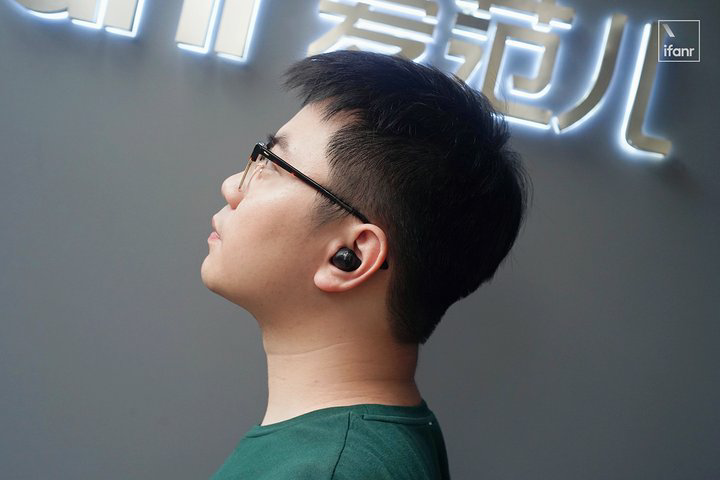
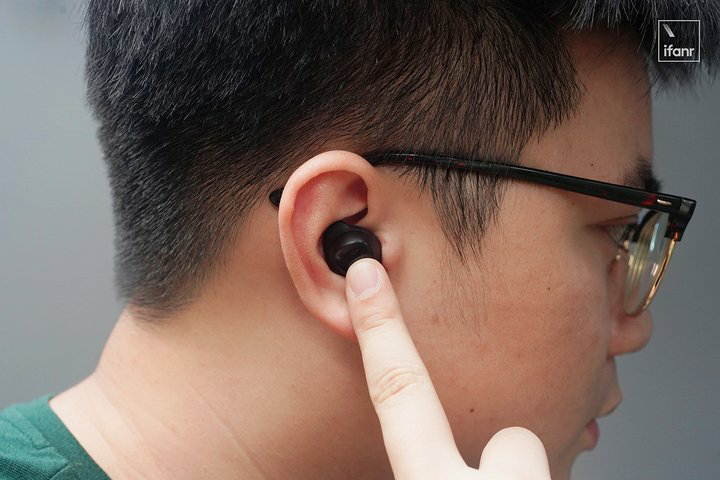
Each Galaxy Buds earphone is 6g which is heavier than AirPods earphone. As it adopts the in-ear design, it will not make my ear get weights. Also, thank to the in-ear design, the Galaxy Buds is more suitable for doing sports.
Another difference between them is effect of soundproofing.
After wearing the Galaxy Buds, the earphones rubber will fill the ear holes to realize soundproofing. The effect of soundproofing of Galaxy Buds is so good that I can do my job intently in a station or a coffee shop.
Similar to the Sony WH-1000X M3, the Galaxy Buds comes with ambient sound, which helps you to hear other’s talks clearly even wearing the earphones. But it does well in quiet environment, if you want to hear clearly in noisy environment, it is better for you to take off the earphones.
The Galaxy Buds is more of functional earphones. Although it is heavier, its effect of soundproofing and steady is better.
Therefore, I prefer the AirPods earphones in the aspect of design and wearing. However, I prefer the Galaxy Buds in the practicability.
Performance:
Thanks to the Apple H1 chipset, the connective speed and stability of AirPods are good. Compared with the Galaxy Buds, its connective speed is faster.
The connective speed of Galaxy Buds is not bad. After opening the charging box’s lid for two seconds, the earphones and smartphones are already connected.
Both earphones will have a prompt tone after connected to smartphone.
But I find a thing that after I take off the AirPods, the player will stop automatically. While I take off the Galaxy Buds, the player will stop but occasionally it fails.
Both earphones offer quick connection for their own devices. The fast connection of AirPods is based on the fast switch between H1 chipset and iCloud messages, and the Galaxy Buds is offered fast switch for Samsung devices.
Double tap the left AirPods earphone for play/pause, double tap the right earphones for next track, and double tap left or right earphones for answer/hang up phone calls.
In addition, the Apple devices will show the battery of AirPods after they connected.
Galaxy Wearable
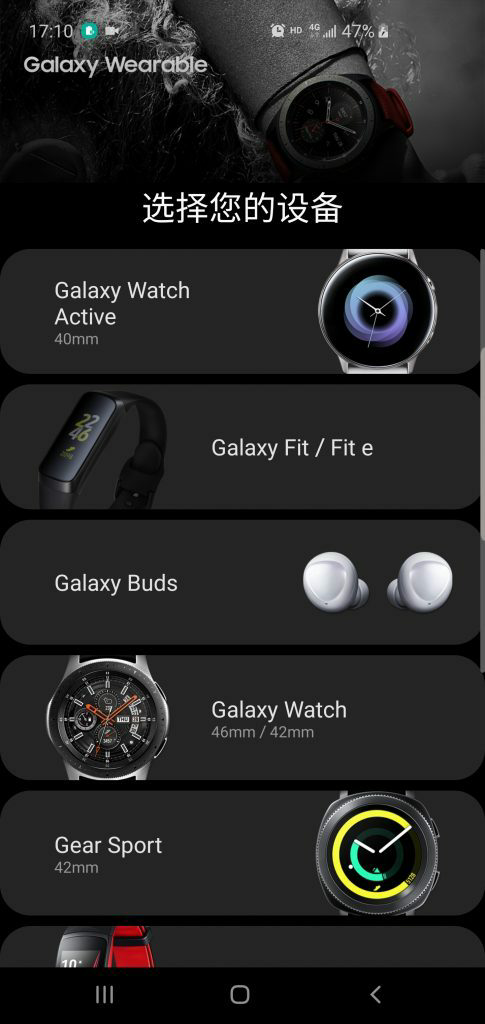
Samsung offers an app called Galaxy Wearable as a dedicated setting page for earphones, which is like Xiaomi Mijia app and Apple HomeKit, and we can set the Galaxy earphones, bracelet and smartwatch in this app. In other words, Galaxy Wearable can manage all Samsung wearable devices.
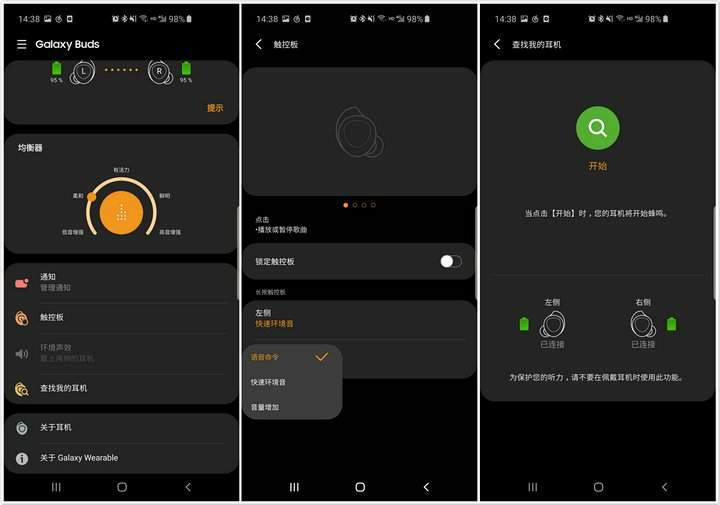
The app offers a lot of customizable functionality. In addition to viewing the devices battery levels, we can change sound effect of earphones in the app. What’s more, we can set up the gestures of operating the earphones, switch the earphones ambient effect and search for the earphones.
Galaxy Wearable Setup
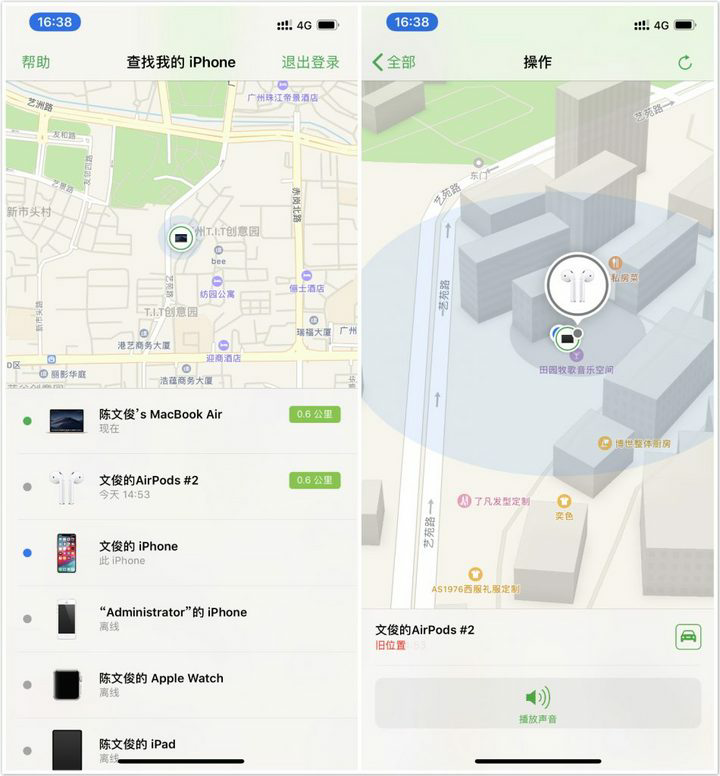
Both earphones have the feature of Find My Phone, which can help you to find your lost earphones.
The earphones will have a buzzing sound after turning on the feature, and the earphones must stay in the connective range with smartphone.
Find My iPhone
It’s also worth mentioning that the two earphones will lack some key features when connect to the devices which isn’t belong to Apple or Samsung.
For example, when the AirPods connects to Android phone, it can be operated by gesture. The Galaxy Buds can connect to the other Android devices through Galaxy Wearable, but if it is connected to iOS or other system devices, it just a simple earphones.
Thanks to the H1 chipset, you can say “Hey Siri” to dictate smartphone and free your hands through AirPods.
It’s so convenient to say “Hey Siri”, and Siri can help you to make phone calls, send message, navigate place and so on.
Samsung also makes Galaxy Buds to wake up the Bixby, but users need long-press the earphones. Although it is not as convenient as “Hey Siri”, Galaxy Buds can wake up not only Bixby but Google Assistant.
Since last year, Samsung has been developing the linkage between Bixby and IOT smart home appliances, which Bixby can control the smart home appliances.
Sound Quality:
The sound of Galaxy Buds has its own style, and the high pitch stands out. When the voice of background music is light, the Galaxy Buds can show the human voices details, which can highlight the advantages of earphones in terms of parsing.
But in the low pitch, the human voice is too outstanding which sounds stilitedly. If the Samsung equalizer doesn’t open, the vocal is thin. The thumping sound is good, but not good enough.
Users can improve the sound quality through the system equalizer.
Overall, the most different thing between the Galaxy Buds and the AirPods is that the Galaxy Buds cannot adapt all styles of music, but the outstanding voice detail is impressive.
Battery Life:
Both earphones charging boxes support wireless charging.
After turning on the wireless powershare on Samsung Galaxy S10, you can charge the AirPods or Galaxy Buds everywhere, which is so convenient.
With the development of TWS earphones, I deem that there will be more and more smartphones which supports reverse wireless charge. And now, the phone manufacturers which have produced TWS earphones have released the flagship smartphone supporting reverse wireless charge to solve the problem of TWS earphones battery life.
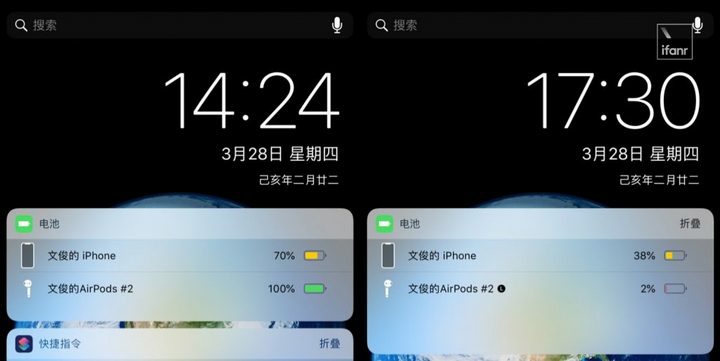
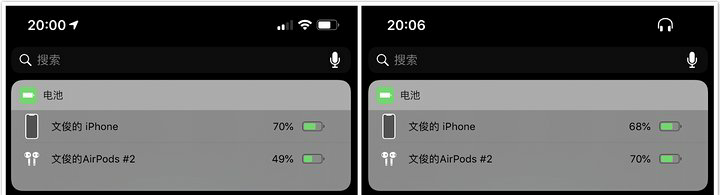
Power consumption of AirPods
We tested the battery life of the two earphones.
The AirPods supports 3hours and 6minutes call duration.
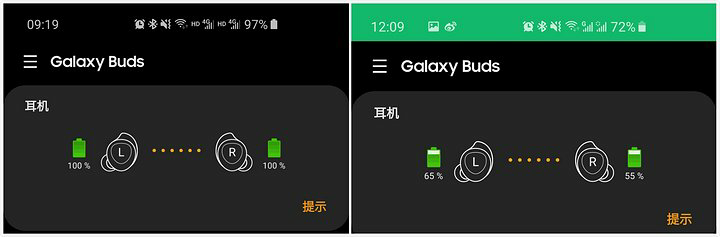
Samsung alleges that Galaxy Buds can support 6hours duration. In our three hours call duration test, battery of the Galaxy Buds is from 100% to 60% (left) and 50% (right).
Power consumption of Galaxy Buds
It proved it that the Galaxy Buds carries support about 6hours duration, which is enough for daily use.
We tested the charging efficiency of the two earphones in 5 minutes.
AirPods charges in 5 minutes
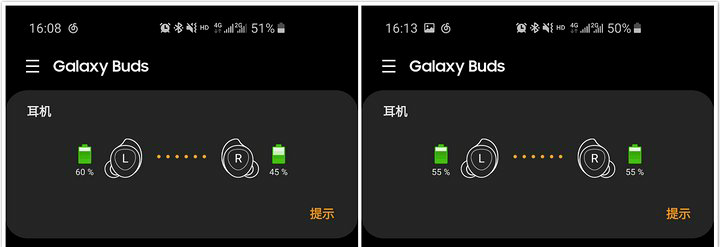
Galaxy Buds charges in 5 minutes
Galaxy Buds charges from 45% to 55% in 5 minutes, and AirPods charges from 49% to 70%.
Overall, the charging efficiency of AirPods is higher than the Galaxy Buds, but the battery life of one charge of Galaxy Buds is longer than AirPods.
Conclusion:
Which one you should buy? Actually, it depends on what device you have.
If you are a big fan of Apple, the AirPods is your first choice. It is light and elegant, and can connect with Apple devices seamlessly.
On the contrary, if you are used to playing Android devices, the Galaxy Buds is suitable for you, and Galaxy Wearable can support all Android devices which is convenient. If you are a user of Samsung Galaxy phone, you must to choose it.
Xiaomi India has released a new teaser for an upcoming phone through its community forum. The teaser image seems to feature triple, dual and single camera sensors. The Chinese firm could be teasing an upcoming smartphone that may feature triple rear cameras. Probably, the company could be gearing up to launch its next Android One devices named Xiaomi Mi A3 and Mi A3 Lite.
Interestingly, Xiaomi India Managing Director and Global VP Manu Kumar Jain has confirmed through a new tweet that the company will be making some amazing announcements soon. Also, the new devices could be exclusively available through Flipkart.
Met @Flipkart CEO Kalyan along with @leijun.#Flipkart has been an amazing partner of @XiaomiIndia since 2014. Our India launch was on Flipkart & it crashed during our 1st sale!😜 Our partnership is a bombshell 😁
Apart from Xiaomi Mi A3, the company is also rumored to be working on a global release of Xiaomi Mi 9 SE upper mid-range phone. The smartphone is equipped with triple rear cameras. Hence, there is a possibility that the company could be teasing the arrival of Mi 9 SE in India.
Jain had hinted in the previous month that the company’s next phone will be fueled by Snapdragon 7XX SoC. Probably, the Xiaomi Mi A3 could be arriving with Snapdragon 710, 712 or 730 SoC. A recent leak by XDA Editor-in-Chief Mishaal Rahman had claimed revealed that upcoming Android One devices that are codenamed as “Bamboo_sprout” and “Cosmos_sprout” could be Mi A3 and Mi A3 Lite smartphones. The handset with “Pyxis” codename could be MIUI version of the “Bamboo_sprout” and “Cosmos_sprout” phones. He claimed that all three phones are expected to be fueled by Snapdragon 7XX series SoC which could be SD710 or SD712 SoC.
It is speculated that the Mi A3 will be equipped with a triple camera module that will include a 48-megapixel primary sensor, a 13-megapixel ultrawide lens and an 8-megapixel telephoto lens. The Xiaomi Mi 9 SE is equipped with Snapdragon 712 mobile platform. It may so happen that instead of launching multiple phone with similar specs, the company may release the Mi 9 SE as Mi A3 with stock version of Android. It is advisable to wait for further updates from the company to know more about the upcoming phones.
The Mi 9 SE comes with a 5.97-inch waterdrop-style S-AMOLED display that carries support for full HD+ resolution and 19.5:9 aspect ratio. The Snapdragon 712 chipset of the phone is supported by 6 GB of RAM. It is equipped with 48-megapixel + 13-megapixel + 8-megapixel triple rear-facing cameras and 20-megapixel selfie camera. It includes 3,070mAh battery with 18W fast charging. The smartphone comes in 64 GB and 128 GB storage choices. It features an in-screen fingerprint reader. The handset lacks support for 3.5mm audio jack and microSD card slot.
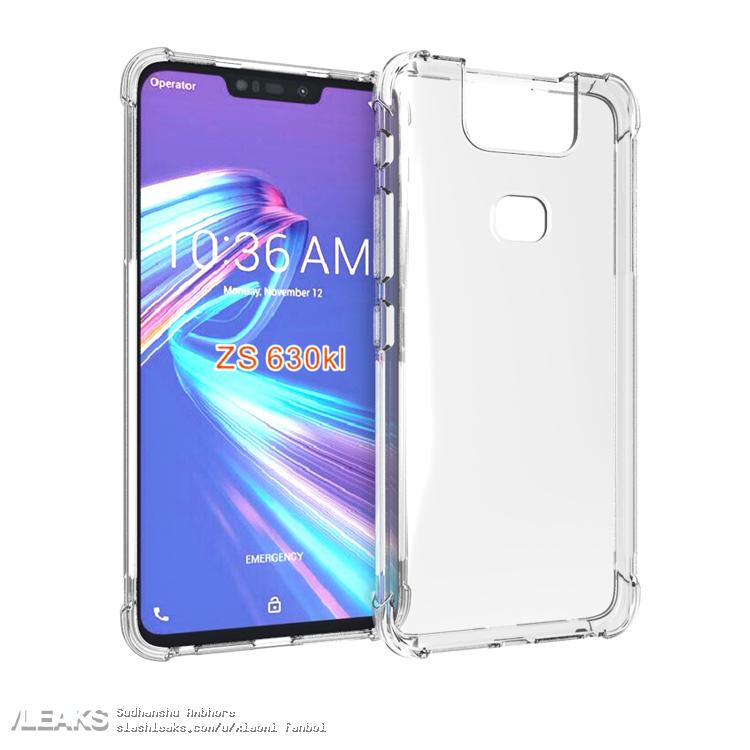
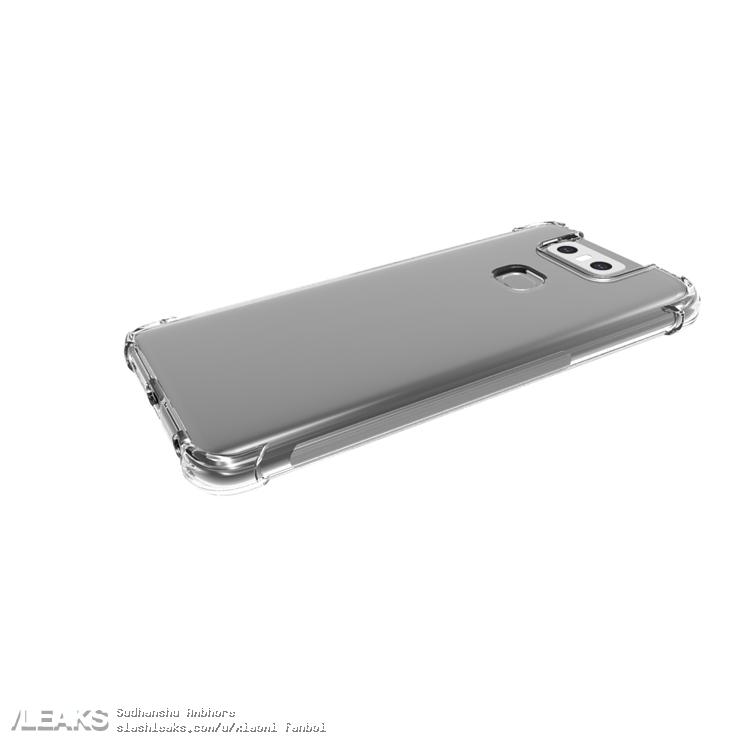
ASUS will be launching the ZenFone 6 series on May 16. The Taiwanese firm is expected to announce as many as three smartphones through the upcoming launch event. There could be a ZenFone 6 mid-range phone, a ZenFone 6 Lite entry-level smartphone and a ZenFone 6Z flagship phone. Fresh case renders of the ZenFone 6 phone has appeared today to reveal its design from all angles.
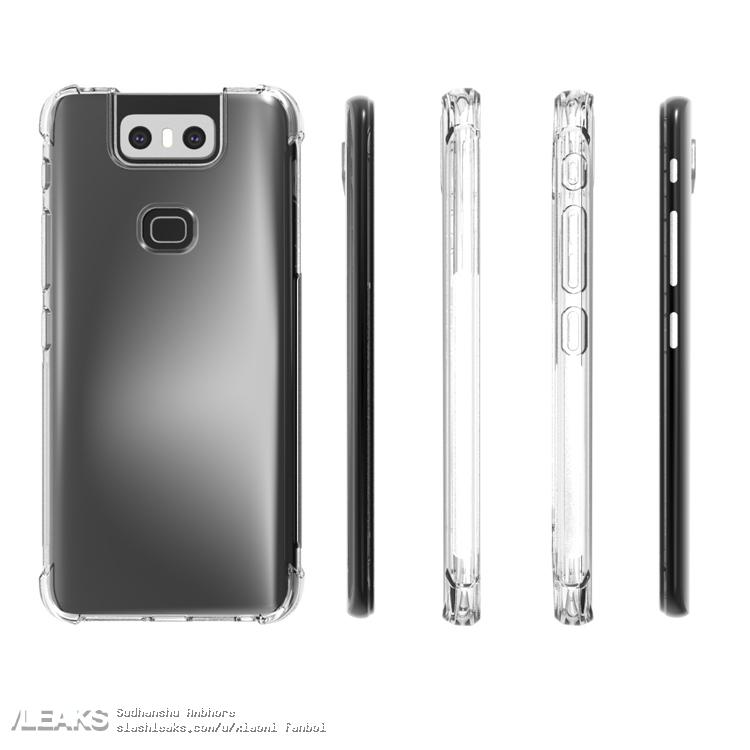
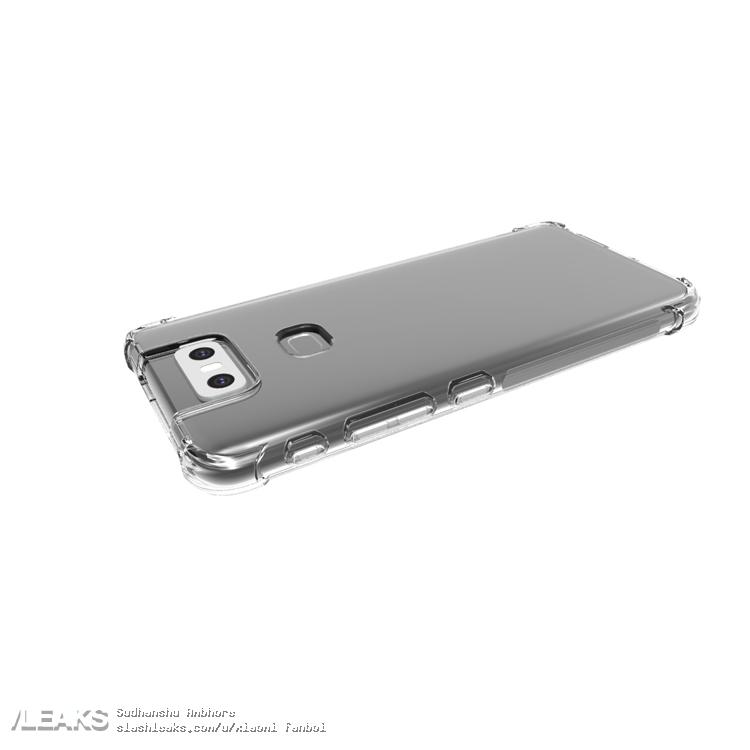
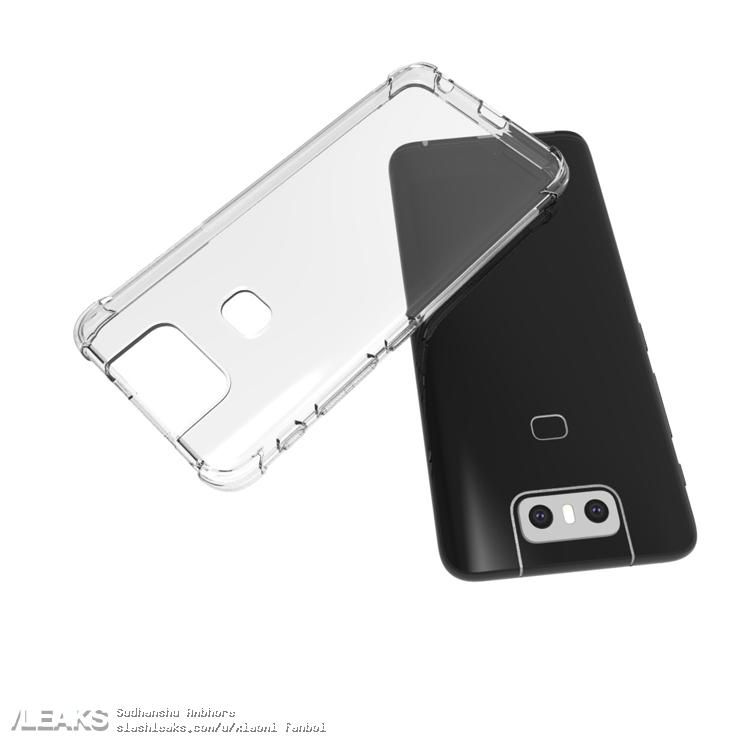
The rear shell of the case designed for the ZenFone 6 has a unique design. The back panel of the smartphone could be curved towards the left and right edges. Placed at the center of the upper half of the rear shell is a cutout for the squarish fingerprint scanner. Above it is a large-sized cutout that extends to the top edge of the case. It houses a horizontal dual camera setup with an LED flash placed between the two camera sensors.
Since the cutout for the dual cameras extend towards to the topside of the phone, it appears that it could be arriving with a pop-up selfie camera module. The cutout appears to be large which indicates that the pop-up selfie camera module may include dual lenses or an LED flash for the camera sensor.
The left side of the phone appears to be barren whereas its edge seems to feature cutouts for an unknown key followed by a volume rocker and a power key. The bottom edge of the case has cutouts for a 3.5mm audio jack and a USB-C port.
The case renders of the ZenFone 6 carries the image of the ZenFone Max M2 smartphone that features a wider notch. The ZenFone 6 is unlikely to come with such a front design. It could be sporting a notch-less display.
There is no confirmation on whether the above case renders belong to the ZenFone 6 mid-range phone or its flagship phone. Last year’s ZenFone 5 and ZenFone 5Z smartphones had featured the same front and rear design. Hence, there is a possibility that the ZenFone 6 and ZenFone 6Z may come with identical design. There is a possibility that the ZenFone 6Z may feature triple rear cameras and in-display fingerprint reader. A recent report had revealed that the ZenFone 6Z flagship phone may arrive in three variants such as 6 GB RAM + 128 GB storage, 8 GB RAM + 256 GB storage and 12 GB RAM + 512 GB storage. These models are expected to respectively cost around $650, $775 and $970 in the Taiwanese market.
Shortly after the release of hi-res images of the OnePlus 7 Pro, the phone’s complete spec sheet has leaked. The spec sheet mentions every technical detail related to the phone including the storage variants it will come in.
The major highlight of the OnePlus 7 Pro is its display. The Fluid AMOLED display which measures 6.67-inches in size has a 3120 x 1440 resolution and a 516 PPI. It has a maximum refresh rate of 90Hz and is home to an in-screen fingerprint scanner.
The phone will come in three variants – 6GB RAM + 128GB UFS 3.0, 8GB RAM + 256GB UFS 3.0, and 12GB RAM + 256GB UFS 3.0. It will have Qualcomm’s Snapdragon 855 octa-core SoC powering it along with an Adreno 640 GPU.
The OnePlus 7 Pro will have a triple camera setup on the rear. The primary sensor is a 48MP Sony IMX586 f/1.6 camera with a 7P lens and optical image stabilization. It is paired with a 16MP f/2.2 wide-angle camera with a 117° field of view and an 8MP f/2.4 telephoto camera with 3x optical zoom and a 78mm focal length.
[envira-gallery id=”252259″]
The phone will have Phase Detection Autofocus, Laser Autofocus, Continuous Autofocus, and a dual LED flash. It will be able to record 4K videos at 30fps/60fps, 1080p videos at 30fps/60fps, 720p videos at 30fps, and super slow motion videos at 1080p 240fps or 720p at 480fps.
The selfie camera is a 16MP f/2.0 Sony IMX471 with Electronic Image Stabilization. The camera can record 1080p videos at 30fps and 720p videos at 30fps.
The date for the OnePlus 7 Pro launch draws closer with each passing day. We already know what the phone looks like thanks to leaked press images. More photos have leaked and they show more details about the phone’s design.
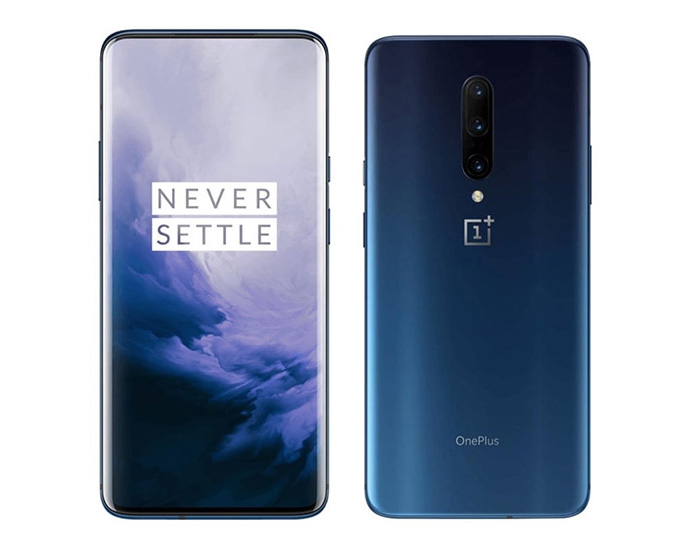
The images which were shared on the web by Ishan Agarwal (@IshanAgrwal24) on Twitter show the OnePlus 7 Pro in Almond and Nebula Blue. There are the regular front and rear images we have seen before, albeit in a higher resolution. There are also some that show the phone from new angles.
[envira-gallery id=”252251″]
The display looks gorgeous in these images and we can’t wait to see what it looks like in real life. Though we know reviewers and YouTubers already have their hands on the device and will drop their reviews minutes after the announcement. What’s left of the bezels (chin and forehead) are pretty thin, so brace up for a fully immersive experience. If you zoom in close, you should see a thin and long slit between the display and the frame for the earpiece. It is wide because it also doubles as one of the two stereo speakers.
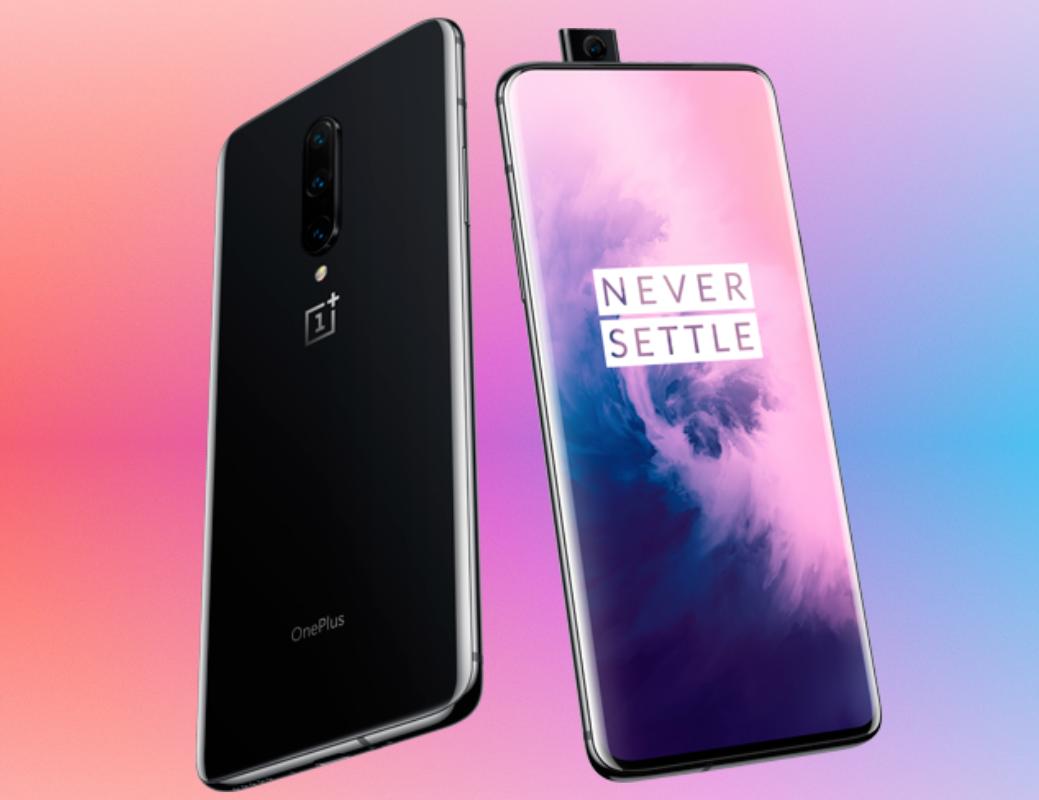
The OnePlus 7 Pro’s selfie pop-up camera slides out from a spot that is a few millimeters off the center. There is no LED flash as we have seen on some phones this year but you should be able to take some decent selfies using the phone’s screen as a flash.
The phone has a curved display and the glass on the back is curved too where it meets the frame. The right side of the frame is home to the textured alert slider switch and the power button. There is an antenna line at the top and another close to the bottom. The left side of the frame houses the volume rocker. It also has antenna lines but there are two at the top and one at the bottom.
[envira-gallery id=”252248″]
There are also images of the top and bottom. The top is home to a noise-canceling microphone which keeps the selfie camera company. The bottom, on the other hand, is where the SIM tray, the USB Type-C port, and the speaker grille. There are two microphone holes flanking the charging port.
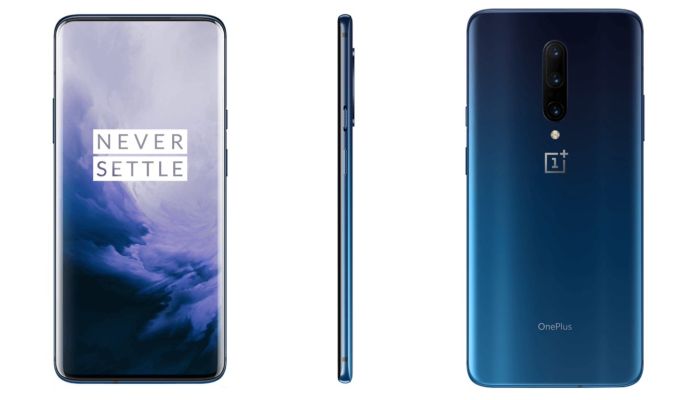
The rear of the OnePlus 7 Pro also looks amazing. The cameras, LED flash, OnePlus logo, and engraved name all lay in a single straight line. We understand if you do not want to put a case on this phone when you purchase it, but don’t forget the screen is pretty expensive.
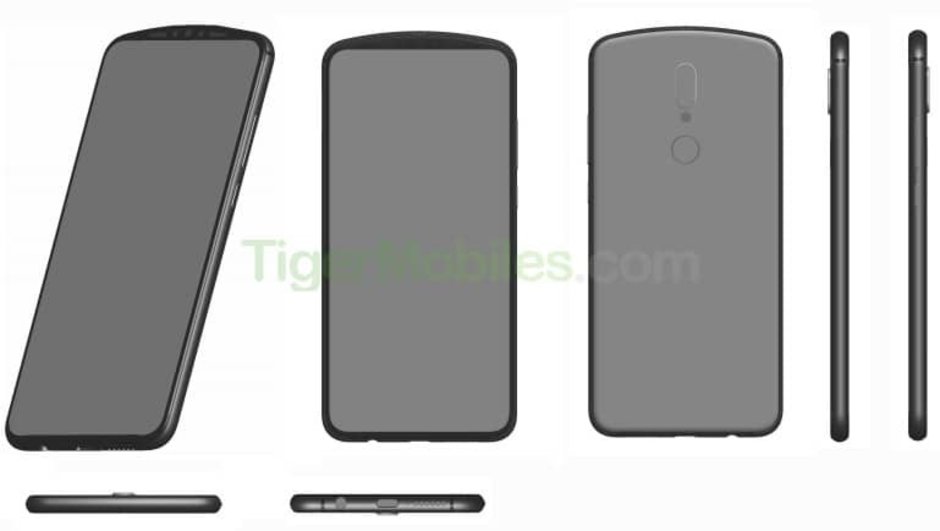
In a bid to provide customers with smartphones bearing minimal amount of bezels around the display, smartphone OEMs have adopted different styles of notch design. Even though the notch offers us a higher screen ratio, they are not very popular with fans. Most fans would rather not have a phone with the notch. No doubt, the era of flagship phones with 16:9 aspect ratio is gone so OEMs have ventured into sliding and pop-up camera designs as alternatives to the notch. But then, we have to grapple with the challenges of having a mechanical sliding design that raises concerns about durability. Huawei may have got a workable alternative to the notch that doesn’t involve using a slide or pop-up selfie cam.
The smartphone as envisioned in the patent document sports a notchless display which is joined by a thin chin and side bezels. Huawei is by all accounts playing with the possibility of an adjusted upper bezel. The top edge is curved in a pattern similar to Meitu’s iconic phone design. The outward curve creates enough space to house the selfie camera and audio receiver speaker. However, the design doesn’t look any spectacular.
Huawei’s design will in all likelihood be utilized solely in the low-end and mid-tier segment whenever it is ready to be commercialized. In any case, since this plan is essentially a patent at this stage, there’s no assurance the tech giant will ever release a phone with this sort of design.
OnePlus will officially take the wraps off its new OnePlus 7 series on May 14. The launch event is being held in 3 cities (New York, London, Mumbai), in three different continents, simultaneously. It’s a big deal for the company and an even bigger deal for the millions of OnePlus fans across the globe.
However, this year, OnePlus is going to take a different route. The company has decided to release an additional ‘OnePlus 7 Pro’ model alongside the standard variant. So, unlike the ZTE Axon 10 Pro (where the ‘Pro’ is actually unnecessary because there’s just one model in the lineup), here the ‘Pro’ tag is justified by releasing two flagship grade smartphones.
OP7 Pro render by Ishan Agarwal
The OnePlus 7 Duo: A Road Not Taken
OnePlus’ decision to release a ‘Pro’ version isn’t surprising. The company has built a huge fan base across the globe eagerly looking forward to their smartphones every six months. However, it also has been slowly but steadily raising the prices of each iteration (OP5T – $499 | OP6 – $529 | OP6T – $549 ). OnePlus’ recent flagships have come close to breaking their popular ‘affordability‘ quotient. But the dilemma here is that OnePlus also wants to be known as a top-tier smartphone maker.
So how do you offer cutting edge technology in your flagship without raising its price?
Well, you can’t, not in this age!
So what you do instead is release two models, a standard OnePlus 7 that keeps your affordability quotient intact and then offer another model, the OnePlus 7 Pro that houses high-end features. Matter solved.
OnePlus 7 Pro Design
Now that the company has decided to offer a ‘Pro’ variant, they have to ensure it’s worth every additional penny. The very success of this higher-end variant will depend on the perception of the device amongst the top-tier flagships in the market.
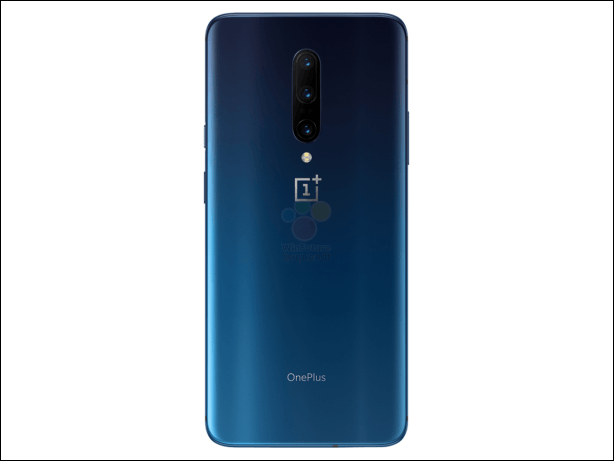
OnePlus 7 Pro in Nebula Blue Source: Roland Quandt
You can’t slap an average FHD+ AMOLED screen with a notch and get your fan’s attention. So, what OnePlus is planning to do is use a custom made AMOLED panel with a full-screen notch-less design. The OnePlus 7 Pro is said to use a pop-up mechanism to house its front camera, keeping its front super clean. There should be a thin bottom bezel, but overall, it will be a bezel-less design.
OnePlus 7 Pro in Almond shade Source: Roland Quandt
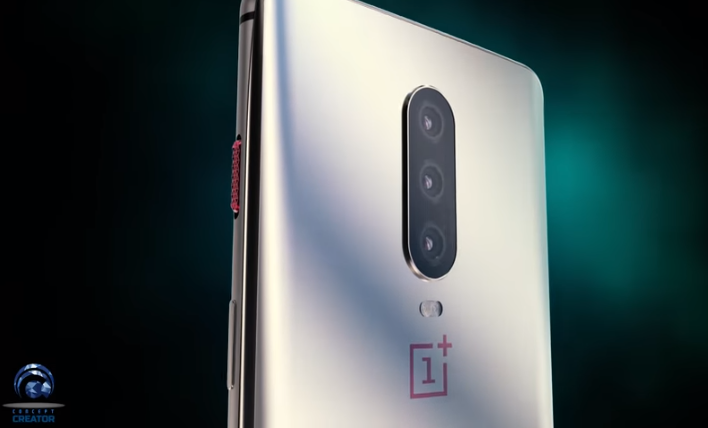
The back of the OP7 Pro is going to be refined as well. The company is opting for a symmetric theme, that goes well with most users. So, the triple camera setup at the back will be vertically arranged at the center followed by its flash and the OnePlus logo. It’s definitely one of the more refined designs from OnePlus in recent times.
OnePlus 7 Pro Nebula Blue Source: Roland Quandt
The power button and alert slider will be on the right, while the volume buttons should lie on the left.
Further, there should be three colors available at launch — gradient Nebula Blue (the renders look beautiful!), Almond (more like soft gold), and a Mirror Grey (more like black).
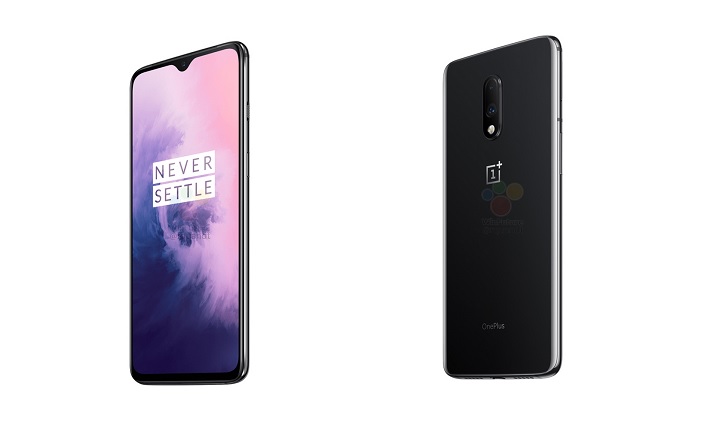
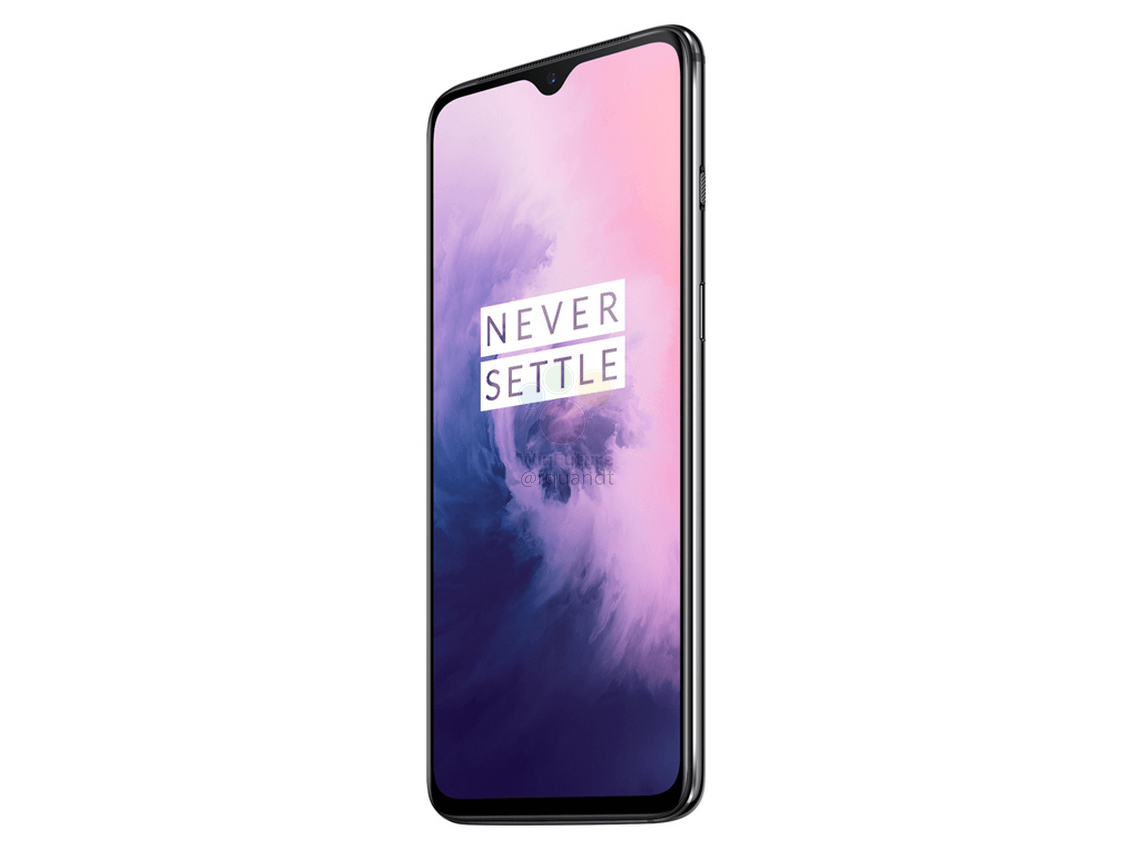
OnePlus 7 Source: Roland Quandt
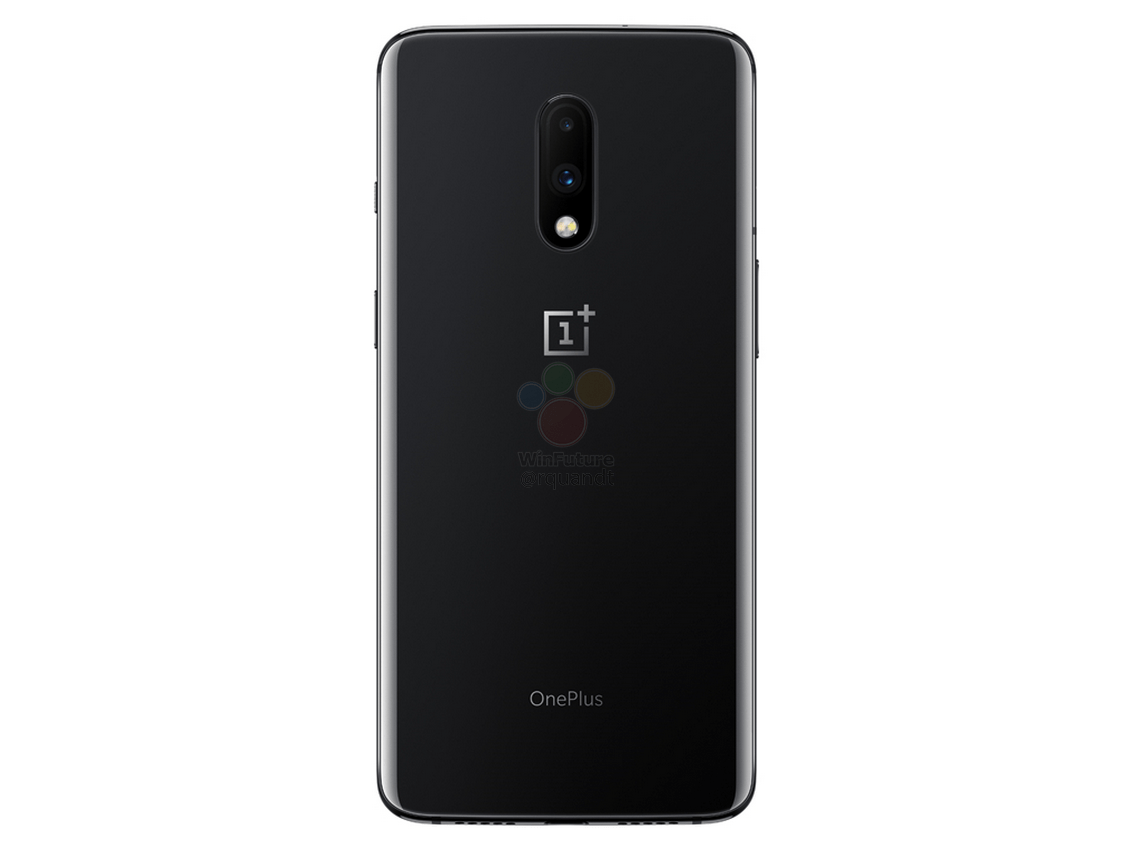
For the standard OnePlus 7 model, not a lot has changed as compared to its predecessor. You’ll get a waterdrop notch, and a dual camera setup at the back.
OnePlus 7 Pro Display
OnePlus’ displays have been good but nothing extraordinary. When top-tier flagship models featured Quad HD+ displays, OnePlus had to stick to FHD+ panels on its flagship models to keep the pricing affordable.
OP7Pro Source: Roland Quandt
With the OnePlus 7 Pro, the company can actually afford to take the display game a step higher. In this regard, OnePlus has already confirmed that the OnePlus 7 Pro will feature a ‘breakthrough’ display. In fact, CEO Pete Lau went on to say the phone features:
‘a whole new display which has to be seen to be believed’
OnePlus CEO, in an interview with the Verge, revealed that the company has spent nearly three times as much as its previous displays in order to bring something that “redefine fast and smooth”. Official specs are not yet available, but earlier leaks have revealed a 6.64-inch Quad HD+ custom-made AMOLED curved panel for the Pro version. Yes, it would be a curved panel, as hinted by the recent tempered glass panels for the device.
Recent OnePlus teasers were all about ‘smooth‘ and this could be a way to hint its 90Hz refresh rate. Such a high refresh rate would make images and animations extremely smooth and snappy on its large screen. Gaming should be a treat as well! It is being said that the phone can automatically switch between 60Hz-90Hz based on the content and usage.
Talking about treats, did we mention that the OnePlus 7 Pro is confirmed to support HDR10+ content?! Watching Netflix on its large 6.6-inch display should be a delight! Also, that 3X price for the new screen seems to be paying off as the OnePlus 7 Pro has earned DisplayMate’s A+ — its highest rating for smartphones.
No custom-made display for this cheaper variant, so expect things to be very similar to the OnePlus 6T. Basically a 6.2-inch FHD+ Super AMOLED panel. Nothing extraordinary.
OnePlus 7 Pro Camera
Recent OnePlus 7 Pro camera leaks have converged to this: a triple camera setup with a 48MP f/1.6 primary lens with OIS, an 8MP f/2.2 telephone lens with OIS and a 16MP f/2.2 Ultrawide lens with PDAF. In line with recent smartphones, the phone will feature 3X optical zoom. We have already seen a few samples of its zoom capabilities, you can check it out here.
A OP7Pro concept based on leaks
There should be a 16MP camera up front. As mentioned above, it should be housed in a pop-up design. A recent newspaper ad by the company further confirms this notch-less all display design.
The setup looks good, right? But what about the quality?
OnePlus’ imaging director, Simon Liu had some more information to share about the ‘Pro’ model’s camera. While talking to Wired, he said that the OnePlus 7 Pro’s camera samples will be visibly better than its predecessors.
“Our pictures are a lot more detailed compared to our previous phones” — Simon Liu
He added that the new model will retain the simple camera UI seen in the current models. While there should be a significant increase in the quality of the samples, Liu says that the OP7Pro might not be able to beat the top-tier flagships. Still, there should be significant upgrades in elements such as HDR, portrait mode, and night mode.
Source: Roland Quandt
Like with the display, the standard OnePlus 7 should be overshadowed by its elder sibling in the camera department as well. The standard edition is said to feature a dual camera setup with a 48MP primary camera with f/1.7 and a 5MP secondary sensor likely for depth information. So, no fancy stuff like a wide angle or telephoto lens. Expect camera performance similar to the OnePlus 6T.
OnePlus 7 Pro Specs
Here’s the summary of what to expect in terms of specs for both the devices.
We don’t have any information on the standard OnePlus 7’s pricing, but it should be close to the OP6T. Somewhere around $549 – $580 can be expected. But this is pure speculation.
This basically sums up what we know about the OnePlus 7 and the OnePlus 7 Pro!
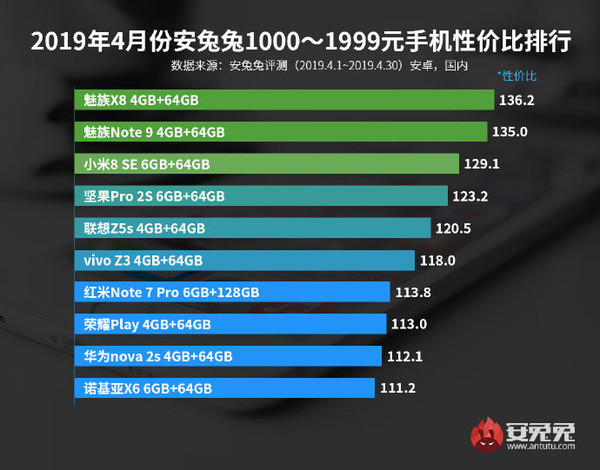
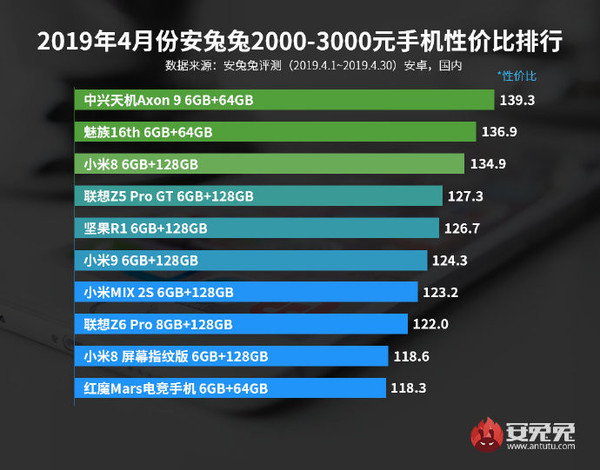
AnTuTu has released a chart of the top Value-for-money smartphones that sold in the Chinese market in the month of April 2019. The ranking categorized into two different price ranges; those priced between 1000~1999 yuan ($147-$294) and models with price ranging from 2000~3000 yuan ($294-$442).
In the 1000~1999 yuan ($147-$294) price category, the Meizu X8 4GB+64GB version emerged as the most cost-effective phone, more than half-a-year after it was launched in China. The Snapdragon 710-powered Meizu X8 is presently selling for 1,198 yuan ($176) on JD.com. For a premium mid-range model, the price sure gives buyers value for their money. Surprisingly, the phone is not even too popular among buyers. That notwithstanding, the X8 pipped other popular models such as the Meizu Note 9, Mi 8 SE to clinch the title.
In the price range of 2000~3000 yuan ($294-$442), the most cost-effective mobile phone is the ZTE Axon 9 6GB+64GB version, another device that isn’t too popular. The flagship Axon 9 packs a Snapdragon 845 chipset and the 6GB+64GB version is currently sold at 2098 yuan ($309) in China. The phone also features a 6.21-inch AMOLED full screen, HDR10 display, a built-in 4000mAh battery, a rear dual camera setup with support for 130 ° ultra wide-angle camera, and has ultra-linear dual speakers. That should be an amazing buy for just $309. Unfortunately, you won’t get the phone for that amount anywhere outside China. Other great value-for-money phones include the Meizu 16th (6GB+64GB version), Xiaomi Mi 8 (6GB+128GB), Lenovo Z5 Pro GT (6GB+128GB), Smartisan R1 (6GB+128GB), Mi 9 (6GB+128GB), Mi Mix 2s (6GB+128GB) etc.
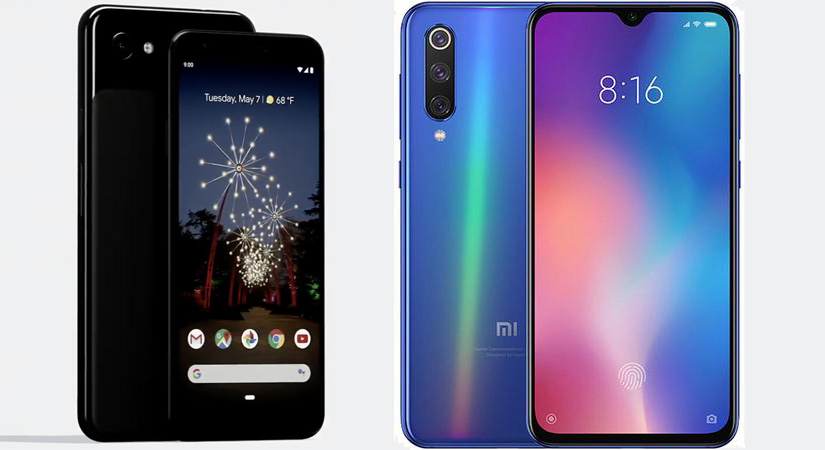
There are two categories of phones that is every day more impossible to find in the actual market. We are talking about compact phones and affordable phones with flagship-class cameras. With people searching for big phablets with huge displays and due to the high costs of high-end camera modules and R&D, a lot of people struggle to find such devices. But it seems some companies understood it and they released two models which fit this kind of demand perfectly. We are referring to the atypical Google Pixel 3a which is the first affordable device from the Pixel series, and the Xiaomi Mi 9 SE which comes as an affordable variant of the Mi 9 flagship. Through this specs comparison, we will try to let you know which one fits your needs the most.
5.97 inches, 1080 x 2340p (Full HD+), 432 ppi, 19.5:9 ratio, Super AMOLED
PROCESSOR
Qualcomm Snapdragon 670, octa-core 2 GHz
Qualcomm Snapdragon 712, octa-core 2.3 GHz
MEMORY
4 GB RAM, 64 GB
6 GB RAM, 64 GB – 6 GB RAM, 128 GB
SOFTWARE
Android 9 Pie
Android 9 Pie, MIUI
CONNECTIVITY
Wi-Fi 802.11 a/b/g/n/ac, Bluetooth 5.0, GPS
Wi-Fi 802.11 a/b/g/n/ac, Bluetooth 5.0, GPS
CAMERA
12.2 MP f/1.8
8 MP f/2.0 front camera
Triple 48 + 13 + 8 MP f/1.8 and f/2.4 and f/2.4
20 MP f/2.0 front camera
BATTERY
3000 mAh
Fast charging 18W
3070 mAh, Fast Charging 18W
ADDITIONAL FEATURES
/
Dual SIM slot
Design
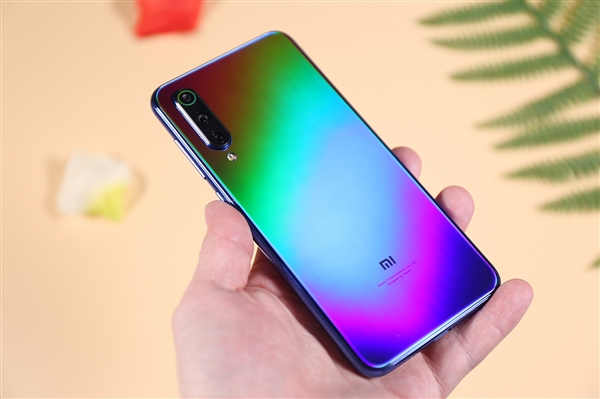
Just like its older sibling Pixel 3, the Google Pixel 3a shows a very original design, especially on its rear side composed of two pieces of slightly different colors. Despite that, it is not among the devices with the most premium look and builds quality, and it has a cheap polycarbonate body as well as a display with pretty thick bezels. On the other hand, Xiaomi Mi 9 SE has a premium and flagship-like design, it is hard to distinguish it from the vanilla Mi 9. It is equipped with a glass back, it has a very high screen-to-body ratio and it comes in stunning gradient color variants. Further, it is even more compact, despite Google Pixel 3a has a smaller display.
Display
While there are big differences in build quality between the Google Pixel 3a and Xiaomi Mi 9 SE, it is not the same with their displays. They both feature compact AMOLED panels which are easier to use with one hand than most of the smartphones out there. Further, they even come with the OLED technology providing brilliant colors and deep blacks. I personally prefer the Xiaomi Mi 9 SE for its more narrow bezels, a great color reproduction thanks to the HDR10 standard, and its in-display fingerprint reader. On the other hand, Google Pixel 3a is a better handset for music lovers as it features stereo speakers and a 3.5 mm audio jack.
Specs & Software
Both Google Pixel 3a and Xiaomi Mi 9 SE are equipped with an upper-midrange hardware department, but Xiaomi Mi 9 SE is superior. Indeed, it has a more powerful chipset (Snapdragon 712 vs Snapdragon 670) boasting a better GPU (so better graphics performance), as well as a higher amount of RAM (6 GB) and internal storage (128 GB) in its most expensive variant. Last but not least, it has expandable storage. Google Pixel 3a is better only when it comes to software, as its stock Android version will get updated quicker by Google and will make it a safer device.
Camera
On the camera side, there is a very hard battle. Google Pixel 3a has just a single camera on its rear side, but it is the same sensor as the vanilla Pixel 3 which is one of the best camera phones actually in the market, especially in low light conditions thanks to its advanced algorithm. It even has optical stabilization and it can record 4K videos. Xiaomi Mi 9 SE has a triple camera setup which includes the same 48 MP main sensor found on the Mi 9, an ultrawide lens and a telephoto lens. And it can shoot awesome photos as well in every light condition. I personally prefer the Google Pixel 3a due to its main camera and algorithm allowing to shoot amazing photos with low light, as well as its astonishing 8 MP selfie camera.
Unfortunately, we still had no chance to test the battery life of the Google Pixel 3a. And given that it comes with more or less the same capacity of the Xiaomi Mi 9 SE, it is hard to understand which one will last more on a single charge. If we base on previous Google device, Pixel 3a might be optimized better and it may last more in most of the scenarios, but we can not give a verdict right now.
Price
In the global market, Xiaomi Mi 9 SE has a starting price tag of €350/$392, while Google Pixel 3a starts from €399/$399. Whatever you choose it will be a very good choice, but the Xiaomi Mi 9 SE is my favorite one due to its more beautiful aesthetics, higher-end hardware, UD fingerprint scanner, and micro SD support.
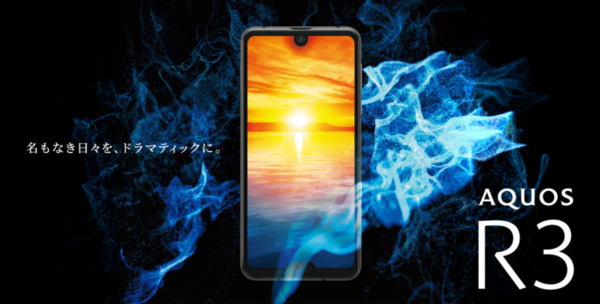
Since the era of bezel-less phones, we have seen OEMs adopt various design styles ranging from the iPhone X-styled notch, water drop notch, punch-hole, pop-up and sliding design, aimed at reducing the display bezels. The main goal is to increase the screen-to-body ratio and thus give users better user experiences. Even before notch-screen design became a trend, Sharp has long been using the design on its phones. We recently received rumours that the Japanese display giant is planning to implement a dual notch design on its upcoming phone. The rumours turned out to be true as Sharp has launched the Aquos R3 sporting dual notches at the top and bottom of the display.
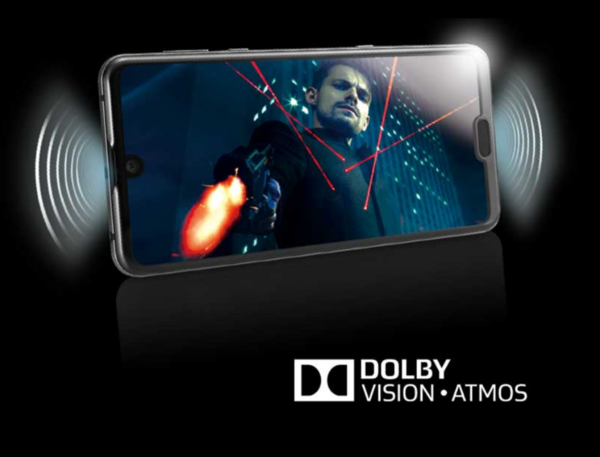
Sharp Aquos R3 comes with all the dressings of a flagship phone and even more. This is the first phone we’ll be meeting with such a design. Critically analysing the display design, you’ll see there is a waterdrop notch at the top housing the selfie camera and a wider one at the bottom aspect. We can’t say for sure why Sharp opted for such a strange design. Even though some might find it interesting, we doubt if proponents of retaining the symmetrical design of phones will smile at this one. The bottom notch seems to have offered Sharp the space to cram a front-facing stereo speaker on the device. This is one design we have missed on smartphones as you won’t have to the back of your mobile phone to listen to music blasting from the speakers. The device even seems to have a second speaker at the top edge meaning the sound output will be spectacular. The speaker uses Dolby Atmos surround sound technology.
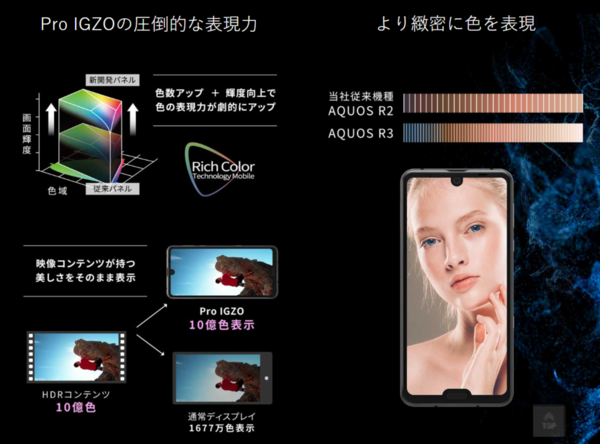
As for the specification, Sharp Aquos R3 features a 6.2-inch Pro IGZO LCD display and is powered by the latest Qualcomm Snapdragon 855 chipset. The phone comes in 6GB+128GB memory combination. Under the hood is a 3200mAh battery with support for 11W fast charge. On the camera end, there is a single 16.3 MP camera house in the waterdrop notch up at the front. The device packs a dual camera setup at the rear made up of a 12.2 MP + 20MP sensors. The rear camera supports 125° super wide-angle shooting. The device has a body thickness 8.9mm and weighs 185g.
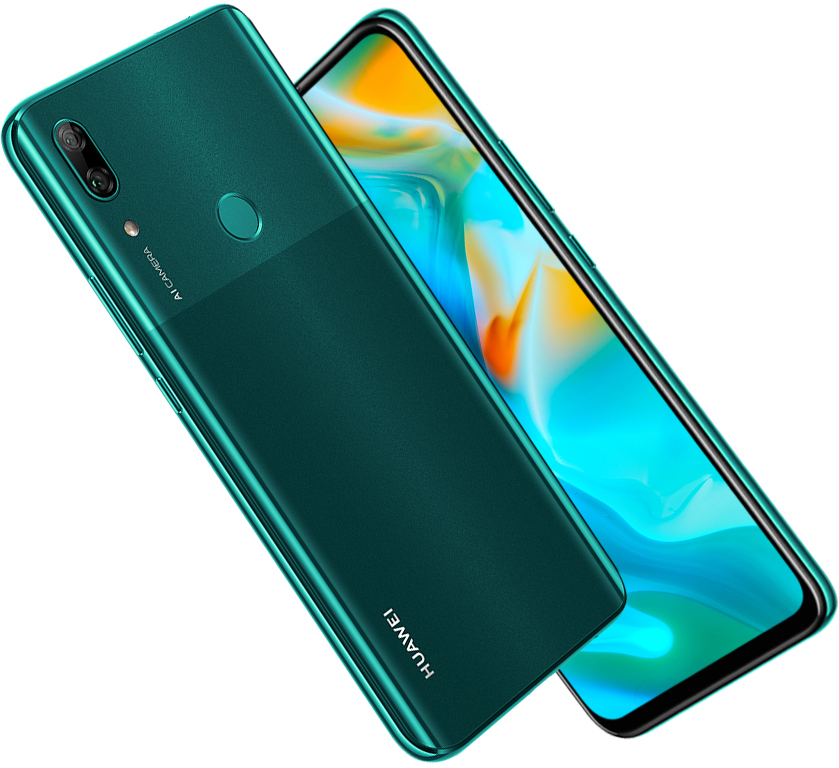
The Huawei P Smart Z has appeared on the manufacturer’s Italian and Spanish website confirming that both phones will be sold in the two European countries. The listing reveals all the specs and features of the phone.
The Huawei P Smart Z comes with what Huawei has dubbed an Ultra FullView Display. There is no notch or punch hole on the screen like some of Huawei’s other phones. It is practically all-screen with a slightly thick lower bezel. The LCD screen is 6.59-inches with an FHD+ (2340 x 1080) resolution. There is a small grille in the frame for the earpiece.
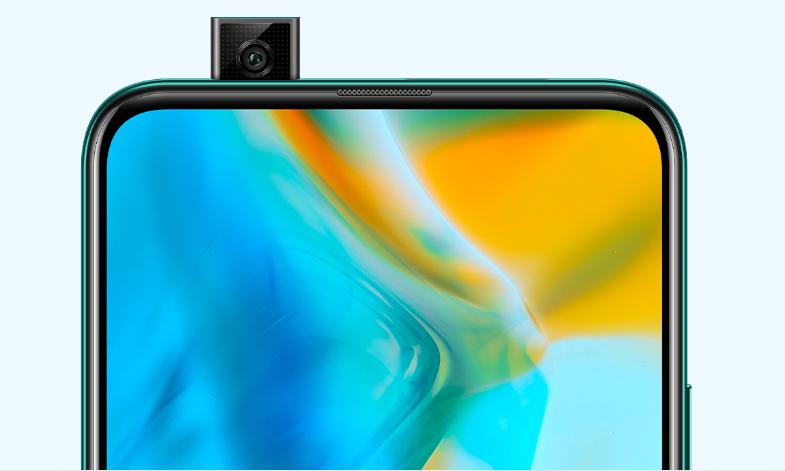
Since there is no notch, punch hole, or top bezel, the 16MP selfie camera has a new home. It is hidden inside the phone when not in use and pops up in just 1 second when needed for a selfie and retracts when you are done. Huawei boasts the selfie camera can withstand a pressure of 12kg and has been tested over 100,000 times. It can also work in environments with temperatures between -20°C and 60°C.
The selfie camera is loaded with tons of features. It has a 6P lens, 8 different selfie-timer scenes, and can take 3D portraits (available on the rear camera too).
The P Smart Z is powered by the Kirin 710F processor with 4GB RAM and 64GB of expandable storage. There is a 16MP + 2MP dual camera combo on the rear which can identify up to 500 different scenes under 22 categories. There is also a fingerprint scanner on the back. The phone packs a 4000mAh battery that charges via a USB Type-C port. It has NFC, dual-band Wi-Fi, and dual-SIM slot. It also runs EMUI 9.0 based on Android Pie.
Xiaomi has over the last two years continued to improve on the camera configuration of its phones. The progress made is very evident on the DXOMark ranking of Xiaomi’s flagship models which presently rank among the top 10 phone cameras. The camera samples from the mid-range and budget models often leave some persons including yours sincerely awestruck.
For reference, the latest flagship Mi 9 received a score of 107 points on DXOMark and comes with features such as Moon mode among others. Xiaomi has now pushed a fresh update to the Mi 9 SE which brings the new Moon mode among other features. The update version number is MIUI V10.3.10 and as the name implies, the Moon mode allows users to capture a shot of the moon on the Mi 9 SE.
To use the feature, just open the camera app, aim at the moon then turn on the AI camera. You then tap the screen to focus and then adjust the zoom factor to 4 times or more, The camera will automatically recognize and display that you have entered moon mode. At this point, hit the capture button and you’ll shoot a clean shot of the moon. The biggest advantage of this mode is that you don’t need manual focus, you don’t need to manually set the ISO, the shutter. Thus, even a novice without any previous knowledge about photography can capture a clear shot of the moon thousands of miles away with a smartphone camera!
The camera configuration of the Mi 9 SE is almost similar to the Mi 9, so it shouldn’t be a surprise this feature is hitting the mid-range model. To recall, the Mi 9 SE packs a 48 MP Sony IMX586 wide-angle lens + 8MP telephoto lens and a 13MP super wide -angle lens at the rear. The Mi 9 features a 48 MP Sony IMX586 main sensor+ 12MP + 16 MP super wide-angle sensors. Apart from the Moon mode, the Mi 9 SE also features the Super Night scene mode and 960 frames slow-motion photography.
Google has updated its Android Distribution Dashboard, which confirms that Android Pie has indeed made progress since its release last year. The company had not updated the dashboard for more than six months, and the last available data is of October 2018.
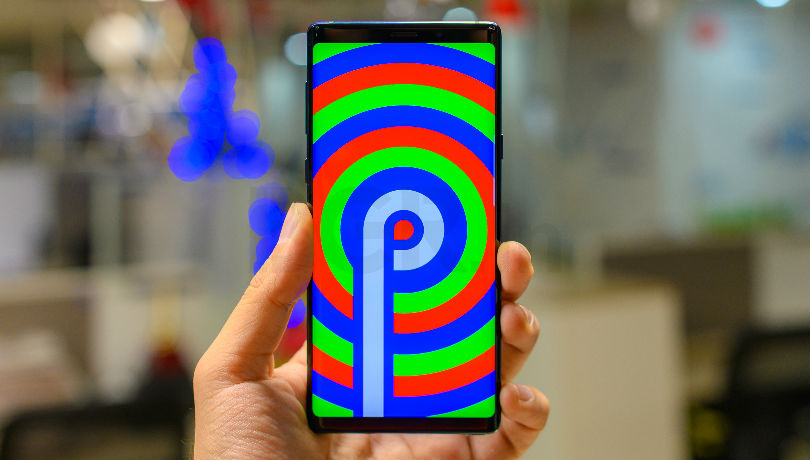
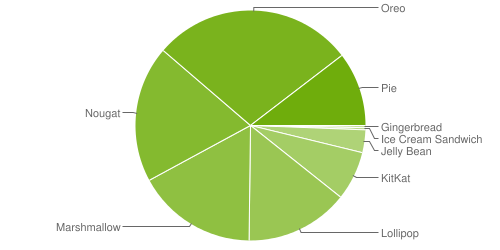
Now, the dashboard has been updated to reflect the distribution of various versions of Android across active Android devices. The Mountain View-based company now claims that there are over 2.5 billion active devices running Android 9 Pie. This means that the new version is powering 10.4 percent of active devices. This is ahead of the schedule compared to the past releases.
This quick adoption of Android Pie can be seen as a win for Google, and specifically for Project Treble. The new update method was first introduced in Android Oreo and Pie gave it its first chance to really work.
The data reveals that Android Oreo, which was released about two years ago, is currently the most widely used operating system among all active devices. It has an install base of 28.3 percent with Android 8.0 Oreo active on 12.9 percent devices and Android 8.1 Oreo on 15.4 percent devices.
Android Oreo is followed by Android Nougat, which has a total install base of 19.2 percent with Android 7.0 Nougat on 11.4 percent devices and Android 7.1 Nougat on 7.8 percent devices. The distribution index is based on data collected during a 7-day period that ended on May 7, 2019.
Google has also provided an update on the massive number of devices running on Android. During the keynote, the company confirmed that a whopping 2.5 billion devices are currently running on the Android platform as monthly active devices.
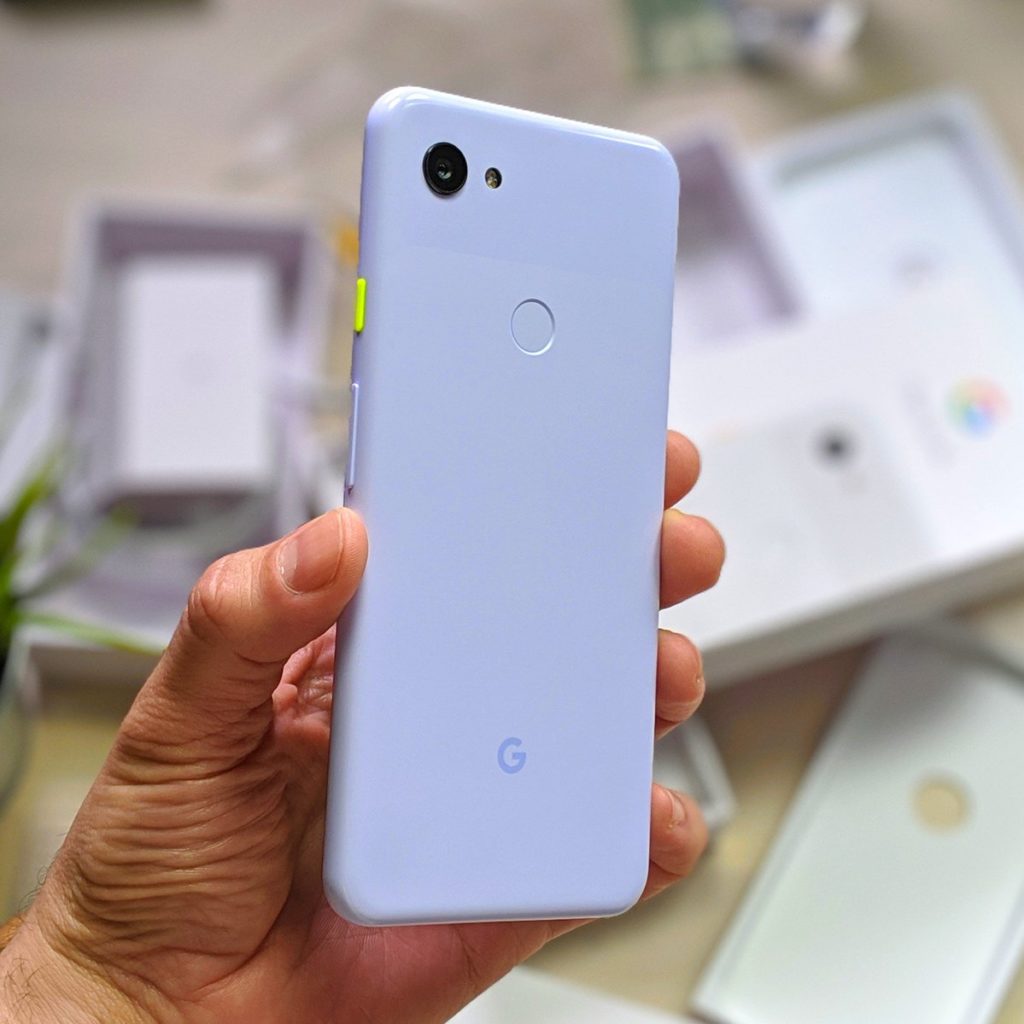
Google took the veil off the Pixel 3a and 3a XL yesterday, ending lingering speculation about the models. The models present with a Snapdragon 670 chipset under their hood and unlike the Pixel 3 models, they retain the 3.5mm audio jack. The Pixel 3a models also come with OLED displays which is our point of focus of this report. Not long after the launch conference, the Pixel 3a/3a XL kernel source code appeared on Google’s support library. One of the major things we can grab from the listing is that the display panels of the Pixel 3a and Pixel 3a XL are supplied by Samsung and Chinese firm Tianma. The source code for the Pixel 3a XL was specifically listed to be manufactured by both Samsung Display and Tianma while that of the Pixel 3a is manufactured by Samsung Display only.
Tianma Micro-Electronics is a China-based display producer that was established in 1983. TianMa has been active with OLED R&D since 2010. The company presently manufactures OLED panels in its 6-Gen LTPS AMOLED fab in Wuhan, China. This is a good development which means Samsung’s monopoly in the aspect of OLED panels supply.
The source code also shows that Google had finalized the industrial design of the Pixel3a as far back as 2013. The camera module was completed in 2016 and the core chip was installed in 2017. Also, we got to know that the Pixel 3a is codenamed Sargo while the Pixel 3a XL comes with the code name Bonito.
We use cookies on our website to give you the most relevant experience by remembering your preferences and repeat visits. By clicking “Accept”, you consent to the use of ALL the cookies.
This website uses cookies to improve your experience while you navigate through the website. Out of these, the cookies that are categorized as necessary are stored on your browser as they are essential for the working of basic functionalities of the website. We also use third-party cookies that help us analyze and understand how you use this website. These cookies will be stored in your browser only with your consent. You also have the option to opt-out of these cookies. But opting out of some of these cookies may affect your browsing experience.
Necessary cookies are absolutely essential for the website to function properly. This category only includes cookies that ensures basic functionalities and security features of the website. These cookies do not store any personal information.
Any cookies that may not be particularly necessary for the website to function and is used specifically to collect user personal data via analytics, ads, other embedded contents are termed as non-necessary cookies. It is mandatory to procure user consent prior to running these cookies on your website.

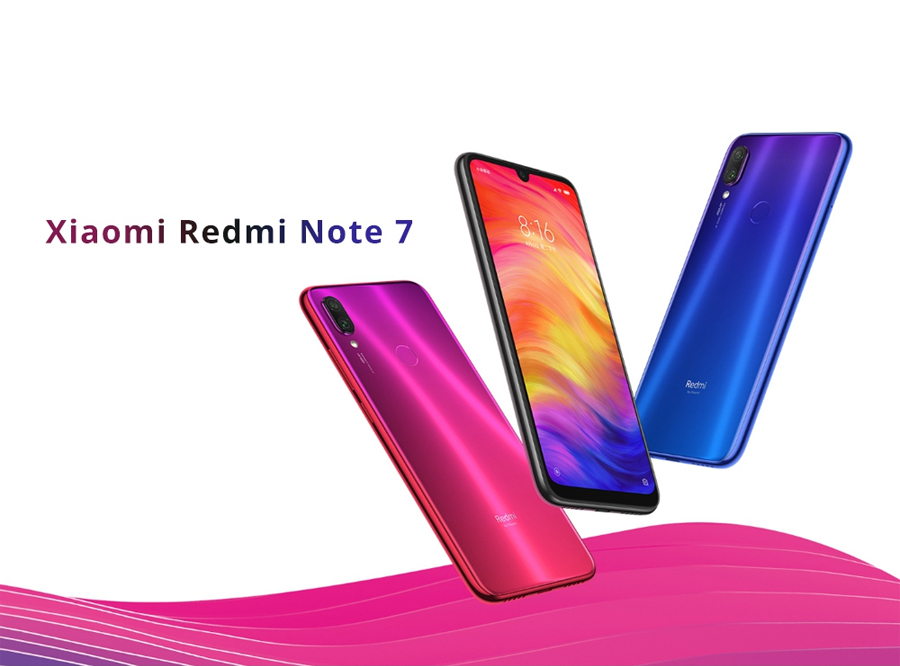 Following in the footsteps of its well-received predecessors, the Redmi Note 7 became an instant hit. On the downside, the phone failed to garner popularity among cost-conscious who aren’t willing to spend a lot of money on a top-end handset.
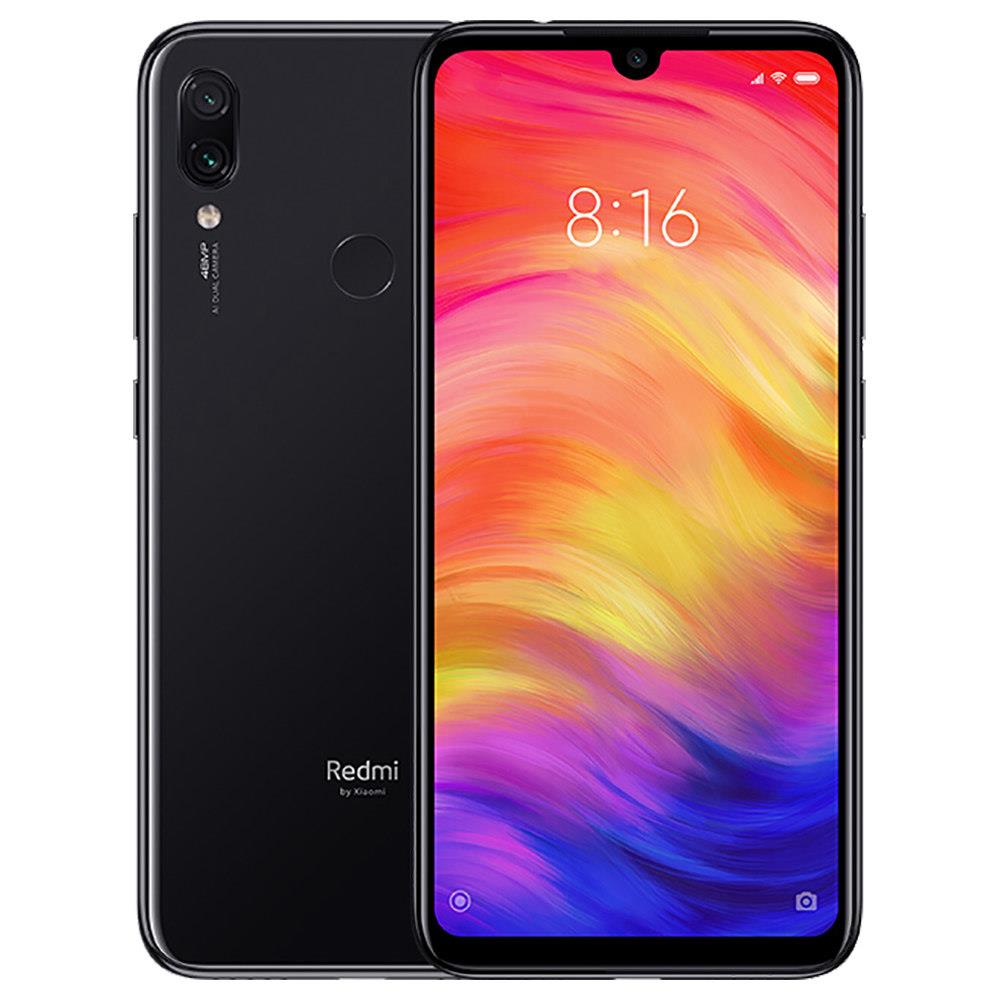 Alternatively, those willing to shell out $239 can go for the 4GB RAM, 128GB variant which comes in black as well as blue color options. You can visit the promotion page by following this link and check out more details about the Xiaomi Redmi Note 7 Global Version before placing your order.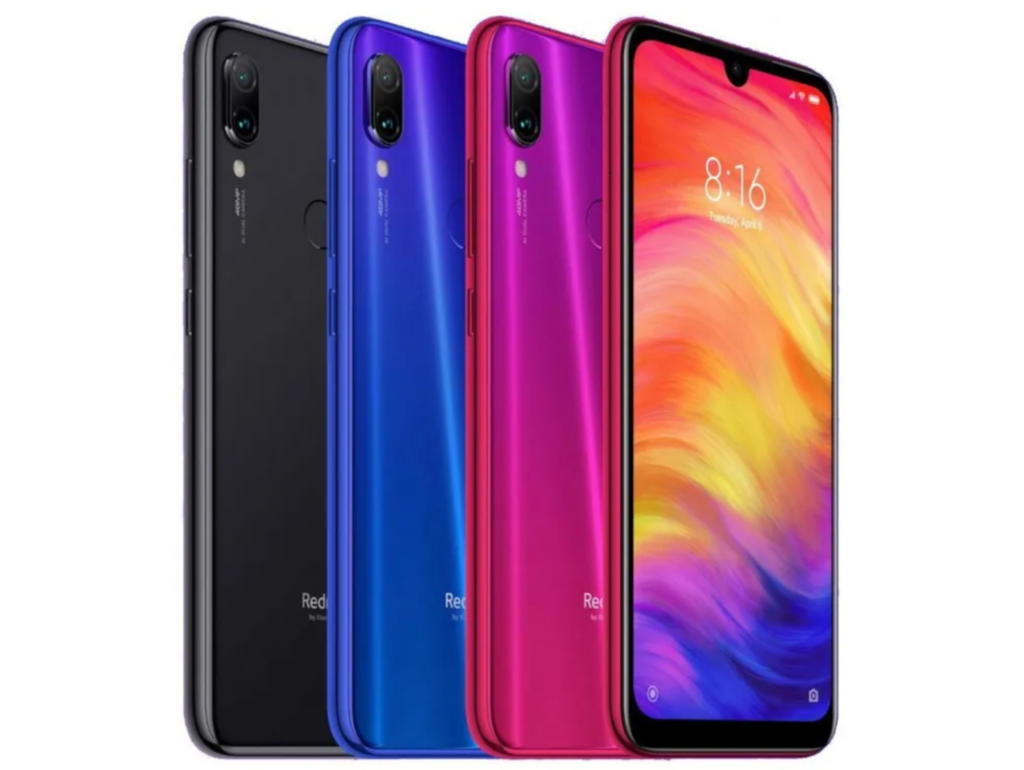

 As part of its latest CHUWI AeroBook Laptop Flash Sale, the Chinese online store is offering its loyal users an unmissable chance to buy the recently unveiled laptop for just $429.99. This is a significant 24 percent drop in the device’s original asking price of $565.80.
 Moreover, there’s a 25 percent discount available on the CHUWI HeroBook Laptop that usually retails for $265.03. Thanks to the aforesaid discount, you can now buy it for just $199.99.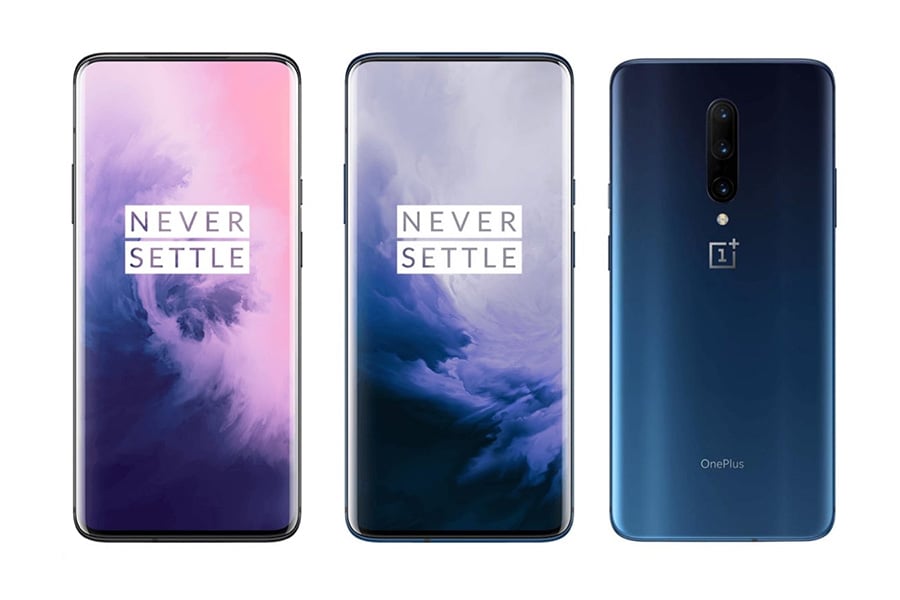





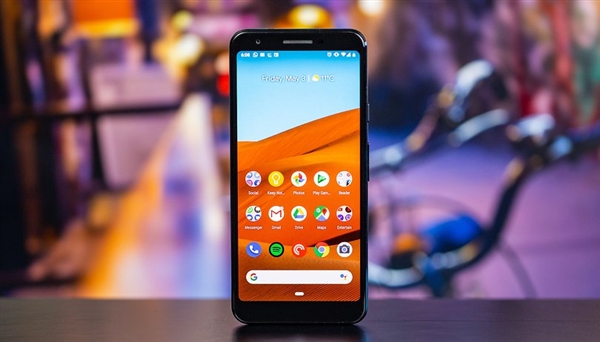 Not long after the launch conference, the Pixel 3a/3a XL kernel source code appeared on Google’s support library. One of the major things we can grab from the listing is that the display panels of the Pixel 3a and Pixel 3a XL are supplied by Samsung and Chinese firm Tianma. The source code for the Pixel 3a XL was specifically listed to be manufactured by both Samsung Display and Tianma while that of the Pixel 3a is manufactured by Samsung Display only.