Advertisement

OnePlus Nord 6 vs Nothing Phone (4a) Pro: Performance, Camera, and Battery Compared

OnePlus Nord 6 and Nothing Phone (4a) Pro take two very different approaches to the premium mid-range smartphone market. One focuses on raw performance, massive battery life, and durability, while the other aims to stand out with a unique design, a clean software experience, and a versatile camera system. With both devices priced in a similar range, choosing between them comes down to understanding which strengths matter most for everyday use. 

Major Features:

CategoryOnePlus Nord 6Nothing Phone (4a) ProWinner
Build QualityGlass front, plastic frame, plastic back, IP68/IP69K, MIL-STD-810HGlass front, aluminum frame, aluminum back, IP65, Glyph LEDsNothing – More premium materials
DurabilityIP68/IP69K water resistance, stronger protectionIP65 protectionOnePlus – Significantly tougher
Display6.78-inch AMOLED, 165Hz, 3600 nits peak6.83-inch AMOLED, 144Hz, 5000 nits peakTie – Speed vs brightness
Display ProtectionOnePlus Crystal Guard, Mohs level 8Gorilla Glass 7i, Mohs level 5OnePlus – Better protection
ChipsetSnapdragon 8s Gen 4Snapdragon 7 Gen 4OnePlus – Much faster performance
GPUAdreno 825Adreno 722OnePlus – Stronger gaming power
Storage TechnologyUFS 4.1UFS 3.1OnePlus – Faster storage
RAM & Storage OptionsUp to 12GB + 512GBUp to 12GB + 256GBOnePlus – Higher storage ceiling
Main Camera50MP OIS + 8MP ultrawide50MP OIS + 50MP periscope + 8MP ultrawideNothing – More versatile setup
Telephoto CameraNo50MP periscope, 3.5x optical zoomNothing – Dedicated zoom lens
Ultrawide Camera8MP8MPTie – Similar hardware
Selfie Camera32MP AF, 4K video32MP, 1080p videoOnePlus – Better video capability
Rear Video Recording4K 60fps4K 30fps, Dolby Vision HDRTie – Different strengths
Battery7500mAh Global / 9000mAh India5080mAh Global / 5400mAh IndiaOnePlus – Massive advantage
Charging80W wired, bypass charging50W wiredOnePlus – Faster and more feature-rich
Reverse Charging6.5W / 27W (India)7.5W reverse wiredNothing – Slightly better globally
ConnectivityWi-Fi 7, Bluetooth 6.0, IR BlasterWi-Fi 6, Bluetooth 5.4OnePlus – More advanced connectivity
Software SupportAndroid 16, OxygenOS 16Android 16, Nothing OS 4.1, 3 OS upgradesNothing – Clear update commitment
Special FeaturesBypass charging, IR blaster, rugged protectionGlyph Interface, aluminum unibody, periscope zoomTie – Depends on preference
Price / ValuePriced around $460 / ₹39,000Priced around $500 / ₹40,000OnePlus – Better hardware value
Disclaimer: Specs are based on available data. Actual performance may vary. Verify details from official sources before buying.

1. Design and Display

Build and Feel

The OnePlus Nord 6 focuses on durability and practicality. It combines a glass front with a plastic frame and back, but compensates with IP68/IP69K protection, MIL-STD-810H certification, and stronger Mohs level 8 screen protection. It feels like a phone designed to survive daily abuse and challenging environments. The inclusion of an IR blaster also adds a useful extra feature for power users.

The Nothing Phone (4a) Pro takes a more premium approach with its aircraft-grade aluminum unibody construction, aluminum rear panel, Gorilla Glass 7i protection, and signature Glyph lighting system featuring 137 individually addressable LEDs. The design is more distinctive and visually appealing, making it stand out in a crowded market.

Display Quality

Both phones use high-quality AMOLED panels with HDR10+ support and excellent color reproduction. The Nord 6 offers a 165Hz refresh rate, higher PWM dimming, and sharper image rendering. The Phone (4a) Pro counters with slimmer bezels, a larger viewing area, and a remarkable 5000-nit peak brightness.

Verdict

The Nothing Phone (4a) Pro feels more premium and unique, while the Nord 6 is clearly tougher and more durable. For display quality, the Nord 6 has the technical edge, but the Nothing device delivers a more modern visual experience.

2. Specifications Including Battery

Performance

Performance is one of the biggest differences between these devices. The OnePlus Nord 6 is powered by the Snapdragon 8s Gen 4 paired with fast UFS 4.1 storage. This flagship-tier chipset delivers significantly stronger CPU and GPU performance, making it better suited for gaming, multitasking, and long-term performance demands. It also benefits from faster wireless standards, including Wi-Fi 7 and Bluetooth 6.0.

The Nothing Phone (4a) Pro uses the Snapdragon 7 Gen 4 and UFS 3.1 storage. While it handles everyday tasks smoothly and offers a clean software experience through Nothing OS 4.1, it cannot match the raw power of the Nord 6.

Battery and Charging

Battery life heavily favors the Nord 6. Its global version packs a 7500mAh battery, while the India model stretches to an enormous 9000mAh capacity. Combined with 80W charging and bypass charging support, endurance is among the best in its class. The Phone (4a) Pro offers a respectable 5080mAh battery globally and 5400mAh in India with 50W charging, but it operates in a different league.

Verdict

The OnePlus Nord 6 wins comfortably in specifications. It delivers substantially better performance, larger batteries, faster charging, and more future-ready connectivity features.

3. Camera

Main and Secondary Lenses

The camera battle is surprisingly competitive. The OnePlus Nord 6 uses a 50MP main camera with OIS and an 8MP ultrawide sensor. The primary camera should produce reliable daylight and low-light results, but the setup remains relatively straightforward.

The Nothing Phone (4a) Pro offers a more versatile triple-camera system. Alongside its 50MP main sensor, it includes a 50MP periscope telephoto camera with 3.5x optical zoom and OIS, plus an 8MP ultrawide lens. The telephoto camera dramatically expands photographic possibilities, especially for portraits and distant subjects. Dolby Vision recording and Ultra XDR processing further enhance its imaging package.

Selfie Camera

Both devices feature 32MP selfie cameras, but the Nord 6 has autofocus and supports 4K video recording. The Phone (4a) Pro is limited to 1080p selfie video, giving the OnePlus device a noticeable advantage for content creators and video calls.

Verdict

The Nothing Phone (4a) Pro is the stronger overall camera phone thanks to its excellent periscope telephoto lens and more versatile rear camera system. However, the Nord 6 offers a better selfie experience and higher-quality front-facing video recording.

4. Pricing

The OnePlus Nord 6 is priced around $460 or ₹39,000, while the Nothing Phone (4a) Pro is priced around $500 or ₹40,000. The price difference is relatively small, placing both devices in direct competition for upper mid-range buyers.

Looking strictly at hardware, the Nord 6 delivers exceptional value. Buyers receive a flagship-class Snapdragon 8s Gen 4 processor, significantly larger battery capacity, faster charging, stronger durability ratings, and faster storage while costing slightly less. It is difficult to find another device offering this level of performance at this price.

The Nothing Phone (4a) Pro justifies its higher price through premium materials, a distinctive design language, the Glyph interface, and a superior camera system featuring a dedicated periscope telephoto lens. The overall experience feels more refined and photography-focused.

Verdict

For pure value, the OnePlus Nord 6 offers more hardware for the money. The Nothing Phone (4a) Pro justifies its premium through design and camera versatility rather than outright specifications.

Disclaimer:
Prices are approximate and may vary based on country, region, launch timing, and applicable taxes. Always check whether the listed price is for a China unit or a global/international variant when purchasing.

5. Conclusion

The OnePlus Nord 6 stands out through its Snapdragon 8s Gen 4 chipset, enormous battery capacity, 80W charging, bypass charging support, Wi-Fi 7 connectivity, superior durability certifications, and stronger display protection. It is clearly built for users who prioritize performance, battery life, and long-term practicality.

The Nothing Phone (4a) Pro differentiates itself with its aluminum unibody design, Glyph lighting interface, cleaner aesthetic, periscope zoom camera, and distinctive software experience. It targets users looking for something different from the typical Android smartphone. The device feels more lifestyle-oriented, while still offering strong everyday performance.

Verdict

OnePlus Nord 6 is the better overall choice for most buyers. It delivers superior performance, dramatically better battery life, faster charging, and stronger durability while costing slightly less. 

Nothing Phone (4a) Pro remains the better option for users who prioritize design, software personality, and camera versatility, particularly the dedicated telephoto lens. For all-round value and long-term capability, the Nord 6 holds the advantage.

Disclaimer: This comparison is based on the specifications provided and is intended for general informational purposes. Actual performance, camera results, battery life, and overall experience may vary depending on real-world usage, software updates, and individual preferences.

Read More:

Forget OnePlus 15s, compact OnePlus 16T with Snapdragon 8 Elite Gen 6 in works

Recent reports suggest that OnePlus may have cancelled its plans to launch the OnePlus 15s, a compact flagship smartphone for the Indian market. For the uninitiated, the device was believed to be a tweaked version of the OnePlus 15T, which debuted in China earlier this year. While there is no certainty that markets outside China will receive a compact OnePlus phone in the future, a new leak suggests that the company could continue offering such devices in its home market.

OnePlus 16T’s first details emerge

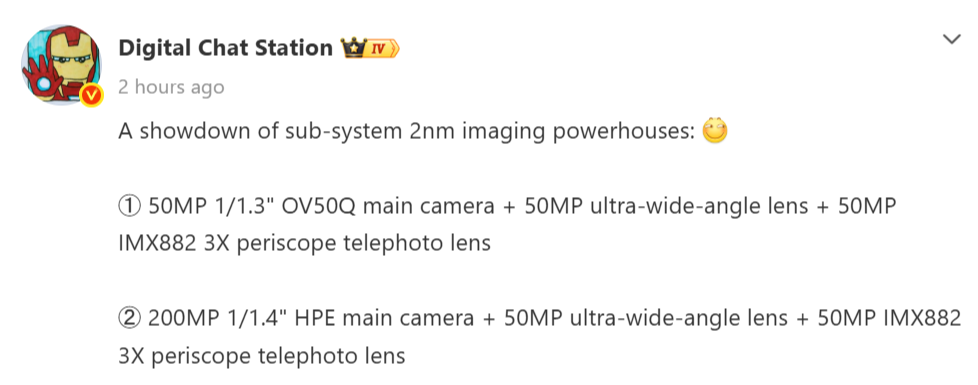
According to tipster Digital Chat Station, a compact performance-focused smartphone from OnePlus is currently under development. While the tipster did not mention the device’s name, it is believed to be the OnePlus 16T.

The device is reportedly being evaluated with Qualcomm’s upcoming Snapdragon 8 Elite Gen 6 chipset, which is expected to be manufactured using a 2nm process. It is also said to feature a compact 6.3-inch flat display with a very high refresh rate.

Apart from these details, the rest of the specifications have reportedly not been finalized yet. The tipster added that development is progressing normally, which suggests that the device could launch in the first quarter of 2027, considering that the OnePlus 15T was unveiled in March this year.

While there is speculation that OnePlus may have skipped the OnePlus 15s for global markets this year, it remains to be seen whether the company introduces the OnePlus 16s next year as a tweaked or rebranded version of the China-bound OnePlus 16T.

Should OnePlus return to launching compact flagships in global markets? Let us know in the comments.

For more daily updates, please visit our News Section.

Stay ahead in tech! Join our Telegram community and sign up for our daily newsletter of top stories!

Nothing teases Phone (4b) with a single camera as memory crisis bites again

Nothing is teasing its next budget phone just days after confirming the CMF Phone 2 Pro successor was scrapped. The company shared a design sketch of the upcoming device today, and while the transparent aesthetic is immediately recognizable, the camera setup signals a more aggressive round of cost-cutting than we had hoped for.

The teaser, shared on X, shows the lines and transparent back panel that Nothing has built its identity around. But what stands out isn’t the design; it’s what’s missing from it.

Nothing Phone (4b) tipped with a single rear camera 

The sketch confirms a single rear camera, something no Nothing phone has shipped with before. The name appears to be settled, too. 

Nothing confirmed the “4b” suffix in the video itself, hinting that the Nothing Phone (4b) could be the official name. However, it raises an obvious question: why launch an entry-level device under the Nothing name rather than CMF, the sub-brand the company created specifically for affordable phones?

Nothing Phone (4b) Design Sketches

Nothing hasn’t addressed this directly, but every leak so far points to Nothing Phone (4b), so that’s the name we’re using until the company says otherwise.

Pricing will be an interesting story to watch. Nothing’s cheapest current phone, the Phone (3a) Lite, launched at Rs 20,999 before quietly climbing to Rs 25,000 after the memory crisis. 

CMF products have seen similar increases. Co-founder Carl Pei said recently that “memory is now the most expensive component in a smartphone,” and with costs having doubled twice over since the Phone 4A was greenlit, “affordable” increasingly means affordable relative to Nothing’s own lineup, not the broader budget market.

Beyond the camera, expect further hardware compromises. Nothing hasn’t confirmed what else gets trimmed, but a single-sensor setup rarely travels alone.

For more daily updates, please visit our News Section.

Stay ahead in tech! Join our Telegram community and sign up for our daily newsletter of top stories!

Ai+ launches Nova 2 Neo, Nova 2 Pro 5G with up to 144Hz displays, starts at Rs 12,999

Ai+ has officially expanded its smartphone portfolio in India with the launch of the Nova 2 Neo 5G and Nova 2 Pro 5G. The new devices are aimed at different segments of the market, with the Neo model targeting budget-conscious buyers and first-time smartphone users, while the Pro variant focuses on users seeking stronger performance and multimedia capabilities.

Ai+ Nova 2 Neo 5G, Nova 2 Pro 5G specifications and features

AI+ Nova 2 Neo 5G
AI+ Nova 2 Neo 5G

The Ai+ Nova 2 Neo 5G features a 6.74-inch HD+ LCD with a 120Hz refresh rate and up to 600 nits of high-brightness mode. It is powered by the MediaTek Dimensity 6300 chipset, paired with up to 6GB of RAM and 128GB of storage. The phone supports microSD expansion of up to 2TB and runs Android 16-based NxtQuantum OS. For photography, it includes a 48-megapixel Sony IMX582 rear camera and an 8-megapixel front-facing camera. The device also packs a 6,000mAh battery with 18W fast charging support.

The Nova 2 Pro 5G sits higher in the lineup with a larger 6.9-inch FHD+ LCD panel that supports a 144Hz refresh rate and up to 800 nits of brightness. It is powered by the MediaTek Dimensity 7100 processor and comes with up to 8GB of RAM and 128GB of storage.

AI+ Nova 2 Pro 5G
AI+ Nova 2 Pro 5G

The phone features a 48-megapixel Sony IMX582 primary camera, an 8-megapixel ultra-wide lens, and a 13-megapixel selfie camera. Other highlights include stereo speakers, customizable rear notification lights, and a 6,000mAh battery with 33W fast charging.

Both smartphones run Android 16-based NxtQuantum OS and include features such as the NxtPrivacy Dashboard, AI Key support, side-mounted fingerprint scanners, IP65-rated dust and splash resistance, and expandable storage of up to 2TB via microSD cards.

Ai+ Nova 2 Neo 5G and Nova 2 Pro 5G price and availability

The Ai+ Nova 2 Neo 5G is priced at Rs 12,999 (~$140) for the 4GB + 128GB version and Rs 13,999 (~$150) for the 6GB + 128GB model. The Nova 2 Pro 5G starts at Rs 15,999 (~$170) for the 6GB + 128GB variant, while the 8GB + 128GB version costs Rs 17,999 (~$190). Buyers can also avail of an instant Rs 1,000 discount using eligible bank cards.

Both smartphones will go on sale through Flipkart starting June 26 at 12 PM. What do you think about the Ai+ Nova 2 series, and which of the two models do you find more appealing?

For more daily updates, please visit our News Section.

Stay ahead in tech! Join our Telegram community and sign up for our daily newsletter of top stories!
Asus brings AI-powered Chromebooks to India starting at Rs 26,990

Asus has made its latest Chromebook lineup available across India, giving students and young professionals more options in the cloud-first computing segment. The new range includes the Chromebook CM32 Detachable, Chromebook CM14, and Chromebook CM15, all of which run ChromeOS and come with access to Google’s AI-powered tools and services.

Asus Chromebook CM32 Detachable, CM14, and CM15 specifications and features

The Asus Chromebook CM32 Detachable is the most feature-rich model in the lineup. It features a lightweight detachable design weighing around 640 grams, allowing it to function as both a laptop and a tablet. The device comes equipped with a 2.5K touchscreen display, a detachable keyboard, a magnetic stand, and ASUS Pen support. ASUS has also equipped it with a metallic chassis, Corning Gorilla Glass protection, and military-grade durability certifications for added reliability.

The Chromebook CM14 and Chromebook CM15 are designed for users seeking a traditional laptop experience. As their names suggest, they feature 14-inch and 15-inch displays, respectively. Both models are powered by MediaTek Kompanio 540 processors and are claimed to deliver up to 20 hours of battery life on a single charge. They also feature narrow-bezel displays and a 180-degree lay-flat hinge, making them suitable for online learning, collaboration, and day-to-day productivity tasks.

Across the lineup, ChromeOS provides access to Google’s cloud-based ecosystem and AI experiences. Buyers also receive Google AI Pro benefits and 5TB of cloud storage for three months, enabling easier file access, collaboration, and content management across devices.

Asus Chromebook CM32 Detachable, CM14, and CM15 price and availability

The Asus Chromebook CM14 is priced from Rs 26,990, while the Chromebook CM15 starts at Rs 28,990. The premium Chromebook CM32 Detachable carries a starting price of Rs 37,990. The devices are now available for purchase through Amazon and the ASUS eShop. ASUS is also offering financing options, including No Cost EMI plans through its ASUS Easy Pay programme.

For more daily updates, please visit our News Section.

Stay ahead in tech! Join our Telegram community and sign up for our daily newsletter of top stories!
Oppo Reno 16, Reno 16c officially revealed with HoloVerse 3D design, slim build, and AI Snap Key

According to reports, the Oppo Reno 16 lineup includes multiple models, such as the Reno 16c, Reno 16F, Reno 16 FS, Reno 16, Reno 16 Pro, and Reno 16 Pro Mini. However, among these, the Indian market is confirmed to receive at least two models as of now, the Reno 16 and Reno 16c.

Today, the brand released a press release to confirm details about the design and display of these models. Meanwhile, the Reno 16F, Reno 16, and Reno 16 Pro are scheduled to debut globally on June 25, while the India launch is expected to take place in early July.

Oppo Reno 16 series design and durability details

Oppo Reno 16 series first look

The Reno 16 series introduces a new visual identity centred around what Oppo calls India’s first HoloVerse 3D design. Available on the Starry White version, the finish creates a naked-eye 3D effect that makes a planet-like element appear suspended beneath the rear panel.

The effect changes depending on viewing angle and lighting conditions. Oppo says the design is achieved through a dual-layer optical structure combined with millions of precision microlenses. The lineup also incorporates a floating glitter effect and a redesigned camera ring for added depth. Buyers will be able to choose from Starry White, Twilight Violet, and Stellar Purple color options.

Beyond aesthetics, Oppo is highlighting durability as a key aspect of the Reno 16 series. The devices carry IP66, IP68, IP69, and IP69K ratings for resistance against dust, water immersion, splashes, and high-pressure water exposure. The Reno 16 also adopts an aerospace-grade aluminum frame that is claimed to improve structural strength and drop resistance compared to conventional plastic-frame smartphones.

Oppo Reno 16 display, dimensions, and AI Snap Key

Oppo Reno 16 series

The Reno 16 features a 6.32-inch AMOLED display with FHD+ resolution, a 120Hz refresh rate, and ultra-slim 1.6mm bezels that contribute to a 93.4 percent screen-to-body ratio. The Reno 16c arrives with a larger 6.57-inch AMOLED panel, FHD+ resolution, and a 120Hz refresh rate. Peak brightness reaches 1,800 nits on the Reno 16 and 1,400 nits on the Reno 16c for improved outdoor visibility.

Despite their large displays and camera systems, the Reno 16 measures 8.22mm thick and weighs 182 grams, while the Reno 16c comes in at 8.44mm and 195 grams. Another notable addition is the AI Snap Key, which debuts on the Reno series for the first time.

The customizable side-mounted button can launch the camera, flashlight, recorder, translator, and other functions. It also works with Oppo’s AI Mind Space platform, which integrates Gemini, Perplexity, and ChatGPT features for saving, organizing, and retrieving information more efficiently.

The brand is also expected to announce the Oppo Bubble accessory and the Enco Air 5 TWS earbuds alongside the Reno 16 and 16c.

For more daily updates, please visit our News Section.

Stay ahead in tech! Join our Telegram community and sign up for our daily newsletter of top stories!
Coolpad Cool 80 debuts with an iPhone-inspired design for ~$120

Coolpad has introduced a new budget smartphone in China called the Coolpad Cool 80. Aimed at entry-level buyers, the device combines a familiar design with a capable chipset and a high-refresh-rate display. The launch marks another attempt by the brand to strengthen its presence in the affordable smartphone segment.

Coolpad Cool 80 specifications and features

Coolpad Cool 80
Coolpad Cool 80

The Coolpad Cool 80 features a 6.7-inch IPS LCD screen with HD+ resolution and a 90Hz refresh rate. The screen adopts a punch-hole design on the front, while the phone measures 168.5 x 76.3 x 8.2mm.

Under the hood, the handset is powered by the MediaTek Helio G99 processor, a chipset that has appeared in several affordable and mid-range devices over the past few years. The phone comes with 6GB of physical RAM and supports an additional 8GB of virtual RAM expansion. It ships with 128GB of internal storage and a microSD card slot for additional storage.

For photography, the Coolpad Cool 80 is equipped with a 13-megapixel rear camera and a 5-megapixel front camera. The official images show that the Cool 80 sports an iPhone-inspired design on the back bu,t still has a different look due to differently arranged cameras.

The phone is currently listed on JD.com, with official images revealing most of its specifications, except for its battery. The JD listing mentions a 4,000mAh battery with 10W charging, which seems quite low for a phone of this size and compared to many contemporary smartphones on the market. Therefore, it remains unclear whether the battery and charging details are accurate.

Coolpad Cool 80 price and availability

The Coolpad Cool 80 has been launched in a single 6GB + 128GB variant priced at 819 Yuan, which converts to roughly $120. The smartphone is currently available in China through local retail channels and online platforms. Buyers can choose from three color options: Rock Sand Black, Dune Orange, and Gauze White.

As of now, there is no clarity on whether the Coolpad Cool 80 will be introduced in international markets. The company has not announced any plans regarding a wider rollout, so global availability remains uncertain.

For more daily updates, please visit our News Section.

Stay ahead in tech! Join our Telegram community and sign up for our daily newsletter of top stories!

Intense heat from RTX 5090 discolors high-end motherboard in just 6 months

High-end PC parts are built to handle serious heat and power, but even flagship gear can throw some surprises after months of heavy use. A recent report shows an ASUS ROG Astral GeForce RTX 5090 leaving noticeable discoloration on the chipset (PCH) heatsink of a high-end ASUS motherboard.

The story comes from a user on a Taiwanese hardware forum. They were running an all-ASUS setup: the ROG Astral RTX 5090 paired with a ProArt X870E-Creator WiFi motherboard inside a ProArt PA602 case. After about six months, when they pulled the GPU out, they saw clear marks on the PCH heatsink right underneath where the card sits. Some of the discoloration wiped off with a damp cloth, but not everything.

This really highlights just how much heat the RTX 5090 can pump out. NVIDIA rates it at 575W TDP, and under heavy gaming, AI workloads, or big transients, it can go even higher. That big triple-fan cooler on the Astral pushes heat downward, and if your case airflow isn’t great, it can bake nearby components over time.

Motherboard heatsinks are meant to tolerate high temperatures. The bigger concern is the chips beneath them. Prolonged concentrated heat can shorten the lifespan of those components, potentially affecting the motherboard’s overall longevity.

The ROG Astral has had some other headlines since launch, including melting 16-pin power connectors, black screen problems, and a few isolated early incidents like a capacitor fire. There were also reports of some early cards shipping with missing raster units. ASUS added better power monitoring on their premium models, but these kinds of growing pains come with pushing next-gen hardware this hard.

If you’re running a 5090 (especially for long AI sessions, content creation, or heavy gaming), it’s smart to keep a close eye on your case temps and airflow. Make sure everything’s well-ventilated, cables are properly seated, and check for any weird hot spots from time to time.

So far this sounds like an isolated case, but it’s a good reminder that these ultra-high-power cards run hot.

Don’t miss a thing! Join our Telegram community for instant updates and grab our free daily newsletter for the best tech stories!

For more daily updates, please visit our News Section.

(Source)

Xiaomi 18 Pro series could offer Samsung-like Privacy Display feature

The Xiaomi 18 series is already beginning to surface through leaks months ahead of its expected debut. Recent information from well-known Chinese tipsters points to several upgrades across the lineup, suggesting that Xiaomi may focus on display technology, privacy features and camera improvements for its next-generation flagship phones.

Xiaomi 18 Pro may introduce privacy-focused display technology

According to details shared by tipsters Digital Chat Station and Smart Pikachu, Xiaomi is testing a new flagship Pro model equipped with a next-generation 2K display and integrated privacy protection technology. The feature is said to combine hardware and software solutions to prevent nearby people from viewing on-screen content, offering enhanced protection for messages, passwords and other sensitive information.

While the device was not named directly, speculation points to the Xiaomi 18 Pro. The leak follows reports that Samsung is also exploring similar privacy display solutions for future Galaxy flagship devices, indicating that privacy-focused screens could become a new trend in the premium smartphone segment.

Smart Pikachu recently claimed that the Xiaomi 18 series is currently scheduled to launch in September. The lineup is expected to retain Xiaomi’s secondary rear display concept while introducing a customized 200-megapixel LOFIC main camera. The phones are also tipped to feature displays with larger corner radii, an effective 2K resolution and higher peak brightness compared to the previous generation.

On the software side, the Xiaomi 18 family is expected to run HyperOS 4. Leaks suggest the interface could introduce a new light-inspired visual style while bringing deeper AI integration across applications. Speaking of AI integration, recent reports have revealed that the series will feature a dedicated AI button.

As of now, Xiaomi has not confirmed any of these details. However, if the leaks prove accurate, the Xiaomi 18 series could arrive with one of the biggest display and privacy upgrades seen on a Xiaomi flagship in recent years. What do you think about privacy display technology, and is this the feature you are most excited to see on the Xiaomi 18 Pro?

For more daily updates, please visit our News Section.

Stay ahead in tech! Join our Telegram community and sign up for our daily newsletter of top stories!

This upcoming OnePlus flagship may have been cancelled

Last year, OnePlus launched its first compact flagship, the OnePlus 13T, in China. A tweaked version of the device later arrived in India as the OnePlus 13s. The company appeared set to follow the same strategy this year after unveiling the OnePlus 15T in China in March. This led to speculation that India would receive a rebadged or slightly modified version called the OnePlus 15s. However, recent developments suggest those plans may no longer be in place.

OnePlus 15s may have been shelved

According to tipster Yogesh Brar, the OnePlus 15s is not expected to launch in India. The claim suggests that the device has effectively been cancelled for the market, although no official explanation has been shared by the company. If accurate, this would mark a notable shift from OnePlus’ approach last year, when the 13T successfully made its way to India under the 13s branding.

The timing of the rumor is particularly interesting. OnePlus unveiled the 13s in June last year in India, and that launch window has already passed as June 2026 approaches its final days. Instead of teasing a compact flagship, the brand’s attention has been focused on the upcoming OnePlus N6 series, which is scheduled to launch in India on June 30.

The leak also raises questions about OnePlus’ broader flagship roadmap. While the OnePlus 16 is widely expected to debut in China in September, there is reportedly no final decision yet regarding its release in India. That said, it would be surprising if the company’s main flagship skipped one of its most important markets.

September is expected to be a busy month for the smartphone industry, with several major Chinese brands preparing next-generation flagship launches. If the OnePlus 16 arrives as expected, it will likely compete directly with premium offerings from rival manufacturers during a highly competitive launch season.

For more daily updates, please visit our News Section.

Stay ahead in tech! Join our Telegram community and sign up for our daily newsletter of top stories!
Xiaomi Pad 9’s battery size revealed vian HyperOS code

Xiaomi is reportedly working on the Xiaomi Pad 9 series of flagship tablets. Initial reports suggest that the lineup may include two models, namely the Pad 9 and Pad 9 Pro. In a new development, tipster Kacper Skrzypek has accessed the HyperOS code to reveal some details about the Pad 9.

Xiaomi Pad 9’s battery size revealed

Xiaomi Pad 8

The tipster revealed that the standard Xiaomi Pad 9 has model numbers M656BA, 26103RP65G, and 26103RP65I. The “2610” numbering suggests that the Pad 9 series could be planned to break cover in October this year.

Skrzypek also revealed through the HyperOS code that the Pad 9 will pack a 9,720mAh battery. In comparison, the Pad 8 has a smaller 9,200mAh battery. It is also being said that the tablet may feature the same Snapdragon 8s Gen 4 chip that powers the previous generation.

According to a report from December, the Pad 9 will receive a wider launch, but the Pad 9 Pro may miss a major market, India. It is being said that the Pro edition may come equipped with the Snapdragon 8 Gen 5 chip. Hopefully, upcoming reports will reveal more details about the Pad 9 models.

While the Pad 9’s model number suggests an October launch, there is a possibility that it may debut earlier in China. To recall, the Pad 8 lineup was announced alongside the Xiaomi 17 series of flagship phones in September 2025. Rumors suggest that the Xiaomi 18 family will launch in September in China. Therefore, there is a possibility that the Pad 9 series may go official alongside the Xiaomi 18 lineup.

For more daily updates, please visit our News Section.

Stay ahead in tech! Join our Telegram community and sign up for our daily newsletter of top stories!
Red Magic Gaming Tablet 5 Pro revealed with see-through design and flagship gaming hardware

Red Magic has officially revealed the design of its upcoming Gaming Tablet 5 Pro ahead of its scheduled launch later this month. The new gaming-focused tablet introduces a distinctive visual identity that separates it from conventional tablets, while also hinting at the high-performance hardware packed inside. The company has now shared a closer look at the device, giving enthusiasts an early glimpse of what to expect.

Red Magic Gaming Tablet 5 Pro official renders released

The Red Magic Gaming Tablet 5 Pro will be available in black and silver color options. Its standout feature is a transparent rear panel that exposes parts of the internal cooling structure, creating a more futuristic appearance. The tablet also integrates an RGB lighting system linked to the cooling setup, with lighting effects that respond to performance activity during use.

The frame houses standard volume controls along with a dedicated red-colored hardware button positioned on the side. On the front, the tablet adopts a full-screen design without any visible display cut-outs. Combined with slim bezels, the layout is aimed at delivering a more immersive viewing and gaming experience.

Red Magic Gaming Tablet 5 Pro: What’s known so far

Red Magic has confirmed that the Gaming Tablet 5 Pro features a 9-inch OLED display with a resolution of 2400 x 1504 pixels. The panel supports a refresh rate of up to 185Hz, which should help provide smoother visuals in fast-paced games. Compared to traditional LCD panels, the OLED screen is expected to offer deeper contrast, richer colours and faster response times.

Under the hood, the tablet is powered by Qualcomm’s Snapdragon 8 Elite Gen 5 flagship processor. To keep temperatures under control during extended gaming sessions, the device pairs the chipset with an active liquid-cooling system. It is also expected to pack up to 24GB of RAM, up to 1TB of storage, and an 8,300mAh battery with fast charging support.

The Red Magic Gaming Tablet 5 Pro is set to make its official debut on June 30. With its transparent design, RGB cooling effects and flagship specifications, it appears to be targeting gamers looking for both performance and visual flair.

For more daily updates, please visit our News Section.

Stay ahead in tech! Join our Telegram community and sign up for our daily newsletter of top stories!
Samsung Galaxy S27 Pro tipped to feature 6.47-inch display with hardware privacy screen

Samsung’s 2026 Galaxy S26 series was expected to introduce a Galaxy S26 Pro as part of a lineup restructuring. It was expected to replace the Galaxy S26 Plus. However, as we later covered, those plans did not go ahead, and Samsung kept its usual naming for the S26 series. The Pro model simply did not happen. 

Now, a new leak from a reliable source suggests Samsung hasn’t scrapped the idea altogether and is instead working on the Galaxy S27 Pro. Words for it come from insider Digital Chat Station on Weibo, who shared screen details of the upcoming flagship.

Privacy Screen in testing for Galaxy S27 Pro

According to Digital Chat Station, the Galaxy S27 Pro will have a 6.47-inch display, comparatively smaller than the S26 Plus’ 6.7-inch screen. It will also include a hardware-level privacy screen, which Samsung kept exclusive to the Galaxy S26 Ultra. 

A hardware privacy screen limits the viewing angles of the display, so people around you cannot easily see what is on your screen. 

Samsung Galaxy S27 Pro Screen Leak

The same leak also points to the Galaxy S27 Ultra coming with a 6.89-inch 2K display that also includes privacy screen functionality.

An interesting claim from the tipster is that Samsung is reportedly not planning to supply this display technology to other manufacturers for now, meaning Apple, which also sources displays for iPhones from Samsung, may not have access to it, at least in the near term.

These are early-stage leaks, and Samsung’s plans have changed before — the S26 Pro situation being the best example. It’s best to take these details with a pinch of salt.

We will update this story as new details emerge.

For more daily updates, please visit our News Section.

Stay ahead in tech! Join our Telegram community and sign up for our daily newsletter of top stories!
Source: Digital Chat Station (via Weibo)

Acer launches super affordable wired gaming headset with 40mm drivers & 7.1 virtual surround sound

Acer has released a new wired gaming headset in China, and the main talking point is simply how little it costs. The Acer OHW201 is currently listed on JD.com with a standard retail price of 69 yuan, which converts to about $10.

Acer OHW201 Headset

Acer OHW201 Headset Specifications

The OHW201 uses 40mm neodymium dynamic drivers. These are tuned to provide a clear soundstage with distinct mids and enough bass to help players pick up on standard in-game audio cues like footsteps or environmental noises. It also includes support for 7.1 virtual surround sound, a software-based spatial audio feature meant to help with directional sound positioning during multiplayer matches.

Acer OHW201 Headset

The headset uses a closed-back acoustic design, which provides passive noise isolation to block out regular room noise. To make the headset comfortable to wear for a few hours at a time, Acer went with a floating dual-headband design. The over-ear cups feature cooling cushions made from a layered mix of memory foam, a breathable ventilation layer, and a skin-friendly fabric.

For voice chat, the OHW201 includes a 360-degree omnidirectional microphone. Acer says the mic uses intelligent voice pickup to filter out background noise, which should make it fine for standard Discord calls or multiplayer lobbies. Aesthetically, it looks like a typical gaming headset, complete with dynamic RGB lighting on the earcups. It comes in both black and white color options.

Acer OHW201 Headset

On the technical side, the OHW201 connects via a standard 1.8-meter cable. It has an impedance of 16Ω ±10%, a sensitivity of 95±3dB, and a microphone sensitivity of -42±3dB.

In related news, Lenovo has recently launched the Legion Y960 gaming headset featuring physical 7.1 surround sound and a detachable microphone.

For more daily updates, please visit our News Section.

Stay ahead in tech! Join our Telegram community and sign up for our daily newsletter of top stories!
(JD)

HMD Luma2 surfaces with renders and key specs: 6000mAh battery, 6.75″ HD+ 120Hz display

Only four months after the launch of the HMD Luma 4G, its successor has already surfaced online with renders and key specifications.

According to reliable tipster smashx_60, the HMD Luma2 comes with a big 6.75-inch HD+ IPS LCD with a smooth 120Hz refresh rate. On the front, there’s an 8MP selfie camera. Around the back, you get a 50MP main sensor plus a secondary lens for everyday photos.

Power comes from the Unisoc T7280 processor (basically a rebranded T620). It’s an octa-core chip with two performance cores and six efficiency ones, paired with 4GB of RAM (which can be virtually expanded) and 128GB or 256GB of UFS 2.1 storage. You can expand it further with a microSD card.

Battery life should be good enough thanks to a hefty 6000mAh cell with 18W wired charging. Other handy features include a 3.5mm headphone jack and Nokia’s OZO Audio technology for better sound. It’ll be available in three colors: Ice Blue, Light Sand, and Midnight Lake.

The Luma2 builds on HMD’s successful partnerships with M-Kopa. M-Kopa’s pay-as-you-go system has helped a lot of people in emerging markets get smartphones by bundling the phone with data, insurance, and other perks.

HMD has been smart about releasing region-specific and carrier-branded phones lately to reach more people. We’re still waiting on full details like exact pricing, full software support, and launch timing, but everything points to an affordable, reliable option coming soon.

For folks in M-Kopa’s main markets, the Luma2 could be a great way to get a smooth 120Hz display and strong battery life without spending a lot. It’ll be interesting to see how this customized version compares to the predecessor and other budget phones once it’s official.

Don’t miss a thing! Join our Telegram community for instant updates and grab our free daily newsletter for the best tech stories!

For more daily updates, please visit our News Section.

(Source: @smashx_60 on X)

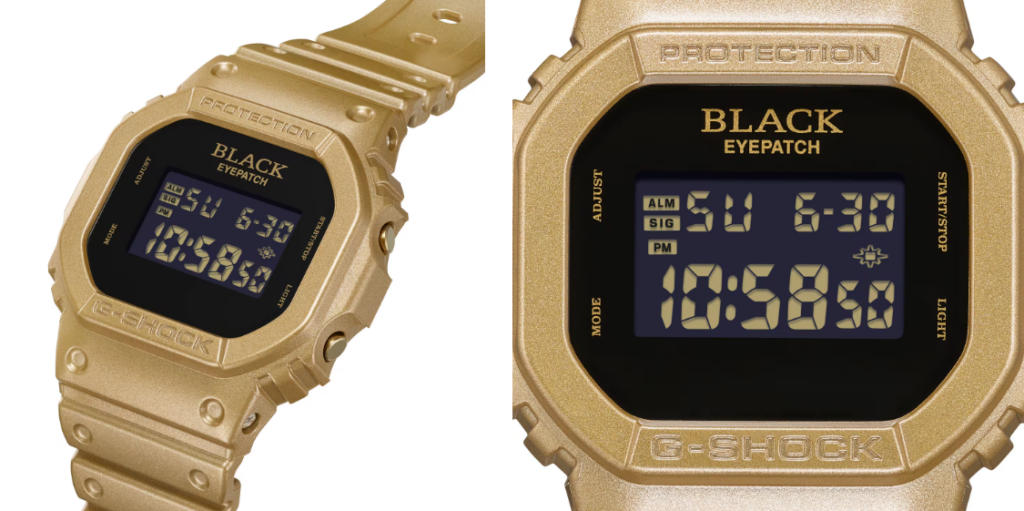
Casio launches four gold-accented Bold Camo G-Shock watches in the US

Casio is releasing four new G-Shock watches in the US market as part of its new Bold Camo series. The collection originally launched earlier this month in Japan, which received a broader six-model lineup, but the US release is limited to four specific models. As a promotional add-on, Casio is currently including a free camouflage pouch with purchases.

Casio Bold Camo G-Shock watches

Design Details

The main design update across the four watches is a green camouflage pattern printed onto the resin bands and bezels, which integrates a hidden G-mark logo into the design. Aside from the cosmetic changes, all four models retain the standard specifications expected from the G-Shock line, including physical shock resistance and 200-meter water resistance.

The entry point for the new US lineup is the DW-6900CMG-3, priced at $145. It uses the classic 6900 digital silhouette with a standard resin case and bezel. It features a 1/100-second stopwatch, countdown timer, multi-function alarm, and an LED backlight, running on a CR2016 battery estimated to last five years.

Stepping up to $165 is the GA-700CMG-3A, an analog-digital hybrid. It features a larger 57.5mm case and incorporates gold-colored vapor deposition on the dial and hands. It includes world time functionality across 31 time zones and a hand-shift feature to temporarily move the analog hands away from the digital display.

The GA-V01CMG-3A costs $210 and is also an analog-digital model, but its primary hardware difference is a much longer battery life. It uses a CR2025 battery rated for approximately 10 years of use. It also features a double LED light system to separately illuminate both the analog face and the digital readout.

The most expensive model in the lineup is the GM-6900CMG-3 at $280. It shares the exact same digital functionality and five-year battery life as the DW-6900, but it replaces the standard resin bezel with a stainless steel one. The metal bezel is finished with multiple polishing techniques, coated with a gold-colored ion plating, and uses partial laser etching to apply the camouflage pattern directly onto the metal.

All four watches are available to purchase now through Casio’s website and standard retail channels.

For more daily updates, please visit our News Section.

Stay ahead in tech! Join our Telegram community and sign up for our daily newsletter of top stories! 💡
(Casio 1,2,3,4)

UGREEN HiTune S6 Pro Debuts With Spatial Audio and Open-Ear Design at a Budget Price

UGREEN has officially launched its new HiTune S6 Pro clip-on Bluetooth earphones in China. The new wireless earbuds are priced at 199 yuan and are currently available in a Starlight Silver color option. The product targets users who prefer an open-ear listening experience while maintaining comfort during long periods of use.

Open-Ear Design Focuses on Comfort

The UGREEN HiTune S6 Pro features an open-ear clip-on design with an ergonomic C-bridge structure. The earphones use a 0.6mm memory titanium wire that helps provide a secure fit while remaining lightweight and comfortable. UGREEN has also included an IPX5 water-resistance rating, making the earbuds suitable for workouts, outdoor activities, and daily commuting.

12mm Drivers and Spatial Audio Support

For audio performance, the HiTune S6 Pro is equipped with 12mm dynamic drivers. The earphones support AAC and SBC audio codecs and include built-in spatial audio effects for a more immersive listening experience. UGREEN has also added a directional sound transmission mode designed to reduce sound leakage and improve privacy when listening in public places.

Bluetooth 6.0 and AI Features

The new earbuds use Bluetooth 6.0 technology for wireless connectivity and offer a connection range of up to 10 meters in open environments. One of the standout features is the inclusion of a lifetime free AI assistant, allowing users to access intelligent voice interactions directly through the earphones.

Long Battery Life for Daily Use

Battery performance is another key highlight of the HiTune S6 Pro. The earbuds can provide up to 9.5 hours of playback on a single charge, while the included charging case extends total battery life to approximately 48 hours. The case features a 580mAh battery and supports USB Type-C charging, with a full recharge taking around 1.5 hours.

The UGREEN HiTune S6 Pro is backed by a one-year warranty and aims to offer an affordable combination of comfort, battery life, and modern wireless features.

Key Specs:

CategorySpecification
Product NameUGREEN HiTune S6 Pro True Wireless Bluetooth Earphones
Model NumberWS221
Price199 Yuan
ColorStarlight Silver
DesignOpen-Ear Clip-On Design
StructureErgonomic C-Bridge Design
Material0.6mm Memory Titanium Wire
Water ResistanceIPX5
Bluetooth VersionBluetooth 6.0
Wireless RangeUp to 10m (Unobstructed)
Audio Driver12mm Dynamic Driver
Audio CodecsAAC, SBC
Spatial AudioYes
Directional Sound TransmissionYes
AI AssistantLifetime Free AI Assistant
Voice InteractionIntelligent Voice Controls
Earbud Battery50mAh (Each Earbud)
Charging Case Battery580mAh
Playback Time (Single Charge)Up to 9.5 Hours
Total Battery LifeUp to 48 Hours
Charging PortUSB Type-C
Charging TimeApproximately 1.5 Hours
Charging Case Dimensions77.5 × 66.3 × 26.8mm
Product WeightApproximately 55g
Package WeightApproximately 128g
Package Size118 × 92 × 36mm
Warranty1 Year
AvailabilityOn Sale in China

Read More:

(via)

The Most Stylish Feature Phones You Can Buy in June 2026

We are halfway through 2026, and the trend of stepping away from smartphones is still going strong. People are increasingly looking for ways to cut down on screen time, but that doesn’t mean they want to carry around a clunky, poorly designed piece of plastic. The current lineup of feature phones shows that you can disconnect and simplify your tech without giving up on good design.

If you’re looking to downsize your digital life this June, here are a few stylish feature phones that stand out.

1. HMD Touch 4G

HMD Touch 4G

If you want to cut back on screen time but aren’t quite ready to give up modern conveniences like group chats, the HMD Touch 4G is a practical middle ground. It comes in a nice Cyan or Dark Blue and has a compact, clean design that easily fits in a pocket.

Instead of a traditional keypad, it uses a small 3.2-inch touchscreen. It runs a lightweight operating system with cloud-based apps, meaning you can still use the Express Chat app for video calls, send voice notes, or check the weather over a 4G LTE or Wi-Fi connection. It’s a solid option if you want a simpler device that doesn’t completely cut you off from how your friends and family communicate today.

2. HMD Barbie Phone 4G

HMD Barbie Phone

If you want a device that feels more like a fun accessory than a piece of tech, the HMD Barbie Phone is a great fit. It’s a bright pink flip phone that leans heavily into early 2000s nostalgia.

It comes with interchangeable back covers, stick-on gems, and a beaded lanyard with charms, allowing you to customize the hardware to your liking. Inside, the software is customized with a Barbie theme and includes simple features like digital balance tips and a Malibu Snake game.

The device has a 2.8-inch main display, a 1.77-inch outer display, a 0.3MP rear camera, Bluetooth 5.0, USB-C charging, a 3.5mm headphone jack, and a removable 1450mAh battery. It also supports 4G connectivity.

It’s a very basic phone at its core. You won’t find social media apps here, but it’s designed to be a fun, highly customizable accessory for when you want to leave your main phone at home and just be reachable by call or text.

3. Nokia 2660 Flip 4G

Nokia 2660 Flip

There is still something satisfying about ending a call by physically snapping a phone shut, and the Nokia 2660 Flip 4G brings that familiar feeling back. Available in straightforward colors like Red, Blue, and Black, it has a classic, ergonomic design that just works.

It features a 2.8-inch inner screen and a 1.77-inch outer display, so you can check who is calling before you decide to open it. The buttons are large and easy to press, and it includes practical hardware features like a dedicated emergency contact button and a built-in FM radio. It’s a reliable, straightforward device for anyone who just wants to make clear 4G calls and send texts without any extra fuss.

4. Nokia 5310

Nokia-5310-2024

For anyone who remembers the era of dedicated music phones, the Nokia 5310 is a familiar sight. It brings back the old Xpress-Music design, complete with physical music control buttons on the side and dual front-facing speakers. It comes in high-contrast Black/Red and White/Red color combinations.

It’s worth noting that this is a 2G-only device, so it’s strictly for basic calls, texts, and listening to audio. You can load up a MicroSD card with MP3s or listen to the wireless FM radio. With a battery that can last for weeks on standby, it’s a good choice if your main goal is having a portable music player that can occasionally take a phone call.

In related news, check out our roundup of the best gaming phones you can buy in June 2026, featuring the latest devices built for high refresh rate gaming, powerful cooling systems, and top-tier performance.

For more daily updates, please visit our News Section.

Stay ahead in tech! Join our Telegram community and sign up for our daily newsletter of top stories! 💡

Oppo Reno 16 series official teasers hint at multiple devices

Oppo is gearing up to launch the Reno 16 lineup in multiple markets, including Europe and Southeast Asia. Teasers for the series have also appeared in India through the company’s official website, Flipkart, and Amazon. These listings indicate that the brand will launch multiple devices alongside the Reno 16 series.

Oppo Reno 16 series teased in India

The image available on the above-mentioned platforms hints at the arrival of the Reno 16, along with what appears to be the Oppo Bubble accessory and the Enco Air 5 TWS earbuds. For those unaware, the Oppo Bubble is a magnetic, circular AMOLED display that attaches to the back of a smartphone and works as a viewfinder for capturing high-quality selfies using the phone’s rear cameras.

The Oppo Enco Air 5 TWS earbuds will be positioned below the existing Enco Air 5 Pro, which is priced at Rs 4,999 in the Indian market.

Reports have revealed that the Oppo Reno 16 lineup includes multiple models, such as the Reno 16c, Reno 16F, Reno 16 FS, Reno 16, Reno 16 Pro, and Reno 16 Pro Mini. However, it appears that not all of these models will be available in every market. As for India, the brand may initially launch the Reno 16 and Reno 16c.

As far as the launch date is concerned, Oppo India has yet to confirm it. However, the brand’s global division has already revealed that the Reno 16 series will be announced on June 26 in Spain and Thailand.

For more daily updates, please visit our News Section.

Stay ahead in tech! Join our Telegram community and sign up for our daily newsletter of top stories!
Oppo Find N7 Wide to sport horizontal camera design, crease-free display

Foldable smartphones are entering a new phase, with several brands preparing wider-format devices to compete in the premium segment. While Samsung is expected to introduce the Galaxy Z Fold 8 Wide in July, Chinese smartphone makers are also believed to be working on similar products. Oppo is among them, and after key details of its upcoming wide foldable surfaced earlier this month, a new leak has shed more light on the company’s future plans.

Oppo Find N7 Wide’s design tipped

Chinese tipster Smart Pikachu has claimed that Oppo’s next-generation wide foldable phone, which is tentatively called the Oppo Find N7 Wide, could arrive with display technology aimed at making the crease significantly less visible. The tipster also suggested that the device may feature a horizontally arranged camera module on the rear.

The same source also claimed the Oppo Find X10 Ultra is being tested with an ultra-thin bezel design that could deliver a more immersive viewing experience. In addition, it is said to feature a circular rear camera module, continuing a design language that has become familiar across several premium Chinese flagships.

Q1 2027 launch expected

Earlier this month, tipster Digital Chat Station revealed that Oppo was testing a new book-style wide foldable phone that could debut in the first quarter of 2027. The prototype was said to feature a foldable inner display measuring around 7.6 inches alongside a 5.5-inch cover screen. Samsung Display and BOE were reportedly involved in panel development.

The same leak claimed that the device could be powered by Qualcomm’s upcoming  Snapdragon 8 Elite Gen 6 chipset built on a 2nm process. Oppo is also said to be developing a new-generation hinge mechanism designed to further minimise the display crease, a claim that now appears to align with Smart Pikachu’s latest comments.

For more daily updates, please visit our News Section.

Stay ahead in tech! Join our Telegram community and sign up for our daily newsletter of top stories!