Advertisement

Qualcomm announces its next-gen 5G modem-integrated processor!

The 5G race is just gathering pace gradually but US chipmaker Qualcomm isn’t planning to let off some steam in its bid to outpace its competitors.  The fabless chip manufacturer is already unveiling its third chipset for 5G technology which will deliver ultra-fast network. Just like Qualcomm, Samsung is also striving to retain its position as the world’s number one phone maker. And one way it plans to retain its position is through innovation and adoption of the latest technology. Thus, it is no surprise that Samsung is gearing to use the chipset in future Galaxy S devices. Qualcomm
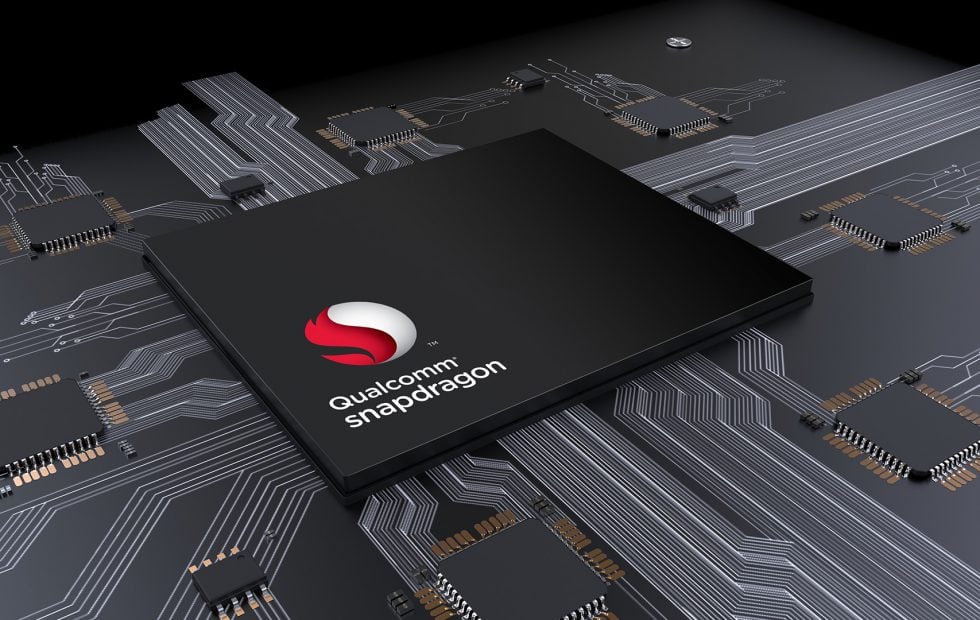
Qualcomm has got other 5G processors but this is the first chipset that integrates its 5G modem technology with the Snapdragon applications processor that powers all the processes on smartphones. The Snapdragon X50 5G chip integrated with the latest Snapdragon855 processor and the recently unveiled Snapdragon X55 modem are standalone modems that worked alongside the main computing processor. The new 5G chip operates in a different way. In a press release, Qualcomm’s president Cristiano Amon, “The integration of our breakthrough 5G multimode modem and application processing technologies into a single SoC is a major step in making 5G more widely available across regions and tiers.”

Read Also: Qualcomm QM215 chipset under testing for Android Go phones

Apart from Huawei devices, all 5G phones that are expected to be released this year will likely run on Qualcomm’s SoC. This makes this integrated 5G processor a major breakthrough for the company. Rivals like Intel which supplies Apple modems and MediaTek are not expected to have 5G chips in phones until next year. So, there’s ample time for Qualcomm to advance its technology before rolling out this improved chipset next year. The integration of the 5G modem with the application processor helps reduce power consumption and the amount of space the chips take up in a device, letting phones be even sleeker than before or pack in even larger batteries.

Qualcomm’s president disclosed that Samsung will be the first company to work with Qualcomm on its integrated 5G chip. This position was reportedly corroborated by June Hee Lee, the head of Samsung’s technology strategy team.

(via)
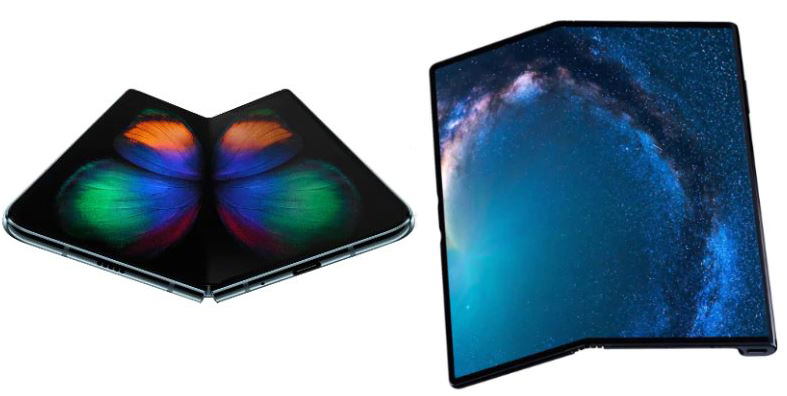
Samsung Galaxy Fold vs Huawei Mate X: Specs Comparison

There are no more doubts about the fact that 5G and foldable phones are the most important innovations of 2019 regarding the mobile sector. On February 20, Samsung officially unveiled its first foldable phone, the Galaxy Fold, and just 4 days after, at MWC 2019, Huawei unveiled its Huawei Mate X, another revolutionary device with a foldable screen. They will be the first 5G foldable devices to hit the global market, and they will not be for everyone because of their very high prices. But which company created the best foldable phone out there and which one should you eventually choose? This comparison will help you find out.

Samsung Galaxy Fold vs Huawei Mate X

Samsung Galaxy Fold Huawei Mate X
THICKNESS Max 17 mm 11 mm when folded, 5.4 mm thinnest part when unfolded
DISPLAY Main display: 7.3 inches, 1536 x 2152p (Full HD+), 414 ppi, 16:10 ratio, Dynamic AMOLED
External display: 4.6 inches HD+, 21:9 ratio, Super AMOLED
8 inches, 2480 x 2200p (Quad HD+), AMOLED
When folded two displays:
6.6 inches, 19:5 ratio +
6.38 inches, 25:9 ratio
PROCESSOR Qualcomm Snapdragon 855, octa-core 2.8 GHz Huawei HiSilicon  Kirin 980, octa-core 2.6 GHz
MEMORY 12 GB RAM, 512 GB 8 GB RAM, 512 GB
SOFTWARE Android 9 Pie Android 9 Pie
CONNECTIVITY Wi-Fi 802.11 a/b/g/n/ac, Bluetooth 5.0, GPS Wi-Fi 802.11 a/b/g/n/ac, Bluetooth 5.0, GPS
CAMERA Triple 12 + 12 MP + 16 MP f/1.5-2.4 and f/2.4 and f/2.2
Dual 10 + 8 MP f/2.2 + f/1.9 front camera
Leica triple camera with main sensor + telephoto + ultrawide lens, also usable as a front camera
BATTERY 4380 mAh
Fast charging 18W
4500 mAh, Fast Charging 55W with Huawei SuperCharge
ADDITIONAL FEATURES Foldable display, secondary external display, 5G Foldable display, 5G support

Design

Despite being both foldable phones, these devices opt for very different solutions for their foldable displays, and that affects their build quality and resistance. While Samsung Galaxy Fold has its foldable display internally and it sports a smaller secondary display on the external side, Huawei Mate X comes with just one panel placed externally, which divides into two different displays (one on the front and one on the back, similarly to Vivo NEX Dual Display) when folded. This second approach makes Huawei Mate X potentially more fragile, especially on the hinge, while the foldable display of the Galaxy Fold is always protected when folded. On the other hand, Huawei Mate X seems to come with a thinner body, even though less compact due to the bigger screen. Which form factor do you prefer?


Display

Judging from the specs on the paper, Samsung Galaxy Fold should offer a foldable display with a higher viewing quality. It has the Dynamic AMOLED technology that should deliver a more accurate color reproduction. Further, it has a useful external display that is small (just 4.6 inches) and has the HD+ resolution: it should allow saving a lot of energy. On the other hand, Huawei Mate X comes with bigger displays both when folded and unfolded, and it may be better for productivity and advanced users.


Specs & Software

If we look at performances, then Samsung Galaxy Fold offers something more. Indeed, it boasts a more powerful Snapdragon 855 chipset paired with 12 GB of RAM, while Huawei Mate X has the Kirin 980 SoC with just 8 GB of RAM. Samsung Galaxy Fold should be faster and much better at multi-tasking. On the other hand, Huawei Mate X has a better 5G connectivity. Indeed, its Balong 5000 modem reaches speeds up to 4.6 Gbps, while the Snapdragon X50 found on phones equipped with Snapdragon 855 reaches up to 2.3 Gbps.


Camera

Unfortunately, we still do not know the complete camera specifications of the Huawei Mate X, neither we had the chance to test how good it clicks photos. So, at the moment, we cannot make a camera comparison between these devices. We can only tell you that Samsung Galaxy Fold has the same triple camera setup as the Galaxy S10+, that is amazing, and Huawei Mate X has a Leica triple camera. If the triple camera found on the Mate X will be the same as the Mate 20 Pro, it will be a very hard fight and it will not be easy to pick a winner.


Battery

Huawei Mate X has a slightly bigger battery (4500 mAh vs 4380 mAh), but this does not necessarily mean that it will last more than Samsung Galaxy Fold on a single charge. Note that usually, Samsung optimizes its batteries very well, so nothing can be said until we test both the phones. However, we can tell you that if you only use the external display of the Galaxy Fold, you should be able to achieve a longer battery life due to its low consumptions, thanks to its smaller size and low resolution. Huawei Mate X can charge a lot faster thanks to its 55W fast charging technology.


Price

Samsung Galaxy Fold will hit the shelves on April 26 with a price tag of $1980 that will translate into €2000 in the European market. Huawei Mate X will be available starting from mid-2019 and it will cost around $2600, €2299 in the European market. We still do not have all the info about the specifications of these phones and we had no chance to try them, so we can not establish a winner of this comparison right now. If you prefer a bigger and more comfortable display, as well as the fastest connectivity, then you should go for the Huawei Mate X, while if you prefer a potentially more resistant device with higher performances, then Samsung Galaxy Fold may be a slightly better choice.


Samsung Galaxy Fold vs Huawei Mate X: PRO and CONS

Huawei Mate X

PRO

  • Bigger displays
  • Faster 5G connectivity
  • Bigger battery
  • Faster charging technology

CONS

  • Potentially more fragile


Samsung Galaxy Fold

PRO

  • Two different panels
  • More affordable price
  • Potentially better display
  • Better performance

CONS

  • Smaller display

Check out Huawei Mate X foldable phone in hands on pictures

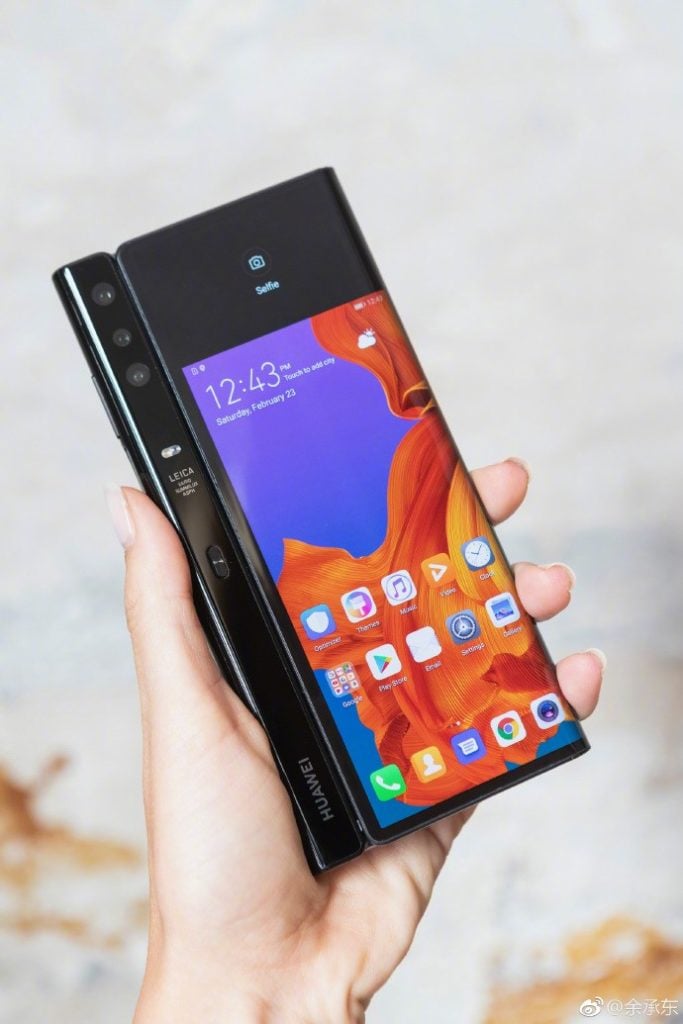
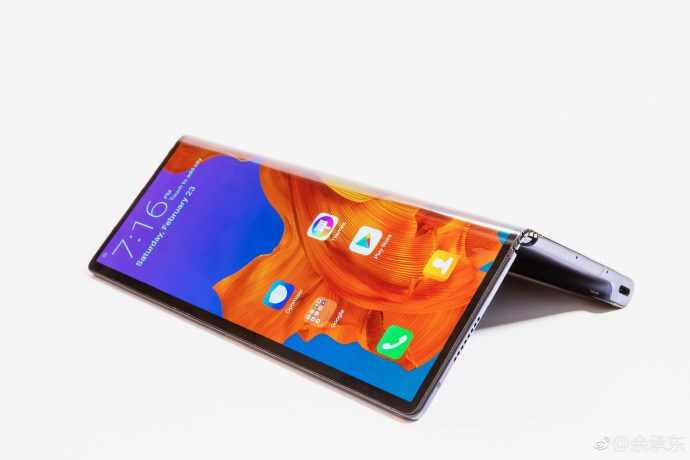
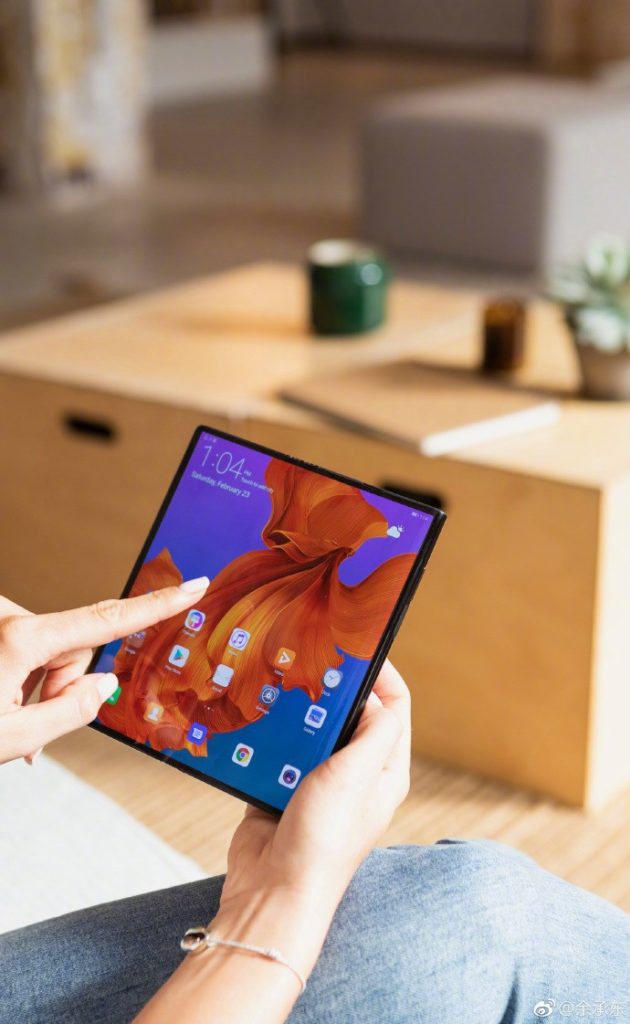
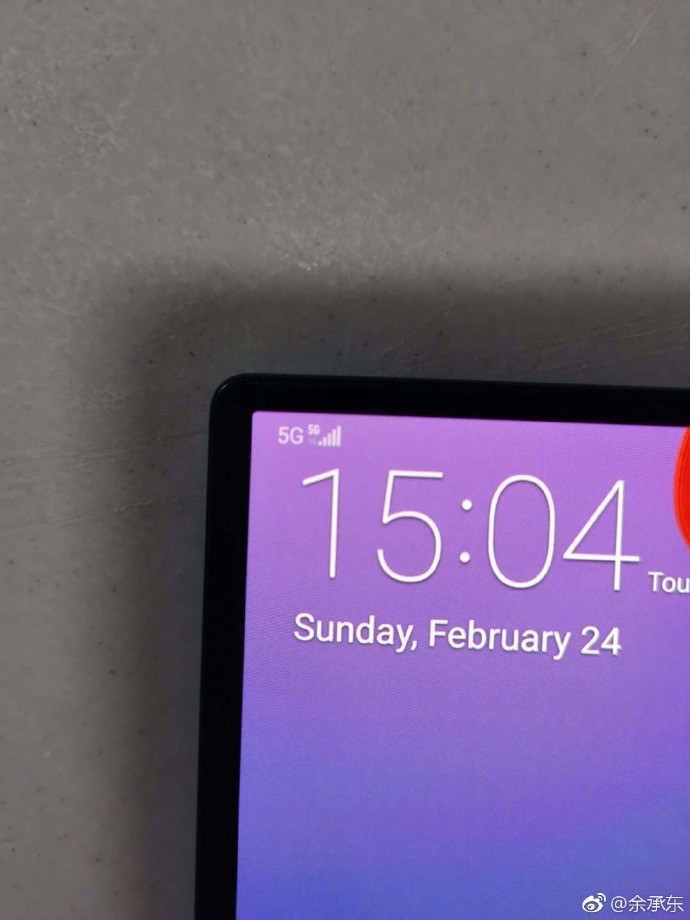
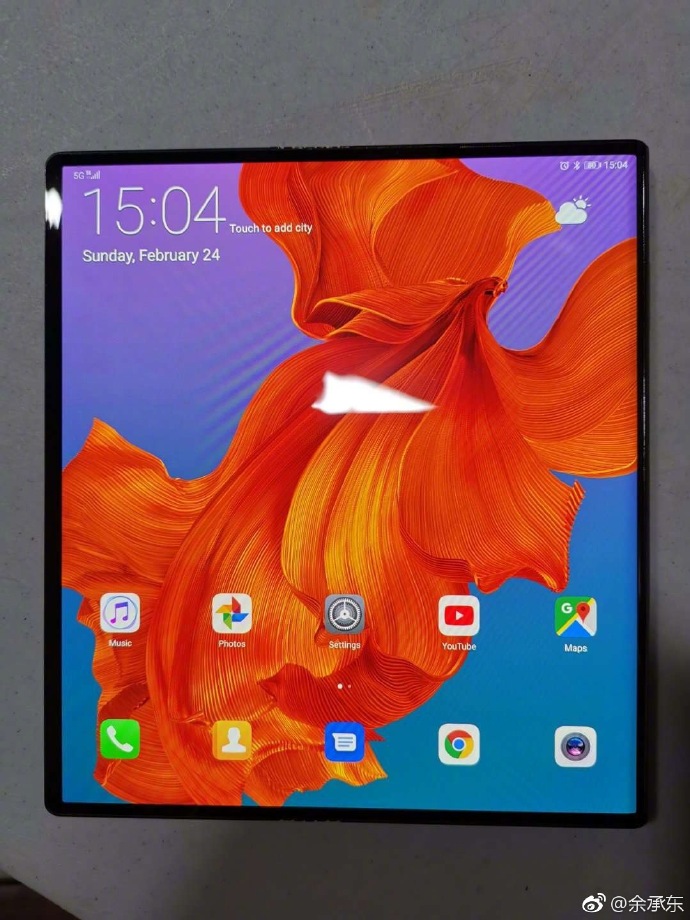
Despite the repeated anti-Huawei campaign by the U.S government, the company has continued to prove that its growth is hinged on innovation. The was made explicit with the launch of the Mate X foldable phone yesterday. The Huawei Mate X comes with a spectacular design which embodies what we think a foldable device should look like. Unlike the Galaxy Fold, the Mate X folds up to 180 degrees apart without any visible gap.Huawei Mate X

On the design aspect, the Mate X is said to utilise a design which Huawei calls Falcon Wing with up to 1000 components inside that ensures a seamless performance. It has a thickness of 5.4 mm in the unfolded state which is thinner than the Apple iPad Pro 2018. When it is folded, it still is thin with a thickness of just 11 mm. The device weighs 295 grams.Huawei Mate X

In order to keep the design thin, the phone doesn’t have the 3.5mm audio jack but it has a USB Type-C port. The phone also packs a side-mounted fingerprint scanner that doubles as the power button. At the side also, is a triple camera setup with the Leica badge.Huawei Mate X

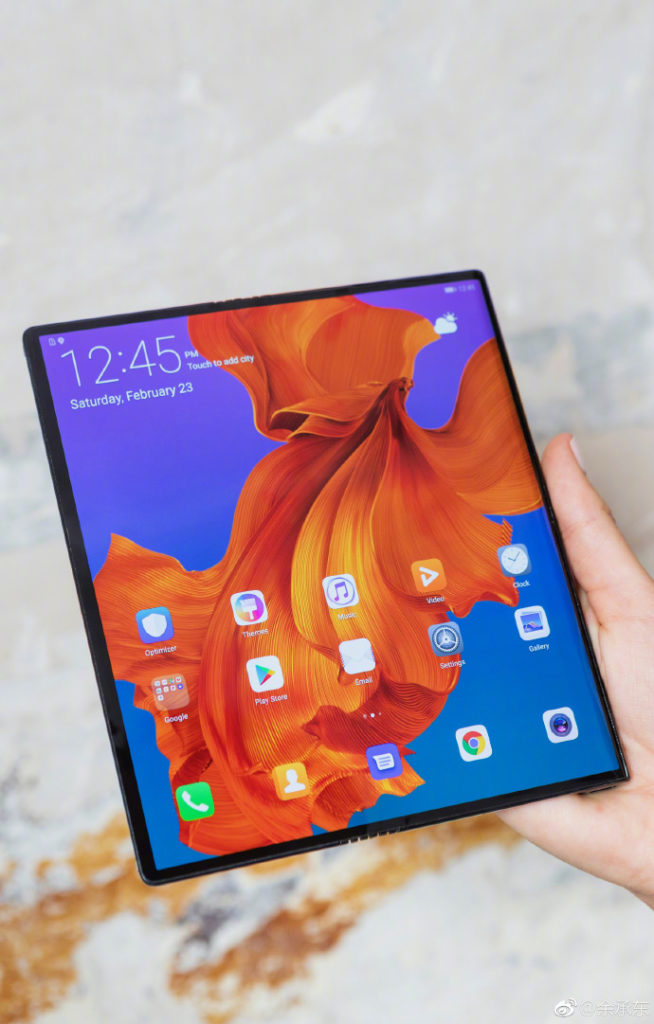
A quick reminder of the specs. The Mate X has a large 8-inch screen with a resolution of 2480 x 2200 pixels and an 8:7.1 aspect ratio when unfolded with pretty thin bezels and no notch or “cliff” like the Samsung Galaxy Fold. When folded, It becomes a dual display phone – one side is a 6.6-inch (2480 x 1148) 19.5:9 display while the other is a 6.38-inch (2480 x 892) 25:9 display. The device is powered by the Hisilicon Kirin 980 chipset with Balong 5000 modem to power the 5G. The chipset is paired with 8GB of RAM and 512GB of storage. It dual nano SIM slots but only one of them supports 5G. Huawei Mate X

Related: Huawei launches MateBook X Pro, MateBook 14, and MateBook 13 with FullView display at MWC

The main camera is a 40MP wide-angle lens, the second one is a 16MP ultra-wide angle lens, and the third lens is an 8MP telephoto lens. The device packs a 4500mA battery capacity and one interesting thing is the 55W SuperCharge fast charging technology it packs. On the software angle, the Huawei Mate X runs EMUI 9.1.1 based on Android 9 Pie.

(source)

Huawei Mate X


Huawei Mate X

ZTE Blade V10 launches with a 32MP selfie camera

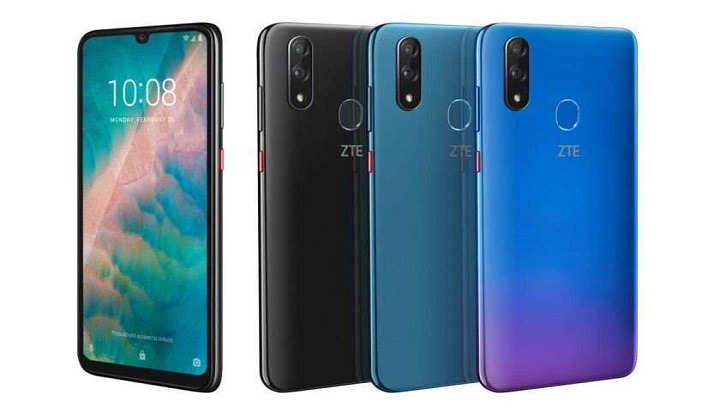
The Axon 10 Pro might be the star of today’s announcement but ZTE also announced a mid-range phone – the Blade V10. The Blade V10 also rocks a pretty large display with a waterdrop notch.

ZTE Blade V10

The Blade V10 has a 6.3-inch FHD+ display with a waterdrop notch at the top that houses a 32MP camera. Yes, you get a 32MP sensor for selfies just like on Vivo’s V15 Pro. There is a bit of bezel at the bottom of the display.

The phone is powered by the Helio P70 processor clocked at 2.1GHz. There will be two variants – 3GB RAM + 32GB and 4GB RAM + 64GB. On the back of the ZTE Blade V10 are a 16MP + 5MP dual camera setup and a fingerprint scanner.

The phone packs a 3,100mAh battery and has a USB type-c port for connectivity. It also runs Android 9 Pie.

READ MORE: Alcatel 1s and ZTE Blade A5 2019 are upcoming phones powered by the Spreadtrum SC9863A

ZTE Axon 10 Pro 5G powered by Snapdragon 855 SoC revealed at MWC 2019

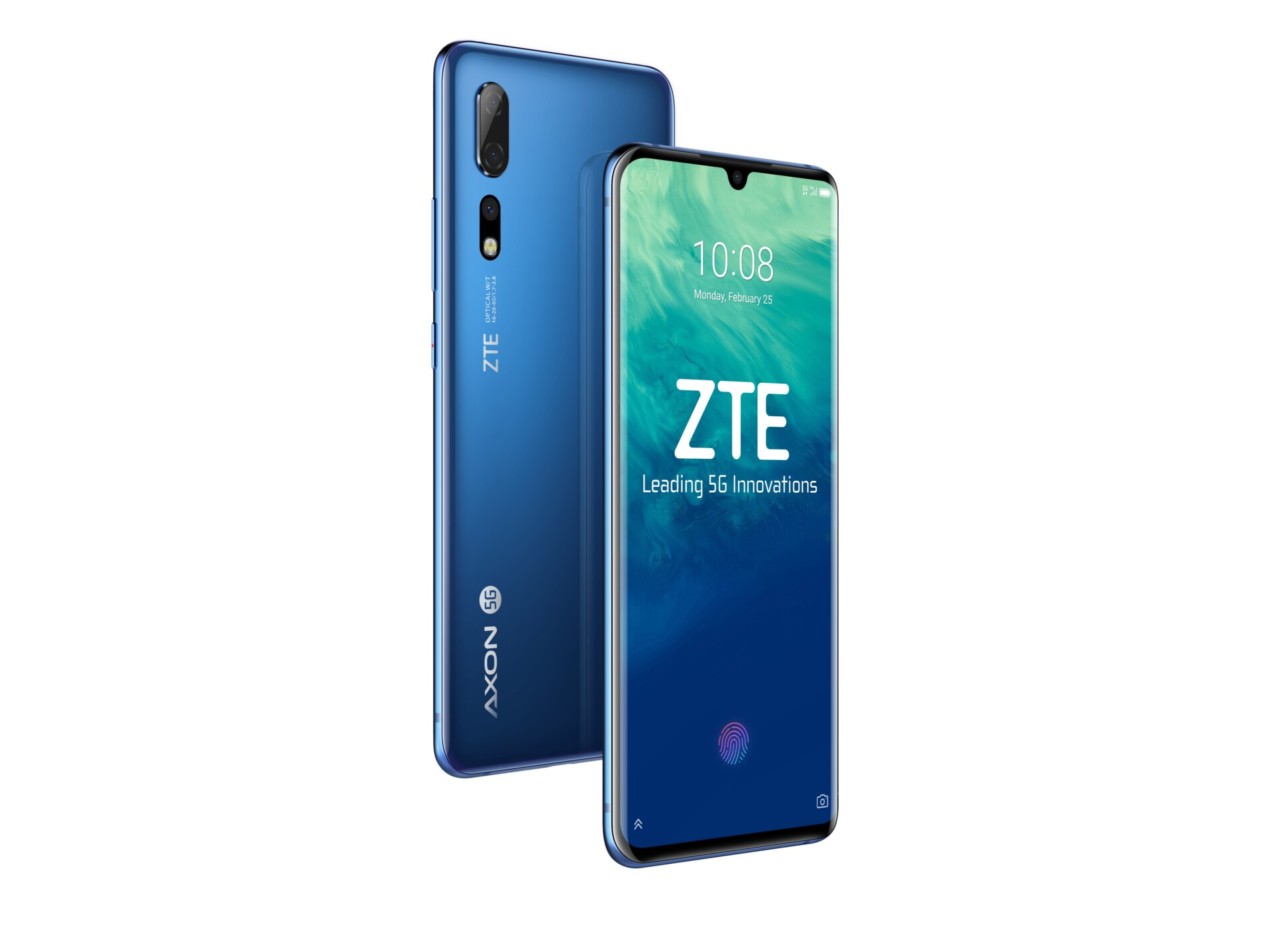
As expected, ZTE has today launched its flagship smartphone — ZTE Axon 10 Pro 5G — which is also the company’s first smartphone to support 5G connectivity. The phone was announced at the Mobile World Congress 2019 in Barcelona, along with the ZTE Blade V10.

ZTE Axon 10 Pro 5G

Ths ZTE Axon 10 Pro 5G features an edge-to-edge display with a waterdrop notch on the top that houses the front-facing snapper. Under the hood, the smartphone will be powered by Qualcomm’s Snapdragon 855 octa-core chipset which is manufactured using the 7nm process. It will be coupled with Snapdragon X50 modem to enable the 5G connectivity on the device.

According to the company, the device will have peak download speeds of up to 2Gbps. The upcoming 5G rollout should offer compatible smartphones a speedier connection and more consistent connection than 4G LTE.

In the camera department, the handset will come with triple rear camera sensors along with a number of AI-powered features, including scene recognition. On the flip side, there will be a 20-megapixel front-facing snapper for taking selfies and video calling. Like most other flagship devices, this one too comes with an in-display fingerprint sensor.

However, the company has not revealed more details related to the smartphone. Thus, there’s no information available about Axon 10 Pro 5G’s screen size, RAM, internal storage and connectivity options. We’ll have to wait for at least a few more weeks to know more about the ZTE Axon 10 Pro 5G.


Read More: USA is reportedly considering a clear trade ban on Chinese telecom equipment targeting Huawei and ZTE


With the announcement of Axon 10 Pro 5G smartphone, ZTE now joins the list of other 5G smartphones, which includes LG V50 ThinQ, Huawei Mate X, Samsung Galaxy S10 5G, and Xiaomi Mi MIX 3 5G, among others.

Watch how the Mate X unfolds into an 8-inch tablet during King of Glory gameplay!

Huawei yesterday unveiled the Mate X foldable phone which happens to be the best foldable device that we have seen so far. The phone also happens to be the first 5G phone by Huawei and the first foldable 5G phone. Huawei has shared a video of the Mate X in use with Tencent’s King of Glory running on the screen.huawei mate x

The demo video shows the phone in action while folded and after a while, it was unfolded. Worthy of note is the full-view display the device affords users even when folded. It is also interesting to note the smooth transformation from the folded screen to the unfolded view which almost doubles the viewable screen. Also, there wasn’t any noticeable lag in the game when the screen is unfolded. The character and scenes are also correspondingly larger.

Read Also: Huawei Mate X: Worlds’s fastest, thinnest, and most expensive 5G foldable phone

The folded screen is 6.6 inches with a resolution of 2480×1148 pixels, and an aspect ratio of 19.5:9. This is no different from the normal smartphone but when it is unfolded, you get 8 inches of screen size and a resolution of 2480×2200 as well as a screen ratio of 8:7.1, which is close to square shape. Unfortunately, we’ll have to wait till the middle of 2019 to be able to buy the phone.

(source)

Samsung Galaxy A30 and Galaxy A50 launch with Infinity-U displays

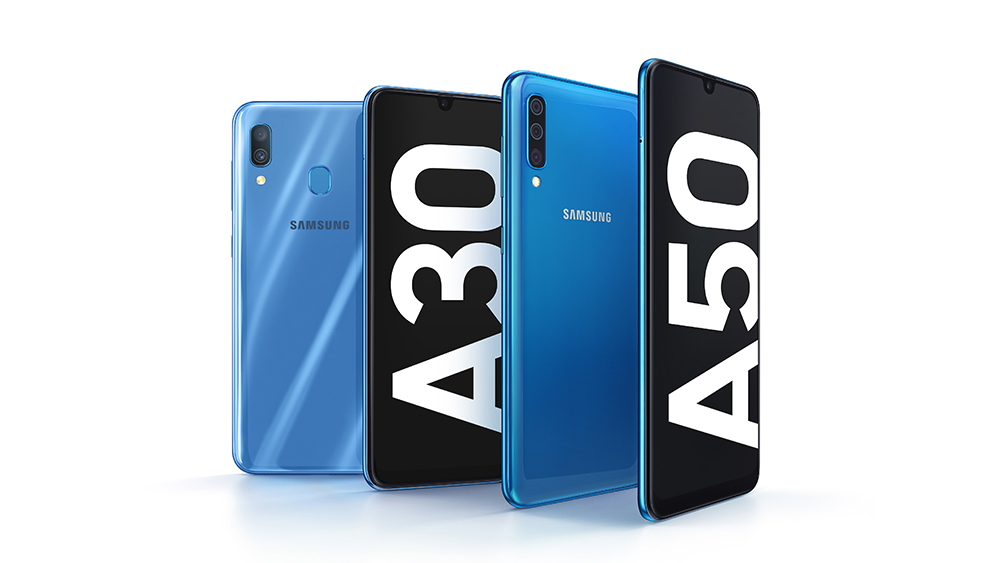
Samsung has announced the first set of its 2019 A-series line-up today. The Galaxy A30 and Galaxy A50 bring interesting features to the mid-range category.

Samsung Galaxy A30 and Galaxy A50

Galaxy A50

The Galaxy A50 has a 6.4-inch Super AMOLED 1080 x 2340 display. Samsung didn’t say if there is any protection in front but the rear is covered in 3D Glasstic. We believe this is glass covered with plastic for extra strength. The A50 has support for on-screen fingerprint unlocking.

The A50 is powered by an octa-core processor with 4 cores clocked at 2.3GHz and the other 4 cores clocked at 1.7GHz. This is the Exynos 9610 and it is paired with 4GB/6GB of RAM. Depending on the variant you pick, you get 64GB or 128GB of expandable storage (512GB max.).

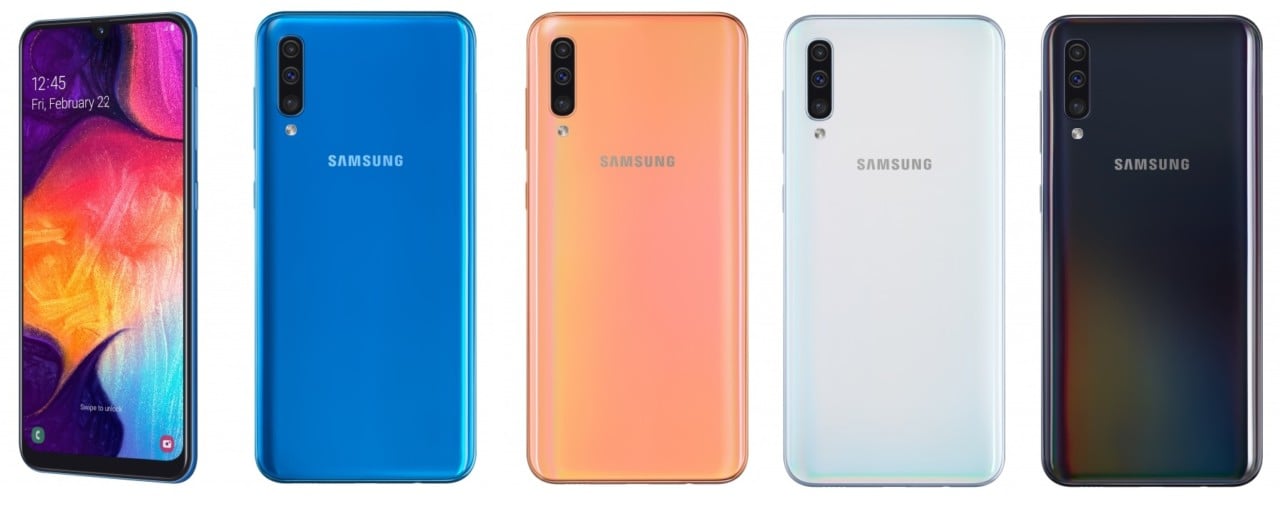
Samsung Galaxy A50 all colors

The A50 prides itself as a camera-centric phone. It has a 25MP selfie camera with an F/2.0 aperture which has Selfie Focus to blur your portrait selfies. The rear has a triple camera setup – a 25MP f/1.7 camera paired with a 5MP f/2.2 depth sensor and an 8MP f/2.2 ultra-wide sensor. There are AI features including Scene Optimizer and Flaw Detection. It also has Bixby Vision – Samsung’s version of Google Lens.

The Galaxy A50 has a 4,000mAh battery with support for fast charging. It is available in Black, White, Blue, and Coral.


Galaxy A30

The Galaxy A30 has the same Infinity-U 6.4-inch Super AMOLED display. The resolution remains unchanged. It also features the same 3D Glasstic design as the A50.

The Exynos 7904 powers it and you get 3GB or 4GB of RAM paired with 32GB or 64GB of internal storage. A MicroSD card slot will allow you to add extra storage.

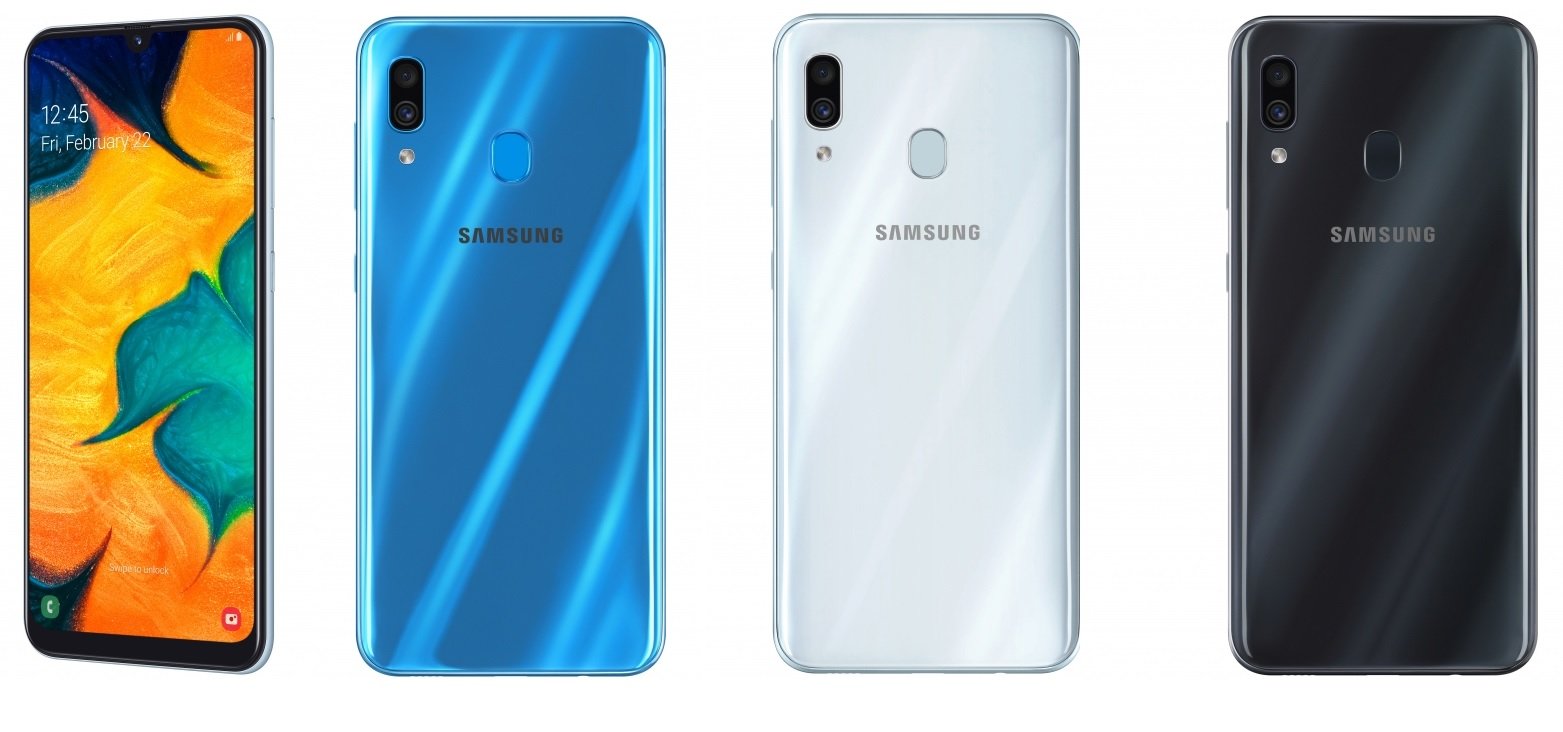
Samsung Galaxy A30 all colors

It has a 16MP f/1.7 primary camera on the back that is paired with a 5MP f/2.2 ultra-wide angle lens. The selfie camera is a 16MP f/2.2 sensor. There is a rear-mounted fingerprint scanner along with support for Face Unlock.

The Galaxy A30 has the same 4,000mAh battery and also supports fast charging.

READ MORE: Samsung Galaxy S10+ emerges as the best camera for Selfie photos on DXOMark, ahead of the Mate 20 Pro

OnePlus 5G Smartphone showcased at MWC ’19 with Cloud Gaming demo

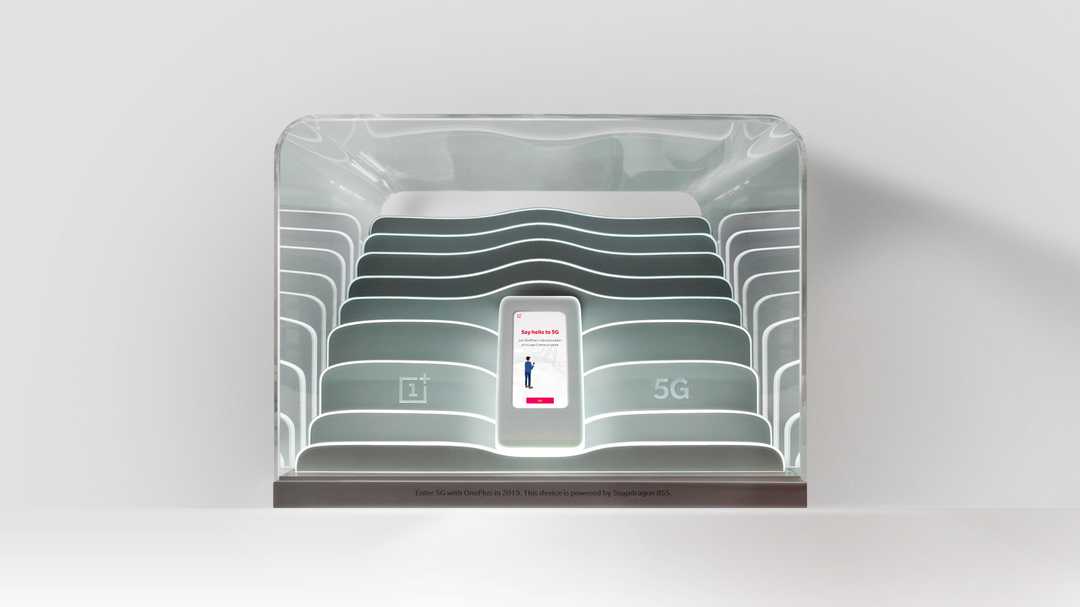
OnePlus may not have a major announcement at MWC 2019, but it isn’t simply going to sit around while other smartphones companies have all the fun. So, the company did show us something at the event — OnePlus’ first 5G smartphone showcased at the Qualcomm booth. Unfortunately, the phone was enclosed in a protective glass box, and its design was hidden as well. Basically, all we can take from this booth is that a 5G OnePlus smartphone exists.

OP 5G phone

The company did allow attendees to play Ace Combat 7 on the phone (via Xbox Wireless controller). So, you couldn’t actually take out the phone for the gameplay. However, what’s interesting is that the phone didn’t have the complete game installed. Instead, players were streaming the game from the cloud via 5G. The phone was also displaying a live stream of shoutouts from fans. You can send your personal message from their ‘Hello to 5G’ page here.

We also know that this prototype OnePlus 5G phone has Snapdragon 855 inside with Qualcomm’s X50 5G modem. Previously, OnePlus CEO had also mentioned that there would be a 4G LTE version of the model for the US markets. He also confirmed that the 5G phone won’t initially launch in the US. The first release would be in Europe and the UK with Elisa and EE as telecom partners.


RELATED: OnePlus 7 live image surfaces online, might be a slider phone


What’s interesting is that OnePlus reportedly has a closed-door ‘Reimagine the Future’ event at MWC 2019 on February 26. Invitees could get a glimpse of this 5G phone, most likely to be called as the OnePlus 7 at launch. Nothing’s concrete about the event, but, we could get more details soon.


Alcatel launches three budgets smartphones at MWC — Alcatel 3, 3L, and 1S

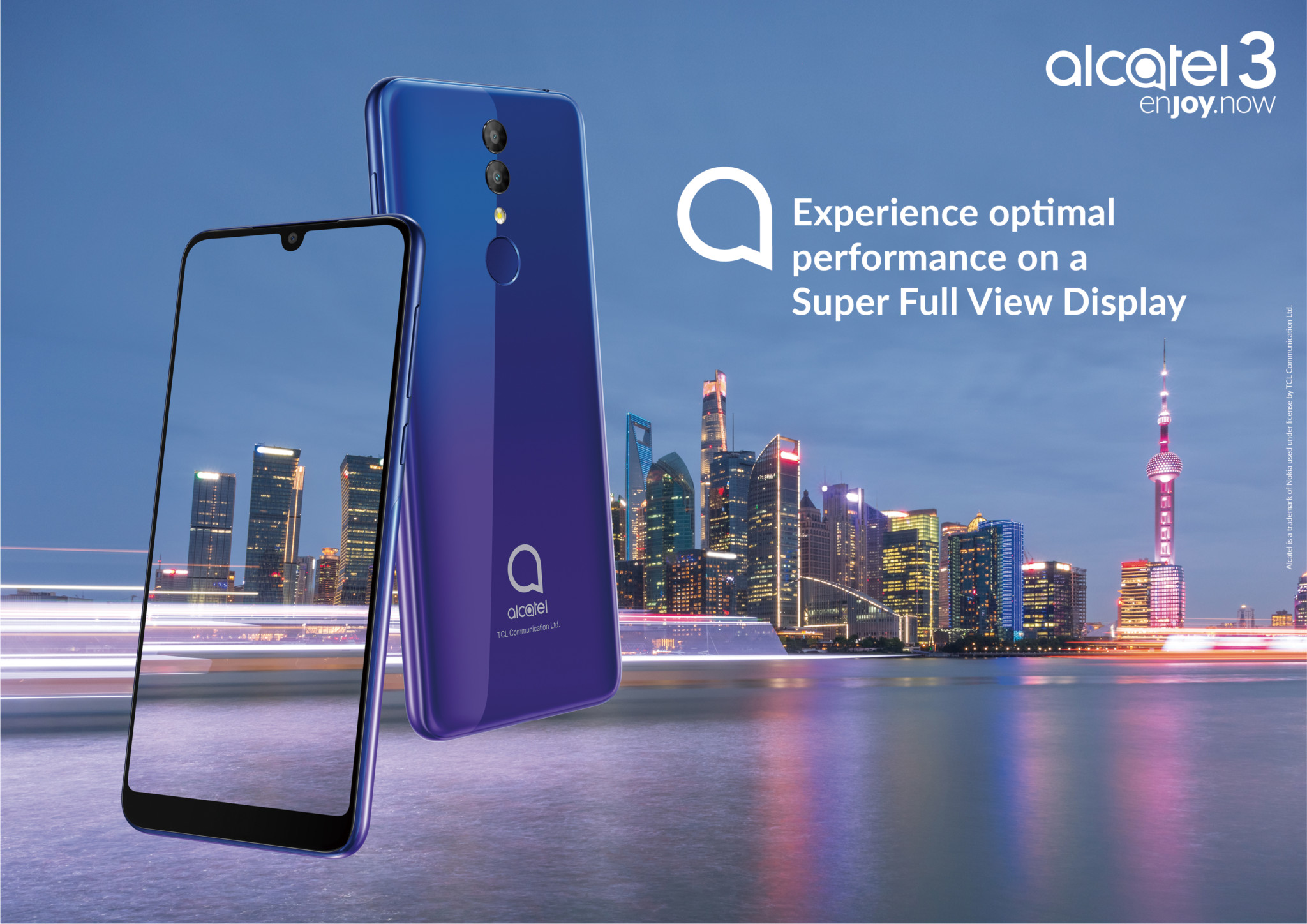
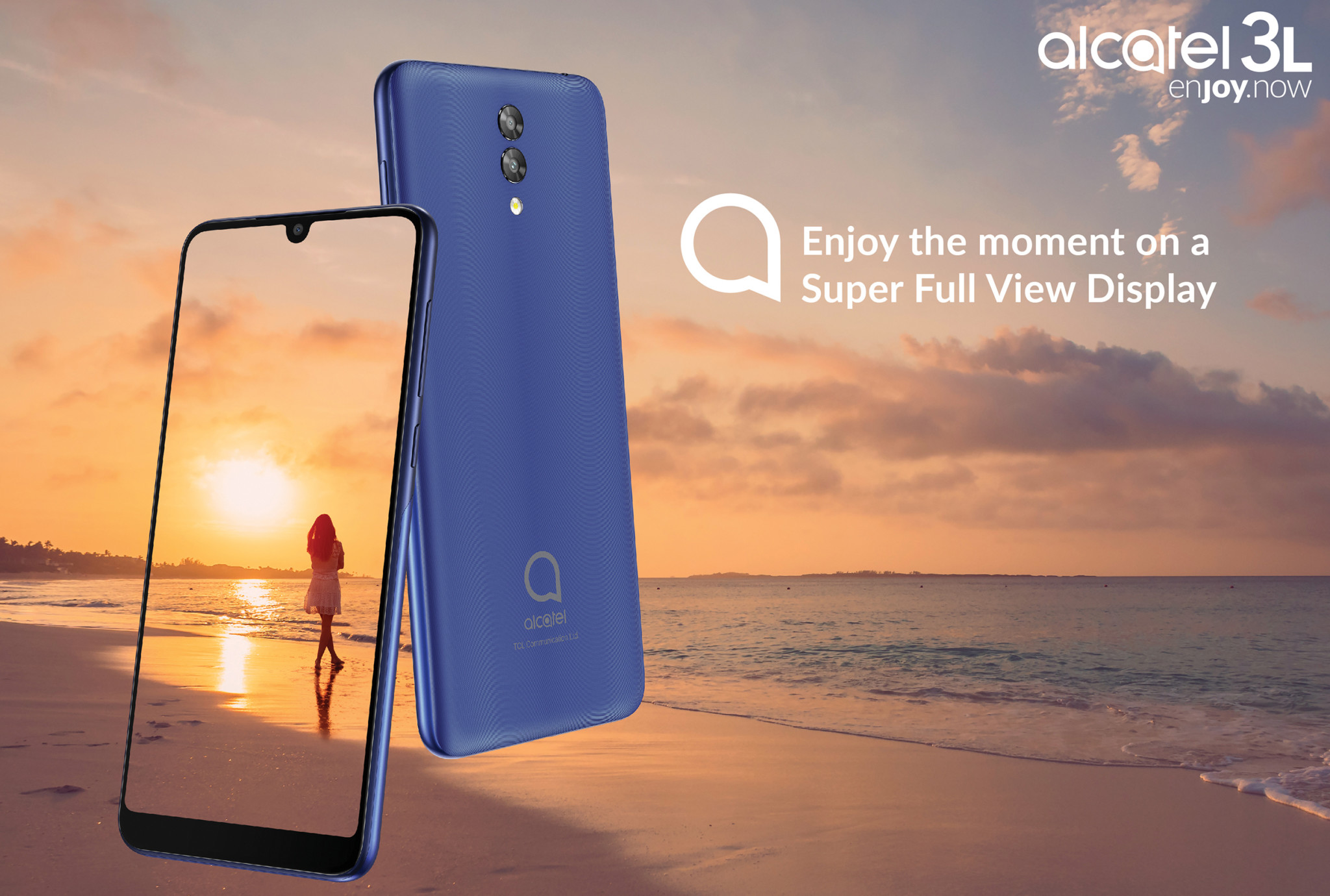
At its event at Mobile World Congress 2019 in Barcelona, Spain, TCL-owned Alcatel has announced a slew of smartphones — Alcatel 3, Alcatel 3L, and Alcatel 1S. All three smartphones will be available for purchase from Q2 2019.

Alcatel 3

Alcatel 3 comes with a 5.9-inch HD+ display offering 1560 x 720 pixels screen resolution and 19.5:9 aspect ratio. Under the hood, the device is powered by Qualcomm’s Snapdragon 439 octa-core processor, coupled with 3GB or 4GB of RAM and 32GB or 64GB of internal storage.

For photography, the device comes with a dual camera setup, offering a 13-megapixel primary sensor and a 5-megapixel secondary sensor. On the front side, it is equipped with an 8-megapixel snapper for taking selfies and video calling.

The camera offers features like portrait-like shots, post-shot refocus, AI Imaging Scene Detection, Google Lens, among others. It also comes with Alcatel’s Face Key provides security and instant access with a scan of your face. There’s also a fingerprint sensor on the back that gives an extra layer of protection and launches customizable apps with a tap.

Alcatel 3L

Connectivity options include Dual SIM, 4G, Wi-Fi b/g/n, Bluetooth 4.2, FM Radio, NFC, and micro-USB port. The phone runs Android 8.1 Oreo operating system out-of-the-box and is powered by a 3500mAh battery.

As for the pricing, the Alcatel 3 is priced at €159 EUR for the 3GB RAM model while the 4GB RAM model costs €189 EUR. It will be available in Gradient Black Blue and Gradient Blue Purple colors.

Another smartphone announced by the company is Alcatel 3L which features the same 5.9-inch HD+ display offering 1560 x 720 pixels screen resolution and 19.5:9 aspect ratio. It is powered by Qualcomm Snapdragon 429 processor along with 2GB of RAM and 16GB of internal storage.

Apart from the change is processor and memory configuration, everything else in the Alcatel 3L remains the same as the Alcatel 3, including camera, software, and battery. It is priced at €139 EUR and will come in Anthracite black and Metallic blue colors from Q2 2019.

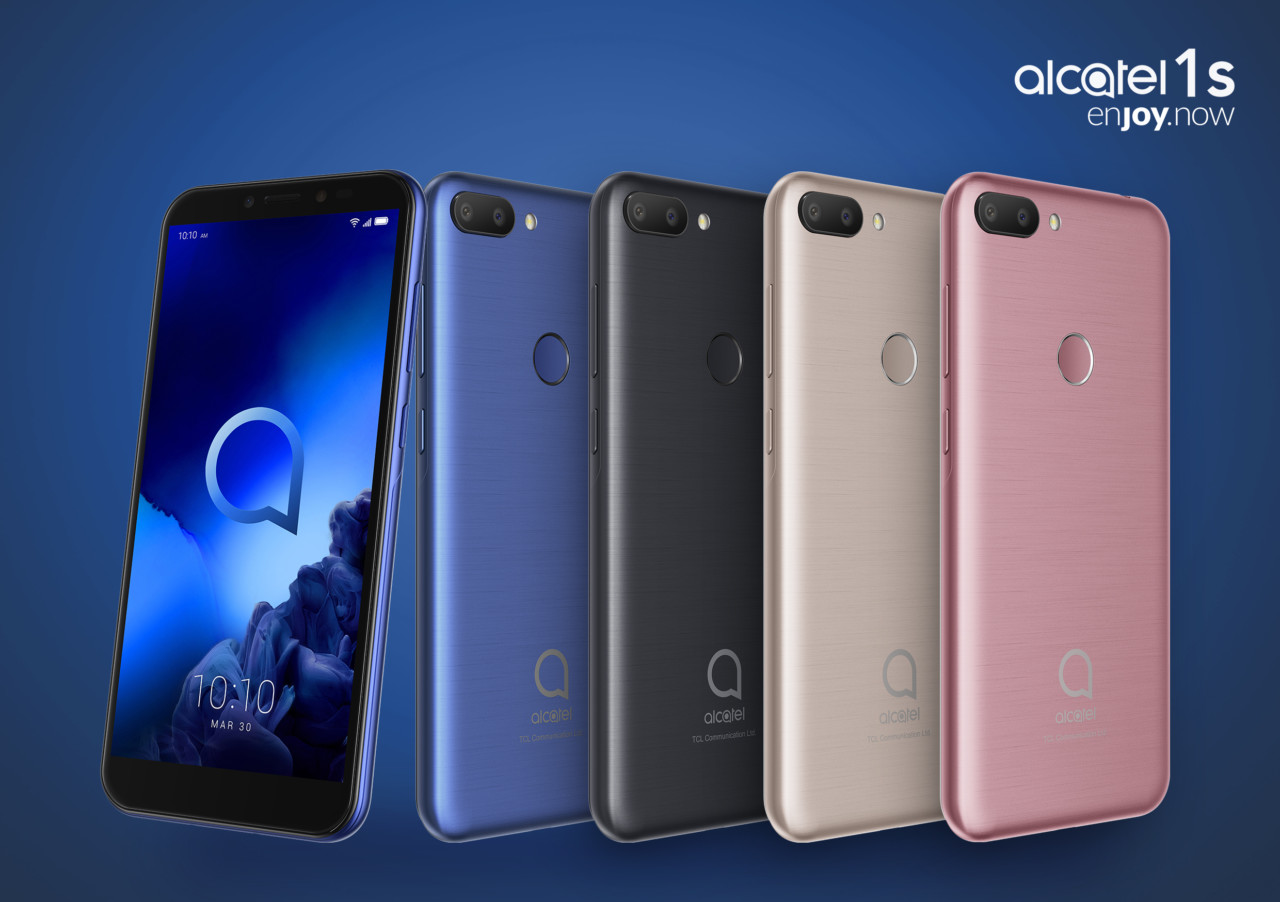
Alcatel 1S

The Alcatel 1S boasts a 5.5-inch HD+ FullView display with 1440 x 720 pixels screen resolution and 18:9 aspect ratio. Under the hood, the device is powered by Spreadtrum SC9863 octa-core processor coupled with 3GB of RAM and 32GB of internal storage and support for expandable storage.

In the camera department, it comes with dual camera setup — 13MP primary sensor and a 2MP secondary sensor with real-time bokeh and AI Scene Detection support. It has a 5MP front-facing snapper and also supports Face Unlock feature.

The phone comes with a rear-mounted fingerprint sensor and runs Android 9 Pie operating system out-of-the-box. It features the usual set of connectivity options with a micro-USB port and is fuelled by a 3060mAh battery.


Read More: Xiaomi, LG, Alcatel, and Oppo have reduced the usage of NFC chips among phones


The Alcatel 1S has a starting price of €109 and will be available for purchase from Q2 2019 in four color options — Black, Blue, Rose, and Gold brushed metal finish.

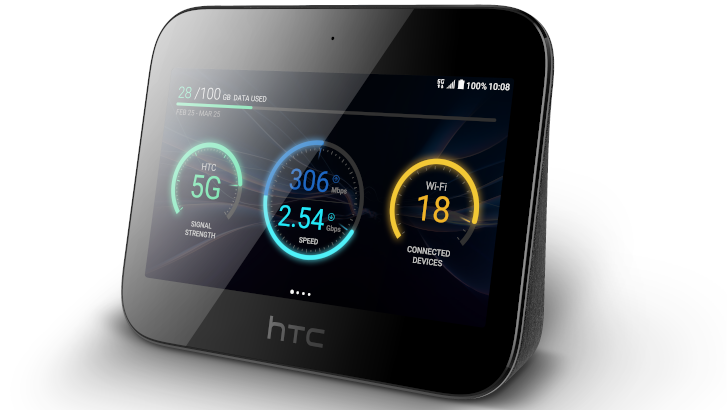
HTC 5G Hub launches to provide 5G support on 20 devices at once

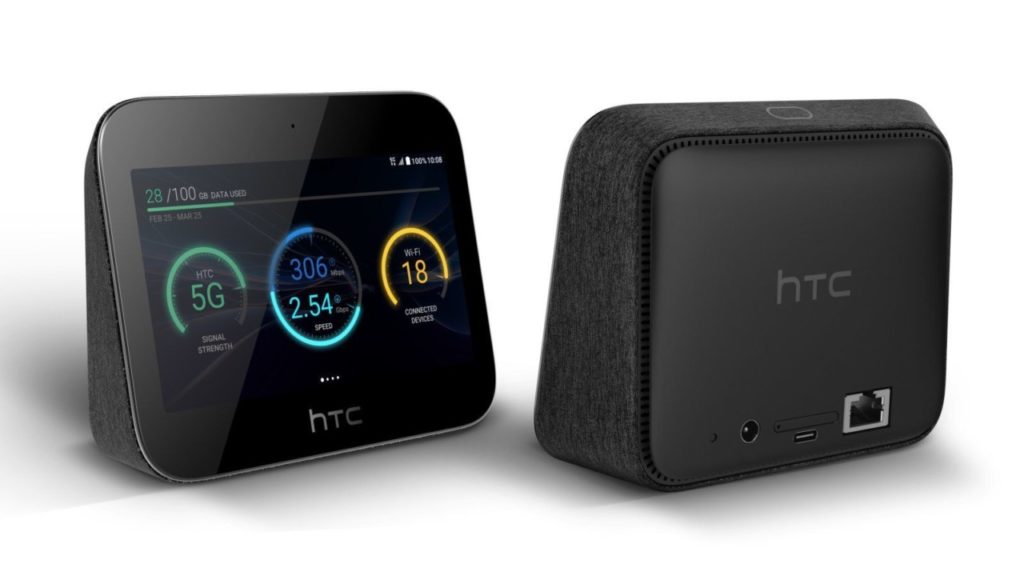
Irrespective of going through a bad phase in the mobile device market, the Taiwanese manufacturer is actively working on 5G devices. Recently at MWC 2019, HTC has launched a new 5G Hub tablet device which will act as a 5G modem. The new 5G technology is in its initial stages of deployment, and even compatible devices have just started appearing in the market. The HTC 5G hub is the latest to join the 5G compatible devices list.

HTC 5G Hub launch

HTC 5G Hub Specs

The HTC 5G Hub is a tablet device which carries a 5-inch display and runs on Android. It can act as a router to give blazing fast 5G speeds to connected devices. The device itself is powered by Qualcomm Snapdragon 855 chipset coupled with X50 modem. Its modem is capable of offering download speeds of 2.3 Gbps. The Hub runs on Android 9 Pie and UI is specially designed to act as a hub. As of now, it’s unclear that it has Play Store access or not. It comes with 4GB RAM and 32GB of internal storage. There’s an ethernet port also to connect any device via it.

Further, it will allow devices to download movies, watch 4K videos and play online games concurrently. To keep running for longer times, the HTC 5G Hub carries a 7660 battery. It can efficiently work continuously for a day if you’re using it at optimum levels with two-three devices connected. Although, it’s unclear on how much battery backup time it can give, as there’s no real-world 5G network available to test it.

Moreover, the device can act as a charger for your phone too. There are multiple claims regarding the device from the company side. First, it will provide 5G connectivity across 4G compatible devices. Secondly, the company claims that it is “at the forefront of cloud-based virtual reality (VR) technology, because “users will be able to stream VR content from the cloud to a VIVE Focus headset via the HTC 5G Hub.”

Currently, it will be available exclusively from Sprint stores in the United States. Further, HTC has plans to sell it in European nations such as Germany, Switzerland, Finland and others. The telecom providers such as Telstra Three UK, Deutsche Telekom, Sunrise and Elise would be partnering with HTC to launch it in respective markets.

It will be made available by Q2 2019.

(Source)

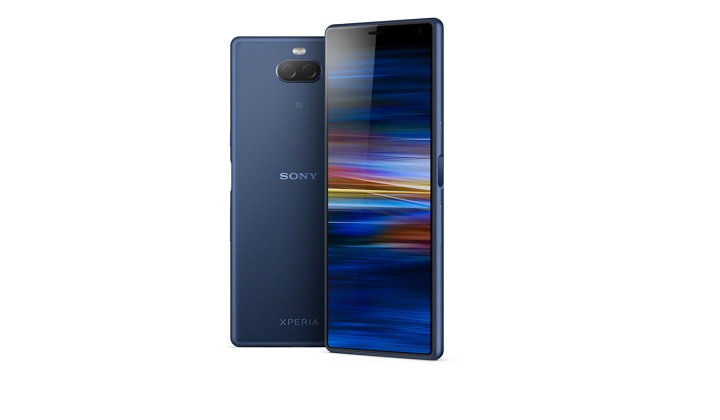
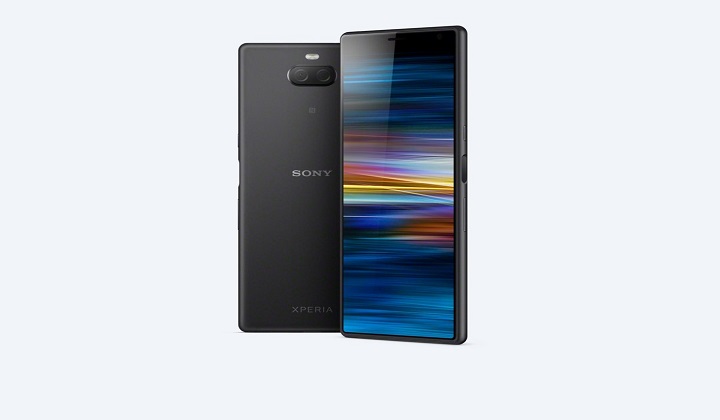
Sony Xperia 10 and Xperia 10 Plus bring CinemaWide displays and dual cameras to MWC 2019

Sony has announced two new mid-range smartphones at MWC 2019. They are the Xperia 10 and Xperia 10 Plus and they come with Sony’s new 21:9 aspect ratio display called CinemaWide.

Design

Both phones share the same design although the Xperia 10 Plus is bigger. Sony has shaved off the bezels on all the sides save for the forehead.

The side-mounted fingerprint scanner which a number of manufacturers have now adopted is available on both phones. Dual cameras sit on the rear in a black housing and in the middle of the device.

Xperia 10 featured

Xperia 10 Specs

The Xperia 10 has a 6.0-inch FHD+ display. It is powered by the Snapdragon 630 paired with 3GB of RAM. There is 64GB of onboard storage and you can add up to an additional 512GB via a MicroSD card slot.

The selfie camera is an 8MP f/2.0 sensor with support for screen flash. The rear cameras include a 13MP wide-angle sensor and a 5MP f/2.4 sensor. The phone can record in 4K, supports 5X digital zoom, 120fps slow-motion recording, portrait mode, and 21:9 video recording.

There is a 2,870mAh battery under the hood with support for fast charging. It also has NFC, Bluetooth 5.0, and Hi-Res audio. It runs Android 9 pie out of the box.

Xperia X10 Plus featured

Xperia 10 Plus Specs

The Xperia 10 Plus has a larger 6.5-inch FHD+ screen with Gorilla Glass 5. It swaps the Snapdragon 630 for the Snapdragon 636 which is paired with 4GB of RAM and 64GB of expandable storage.

Its rear cameras include a 12MP f/1.75 wide-angle sensor and an 8MP f/2.4 sensor. It has the same camera features of the Xperia 10 and adds 2x optical zoom. The front-facing camera is the same 8MP sensor.

Its battery is a bit bigger at 3,000mAh with support for USB Power Delivery. Connectivity features are the same. It will be available in single SIM and dual SIM variants and also runs Android 9 Pie out of the box.

READ MORE: Sony starts Fresh with its Xperia 1 Flagship with 21:9 Cinematic 4K OLED Display & Triple Cameras

Qualcomm Quick Charge to embrace wireless chargers now

Qualcomm has introduced Quick Charge on almost every supported mobile devices. They are providing high speed charging solutions for smartphones from the past few years. Qualcomm Quick Charge has been evolved a lot in the past some years. The latest iteration aka Quick Charge 4 can charge 50% device in just 15 minutes. Now, Qualcomm is set to embrace the wireless chargers with Quick Charge technology.

qualcomm quick charge wireless

At an event here at MWC 2019, Qualcomm made some announcements related to 5G, AR, VR, IoT, and Mobile. Among them, Qualcomm mentioned about the wireless Quick Charge technology, which will allow compliant wireless chargers and devices to get benefits of Quick Charge wireless technology. The new technology will eventually debut the era of fast and seamless wireless chargers. Even, the manufacturers are inevitably going to benefit from it as most of the smartphones come with Qualcomm Quick Charge support.

Already, Quick Charge 4 supports 18W charge and Qualcomm 4+ 27 W. Now, the upcoming version is promising 32W rapid fast charging support. It will benefit almost every manufacturer who is looking for ways to improve wireless charging across their devices. Qualcomm’s announcement of upcoming fast wireless charging would have provided a sign of relief to manufacturers.

Already devices like, Google Pixel 3, Huawei Mate 20, Razer Phone 2 supports fast wireless charging of 10W-15W. Even though, Xiaomi’s new Mi 9 has just launched with the support for 20W non-Qi wireless charging.

Speaking at the event, Qualcomm said that that they want the manufacturers to support Quick Charge following Qi compatibility. The chipset maker is expanding compliance program to ensure that Quick Charge supported products meet Qualcomm’s standards along with Qi Wireless charging also.

As of now, Qualcomm didn’t provide detail about the charging speeds or any technical numbers to guess the level of wireless Quick charge technology. Although, featuring both the Qualcomm Quick Charge and Qi wireless charging standards, Xaomi has announced wireless charging pad couple of days ago. These pads will be sold with the Xiaomi Mi 9.

(Via)

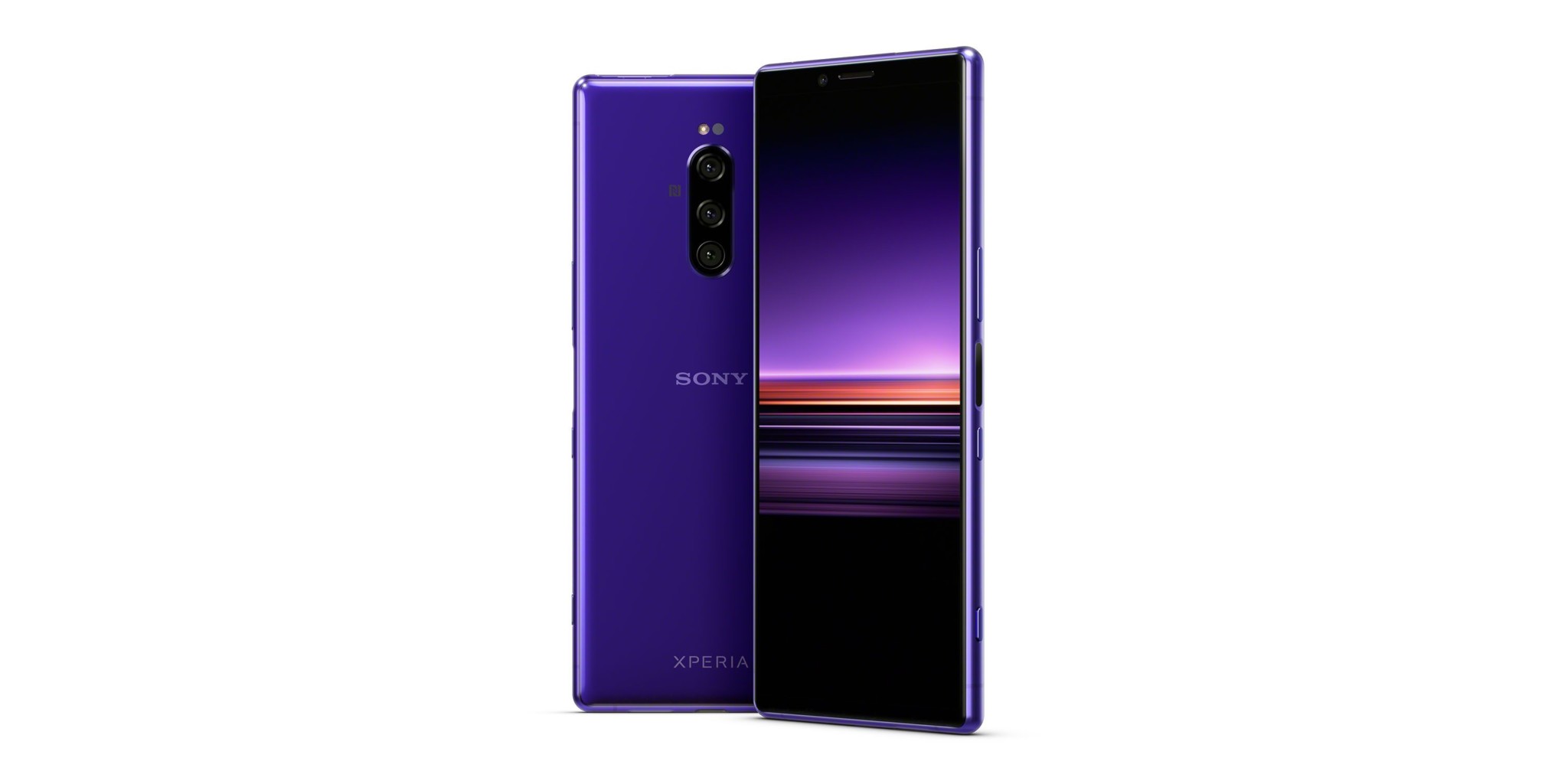
Sony starts Fresh with its Xperia 1 Flagship with 21:9 Cinematic 4K OLED Display & Triple Cameras


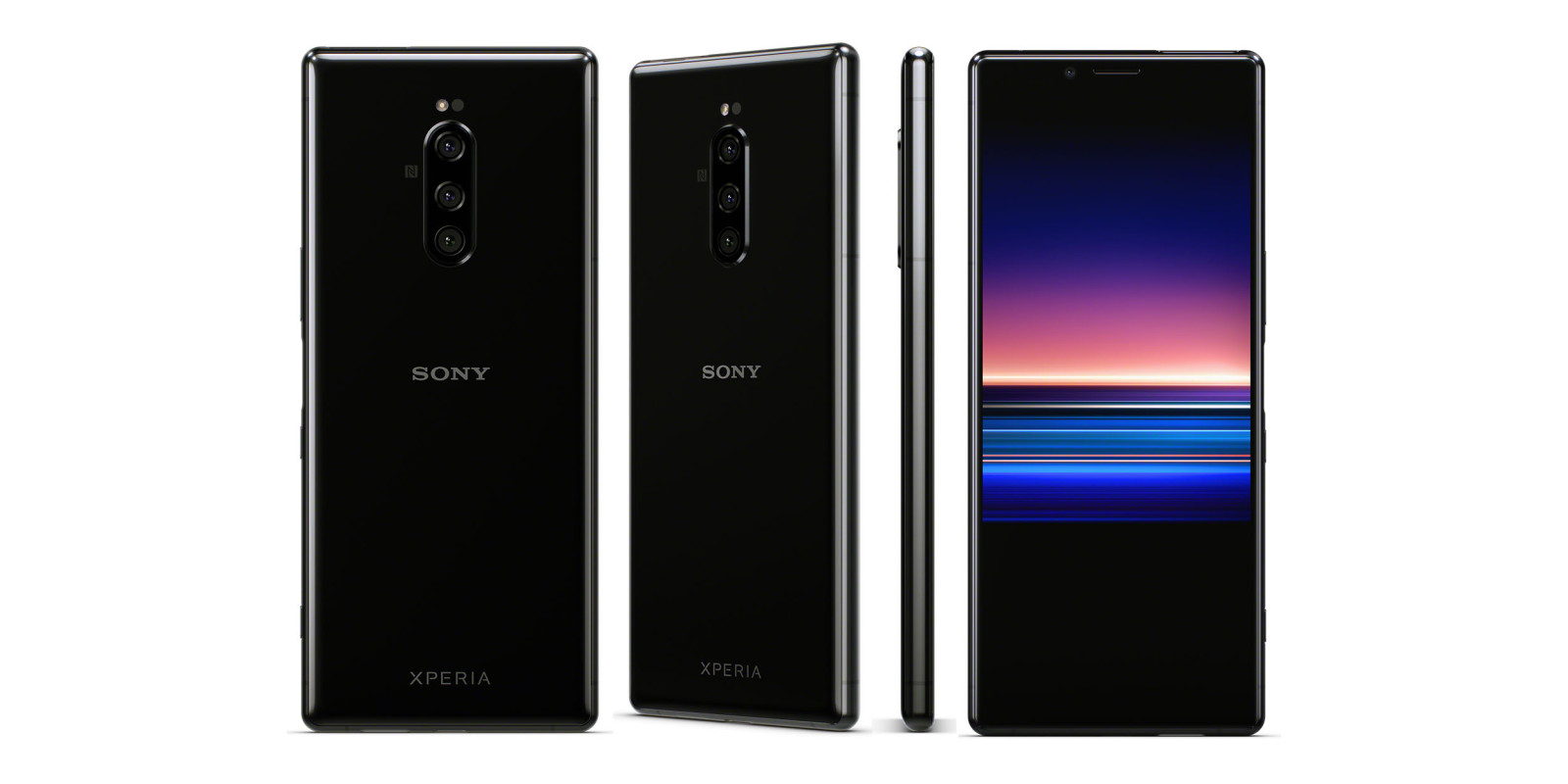
Sony was once known for its innovative Xperia flagships. However, over the past few years, the company’s charm has waned, all thanks to its safe design and standard specifications. But this year, at MWC, the company is looking forward to getting back our attention, with the brand new Xperia 1. Yes, as the name suggests, this is a brand new flagship series from the company, backed by a really tall design. Ideally, it should be the successor of the Xperia XZ3, but considering the name, it looks like the company wants to start afresh.


So what’s so fresh about the Xperia 1?

sony_xperia_1_purple_color1

First, it is the world’s first 4K OLED HDR smartphone. Sony isn’t new to 4K displays. Their XZ Premium series have had 4K displays, but they were all LCD. This one’s a 4K OLED HDR display. Plus, the display isn’t the usual 16:9 or 18:9 or even 19.5:9 aspect ratio. The company has decided to take things to the next level by using an extremely tall 21:9 cinematic aspect ratio. This would make the Xperia 1 quite unique in its design. It would be significantly taller and thinner than existing smartphones in the market. The display supports 10-bit colors and professional ITU-R BT.2020 color space.


Despite its taller than usual stance, there are some practical advantages of such a design. First of all, you can see more content on the screen while reading or browsing. This would amount to less scrolling. Further, you can multitask with ease and even pin apps on top as you’ll still have plenty of real estate down at the bottom. And of course, given the 21:9 aspect ratio, movies will be a treat to watch, provided you get them in the same format.

But such a tall screen will also have a few disadvantages. For example, if you have small hands, it would be extremely hard to navigate with just one hand. Sony does have a one hand mode for your rescue but considering its size, you might end up using this feature all the time. Another thing, it would be really hard to fit your phone in your pocket. A 6.5-inch display isn’t huge by today’s standards, but Xperia 1 is not just tall because of its 21:9 aspect ratio. It has a significant bezel (notch haters may rejoice) on the top that adds to its size. So, it’s not going to be your everyday smartphone that fits snugly in your jeans pocket.

sony_xperia_1_black_color

Coming to the specs, you get the new Snapdragon 855 processor with 6GB of RAM and 128GB of internal storage. You have a side mounted fingerprint (so no in-display sensor like recent flagships), 3300mAh battery and a water-resistant body. Yes, the battery isn’t very large, especially considering the 4K OLED screen on board. So, battery life is one area where the phone might take a hit, but let’s wait for some real world tests.

The camera setup is set to match today’s flagship standard – three 12MP lenses featuring one 26mm wide angle setup (OIS), one 52mm telephoto setup (OIS), along with one 16mm superwide lens. Low light photography should be stellar, thanks to its 1.4μm dual photodiode image sensor, f/1.6 aperture, and RAW noise reduction. The Xperia 1 is also the first smartphone to feature Eye Autofocus, a feature borrowed from the company’s Alpha mirrorless camera series. It also supports 10fps continuous burst shooting.


While 21:9 content might not be easily available right now, Sony says that it’s working with makers of games like Fortnite and Asphalt Racing to support its tall display size. However, standard video content from other platforms like YouTube would still have black bars on the sides.

Sony has given a late Spring release for the Xperia 1 flagship in Black, Purple, Gray, and White colors. No word on its pricing yet but considering Sony’s history and policy, don’t expect it to come cheap.

Alongside the Xperia 1, two other models were also announced at MWC 2019 with 21:9 display — the Xperia 10 and Xperia 10 Plus, both featuring LCD displays.


Vivo iQOO smartphone lands on TENAA as Vivo V1824A/BA, bares all specs

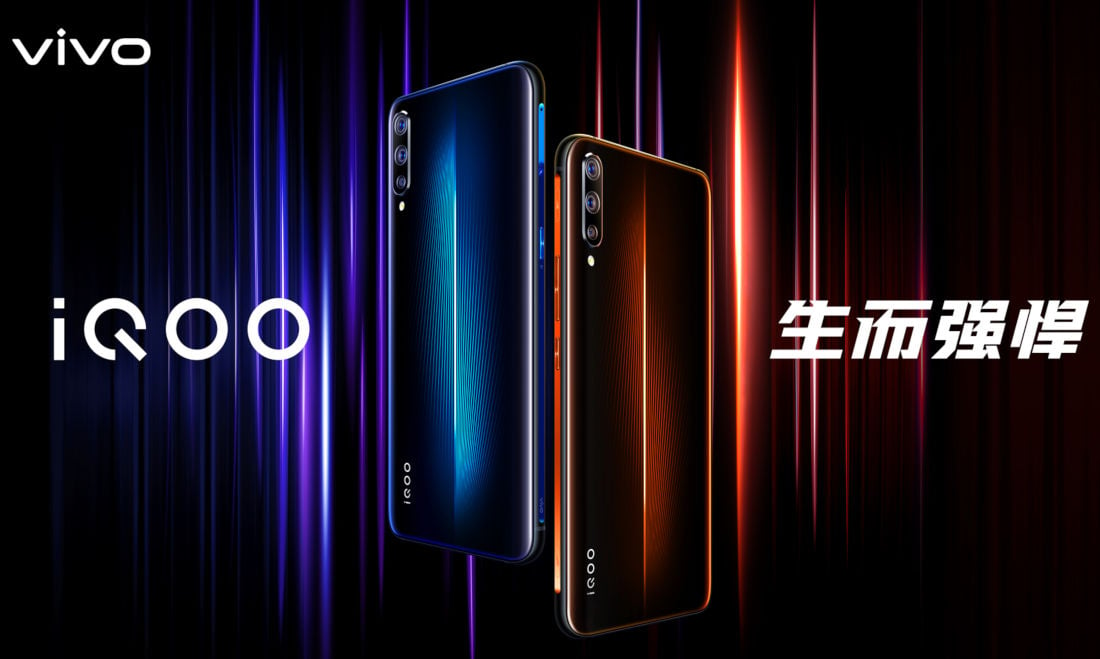
Vivo has a new sub-brand called iQOO and it will launch its first phone on March 1. Ahead of the release, the device has appeared on TENAA’s database after getting certified.

Vivo iQOO phone

The phone appears on TENAA as the Vivo V1824A and V1824BA. It has a 6.41-inch AMOLED display with a 1080 x 2340 resolution. It is powered by a 2.84GHz processor – the Snapdragon 855 Mobile Platform.

The iQOO phone has 6GB/8GB of RAM and 128GB of storage. There is also a 12GB RAM version with 256GB of storage. It doesn’t have support for storage expansion. It has a triple rear camera setup – 13MP + 12MP + 2MP. There is a 12MP camera in front for selfies.

Vivo will ship the phone with Android 9 Pie. It will also have an in-display fingerprint scanner for authentication. The iQOO phone has a 3,920mAh battery with support for fast charging. According to previous reports, it will support 44W fast charging.

READ MOREVivo V15 Pro goes official with notch-less display and pop-up selfie camera for Rs. 28,990 (~$407) in India

Microsoft announces HoloLens 2, more improvements but still really expensive

The HoloLens is Microsoft‘s own Mixed Reality (MR) headset and yesterday, it got a successor. The HoloLens 2 brings a number of new features including design changes but it still maintains its target market – industry professionals, and not the average consumers.

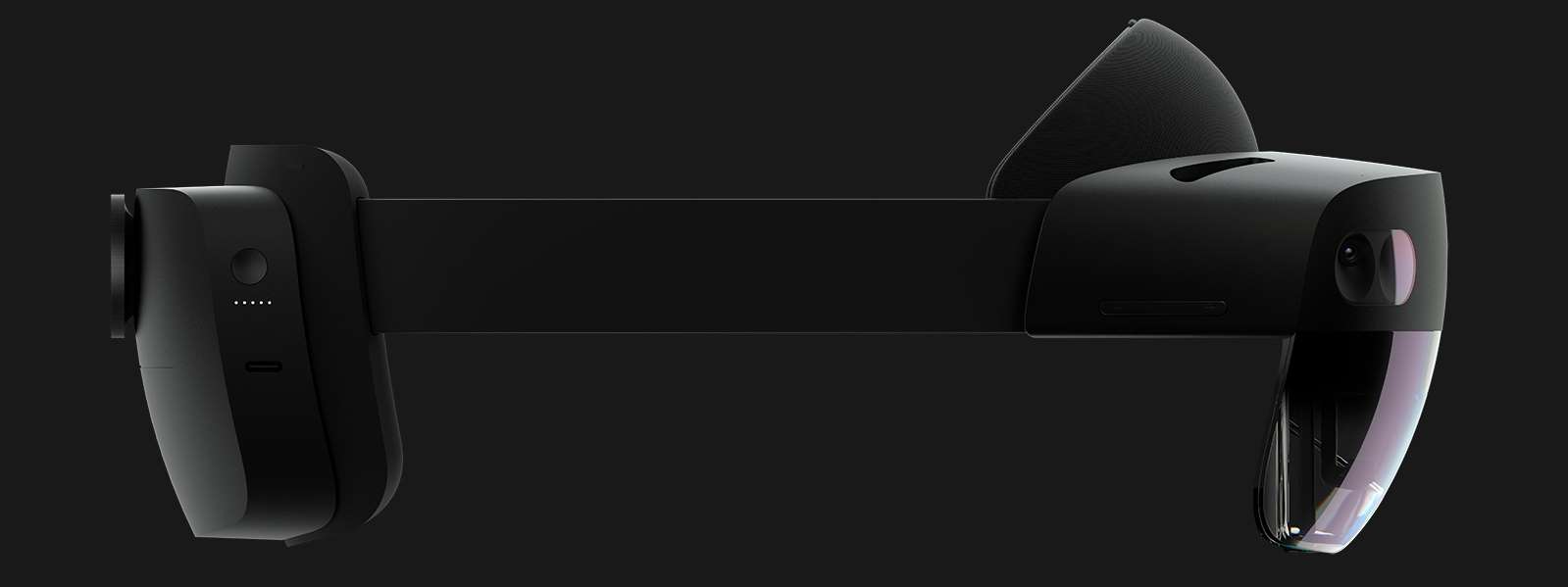
HoloLens 2

The HoloLens 2 comes nearly three years after its predecessor. It has a wider field of view – more than double according to Microsoft, but you still get 47 pixels per degree of sight. It has a ToF depth sensor that tracks your hands’ motions. It does this with the help of algorithms. Microsoft says the change from the HoloLens to the HoloLens 2 is like switching from a 720p TV to a 2K TV for each eye.

The HoloLens 2 has tiny cameras that scan your retinas for Windows Hello authentication. They also adjust the image based on the interpupillary distance between your eyes. The device is powered by a Snapdragon 850 Compute Platform for better battery life.

The headset is also more comfortable now. The main components have been moved to the back for better balance and there is a dial for adjusting the tightness. It also works better with glasses and the visor can be lifted up, so you don’t have to take it off just to quickly talk to someone or take a short break.

Microsoft is selling the HoloLens for $3500 and its target market is professionals that don’t sit at a desk to use a PC such as construction engineers and doctors. Companies will be able to customize the HoloLens 2 before purchase. Microsoft showed off a version for Trimble, a company that is involved in several areas including construction. This version of the HoloLens 2 was built into a safety helmet for use outdoors.

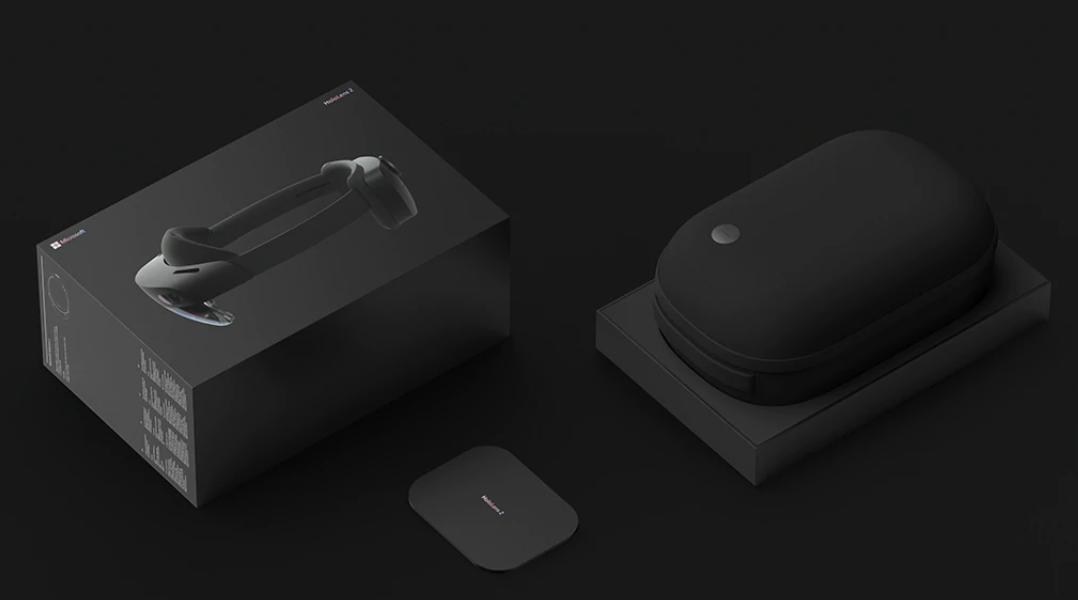
HoloLens 2 box

READ MORE: Microsoft’s foldable Andromeda may launch in 2019

Redmi Note 7 Pro teased with Honor V20; Key specs confirmed

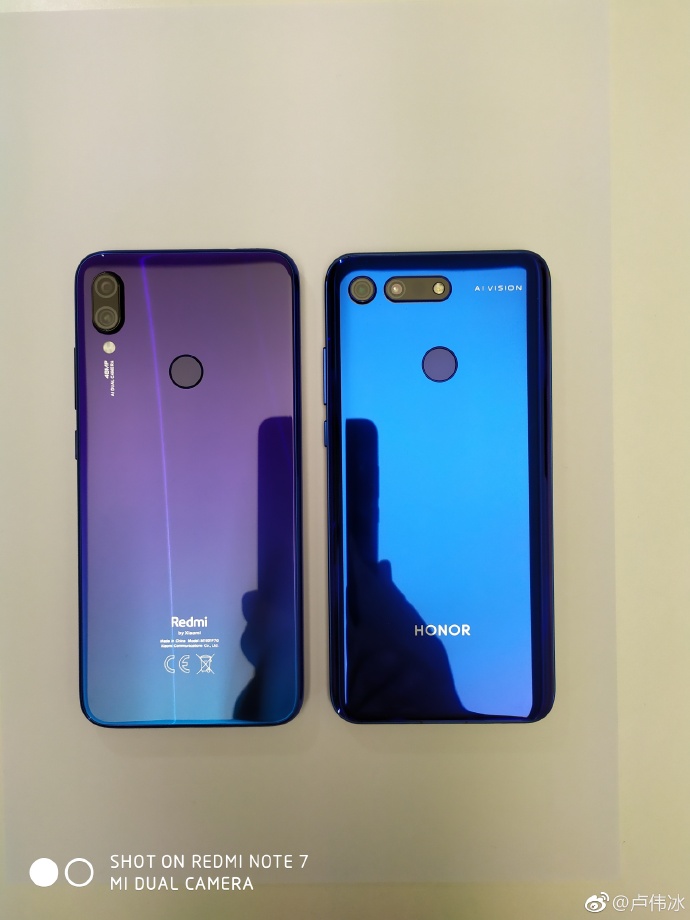
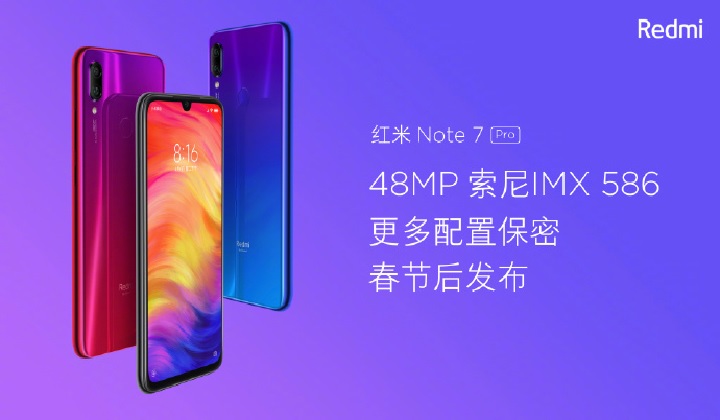
The Redmi Note 7 Pro with upgraded specs will be made official this week. On Friday, Redmi President Lu Weibing had shared an image of the upcoming Redmi Note 7 Pro smartphone alongside the Honor V20. The image reveals that the mid-range Note 7 Pro will be sporting a premium design like the Honor V20 flagship smartphone. Weibing has also shared some of the key specs of the Note 7 Pro.

Earlier today, Weibing confirmed that the Redmi Note 7 Pro will include lot of upgrades compared to the Redmi Note 7. However, when he had shared the image of the phone on Friday, he had also revealed some of its key specifications.

As it can be seen in the below image, the Redmi Note 7 Pro sports a premium design like the Honor V20 phone. The Note 7 Pro can be seen with sporting a brilliant gradient colored rear that appears violet at the top and blue at the bottom. Apart from the dual camera setup, there is a fingerprint scanner on the backside of the device. Some rumors have claimed that the Note 7 Pro will be featuring an in-screen fingerprint reader. However, the live shot of the phone reveals that it has a rear-mounted fingerprint reader.

Redmi Note 7 Pro with Honor V20_

Weibing also confirmed that the Redmi Note 7 Pro has an LCD panel and it would be drawing power from a 4,000mAh battery. He did not confirm on the name of the processor that drives the smartphone. However, he has confirmed that the Soc of the device will be supported by 6 GB of RAM. The Redmi Note 7 Pro will be equipped with a 48-megapixel Sony IMX586 primary sensor in its dual camera setup.

The rest of the specs of the Redmi Note 7 Pro are still under the wraps. The Snapdragon 675 is speculated to fuel the smartphone. Rumors are rife that the handset could be equipped with 128 GB of internal storage. It is speculated to be priced under 2,000 Yuan (~$298).

(source)

OPPO VP shows off a Foldable Phone, but won’t Mass Produce

Foldables are the new craze in town. Samsung showed off its Galaxy Fold a few days back, followed by Huawei’s unique take on the design. But one thing’s clear. Foldables aren’t meant for the masses, not at least in the initial period. We are still a few months away from getting our hands on the recently announced foldables. The announcements were basically a formality as we still haven’t got a good look at the devices from both Samsung and Huawei. But these aren’t the only two manufacturers trying out their luck in this market.

OPPO Foldable Phone 3

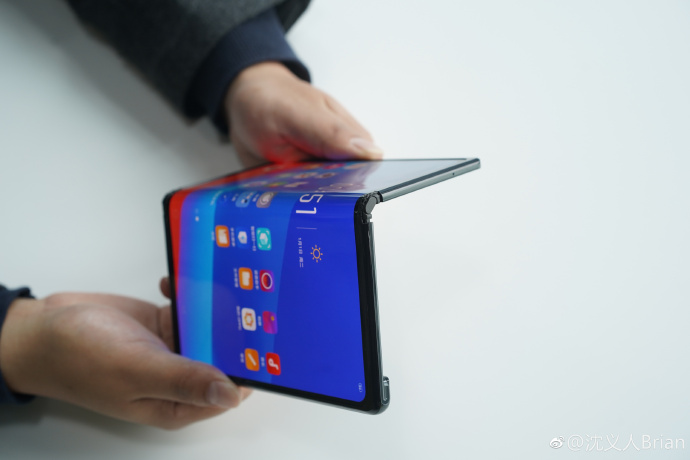
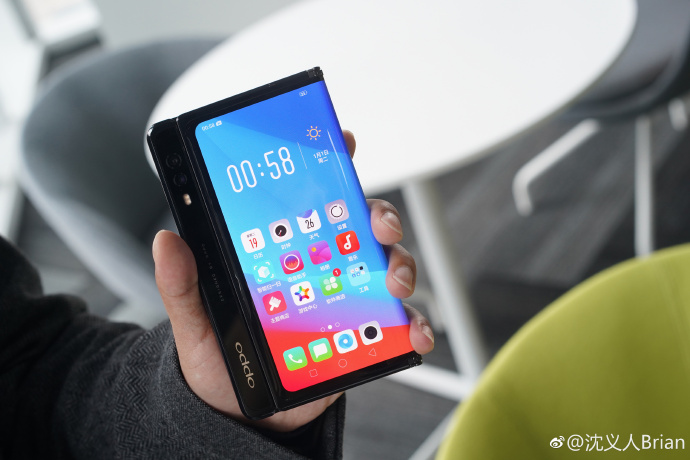
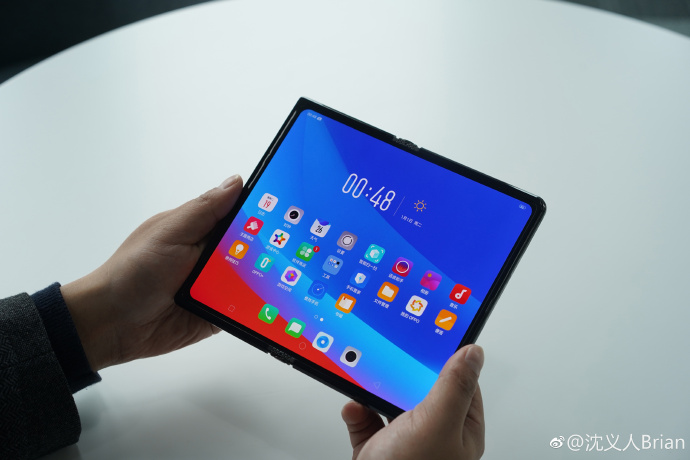
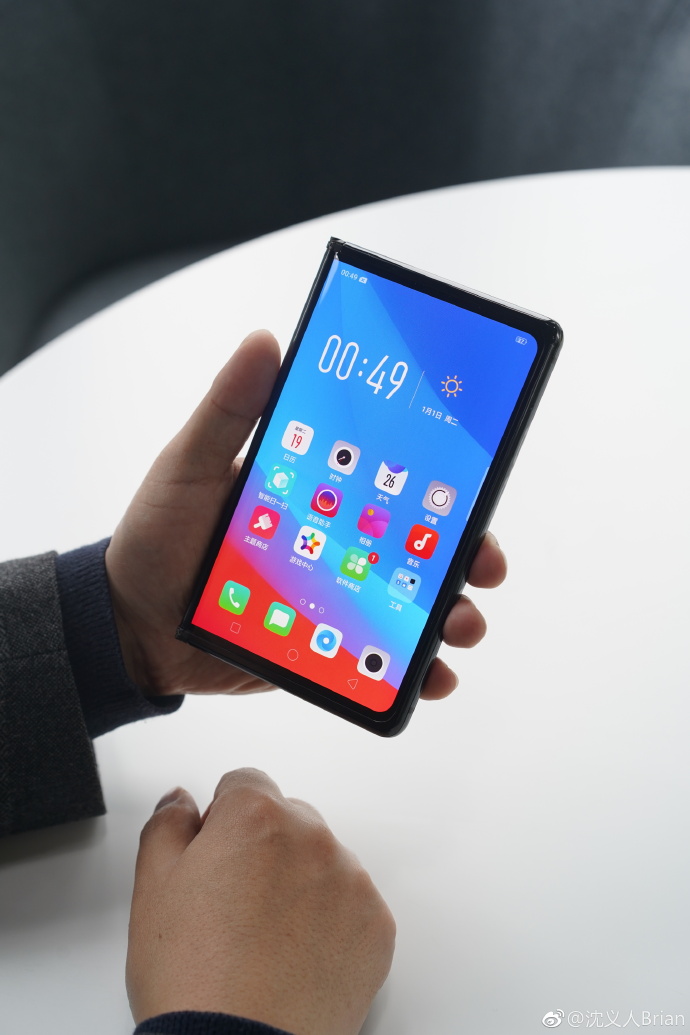
Other Chinese companies are working hard to perfect their foldable versions. We have already seen the one from Xiaomi, but it’s still in the prototype stage. Now, even OPPO confirmed that it has been working on one, but unfortunately, you won’t be able to get your hands on it. The company’s VP, Brian Shen showed off a few real images of the OPPO Foldable smartphone but went on to say that they had no plans to mass produce it.

OPPO Foldable Phone 4

The OPPO Foldable phone has a similar design as the Mate X. And judging from the consumer response so far, it’s clear that the Mate X’s out folding design is preferred. So, it’s possible that this design would catch on among other manufacturers.

The decision to not mass produce the device isn’t really surprising. The technology is still in the nascent stages. It’s really a huge bet to just mass produce these devices which will have a very niche market considering their exorbitant price tag. This year’s release is more of a proof of concept rather than a device that’s worth mass production. That said, Mate X is one phone that we all are looking forward to. Despite being a first generation product, if the hardware and software work close to what we are expecting, then the company will have a winner this year.

OPPO Foldable Phone 2

But at present, it looks as if other manufacturers are happy watching how the market unfolds. If things go well for Samsung and Huawei, expect a lot more foldables entering the market next year.

OPPO Foldable Phone

(Source)

Redmi Note 7 Pro with upgraded specifications to launch this week in China

Last week, Lu Weibing confirmed through a post of Chinese microblogging platform Weibo that the Redmi Note 7 Pro will be launched in China this week. However, he refrained from providing any specific launch date for the phone.

Now, in a new Weibo post, Redmi president Lu Weibing said that “it is very clear about everyone’s expectations and waiting for the Redmi Note 7 Pro. According to the product suggestions and feedback, there are lots of upgrades compared to Note 7. I believe it will not disappoint you.”

While not much is known about the Redmi Note 7 Pro at this time, it is expected to be a slightly upgraded version over the Redmi Note 7. The phone will be powered by Qualcomm’s latest Snapdragon 675 chipset and will boast a 48-megapixel Sony IMX586 camera instead of the Samsung GM1 sensor on the standard variant.

Additionally, the smartphone is also said to come with 18W fast-charging support out-of-the-box. It is expected to feature a 6.43-inch Full HD+ waterdrop notch display and is likely to have 6GB of RAM and 128GB internal storage. It could run Android 9 Pie-based MIUI 10 and will be powered by a 4,000mAh battery. The phone is also expected to have an in-display fingerprint sensor.

Earlier, in a conversation thread on Weibo, while replying to comments of the users, he hinted about the phone’s pricing. When asked about which one to choose from Redmi Note 7 and Mi 9, Lu Weibing replied that if the budget is around 2,000 (approximately $298), then choose Redmi Note 7 and if the budget is over 3,000 yuan (approximately $447), then go for Mi 9.

Redmi Note 7 Pro featured

This suggests that the upcoming mid-range smartphone will be priced under 2,000 Yuan. We are expecting the pricing to start from around 1,500 yuan and go up to 2,000 yuan, depending on different variants based on the memory configuration.

Last month, Redmi launched its first smartphone after splitting from its parent company Xiaomi to work independently — Redmi Note 7.  It comes with a 6.3-inch Full HD+ display, Snapdragon 660 chipset, 3GB/4GB/6GB RAM and 32GB/64GB internal storage. It has a 48MP + 5MP camera setup on the back and a 13MP front-facing snapper with AI-based features.

Featuring a back-mounted fingerprint sensor, the phone runs Android 9 Pie-based MIUI 10 out-of-the-box. It is powered by a 4,000mAh battery with support for Quick Charge 4.0 fast charging technology. While it supports 18W charging, the adopter needs to be purchased separately.


Read More: Xiaomi launches Mi MIX 3 5G powered by Qualcomm Snapdragon 855 SoC and Snapdragon X50 modem for €599 at MWC 2019


In related news, Xiaomi is scheduled to launch the Redmi Note 7 smartphone in India later this week on 28th February, which will be sold exclusively through online marketplace Flipkart. However, the Redmi Note 7 Pro isn’t likely to make its debut in India soon.

Xiaomi Mi 9 disassembled: Let’s see how it looks from Inside!

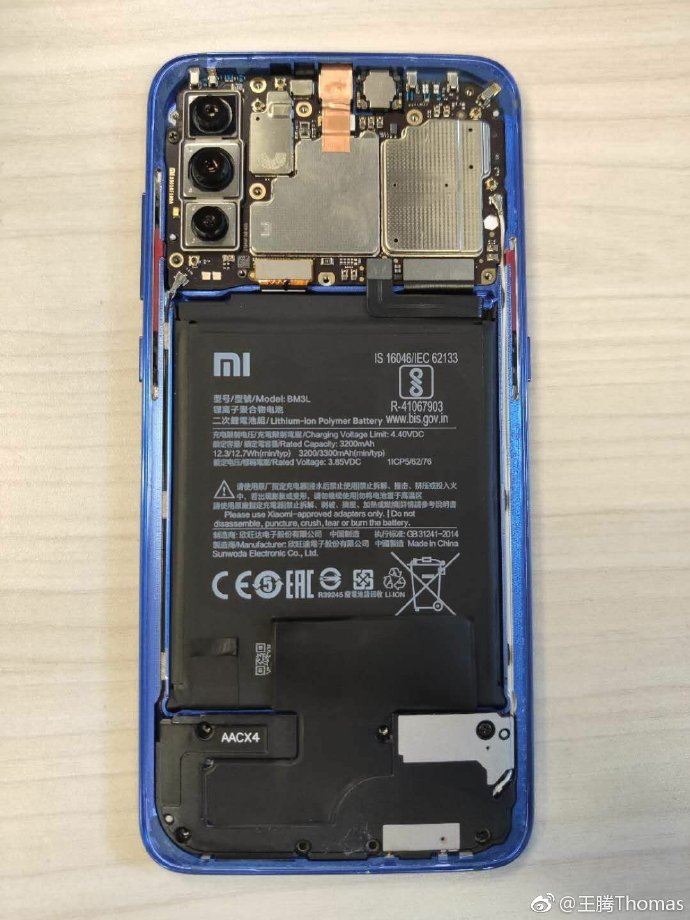
It’s been just a few hours, and even testers have started playing with it. The new flagship from Xiaomi has been disassembled by Van Teng (@Thomas) and has posted images of it on Weibo handle. The new Mi 9 disarmed photos are giving us a sneak peek into its triple camera module, Snapdragon 855 and various other elements. The device carries Gorilla Glass 5 on the back to make it protect against usual falls.

mi 9 back

Further, the device hosts a 20W wireless charging coil which is touted to be the World’s fastest. The device’s NFC antenna is also placed near the charging coil and above the 3300 mAh battery. On further loosening it, device packs motherboard packing new Snapdragon 855 chipset, 8GB RAM and 128 GB internal storage. It is mounted in a 7000 series aluminum chassis. In order to dissipate additional heat, the Chinese company has covered the motherboard with metal heat spreaders and thermal paste.

Moreover, to make it thin, Xiaomi has precisely bundled it with the support of metal screws and paste. Furthermore, we can see the fingerprint recognition module on the lower part along with large Z-axis motor on the right side.

[envira-gallery id=”238117″]

Xiaomi has invested a lot in its rear camera which carries a triple sensor module. It consists of a 48-megapixel primary sensor and 12 MP secondary telephoto lens with 2X optical zoom. There’s a 3rd 3D ToF camera which makes the whole module almost uncomparable with the predecessors. These three cameras module can be seen in the image above.

Moving further, there’s a bottom module which carries USB-C port, loudspeaker grill, and other electronic equipment.

Overall, Xiaomi has arranged the high-end specs in an entirely better manner. It embeds needed arrangements to dissipate heat from its motherboard.

Additionally, Xiaomi Mi 9 is going on sale in China from February 26th at JD.com and few other retailers. Users can own the beautifully crafted beast carrying 5th generation in-screen fingerprint from tomorrow in China. Already, it has surpassed 1 million reservations at JD.com in China. We suggest you grab your unit at sharp 10:00 am (Beijing Time), otherwise due to huge demand you won’t be able to get.

(ViaSource)

Xiaomi Mi 9 crosses 1 million reservations in less than 24 hours

It’s been less than 24 hours since the Xiaomi announced Mi 9 device at MWC 2019. Within the small time span, Xiaomi has received over 1 million reservations for Mi 9 in China. The affordability, high-end specs and immense popularity in the home country have led to such a huge number of bookings in minimal time. Moreover, as per Xiaomi co-founder and president of Xiaomi China, Wang Chuan, Mi 9 will be made available on February 26th at 10:00 am (Beijing Time) from different stores.

mi 9 sale 1 million

On JD.com in China, Xiaomi has surpassed reservations of 1 million units within a few hours. It is expected to rise further until tomorrow before the device will be made available on different offline and online retail stores. It is obvious that stocks will deplete within a few minutes after the sale goes live tomorrow on the major retailers.

Users can own the Xiaomi Mi 9 6GB RAM and 128GB Internal storage edition for the price of 2999 Yuan (~$446). If you are looking for 8GB+128GB storage version, then you have to shell out 3299 Yuan which roughly translates to $491. It is made available in three different colors such as Holographic illusion blue, Holographic Illusion Purple, and Deep Space Gray colors.

Additionally, Xiaomi Mi 9 is the first Snapdragon 855 device from the Chinese electronics maker. It is equipped with X50 modem chipset. It is available in 6/8GB RAM options supporting 64/128 GB internal storage. Moving further, Xiaomi has added a 6.39 inch Samsung AMOLED dew drop display churning out 600 nits of brightness.

There’s a lot of improvements in the camera section of the Mi 9. The company has added a triple camera module consisting of 48 MP primary sensor, 12 MP secondary sensor, and a 3D ToF sensor. On the front side, there’s a 24 MP Sony IMMX576 sensor for video calling and beautiful selfies. Xiaomi official quoted that its on-screen fingerprint sensor speed is comparable to the capacitive fingerprint sensors.

Its availability in other regions is yet to be made official. We have to wait for a few days more before getting to know about its pricing and availability dates.

(Via)