UGREEN has introduced its new Studio Pro headphones, featuring active noise cancellation, Hi-Res audio support, and an extended 120-hour battery life.
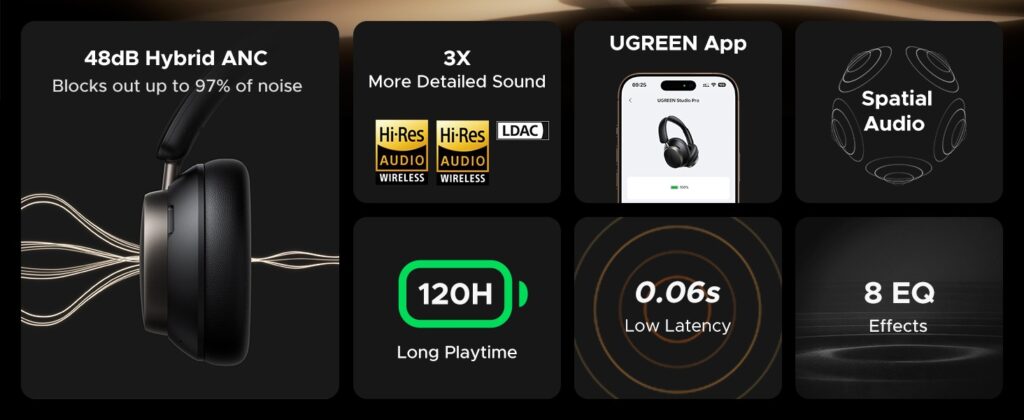
The Studio Pro uses adaptive hybrid ANC that cuts ambient noise by up to 48dB, blocking out about 97 percent of background sound. A built-in chip analyzes surrounding noise 375,000 times per second and automatically adjusts the cancellation level. There’s also a wind noise suppression mode that detects and reduces wind interference during outdoor use, making it suitable for travel, commutes, or calls on the move.
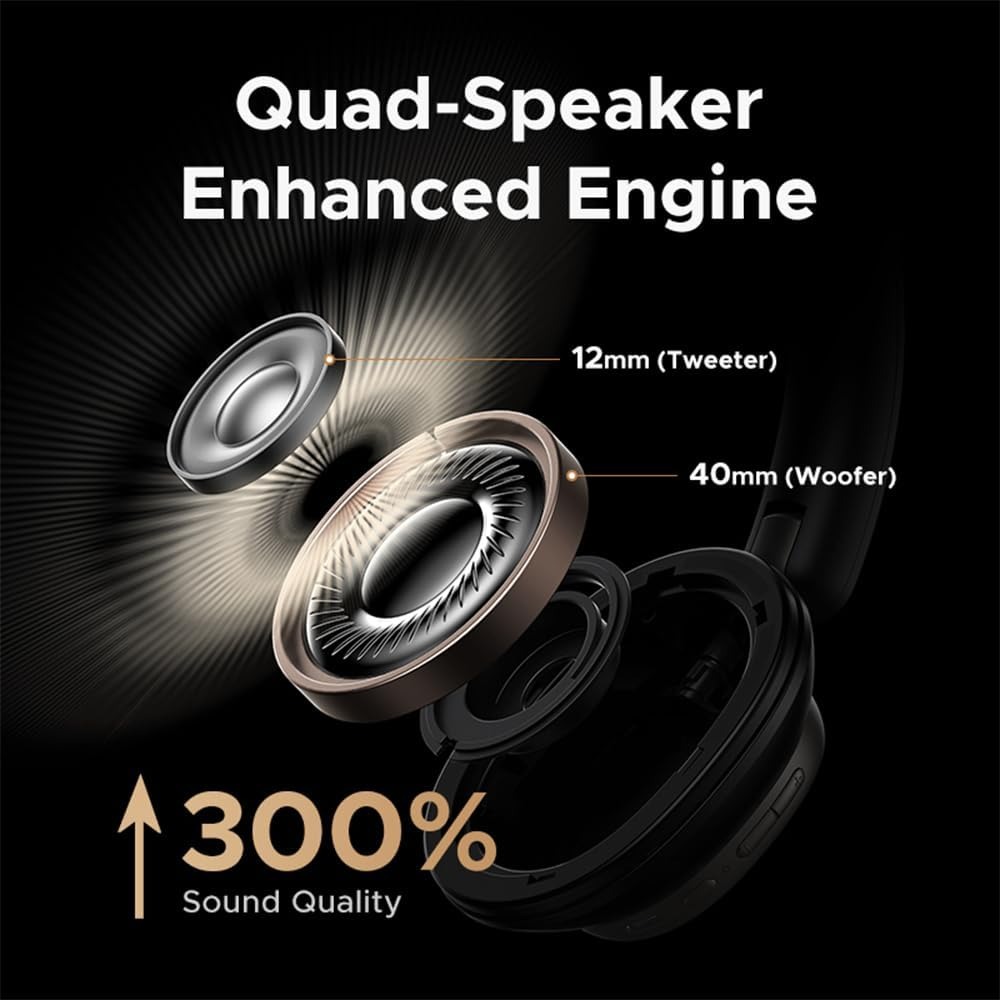
For sound, the headphones include a four-driver setup with a 40mm woofer and a 12mm tweeter on each side, delivering strong bass, balanced mids, and clear treble. They are Hi-Res certified and support the LDAC codec for high-resolution wireless playback at up to 96kHz/24-bit and 990Kbps. UGREEN says this results in up to three times more sound detail than standard codecs like AAC or SBC. Through the UGREEN app, users can adjust sound profiles using eight EQ presets, select different sound effects, and enable spatial audio for an immersive 3D experience.
Battery life is one of the main highlights. The Studio Pro delivers up to 120 hours of playback with ANC off or 80 hours with ANC on. A 10-minute charge adds around five hours of use. The headphones support both Bluetooth and 3.5mm wired connections and can connect to two devices at once, allowing quick switching between, for example, a phone and a laptop. The Studio Pro has a foldable, lightweight design with memory foam ear cushions and a soft protein leather cover for comfort during long listening sessions.
Pricing & availability
UGREEN’s Studio Pro headphones are now available on Amazon Germany for €59.99, with a 20 percent discount coupon reducing the price to €48 until October 19.
For more daily updates, please visit our News Section.
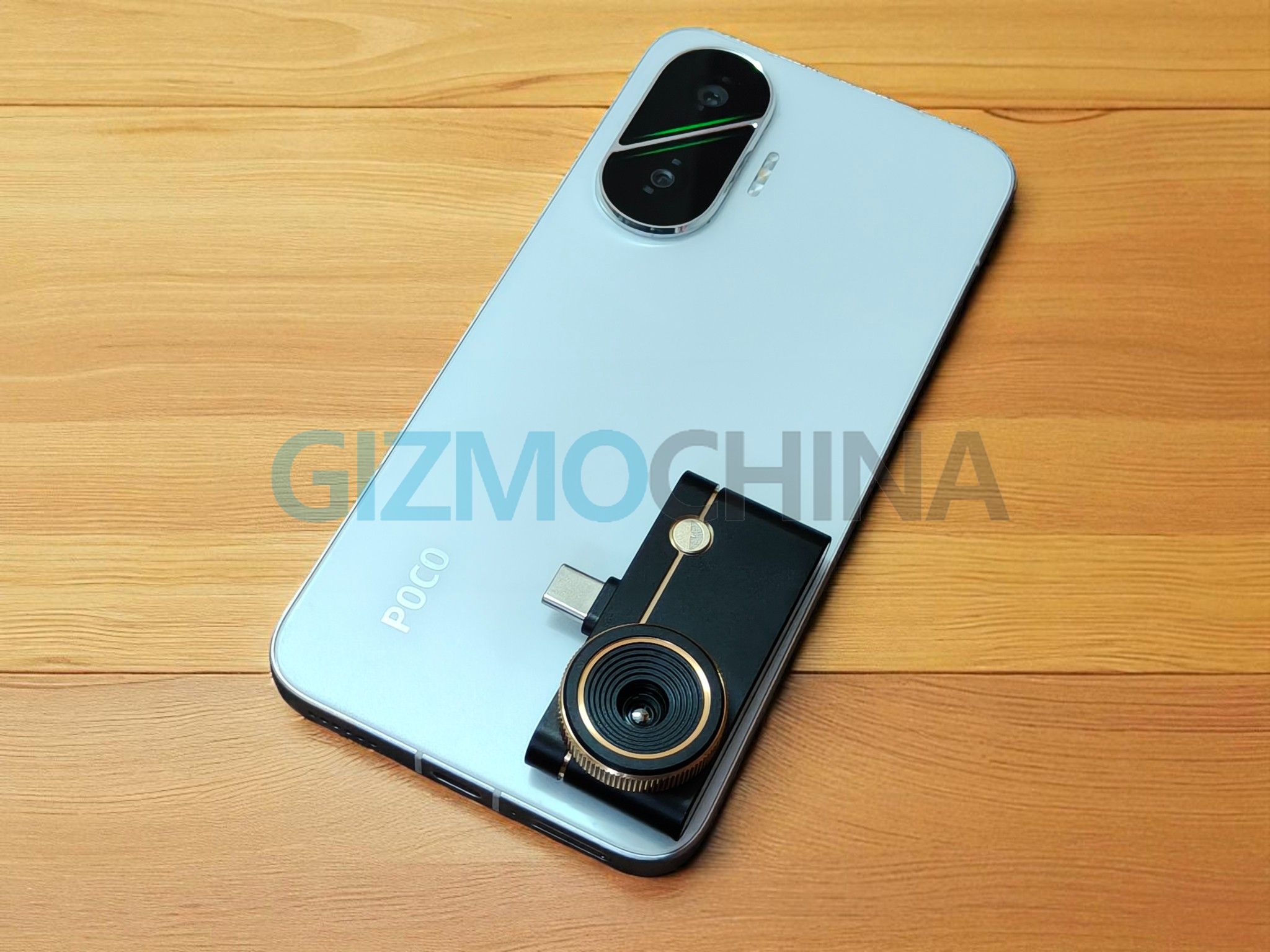
The Thermal Master P3 is a pocket-sized thermal imager aimed at technicians, hobbyists and electronics professionals who need precise, close-up temperature diagnostics without carrying a bulky instrument. It blends a manual-focus macro lens with on-device image enhancement and a solid metal shell, delivering a surprisingly professional tool for inspecting PCBs, HVAC systems, automotive components and more.
5Final Thoughts
For professionals and serious hobbyists who want a portable thermal tool that prioritises accuracy and close-range detail, the P3 is a compelling choice. It brings clear advantages over earlier pocket dongles through its manual-focus optics and image-enhancement pipeline. If you can accept occasional sluggishness when using the highest-quality mode and would invest in a small mount for hands-free work, the P3 is a highly capable, pocket-friendly camera that will serve well in electronics diagnostics, building inspections and field service checks.
Gaming audio is one of those things where you don’t need to break the bank to get something good. For around $100, you can find the perfect pair of wireless headsets that can deliver clear audio, a comfortable fit, and decent mic quality. So here’s a list of some of the best budget wireless gaming headphones that are worth considering, which balance price and performance.
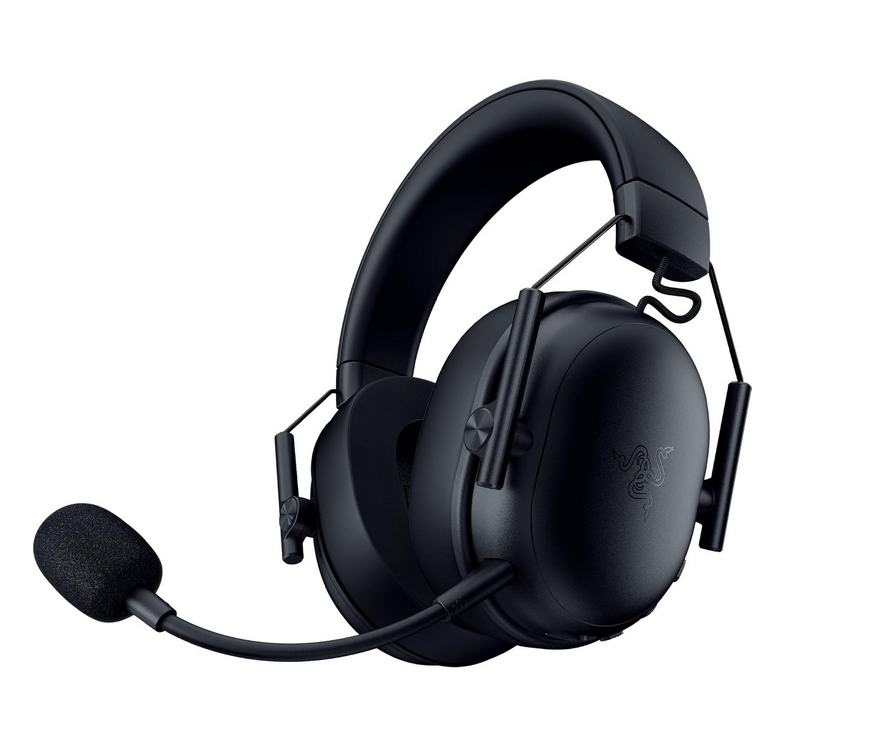
The Razer BlackShark V3 X is a great all-rounder in this budget-mid range. It is often priced around $100, making it an attractive option for those looking for a wireless gaming headset. This model brings Razer’s Audio Control Dial for volume and mic mix, a comfortable fit, and solid sound quality for both games and voice chat. Its closed-back design helps with isolation, making it suitable for noisy environments.
While the mic is serviceable for multiplayer and Discord use, you get a detachable mic design that allows users to remove it if they already have a dedicated mic on their setup. Some of its notable features include a 7.1 surround sound, 3 modes of connectivity (2.4GHz, Bluetooth, and USB), and large 50mm drivers.
Please Note: When you buy something using the links in our articles, we may earn a small commission at no cost to you.
2. SteelSeries Arctis Nova 3 Wireless
SteelSeries Arctis Nova 3 Wireless
While some wireless headsets exceed the price ceiling, the SteelSeries Arctis Nova 3 Wireless often sells around or slightly under $110 in many markets. It offers 2.4 GHz wireless and Bluetooth connectivity, a detachable mic, and good battery life (up to 40 hours).
These gaming headphones were praised for their comfortable strap and well-balanced audio. Although its 40mm drivers don’t pack a punchy bass compared to more expensive options. You can even use the SteelSeries Arctis Nova 3 Wireless with PC, Nintendo Switch, PlayStation, and smartphones as well.
Please Note: When you buy something using the links in our articles, we may earn a small commission at no cost to you.
3. Razer Kaira Pro
Razer Kaira Pro Wireless
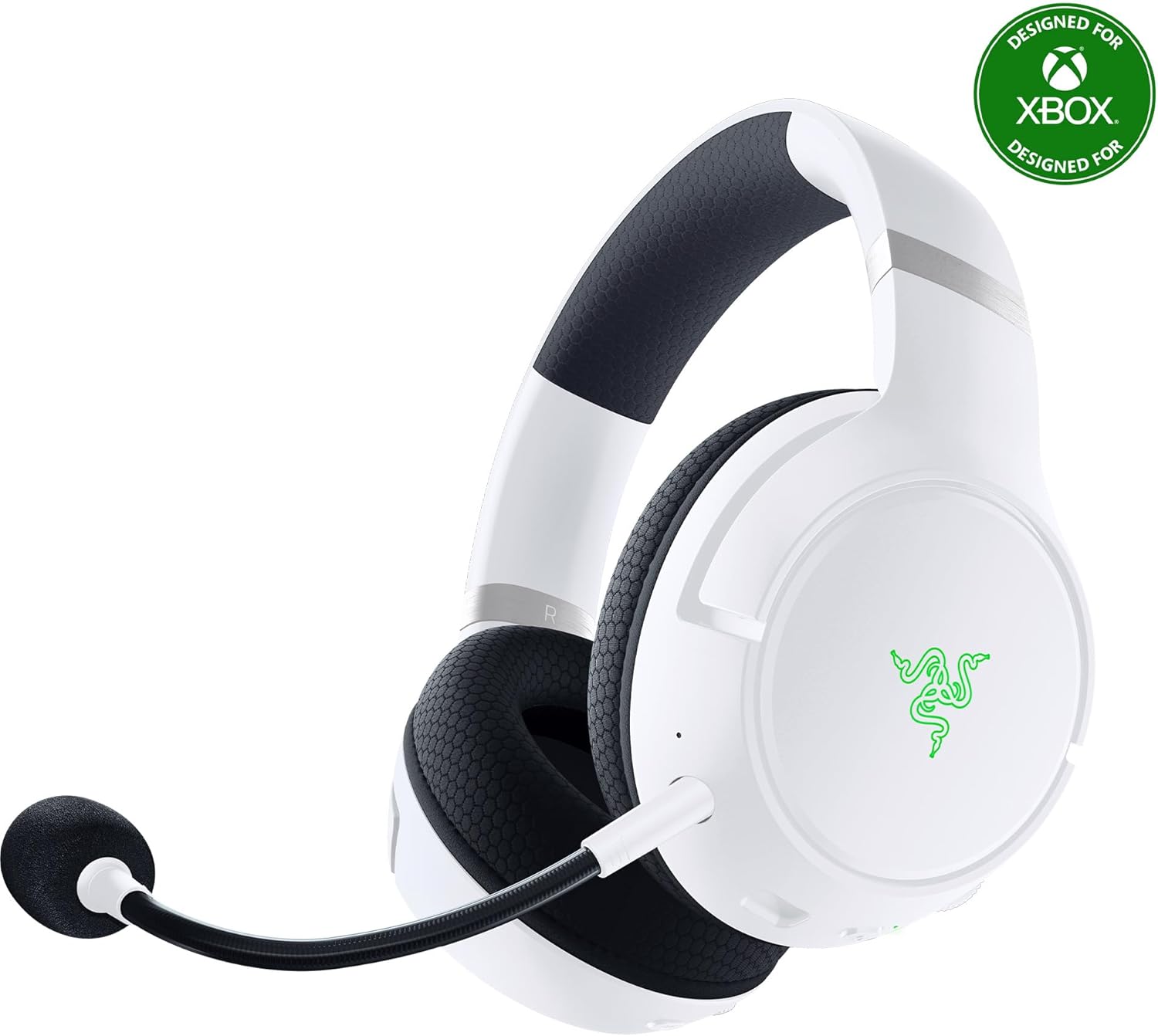
For those looking for wireless gaming headphones that pair well with an Xbox Series X/S, the Razer Kaira Pro is a perfect fit. Thanks to its Bluetooth 5.0 connectivity, one can even use these headsets for mobile gaming. These feature eye-catching, bright green accents and customizable RGB Razer logos on each earcup.
Just like the other models, you get a detachable mic that’s perfect for standable use and convenient if you already have a separate microphone. Other key features include dedicated EQ settings for a more immersive experience, large 50mm titanium coated drivers, and a wheel for Game/Chat balance that lets gamers focus on either gameplay or communication.
Please Note: When you buy something using the links in our articles, we may earn a small commission at no cost to you.
4. JBL Quantum 400
JBL Quantum 400
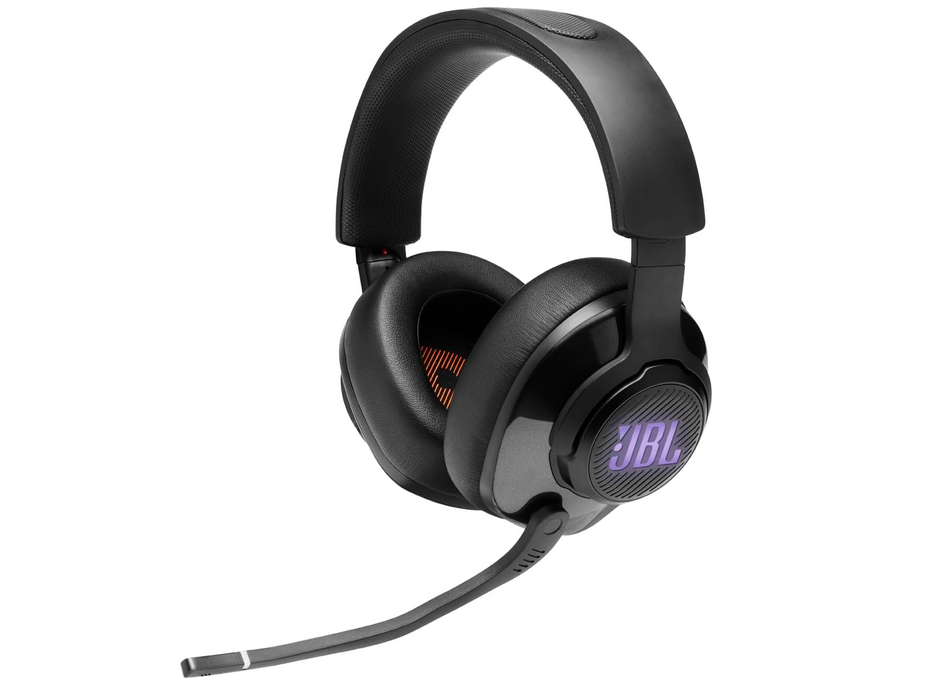
JBL’s Quantum 400 is a part of the brand’s gaming audio lineup, bringing a wireless design for convenience and QuantumSurround and DTS support. The company’s budget mid-range headsets blend the brand’s audio expertise with a gaming format. It has a minimalistic design with memory foam cushions and RGB JBL logos on each earcup.
Unfortunately, the microphone isn’t detachable on this model, but you can flip it up. It connects wirelessly to your gaming system via Bluetooth that has a low latency mode as well. Other notable specs include 50mm audio drivers, spatial audio, and a dedicated app for better customization (Windows only).
Xiaomi has begun rolling out HyperOS 3, its new operating system based on Android 16, for devices outside China. The update will reach eligible Xiaomi, Redmi, and POCO models between October and November.
The following devices will receive the update this month:
Phones
Xiaomi 15 Ultra
Xiaomi 15
Xiaomi 15T Pro
Xiaomi 15T
Xiaomi MIX Flip
REDMI Note 14 Pro+ 5G
REDMI Note 14 Pro 5G
REDMI Note 14 Pro
REDMI Note 14
POCO F7 Ultra
POCO F7 Pro
POCO F7
POCO X7 Pro
POCO X7 Pro Iron Man Edition
POCO X7
Tablets
Xiaomi Pad 7 Pro
Xiaomi Pad 7
Xiaomi Pad Mini
HyperOS 3 features
HyperOS 3 reduces CPU load by 4%, improves energy efficiency by 10%, and cuts frame loss rate by 18.9%. It adds a hot-swappable scheduling mechanism and a new graphics scheduling link that improves gaming. App launch speed is 21% faster, video playback is 10% smoother, and touch response latency is reduced by 9%. Xiaomi also optimized more than 100 system animations for smoother performance.
The update brings several visual changes. A new feature called Xiaomi Super Island acts as a live activity and notification hub, supporting over 70 integrated services. There are new AI-based dynamic wallpapers with depth effects, redesigned icons, and adjustable desktop grids. Users can also try cinematic lock screens with a single interface to edit wallpapers and lock screens. The Photo Album now supports intelligent search and automatically creates Pet Albums.
AI features have been upgraded too. The Super XiaoAi Assistant now understands on-screen content and provides relevant answers. Users can circle content to trigger actions like search, translation, or sharing, similar to Google’s Circle to Search.
For more daily updates, please visit our News Section.
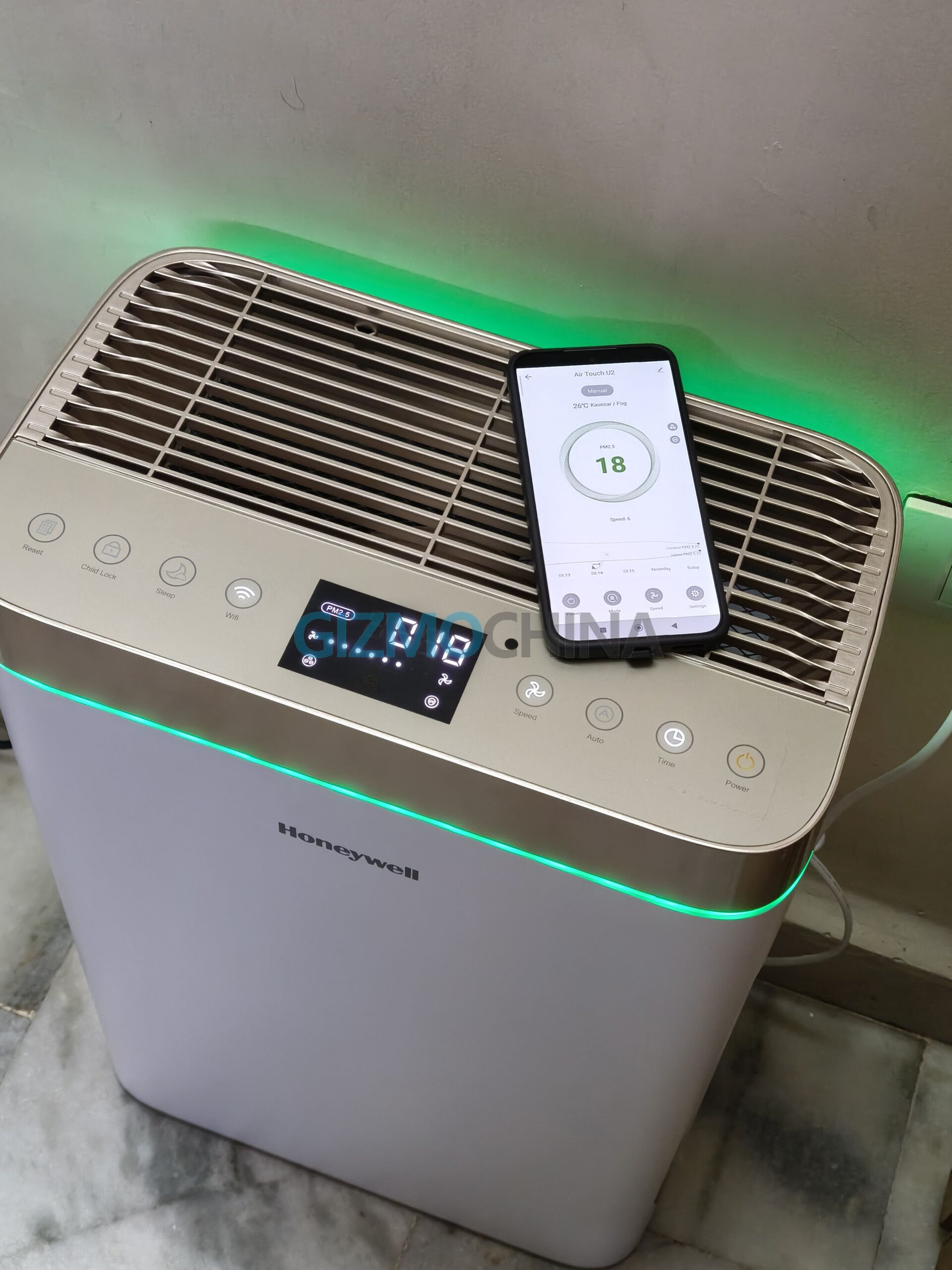
After using the Honeywell Air Touch U2 for over a month in my Thane (Mumbai MMR region) apartment, I’ve formed a clear idea of what it offers in everyday use. This is my first experience with a full-sized air purifier, and while it has some quirks, I’ve come to rely on it more than expected, especially given the humidity and lack of ventilation in my rented flat.
7Verdict
The Honeywell Air Touch U2 offers strong filtration, a useful humidifier, and convenient smart controls, making it ideal for homes in polluted or humid cities like Delhi, Mumbai, and Thane. Despite slightly sensitive controls, noticeable noise at high speeds, and the absence of wheels, the Honeywell Air Touch U2 remains a reliable and practical choice for cleaner indoor air this winter. This product is listed for Rs 29,099 on Amazon India and on its official website.
For more daily updates, please visit our News Section.
Xiaomi has introduced the Mijia Air Purifier 6 Dual-Core Formaldehyde Removal in China. The new model features a dual-filter system, a dual-fan blade design, and a real-time six-sensor monitoring setup. It is priced at 2,599 yuan ($365) and is now up for pre-sale on Xiaomi Youpin.
Xiaomi Mijia Air Purifier 6 Dual-Core Specifications
The Mijia Air Purifier 6 Dual-Core is designed specifically for new or recently renovated homes. It targets formaldehyde and volatile organic compounds (VOCs), which are commonly found in new furniture and building materials.
Xiaomi has equipped the purifier with a high formaldehyde CADR (Clean Air Delivery Rate) of 700 m³/h and a particle CADR of 949 m³/h. These figures allow the device to clean spaces ranging from 56 to 96 square meters.
The unit uses a seven-layer composite filter structure. This includes an initial dust filter, antibacterial coating, high-density formaldehyde layer, nano-scale filtration layer, activated carbon layer, a special compound layer for breaking down formaldehyde, and an ultraviolet sterilization module.
Xiaomi claims this system can remove up to 99% of formaldehyde and 99.99% of H1N1 viruses within one hour. It can also eliminate over 98% of allergens such as pollen and dust mites.
The purifier includes six sensors that detect PM1, PM2.5, dust levels, formaldehyde concentration, temperature, and humidity. These readings appear on an LCD screen, which displays real-time air quality data and changes in visual graph formats.
Xiaomi has integrated the purifier with HyperOS and the Mijia app, allowing remote control and real-time air quality monitoring. It also supports Xiao Ai voice commands for hands-free operation. The sleep mode keeps noise as low as 31.6 dB(A), ideal for quiet nighttime use.
The product features a slim vertical design with omnidirectional wheels for easy movement. It uses magnetic filter doors for convenient maintenance. Each filter set costs 299 yuan ($42) and is rated for up to 12 months of use.
This model differs significantly from the global version, the Mijia Smart Air Purifier 6, which features a single filter and a lower CADR of 218 m³/h. The global model is intended for general air cleaning in standard home environments, while the Dual-Core model focuses on stronger purification in homes with higher pollutant levels.
DOOGEE will present its latest rugged and eco-focused product portfolio at GITEX GLOBAL 2025, which will be held from October 13 to 17, 2025, at Booth A40, Hall 13, Dubai, UAE. This year’s presentation will take place under the theme “Tech For Nature”, focusing on the development of devices that combine durability, energy efficiency, and sustainable materials. The company will display new smartphones, tablets, wearables, and audio equipment designed for both urban environments and extreme outdoor conditions.
Design Philosophy and Product Direction
The “Tech For Nature” theme reflects DOOGEE’s emphasis on rugged construction, long battery performance, and the use of alternative materials aimed at reducing environmental impact. Among the highlighted devices is a smartphone made using recycled coffee grounds and another featuring an integrated cinema-style projector. These products have been designed to support outdoor exploration, scientific research, and field operations, where durability and reliable performance are essential.
Rugged Solutions for Harsh Environments
Within the Tech Impact Zone, the company will display a range of devices built to function in challenging environments such as high and low temperatures, wet conditions, and areas with physical impact risks. These products are intended for professional users, including explorers, scientists, and emergency response teams.
The V Max series focuses on extended use with a high-capacity battery, a 200-megapixel camera, a built-in projector, and integrated camping lights. The Shield series features the S200 Ultra, constructed with an aluminum–titanium alloy frame and equipped with a rear display for quick information access and enhanced structural protection. The Fire series introduces the Fire 7 Ultra, which incorporates a Bluetooth walkie-talkie for communication in areas without mobile network coverage.
Eco-Conscious Materials and Lightweight Design
Alongside rugged performance, DOOGEE is also introducing lightweight and eco-conscious designs through its Tech Life and Note series. The Note59 Pro+ is made using a composite material of rice husk and coffee grounds. It also features a UV-responsive back panel that changes color under light exposure. This combination aims to provide durability while lowering the environmental footprint of the device.
Tablet Lineup for Work and Entertainment
The company’s tablet lineup is designed to support both recreational and professional applications. The Tab E3 Max features a 14-inch 2.1K display and a 13,500 mAh battery, enabling extended use in remote settings. The U13 tablet includes a 13-inch display, a quad speaker system, and an 11,000 mAh battery. These models are positioned for fieldwork, education, and mobile productivity, particularly in locations where access to conventional power sources may be limited.
Wearables and Audio for Outdoor Use
DOOGEE is also expanding its wearable and audio device segment. The Anywise W1 Pro smartwatch is designed for outdoor navigation, with 5ATM waterproofing and dual-band GPS support. The BoneAir Swim headphones use bone-conduction technology and offer IP68 waterproofing, making them suitable for swimming and other water-based activities. The SnapBeat speaker features IP66 water resistance and is intended for outdoor use in various environmental conditions.
Product Availability
The company’s full product range will be available for demonstration at Booth A40, Hall 13, during GITEX GLOBAL 2025. The presentation will cover technology solutions designed for field operations, exploration, research, and recreational use, with a consistent focus on ruggedness, energy efficiency, and the use of sustainable materials.
MSI has launched the MAG 275QF E21 gaming monitor in China. The new model serves as an upgraded version of the existing MAG 275QF, with the key change being a jump in refresh rate from 180Hz to 210Hz. It is now listed on Chinese e-commerce platforms at a price of 789 yuan ($110).
MSI MAG 275QF E21 Specifications
The MAG 275QF E21 features a 27-inch flat Rapid IPS panel with a resolution of 2560×1440 (WQHD). It supports a 210Hz refresh rate (overclocked) and a 0.5ms GtG response time. The display meets VESA DisplayHDR 400 certification standards, with 300 nits of SDR brightness and a peak HDR brightness of 400 nits. The static contrast ratio stands at 1200:1.
The monitor covers 95% of the DCI-P3 color gamut, 94% of Adobe RGB, and 121% of sRGB. MSI has included support for Adaptive-Sync to reduce screen tearing during gameplay. The panel outputs 10-bit color using 8-bit + FRC and includes anti-glare treatment to improve visibility in bright environments.
MSI has equipped the monitor with two HDMI 2.0b ports, one DisplayPort 1.4a, and a headphone jack. The HDMI ports support up to 144Hz at QHD resolution, while the DisplayPort allows full access to the 210Hz refresh rate. The monitor also includes a tilt-adjustable stand (-5° to +20°) and supports VESA 100x100mm mounting.
MSI has added several gaming-oriented features to the MAG 275QF E21. The monitor features a console mode and an AI Vision enhancement, which brightens dark areas and adjusts color saturation in real-time.
It also provides built-in tools such as Smart Crosshair for improved aiming accuracy and Visual Enhancement presets tailored to different game genres. To ensure comfort during long gaming sessions, MSI has integrated anti-flicker and low-blue-light technologies to minimize eye strain.
The product weighs 4.4kg without packaging and measures 613.5 x 249.7 x 439.05 mm with the stand.
In related news, MSI recently launched the MAG 272QP QD-OLED X24 gaming monitor featuring a 2K 240Hz QD-OLED display with a 0.03ms response time.
For more daily updates, please visit our News Section.
On Oct. 15, Honorwill unveil the Magic 8 and Magic 8 Pro smartphones in China. Recently, tipster Bald Panda shared key details of both devices, though there were inconsistencies in the information regarding the base model’s periscope camera and wireless charging support. The tipster has now released an updated post on Weibo, revealing what appear to be the corrected specifications for both models
Honor Magic 8 specifications (rumored)
Honor Magic 8 series image by Teme
According to the latest leak, the Honor Magic 8 will measure 157 x 74 x 7.9mm and weigh around 205 grams. It will be powered by a 7,000mAh battery supporting 90W wired and 80W wireless charging
For optics, the Magic 8 will feature a 50-megapixel selfie camera on the front. Its rear camera setup will include a 50-megapixel main camera, a 50-megapixel ultra-wide lens, and a 64-megapixel periscope telephoto camera, which, according to other reports, may use the OmniVision OV64B sensor.
The device is said to sport a 6.58-inch flat OLED display offering 1.5K resolution, and it will run on MagicOS 10 based on Android 16.
Honor Magic 8 Pro specifications (rumored)
The Honor Magic 8 Pro is reported to measure 161 x 75 x 8.3mm and weigh about 219 grams. It will be equipped with a larger 7,200mAh battery, offering 120W wired and 80W wireless charging support.
For cameras, it will feature a 50-megapixel front-facing sensor. On the rear, the setup will include a 50-megapixel main camera, a 50-megapixel ultra-wide lens, and a 200-megapixel periscope telephoto sensor, positioning it as a strong contender in photography.
The Magic 8 Pro will come with a 6.71-inch micro-quad-curved OLED display supporting 1.5K resolution and will also run MagicOS 10-based Android 16.
Both models are expected to launch in black, white, gold, and blue colr options. For those who don’t know, both phones will feature the Snapdragon 8 Elite Gen 5 chipset.
For more daily updates, please visit our News Section.
Tomorrow (October 13), Vivo will unveil the Vivo X300 and X300 Pro flagship phones in China. Recent reports have already revealed most of their specifications, and now a new leak has given an early look at the possible pricing of the standard model.
Vivo X300 price (rumored)
Vivo X300 price
A tech blogger has spotted the Vivo X300 listed on a Chinese retailer site, showing a price tag of 4,699 Yuan (~$660). While the authenticity of the listing could not be independently verified, it suggests that the phone may see a 400 Yuan (~$55) increase compared to the starting price of its predecessor. The listing indicates that this price could be for the 12GB + 256GB base variant.
Vivo X300 specifications (rumored)
According to recent reports, the Vivo X300 will be a compact flagship featuring a 6.31-inch BOE Q10+ OLED LTPO display with 1.5K resolution, a 120Hz refresh rate, and an ultrasonic in-screen fingerprint sensor.
The device will be powered by the Dimensity 9500 chipset and is expected to come in multiple configurations, including 12GB + 256GB, 12GB + 512GB, 16GB + 256GB, 16GB + 512GB, and 16GB + 1TB. It is said to pack a 6,040mAh battery with 90W wired and 40W wireless charging support.
For photography, the X300 may feature a 50-megapixel Samsung JN1 front camera with a 92-degree field of view. On the rear, it will likely house a 200-megapixel Samsung HPB primary sensor with OIS, a 50-megapixel Samsung JN1 ultra-wide lens, and a 50-megapixel Sony LYT-602 periscope telephoto camera, also with OIS.
Other expected features include OriginOS 6-based Android 16, dual speakers, an x-axis linear motor, Wi-Fi 7, Bluetooth 5.4, and a USB 3.2 Gen 1 port. The phone will also offer IP68 dust and water resistance, further enhancing its durability.
Since there is no official confirmation yet, it’s best to take this report with a pinch of salt until Vivo announces the final pricing.
For more daily updates, please visit our News Section.
Xiaomi unveiled the Mix Flip 2, a flip-style foldable phone, and the Civi 5 Pro earlier this year in China. Early reports suggested that both devices, with the latter getting rebranded as the Xiaomi 15 Civi, might hit the global market. While the brand has recently launched the Xiaomi 15T series flagship phone for the global market, there has been no official update about the Mix Flip 2 and 15 Civi’s global arrival, suggesting that these devices might have been cancelled for wider release. Now, a new leak suggests that the Xiaomi Mix Flip 3 and Civi 6, expected to launch next year, may have already been cancelled.
Xiaomi Mix 3, Civi 6 may not launch in 2026
Xiaomi Mix 3, Civi 6 may not launch in 2026
A well-known Chinese tipster has hinted that one of the smartphone brands’ small foldable phones and a mid-range model may not see a new generation in 2026. According to the post, the sales performance of the current versions has not been satisfactory, leading Xiaomi to pause its development for one generation.
This tipster is mainly known for sharing updates about upcoming Honor phones. However, the discussion in the comments section of the Weibo post suggests that he could be referring to Xiaomi.
While the tipster didn’t mention specific model names, it is being speculated that the devices in question could be the Xiaomi Mix Flip 3 and the Xiaomi Civi 6, both of which were originally expected to debut in 2026. The Mix Flip 2, Xiaomi’s first vertical foldable, reportedly did not achieve strong sales despite its premium design and competitive pricing, while the Civi 5 also struggled to gain significant market share in the mid-range segment.
This development is surprising as the alleged Xiaomi Mix Flip 3, with model numbers 2603APX0AC / 2603EPX2DC, was spotted in the IMEI database in July this year. Readers are advised to wait for further information regarding the fate of the Mix Flip 3 and Civi 6.
To recall, Xiaomi unveiled the book-style foldable, the Mix Fold 4 last year in China but skipped the Mix Fold 5 this year. A recent IMEI database sighting revealed that Xiaomi may launch a book-style foldable in 2026, possibly under the Xiaomi 17 Fold name instead of Mix Fold 6.
For more daily updates, please visit our News Section.
In this review, we have a very interesting rugged phone here. It is the DOOGEE V Max Play, that comes with a projector. It has been so long since I dreamed about watching a movie with a phone, maybe at a camping site or somewhere out there. In this review, we will mostly focus on the projector part, then other things. And if you are interested in this one, you can check it out here with DOOGEE’s exclusive offer – $100 off with a complimentary Bluetooth Speaker gift, end on Nov.11. Or just visit the brand’s Amazon store and remember to use the 20% off code! – HVWC4VU2
Projector
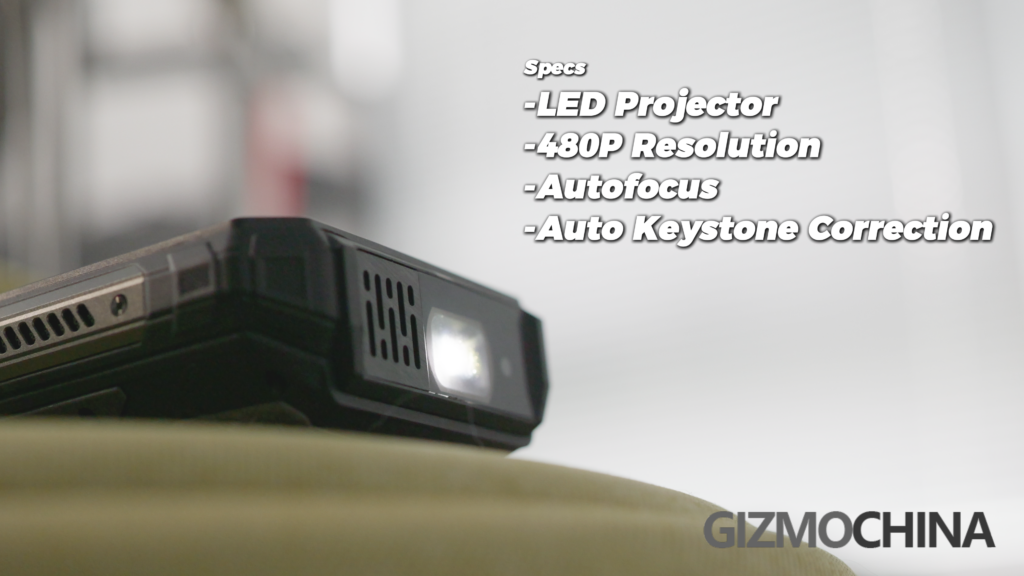
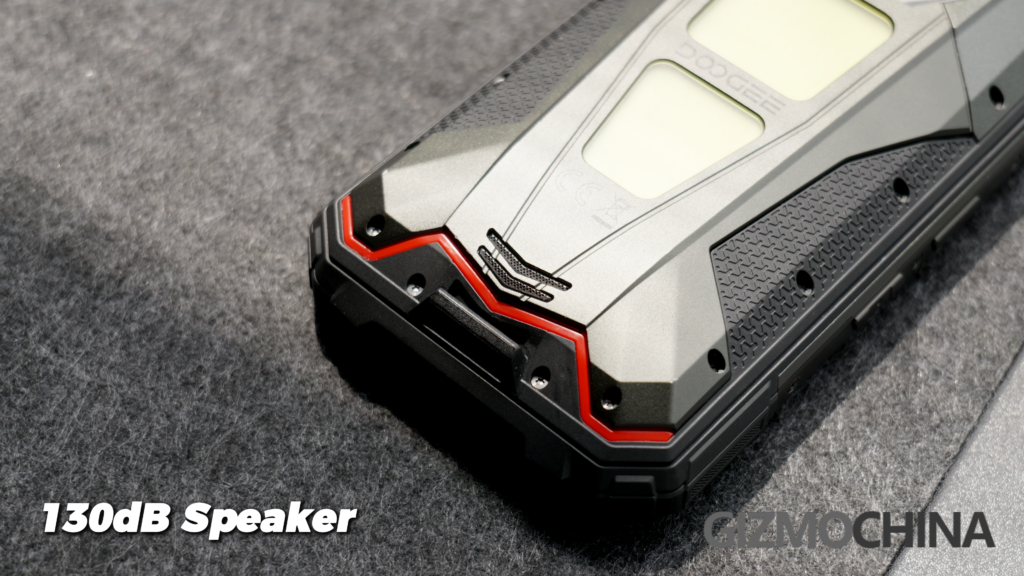
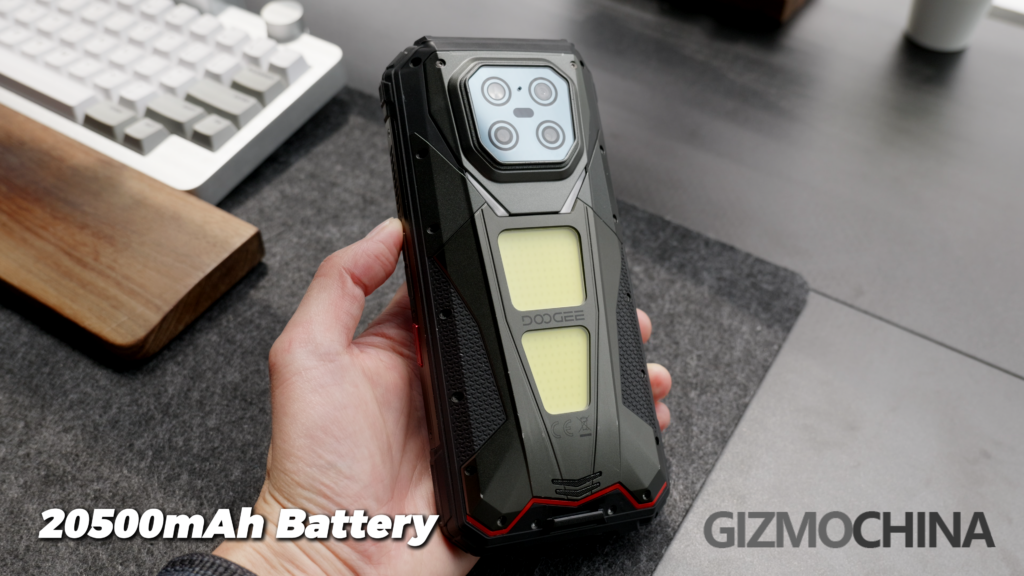
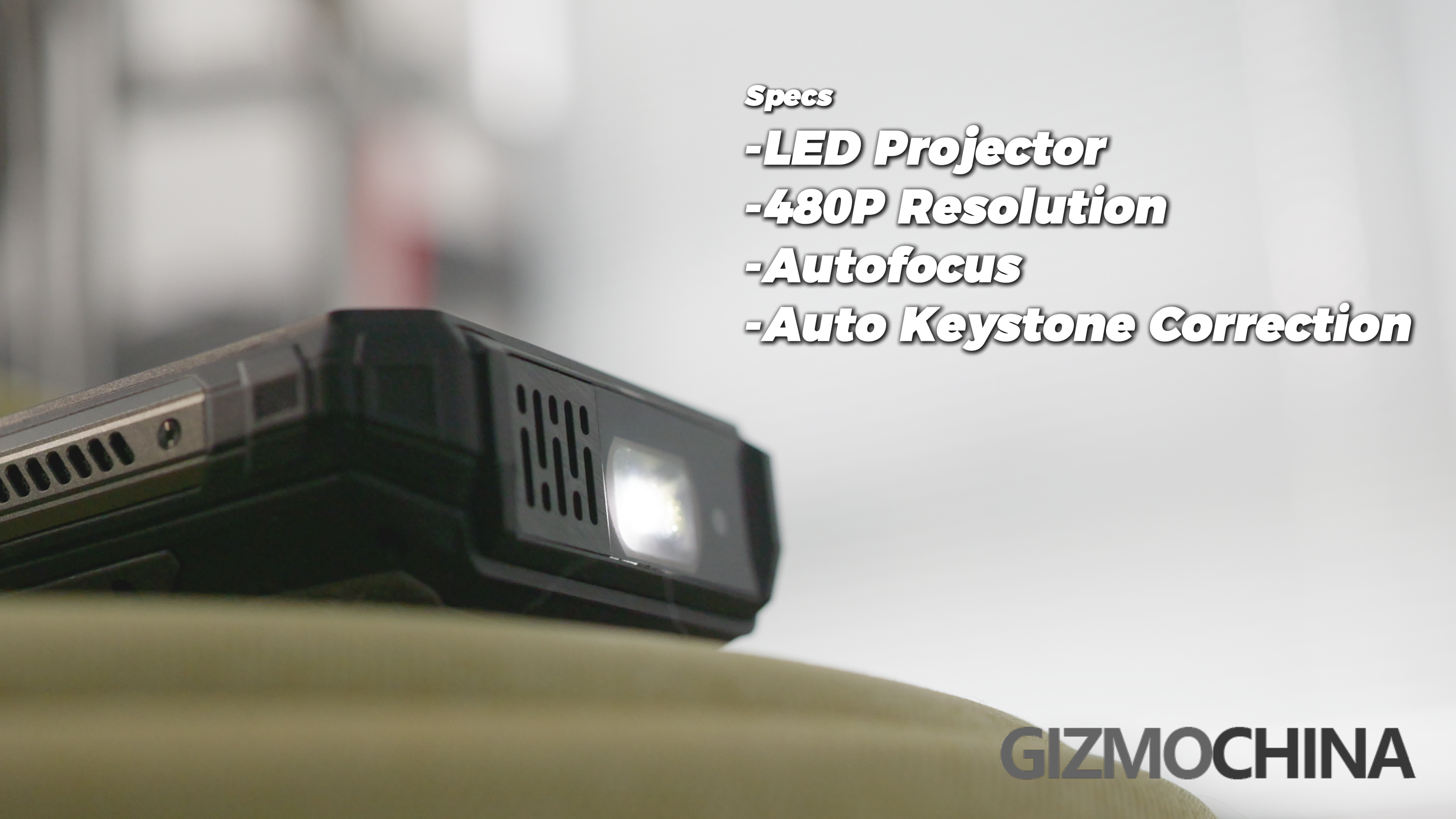
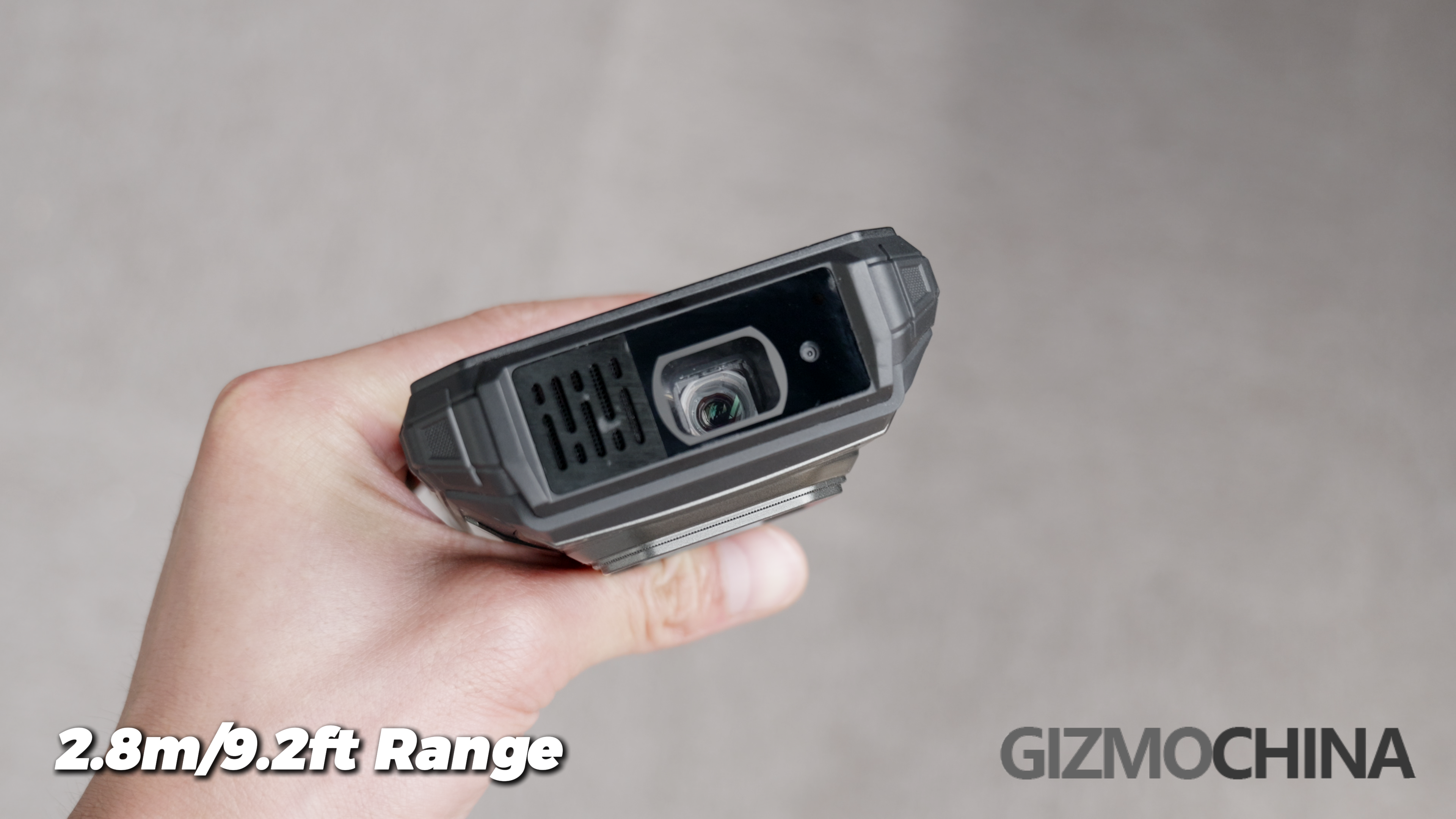
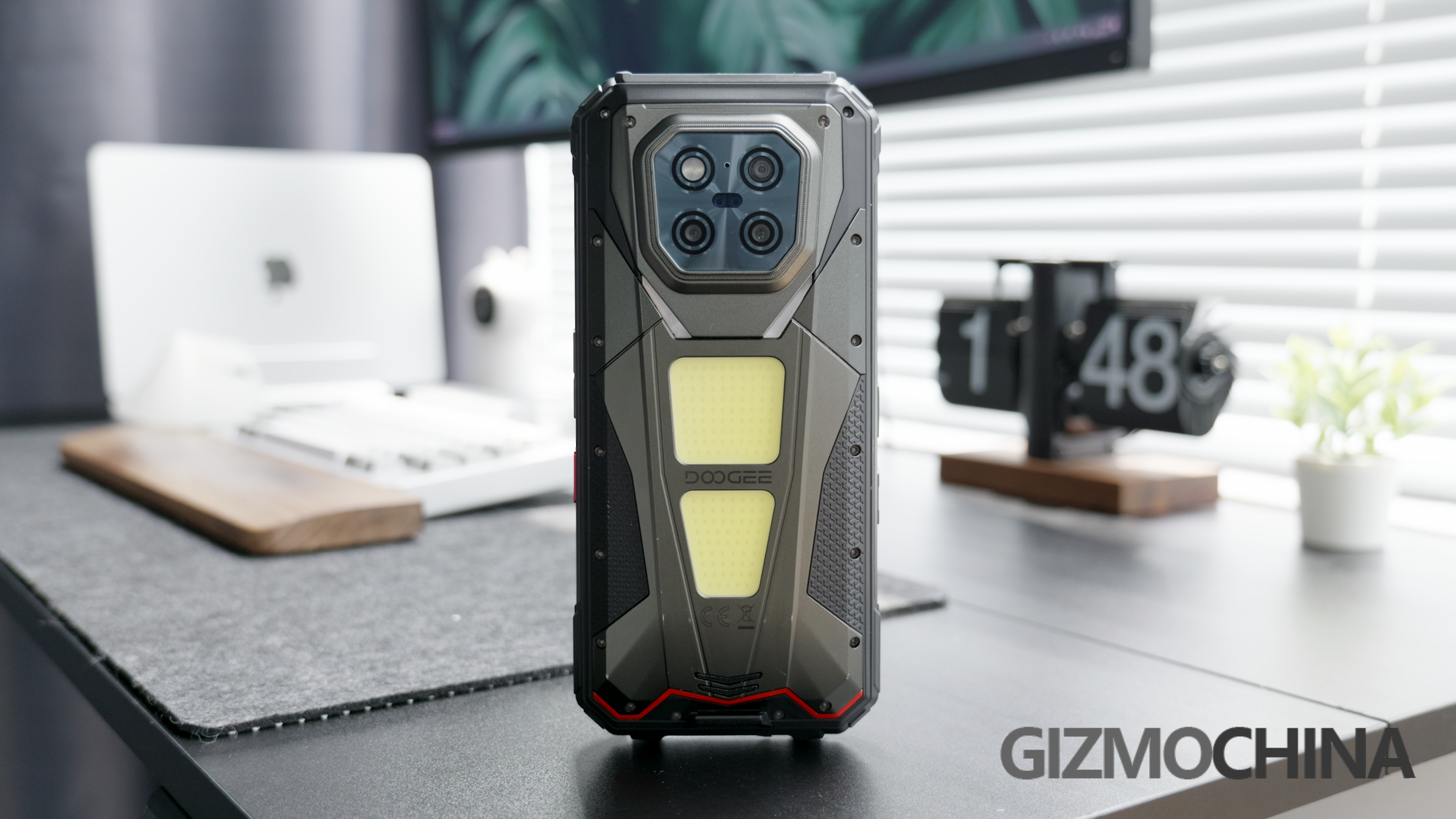
First, let’s talk specs. The projector LED type, it can offer a 480P resolution, with autofocus. And there is a 130dB super loud speaker, for the sound source. To support such a power eater, it has a 20500mAh battery. And there are heat vents next to the beam and the frame of the phone. That’s it, a pocket-size projector/rugged phone.
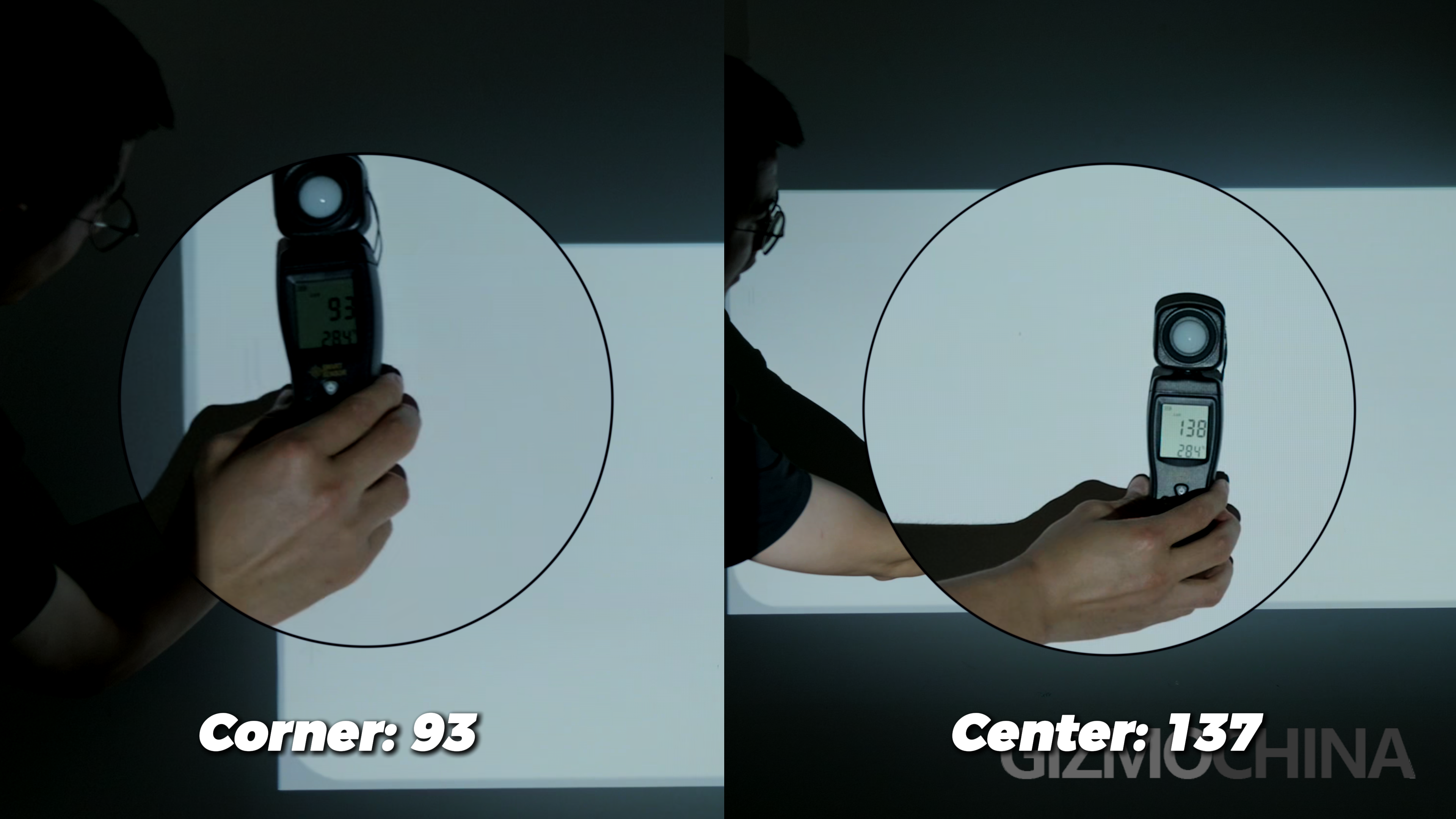
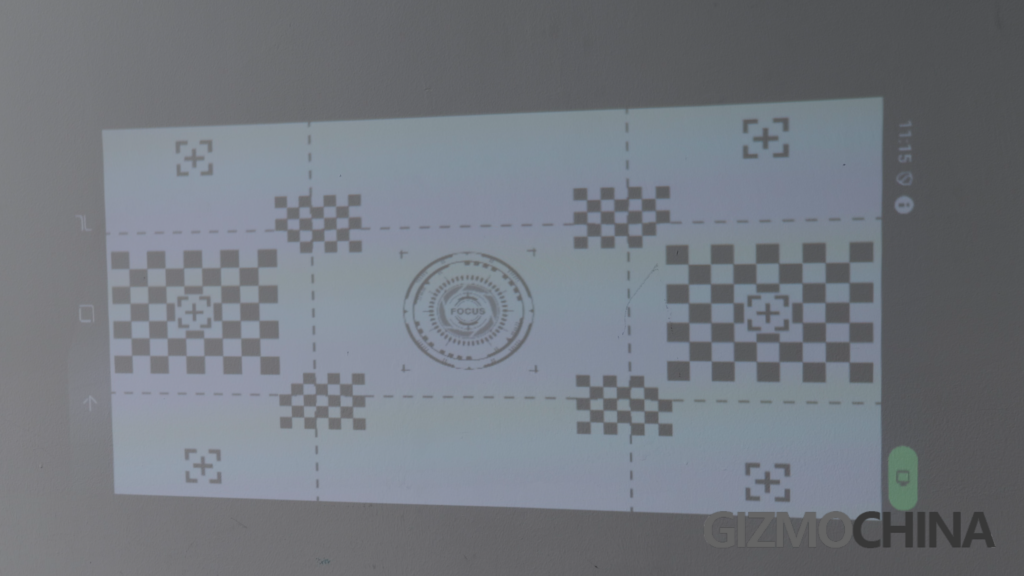
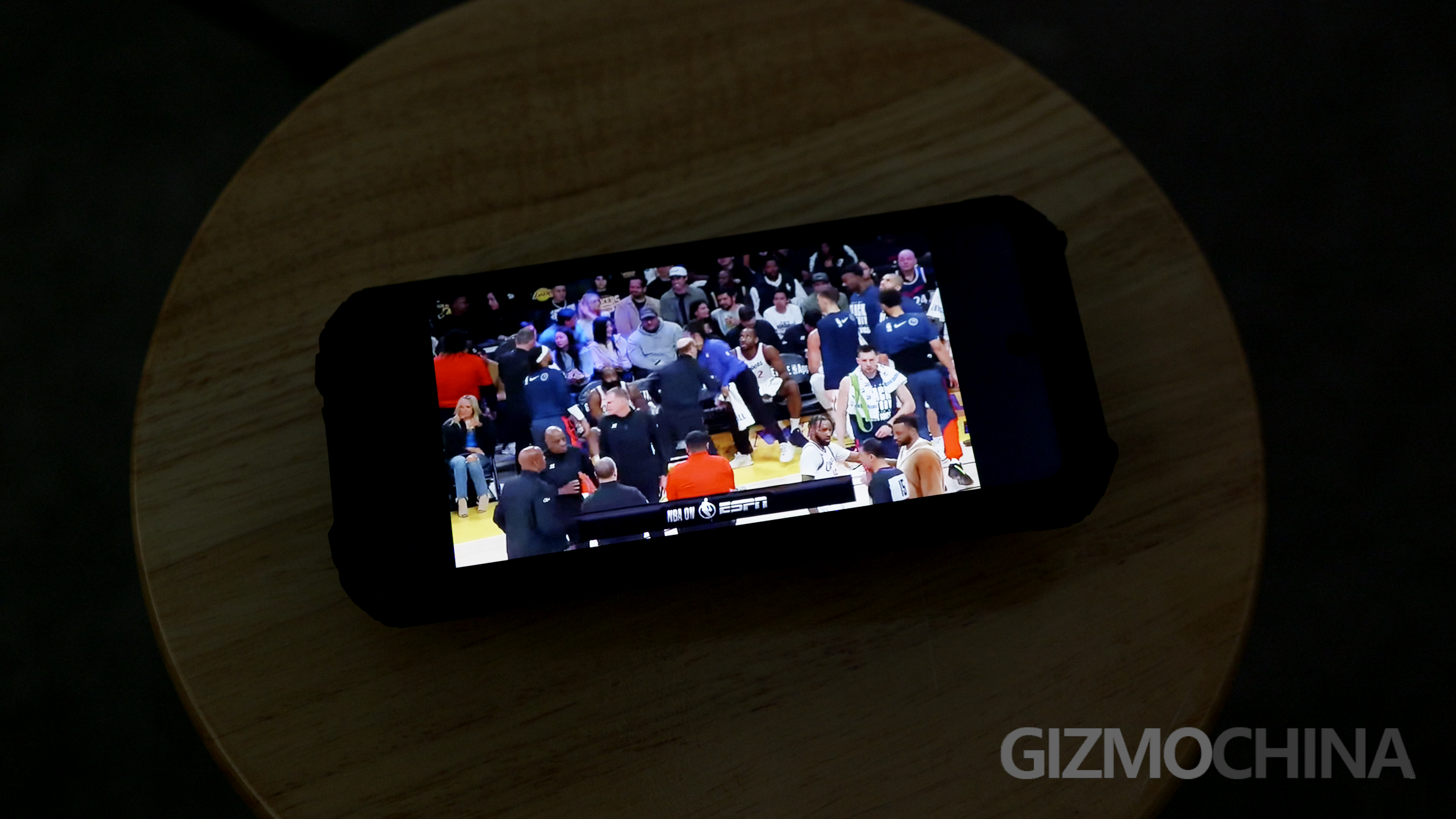
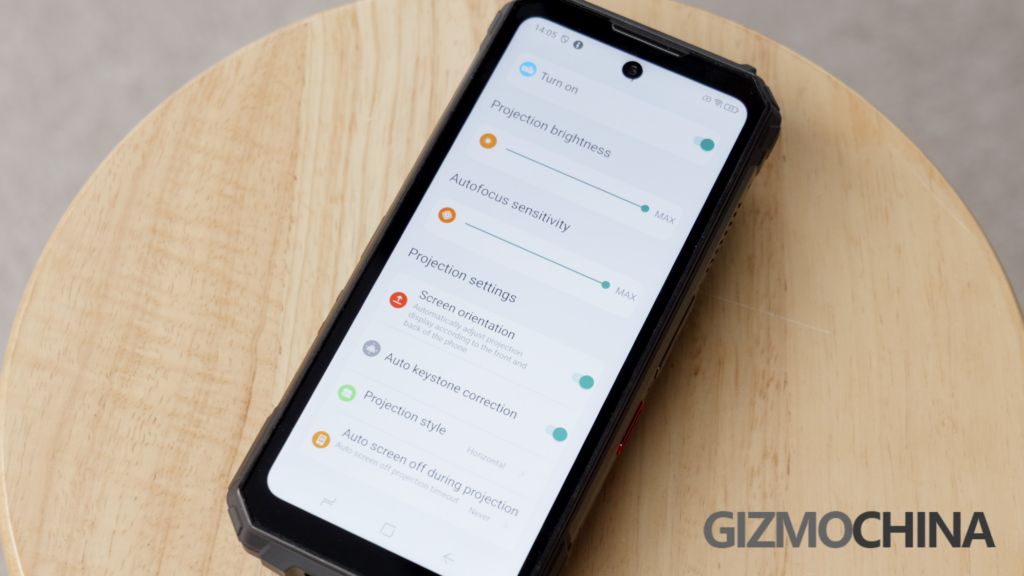
I know you might say 480P is not that high compare to big projectors, but I must say it is already a genius idea to have it on a phone. Based on multiple tests, within about 2.8-meters range, the projection works fine, the brightness is ranging from 93-137 lumen as we tested, the image quality is fine. I am surprised to find that there is autofocus and auto keystone correction, meaning whenever you move the phone, the image will be corrected fairly fast.
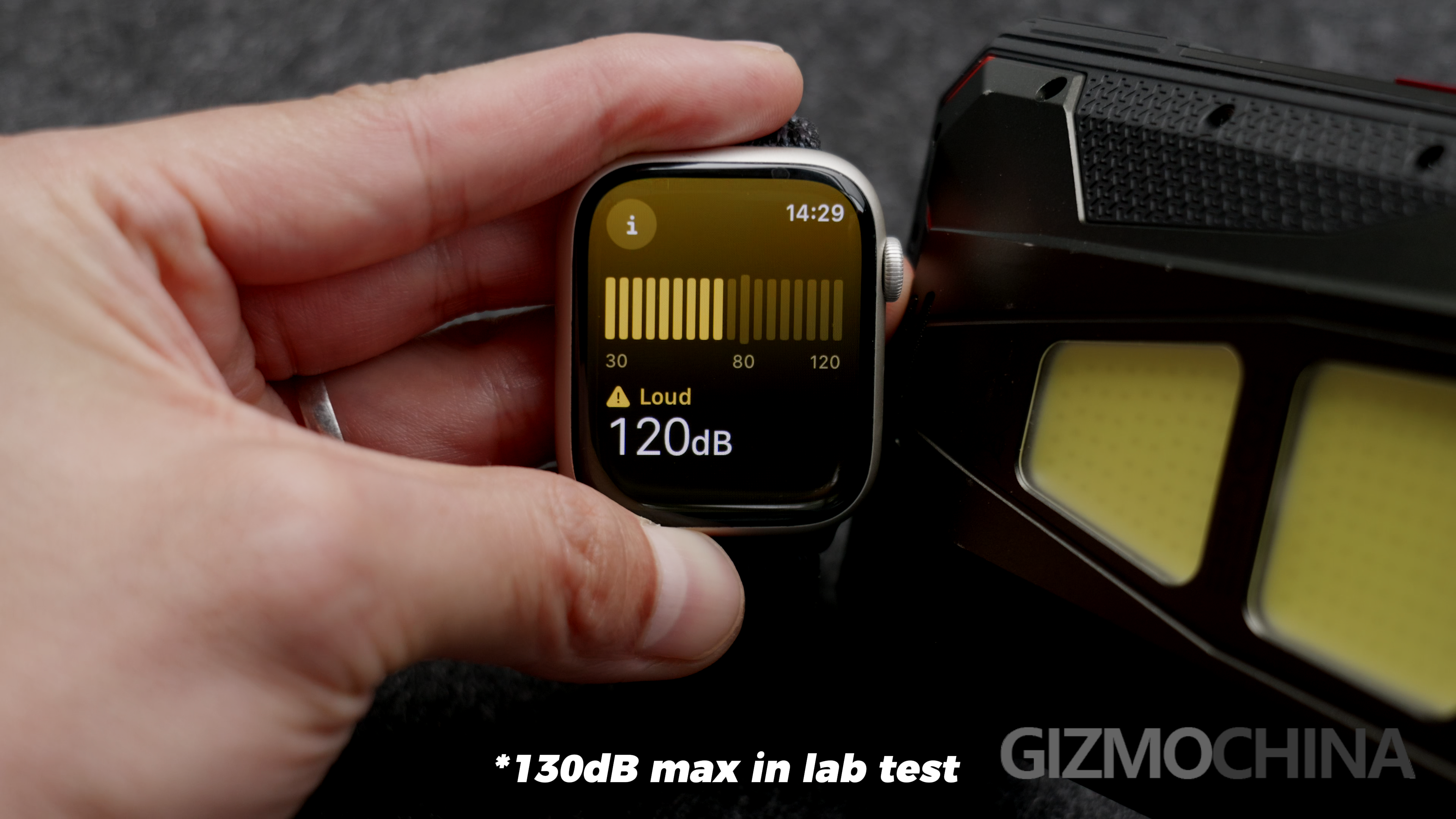
The speaker is at the bottom of the back, when I first got the phone, I thought the vents are the speakers. So as we measured it, it can produce about 120db of sound, definitely much bigger than regular smartphones. Paired with the projector, it can deliver very good experience.
When it comes to the content source, it can project the whatever content on the screen. If you have good network, then any video from the social media can be used. Or you can have pre-downloaded content in the phone, then use those.
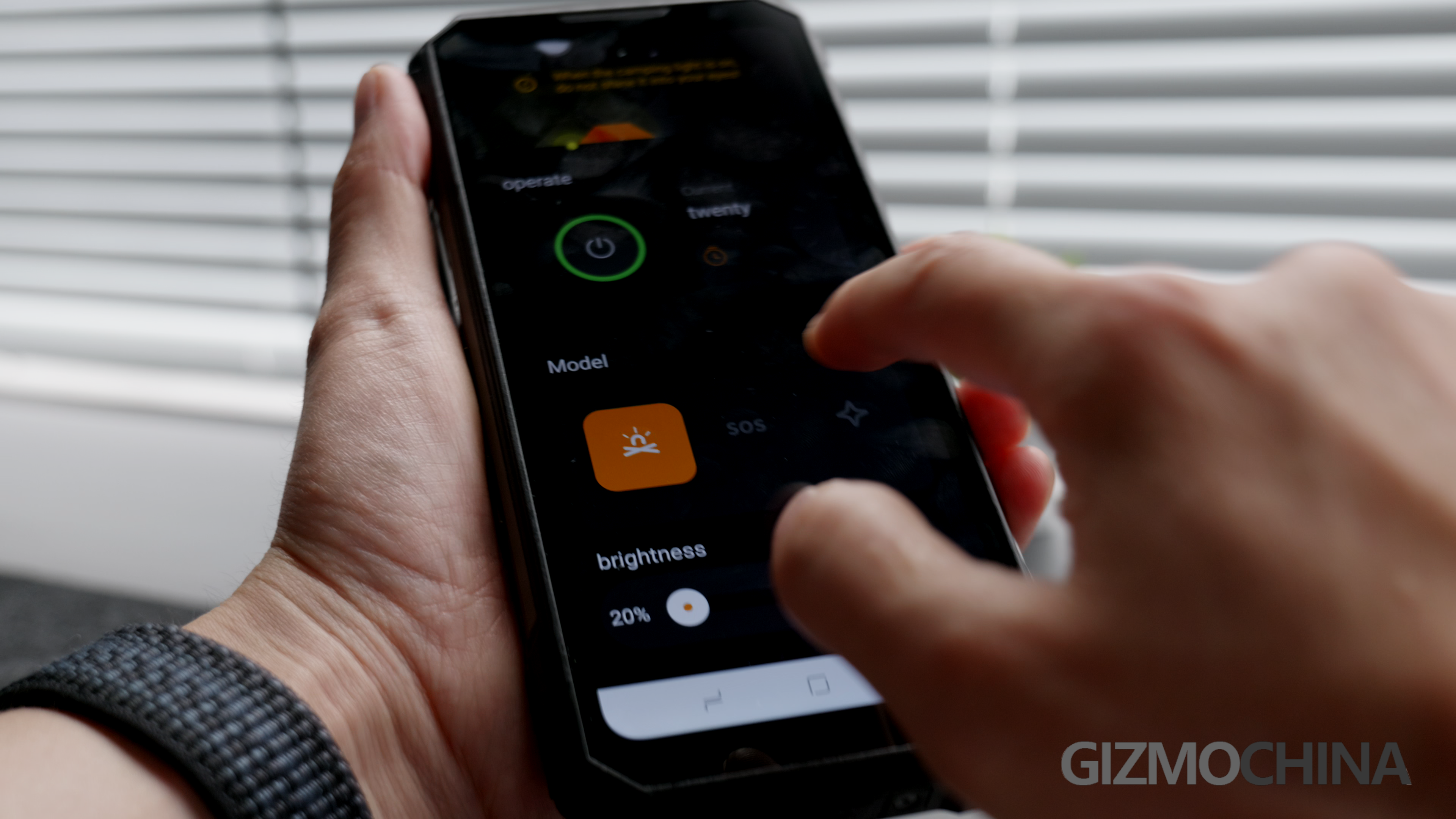
There is an App for it, you can turn the projector on or off, and change the brightness and autofocus sensitivity. Along with some other settings. I would recommend setting the autofocus sensitivity lower if you are at home, and high if you are outdoors, as the table might not be quite even out there. And then the screen off in a few mins, to save battery.
StartEnd
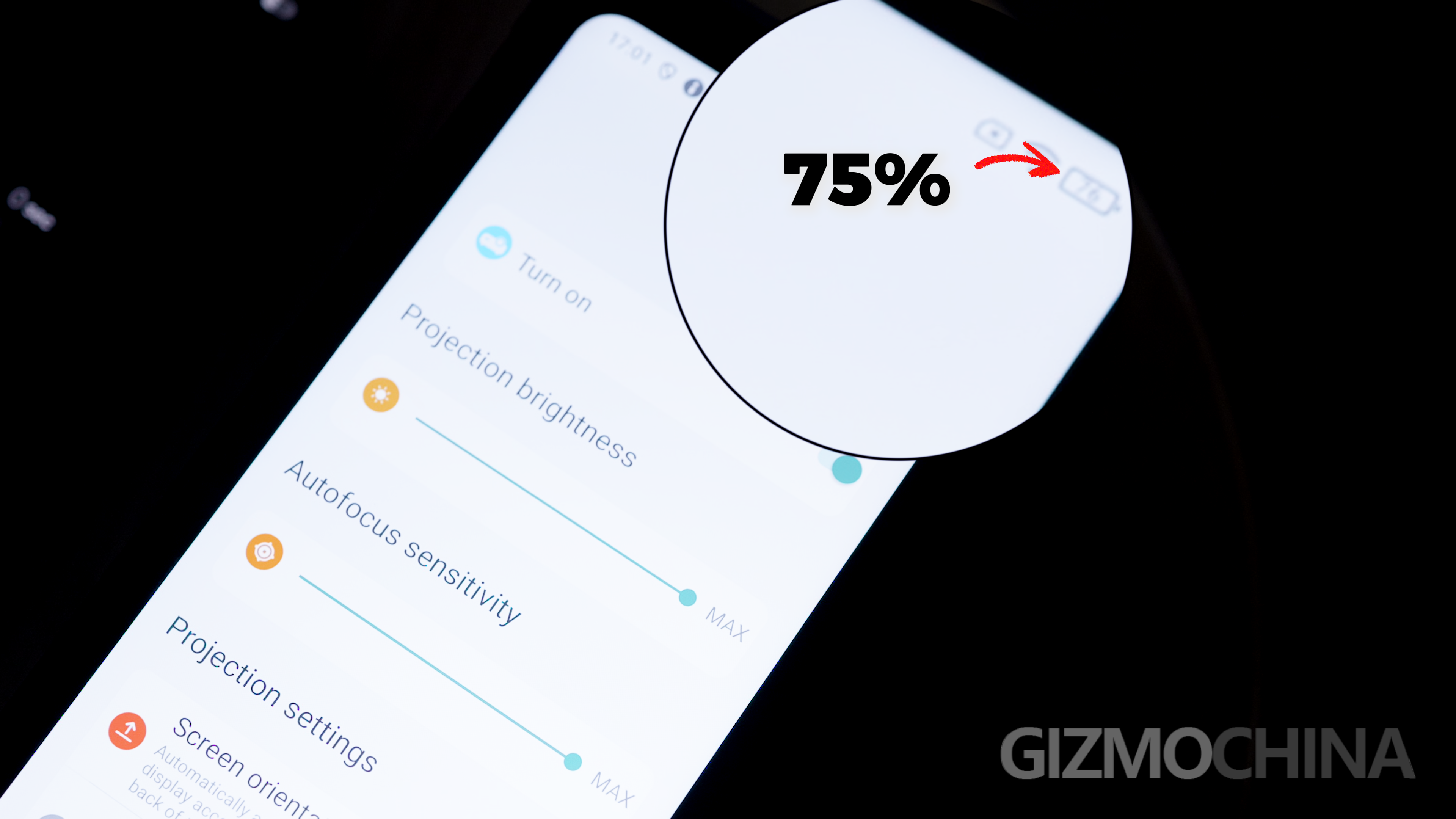
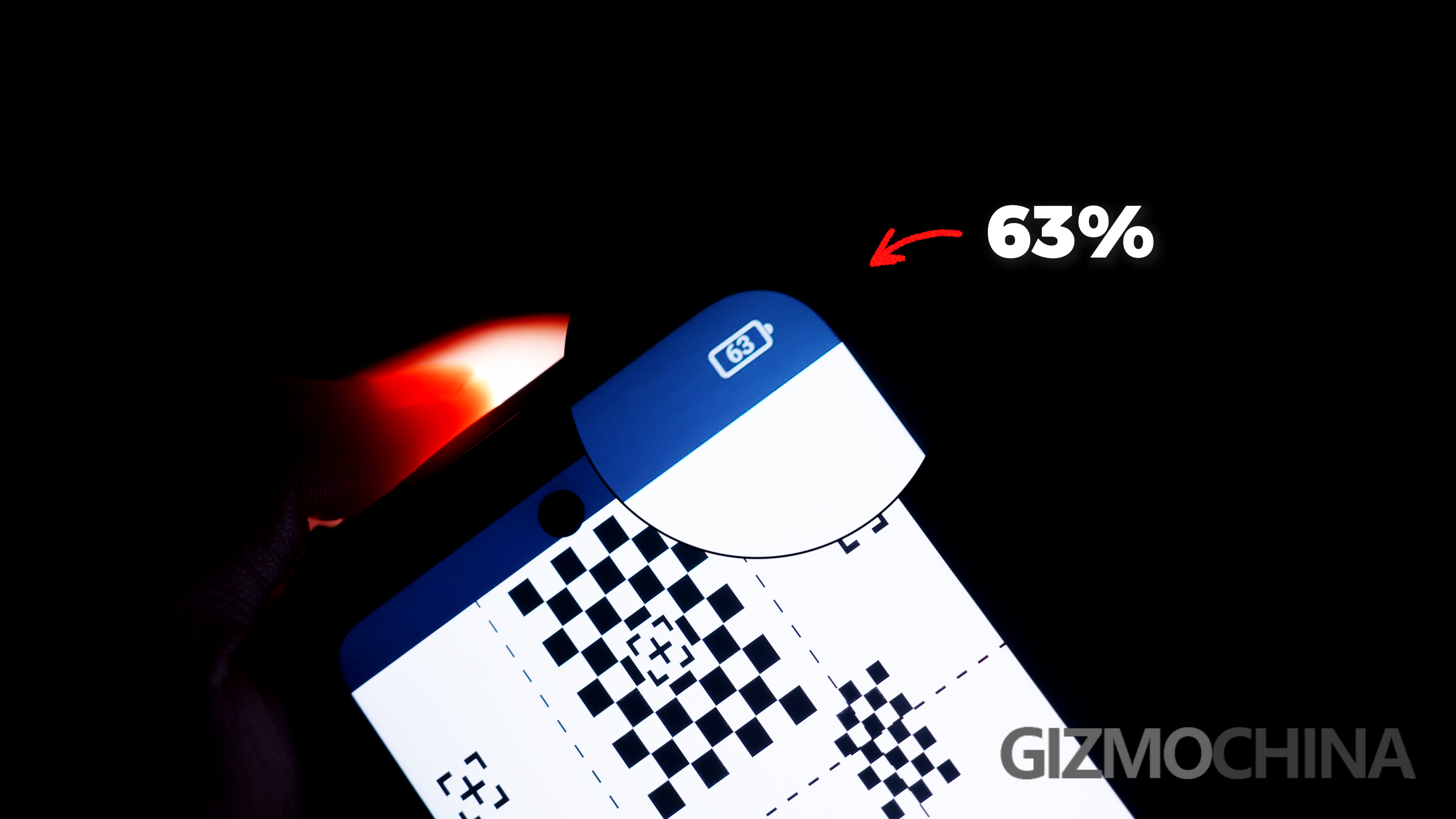
We also tested the power consumption and temperature, with the max brightness and max volume, it turns out that it takes about 12% of battery for a 30mins of play. Which means, you can pretty much watch a 2hrs of film for 2 times. And the max temp is of course from the projector, it is 54 degree Celsius maximum, a good temp control.
There will be a lot of accessories to go with this phone, such as PU pouch, phone case, or magnetic tripod, speaker, etc.
Other Highlights
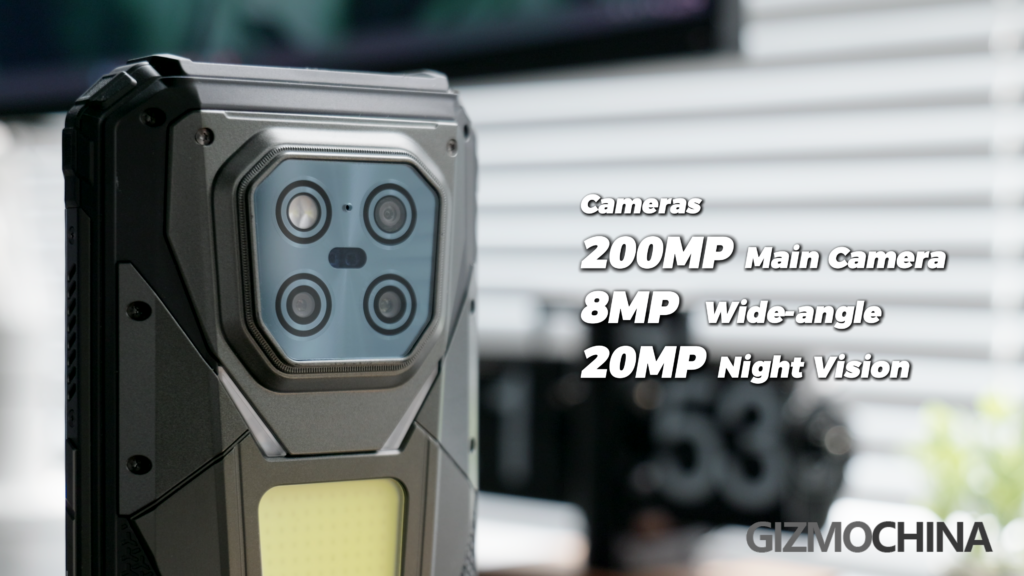
For the cameras, there are triple camera setup at the back, and one camera at the front. It has a 200MP Main Camera, 8MP wide-angle and macro lens, and a 20MP night vision camera at the back. For the real camera capability, here are some photos I took.
The front camera is 32MP, it can also take some good photos.
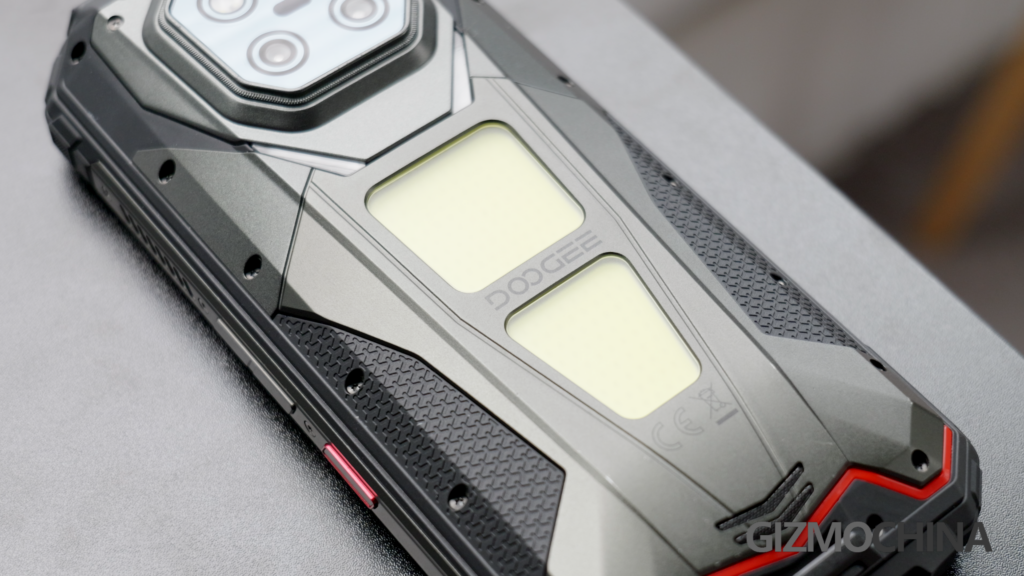
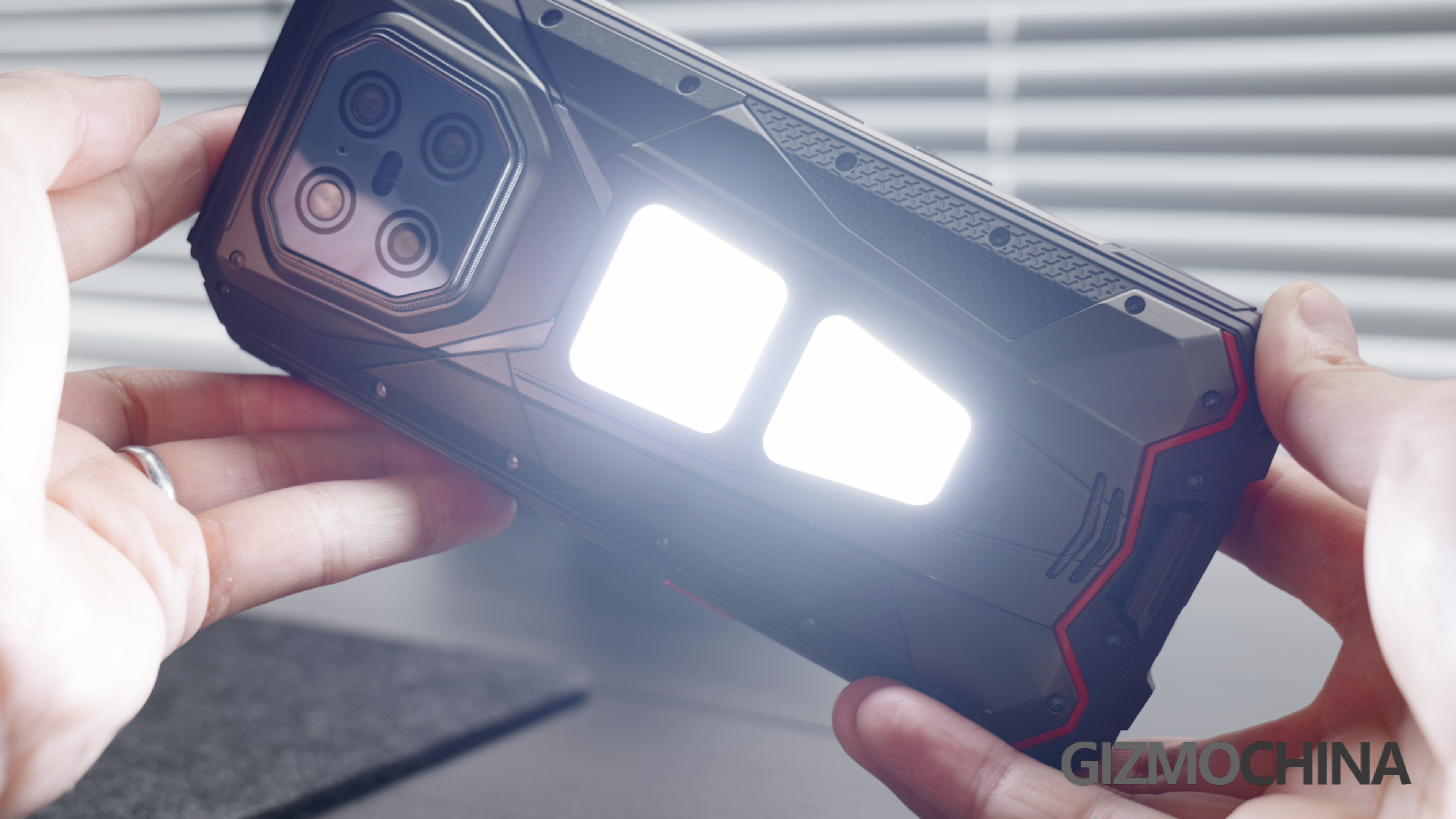
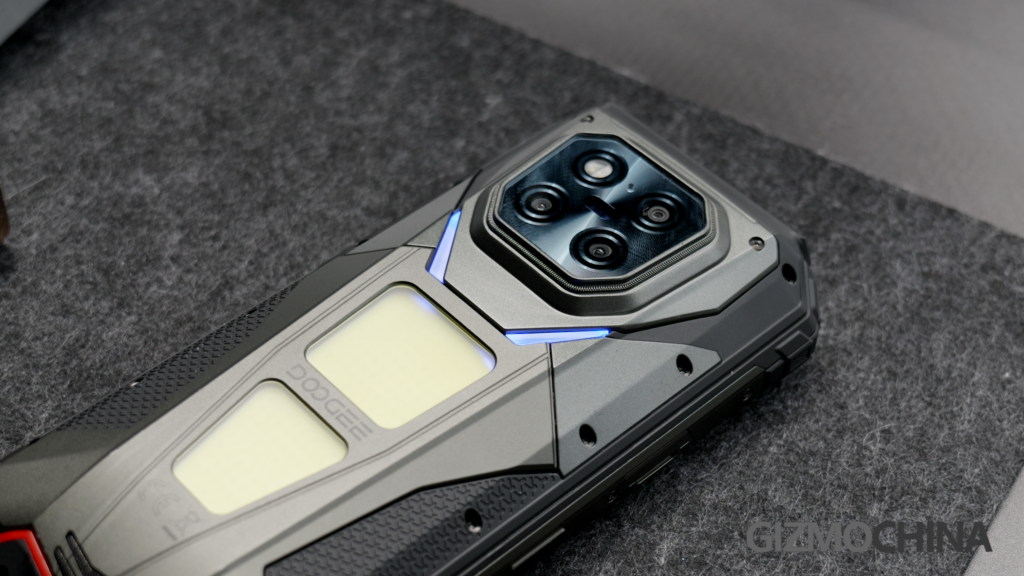
The next highlight is the camping lights on this phone. There are two LED light panels at the back, they can produce maximum 1200Luman of light. You can tweak the level in the setting, ranging from 20% to 100%. And there are three modes to choose from, to be used in different situations. This could be very useful when you camp outdoors.
There are also two light strips besides the LED panels. These are for notifications, like calls, messages, or music play.
Specs
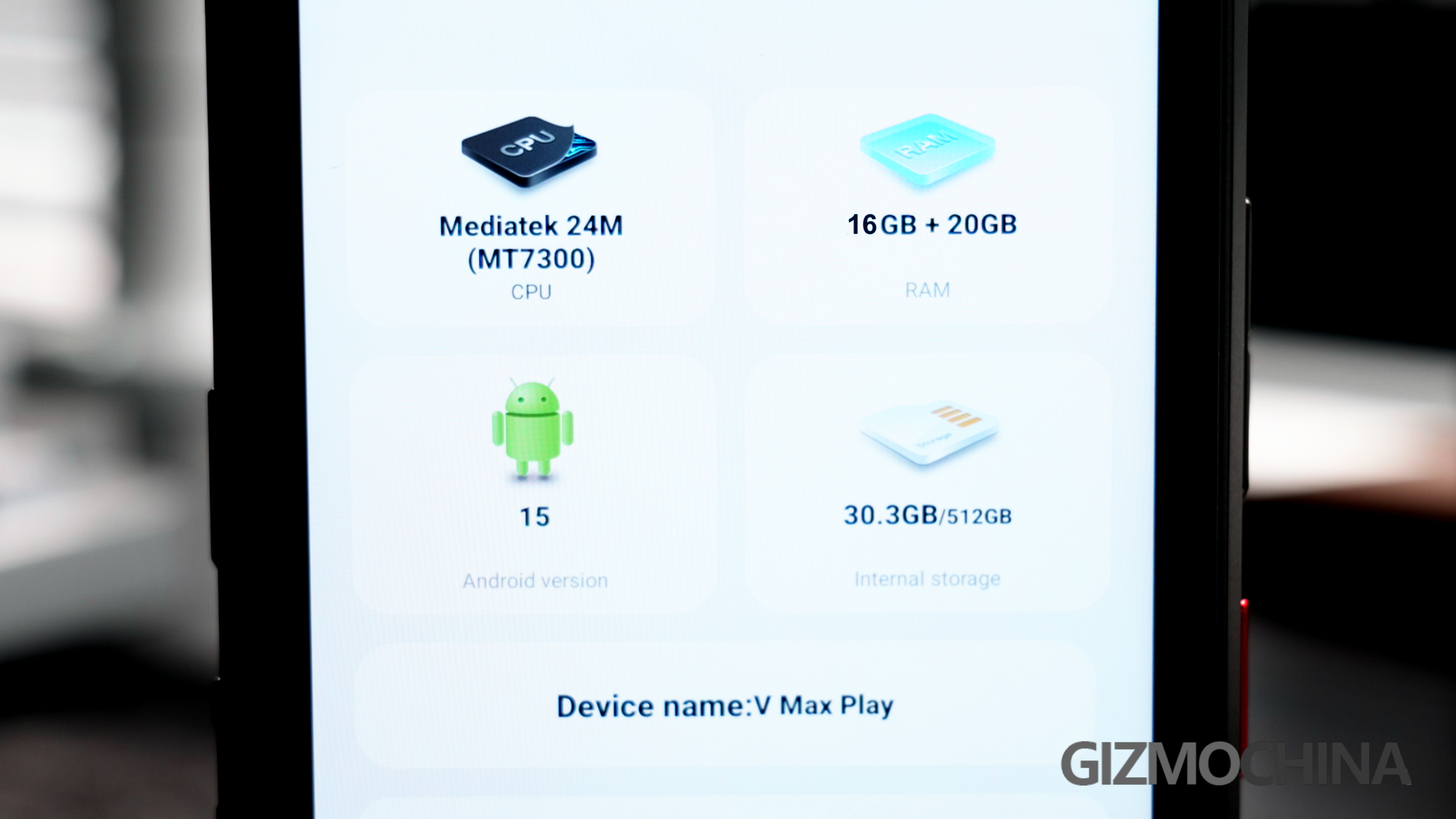
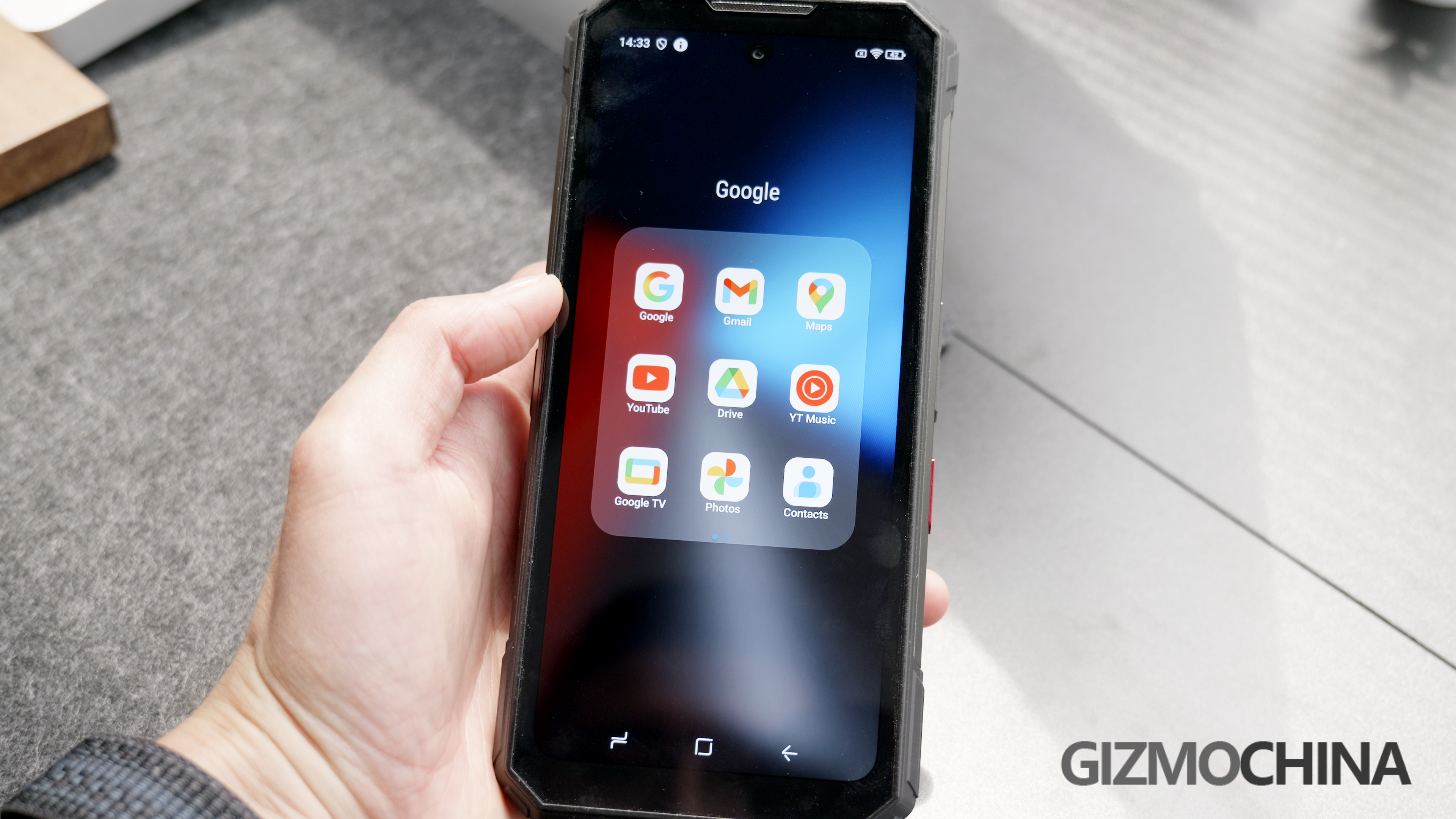
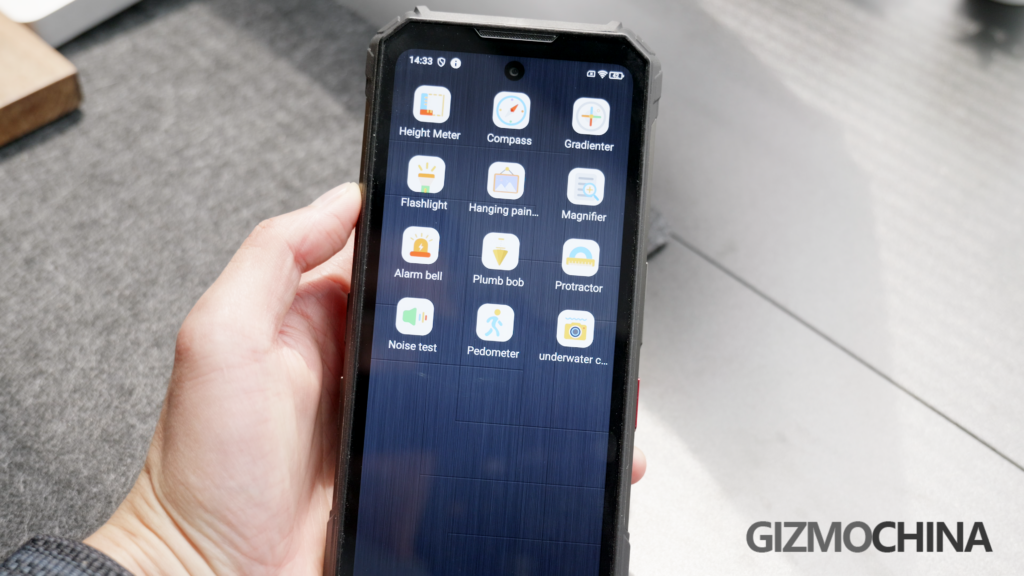
For other hardware, it comes with Dimensity 7300, a 4nm octa-core processor. With the Android 15 on board, it can basically run day-to-day Apps very well. And since it is a stock Android, some original features are here, like Gemini AI, and facial correction in group photos, Dynamic window. Along with some classic rugged phone features, like the outdoor toolbox, and hotkeys at the side.
The battery is 20500mAh, which is massive, but it might be consumed faster than other rugged phones, as there are two big consumers here, the projector and the LED light panels.
Lastly, I want to get a touch on the design, DOOGEE calls it fighter jet inspired, I can see that, and it is good looking. One other detail is the curve of the back, it is very comfortable.
Summary
This is the DOOGEE V Max Play, a rugged phone with an LED projector built in. I can understand why, because a rugged phone can be bulky, so a projector module can fit in there. And the battery is massive, it can support such power consumption. So why not? Then there are also some other notable features like the LED light panels, and the massive speaker. All these make it a well-rounded and innovative rugged phone, and I am sure some of you will want it.
For those who are interested in learning more about the projector phone, here is the info page and also for official purchase.
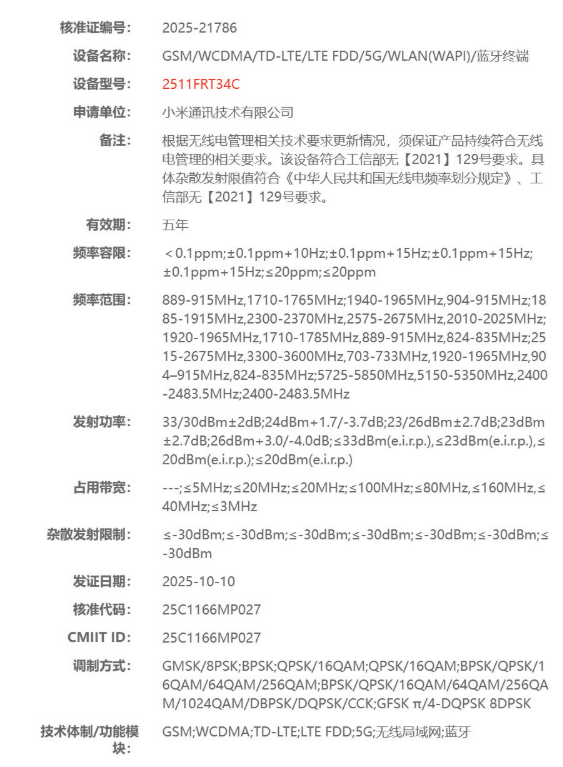
Xiaomi has recently launched the Xiaomi 17 series of flagship phones in China. Later this month, the brand will unveil the Redmi K90 and K90 Pro sub-flagship models. Meanwhile, new evidence suggests that Redmi is also preparing to introduce the Redmi Turbo 5, as the alleged device has now received radio certification in China, hinting that its launch could be imminent.
Redmi Turbo 5 radio certified
Redmi Turbo 5 radio certified
According to the latest certification listing, a new Xiaomi / Redmi device carrying the model number 2511FRT34C has been approved by Chinese authorities. Based on previous leaks, this device is believed to be the upcoming Redmi Turbo 5. As usual, the radio certification does not reveal key hardware details, but it confirms that the device is nearing official release.
Redmi Turbo 5 specifications (rumored)
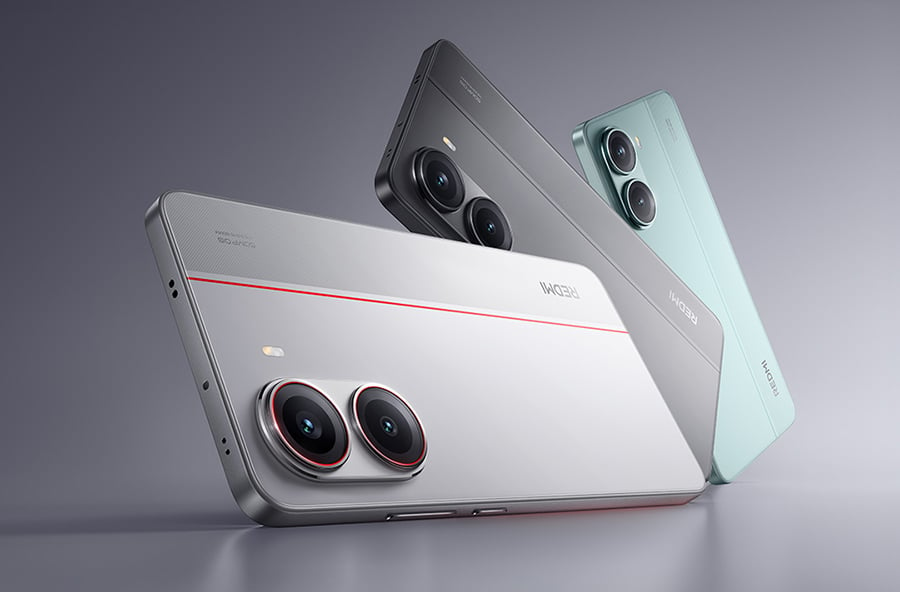
Redmi Turbo 4
Accroding to previous reports, the Redmi Turbo 5 As per earlier reports, the Redmi Turbo 5 could feature a 6.67-inch flat OLED LTPS panel offering a 1.5K resolution. It is said to be powered by the Dimensity 8500-Ultra chipset, delivering performance in line with upper mid-range standards. The device is also expected to come equipped with a 7,000mAh+ battery, ensuring long-lasting endurance, and will run HyperOS 3-based Android 16 out of the box.
Speculations indicate that the Redmi Turbo 5 may debut globally as the Poco X8 Pro, with India likely to be among its key markets. The Poco X8 Pro has already received approval from Europe’s EE certification platform, suggesting a simultaneous global rollout. Both models are expected to debut by the end of this year.
Nubia is among the brands preparing to launch new Snapdragon 8 Elite Gen 5-powered smartphones. These include the Red Magic 11 Pro series and the Nubia Z80 Ultra. One of the main highlights of Nubia’s flagship lineup is its notch-less design that delivers a truly full-screen experience, made possible by the inclusion of an under-display camera. In addition to this, both upcoming flagships are expected to feature large batteries.
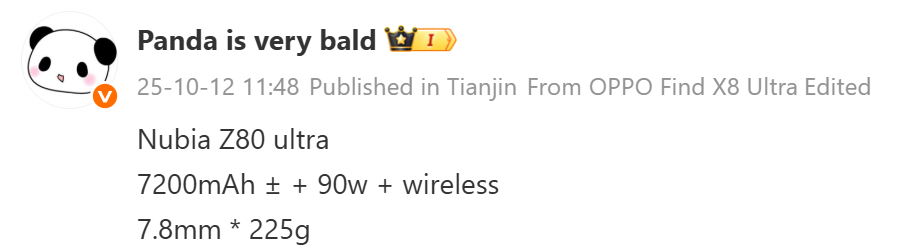
Nubia Z80 Ultra’s battery size revealed
According to recent reports, the Red Magic 11 Pro series will be the only Snapdragon 8 Elite Gen 5 phone to feature an enormous 8,000mAh battery. Now, a new leak from Weibo has revealed that the Nubia Z80 Ultra will pack a sizeable 7,200mAh battery.
Despite housing such a large battery, the Nubia Z80 Ultra will maintain an impressive design profile, measuring just 7.8mm in thickness and weighing around 225 grams. The phone will support 90W wired fast charging along with wireless charging capabilities.
Nubia Z80 Ultra specifications (rumored)
Nubua Z80 Ultra launch date-
Reports indicate that the Nubia Z80 Ultra will come with up to 16GB of RAM and run on Nebula AIOS-based Android 16. It is said to feature a 144Hz flat AMOLED display with a 1.5K resolution, delivering a smooth and immersive viewing experience.
For photography, the device is expected to include a 50-megapixel main camera with a 35mm focal length, a 1/1.55-inch 50-megapixel ultra-wide camera, and an OmniVision OV64B periscope telephoto lens. On the front, it may house a 16-megapixel under-display selfie camera, preserving the full-screen aesthetic.
The Red Magic 11 Pro series is scheduled to debut on Oct. 17 in China, while the Nubia Z80 Ultra is expected to go official on Oct. 22. The Z80 Ultra will be available in shades, such as Phantom Black, Glacial White, and a Starry Collector’s Edition variant.
For more daily updates, please visit our News Section.
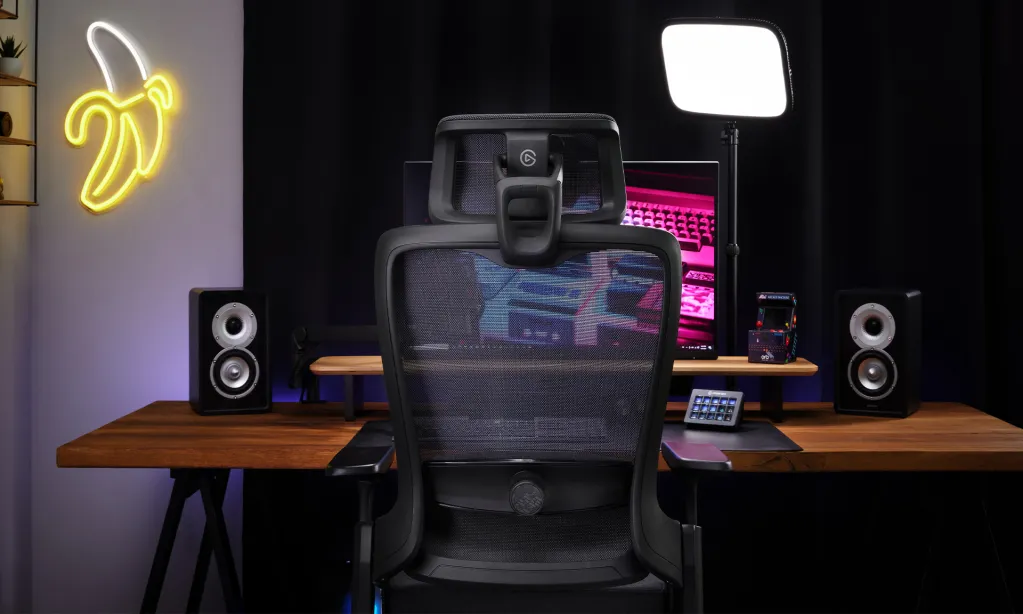
Elgato, a brand under Corsair, has announced its first studio chair, the Embrace. The company designed the chair specifically for creators, professionals, and anyone who spends long hours at a desk. The chair features a clean, modern look and includes several ergonomic adjustments.
Elgato Embrace Specifications
The Embrace supports a five-step recline system with a tilt limiter and adjustable resistance. It includes a molded foam seat with a waterfall-edge design that improves circulation. The high-strength mesh backrest is breathable and flexible to help keep users cool during extended sessions. The chair also supports a maximum load of 125 kg.
Elgato has added 4D armrests that allow adjustments in height, width, depth, and pivot. The seat depth slider adapts to different leg lengths, and the lumbar support system adjusts to match spinal curvature. It comes with a detachable headrest that is also available to support the neck at various angles.
The chair avoids loud colors and visible branding. Elgato placed a single logo on the back, and the design follows clean lines that suit both work and streaming environments. The Embrace uses self-braking casters to offer stability when stationary and smooth movement when needed.
Assembly requires only four screws and one Allen key. Most users can complete the setup within minutes. Elgato built the chair for durability, using materials that resist wear over time. The molded foam maintains its shape, and the mesh backrest resists sagging. All adjustable components, including the pneumatic lift and recline mechanisms, are designed for long-term use.
Pricing and Availability
The Elgato Embrace is priced at €499.99 and will go on sale later this holiday season. It’s already listed on Elgato’s official website.
In related gaming chair news, DXRacer has recently introduced the Martian-Pro gaming chair, while Lenovo has unveiled the Legion C7 Pro featuring pneumatic lumbar support and a Class-4 gas lift.
For more daily updates, please visit our News Section.
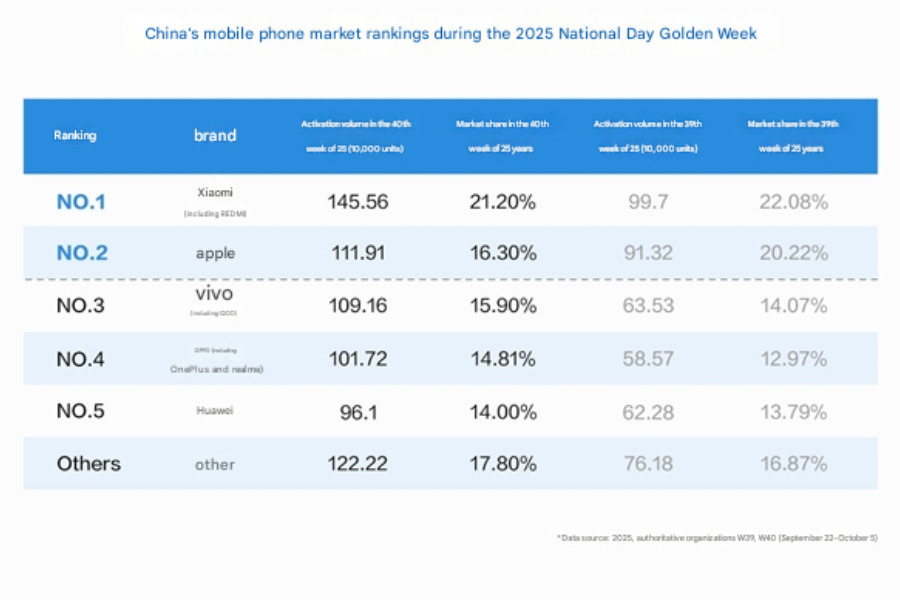
Xiaomi just had one of its best weeks in China. During China’s National Day Golden Week, from September 29 to October 5, the company surpassed Apple to become the top-selling smartphone brand in China, taking a 21.2% market share.
According to local sales data, the top five smartphone brands during the holiday period were Xiaomi, Apple, Vivo, Oppo, and Huawei. Apple came in second with a 16.30% share, while Vivo captured 15.90%.
Xiaomi President Lu Weibing recently said cumulative sales of the Xiaomi 17 series have crossed 1 million units within days of launch. That’s 20% higher than the previous generation during the same timeframe.
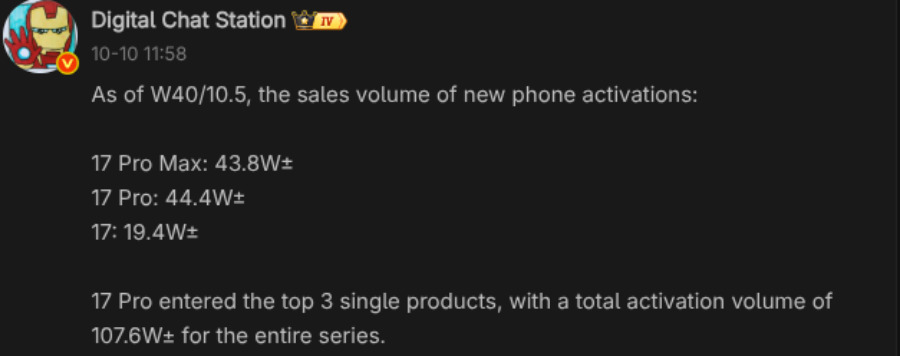
Much of the credit for this success goes to the Pro models. Well-known industry blogger Digital Chat Station reported that combined sales of the Xiaomi 17 Pro Max and 17 Pro have already topped 800,000 units.
Meanwhile, the standard Xiaomi 17 hasn’t matched the popularity of its higher-tier siblings. Sales reportedly reached around 194,000 units for it.
One standout feature driving sales of the Pro models is undoubtedly the back screen. Lu Weibing mentioned that Xiaomi invested heavily in this dual-screen setup, saying the cost of development alone was roughly 1 billion yuan. He also hinted that while competitors might try to replicate the idea, few would be willing to spend that much.
While the devices are enjoying strong success in China, they won’t make their way to the global market until next year. Even then, the Xiaomi 17 Pro is expected to remain exclusive to China.
For more daily updates, please visit our News Section.
Honor will be the first brand to launch a Snapdragon 8 Elite Gen 5-powered tablet. Dubbed MagicPad 3 Pro, the device is set to go official alongside the Magic 8 series of flagship phones on Oct. 17 in China. There have been reports that the Snapdragon 8 Elite Gen 5 can achieve a score of 4.2 to 4.4 million on AnTuTu benchmarks. Now, a Chinese tech blogger has shared the AnTuTu listing of the MagicPad 3 Pro, shattering records with a 4.3+ million score.
Honor MagicPad 3 Pro AnTuTu listing
Honor MagicPad 3 Pro AnTuTu score
As can be seen above, the Honor MagicPad 3 Pro has scored 4,302,345 points on AnTuTu benchmarks. It recorded 1,186,224, 1,478,194, 582,575, and 1,055,352 points in the CPU, GPU, memory, and UX tests, respectively.
Honor MagicPad 3 Pro specifications (rumored)
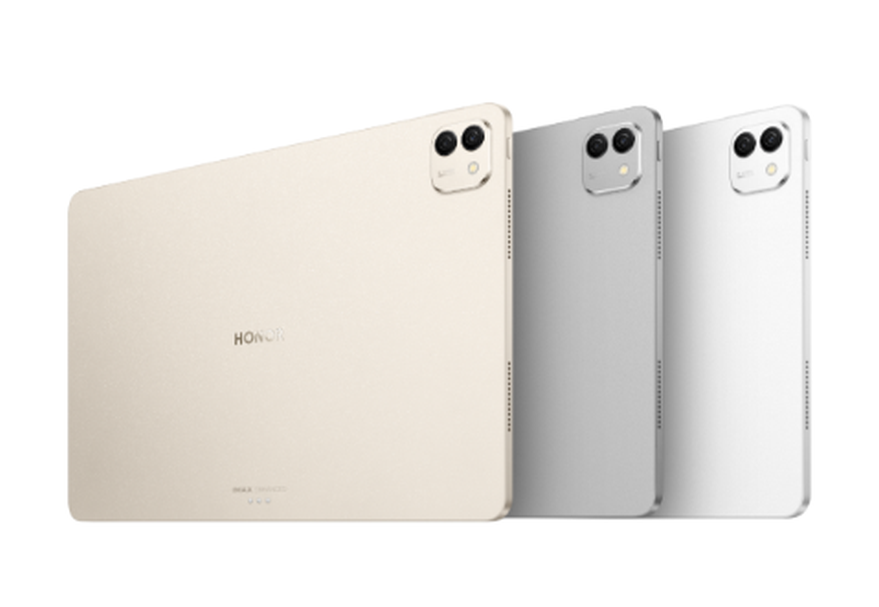
Honor MagicPad 3 Pro
As per reports, the Honor MagicPad 3 Pro will feature a 13.3-inch LCD screen with support for a 3.2K resolution of 3200 x 2136 pixels and a 165Hz refresh rate. The device will run on MagicOS 10-based Android 16.
The MagicPad 3 Pro is powered by the Snapdragon 8 Elite Gen 5 and a 12,450mAh battery with 66W fast charging support. For photography, it may feature a 9-megapixel camera on the front and a 13-megapixel primary sensor on the back.
The MagicPad 3 Pro may ship with up to 16GB of RAM and up to 1TB of internal storage. It is also expected to come with eight speakers and a USB-C 3.2 port. It may come in shades such as Starry Gray, Floating Light Gold, and Moon Shadow White.
For more daily updates, please visit our News Section.
iQOO is gearing up for a major launch event on Oct. 20, where it will unveil the iQOO 15 alongside other products, including the iQOO Pad 5e, iQOO Watch GT 2, and iQOO TWS 5. There are reports suggesting that the iQOO Neo 11 could also make its debut at the same event. Ahead of the expected launch, a reliable tipster has shared a real-life image of the Neo 11, offering a first look at its design while also reiterating its key specifications.
iQOO Neo 11 live shot
iQOO Neo 11 live shot
According to the tipster, the iQOO Neo 11 features a metal mid-frame with flat edges. The color scheme shown in the leaked image reflects a vibrant, comic-inspired design, hinting that this particular model could be a limited-edition or themed variant.
iQOO Neo 11 specifications (rumored)
As per reports, the iQOO Neo 11 will sport a flat AMOLED display with a 2K resolution and an ultrasonic in-screen fingerprint sensor. The device will run on OriginOS 6 based on Android 16.
Under the hood, it is said to be powered by the Snapdragon 8 Elite chipset, paired with a large 7,500mAh battery that supports 100W wired fast charging. However, the phone is not expected to feature wireless charging support.
On the camera front, the Neo 11 is tipped to include a 50-megapixel main sensor with OIS, paired with either an 8-megapixel or 50-megapixel ultra-wide lens. Other camera and configuration details are yet to be confirmed.
The iQOO Neo 11 is likely to compete with other Snapdragon 8 Elite-powered smartphones launching around the same time in China, such as the OnePlus Ace 6, Realme GT 8, and Redmi K90.
For more daily updates, please visit our News Section.
OnePlus is preparing to unveil the OnePlus 15 later this month in China. The company has been actively highlighting its upcoming display technology and will reveal more details on Oct. 14 during BOE’s flexible OLED flagship launch event in Shenzhen. Ahead of the event, OnePlus President Li Jie Louis shared important information about the screen that will power the brand’s next flagship.
OnePlus 15: Third-generation Oriental Screen with 165Hz refresh rate
ONePlus 15 to feature 165Hz OLED screen
According to Li Jie Louis, OnePlus and BOE have co-developed the “third-generation Oriental Screen,” described as the world’s most advanced smartphone display. This new panel will mark the beginning of the “165Hz ultra-refresh era
The display, expected to be a 6.78-inch BOE X3 OLED panel, will offer a 1.5K resolution and a 165Hz refresh rate, making it the first of its kind globally.
The new display will achieve eight major technological breakthroughs and set nine world records in screen performance. It promises four key areas of leadership: smoothness, display quality, dark viewing, and eye protection. It will also be the first Android display to achieve true hardware-level 1-nit brightness for dark environments and will be certified with TÜV Rheinland Smart Eye Protection 5.0 Gold.
Since the launch of the OnePlus 7 Pro in 2019, OnePlus has led the industry into the high-refresh era, introducing 90Hz, 120Hz, and later the Oriental Display series. With the OnePlus 15 and BOE’s third-generation screen, the company now aims to redefine flagship smartphone display standards once again.
For more daily updates, please visit our News Section.
OnePlus is expected to unveil the OnePlus 15 later this month in China. There are speculations that the brand may also announce the OnePlus Ace 6 alongside the OP15. Ahead of the expected launch, the Ace 6 has received 3C certification in China.
OnePlus Ace 6 3C certified
OnePlus Ace 6 3C certified
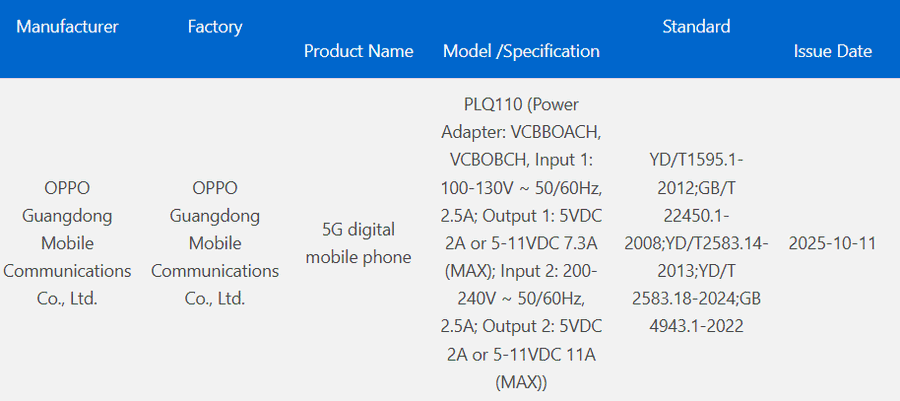
As can be seen above, a new OnePlus device bearing the model number PQL110 has been approved by the 3C authority in China. The listing reveals that the device may ship with a 120W fast charger. According to Chinese tech bloggers, this device is the upcoming OnePlus Ace 6.
In terms of specifications, rumours about the OnePlus Ace 6 have revealed that it will have a BOE OLED screen supporting a 1.5K resolution, a 120Hz refresh rate, and an ultrasonic in-screen fingerprint sensor. Under the hood, the device will feature the Snapdragon 8 Elite chipset and a 7,800mAh battery with 120W fast charging.
The Ace 6 will be equipped with a metal middle frame and may have an IP68 rating. It is expected to run on ColorOS 16-based Android 16.
OnePlus 15R in the works
Earlier this year, OnePlus unveiled the OnePlus 13 and OnePlus 13R in India and some other markets. The 13R was a modified version of the Ace 5, equipped with a better camera setup and a slightly smaller battery. Therefore, the upcoming OnePlus 15R is said to be a tweaked version of the OnePlus Ace 6. While the OnePlus 15 is expected to launch on Nov. 13 in India, there’s no clarity on whether the 15R will also debut alongside.
For those wondering about the Ace 6 Pro for China, recent reports have revealed that the company has reportedly decided to cancel it.
For more daily updates, please visit our News Section.
We use cookies on our website to give you the most relevant experience by remembering your preferences and repeat visits. By clicking “Accept”, you consent to the use of ALL the cookies.
This website uses cookies to improve your experience while you navigate through the website. Out of these, the cookies that are categorized as necessary are stored on your browser as they are essential for the working of basic functionalities of the website. We also use third-party cookies that help us analyze and understand how you use this website. These cookies will be stored in your browser only with your consent. You also have the option to opt-out of these cookies. But opting out of some of these cookies may affect your browsing experience.
Necessary cookies are absolutely essential for the website to function properly. This category only includes cookies that ensures basic functionalities and security features of the website. These cookies do not store any personal information.
Any cookies that may not be particularly necessary for the website to function and is used specifically to collect user personal data via analytics, ads, other embedded contents are termed as non-necessary cookies. It is mandatory to procure user consent prior to running these cookies on your website.