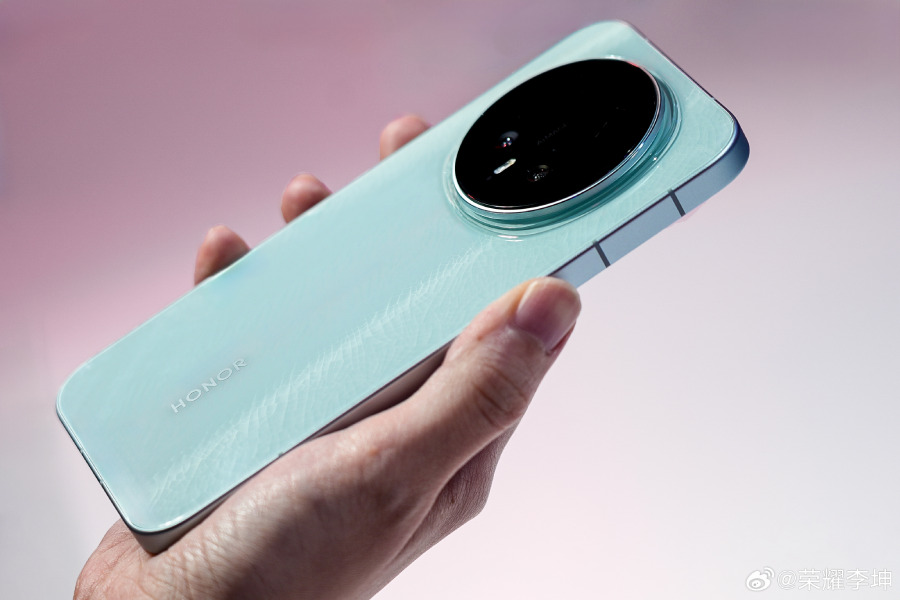
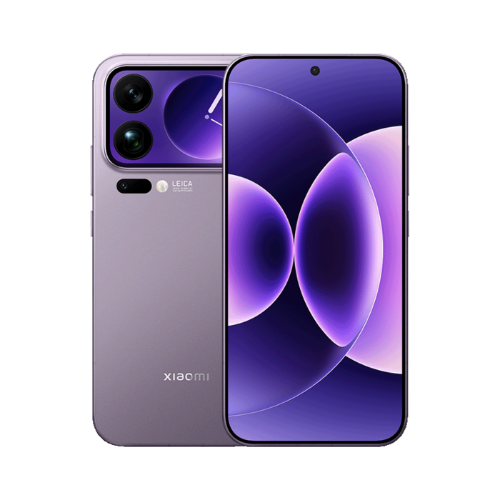
The Snapdragon 8 Elite Gen 5 is barely out of the gate, and the first benchmark battles are already heating up. Xiaomi was first to market with the new 3nm chip inside its 17 series, but Honor is wasting no time trying to claim the upper hand. Early numbers from the upcoming Magic 8 suggest it may already have an edge over the Xiaomi 17 Pro.
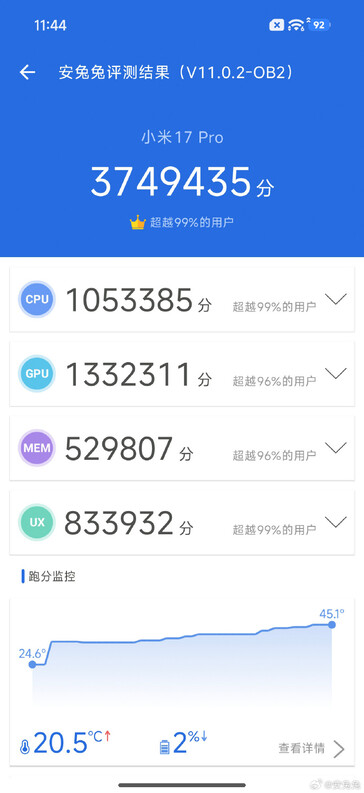
Honor’s product manager Li Kun shared a Weibo post showing the Magic 8’s AnTuTu V11 score: 4,166,339. That’s notably higher than the Xiaomi 17 Pro’s 3,749,435. A closer look at the breakdown shows Honor leading across the board—CPU (1,213,845 vs. 1,053,385), GPU (1,468,351 vs. 1,332,311), memory (570,553 vs. 529,807), and UX (913,590 vs. 833,932). On paper, that’s about an 11% advantage.
Of course, raw numbers only tell part of the story. The Magic 8 dropped 7% battery during the run, while the 17 Pro only lost 2%. This difference in battery consumption isn’t too surprising. The 17 Pro was tested at over 90% charge, and Xiaomi phones often drop more slowly at higher levels—likely a quirk in how the battery percentage is reported. Thermal behavior was also mixed—the Magic 8 gained 13°C as compared to 20°C of the Xiaomi 17 Pro.
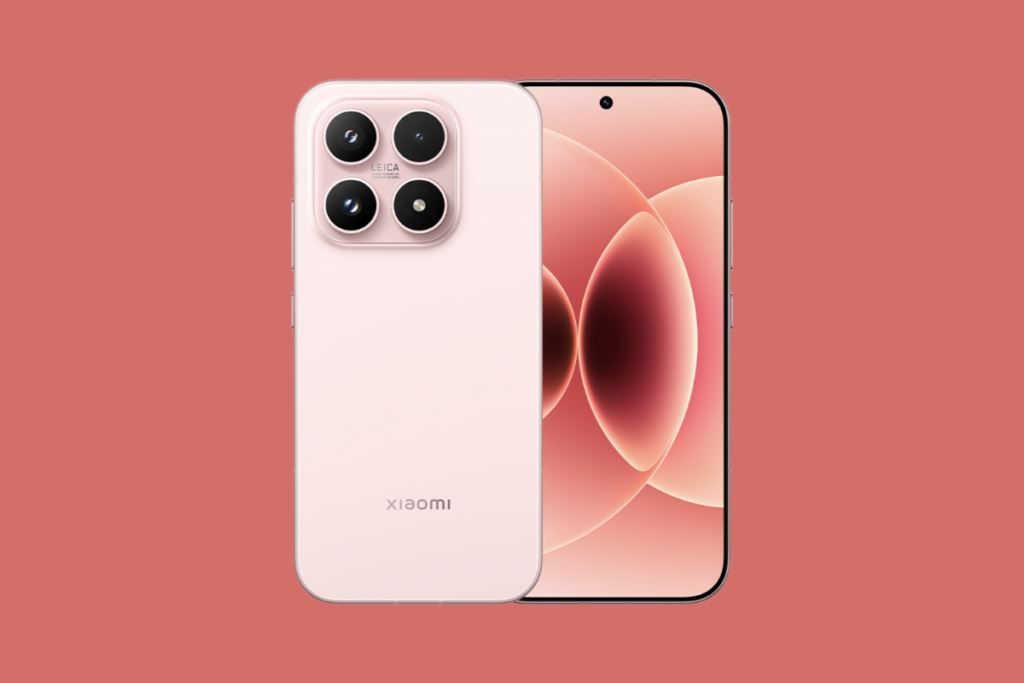
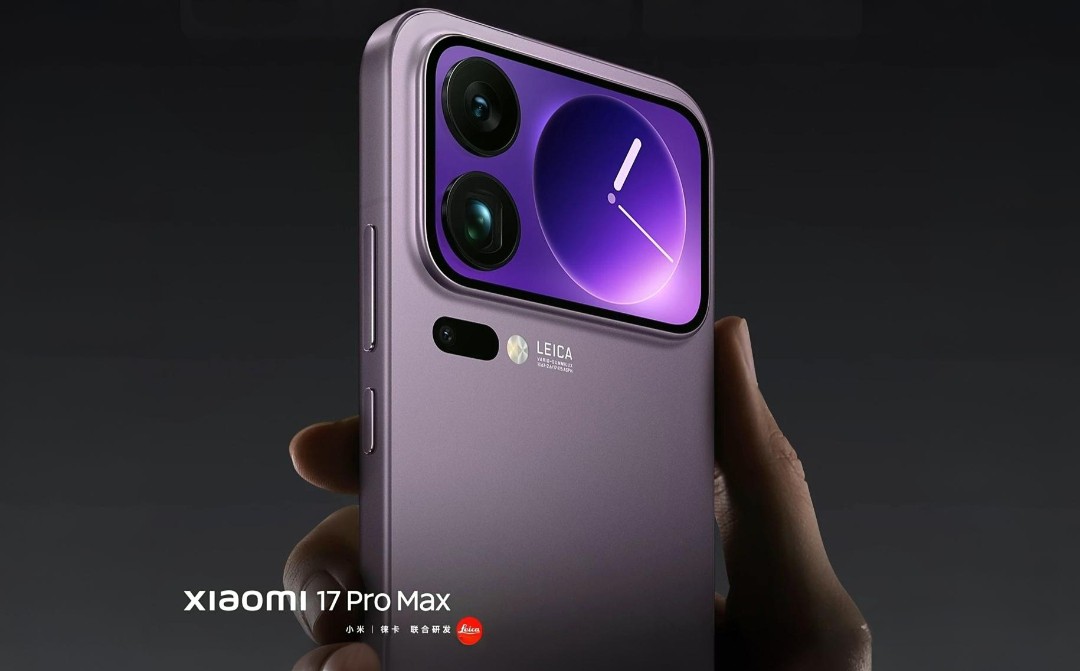
Both phones have more than just performance to prove. The Xiaomi 17 Pro brings Leica-backed cameras and a unique 2.7-inch rear display, while Honor is teasing a 200MP telephoto sensor on the Magic 8 Pro with sample images already circulating online.
With Honor’s Magic 8 series set to debut in October, the early lead in benchmarks adds fuel to an already interesting rivalry. Xiaomi may have been first to launch with Qualcomm’s new chip, but Honor looks determined to show it can tune the hardware even better.
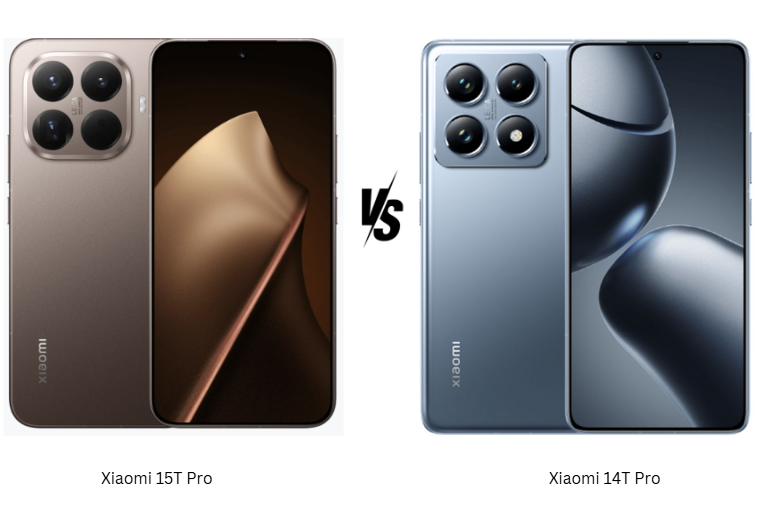
Xiaomi 15T Pro and Xiaomi 14T Pro are back-to-back flagships, and their comparison matters because it highlights how much progress Xiaomi has made in just one year. With upgrades in durability, performance, battery endurance, and camera versatility, the 15T Pro aims to redefine premium standards, while the 14T Pro still delivers strong value with faster charging and a lower price. This comparison helps determine whether the leap to the newer model is worth the added cost or if the 14T Pro remains the smarter buy.
Build and Feel: Xiaomi 15T Pro introduces a stronger chassis with 6M13 aluminum alloy rated at 330 N/mm rigidity, compared to the 14T Pro’s 281 N/mm. This makes it notably more durable under pressure. Its use of Gorilla Glass 7i also represents a step up in protection from the Gorilla Glass 5 on the 14T Pro, offering improved scratch resistance. Both phones feature an IP68 rating, but the 15T Pro enhances water resistance up to 3m versus 2m on the 14T Pro. Overall, the 15T Pro is the sturdier and more rugged device, making it more appealing for users who prioritize durability.
Display Quality: The 15T Pro comes with a larger 6.83-inch AMOLED panel against the 14T Pro’s 6.67 inches. Both share a 144Hz refresh rate and 3840Hz PWM dimming, but brightness is slightly different: the 15T Pro peaks at 3200 nits, while the 14T Pro reaches 4000 nits. Despite the higher peak brightness of the 14T Pro, the 15T Pro maintains consistent HDR10+ and Dolby Vision support. Resolution is marginally higher on the 15T Pro at 1280 x 2772, providing sharper visuals. The 14T Pro, however, still offers slightly better outdoor legibility due to higher peak brightness.
Verdict: The Xiaomi 15T Pro wins in terms of toughness and screen sharpness, while the 14T Pro still excels in brightness. For durability and overall premium feel, the 15T Pro has the edge.
Please Note: When you buy something using the links in our articles, we may earn a small commission at no cost to you.
2. Specifications
Performance: The Xiaomi 15T Pro runs on the newer Dimensity 9400+ chip, built on a 3nm process, compared to the Dimensity 9300+ on the 14T Pro at 4nm. With higher clock speeds (3.63 GHz Cortex-X925) and the Immortalis-G925 GPU, the 15T Pro offers stronger raw performance and efficiency. The 14T Pro’s Immortalis-G720 GPU is powerful but falls short against the generational jump of the 15T Pro. For multitasking, gaming, and demanding apps, the 15T Pro provides smoother and more future-ready performance.
Battery and Charging: Battery capacity sees an increase from 5000 mAh on the 14T Pro to 5500 mAh on the 15T Pro. Wired charging, however, is faster on the 14T Pro at 120W, fully charging in 19 minutes, while the 15T Pro uses 90W wired charging, taking 36 minutes. Both support 50W wireless charging, but the 14T Pro completes faster at 45 minutes versus 56 minutes. In practice, the 15T Pro delivers longer endurance per charge, while the 14T Pro caters to users who prioritize extremely fast top-ups.
Verdict: The Xiaomi 15T Pro offers better long-term performance and longer battery life, whereas the 14T Pro holds an advantage in charging speed. For power users who need endurance and performance, the 15T Pro is preferable.
3. Camera
Main and Secondary Lenses: Both models use a triple Leica-tuned camera system with a 50 MP main and a 12 MP ultrawide. However, the telephoto setup differs: the 15T Pro employs a 50 MP periscope telephoto with 5x optical zoom, while the 14T Pro has a 50 MP standard telephoto with 2.6x optical zoom. The periscope lens in the 15T Pro dramatically improves versatility for long-range photography. Video also gets upgraded with 8K@30fps compared to the 14T Pro’s 8K@24/30fps, alongside more 4K frame rate options.
Selfie Camera: The front cameras are similar at 32 MP, but the 15T Pro uses an f/2.2 aperture versus the 14T Pro’s f/2.0. While this means slightly less light intake, the 15T Pro compensates with wider 21mm framing, useful for group selfies. Both support 4K video and HDR10+. The difference here is minor, with the 14T Pro potentially better in low-light selfies, while the 15T Pro excels in framing versatility.
Verdict: The Xiaomi 15T Pro’s telephoto upgrade with 5x optical zoom is a clear step forward, making it the superior choice for camera enthusiasts.
4. Pricing
The Xiaomi 14T Pro launched at around $700, while the 15T Pro comes in at approximately $900. The $200 difference reflects the stronger processor, bigger battery, sturdier build, and improved telephoto camera of the 15T Pro. However, the 14T Pro still offers immense value for its price, with faster charging and higher peak brightness making it compelling for cost-conscious buyers. The 15T Pro justifies its higher cost for users seeking flagship durability and performance.
Disclaimer: Prices are approximate and may vary based on country, region, and applicable taxes.
5. Conclusion
The Xiaomi 15T Pro brings noticeable generational improvements: Gorilla Glass 7i protection, tougher frame rigidity, a more efficient Dimensity 9400+ chip, and a 5x periscope zoom camera. The 14T Pro’s strengths lie in its faster 120W charging and brighter display, catering to users who prioritize speed and outdoor visibility. Both devices retain Leica camera tuning, Dolby Vision displays, IP68 resistance, and wireless charging, ensuring they remain competitive flagships.
Verdict: For users who value endurance, durability, and enhanced camera versatility, the Xiaomi 15T Pro is the better investment. For those looking for flagship performance at a lower price with quicker charging, the Xiaomi 14T Pro still stands strong as a more budget-friendly flagship alternative.
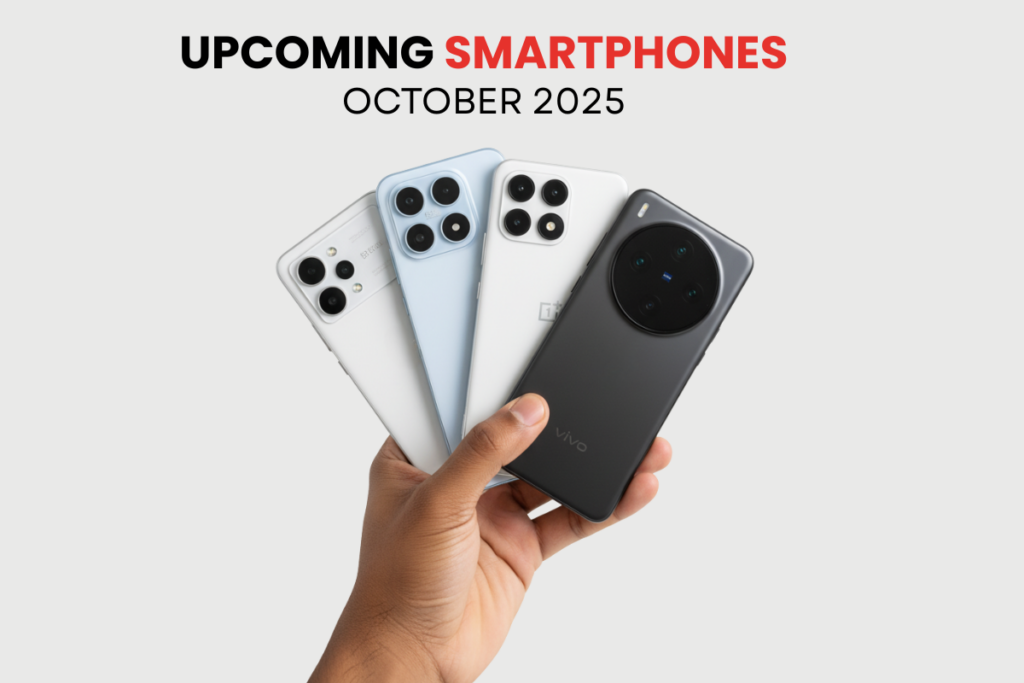
October is shaping up to be a pretty exciting month for smartphone enthusiasts, as most brands are preparing to release their latest flagship phones powered by the recently announced Dimensity 9500 and Snapdragon 8 Elite Gen 5, which bring incredible performance and power efficiency. We’re also expecting to see some mid-range phones from Motorola, Vivo, and Redmi. So, it’s going to be a jam-packed month for smartphone launches.
If you’re up for a smartphone upgrade, the wait might be worth it. We’ve curated a list of smartphones that are expected to launch in October, along with their launch date and specifications.
While the launch date has not been announced yet, the company has confirmed that it will be the first phone in India to feature the Snapdragon 8 Elite Gen 5 chip. The official poster also reveals that the device gets over 4 million AnTuTu points.
Realme has also confirmed that the GT 8 Pro features a 2K AMOLED screen with a 144Hz refresh rate, up to 7000 nits of peak brightness, and a massive 7,000mAh battery. It will have an ultrasonic fingerprint scanner and a 200MP periscope telephoto camera with 3x optical zoom and 12x lossless zoom.
The phone is expected to feature 120W wired charging, while there’s no clarity on wireless charging. On the software side, it will boot Android 16 with Realme UI 7 out of the box.
2. Xiaomi 17
Launch: October 2025 (expected)
Xiaomi 17 just launched in China as the first Snapdragon 8 Elite Gen 5 phone, and it’s also confirmed to launch soon in India. In China, the company also launched the Xiaomi 17 Pro and Xiaomi 17 Ultra, but there’s no certainty around their India launch.
The standard Xiaomi 17 has a 6.3-inch LTPO OLED display with a variable 1-120Hz refresh rate and 3500nits of peak brightness. It’s IP68-rated and features Xiaomi Dragon Crystal Glass protection.
The rear side features a triple camera setup similar to that of its predecessor, the Xiaomi 14. There’s a 50MP OIS-enabled main shooter, a 50MP telephoto shooter with OIS and 2.6x optical zoom, and a 50MP ultrawide camera. It’s capable of recording up to 8K video, whereas the 50MP selfie camera can record up to 4K. The battery comes in at 7,000mAh (Si/C) with support for 100W wired, 50W wireless, and 22.5W reverse wireless charging.
3. Vivo V60e
Launch: October 7, 2025 (expected)
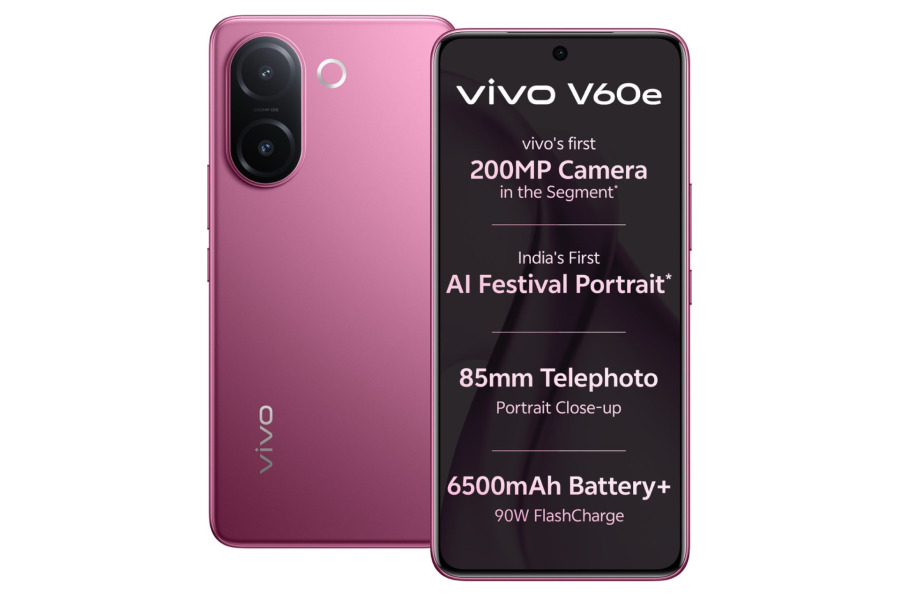
The Vivo V60e is expected to be released on October 7th. However, we already know pretty much everything about the device. According to a recent leak, the V60e will be the first phone to feature a 200MP camera in the segment. Additionally, there will be an 8MP (likely an ultrawide unit) on the rear side, as well as a 50MP selfie camera.
The smartphone reportedly brings a 120Hz AMOLED screen, Dimensity 7360 processor, and a 6,500mAh battery with 90W fast charging support. It will also offer an IP68/P69 rating, IR blaster, NFC, and three major Android updates. An early Flipkart listing was also spotted recently, revealing that the Vivo V60e starts at INR 34,999 for the 8GB + 128GB variant. The 8GB + 256GB variant will cost INR 36,999, and the top-end 12GB + 256GB will cost INR 38,999.
4. iQOO 15
Launch: October 2025 (expected)
The performance-packed iQOO 15 is expected to be unveiled in China next month. Later this year, it will be released globally. The brand has already confirmed some key specs of the phone, including the Snapdragon 8 Elite Gen 5 powerful chipset, a 6.85” 144Hz QHD display, a Q3 gaming chip, and a periscope telephoto camera.
The iQOO 15 is confirmed to feature a color-changing back design and will ship with OriginOS 6 out of the box, not just in China, but worldwide. Overall, it will be a solid flagship phone with high-end hardware.
5. OnePlus 15
Launch: October 2025 (expected)
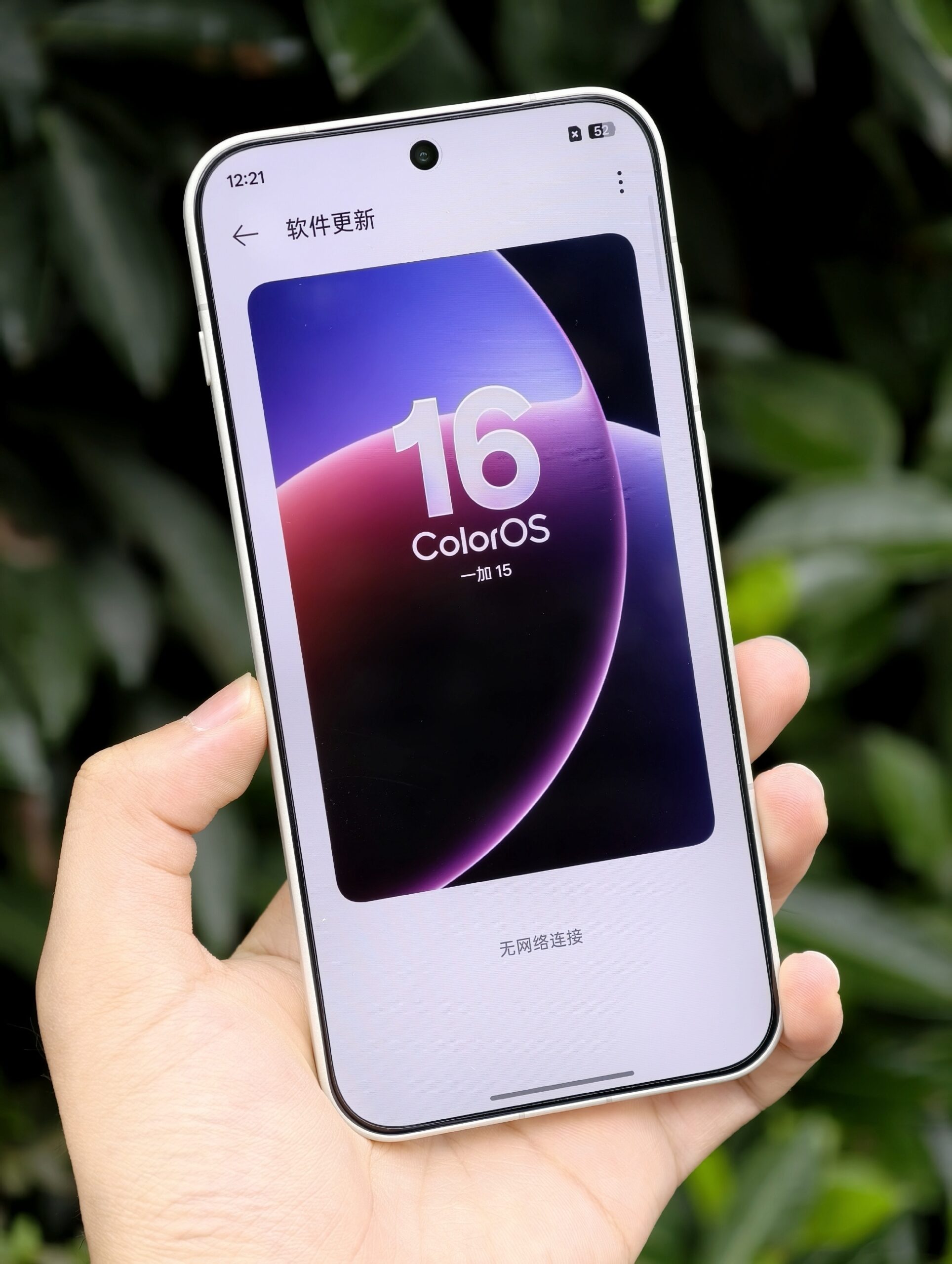
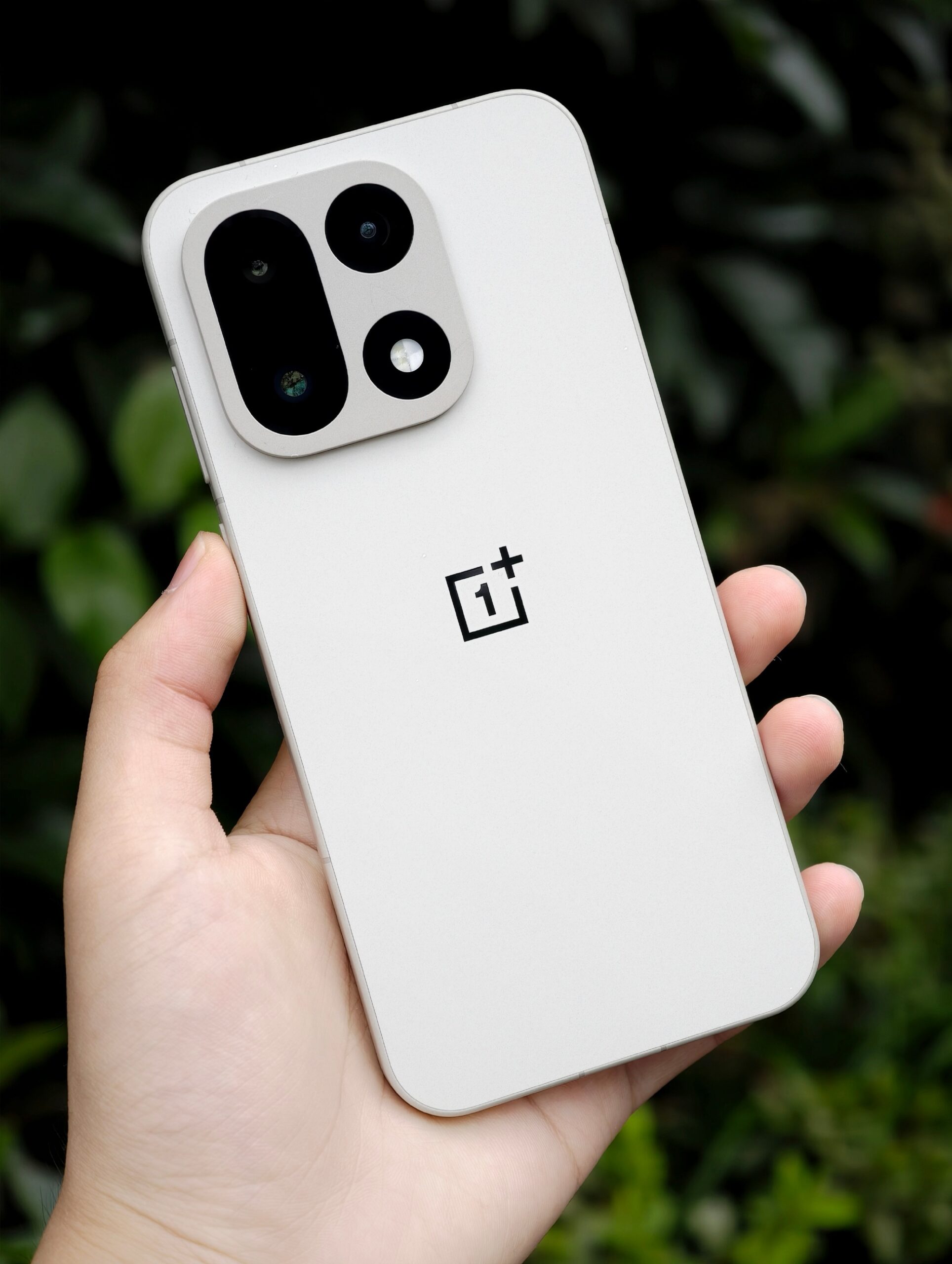
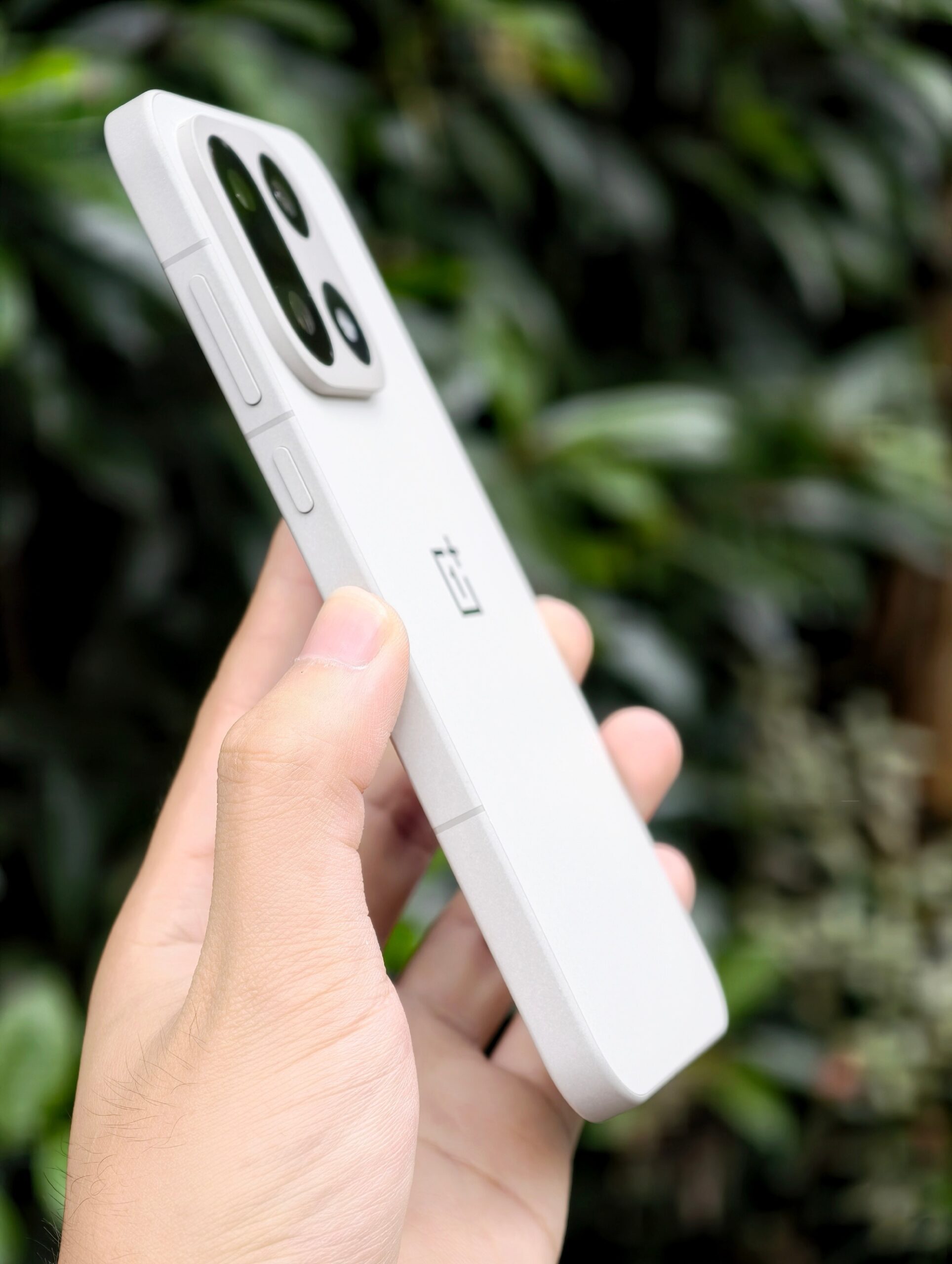
The OnePlus 15 is also set to make its debut in China next month and is expected to launch in the international market later this year. This one will also be powered by the new Snapdragon 8 Elite Gen 5 chipset, paired with high-end specs, including a 1.5K display with a 165Hz refresh rate and a massive 7,000mAh battery, supporting 120W wired and 50W wireless charging.
OnePlus 15OnePlus 15OnePlus 15
The smartphone is said to feature a triple rear camera setup, including a 50MP OIS-enabled primary shooter, a 50MP periscope telephoto lens, and an ultrawide camera. Also, since the OnePlus and Hasselblad partnership has ended, the OnePlus 15 will likely introduce an in-house image engine. The phone will boot Android 16 OS, likely with different custom skins: OriginOS 6 in China and OxygenOS 16 for the rest of the world.
6. Oppo Find X9 series
Launch: October 16, 2025 (official)
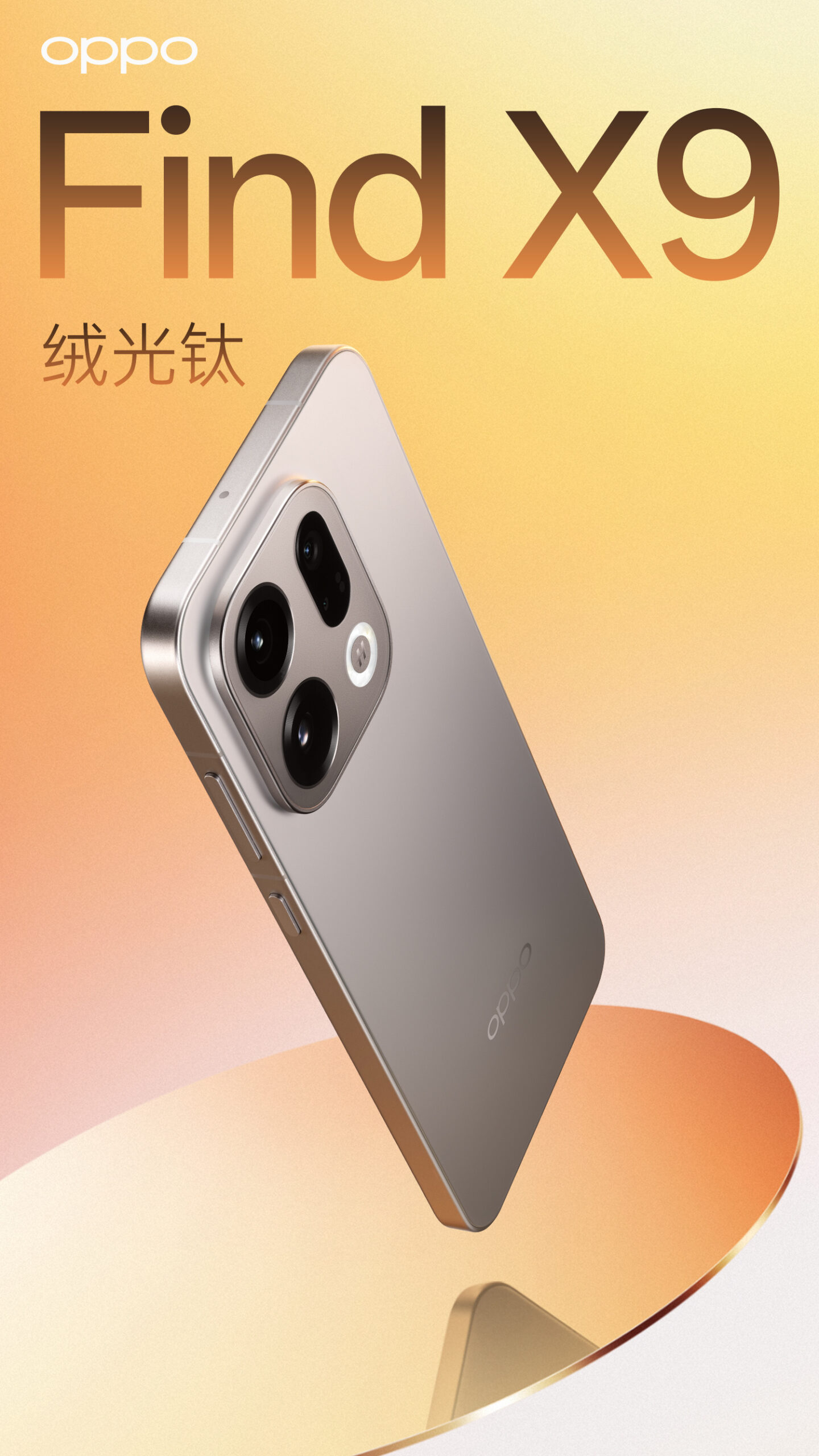
This one will also be a flagship series, but unlike many others on the list, Oppo is opting for the MediaTek Dimensity 9500, which, by the way, performs neck-and-neck in benchmarks (see the benchmark data here). It will launch in China on October 16, with the global launch expected towards the end of the month.
Oppo has been teasing the Find X9 and Find X9 Pro lately. However, there could also be an Ultra model in the pipeline, which might be released later with a Snapdragon chip. According to a recent leak, the Find X8 will feature a 6.59” 120Hz 1.5K OLED screen, a Dimensity 9500 chip, and a 7,025mAh battery with support for 80W wired and 50W wireless charging. The triple rear camera setup may include a 50MP Sony LYT808 primary sensor, a 50MP Samsung JN5 ultra-wide unit, and a 50MP Sony LYT600 periscope lens. There may be an additional 2MP True Chroma sensor for better color accuracy. The front side features a 32MP selfie shooter.
Oppo Find X9Oppo Find X9 Pro
The Find X8 Pro is expected to bring a larger 6.78-inch OLED screen with LTPO support, the same Dimensity 9500 chipset, an ultrasonic fingerprint scanner, and a bigger 7,500mAh battery with the same charging capabilities. It also features triple 50MP cameras, but with better sensors: a Sony LYT-828 primary sensor, a Samsung HP5 periscope camera, and a Samsung JN5 telephoto lens. The selfie camera is said to be a 50MP unit.
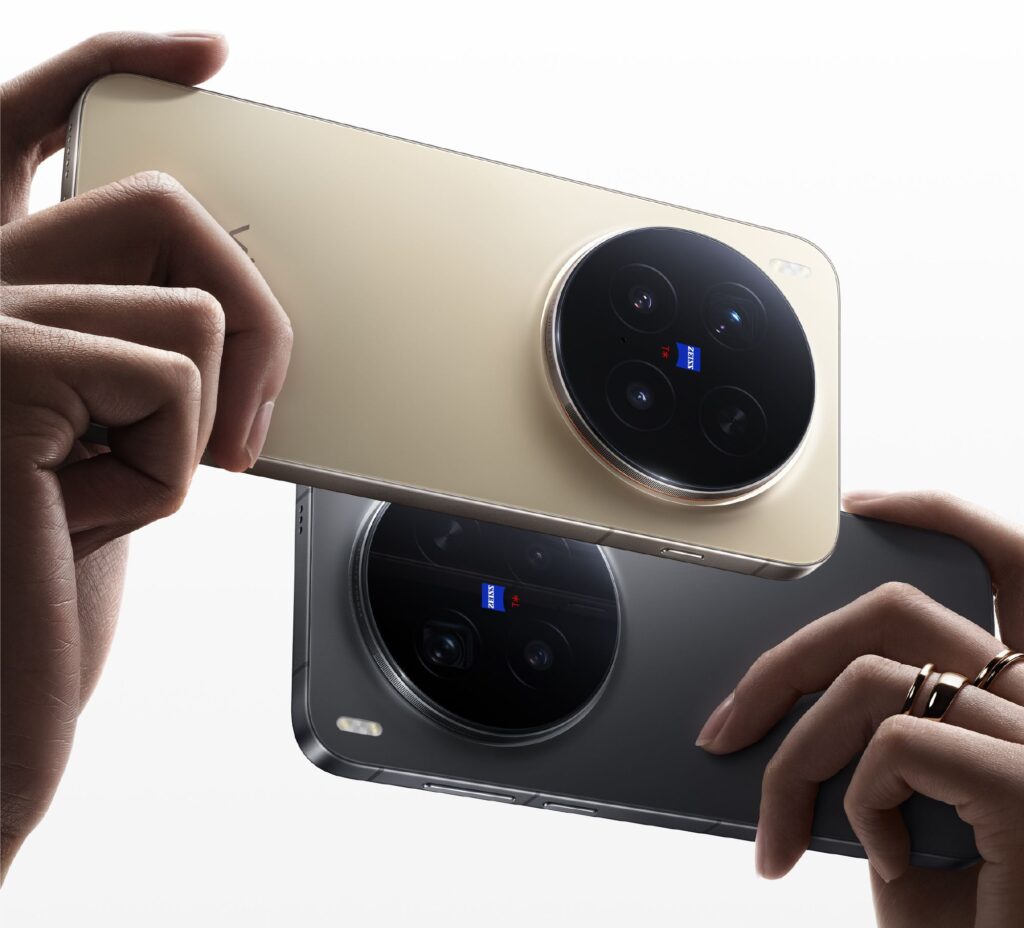
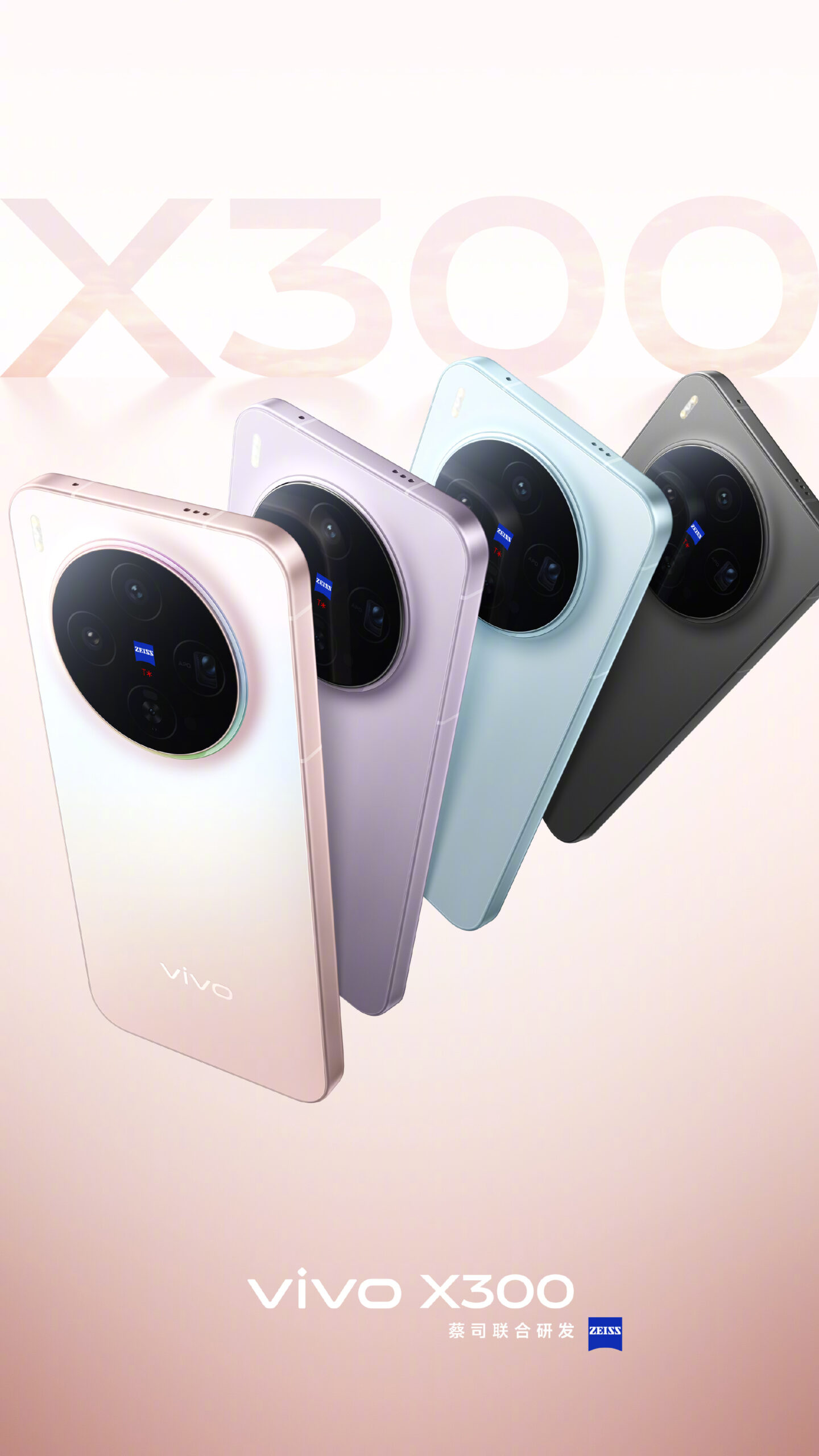
Alongside a mid-range Vivo V60e, the brand is also preparing to unveil a high-end Vivo X300 series. It’s officially confirmed to launch in China on October 13, and might be released outside China before the end of the year.
The Vivo X300 series comprises the X300 and X300 Pro, both of which will feature the Dimensity 9500 chip at their core. Besides, the X300 will reportedly feature a 6.31” 120Hz LTPO panel, a 50MP selfie camera, and a triple camera setup on the back consisting of a 200MP primary camera, a 50MP ultrawide unit, and a 50MP periscope telephoto lens. The phone is said to offer a 6,000mAh battery with 90W fast charging support and a 3D ultrasonic fingerprint 2.0.
Vivo X300 color optionsVivo X300 Pro color options
As for the Pro model, it may offer a 6.78-inch OLED screen, a more powerful camera setup, and a bigger battery with support for wireless charging as well.
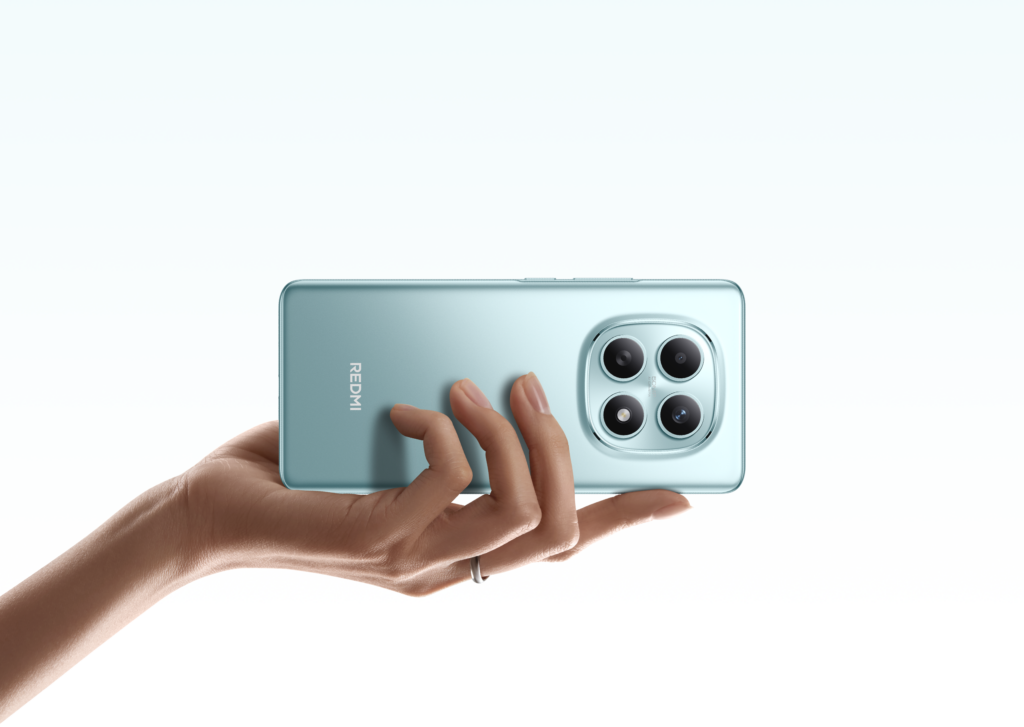
Launched in August in China, the Redmi Note 15 mid-range series is expected to come to India in October. The series consists of three models: Redmi Note 15, Note 15 Pro, and Note 15 Pro+.
The Redmi Note 15’s key specs include a 6.77” 120Hz AMOLED screen, a Snapdragon 6 Gen 3 chipset, a 50MP + 2MP dual rear camera setup, an 8MP selfie camera, and a 4,800mAh battery with support for 45W fast charging.
The Redmi Note 15 Pro brings a 6.83” 120Hz AMOLED screen, a Dimensity 7400 Ultra processor, a 50MP + 8MP dual rear camera setup, a 20MP selfie camera, and a massive 7,000mAh battery with 45W fast charging support.
The Redmi Note 15 Pro+ offers a 6.83” 120Hz AMOLED screen, a Snapdragon 7s Gen 4 chip, triple rear cameras (50MP + 50MP + 8MP), a 32MP selfie camera, and a 7,000mAh battery with 90W fast charging.
The Edge 60 Neo was announced at IFA 2025 and is expected to be released in India in October. It’s powered by a 4nm Dimensity 7400 chipset, paired with up to 12GB RAM and 512GB storage.
The Motorola phone features a 6.36” LTPO OLED display with 120Hz refresh rate, Full HD+ resolution, HDR10+, Gorilla Glass 7i protection, and a 300nits of peak brightness. It features a triple camera setup on the back, including a 50MP primary camera with OIS, a 13MP ultrawide unit, and a 10MP telephoto camera with 3x optical zoom and OIS. It has a 32MP selfie camera.
The battery comes in at 5,000mAh with support for 68W wired and 15W wireless charging. Other key highlights of the Edge 60 Neo include an IP68/IP69 rating, MIL-STD-810H certification, NFC support, Wi-Fi 6E, Bluetooth 5.4, an in-display fingerprint scanner, and stereo speakers with Dolby Atmos.
After teasing the arrival of the Red Magic 11 Pro series for the past few weeks, Nubia has finally confirmed its launch. Set to launch on Oct. 17, the Red Magic 11 Pro series will be gaming-focused smartphones powered by the latest Snapdragon 8 Elite Gen 5 SoC. Here is all that is known about the new series.
Red Magic 11 Pro series key specifications (rumored)
While there is no official confirmation yet, the Red Magic 11 Pro lineup is expected to include two models such as the Red Magic 11 Pro and 11 Pro+. Both phones may pack the same configuration, but the Pro+ edition may offer 24GB of RAM and 1TB of storage.
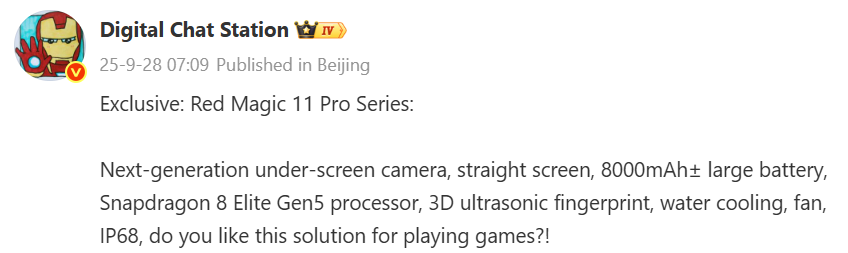
According to tipster Digital Chat Station, the Red Magic 11 Pro series will have a flat display integrated with the next-generation under-screen selfie camera. Under the hood, the series will feature the Snapdragon 8 Elite Gen 5 chip and a huge 8,000mAh battery.
Red Magic 11 Pro series key specifications tipped
The Red Magic 11 Pro series will also come equipped with other features, such as an ultrasonic in-screen fingerprint sensor, water cooling technology, a built-in fan, and an IP68-rated body. The official teasers also confirm that the series will have the water-cooling technology, but its exact details are not known yet.
Previous reports have suggested that the Red Magic 11 Pro series could be equipped with a 50-megapixel front-facing camera. It is also said to include a top-end touch control chip aimed at improving responsiveness in gaming scenarios. The company is expected to share more details about the Red Magic 11 Pro lineup in the coming days.
For more daily updates, please visit our News Section.
Redmi Pad 2 Pro and Samsung Galaxy Tab S9 FE target users seeking large-screen Android tablets at reasonable prices, but they approach it differently. Xiaomi focuses on raw hardware upgrades like a bigger battery and higher refresh display, while Samsung leans on software polish, stylus features, and long-term updates. This comparison is important because buyers must decide whether hardware power or ecosystem support offers more long-term value.
Both tablets embrace premium aluminum builds, giving them a solid feel in hand. The Redmi Pad 2 Pro adds optional matte glass protection that reduces glare and fingerprints, making it practical for long-term use. Its larger footprint makes it less portable but ideal for those who prefer a big canvas. The Galaxy Tab S9 FE, on the other hand, is thinner and lighter, which greatly enhances portability and comfort during prolonged use. Slimmer bezels also give it a sleeker, more modern look.
Where durability is concerned, the Galaxy Tab S9 FE takes the lead with IP68 dust and water resistance, making it better equipped for outdoor or rugged usage. The Redmi Pad 2 Pro offers Mohs level 6 scratch resistance, which improves display toughness but lacks waterproofing.
Verdict: The Galaxy Tab S9 FE wins on durability and portability, while the Redmi Pad 2 Pro offers a sturdier but bulkier option with stronger scratch resistance.
Please Note: When you buy something using the links in our articles, we may earn a small commission at no cost to you.
2. Display
The Redmi Pad 2 Pro boasts a 12.1-inch IPS LCD with a 120Hz refresh rate, Dolby Vision, 1B color support, and higher brightness. This makes it excellent for streaming HDR content, gaming, or creative tasks such as digital sketching. It’s optional, matte glass further improves readability in bright conditions. The Galaxy Tab S9 FE comes with a smaller 10.9-inch panel at 90Hz, which feels less fluid. While its pixel density is comparable, the lack of HDR support makes it less appealing for premium content viewing.
Both tablets include stylus support, but Redmi’s larger canvas and smoother refresh rate make it more versatile for artists and note-takers.
Verdict: The Redmi Pad 2 Pro clearly outshines the Galaxy Tab S9 FE in display quality, brightness, and refresh rate, offering a better experience for media and creative work.
3. Performance
Powered by the Snapdragon 7s Gen 4 and Adreno 810 GPU, the Redmi Pad 2 Pro delivers stronger performance across multitasking, app handling, and gaming. It handles demanding workloads with greater efficiency and stability compared to the Exynos 1380 in the Galaxy Tab S9 FE, which is competent but less optimized for heavy use.
RAM and storage options are similar, with both supporting microSD expansion. However, Redmi’s UFS 2.2 storage ensures decent read and write speeds for day-to-day performance. Gaming and creative apps benefit more from the Snapdragon chipset, while the Exynos chip suits light to moderate productivity tasks.
Verdict: The Redmi Pad 2 Pro provides better raw performance, particularly for gaming and heavy apps, while the Tab S9 FE works better for general productivity but lags in power.
4. Software and Ecosystem
Samsung’s One UI offers a polished experience with strong ecosystem integration, including seamless pairing with Galaxy phones, watches, and laptops. Features like Samsung DeX give the Tab S9 FE a desktop-like interface, greatly enhancing productivity for professionals and students. With four years of OS upgrades promised, it offers excellent longevity.
The Redmi Pad 2 Pro runs on Android 15 with HyperOS 2, giving it a modern interface and smoother animations. However, Xiaomi’s software support is less predictable, especially for tablets. It focuses more on a clean, streamlined Android experience rather than deep integration with other devices.
Verdict: The Galaxy Tab S9 FE stands out for its ecosystem and long-term support, making it better for users invested in Samsung’s devices. The Redmi Pad 2 Pro offers a fresher OS but with uncertain update longevity.
5. Battery and Charging
The Redmi Pad 2 Pro packs a massive 12,000 mAh battery, ensuring extended usage for streaming, browsing, or gaming. It supports 33W fast charging, which is respectable for such a large cell, and even provides 27W reverse wired charging to power other devices. This makes it a reliable companion for long work or travel days.
The Galaxy Tab S9 FE, while slimmer, houses a smaller 8,000 mAh battery. Its advantage lies in faster 45W charging, which refuels it quicker, though endurance will not match Redmi’s extended battery life.
Verdict: The Redmi Pad 2 Pro is the better choice for endurance, while the Galaxy Tab S9 FE wins for quicker charging but shorter overall battery life.
6. Camera and Audio
Both tablets feature 8MP rear cameras, but the Galaxy Tab S9 FE supports 4K recording, while the Redmi Pad 2 Pro is limited to 1080p. For video calls, Samsung offers a 12MP ultrawide front camera, ensuring sharper and wider angles, compared to Redmi’s basic 8MP sensor.
Audio is another differentiator: the Redmi Pad 2 Pro comes with a quad-speaker setup tuned with Dolby Atmos and Hi-Res certification, along with a 3.5mm headphone jack. Samsung’s dual speakers tuned by AKG sound clear but don’t match Redmi’s loudness and immersion, and it lacks a headphone jack.
Verdict: The Tab S9 FE is stronger in camera quality for calls and recordings, while the Redmi Pad 2 Pro dominates in audio experience with quad speakers and Hi-Res support.
7. Productivity and Accessories
Both tablets support stylus input, though Samsung’s S Pen is more refined with lower latency and deeper integration across apps. Samsung also provides optional keyboard covers that pair well with DeX mode, turning the tablet into a laptop replacement. The Redmi Pad 2 Pro supports a magnetic stylus but lacks advanced ecosystem-level features.
In terms of ports, the Redmi includes a 3.5mm headphone jack and OTG support, which can be convenient for traditional users. Samsung offers a side fingerprint scanner for added security, but lacks the headphone jack. External display support is also more robust on Samsung through DeX.
Verdict: The Galaxy Tab S9 FE is better for professional productivity thanks to DeX and S Pen optimization, while the Redmi Pad 2 Pro provides better port versatility but limited accessory integration.
8. Connectivity
The Galaxy Tab S9 FE supports both Wi-Fi 6 and cellular models with GPS, making it more versatile for users who need connectivity on the go. Bluetooth 5.3 ensures stable pairing with accessories. Redmi’s Pad 2 Pro also supports Wi-Fi 6 and a newer Bluetooth 5.4 standard, which gives it an edge in short-range connections, but it lacks GPS and cellular options.
Peripheral compatibility is similar, though Samsung’s presence in enterprise environments makes it a stronger choice for professionals who need constant connectivity. Redmi, however, works well as a Wi-Fi-only device for media and learning.
Verdict: The Galaxy Tab S9 FE wins for broader connectivity with optional SIM support and GPS, while the Redmi Pad 2 Pro is limited to Wi-Fi but offers slightly newer Bluetooth.
9. Pricing and Value
The Redmi Pad 2 Pro launches at around $300, offering a larger display, stronger performance, and a huge battery at a lower cost. It delivers exceptional value for entertainment, casual productivity, and creative users who want maximum hardware for their money.
The Galaxy Tab S9 FE costs around $350, reflecting its Samsung ecosystem features, IP68 protection, and longer software support. While more expensive, it holds better resale value and appeals to users who prioritize durability and updates.
Verdict: The Redmi Pad 2 Pro is more cost-effective for hardware and multimedia value, while the Galaxy Tab S9 FE justifies its price with durability, software longevity, and ecosystem perks.
Disclaimer: Prices are approximate and may vary based on country, region, and applicable taxes
Redmi Pad 2 Pro is ideal for users seeking a large display, stronger performance, immersive audio, and massive battery life at a budget-friendly price. It suits students, entertainment lovers, and creative hobbyists who value hardware over ecosystem.
The Galaxy Tab S9 FE, meanwhile, is better tailored for professionals and productivity-driven users. With IP68 durability, longer software updates, DeX support, and a refined S Pen experience, it fits seamlessly into Samsung’s ecosystem for work and study.
Final Verdict: Choose the Redmi Pad 2 Pro if media consumption, performance, and battery life are top priorities at a lower cost. Go for the Galaxy Tab S9 FE if durability, productivity tools, and long-term updates matter more.
In October, OnePlus will announce the OnePlus 15 and OnePlus Ace 6 flagship phones in China. Recently, tipster Digital Chat Station released a Weibo post to reveal the chipset, battery size, and charging capabilities of the Ace 6. Today, he rolled out another post to reveal the RAM and storage configurations of the device.
According to the tipster, the Snapdragon 8 Elite-powered OnePlus Ace 6 will come in options such as 12GB+256GB, 12GB+512GB, 16GB+256GB, 16GB+512GB, and 16GB+1TB. It will be available in colours like Black, Quick Silver, and Flash White.
The inclusion of the said chipset suggests that it will compete with other Snapdragon 8 Elite phones, such as the Realme GT 8, iQOO Neo 11, and Redmi K90, which are also expected to launch in China.
The OnePlus Ace 6 will feature a 1.5K OLED panel that supports a 165Hz refresh rate. The tipster has not mentioned the display size in the leak. Under the hood, the device will be equipped with a 7,800mAh battery with 120W fast charging.
For security, it will feature an ultrasonic in-screen fingerprint sensor. At present, there are no details about the device’s front and rear cameras. In terms of design, it may look similar to the OnePlus Ace 5 Ultra, which features a vertical camera module. DCS also revaeled that the device will weigh around 214 grams.
The OnePlus 15R heading to the Indian market is believed to be a modified version of the Ace 6. Both devices may mainly differ in the camera department, with the 15R likely to offer better cameras. While the OnePlus 15 is expected to debut soon in India, it is unclear whether the 15R will also debut alongside it.
For more daily updates, please visit our News Section.
Lenovo’s Motorola brand has confirmed the arrival of a new smartphone called the Moto X70 Air. The device is set to launch in late October in China. Here’s a look at the first teaser of the device.
Moto X70 Air design teased
Moto X70 Air teaser
As can be seen in the Moto X70 Air’s first teaser, Motorola is highlighting an AI-driven experience along with a slim and lightweight profile. The official poster also shows the phone’s right edge featuring volume and power buttons, while the rear is expected to house at least two cameras. However, the company has not yet shared exact specifications for the device.
The announcement comes at a time when the iPhone 17 Air has gained attention for its slim build and lightweight body. Apple’s device measures 5.6mm in thickness, weighs around 165 grams, and ditches the SIM card slot due to design limitations. While the Moto X70 Air’s measurements remain under wraps, early visuals suggest a slim body with a dual-camera setup on the rear.
Separately, a Motorola device with the model number XT2533-4 recently appeared on TENAA in China. The listing revealed a 6.72-inch 1.5K LCD panel, a 2.4GHz processor, up to 16GB of RAM, and up to 512GB of storage. It will have a 7,000mAh battery, a 32-megapixel front camera, and a 50-megapixel + 8-megapixel setup on the rear.
Weighing 210 grams and measuring 8.7mm in thickness, this phone differs significantly from the slim profile teased for the Moto X70 Air. While some speculate that it could be the X70 Air, earlier leaks suggested it could actually be the Moto G36 5G.
For more daily updates, please visit our News Section.
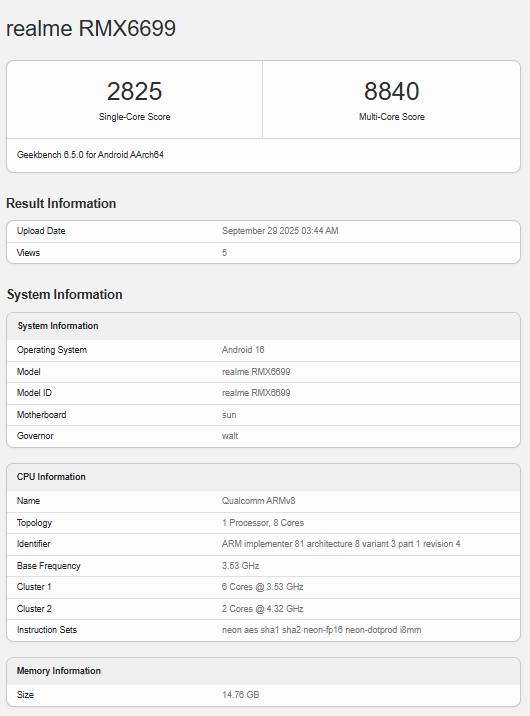
Realme will unveil the Realme GT 8 series of smartphones in October in China. Reports have revealed that the Realme GT 8 Pro and Realme GT 8 will be powered by the Snapdragon 8 Elite Gen 5 and Snapdragon 8 Elite chipsets, respectively. Recently, the Pro version was spotted on Geekbench, and now the standard edition has appeared on the same benchmarking platform. Here’s a look at the details that have emerged through the Geekbench listing.
Realme GT 8 Geekbench listing
Realme GT 8 Geekbench listing
As can be seen, an upcoming Realme smartphone with model number RMX6699 has surfaced on Geekbench. As per reports, this device is the upcoming Realme GT 8.
The listing reveals that the device is powered by the Snapdragon 8 Elite, which comprises two cores working at 4.32GHz, six cores operating at 3.53GHz, and Adreno 830 graphics.
The Geekbench listing further reveals that the device is equipped with 16GB of RAM and Android 16. It has scored 2825 points in Geekbench’s single-core test and 8840 points in the multi-core test.
Recently, the Realme GT 8 was spotted on AnTuTu benchmarks with an impressive score of 3.32 million. It was also listed with a 100W charger at the 3C certification in China.
As per reports, the Realme GT 8 will have a flat OLED panel with 2K resolution, a 144Hz refresh rate, and an ultrasonic in-screen fingerprint sensor. The device is said to pack a 7,000mAh battery. It will have a glass back and a metal middle frame. At present, there is no information available about the camera specifications of the device.
The Realme GT 8 Pro is already confirmed to launch in markets outside of China. However, there is no clarity on whether the standard GT 8 will be released globally.
For more daily updates, please visit our News Section.
While Vivo is set to launch the Vivo X300 series on Oct. 13 in China, Oppo is scheduled to unveil the Find X9 lineup on Oct. 16. While Realme is yet to confirm the Realme GT 8 series’ launch date, it is officially confirmed to break cover in October. Soon after, the X300 and Find X9 series are expected to launch in markets outside of China, with India being one of the first markets to receive them. As far as the GT 8 Pro is concerned, Realme India has already started teasing its arrival. Ahead of the expected launch, these devices have bagged BIS certification in India, indicating an imminent release.
New flagships receive BIS certification in India
Oppo Find X9 BIS listing
As can be seen above, an Oppo smartphone with model number CPH2791 has been approved by India’s BIS authority. As per reports, this model number belongs to the standard Oppo Find X9 Pro’s global version.
Vivo X300 BIS listing
At the same time, the BIS has also approved a Vivo phone with model number V2514. Reports have revealed that this model number is associated with the global version of the Vivo X300.
Realme GT 8 Pro BIS listing
The third screengrab reveals that a Realme phone with the RMX5210 model number has been certified by the BIS. This device is believed to be the global edition of the Realme GT 8 Pro.
What to expect from these phones?
Speculations are rife that the Oppo Find X9 and Vivo X300 may debut in November in India. Their Pro editions, such as the Find X9 Pro and Vivo X300 Pro, are also expected to launch around the same time, but they have not received BIS approval yet. Both series will arrive with the Dimensity 9500 chipset onboard.
Realme is already promoting the Realme GT 8 Pro as India’s first Snapdragon 8 Elite Gen 5 phone. It is also likely to debut in November in China.
For more daily updates, please visit our News Section.
Reliable tipster Digital Chat Station recently shared the specifications of the Oppo Find X9 series ahead of its Oct. 16 launch in China. While the base model’s details had surfaced earlier, the latest Weibo post highlights the complete set of specifications for the Find X9 Pro. The leak outlines the phone’s display, camera system, battery, and other key features that position it as one of the most advanced flagships expected this year.
Oppo Find X9 Pro specifications (rumored)
Oppo Find X9 series
According to the leak, the Find X9 Pro will feature a 6.78-inch flat OLED LTPO screen with a 1.5K resolution and a 120Hz refresh rate. The device will integrate an ultrasonic in-display fingerprint scanner and will be powered by the Dimensity 9500 chipset. Battery capacity is tipped at 7,500mAh, paired with 80W wired charging and 50W wireless charging.
On the camera front, the Pro edition is said to include a 50-megapixel front camera. The rear setup will feature a 50-megapixel Sony LYT-828 primary sensor, a 50-megapixel Samsung JN5 lens, a 200-megapixel Samsung HP5 periscope camera, and a 2-megapixel multispectral sensor. The phone will support an external Hasselblad teleconverter for enhanced zoom capabilities.
Additional features include an 0816 linear motor and an IP66/68/69 durability rating. The handset will measure 8.24mm in thickness and weigh around 224 grams. It will come preloaded with Android 16 with a layer of ColorOS 16 on top.
Last month, DCS also revealed that the Find X9 Pro will be offered in several configurations: 12GB+256GB, 12GB+512GB, 16GB+512GB, 16GB+1TB, and a 16GB+1TB satellite communication version. Colour options will reportedly include white, red, and gold.
For more daily updates, please visit our News Section.
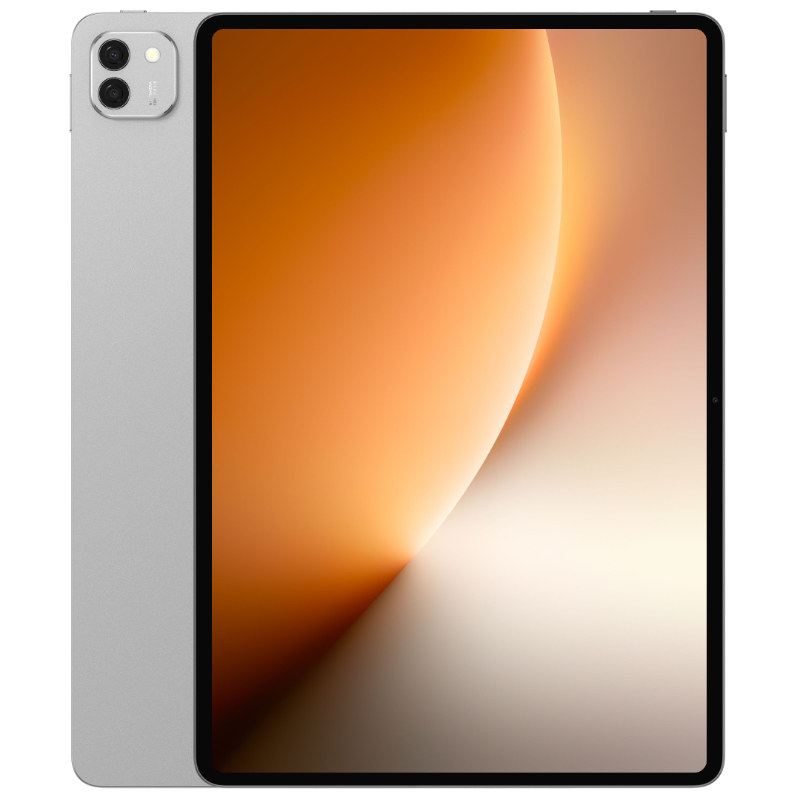
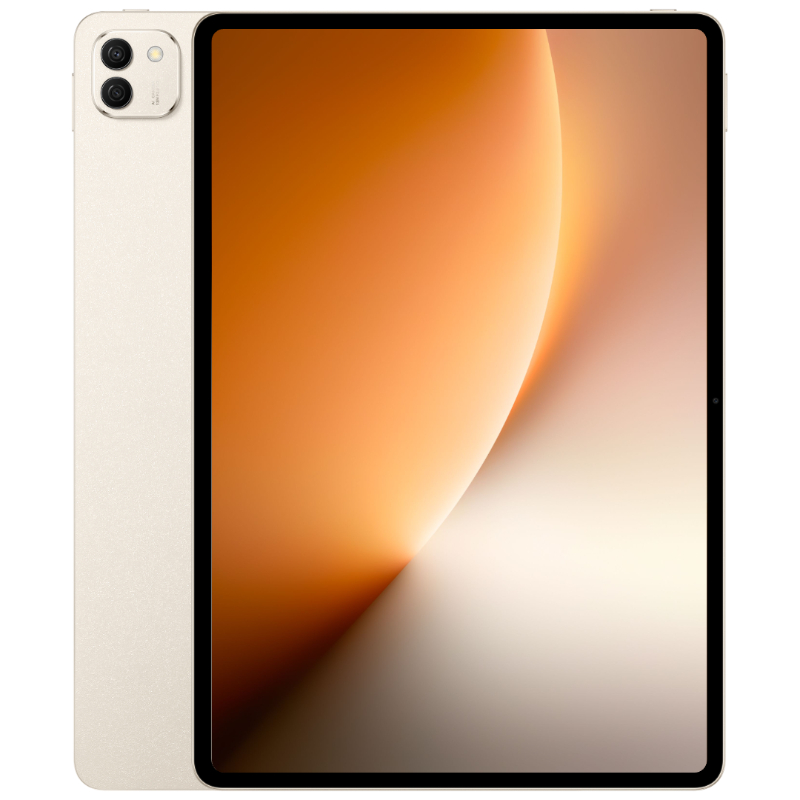
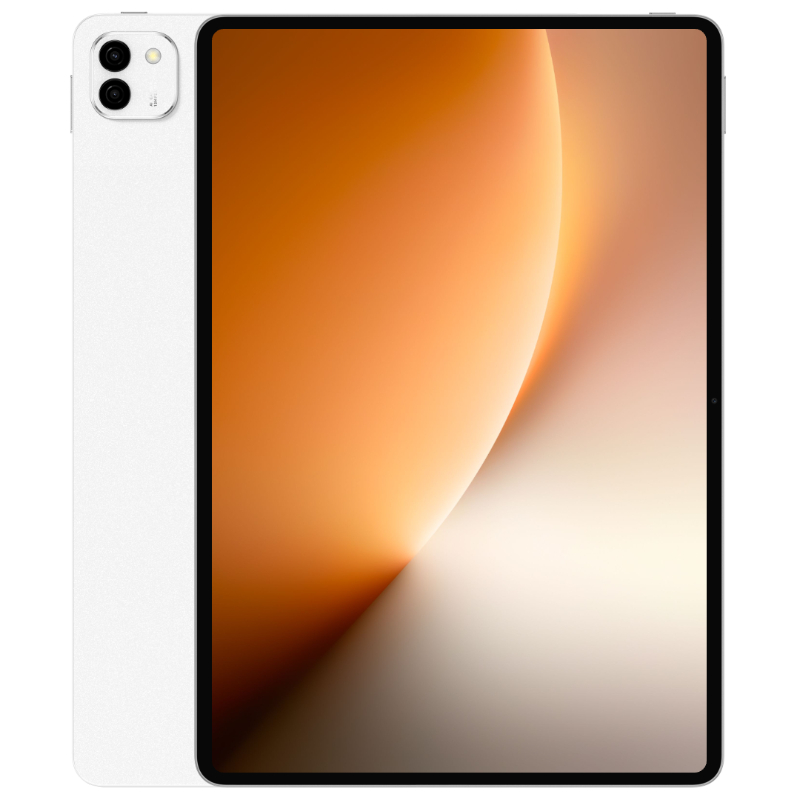
Honor is gearing up to introduce the Magic 8 series in China next month, with reports pointing to an Oct. 15 launch date. Alongside the smartphones, the company is also planning to announce the MagicPad 3 Pro flagship tablet. Ahead of the official unveiling, tipsters Digital Chat Station and Why Lab have revealed the device’s official renders and its complete set of specifications.
Honor MagicPad 3 Pro key specifications (rumored)
Honor MagicPad 3 Pro – Starry GrayHonor MagicPad 3 Pro Honor MagicPad 3 Pro – Moon Shadow White
The Honor MagicPad 3 Pro is expected to be the world’s first tablet powered by the Snapdragon 8 Elite Gen 5 processor. It will also integrate Honor’s in-house E2 energy efficiency chip for power management.
The tablet is said to feature a 13.3-inch LCD screen offering a resolution of 3200 x 2136 pixels, a 3.2K display quality, and a refresh rate of 165Hz. It has also received IMAX Enhanced certification, highlighting its focus on visual quality. The same screen is also available on the Honor MagicPad 3, which debuted in July in China.
For power, the MagicPad 3 Pro will come with a 12,450mAh battery, which is the same as the MagicPad 3. The device will run on MagicOS 10-based Android and will support cross-platform data transfer across iOS, Android, and HarmonyOS devices.
The other details of the MagicPad 3 Pro such as RAM and storage configurations, camera specifications and charging capabilities are yet to be revealed. The leaked images reveal that the MagicPad 3 Pro will be available in three colours: Starry Gray, Floating Light Gold, and Moon Shadow White.
For more daily updates, please visit our News Section.
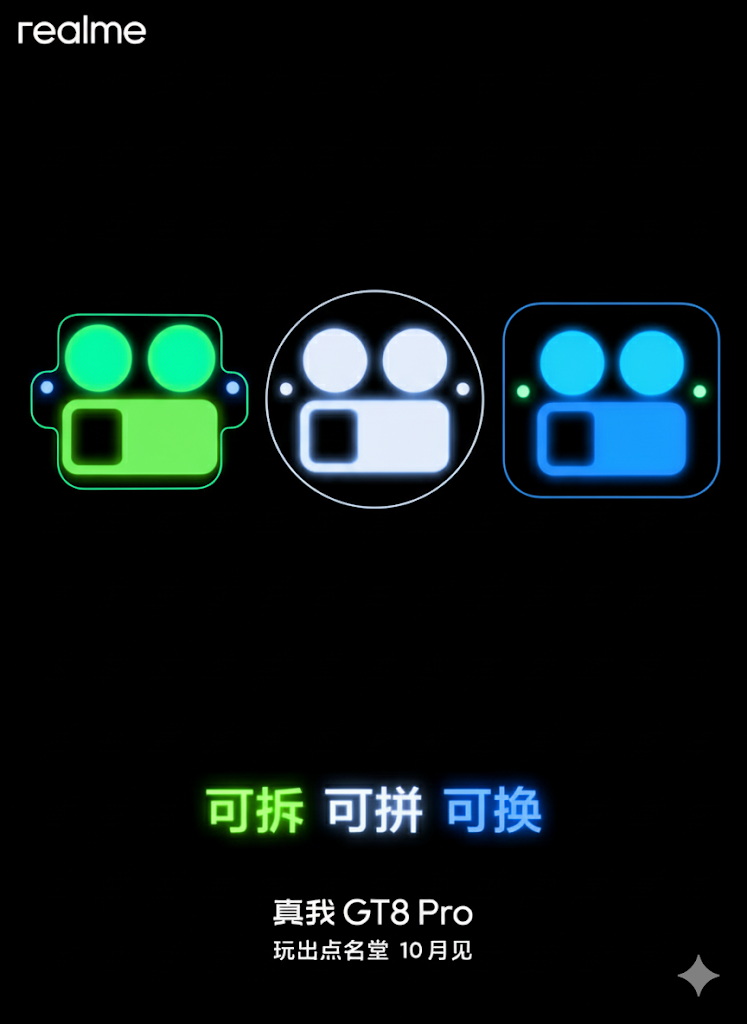
A leak that emerged earlier this month suggested that the Realme GT 8 Pro could be equipped with a round camera module. However, an image shared later by reliable tipster Digital Chat Station revealed a slightly different design for the camera deco. Today, the company has cleared the doubts surrounding the Realme GT 8 Pro by confirming that it will indeed feature a swappable camera deco.
Realme GT 8 Pro’s customizable camera module
Realme GT 8 Pro’s unique DIY camera module
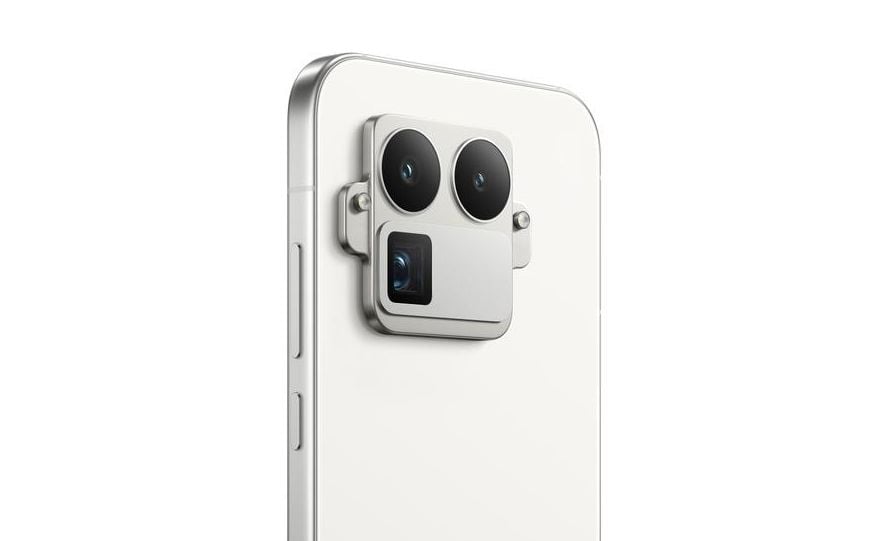
According to the teaser, the GT 8 Pro will feature a detachable camera module that users can swap or rearrange. Realme has presented three different shapes in its preview video: a round design, a square option, and an irregular “robot-inspired” version.
This fresh approach looks to move past the usual circular or rectangular camera cut-outs and introduces a hands-on element, letting users personalise the look of their device. Alongside this design innovation, the GT 8 Pro is expected to house a 200-megapixel periscope telephoto lens, also described as the “Ultra Eye”. However, there is no information about the other camera sensors of the device.
As per other reports, the Realme GT 8 Pro will launch with a 2K 144Hz AMOLED screen co-developed with BOE, featuring Q10+ material for improved brightness and eye protection. Official details mention a 4,000-nit peak brightness level. Under the hood, the device will feature the Snapdragon 8 Elite Gen 5, supported by Realme’s dedicated R1 display chip, described as a “dual-chip” arrangement aimed at enhancing performance for gaming and visuals.
The Realme GT 8 Pro will pack a 7,000mAh+ battery with 120W wired charging. Additional features include stereo speakers, an X-axis linear motor, and 3D ultrasonic fingerprint recognition.
As far as launch is concerned, the Realme GT 8 Pro is set to launch in October in China.
For more daily updates, please visit our News Section.
As per a new report, Casio is preparing to launch the G-SHOCK MRG-B2000KT-3A, a limited-edition watch inspired by samurai swords and Japanese artistry. Although not officially announced, leaks confirm the model will continue the MR-G line’s focus on premium materials, and top tier craftsmanship. Only 800 units will be produced worldwide, each with a unique hand-engraved bezel.
Samurai and Phoenix Design
The watch takes inspiration from the kurogane-tsuba, the handguard of a samurai sword that kept the hand from slipping. Over time, tsuba became decorative works of art, reflecting rank and taste. Casio worked with master craftsman Masao Kobayashi to engrave a phoenix across the bezel.
G-SHOCK MRG-B2000KT-3A (Images via Casioblog)
In Japanese mythology, the phoenix, known as Hōō, represents peace, prosperity, and wisdom. Kobayashi used the shishiai-bori technique, a high-relief engraving method traditionally used for sword fittings. The process involves forging, carving, grooving with the tsuiki method, and tinting. Each bezel is individually hand-carved, so no two watches are identical.
Materials and Build
Image via Casioblog
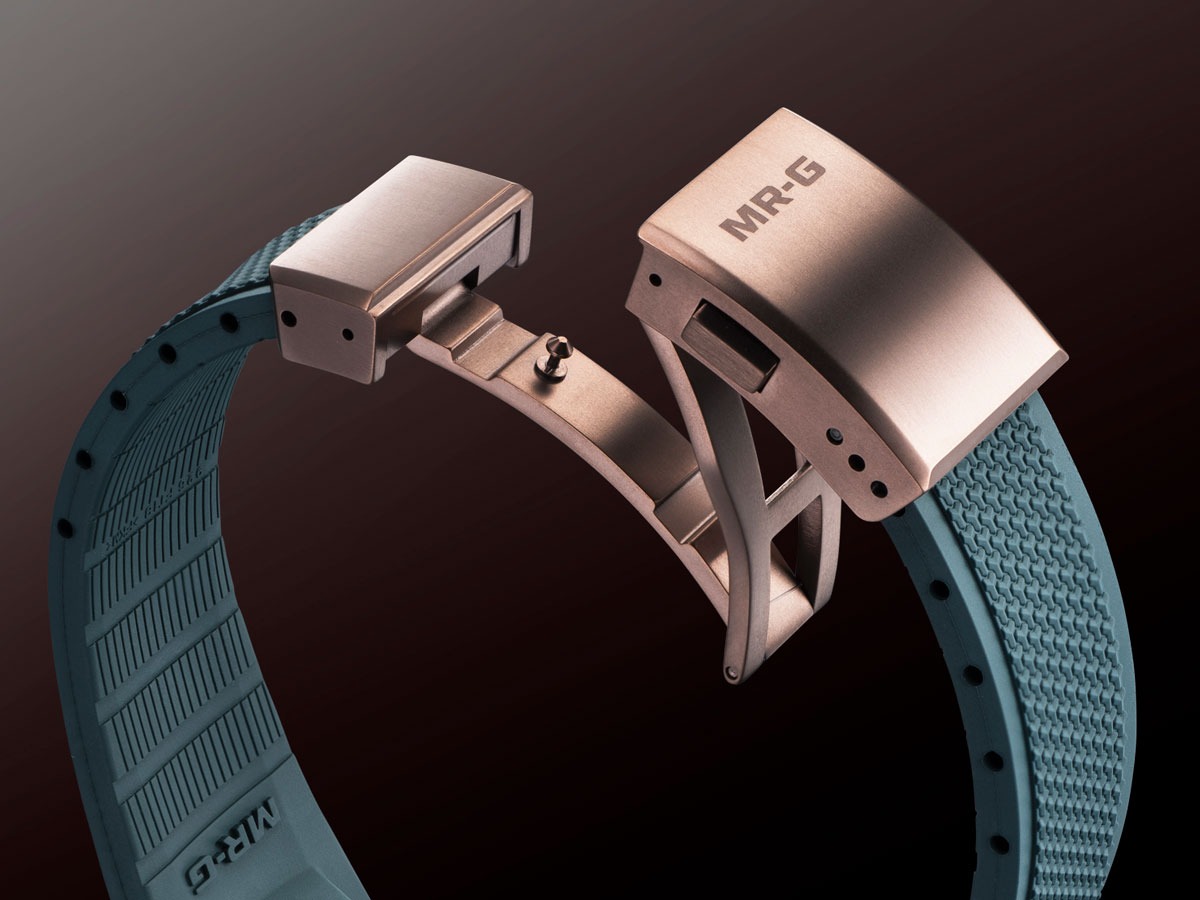
The case and bezel are made from Ti64 titanium alloy that has been recrystallized for strength and scratch resistance. Both are finished with a bronze-colored DLC coating and feature a rough geometric texture. The watch weighs about 138 grams and measures 54.7 × 49.8 × 16.9 mm.
Images via Casioblog
The strap is made from fluororubber, which is flexible, durable, and water resistant. A flat sapphire crystal with anti-reflective coating on both sides covers the dial. All metal parts, including the crown, pushers, clasp, and strap holder, are DLC-coated.
The dial features a feather-like pattern tied to the phoenix theme, and the same motif is used on the watch box. Water resistance is rated to 200 meters, and the watch meets G-SHOCK’s shock and magnetic resistance standards.
Features
The MRG-B2000KT-3A runs on Casio’s Module 5625, an analog Tough Solar movement with Bluetooth and Multiband 6 radio synchronization. It offers dual time, world time across 27 time zones, a 1-second stopwatch up to 24 hours, countdown timer up to 24 hours, daily alarm, full auto calendar to 2099, and a 24-hour display. It also has Super Illuminator LED lighting, Smart Access crown, Tough Movement hand alignment correction, and power-saving mode.
On a full solar charge, the battery lasts about five months without further light exposure, or up to 26 months with power save on. Accuracy is ±15 seconds per month without syncing.
Pricing & availability
Casio has released several limited-edition titanium MR-G watches inspired by classic Japanese craftsmanship, such as the Kurogane-Iro G-Shock MRG-B2000BG-3A and MRG-B2000RG-3A, both priced at $3,300, and the MRGB2000JS1A, created in collaboration with master swordsmith Kamiyama Teruhira and lacquer artisan Nomura Mamoru, which drew inspiration from the Juryoku-Maru: San katana and sold for $8,000. Based on this pricing history, the upcoming MRG-B2000KT-3A is expected to retail for over $5,000.
The watch is expected to launch before the end of the year, with only 800 units being produced. Each piece will be individually numbered and feature a distinctive bezel, making it one of the most exclusive G-SHOCK models to date, and likely to sell out shortly after release.
For more daily updates, please visit our News Section.
While Xiaomi launched the Xiaomi Mix Flip 2 this year, it skipped a horizontal-style foldable phone. A new report says that the company may return to launching a horizontally foldable device in 2026. Xiaomi’s foldable phones have always carried the “Mix” branding, but the same report suggests that its next foldable could be called the Xiaomi 17 Fold.
Xiaomi’s next foldable phone may drop Mix branding
Xiaomi Mix Fold 4
According to XiaomiTime, Xiaomi’s horizontally foldable phone with model number 26023PN08C and codename “pecan” is in the works. Previous release patterns reveal that Xiaomi uses “PN” in the model numbers of its numbered series devices, whereas its foldables have “PX” in their model numbers.
The usage of “PN” in the 26023PN08C model number suggests that the next foldable phone may not be called the Xiaomi Mix Fold 5 or 6. Instead, it could be part of the Xiaomi 17 series. While there is no clarity about the final name, the publication has made its own speculation that the device could be called the Xiaomi 17 Fold.
The report further states that the Xiaomi 17 Fold’s camera setup could be similar to the Xiaomi Mix Flip 3, which is also expected to launch next year. Its camera system is expected to include a 16-megapixel OmniVision OV16F front-facing camera and a secondary 50-megapixel front camera. On the back, it may feature a 200-megapixel Samsung HP5 main camera and a 50-megapixel OmniVision OV50M ultra-wide lens. However, the report does not mention any details about a telephoto camera.
Being a flagship offering, the Xiaomi 17 Fold is expected to feature the Snapdragon 8 Elite Gen 5 SoC. The “2602” numbers in the model number indicate that it may debut in February 2026.
For more daily updates, please visit our News Section.
Realme recently unveiled the Realme 15T as the third member of the Realme 15 series, and now it is gearing up to add a new model. As per the official page on Realme India’s website, the Realme 15x 5G is all set to go official on Oct. 1. The company has confirmed that the device will be available for purchase from the same day. Here’s a look at the key features of the device.
Realme 15x design, key specifications
Realme 15x 5G launch datre
s can be seen above, the Realme 15x 5G features a punch-hole screen, and its rear camera island houses a ring LED flash. The official listing confirms that the device will be equipped with a 7,000mAh battery with 60W fast charging.
For photography, the Realme 15x 5G will have a 50-megapixel front-facing camera, and its rear camera setup will include a 50-megapixel primary camera. On the front, it will feature a 144Hz display with a peak brightness of 1200 nits.
The Realme 15x 5G will be powered by a 6nm octa-core chip. While it appears to be a MediaTek, there is no clarity about the exact name of the chip that powers the device. In terms of durability, the device will come with a military-grade shock-resistant chassis and will also carry an IP68/69 rating. The rest of its specifications are under wraps.
For more daily updates, please visit our News Section.
With the launch of Xiaomi’s 17 Pro Max, the flagship arena just got more intense. This model features some of the best that Android has to offer, being the first among the next generation of high end devices. On the other side, we have Apple’s latest and greatest iPhone 17 Pro Max. So how does the best iPhone compare to the newest Android? So here’s a breakdown of the main differences.
Both the iPhone 17 Pro Max and Xiaomi 17 Pro Max are premium devices that sure aluminum and glass bodies. But this time around, Apple has used more aluminum for improved heat dissipation while also adding a new vapor chamber for better cooling for the first time ever. The VC cooling tech was already a feature on previous gen and makes a return here. While there are rumors of the new iPhone 17 Pro Max’s body being prone to scratches, the new Ceramic Shield 2 has an impressive resistance. You get a tall 6.9 inch OLED panel with 2868×1320 pixels resolution and 120Hz refresh rate.
Meanwhile, the Xiaomi 17 Pro Max has a 6.9-inch LTPO AMOLED panel with a 1.5K resolution, a brighter 3,500nits of peak brightness, 120Hz refresh rate, and high frequency PWM dimming, and DC dimming support. This screen is protected by the Xiaomi Shield Glass. While the design can be subjective, Xiaomi brings an impressive new dual display design with a smaller 2.9-inch 120Hz secondary screen. So while both have a large rectangular camera module on the back, it serves a function of housing a rear facing display.
Please Note: When you buy something using the links in our articles, we may earn a small commission at no cost to you.
2. Performance
Apple iPhone 17 Pro Max
Apple typically offers one of the fastest processors in the smartphone market, and the A19 Pro on the latest iPhone Pros are no different. These bring improved performance and better efficiency. However, Xiaomi strikes back by being the first to debut a flagship phone with Qualcomm’s latest and greatest, Snapdragon 8 Elite Gen 5. In synthetic benchmarks, this chip has been seen nearly matching the A19 Pro in most tests. But benchmarks isn’t everything, and we can expect impressive performance on both chips for gaming, efficiency, and daily use.
3. Battery Life & Charging
One of Xiaomi’s biggest strengths lies here. The Xiaomi 17 Pro Max features a 7,500mAh battery that supports 100W wired and 50W wireless fast charging. That’s a massive number by flagship standards. Apple, though unannounced officially in battery size, is believed to have around a 5,088 mAh cell in the iPhone 17 Pro Max. While Apple’s software and efficiency help squeeze excellent usage time, Xiaomi’s large battery and faster charging speeds give it an advantage when usage is heavy or when traveling.
4. Camera Performance
Apple’s camera system in the iPhone 17 Pro Max has been refined for optical quality: its triple rear cameras with 48MP sensors deliver great low-light shots, color reproduction, and feature support such as ProRes RAW, video tools, and advanced stabilization. Xiaomi counters with a triple-lens setup boasting Leica tuning: 50MP main, 50MP ultrawide, and a 5x periscope telephoto with a brighter lens and larger sensor for the zoom lens, giving it an advantage in long-range shots. We will have to wait for a proper reviews and real life tests to know more about the actual camera comparison, but it’s safe to assume that both models are setting a high standard.
5. Pricing
The Xiaomi 17 Pro Max just debuted in China for just 4,999 Yuan, which is roughly about 701 US Dollars for its base 12GB + 256GB storage variant. In comparison, the base iPhone 17 is more expensive, arriving at 799 US Dollars. The top of the line iPhone 17 Pro Max model starts from 1,199 US Dollars. The overall experience, ecosystem, availability, and much more come into play when deciding on a phone.
But the near 500 US Dollar price gap is hard to ignore. A wider release should follow in a couple of months, so depending on your region, pricing might play a big role in your purchasing decision. Regardless, Xiaomi has offered an impressive flagship that stands out, while Apple continues to polish its already great premium devices.
For more daily updates, please visit our News Section.
Vivo has launched the V60 Lite 4G in Turkey a few days after the V60 Lite 5G went on sale in Taiwan. The 4G model looks the same as the 5G version in design.
The phone has a 6.77-inch FHD+ AMOLED display with a 120Hz refresh rate. The screen includes SGS Low Blue Light certification for eye protection. It also comes with MIL-STD-810H military-grade durability and IP65 water and dust resistance.
The device runs on the Snapdragon 685 4G chipset with Qualcomm AI Agent. It has 8GB of LPDDR4X RAM with an additional 8GB of virtual RAM and offers 256GB of UFS 2.2 internal storage. There is no microSD card slot. The phone ships with FuntouchOS 15 based on Android 15.
The rear camera setup has a 50MP Sony IMX882 primary sensor with a 1/1.95-inch size and an 8MP ultra-wide camera with a 120-degree field of view. Features include AI Starlight, Smart Eraser 3.0, Smart Photo Enhancements, AI Grade Assistance, AI Subtitles, Transcript Assistance, and Google Gemini Live. On the front, the device has a 32MP selfie camera.
The V60 Lite 4G is powered by a 6,500mAh BlueVolt battery that supports 90W fast flash charging. Vivo claims the phone charges from 1 to 100 percent in 55 minutes and offers up to 27.5 hours of YouTube playback.
Connectivity options include dual-band Wi-Fi at 2.4GHz and 5GHz, Bluetooth 5.0, USB 2.0 with OTG, GPS, and NFC. FM radio is not supported.
Pricing & availability
The phone is available in Titanium Blue and Titanium Black. It comes in a single 8GB RAM and 256GB storage variant priced at 21,999 TL ($529). It is listed on Vivo Turkey’s official website.
For more daily updates, please visit our News Section.
iQOO has already confirmed the front and rear design of its upcoming flagship phone – the iQOO 15. Apart from this, the brand has also confirmed several details about its display and chipset. Now, a new Weibo post by iQOO Product Manager Galant V has revealed one major feature about the photography prowess of the device.
iQOO 15 to feature a 50MP periscope telephoto camera
iQOO 15
The iQOO 15, which debuted last year, came equipped with a 50-megapixel telephoto camera. As can be seen above, Galant V has confirmed that the iQOO 15 will feature a large-sensor periscope telephoto camera. While he did not divulge any other information, recent reports have revealed that it will have a triple 50-megapixel camera setup on the back.
As per other reports, the iQOO 15 will arrive with a 6.85-inch Samsung AMOLED screen that offers a 2K resolution and a 144Hz refresh rate. The device will be powered by the Snapdragon 8 Elite Gen 5 chipset, up to 16GB of RAM, and 1TB of storage.
The device will run on OriginOS 6-based Android 16. It will house a 7,000mAh battery with 100W wired and 50W wireless charging support. It is also expected to come with other specs, such as an ultrasonic in-screen fingerprint sensor, a Q3 gaming chip, a new x-axis linear motor, and satellite connectivity support.
The iQOO 15 is slated to go official with the iQOO Neo 11 featuring the Snapdragon 8 Elite chip in October in China. Soon after, the iQOO 15 is also expected to hit the Indian market.
For more daily updates, please visit our News Section.
At the beginning of this month, Vivo unveiled the Vivo Y500 equipped with the Dimensity 7300 chipset and an 8,200mAh battery. Now, Vivo Product Manager Han Boxiao has confirmed that the company is gearing up to launch the Vivo Y500 Pro in China. It will be the brand’s first Y-series phone to feature a 200-megapixel main camera.
Vivo Y500 Pro primary camera details confirmed
Vivo Y500
According to Boxiao, after the success of the Vivo Y500, the brand is all set to launch the Vivo Y500 Pro before the end of this year. What’s interesting is that this Y-series phone will feature a 200-megapixel Samsung HP5 primary camera with an f/1.88 aperture.
On the other hand, the Vivo X300 series, which is scheduled to go official on Oct. 13 in China, will feature the custom-made Samsung HPB 200-megapixel flagship sensor. It is said to be an upgraded version of the Samsung HP9 200-megapixel sensor.
Reports have revealed that the Vivo V60e will feature a 120Hz AMOLED display housed inside an IP68/69-rated body. It is expected to feature a 50-megapixel front camera and a 200-megapixel + 8-megapixel dual-camera setup on the back.
Under the hood, the V60e could be equipped with the all-new Dimensity 7360-Turbo chipset and a 6,500mAh battery with 90W fast charging support. It is expected to run on FunTouch OS 15-based Android 15. The device is expected to arrive with up to 12GB of RAM and up to 256GB of internal storage.
For more daily updates, please visit our News Section.
Amazon Great Indian Festival has unleashed yet another crazy deal. This time, it’s the budget-friendly fave of gamers the iQOO Neo 10. Originally priced at ₹38,999, the iQOO 8/256GB variant is now up for grabs at an effective price of just ₹29,999.
As a cherry on top, you could save over 250 rupees more on top of the ₹29,999, effectively bringing the device price to as low as ₹29,748. For that, you need to avail the SBI Card bank offer. Just choose the SBI Credit Card as the payment option and see the price drop instantly to ₹29,748. We found this to be fluctuating around 200 to 300 rupees less or more.. So grab it at the least possible price you could get today.
Please Note: When you buy something using the links in our articles, we may earn a small commission at no cost to you.
iQOO Neo 10 Specs and Features
A quick look at why the iQOO Neo 10 is a strong contender in the sub-30K sector. At the heart of the iQOO Neo 10 beats the Qualcomm Snapdragon 8s Gen 4 processor, delivering blistering speeds for seamless gaming and app switching. The Phone is paired with 8GB of LPDDR5X RAM and 256GB UFS 4.0 storage. It handles everything from PUBG Mobile at max settings to heavy photo editing with zero lag. Literally aimed at gamers on a budget, the device is accompanied by other goodies such as an excellent 6.78-inch AMOLED display featuring a 144Hz refresh rate.
iQOO Neo 10 is packed with 50 MP wide primary camera and an 8MP ultrawide camera at the back. On the front, the smartphone has a 32 MP wide-angle camera for video calls and selfies. All this comes packed in a massive 7,000mAh silicon-carbon battery supporting 120W wired and 50W wireless charging. Literally assuring you from dawn to dusk on a single charge and back to full in under 30 minutes.
Head to Amazon India now, grab this limited-time offer, and elevate your mobile gaming experience at just ₹29,999.
We use cookies on our website to give you the most relevant experience by remembering your preferences and repeat visits. By clicking “Accept”, you consent to the use of ALL the cookies.
This website uses cookies to improve your experience while you navigate through the website. Out of these, the cookies that are categorized as necessary are stored on your browser as they are essential for the working of basic functionalities of the website. We also use third-party cookies that help us analyze and understand how you use this website. These cookies will be stored in your browser only with your consent. You also have the option to opt-out of these cookies. But opting out of some of these cookies may affect your browsing experience.
Necessary cookies are absolutely essential for the website to function properly. This category only includes cookies that ensures basic functionalities and security features of the website. These cookies do not store any personal information.
Any cookies that may not be particularly necessary for the website to function and is used specifically to collect user personal data via analytics, ads, other embedded contents are termed as non-necessary cookies. It is mandatory to procure user consent prior to running these cookies on your website.