If you’re a movie buff who fancies watching movies at home instead of going to the cinema, you have come to the right place. The DBPOWER RD-819 Projector brings the cinema home by delivering an unparalleled experience for you in the comfort of your own home.
The RD-819 Projector sports a 50 to 200-inch display allowing users to enjoy their favorite movies and play popular games on a relatively bigger screen. Moreover, the device boasts 3200 real lumens brightness, coupled with 5.8” LCD screen which makes it a perfect companion for home entertainment. If you’ve restlessly been waiting to experience true big screen, bright color, and clear pictures, the DBPOWER RD-819 is the perfect projector that produces an excellent projection for your home theater needs. The device can be yours if you’re willing to shell out $239.99 on Amazon.
But if you’re on a tight budget and aren’t willing to spend that kind of money on a projector, we got good news for you. You can use coupon code ‘KE86E8UW’ at the time of checking out and to bring your grand total down to just $199.99. In other words, you can save $40 simply by applying the aforesaid coupon code.
You can head straight to this link to take advantage of the coupon code before it lapses. Note that the coupon code discount is slated to expire on Monday, April 30.
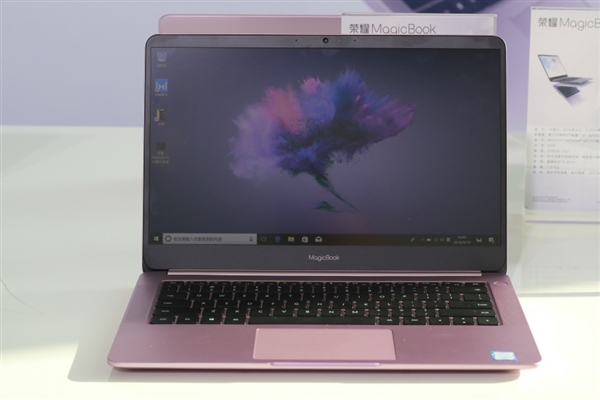
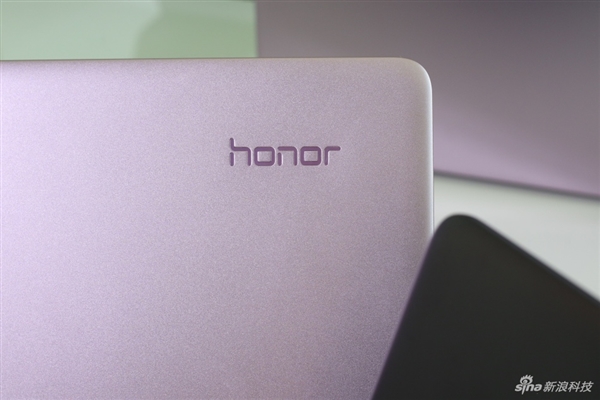
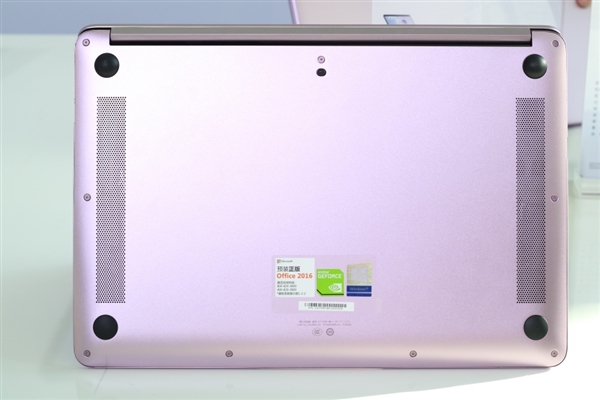
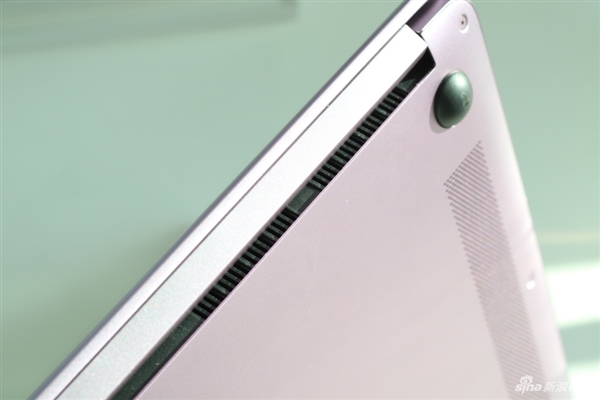
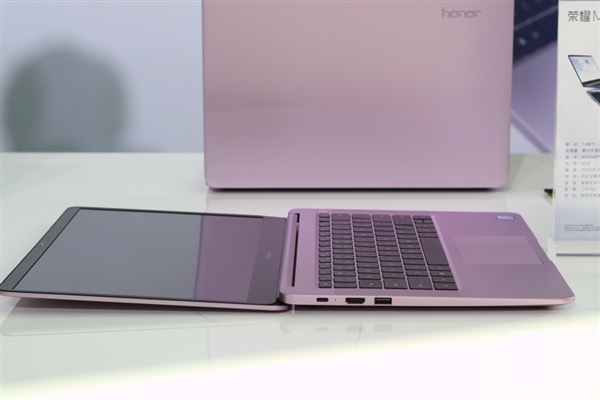
Huawei’s Honor brand launched the Honor 10 on April 19 in China and along with the flagship smartphone came a number of other Honor-branded products. One of the standout products is the Honor MagicBook which is the first laptop to be released under the brand. The laptop comes with a trendy design and offers powerful performance, smart experience, and reliable quality.
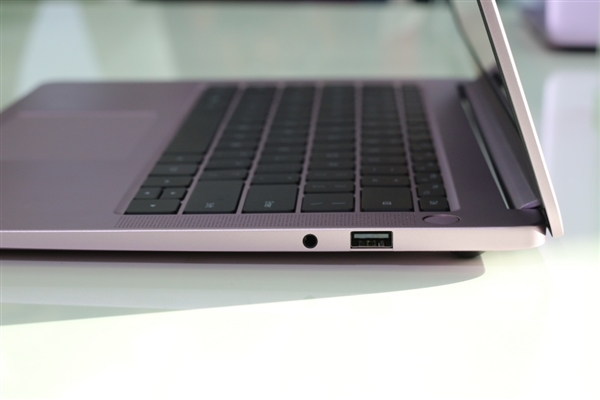
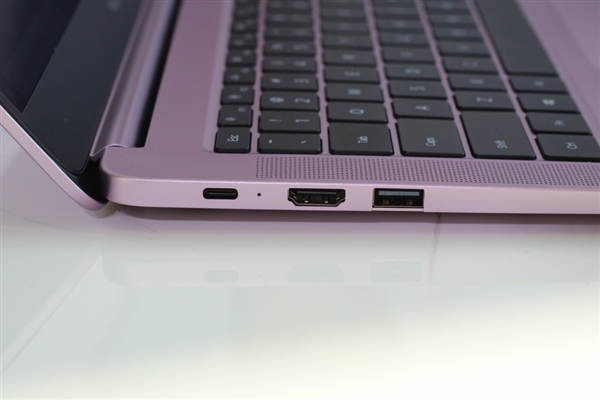
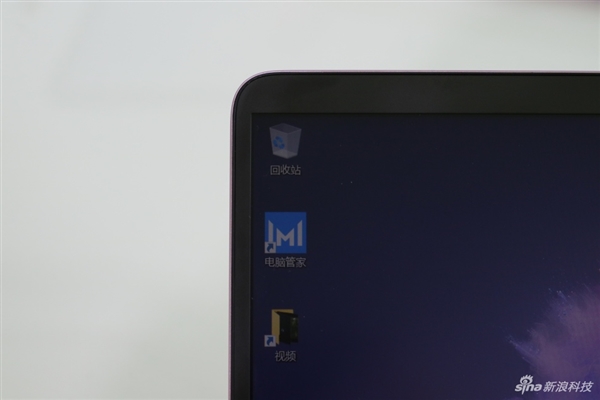
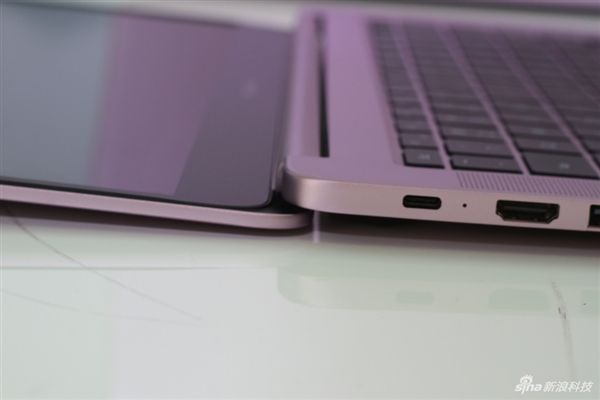
The laptop adopts a design which sees the side bezels slightly reduced, giving it an 81% screen-to-body ratio. The hinges also come with a spectacular design as the laptop can open up to 180 degrees. We can’t tell for now how this would be of any use but it sure could come in handy someday to the user. The MagicBook sports a metal body and has a full-size QWERTY keyboard. It is just 15.8mm thick and weighs 1.47kg which means it isn’t only portable but also lightweight. The laptop comes in three colour combination Glacier Silver, Starry Ash and Nebula Purple.
In addition, it comes with four speakers and support for Dolby Sound System. There is also a built-in 2 x 2 MIMO dual-antenna Wi-Fi. Onboard providing the firepower is an eight-generation Intel Core i7-8550U processor. There is a version with Intel Core-i5 chip. The laptop is also equipped with 8GB of RAM, 256GB of SSD, NVIDIA MX150 Graphics card. Another spectacular thing is that it is equipped with a 57Wh battery which the company says can provide 12 hours of native 1080p video playback, 12 hours of web browsing, and 13 hours of document processing.
As for the pricing, while the Core i7 model is priced at 5,699 Yuan (approximately $908), the Core i5 variant is priced at 4,999 Yuan, which roughly converts to $796. This isn’t what we’d have expected but they are not bad prices for models running the latest generation of Intel Core i5 and Core-i7 chipsets respectively and with such design. We expect Huawei to launch this outside China soon. Check out some more pictures of the MagicBook from below.
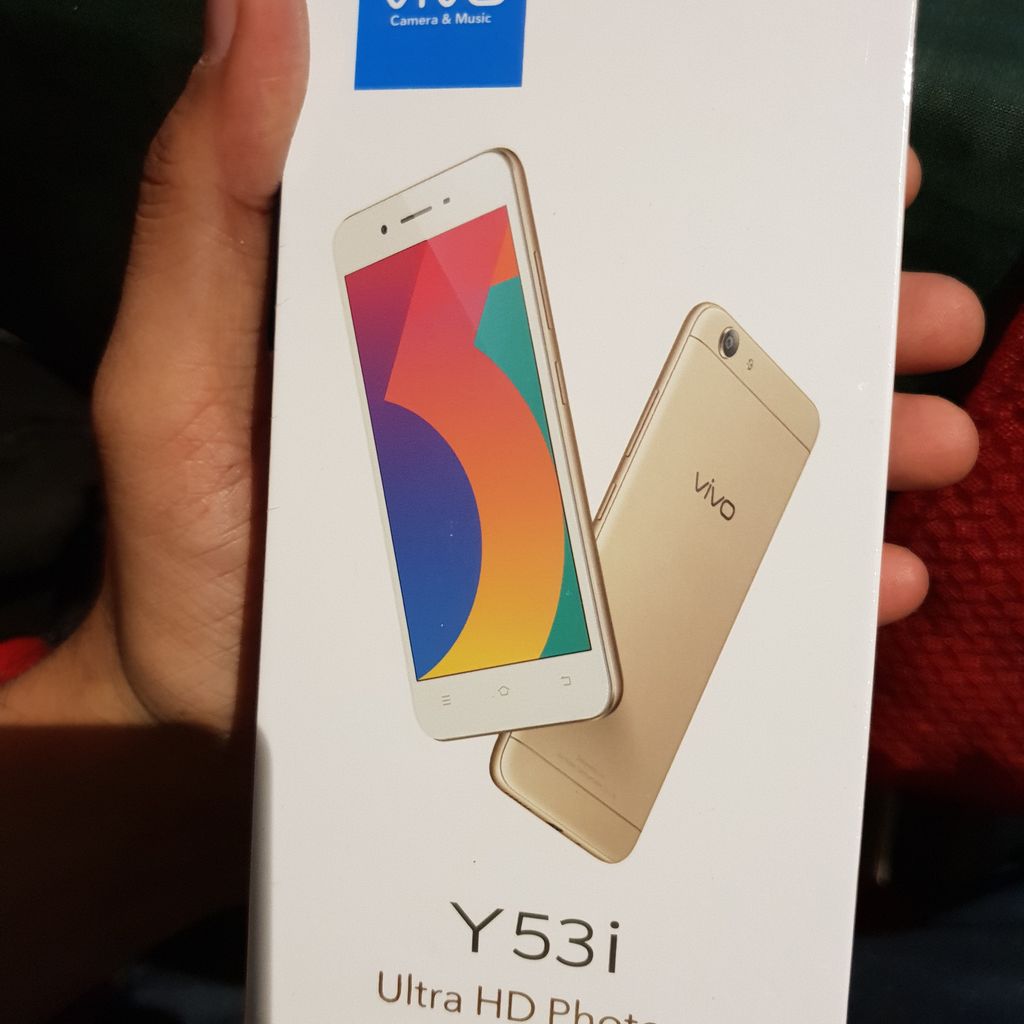
Vivo has launched a new smartphone in India. The Vivo Y53i is an entry-level phone based on its specs but just like the Y71, Vivo gets the pricing wrong.
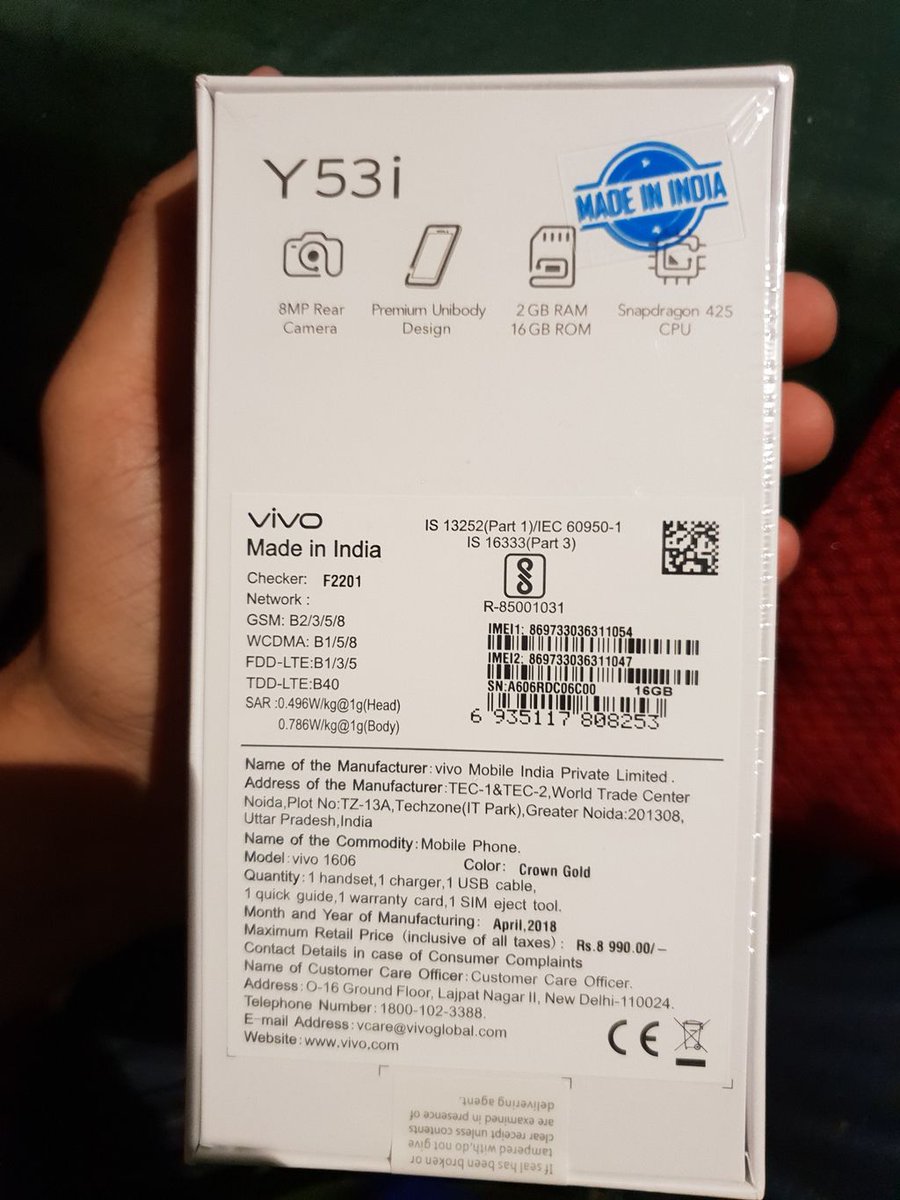
The Vivo Y53i is supposed to take on phones like the Redmi 5A and the Redmi Y1 Lite (2GB version). It has a 5” screen with a 960 x 540 resolution. It is powered by Qualcomm’s Snapdragon 425 SoC paired with 2GB of RAM and 16GB of expandable storage.
There is an 8MP camera on the back of the phone and a 5MP camera in front for selfies. Unlike the Redmis mentioned above, it runs Android 6.0 Marshmallow and packs a 2500mAh battery.
It doesn’t have a fingerprint scanner like its competitors but it does have Face Unlock. It also has 4G LTE, VoLTE, Bluetooth, and a micro USB port.
Vivo has put a Rs. 7,990 (~$121) price tag on the Y53i. This is higher than the Redmi 5A which has an HD display and a bigger 3000mAh battery for Rs. 5,999 (~$90) and the bigger Redmi Y1 Lite which is Rs. 6,999 (~$106). It is also nearly the same price as the Redmi 5 (2GB+16GB) that has a 5.7” HD+ screen, a SD450 SoC, a 3,300mAh battery, a fingerprint scanner, and sells for Rs. 7,999.
Alongside the Meizu 15 trio announced today, Meizu also launched two new audio products – the Meizu POP Wireless Earbuds and the Meizu Halo Laser Earphones.
Meizu POP Wireless Earbuds
The POP is a pair of truly wireless earbuds just like Apple’s Airpods and Samsung’s Gear IconX but it doesn’t have their high price tags.
The POP comes in white with a matching case that doubles as a charger. The earbuds are light, weighing just 5.8g each, and have an 85mAh battery that lasts 3 hours on a single charge. The charging case provides an additional 12 hours of battery life via its own 700mAh built-in battery, that means it can charge the earbuds four times. The case itself can be recharged via a USB-C port or can be placed on a wireless charging pad.
The earbuds connect via Bluetooth 4.2. The POP has touch-sensitive controls which can be used to pause, play, or change songs. It can also be used to answer/reject calls, or wake the voice assistant. Waking the Meizu voice assistant requires the phone runs Flyme 7.0. However, it can be different for those using other brands.
The Meizu POP fits snugly in the ears and can be worn while exercising. You also don’t have to worry about sweats as it has an IPX5 rating.
The Meizu POP is priced at ¥599 (~$79). It will go on sale on the 29th of April.
[envira-gallery id=”186965″]
Meizu Halo laser Earphones
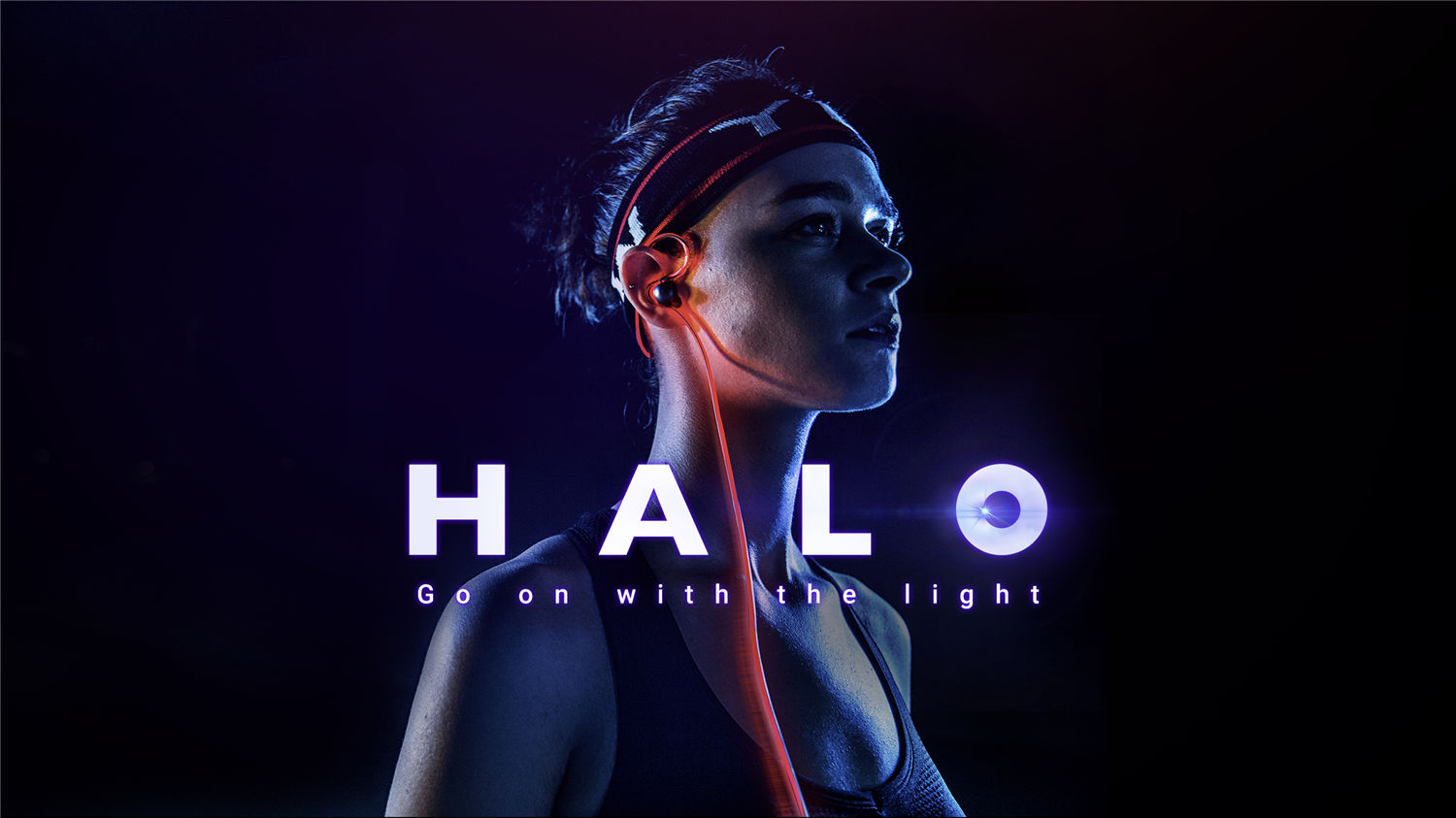
This is a pair of wired Bluetooth earphones with a nifty little feature. The earphones actually use Corning® Fibrance® Light-Diffusing Fibers for the cord of the earphones. The fibers are illuminated by laser diodes from OSRAM.
Meizu has settled for single-color fibers for use with its earphones. The laser effect has three modes:
Music Mode – the intensity of the light changes with the rhythm of the song.
Static Mode – the light remains static.
Flash Mode – the light flashes at 2-second intervals.
The laser can be adjusted via a custom app. You can adjust the intensity or even turn it off if you wish. When turned on, the earphones last 5 hours on a single charge (at 50% brightness) and when turned off, it lasts 15 hours on a single charge.
The Halo Laser Earphones supports aptX lossless audio. It has ear hooks and an in-line remote. The remote has a switch for turning on or off the laser, three keys for music control, and a micro USB port for charging.
Nearly six months after we first heard of the Meizu 15 Plus, Meizu has finally taken the wraps off the phone along with its siblings – the Meizu 15 and Meizu M15. It has been a long wait but a worthy one.
Design
In a world filled with 18:9 displays with or without notches, Meizu has decided not to follow the bandwagon. It has chosen the traditional 16:9 display and has built an impressive device around it.
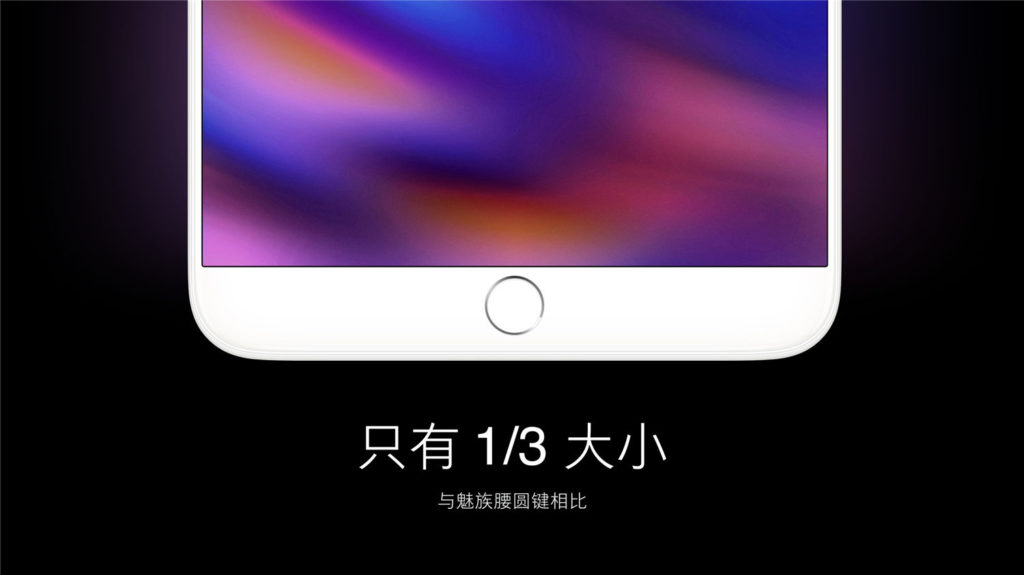
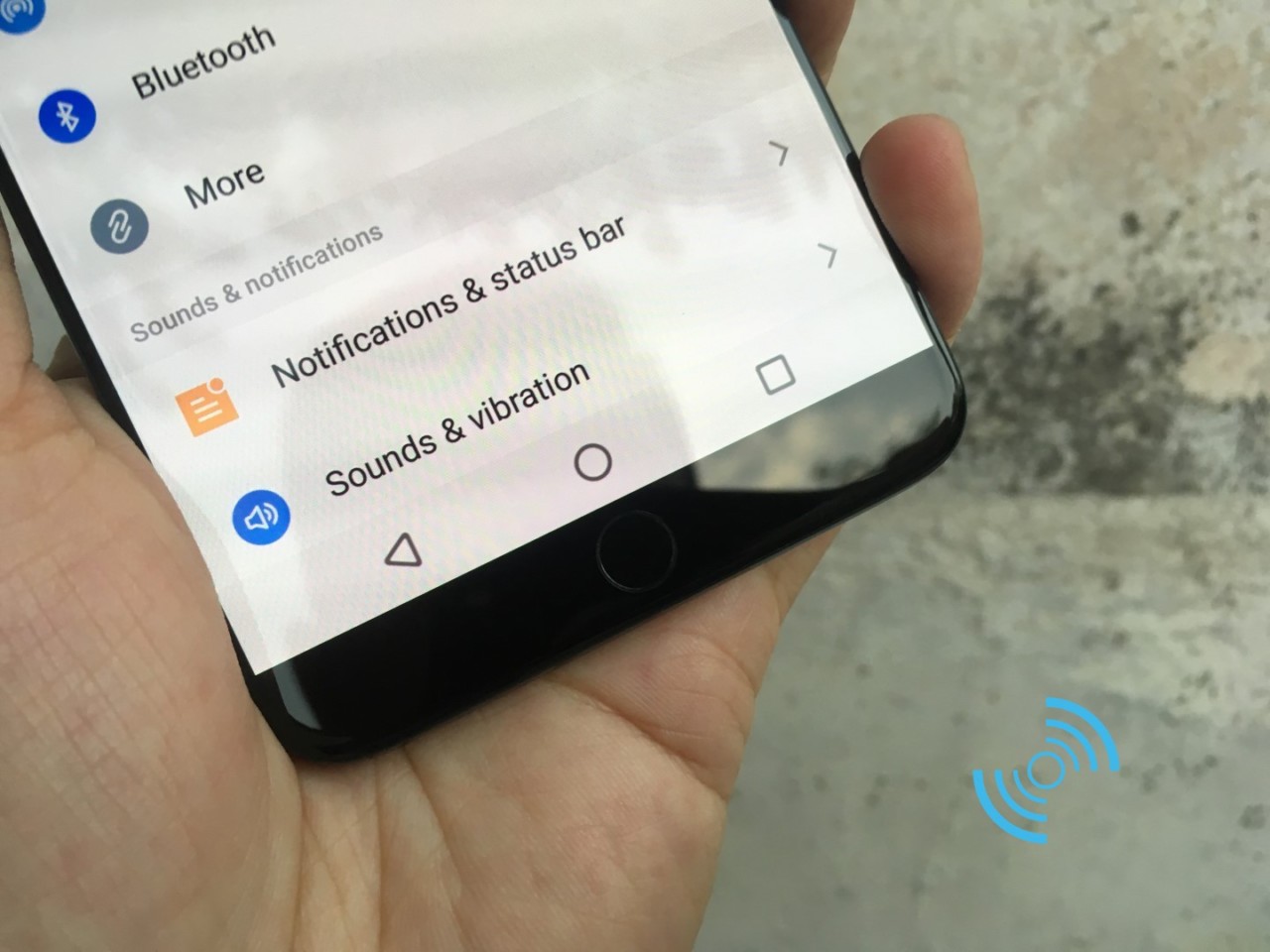
The Meizu 15 is the beginning of a new era of design for Meizu phones. The home key called the mBack button has been redesigned. It is no longer shaped like a pill but is now a circle. It still houses the fingerprint scanner and can be used for navigation.
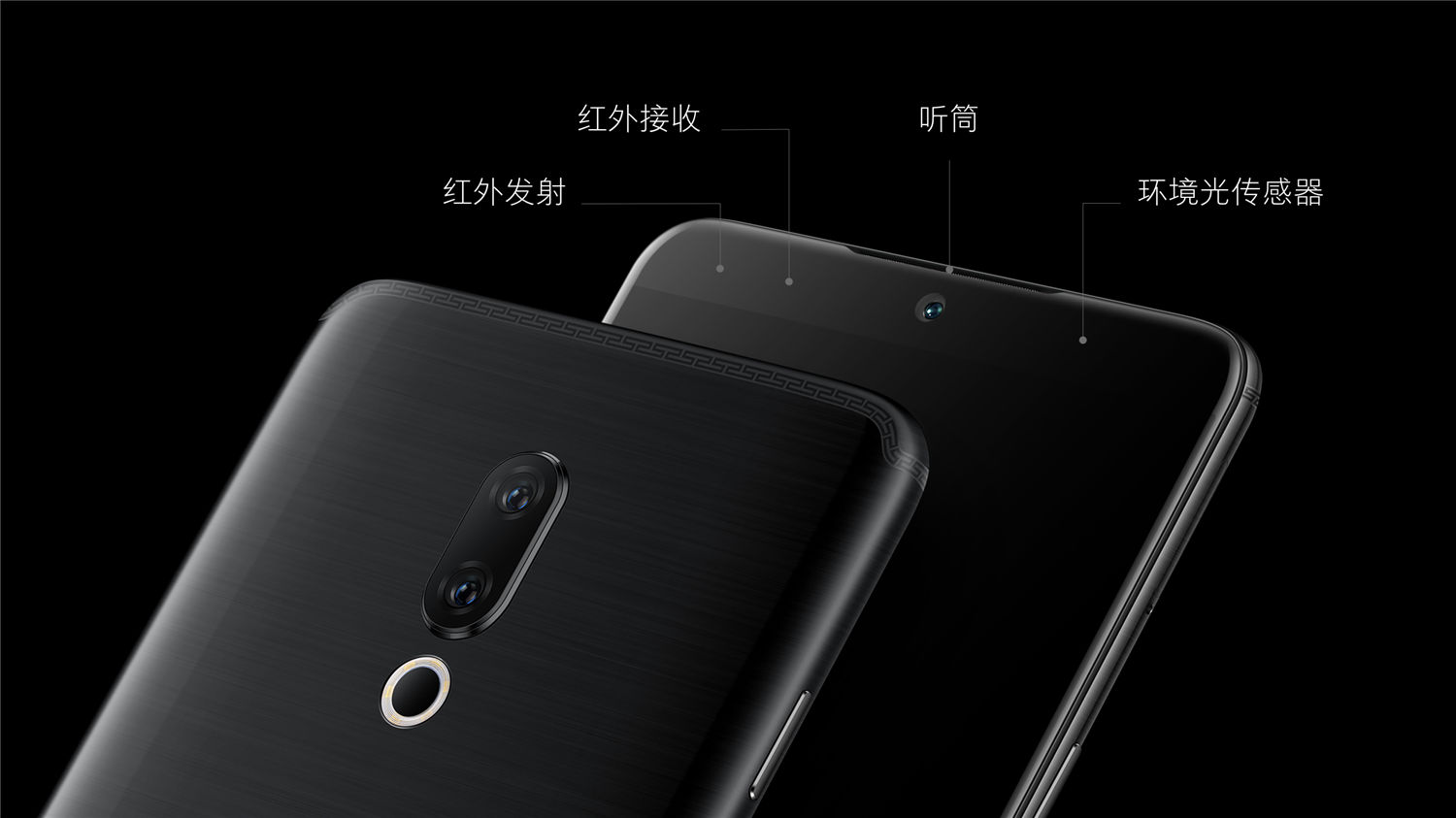
Employing a symmetric design, right at the same spot on the top bezel is the front-facing camera. Above the camera is a thin slit between the glass and the frame, within that slit is the earpiece.
While you may not see it, there are IR sensors on the left of the front camera and an ambient light sensor on the right. The Meizu 15 supports face unlock so this should be more secure than the ones found on other devices.
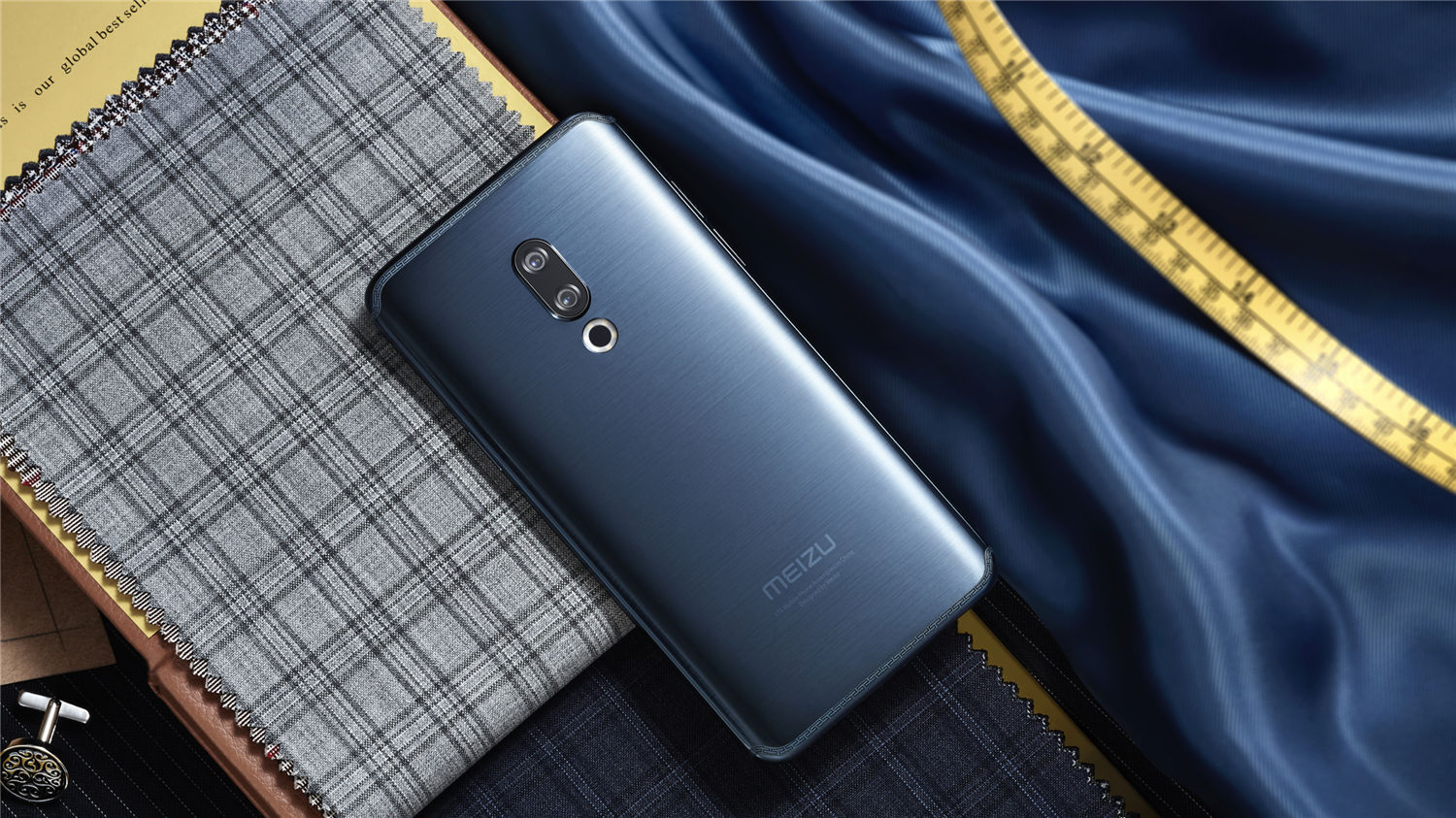
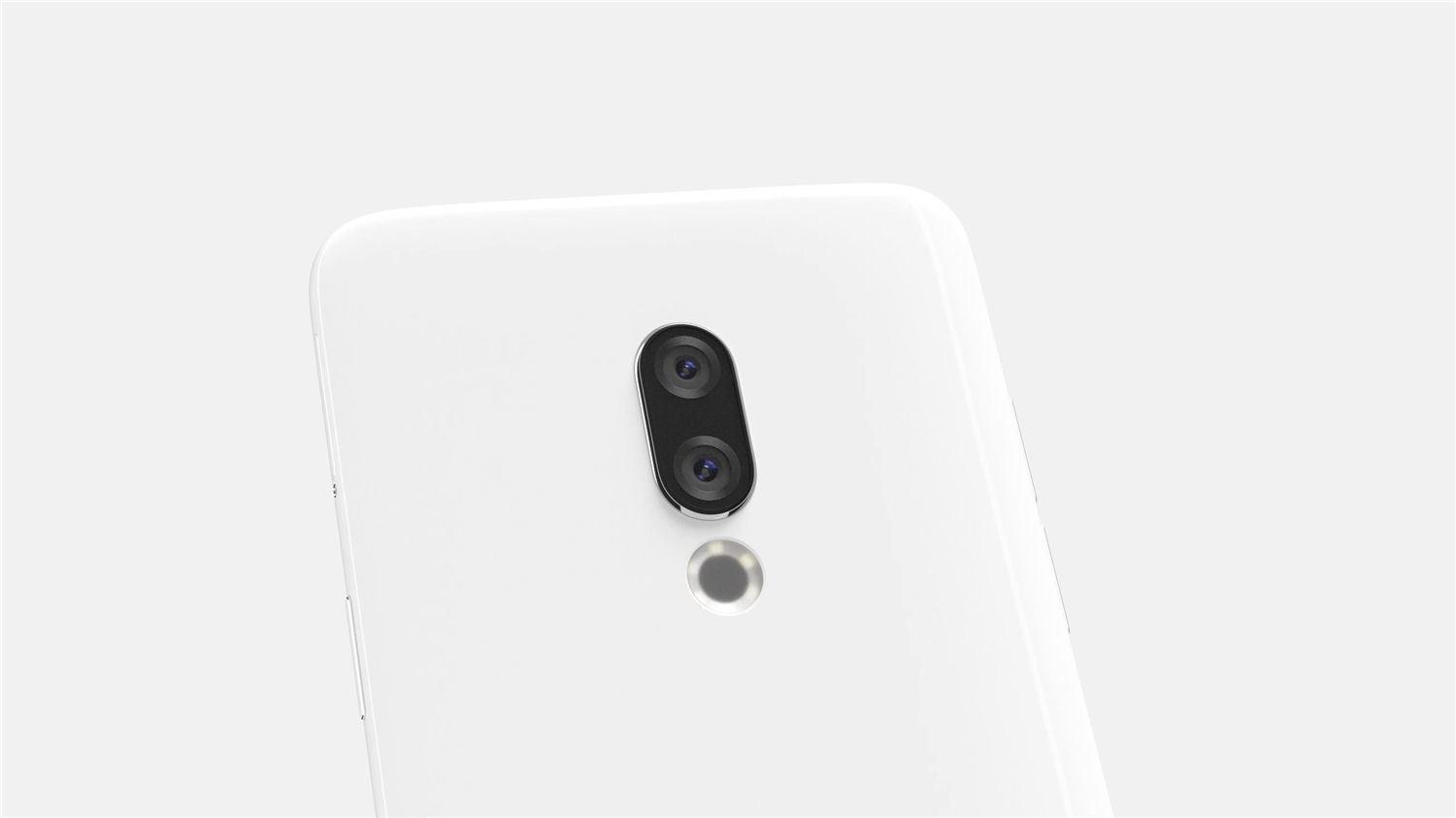
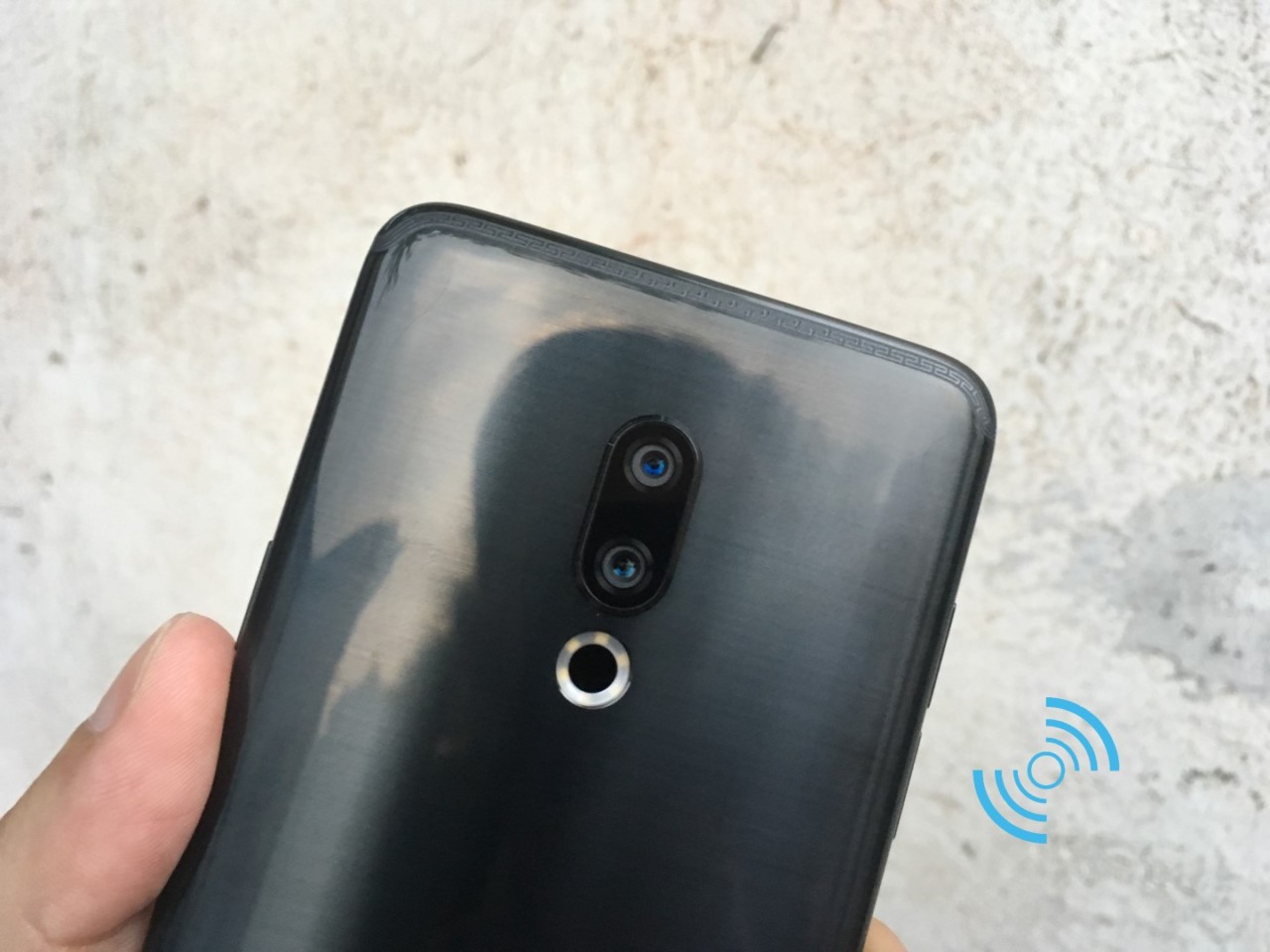
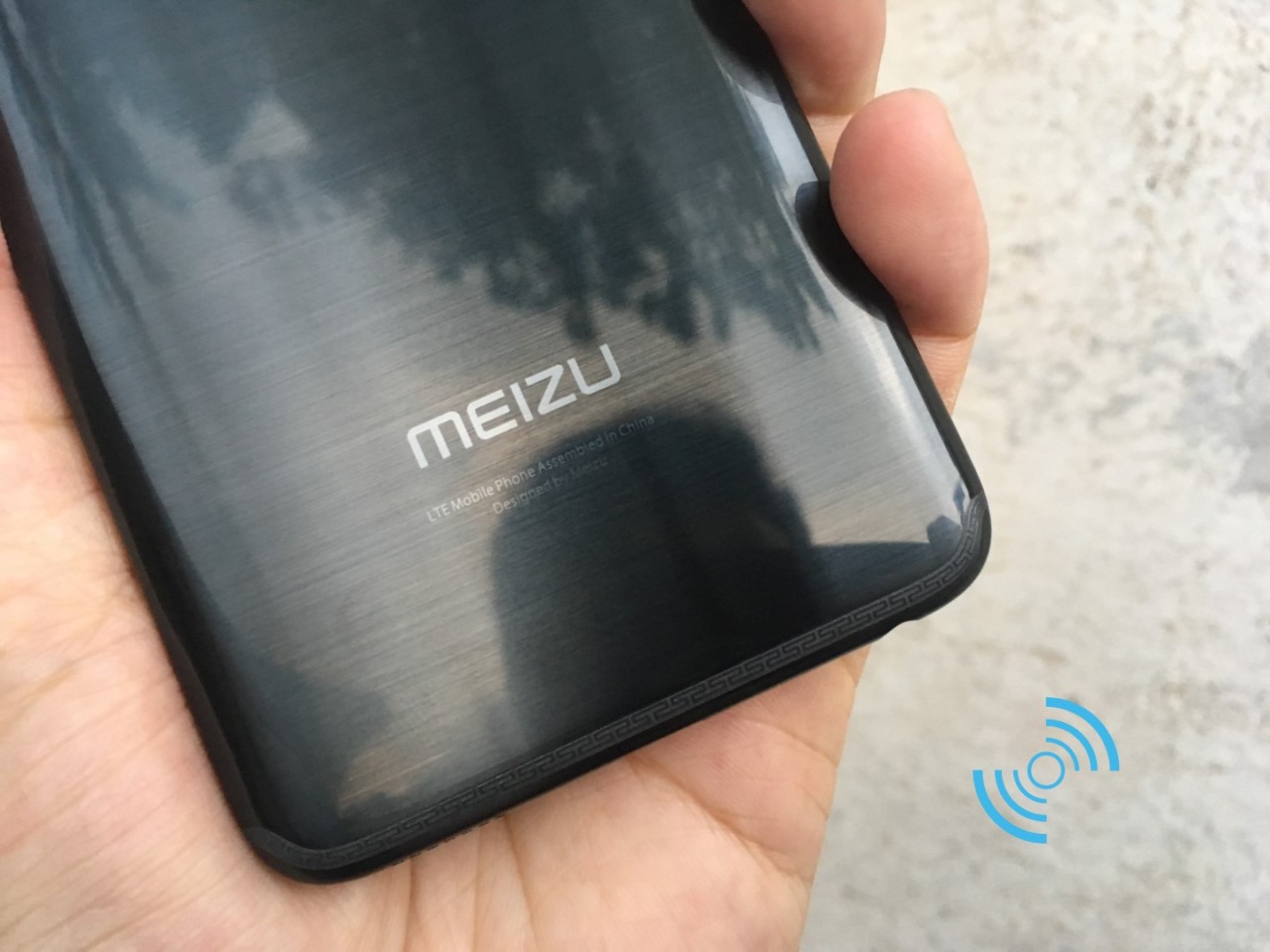
The rear is covered in aluminum and comes in four different colors – blue (Meizu 15 Only), gold, black, and a white version that looks like ceramic. Meizu has also given the antenna lines a nice Aztec-like design. The rear cameras sit in the middle and are slightly raised. There is also a 6-LED ring flash beneath them.
Meizu also does an amazing job keeping the thickness of the Meziu 15 at 7.25mm, the length at 72mm, and the weight at just 152g.
Specs
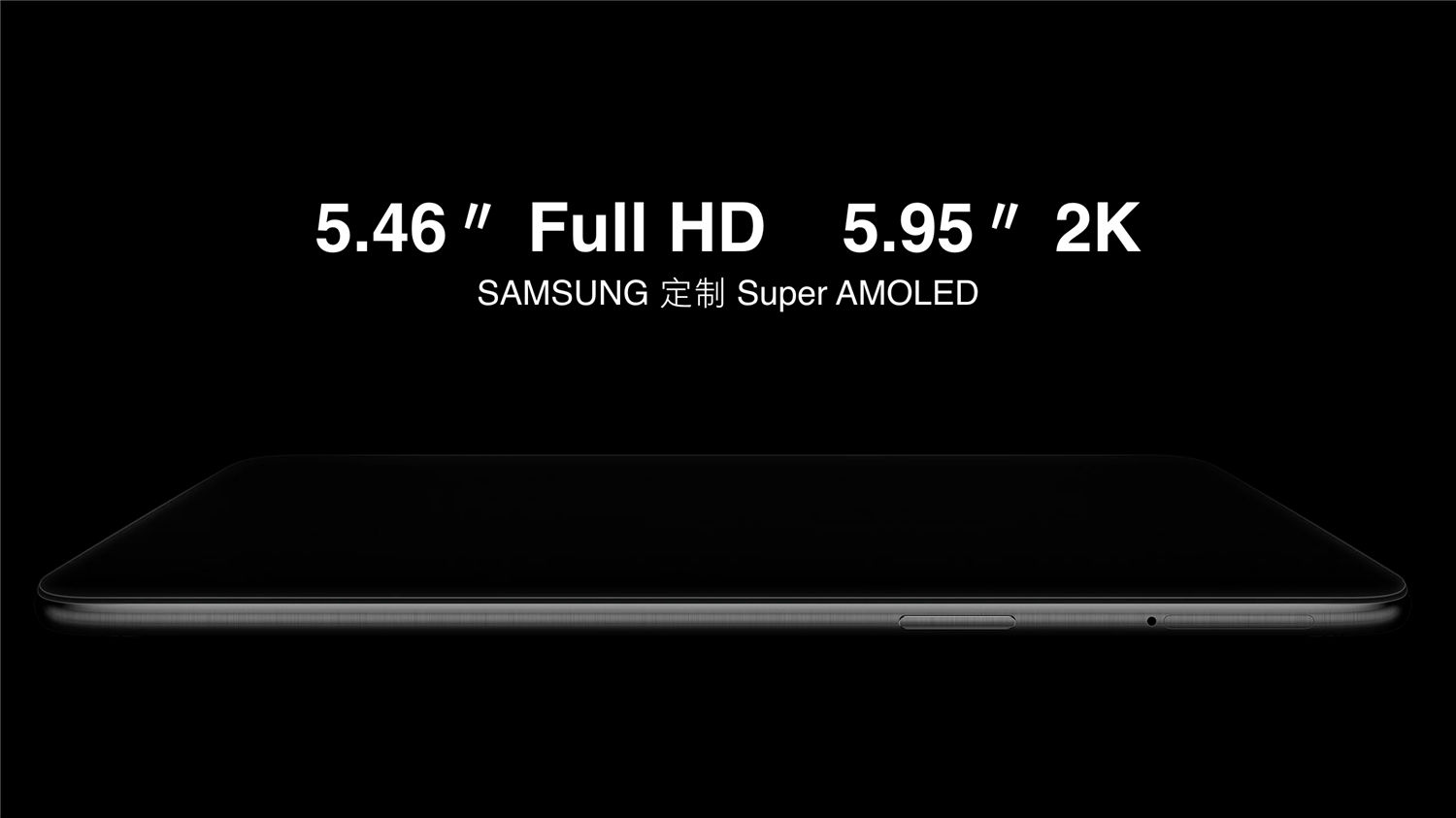
Meizu 15 and Meizu 15 Plus – The Meizu 15 has a 5.46” FHD display while the Meizu 15 Plus has a larger 5.95” 2K display. Both are Samsung Super AMOLED screens and are reported to have cost millions of dollars to be made into those custom sizes.
The Meizu 15 is powered by the Snapdragon 660 processor paired with 4GB of RAM and 64GB or 128GB of storage. The Plus variant is powered by Samsung’s Exynos 8895 processor. This is the same 10nm octa-core processor found in the Galaxy S8/S8+ and Galaxy Note8. The 8895 is paired with 6GB of RAM and 64GB/128GB of storage.
Both phones are equipped with the same rear cameras. The main sensor is a 12MP Sony IMX380 1.55um sensor, the same sensor found in the Huawei P20. The secondary camera is a 20MP Sony IMX350 wide-angle sensor for 3x lossless zoom. There is 4-axis optical image stabilization combined with Rainbow’s multi-frame synthesis technology for superior low-light images. There is also smart scene recognition and panorama mode.
The front camera is also a 20MP sensor with 4-in-1 synthetic pixels, smart AI beauty mode, and portrait mode.
The Meizu 15 and 15 Plus have stereo speakers. The home button/fingerprint scanner is pressure sensitive just like the Galaxy S8. It uses a dedicated pressure-sensitive chip that works with a new technology called mEngine to provide haptic feedback.
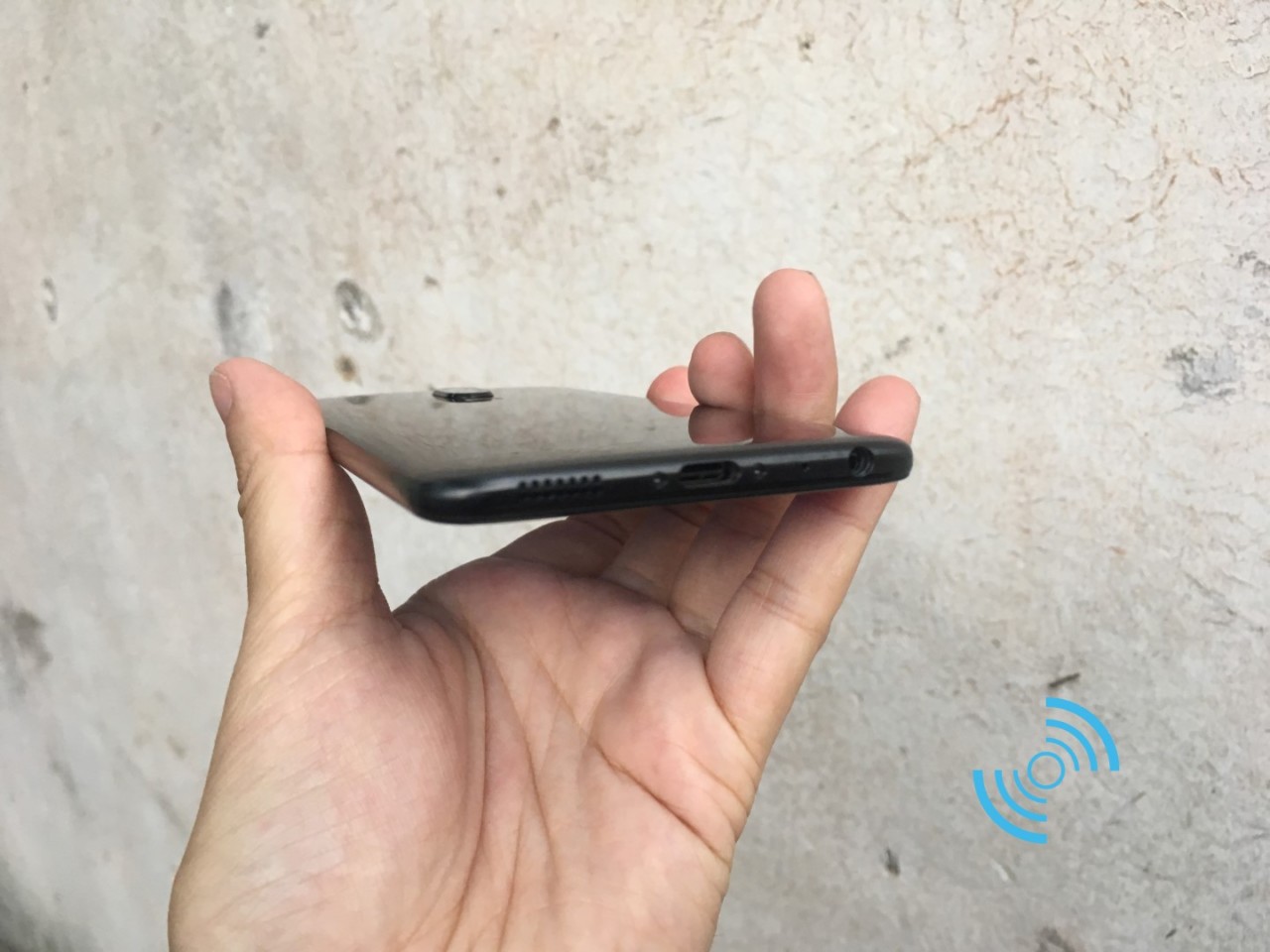
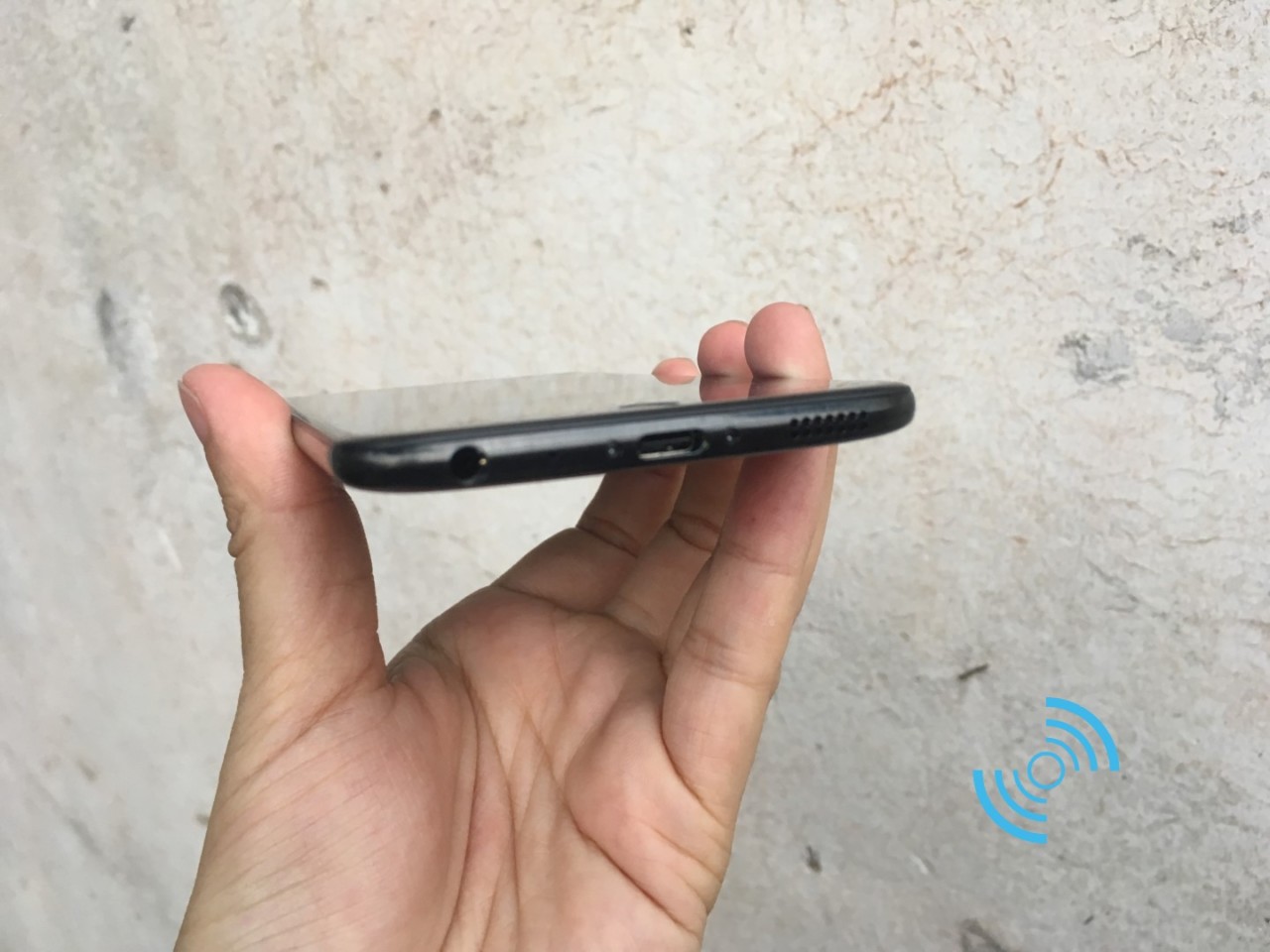
There is a USB-C port, a 3.5mm audio jack, and a speaker grille at the bottom. The Meizu 15 has a 3000mAh battery and the Meizu 15 Plus has a 3500mAh battery. Both support Meizu’s 24W mCharge fast charge technology.
The Meizu 15 is priced at ¥2499 for the 4GB + 64GB model and ¥2799 for the 4GB + 128GB model. The Meizu 15 Plus is ¥2999 for the 6GB+64GB and ¥3299 for the 6GB+128GB model.
They will be available on JD.com, Suning, and Meizu’s official site on April 29.
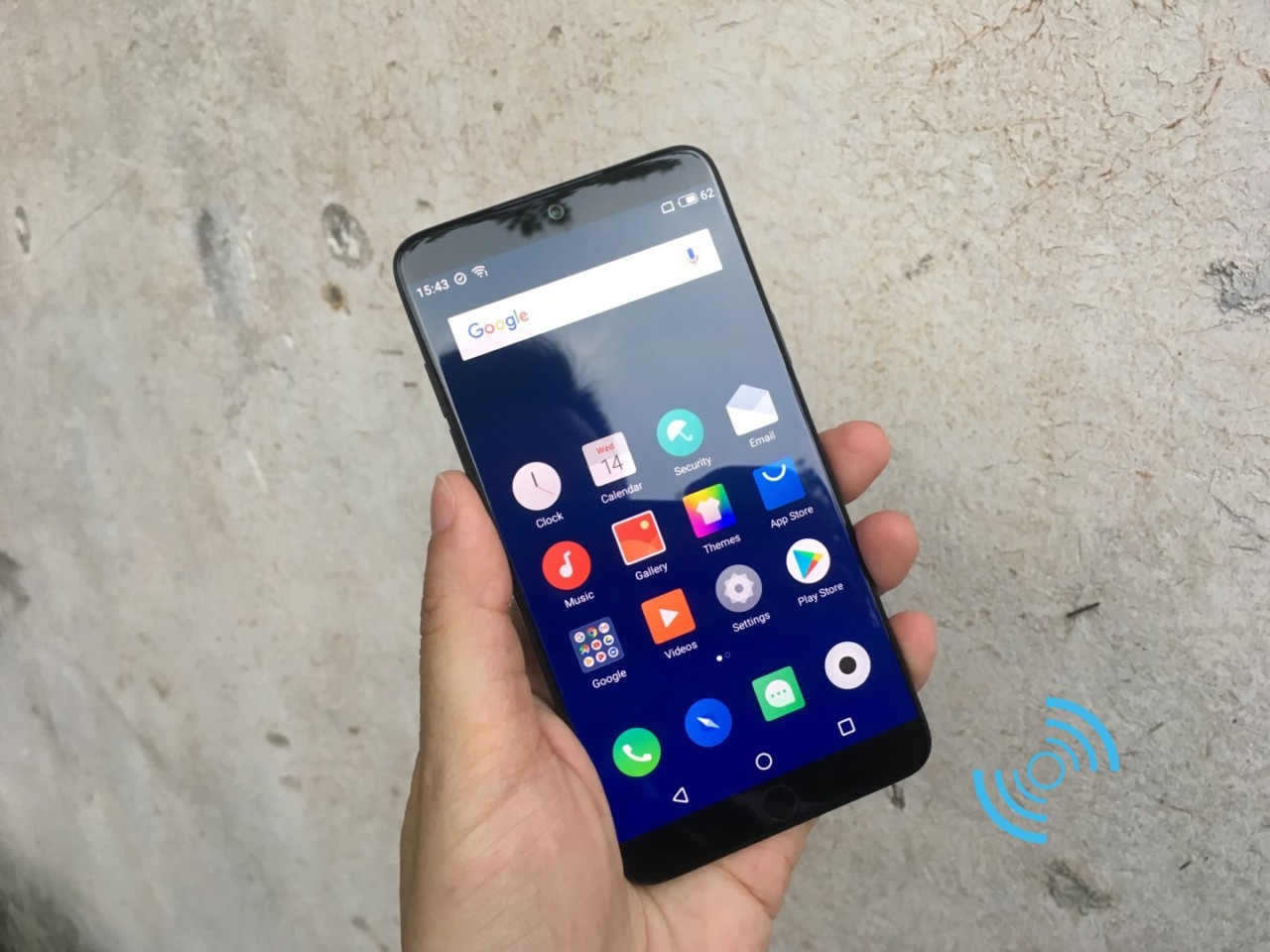
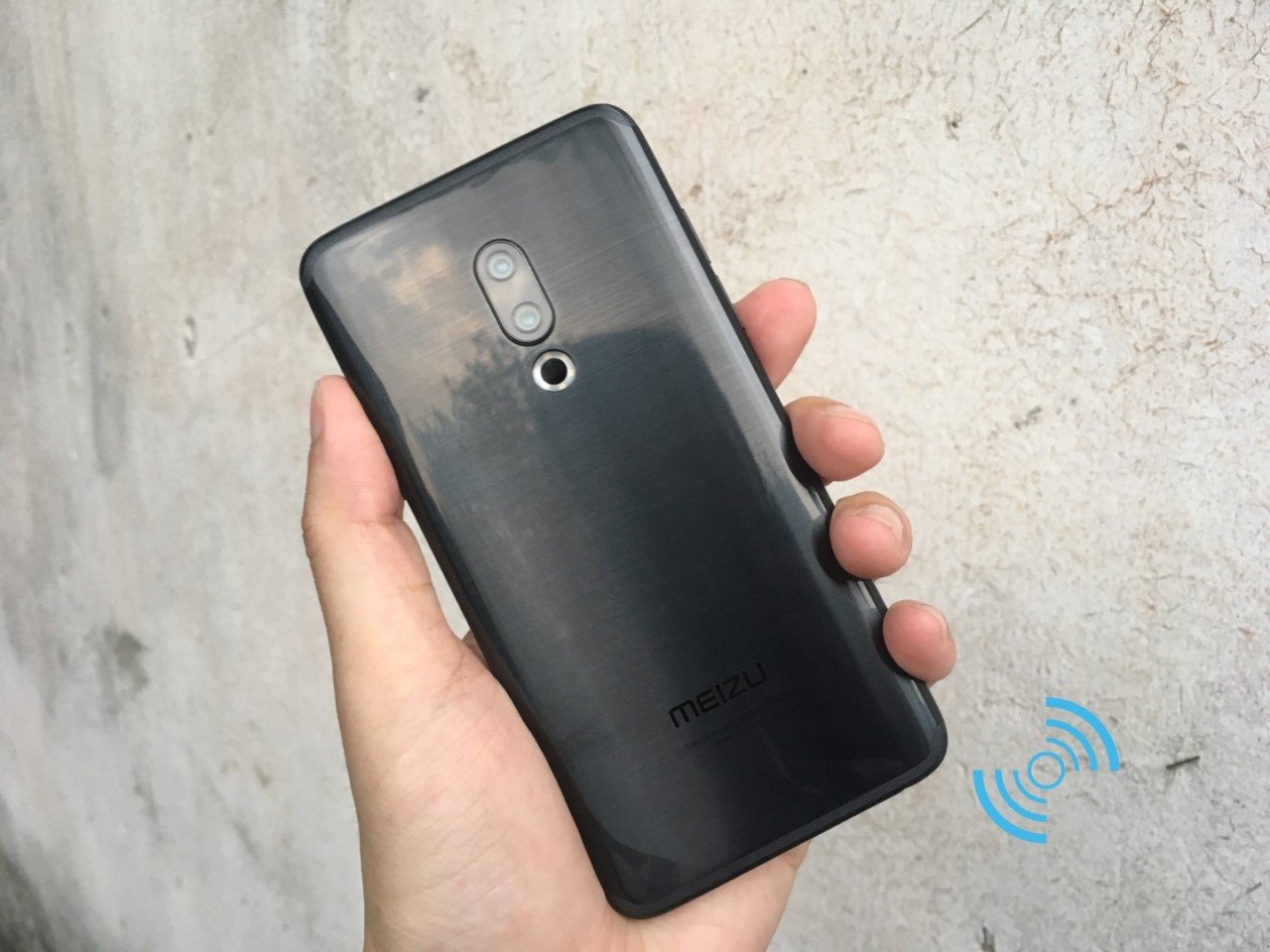
Meizu announced the brand new Meizu 15 flagship today in China and we’ve got an early hands on with the device. Despite being less popular than competitors like Xiaomi and Huawei, Meizu has managed to gather a good fan following in China as well as abroad with its beautifully designed value for money smartphones. The new Meizu 15 is no exception, featuring top-end specs and a simple yet beautiful design. What’s best about the phone is that it doesn’t try to go with the recent notch trend. Instead, the Meizu 15 focuses on reducing the bezels up front, without messing up the essential features like the front camera or the fingerprint enabled home button.
First, let’s look at the front design in our Meizu 15 hands on.
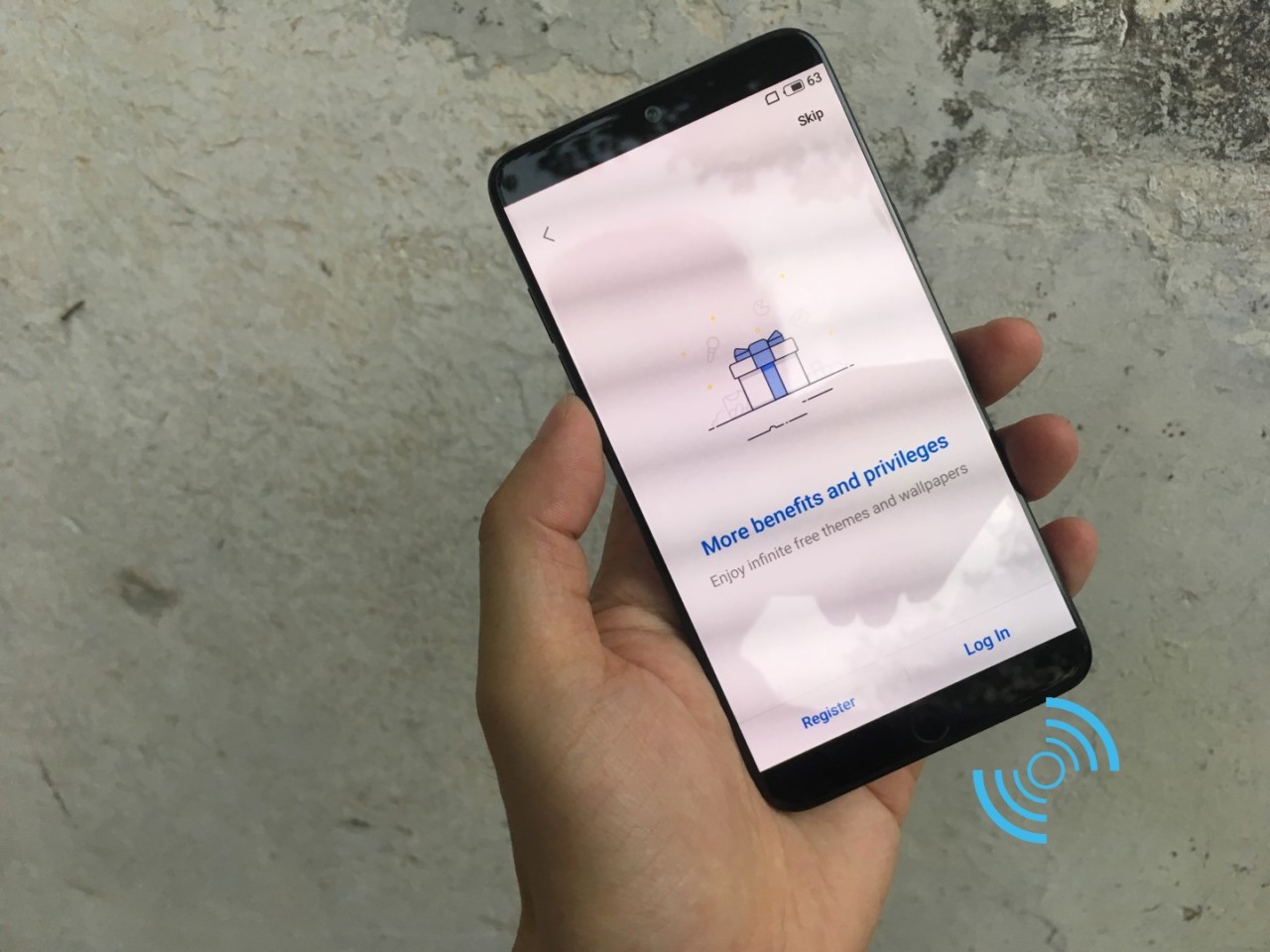
The Meizu 15 slims down the bezels on the sides to a great extent. Even the bezels on the top and bottom are quite slim, making sure that the display takes up the maximum area up front. The notch design often ruins the symmetry in recent smartphones, but Meizu has made sure that the phone’s design is perfect with a centre placed front camera on top and a centre placed home button at the bottom. It’s a non-intrusive design and looks elegant. Talking about non-intrusive, you won’t even notice the ear piece on top, but it’s present above the front camera. Note that the display is still the standard 16:9 aspect ratio and not the new 18:9 or 19:9 one!
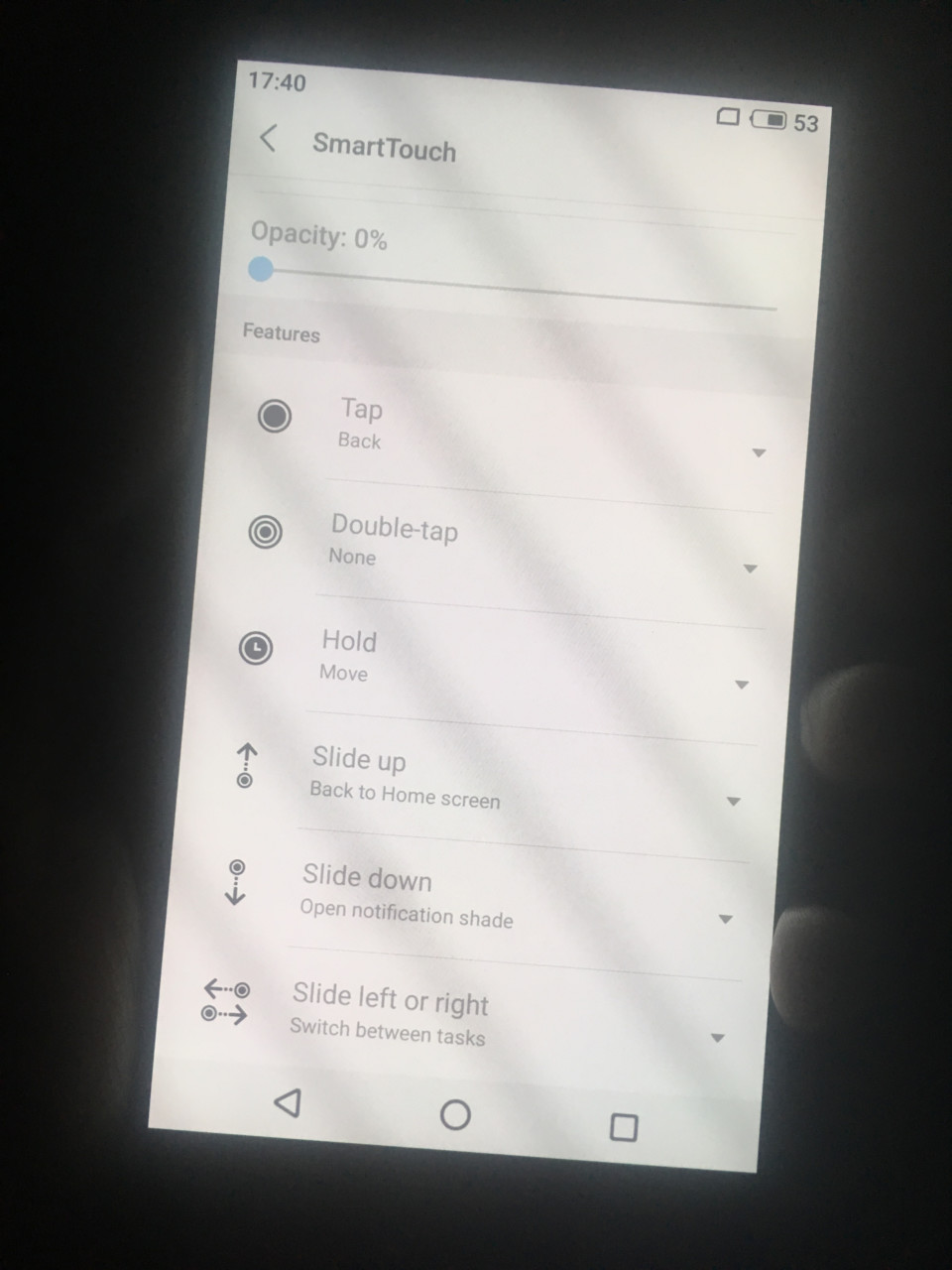
The home button is equipped with a fingerprint sensor and is pressure sensitive too. It is just like the halo button, so you can program a lot of functions depending upon the gesture. Moreover, you can disable the on screen buttons (and just use the home button) to open up more screen space.
Above you’ll find the different gestures available for the home button. (Please don’t mind the quality of this image as we had to take it during the event…)
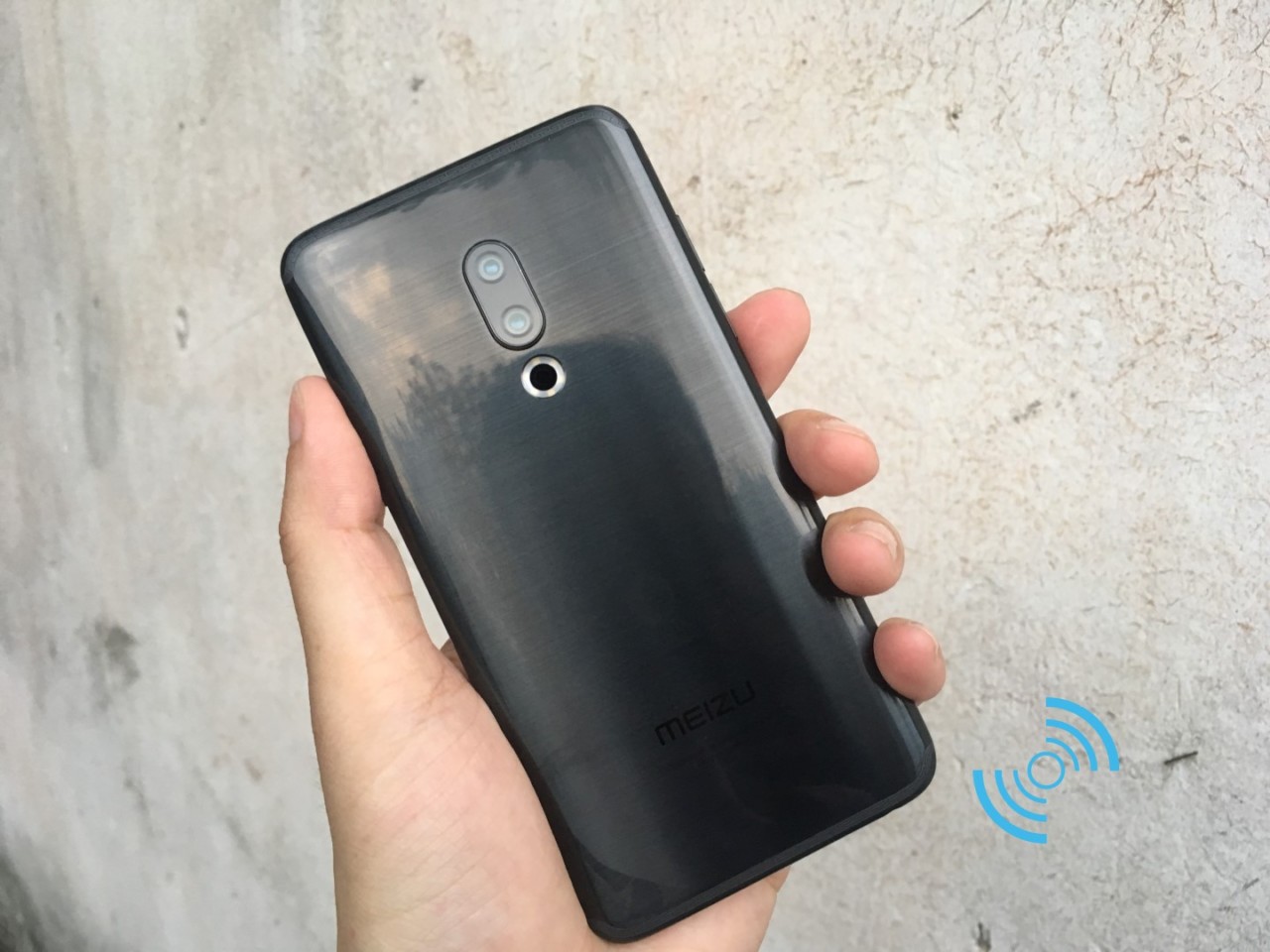
The back of the Meizu 15 is equally beautiful. We got an early sample of the heavy gray color version of the model and it looked impressive. There’s nothing extraordinary about the design of the phone but it doesn’t necessarily has to be extra-ordinary to look good. Judging from the U shaped antenna lines, you already know that this is an all metal smartphone. But what’s special about the back is that the texture is painted and looks pretty cool. The antenna lines are also special because of its unique texture. The dual camera setup is placed at the centre along with a ring flash below it.
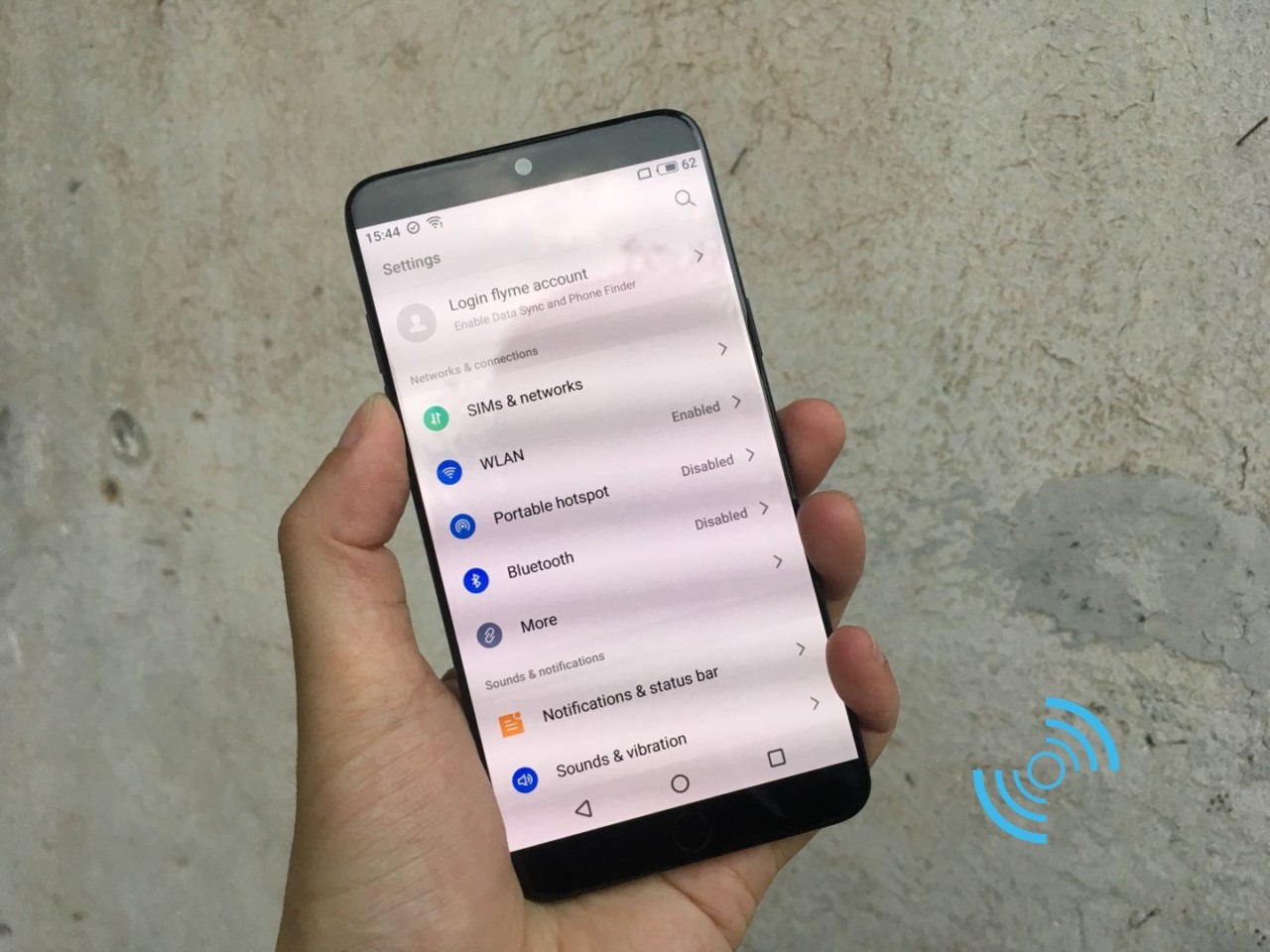
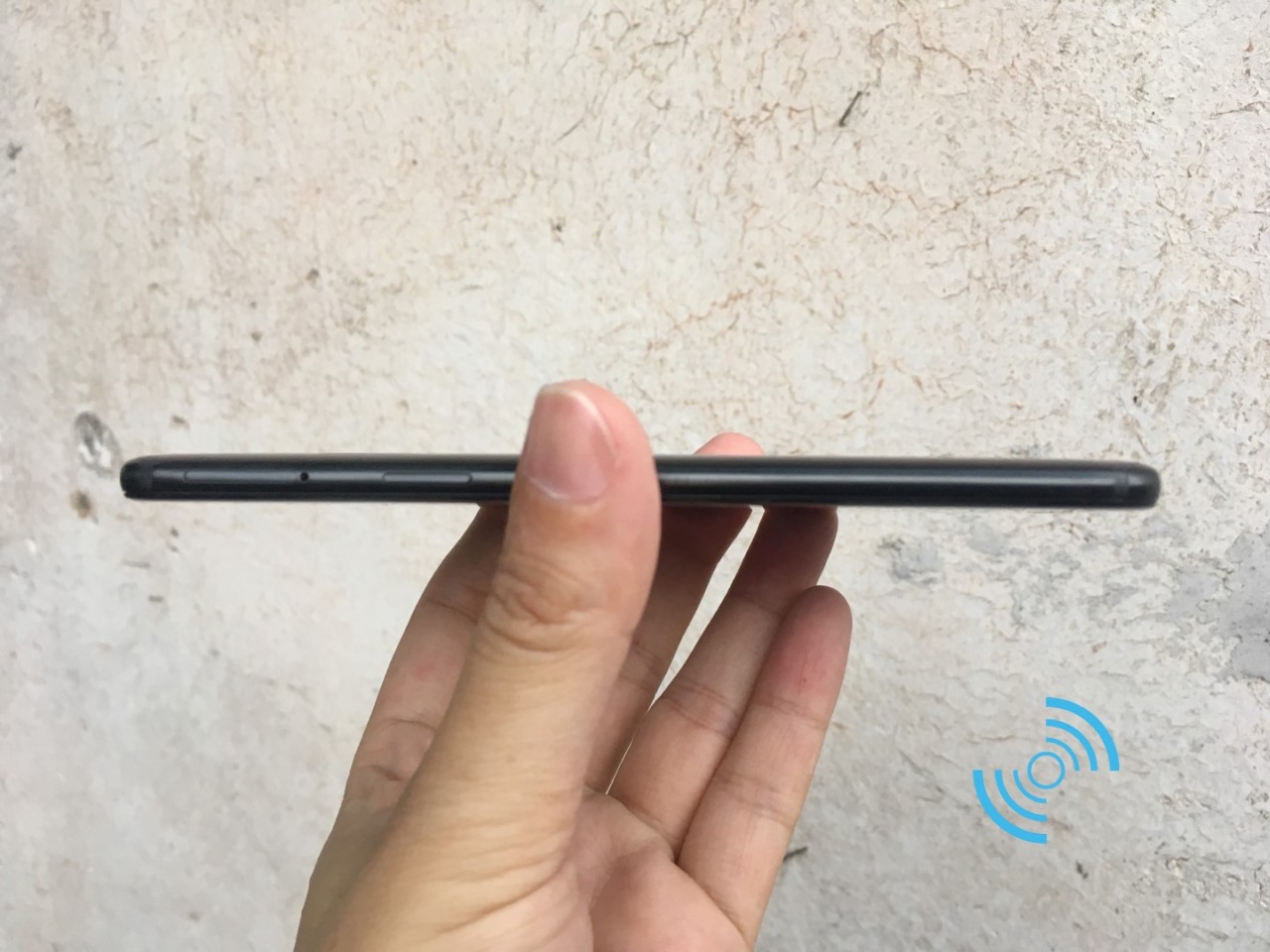
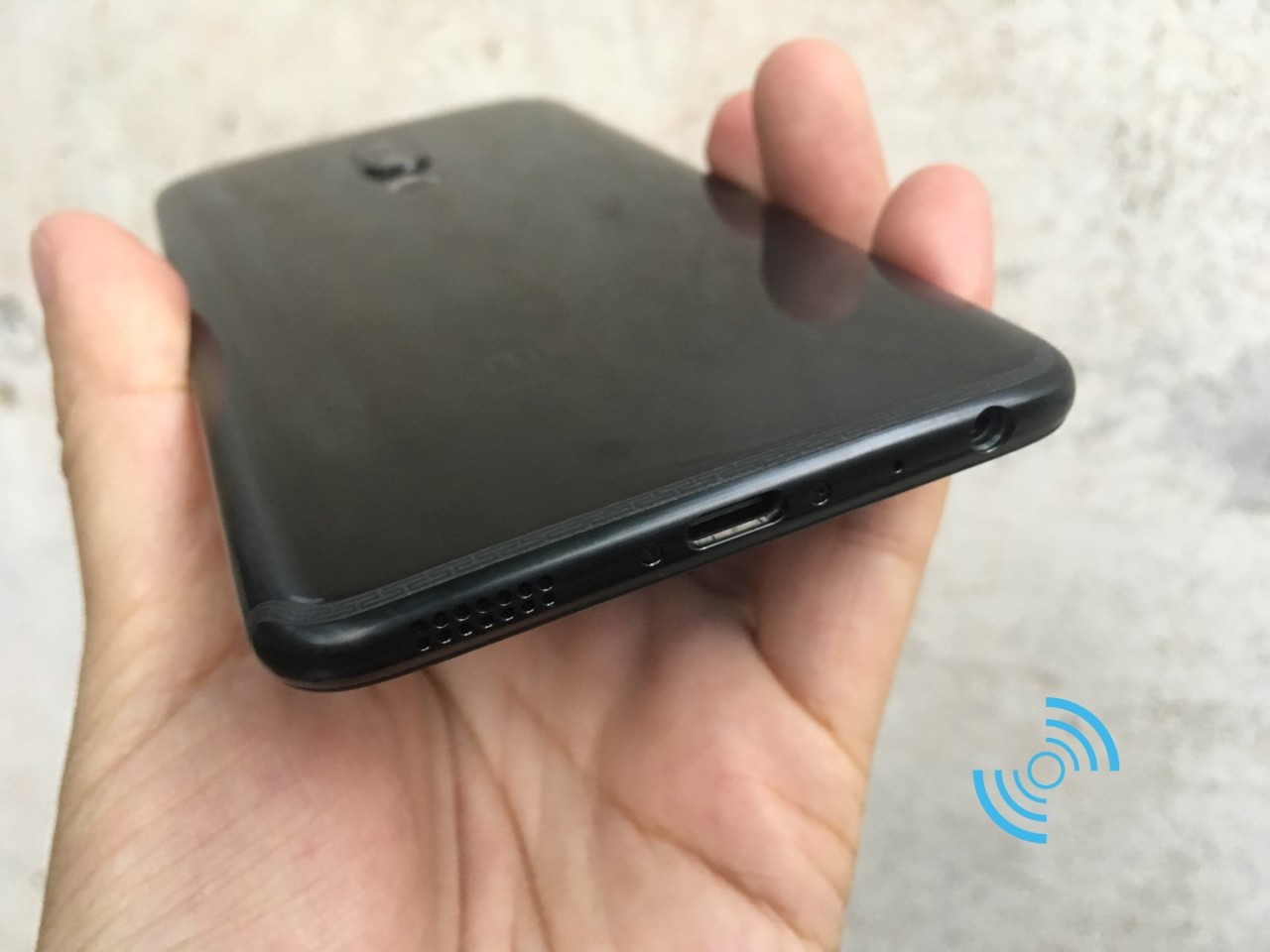
The phone is pretty slim and very comfortable to hold. The power button is located on the right, while the volume keys are on the left side. The bottom features all the ports including the USB Type-C port, a 3.5mm headphone jack, and stereo speakers. One major complaint about the phone is unsurprisingly its software. The phone runs Flyme 7 with the old Android 7.1 Nougat on top. So still no Oreo for a 2018 Meizu flagship! That’s really disappointing.
Overall, Meizu seems to have got it right with the Meizu 15. Everything about the phone says its a premium device, and I’m sure notch haters will love this design, despite its simple appearance. You can read more about the specs and features of the device from our launch article soon.
More Meizu 15 Hands on images are added below! Let me know your thoughts about the phone’s design.
Xiaomi will announce the Mi 6X on Wednesday, 25th of April. We already know all the specs save for the processor which hasn’t been confirmed until now.
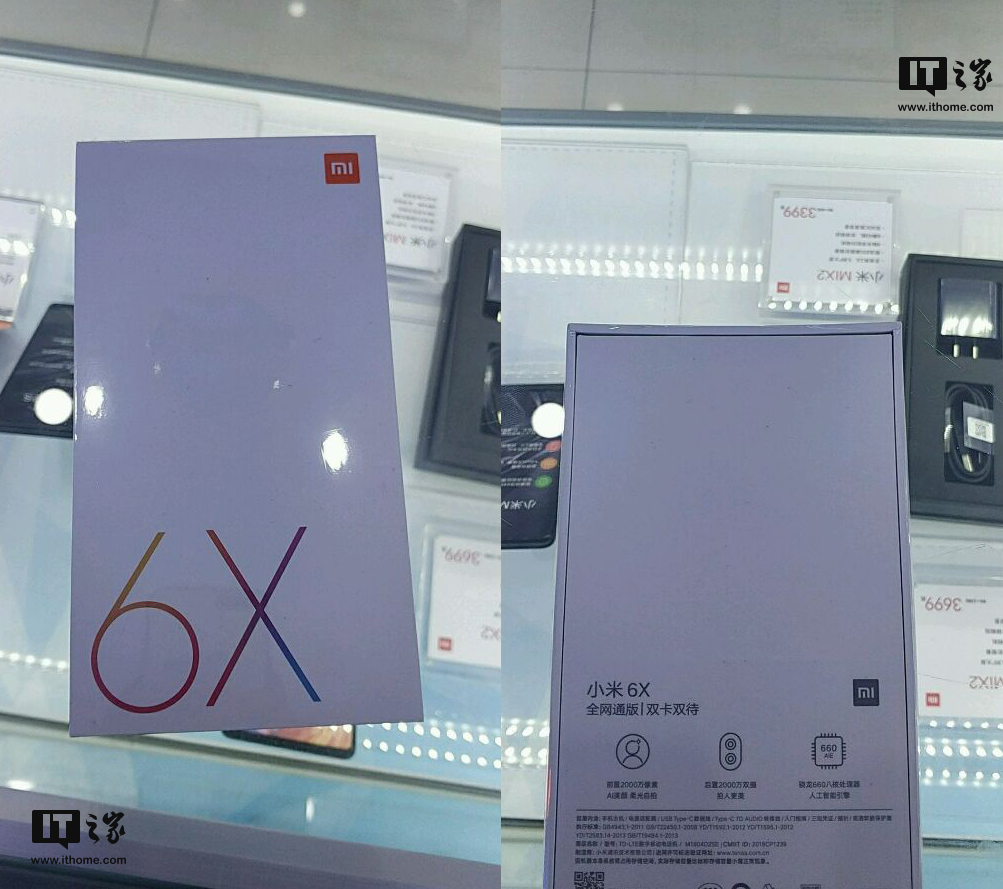
There have been multiple reports on the chipset inside the Mi 6X. Some said it is the Snapdragon 626, others said it is the Helio P60, and a third report said it is the Snapdragon 660. We can now confirm that the Mi 6X will indeed come with the Snapdragon 660 AIE mobile platform. The confirmation comes from leaked photos of the retail box of the phone posted on the internet.
The retail box of the Mi 6X is white. There are no photos of the phone on it though there is a Mi logo at the top right corner and 6X inscribed at the bottom. On the rear, some of the specs are listed such as the front camera which is a 20MP sensor, the dual rear cameras which also has one 20MP sensor, and the processor which is the Qualcomm Snapdragon 660 with AIE.
The Snapdragon 660 AIE brings on-device AI features to the phone. Users should see the effects in places like the camera and in other apps that can utilize the feature.
I think we need to agree ASUS is terrible when it comes to naming its products. The only other manufacturer that matches it is Xiaomi. Take for instance this upcoming phone called the Zenfone Max Pro M1. It is different from the Zenfone Max Plus (M1) which was released in Russia as the Zenfone Max (M1). Let’s not also forget that back in 2016, ASUS released a phone called the Zenfone Max Pro which also packs a 5,000mAh battery.
Specs of the Zenfone Max Pro (M1) leaked a few days ago and it sure looks like the perfect contender to Xiaomi’s Redmi Note 5 (Pro). All we hope for now is an affordable price tag.
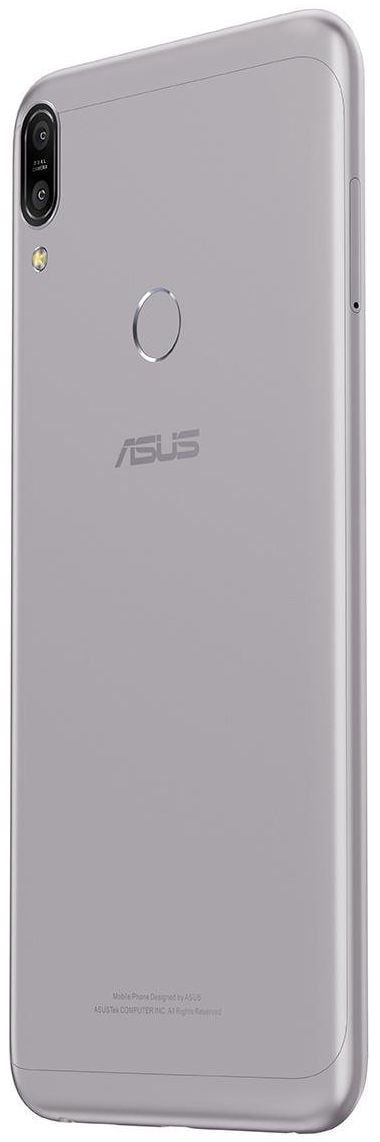
More photos of the phone have been released by Evan Blass and he also c0nfirms some of the specs. The new photos show the phone in blue and silver.
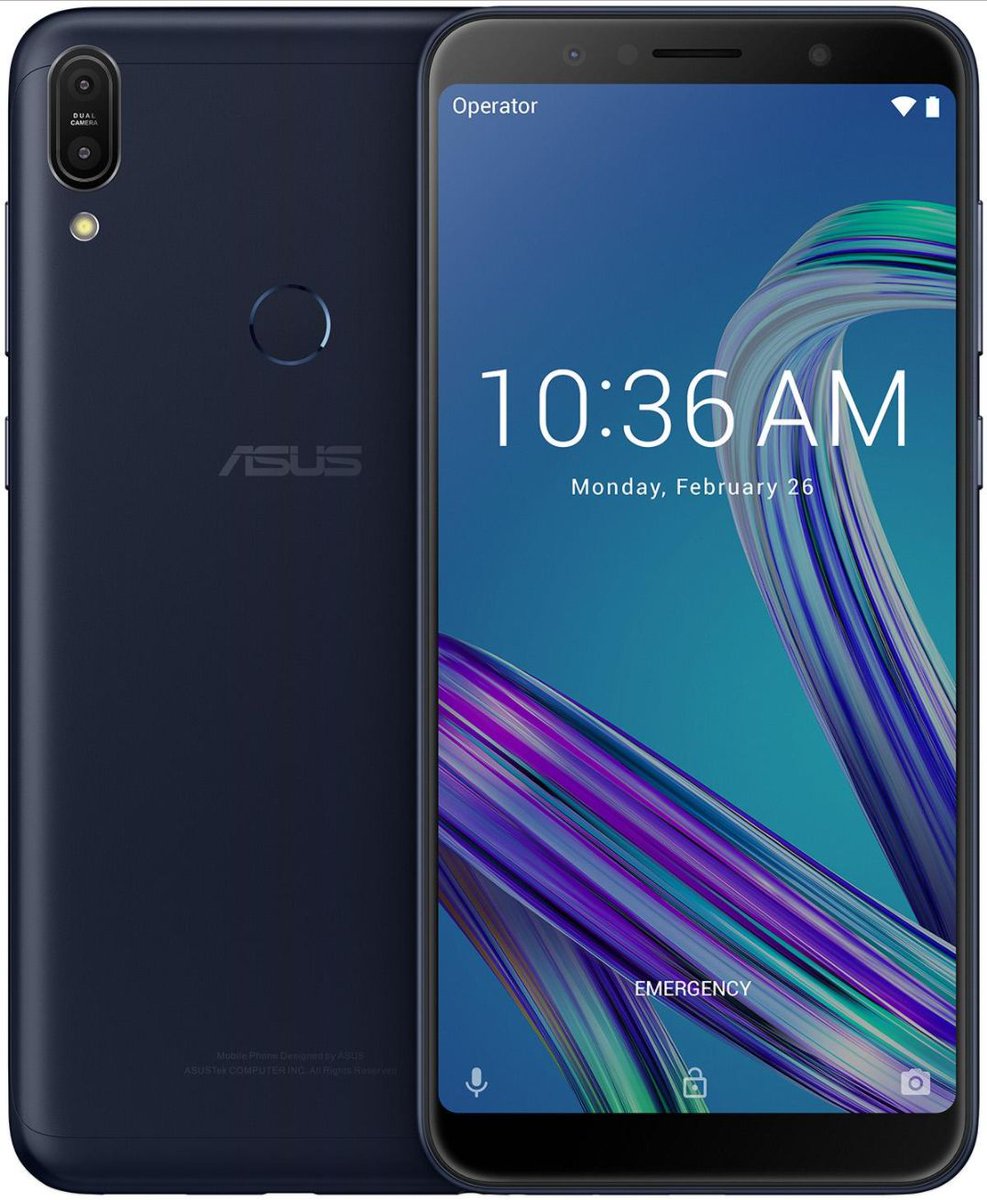
The Zenfone Max Pro (M1) has a different design from the Zenfone 5 and Zenfone 5z. The Max Pro M1 has a smooth metallic finish and not glass on the rear. Though the dual cameras are arranged in the same iPhone X style and there is a rear-mounted fingerprint scanner.
Up in front, the display is covered in glass. It has an 18:9 aspect ratio and the corners are curved. The bezels are moderately sized and ASUS could have put the fingerprint scanner in front if it wanted. The top bezel is home to the camera, sensor, earpiece, and a soft LED flash.
The power button and volume rocker can be seen on the right which means the SIM tray is on the left.
Meizu’s big day is here as the company is all set to announce three new models in its new 15 series. There are three models covering different price ranges, for example, theMeizu 15 Plusis the ultimate flagship model featuring Exynos 8895, the Meizu 15 is a slightly less powerful version with SD660 but still capable flagship, and the Meizu 15 Lite is the most affordable of the lot with decent mid-range specs.
Meizu will announce the three devices at 7.30PM Beijing time, in the beautiful city of Wuzen, often referred to as the Venice of China. We will be present at the event, so expect hands on with all the three models later today.
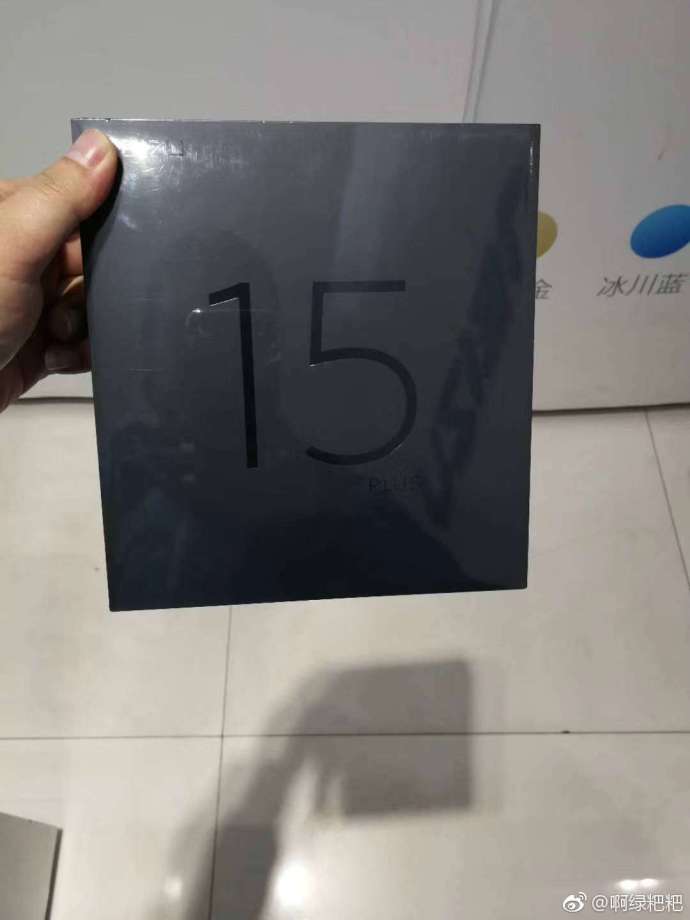
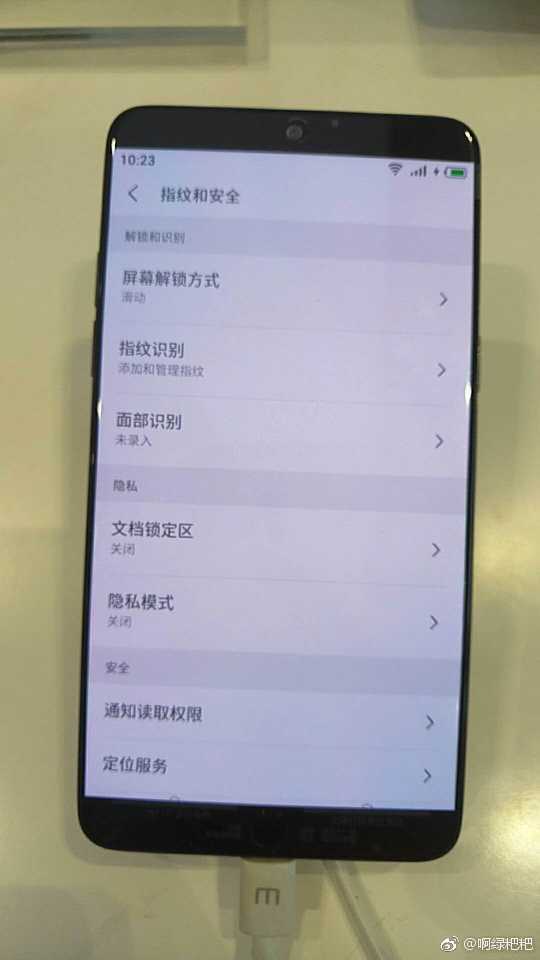
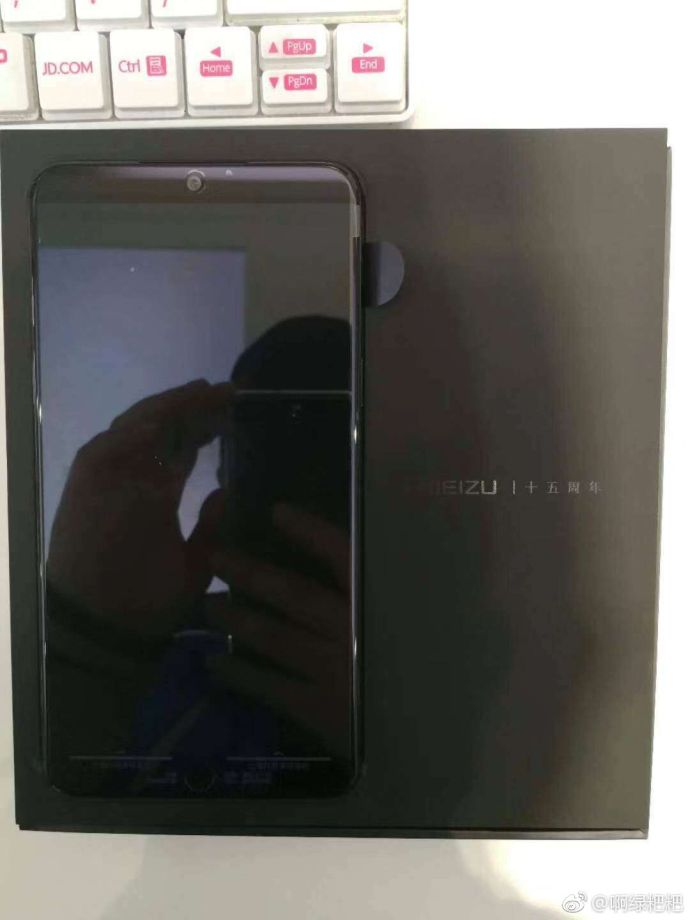
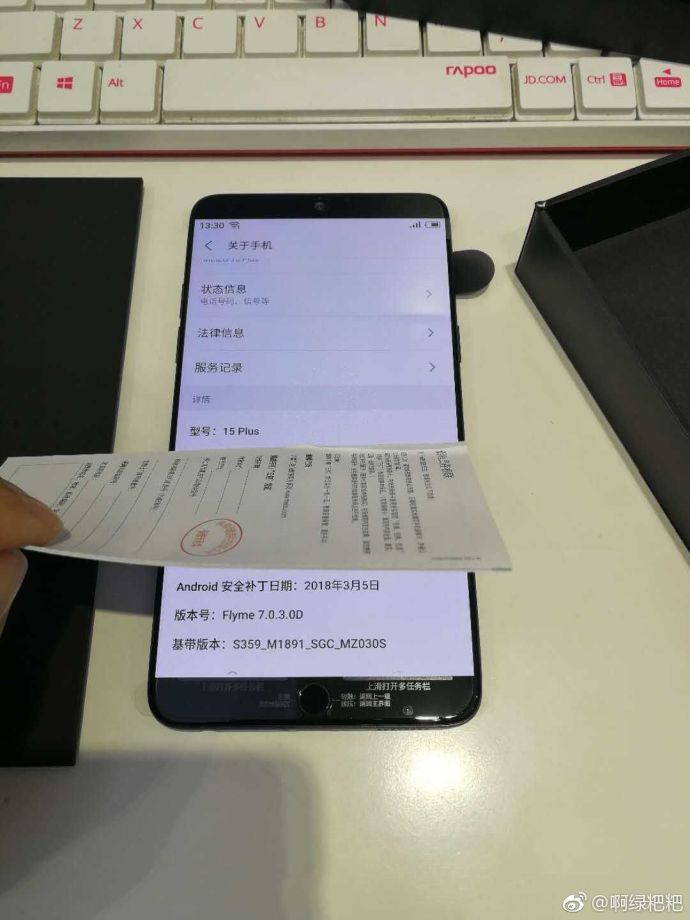
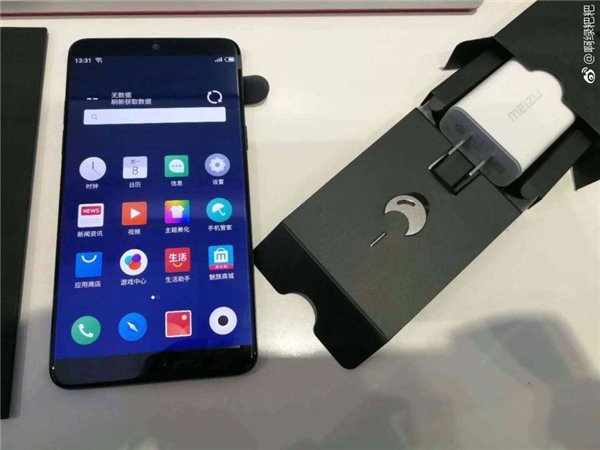
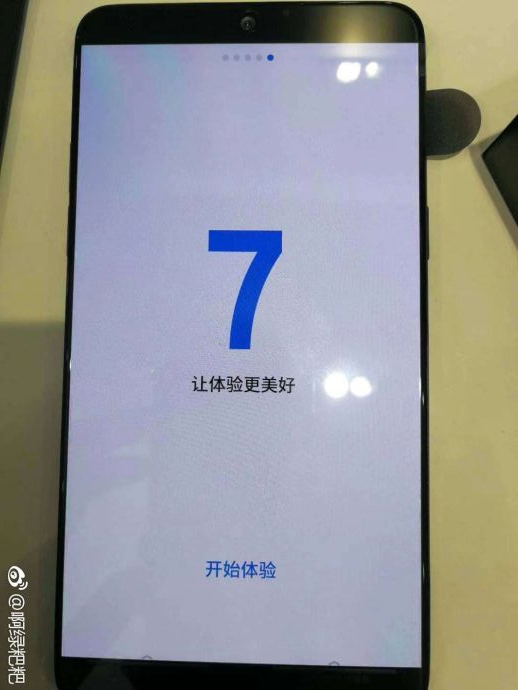
However, just before the official launch of the devices, the top-end Meizu 15 Plus has been leaked in all its glory on Weibo. Clear images of the most powerful handset in the series have been shared on the internet, leaving very little to our imagination. With the addition of this leak and the previous spec sheet leak, we now know everything about the top flagship model, except for its launch price.
The leaked images reveal that the Meizu 15 Plus will have very small bezels on the sides. Even the top and bottom bezels are quite thin, thereby contributing for a beautiful front design. The front also features a home button, but its round like the iPhone’s Touch ID. Expect this button to feature pressure sensitive smart gestures like the halo button found on the Meizu M6S.
To be honest, this front design reminds me of the Meizu MX2 model that was released back in 2012. I loved the MX2 back then and I’m starting to like this design too. Its simple yet beautiful.
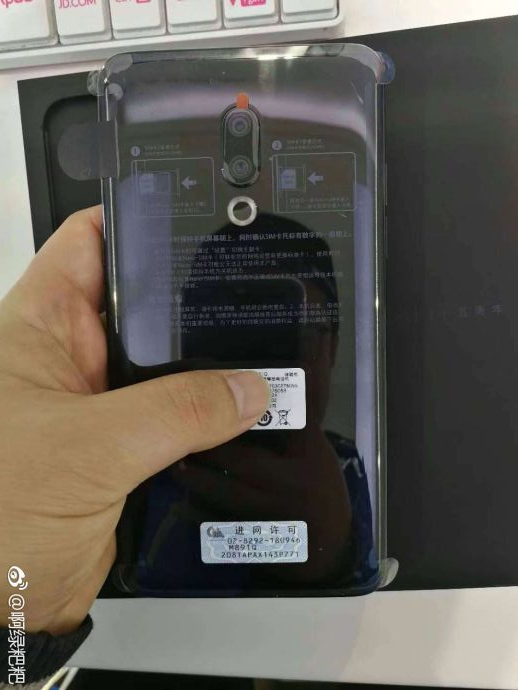
Coming to the back, the phone features a dual camera setup with ring flash below it. I can’t personally figure out the material used on the back, but it could be glass given its glossy texture. Check out the rest of the leaked Meizu 15 Plus images below.
According to the earlier specs sheet leak, the Meizu 15 Plus will feature a 5.95-inch OLED display that supports QHD resolution. The Exynos 8895 SoC should be inside the flagship with 6 GB of RAM and 64GB / 128GB ROM. For photography, the phone is said to come with f/1. 8 aperture 12-megapixel + 20-megapixel dual camera setup. The main sensor will have a pixel size of 1.5µm. The 3500mAh battery will support mCharge 12V/2A fast charging. It will come with Flyme 7 on board.
We are just a few hours away from the official launch of the Meizu 15 trio. As mentioned earlier, we will be present at the event, so expect hands on with the new models very soon.
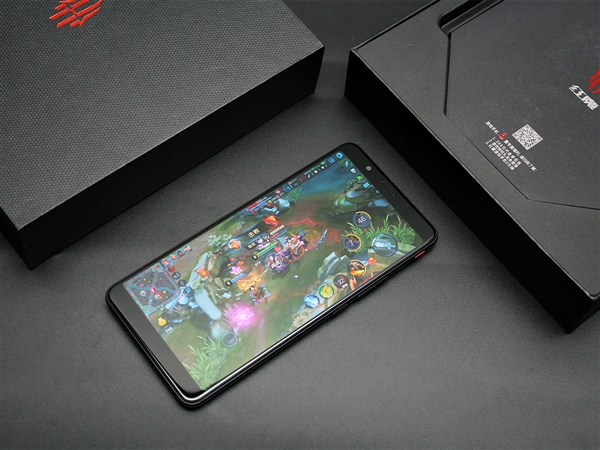
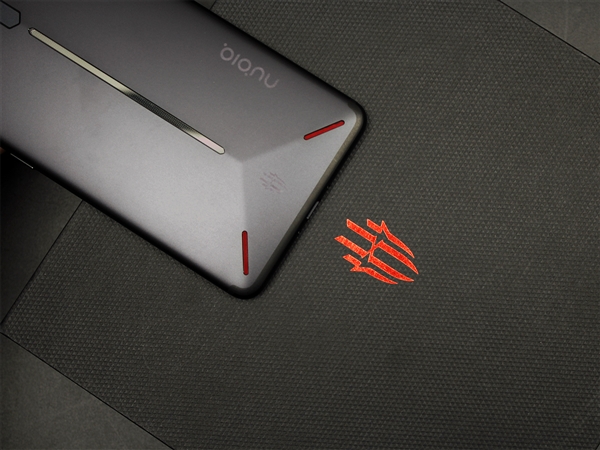
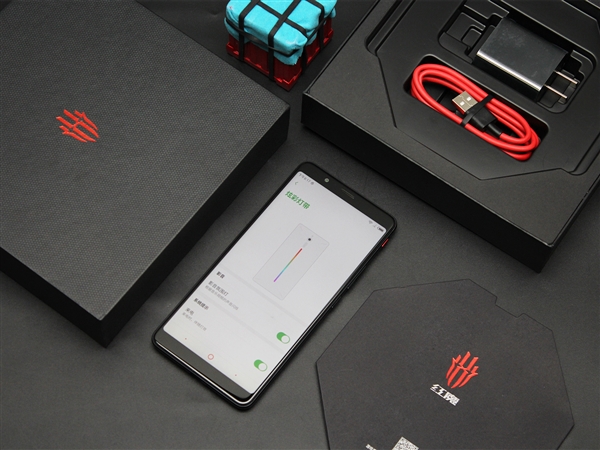
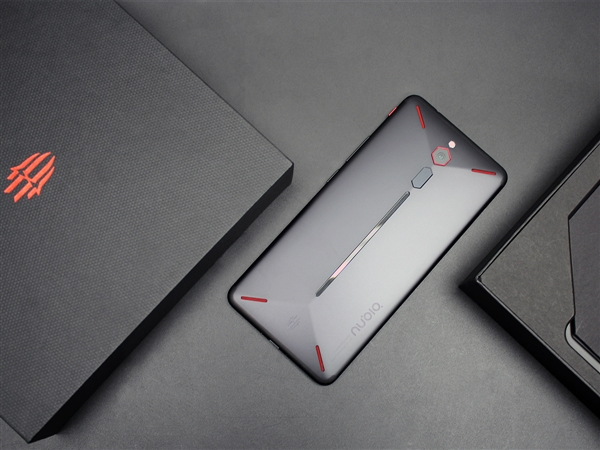
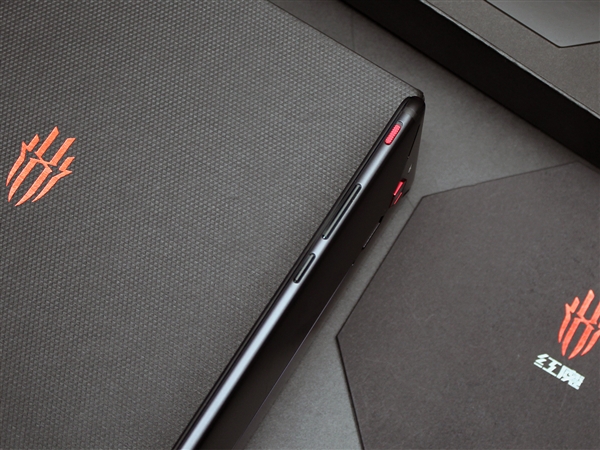
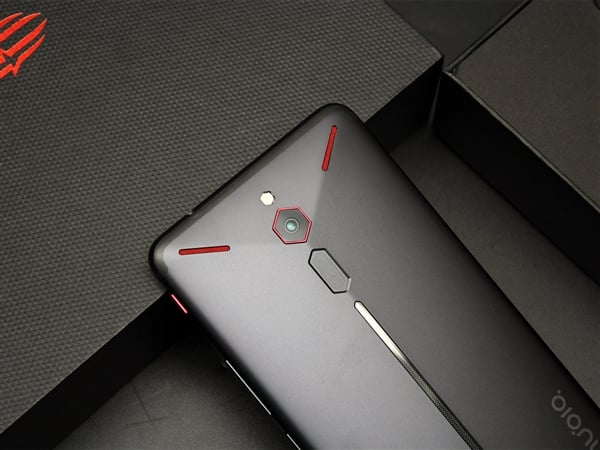
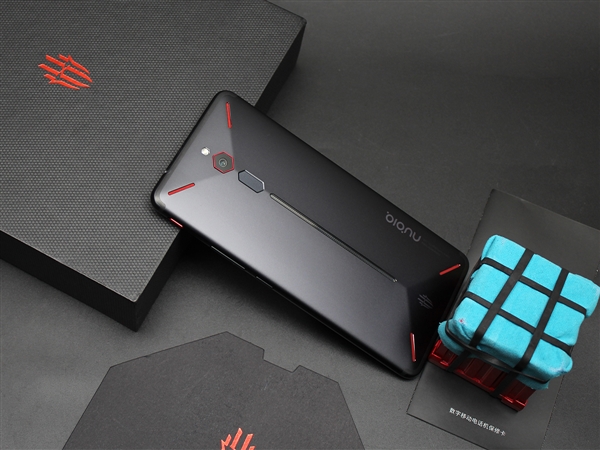
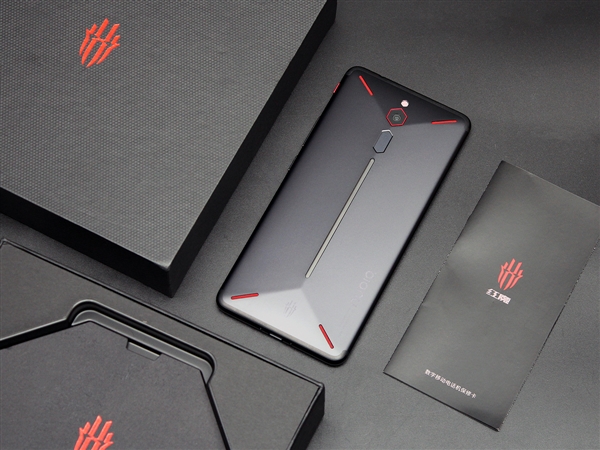
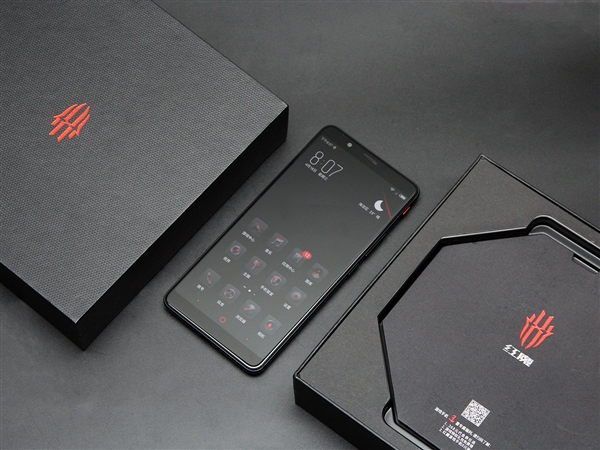
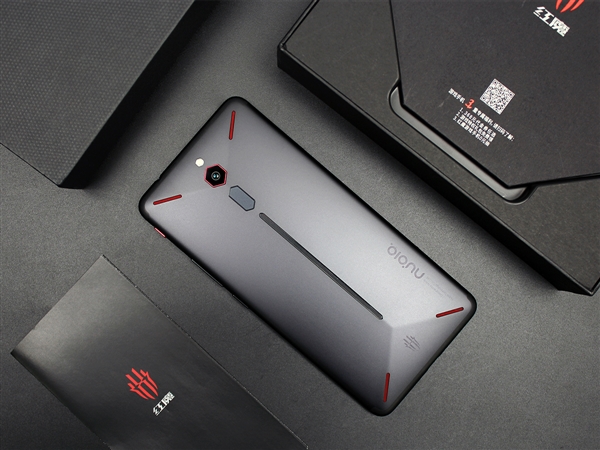
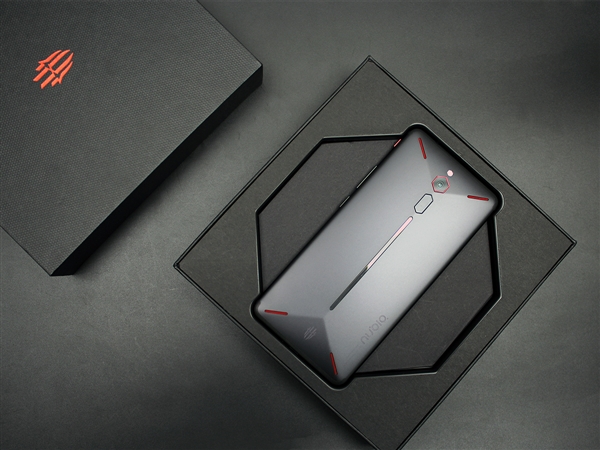
This isn’t our first look at the Nubia Red Magic gaming phone but you’ll agree the device comes with a design that is just so good looking. It is a bit disappointing that the Nubia Red Magic gaming phone is equipped with a Snapdragon 835 chipset which already has a successor in the more efficient Snapdragon 845. Other than that, the Red Magic has a magical touch on the design aspect which is indicative that Nubia deserves some accolades for this one.
The Nubia Red Magic gaming smartphone features a 5.99-inch Full HD+ display with an edge-to-edge 2.5D NEG T2X-1 screen, 18:9 aspect ratio and 1500:1 contrast ratio. The smartphone body is made from aluminium with an ergonomic design that is friendly for prolonged gameplay. The body design is crafted using advanced thermal modelling techniques.
On the internal design, the device is also touted to be the first smartphone to use an all-new air convection cooling system. The cooling system is designed in a way that it dissipates heat effectively across its diamond-cut design without compromising on performance. To make it stand out from the competition, the phone is branded with a distinctive RGB LED strip. Other features of the Red Magic gaming phone includes an 8GB RAM, 128GB storage, DTS Technology and Smart Amplifier system for an immersive sound experience. There is also a 6GB RAM + 64GB storage version. In addition, the smartphone runs on Android 8.1 Oreo operating system out-of-the-box and is powered by a 3,800mAh battery which can provide up to 7 hours of gameplay on a single charge.
The Nubia Red Magic Phone will be exclusively available through Indiegogo for an early-bird price of $399 starting from 23rd April. Do check out some more unboxing photos of the Nubia Gaming Phone below.
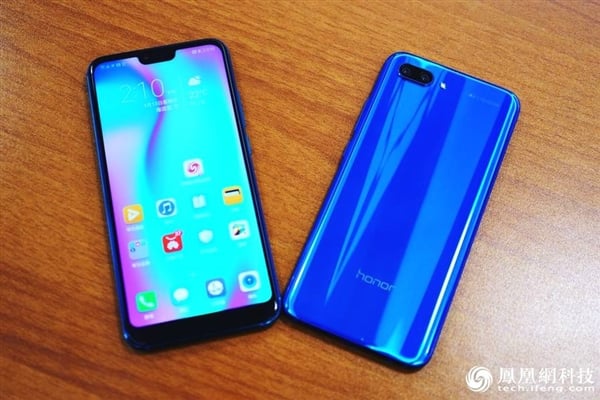
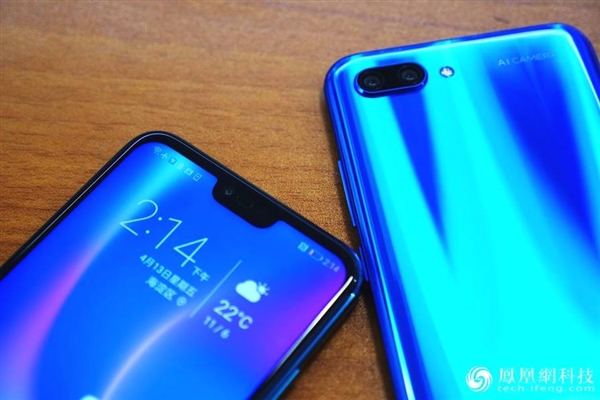
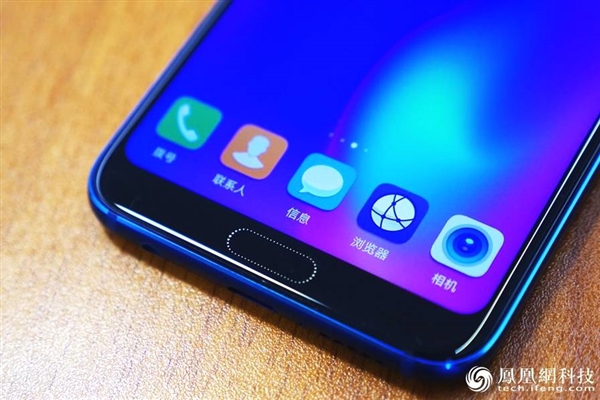
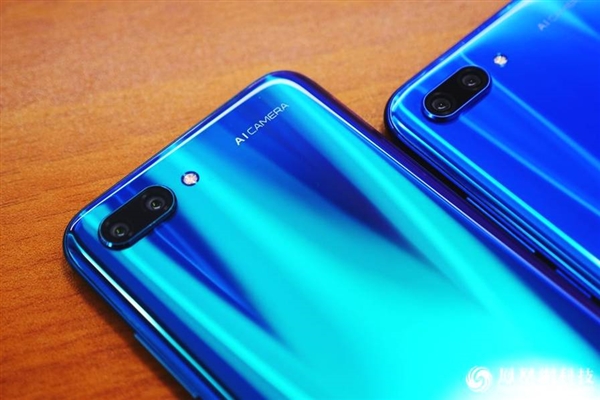
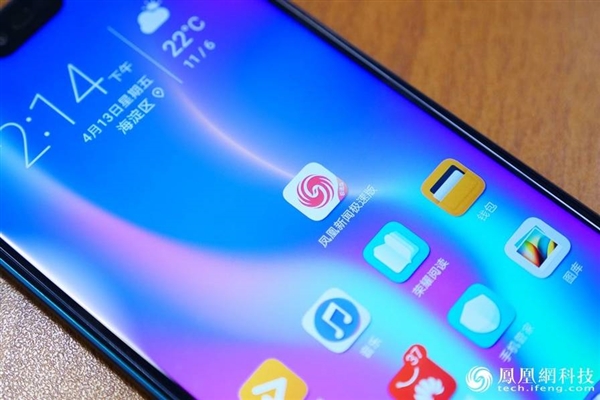
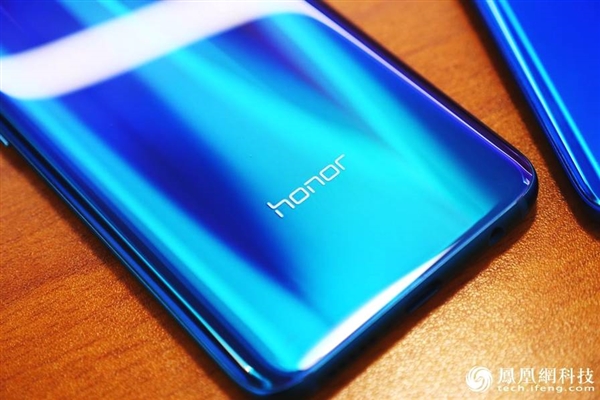
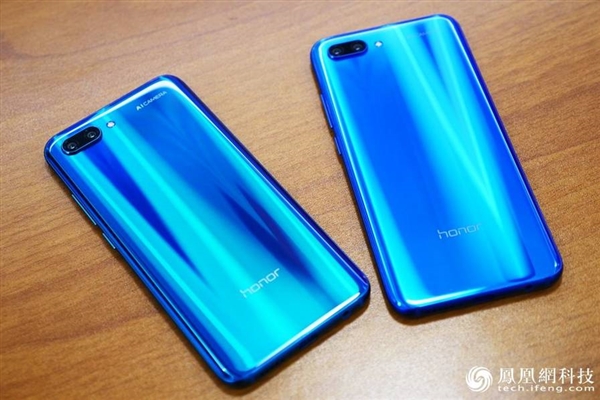
Huawei‘s Honor brand took the wraps off the Honor 10 on Friday alongside the Honor MagicBook and an avalanche of accessories. The Honor 10 is perhaps the showstopper among the lot and this could be attributed to its powerful specs lineup, premium design and the affordable pricing it adopts. The device sure looks like the Huawei P20 Pro but the price starts at just 2,599 Yuan (~$414)
The Honor 10 adorns a really impressive glass chassis that has the ability to show different colours when it is viewed from different angles. It is equipped with a notched display that offers a large screen space. Some of the other attractive features of the Honor 10 include improved AI 2.0, Kirin 970 chipset, 6 GB RAM, 128 GB storage, AI-driven dual cameras, a powerful selfie shooter, NFC, front fingerprint scanner and more.
Huawei’s launch event usually isn’t generous with clear pictures of the new device until some time later. So, these new photos of the premium flagship still exude the feel of seeing the device for the first time. Check out more of them from below. You can read our launch article for more details of the Honor 10.
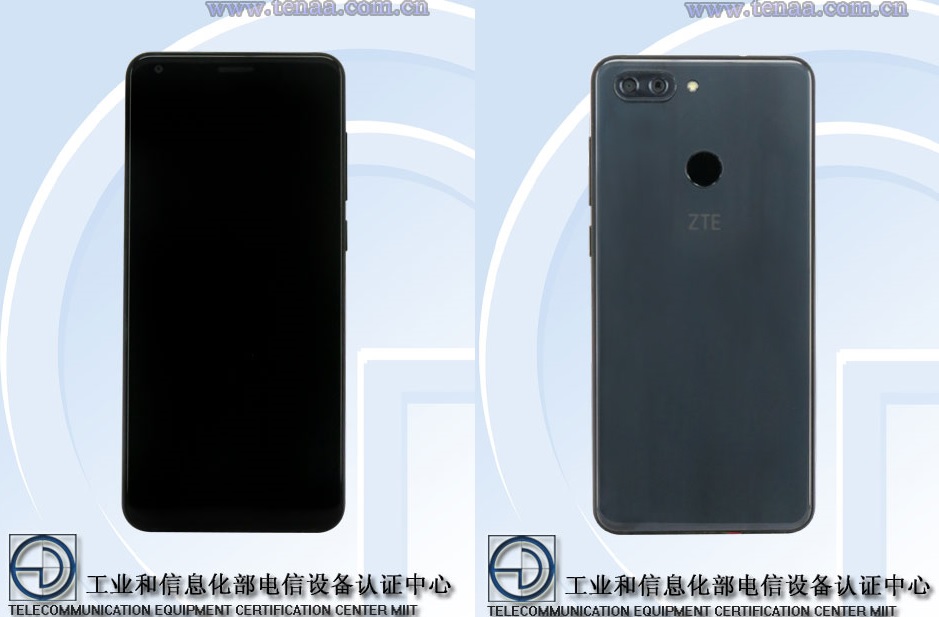
ZTE has had a rough week. It got slammed with a 7-year ban that prevents it from getting components and software from American companies. That means no Qualcomm chips in its devices and possibly no Google services too for the duration of the ban.
One of its upcoming devices, the Blade V9 which was launched at this year’s MWC has appeared on TENAA which means it should launch in China and go on sale soon.
The device is listed on TENAA as the ZTE V0900. It has a 5.7” 2160 x 1080 display which gives it an 18:9 aspect ratio. It is powered by a 1.8GHz octa-core processor which is the Snapdragon 450 mobile platform.
The ZTE V9 will be available in 2GB, 3GB, and 4GB RAM variants with 32GB, 64GB, and 128GB of storage. On its rear is a 16MP sensor paired with another 5MP sensor while the front camera is an 8MP sensor.
The phone will run Android 8.1 Oreo out of the box and pack a 3,100mAh battery. It will also have support for a MicroSD card, have a rear-mounted fingerprint scanner and be available in Black, Blue, and Gold.
All these specs are impressive for a mid-range device but the big question is if the device will go on sale.
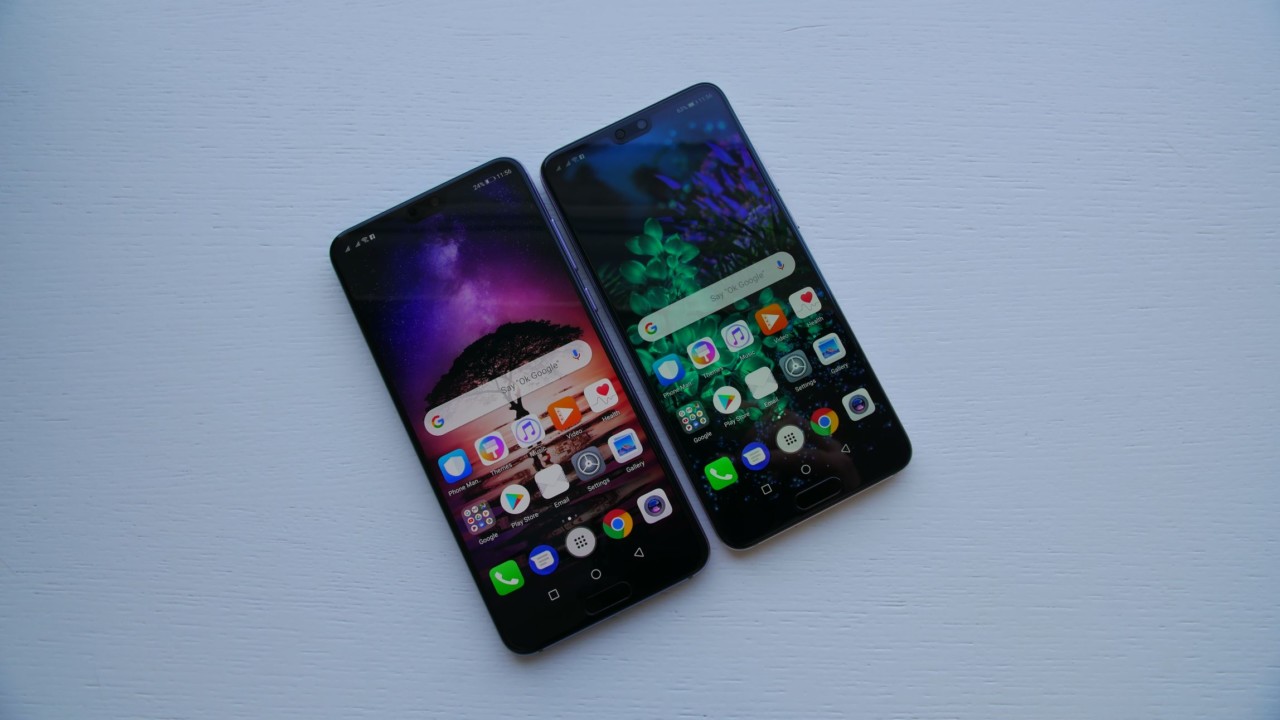
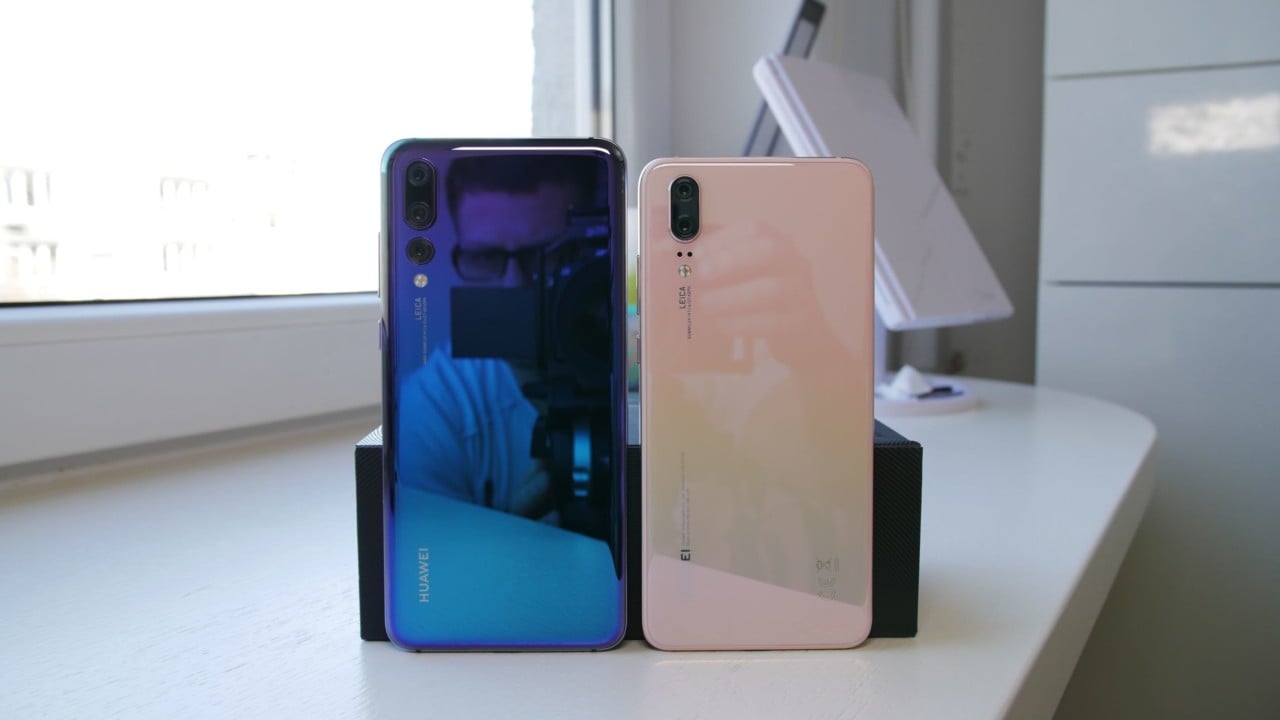
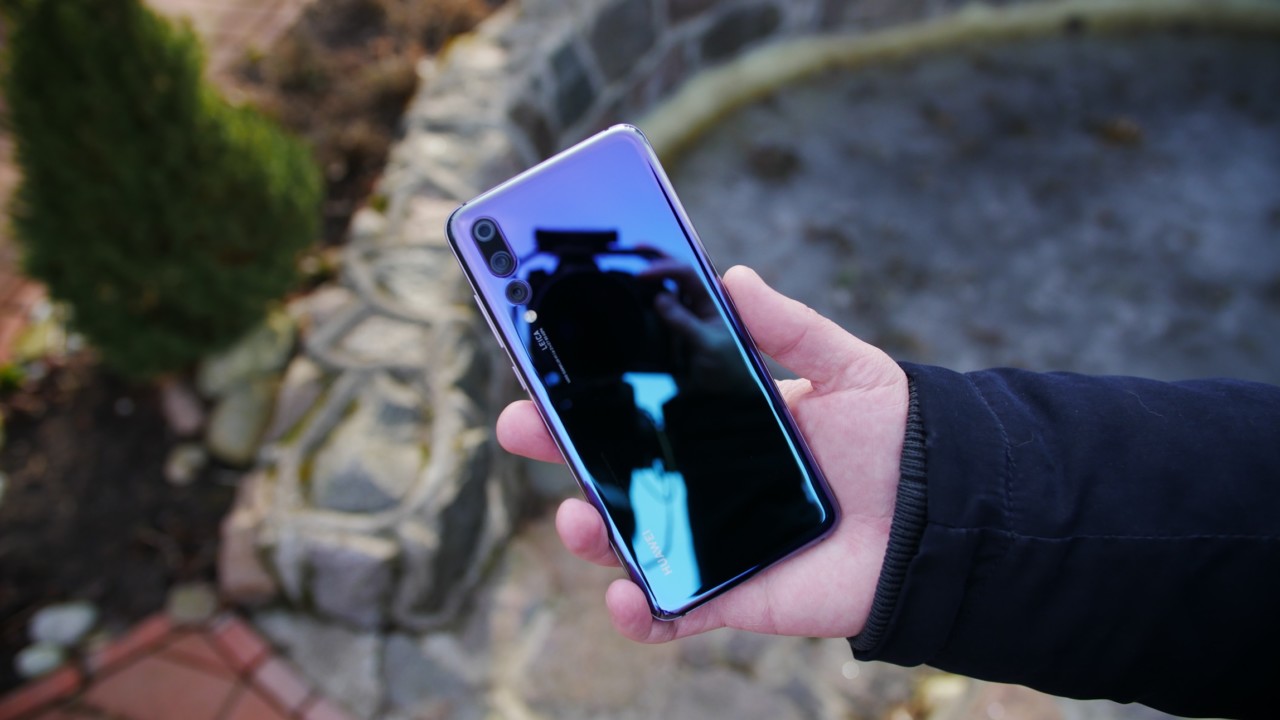
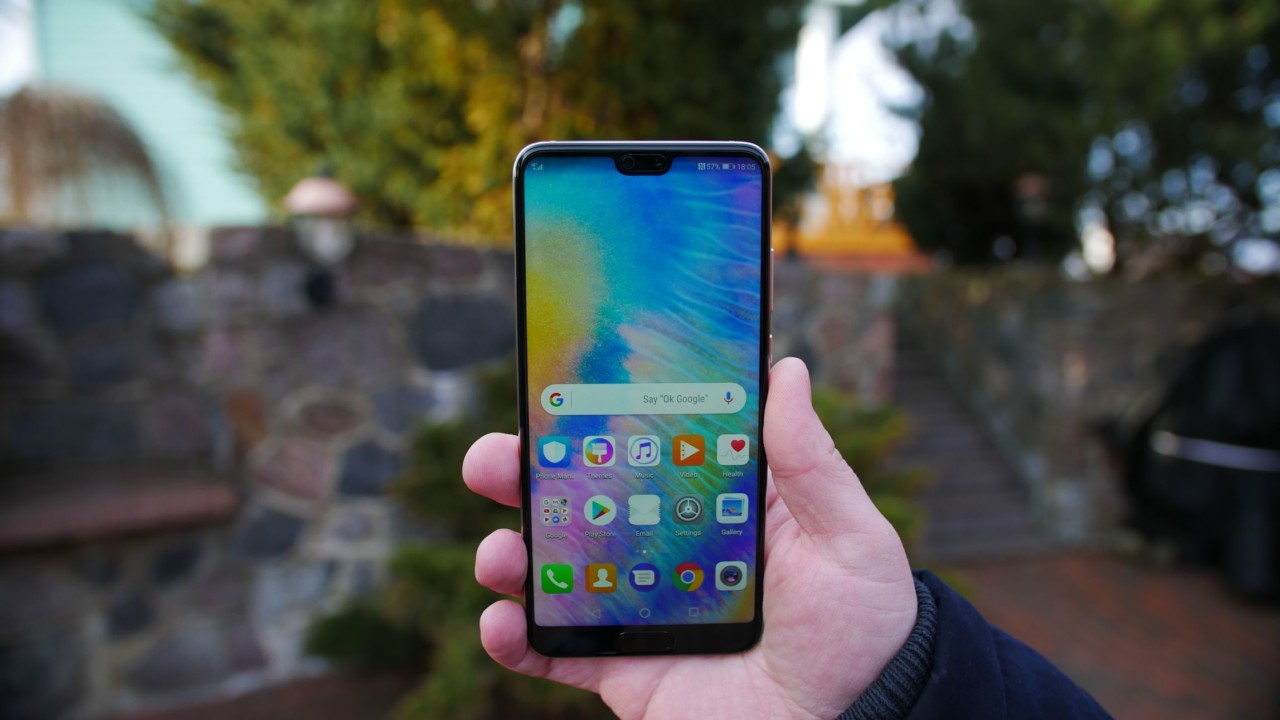
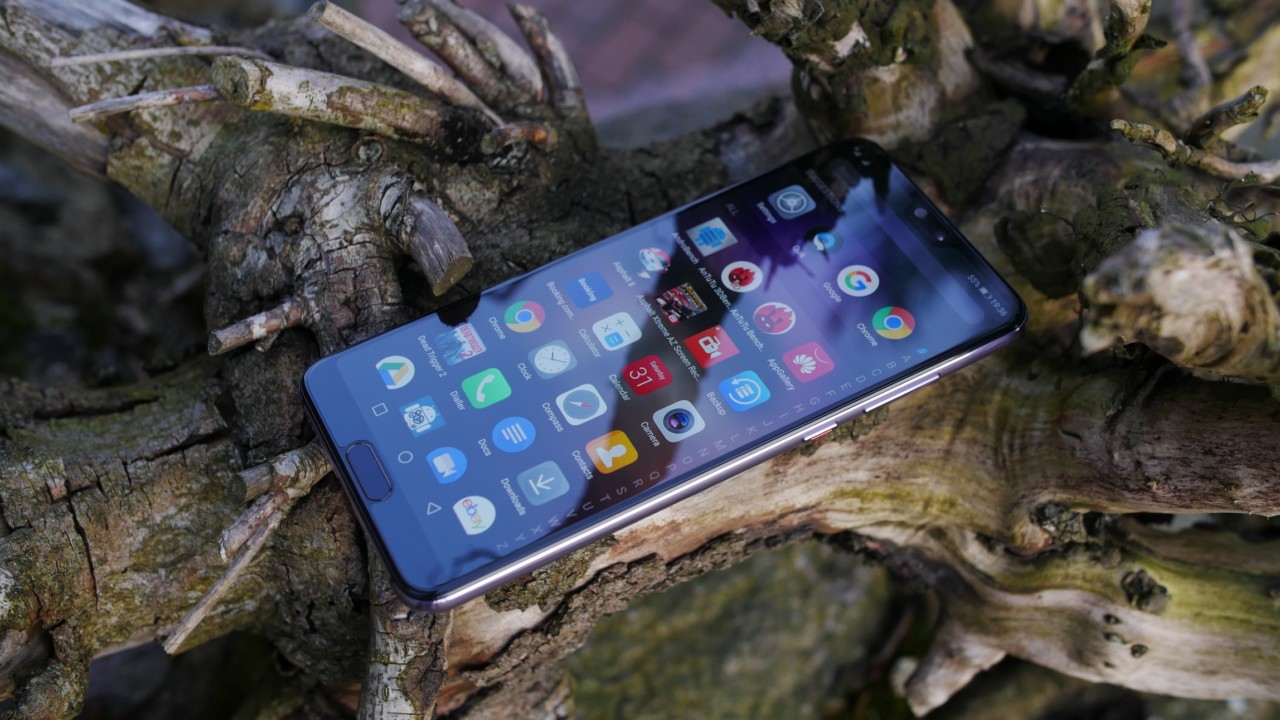
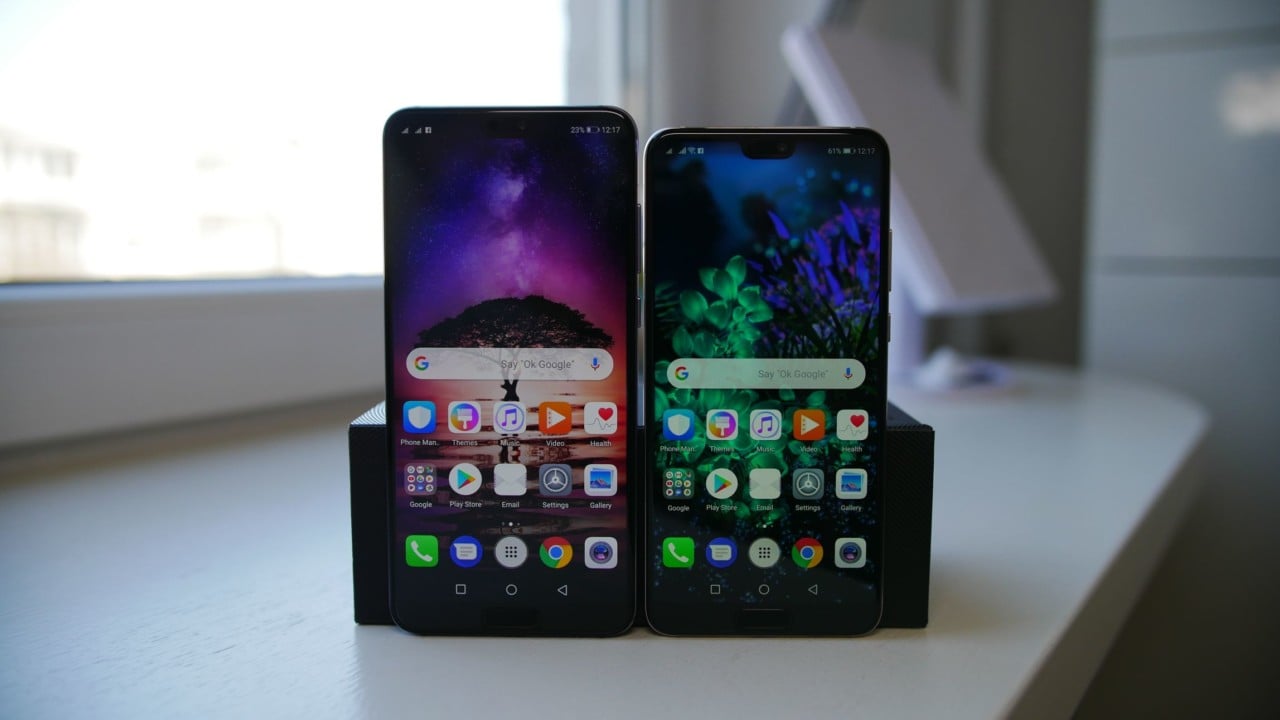
If you like new Huawei P20-series phones but can’t decide if the P20 or P20 Pro is best for you, this article may give you an answer. If you want to learn more about each device, check out our Huawei P20 review and the Huawei P20 Pro review.
First of all, the price. The P20 is cheaper as it retails for about 650 EUR, at least in Europe. The Pro model costs about 850 EUR, making it a much more expensive device. Check out the video description for product links if you are interested.
The first major difference is the camera setup.
The P20 Pro uses one of the most compelling camera systems on the market. It uses 3 cameras with a powerful 40MP shooter leading the way.
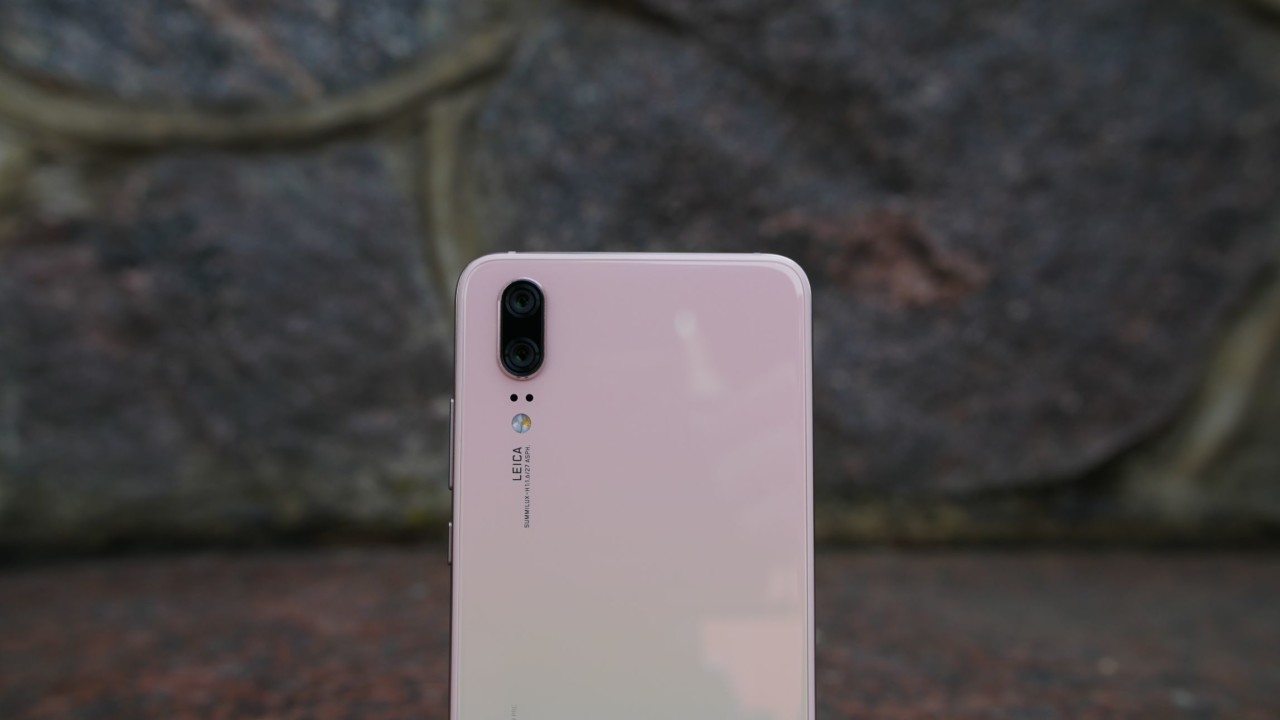
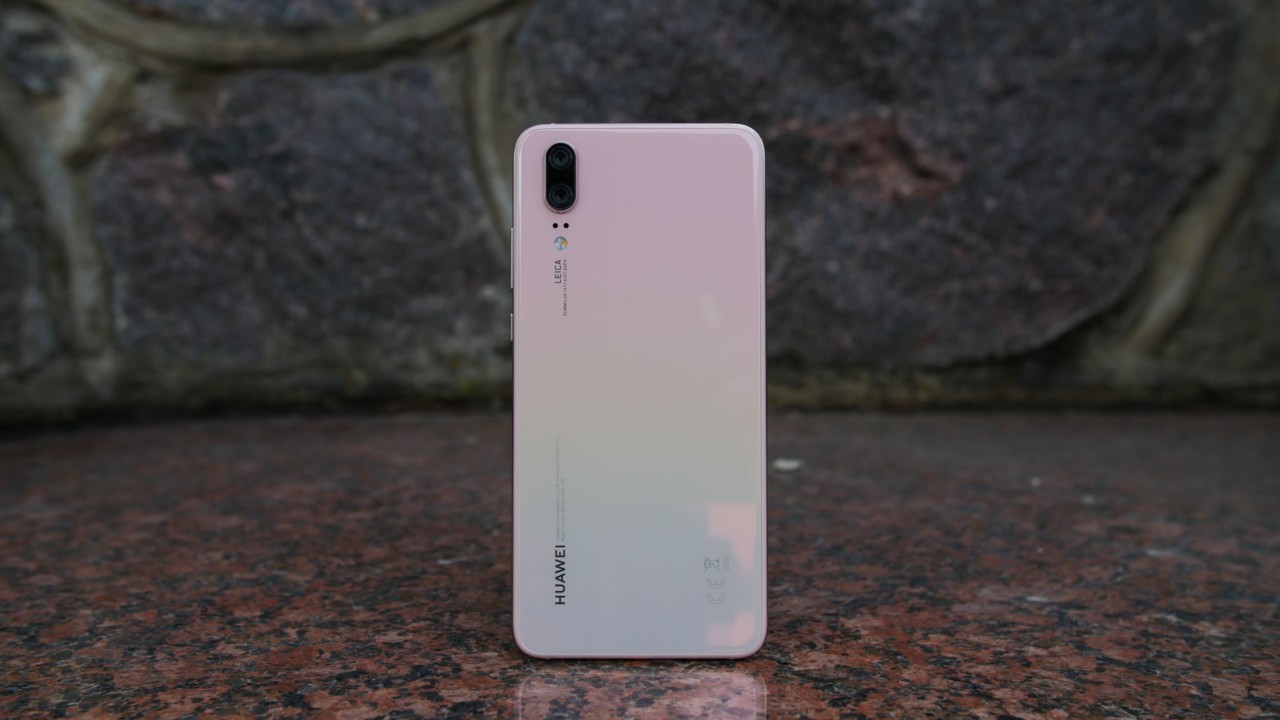
The P20 has a more conventional dual camera setup that uses Leica optics, just like the P20 Pro.
In practice, I found daylight image quality to be very similar. However, the P20 Pro excels in low light. In fact, the Pro model is one of the best smartphones when it comes to night photography. Other aspects like selfie image and video quality are nearly identical. Make sure to check out both the P20 and the P20 Pro reviews where I cover cameras in detail and follow me TechLineHD on Facebook for full resolution camera samples.
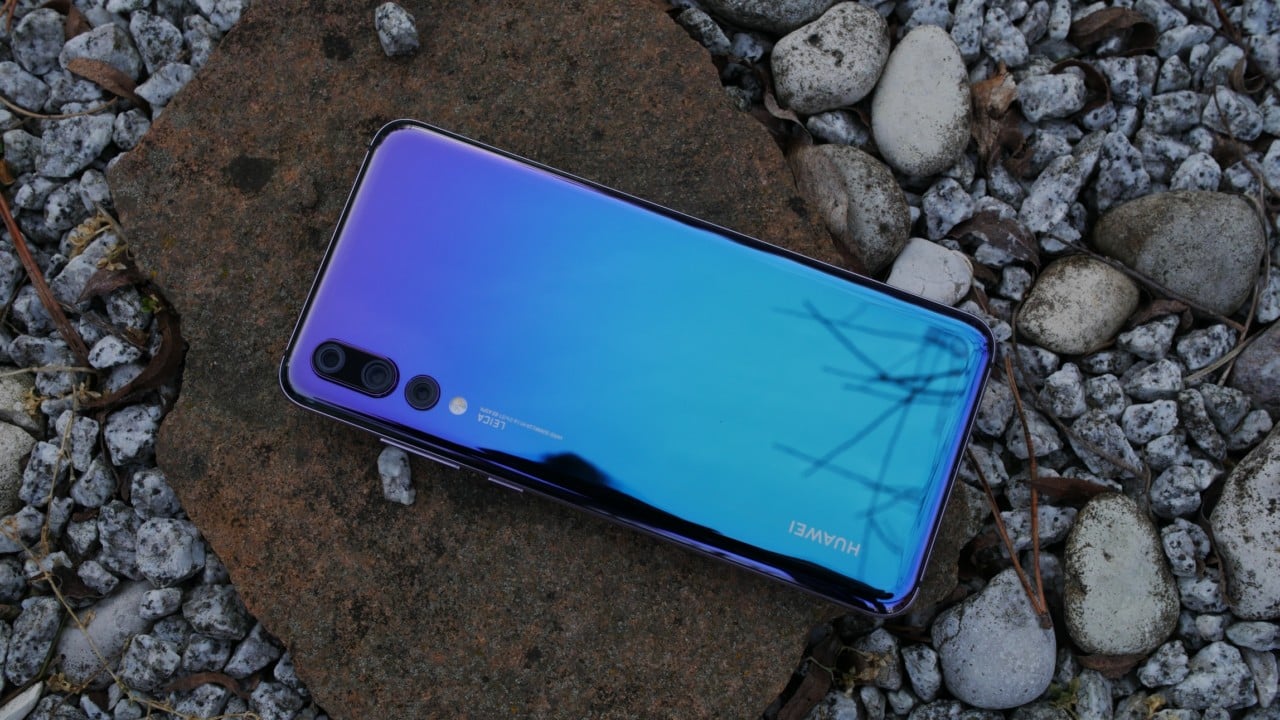
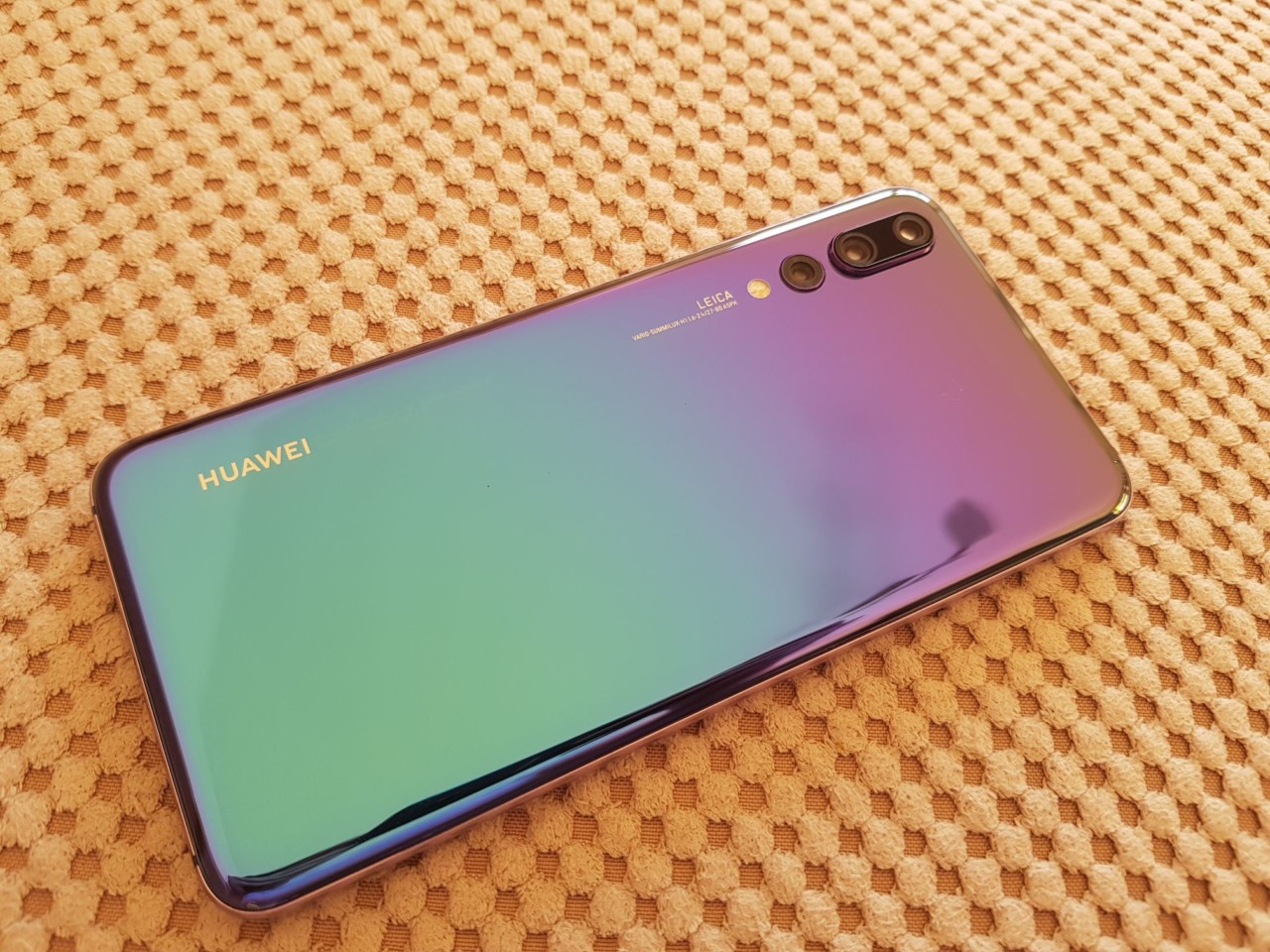
Both phones follow a similar design language but the P20 Pro is simply a more beautiful device to look at. The twilight gradient color finish makes it one of the most beautiful phones out there. However, the P20 is smaller, lighter and therefore, it’s easier to manage this phone in one hand.
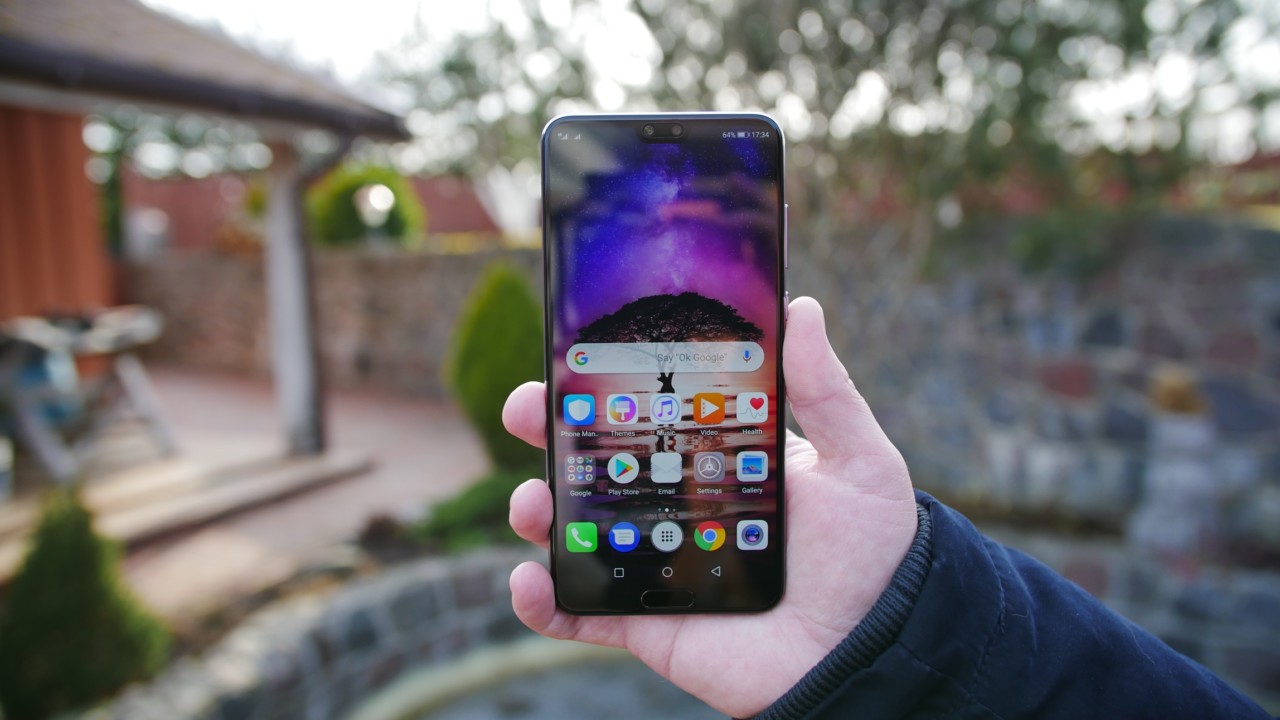
Even though the display on the P20 is slightly smaller than on the P20 Pro, it sports the same resolution. The phone uses LCD panel instead of OLED but I found the quality of screen to be very good. However, the screen on the P20 Pro is better. The colors look more vibrant and punchier, and the contrast level is better.
Here a few more aspects why the P20 Pro is better than the P20: it has a better sounding dual stereo loudspeaker system whereas the P20 has only one speaker on the bottom. Also, the P20 Pro has a higher water and dust resistance rating of IP67 instead of IP53 and some extra features like an IR blaster. Finally, the P20 Pro has 6GB of RAM instead of 4 found on the P20. On the other hand, day to day and gaming performance are identical on each phone.
Battery life is definitely one of the strong sides of the new P20 series phones. Even though the P20 has a smaller power bank than the P20 Pro, it has a less power hungry display to power up. On average, I was able to achieve about 7 hours of screen-on time on each phone, which is a very impressive result.
All in all, the Huawei P20 Pro is easily a better phone but it costs about $200 more than the P20, which is also a solid flagship phone. If you want an absolutely premium phone, go with the P20 Pro. If money is more important to you, the P20 has most of the essential flagship features of the P20 Pro, for $200 less.
This was just a short comparison and if you want to learn more about each phone, make sure to check out detailed dedicated reviews where we cover all the pros and cons of each device.
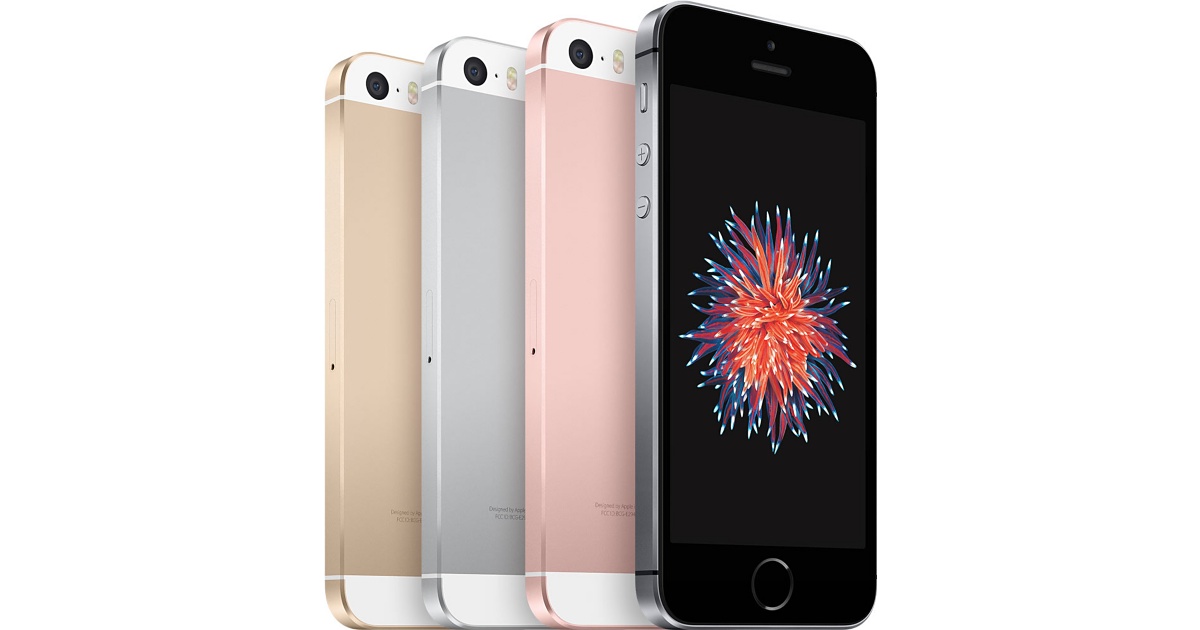
Apple is rumored to be working on a successor of the iPhone SE, which could be named iPhone SE 2. Over the last few months, various leaks rumors surfaced online related to the smartphone.
Now, a new report suggests that the iPhone SE 2 could get launched somewhere around May this year. However, there’s a possibility that the Cupertino giant could come up with a different name for this device.
The new report comes from a Japanese website Macotakara which cites a case maker as its source. The report says that the next-generation iPhone SE will get launched in May. Earlier this month, Eurasian regulatory filings also suggested that the smartphone launch is just a few weeks away.
The design of the upcoming smartphone is expected to be very similar to the iPhone SE. While the iPhone is powered by Apple A9 chipset, the upcoming smartphone is said to come with Apple A10 Fusion chipset, which was released during the Apple iPhone 7-series launch. Furthermore, the report adds that the company will get rid of the 3.5mm audio jack.
The report further suggests that the Touch ID will stay in place and there won’t be the new Face ID feature. There’s also a possibility that the smartphone will come with support for wireless charging but it is not yet known if Apple opts for a glass body for this device.
Earlier, a Chinese publication reported that the iPhone SE 2 may sport a larger 4.2-inch display and added that the processor will be coupled with 2GB RAM along with 32GB and 128GB storage options. Last month, a new rumour surfaced online which suggested that the phone could be launched as an India-exclusive device.
However, Apple has not yet confirmed anything related to the next-generation iPhone SE smartphone. While Apple iPhone SE 2 is expected to get announced in May, Apple could also wait a bit longer and launch the smartphone at its Apple WWDC, which is scheduled to start from 4th June.
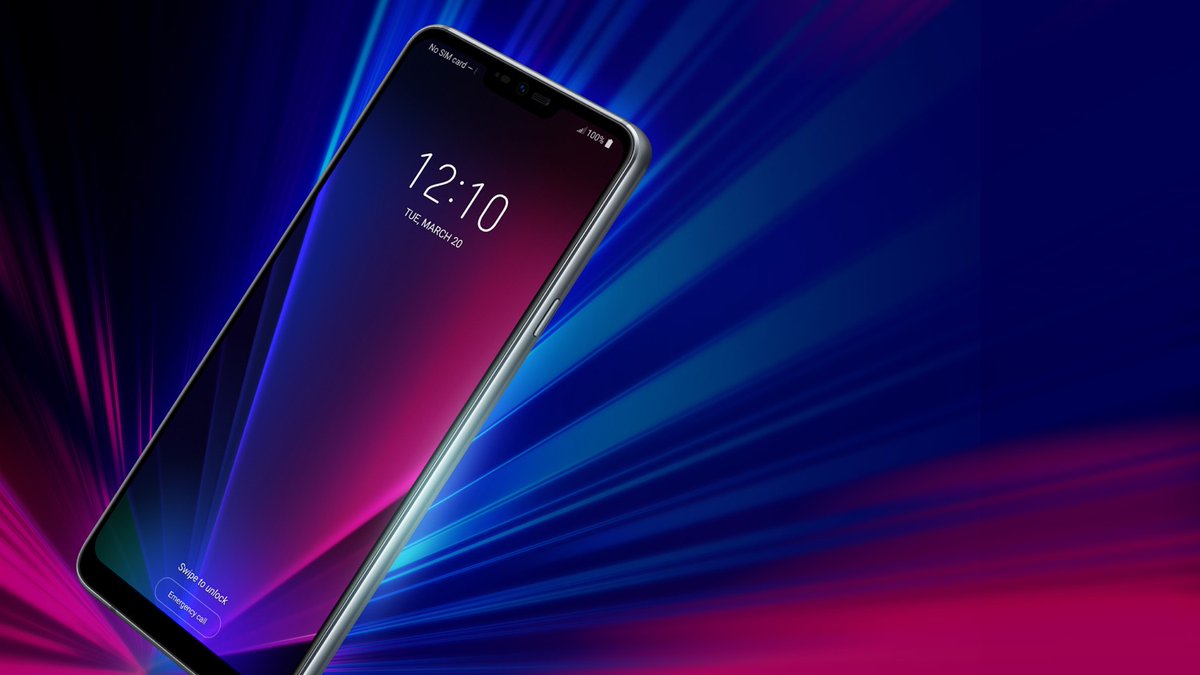
A recently-surfaced promotional render of the LG G7 ThinQ has shown us that the phone will have a power key located on the right side. But it will be the only physical key on the right. A new report has revealed the reason: on the left side, there will be another physical key. According to the report, this key will be used to start Google Assistant, and this highlights, even more, the focus of this handset on artificial intelligence in all its iterations.
Even though there will be a dedicated key for the virtual assistant, LG did not develop its own virtual assistant like Samsung did with its Bixby. Given that the power key will be placed on the right side, it seems that LG G7 ThinQ will not adopt a power key embedded into the fingerprint reader on the rear. But note that the fingerprint reader is still located at the back. What we hope is to see a programmable button embedded in the fingerprint reader, given that, according to reports, it will not be possible to assign other action to the physical button dedicated to Google Assistant.
Besides focusing on Google Assistant, LG G7 ThinQ will also provide smart features for the cameras, such as scene recognition. We already had a taste of them with the LG V30S and the recent update rolled out on the standard V30. According to the latest leak, LG G7 will come with a 6.1-inch display with a 19:9 aspect ratio and the MLCD+ technology. On the hardware side, we expect to see an octa-core Qualcomm Snapdragon 845 processor running at 2.9 GHz and paired with at least 4 GB of RAM and 64 GB of internal storage expandable via micro SD.
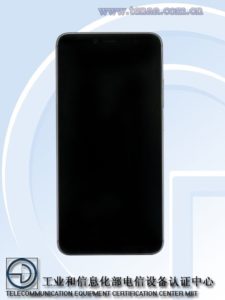
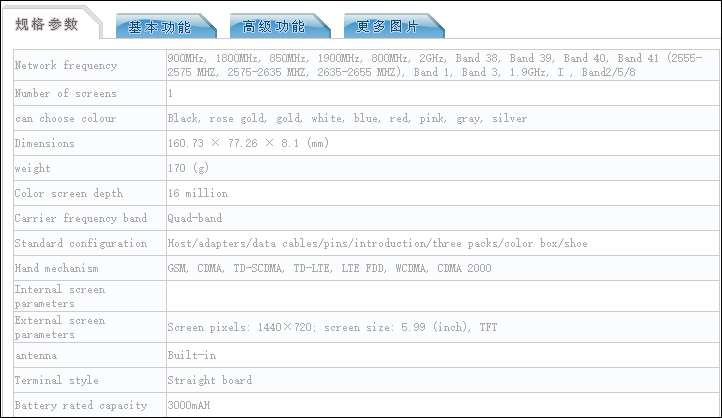
UPDATED: This is the Mi 6X but the Redmi S2 which is expected to pack a Snapdragon 625 chipset hence the 2.0GHz CPU frequency.
Xiaomi Mi 6X is just four days away from launch and more details continue to surface regarding the premium mid-ranger. A couple of new Mi 6X models have now been certified by China’s Telecoms regulatory agency TENAA with a specs configuration slightly different from the ones first spotted on TENAA last month.
The previous TENAA-listed Mi 6X models have a 4GB+ 64GB and 6GB + 128GB storage combinations but this new model seems to bring fluidity to the Mi 6X memory variants. According to TENAA, the new model which bears the same design as the Mi 6X is listed with the model number M1803E6E. It features a dual rear camera setup aligned vertically at the top left corner. The device also has a rear-mounted fingerprint sensor and the U-shaped antenna band design at the top and bottom edges.
The real surprise lies in the configuration as the device is equipped with a 2.0GHz Octa-core processor which definitely isn’t the Snapdragon 660. This springs up the possibility of the Mi 6X having a variant with a Snapdragon 625 chipset. The device also comes with a slightly bigger 3000mAh battery and an HD+ resolution of 1440 x 720 pixels. The new model also has a 2GB RAM, 3GB RAM and 4GB RAM variants as well as 16GB, 32GB and 64GB storage options.
The stark difference in the specification props up the likelihood that this device being an entirely different smartphone from the Mi 6X but the design makes it all confusing. Perhaps, Xiaomi wants to make the options fans have to choose from wider with the addition of these models. There is no doubt that the Mi 6X will hit the international market in due course and a wide range of options and varying prices will improve the sales prospects. We’ll find out more details when the device is launched.
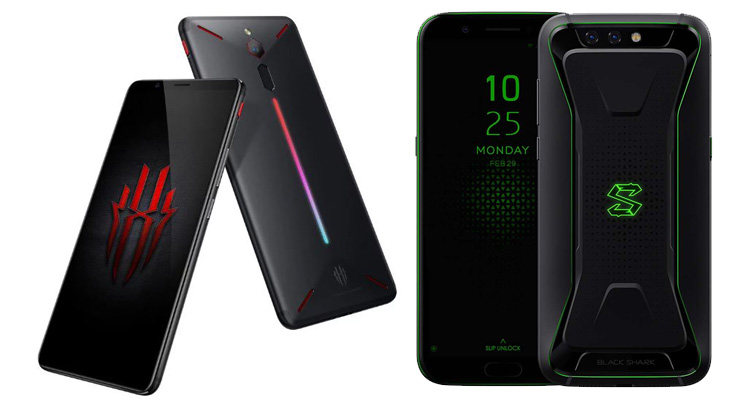
The gaming phones market is growing pretty quickly. After Razer Phone, the new Nubia Red Magic and the Xiaomi Black Shark are the two new gaming smartphones to hit the shelves, and they will probably be followed by more handsets focused on this niche market. But in the meantime, let’s discover the main differences among the two. If you are a gamer and you like to play on your mobile phone, this Nubia Red Magic vs Xiaomi Black Shark specs comparison will tell you which phone is most suitable for you.
Dual 12 + 20 MP f/1.8 + f/1.8
20 MP f/2.2 front camera
BATTERY
3800 mAh
Fast charging
4000 mAh
Fast Charging 9V / 2A (Quick Charge 3.0)
ADDITIONAL FEATURES
Hybrid Dual SIM slot, Air cooling system
Hybrid Dual SIM slot, Liquid cooling system
With its elaborate metal backplate, we believe the Nubia Red Devil has a more ergonomic design, providing a comfortable grip even after long sessions of gaming. But the Xiaomi Black Shark should be a better phone in terms of performance, as it features the most recent Qualcomm’s processor: the powerful octa-core Snapdragon 845 running at a max frequency of 2.8 GHz. Nubia Red Magic left many disappointed when it was revealed that it is powered by the older Snapdragon 835 which is Qualcomm’s flagship SoC for 2017. Still, there shouldn’t be a huge difference in term of performance.
Both the devices boast a cooling system, but they are different. According to Xiaomi, the air cooling system of Black Shark is able to reduce the temperature by 8° C, while Nubia Red Magic features a different type of air cooling system. Xiaomi Black Shark seems to have a slightly better camera department with a 12 + 20 MP dual camera on its back and a 20 MP selfie camera. The battery is slightly bigger on Xiaomi Black Shark and it features Quick Charge 3.0 as fast charging technology.
Keeping the specs on paper in mind, the Xiaomi Black Shark looks like a slightly better handset, but Nubia Red Magic will probably have a more affordable price if we refer to the global market. Black Shark has a launch price of about $477/€385 in China, while Nubia Red Magic will initially cost $399/€324 worldwide (it will be launched on April 26 through the crowdfunding platform Indiegogo).
ZTE Nubia Red Magic vs Xiaomi Black Shark: PROS and CONS
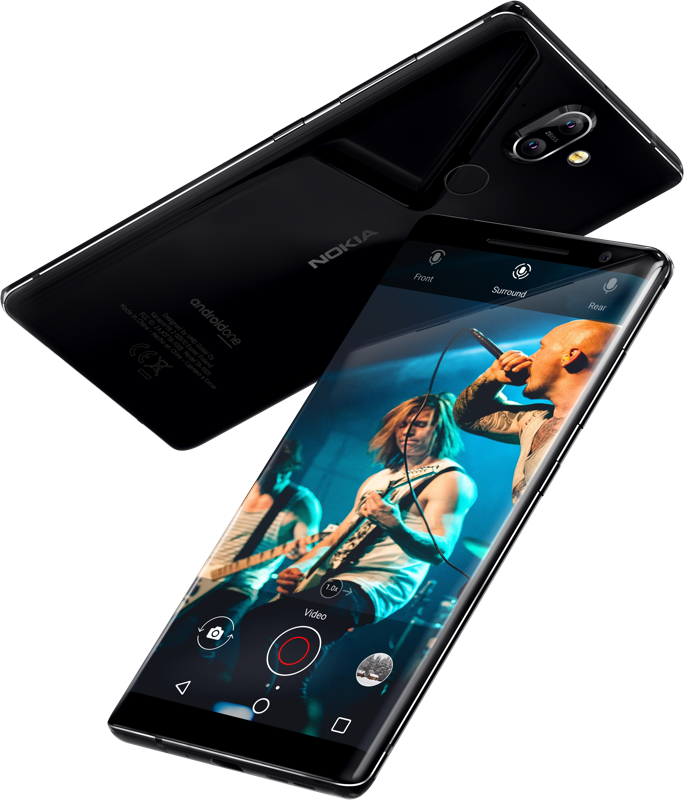
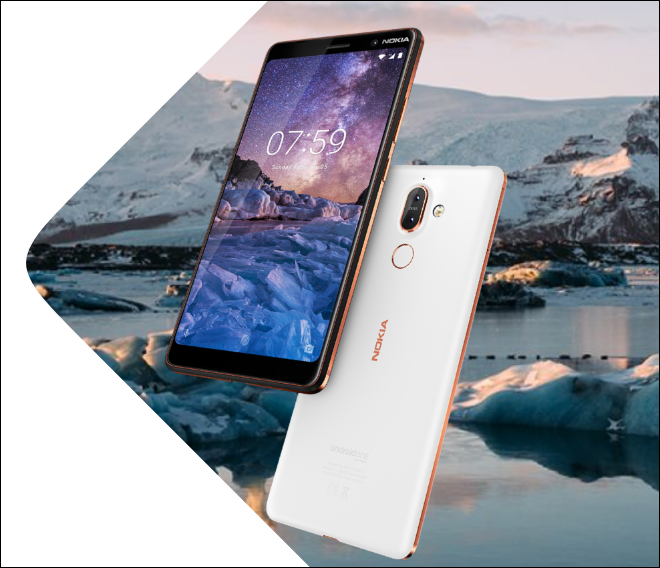
HMD Global had already confirmed the launch of its best 2018 phones in India a few days ago, and now the moment has come. Nokia 8 Sirocco and Nokia 7 Plus are officially up for pre-orders in the Indian peninsula. There are three sites where Indian customers can purchase the two handsets: Nokia 7 Plus is available on Amazon India, Nokia 8 Sirocco can be purchased on Flipkart, and both the handsets are available on the official store which can be reached by heading to Nokia.com. The 7 Plus has a listing price of INR 26,000 on Nokia’s official online store and Amazon India, which roughly translates into $393. Nokia 8 Sirocco costs INR 50,000 on the official store and Flipkart, that is equivalent to about $757.
Announced at the MWC 2018 in Barcelona, Nokia 8 Sirocco and Nokia 7 Plus are currently the most powerful HMD phones of 2018, even though the 7 Plus is less powerful than the standard Nokia 8 launched 2017. The first is its most important flagship and it features a 5.5-inch display with narrow bezels and a Quad HD resolution of 1440 x 2560 pixels. It boasts an octa-core Snapdragon 835 chipset from Qualcomm, 6 GB of RAM and 128 GB of internal storage. It also has dual cameras with a 12 MP resolution, OIS, and Carl Zeiss lenses. Instead, Nokia 7 Plus is an upper-midrange with a 6000-series aluminium body.
It is the first 18:9 handset by HMD Global and its display has a size of 6 inches and a Full HD+ resolution of 1080 x 2160 pixels. Under the hood, it has an octa-core Qualcomm Snapdragon 660 chipset paired with 4 GB of RAM and 64 GB of internal storage. Even this device features a 12 MP dual camera with Carl Zeiss optics, but it lacks OIS. Both the devices come with Android 8.1 Oreo installed out of the box and a stock UI experience. They have also been launched in the European market with a price tag of about €750 and €399, respectively.
According to the Turkish Samsung website, the former flagships, Samsung Galaxy S7 and S7 Edge will officially be updated to Android 8.0 Oreo soon. The update will start rolling out on May 18; however, the company had already confirmed the arrival of the update in the past but it wasn’t released as promised, so we can’t be sure of a final date. Recently, even a Support page from Verizon’s official website confirmed that Android Oreo would have been rolled out soon, but users haven’t got an update yet.
Further, even Samsung Turkey had confirmed the arrival of the update in the past: the official website mentioned April 13 as the rollout date, but today is 21st April and both Samsung Galaxy S7 and S7 Edge are still running Android Nougat. We hope that May 18 will be the right day. According to Samsung Turkey, besides Samsung Galaxy S7 and S7 Edge, even the Samsung Galaxy A-series (2017 models) will get updated to Android Oreo soon.
The website lists the 1st June as the rollout date of the update on Samsung Galaxy A3, A5, and A7 (2017). Previously, the trio was tipped to get the update on May 25, but according to the new info it has been delayed by six days. Android Oreo for each of the above-mentioned handsets will be customized by Samsung Experience 9.0 UI which will include several new features and improvements.
Xiaomi continues to tease the Mi 6X which is expected to drop on April 25 at a ceremony holding at Lei Jun’s Almer mater, Wuhan University. The main specifications of the device and its design are almost fully known, save for one or two. The Chinese giant has now revealed yet another feature of the mi 6X in a new teaser. The detail is the presence of a 6GB RAM and 128GB ROM variant.
This revelaton wouldn’t have been a surprise but for the fact that this would be the most generous memory combination we’ll be seeing in a mid-range device released by Xiaomi. The only mid-range model that had this is the Mi Note 3.
The 6GB RAM and 128GB storage coupled with a Snapdragon 660 chip would make this version an interesting option. It isn’t likely going to be more popular than the 6GB RAM + 64GB storage but it gives a better option to those who prefer more storage space. We also expect a similar configration on the global version which may be marketed as Mi A2.
We use cookies on our website to give you the most relevant experience by remembering your preferences and repeat visits. By clicking “Accept”, you consent to the use of ALL the cookies.
This website uses cookies to improve your experience while you navigate through the website. Out of these, the cookies that are categorized as necessary are stored on your browser as they are essential for the working of basic functionalities of the website. We also use third-party cookies that help us analyze and understand how you use this website. These cookies will be stored in your browser only with your consent. You also have the option to opt-out of these cookies. But opting out of some of these cookies may affect your browsing experience.
Necessary cookies are absolutely essential for the website to function properly. This category only includes cookies that ensures basic functionalities and security features of the website. These cookies do not store any personal information.
Any cookies that may not be particularly necessary for the website to function and is used specifically to collect user personal data via analytics, ads, other embedded contents are termed as non-necessary cookies. It is mandatory to procure user consent prior to running these cookies on your website.

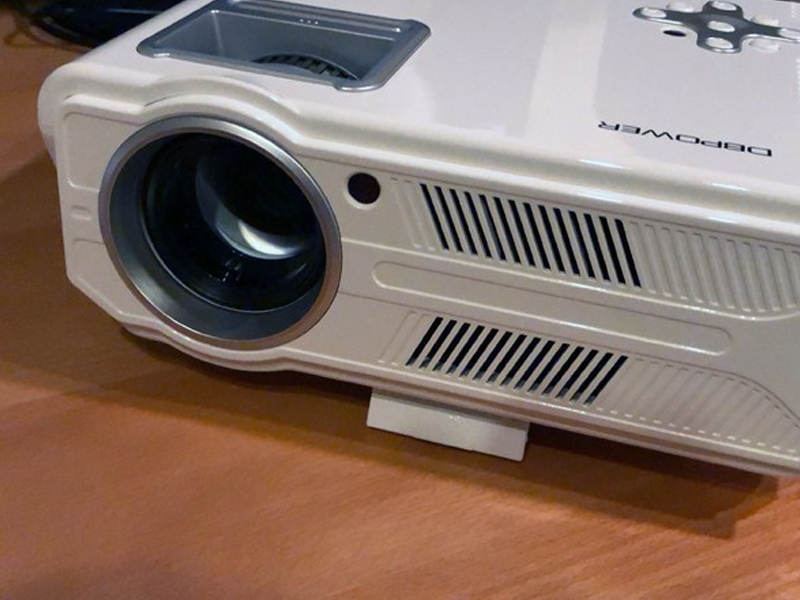
 If you’ve restlessly been waiting to experience true big screen, bright color, and clear pictures, the DBPOWER RD-819 is the perfect projector that produces an excellent projection for your home theater needs. The device can be yours if you’re willing to shell out $239.99 on Amazon.