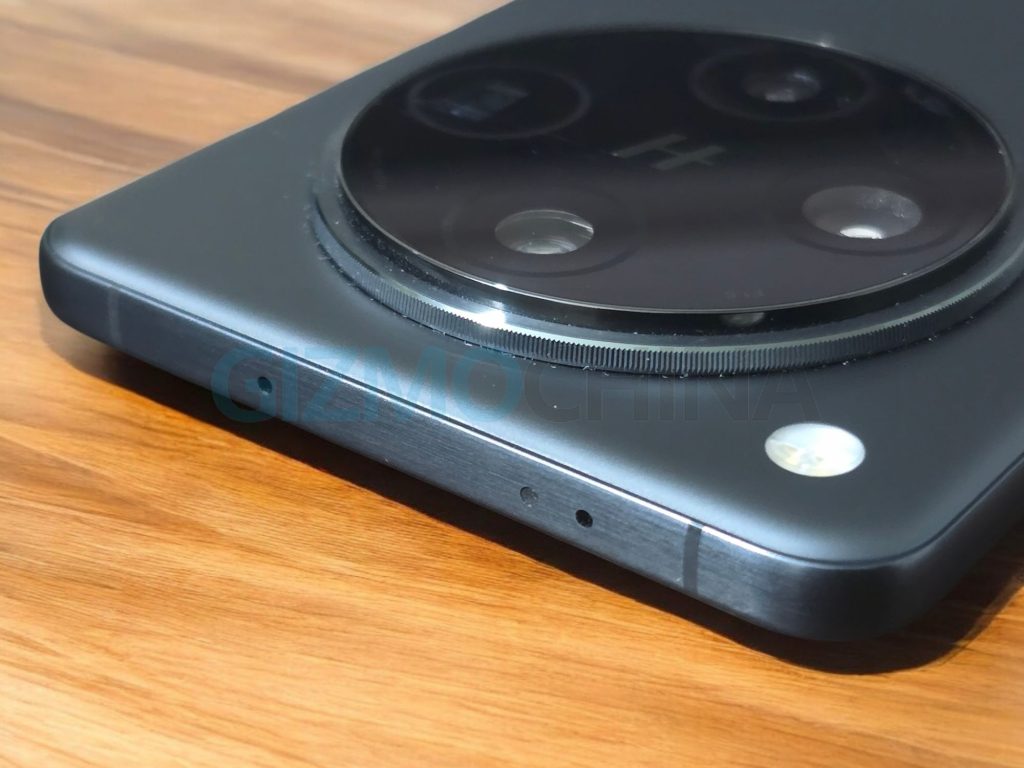
Motorola is releasing its Edge 60 Pro model in a new nature inspired finish. The smartphone was recently teased in a new Pantone Walnut color, which is now rolling out in the Indian market. This joins the existing three color options, so let’s check it out.
New Pantone Walnut Shade Brings Earthy Elegance to Moto Edge 60 Pro
Looking at the new variant, the earthy brown tone is designed to bring a touch of sophistication and warmth to the device, complementing its sleek build. Motorola is known for its bold color on its smartphones and laptops, with the new Pantone Walnut expanding on this philosophy. With this addition, Motorola continues to emphasize style alongside performance.
Motorola Edge 60 Pro in New Pantone Walnut Finish
To recall, Motorola had initially unveiled the Edge 60 Pro in three color options, namely Pantone Dazzling Blue, Pantone Shadow, and Pantone Sparkling Grape. Apart from the wooden finish, the Edge 60 Pro is the same as every other variant. So you still get a tall 6.7-inch curved pOLED 10 bit display, with a 120Hz refresh rate, 1.5K resolution, 720Hz PWM dimming, DC dimming, 4500 nits of peak brightness, and Corning Gorilla Glass 7i protection.
Under the hood, it is equipped with the MediaTek Dimensity 8350 Extreme SoC, which is paired with 12GB of RAM and 256GB of internal storage. For optics, the rear has a 50MP (Main) + 50MP (Ultra Wide) + 10MP (Telephoto) camera setup, while the front houses a 50MP selfie shooter. A massive 6,000mAh battery pack powers this device, which supports 90W wired fast charging and 15W wireless charging. Other notable features include Military-grade durability, IP68 + IP69 rating, stereo speakers with Dolby Atmos support, NFC, Bluetooth 5.4, and WiFi 6E.
For more daily updates, please visit our News Section.
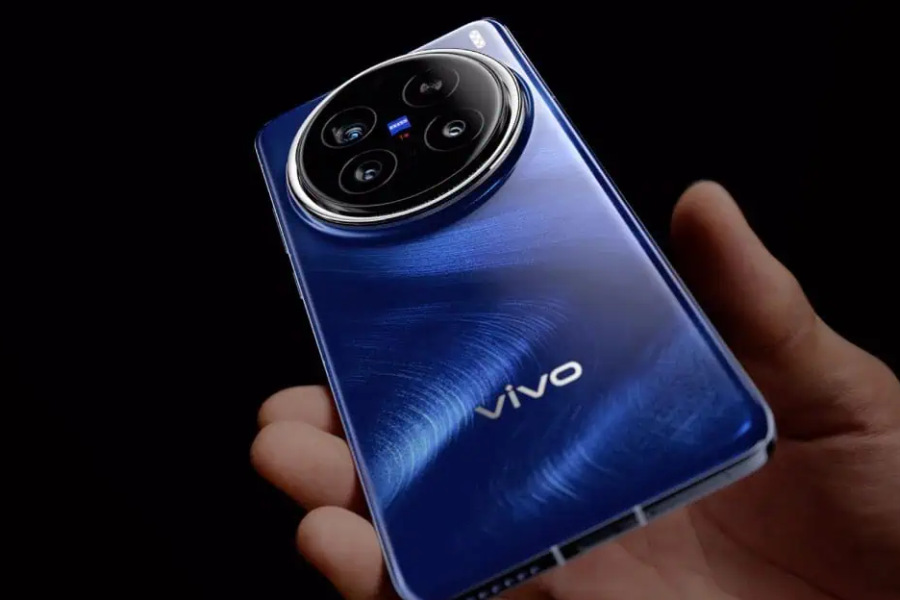
vivo is expected to launch its X300 series sometime in September this year, featuring the latest Dimensity flagship chip and improved cameras. But according to a new rumor, the base model could take an interesting turn—it might fit more comfortably in your hand and pocket.
Tipster Yogesh Brar claims the vivo X300 will be a compact flagship despite packing upgraded imaging hardware. While he didn’t share a screen size, his statement, “There is no need for an X300 Pro Mini now…” suggests the phone could be small enough to rank among the best compact flagships of 2025 and 2026.
For reference, the vivo X200 featured a 6.67-inch display and weighed 197 grams, while the X200 Pro Mini slimmed that down to 6.31-inch and 187 grams. It remains unclear how vivo plans to position the X300 and X300 Pro Mini if the standard model indeed adopts a compact form factor.
On the camera front, the vivo X300 is expected to include a 200MP (1/1.4″) main sensor, which would be an upgrade over the 50MP Sony IMX921 (1/1.56″) used in the X200. This could be joined by a 50MP ultra-wide lens and a 50MP Sony IMX882 (1/1.95″) telephoto camera with 3x optical zoom. The telephoto is also rumored to double as a macro camera.
The phone has already appeared on Geekbench 6.3.0, powered by the Dimensity 9500 and scoring 2352 in single-core and 7129 in multi-core tests.
Meanwhile, the X300 Pro Mini was rumored last month to continue using the IMX882 sensor for its 3x telephoto camera.
It will be interesting to see how vivo positions the standard X300 in the lineup—whether as a true compact flagship or as a middle ground between the X300 Pro Mini and X300 Pro. More leaks are likely to surface as we get closer to launch, so stay tuned.
Honor has just unveiled a new budget smartphone that has a durable design and promises long battery life. The Honor X7d is the latest model from the brand’s X series. So here’s everything you need to know.
Honor X7d Announced: Big Battery, Tough Build
The Chinese smartphone maker just released the X7d as the new entry level model with the SGS 5-star drop-survival certification. This basically means that the smartphone has gone through and survived rigorous drop tests. Honor also built this phone with an IP65 rating for a dust proof and water resistant design (low pressure water jets). Under the hood, it is equipped with the Qualcomm Snapdragon 685 SoC, which is paired with up to 16GB of RAM and 256GB of internal storage. Unfortunately, there is no microSD card slot for storage expansion, which is often found in budget models.
Honor X7d
It sports a tall 6.77-inch HD+ LCD panel that supports a 120Hz refresh rate. For photography, the Honor X7d packs a 108MP main camera on the rear, along with a 2MP depth sensor. Meanwhile, the front houses an 8MP shooter for selfies and video calls. Out of the box, the device runs on the Android 15 OS based MagicOS 9.0 custom skin. A highlight of this device is its huge 6,500mAh battery pack, which supports 35W wired fast charging.
The company has yet to reveal the pricing and availability details of the Honor X7d. Although, it has confirmed its color variants, namely Desert Gold, Ocean Cyan, Meteor Silver and Velvet Black. This is all the information we have at the moment, so stick around for more. The new budget phone arrives mere days after the brand unveiled the premium Magic V Flip 2 foldable phone.
For more daily updates, please visit our News Section.
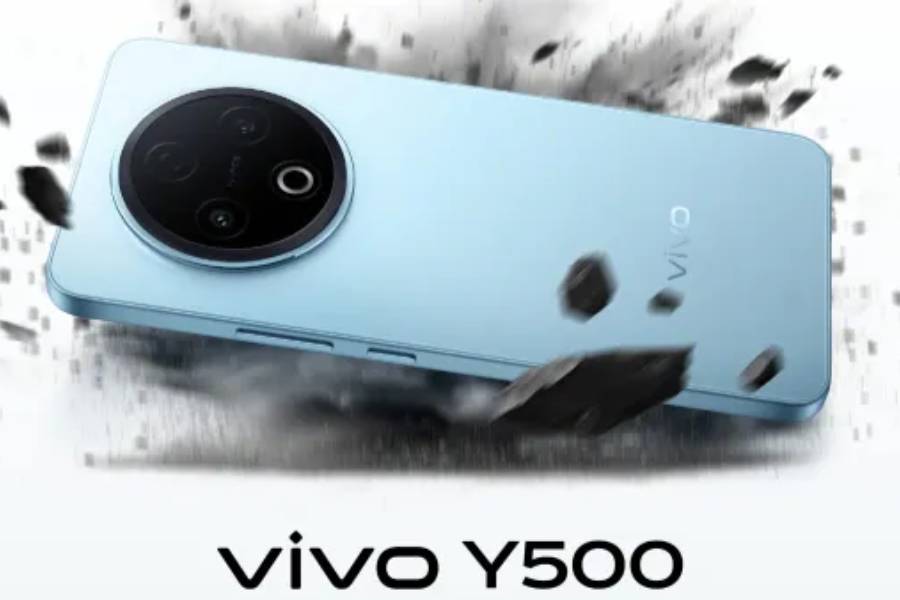
Vivo is preparing to add a new device to its Y series lineup in China. The company has confirmed that the Vivo Y500 will launch on September 1, and its biggest headline feature is a massive 8200mAh battery. That’s a big step up from last year’s Y300, which carried a 6500mAh cell. Vivo is calling it their longest-lasting battery to date.
The Y500 isn’t just about battery size. Vivo has also pushed durability further this time. The phone comes with IP69+, IP69, and IP68 ratings for water and dust resistance, making it one of the company’s most rugged devices yet.
It also has SGS Gold Label five-star certification for drop and impact resistance and has passed military-standard environmental testing. In other words, Vivo is positioning the Y500 as a phone that can take more punishment than its predecessors.
The company has released a teaser that gives a first look at the design. It shows a punch-hole display on the front, a dual rear camera setup with a ring-shaped LED flash, and three color options: Black, Blue, and Violet.
As for specs, reliable tipster Digital Chat Station has shared what to expect under the hood. The Y500 will reportedly run on MediaTek’s Dimensity 7300 processor, replacing the Dimensity 6300 used in the Y300. It will also keep an FHD+ OLED screen with a 120Hz refresh rate. The rear cameras are said to include a 50MP main sensor with a secondary lens, while the front will feature an 8MP selfie camera.
With a launch just days away, Vivo is clearly setting the Y500 apart with a focus on long battery life and durability. More details, including pricing and availability outside China, should be announced once the phone goes official.
For more daily updates, please visit our News Section.
The Google Pixel 10 series is finally here with the all-new Tensor G5 chipset, promising significant upgrades over last year’s G4 chip. This is the biggest upgrade to Tensor chips and promises a significant performance increase, but despite all that, it couldn’t stand strong against the Snapdragon 8 Elite (see the comparison here). The latter is much more powerful than the Tensor G5.
So now, we’re more interested in finding out how the latest Tensor chip fares against the 2023’s Snapdragon 8 Gen 3. Can it beat the Snapdragon’s two-year-old flagship chipset? Let’s see what the benchmarks have to say.
Tensor G5 vs Snapdragon 8 Gen 3: Benchmark score
Note: The Tensor G5 benchmark scores are obtained from leaked sources (1,2). We’ll update them once we test the device. The reference devices used for benchmark testing are Pixel 10 Pro XL (Tensor G5) and Galaxy S24 Ultra (Snapdragon 8 Gen 3).
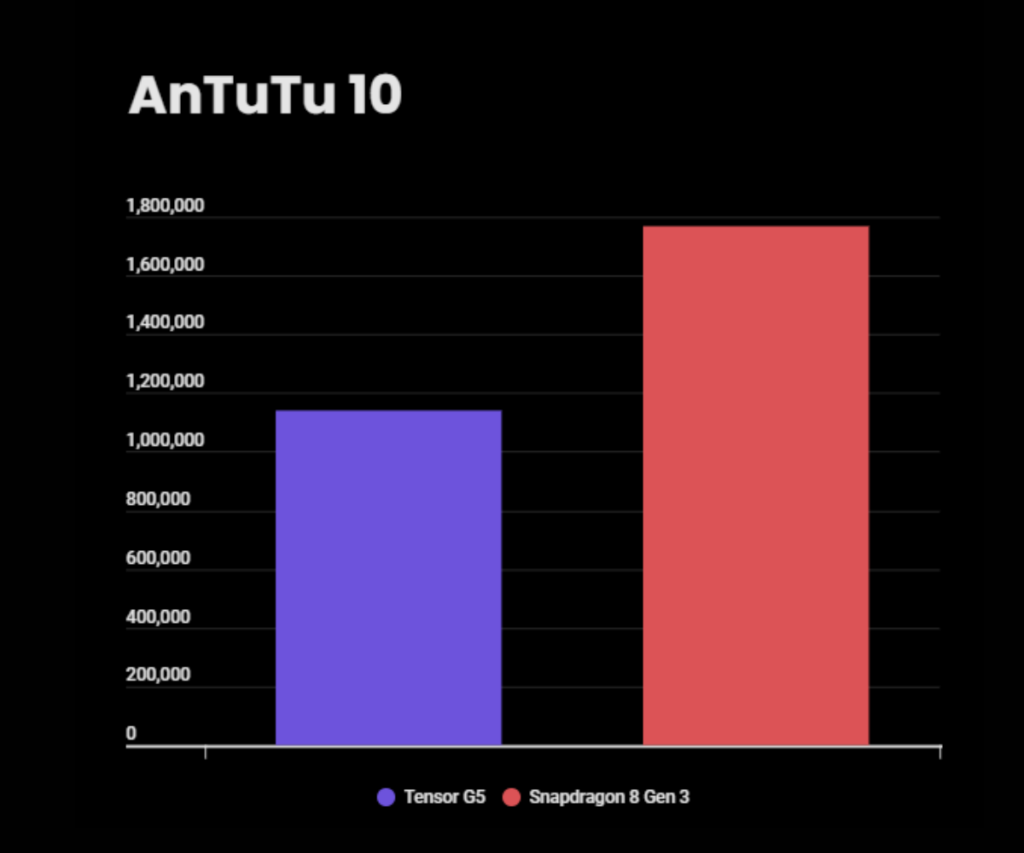
Tensor G5 vs Snapdragon 8 Gen 3 AnTuTu score
The Snapdragon 8 Gen 3 pulls well ahead of the Tensor G5 in AnTuTu, scoring 1,768,372 compared to the Tensor’s 1,140,286 — a gap of nearly 55% in overall performance.
The Qualcomm chip leads across the board. Its CPU score of 441,650 is about 41% higher than Tensor’s 313,500. The GPU score widens the gap even further, with the Snapdragon chip posting nearly a 66% boost, which should translate into smoother gaming and stronger graphics performance.
The memory (371,609 vs 246,571) and UX (302,008 vs 185,520) also lean in favor of the Snapdragon. So, while the Tensor G5 promises a significant performance boost, it still can’t beat the Snapdragon 8 Gen 3 in raw performance.
Tensor G5 (leaked score)
Snapdragon 8 Gen 3
AnTuTu score
1,140,286
1,768,372
CPU
313,500
441,650
GPU
394,695
653,105
Memory
246,571
371,609
UX
185,520
302,008
Tensor G5 vs Snapdragon 8 Gen 3 Geekbench score
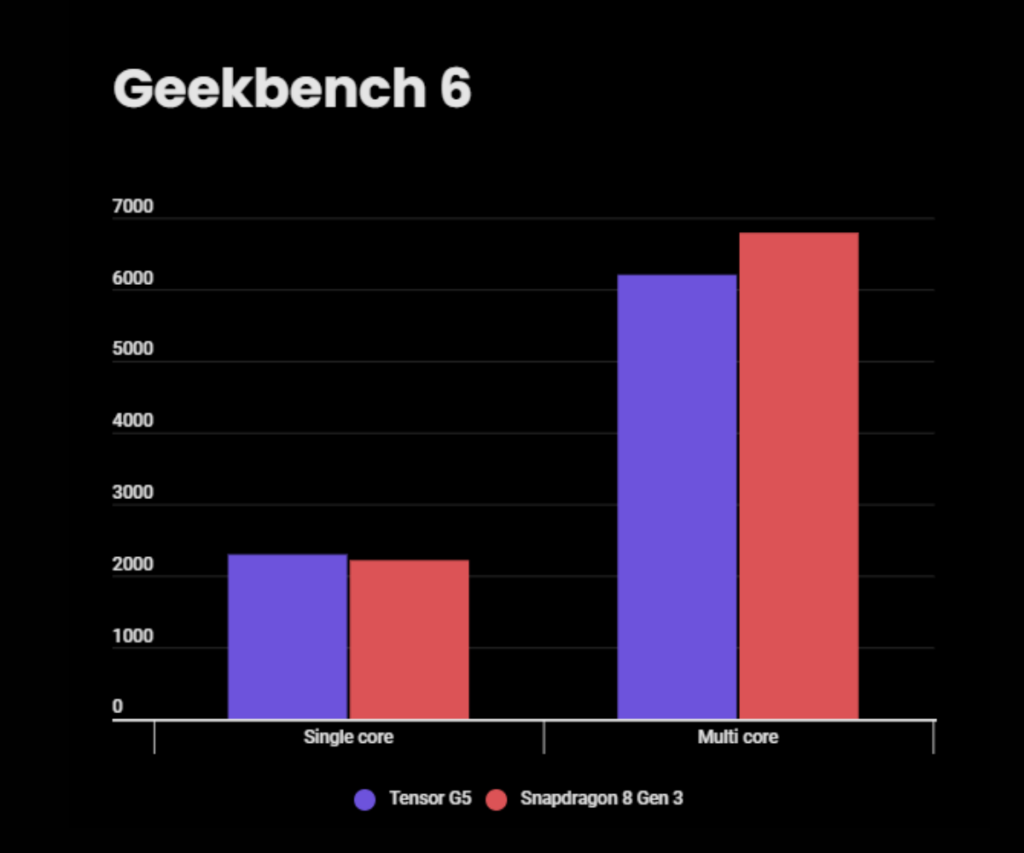
On Geekbench, the results are much closer than on AnTuTu. In fact, the Tensor G5 achieves a higher single-core score than the Snapdragon 8 Gen 3 (2,296 vs. 2,216), but the gap is narrow. The Snapdragon chip outperforms in multi-core performance, achieving a 9.5% higher score (6,791 vs. 6,203).
Tensor G5 (leaked score)
Snapdragon 8 Elite
Single core
2,296
2,216
Multi core
6,203
6,791
In terms of raw performance, the Snapdragon 8 Gen 3 outperforms Google’s latest Tensor G5 mobile chipset significantly in benchmarks. Let’s now look at the spec sheet and major differences for better clarity about these two chipsets.
For the first time, Google chose TSMC to manufacture the Tensor G5, while the previous Tensor chips were manufactured by Samsung. The former is well-reputed for making high-performance and highly efficient smartphone chips.
The Snapdragon 8 Gen 3 is also manufactured using TSMC’s manufacturing facility. The difference here is that the Tensor G5 utilizes a more advanced 3nm processing node, compared to the Snapdragon 8 Gen 3’s 4nm, resulting in improved power efficiency.
The two chips also feature different CPU architectures for mid-cores, with the Tensor G5 equipped with five Cortex-A725 cores, while the Snapdragon chip utilizes five Cortex-A720 cores. The remaining cores, however, are the same.
For visual rendering, the Tensor G5 features a PowerVR DXT-48-1536 GPU, whereas the Snapdragon 8 Gen 3 has an Adreno 750 GPU with higher floating-point operations per second (FLOPS).
Tensor G5 vs Snapdragon 8 Gen 3: Conclusion
The Tensor G5 brings many solid upgrades, and for this reason, Google calls it “a game-changer for Pixel”. However, when compared to the Snapdragon 8 Gen 3, it’s clear that Google still has some catching up to do. The Snapdragon chip dominates in almost every category on AnTuTu and Geekbench.
Please note that the comparison uses leaked benchmark data for Tensor G5. So, there can still be some differences when we’ve the data from our testing. We’ll update the article accordingly.
Following the Amazon Prime Day sale discount on the Lumio Arc 7, the company has just started rolling out the more affordable Arc 5 model in the Indian market. Like the higher end variant, the new projector also comes with special launch offers, so here are all the details.
Lumio Arc 5 Projector Drops in India
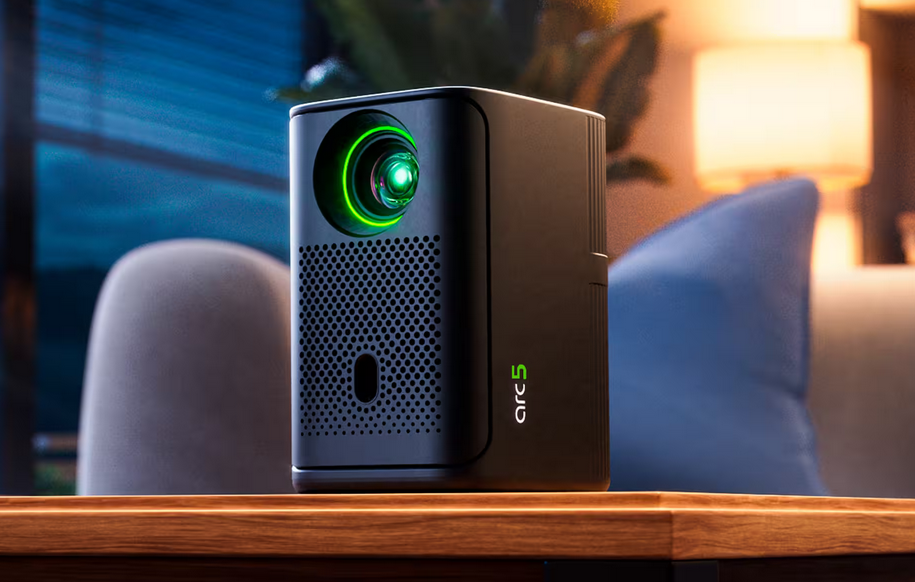
The new Indian tech brand just released the Arc 5 in the Indian market via Amazon India. The Arc 5 model is a portable projector thanks to its light 1.33 kilogram weight. Despite its compact form factor, the Lumio Arc 5 can project a screen size of up to 100 inches. This screen has a resolution of 1080p, while also supporting the HDR10 standard and Google TV.
Lumio Arc 5
The Lumio Arc 5 arrives with the brand’s proprietary ArcLight Engine, TL;DR, 200 ANSI lumens of brightness, and an Under Stand that helps tilt the projector. Lumio also brings native support for apps like Netflix, Amazon Prime Video, and YouTube. Under the hood, it is equipped with the MediaTek 9630 SoC with 2GB of RAM and 16GB of storage. This projector was built with a sealed and dust proof body that was designed in Bangalore.
Other notable features include Google TV, Bluetooth Speaker Mode, two 5W speakers with dual passive radiators, Dolby Atmos support, obstacle avoidance, and even a TOF sensor for autofocus. Lumio pairs the Arc 5 with the Minion remote, which supports Google Assistant voice control and dedicated shortcut buttons. The Arc 5 was announced for 19,999 INR, with an introductory price tag of 17,499 INR.
For more daily updates, please visit our News Section.
Last week, tipster Digital Chat Station revealed that the Xiaomi 16 lineup may include three models, such as the Xiaomi 16, Xiaomi 16 Pro and Xiaomi 16 Pro Mini (tentative name). All three phones are expected to debut by the end of September in China. A new leak, courtesy of tipster Smart Pikachu, has revealed that the Xiaomi 16 Pro will see major changes.
Xiaomi 16 Pro display details tipped
Xiaomi 16 Pro display size leak by Smart Pikachu
According to the leak, the Xiaomi 16 Pro may feature a 6.8-inch flat OLED LTPO panel with 2K resolution. The screen is expected to have ultra-narrow bezels, giving it a balanced four-sided look. The screen is said to be equipped with new eye care technology, which can make it bright and soft at the same time. In comparison, the Xiaomi 15 Pro from last year features a slightly smaller 6.73-inch OLED panel with a micro-quad-curved design.
The leak also states that the device has a triple-camera setup on the back. While the tipster did not mention the camera sensors, the photography experience is said to outclass iPhones.
Rumours suggest that the Xiaomi 16 lineup may include a Pro Max model. However, it is unclear how will it differ from the 16 Pro. The 16 series will also include the Xiaomi 16 Ultra, which is expected to launch in the first half of 2026.
For more daily updates, please visit our News Section.
Oppo has already begun ColorOS 16 beta testing on several devices and will soon start rolling out the stable update as well. It’s a major upgrade and should be an exciting one, as it’s supposed to bring a host of new features, visual changes across the UI, and numerous improvements.
The Android 16-based update will be available on a range of Oppo devices, including the premium Find N-series, Find X-series, mid-range Reno-series, K-series, F-series, and budget-friendly A-series (see the complete list here). The sad part, however, is that over a dozen of them will receive this as their last major upgrade. In other words, they won’t get any major upgrades beyond Android 16 and ColorOS 16.
We’ve prepared a list of such Oppo devices. Review it below to find out if you may need a hardware upgrade sometime next year to continue receiving the latest features and enhancements.
Oppo devices that will receive Android 16 as their final major upgrade
Oppo Reno 12 F
Oppo Reno 12 F 4G
Oppo Reno 11 F
Oppo F27
Oppo F27 Pro+
Oppo F25 Pro
Oppo K12
Oppo K12x
Oppo K12 Plus
Oppo Pad 3 Pro
Please note that this is an unofficial list, prepared based on the current update policy and a little bit of guesswork. Hence, I recommend checking the official announcement for the final confirmation.
The final OS upgrade to these Oppo phones — Android 16 — will be released later this year. Post that, they will continue to receive security updates for a while before reaching the end of software updates.
When will Oppo release the Android 16-based ColorOS 16 update?
Oppo hasn’t announced the ColorOS 16 release date yet. However, it’s been a reliable brand when it comes to software updates. It was also one of the few brands to offer early access to Android 16 beta in April.
Earlier this month, Oppo kicked off the ColorOS 16 closed beta testing program, starting with the Find X8 and Find X8 Pro, marking a significant step towards the stable release. More devices are expected to receive the ColorOS 16 beta in the coming weeks.
Regarding the stable rollout, there has been no official announcement yet. However, according to reports, it could go live next month, starting with the premium models. Hopefully, Oppo will release the ColorOS 16 rollout timeline soon, which will give us better clarity about the rollout.
Vivo has just launched the Vivo V60 in some Asian markets. Reports have revealed that the brand is now working on the 4G and 5G versions of the Vivo V60 Lite. These variants are said to have the V2530 and V2529 model numbers. Both devices have appeared on Geekbench, revealing the chipsets powering them.
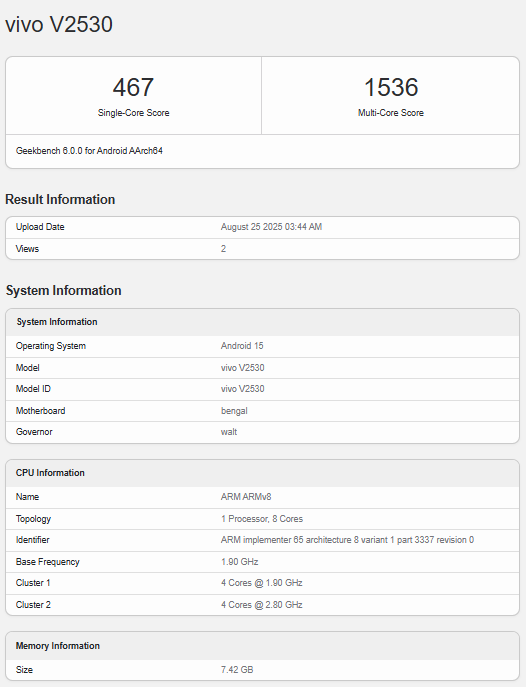
Vivo V60 Lite 4G Geekbench listing
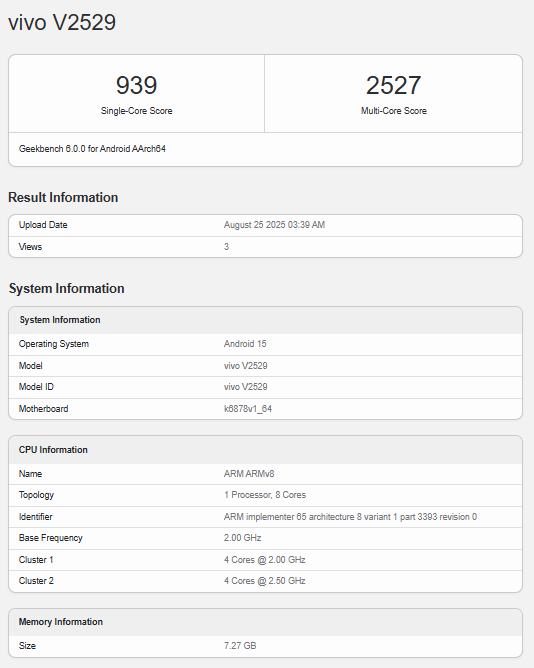
Vivo V60 Lite Geekbench listing
As can be seen above, the Vivo V2530 and V2529 phones have surfaced on Geekbench. The V2530 variant, which is expected to hit the market as the Vivo V60 Lite (4G), will feature a Qualcomm chip with four cores clocked at 1.90GHz, four cores at 2.80GHz, and an Adreno 610 GPU. These details suggest that the device could be equipped with the Snapdragon 685 SoC.
The Vivo V60 Lite (4G) has 8GB of RAM and Android 15. In the single-core and multi-core tests, the device scored 467 and 1536 points, respectively. So far, the device has received certifications from platforms such as SDPPI (Indonesia), CQC (China), and EEC (Europe). The CQC listing has revealed that the device will support 90W fast charging. Its other specifications are still under wraps.
Vivo V60 Lite 5G Geekbench listing
Vivo V60 Lite 5G Geekbench listing
The Vivo V60 Lite 5G, which bears the V2529 model number, is powered by a MediaTek chipset. The SoC includes four cores clocked at 2.0GHz, four cores at 2.50GHz, and a Mali-G615 MC2 GPU. This indicates that the device is equipped with the Dimensity 7300.
The V60 Lite 5G also features 8GB of RAM and Android 15. It scored 939 and 2527 points on the single-core and multi-core tests, respectively. The device has received multiple certifications, such as SIRIM (Malaysia), EEC (Europe), and Nemko, but none of these listings have revealed anything further about the device’s specifications.
For more daily updates, please visit our News Section.
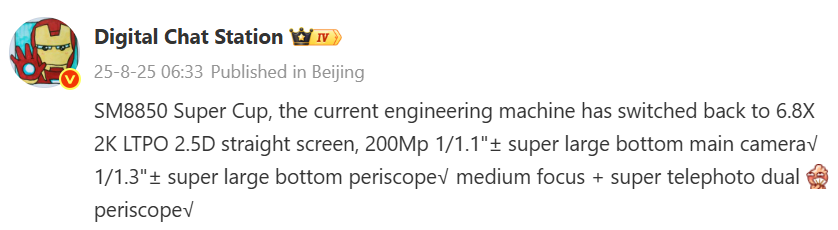
Oppo is expected to unveil the Find X9 and Find X9 Pro in China this October, while the Find X9 Ultra is reportedly scheduled for release in the first half of 2026. Well ahead of its debut, tipster Digital Chat Station has shared early details about the Ultra edition’s display and cameras, based on an engineering prototype currently under testing.
Oppo Find X9 Ultra display, camera details (rumored)
Find X9 Ultra leak by DCS
According to the leak, the Find X9 Ultra features a 6.8-inch flat OLED LTPO display with 2K resolution and 2.5D glass on top. Recent reports have suggested that the Find X9 Pro will not carry the dual 50-megapixel periscope cameras found on last year’s Find X8 Pro. Instead, it is expected to sport a single 200-megapixel periscope unit. By contrast, the Find X9 Ultra is said to be the only model in the lineup to arrive with a dual periscope telephoto system, combining a mid-tier and a flagship-grade sensor for greater zoom versatility.
DCS further claims that the rear camera setup of the Find X9 Ultra will include a 200-megapixel main sensor sized at 1/1.1-inch, along with a periscope telephoto camera using a 1/1.3-inch large sensor. He also reiterated that the phone would carry another periscope telephoto unit, reinforcing Oppo’s aim of delivering a multi-focal zoom experience.
On the battery front, the Find X9 Ultra is tipped to house a capacity of around 7,000mAh, while the Find X9 Pro could feature a slightly larger 7,500mAh unit. All major upcoming Oppo devices, including the Find X9 series and Reno 15 lineup, are expected to run on ColorOS 16 based on Android 16. As far as the X9 Ultra launch is concerned, it is expected to debut in Q2 2026.
For more daily updates, please visit our News Section.
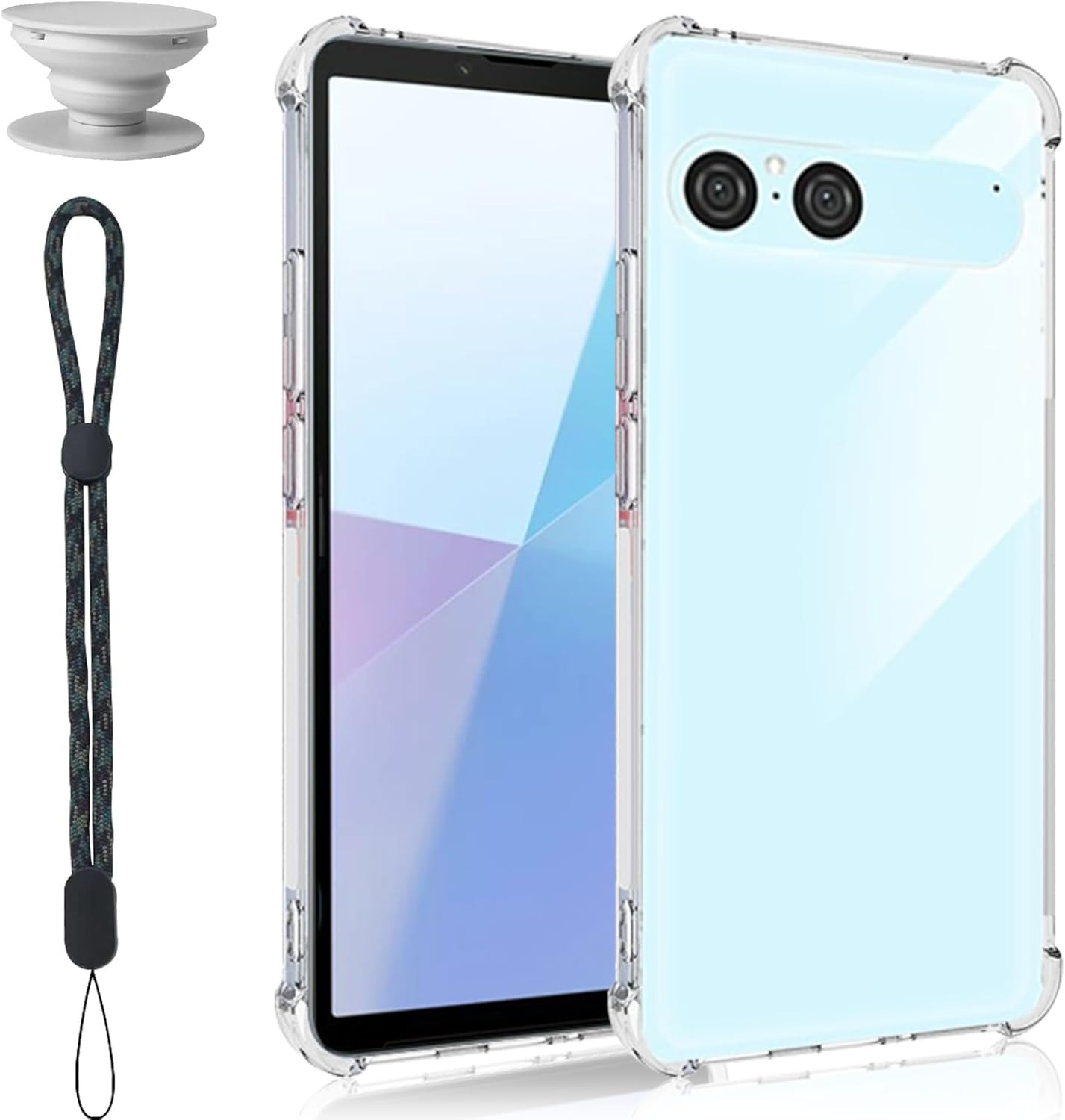
The Sony Xperia 10 VII is expected to launch in October 2025, but case manufacturer SpinoArmor has already listed a protective case for the phone on Amazon Japan. The listing gives an early look at the design, although the final version is not confirmed.
The images show a major change in the camera layout. Sony appears to have switched to a pill-shaped camera module that runs almost across the back of the phone. It places the two cameras side by side instead of stacking them vertically as in the Xperia 10 VI. The module also includes an LED flash and two microphones.
The front of the device still uses a display with thick top and bottom bezels, without a notch or punch-hole. On the right side are the volume and lock buttons, along with a mount for a wrist strap. The case images do not show a camera shutter button, although the Xperia 10 VII is still expected to have one.
Rumors suggest the phone will feature a 6.1-inch display in a 21:9 aspect ratio, making it one of the slimmest smartphones available. The frame is expected to be made of metal instead of plastic. Sony is also said to be upgrading the processor from the Snapdragon 6 Gen 1 used in the previous model to the newer Snapdragon 6 Gen 4.
The Xperia 10 VII continues Sony’s strategy of offering compact devices with tall screens, a focus that appeals to a smaller audience rather than the mass market. Sony’s global smartphone share has dropped to about 1 percent, and the company has scaled back sales in many regions, including parts of Europe. Despite this, Sony has kept the Xperia brand active, aiming it at users who value camera features and a distinctive design approach.
For more daily updates, please visit our News Section.
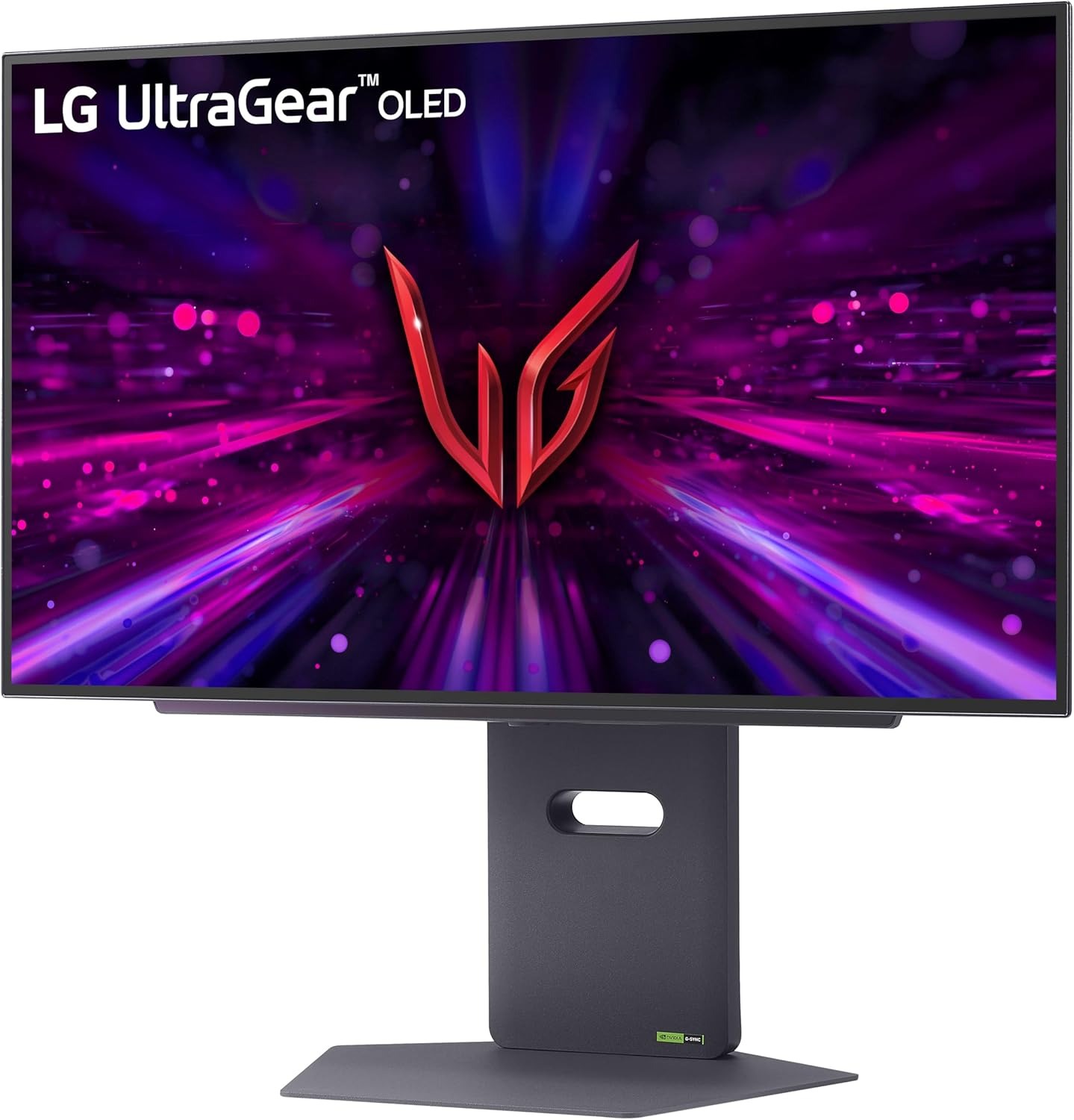
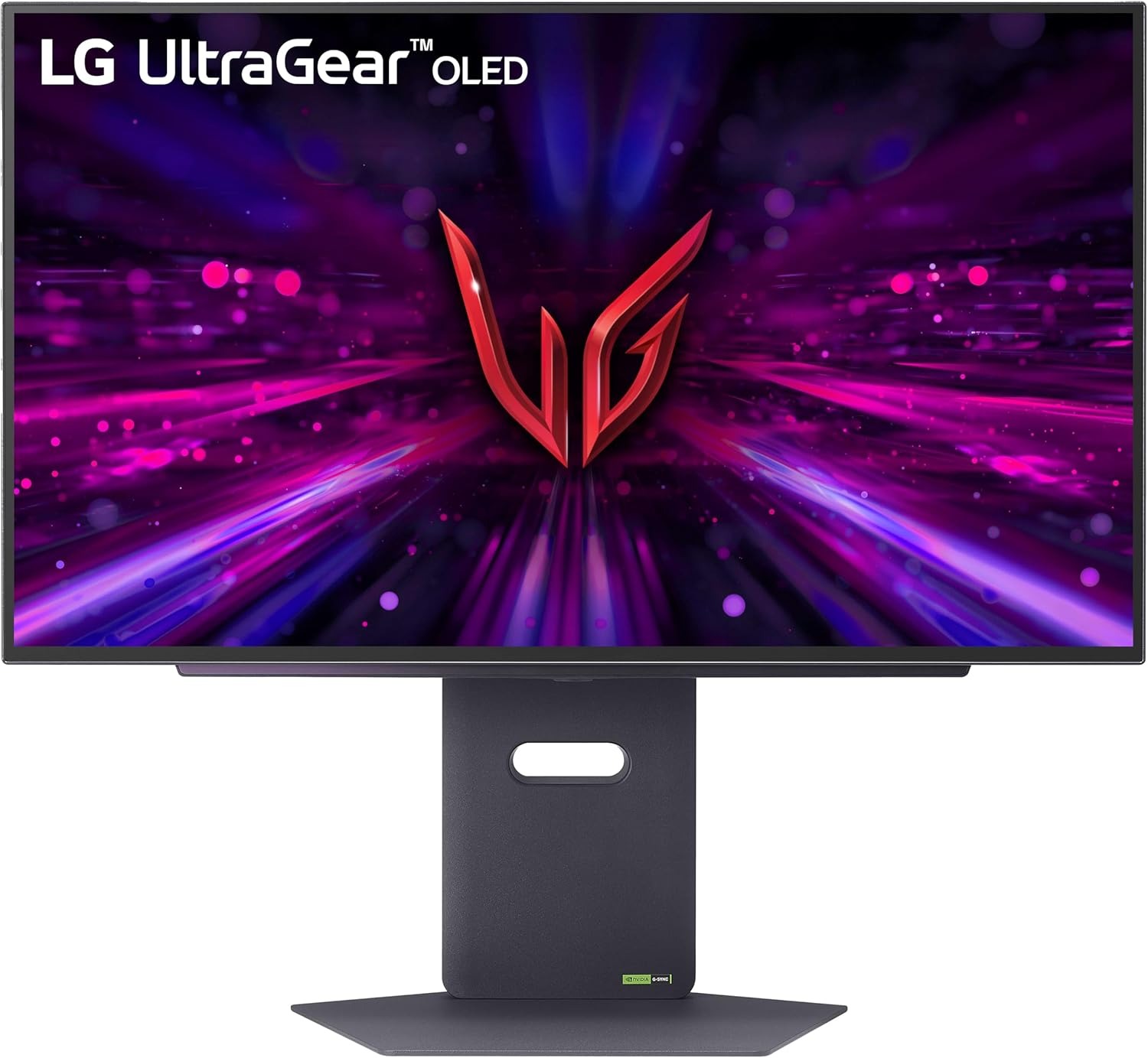
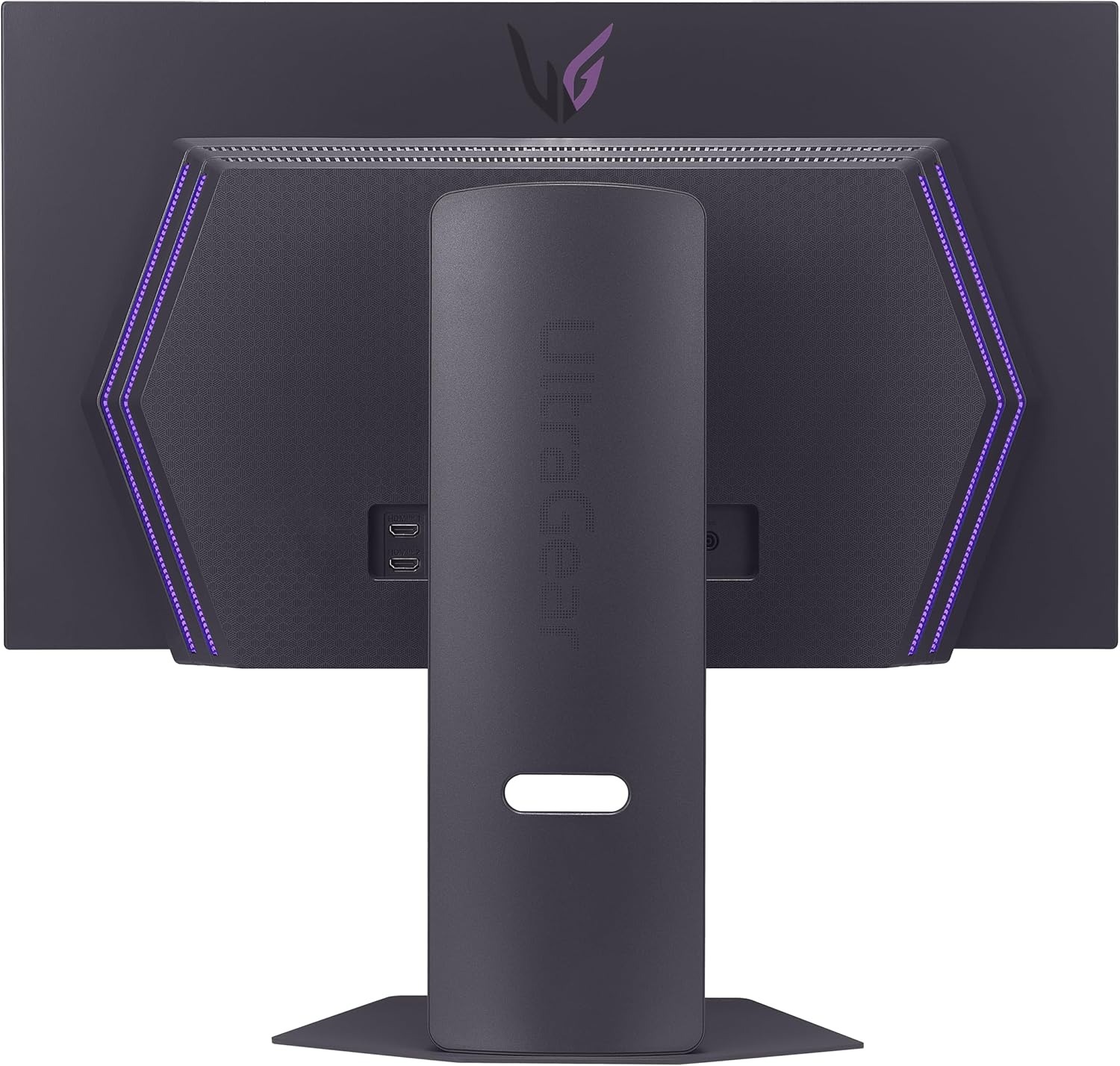
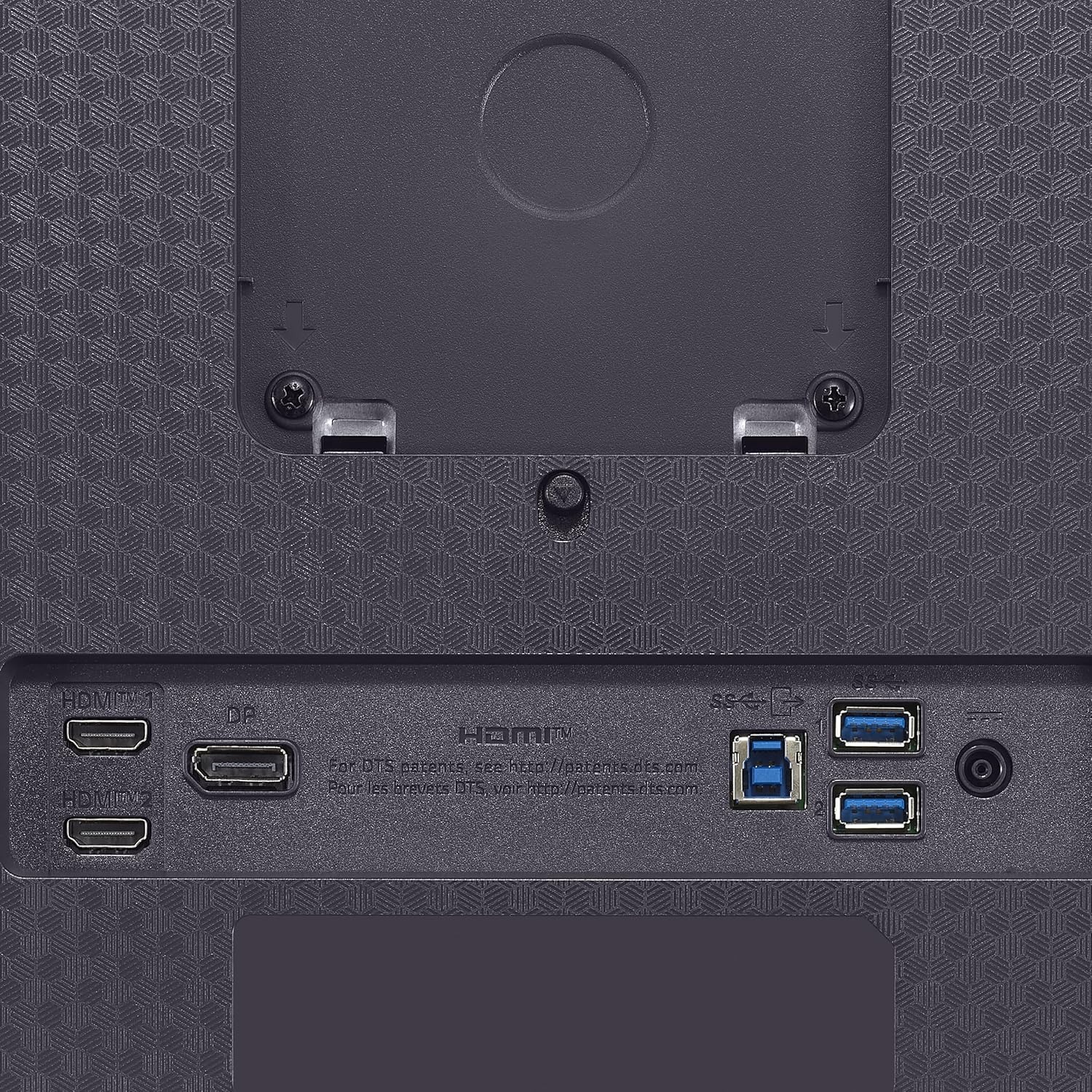
LG has released the UltraGear OLED 27GX700A, a 27-inch QHD (2560×1440) gaming monitor that uses its new 4th Gen WOLED panel with Primary RGB Tandem technology. The monitor supports a 280 Hz refresh rate with a 0.03 ms response time. It is certified for HDR True Black 500, covers 99.5 percent of the DCI-P3 color space, and is equipped with DisplayPort 1.4 and HDMI 2.1 inputs, enabling 1440p gaming at up to 280 Hz.
The Primary RGB Tandem panel design stacks two blue layers with one each for red and green to improve brightness and extend panel lifespan. This structure allows the UltraGear OLED 27GX700A to deliver around 335 nits in SDR and peak at 1,500 nits. According to LG, this is its brightest WOLED monitor so far.
The monitor also includes a 27-inch flat panel layout designed for gaming and professional use. Its low input lag combined with the high refresh rate makes it suitable for competitive gaming, while the wide color coverage and HDR certification support content creation and media use.
Pricing & availability
The UltraGear OLED 27GX700A first went on sale in China and Hong Kong, priced at CNY 4,599 (about $640). Recently, it appeared on Amazon US at $849.99, though it is currently listed as out of stock.
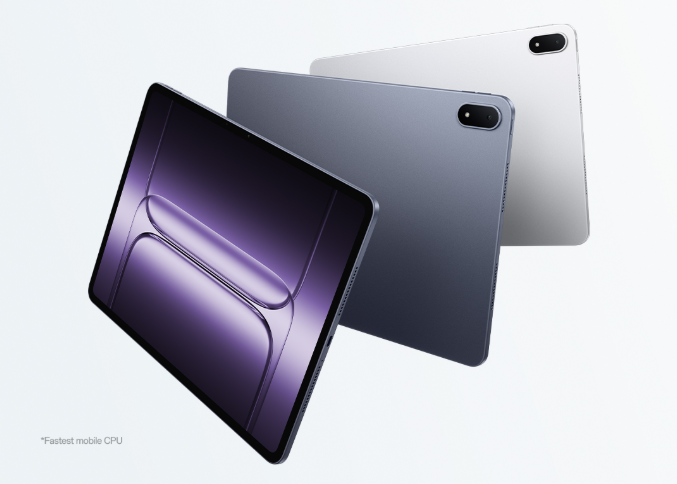
OnePlus has confirmed that its latest tablet, the Pad 3, will go on sale in India starting September 5 at 12 PM IST, available through OnePlus’ online store as well as Amazon India and other select partners.
The Pad 3 packs serious power under the hood. Its heart is Qualcomm’s Snapdragon 8 Elite chipset — the fastest mobile SoC from Qualcomm to date. That’s paired with up to 16 GB RAM and 512 GB storage, giving users plenty of speed and multitasking headroom.
You’re looking at a 13.2-inch LCD with 3.4K resolution (3,392 × 2,400), 12-bit color, and a buttery 144 Hz refresh rate — one of the sharpest and most vivid displays on Android tablets right now. It’s also thin and light, all while packing a 12,140 mAh battery with 80 W fast charging, meaning solid battery life without waiting around.
The Pad 3 doesn’t skimp on audio or productivity features either. Expect an 8-speaker setup for immersive sound, OnePlus’s Open Canvas mode for dragging and dropping between up to three apps, and optional accessories like the Stylo 2 stylus and Smart Keyboard to round out the experience.
OnePlus hasn’t announced the official India pricing yet. In the US, the tablet launched at $699 (around ₹61,000), but analysts expect the Indian price to be lower, likely between ₹40,000 and ₹50,000. For context, the OnePlus Pad 2 debuted at ₹39,999, so the Pad 3 could follow a similar strategy.
All told, the Pad 3 brings flagship-level specs to the Indian tablet market. If the price hits right, it could be the most compelling Android alternative to Apple’s iPad in the premium segment.
Oppo’s next flagship, the Find X9 Pro, has surfaced in a detailed leak that outlines nearly all of its key specifications. The handset is expected to launch in China in October, followed by a global rollout — including India — by mid-November.
According to Smartprix, the Find X9 Pro will feature a 6.78-inch flat OLED display with 1.5K resolution and a 120Hz refresh rate. Powering the phone is MediaTek’s Dimensity 9500 chipset, paired with up to 16GB of RAM and 512GB of storage.
The rear camera setup includes a 50MP Sony LYT-828 primary sensor, a 50MP Samsung ISOCELL JN5 ultrawide, and a 200MP ISOCELL HP5 periscope telephoto with 3x optical zoom. On the front, a 50MP JN5 sensor with autofocus handles selfies.
Battery life is another highlight — the phone is said to pack a 7,550mAh cell with 80W wired and 50W wireless charging support. Other expected features include an ultrasonic in-display fingerprint reader, Wi-Fi 7, NFC, and a multifunction key. The device will ship with ColorOS 16 based on Android 16.
Reports suggest Oppo will keep pricing in line with the previous Find X8 Pro, around ₹90,000 (~$1,030) in India. That puts it directly against other upcoming flagships such as the Samsung Galaxy S25 Ultra and Apple iPhone 17 Pro. With its large battery, high-resolution cameras, and top-tier hardware, the Find X9 Pro is shaping up to be Oppo’s most competitive flagship to date.
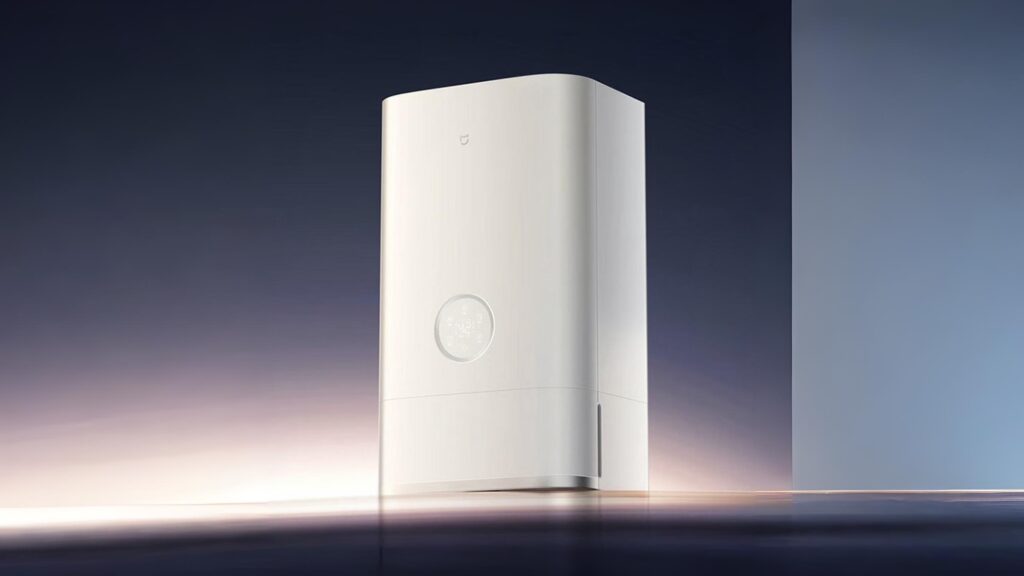
Xiaomi has launched a new premium smart appliance in China, the Mijia Smart Gas Water Heater Pro. The product is priced at 5499 yuan ($767) but will be available for an introductory price of 4999 yuan ($697) starting on August 24.
Mijia Smart Gas Water Heater Pro Specs
The Mijia Smart Gas Water Heater Pro features a 16-liter capacity and includes an advanced dual-core water softening system. It uses built-in resin beads to perform ion exchange, removing calcium and magnesium ions from the water.
Xiaomi claims a softening rate of up to 99%, reducing hardness levels from 450mg/L to as low as 20mg/L. This purified water is designed to be gentler on skin, hair, and fabrics. Lab tests showed a 30.68% increase in cheek hydration, a 33.6% drop in scalp oil, and a 12.5% reduction in forehead oil after 28 days of use.
The heater includes a four-stage filtration system that filters out particles and bacteria using magnetization, mesh filtration, silver-ion modules, and deoxygenation phosphate. It features a corrosion-resistant copper tank and has received Mother and Baby Grade certification for its water quality and safety.
In terms of performance, the heater can deliver 16 liters of hot water per minute with a 25K temperature rise, supported by a 30.0kW thermal load. It uses internal and external dual-loop constant temperature control to maintain a stable water temperature during use. The CQC Level 1 low-noise design includes a sealed combustion chamber, wide-blade fan, and multi-layer soundproofing to reduce operating noise.
The TSI (Turbo Smart Increase) booster pump system supports a 10-meter lift and increases water output by 180%, allowing the heater to deliver consistent flow in multi-story homes. The system also speeds up preheating by 50%, ensuring quicker access to hot water.
Xiaomi has added a drawer-style salt tank that allows users to insert softening salt blocks. The Mi Home app provides real-time alerts when salt needs refilling. The heater supports HyperOS, allowing integration with Xiaomi’s broader smart home ecosystem, including app control and automation with other devices.
Both the Honor Magic V Flip 2 and Samsung Galaxy Z Flip 7 are among the new wave of premium flip phones. The Magic V Flip 2 is one of the latest contenders from China, while the Galaxy Z Flip 7 is Samsung’s refined clamshell foldable. So here’s how they stack up across key categories to help you decide which flip phone fits your style and needs.
Design & Display
Samsung is a veteran in the foldable segment, and the Galaxy Z Flip 7 brings the best from the brand. We finally get a taller 4.1-inch cover display on the rear, while the main screen is a big 6.9-inch panel. Even the design gets refinements with a 6.5mm body (13.7mm when folded), which weighs just 188 grams.
Honor Magic V Flip 2
On the other hand, the Magic V Flip 2 has a hefty 204 grams weight, which is also thicker (6.9mm folded and 15.5mm unfolded). But this model makes up for this with its premium design, with one variant being co-designed by Jimmy Choo, and a higher IP58+IP59 rating (IP48 on the Z Flip 7). For the display, you get a 6.82-inch primary and a 4-inch cover screen. While there isn’t a big difference between the main displays on both phones (except the high 4320Hz PWM dimming), the Magic V Flip 2’s external screen has a higher resolution and 1-120Hz variable refresh rate (LTPO).
Please Note: When you buy something using the links in our articles, we may earn a small commission at no cost to you.
Performance
Samsung Galaxy Z Flip 7
Honor equips the Magic V Flip 2 with the older yet powerful Snapdragon 8 Gen 3 SoC. This is a proven chip for gaming, everyday performance, and power efficiency. Meanwhile, the Galaxy Z Flip 7 is the first foldable from Samsung to skip a Qualcomm chip, replacing it with its very own flagship Exynos 2500. The Exynos series has seen its fair share of criticism, but the latest model promises near Snapdragon 8 Elite performance.
Camera
Samsung, unfortunately, didn’t bring any substantial upgrades to the camera system on the Galaxy Z Flip 7. So you still get a 50MP main camera (1/1.57-inch, f/1.8) and a 12MP ultra wide angel lens (1/3.2-inch, f/2.2) on the rear and a 10MP selfie shooter. So you get a more premium setup on its new Magic V Flip 2, which packs a 200MP primary sensor (1/1.3-inch, f/1.9) and a 50MP ultra wide angle lens (f/2.0). Even the selfie camera is a 50MP shooter.
Battery & Charging
Samsung Galaxy Z Flip 7
Honor impresses by packing a huge 5,500mAh battery pack on the Magic V Flip 2. This is further complemented by super fast 80W wired charging and 50W wireless charging support. In comparison, the Galaxy Z Flip 7 feels generations behind. Samsung does pack a larger 4,300mAh cell on this year’s flip, but this is still a lot smaller. The slower 25W wired fast charging and 15W wireless charging speeds don’t help its case either.
If you want a huge battery life, flagship-level camera performance, and standout design, the Honor Magic V Flip 2 seems like the perfect match. However, a smartphone is a lot more than just its specs, and the polished software goes a long way. Samsung’s wider availability of the Galaxy Z Flip 7 also makes it a popular first choice for many, especially first time foldable buyers.
For more daily updates, please visit our News Section.
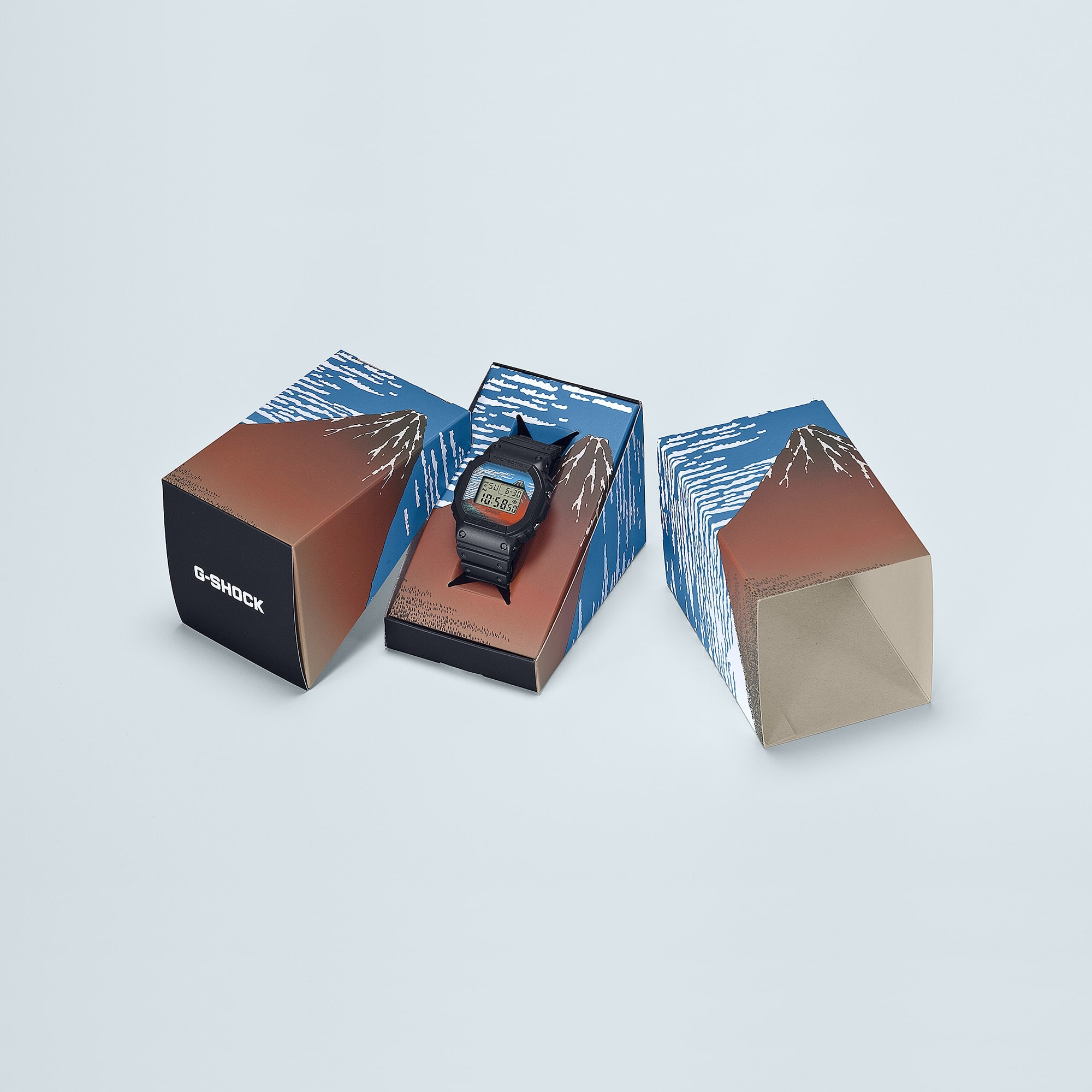
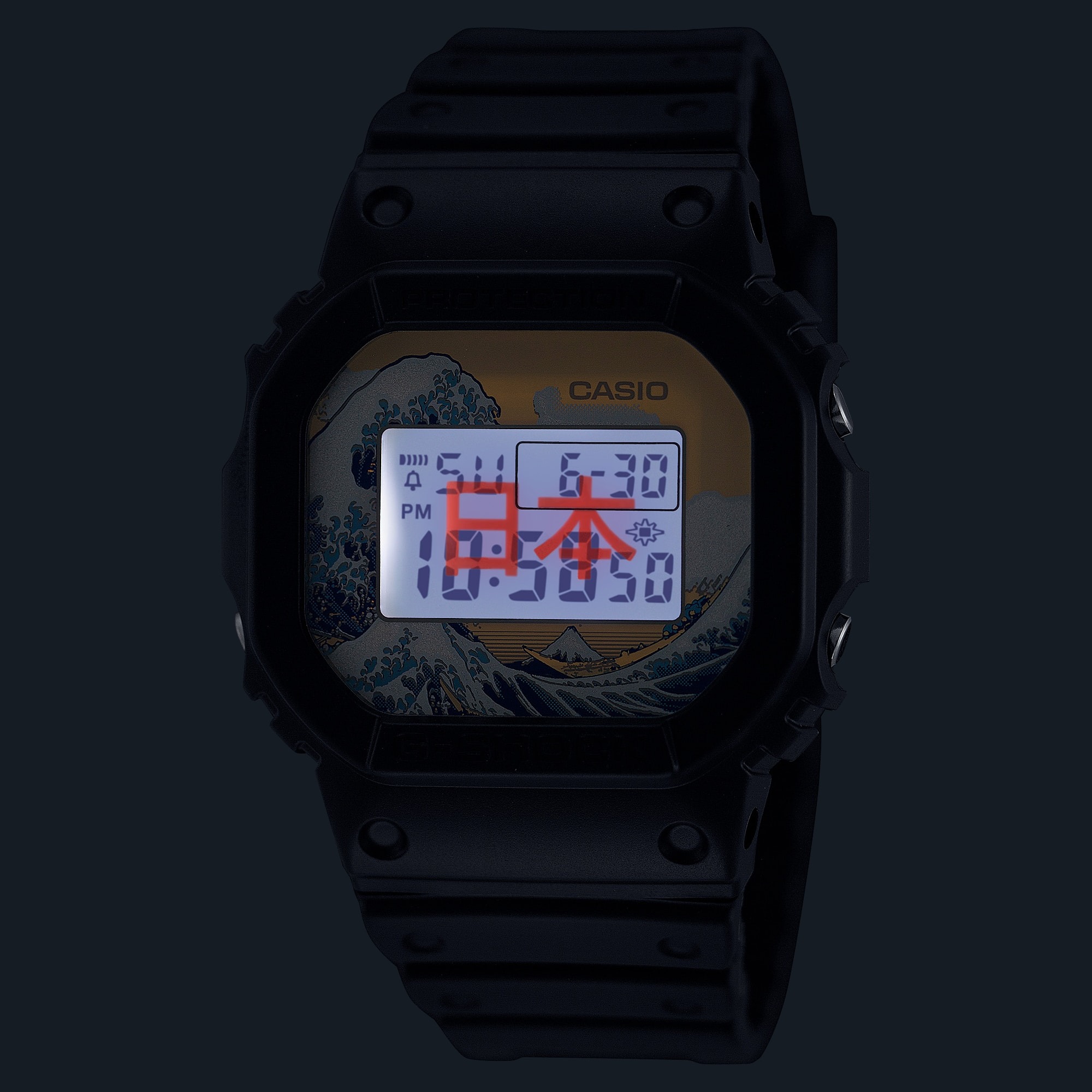
Casio is expanding its collaboration with Japanese artist Katsushika Hokusai to more European markets. Two models, the G-Shock DW-5600KHG25-1 and DW-5600KHK25-1, were first released in Japan earlier this year and are now listed on Casio’s online stores in Germany, the Netherlands, and other EU countries.
G-Shock DW-5600KHG25-1G-Shock DW-5600KHK25-1
The DW-5600KHG25-1 is based on Hokusai’s “Fine Wind, Clear Morning,” showing Mount Fuji in orange against a blue sky. The DW-5600KHK25-1 uses the famous “The Great Wave off Kanagawa,” with blue waves set against a light yellow background. Both watches have a positive display with a light background, surrounded by a black resin bezel, case, and strap. Dimensions are 48.9 × 42.8 × 13.4 mm, and the weight is 52 g. The band is resin and fits wrist sizes from 145 to 205 mm.
These models are part of the DW-5600 series and come with standard G-Shock functions. Features include a 1/100 second stopwatch with split time and first and second place measurements, a countdown timer with a 24-hour range, hourly time signal, and a multifunctional alarm. A flash alert is included, which triggers with alarms, countdowns, and hourly signals. The display shows time, date, and day of the week. A white LED backlight with afterglow makes the screen visible in low light, and pressing the light button reveals the Japanese characters for Japan (日本). These characters are also engraved on the caseback.
The watches are shock resistant and water resistant to 200 m. They use a CR2016 battery with an estimated five-year life. The mineral glass display adds durability, and the calendar is fully automatic until 2099. Accuracy is rated at ±15 seconds per month.
Pricing & availability
In the EU, both watches will sell for €119, with the UK release of the DW-5600KHK25-1 priced at £99.90. Release dates have not been confirmed.
For more daily updates, please visit our News Section.
Vivo has officially confirmed some of the camera upgrades of its upcoming flagship smartphone. The Vivo X300 Pro will debut soon with new main camera from Sony and another new sensor from Samsung for its telephoto shooter. So here’s what we know.
Vivo X300 Pro Confirmed to Feature Sony’s Next-Gen Camera Sensor
Vivo X300 Pro Render
The Chinese brand is expected to unveil its next generation X300 series of flagship devices sometime next month. These models will likely pack MediaTek’s latest and greatest Dimensity 9500 SoC. To recall, the Vivo X200 lineup (especially the X200 Pro model) received praises for its camera prowess thanks to its collaboration with Zeiss. Now, Vivo confirmed the camera sensors that will power the photography on the X300 Pro model.
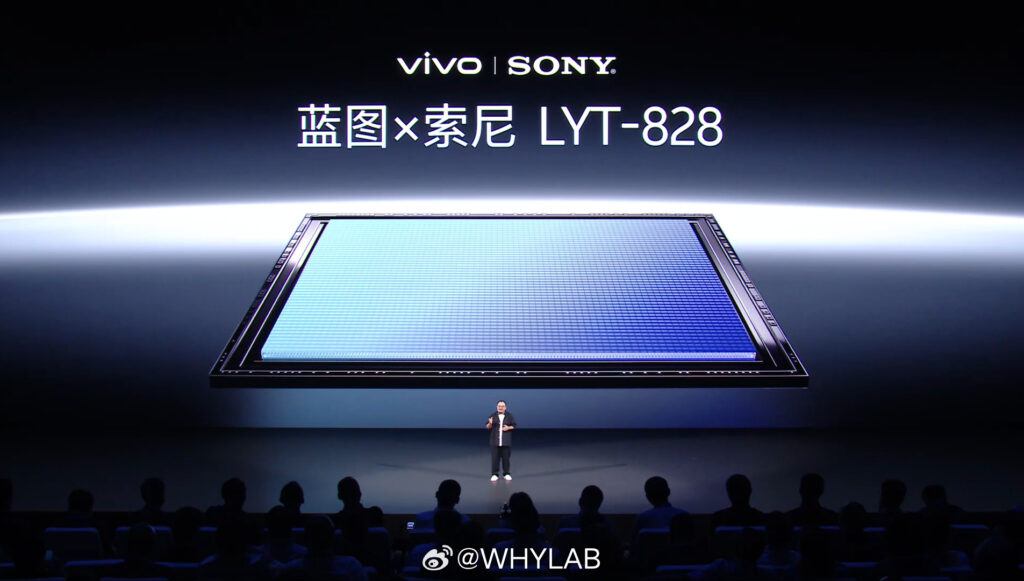
Looking at some of the pictures shared online (Via NotebookCheck), the Vivo X300 Pro will feature the Sony LYT828 sensor, which has a 50MP resolution and a 1.28-inch sensor size. This is the successor to the LYT818 that was used in the X200 Pro model. The new LYT828 also has 1.22 μm wide pixels and will likely be paired with the brand’s VS1 and V3+ imaging chip. So we can expect an improvement in image quality from the next gen X300 Pro.
That’s not all, even the periscope telephoto shooter is getting an upgrade with a new Samsung shooter. While the details are still at large, the company might use Samsung’s new 200MP camera for the telephoto camera for better zoomed shots. This is all the information we have at the moment, so stick around for more as more details should surfaced ahead of the X300’s debut. In related news, the Vivo X300 Pro just got certified in China’s CMIIT database with a massive 6,500mAh battery pack.
For more daily updates, please visit our News Section.
Xiaomi has released the Smart Camera C100 in several European markets. The indoor security camera was first listed on Xiaomi’s global website earlier this year, and it is now available for purchase in the UK and Germany through the company’s online store at £24.99 and €24.99. It is also listed on Amazon in Germany, Spain, France, and the Netherlands, although shipping from Amazon will begin in about a month.
Specifications
The Smart Camera C100 features a 3MP sensor that records video at 2304 × 1296 resolution. It uses the H.265 video codec to cut storage needs and improve playback. The camera has a 128-degree wide-angle lens and an f/1.6 aperture, which allow full-color video capture in low-light conditions. For night use, it includes invisible 940nm infrared LEDs that avoid the red glow often seen on other cameras.
Features
AI functions on the C100 include human detection, crying baby alerts, loud noise detection, and virtual fence monitoring. The camera can track movement and send alerts if someone enters or leaves a set area. Two-way voice calls are supported through the Xiaomi Home app, with Acoustic Echo Cancellation and Noise Suppression for clear audio.
Privacy and Connectivity
A physical lens shield can be slid into place to stop recording, and users can set up privacy masking zones to block selected areas from monitoring. Xiaomi says all AI processing is handled locally for better performance and reduced cloud use.
The Smart Camera C100 supports Wi-Fi 6 and Bluetooth 5.2, and it works with Android 8.0 or later and iOS 12.0 or later. It can connect with Google Assistant and Amazon Alexa. Storage options include microSD cards up to 256GB, NAS devices, and Xiaomi’s cloud storage service.
The camera weighs 170 grams and measures 69 × 68 × 115 mm. It runs on a 5V⎓1A power source. Xiaomi has not confirmed a full global rollout, but the current listings point to a wider launch soon.
For more daily updates, please visit our News Section.
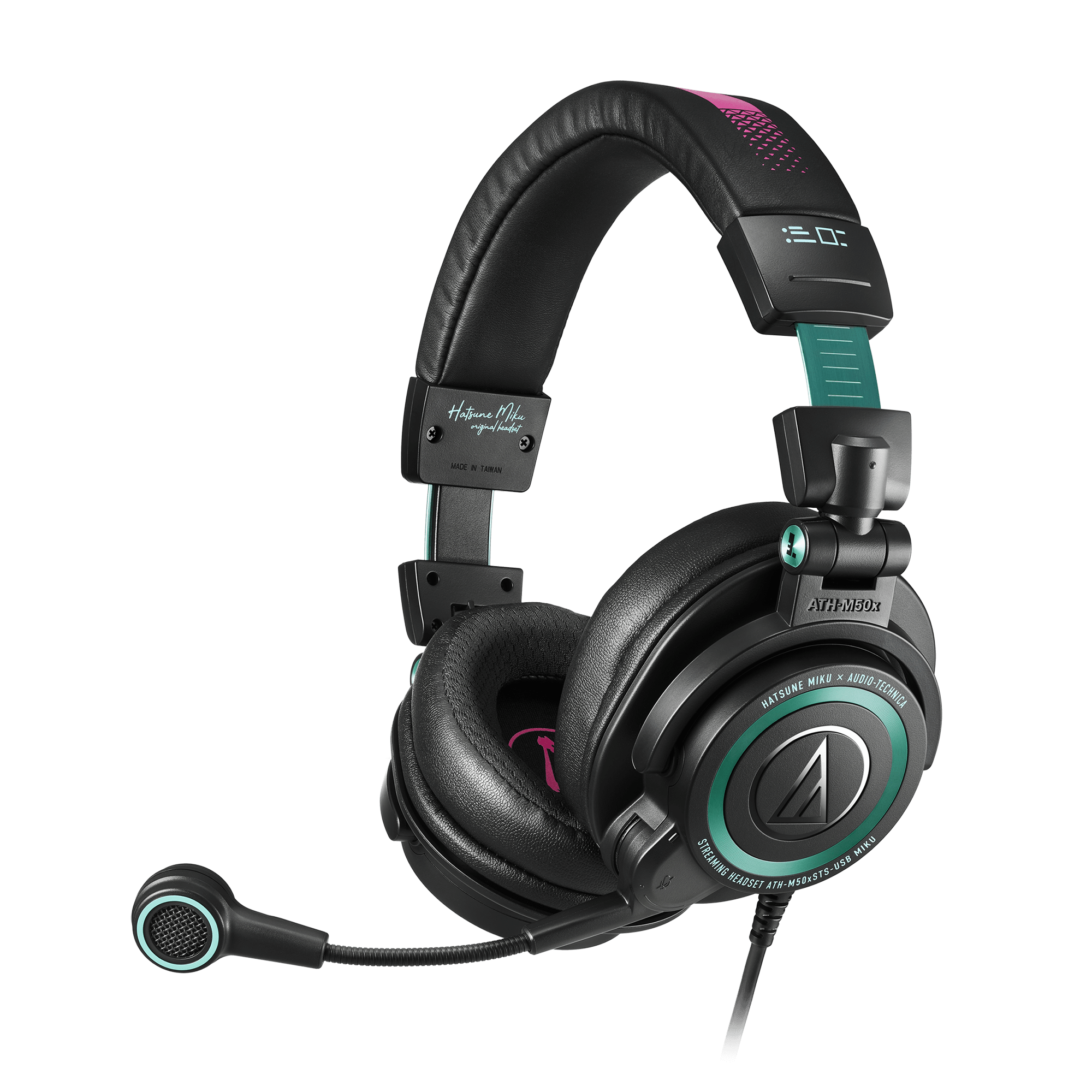
Audio-Technica has released the ATH-M50xSTS-USB MIKU Streamset, created in collaboration with Hatsune Miku, the virtual singer developed by Crypton Future Media. The headset is based on the ATH-M50xSTS-USB, built for streamers and content creators, and keeps the performance of Audio-Technica’s best-selling ATH-M50x and 20 series models.
The headset uses large-diameter 45mm drivers with high-force magnet CCAW voice coils for high-resolution monitoring and clear sound across a wide frequency range. It includes a sidetone function that allows users to hear their own voice through the headphones. The flexible boom arm positions the microphone at the mouth, helping reduce ambient noise during streaming or recording.
The ATH-M50xSTS-USB MIKU connects through USB Type-A and comes with a USB Type-C adapter for plug-and-play use on PC and Mac. It is priced in the U.S. at a MAP of $279.00.
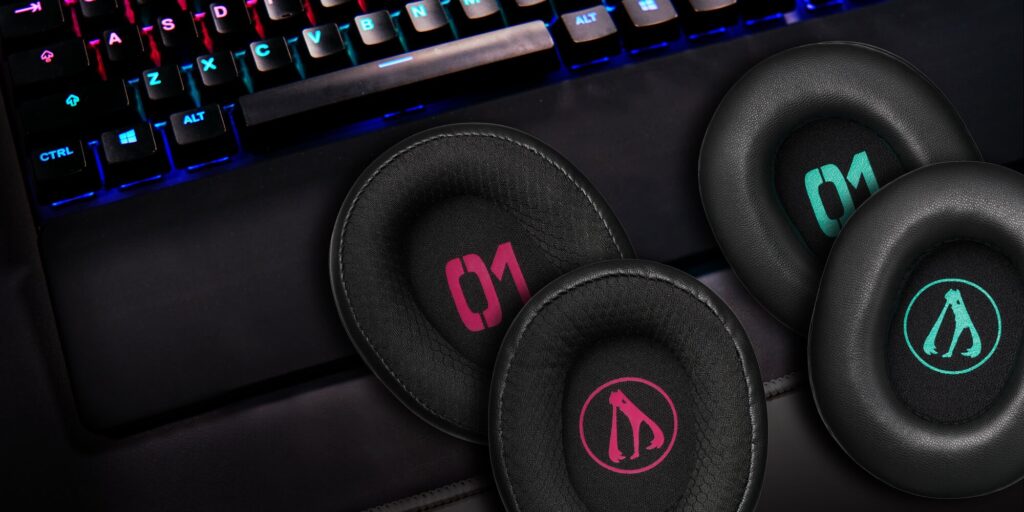
The design incorporates details inspired by Hatsune Miku. The headband features lines based on her hair accessories, and Miku motifs appear in the original graphics. The housing ring, slider, and other parts are finished with metallic “Miku Green” accents that contrast with the dark base color. The packaging also follows the theme, featuring exclusive artwork drawn by illustrator LAM.
Hatsune Miku was first introduced as a music software by Crypton Future Media that allows users to create songs by entering lyrics and melodies. The character has since grown into a cultural phenomenon and is now recognized worldwide through music, live virtual performances, and merchandise.
We use cookies on our website to give you the most relevant experience by remembering your preferences and repeat visits. By clicking “Accept”, you consent to the use of ALL the cookies.
This website uses cookies to improve your experience while you navigate through the website. Out of these, the cookies that are categorized as necessary are stored on your browser as they are essential for the working of basic functionalities of the website. We also use third-party cookies that help us analyze and understand how you use this website. These cookies will be stored in your browser only with your consent. You also have the option to opt-out of these cookies. But opting out of some of these cookies may affect your browsing experience.
Necessary cookies are absolutely essential for the website to function properly. This category only includes cookies that ensures basic functionalities and security features of the website. These cookies do not store any personal information.
Any cookies that may not be particularly necessary for the website to function and is used specifically to collect user personal data via analytics, ads, other embedded contents are termed as non-necessary cookies. It is mandatory to procure user consent prior to running these cookies on your website.