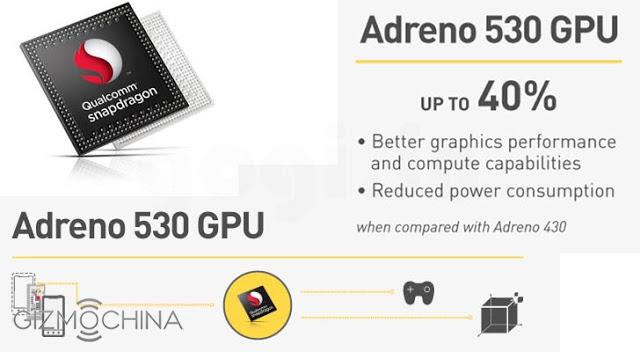
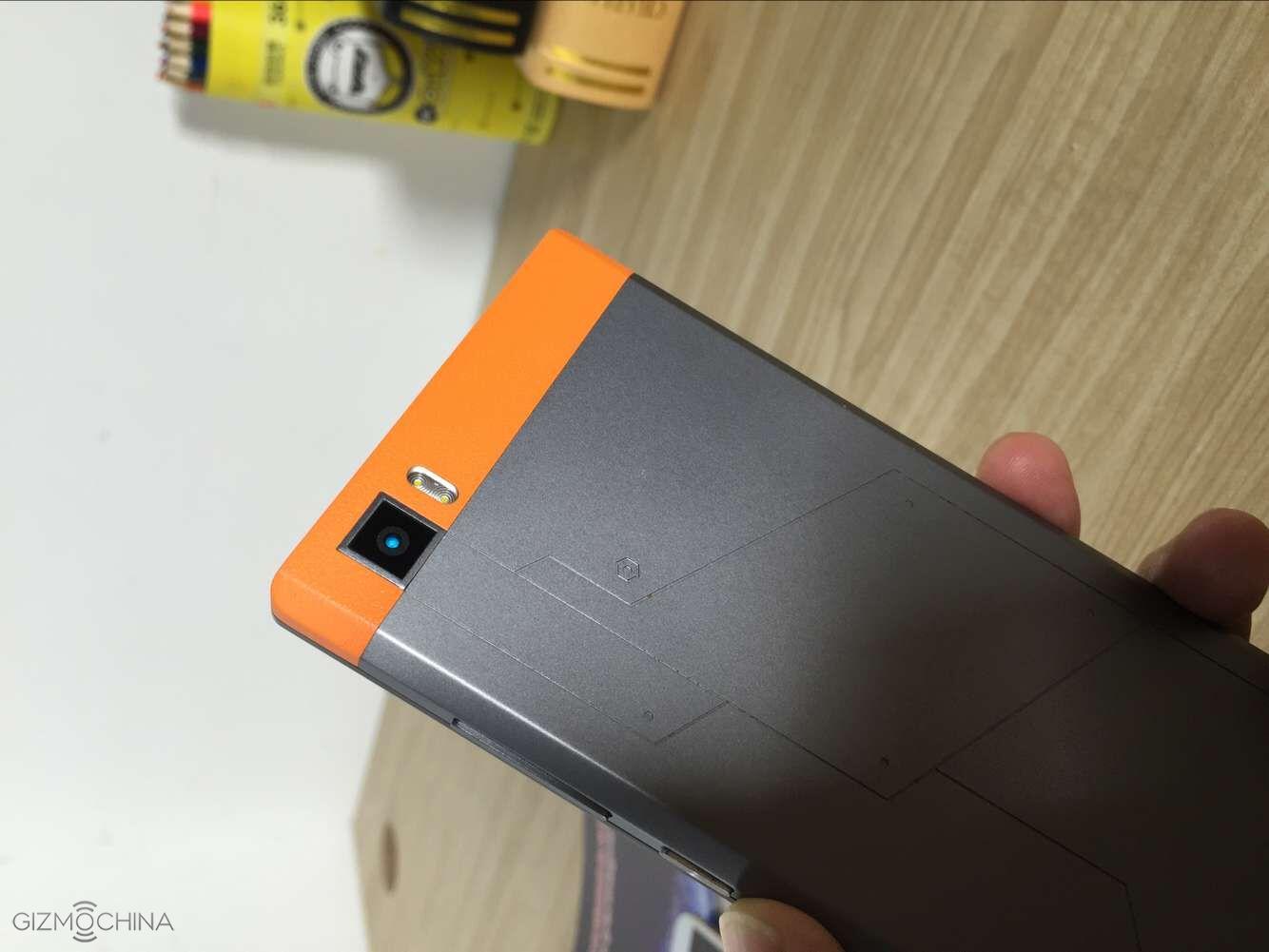
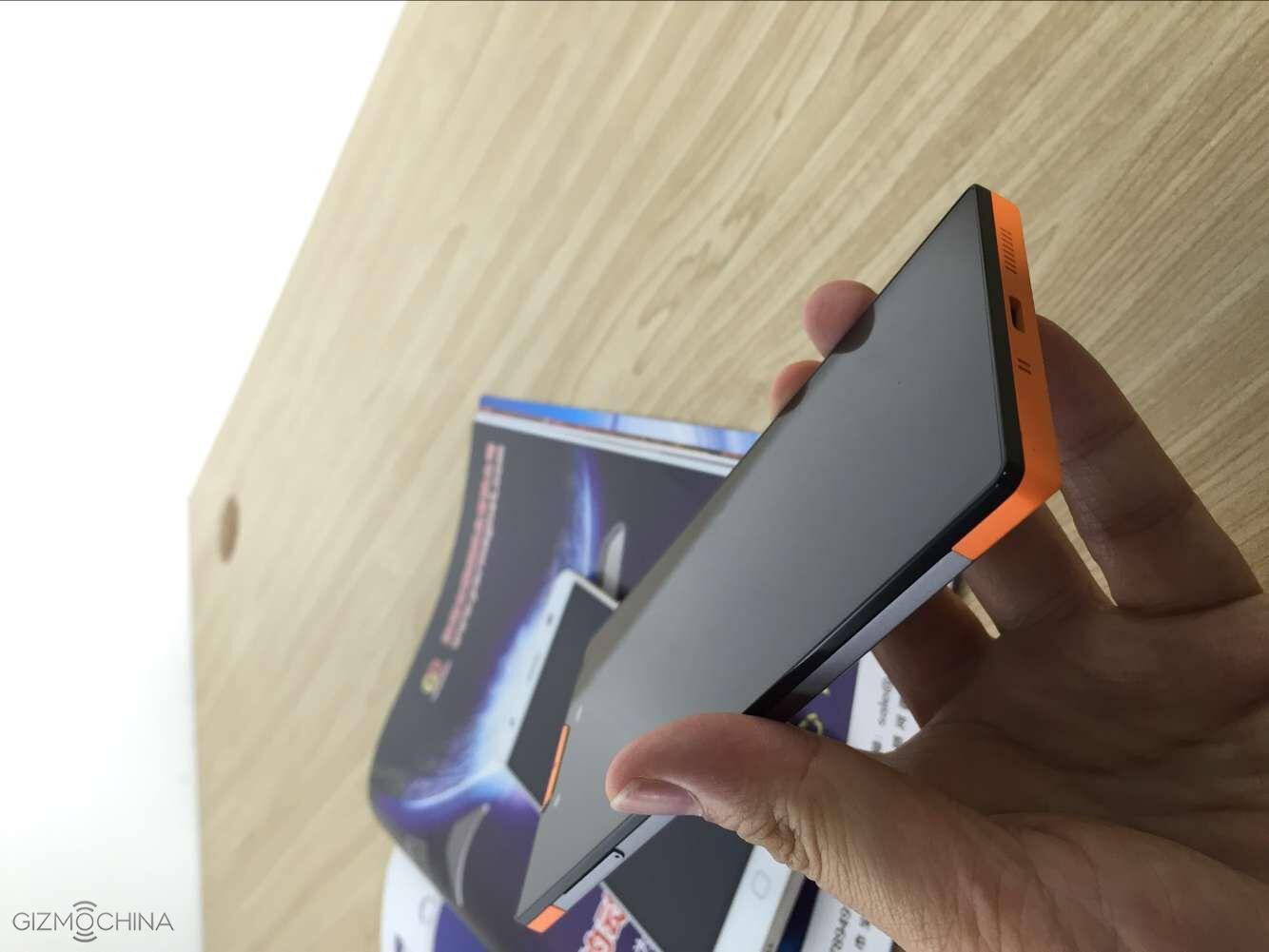
This year, Qualcomm has repeatedly said that the industry doesn’t need more cores, instead it needs better cores. That’s exactly what the company did with its new Snapdragon 820, featuring just four custom Kryo cores instead of eight cores on the Snapdragon 810.
But we were doubtful whether a quad-core chip even with its powerful custom Kryo cores will be able to compete with the likes of Samsung Exynos 8890 and Kirin 950, both of which are octa-core chips. Well, it looks like our doubts were valid to some extent as a new report states that Qualcomm will announce an octa-core version of Snapdragon 820 sometime early 2016.
An octa-core version should be more powerful than the quad-core version and will be ideal for high-end flagships. Which brings us to the question, which segment is the company then targeting with the recently launched quad-core Snapdragon 820?
The report comes from Digitimes, who are usually quite reliable. They also add that Qualcomm is following the trend set by competitors like Samsung and Huawei who have octa-core chips for their flagships in 2016.
Anyways, if you are interested in seeing what’s the difference between the Kirin 950, Exynos 8890 and Snapdragon 820, check out this comparison.
Today we are looking at a very cheap Doogee Valencia 2 Y100. This phone costs below $100 and it falls into cheap phones category. Find out if it is any good in our full review.
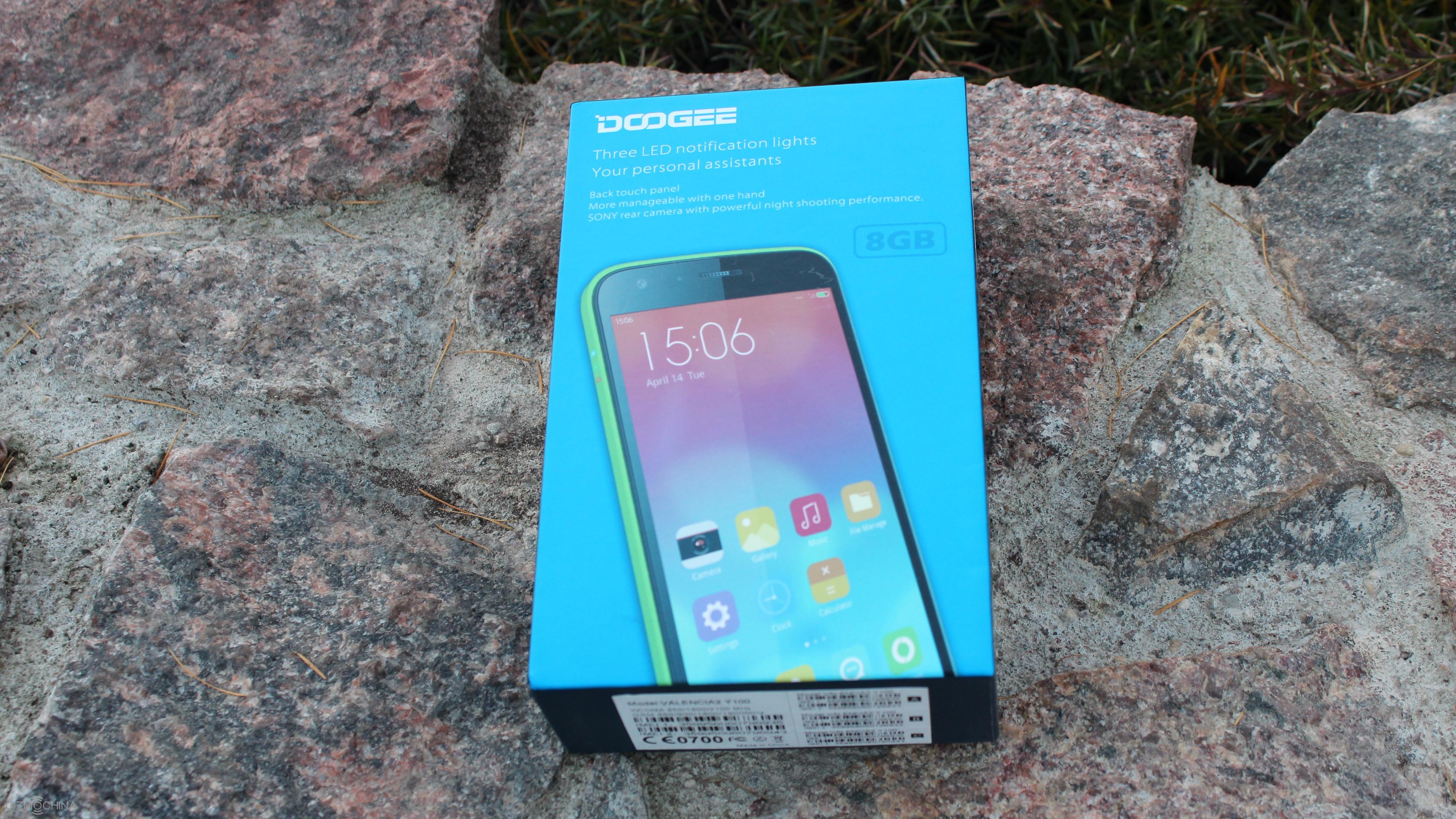
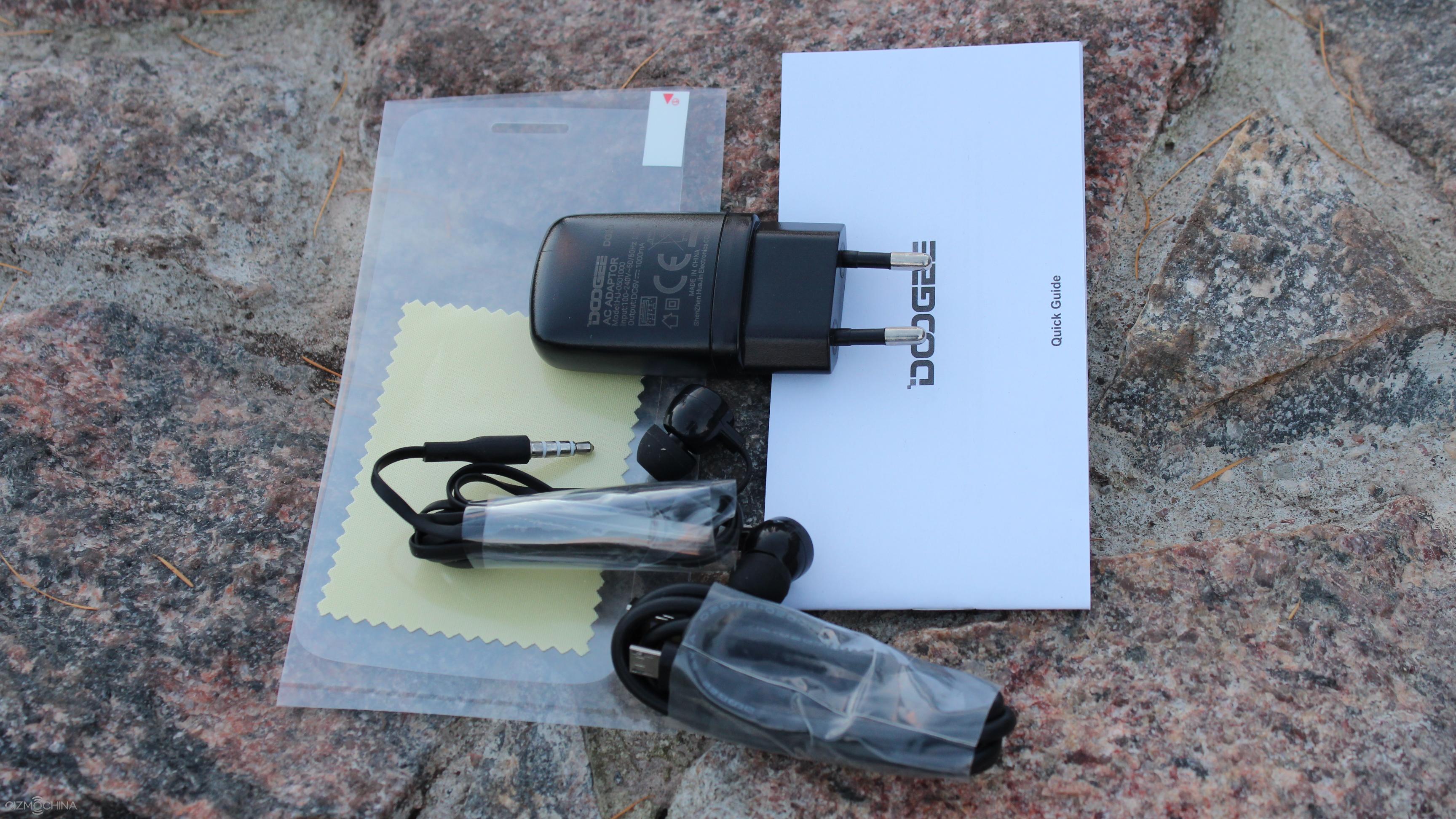
The Doogee phone comes in a usual box you would expect for a cheap device. The contents include a charging brick, USB cable, a pair of earphones, a screen protector and some paperwork.
Doogee Valencia 2 Y100 Review: DESIGN
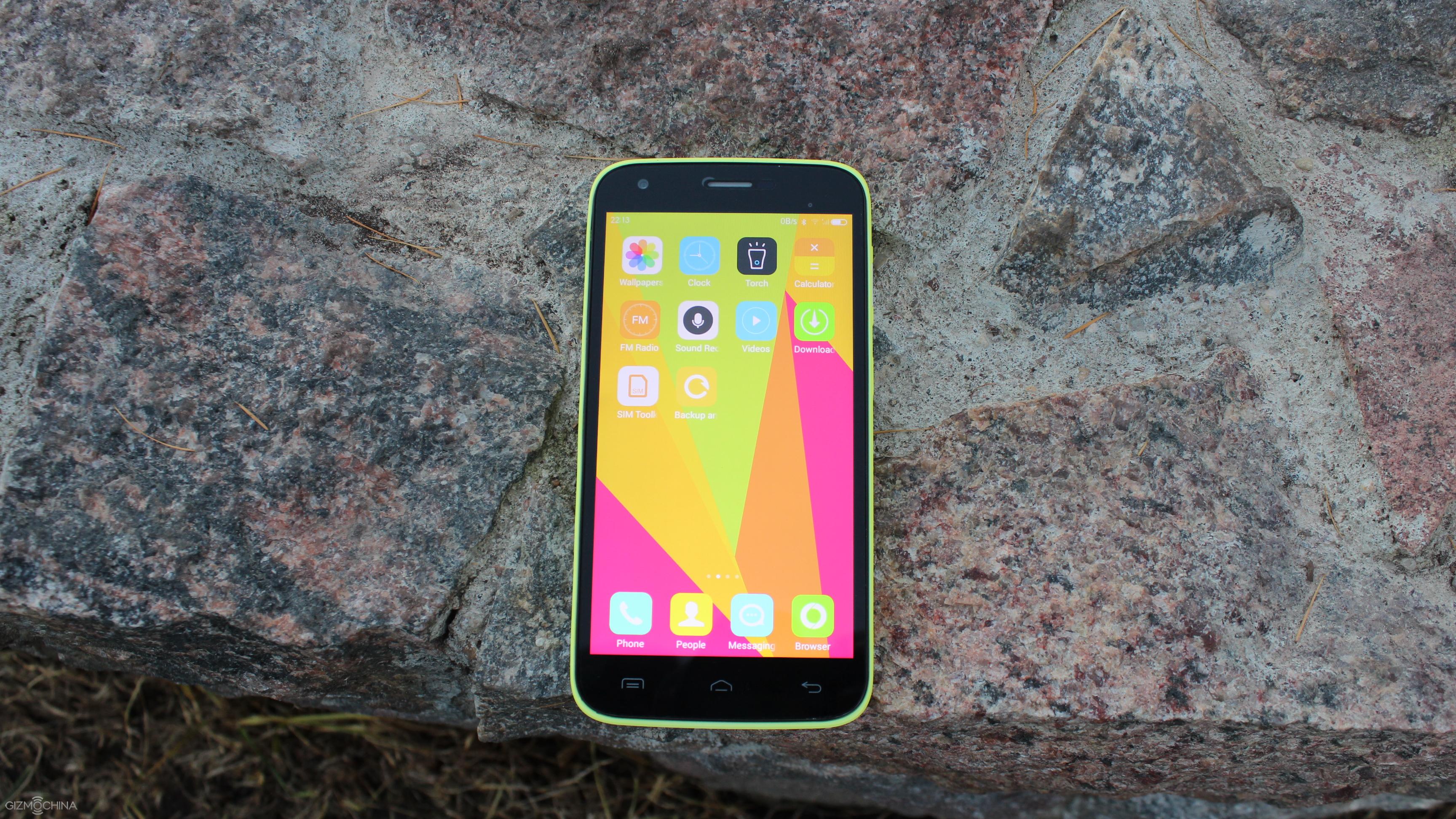
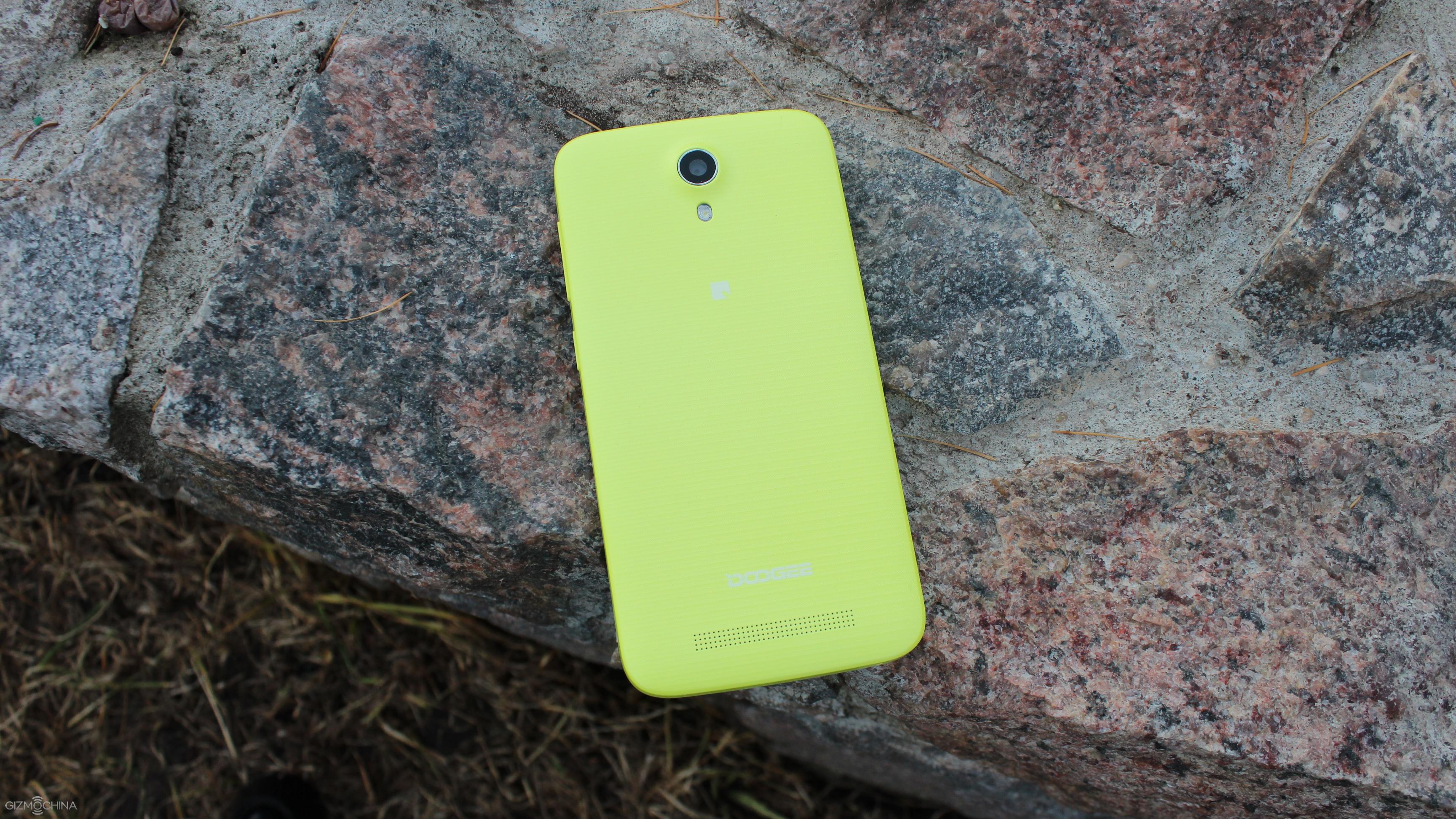
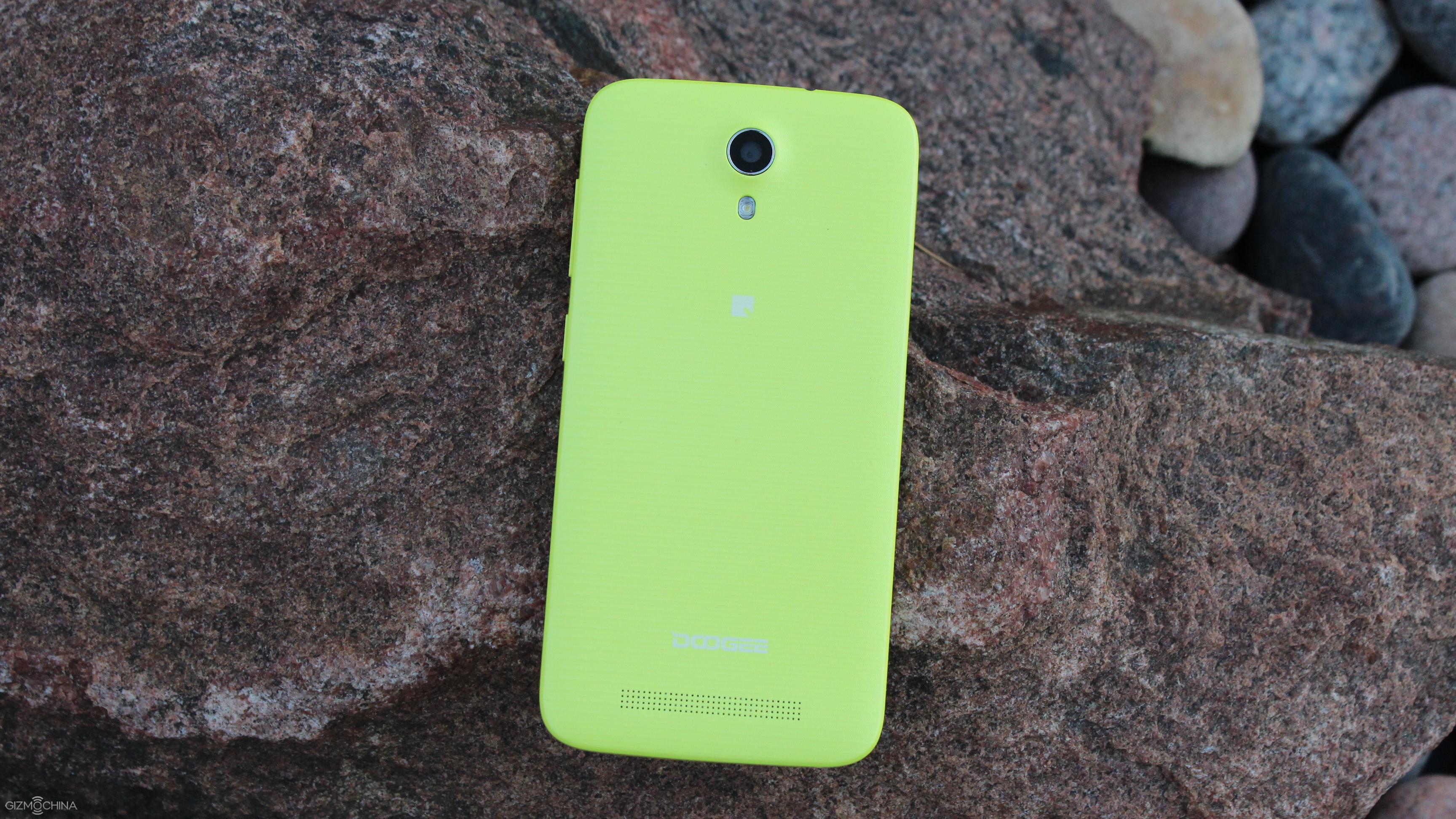
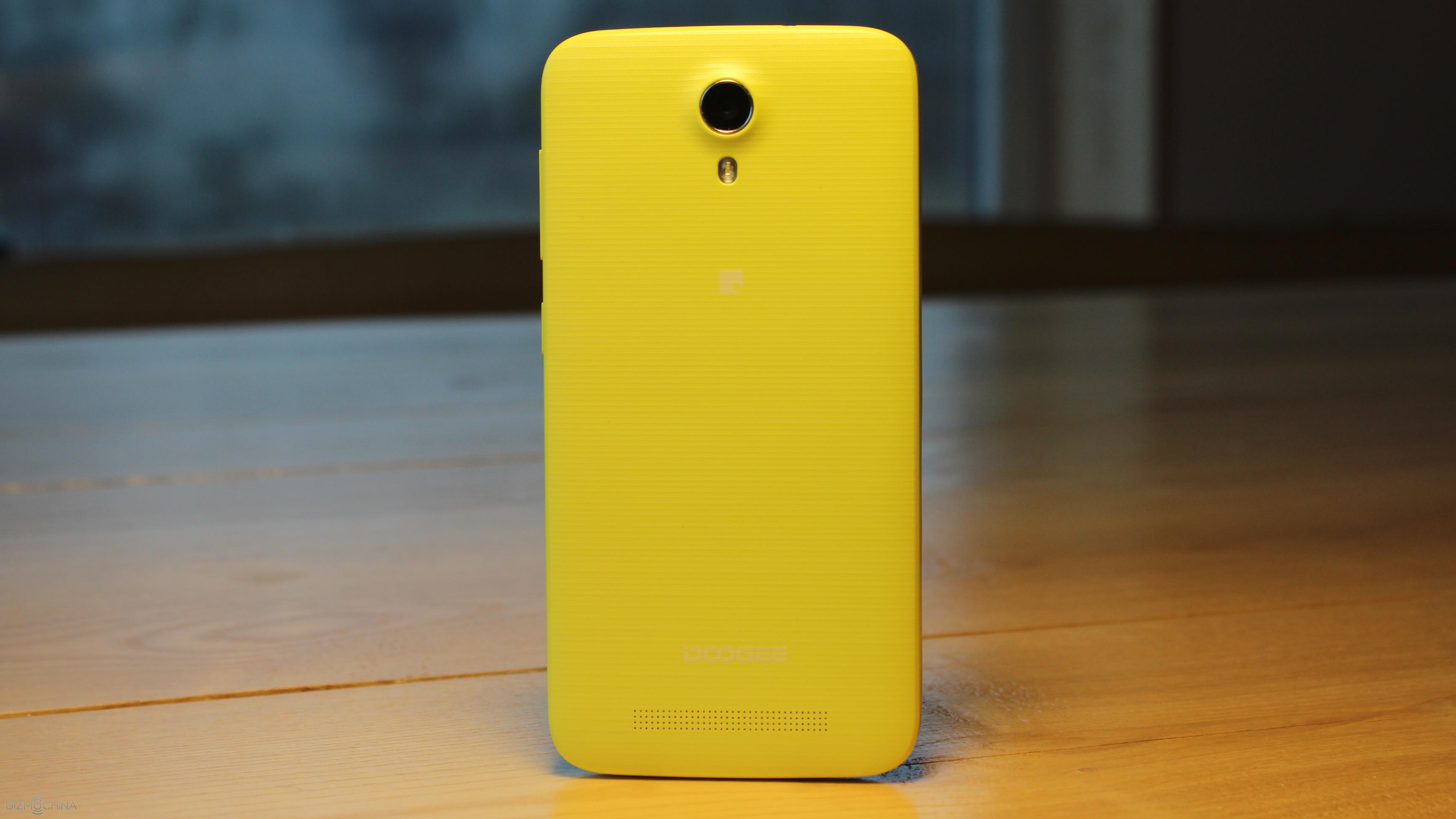
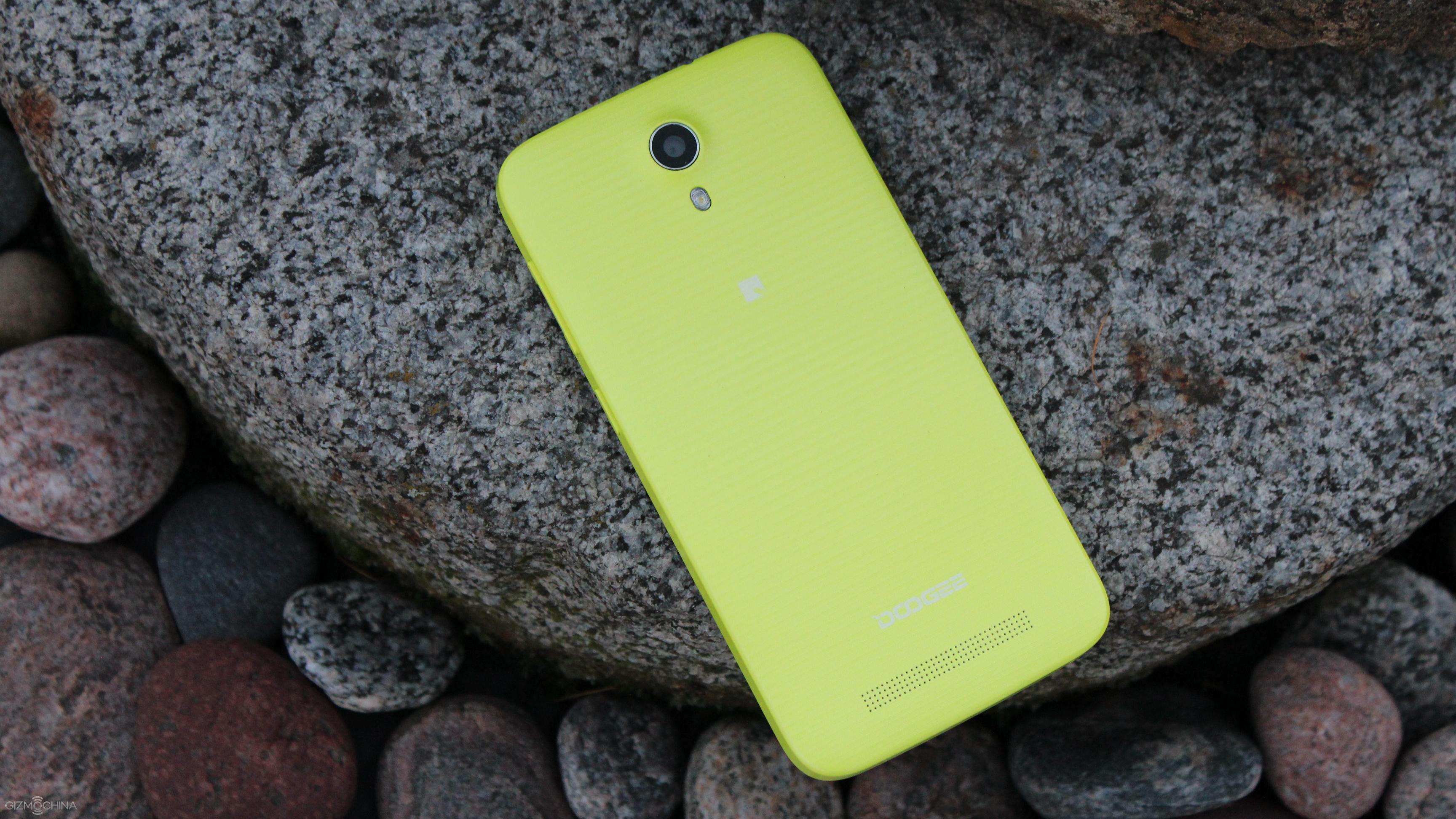
When it comes to the design, we are looking at a compact 5” device and my review unit is in a flashy yellow colour.
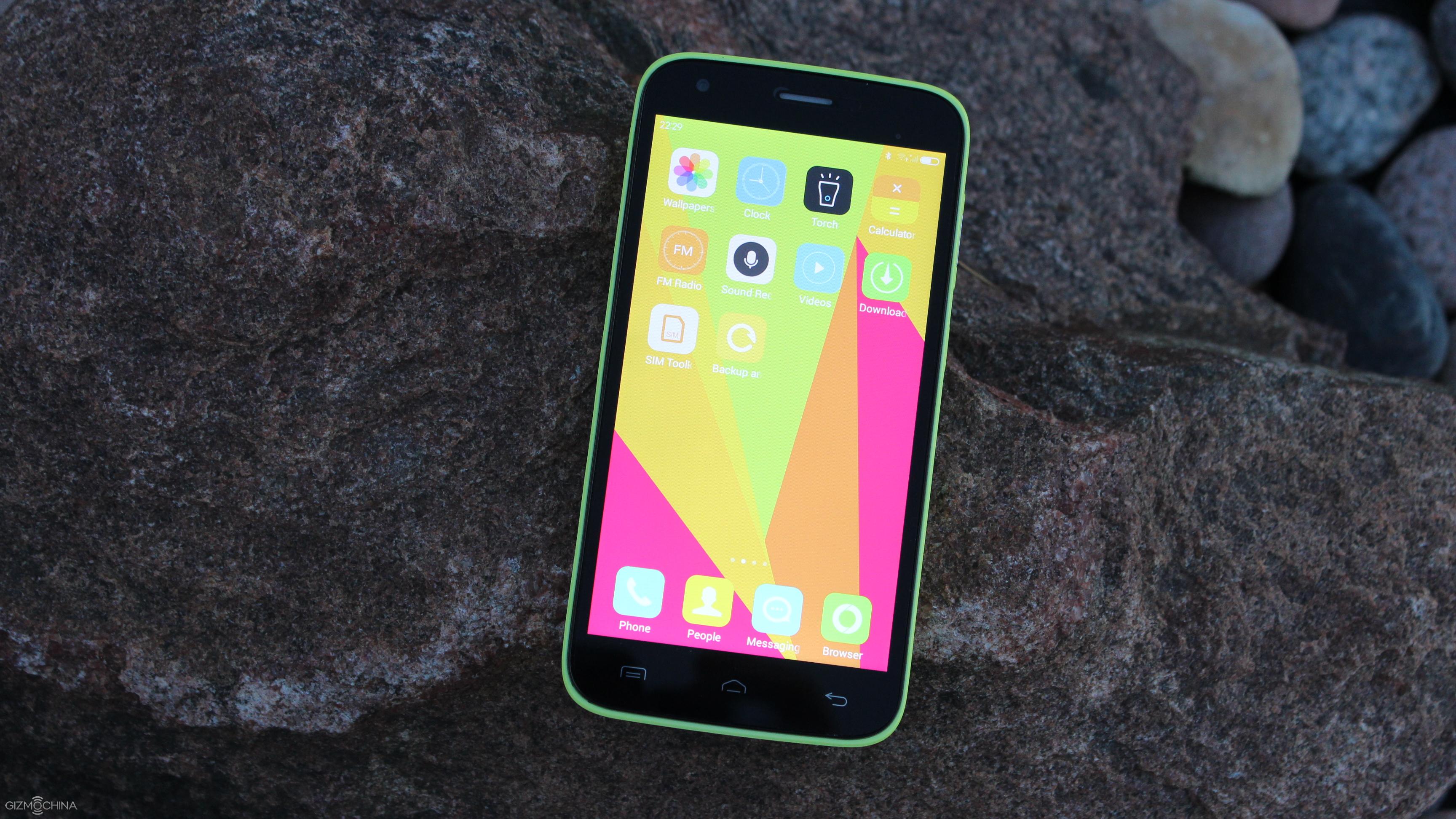
The phone has an 8MP selfie shooter and all other usual stuff on the front top and on the bottom there are 3 non-backlit capacitive buttons.
The back is made of textured plastic and on the top we have a 13MP shooter with a single LED flash and a speaker grill.
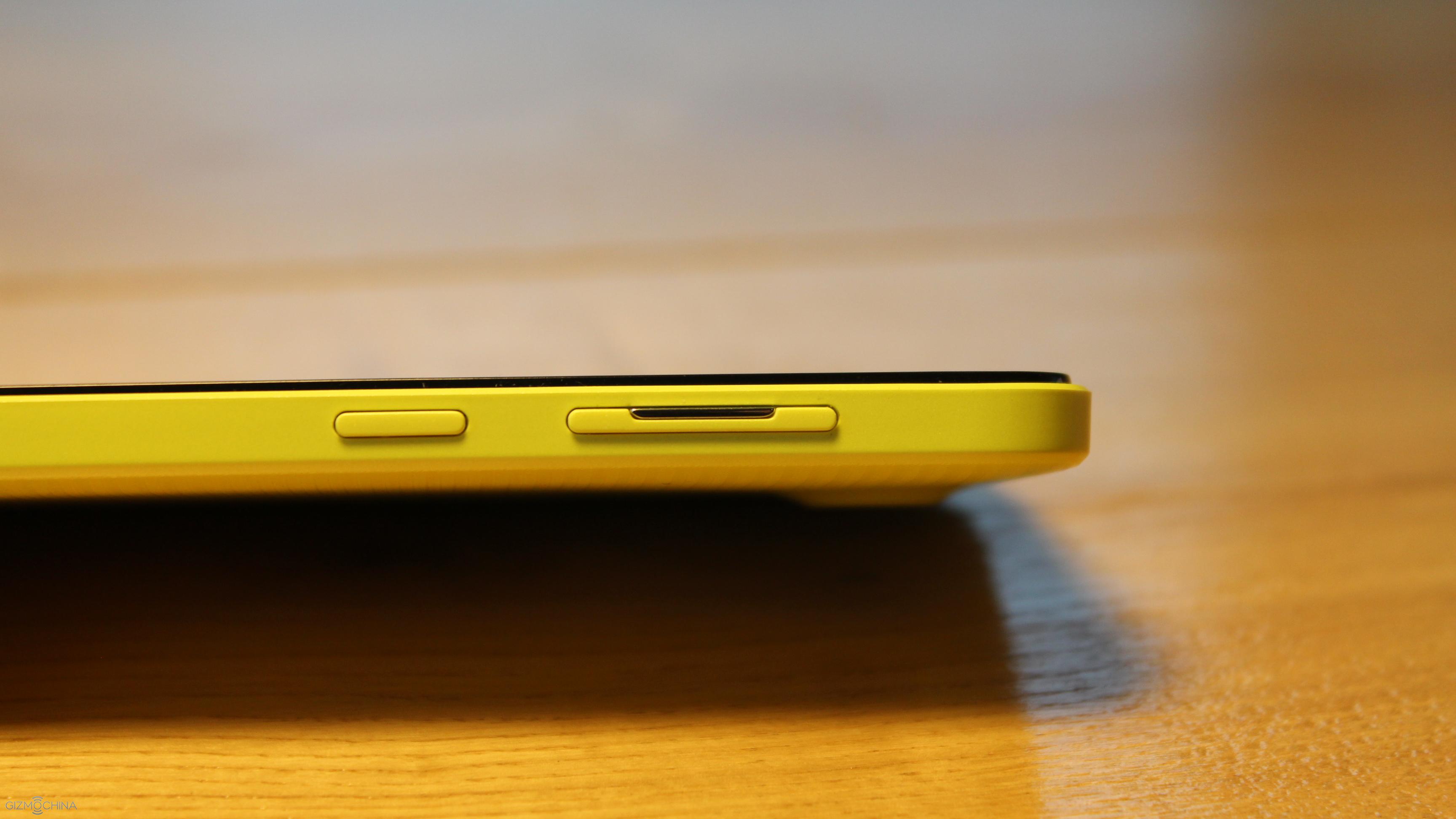
On the right we have power on/off key and the volume rocker, which, however, feel a bit mushy.
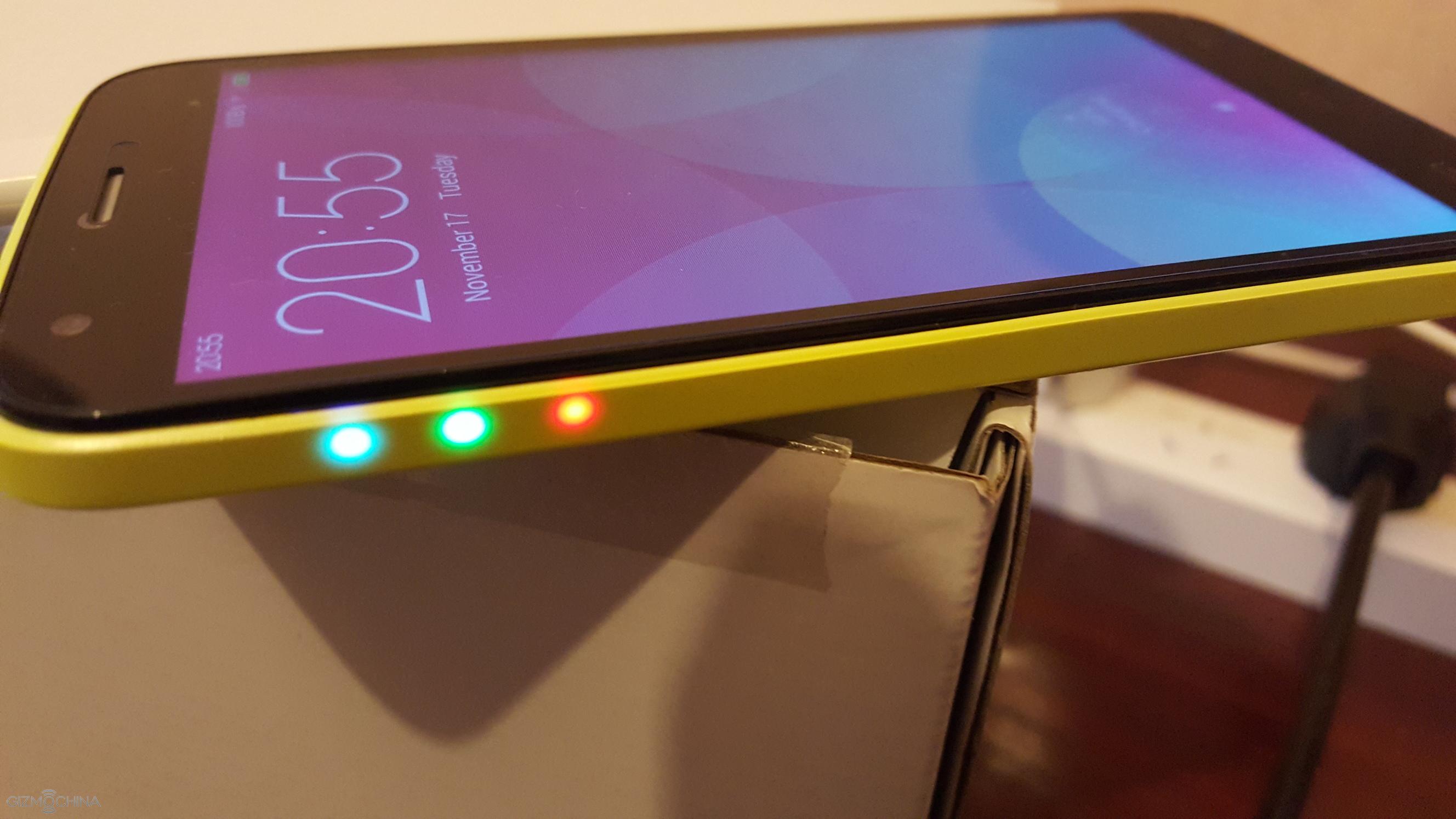
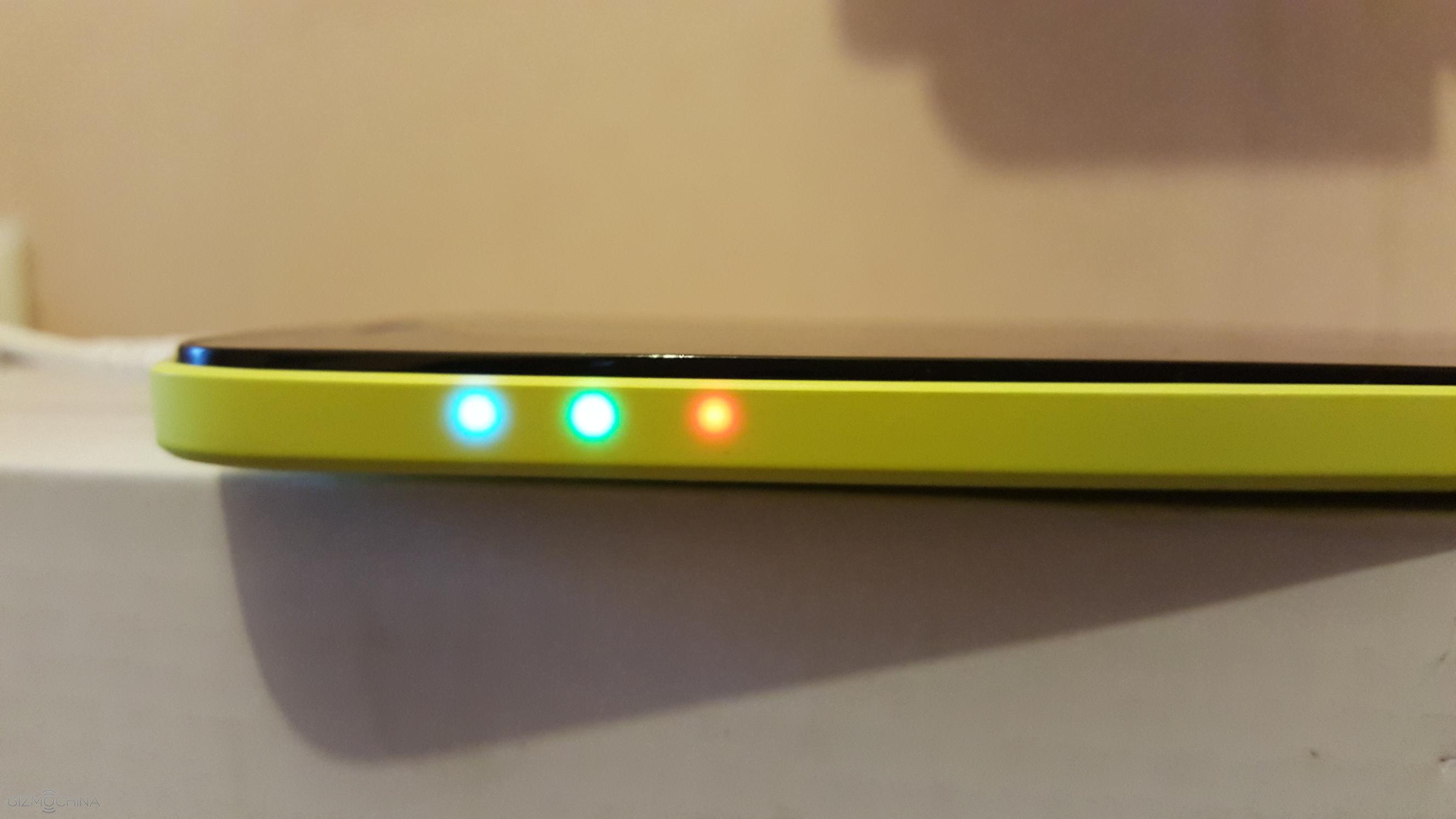
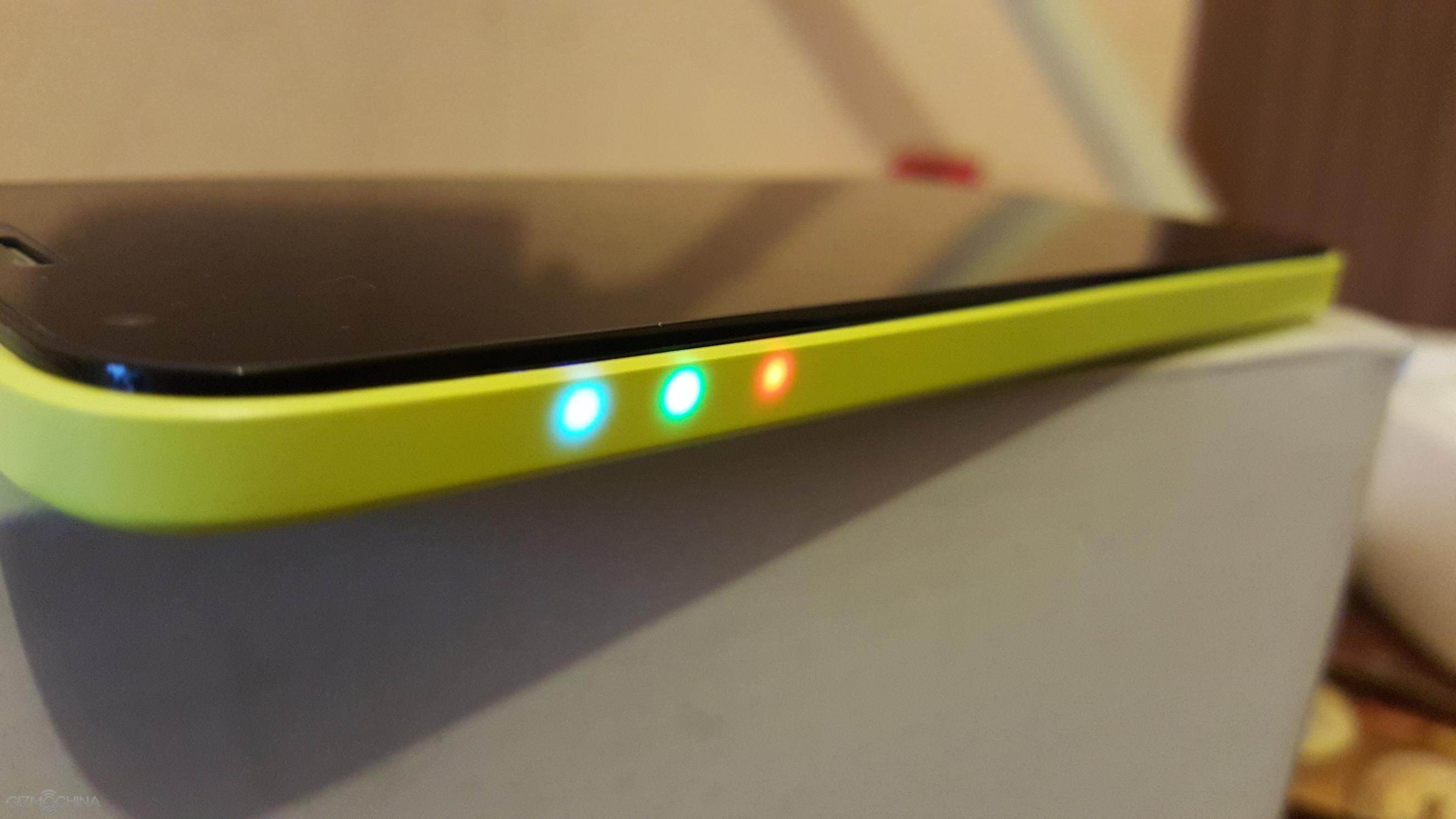
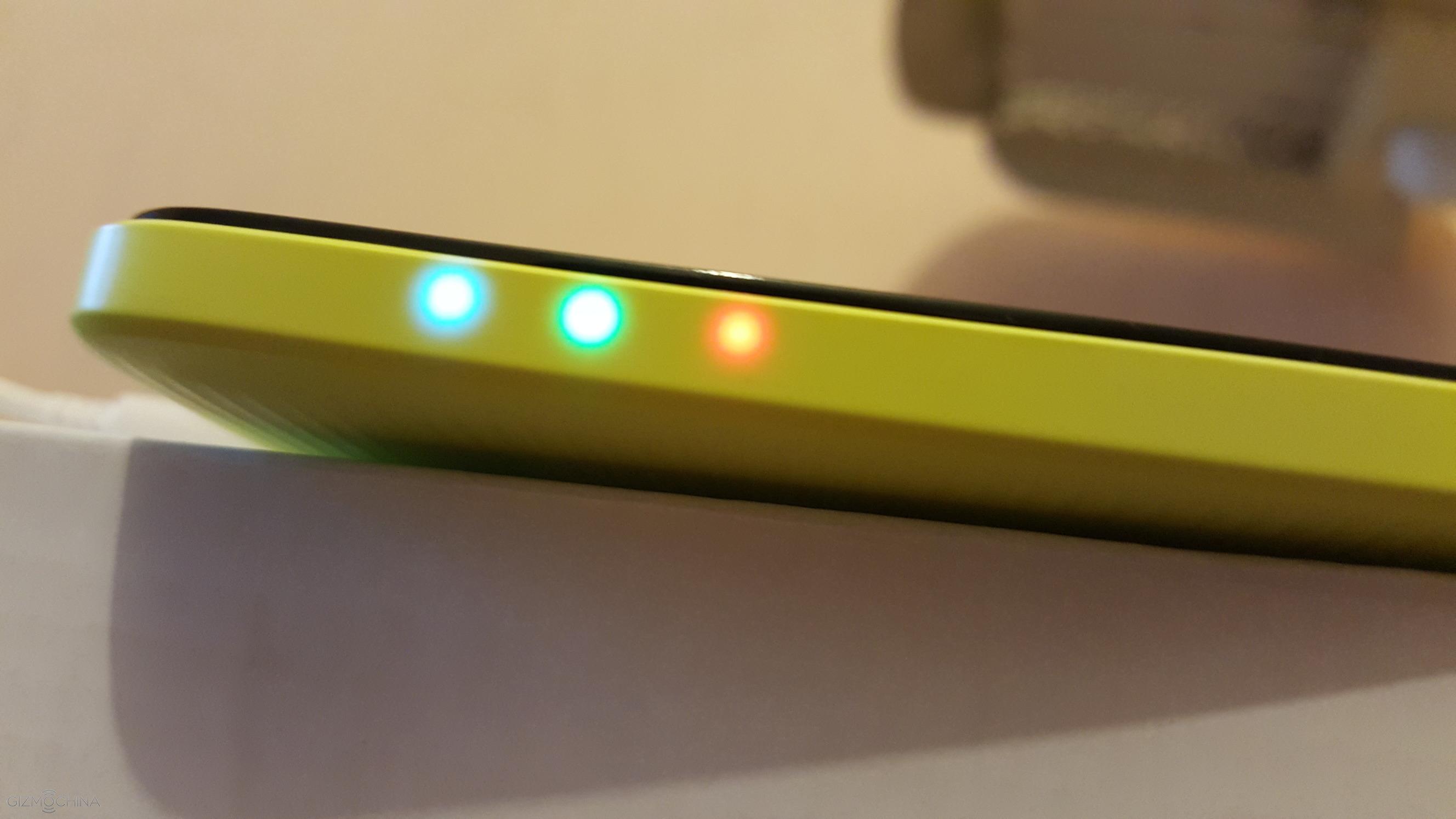
On the left, there is a trio of LED lights and all of them are used for different tasks. I have to say that they look pretty good and I’ve never seen a phone with this type of implementation before.
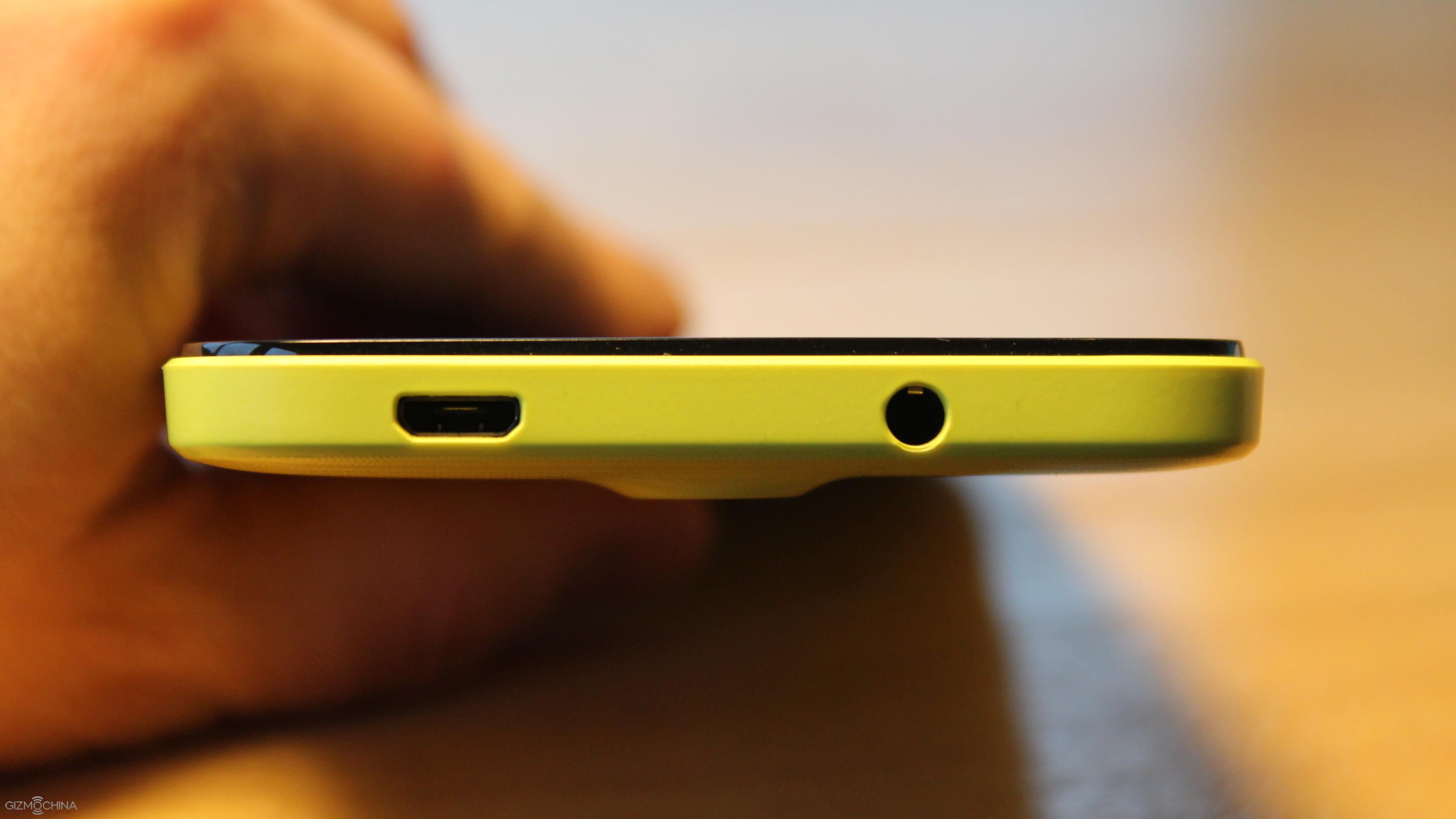
On the top we have a headset jack, a charging port and on the bottom there is just a mic.
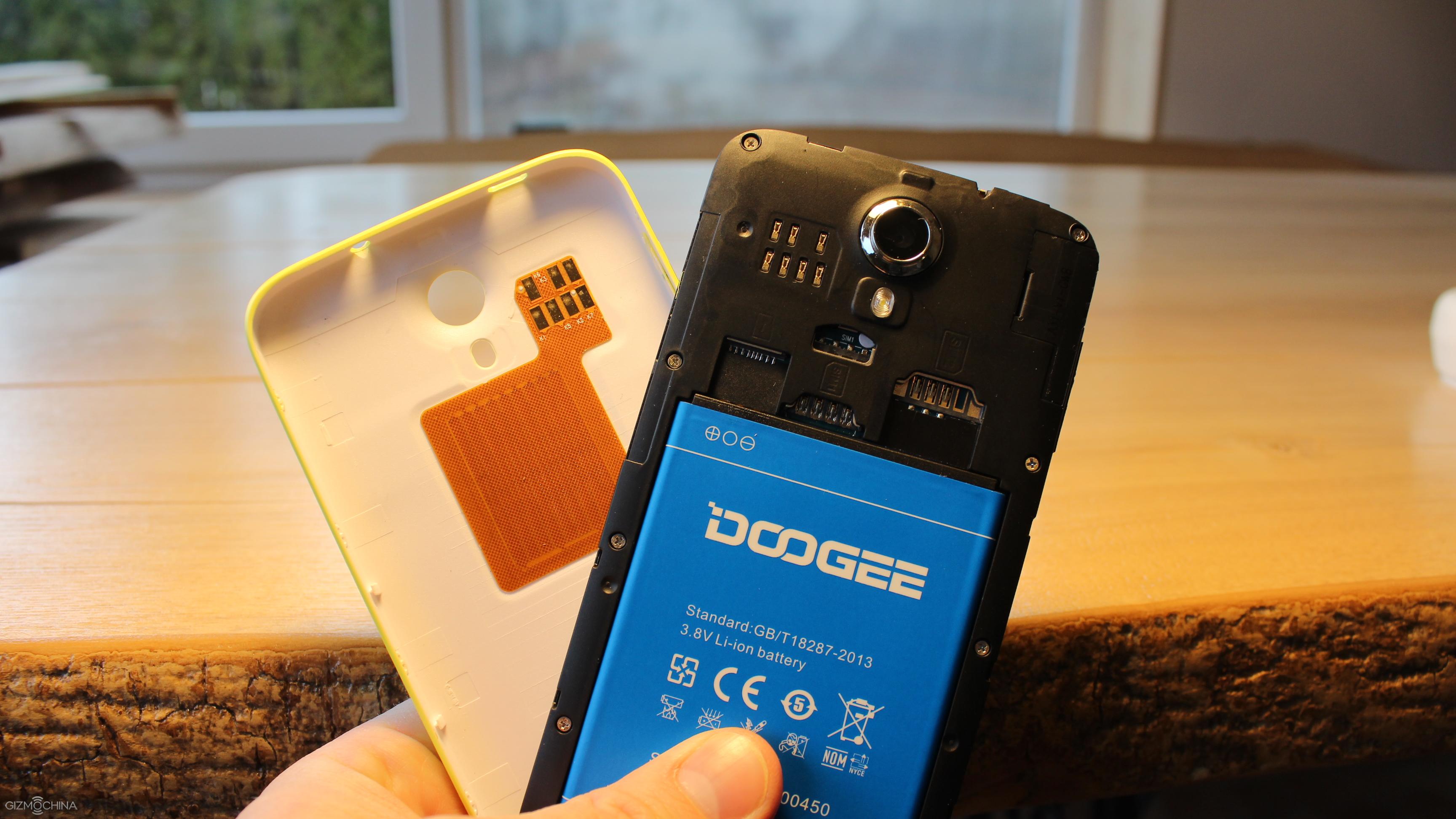
The back cover can be removed and underneath it you can find a removable 2200mAh battery, dual SIM card and the microSD card slots.
Overall, the phone has a decent build quality although it uses plastic in its construction and the buttons could have a better tactile feedback.
Doogee Valencia 2 Y100 Review: DISPLAY
Doogee Valencia 2 Y100 has a 5” 720p panel, which is pretty good for a cheap phone but not spectacular in general. It could definitely look sharper and the colours look more natural.
Doogee Valencia 2 Y100 Review: UI
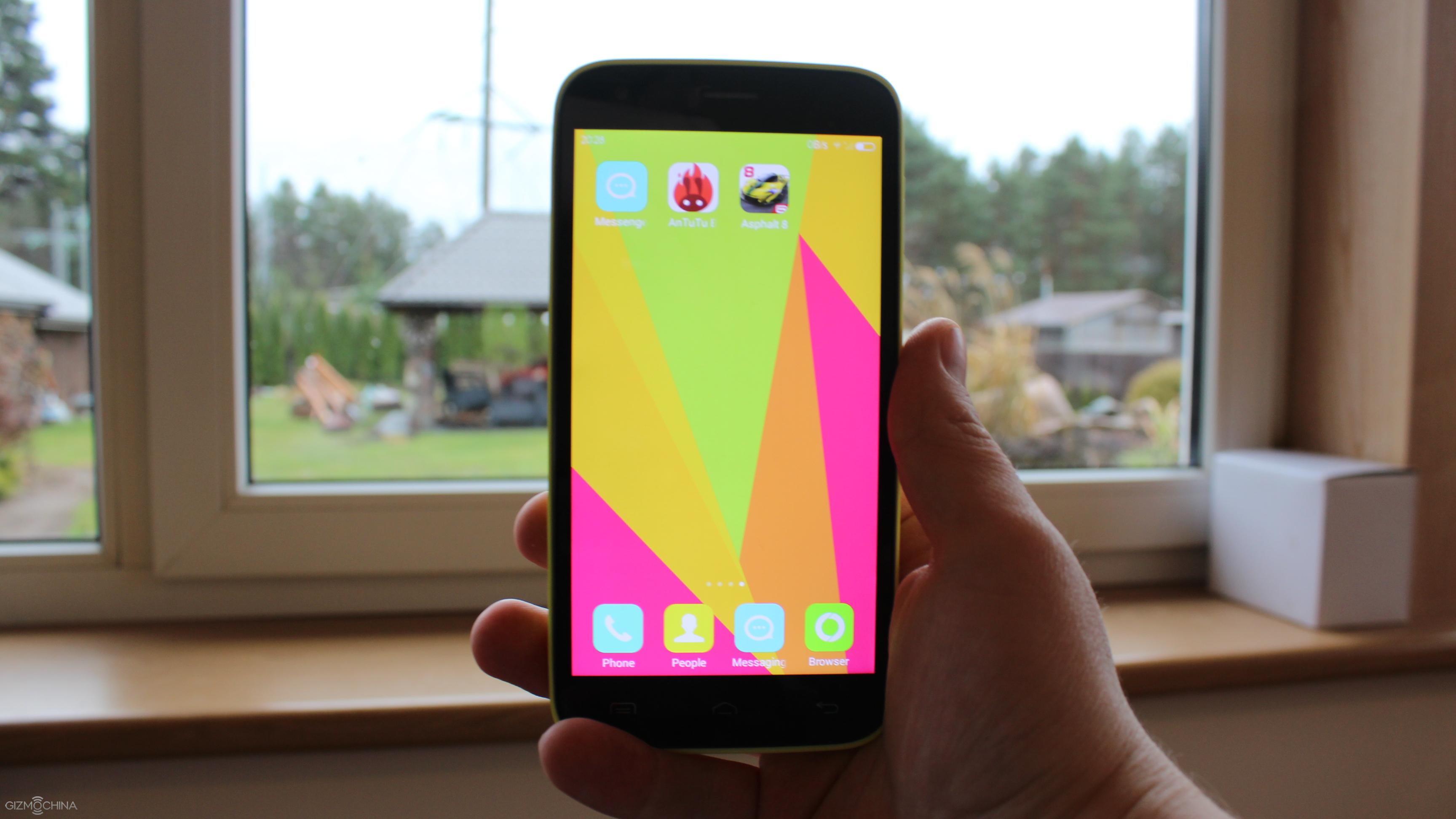
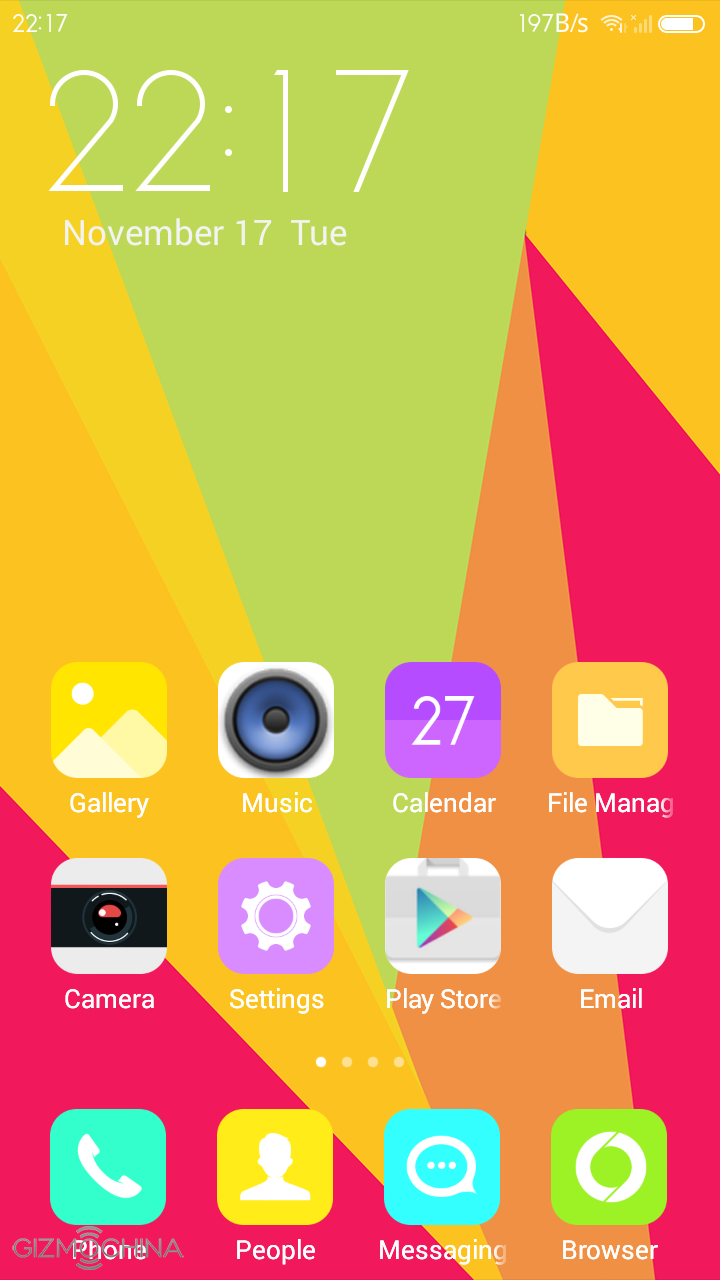
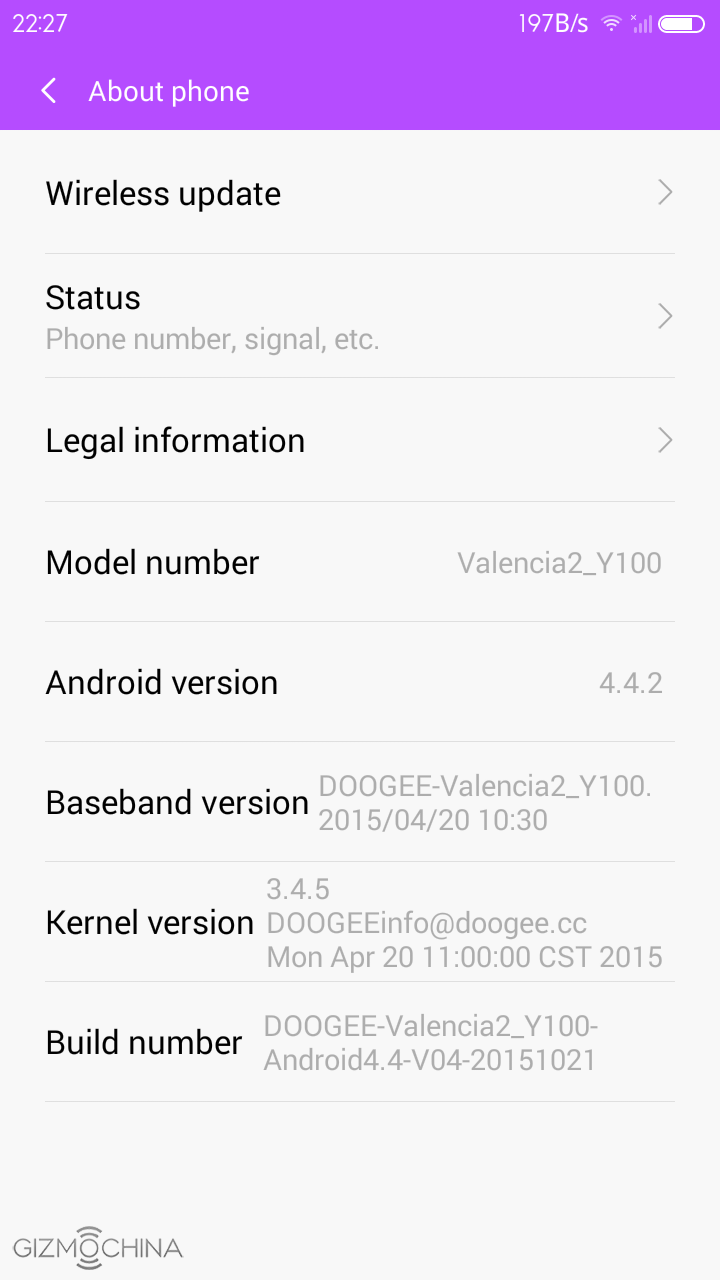
As far as UI, we have an outdated Android 4.4.2 Kitkat with quite a heavy Doogee’s skin on top of it.
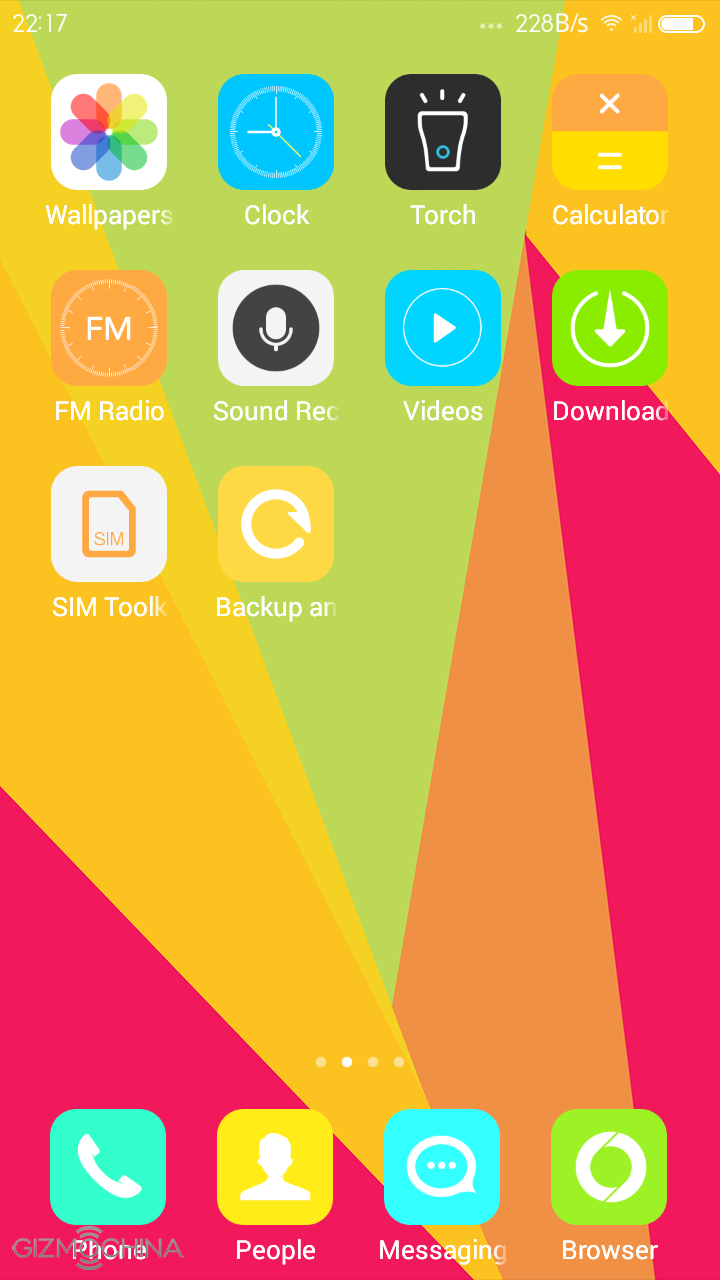
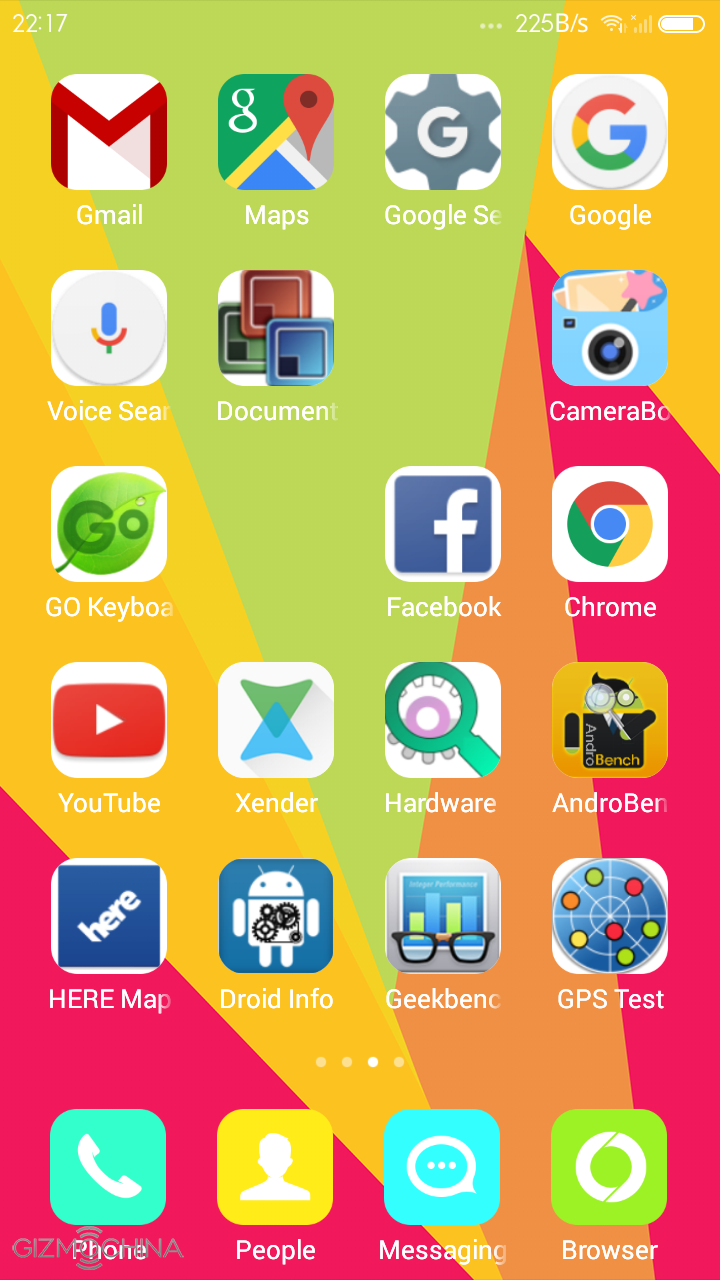
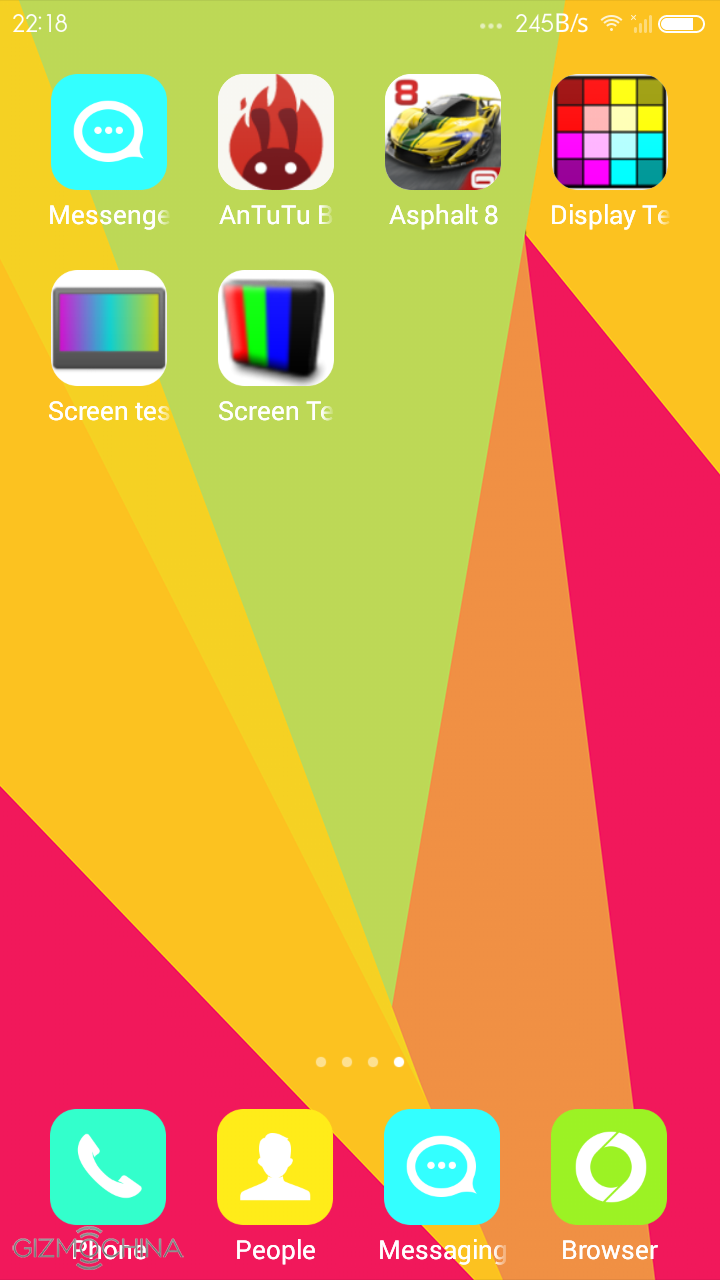
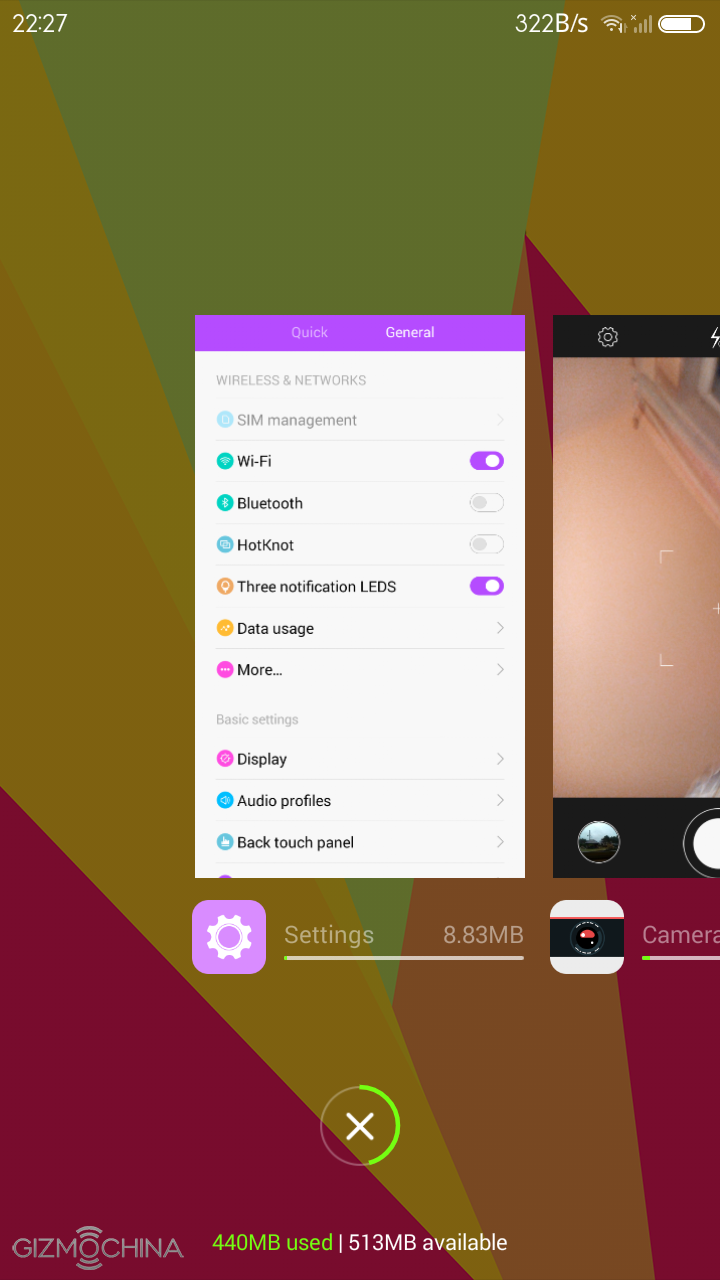
All the apps with the redesigned system apps’ icons sit on the home screens.
1 of 1
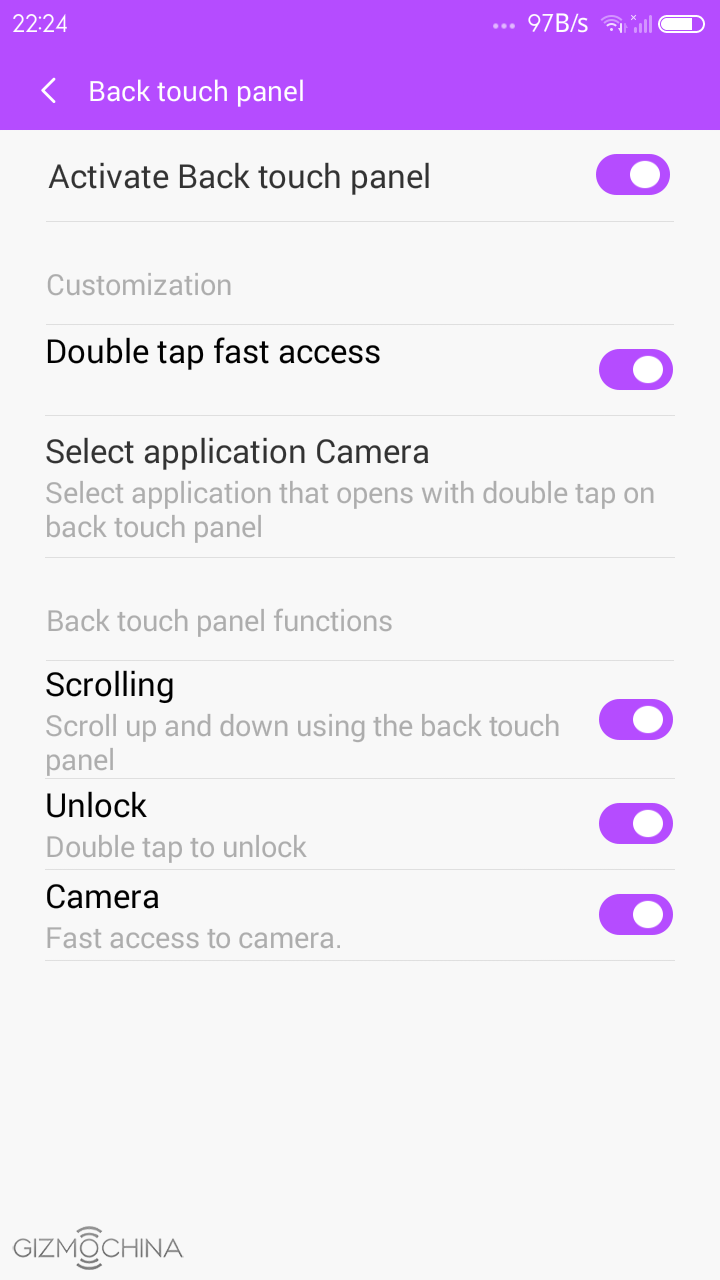
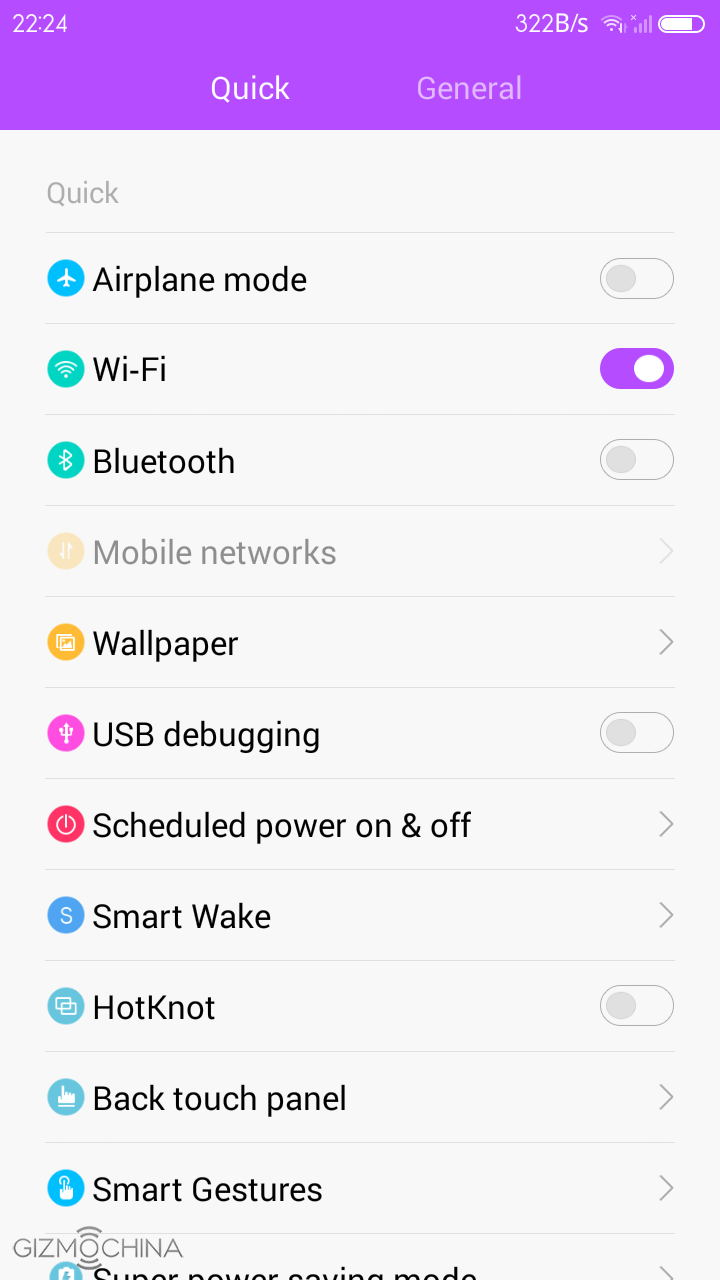
One of the selling points of this device is the back touch panel and it can be used for a variety of different things like scrolling up/down or to the sides, triggering the camera and so on.
However, I found the key feature of scrolling up/down not working at all as I could scroll only to the sides. Also, the double tap to access camera feature has become very annoying as I kept opening the camera accidentally.
1 of 8
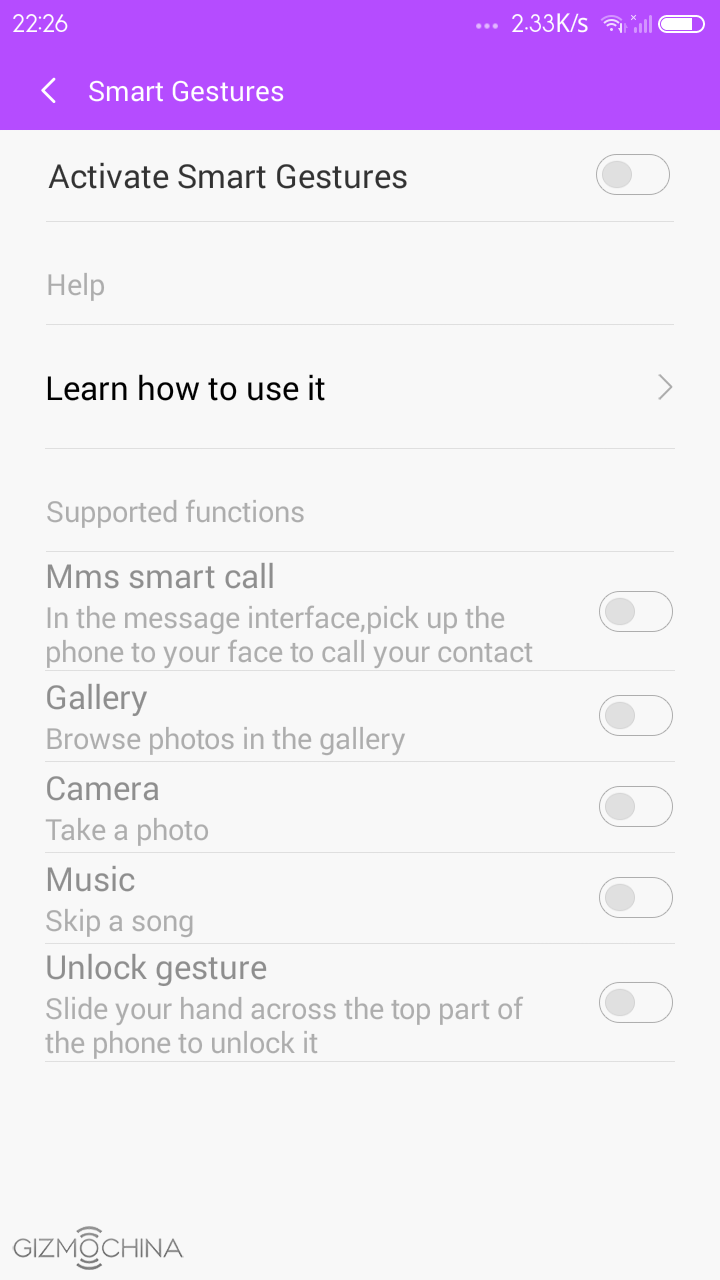
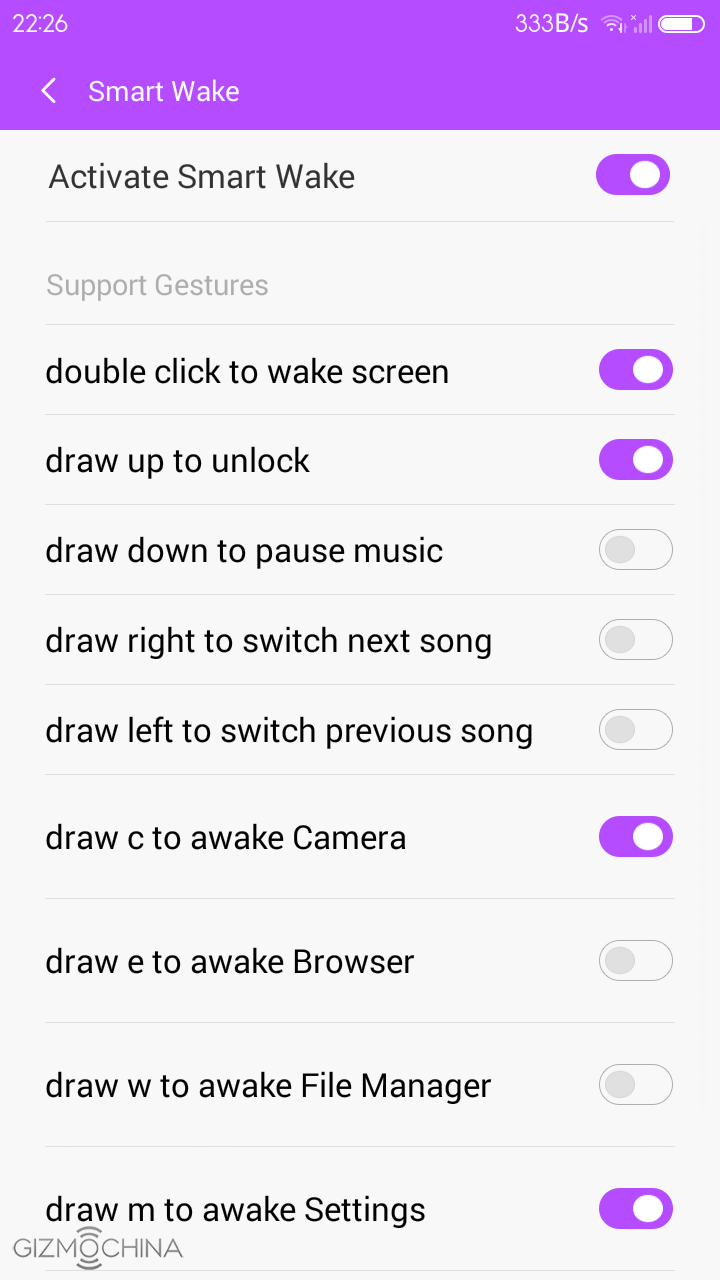
Other features include gesture controls and they seem to be working well.
Overall, the UI of the Valencia 2 Y100 is fluid and responsive most of the times but there is just a bit of stutter from time to time. Also, turning off the back touch panel feature increases the overall UI performance significantly.
Doogee Valencia 2 Y100 Review: HARDWARE and PERFROMANCE
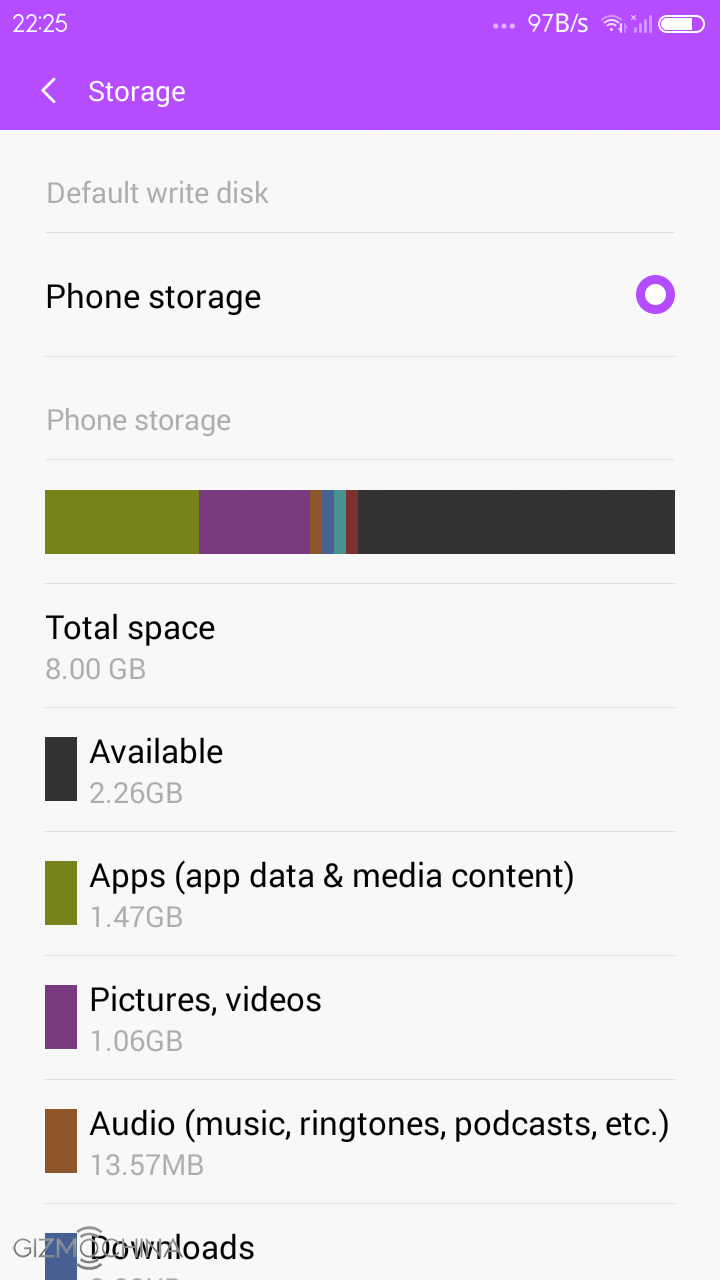
Doogee Valencia 2 Y100 has an octa-core MTK6592 chip with the clock speeds of 1.4GHz, 1GB of RAM and just 8GB of expandable storage (up to 64GB via the microSD card slot).
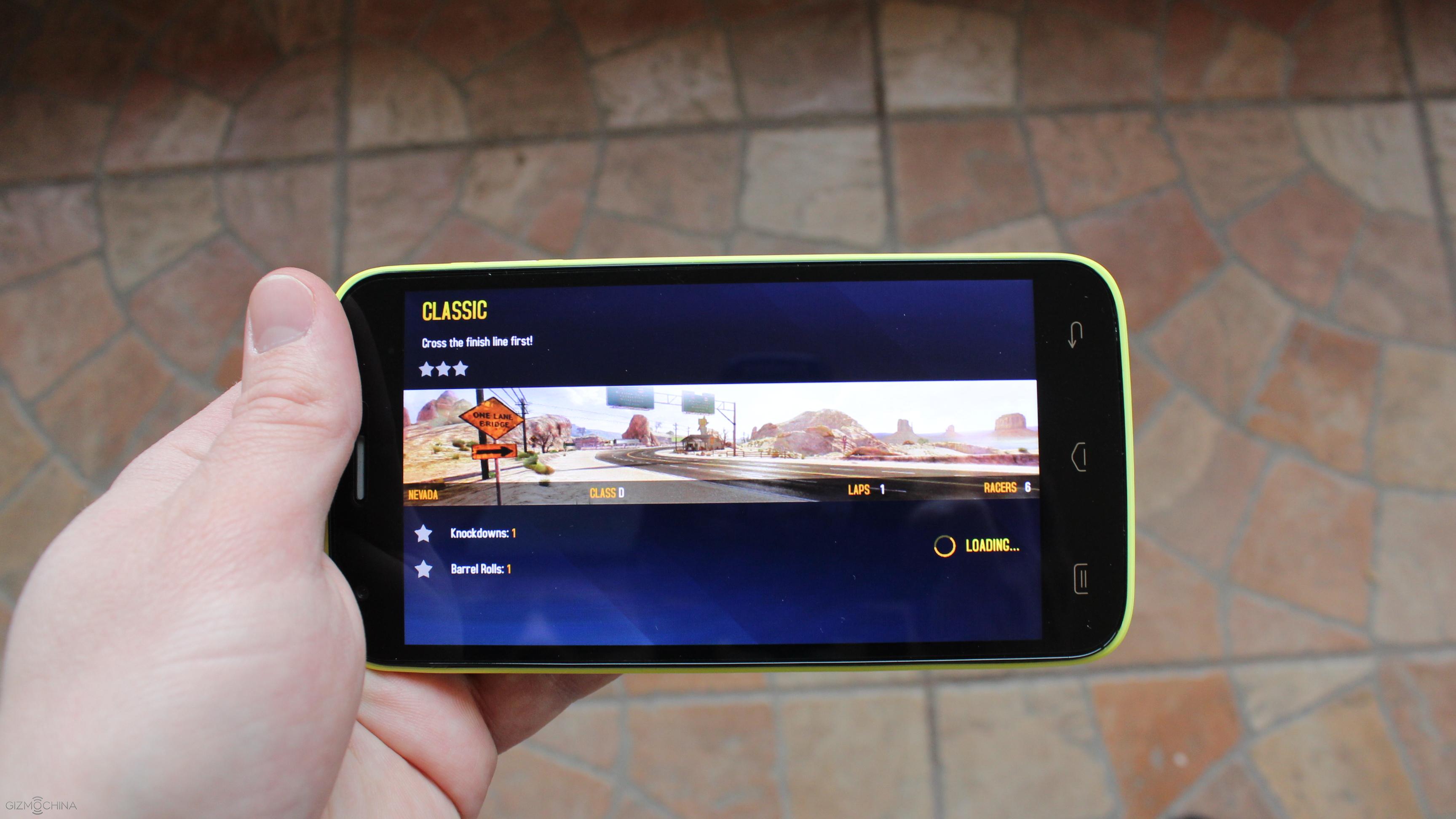
All these specs result in the okay gaming performance with not so impressive graphics but the stutter is just occasional, so it is still possible to enjoy some 3D gaming.
Doogee Valencia 2 Y100 Review: MULTIMEDIA
When it comes to the multimedia, there are no issues consuming Full-HD content. Also, the loudspeaker quality is pretty good for a budget phone.
Doogee Valencia 2 Y100 Review: CAMERA
Doogee Valencia 2 Y100 Review: IMAGE QUALITY
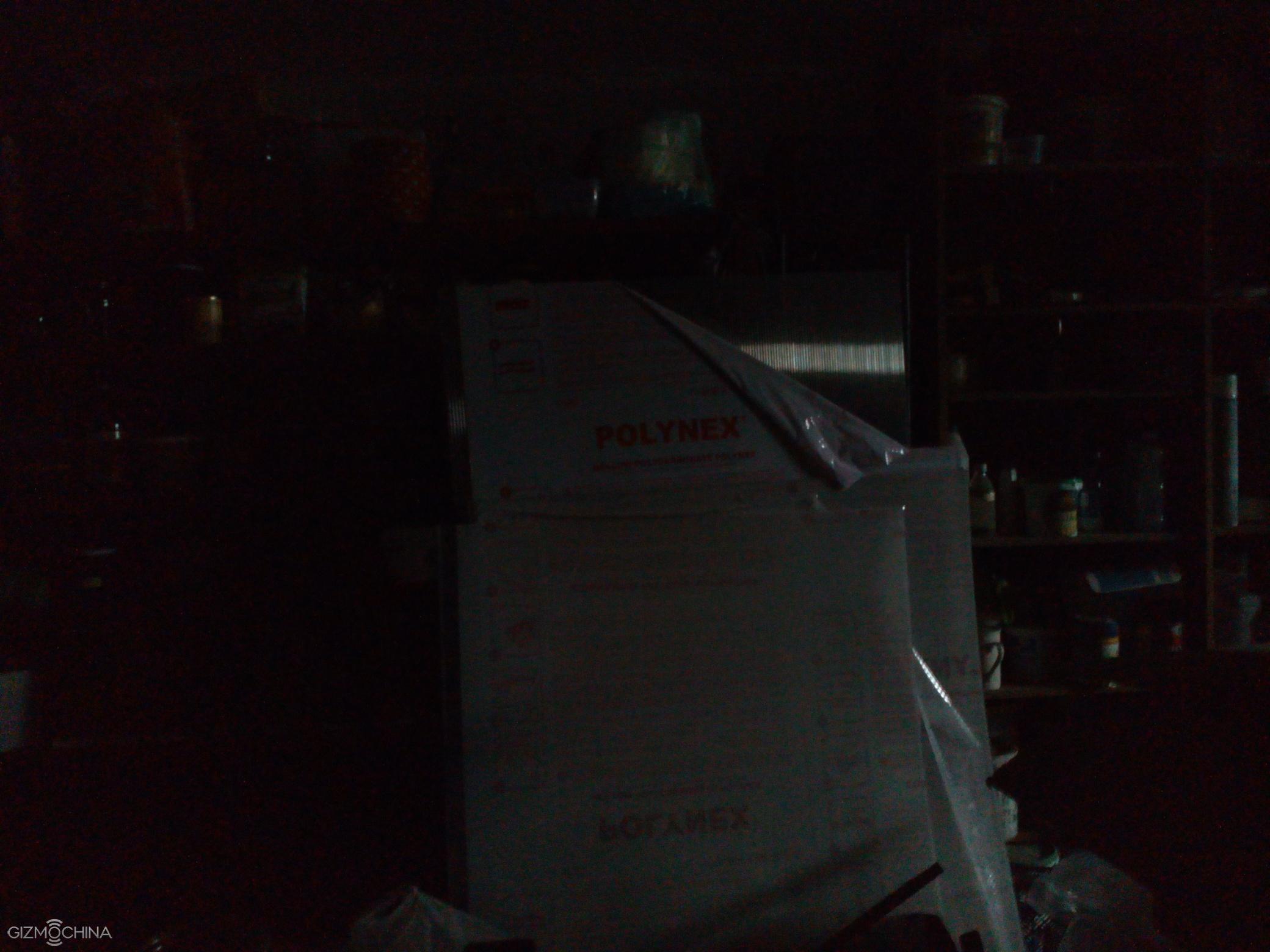
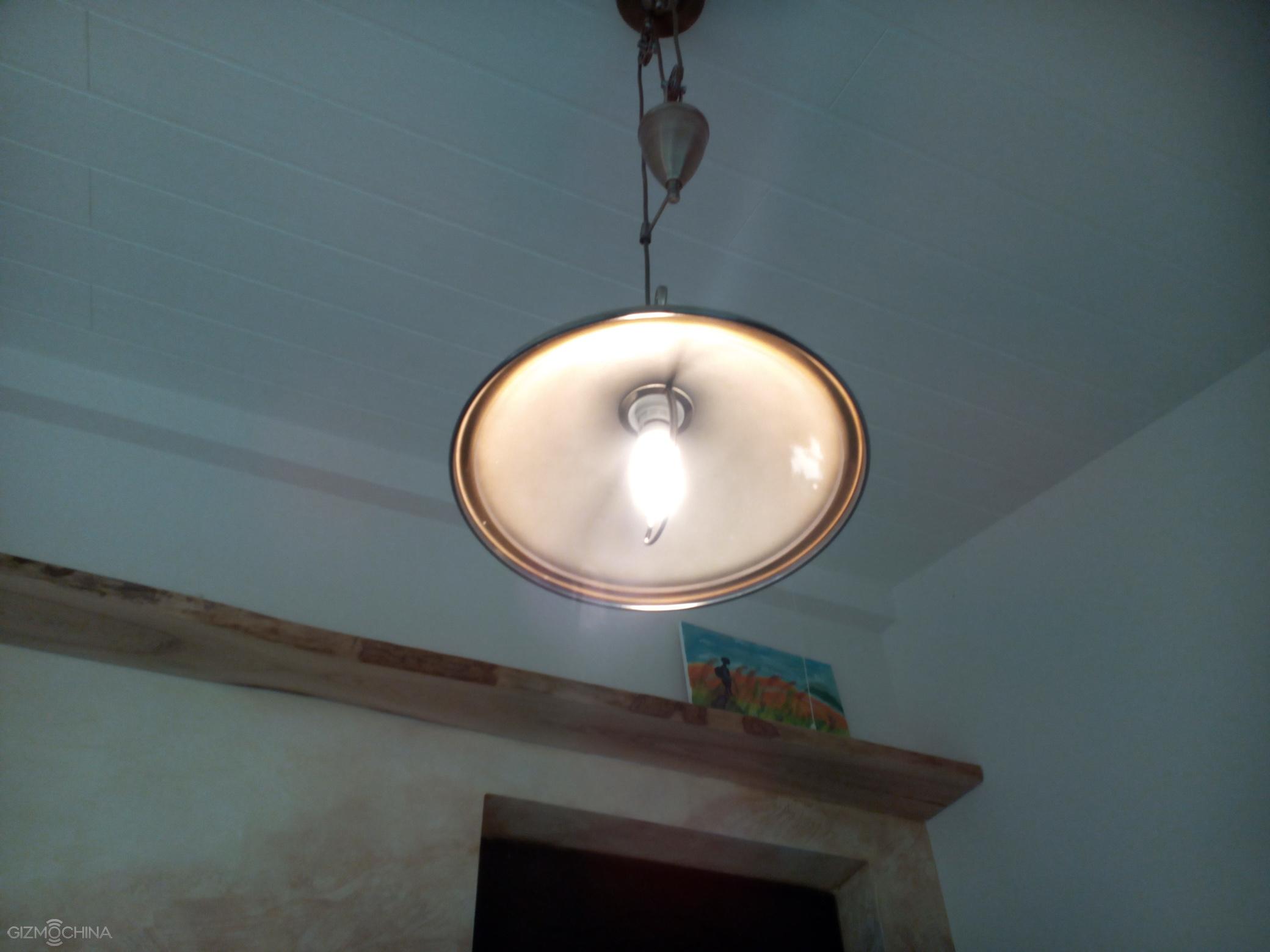
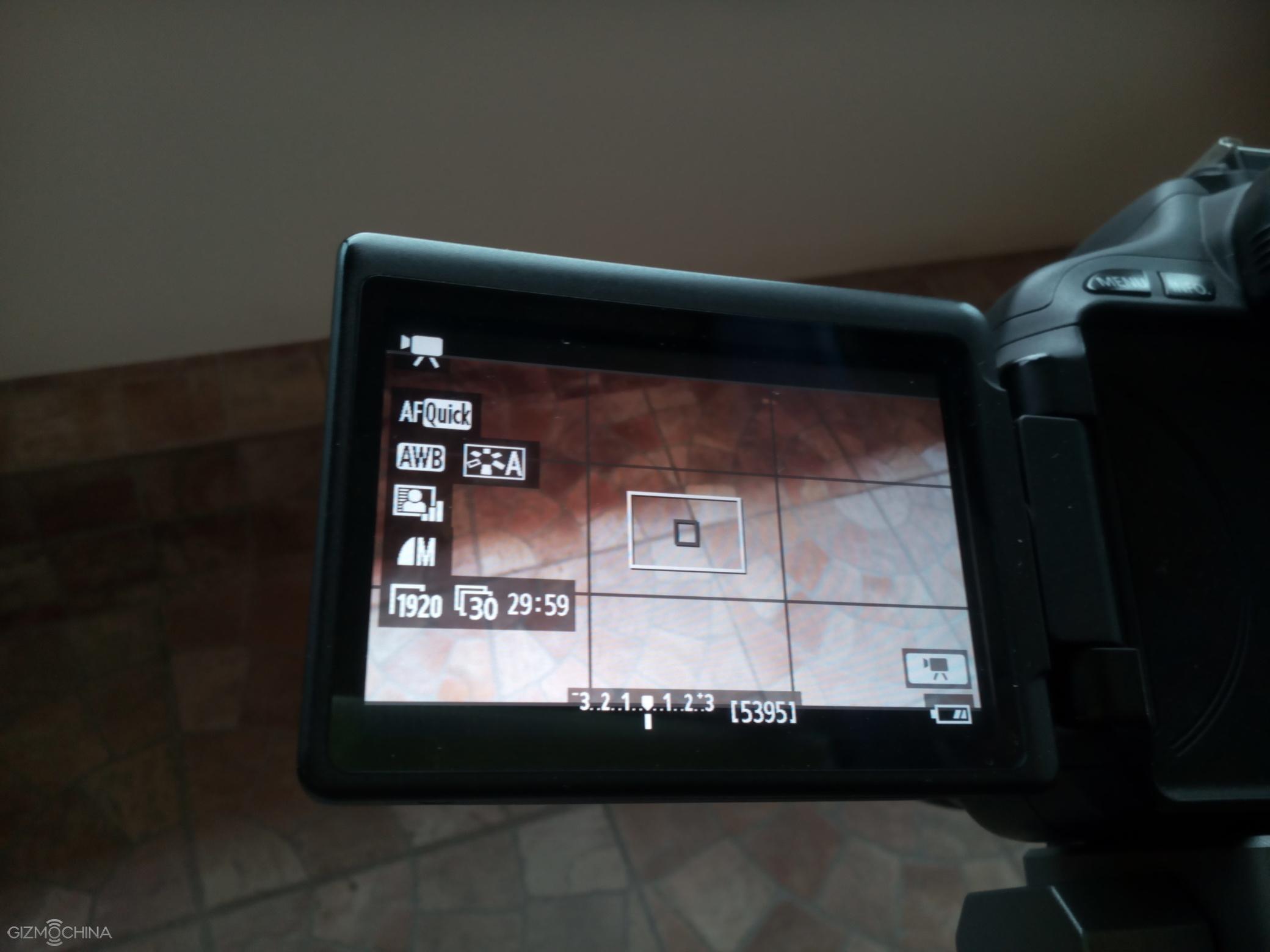
When it comes to the image quality, the 13MP camera does not impress.
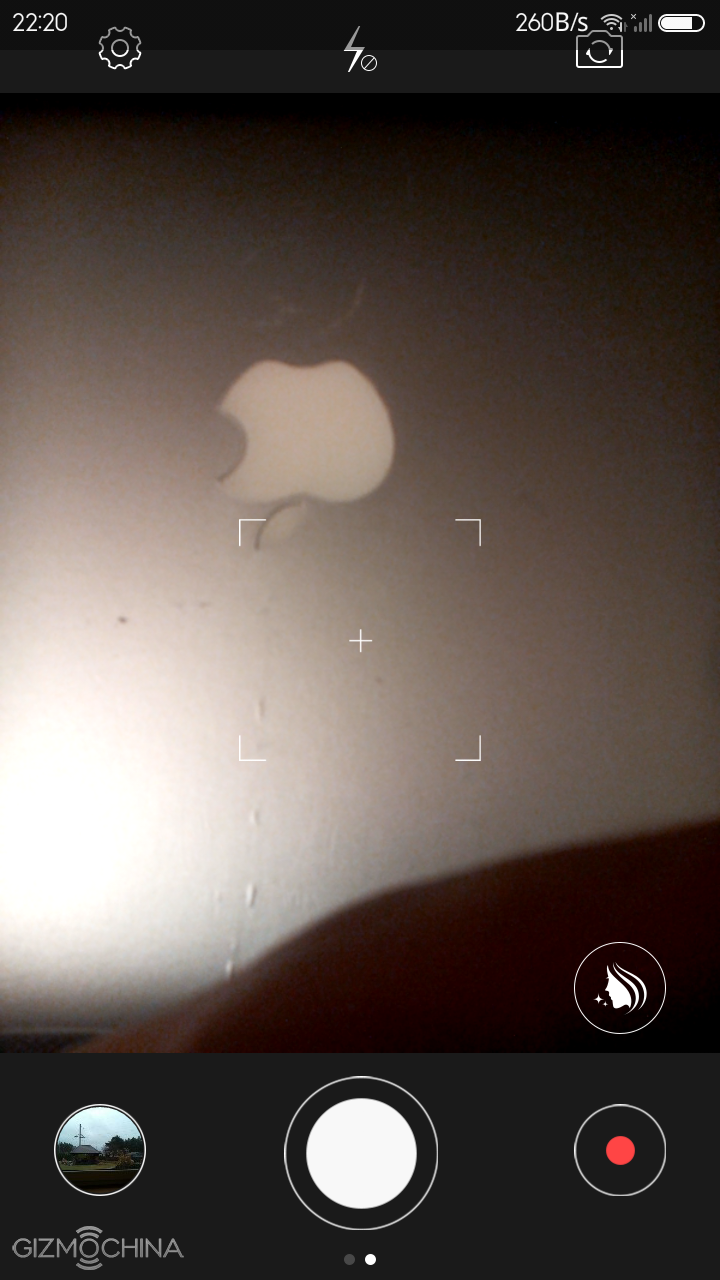
The problem is that most of the images came out a bit blurry meaning that the camera struggles with focusing. Also, the pictures could have more details.
The good point is that the colours are pretty natural and the contrast levels are decent.
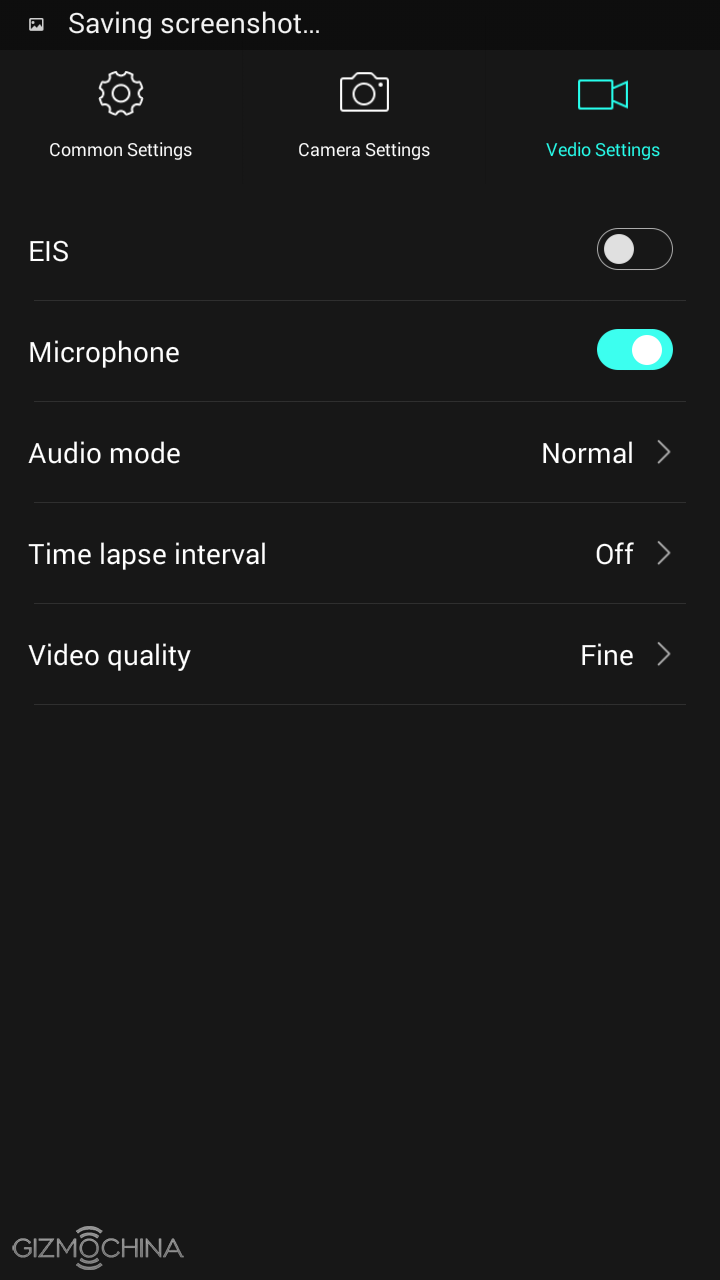
When it comes to the video recording, the footage does not impress either.
As far as connectivity, I have no major complaints but as usual with some MTK chips, the GPS lock speeds are not the fastest out there.
Doogee Valencia 2 Y100 Review: BATTERY LIFE
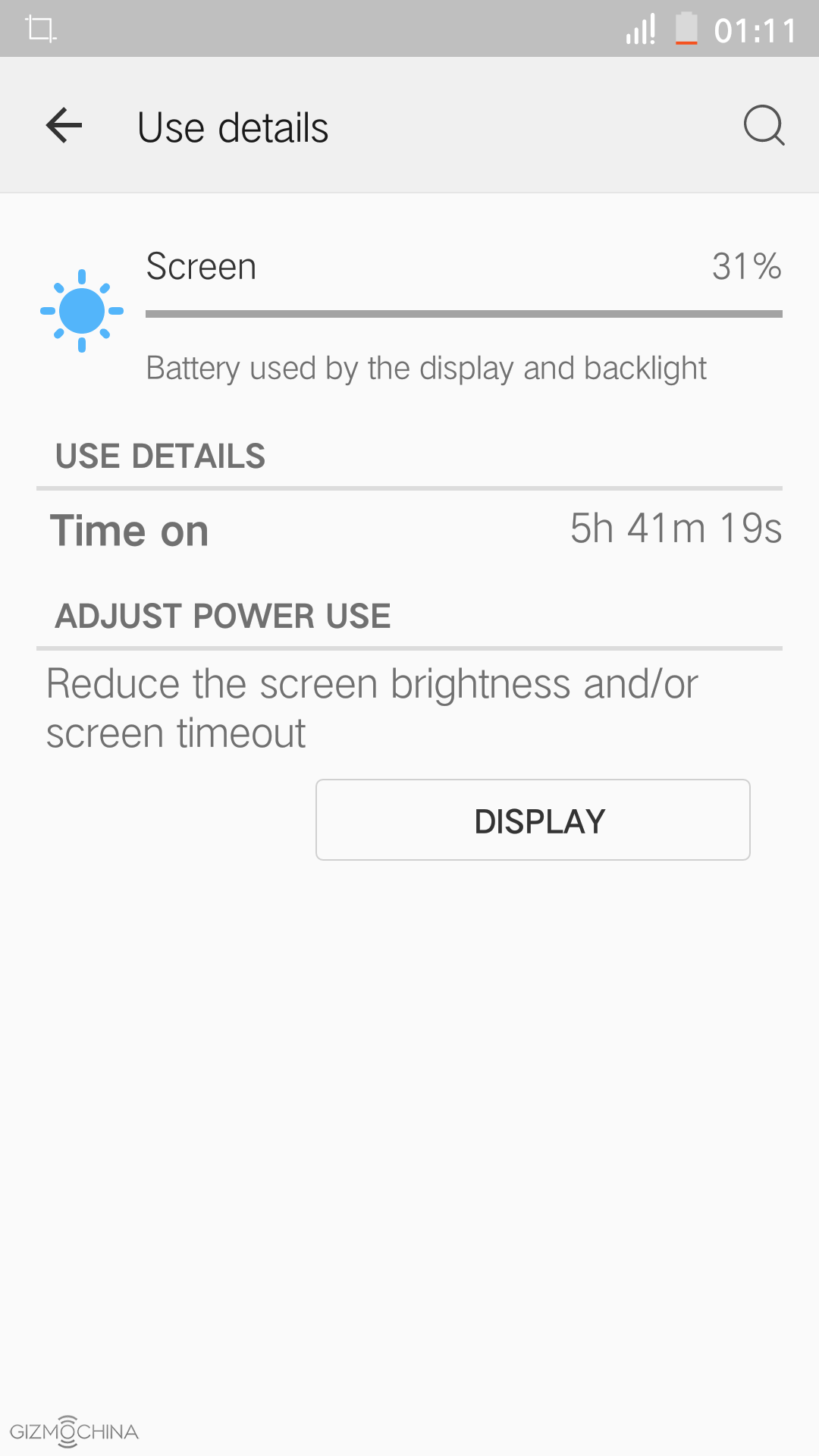
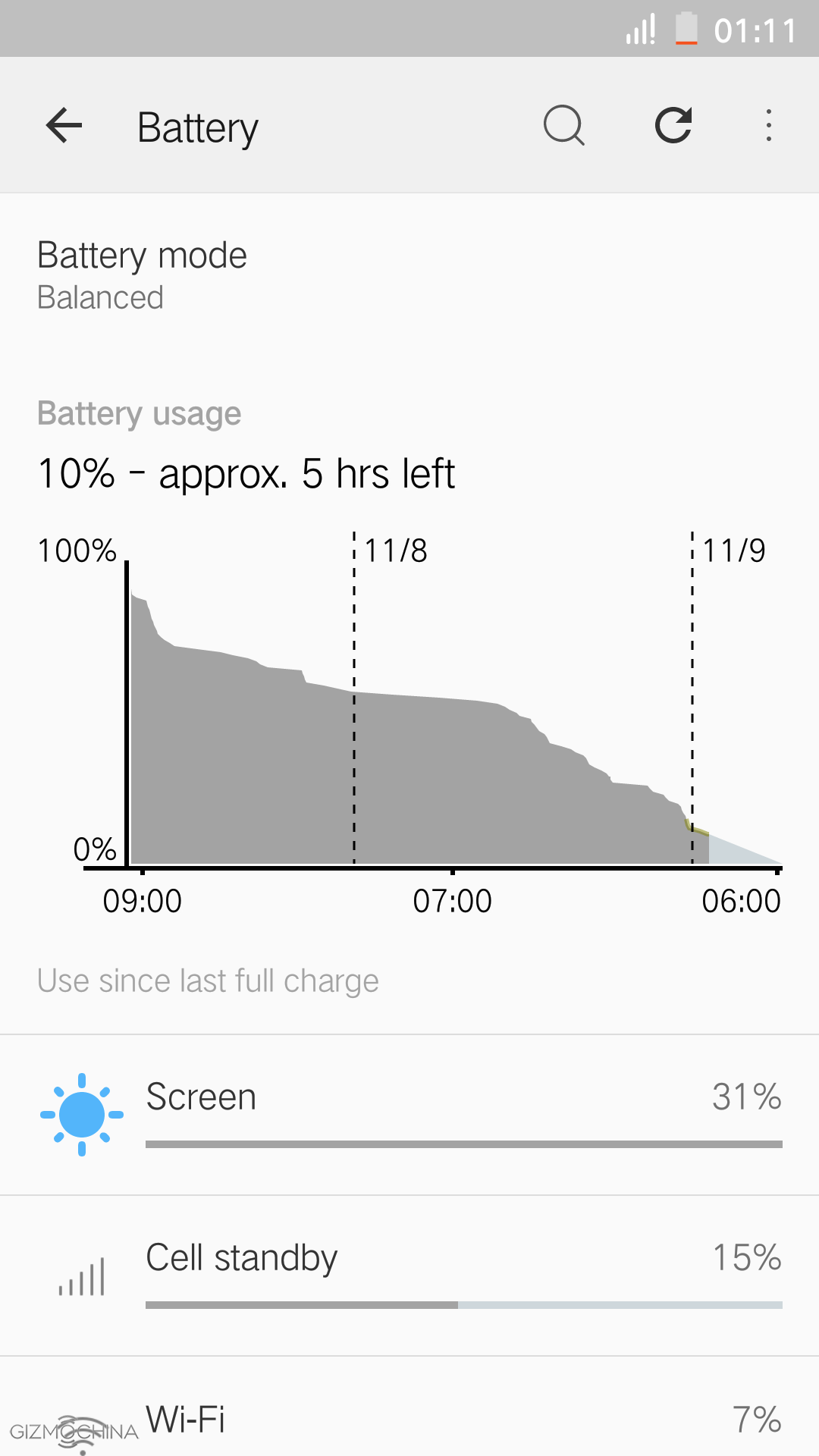
When it comes to the battery life, the 2200mAh unit can get you through the day if you are a light user as I was able to get around 4 hours of screen-on time (SOT) when doing basic tasks but the SOT decreased with more demanding tasks.
Doogee Valencia 2 Y100 Review: CONCLUSIONS
Doogee Valencia 2 Y100 is a phone that wants to be different in the budget devices category. Well, it succeeds at some points.
It is compact, lightweight and it has a flashy design. Also, Doogee tried to kind of innovate with the 3 LED lights on the side of the phone and they look nice.
However, the UI is not always perfectly smooth and while the back touch panel is indeed a great addition to the budget phones’ category, it simply does not work if you want to scroll up/down. Also, if the touch control feature is enabled, it alters otherwise decent UI performance.
Also, the camera leaves a lot to be desired with both image and video quality but it is hard to expect something significantly better in this price range.
All in all, Doogee Valencia 2 Y100 is an interesting addition to the cheap Chinese phones market but you have to take all the cons into consideration before making the purchase.
Now we have three major chips that will soon enter mass production. All the three chips bring tremendous improvements from its previous generation models, now faster and more efficient than before.
So, we decided to take a look at these three chips and compare them to see whether the newly announced Kirin 950 can compete with market leaders such as Samsung and Qualcomm. I know many of you would want to see Helio X20 included in this comparison but we will compare them all in another article. Here, we would like to see whether Huawei has done enough to take on the newly announced Exynos 8890 and Snapdragon 820.
Kirin 950 vs Snapdragon 820 vs Exynos 8890
Kirin 950
Exynos 8890
Snapdragon 820
CPU
4 X ARM Cortex-A72 @ 2.3 GHz
4 X ARM Cortex-A53 @ 1.8GHz
4 X Custom Cores
4 X ARM Cortex A-53
4 X Kryo Cores @ 2.2GHz
GPU
Mali – T880MP4
(Four Core)
Mali – T880MP12
(Twelve Core)
Adreno 530
RAM
2 x LPDDR4
2 x LPDDR4
2 x LPDDR4
Manufacturing
Process
TSMC 16nm FinFET
Samsung 14nm FinFET
Samsung 14nm FinFET
LTE Modem
LTE Cat. 6
LTE Cat. 12 / 13
LTE Cat. 12 / 13
MANUFACTURING NODE:
First of all, lets take a look each chip’s manufacturing node. I am sure many of our readers would already know that the smaller the size of the manufacturing node, the better it is for the chip. At present, flagship chips such as Exynos 7420 are manufactured using the efficient 14nm FinFET process. Samsung was one of the first ones to successfully develop this technology for mass production of mobile chipsets and has used this process for both Exynos 7420 and the latest Exynos 8890 chip. Since its currently the best technology out there, even Qualcomm has resorted to Samsung’s 14nm FinFET process for its Snapdragon 820. On the other hand, Huawei’s Kirin 950 is built using TSMC’s 16nm process.
Technically, 14nm manufacturing node should be faster and efficient than 16nm. However, that’s not always the case. We have seen in case of iPhone 6S, there are two known chip variants, one built on TSMC’s 16nm process and the other on Samsung’s 14nm process. Interestingly, there were some difference in the performance between these devices (read more about it from here) and the iPhone powered by the TSMC’s 16nm chip turned out to be better. So, in spite of using a slightly larger 16nm node, Huawei’s Kirin 950 could be as efficient as the Snapdragon 820 and Exynos 8890.
CPU CORES:
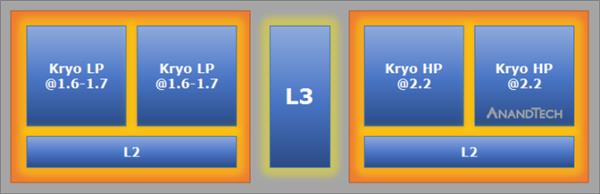
Another important difference between these three chips is the CPU cores. Huawei went with standard ARM Cores (4 x A72 + 4 x A53) while Samsung features four custom Exynos M1 cores along with a cluster of standard ARM cores (4 x Custom Cores + 4 x A53). Qualcomm Snapdragon 820 features all four custom Kryo cores in two cluster formation (2 x Kryo HP + 2 x Kryo LP).
Snapdragon 820
So, which ones better? Well, Huawei features four standard ARM Cortex A72 cores which are very powerful along with four Cortex A53 cores which are efficient in a big.LITTLE architecture. We have got a glimpse of the performance of the chip in a prototype device and the results were impressive. In comparison, the Samsung Exynos 8890 comes with four custom Exynos M1 cores and four standard ARM Cortex A53 cores. While we are unsure of the actual specifications of the custom cores, the company claims that they are 30 percent faster than previous generation 7 series and uses up to 10 percent less power. As for Snapdragon 820, Qualcomm has decided to use just four custom cores (Kryo), down from eight on the 810. The new Kryo cores inside the Snapdragon 820 are said to be twice as powerful as the previous generation. However, we will have to see whether the decision to reduce the cores inside the new chip will affect its multi-core performance significantly.
Now that we know what’s inside each of these chips, it time to see which ones better. Its hard to say that for sure at the moment, but on paper, Exynos 8890 seems to be the winner. It features four powerful custom Exynos M1 cores along with quad Cortex A53 which company claims is 30 percent more powerful than the already impressive Exynos 7 series octa generation. So, its likely that the big.LITTLE architecture on the 8890 will beat both Snapdragon 820 and Kirin 950. Also, with just four custom cores, Snapdragon 820 is unlikely to beat Kirin 850, but that remains to be seen. So, if we had to arrange them in the order of performance from highest to lowest, Exynos 8890 will probably be on top followed by Kirin 950 and then Snapdragon 820.
As for the co-processor, Kirin 950’s i5 is supposed to be ultra-power saving, translating into better battery life. Even Hexagon 680 DSP which controls some tasks for the CPU in Snapdragon 820, boasts of improved efficiency and faster process times. So, overall power consumption on both the chips should be reduced.
GPU:
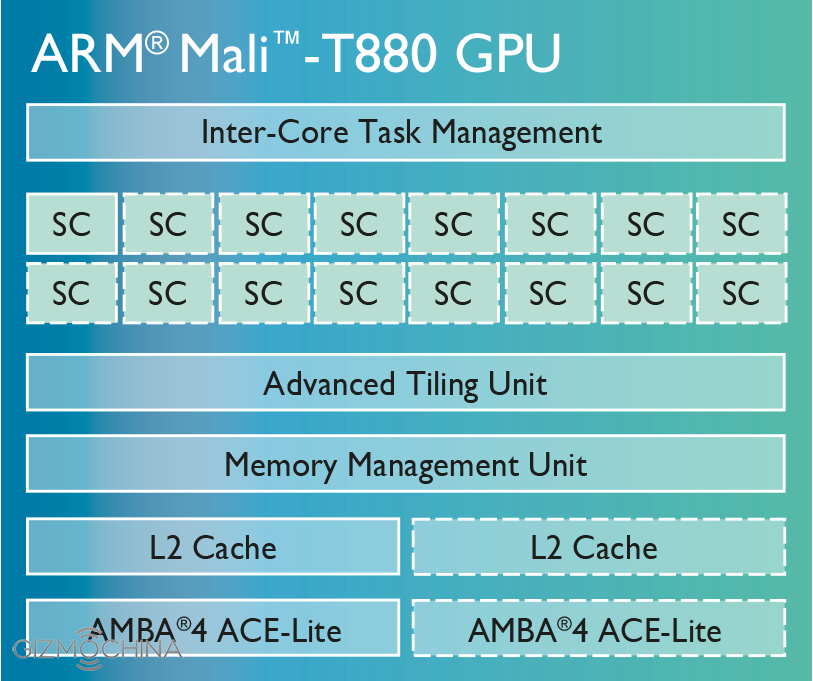
Coming to the next important part of the chip, i.e. GPU, both Kirin 950 and Exynos 8890 feature Mali-T880. On the other hand, the Snapdragon 820 comes with Adreno 530 on board. While the GPU is Mali-T880 on Huawei and Samsung chips, they differ in terms of the number of cores. Samsung’s chip comes with Mali-T880 MP12 GPU which features 12 cores, on the other hand Kirin 950 comes with a four core Mali-T880MP4. Kirin 950’s four cores are clocked at 900MHz, higher than Samsung’s. Still, with twelve cores at its disposal Samsung’s 8890 will be able to render 3D and high-end graphic games smoother than Kirin 950.
As for the Adreno 530, we are not quite sure how well it performs as compared to the Mali counterpart. Previously, Adreno had an edge over Mali GPUs but with Mali-T880 it could change. Unfortunately, we can’t be sure of that at the moment. So, for now, in the GPU department, it looks like Kirin 950 with its quad-core GPU is lagging behind both Snapdragon 820 and Exynos 8890.
LTE CONNECTIVITY:
As for connectivity, the Kirin 950 features Cat. 6 LTE networks. This turned out to be surprising given that they could have used a better LTE chip. On the other hand, both Samsung and Qualcomm made the right move integrating high speed Cat. 12 / Cat. 13 LTE chip inside their processors with peak download speeds of up to 600Mbps.
In the end, we feel that the Exynos 8890 is better than the Kirin 950 in most areas. But both Snapdragon 820 and Kirin 950 are mighty contenders as well. So we will have to wait for their real life performance to actually judge which one turns out be the leader next year.
As for just talking about Kirin 950, we feel Huawei has come a long way as a chip maker and the latest release is just an example of their ability to develop and release fast and efficient chips on their own.
So, what do you think about these three chips? Do you think Samsung can retain its top position in the market (in terms of performance) with its new Exynos 8890?
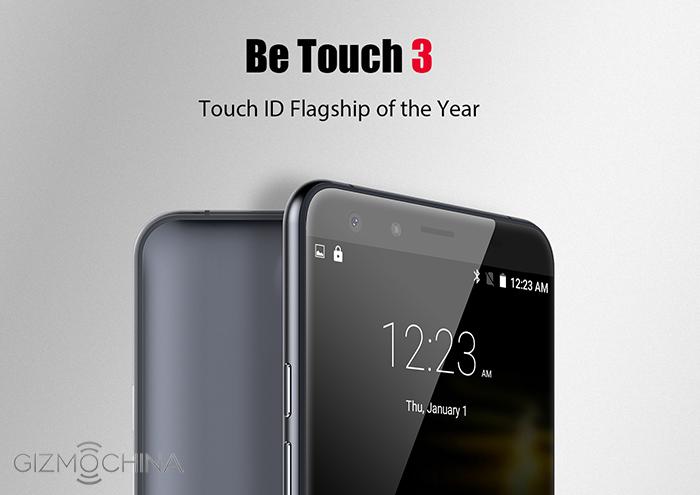
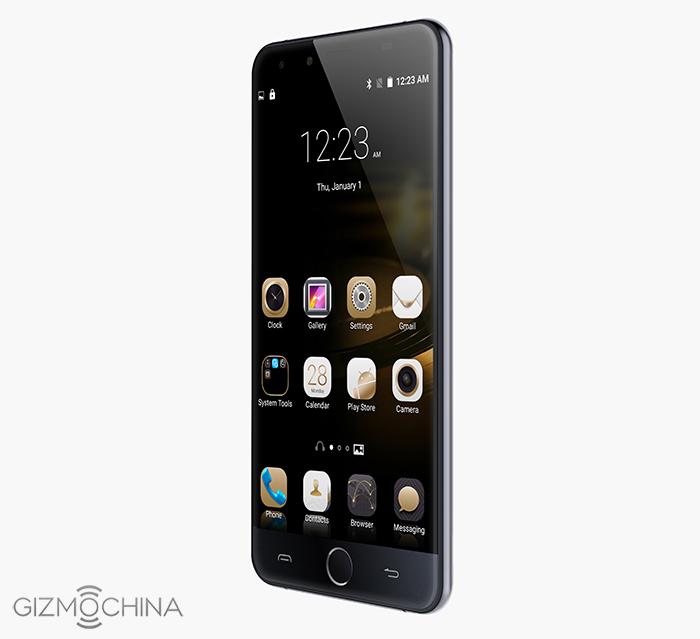
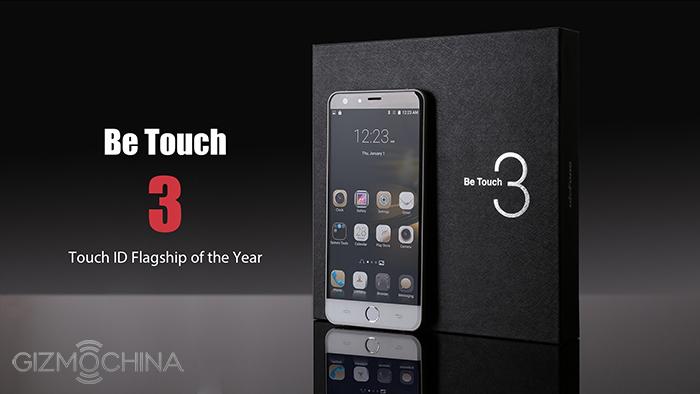
For all people who want to buy a mobile phone with front fingerprint scanner for a budget under USD200, the options are still quite limited, while Ulefone Be Touch 3 is one of them.
Ulefone Be Touch 3’s fingerprint ID can be used as both home screen lock and app lock. The scanning component has adopted a ceramics sensing panel, which is believed to be more responsive than other materials and better fit the 2.5D Corning Gorilla 3 glass visually. Offering at most five fingerprint IDs, users of the device are expected to find themselves comfortable to apply the function in different circumstances, while a rear fingerprint scanner, Ulefone believes, will not provide such convenience even with multi-register of finger IDs.
Fingerprint scanner, 5.5-inch Full HD display, 3G RAM, and Sony MX214 13MP camera make Be Touch 3 stand at the top place of Ulefone’s product line. For chipset and operating system, the company has chosen the sophisticated scheme of MTK6753 plus Android 5.1 and they promise smoother user experiences as well as better energy efficiency out of the specs.
Ulefone has started to supply the Be Touch 3 since November 16 and their stock is adequate enough to support shipping on the very day of order presently.
Learn more about this Ulefone be Touch 3, just click here.
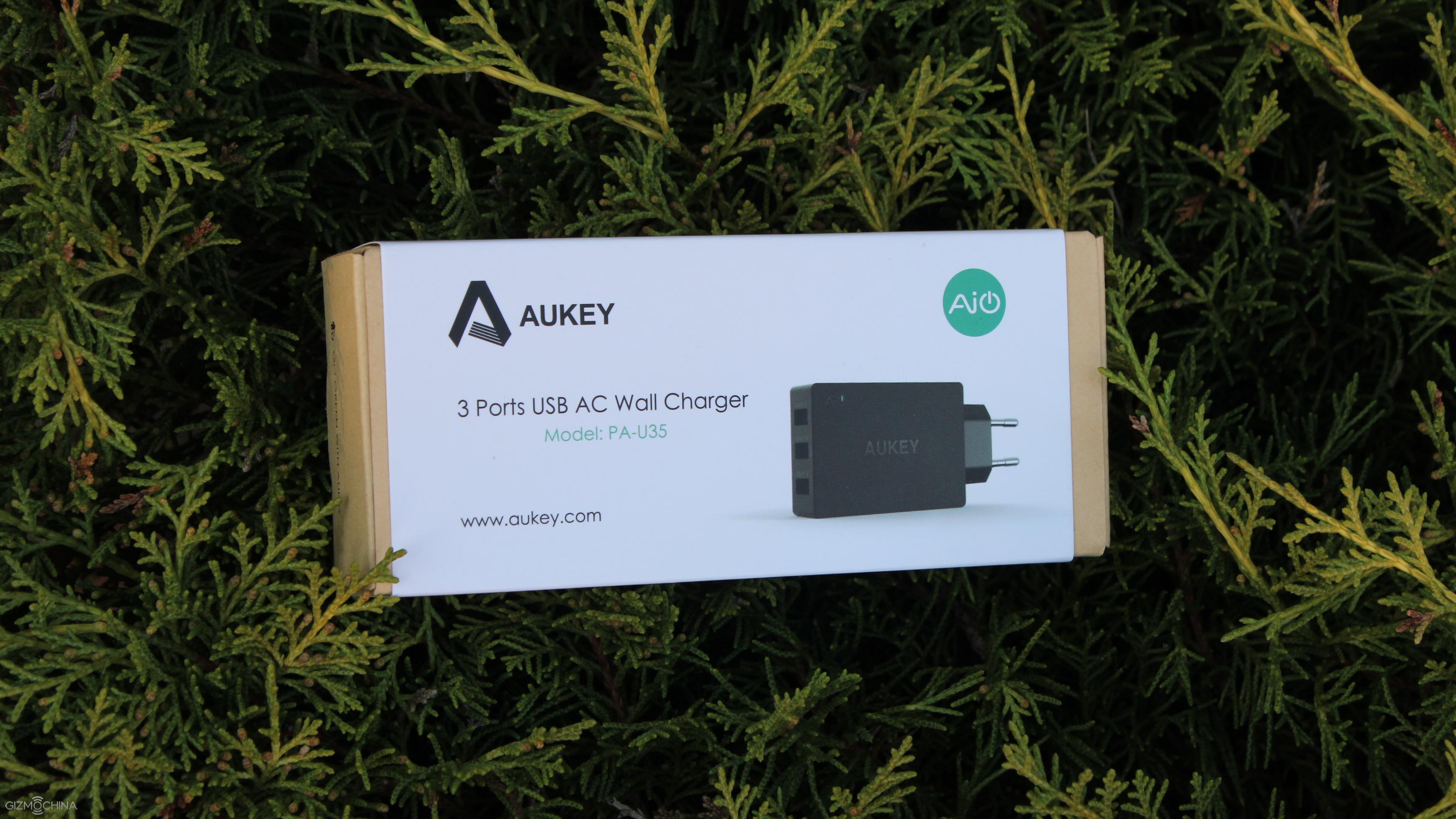
Aukey 3 USB Ports USB AC Wall Charger Review: UNBOXING
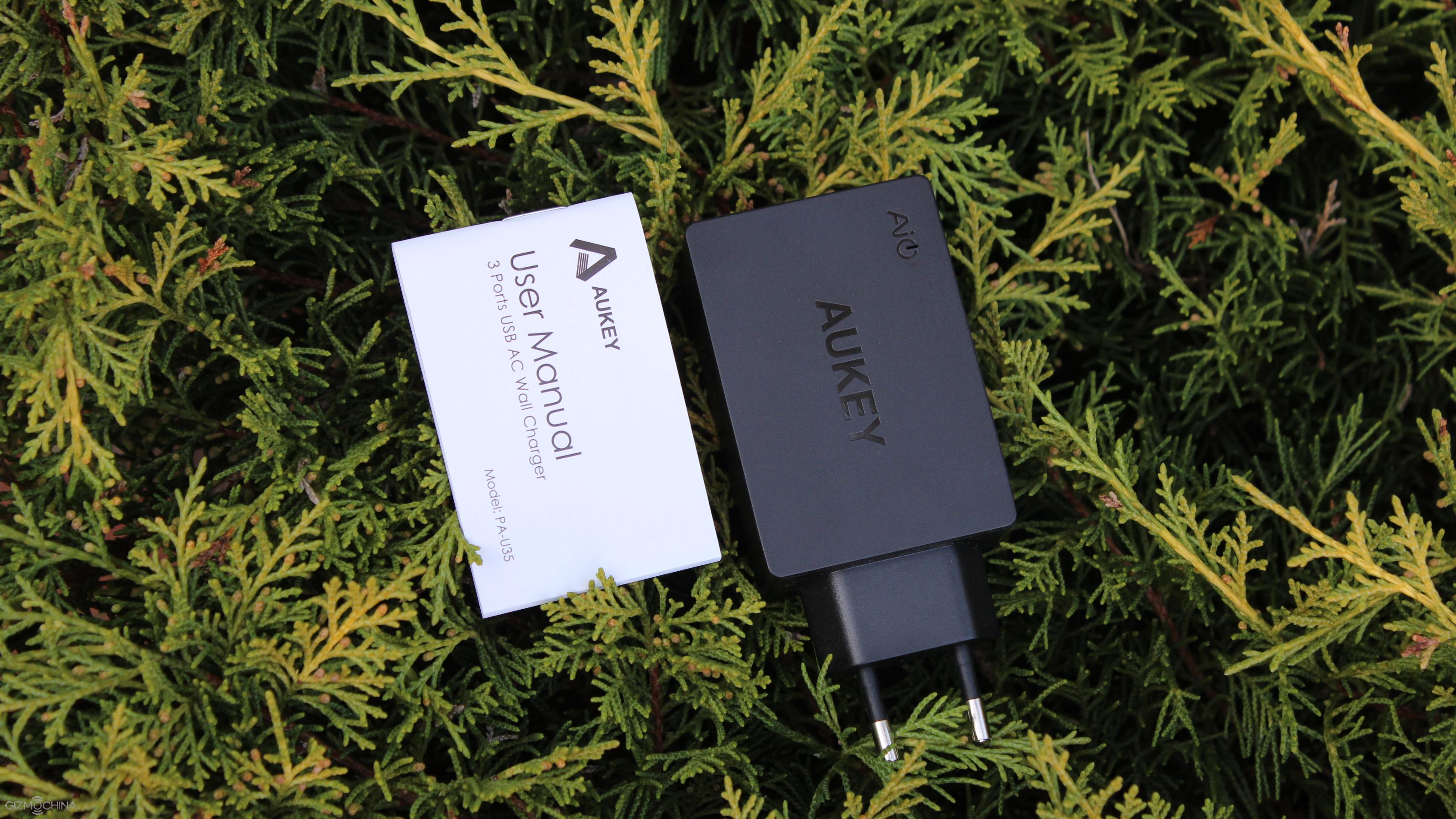
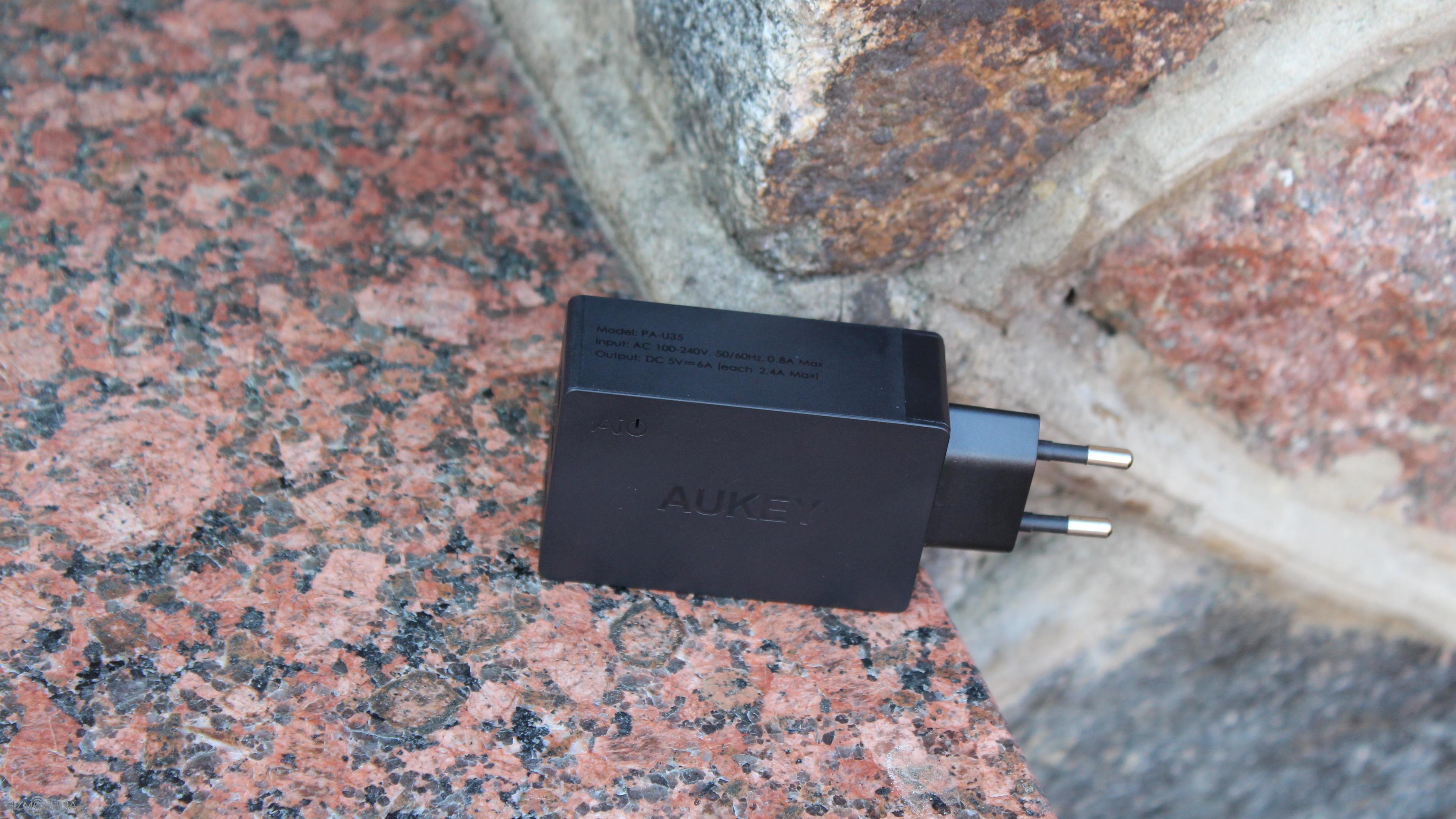
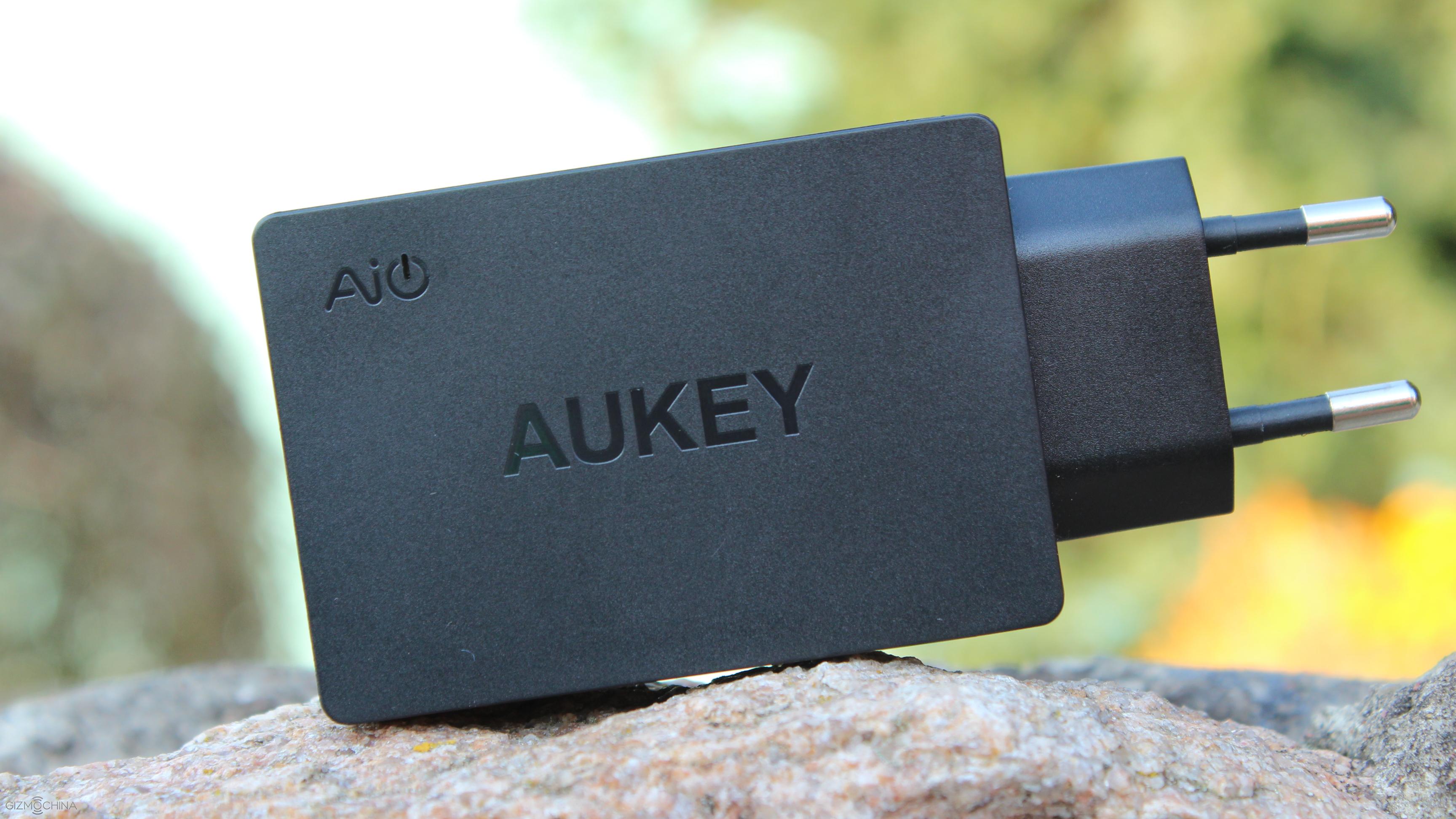
The $8 device comes in a little box and what you are getting is the charger itself and some documentation. I will leave a link in the description below for you.
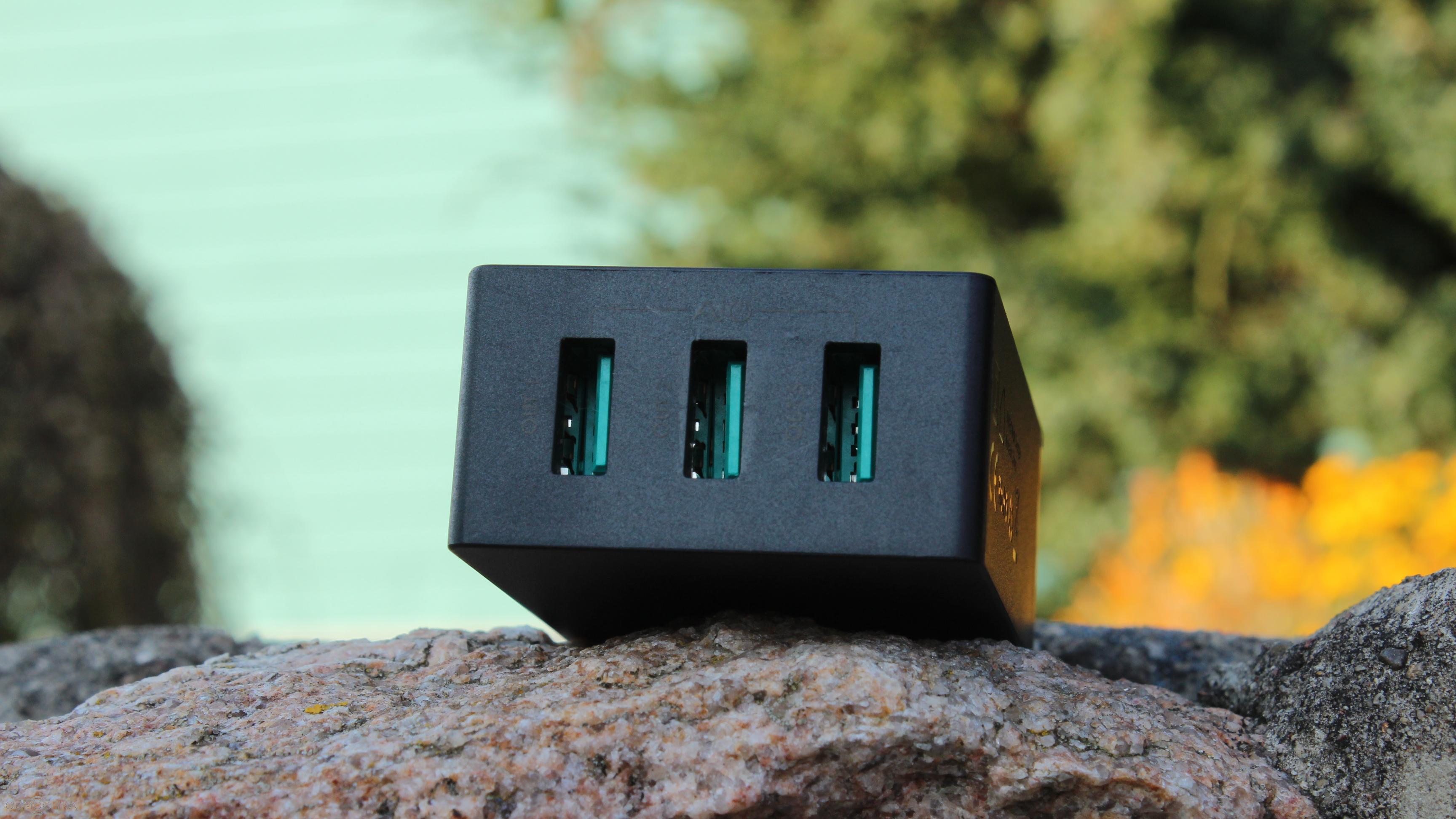
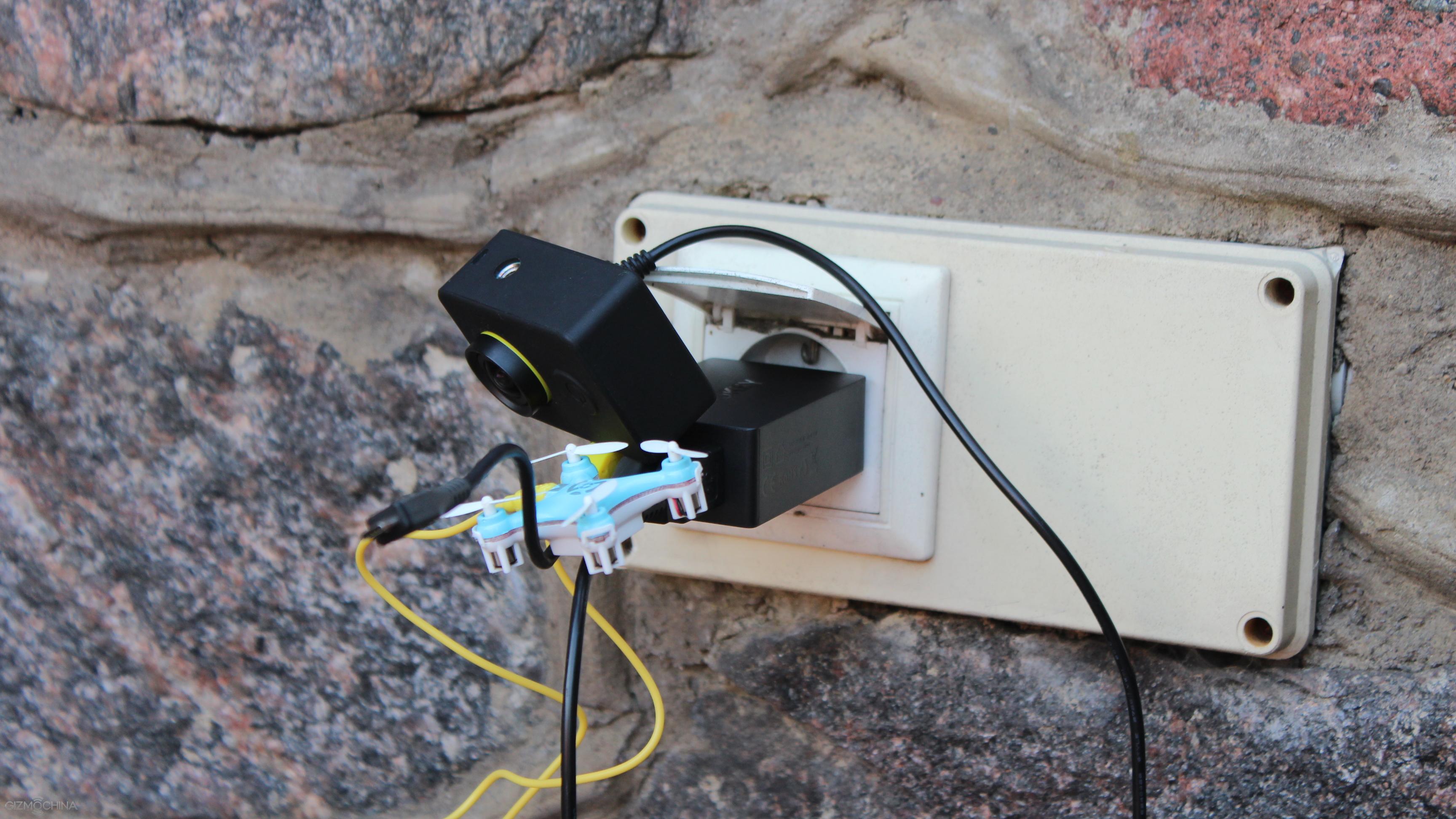
All right, so basically what the Aukey charger is that it has 3 USB ports and you can use all the ports at the same time. Also, the charger has a combined output of 6A, which means that your device is going to charge pretty fast.
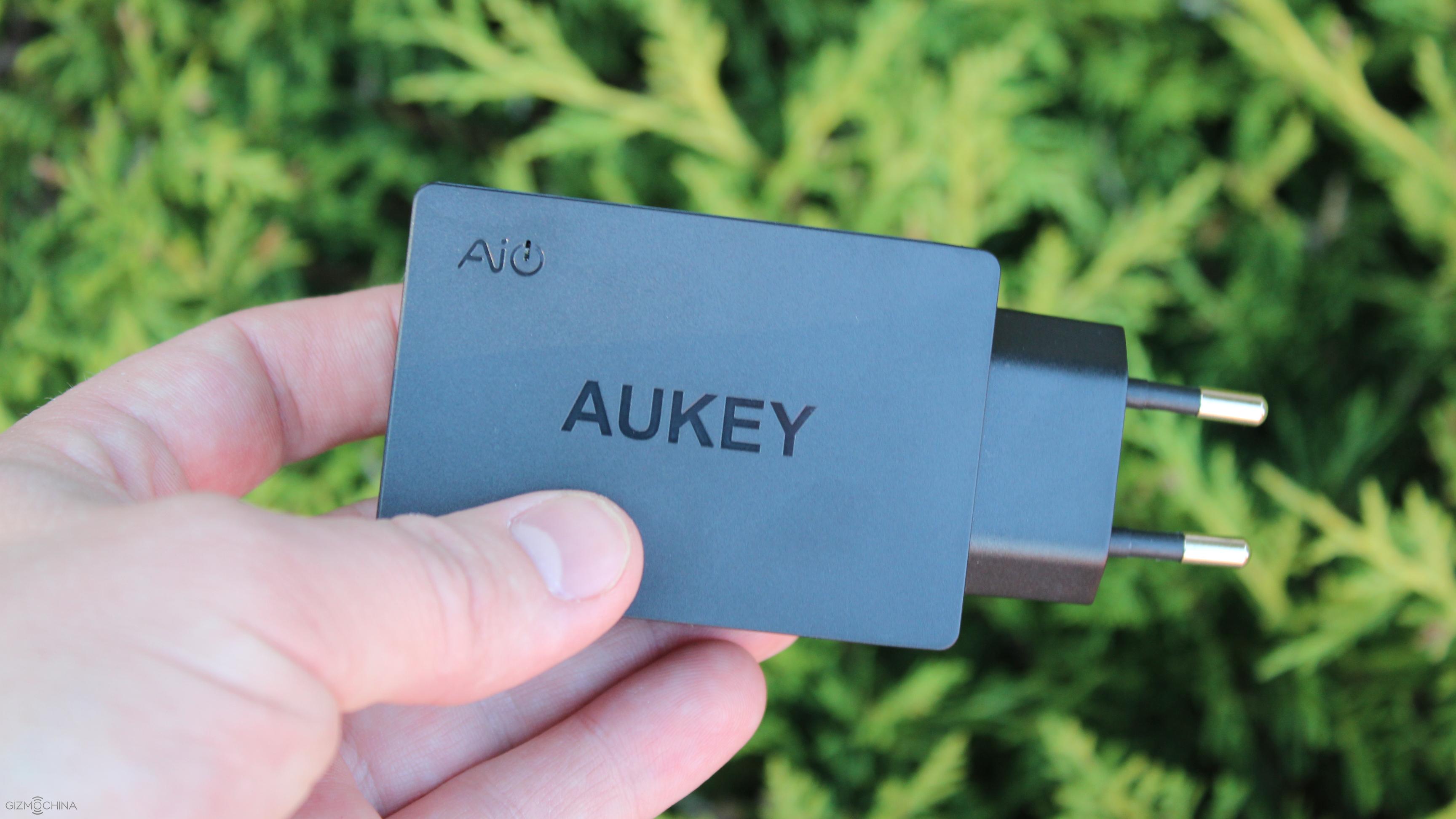
The Aukey charger is made of quality plastic and feels very sturdy overall. It’s definitely not one of those cheap power plugs that are going to break in a few weeks.
A few key features include the Alpower technology, whcih basically detects the maximum possible charging speed of the device you want to charge.
Aukey 3 USB Ports USB AC Wall Charger Review: CONCLUSIONS
I’ve tested the Aukey charger with a variety of different gadgets and I pretty much know how long it takes to charge them up. I have to say that this charger indeed refills the batteries pretty quickly and it works well when all 3 USB ports are in use. For example, my old vivo Xshot was fully charged in about 15 minutes faster than using the original charger.
All in all, the Aukey 3 USB port fast charger is a neat little gadget, which is made of quality materials both inside and out, it is not expensive and works as advertised.
Ever since Google officially unveiled the new Android 6.0 Marshmallow operating system, many manufacturers have come forward to reveal the existing models which will be upgraded to the new OS. Now, ASUS has just revealed some of the models which will get Android M update in the coming months.
ASUS revealed on its official Zentalk forums that most of the latest models will be upgraded to the new Android 6.0 operating system. The list of models which will be upgraded are as follow:
As you can see, the recent models are supported for the upgrade. However, the company has decided to leave out older models such as the ZenFone 5 and the first generation versions out of the upgrade. Not surprising given that they are more than a year old.
Unfortunately, the company has not revealed when you can expect the Android M update. Considering the company’s timing of lollipop update this year, we can expect the Android 6 rollout to start only by a few months into 2016.
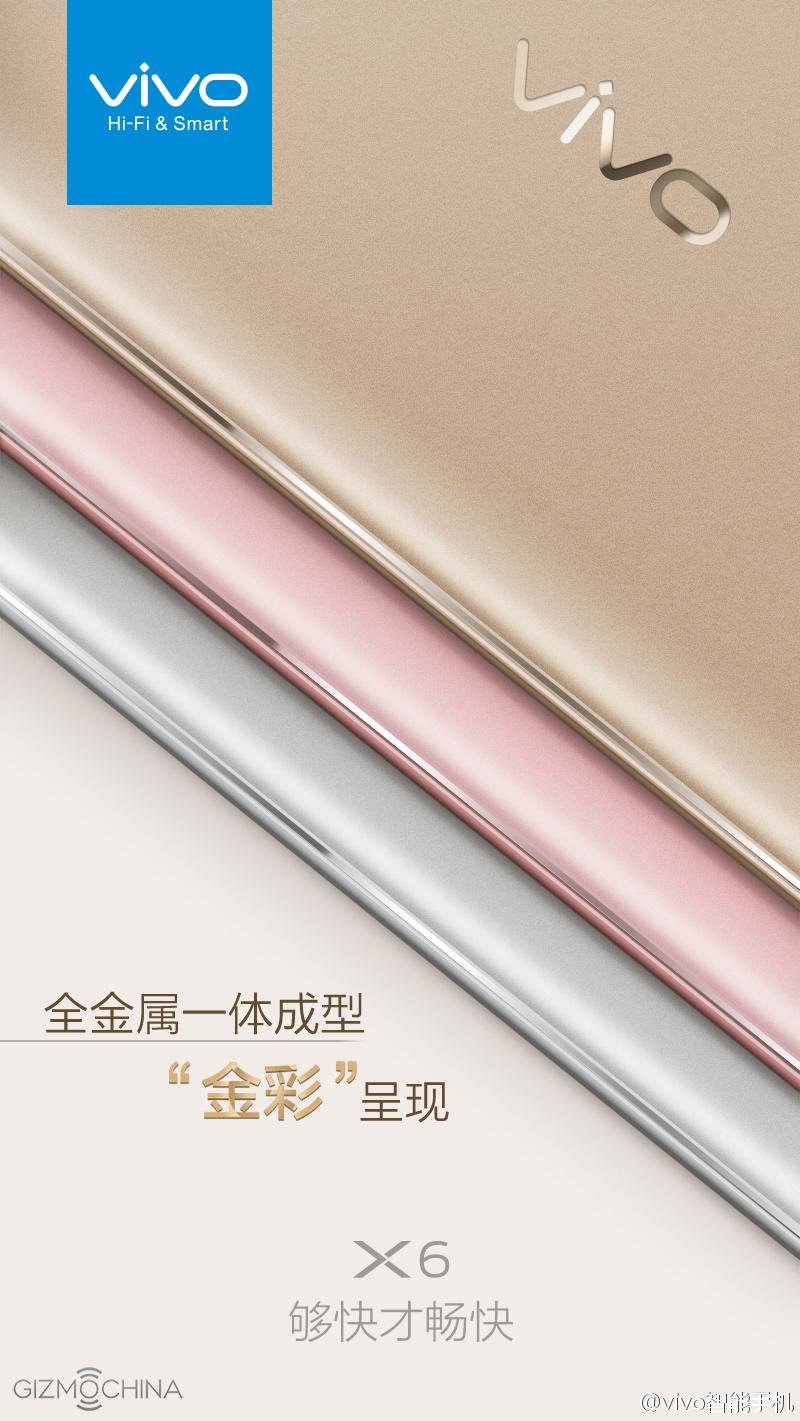
Vivo has been teasing a number of features on its upcoming Vivo X6 flagship smartphone. According to the latest teaser from the company, the Vivo X6 will feature split screen multi-tasking, making sure that you can make the most out of its 4GB RAM on board.
Like tradition, even this particular teaser comes via gif image, wherein we can see that the phone can open up two apps side by side at one time. In the image, it was shown that the user could switch to split screen mode while watching a video to send a message. As we mentioned above, the phone will feature 4GB of RAM which will be more than enough to enable smooth multi-tasking on the device.
Pricing is yet to be revealed, but don’t expect the phone to be cheap. The release is expected to be around the first week of December, which is just a few days away. Until then, we are sure to receive more details on the upcoming device, so stay tuned.
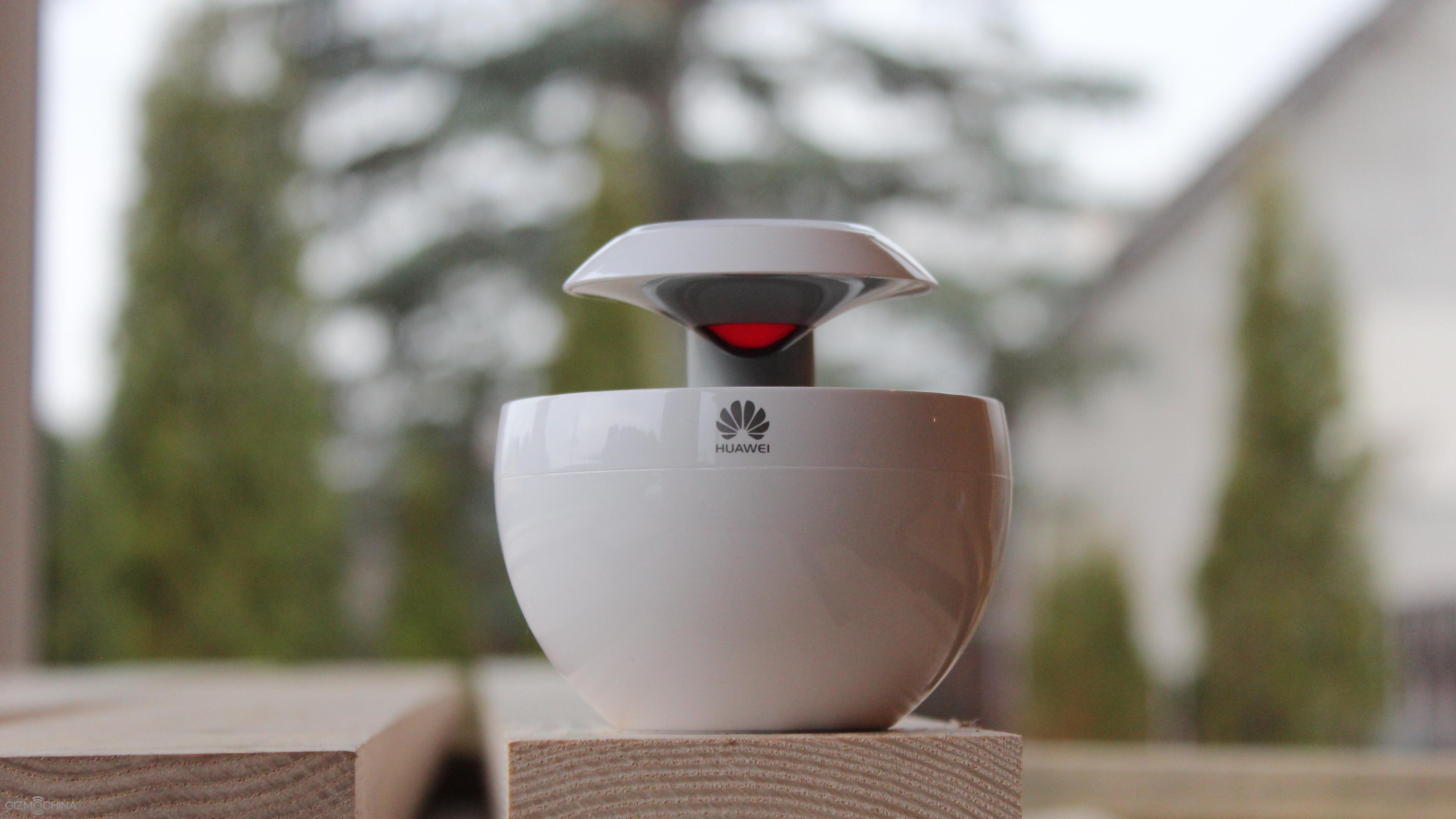
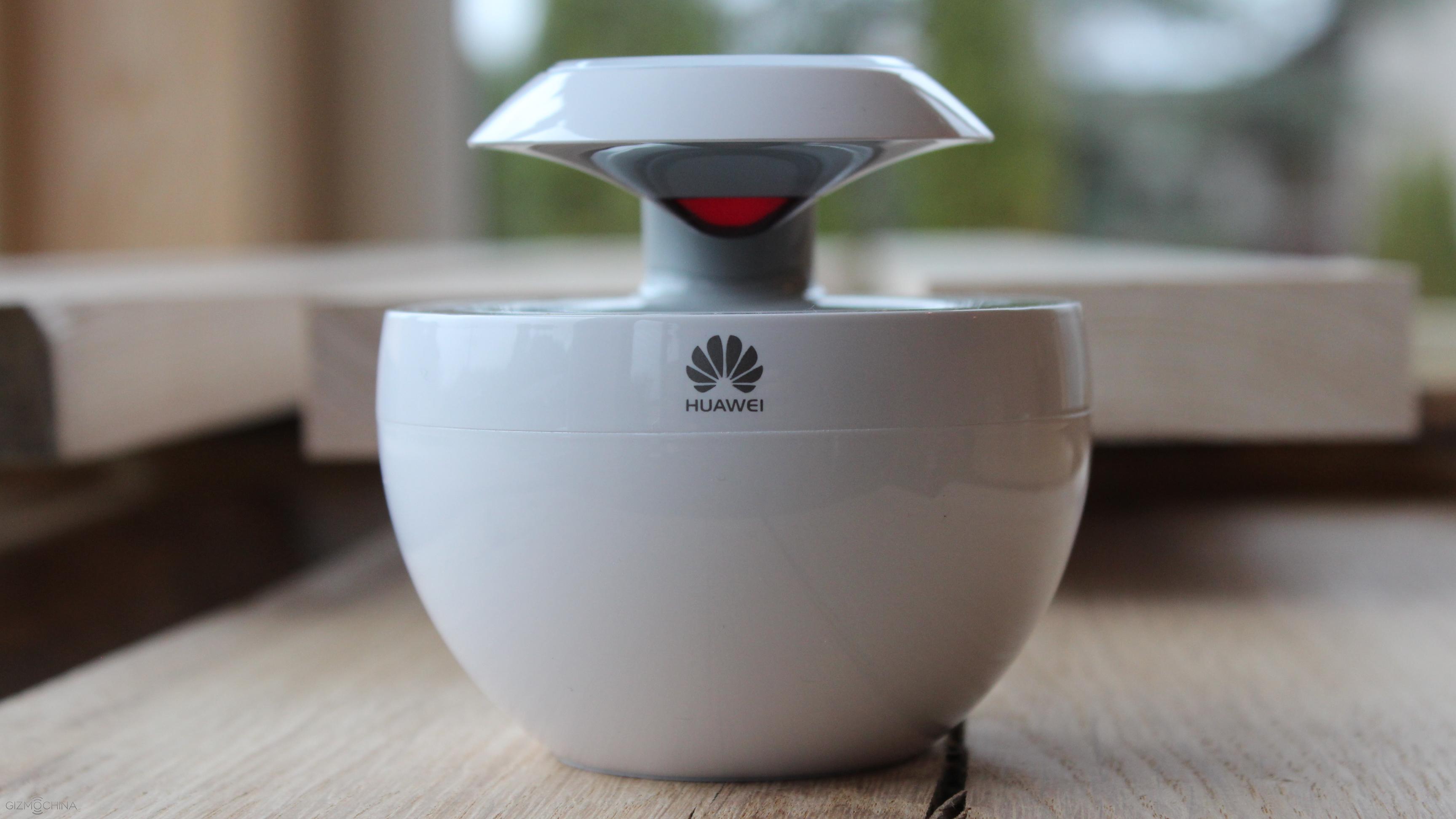
Bluetooth speakers’ market is getting crowded as a lot of different manufacturers produce them. Huawei is one of them and they have a one tiny device at affordable price. Stay tuned for a full review.
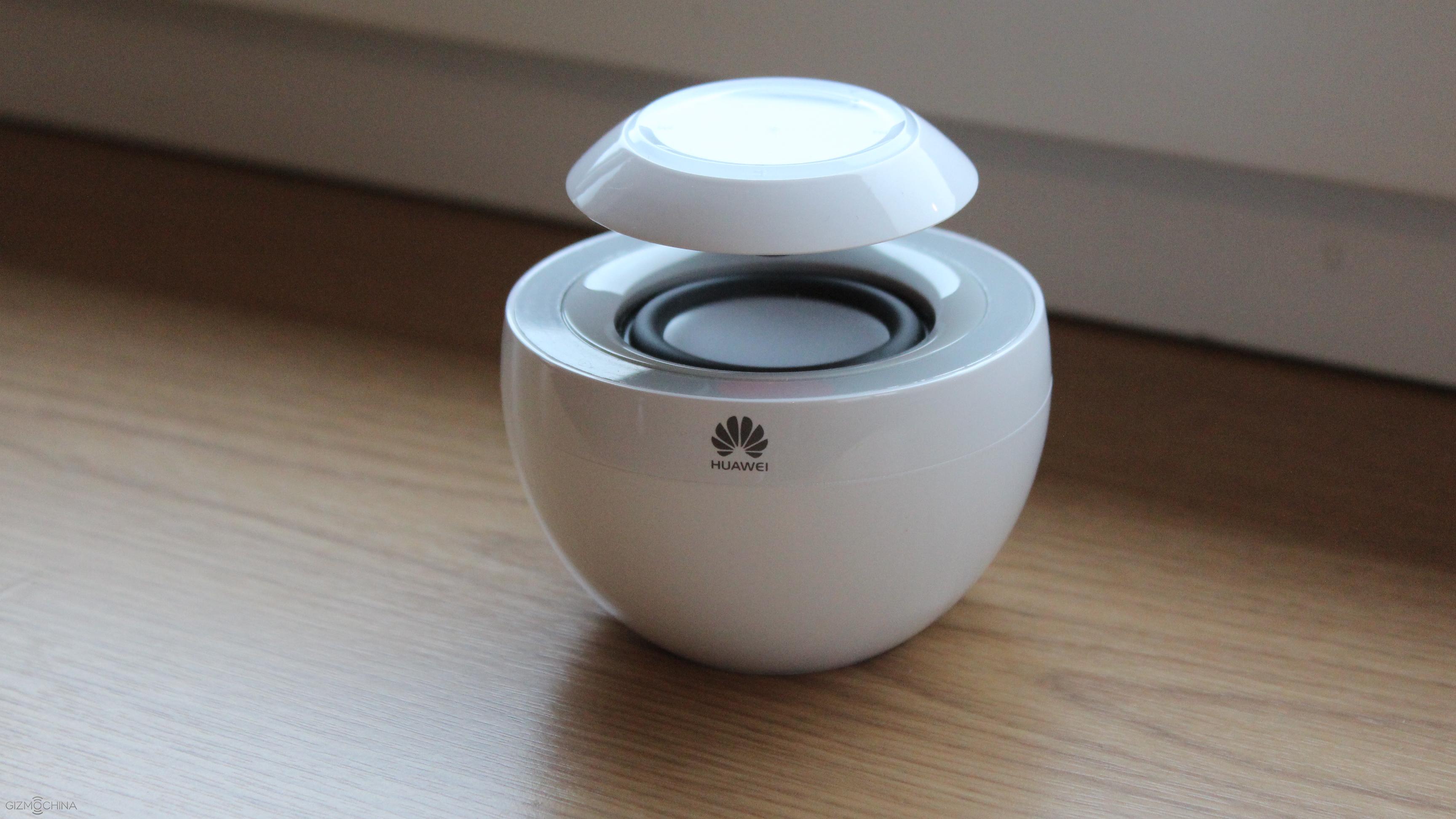
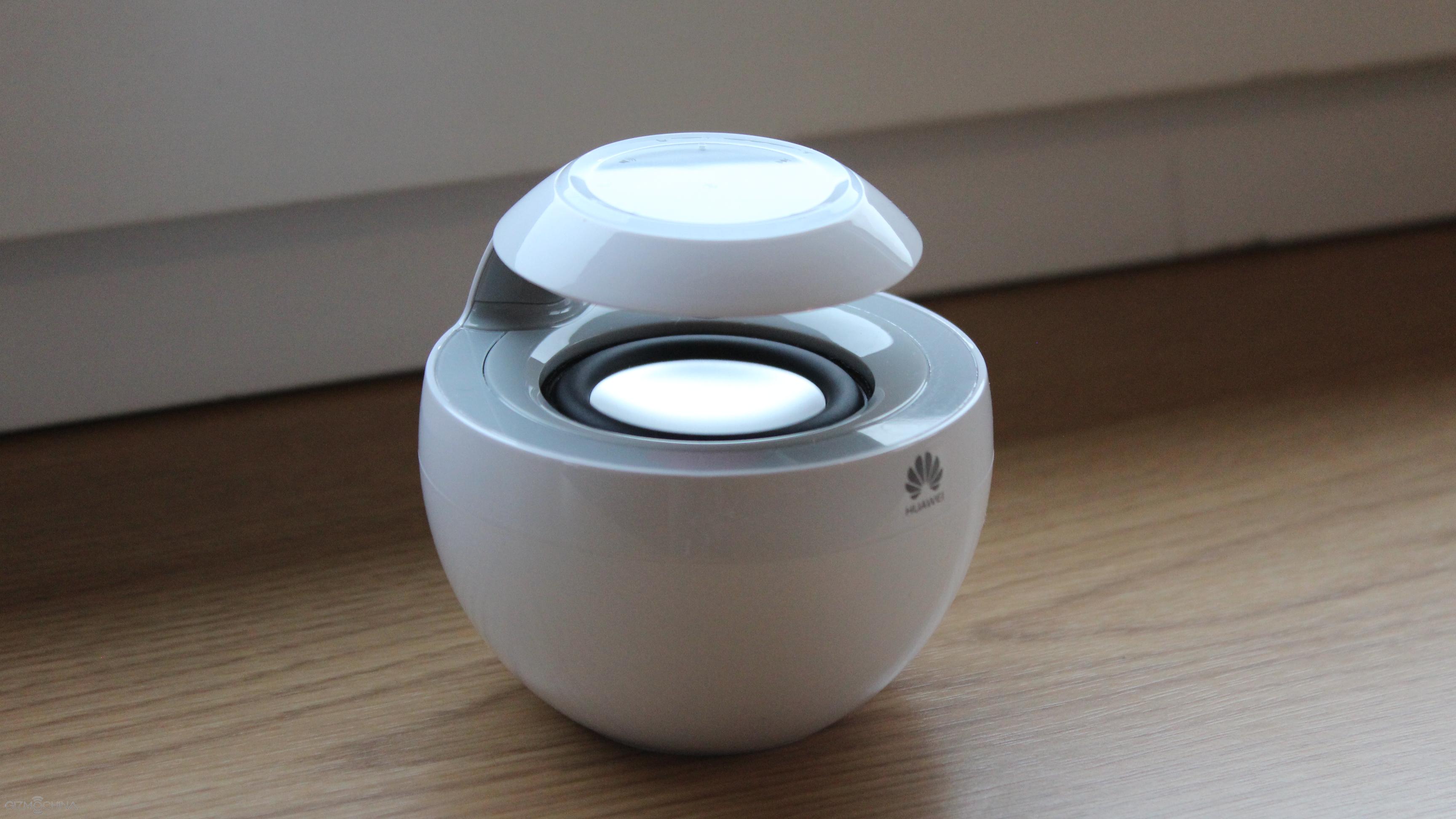
First of all, the Huawei Bluetooth speaker is very compact and lightweight and it has only one speaker, which is capable of producing 1.8W of sound output.
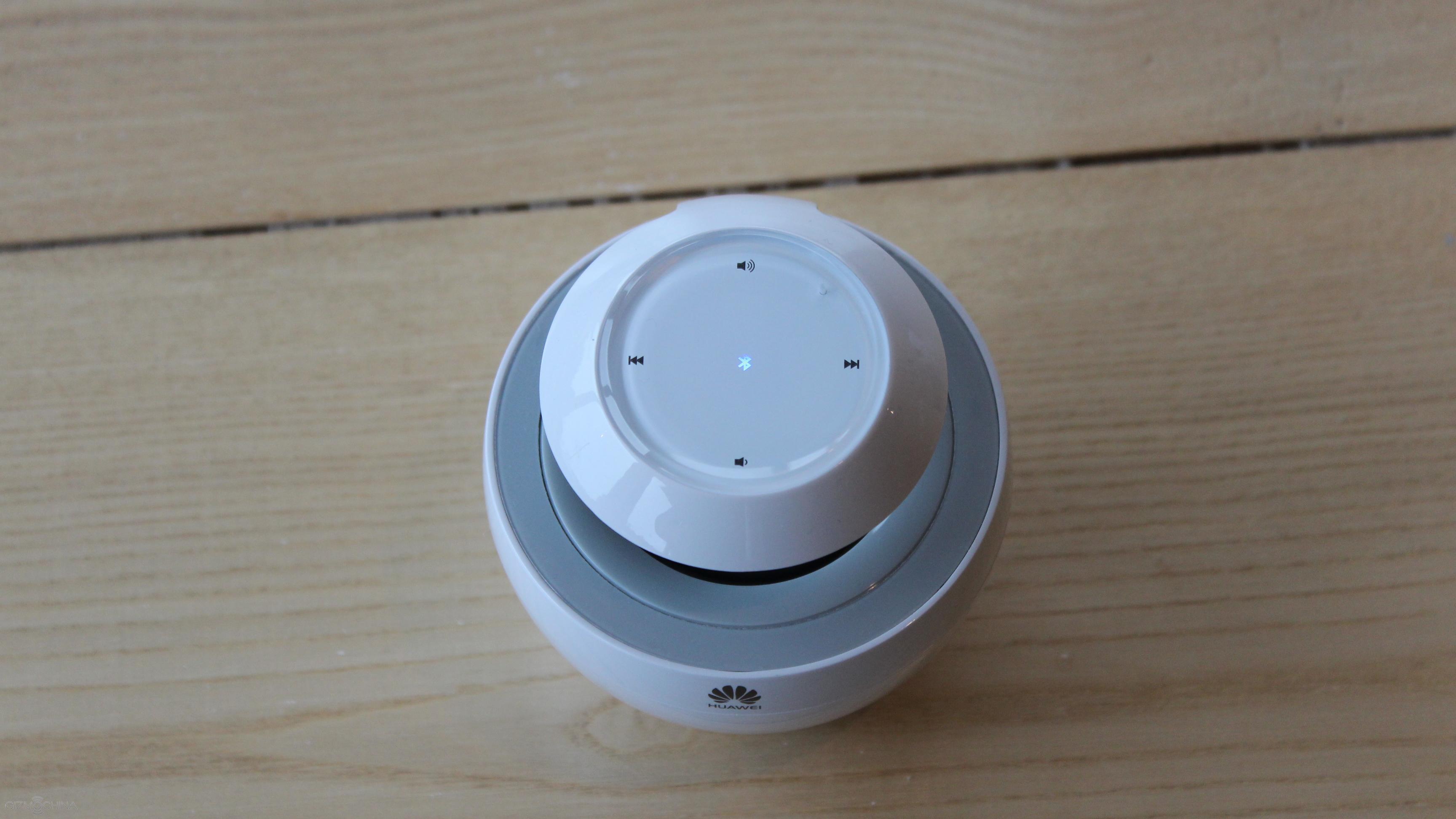
It’s made of quality glossy plastic, which is, however, prone to fingerprints. The speaker sports rather unusual design. The bottom part is dedicated for audio and the top part has a nice pulsing light and the controls.
The power on/off switch is on the bottom and all the usual set of controls are on the top, which are embedded in the touchpad. It’s a nice and convenient idea but I found the volume up button to be irresponsive quite a few times and that is disappointing.
There is a Bluetooth key in the middle, which also doubles as answer call or play/pause button. Speaking of hands-free operation, the call quality is just mediocre as my voice was not very clear to the people on the other end.
Overall, the design is great and build quality is very good.
Huawei AM08 Bluetooth Speaker Review: SOUND QUALITY
When it comes to the sound quality, it is definitely good for the size of the speaker yet not the best I’ve heard in this price range. Also, only 1.8W of sound output means that it is definitely not the loudest Bluetooth speaker on the market.
Huawei AM08 Bluetooth Speaker Review: CONCLUSIONS
The Huawei Bluetooth speaker is a good quality product, which sports a great design along with a good build quality and good sound quality. Also, some extras like a pulsing light and capacitive touchpad are nice additions in the price range of under $30.
However, I was disappointed that the volume up button is not responsive, the call quality is just mediocre. In addition, there are quite a few options in this price range that have at least 5W of sound output.
As far as battery, I could get just about 4 hours, which is good but not great.
Finally, the Huawei AM08 Bluetooth speaker is not a bad device as it offers quite a lot of functionality but you may also want to check out what the competition has to offer in this price range.
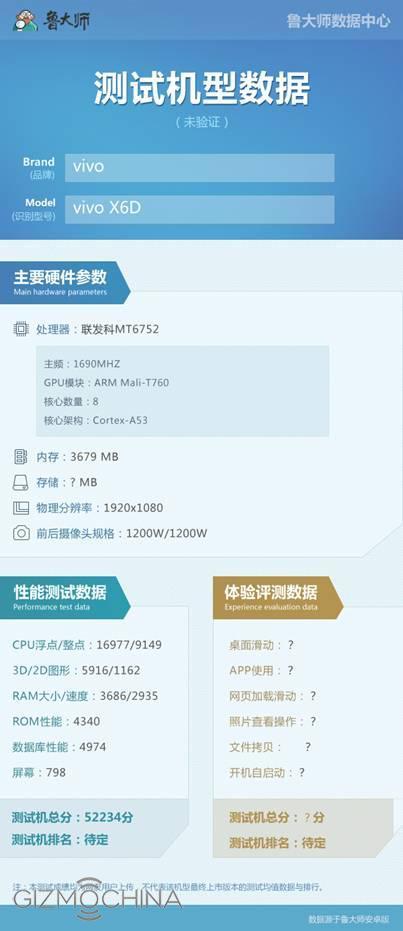
We have been hearing rumors about Vivo X6 flagship for the past couple of weeks. While we still don’t know the exact specifications of the device, earlier rumors had hinted that the phone might come with Mediatek’s latest Helio X20 chipset. However, a few hours ago, a new leak revealed some interesting specifications of the device.
Some of the specs are in line with what we have been expecting till now like the 4GB of RAM and 1080p display resolution. However, one of the biggest surprises of the leak was the CPU. According to this leak, the Vivo X6 will feature the mid-range 1.7GHz MT6752 octa-core 64-bit chip as opposed to the much more powerful Helio X20 deca-core chip. This is really surprisingly and hard to believe given that the phone will come with pretty high-end features and a chip like MT6752 won’t be able to extract the full potential from the device.
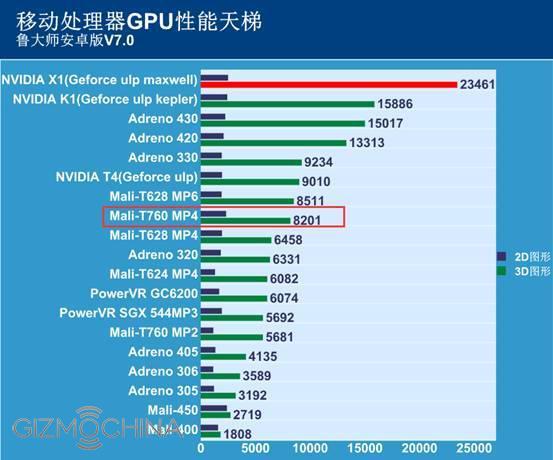
Another surprise is the Mali-T760 MP4 GPU on board which is much inferior to the new generation Mali-T880 MP4 GPU. Despite having 4GB of RAM on board, a mid-range chipset won’t help the phone in the performance segment.
The camera is said to be of 12MP both on the front as well as the back which is once again a bit odd.
However, remember that this is just a leak and Vivo has not yet confirmed the processor inside the X6. So, for now, its best to wait for an official teaser or spec sheet from the company before getting disappointed.
Still what do you think? Will you be happy with MT6752 on board a flagship like Vivo X6?
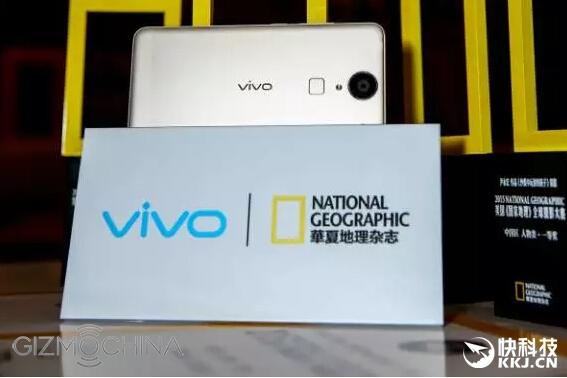
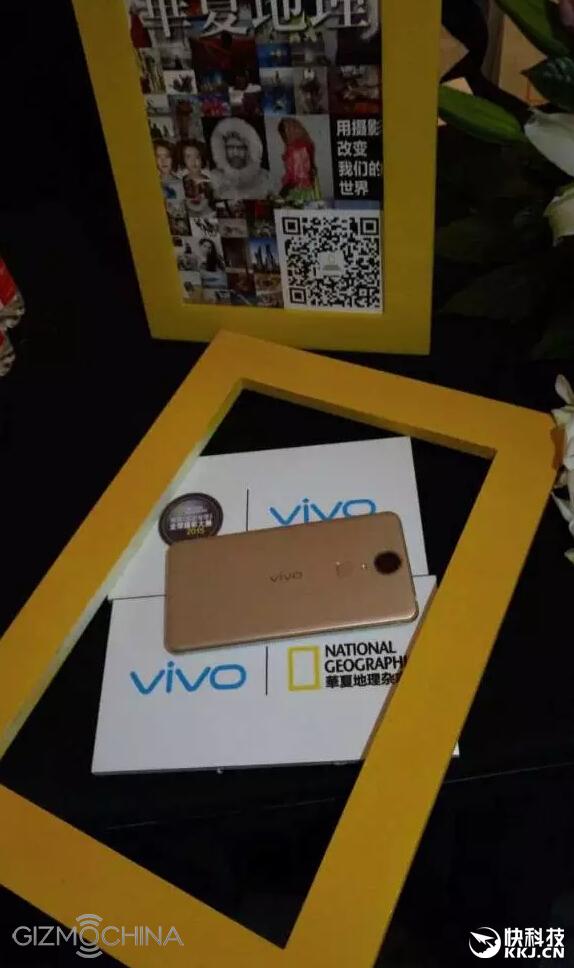
After a few months of silence, Vivo suddenly announced the teaser for its new flagship, the Vivo X6 a couple of weeks back. But it looks like this might not be the only smartphone that will meet us soon as earlier today a leaked picture of a new Vivo handset, most likely the Vivo XShot3 was spotted online. Xshot is often regarded as one of the best smartphone from the company till date and hence, its really exciting to hear that there’s a new generation version that will meet us soon.
According to the leaked images, the Vivo XShot3 will feature a large rear camera sensor located at the center. Its bigger than traditional camera sensors we have seen that once again hints that this phone is indeed the new XShot generation. The company has always focused on the camera on the XShot smartphones and hence, it really won’t be a surprise if we find something powerful like a 20MP shooter at the back. The image further reveals that there will be a single LED flash just below it along with a fingerprint sensor in the middle.
If you compare this leaked Vivo XShot3 picture with that of the upcoming Vivo X6, you will find some similarities such as the basic design and the placement of the fingerprint sensor. However, the XShot3 features a plain back design as opposed to the three stage design found on the X6. This leaked model also looks a bit larger, featuring 6-inch+ display.
We can see that there seems to be some collaboration between National Geographic and Vivo for the launch of the device. Not surprising given that even the Vivo XShot was reportedly used by some of the magazine’s photographers.
However, Vivo is yet to official reveal anything about the launch of a second handset. So, we better wait for some more concrete details about this device before getting too excited.
In a year alone, Huawei has released a number of new devices such as the Huawei P8, Honor 7,Honor 7i, Mate S etc. There are also a few handsets which are coming soon such as the Huawei Mate 8. This really proves that the company is focused on its smartphone division. Now, this Chinese giant has just unveiled a new charging technology which is better than most other quick charge tech that we have seen till now.
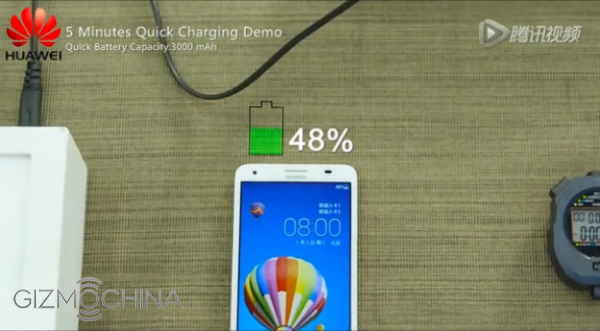
Although the company is yet to officially name it something specific, Huawei’s Quick Charge tech can charge your large battery within a matter of minutes. And this is not just a claim, as the company released a video a couple of days back to prove it.
In the video, which you can see above, Huawei has taken a 3000mAh battery and placed it inside its prototype Quick Charge enabled device. You can see that within a matter of minutes, here its just 5 minutes, the battery charged from 0% to 48%. So, you get half a day’s worth of usage within the time you made a coffee for yourself. That’s really impressive and much faster than existing quick charging technologies.
But before you get too excited, we will have to remind you that this is just a prototype Quick Charge technology. It will take some years to make the tech viable for your everyday smartphones. But once it hits the market, you no longer have to worry about your phone’s battery as a simple 5 minutes of charging can get you running for hours.
Back in September, Meizu revealed its new Flyme 5 OS alongside the Meizu Pro 5 flagship. Surprisingly, the new version was not immediately available for the Pro 5 handset. Instead, it was first released for the Meizu MX5 as the company said that it required a few more weeks until the OS could be tuned to the hardware of the Pro 5. Now, after nearly two months of waiting, Meizu has finally released the Flyme 5 Beta version for the device. This means, Pro 5 users can now install the new Flyme version on their newly bought flagships.
You can now download and install the open beta version of the Flyme 5 OS on your Meizu Pro 5 flagship. Let me remind you, this is not the stable version, so you won’t be getting it via the OTA update. So, if you are interested in flashing this new version, you will have to do it manually. Or else, wait for a few weeks more until the company releases the final version for all users.
Flyme 5.0 comes with a lot of new functionality and design changes. Apart from the split screen function and card taskbar, the company has also paid special attention to the phone’s camera UI. Now, you have a number of new shooting options such as slow motion, GIF, voice photographs etc.
Although we have yet to test the new Flyme 5 personally, it looks like a great improvement from the previous version. So, if you have the Pro 5 and want to test out the new version, you can download and flash it via the link given below.
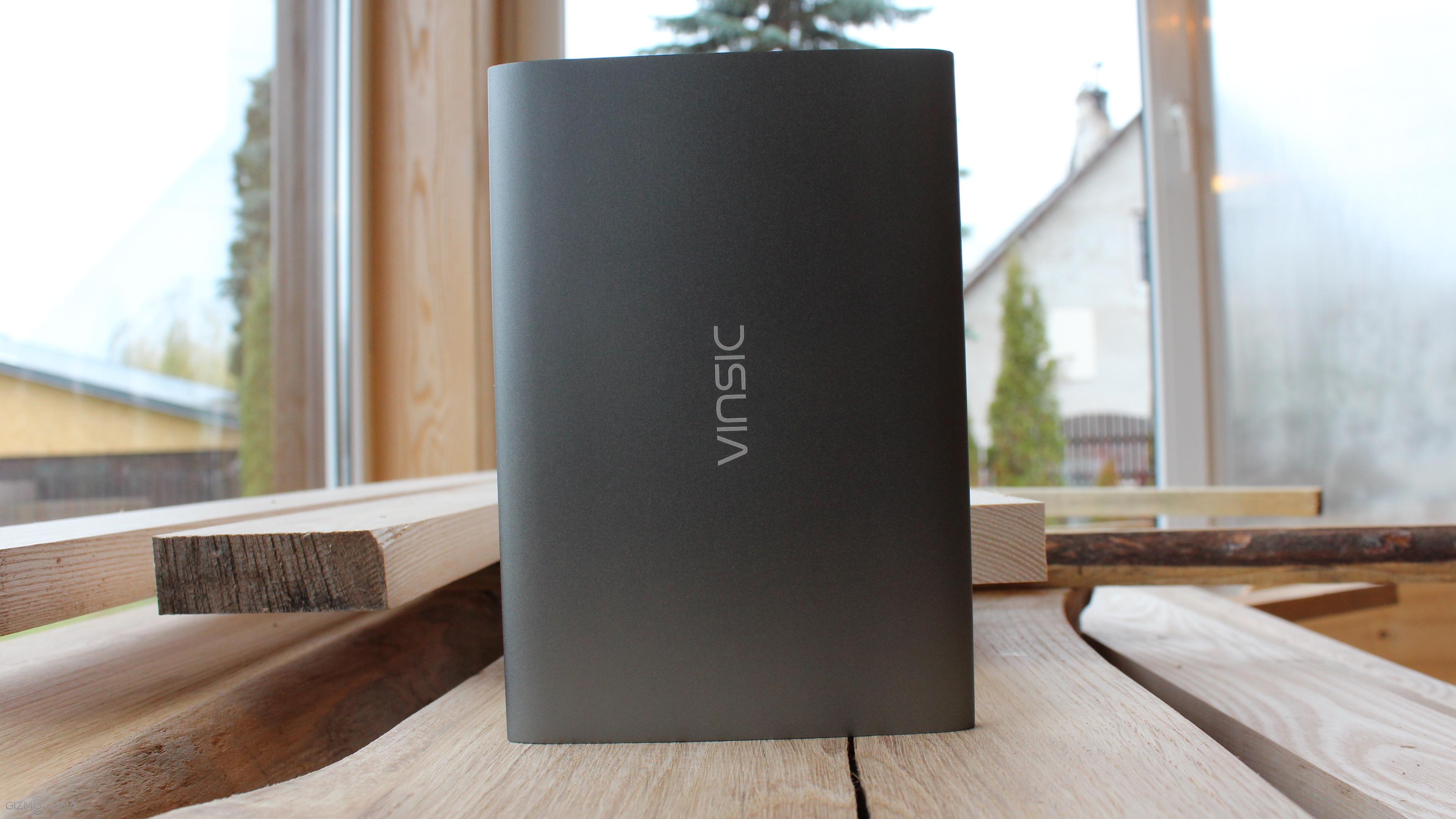
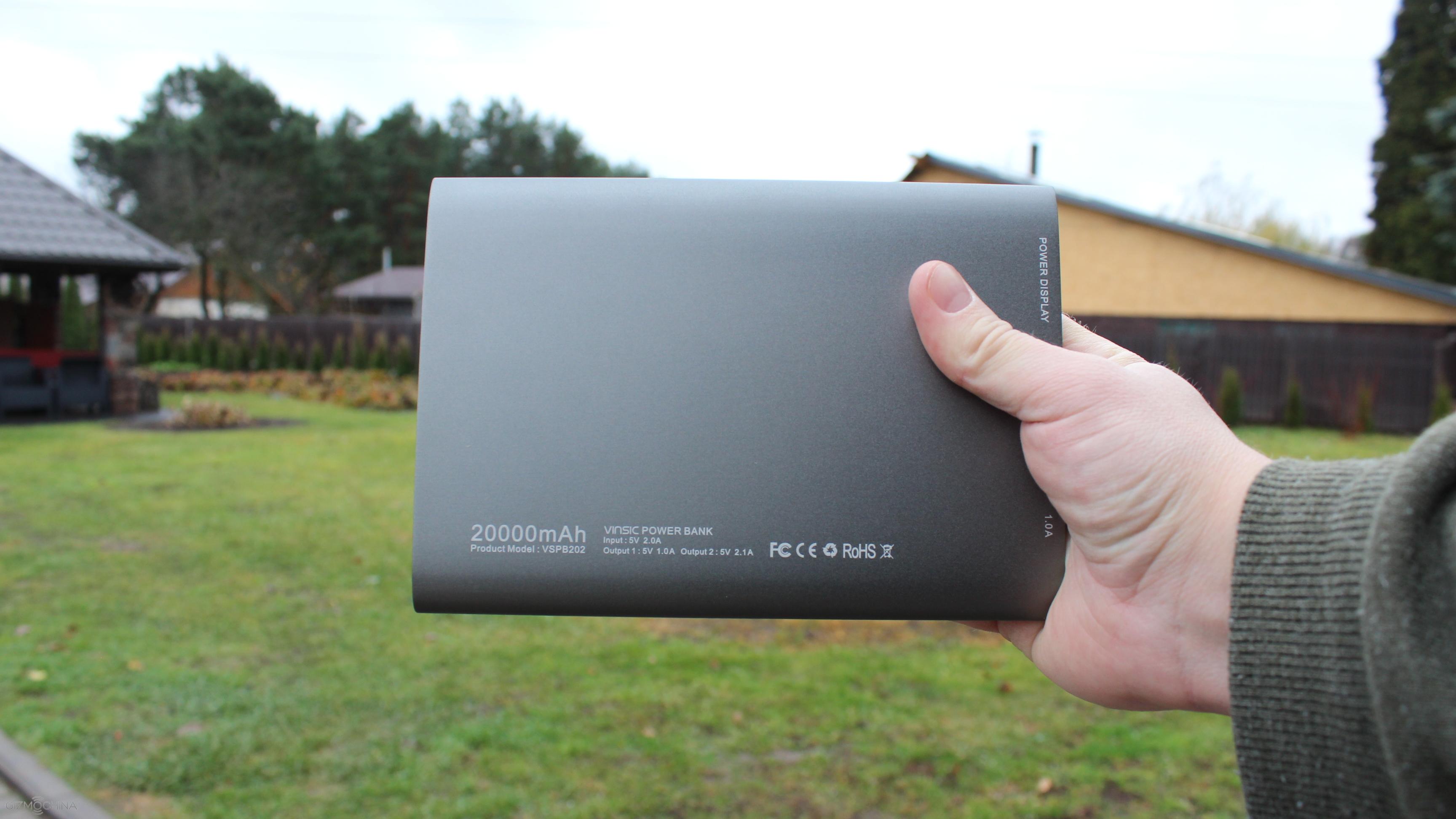
We all have smartphones and all sorts of different gadgets, and most of them are pretty power-hungry. Vinsic has a power bank that may help keep the lights on for a long time as it has 20000mAh cell inside. Find out more in our full review.
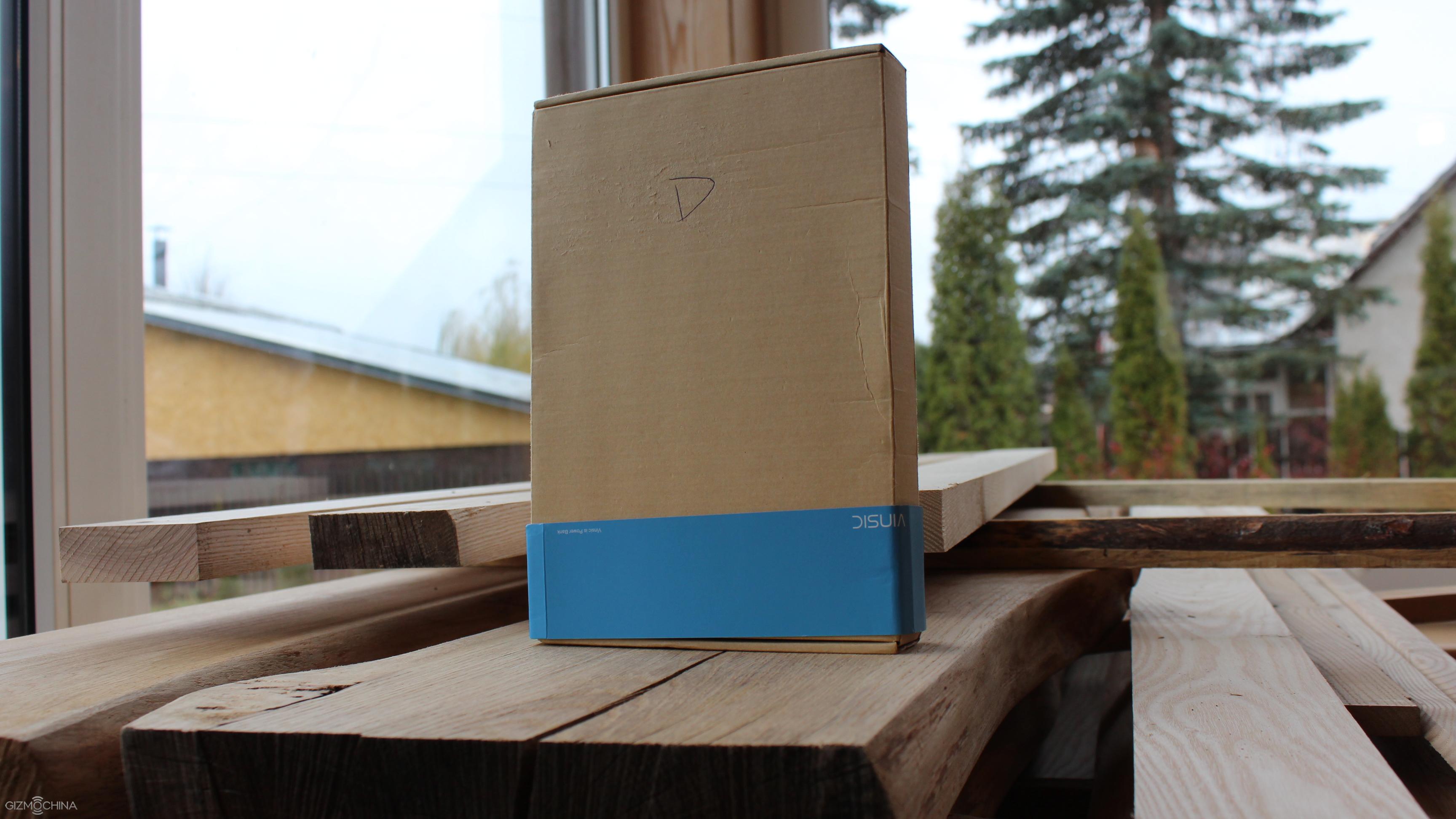
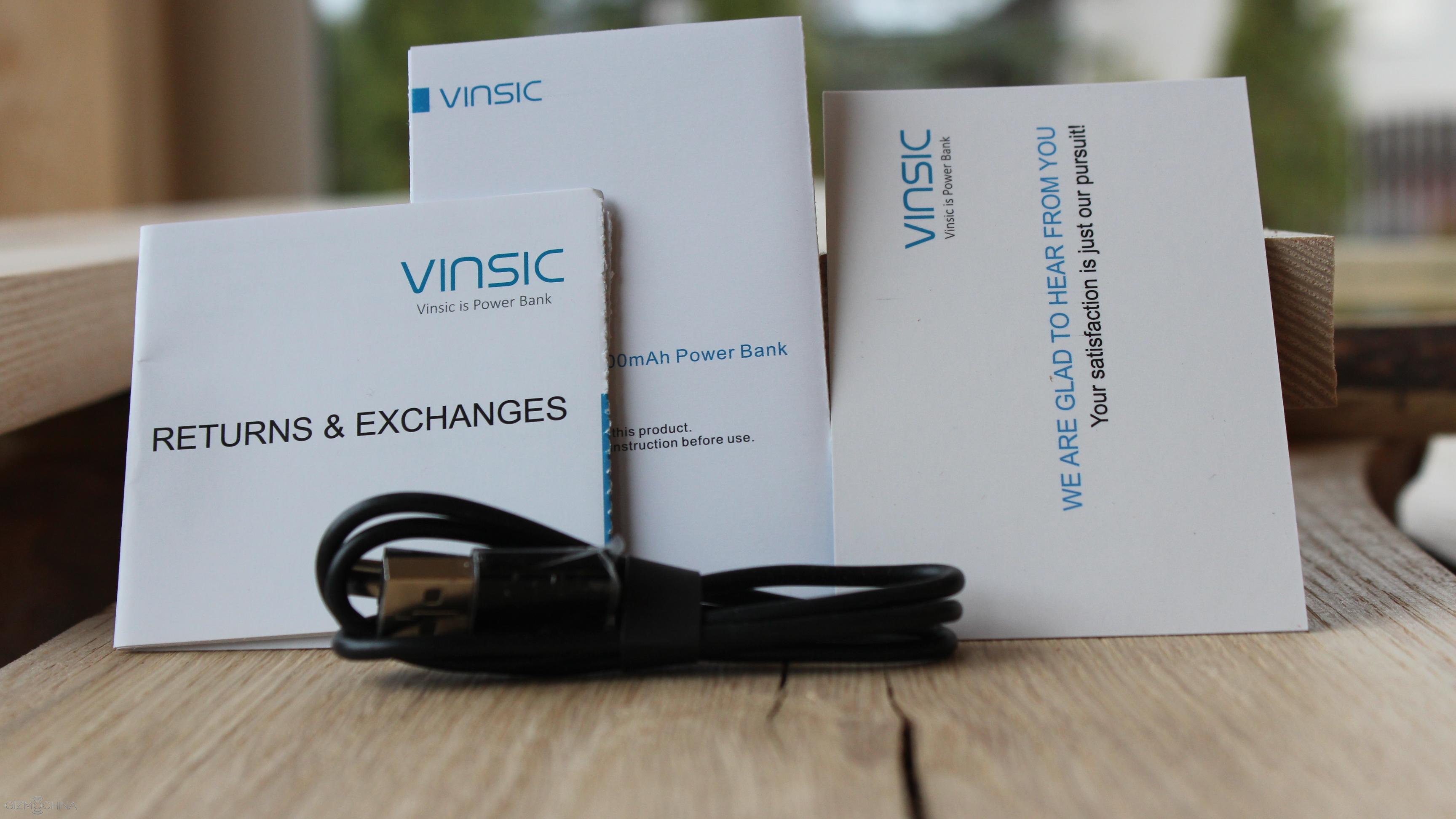
The Vinsic power bank comes in a simple packaging and all you are getting is the USB cable and some documentation.
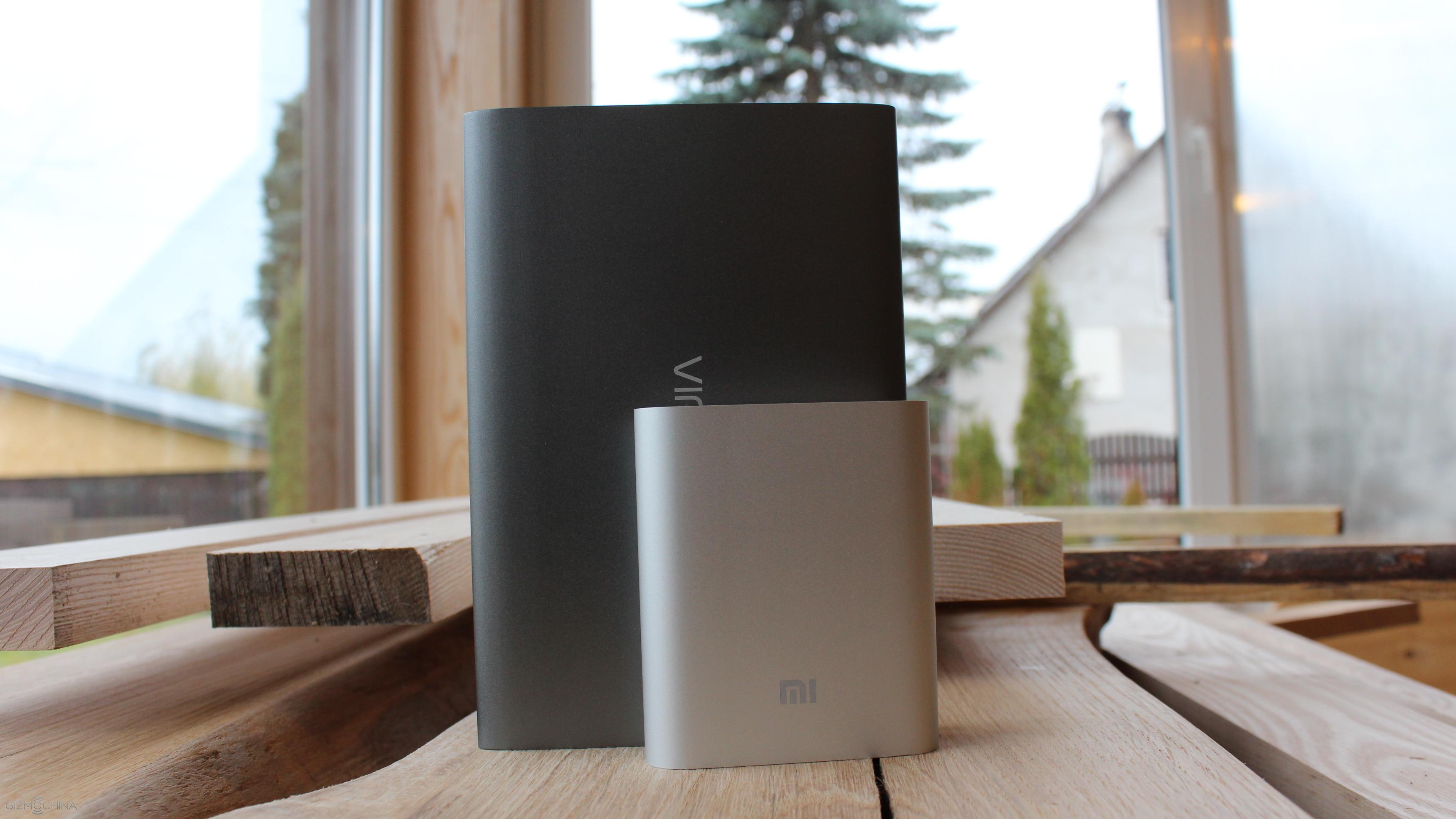
Naturally, it is not that easy to produce such a big capacity external battery in a small footprint and the solution by Vinsic is a clear example. I would say it is about 3 times larger than the popular Xiaomi power bank, which has the capacity of 10400mAh.
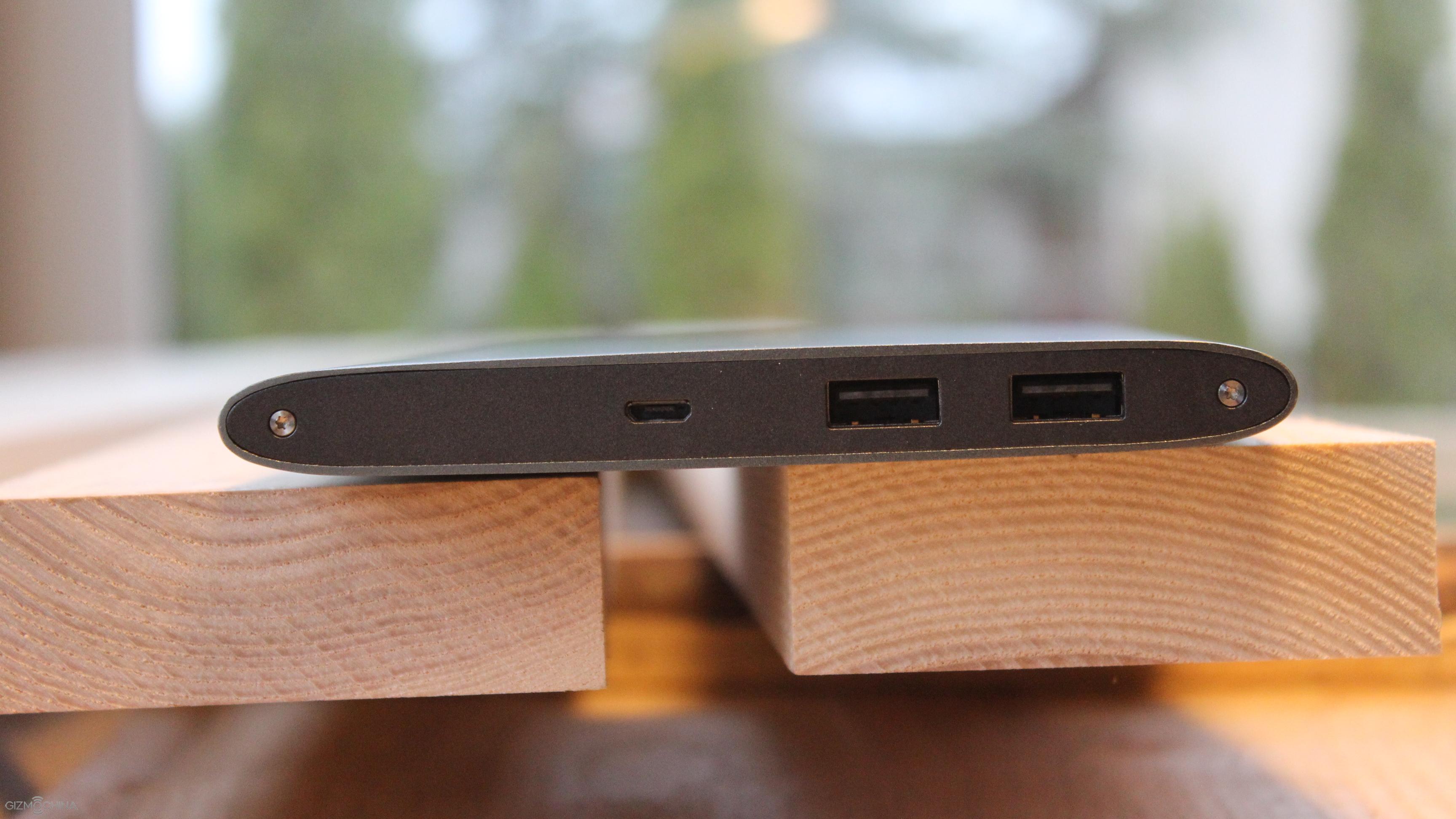
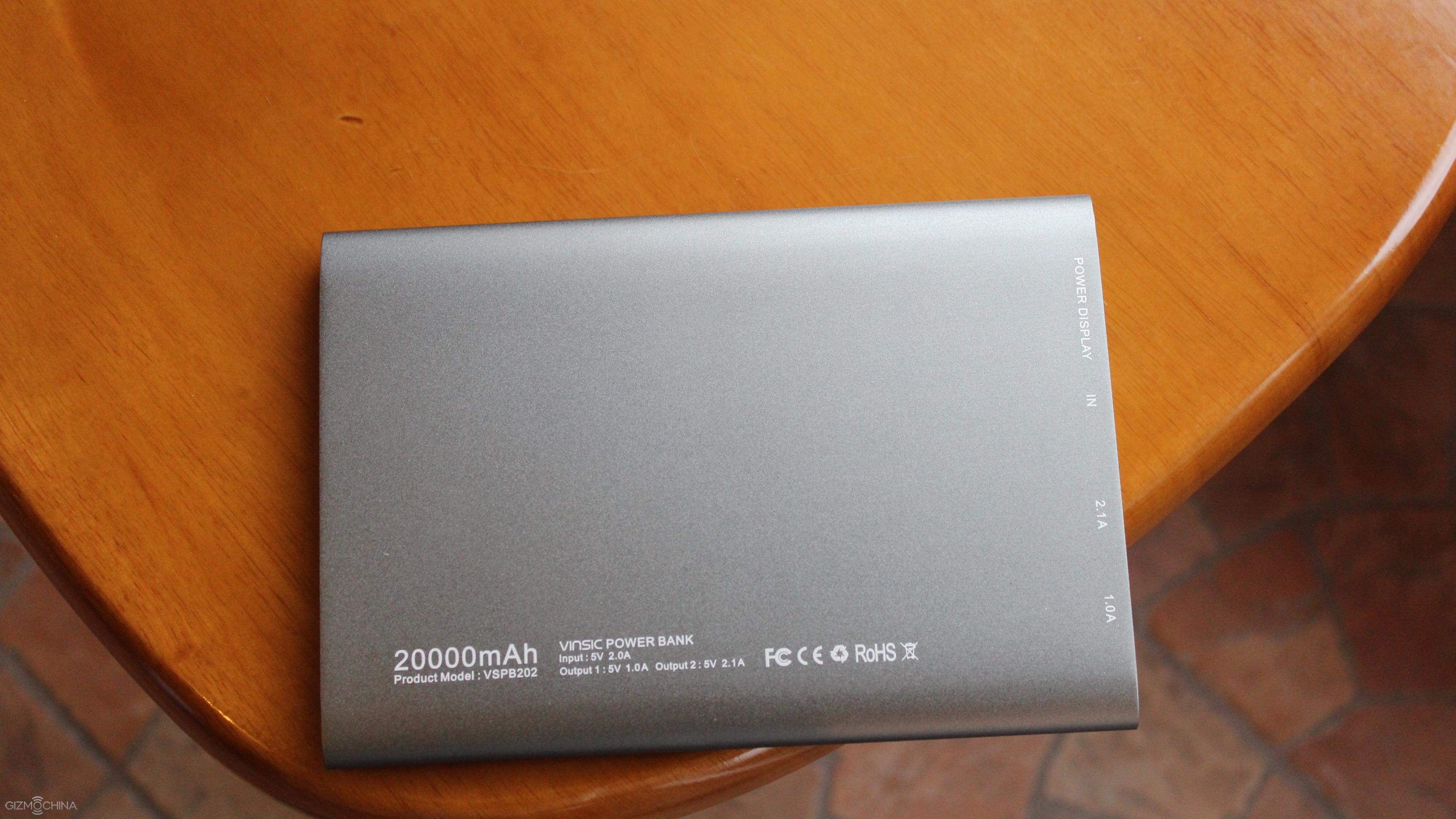
On the other hand, one of the selling points of this device is it thinness of 12mm. On the top side we have two USB ports – one capable of 2.1A of output and another of just 1.0A of output.
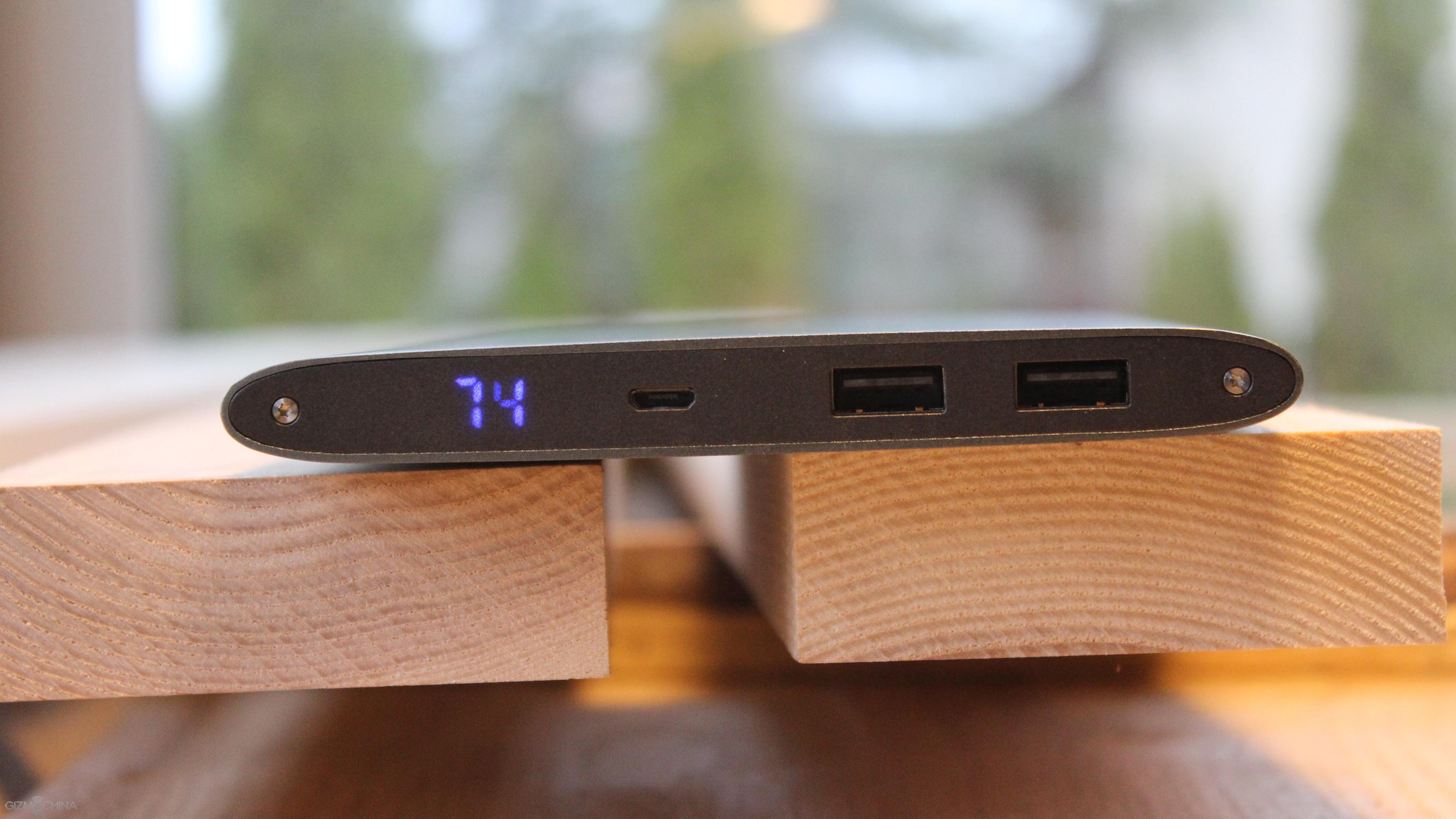
On of the key features is that there is an LCD display with the integrated touch panel and it shows the the amount of power left in power bank.
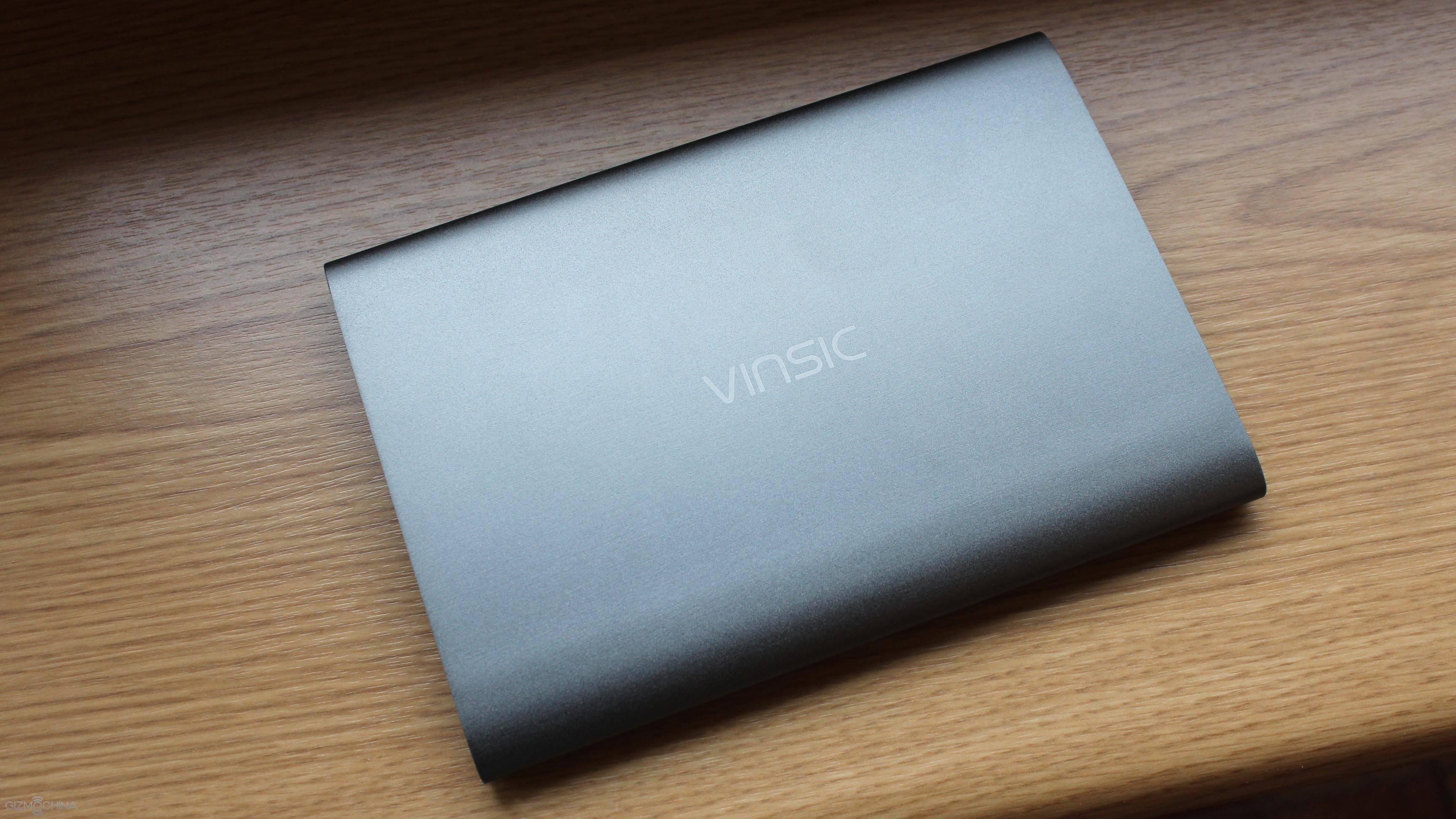
As far as design, we have all-metal unibody aluminium shell, which makes this external battery look and feel premium. Also, the device is very well constructed.
The Vinsic power bank performed well during our testings as any other high quality external battery. It charges other devices quite fast but we wished both ports were capable of at least 2A of output.
CONCLUSIONS
So here it is, the Vinsic Alien 20000mAh Ultra-slim Power Bank. First of all, it has a great design, a premium all-metal shell and top-notch build quality. Also, it performed well during our testing period with different gadgets, which included smartphones, mp3 player and another power bank.
However, one of the key disadvantages is the size. We indeed appreciate that the power bank is slim but we would actually prefer it to be thicker but smaller.
Also, the addition of two USB ports is great but only one if capable of providing decent speeds of 2.0A while another is stuck at 1.0A.
Finally, although you are getting a premium packaging, the Vinsic Alien 20000mAh ultra-slim power bank is not exactly cheap as it retails just below $50. Well, it is not the most expensive external battery out there but we’ve seen some cheaper alternatives made by Chinese competitors.
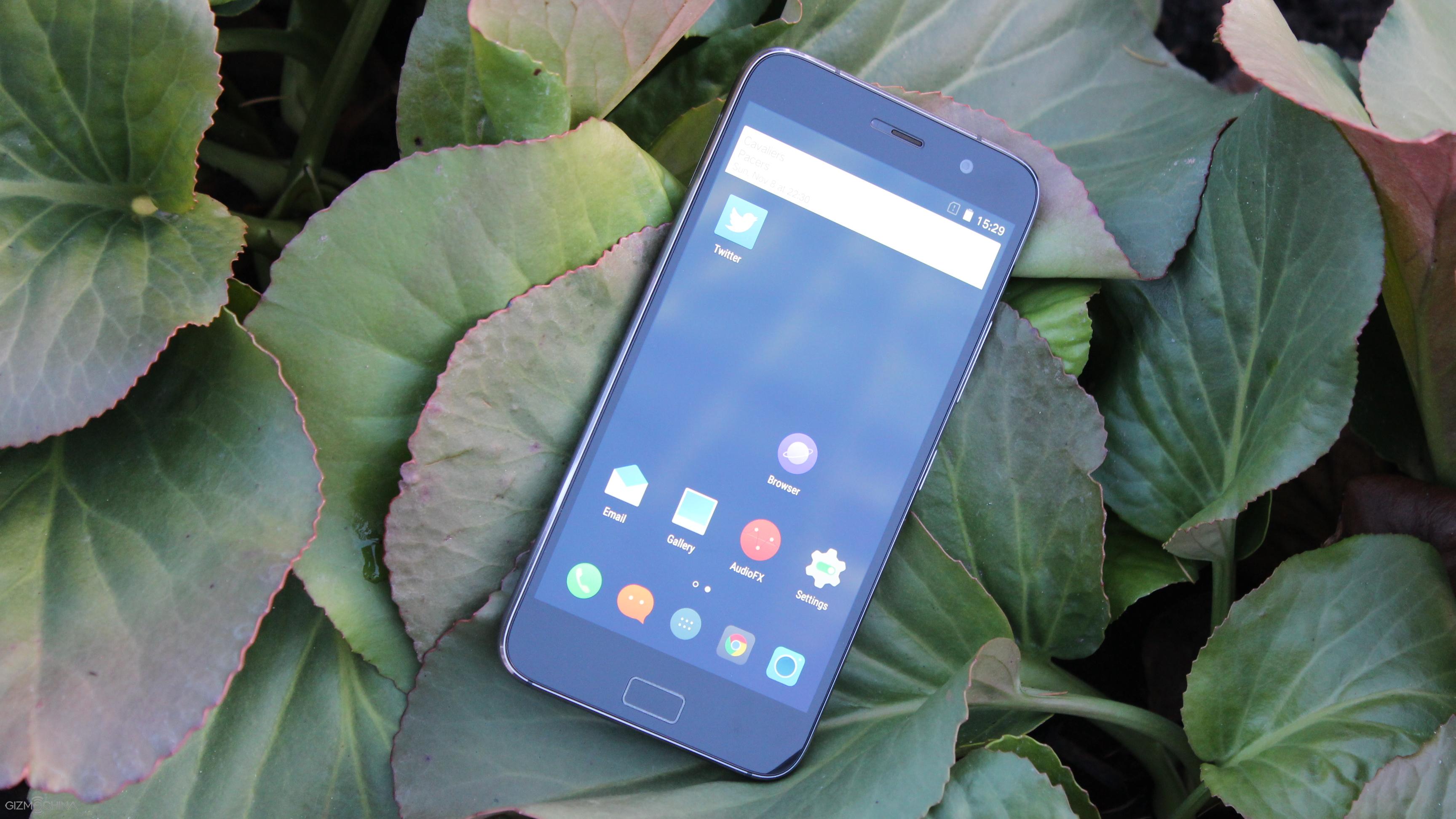
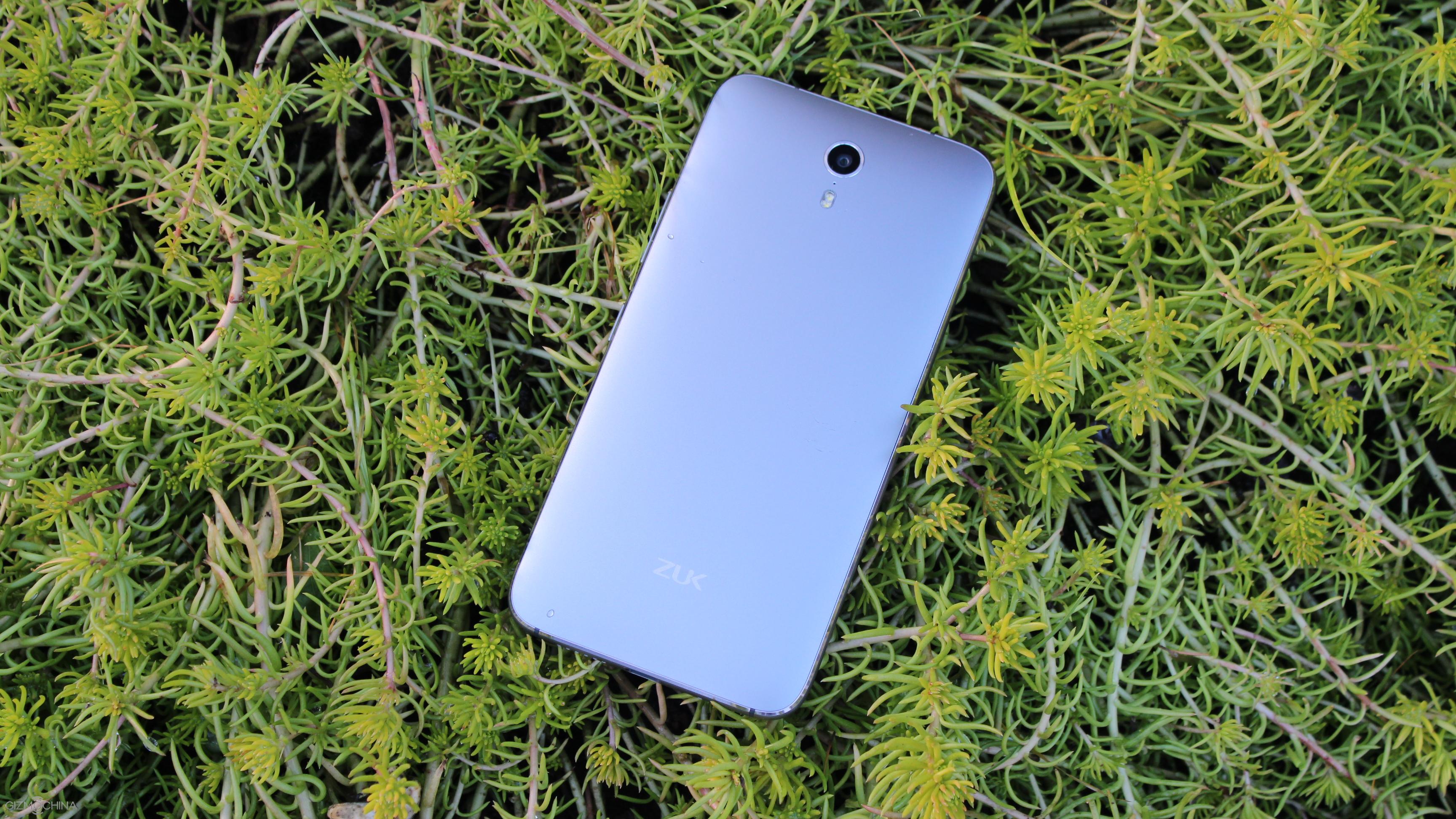
ZUK is a new comer to the smartphone game – the affordable yet great ZUK Z1. If you haven’t heard of it, ZUK is a start-up, which is backed by the Chinese electronics giant Lenovo. Find out if it is a great smartphone in our full review.
We wanted to say thanks to Coolicool for sending Lenovo ZUK Z1 for a review. Gizmochina readers are getting a special $20 or $30 discount. Grab a discount code at the end of the article!
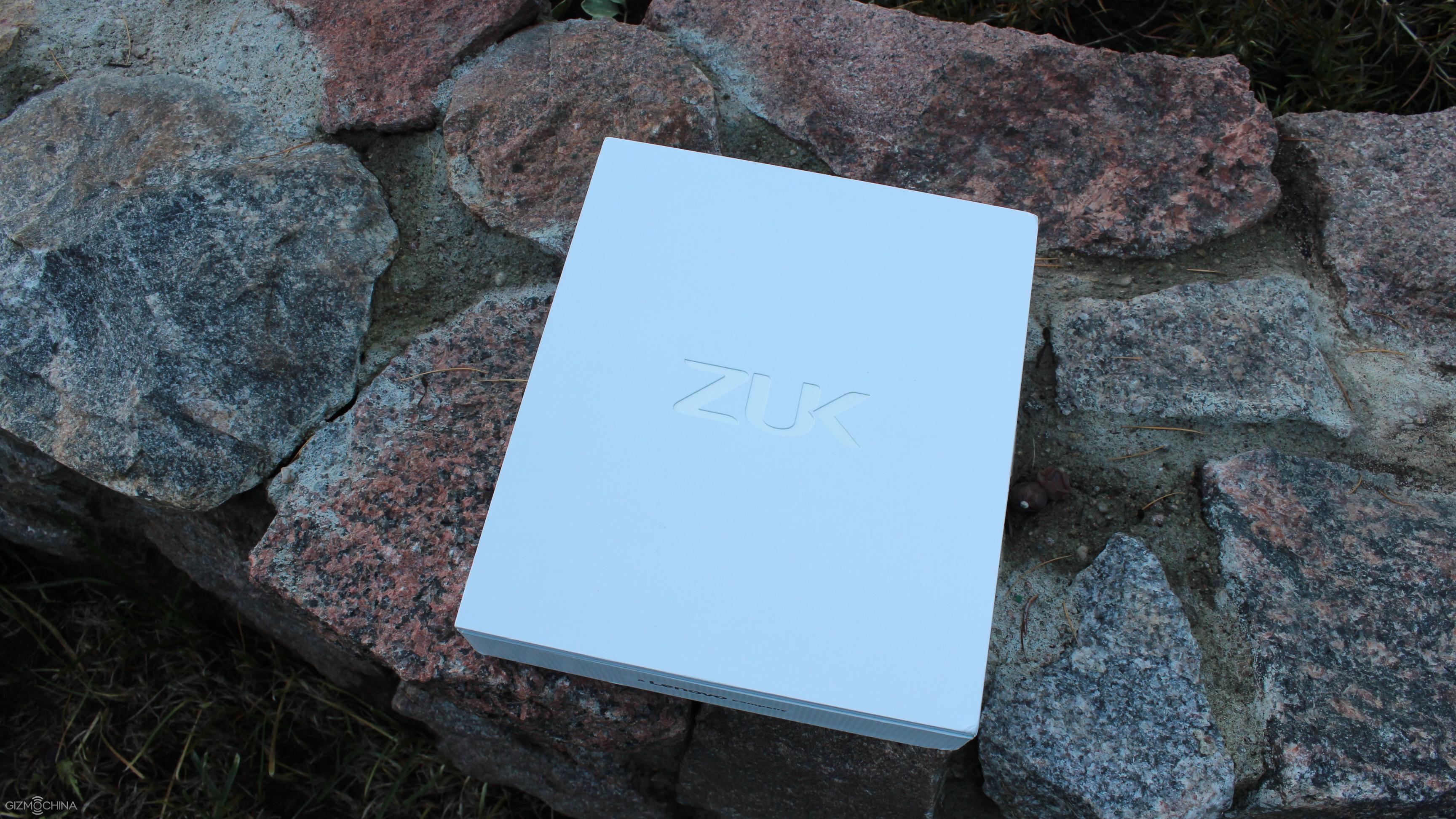
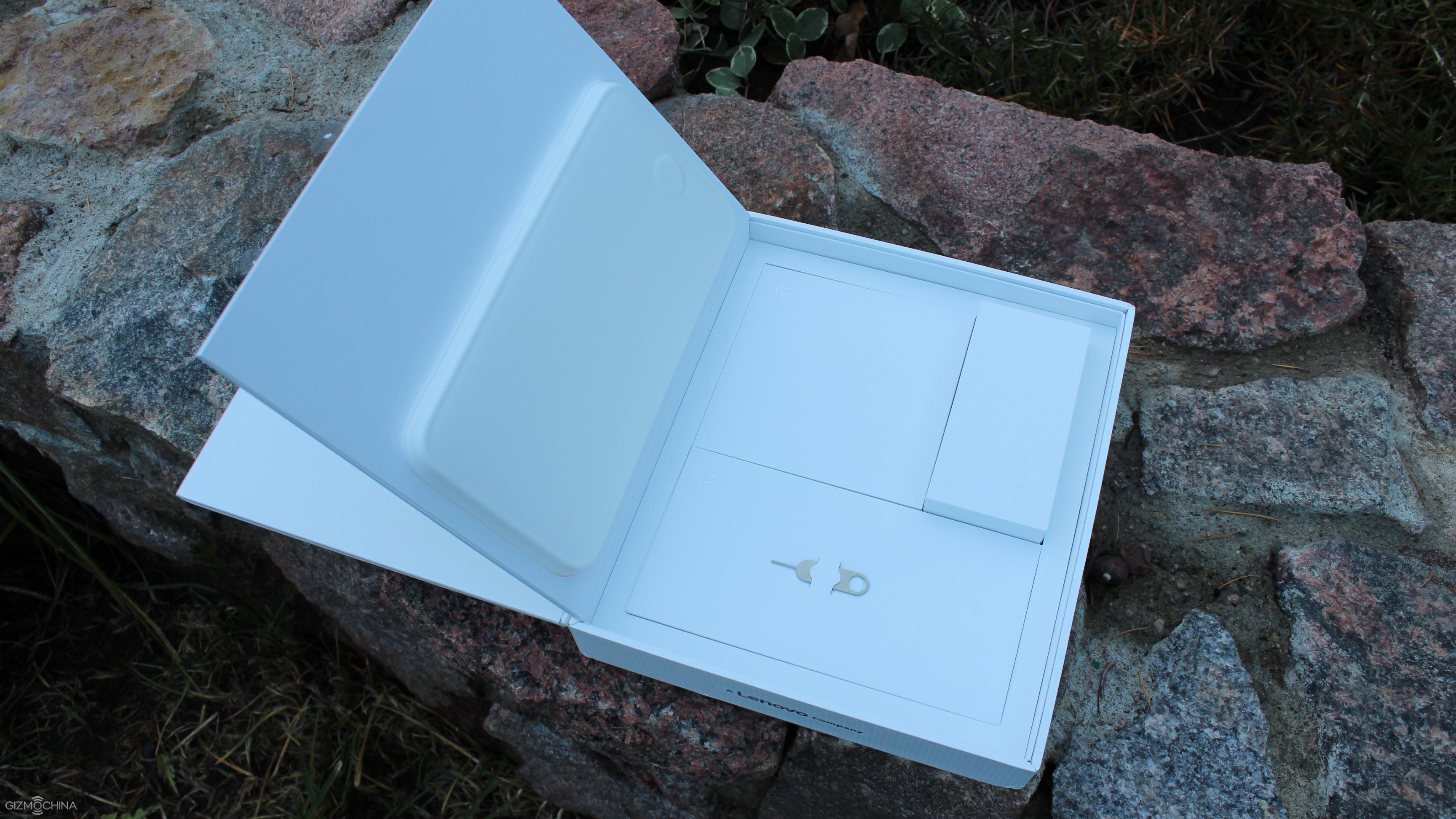
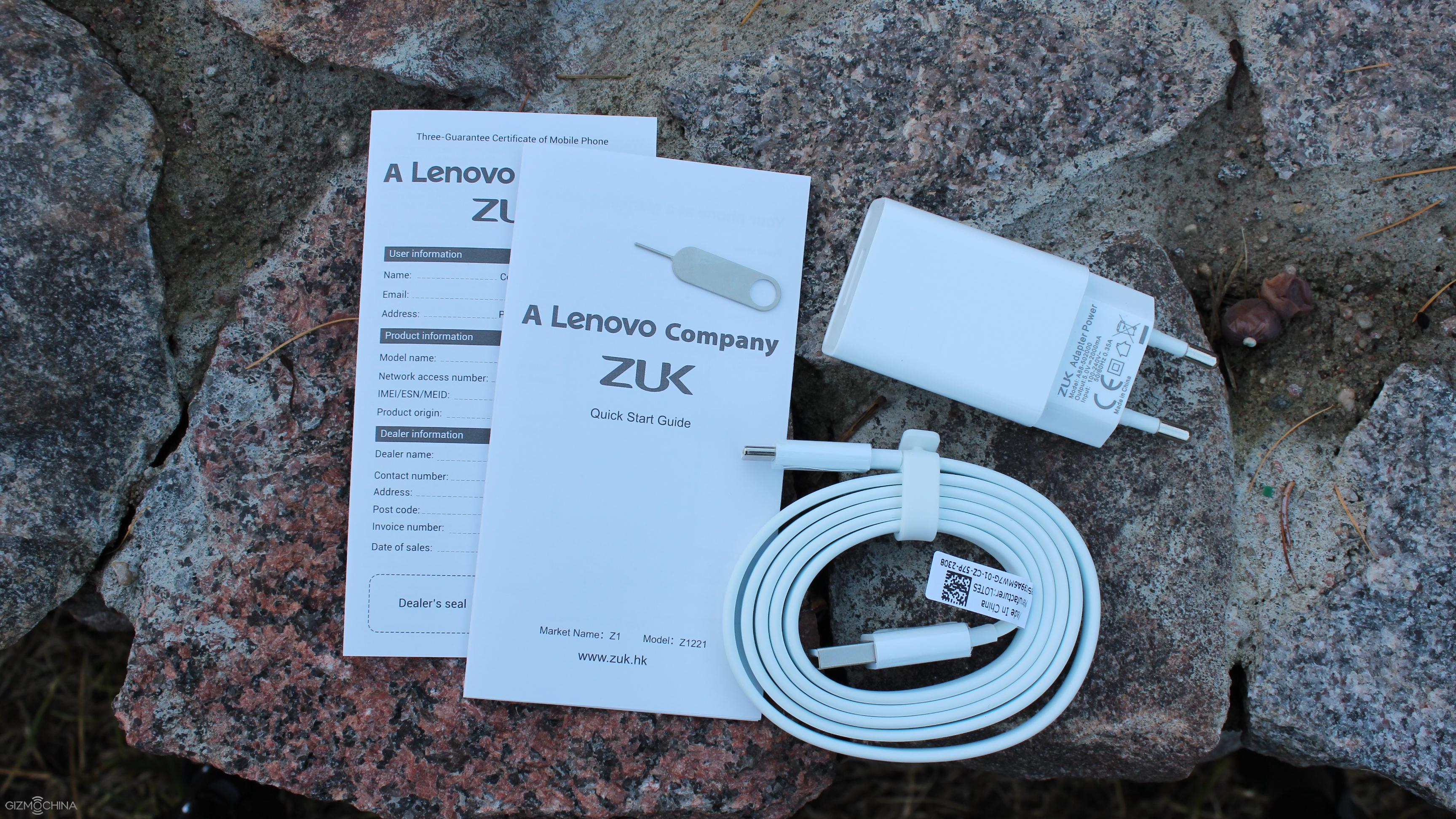
The phone comes in a neat quality packaging and all the contents, which include the neatly folded USB-Type C charging cable, USB brick and instruction manuals are packed in separate boxes.
Lenovo ZUK Z1 Review: DESIGN
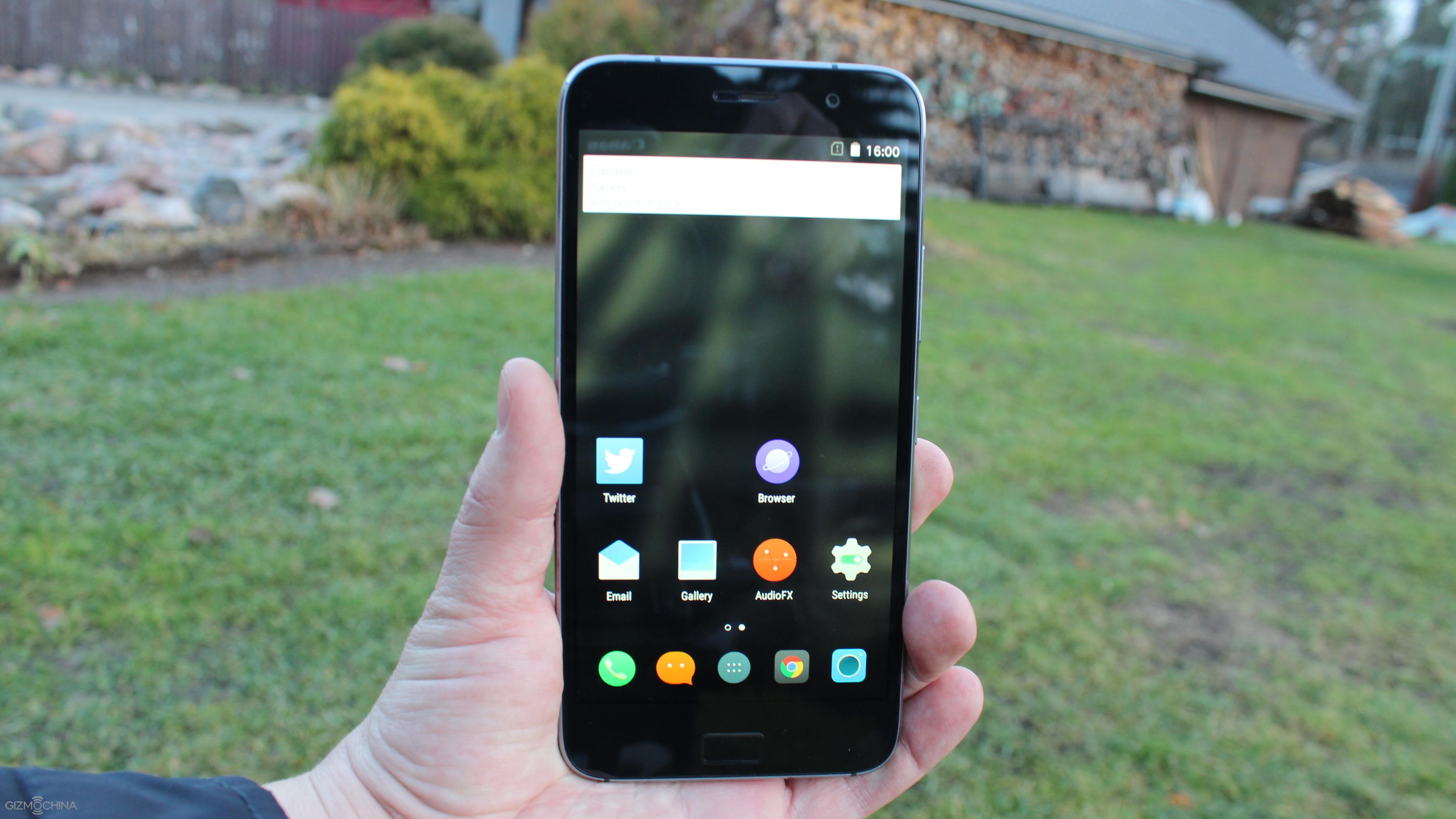
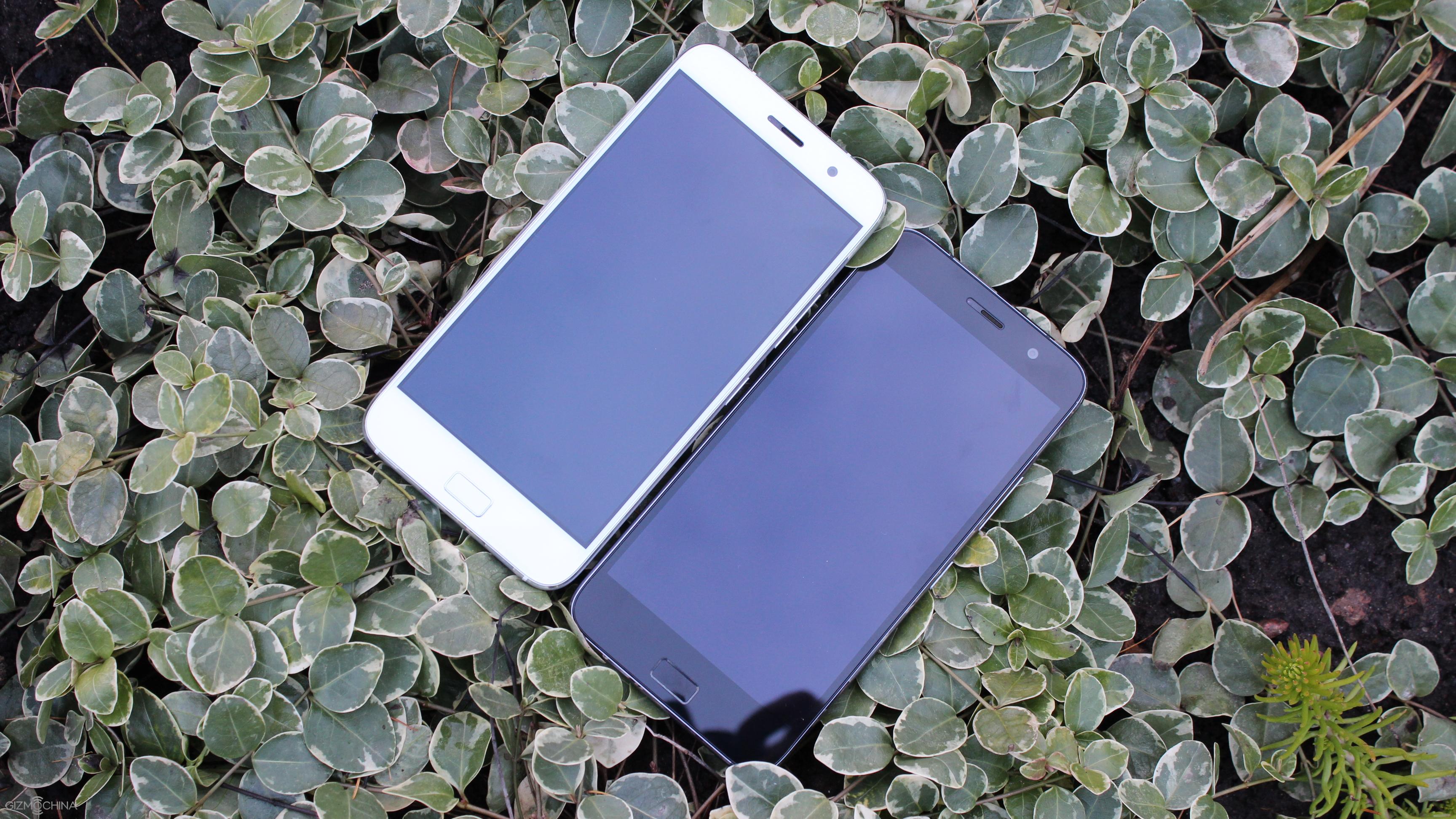
When it comes to the design, the ZUK Z1 is not a small phone as it sports a 5.5” display. However, the bezels on the top and bottom parts make this phone slightly taller than e.g. OnePlus 2.
Still, the phone is manageable with one hand due to rounded corners and it sits very comfortably in the hand.
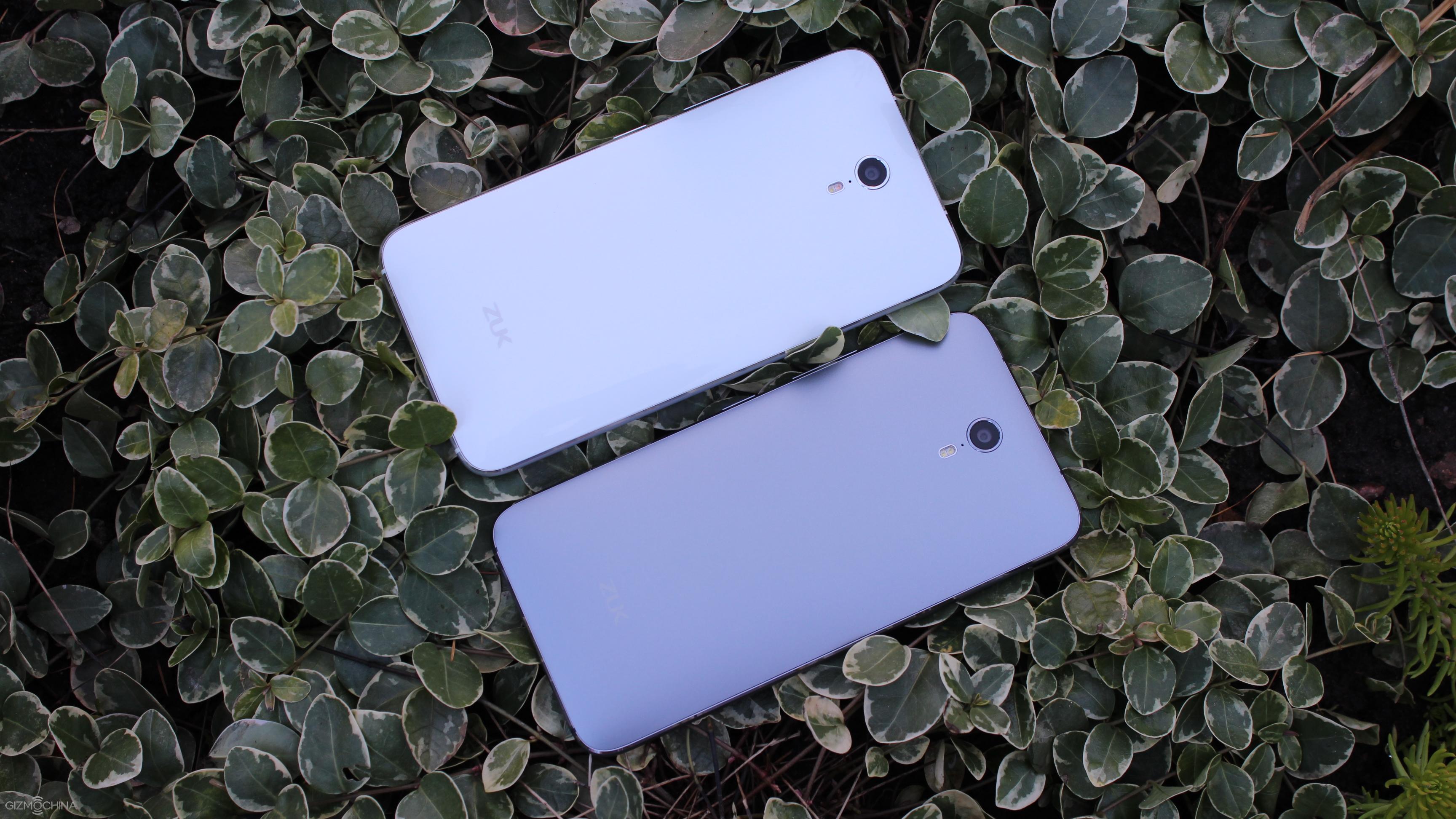
I have both white and grey models and the differences are, of course in colours, which are different on all sides of the phone. A more significant difference is that the white model has a glossy plastic finish, which attracts smudges and I’m not a huge fan of it.
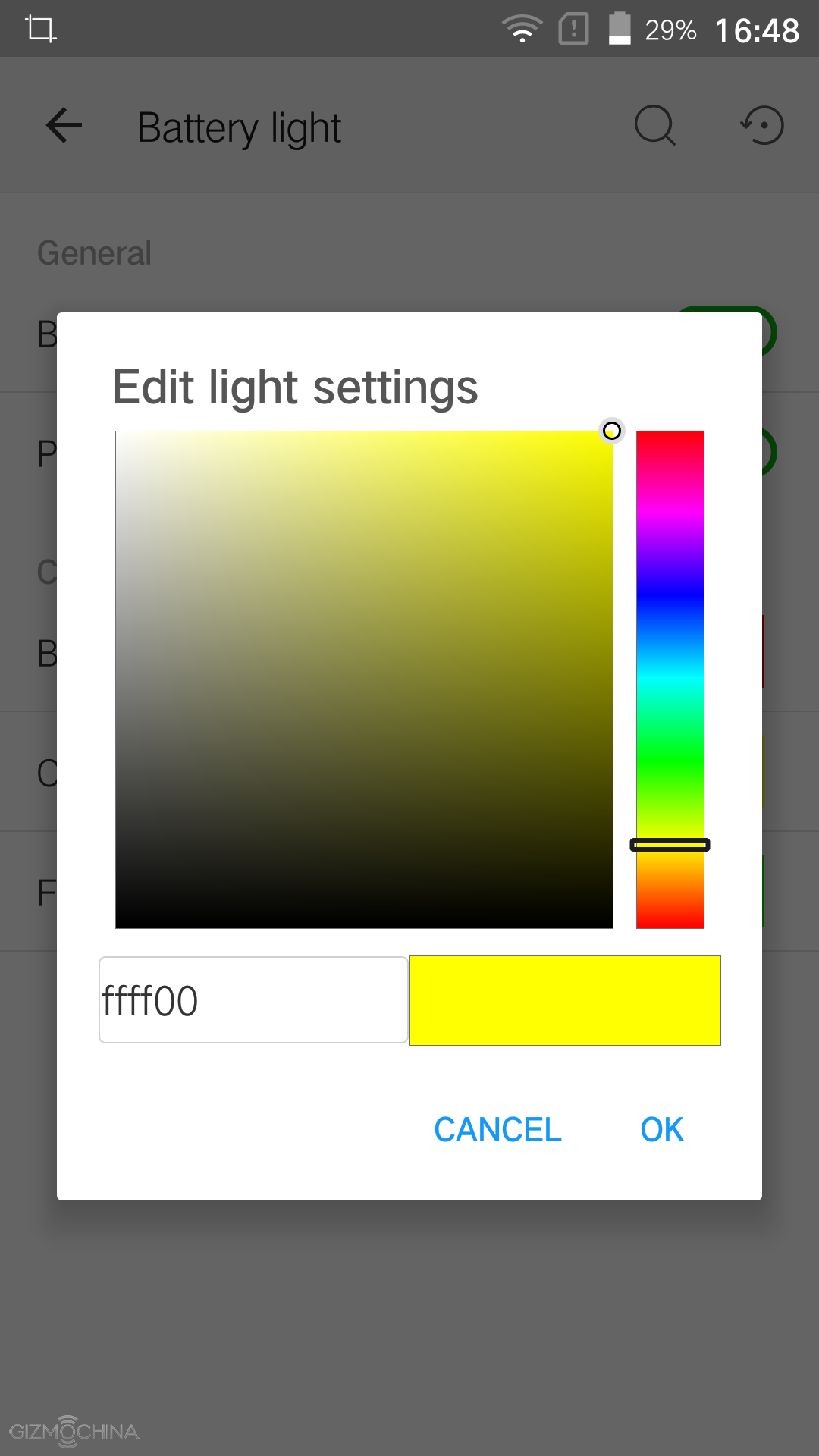
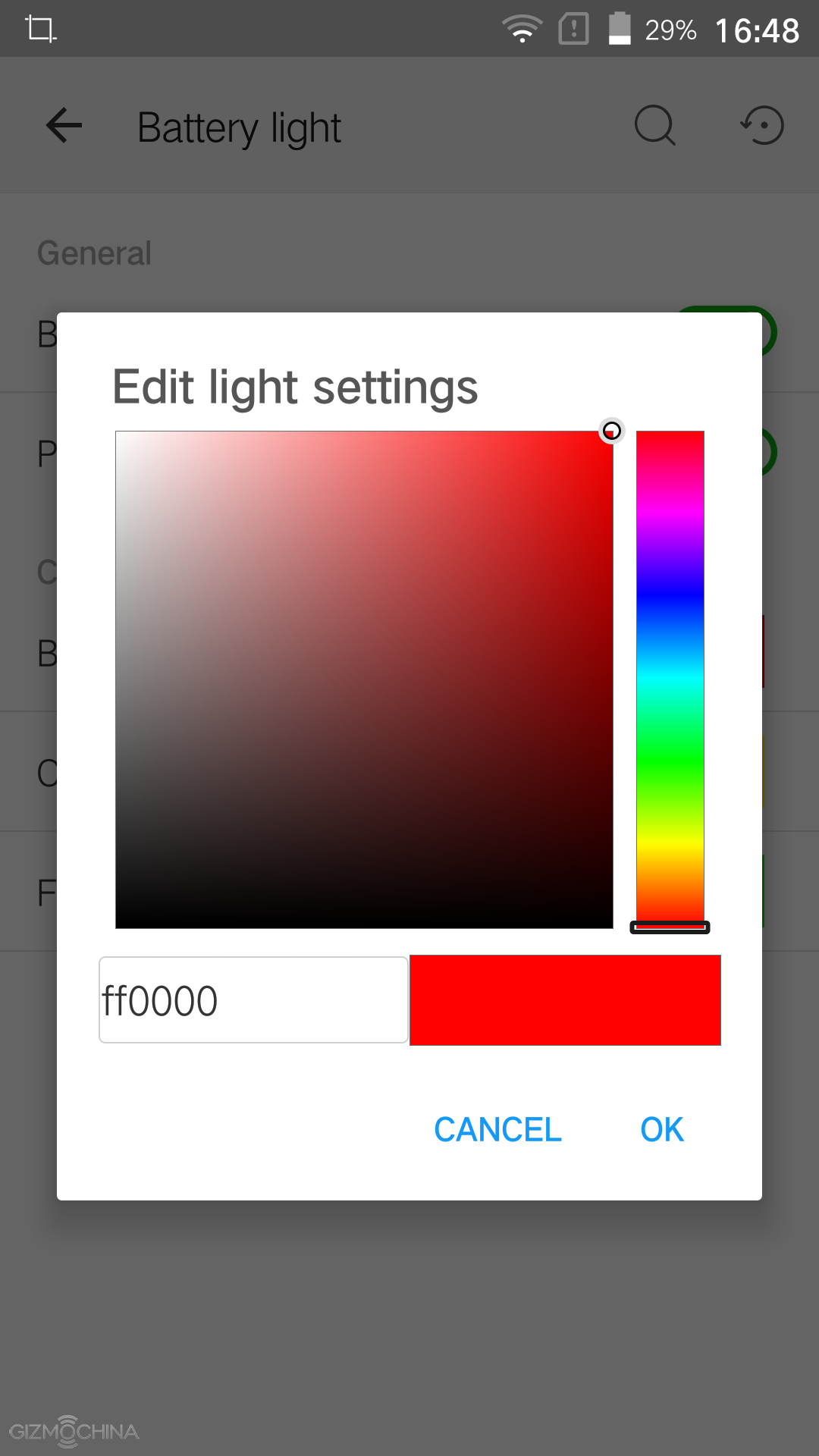
On the top we have a widely customisable LED light as you can choose any colour you want and assign it to different scenarios. Also, we have a generous 8MP selfie snapper.
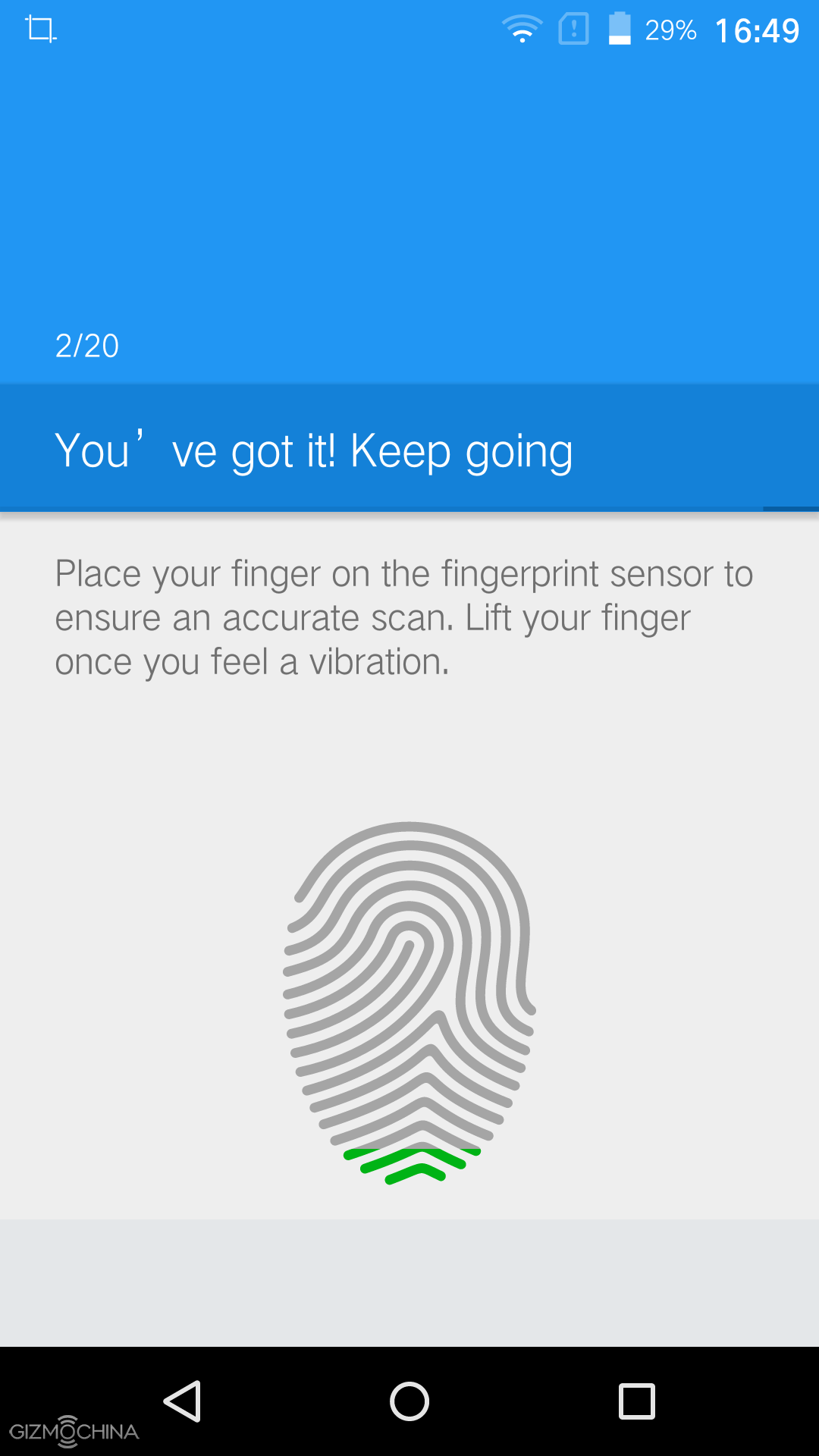
On the bottom, there is a very tactile home button, which doubles as a fingerprint scanner and it is blazing fast. Literally, it is one of the faster fingerprint readers I’ve ever tested and it is super accurate. The setup process is very fast too. Unfortunately, it doesn’t work straight from the standby mode.
1 of 3
Next to the home button we have two backlit capacitive keys and if you don’t like them, you can always choose the on-screen ones and you can customise them the way you want.
The backplate is made of matt plastic and it is nice to the touch. As far as optics, we have a 13MP Sony camera, which is also optically stabilised and it has a dual LED flash.
The phone is surrounded by a metal frame and on the right there is a volume rocker and a power key, on the left we have a dual nano SIM tray, on the bottom there is a speaker grill and the mic, and finally, on the top there is a headset jack.
Overall, the ZUK Z1 is a very well constructed device and I am completely satisfied with the build quality.
Lenovo ZUK Z1 Review: DISPLAY
The 5.5” 1080 display is very pleasing to look at. It is bright, crispy and sharp, it has great colour reproduction and good viewing angles. Also, the visibility under direct sunlight is pretty good.
Lenovo ZUK Z1 Review: UI
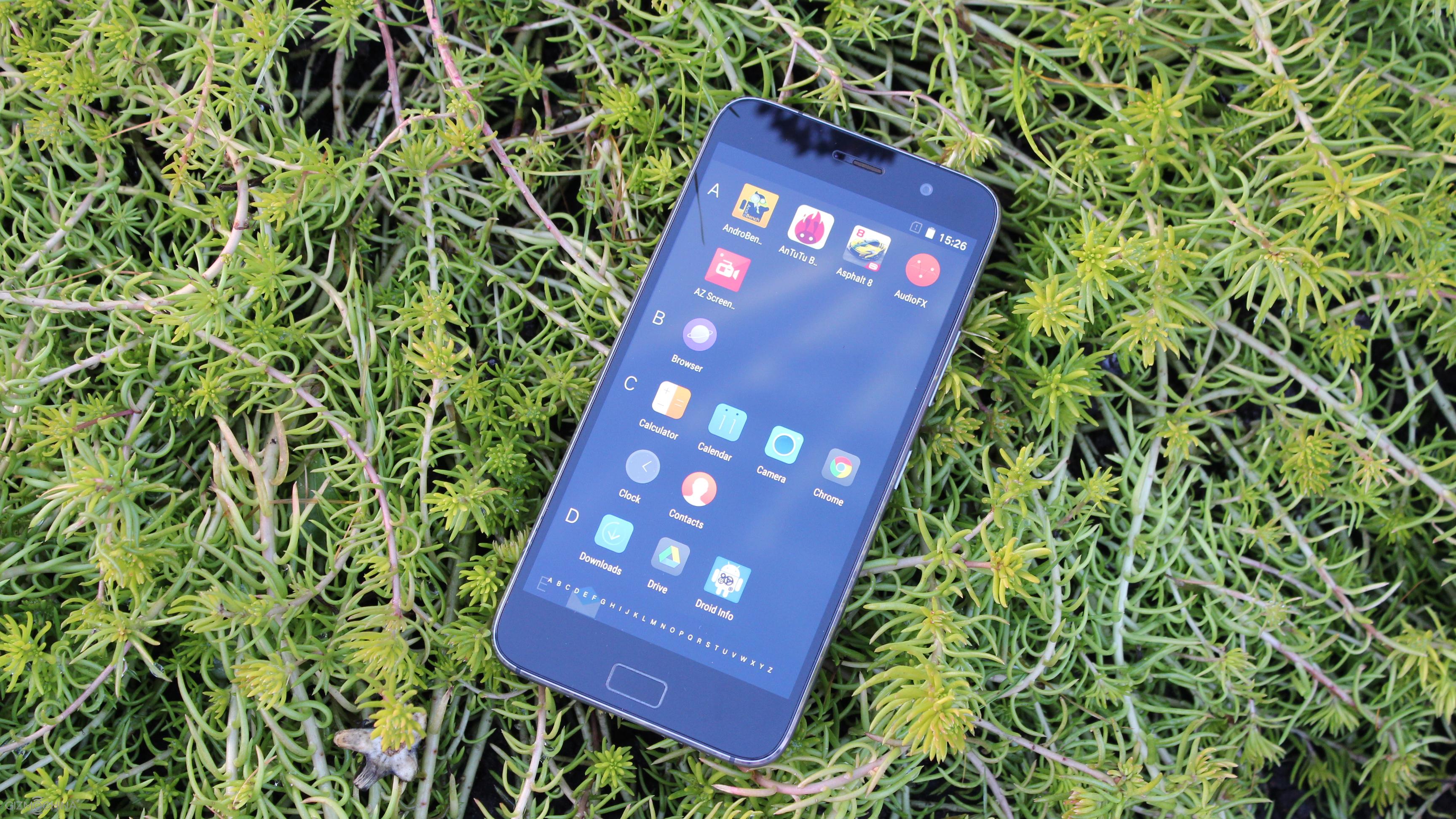
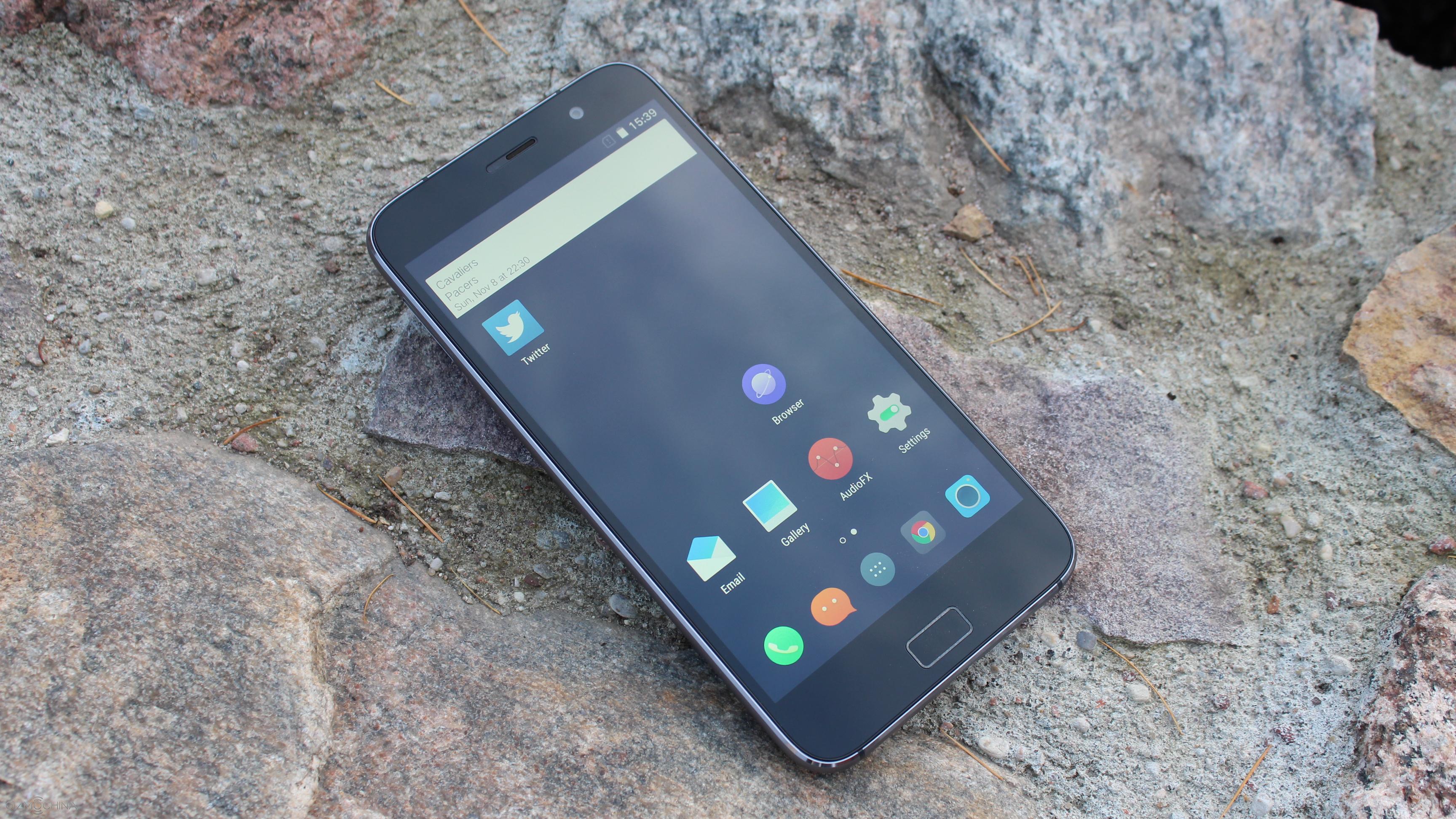
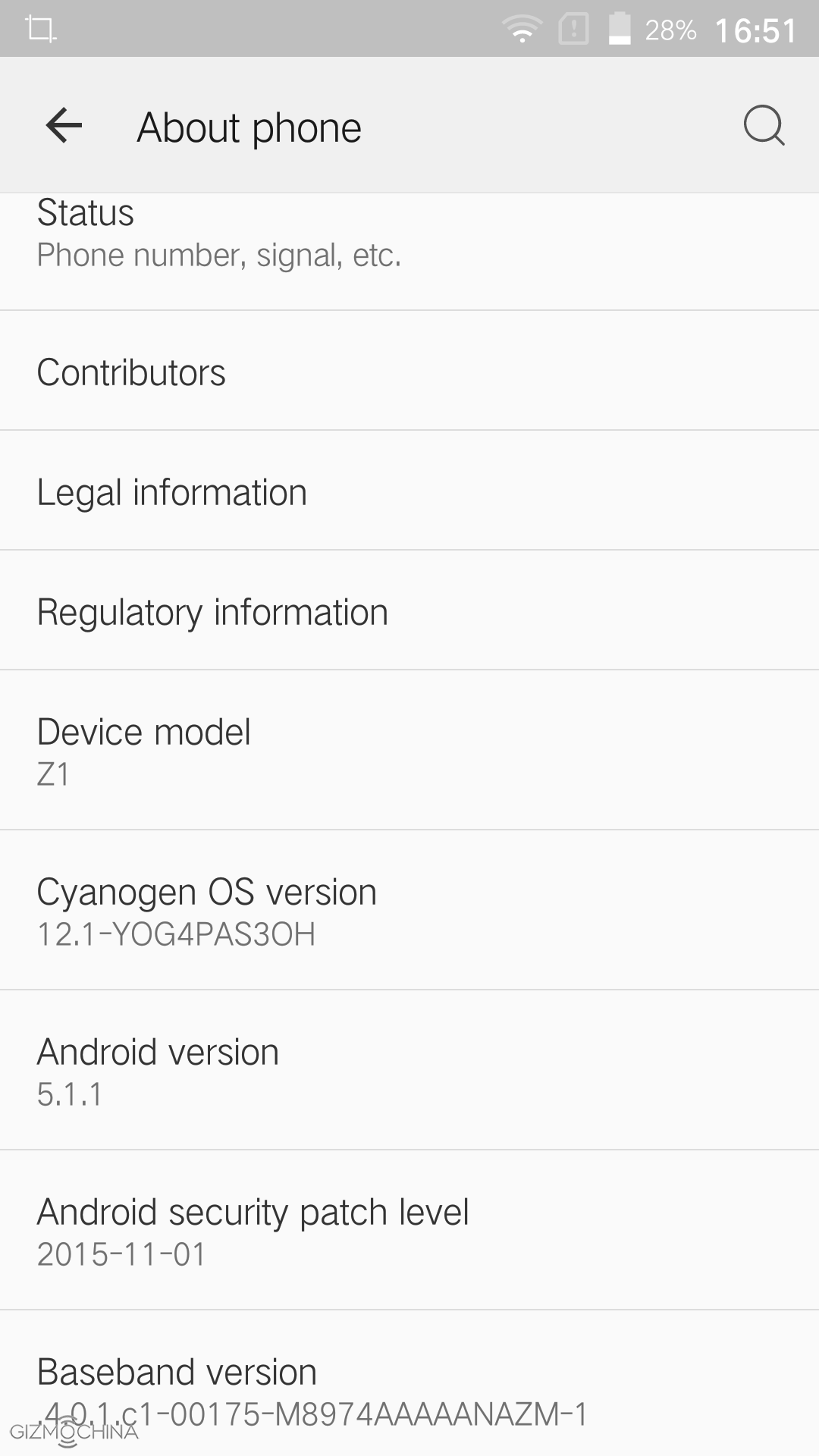
When it comes to the UI, the ZUK Z1 runs on the well-known Cyanogen Mod 12.1, which is built on top of Android 5.1.
In short, the UI just flies through everything. If you want a long story, let’s begin.
1 of 10
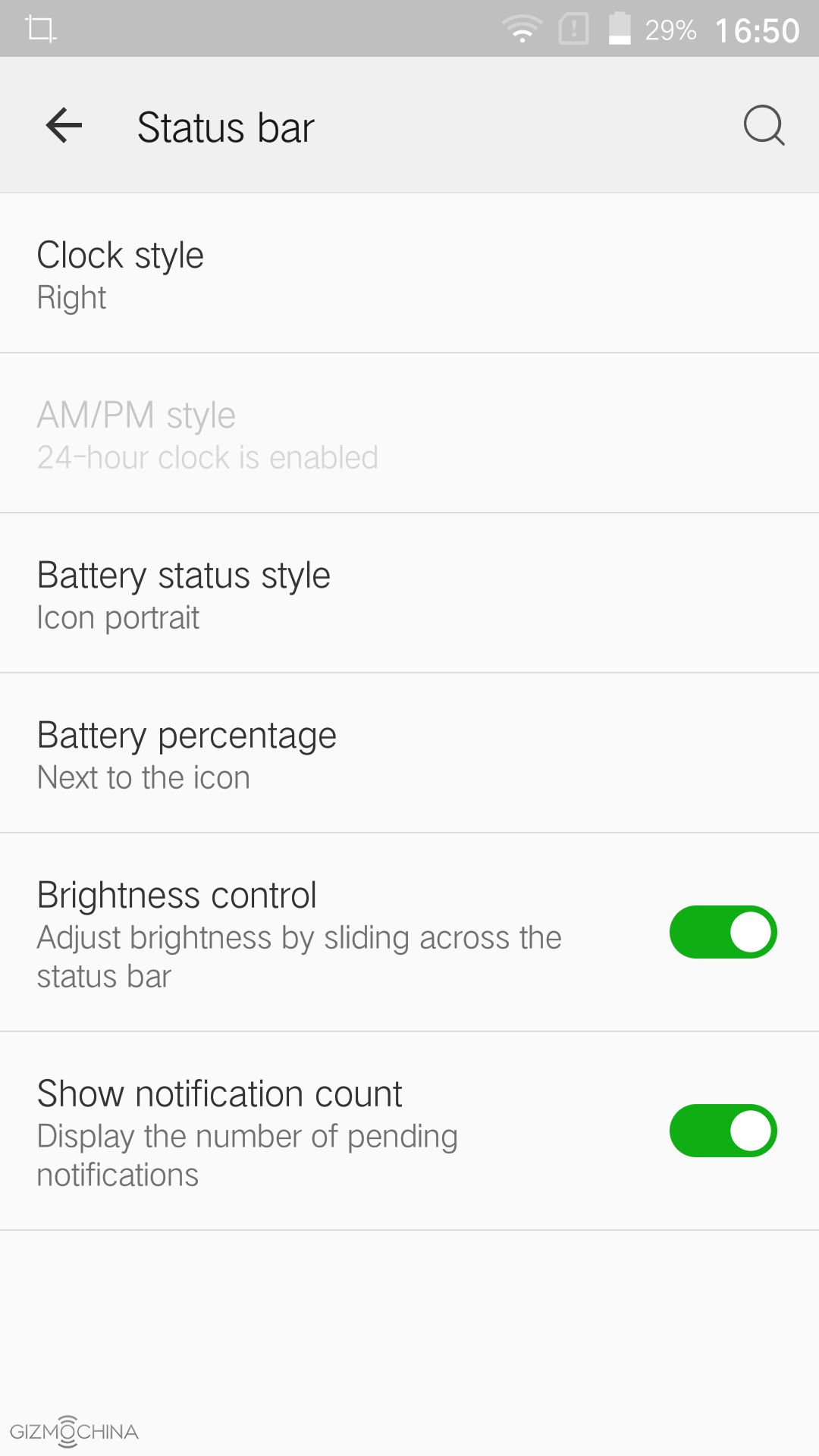
Basically, the Cyanogen mod has preserved the looks of the stock Android but it has a lot of neat little features and plenty of tweaks and customisation options, which are very useful and it gives a lot of freedom to the user.
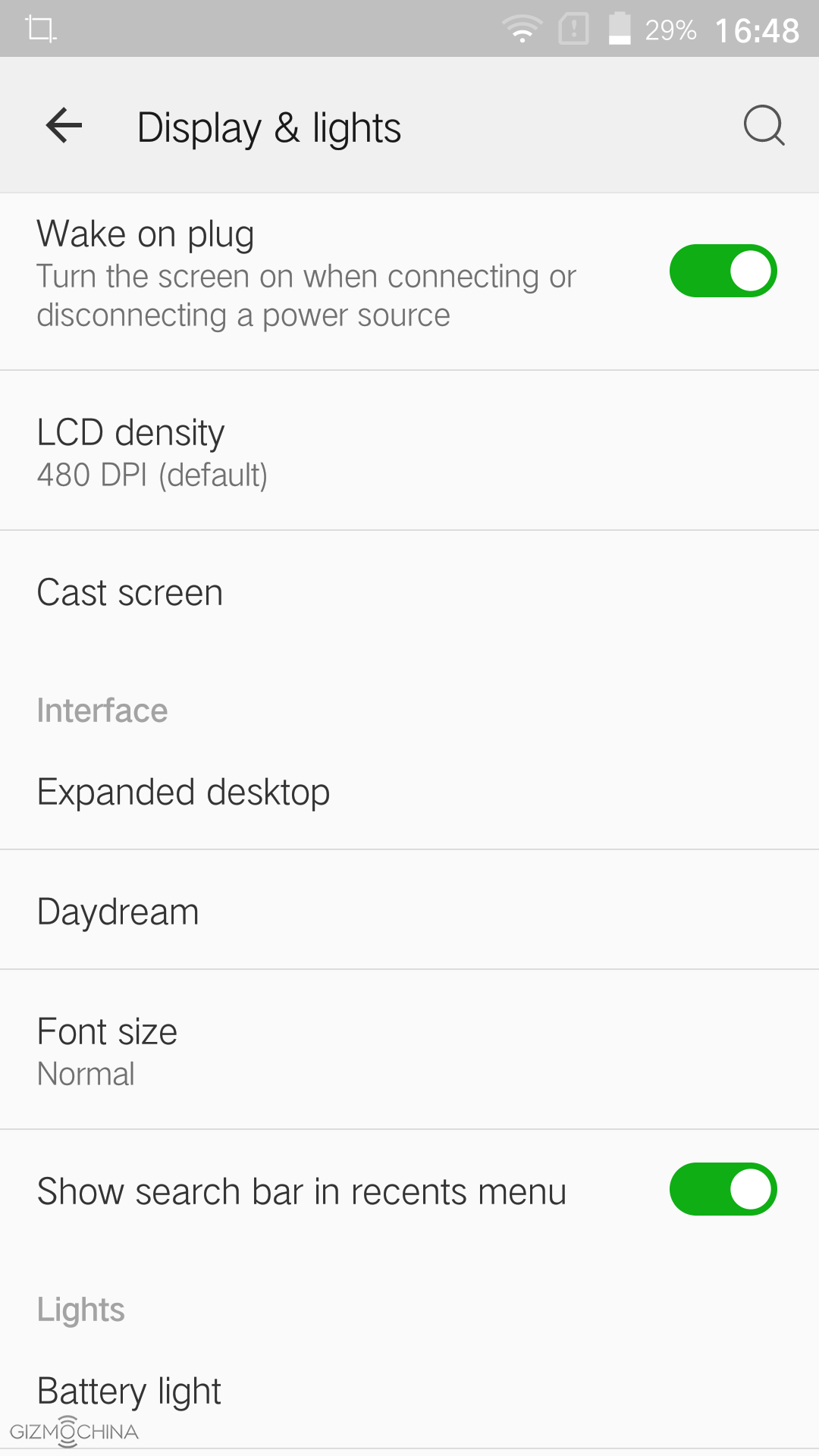
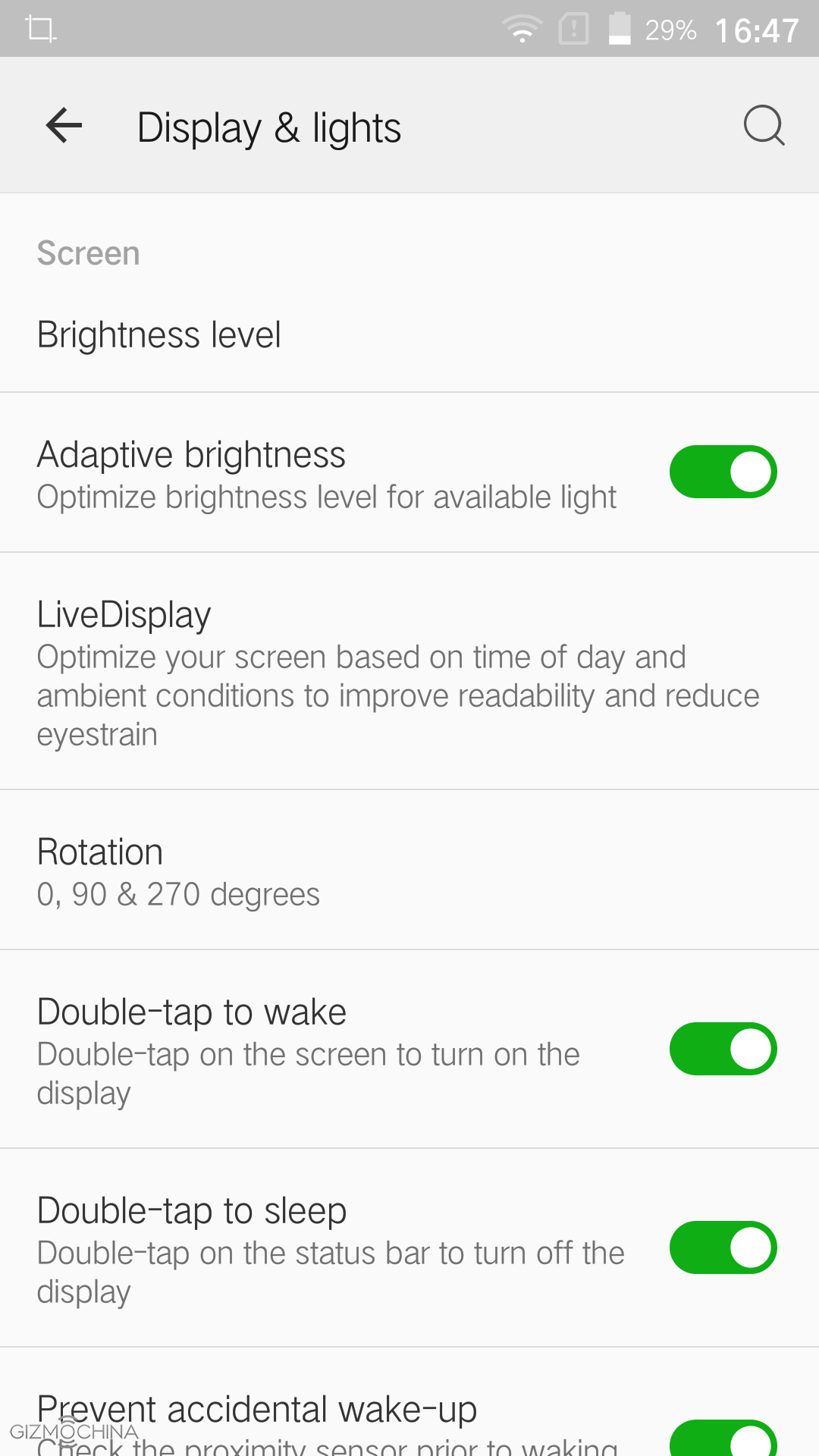
There are familiar gesture controls but we have only those we actually use and they work as advertised. Also, you can assign different tasks to particular buttons, customise LED light, tweak the display density and so on. There are just so many tweaks and just to name a few, you can double click on the notification bar to turn off the display or you can adjust the brightness without even going to the brightness settings.
Overall, despite having lots of tweaks and customisation options, the UI on the ZUK Z1 is super fast, fluid and responsive, and to be honest, this is definitely on of the fastest UIs on any phone I’ve ever reviewed.
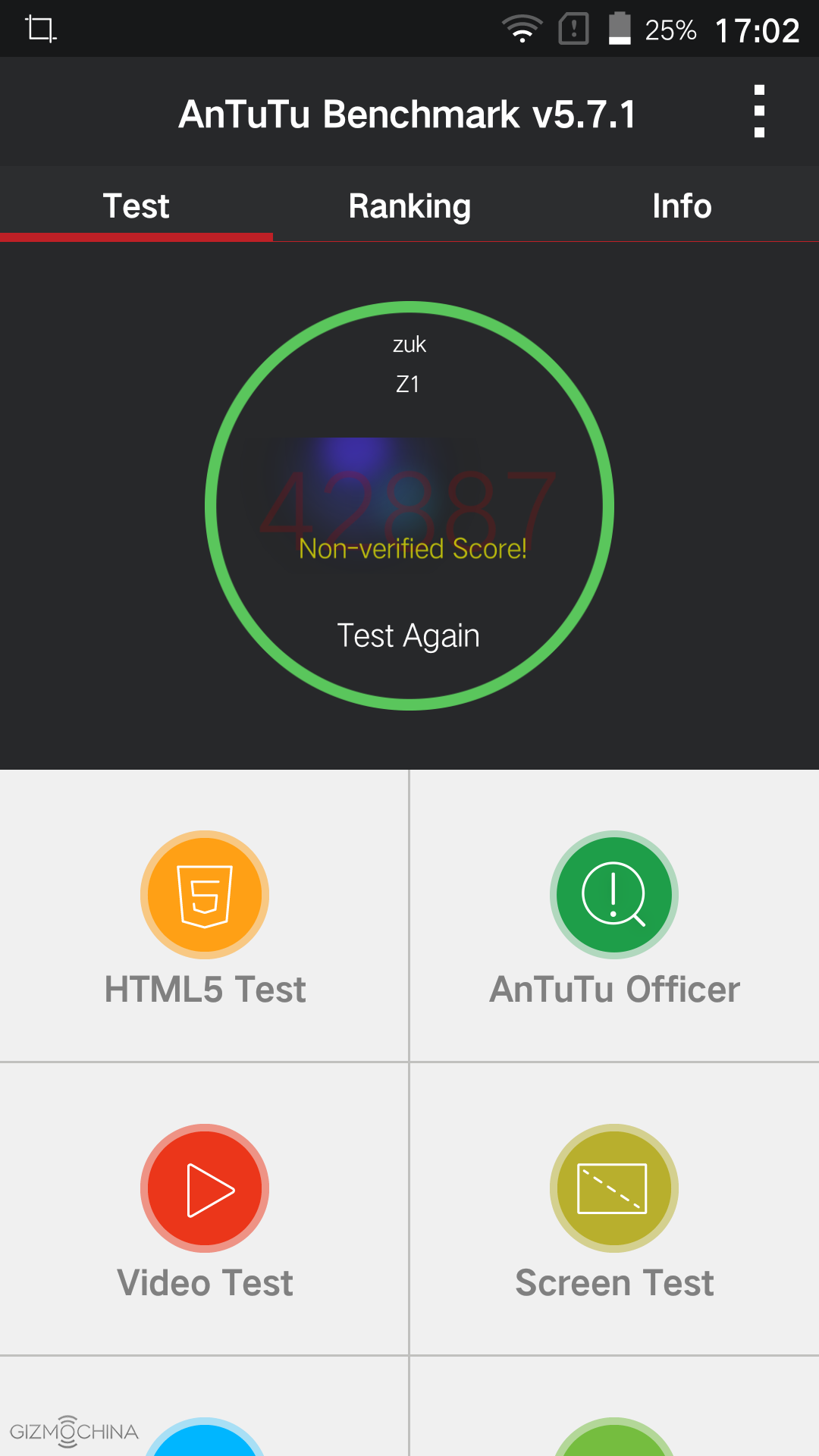
Lenovo ZUK Z1 Review: BENCHMARKS
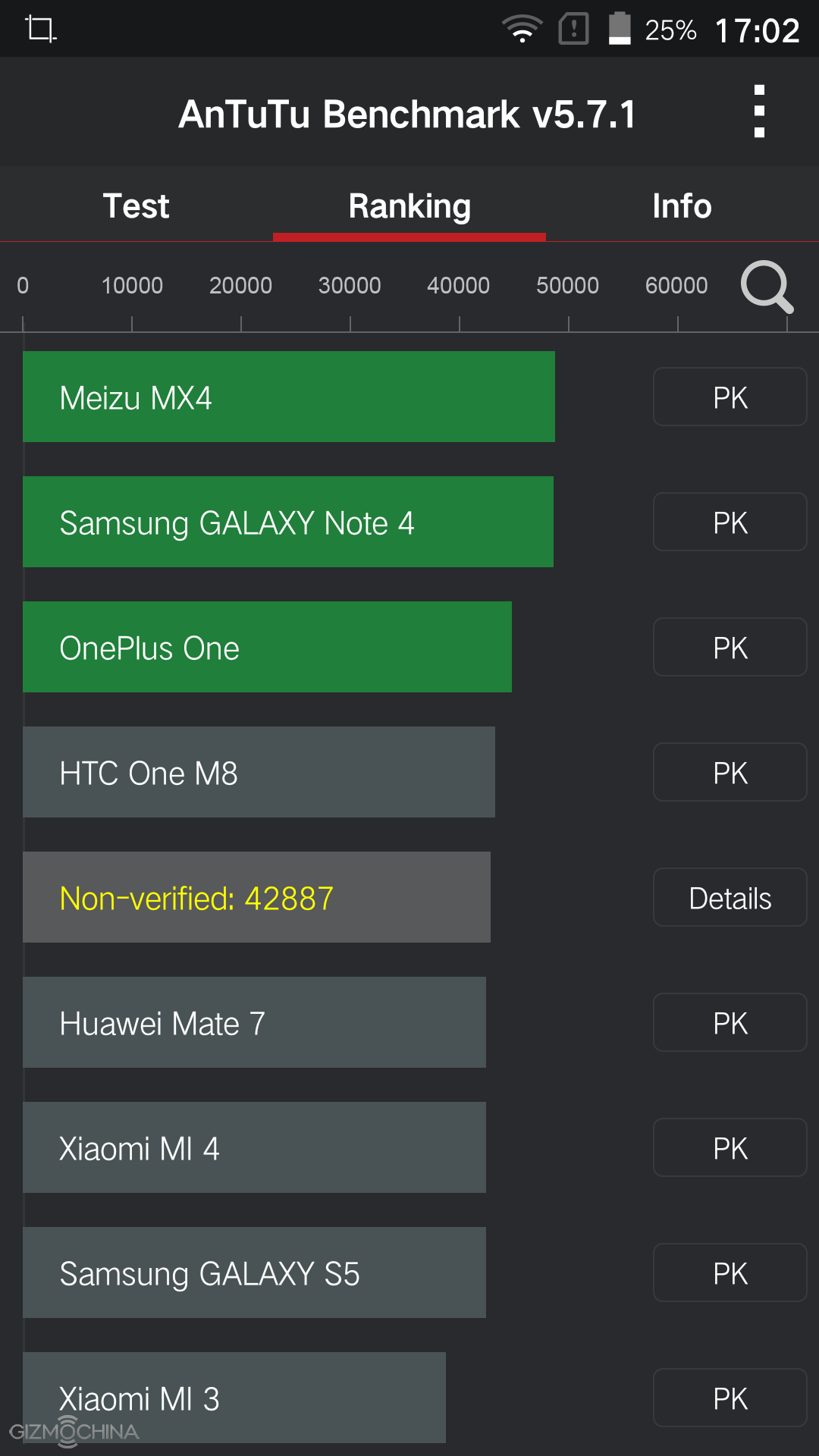
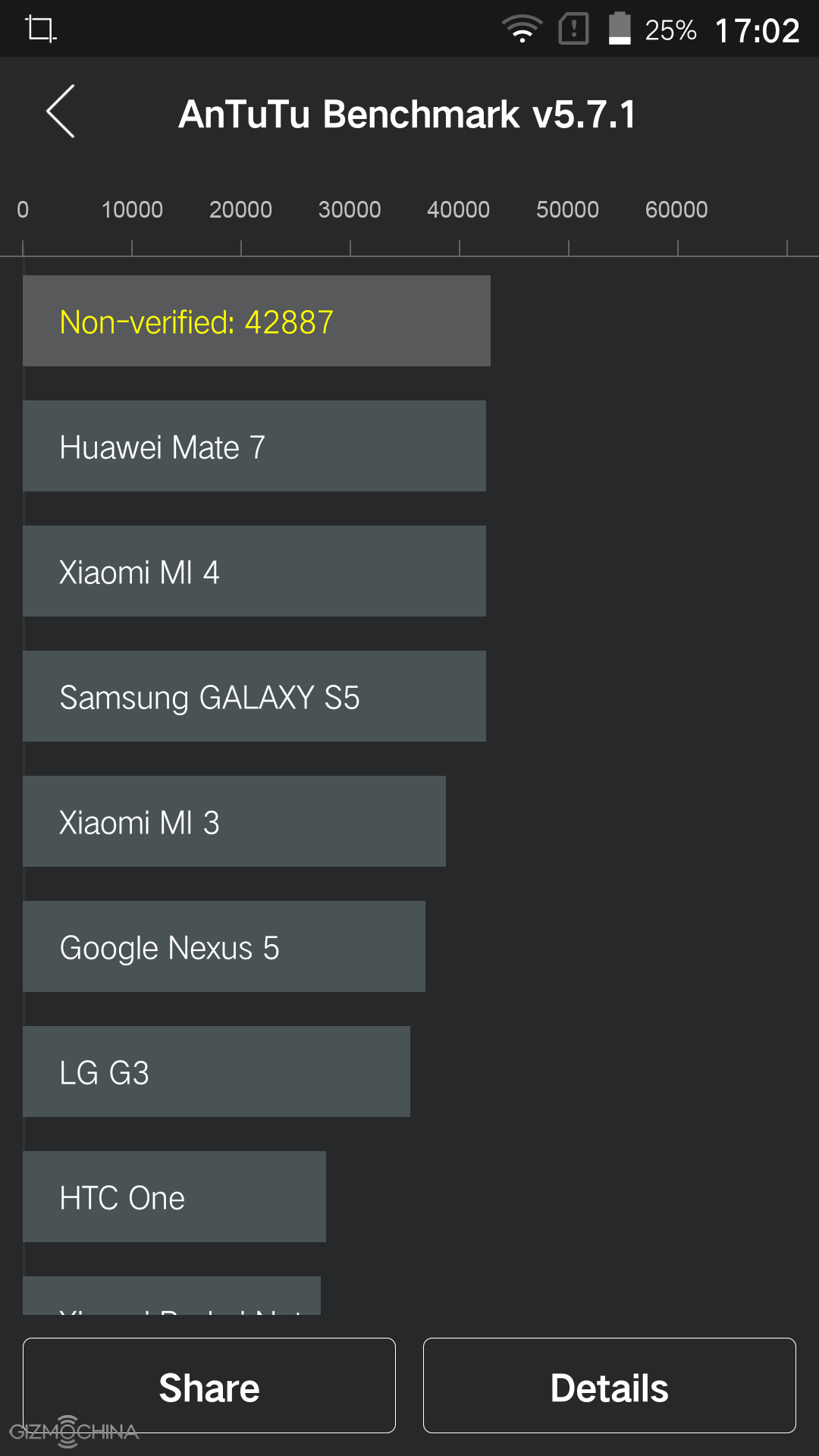
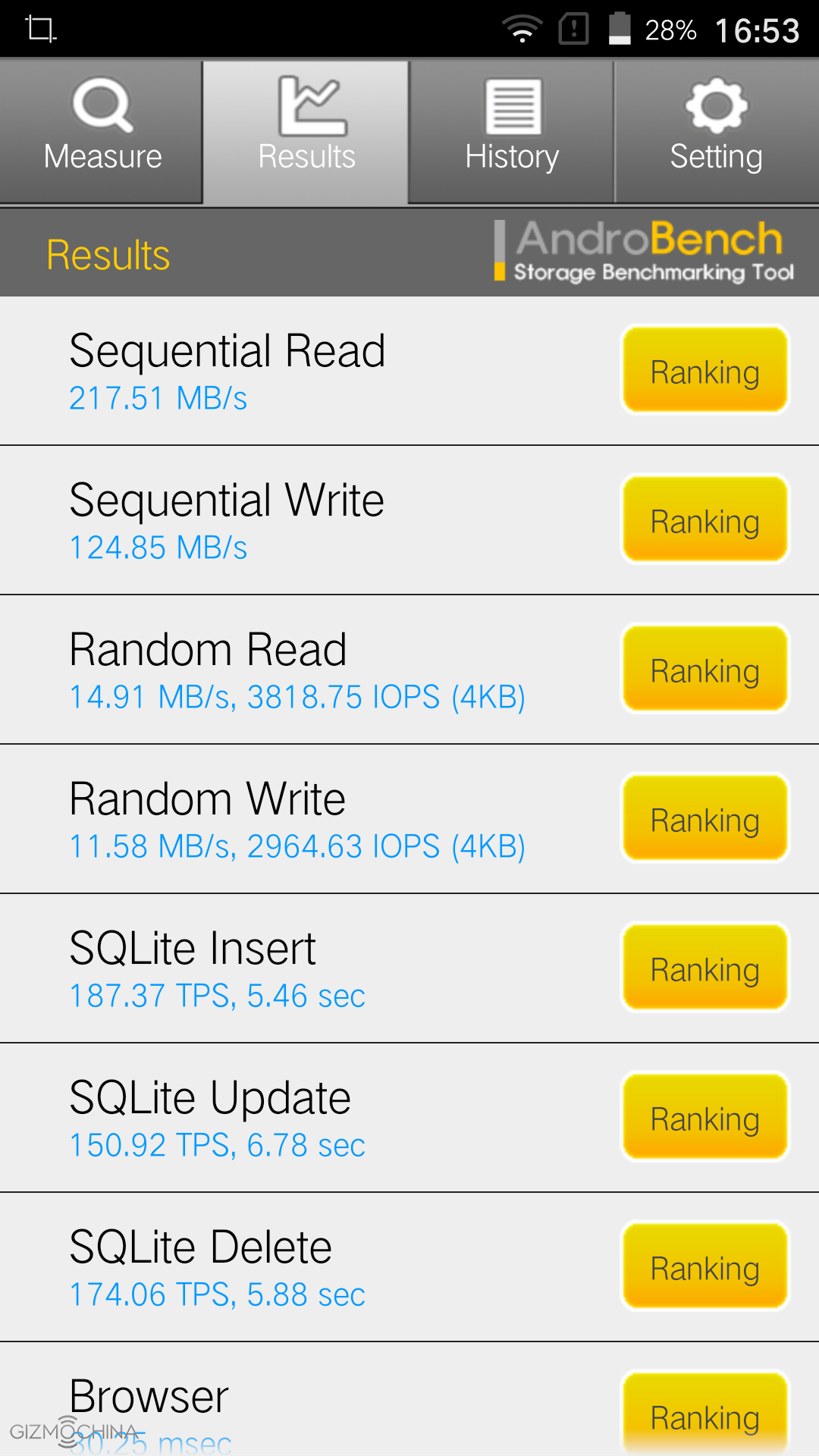
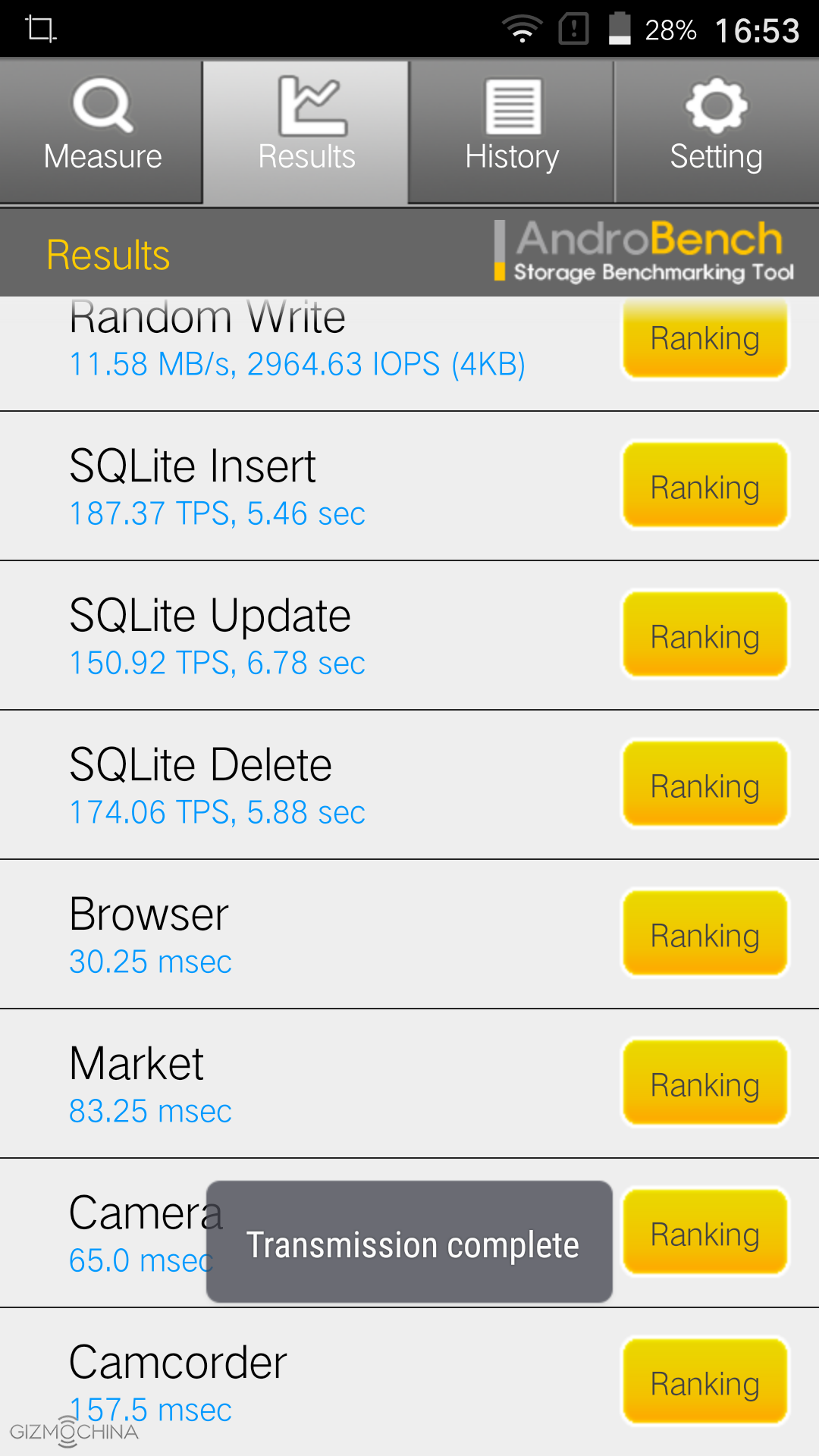
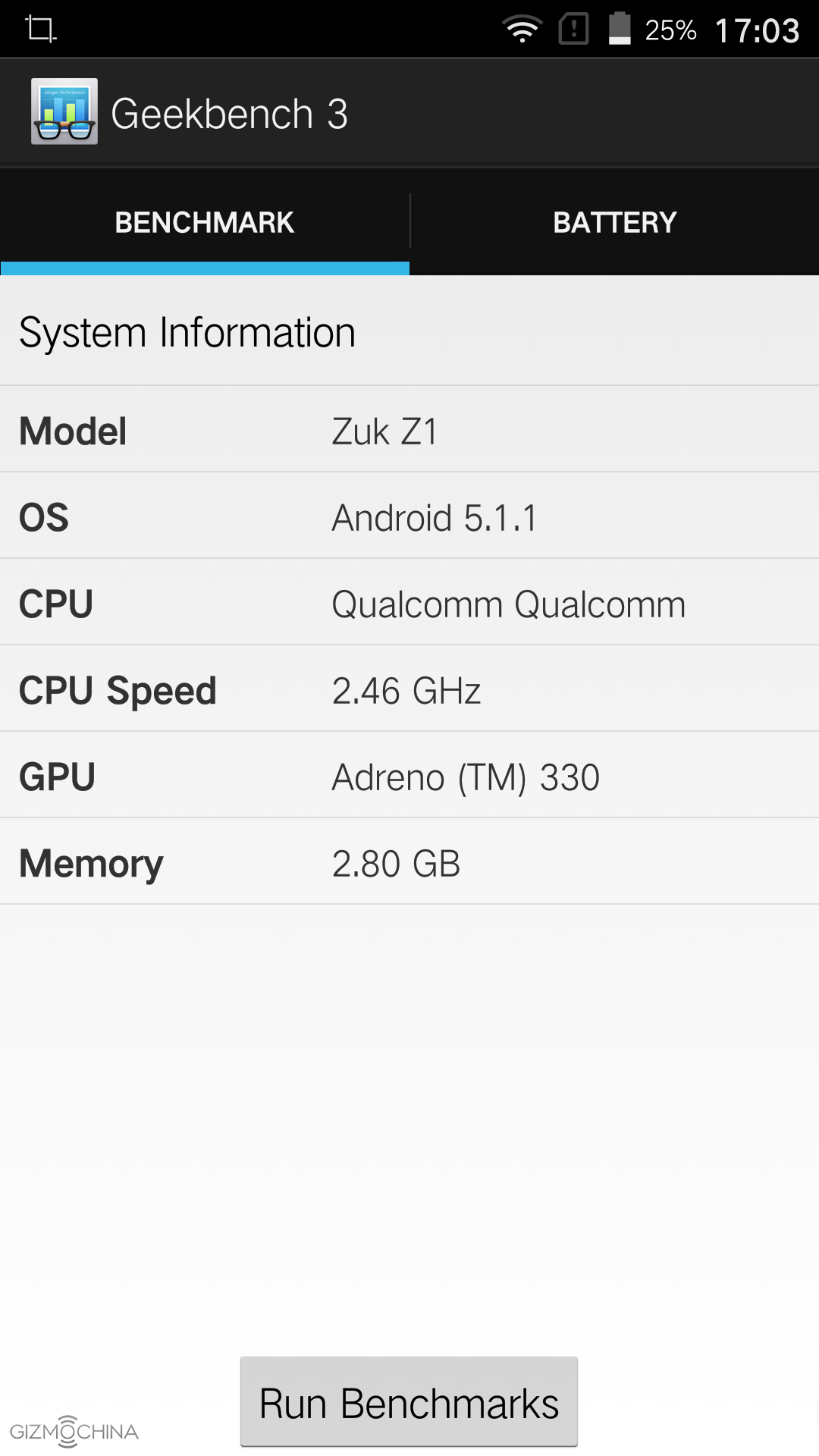
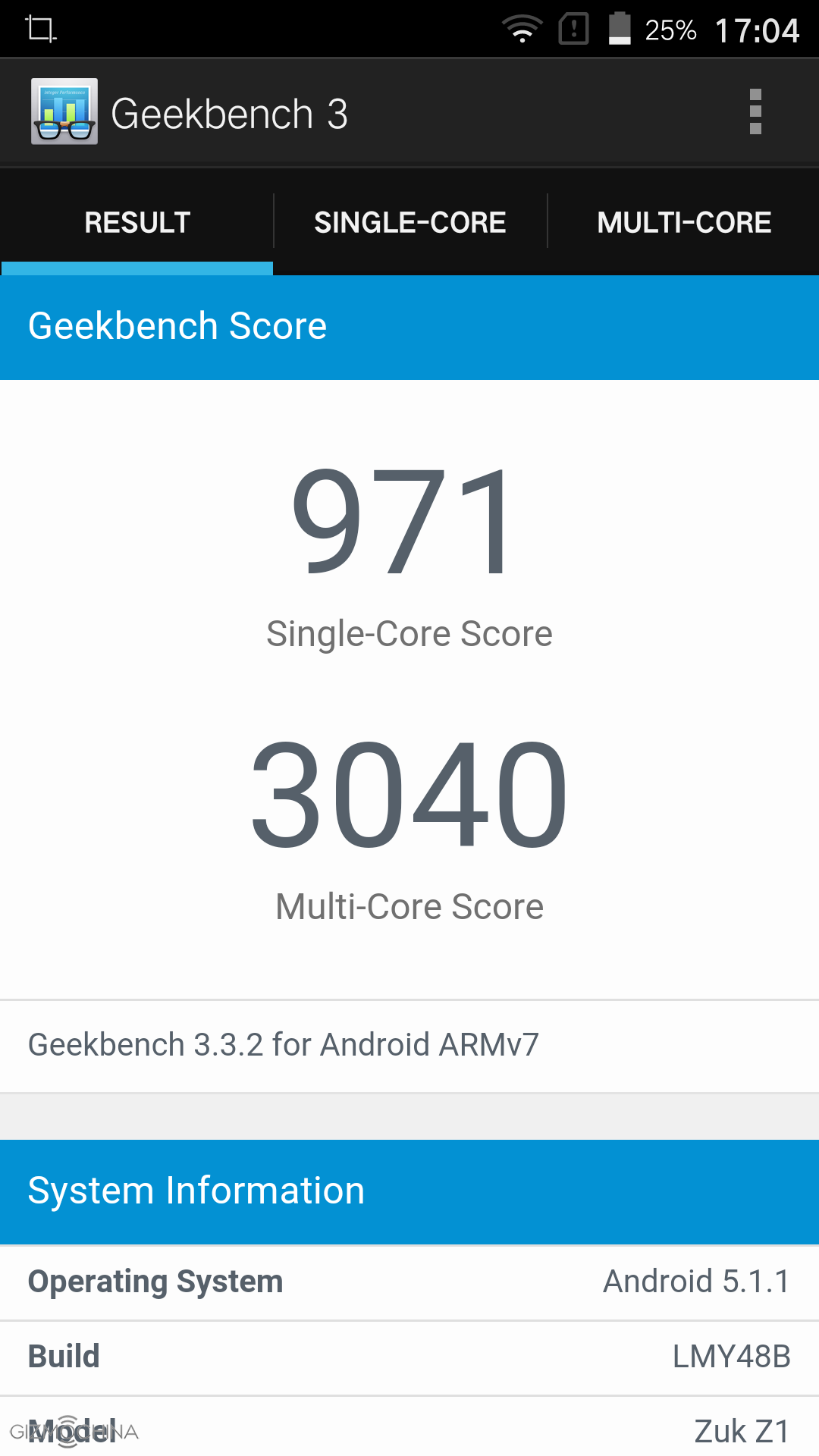
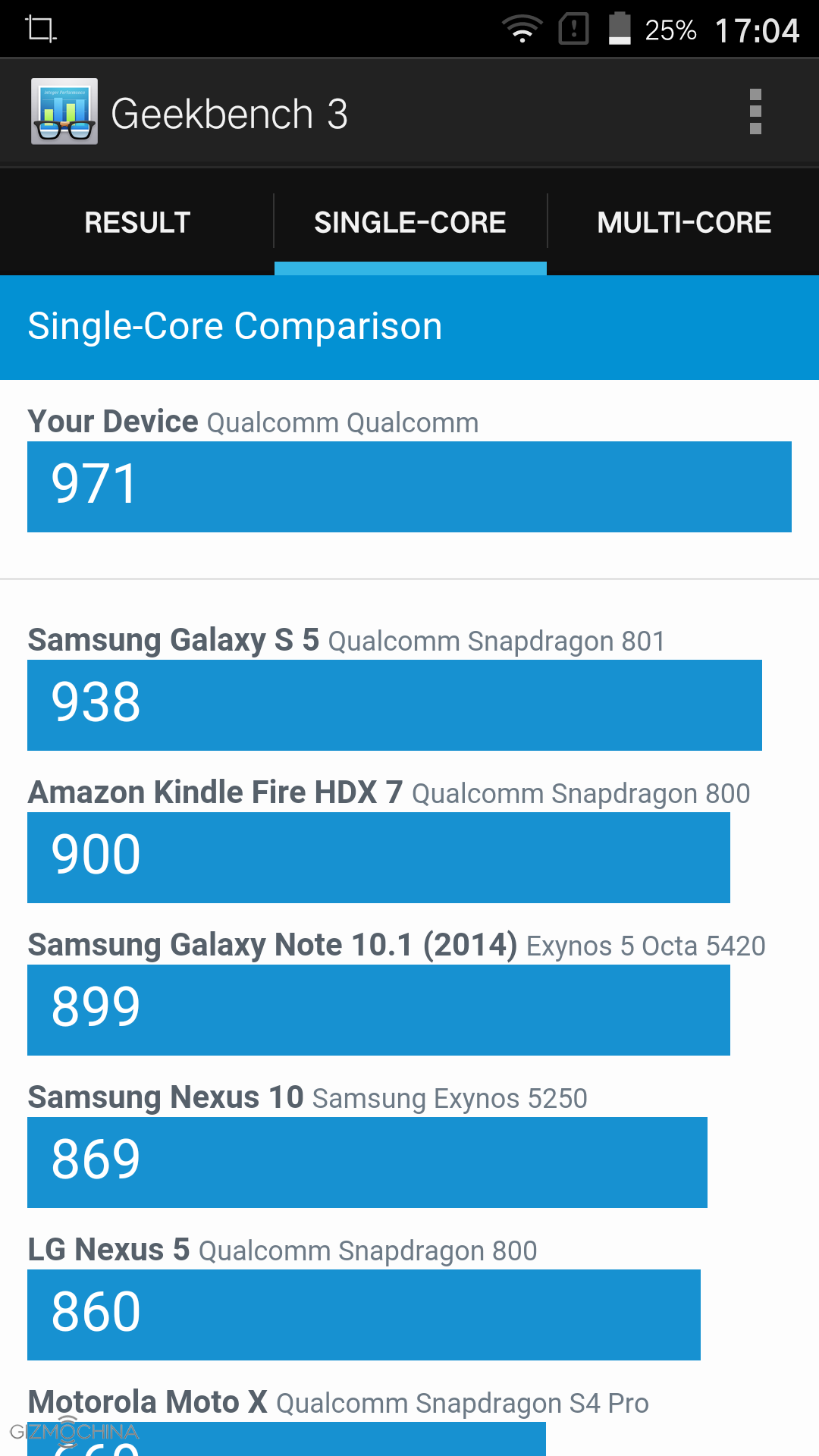
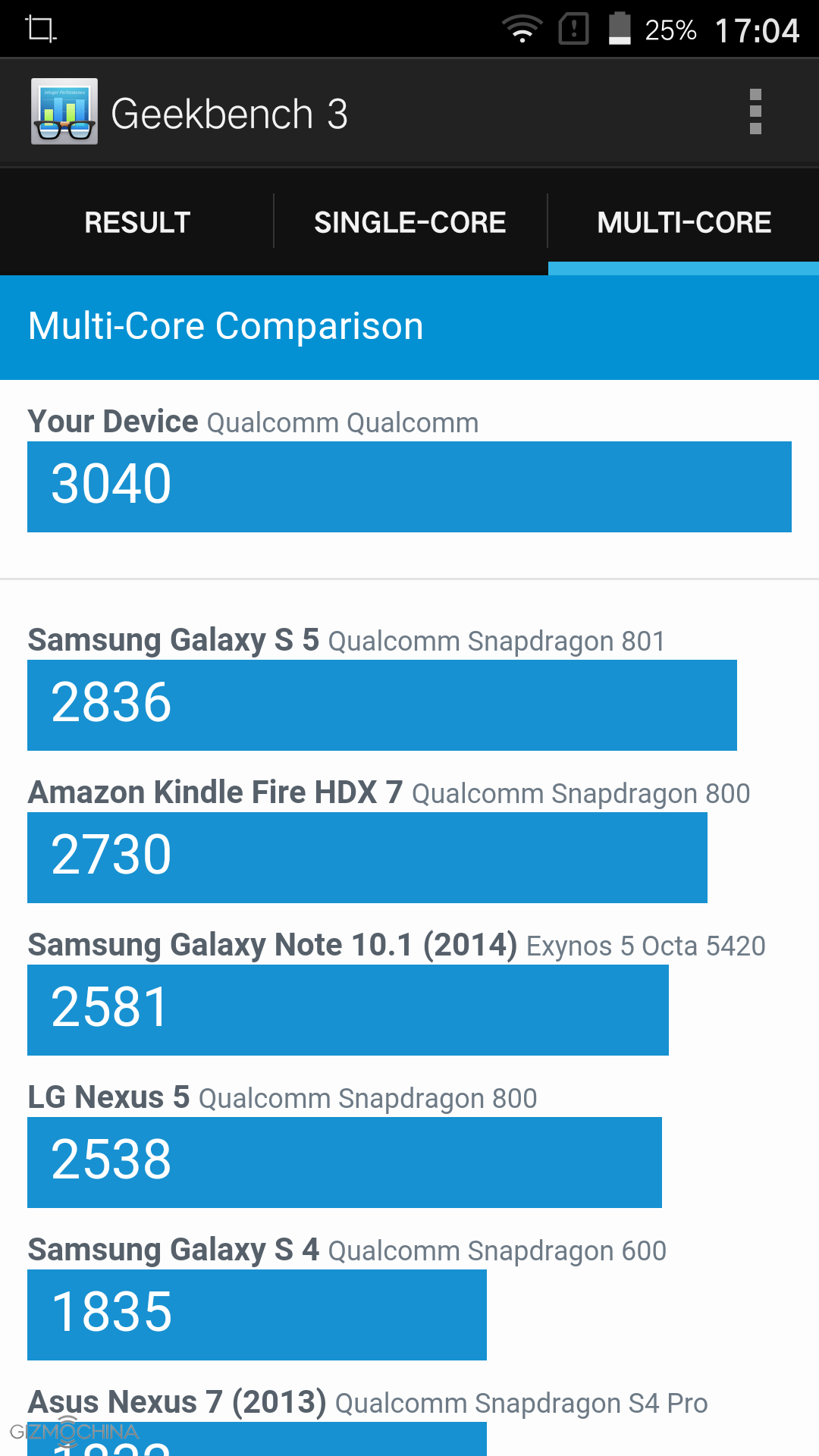
1 of 9
Lenovo ZUK Z1 Review: HARDWARE and PERFORMANCE
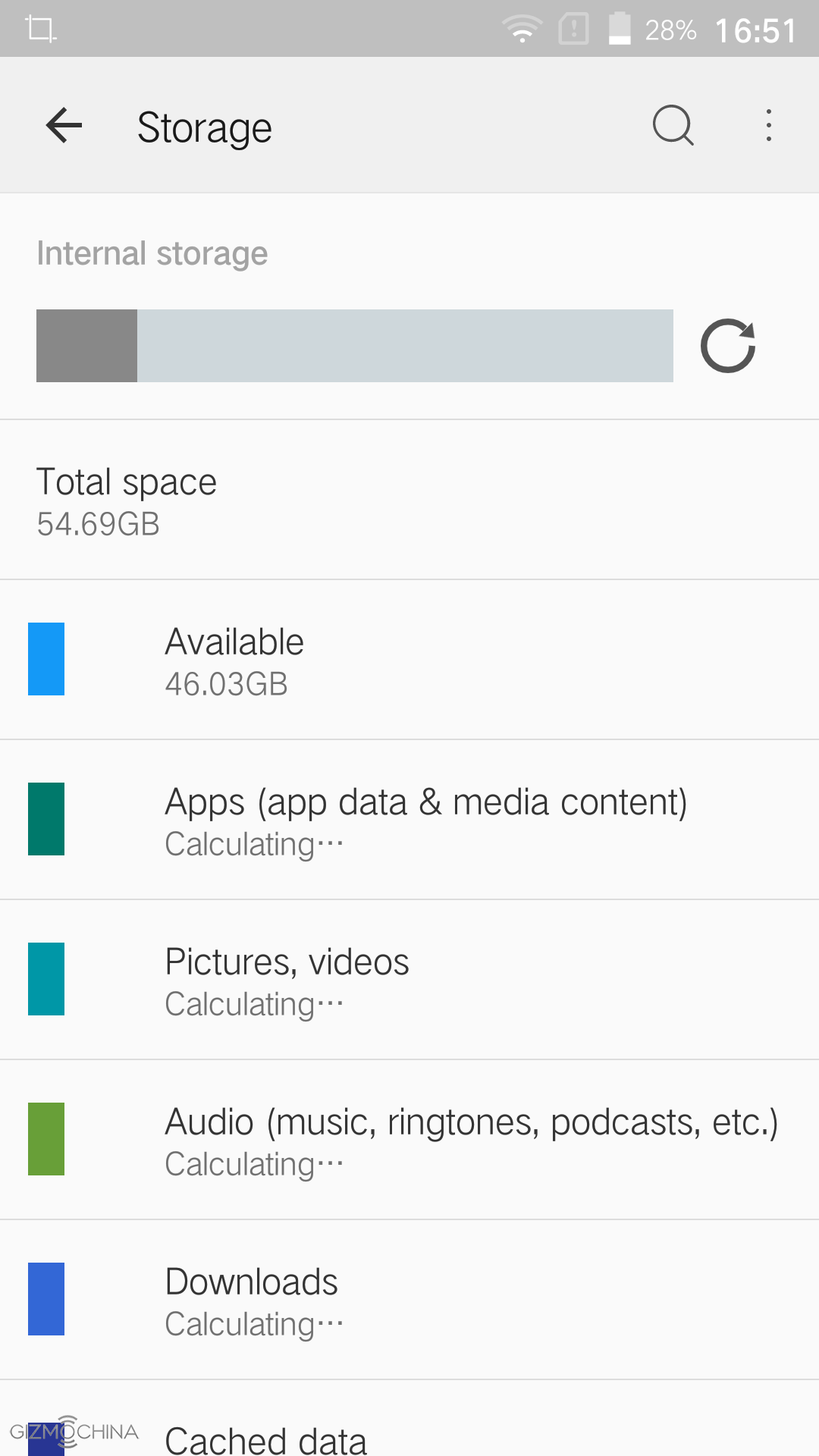
When it comes to the processing power, the ZUK Z1 is no slouch either as it uses a quad-core Snapdragon 801 with the 2.5Ghz clock speed, 3GB of RAM and whopping 64GB of internal storage as a base model.
Some may say Snapdragon 801 is already an old chip and yes, it has already shown its age due to the mainstream transition to the 64-bit chips. However, everyone will agree that this is still a very powerful processor that can easily handle almost anything you throw at it.
Asphalt 8 runs like a champ, there are no hiccucps whatsoever and even the graphics look almost identical to any of the newest top shelf processors.
Finally, there were no overheating issues.
Lenovo ZUK Z1 Review: MULTIMEDIA
When it comes to the multimedia consumption, the HD content looks nice on a brilliant and vibrant display and you are also getting a pretty good loudspeaker. Well, it could have a bit more depth but still, the sound that is coming out is not bad at all considering the price category of this phone.
Lenovo ZUK Z1 Review: CAMERA
1 of 6
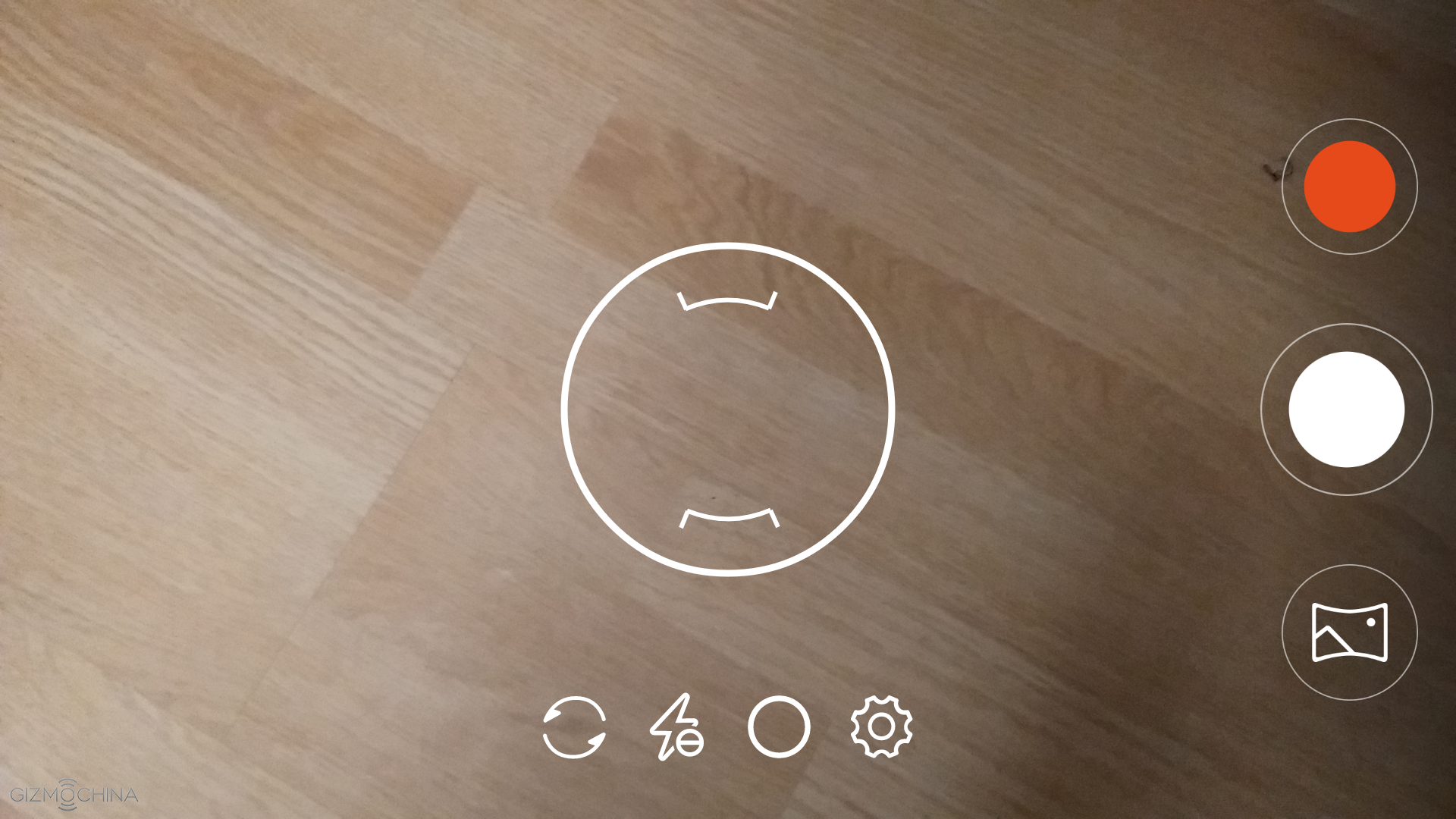
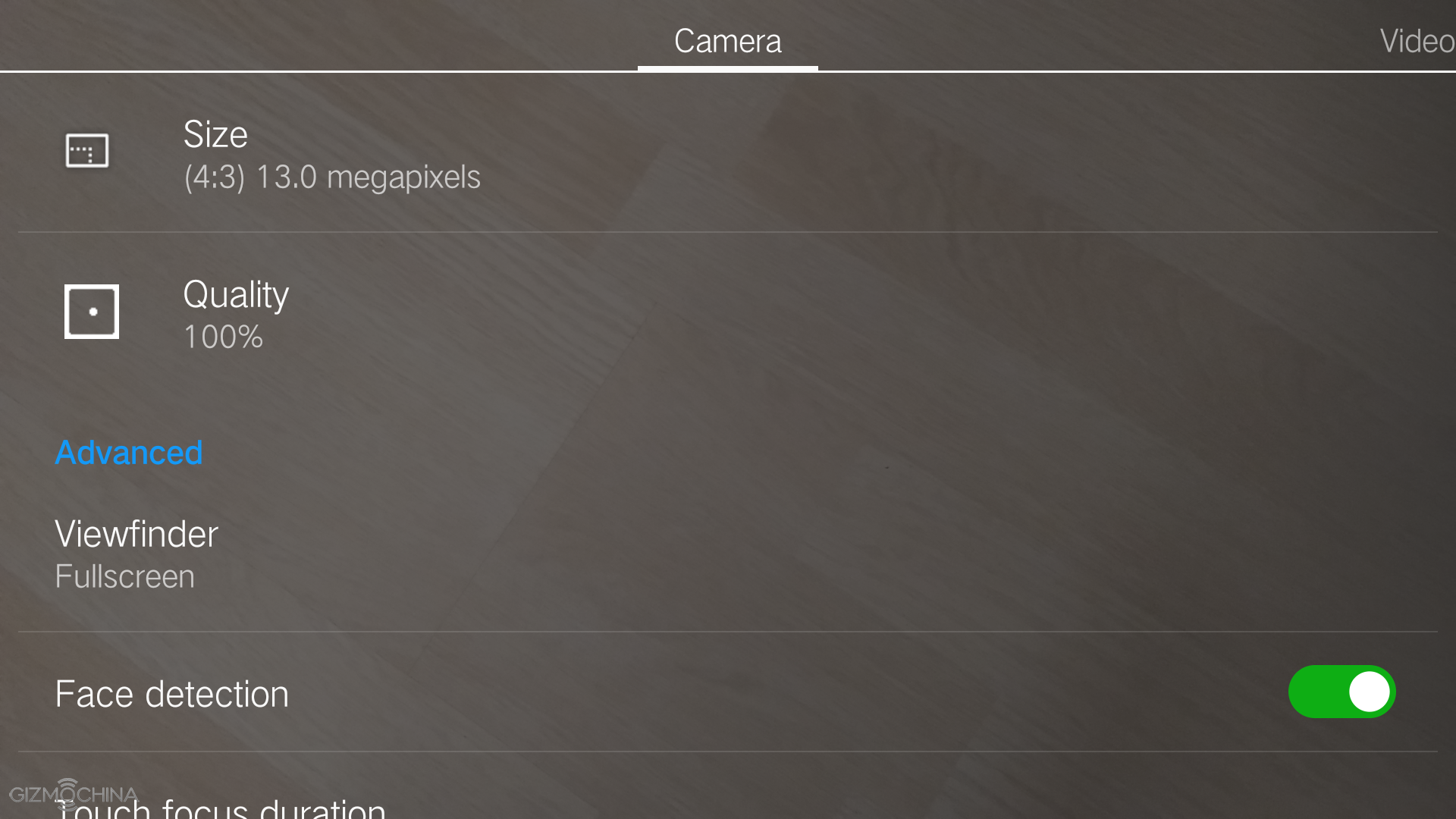
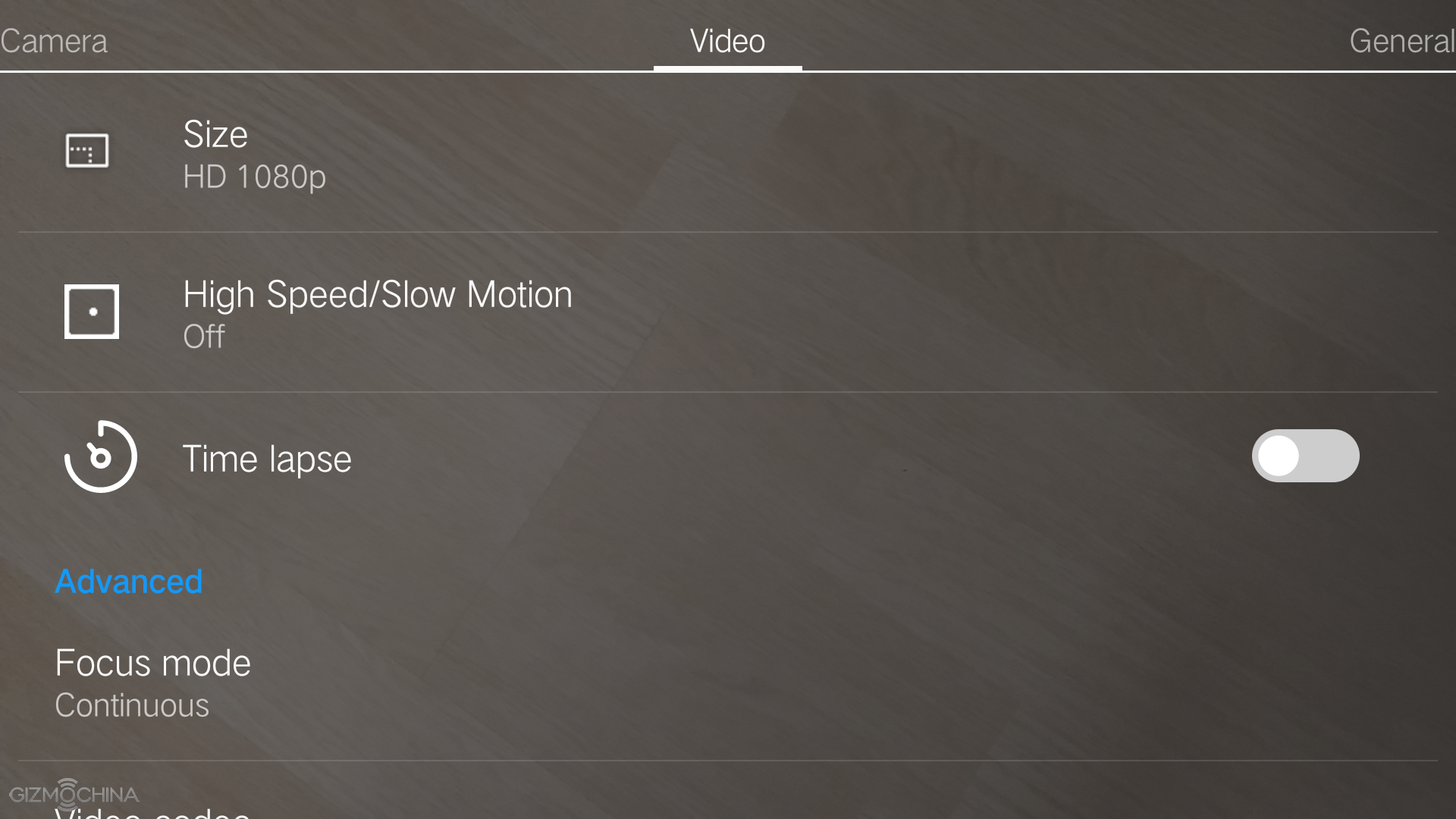
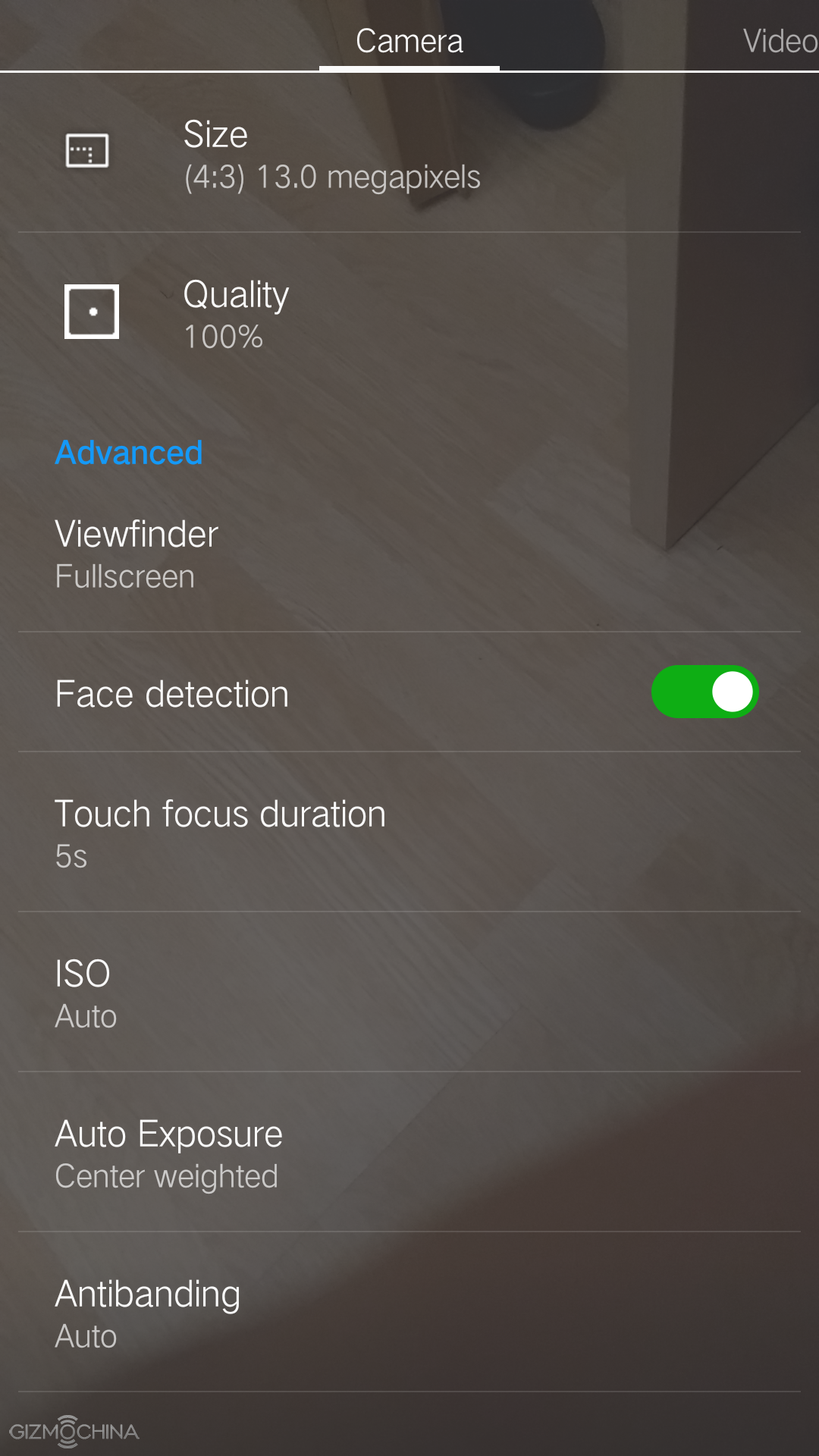
When it comes to the camera, we have a dedicated Cyanogen camera app, which has a fast shutter speed, nice clean design and it is very responsive.
You have some settings to play with and you can adjust some basic stuff or customise the app e.g. with button assignments.
Also, there are some shooting modes and they can be easily changed by swiping anywhere on the screen.
Lenovo ZUK Z1 Review: IMAGE QUALITY
The 13MP camera on the back is capable of producing some nice looking images with a good amount of details, decent colour reproduction and contrast.
The dynamic range is usually good but it is not always accurate. Also, you may get a softer focus on the corners of some images.
When it comes to the night images, they are not very impressive but not bad overall. The level of details is significantly lower and there is plenty of noise. Well, this is common to most of the phones in this price range anyway.
1 of 3
As far as selfies go, the 8MP snapper is pretty good and it will definitely do the trick for social media but if there is not enough lighting, you may sometimes get a bit blurry image.
When it comes to the 1080P video recording, it is not bad but not great either. There is a decent amount of details but the footage looks shaky and a bit choppy despite the fact that the phone has OIS. See the video review for a video sample.
Full resolution camera samples coming soon (again…. technical issues).
Lenovo ZUK Z1 Review: CONNECTIVITY
As far as connectivity, everything works just fine as I had no issues with the call quality, signal reception, Wifi or GPS.
Lenovo ZUK Z1 Review: BATTERY LIFE
1 of 3
The battery life is one of my favourite parts of the ZUK Z1. The phone has a 4100mAh battery with fast charging capabilities and it performs very well.
I could get almost 7 hours of screen-on time with a light use and the stand-by time was just brilliant.
Naturally, the screen-on time reduces if you do some more intensive tasks but still, I am very happy with the overall battery performance.
Lenovo ZUK Z1 Review: CONCLUSIONS
So, there you have it, the ZUK Z1 by Lenovo. It is a great phone for a lot of reasons, no matter if you look at it like at any other device or a phone that was built by a start-up.
It all starts with a plain yet good looking design and solid construction, and a vibrant display.
Also, you are getting a well implemented UI, which is blazing fast. In addition, the processing power lets you enjoying even the most demanding games, 64GB of internal storage is more than enough to store some good looking images shot by the camera or store lots of songs that sound pretty good via the loudspeaker. Lastly, a generous battery will keep the lights on for a long time.
However, if you are very serious about the night photography or a good video recording is a feature that you can’t live without, the ZUK Z1 is not the best performer out there.
All in all, despite a few shortcomings that can actually be fixed with the future software updates, the Lenovo ZUK Z1 is a really good device for the price of just above $300.
Gizmochina readers are getting some generous discounts for the ZUK Z1 when buying from both China and EU warehouses!
We have today received a video from Oukitel showing the iPhone 6S Plus vs OUKITEL U7 Pro.
Surprisingly the blatantly iPhone 6S Plus influenced $69.99 (£46) Oukitel U7 Pro stands up quite well in the test, especially when you consider the pocket money price/performance ratio.
In the video Oukitel ask if you think the styling is similar to that of Apples iPhone 6S Plus, I would say the answer is pretty obvious to this, although the lack off visible plastic lines on the rear shell might suggest that it is plastic rather than metal, as the lines found on iPhones are their to allow the ariels to function through the metal rear casing.
Oukitel also show off gaming on the U7 Pro, if you consider the processor and the price of just $69.99, I would say it looks like its doing a great job keeping up with the graphically intensive driving game, however the iPhone does not appear to be running the game at full speed, this could be to do with the chosen car, as it seems a bit odd given the power of the processor under the hood of the iPhone 6S Plus that it would run this slowly, a better comparison would be to have both games running the same car on the same track.
Oukitel have also highlighted the Wi-Fi download speeds of the U7 Pro, something that appears a lot quicker than the iPhone 6S.
Personally I would like to run the tests independently to prove that things are as they seem, Oukitel if your listening I would welcome a test sample of the Oukitel U7 Pro to do an unbiased iPhone 6S Plus vs OUKITEL U7 Pro head to head.
You can check out the video for the iPhone 6 vs OUKITEL U7 Pro below and let us know what you think in the comments below.
Regards Shanos
The Oukitel U7 Pro can be pre-ordered here for just $69.99 (£46)
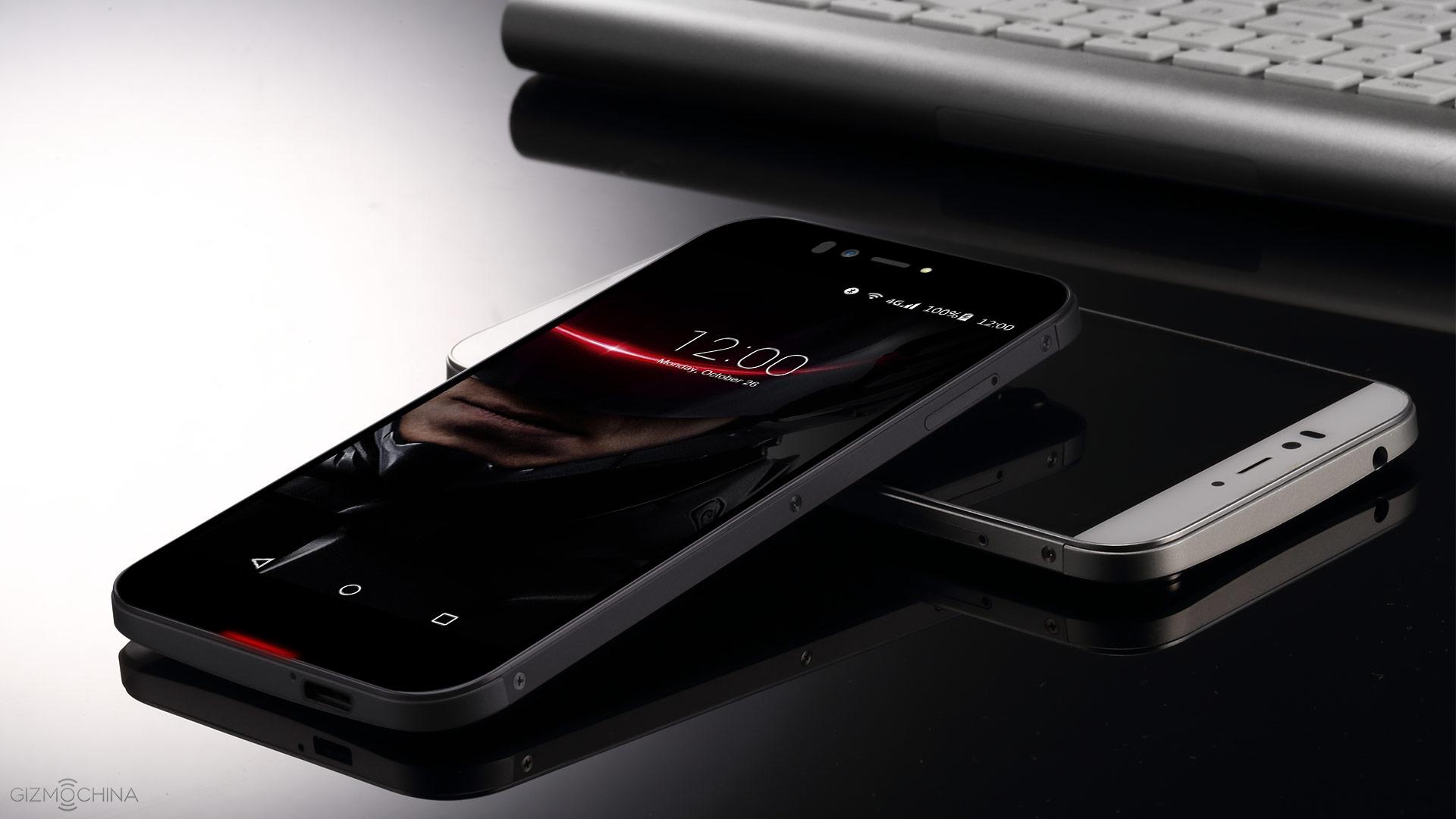
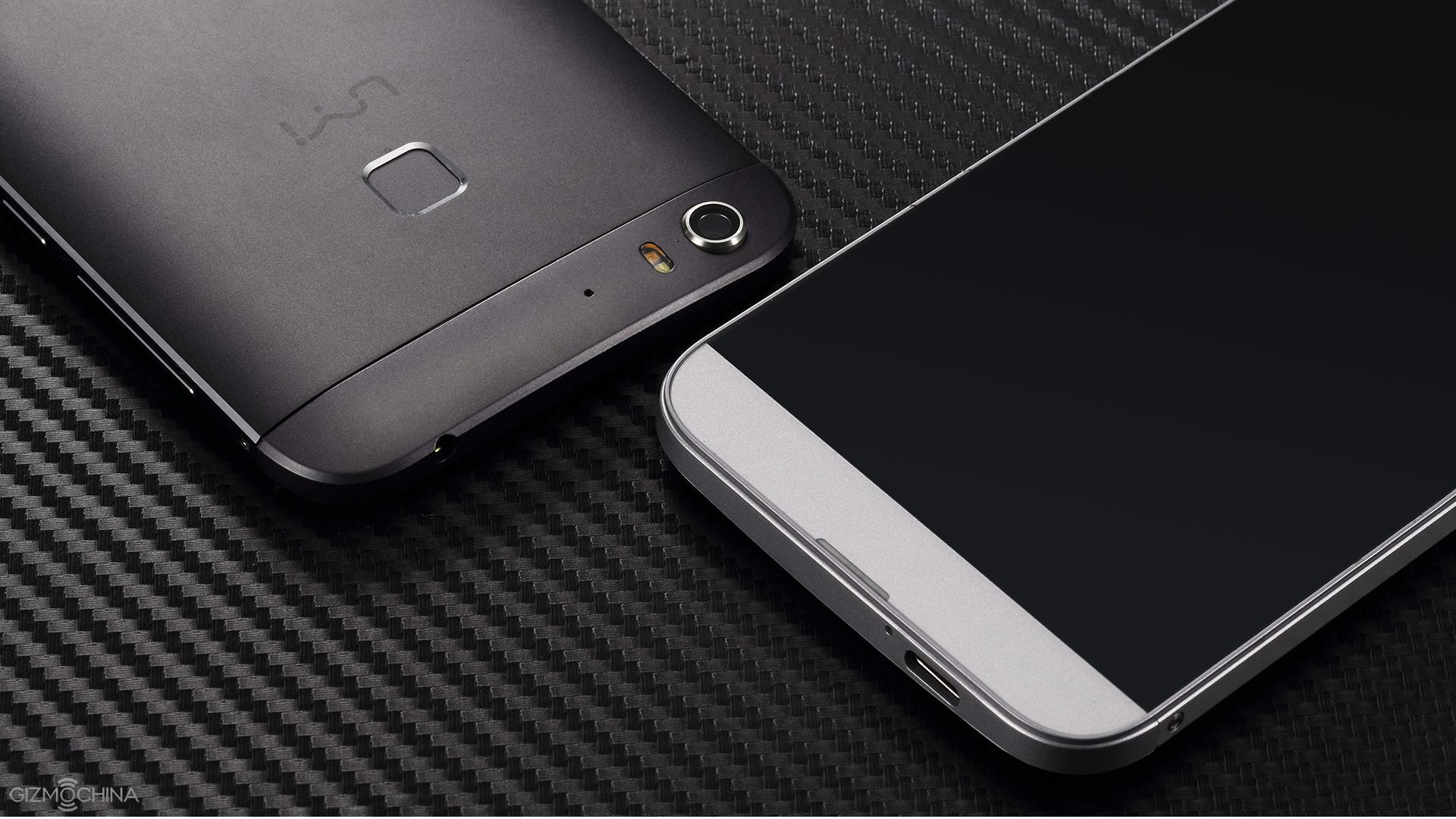
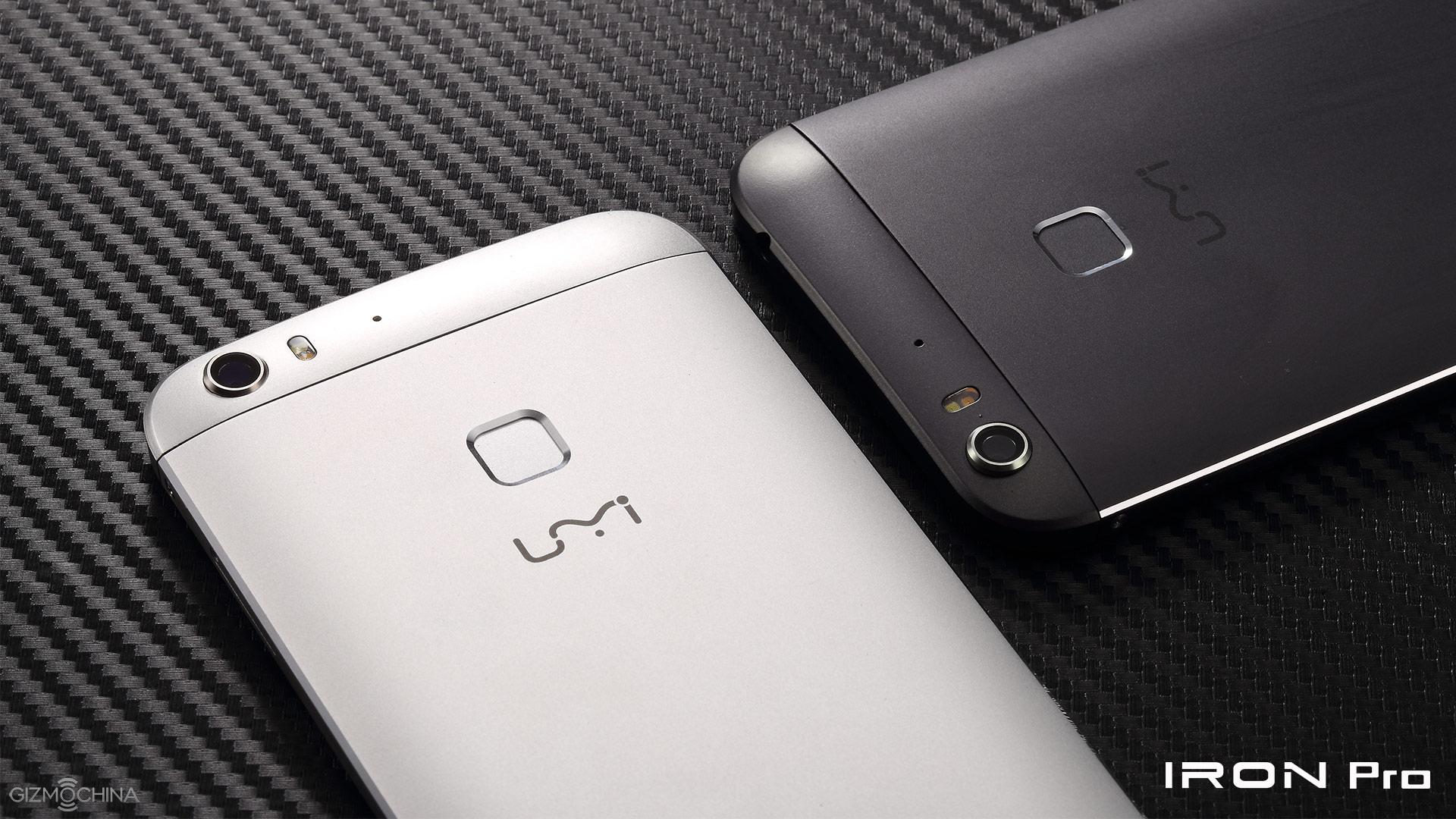
UMi unveiled the second generation version of the popular Iron flagship called as the UMi Iron Pro a few weeks back. The phone retains a similar design as the previous generation but brings some additional upgrades. One of the highlights of the device is its all metal body, which is made out of a single piece of magnesium and aluminum alloy. The CNC finish and curved edges gives the smartphone a premium look, despite its sub-$170 pricing.
The phone looks like a complete package, featuring the much loved metal body, powerful specs and an affordable pricing. To recap, the phone comes with the MT6753 octa-core chip which powers most mid-range flagships in the market right now. There’s 3GB of RAM on board and 16GB of expandable internal storage. At the front, there’s a large 5.5-inch FHD 1080p display.
While these are great specs by itself, what really sets the UMi Iron Pro apart from the crowd is the inclusion of biometric security features. You have Eyeprint ID as well as a fingerprint sensor to ensure that your data is safe. This is an essential feature in a smartphone since most users have lots of personal data stores on their devices and it becomes necessary to protect them from strangers.
At the back, there’s a 13MP Sony IMX214 camera with dual LED color temperature flash. Up front, you have an OV camera which also comes with an LED flash, making it a great phone for selfie lovers. Finally, a 3000mAh battery, USB Type-C reversible port and Android 5.1 Lollipop OS makes sure that the phone is up to date.
Its a great phone if you are looking for something under $180. There are a lot of promotions going on websites like Coolicool where you can get the device as low as $149.99
In fact, if you buy the device in the next one hour, you can get it for just $149.99. Later, the Iron Pro will be available for $179.99. So, if you were planning to get a phone, this might be the right time!
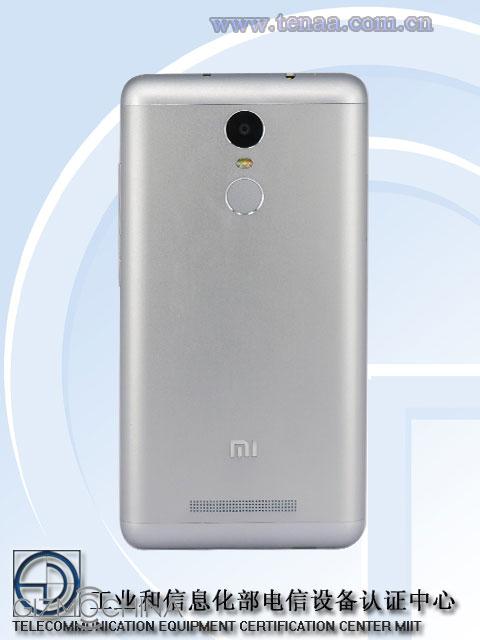
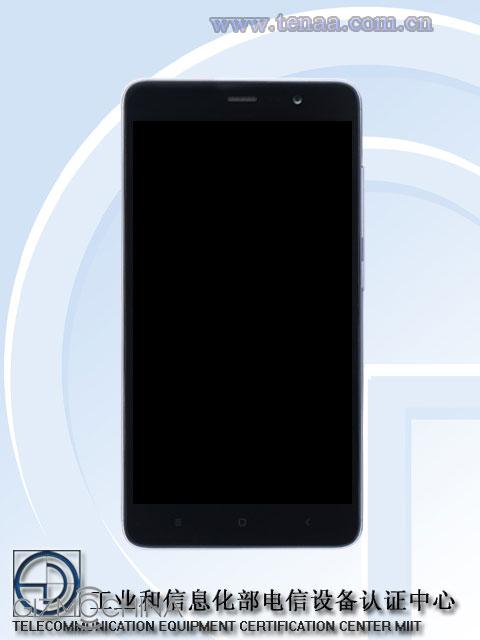
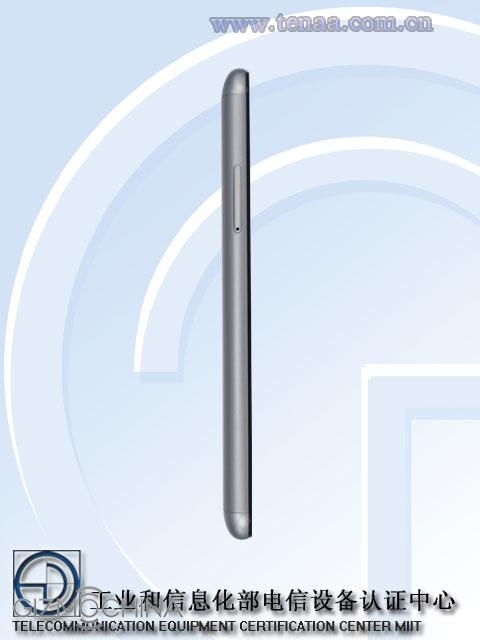
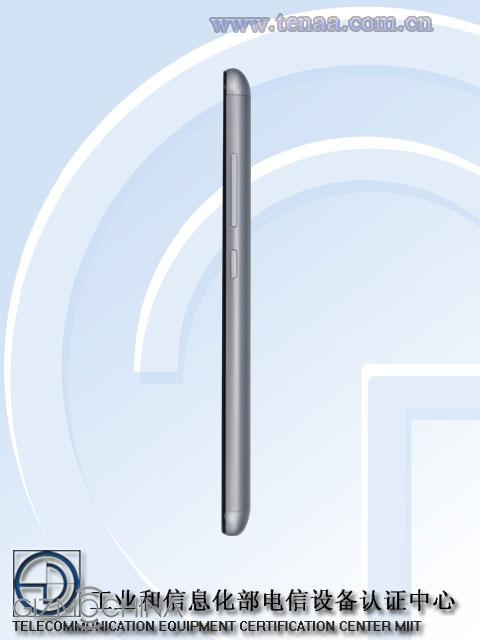
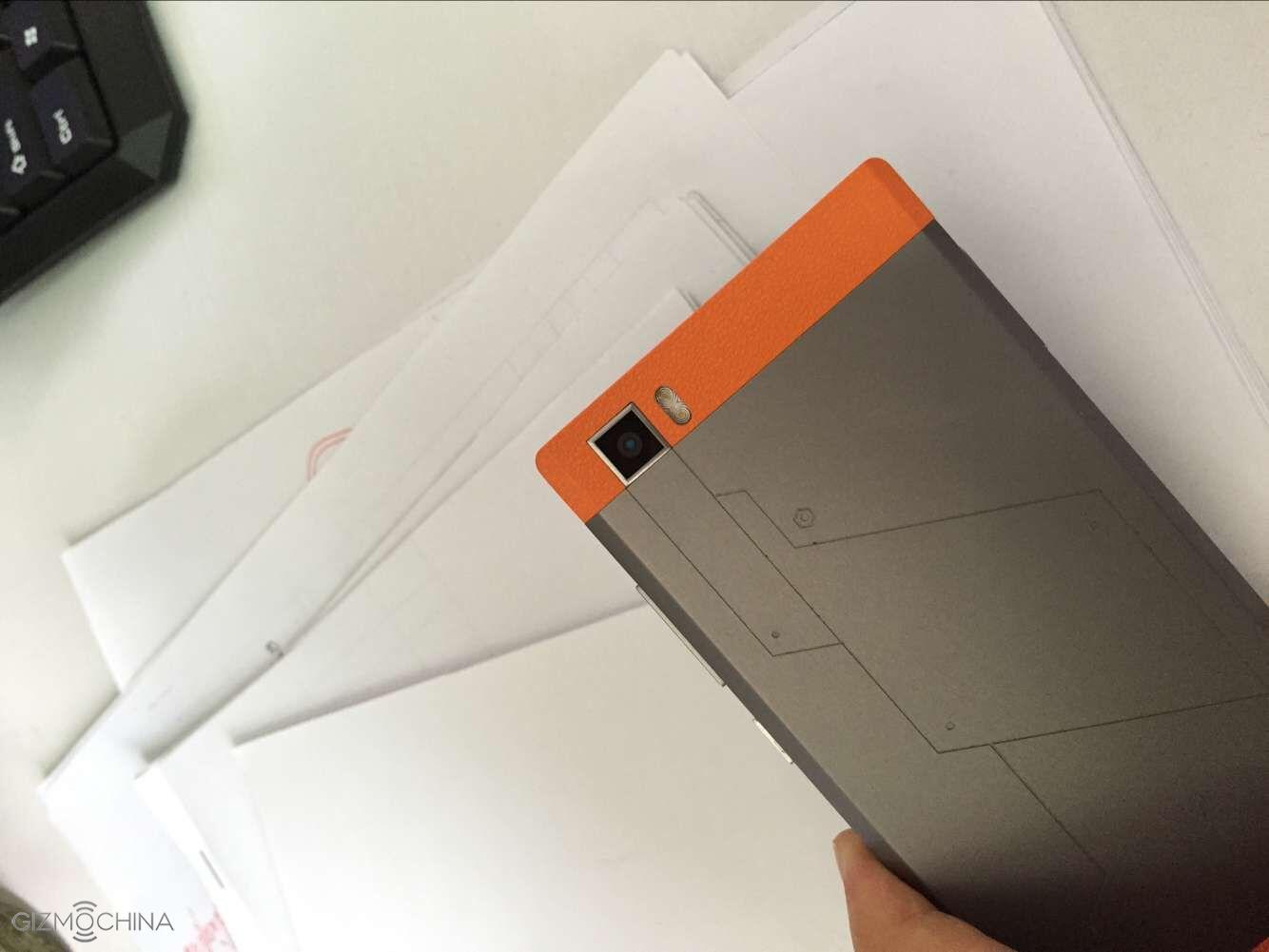
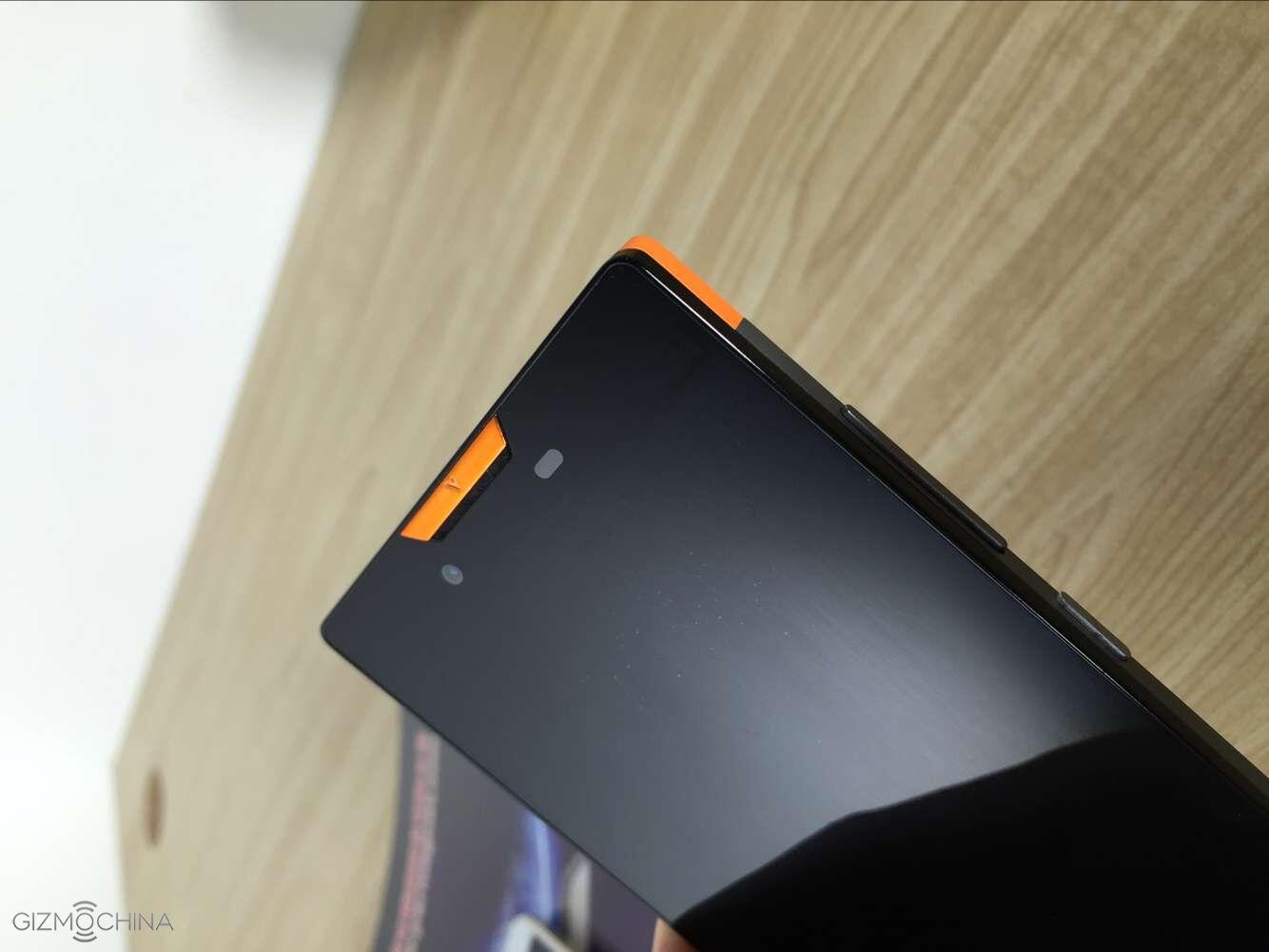
We have been hearing a lot about the upcoming Xiaomi Redmi Note 2 Pro version, mainly because it is rumored to be the first Xiaomi smartphone to feature fingerprint ID as well as all metal design. While until now, we had no concrete proof for these rumors (except for a leaked image), now thanks to a TENAA listing we can confirm these features.
According to the image that we spotted on TENAA, the Xiaomi Redmi Note 2 Pro will come with the same design that we saw in the leaked image back in October. So, you have a smooth metal body at the back, along with a fingerprint sensor right below the rear camera. Between these two sensors, we can see dual LED flash as well.
The front features a traditional Xiaomi design with capactive buttons and a camera sensor right on top. The display is said to be a 5.5-inch panel with FHD resolution, same one as the Redmi Note 2.
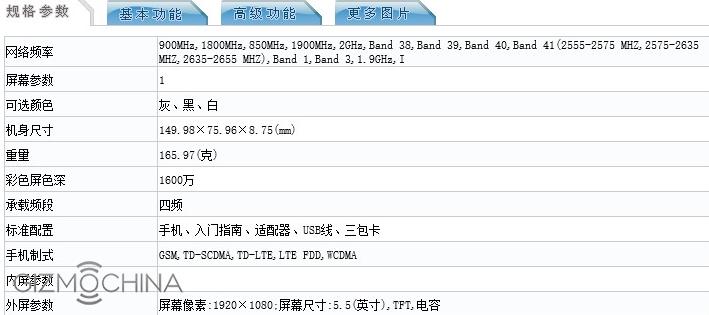
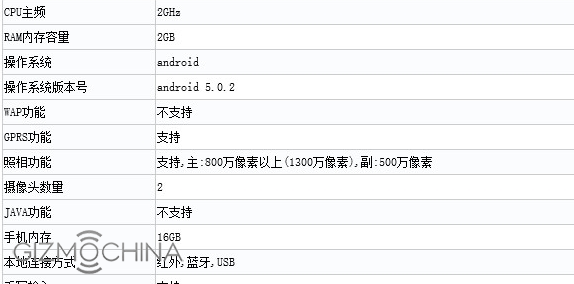
The phone will feature the same specs as the Redmi Note 2, so it will sport the MT6795 Helio X10 under the hood clocked at 2.0GHz with 2GB RAM (3GB RAM version a possibility), 16GB storage, 13MP rear camera, 5MP front facing shooter and a 3060mAh battery. Given its metal design, the phone will measure 149.98 × 75.96 × 8.75 mm (slightly thicker than 8.25mm Note 2) and will weigh a bit more than the regular version at 165 grams. It will run on Android 5.0.1 Lollipop OS.
Since it features the same specs as the original version, the new Redmi Note 2 Pro is said to be priced at around 1099 Yuan which comes to just $172. Not a bad deal with MT6795, fingerprint ID and 2GB RAM on board.
We expect the phone to release pretty soon, so stay tuned to gizmochina in the coming days for more details.
Elephone’s design house never seem to be standing still for too long, we see constant new models and product lines being turned out by the Shenzhen based phone maker.
Today we received images for a new Elephone QQ concept phone, production of the phone has not yet been confirmed, not much is known about the hardware specifications, we also do not know which consumer group Elephone would aim the Elephone QQ concept phone at, however what the images do show is a new styling direction from Elephone.
I am not quite sure what too make of it, its certainly very different to their standard designs and has a certain futuristic charm, but I think it could do with a bit more finessing and fettling before being launched as a finished product.
The design is a very bold statement and looks futuristic, but it does look a little plasticky when compared to their other current and future phones, this could be down to it being a design concept that has not been finished in the final choice of materials or to the quality that a released product would be, either way the design will most likely cause much debate, as they say in England its very much a Marmite thing (you will either love it or hate it).
Is this a phone that Elephone should consider putting in to full production? what do you think? would you like to own a phone like this? perhaps Elephone will listen to constructive feedback on the Elephone QQ concept phone and we can help to mould its future.
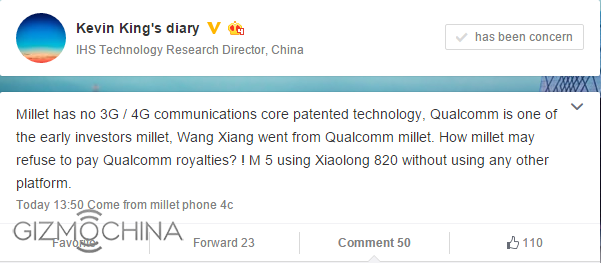
A couple of days back, we heard that there were some issues between Xiaomi and Qualcomm regarding royalties. This sparked speculations that Xiaomi may switch to Mediatek for its upcoming Xiaomi Mi 5 flagship. However, earlier today, Kevin Wang from iSuppli stressed that Xiaomi will stick with Qualcomm for its new release and that the Mi 5 will feature none other than Qualcomm Snapdragon 820 CPU.
The speculations about trouble between Xiaomi and Qualcomm increased when Zhu Shan-gzu, the COO of Mediatek said in an interview that Xiaomi refused to pay royalties to Qualcomm, due to which the company’s profits for the quarter were down.
However, Kevin Wang said on his official Weibo page that Xiaomi’s relationship with Qualcomm is still very close. This chip maker was one of the first investors in Xiaomi and ever since had a close relationship with each other. All the major smartphones released by Xiaomi have been powered by Qualcomm. Plus, a couple of months ago, Xiaomi hired former Qualcomm China’s President Wang Xiang.
Kevin asserted that Xiaomi has no 3G or 4G patents. So, there’s no way that Xiaomi has defaulted on Qualcomm’s royalties. Finally, he states that Xiaomi Mi 5 will surely be powered by Snapdragon 820 CPU from Qualcomm.
Well, Kevin Wang is the IHS Research Director of China and if he says that the Mi 5 will feature Snapdragon 820, then it most likely will! So, now that we are kind of sure of the chip, we just have to see when we will meet this new flagship from Xiaomi. Expected launch is in December, but we need an official confirmation from the company to be sure.
Meanwhile, a smartphone named Xiaomi Gemini was recently spotted on Geekbench, which could be the Mi 5 flagship. You can read more about that from here.
Elephone have this morning sent over a new video showing the Ecoo E06 Hands-on, as many of you are now aware Ecoo is the Sub brand of Elephone.
The E06 will be one of the first mobile phones to enter the market equipped with a Mediatek Helio P10 chipset one of the latest from the manufacturer that will also be fitted in Elephones own P9000 bezel-less handset, the use of the Helio P10 should certainly give the Ecoo E06 a decent turn of speed and a good amount of bang for the buck.
Elephone have said that the phone will be released with Android Marshmallow 6.0 out of the box, another thing that should help to put this phone on the radar,however the hands on video is currently featuring the previous version Android Lollipop 5.1 running on the phone.
Check out the Ecoo E06 hands-on video and let me know what you think, personally I think its a good looking device and the screen looks really bright and vivid.
We use cookies on our website to give you the most relevant experience by remembering your preferences and repeat visits. By clicking “Accept”, you consent to the use of ALL the cookies.
This website uses cookies to improve your experience while you navigate through the website. Out of these, the cookies that are categorized as necessary are stored on your browser as they are essential for the working of basic functionalities of the website. We also use third-party cookies that help us analyze and understand how you use this website. These cookies will be stored in your browser only with your consent. You also have the option to opt-out of these cookies. But opting out of some of these cookies may affect your browsing experience.
Necessary cookies are absolutely essential for the website to function properly. This category only includes cookies that ensures basic functionalities and security features of the website. These cookies do not store any personal information.
Any cookies that may not be particularly necessary for the website to function and is used specifically to collect user personal data via analytics, ads, other embedded contents are termed as non-necessary cookies. It is mandatory to procure user consent prior to running these cookies on your website.