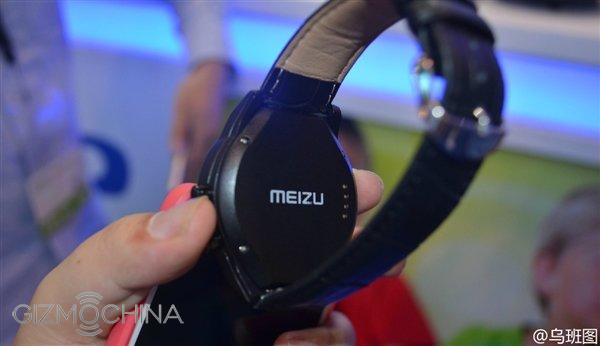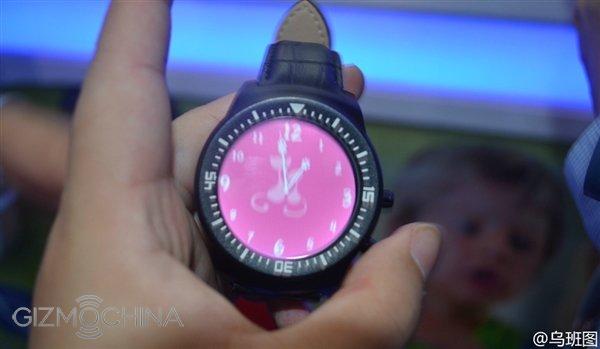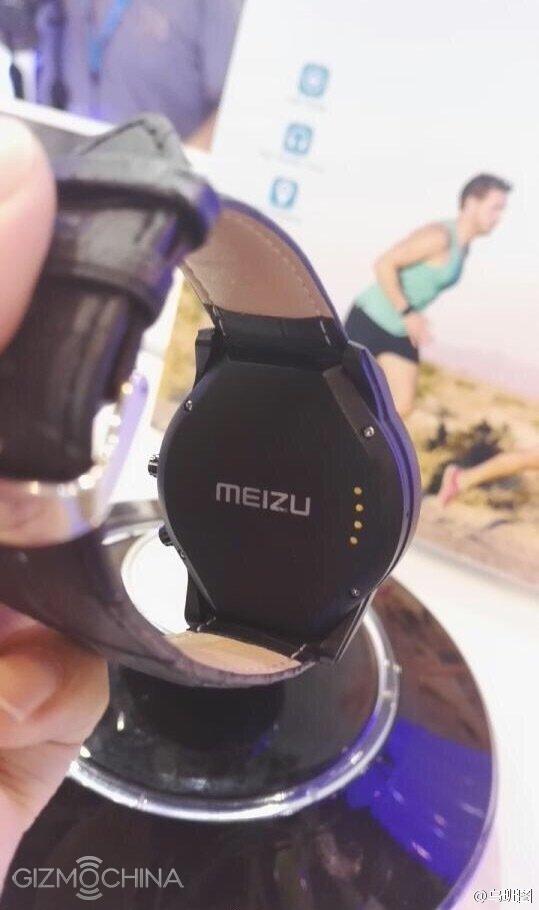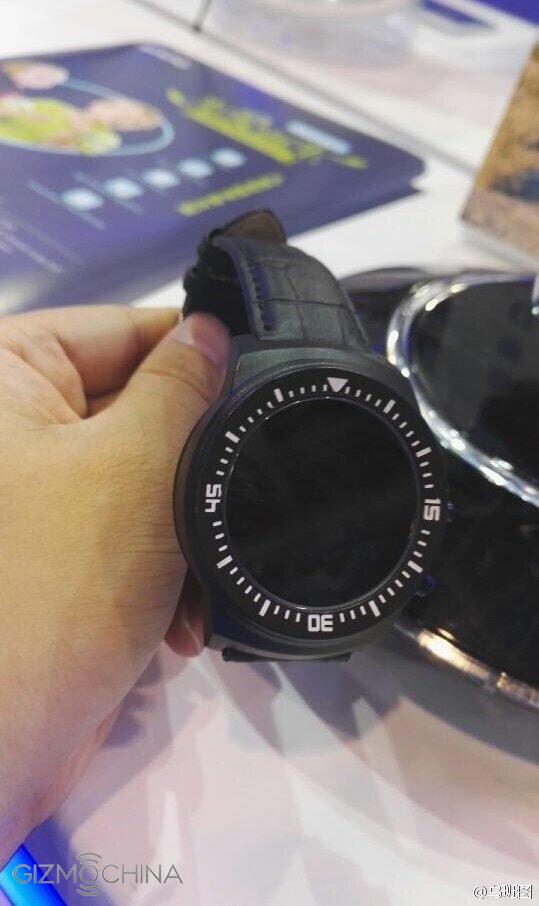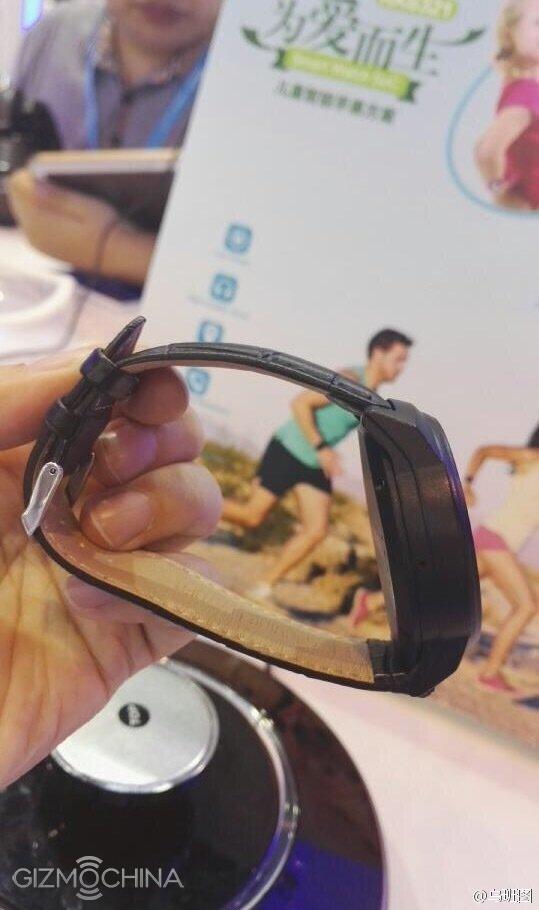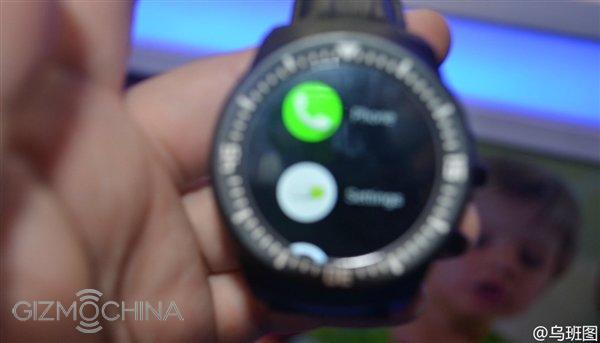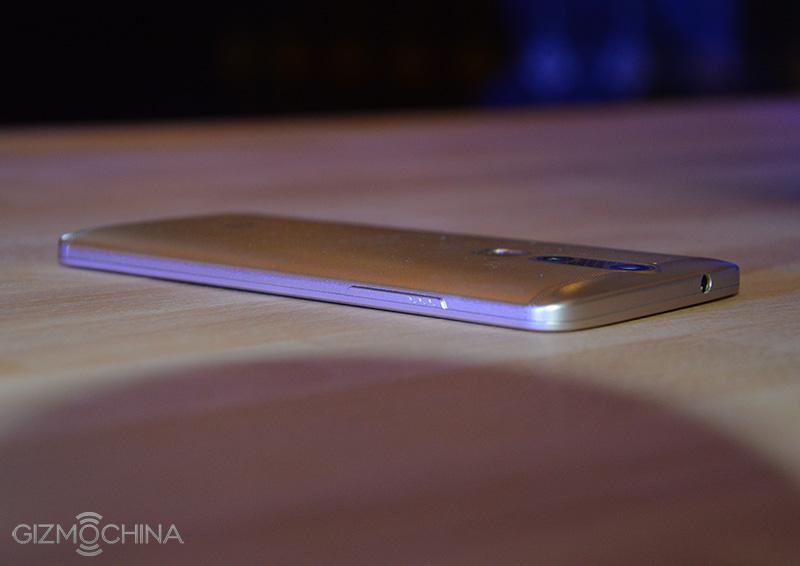
LG, Samsung and Motorola has laready release their smartwatch device that powered by Android Wear, the other manufacturer, ASUS is now ready to develop their first smartwatch that running with Android Wear pltform.
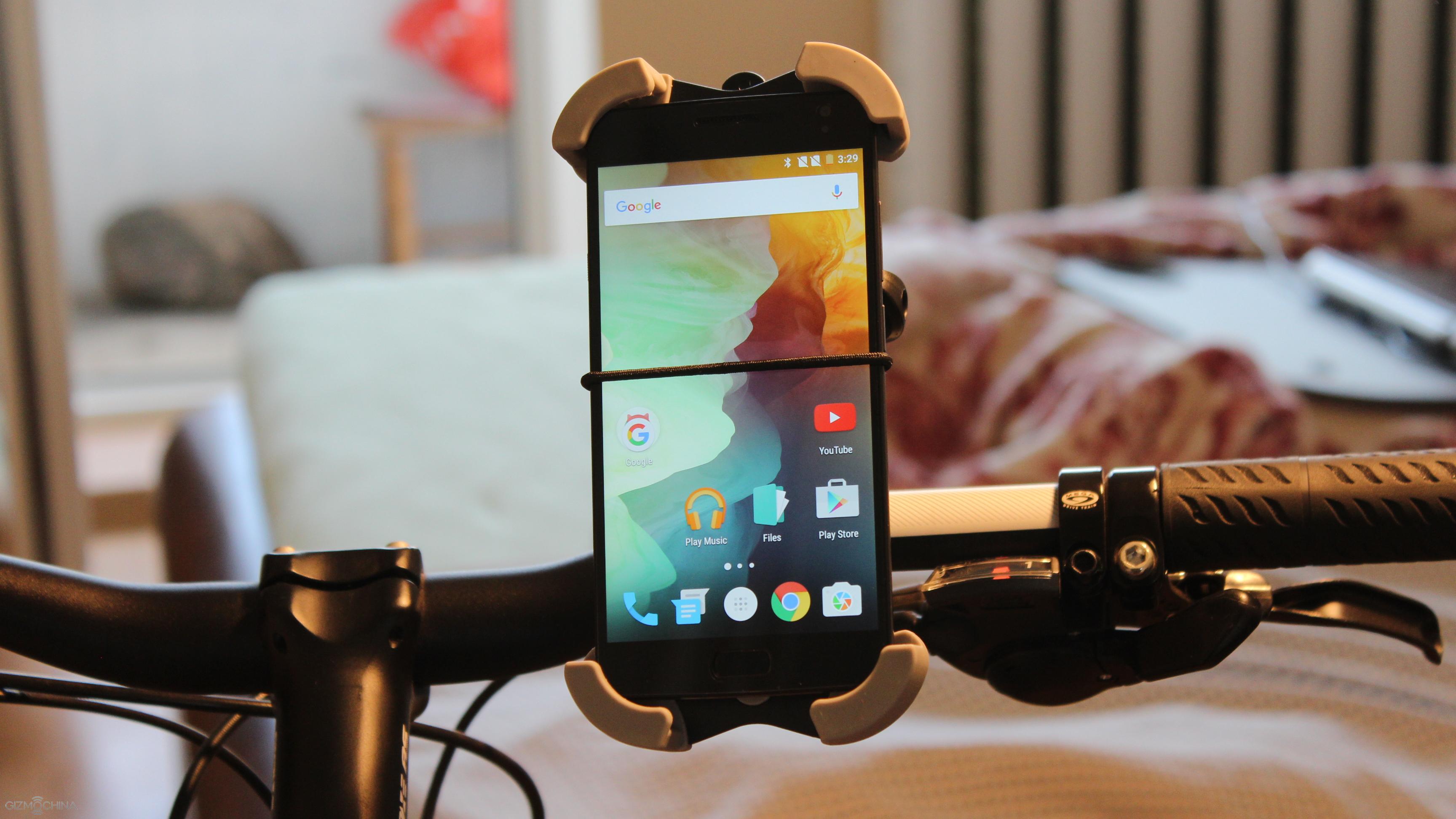
How long until Android L comes to the OnePlus One?
With the new and exciting announcement forearming us with the features of Android L, it is fair to ask what this means for the OnePlus One owners who will need to rely on CyanogenMod to bring the OnePlus One to the party. So will there be a delay between the release of Android L and the availability of it to OnePlus One users? There will be a short delay, but the developers are used to doing this sort of thing and getting it out there quickly and especially considering they are working with the manufacturers. Of course the actual length of time depends on how much of a departure the Android L is from the current version. It is estimated, based on what little we do know, to take anywhere from a few weeks to a few months.
It is possible to see some less stable modifications come out early but for a stable and reliable version, it could take a couple of months or even a little longer, so it depends how much of a risk you would like to take when you go for the update. Ultimately only time will tell and at any rate, most people are more concerned about when they will get hold of the handset much more than they are in a hurry to update it.
HiSense announces their first Windows Phone device, MIRA6
HiSense is the onf Chinese smartphone maker that already release their first Windows Phone devices recently, the phone is HiSense MIRA6 smartphone that running Windows Phone 8.1.
Google partnering with MediaTek for Android One
Google has partnering with the one of chipset maker MediaTek to for Android One initiative, this efforts will offers the low-cost Android devices for emerging markets.
Gionee released the world’s thinnest smart phone using Snapdragon processor and LTE support
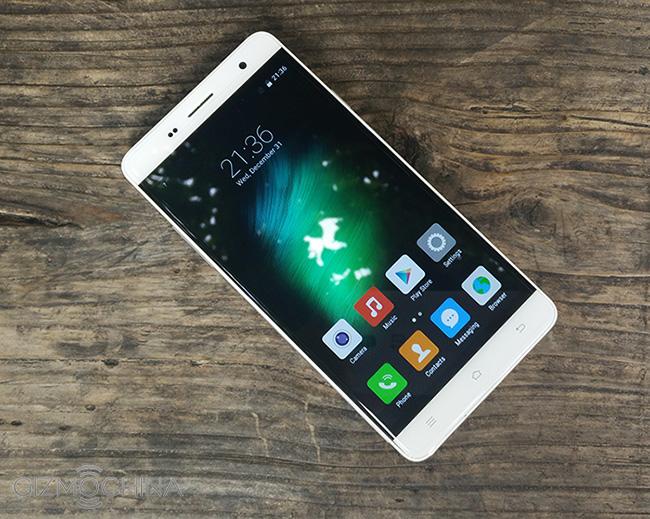
Gionee is now release the new flagship smartphone, the smartphone is now support with LTE connectivity and powered by Qualcomm Snapdragon chipset, the phone is Gionee Elife S5.5L.
Huawei Ascend G750 octa-core smartphone released.
Huawei have released the Ascend G750, with a 1.7 Ghz octa-core processor and dual SIM capability.The Huawei Ascend G750 is out now and features a 1.7 GHz octa-core processor, giving the smartphone smooth flawless performance even when switching between power-heavy apps. There is a large 5.5 inch LCD screen, the rear camera is 13 MP and the front shooter is 5MP and it runs Google Android 4.2 OS effortlessly with its 2GB of RAM.There is dual-SIM feature, enabling users to switch between networks, useful for travelling where a local SIM could be used for cheaper local calls keeping the owners original SIM for normal use, or even keeping work and home calls separate.
As regards the memory, there is internal storage of 8GB but this is expandable up to 32GB via MicroSD card. This enables easy versatility, moving files between devices is simple as MicroSD, transferring photos from your camera to your phone is simple as the majority of devices these days support MicroSD cards.
Other features include a 3000mAh battery which goes the distance under fairly high usage, Bluetooth 4.0 802.11 b/g/n Wifi and USB 2.0
In what concerns to the battery it’s 3000 mAH which has a high autonomy even with a intensive utilization. Your daily experience with your smartphone will be much better with this new Huawei smartphone because it has good high speed connectivity options such as 4.0 Bluetooth, 802.11 b/g/n Wifi and 2.0 USB.
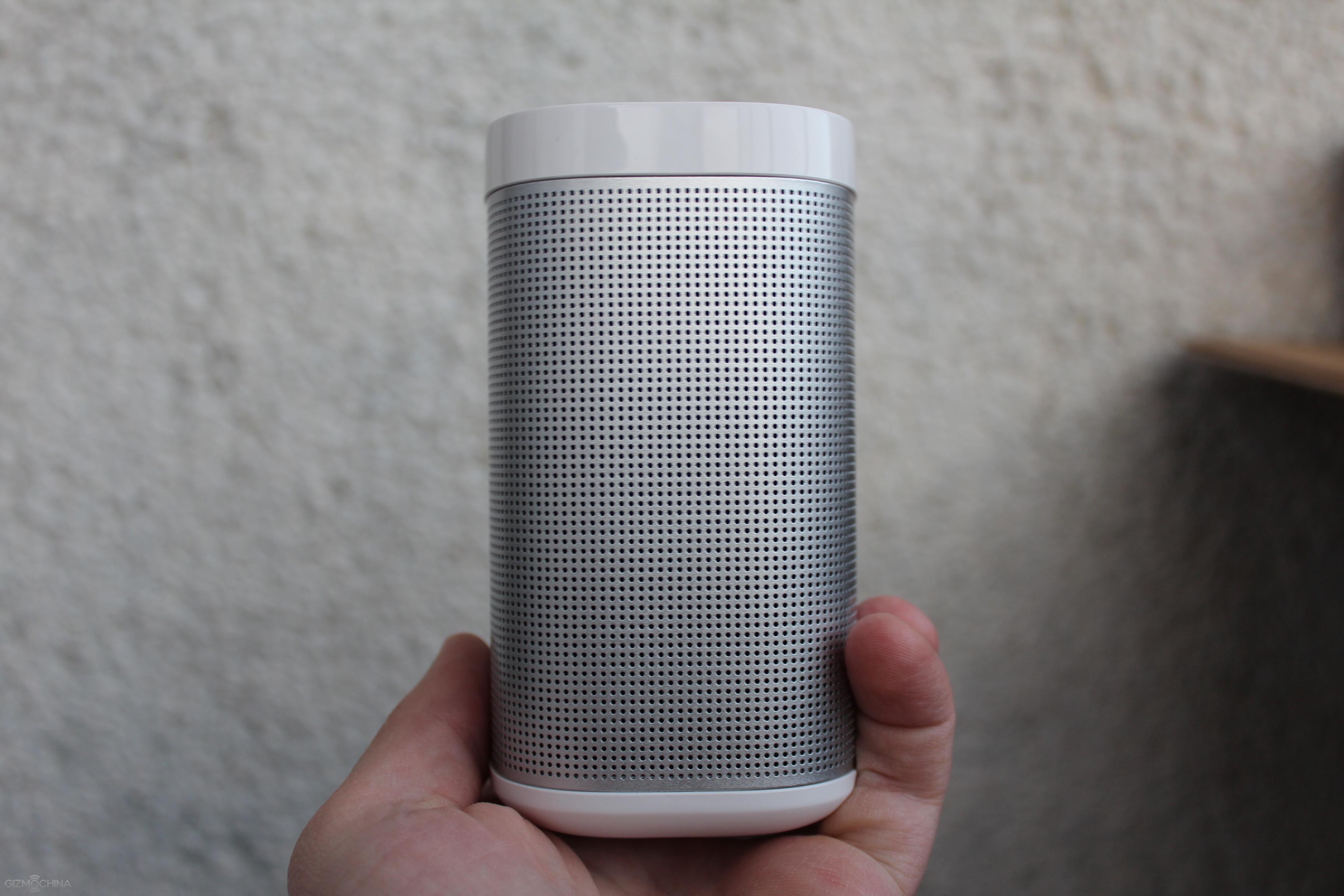
All this power is encased in a sleek and light handset, weighing only 161 grams and only 8.95mm thick, fitting easily in a pocket. It is available in black or white and priced at just under $410 USD.
Ipro Sense Avancer. Super thin Octa-Core advanced cell with Double SIM:
Being the slimmest has dependably been a fixation and the Chinese advanced cell brands are at present in the bleeding edge of making super thin gadgets. Presently closer to home, a bit known home developed brand called IPRO has a fascinating super thin gadget of its own. Known as the IPRO Sense Avancer, it is packs an Octa-Core processor which underpins double SIM cards in a super thin 6.8mm profile.
Evaluated at Rm1,099, this is superior to your normal mid-spec gadget as it gets a Full HD 5.5″ presentation encased in a metallic body which looks to a degree like Huawei’s Rise P6/P7 arrangement. Driving the gadget is Mediatek’s 1.7ghz Octa-Core Mt6592 processor with 2gb of RAM which is indistinguishable to Xiaomi’s Redmi Note. It additionally gets 16gb of capacity where its accessible stockpiling is parceled to 5gb for framework and 8.5gb for interior stockpiling. In the event that you require all the more, there’s an expandable microsd space which backings up to 32gb.
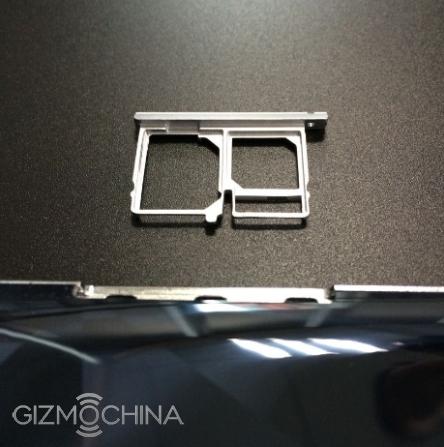
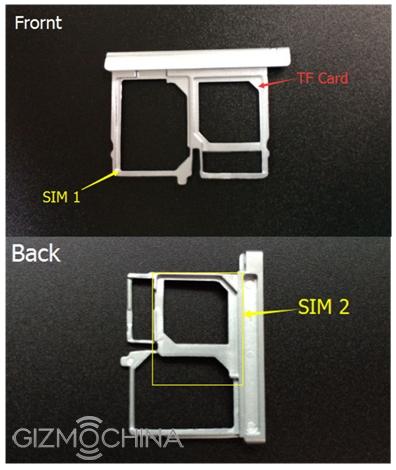
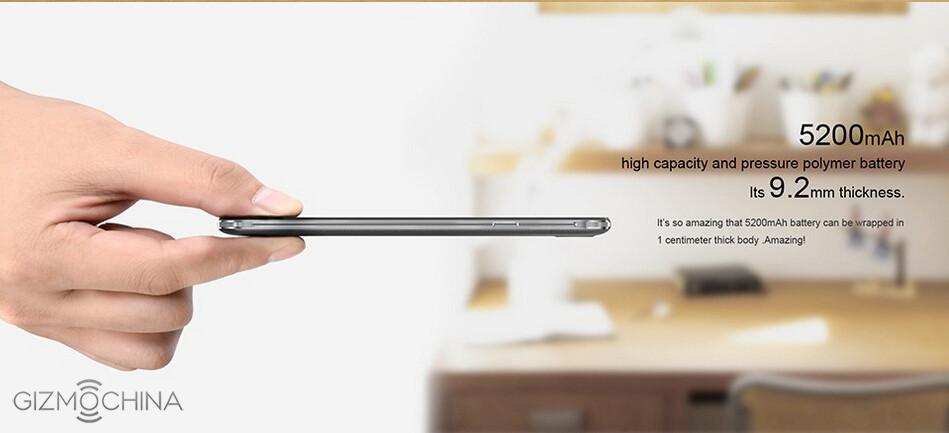
In the hands, it feels very weighted because of its better form materials. Construct quality isn’t keeping pace with any semblance of Huawei yet it is still sufficiently assembled. With its level edges, the Avancer craves holding a strong rectangular piece which is the same feeling when we are holding a Sony Xperia Z2. At the point when put side by side with the 6.5mm Huawei Climb P7, the 0.3mm distinction is scarcely detectable. Notwithstanding having a super thin body, the metal back spread is removable which provides for you get to its replaceable 2,500mah limit battery and it has 2 sim openings with the first SIM being a smaller than expected size while the optional is in micro-SIM design.
Not at all like most double sim gadgets, the Ipro Sense Avancer is fit for utilizing either SIM card openings for 3g integration, yet just 1 space at time. This is carried out through its settings where you can pick the default 3g SIM Card emulated by exchanging the default Information Association. While doing this, there will be a short logged off time of about 10 seconds which is still helpful contrasted with exchanging the SIM cards physically at the back. It likewise gets NFC, help for USB OTG (On the go) and there’s a discretionary remote charging result that comprises of an unique spread and a remote dock.
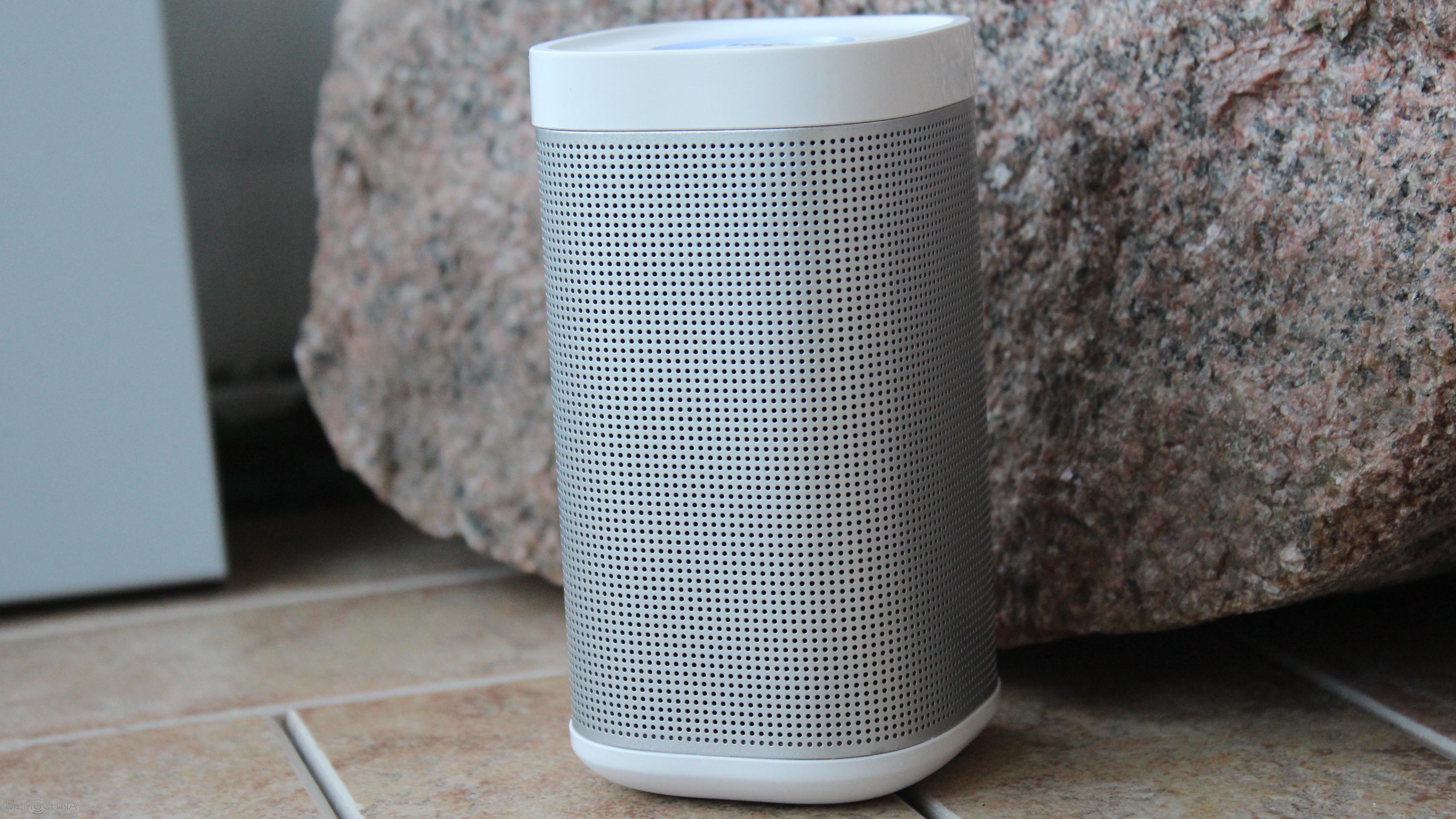
The interface is really stripped down in its vanilla Android UI which feels truly smooth. For taking pictures, it gets a 14mp principle Polaroid while the front gets an enormous 8mp shooter. Out of the crate, it at first ran with a recorded Android 4.3.9 yet later on after a couple of overhauls, it demonstrates Android 4.2.2 Jam Bean. While this isn’t a standard brand, it does respectably well on Antutu by attaining in excess of 28,000 focuses, which is higher than the Redmi Note high-spec model.
Generally, it is very much a fascinating gadget that packs tolerable specs in a super thin size. In case you’re in the business for a proficient double SIM advanced mobile phone with not too bad execution and a Full HD show, the Ipro Sense Avancer is worth investigatin
OnePlus One: CyanogenMod instructions for third-party bought handsets.
The OnePlus One is only available to the general public via third-party dealers, the invitations are taking too long to get to the people who want the smartphone. There are some available through third-party dealers like Oppomart, but the version for sale requires the installation of CyanogenMod 11.0 which could put off many who aren’t sure of how to do it. To put your mind at rest however, here are the fairly simple instructions required to get your shiny new smartphone up and ready to go. If this reads like nonsense to you, there are plenty of helpful and knowledgeable people in forums who are happy to provide support and help to anyone in need of it.
Instructions:
First time flashing CyanogenMod 11.0 your device, or coming from another ROM?
- Download the zip(s).
- Optional: adb backup
- Perform a NANDroid backup of your current ROM.
- Wipe data & cache partitions of your device (required when coming from stock!).
- Flash CyanogenMod.
- Optional: Install the Google Apps addon package.
The links to the downloads required can be found here:
CyanogenMod Download: link
Google Apps addon: link
Sourcecode:
ROM: https://github.com/CyanogenMod
Devicetree: https://github.com/CyanogenMod/android_device_xiaomi_aries
Kernel: https://github.com/CyanogenMod/android_kernel_xiaomi_aries
Qube Colonia, has some good specs and on sale at introductory discount.
The Qube Colonia is a beautiful-looking new smartphone, with some nice specs. There is a Mediatek MT6592 (1.7GHz) octa-core processor, 2GB RAM, 16GB onboard storage expandable via MicroSD card support. The rear camera is a 13 MP with LED flash and the front shooter is 2MP. The display is 5.5 inch HD IPS with 1280 x 720 resolution. Other features include Wi-Fi, Bluetooth, GPS, A-GPS and OTG, with 3G HSPA+. The Colonia is dual-SIM, running Android 4.4 Kitkat and the battery is 2400mAh.
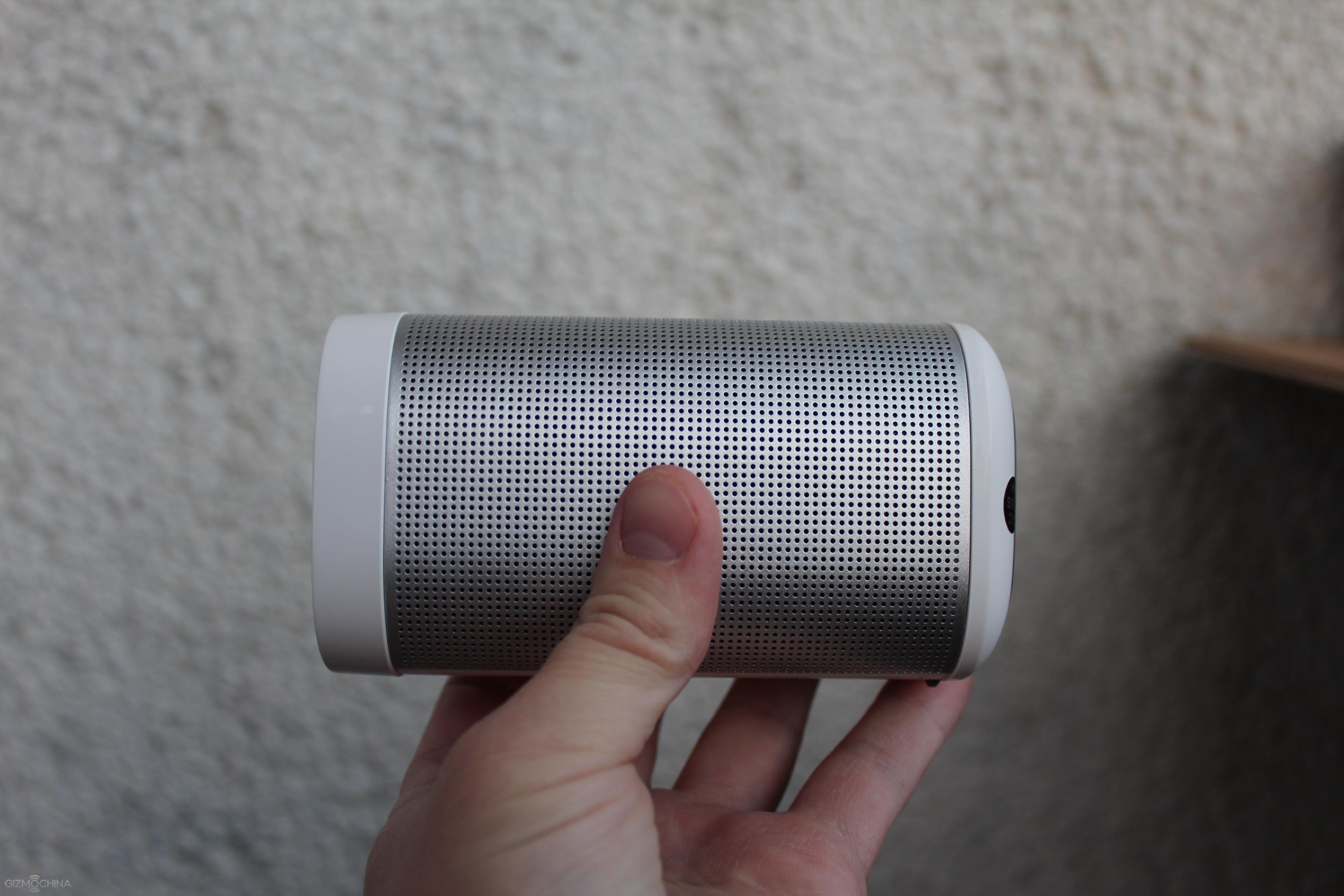
The specifications are pretty impressive and the price is reduced as an introductory offer, currently for sale at around $205 USD, rising to $220 USD standard retail price. Given the specifications and lovely design, you could do far worse for your money.
Sharing photos from your OnePlus One
There is a possible issue when trying to move photos between your OnePlus One and other devices via USB. It is the case that on occasion the phone does not recognise the device it is connected to, even though it will connect to a laptop to charge. This problem is easily corrected however, simply navigate to ‘settings’, then select ‘storage’ and in the upper right corner there should be three dots indicating there’s a setting. Tap that icon and see if you can tick the box of the MTP connection there. This should set the OnePlus One to recognise the device connected to it.
It is always of course possible to use Bluetooth or other remote means to share files from your One Plus One but for those who prefer USB, this is the way to configure the arrangement.
THL 100s wi-fi signal issue explained.
The newly available THL 100s is a pretty impressive octa-core smartphone. There have been complaints about the wi-fi signal dropping even very close to the router. There is a simple fix to this, flip the rear cover around until it connects with the rear of the phone, this will boost your signal back up to normal standards. The reason for this is that inside the rear cover is an antenna which means that the signal is easily lost if the cover is not held against the phone. An easy enough fix to a problem that could easily frustrate even the most patient user if they haven’t been informed of what the problem is. Well, now you know, go enjoy all the benefits of the new phone without at least some of the confusion.
Why beg for an invite when OnePlus One is available in Oppomart?
The disappointment associated with the release of the OnePlus One is rising. The invite only buying system has meant a lot of people are just going without while they wait for an invitation to purchase a product that just isn’t anywhere. This would be a tragedy if it were true, but the OnePlus One is for sale, it’s available to everyone at Oppomart. The price is certainly a little higher and some modifications need to be made, but the added value of having the phone immediately and not having to wait until the phone is old before it can be purchased is certainly worth a few more dollars. Increasing numbers of people are getting out of the invitation race and just getting it from a third party, and here’s why.
The warranty issue isn’t a problem, admittedly with some third party dealers it certainly is a problem, but with Oppomart there is a 2 year warranty on all phones, so although you may not have recourse with the manufacturer should there be any problems, you can just deal with Oppomart instead.
The OnePlus One available from Oppomart requires CyanogenMod 11S to be installed. This is quite an off-putting idea to those unfamiliar with the process but the installation is easy and quick and there are reams of webpages to answer any concerns and talk you through the process. There really is excellent free technical support available online, by some very knowledgeable and helpful people.
As regards the bandwidth problem, this applies to all imported smartphones; check the phone is operable in your area first. If it is, there isn’t a problem so you needn’t be put off. All of Europe and Asia and even great swathes of the US have network coverage for the OnePlus One so the vast majority of those considering the phone have nothing to fear here.
Really then, the only thing coming between most people and the truly great smartphone they desire is a little bit more money and effort. Plus they throw in a free cover. Look into it, you could have a OnePlus One tomorrow.
Xiaomi Whatsapp contacts issue solved.
It is being reported that there is a problem with the Whatsapp application on Xiaomi phones, where the contacts are not listed where they should be. This is a security issue and is fixed easily in four steps.
- Find the Security app on your handset and launch it.
- Tap ‘Permission’ then ‘Manage App Permission’ and then ‘Contacts’
- Find Whatsapp in the list and change the permission setting to ‘Allow’

4. Refresh the contact list in your Whatsapp.
Xiaomi’s ambitions for world top three
Xiaomi has plans to become one of China’s top three e-commerce companies over the next few years, according to founder and President Lin Bin. The plan is going well so far, they have managed to build a solid reputation for excellent design and involving customers in the design process. This reputation has been translated into sales, with Xiaomi’s handset sales doubling over the last three months making them one of China’s top three smartphone companies.
Xiaomi releases one product per year, and limits the time these products are available to purchase online. The releases have become huge events and Xiaomi have had great success in generating buzz about the new products being launched; when the Mi2 smartphone was released, almost 10 million customers were in the queue to buy it. Sales in the past year have grown 180% with revenues exceeding 5 billion USD. Lin Bin has announced however that the company has wider ambitions. “We are not a mobile company, we are an internet company” he announced to delegates at the Mobile Asia Expo in Shanghai.
The company is already branching out, launching the MiTV later this year, and the strategy it has used to get this far seems to be working. The technique of using word of mouth rather than traditional marketing. Providing excellent quality products that people could get excited about has been essential to their success, Lin states “if your product has a bad reputation, users will blame you. We know that bad news travels much faster than good news”. So far the news is good, and Lin Bin will know this because Xiaomi has collected 150 million web postings from social media sites, the content of which has informed the next design features, making the consumers brand ambassadors, who are invested in the products they buy, driving growth and designing the products of the future.
Xiaomi has been in existence for four years and has become the sixth largest mobile device company, on track to keep climbing the ranks armed with an army of active supporters and a fantastic reputation for quality and value.
Xiaomi to expand into Indian market.
There have been rumours of Xiaomi’s entry to the Indian market going around for months, hinted at mostly by Hugo Barra, ex-Android VP who joined Xiaomi from Google last year. It seems these rumours are about to become reality with a report revealing plans to join up with Flipkart to launch smartphones in India. This is the way Motorola went about things too but things are slightly different here. When Moto and Flipkart teamed up, Flipkart imported the devices on its own, but the Xiaomi report states that Xiaomi will be importing the devices and Flipkart will be retailing them. It seems there are no plans as yet for a Xiaomi retail chain in India.
There are two smartphones to be released, between mid-July and early August, with the smart money being on the Redmi and the Mi3. The low-budget Redmi has a 4.7 inch 702p IPS display, a quad-core 1.5 GHz Mediatek 6589 processor, 1GB RAM, 4GB internal storage, MicroSD card slot and 8MP rear camera, 1.3MP front shooter.
The Mi3 has two variants, but the one most likely to be available for the Indian market contains a Qualcomm Snapdragon 800 SoC, 2GB RAM, 13MP rear camera and 2MP front shooter with a 3050mAh battery.
As for the prices it is reported that the Redmi could be priced at around RS8000 ($133USD) and the Mi3 around RS15000 ($250USD), there are also to be accessories and extras released but there are no solid reports as yet as to what these might be.
Xiaomi Mi Pad to be released 1st July in China.
Xiaomi have once again surprised everybody by announcing their foray into the tablet market with the release of the Mi Pad. An impressive device which seems to be able to compete directly with the iPad, rather than just emulate it. The specs are exciting in themselves, with the inclusion of the NVIDIA Tegra K1 quad-core 2.2GHz processor, a Kepler GPU with 192 CUDA cores, 2GB of RAM and a 7.9 inch 2048 x 1536 resolution display. There are two versions available, one with 16 GB internal memory and one with 32GB, and this space is expandable to up to 128GB with MicroSD card support. The battery is a Li-Po 6700mAh battery with 11 hours of multimedia usage supported. The operating system is the Android 4.4.2 Kitkat. The rear camera is 8MP and the front-facing sensor is 5MP. The tablet itself measures 202 x 135.4 x 8.5mm and weighs 360g. There are numerous colours available; green, blue, pink, yellow, white and grey.
So how much does all this hardware, wrapped up in a beautifully designed shell cost? Surprisingly little if the expectations are to be believed, just $138USD for the 16GB version and around $170USD for the 64GB. All this is going to happen on July 1st in China, and it remains to be seen whether the Mi Pad is to feature in Xiaomi’s expansion to overseas markets any time soon. With the Mi Pad’s excellent design and specifications, it would surely be well-received wherever it is made available.
LG G Watch, smartwatch that brings simple design
LG has announced the new smarthwatch products at Google I/O conference that held at San Francisco. LG G Watch smartwatch was becoming the hot rumors and now LG has officially announced this stuff at Google I/O.
Xiaomi’s interesting and successful marketing strategy
Xiaomi’s founder Lei Jun is certainly making a name for himself as China’s answer to Apple’s Steve Jobs. Xiaomi’s products are widely held to be good value, built well and of excellent design. Also impressive is the company’s attitude to customer feedback, with the crowdsourcing of ideas which provide the basis for the design features they offer. The customer feedback is highly valued and when used to give the customers what they want they also make them feel like an important part of the process.
Once a new handset is announced, customers express their intent to buy on social media, giving the company an excellent idea of how many handsets they need to produce but also makes sales extremely fast. When the MI 3 was launched Xiaomi used this sales format to sell 100,000 handsets in just 83 seconds. Pretty impressive stuff.
A review of the Android L
At Google’s I/O conference, they launched many different products. Among them was an interesting thing called the Android L.
Every time a new version of the Android was launched, Google would talk about its camera specs, processors, etc. In short, they usually put an emphasis on its features. This time, Google talked about its design.
What did this shift in emphasis from features to design mean?
I. It’s not as easy to bring new changes in performance and features
Man’s relationship with cell phones go all the way back to the 90s during the time of black and white phones, but it was not until the release of the iPhone’s iOS, with its touch screen supported functions as well as sensory devices, that this relationship truly changed.
Later, when the Android platform appeared, attempting to copy and improve on the iOS’ strengths such as the desktop.
Over the years, with its many versions, the Android has tried to catch up to the iOS.
Google has added all kinds of personalized features in the Android. Every cell phone manufacturer has scrambled for ideas on how to improve user experience.
Over the last several years, all kinds of excellent third-party apps have been incorporated into the newest Android incarnation. Innovation is no longer difficult, but to actually create new practical features, and not just gimmicky ones, has become very hard. At the same time, the iOS has also studied the Android’s strengths and has also copied the most useful ones. As a result, both the iOS and Android are becoming more and more similar.
It’s no longer possible to be creative with making new apps and features.
II. In the era of homogenization, design is the best competitive strength
Apps and all other kinds of cell phone feature are being gradually homogenized. Third-party softwares are getting homogenized as well. The only way to improve user experience is by focusing on the device’s design.
Google’s designs have not been the best, especially the 4.x. Whether it’s the menu bar or icons, the design of Google’s interface cannot compare with the iOS’. This time, they finally dropped the design style used by engineers and have worked painstakingly to design the public version. Improvements have been made on the color scheme, font, and animated transition. These improvements should provide a much better user experience.
III. Challenge on design
For cell phone manufacturers and app developers, new designs mean that they would have to choose the right components all over again.
Cell phone companies will have to look at how to combine their style in designing their own UIs and Apps with Google’s new style. Because of the “flattening” of the iOS, it takes a longer time to develop new Apps. It will only be worse with the path the Android is taking in the way it’s designed.
What do we expect about the Android 5.0
On the early morning on June 26 (Beijing time), Google will hold its annual I/O conference in the United States where they may launch the long-anticipated Nexus Tablet, new portable devices, and even the devices in the rumored Silver line which is supposed to replace the Nexus. However, what the users are mostly interested in is the Android 5.0.
It’s been three years since Google first released the Android 4.0 in 2011. Even though there have been several updates since then (4.0 to 4.4), there have not been any revolutionary changes in this platform, so many have high hopes for the Android 5.0. Here are several expectations we have about the 5.0.
“Flattening” and new UI
Ever since Microsoft used the Metro interface for the Windows Phone and Windows 8, flattening has become the biggest trend in the industry right now. Apple’s iOS7, 8, and even the Mac’s Yosemite interface joined in. Several Android phone manufacturers have also begun to “flatten” their own systems. We can confidently say that they will apply this to the Android 5.0 as well.
It’s also important to consider that Google usually follows new designs for the Android’s UI when they do massive upgrades. As a result, some massive changes may be made for the Android 5.0’s UI. These changes could be done to “flatten” the 5.0. They could also be just to improve user experience.
64-bit
The use of 64-bit processors is one of the most important selling points for the iPhone 5S. Even though it has received nothing but mockery from the industry, many consumers are still satisfied with it. Soon, Qualcomm, MediaTek, and other companies also released 64-bit processors which many refuse to admit that they want. The problem is that right now, the Android system’s support for 64-bit CPUs is not that great. If you want bring out the potential of these new CPUs, then, you need to upgrade the operating system. The Android 5.0 offers a very good opportunity.
ART
ART mode is one of the new features added by Google to the Android 4.4. It can effectively improve the performance of the operating system and solves Android’s lack of fluidity problems. Considering compatibility issues and other problems, many manufacturers chose to forgo it when upgrading. To solve this problem, Google may unofficially allow the use of ART for the Android 5.0 and we might say goodbye to the Dalvik virtual machine.
A better App store
Due to several reasons Google’s official app store, Google Play, has not been that popular in China, but this does not diminish its relevance as Google’s official online store. Compared to its competitors, the Google Play is not that complete yet and still lacks many important features. An App store is an important part of an operating system’s ecosystem, so it’s important to improve it and fix its problems. We can probably expect a better App store from the Android 5.0.
Better virtual keys
More and more Android devices are starting to abandon real-life keys and are turning to virtual ones, but right now, the Android system’s virtual keys still offer a very terrible user experience. There are times when you may not find it when you need it, and other times when you want to close it from the screen but cannot. When other manufacturers produce virtual keys, the attitude they profess is completely different from the strategy they come up with. Google will have to be consistent in their attitude and actions.
Improvements on their tablets
Tablets are a very important part of Mobile devices, but Android’s tablets have yet to receive much attention. Google stopped follow this concept after problems of fragmentation with the Android 3.0 which was especially designed for tablets. As a result, today, Google still applies phone designs for Tablet interfaces and this has resulted in poor user experience. If Google wants to provide superior operating systems for tablets, then they should add tablet-related improvements to the 5.0.
These are our expectations for the Android 5.0. If they come true, then users should be very pleased with the new Android. As a very liberated and creative enterprise, Google may deliver a big surprise for us. Nevertheless, we can only find out two days from now.