Samsung is gearing up for a big reveal at its Galaxy Unpacked event this summer, with whispers of not one, but three new foldable smartphones on the horizon. Fresh certifications hint at an exciting lineup, including a budget-friendly surprise that could reshape the foldable market. This affordable flip phone was previously speculated to launch alongside the Fold 7 and Flip 7, and the latest development only reaffirms that.
Samsung Galaxy Z Flip 7 FE CAD renders
Recent filings with Indonesia’s TKDN certification platform have confirmed three model numbers—SM-F761B, SM-F766B, and SM-F966B—believed to represent the Galaxy Z Flip7, Galaxy Z Flip7 FE, and Galaxy Z Fold7, respectively. The Z Flip7 and Z Fold7 are expected successors to last year’s models, with the latter potentially carrying an “Ultra” branding to signal premium upgrades. The real head-turner, though, is the Galaxy Z Flip7 FE, a more affordable foldable that could make Samsung’s foldable tech accessible to a wider crowd. Unlike the rumored tri-fold Galaxy G Fold, which may see a limited release, the Z Flip7 FE seems poised for a global debut alongside its siblings.
While Samsung is keeping specs under wraps, leaks suggest the Z Flip7 could sport a larger 4-inch cover display and a 6.85-inch main screen, powered by an Exynos 2500 chip in most regions, with the Snapdragon 8 Elite reserved for North America and China. The Z Fold7 might slim down to 4.5mm when unfolded, boasting a 200MP main camera and Android 16-based One UI 8. The Z Flip7 FE, likely a toned-down version, may stick with a 3.4-inch cover display and an Exynos 2400 chip to keep costs low.
Set for a July 2025 launch, these foldables will likely share the stage with the Galaxy Watch8 and Tab S11. With competition heating up, Samsung’s bold move with an FE model could redefine the foldable game.
Vivo introduced the X200 Pro mini smartphone as part of its flagship X series last year. The model appears to be continuing with the X300 series, as leaks about it have already started surfacing online.
Vivo X300 Pro mini might come with a 7000mAh cell
The latest comes from well-known tipster Digital Chat Station, who may have just given away one of the phone’s standout features. In a now-edited post, the leaker claims that an upcoming 6.3-inch device will feature a battery rated at around 7000mAh.
The post didn’t name the device outright, but all signs point to it being the Vivo X300 Pro mini. For comparison, the X200 Pro mini is equipped with a 5700mAh battery, which is already impressive for its size. A bump to 7000mAh will make the phone more durable, given the rest of the hardware doesn’t weigh it down.
An earlier report also hinted at a significant battery upgrade for the X300 model, and this new leak seems to back that up.
While we do not know much about the X300 Pro mini, let’s take a quick recap of the X200 Pro mini’s specs.
The phone has a 6.31-inch LTPO AMOLED display capable of pumping out 1B colors, with HDR10+ support and a 120Hz refresh rate. Under the hood, the phone runs on Android 15 with MediaTek’s Dimensity 9400.
Vivo X200 Pro Mini
The camera system is co-engineered with Zeiss, featuring a triple 50MP setup: a wide sensor with OIS, a 3x optical zoom periscope telephoto, and an ultrawide with autofocus. You also got laser autofocus, Zeiss T* lens coating, and 4K video recording.
For selfies, you get a 32MP ultrawide front camera, capable of 4K video, while audio is handled by stereo speakers—though yes, the 3.5mm headphone jack is absent.
OnePlus‘ compact powerhouse has finally made its global debut in the Indian market. The company announced the OnePlus 13s has just been announced with a small form factor and cutting edge performance thanks to the flagship Snapdragon 8 Elite SoC. So here’s everything you need to know.
OnePlus 13s: What’s so special about this compact flagship?
The OnePlus 13s has just been launched with a 6.32-inch LTPO OLED display that has a 1.5K resolution, a 120Hz refresh rate, 1600 nits of peak brightness, and Dolby Vision support. Surrounding this display is a metallic frame that measures 8.15mm, with its body weighing just 185 grams. On the rear, you get a 2.5D glass while the side includes the new Plus Key, which replaces the iconic Alert Slider. This customizable button offers quick access to various tools like sound profiles, AI tools, and much more.
OnePlus 13s
Under the hood, the OnePlus 13s is a compact powerhouse thanks to the Snapdragon 8 Elite. This is paired with LPPDR5X RAM and UFS 4.0 storage. Despite being smaller than a typical smartphone in today’s market, it houses a massive 5,850mAh battery pack. This is slightly smaller than the Chinese variant (OnePlus 13T), which packs a 6,260mAh cell. But similar to the 13T, the OnePlus 13S also supports 80W wired fast charging.
For photography, the rear features a 50MP Sony LYT700 primary sensor along with a 50MP telephoto shooter with 2x optical zoom. The front houses a 32MP shooter for selfies and video calls with auto focus. Other notable features include an in-display fingerprint sensor, an infrared sensor, an IP65 rating, NFC, and WiFi 7.
Pricing and Availability
The OnePlus 13s has been released in three color options, namely Black Velvet, Pink Satin, and Green Silk (India exclusive). It is also available in two storage configurations that start from 54,999 INR for the 12GB + 256GB variant, while the 12GB + 512GB option costs 59,999 INR. You can purchase this model from the brand’s official website, the OnePlus Store app, Amazon, and other leading online and offline retailers.
OnePlus is even bringingpre-booking offers that include a 5,000 INR discount to SBI credit card owners, 5,000 INR exchange bonus, up to 15 months of no cost EMI options, 180 day phone replacement plan, Free Nord Buds 3, and 3 years of battery protection plan. Pre-bookings are currently live while the first sale kicks off on 12th June 2025.
For more daily updates, please visit our News Section.
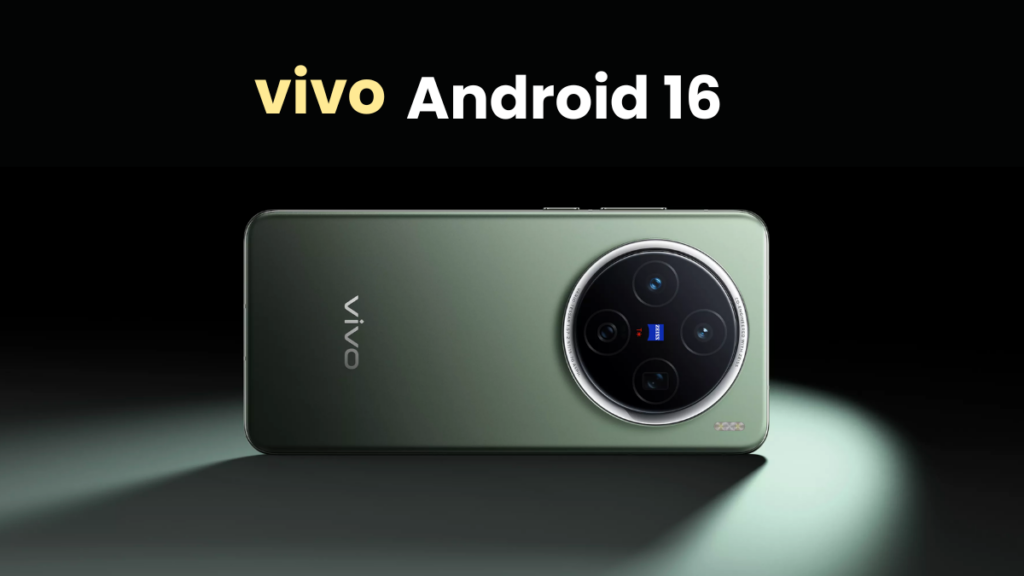
Android 16 stable version is coming to Google Pixels sometime this month, and it’ll soon begin rolling out to Vivo phones as well. While the exact release date is still under the cover, it should not be more than a few weeks away.
We’re indeed closer to the Android 16 release, and many of you would be wondering if the update will come to your device. To make it easier, we have prepared a list of Vivo and iQOO devices below that should get the Android 16 update.
Vivo Android 16 eligible devices list
The brand still hasn’t announced which of its devices will be upgraded to Android 16. So, we had to examine the current update policy and put in a little bit of guesswork to make the list.
[Note: Since iQOO is a part of Vivo, we’ve included those devices in the list as well.]
Vivo devices
Vivo X series
Vivo X200
Vivo X200 Pro
Vivo X200 Ultra
Vivo X200 Pro mini
Vivo X200s
Vivo X100
Vivo X100 Pro
Vivo X100 Ultra
Vivo X100s
Vivo X100s Pro
Vivo X90
Vivo X90 Pro
Vivo X90 Pro+
Vivo X90s
Vivo V series
Vivo V50
Vivo V50e
Vivo V50 Lite (LTE/5G)
Vivo V40
Vivo V40e
Vivo V40 Lite
Vivo V40 SE
Vivo V40 Pro
Vivo V30
Vivo V30 Pro
Vivo V30e
Vivo V30 SE
Vivo V30 Lite 4G
Vivo T series
Vivo T4
Vivo T4x
Vivo T3
Vivo T3 Pro
Vivo T3 Ultra
Vivo T3x
Vivo T3 Lite
Vivo Y series
Vivo Y300
Vivo Y300 Plus
Vivo Y300 Pro
Vivo Y300 Pro+
Vivo Y300 GT
Vivo Y300t
Vivo Y300i
Vivo Y200 4G
Vivo Y200e
Vivo Y200 Pro
Vivo Y200+
Vivo Y200 GT
Vivo Y200i
Vivo Y200t
Vivo Y39
Vivo Y29 4G
Vivo Y29s
Vivo Y19
Vivo Pad series
Vivo Pad 5
Vivo Pad 5 Pro
Vivo Pad SE
Vivo Pad 3
Vivo Pad 3 Pro
iQOO devices
iQOO number series
iQOO 13
iQOO 12
iQOO 12 Pro
iQOO 11
iQOO 11 Pro
iQOO 11s
iQOO Z series
iQOO Z10
iQOO Z10x
iQOO Z10 Turbo
iQOO Z10 Turbo Pro
iQOO Z9
iQOO Z9 Lite
iQOO Z9x
iQOO Z9s
iQOO Z9s Pro
iQOO Z9 Turbo
iQOO Z9 Turbo+
iQOO Z9 Turbo Endurance
iQOO Neo series
iQOO Neo 10
iQOO Neo 10 Pro
iQOO Neo 10 Pro+
iQOO Neo 10R
iQOO Neo 9
iQOO Neo 9 Pro
iQOO Neo 9S Pro
iQOO Neo 9S Pro+
iQOO Pad series
iQOO Pad 5
iQOO Pad 5 Pro
iQOO Pad 2
iQOO Pad 2 Pro
Please note that there are many Vivo phones with no clear-cut software update policy. So, it’s difficult to tell whether they will be upgraded to Android 16 or not. We didn’t include some devices on the list that we weren’t confident about, but they still have a chance. So, if your device isn’t there, it’s worth waiting until the official list is released.
One thing I find particularly disturbing about Vivo phones is that they lack a transparent software update policy, particularly for mid-range and cheaper models. Users have no clue whether their device will receive a major upgrade until an official announcement is made. This uncertainty is common among Y-series phones.
Premium models, however, get a nice treat — faster updates and extended software support. Take the X200 series, for example: it is promised four OS updates, previously limited to three. Several iQOO models, such as the iQOO 13 and iQOO 12 series, have also been promised the same extended support.
The Vivo V50 series also received an additional OS update, previously limited to just two. Meanwhile, the Vivo T and Y series phones usually get just two. The iQOO Z series follows the same trend, but recent Neo models now receive up to three major updates.
While Vivo is gradually improving its update policy, it still falls short compared to industry leaders like Google and Samsung. Both these companies now offer up to seven years of updates for premium models, with even their mid-range devices getting four Android upgrades. More importantly, they communicate this information clearly to their users.
In short, Vivo does offer decent update support for its premium and newer models, but there’s still a big room for improvement — especially when it comes to transparency and consistency for lower-tier models.
Xiaomi is set to launch the Smart Band 10 globally, following the Smart Band 9 that debuted in Europe in November 2024. New leaks from XpertPick and tipster Sudhanshu Ambhore reveal the full specs and images of the upcoming fitness tracker.
The Smart Band 10 will feature a 1.72-inch AMOLED display with a 212 x 520 resolution and 326 ppi. The display is narrow-edged and has an elliptical shape. It will run on Xiaomi’s latest HyperOS 2.0 and sync health and fitness data through the Mi Fitness app.
The band supports over 150 sports modes and is compatible with devices running Android 8.0 or iOS 12.0 and above. It is powered by a 233mAh LiPo battery, which takes about one hour to fully charge and can last up to 21 days on a single charge.
It includes an accelerometer, gyroscope, electronic compass, PPG heart rate sensor, and ambient light sensor. The device has a sandblasted aluminum frame and comes with a TPU strap. It measures 46.57 x 22.54 x 10.95 mm and weighs 15.95 grams without the strap.
The Smart Band 10 will be available in black, white, and pink strap options. In Europe, it is expected to be priced between 40 and 50 euros, depending on the region.
Compared to the Smart Band 9, the main upgrades are the larger display and the new operating system.
For more daily updates, please visit our News Section.
Huawei is opening up reservations for its upcoming Pura 80 series, ahead of an official unveiling set for June 11 in China. The pre-launch routine follows a familiar playbook for the company, which often invites early interest before pulling the curtain back on its new devices.
Starting today, Huawei’s VMall store has begun accepting pre-reservations for the Pura 80 Pro and the Pura 80 Pro+. These are two of the four expected models in the lineup. As of this writing, the pair has already attracted over 34,000 combined reservations.
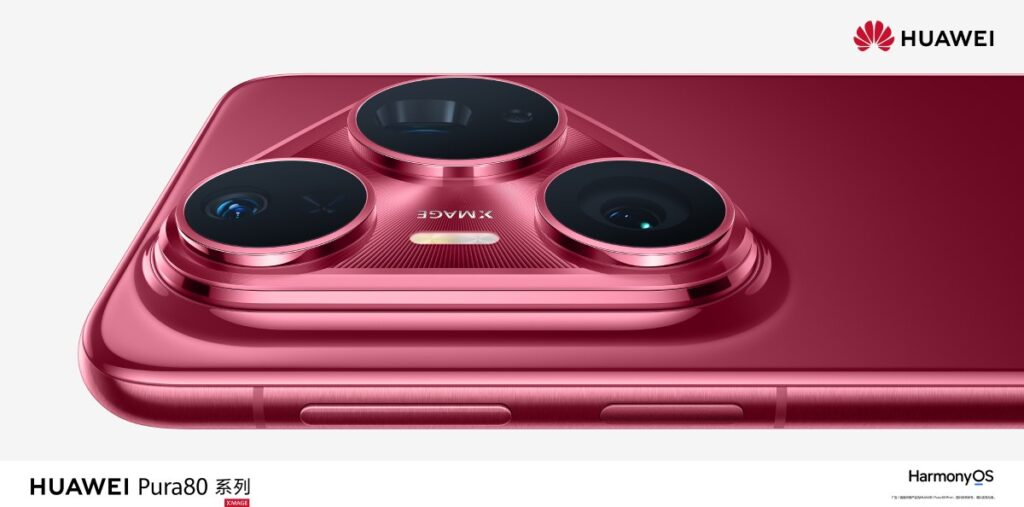
Pura 80 retains Huawei’s iconic camera design
The pre-reservation listing may also offer an early glimpse at one of the phones. A promotional image shows what appears to be the Pura 80 in a pleasing red finish. The camera module retains the iconic triangular design, complete with the company’s XMAGE imaging branding.
The broader Pura 80 lineup is rumored to include four models: the base Pura 80, the Pro, the Pro+, and an Ultra version. According to reporting from MyDrivers, the vanilla Pura 80 and top-tier Ultra may not arrive alongside the others and could be saved for a later launch.
Details on the Pura 80 Pro+ have started to emerge through leaks. Tipster Digital Chat Station claims the device will feature a 50MP triple-camera setup with a large sensor, along with a multispectral sensor.
The device also features a curved metal frame and a side-mounted fingerprint sensor. The entire Pura 80 series will debut with HarmonyOS 5 out of the box, making it the first flat-flagship line-up to do so. Since its unveiling in March, HarmonyOS 5 has received iterative updates focused on improved security, fluidity, and ecosystem integration.
There’s still a lot that Huawei hasn’t confirmed. But we don’t have to wait much as the launch is just a week away.
For more daily updates, please visit our News Section.
Infinix has been steadily climbing the ranks in India’s competitive smartphone landscape, but the newly launched GT 30 Pro feels like a declaration of intent. Marketed with the flair of a serious gaming machine yet priced like a budget all-rounder, the GT 30 Pro isn’t just another phone in the company’s portfolio, it’s Infinix’s most aggressive pitch yet to gamers who want flagship-like features without hemorrhaging cash.
First impressions matter. The GT 30 Pro doesn’t shy away from looking like a gaming phone, but it avoids going completely overboard. It’s available in two variants: Dark Flare, which has customizable RGB LED lighting on the back, and Blade White, which swaps the RGB for a subtler white LED aesthetic. Both stick to a Cyber Mecha 2.0 design language that looks like it belongs on a custom-built gaming PC.
The LEDs aren’t just decoration. They’re customizable, reactive, and deeply integrated into the XOS 15 skin. You can set lighting effects for notifications, charging, and even while gaming, something that typically stays exclusive to much pricier phones or external gaming accessories.
2. Serious Specs at a Budget Price
The Infinix GT 30 Pro is powered by the MediaTek Dimensity 8350 Ultimate, a 6nm chipset clocked up to 3.35GHz. It delivers smooth performance across modern titles, including BGMI, which runs at 120FPS. Infinix has secured official BGMI certification from Krafton, giving the phone added credibility among mobile gamers.
The device is available in two configurations: 8GB RAM + 256GB storage for ₹24,999 and 12GB RAM + 256GB storage for ₹26,999. Both models use LPDDR5X RAM and UFS 4.0 storage, with support for an additional 12GB of virtual RAM. To maintain consistent performance during extended gameplay, the GT 30 Pro features a six-layer vapor chamber cooling system that’s 13% larger than its predecessor, helping manage heat and reduce throttling.
3. Display and Controls Tailored for Gamers
Gaming is visual and tactile, and the GT 30 Pro nails both. The 6.78-inch 1.5K AMOLED panel with a 144Hz refresh rate and 240Hz touch sampling makes for fluid, responsive gameplay. It also supports 2160Hz instant touch sampling and 2304Hz PWM dimming, reducing eye strain during long sessions, a surprisingly thoughtful addition for a budget gaming phone.
But the killer hardware touch is the shoulder triggers. Capacitive, mapped to specific touch points at 520Hz, and customizable, they offer console-style control in titles like BGMI and Call of Duty Mobile. Most phones in this price segment don’t offer dedicated triggers, and those that do often skimp on quality or latency. Here, Infinix is trying to make the triggers more than just a gimmick.
4. Battery, Charging, and Software
Gaming drains power fast, so the 5,500mAh battery (though some markets get 5,200mAh) is paired with 45W fast charging, 30W wireless charging, and even reverse wireless charging. Infinix has also thrown in bypass charging, which lets you game while plugged in without juicing up the battery, a feature gamers know helps keep temps lower and batteries healthier long-term.
Software-wise, the phone runs Android 15 out of the box with Infinix’s XOS 15 skin on top. The UI packs gaming-centric features like Game Mode, Floating Window, Dynamic Bar, and Folax smart assistant, their take on AI voice interaction. Importantly, Infinix is committing to two years of Android updates and three years of security patches, which is a step up from what many budget brands promise.
5. The Final Play: Pricing and Extras
Infinix isn’t just relying on the phone alone. The company is offering the GT Gaming Ki, a MagCase, and MagCharge cooling fan, at a discounted ₹1,199 for buyers. On Day 1, Flipkart customers also get a ₹2,000 discount, making the entry price even more aggressive.
At this price, with these specs, and with gamer-specific hardware like shoulder triggers, AMOLED 144Hz panel, and active cooling accessories, the Infinix GT 30 Pro has managed something rare, it turns budget gaming from a compromise into a genuine proposition. Most phones in this range try to be everything to everyone. This one clearly knows who it’s for.
For more daily updates, please visit our News Section.
Are you looking for an ergonomic mouse to reduce muscle strain? Then Logitech MX Vertical Wireless Mouse could be the best option right now. It is available with a Rs 2000 discount and Rs 449 card discount over its actual list price of Rs 7995. The interested users can grab the mouse for Rs 5546 after the discount.
Logitech MX Vertical Mouse Features and Specifications
Logitech MX Vertical wireless mouse can connect up to 3 devices simultaneously, and features a rechargeable battery. The ergonomic design reduces the strain on muscles and initiates a natural handshake position. It decreases the strain on the wrist and provides a more comfortable thumb rest.
The ergonomic mouse houses a 4000 DPI high-precision sensor, which reduces the fatigue. However, the user can always change the DPI with just a button click. It supports Logitech’s Unify, which allows you to connect and toggle between three devices easily and rapidly. It further houses support for quick charging via the USB Type-C port.
Last but not least, a month’s Adobe Creative Cloud Subscription is on the Logitech. So, you can enjoy all the software and utilities in the Adobe Creative Cloud packaging for a month ith paying.
It supports three-way connection via Bluetooth, Unify Adapter, or via Wire. With a Rs 2000 coupon and Bank Card discount, the MX Logitech Vertical Mouse is a must-have for users who spend most of the time using a PC or a Laptop.
Some other notable features of the Logitech MX Vertical Wireless Mouse include:
USB-C quick charging: Just 1 minute of charging gives 3 hours of use.
Long battery life: A single full charge can last up to 4 months, depending on usage.
Multiple connectivity options: Connect via Bluetooth, Logitech Unifying Receiver, or wired USB-C — ideal for all types of setups.
Customizable buttons: Tailor the functions to suit your workflow with Logitech Options software.
Whether you’re a designer, developer, writer, or office professional, the Logitech MX Vertical is a productivity powerhouse that combines comfort, performance, and versatility. With the current deal, it’s a smart investment in both your health and workflow.
Nintendo’s long-awaited Switch 2 is set to hit shelves officially tomorrow for $449.99, but the company has already pulled back the curtain on something far less flashy and far more practical: repair costs. If you’re planning to buy one and considering how fast preorders have moved, many already have; it’s worth knowing how much you might pay down the road if your shiny new console starts acting up.
The repair prices, quietly posted on Nintendo’s Japanese website, paint a picture of the Switch 2’s internal architecture and the likely wear points that could eventually need servicing. The fees range from a relatively modest 7,150 yen (about $50) for minor issues to a steep 27,500 yen (around $192) for serious motherboard-level failures. All prices include tax.
Let’s start with the worst-case scenario: if your Switch 2 suddenly refuses to power on, won’t charge, freezes frequently, or throws up constant game read errors, you’re likely looking at a motherboard replacement. That fix costs the full 27,500 yen, which isn’t far off the price of an entirely new console in some markets.
Cracked screens or broken touch panels, both of which are unfortunately common in portable devices, will cost 15,400 yen (roughly $108). That’s less than a full replacement, but still painful enough to make you think twice before tossing your Switch 2 in a bag without a case.
Other mid-tier repairs include the USB-C charging port, the battery, or the game card slot, each priced at 9,900 yen ($69). These components are frequently used and can wear out over time, especially if the device is used docked and undocked often or travels a lot.
And then there are the low-end repairs: speaker glitches, SD card issues, and headphone jack failures. These fall into the 7,150 yen ($50) bracket, which sits at the more affordable end of Nintendo’s official repair pricing.
It’s worth noting that Nintendo’s regional repair policies vary, so international pricing could look different once the Switch 2 rolls out globally. Still, the Japanese pricing gives a clear idea of where the most vulnerable parts lie and what kind of bill you might face if your console starts misbehaving.
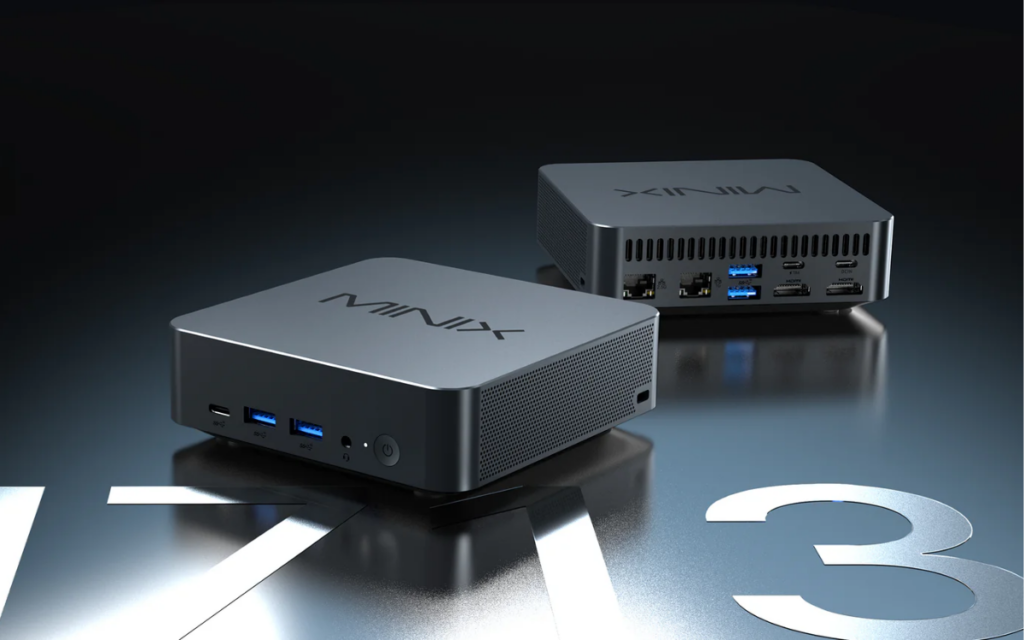
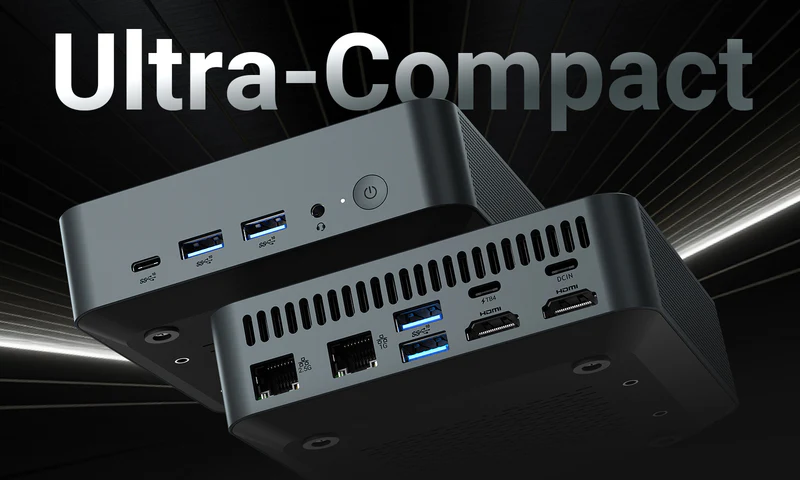
Minix has launched the NGC N713 mini PC, a compact system designed to deliver high-end desktop performance in a palm-sized chassis. Measuring 11.9 x 11.9 x 3.79 cm and housed in an aluminum body, the N713 targets users who need a powerful, versatile computer without taking up desk space.
Minix NGC N713 Mini PC Specifications
The N713 runs on Intel’s 13th Gen Core i7-13620H processor, which features 10 cores (6 performance + 4 efficiency), a 24MB cache, and a maximum turbo frequency of 4.9GHz. The base model comes with 32GB of DDR5 RAM (5200MHz) in dual-channel configuration and supports expansion up to 96GB.
The mini PC comes equipped with a pre-installed 1TB PCIe 4.0 x4 NVMe SSD and includes an additional M.2 2280 slot that supports both PCIe 3.0 x4 and SATA SSDs, allowing storage expansion of up to 4TB. It supports quad-display output and can drive up to 8K resolution at 60Hz through HDMI 2.1 and Thunderbolt 4 connections. The available ports include two HDMI 2.1 outputs, one USB-C 3.2 Gen 2 port, and one Thunderbolt 4 Type-C port that supports 40Gbps data transfers and DisplayPort 1.4 output.
Connectivity is robust, featuring dual Ethernet ports (2.5Gbps and 1Gbps), Wi-Fi 6 across, and Bluetooth 5.2. The device supports 100W USB-C Power Delivery input and provides four USB-A 3.2 Gen 2 ports, a 3.5mm combo audio jack, and a Kensington lock slot for physical security.
Minix has equipped the N713 with an active cooling system featuring a built-in fan to maintain thermal efficiency under load. The N713 comes with Windows 11 Pro pre-installed, and the system also supports various Linux distributions.
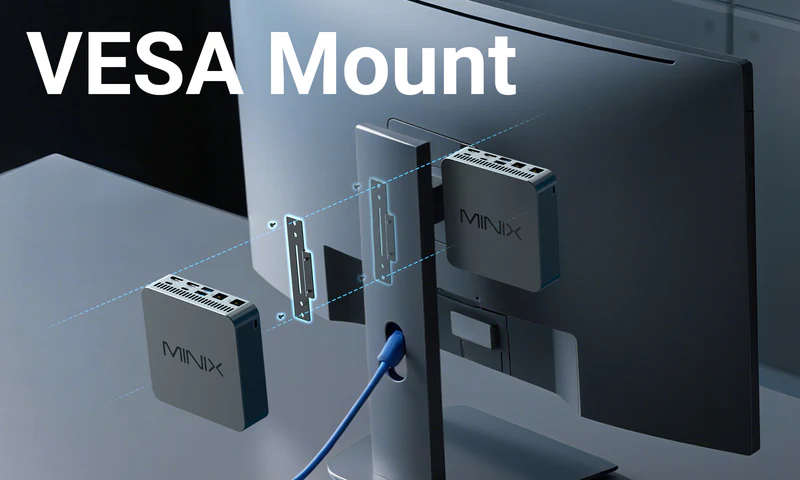
The mini PC also comes with VESA mount support, making it easy to integrate into display setups or mount behind monitors. Minix is currently selling the N713 on Minix’s official website and Amazon for $659.
In related news, Asus has debuted the ROG NUC 2025 mini PC featuring Intel Ultra 9 and RTX 5080 GPU, while Bosgame has launched the M5 AI Mini PC with Ryzen AI Max+ 395 and up to 128GB RAM.
For more daily updates, please visit our News Section.
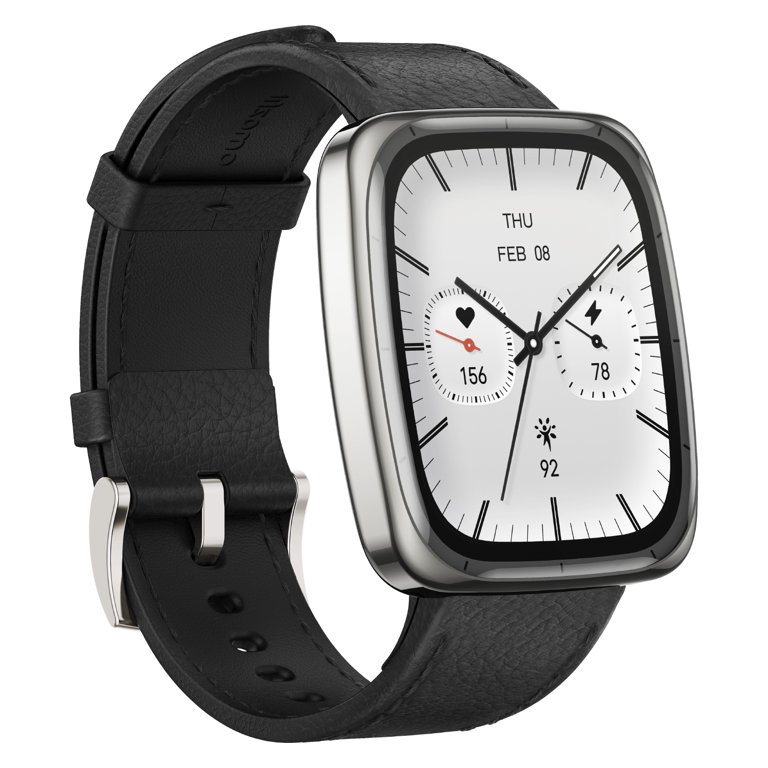
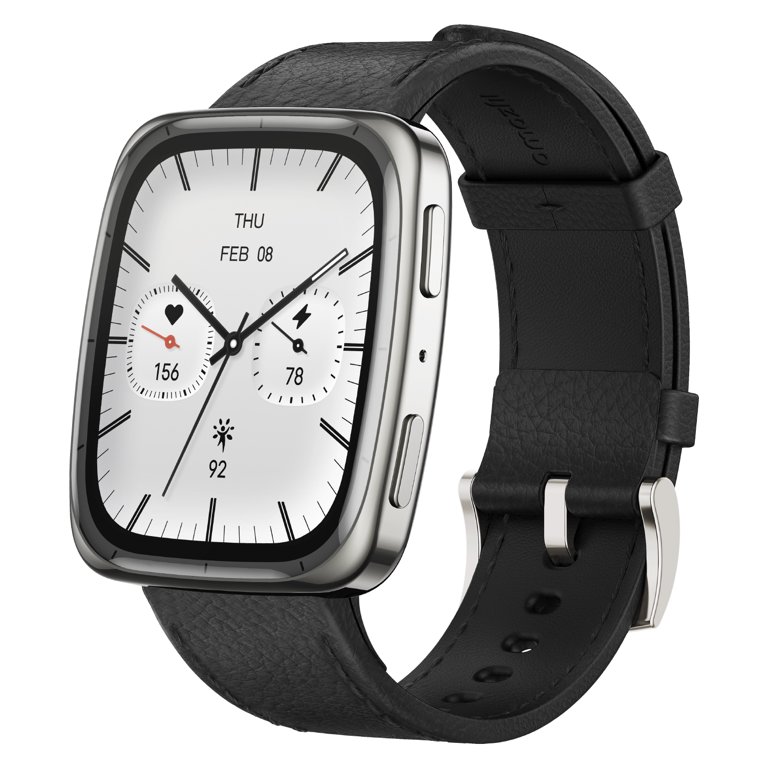
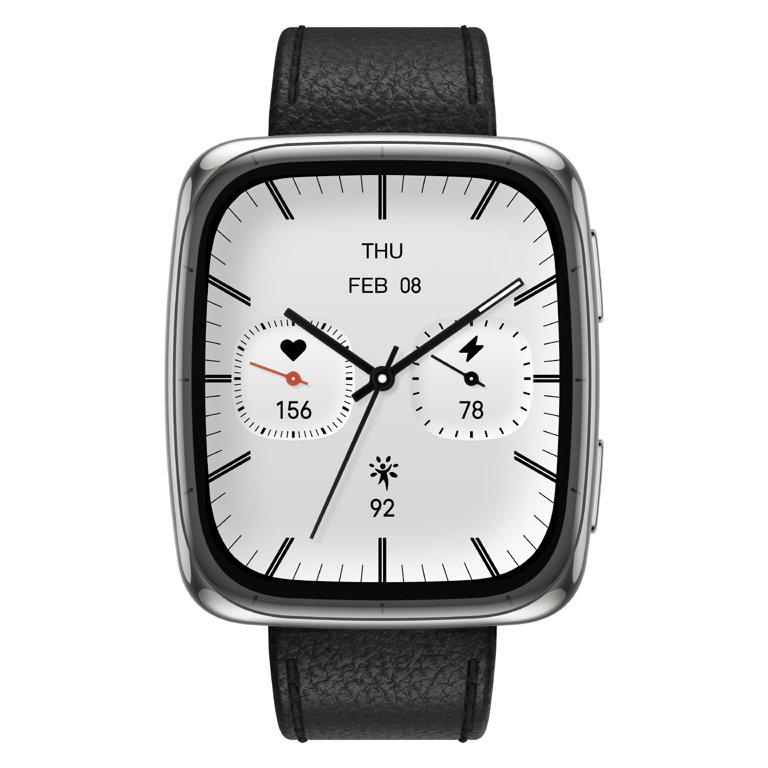
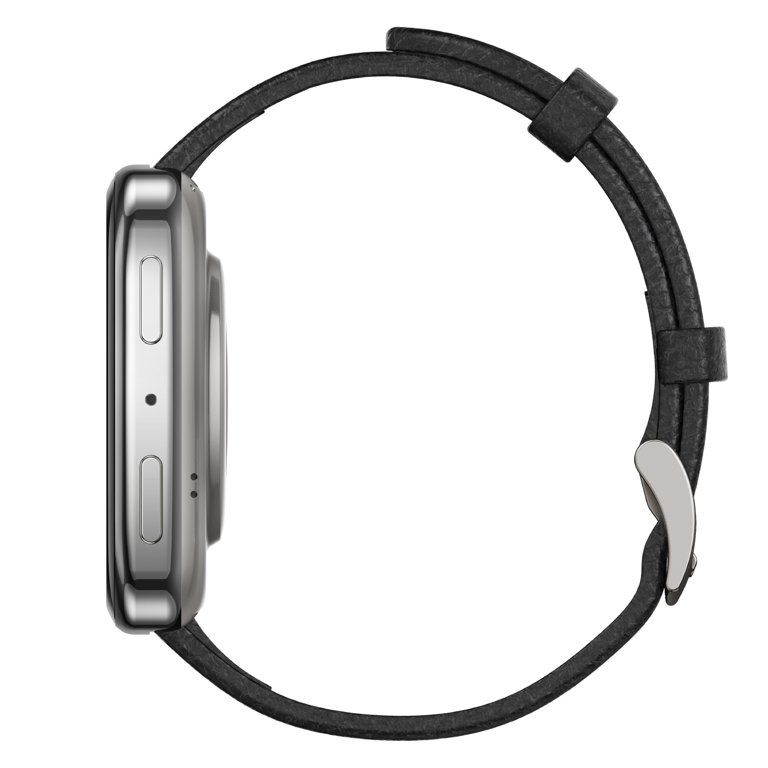
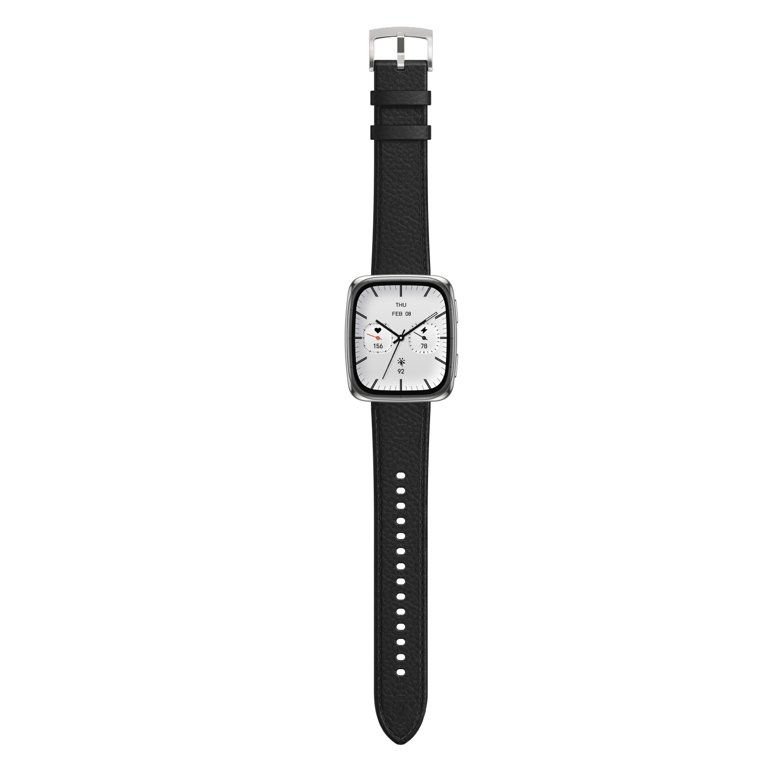
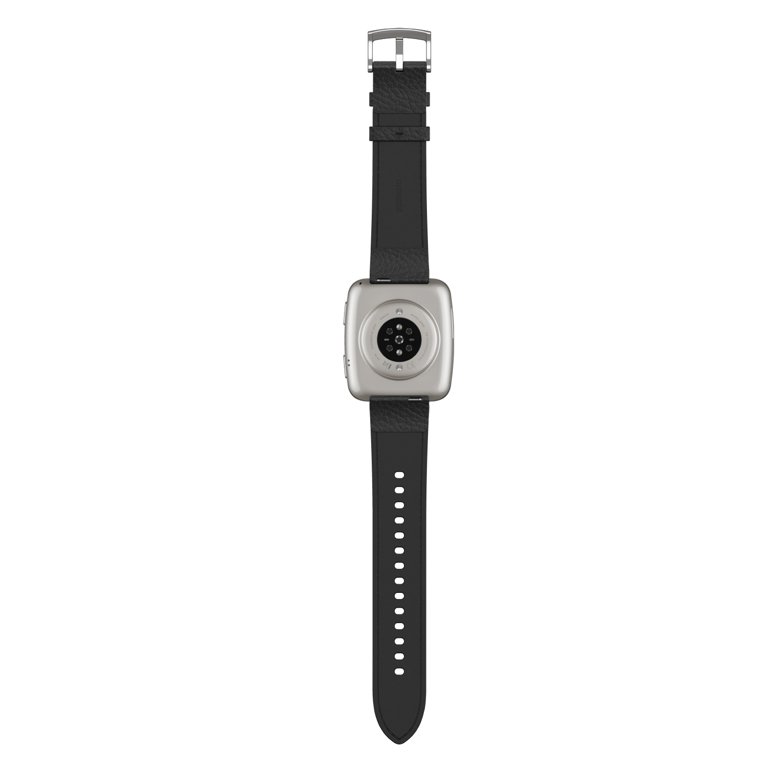
The Amazfit Active 2 Square has leaked ahead of its official release. Listings on Walmart and Celcom Mexico have revealed images and key details of the new smartwatch, expected to launch in June 2025.
The Active 2 Square Premium will feature a 1.75-inch AMOLED display with a 390 x 450 resolution. It has a stainless steel bezel, two buttons, and sapphire crystal glass for screen protection. The watch comes with two straps, one leather and one silicone. It measures 43.2 x 36.9 x 9 mm and weighs 31.4 grams.
The watch is expected to include the same BioTracker 6.0 PPG biometric sensor found in the round Active 2 Premium. It will support over 160 sports modes and use the PulsePrecision heart rate tracking algorithm. The battery capacity is 260 mAh, with a claimed battery life of up to five days with heavy use.
It is not yet confirmed whether this model will include NFC for contactless payments. It’s also unclear if a standard version of the Active 2 Square will be released alongside the Premium version.
The existence of the Square variant was previously hinted at when the round model was referred to as the “Active 2 (Round)” and when the Square version briefly appeared on a Zepp security page.
There is no official global pricing yet. For reference, the Amazfit Active 2 Premium (Round) is priced at $129.99 on Amazon.
For more daily updates, please visit our News Section.
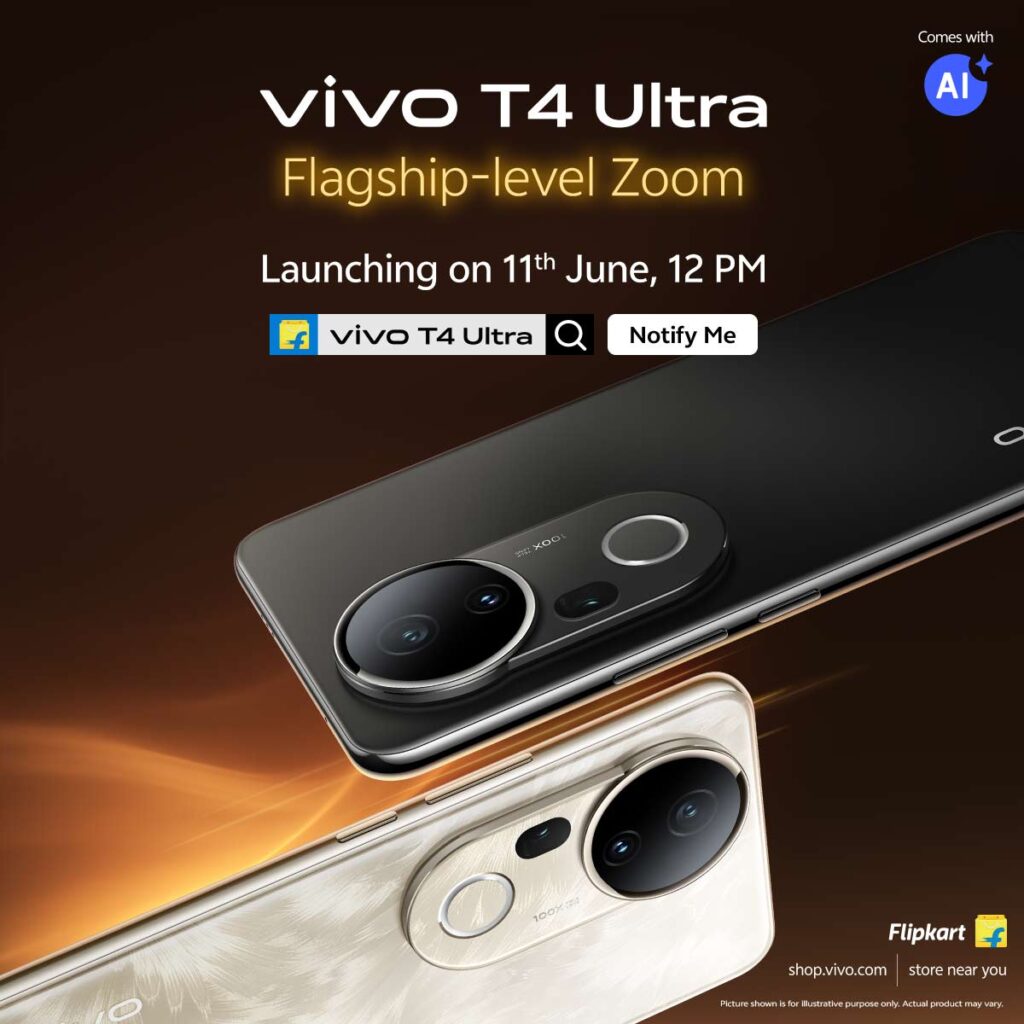
Vivo is gearing up to shake the mid-range smartphone segment with a smartphone that delivers great performance and an improved photography experience. The device in question is the Vivo T4 Ultra, which has recently surfaced on leaks and teasers. So here’s a full roundup of what to expect from the Vivo T4 Ultra, from rumored specs to its camera prowess.
Vivo T4 Ultra
Vivo T4 Ultra: Design and Display
Looking at the official teasers, the Vivo T4 Ultra has a design that closely resembles its predecessor, the T3 Ultra. This means that the large pill shaped camera module on the rear makes a return this year. However, the T3 Ultra only had a dual camera setup, while the newer T4 Ultra packs three image sensors on the rear.
Meanwhile, the front is expected to sport a 6.67-inch OLED display with a 1.5K resolution and a 120Hz refresh rate. Rumors have hinted at the screen being curved on the front, and it likely houses an in-display fingerprint scanner for security.
Performance
Under the hood, the Vivo T4 Ultra might be equipped with MediaTek’s older flagship processor, which is the Dimensity 9300+. So we can expect high-end performance that would meet the needs of heavy smartphone users and gamers. A massive 5,500mAh battery pack may power this device, which is rumored to support 90W wired fast charging.
Thanks to the flagship chip, Vivo should ship the T4 Ultra with a bunch AI powered features like AI Image Studio, AI Eraser 2.0, and more. If all of these specs and the design seem familiar, then we might have already seen it under a different name. For those unaware, the Vivo T4 Ultra may be a rebranded version of the Vivo S20 Pro, which launched in China back in December 2024.
Camera
The Chinese brand’s teasers have shown that photography is one of the primary focuses with the T4 Ultra. Vivo aims to offer a great camera experience that includes “flagship-level zoom”. A typical mid range smartphone either skips a periscopic telephoto shooter or just offers a cutdown telephoto sensor. However, the Vivo T4 Ultra is set to feature a Sony IMX882 50MP periscope telephoto lens that supports OIS, macro shots, 3x optical zoom, and 100x digital zoom.
This camera is paired with a 50MP Sony IMX921 primary sensor with OIS support and possibly an 8MP Samsung JN1 sensor for ultra wide angle shots. To recall, the Sony IMX882 telephoto and IMX921 main cameras are high-end image sensors that have often been seen in flagship devices like the Vivo X200.
Launch Date
In the latest teaser, Vivo officially confirmed the launch date for the T4 Ultra. The device will make its global debut in the Indian market on 11th June 2025. Pricing details are still at large but the smartphone will be available for purchase via Flipkart.
For more daily updates, please visit our News Section.
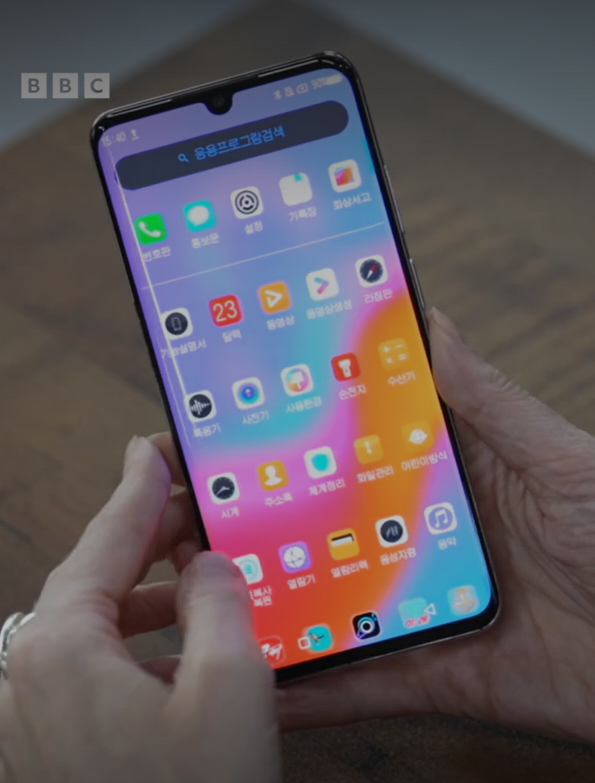
A newly smuggled smartphone from North Korea has just offered us a glimpse at the unusual depth of the state’s control in its citizens’ daily life. This model is packed with restrictions and surveillance tools that are tailored to reinforce the government’s message. So let’s have a look.
A Peek at North Korea’s Bizarre Smartphone
The rare look at this smartphone from North Korea comes from a BBC video, which was originally acquired by Seoul’s Daily NK. This paints an unsettling picture of the lives of North Koreans under Kim Jong Un’s regime. Right from the get-go, you see a North Korean flag as you power up the smartphone. While no official branding is revealed, it is immediately clear that the device is highly customized to fit the rigid requirements of the government.
The smartphone comes with automatic censorship that can detect when certain words are being used. This even includes something as simple as “oppo”, which is a Korean term for older brother. But in South Korea, girls often use it to refer to their boyfriends. So this device changes the word to “comrade” and also shares a warning message. Taking things even further, you can’t even type “South Korea” since it can automatically be changed to “puppet state”.
The North Korean government routinely monitors these smartphones since the phone silently captures a screenshot every five minutes. These images are then stored in a hidden folder that users can’t access. But as one can surmise, the screenshots are likely being used to monitor the user’s daily activities.
For more daily updates, please visit our News Section.
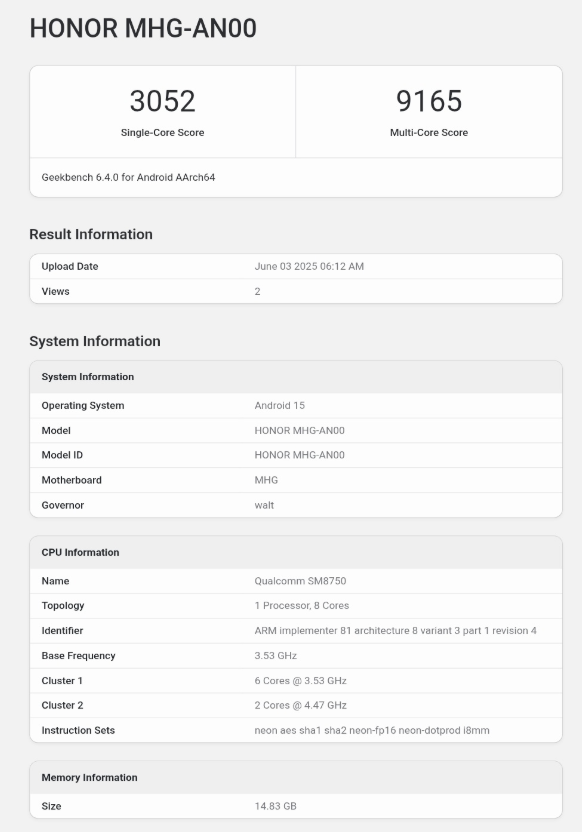
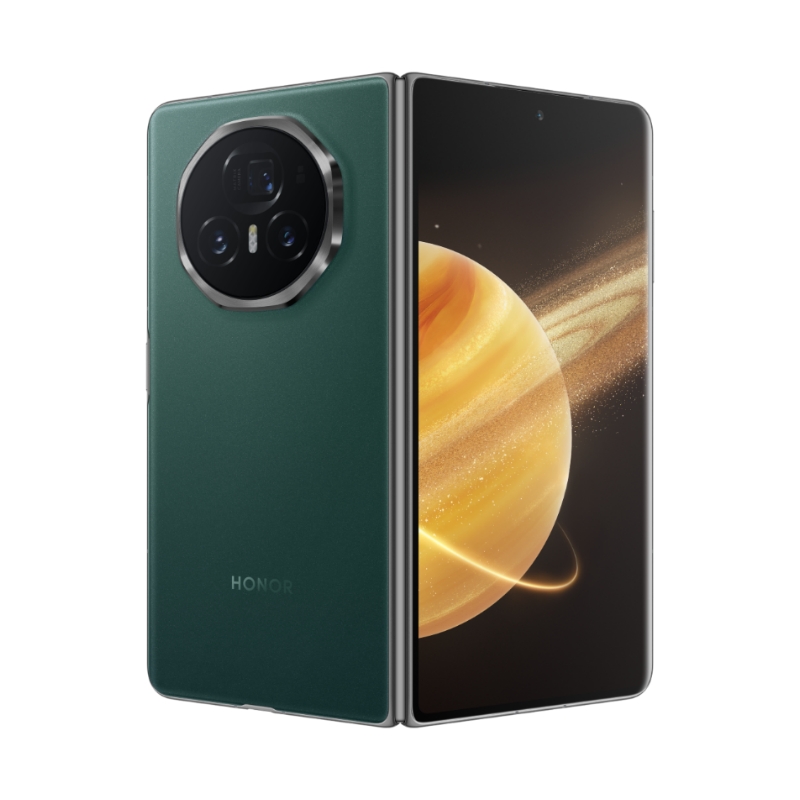
Honor’s upcoming foldable phone, the Magic V5, has appeared on Geekbench with the model number MHG-AN00. The listing confirms that the device is powered by the Snapdragon 8 Elite processor, paired with 16GB of RAM, and runs on Android 15. It scored 2976 in the single-core test and 8892 in the multi-core test.
The Magic V5 is expected to feature a 6.45-inch OLED outer screen and an 8-inch foldable inner screen. Both displays are likely to support a 120Hz refresh rate. The phone may offer up to 16GB of LPDDR5x RAM and up to 1TB of UFS 4.0 storage.
Honor Magic V3
It is likely to include a 6,100mAh typical battery with support for 66W wired charging and 50W wireless charging. On the back, the phone may come with a triple camera setup that includes a 50MP main sensor with OIS, a 50MP ultra-wide lens, and a 200MP periscope telephoto camera.
Other expected features are satellite messaging, IPX8-rated water resistance, and a side-mounted fingerprint sensor. The Magic V5 is expected to launch in China later this month. Honor is also planning to launch the Magic V2 Flip, a clamshell foldable with the Snapdragon 8 Gen 3, in July.
A different model, MBH-AN10, had earlier appeared on CMIIT and 3C certification sites. Those listings revealed a 5,950mAh rated battery and 66W fast charging. Satellite messaging was also confirmed in those documents.
Tipster Panda is Bald had claimed the Magic V5’s battery would be 100mAh bigger than the Vivo X Fold 5, which has a 6,000mAh battery. That puts the V5’s battery at 6,100mAh, making it the largest on any foldable phone to date.
Earlier reports also mentioned that the device would run MagicOS 9.0 based on Android 15 and carry the same display specs of a 6.45-inch LTPO OLED 2K outer screen and 8-inch foldable inner panel.
For more daily updates, please visit our News Section.
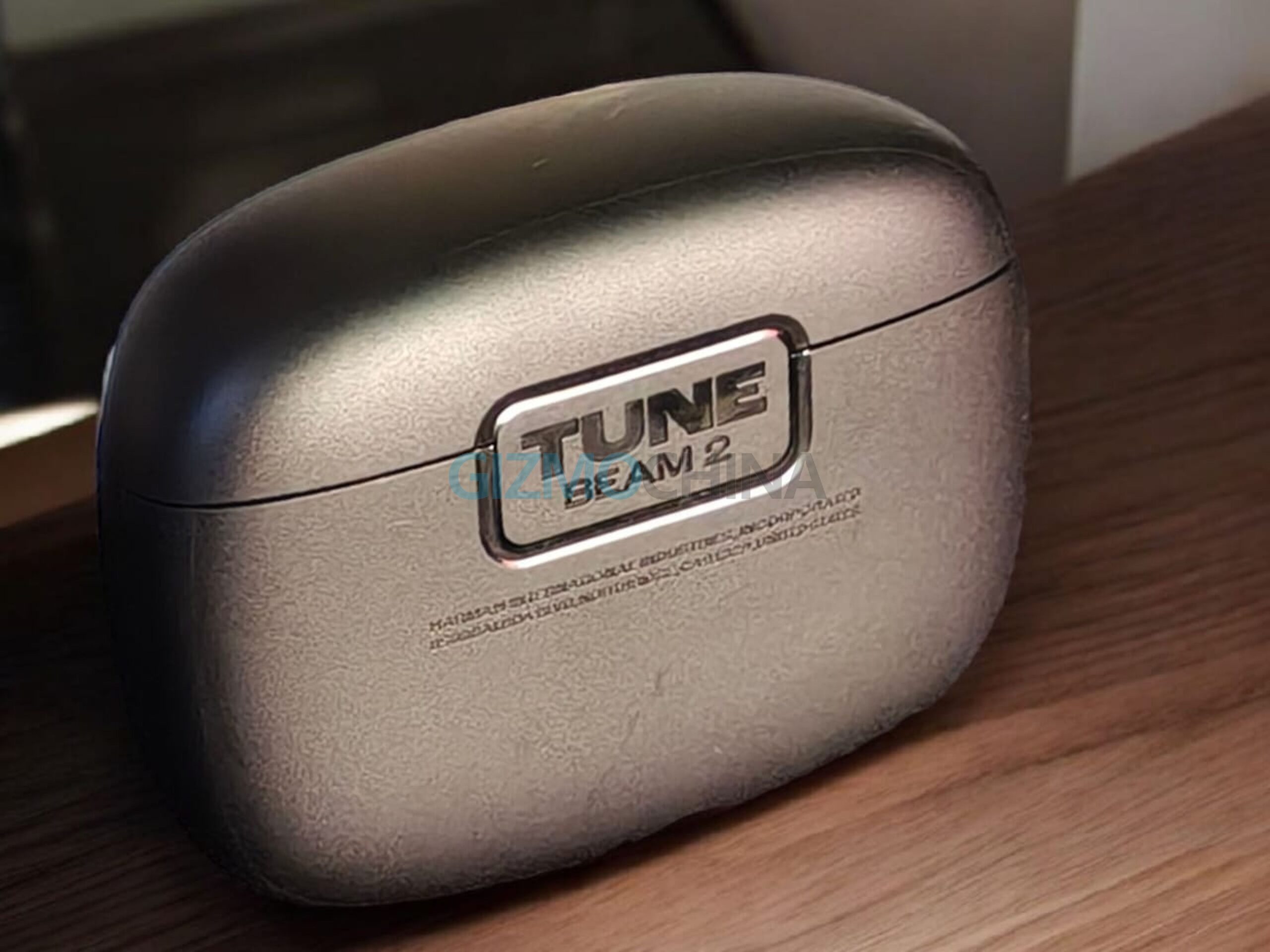
The JBL Tune Beam 2 enters the crowded TWS earbud market as a successor aiming to refine the everyday listening experience. With larger drivers, enhanced call capabilities, and a lighter case, these earbuds present themselves as a strong contender in their segment. After spending some time with them, here’s a closer look at what they offer.
5Final Thoughts
JBL Tune Beam 2
The JBL Tune Beam 2 represents a solid evolution from its predecessor, bringing meaningful enhancements to audio quality, call performance, and personalized listening. Its strong battery life, effective adaptive noise cancellation, and the extensive customization offered by the JBL Headphones app make it a feature-rich option. While it presents a few minor quirks, such as the absence of automatic play/pause when removed from the ear, some nuances in its default control scheme, and the occasional slight delay in multipoint switching, these are generally minor considerations in an otherwise well-rounded package. For its price point, the Tune Beam 2 stands out as a thoughtful and capable everyday audio companion.
Priced at Rs 5,499, the JBL Tune Beam 2 is available for purchase through JBL India’s website and leading online / offline retailers. It comes in blue, white, and black shades.
For more daily updates, please visit our News Section.
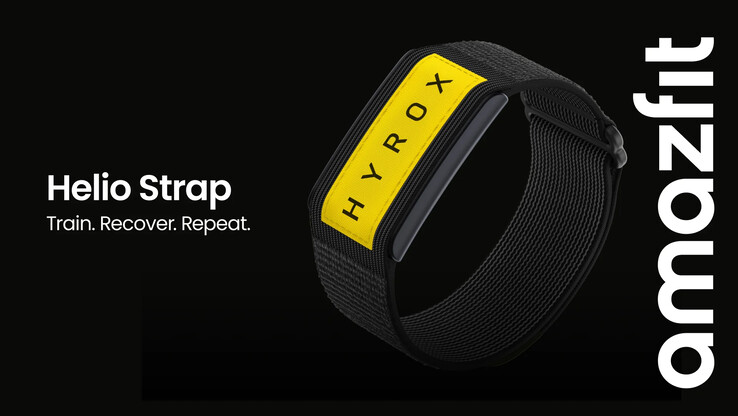
Amazfit‘s latest announcement is a new smart wearable band. This model is dubbed the Helio Strap, which also arrives in a Helio Strap HYROX Edition. The company has already started teasing the product on social media and has showcased its health tracking features.
Amazfit Helio Strap: Specs and Features
The popular smart wearables maker announced the Helio Strap via its official social media account with a dedicated blog post revealing more details regarding the Helio Strap HYROX Edition. The latter is a limited edition wearable that was created specifically for the Elite 15, which is the world’s top HYROX athletes. Amazfit’s latest gadget looks like a simple smart band with no screen, but the Helio Strap’s display is actually hidden inside the band.
Amazfit Helio Strap
As per official notes, the new Helio Strap offers various health related trackers that can monitor the user’s heart rate, stress levels, sleep cycle, and energy levels. This bio-monitoring works through the whole day, allowing it to process this data and offer suggestions for training schedules and recovery. But one of the more notable features is the new BioCharge energy monitoring system that keeps a score of the user’s energy. Amazfit stated that this feature can allow for better workout plans.
The HYROX Edition is also differentiated by the HYROX Race and PFT modes, along with automatic detection during strength training. Amazfit users can get access to their biometric data via the Zepp app. Other notable features include integration with Strava, TrainingPeaks, and Adidas Running, as well as up to 10 days of battery life. Unfortunately, the official pricing has yet to be announced, so stick around for more. This release also arrives weeks after the Amazfit Balance 2 smartwatch launch.
For more daily updates, please visit our News Section.
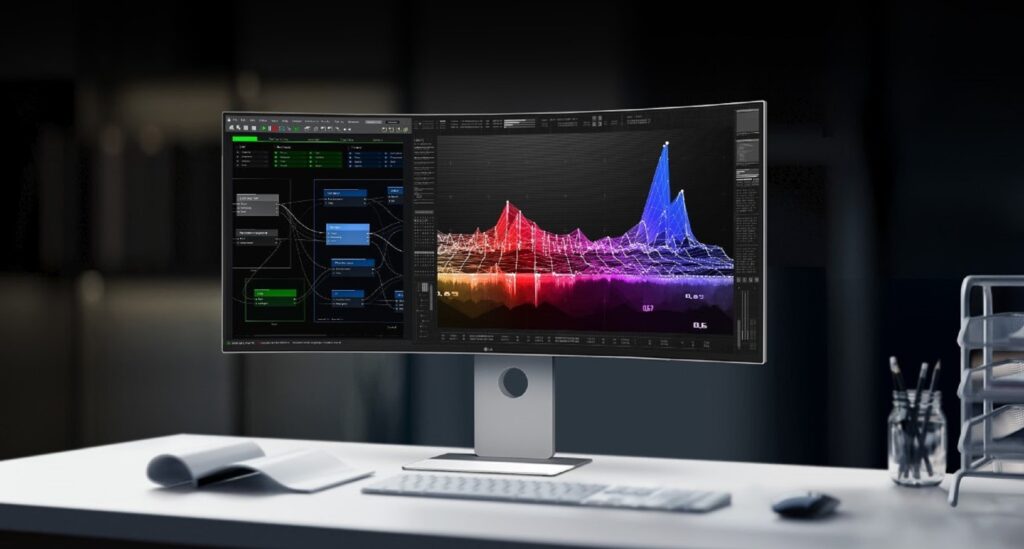
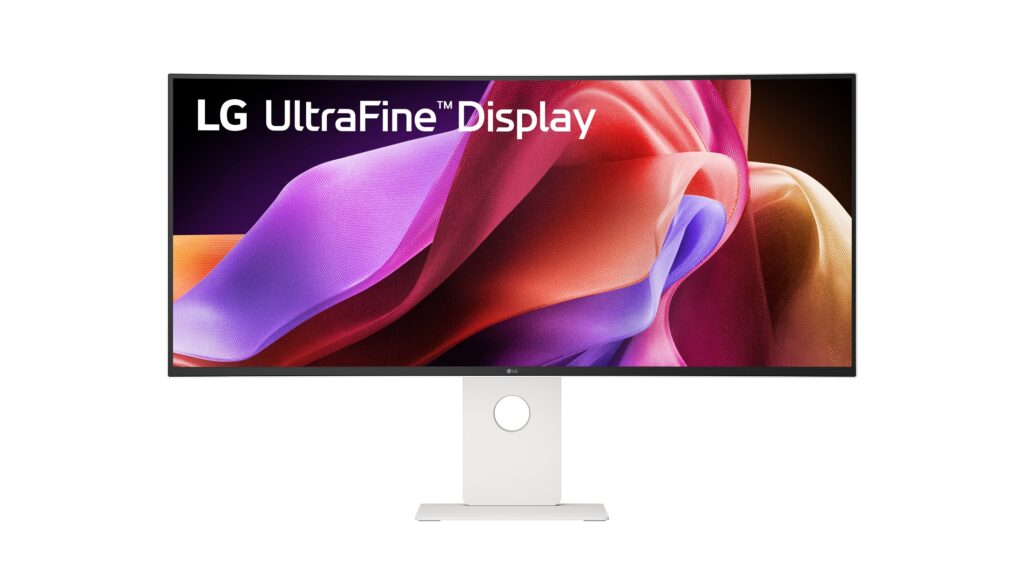
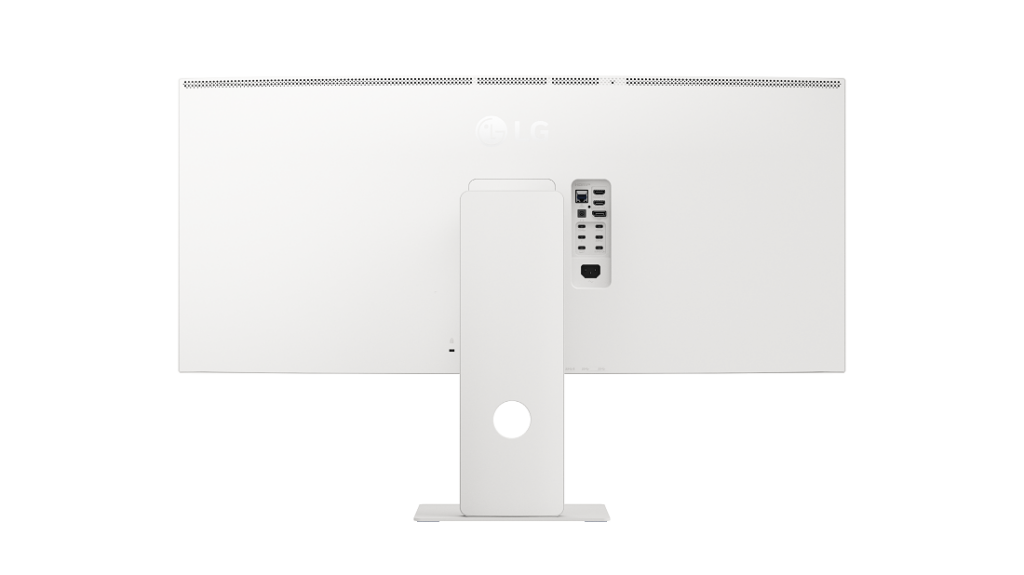
LG has announced the UltraFine 40WT95UF, the world’s first 5K2K monitor to feature Thunderbolt 5 connectivity. The new 40-inch ultra-wide display targets professionals in data-intensive fields, including finance, IT, and creative industries.
LG UltraFine 40WT95UF Specifications
The UltraFine 40WT95UF features a 39.7-inch curved IPS Black panel with a 2500R curvature and 5120×2160 resolution. It supports a 120Hz refresh rate, 99% DCI-P3 color gamut coverage, and is certified for VESA DisplayHDR 600. LG says the panel arrives factory-calibrated for accurate color performance out of the box.
The monitor serves as a productivity hub using Thunderbolt 5’s 80Gbps bidirectional bandwidth, enabling users to connect multiple 4K displays, transfer large files, and charge devices with up to 96W through a single cable. It features two Thunderbolt 5 ports, one USB-C upstream port, four USB-C downstream ports, two USB-A ports, dual HDMI inputs, a DisplayPort 2.1, and a dedicated RJ45 Ethernet port.
LG equips the monitor with the LG Switch app and Dual Controller software to enhance multitasking, alongside built-in KVM functionality that allows users to switch between two PCs using one keyboard and mouse. It also supports Picture-in-Picture and Picture-by-Picture modes for simultaneous content display.
With the LG Switch App, the user can divide the monitor screen into six areas, manage schedules, and even effortlessly launch a video call platform using a mapped hotkey.
Ergonomics is addressed with a height-adjustable stand that supports tilt and swivel. It also features an ambient light sensor for dynamic brightness and color temperature adjustment, dual 10W speakers, and AMD FreeSync Premium support for smoother visuals.
LG has positioned the UltraFine 40WT95UF for enterprise and B2B markets, aiming to meet the growing demand for performance-oriented monitors with minimal cable clutter. LG has not yet revealed retail pricing.
In related news, HKC has launched a 144Hz gaming monitor with 99% sRGB coverage at a budget-friendly price, while Acer’s Predator XB273U X1 brings 2K 200Hz performance without breaking the bank.
For more daily updates, please visit our News Section.
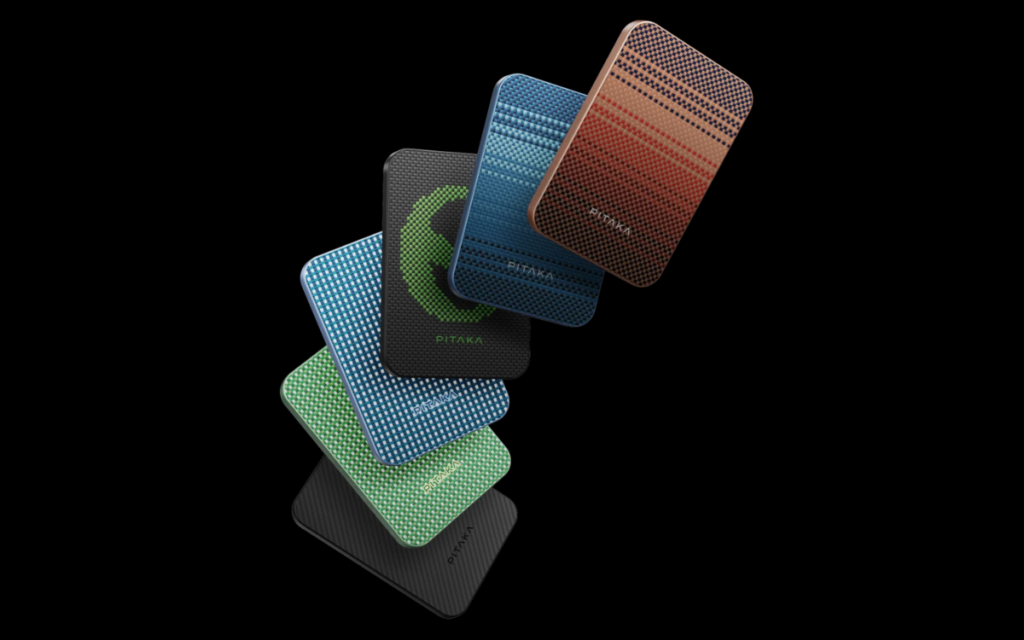
Pitaka has launched a new magnetic power bank built with aramid fiber and designed to support both MagSafe and Qi2 wireless charging standards. The new accessory is aimed at users looking for a compact yet powerful charging solution for smartphones, especially iPhones, though it also works with compatible Android devices.
Pitaka Magnetic Power Bank Specifications
The power bank features a 5000mAh internal battery and delivers up to 15W wireless charging, alongside 20W wired charging via USB-C. Pitaka has kept the dimensions minimal, measuring 102 × 70 × 8.8mm and weighing just 118 grams. Despite its slim form factor, the device maintains a solid build with a matte metal frame surrounding the signature woven aramid fiber surface. This design gives it a lightweight yet premium finish, suitable for daily on-the-go use.
For wired charging, the USB-C port supports input at 5V/3A and 9V/2.22A, while output reaches up to 9V/2.22A or 5V/2A, depending on the device. The power bank uses intelligent circuitry to ensure optimal power delivery and heat regulation. Pitaka has included an LED indicator system to display remaining battery capacity and a built-in smart temperature control feature to prevent overheating during high-load usage.
Magnetically, the power bank uses a strong internal array designed to align precisely with MagSafe and Qi2-supported phones. Pitaka says the magnets are strong enough to keep the unit attached securely during travel or while the user is actively using their phone. It is especially well-suited for iPhones, but newer Android devices that support Qi2 can benefit from the same seamless magnetic charging.
The power bank comes in six color options: Black-Grey, Moonrise Blue, Ocean Blue, Sunset Orange, Alien Green, and Forest Green. It is priced at $69.99 in the US, £69.99 in the UK, and €79.99 in the EU, and is now available via Pitaka’s official website and Amazon.
Ultra-slim magnetic power banks are becoming increasingly popular, and brands like Anker and Baseus have already been exploring the space with compact, high-output designs. Pitaka’s new launch enters the category with a more refined and material-forward approach.
In related news, Baseus recently launched a 10,000mAh power bank featuring 22.5W fast charging, an LED display, and a built-in cable. Meanwhile, Vivo has introduced its own 33W power bank, highlighting fast charging support, a slim profile, and compliance with air travel safety standards.
For more daily updates, please visit our News Section.
Apple might finally be upgrading the display refresh rate on its standard iPhones. The brand came under fire after it released the premium iPhone 16 and iPhone 16 Plus that cost hundreds of dollars with 60Hz screens. But the iPhone 17 and the new iPhone 17 Air could be getting a smoother display. While this is great news for those who don’t wish to splurge on the Pro models, there is still a twist.
Upcoming iPhone 17 Air & iPhone 17 get smoother displays
For those unaware, the Cupertino based giant has basically gate-kept the 120Hz displays for its more expensive Pro models. However, fresh rumors hint that the next generation of standard iPhones might also get these smoother screens. Both the vanilla iPhone 17 and the ultra thin iPhone 17 Air could offer a 120Hz refresh rate. But unlike the Pro models, there won’t be support for the ProMotion display technology.
Apple iPhone 17 Air Render
ProMotion is basically a fancier term for variable refresh rate, which allows the iPhone Pro models to dynamically switch between 1 to 120Hz. To recall, this is an advanced LTPO screen technology that can help improve battery life by lowering the refresh rate based on the content on the screen. This isn’t a software feature, so the display hardware still remains slightly different between the standard and Pro variants in the iPhone 17 lineup.
But simply having a 120Hz display will make the standard iPhone 17s feel a lot smoother and faster. Meaning, this is definitely a win for Apple’s loyal customers. Keep in mind that this is still just speculation at the moment, so take this news with a pinch of salt for now.
For more daily updates, please visit our News Section.
Vivo has officially confirmed that it will announce the Vivo T4 Ultra on June 11 in India. Successor to the Vivo T3 Ultra, the T4 Ultra will arrive not only as a performance-focused flagship phone but will also offer an impressive photography experience. Ahead of the launch, the brand has confirmed the camera specifications of the device.
Vivo T4 Ultra camera specifications
Vivo T4 Ultra
According to Vivo, the Vivo T4 Ultra will arrive with a Sony IMX921 50-megapixel main camera with OIS support. The brand offers the same camera on flagship phones like the Vivo X200 / X200s and iQOO 13. The same sensor is also available on the Vivo V50.
For ultra-wide shots, the Vivo T4 Ultra will feature an 8-megapixel sensor, which could be a Samsung JN1 lens. To recall, the T3 Ultra featured a main camera and ultra-wide in its rear camera setup, but the successor edition will feature an additional Sony IMX882 50-megapixel periscope telephoto camera. It will come with features like OIS, telephoto macro, 3x optical zoom, and 100x digital zoom.
Vivo has also confirmed that the Vivo T4 Ultra will feature an OLED panel with a quad-curved design. The screen will offer a 1.5K resolution and a 120Hz refresh rate.
Under the hood, the T4 Ultra will feature the Dimensity 9300 Plus that can achieve around 2 million points on AnTuTu benchmarks. It is also confirmed to arrive in two shades: Black and Phoenix Gold. With around a week remaining, the brand is expected to confirm other details about the T4 Ultra in the next few days.
In all likelihood, the Vivo T4 Ultra will be a rebadged version of the Vivo S20 Pro, which debuted in December 2024 in China. In India, the device is expected to be priced at around Rs 35,000 and will be sold via Flipkart.
For more daily updates, please visit our News Section.
We use cookies on our website to give you the most relevant experience by remembering your preferences and repeat visits. By clicking “Accept”, you consent to the use of ALL the cookies.
This website uses cookies to improve your experience while you navigate through the website. Out of these, the cookies that are categorized as necessary are stored on your browser as they are essential for the working of basic functionalities of the website. We also use third-party cookies that help us analyze and understand how you use this website. These cookies will be stored in your browser only with your consent. You also have the option to opt-out of these cookies. But opting out of some of these cookies may affect your browsing experience.
Necessary cookies are absolutely essential for the website to function properly. This category only includes cookies that ensures basic functionalities and security features of the website. These cookies do not store any personal information.
Any cookies that may not be particularly necessary for the website to function and is used specifically to collect user personal data via analytics, ads, other embedded contents are termed as non-necessary cookies. It is mandatory to procure user consent prior to running these cookies on your website.