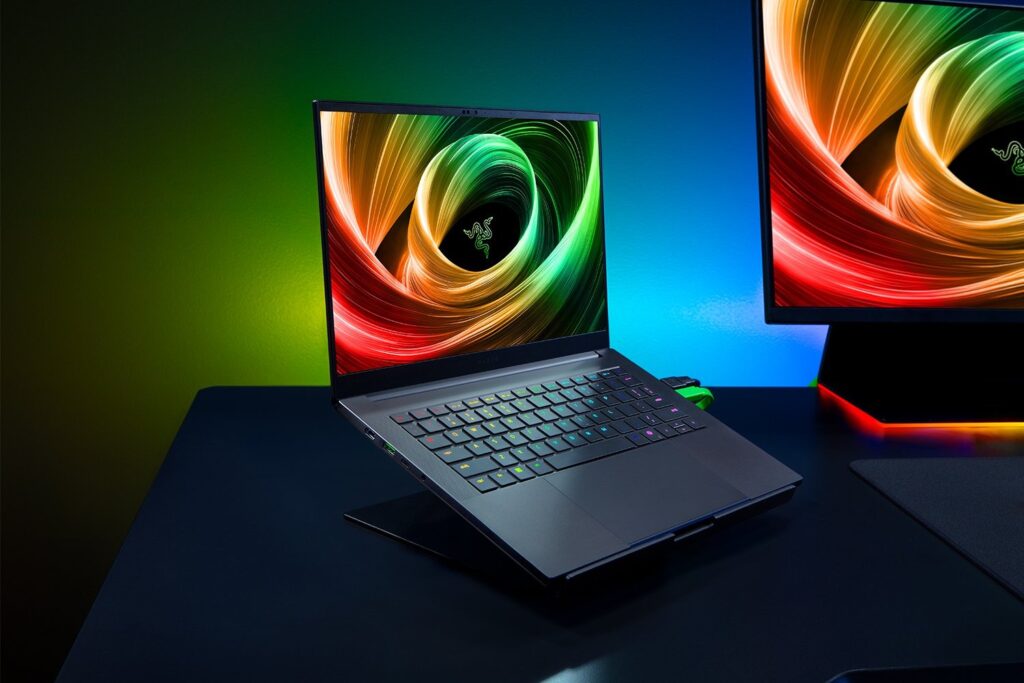
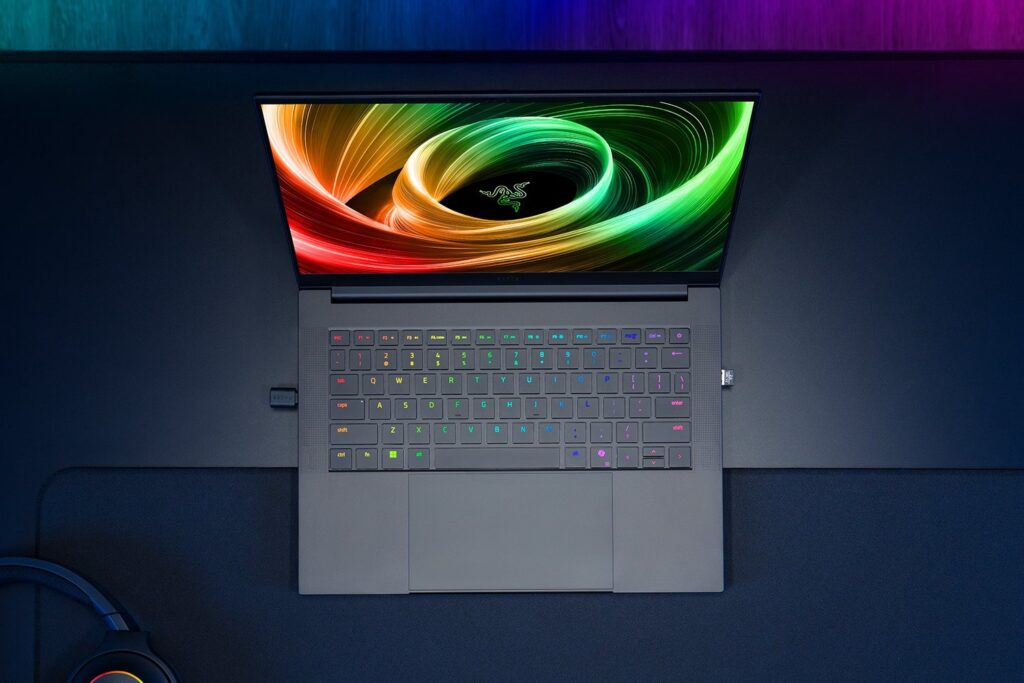
Razer has launched the 2025 Blade 14, its thinnest 14-inch gaming laptop so far. It measures 15.7mm at its slimmest point and weighs 1.63kg. The new thermal hood design improves airflow, allowing the laptop to stay cool while keeping the form factor compact.
The Blade 14 is powered by the AMD Ryzen AI 9 365 processor, which comes with 10 cores, 20 threads, and a maximum speed of 5.0GHz. It delivers up to 50 TOPS of AI performance, offering more than three times the capability of the previous generation. It supports AI features like Copilot+, Recall, Cocreate, and Live Captions. Users can configure it with up to 64GB of LPDDR5X RAM running at 8000 MHz.
Graphics are handled by up to an NVIDIA GeForce RTX 5070 Laptop GPU with a 115W TGP. Based on the new RTX 50 series, it supports DLSS 4 and NVIDIA NIM Microservices, offering faster rendering and smoother gaming.
The 14-inch display is a 3K OLED panel with a resolution of 2880 by 1800, a 120Hz refresh rate, 0.2ms response time, and NVIDIA G-SYNC. It supports 100 percent DCI-P3 color space and is Calman Verified for color accuracy. The screen has a 1 million to 1 contrast ratio.
Battery life is up to 11 hours, powered by a 72 Whr battery. Connectivity includes two USB4 Type-C ports, one HDMI 2.1 port, and a UHS-II MicroSD card slot. The laptop also supports Wi-Fi 7 and Bluetooth 5.4.
Additional features include a six-speaker setup with THX Spatial Audio, a large glass touchpad, and a per-key Chroma RGB backlit keyboard. The body is made from T6-grade aluminum with a sand-blasted matte finish. It comes in plastic-free packaging.
Pricing & availability
The Razer Blade 14 starts at $2,299 for the RTX 5060 version with 16GB RAM and 1TB SSD. The top model with RTX 5070, 64GB RAM, and 2TB SSD is priced at $2,999.
Google is set to kick off its annual developer conference, Google I/O 2025, on May 20. The two-day event will take place at the Shoreline Amphitheatre in Mountain View, California, and will focus on the company’s latest software innovations. The opening keynote will begin at 10 AM PT / 1 PM ET / 10:30 PM IST on May 20. Viewers can watch the livestream on Google’s official I/O website or YouTube channel. The keynote is expected to last around two hours.
This year’s event will focus heavily on artificial intelligence, reflecting Google’s recent advancements in the field. CEO Sundar Pichai will deliver the main keynote, highlighting updates across Google’s platforms. The developer keynote, scheduled for 1:30 PM PT, will provide detailed information on new tools and APIs.
What to Expect?
Google has already shared Android 16 details during the recent “Android Show: I/O Edition.” That presentation revealed a redesigned Material 3 Expressive interface, stronger privacy protections, performance improvements, and tighter Gemini AI integration. Because of this early Android preview, the main I/O keynote will likely shift focus toward other areas, including Gemini, Android XR, Project Astra, and updates from DeepMind.
AI will take center stage during the keynote. Google is expected to highlight improvements to Gemini, including its latest 2.5 Pro model. Gemini may gain expanded functionality across services like Gmail, Google Docs, Chrome, and Android. New tools could allow users to interact with Gemini through camera input or screen sharing, with a focus on real-time assistance and enhanced reasoning.
The company may also provide updates on Project Astra, which it previously introduced as a next-generation AI assistant platform. Project Astra aims to handle visual input, voice commands, and contextual responses through mobile devices and potentially wearable hardware.
What Else Might Be Announced
Google is also expected to provide more information about Android XR, a version of the Android operating system designed for extended reality devices. This could include updates related to Samsung’s upcoming Project Moohan headset, which Google is co-developing. The company might also showcase new smart glasses, which were teased in previous I/O events.
Hardware announcements are unlikely during this year’s event. Google typically reserves new Pixel or Nest product reveals for its fall hardware showcase. However, I/O 2025 may still preview concepts related to wearables or AR hardware in connection with Gemini and Android XR.
Additional announcements could cover updates to Google’s productivity apps, Play Store policies, and improvements in accessibility features across Android and Chrome. Developers can expect sessions on Firebase, Flutter, Android Studio, and AI toolkits following the keynote.
Google I/O 2025 will run through May 21, featuring live technical sessions, product demos, and discussions. Registration for the event remains free on the I/O website, where developers can access session replays and additional resources.
For more daily updates, please visit our News Section.
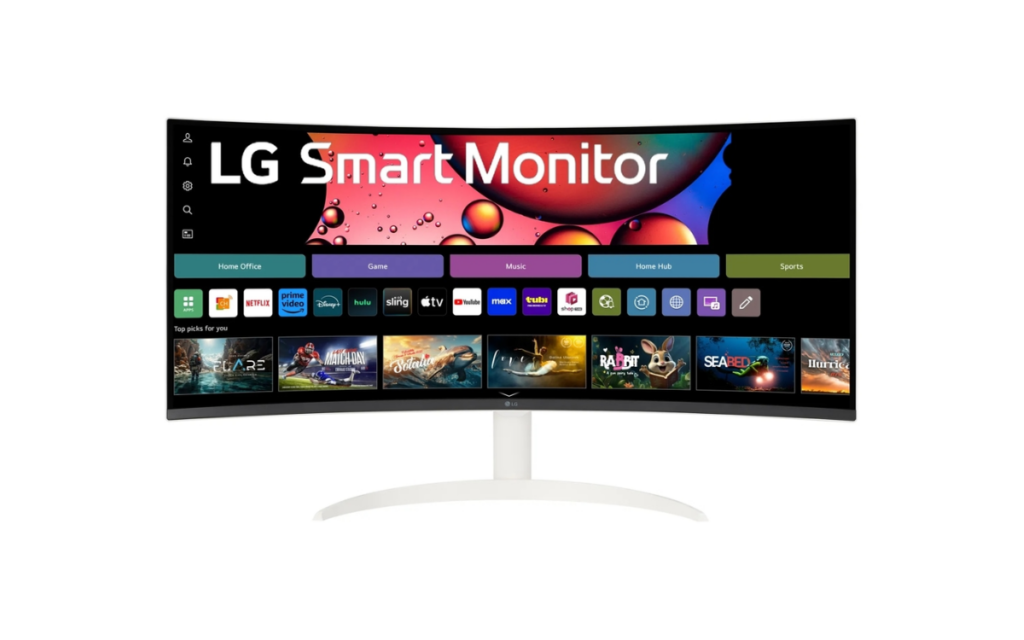
LG has launched the 34SR63QA-W monitor, a 34-inch ultrawide curved display with built-in webOS, priced at $399.99 on international platforms and ¥77,000 (around $530) in Japan. The monitor is designed to function independently without a PC, offering native access to streaming services and productivity apps.
LG 34SR63QA-W Specifications
The 34SR63QA-W comes with a 3440 × 1440 VA panel, 21:9 aspect ratio, and a gentle 1800R curvature. It supports a 100Hz refresh rate, HDR10, and a 3,000:1 contrast ratio, making it suitable for immersive entertainment and everyday productivity. It is powered by LG’s webOS platform, allowing users to stream content, browse the web, and access apps independently of a PC.
The monitor supports Wi-Fi 5 and Bluetooth 5.0 for wireless connectivity. LG has preinstalled streaming platforms such as Netflix, Prime Video, and Apple TV+. It also supports Apple AirPlay and HomeKit, allowing users to mirror content from iPhones or MacBooks and control smart devices without needing additional hardware.
For office tasks, the integrated webOS enables direct access to Microsoft 365 and Google Workspace. Users can write documents, edit spreadsheets, or prepare presentations using just a wireless keyboard and mouse connected to the monitor.
In terms of connectivity, the 34SR63QA-W includes two HDMI ports, two USB-A 3.0 ports, a USB-C port with DisplayPort Alternate Mode and up to 60W power delivery, and a 3.5mm headphone jack. This allows users to connect and charge laptops, transfer video, and use peripherals through a single USB-C connection.
The monitor weighs about 6.1 kg and measures 809 × 223 mm on a desk. It supports a tilt range from -5 to 15 degrees and is VESA-compatible with a 100 × 100 mm mount. Sales for the LG 34SR63QA-W begin on May 22.
In related news, Acer has unveiled its ProCreator 6K and 5K monitors with Calman verification at COMPUTEX 2025, while AOC has introduced a new 27-inch FHD curved monitor featuring a 200Hz refresh rate, 1ms GtG response time, and HDR10 support, priced under $160.
For more daily updates, please visit our News Section.
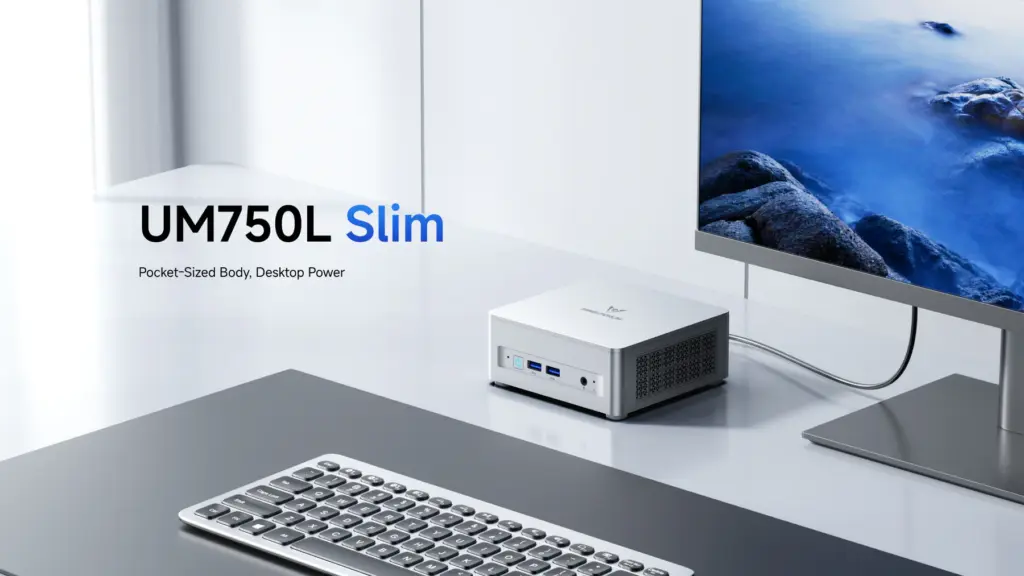
Minisforum has launched its new UM750L Slim mini PC, featuring AMD’s Ryzen 5 7545U processor and a compact 0.8-liter chassis. The system is now available in China for 2,119 yuan (approx. $292). The global model is listed on the company’s website at a regular price of $389, currently discounted to $311.
Minisforum UM750L Slim Specifications
The UM750L Slim uses a 0.8-liter chassis and weighs just 0.67kg. It targets users looking for a small desktop solution without sacrificing performance. The mini PC runs on a 6-core, 12-thread Ryzen 5 7545U chip with a maximum clock speed of 4.9GHz and 16MB of L3 cache. The processor integrates Radeon Graphics with 4 Compute Units running at 2.8GHz.
Minisforum pairs the processor with 16GB of onboard LPDDR5 memory operating at 6400MT/s. The system includes two M.2 2280 NVMe SSD slots for storage. The primary slot supports PCIe 4.0 x4 speeds of up to 7000MB/s, while the second supports PCIe 4.0 x2 speeds of up to 3500MB/s. Each slot can accommodate up to 4TB, allowing for high-speed and large-capacity configurations.
The UM750L Slim features a dual-fan cooling system with phase change materials and dedicated heatsinks for the CPU, RAM, and SSDs. Minisforum claims the setup reduces temperatures by up to 25% compared to single-fan solutions. The system maintains a noise level below 35dB during typical workloads.
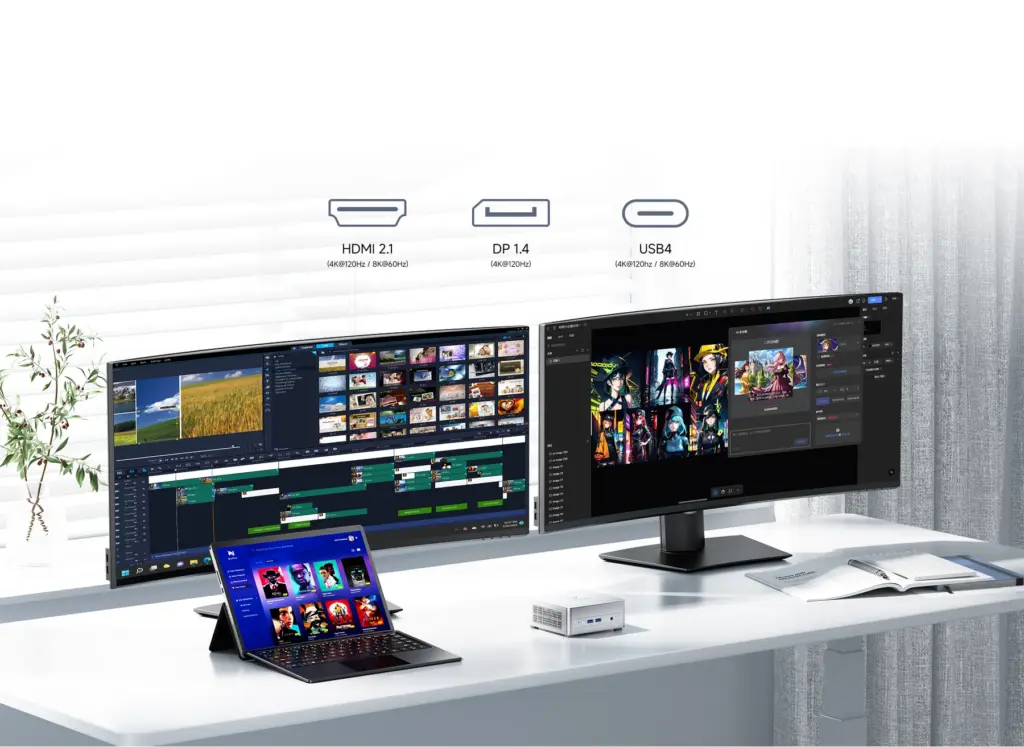
Connectivity options include a 2.5G Ethernet port, Wi-Fi 6E, and Bluetooth 5.3. The front panel provides two USB 3.2 Gen 2 Type-A ports. The rear panel houses one USB4 port (40Gbps) with PD input (65–100W) and 15W output, two USB 2.0 ports, HDMI 2.1, DisplayPort 1.4, and a 3.5mm audio jack.
The device supports up to three external displays through HDMI, DisplayPort, and USB4. All three outputs support 8K at 60Hz or 4K at 120Hz. The system comes pre-installed with Windows 11 Pro and includes a VESA mounting bracket in the box. The compact dimensions of 130×126.5×50.4mm make it suitable for space-constrained environments such as workstations or home setups.
In related news, Aoostar has launched the GEM12+ Pro mini PC featuring the Ryzen 7 Pro 8845HS processor, support for up to 96GB of RAM, and a built-in display. Meanwhile, Gmktec has introduced the Evo-X2 mini PC equipped with the Ryzen AI Max+ Pro 395, 128GB of RAM, a 2TB SSD, Wi-Fi 7, and a range of advanced features.
For more daily updates, please visit ourNews Section.
Realme will globally launch its GT 7 series on May 27, expanding beyond its initial China release last month. The lineup features the Realme GT 7, GT 7T, and Buds Air 7 Pro. Notably, Realme India has confirmed that a special Realme GT 7 Dream Edition, a collaboration with Aston Martin’s Formula One team, will be launching alongside the GT 7 smartphone in the Indian market.
Realme GT 7 Dream Edition
A leaked image (via Jacky on Weibo) shows the Dream Edition’s retail box in Aston Martin’s signature green, adorned with the F1 team’s logo and silver branding. While hardware specifics remain undisclosed, this edition is anticipated to offer a unique aesthetic, custom UI, and branded accessories.
The global Realme GT 7 will be powered by a MediaTek Dimensity 9400e chipset, coupled with a substantial 7,000mAh battery and 120W wired fast charging, plus 7.5W reverse wired charging. This contrasts with the Chinese model’s Dimensity 9400+ chip, 7,200mAh battery, and 100W charging.
Camera capabilities include a Sony IMX906 main sensor, a 112-degree ultra-wide lens, and a 32MP front camera, supporting 4K video at 120fps. Realme is marketing the GT 7 series as high-performance devices with advanced camera features and significant battery life. The inclusion of the GT 7T and new earbuds signals a comprehensive product refresh, while the Aston Martin partnership introduces a luxury element aimed at design-conscious consumers.
For more daily updates, please visit our News Section.
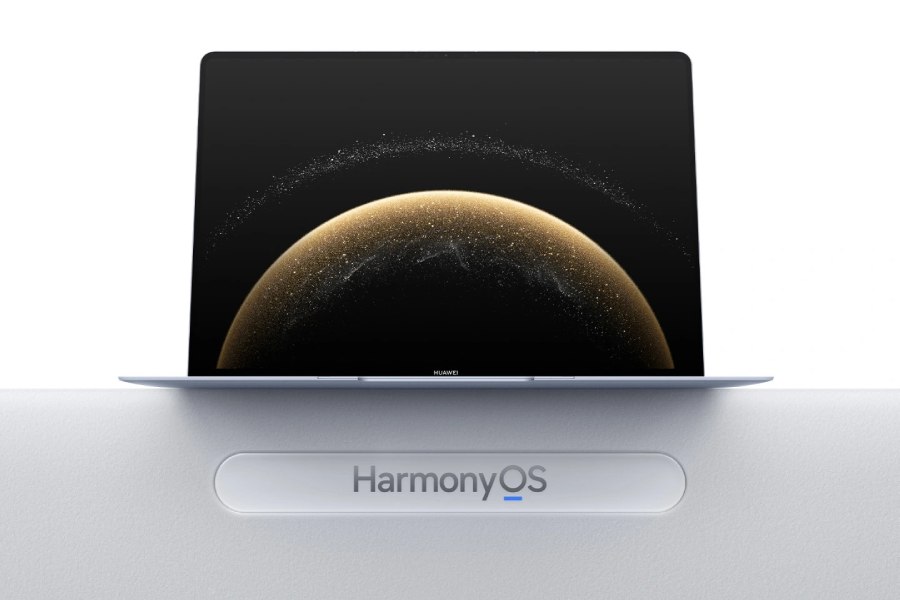
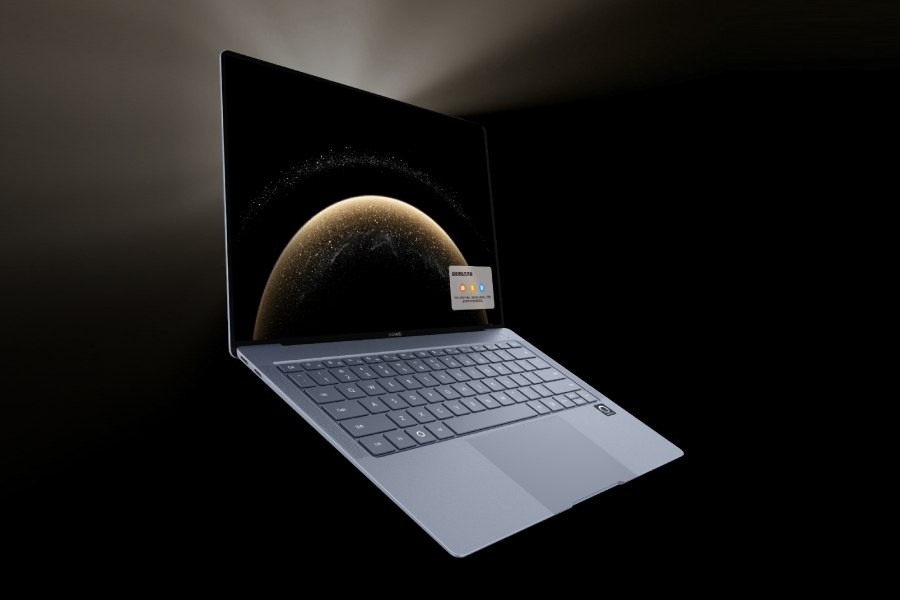
Huawei has introduced a new commercial laptop under its Qingyun series, dubbed the HM940. It’s the first time that a Qingyun commercial laptop is shipping with the company’s own HarmonyOS preinstalled. Until now, Qingyun devices typically ran Windows or a Linux-based system.
Design-wise, the Qingyun HM940 doesn’t deviate much from previous Qingyun notebooks. It comes in two standard color options: Clear Blue and Inkstone Black, with a clean and minimal design. The only real giveaway that anything has changed is that the keyboard now has a distinct AI key.
Measuring 310 x 222 x 13.5mm and weighing just 970g, the laptop is built for portability. It features a 14.2-inch OLED anti-reflective display with a sharp 3120 x 2080 resolution and peak brightness up to 1000 nits.
The panel supports a 93% screen-to-body ratio, full sRGB coverage, and a P3 wide color gamut. Touch input is supported with 10-point recognition, though the refresh rate remains capped at 60/120Hz static.
Inside Huawei Qingyun HM940
Huawei is mum on the chip powering the device, but it confirms that it has a dedicated graphics unit. Based on HarmonyOS, the HM940 takes advantage of Huawei’s Super Celia Business AI suite. This includes tools like automated PPT and mind map generation, image-based text extraction, voice commands, and app syncing with Huawei phones.
Other features include the so-called “Hand-eye Coordination” that allows the keyboard and cursor to follow your gaze across connected devices, and a “Super Privacy Switch” that disables the camera, microphone, and location with a physical toggle.
The laptop carries a 70Wh lithium polymer battery and supports fast charging with a 140W dual-core charger. Huawei claims the device can hit 70% charge in 30 minutes and even offers 66W reverse charging. Port selection includes two USB-C ports (10W max output) and one USB-C port (66W output).
It is available in configurations including 24GB or 32GB of RAM and either 512GB or 1TB of internal storage. Connectivity options cover Wi-Fi 7, Bluetooth 5.2, and Nearlink. The sound system includes six speakers and four microphones, powered by Huawei SOUND.
Huawei didn’t reveal the device’s price at the event.
For more daily updates, please visit our News Section.
Stay ahead in tech! Join our Telegram community and sign up for our daily newsletter of top stories!
Most of the flagship phones powered by the Snapdragon 8 Elite are already official. So, if you’re looking ahead to what’s next in the Android performance race, Qualcomm just gave us a date to circle on the calendar.
During the Computex 2025 keynote, Qualcomm president and CEO Cristiano Amon announced that this year’s Snapdragon Summit will take place from September 23 to 25 in Hawaii.
Snapdragon 8 Elite 2 in September 2025?
You probably know what to expect from this event. The Snapdragon Summit has consistently been the venue for Qualcomm’s next-gen smartphone chip announcements, and this year will be no different. As a result, we are expecting the Snapdragon 8 Elite 2 at the event.
But smartphones won’t be the only focus. Amon also teased the debut of Qualcomm’s next-gen Snapdragon X chipset for PCs, though he stopped short of providing further details.
As for the Snapdragon 8 Elite 2, the chip is expected to bring significant performance upgrades over its predecessor. The CPU is expected to run at a base frequency of 4.4GHz, slightly higher than the previous model’s 4.32GHz.
Additionally, the new chip will feature a second-generation, self-developed CPU architecture, and the GPU’s dedicated cache might increase from 12MB to 16MB.
In terms of manufacturing, the Snapdragon 8 Elite 2 will use TSMC’s third-generation 3nm process. This is expected to bring 4% performance improvement while reducing power consumption by 9%, compared to the previous generation, without altering clock speeds.
The chip might also integrate the new SME instruction set (part of the Arm64 architecture) that will enhance multimedia and graphics processing capabilities.
The Xiaomi 16 series is expected to be the first to launch with the 8 Elite 2. That includes the Xiaomi 16 and 16 Pro, but they won’t be alone for long. Several devices like the Redmi K90 Pro, Realme GT 8 Pro, OnePlus 14, iQOO 14, Xiaomi 16 Ultra, Vivo X300 Ultra, and the Oppo Find X9 Ultra are expected to follow suit.
For more daily updates, please visit our News Section.
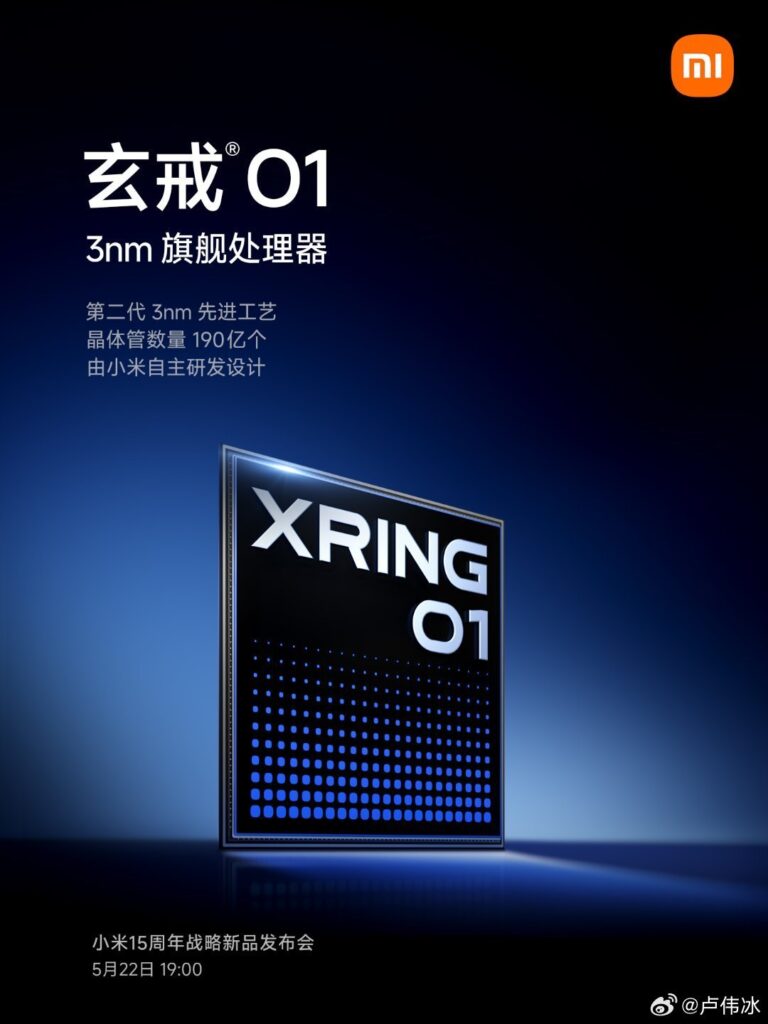
Xiaomi officially announced with its self-developed XRing O1 a couple of days ago, marking its entry into the smartphone chipset segment. After years in the making, this chip marks a significant milestone for Xiaomi, positioning them as the fourth global smartphone brand and the second in China to develop its own System on Chip (SoC). So here’s everything you need to know about this proprietary chipset.
XRing O1 is built with 3nm process
A Decade in the Making
The development of the XRing O1 represents a substantial investment and commitment by Xiaomi to enhance its technological capabilities. As per recent reports, the chip has been in development for 10 years now. In other words, this is a long project that showcases Xiaomi’s efforts in getting more control over its supply chain and optimizing its products.
Cutting-Edge Technology
The XRing O1 is apparently built on TSMC’s advanced 3nm node. The advanced process suggests that the Chinese tech giant aims on offering performance, whilst not compromising on power efficiency. It is an octa core processor with a 1+3+4 configuration:
One high-performance Cortex-X925 core clocked at 3.2GHz.
Three Cortex-A725 cores at 2.6GHz.
Four Cortex-A520 efficiency cores at 2.0GHz.
For graphics, the XRing O1 uses an Imagination Technologies IMG DXT72 GPU clocked at 1.3GHz. This GPU is rumored to outperform the Adreno 740 found in the Snapdragon 8 Gen 2, indicating a strong emphasis on gaming and visual performance.
Performance Benchmarks
While the Xring has yet to be seen in action in real world tests, a recent GeekBench sighting hinted at its horsepower. However, the popular benchmarking platform painted a slightly different picture regarding the core configuration and GPU:
2x high-performance cores at 3.90GHz
4x performance cores at 3.40GHz
2x efficiency cores at 1.89GHz
2x additional efficiency cores at 1.80GHz
GPU: Mali-G925 Immortalis
The Xring O1 also managed to get a score of 2413 points in the single core test and 8068 points in the multi core test.
So what phone will it debut on?
The XRing O1 will debut in the Xiaomi 15S Pro, a which is an upcoming flagship phone designed for performance. This model was spotted in China’s 3C certification, and it was later confirmed by the brand’s official teasers. As Xiaomi moves to its in-house smartphone chip, it might be able to offer more competitive pricing on this device or in future models as it bypasses established chipmakers like Qualcomm and MediaTek.
For more daily updates, please visit our News Section.
Xiaomi has recently confirmed that its upcoming Civi 5 Pro smartphone will be launching in May. With the company’s 15th Anniversary event scheduled for May 22, it is widely expected that the phone will be unveiled during the celebration.
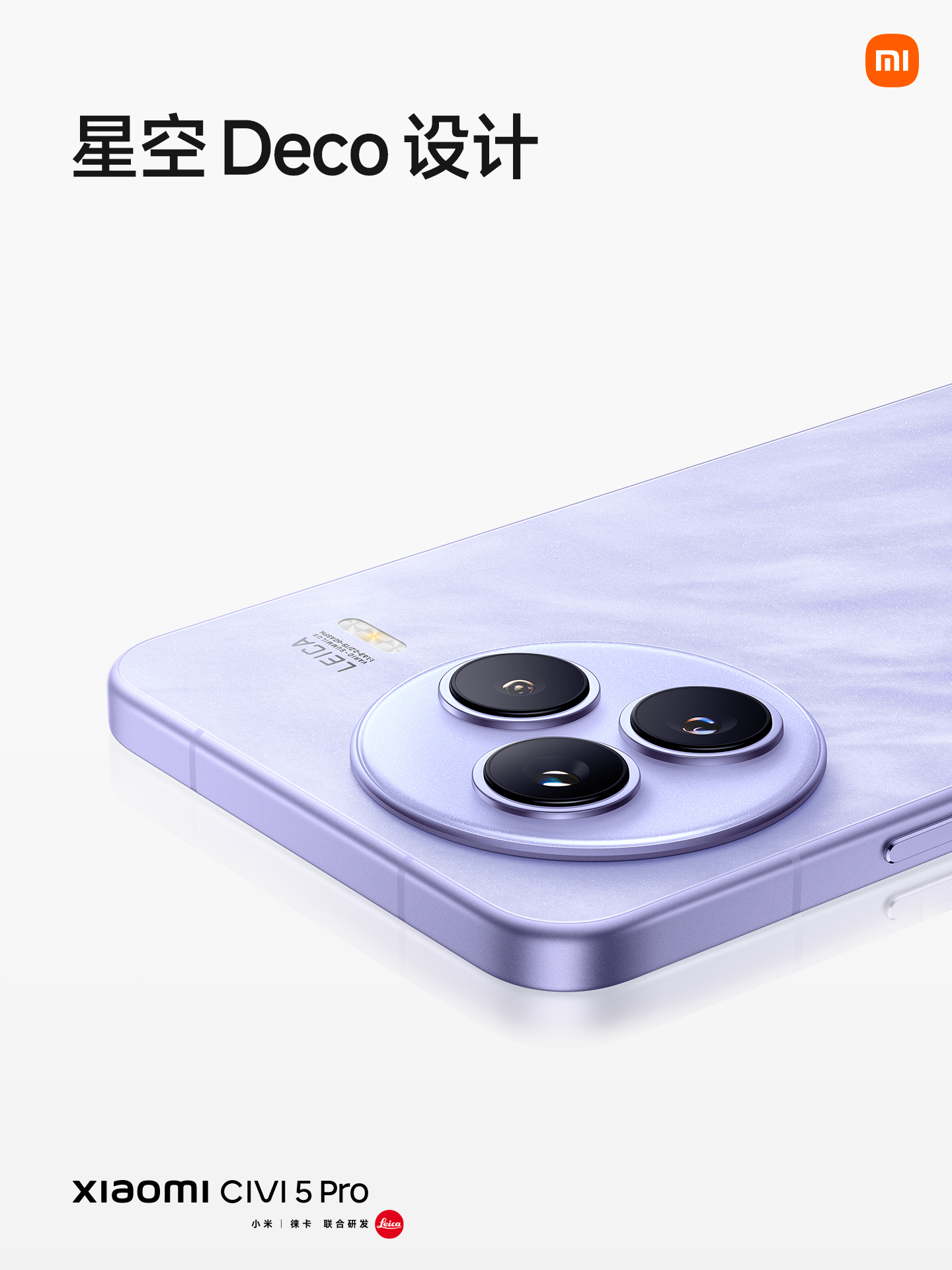
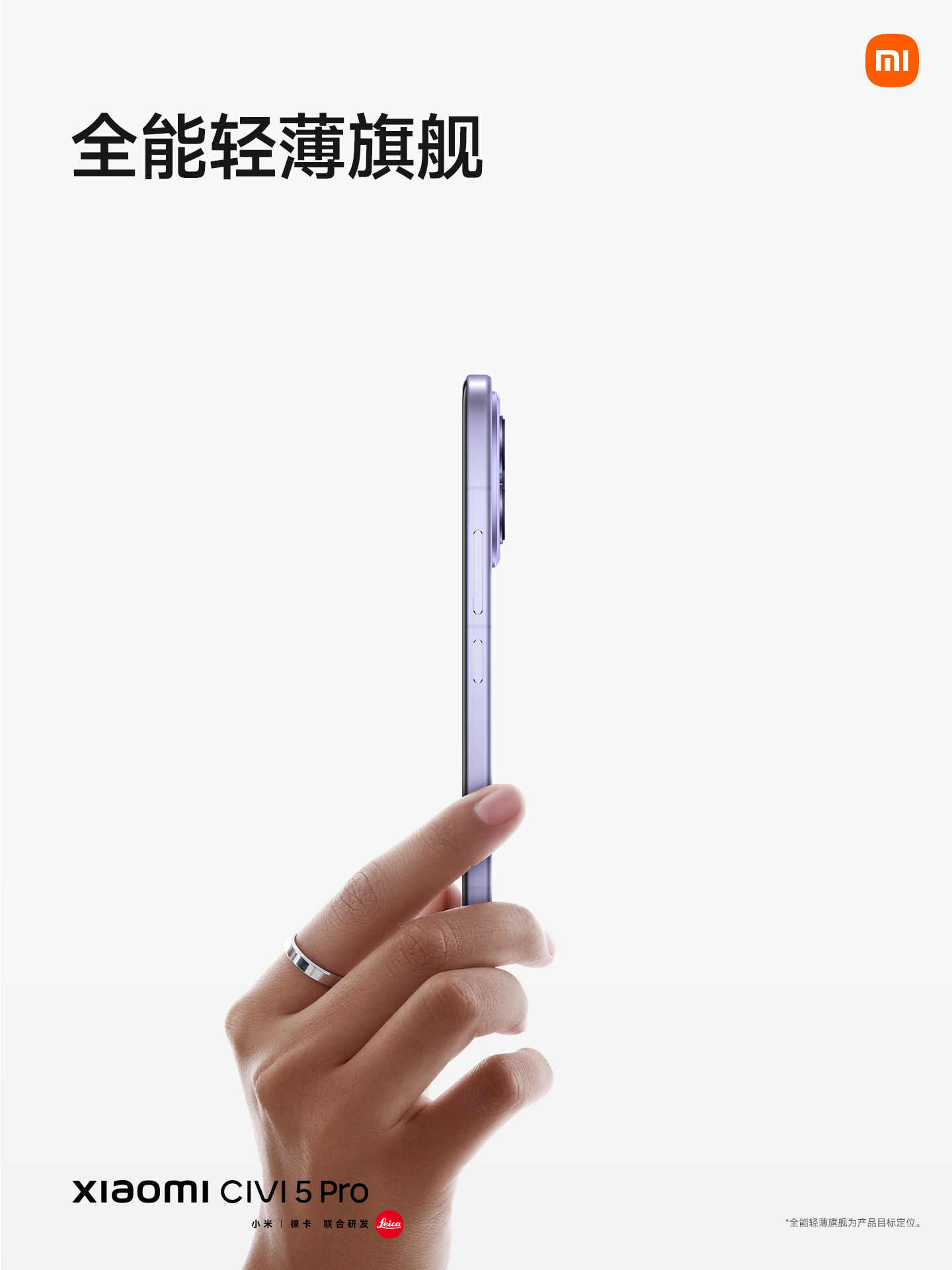
The Civi 5 Pro will be available in four colors: Nebula Purple, Sakura Pink, black, and white. The Nebula Purple version uses a new Nebula Quicksand process that etches millions of star-like particles using nano-level tech. The Sakura Pink variant is designed to look like spring cherry blossoms. The black and white options are simple and clean.
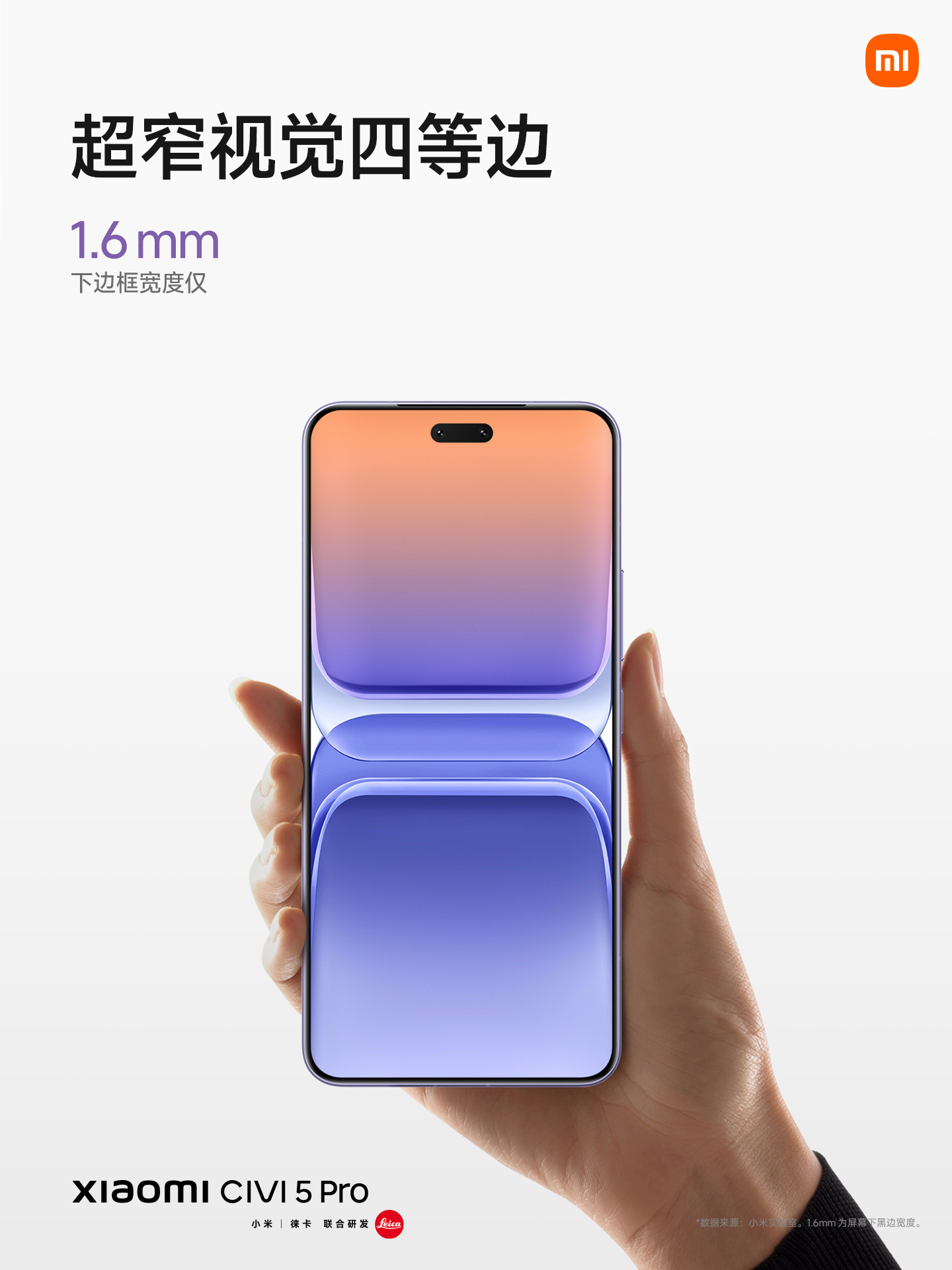
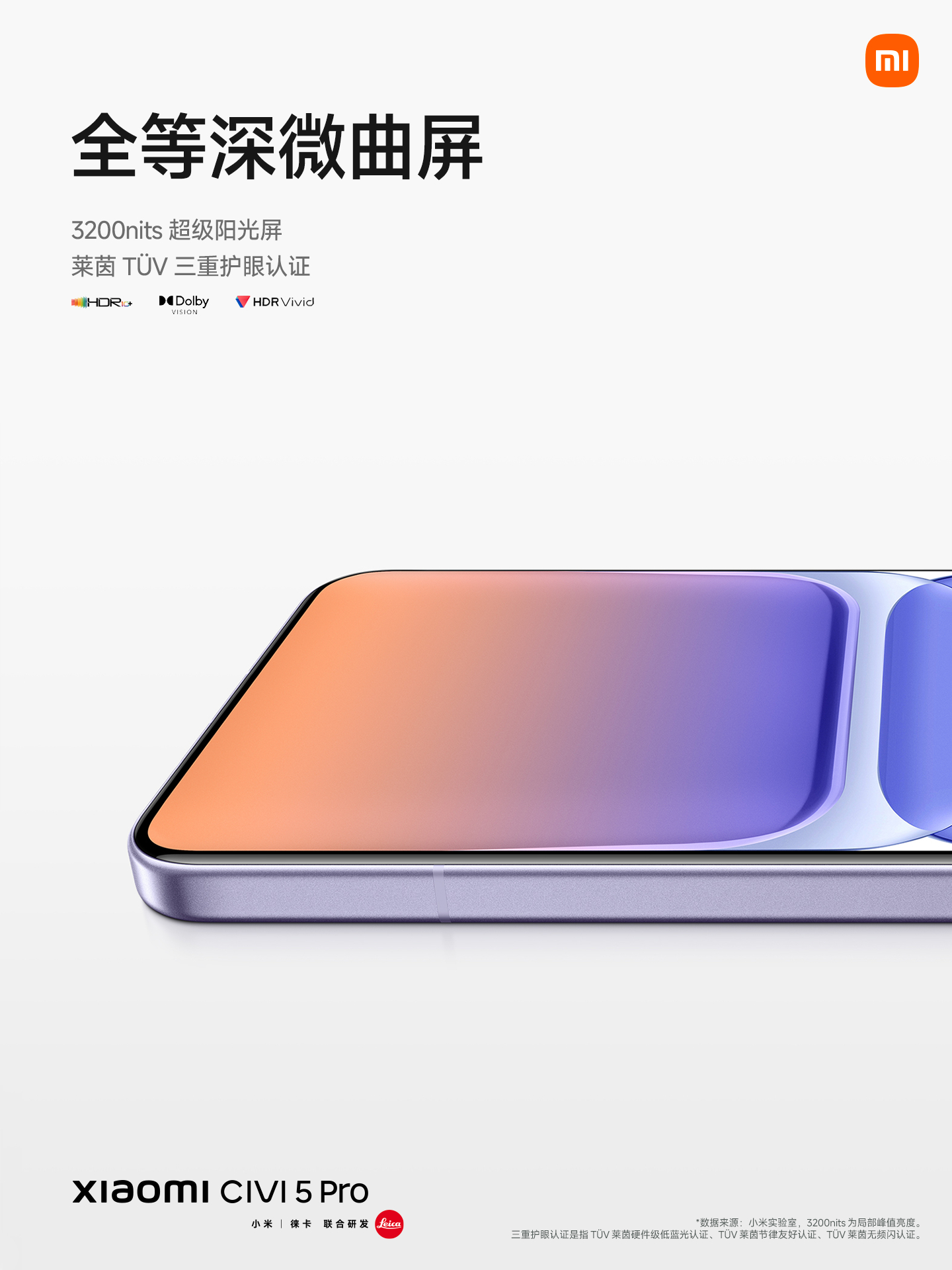
The phone has a 6.55-inch OLED micro-curved screen with a resolution of 1.5K and a 120Hz refresh rate. It supports HDR10+ and Dolby Vision. The peak brightness goes up to 3200 nits. The bottom bezel is just 1.6mm thick.
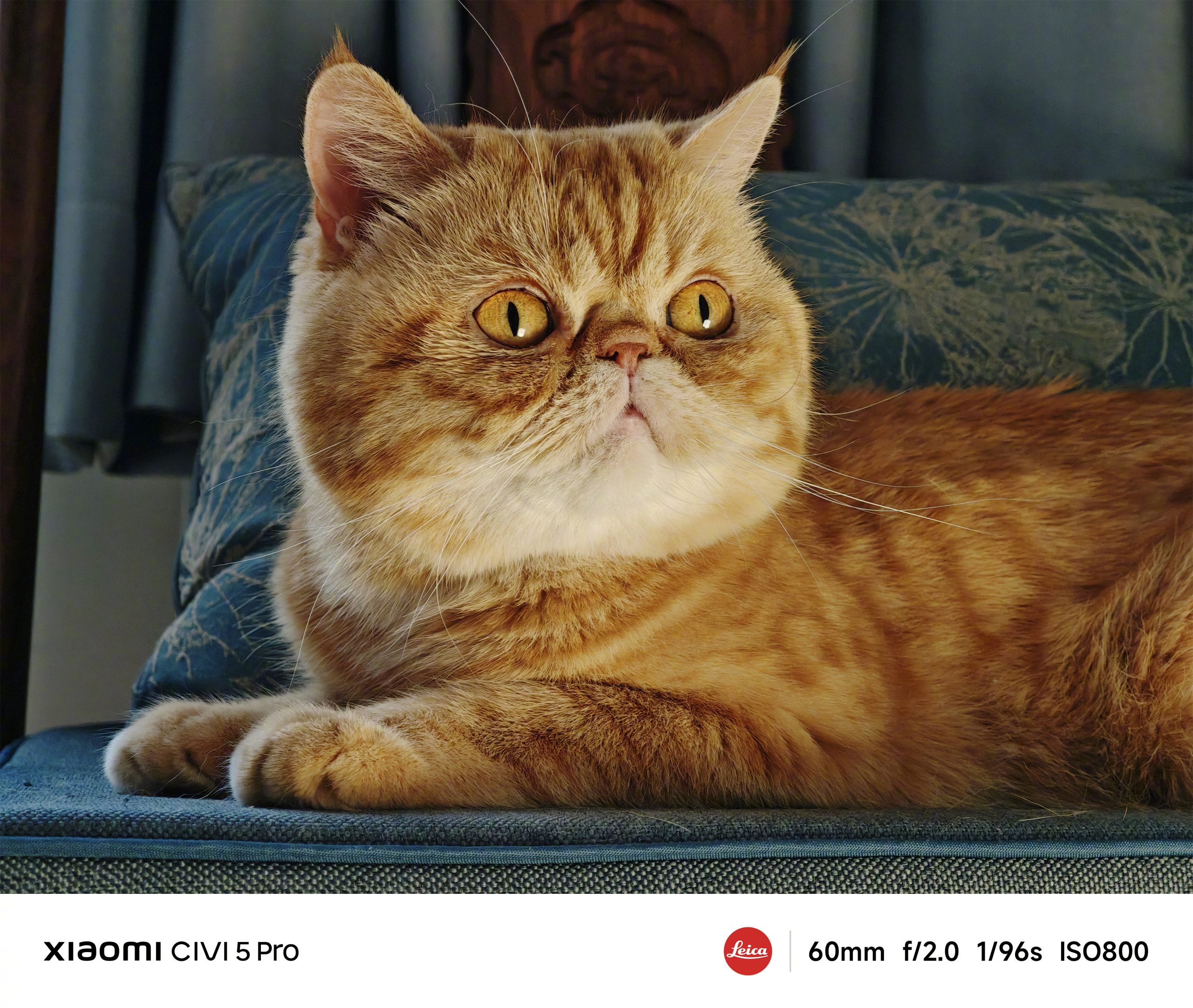
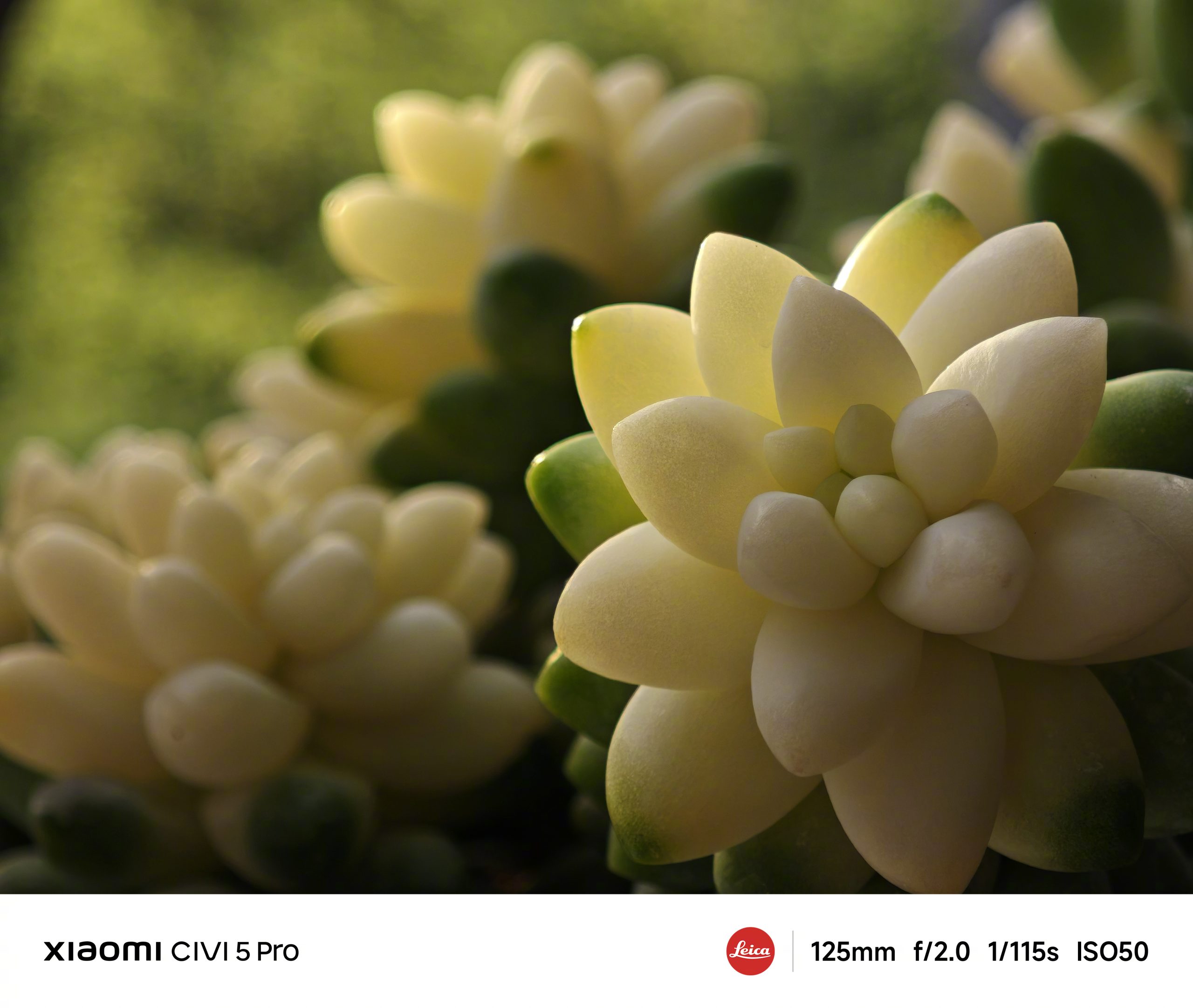
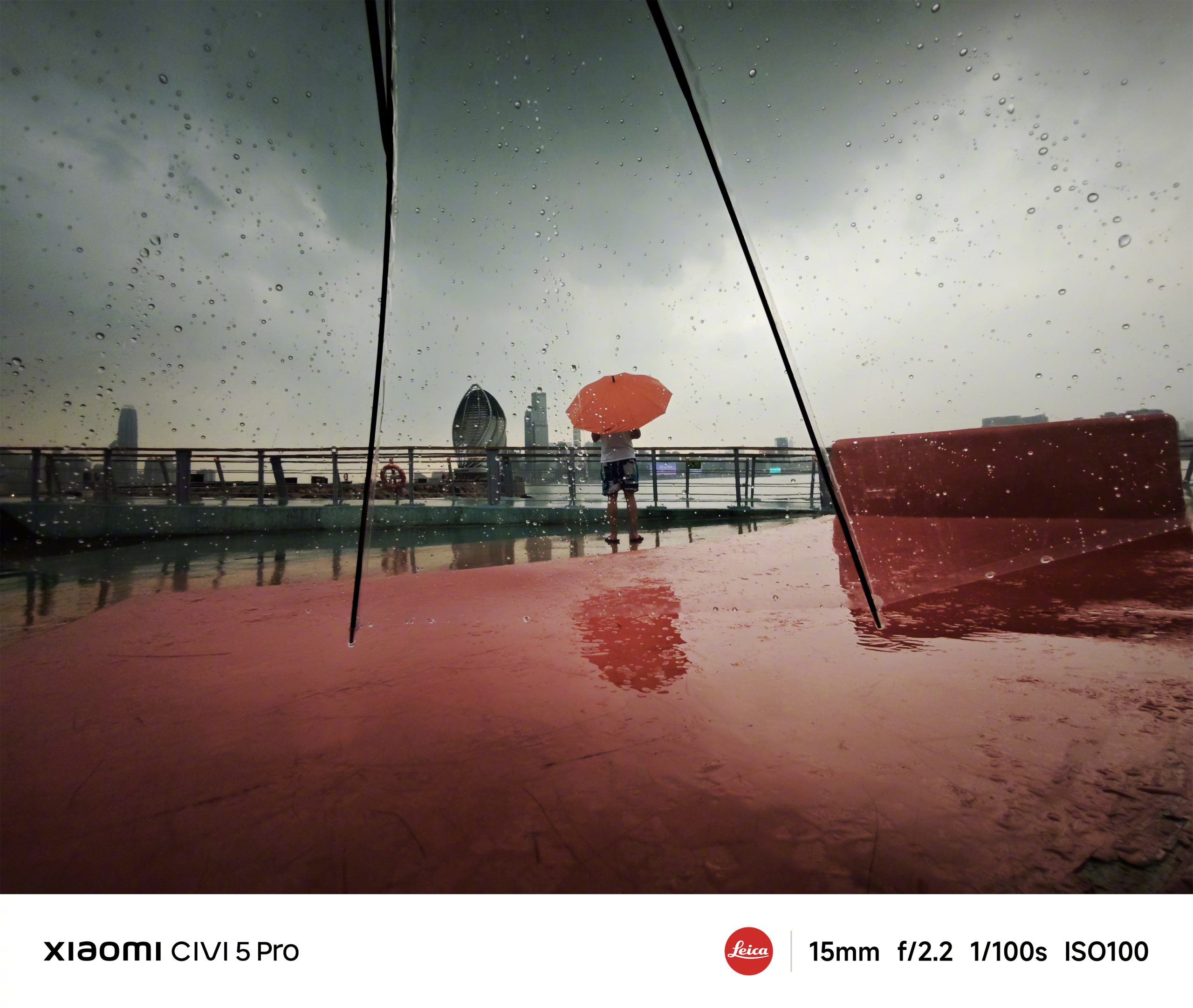
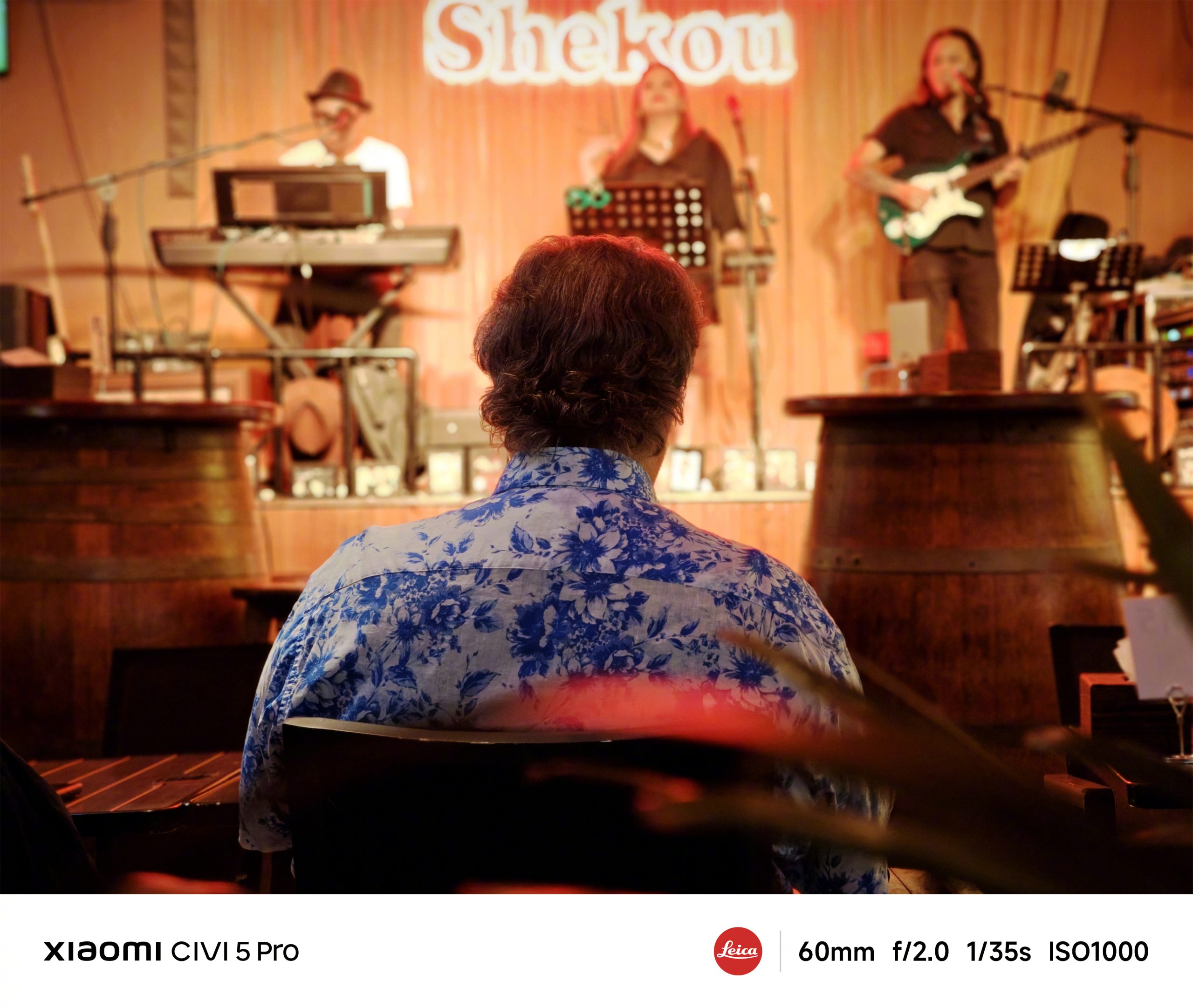
On the back, the phone features a triple-camera setup with Leica branding. It has a 50MP main camera with an f/1.63 aperture, a 12MP ultra-wide lens with a 15mm focal length and f/2.2 aperture, and a 50MP Leica floating telephoto lens with a 60mm focal length. The telephoto camera supports 2.2x zoom and can also be used for tele-macro shots. This is the first time Xiaomi is using a Leica floating telephoto lens.
The front camera is a 50MP sensor developed by Samsung. It uses a new ultra-transparent nano-prism to boost light sensitivity by 25%. Xiaomi says this will improve selfie quality, especially in low light. The company has shared photo samples from both the telephoto and front cameras.
The Civi 5 Pro runs on the Snapdragon 8s Gen 4 processor. A Geekbench listing confirms a model with 16GB RAM, and a 12GB version is also expected. The battery is 6000mAh, up from 4700mAh in the previous model. It supports 67W fast charging, as confirmed by 3C certification.
Xiaomi’s 15th anniversary launch event is set for May 22 at 7 PM, where it will also showcase other major new products, including the debut of Xiaomi’s self-developed Xring 01 mobile chip, powering the new Xiaomi 15S Pro flagship phone.
Nothing Phone (2a) Plus was launched early last year at Rs 29,999, featuring exceptional features. However, the smartphone has grabbed a big discount, as it is now retailing for the price of Rs 19,950 for the 8GB RAM and 256GB storage variant. It is exclusive of any bank discount, aka you can save up to Rs 2000 via credit cards. The discount seems time-limited and may fade away.
If you have an Amazon ICICI Bank credit card, you can get Rs 997 cashback, or up to Rs 2000 instant discount on Federal Bank Credit cards.
Nothing Phone (2a) Plus smartphone comes with a 6.7-inch AMOLED display that offers up to 120Hz refresh rate, 700 nits maximum typical brightness, and a 20:9 aspect ratio. It is protected with Corning Gorilla Glass 5 and features Always on Display feature support.
Further, it is powered with MediaTek Dimensity 7350 Pro, Mail G610 MC4, and couples up to 12GB/256GB RAM and Storage. In the camera section. The smartphone features a dual 50MP primary sensor and an Ultrawide camera along with an LED flash on the rear side. There’s a 50MP primary sensor on the front for selfies and video calling.
In connectivity, there’s support for WiFi 6, Bluetooth 5.3, GPS, 360-degree NFC, and a USB Type-C 2.0. A 5000 mAh battery sites with 50W fast wired charging. It is available in Black, and Grey color options. There’s a fingerprint under display, accelrometer, gyro, proximity, and compass.
HP has launched the 2025 Star Book Pro 13 laptop in China. The new model is now listed on JD.com and features AMD’s latest Ryzen AI 7 H 350 processor, 32GB of LPDDR5X RAM, and a 1TB PCIe 4.0 SSD. The laptop is priced at 6,999 yuan (approx. $970).
HP Star Book Pro 13 Specifications
The Star Book Pro 13 targets users who need a lightweight and powerful machine for work or study. It weighs just 1.02 kilograms and features a slim 16.5mm profile. HP uses a magnesium-aluminum alloy for the chassis to improve durability while keeping the weight down.
It runs on AMD’s third-generation AI processor, which includes a hybrid Zen5 + Zen5c architecture. The Ryzen AI 7 H 350 packs 8 cores and 16 threads, with a maximum single-core boost of 5.0GHz. It integrates a Radeon 860M GPU based on the RDNA 3.5 architecture and features the XDNA 2 NPU for up to 50 TOPS of AI computing power.
The laptop is equipped with 32GB of LPDDR5X RAM running at 7500MHz in a dual-channel setup. It also includes a 1TB PCIe 4.0 NVMe SSD for storage.
The laptop features a 13.3-inch 2.5K IPS display with a 2560 × 1600 resolution, 100% sRGB color coverage, and a peak brightness of 400 nits. It uses DC dimming and an anti-glare coating to minimize eye strain. The screen adopts a 16:10 aspect ratio, with slim bezels and a 90% screen-to-body ratio.
The Star Book Pro 13 comes with a 5MP IR webcam that supports Windows Hello facial recognition. It also features AI-assisted tools such as background blur and auto white balance. HP tunes the audio system with Poly Studio and supports DTS stereo surround sound. The keyboard includes two levels of backlighting and a large touchpad.
In terms of connectivity, it includes two USB-C ports with full-function support, one USB-A (10Gbps), one USB-A (5Gbps), HDMI 2.1, a 3.5mm audio jack, Wi-Fi 6E, and Bluetooth. The laptop supports 100W PD fast charging and claims a battery life of up to 11.75 hours under the MM25 benchmark.
The Star Book Pro 13 ships with Windows 11 and includes Microsoft Office Home Edition. HP also bundles its E-Care support package with the device. The laptop is available in Ceramic White and Moonlight Silver finishes.
While Apple Intelligence isn’t as impressive as it was made out to be, the company isn’t giving up on artificial intelligence. The brand is already working with OpenAI to integrate advanced AI capabilities, but it seems like future AI plans might give Apple some trouble.
Apple may face scrutiny for AI deal with Alibaba
The Cupertino based giant has plans to introduce more AI models, and this might involve the Chinese giant, Alibaba. However, this deal has unsurprisingly raised alarms for US lawmakers who are wary of the Apple-Alibaba partnership. According to The New York Times report, a source claimed that White House officials and members of the House Select Committee on China are asking Apple executives about this collaboration.
The primary cause of concern seems to revolve around data and in what capacity it would be shared with Alibaba. It seems like Apple is also being questioned about possible commitments that it might have made with Chinese regulators. The iPhone maker’s answers may have been unsatisfactory, as the source claimed that Apple execs could not answer most of these questions. This would likely lead to Apple facing increased scrutiny in the AI deal with Alibaba.
Apple aims to bring more AI models to Apple Intelligence. But so far, only OpenAI’s ChatGPT seems to be the only available option. Working with Chinese companies raises concerns over national security, particularly around data security, data privacy, and more. Earlier this year, a rumor had also surfaced of Apple turning to DeepSeek to bring Apple Intelligence for the iPhones sold in China, which is against sharing its citizens’ data with a foreign AI model.
For more daily updates, please visit our News Section.
Qualcomm announced the Snapdragon 8s Gen 4 chipset in April 2025. In case you’re wondering why it is called Snapdragon 8s Gen 4, not Snapdragon 8s Elite, it is because the chip does not have Oryon cores. This is perhaps the second Qualcomm mobile chipset after the Snapdragon 8 Elite to come with all big CPU cores.
The Snapdragon 8s Gen 4 is a sub-premium chipset that offers high-end performance while being lighter on the pocket. The Snapdragon 7s Gen 3 and 8s Gen 3 have been a hit from Qualcomm; therefore, we’re seeing more such chips from the brand. Here, we’ll look at the Snapdragon 8s Gen 4 benchmark scores to see its raw performance.
Note: The following benchmark tests were conducted on the Redmi Turbo 4 Pro (powered by Qualcomm Snapdragon 8s Gen 4).
Snapdragon 8s Gen 4 AnTuTu score
AnTuTu v10
2,050,881
CPU
460,339
GPU
852,942
Memory
410,236
UX
327,364
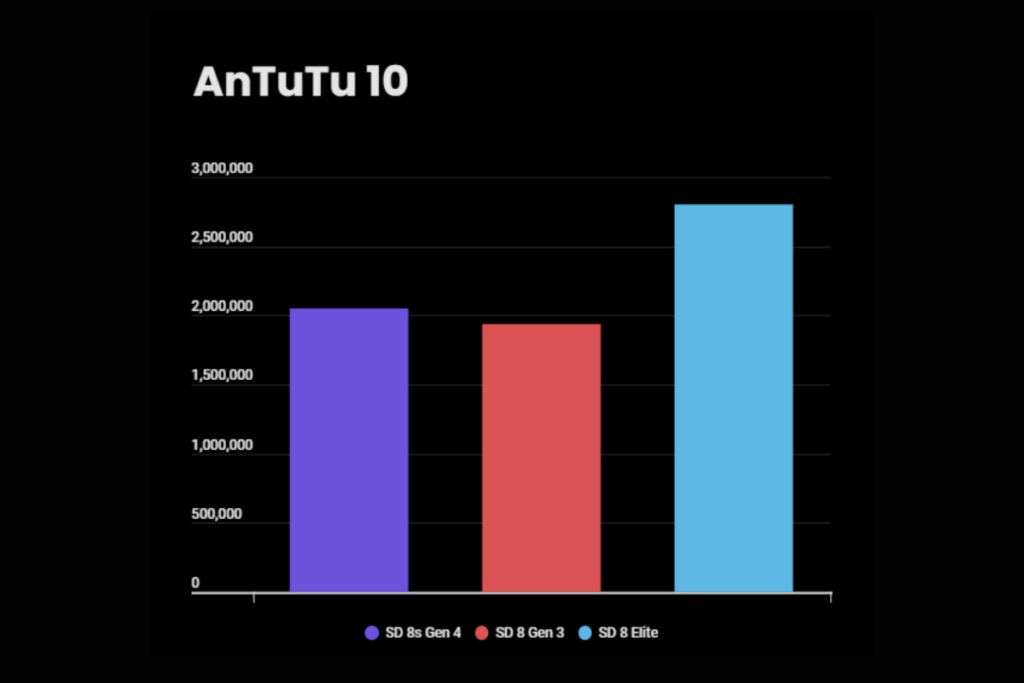
The overall AnTuTu score of Snapdragon 8s Gen 4 is obviously lower than Snapdragon 8 Elite’s 2.8 million+, but it beats the Snapdragon 8 Gen 3.
The Snapdragon 8s Gen 4 posts an impressive AnTuTu score of 2.05 million, which is higher than the Snapdragon 8 Gen 3’s 1.93 million score. That’s a 6% performance jump, which suggests Qualcomm is pushing the 8s series closer to flagship territory while keeping thermals and cost more manageable.
However, it’s still a fair distance behind the Snapdragon 8 Elite, which tops the chart with a massive 2.8 million score. That’s over 36% higher than the 8s Gen 4, showing just how much more performance Qualcomm is reserving for its true flagship silicon.
Snapdragon 8s Gen 4 Geekbench score
Geekbench v6
Single core
2,041
Multi core
6,833
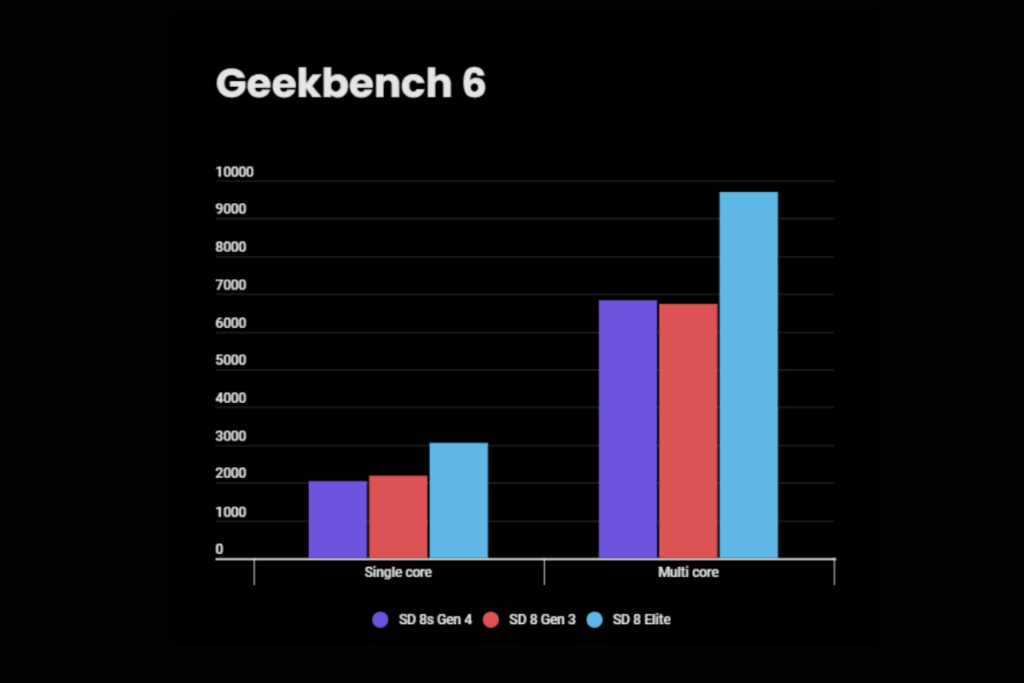
The Snapdragon 8s Gen 4 puts up a solid fight in Geekbench 6, scoring 2,041 in single-core and 6,833 in multi-core tests. That’s just slightly behind the Snapdragon 8 Gen 3, which edges it out with 2185 single-core and 6735 multi-core. Interestingly, while the 8s Gen 4 falls a bit short in single-core performance, it actually outperforms the 8 Gen 3 in multi-core — albeit by a small margin — showing its strength in multitasking and parallel workloads.
Of course, the Snapdragon 8 Gen 4 Elite stands in a league of its own. With a whopping 3056 single-core and 9702 multi-core scores, it completely eclipses both the 8 Gen 3 and 8s Gen 4. That’s over 49% higher in single-core and 42% higher in multi-core compared to the 8s Gen 4.
Snapdragon 8s Gen 4 spec sheet
Snapdragon 8s Gen 4
Announced
April 2025
Manufacturing
4nm (TSMC)
CPU
1 x 3.21 GHz — Cortex-X3 3 x 3 GHz — Cortex-A720 2 x 2.8 GHz — Cortex-A720 2 x 2.02 GHz — Cortex-A720
GPU
Adreno 825 GPU Real-time hardware accelerated ray tracing Global illumination Ray tracing support Snapdragon Elite Gaming features
NPU
Qualcomm Hexagon NPU
Storage/Memory
UFS 4.0 LPDDR5x, up to 4.8GHz
Camera
Spectra triple 18-bit AI ISP Up to 320MP single camera Up to 108MP single camera with zero shutter lag Up to 36MP triple camera with zero shutter lag Real-time semantic segmentation (max 12 layers) Up to 4K/60fps video recording
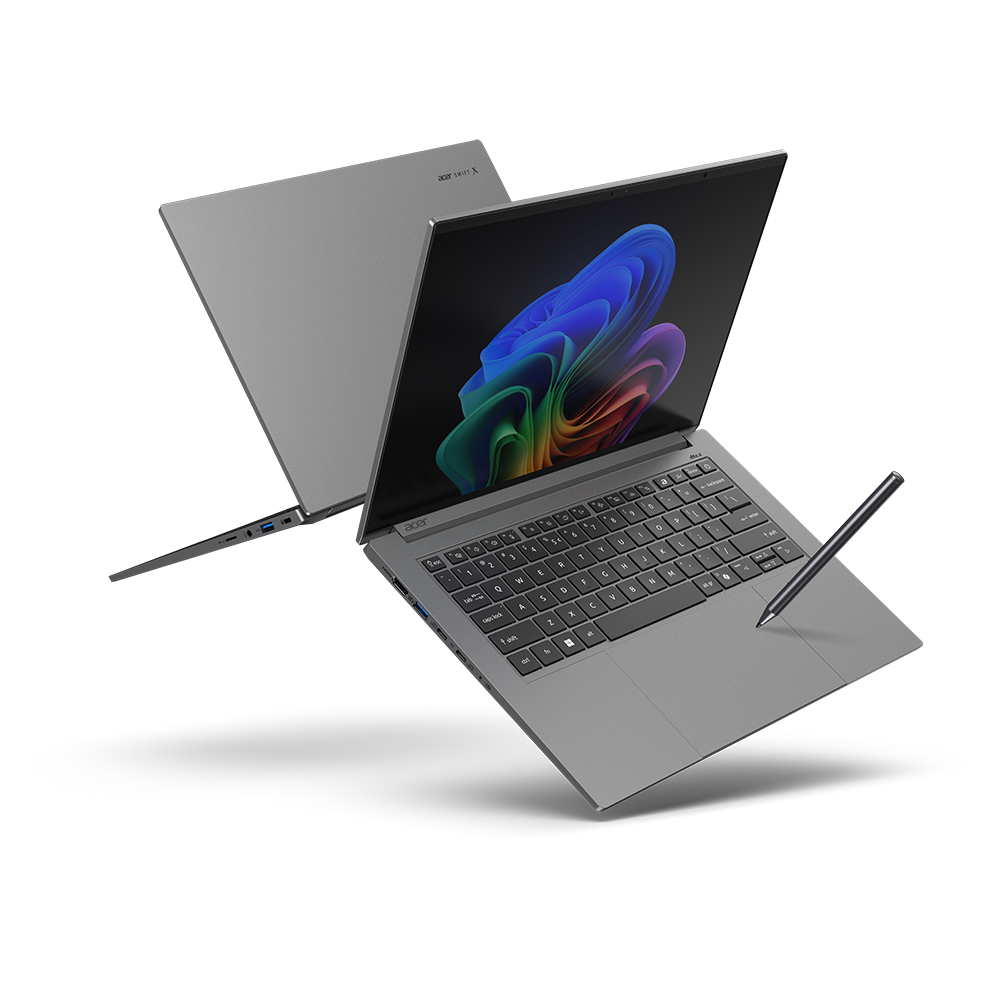
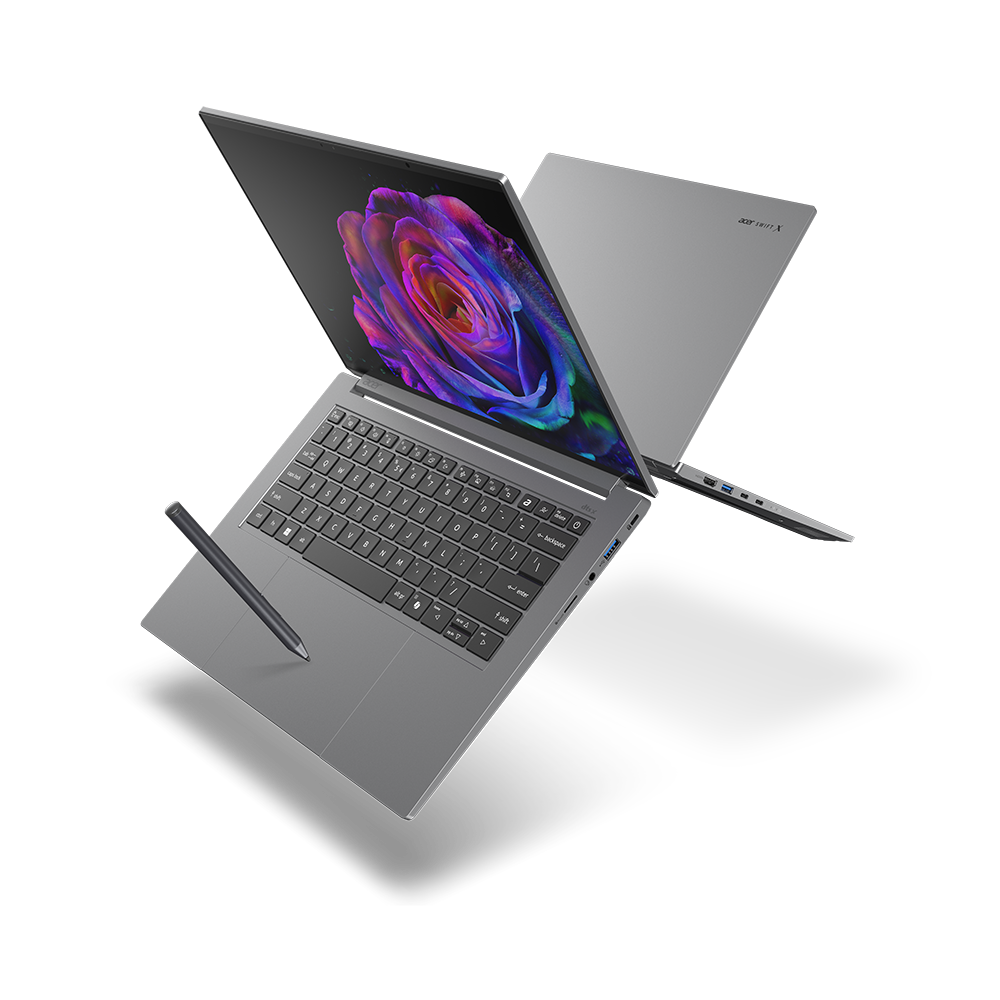
At the recent COMPUTEX 2025 event, Acer has launched the Swift X lineup of laptops, including Acer Swift X 14 AI and the Swift X 14. Both models are built for creators and professionals who need reliable performance, good graphics, and accurate visuals in a lightweight design.
Acer Swift X 14 AI
Swift X 14 AI: AMD Ryzen with AI Acceleration
The Swift X 14 AI (model SFX14-61G) runs on up to an AMD Ryzen AI 9 365 processor with a built-in Neural Processing Unit (NPU) that delivers up to 50 TOPS of AI performance. It includes the NVIDIA GeForce RTX 5070 Laptop GPU based on NVIDIA’s Blackwell architecture. The laptop supports NVIDIA Studio Drivers, DLSS 4, and NVIDIA NIM Microservices, making it suitable for creative work like video editing, rendering, and AI development.
Acer Swift X 14 AI
It features a 14.5-inch OLED touchscreen with a 2880 x 1800 resolution, 16:10 aspect ratio, and 100% DCI-P3 color gamut. The screen is Calman-verified, VESA DisplayHDR TrueBlack 500 certified, and protected by smudge-resistant Corning Gorilla Glass.
This model supports up to 32 GB of LPDDR5X memory and up to 1 TB PCIe Gen 4 SSD storage. It has a 1080p IR webcam, dual microphones, and supports facial recognition. Additional security includes a fingerprint reader and Microsoft Pluton. The device includes DTS:X Ultra speakers, Wi-Fi 6E, Bluetooth 5.4, two USB-C (USB4), two USB-A, HDMI 2.1, a MicroSD card reader, and a 3.5 mm audio jack. The 76 Wh battery supports up to 11 hours of video playback. The laptop weighs 1.57 kg and has an aluminum chassis in Titanium Gray.
Swift X 14: Intel Core Ultra for Multitasking
The Swift X 14 (model SFX14-73G) is powered by up to an Intel Core Ultra 9 processor 285H, with Intel AI Boost capable of up to 13 TOPS. It uses the same NVIDIA RTX 5070 GPU and the same 14.5-inch 3K OLED touchscreen as the AMD version, with identical display specifications.
Acer Swift X 14
It supports up to 32 GB LPDDR5X RAM and up to 1 TB PCIe Gen 4 SSD, with the added option of dual SSD slots. It also has a 1080p IR webcam, dual microphones, DTS:X Ultra audio, and the same port configuration. The battery capacity remains 76 Wh but offers up to 16 hours of video playback. This version supports Intel Killer Wi-Fi 6E and Bluetooth 5.3. It weighs 1.58 kg and features the same aluminum build and color as the AMD model.
Shared Features and Build
Both laptops include a backlit keyboard, a large haptic touchpad with an activity indicator, and a 180-degree hinge. They support MPP 2.5 stylus input and feature Acer’s AI tools like Copilot, PurifiedVoice 2.0, PurifiedView 2.0, User Sensing, and Windows Studio Effects.
Pricing & availability
Both models will be available in EMEA starting July 2025, with prices starting at EUR 1,799. Final configurations and availability may vary by region.
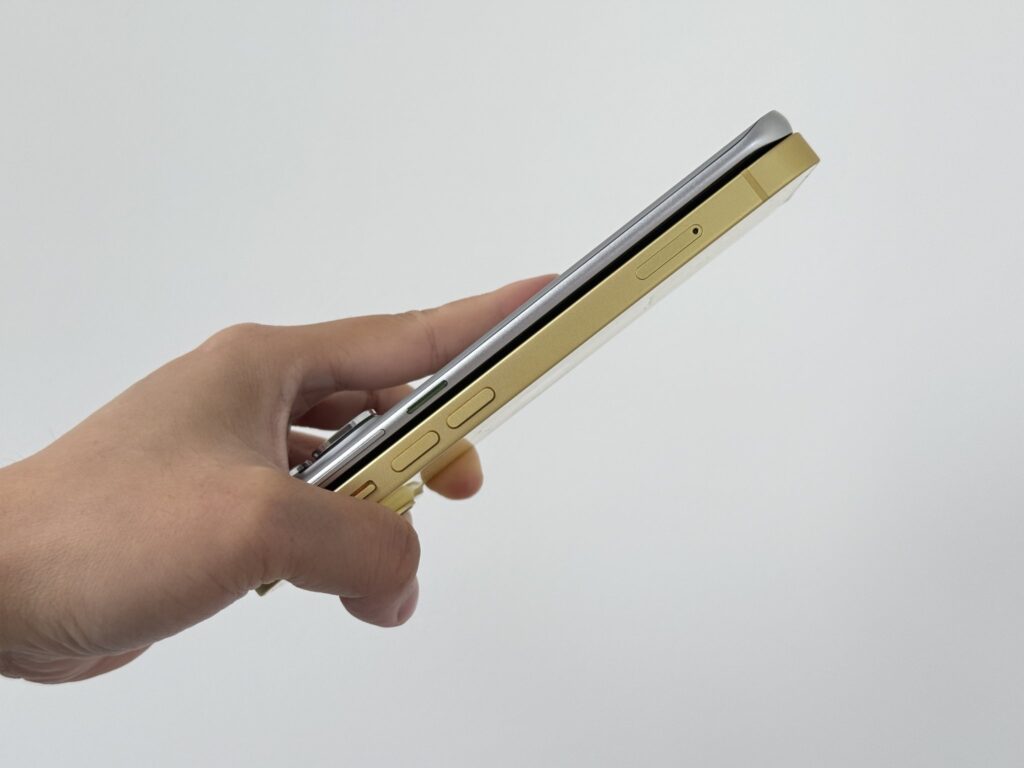
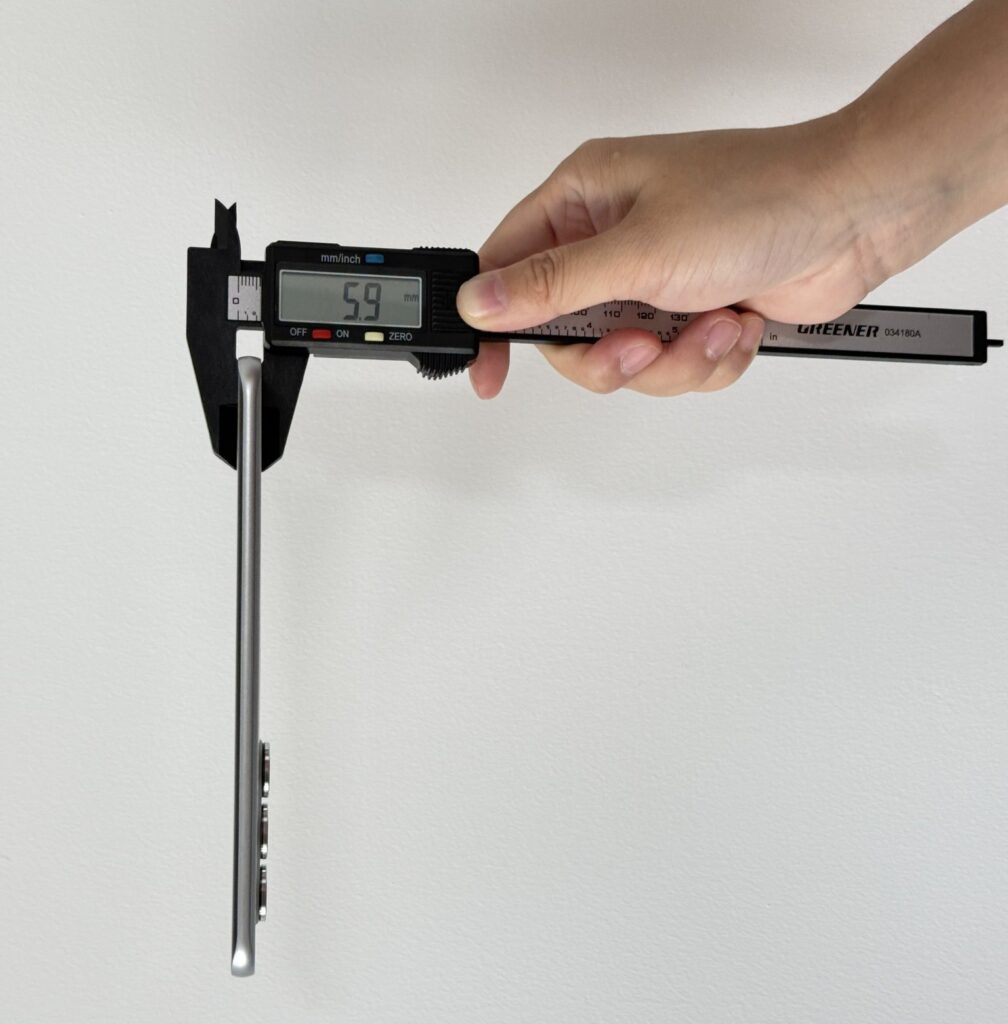
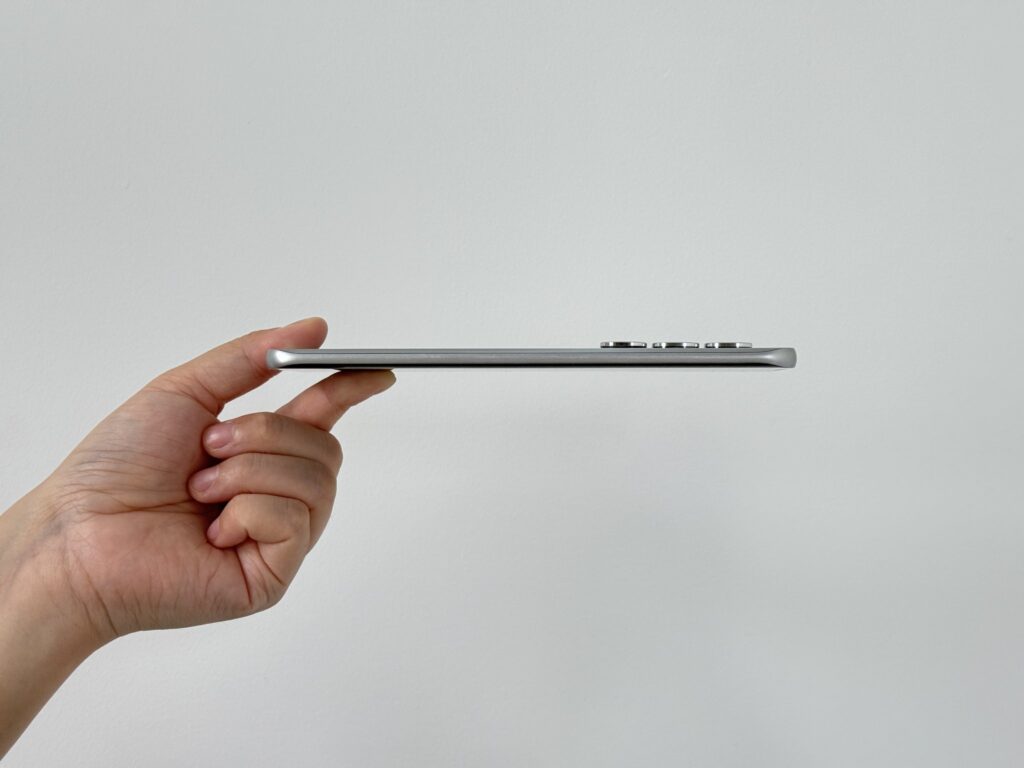
Infinix appears to be chasing the thin-phone trend — and if the latest leak is accurate, it may soon launch the world’s thinnest curved screen smartphone. The upcoming Infinix Hot 60 Pro+ reportedly measures just 5.95 mm in thickness, putting it in the same league as Samsung’s premium Galaxy S25 Edge, but at a far lower price point.
Infinix Hot 60 Pro+ vs iPhone 14
According to well-known leaker UniverseIce, the Hot 60 Pro+ has entered mass production and is being positioned as “the thinnest curved screen phone” yet. Photos of the phone compared to an iPhone 14 (7.8 mm thick) highlight just how slim this Infinix model really is — making it a noteworthy release in the budget segment.
Infinix Hot 60 Pro+ thickness
Chinese brands have long been known to adopt and democratize premium smartphone design trends. Just as they previously embraced Samsung’s curved displays or Apple’s flat sides, Infinix seems to be borrowing a page from the ultra-slim design playbook of the Galaxy S25 Edge. That device, priced at $1,099.99, stands out for its form-first philosophy, targeting a niche audience. By contrast, the Hot 60 Pro+ is expected to retail for under $500, bringing a similarly thin design to a much broader audience.
Of course, there are bound to be compromises. While the Galaxy S25 Edge boasts high-end hardware, the Hot 60 Pro+ will likely stick to mid-range internals — meaning relatively weaker performance, a lower-quality display, and possibly a less capable camera setup. That said, if Infinix manages to maintain solid battery life — possibly through newer silicon-carbon battery tech — the phone could still feel like a premium option for budget-conscious buyers.
Ultimately, the Infinix Hot 60 Pro+ could be a compelling alternative for users who want the cutting-edge look of an $1,100 phone without the price tag. And if the brand gets the balance right, it could signal a wider shift toward ultra-thin designs in the affordable phone market.
Huawei has officially launched the Nova 14 Ultra alongside the Nova 14 and Nova 14 Pro, positioning it as the flagship of the series. It is the world’s first bar-style smartphone to ship with HarmonyOS 5 pre-installed. The Nova 14 Ultra combines premium design with advanced imaging, upgraded AI features, and satellite connectivity. Here’s a closer look at its key specifications.
Huawei Nova 14 Ultra Specifications
The Nova 14 Ultra sports a 6.81-inch OLED display with slightly curved edges and a resolution of 2860×1272 pixels. It uses LTPO technology to support a 1–120Hz adaptive refresh rate, along with 2160Hz high-frequency PWM dimming to help reduce eye strain. The panel reaches a peak brightness of 5,500 nits, ensuring clear visibility in bright environments while maintaining consistent color accuracy across varying lighting conditions.
Huawei has not officially confirmed the chipset inside the Nova 14 Ultra, but early reports indicate it uses a Kirin-series processor. The phone delivers smooth performance across multitasking, AI photography, and real-time processing, thanks to HarmonyOS-level optimizations and enhanced thermal and memory management.
The Nova 14 Ultra is the first non-foldable smartphone to launch with HarmonyOS 5 out of the box. The OS is built on Huawei’s Pangu AI model and incorporates DeepSeek to boost overall system responsiveness. The upgraded Celia assistant supports natural voice interactions, gesture control, and smarter call handling. HarmonyOS 5 also brings built-in editing features like Magic Eraser and AI Magic Cutout for quick, AI-assisted photo adjustments.
The Nova 14 Ultra features a quad-camera system on the back, including a 50MP main sensor with variable aperture (f/1.4–f/4.0) and OIS, a 50MP periscope telephoto lens with OIS and 3.7x optical zoom, a 13MP ultra-wide macro lens, and a 1.5MP multispectral color sensor. All three primary lenses use Huawei’s RYYB color filter. The camera setup supports up to 100x digital zoom. On the front, the phone houses a 50MP ultra-sensitive portrait camera alongside an 8MP zoom portrait lens, which supports 2x optical and 5x digital zoom for detailed selfies and portrait shots.
Both the front and rear cameras support up to 4K video recording and a wide range of shooting modes, including HDR Vivid, night mode, macro video, high-resolution capture, portrait beautification, and AI-assisted photography.
The 14 Ultra offers dual-band Wi-Fi 6E and Wi-Fi 7 support, along with Bluetooth 5.2 featuring LDAC and L2HC audio codecs for high-quality wireless sound. It includes NFC with support for various payment methods and provides dual-mode satellite messaging via BeiDou and TianTong, allowing both text and image-based location sharing. The phone also features a side-mounted fingerprint sensor, stereo speakers enhanced with Huawei Histen audio, and a full set of sensors, including a flicker sensor and an ambient light sensor for better display and camera performance.
The 14 Ultra houses a 5,500mAh battery and supports 100W Huawei SuperCharge Turbo. The phone comes bundled with the new Ice Crystal All-in-One 100W charger, allowing fast top-ups even on the go. It maintains a slim 7.78mm profile and weighs around 204 grams.
Pricing and Availability
The Nova 14 Ultra starts at 4,199 yuan (around $582) for the 256GB Kunlun Glass model. The 512GB variant is priced at 4,499 yuan (around $624), and the 1TB version comes in at 4,999 yuan (around $694). Sales in China begin on May 23, with color choices including Floating Gold, Floating White, Flowing Purple, and Obsidian Black.
For more daily updates, please visit ourNews Section.
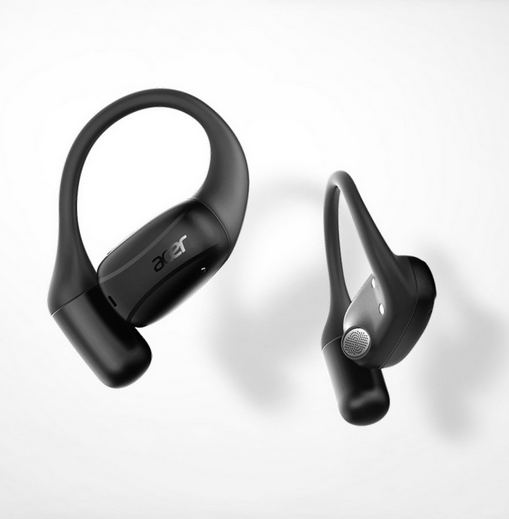
Acer has already announced a series of new AI powered products in the ongoing Computex 2025 event. Among the various launches, the Acer AI TransBuds standout as a pretty handy gadget. These earbuds utilizes artificial intelligence to make multilingual communication easier.
Acer AI TransBuds: Breaking down the language barrier in conversations
The Taiwanese tech giant unveiled the AI TransBuds as a pair of lightweight and compact earbuds that can be paired with a smartphone or tablet via a plug-in receiver. Once connected, the earbuds are capable of real time two way voice translation by employing AI powered technology to allow speech recognition and semantic analysis. This makes it quite useful in breaking down the language barrier in communication.
Acer AI TransBuds
Apart from just real time translation, the Acer AI TransBuds also come with support for live captioning and transcription. In other words, your conversation can be noted down and stored, allowing you to review it later on. The company claims that the AI powered system currently supports 15 major languages that are spoken across Asia, Europe, and even North and South America.
Unfortunately, Acer has yet to announce the pricing and availability details regarding these AI earbuds. In related news, the company also unveiled the Acer FreeSense Ring, which is another AI powered smart ring that will take on the Galaxy Ring and Oura Ring. There was also the new ultra lightweight Swift Edge 14 AI that weighs less than 1kg and has a 3K OLED display. Similarly, the Aspire 16 AI laptops are an AI enabled notebook series that comes in the Intel Core Ultra, AMD Ryzen AI, and Snapdragon X platforms.
For more daily updates, please visit our News Section.
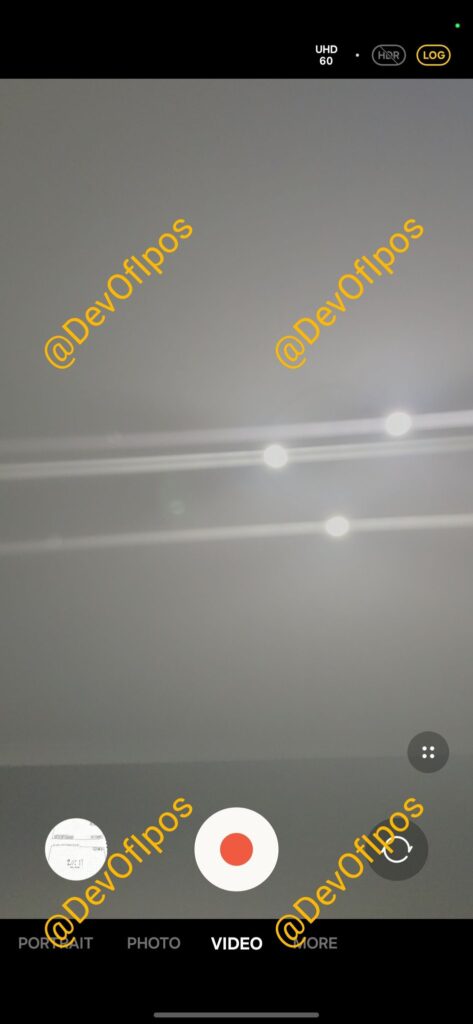
Samsung is expanding its support for Log video capture — and this time, it’s coming to the front-facing camera. The upcoming Galaxy S25 Edge allows users to shoot Log videos using the selfie camera, a first for Galaxy phones. This feature will also likely roll out to other S25 models and potentially select older devices via software updates.
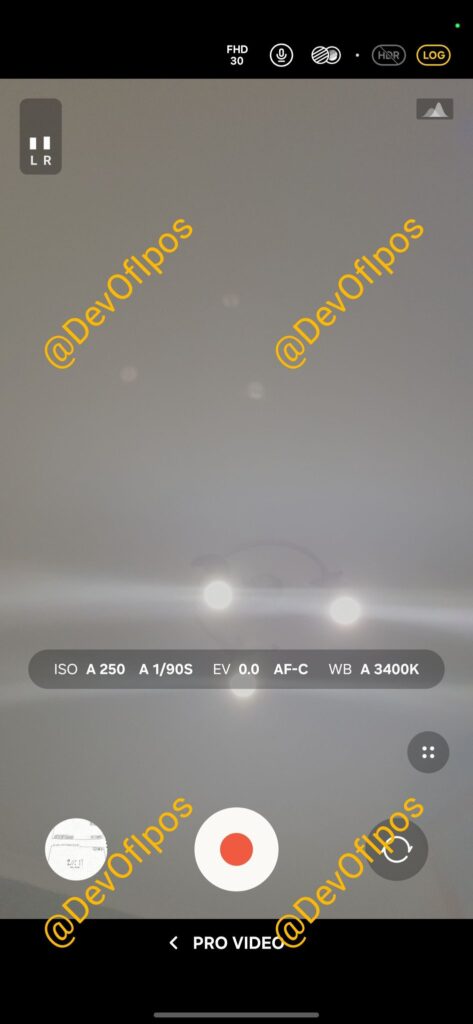
Galaxy S25 Edge has a toggle for Log mode in both Video and Pro Video modes
According to new screenshots shared by @DevOfIpos, the Galaxy S25 Edge has a toggle for Log mode in both Video and Pro Video modes when using the front camera. Log video recording offers greater flexibility for post-processing by capturing a wider dynamic range, though it requires color correction before the footage is ready for viewing. Samsung’s Gallery app can automatically apply color correction using its Edit suggestions, or users can opt for manual grading.
The feature could come with the June SPL update
The new One UI 7 build also includes additional pro-level tools such as False Color and Zebra Pattern exposure indicators. These tools help identify over- or under-exposed areas in a shot, making it easier to nail the exposure before hitting record.
While Log support for rear cameras is already available on the Galaxy S25 and has been backported to the S24 series with One UI 7, selfie camera support is new territory. The screenshots were taken on the Galaxy S25 Edge, which is expected to launch by the end of this month, suggesting this version of One UI 7 could reach other S25 models soon. According to @DevOfIpos, the update may arrive as early as next month, although timelines could vary by model and region.
Interestingly, early One UI 8 builds also hint at selfie Log video support for the upcoming Galaxy Z Fold6 and Z Flip6. However, it remains unclear whether the Galaxy S24 series will eventually gain this capability, leaving some users waiting longer for a feature that could push mobile videography further than ever before.
Huawei has officially entered the foldable laptop category. The company today unveiled the MateBook Fold Ultimate Design, its first commercial notebook with a folding display. But the device is notable in more than one way.
It’s also the first to debut with in-house HarmonyOS for PC with its own chip inside (more on that later). But no prize for guessing, the biggest highlight of the MateBook Fold is its display.
Design and Display
It unfolds to reveal an 18-inch screen with a 3.3K resolution in a 4:3 aspect ratio. Fold it shut, and it becomes a more compact 13-inch machine.
The panel itself uses dual-layer LTPO OLED with a dynamic contrast ratio of 2,000,000:1 and peak brightness of 1600 nits. There’s a carbon fiber support layer under the screen, which is said to triple the display’s impact resistance.
For all its design flexibility, the MateBook Fold doesn’t stray far from Huawei’s broader design language. It weighs 1.16kg and measures just 7.3mm thick when unfolded. It’s still an unusually thin and lightweight machine for this kind of hardware.
The body features a leather finish and is available in three colors: Forged Shadow Black, Sky White, and Cloud Blue. The black variant has a few extra flair to it. It has what Huawei calls a “Forging Shadow Cloud Pattern” on the back with a “Black Gold Waistline” design.
The folding mechanism is also central to the MateBook Fold’s design. It uses what Huawei claims is the industry’s largest folding hinge at 285mm. The hinge has a three-stage shaft with uniform torque to improve both the feel and precision of the opening and closing mechanism.
The hinge itself opens and closes in a water-drop shape, which Huawei says helps reduce stress on the screen when folded. The company is also touting a 400% increase in hovering torque and double the machining accuracy for the spindle.
That hinge has functional benefits, too. It supports flexible angles for ergonomic use, from a barely open 0 degrees up to a stable hover at 150 degrees. The cooling system has been upgraded to match, with a diamond aluminum dual-fan setup and an ultra-thin anti-gravity vapor chamber to help maintain performance under load.
Performance and Software
Under the hood, the MateBook Fold runs on Huawei’s in-house silicon—although details about the specific chip remain vague. It boots on PC, the company’s own operating system.
The latest version, HarmonyOS 5, brings a handful of new features, including “one system, unified ecology,” meant to help unify mobile and desktop experiences.
It supports distributed soft bus interconnection, which allows for higher-speed file sharing and multitasking across devices. Huawei says data transfer speeds can hit 160MB/s, and the system now supports up to four concurrent device connections.
The laptop also introduces a range of touch and gesture controls. You can swipe up to view videos and down to see comments, or cast one part of the screen while interacting with another.
There are also more unusual inputs like five-finger “waterfall screen browsing” and eight-finger taps to bring up the virtual keyboard. It’s not entirely clear how intuitive these gestures are in real-world use, but they mark a clear attempt to differentiate the device’s UI experience from other Windows-based hybrids.
Price and Availability
Huawei has priced the MateBook Fold in the premium bracket. The 32GB + 1TB variant comes in Sky White or Cloud Blue and costs 23,999 yuan (roughly $3,300). The top-tier 32GB + 2TB model in Forged Shadow Black is 26,999 yuan (~$3,720). The device is now available for reservations in China from Vmall.
Acer is the latest brand to compete with Samsung and Oura in the smart ring segment. During the Computex 2025 event, the Taiwanese tech giant unveiled a bunch of new PCs, tablets, monitors, and much more. But one of the more notable announcements was the FreeSense Ring. So here’s everything you need to know.
Acer FreeSense Ring: What makes it special?
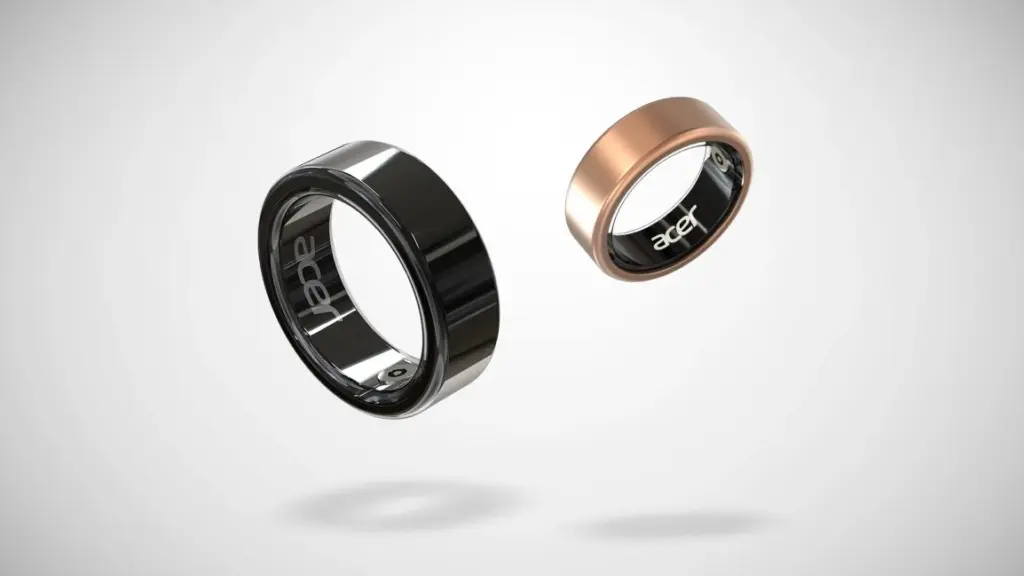
The new smart ring is a first from Acer, bringing advanced health tracking technology and AI features. As per the official announcement, the FreeSense Ring packs biometric sensing features that can track users’ heart rate, blood oxygen levels, heart rate variability, and even sleep quality. It also takes all of this information and makes personalized wellness insights and suggestions.
Acer FreeSense Ring
All of this is packed in a lightweight titanium alloy body that measures around 2 to 3 grams. Users can even buy the FreeSense Ring in sizes ranging from 7 to 13. It is also 5ATM rated for water resistance, allowing you to wear it when swimming (not diving). So the new Acer smart ring is clearly competing with the Oura Ring and Samsung Galaxy Ring.
Acer will release the FreeSense smart ring in two color options, namely Black in a glossy finish and the matte finish Rose Gold. At the moment, the company has yet to announce the pricing and availability details of the new smart ring. But we can expect more details to surface in the upcoming weeks. In related news, Acer just announced the cutting edge Swift Edge 14 AI laptop that weighs less than 1 kilogram and packs a 3K OLED display.
For more daily updates, please visit our News Section.
We use cookies on our website to give you the most relevant experience by remembering your preferences and repeat visits. By clicking “Accept”, you consent to the use of ALL the cookies.
This website uses cookies to improve your experience while you navigate through the website. Out of these, the cookies that are categorized as necessary are stored on your browser as they are essential for the working of basic functionalities of the website. We also use third-party cookies that help us analyze and understand how you use this website. These cookies will be stored in your browser only with your consent. You also have the option to opt-out of these cookies. But opting out of some of these cookies may affect your browsing experience.
Necessary cookies are absolutely essential for the website to function properly. This category only includes cookies that ensures basic functionalities and security features of the website. These cookies do not store any personal information.
Any cookies that may not be particularly necessary for the website to function and is used specifically to collect user personal data via analytics, ads, other embedded contents are termed as non-necessary cookies. It is mandatory to procure user consent prior to running these cookies on your website.